Skip to content

The Sniper Tower

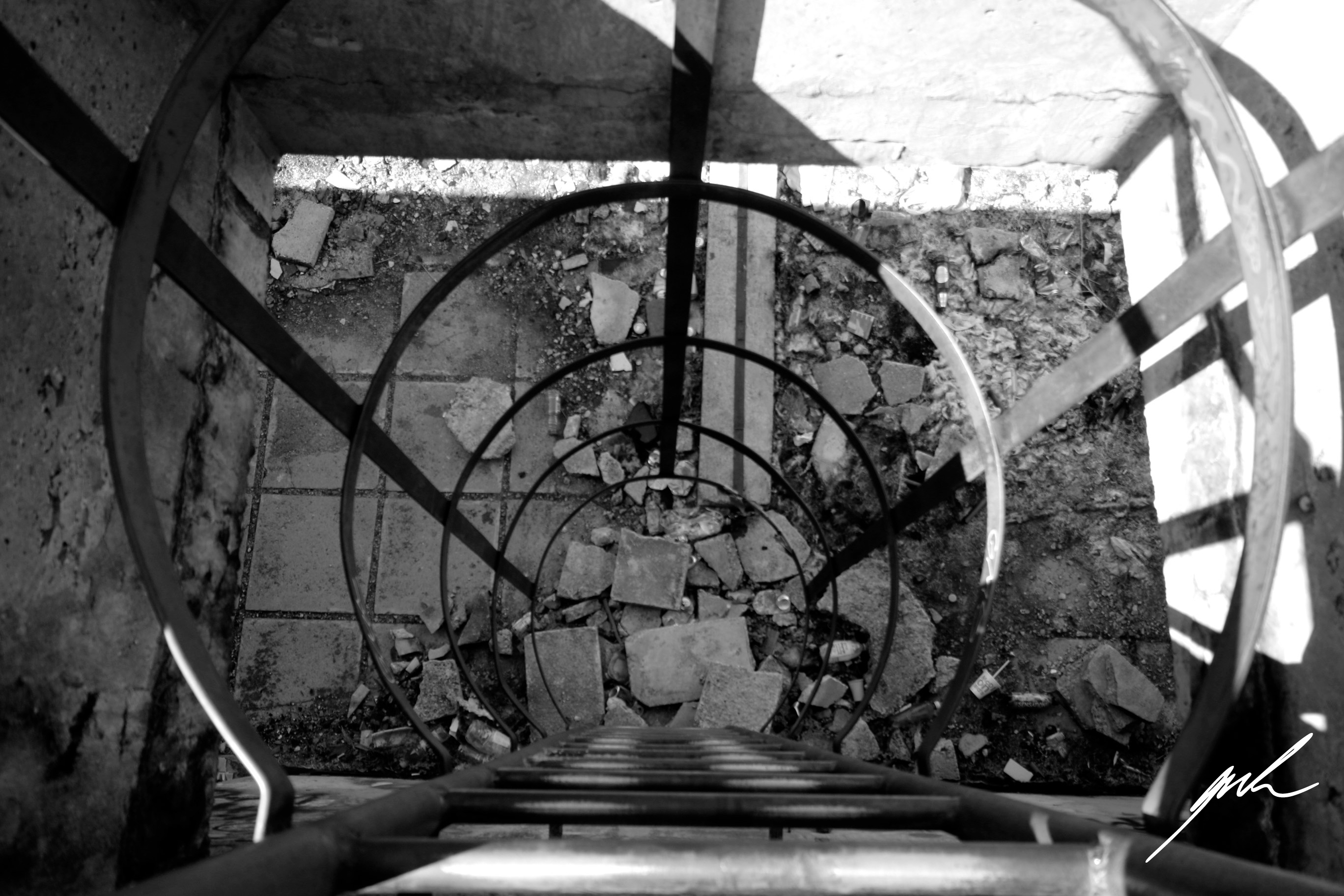
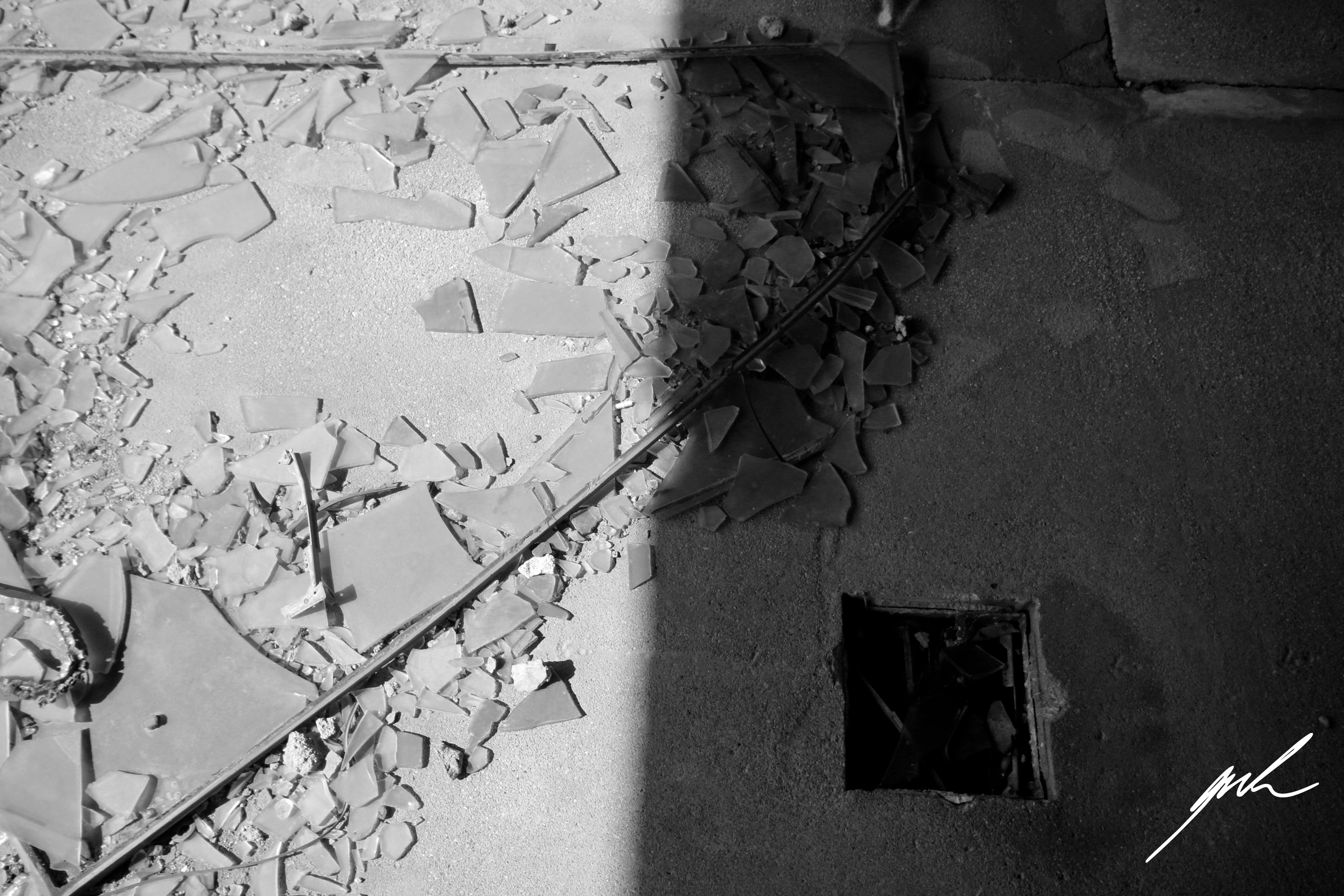
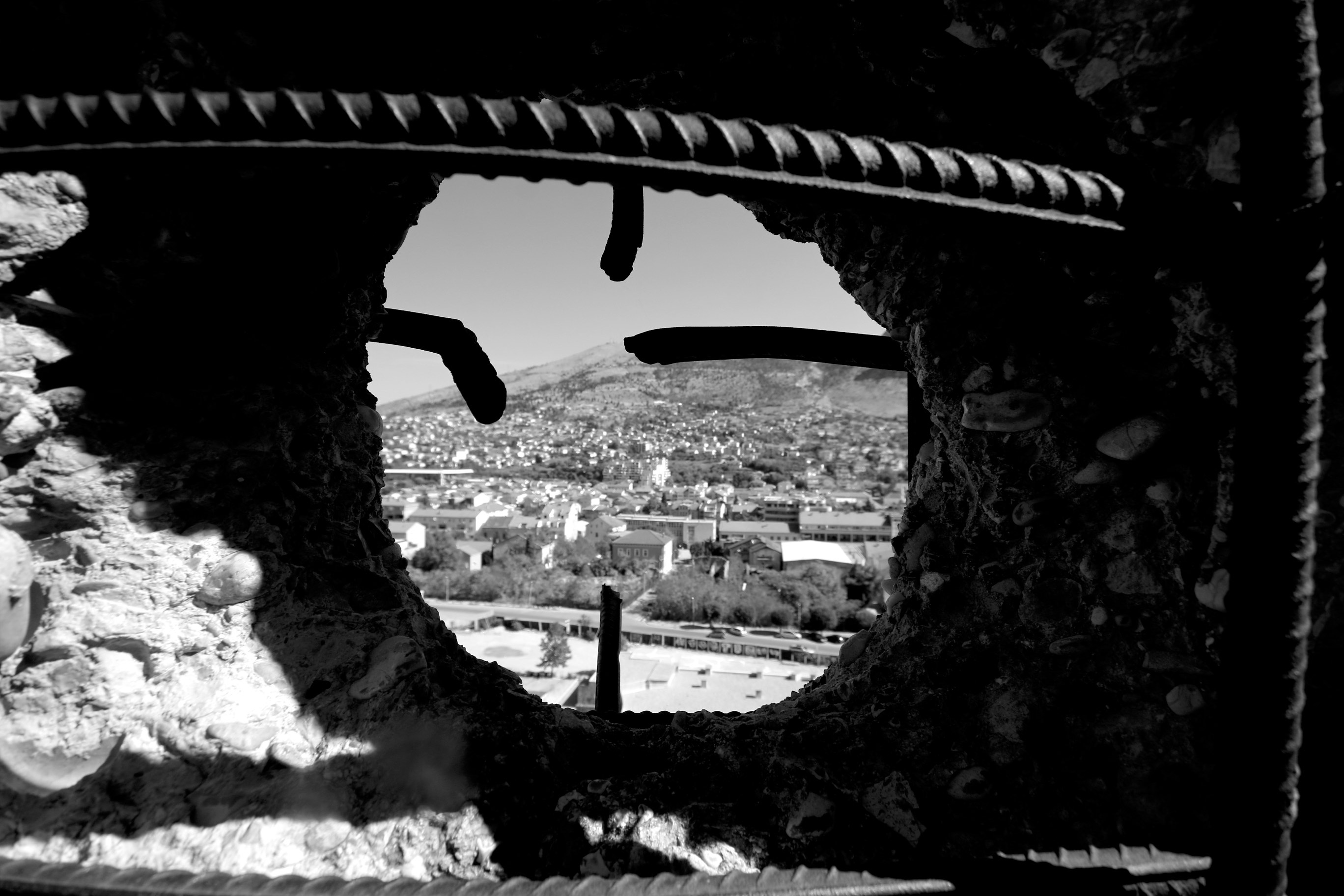
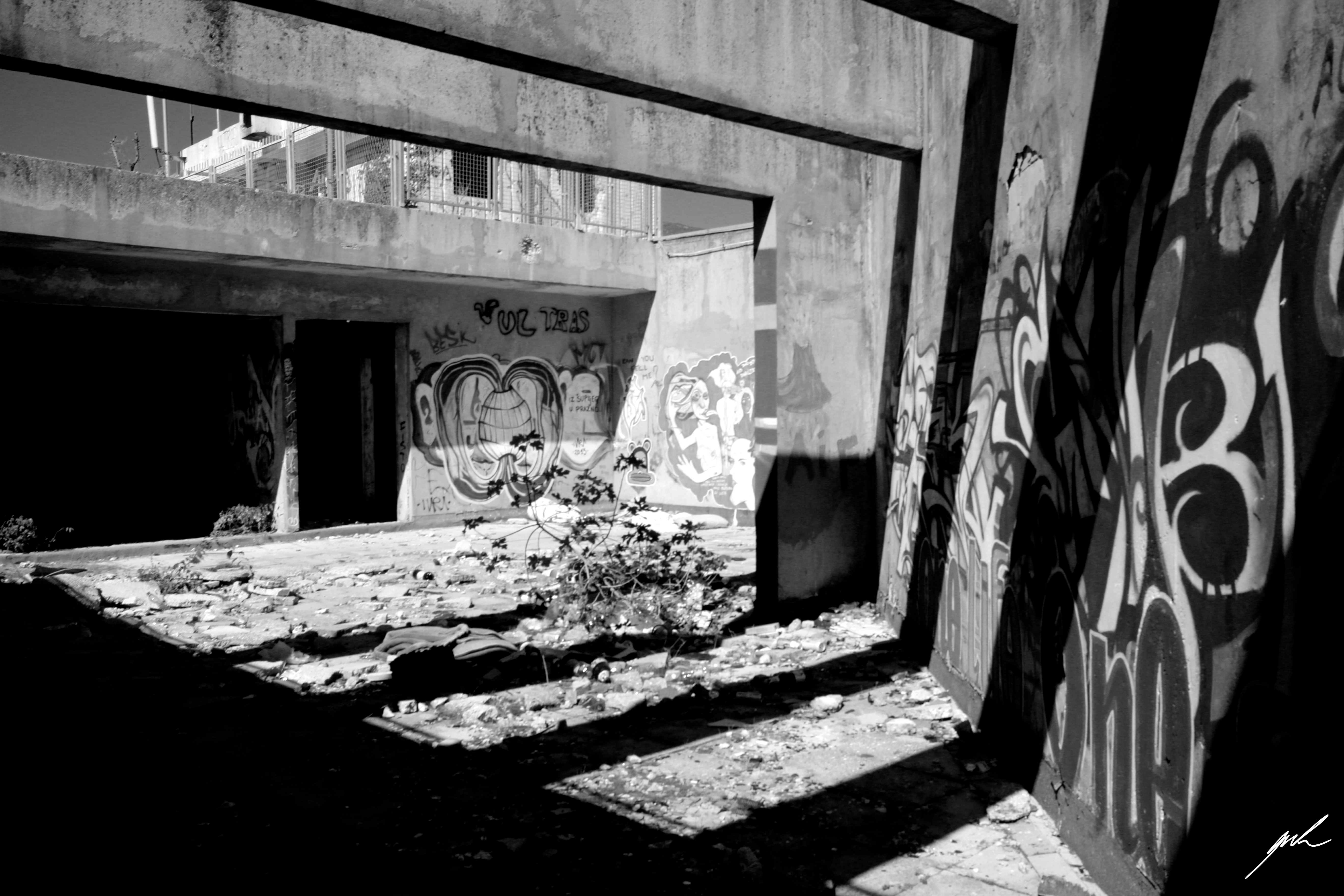
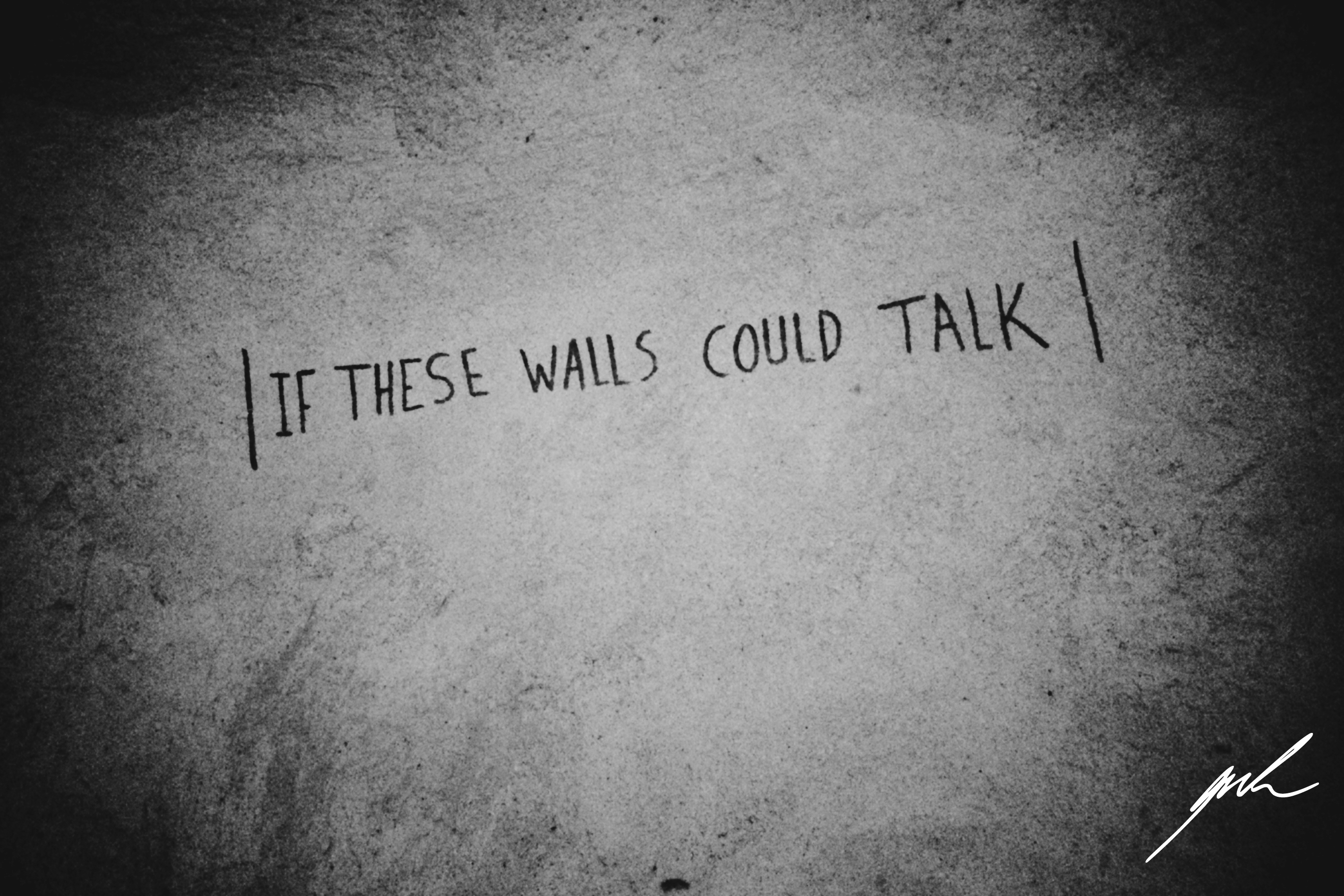
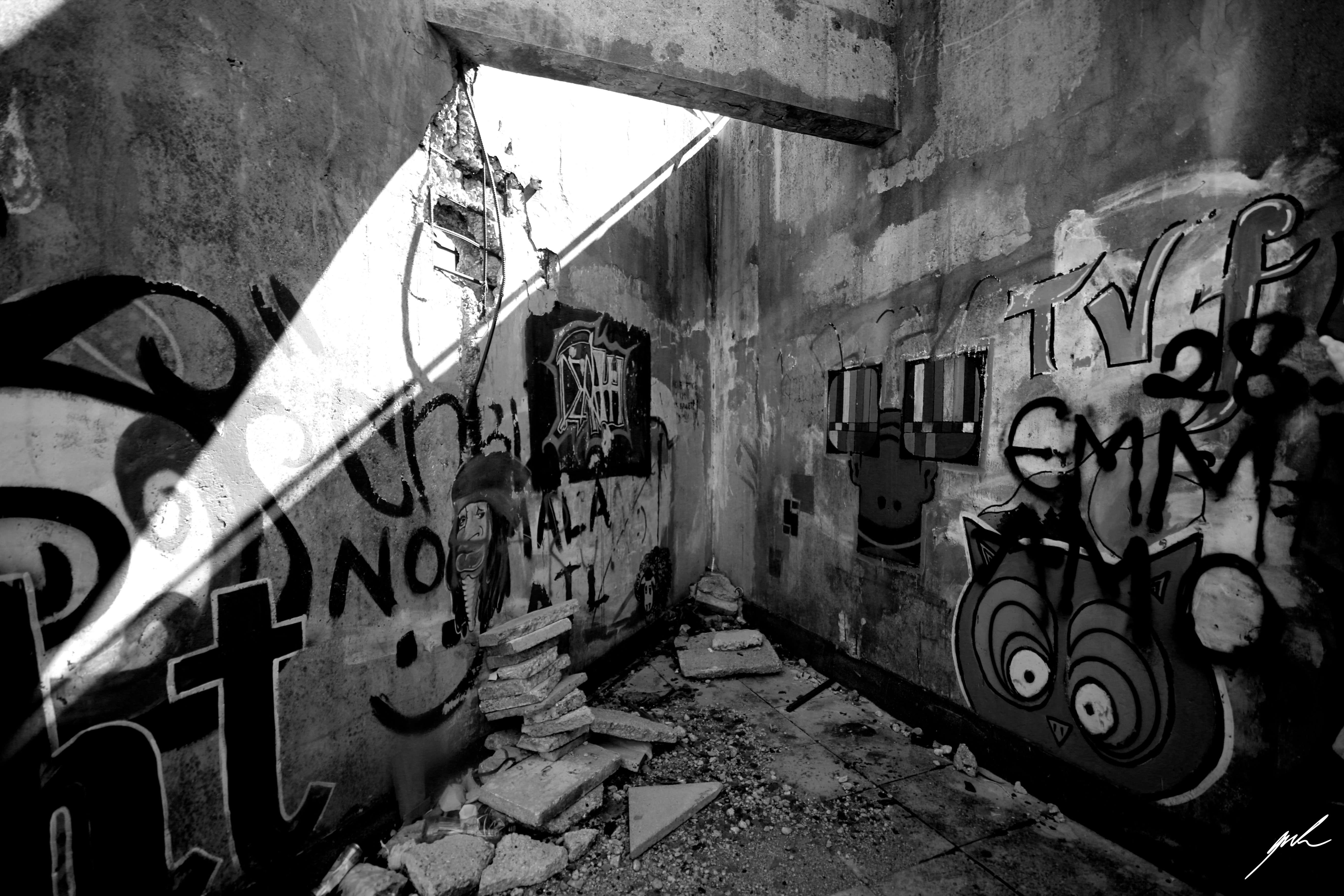
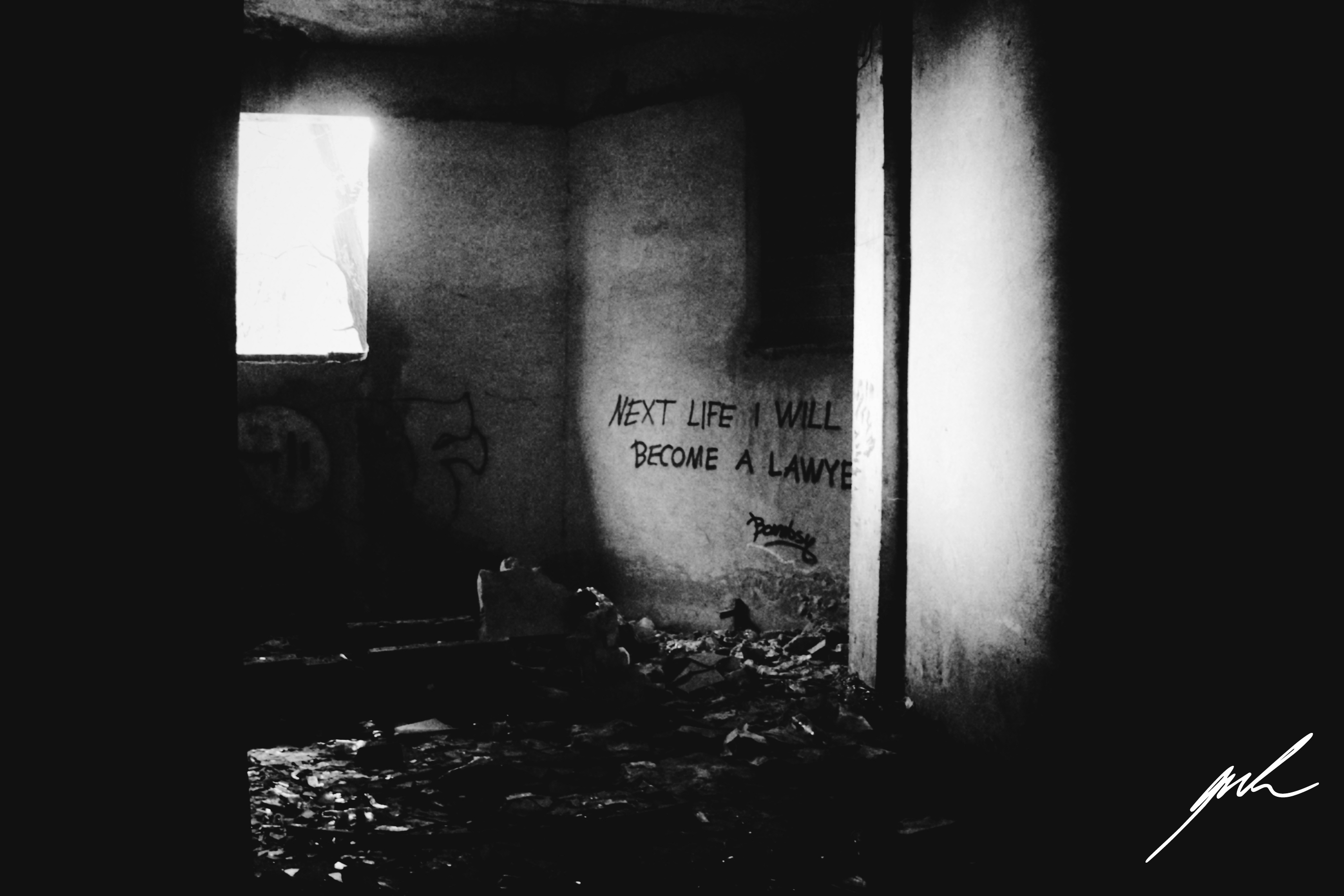
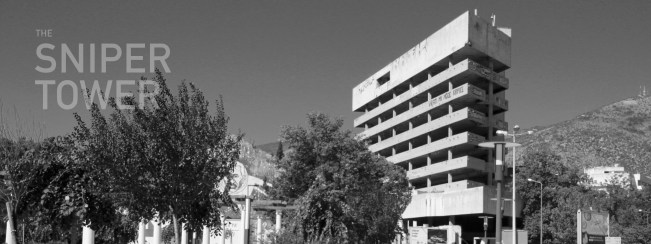
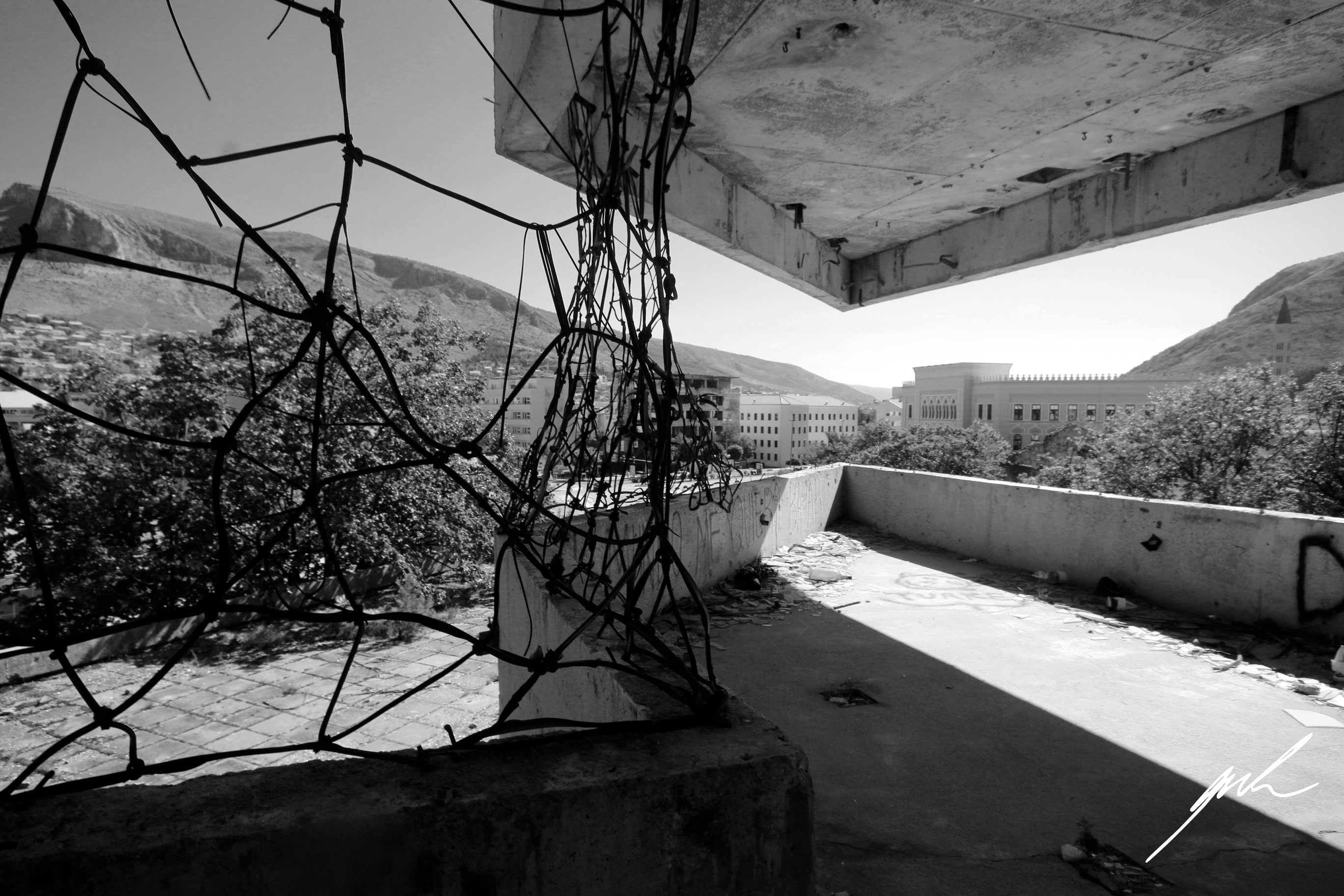
The Sniper Tower is an abandoned high-rise building in the war-torn city of Mostar in Bosnia-Hercegovina. The eerie site is officially closed down but is still used as a graffiti art space. During the Bosnian war from 1992 to 1995, it was used by Croatian snipers to target the nearby square, also hitting and killing many civilians. Today, there is peace, luckily, but Mostar is still divided between Catholic Croats and Muslim Bosniaks, the sniper tower marking the border of the two parts of the city and standing as a visible reminder and as a warning.

test

Tokyo After Dusk

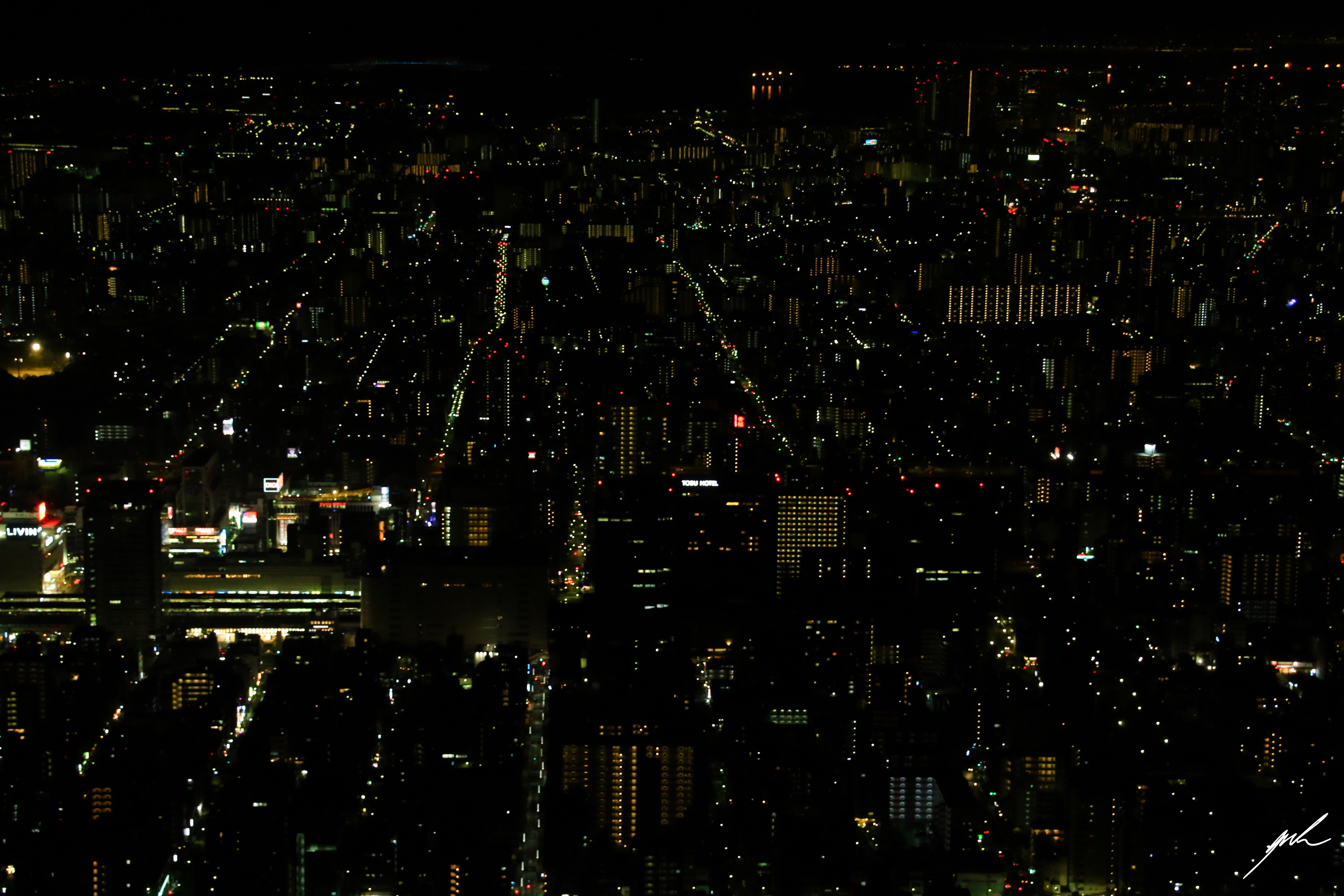
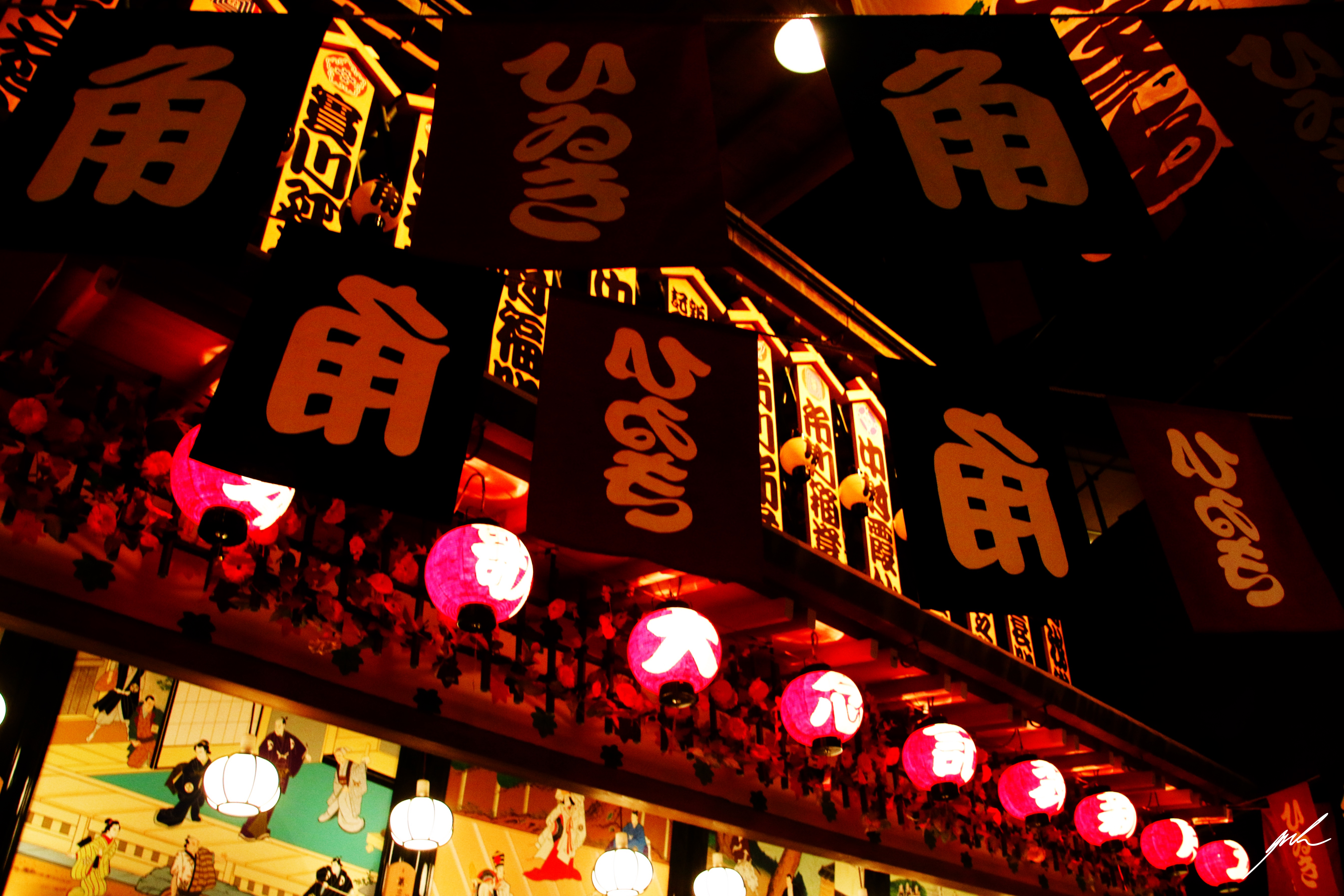
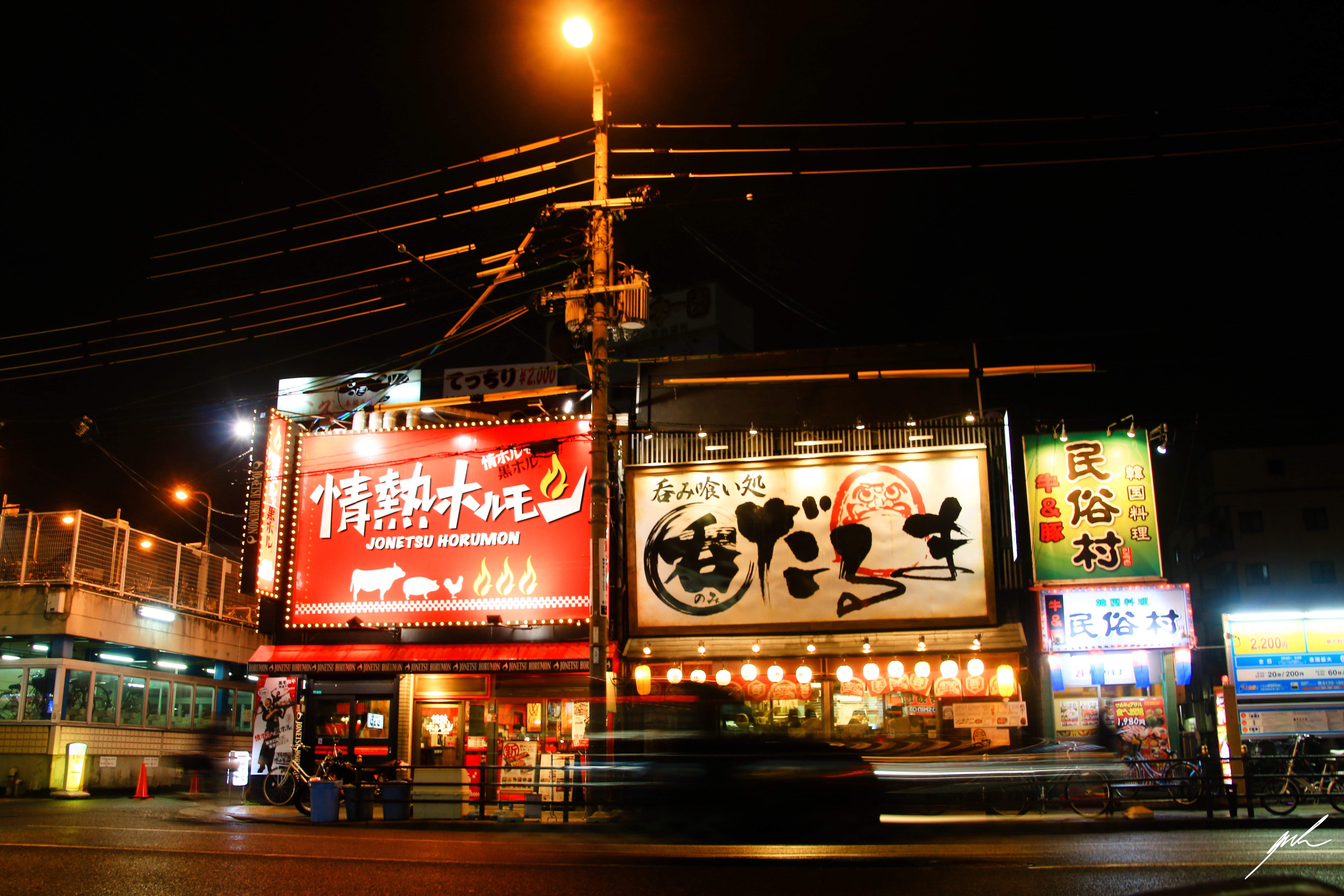
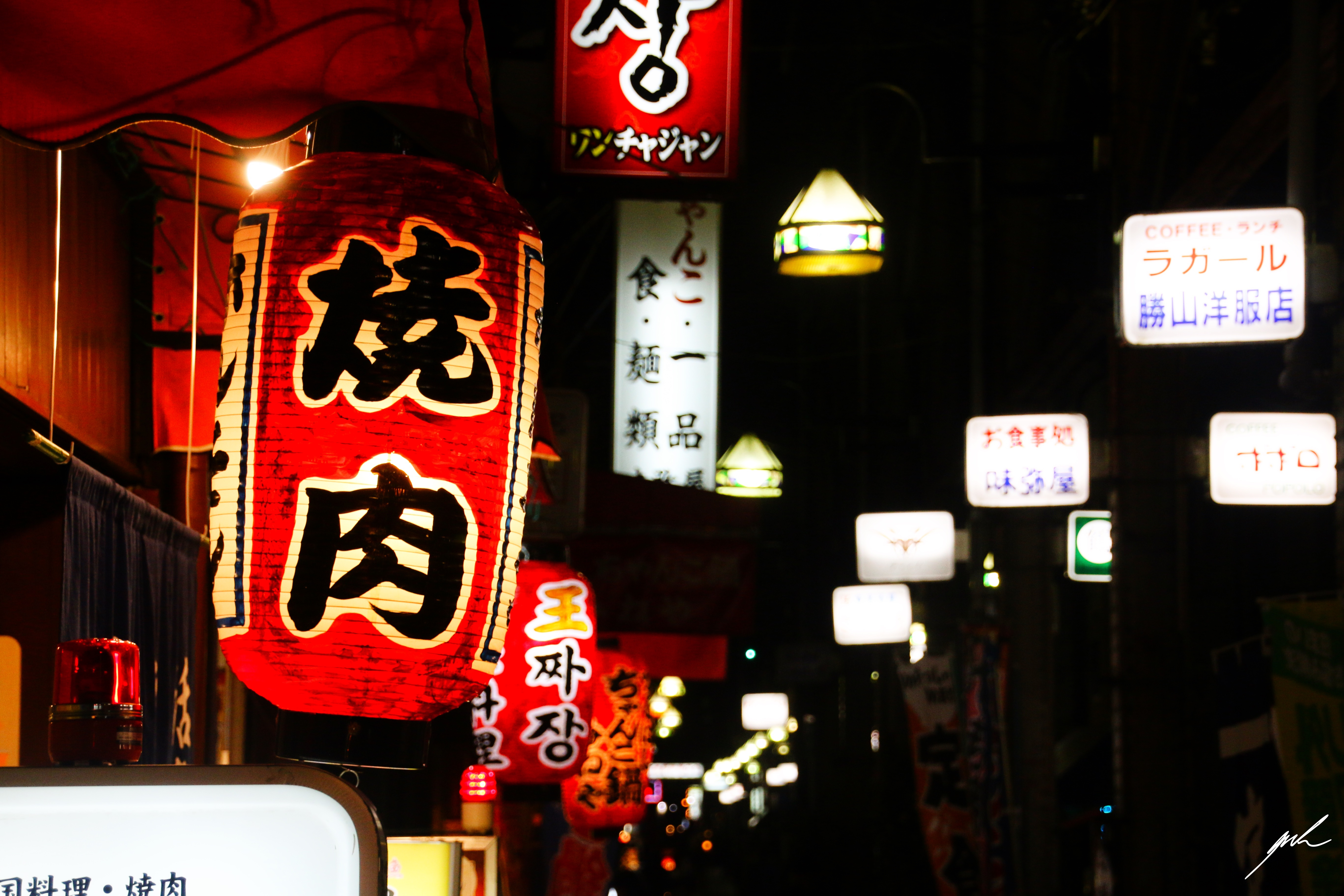
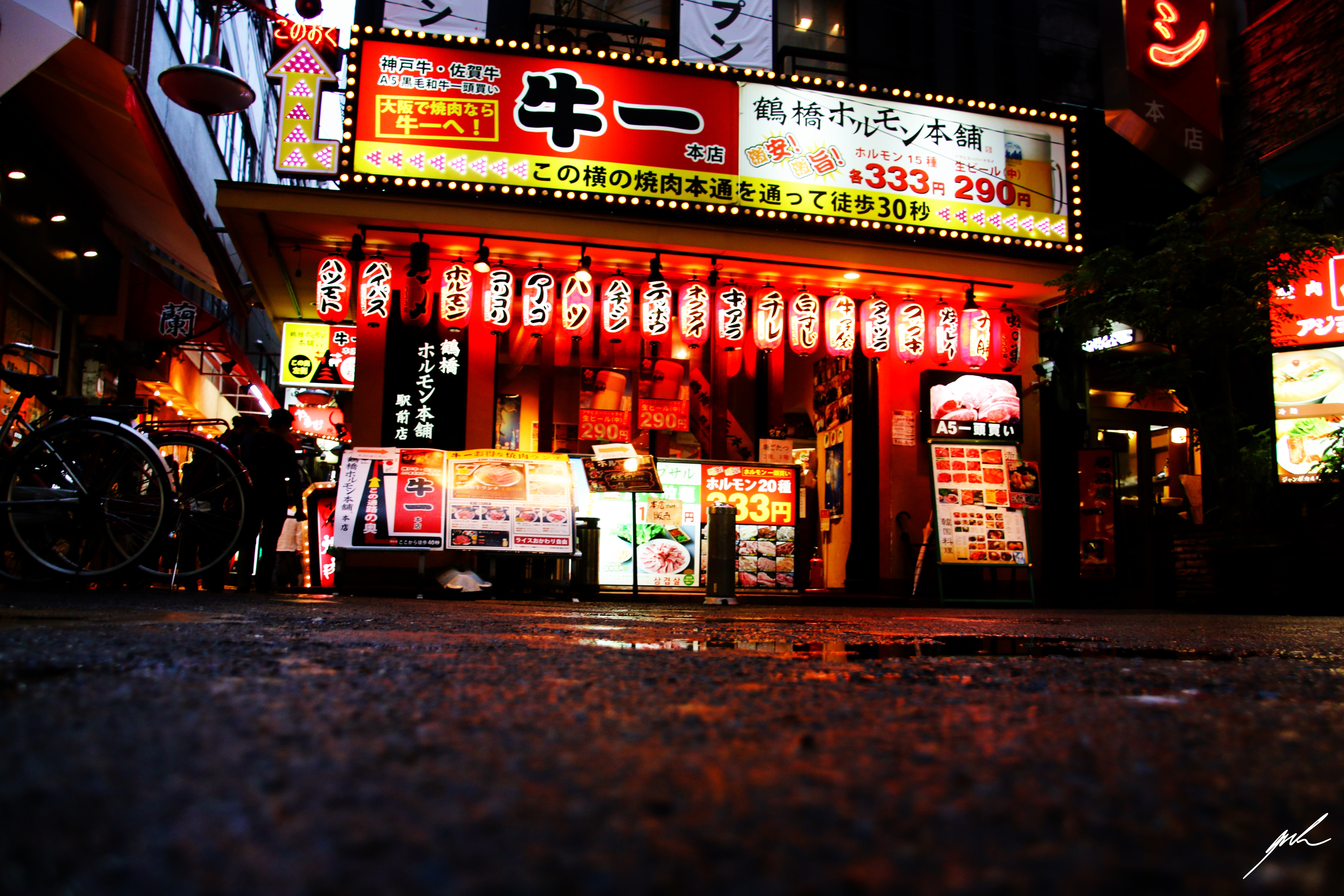
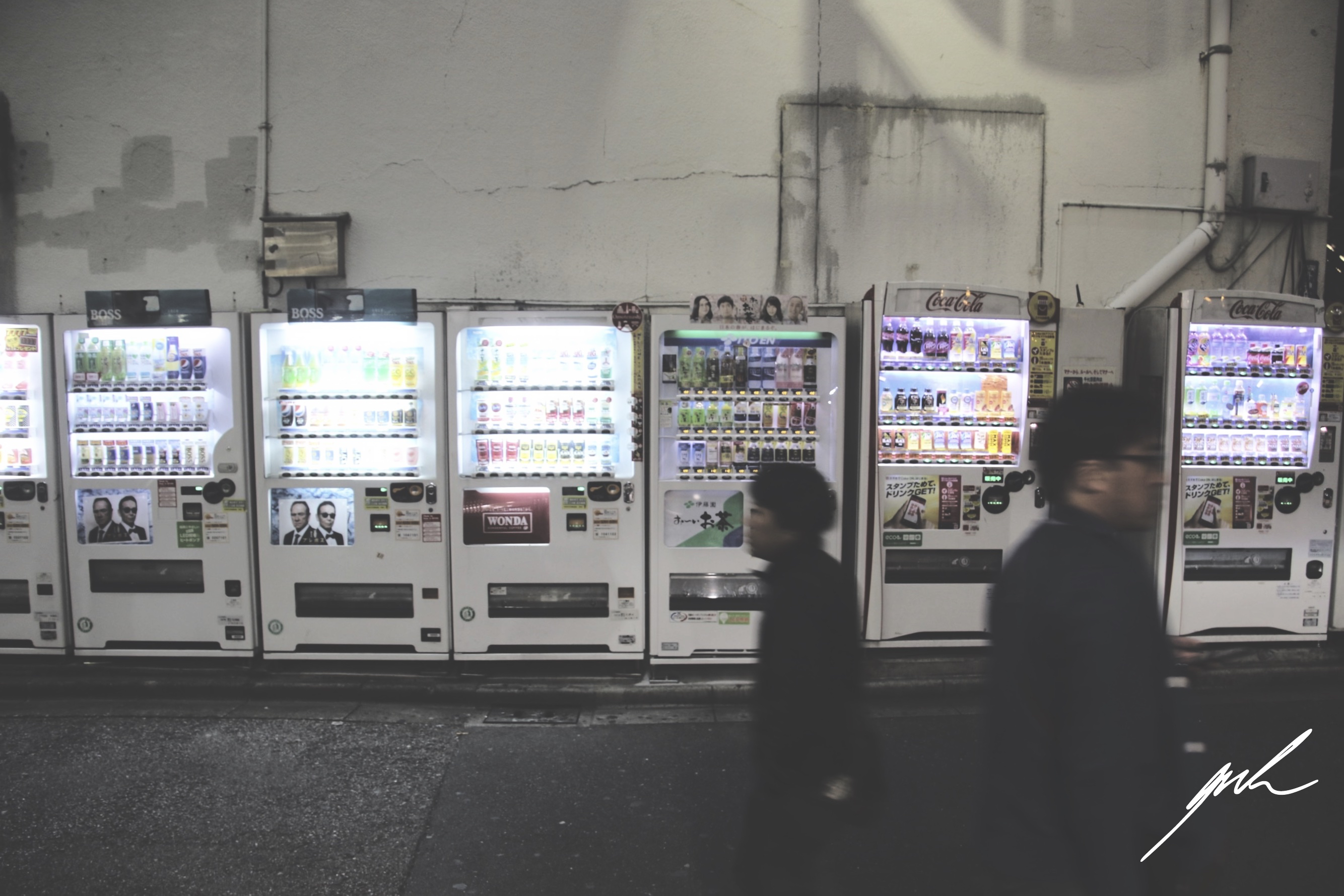
Tokyo changes its form after the sun sets and the electric lights turn on. While during the day, the seemingly endless sea of concrete and glass is roamed by people, it gets surprisingly quiet by night. Unlike New York or other world capitals, Tokyo generally sleeps at night. Japanese people work a lot, and additional office hours are standard, so sleep is highly valued. Hard to believe, but even the sprawling subway system is shutting down service for nighttime so it can be cleaned and maintained for the upcoming day. Of course, there are exceptions, as no city with the size and proportions of Tokyo can genuinely go to bed. Like in a fever dream, people continue playing and gambling in places like Akihabara’s entertainment district or go to Izakayas, a Japanese pub, to meet people, eat, and drink. And, of course, the lights illuminate Tokyo’s allies and streets, bringing day into the night.
test

img_2355
img_7805
img_1596
img_1772
img_1785
img_2187
img_1668
img_1739

The Far East

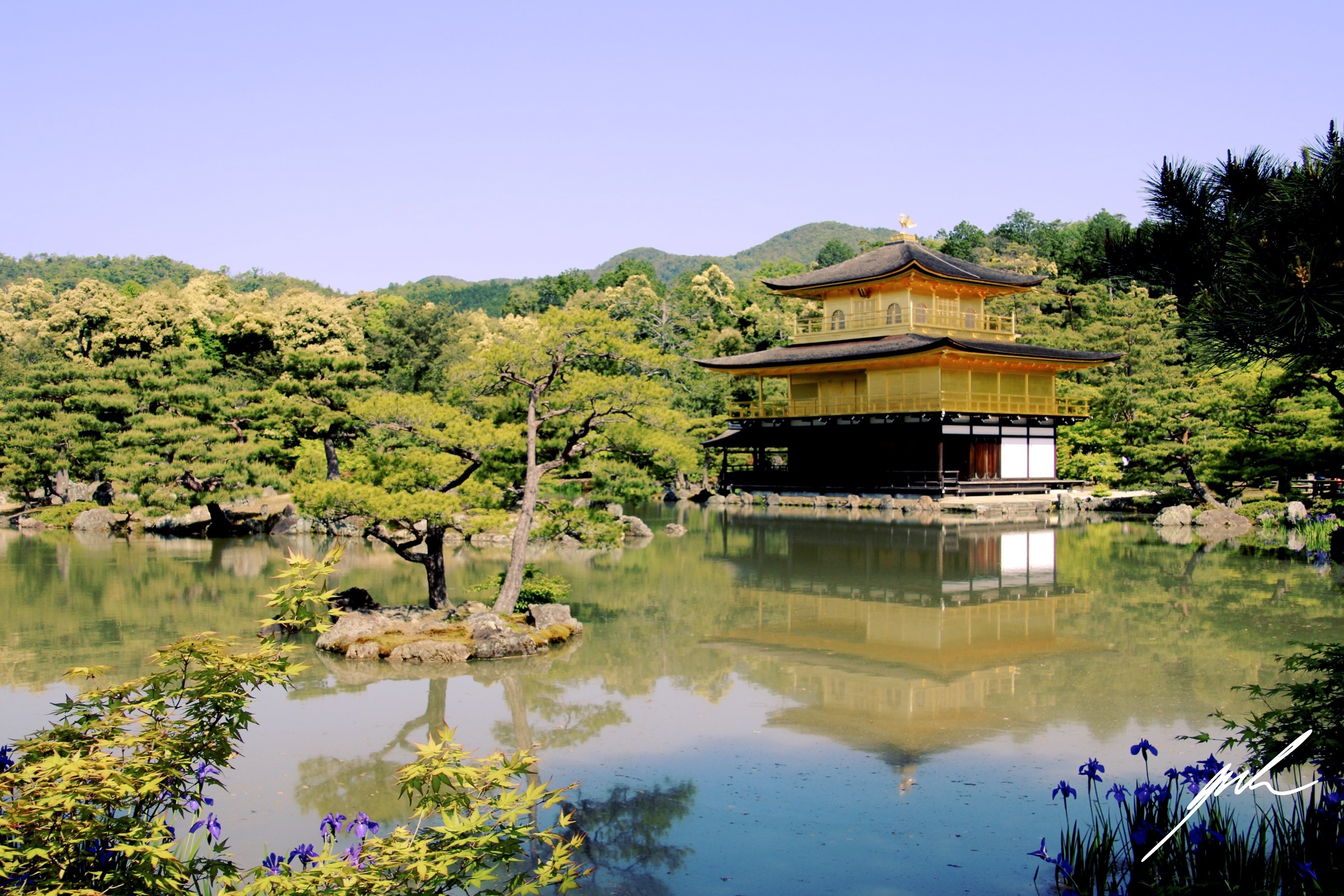
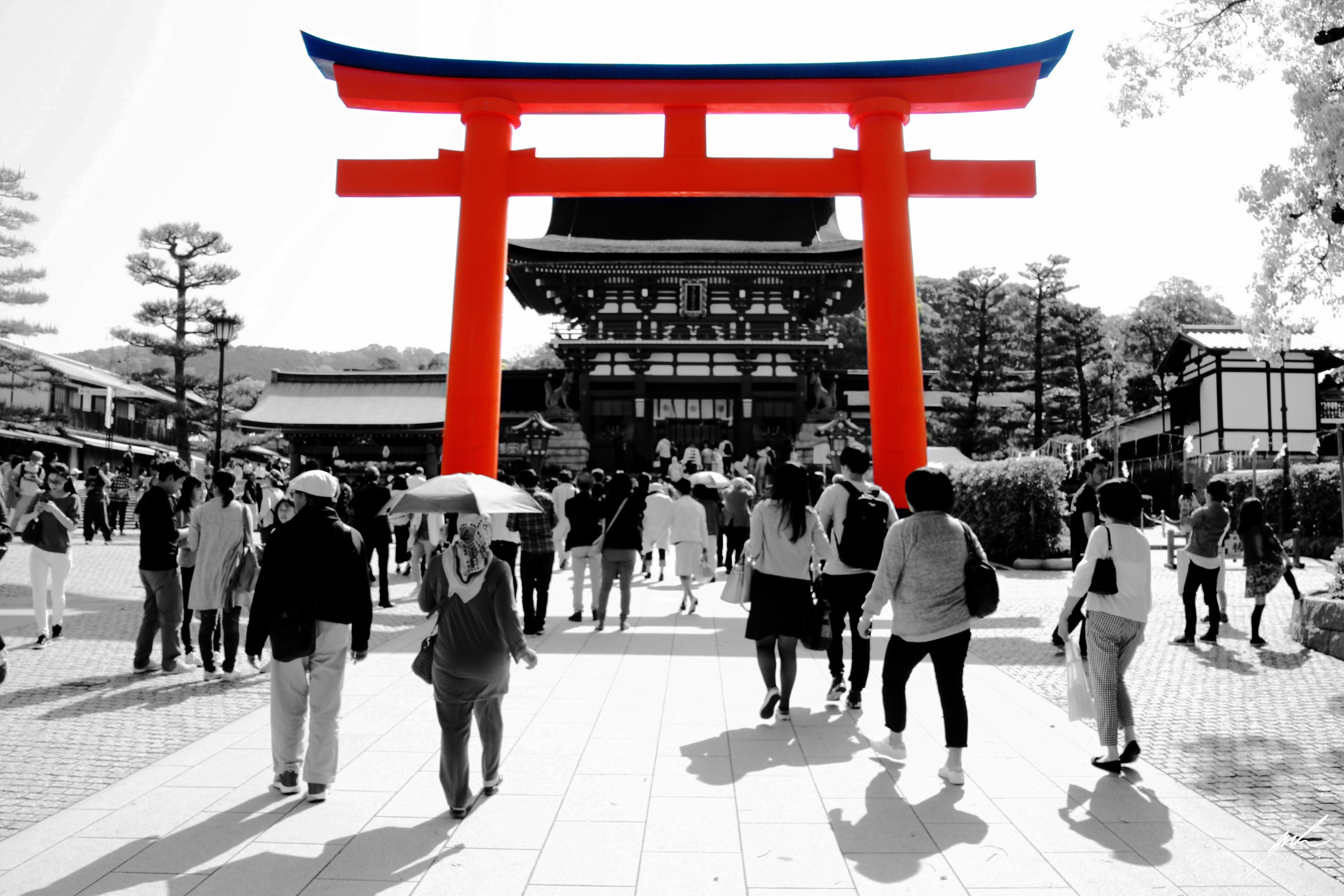
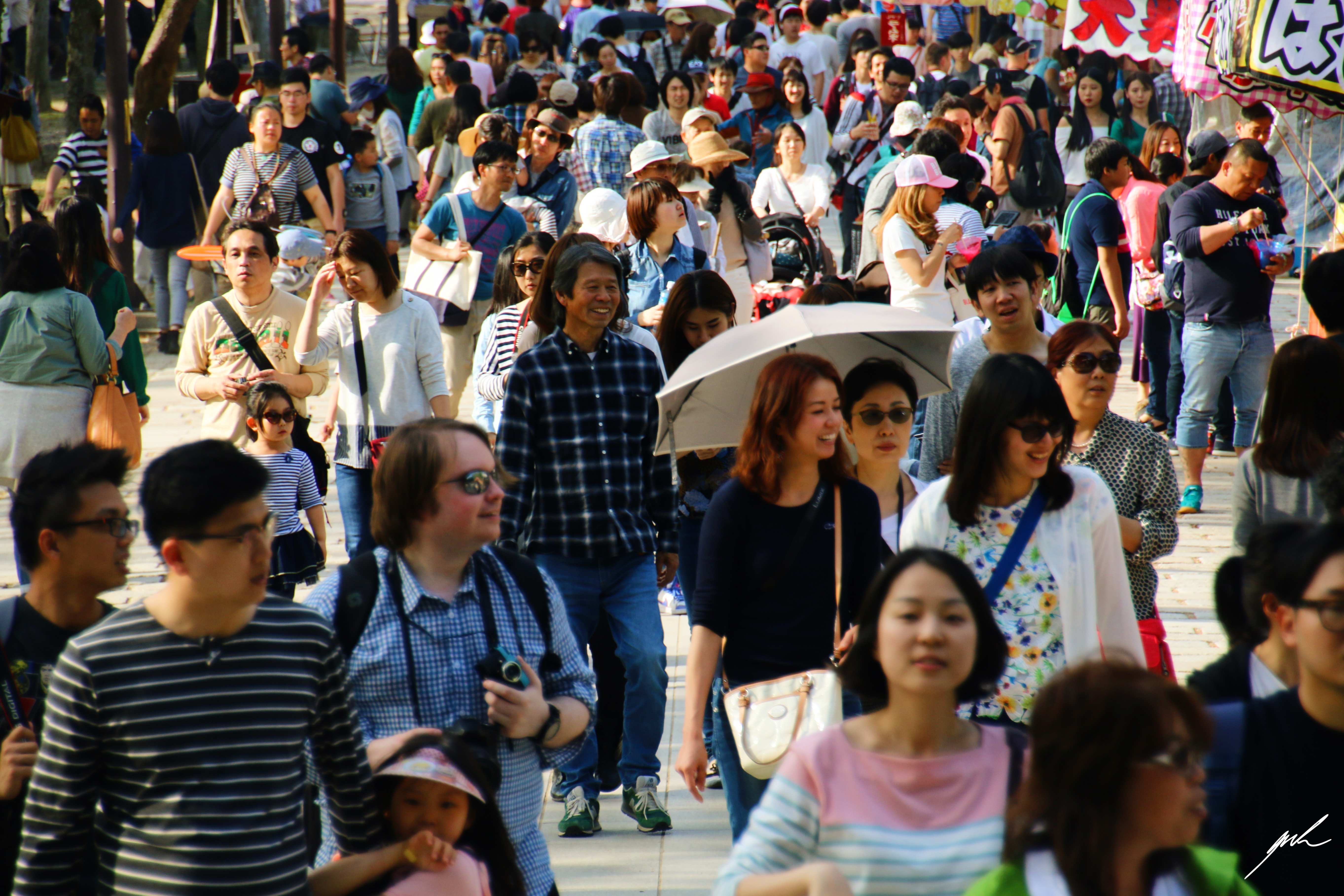
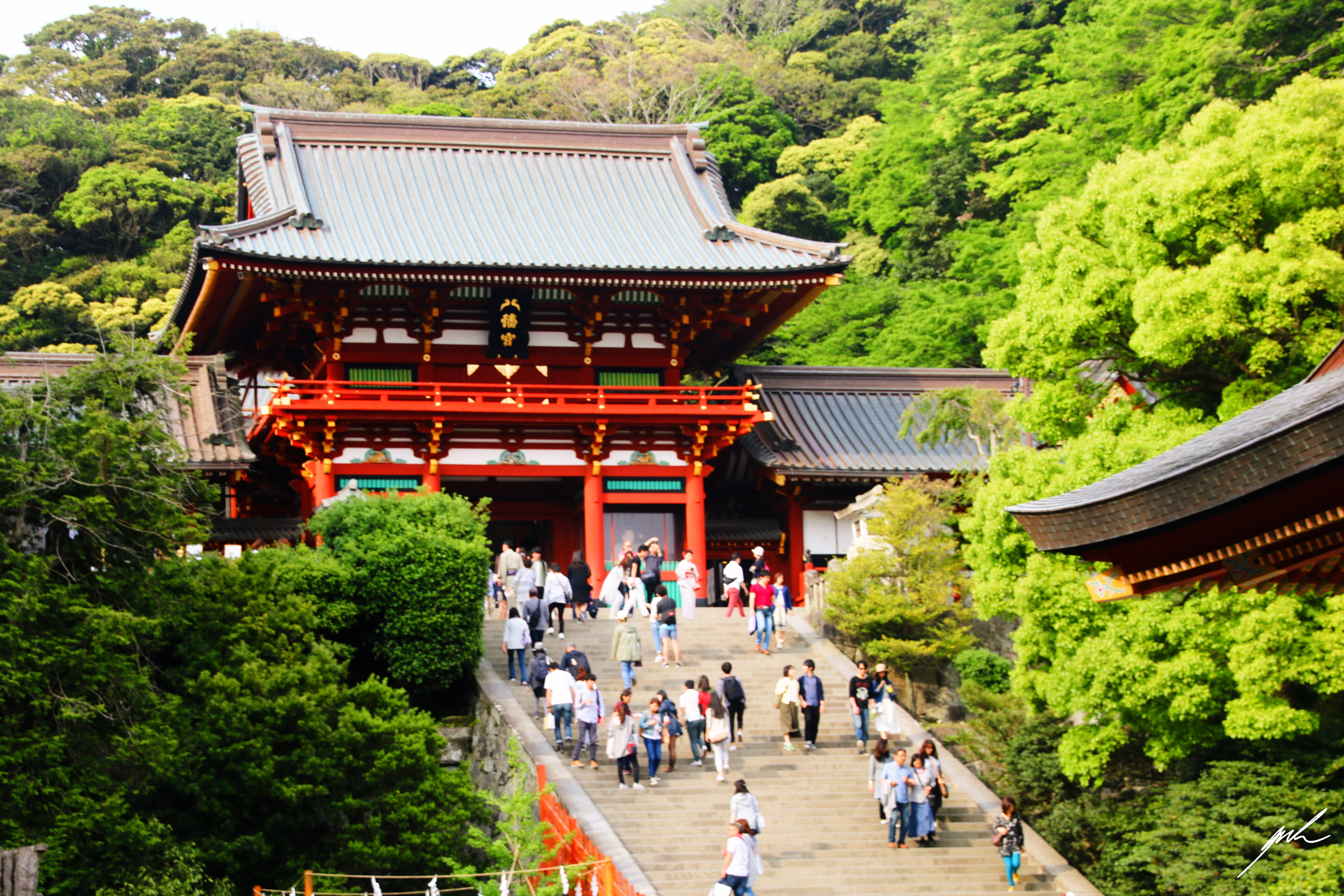
The most astounding thing about the Far East, as I experienced it in Japan, is that it is a busy place with people and cars everywhere you look, but still, it is impossibly quiet and calm at the same time. There is hardly any shouting on the sidewalks and beeping on the streets. Even cyclists won’t beep when passing by closely but will somewhat slow down. There is an essential sense of courtesy and carefulness in play here that can seem very foreign to a Westerner. Of course, the culture is closely linked to the religions of the region, mainly Buddhism and Shintoism in Japan. So, the feeling of quietness and serenity can be best understood in and around religious temples and shrines, which also tend to be beautiful.

test

img_0458

img_7347

img_9552

img_1048

img_7972

img_8468 img_8869

Akihabara: Electric Town

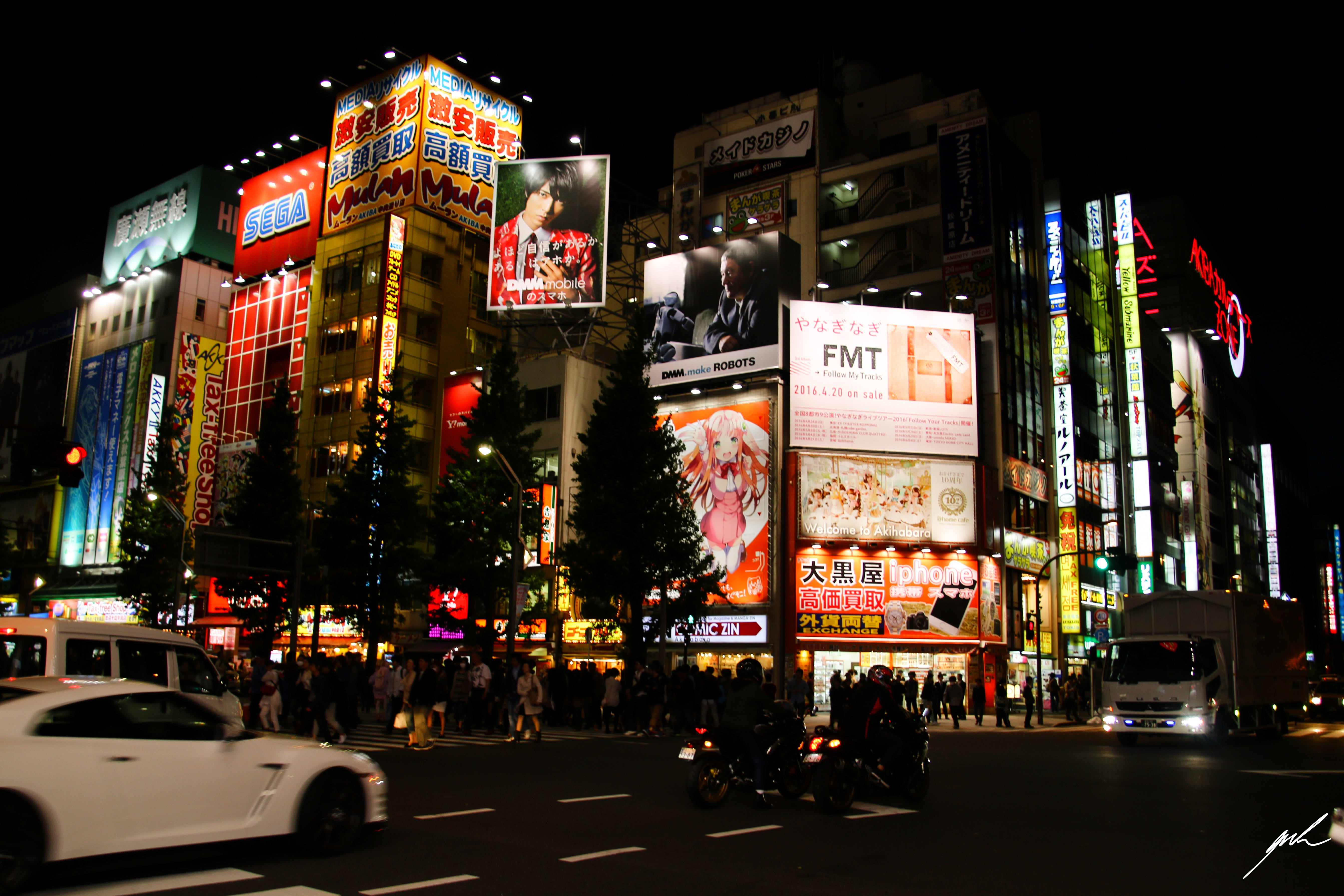
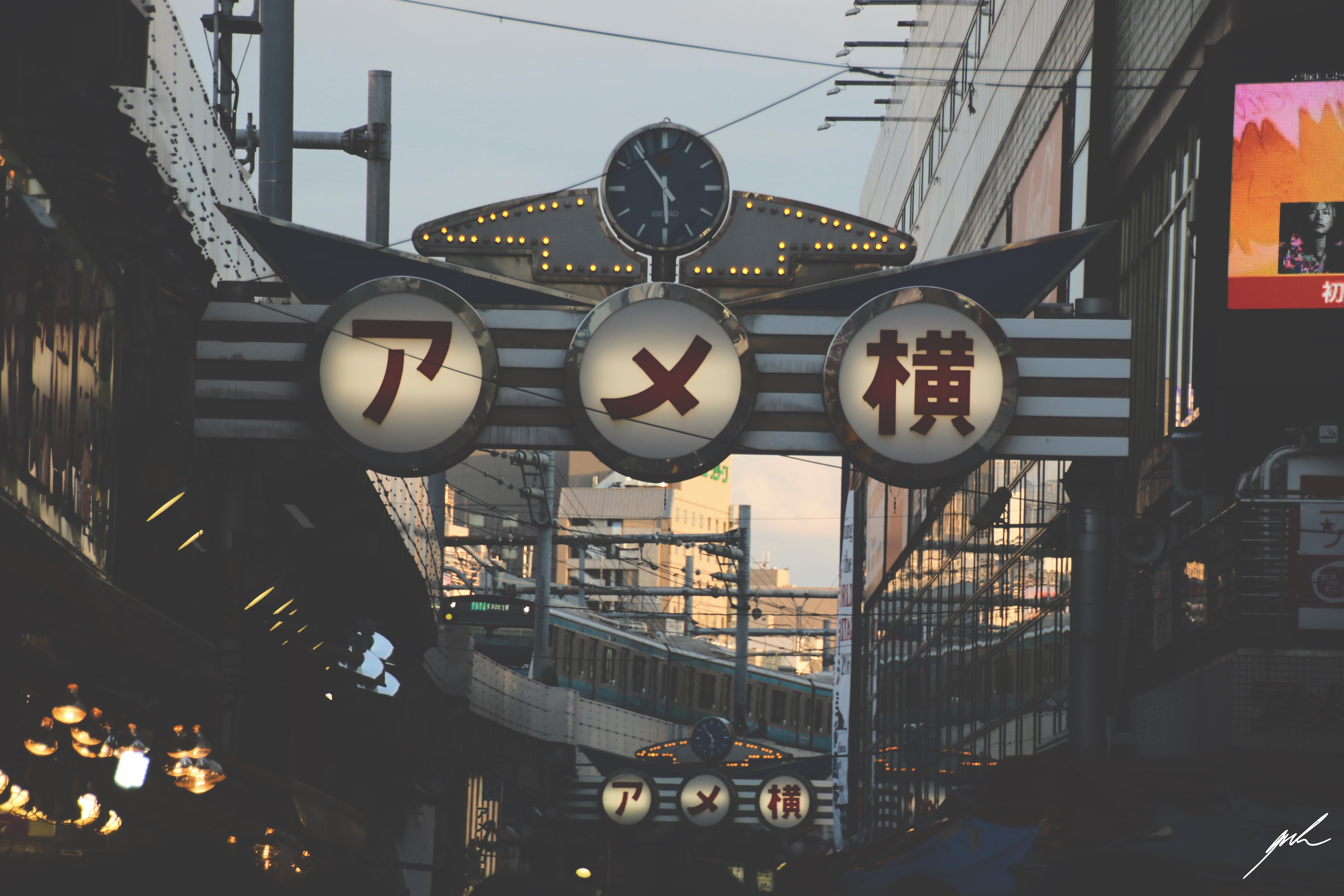
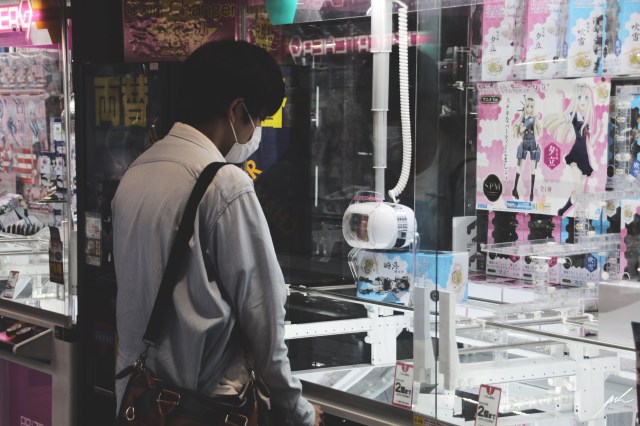
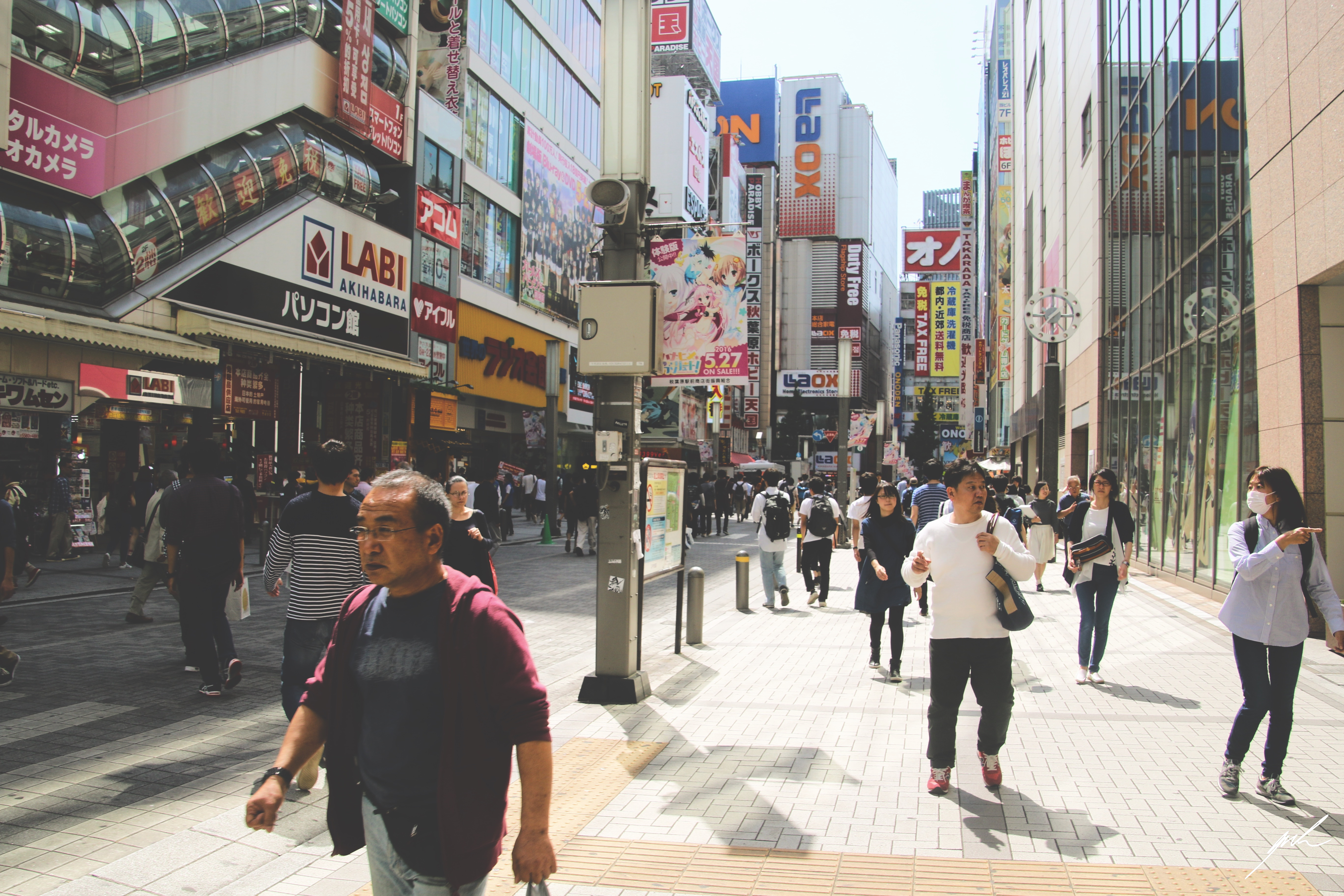
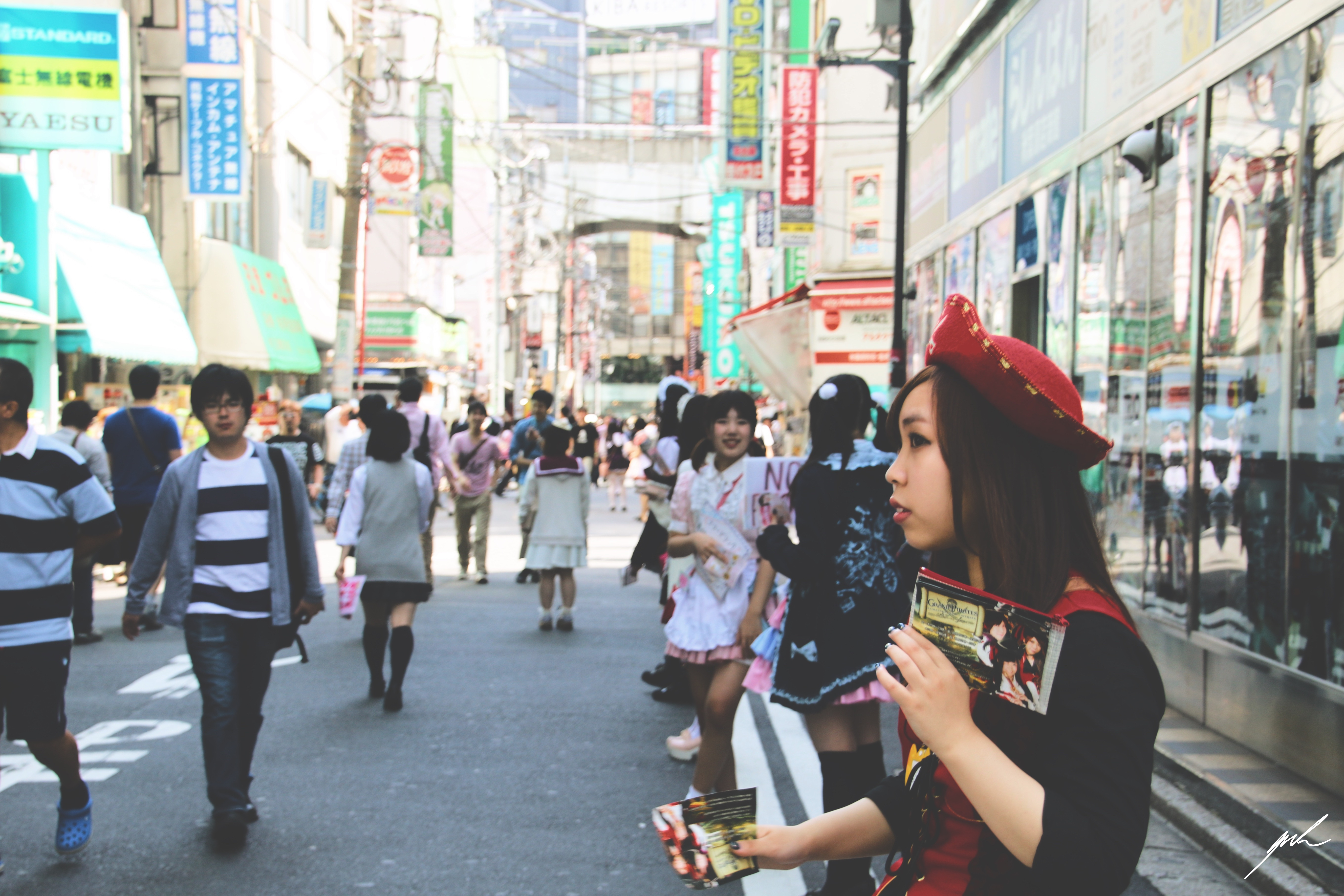
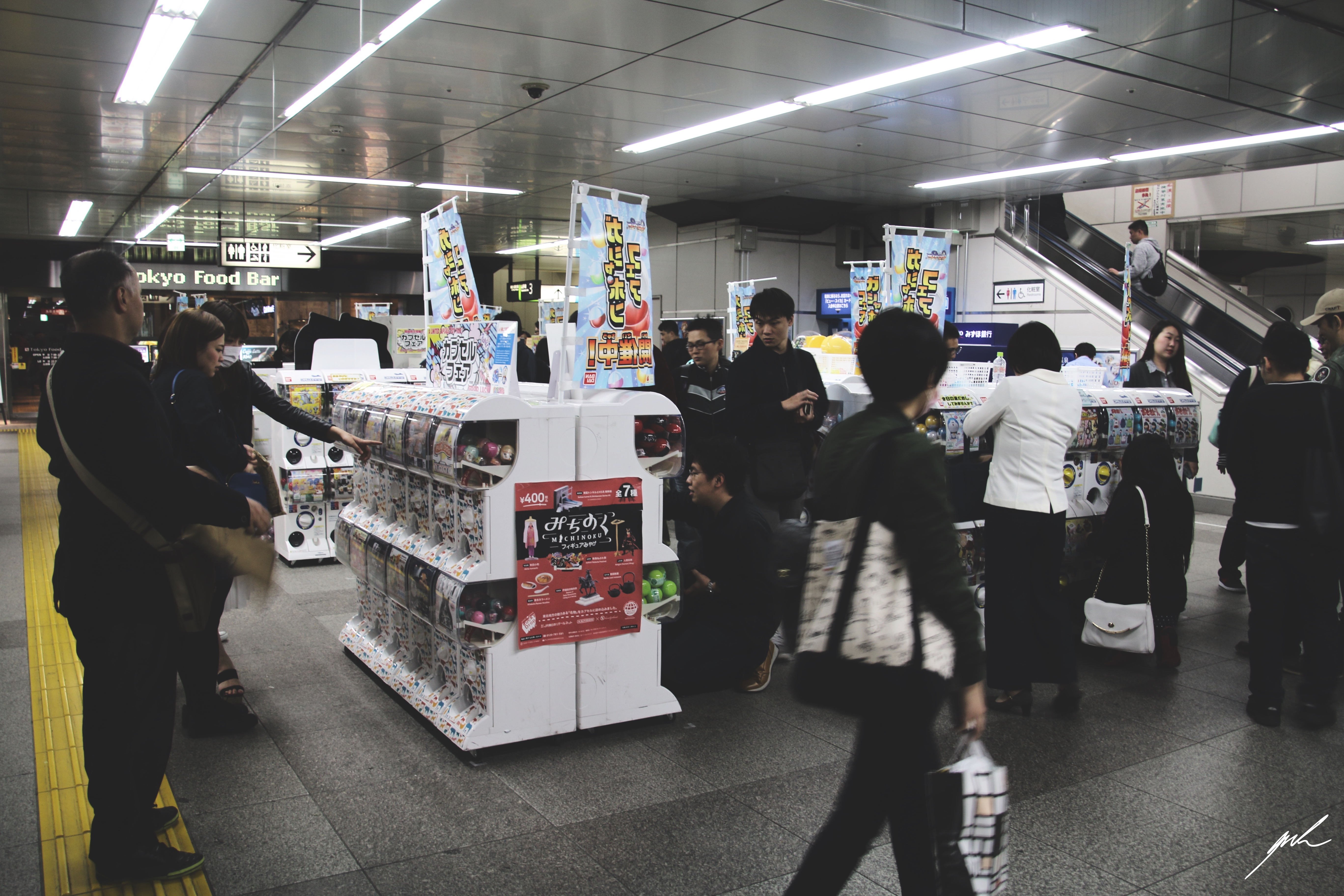
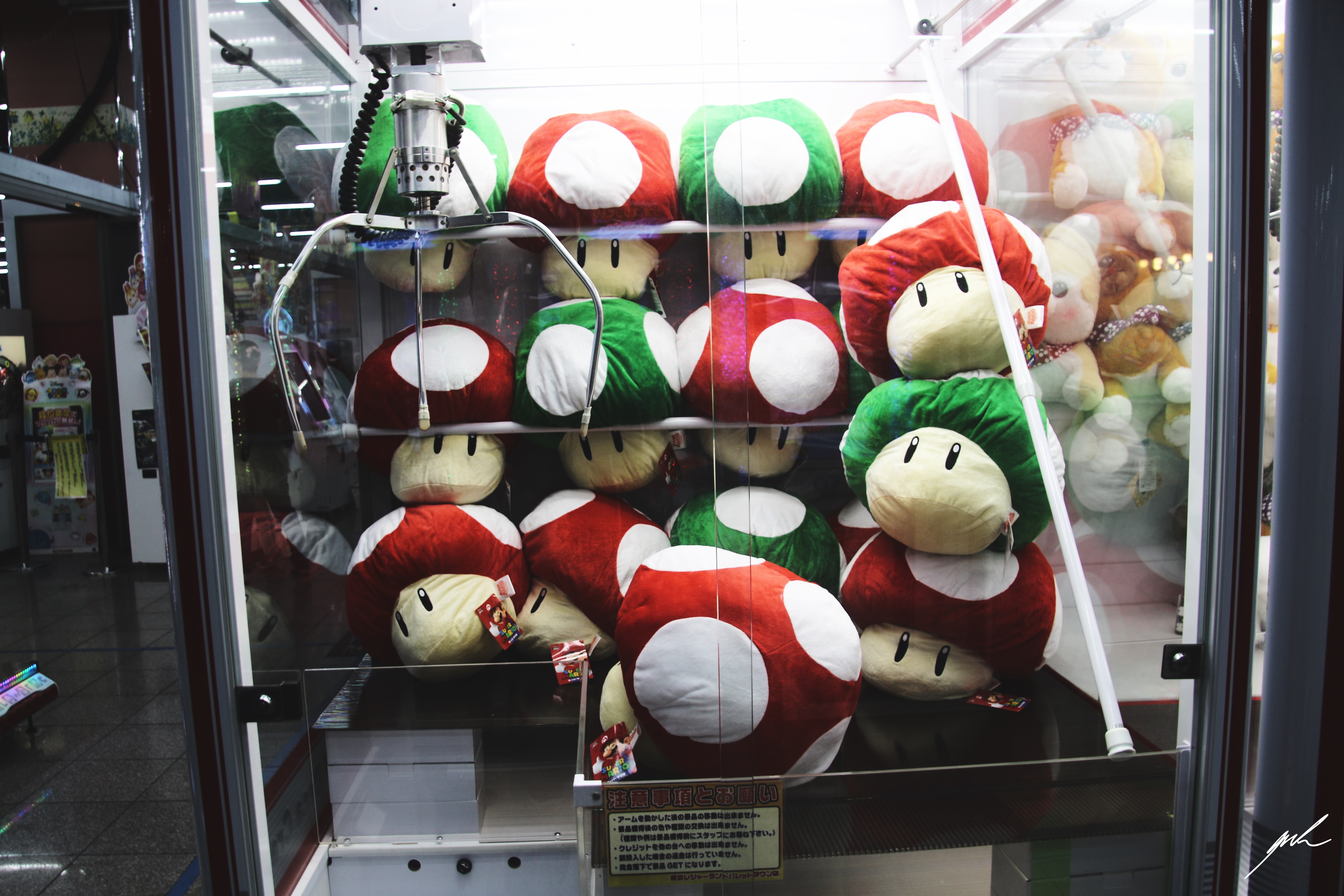
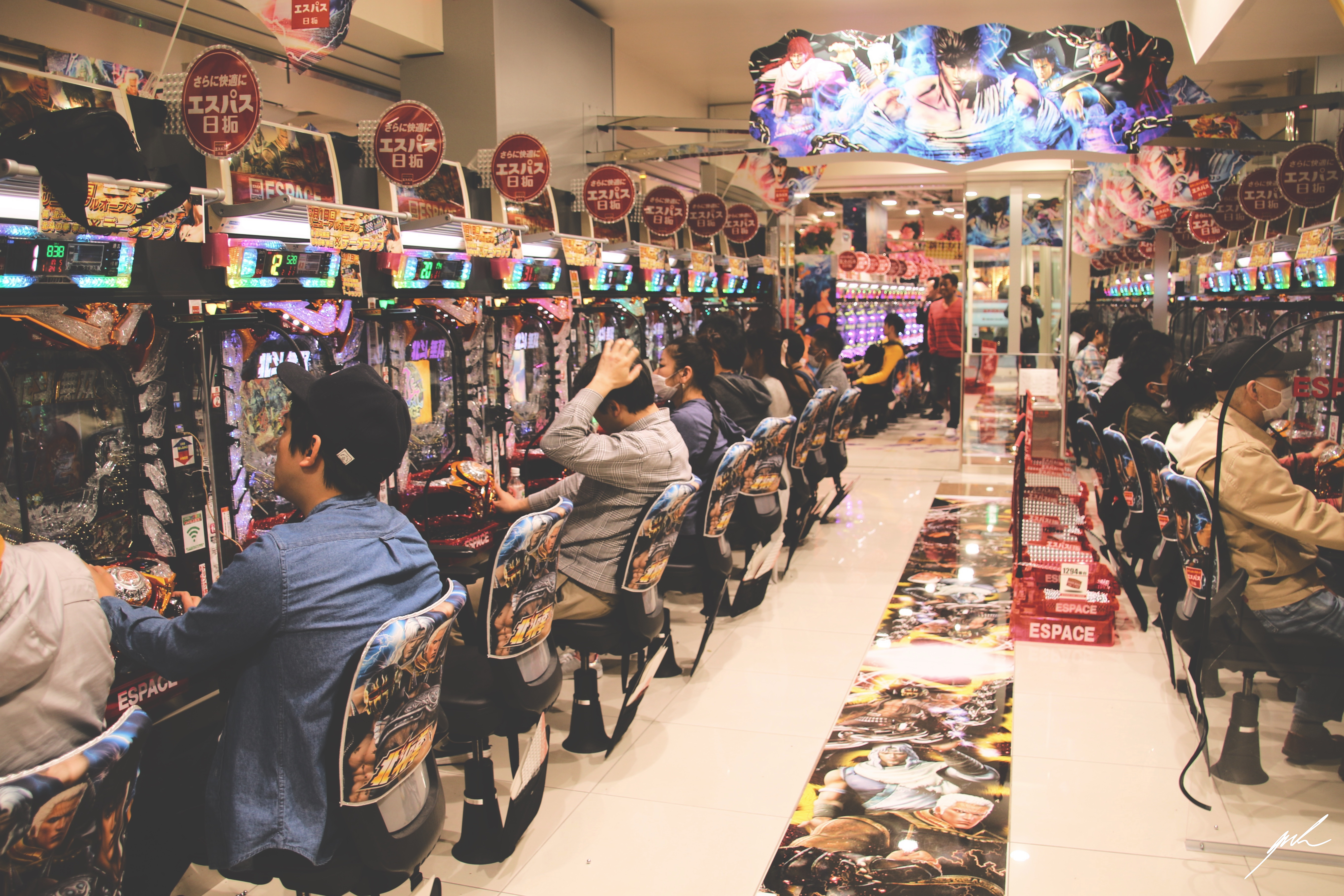
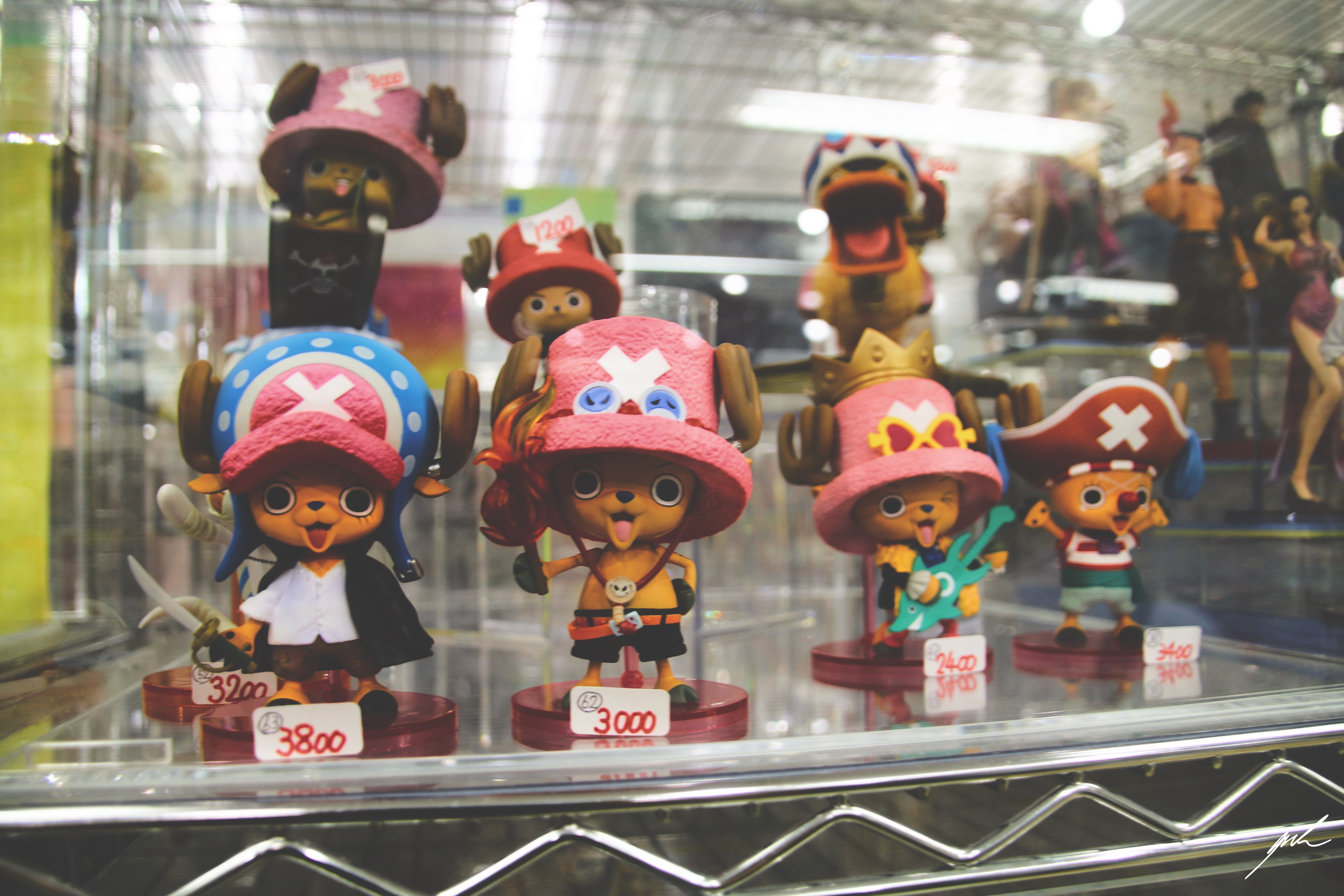
With beginnings as a marketplace for electronics after World War II, today Akihabara is known as a hotspot for anime and gaming culture around the world; here you’ll find five-story high Sega arcades, as well as gaming stores that still sell Super Nintendo consoles and comic book shops with every anime figure in existence for display. You wander through streets with shining towers and giant advertisements of virtual characters while girls dressed as Anime figures invite you to themed restaurants. For relaxation, you can also go to one of the cat cafes to drink your Matcha coffee and play with pets. Japanese people, though, prefer to go to Pachinko places where they gamble for physical prices. Officially, gambling is forbidden in Japan, so close to the Pachinko stores, there are always small vendors where you can sell your prices and transform them into cash. Yes, it is a weird place and very much corresponds with the picture of Japan’s weirdness. At the same time, it seems unreal, like something out of a Blade Runner movie. Though Akihabara certainly doesn’t represent the whole of Japan, it is a physical manifestation of its modern popular culture and thus should be planned for your Japan trip.

test

img_7748 img_7828 img_1892 img_1823 img_7917 img_1904 img_7945 img_8363 img_7764