Skip to content

Garden of Arundel

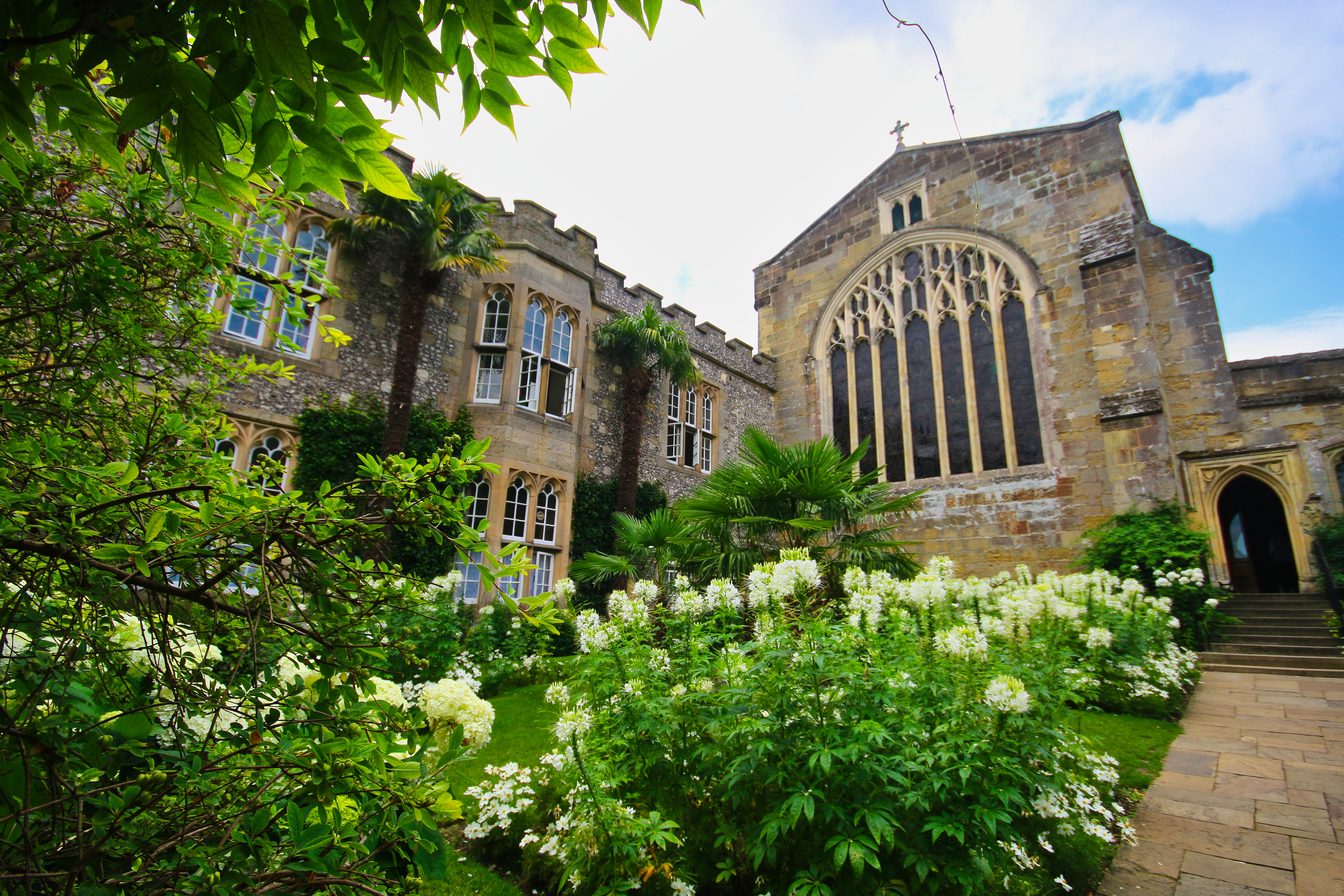
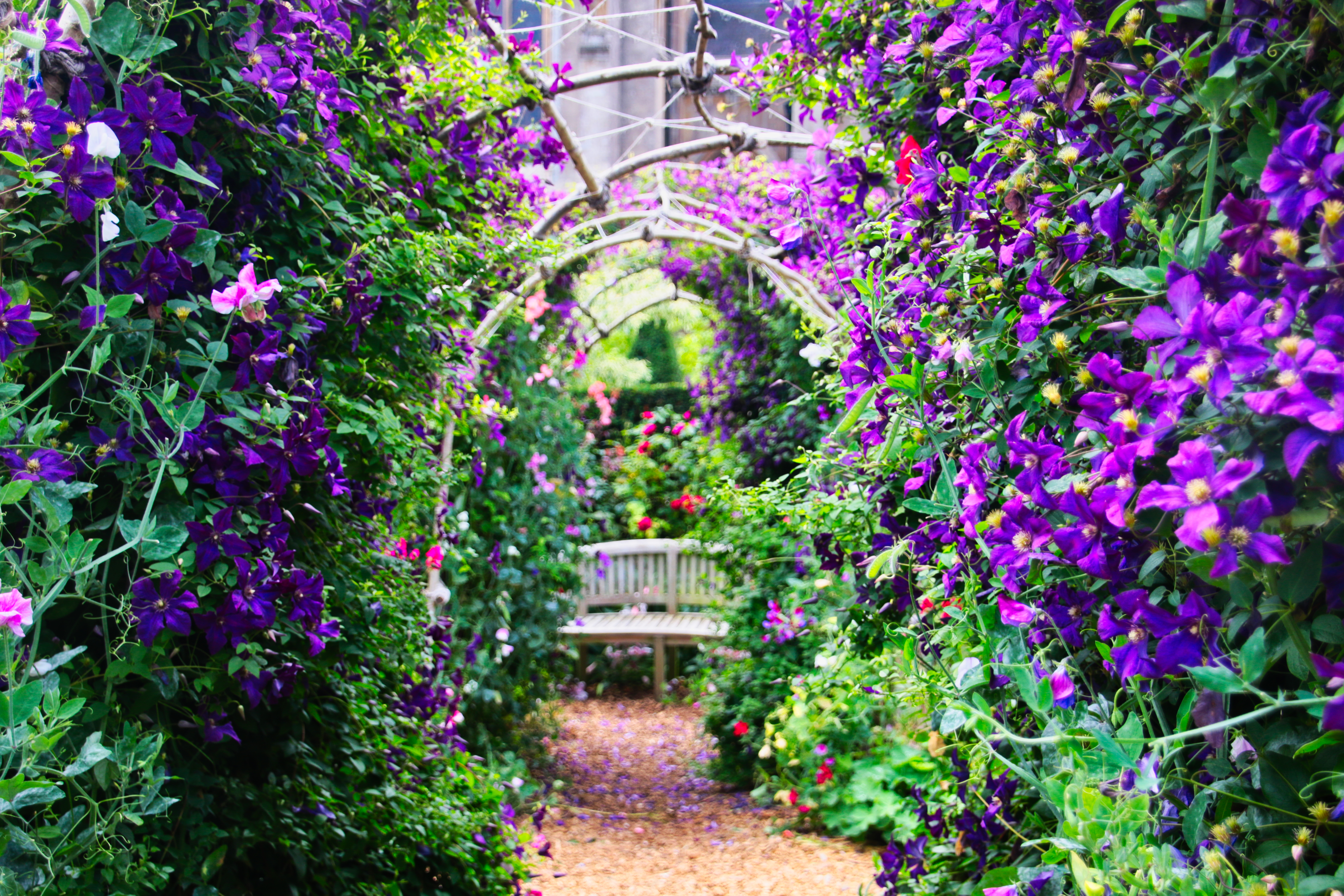
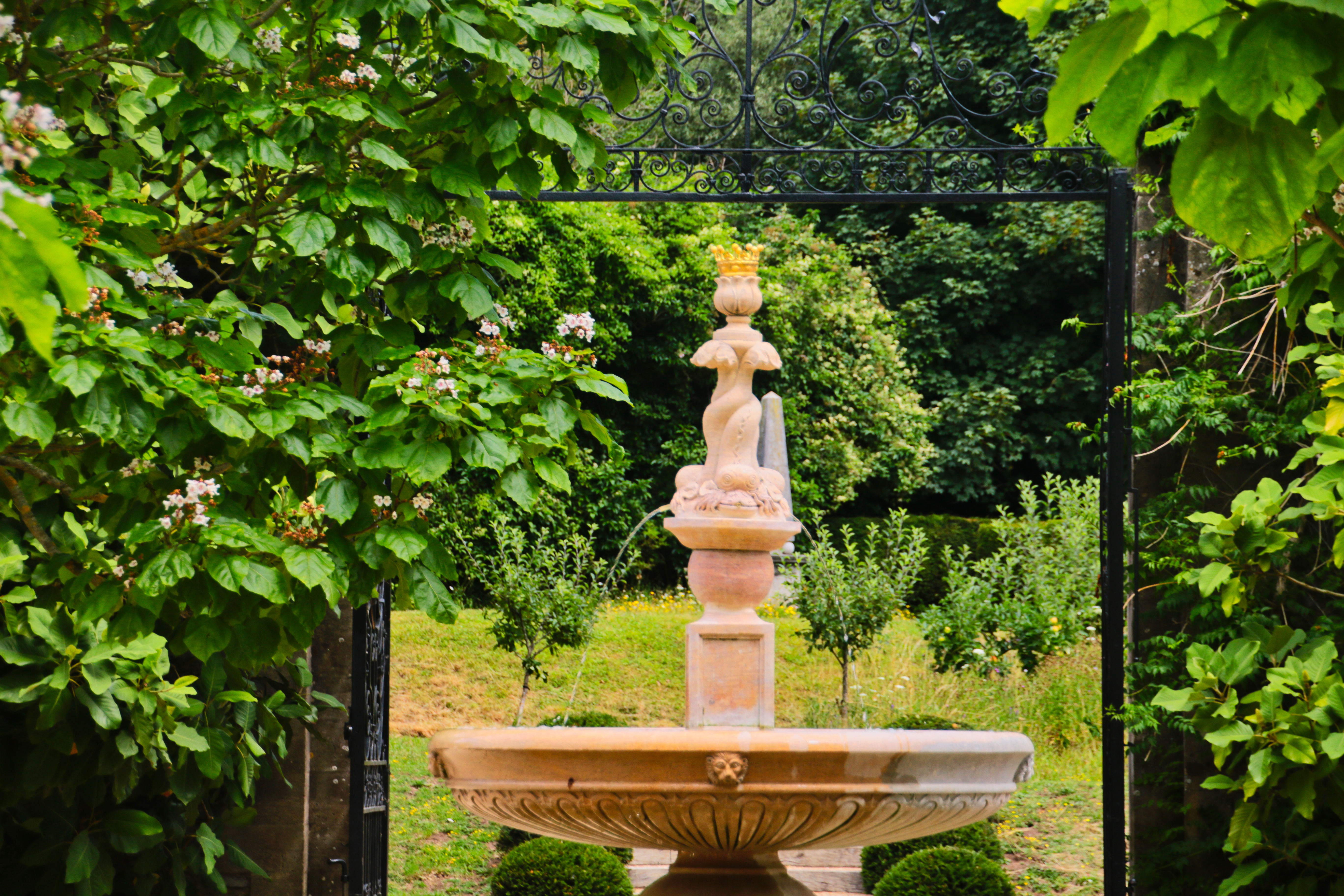
England is famous for its garden culture. The English garden was created in the 18th century in contrast to the French garden, which is very structured with symmetrical ways and central points. Hence, it is a metaphor for the French absolutism of its time, with the Sun king being in the center of power, all possible ways departing from him. The English system was more nuanced and unclear; there are more secret passageways in the Gardens, an aura of mystery and uncertainty sometimes, and the structures are not so transparent and open to exploration. But of course, the English garden, like its French cousin, is everything but natural; it is thoroughly human-made. One example is the Garden of Arundel on the grounds of the castle, which has the same name in Southern England. The temperate weather in this part of the UK allows for beautiful gardens with surprising diversity, consisting of local flowers and more exotic ones.

test

Land of the Clansmen

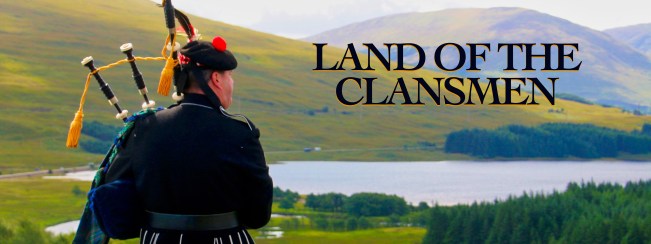
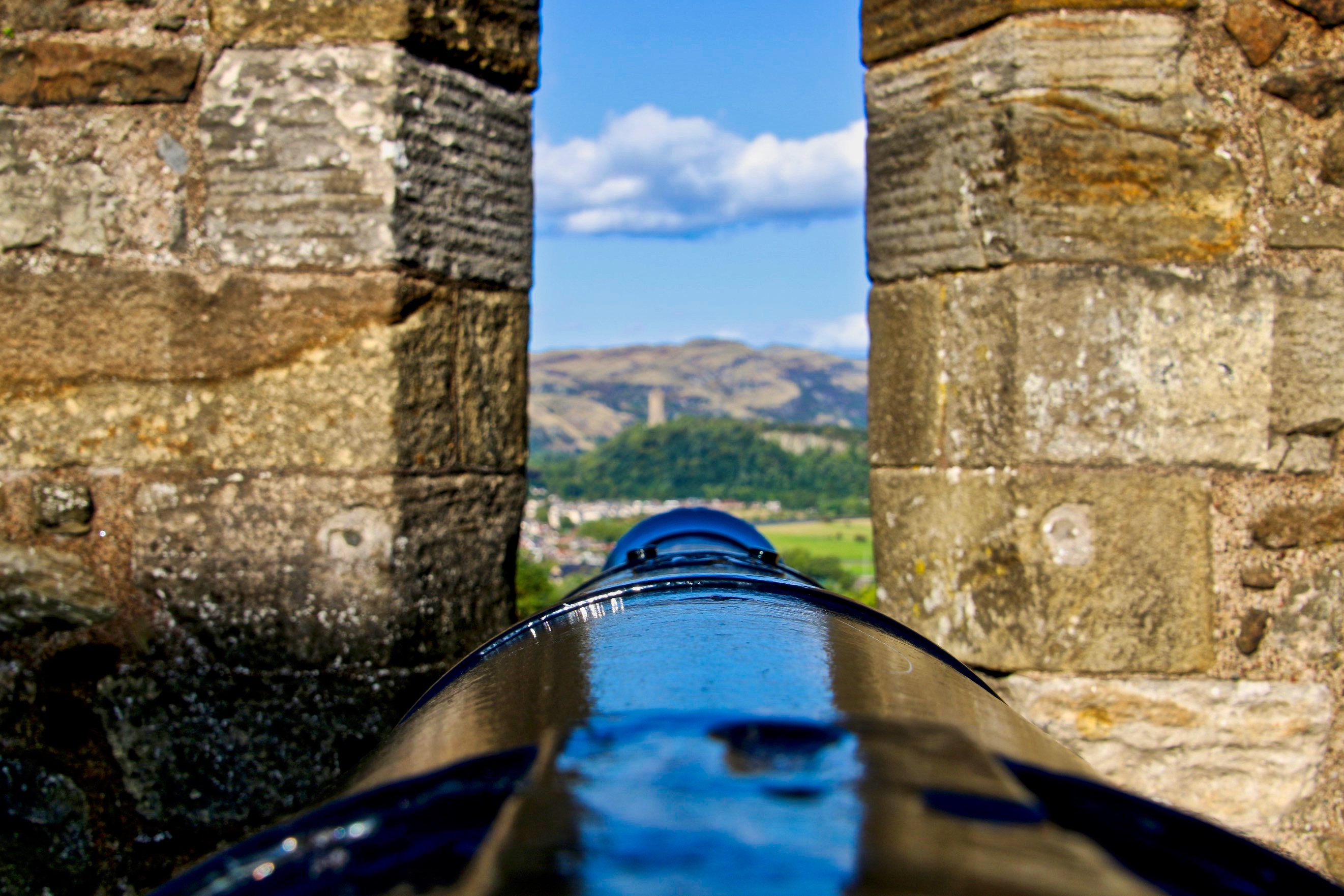
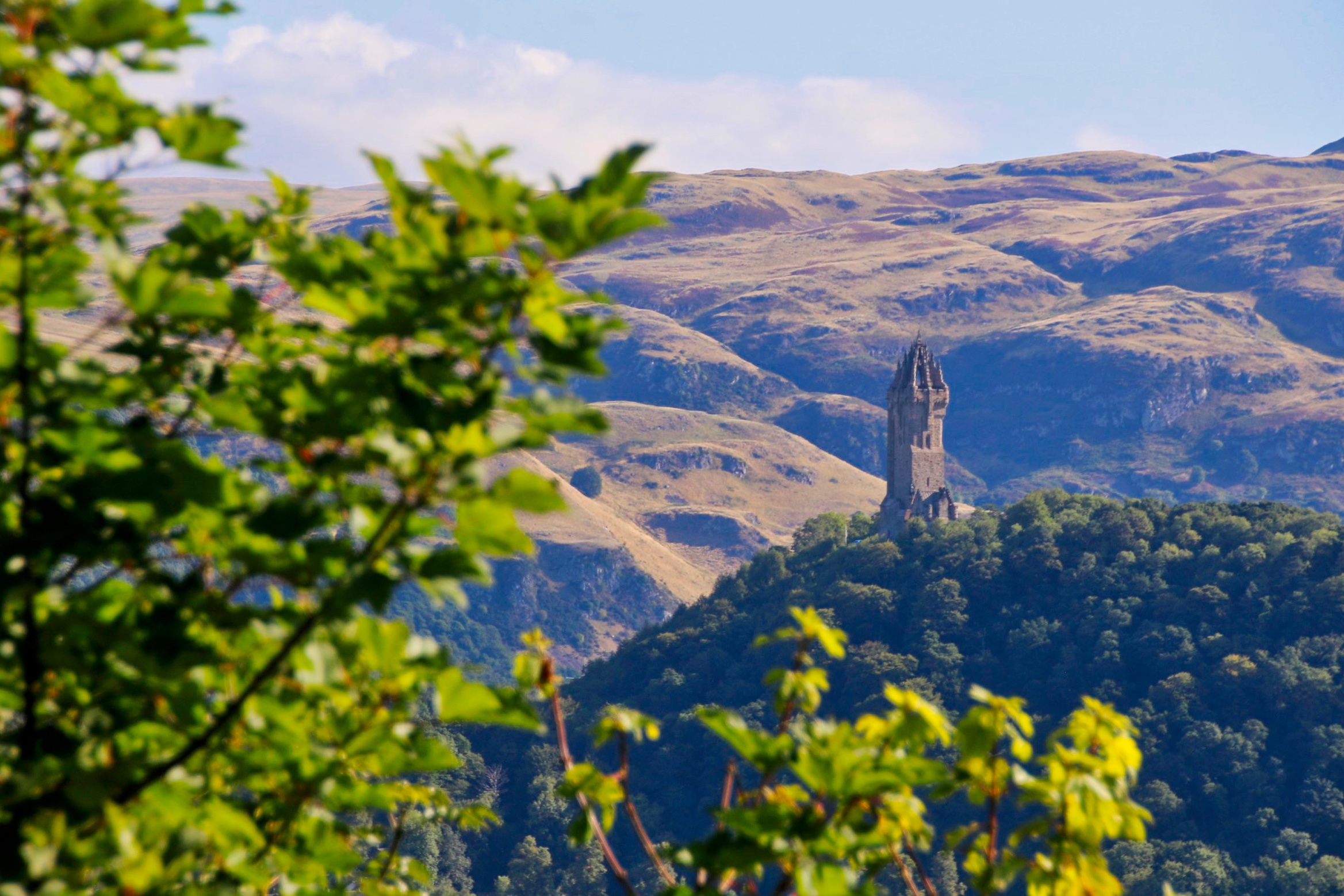
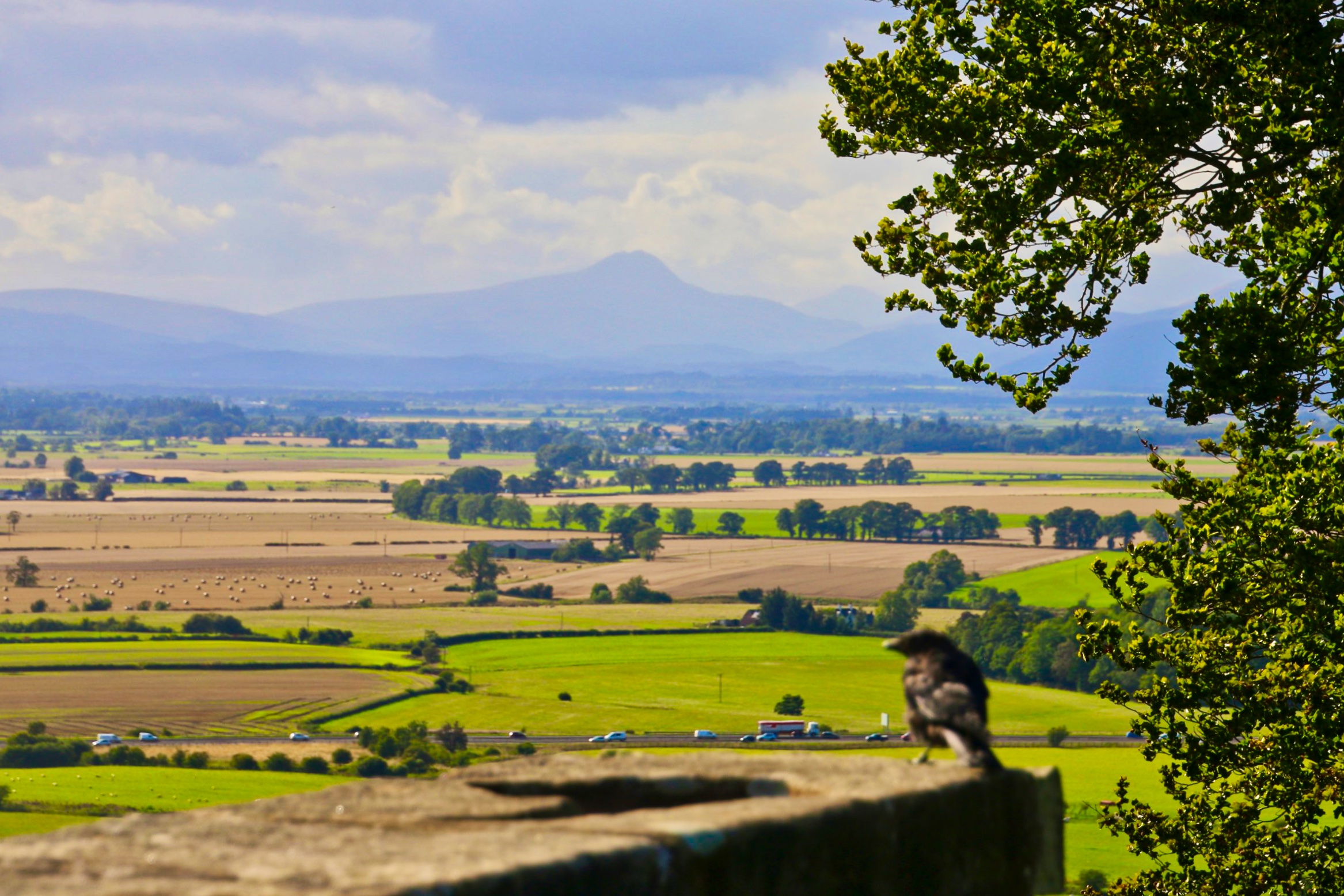
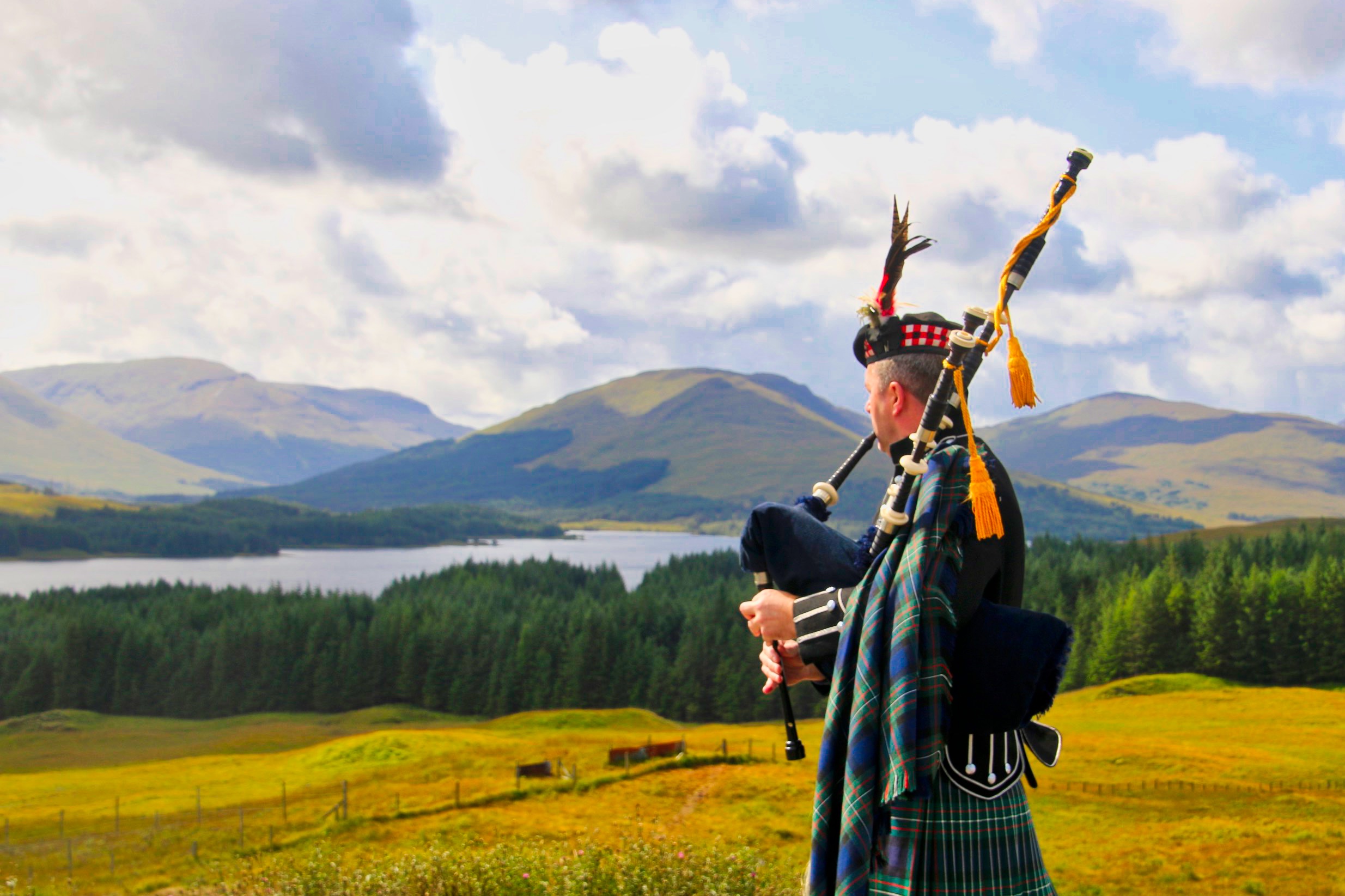
For centuries, Scotland was the land of the Clansmen. The country was divided and governed by families like the MacDonalds, Camerons, or MacKenzies. These had their own tartans, traditions, and allegiances and were interlocked in a fight for influence and wealth. They had a deep connection and history with the land they occupied and an immense pride to be fierce fighters and survivors of the north. It was seldom, though, that they agreed on anything politically, it needed an outside force – a common enemy – to gather the concurring clans like in the wars led by national heroes like William Wallace (his monument is seen in the last picture), Robert the Bruce or lastly Bonnie Prince Charlie in the 18th century. That enemy, of course, was England. After the shattering battle of Culloden, in which the Scottish forces lost against the English king, the history of the clan ships ended. Though their traditions and history can be seen all over the country – the spirit of fierce warriors and the deep connection to their native land can be felt and is still there.
test

Wilds of Scotland

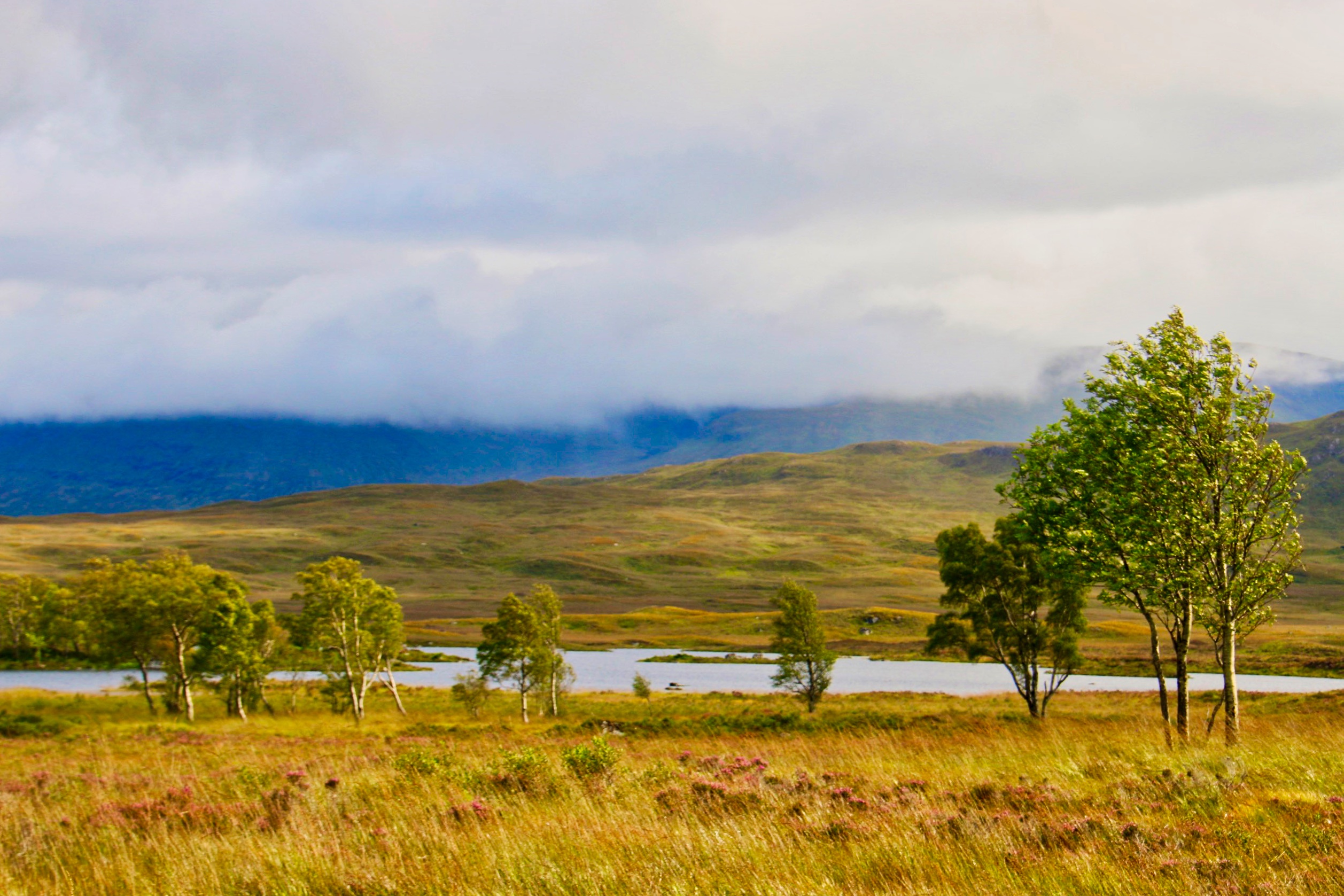
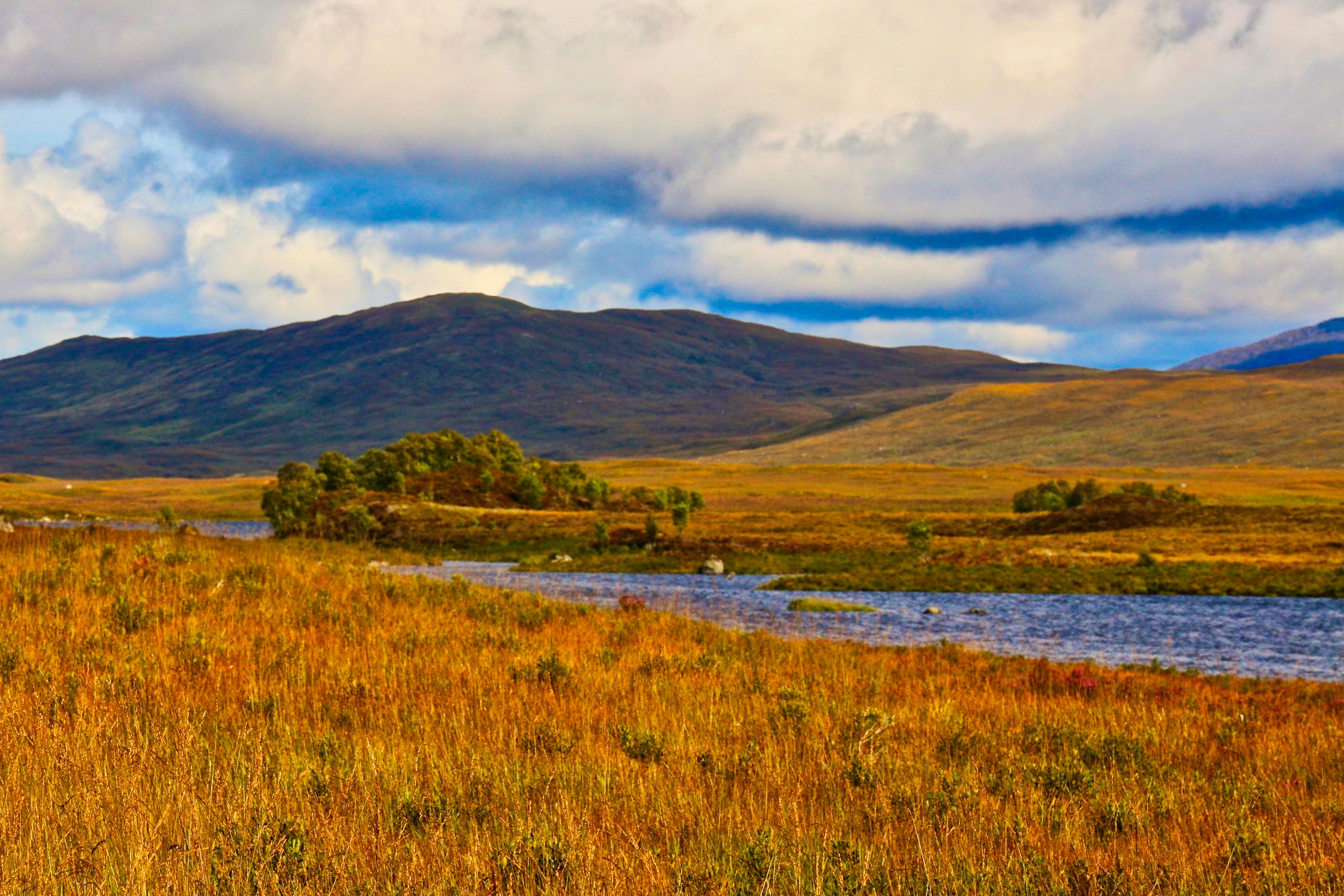
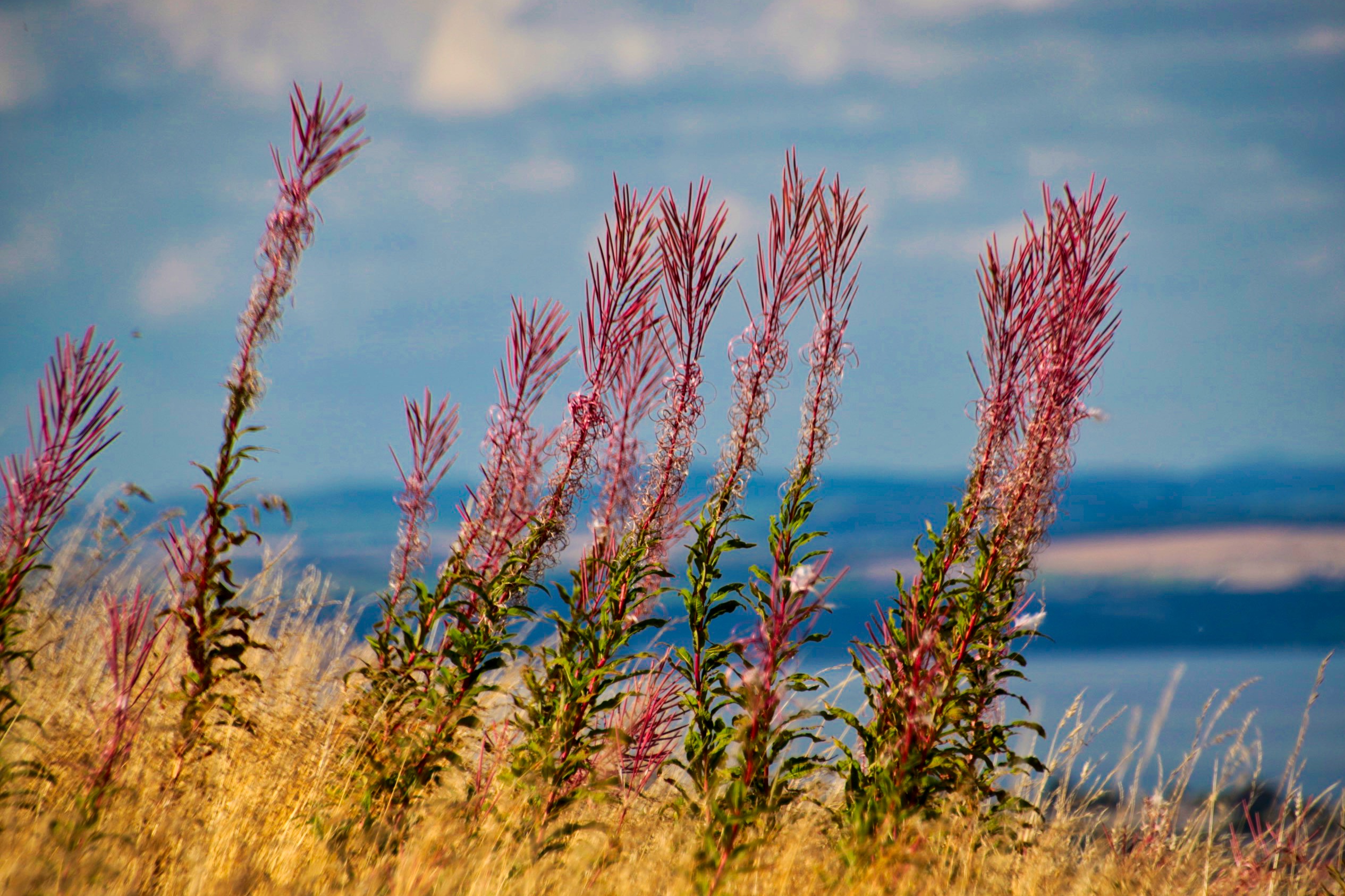
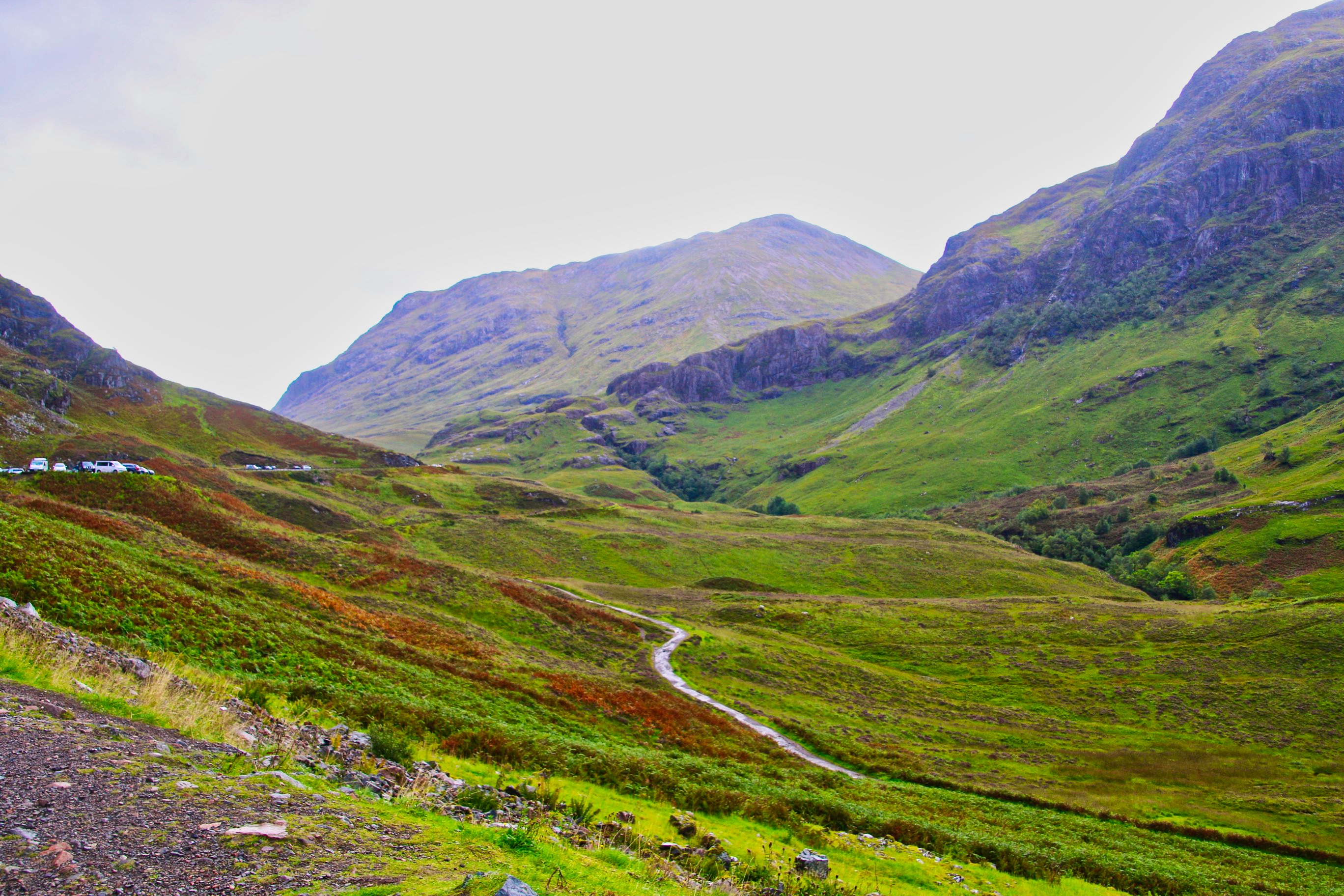
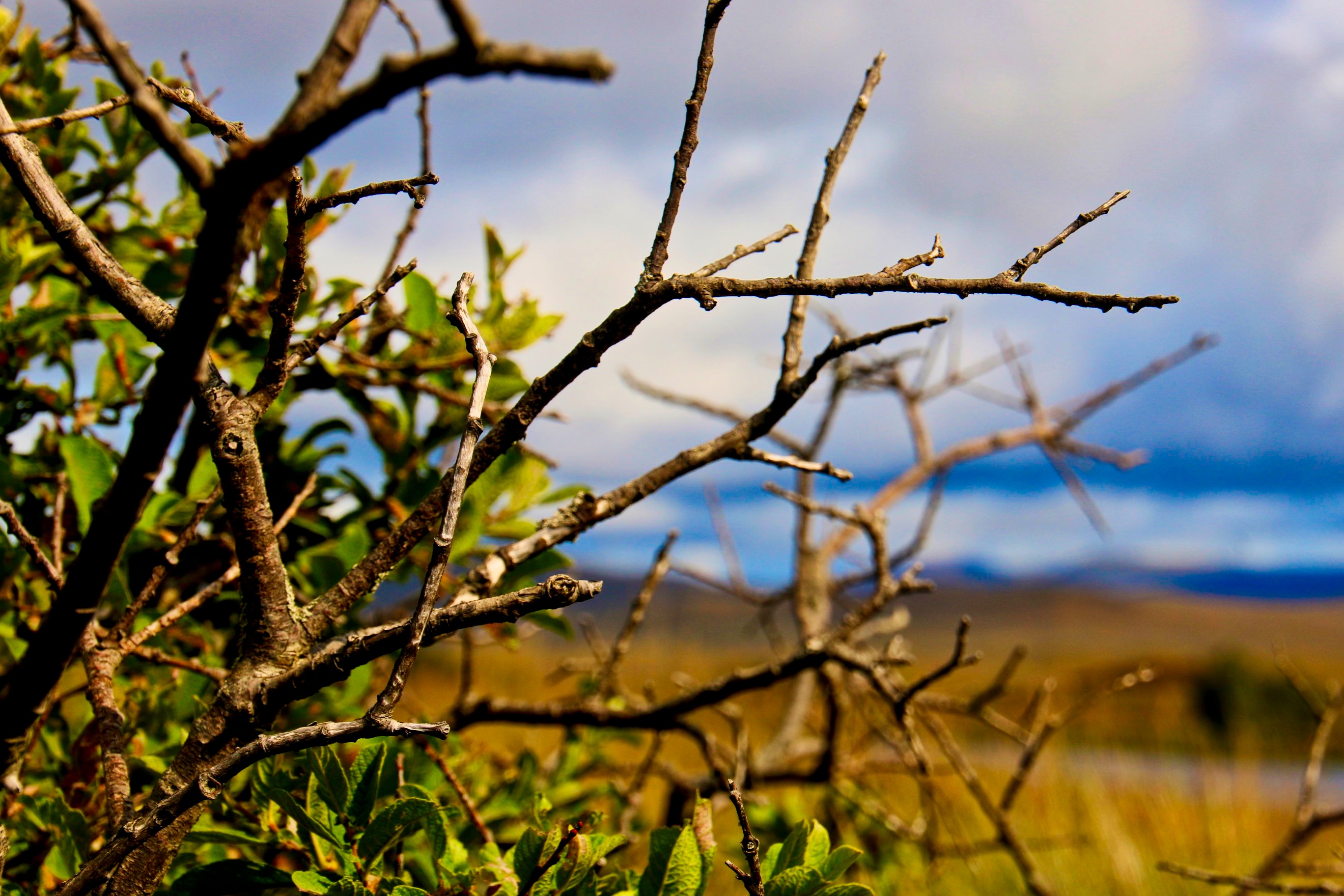
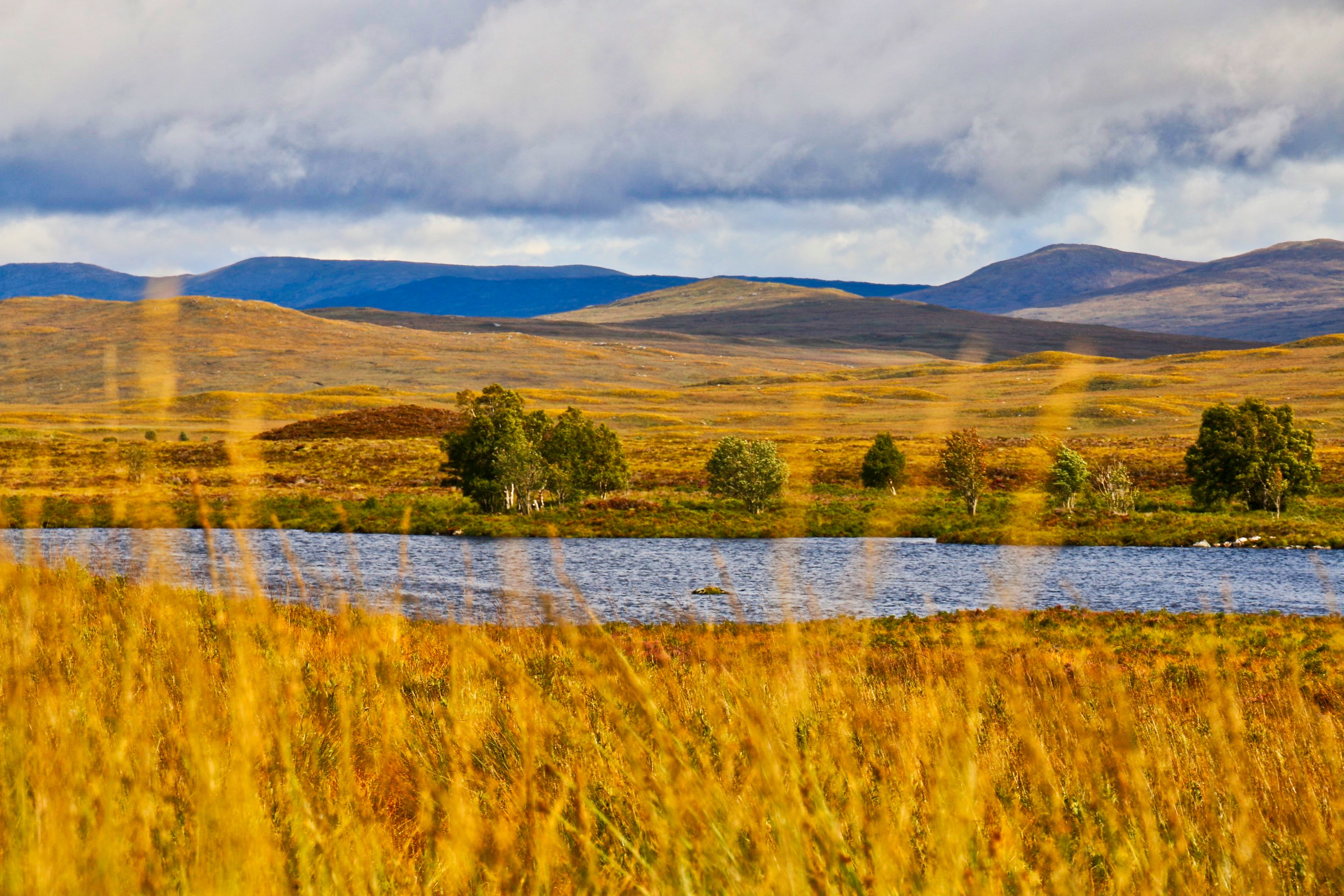
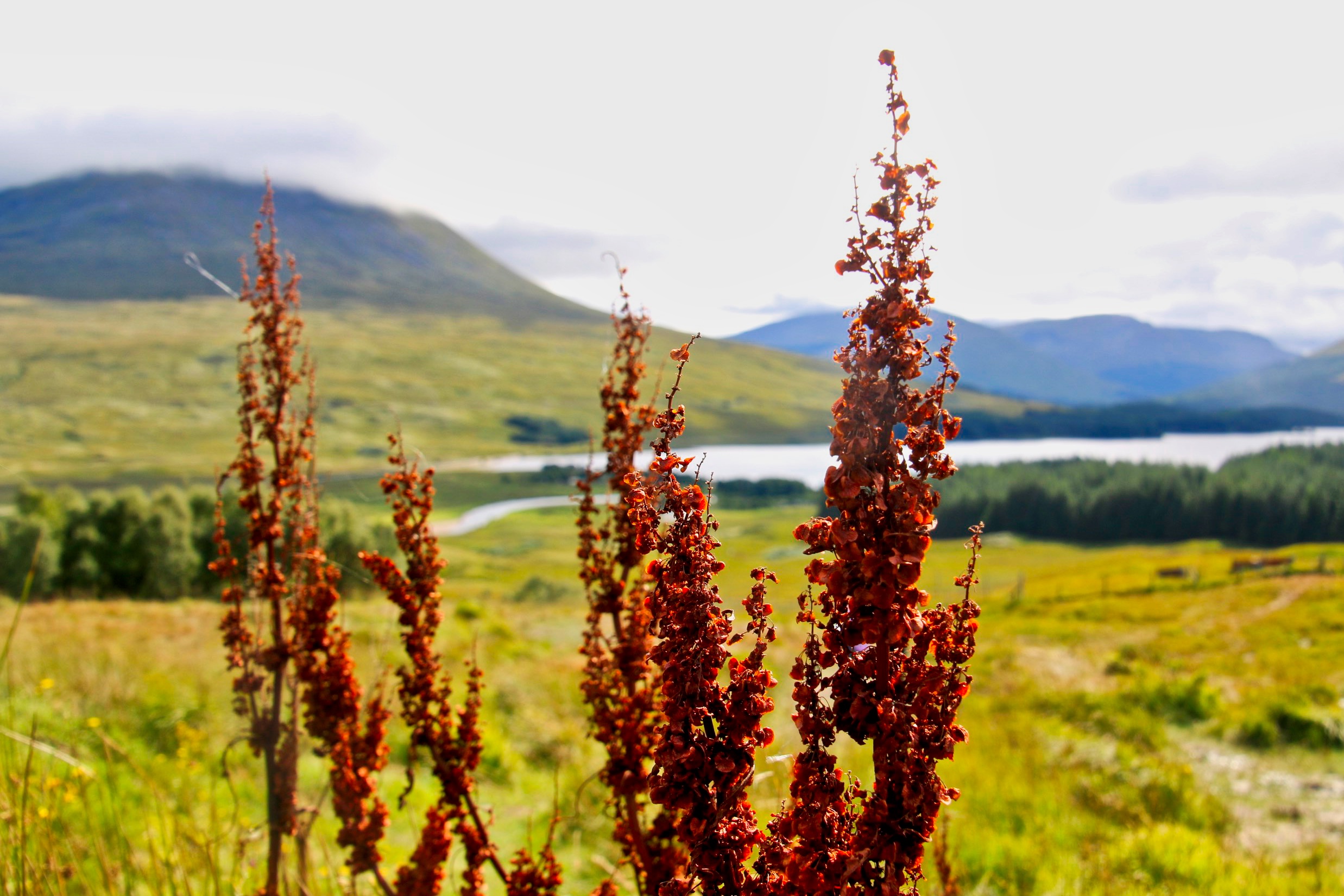
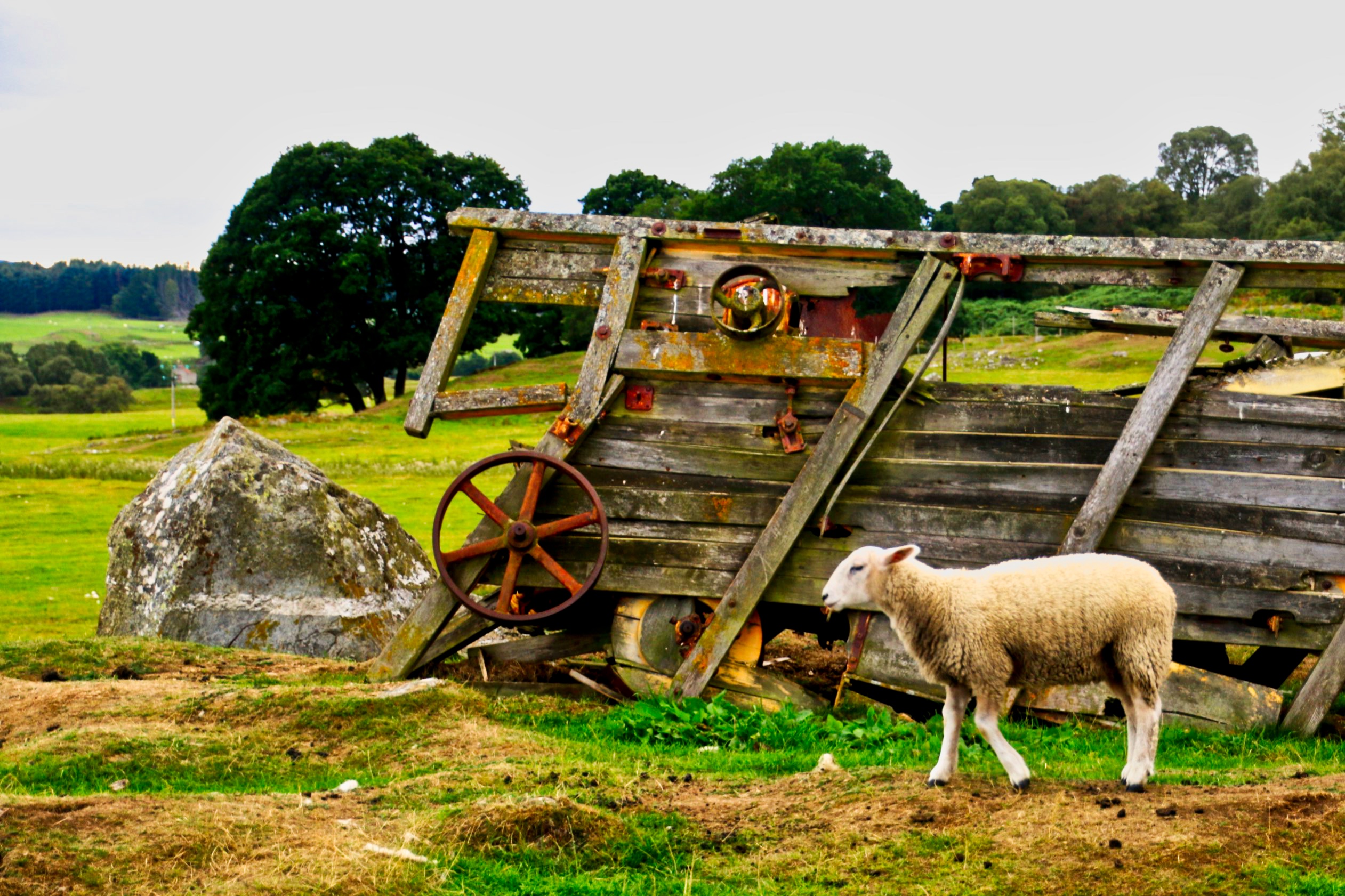
Scotland is a country of immense natural beauty. When speaking about the wilds of Scotland, though, it is essential to note that the human influence on nature over the last centuries up until today has been huge. Before the arrival of humans and the dawn of agriculture, Scotland, as most of the island of Great Britain, used to be covered by dense forests. The need to create new grazing areas for cattle and farming land led to the burning and clearing of woodland. Additionally, wood became an essential material for construction, especially from the 17th century onwards, with the growing importance for shipbuilding as the island became a significant colonial power and ships were needed for trade and war. Though a lot has changed and the natural world of Scotland has not been left untouched by human hands, especially the north of the country, far away from Edinburgh and Glasgow, is still very raw and wild. Some impressions.
test

Discovering Caledonia

The Romans used to call the country, which we know today, Scotland Caledonia. It was a strange and foreign land with dangerous and wild inhabitants at the Northern end of the Roman world. Two immense walls were built by the Roman emperors Hadrian and Antonius to secure Britain from the blue-painted warriors – or “Picts” – living in the northern lands. Also behind these barriers was a country of immense beauty and raw vastness.

test

Travelling Scotland

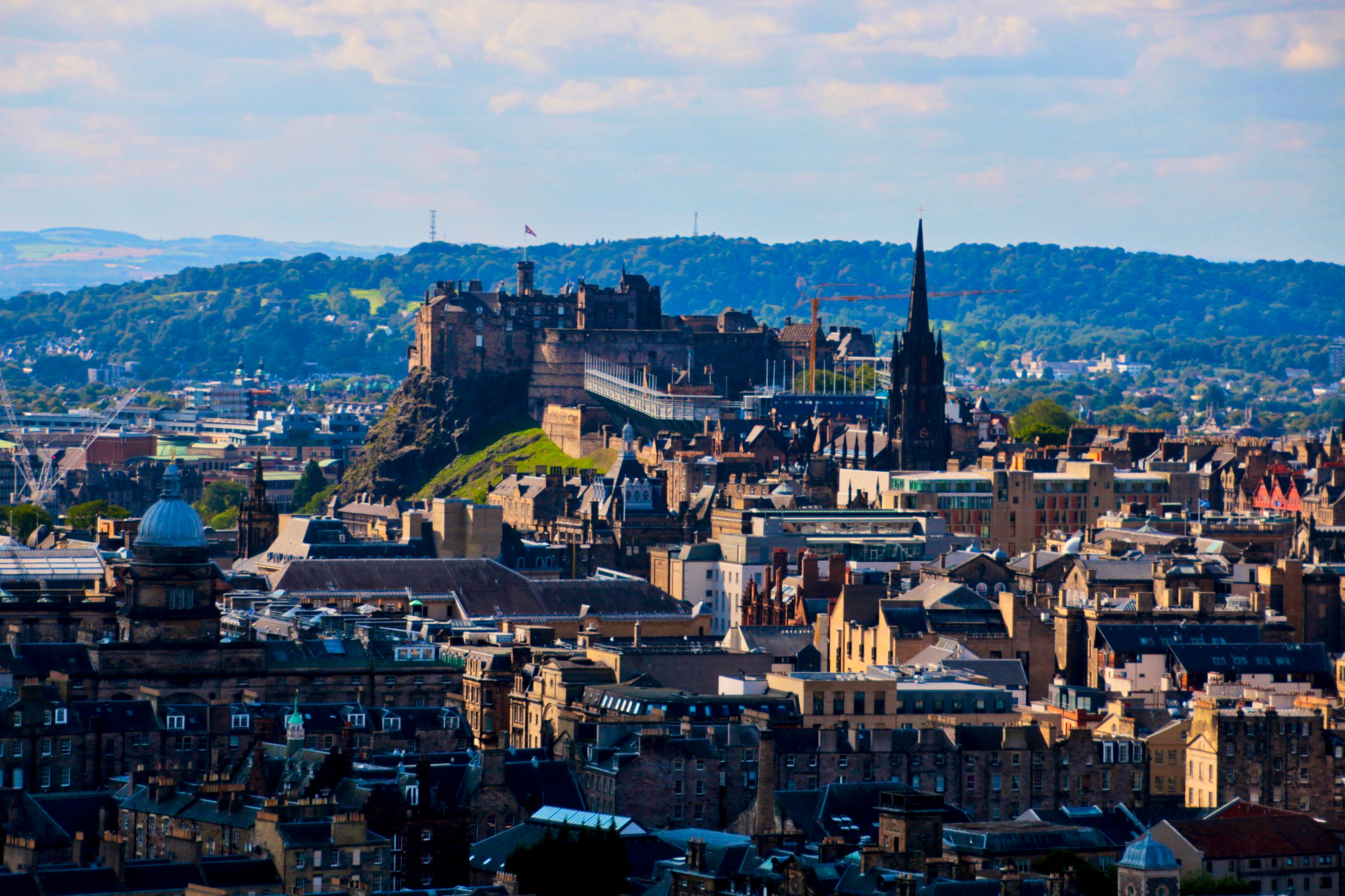
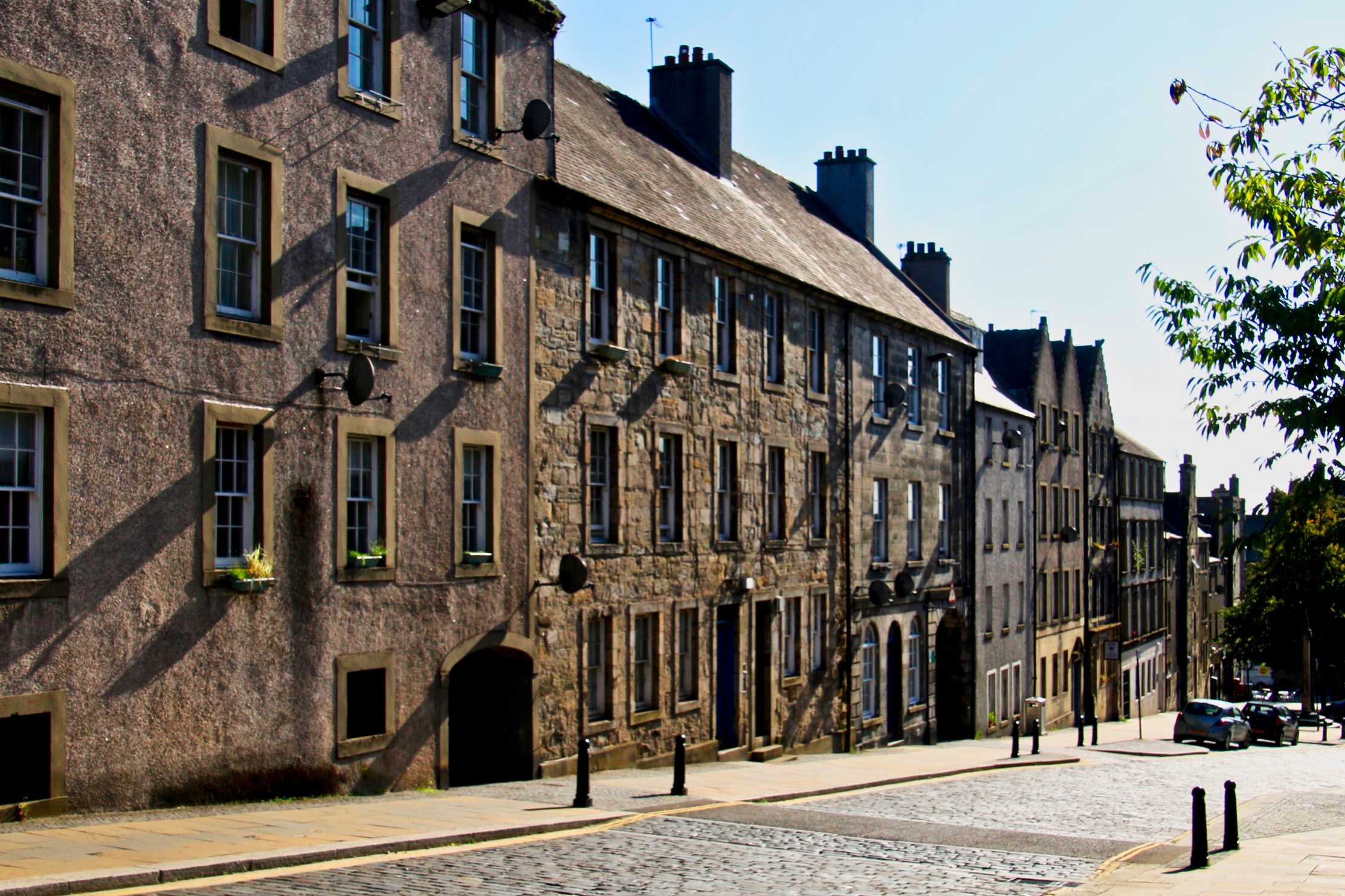
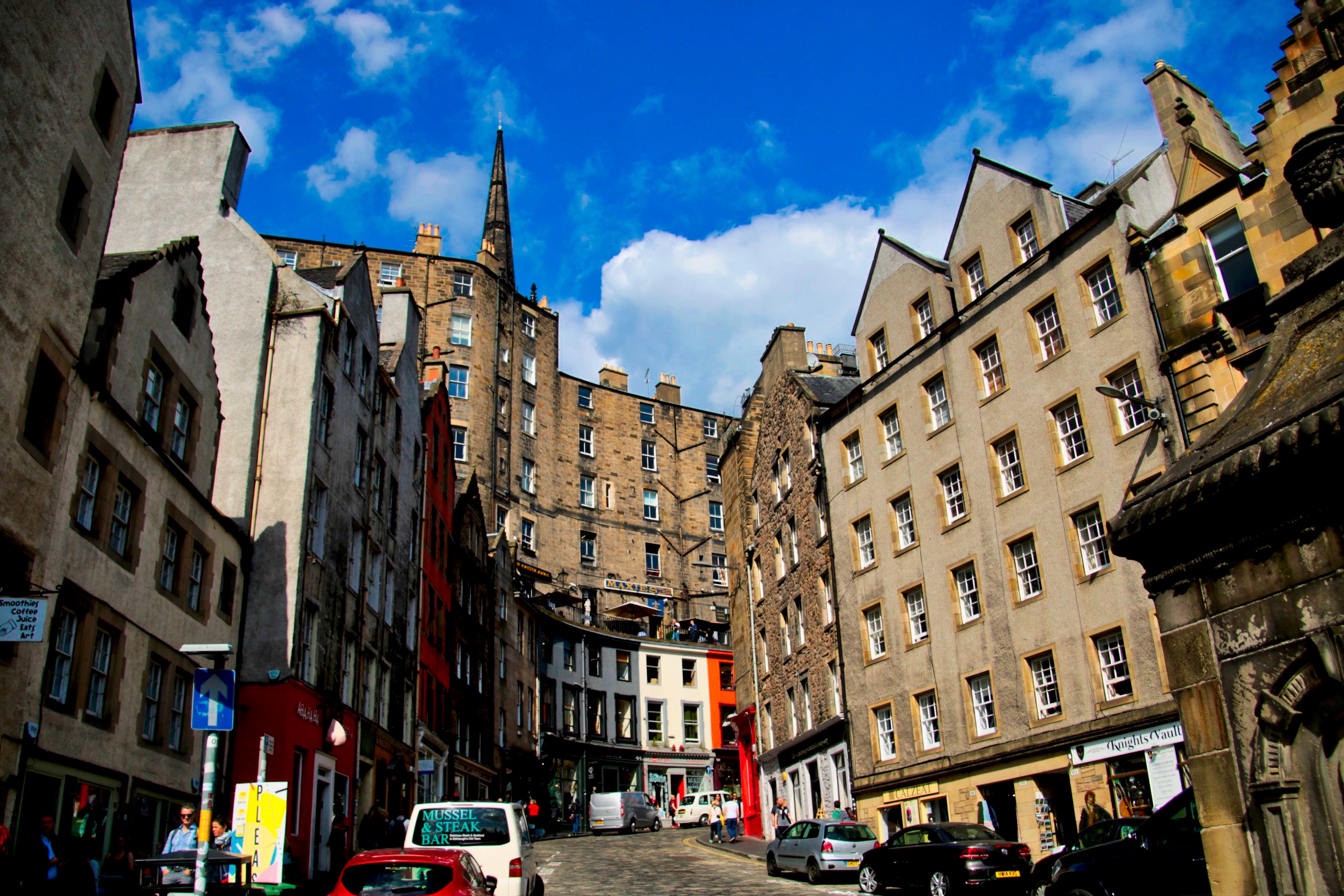
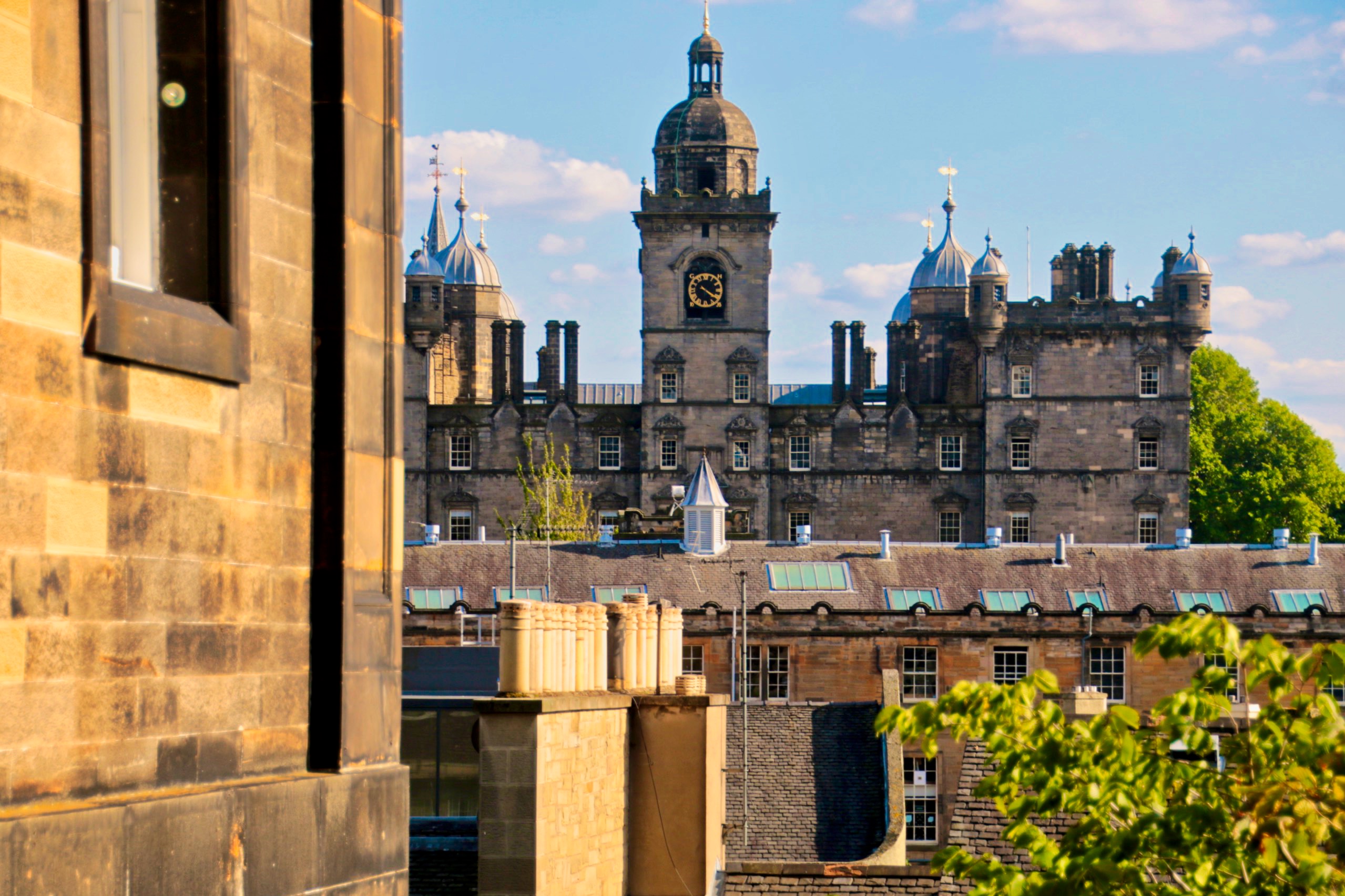
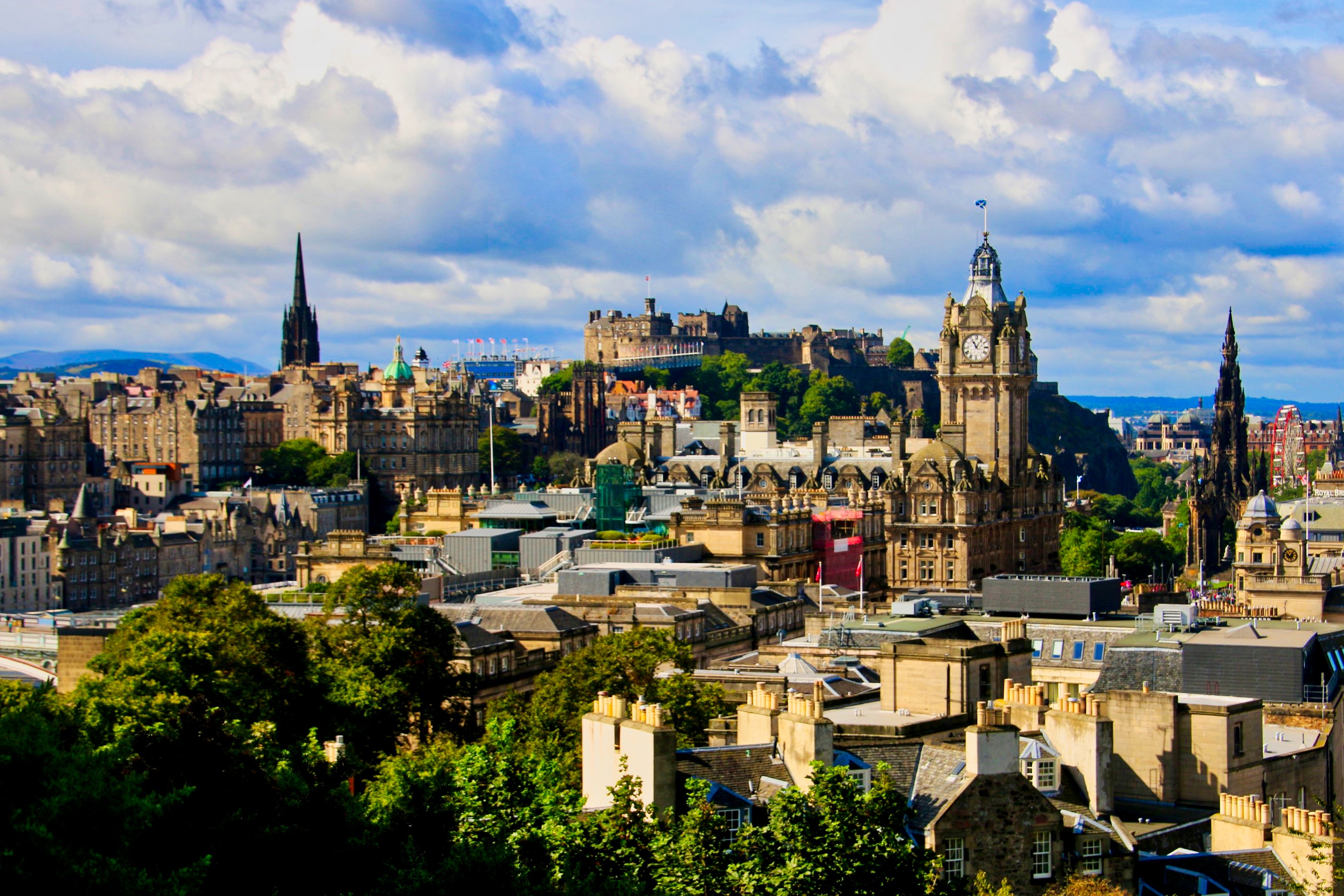
In 2018, as in the years before, I had the chance to travel to Scotland for some weeks in August. It is one of these particular parts of the world that don’t cease to amaze and enchant through natural beauty, historical but lively cities like Edinburgh, and the general sense of tradition and heritage, which can be seen everywhere throughout the country. Follow me for a journey to the north!

test

Gloucester: The Curious Cathedral

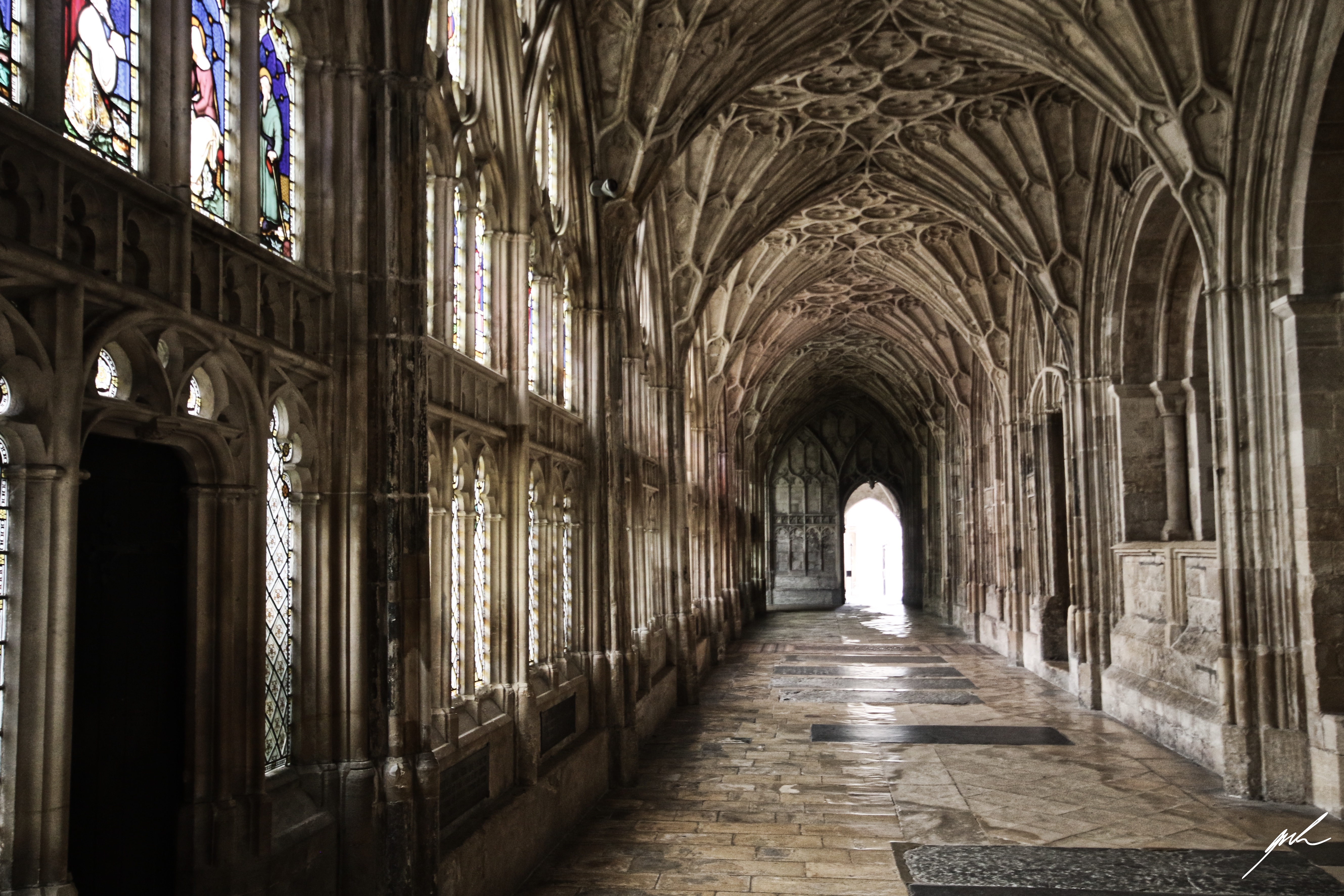
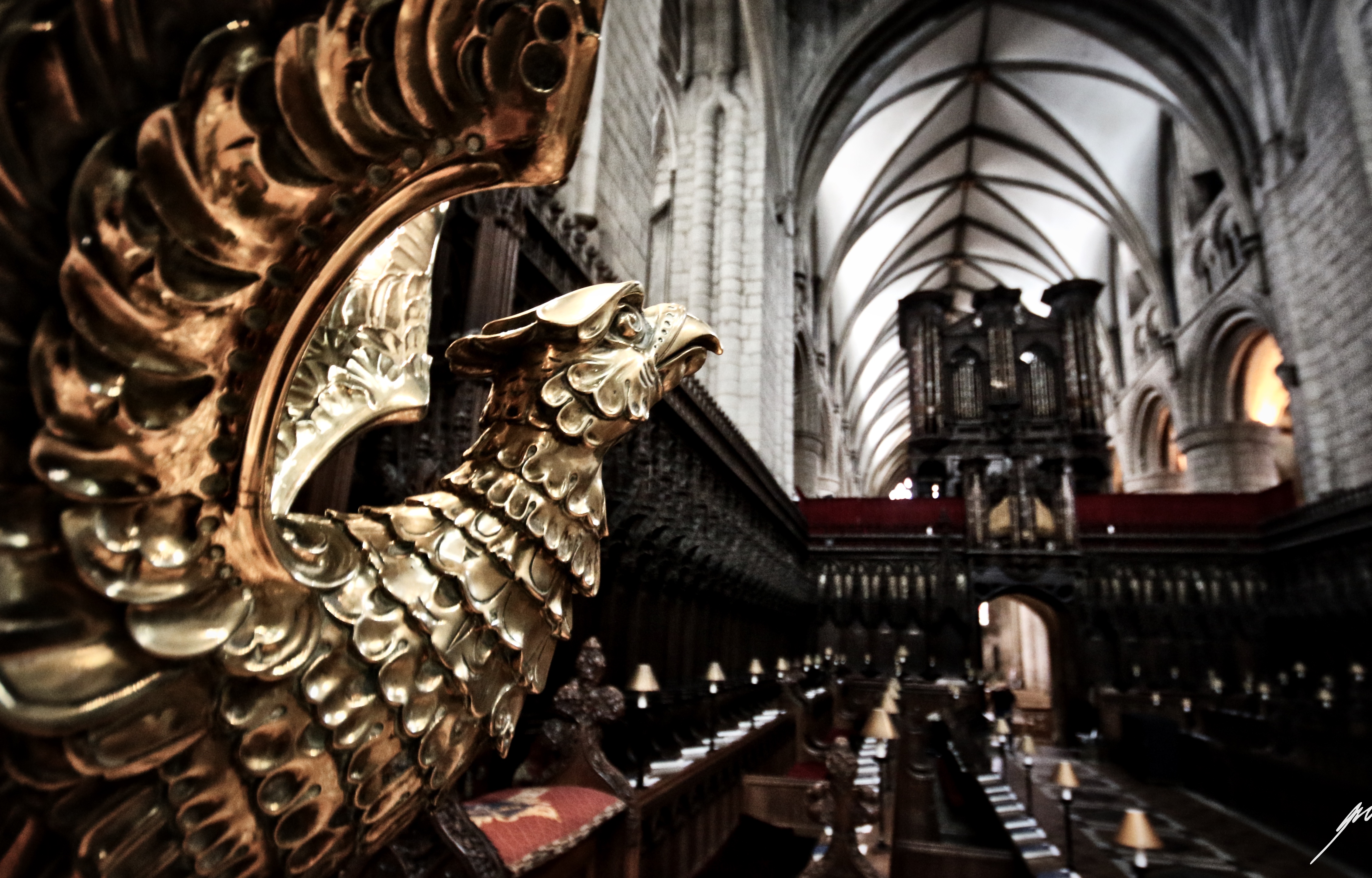
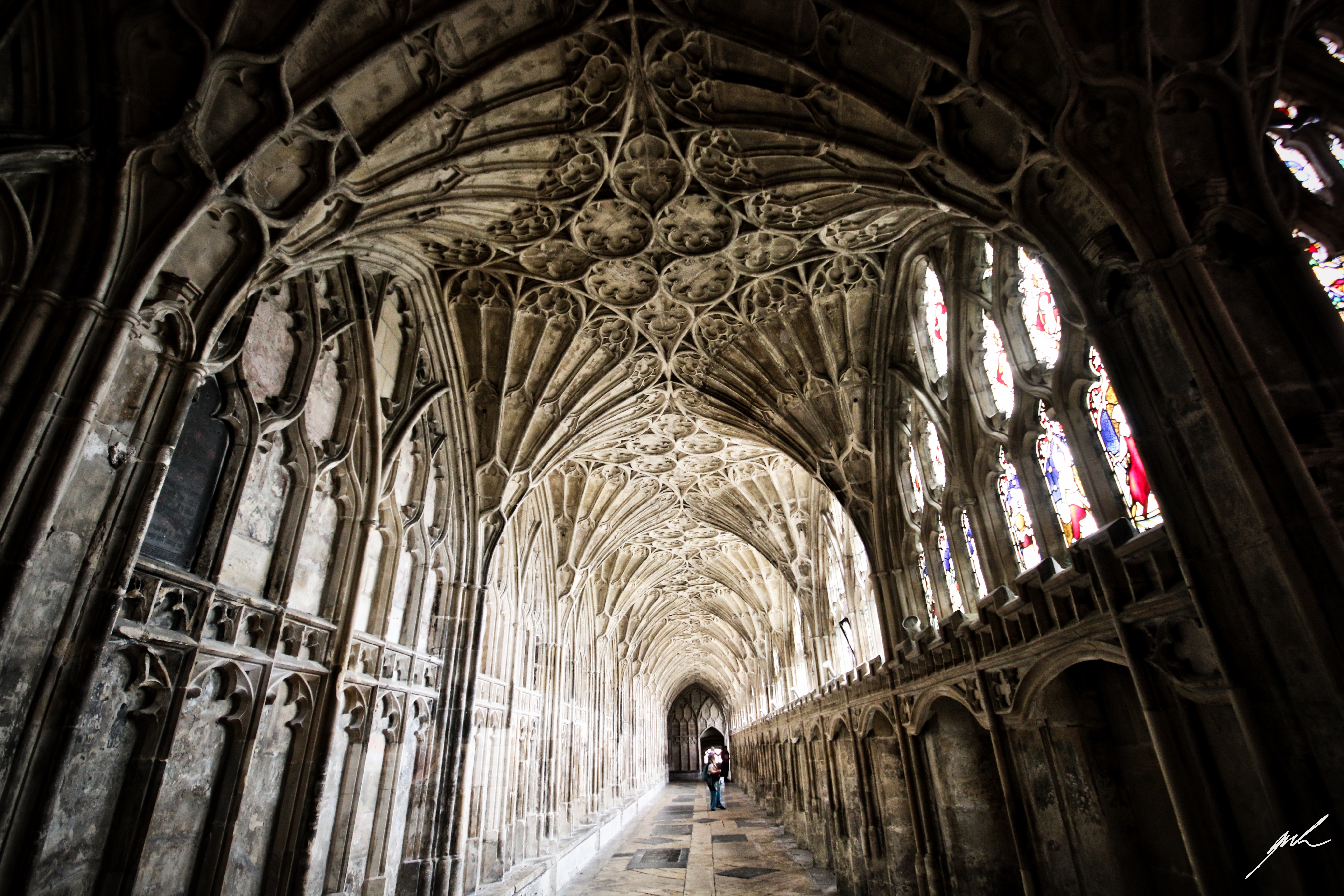
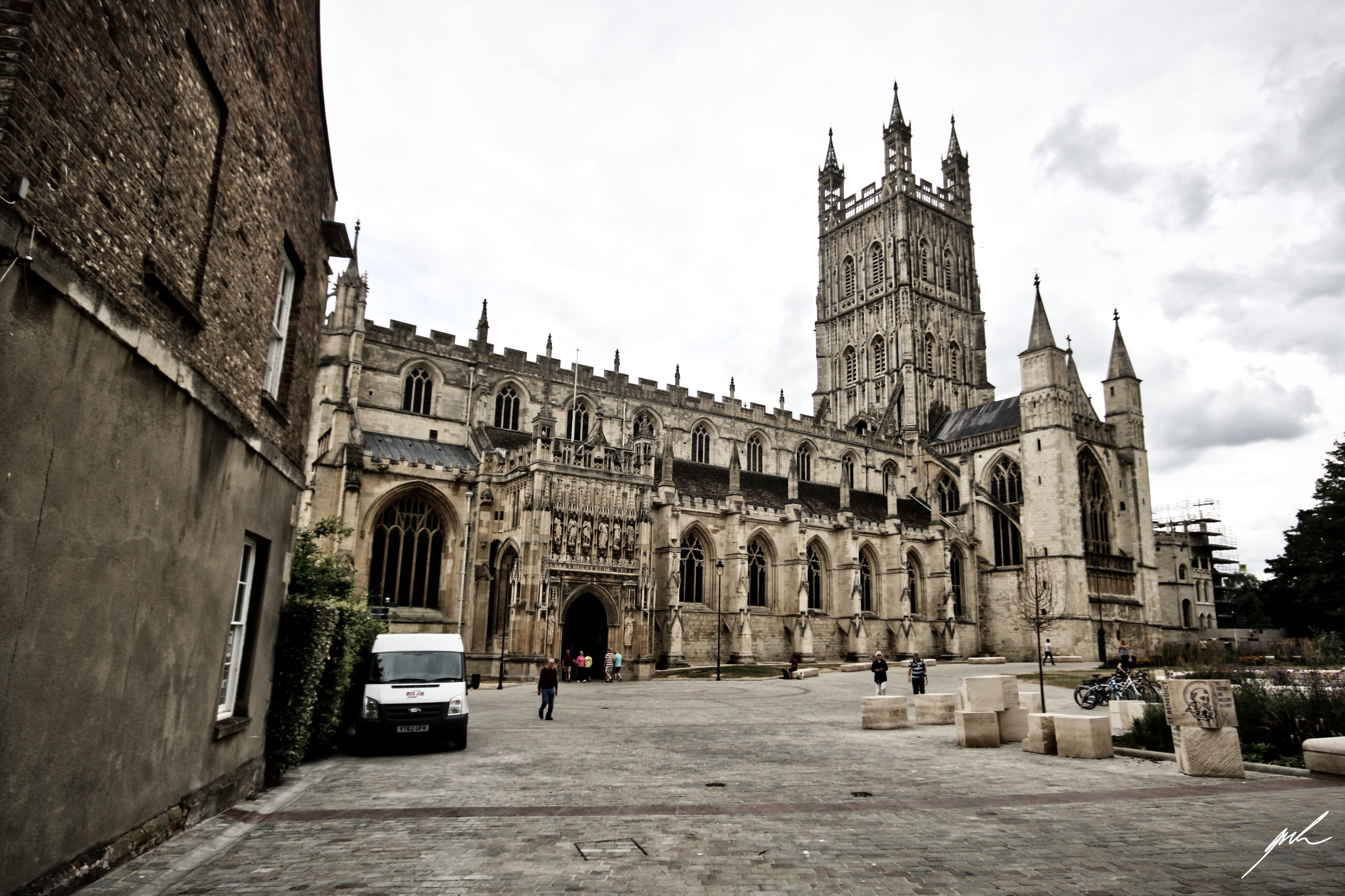
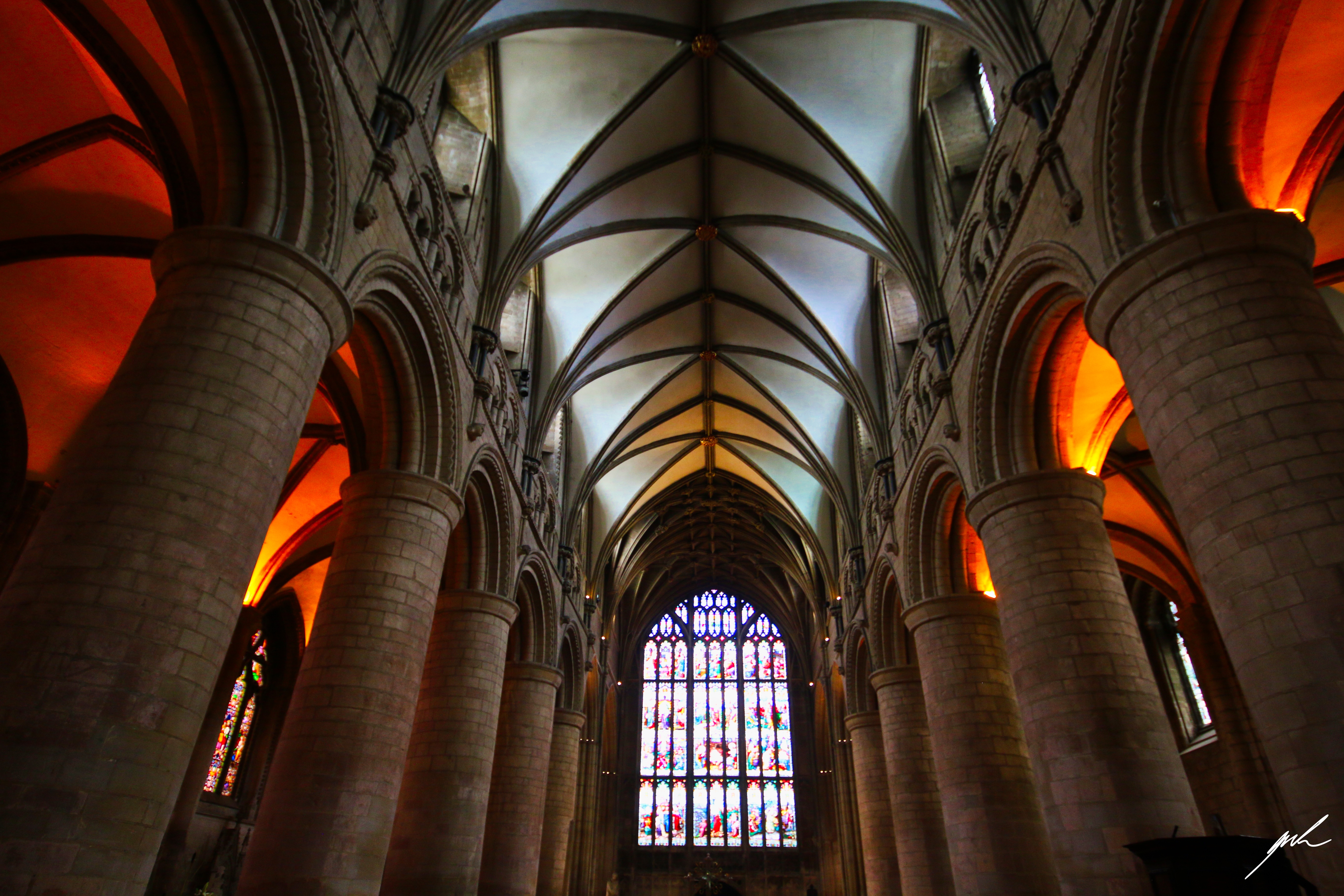
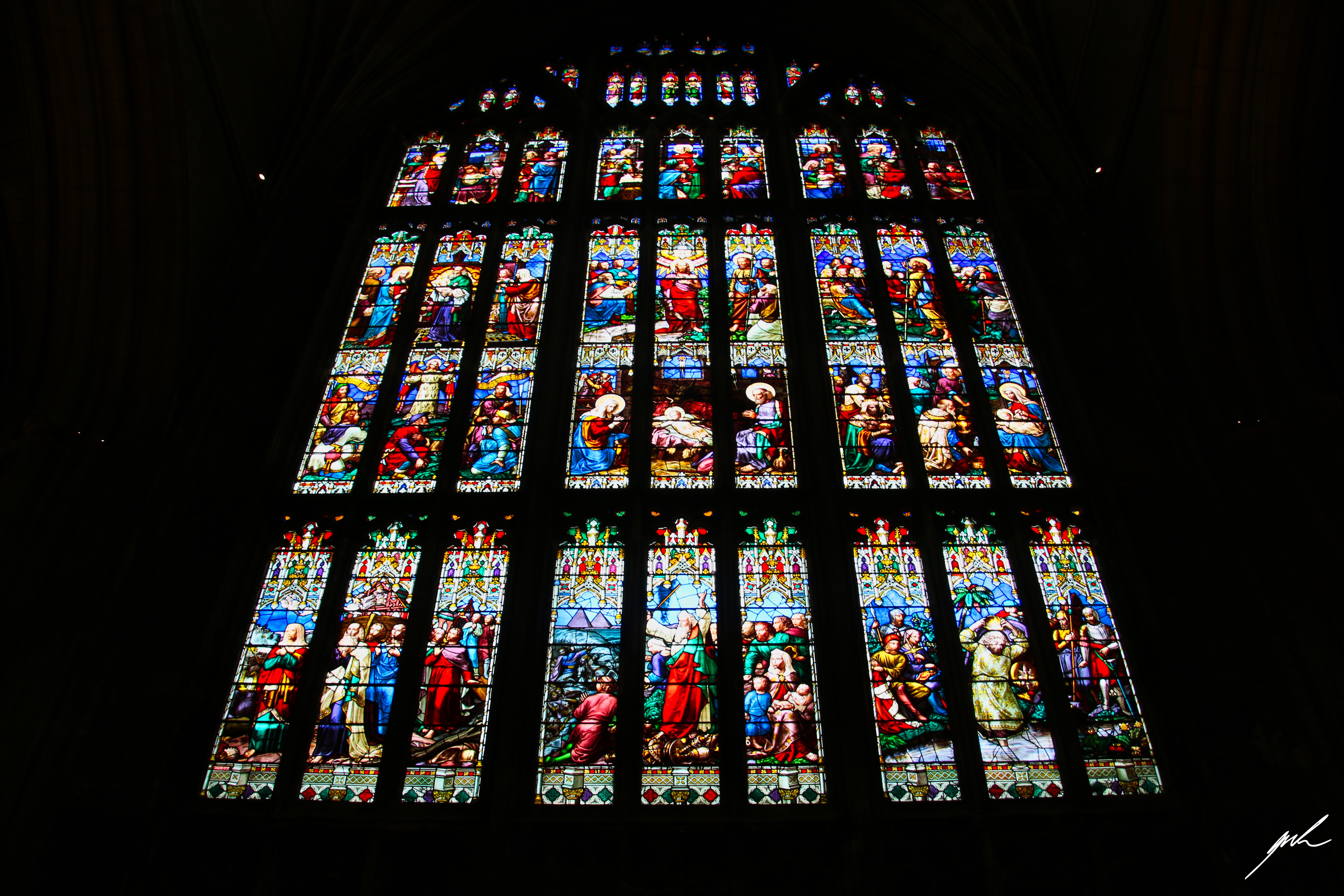
The Cathedral of Gloucester was built in the 7th century and is well known, among other things, for being a filming location for the Harry Potter movies. It is also famous for being very mysterious and even strange. The reason is the architectural style of the church, which is called “perpendicular style,” a more grotesque version of the medieval Gothic style. The glass windows are also very peculiar and exciting; there is even one depiction of a medieval Golf player! All in all, it is a fascinatingly grim but beautiful cathedral.

test