Skip to content

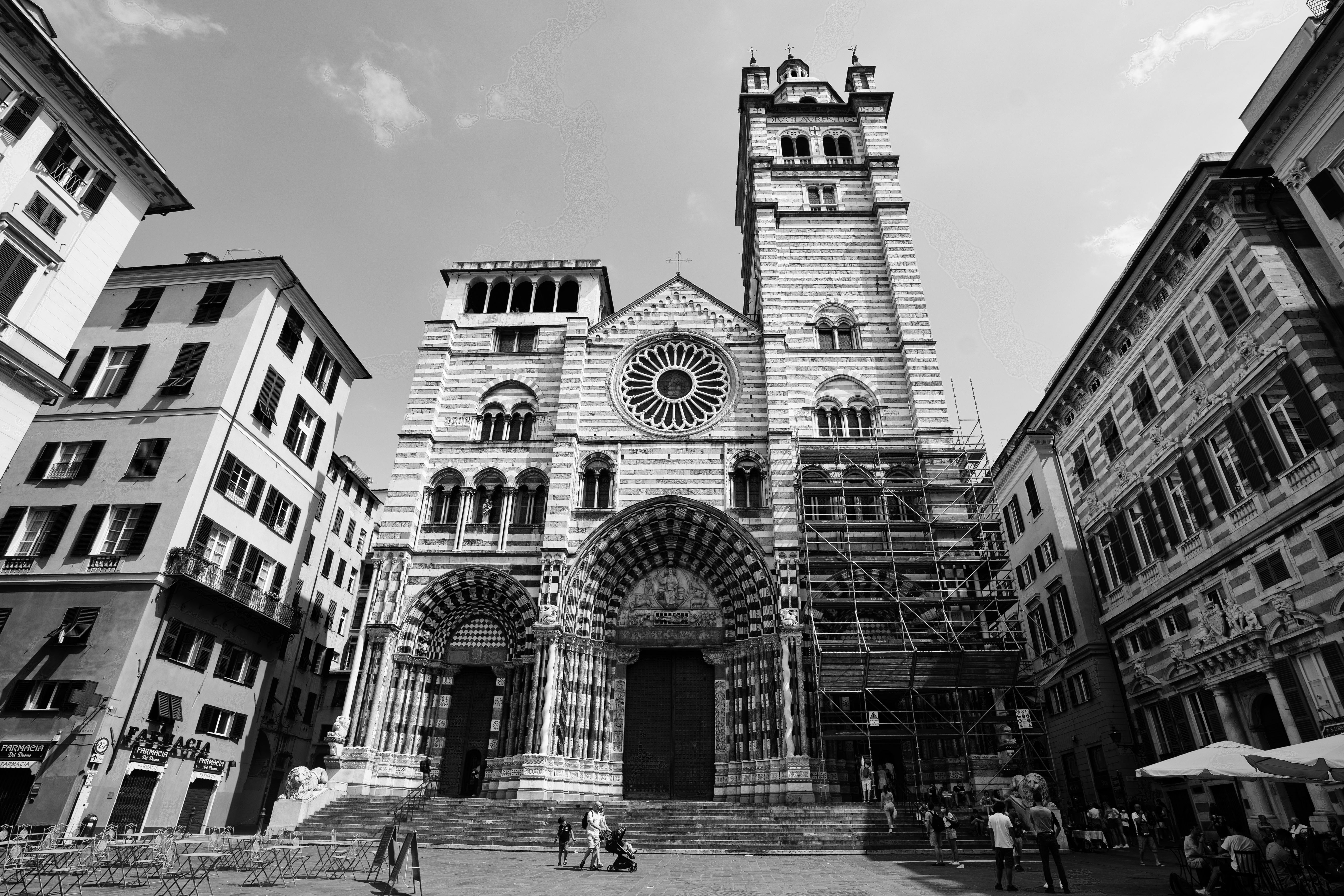
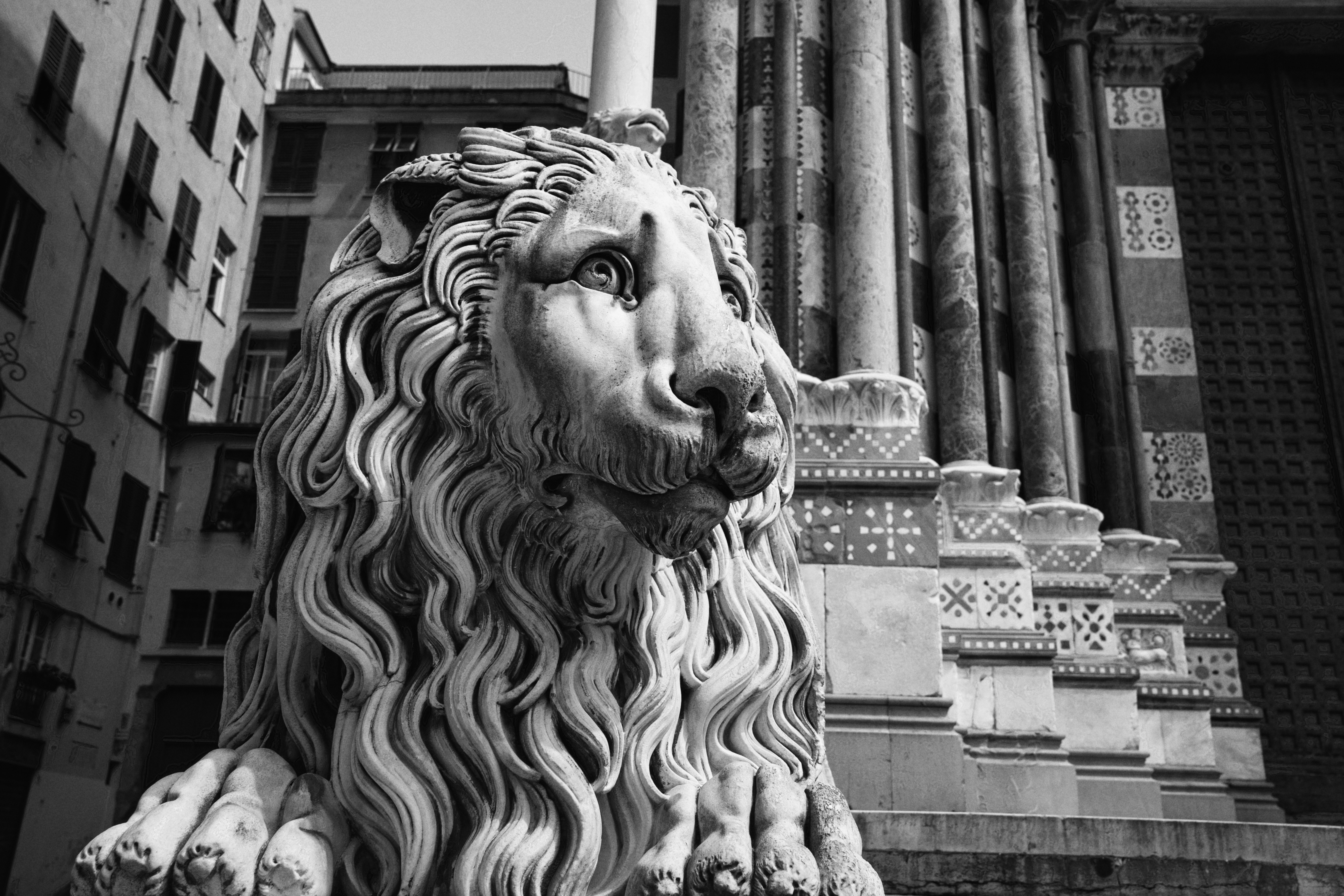
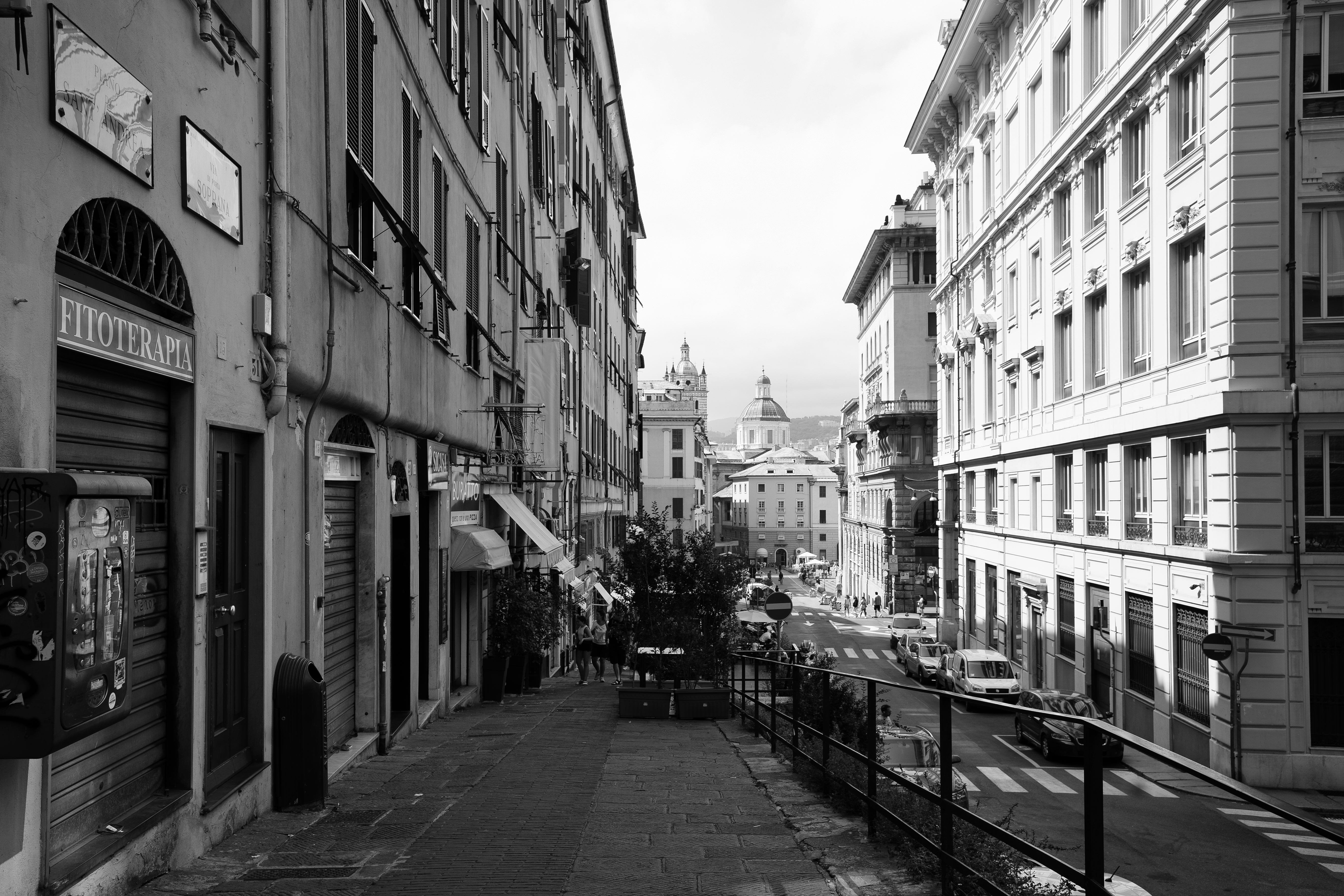
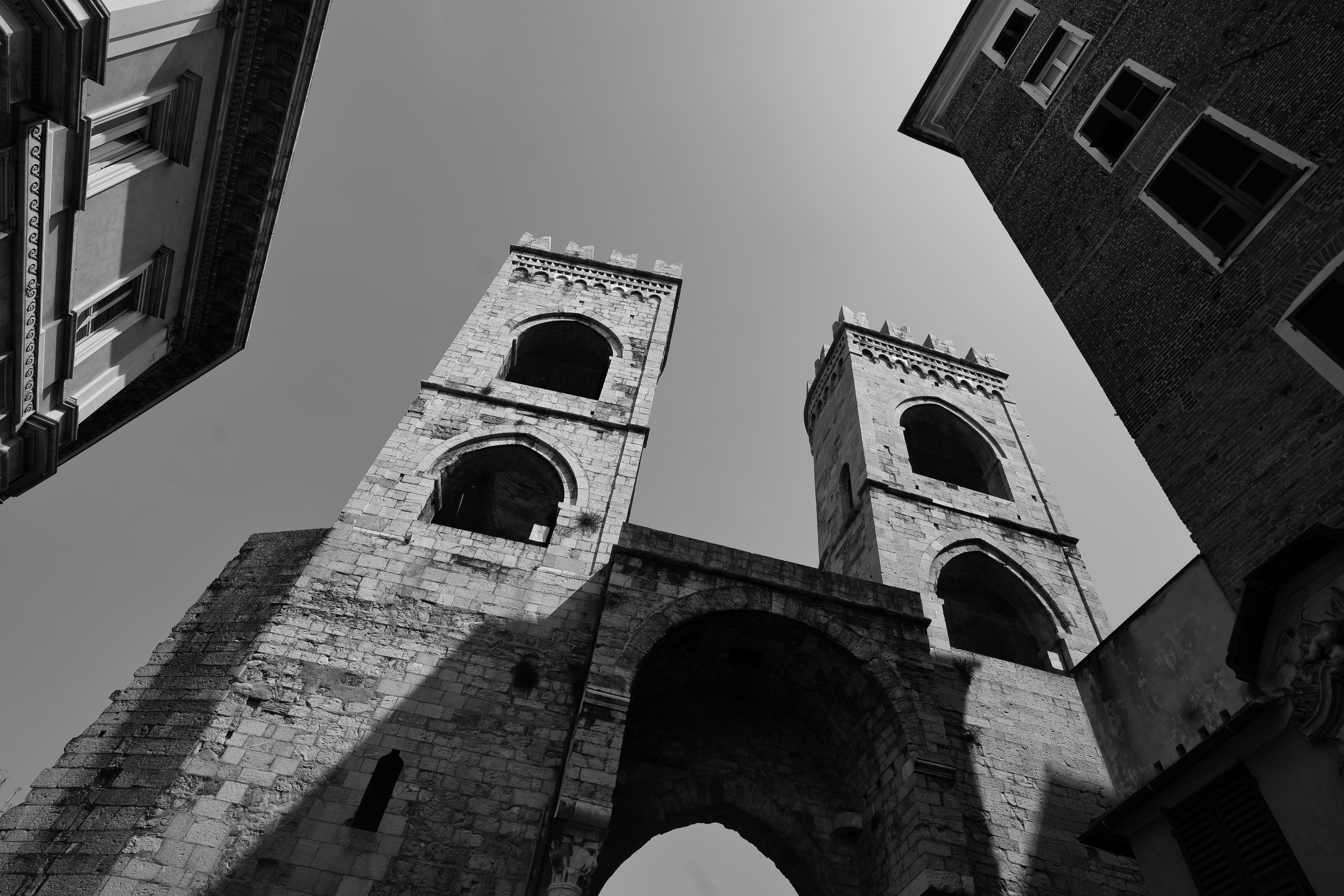
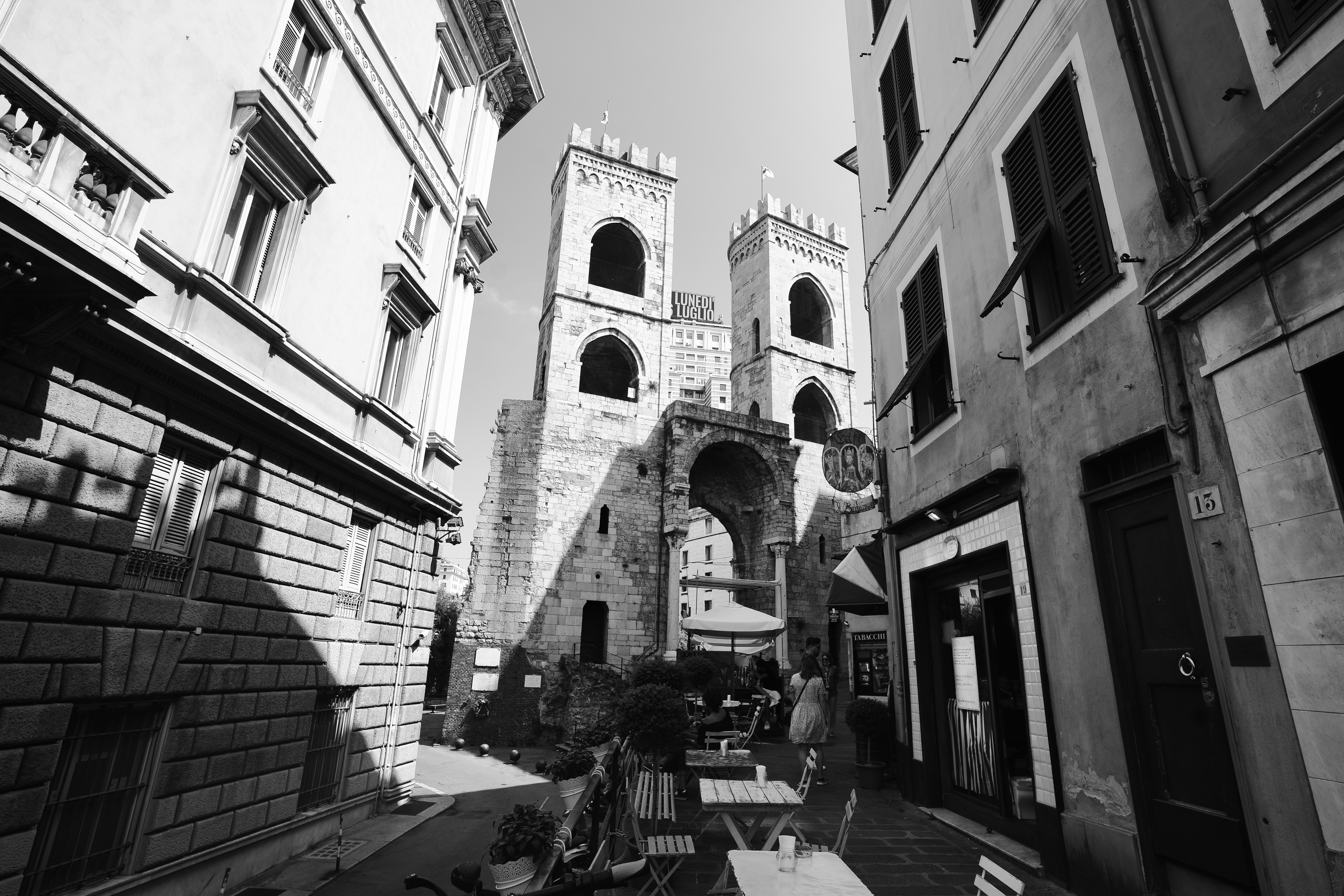
Genova in Monochrome

Genova is undoubtedly an exciting city. It has a long and troubled history, once being an independent republic similar to Venice and dominating the Mediterranean Sea, it later sunk almost into obscurity and reemerged after WWII with many people all over Italy coming to the Genova for work in the growing shipment industry. In the 50s and 60s, the city seemed to grow without a grand plan, and being on a narrow strip of flat land, it soon grew up the hills, today making it a labyrinth of smaller lanes and more significant streets on many different levels. A unique city indeed.

Port of Venus

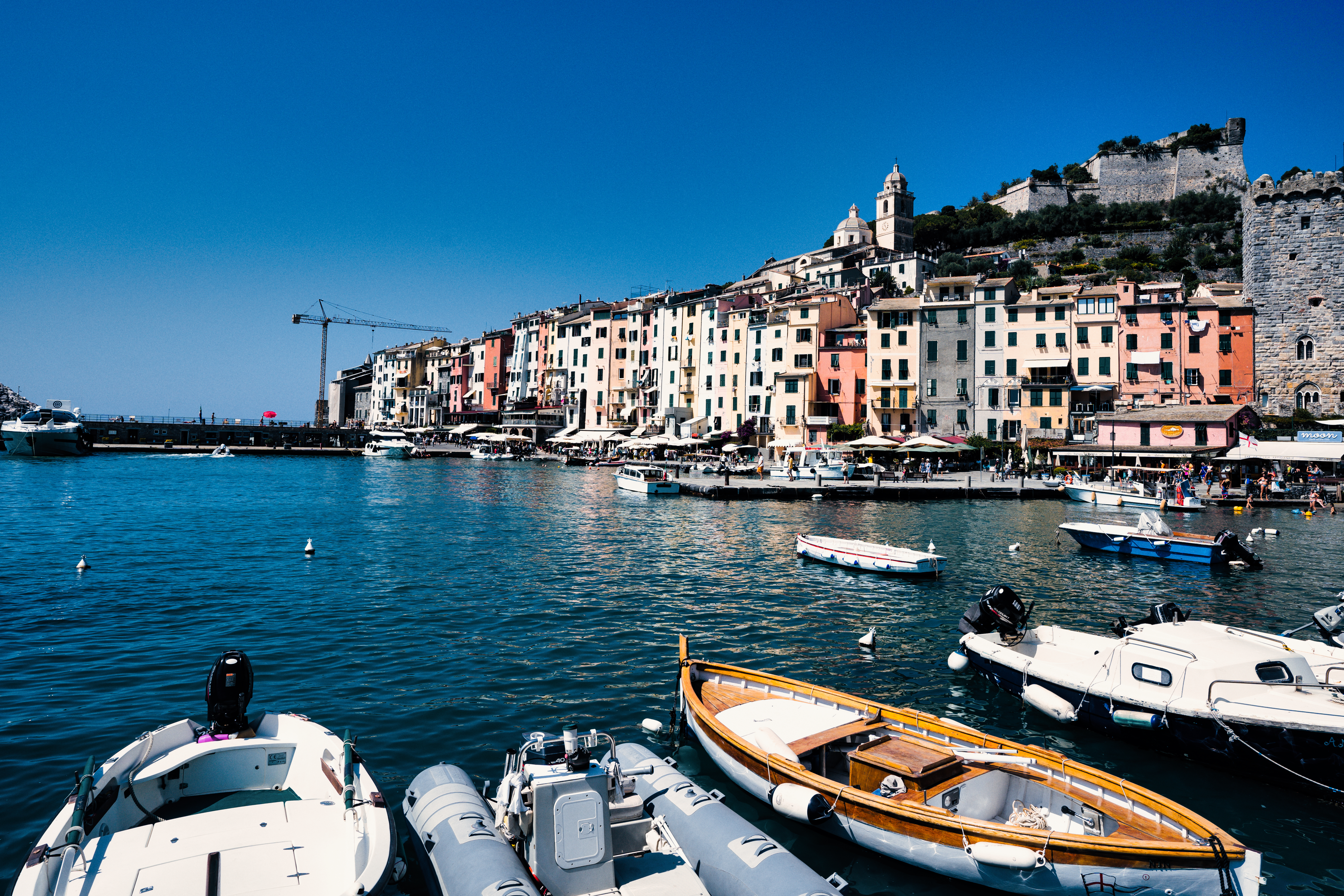
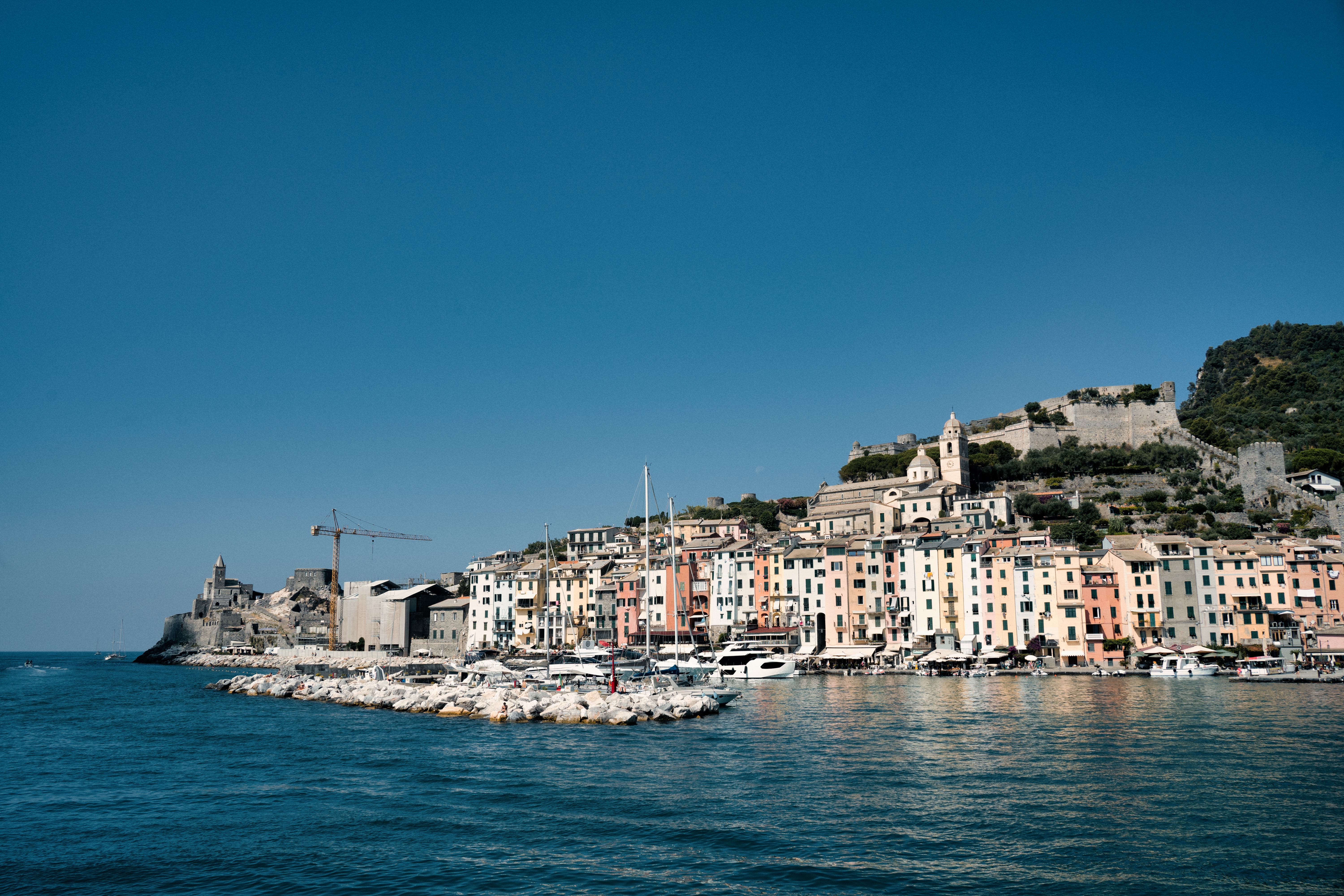
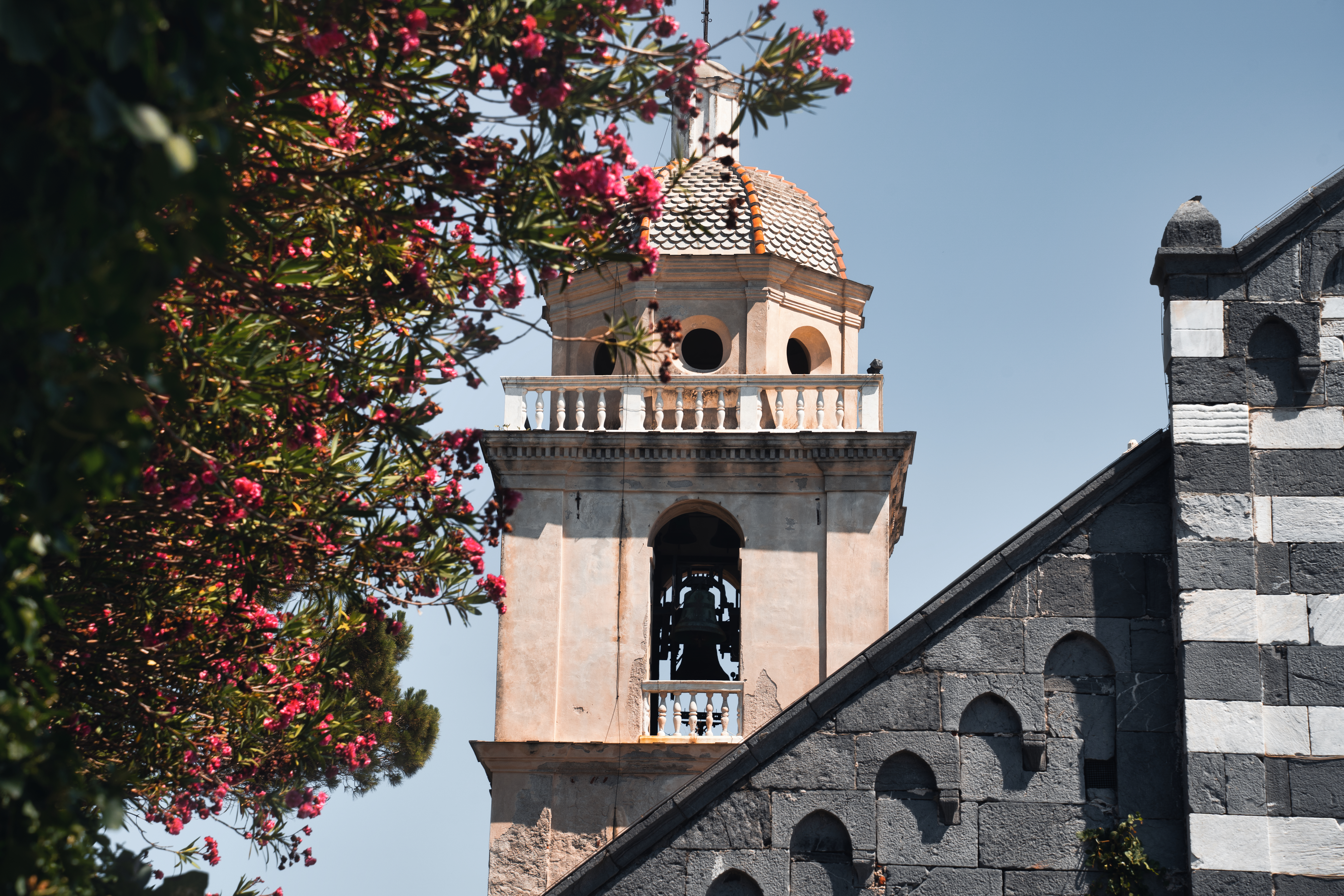
Portovenere (sometimes Porto Venere) is old, very old. Most probably, it was founded in the middle of the 1st century BC. Initially, the town was called Port of Venus, after the beloved goddess Venus. We assume that on the spot where the church of Peter the Apostle can be found today (last picture), there was originally a temple, which would make sense because the position is elevated and can be seen well from the sea. Also, very often known places of worship were later reused by Christians, which also happened in this case. In Roman times, the city was essentially a fishing community. Later, the Byzantine fleet was situated here. Today, it is a place visited by many people from all over the world.

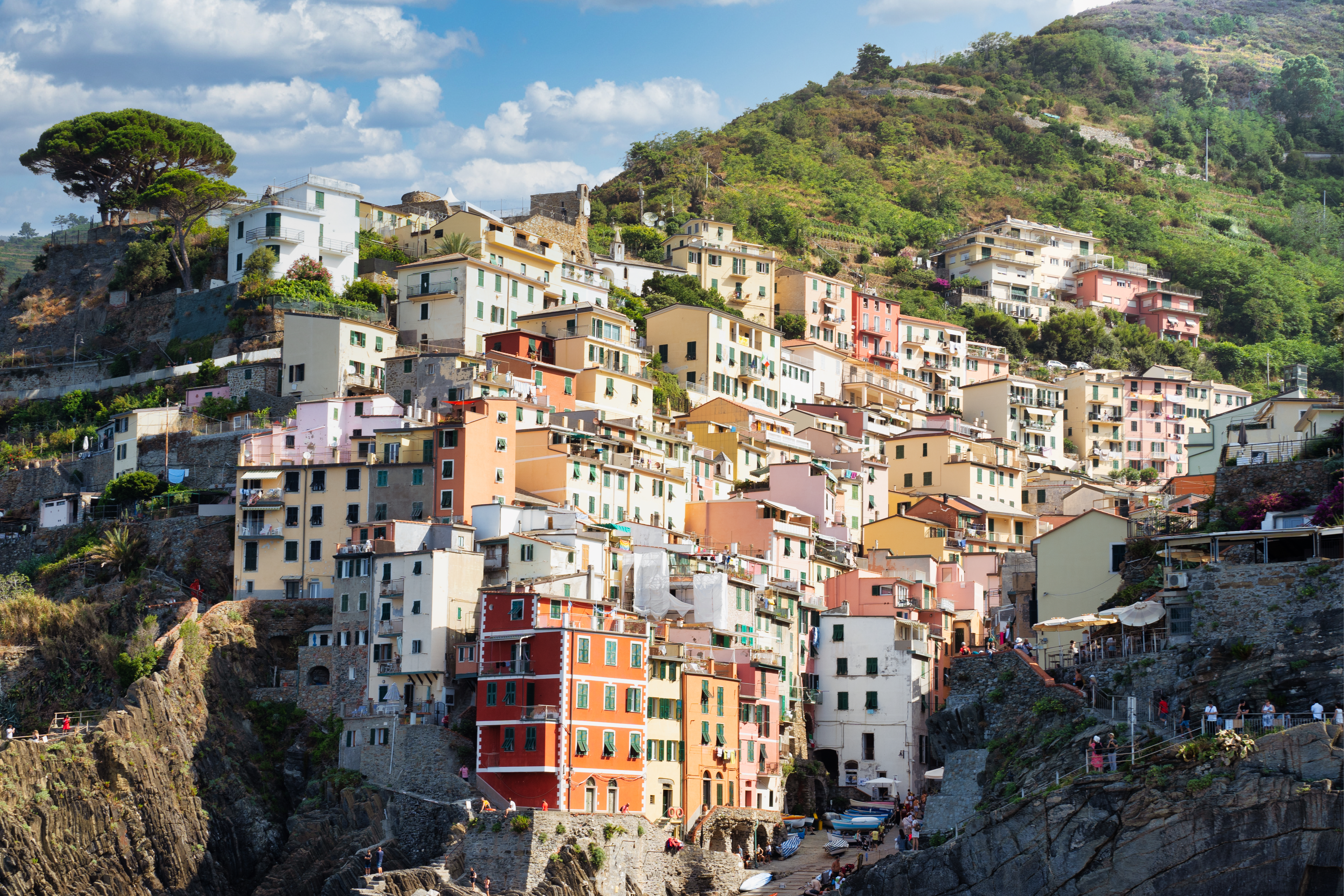
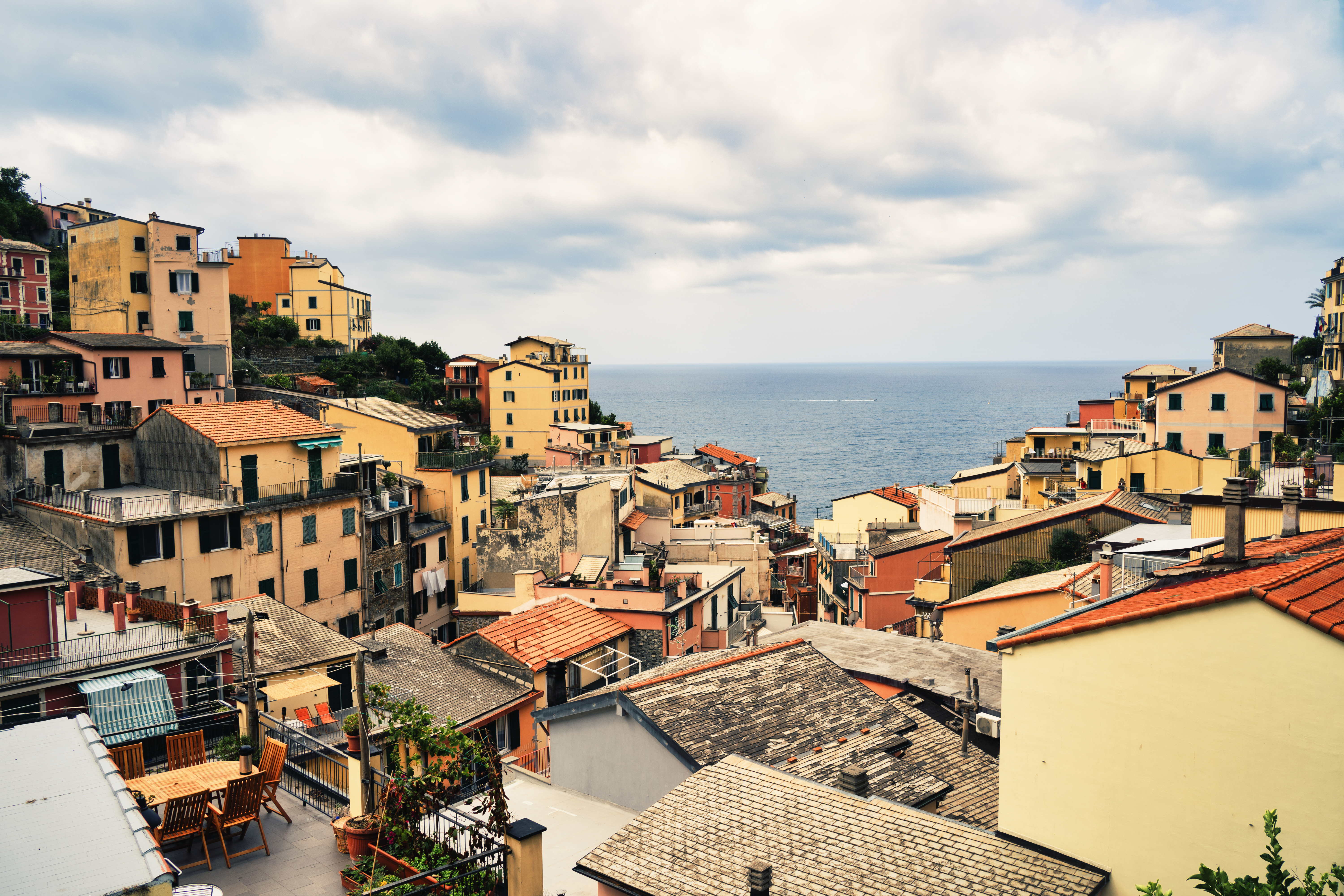
Pictures of Riomaggiore

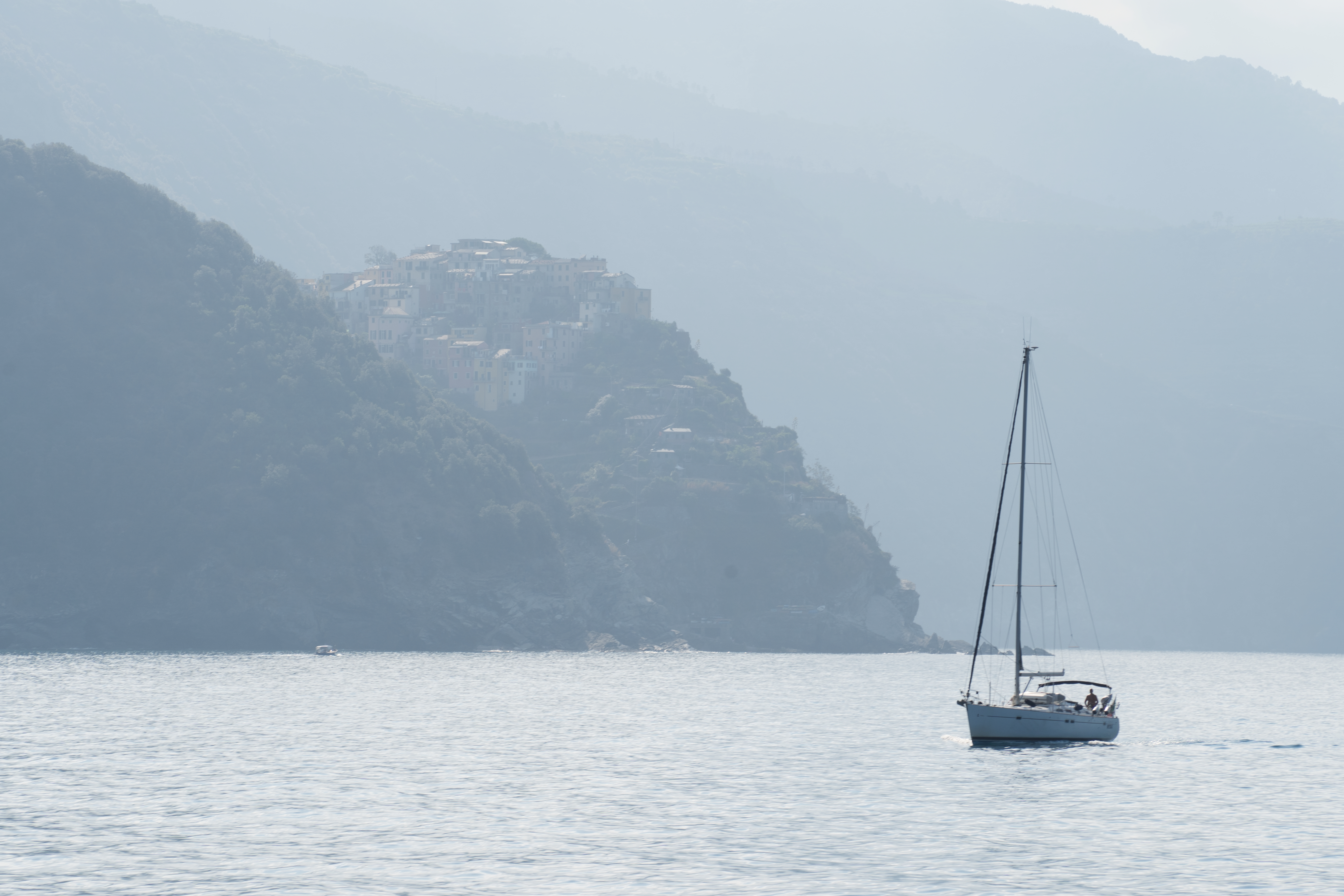
Riomaggiore is known to be the southernmost village of Cinque Terre. It was founded in the early 13th century and lived off fishing and winemaking for centuries to come. Until today, vineyards have played an essential role in the economic life of the region, though tourism has become much more critical to the people living here. Though there are many tourists, especially in summertime, there are no grand hotels or beach clubs to be found. The architecture of the village remains essentially the same, and so does the feeling of pure Italy.

Lake of Aristocrats

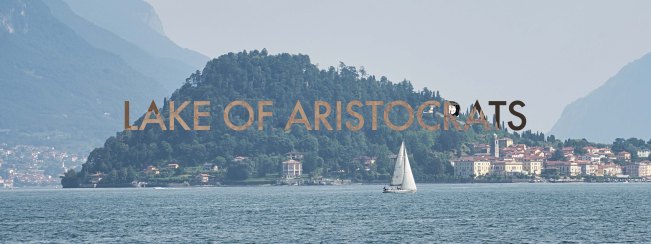
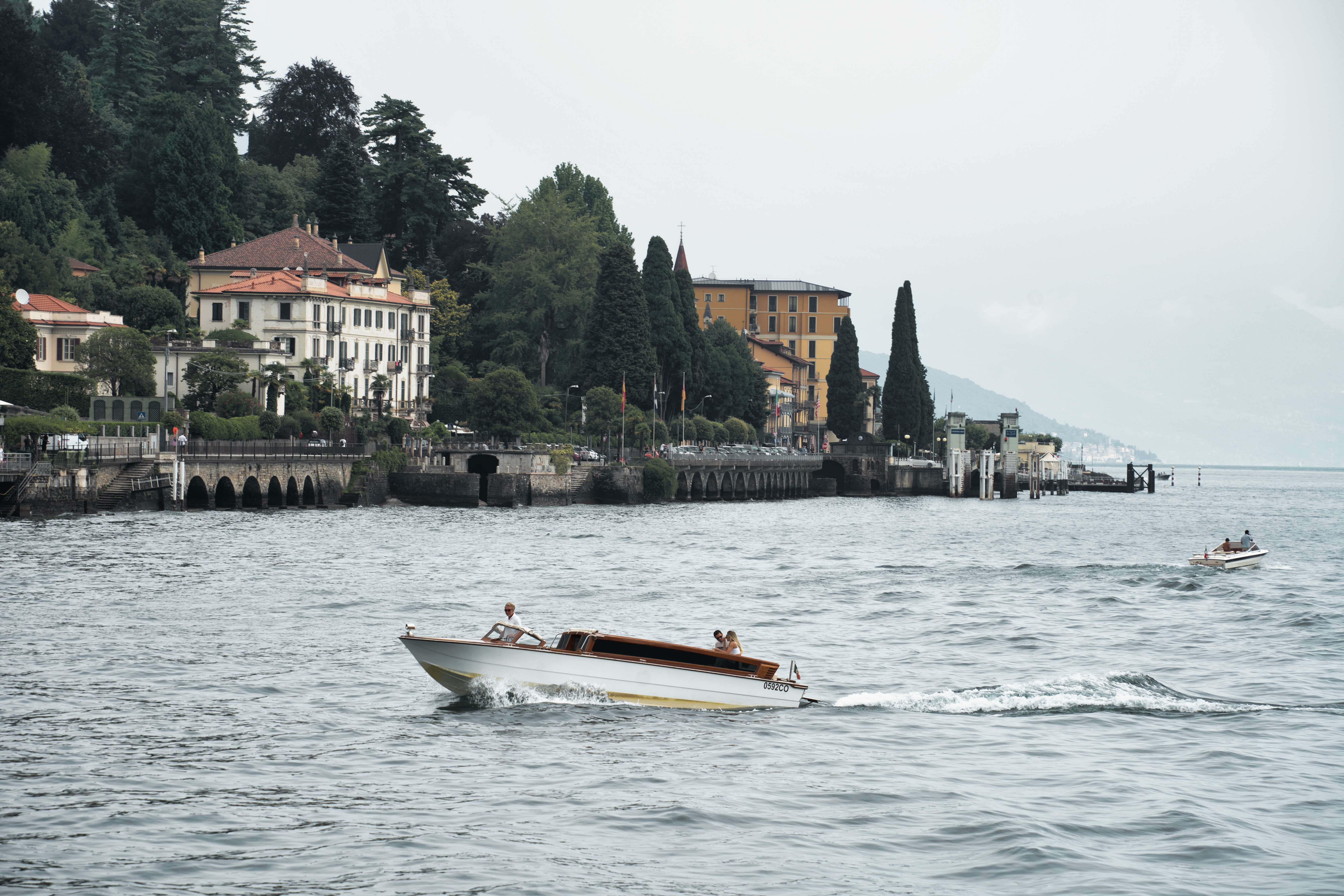
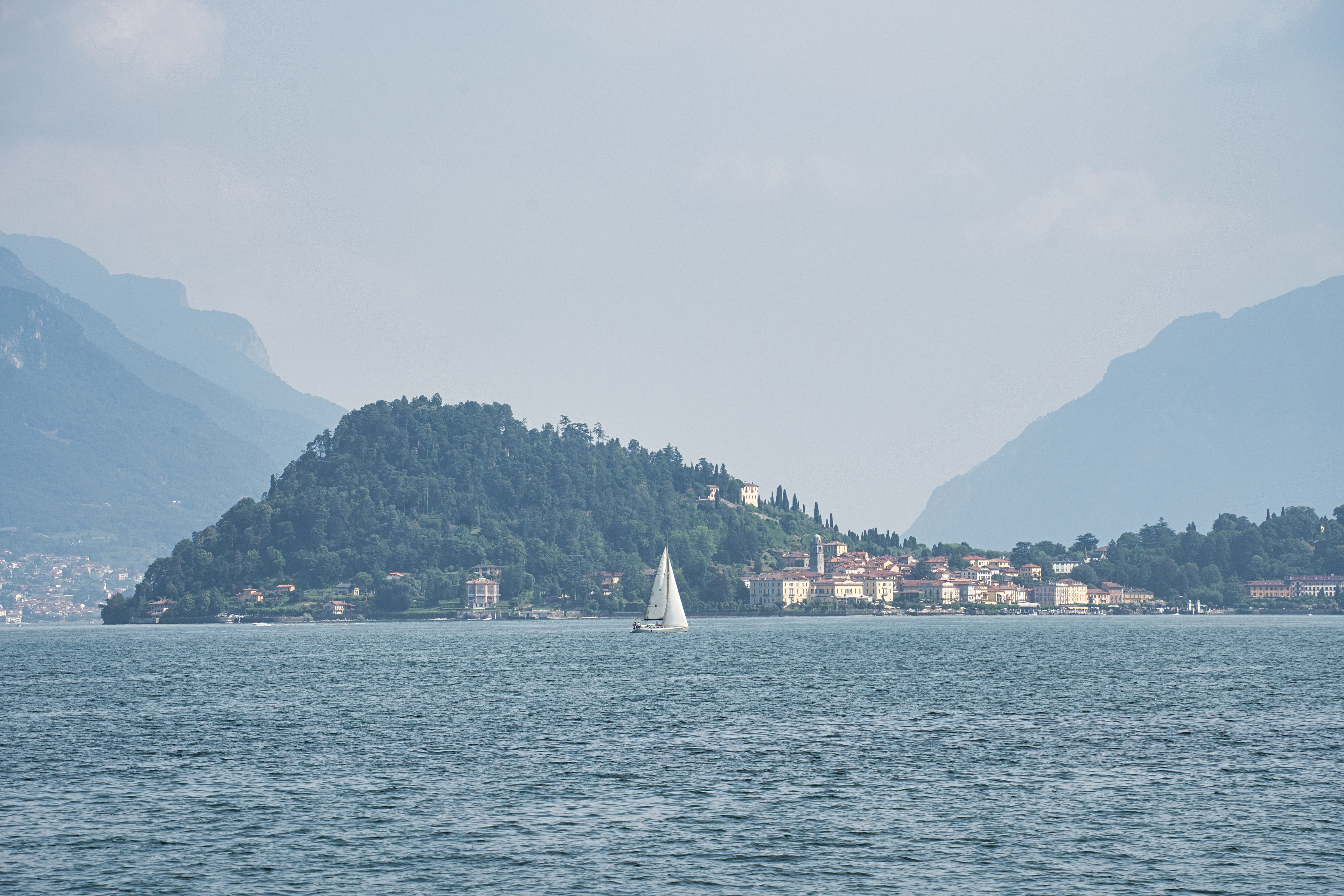
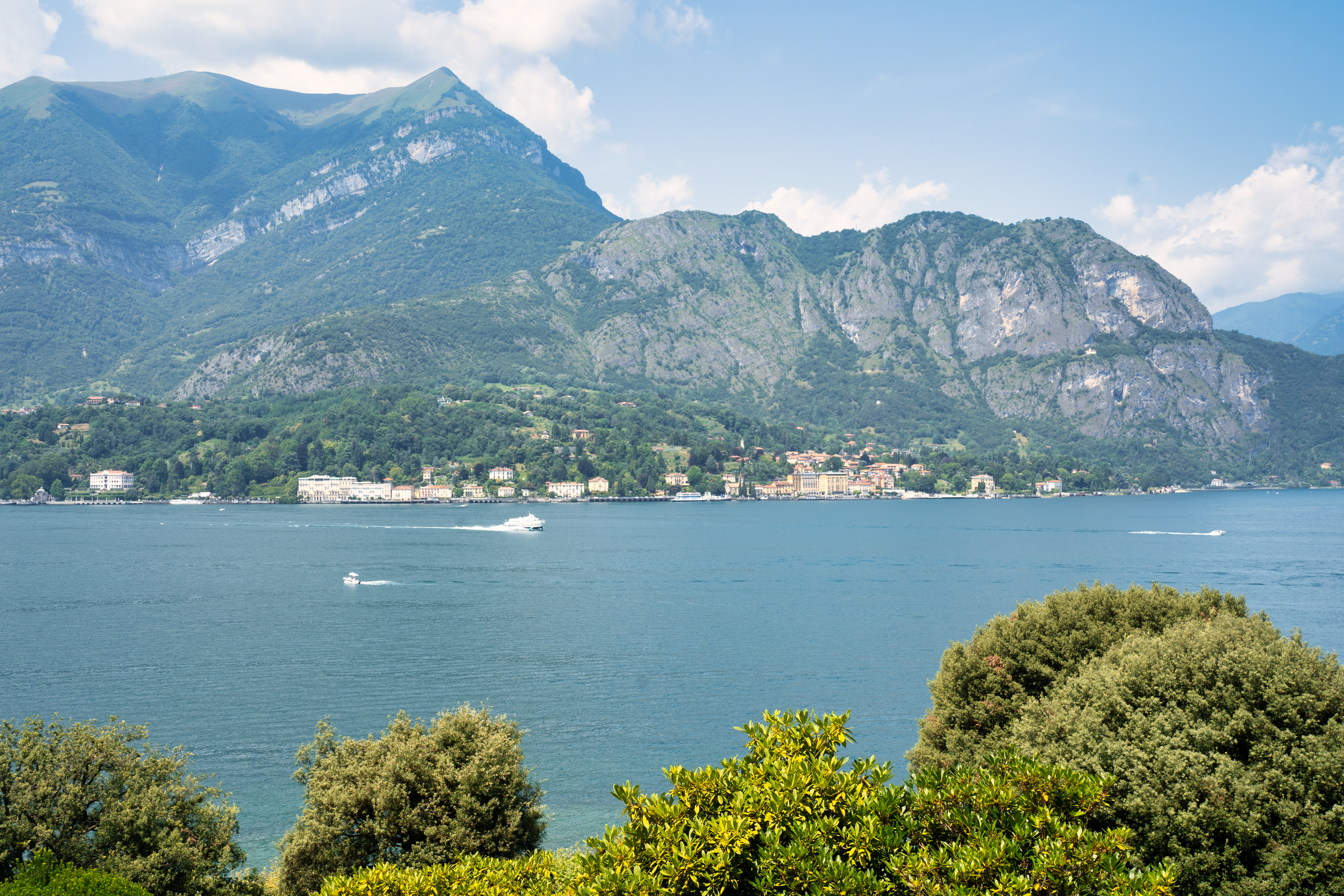
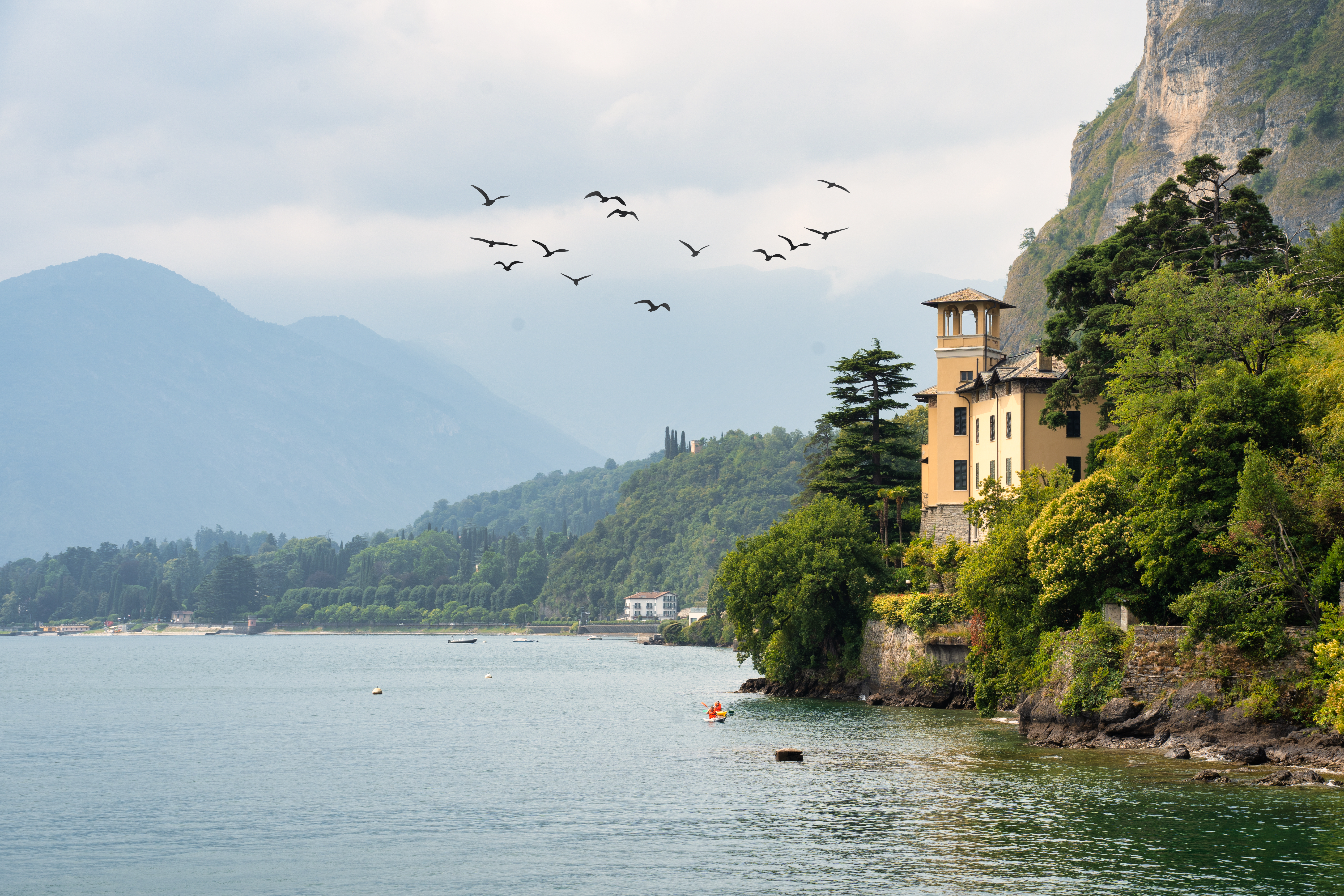
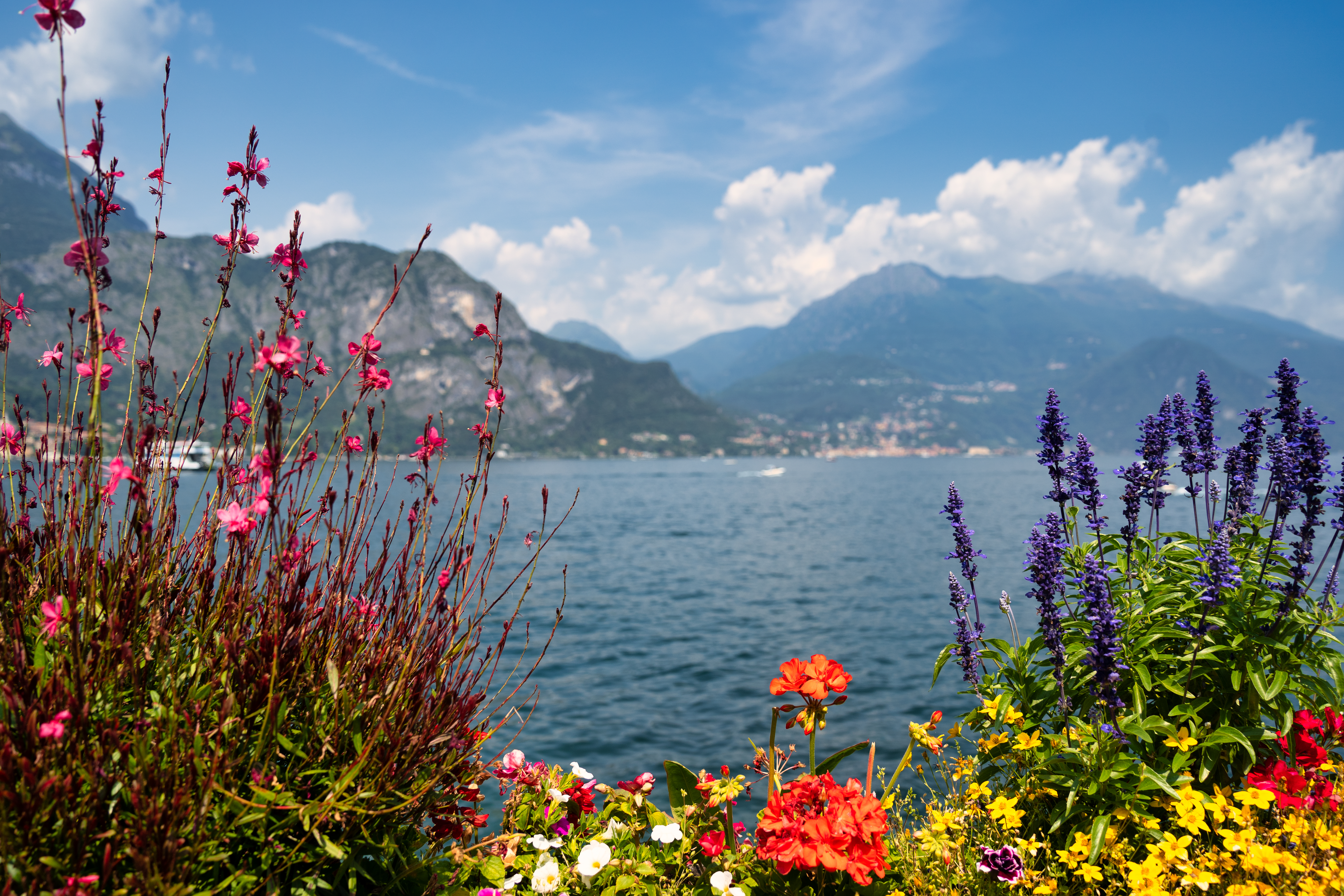
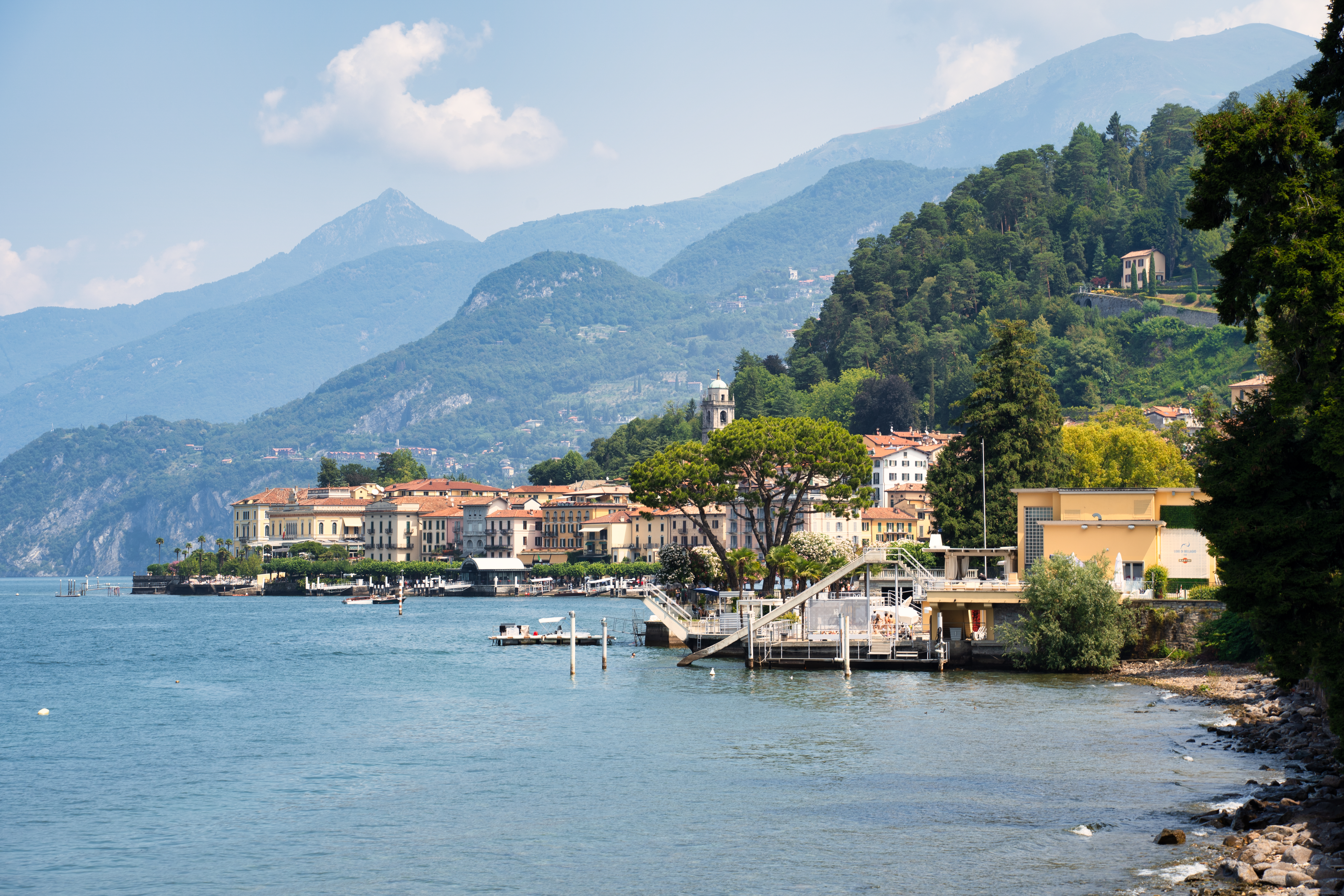
At times, the Lake of Como in northern Italy was called the Lake of Aristocrats; this is not without a reason, of course. Due to its temperate climate close to the Alps and the beautiful scenery, Como was popular as a place of residence for many European aristocrats. It was used as a summer resort for many wealthy families. Exploring the lake and its shores, you begin to understand why exactly.

The Shores of Lake Como

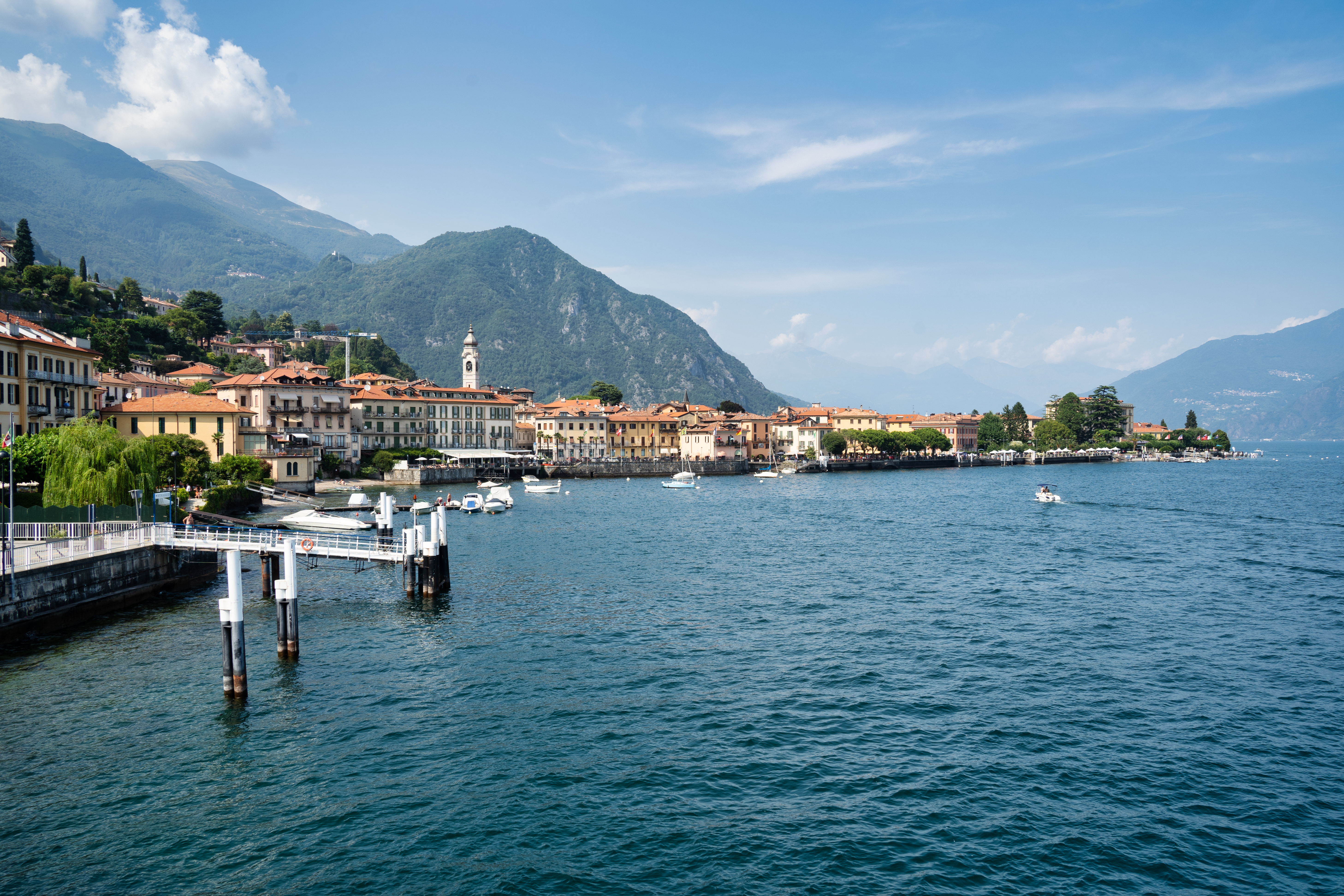
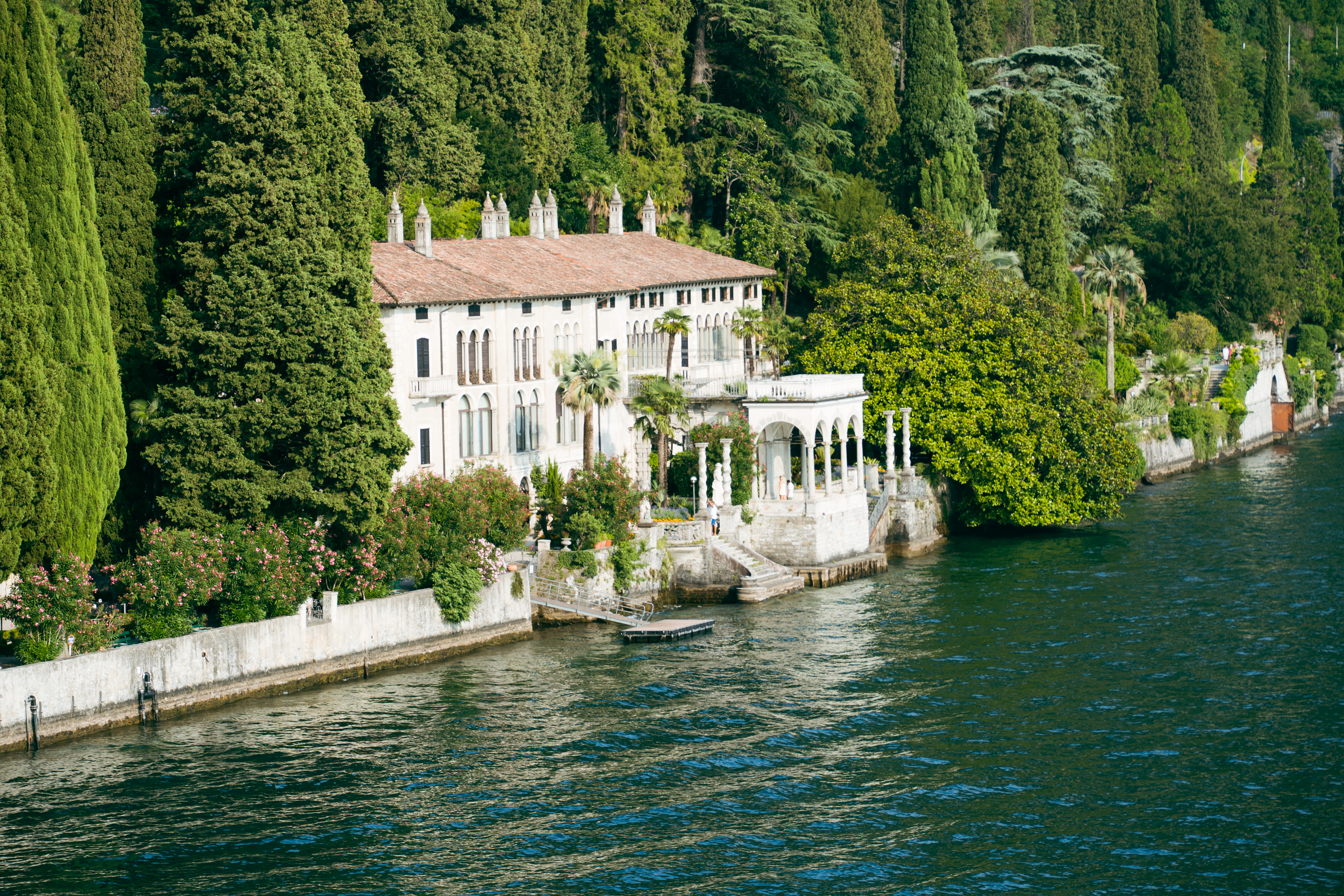
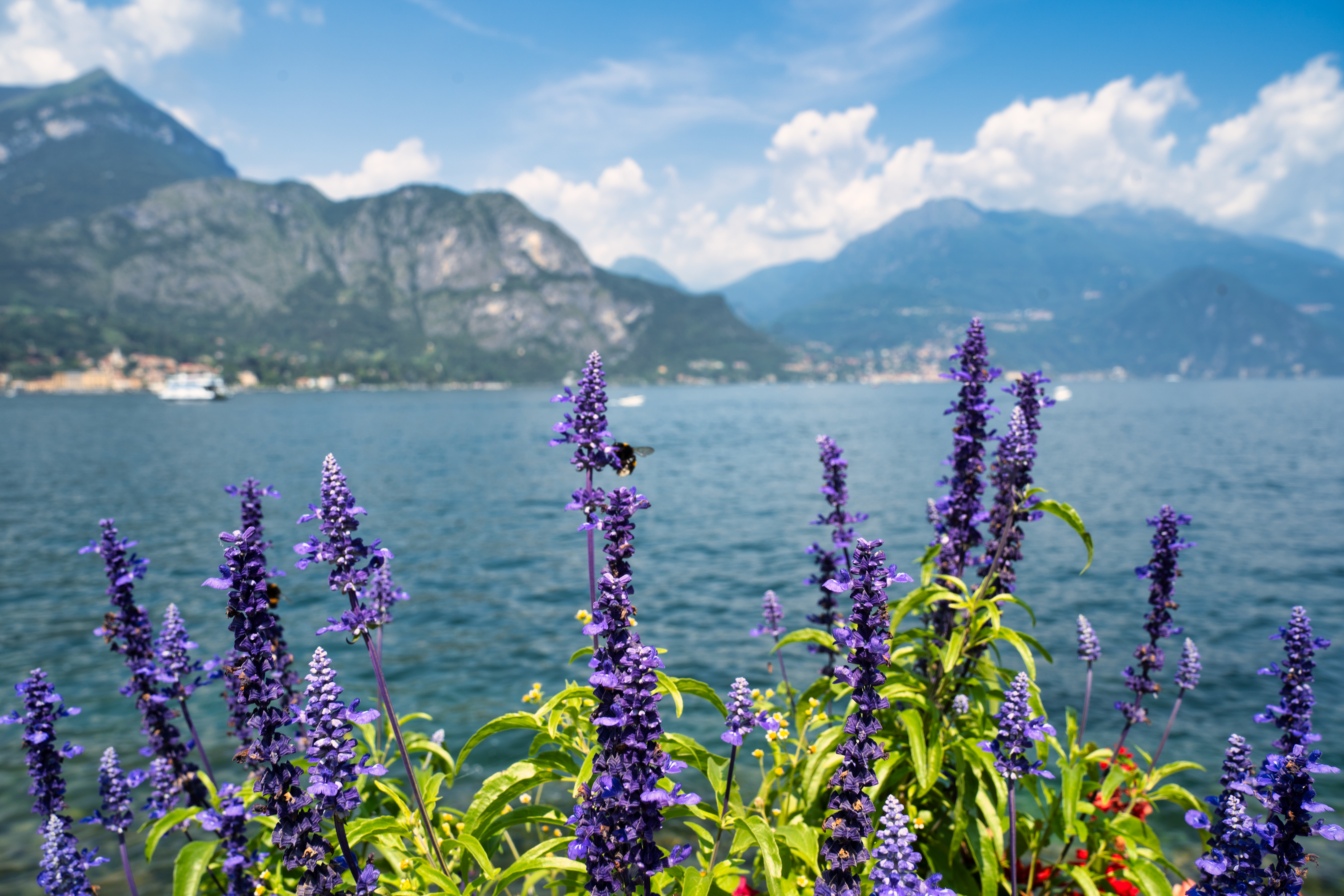
In summer, the shores of Lake Como are covered by beautiful nature and flowers in all different colors. The lake and its surroundings seem to be alive and breathing at this particular time of the year. In contrast to many other places in Italy, it isn’t too hot either; the climate is temperate and inviting for a long walk along the shore to enjoy the unique scenery.

1 3 4 5 18