
Portugal Part I
February 2013 (amended in 2025)
Confronted with the Austrian winter, I embarked on a week-long journey to a warm and friendly place at the most western point of Europe. Portugal was excellent, and I would like to share my impressions in several posts. Here we go with the first one.
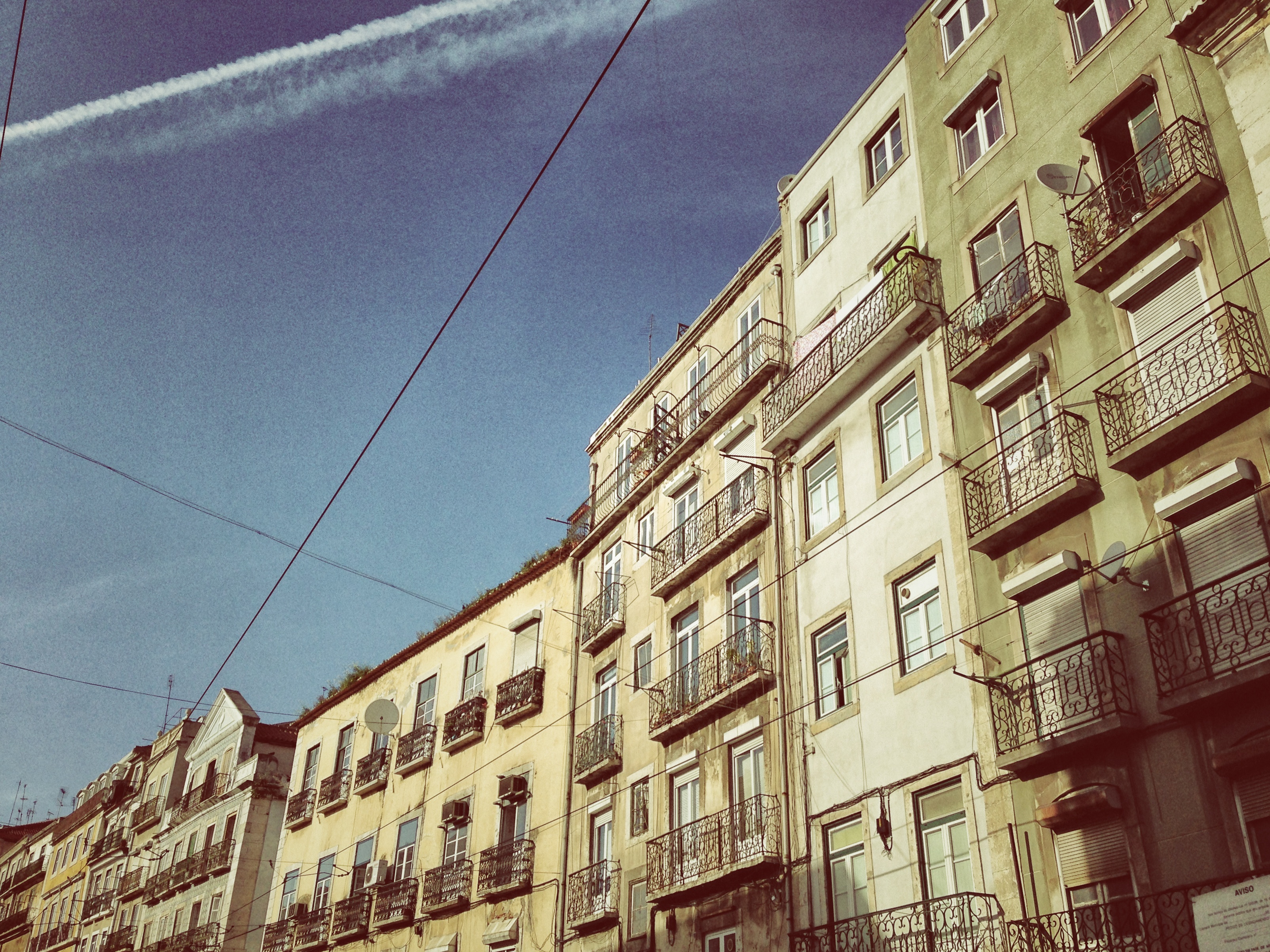
Striking and very interesting was the difference between Porto and Lisboa. One is the name-giver of the country, the other the capital. While Lisboa is undeniably a European metropole, it has a provincial charm to it. Being in the Baixa (downtown), you would think you are in an old 30.00+ town, but when you go up to one of the many (I say again, many) viewpoints, you will discover that you are indeed in a pulsating capital. Porto just screams life. These narrow streets are full of history, churches out of pure gold (which will take your breath away), superb restaurants, and lovely people. And port wine 😉

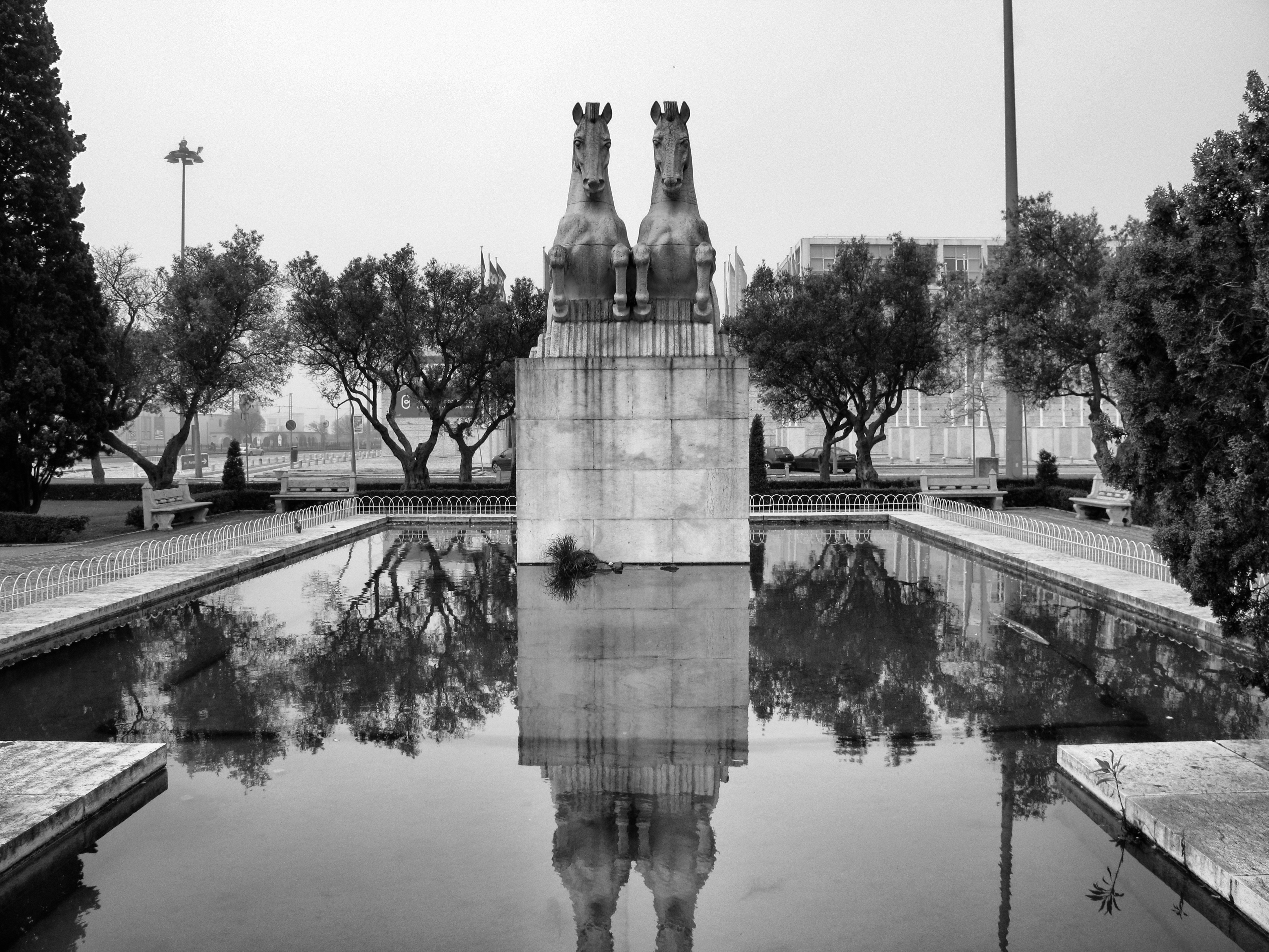
This statue stands before the Museum of Contemporary Art in Belém, Lisboa. Laying a little bit outside of the city core, Belém is an important cultural area. We slept in Belém for the first nights, and it was perfect to discover the sights here, like the Mosteiro dos Jeronimos (a beautiful monastery of the 16th century and World Heritage – see down below – ) and the Torre de Belem (tower from the same century and symbol of the city).
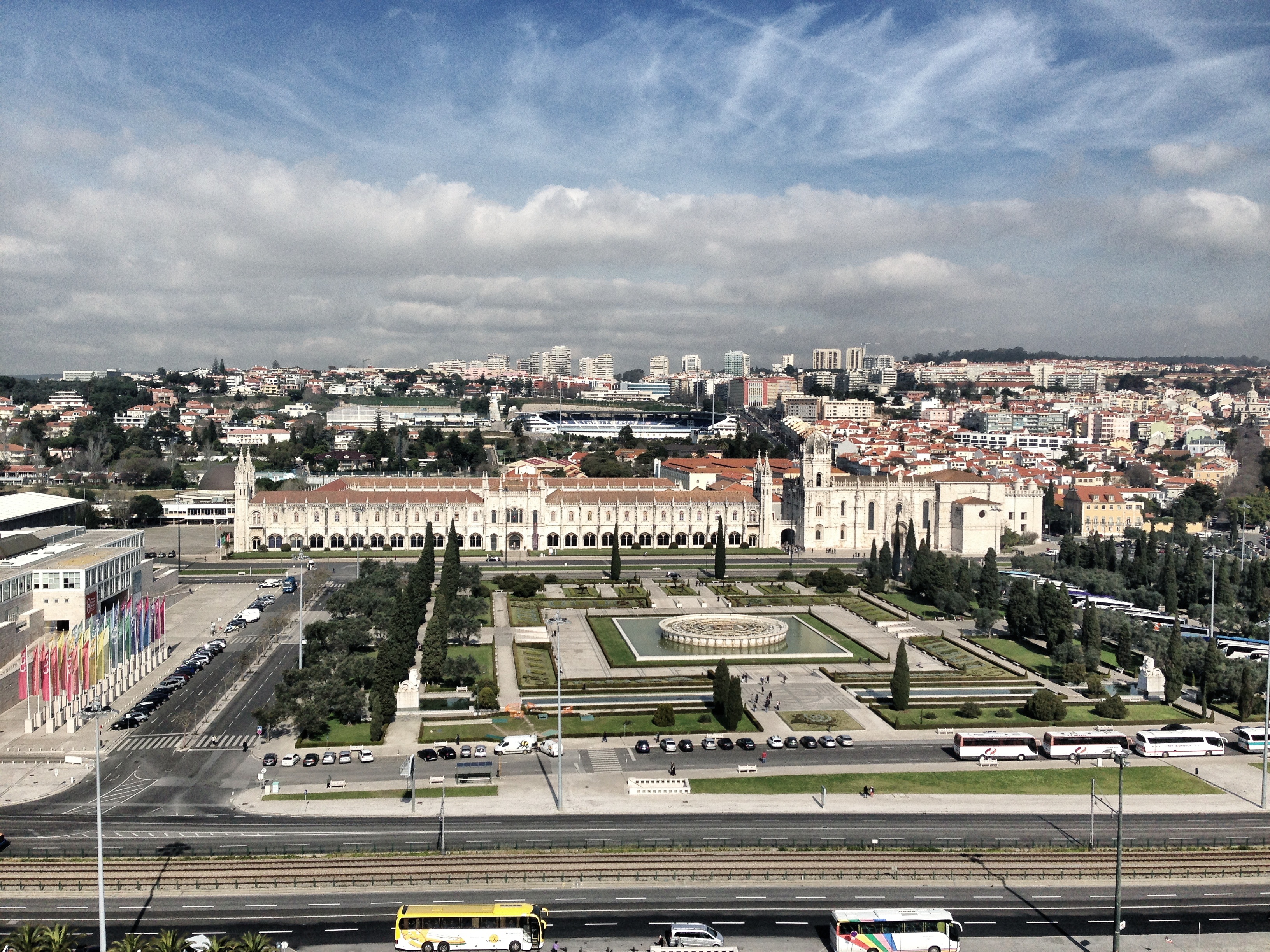
A bird view of Belém. You see the mentioned monastery. Once, Belém was situated outside the city. After the earthquake of 1755, there were ideas of rebuilding the destroyed Lisboa in Belém, which did not suffer as much from the catastrophe.
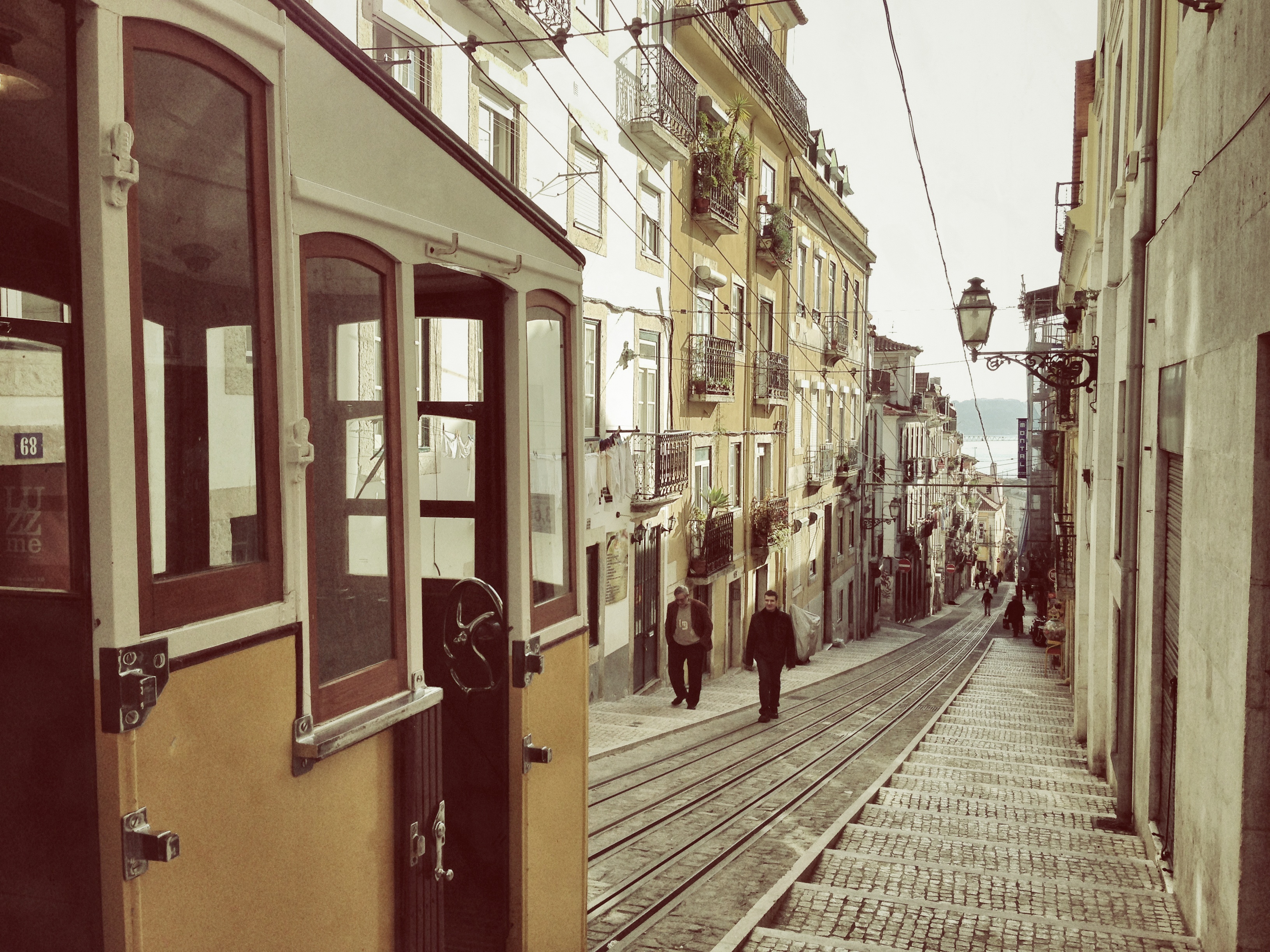
One must love these precious yellow trams. Especially the ones going from the lower parts of the city to the higher parts. The view is fantastic, and the atmosphere is unique. The center of Lisboa can be dived into a valley (Baixa) between two hills (Bairro Alto – seen here – and Alfama), the trams connecting them. A line crossing all these neighborhoods is Number 28.
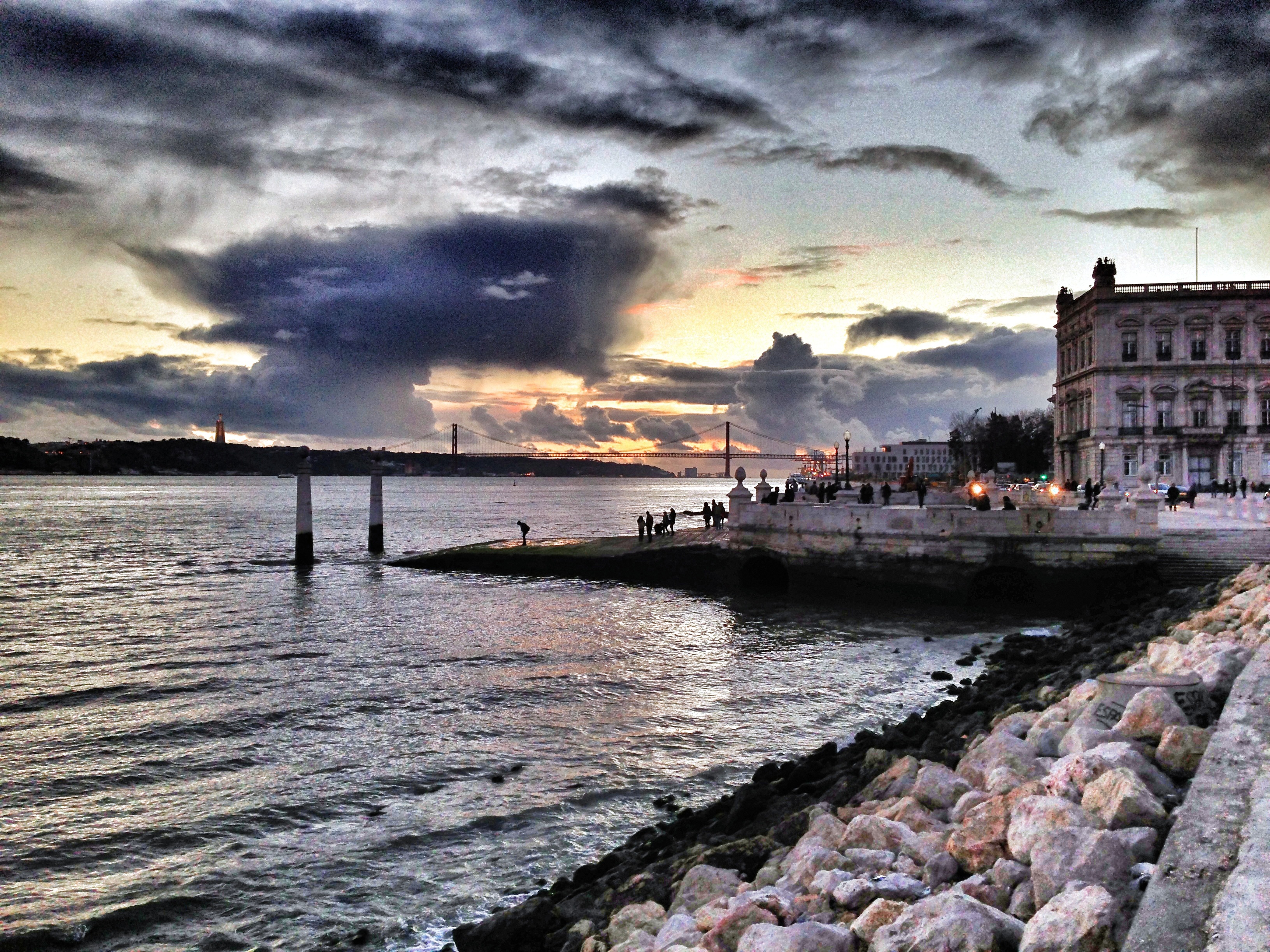
In the background, you see the 25 de Abril bridge connecting the independent city of Alameda with Lisboa. It is a suspension bridge often compared to the Golden Gate Bridge. In fact, it was built by the same company and constructed in a similar style because of the thread of earthquakes both cities are constantly facing.
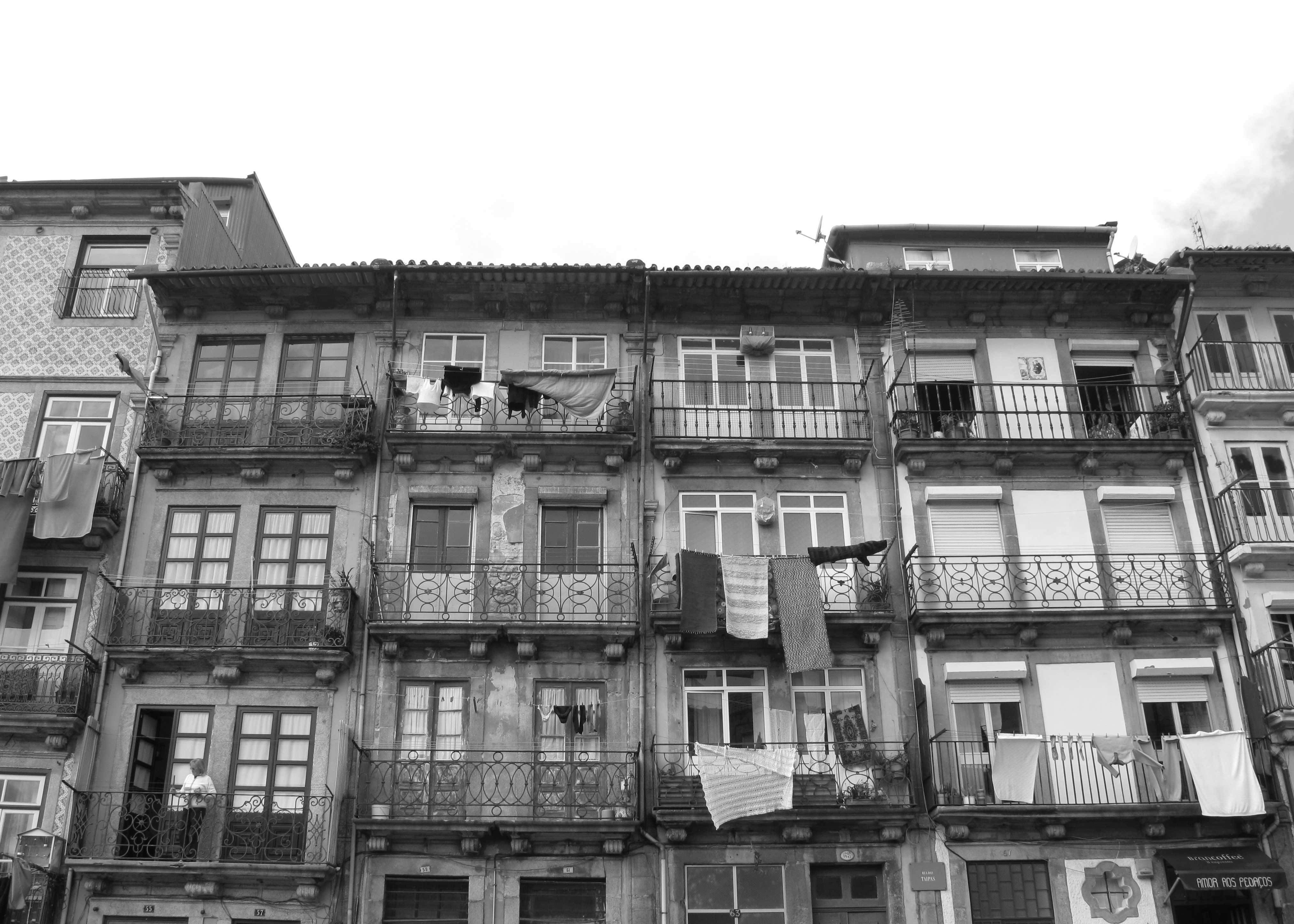
While the earthquake of 1755 could be felt in Porto, too, the city was not destroyed, and so are the houses much older. But besides that, the city’s buildings seem narrower and have a charm different from Lisboa.
 Michael Hoffman Photography