Skip to content

Urban Discoveries: Disco Volante

This is part of the “Urban Discoveries” series, in which we seek and discover exciting and well-designed places to eat and drink around Europe, especially in Vienna. The article we present today was written by my colleague and friend, Maximilian Martsch, a researcher who works on food history. The pictures were shot by myself. Due to the longer text this time, we decided to change the format a bit; the images are now included within the article and not placed at the end. Thanks to Disco Volante for the invitation and especially to Verena Piontek for the warm welcome and the interview.

test

I still remember my visit to the famous Antica Pizzaria Da Michele in Naples and the sensational joy of enjoying a purist pizza Margarita. The Soft, moist dough and fluffy crust, the rich marinara sauce topped with tasty slices of mozzarella cheese, and perfectly balanced with a couple of fresh basil leaves. And it’s not only the food but also the bustling and lively atmosphere. After all, pizza is a fast dish; you get in, sit, order, eat, maybe round it up with a coffee, and leave again. In many ways, it encapsulates the Italian lifestyle in a nutshell.
So, to get that authentic experience of Neapolitan pizza, you have to hop on a train or plane and travel down there, right?

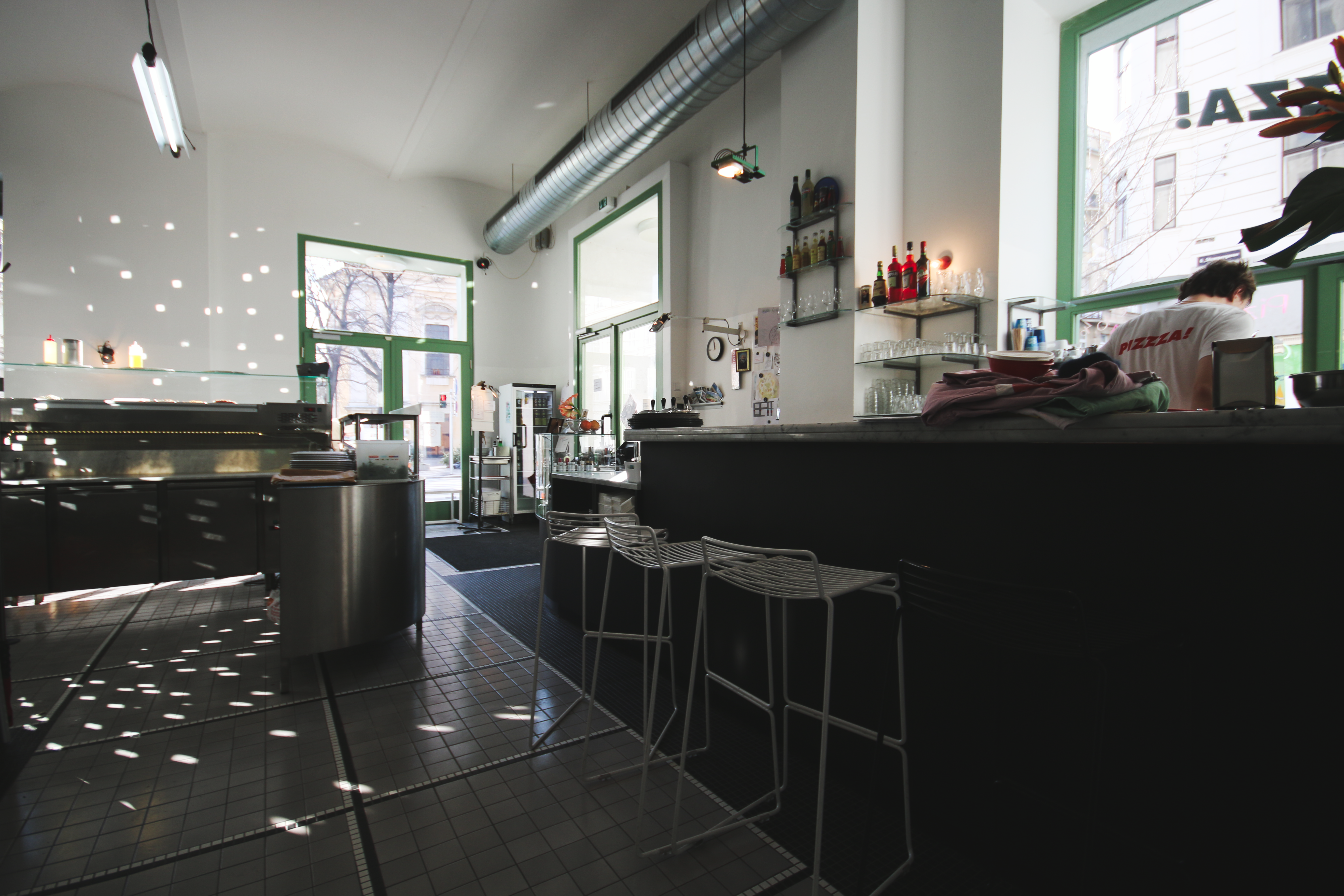
Well, not necessarily…right in the middle of Vienna’s trendy 6th district in the busy Gumpendorfer Straße, you can get a taste of Naples’s most iconic dish. The Pizzeria Disco Volante is dedicated to dishing out flat pies topped with all kinds of fresh ingredients right from their steaming hot wood-fired oven. Not only is the pizza inspired by its Neapolitan models, but also the restaurant’s design.

The name Disco Volante is Italian and means “flying disc,” which refers to the pizza’s flat shape and how the dough is thrown in the air to stretch it out before it’s garnished and baked in the oven. But besides this rather obvious correlation, the name also hints at the actual eye candy of the restaurant: the wood-fired oven in the design of a disco ball. We visited during the daytime, and the sunlight’s reflection in the disco ball’s small mirrors created a distinctive atmosphere. However, colored spotlights and Italian disco music also make visiting during the evening worthwhile.


The design concept can be best described as pure and clean. The restaurant immediately reminds me of the unique style of Italy in the 60s; everything looks bright, clean, and minimalistic.
The owners work with regional producers to ensure the best quality, but you also find imports on their menu, like an assortment of delicious Italian lemonades.

The restaurant opened its doors in 2013, and you might have heard of its sister location, “Pizza Mari,” in the 2nd district, which is well known among urban pizza lovers. Both restaurants are owned by Maria Fuchs, who fell in love with Naples and its pizza culture while spending an exchange semester there and decided to bring this experience back to Vienna.

All the pizza cooks at Disco Volante are Italians, and they must go through special training before mastering the art of pizza making, which is really a form of art. The wood-fired oven reaches a temperature of 300–400° and is big enough for eight pizzas baking simultaneously. Due to the high temperature, the pizzas can get burned quickly and must be rotated repeatedly until finished after a couple of minutes. The work requires a crafty technique and a lot of practice. The cooks at Disco Volante know precisely what they are doing, and it’s a joy to watch them scurry around the kitchen while cracking jokes in Italian.

Disco Volante doesn’t do home delivery, so you best pick up the phone and order for pick up, or you just put on your sneakers and run over there to get your hands on their delicious pizza and indulge in the busy atmosphere of southern Italy.

For opening hours and further info, please visit http://www.disco-volante.at

A City in the Alps: Innsbruck

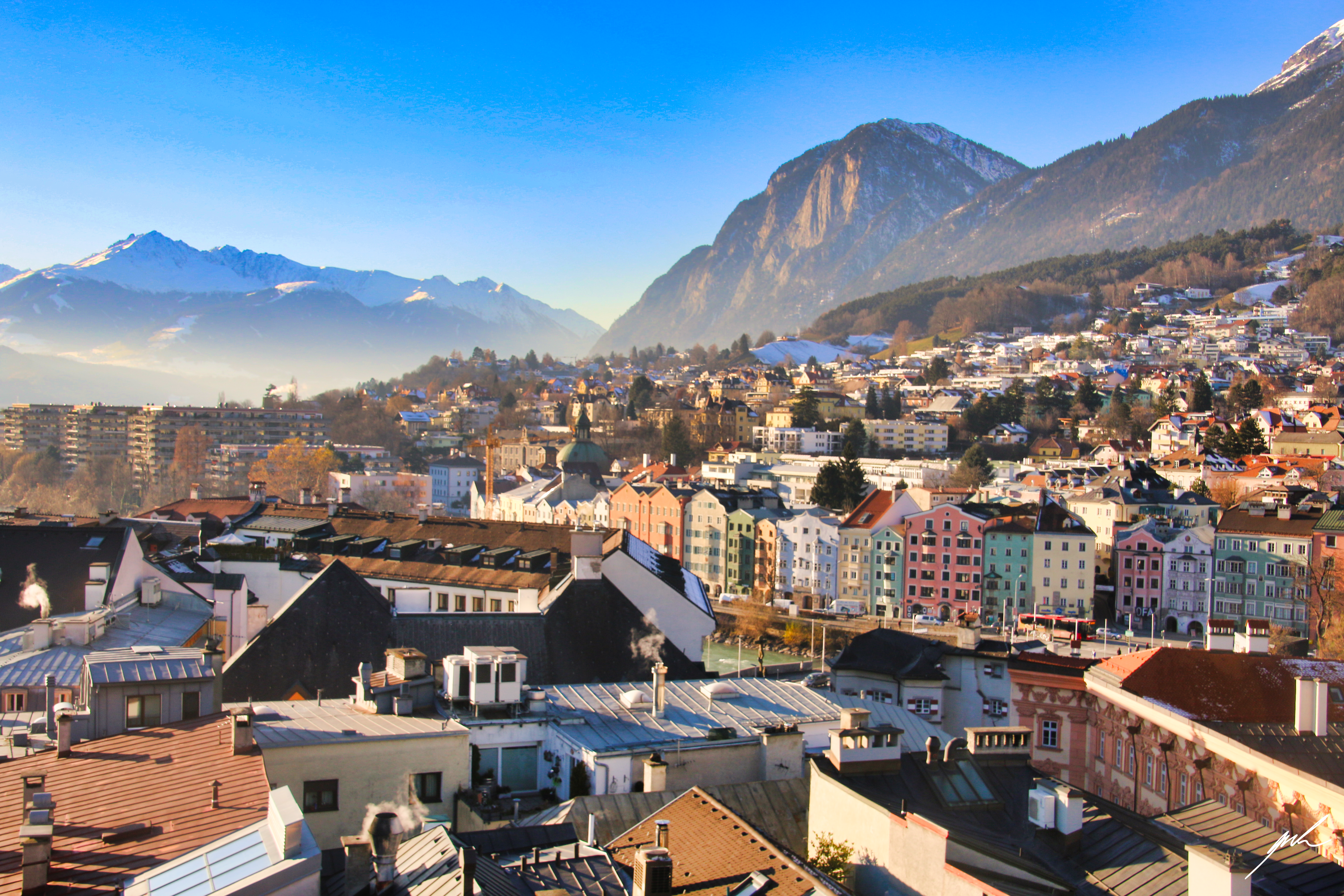
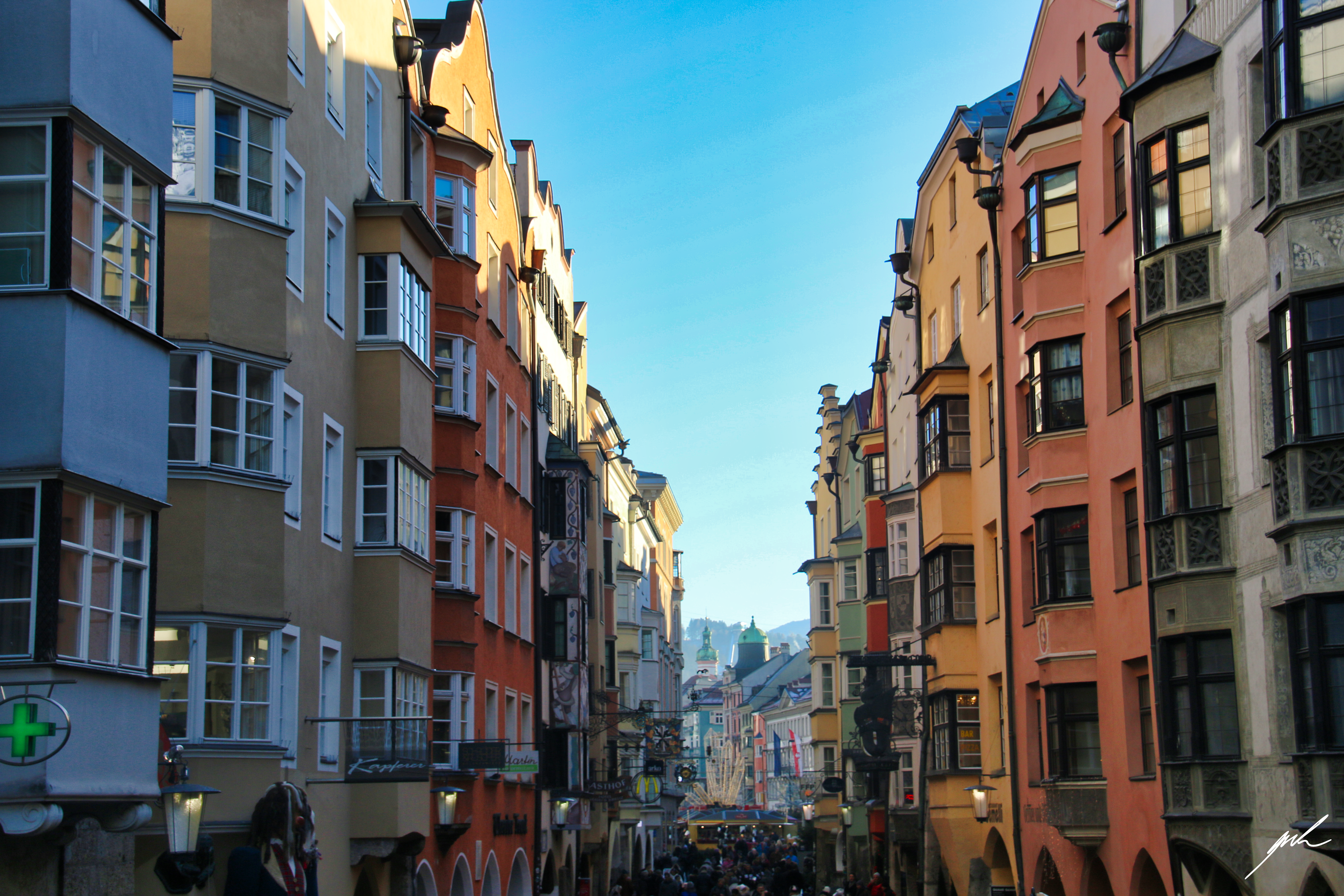
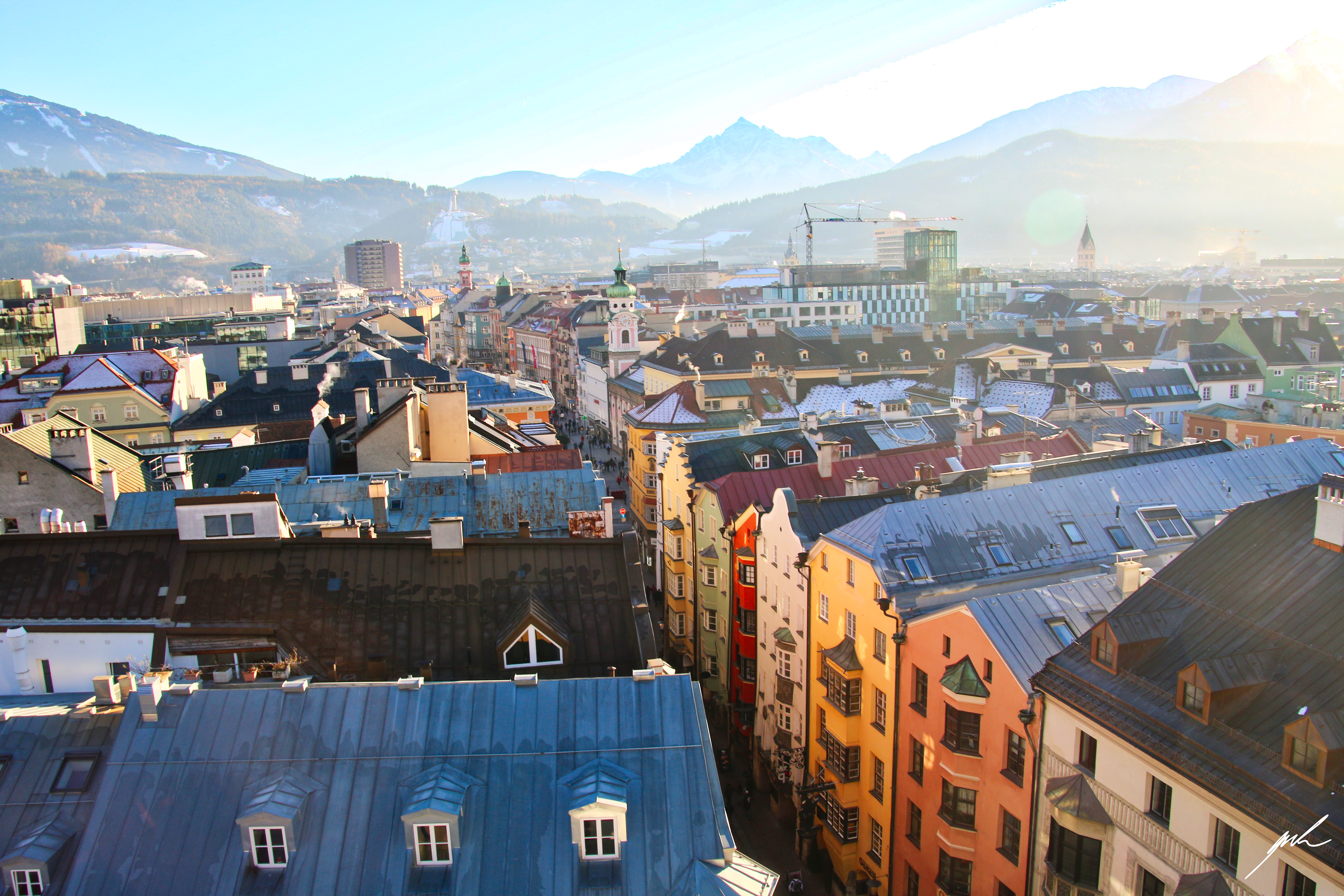
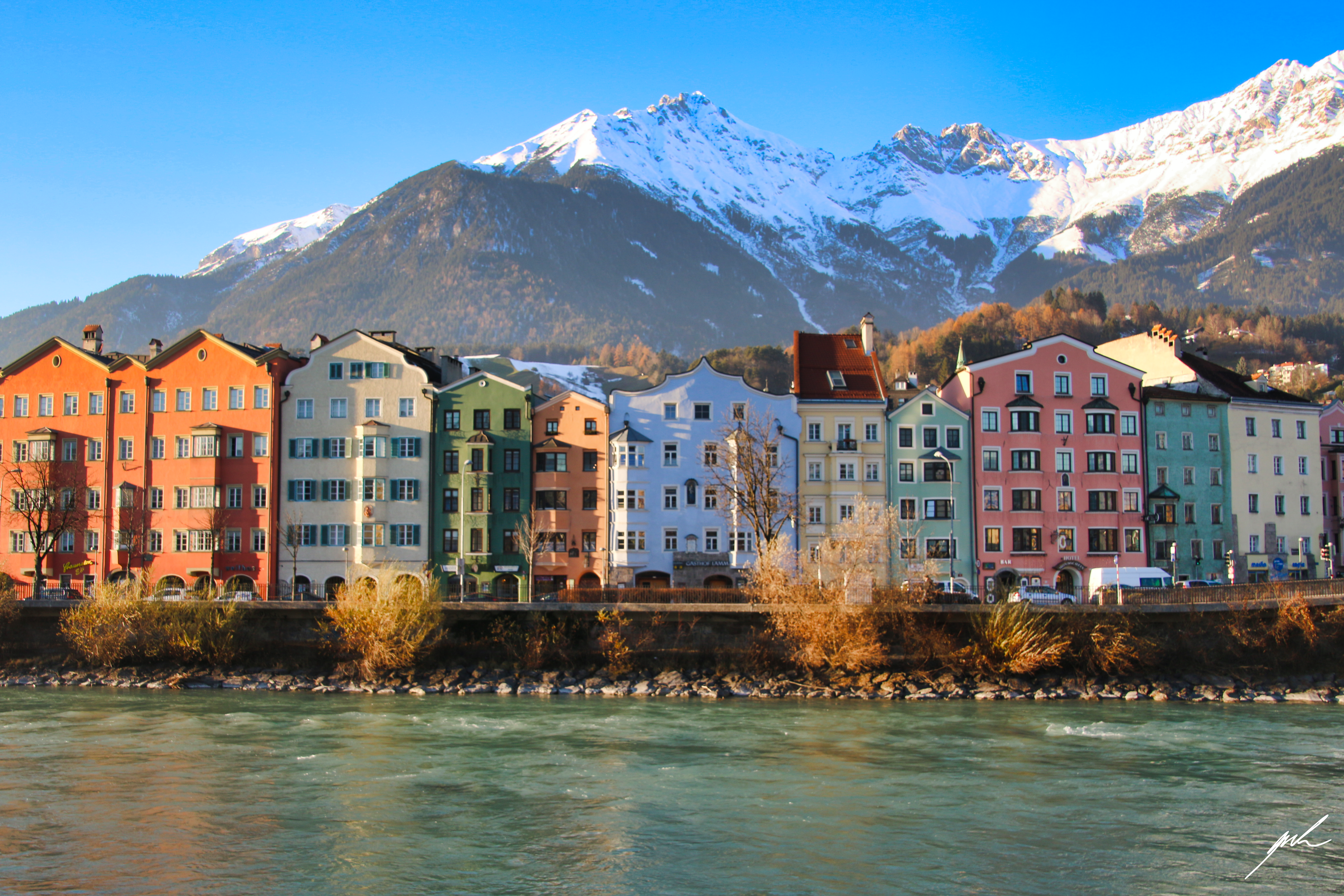
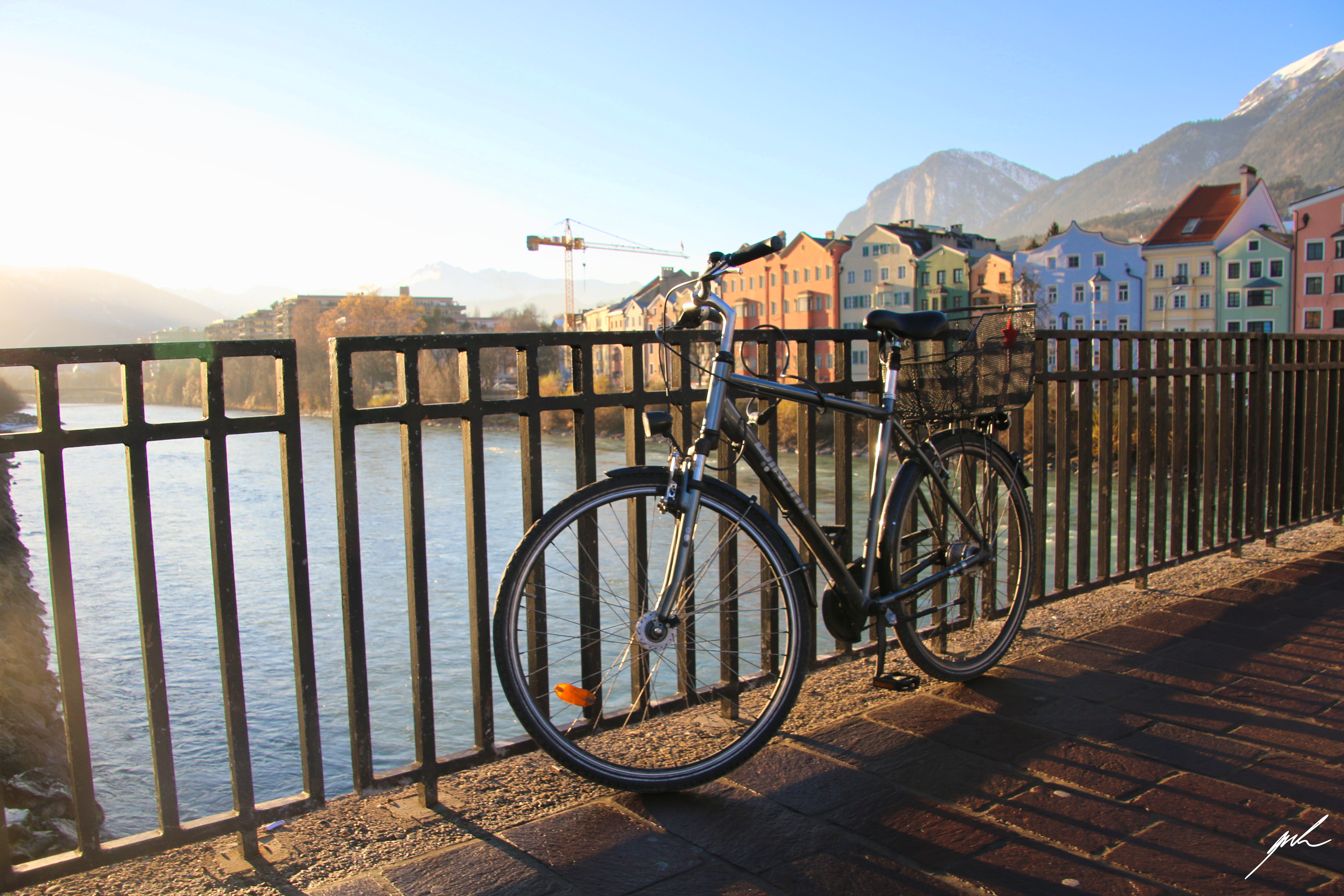
The scenery of Innsbruck in the western part of Austria is simply stunning. The capital of the historical region of Tyrol is situated in the Inn River Valley between two mountain ranges in the north and south. No wonder Innsbruck is also known as the capital of the Alps in Austria; there is just no place in the city streets where you don’t constantly see them. Innsbruck itself is also beautiful, a colorful medieval and gothic town with beautiful sacral and civic buildings and the “Golden Roof,”  the city’s most famous symbol with 2,657 fire-gilded copper tiles. Take a look!

test


Urban Discoveries: Bros. Pizza

Prologue. This is part of the “Urban Discoveries” series, in which we seek and discover exciting and well-designed places to eat and drink around Europe, especially in Vienna.

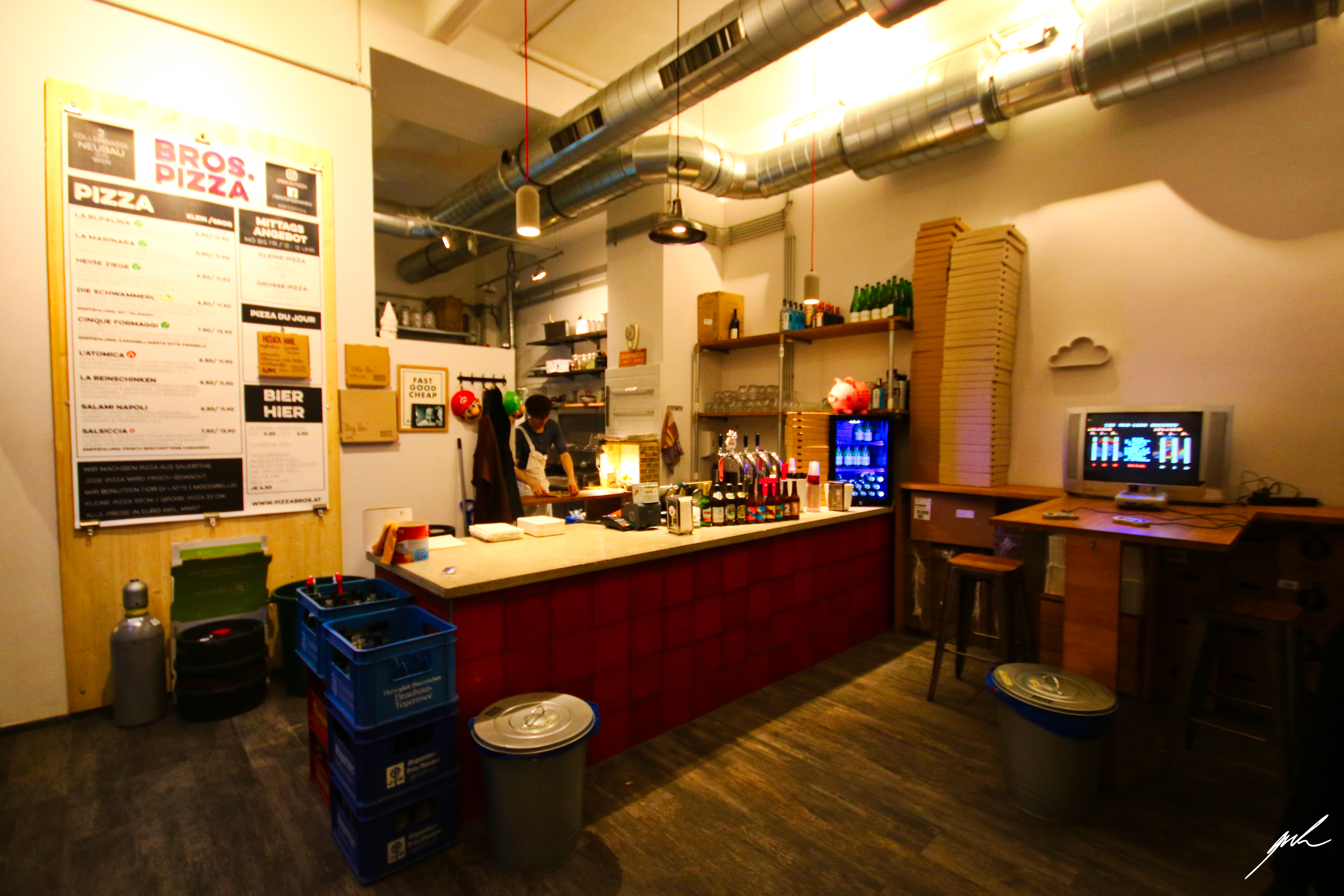
START GAME. You are in the center of Vienna, walking down Mariahilferstraße, and suddenly, you see an endearing sign of a Pizza with a Super Nintendo inside the room. You decide to jump into the tasty world of BROS. PIZZA.

The Pizzeria started a few years ago as a project of two friends deciding to work together – hence the Bros. in the name. Legend has it that when they saw the place with many ventilation tubes on the ceiling, they thought of Super Mario and came up with the restaurant’s video game theme.

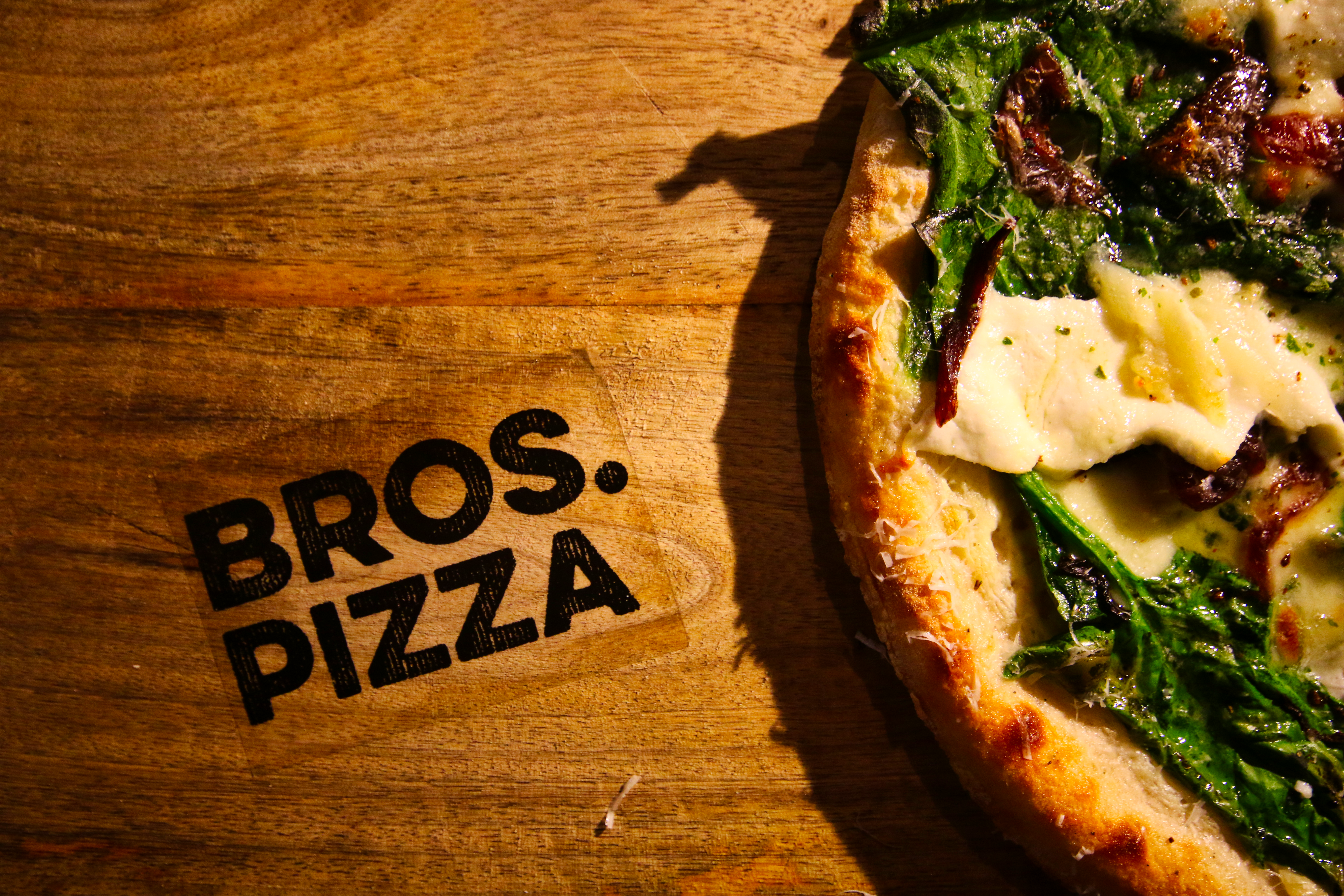
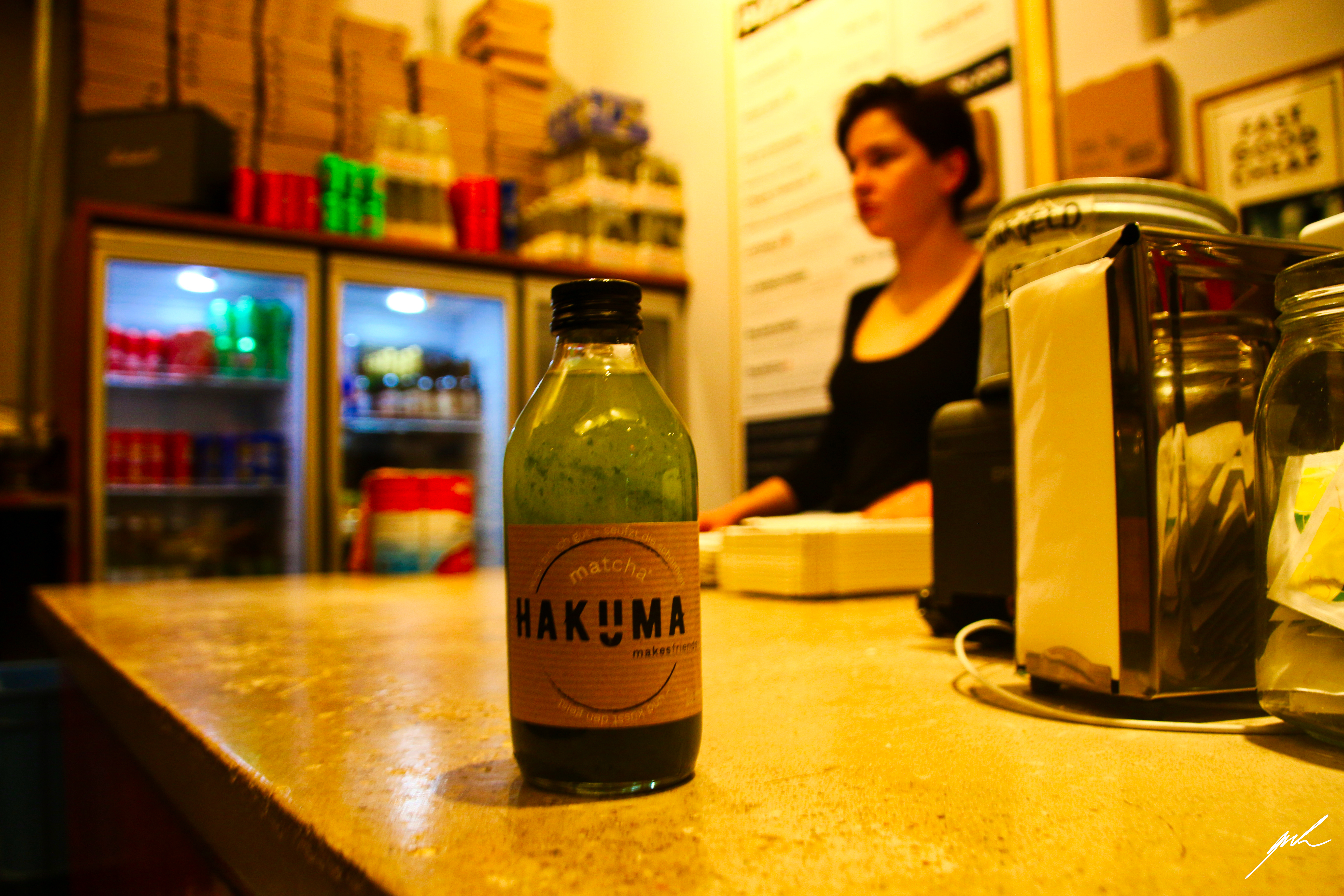
At Bros. Pizza, you order your meal at the bar for takeaway or dining inside. There is a choice of around 10 pizzas, sometimes with changing additions. We decided on “L’Atomica,” a pizza with a hot topping consisting of Spanish chorizo, mozzarella cheese, caramelized onions, and Red Eye hot sauce, and for “Hot Goat,” also called Pizza Bianca with spinach, mozzarella, goose cheese, and pecorino. Both were delicious and crisp, the hot one having a nice spicy flavor. We just ordered soft drinks this time, but there is a fine craft beer from the “Brussel Bier Project.”

During the waiting time (which usually is not very long), you are invited to play Super Nintendo. It’s not just there for decoration – indeed, it is working! The available games are changing, but when we were there, we could play Street Fighter while waiting and after the meal. What a great idea! Other lovely easter eggs also reference video game culture, especially the Super Mario Bros. in the room – just keep your eyes open.

BROS. PIZZA is open daily from Monday to Sunday from 12:00 to 15:00 and again from 17:00 to 21:00 and on Sundays from 12:00 to 20:00. You’ll find it at Zollergasse 2, close to U3 Neubaugasse. For more information, check out their Facebook page.

test


Lisboa Urbana: The City of Fado

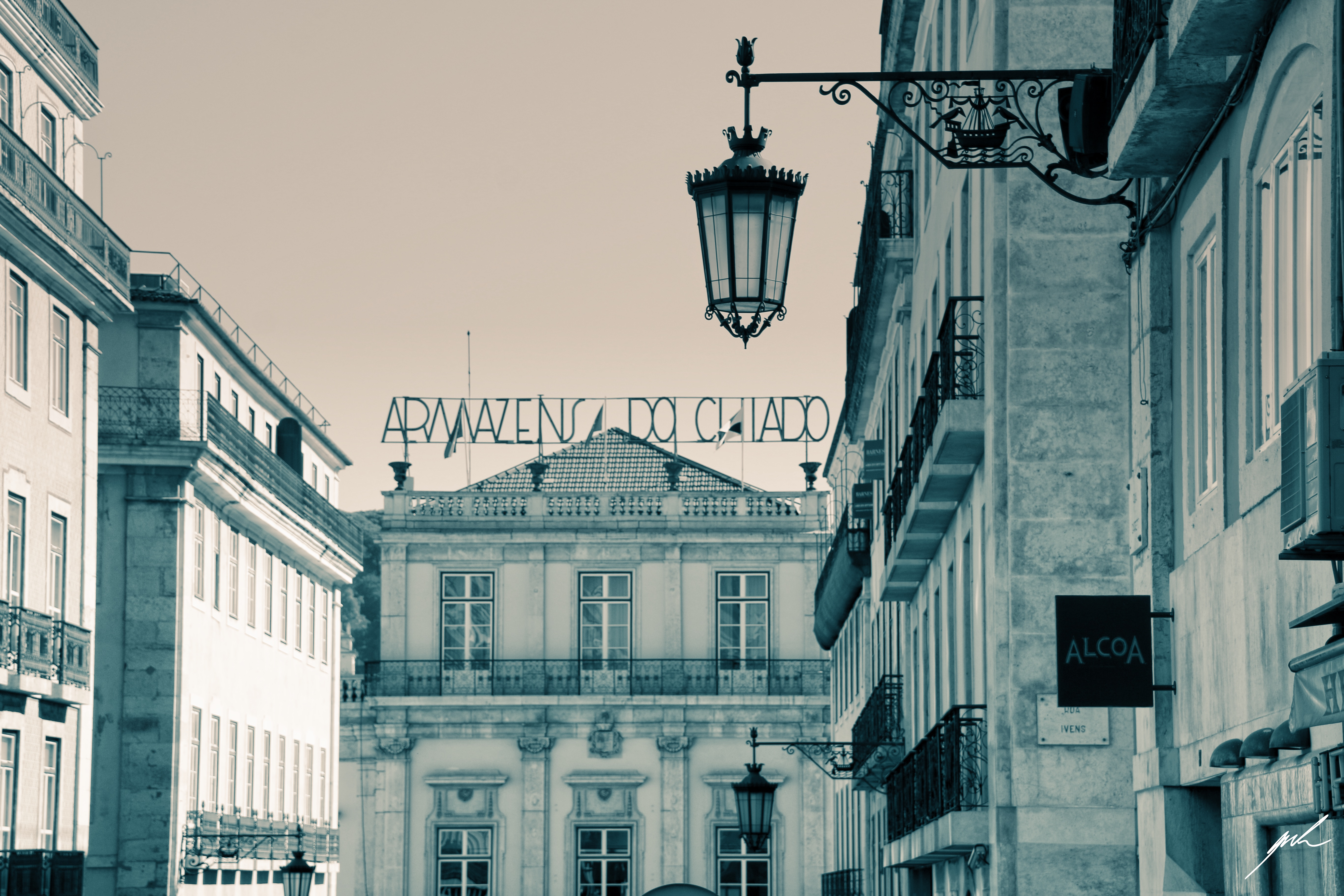
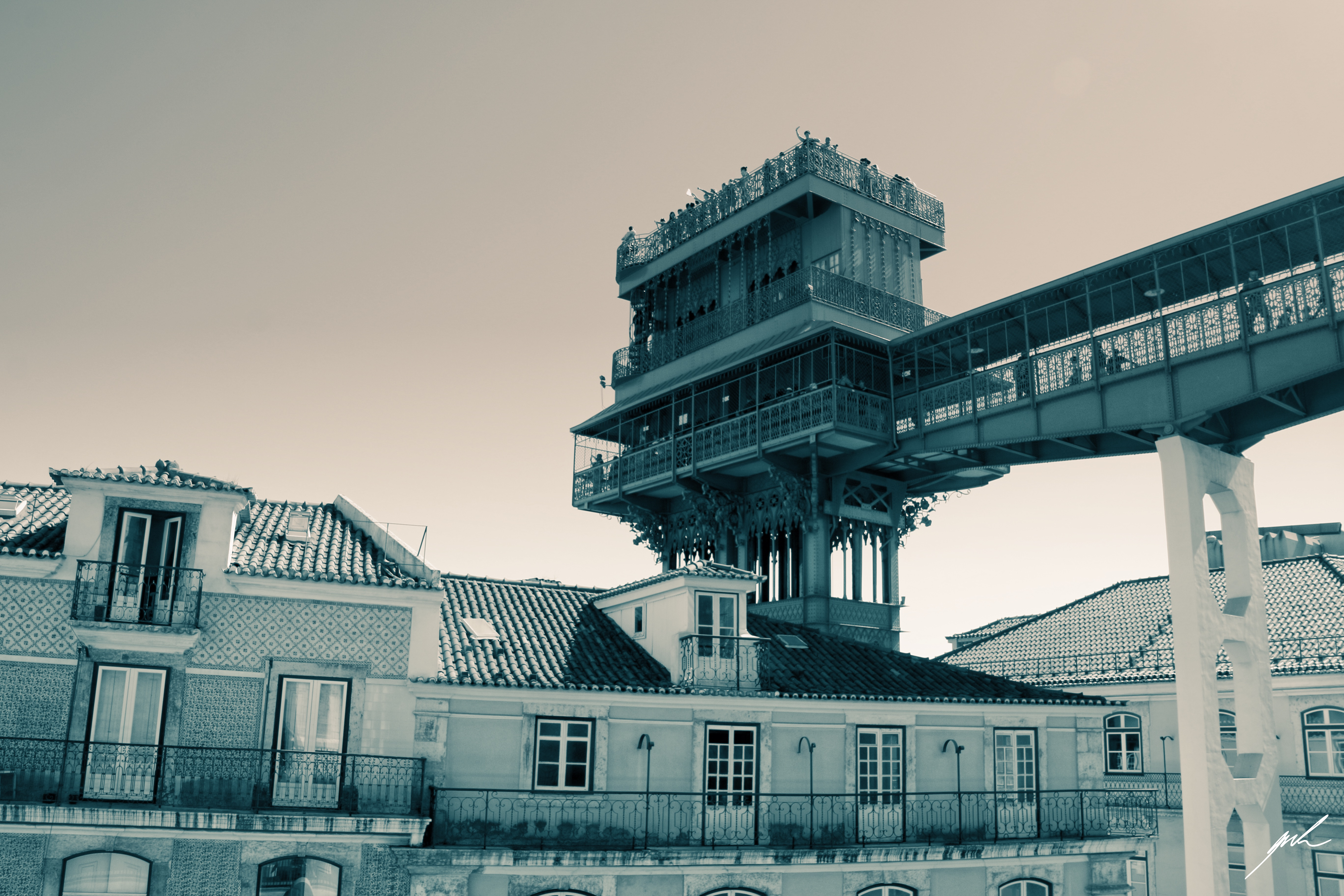
I will start the new year as I ended the last one, continuing my Portugal series shot last October. This time, though, I will not set up the pictures themselves but talk about something you can’t spot on the shots, which is intrinsically interwoven with Lissabon and the people living there. I am talking about Fado’s music. It is a very intense and melancholic kind of folk singing, popular in Portugal until the 80s but fading away now. To understand the people of Portugal is to understand the nature of Fado.

You can listen to Fado on YouTube, of course. Still, being in Lisbon, you can also go to one of many Fado restaurants throughout the city. However, it is widespread in the so-called Fado neighborhood of Mouraria in the old town. Usually, you pay a package price for the food and the musicians. The spectacle starts at around 8 pm and ends well after midnight. The combination of good Portuguese wine (and port wine), delicious local food, and the music is exceptional.

One night, a visit to a Fado Restaurant called Maria da Mouraria became magical. After being served the second course, the musicians went to the small stage among the tables and started playing. We were all surprised, though, and began to sing suddenly. It was the guy who had just introduced himself to us as the kitchen chef! Well, it turned out he was the owner and a very talented Fado singer. It wouldn’t be the last surprise of the night.

As we watched him and his musicians, we also noticed an older lady at the door whipping to the music. Later, a friend went to the toilets downstairs and told us she saw the lady singing in the basement with the musicians; it seemed like they were practicing. Indeed, after the next course, she came to the stage, and what followed was a magical performance of a 95-year-old lady singing like a 25-year-old star. Her presence on the stage was magnificent; the feelings and the joy she put into the songs were inspiring. A beautiful voice full of emotions in an almost private setting. It felt intimate. The lady had so much energy and fun she just wouldn’t stop, continuing singing even on the sidewalk while wandering with us through the nightly lit streets of Mouraria while she went home and we headed to the Metro.

Later, we witnessed a spontaneous performance by a retired lady living in the neighborhood. But this wasn’t any lady. She was the sister of the famous Amalia Rodrigues, an icon of Fado who died in 1999 and was well-known by all Portuguese. Celeste Rodrigues is a prominent Fado figure in Portugal, having often been on television and given large concerts. It felt as for a moment in her life, she was the star on the large stage again, her beautiful voice becoming a part of the history of Lisbon itself.

test