Skip to content

Travelling Austria

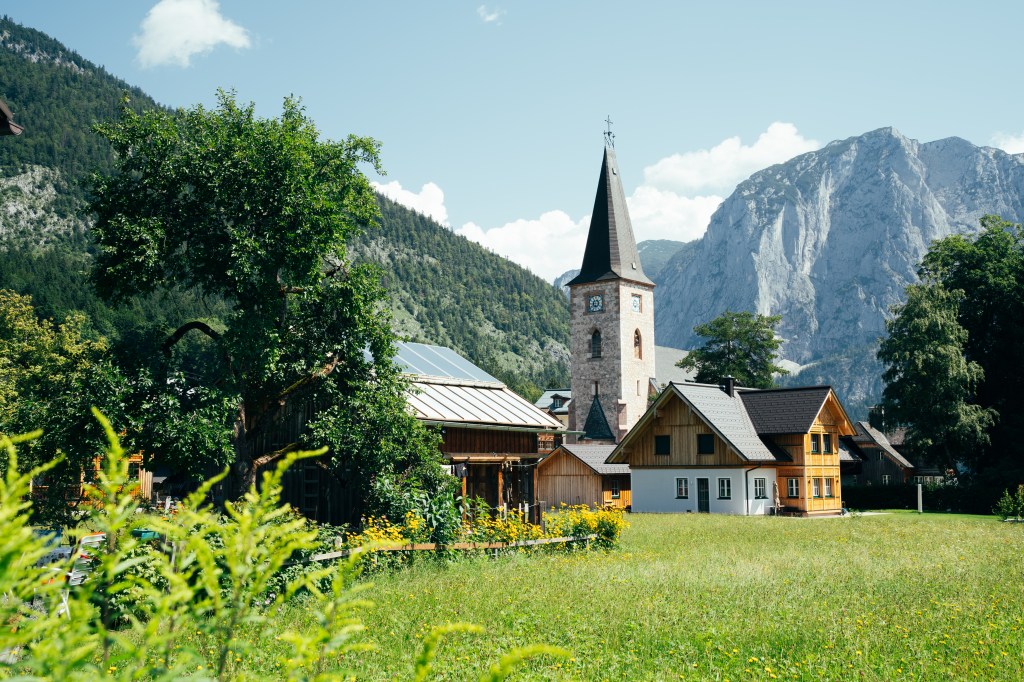
When travelling Austria, there is a surprisingly large variety of landscapes and places to see and enjoy. The country is best known for being an Alpine country with mountainous terrain and high peaks, ideally suited for hiking and enjoying nature. In between you will find many cute little towns and churches to explore.

Hallstatt: The Old Town at the Lake

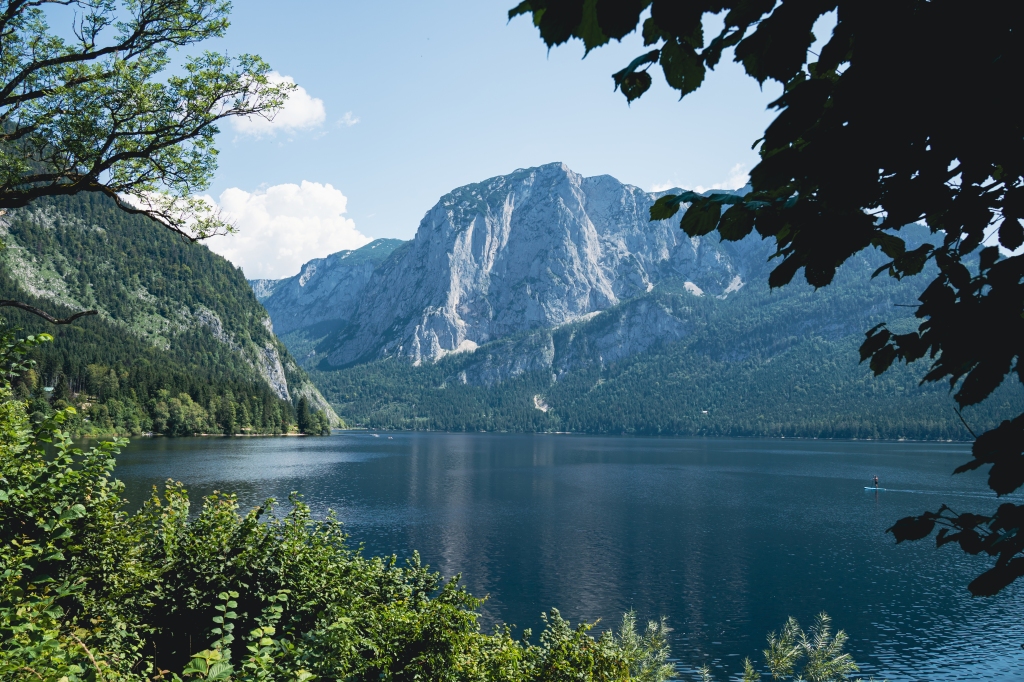
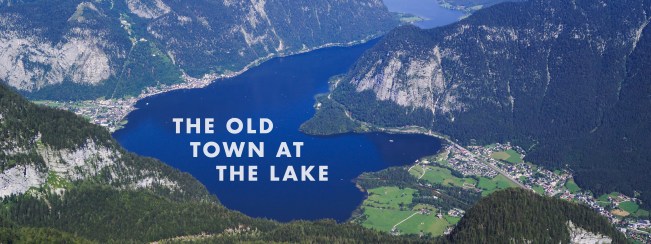
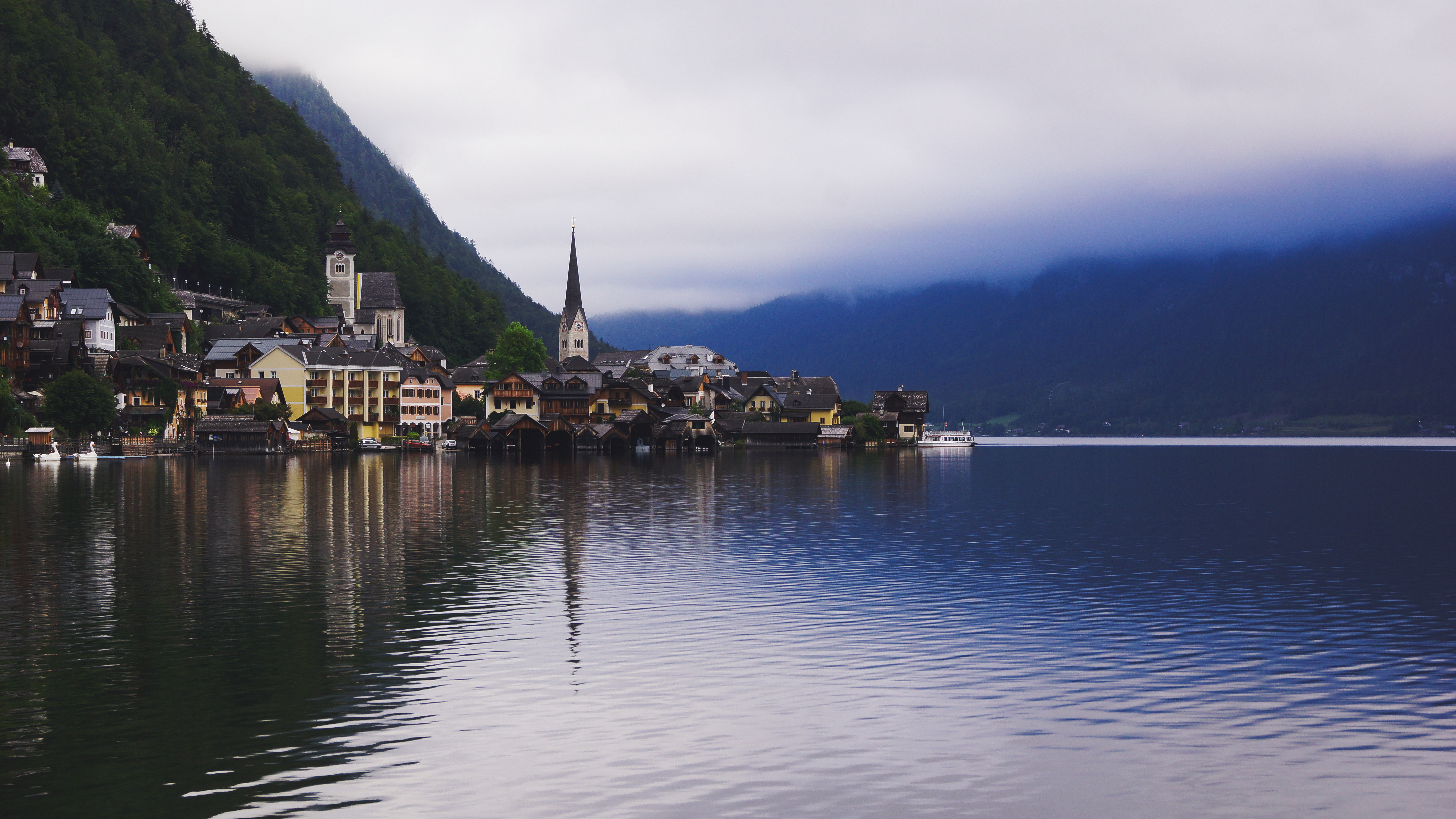
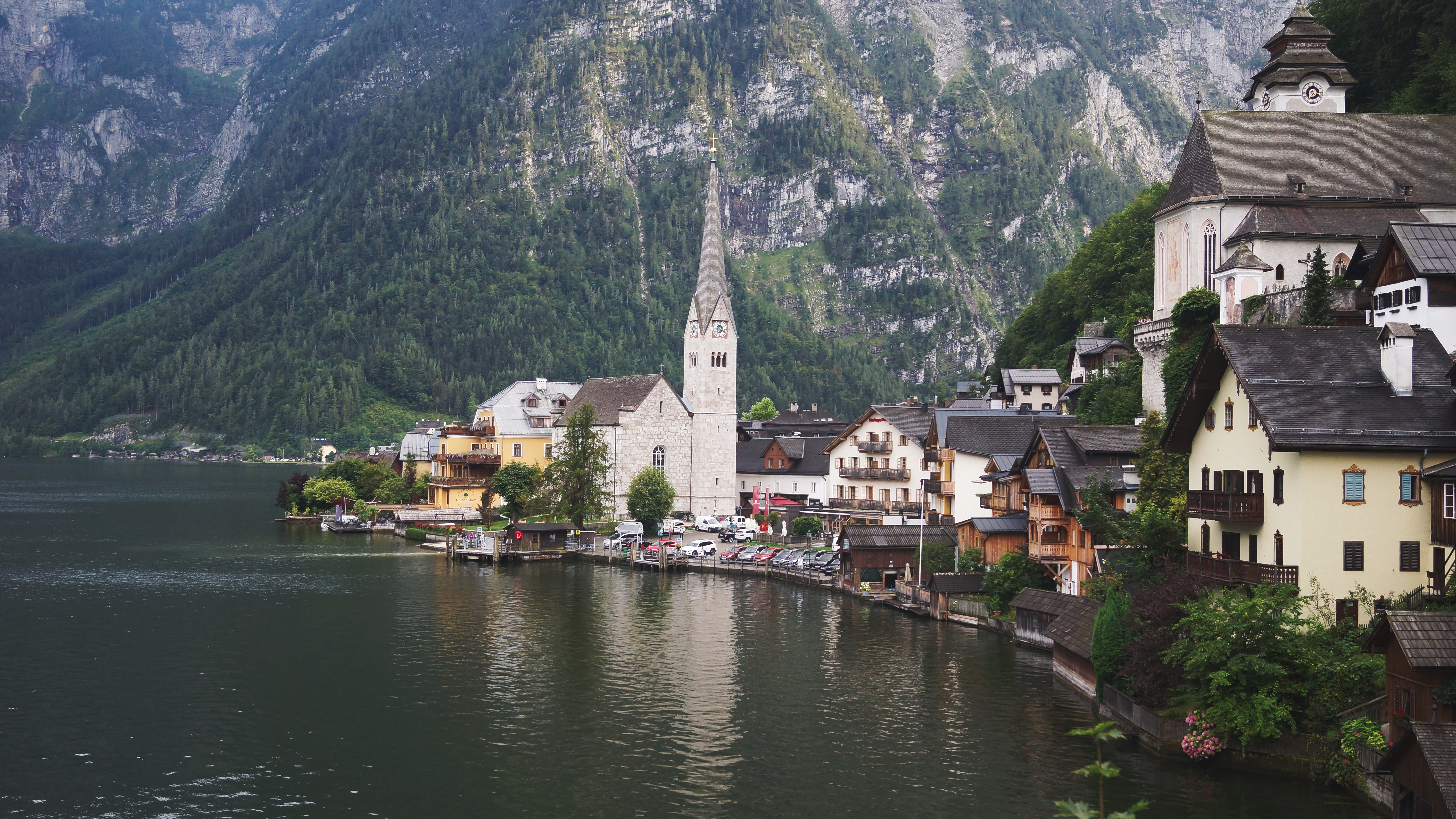
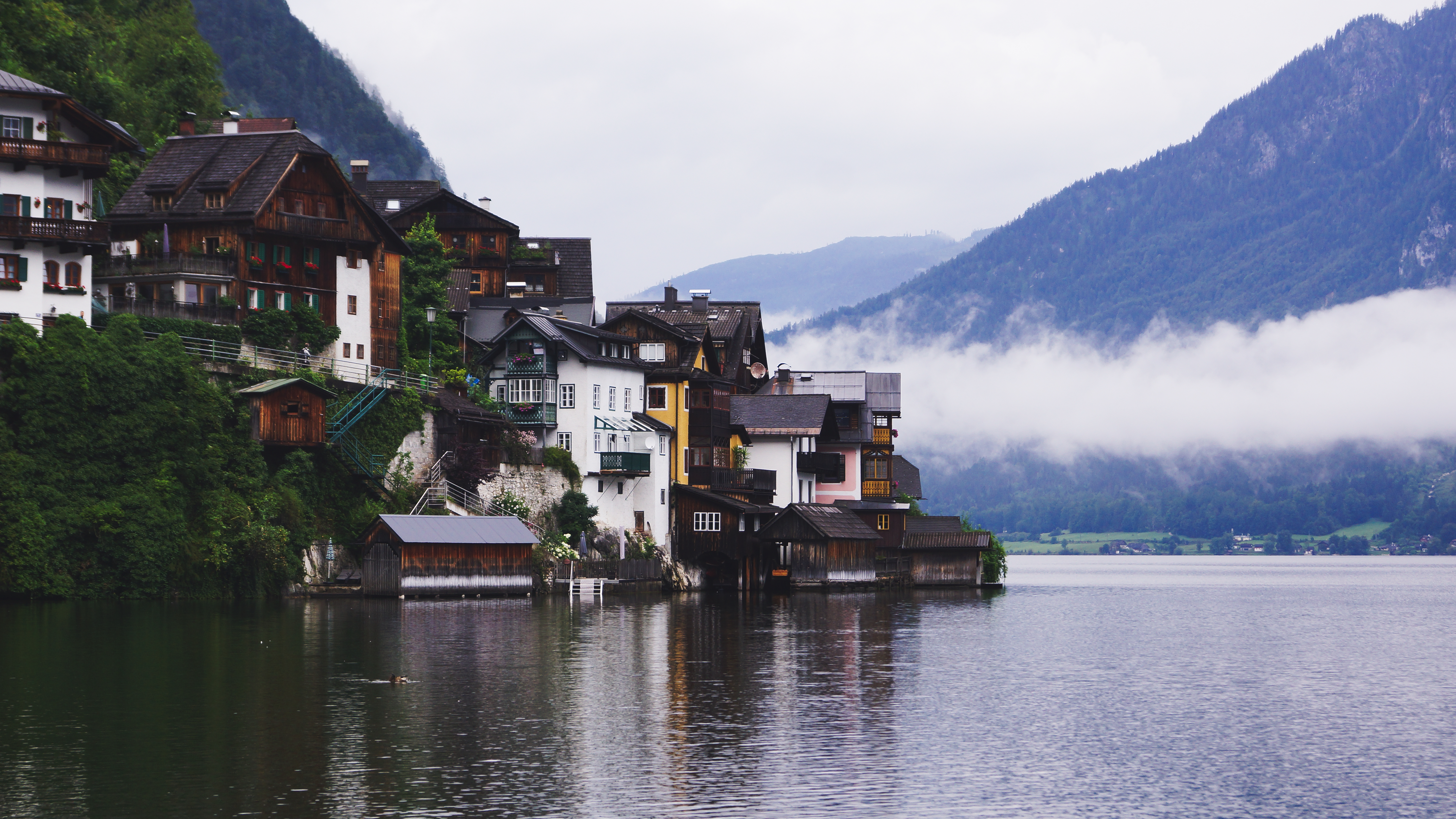
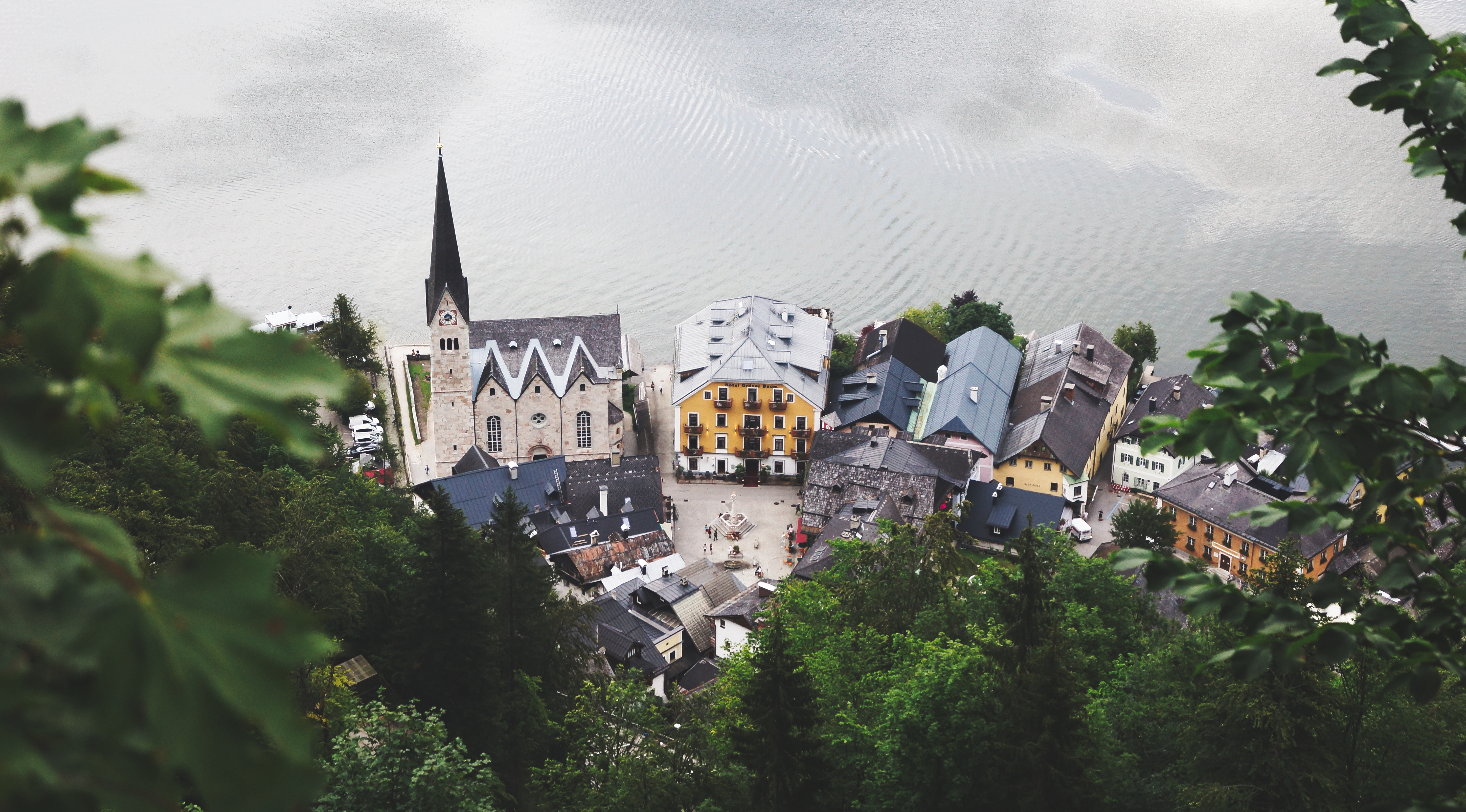
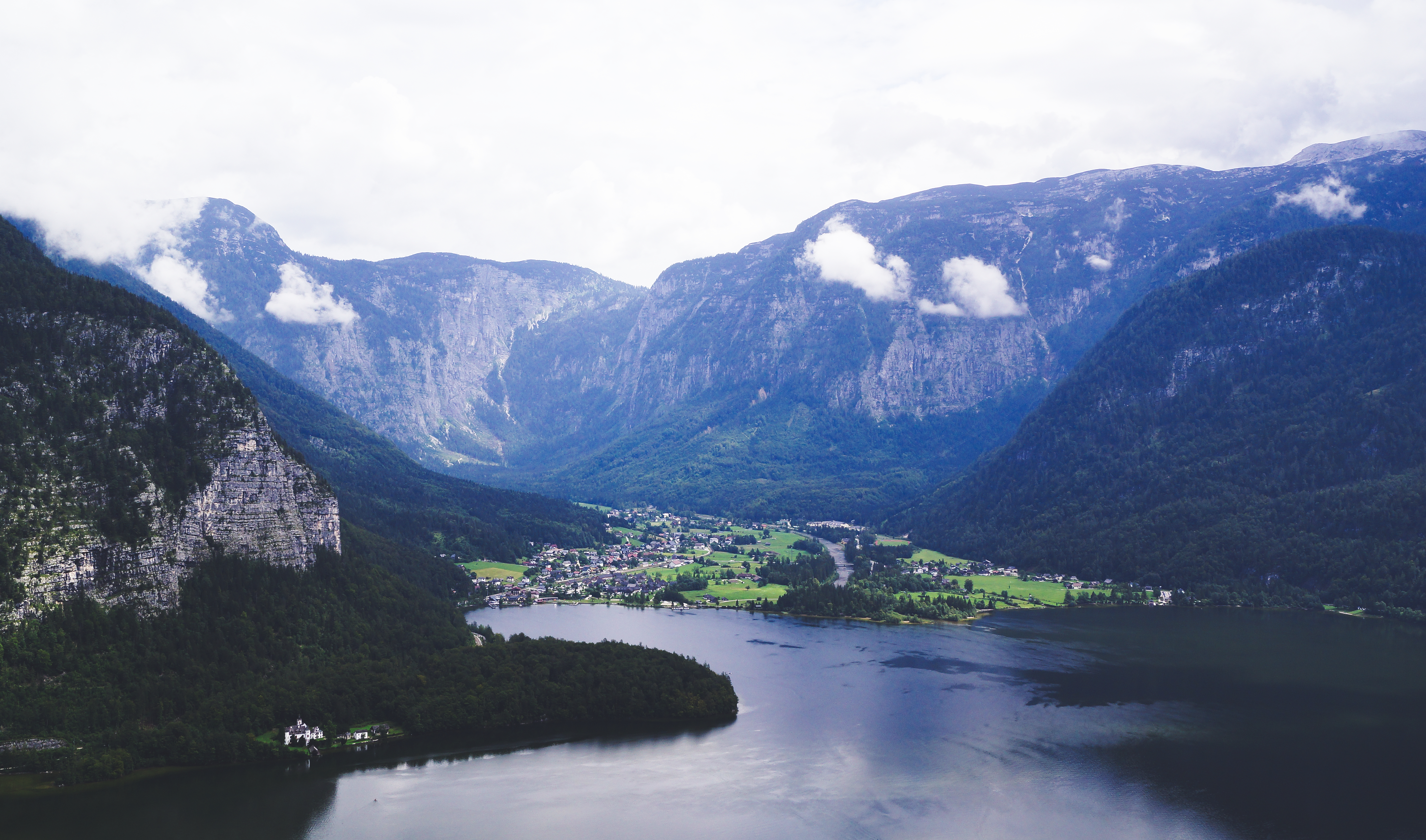
Internationally, Hallstatt is well known for its beautiful location in the mountains at an Alpine lake. Less known, perhaps, is the fact that Hallstatt is one of the oldest known settlements in the Alps still in existence. From the 8th century BC onwards humans lived here and engaged in the production of salt; the culture they represented is called “Hallstatt Culture”.

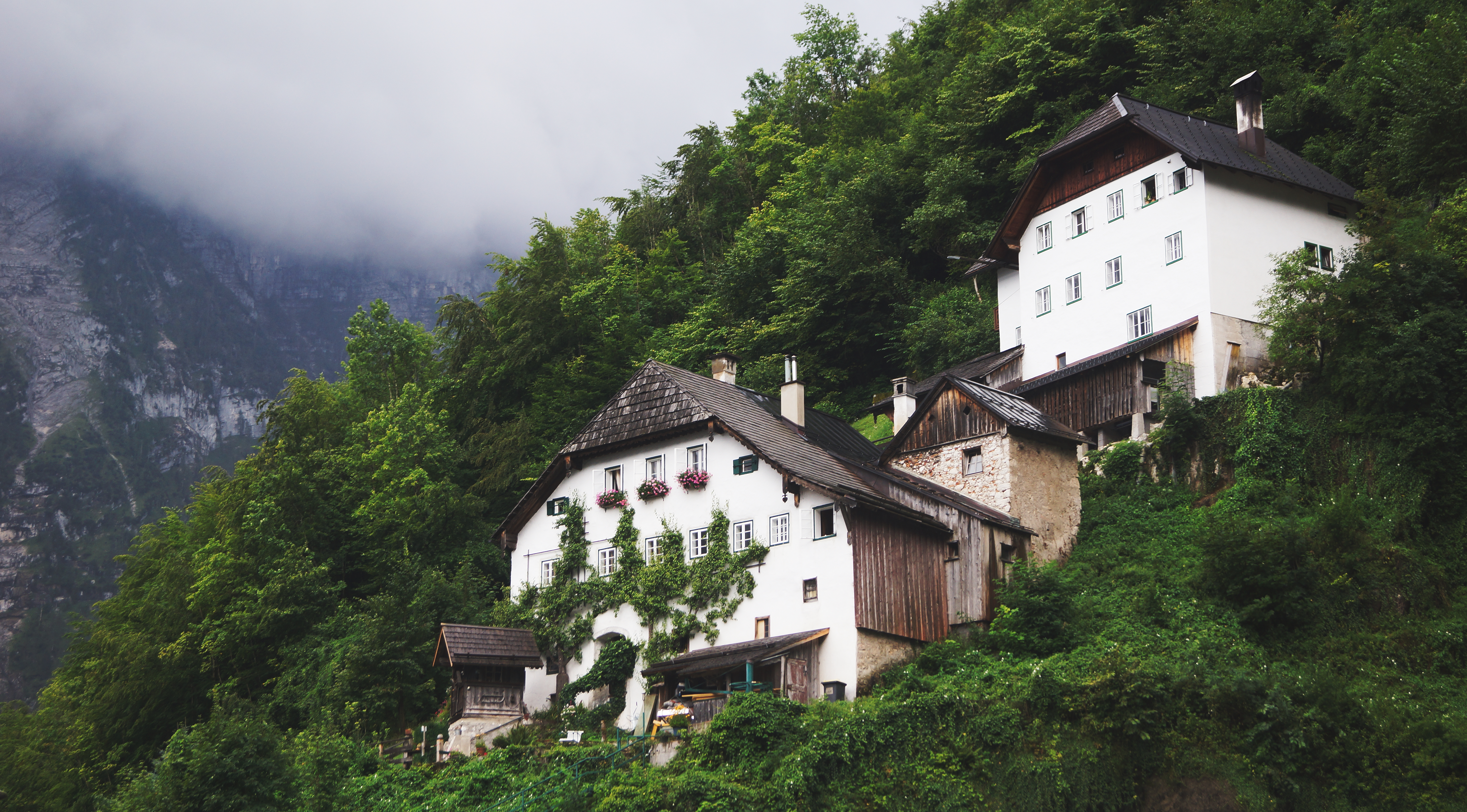
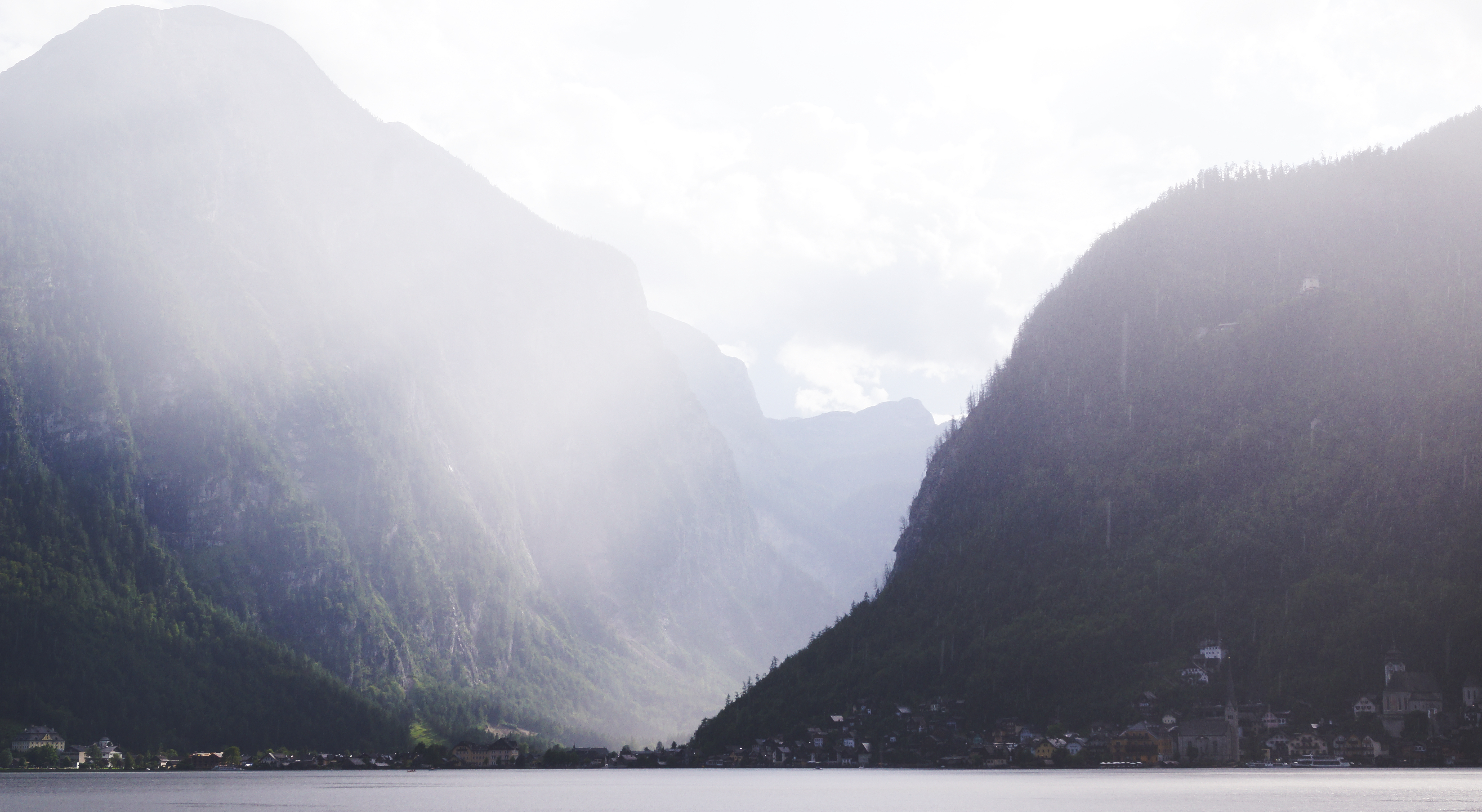
Coming back to modern times, in the last years Hallstatt became immensely popular among tourists from Asia and the US, leading to fears of overtourism. Since COVID hit, the situations eased somewhat and the inhabitants start to breath again. On the other hand, one would wish that everyone could see this gem in the Alps. Hence, a sustainable way has to be found to navigate tourism in this rather little town. For now, I hope you enjoy some impressions from Hallstatt and surroundings.

Exploring Austrian Nature

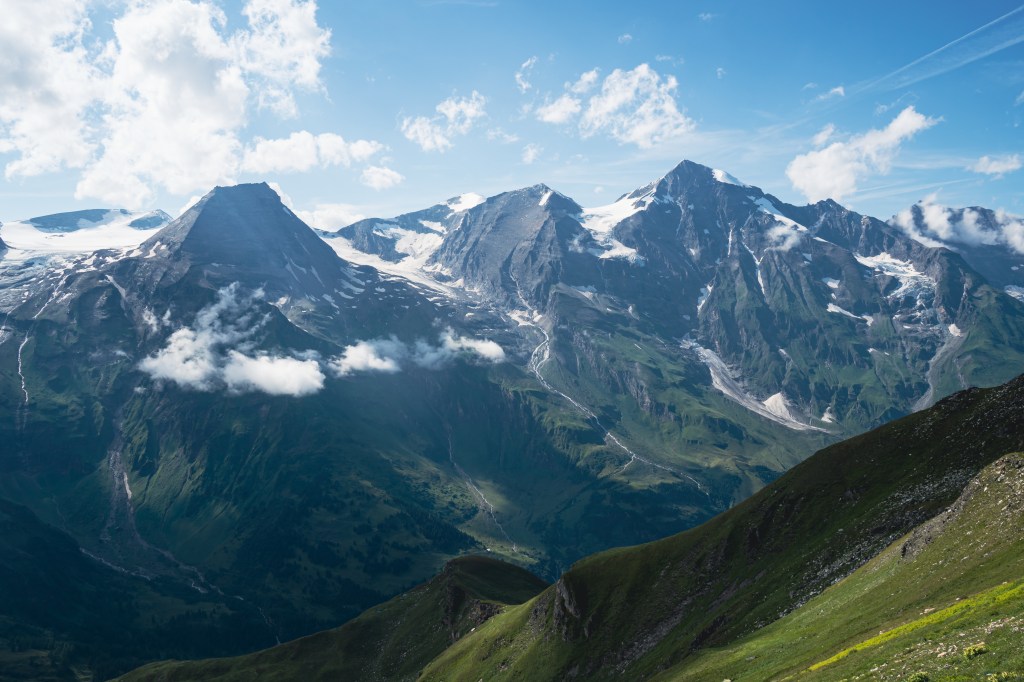
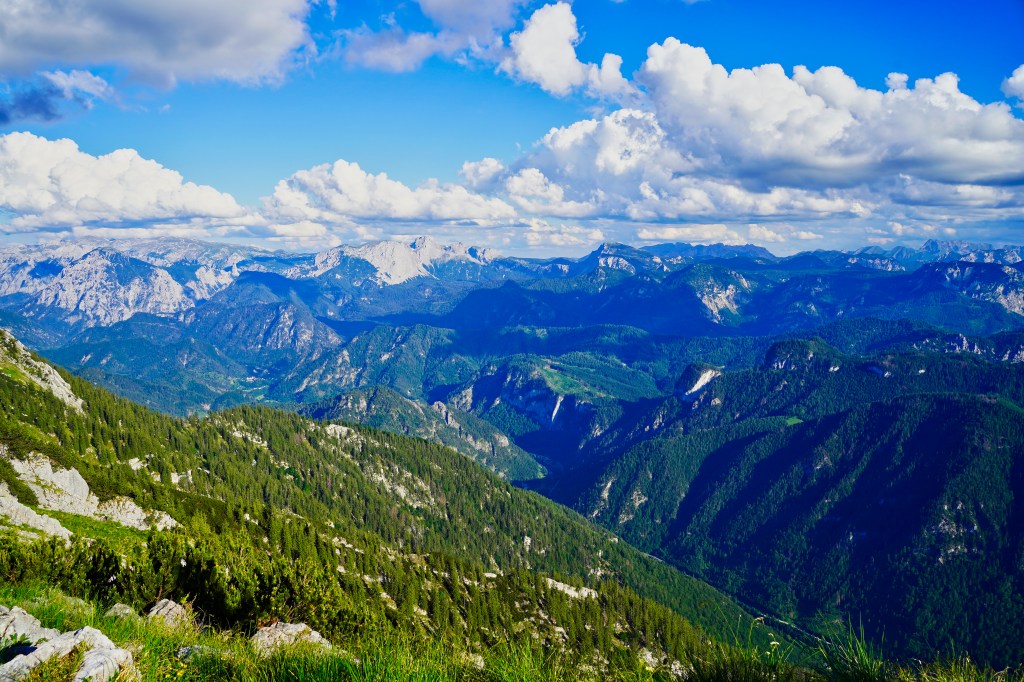
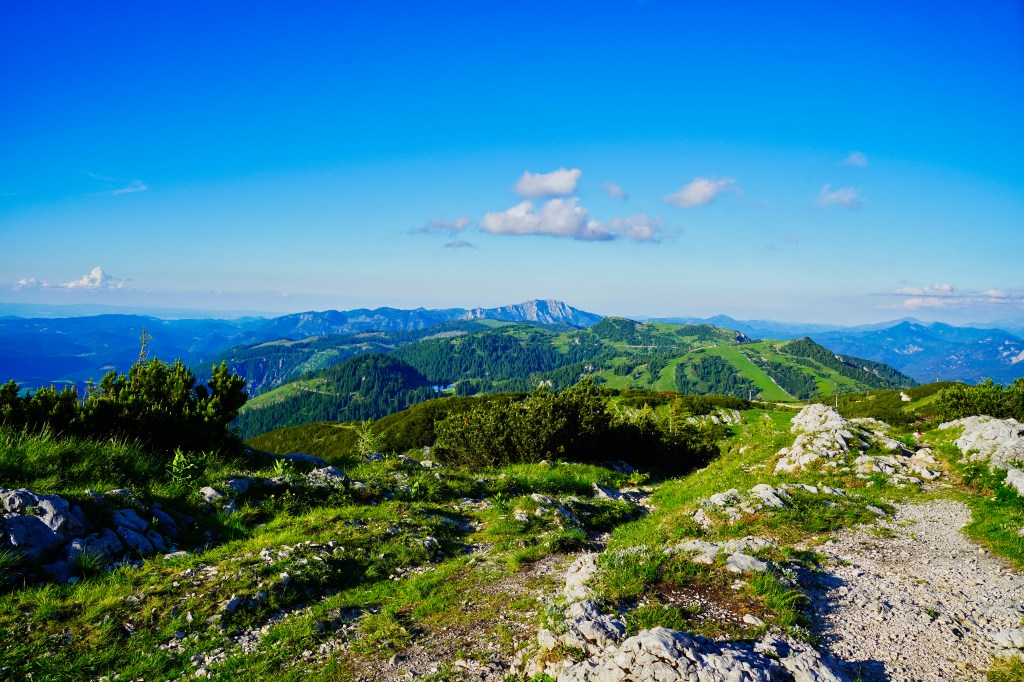
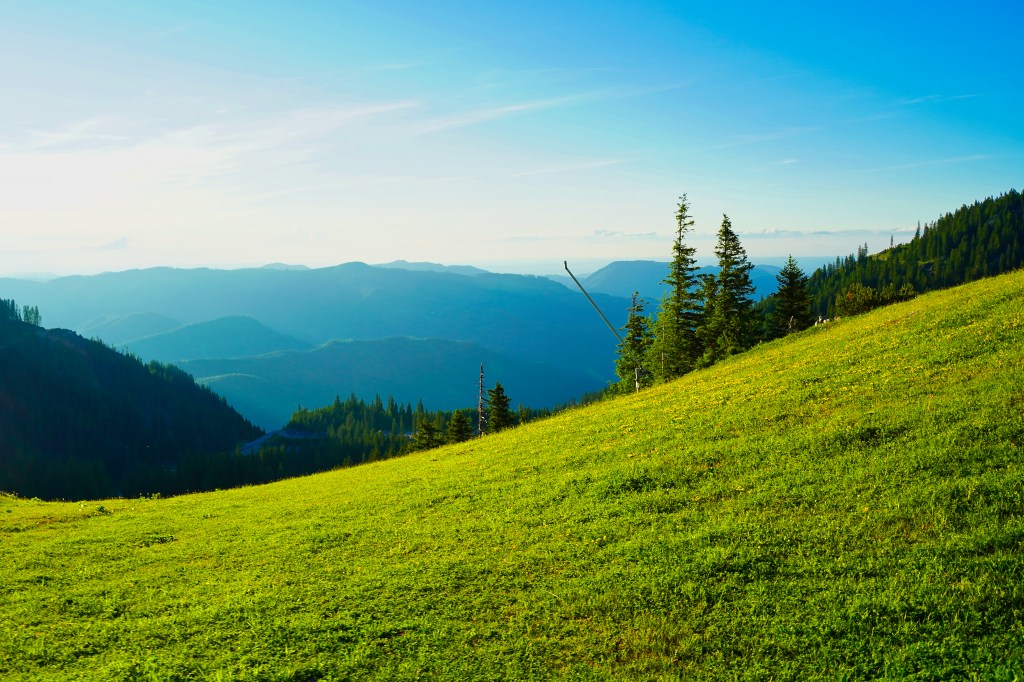
Situated in the midst of Europe, Austria offers a wealth of experiences in nature. Large parts of the country are located in the Alps, a region seemingly devoid of humans and their intrusions. Of course, this is not entirely true, and there are human settlements even at high plateaus. Sill, nature in the Alps, it seems, has enough place to roam and flourish freely.
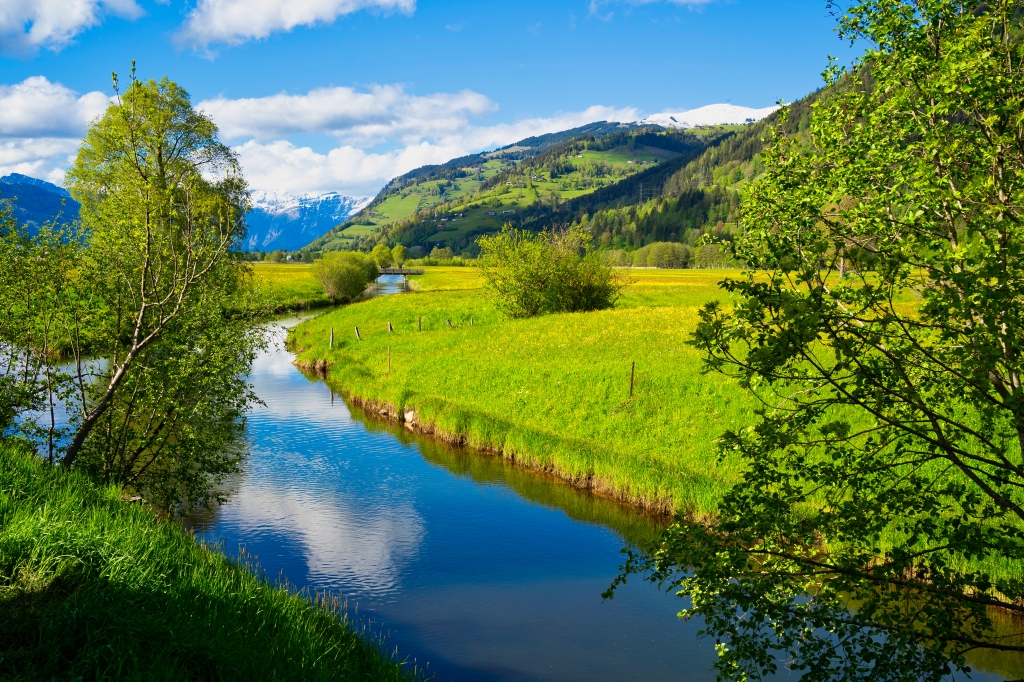
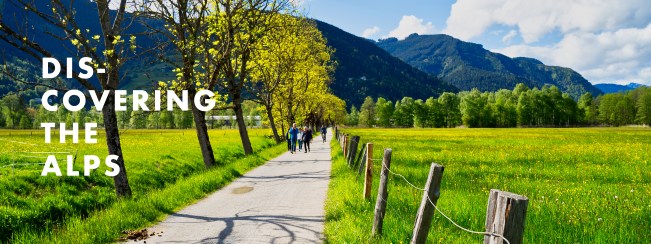
Discovering the Alps

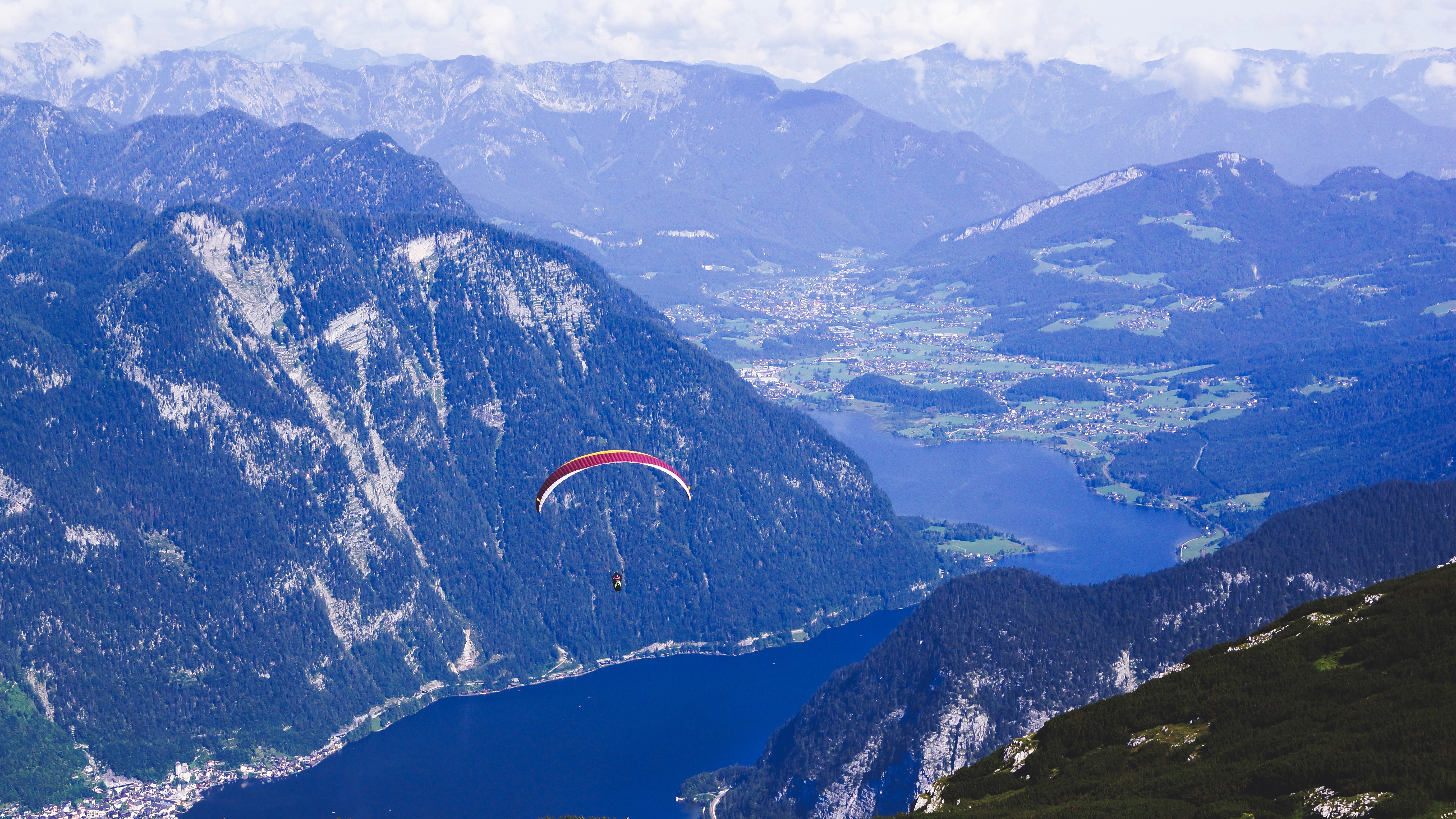
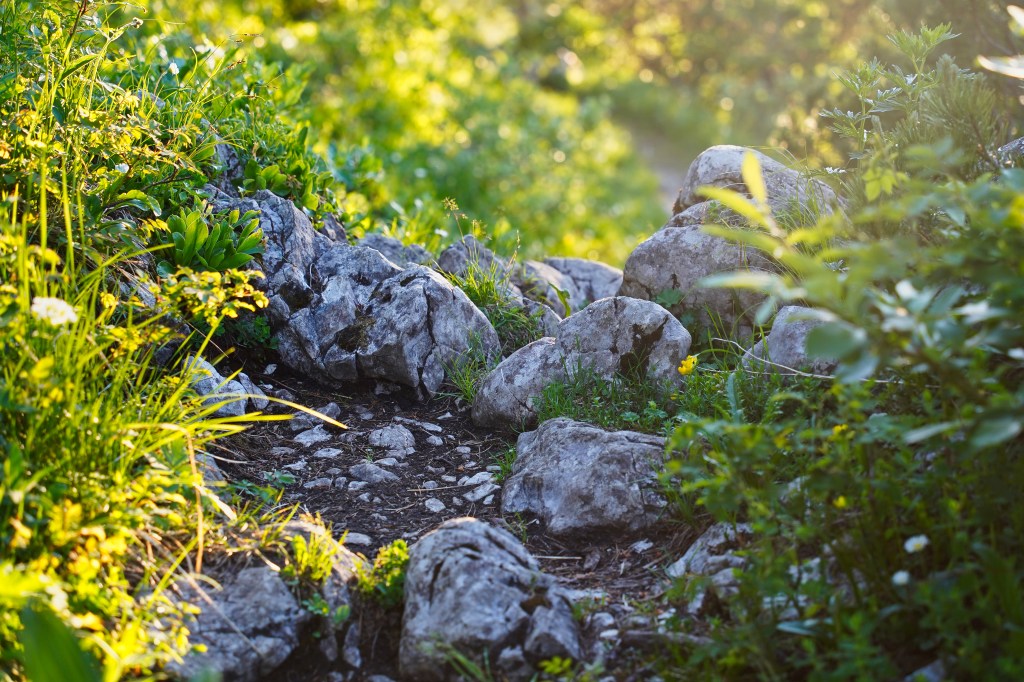
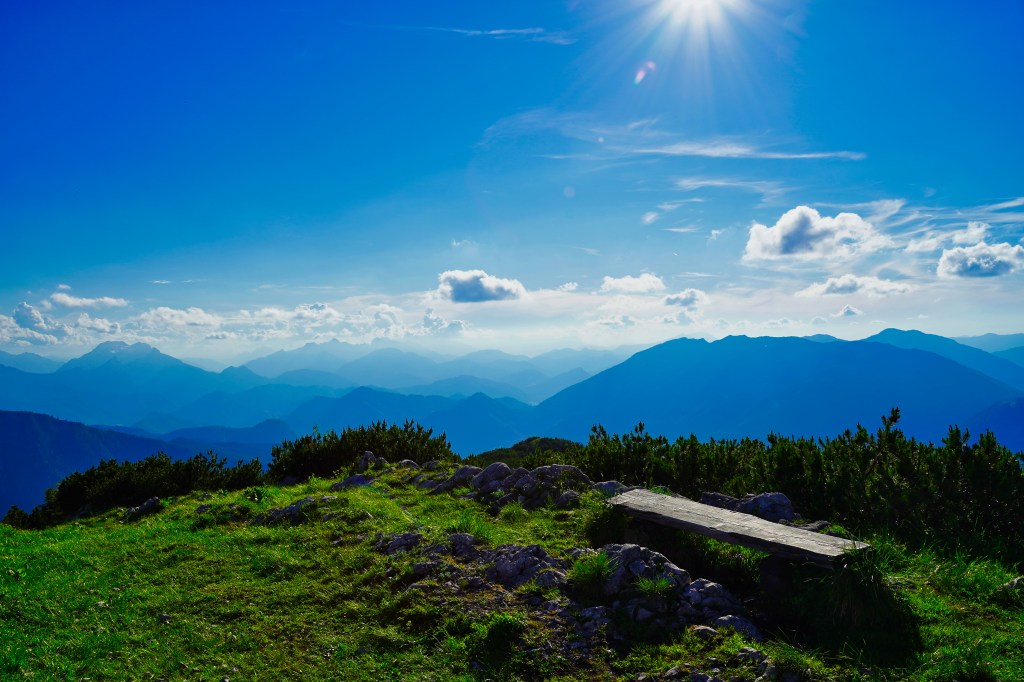
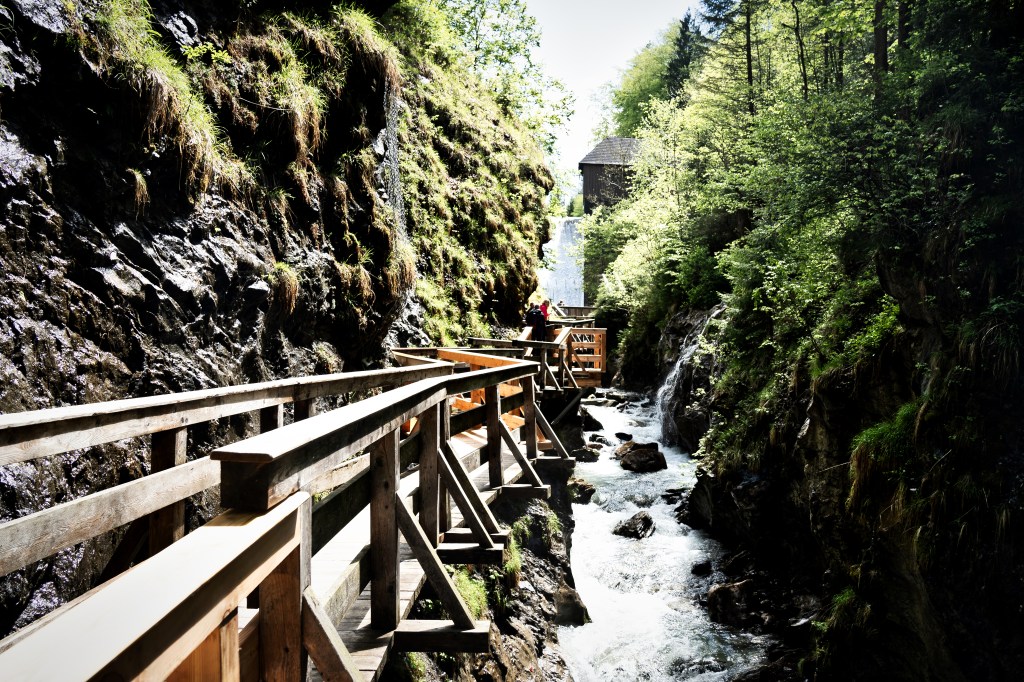
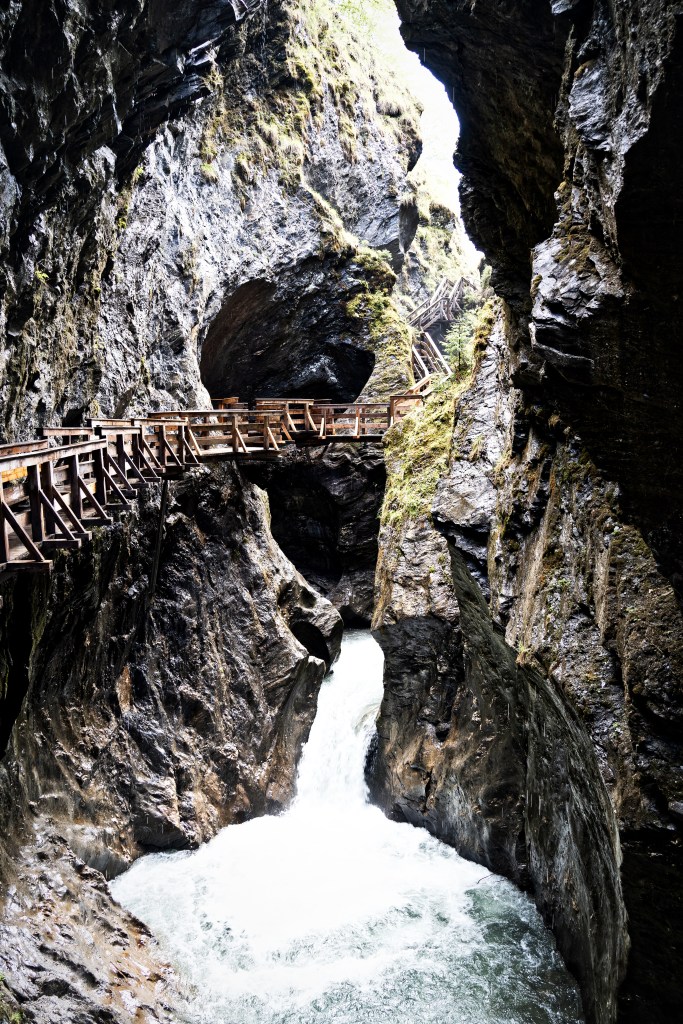
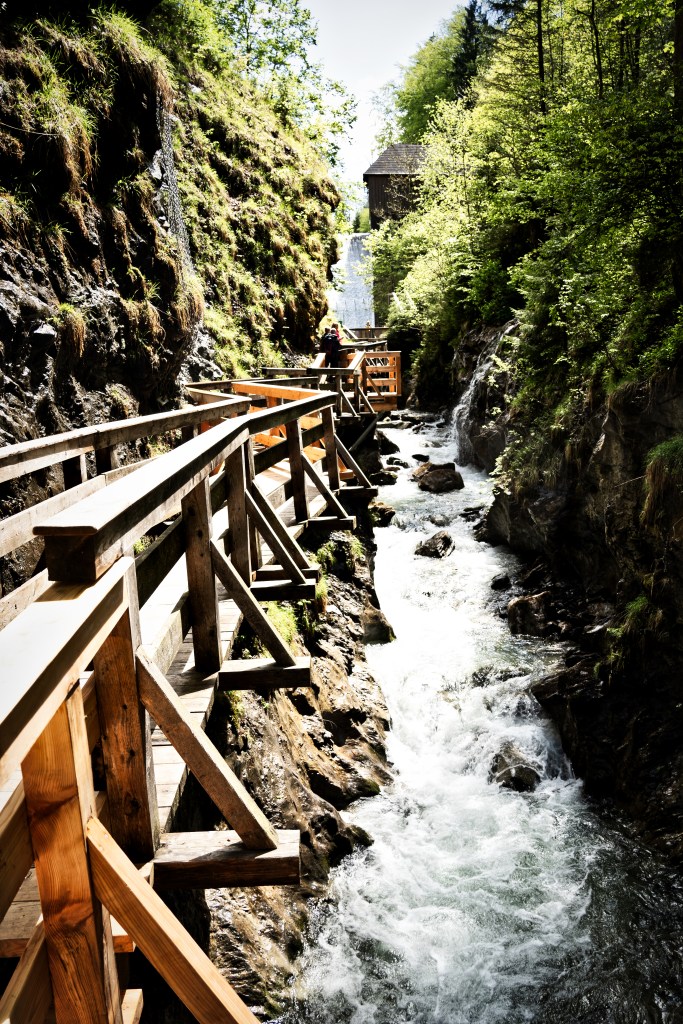
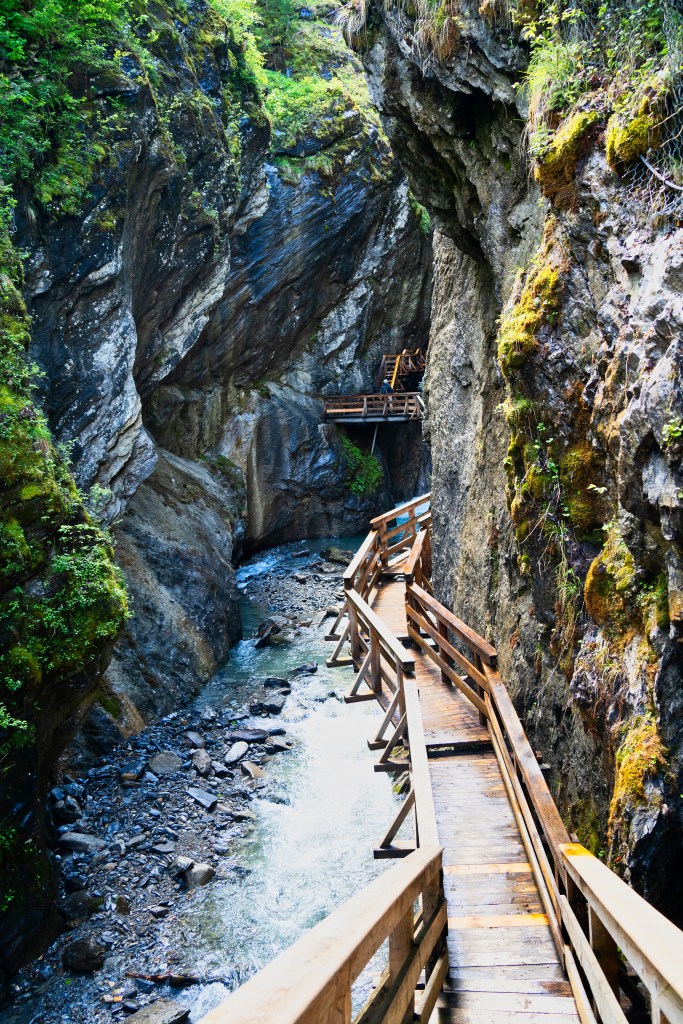
The European Alps have countless valleys, plateaus, mountain ranges, and lakes. It is a vast landscape covering large parts of Central Europe. In between this, streams make their way through the gorges and passes. Some of them, such as the Sigmund-Thun-Klamm close to Kaprun, can be visited. Wooden walkways span this gorge, surmounting several waterfalls. The network of walking trails in the Alps is rich and far-reaching. It traverses all the different terrains, so the region can be experienced from all different perspectives and habitats.
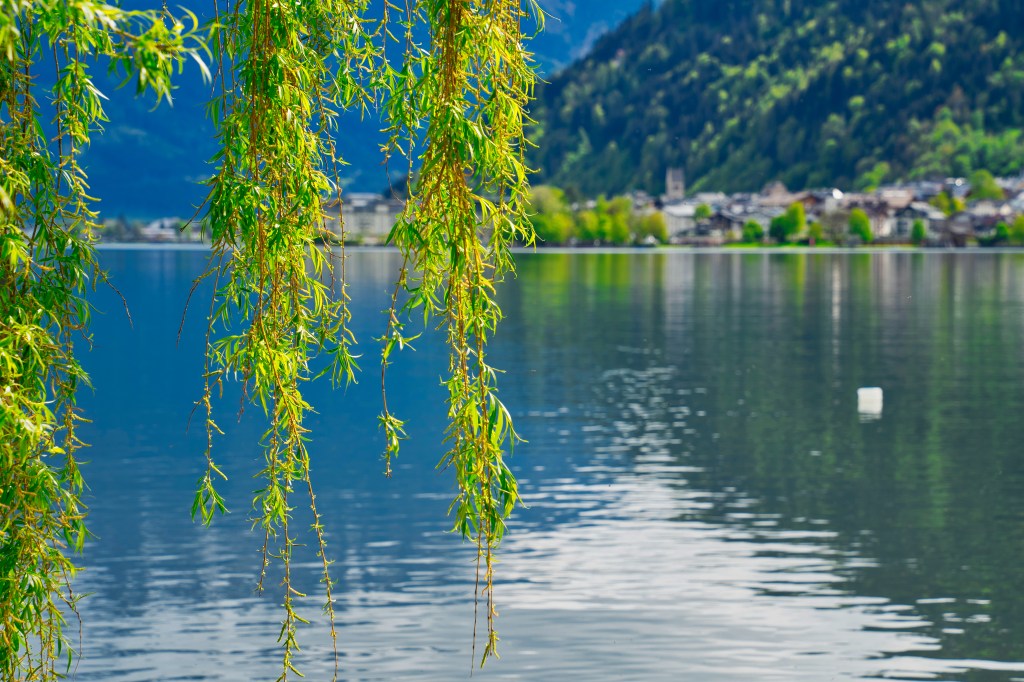
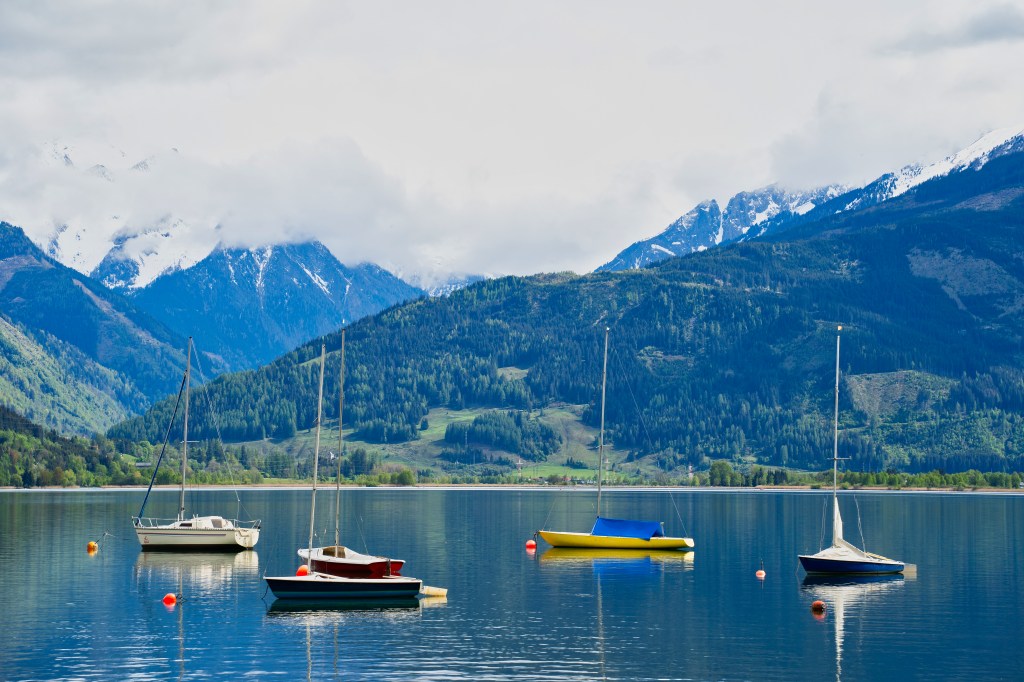
Nature of Zell am See

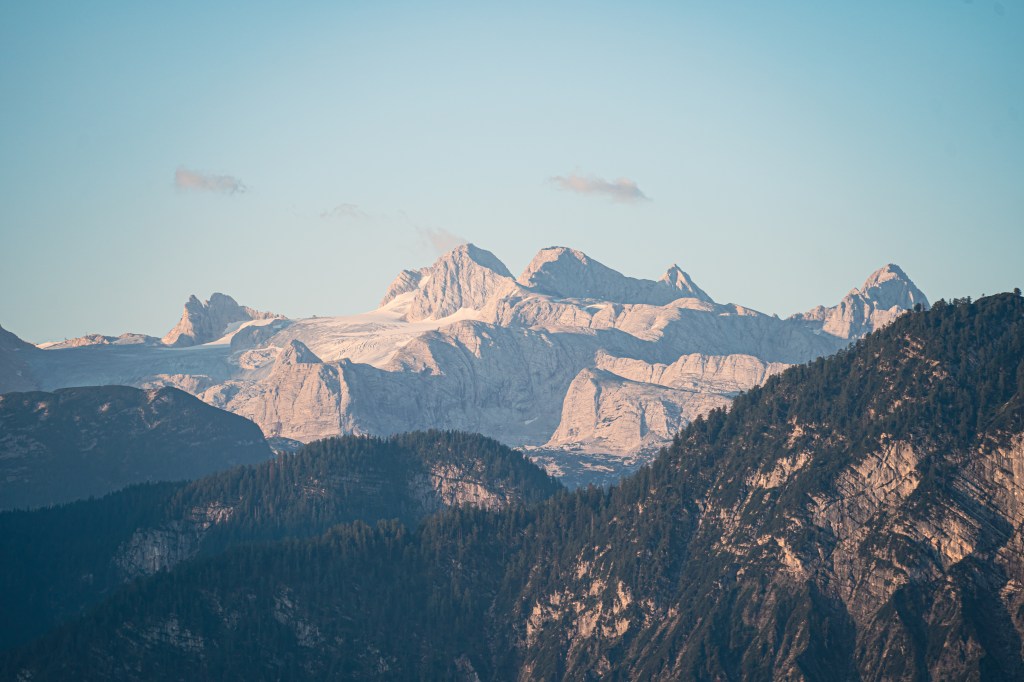
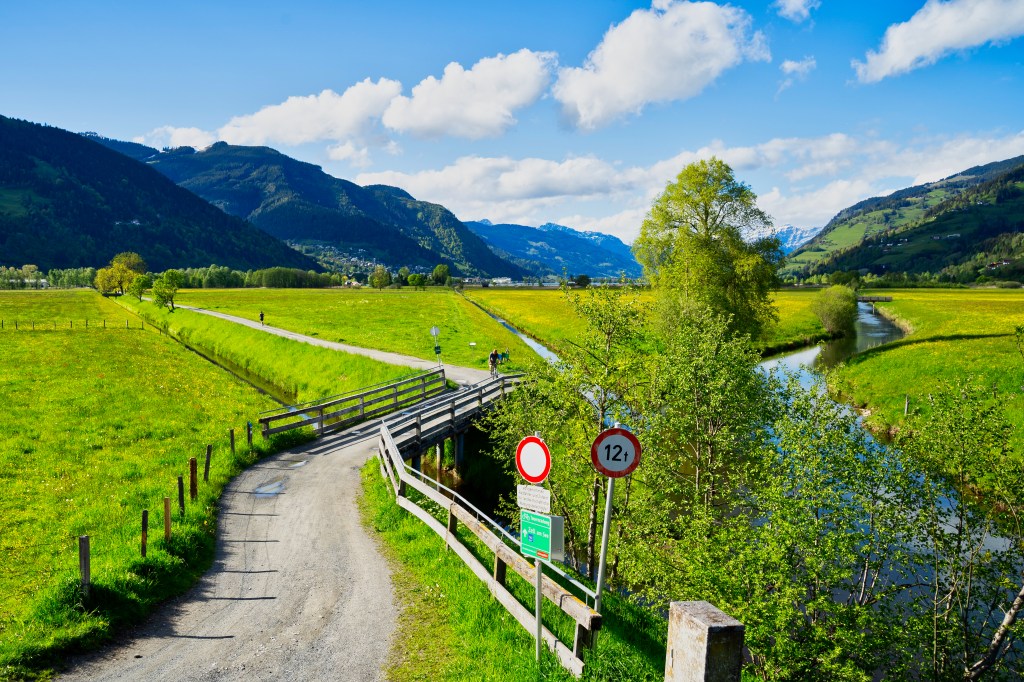
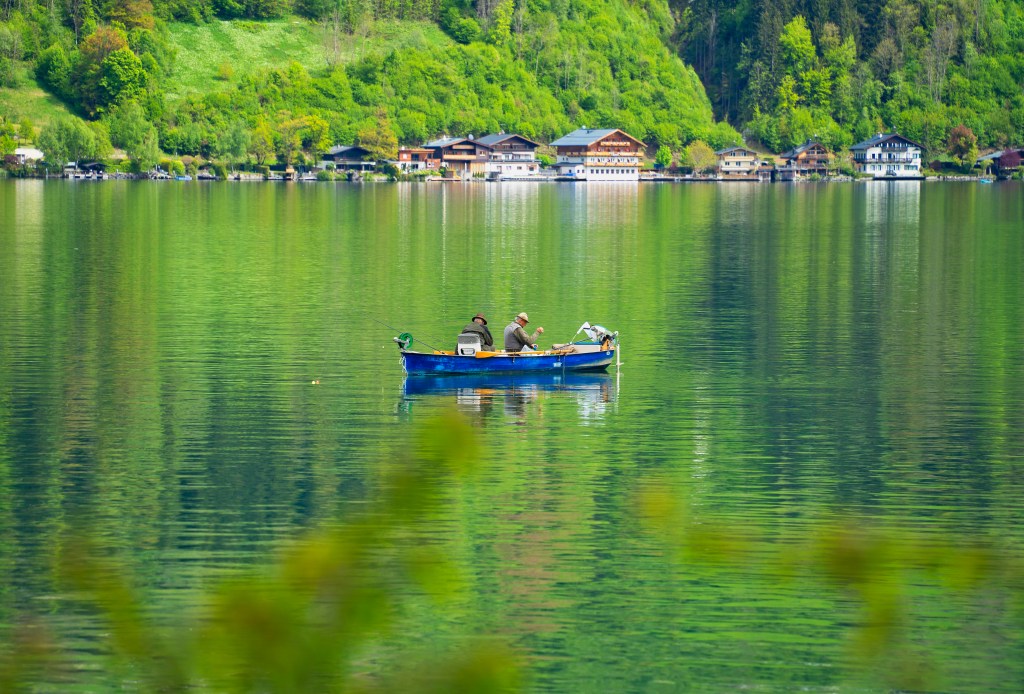
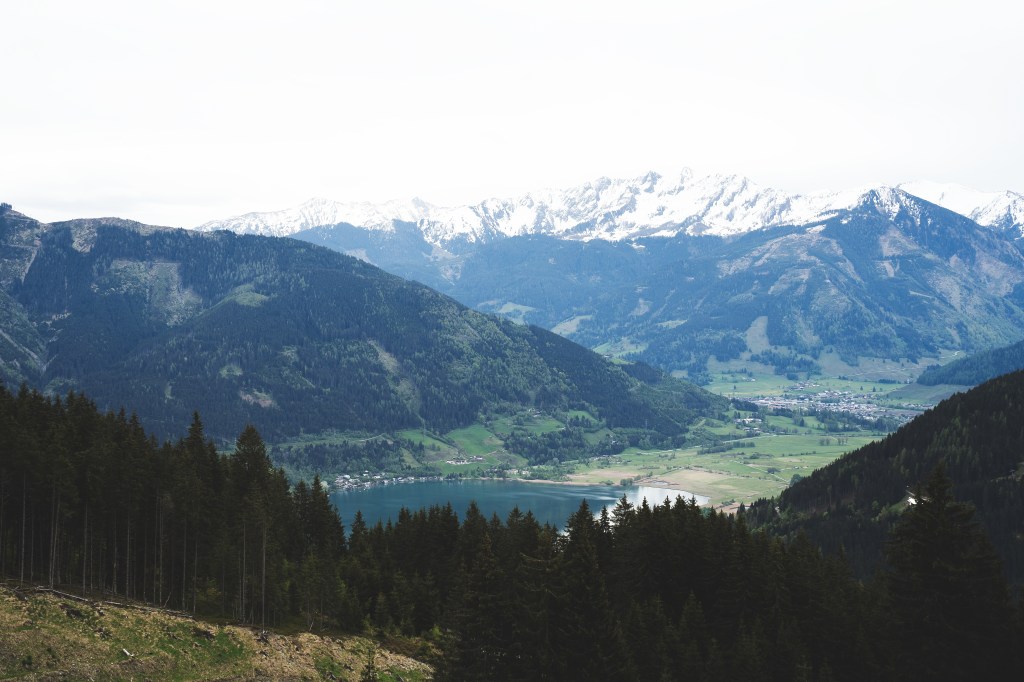
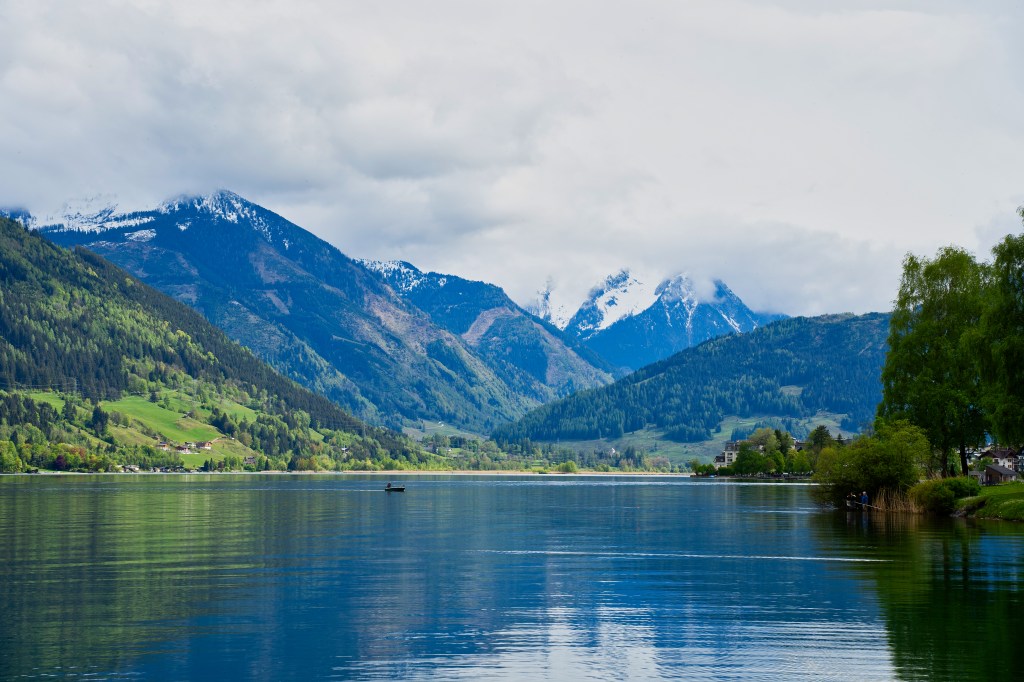
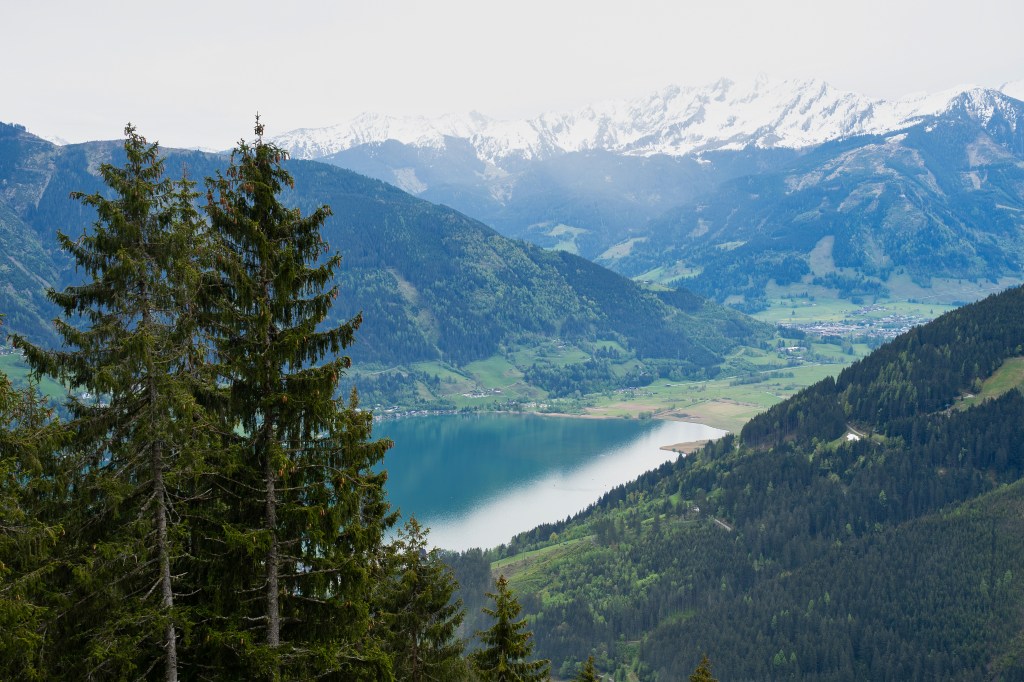
The surroundings of Zell am See are characterized by diverse natural habitats, reaching from the lake itself to a wide array of swamps and grasslands. The higher you go the more nature is changing as well. At around 3.000 meters, eternal ice covers the mountaintops; like white rooftops, they stand protective over this magnificent land.

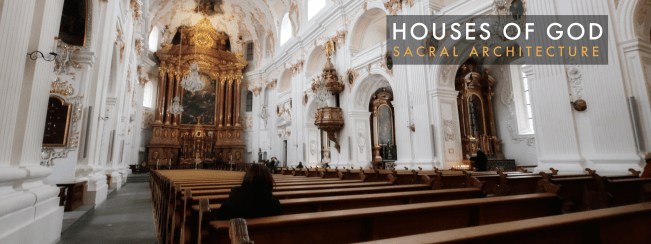
Houses of God: Sacral Architecture in the Alps

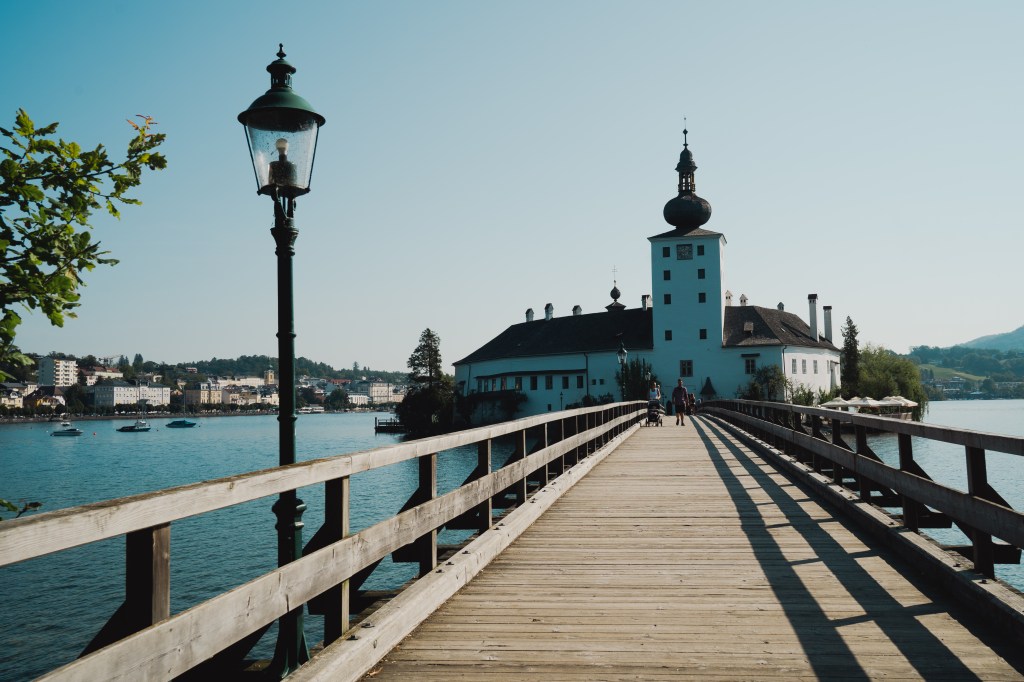
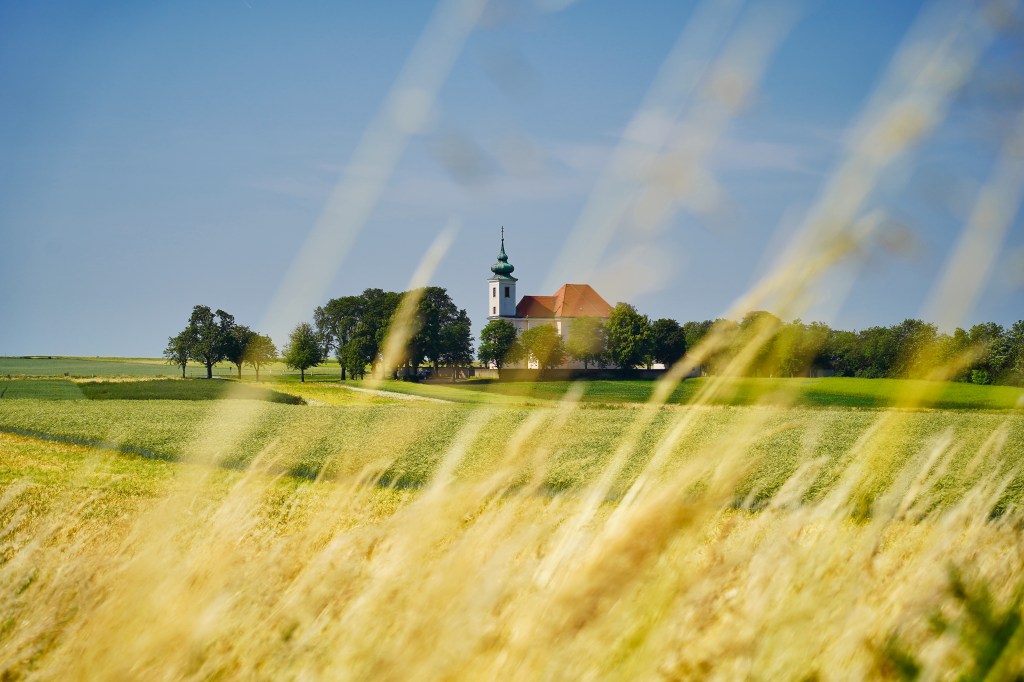
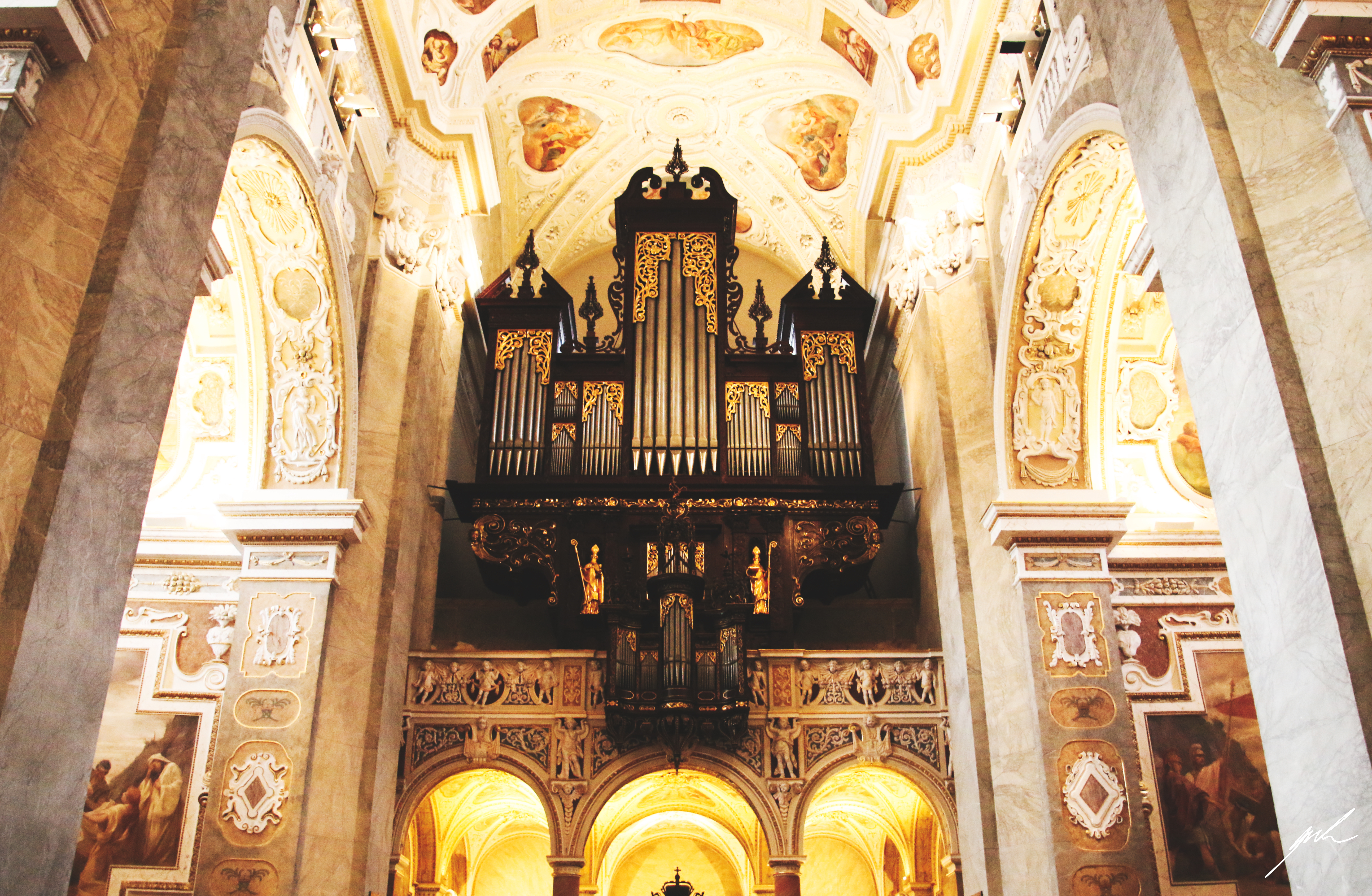
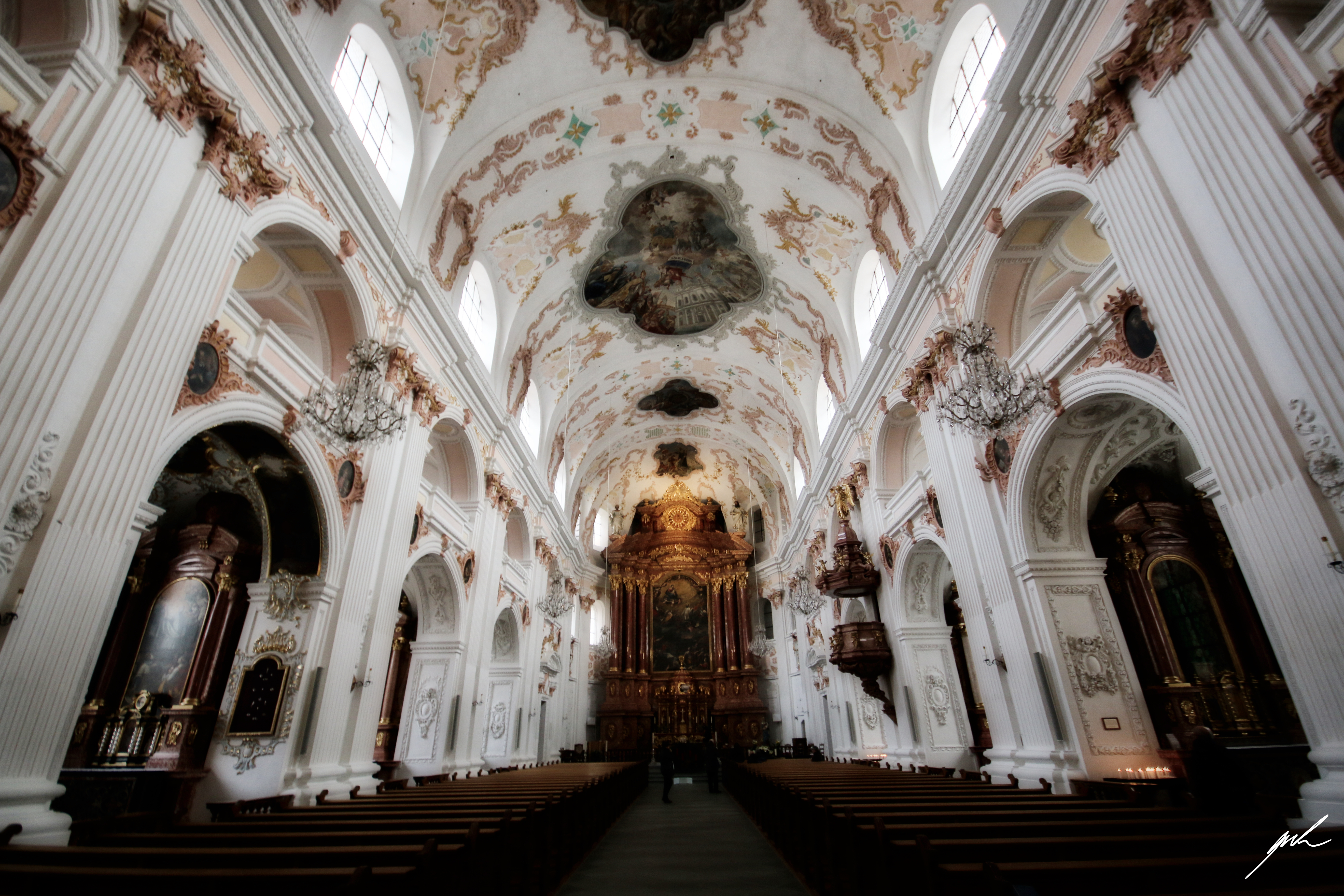
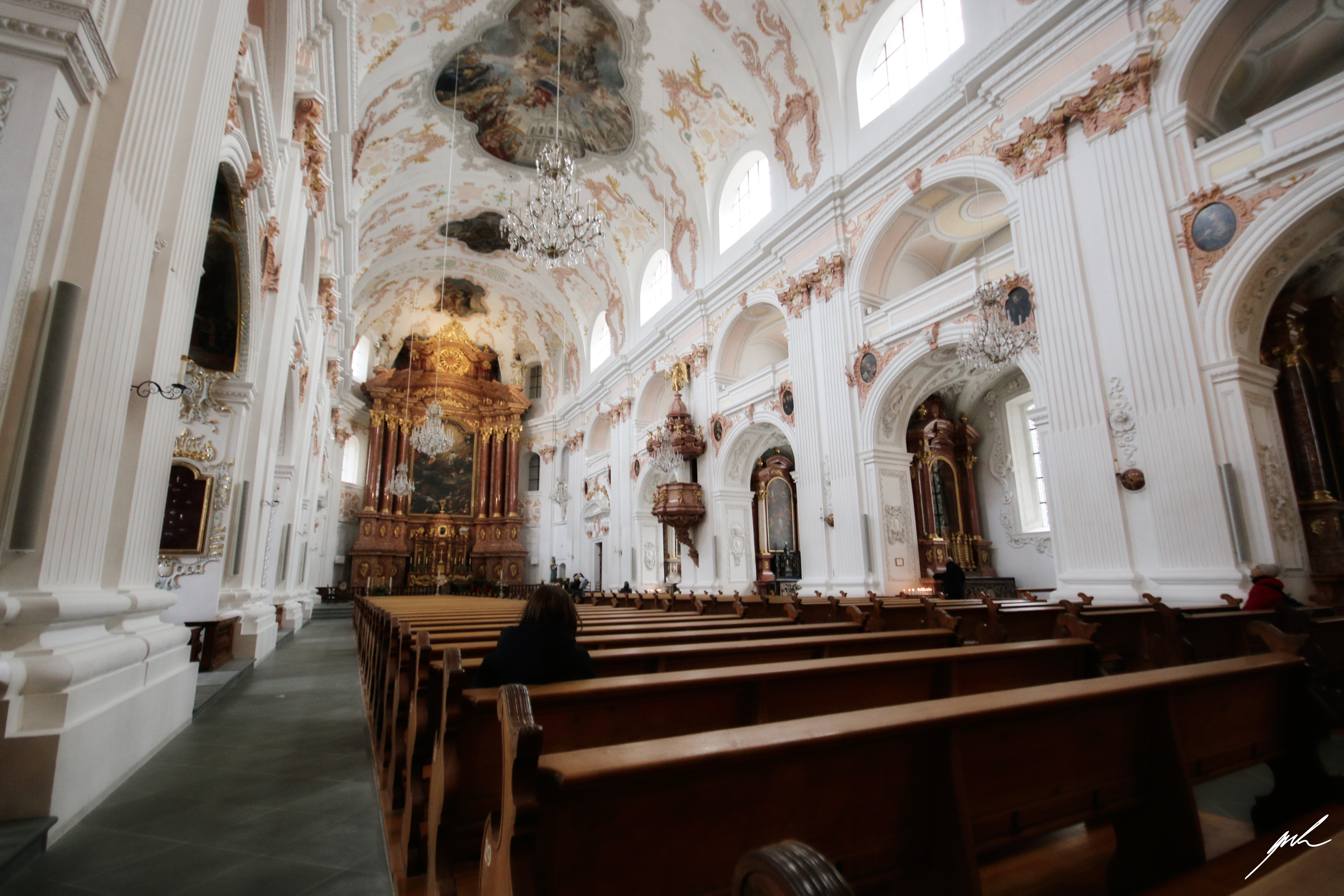
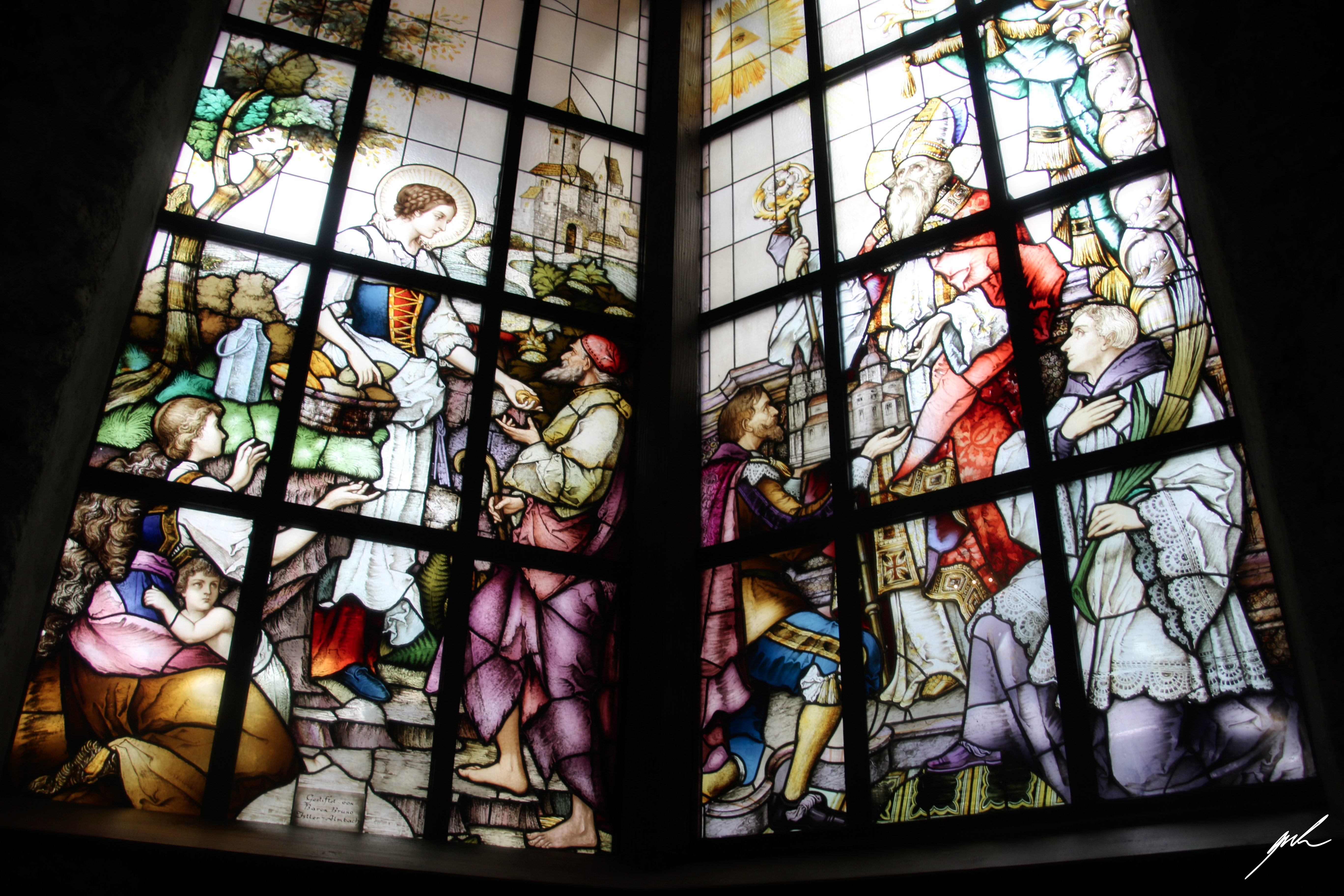
The tradition of sacral buildings in the Alps is far-reaching. The oldest churches in the region date from the 7th and 8th centuries, but the heyday for building activities was the 18th century. It was a time in the region’s history when grandiose architecture with rich decoration was built to combat the rivaling religious ideology of Protestantism from the north. While protestant churches tended to be more plain and unpretentious, Catholicism went in the other direction. Churches became palaces for God, becoming ever more impressive with marvelous wall paintings and detailed glass windows. Another essential element of Baroque sacral architecture was organs larger than life, richly decorated, and with a unique sound range. Some impressions from the region.


1