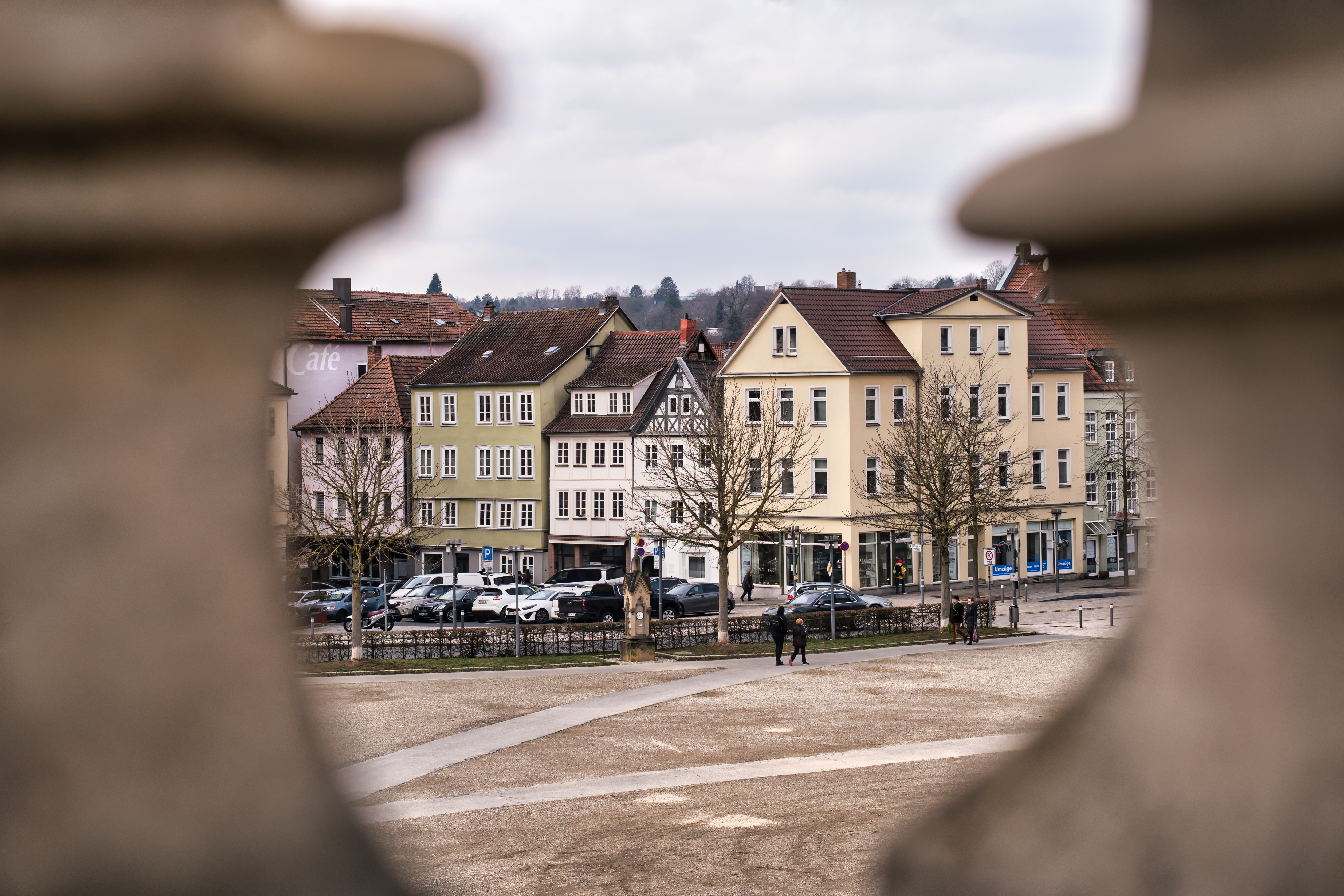
At first glance, Upper Franconia seems unassuming. There are no grand gestures, no rush to impress. But behind the quiet streets and worn facades is a region shaped by long memory and steady hands. Towns feel anchored — built not for display but for living — with buildings that have adapted rather than resisted time.
Life here moves at its own pace. Traditions aren’t revived; they’ve simply never gone away. Breweries, crafts, and local rituals aren’t curated for visitors — they’re just part of the everyday. What defines Upper Franconia is not spectacle, but a quiet confidence in the way things are and have always been.
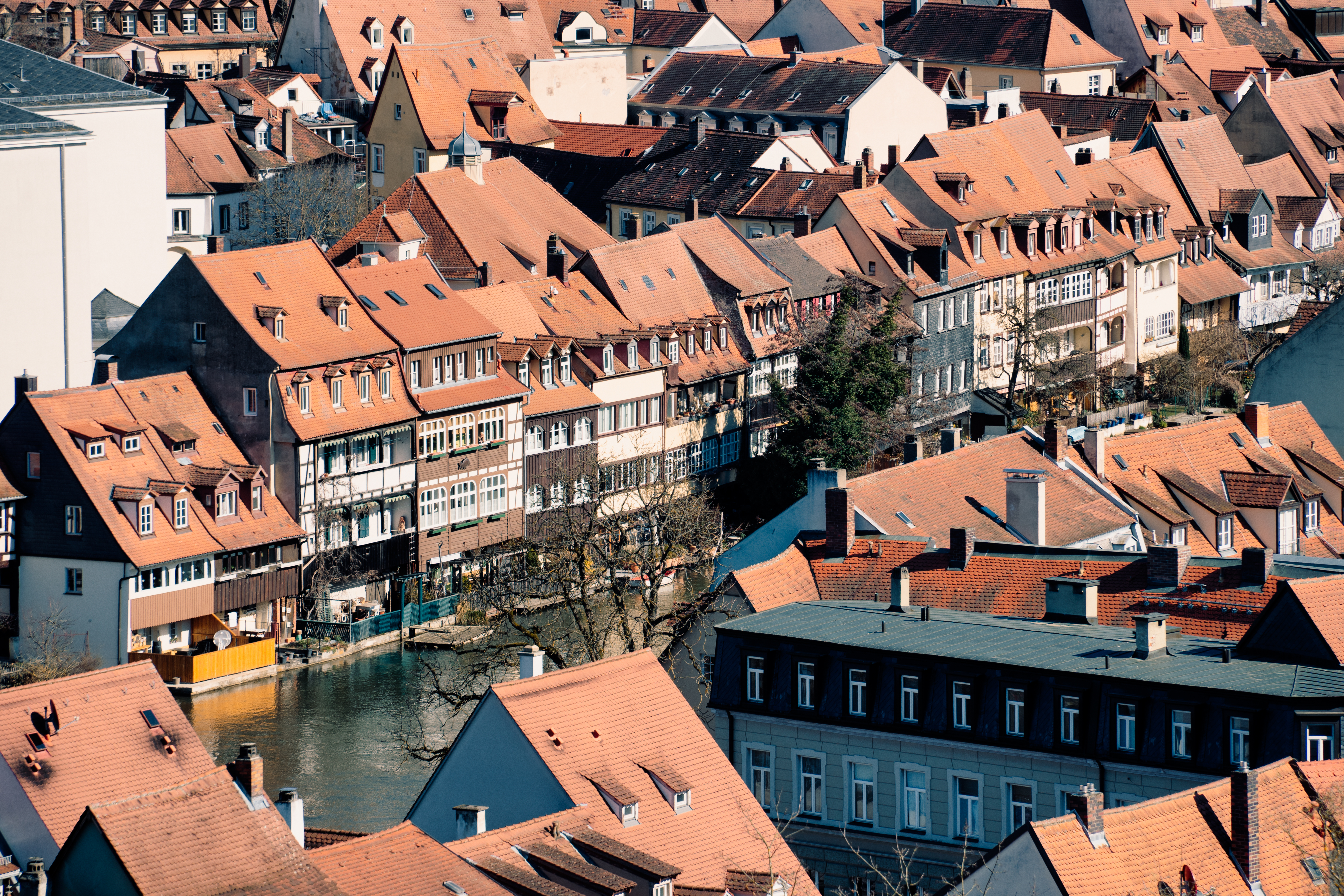
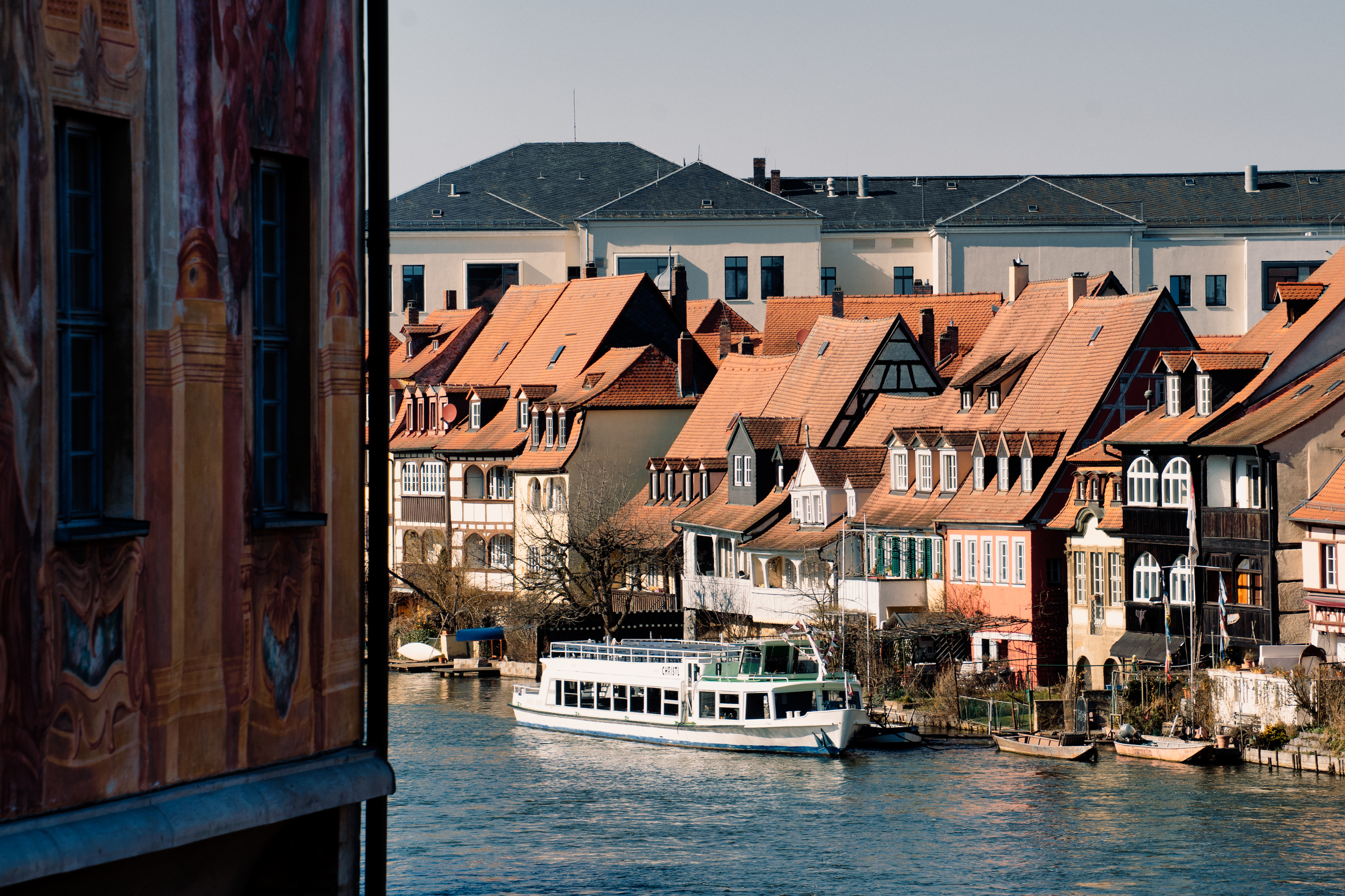
Franconia’s cities are a living canvas where history and culture blend into a rich spectrum of color. In Bamberg, for example, warm ochre facades, red-tiled roofs, and the pastel tones of baroque buildings line narrow alleys and canal-side promenades, earning the city its nickname “Little Venice.” The half-timbered houses seem to tell their own stories, with dark wooden beams cutting through white plaster-like bold brushstrokes.
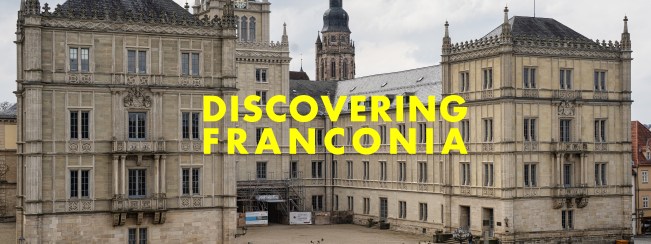
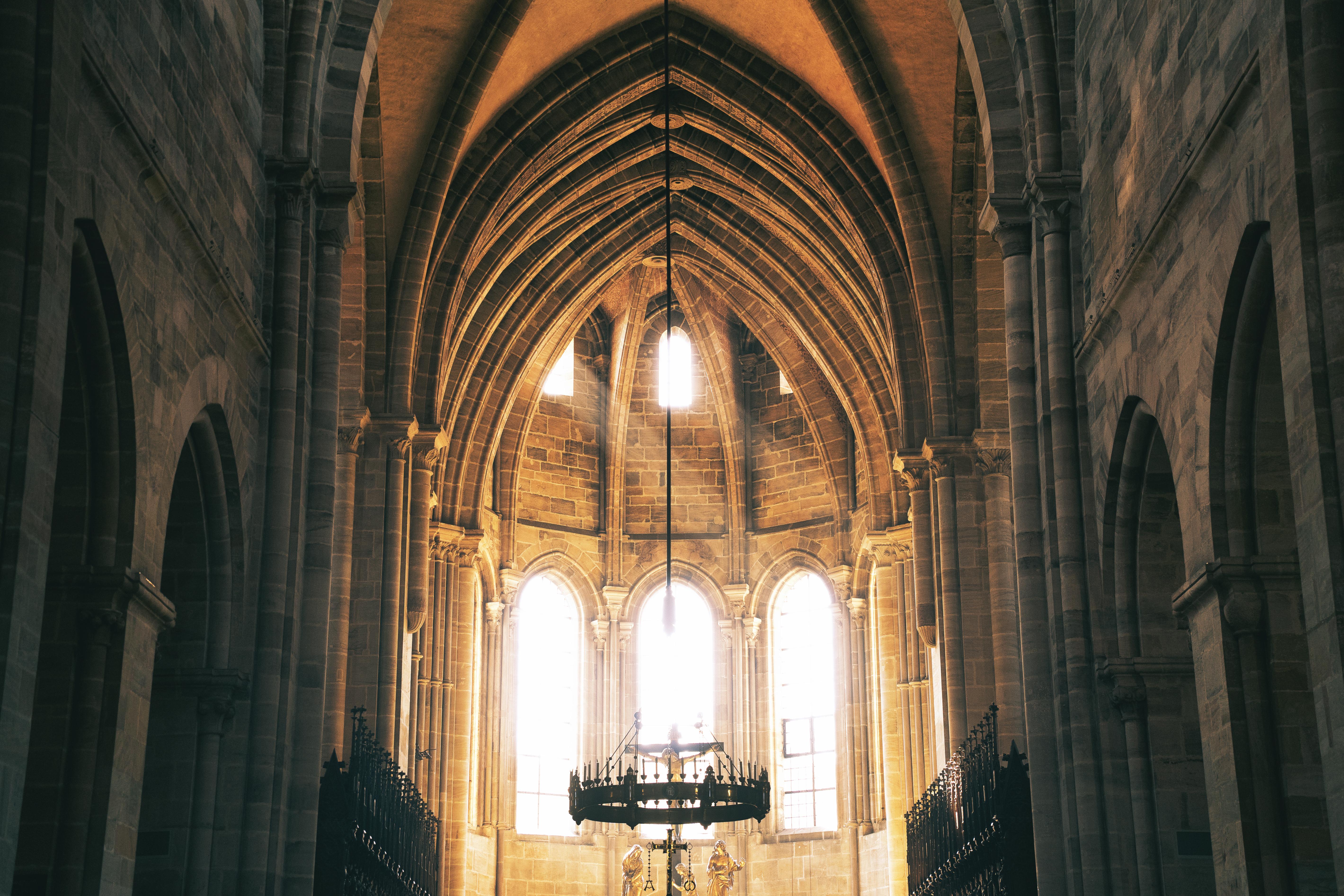
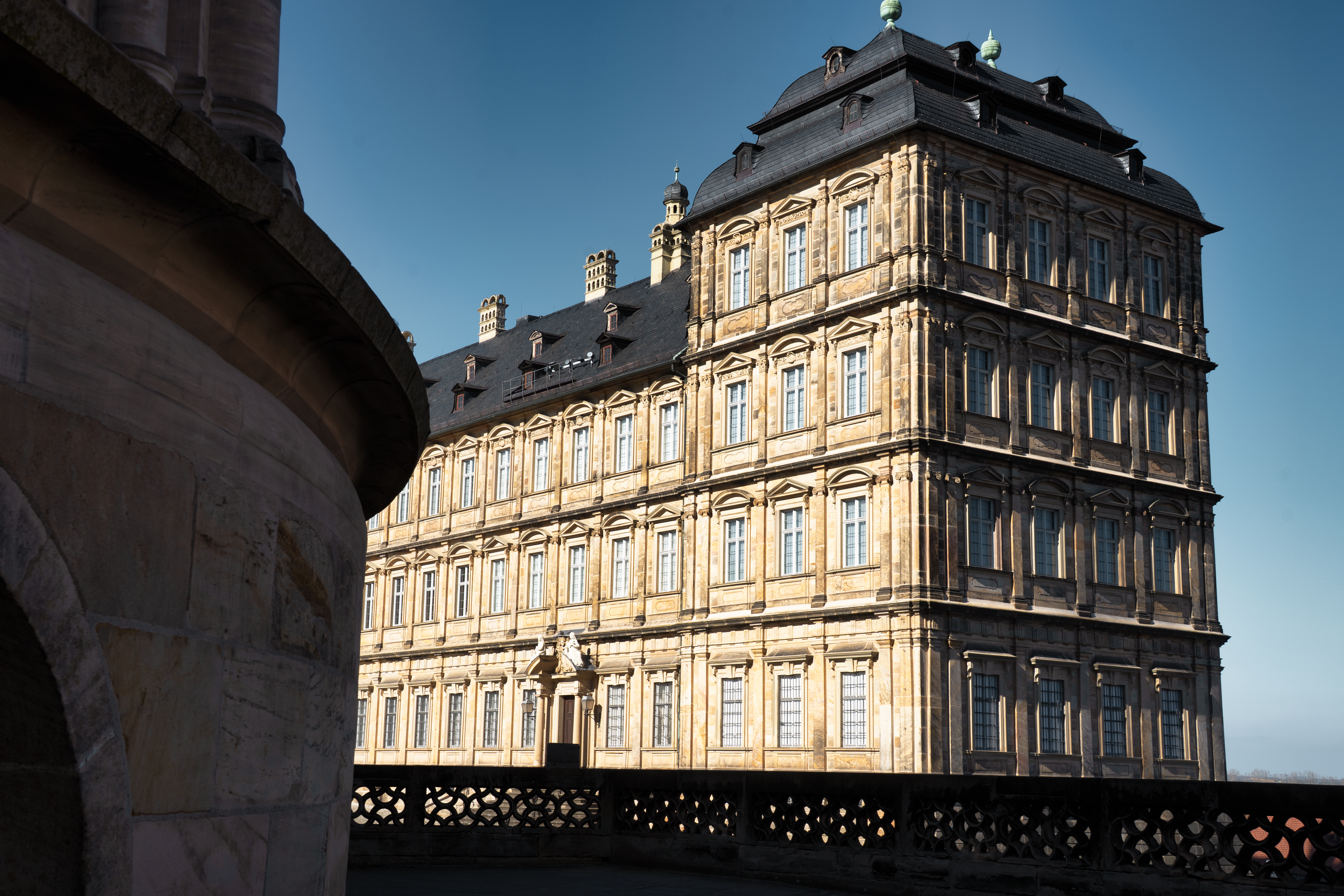
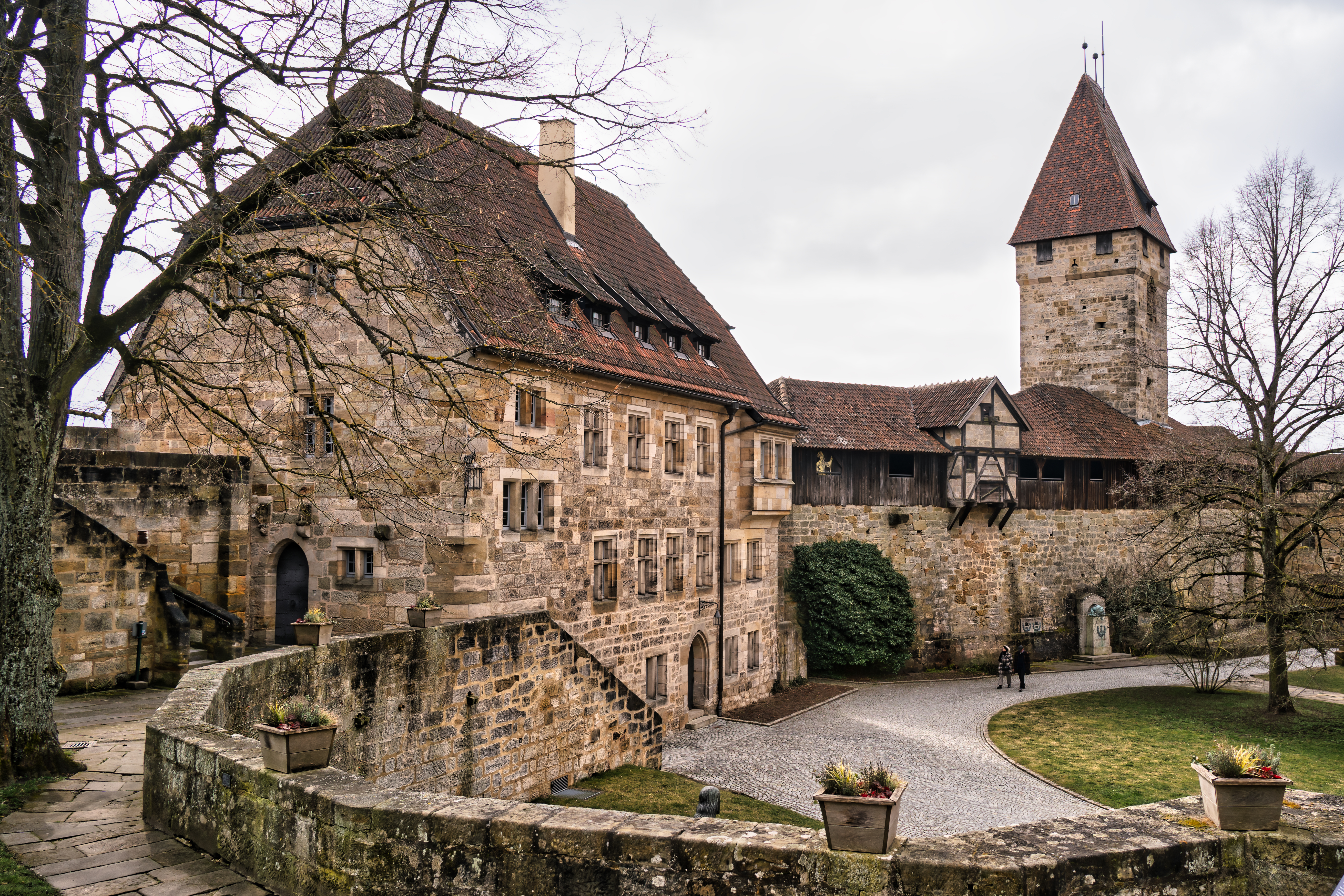
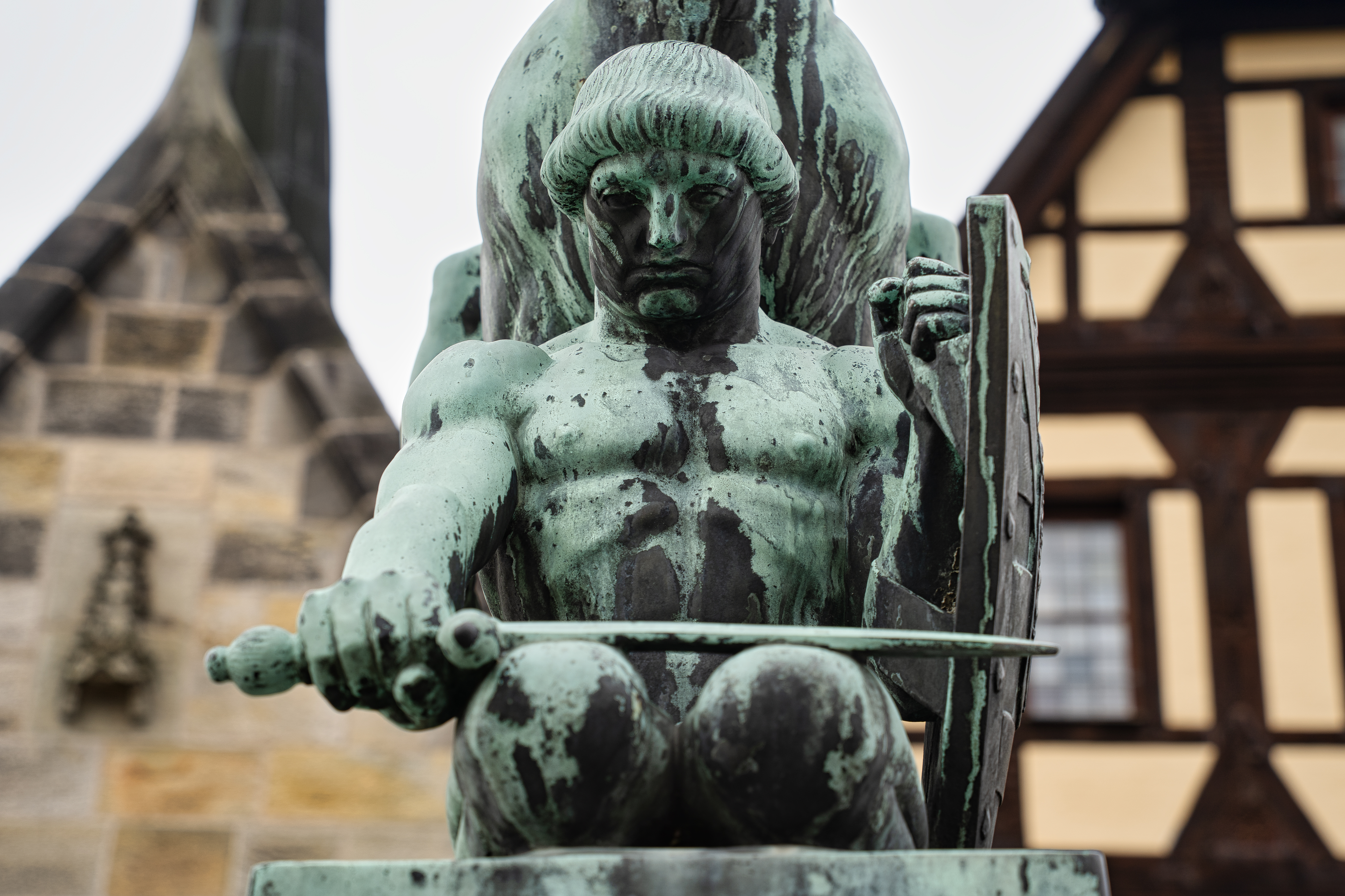
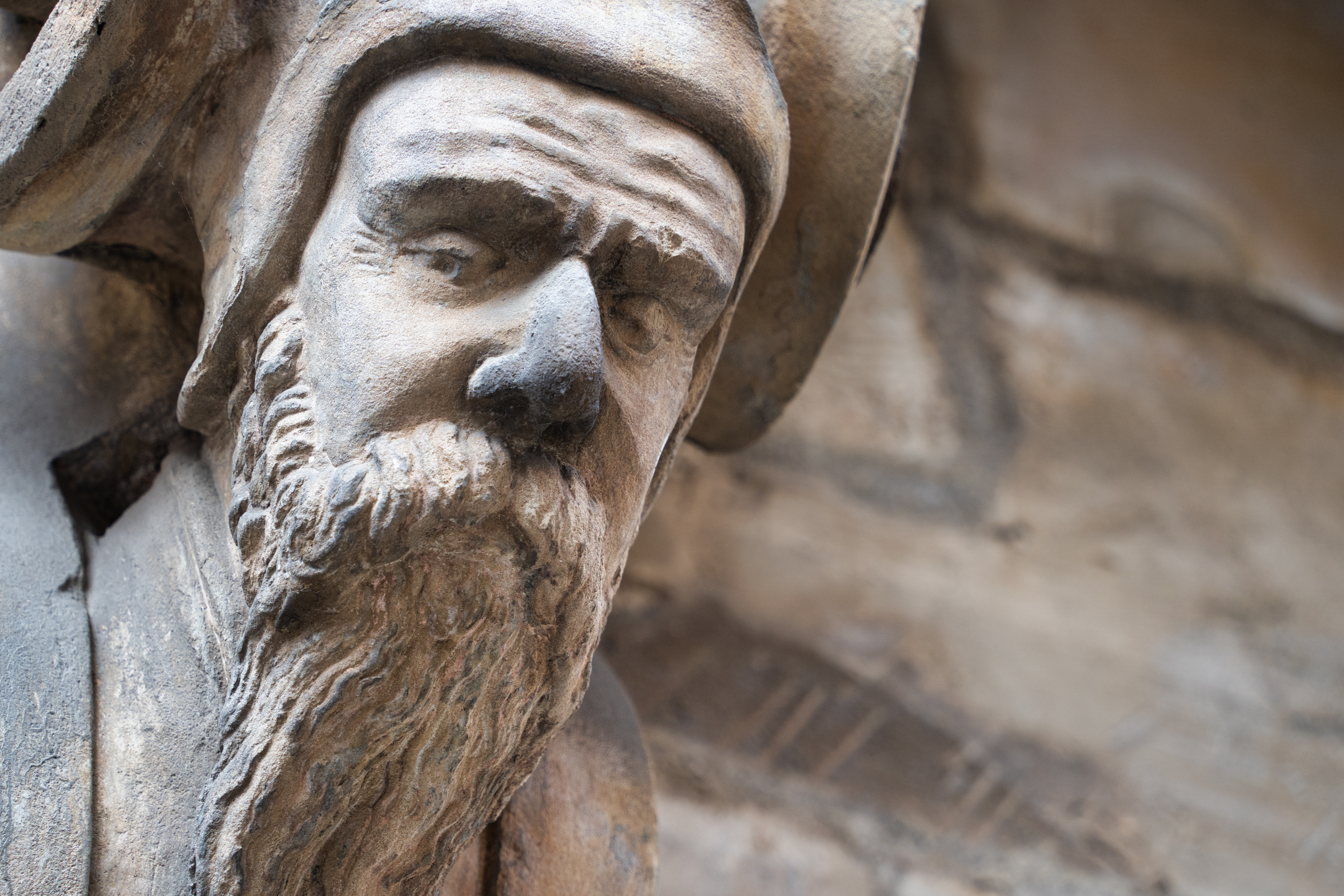
In Upper Franconia, stone speaks. It tells of shifting borders, noble families, monastic traditions, and civic pride. From medieval times to the Baroque period, generations have been built in stone to express power, devotion, and permanence. Whether nestled in quiet villages or rising above bustling town squares, stone buildings form a living archive of regional identity. The weight and texture of stone have long grounded the culture here—solid, resilient, and deeply rooted in its surroundings.
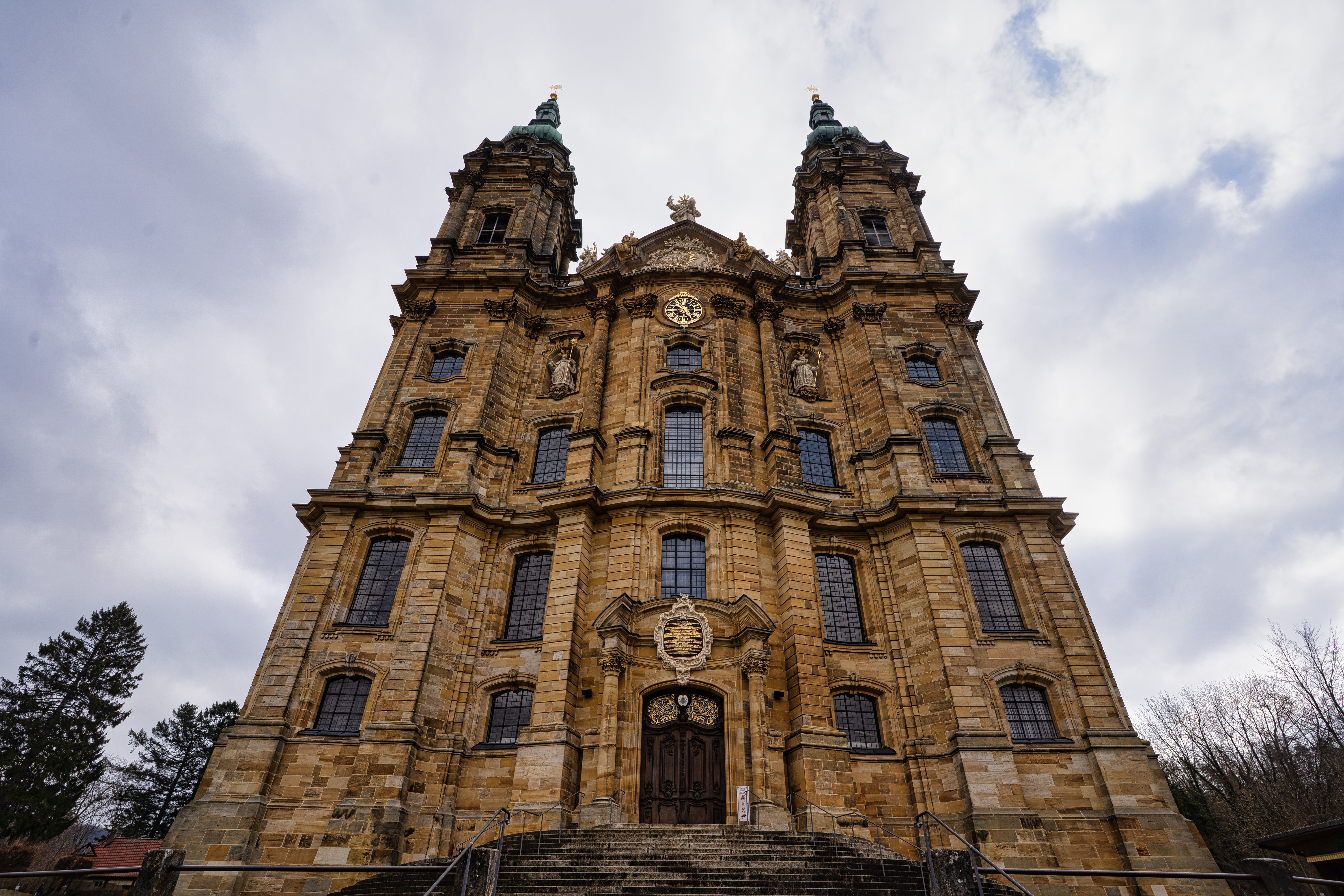
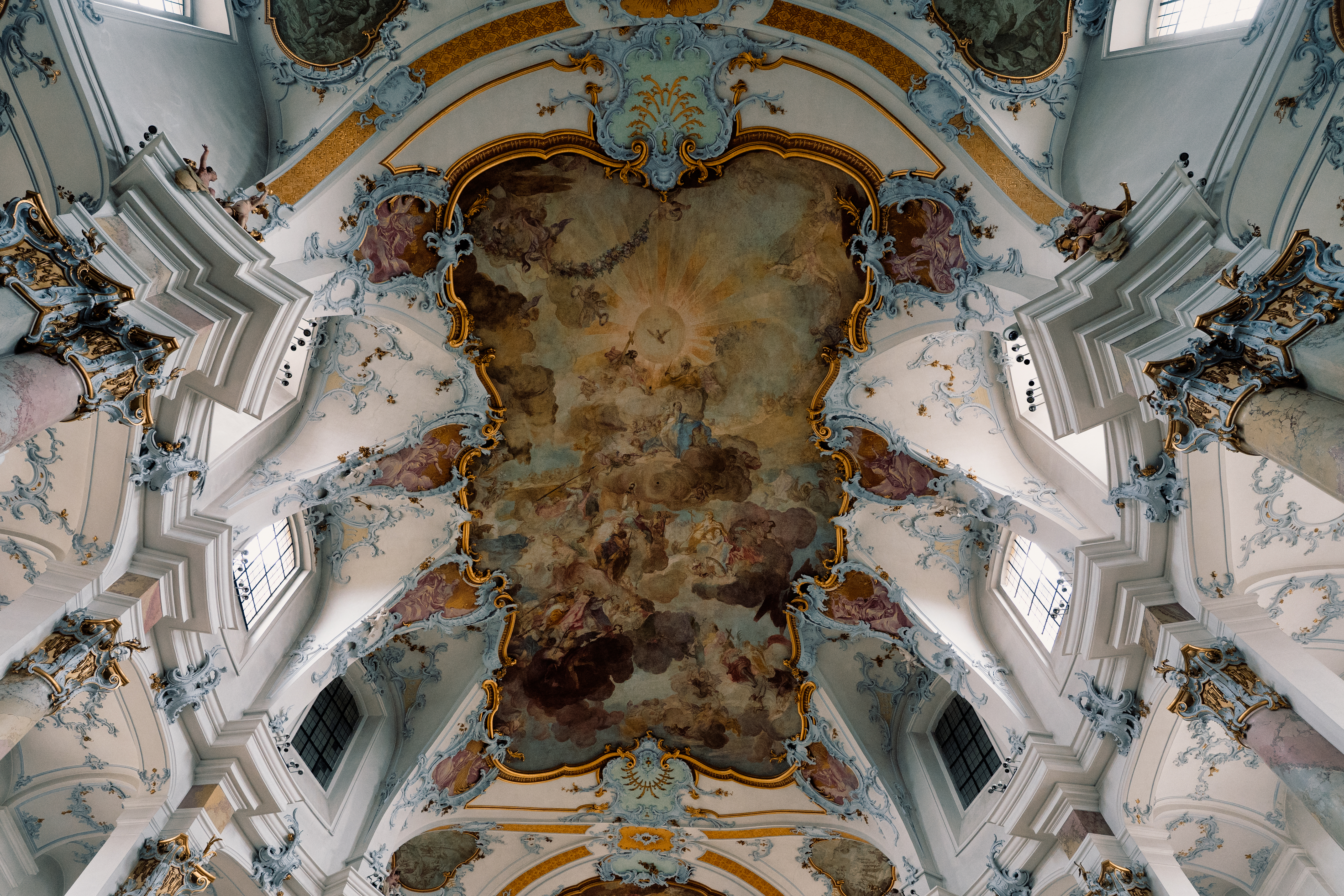
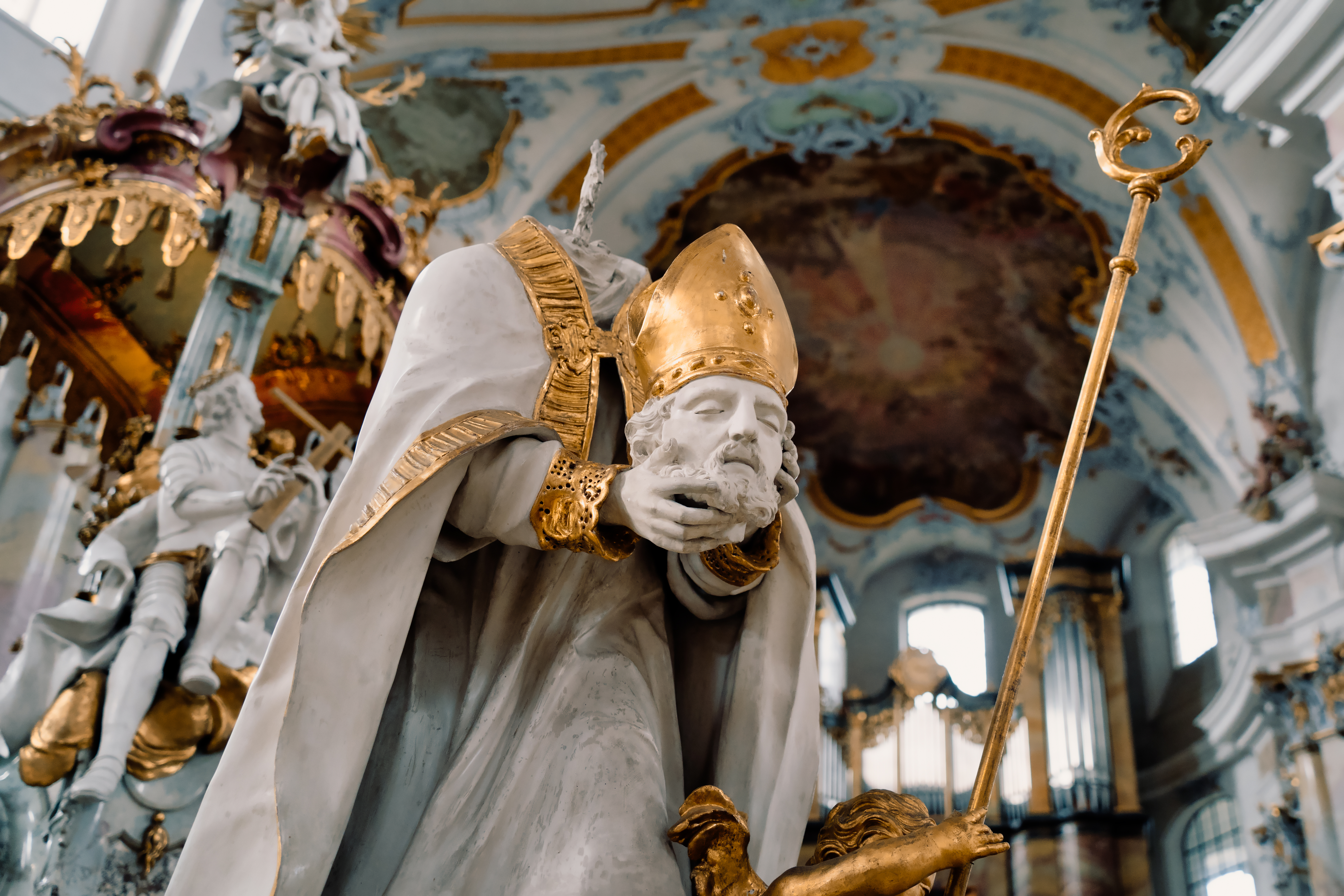
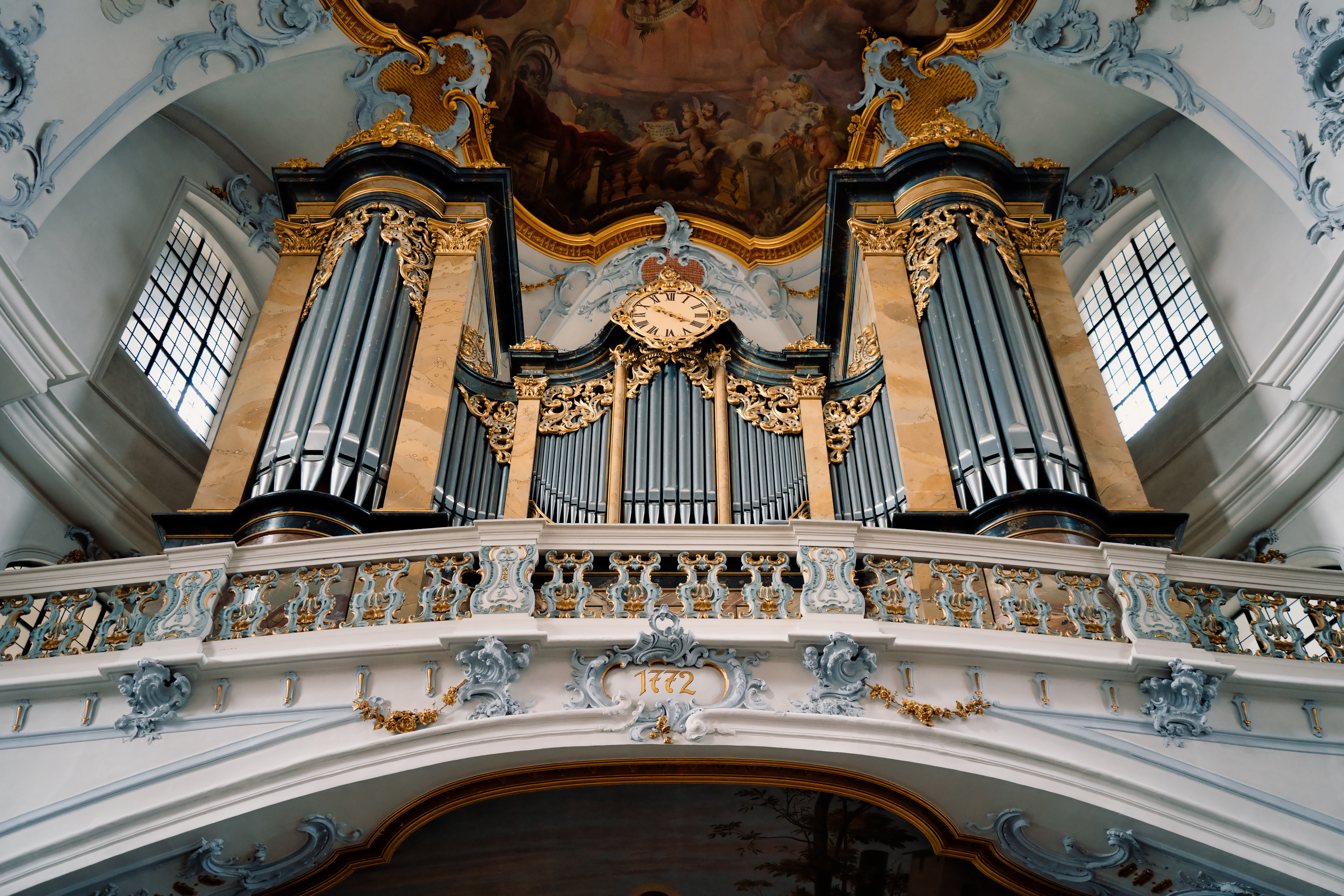
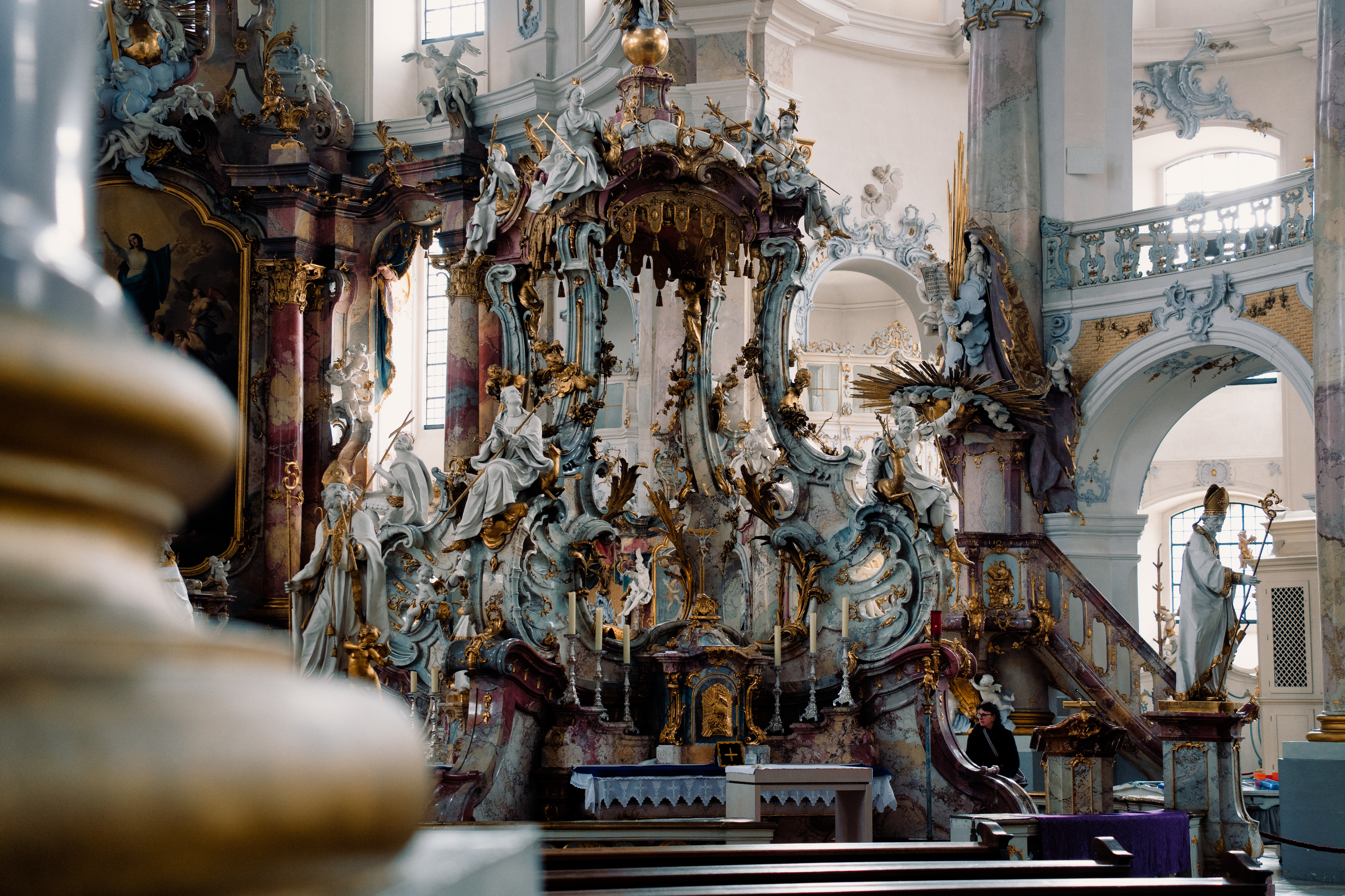
Set amidst the rolling hills of Franconia, the Basilica of Vierzehnheiligen rises like a hymn in stone — a masterwork of jubilant Baroque architecture. Designed by the famed architect Balthasar Neumann in the mid-18th century, the church was built as a pilgrimage site in honor of the Fourteen Holy Helpers, based on a reported apparition in the area in the 15th century. Its layout follows Neumann’s signature use of dynamic, centralized space, emphasizing movement and fluidity over rigid axial design. The interior features richly decorated stucco work, altars with gilded detailing, and a bright, light-filled nave that contrasts with the heavier atmosphere of many Baroque churches. The use of white and pastel tones enhances the open and uplifting spatial impression. Sculptures and ceiling frescoes contribute to the overall visual rhythm without overwhelming the architectural clarity.
Vierzehnheiligen remains one of the most important examples of German Rococo and late Baroque religious architecture. It is both an active place of worship and a popular destination for travellers. The church’s dynamic spatial layout, abundant natural light, and decorative richness convey a sense of celebration rather than solemnity. These qualities make it a prime example of what can be described as Jubilant Baroque—a style that expresses joy, movement, and spiritual openness.
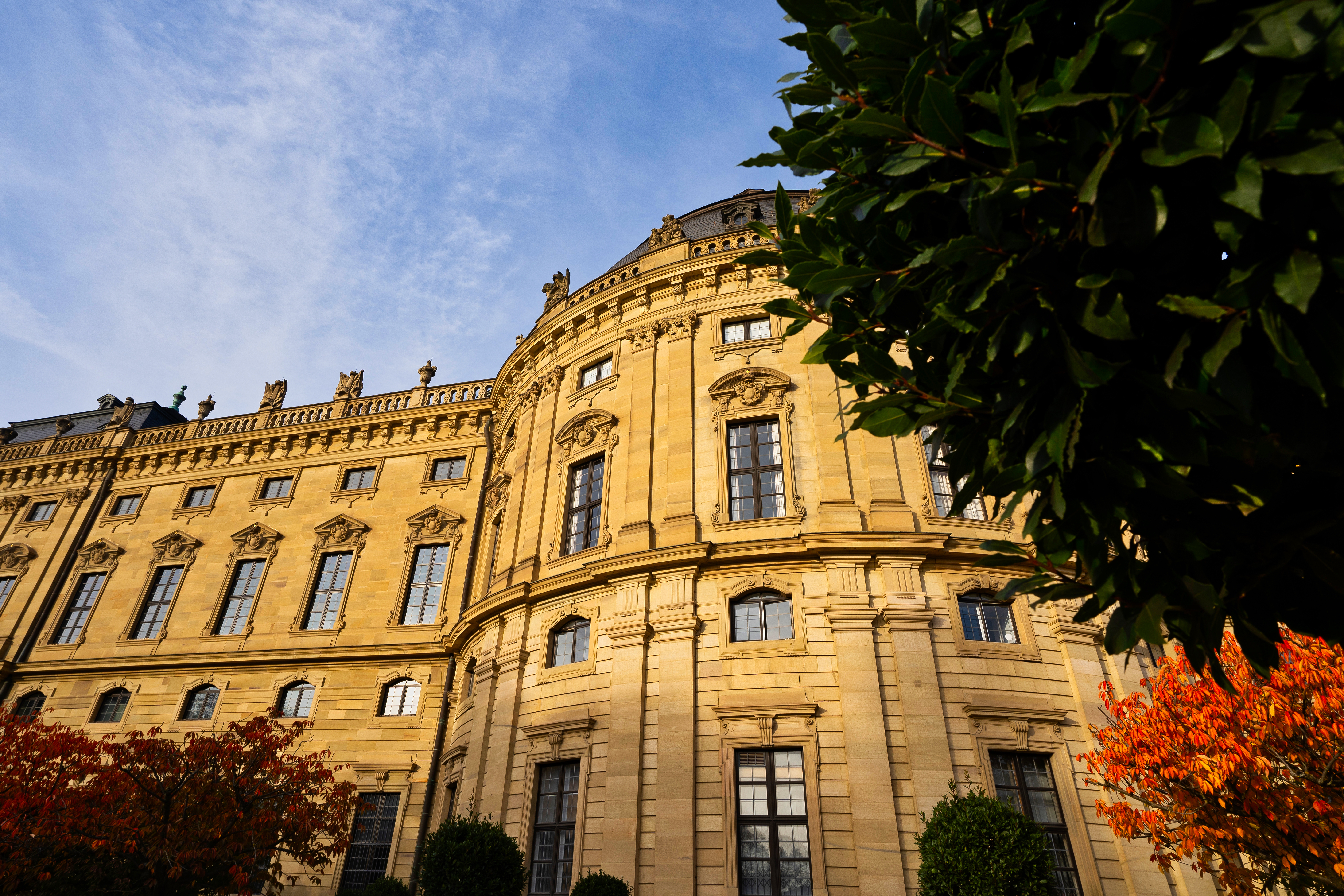
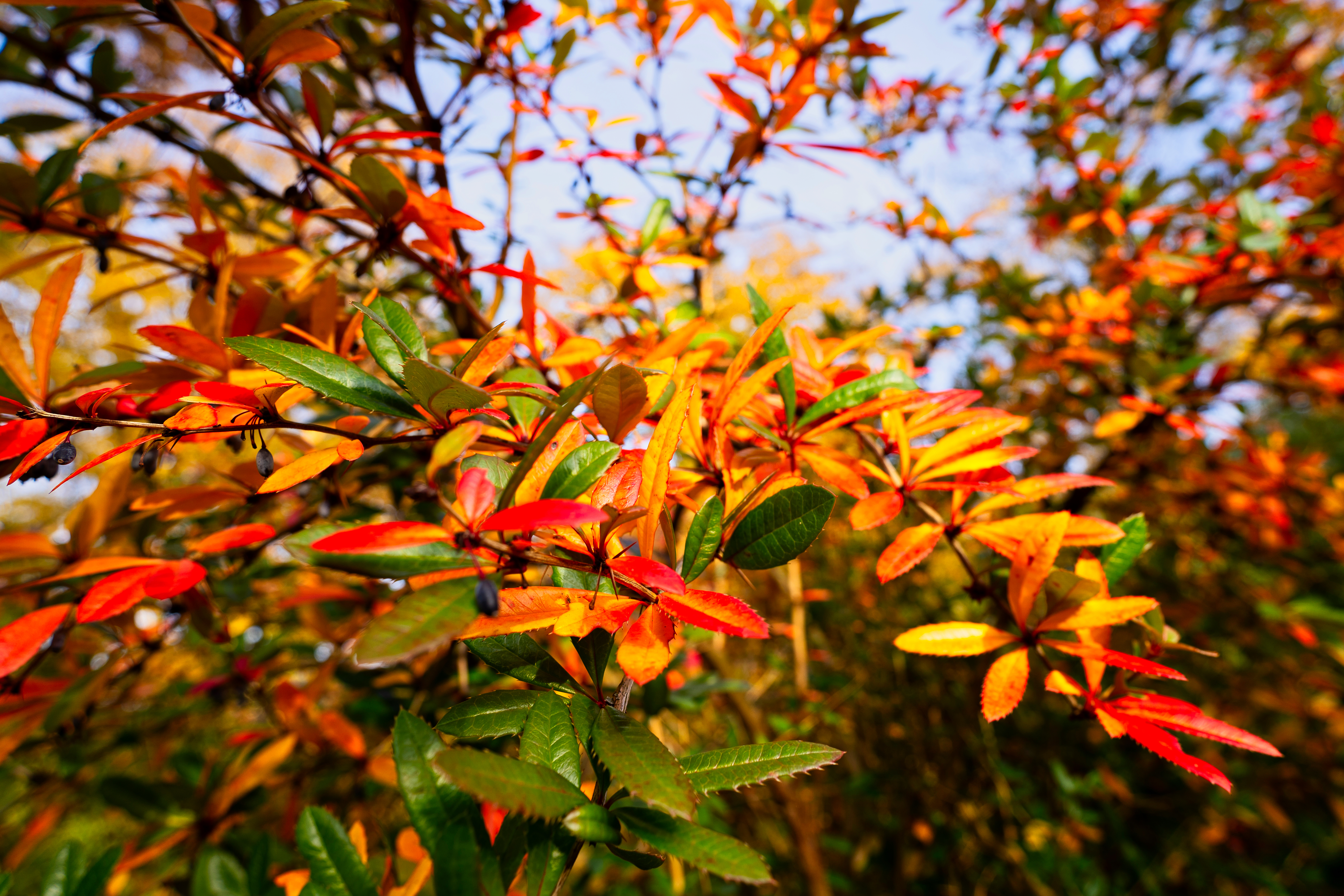
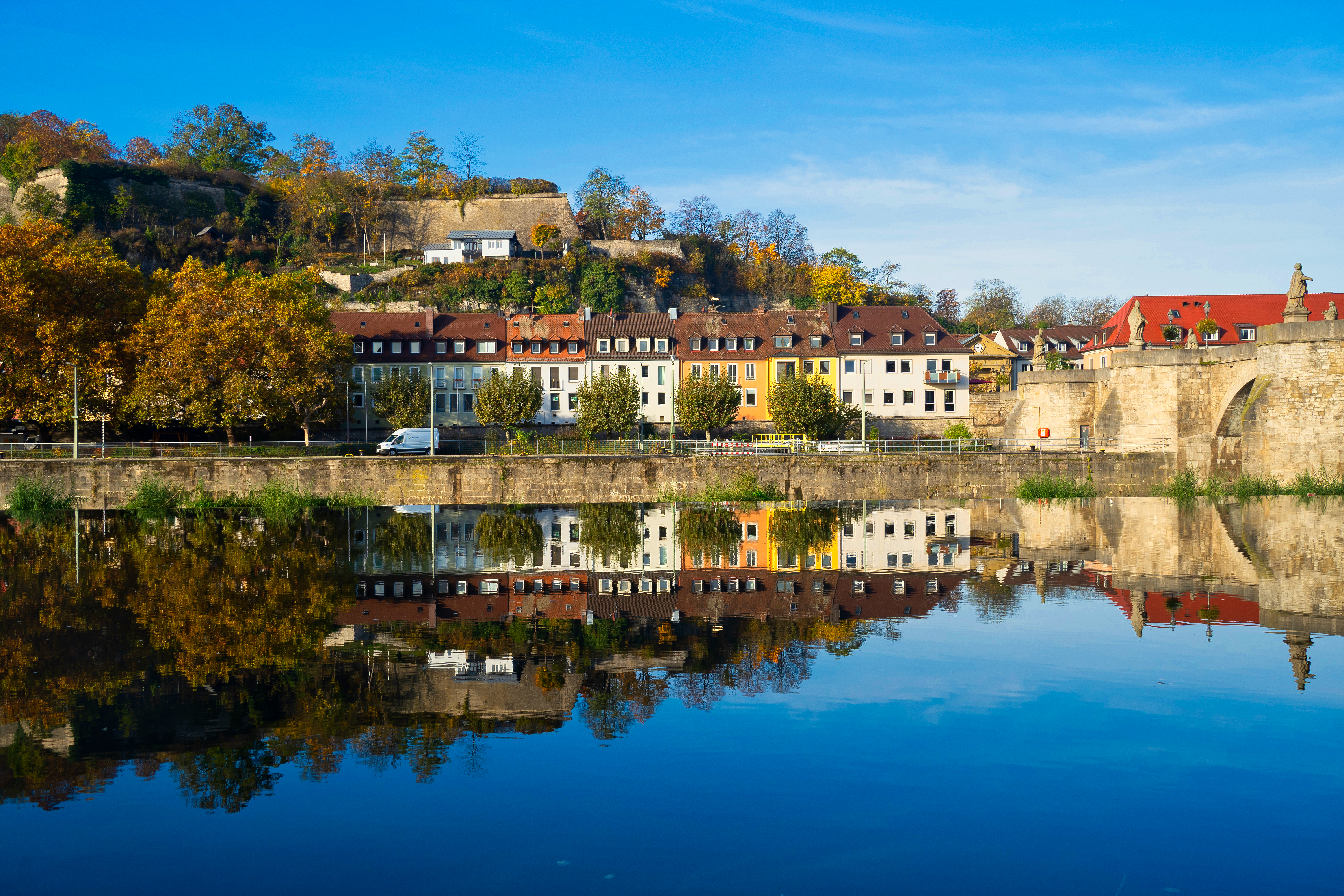
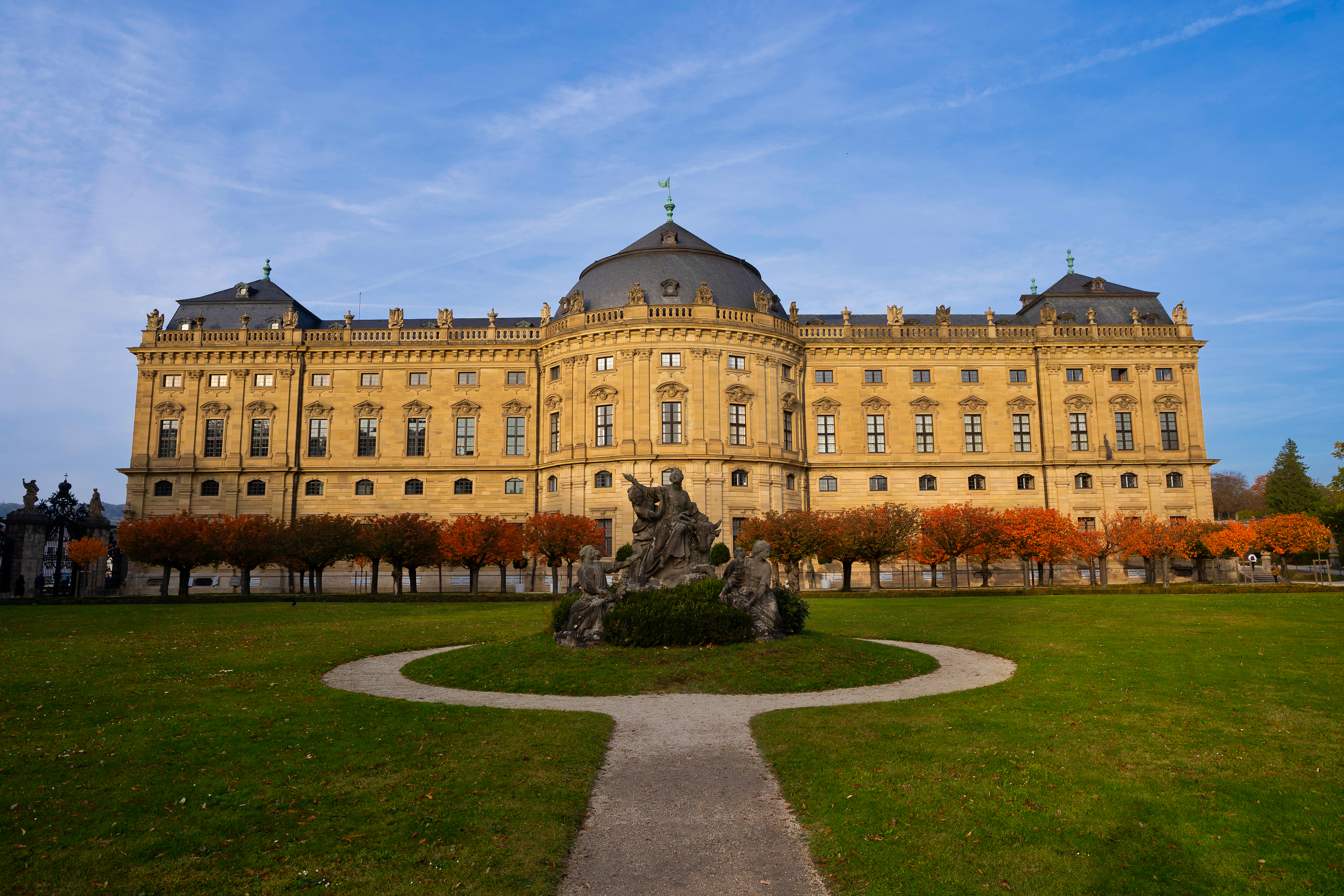
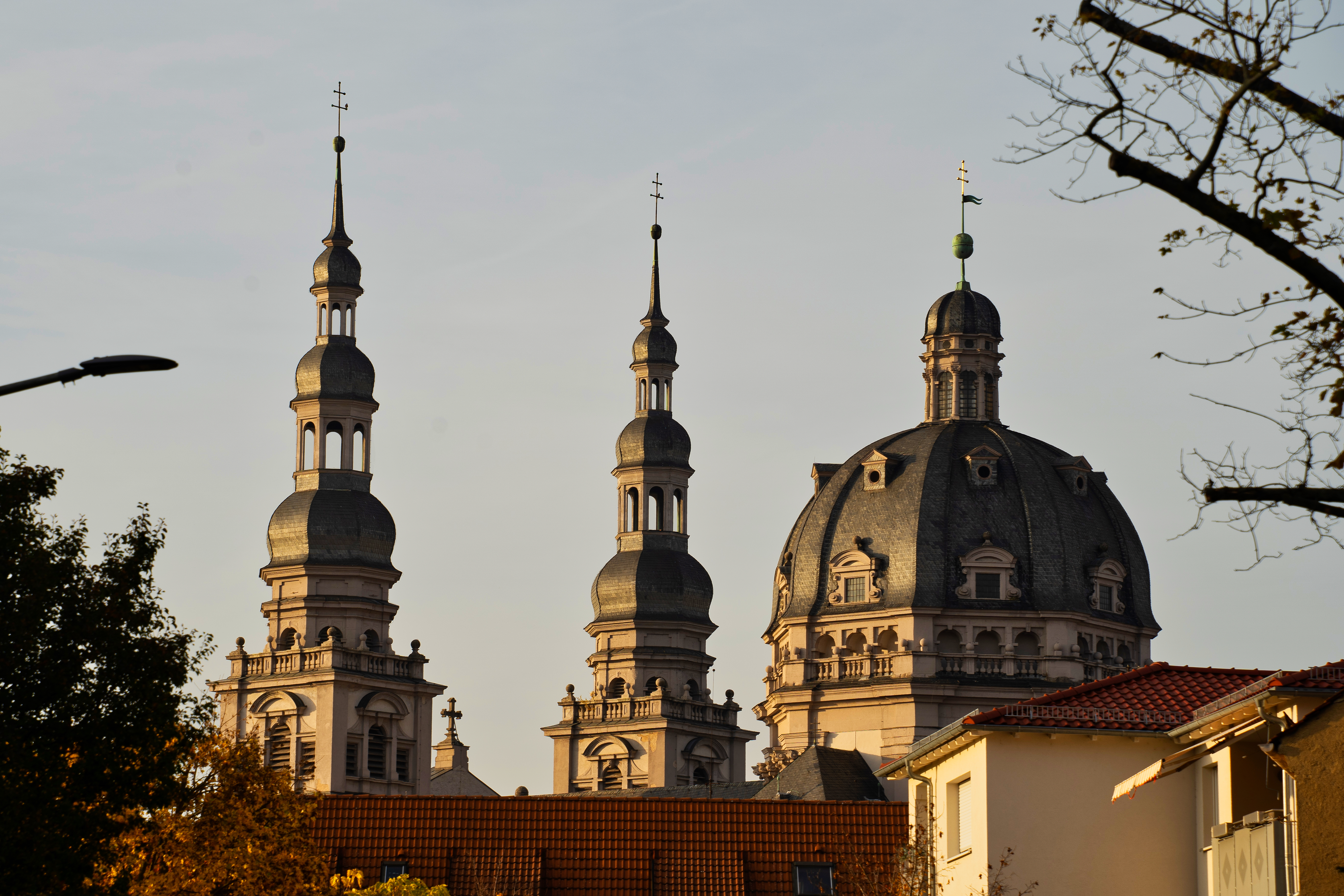
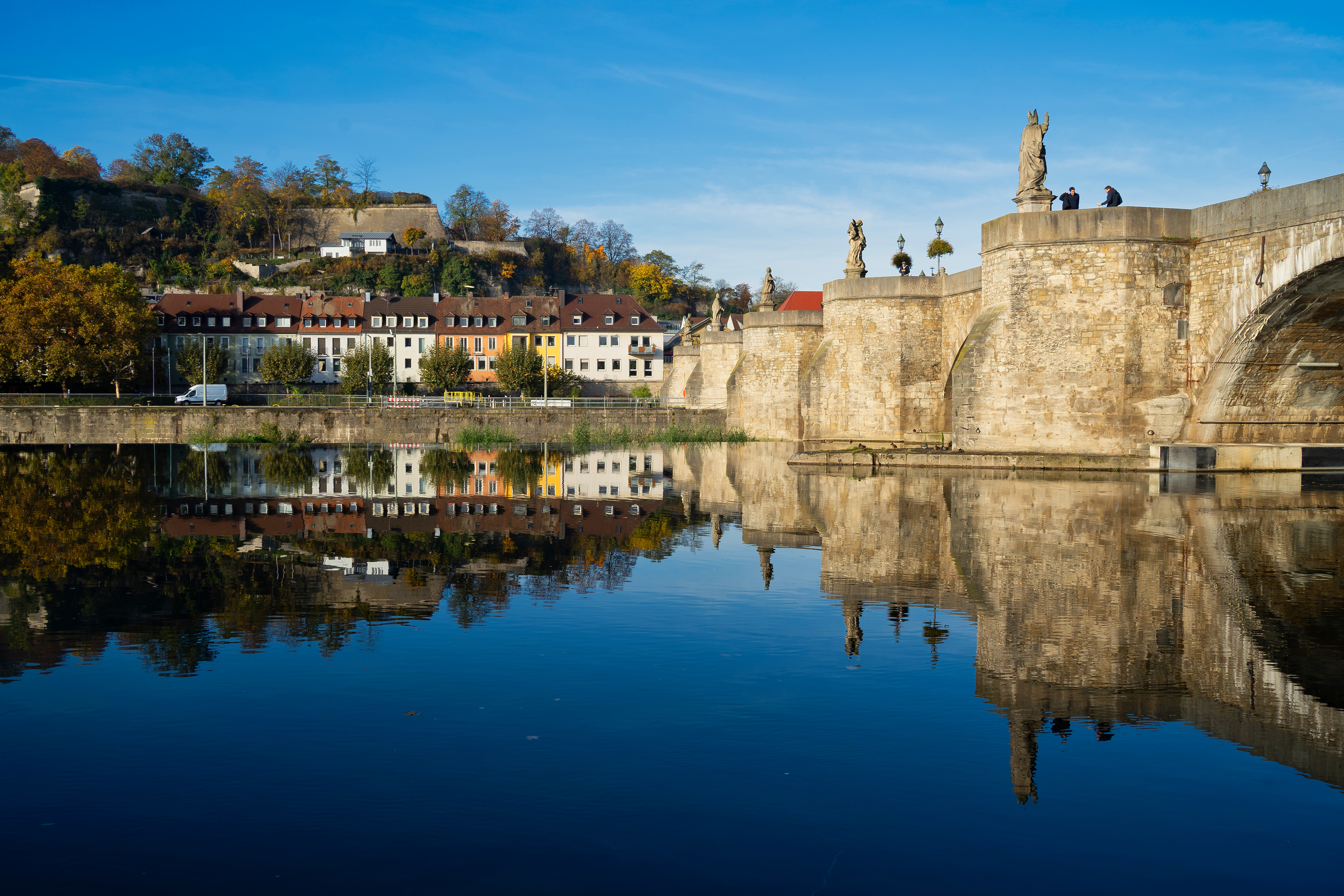
Coming to Würzburg in the fall, you have the chance to experience the city in beautiful, warm colors. Wandering the numerous parks and gardens of the city, you get the feeling of being in an autumn wonderland of sorts. In the midst of the spectacle, we find beautiful historic buildings that add to the picturesque look at this particular time of the year.
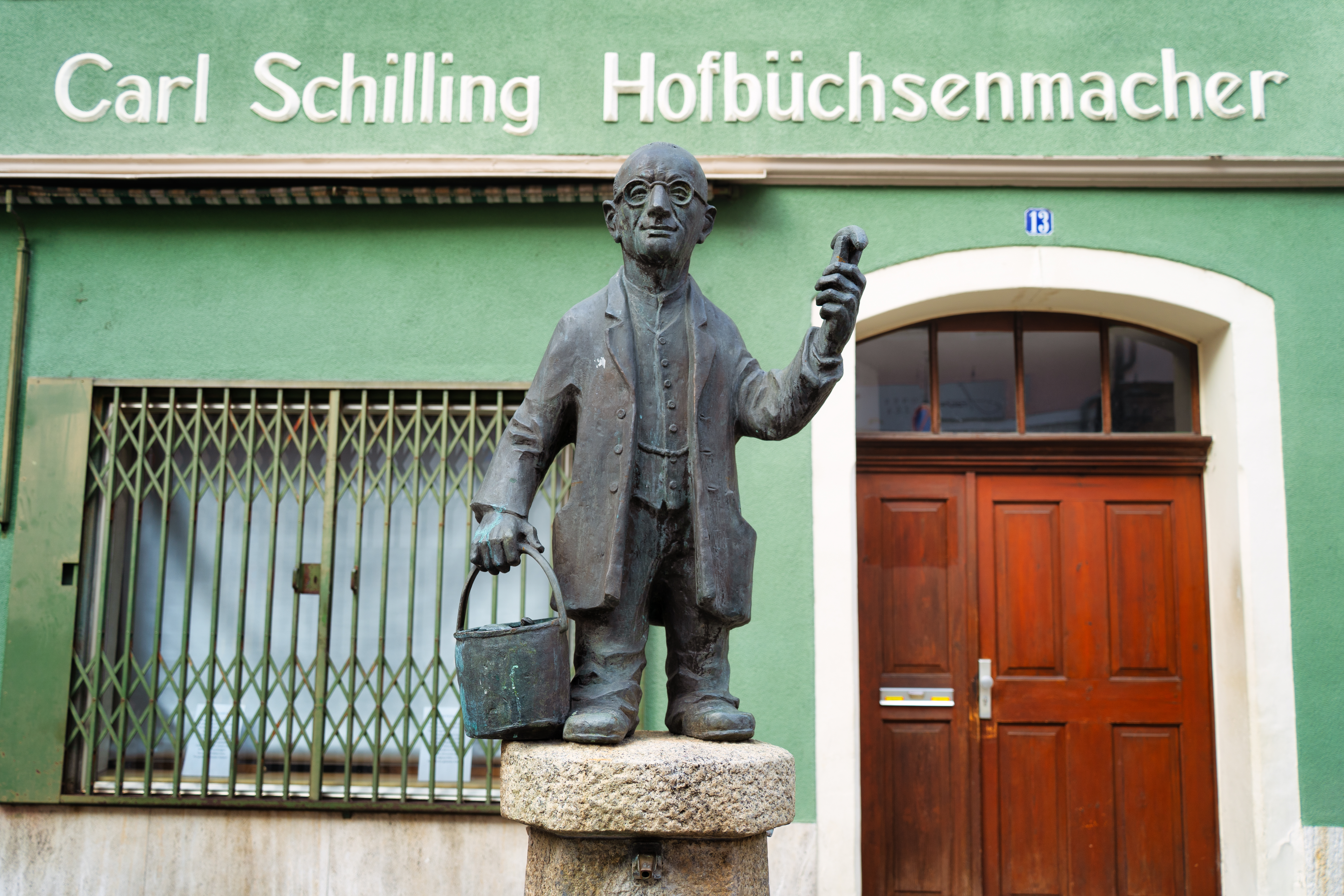
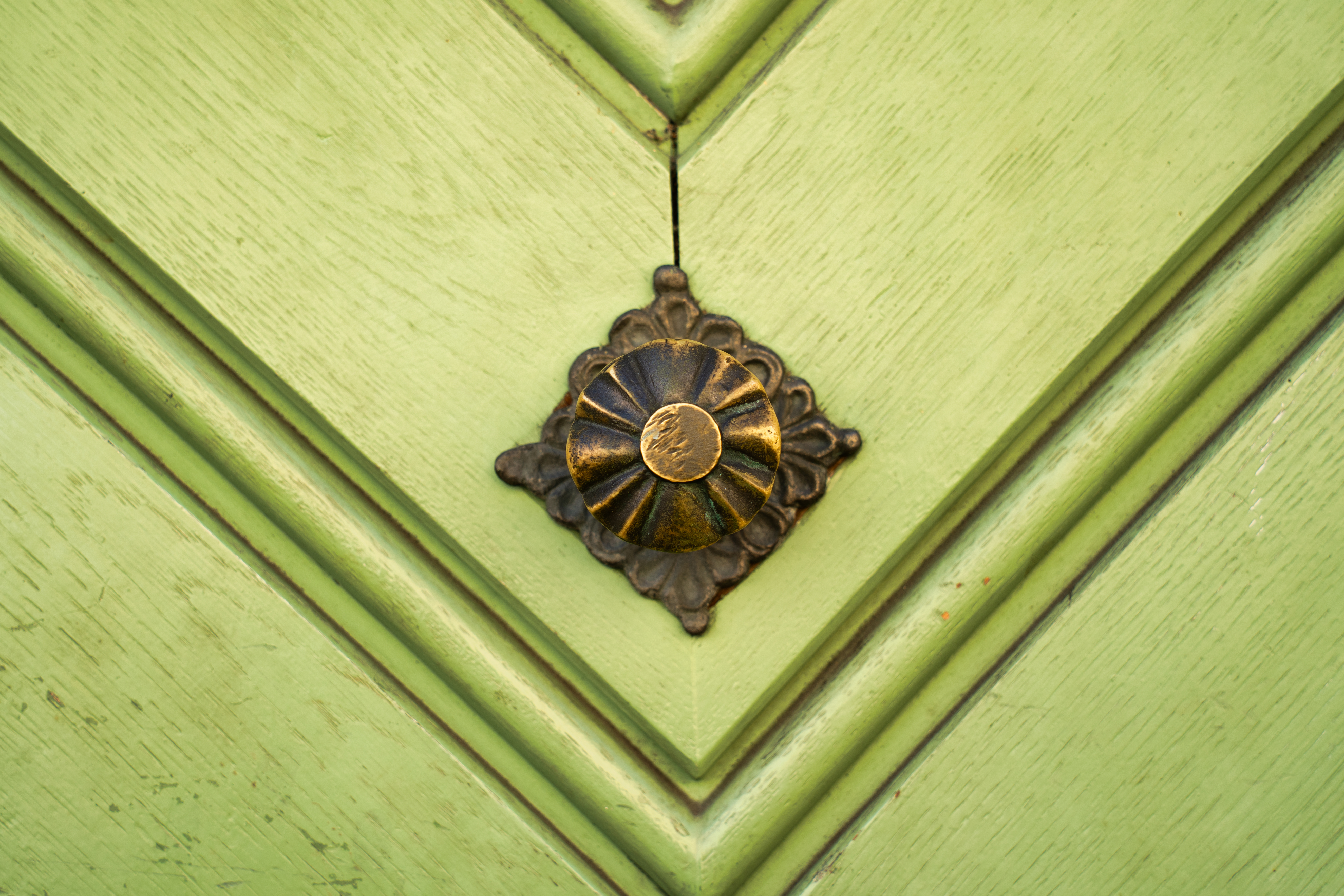
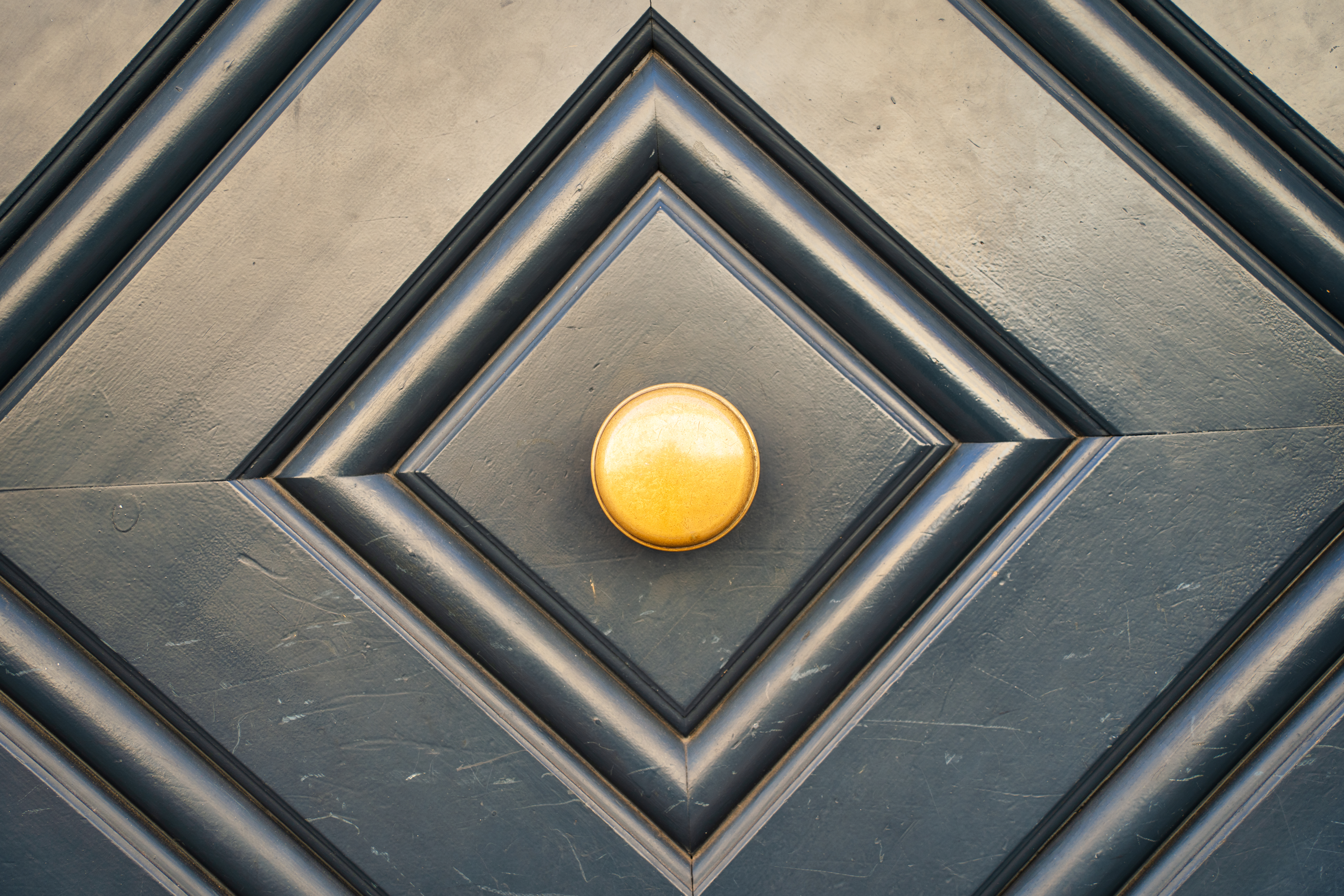
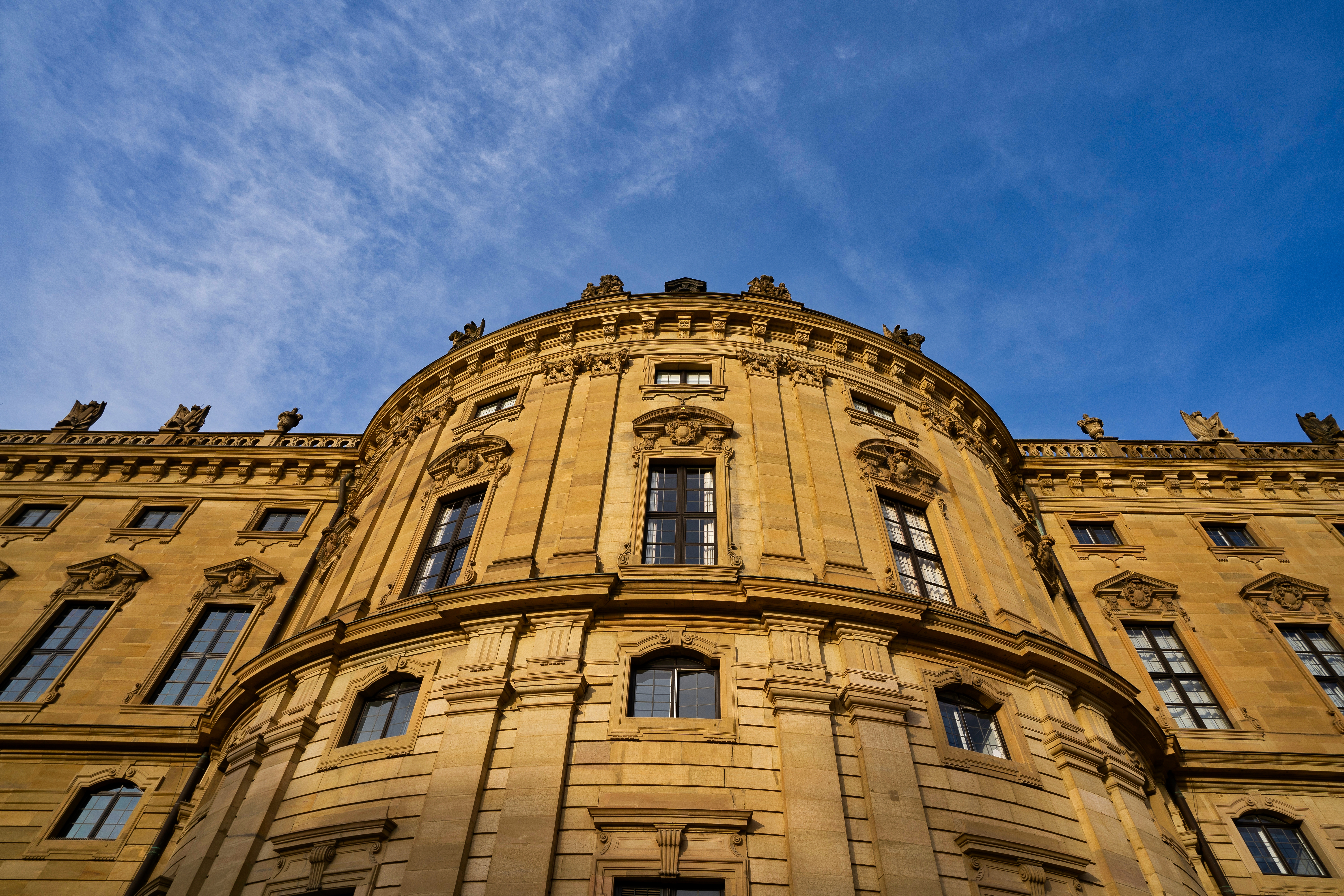
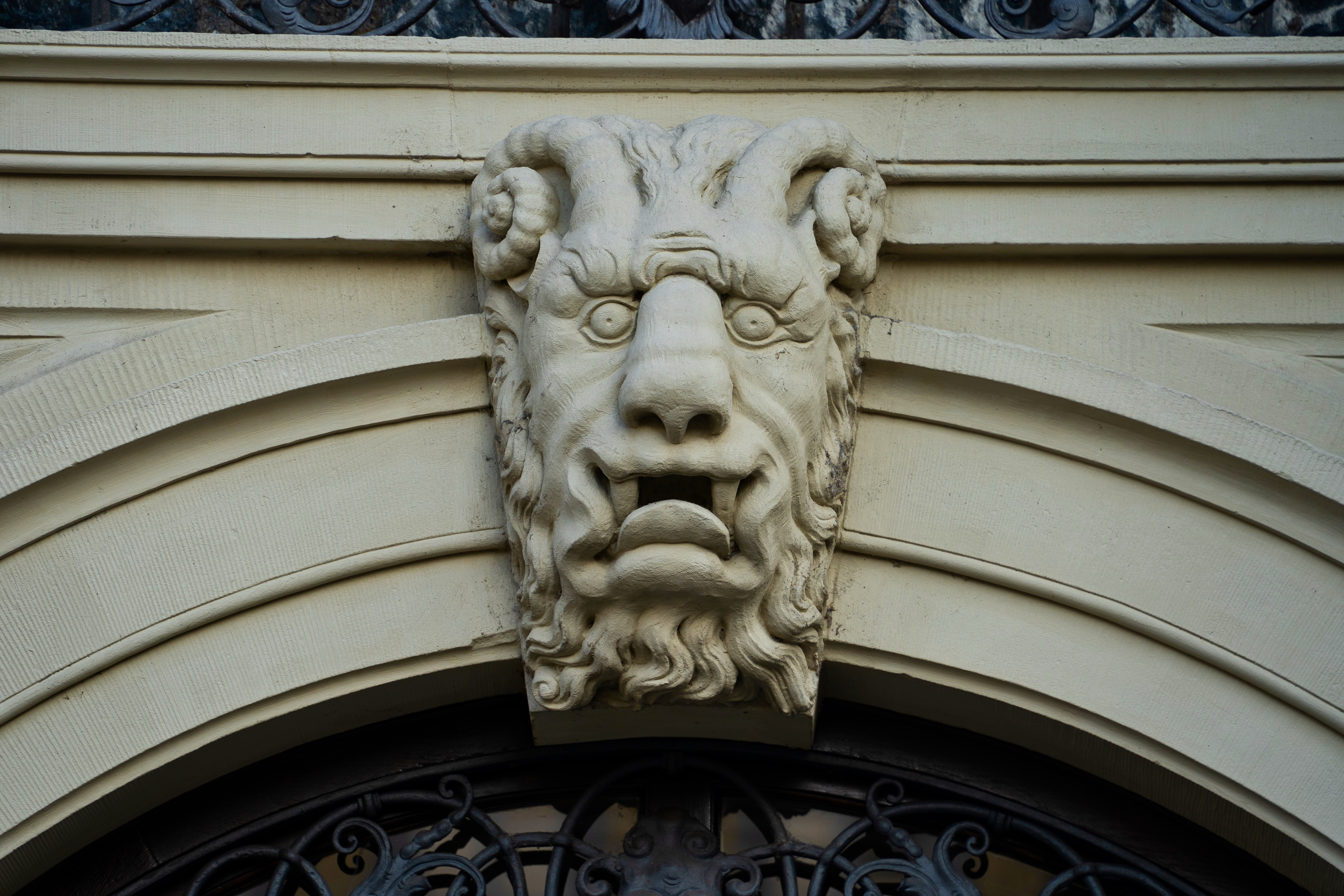
Capturing a city in photographs is capturing its essence within a restricted space. Würzburg offers a lot to see and discover, especially for those who enjoy places rich in culture and history. Being in a historic city in Europe, though, sometimes you have to look closer to see all the quirks and details.









 Michael Hoffman Photography