Skip to content

Photographing Tower Bridge

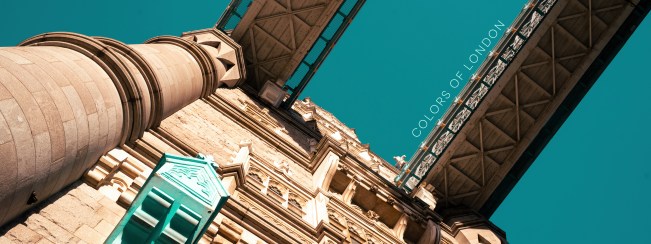
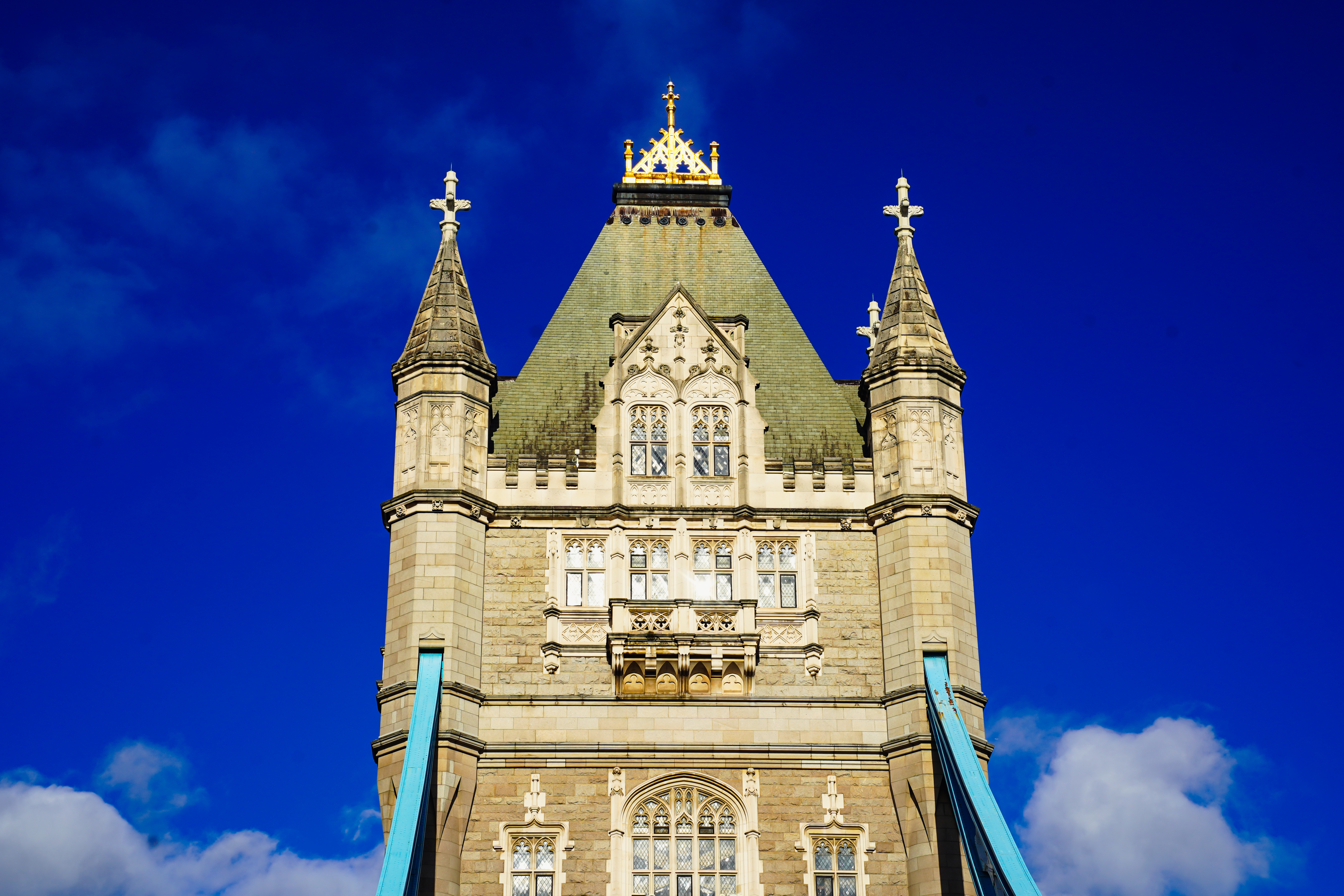
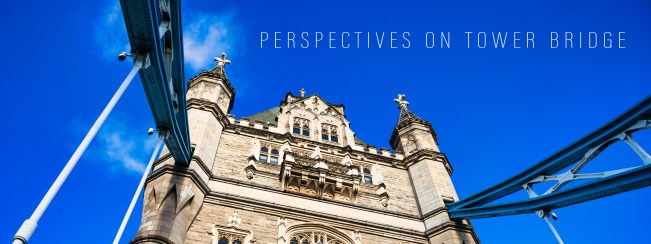
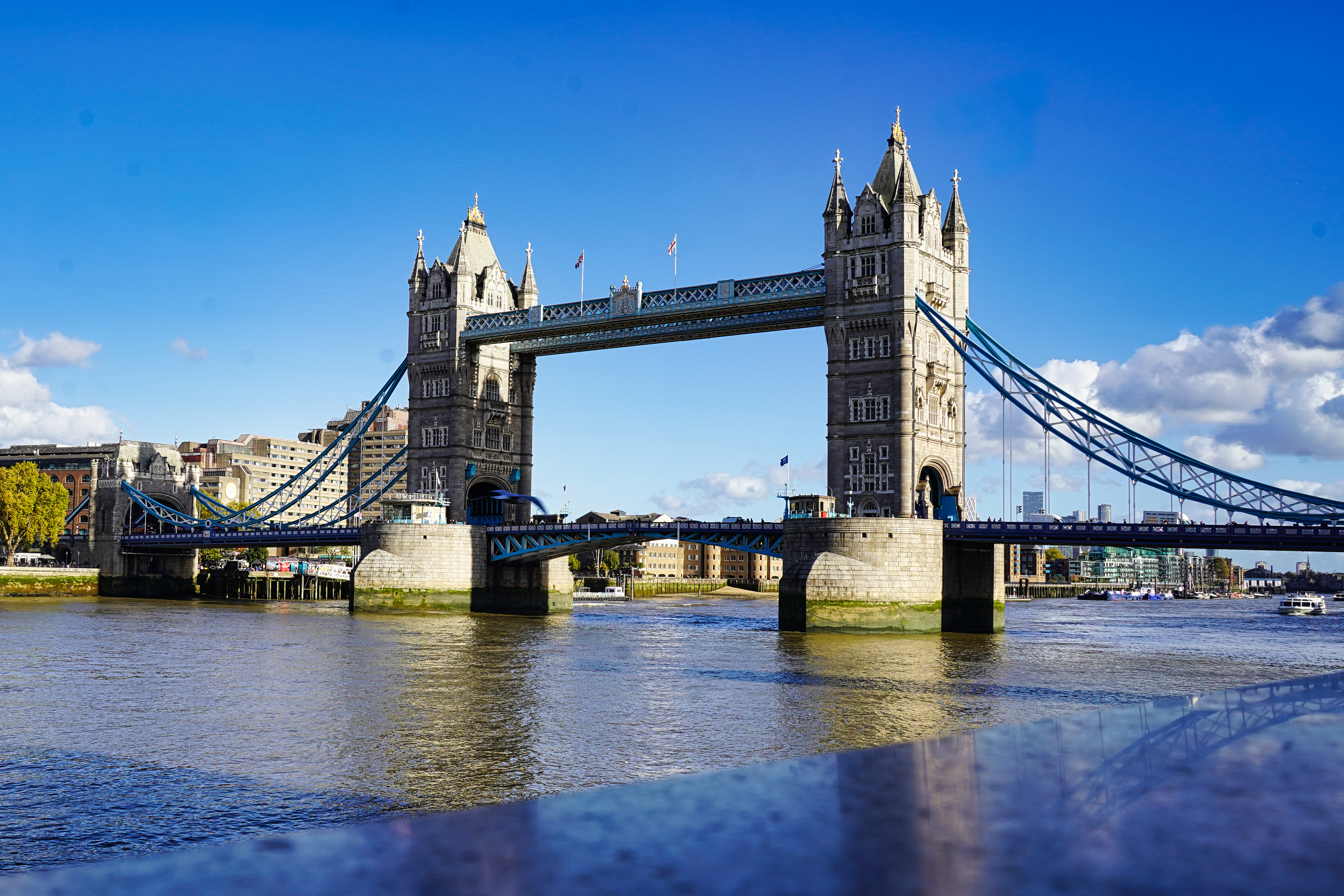
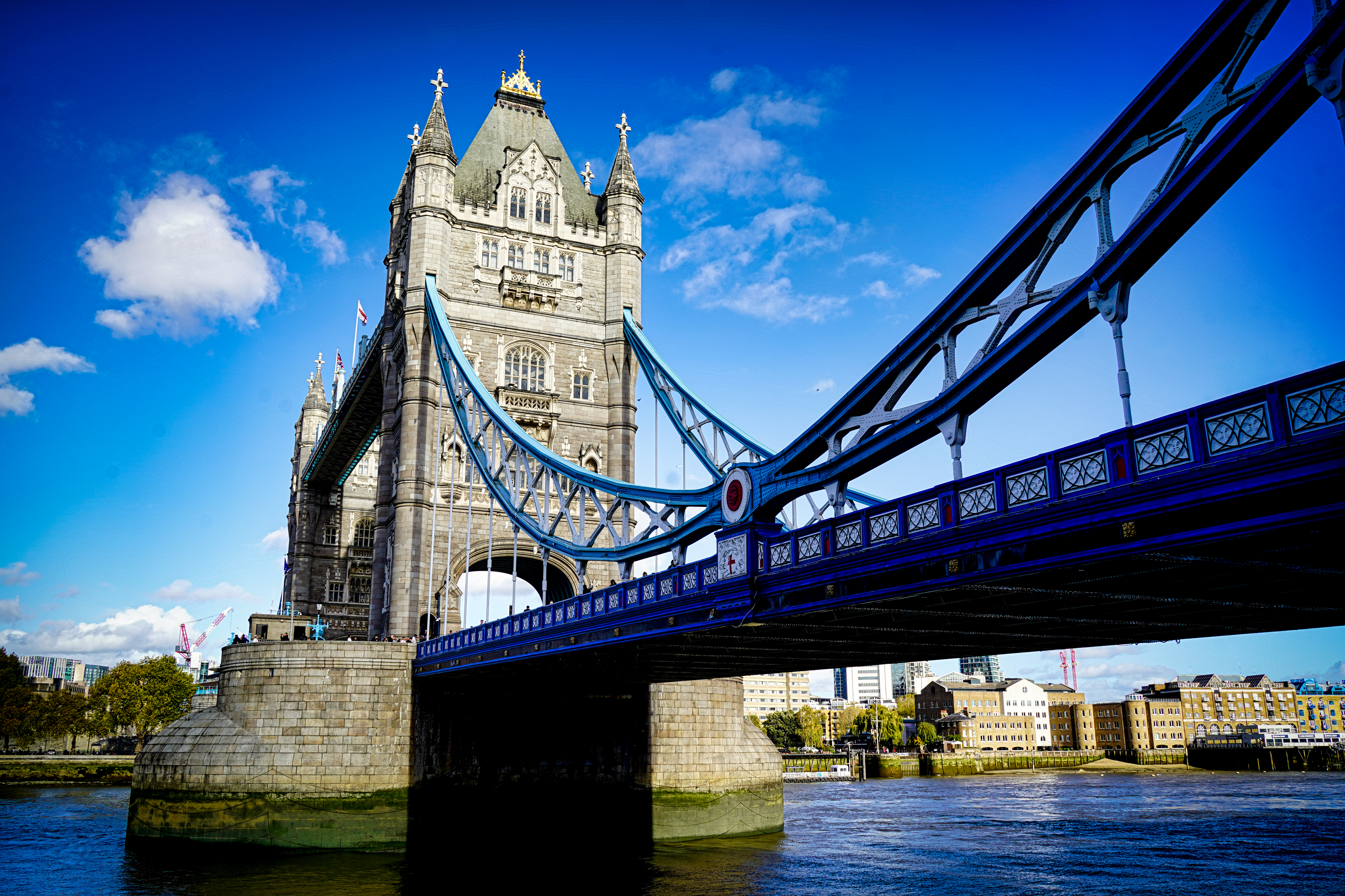
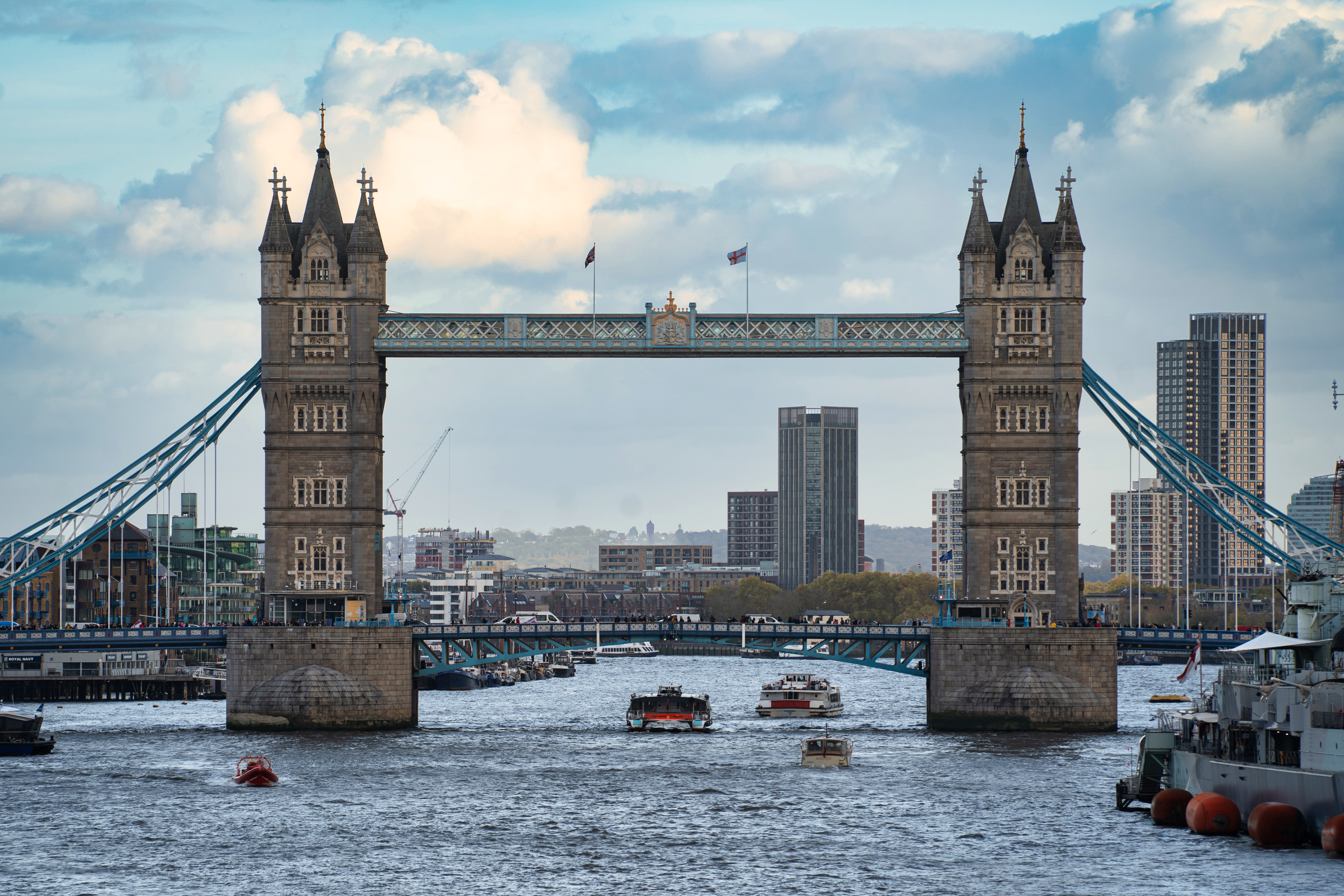
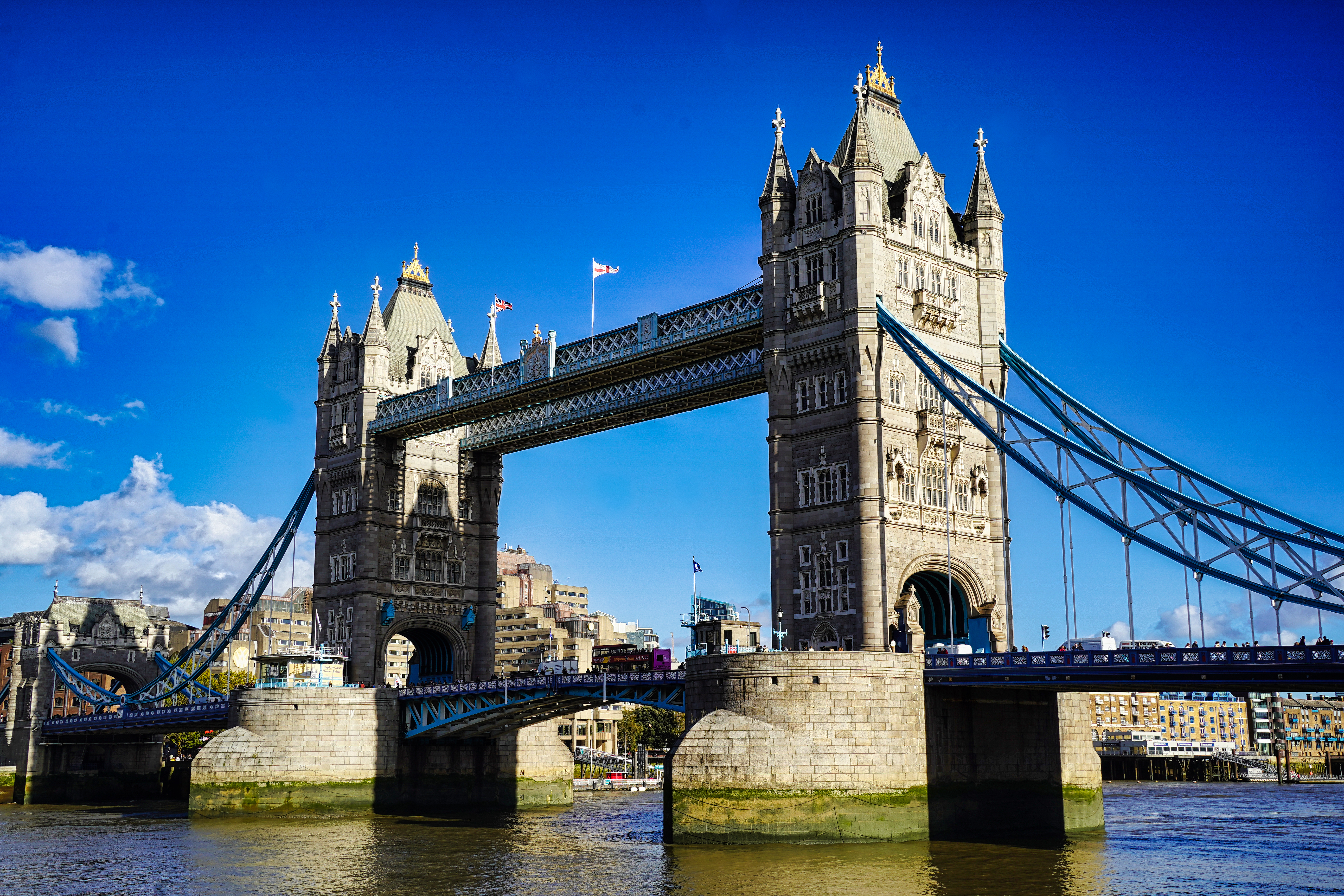
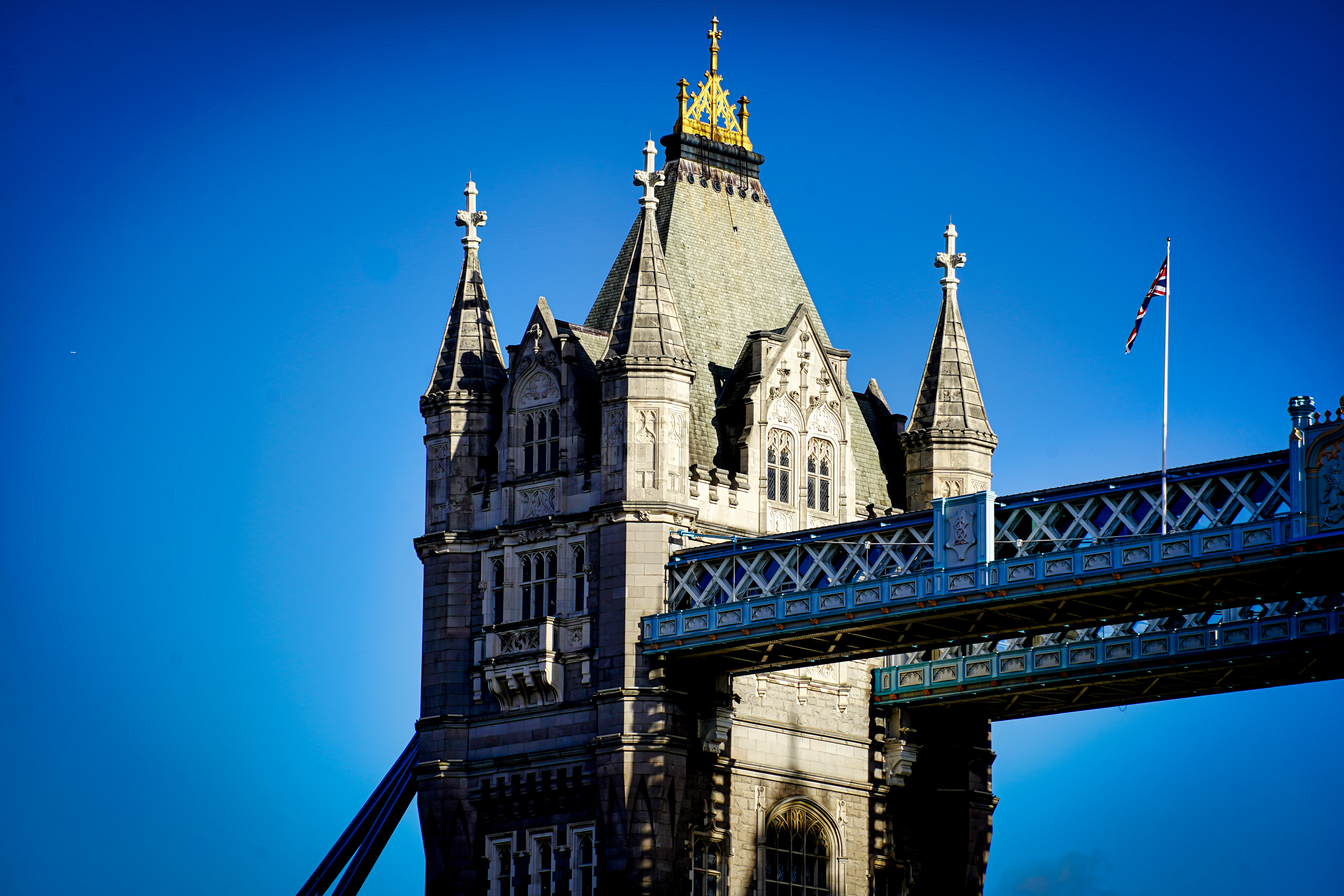
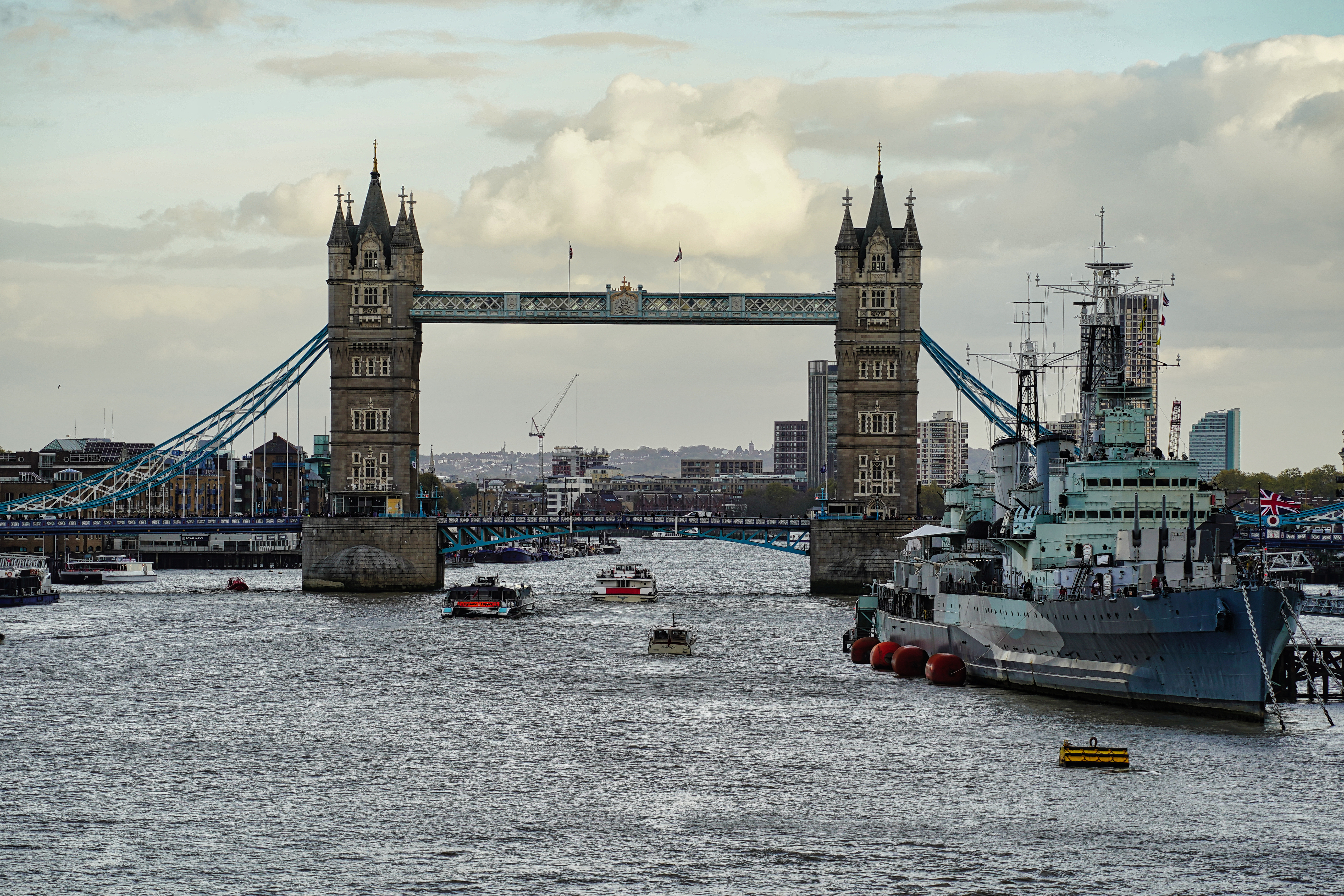
Tower Bridge presents a striking balance of stone and steel, where Gothic Revival towers meet exposed industrial structure. Its symmetry invites carefully centered compositions, while the interplay of cables, rivets, and walkways rewards closer attention to detail. Light transforms the surface throughout the day, revealing texture in the masonry and sharp lines in the steel framework, and at night the illumination isolates the bridge as a sculptural form. Stripped of surrounding context, Tower Bridge stands as an object of design and engineering, defined by rhythm, proportion, and material rather than by the city that surrounds it.

Views on London

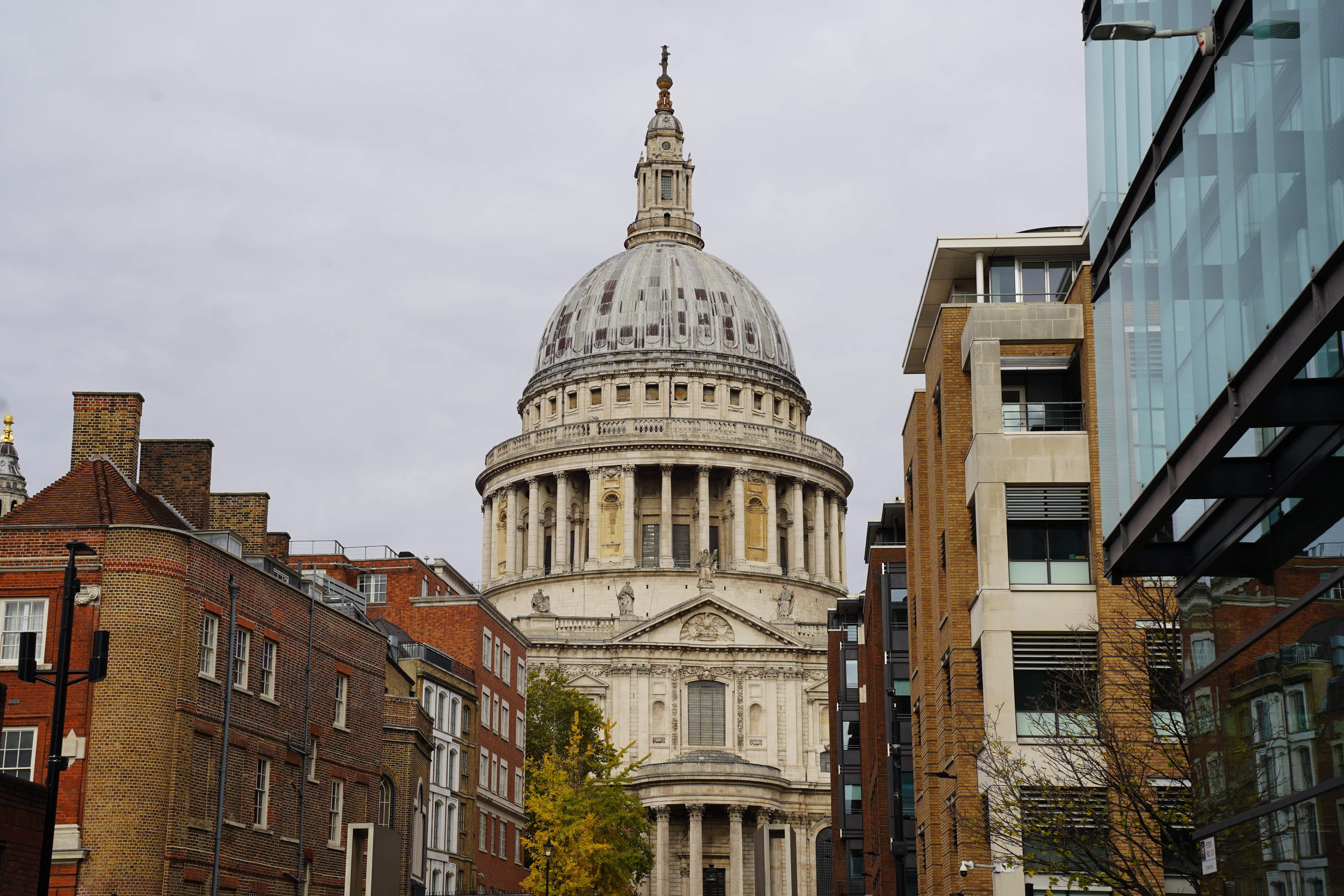
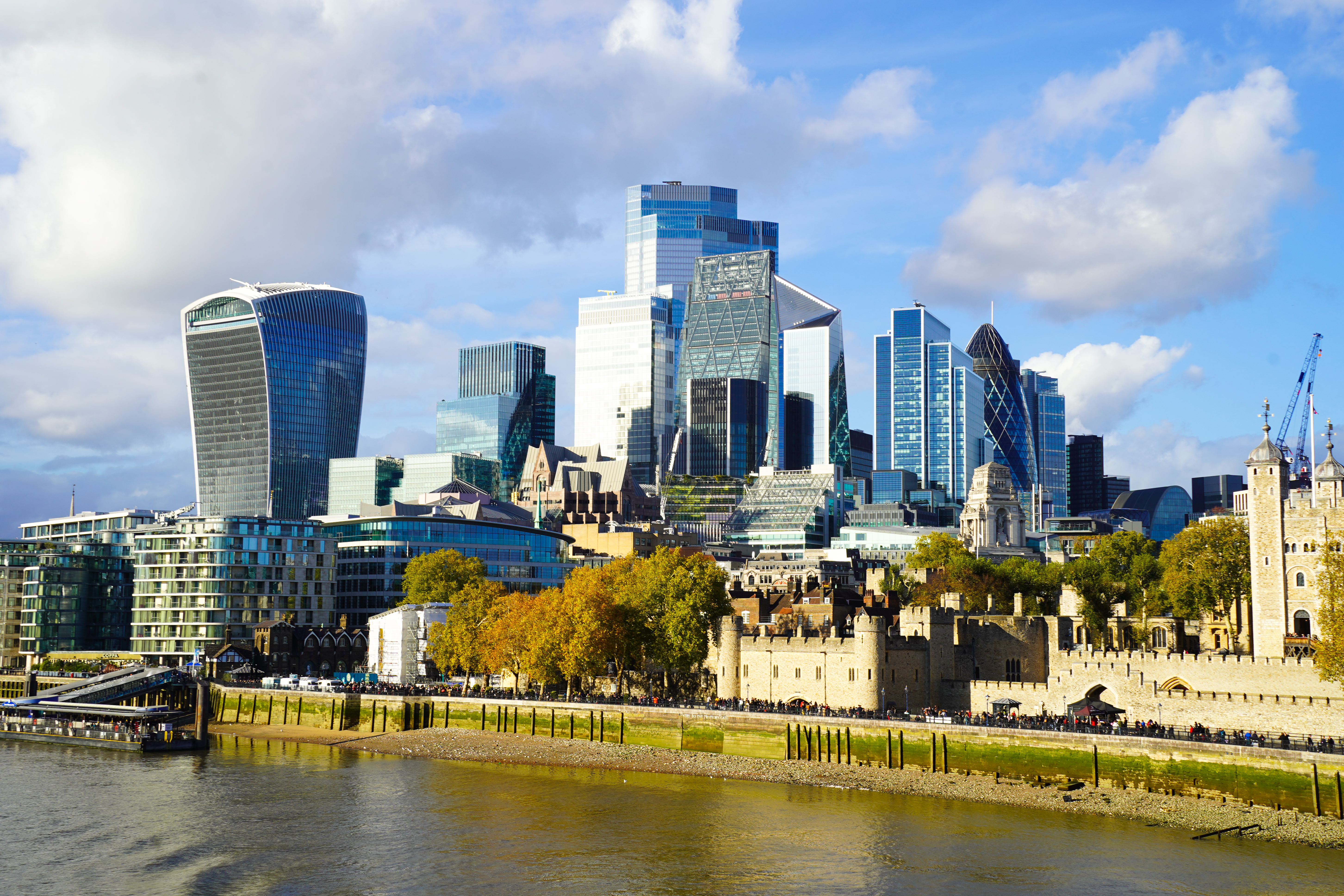
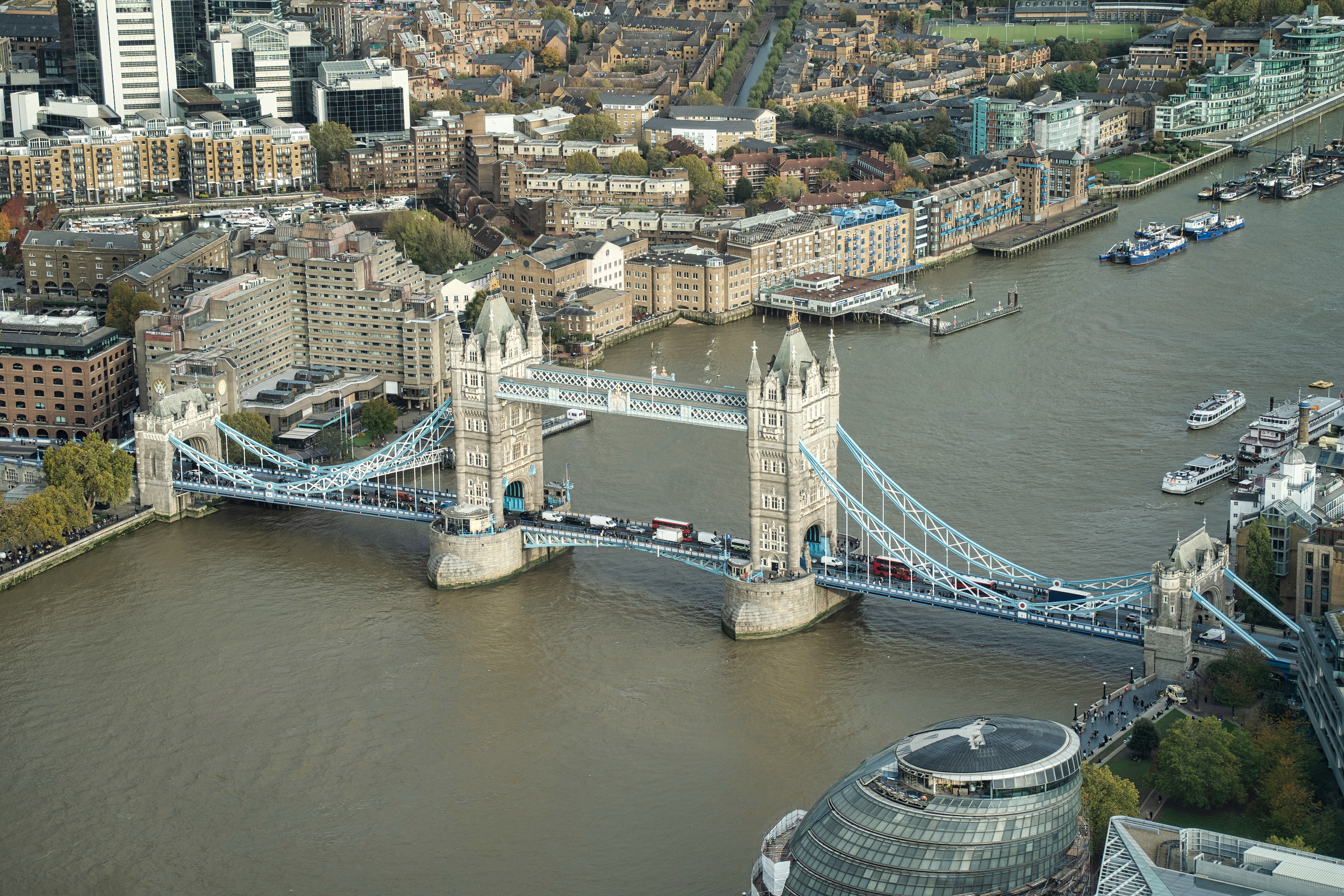
From atop the capital of the UK unfolds as a vast, layered city where history and modernity sit side by side. The River Thames curves through the skyline like a slow-moving ribbon, catching the light between bridges and rooftops, while landmarks rise subtly from a dense sea of streets. Glass towers reflect shifting clouds, older stone buildings anchor the view with a sense of permanence, and the sheer scale of the city becomes tangible. Seen from this height, London feels both immense and coherent, a living map where centuries of growth can be read in a single glance.

West of London

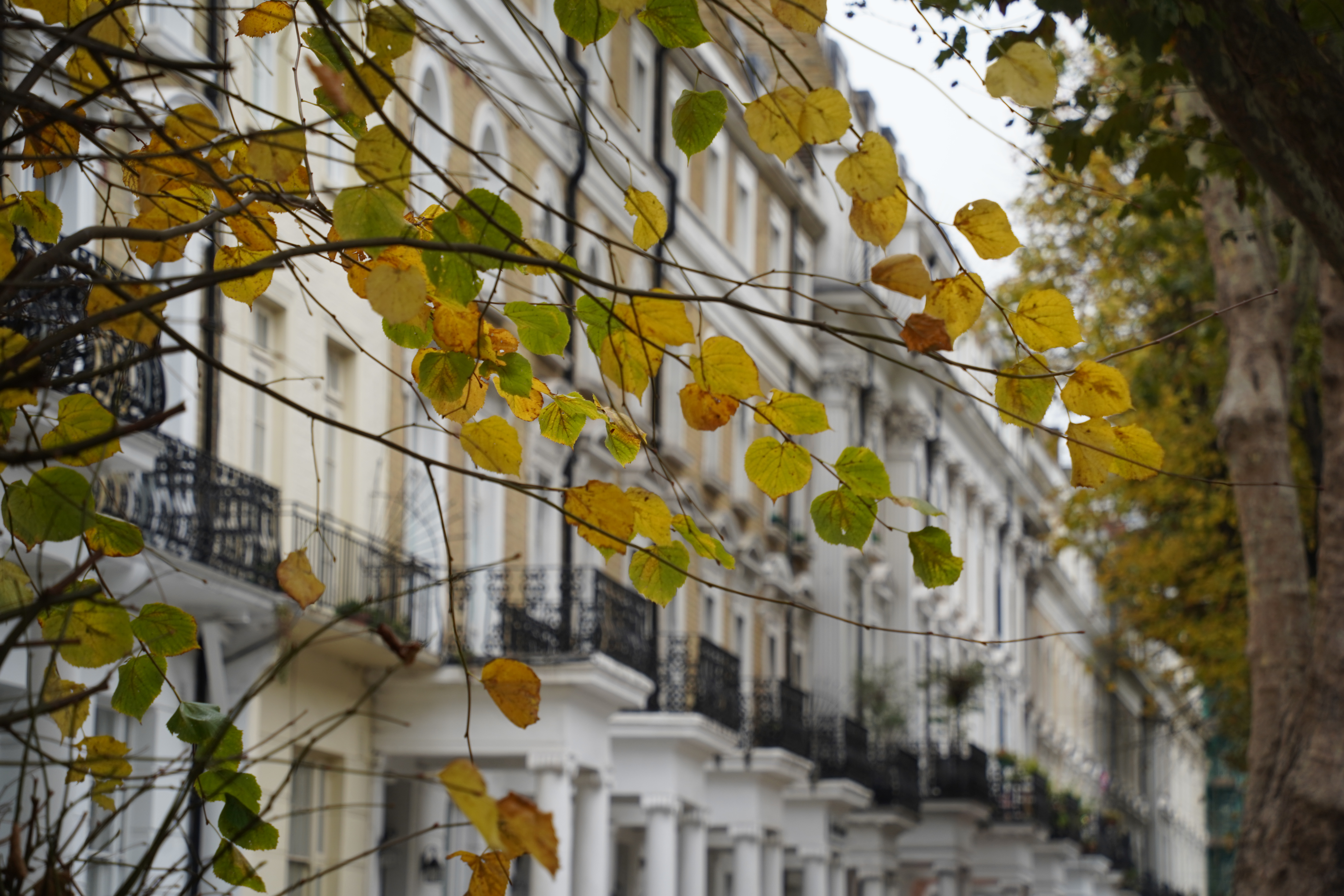
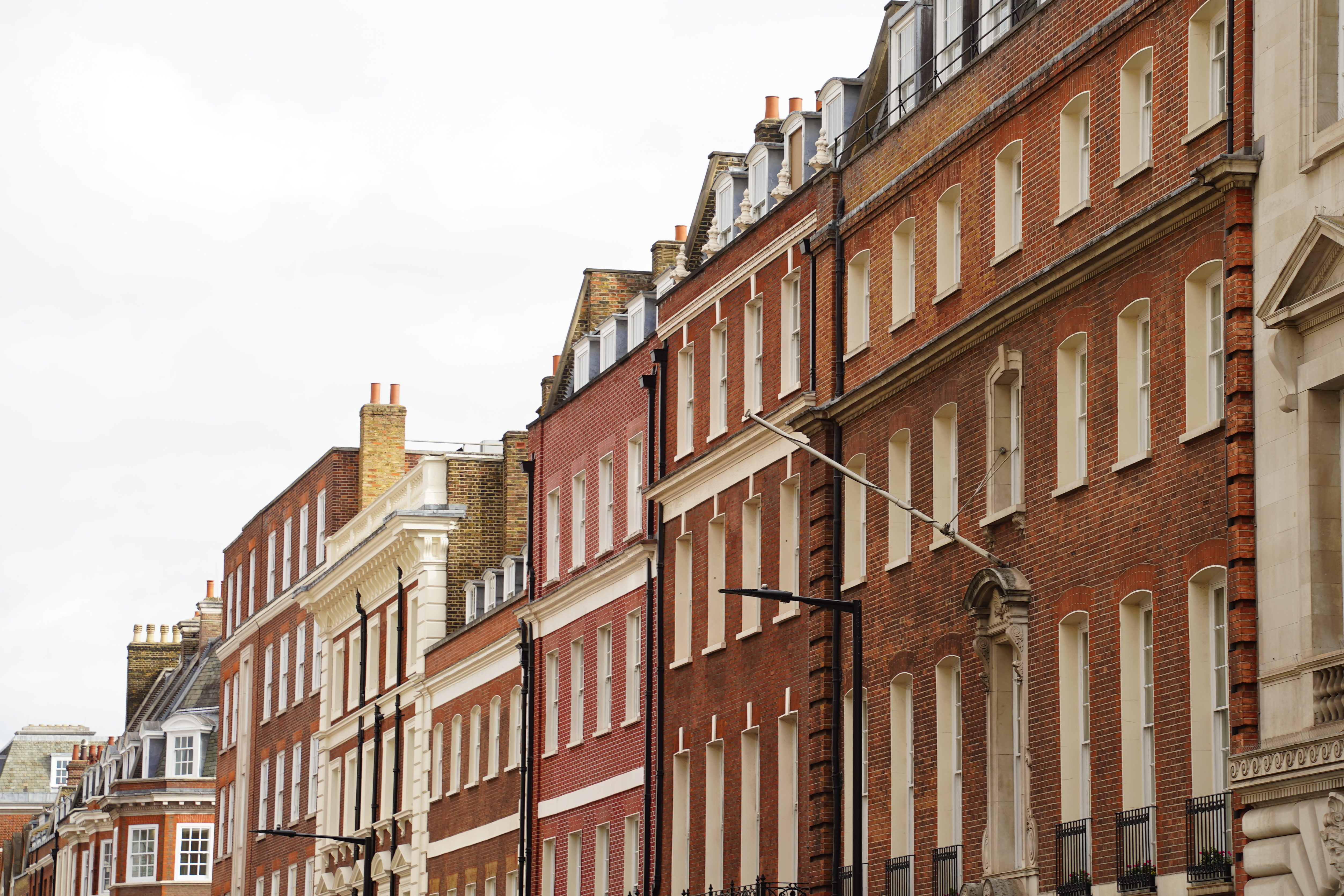
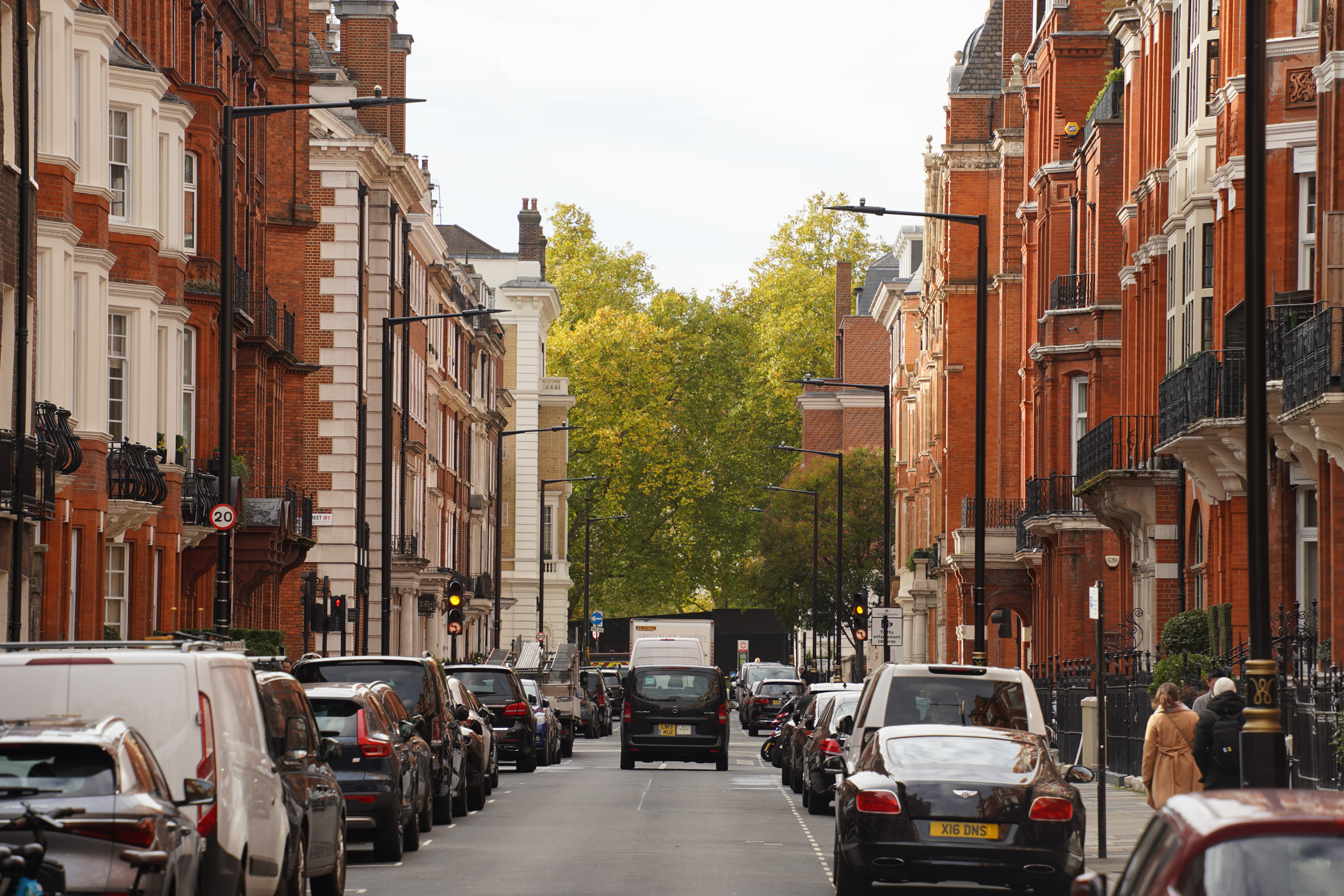
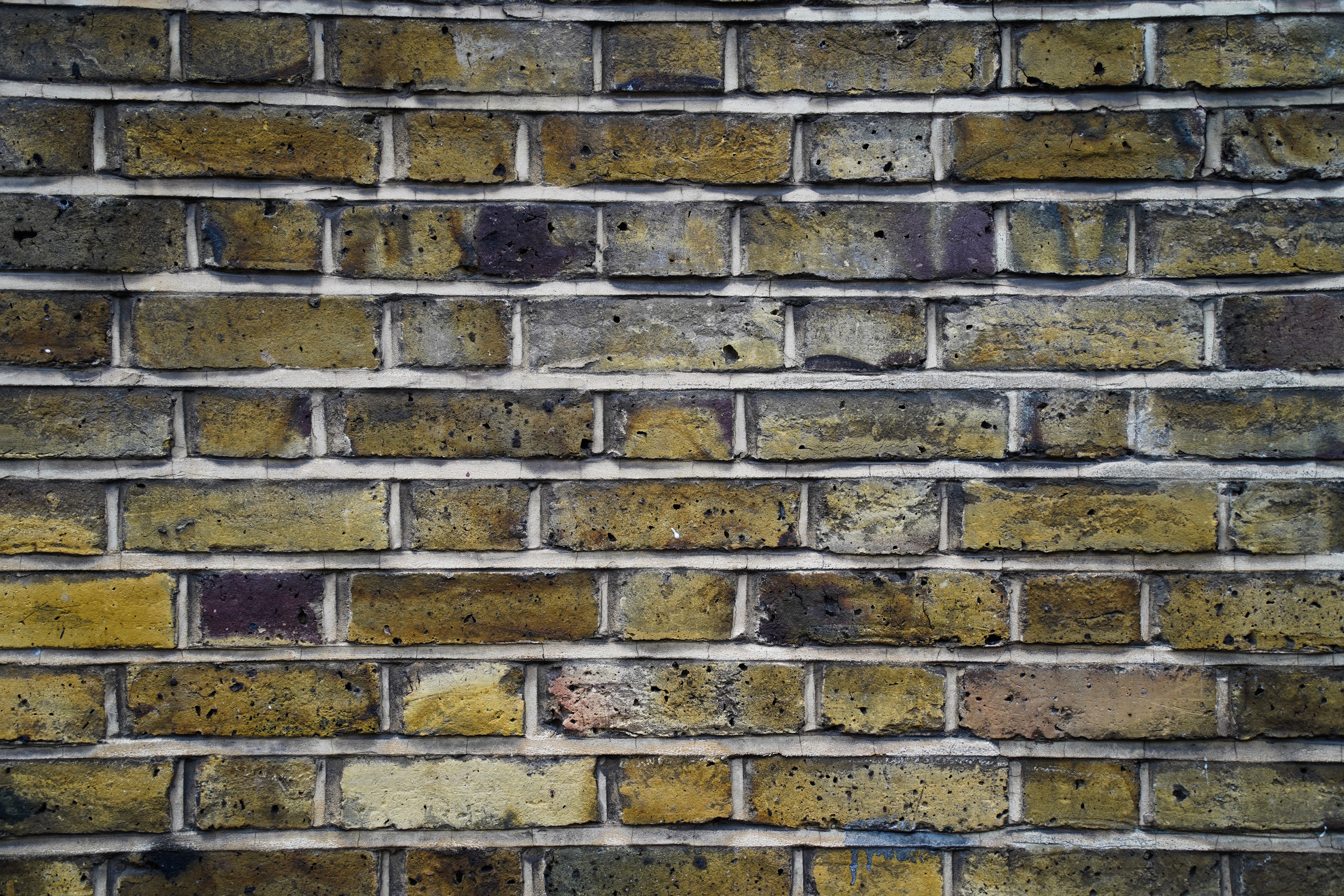
Endless rows of white Victorian and Georgian buildings stretch along the streets in the London Westside with a quiet confidence, their pale façades catching the light and giving the city a sense of order and continuity. Repeating windows, iron railings, and carefully proportioned doors create a rhythm that feels both grand and restrained, where individuality exists only in subtle details like a fanlight, a balcony, or a splash of color on a front door. Together they form an architectural backdrop that speaks of another age, elegant yet practical, lending the streets a timeless calm amid the movement of modern life.

Temples of Wisdom

Cambridge is a city defined by its colleges, each one a self-contained world of learning, tradition, and architectural splendour. Founded over the course of eight centuries, colleges like King’s, Trinity, and St John’s are more than academic institutions – they are living monuments where generations of scholars have shaped modern science, literature, and philosophy. Behind ancient gates and ivy-covered walls lie chapels that echo with choirs, libraries filled with rare manuscripts, and courtyards where students debate ideas that once transformed the world. The colleges function as intellectual sanctuaries, nurturing curiosity and excellence in an environment where medieval cloisters stand comfortably alongside cutting-edge research labs. In Cambridge, the pursuit of knowledge becomes almost sacred, and its colleges truly deserve to be called temples of wisdom.
Shrine of the Fox God

The Shrine of Inari-Inu is a place of quiet movement and endless paths. Rows of red Torii gates form corridors of light and shadow, guiding visitors through a landscape shaped by devotion. The fox, messenger of the deity Inari, watches from stone and silence — playful yet solemn, guardian of both spirit and harvest. Each gate is an offering, each step a small act of faith. The air feels still, but the presence is alive, as if the mountain itself were breathing through the rhythm of its gates.

Gold and Red

In Kyoto, red and gold meet in quiet balance. The red of the gates and temples carries warmth and life; the gold of the pavilion reflects light with calm and stillness. Together they speak of strength and peace, of the human hand and the touch of nature. Nothing feels excessive — each color holds its place, clear and certain. In their contrast lies harmony, a quiet reminder that beauty often lives between brightness and restraint.

1 2 54