Vienna in May 2014
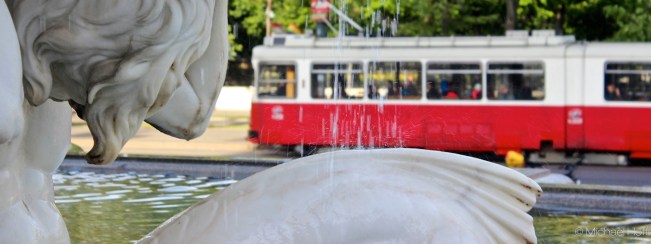
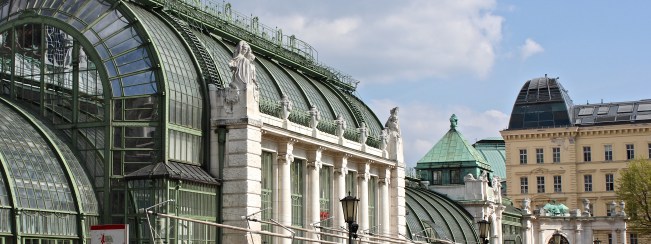
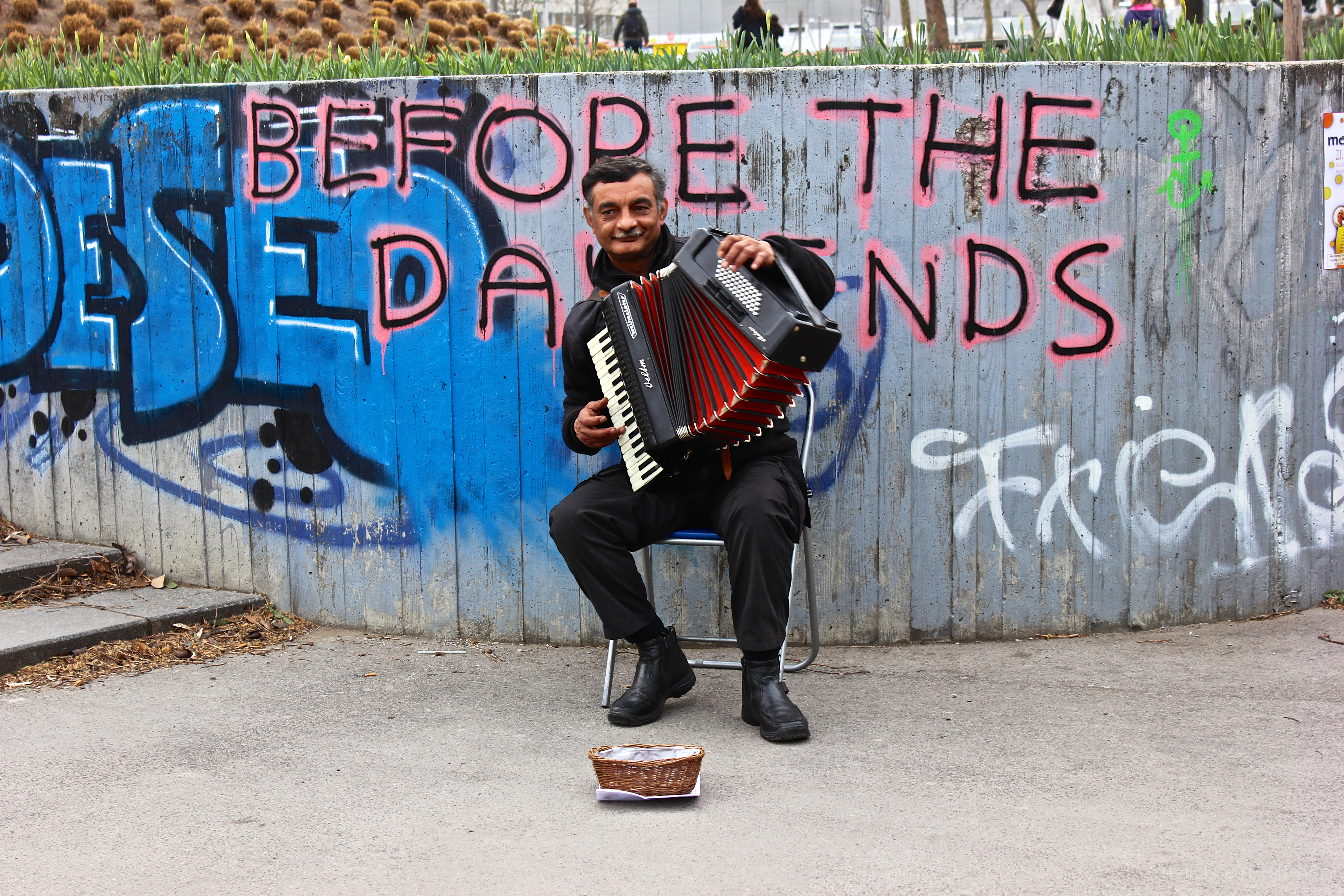
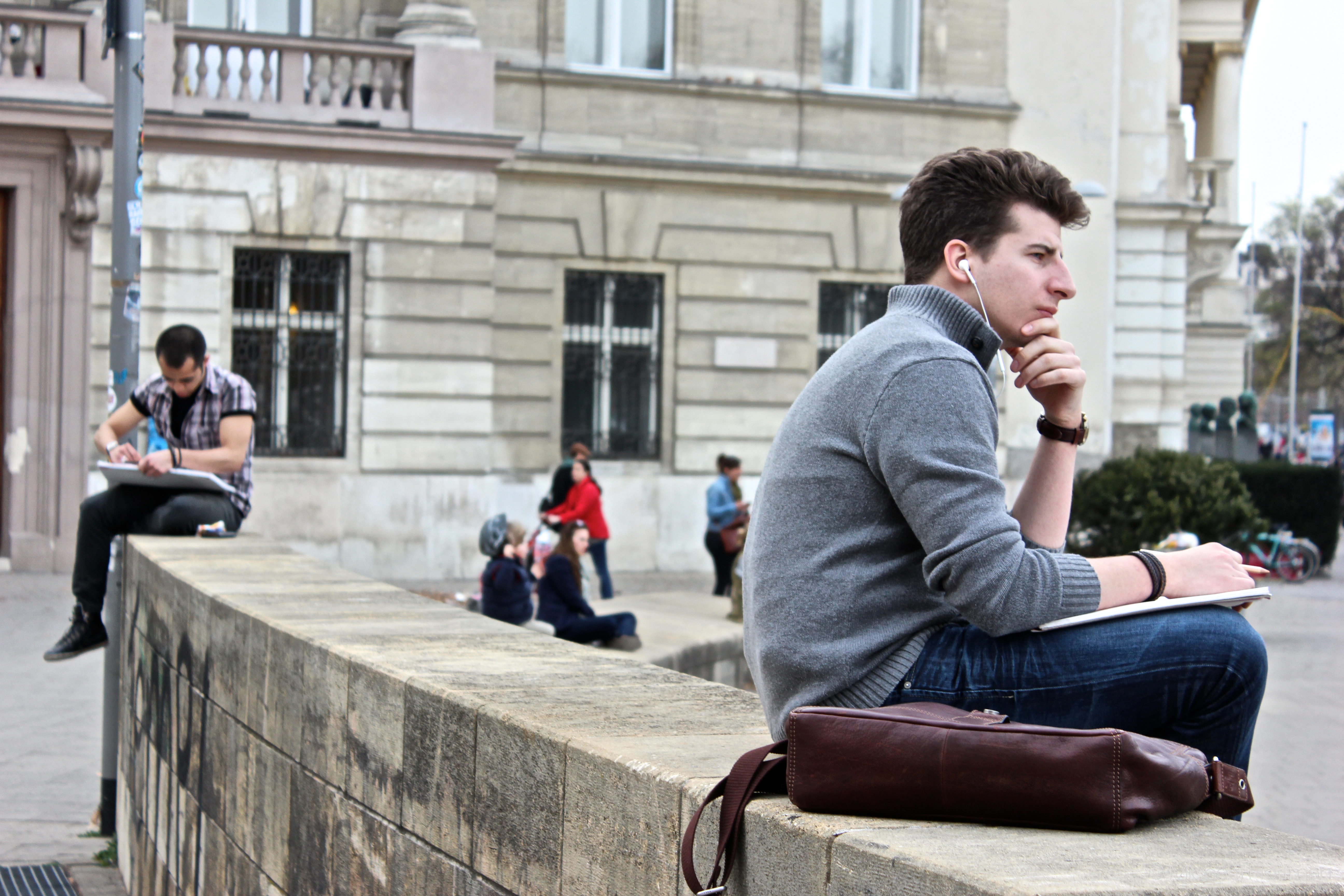
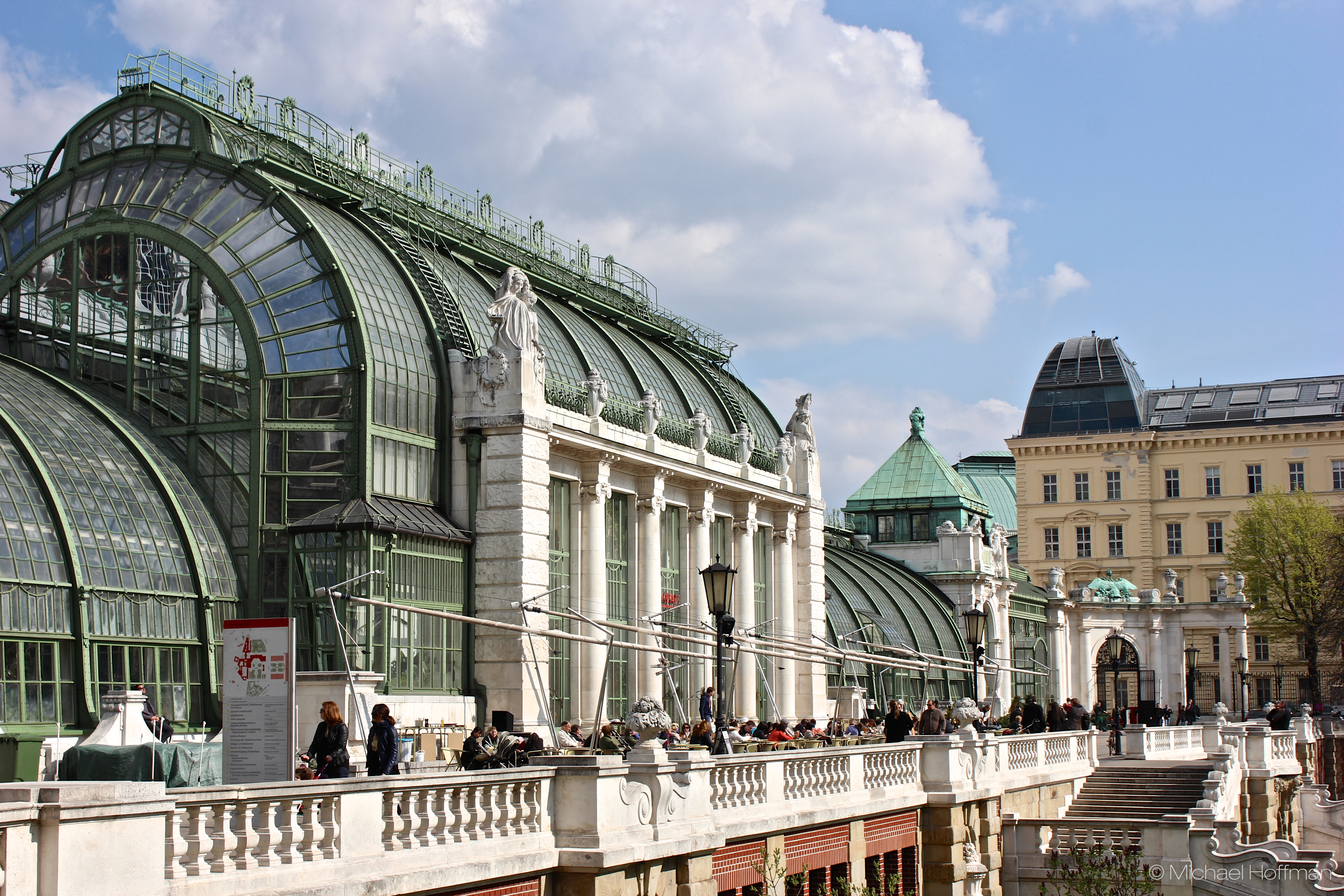
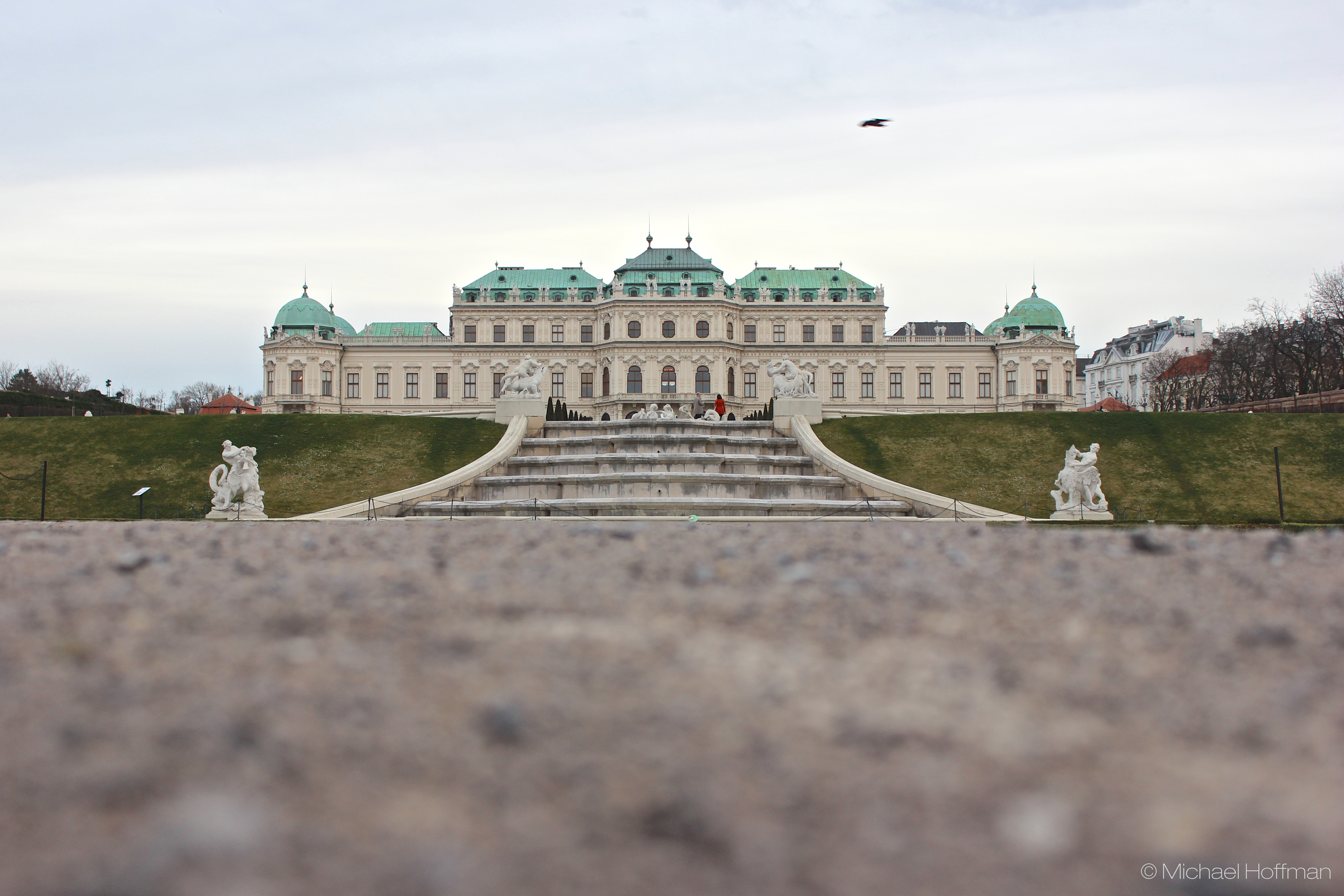
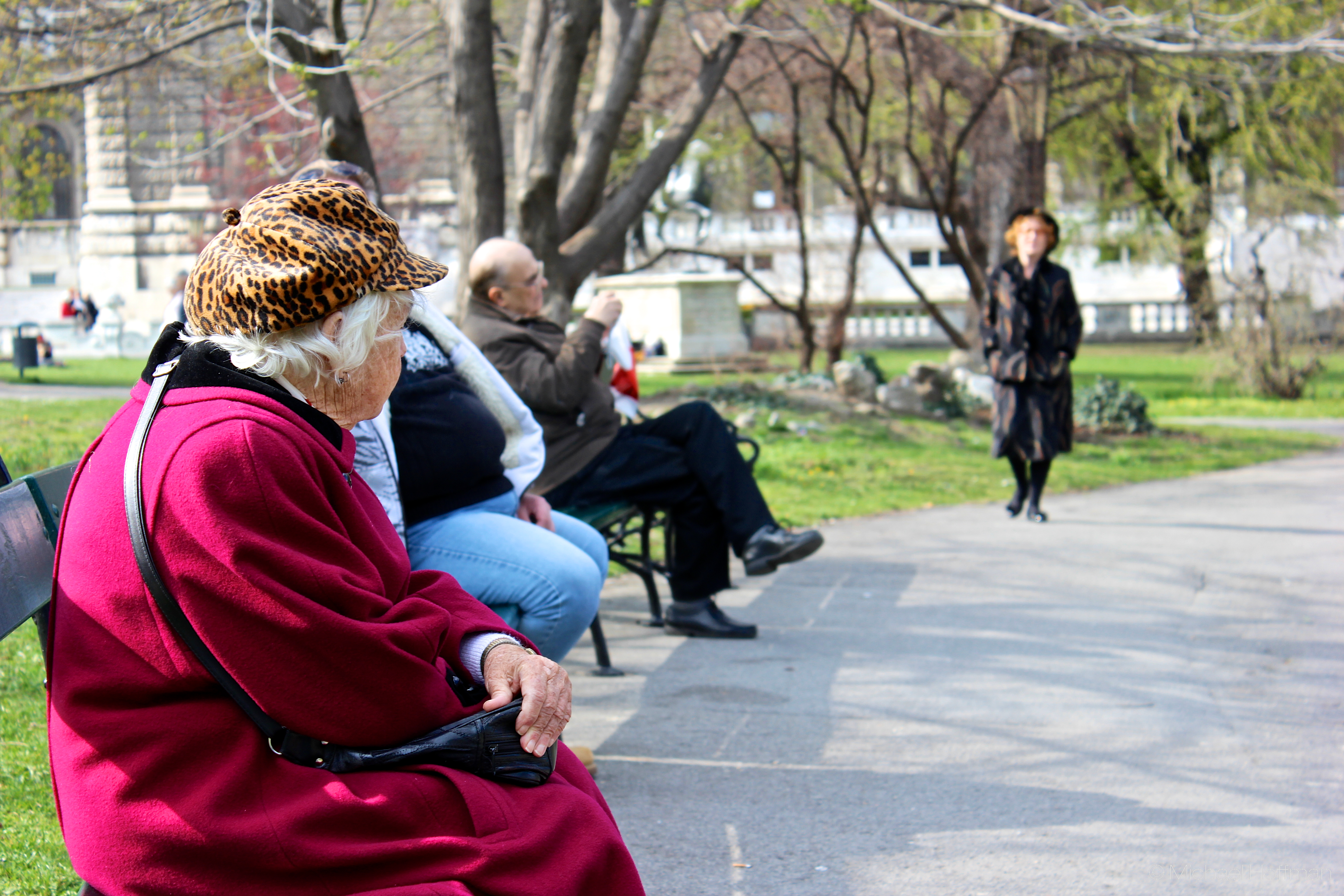
This one is overdue, actually. Here are some impressions of my hometown in May of this year (2014).

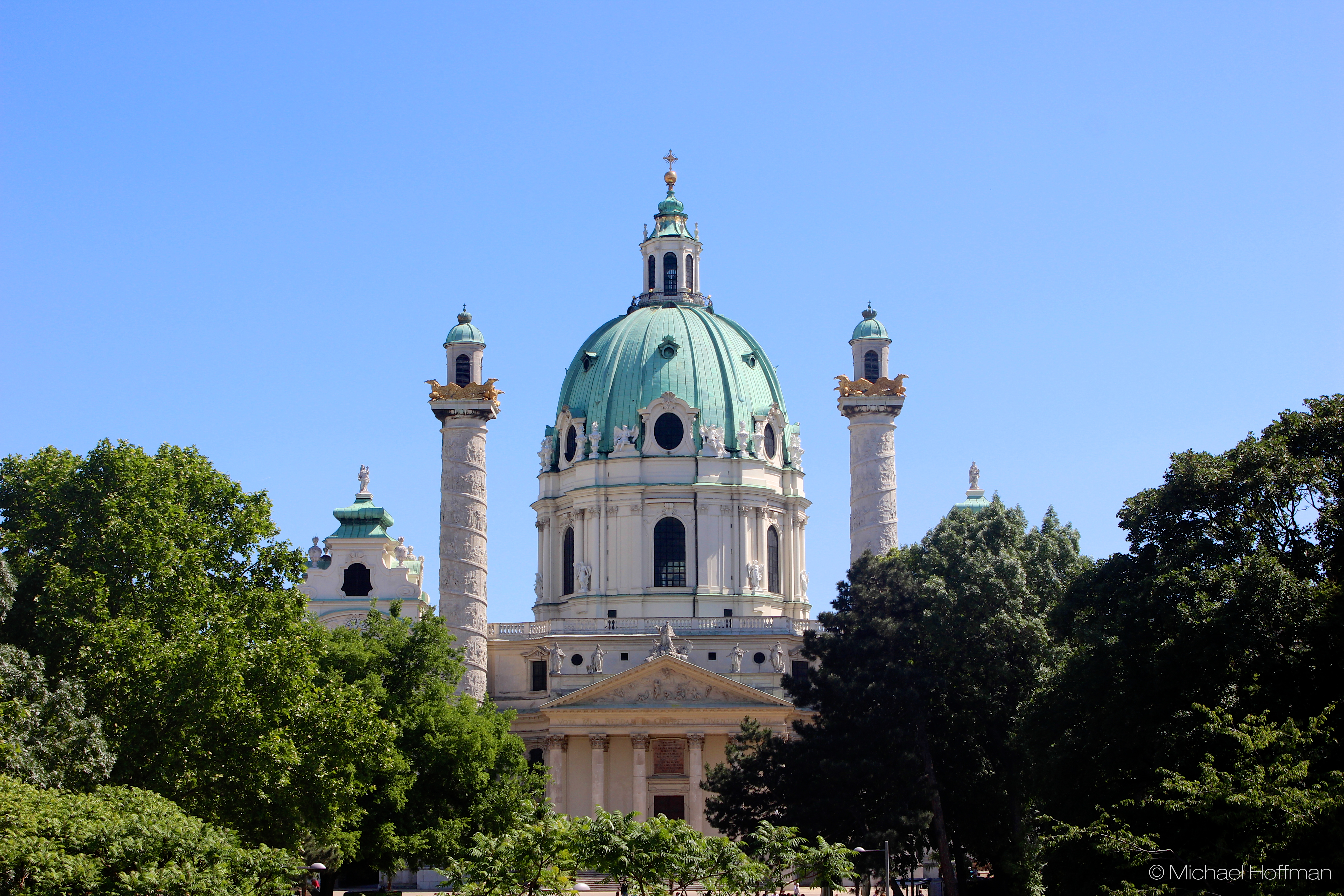
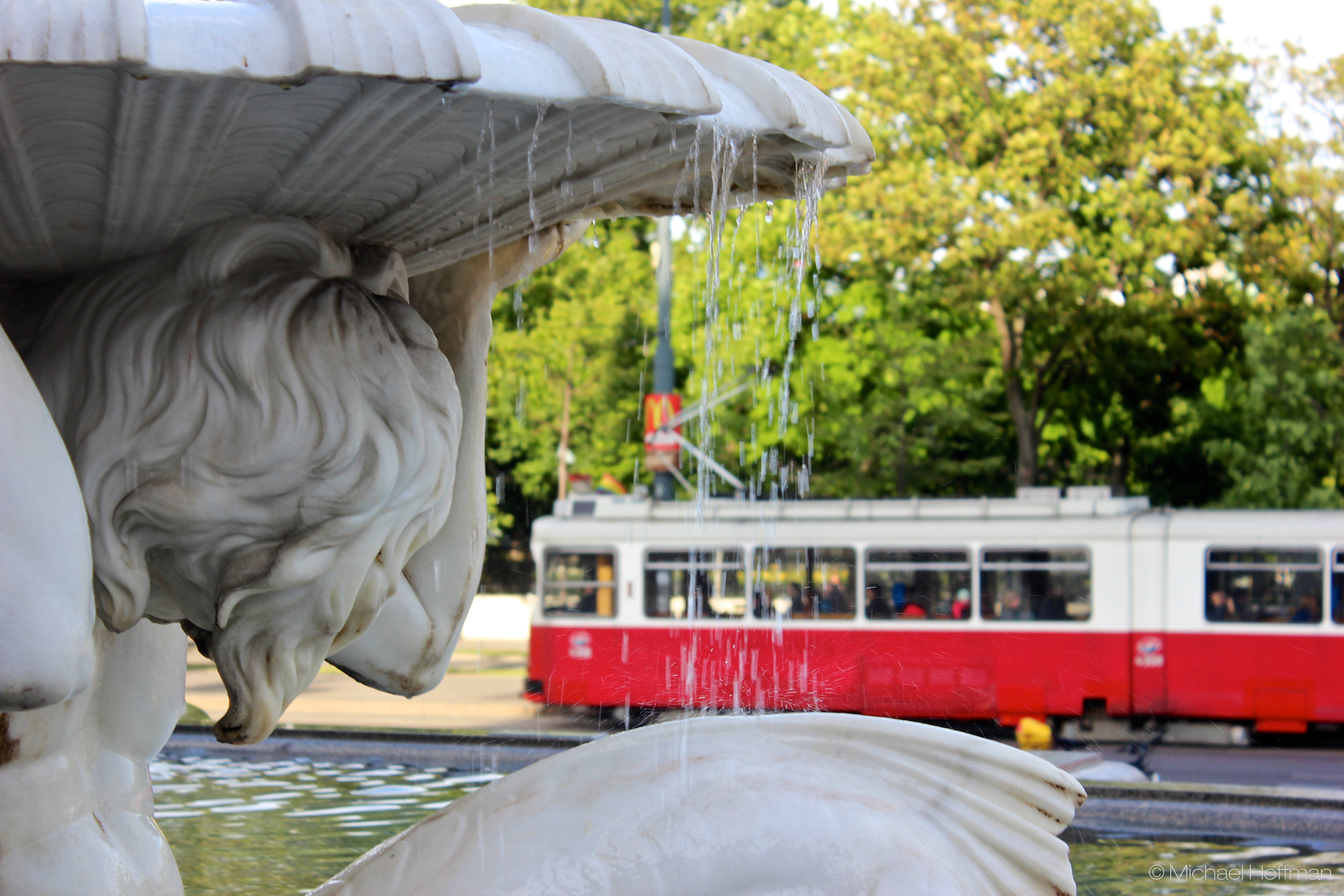
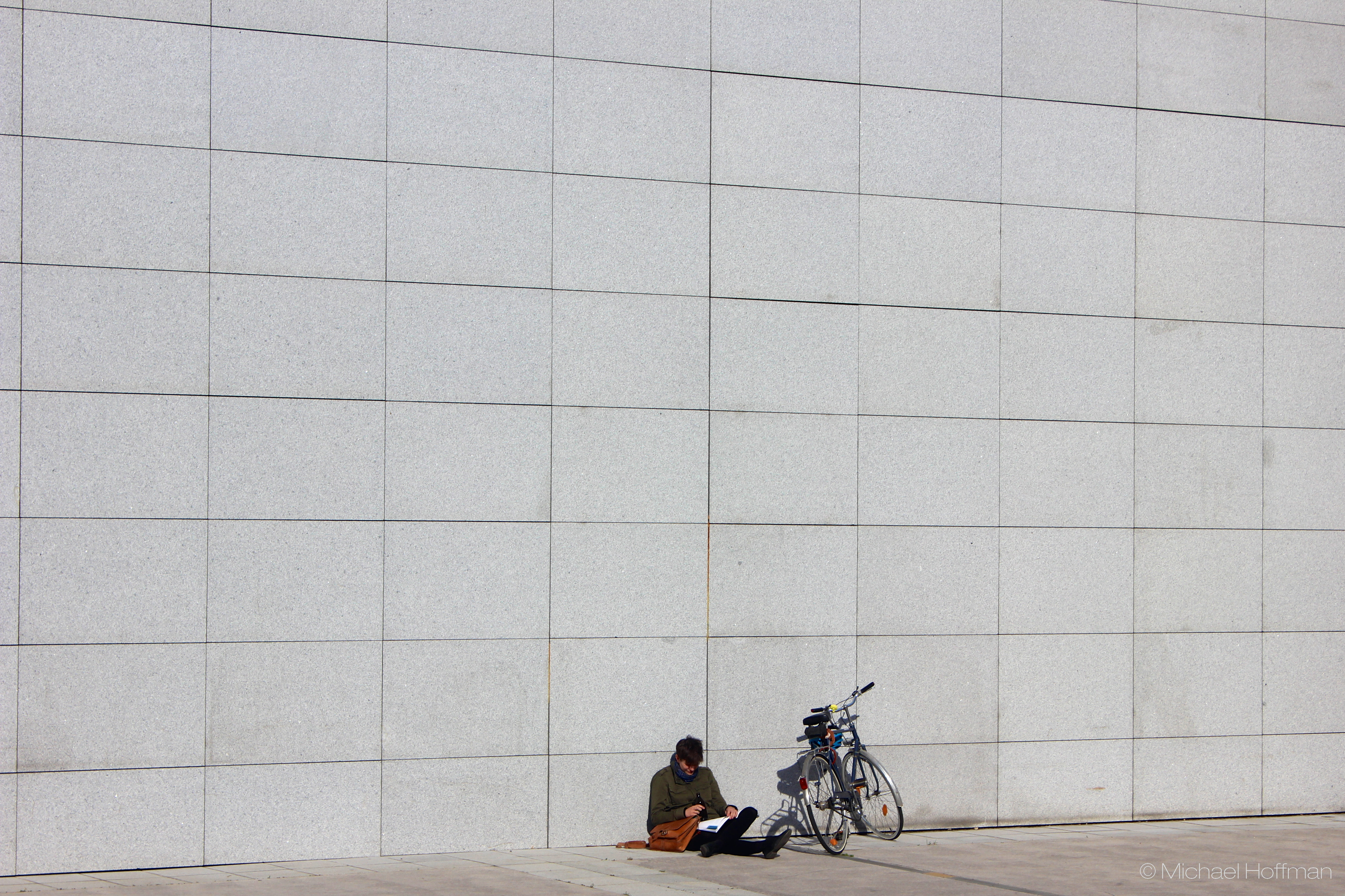
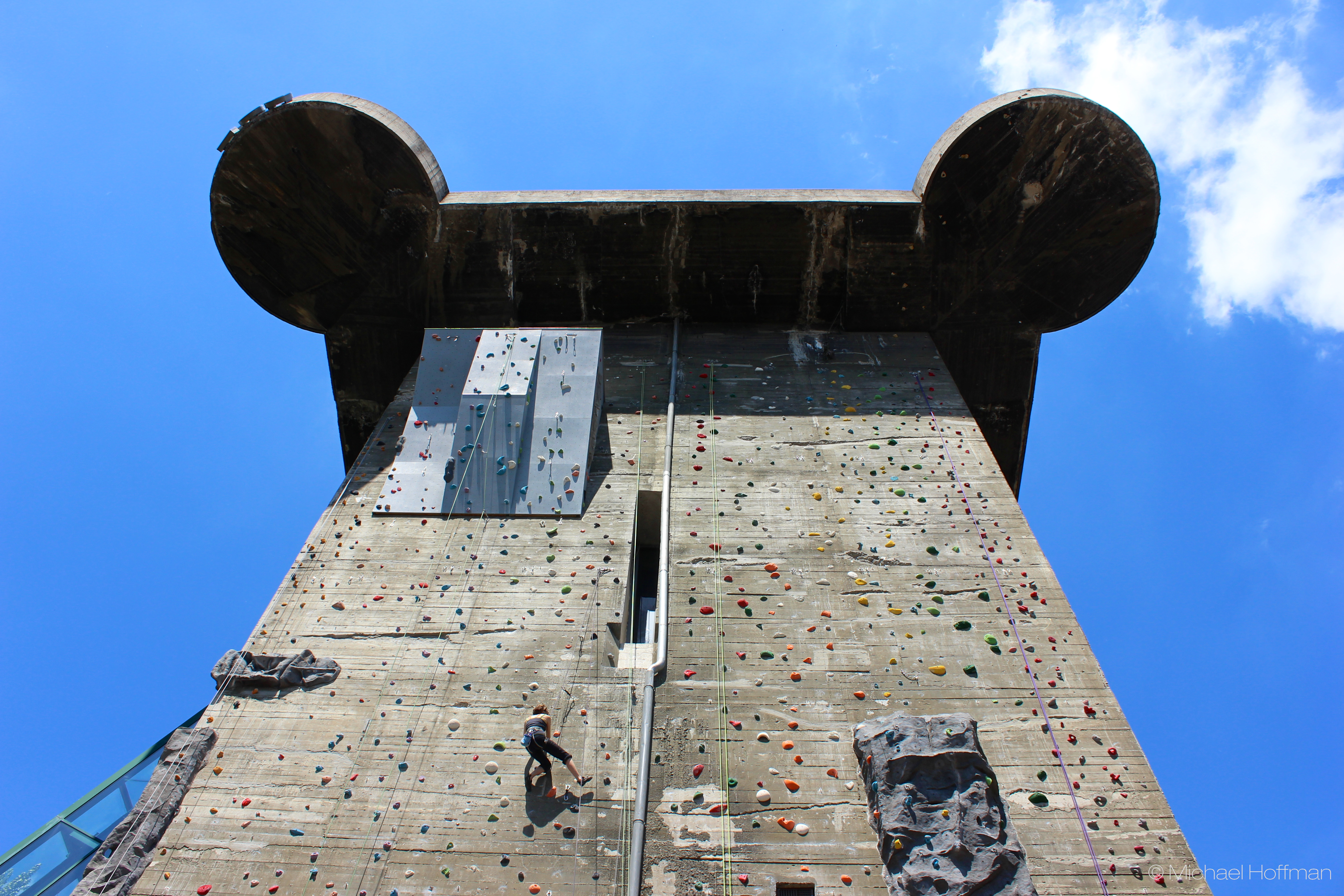
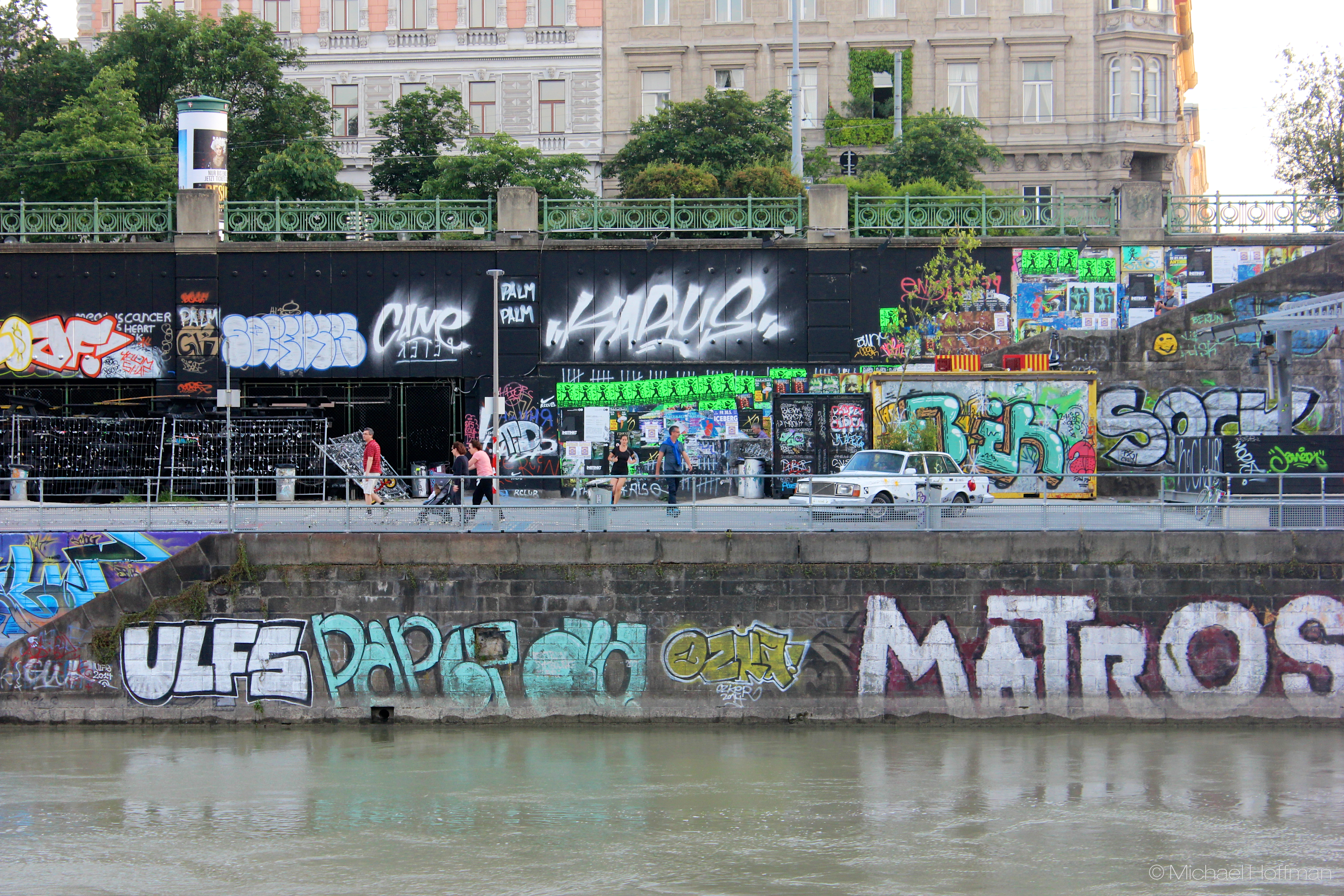
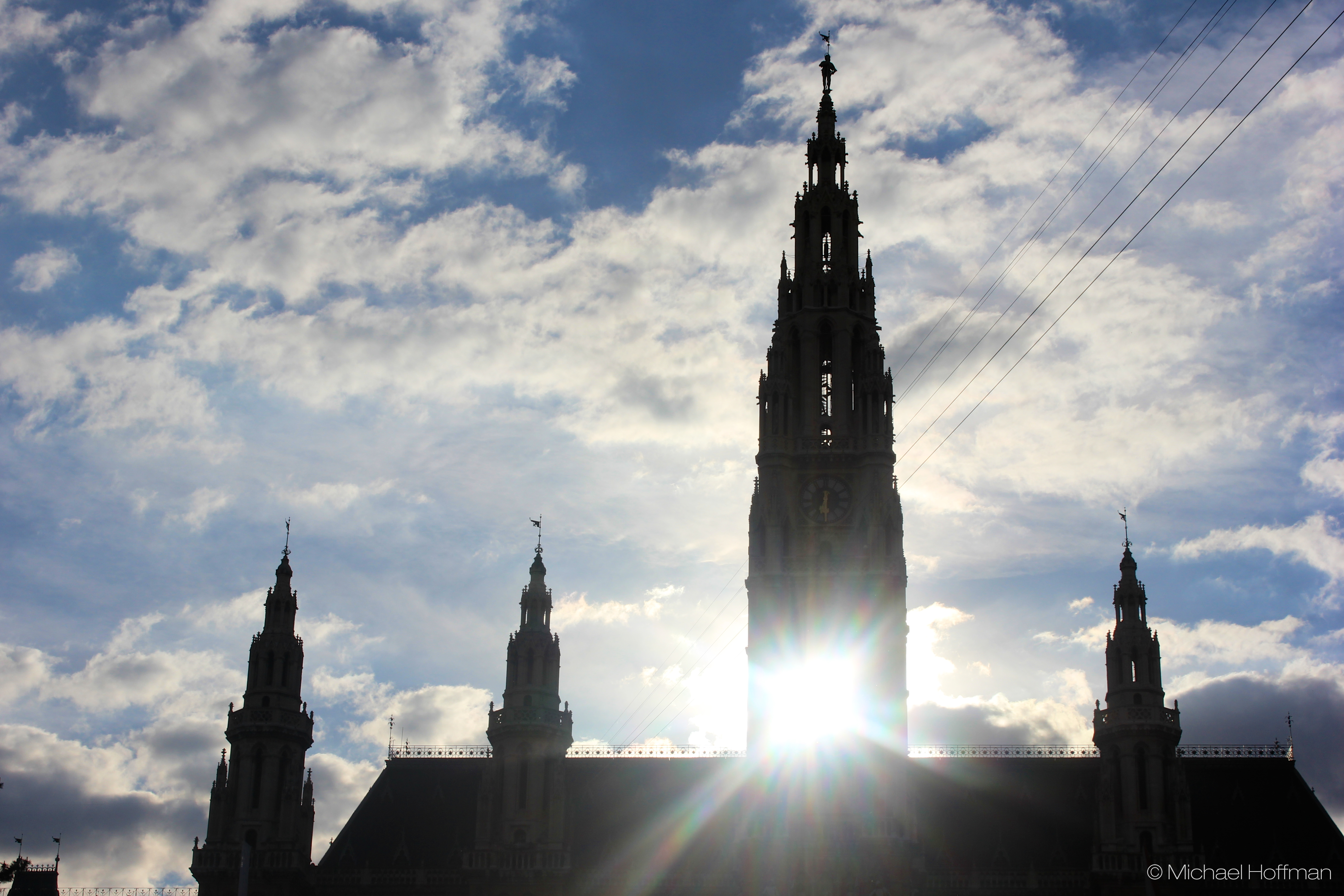
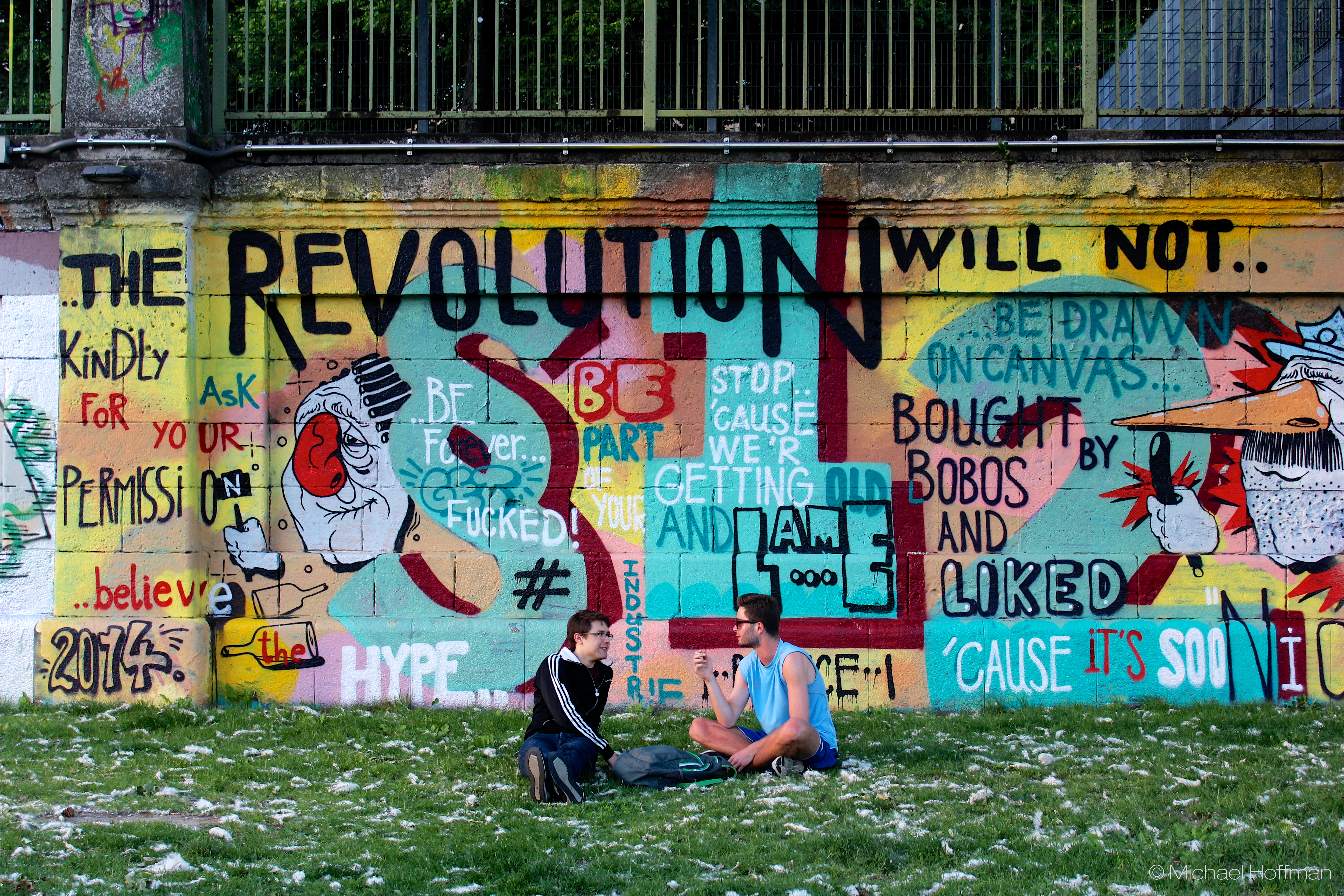
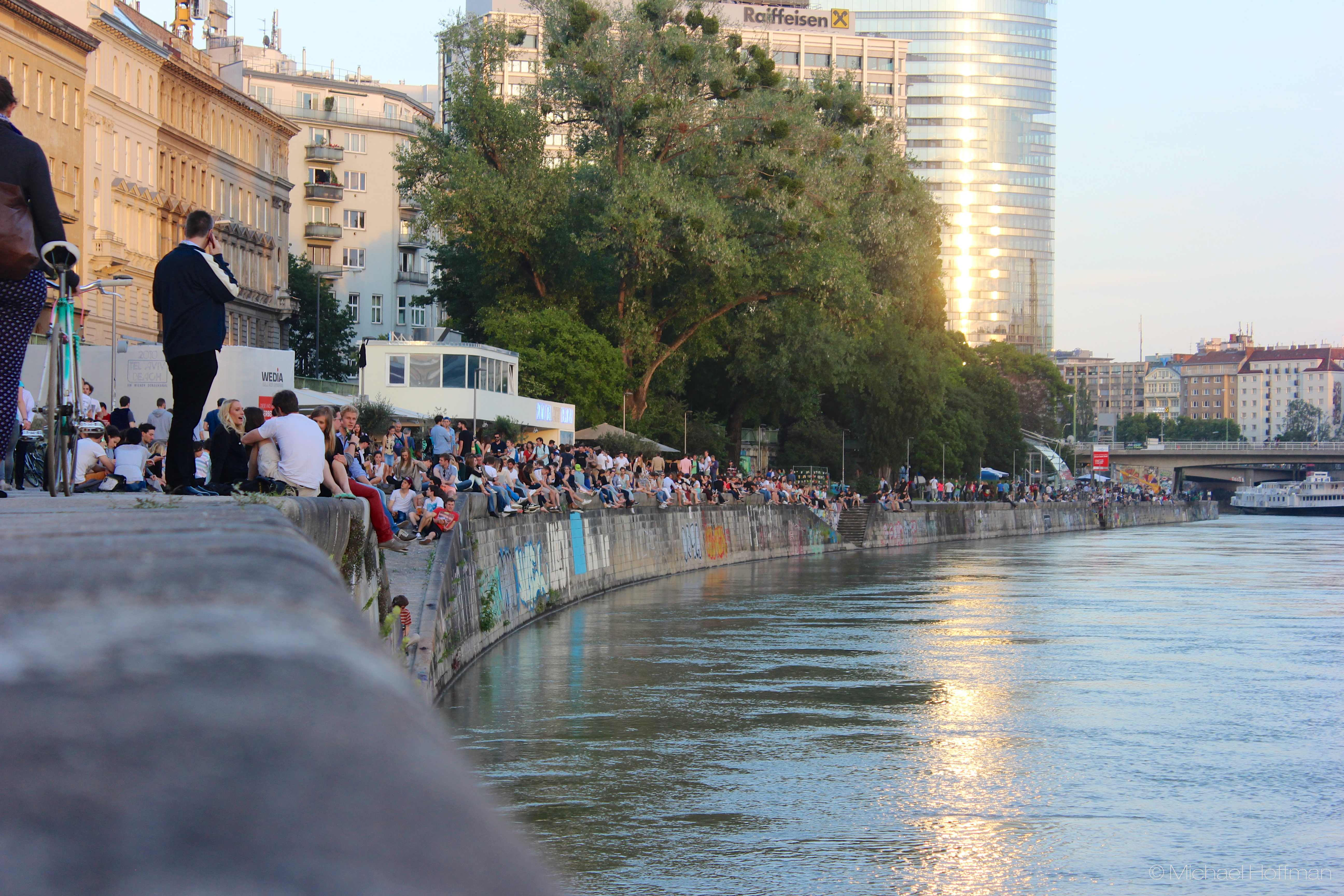
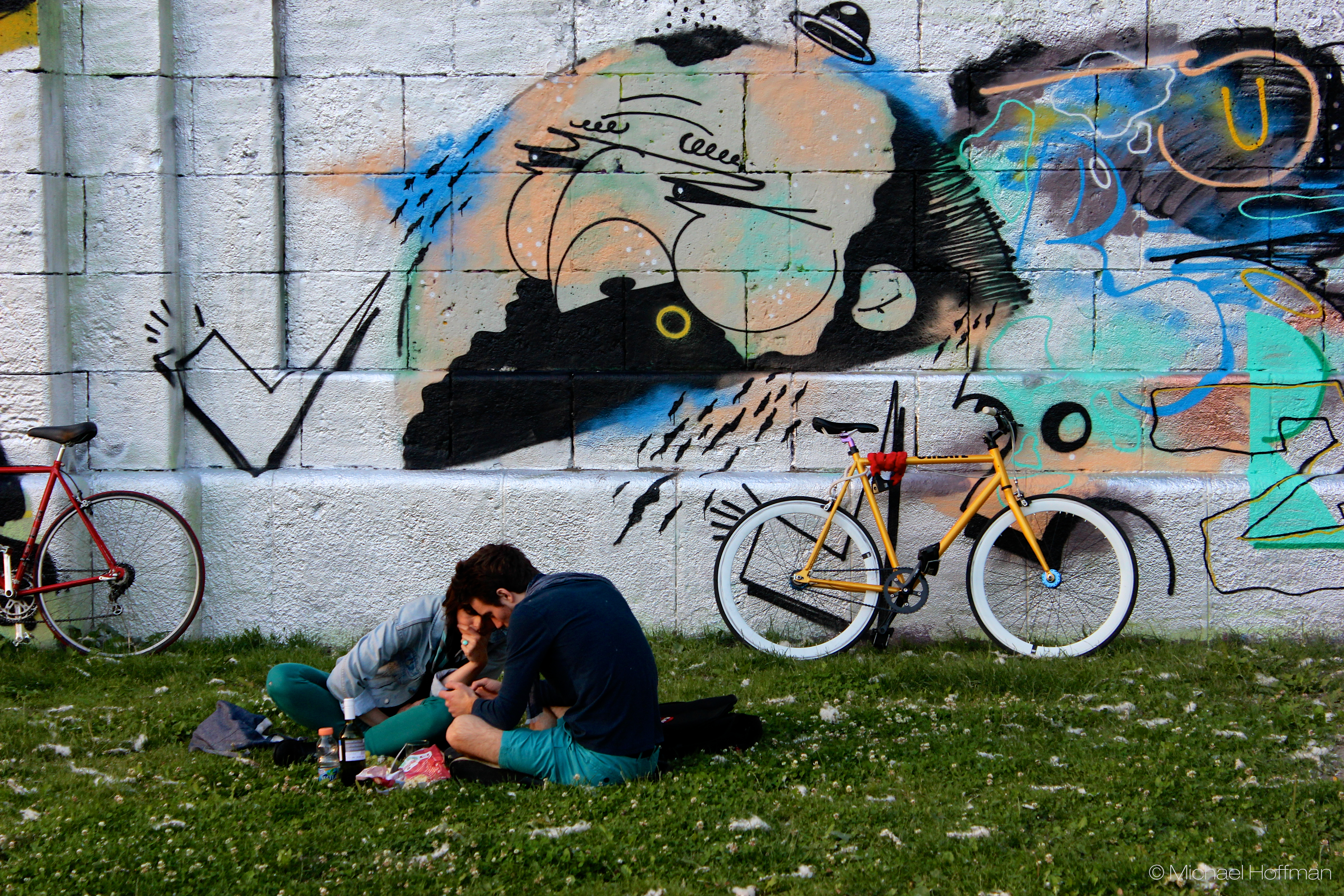
This one is overdue, actually. Here are some impressions of my hometown in May of this year (2014).
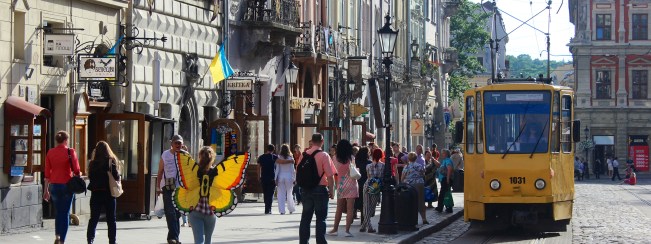
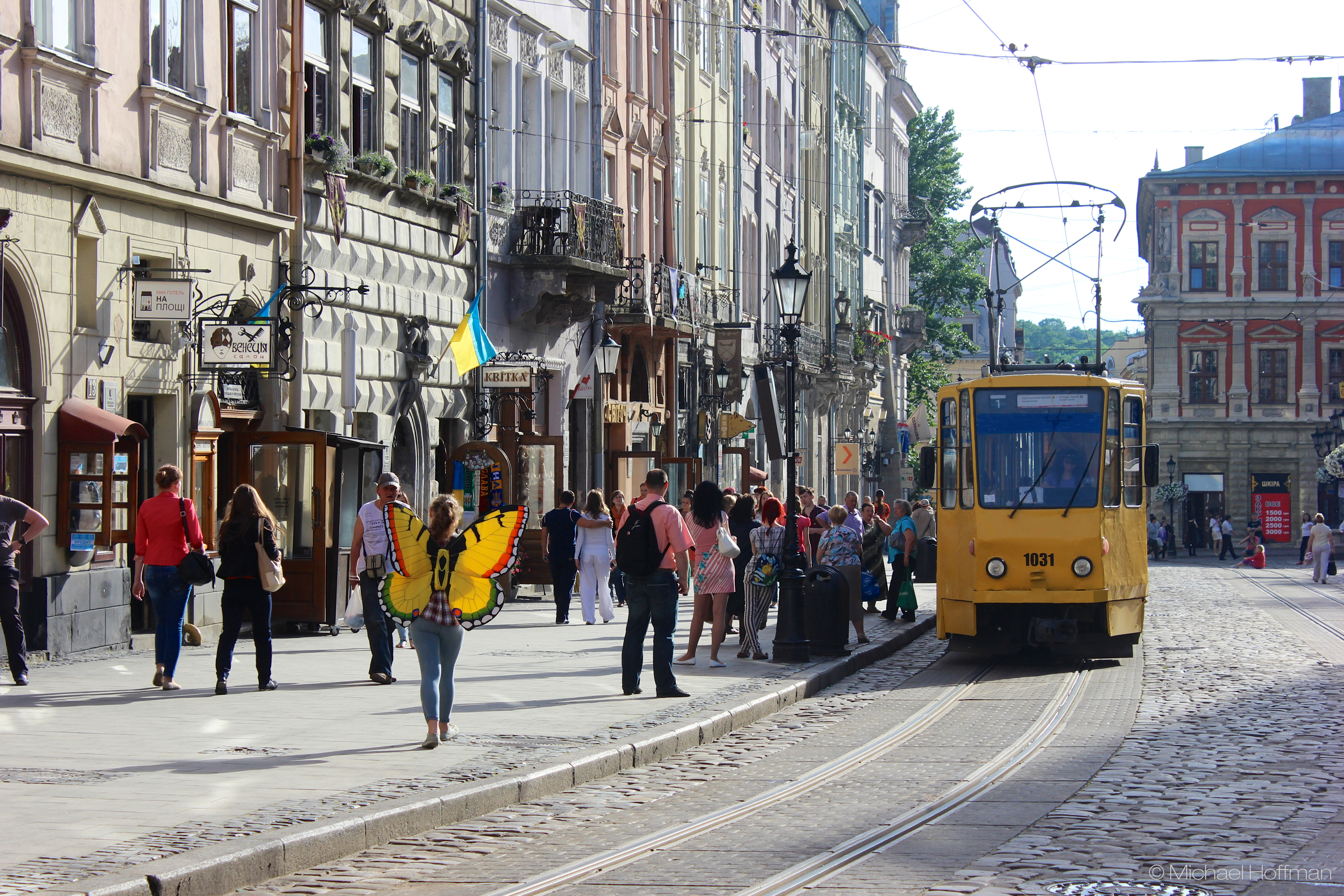
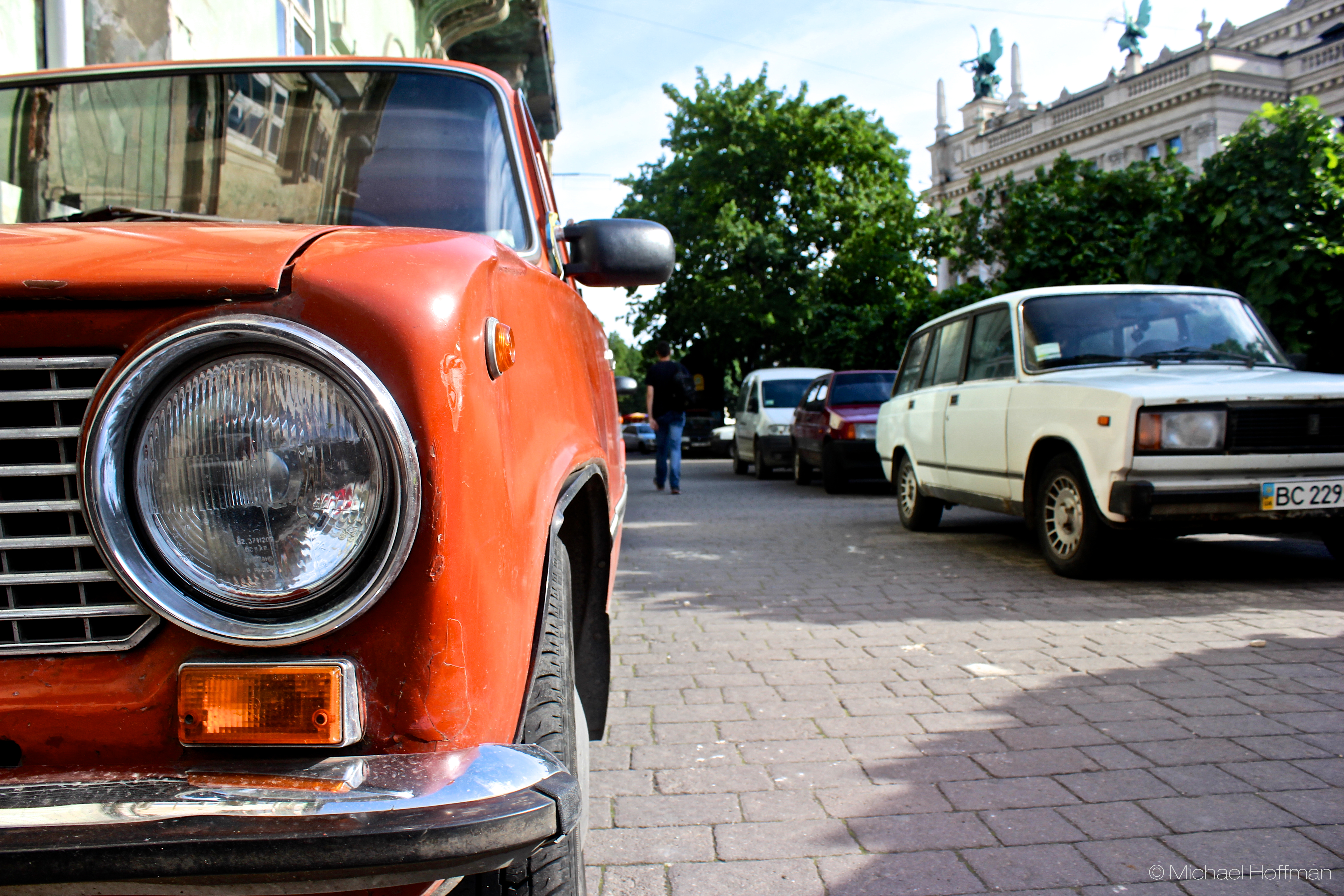
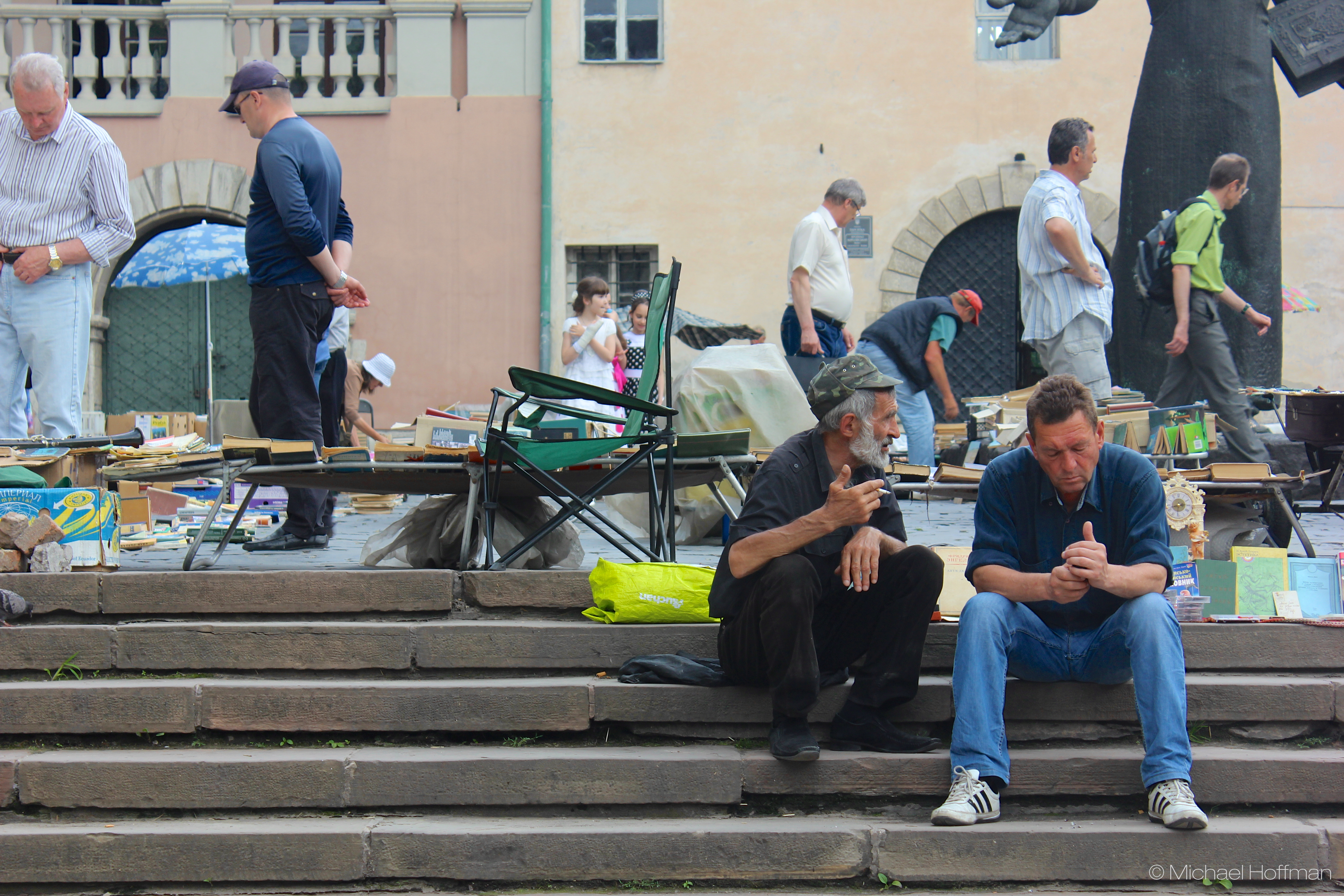
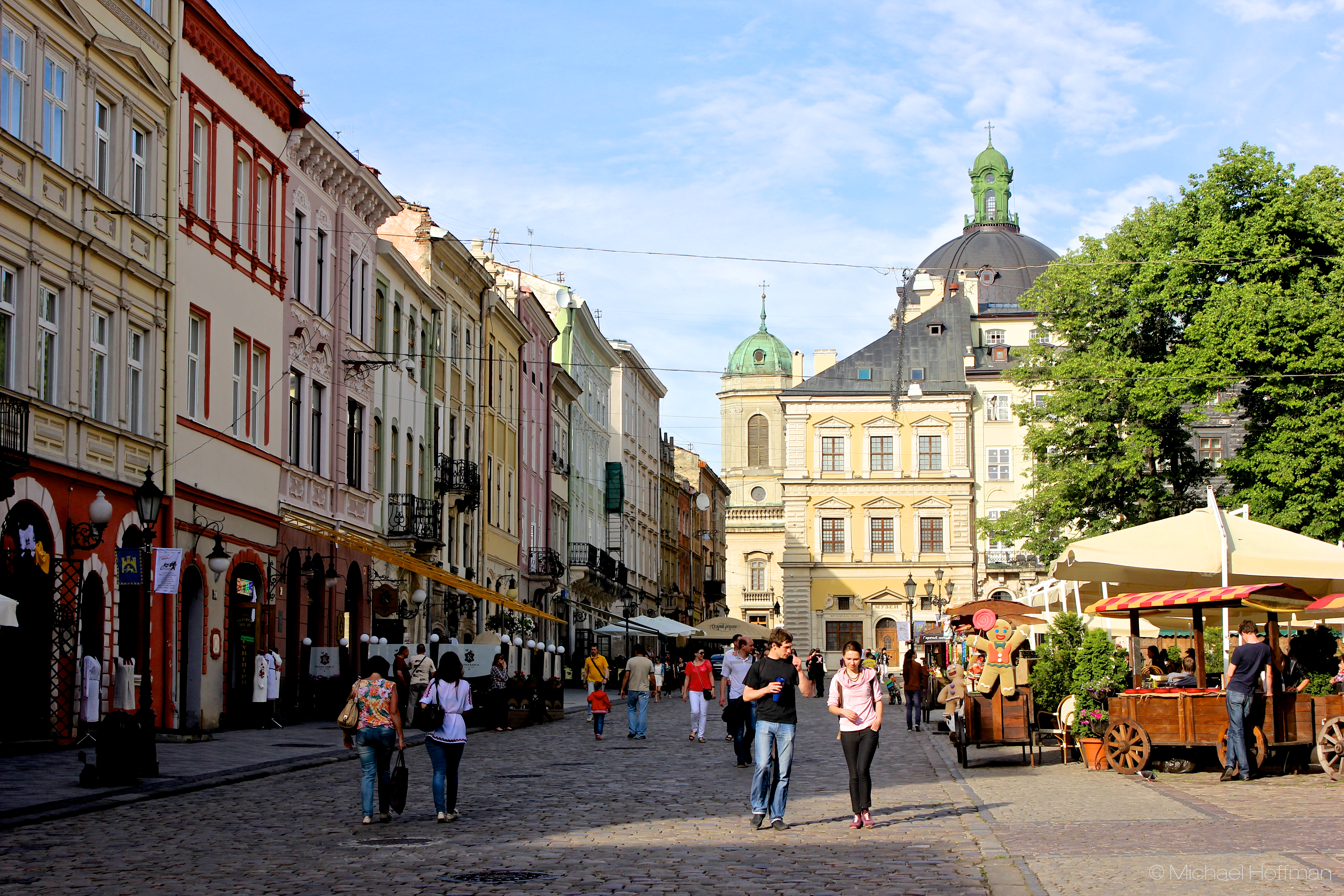
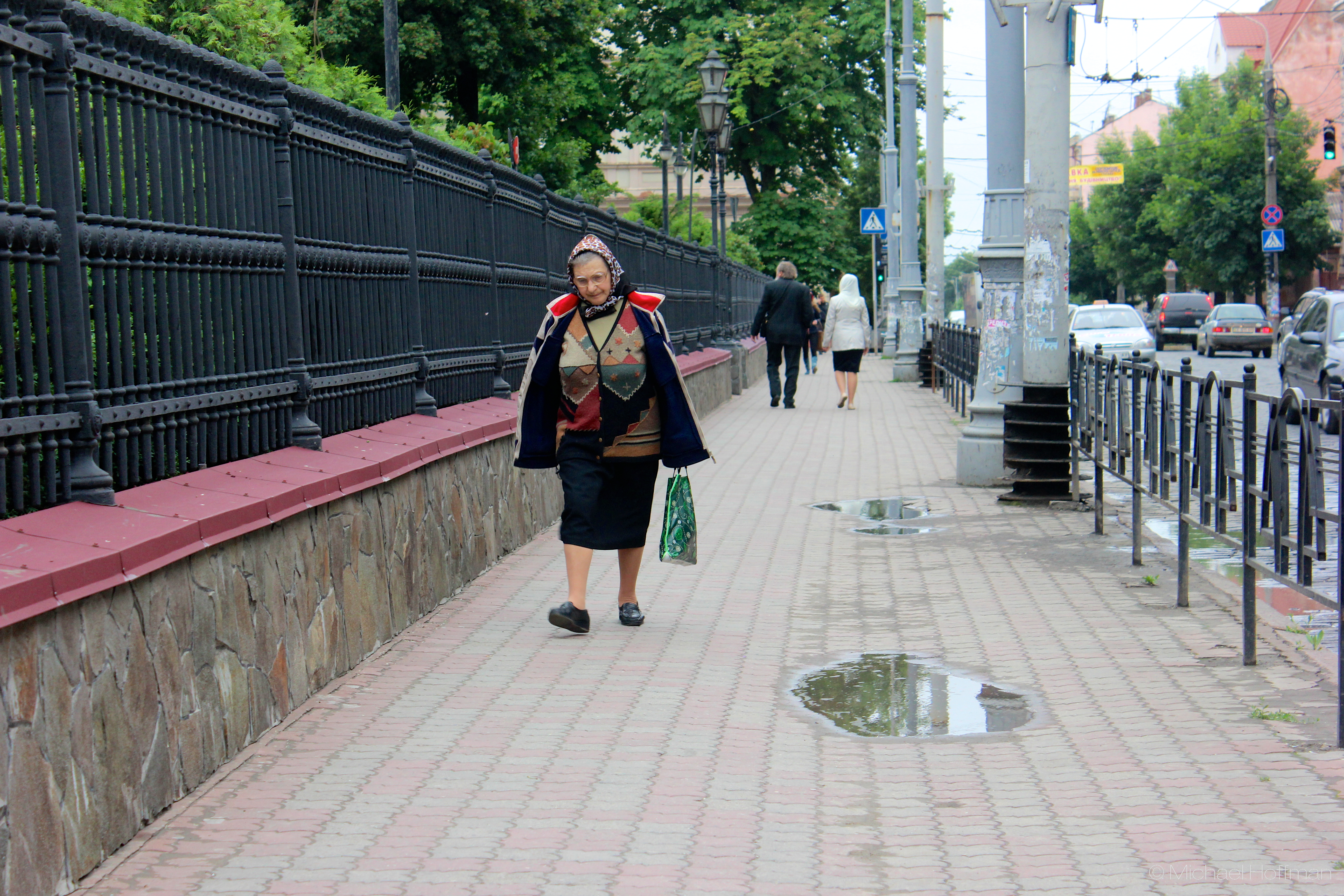
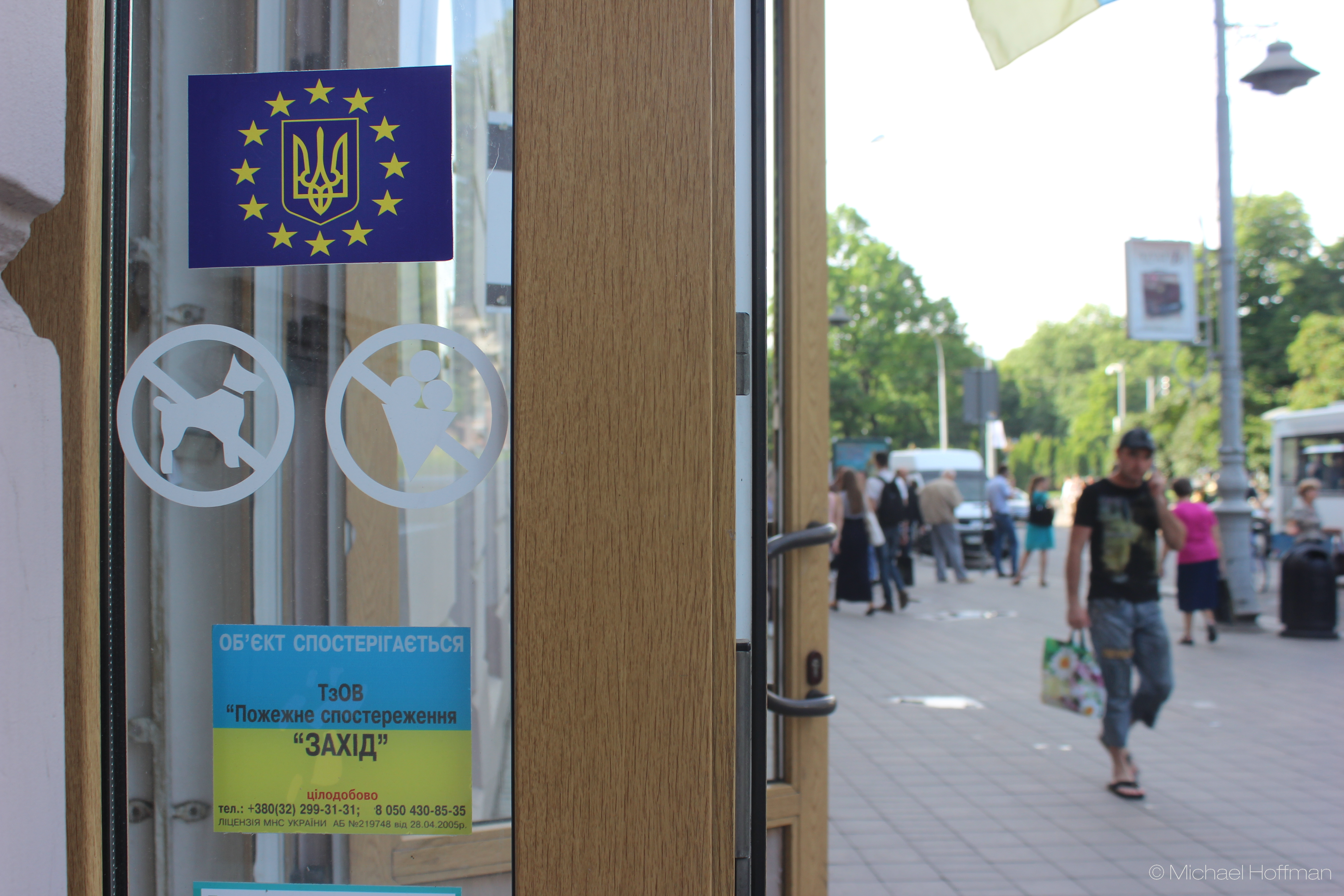
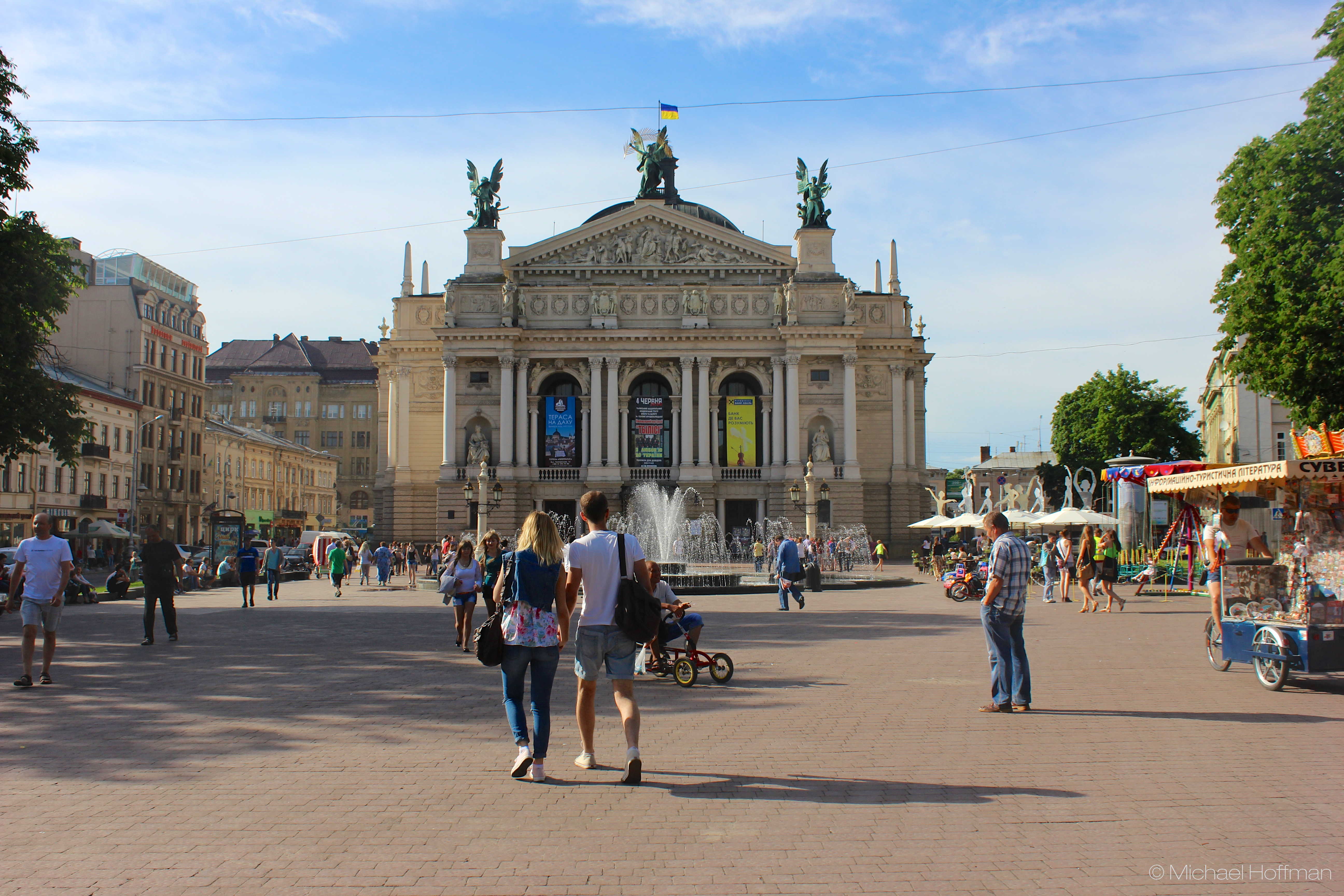
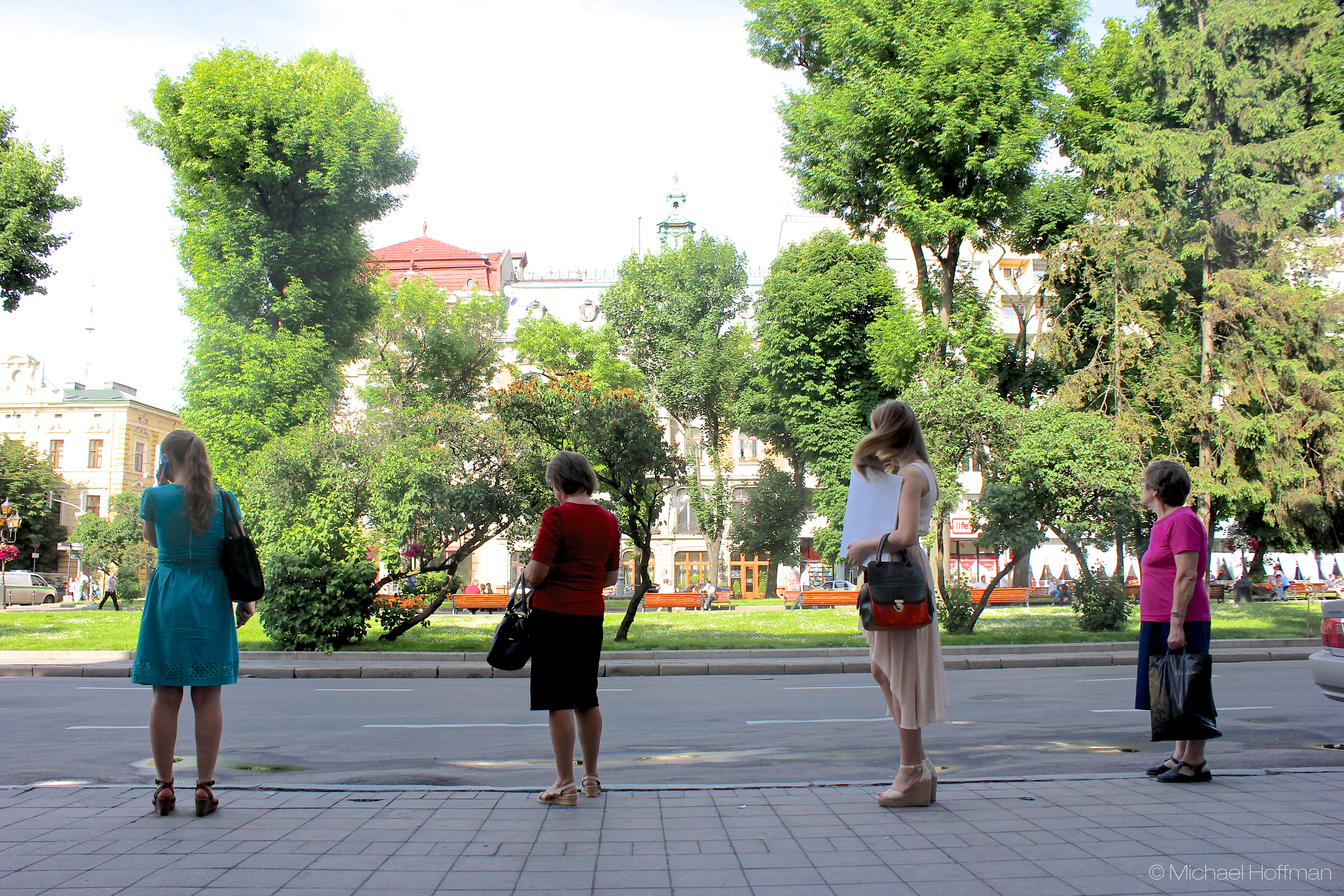
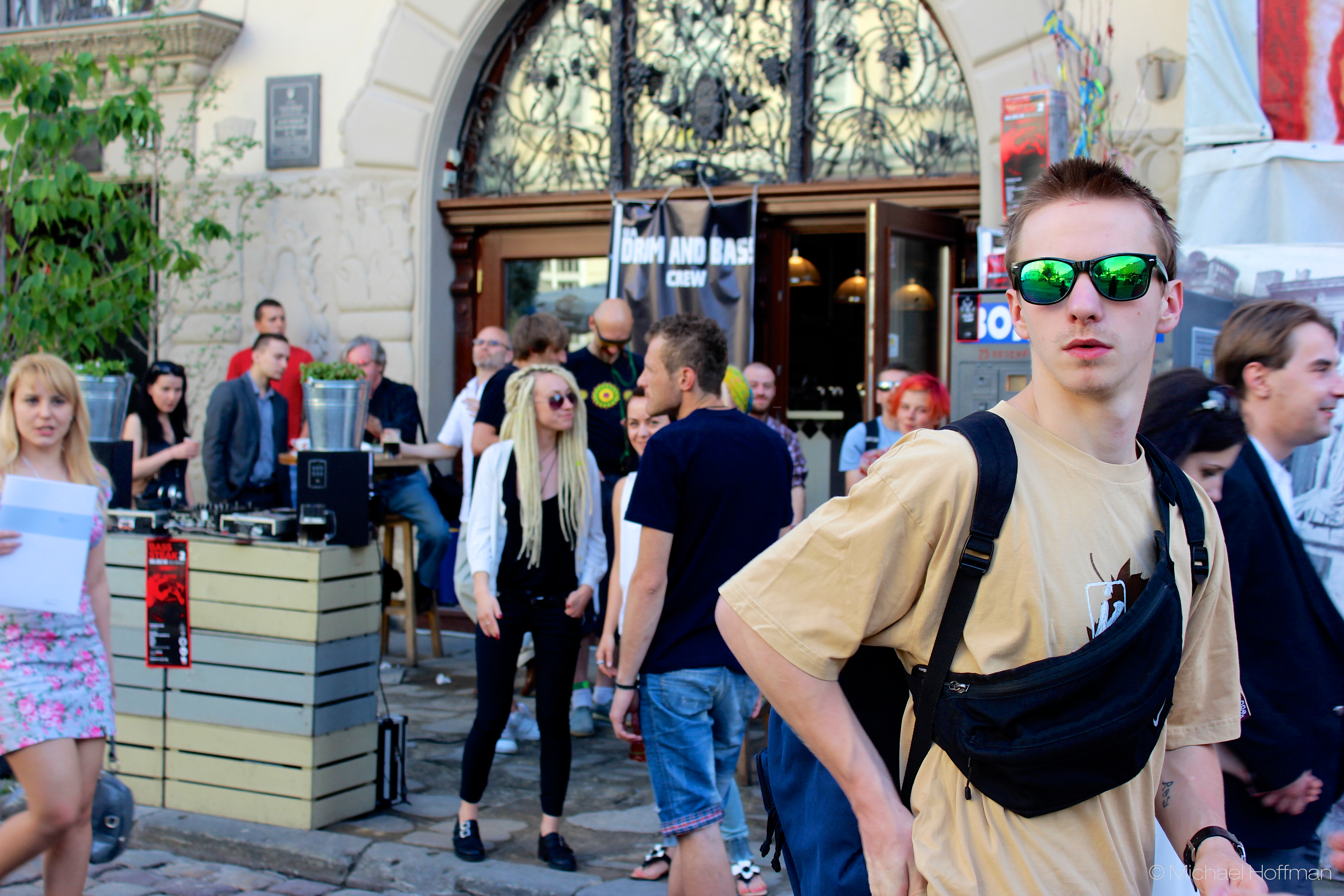
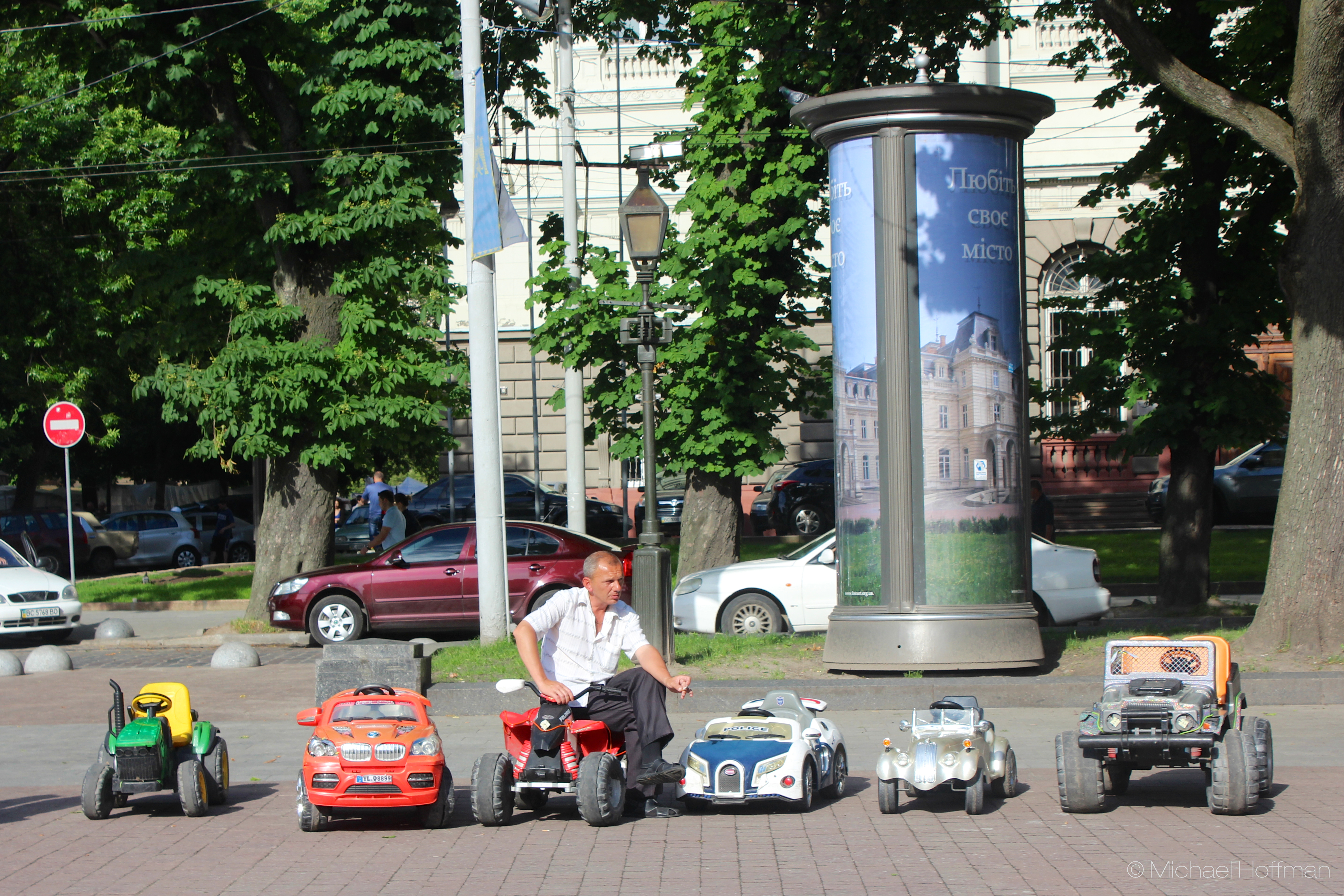
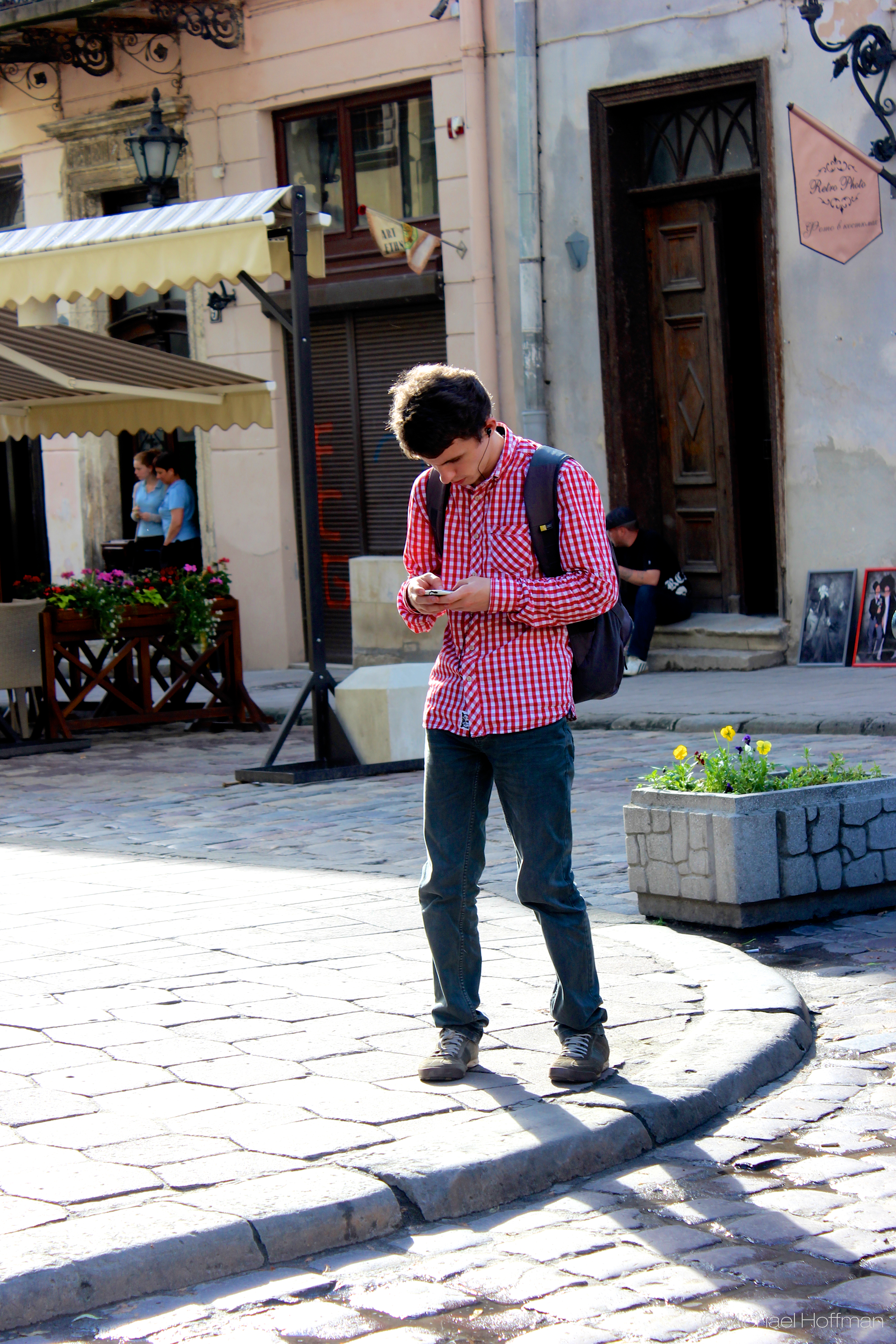
As I was on a working trip in Ukraine, I just had a couple of hours of spare time to explore the streets on my own, and there was barely time to make the proper adjustments or wait for the best light – so I just shot what came in front of my lens while walking through the magnificent old town of Lviv (Lemberg). As you can imagine, there is a dense atmosphere right now in Ukraine. Though Lviv was very peaceful, you see a lot of flags hanging from the windows. Not just Ukrainian ones, but almost as often flags of the European Union, too. The people here demand change and strive for a better life. I won’t forget the cab driver who hugged me and thanked me for the strong support from Europe. The hopes are high, hopefully, they won’t be dashed again. All the best to the Ukrainian people: Slava Ukraini!



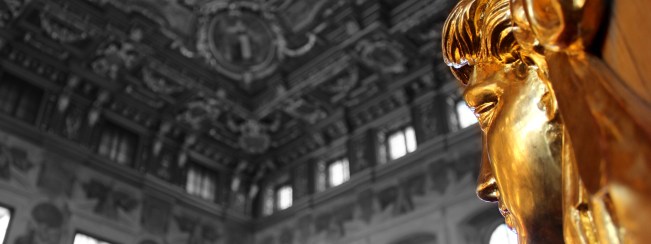
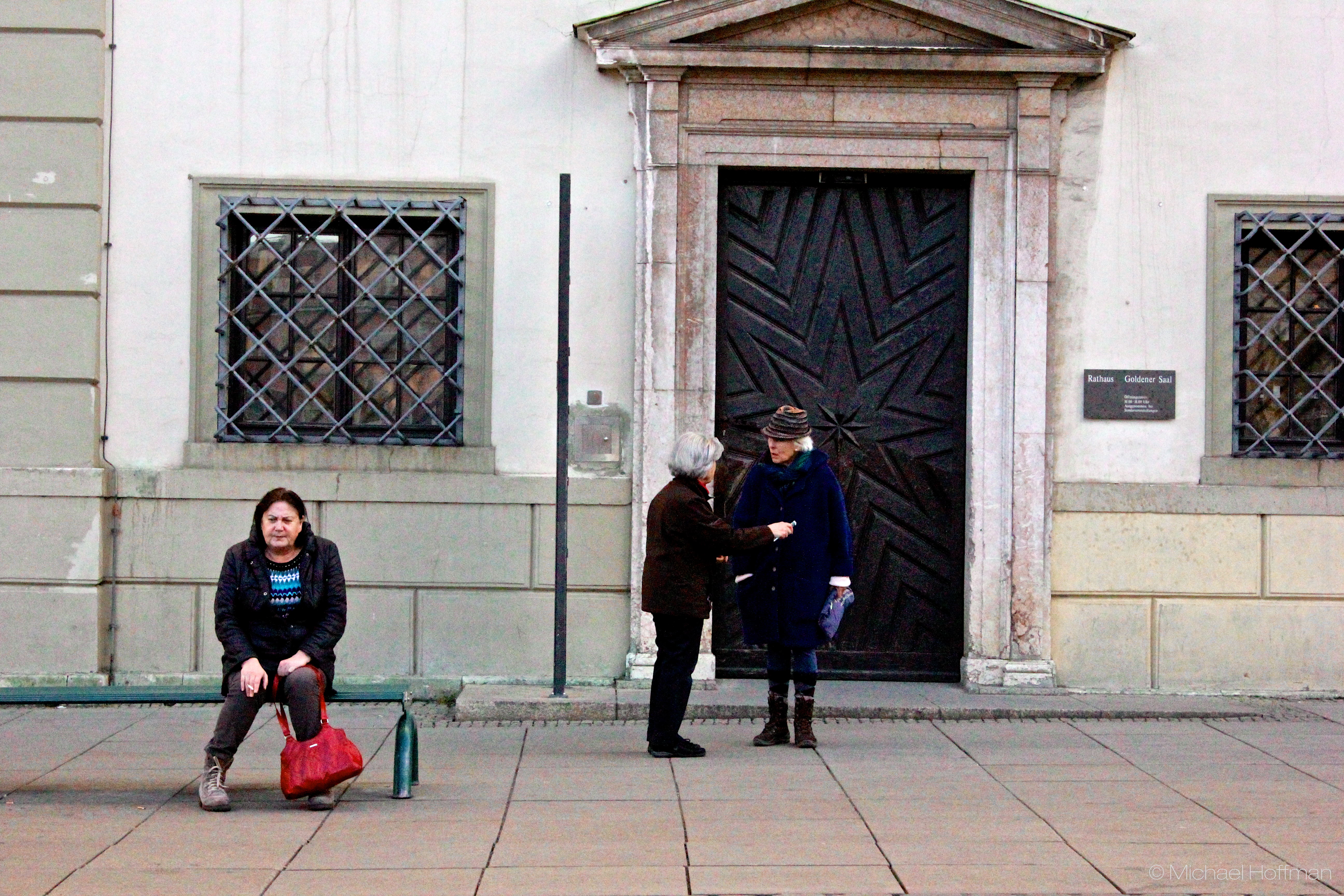
For an introduction to the series, please see Part 1. In this one, the focus is on architecture. I took a particular interest in the city’s civic hall (pictures 3 – 6). The Golden Hall is just marvelous. It was completely destroyed during World War II and rebuilt entirely. If you get the chance to visit Augsburg, pay a couple of euros and don’t miss it; it’s worth it.
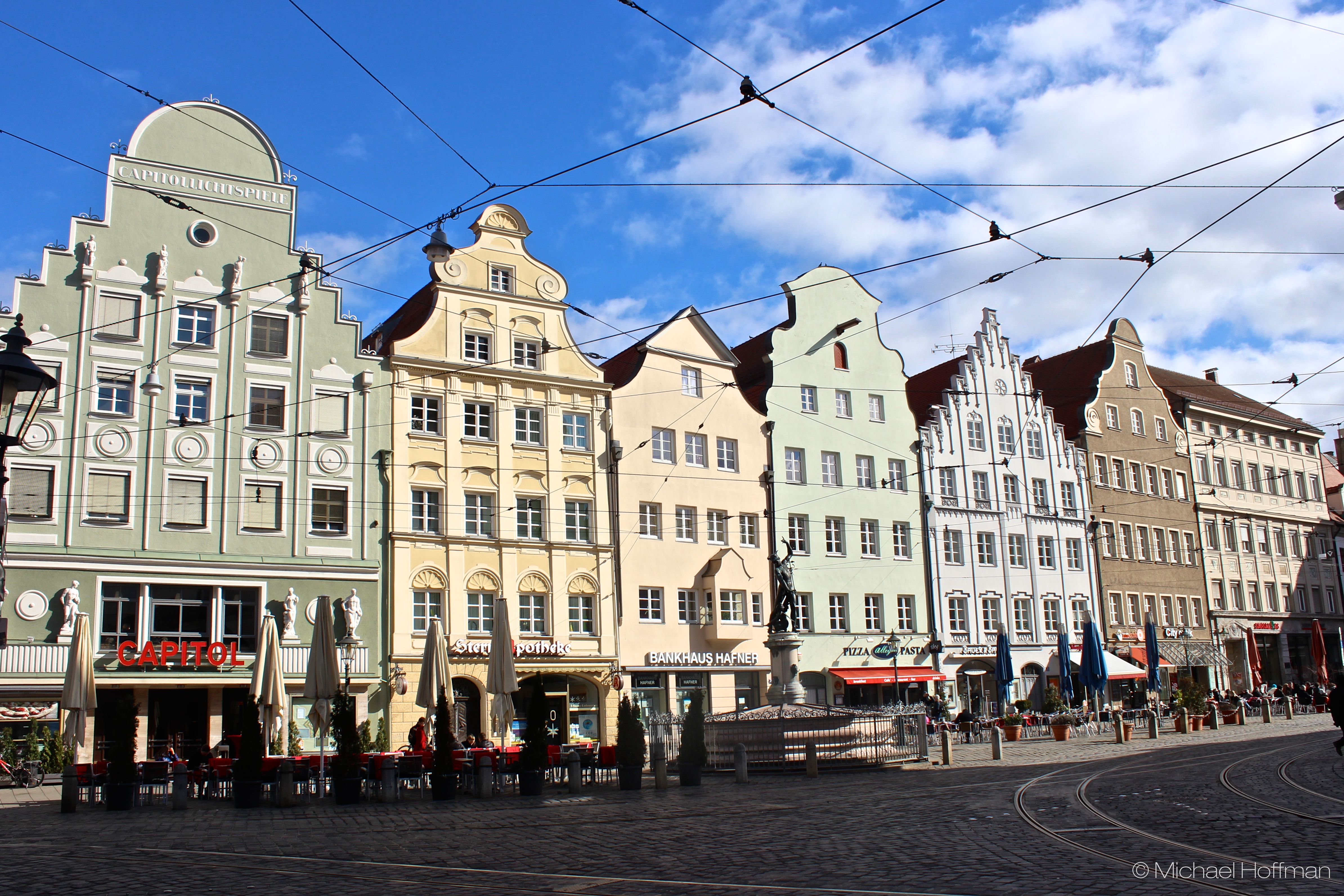
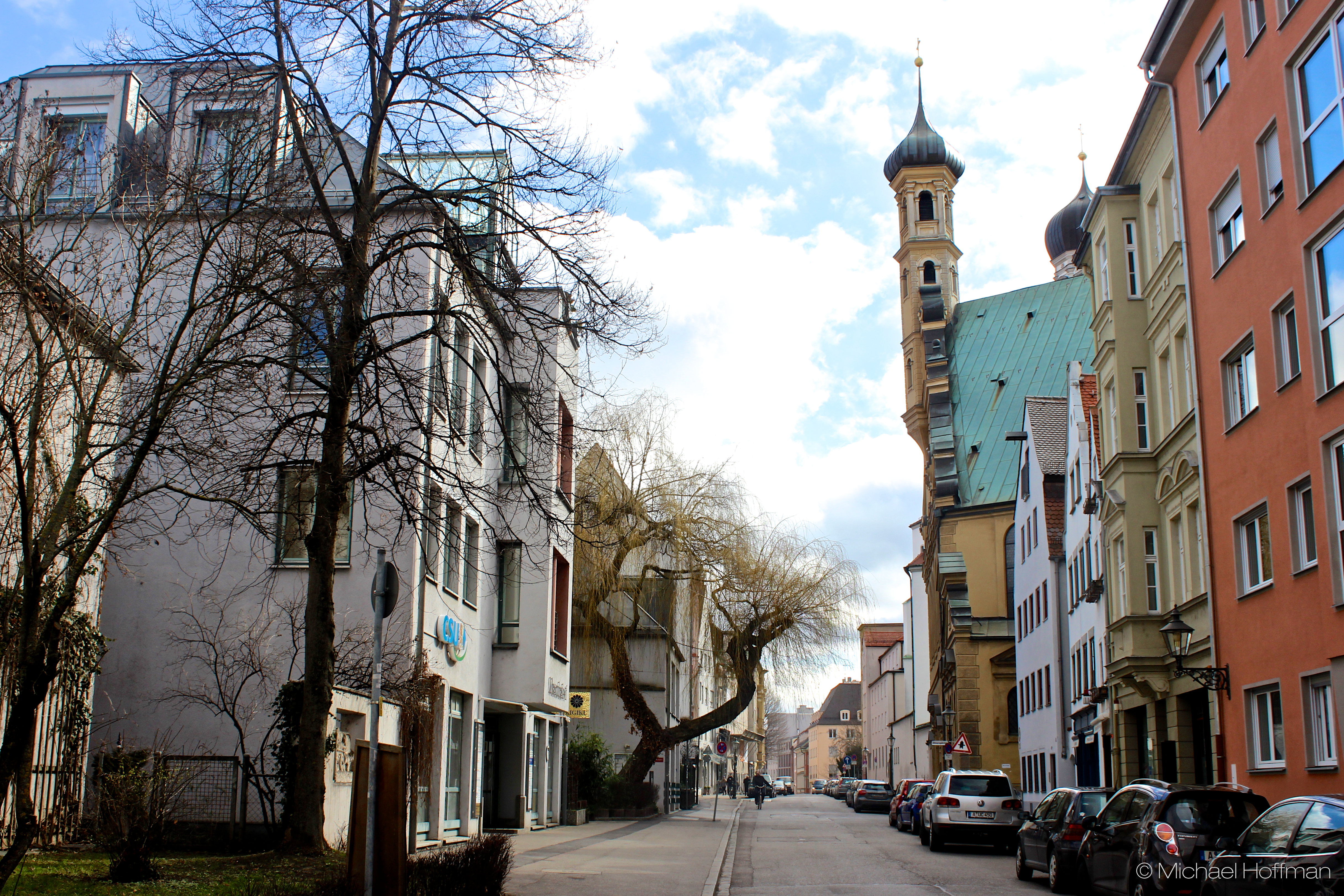
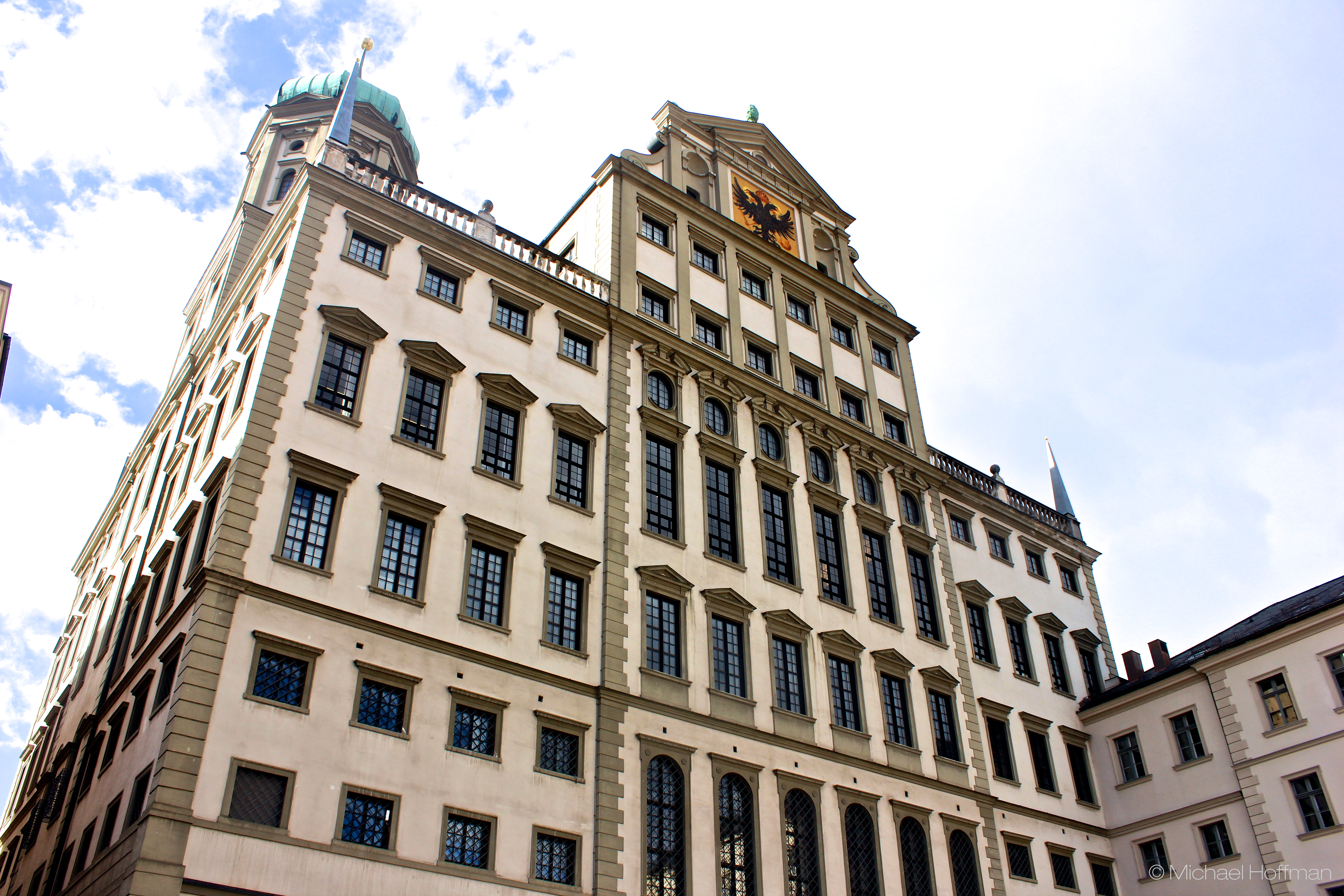
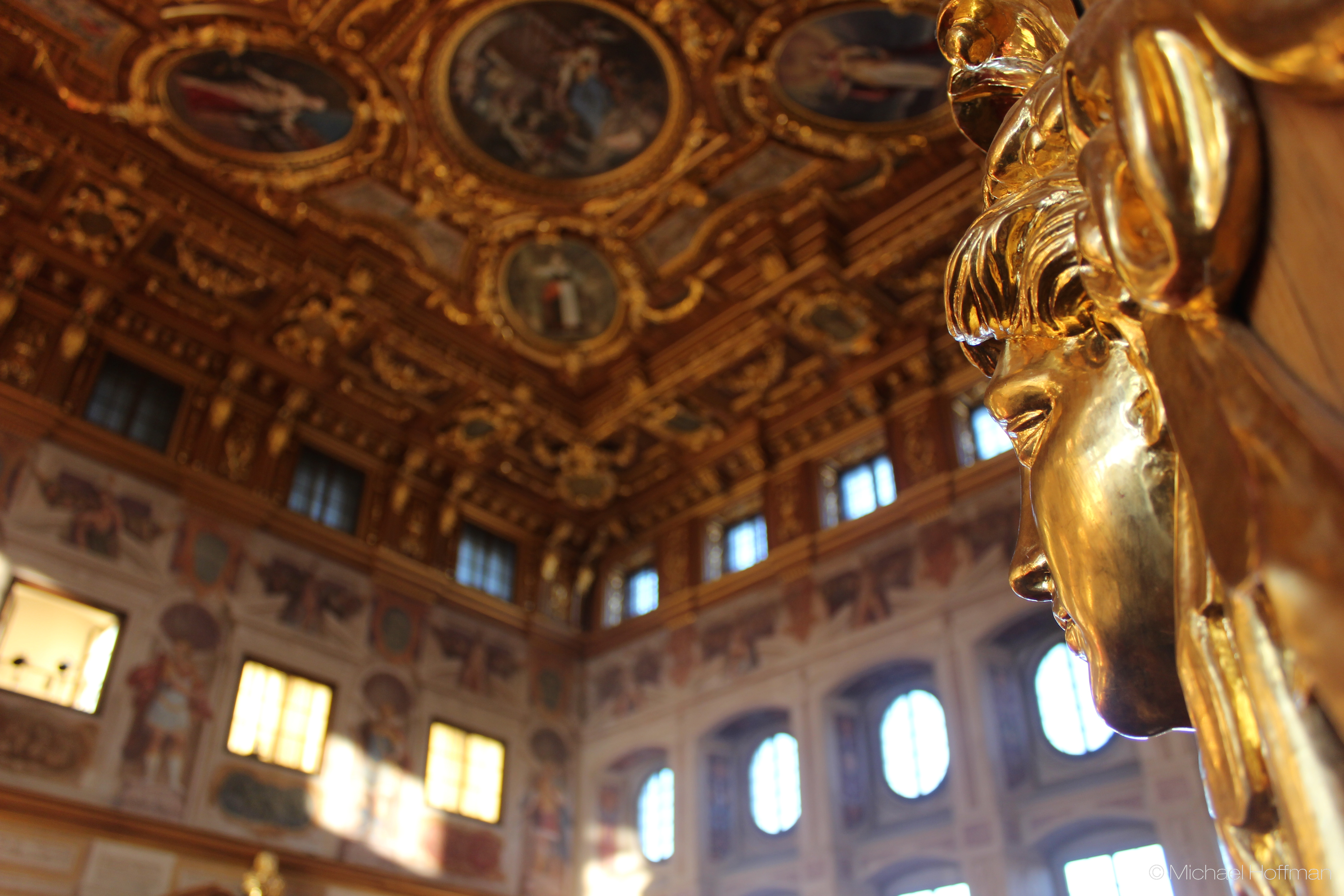
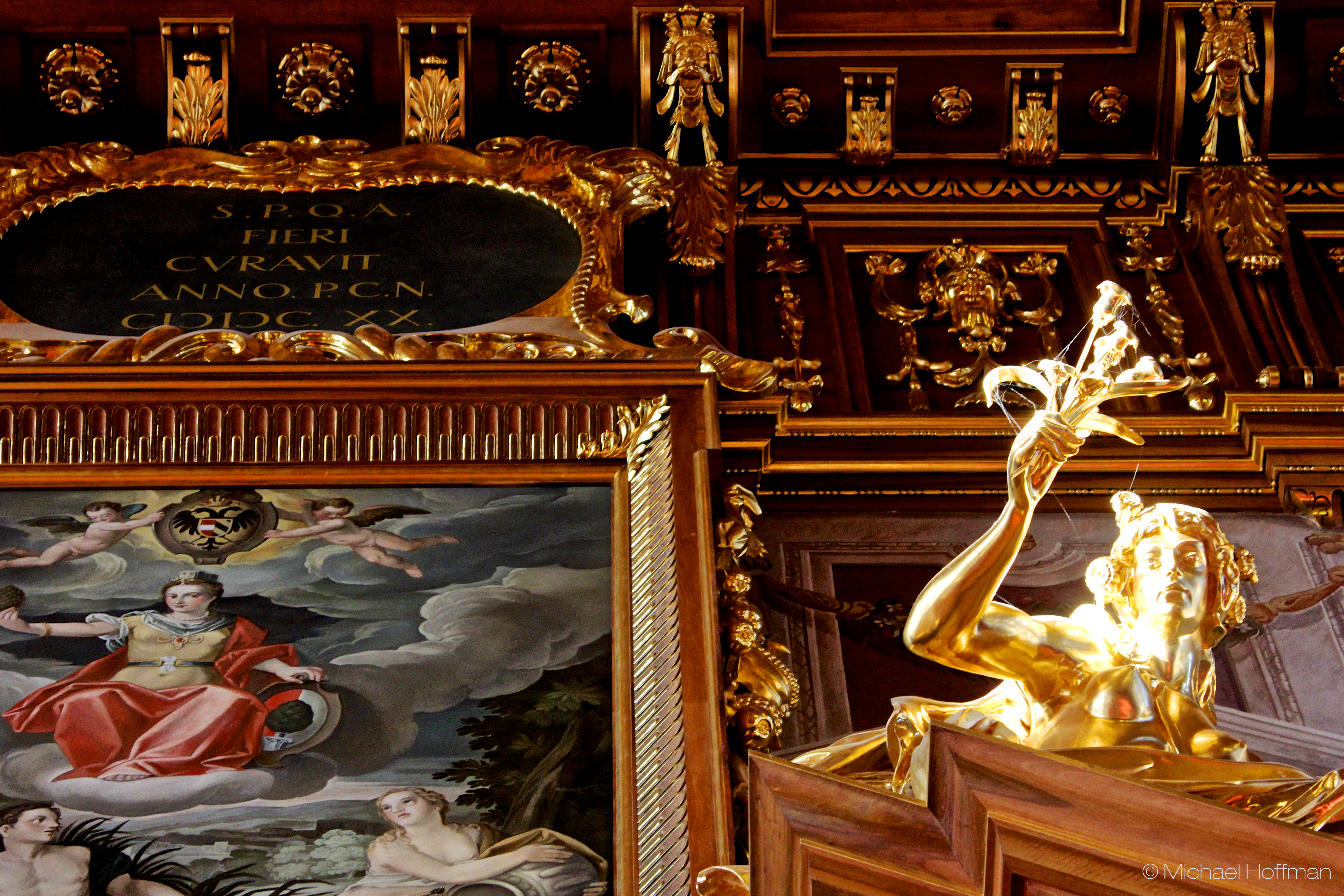
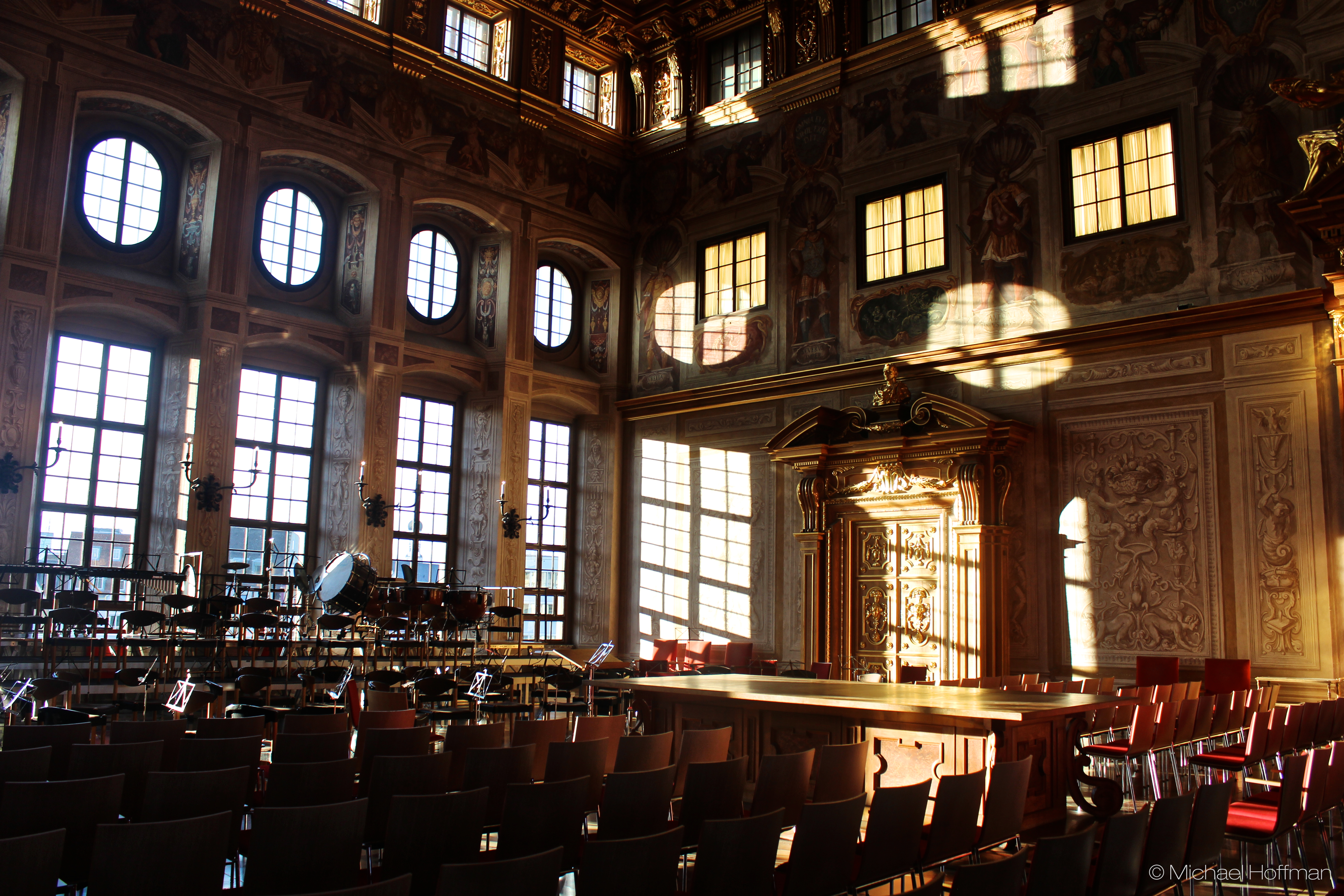
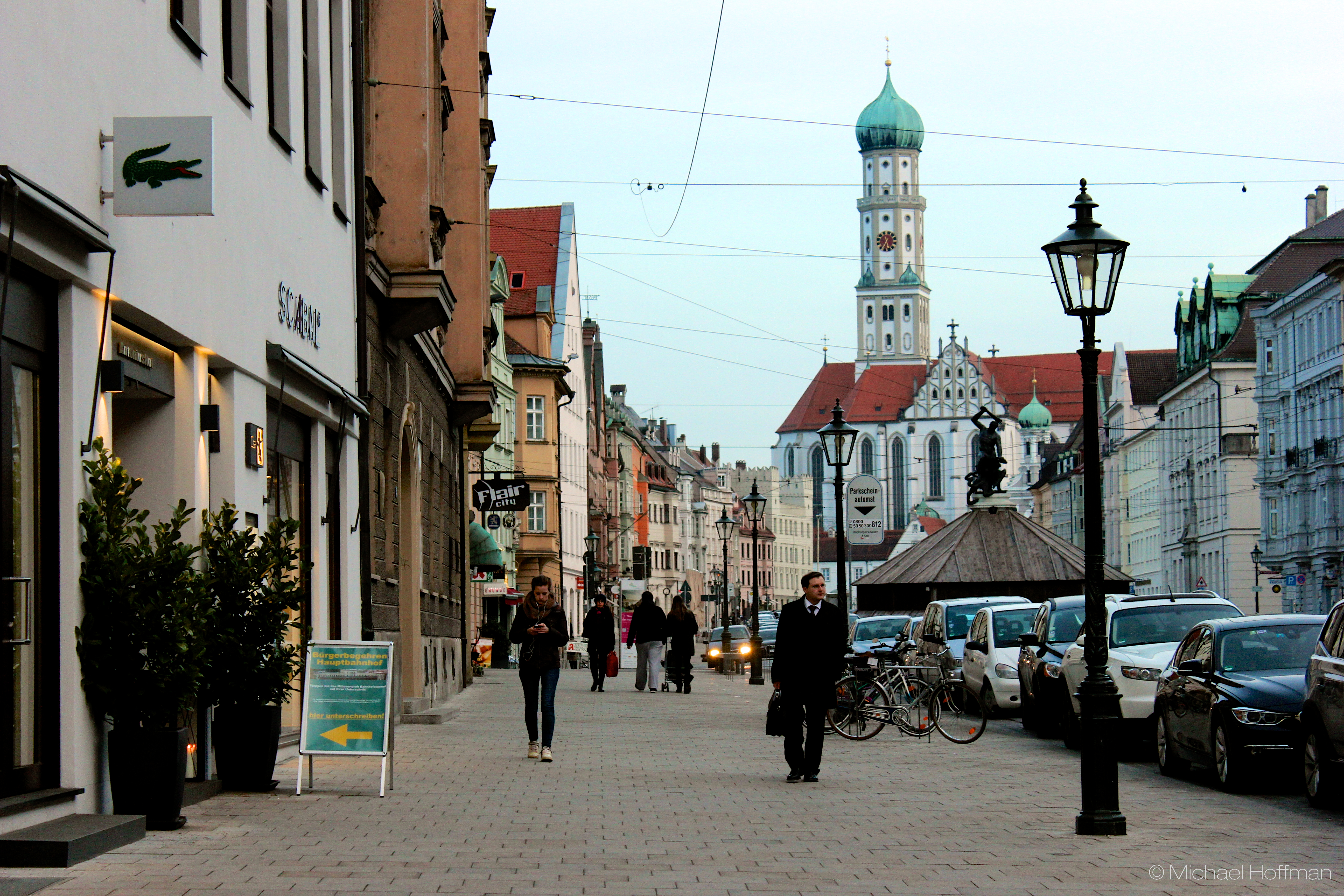
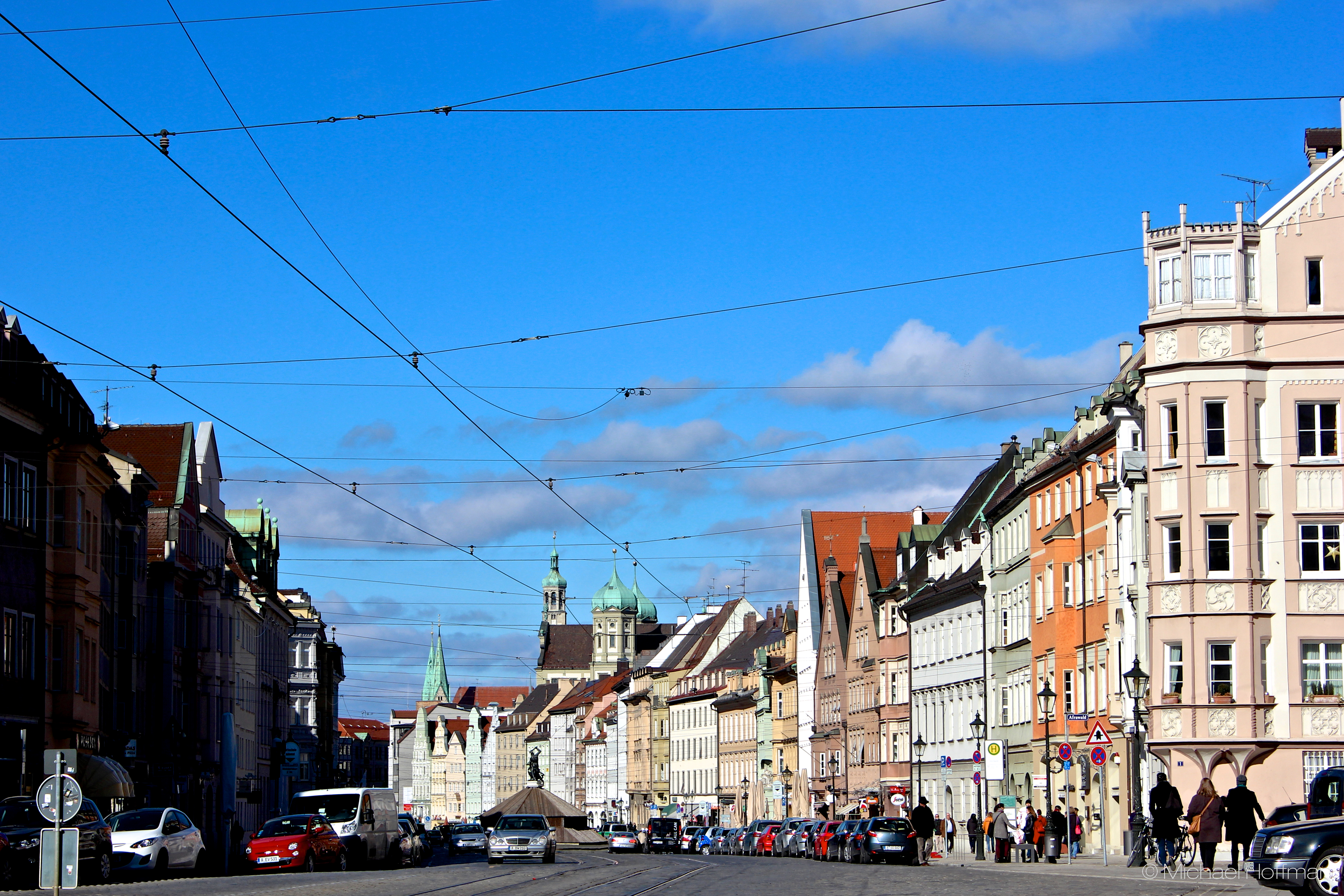
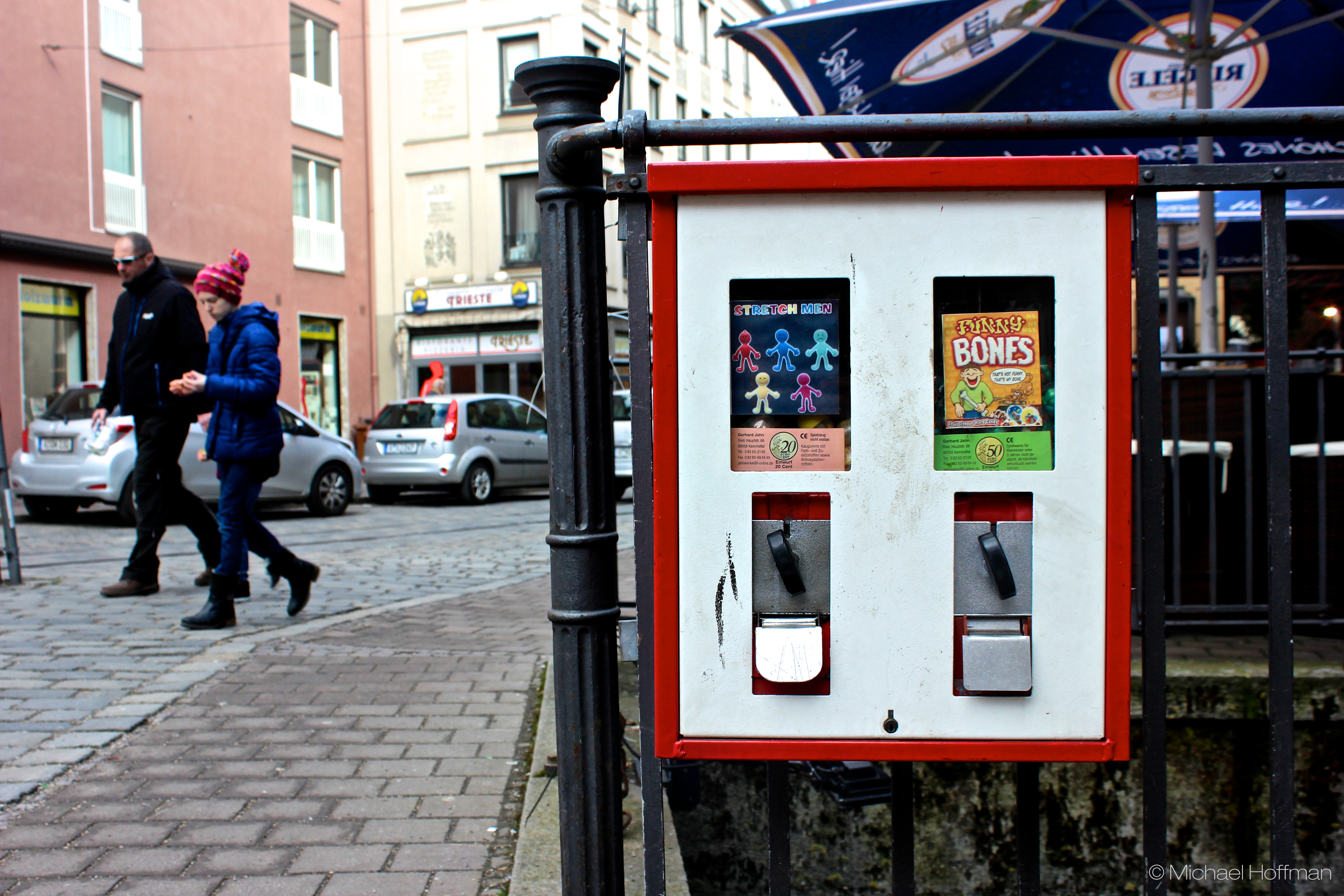
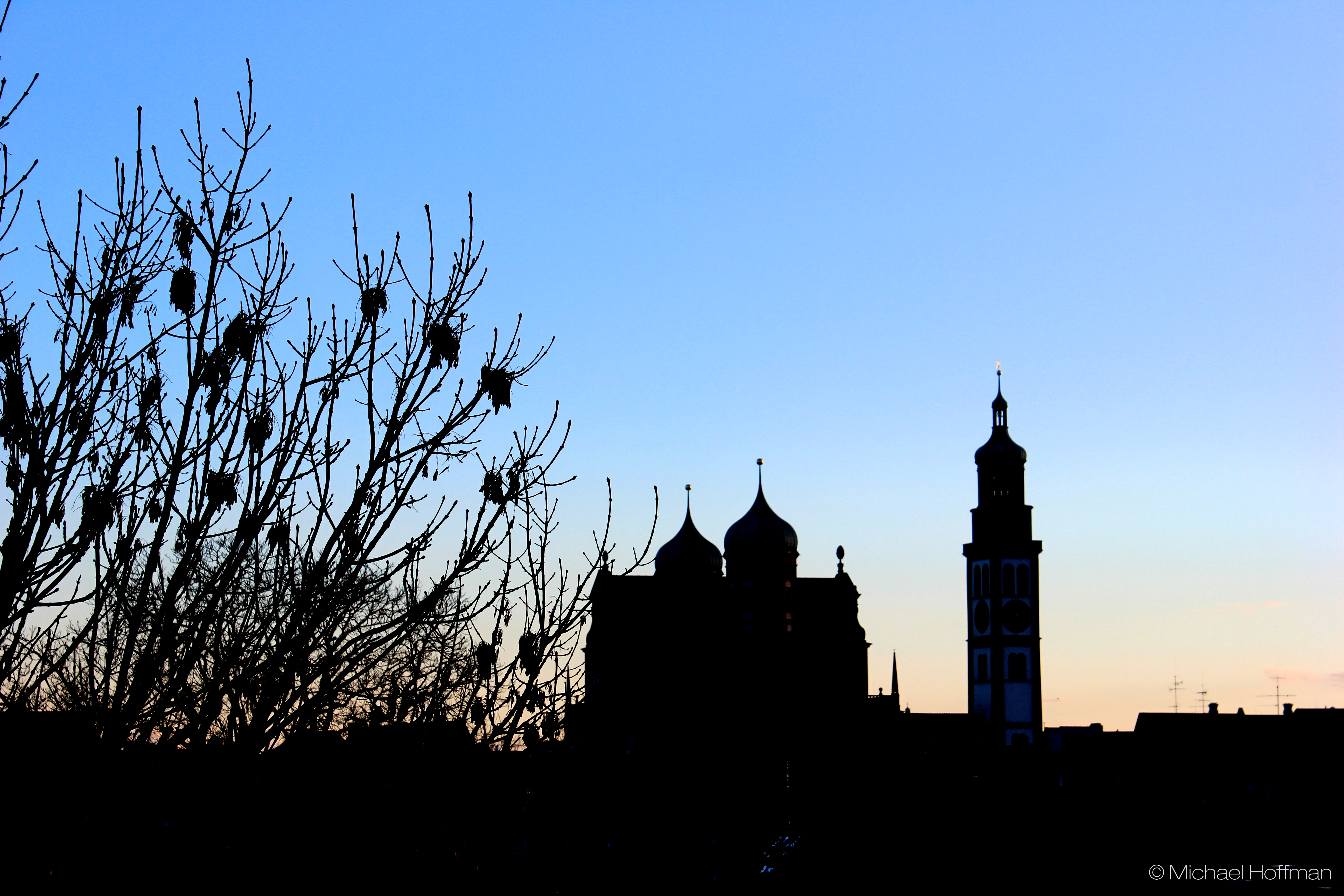
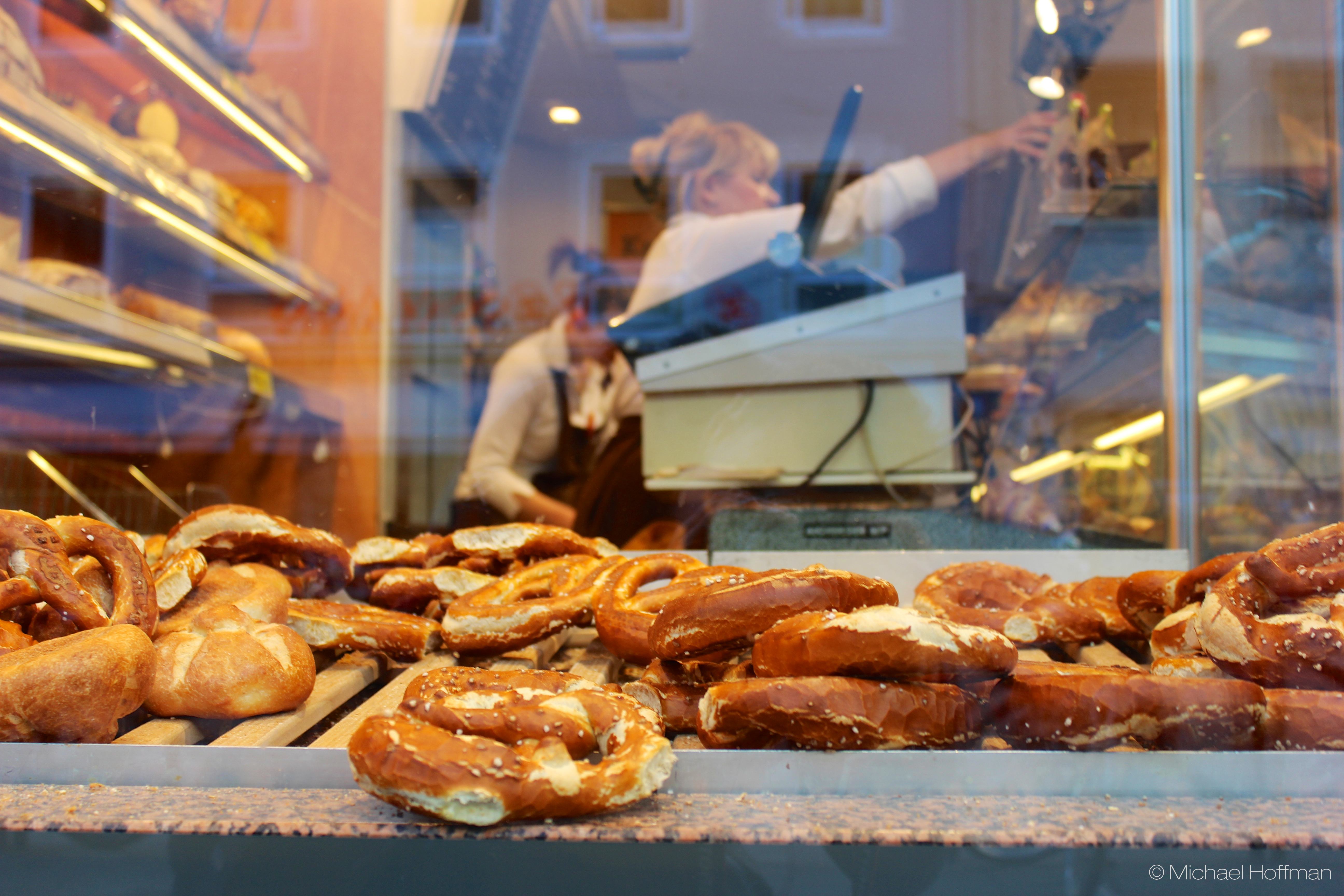
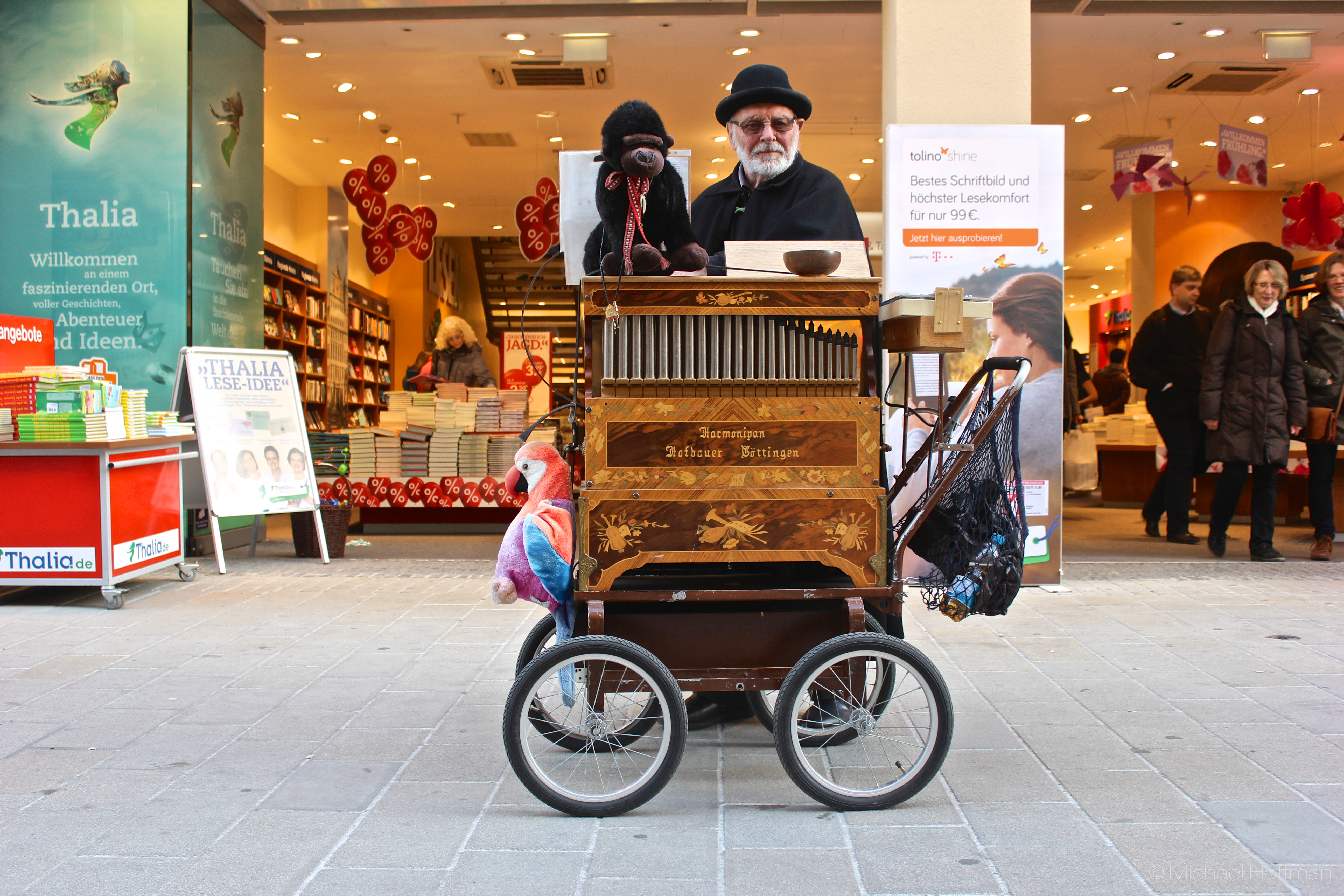
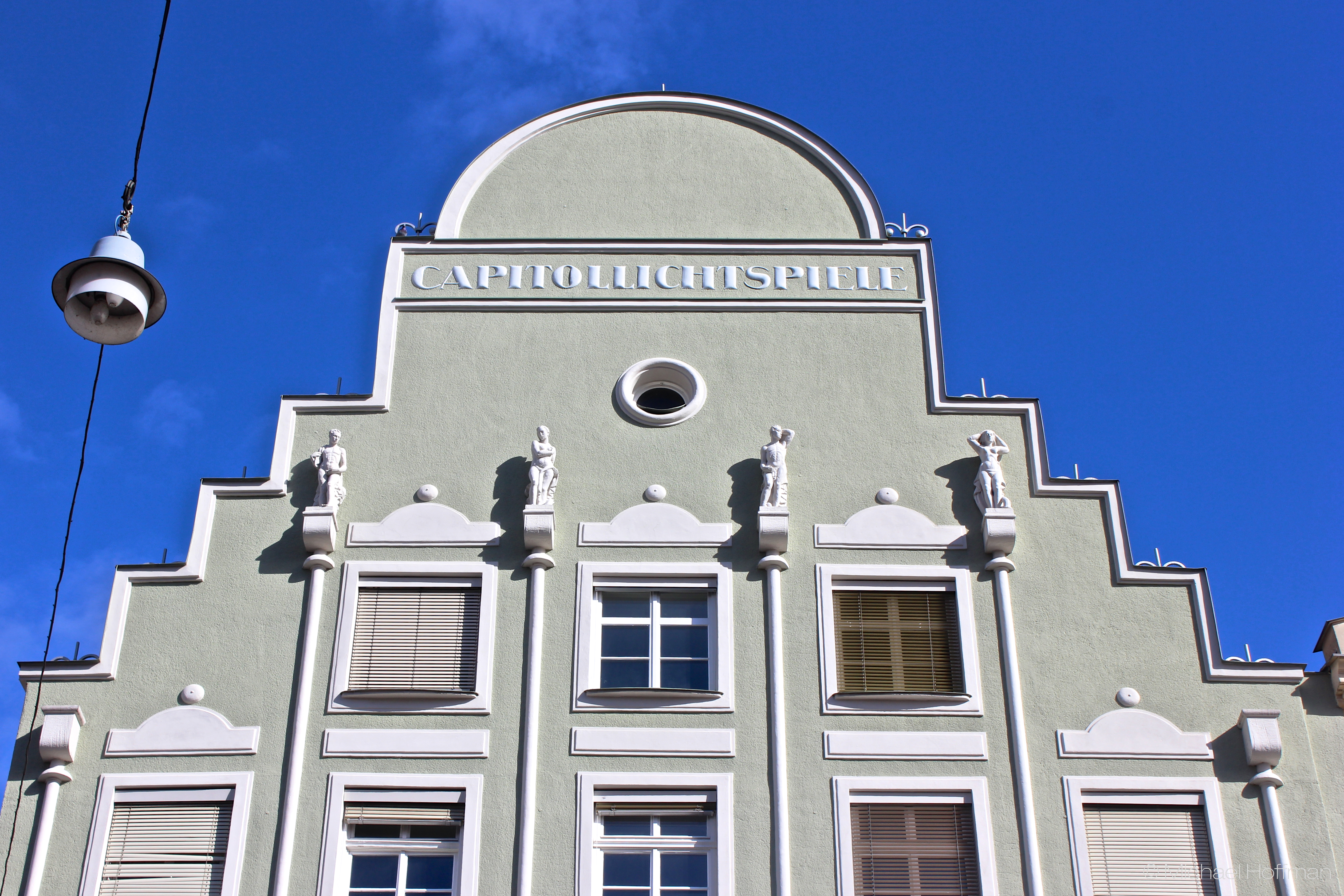
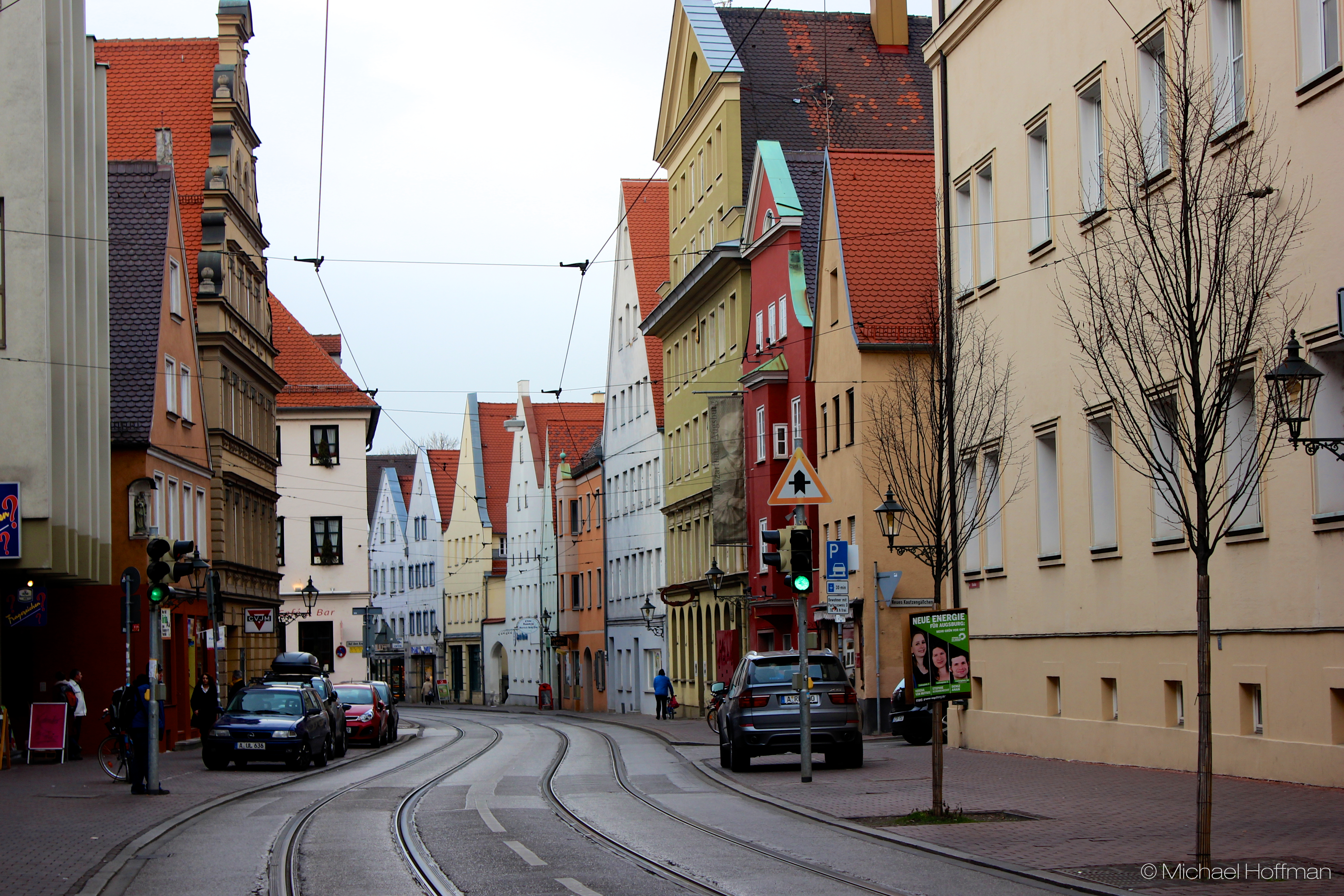
In February of this year, I participated in a two-week scholarship program at the University of Augsburg. The weather was surprisingly good, and it wasn’t as cold or snowy as I expected it to be; quite contrary, the first signs of early spring were already in the air by the end of February. As always, I enjoyed being in Bavaria. You can’t beat the beer culture and the hearty cuisine there 😉 Not to forget about the delicious pretzels! They are everywhere. Anyway: Some impressions from the streets of Augsburg, the capital of the Swabian part of Bavaria (Western Bavaria).

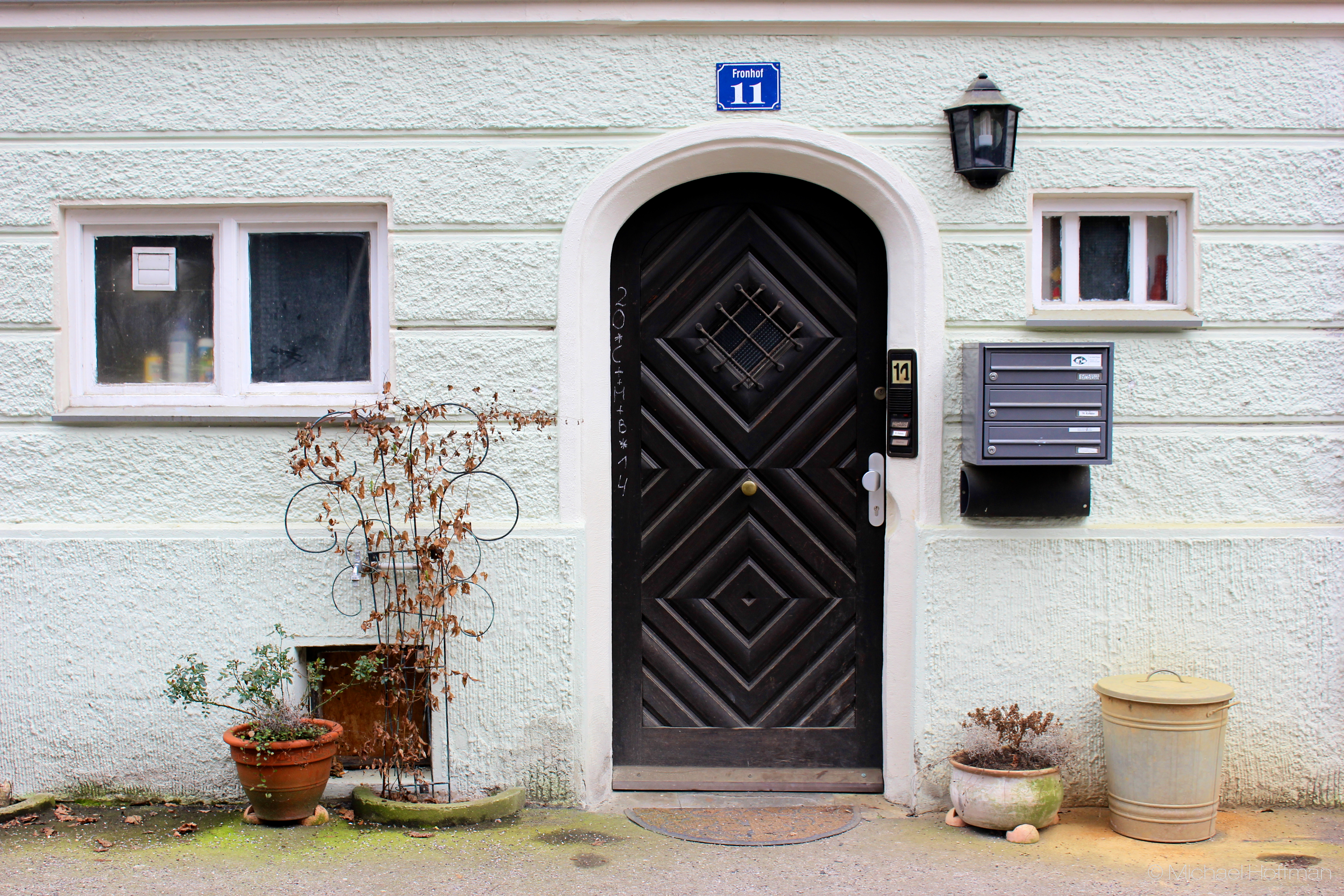



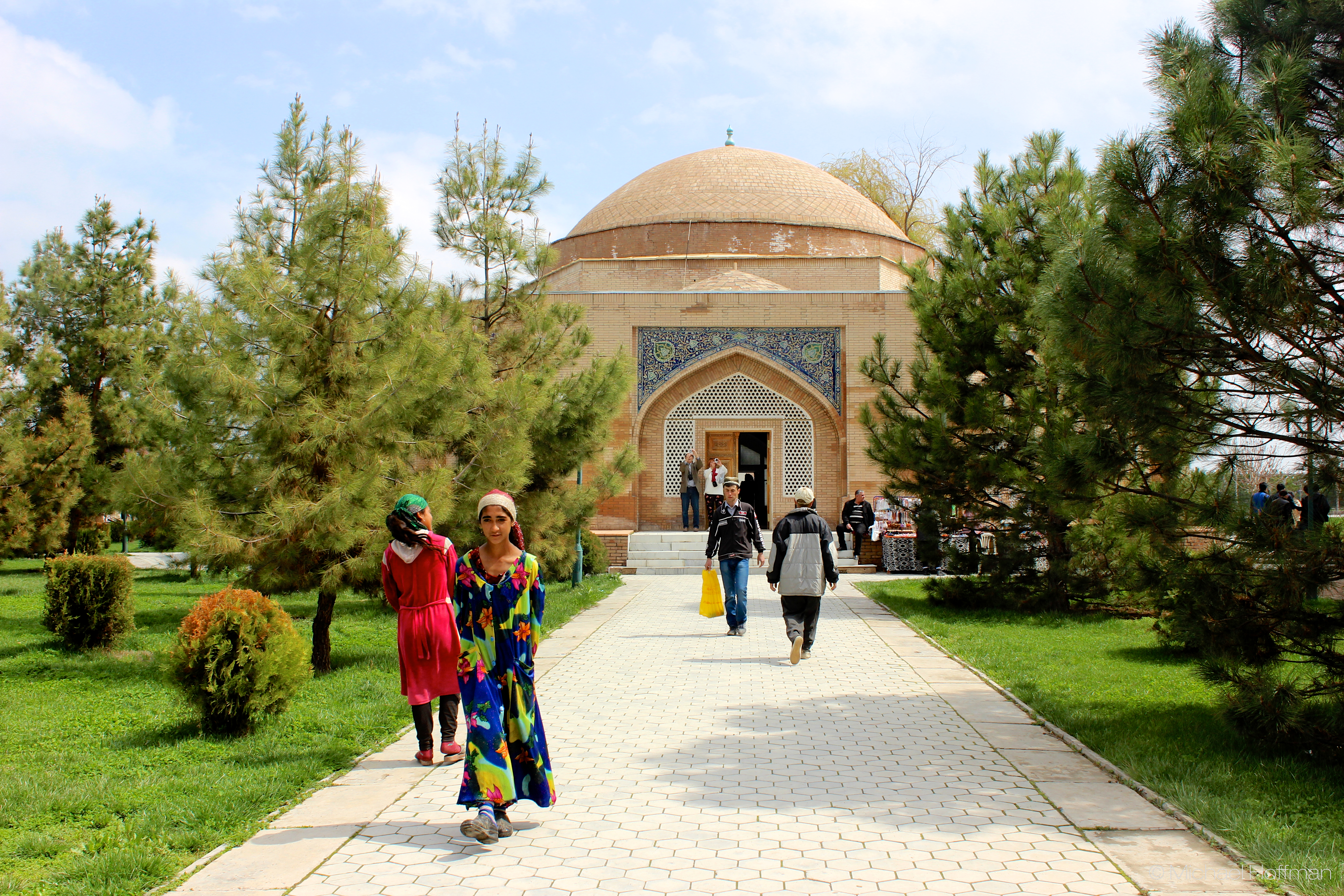
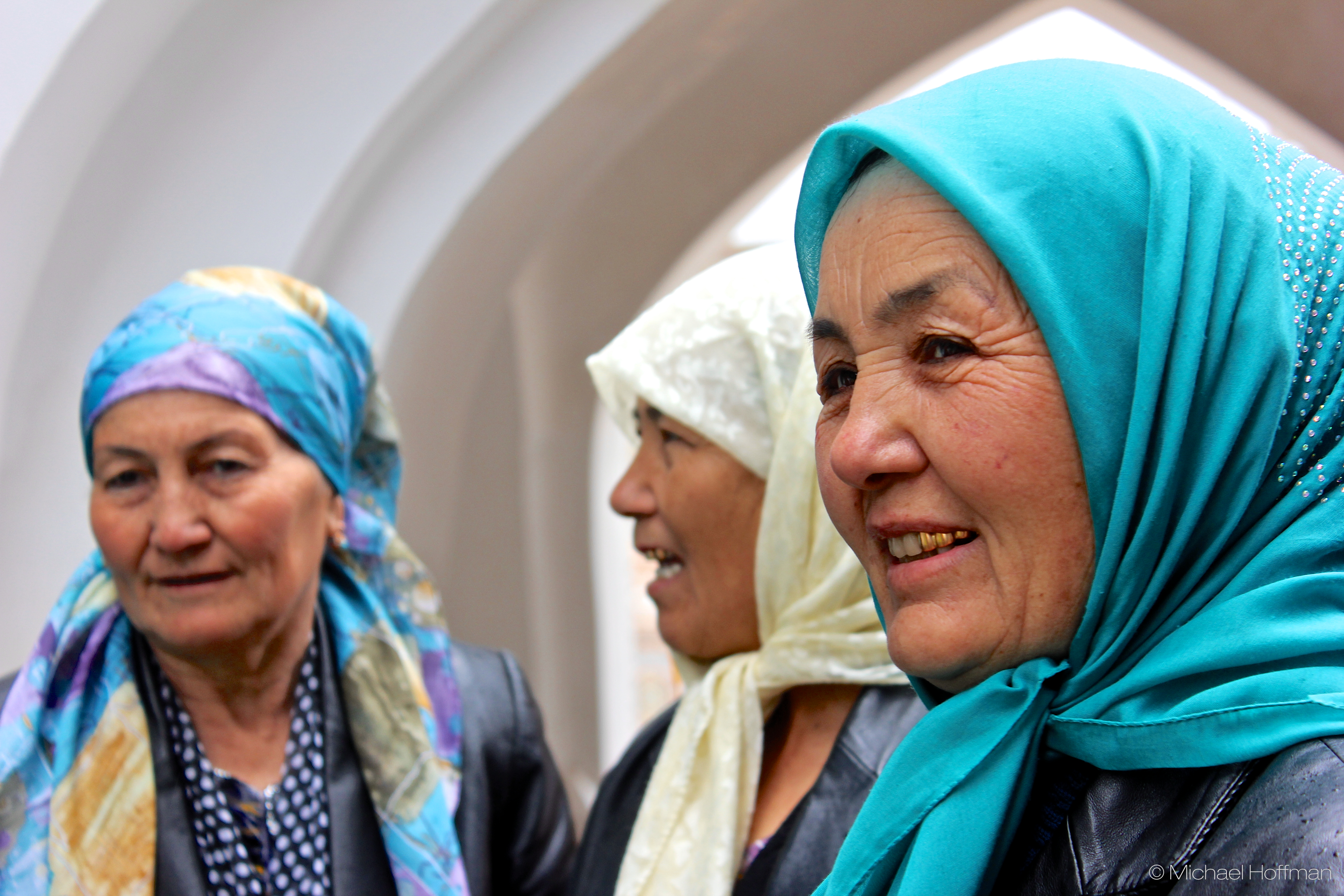
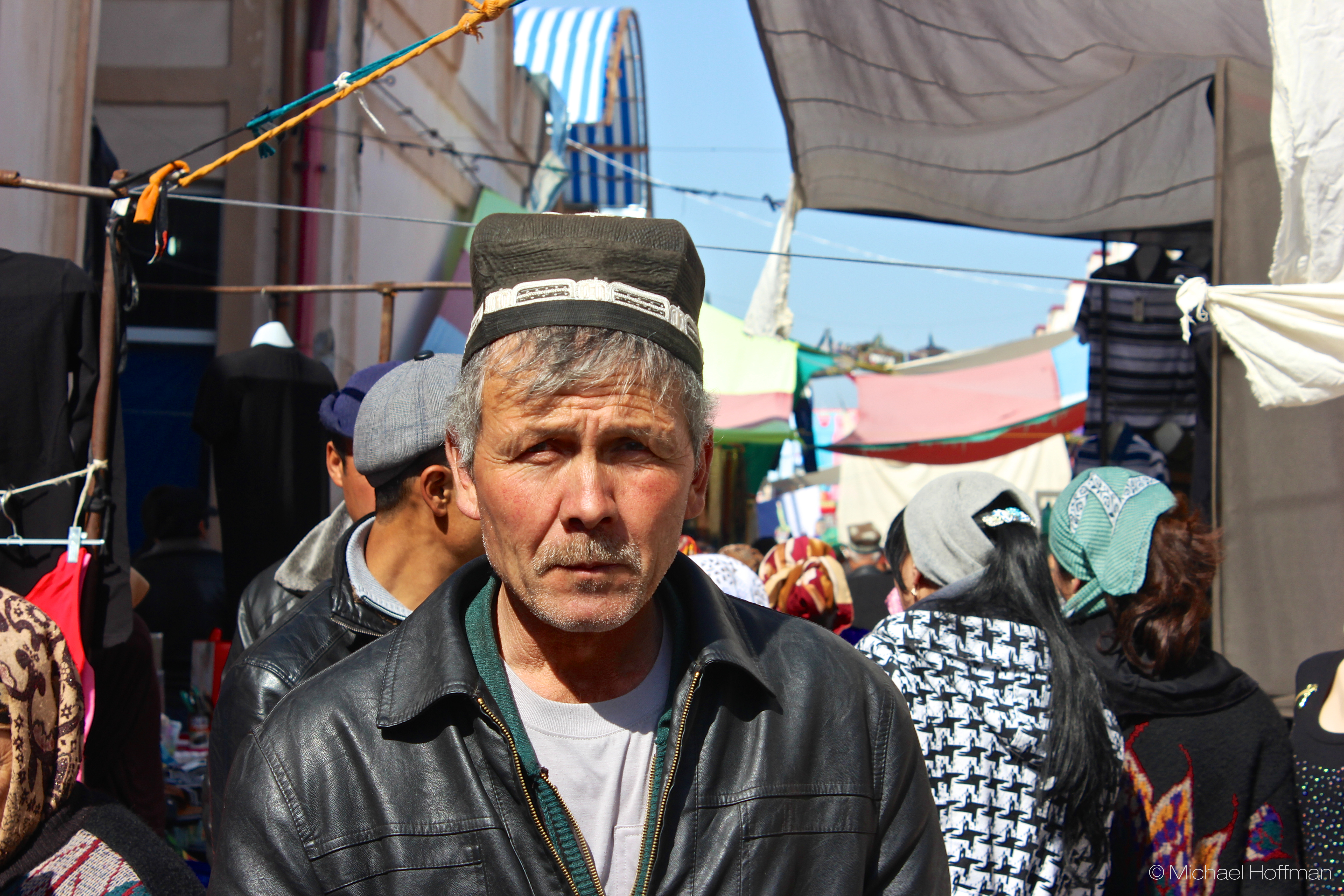
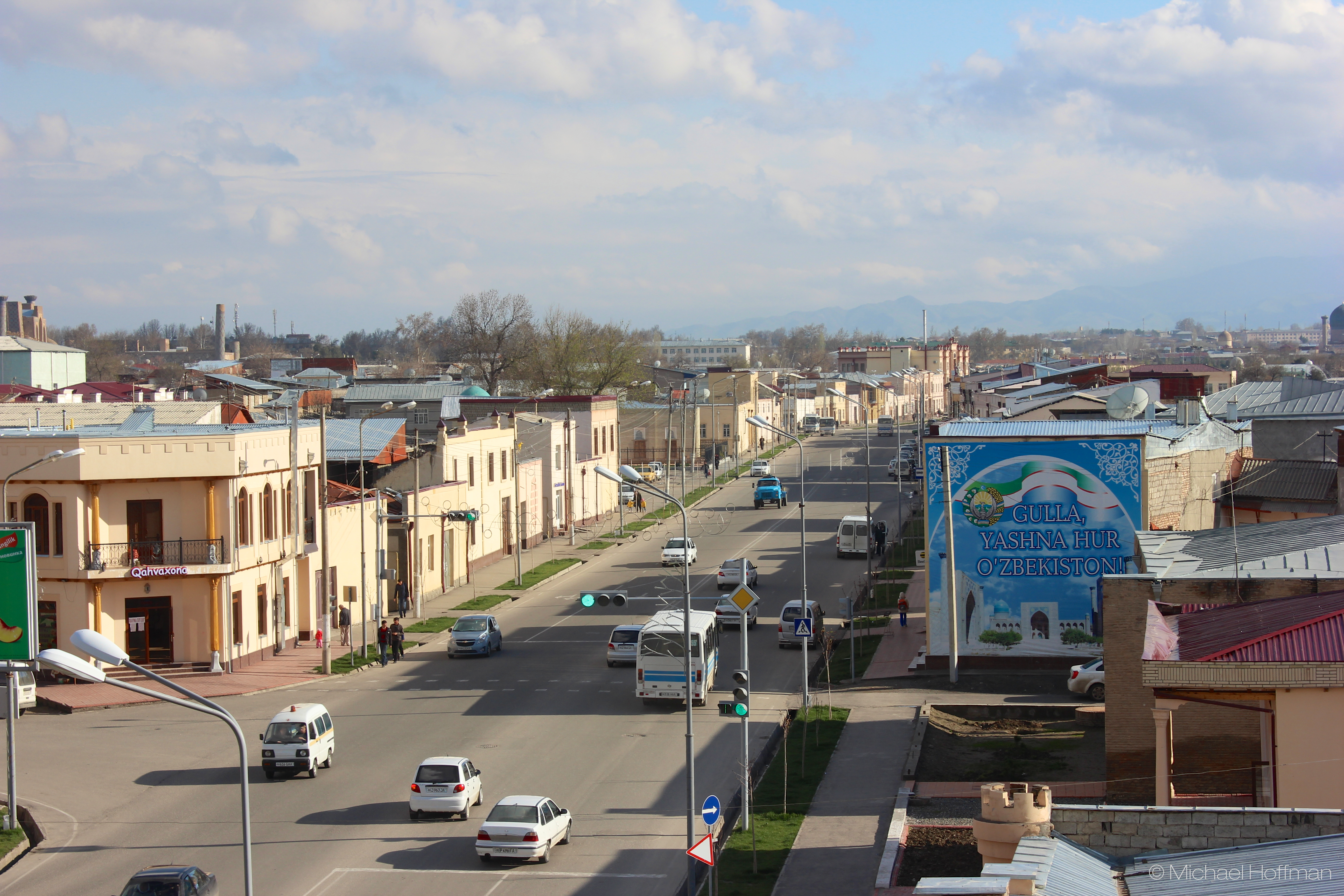
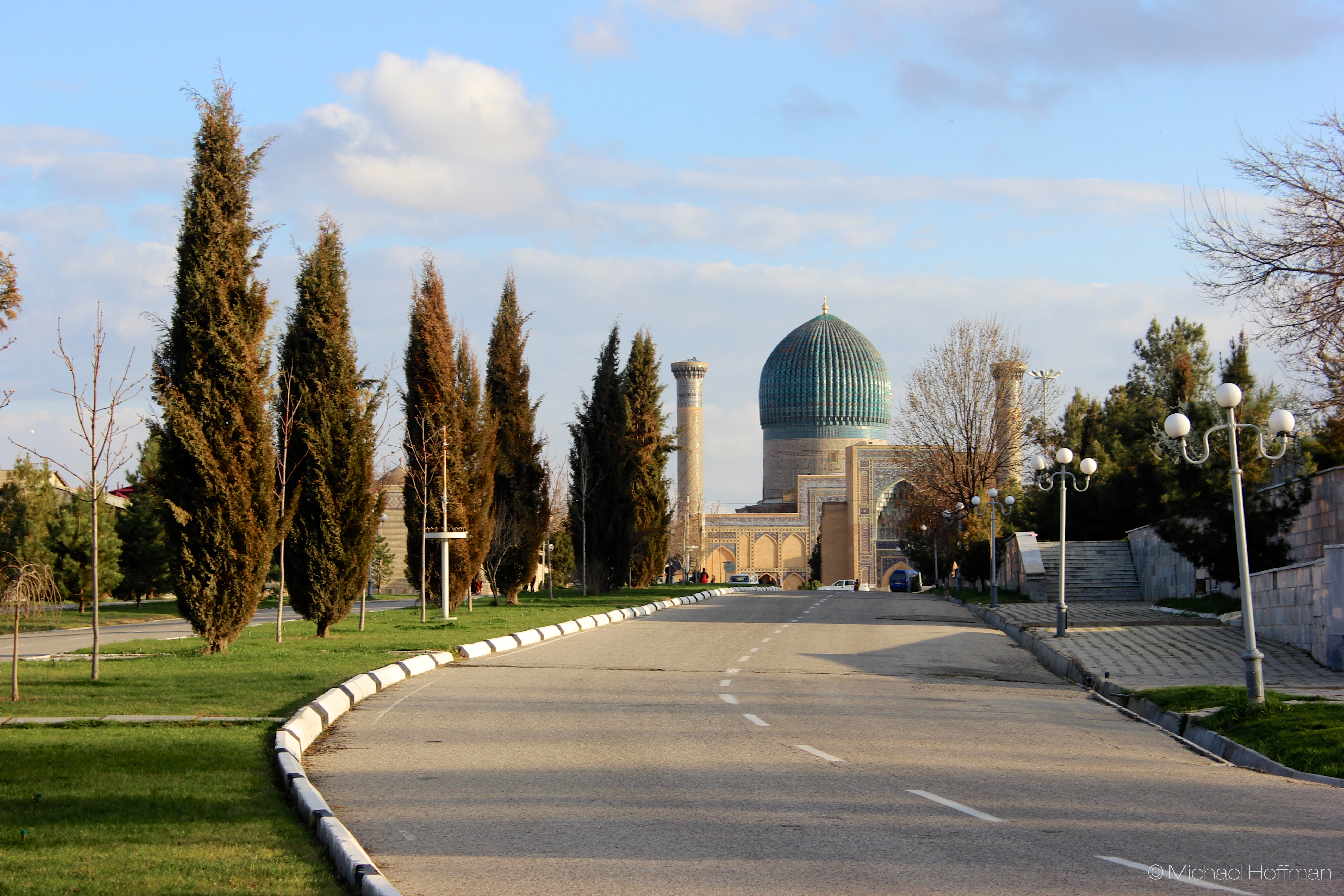
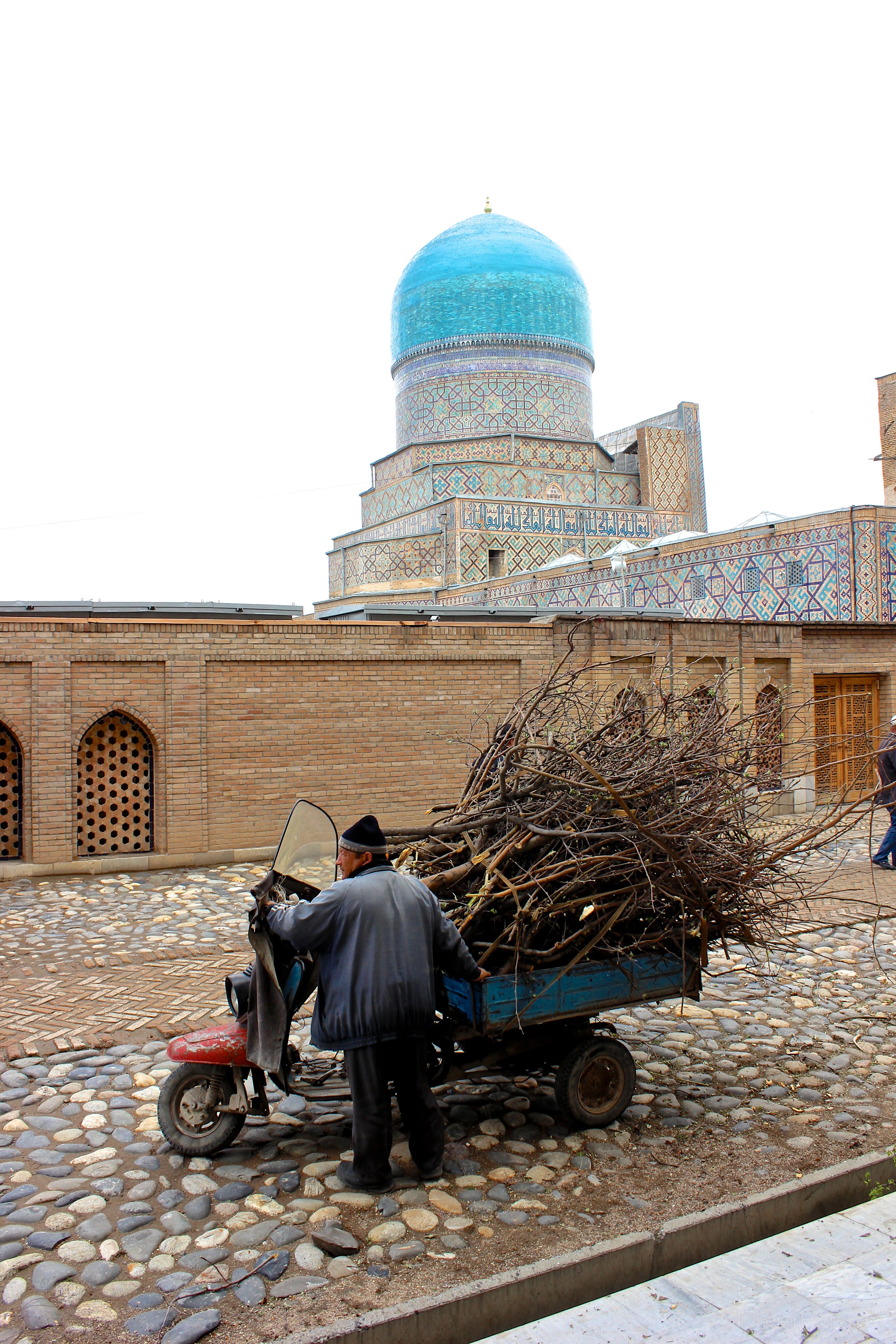
Samarkand is one of the oldest settlements of mankind. Situated at a central position on the trading route between Asia and Europe as well as between the Orient civilization of the south and the Nomad tribes of the far north, it developed into a place of prosperity and a melting point of different cultures. They came as tradesman and conquerors, as refugees and preachers. Their traces can still be seen in the vivid faces of the inhabitants of this marvelous city. Also, Samarkand is a profoundly religious place with Islamic architecture dominating the central part of the town, primarily impressive madrases (religious schools) and mosques with gorgeous blue cupolas. It is the mixture of people and graceful architecture, so different from Western Europe, that makes the city fascinating and alluring to the traveler. Truly another world worth visiting.
Previous entries in the series: Buxoro, The Enchanted City, The Desert City of Xiva