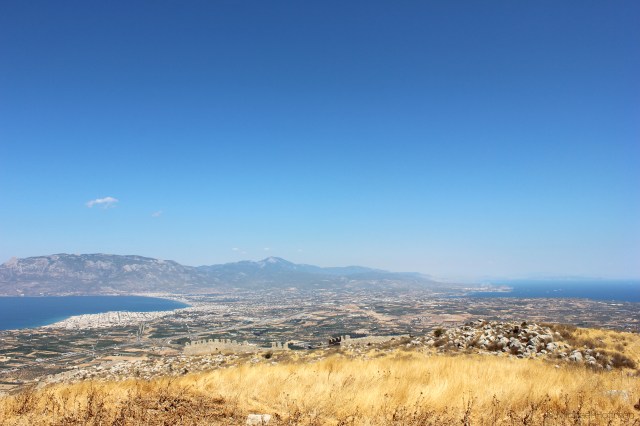
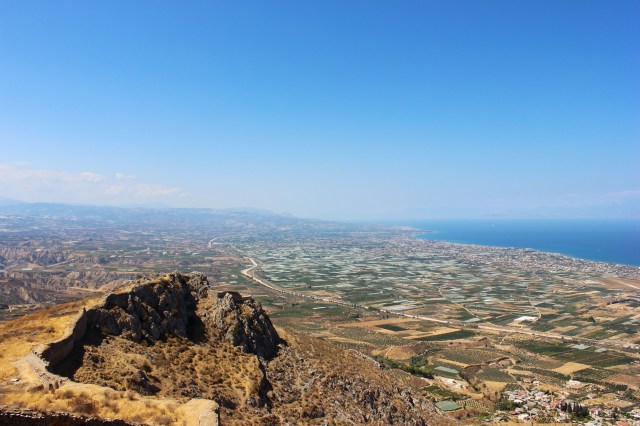
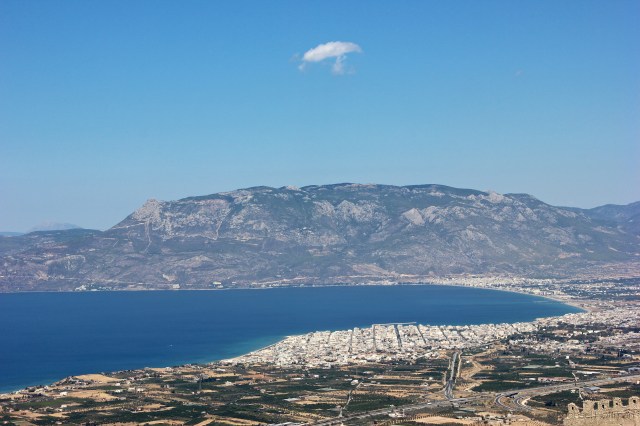
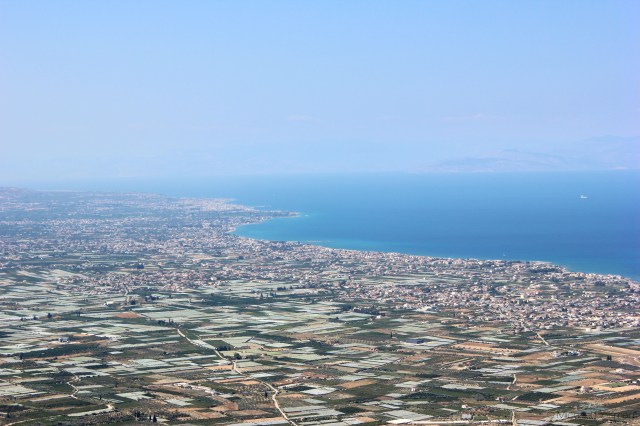
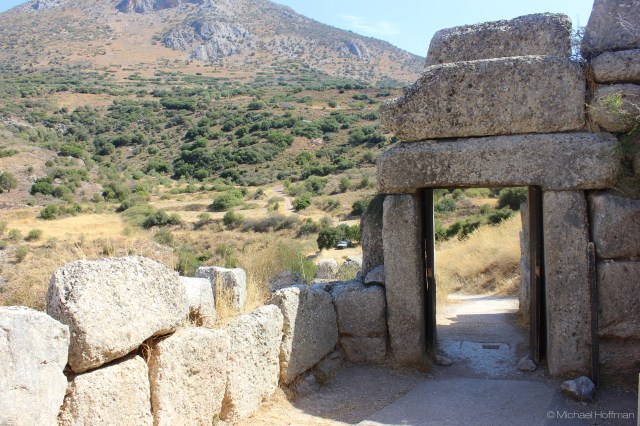
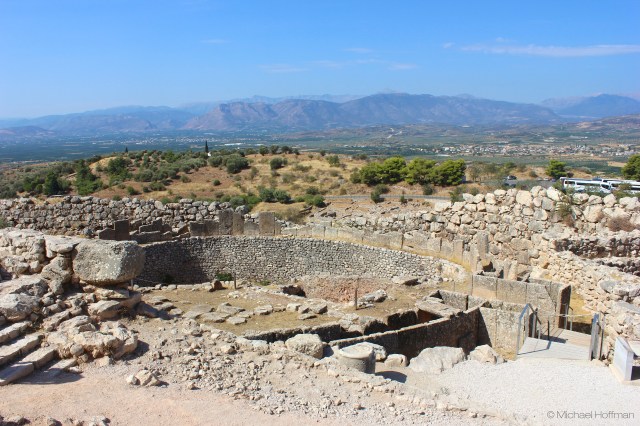
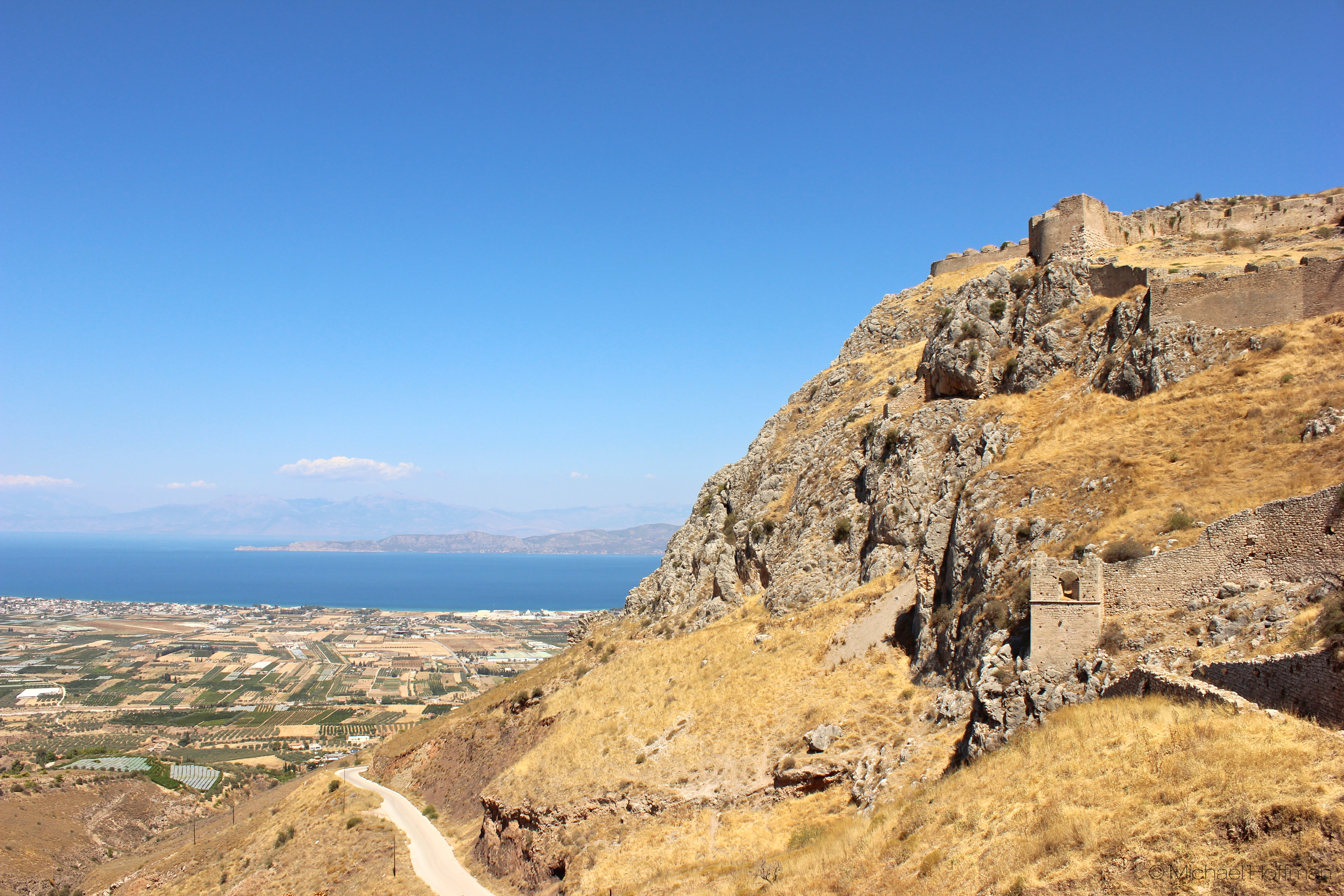
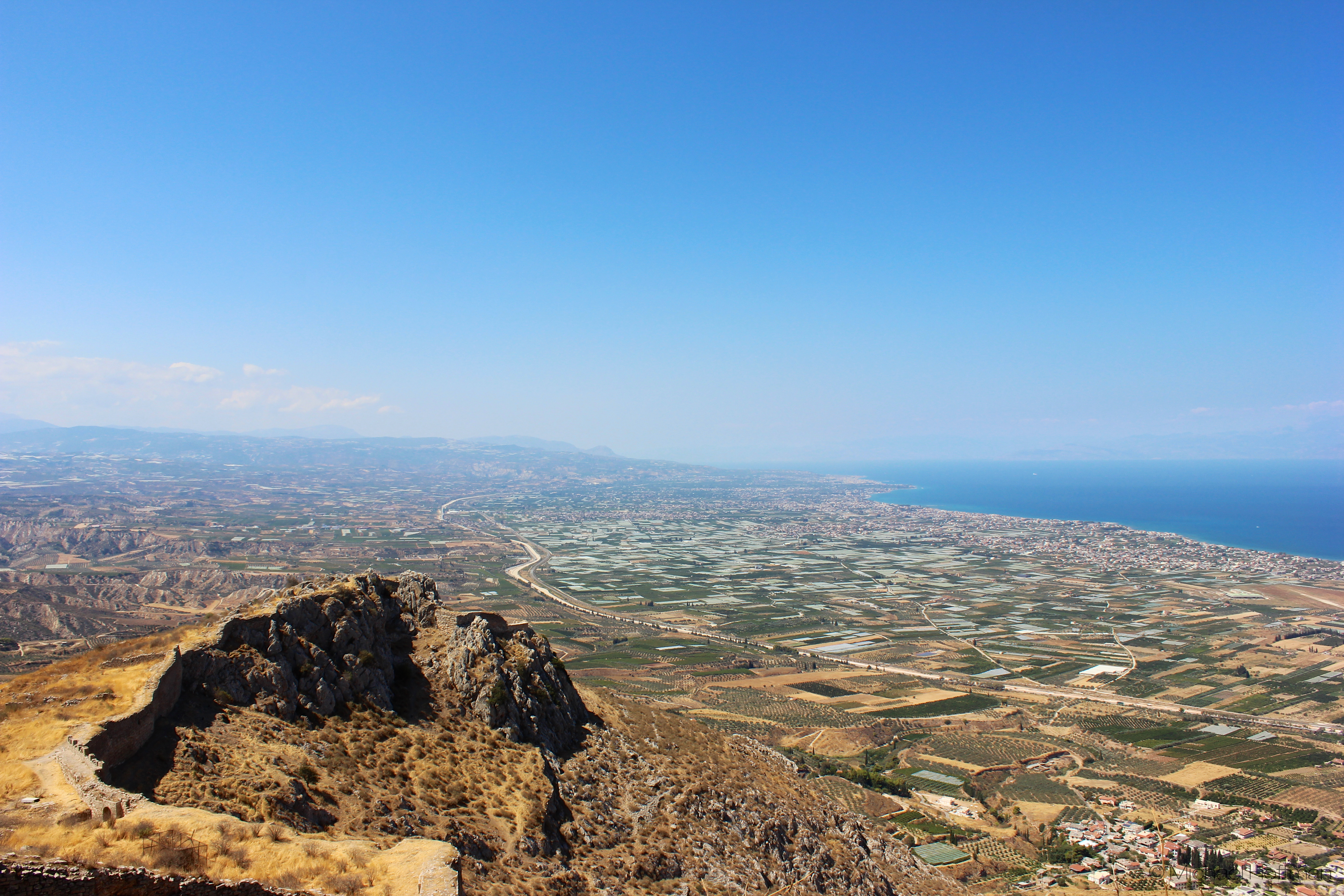
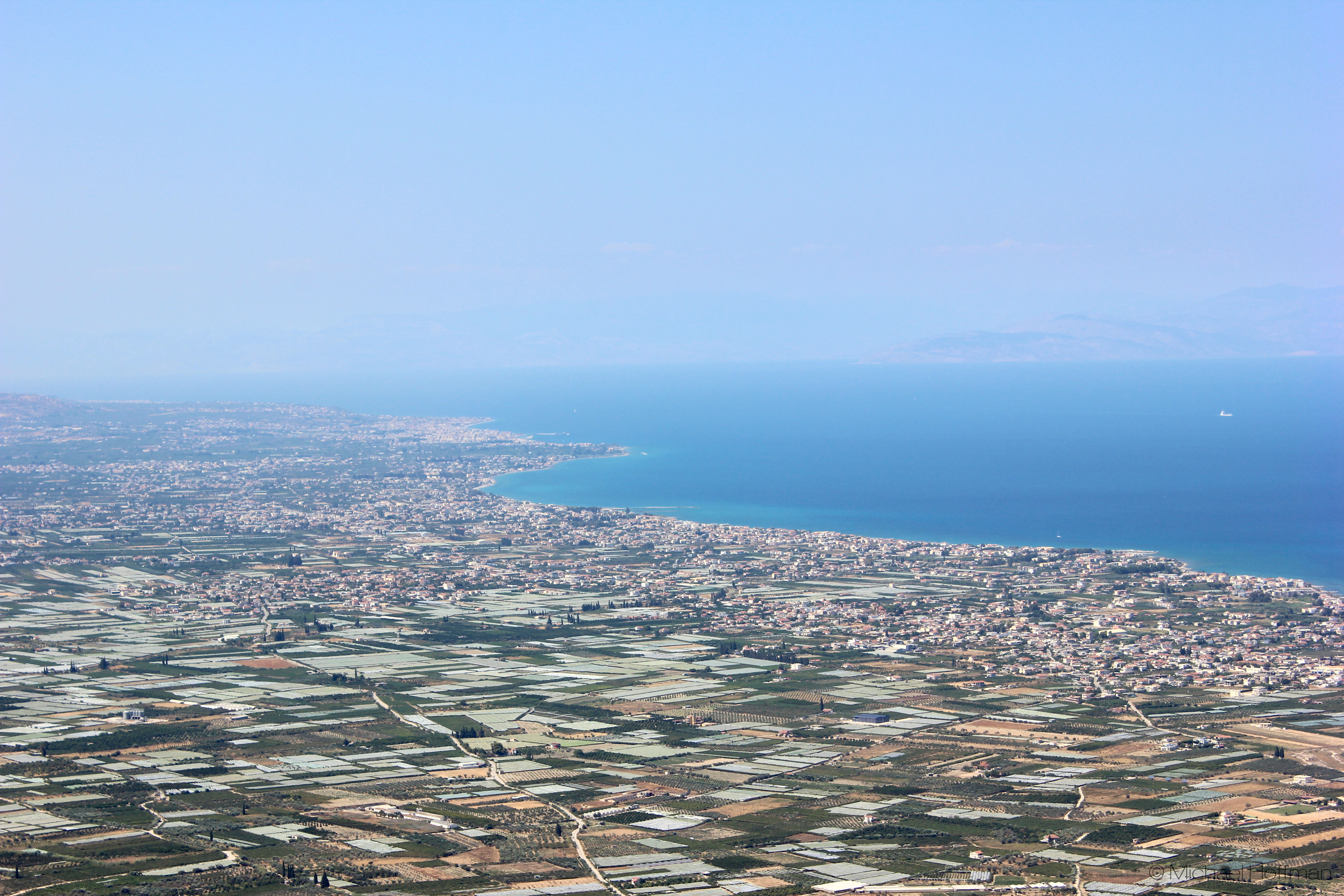
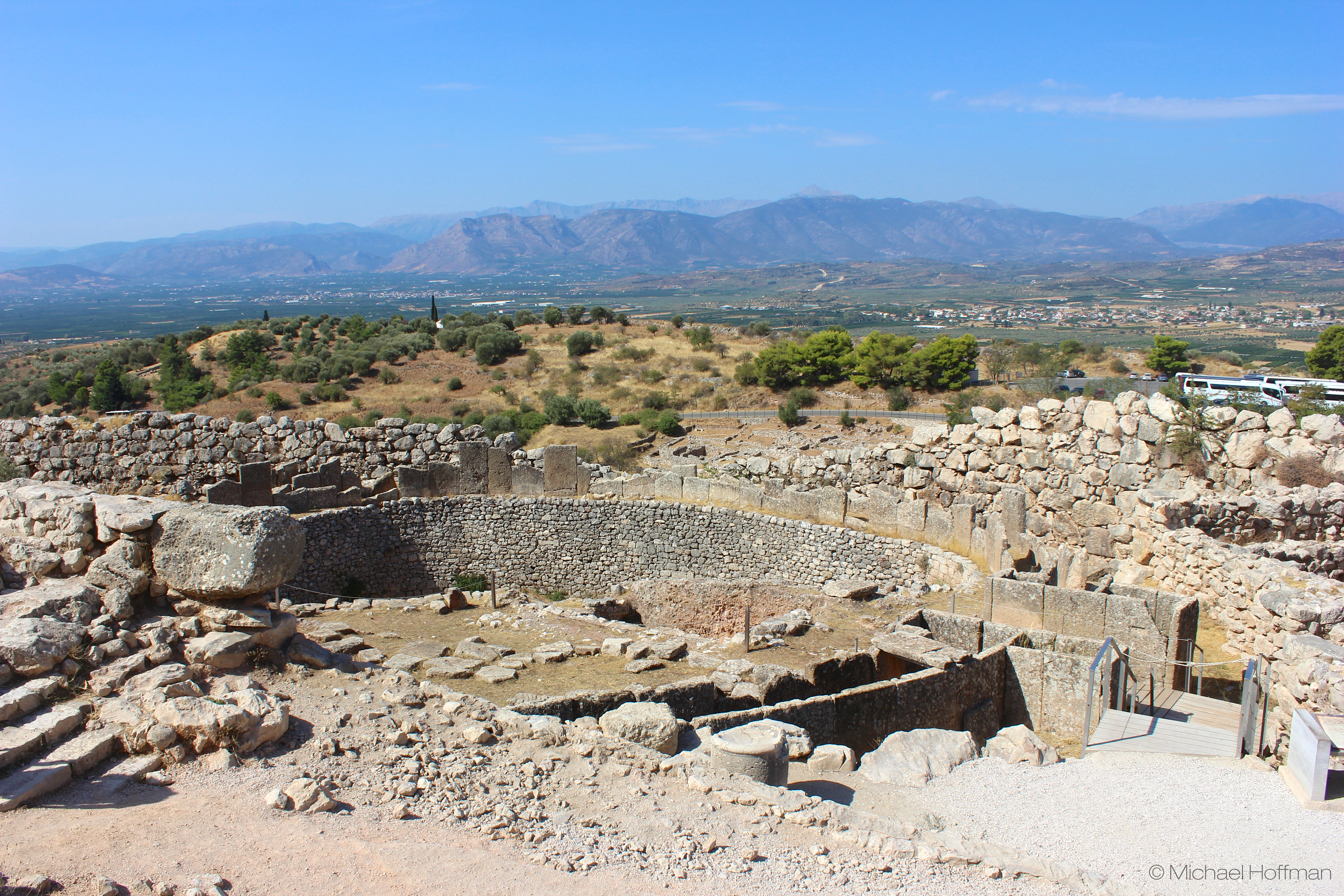
This post is part of the so-called “Greek Series,” consisting of photographs from my backpacking adventure in September 2013. You’ll find a basic introduction to the series here. The following pictures are from our first and second days traveling the Peloponnese. We went from Corinth to Acrocorinth and then via the highway toward Nafplio to Mycenae. I’ll include a map at the end of the post. So, the first batch of pictures was mainly taken on Acrocorinth, consisting of panorama shots. The last three photos are from the archeological sight of ancient Mycenae.
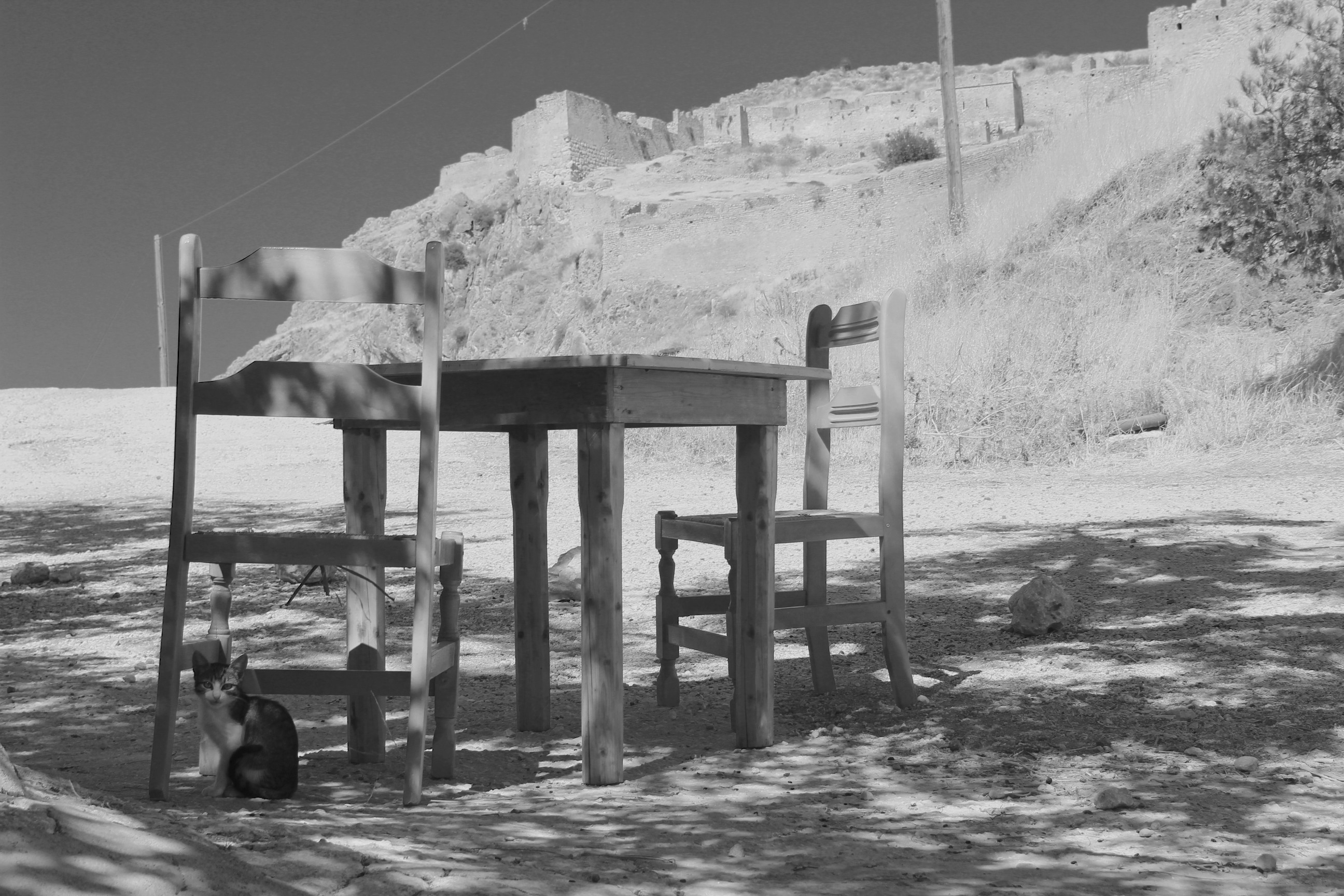
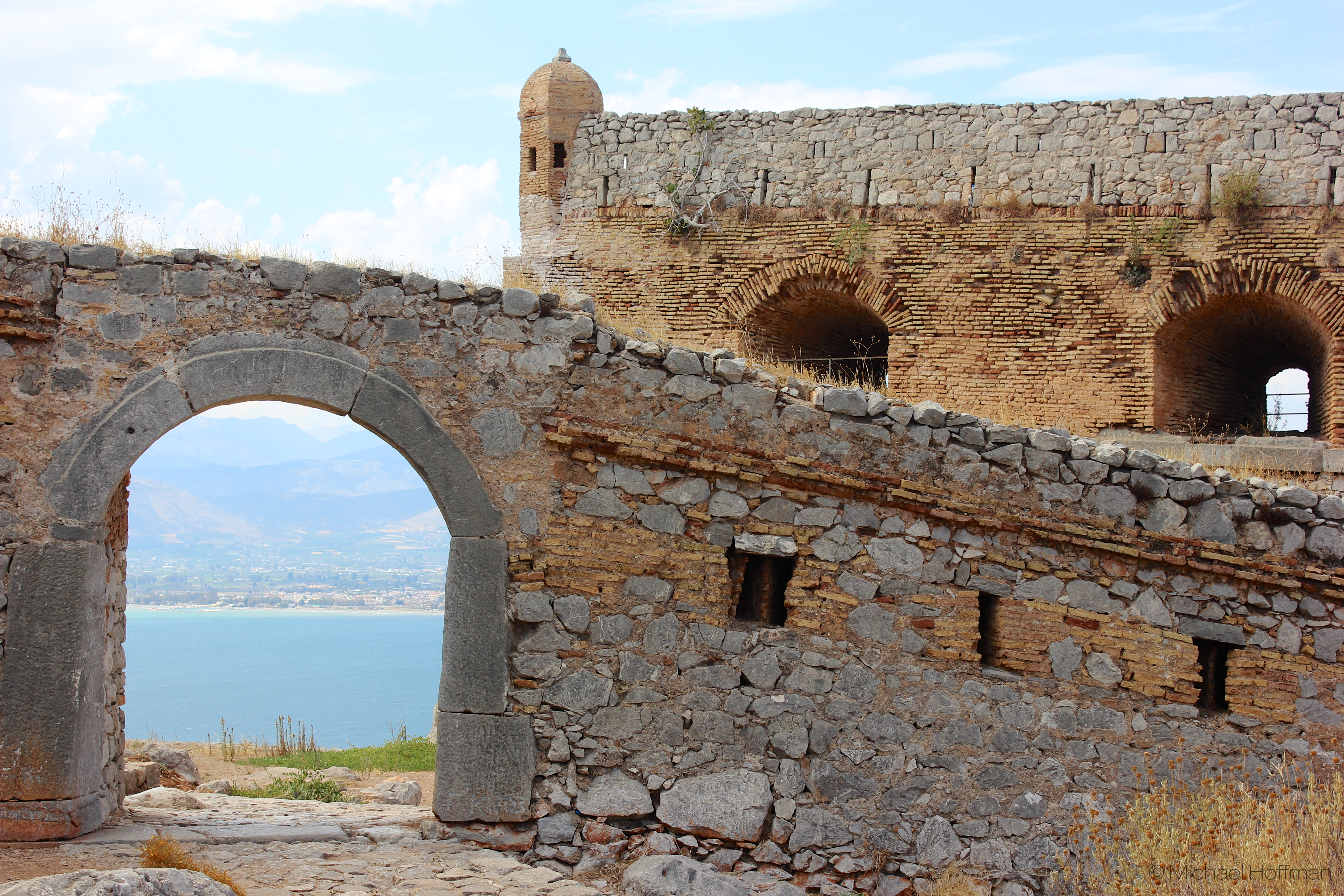
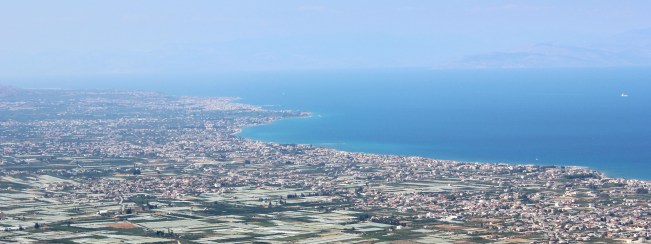
Acrocorinth (meaning High Corinth) is the hill you saw in the background of the pictures from Archea Corinthia, which is close to the modern city (picture 4). It’s a giant stone with the remains of a large medieval fortress on top. Having a perfect view of the narrow Isthmus of Corinth (picture 2), the only landway to Athens, you understand the strategic importance of the place. The fortress itself is vast, and it has almost fantasy book-like dimensions. It consists of a three-wall defense system (!) and remains of a town within the walls. Also up there are the remains of an older Aphrodite Temple. Here, we met a group of females praying to the goddess. As respectful as I am, I didn’t take pictures, unfortunately, though it was exciting and visually striking. We also talked with them; they were adorable giving us some advice for further journeys.


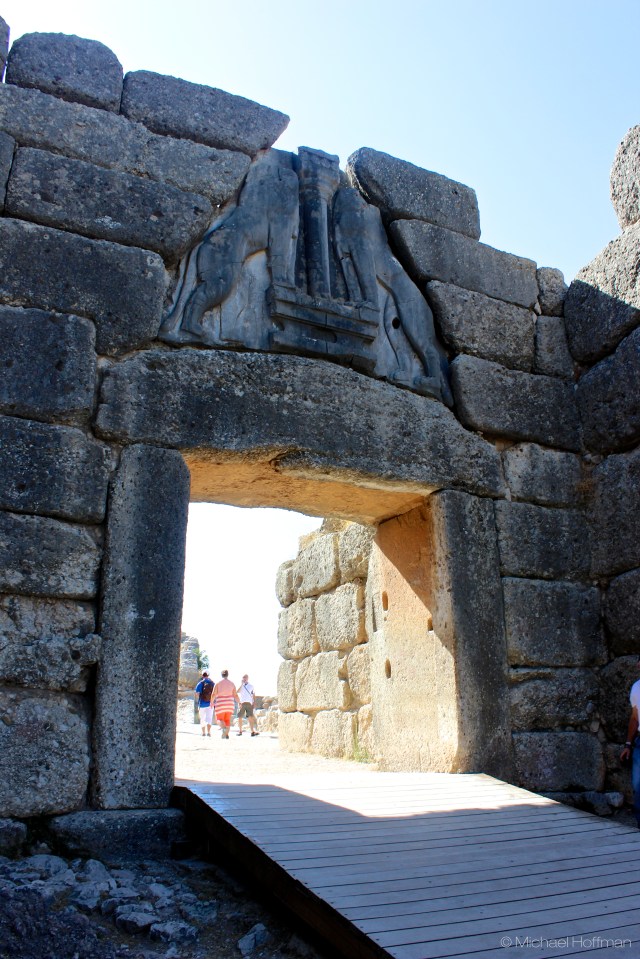
Mycenae was already ancient and a place of myths in the times of Socrates and Plato. Homer wrote about it in his Odysseus. Other Greeks in the Classic periods were fascinated by the vast walls Mycenaen could build. Nobody could quite understand how they transported the stone blocks up there, so the popular belief emerged that giants had made them and renamed them Cyclopean walls. So, until today, the walls remain impressive and somewhat of a mystery. They were built more or less at the same time as Stonehenge, and it seems like there could be some far-fetched connection. The most famous part of the complex is the Lions Gate, portrayed in the last picture of the post. The imperial lions have been greeting the visitors for 3300 years. The lion is a symbol of strength and an animal that lived in this area a few thousand years ago. It’s truly fascinating stuff and worth a Wikipedia reading session.
The route via Google Maps:





























 Michael Hoffman Photography
