
Southern Thailand

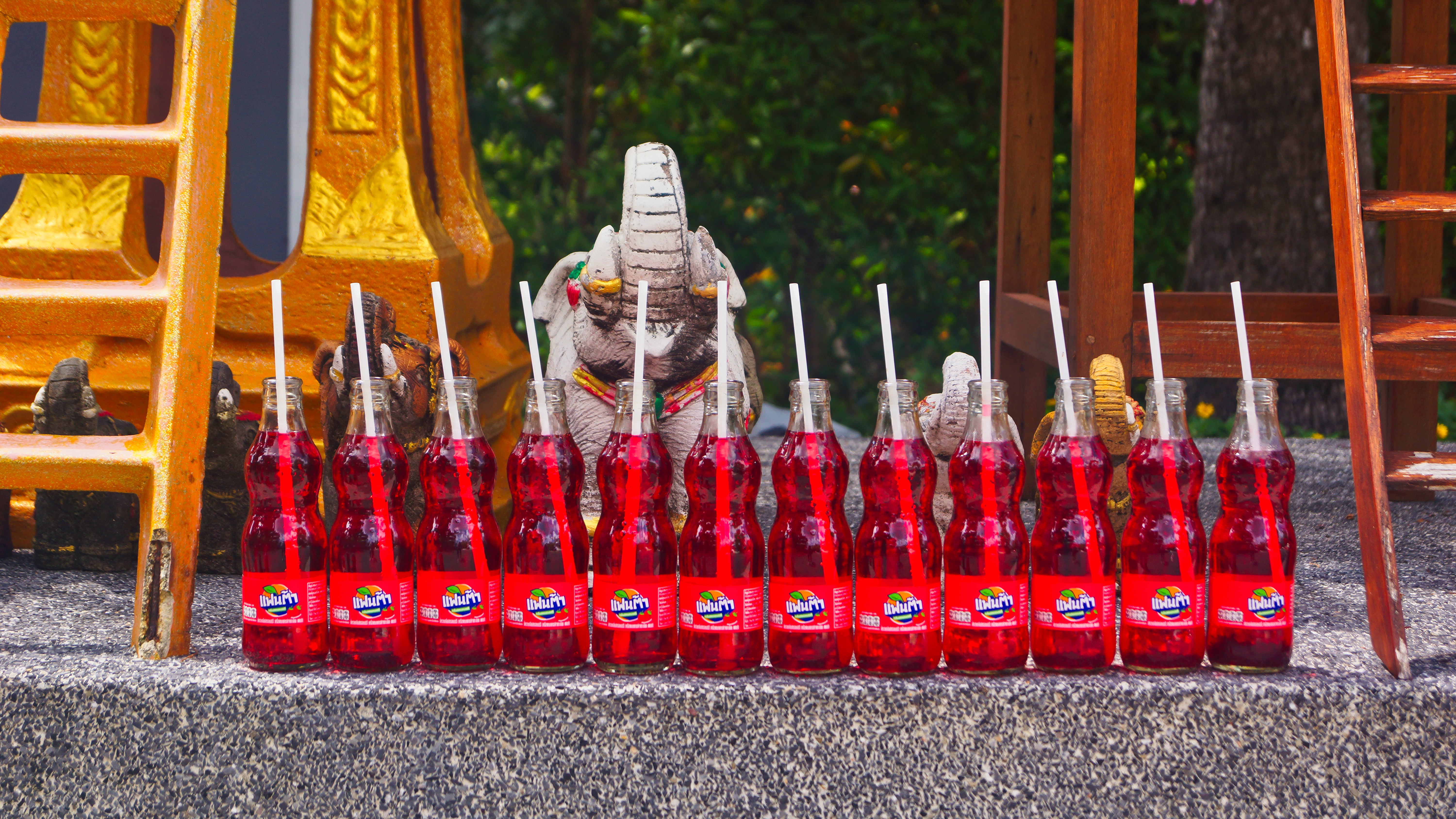
Impressions of Southern Thailand.
Photographed in November 2019 around Krabi and Phang Nag Bay.









Impressions of Southern Thailand.
Photographed in November 2019 around Krabi and Phang Nag Bay.
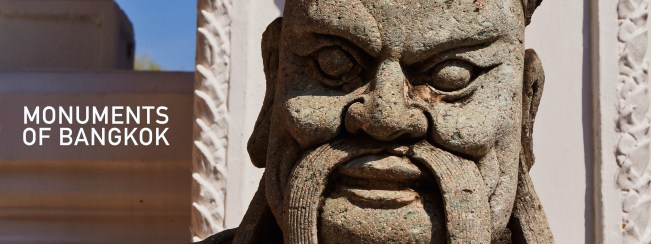
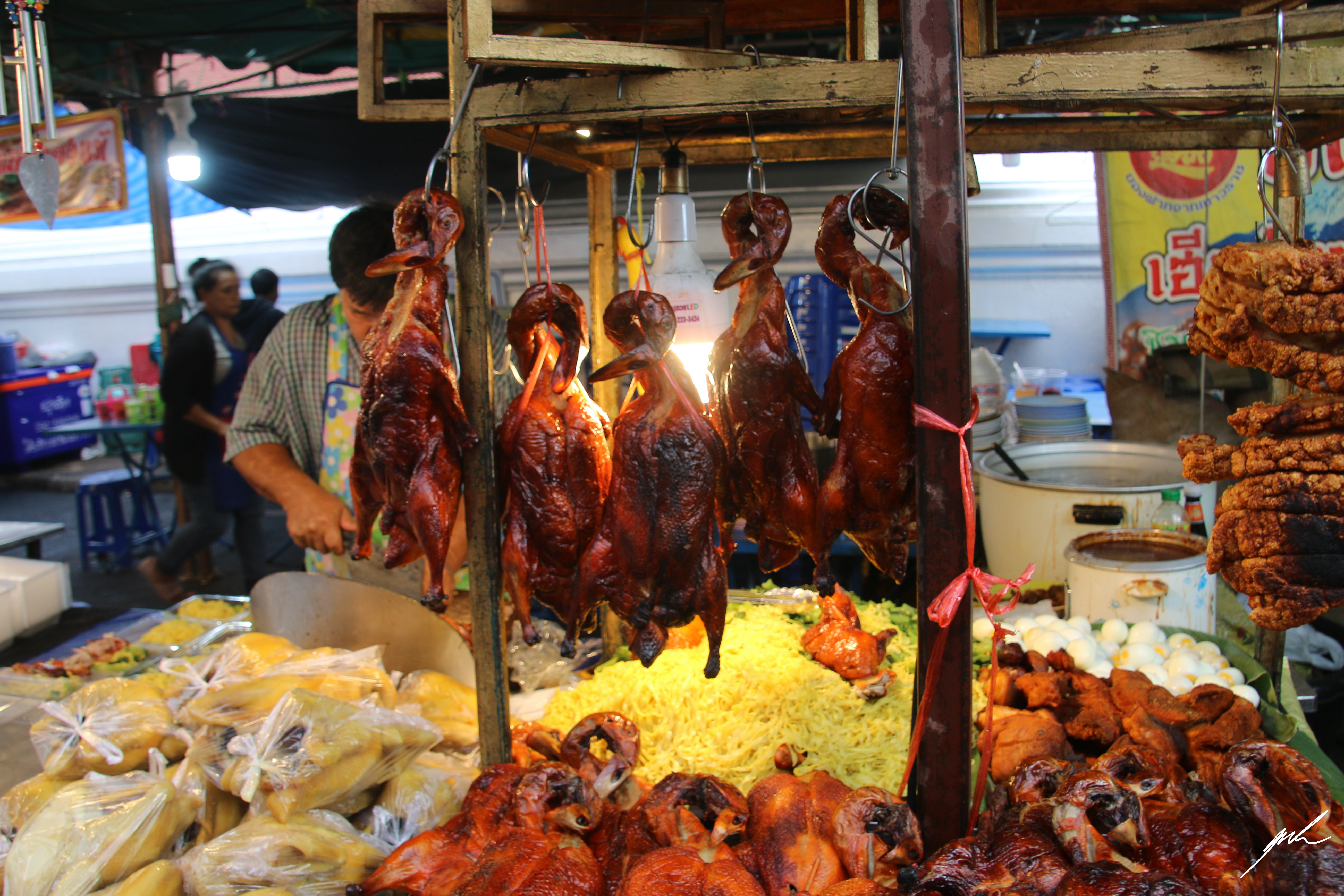
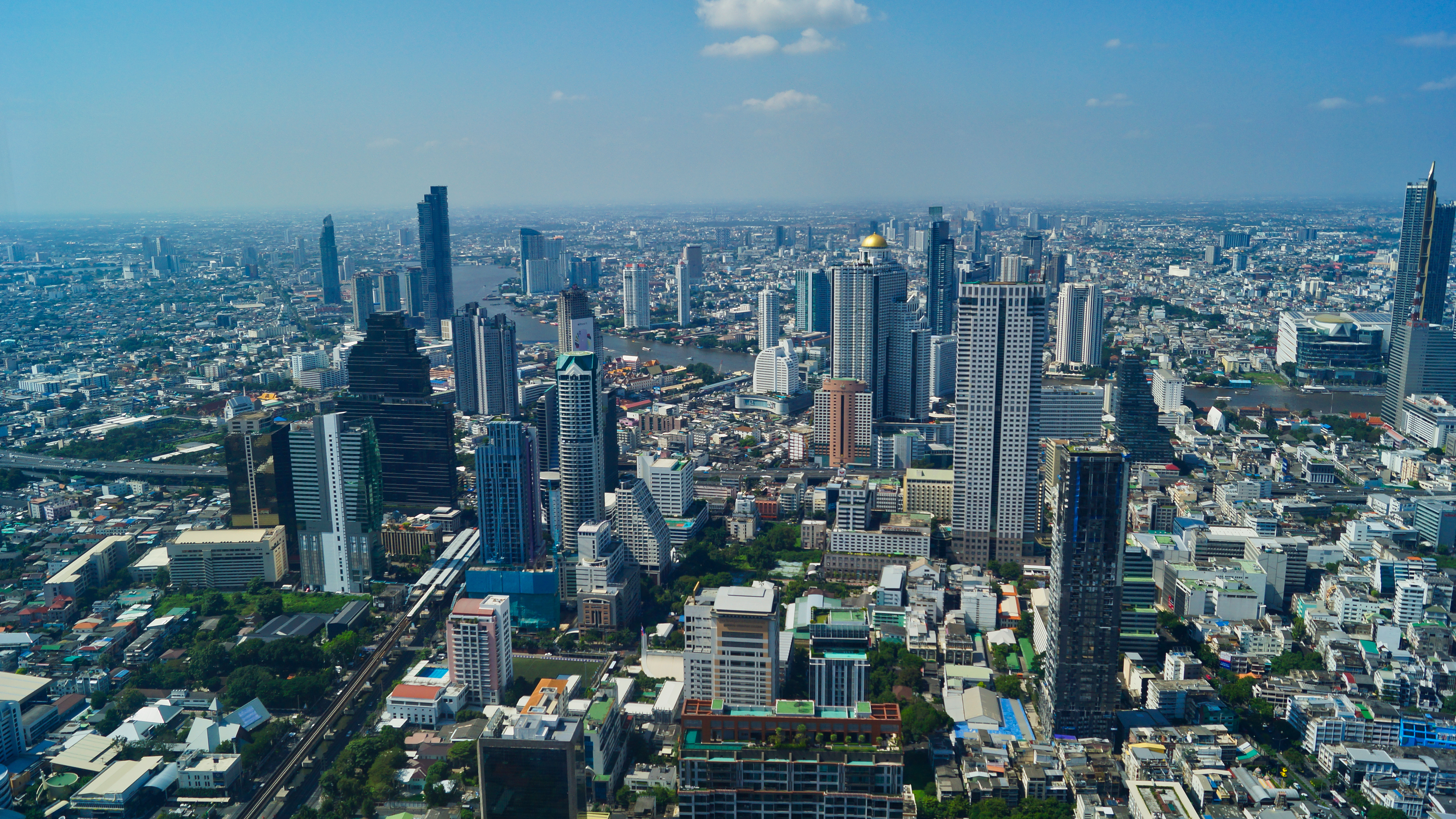
Photographed in November 2019.

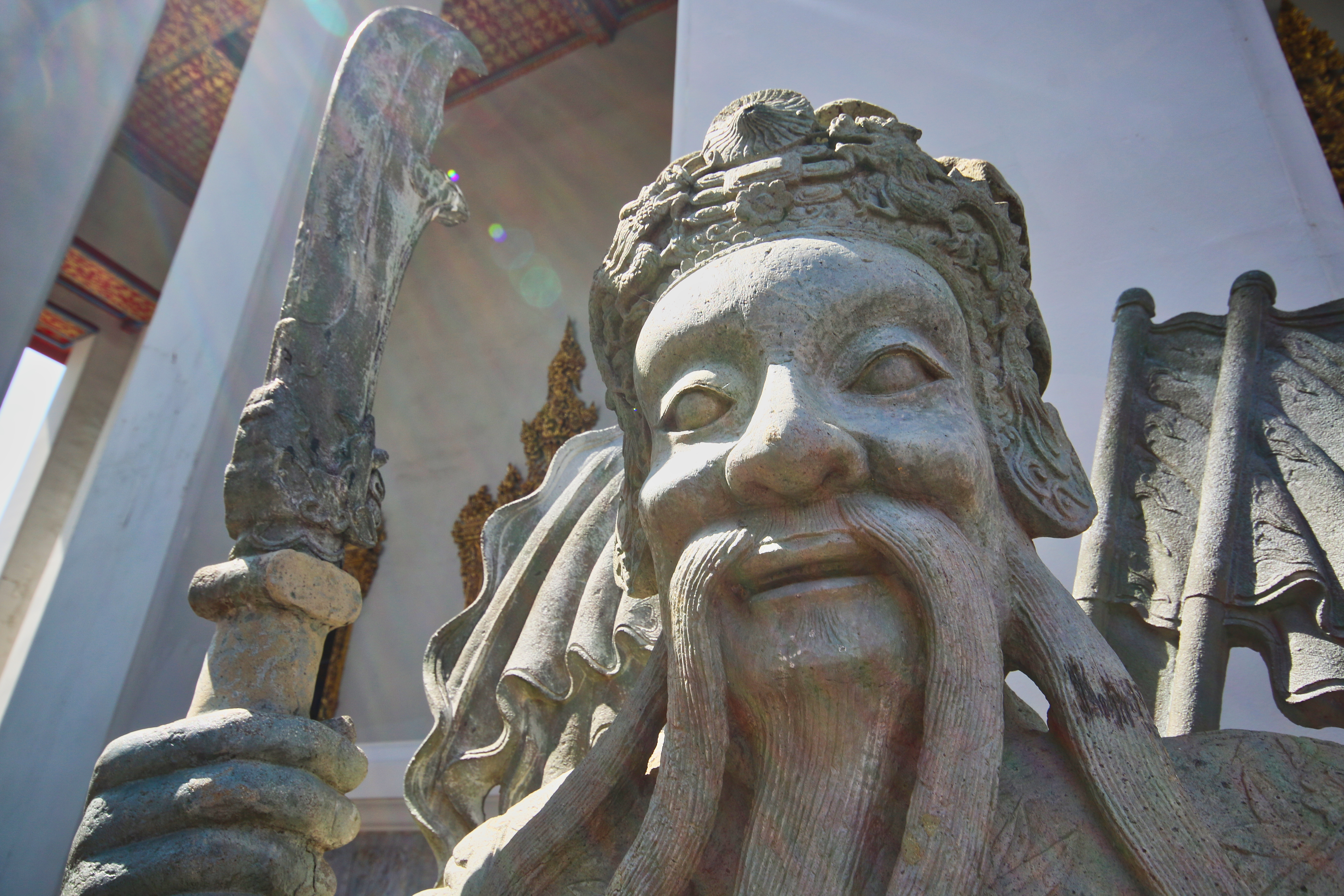
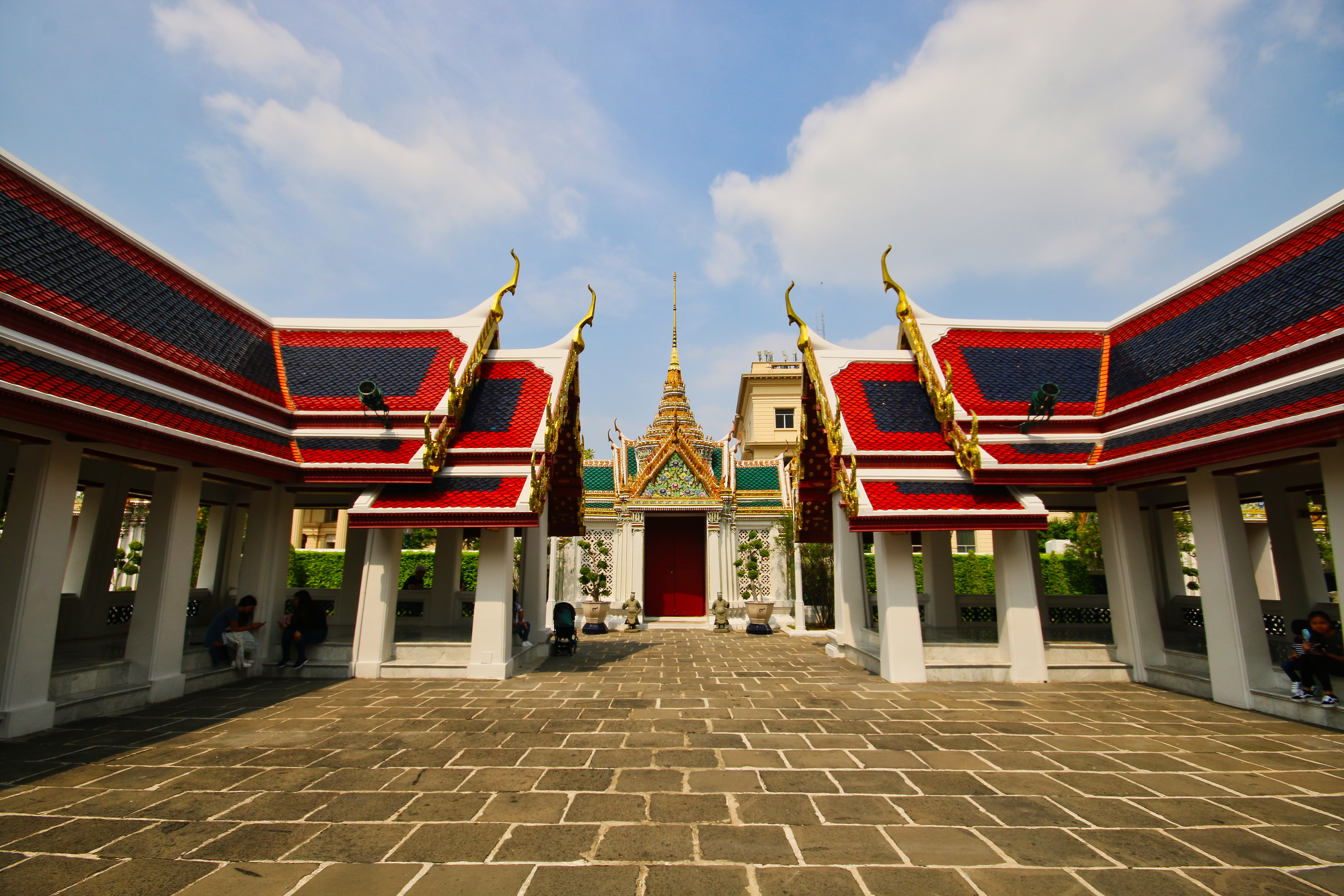
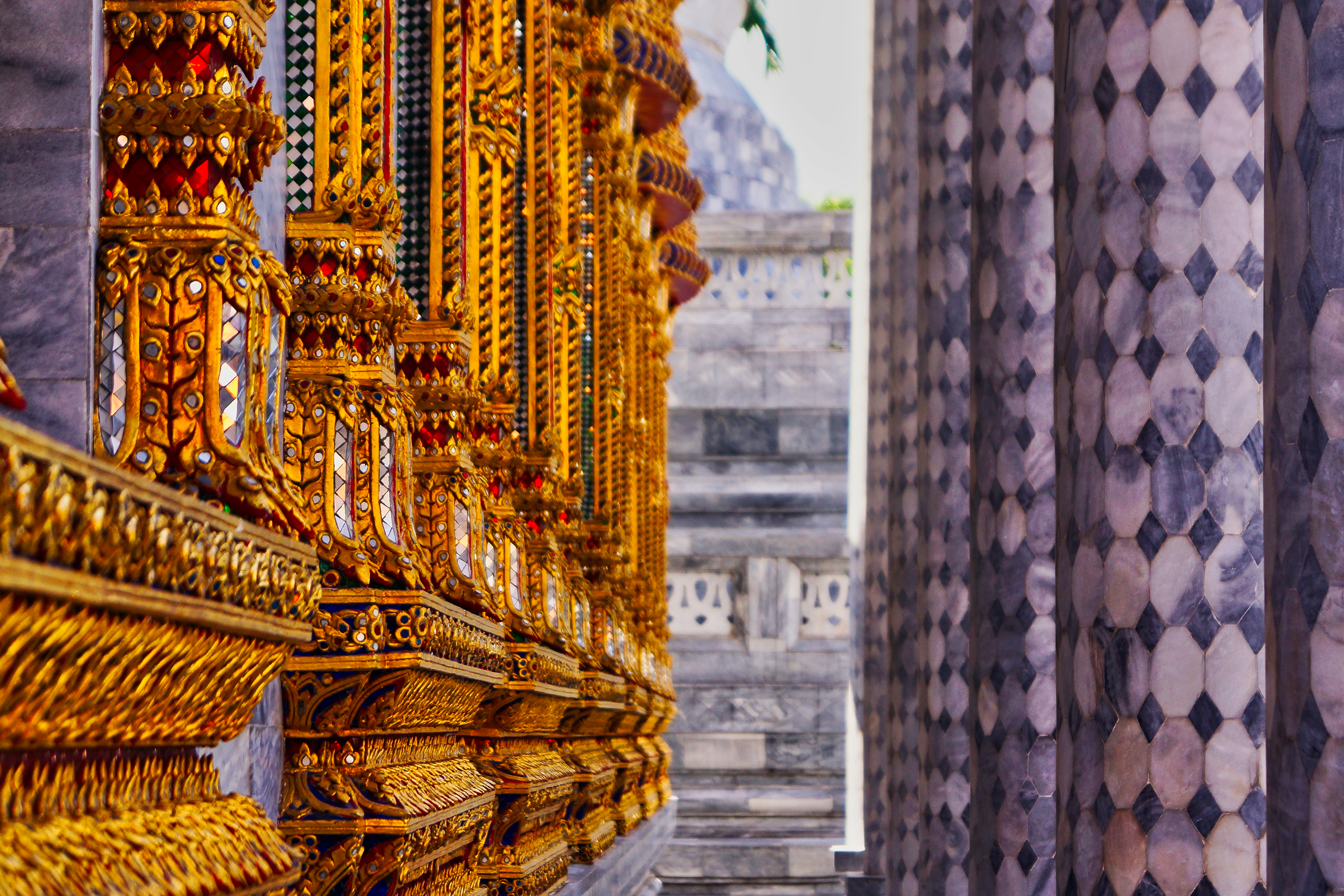

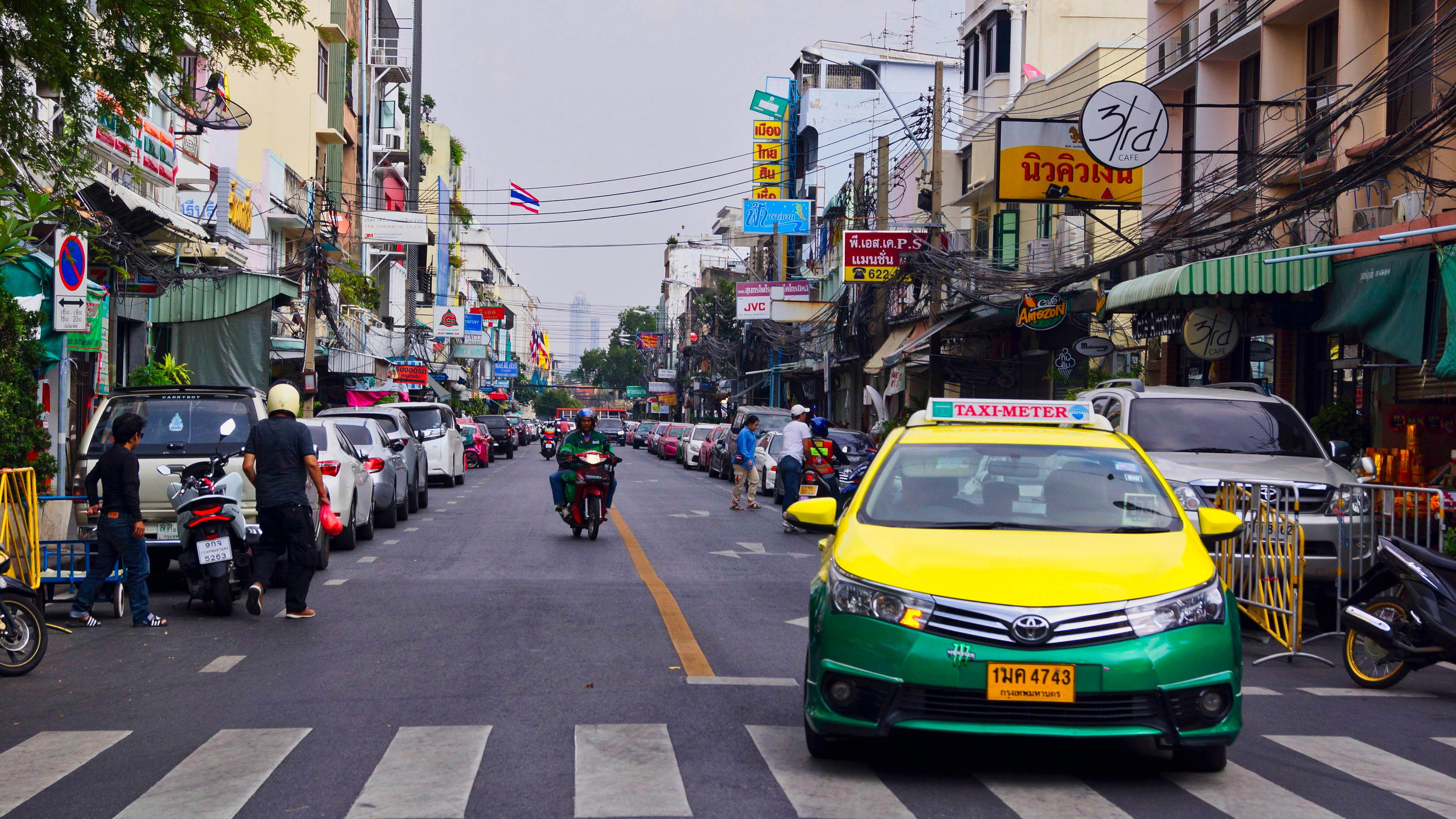
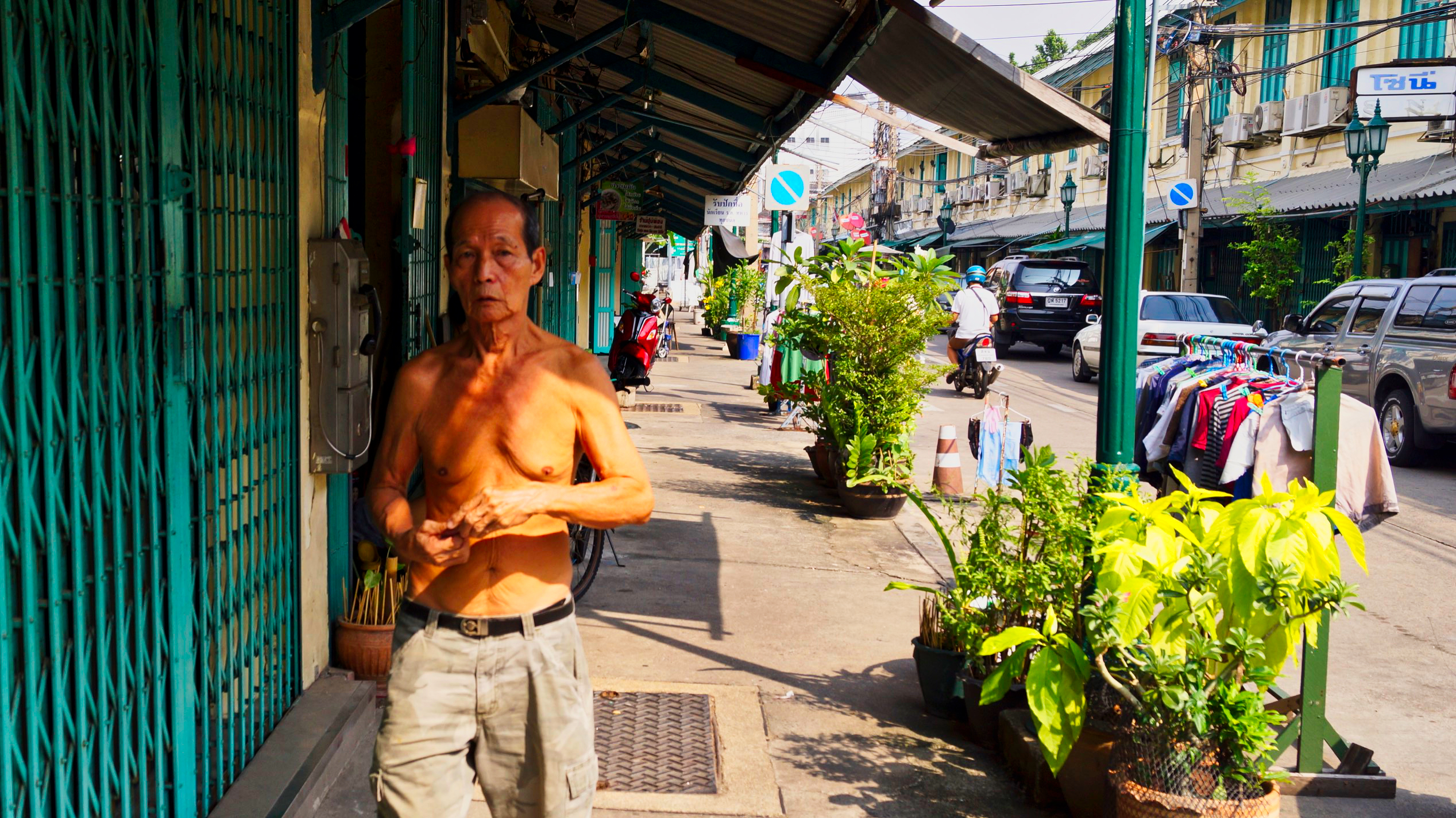
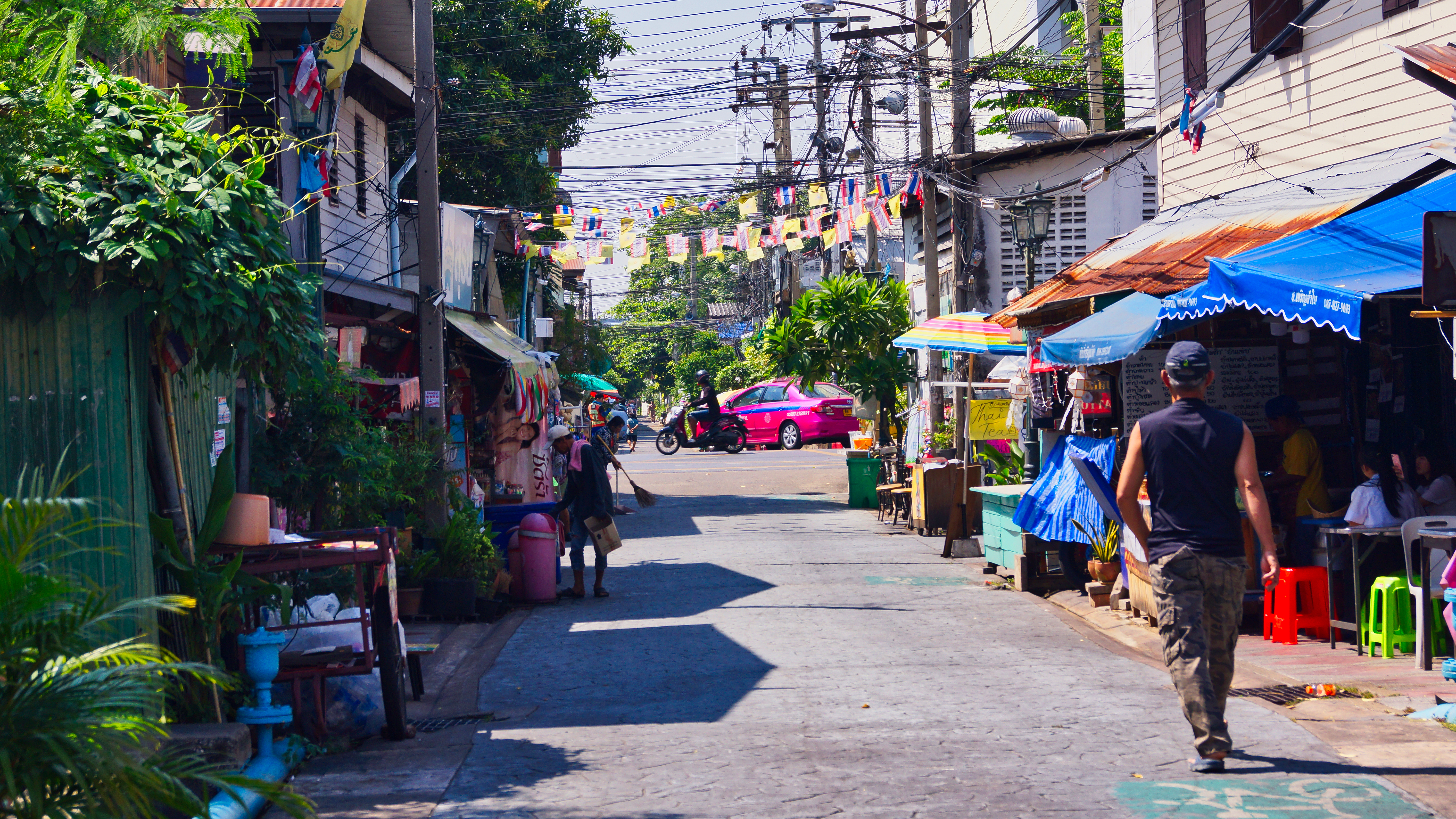
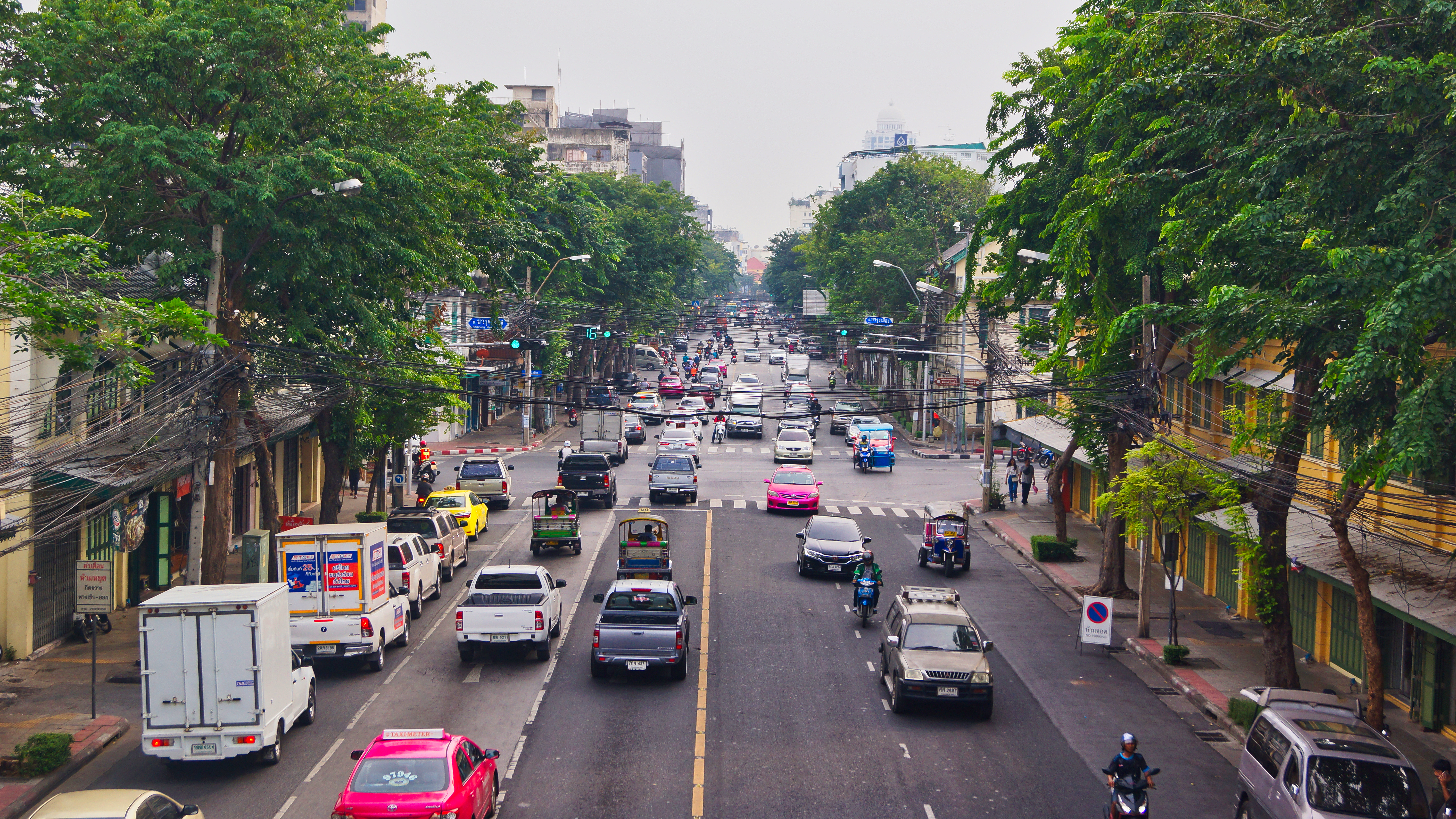
The streets of Bangkok are busy. The law of the strongest applies here, and it does not favor pedestrians. Basically, you just have to cross the street and hope for the best. The same applies to Tuk Tuks, small, basically self-made Taxis. There is a saying in Bangkok: “If you aren’t able to pass your driving exam, you drive Tuk Tuk!”. Still, it’s part of the experience and definitely an excellent way to get to know the city. Usually, you have a Tuk Tuk for a whole day, and it brings you to the major sights, just be careful if it seems too cheap (20 Bat), because then some drivers like to bring you to suit shops first to cash in some commission.

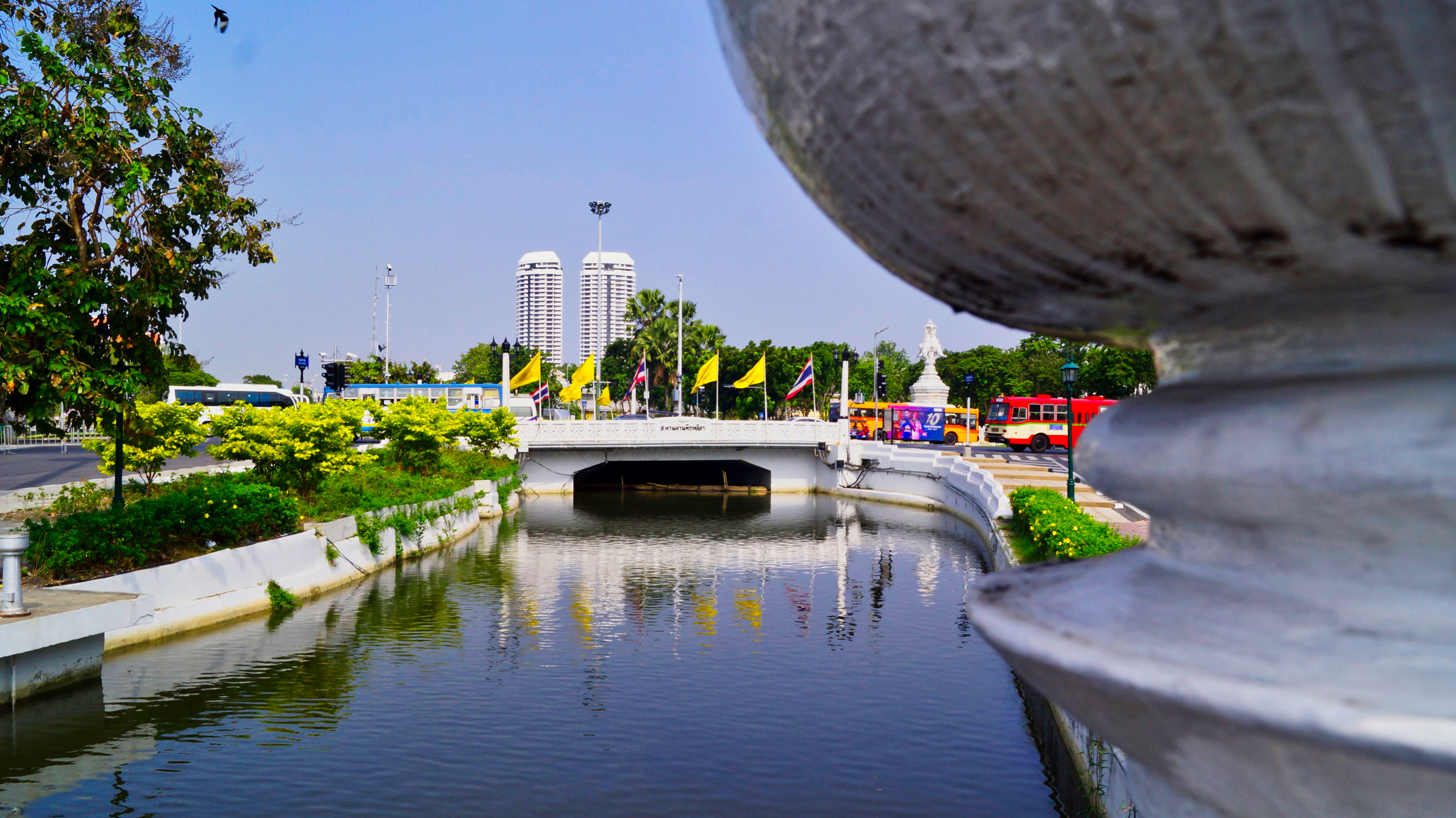
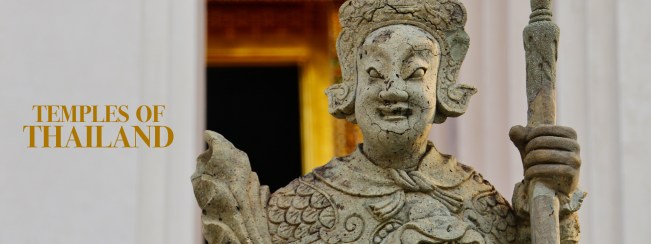
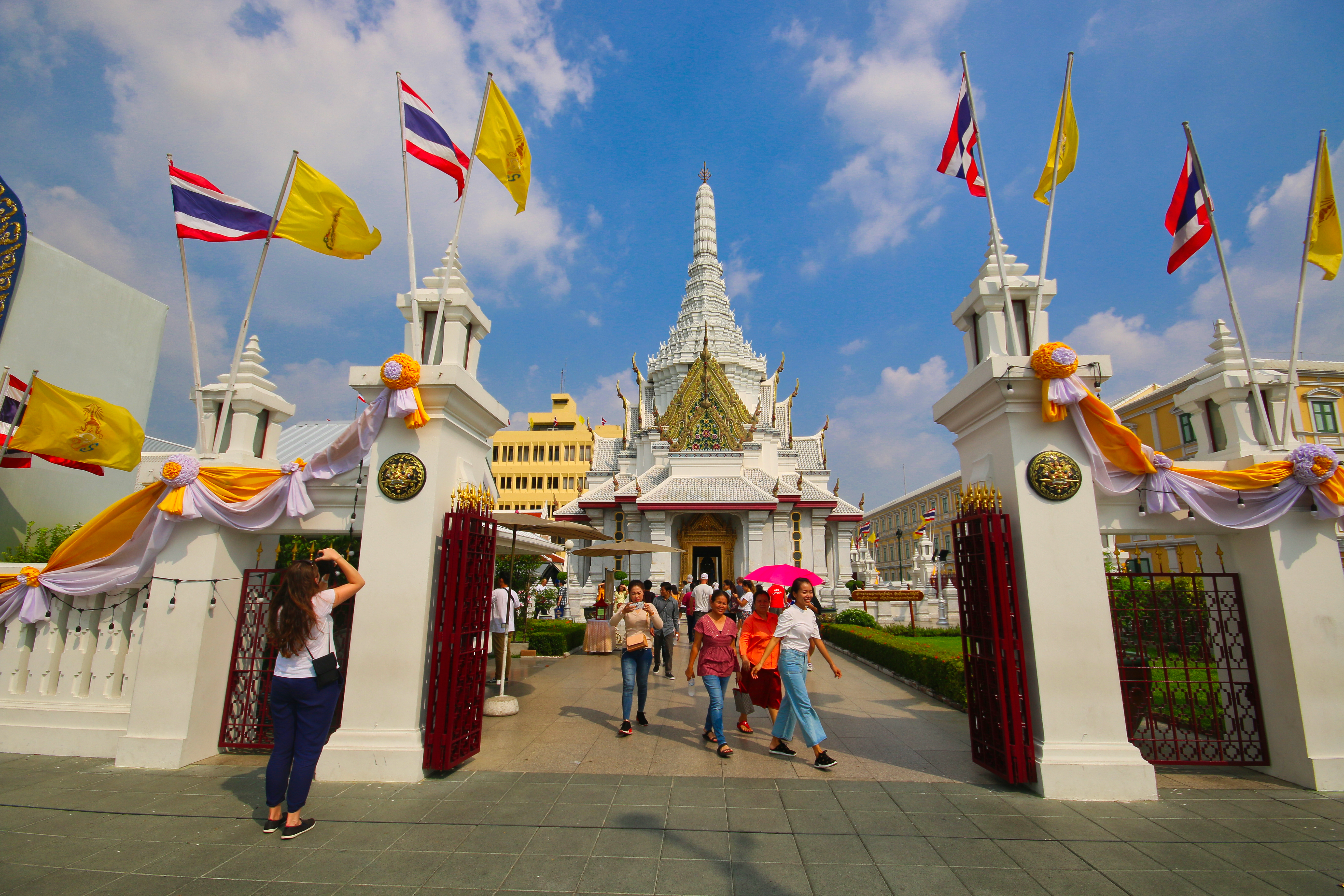
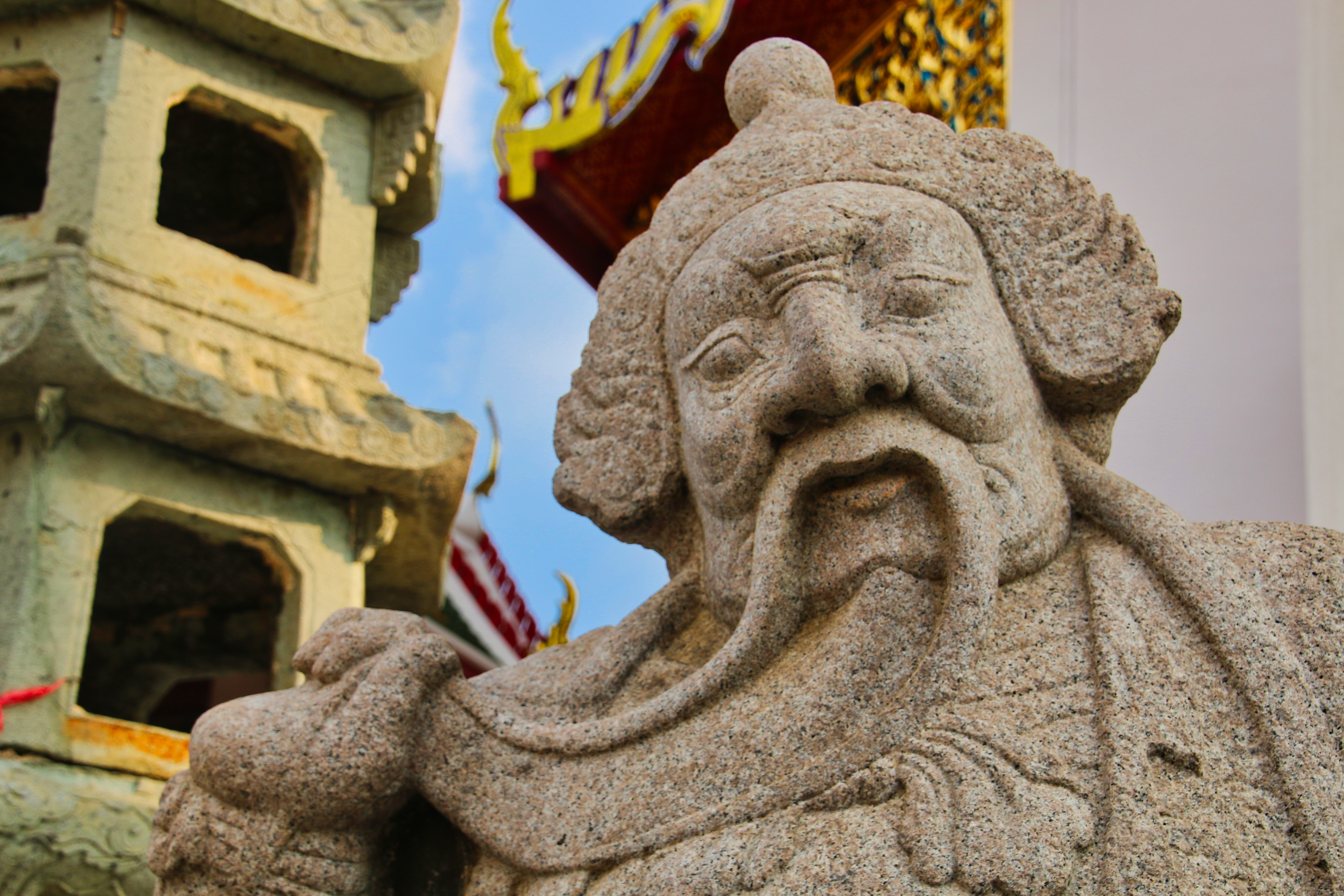
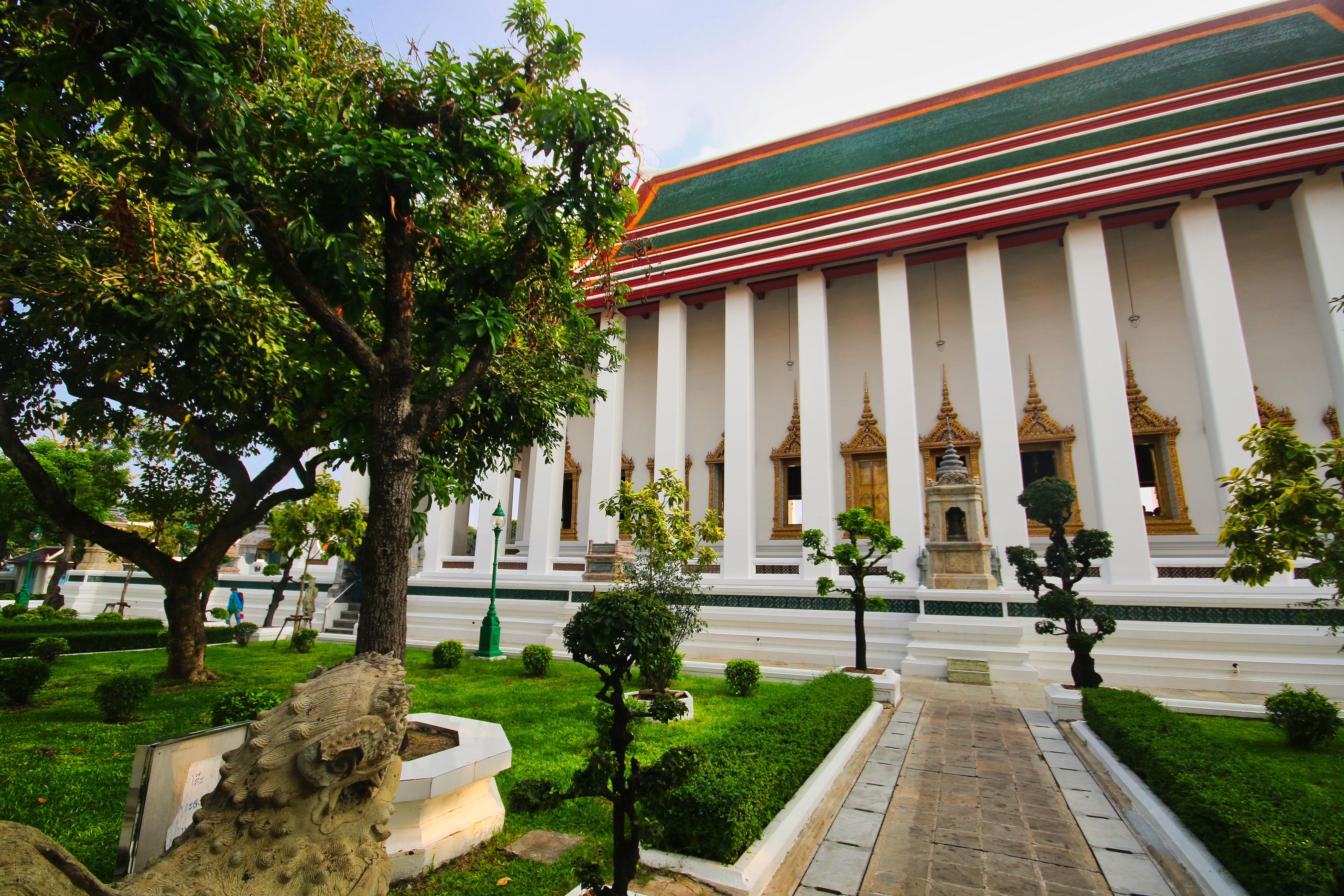
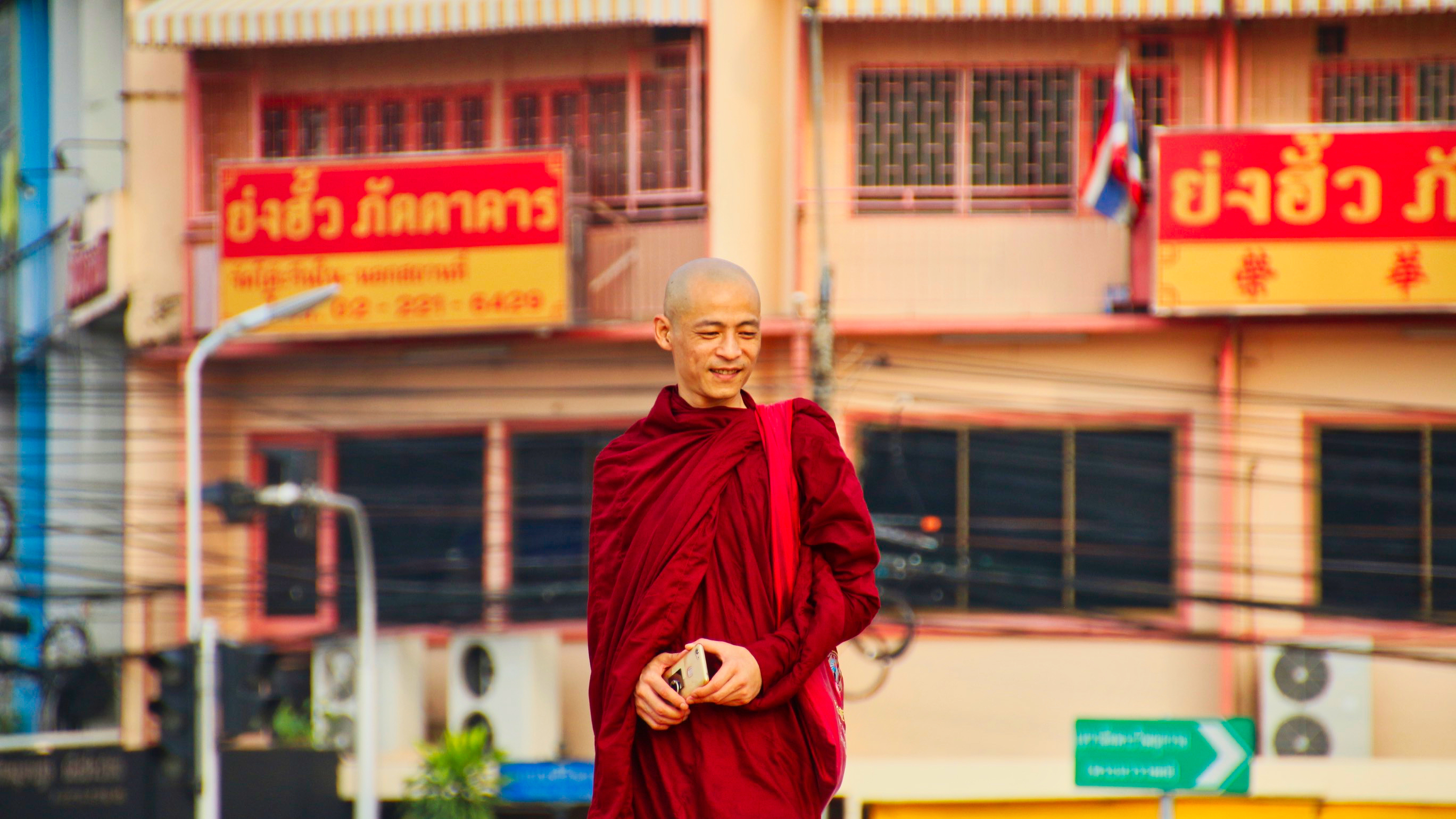
The Buddhist temples in Thailand are actually called “Wat,” which stems from a Hindu word for enclosure. They are like sacral fortifications with monks living and praying in them. Many of them can be visited when showing respect and covering shoulders and legs. Sometimes you even get to know some monks and can have a talk with them, they are friendly and actually have a good sense of humour.
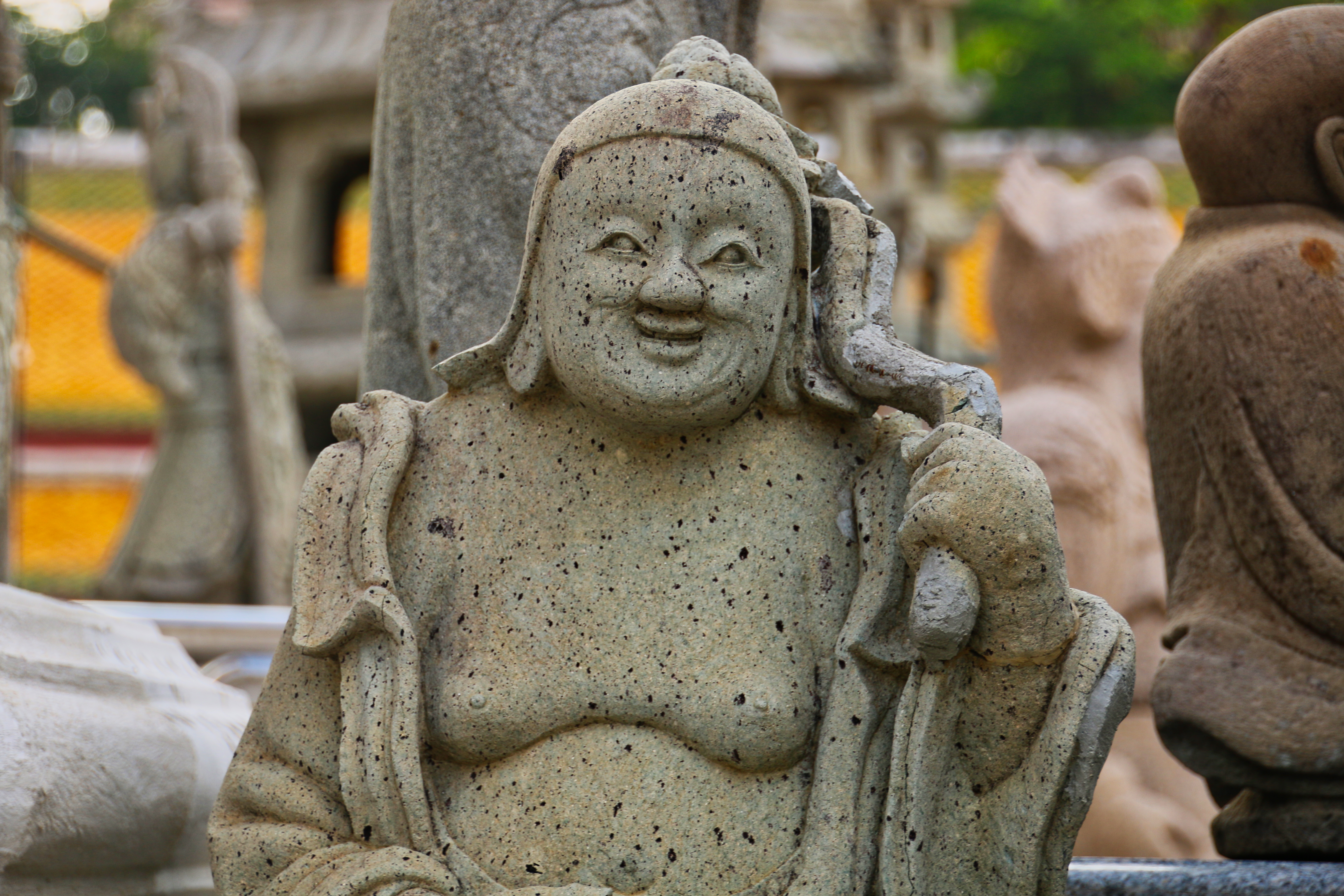

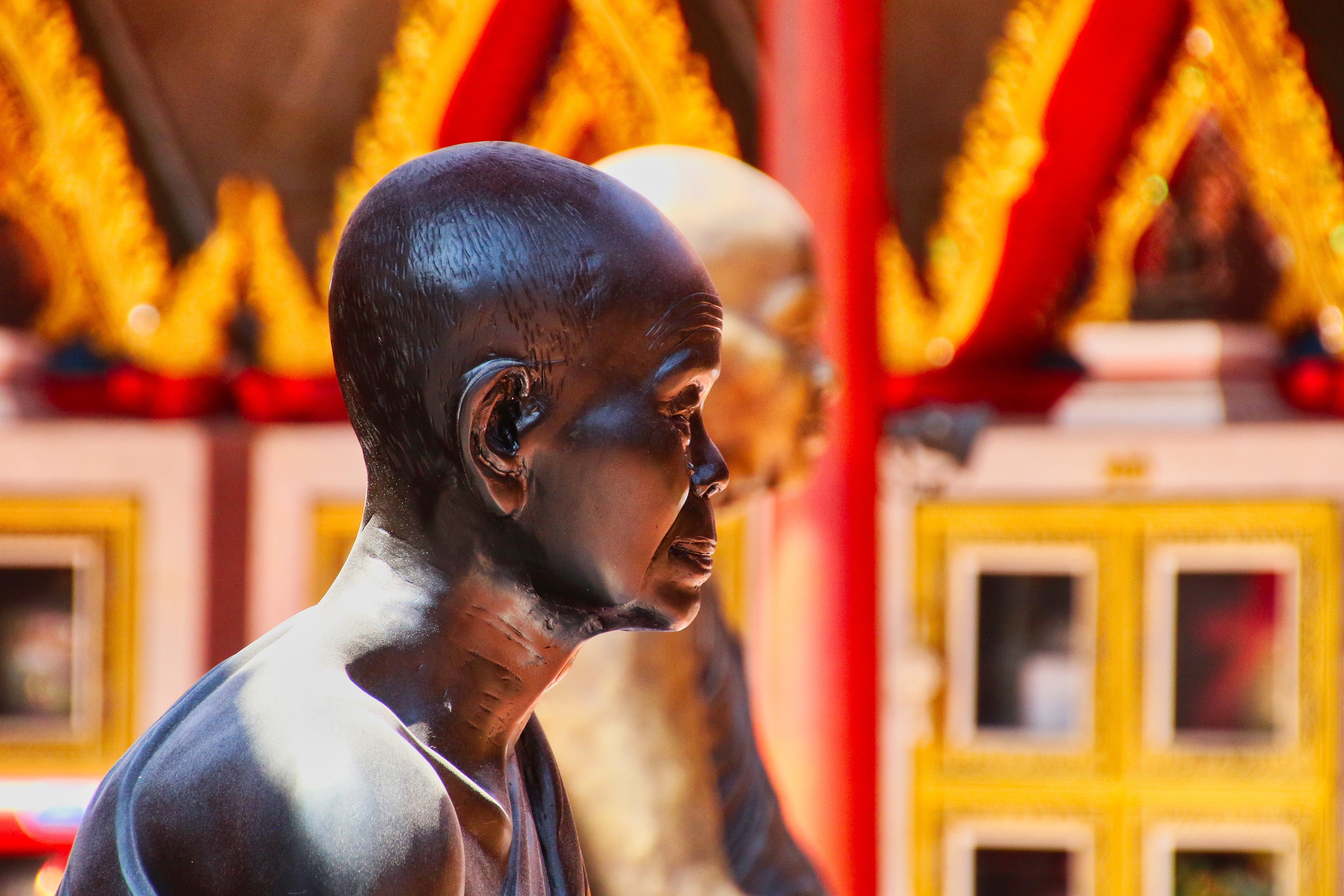
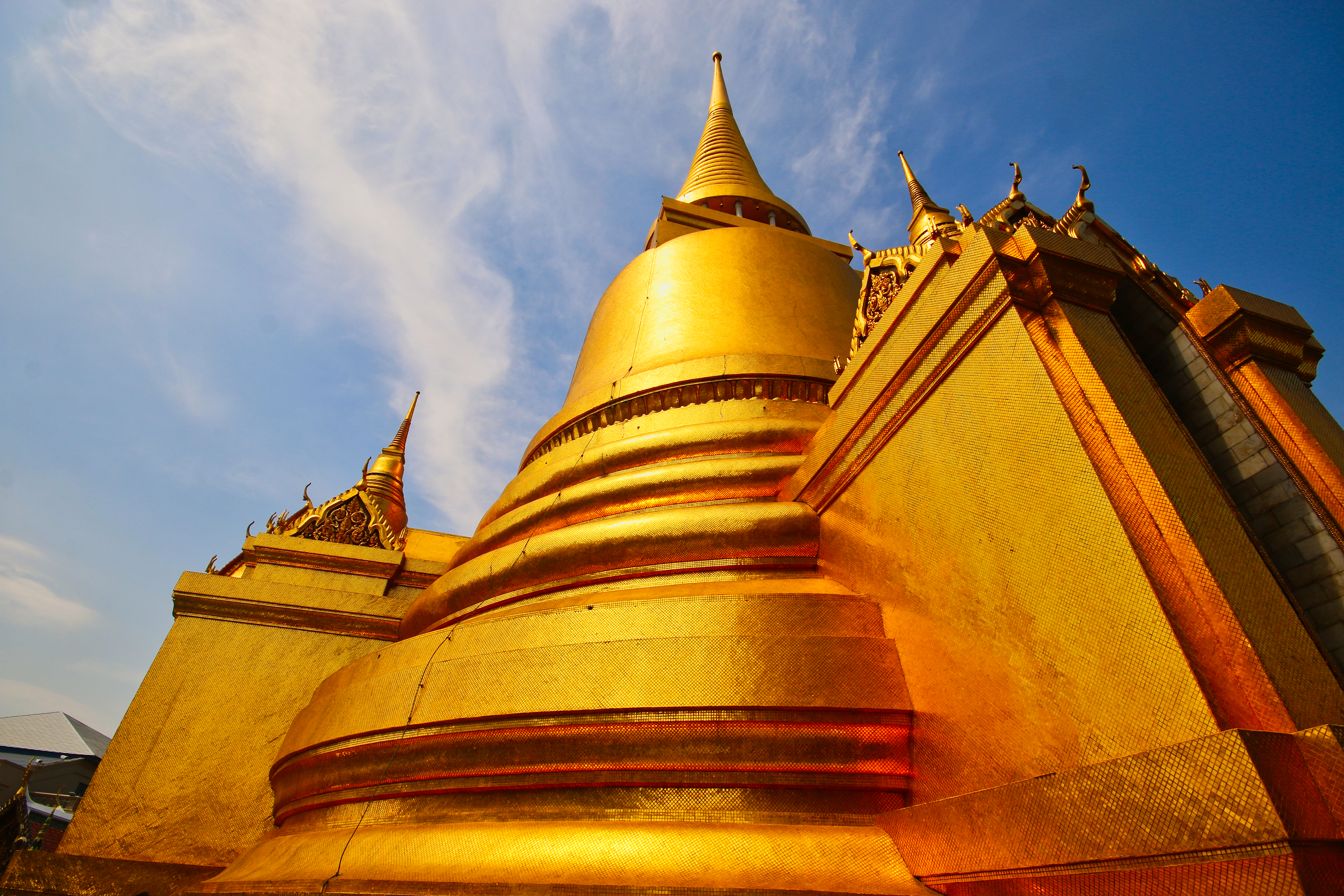
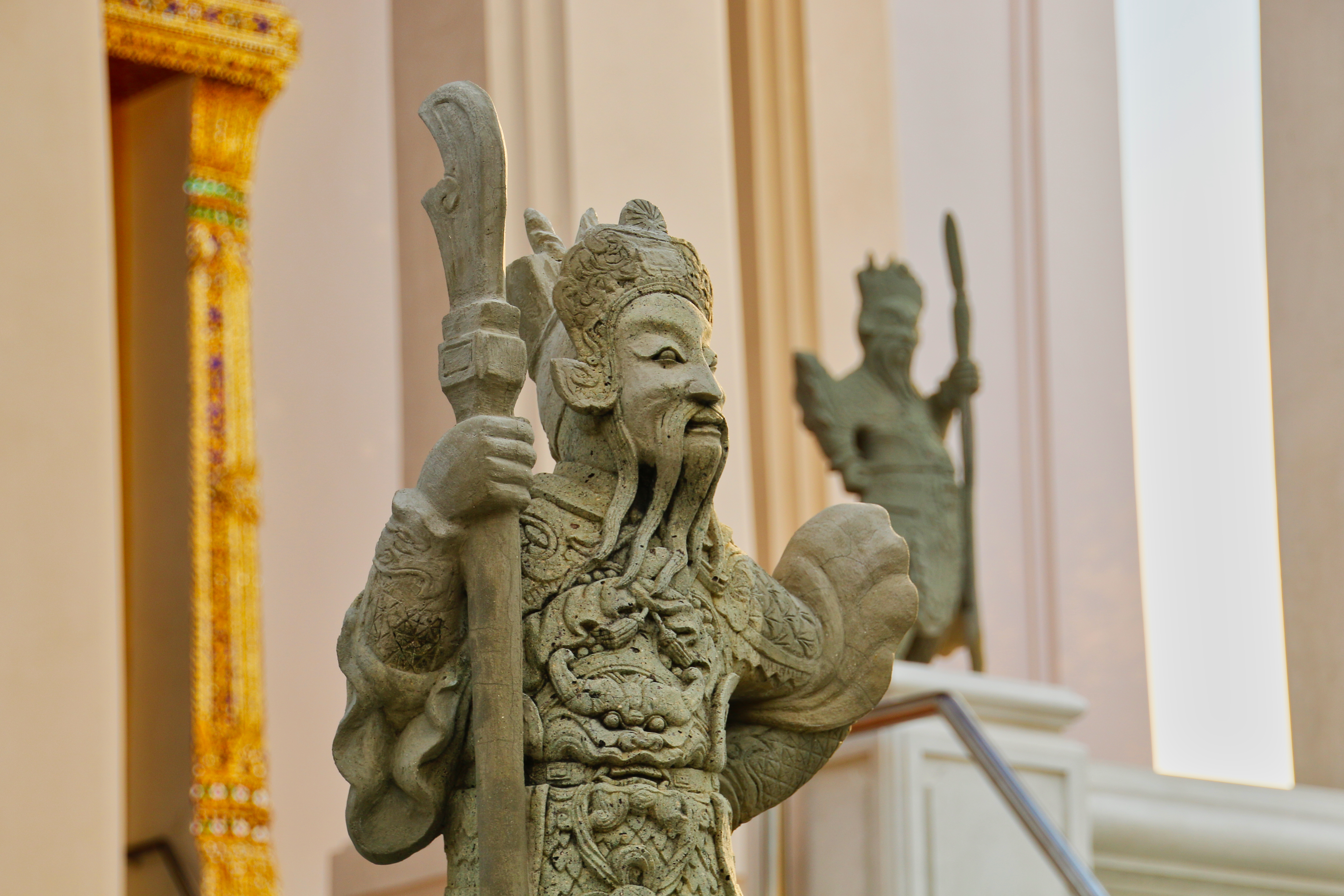

Thailand, for sure, is the most accessible country to travel to in South East Asia. It is very safe, has a pretty good infrastructure with many low-cost airlines, and you can discover it on a budget quickly without sharing your bed with cockroaches. Also, it can be visited best during the winter in the Northern Hemisphere when there is generally a dry season in most of Thailand, and the conditions for traveling and enjoying the beaches are very favorable.
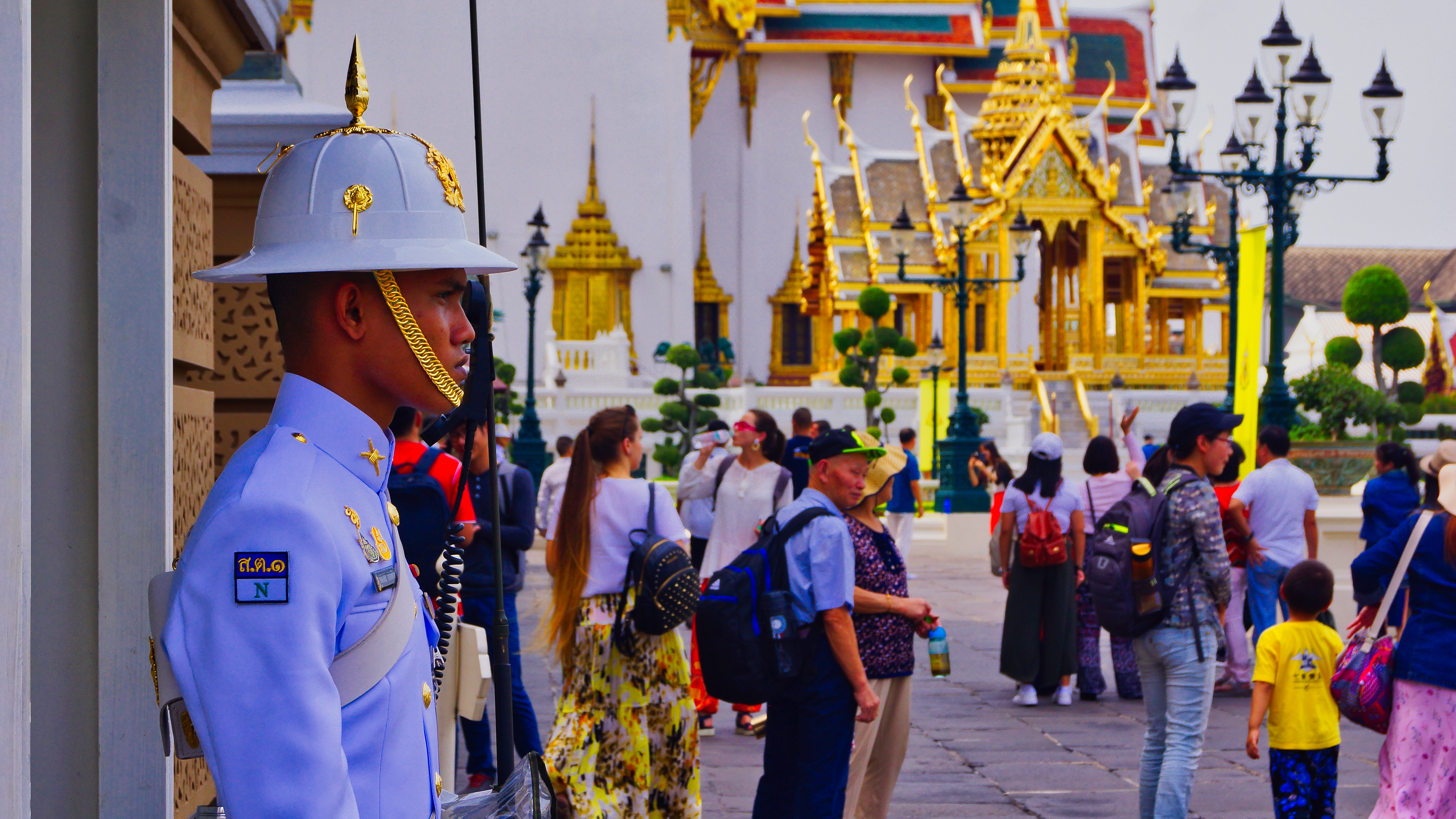
At the same time, Thailand is also a country with a long history and a lot of cultures, being an independent Buddhist kingdom that has never been colonized by the Europeans (sharing this honor with Japan, by the way, is not the only similarity between these countries). When obeying some strict rules like respecting the king, who can be seen everywhere in pictures, you can pretty much roam freely in Thailand, and the people are pretty open-minded. Being transgender, for example, is not a big issue over here; the sight of so-called ladyboys is pretty standard. Thais are very friendly to tourists, and of course, some will see an opportunity to sell you something, but you are not a walking dollar bill like in other parts of Asia and Africa. Unfortunately, the level of fluency in English is not very high among Thais, especially the older ones, but it changes, and some kind of communication is always within reach, maybe with a little bit of imagination or the help of Google translate.



This article is part of the “Urban Discoveries” series, in which we seek and discover exciting and well-designed places to eat and drink around Europe, especially in Vienna. Last time, I worked with my colleague and dear friend Maximilian Martsch, a researcher who works on food history. The pictures were shot by myself. Thanks to the folks at Bao Bar for the invitation and the excellent talk.
If you are searching for new restaurants in Vienna serving delicious, foreign food besides the usual suspects, Bao Bar might just be the right place for you. Centrally located in Zollergasse, right around the corner from Vienna’s busy shopping street, Mariahilferstraße, Bao Bar offers high-quality Asian food conveniently tucked into a steamed bun.

Bao, or Gua Boa, is a Taiwanese street specialty consisting of a soft, steamed wheat bun filled with mouth-watering ingredients. Originating in the Chinese province of Fujian, Gua Bao was adopted into Taiwanese culture and ultimately became a staple of the country’s street food scene. Gua Boa had its breakthrough into Western mainstream street food culture in North America, where it is still a popular pick among urban foodies – naturally, there even is a short Vice documentary on it. International trends always seem to take some years before they find their way to Vienna, but with Bao Bar, you now have the right place to get your hands on this delicious treat. The owner is a young, trained cook who came up with the restaurant idea after traveling and eating his way around Southeast Asia. Since one and a half years, Boa Bar has been open for business and serves its burgers to the hungry Viennese crowd.
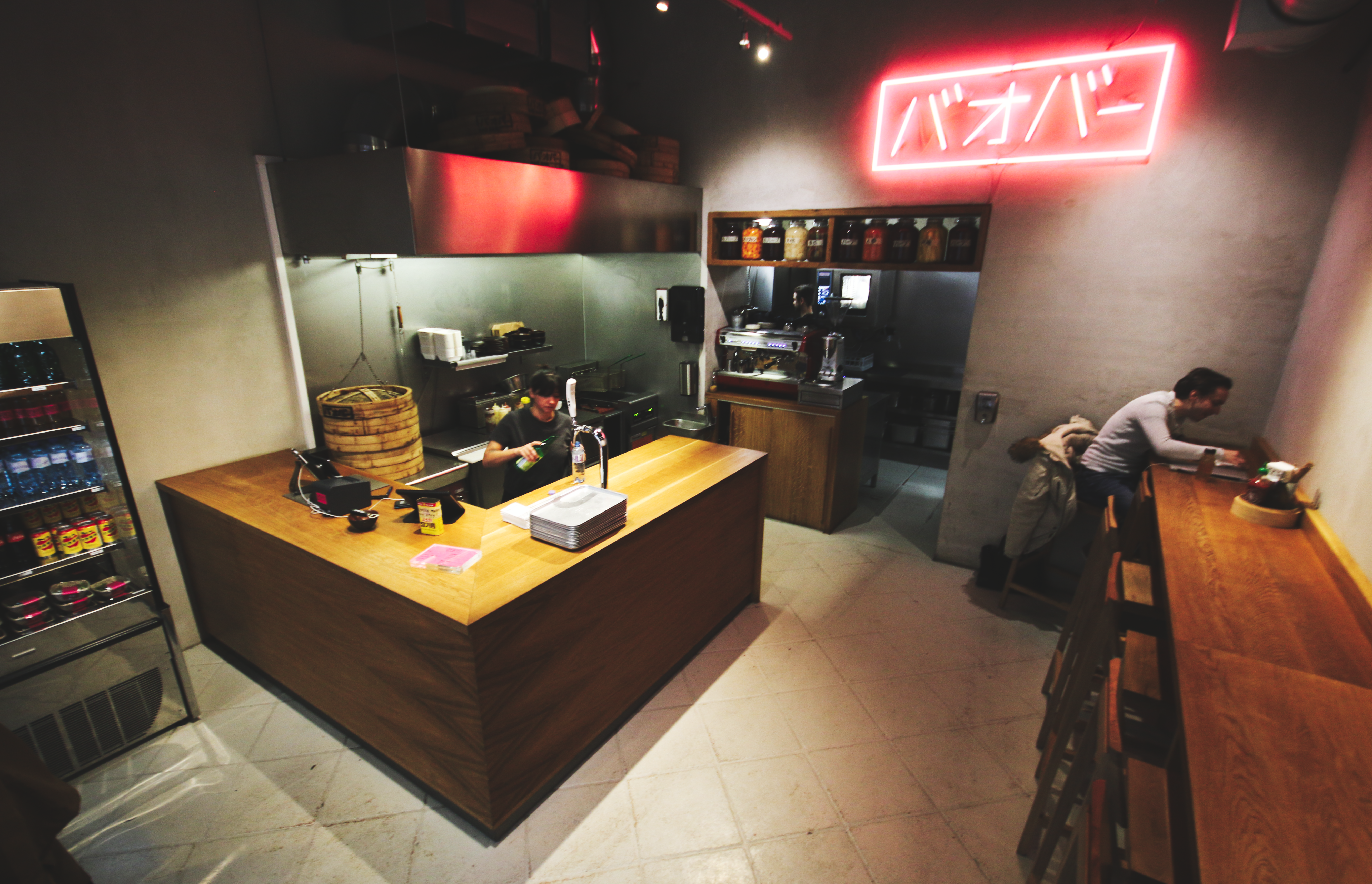
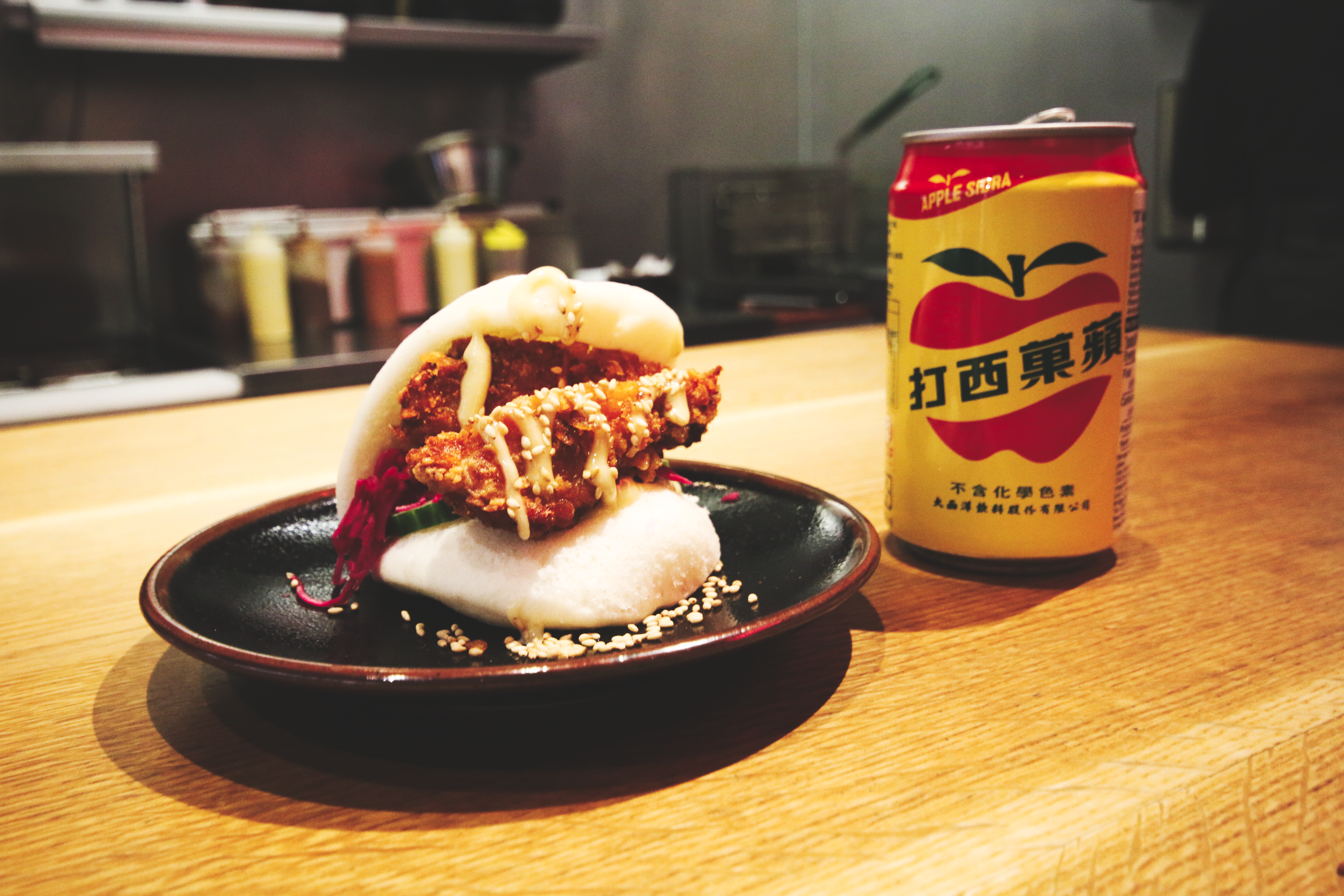
The name already implies that Bao Bar is relatively small. The design is inspired by Japanese art and the movie Blade Runner. The combination of pink signs, black and white floor tiles, a wooden interior, and steel pipes gives the place a stylish, sleek vibe. There are several bar-style seating possibilities at the window and along the wall. The heart of the place is the open kitchen, where you can place your order and watch the skilled personnel swiftly assemble your burger. If you choose the menu option (Bao box), you can choose two buns, one side, and a soft drink. They have crispy sweet potato fries with nice kimchi ketchup, sesame slaw made of pickled vegetables, and Japanese edamame beans as sides, as well as a variety of drinks available, ranging from home-made lapacho ice tea, over Asian beers to Taiwanese soda. If you are in for a special treat, they even have Japanese Kirin beer on tap!

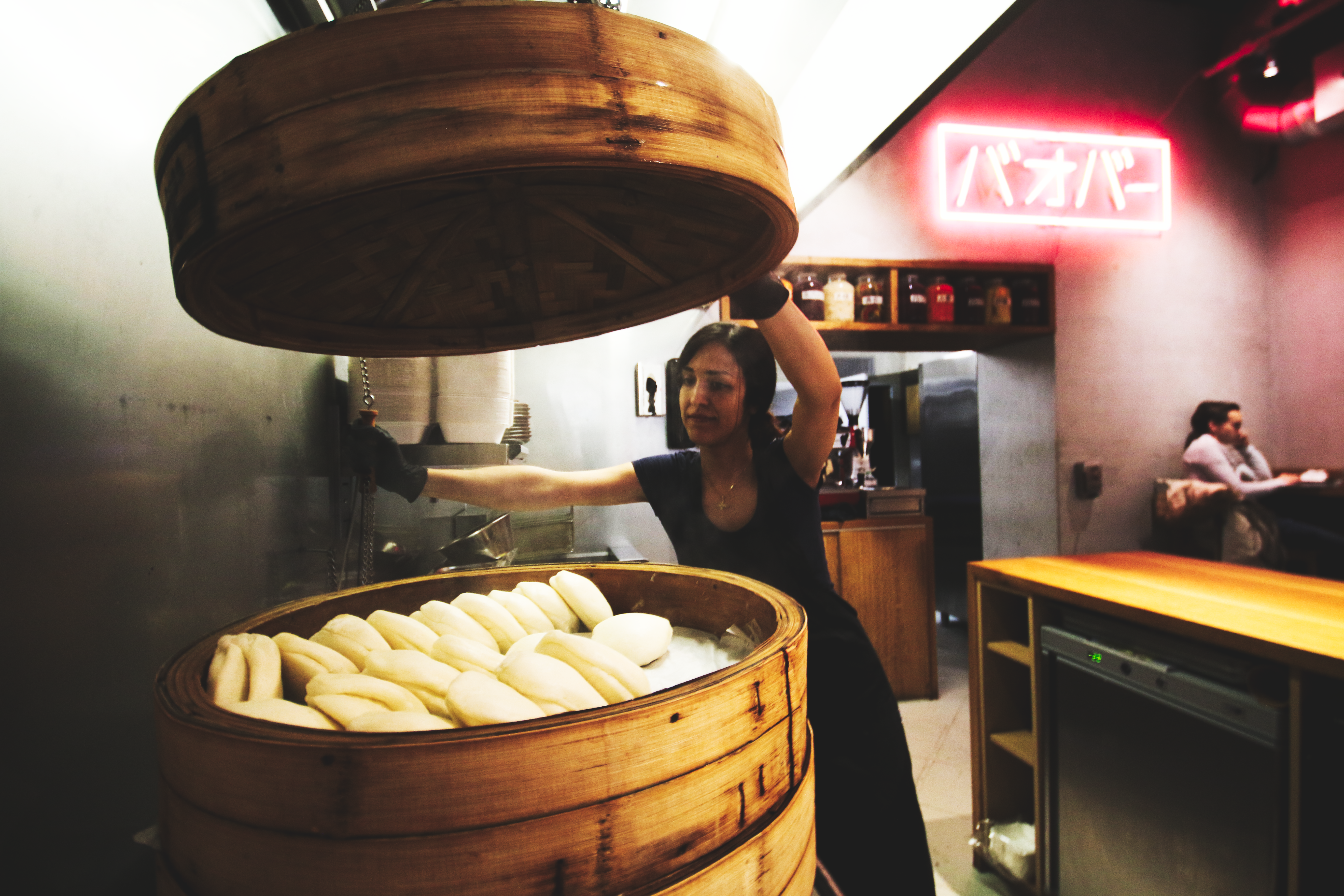
Bao Bar offers three burger variations: pork belly, crunchy chicken, and a vegan tofu option. All three are accompanied by pickled, crisp vegetables and rounded off by one of their homemade sauces. For instance, the traditional pork belly bao comes with a juicy slice of marinated, red-cooked pork belly, pickled cucumber, house-made hoisin sauce, some fresh cilantro, and ground peanuts. It’s delicious, and all the ingredients are high quality. Apart from the meat from a small family-run butcher shop in the city, all ingredients are self-made. You can even see the vegetables slowly fermenting in big jars over the counter. The heart of the bao burger, the white wheat buns, are produced fresh every morning in the back before being steamed over boiling water right in front of the customer.
Overall, Bao Bar is a great place to have a quick bite or order for takeaway. It’s a well-thought-through place that offers fresh, high-quality fast food. If you don’t have the time to check it out in person, you can order their food via Foodora, but then you’ll miss out on the great design and lively atmosphere.
To learn more about Bao Bar and their opining hours, visit https://www.baobar.at/.
 Michael Hoffman Photography