
Fortress of the Working Class: Karl-Marx-Hof
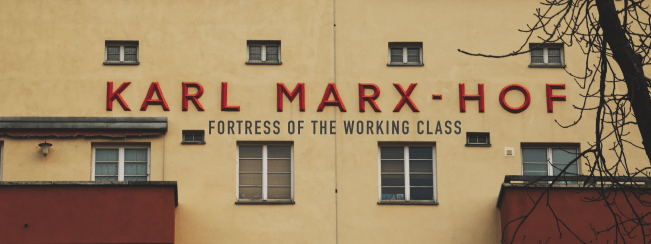
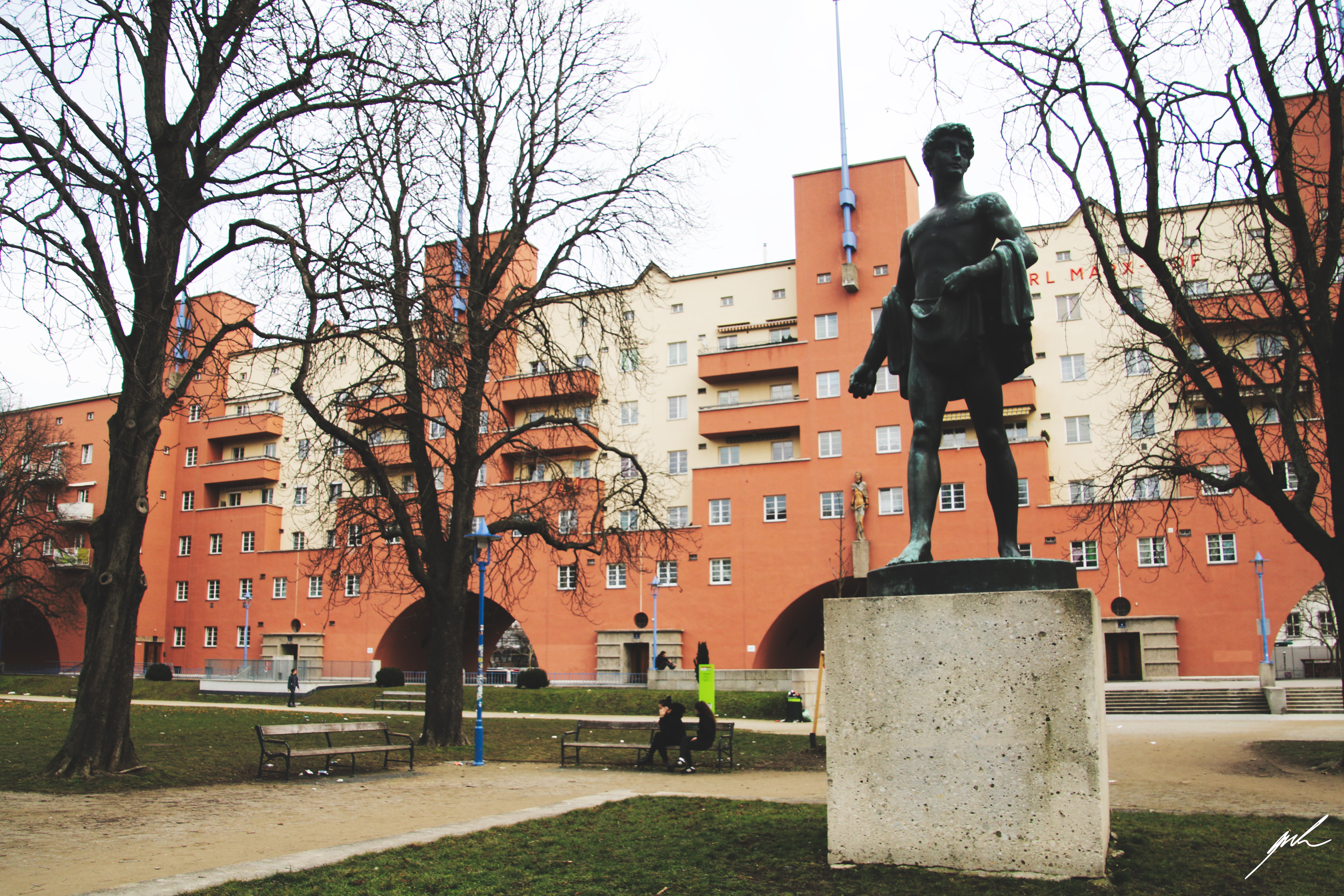
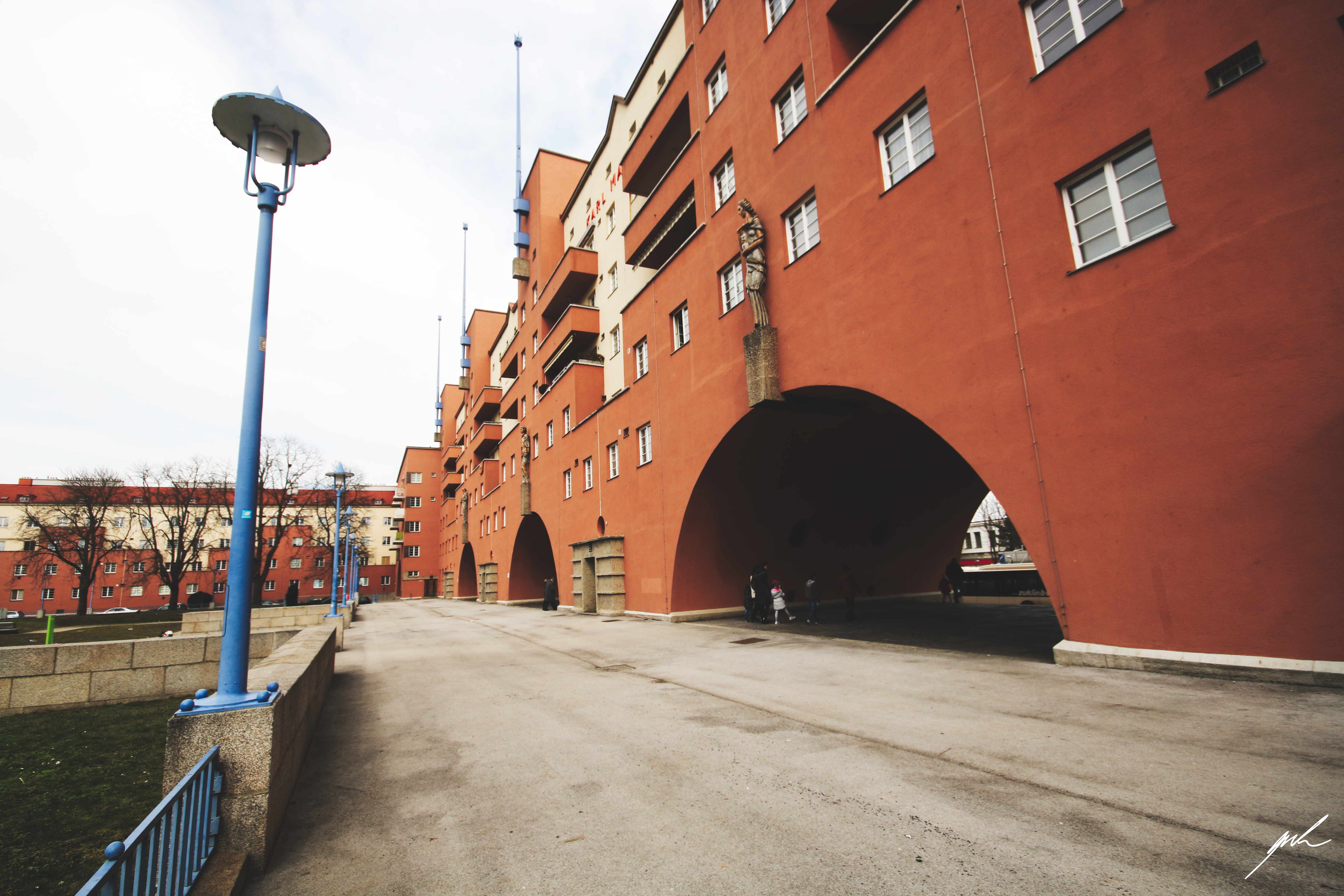
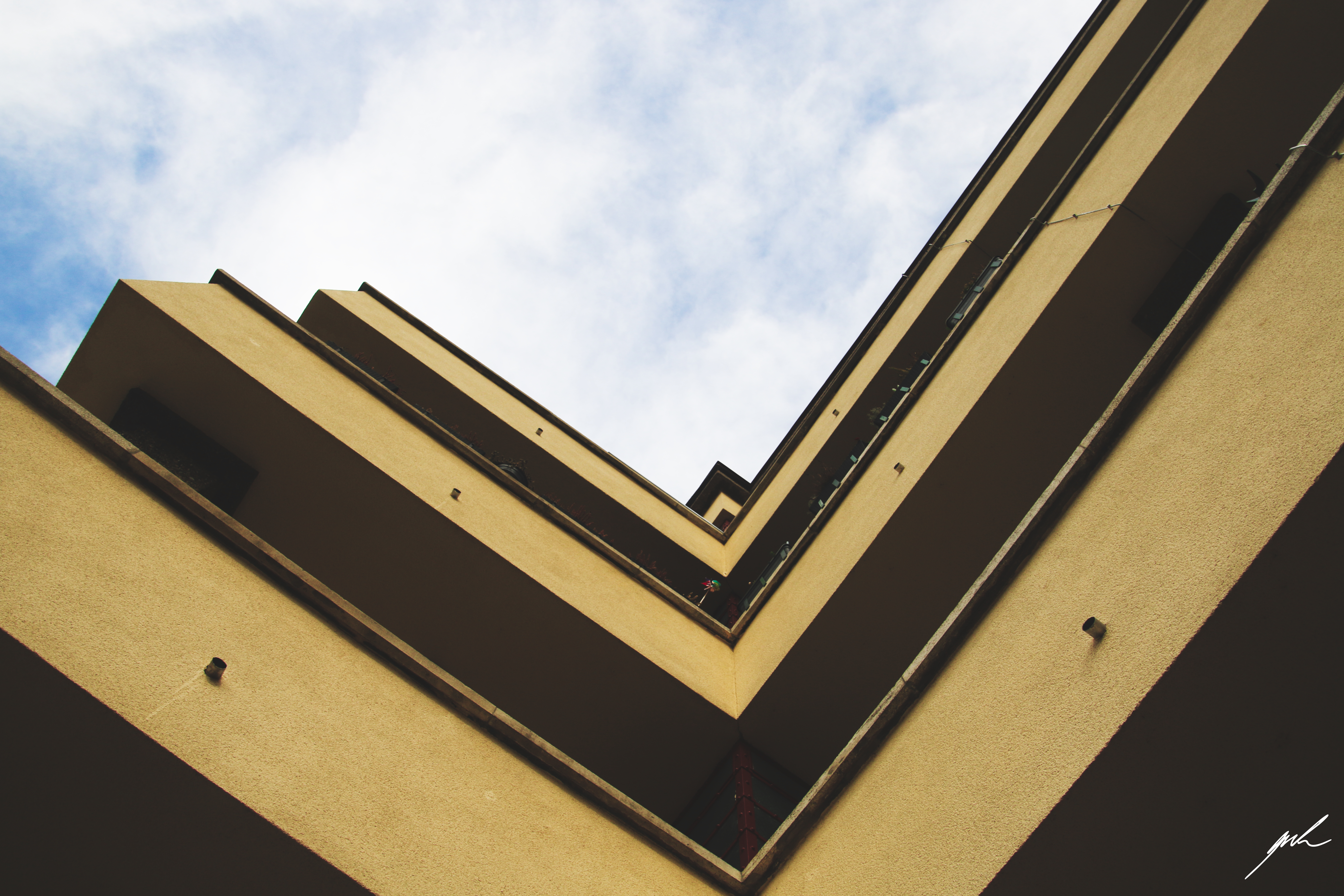
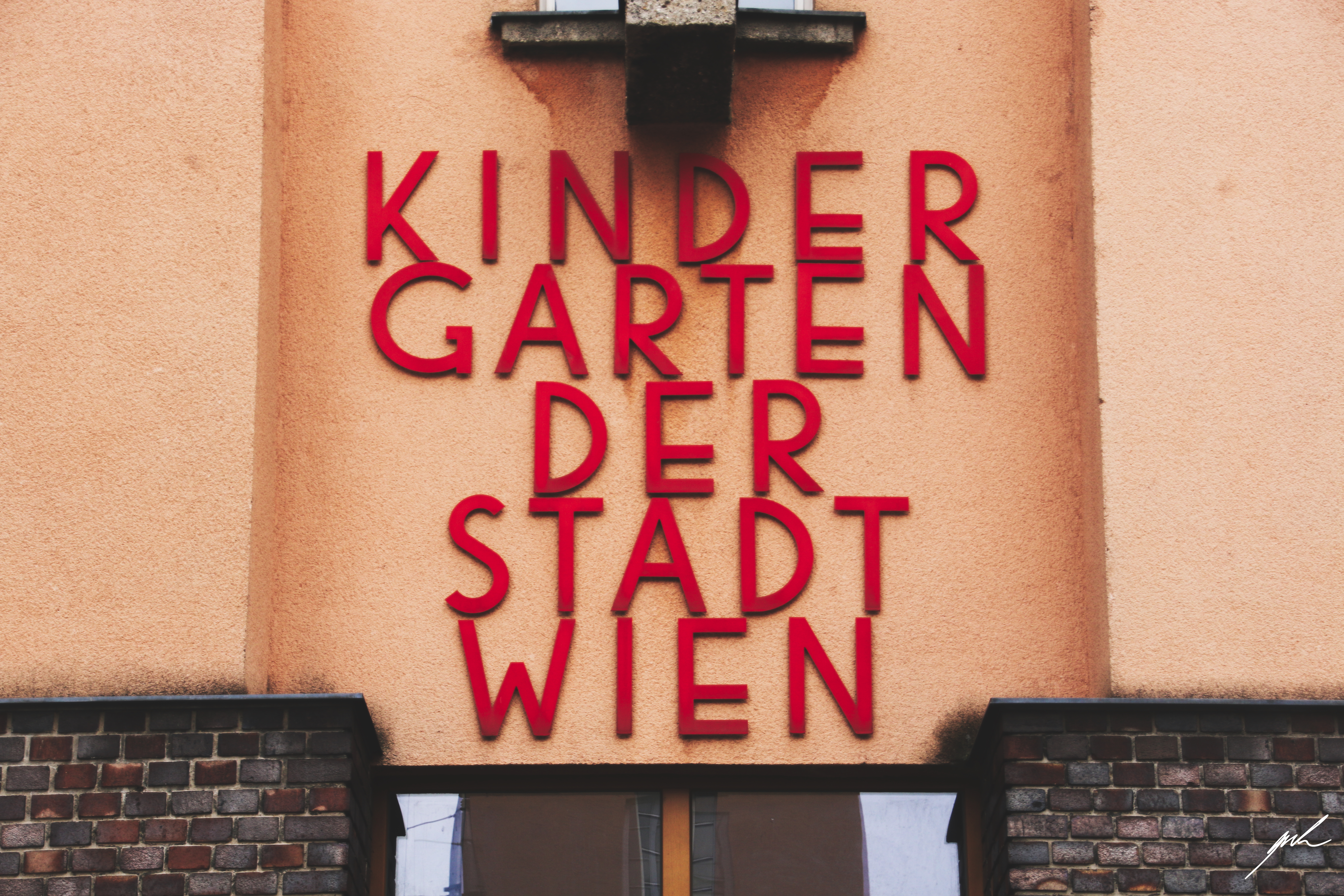
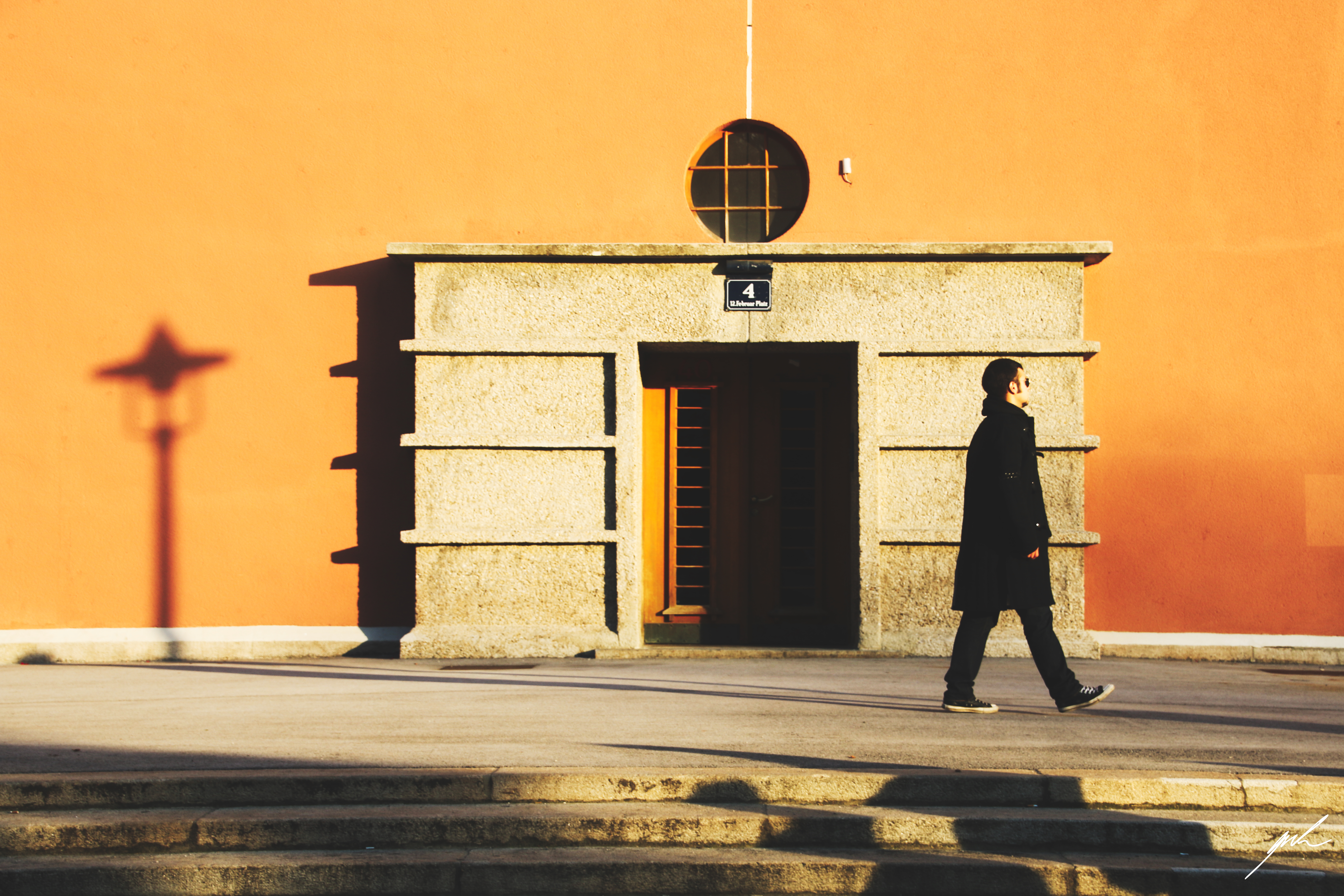
About a year ago, I published a series about famous Viennese communal apartment blocks called “Gemeindebau.” I photographed the “Rabenhof”, i.e., raven court, in the 3rd district the last time. Today, I want to introduce one of the most famous “Gemeindebauten,” the Karl-Marx-Hof in the north of Vienna, named after the father of communism himself. The large building complex was constructed in the 1930s when Vienna was known as a red city due to the leftwing government in the town hall. The Karl-Marx-Hof was designed and built by a student of the famous Austrian architect Otto Wagner, Karl Ehn, and stretches over a length of more than 1 km. Along the way, there are four tramway stations. The building has a kindergarten, parks, and community centers. In the short civil war in 1934, many socialists barricaded themselves in the sizeable fortress-like building and fought against the right-wing troops. Luckily, there were no deaths. Today, life is relatively quiet here, and the Karl-Marx-Hof is a peaceful fortress of the working class.









 Michael Hoffman Photography