
Azulejos of Lisbon

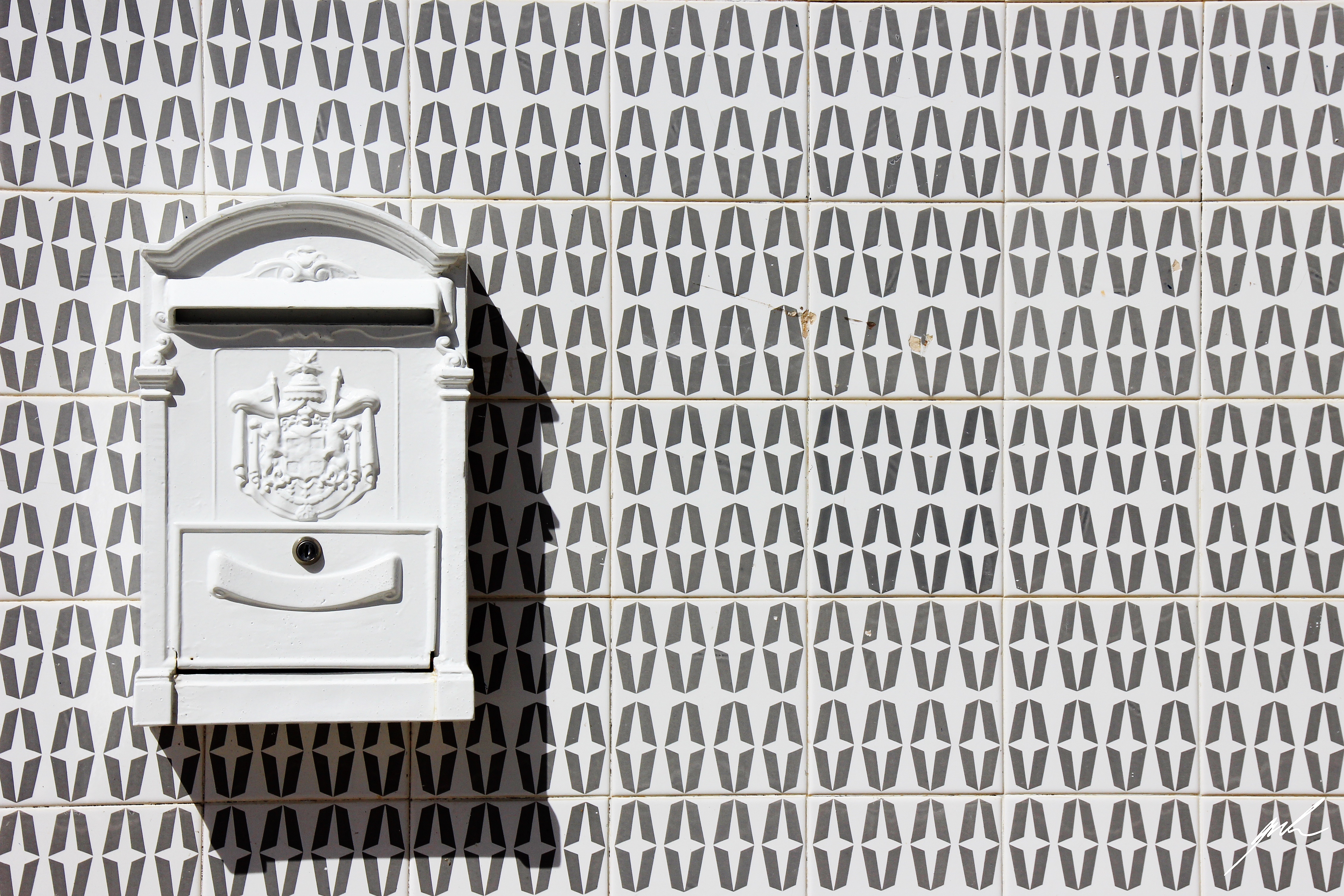
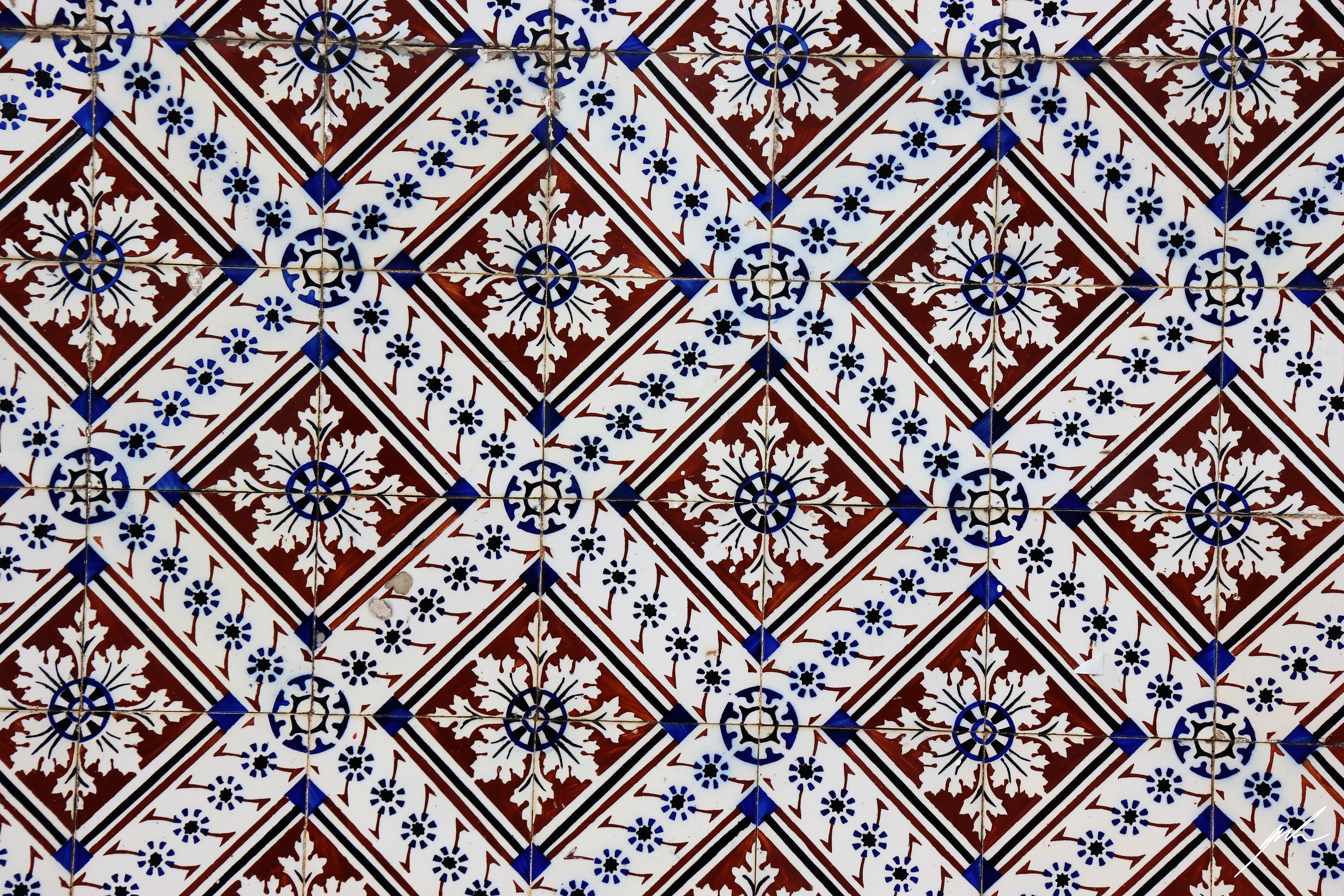
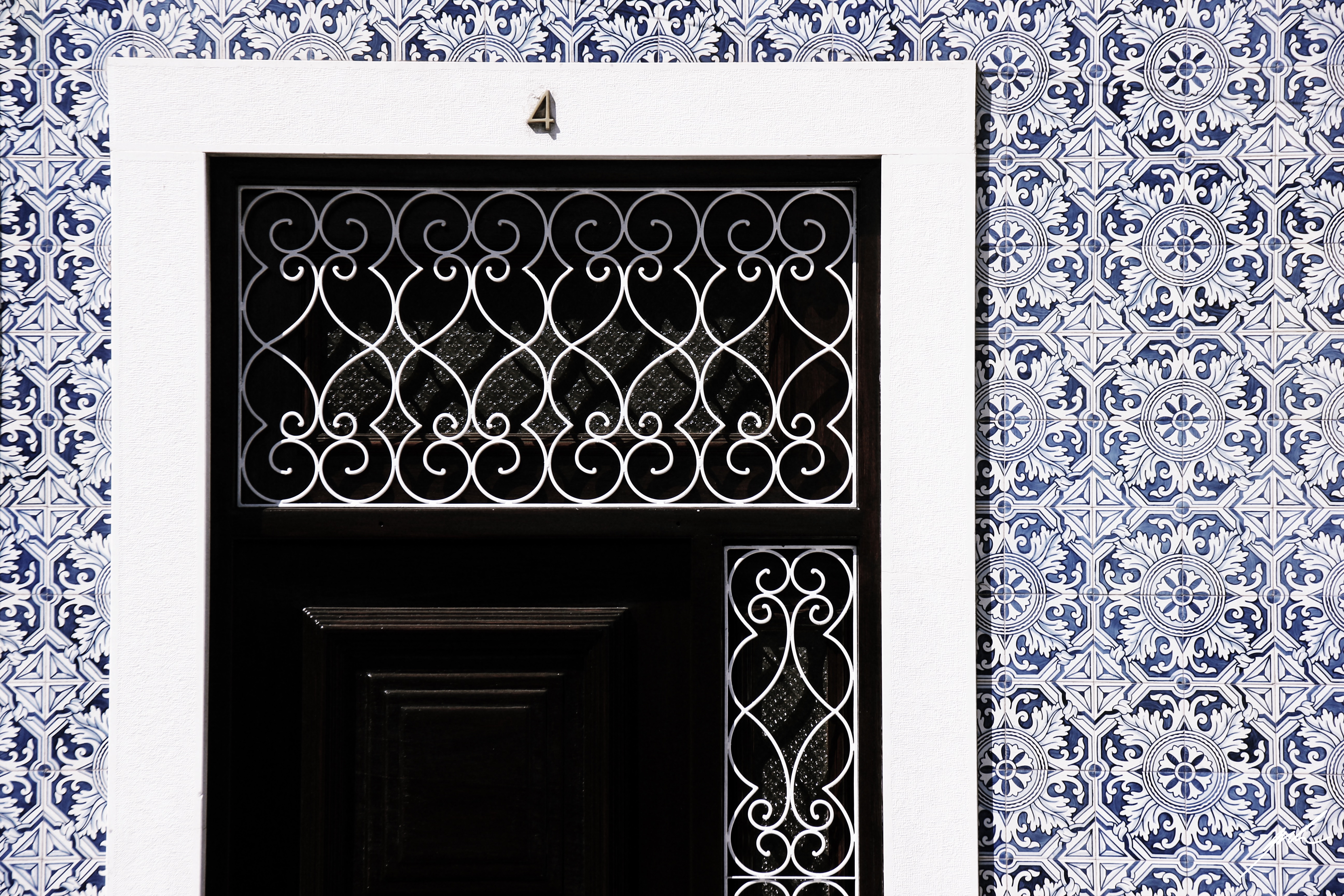
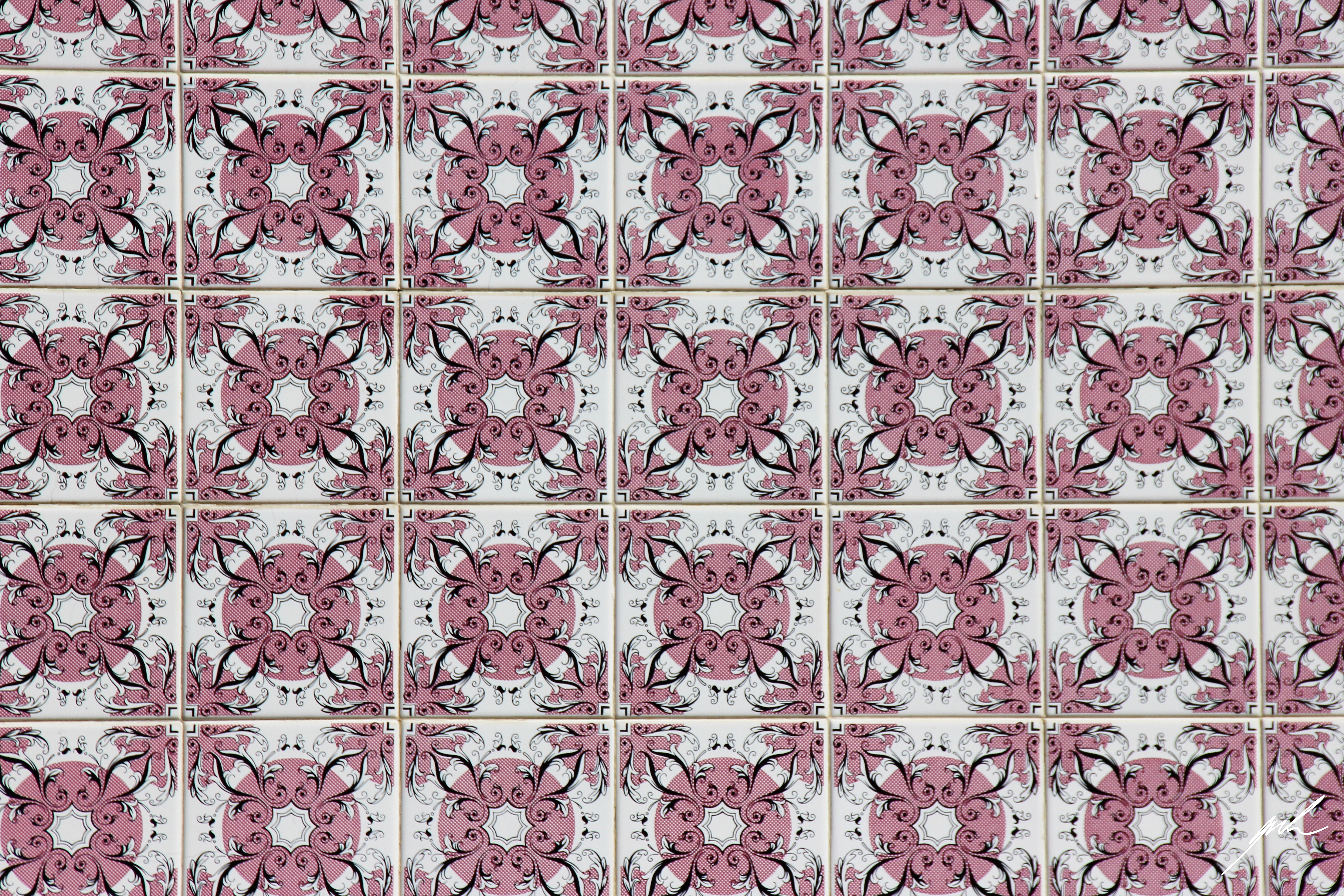
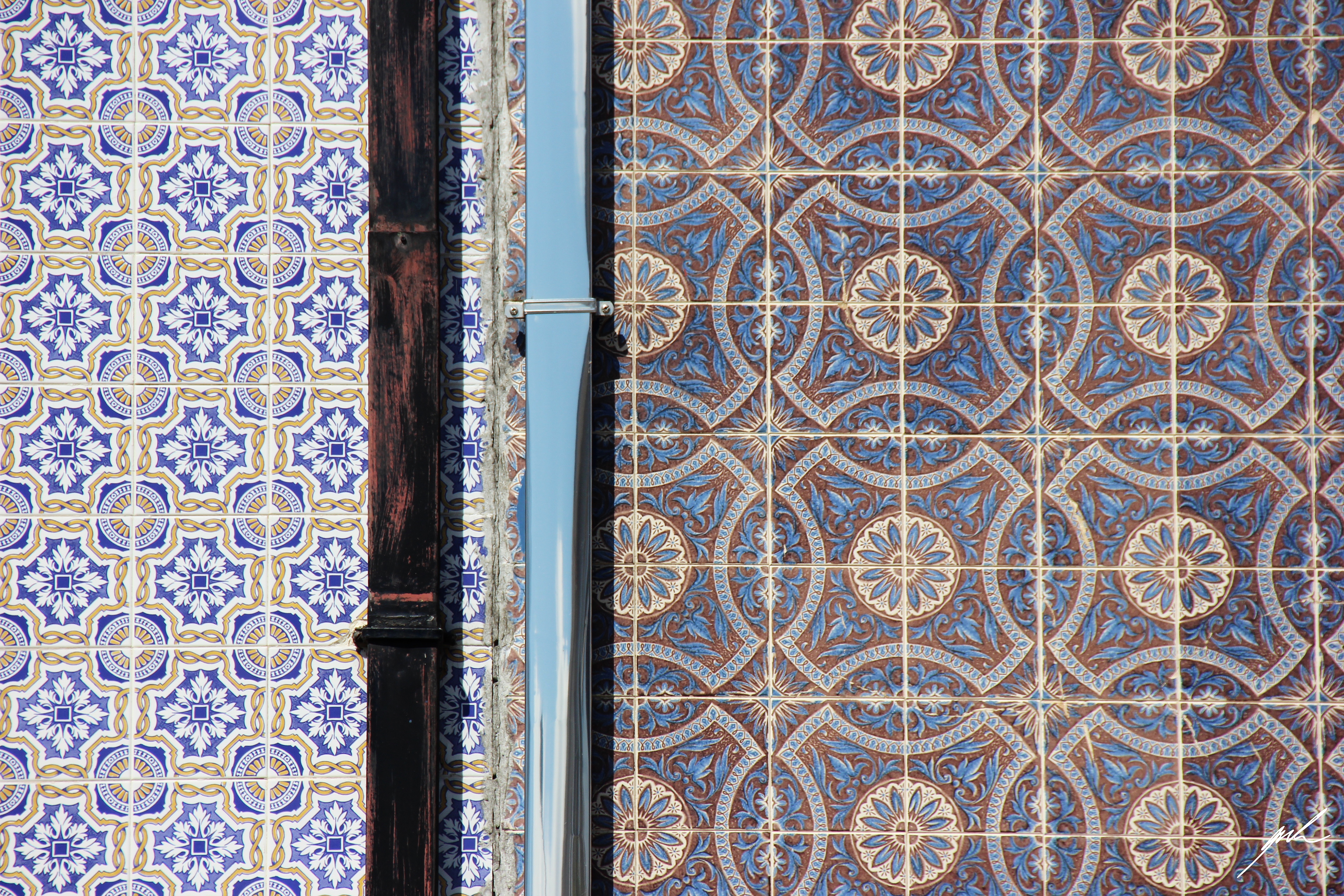
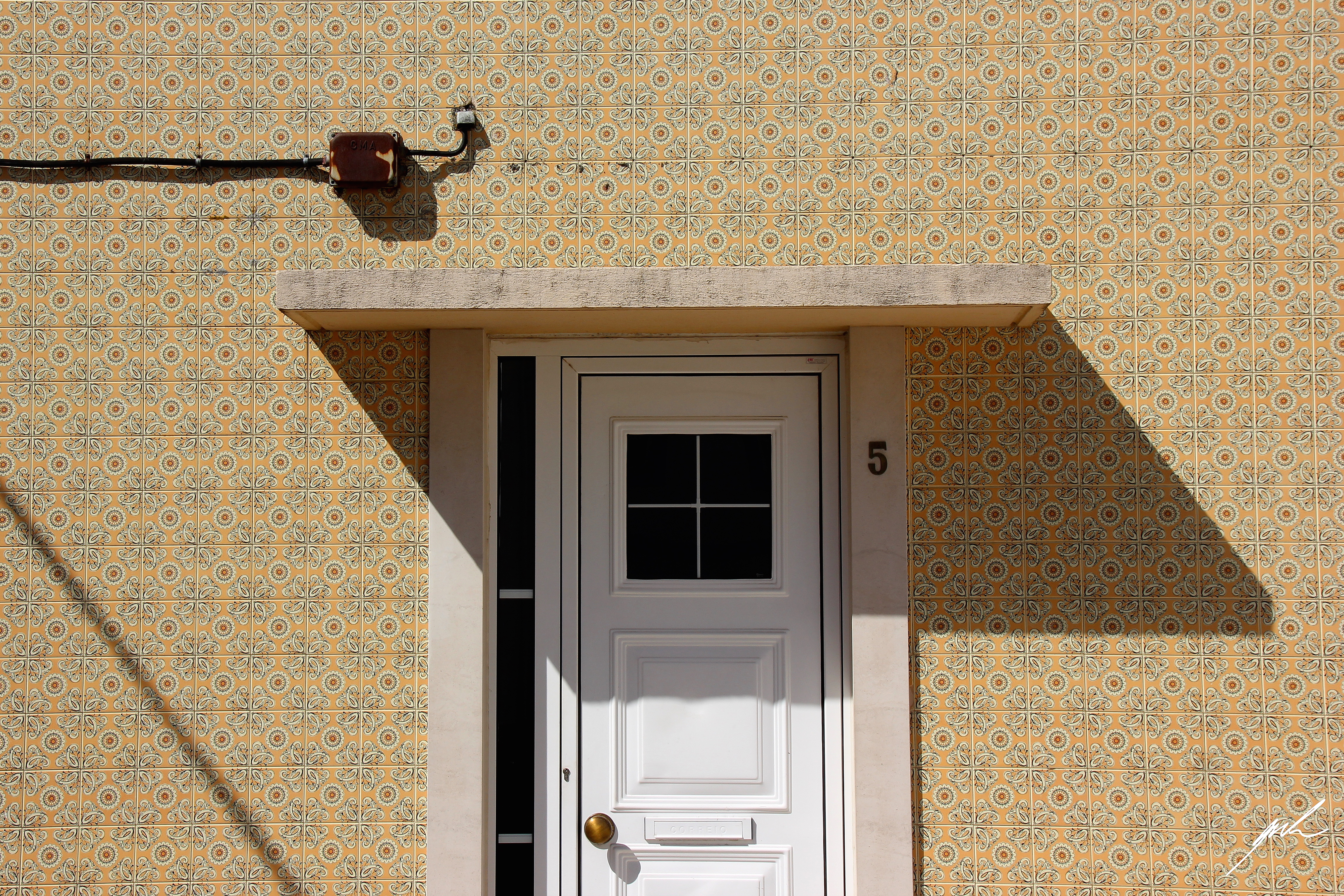
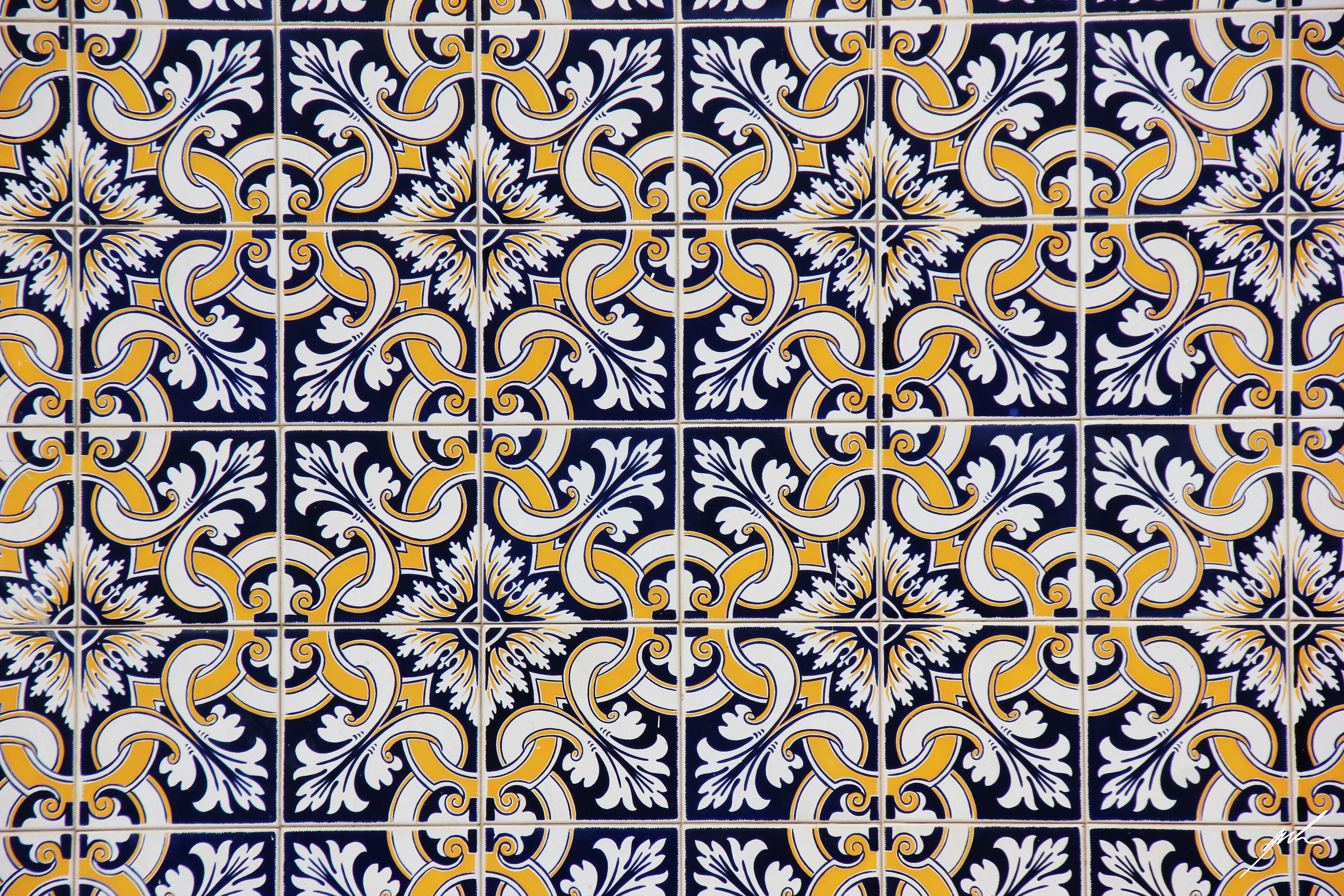
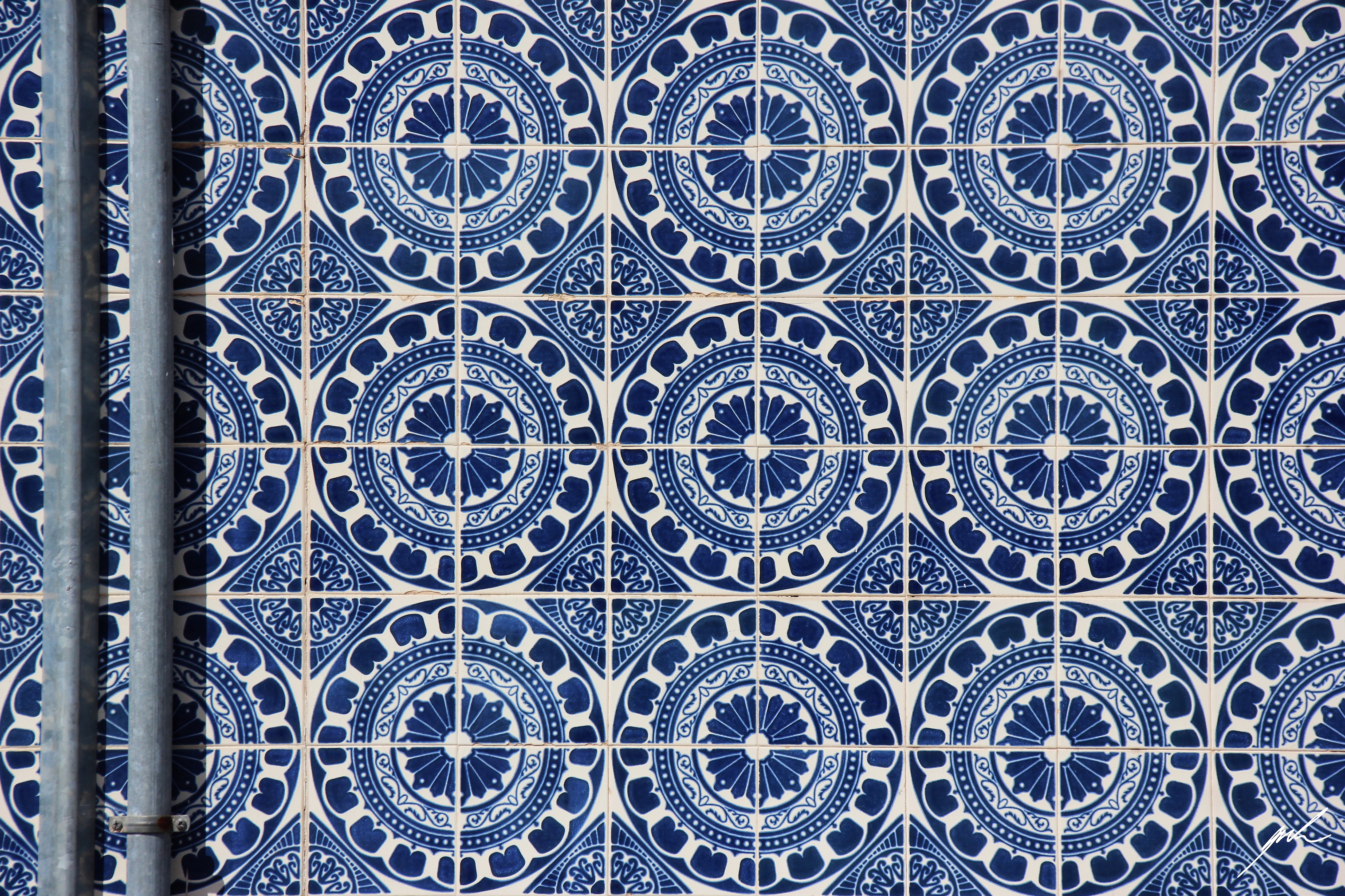
The capital of Azulejos is, without any doubt, Lisbon. Just to remind you, Azulejos are thin-glazed ceramic tiles covering many historic buildings in Portugal. Last time I presented them to you, I featured Azulejos from all of Portugal. This time, though, I want to lay my focus on the capital of the country. Azulejos come in all sorts of forms and colors, the variety is really remarkable. However, if you look closely, there are differences within the country (I have no scientific proof for my bold hypothesis). The patterns in Northern Portugal tend to be more flowery, and very often, they are composed of earthy and grounded colors, while in Lisboa, there are definitely more bright colors, and the style is more geometric.


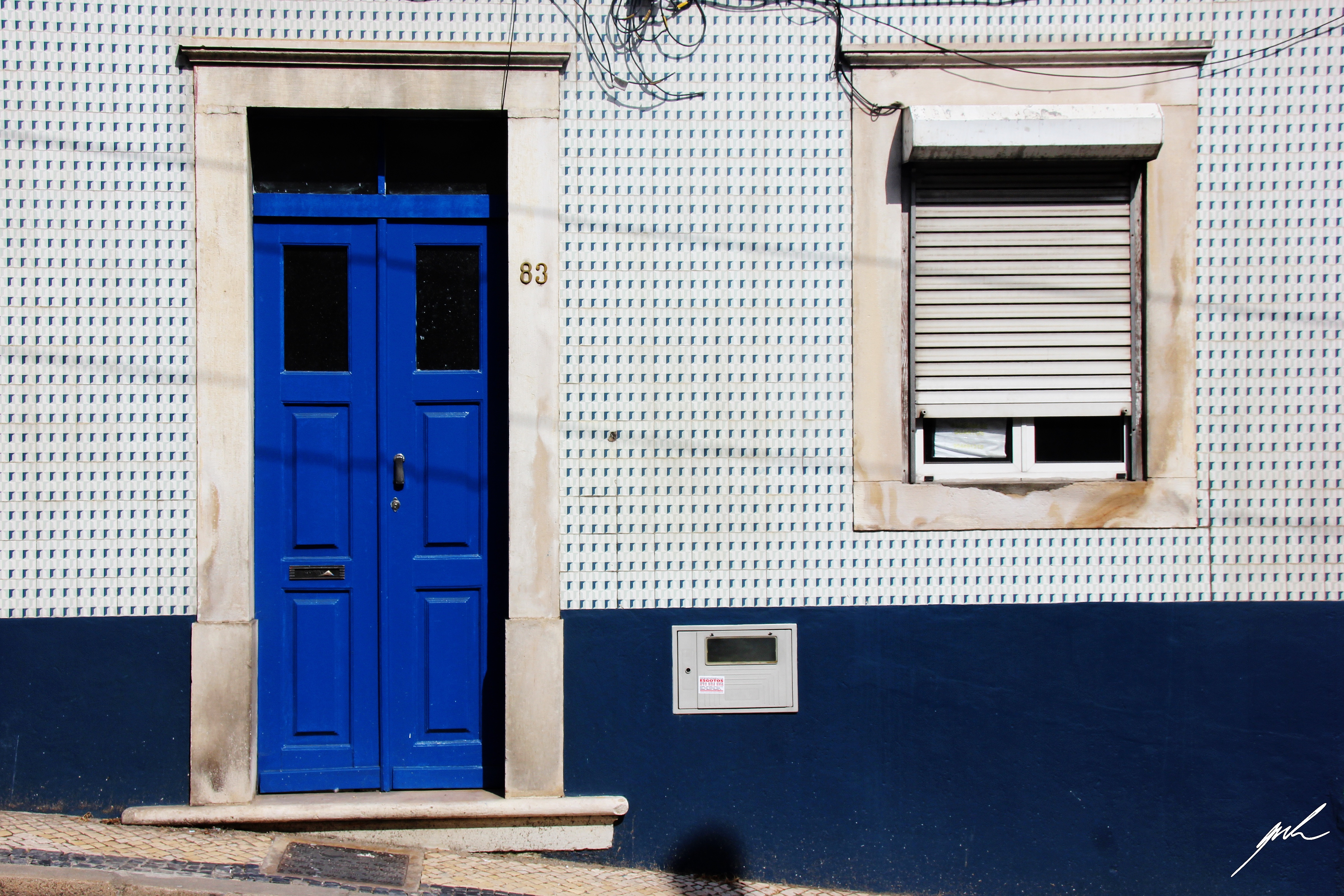
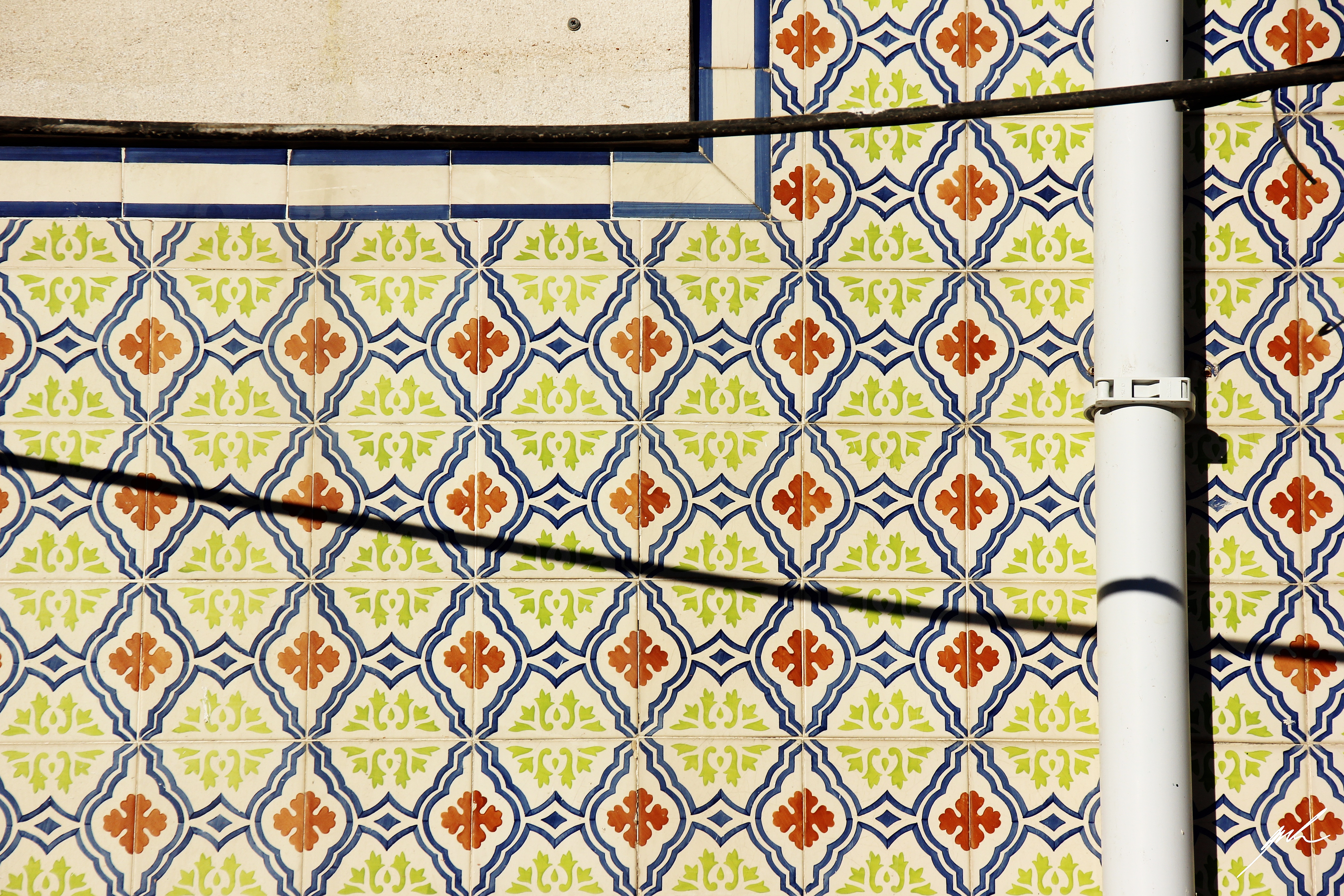
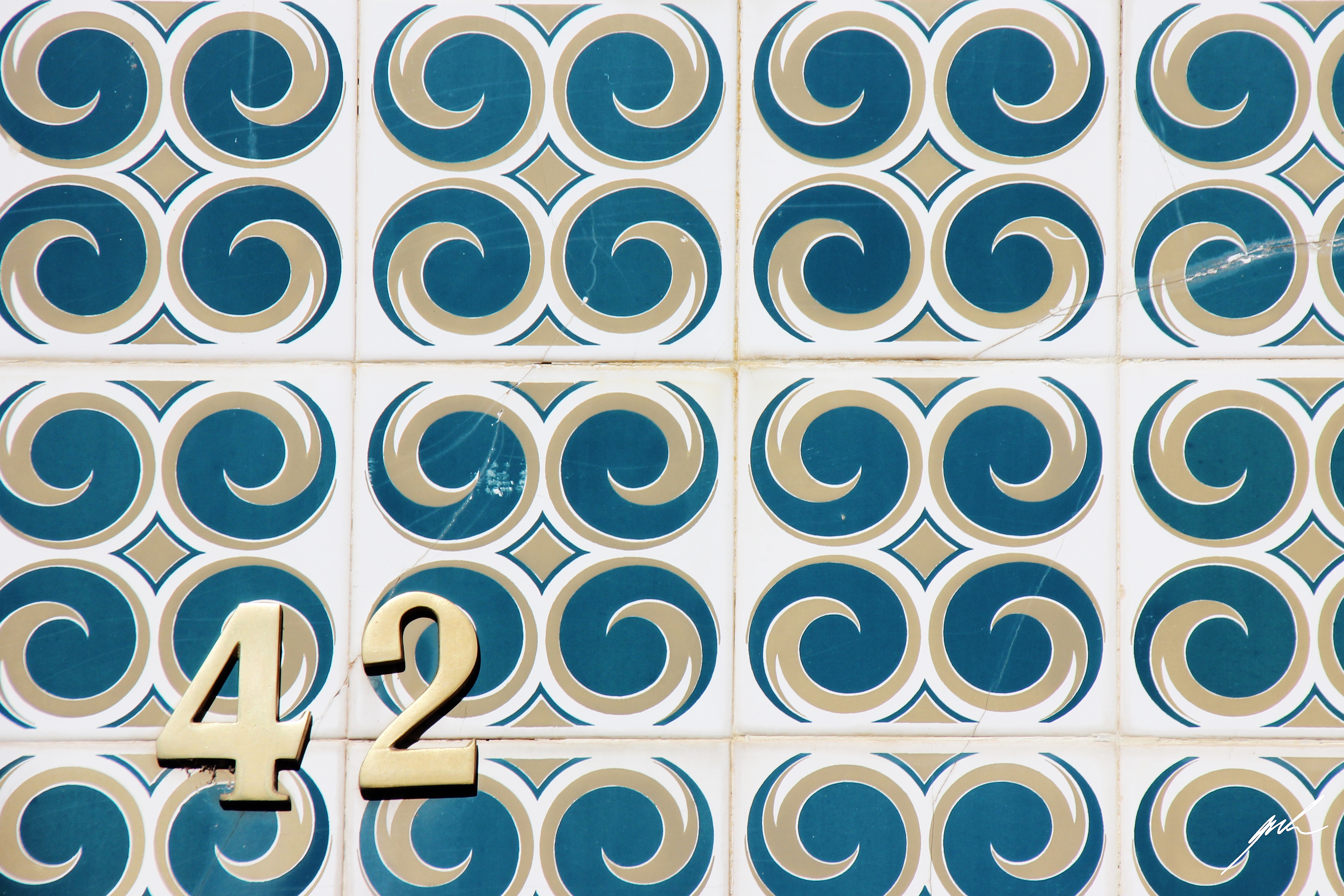
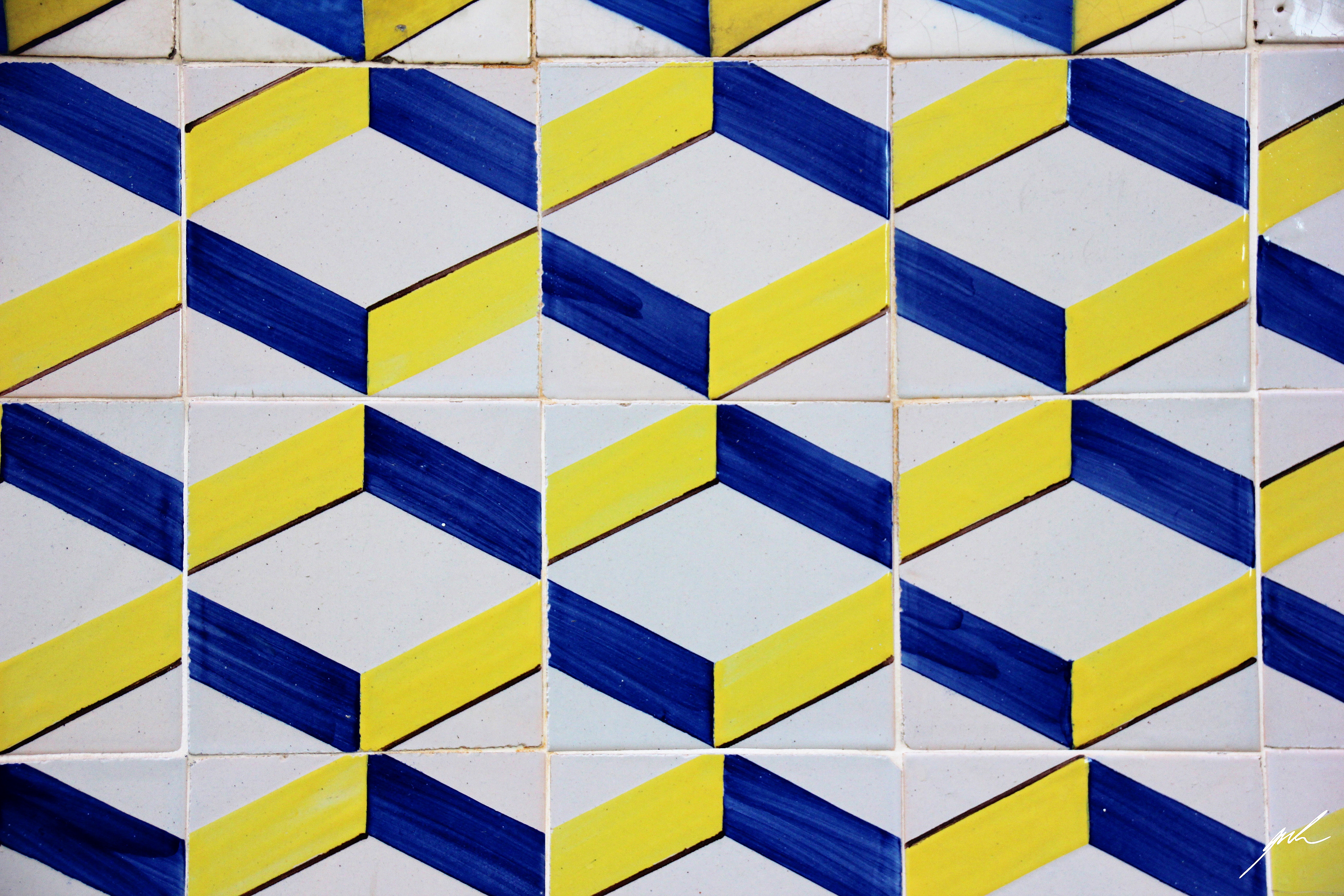
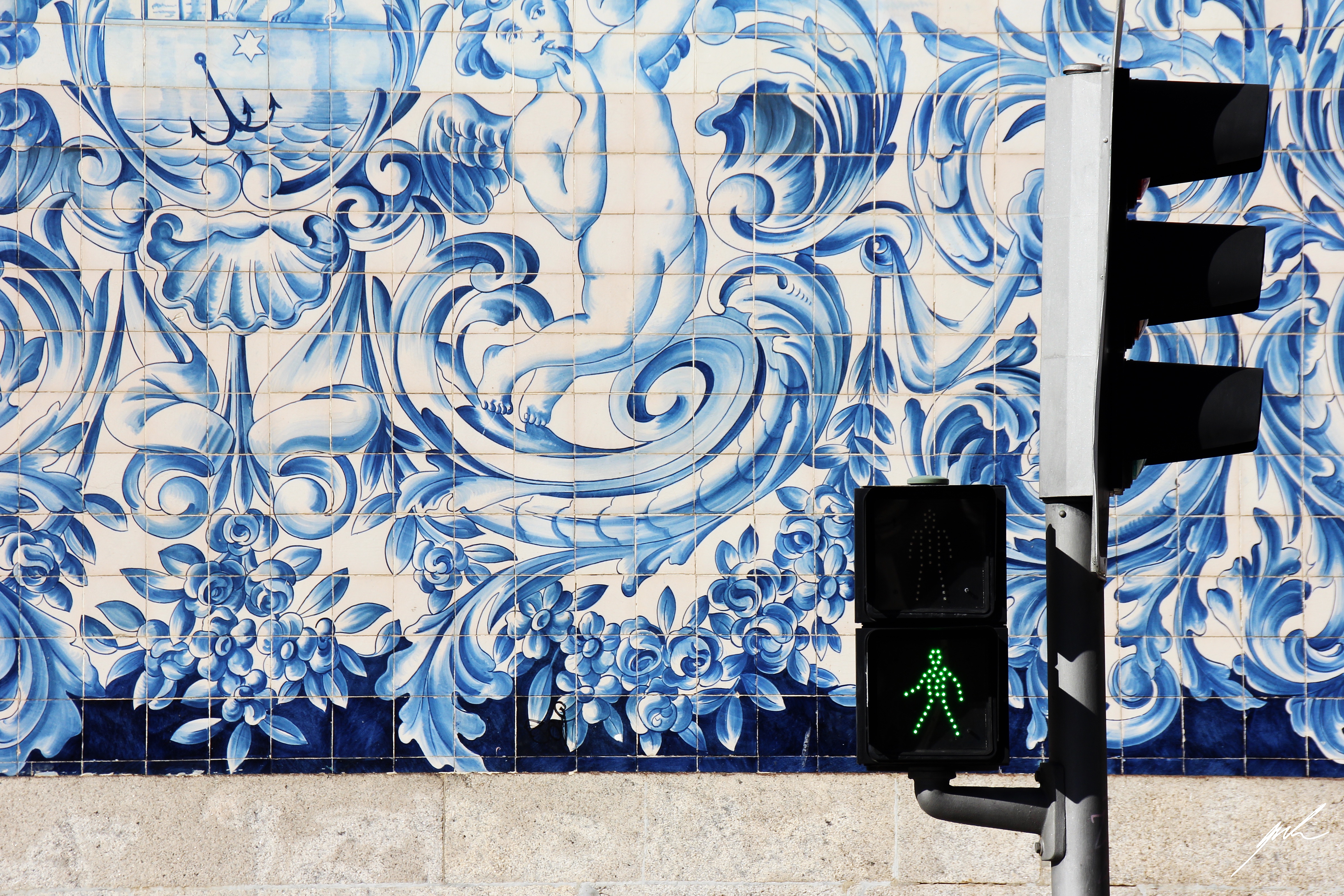
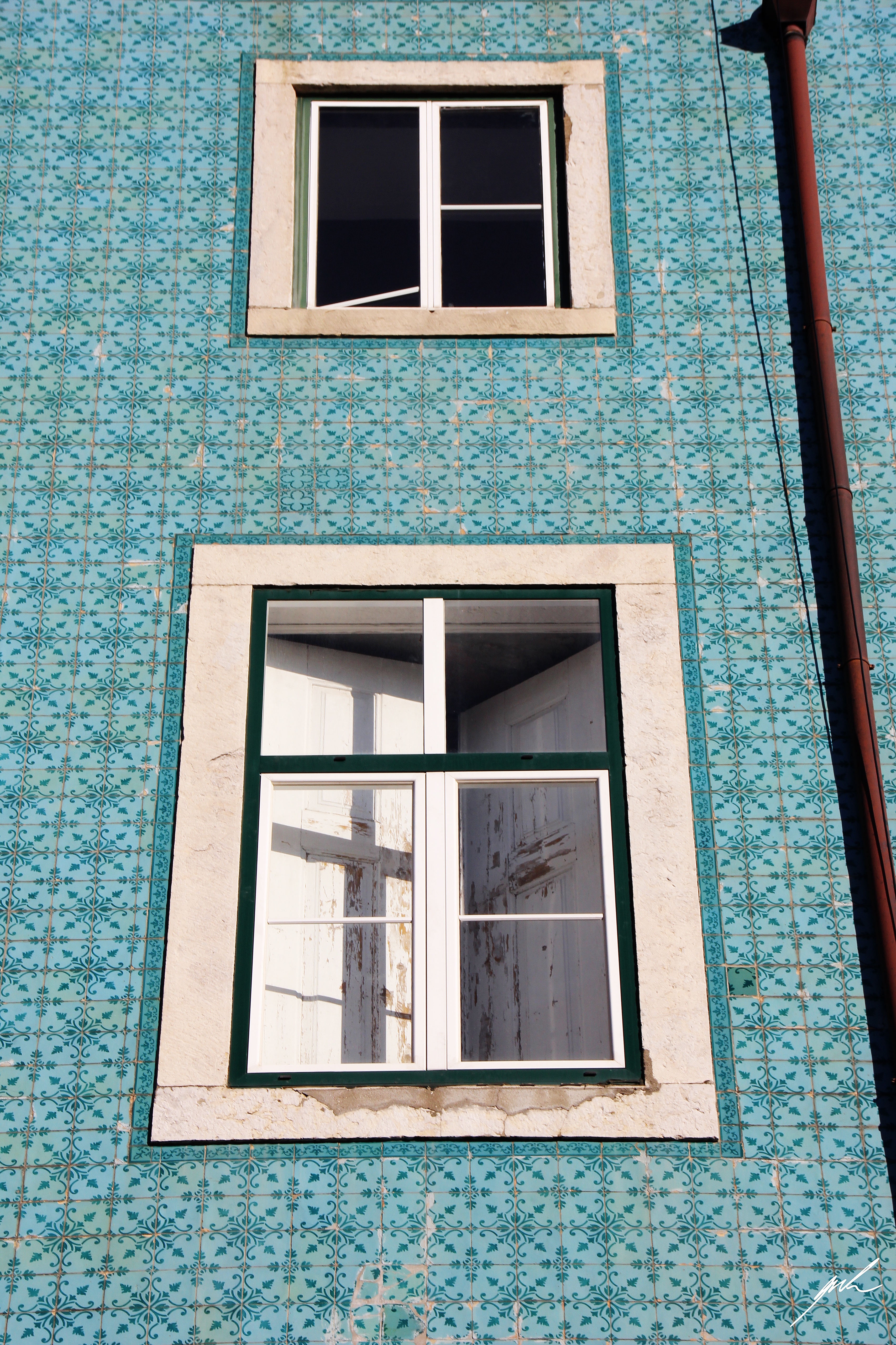
 ecorative building façades composed of thin-glazed ceramic tiles are considered a national art form in Portugal with a long historical tradition dating back to Arabic times. In Português they are called “Azulejos”, probably stemming from the Arabic “al zulaij” meaning small polished stone. In fact, the technique was adapted from Moorish decorative art in the early 16th century and gained popularity quickly in the aspiring Portuguese architecture of the time. Still today, many houses and churches are decorated with these beautiful works of art produced over time by many tile maker workshops in different parts of the country (and in other Portuguese-speaking countries like Brazil). Probably, there are almost as many patterns as there are Bacalhau receipts, but maybe that’s slightly exaggerated 😉 Interestingly, though their use is not purely decorative, the tiles also have practical gains as they help control the temperature within the covered buildings.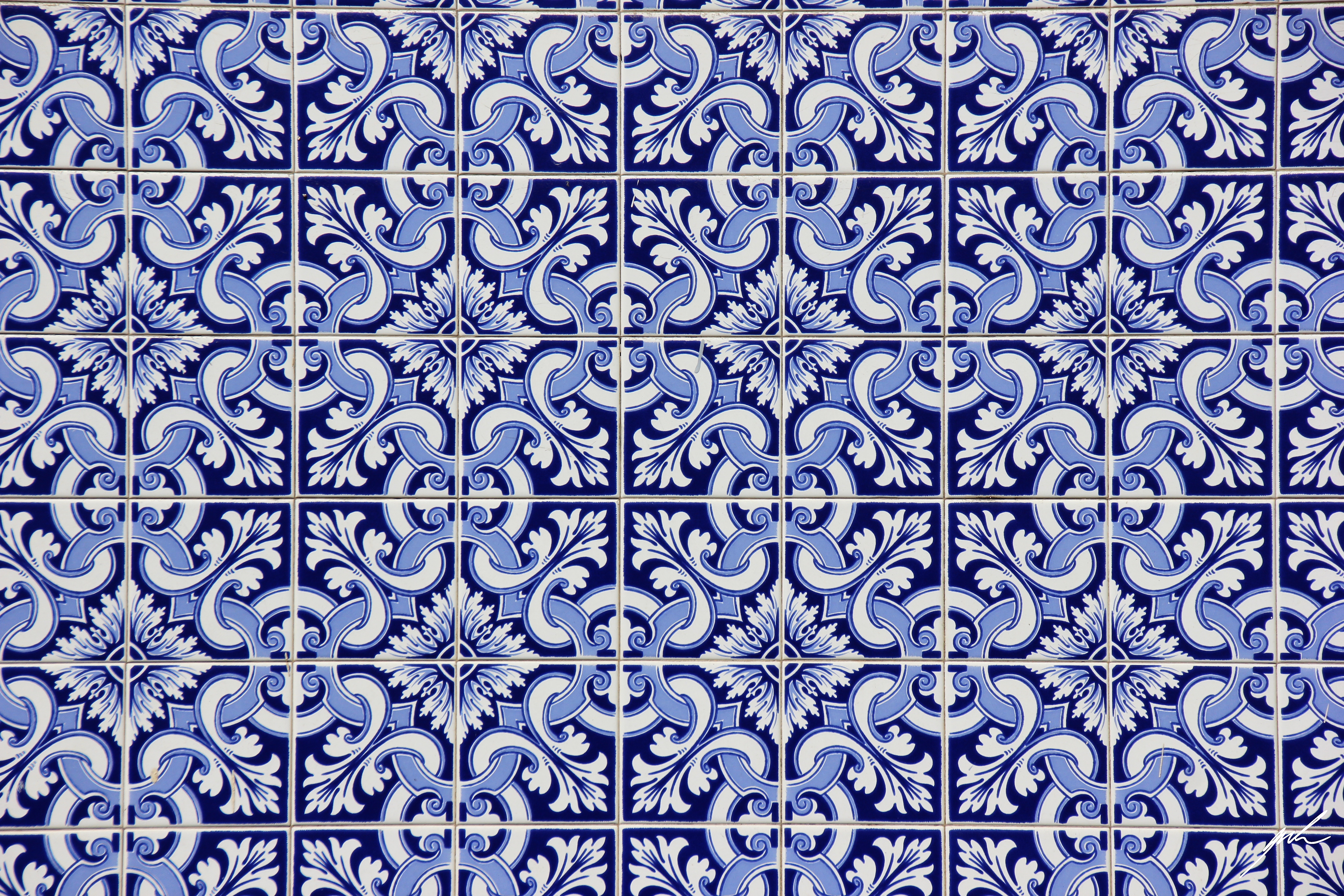
 Michael Hoffman Photography