Skip to content

Tokyo

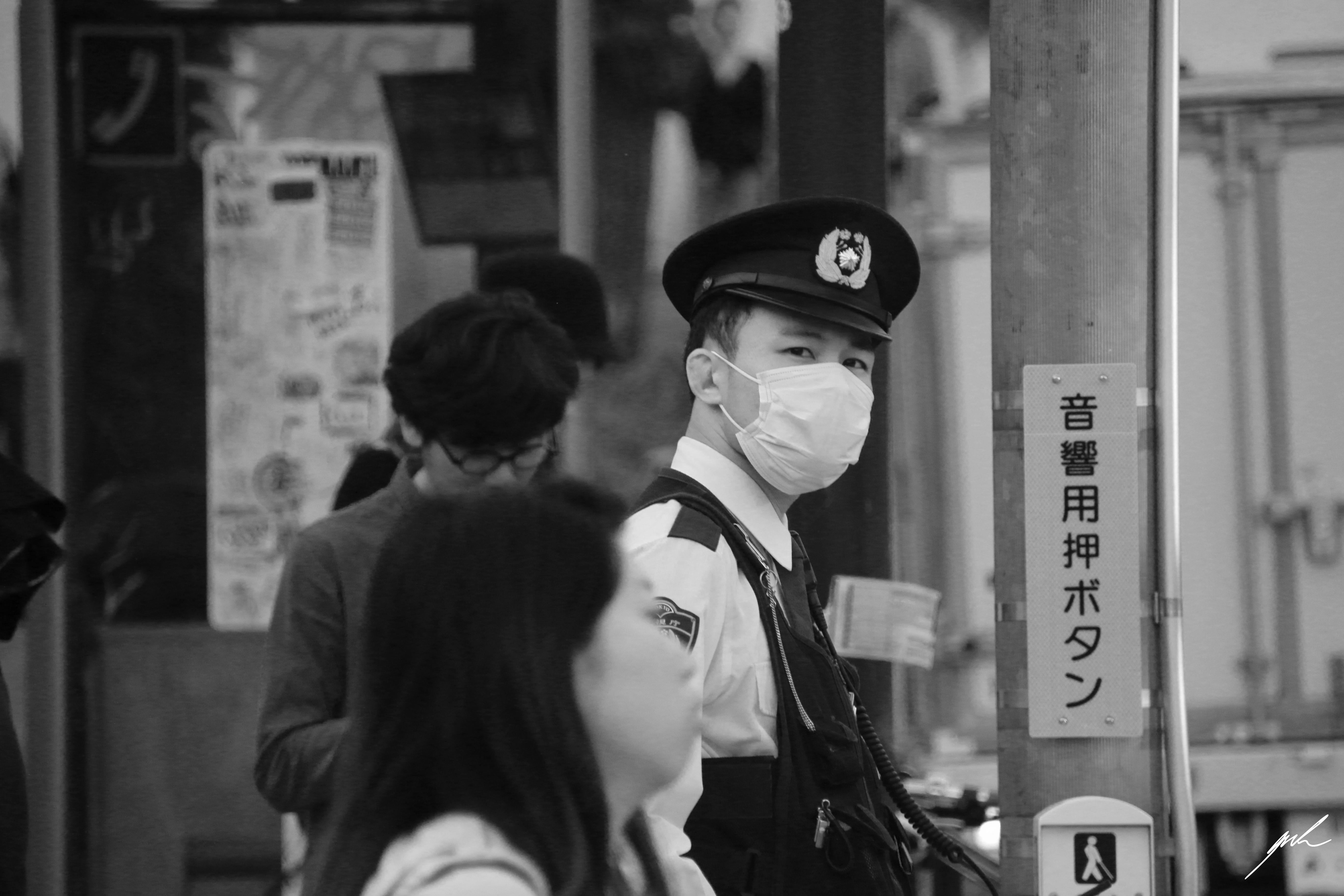
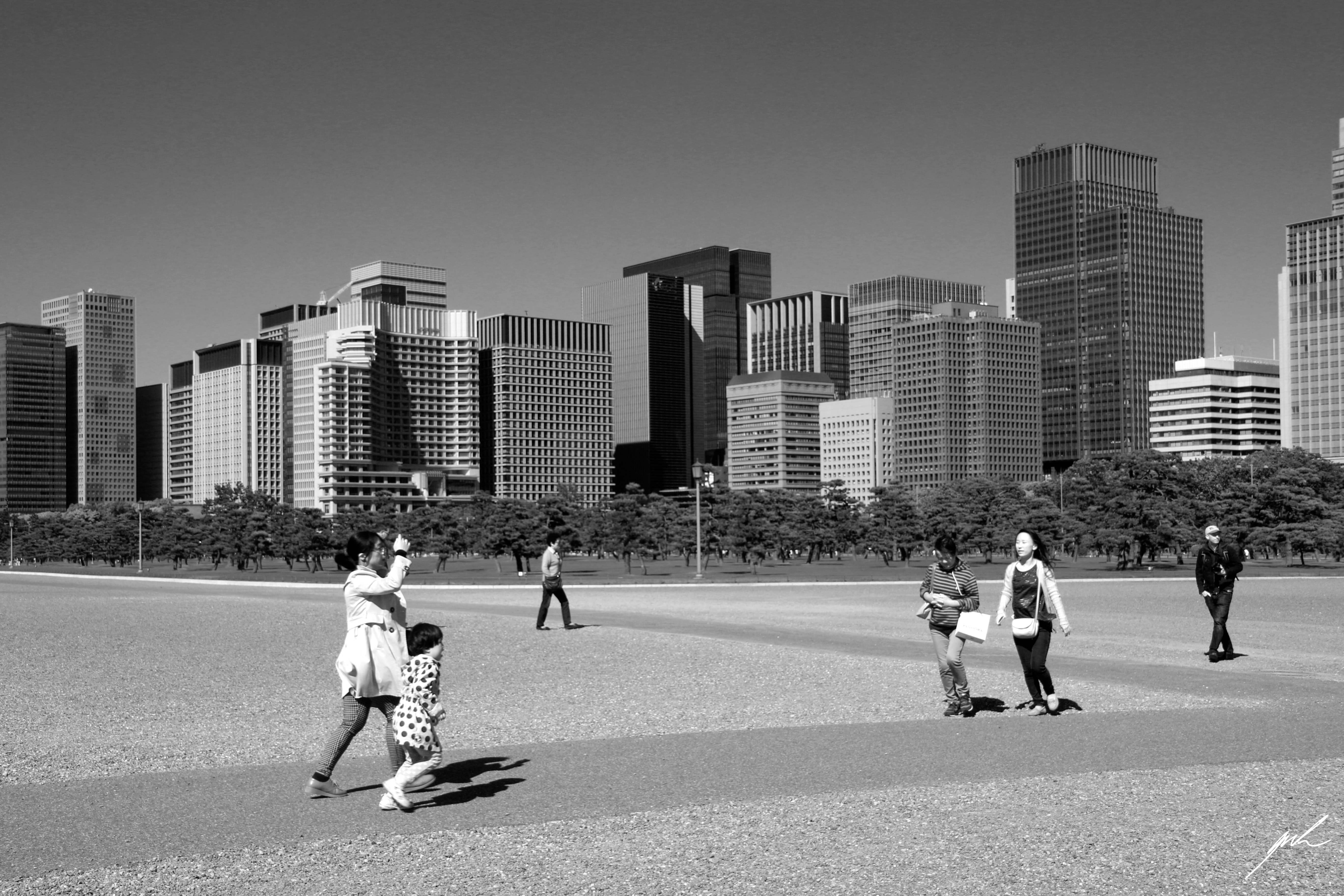
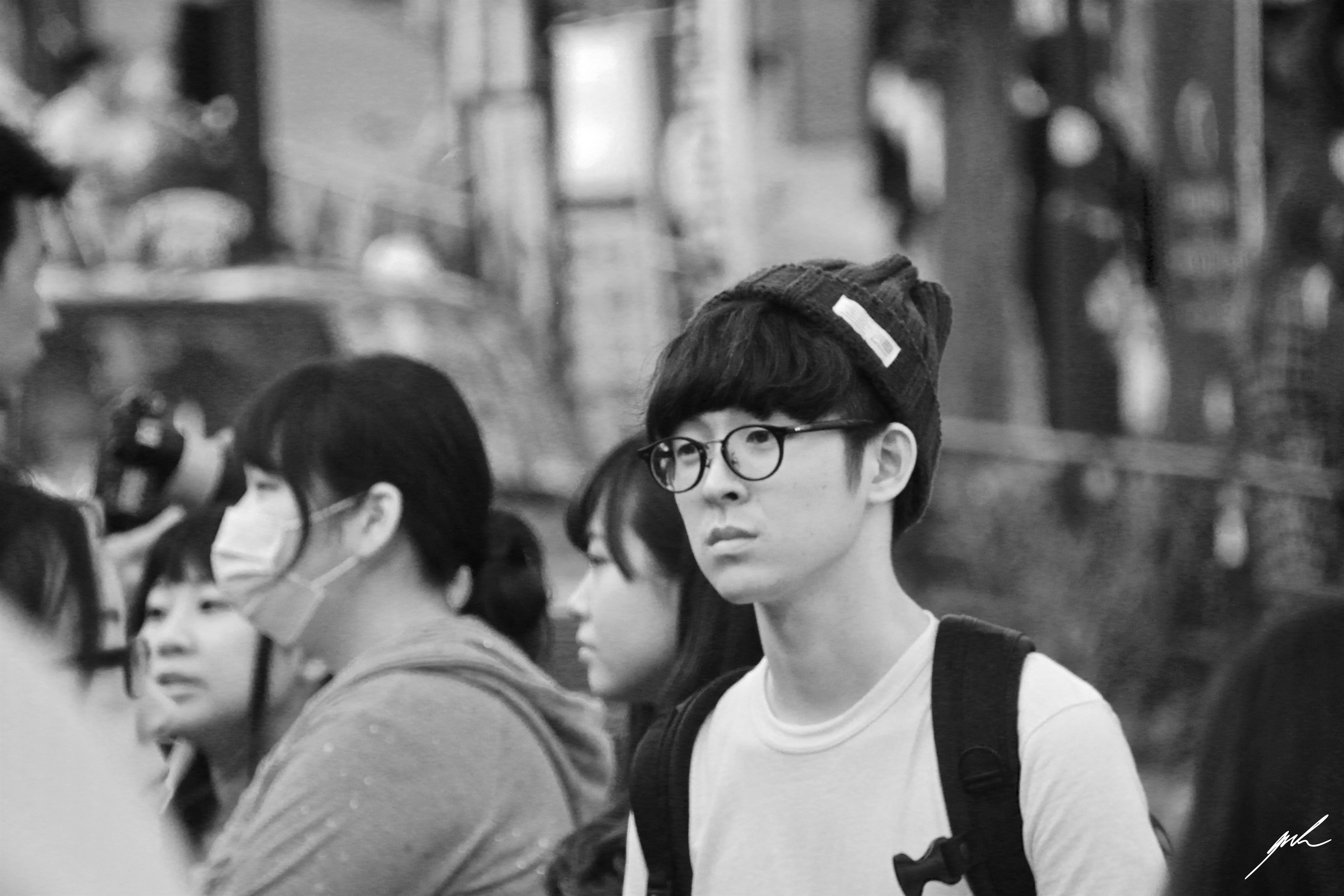
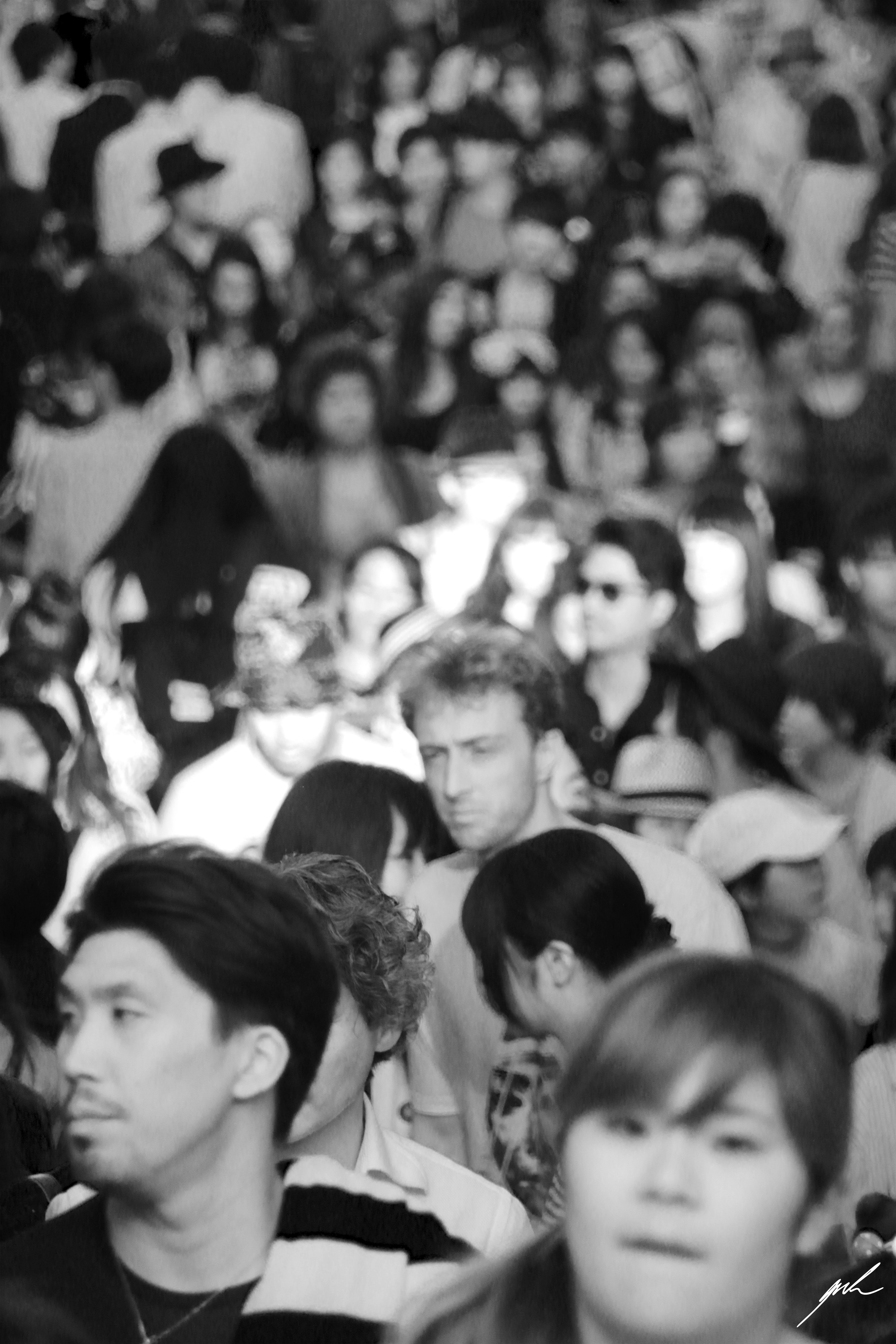
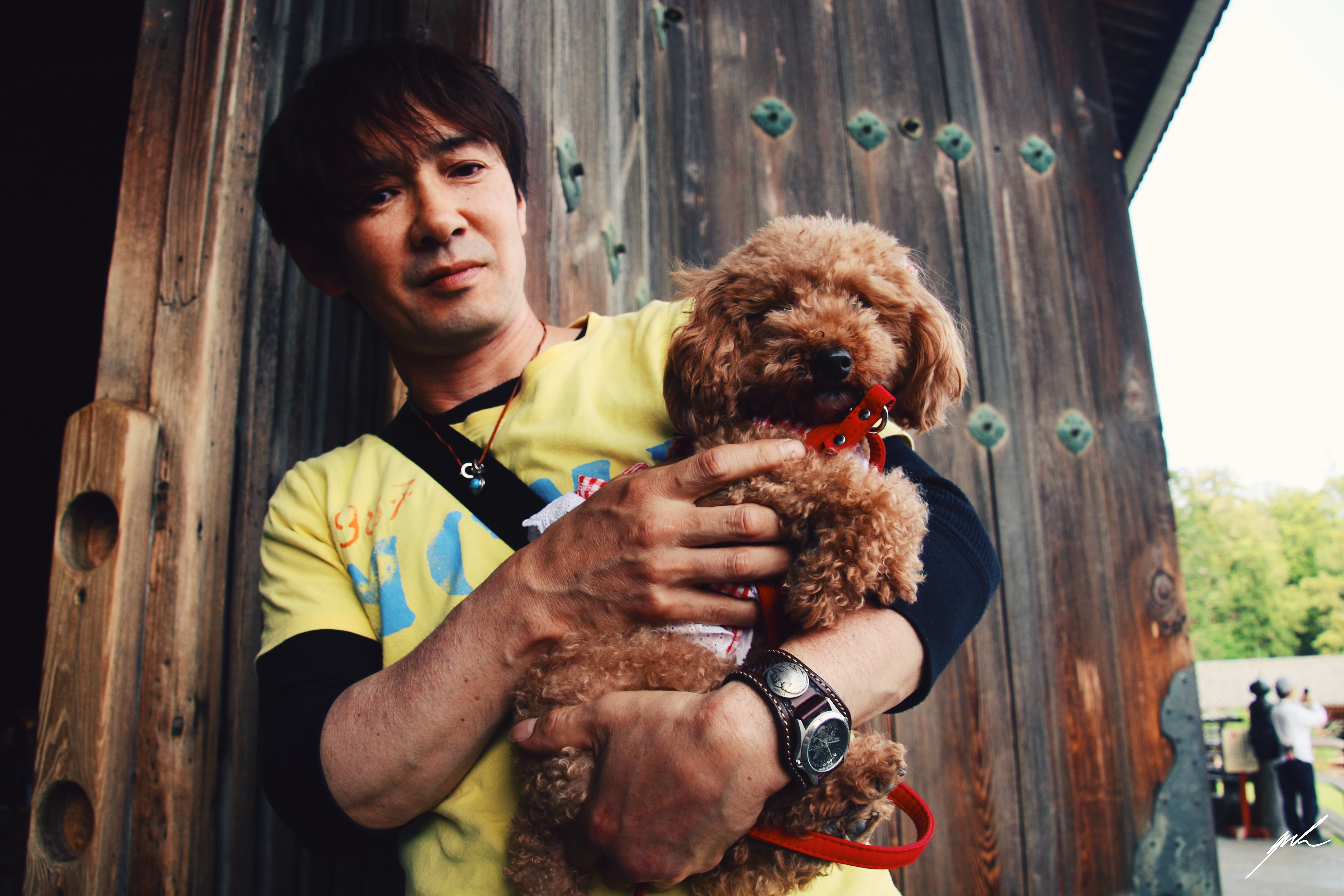
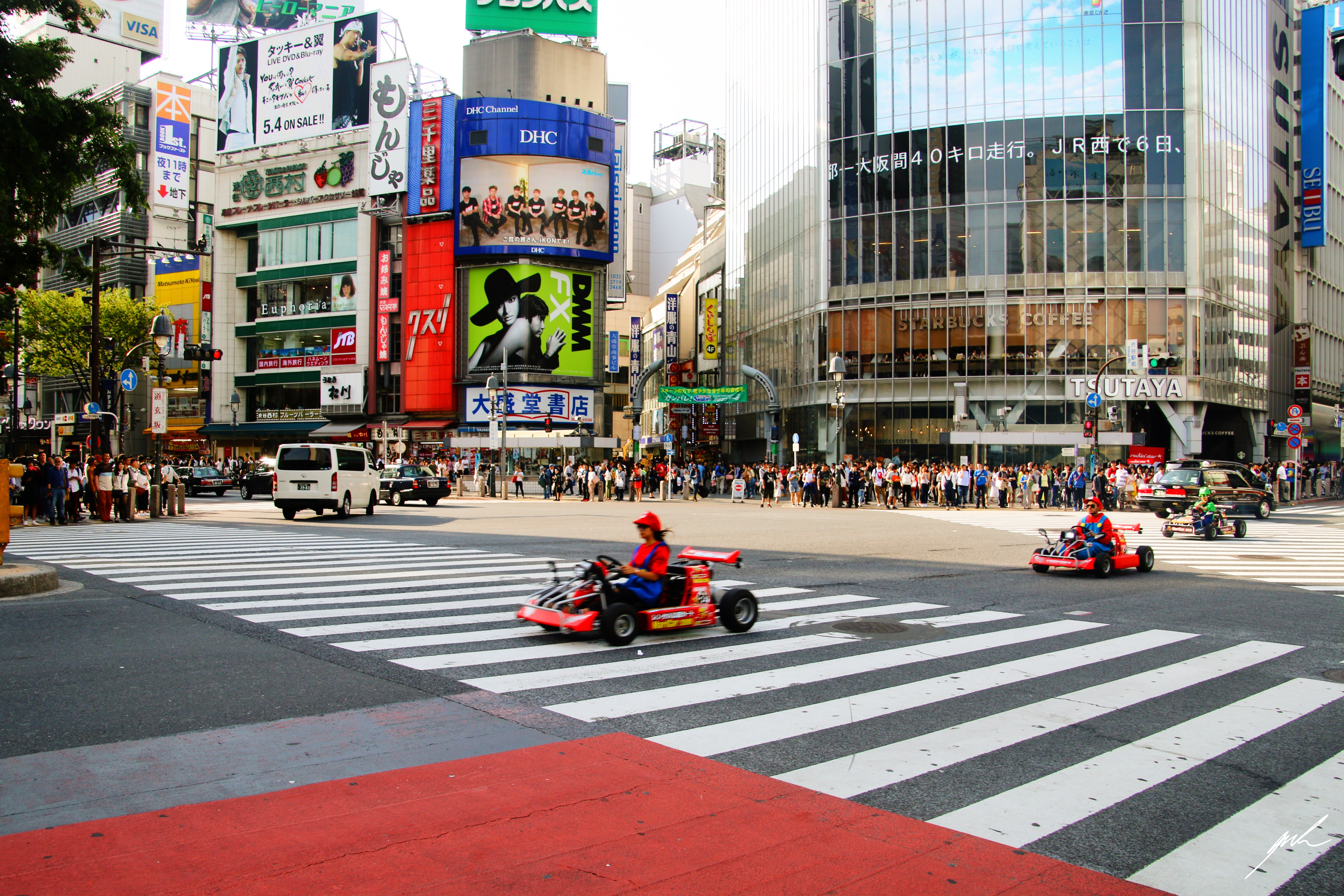
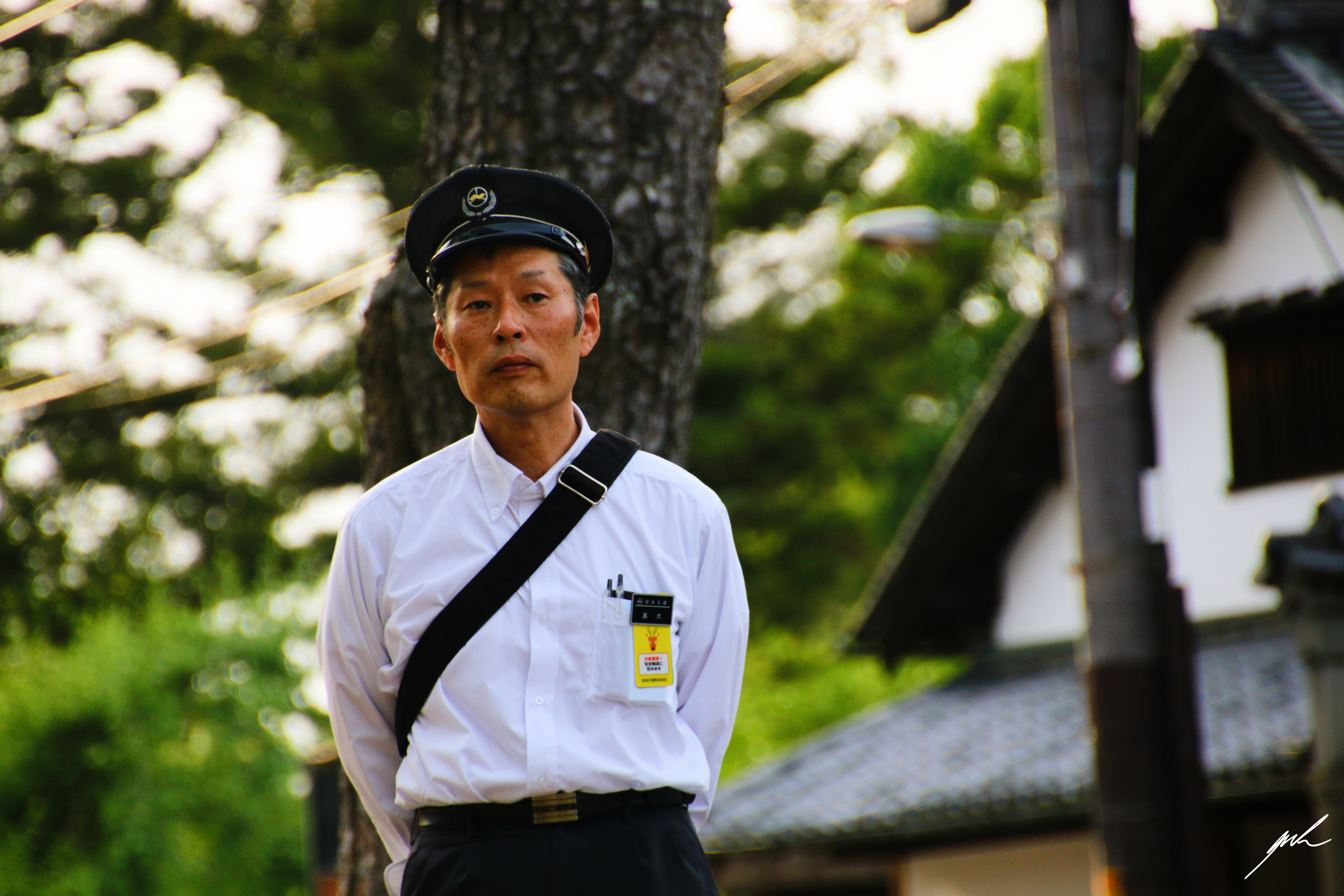
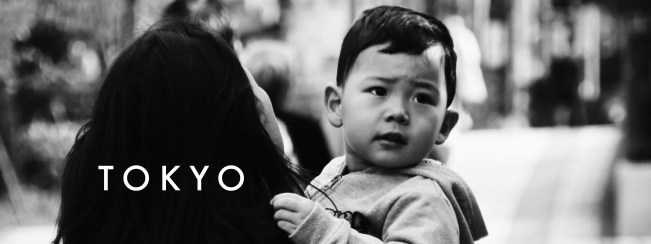
Tokyo is one of the largest cities on earth. It is a megacity in every sense of the word, where you can get easily lost in the masses of people, where motorways pile level upon level, and the skyscrapers seem to touch the sky. It is a marveling sculpture of steel, concrete, and glass. Also, it is where you get fantastic sushi, buy robots, and visit cat cafes. Last but not least, Tokyo is the home of fourteen million humans. Faces you merely pass by tell stories of lives in this strange but enchanting megacity.

test

img_2043

img_2059

img_1617

img_2060

img_7641

img_2155

img_1761

img_2073

Processed with VSCO with b4 preset

img_2085

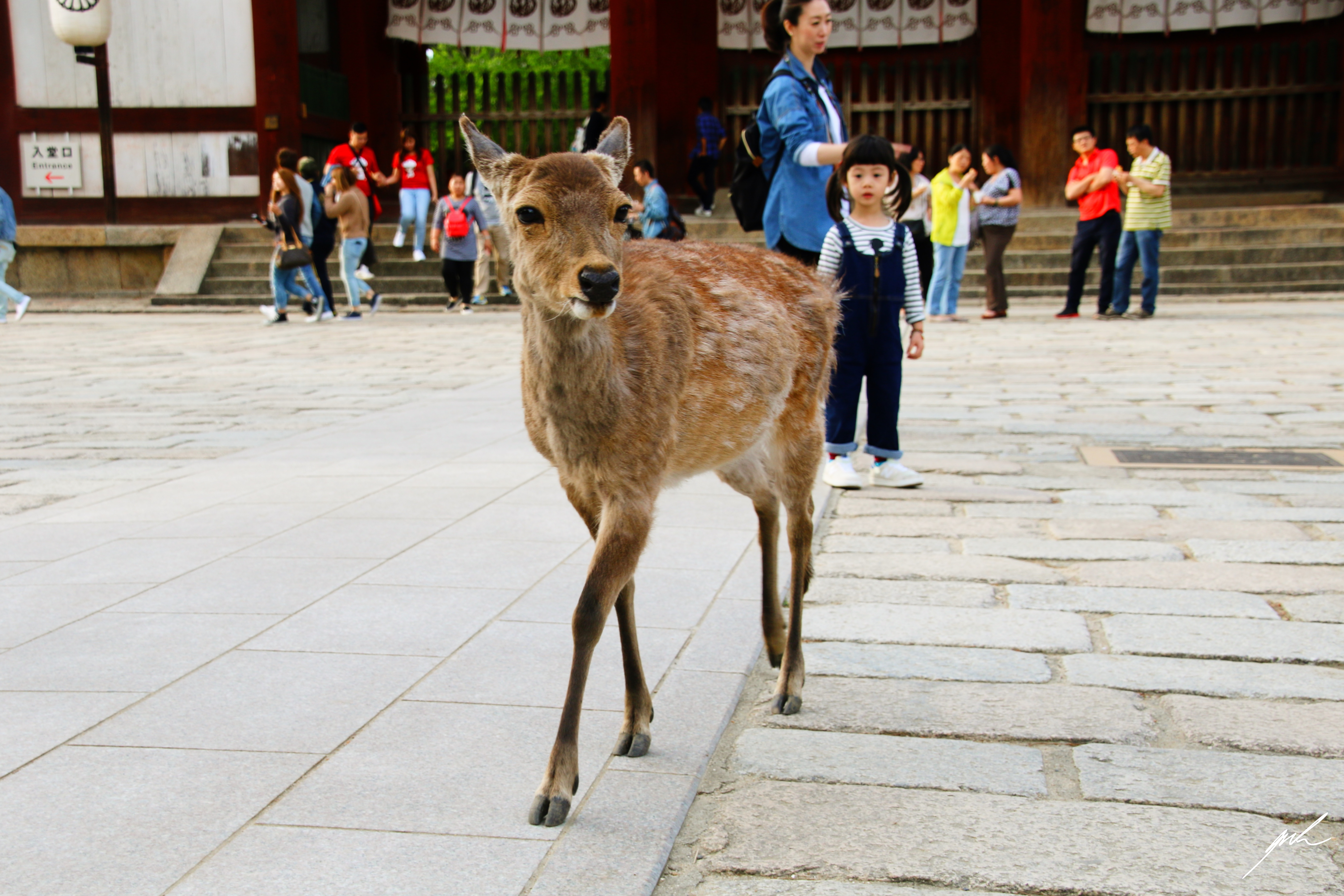
Holy Deer of Nara

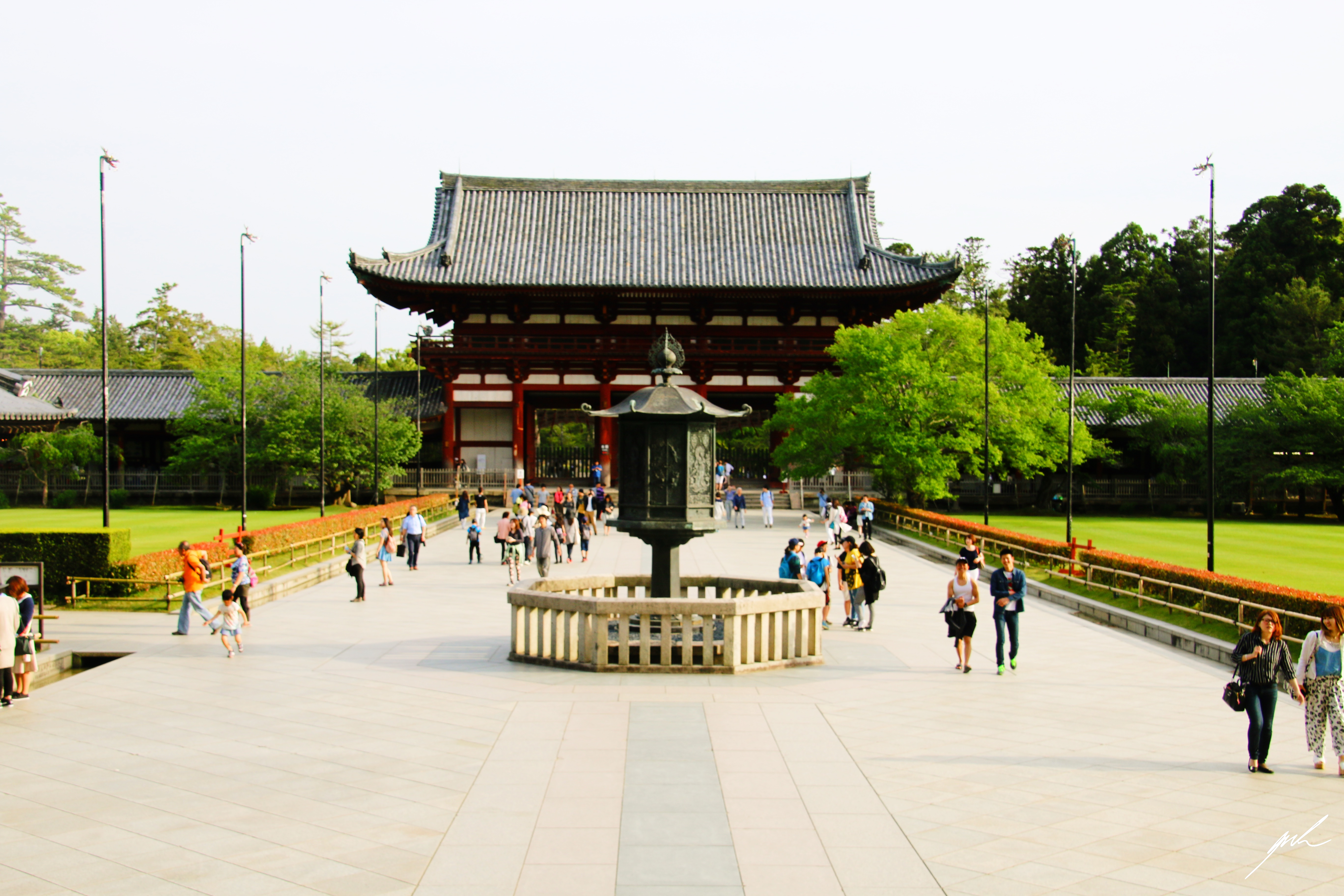
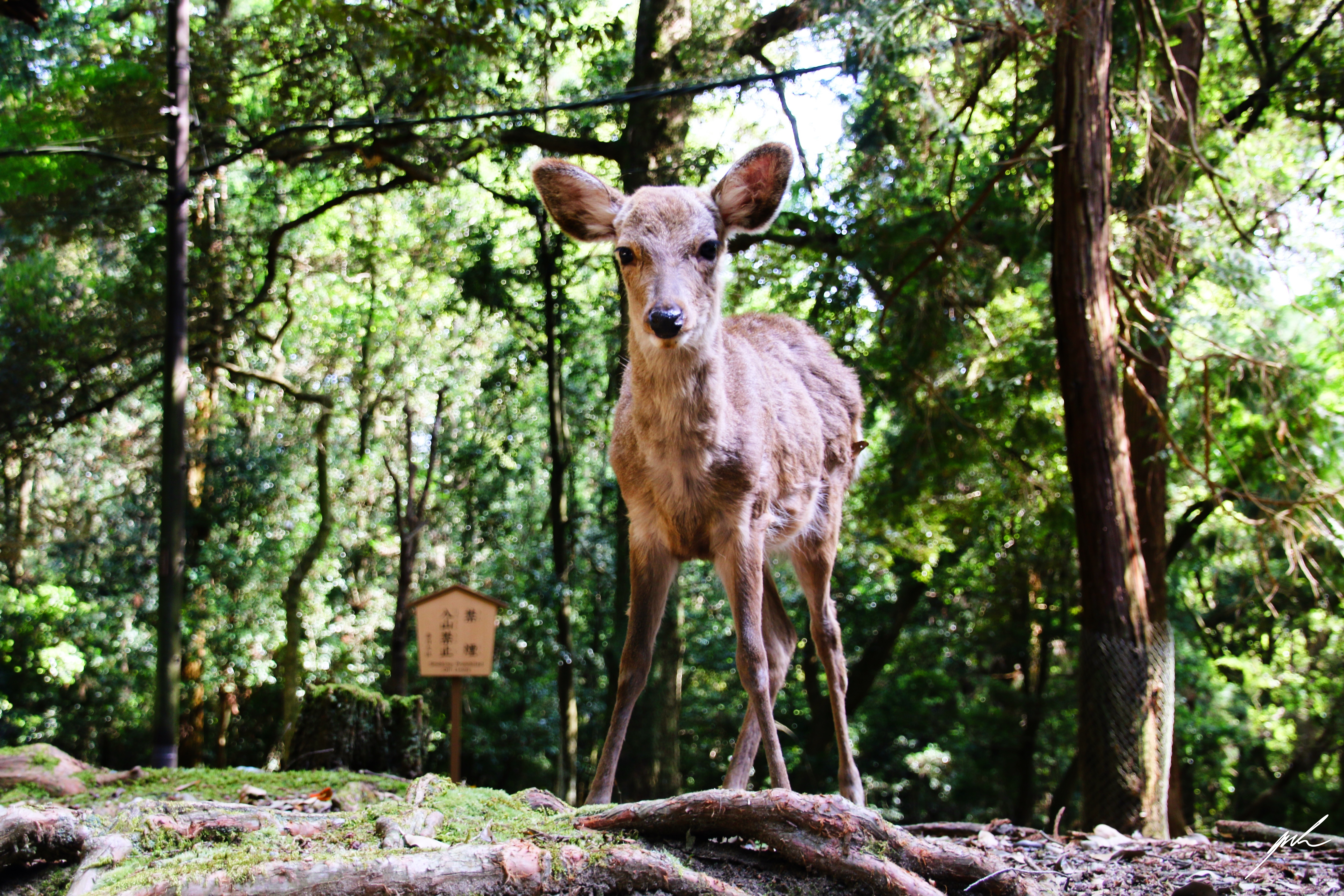
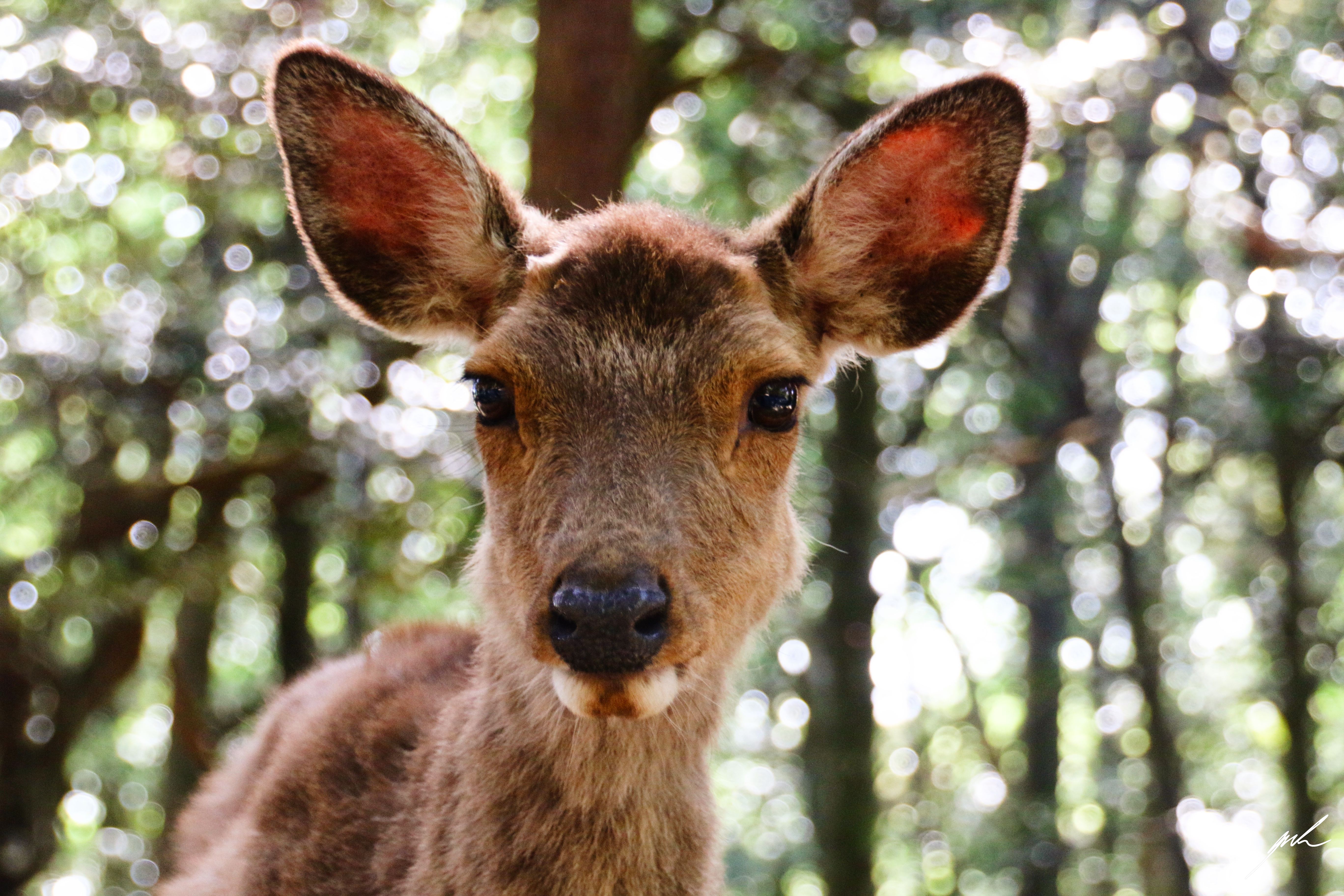
The city of Nara once used to be the proud capital of Japan. It is well known for temples from the 8th century and giant Buddha statues. But the most famous sights of Nara are not built of stone or wood but instead of flesh and blood. Among the temples, parks, and tourists, there are around 1,200 Japanese deer (or sika deer) sleeping, eating, and running around. They are all but shy and like to eat corn from the hands of visitors and like to be petted by children. The animals have a symbiotic relationship with people for a long time already and are seen as holy. The legend says that once, a mythological god arrived in Nara on a white deer and began to guard the new capital. Since then, the animals have been regarded as heavenly and are protected by the city and the country.
test

img_1236 img_0780 img_0785 img_0963 img_0883img_0760img_0995img_0911  img_0800  img_0591
img_1279

Streets of Japan

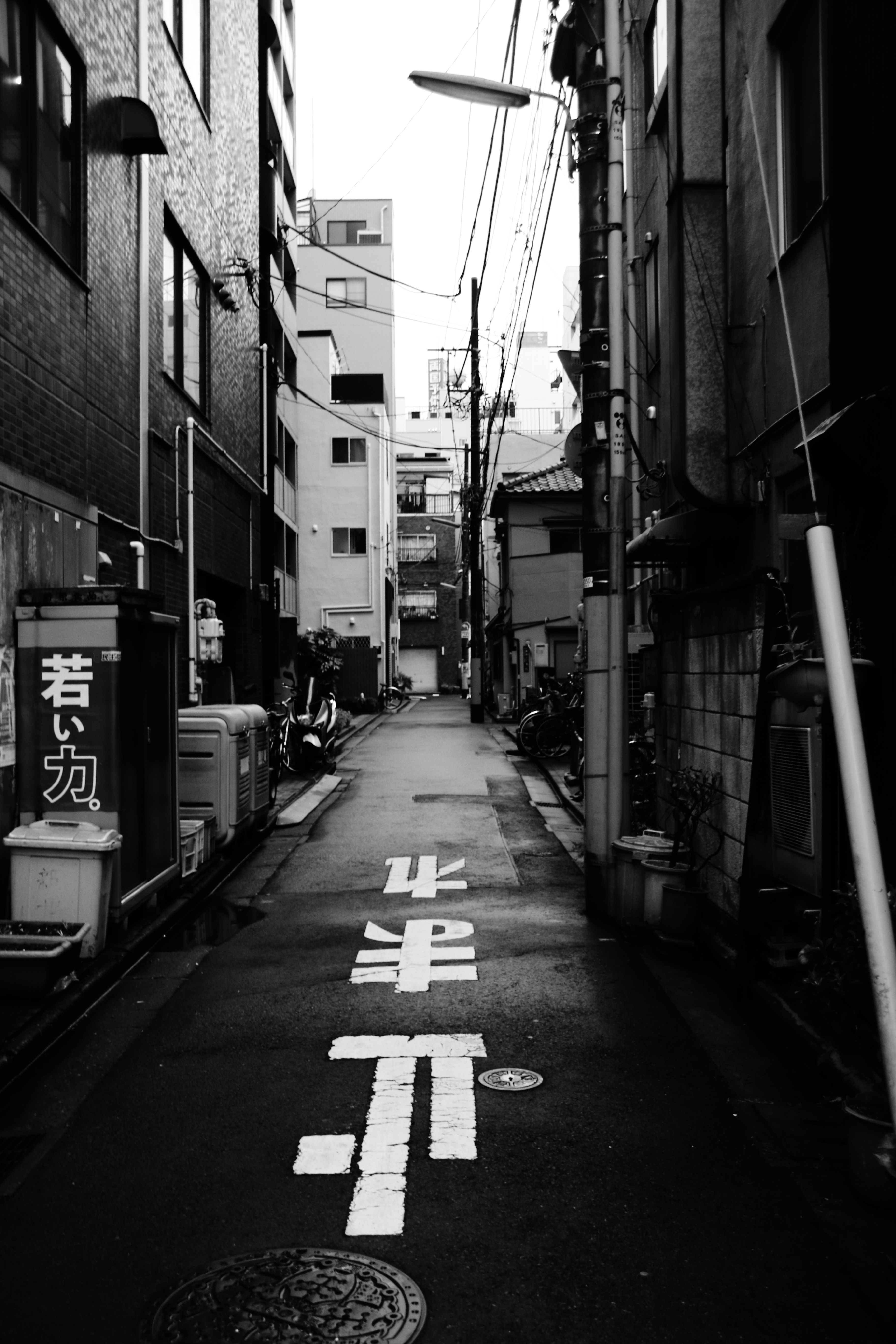
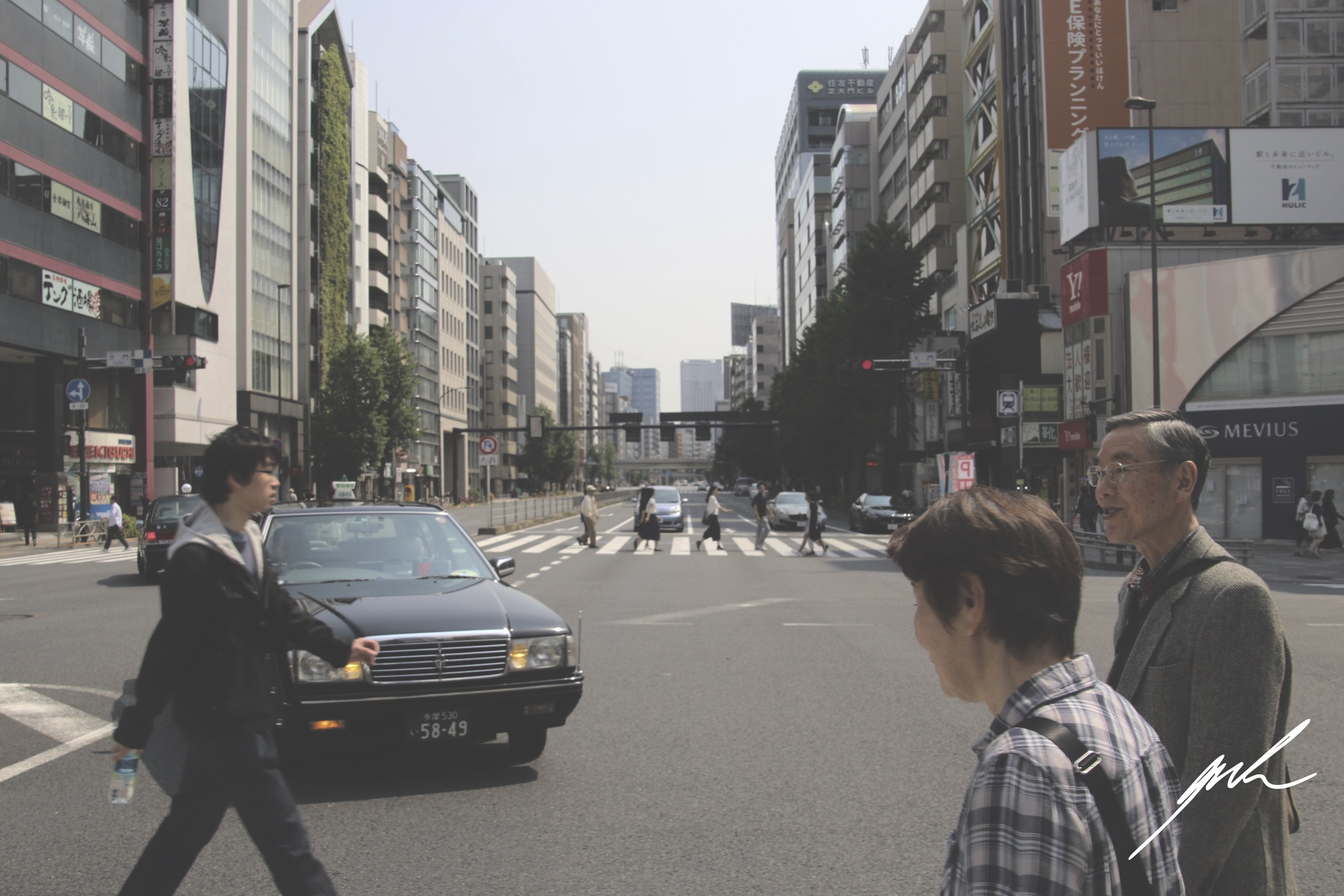
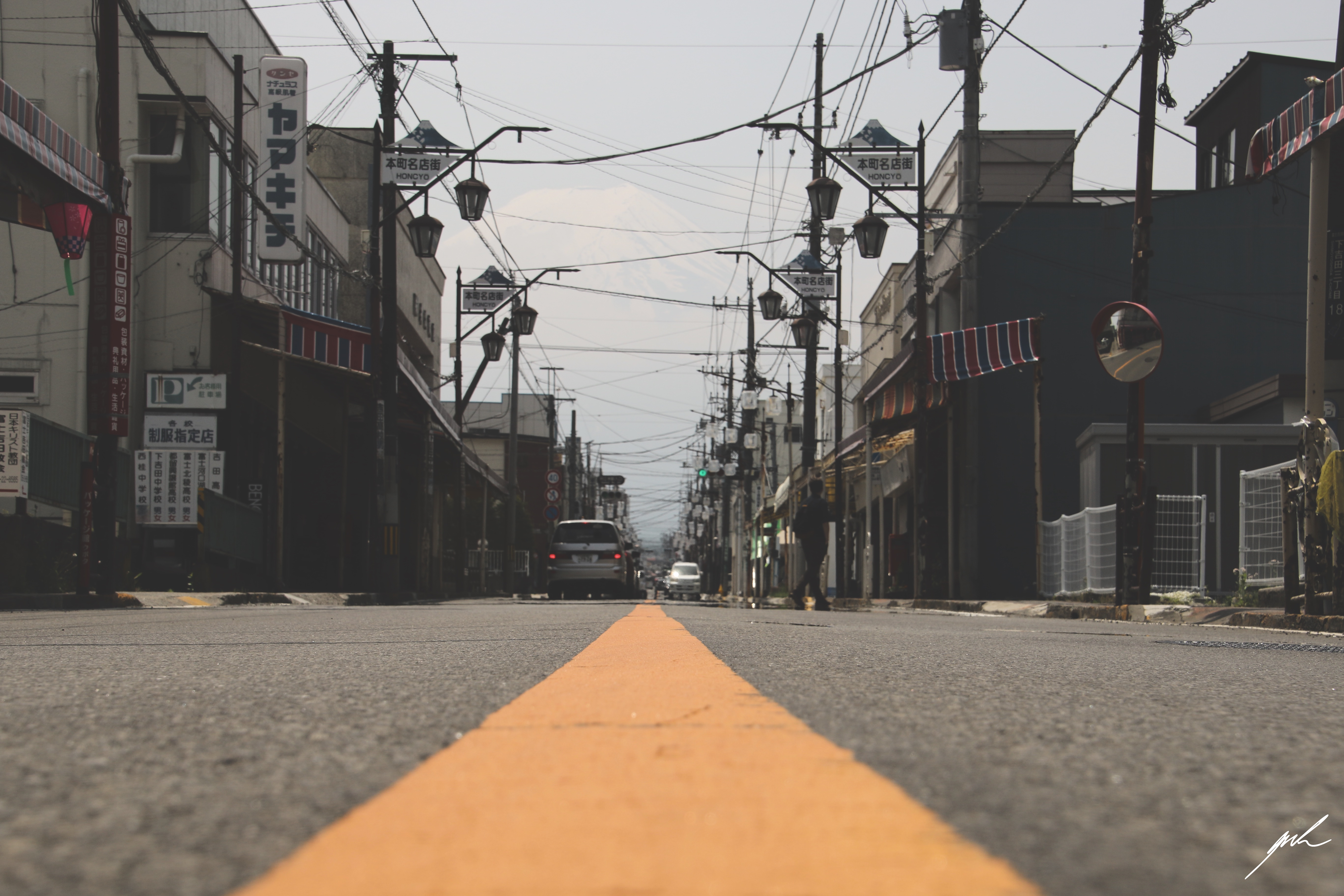
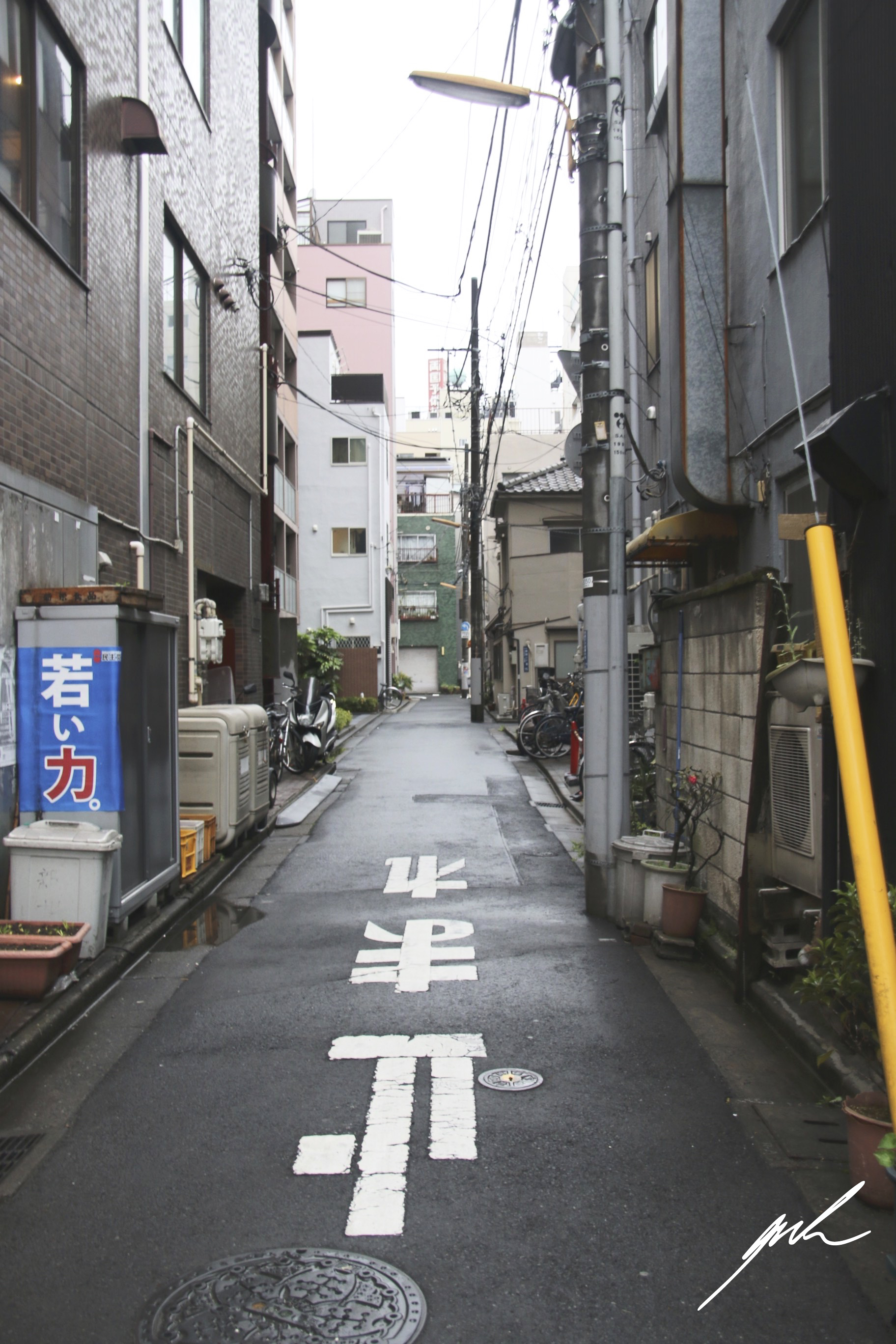
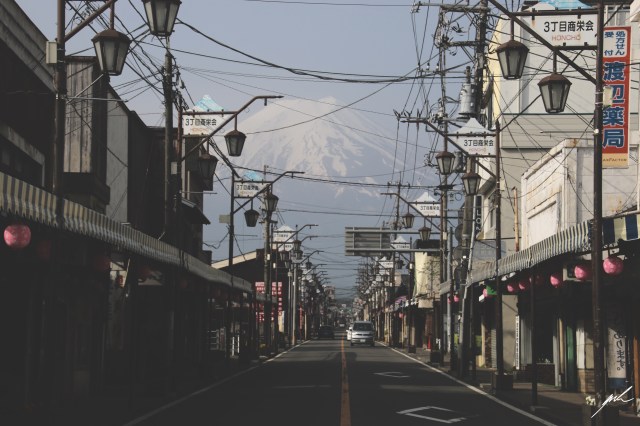
Walking the streets of urban Japan, some things strike you immediately. First and foremost, it is busy! People are everywhere, many in a hurry while walking to the office or buying a quick lunch. There is a constant flow of people and traffic, not just on the main roads. Despite this, there is no mess, and there are hardly any jams. Of course, Japan is known to be very organized, but still, it is surprising to see it by yourself. So, for example, at the metro stations or at the bus stops, people are lining up calmly well before the train or bus arrives. Also, the streets are incredibly clean, and you hardly see any garbage. And this again despite the masses of people and maybe even more surprisingly without there being any public bins.

test


img_0624-1
img_8132
img_8787
img_8153
img_9148
img_9442
img_0382
img_7577
img_0663
img_6955

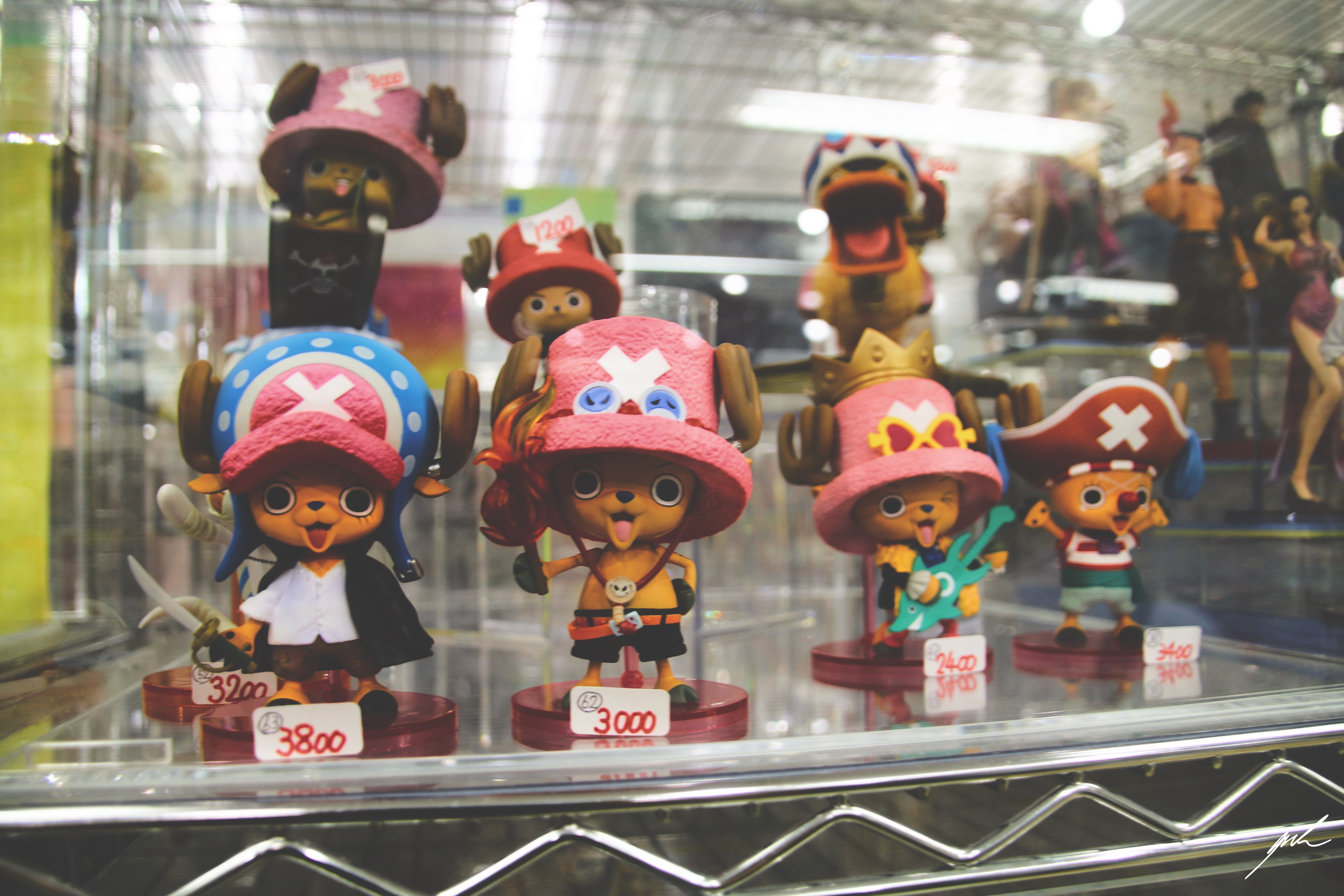
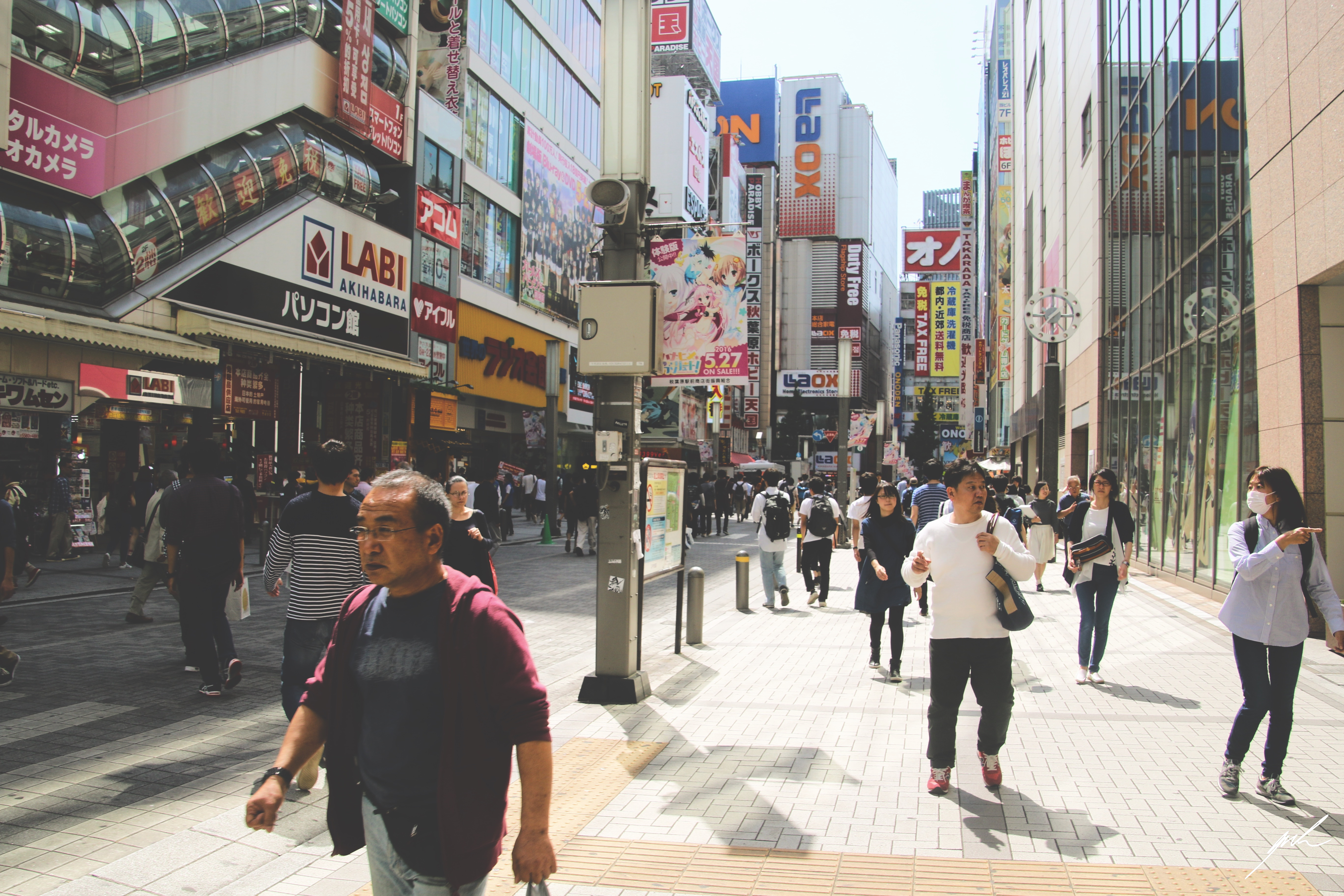
Akihabara: Electric Town

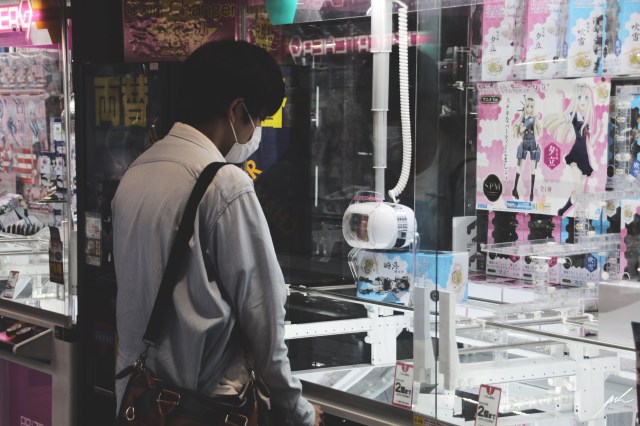
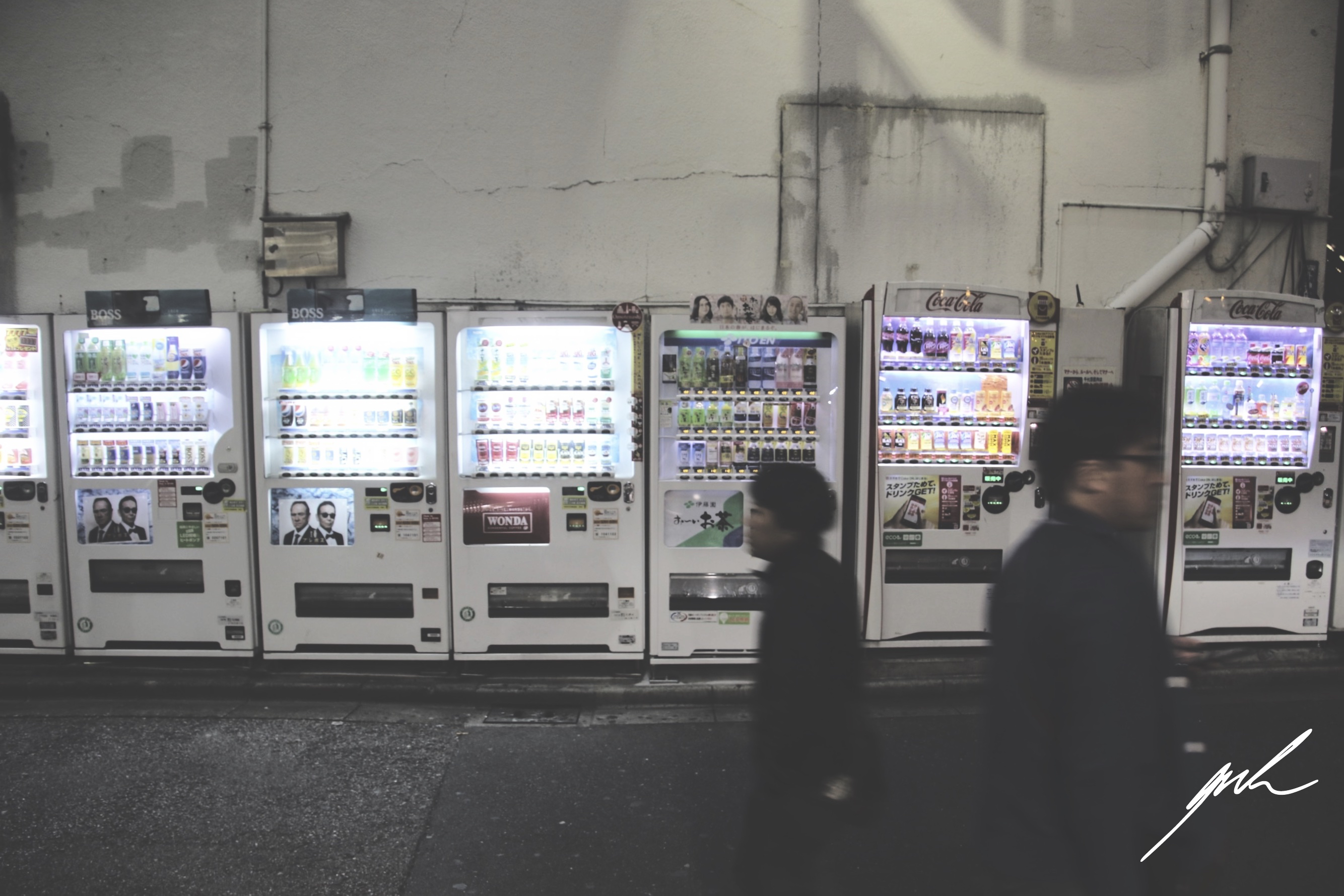
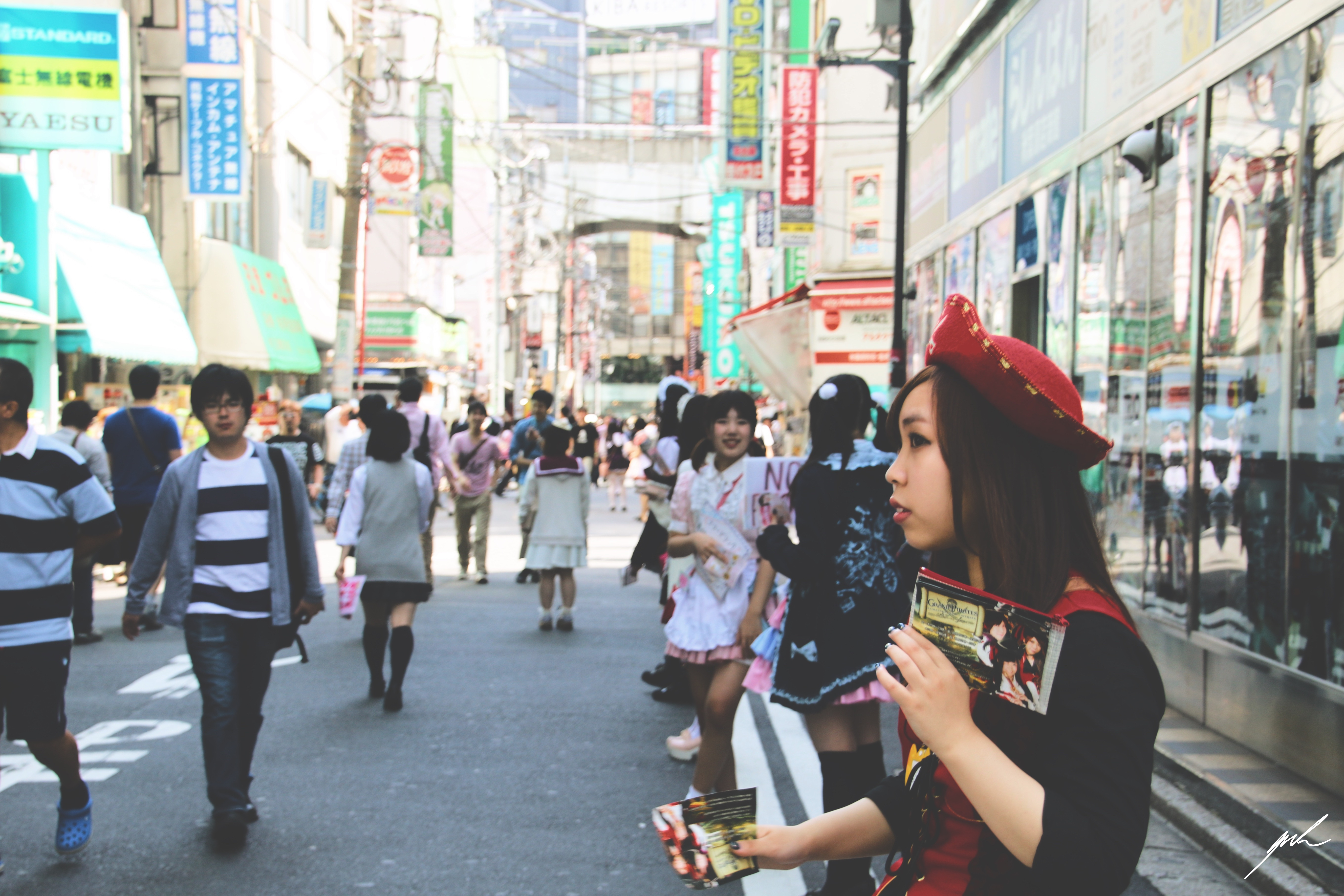
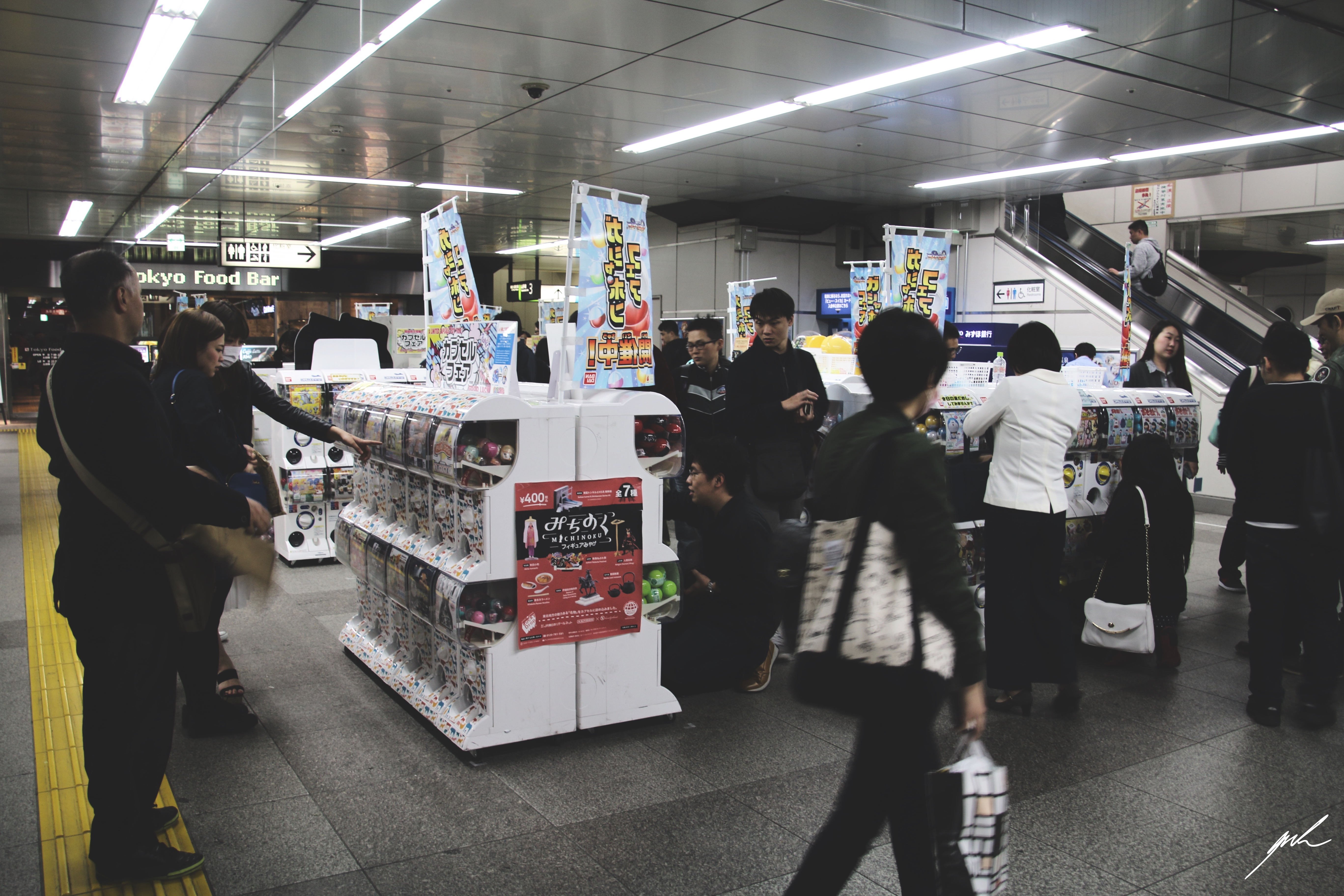
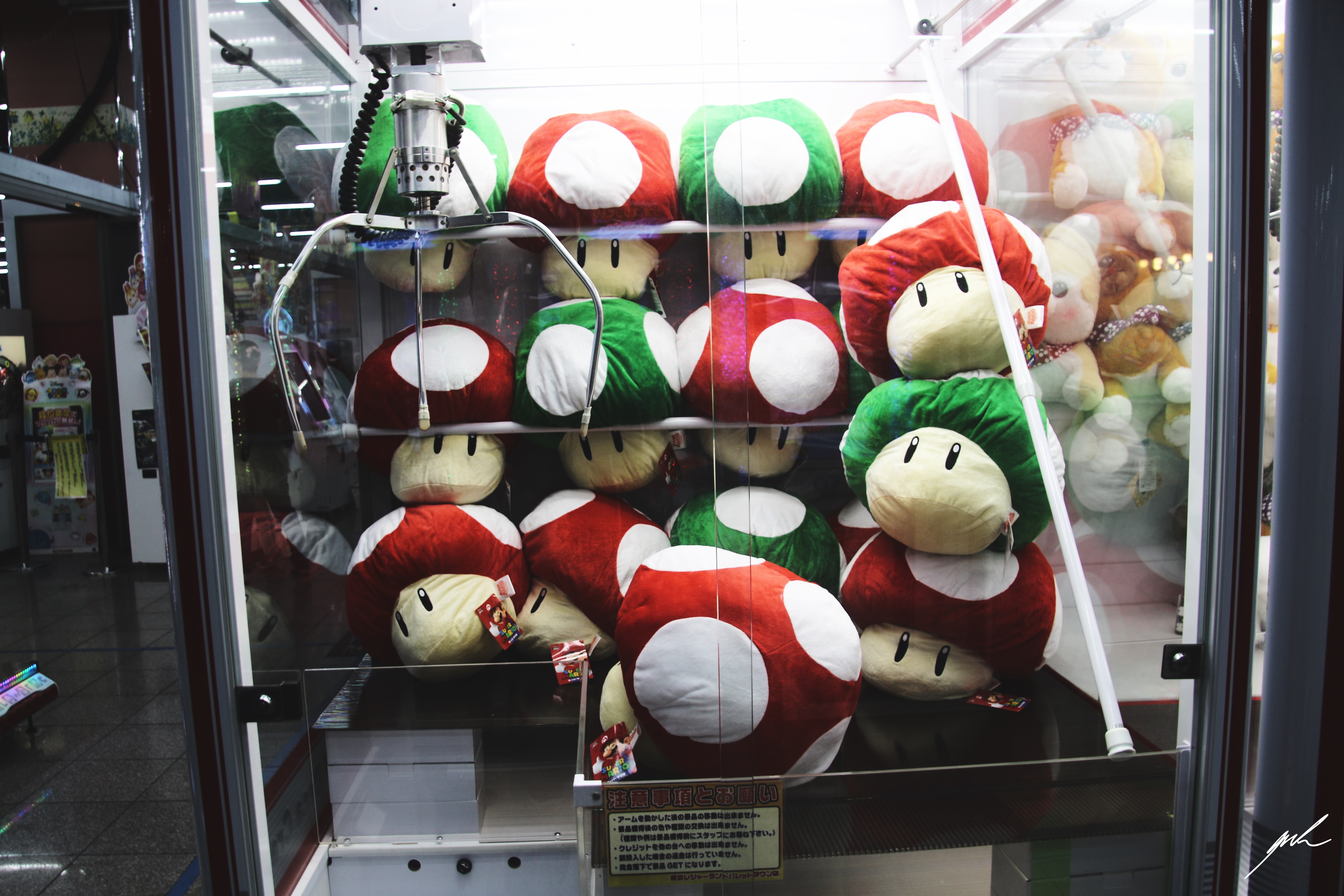
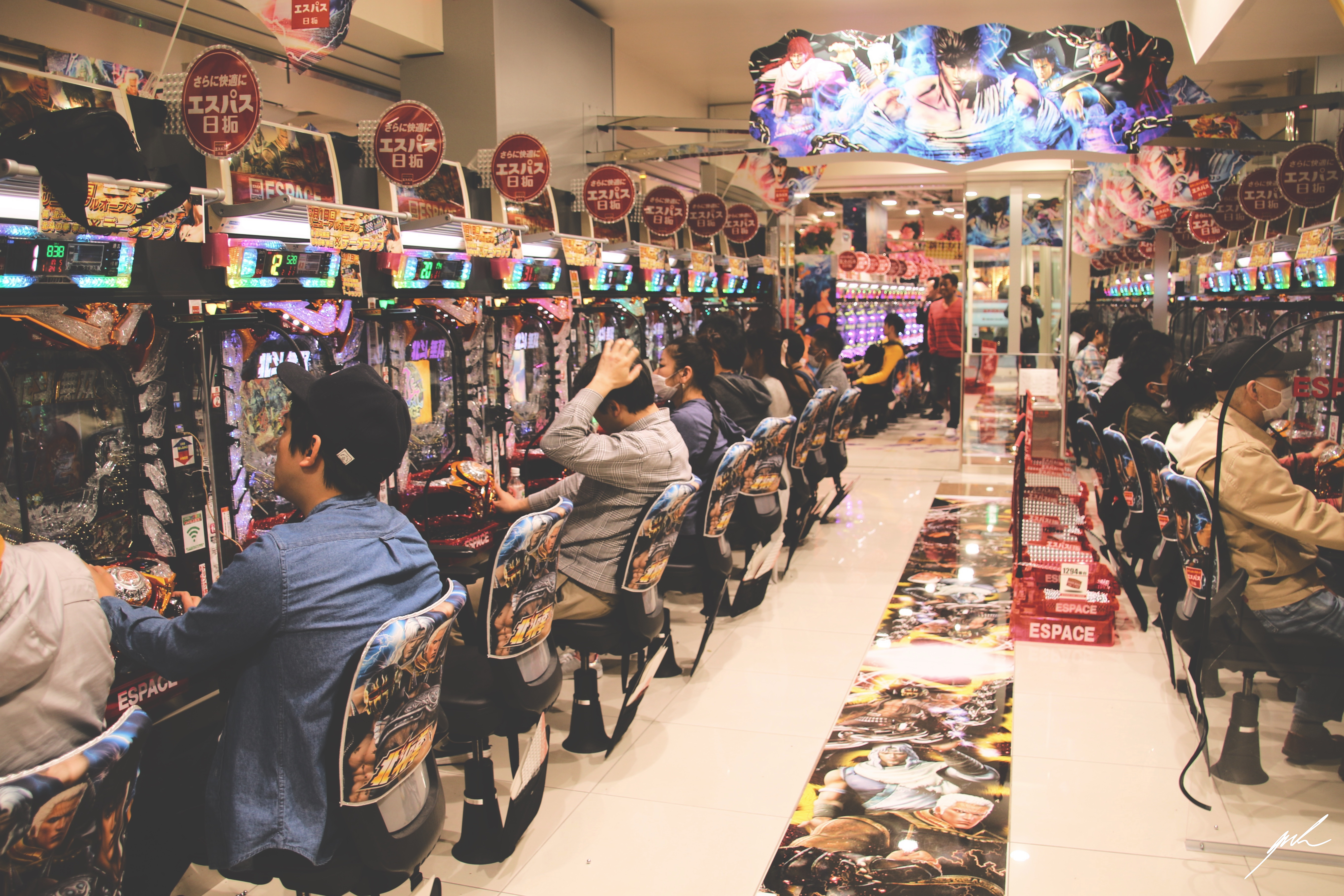
With beginnings as a marketplace for electronics after World War II, today Akihabara is known as a hotspot for anime and gaming culture around the world; here you’ll find five-story high Sega arcades, as well as gaming stores that still sell Super Nintendo consoles and comic book shops with every anime figure in existence for display. You wander through streets with shining towers and giant advertisements of virtual characters while girls dressed as Anime figures invite you to themed restaurants. For relaxation, you can also go to one of the cat cafes to drink your Matcha coffee and play with pets. Japanese people, though, prefer to go to Pachinko places where they gamble for physical prices. Officially, gambling is forbidden in Japan, so close to the Pachinko stores, there are always small vendors where you can sell your prices and transform them into cash. Yes, it is a weird place and very much corresponds with the picture of Japan’s weirdness. At the same time, it seems unreal, like something out of a Blade Runner movie. Though Akihabara certainly doesn’t represent the whole of Japan, it is a physical manifestation of its modern popular culture and thus should be planned for your Japan trip.

test

img_7748 img_7828 img_1892 img_1823 img_7917 img_1904 img_7945 img_8363 img_7764

Perspectives on Japan

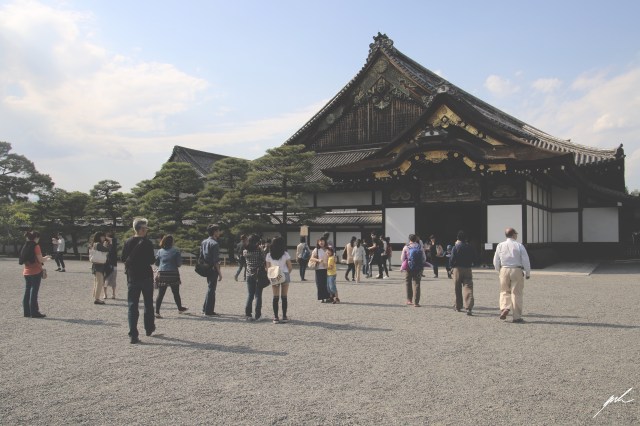
Traveling through Japan, one notices specific reoccurring shapes and symmetries mirrored in nature. Some are more obvious, like the traditional roof shapes (pictures 1,2,3), which resemble the country’s most famous mountain, Fuji-san, and others are hidden and must be found by the foreign visitor. While the Japanese prefer solid lines and square patterns over round ones, the curated gardens often feature soft and oval shapes, creating a relaxing and pleasant atmosphere (pictures 4,5,6).

test

img_9342img_0148img_1582img_0200img_0161img_0188