Skip to content

At the Northern Shore: Germany and the North Sea

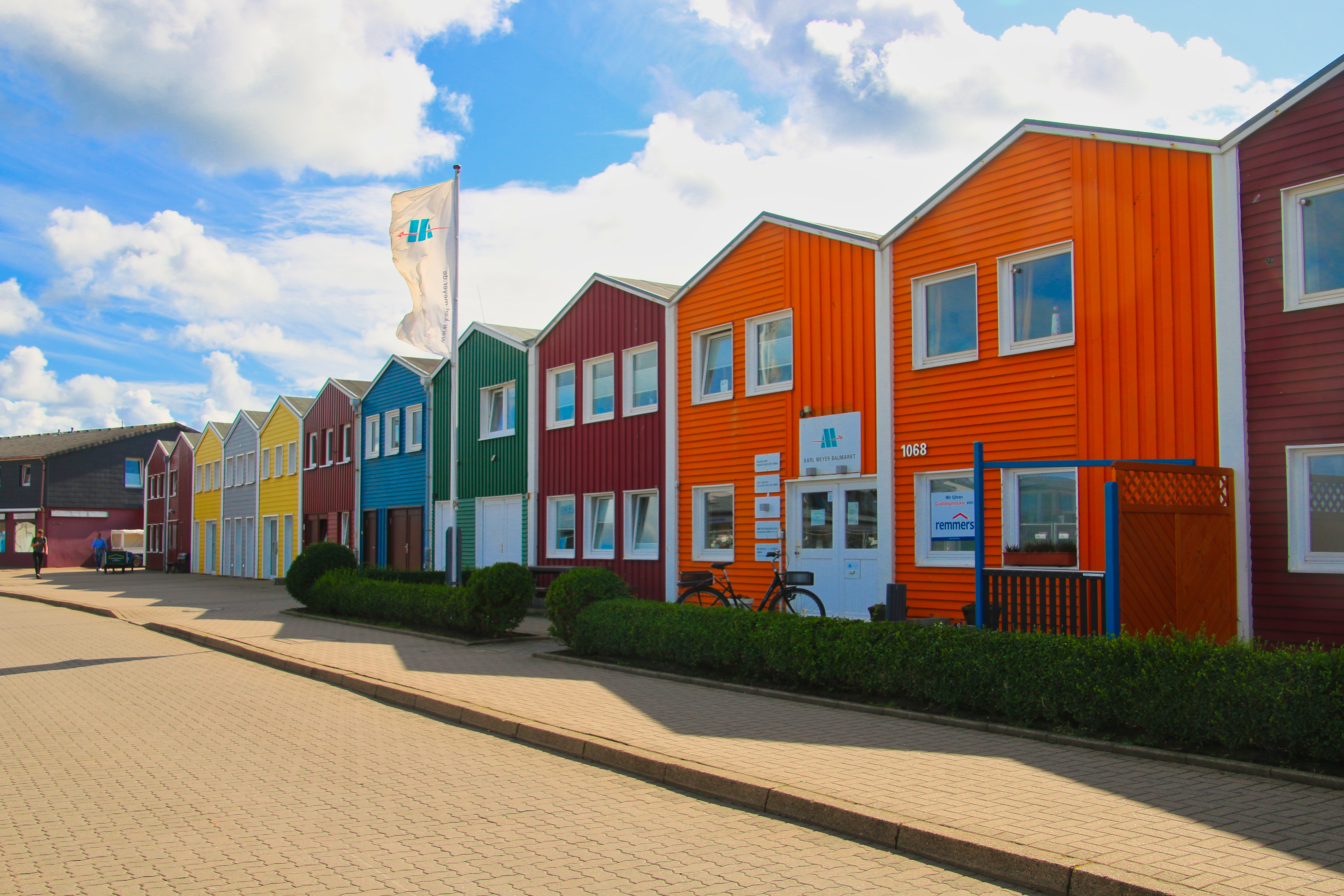
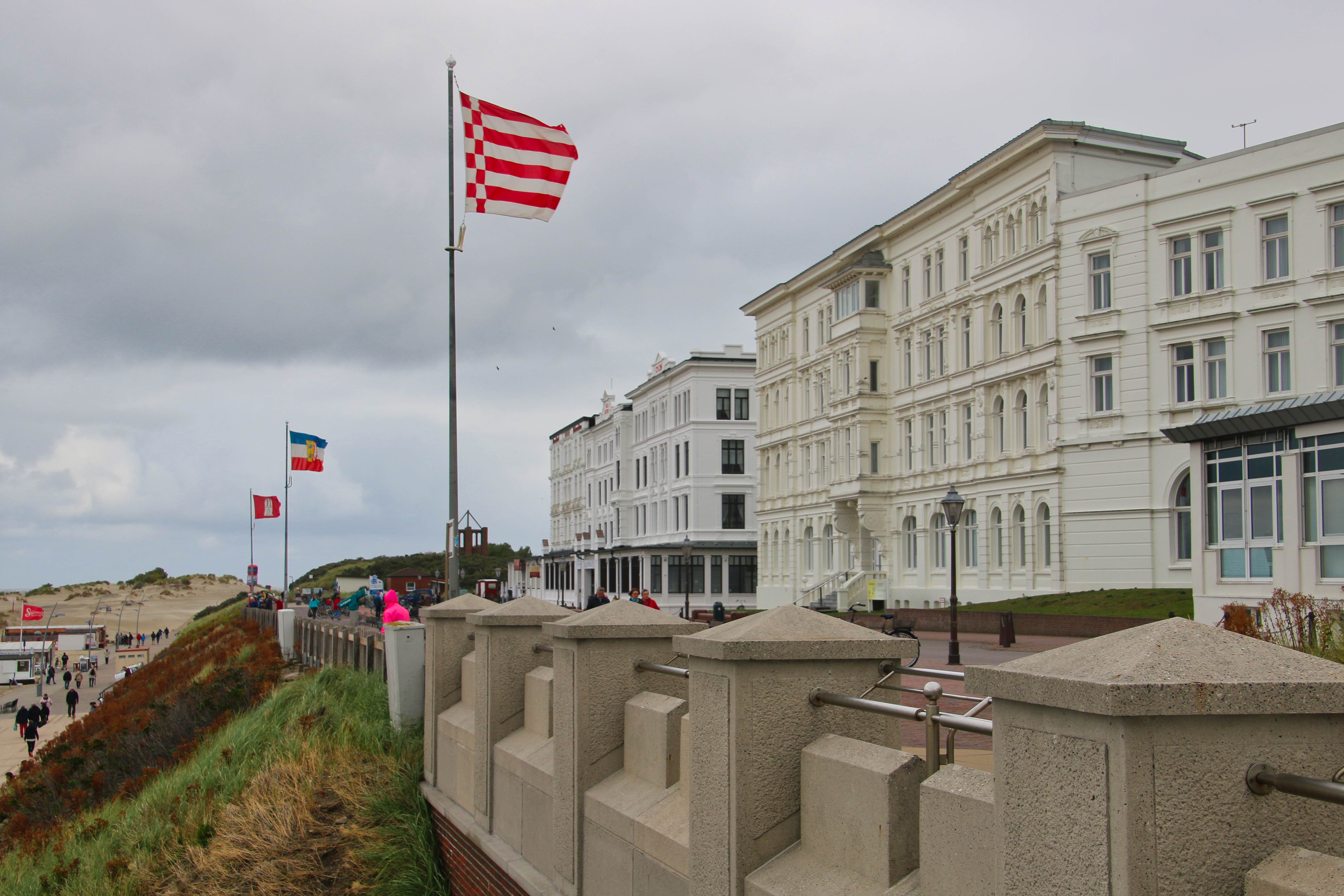
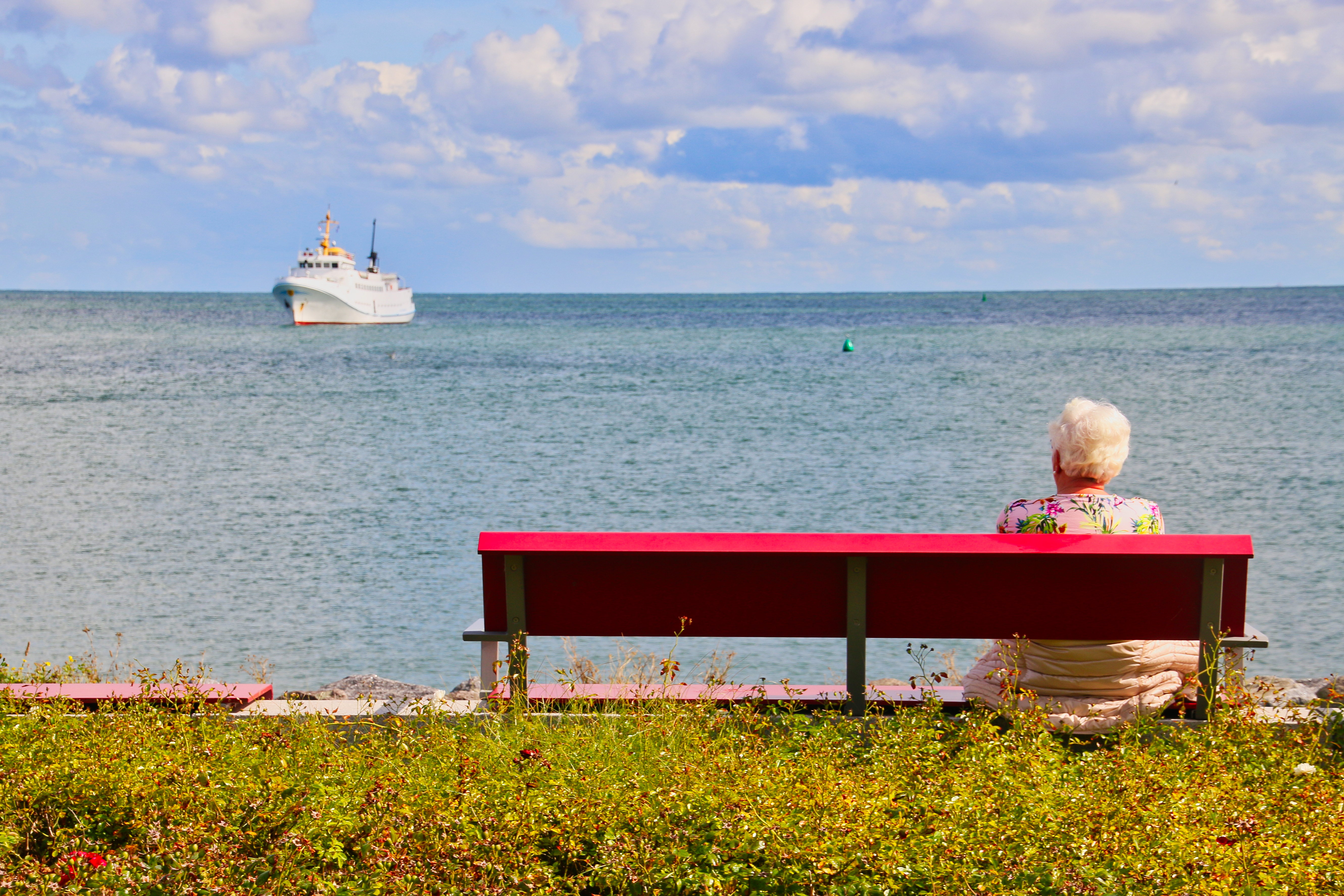
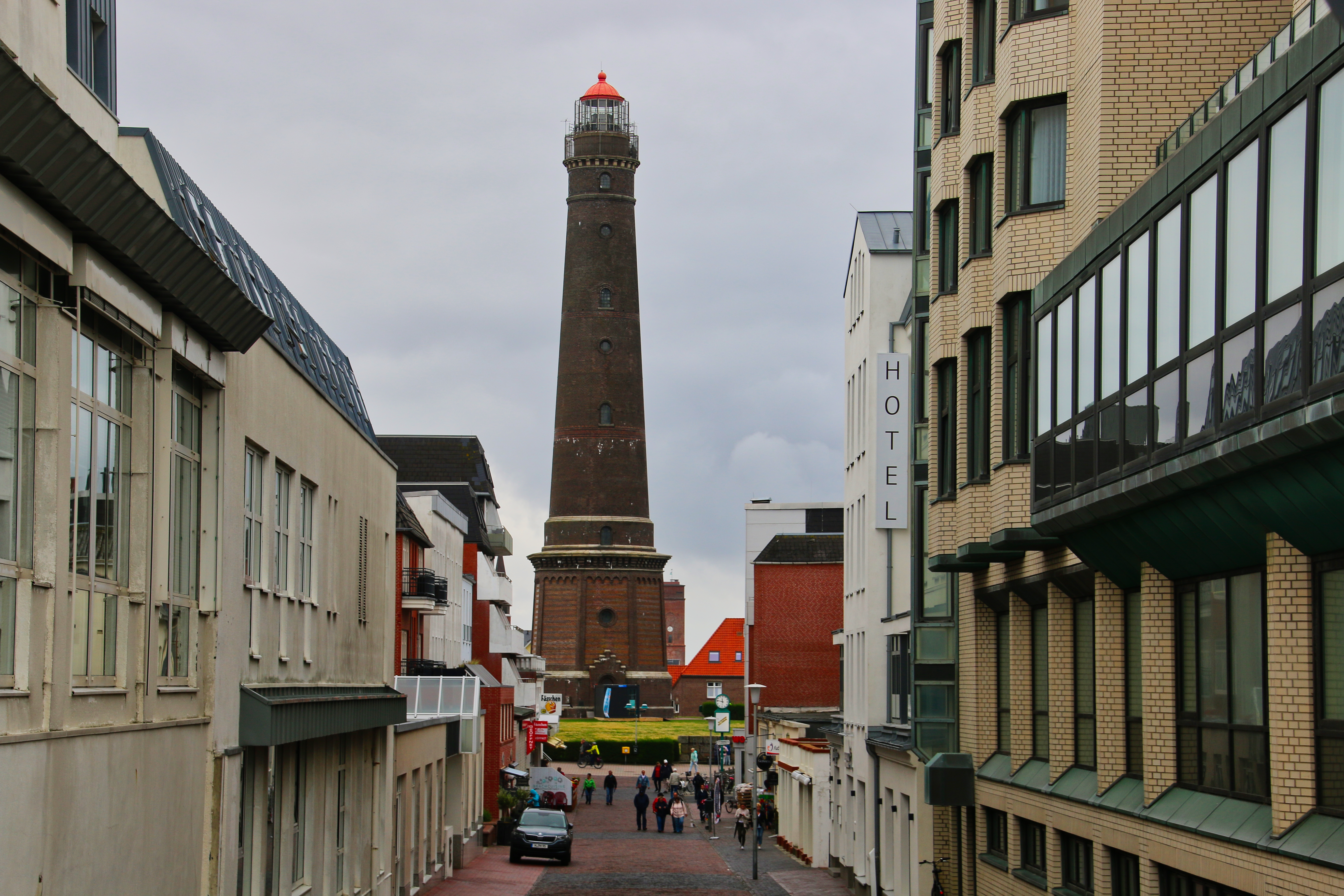
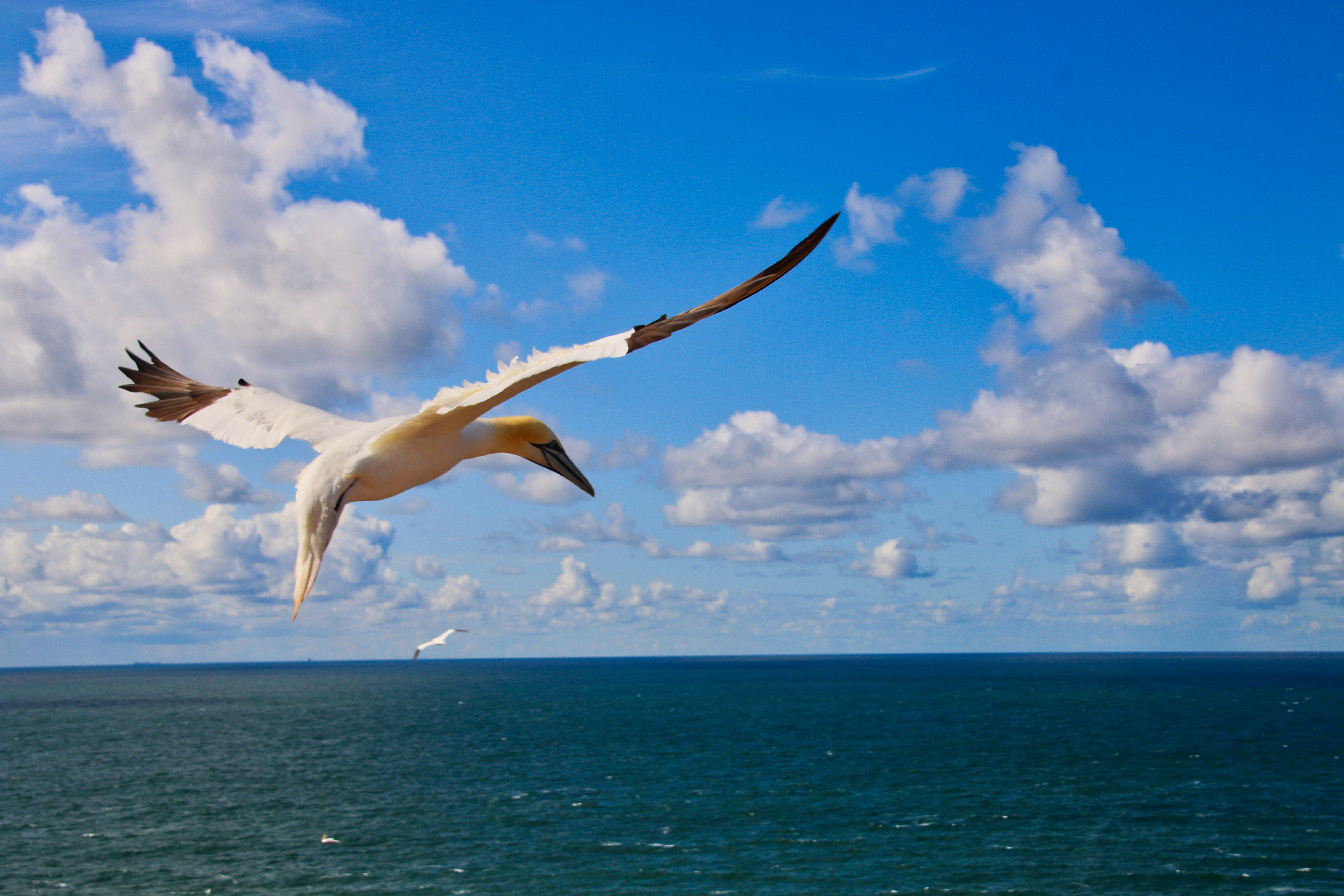
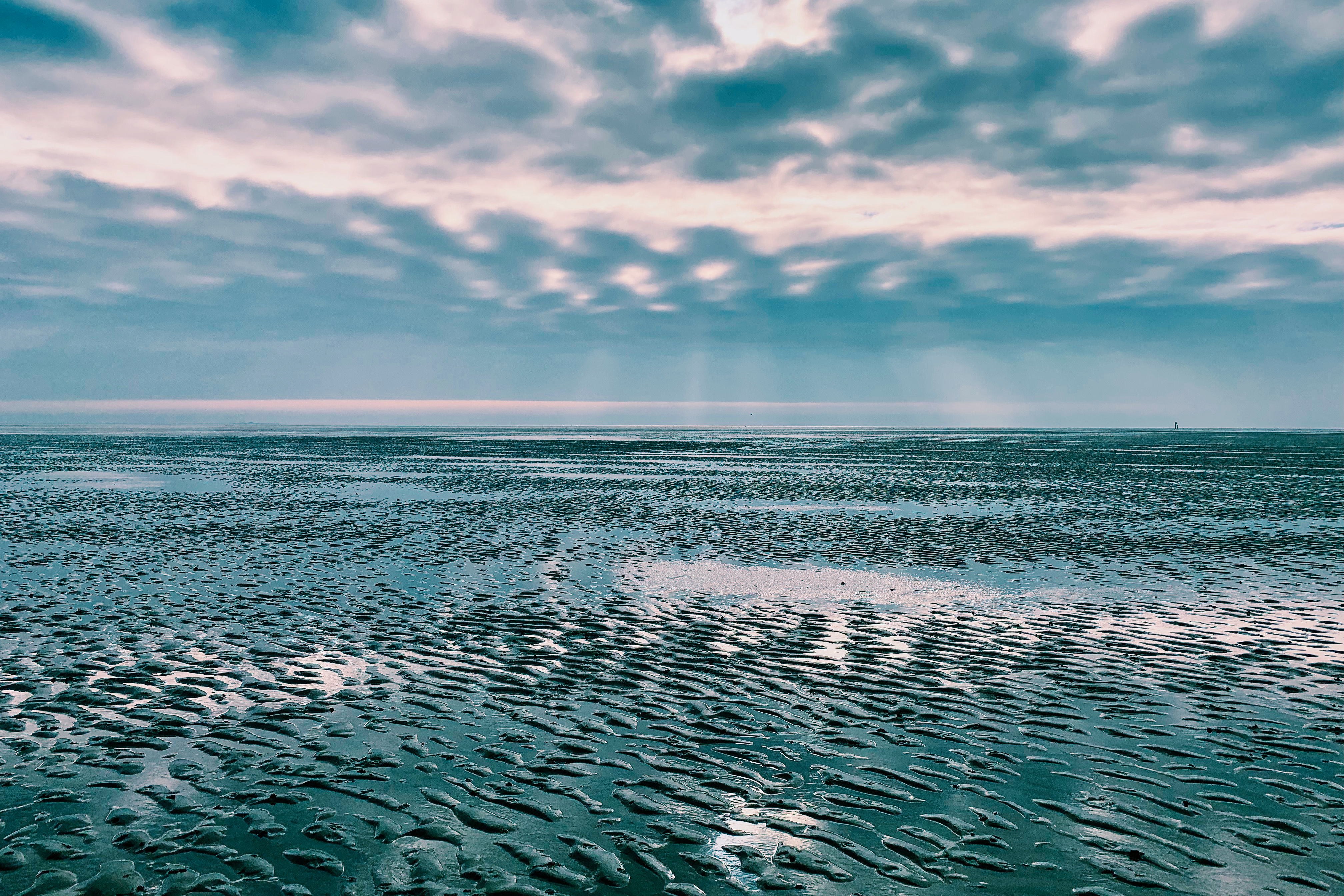
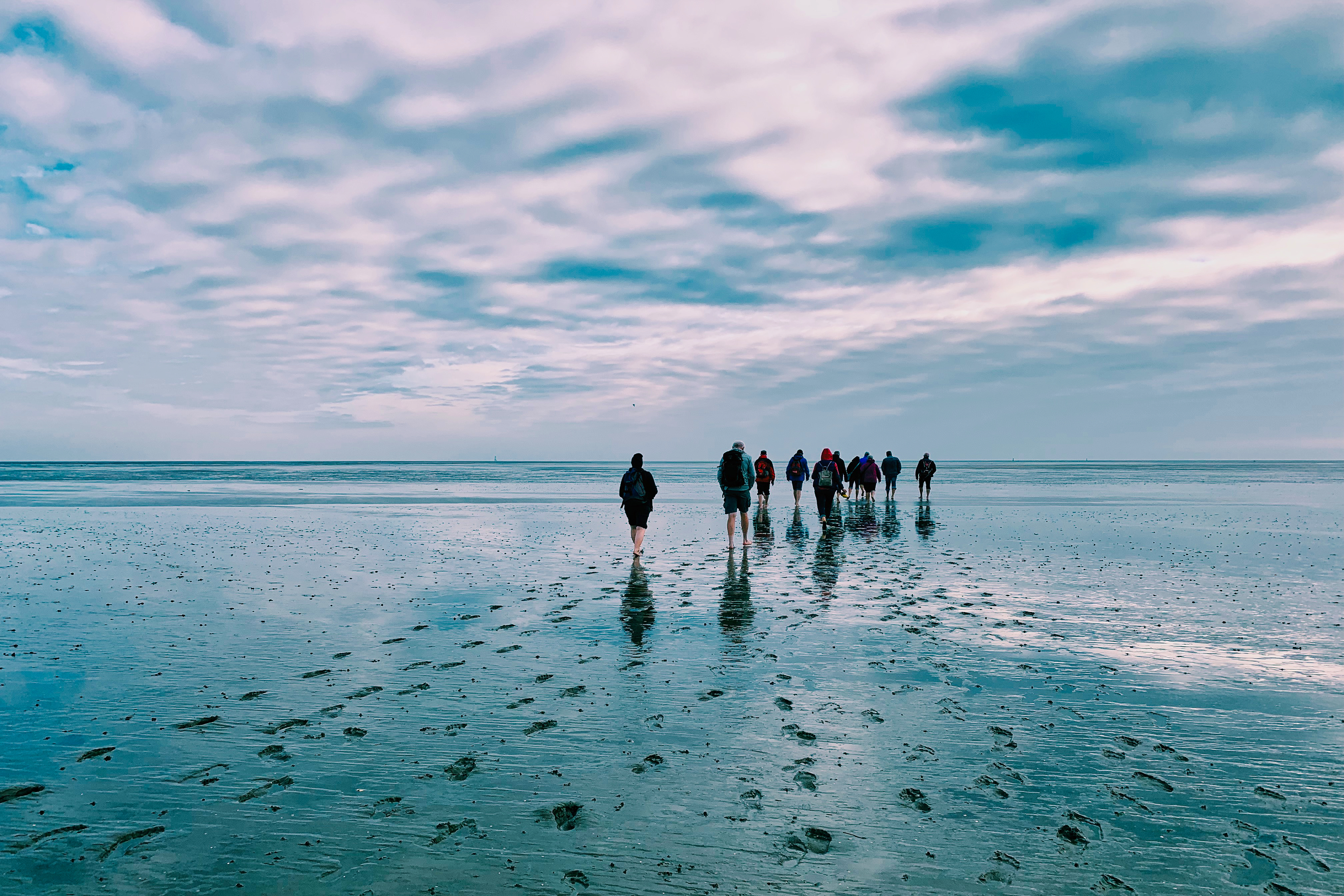
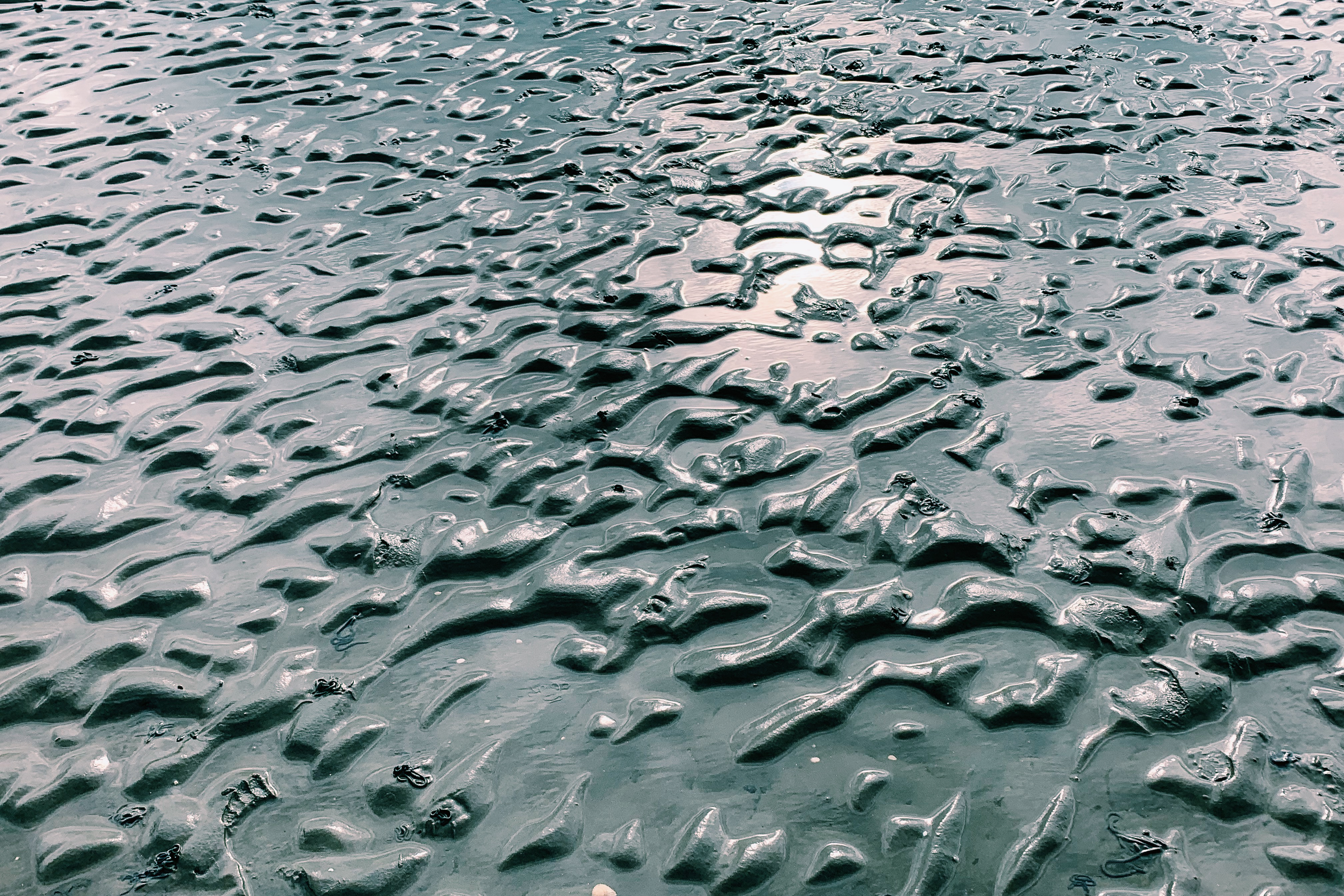
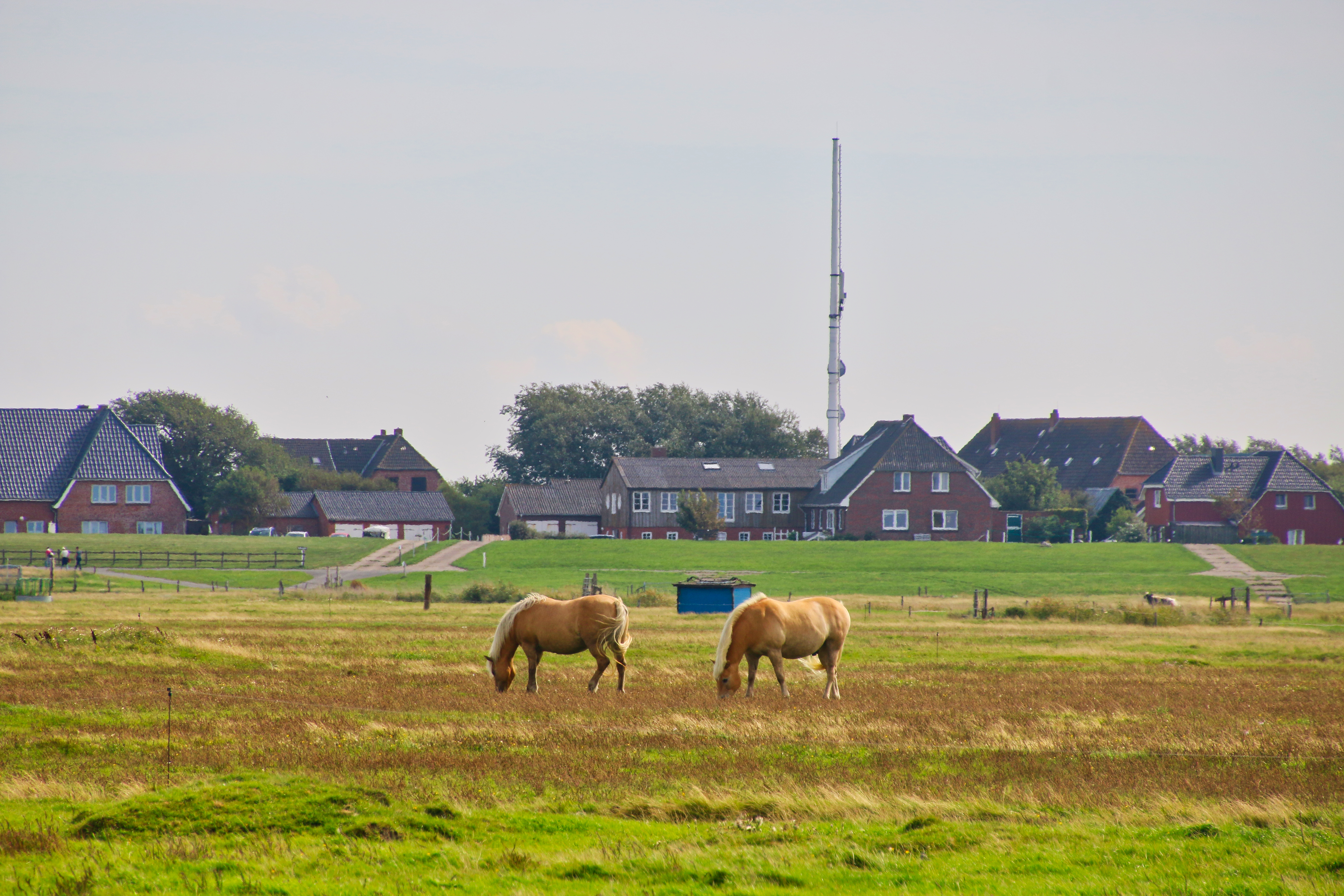
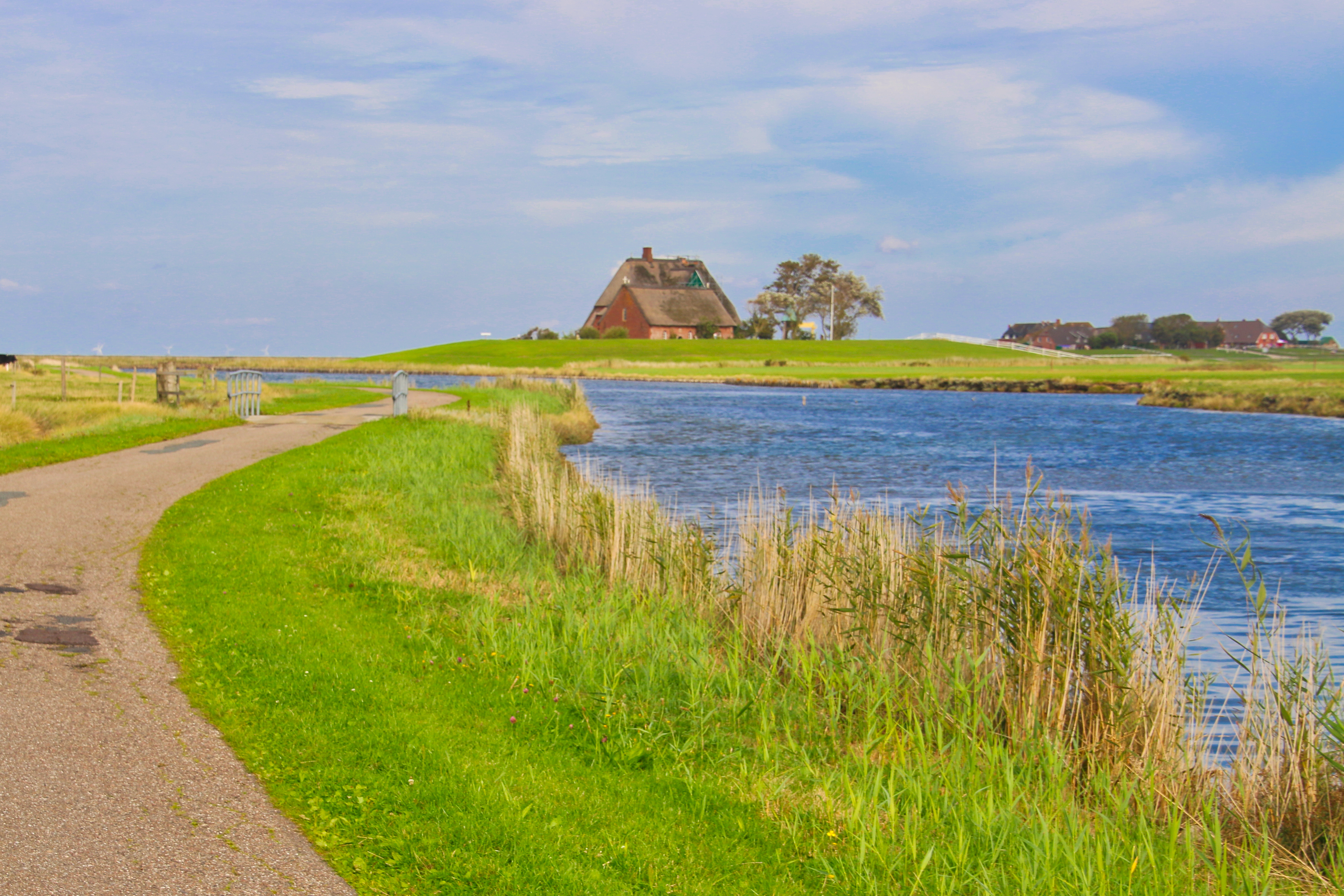
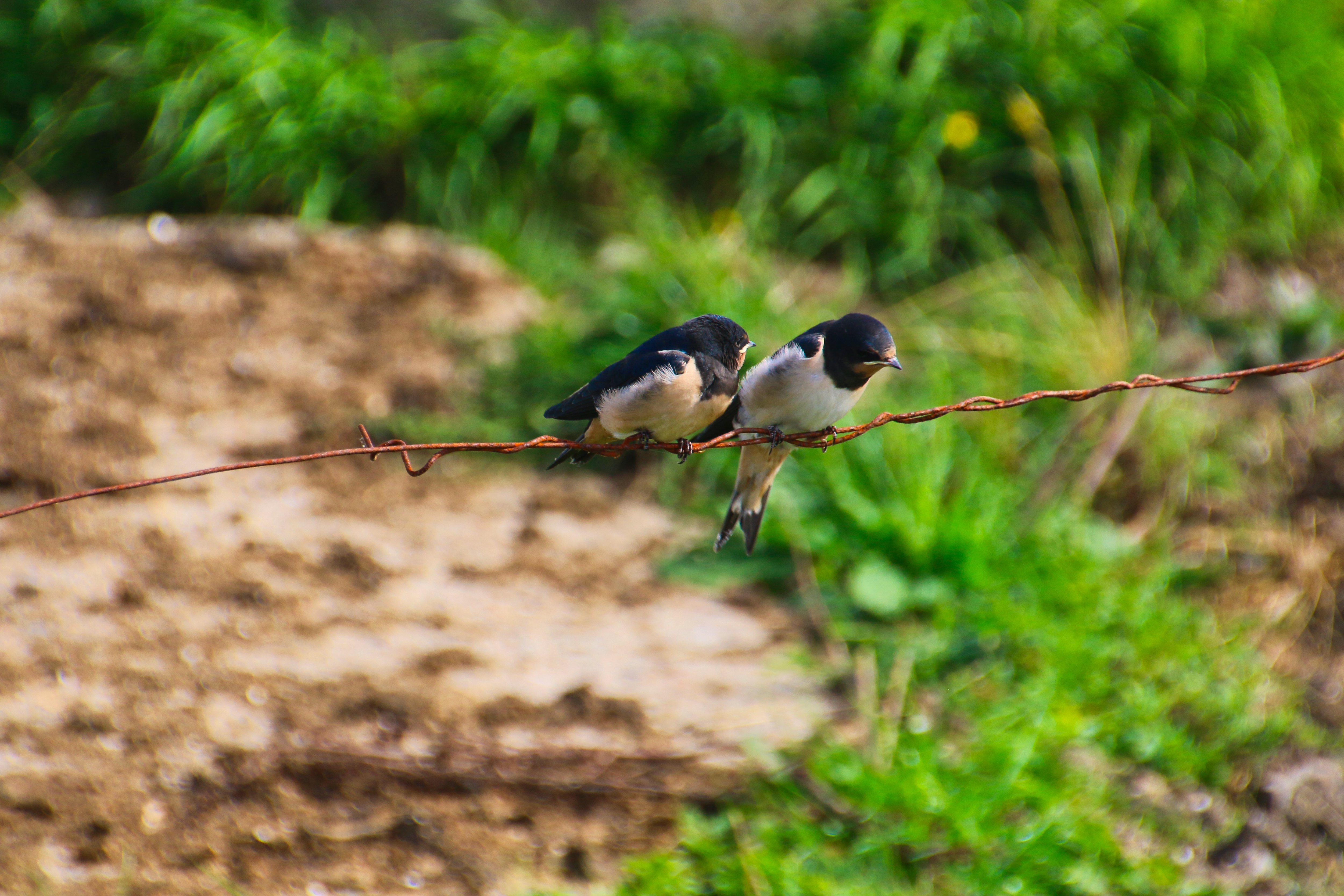
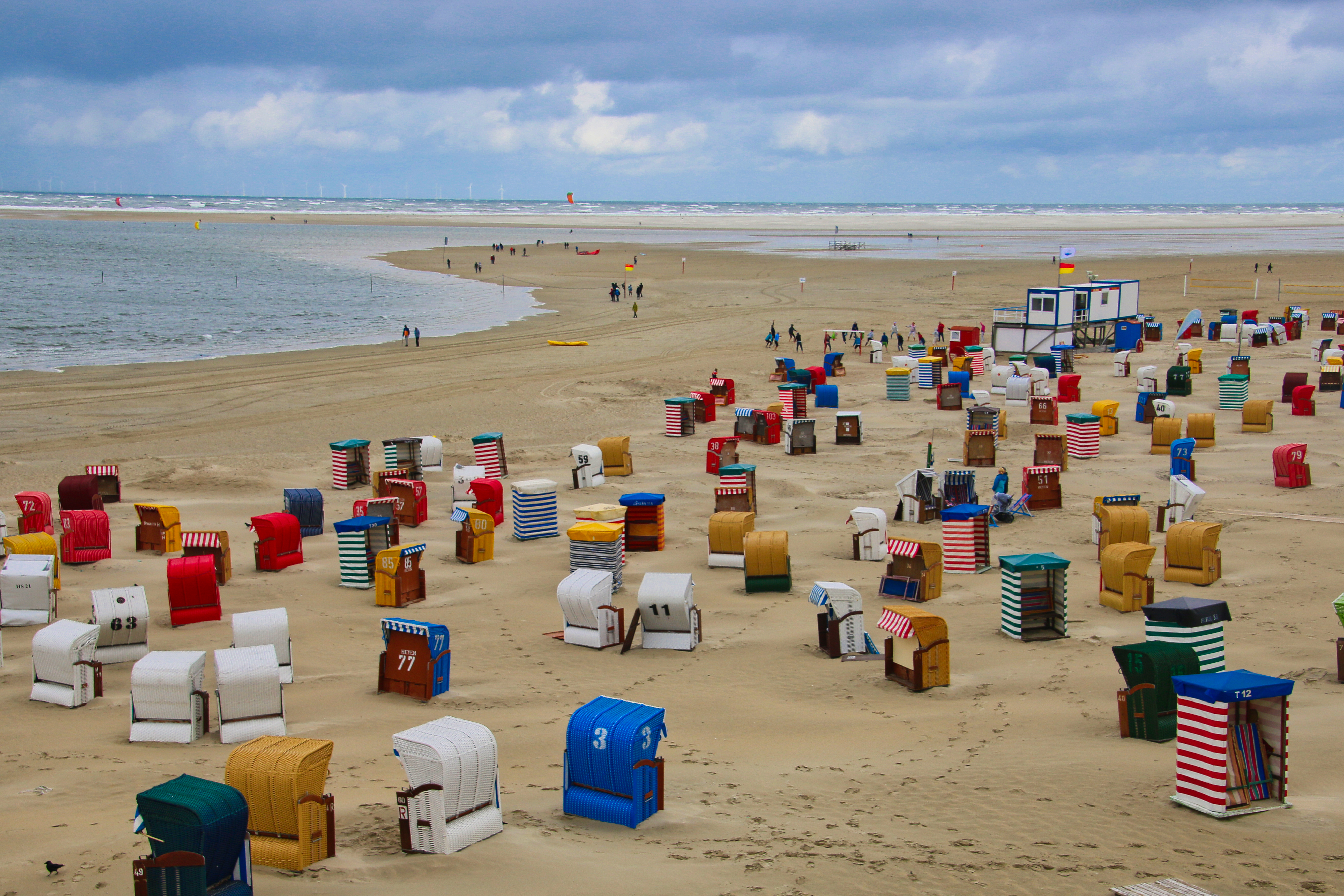
In relation to other European nations, Germany is a big country with some exciting features. While the south of Germany is bordering with the Alps and is in parts quite mountainous, the north is a very different place. Not many know that the country lays ashore not to one large body of water but two. There is the quieter and more enclosed Baltic Sea in the east and the wider and more open Northern Sea in the west. At the shore, there are endless sand beaches and many quiet islands where you can relax with these unique, colorful beach chairs. The most exciting feature, though, is most probably the Wadden Sea (last three pictures). It is a kind of muddy place which is flooded twice a day and reaches at some points deep into the sea. The Wadden is one of the most diverse bio habitats on earth and home to many microorganisms because it is biologically very rich in nutrients. Also, it is home to the sandworm and many kinds of birds.

test


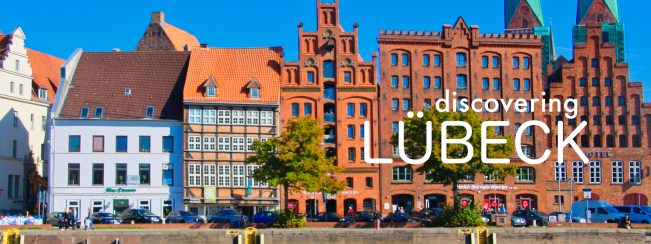
Discovering Lübeck

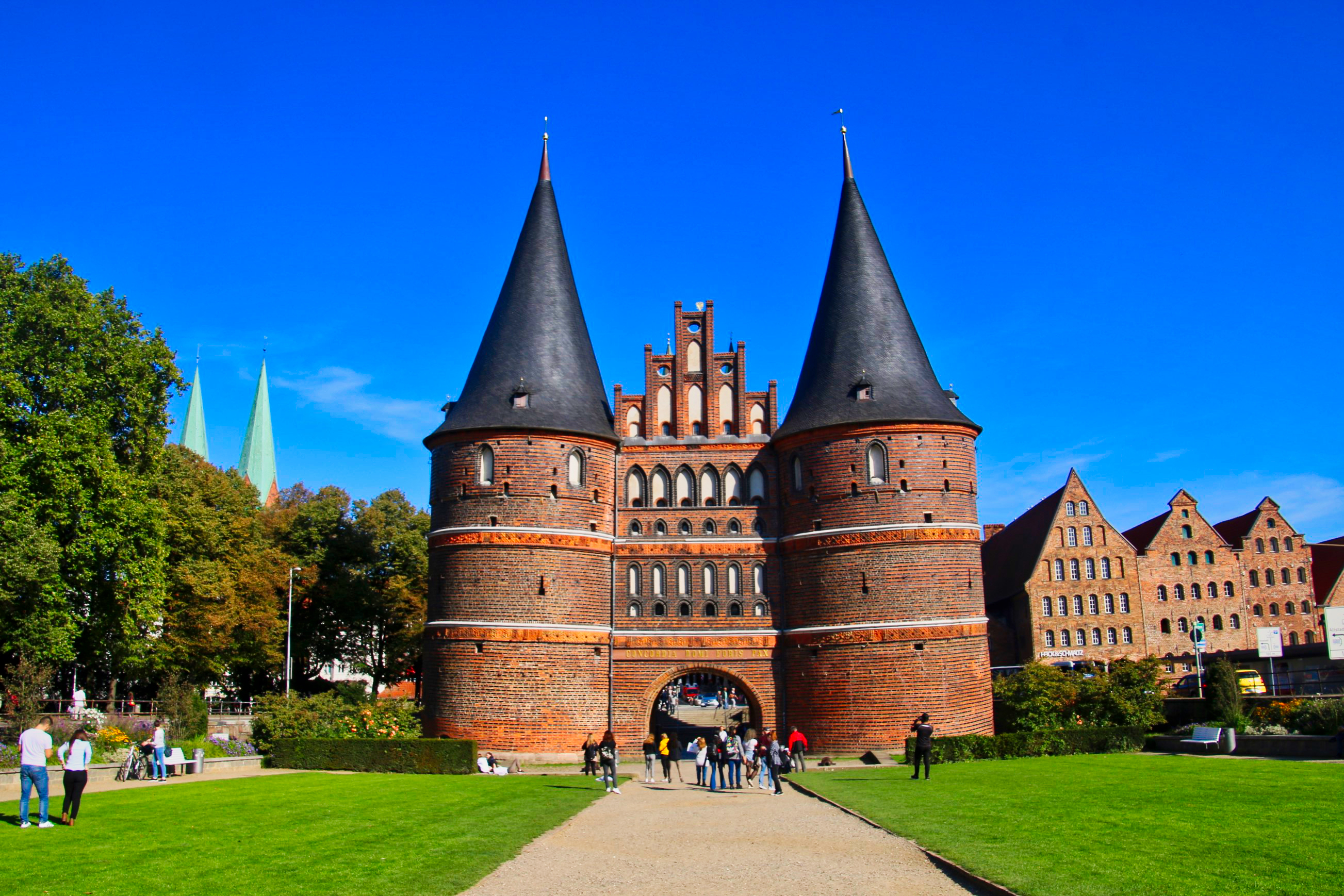
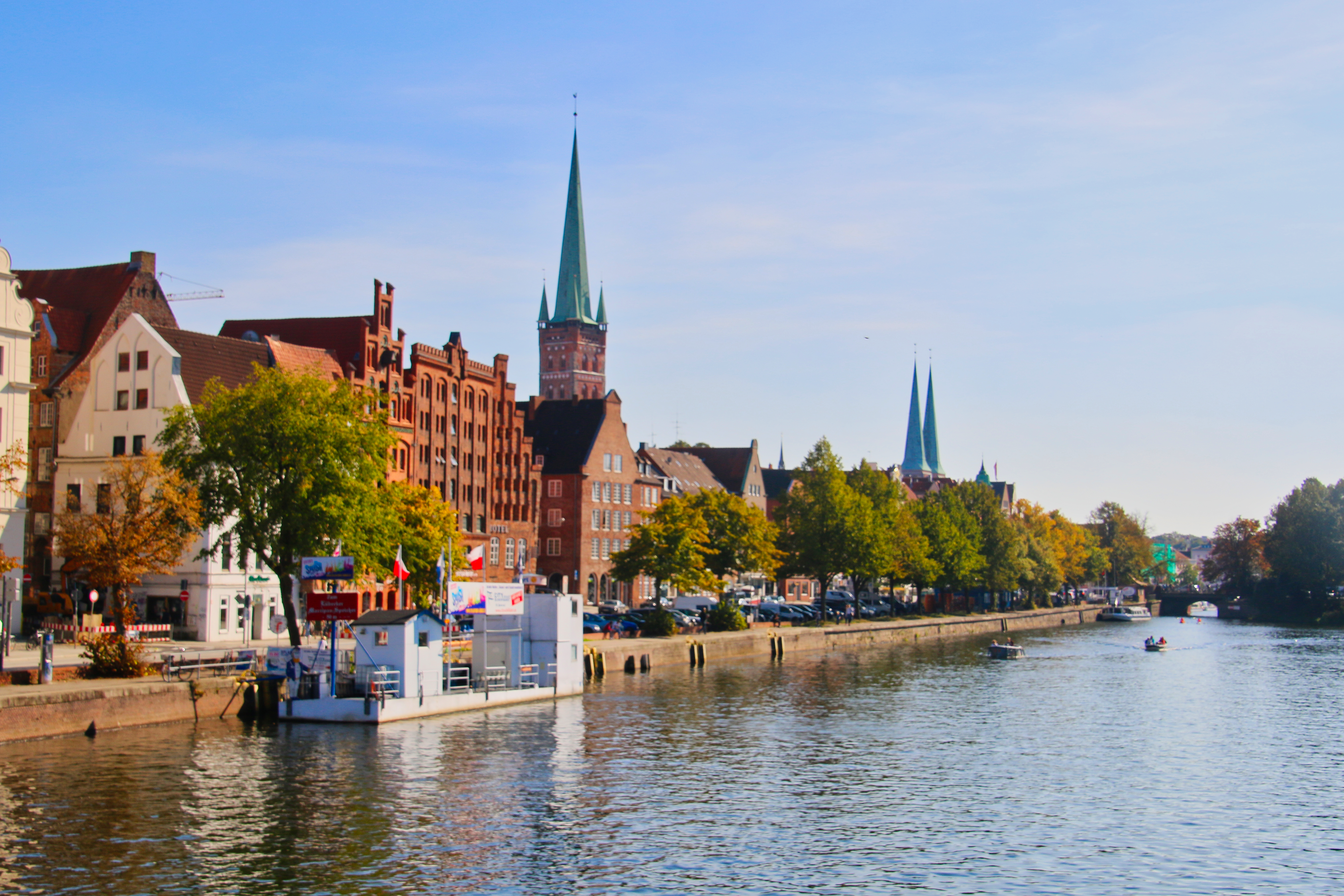
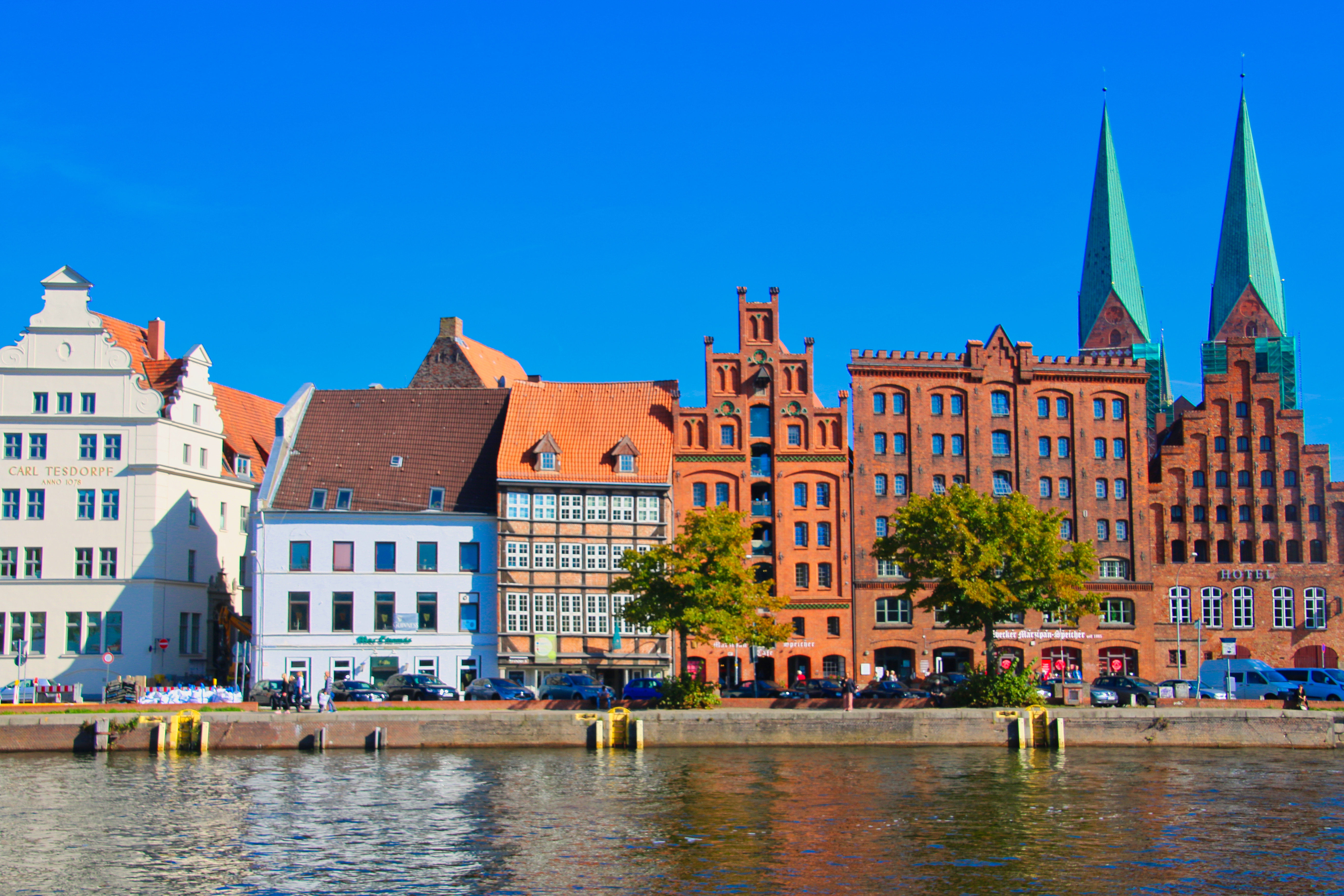
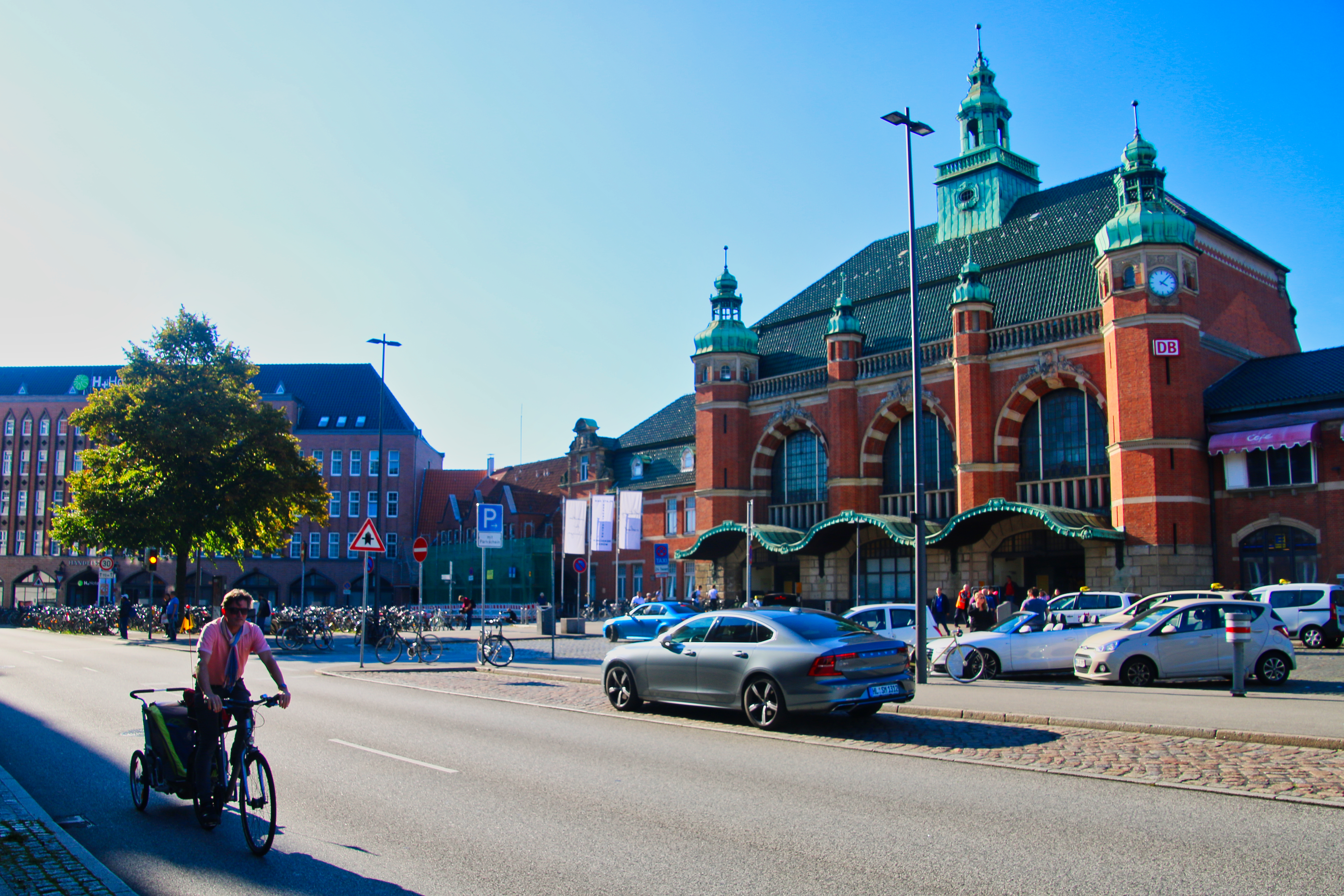
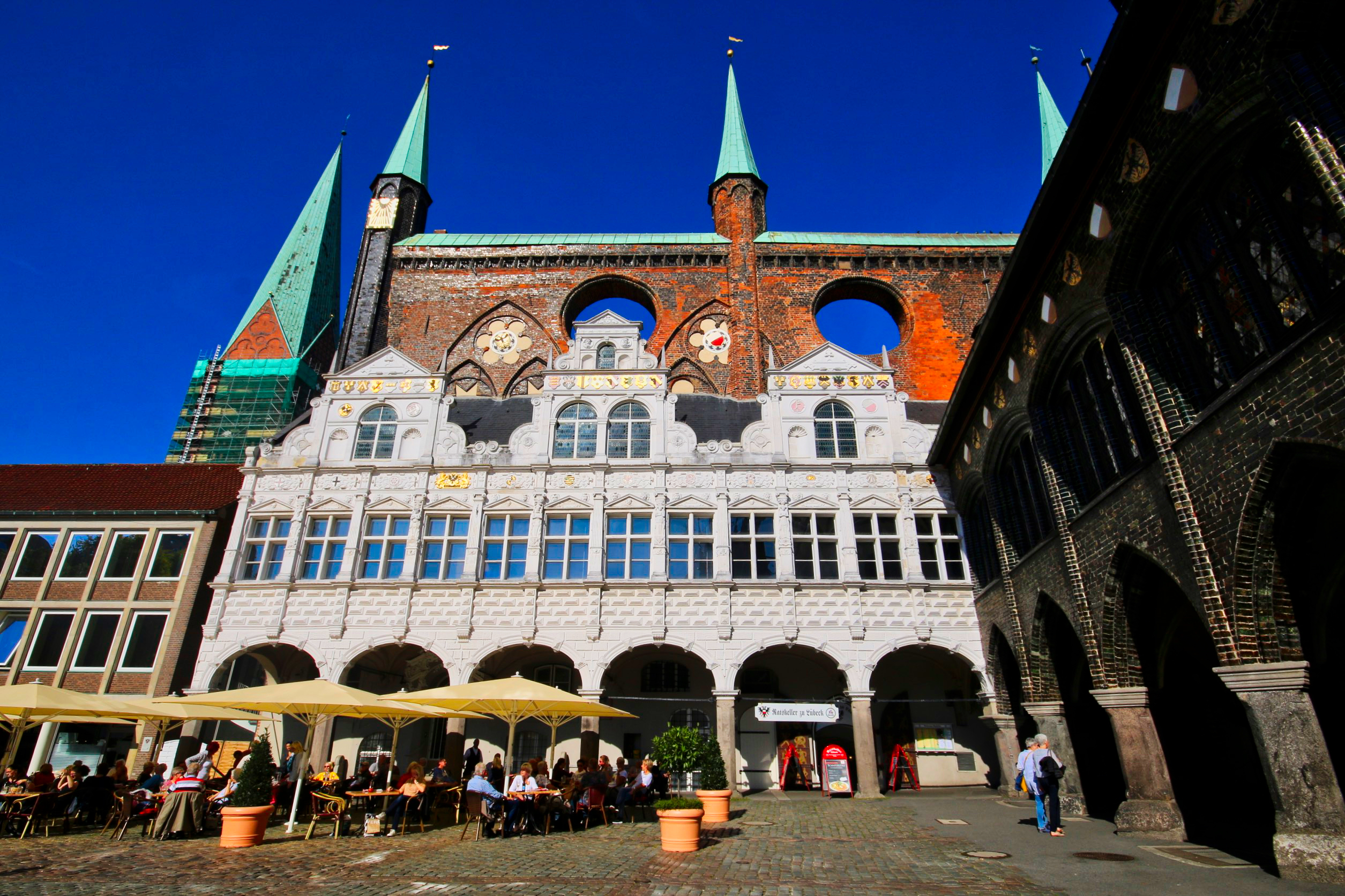
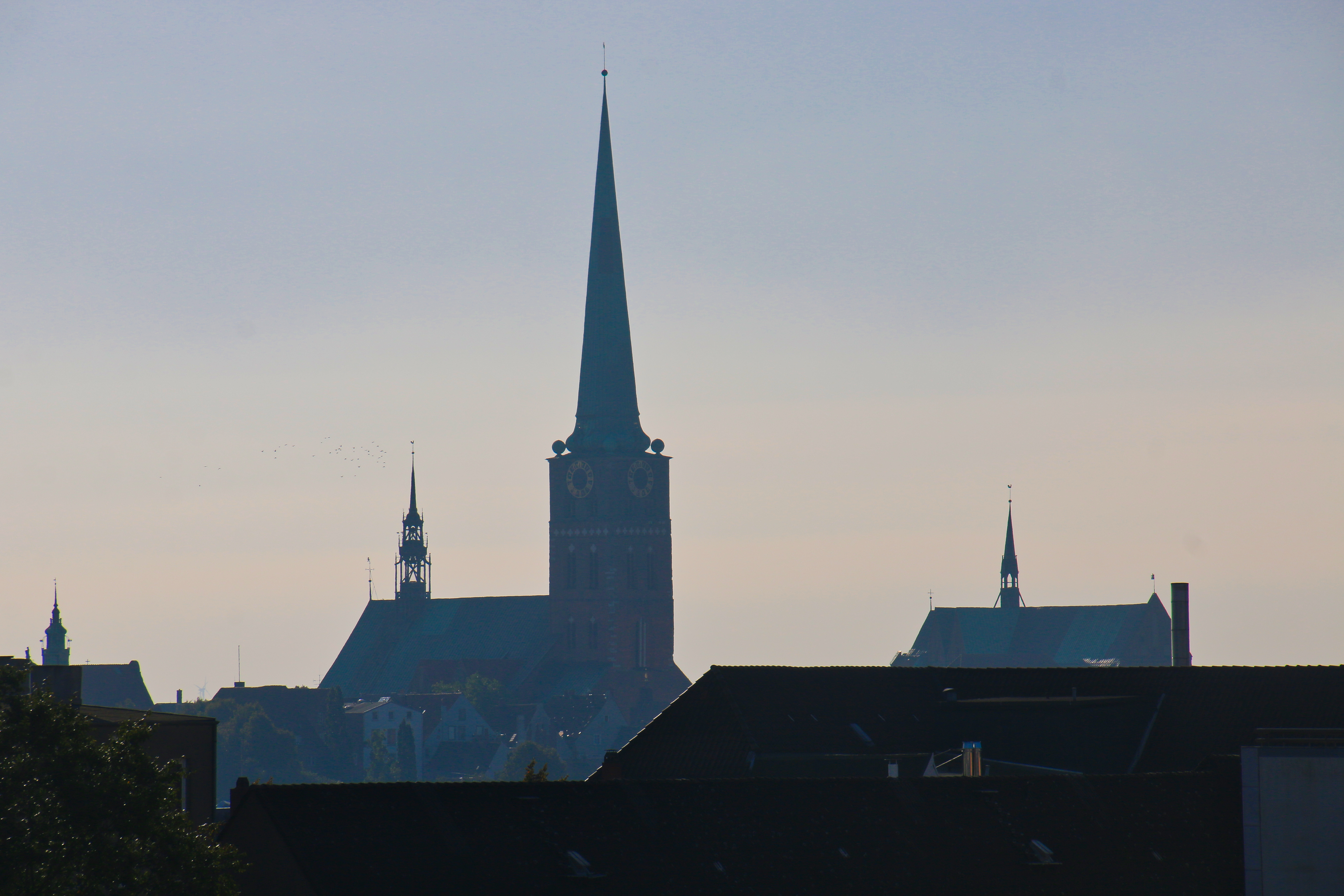
Lübeck is a town in Northern Germany, once the significant capital of the Hanse, a union of merchants in the middle ages that dominated trade in the Baltic seas for many centuries. So, the city was also called the Queen of the Hanse, and its inhabitants used to be wealthy and influential. Many beautiful buildings, especially churches, were built in these blooming years. Lübeck is a beautiful and well-preserved historic inner town with a lot of water surrounding it, which makes for excellent perspectives. The photographs were shot in September 2019.

test


Hallig Hooge

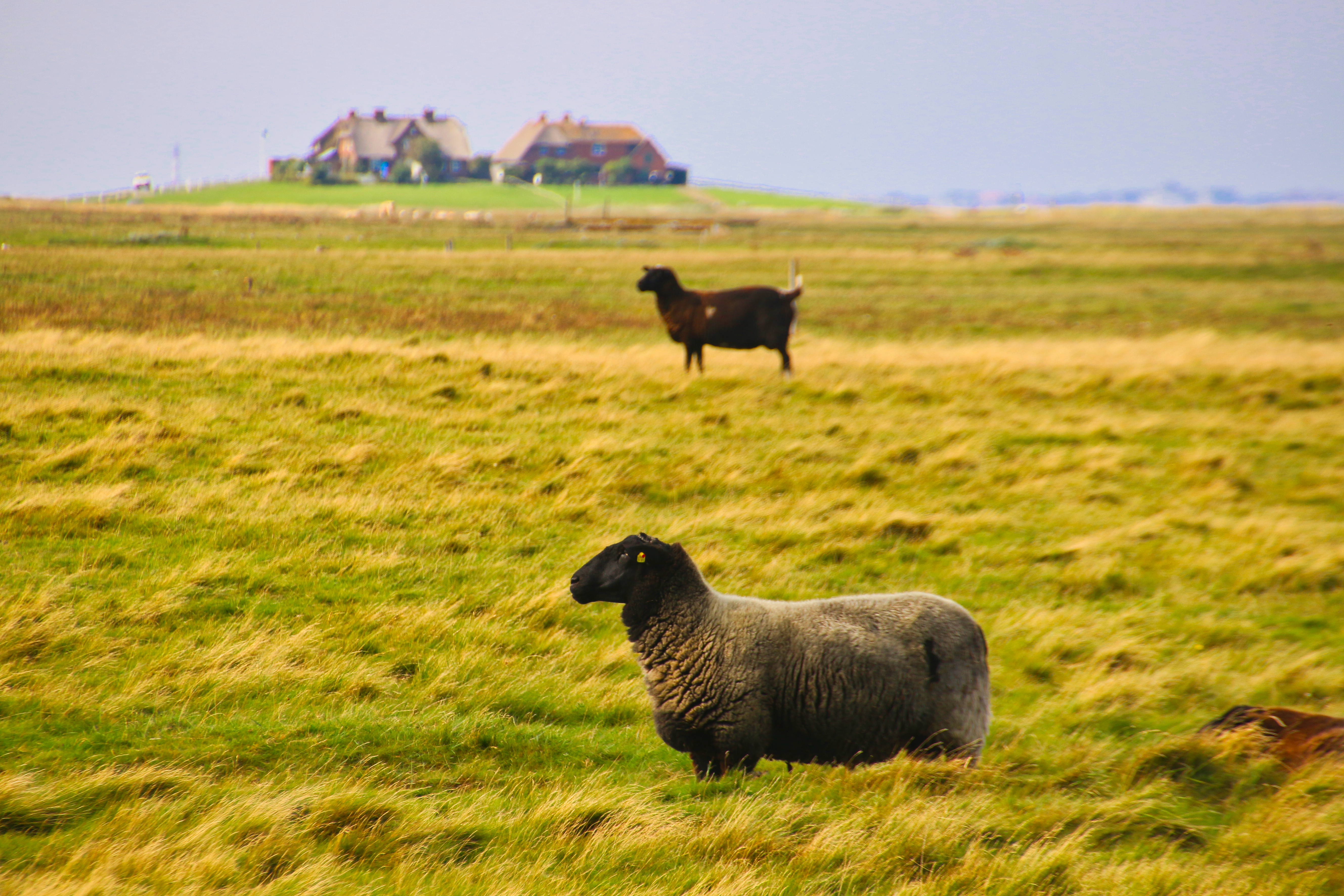
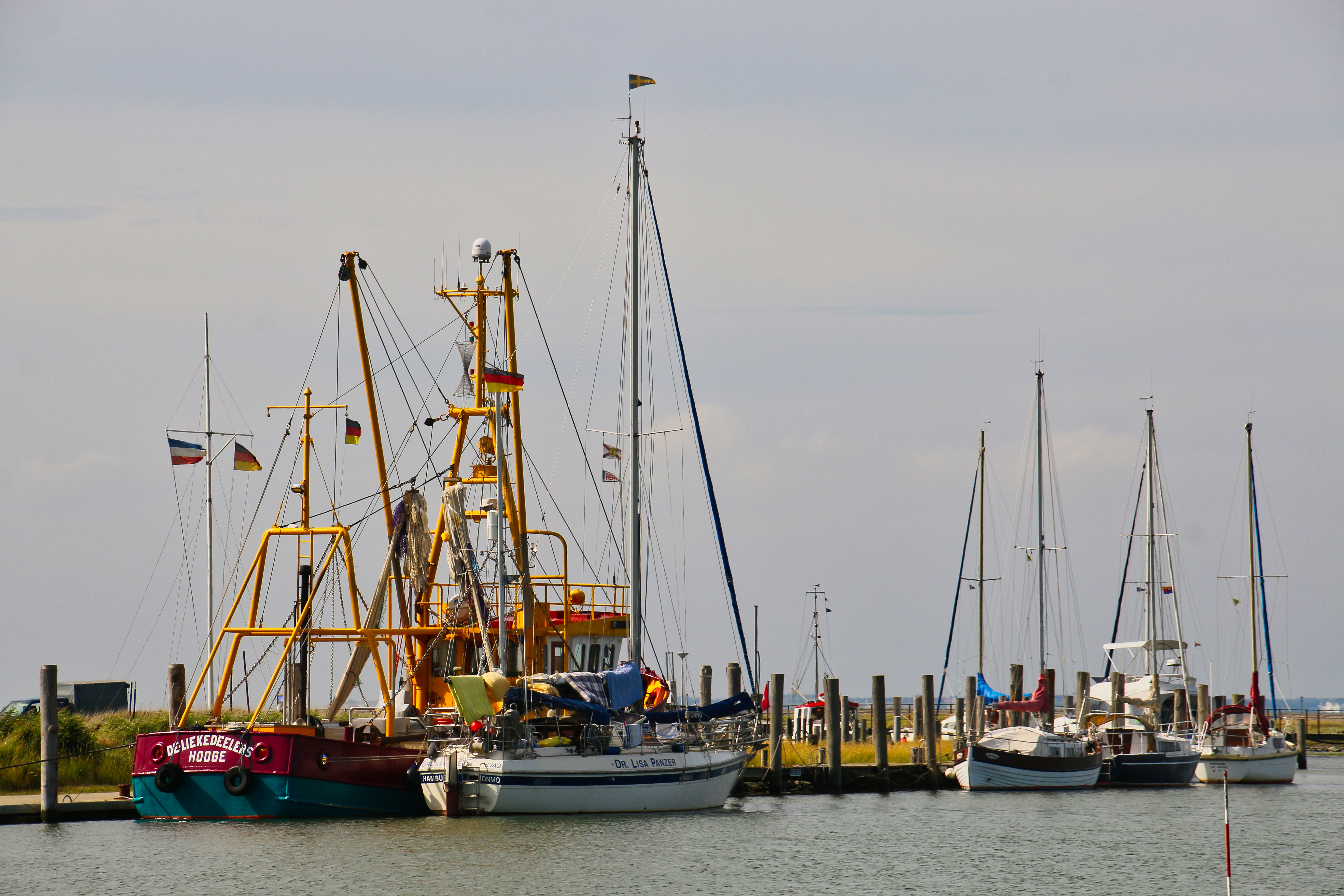
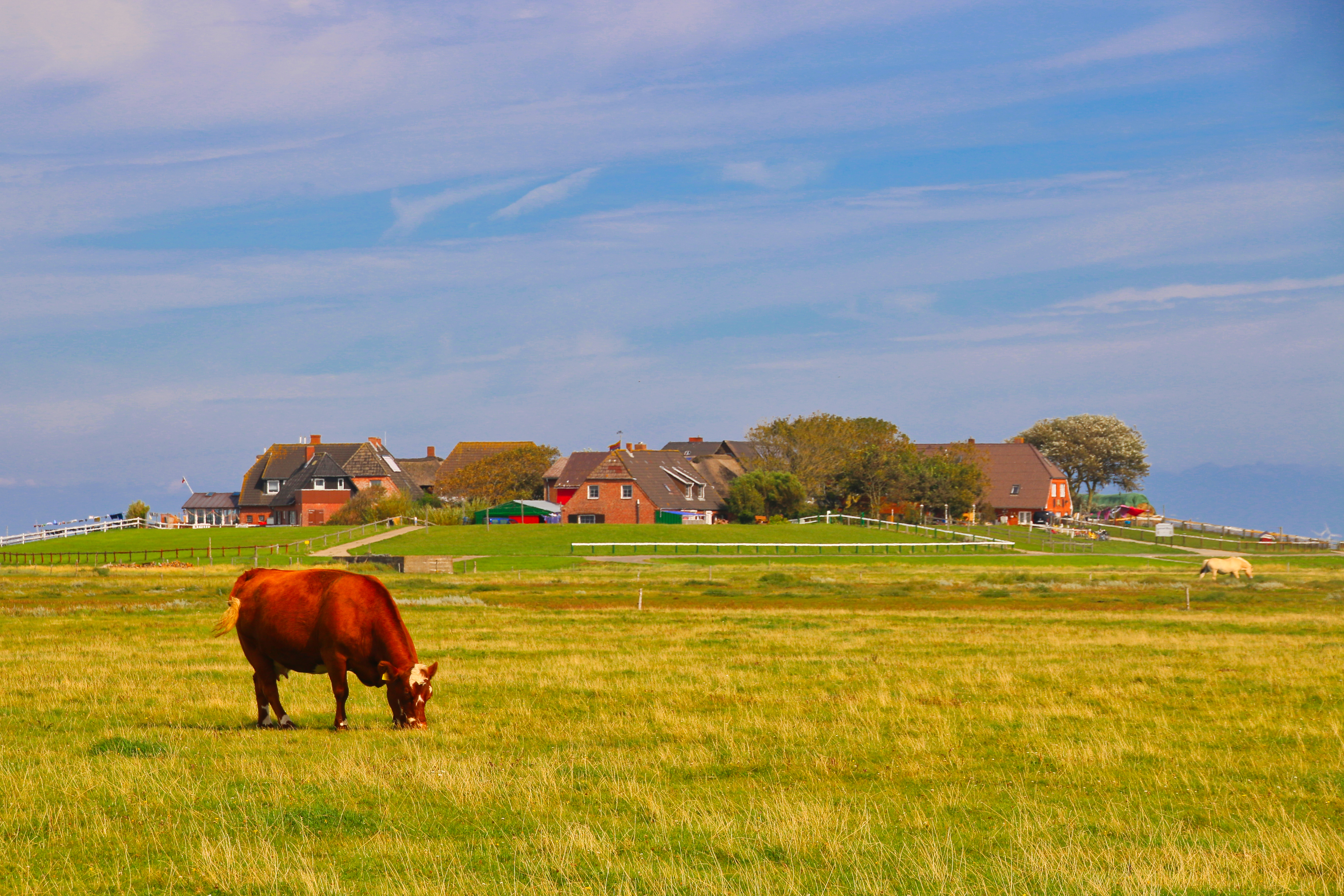
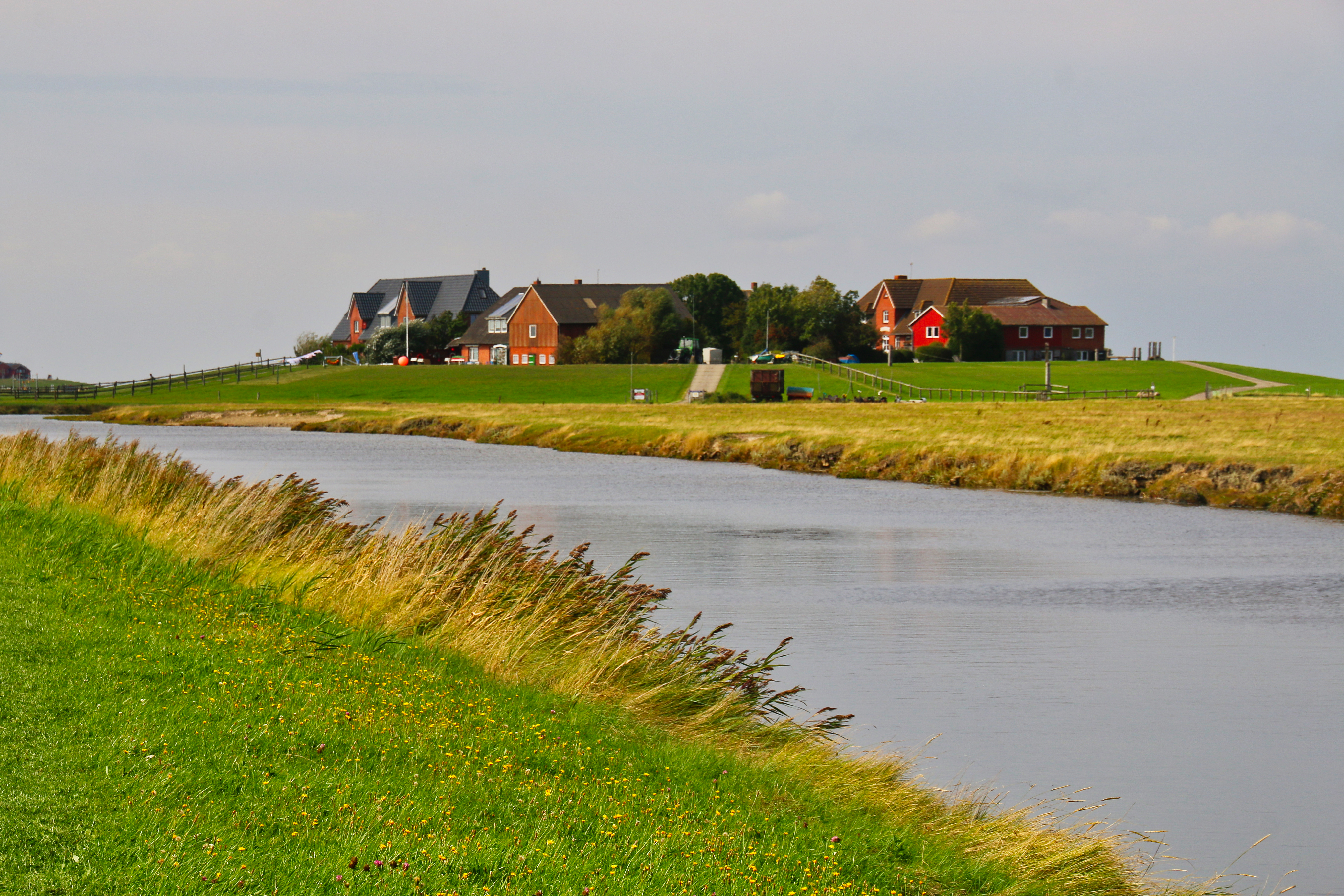
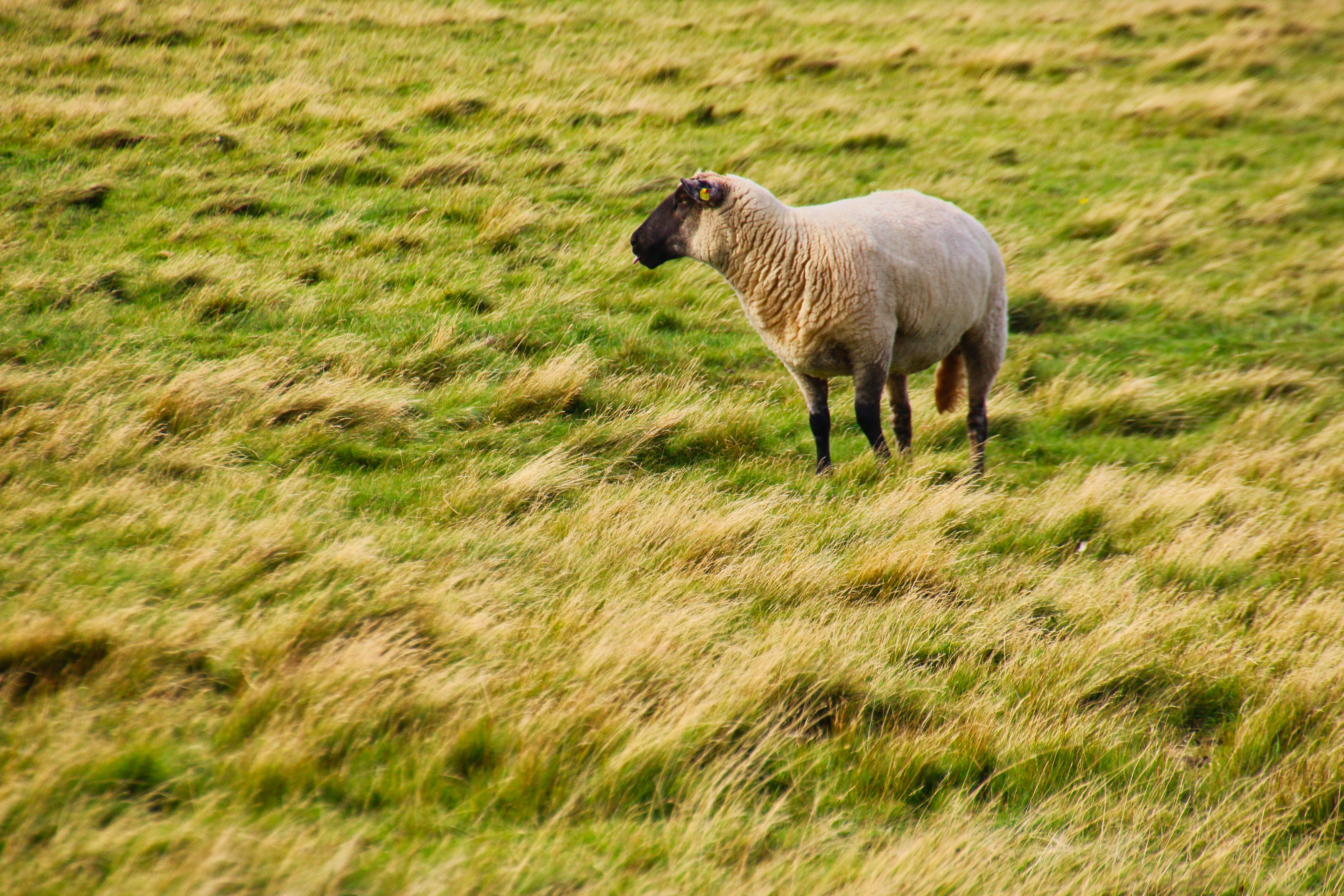
Hallig Hooge is also called the Queen of the Halligen. The Halligen are extraordinary islands in the Wadden region of northern Germany. They are not protected by dykes and are very low; the inhabitants are used to the islands being flooded 40-50 times per year. So to be safe and dry, the houses are built on so-called warften, little villages built on earth mounds. Hallig Hooge and its nature are truly extraordinary, a calm spot in the midst of a rough sea.

test

Perspectives on a Parliament and a Television Tower

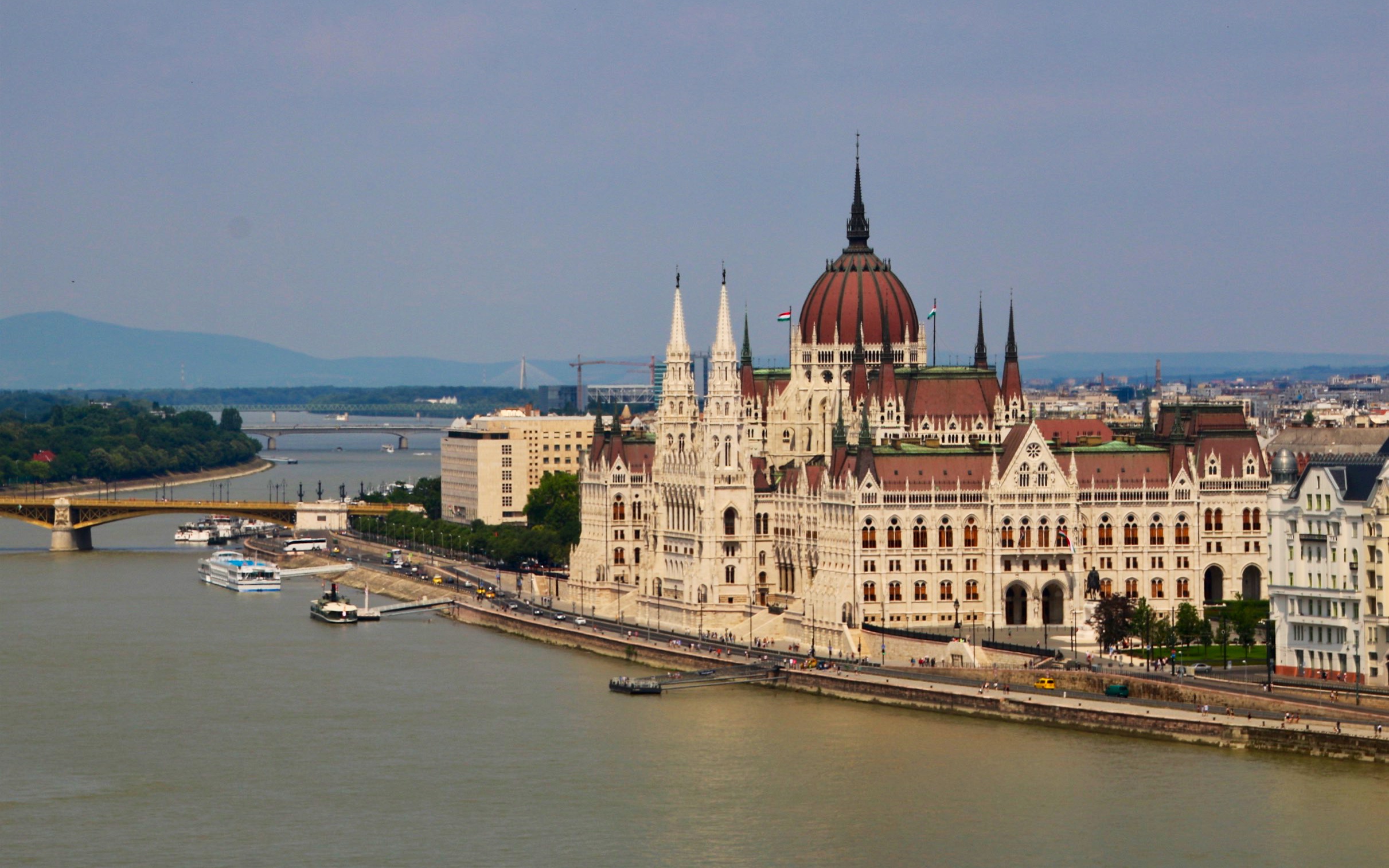
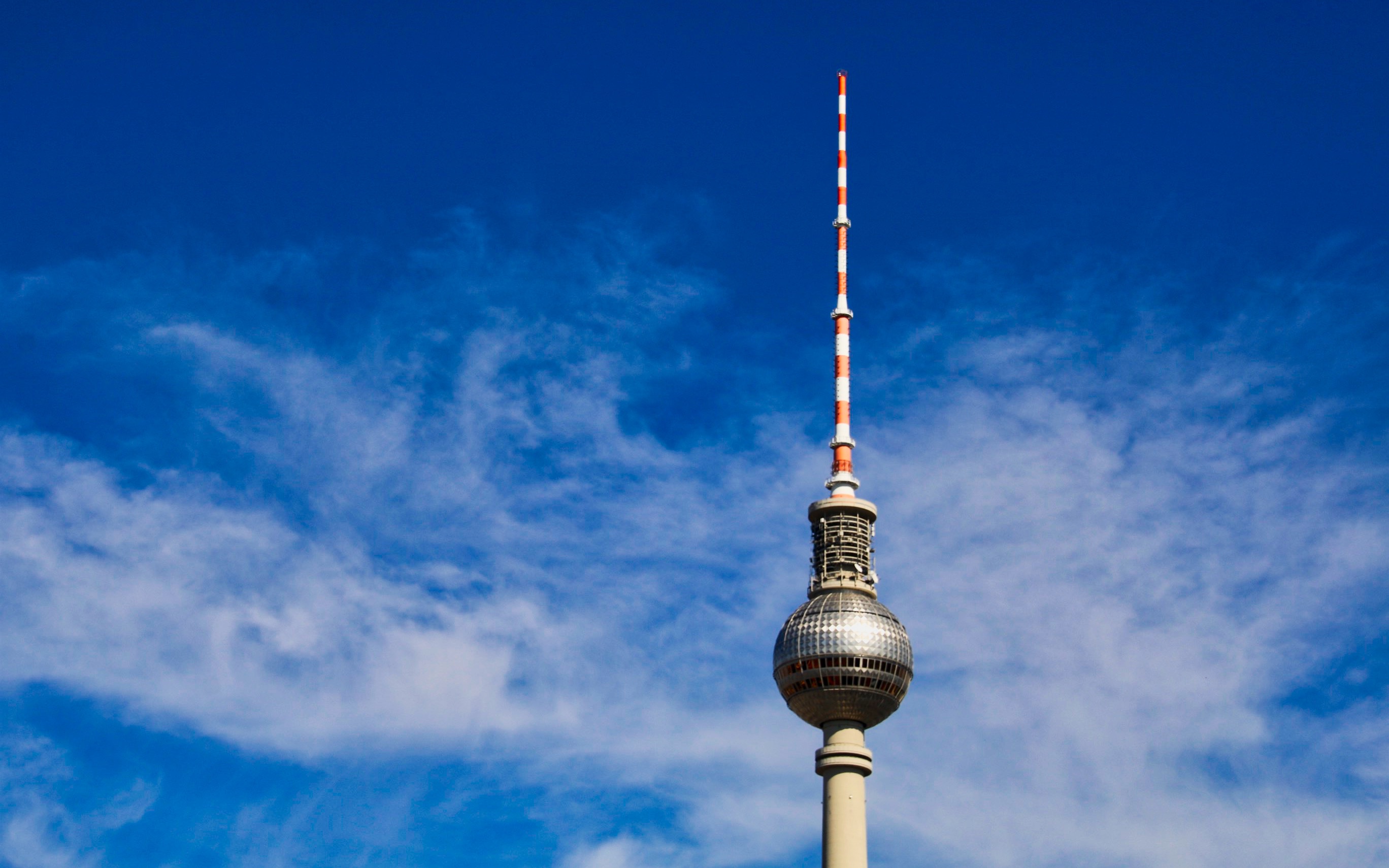
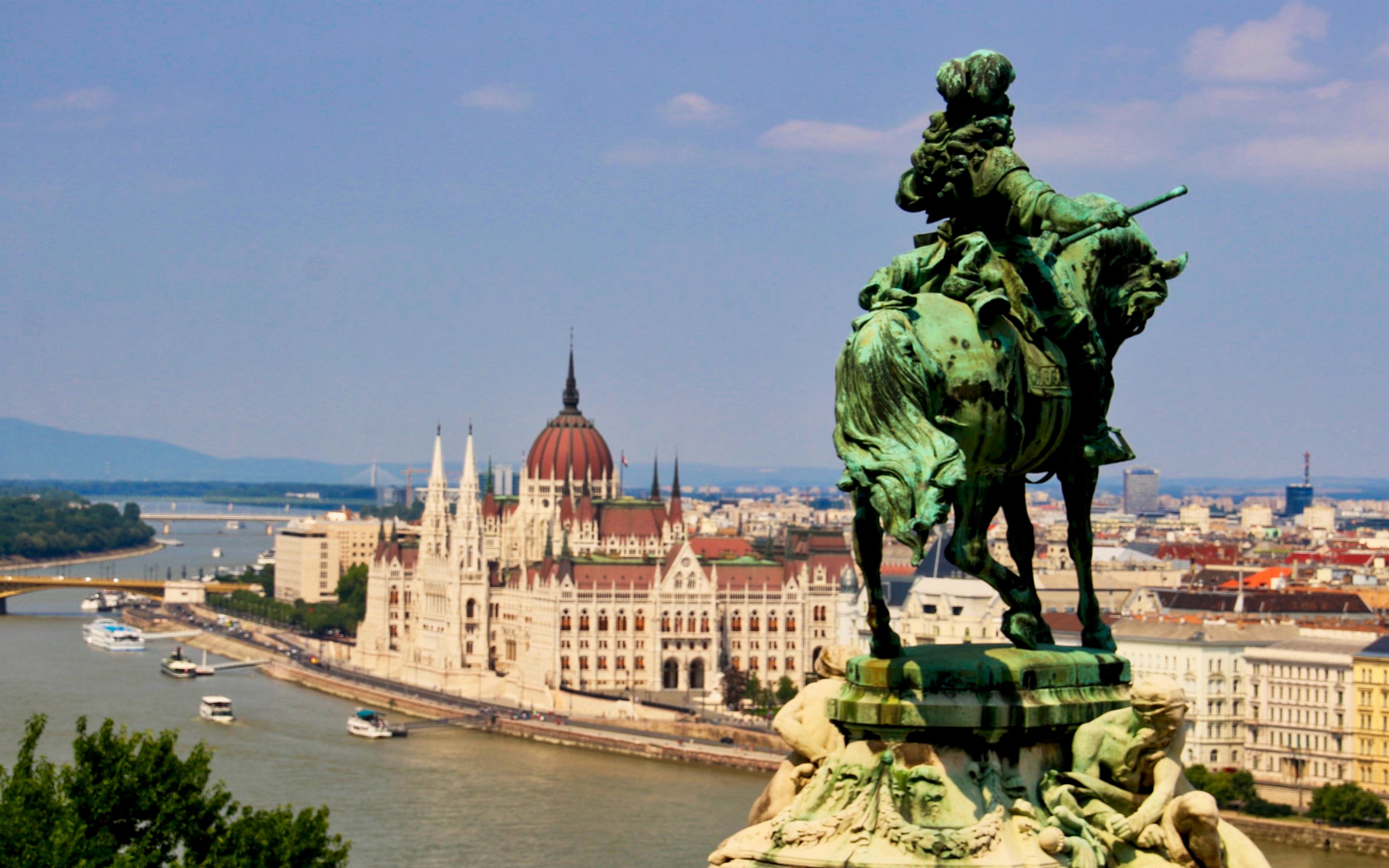
Central Europe is particularly rich in famous landmarks. Two of my favorite structures in this region are the Parliamentary Building in Budapest, the capital of Hungary, and the TV Tower at Alexanderplatz in Berlin. From an architectural perspective, these two buildings have little in common. While the Hungarian Parliament is a neo-gothic administrative building, grandeur in size and very unusual for a gothic building equipped with a beautiful red coppola, the TV Tower in Berlin was meant to showcase socialist architecture and technology and was easily seen from Western Berlin. As different as these buildings are, they both were planned as and turned, in fact, out to be landmarks of their respective hometowns – though in another way than the architects envisioned. Germany today is reunited again; many structures from socialist times were torn down, and the TV tower became a signature building of the reunited city and a piece of historic futurism. The parliamentary building in Budapest, on the other hand, is the legislative building of the independent republic of Hungary today, which emerged from the Austro-Hungarian empire after World War I.

test

Along the Elbe River

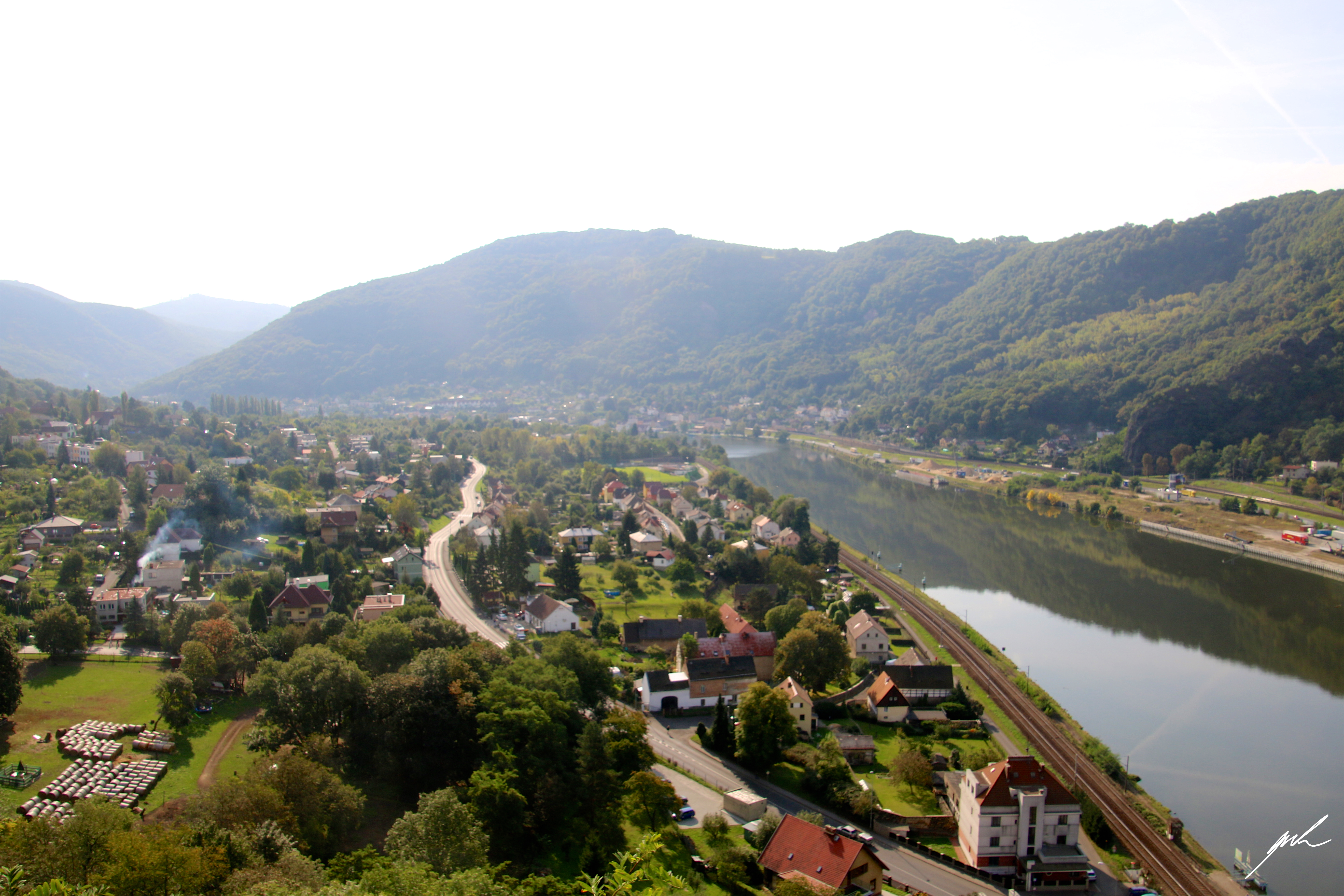
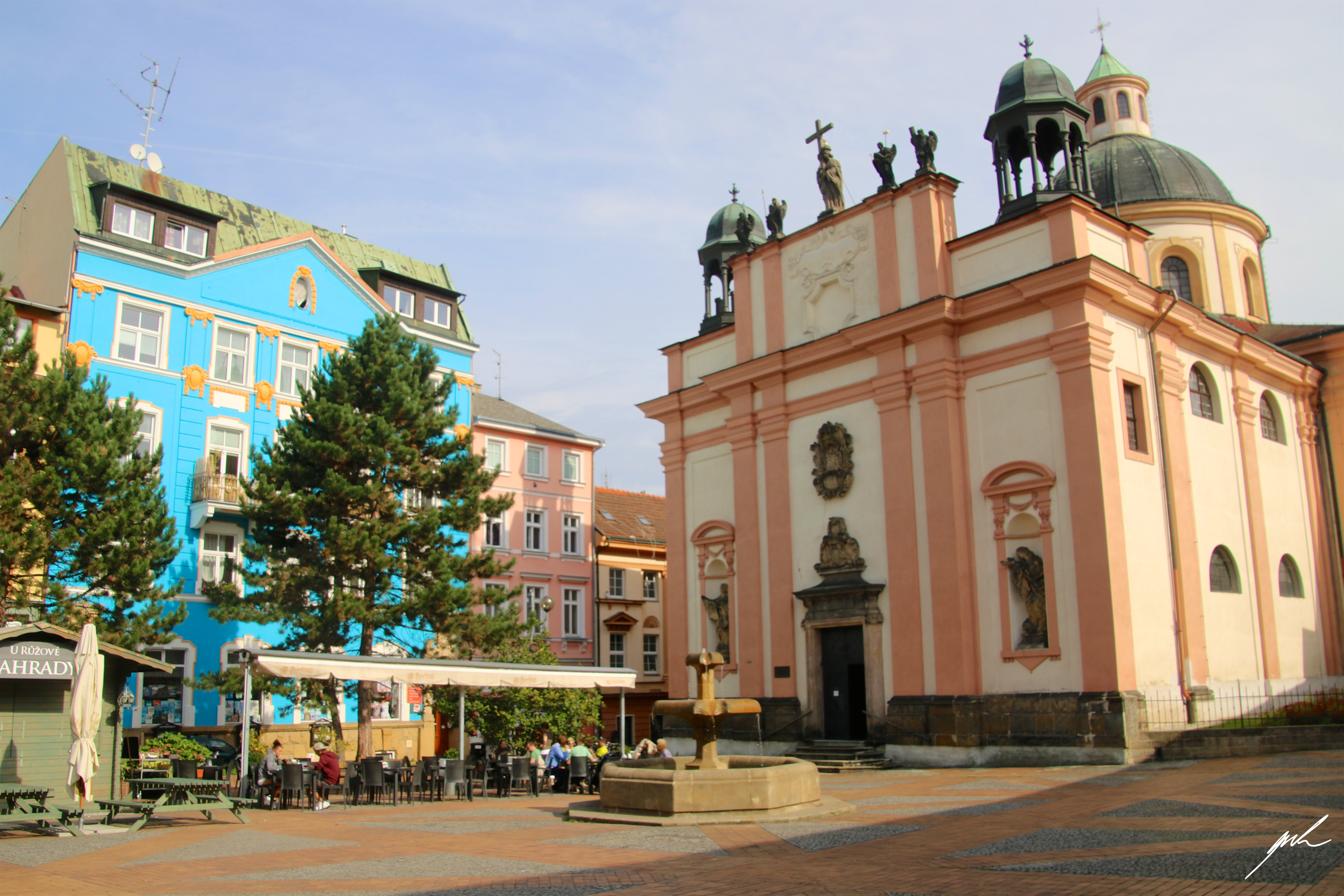
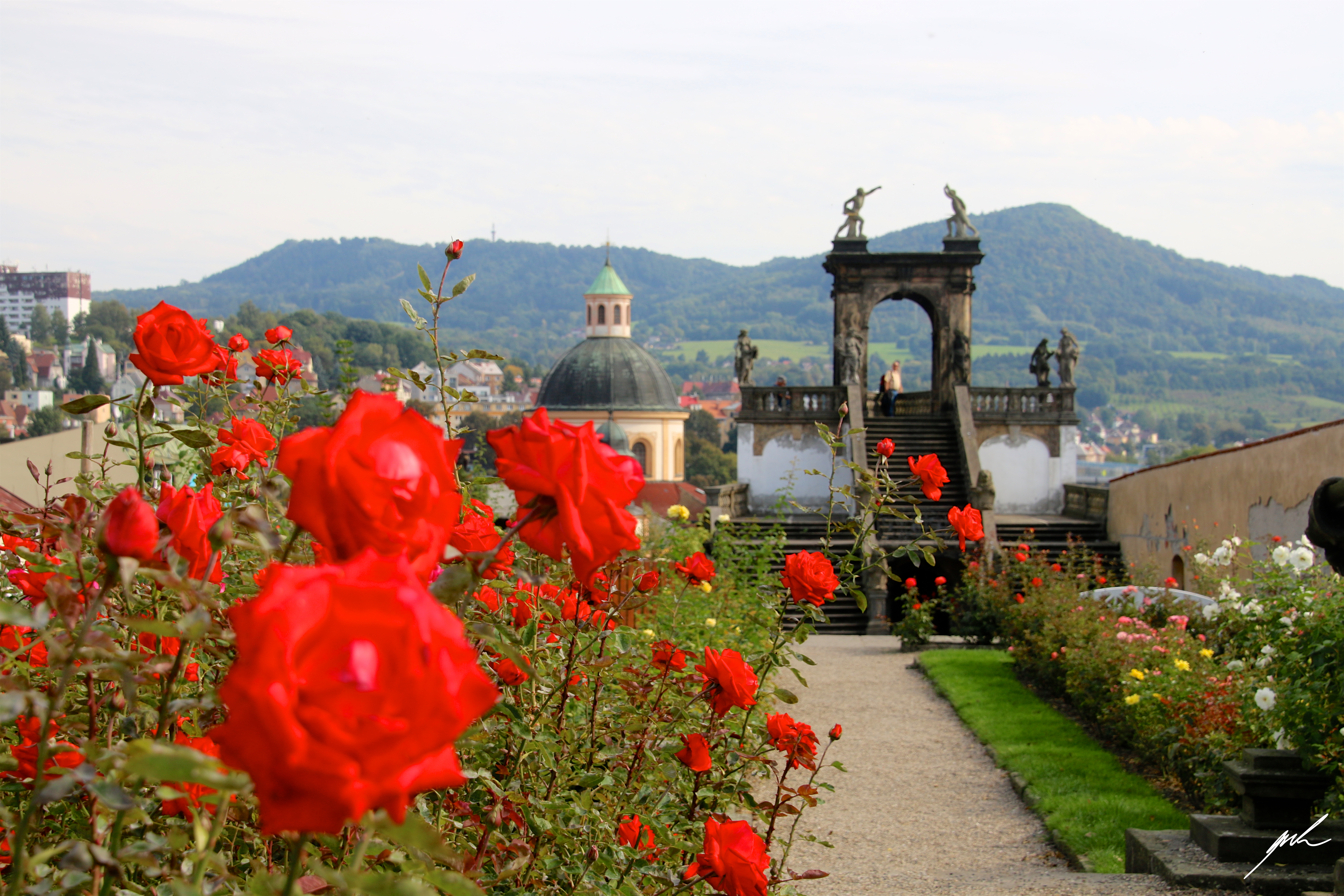
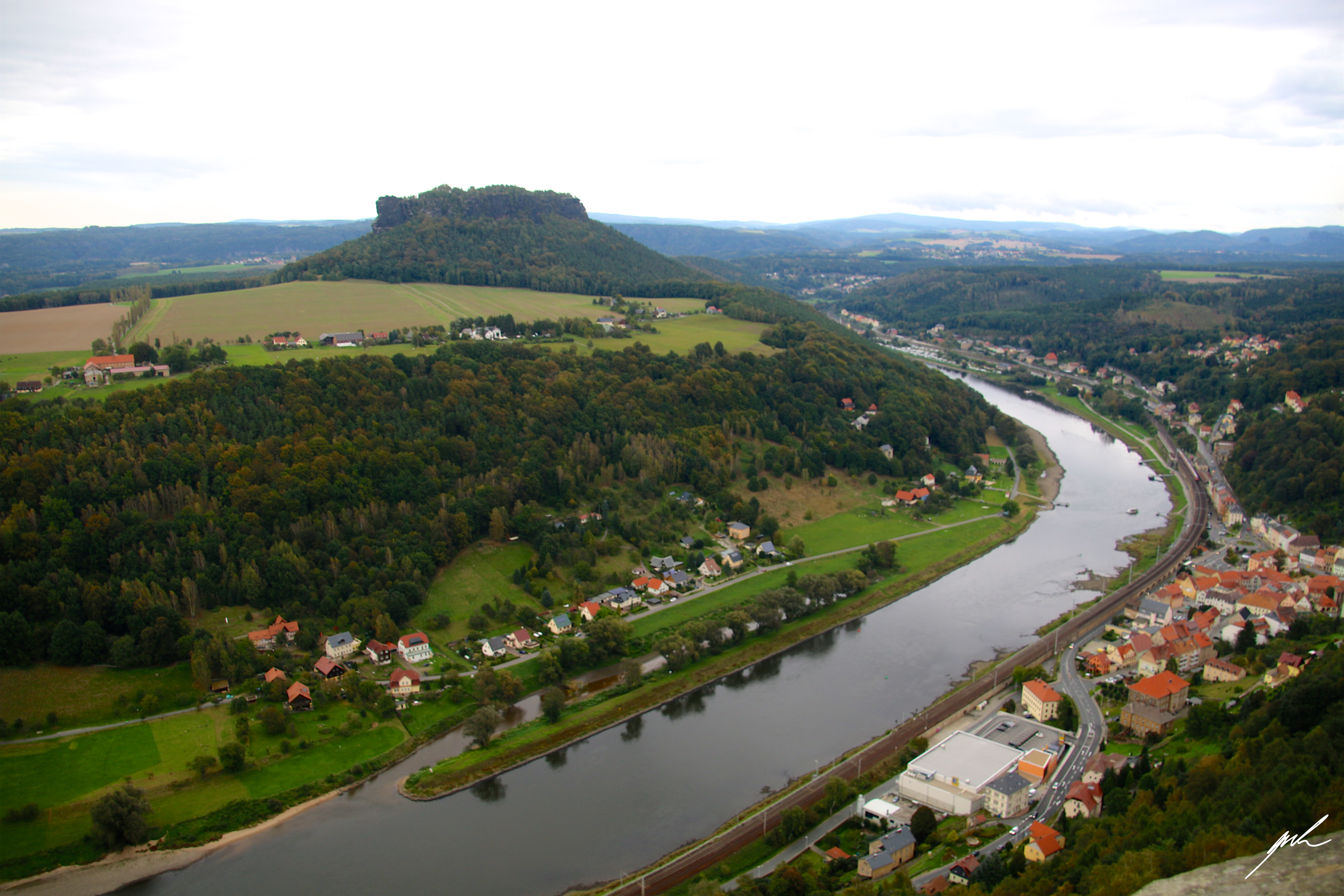
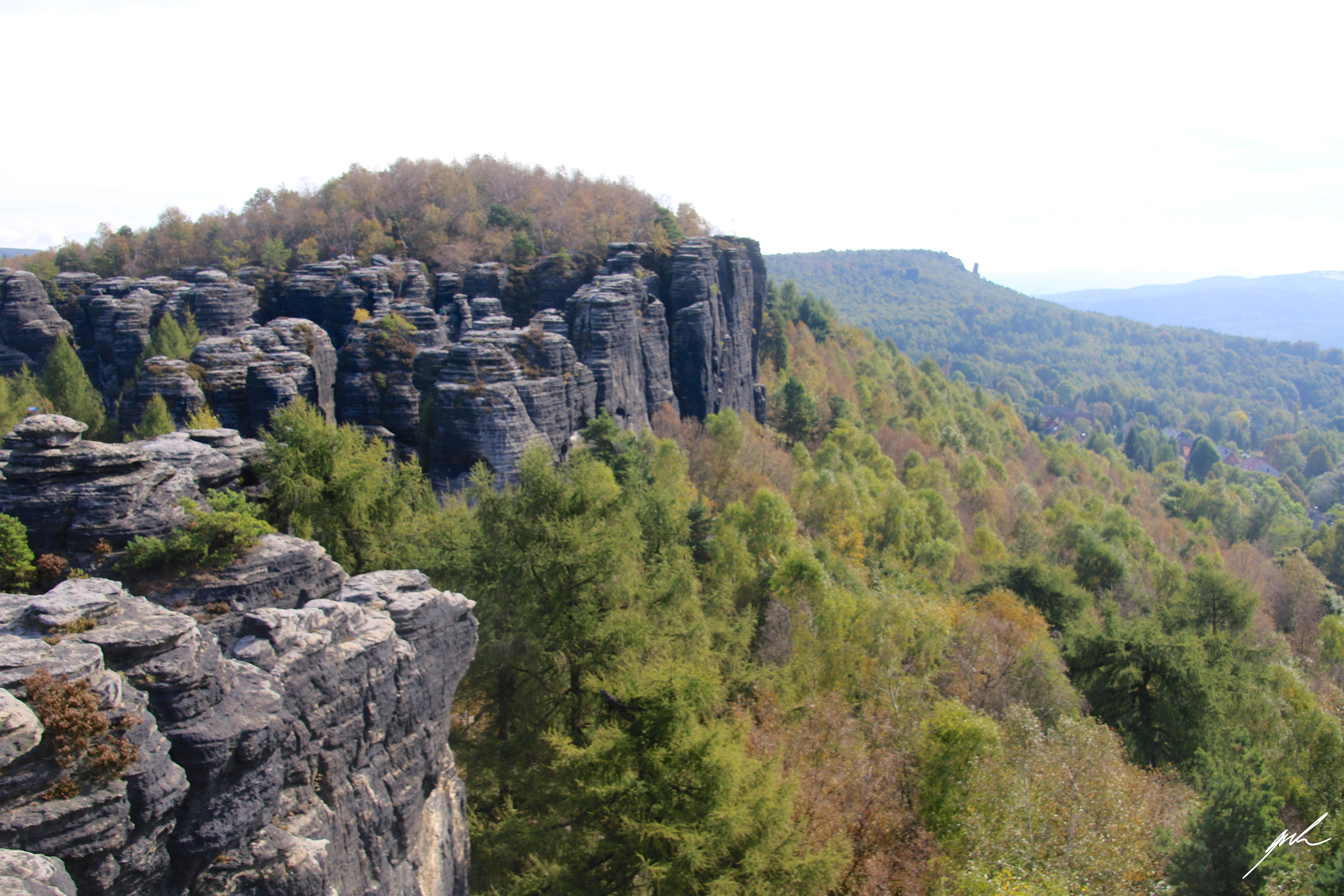
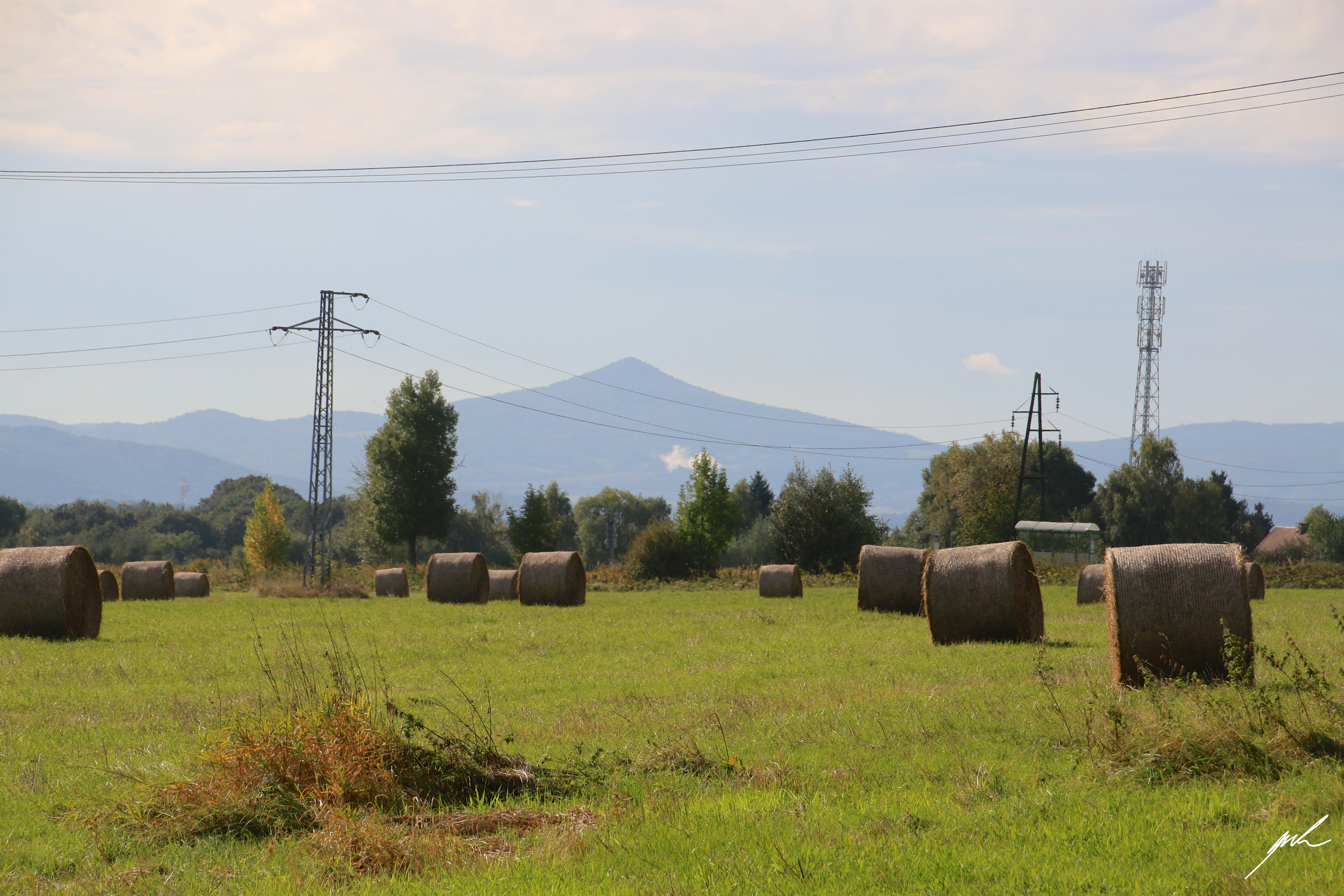
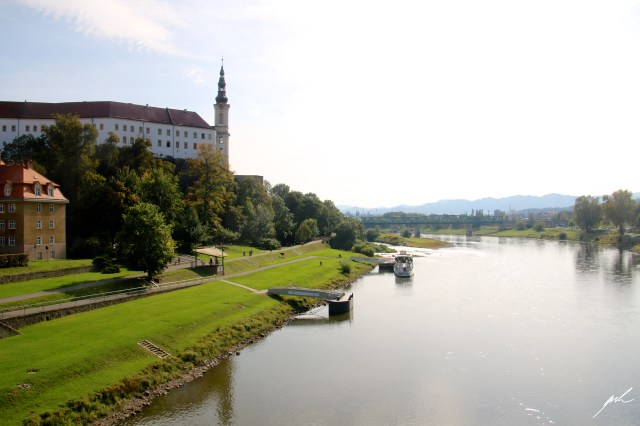
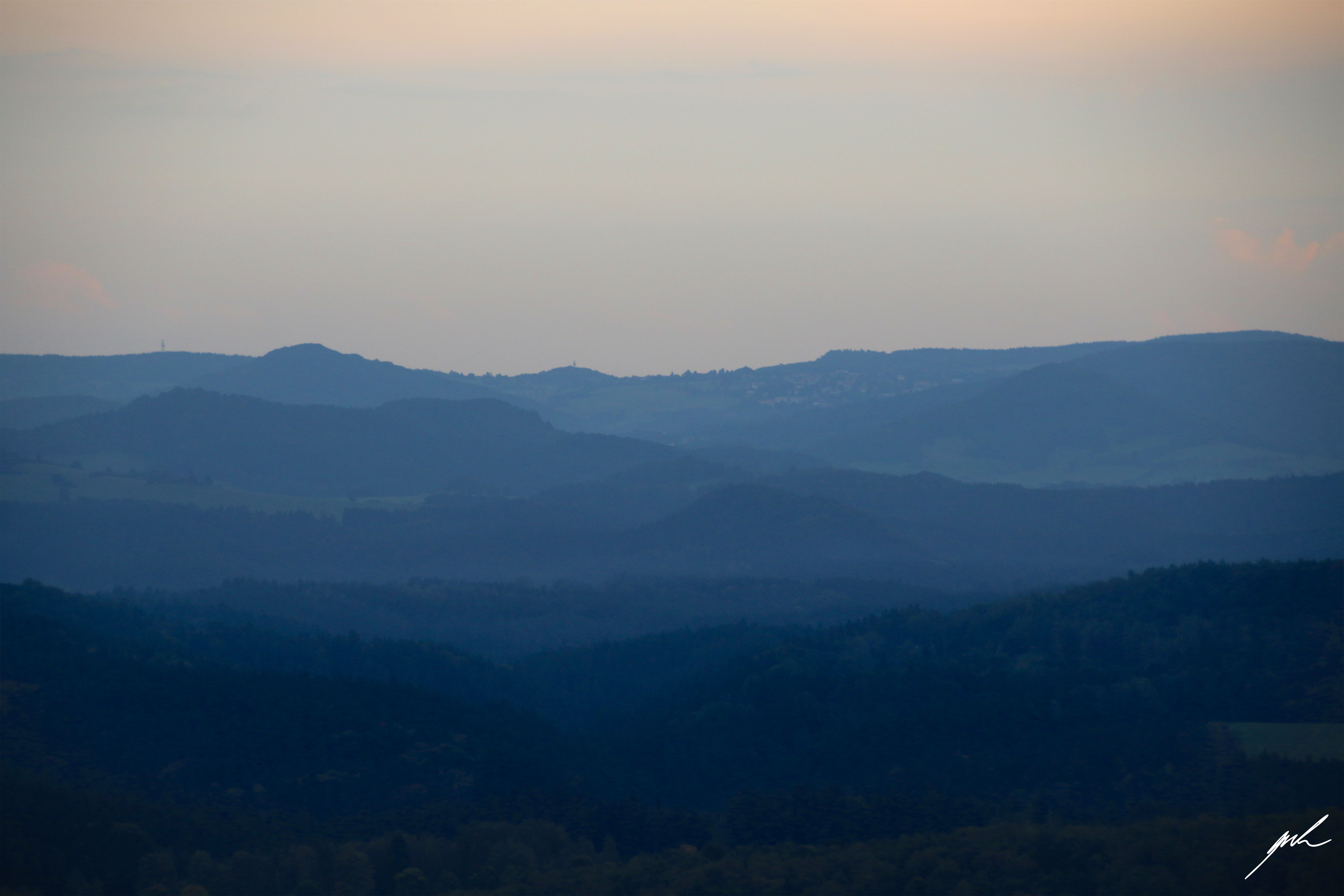
A couple of months ago, I had the chance to travel to a part of Central Europe I hadn’t been to before. The initial plan was to travel around Northern Bohemia in the Czech Republic. At last, we ventured into the neighboring region of Southern Saxonia, too, as the borderlands are historically and geologically intertwined. The area is shaped by the Elbe River, one of the longest in Europe. Along the river, you’ll find many towns; some are charming and touristy, while others are more industrial in nature (pictures 2, 3, 6). The highlight is the magnificent landscape shaped by sandstone (picture 5). Climb one of the many mountaintops around sunset and enjoy the fantastic view (last photo).

test

img_5745 img_5814 img_5783 img_6106
img_6001
img_5958 img_5821 img_6120

img_5882

The City of Augsburg Pt.1

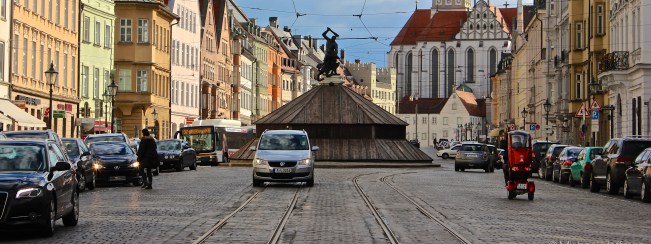
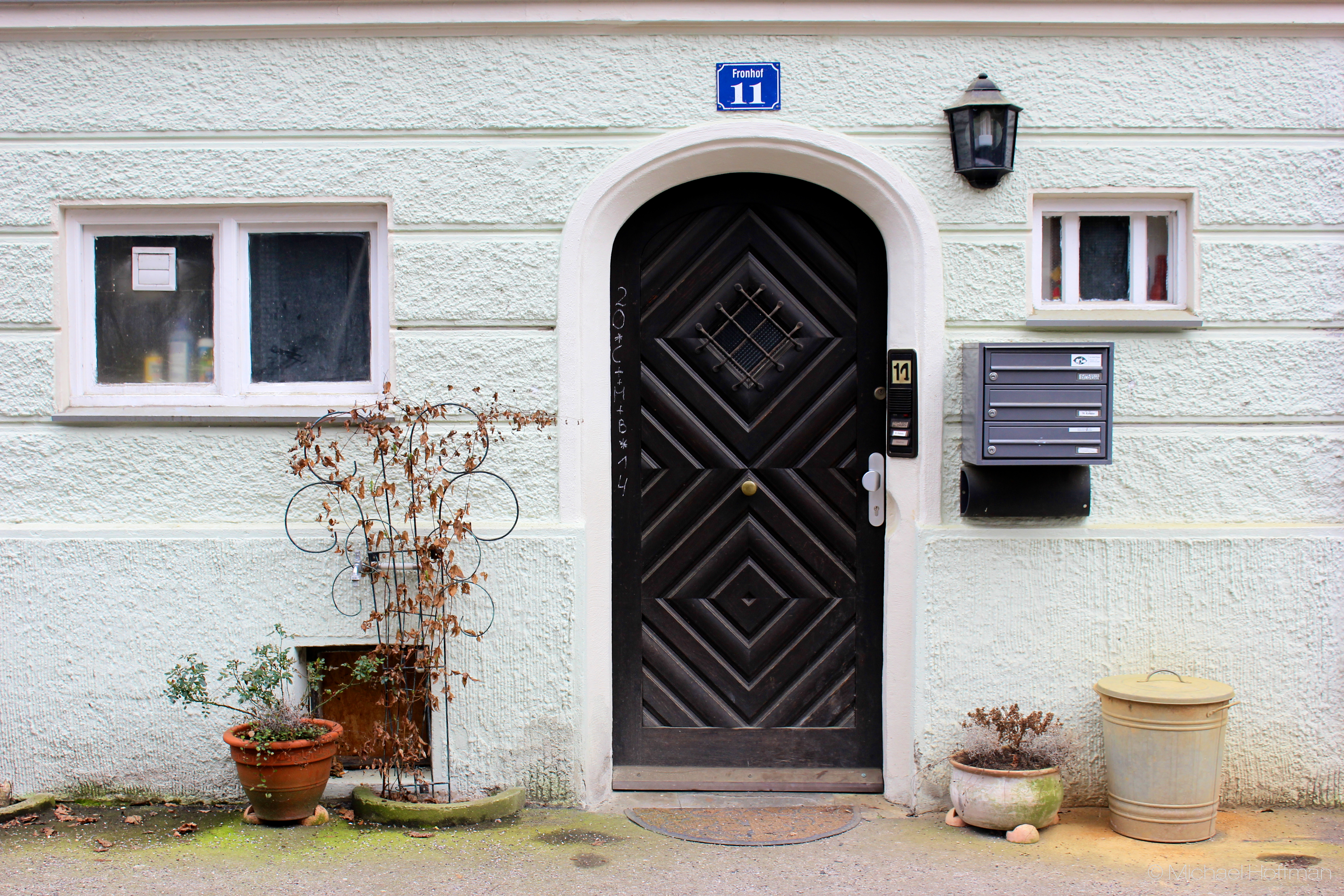
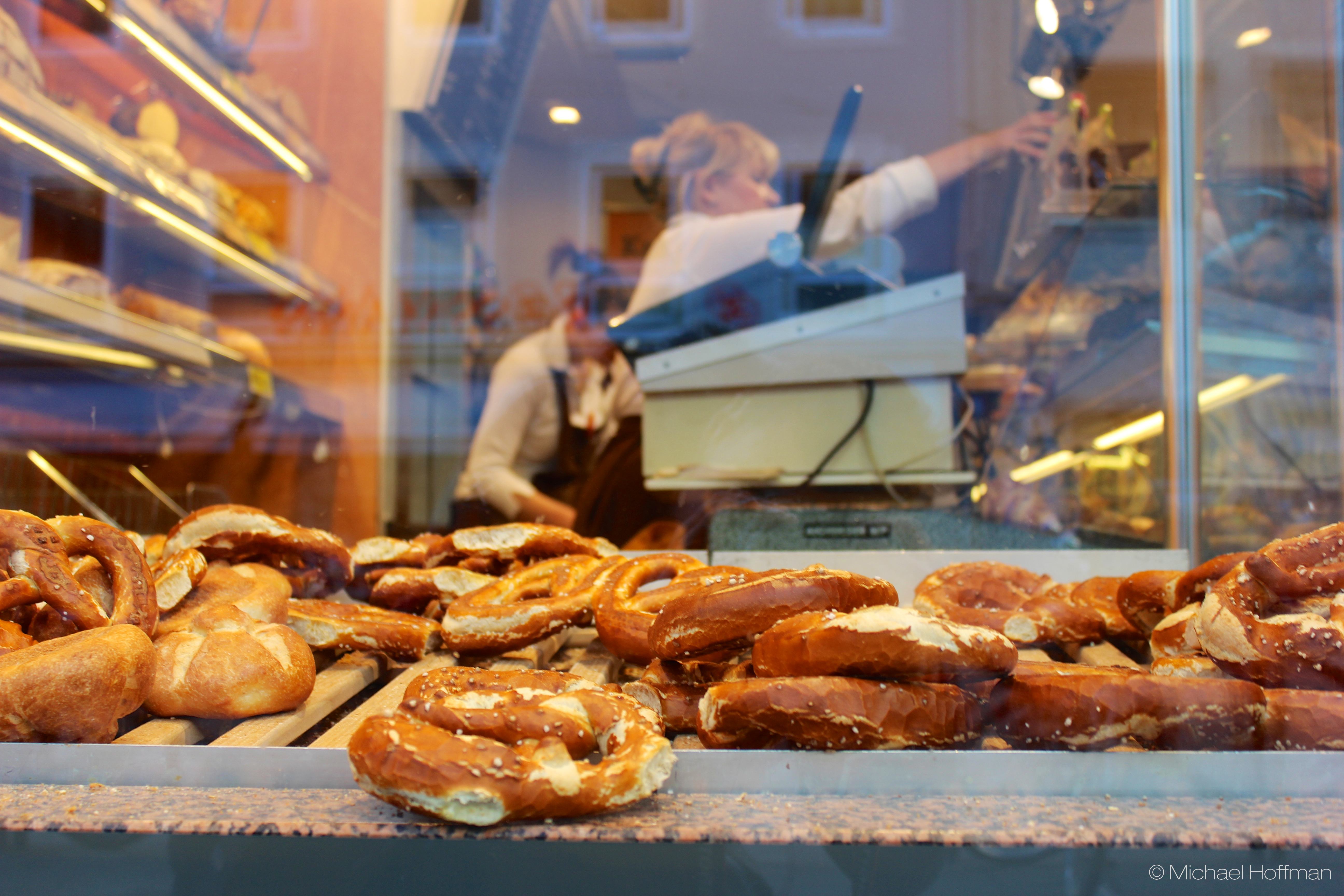
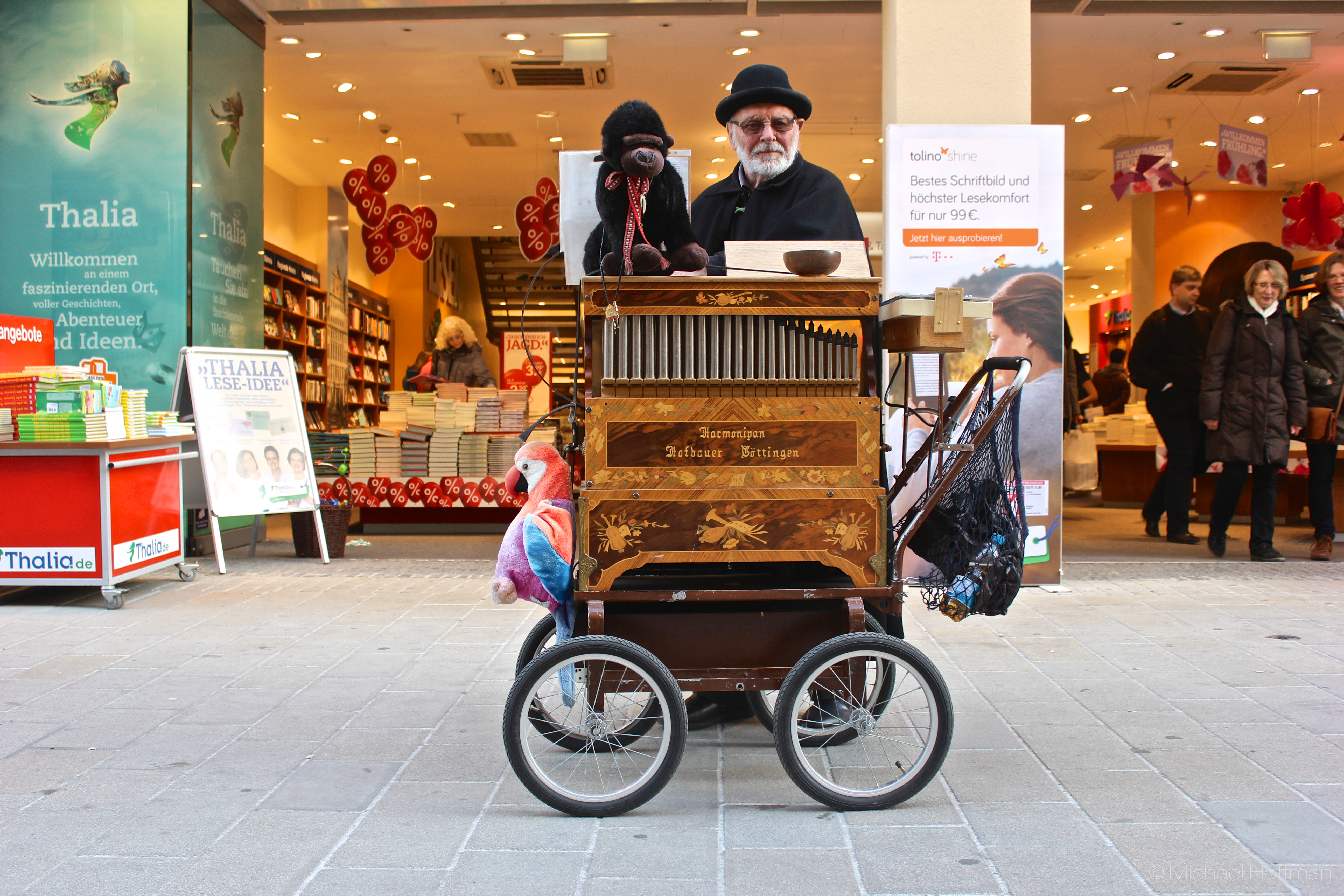
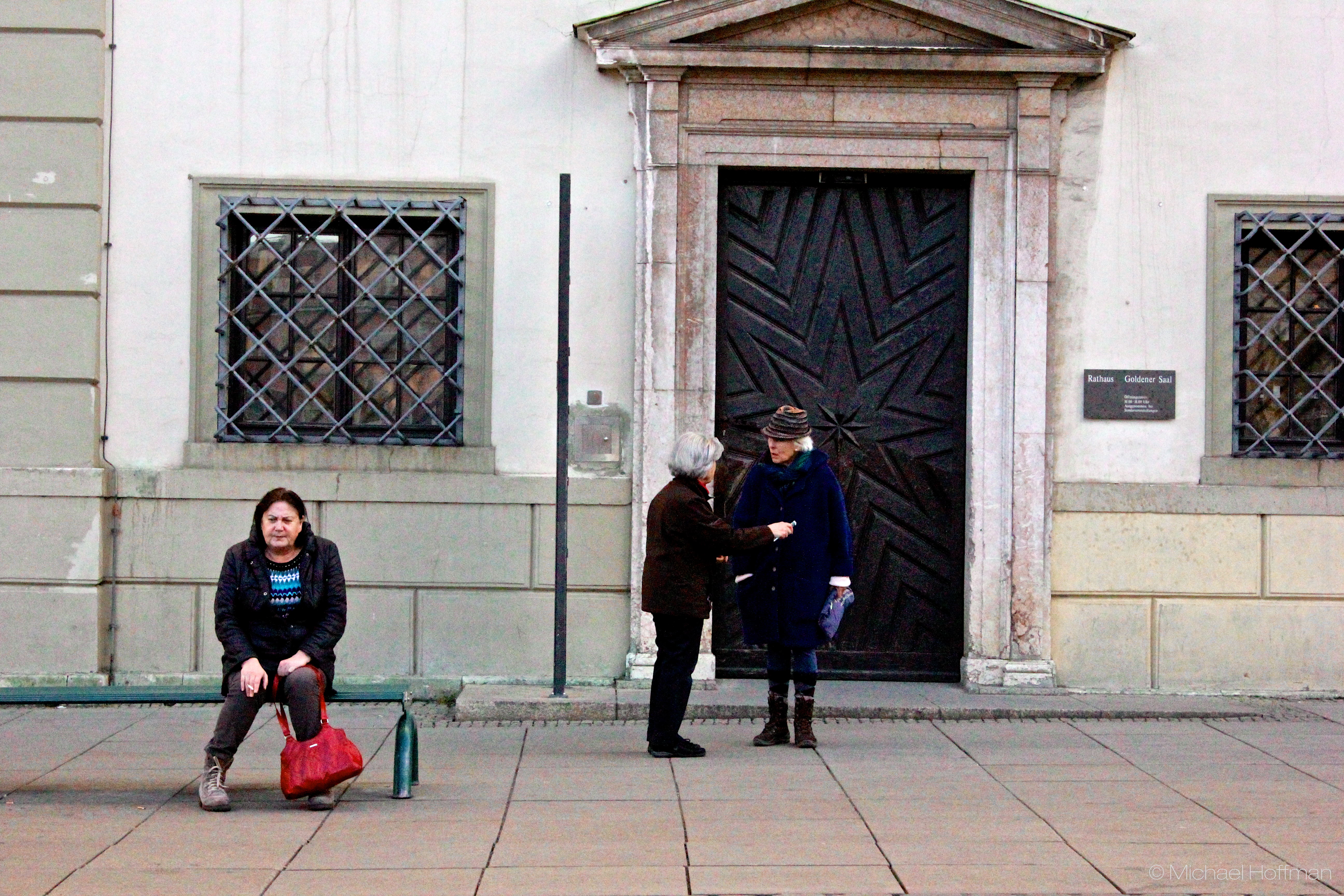
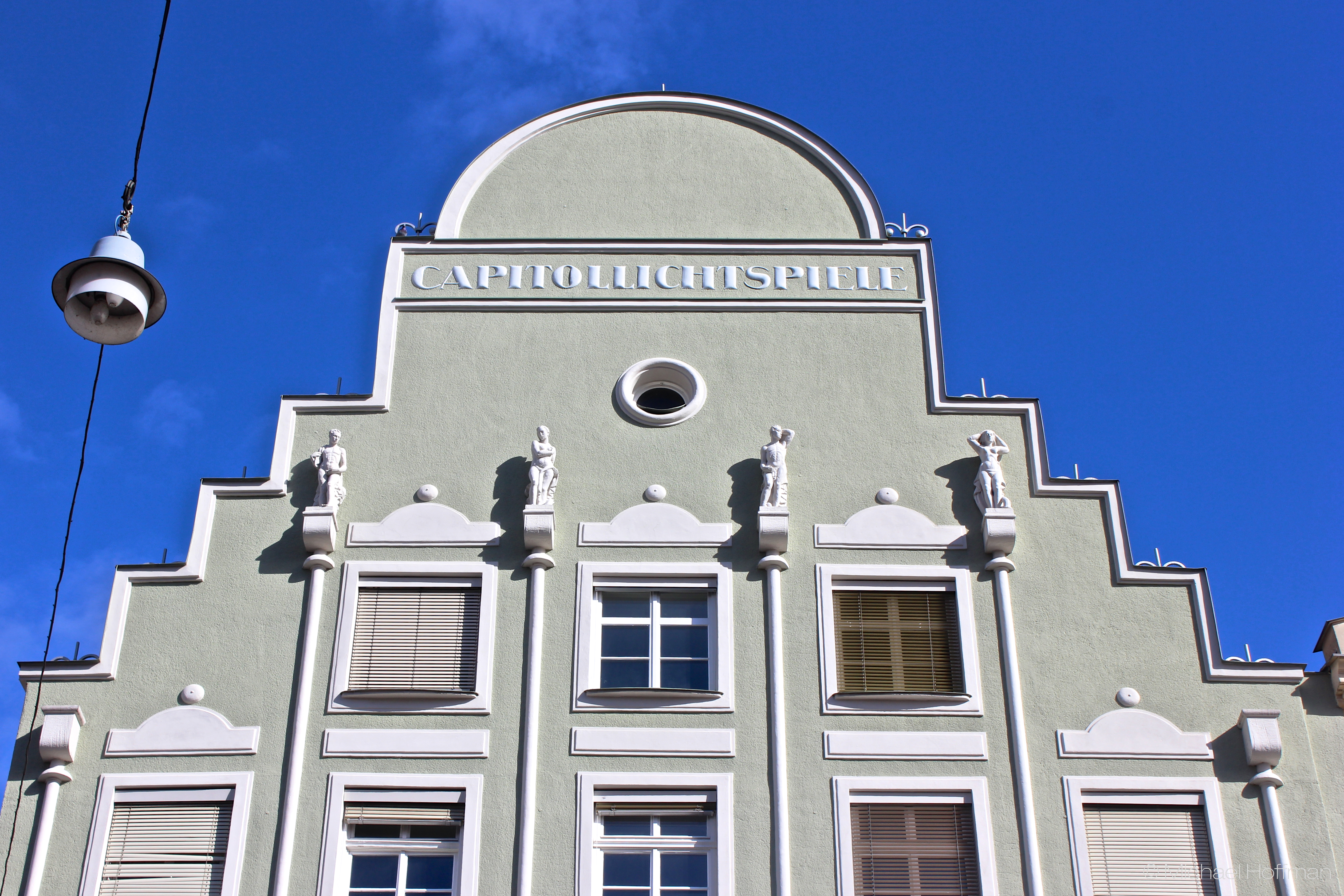
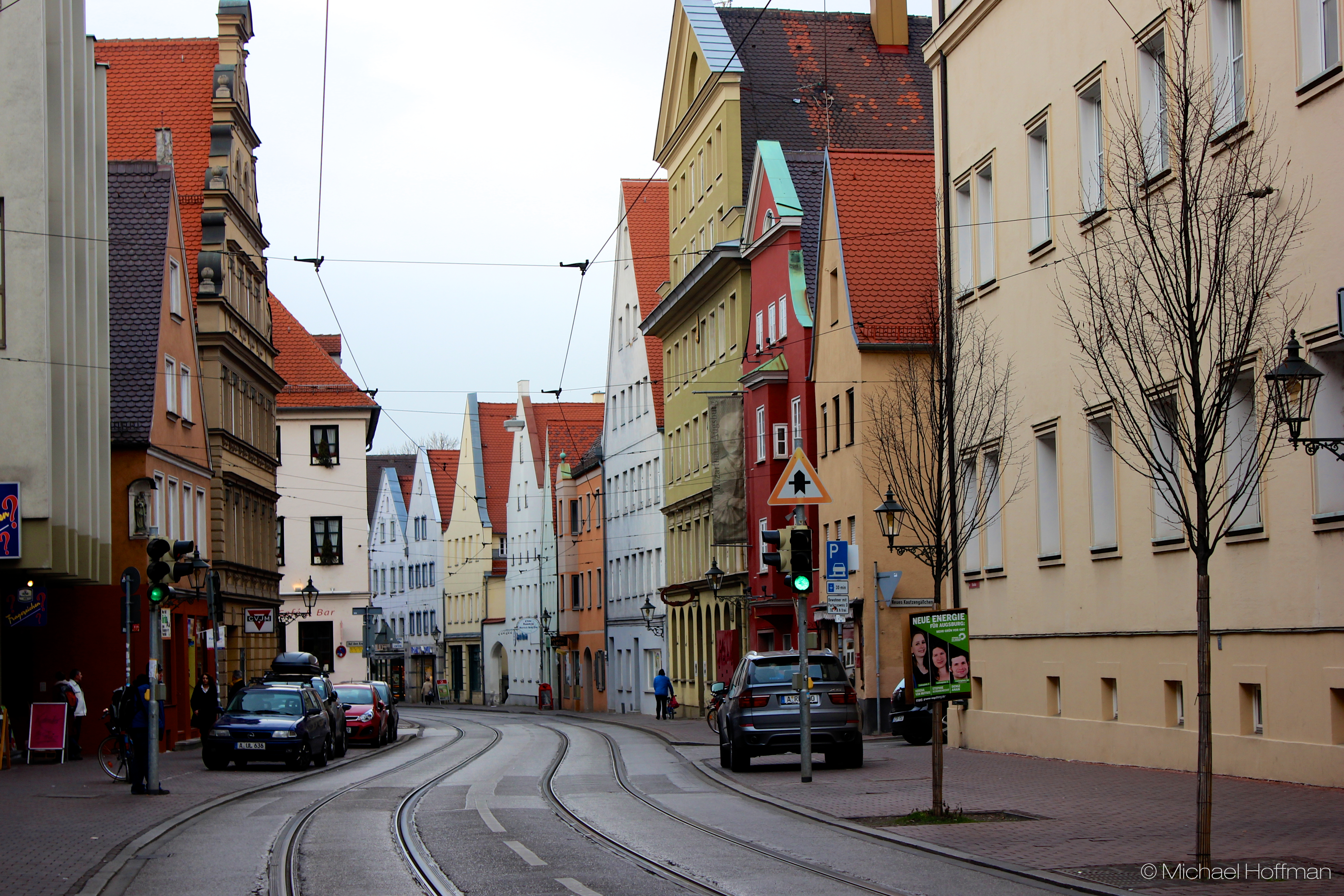
In February of this year, I participated in a two-week scholarship program at the University of Augsburg. The weather was surprisingly good, and it wasn’t as cold or snowy as I expected it to be; quite contrary, the first signs of early spring were already in the air by the end of February. As always, I enjoyed being in Bavaria. You can’t beat the beer culture and the hearty cuisine there 😉 Not to forget about the delicious pretzels! They are everywhere. Anyway: Some impressions from the streets of Augsburg, the capital of the Swabian part of Bavaria (Western Bavaria).

test

IMG_6232

IMG_6302

IMG_6241

IMG_6777

IMG_6519

IMG_6558

IMG_6381

IMG_6351

IMG_6351