Skip to content

Of Land and Sea: Nature of Portugal
test

Most travelers of Portugal know Lisbon, some go to the Algarve in the south. Mainly for classic beach vacations in holiday resorts. Not as well known, though, is the natural part of the country.

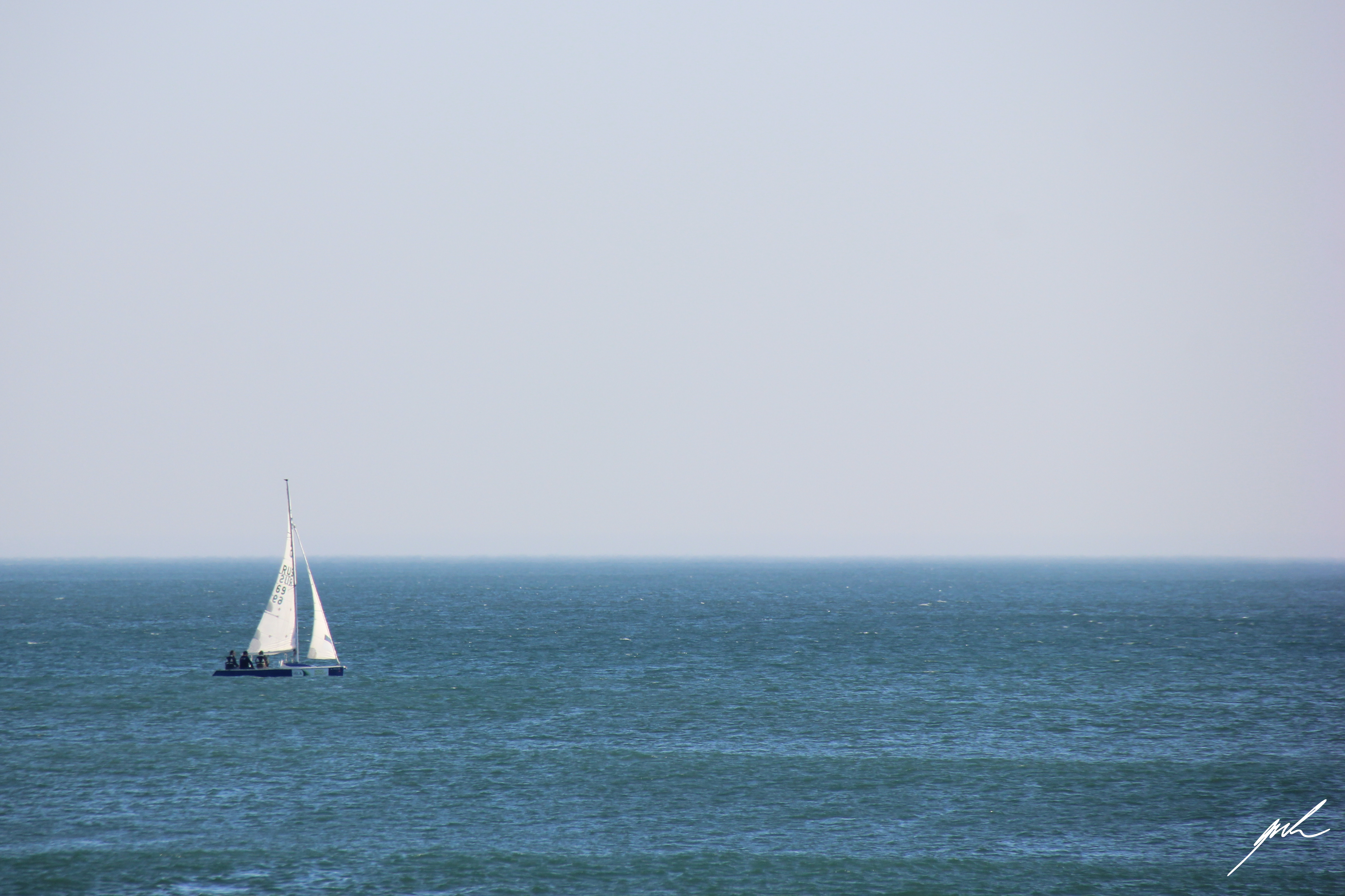
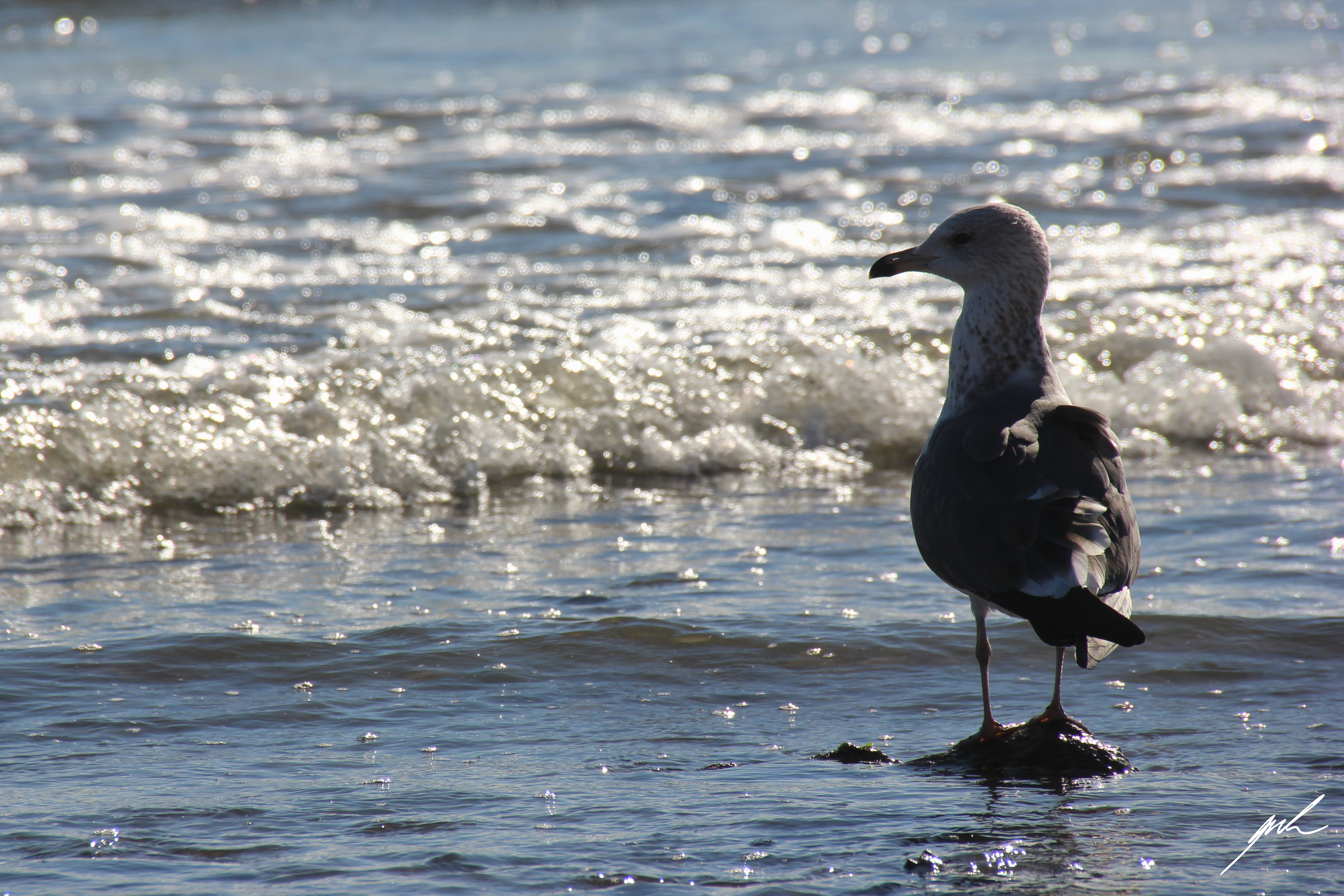
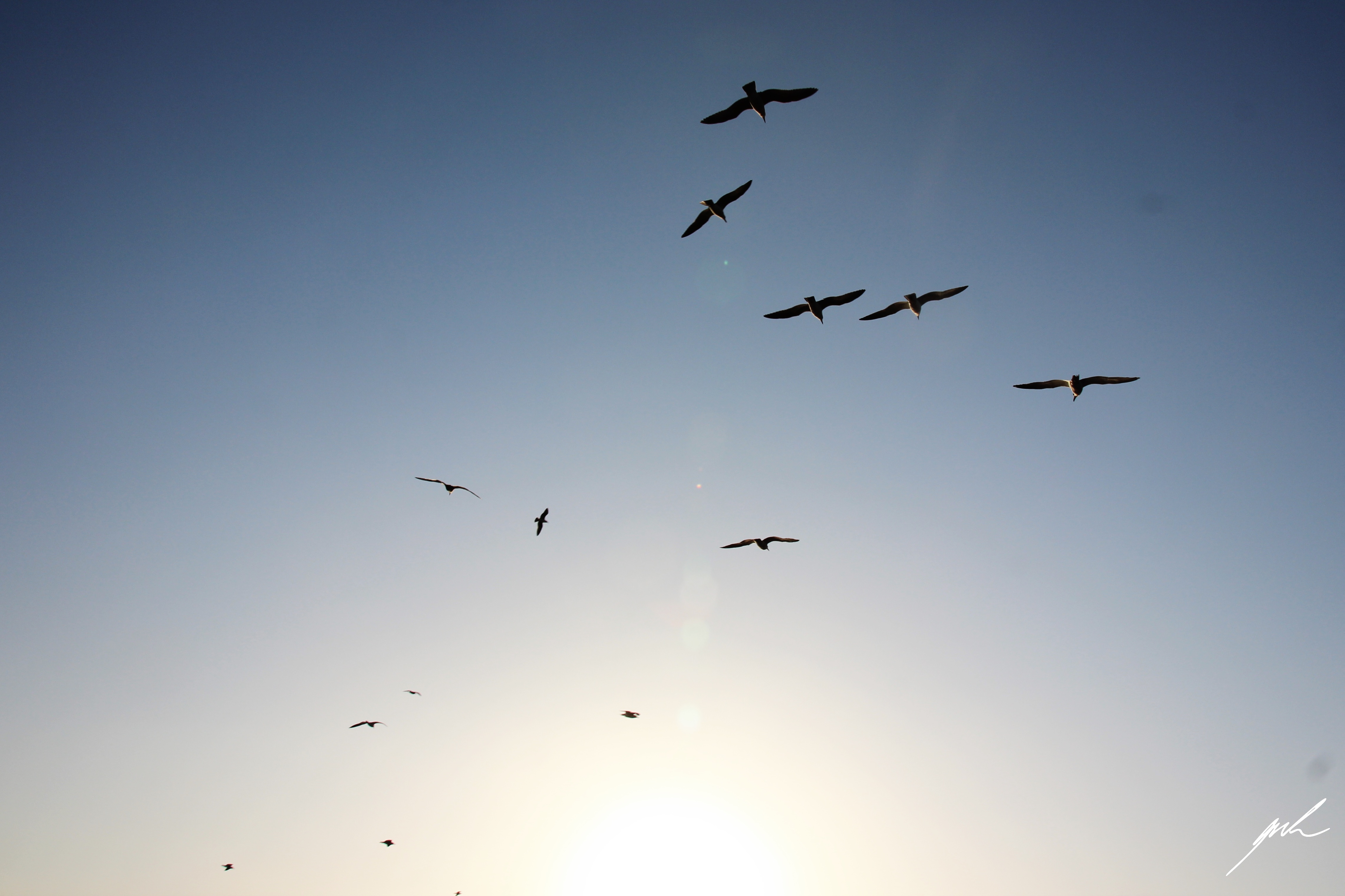
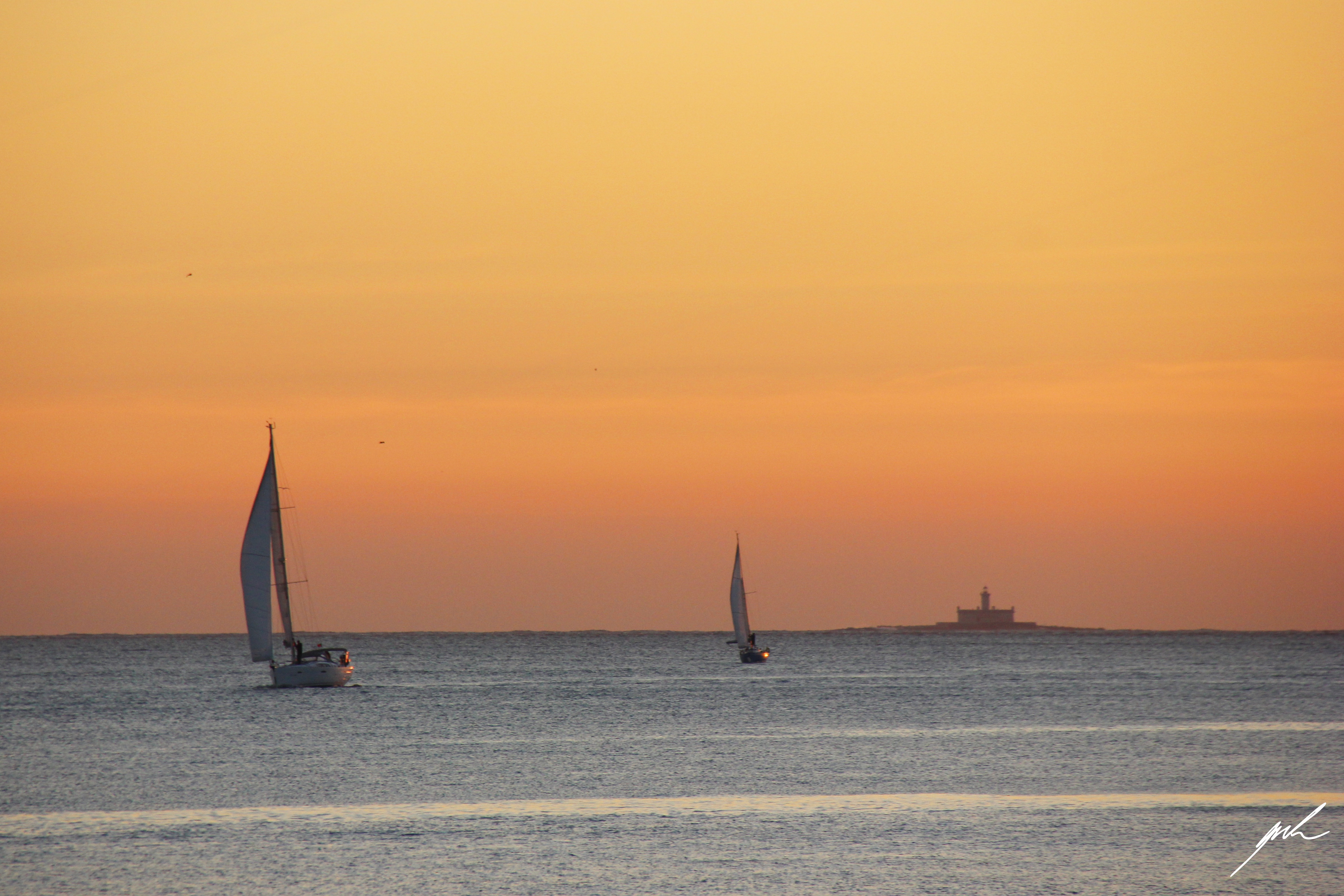
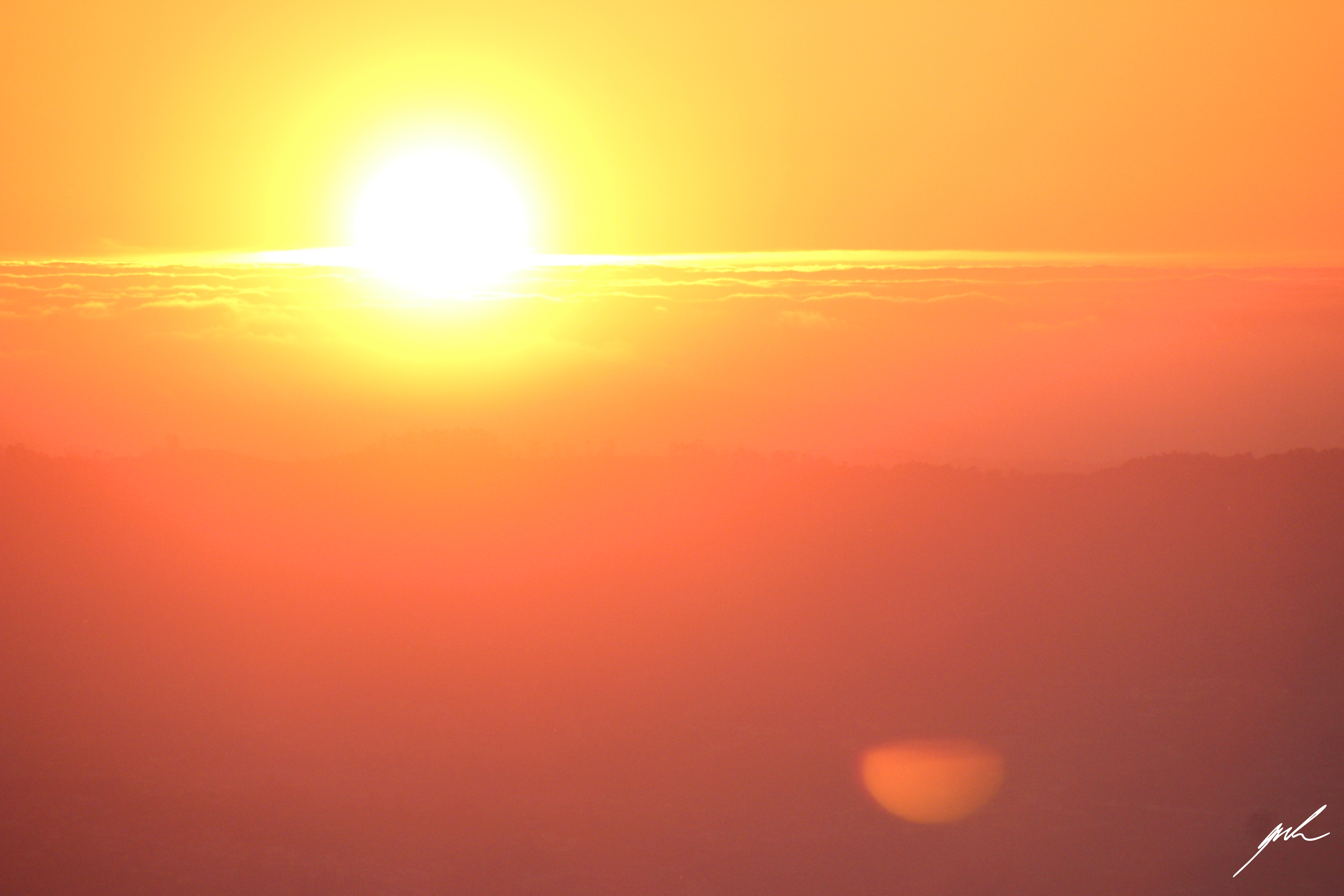
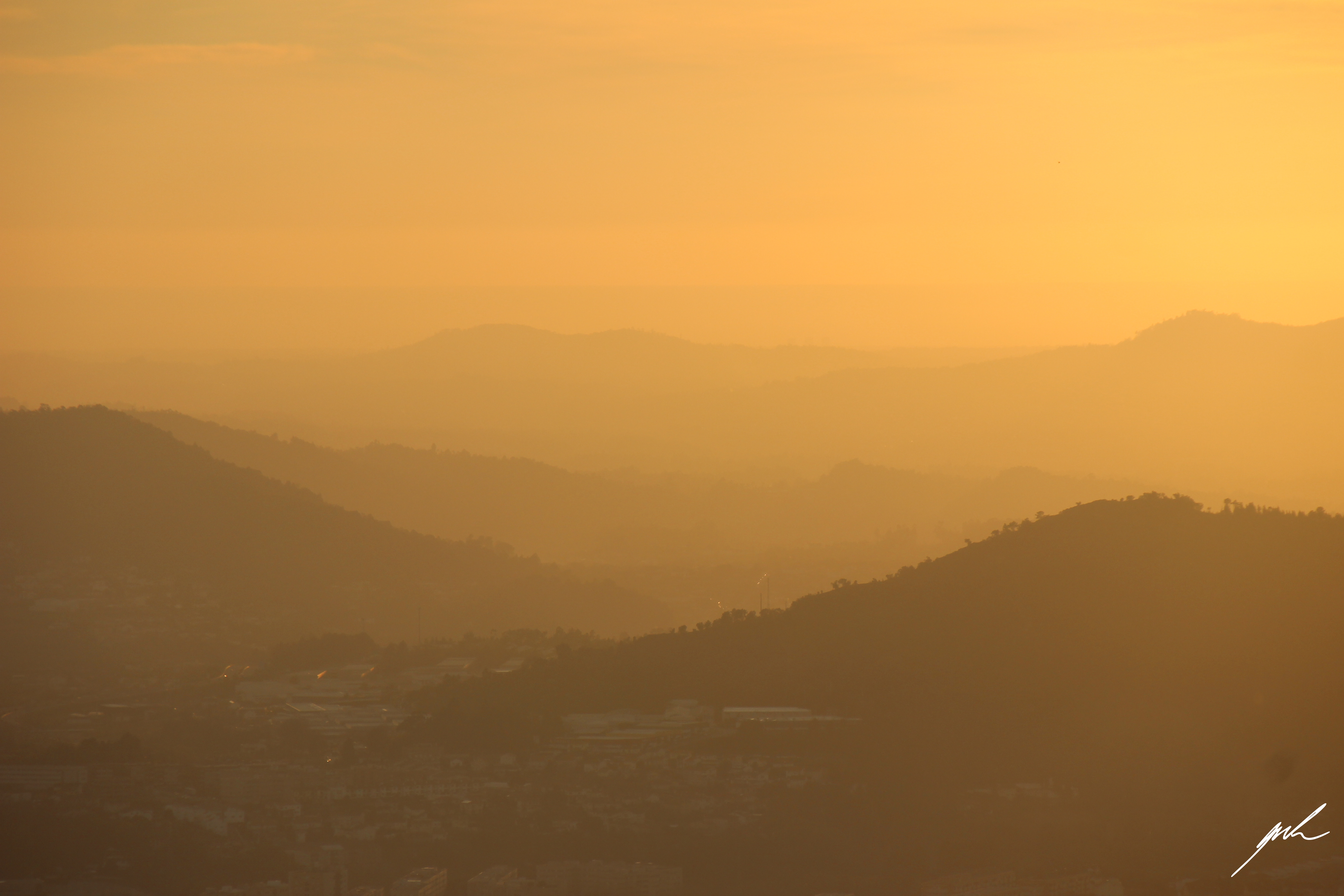
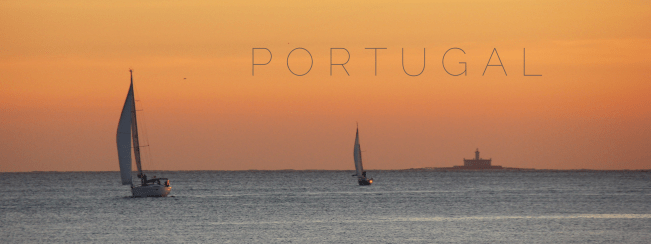
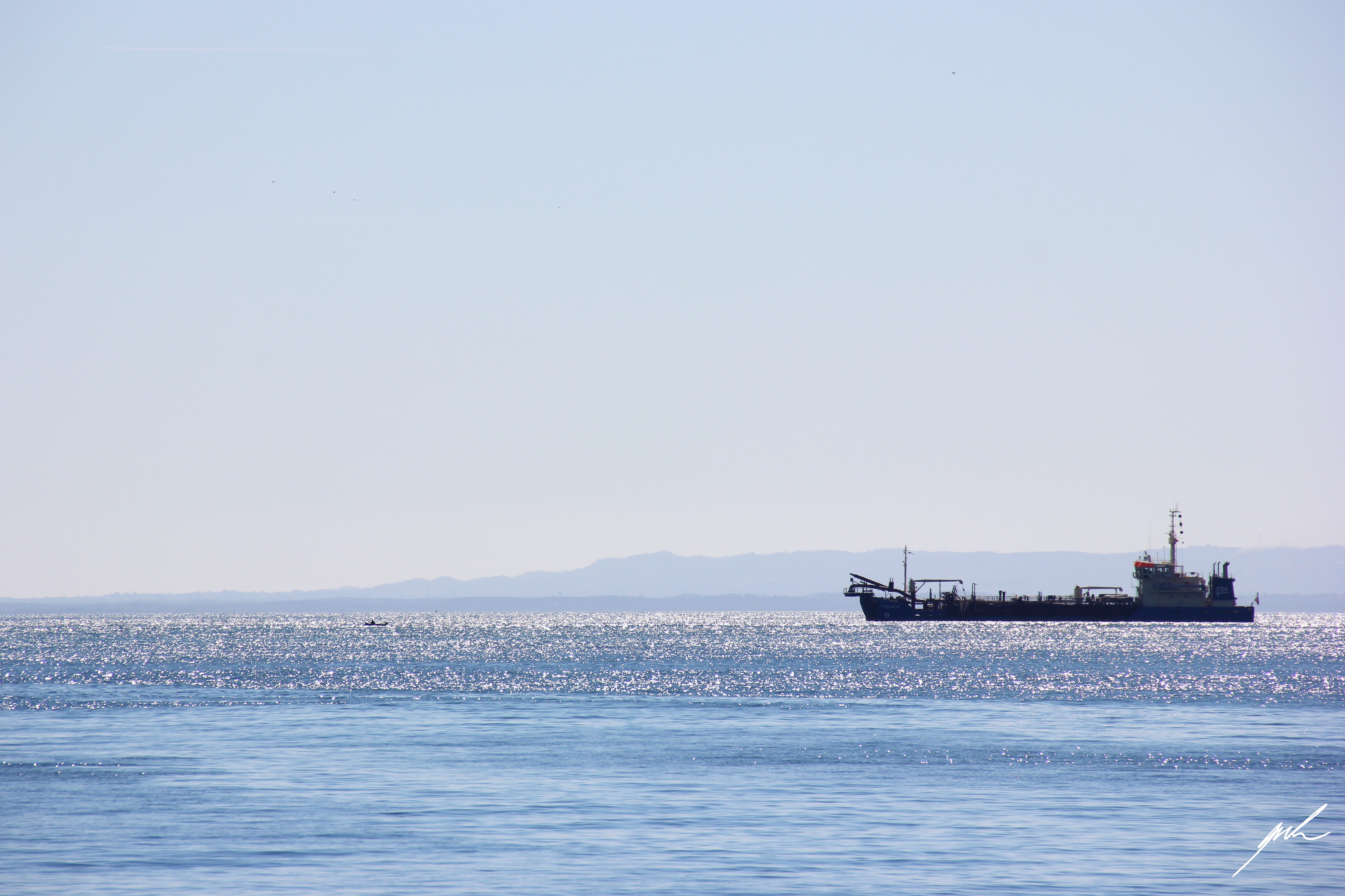
Laying open to the grand Atlantic Ocean, the Portuguese coast seems endless, with steep cliffs and beautiful sand beaches. The sea is in the west, and the sunsets are beautiful and vivid. At this time of the day, sailing ships tend to roam the horizon, even enhancing the kitschy scenery. You will probably have the companionship of seagulls around you; they seem to enjoy the sunsets as much as humans.

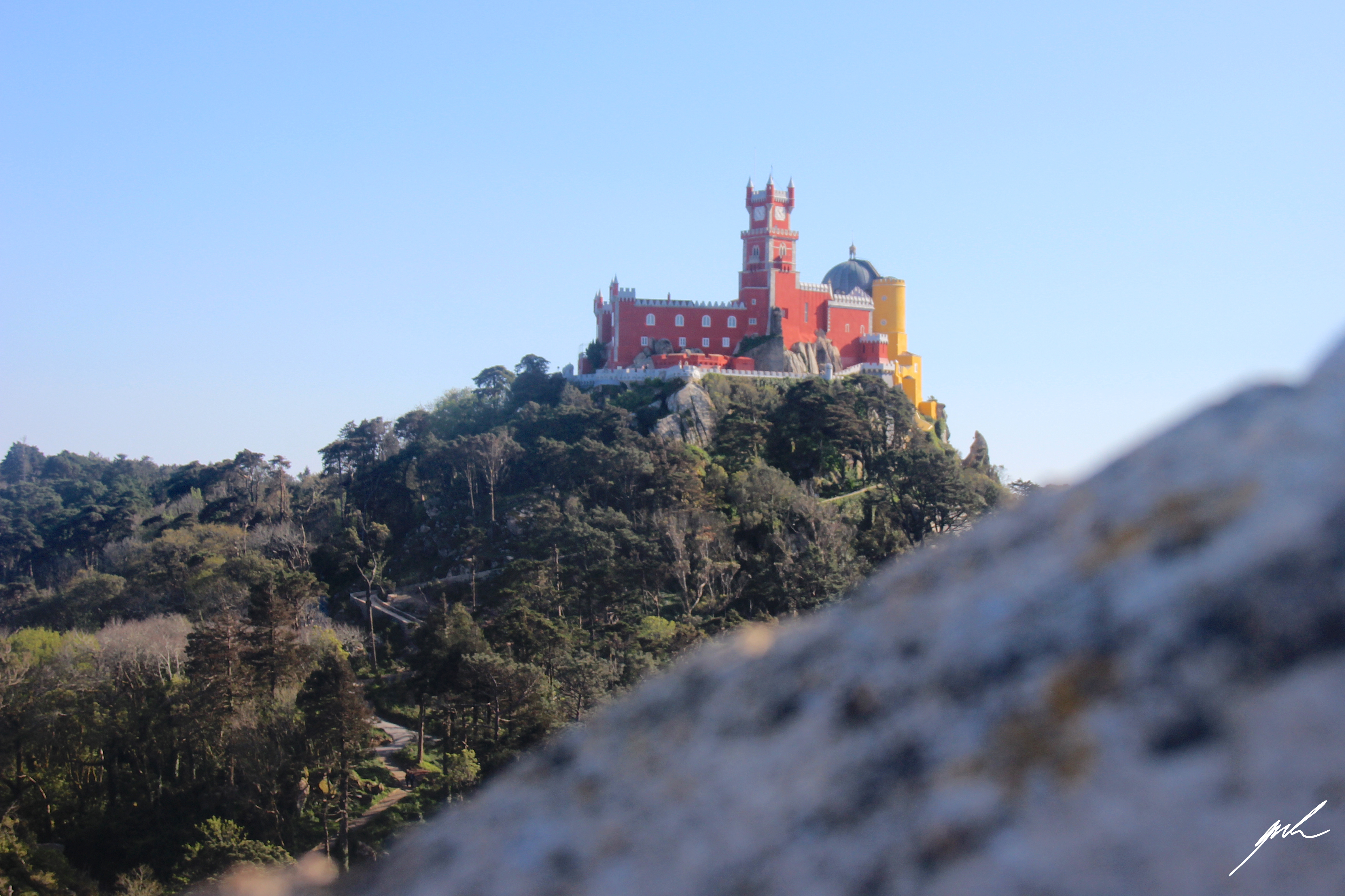
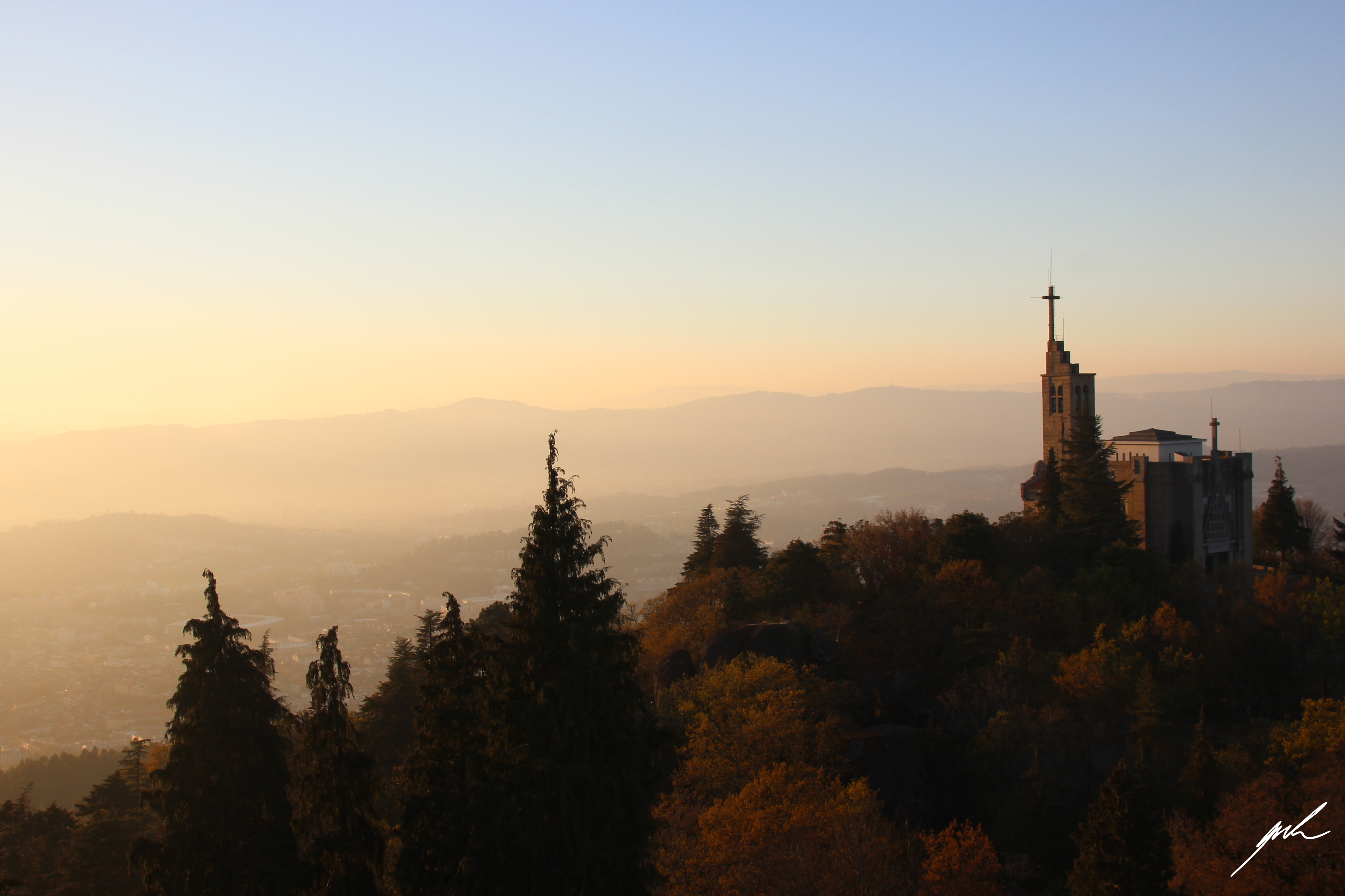
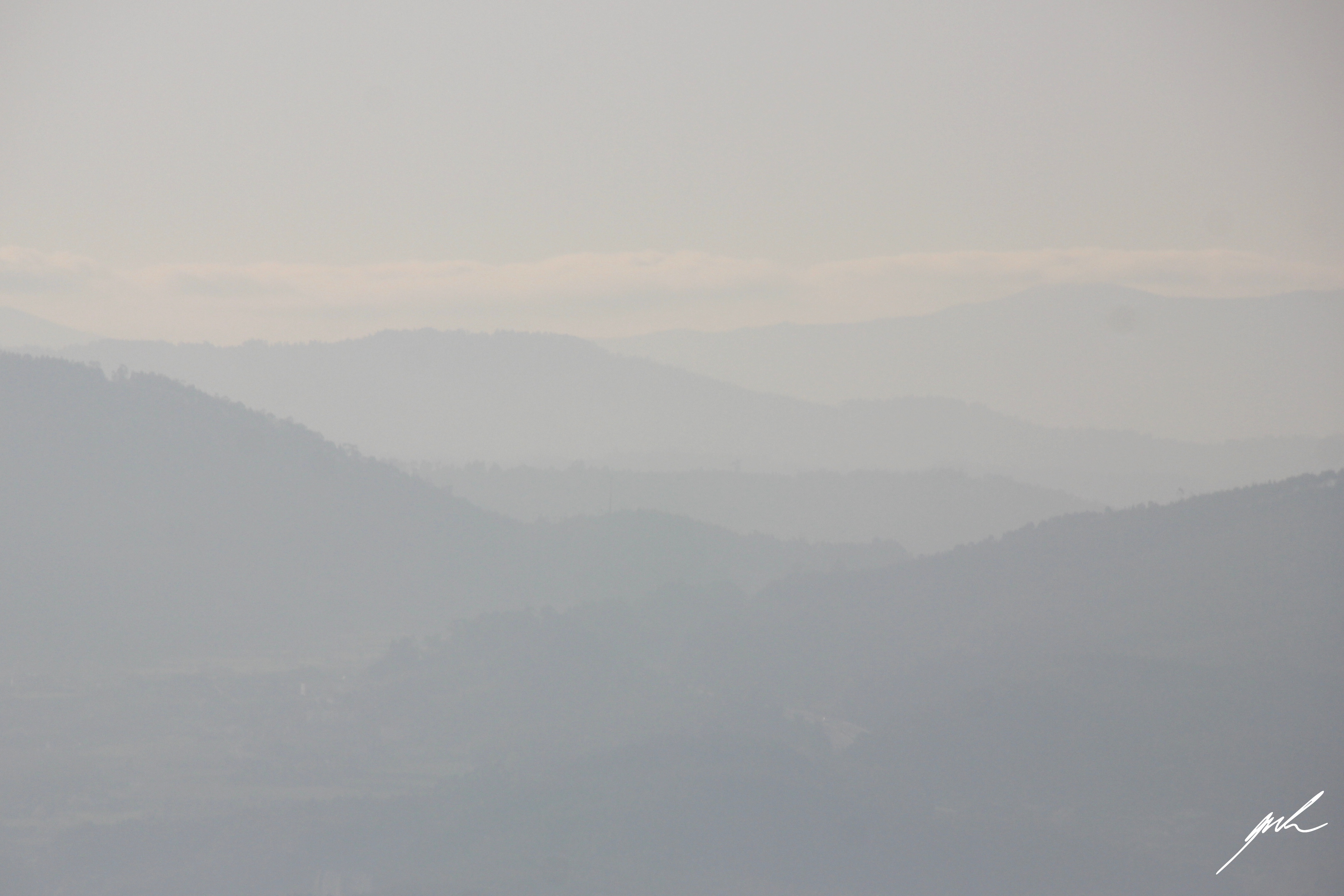
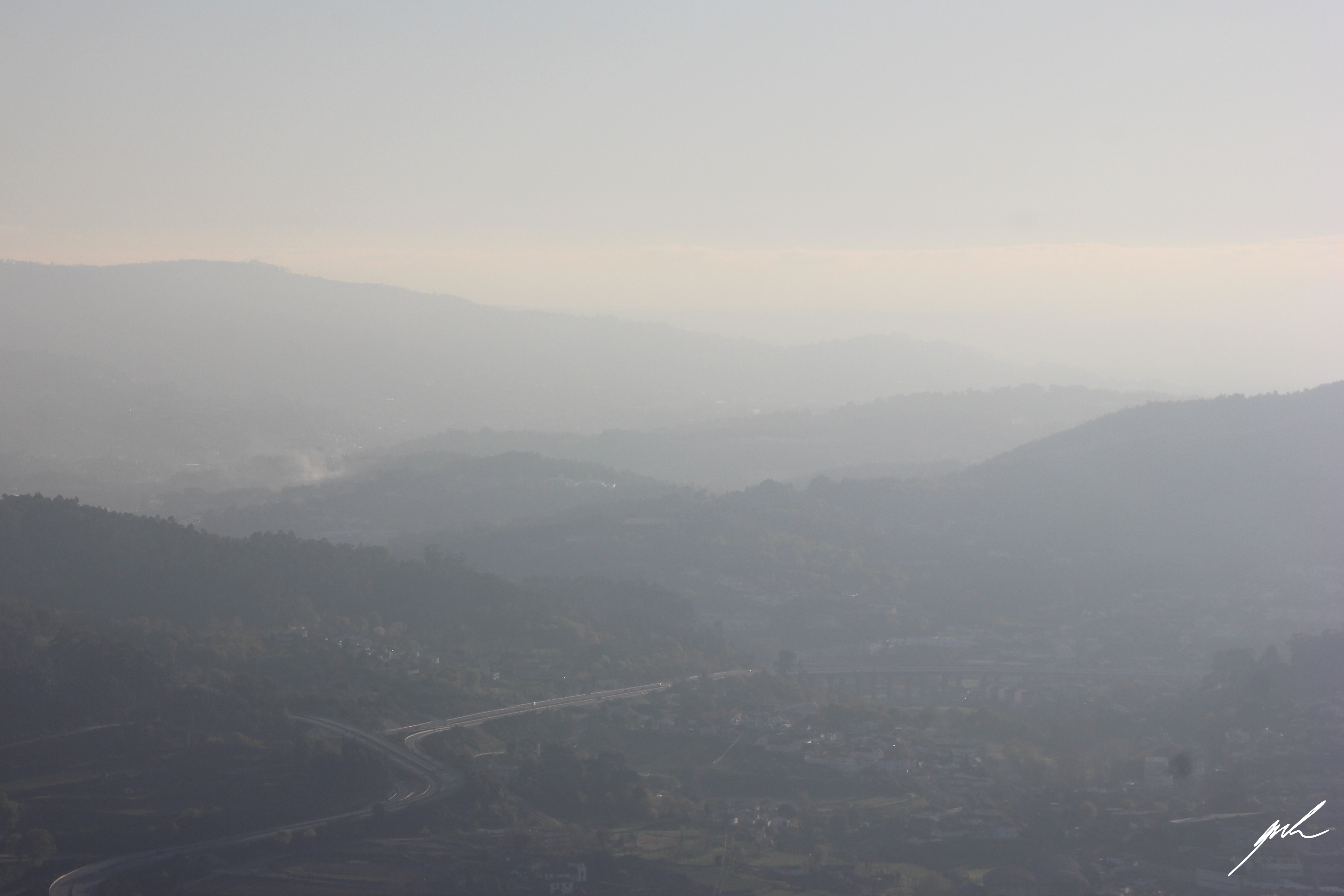
Even less known is the “hinterland”. The country’s north especially offers a lot to the backpacker, with high mountain ranges and magnificent castles. The weather tends to be a bit cooler in these regions, perfect for a hike in the evening. So what are you waiting for? The adventure awaits!
IMG_6764

IMG_9440
IMG_7122 IMG_1281
IMG_2041IMG_9416
IMG_8456IMG_1920
IMG_9458IMG_7458 IMG_9515

The Silk Road: The Grand Market in the Mountains Pt. 1

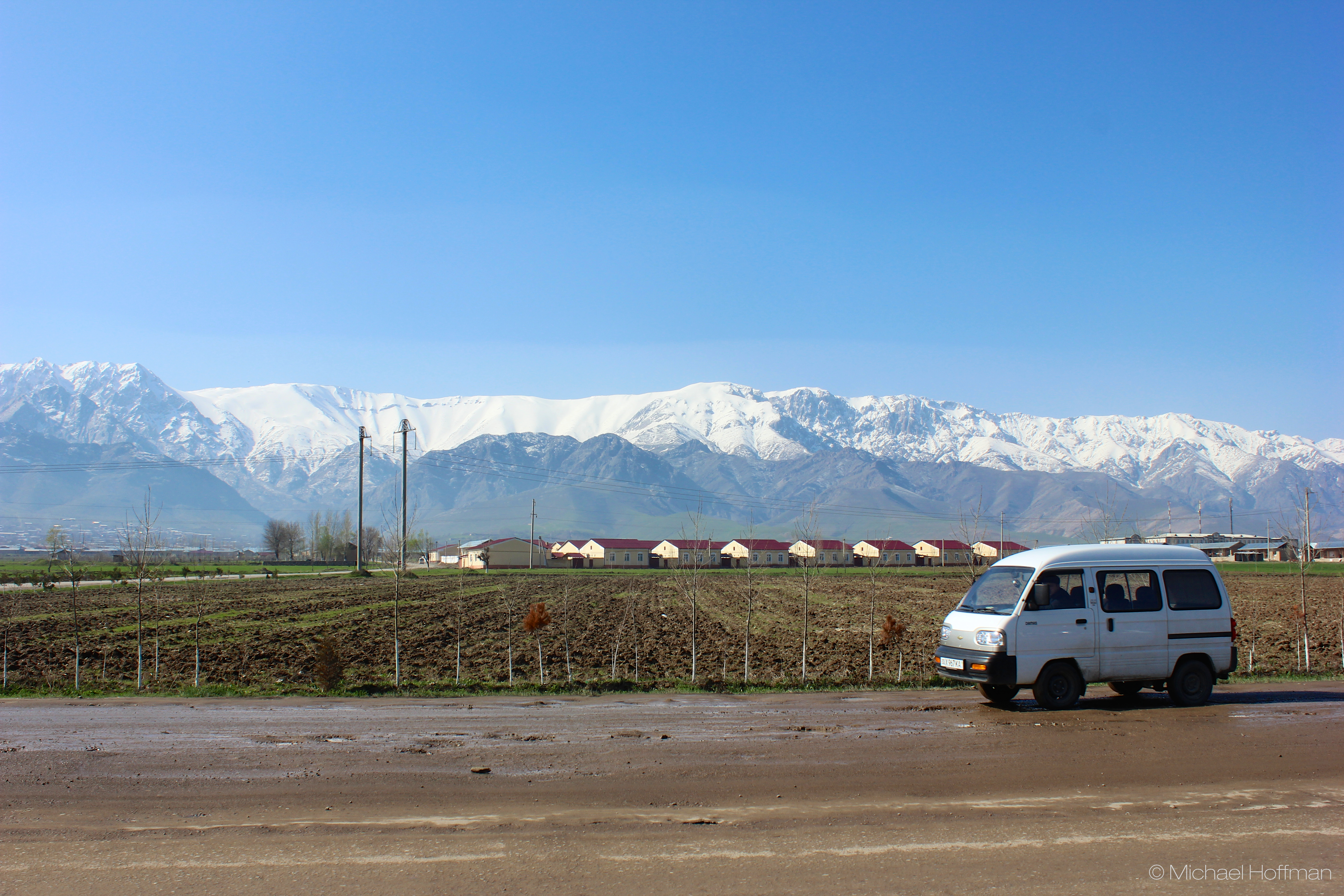
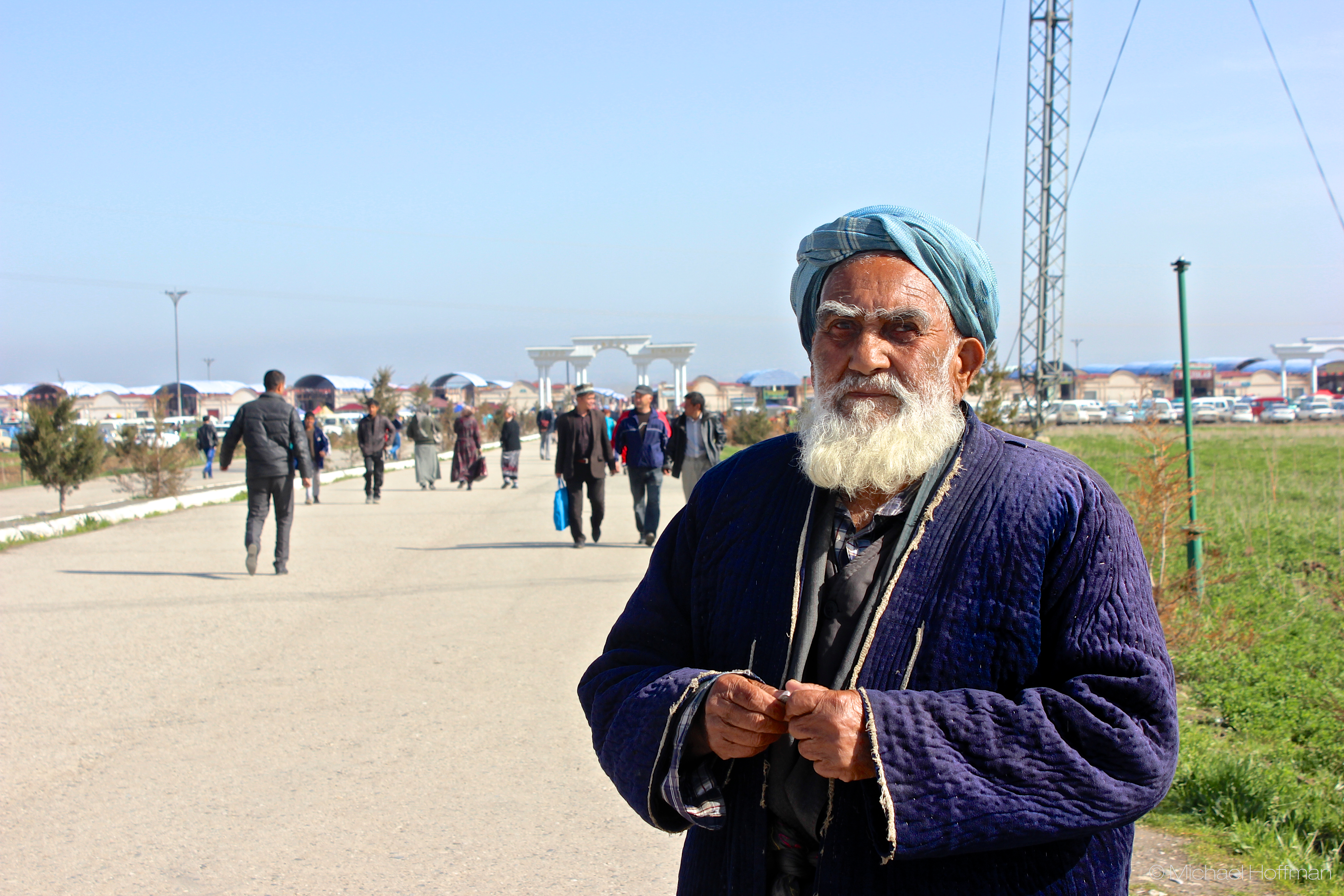
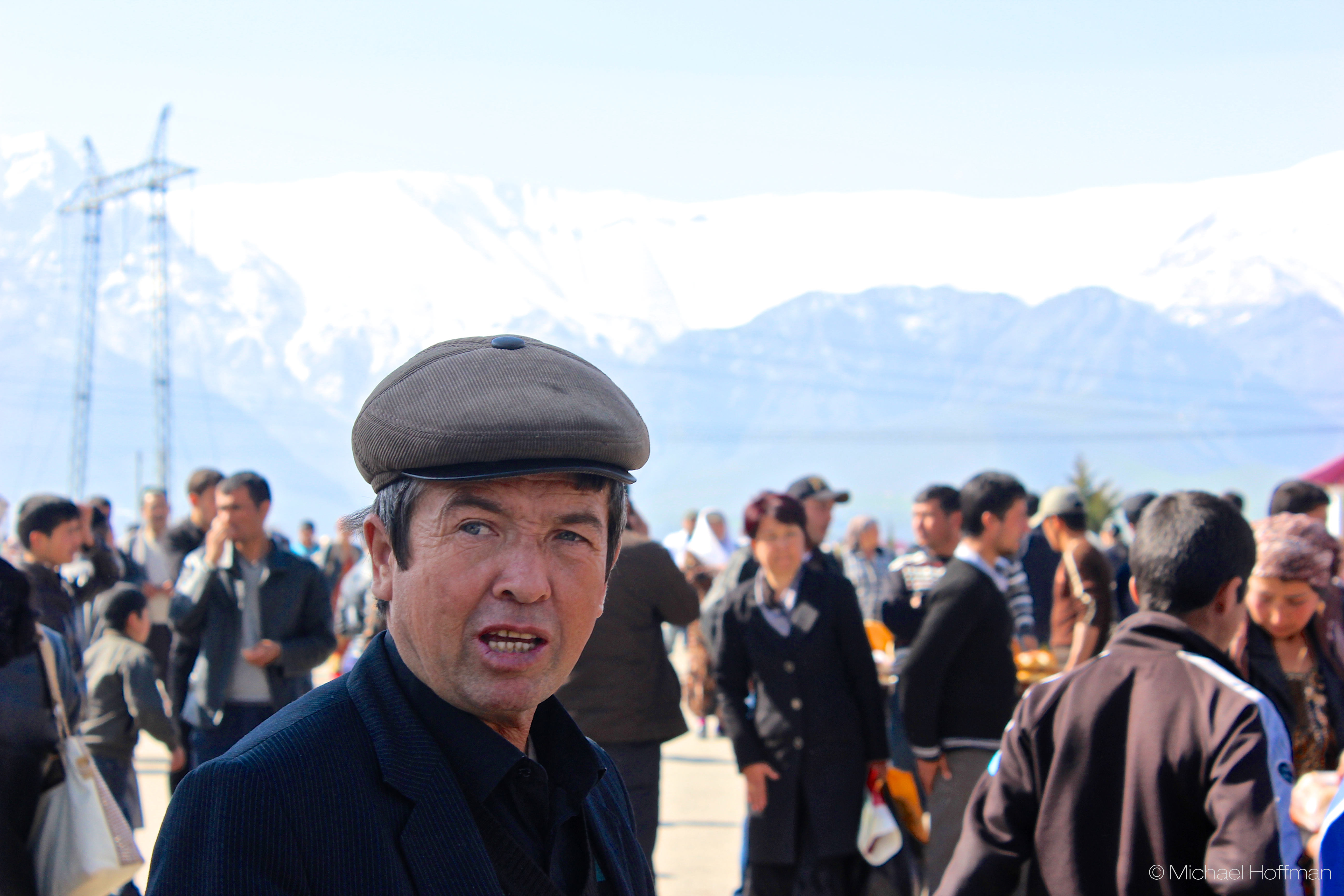
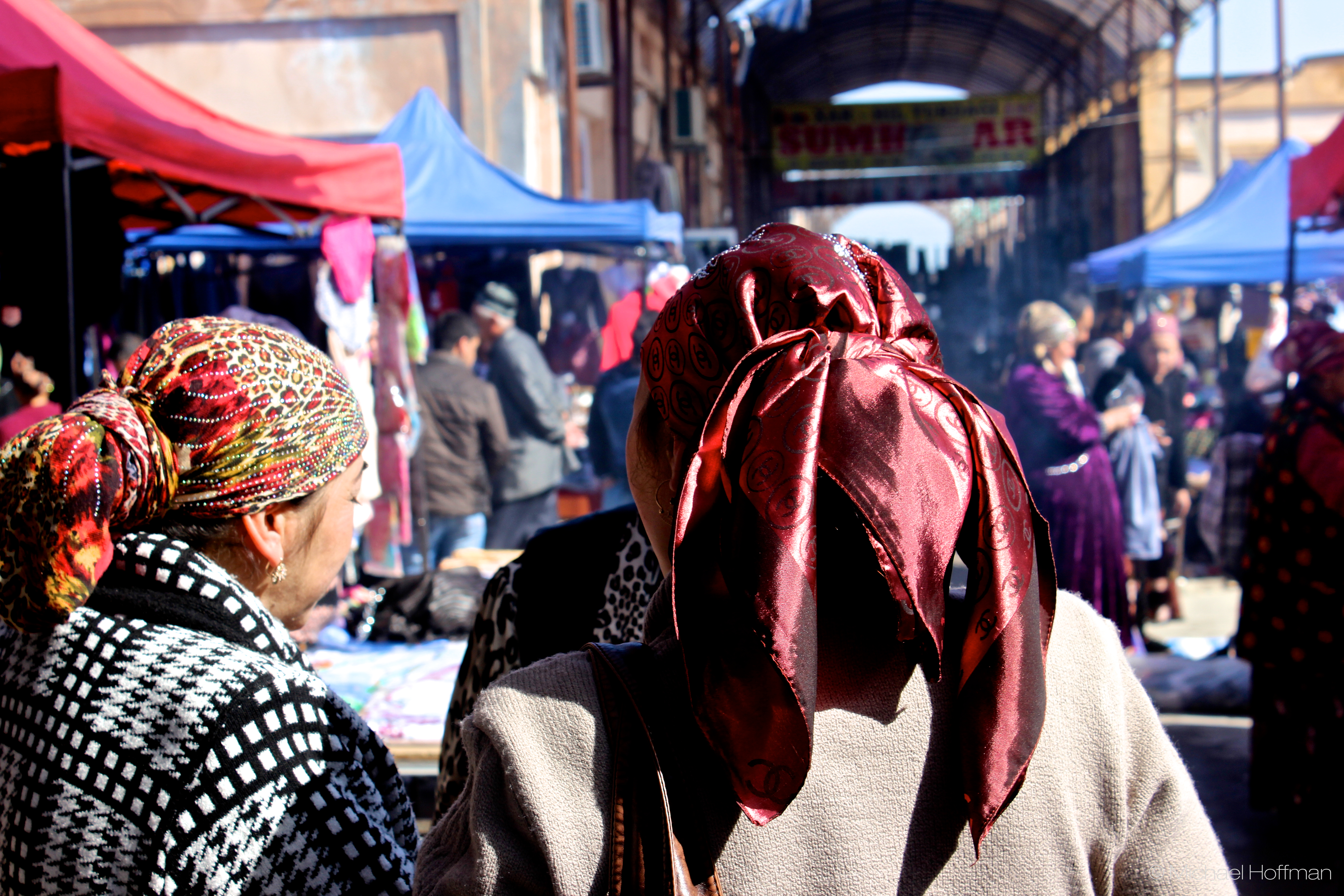
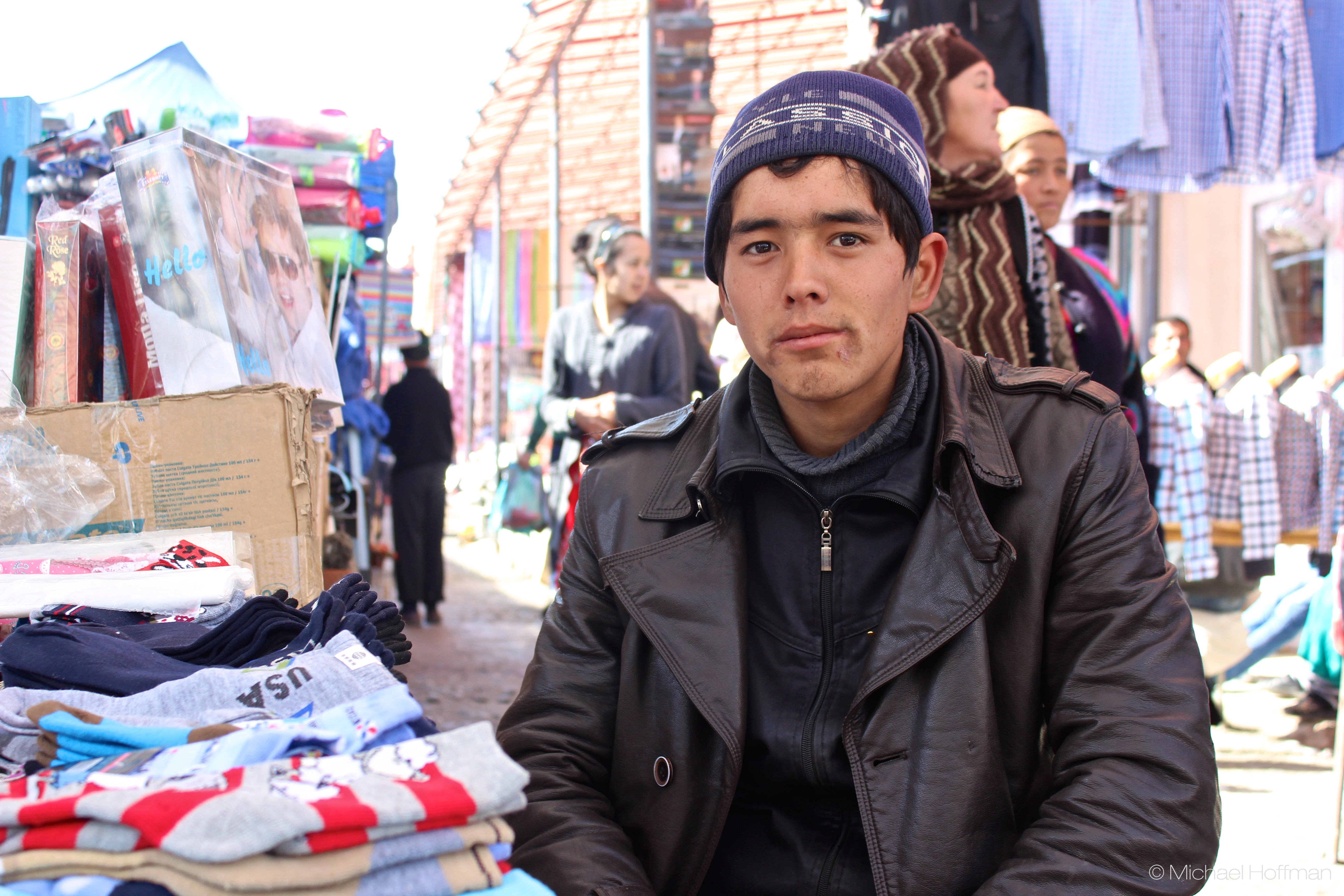
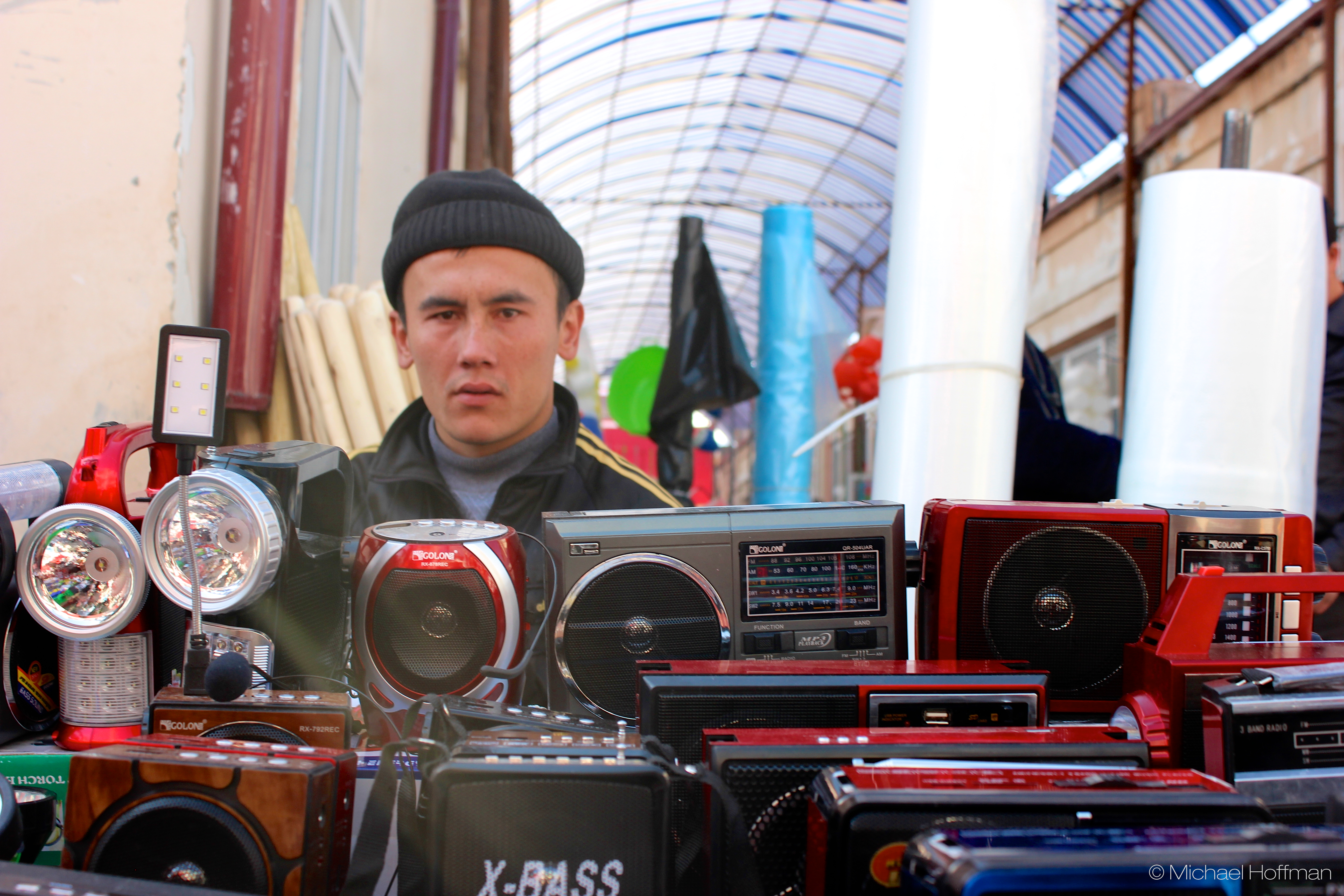
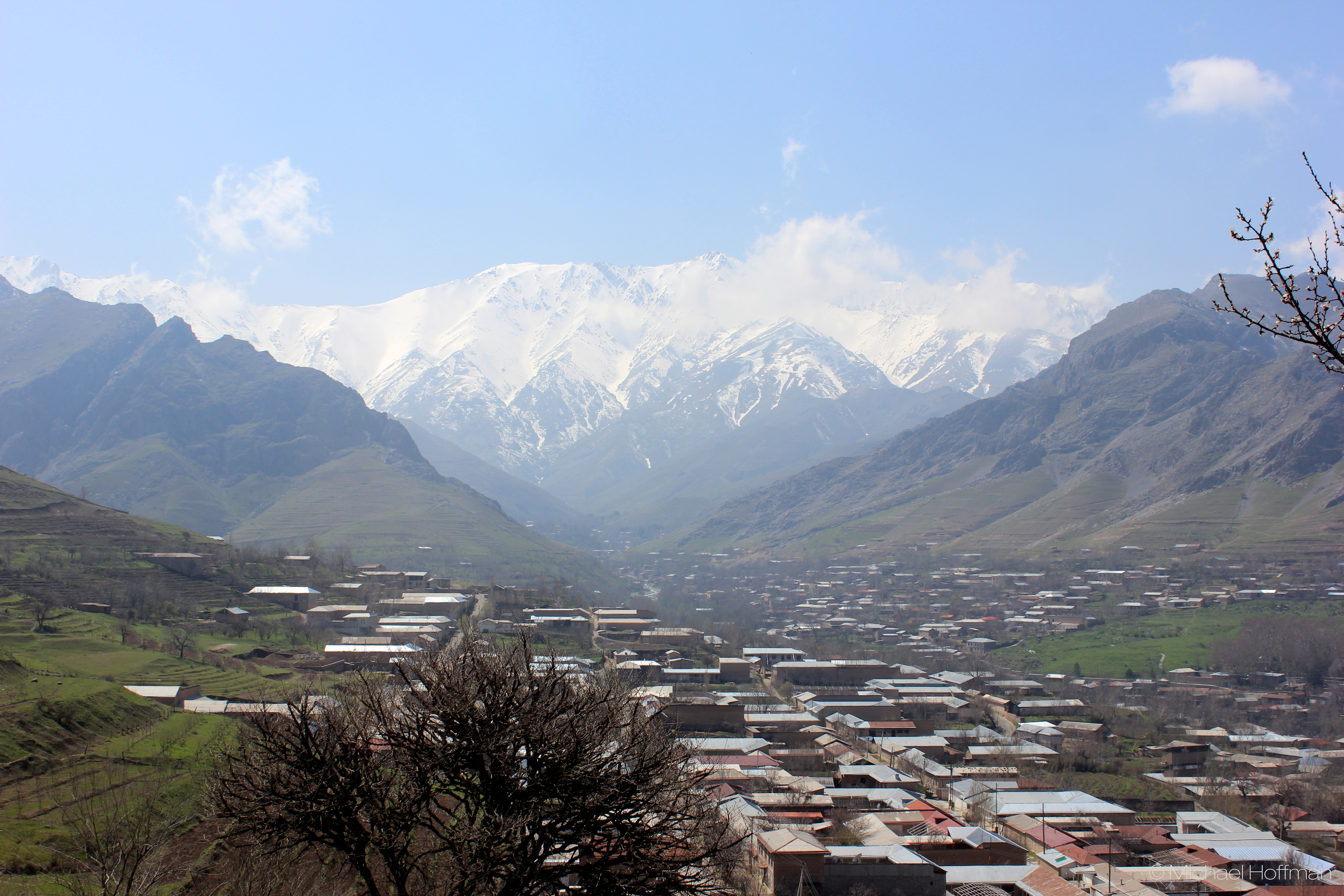
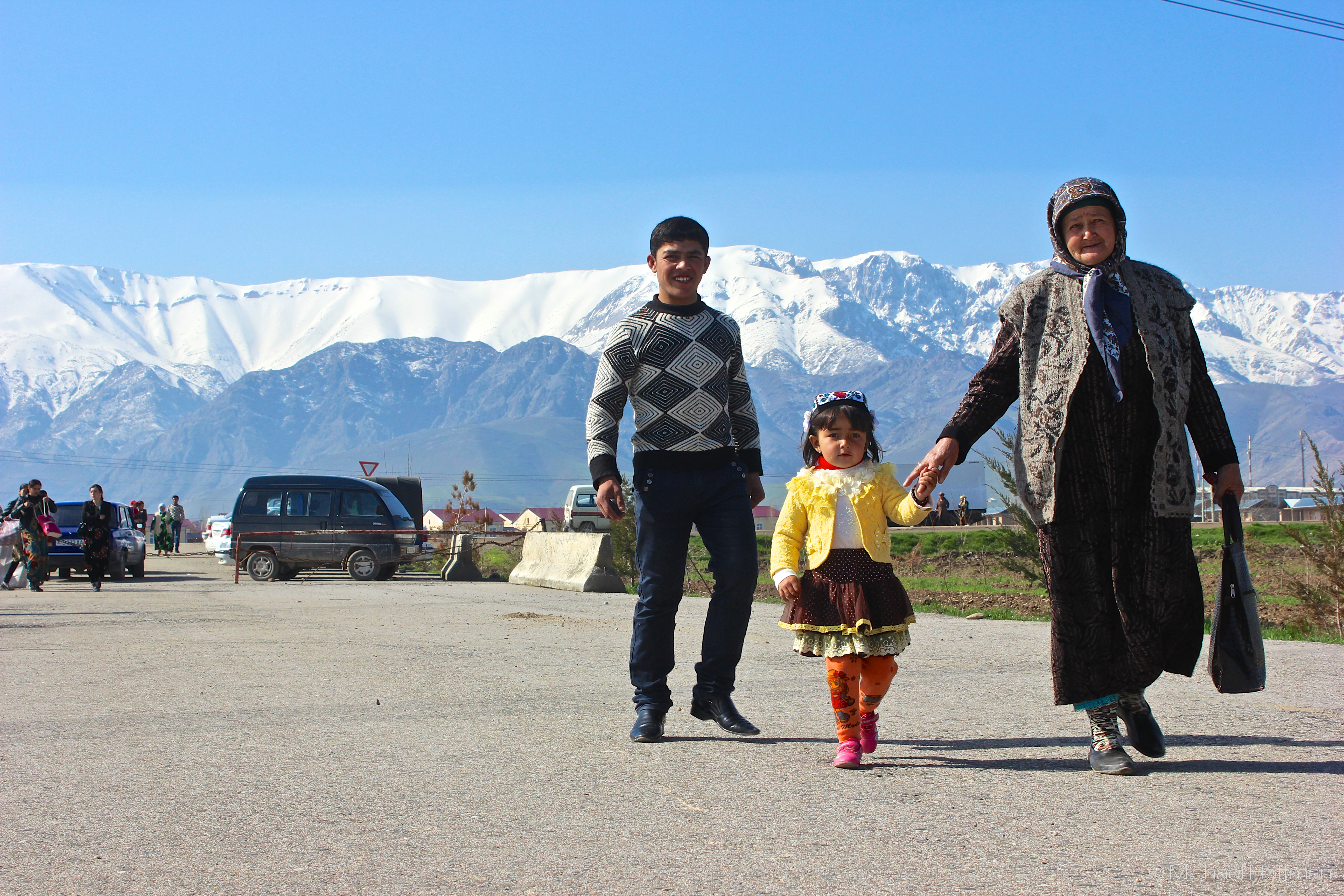
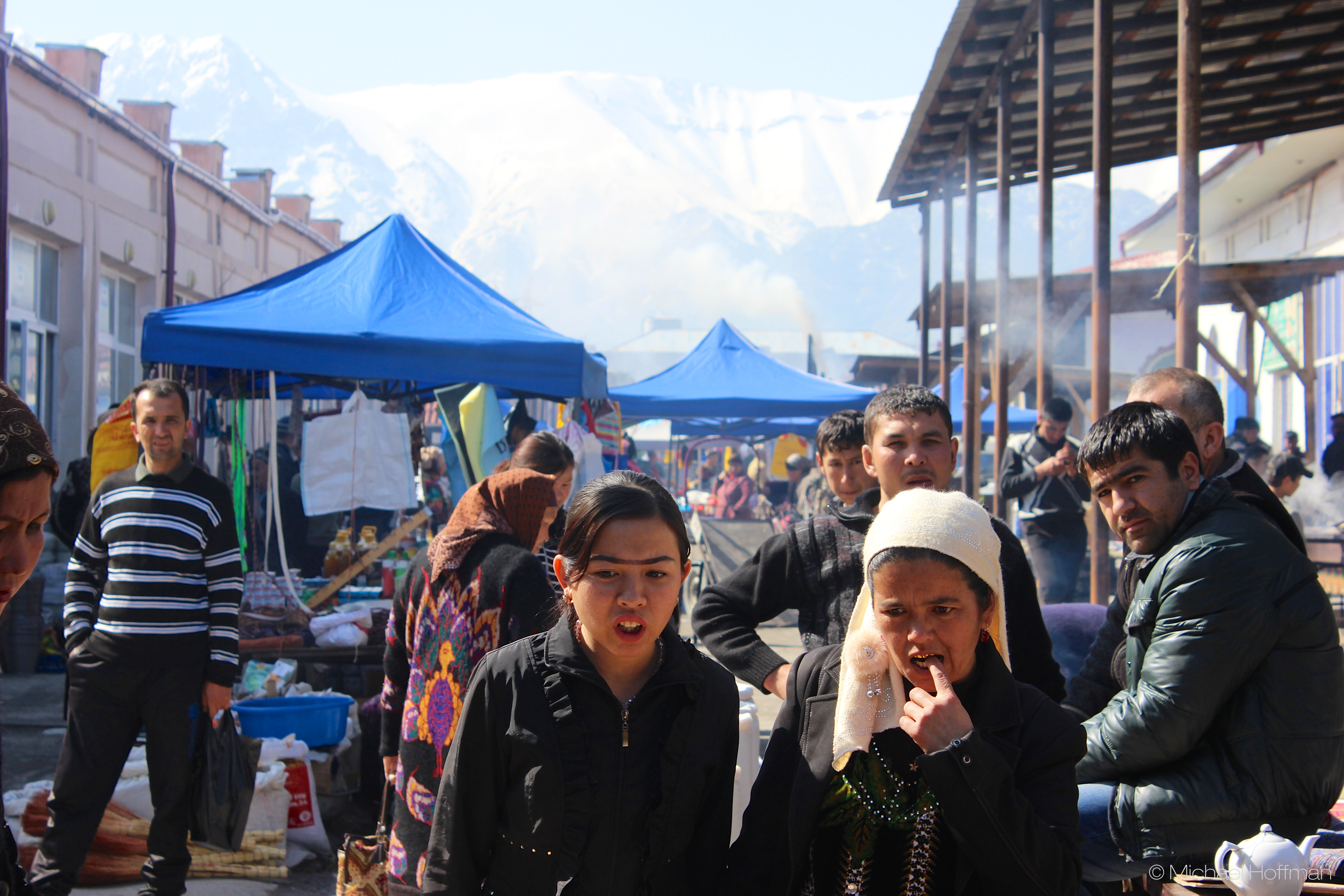
While Eastern Uzbekistan (about 70% of the country) largely consists of deserts, with green spots along the river of Amudjaria, the west looks much different. Getting closer to the Tajik border, large mountains begin to arise, soon occupying the whole horizon. They are part of the Pamir mountain range, a vast plateau that connects the Tian Shan in China with the Hindukusch and the Himalayas in India. Combined, it is the largest mountain range in the world. At the western end of this plateau, already in the hills but still reachable from the fertile lowlands at the bottom of the mountains, there lies the town of Urgut. For centuries it was a transshipment point for goods on the Silk Road, where travelers from China sold their goods to Central Asian merchants, who in turn transported them on camels through the desert and brought them closer to their final destination – Europe. Therefore, the Grand Market of Urgut (the largest of Uzbekistan, of course) is what it must be and always was: A transitional space for people and ideas from the Orient and Oxidant. It is probably one of the few early melting points of human civilization still in existence, looking not much different than centuries ago. Except for the iPhone cases and pirated Gucci handbags, the new luxury goods of the 21st century coming from China to Europe. A new kind of silk, one could certainly argue.

test

IMG_8937

IMG_8946

IMG_8941

IMG_8957

IMG_8962

IMG_8974

IMG_9001

IMG_9006

IMG_8984

IMG_9134

IMG_8949

IMG_8968

IMG_9004

IMG_8987

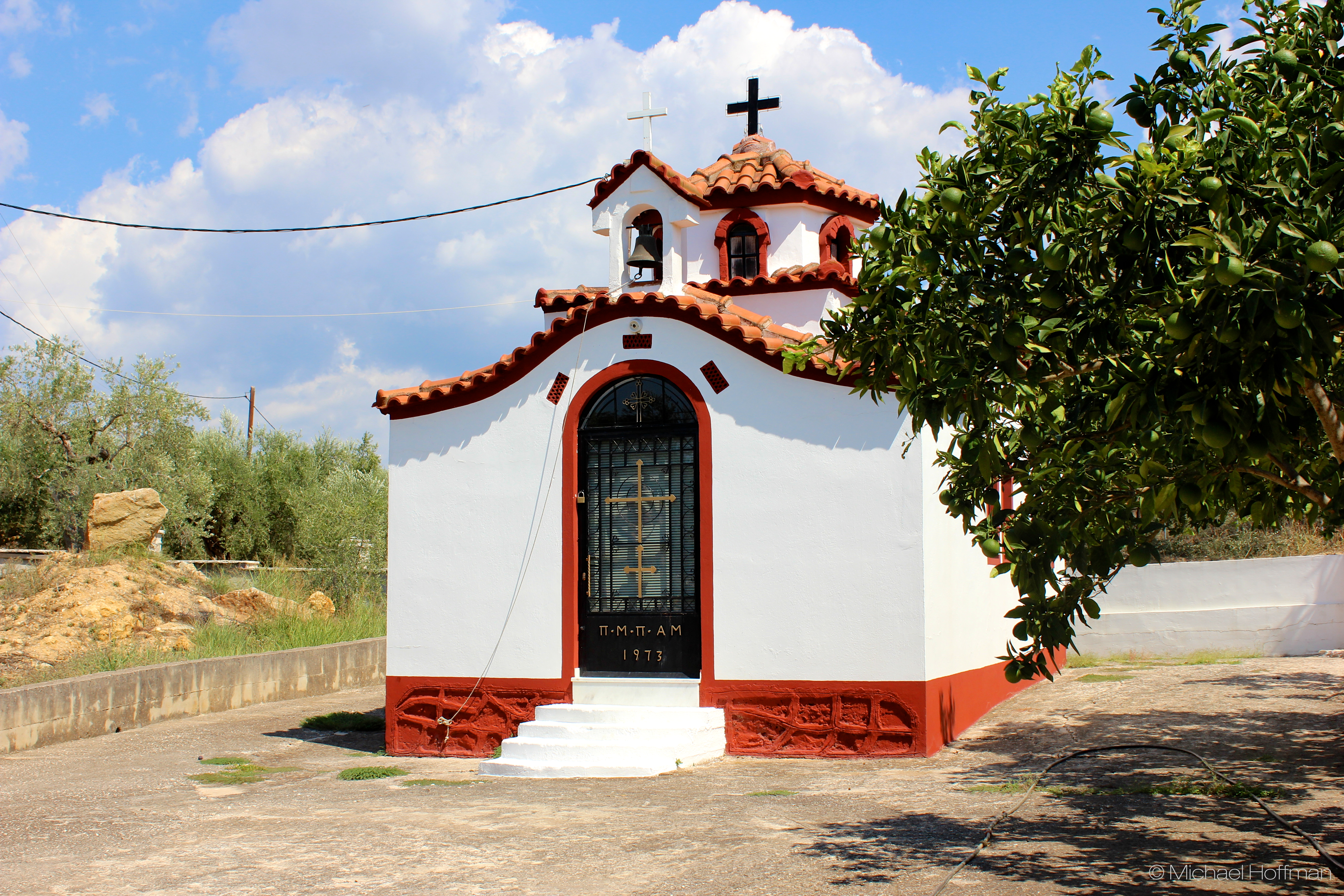
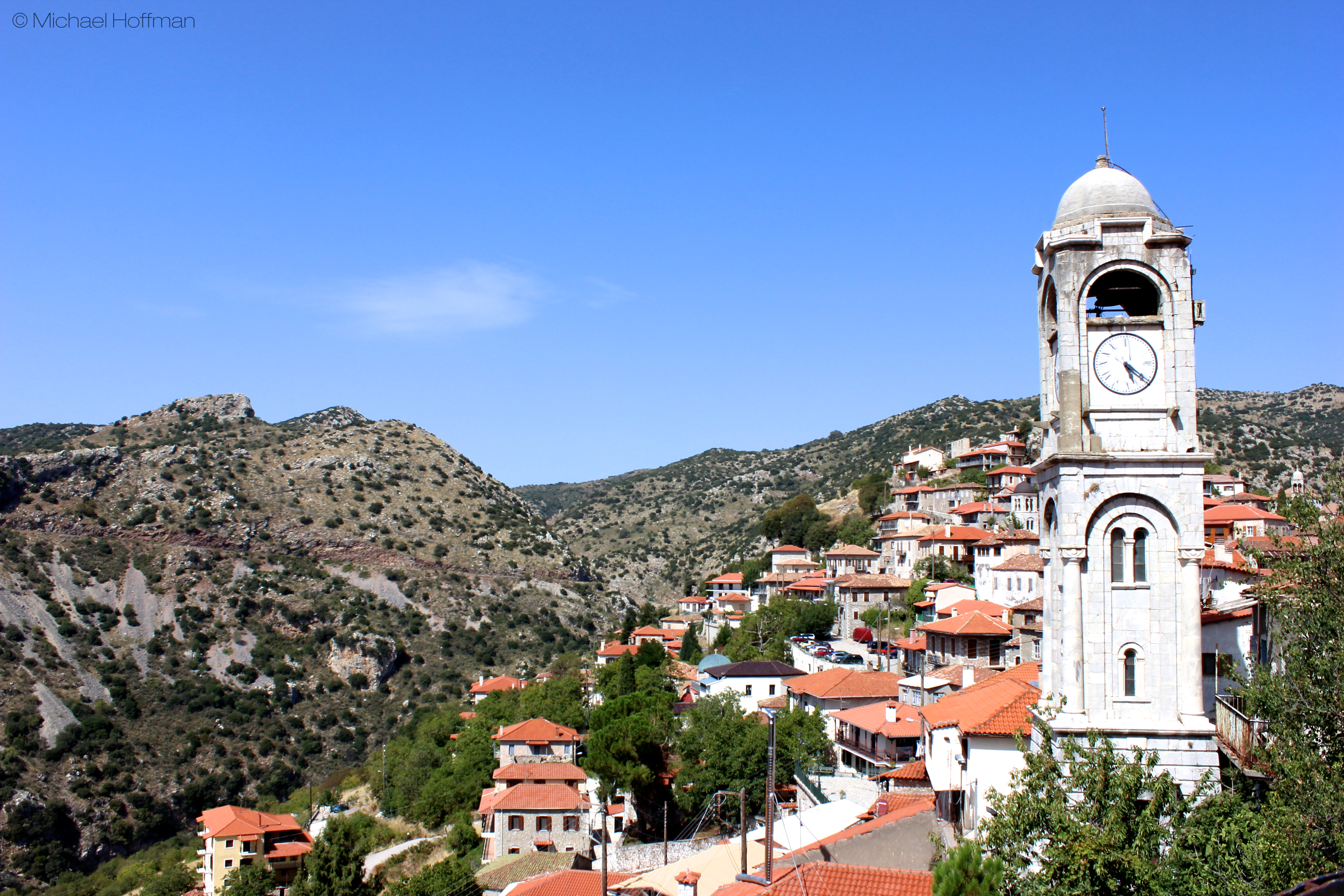
Greek Series: Peloponnes Countryside

This post is part of the so-called “Greek Series,” consisting of photographs I shot while backpacking Greece in September 2013. You’ll find a basic introduction to the series here and a list of all previous posts  here.

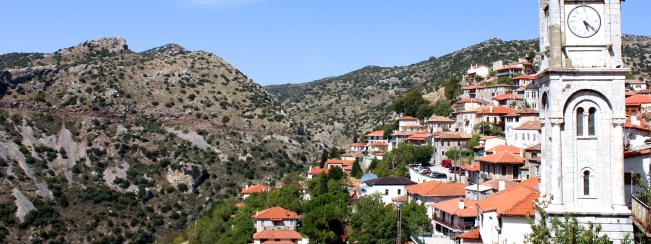
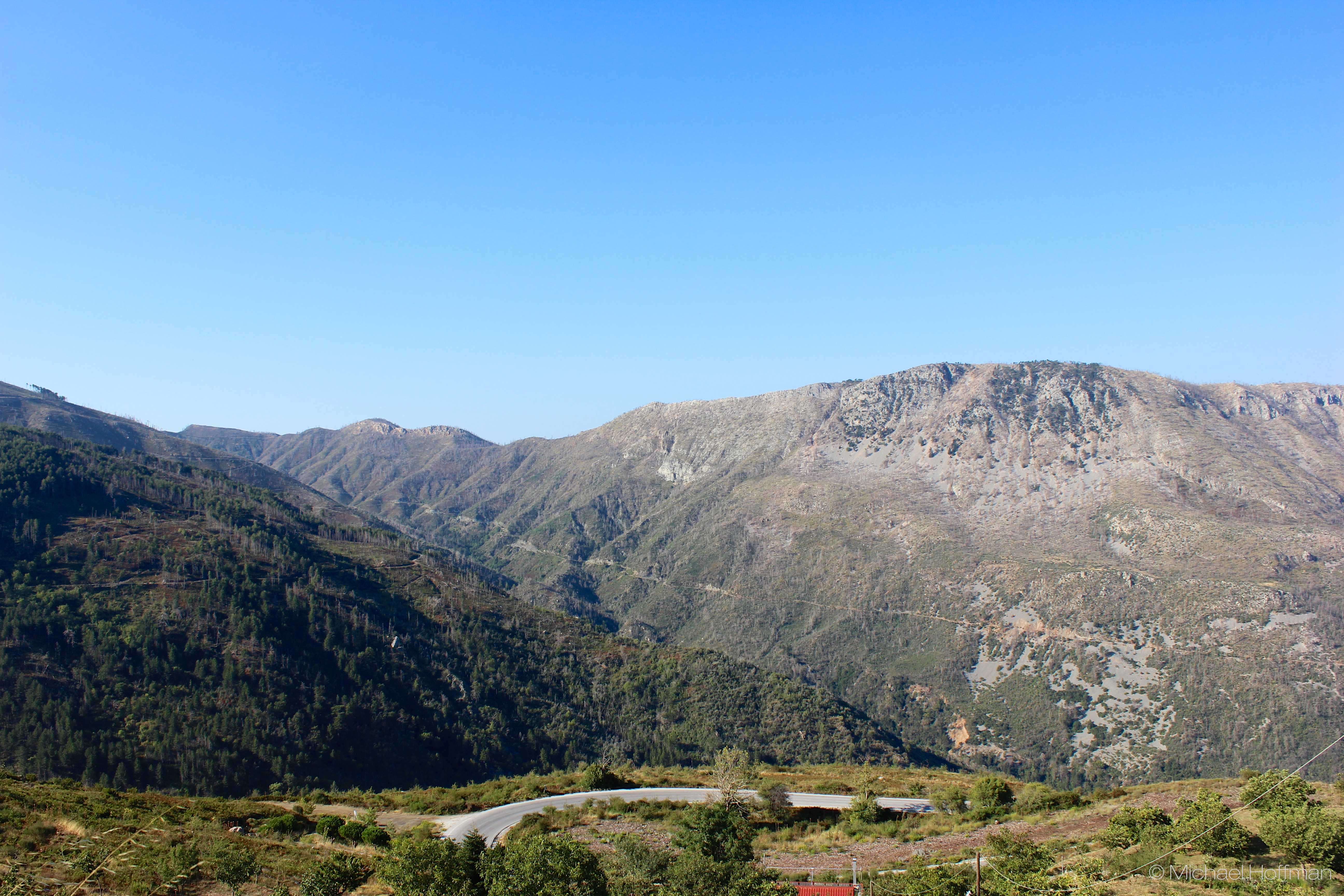
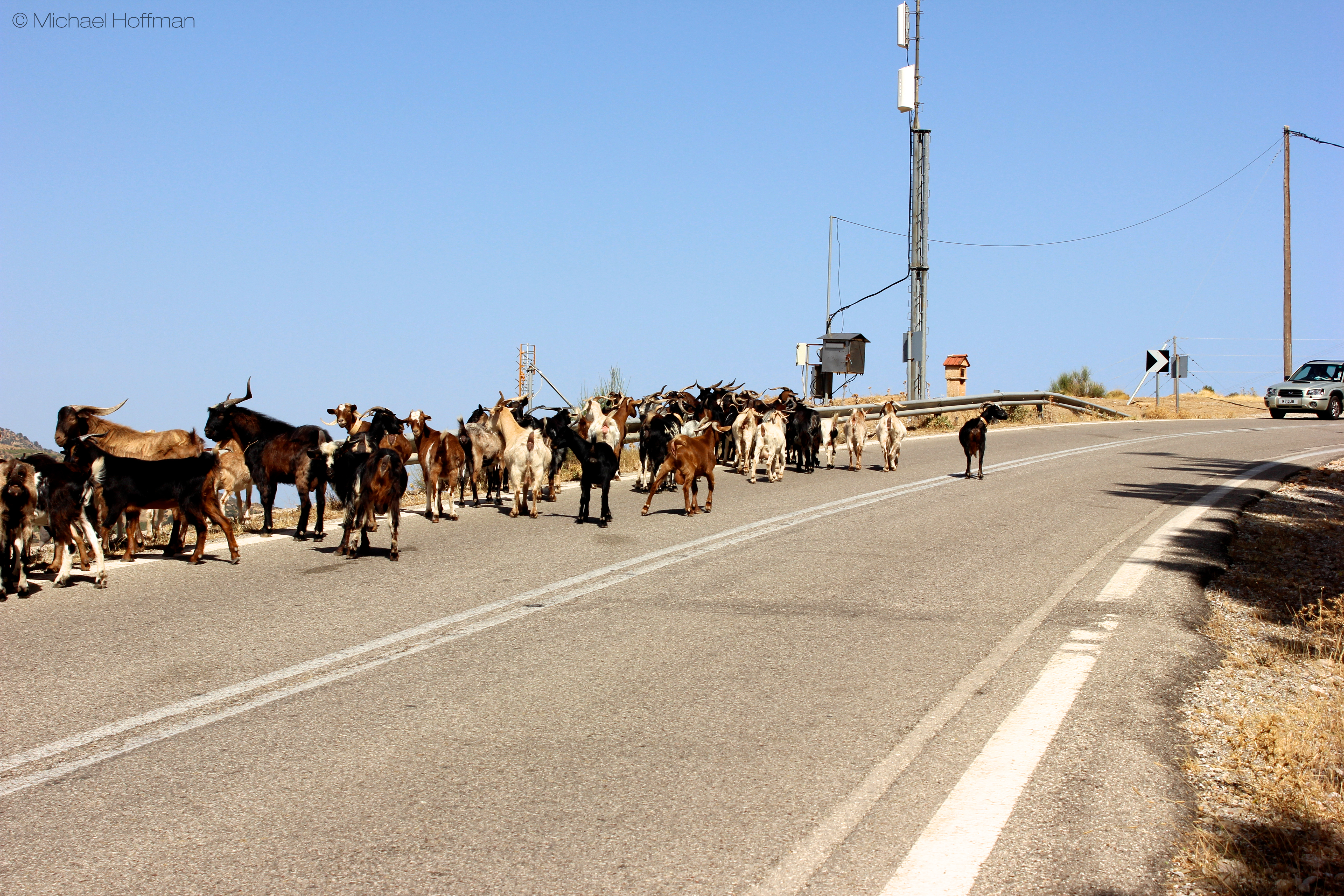
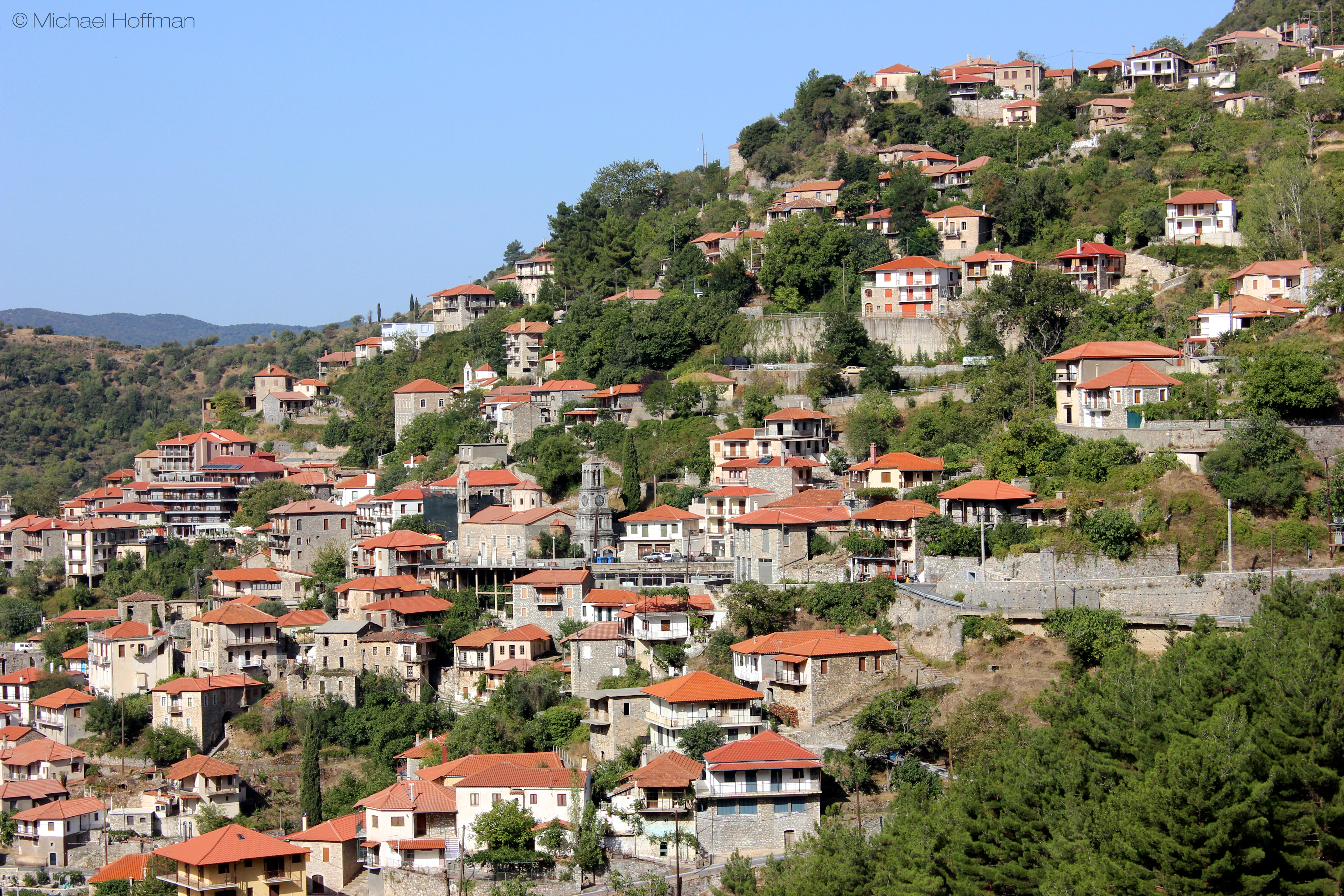
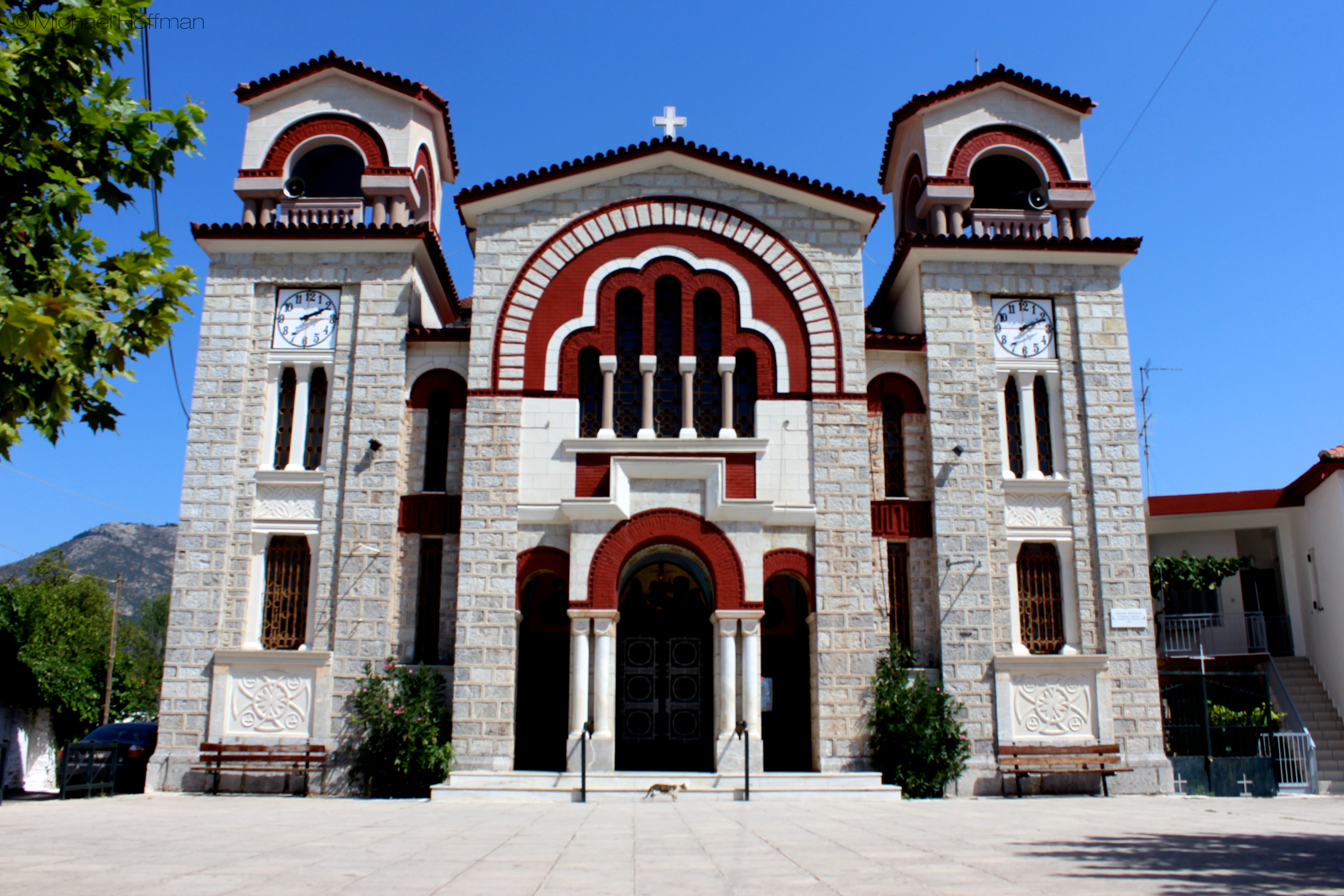
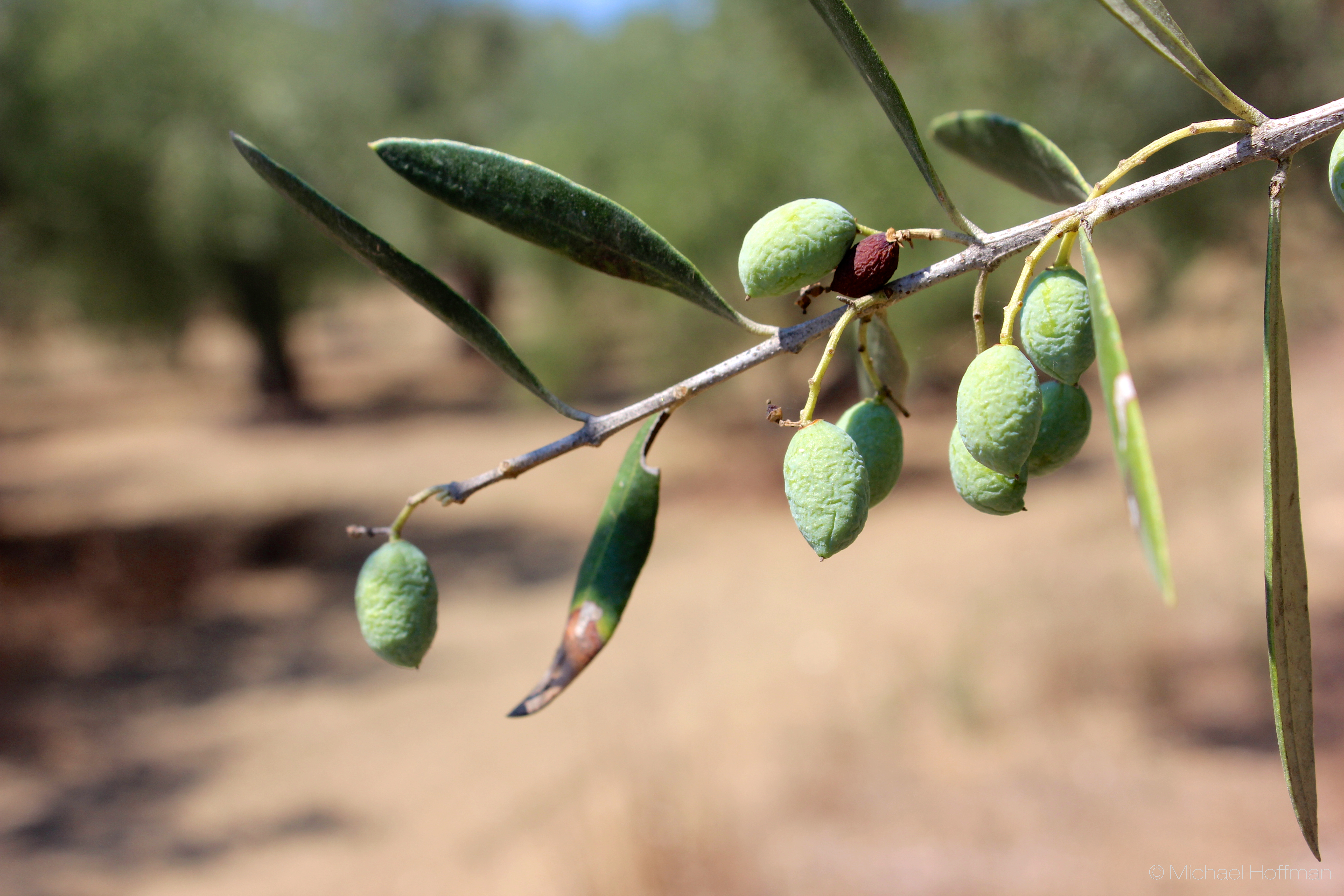
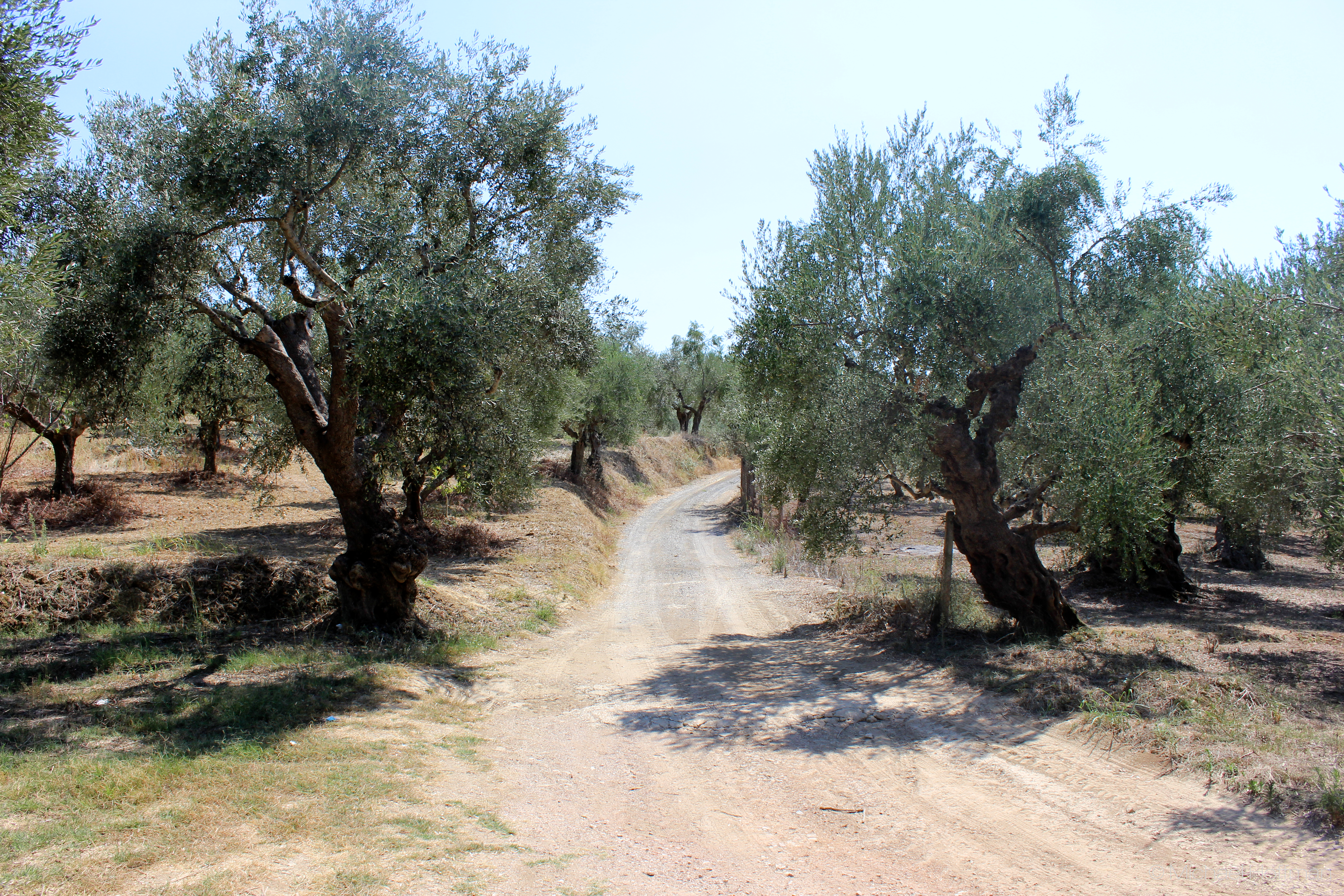
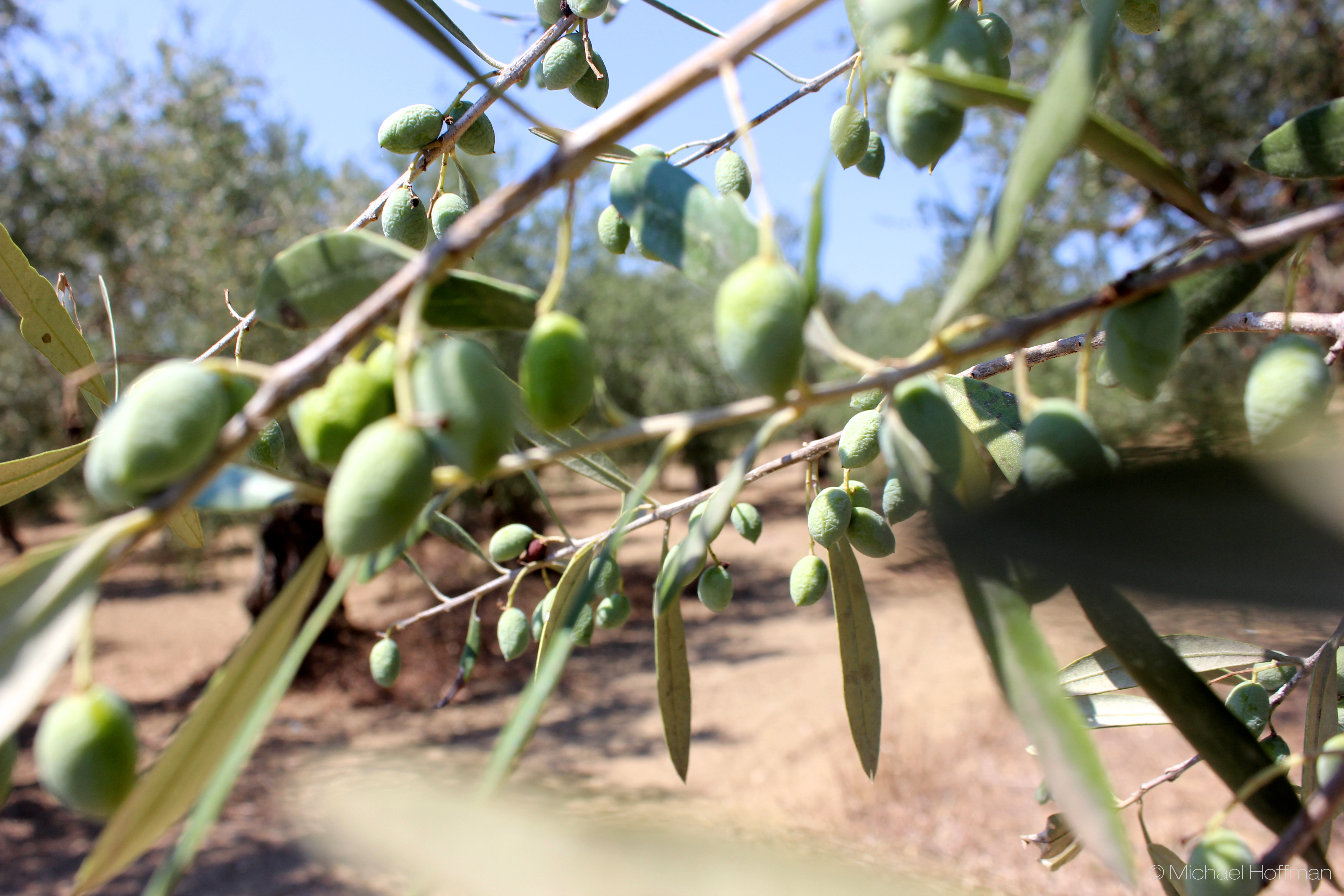
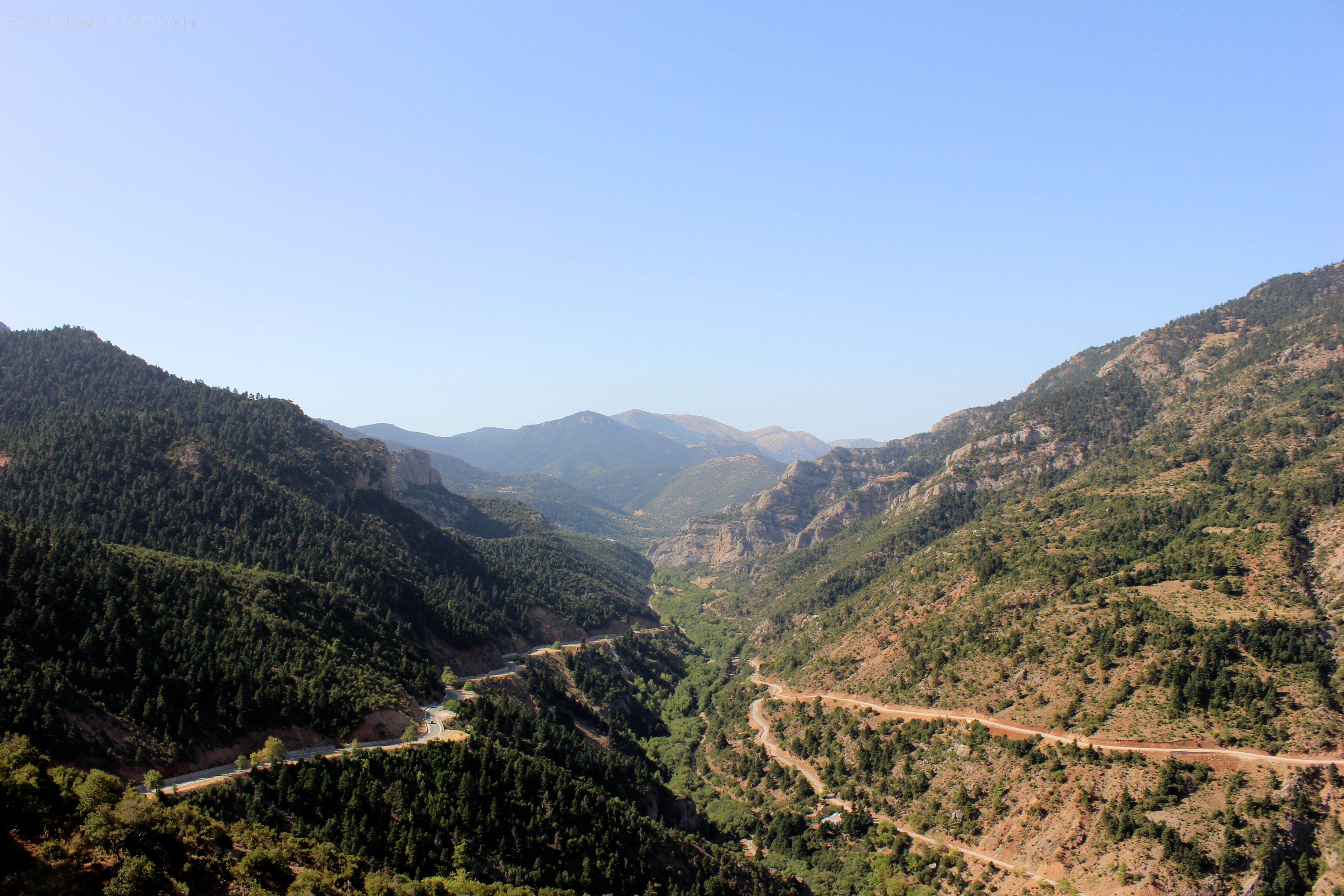
In today’s entry, I want to explore the rocky heartland of the peninsula. As for Greece, it is unusually green there, and it can go relatively high; there are even Ski resorts. Charming are the small towns.

test

IMG_0836

IMG_1092

IMG_1019

IMG_1063

IMG_0856

IMG_0851

IMG_0858

IMG_1088

IMG_0864

IMG_1050

Austrian Alps Pt. I

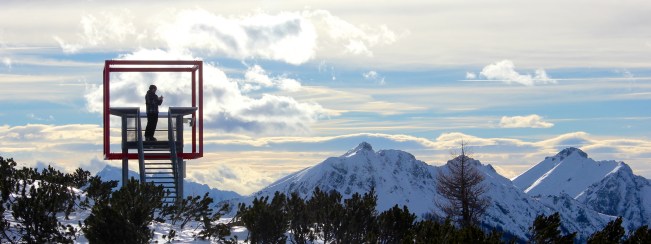
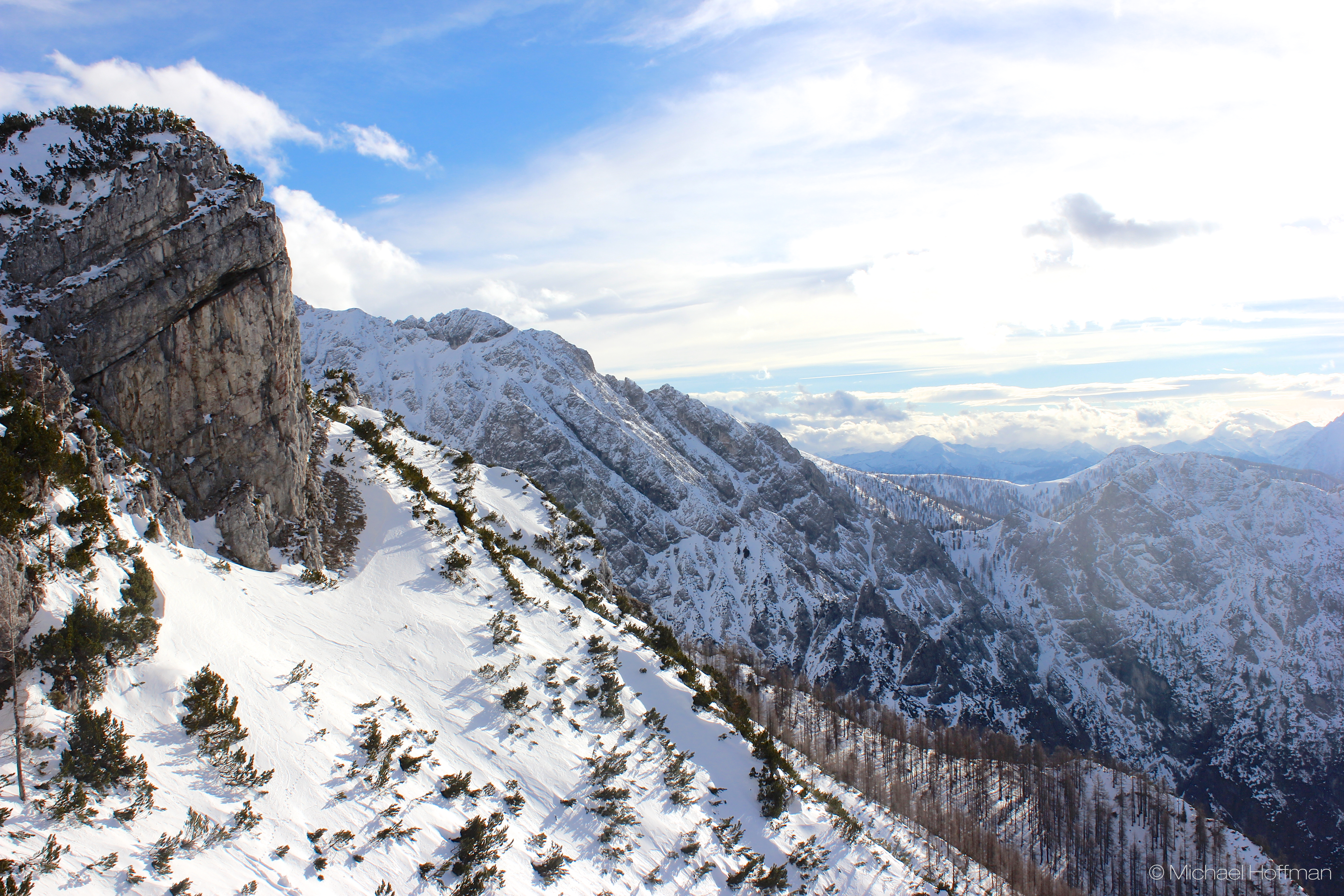
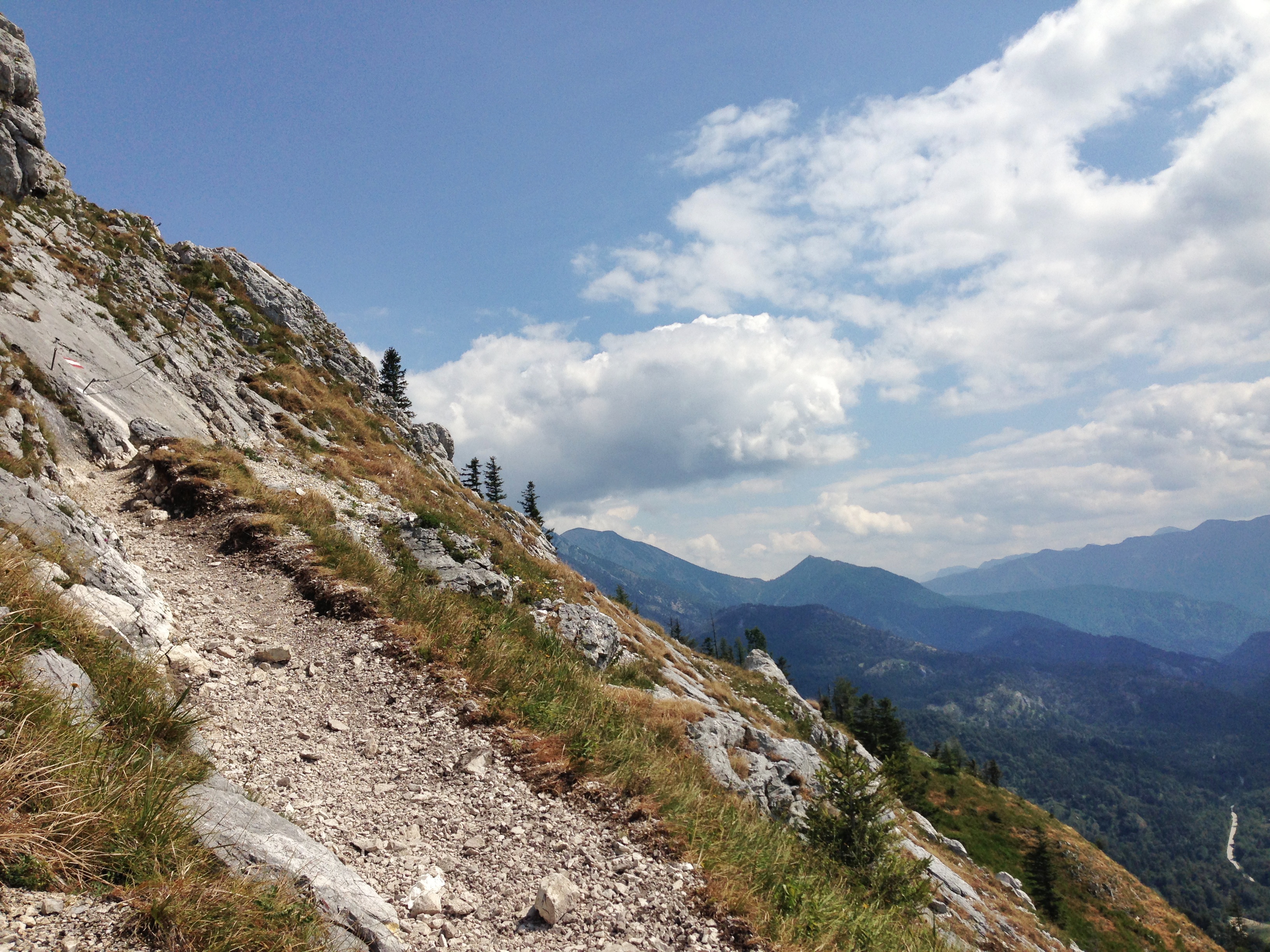
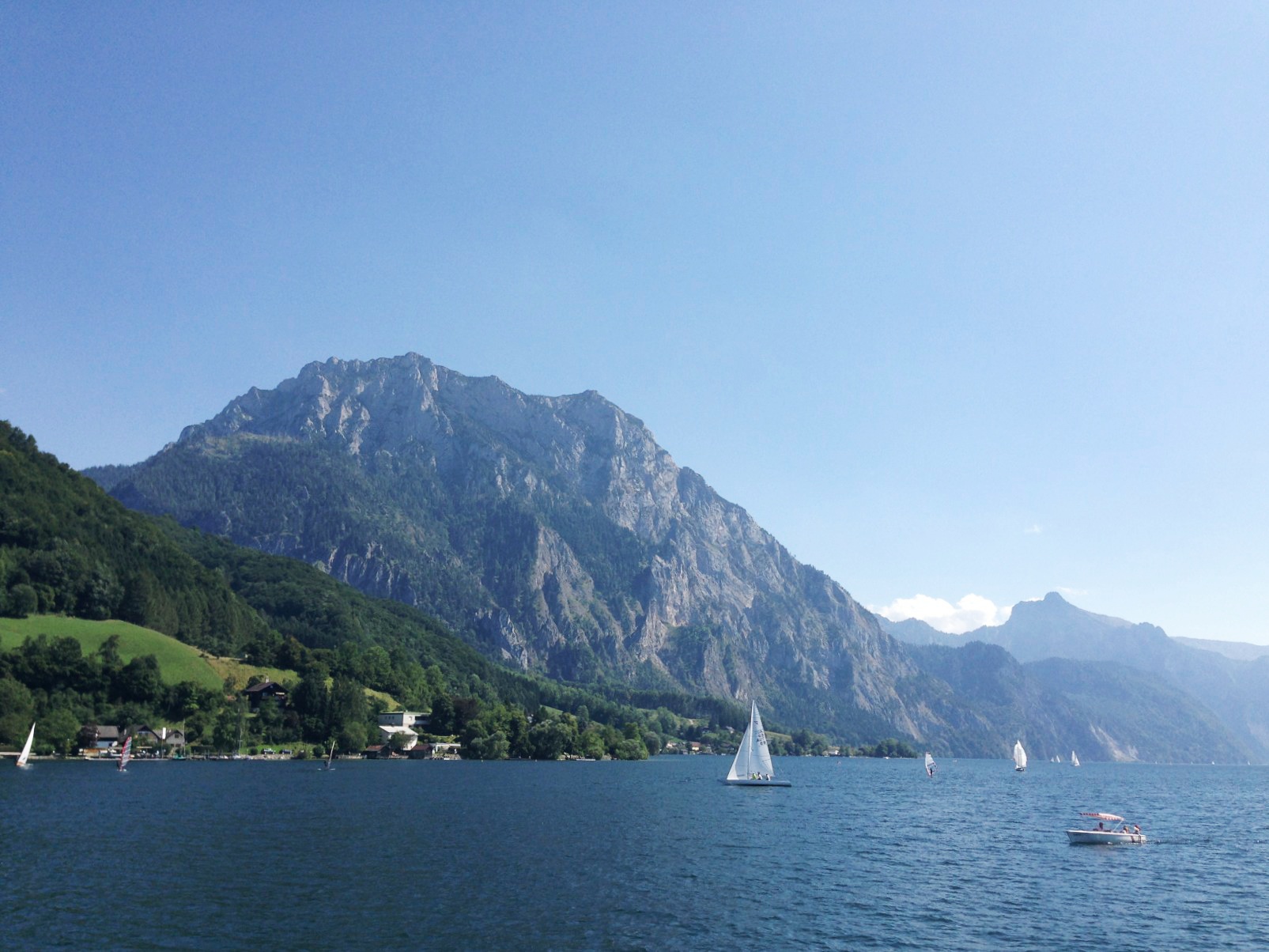
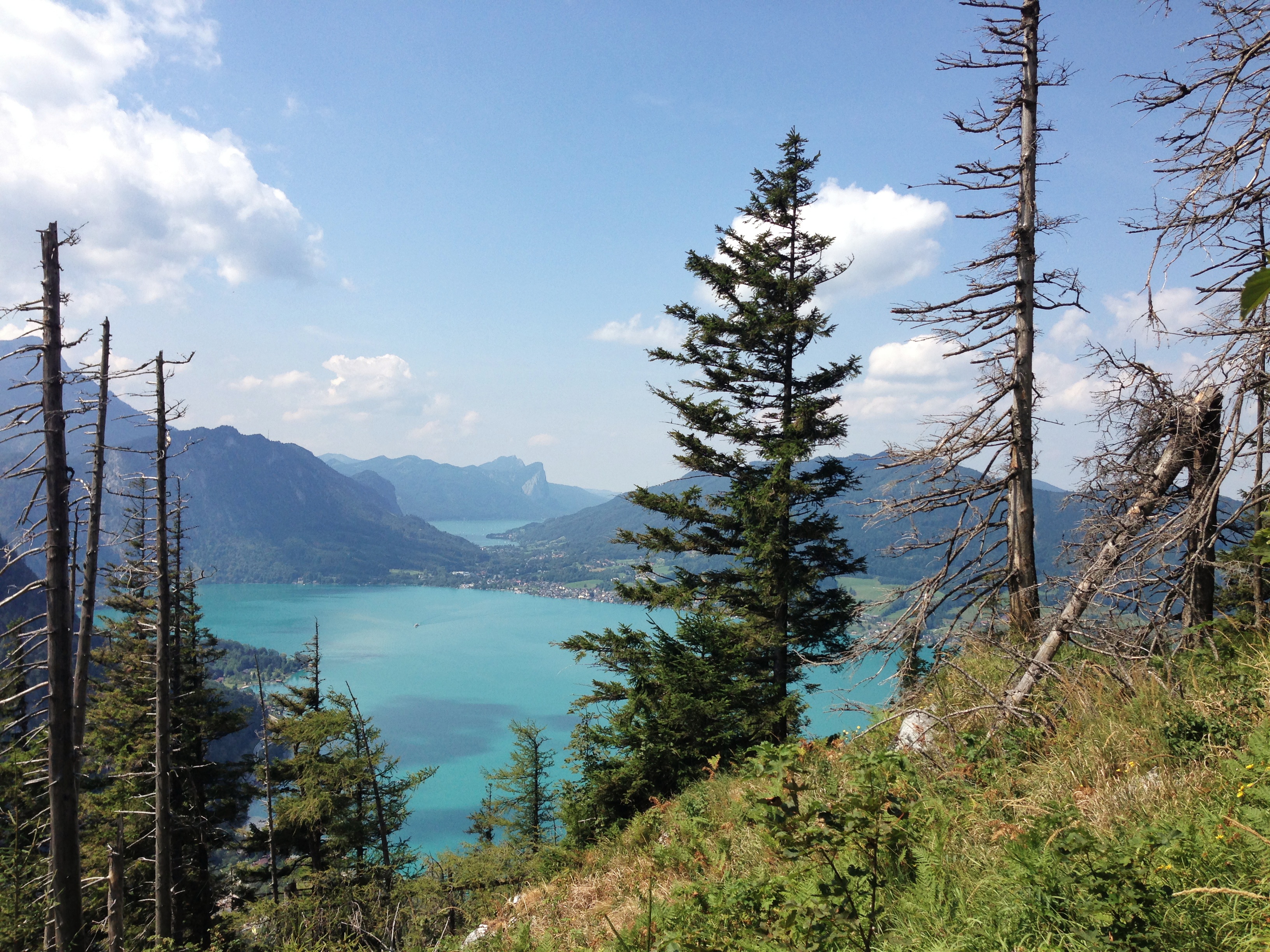
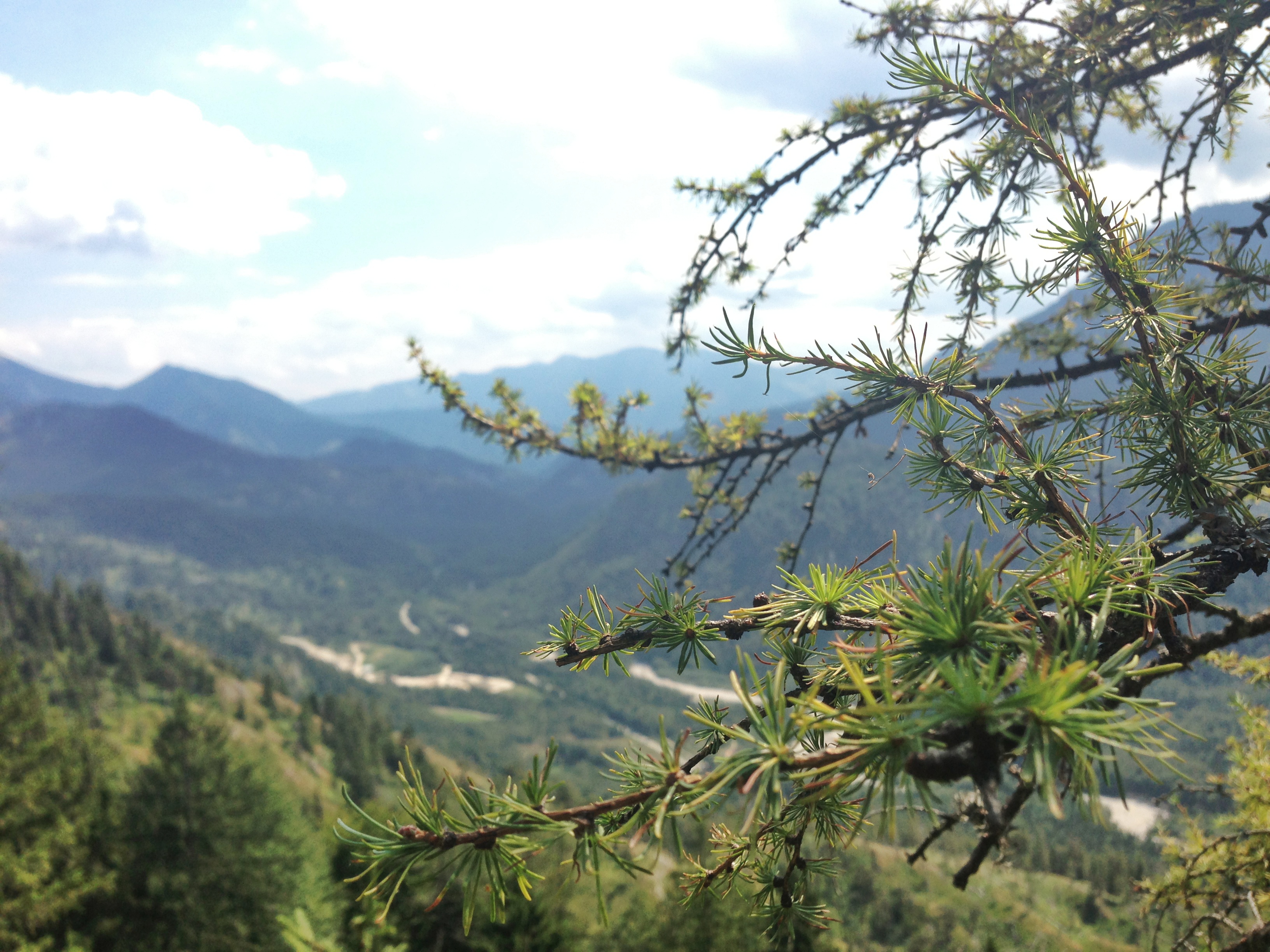
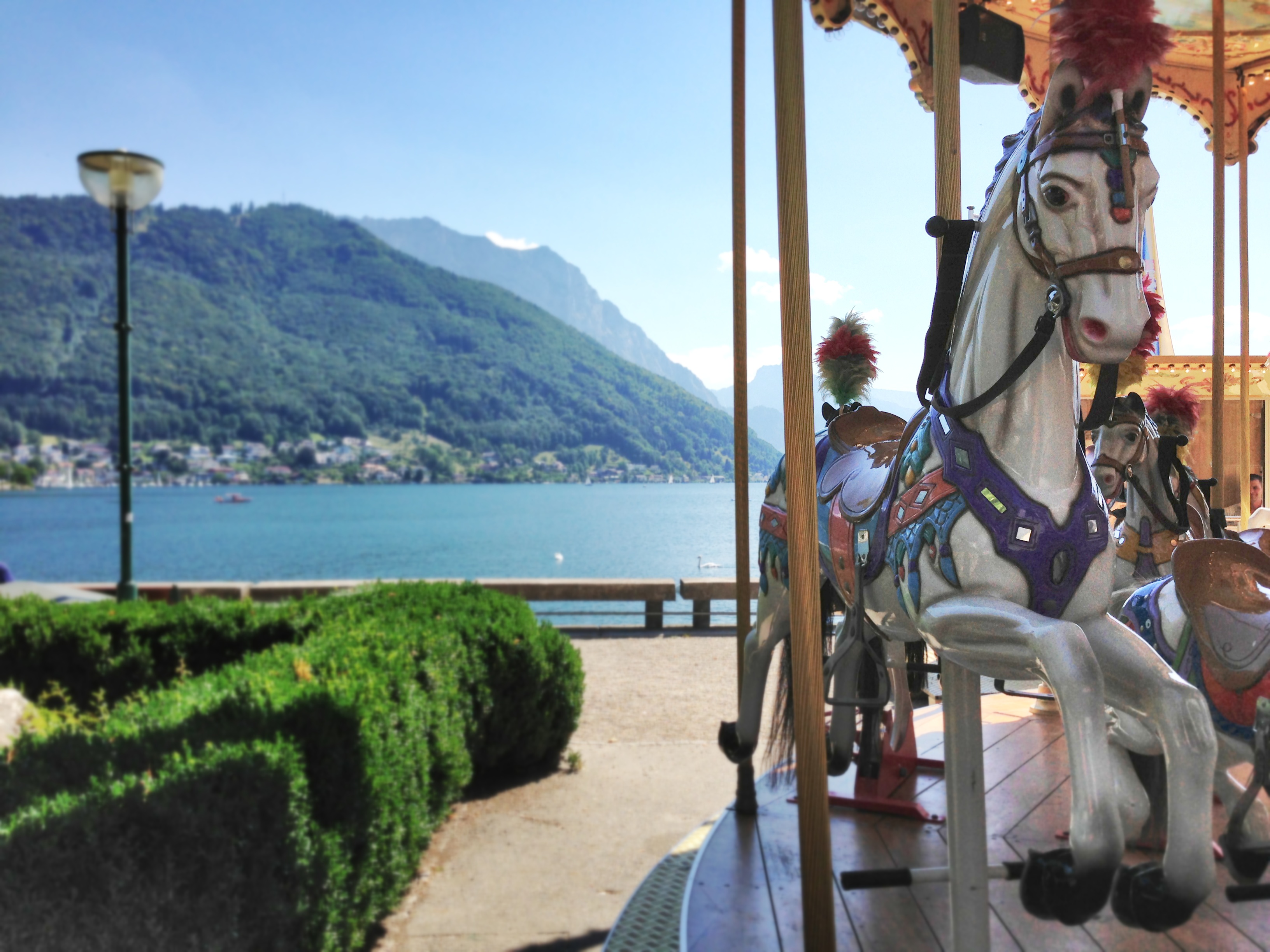
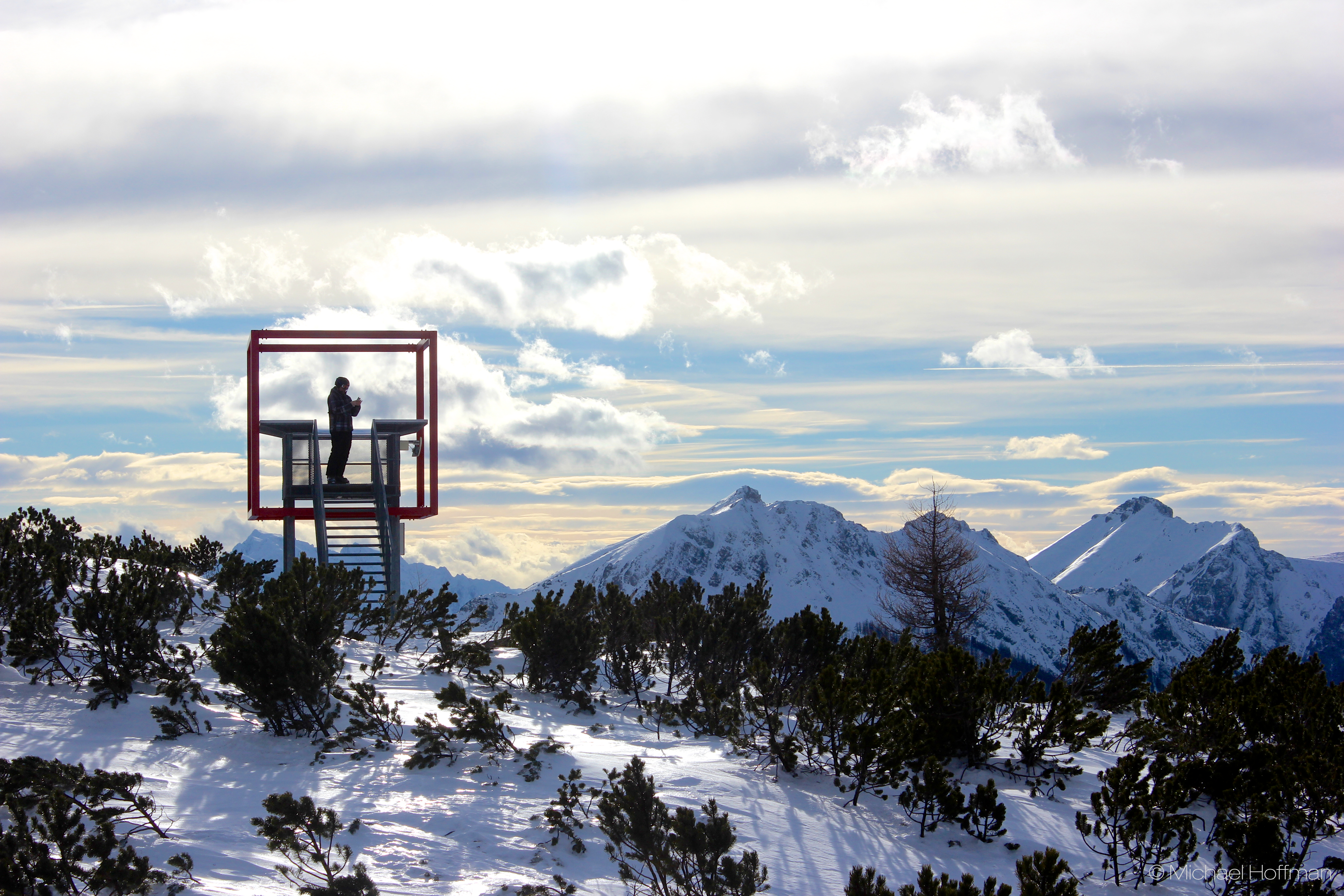
Traveling through Austria consists of large parts of wandering through valleys and lakes framed by endless mountains. And occasionally also of climbing one. That’s precisely what we did two weeks ago when we went up Mt. Schoberstein (something over 1,000 Meters). It is not the tallest one by far, but one with a marvelous view of the lakes of the Salzkammergut (in particular, Lake Attersee and Lake Mondsee). Afterward, I continued my journey to another famous lake, the Traunsee, where I took a boat ride across the lake, passing by the equally renowned Mt. Traunstein.

I have the pictures shot these days and want to present you in two posts. No particular order. Hope to spark some enthusiasm for the Alps! 🙂
test

IMG_5800

IMG_5995 IMG_5787IMG_5771

IMG_5947