Skip to content

Lofoten in Clouds Pt. II
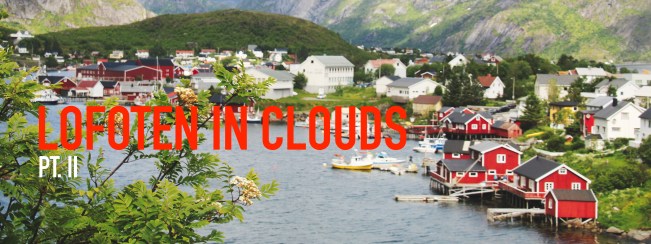
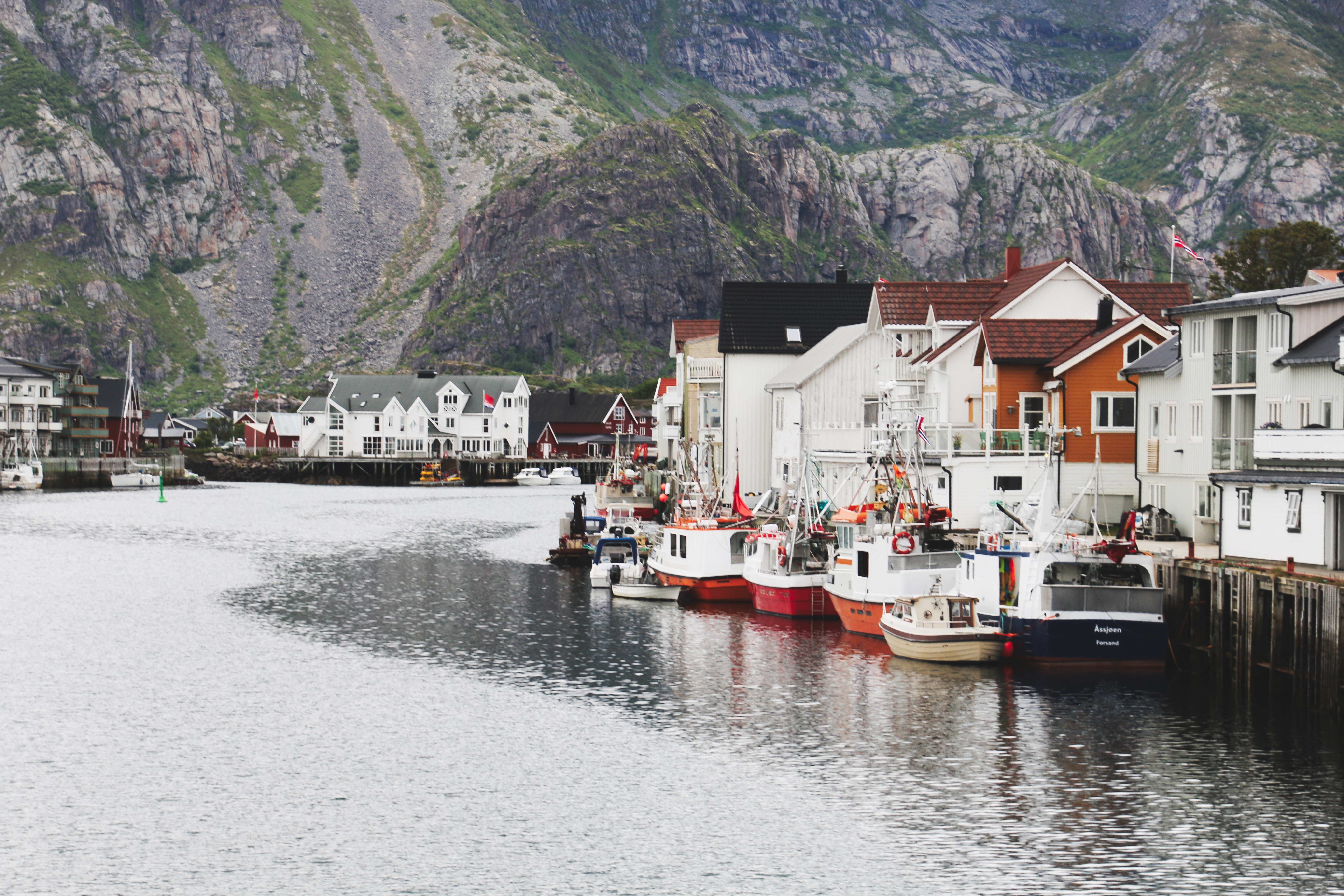
(Continuation of part I) The wealth of fish on the Lofoten islands is a significant migration movement, which takes place in the cold season when it gets too hard for the cod up north in the Barents Sea. After being caught, the fish dries up naturally on wooden racks, which can be seen everywhere on the island. In early spring, the fish is collected and shipped when it gets warmer and comfier for flies and worms. After the process, the cod is called “stockfish,” due to its durability, it was necessary as a food source, especially in seafaring, for many centuries. Nowadays, tourism is the most important source of income on the islands, but cod fishing still plays a role, and the stockfish is still prevalent in former seafaring countries like Spain and Portugal.

test

Land of the Vikings

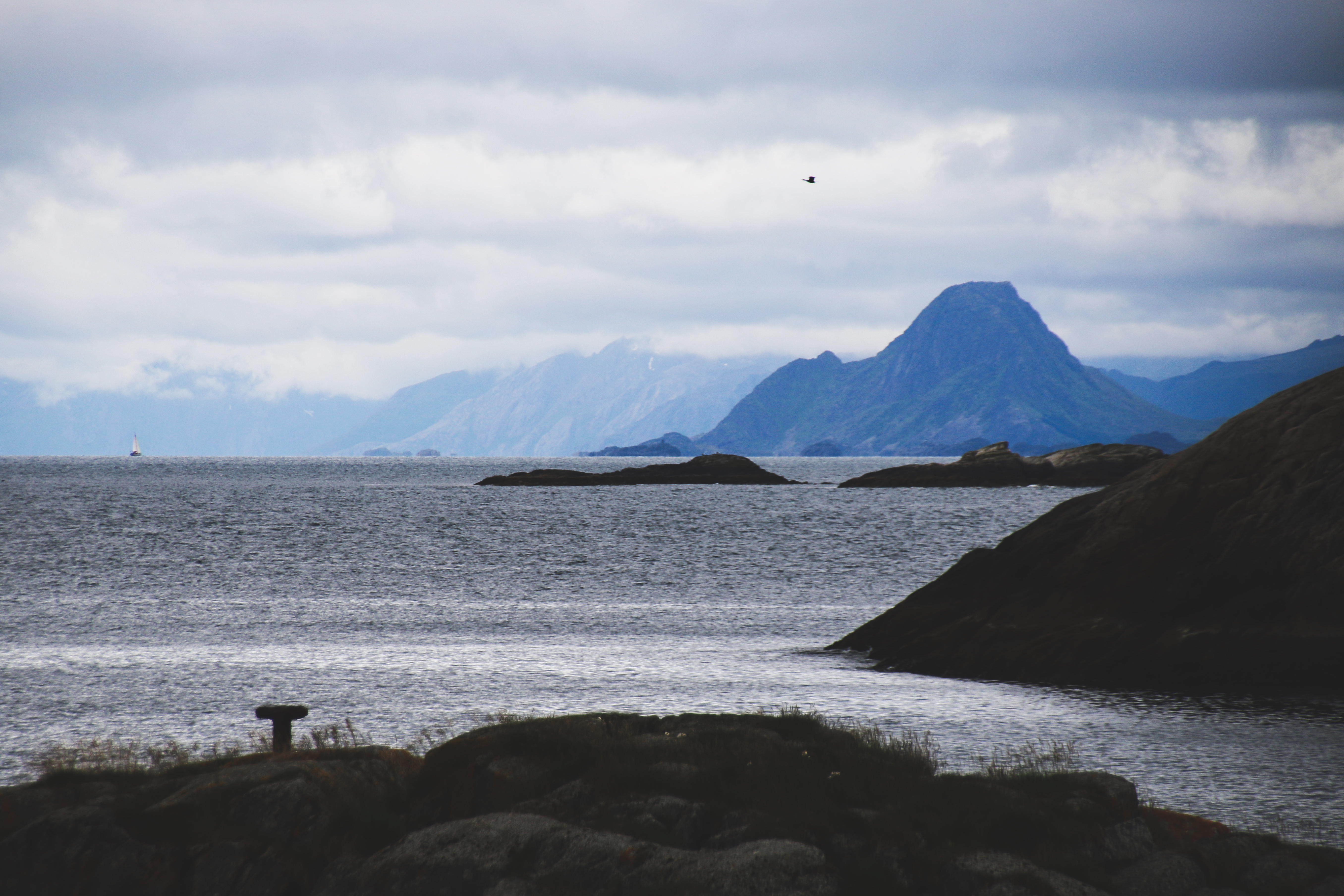
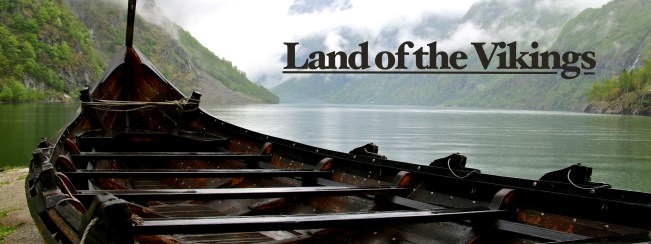
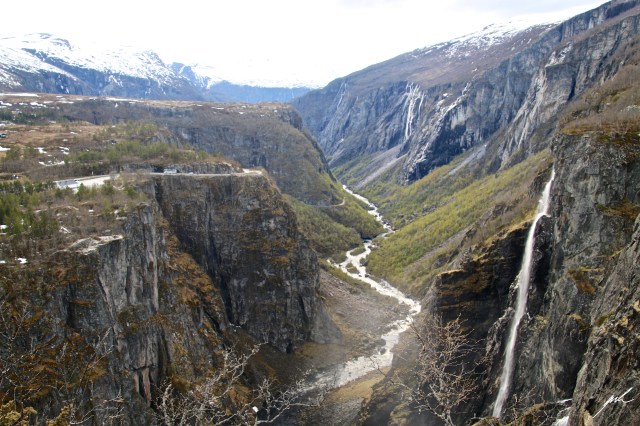
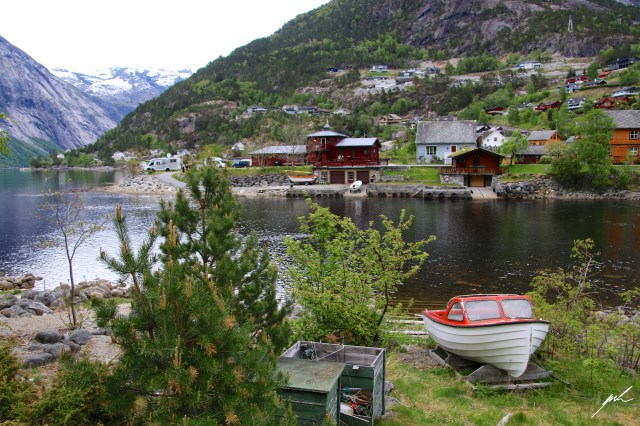
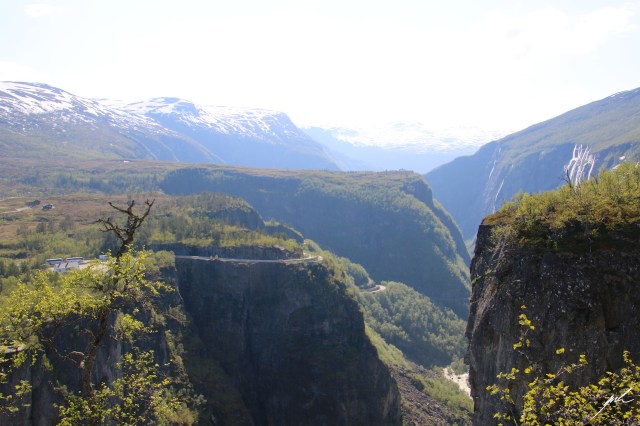
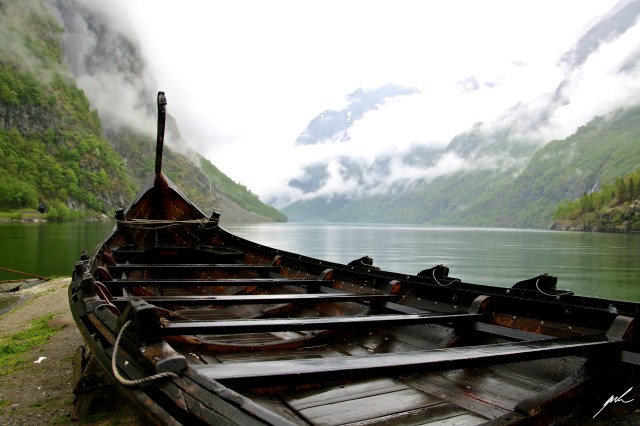
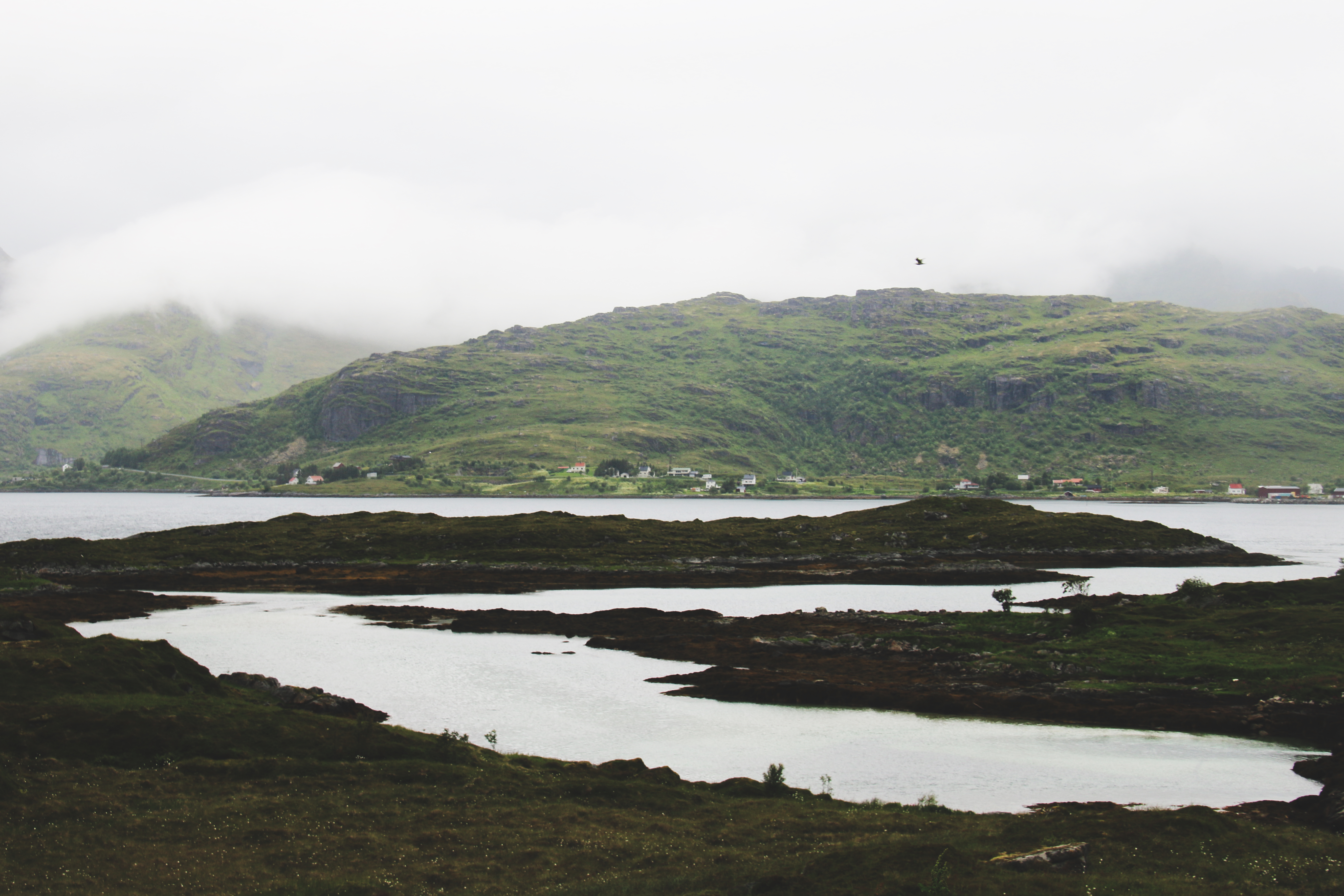
With all the advantages of modernity, living in the far north is still full of challenges. The deep fjords and steep surrounding hills make it difficult to reach the hinterland; that’s why Norway is investing a lot of money in tunnels and bridges to connect the most remote villages to the country’s urban centers. While the days are long in summer, in winter, the nights are never-ending as well. But the fjords also have their advantages; that’s why people settled here many thousand years ago and why the Vikings flourished in the Middle Ages. First and foremost, the fjord land is very fertile; even fruits and vegetables can grow here. We speak about a country as far in the north as Canada. The favorable climate is due to the Gulf Stream, which makes northern Europe unusually warm. Also, the fjords were perfectly secured against intruders and allowed for remote but connected villages. At the same time, the location of these settlements made it necessary to develop and improve ships. It is no coincidence that the Vikings were the first European people to set foot in America.

test

img_3030
img_3196 img_3194img_3914
img_3207
img_3090 img_3062img_3245