
Skip to content

The North Cape

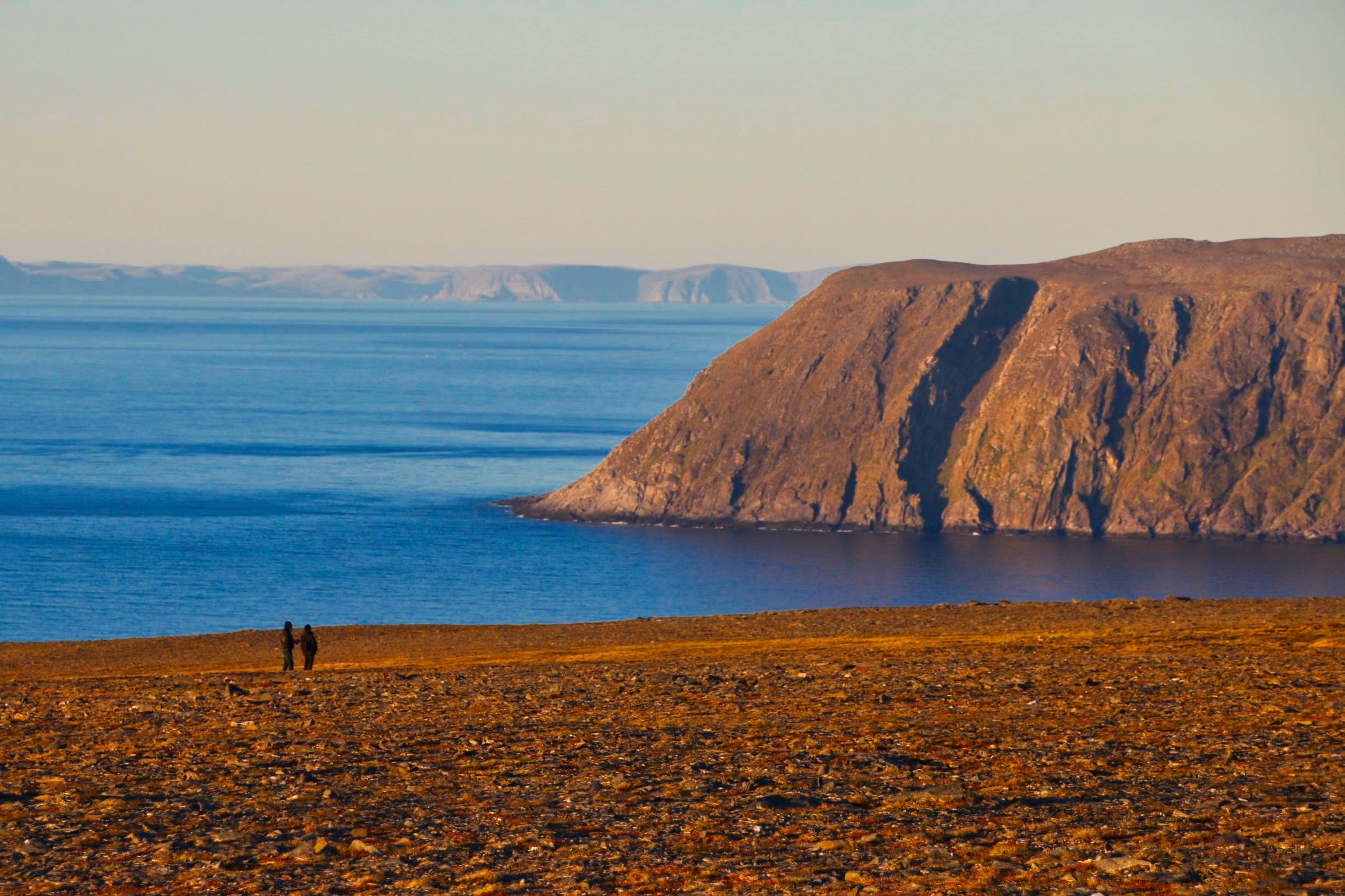
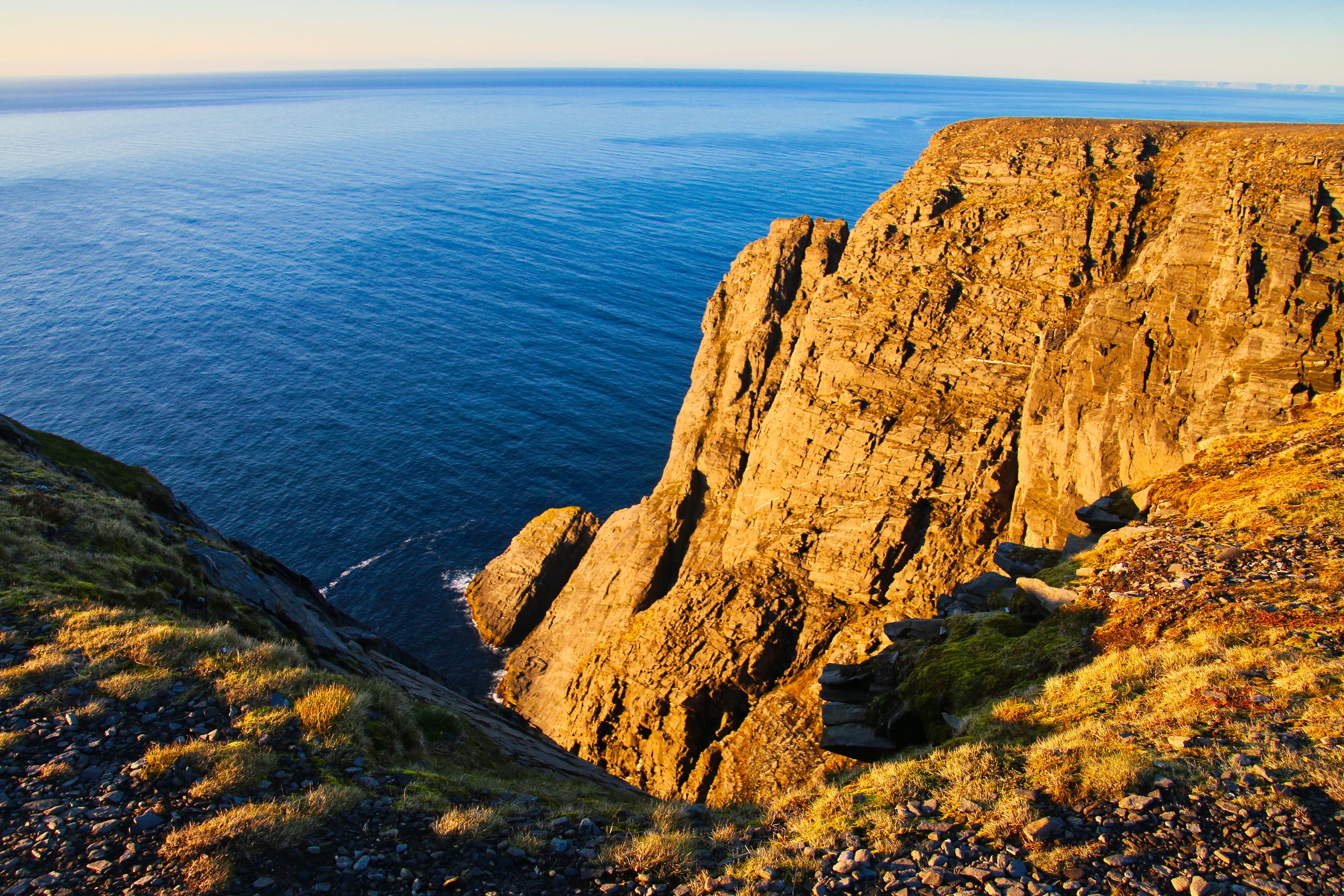
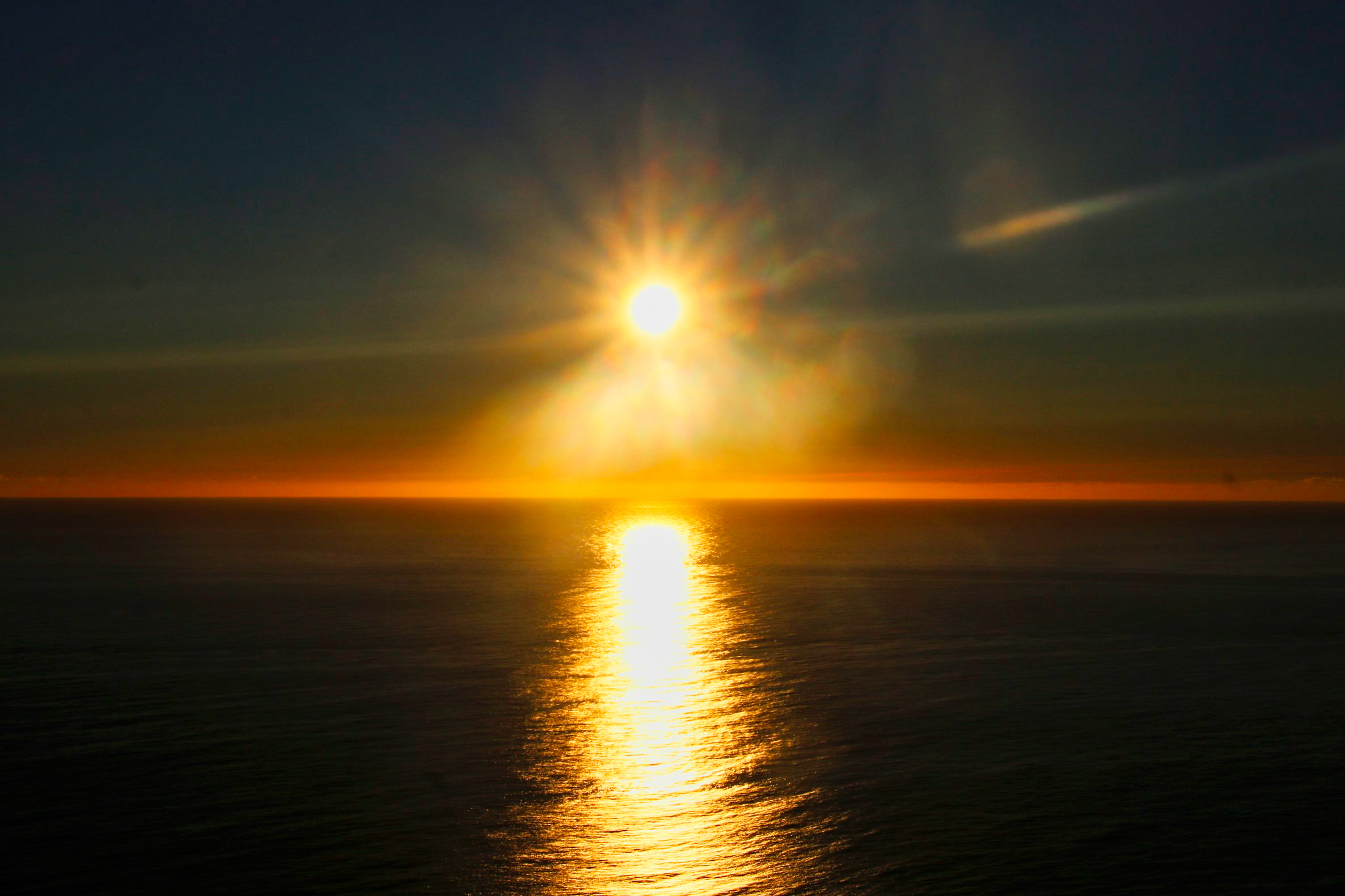
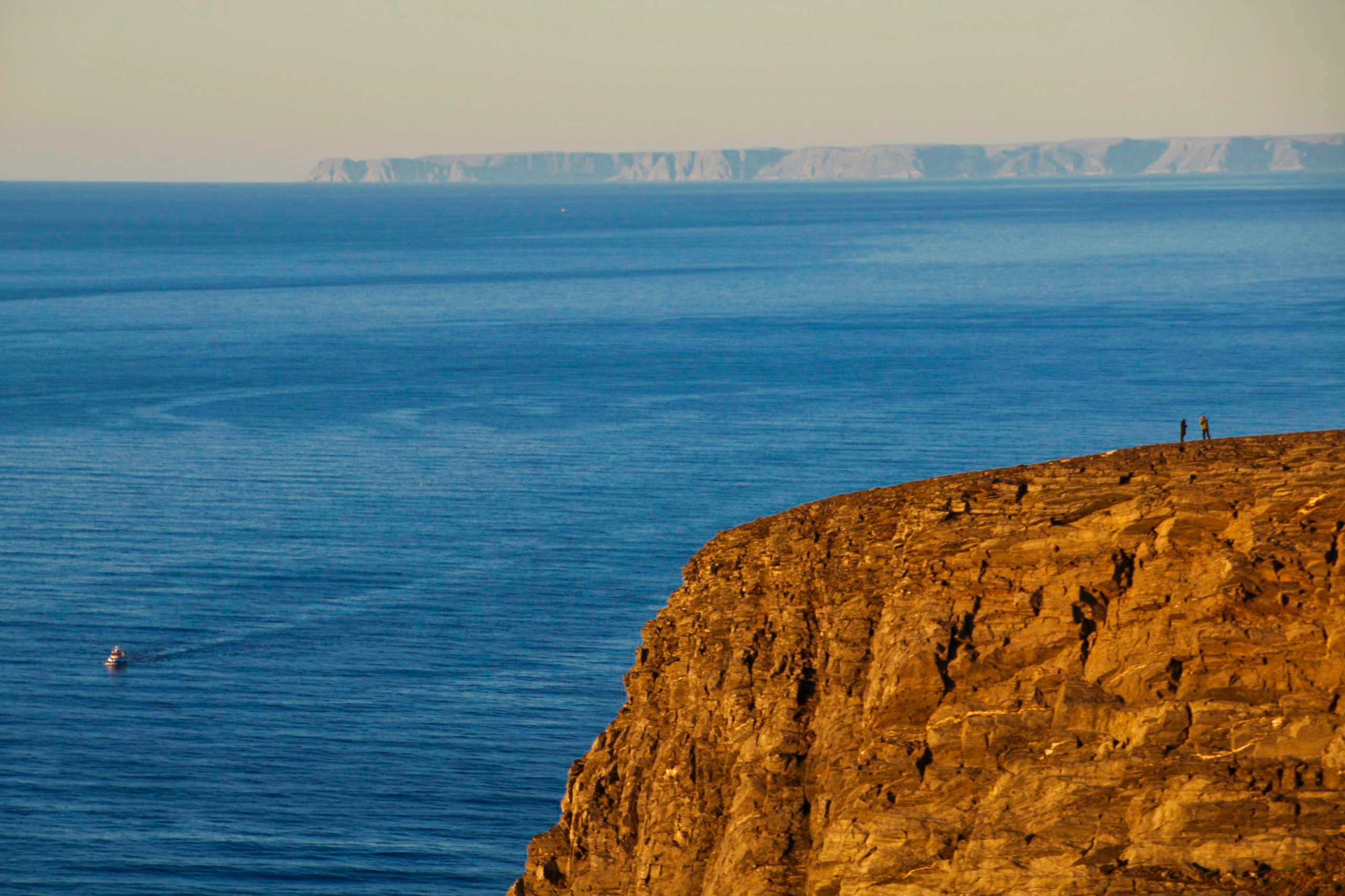
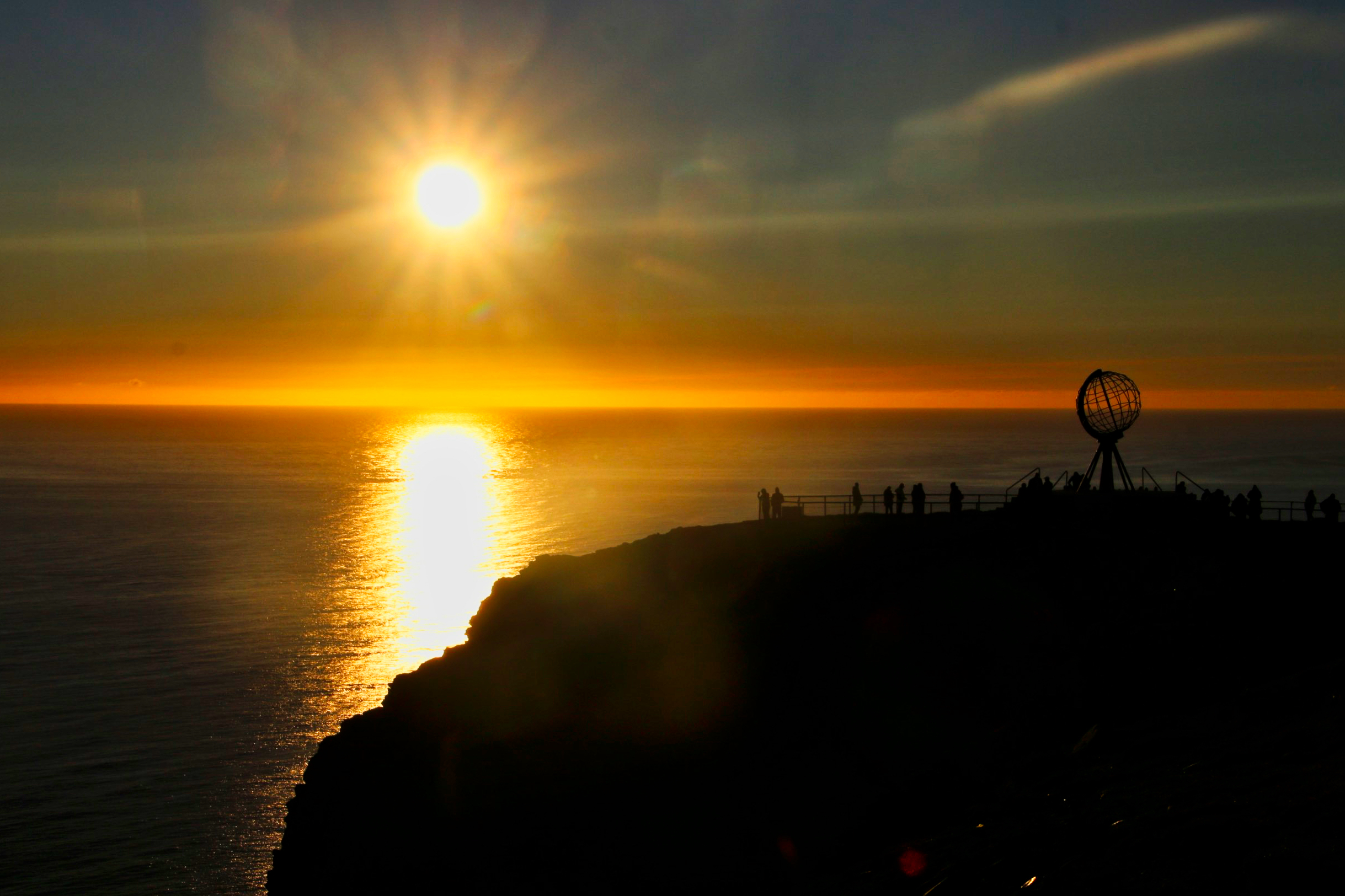
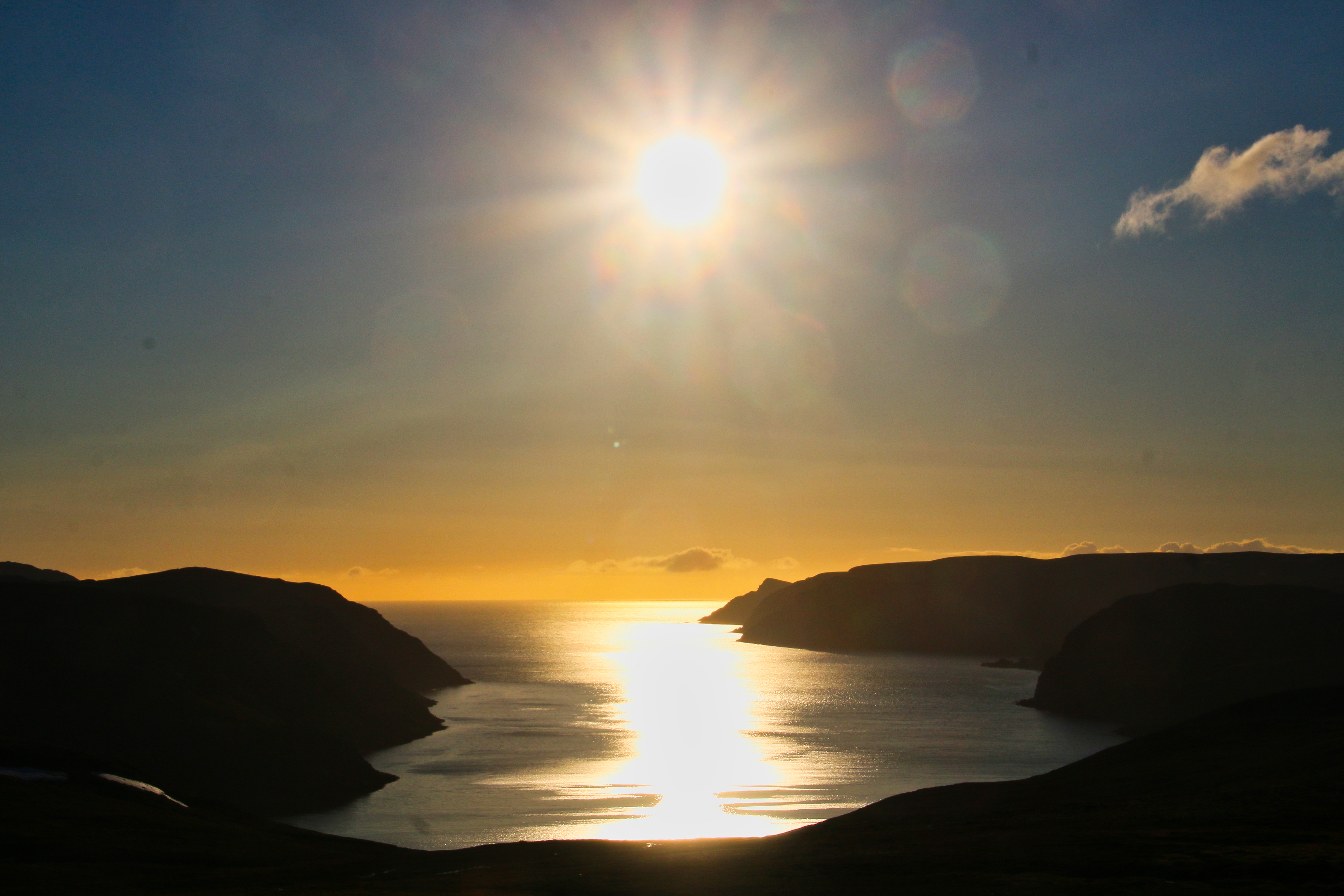
At the latitude of 71° 10′ 21″ in Norway, there is an island called Magerøya, a seemingly barren land with no trees and harsh weather conditions. The island’s most northern tip consists of a heavy rock reaching into the Arctic Sea, widely known as North Cape, the most northern part of Europe. I had the chance to visit this place a couple of times before, but I saw it as most visitors experience the North Cape: Heavy fog, strong winds, and slim chances to see the midnight sun. In July 2019, though, this changed for me, and I was finally able to visit our home star on a blanket slate of a clear blue sky in the middle of the night.

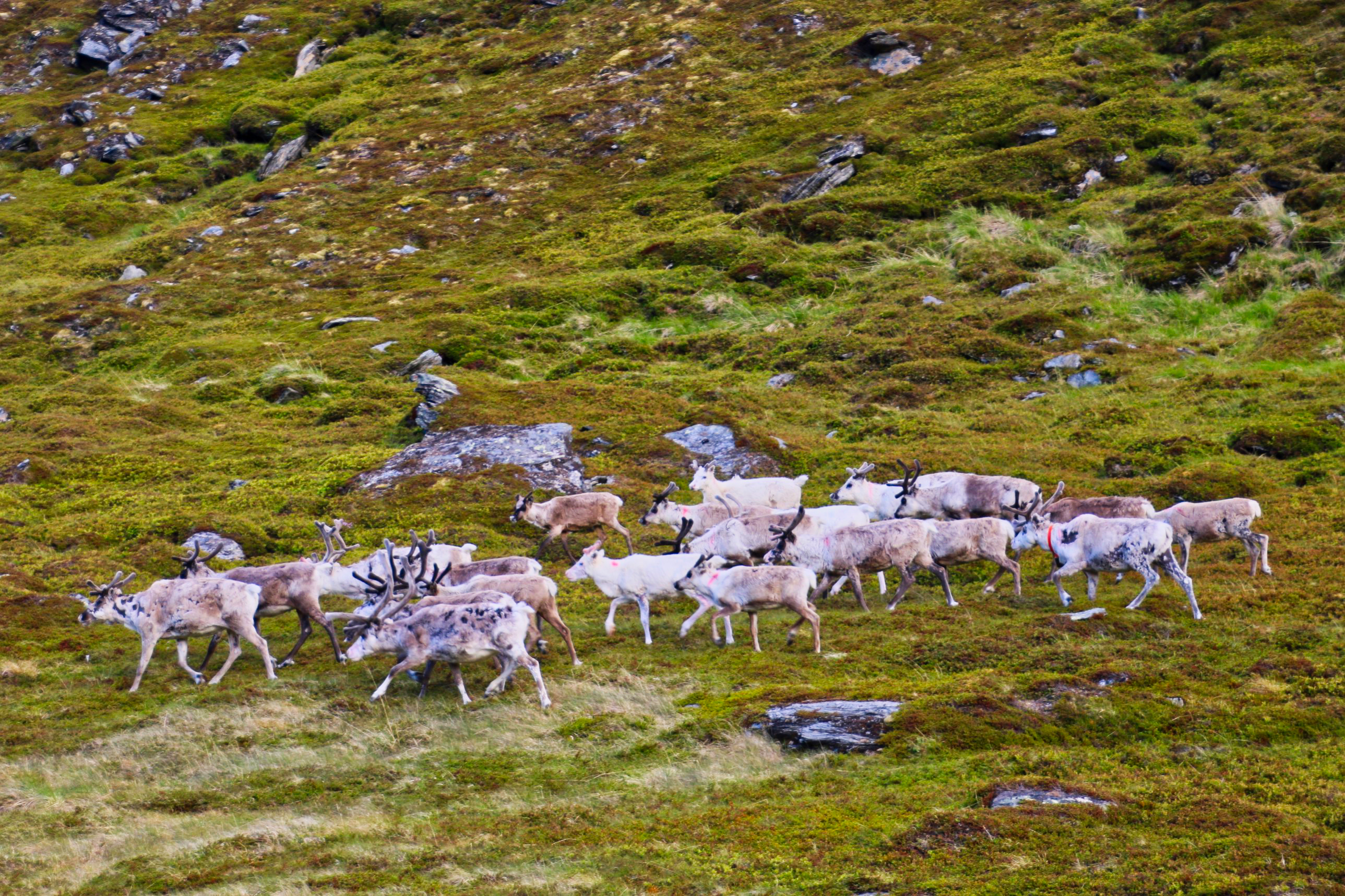
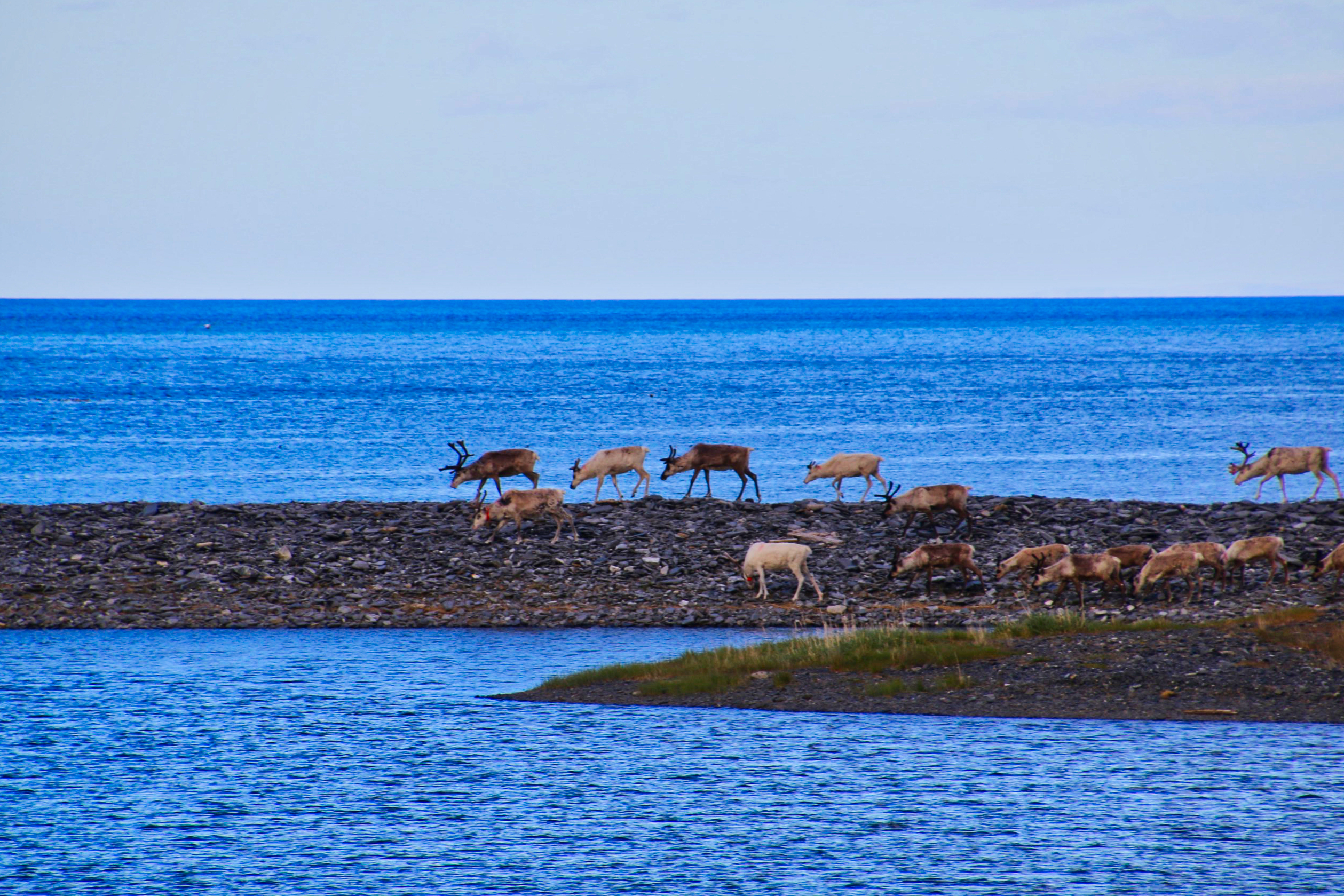
The phenomenon occurs during the white nights in summer when the sun is not setting down; around midnight, it reaches its lowest point on the horizon but still shines brightly. It looks almost like a sunset, just that the sun is never setting behind the horizon and is getting up again. There is no darkness in these unique and somewhat spiritual nights, and this barren land seems alive like no other place. You see all the birds feeding on the waters, which are still rich in fish and sea animals. And there are reindeer grasses everywhere on the island, eating their beloved reindeer veil, which grows everywhere on Magerøya and is like candy for these animals.

test

Of Castles and Bridges

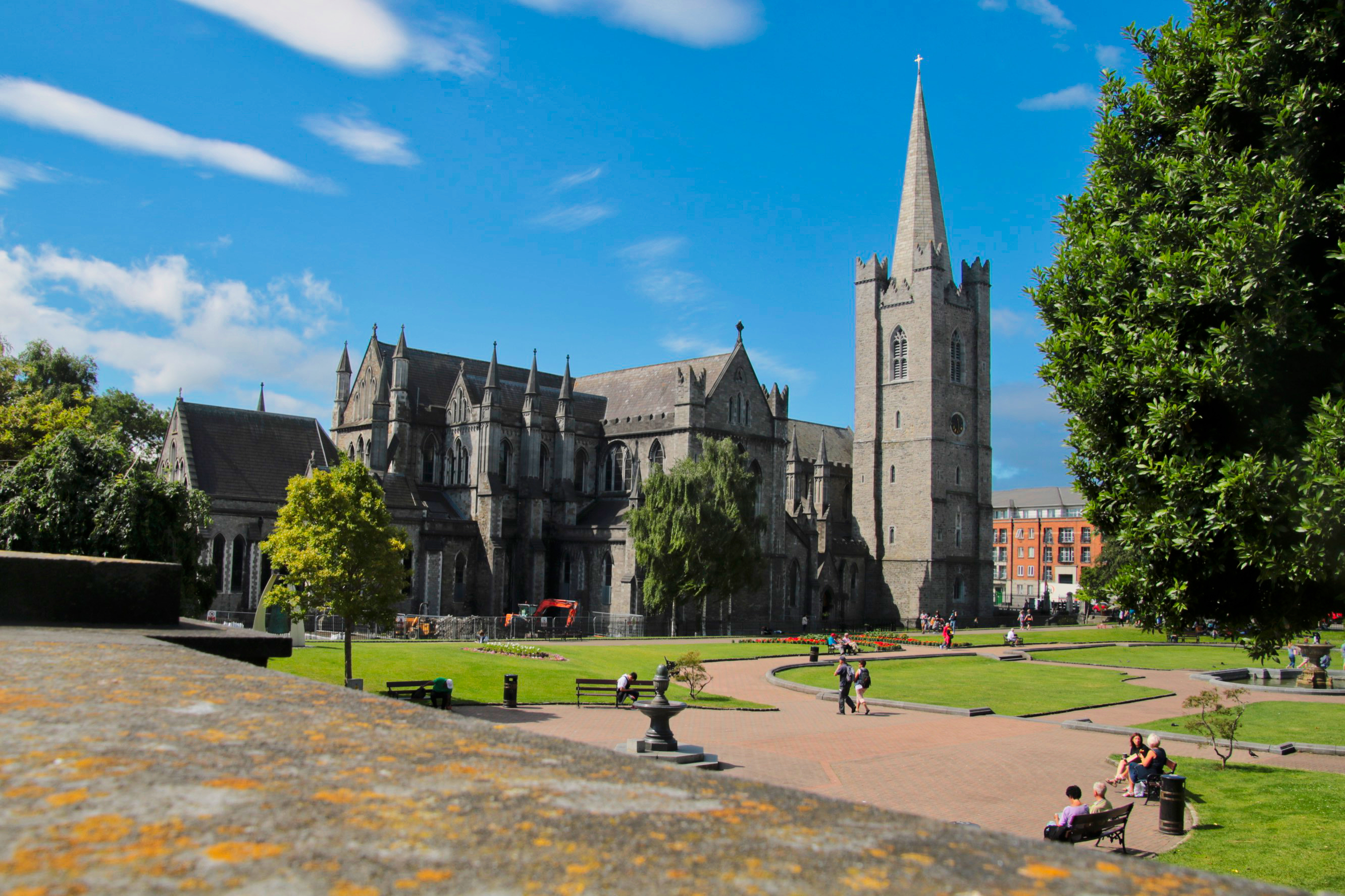
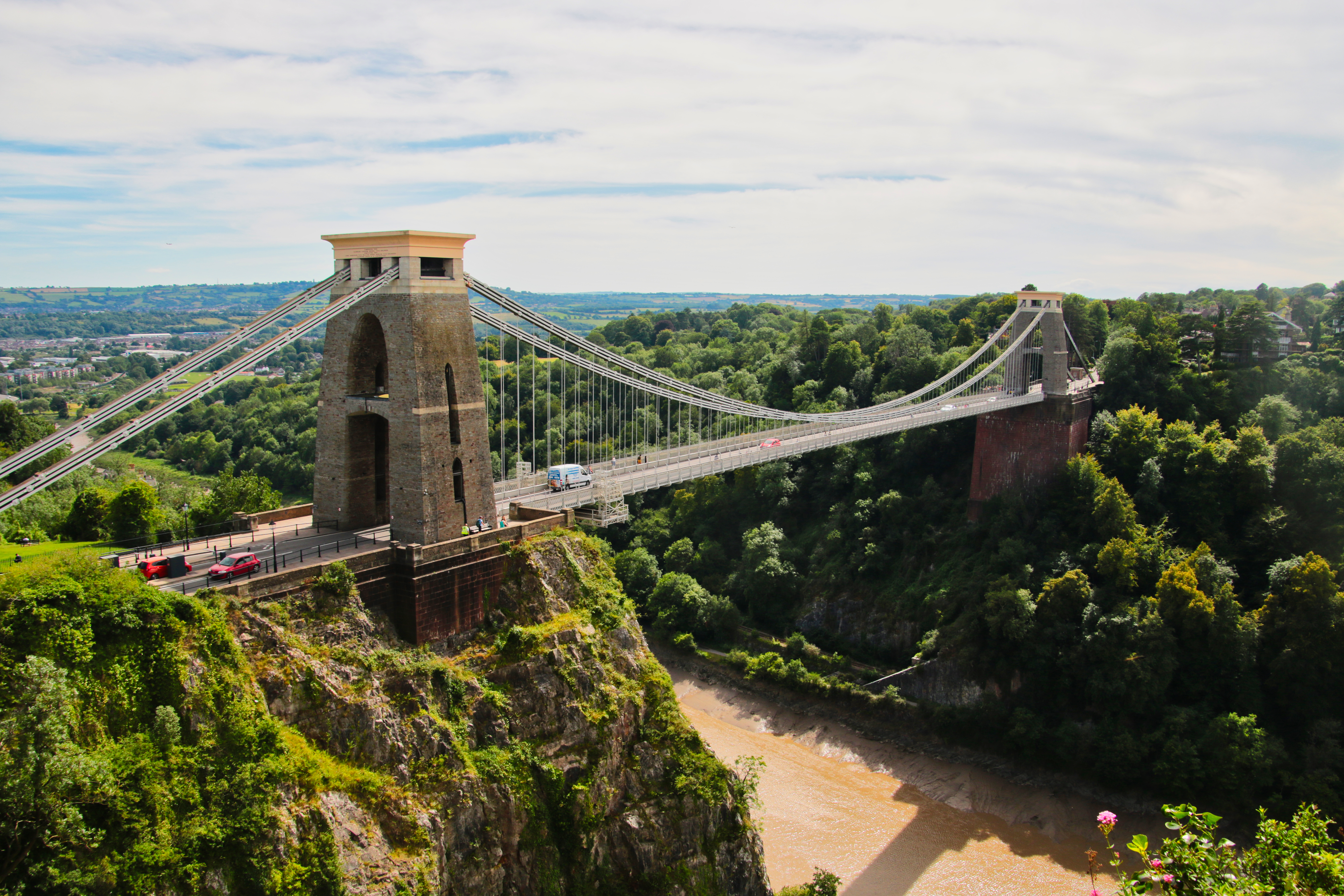
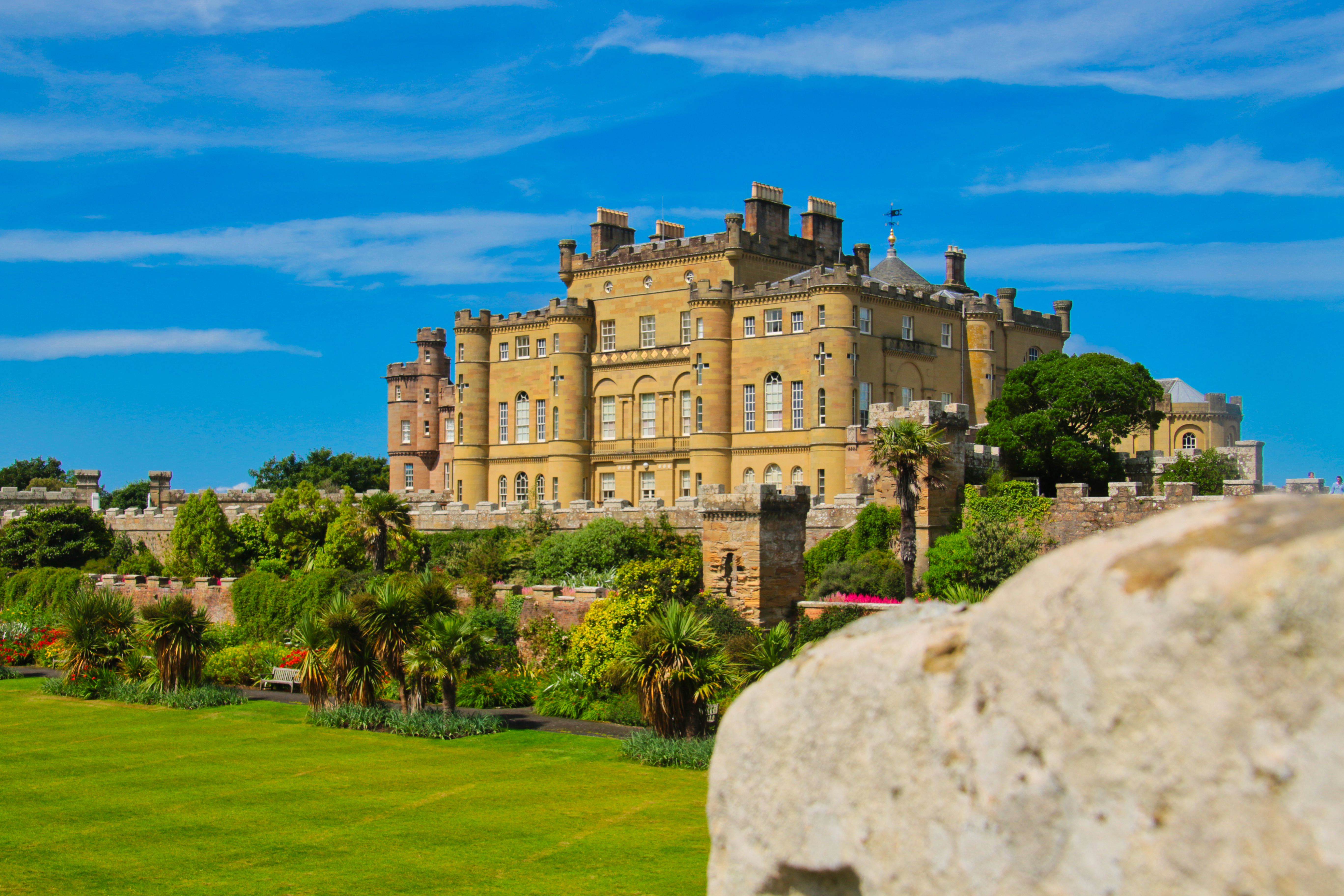
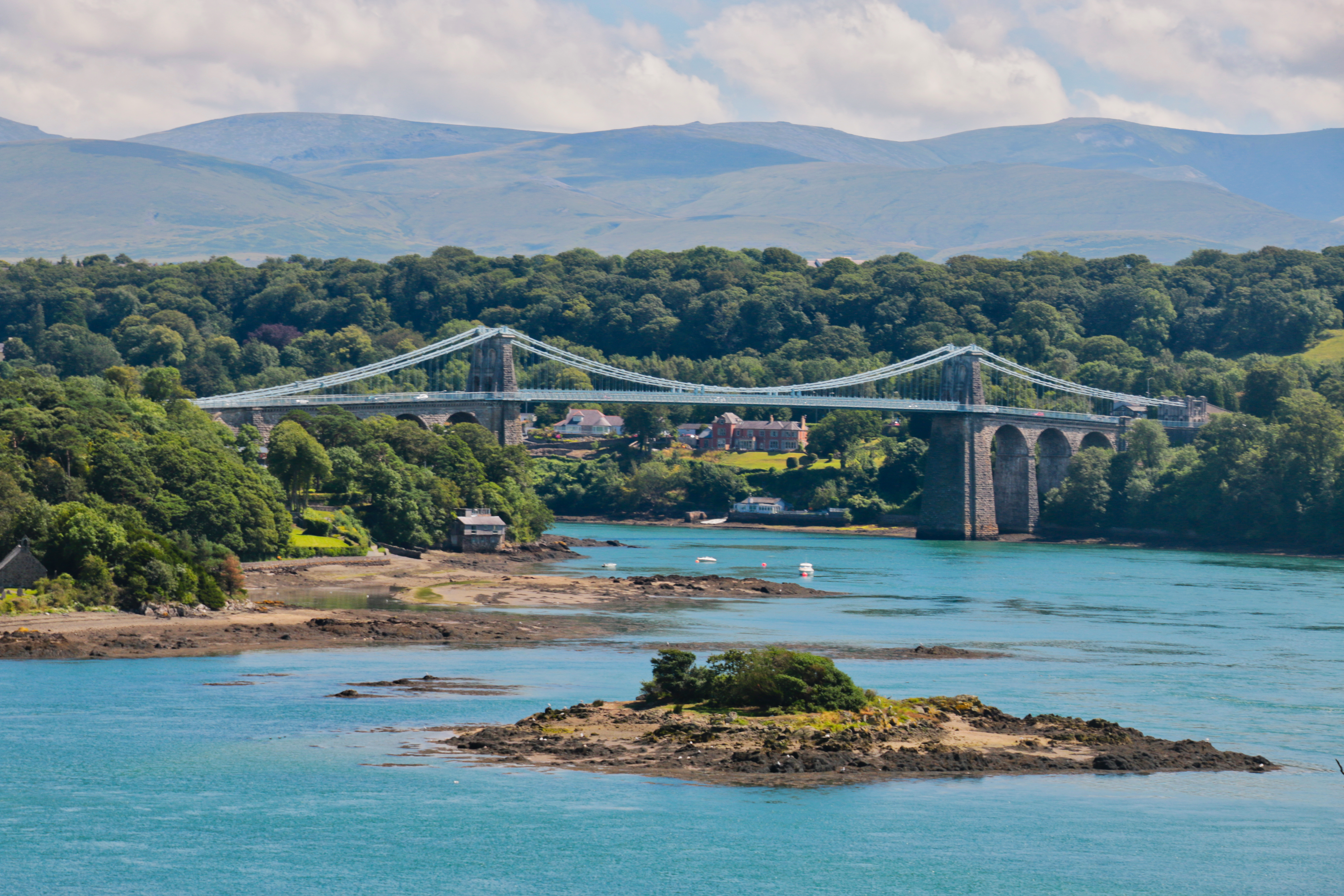
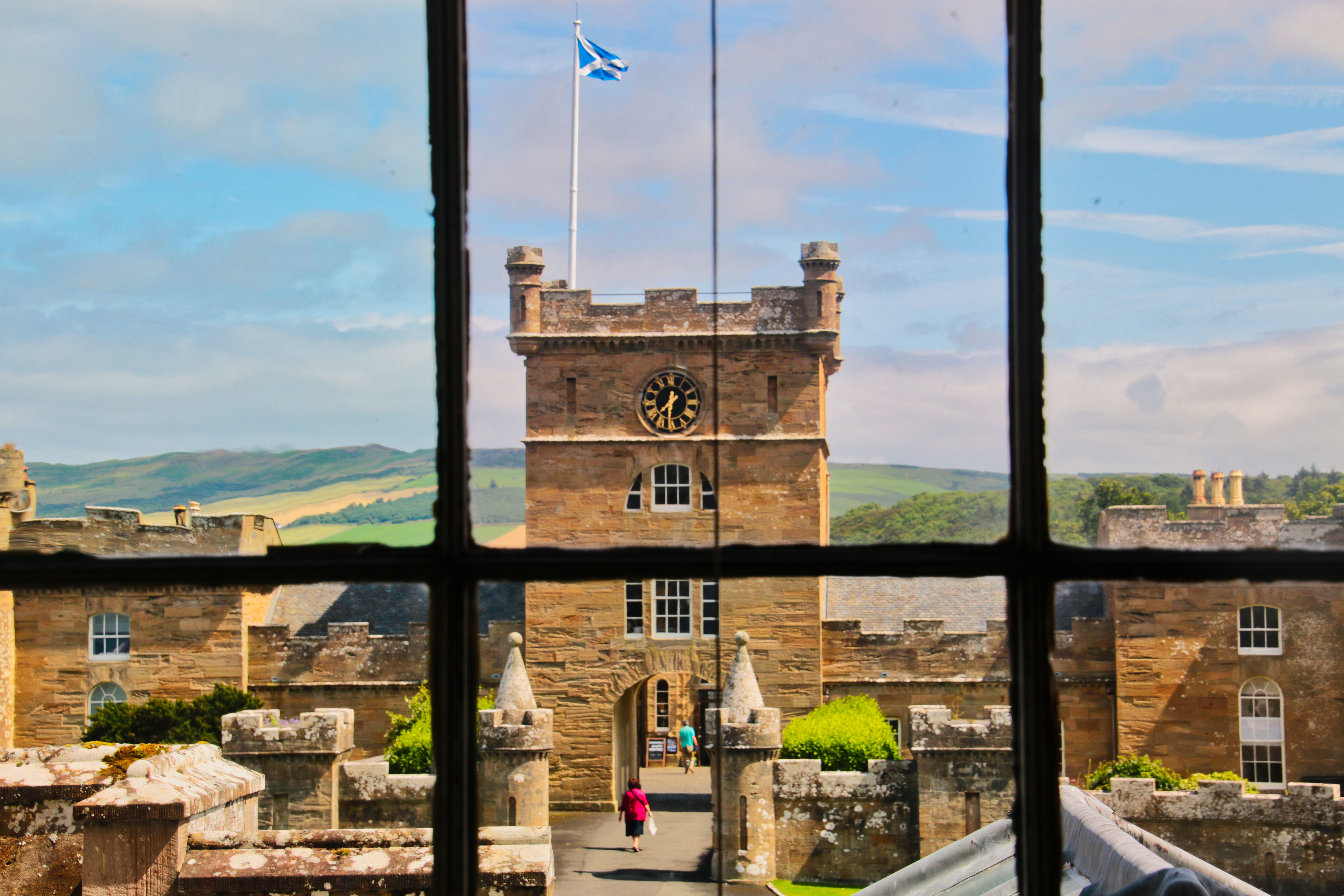
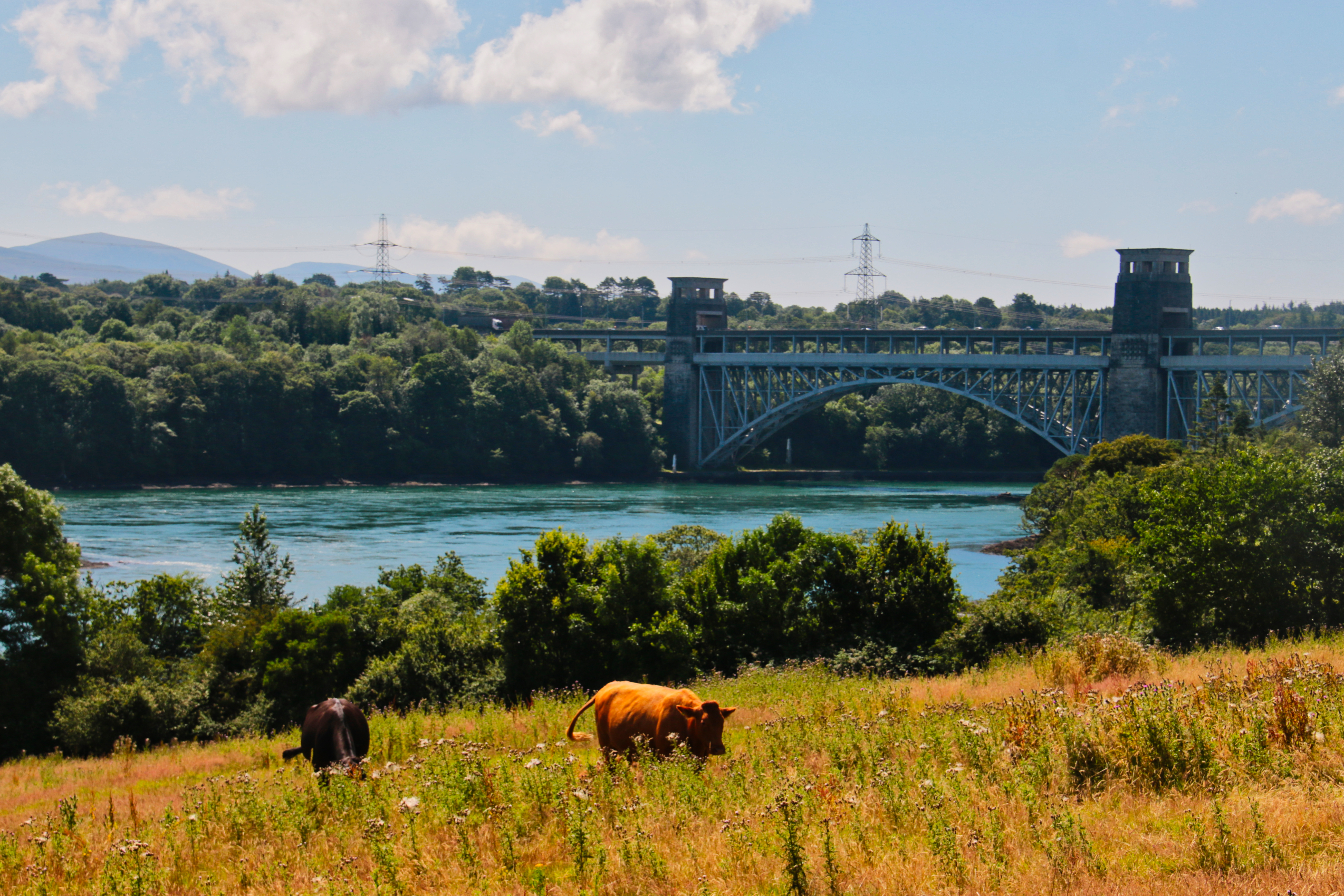
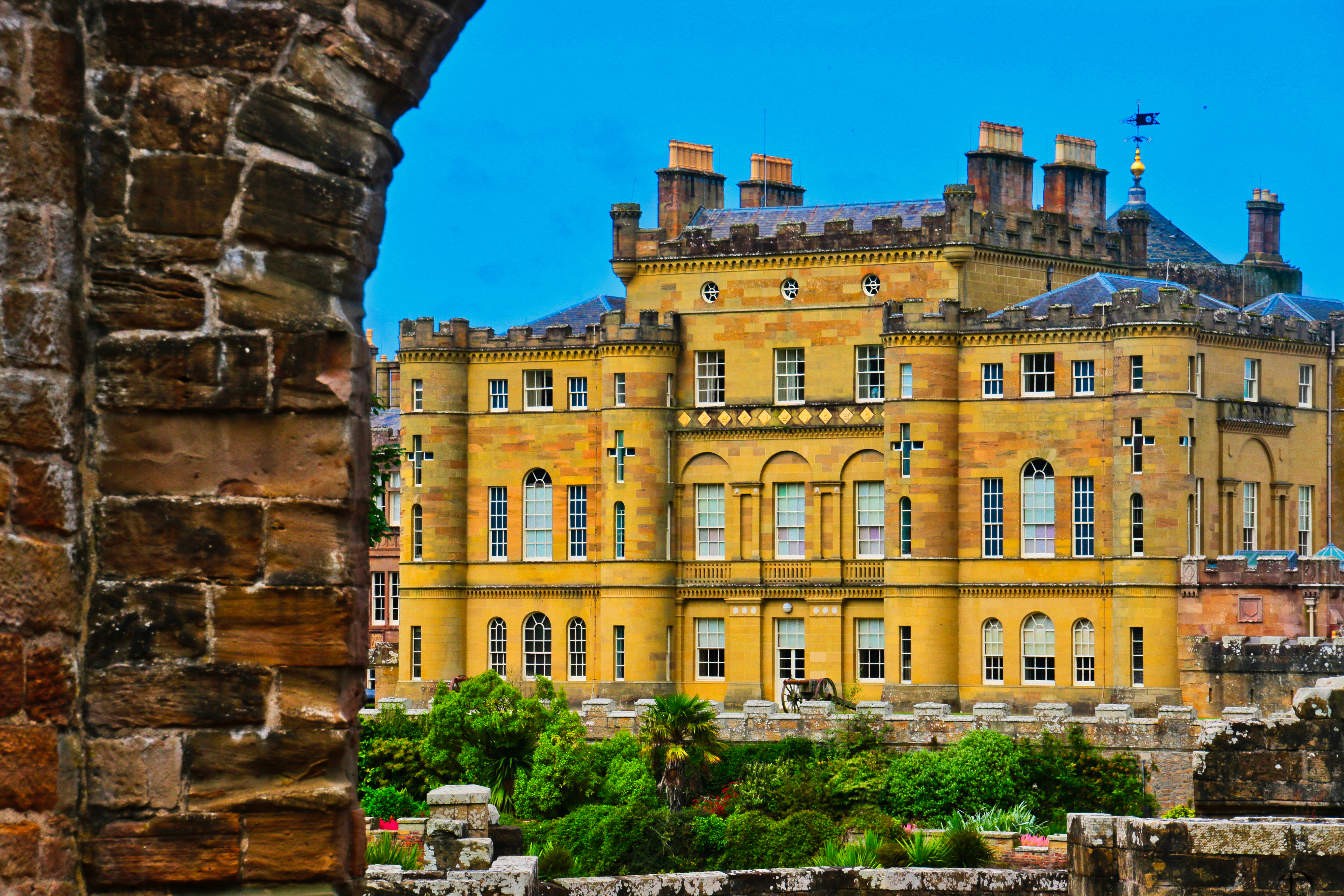
The islands of Great Britain and Ireland are crammed with historical monuments from different time periods, reaching from pre-antiquity (Stonehenge) to the modern era (Shard in London). Many exciting sights though were built in medieval and early modern times (St. Patrick’s Cathedral, Dublin, Ireland, picture 1 and Culzean Castle, Scotland, pictures 3, 5, and 7) or in the time of industrialization (Clifton Suspension Bridge, Bristol, England, picture 2, Menai Bridge, Wales, picture 4 and Britannia Bridge, Wales, picture 6). Some impressions.

test

Garden of Arundel

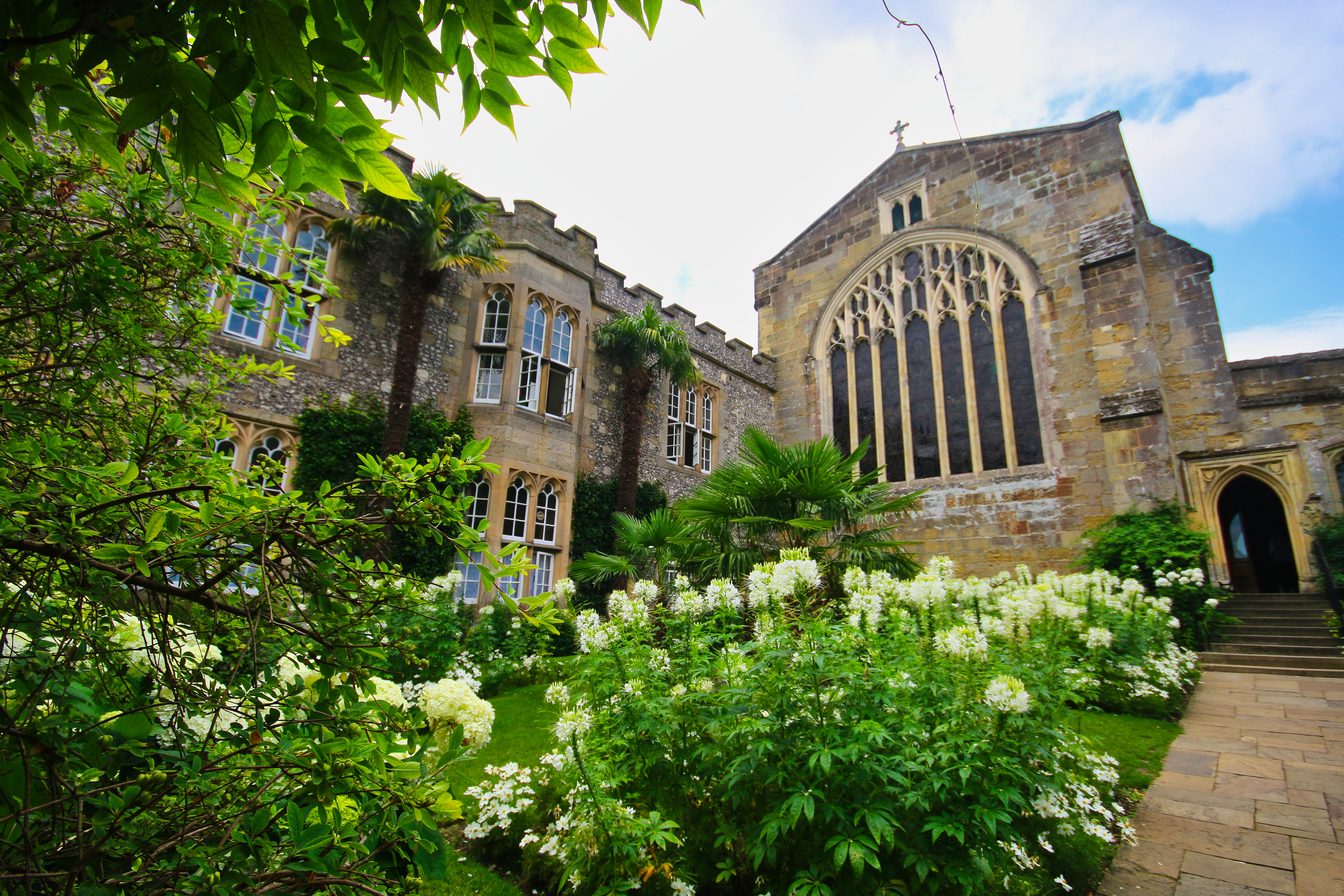
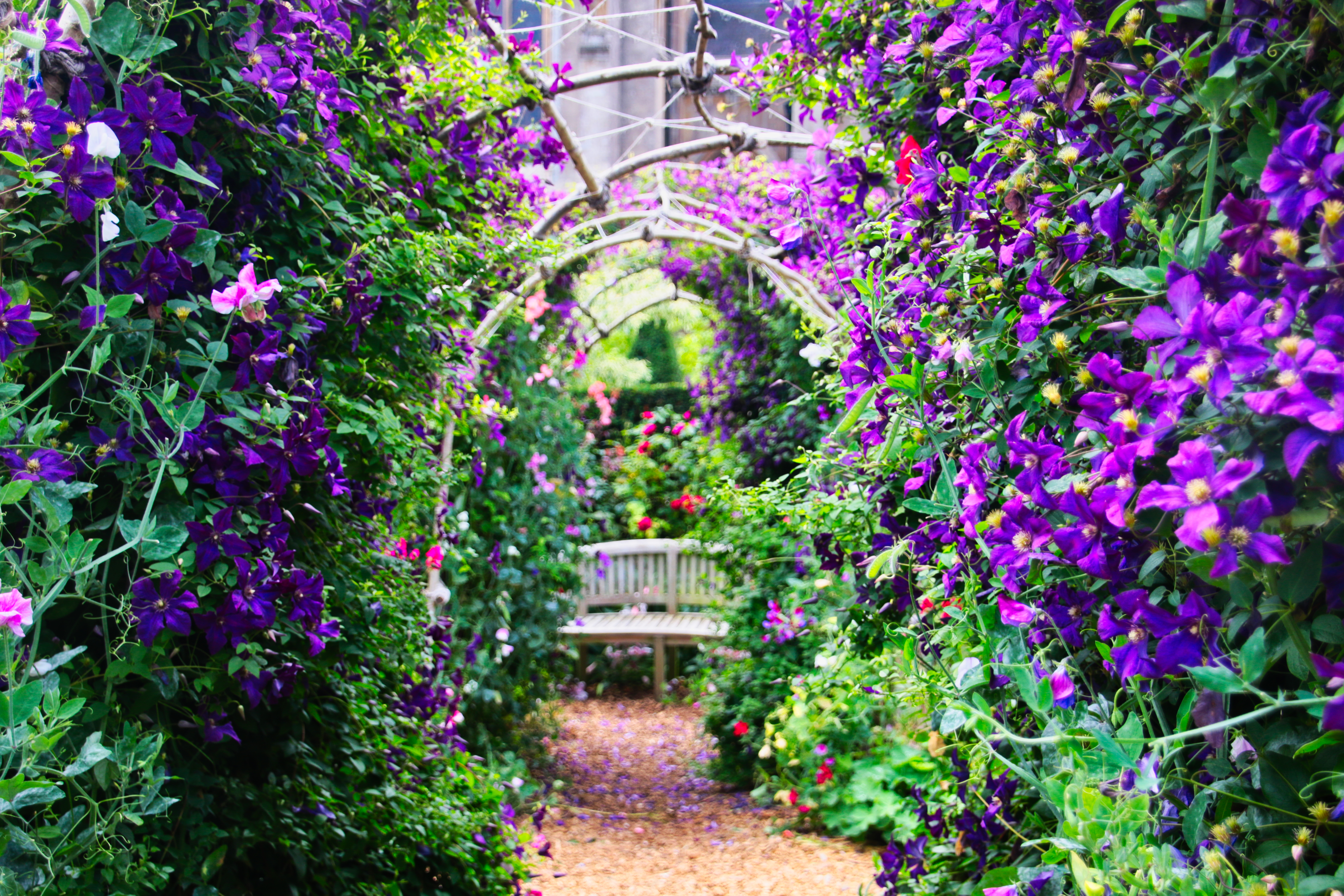
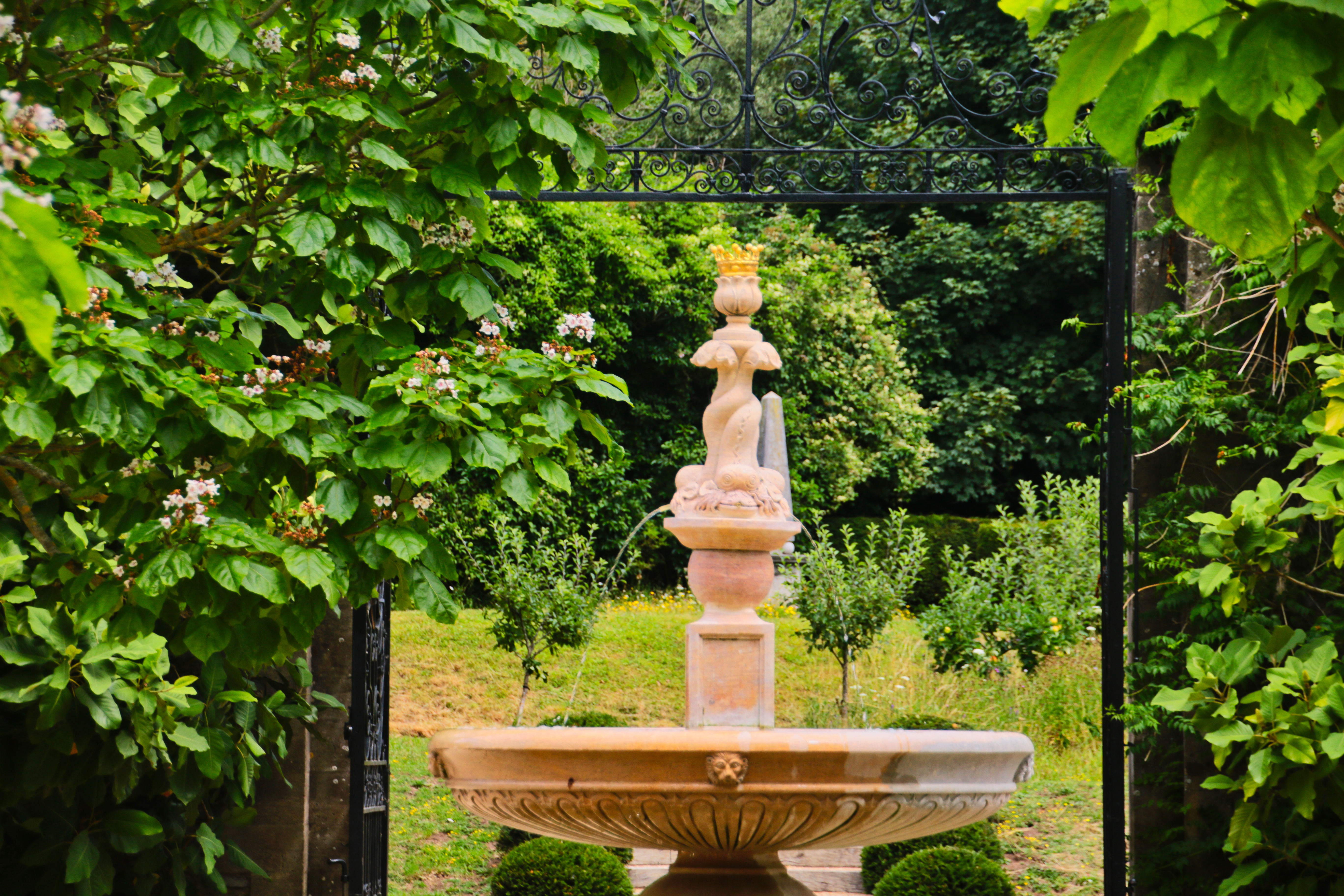
England is famous for its garden culture. The English garden was created in the 18th century in contrast to the French garden, which is very structured with symmetrical ways and central points. Hence, it is a metaphor for the French absolutism of its time, with the Sun king being in the center of power, all possible ways departing from him. The English system was more nuanced and unclear; there are more secret passageways in the Gardens, an aura of mystery and uncertainty sometimes, and the structures are not so transparent and open to exploration. But of course, the English garden, like its French cousin, is everything but natural; it is thoroughly human-made. One example is the Garden of Arundel on the grounds of the castle, which has the same name in Southern England. The temperate weather in this part of the UK allows for beautiful gardens with surprising diversity, consisting of local flowers and more exotic ones.

test

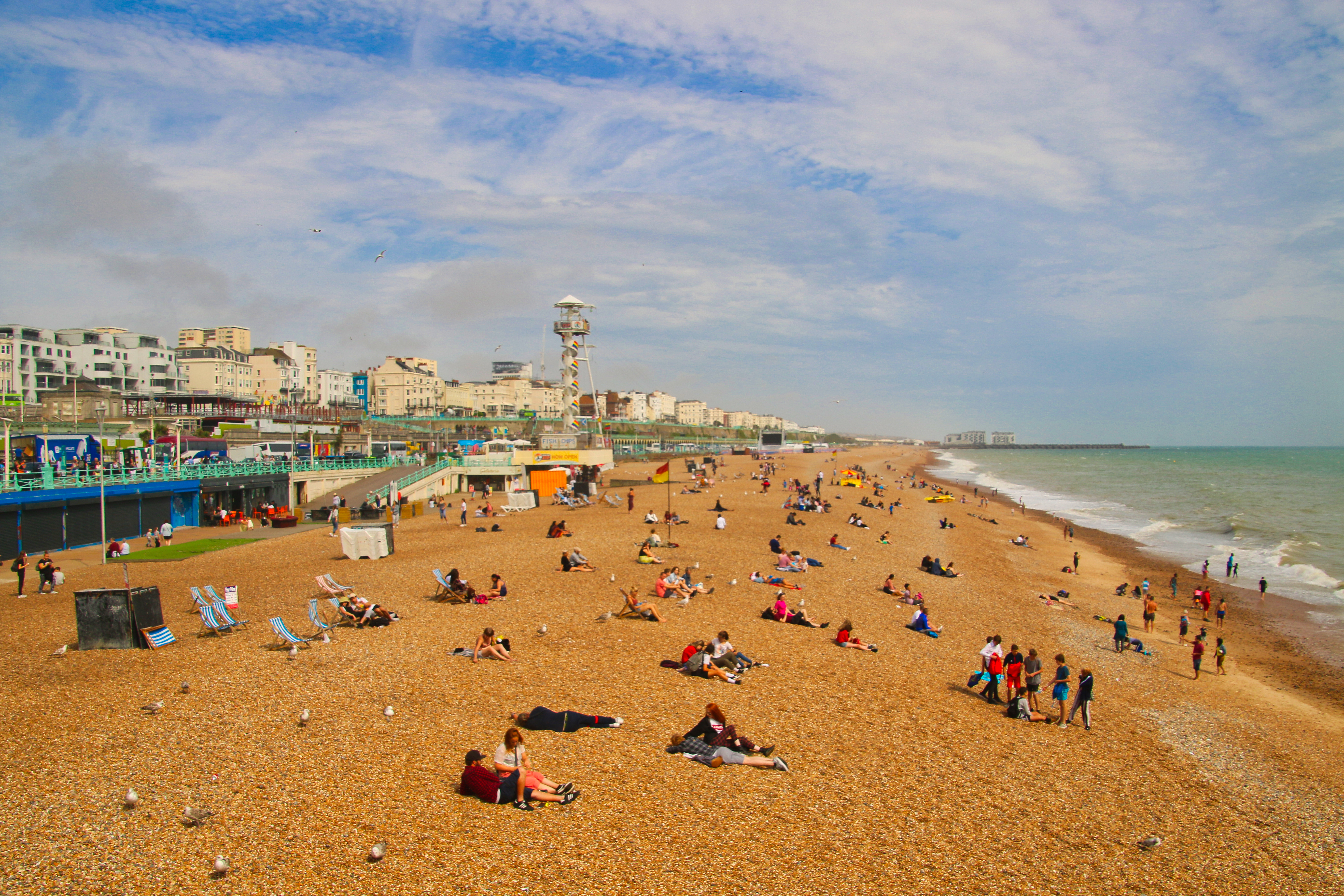
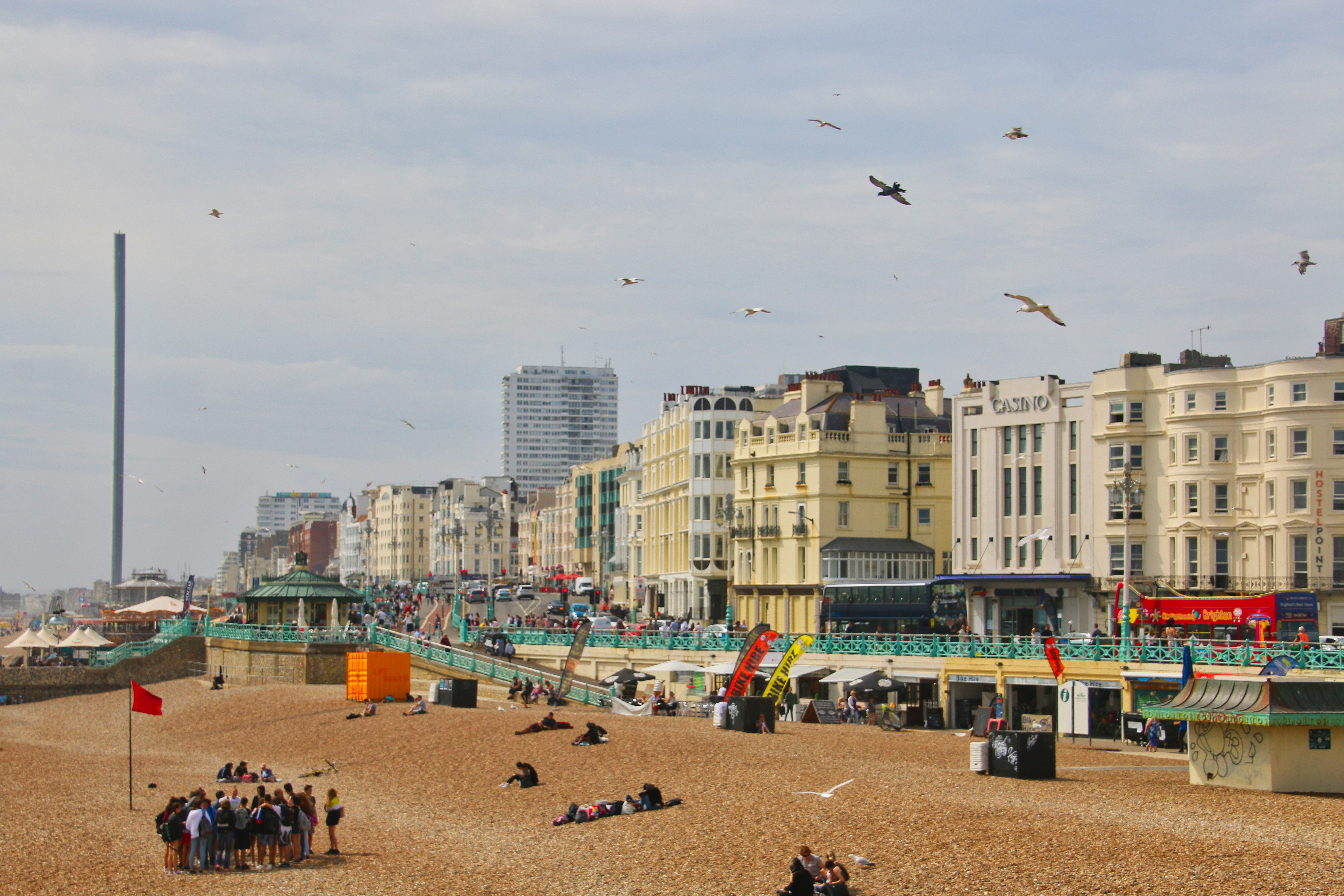
Discovering the English Seaside: Brighton

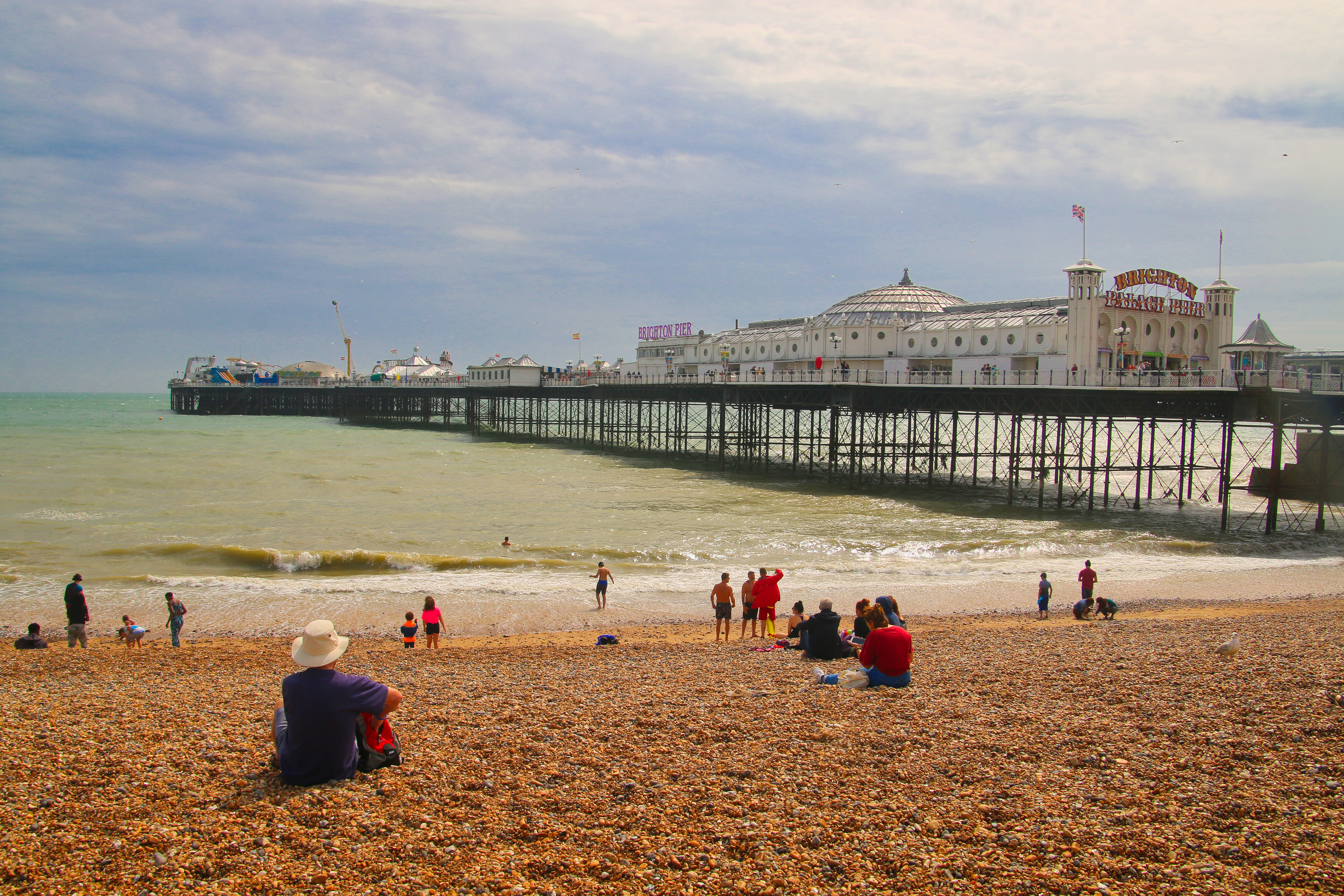
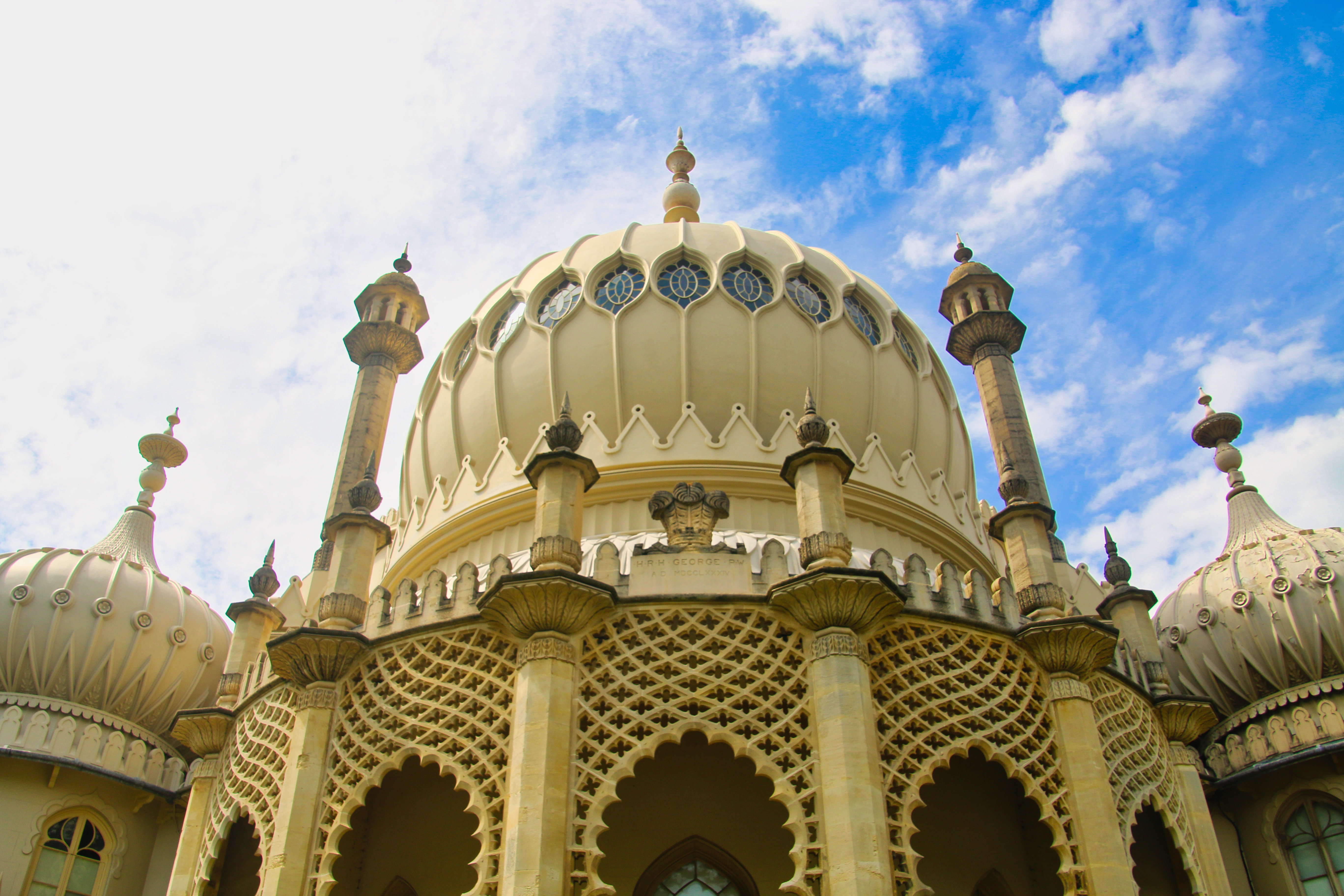
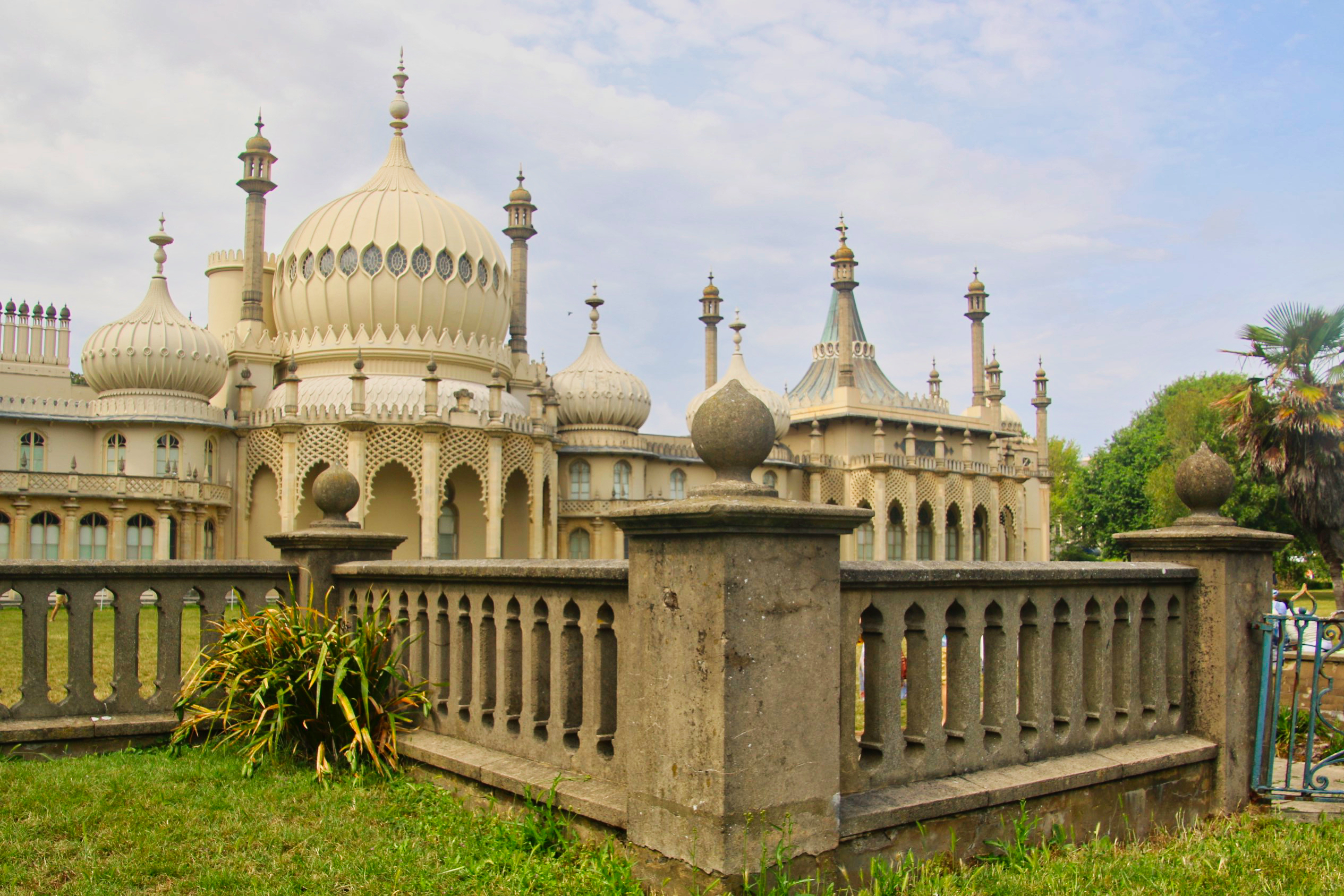
Before it was discovered by English royalty, Brighton was a little fishermen’s town. It all changed in the 19th century when the railway was built, and the people of Britain were getting accustomed to the concept of vacation. That’s when Brighton Pier was built with a length of over 500 Meters, and people began to take sunbaths at the beachfront. New hotels were made for the masses, and the royal family needed a new home. The famous John Nash built the Crystal Palace, heavily inspired by Indian architecture. Today, the town is visited by Britons but even more by foreign language students, who spend part of their vacations in the former fishermen’s village. The palace is a museum now. Presumably, Brighton got too crowded for the Royals.
test

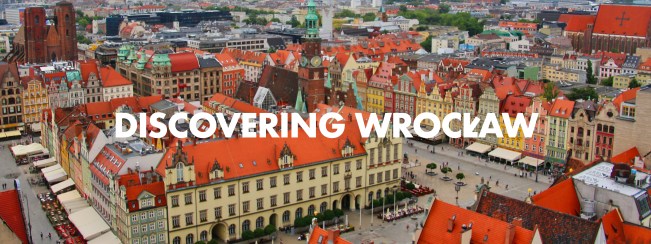
Discovering Wrocław

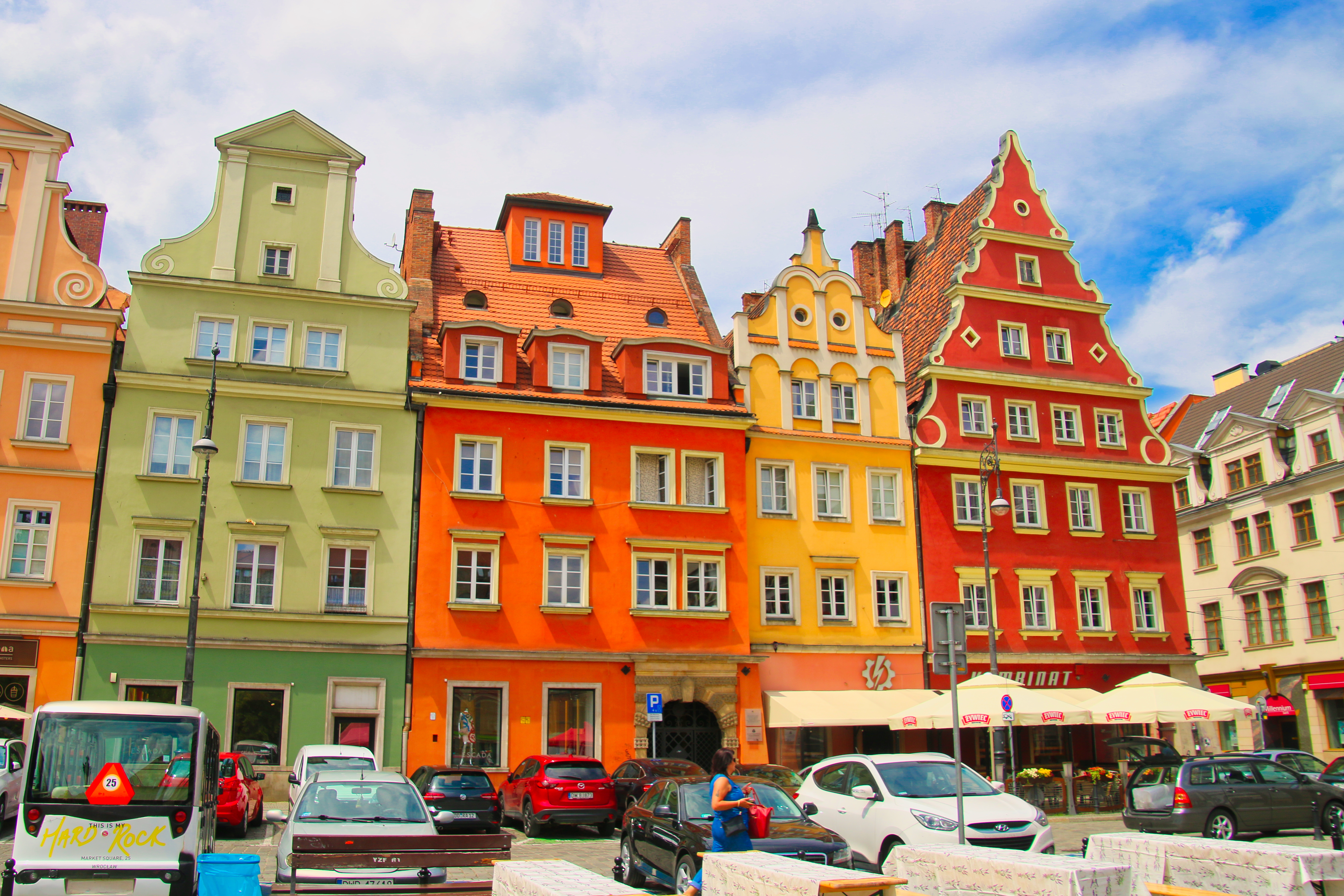
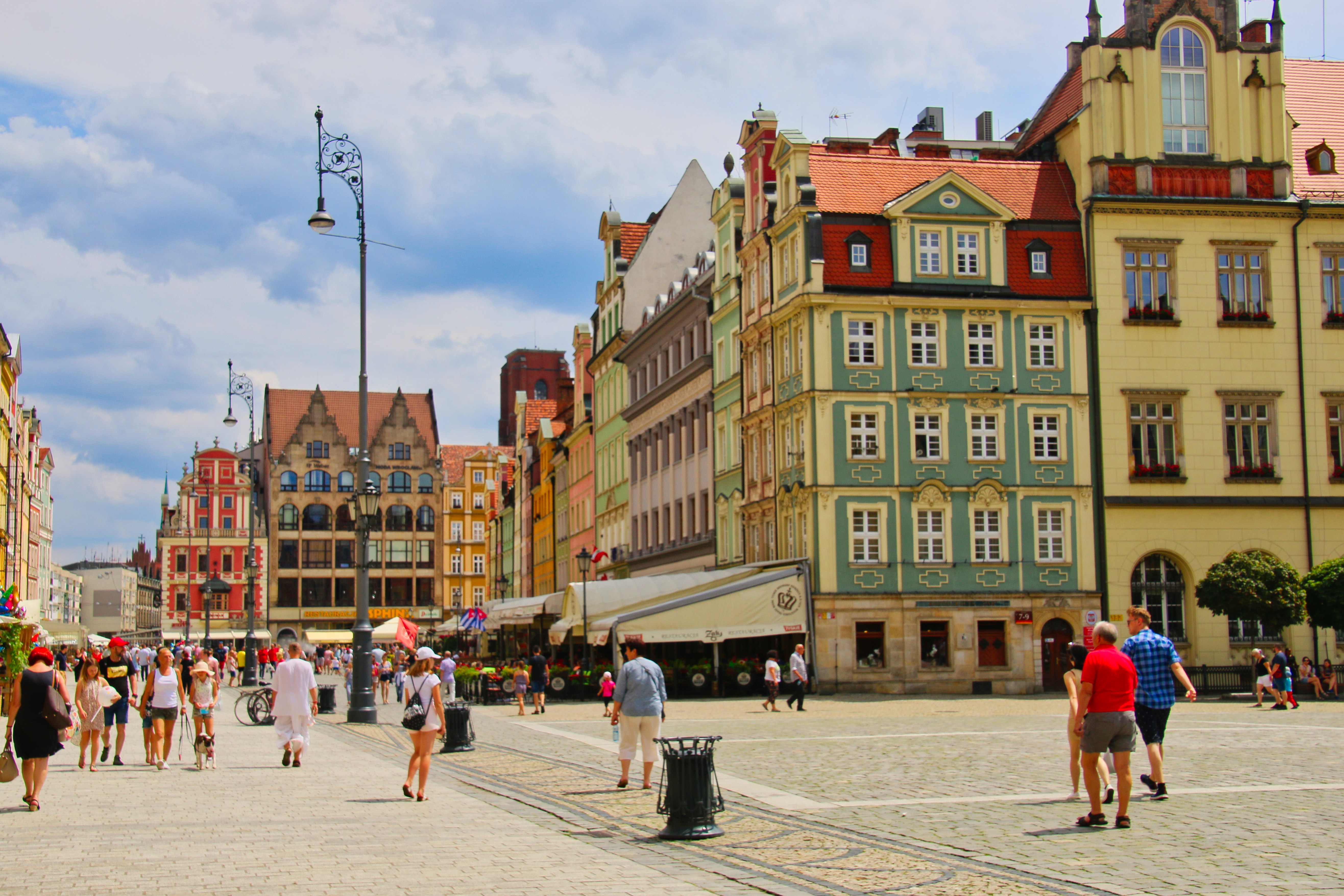
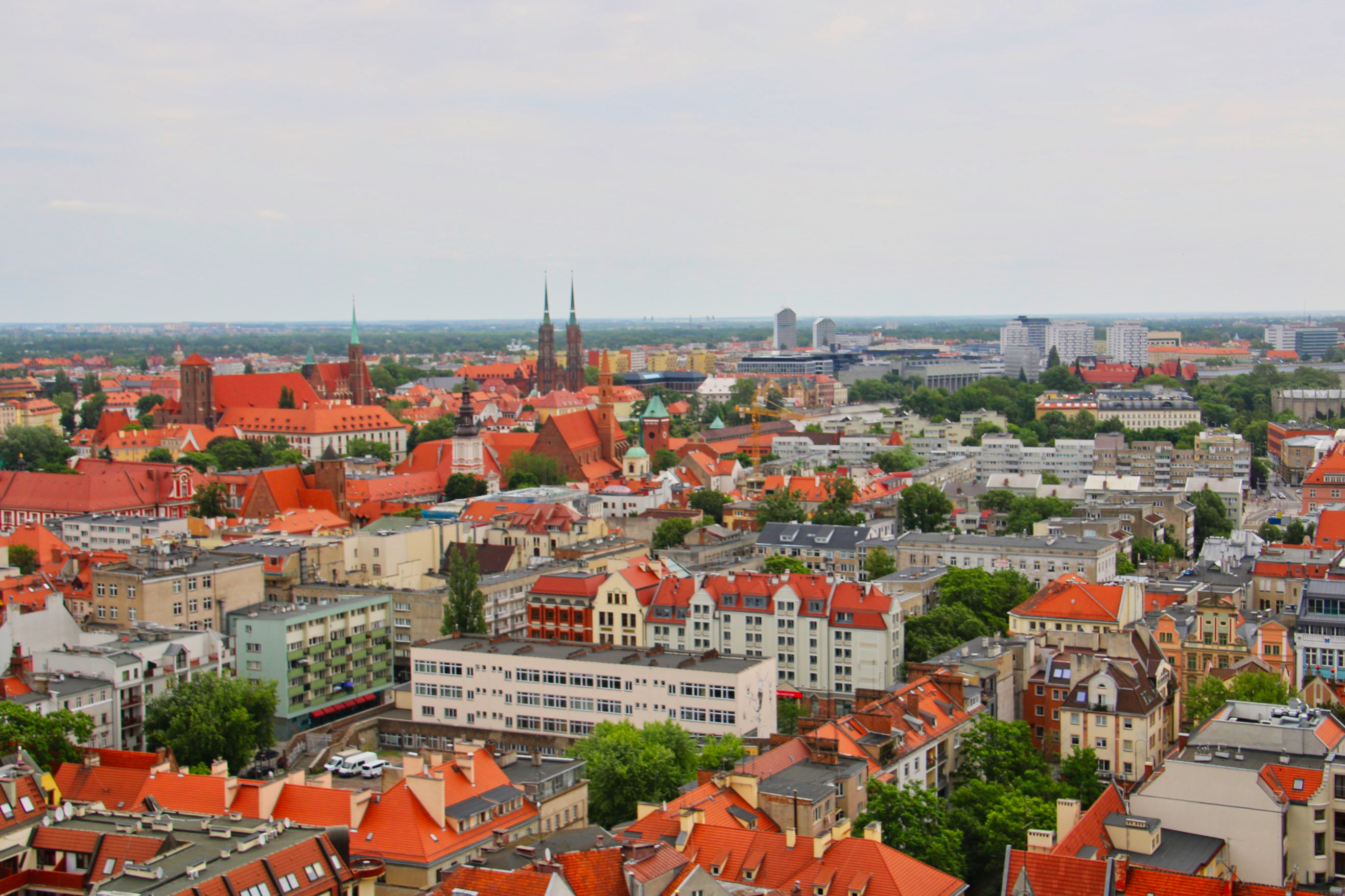
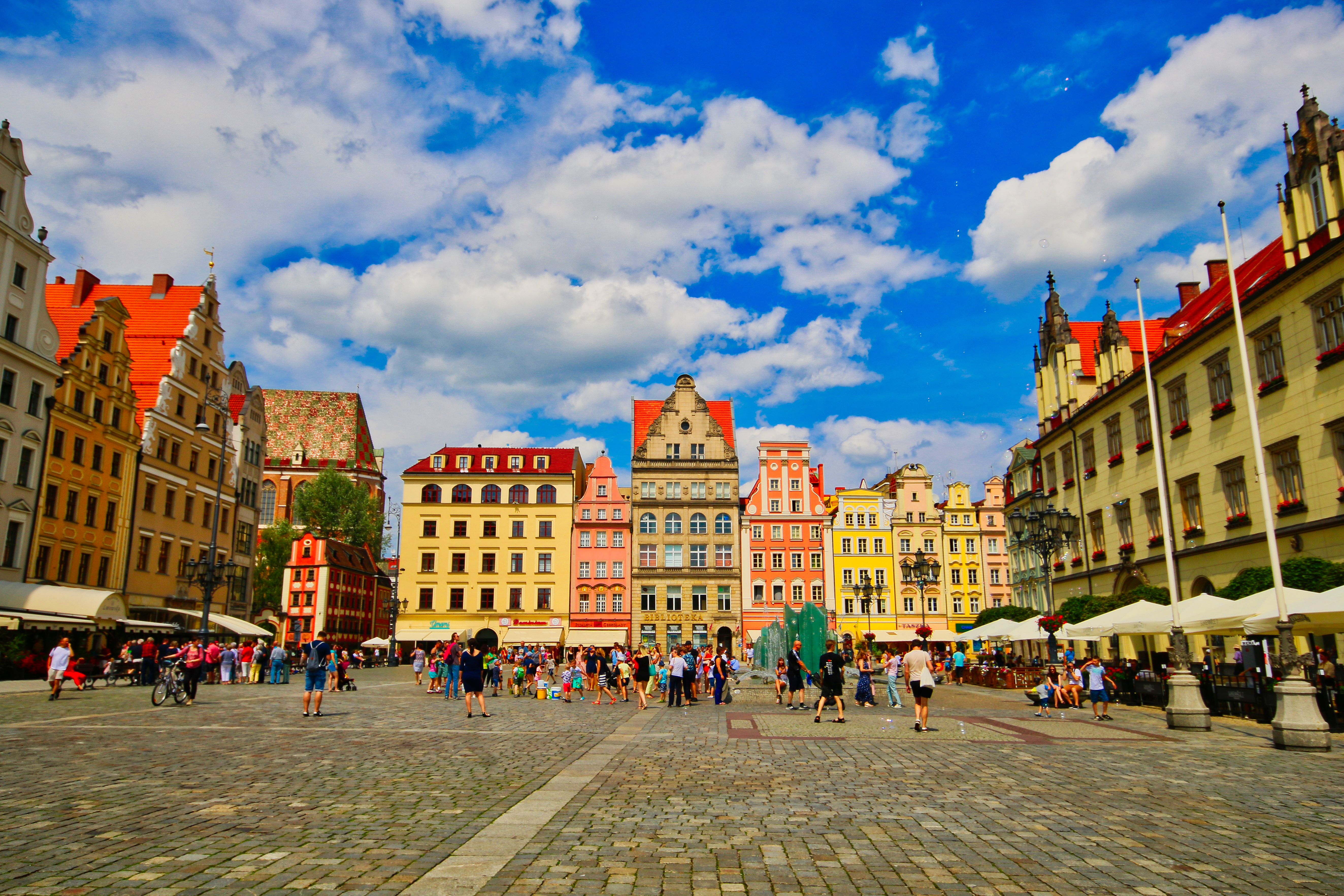
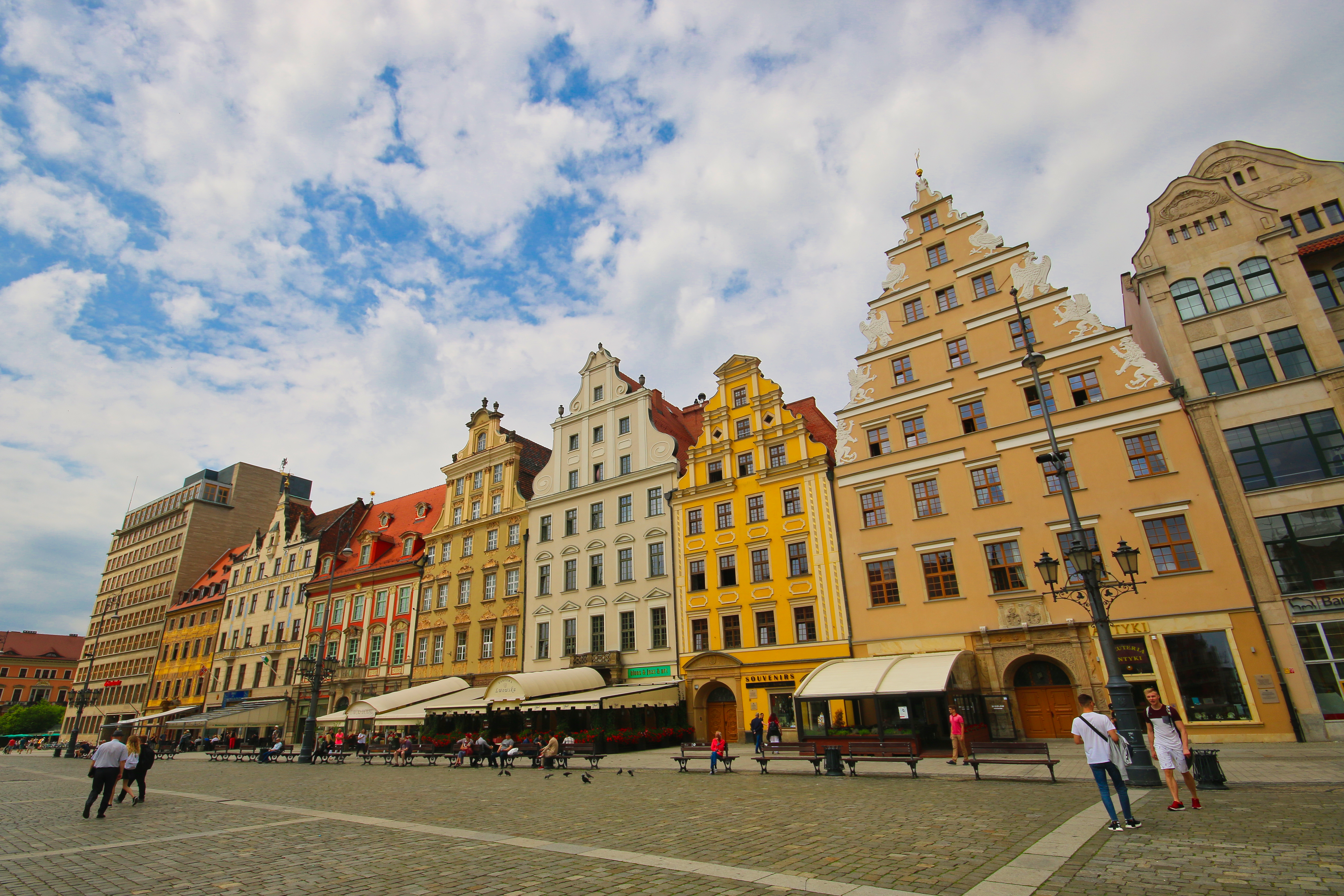
The city of Wrocław is the historical capital town of Silesia. A prosperous land in the center of Europe close to Bohemia. The town changed its affiliation several times. Founded by a Czech duke in the 10th century, it became part of the first Polish state and a political center of the Kingdom. In April 1241, during the First Mongol invasion of Poland, the city was abandoned by the inhabitants and burned down for strategic reasons. Later, it was repopulated by German settlers and became part of the German region of Silesia. After the 2nd World War and the westward border shift, Wrocław became Polish again. The city always was open to different ethnicities and languages, though. It is one of the most visited places in Poland and welcoming to tourists worldwide.
test

1 50 51 52 88