Skip to content

A Voyage to the Old Kingdom
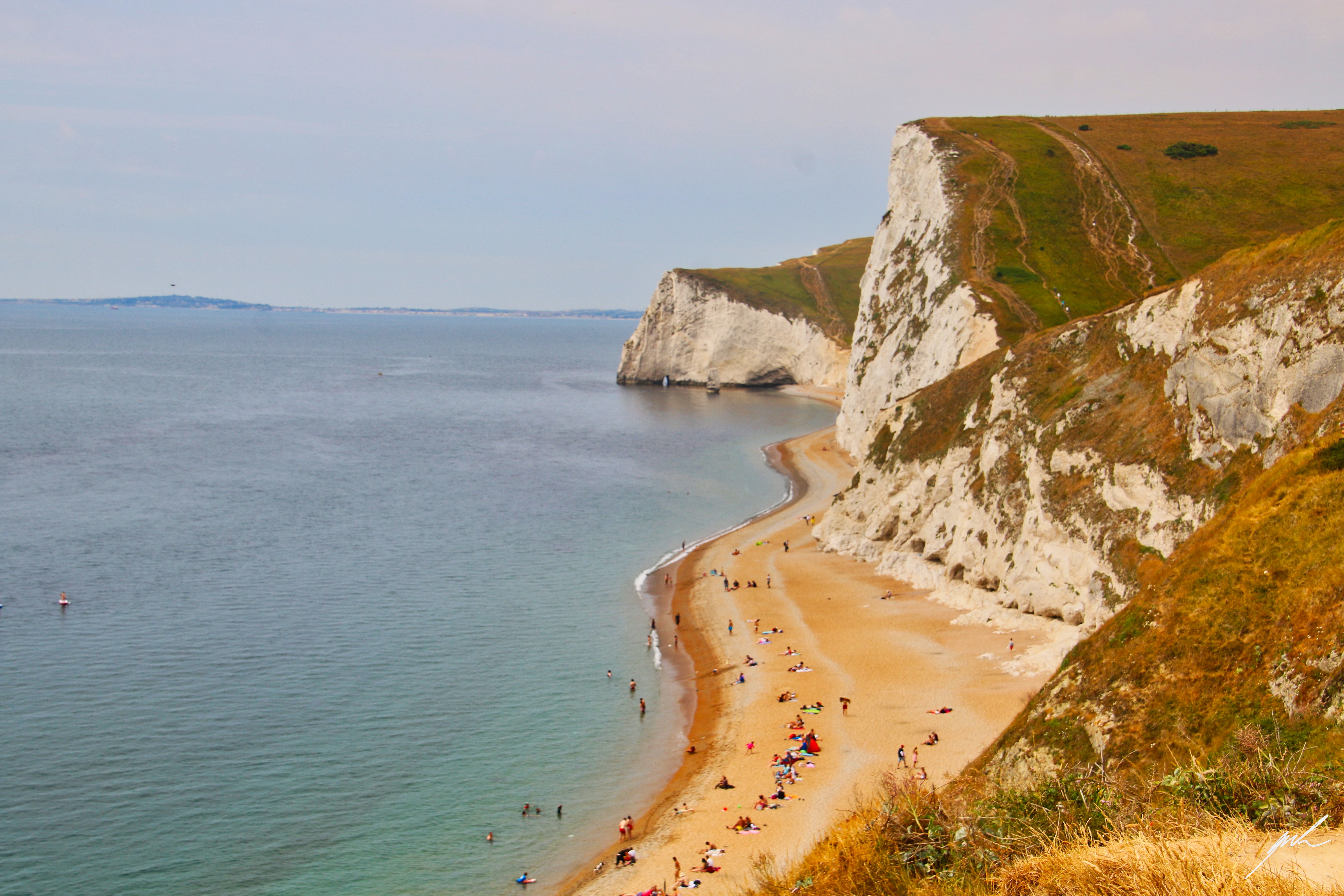
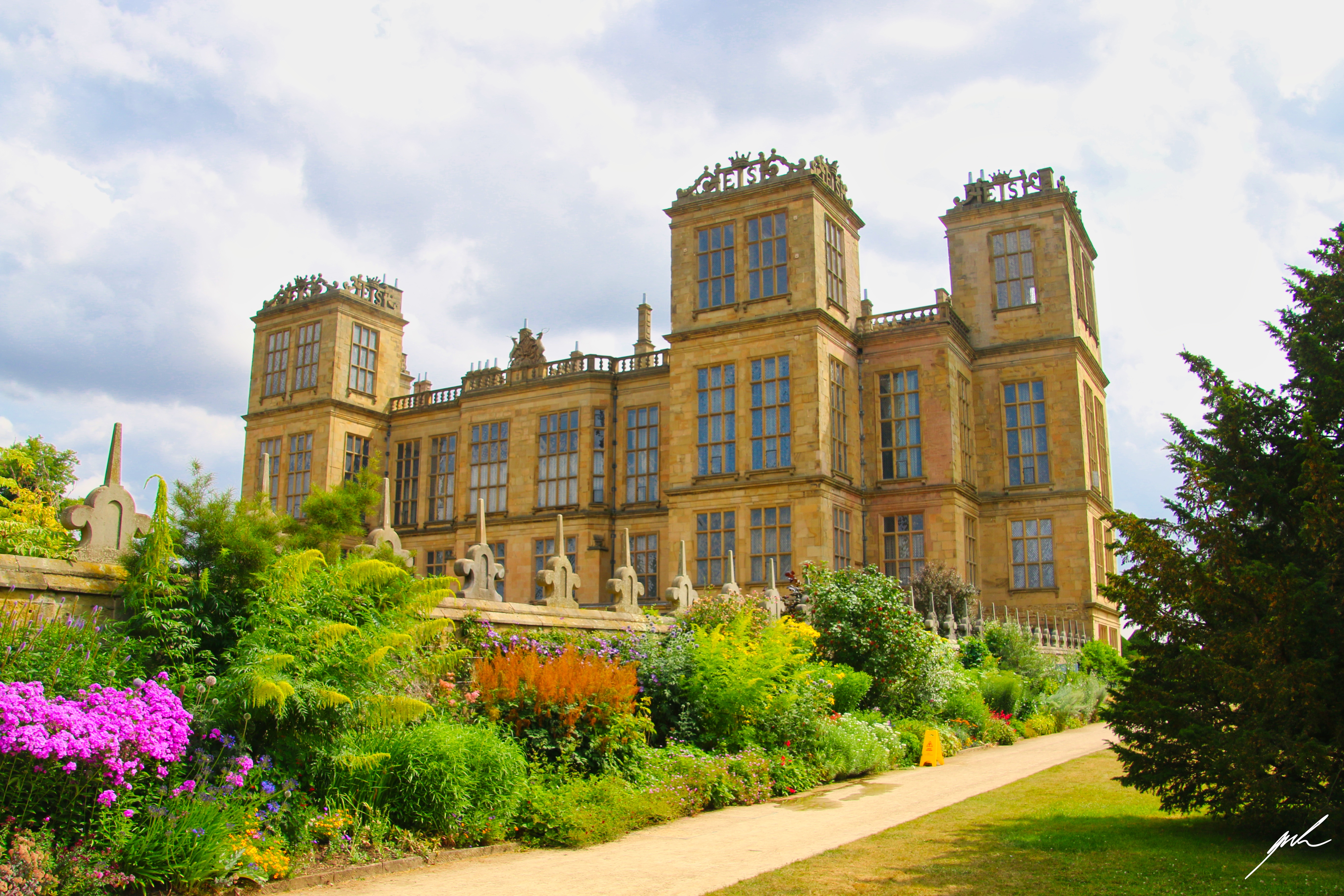
The proper history of England begins with the conquest of the island by the Anglo-Saxons in the 6th century. Still, for many thousand years before, the country was inhabited by settlers, who cultivated the land and made it arable for the upcoming generations. During this process, the landscape was altered extensively. Of course, England used to be covered by dense forests before, like other parts of Northern Europe. Much of the wood was used for chipmaking, as England was an island country and depended on sea trade and fishing. England became rich, and in the middle ages, beautiful castles and monasteries were built, surrounded by little towns, which became bigger towns with magnificent cathedrals later on. A lot of the history of England can still be seen today when traveling to England. Take your time, don’t hurry, and never forget the cup of tea in the afternoon!

test

Discovering Roma

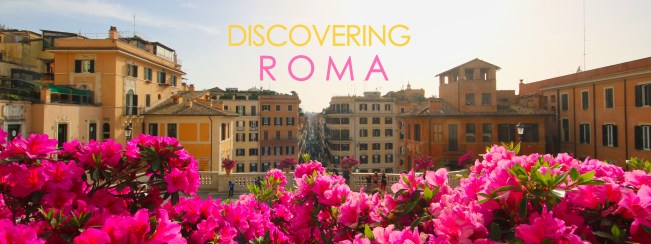
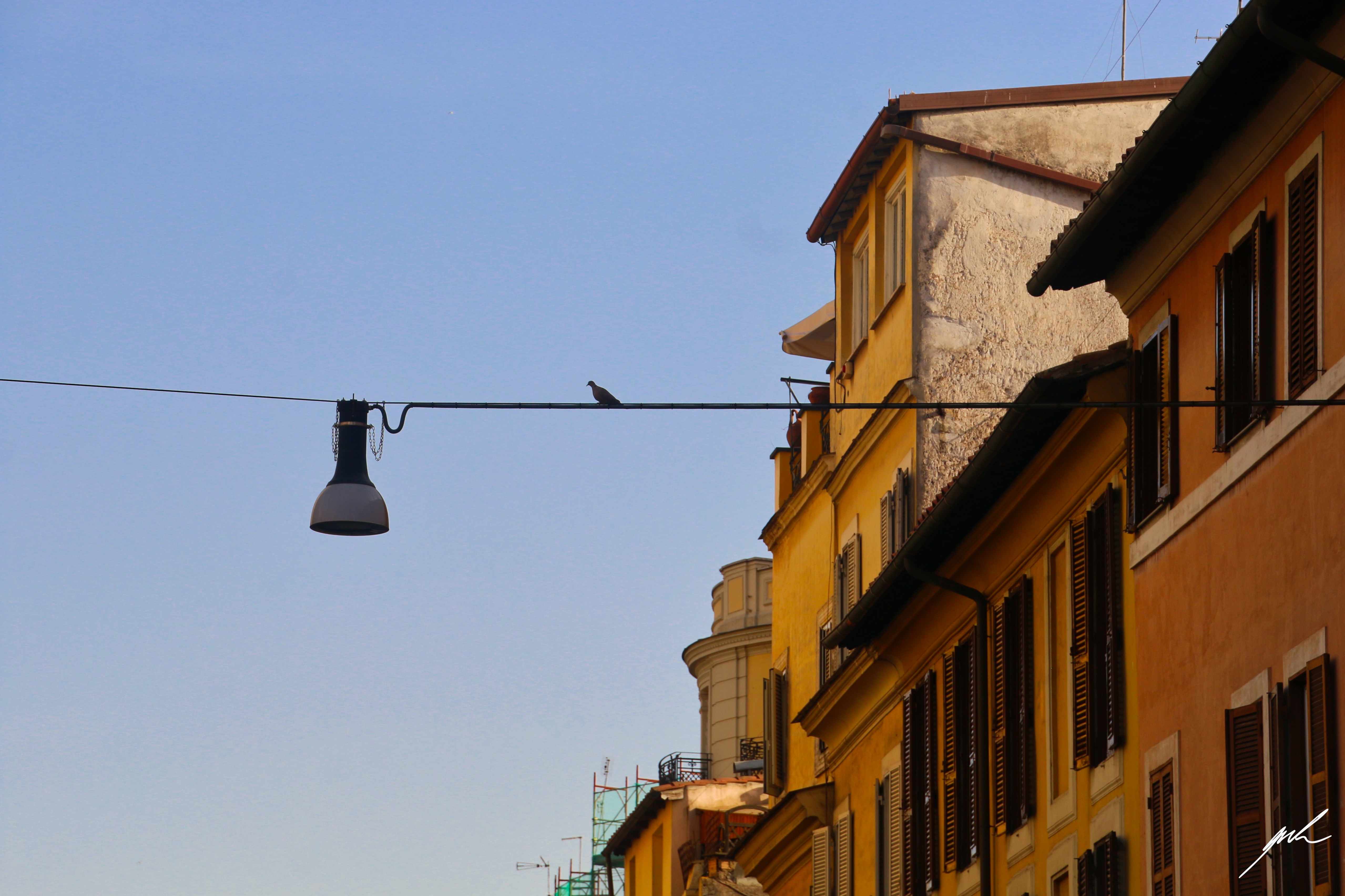
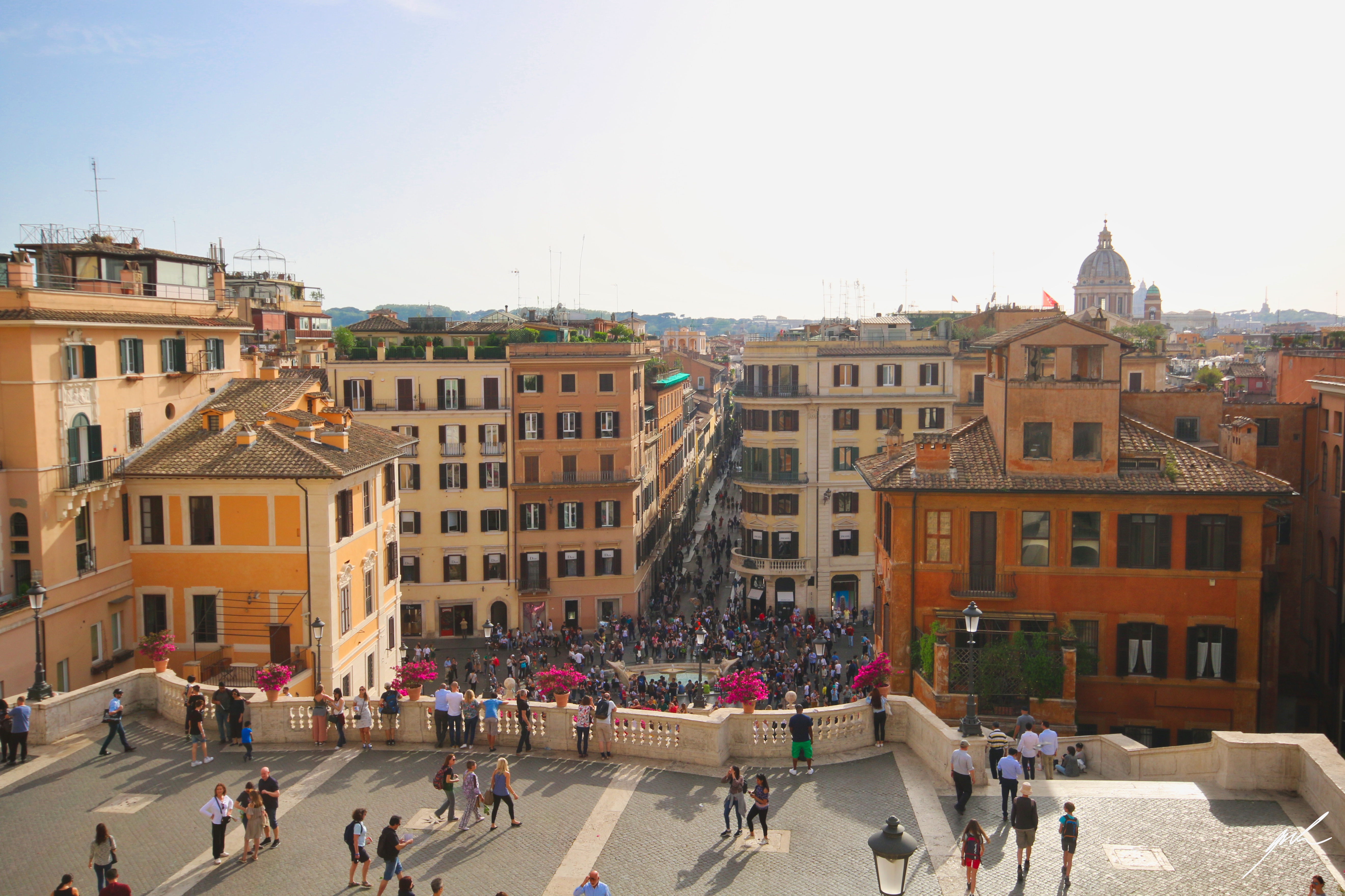
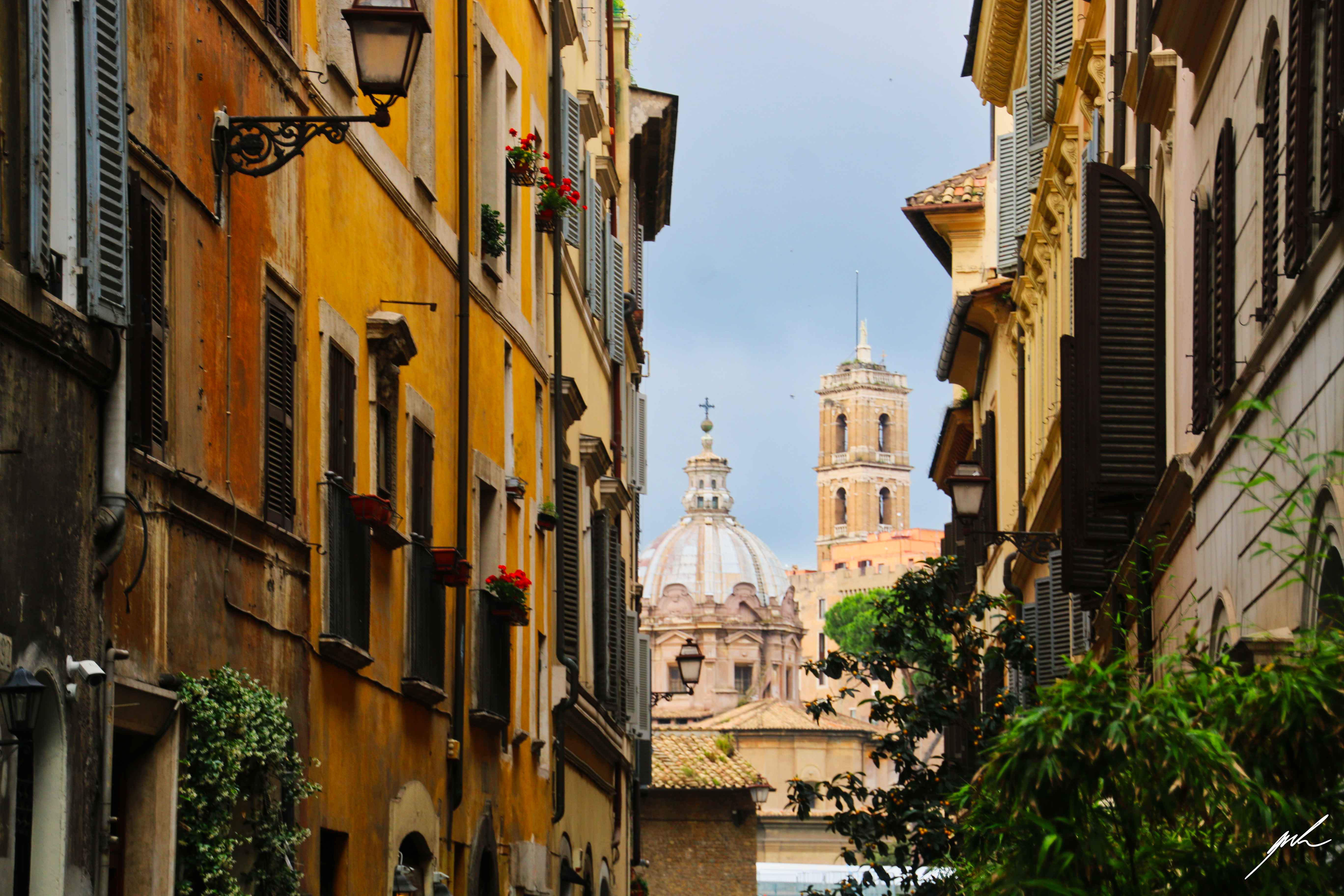
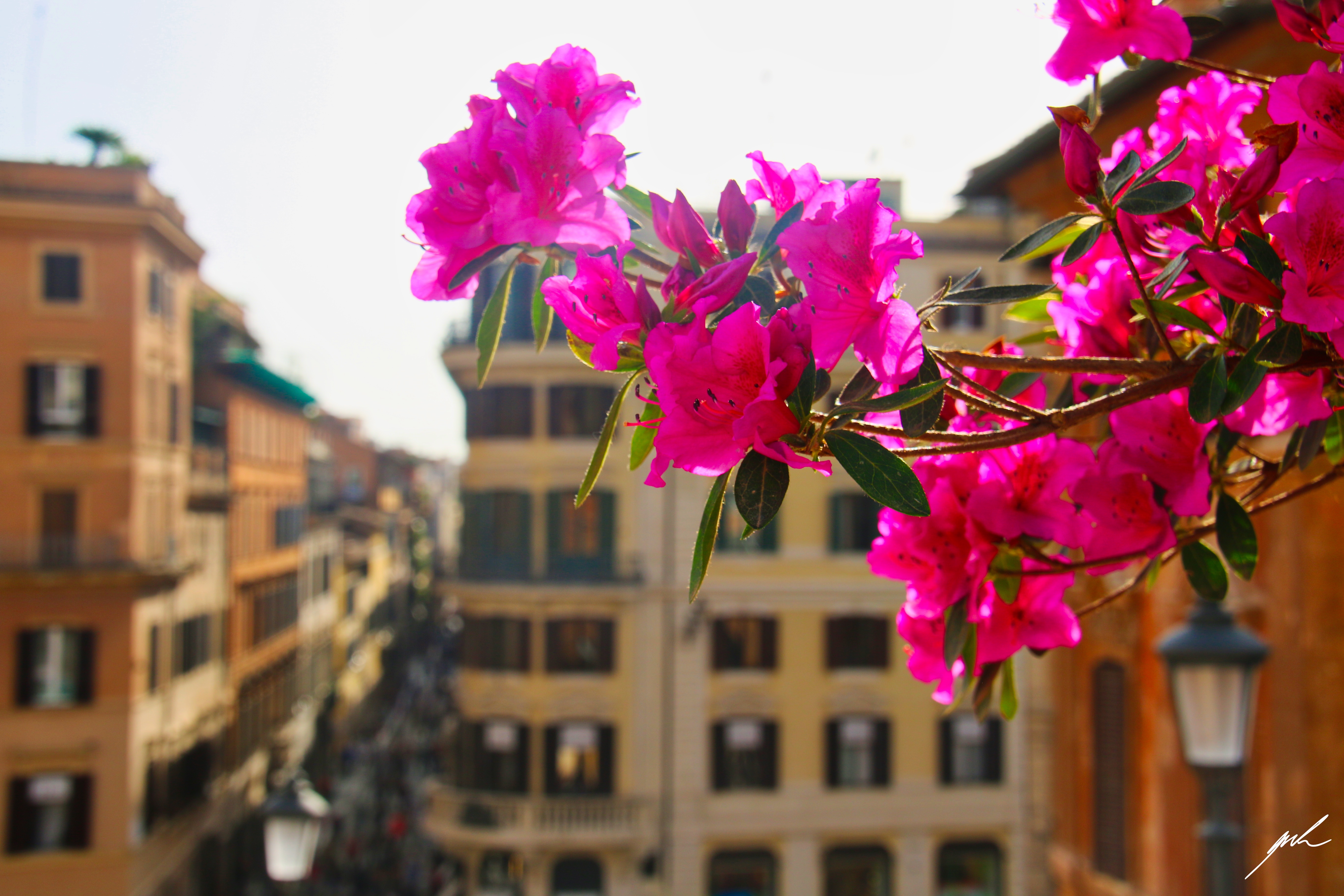
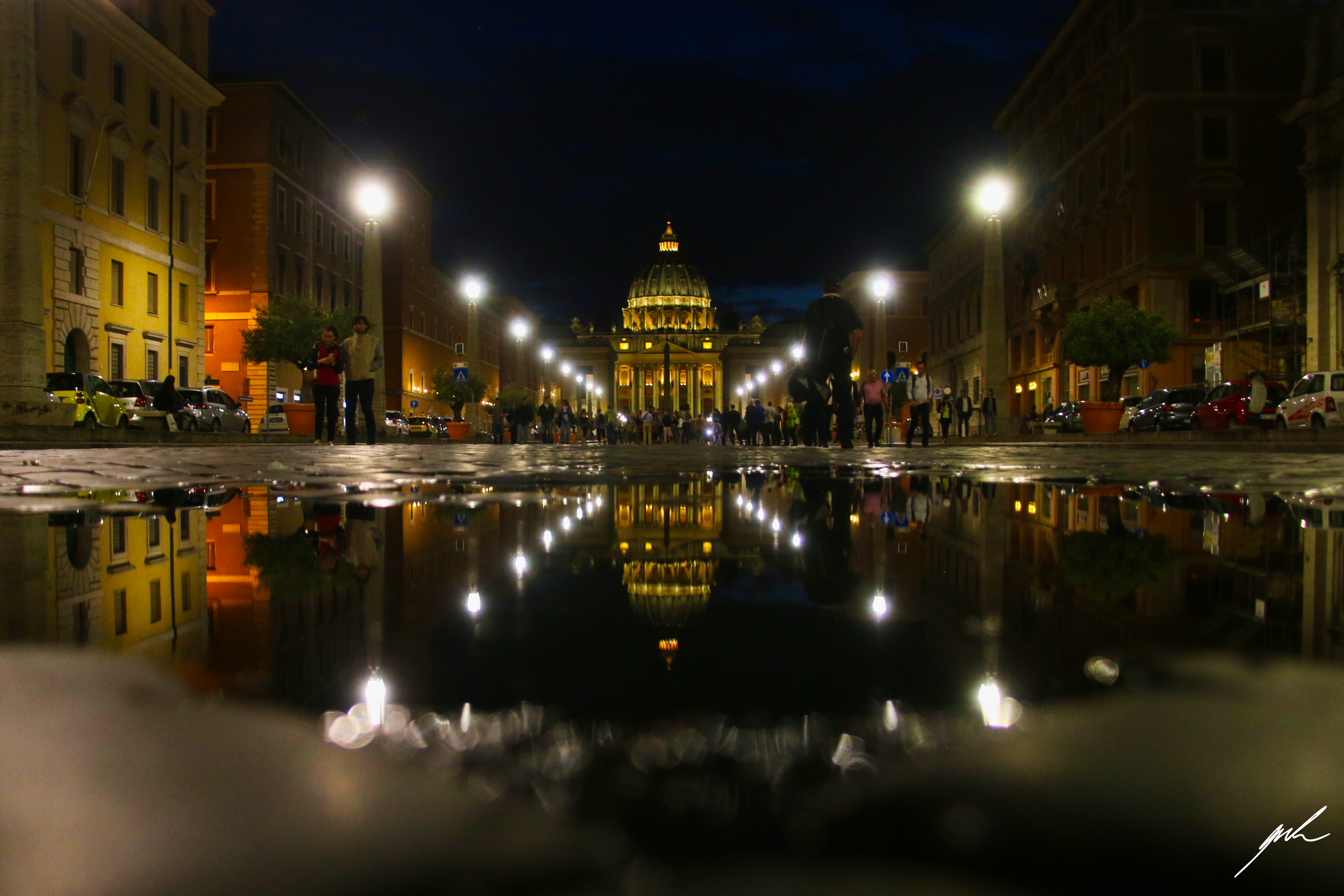
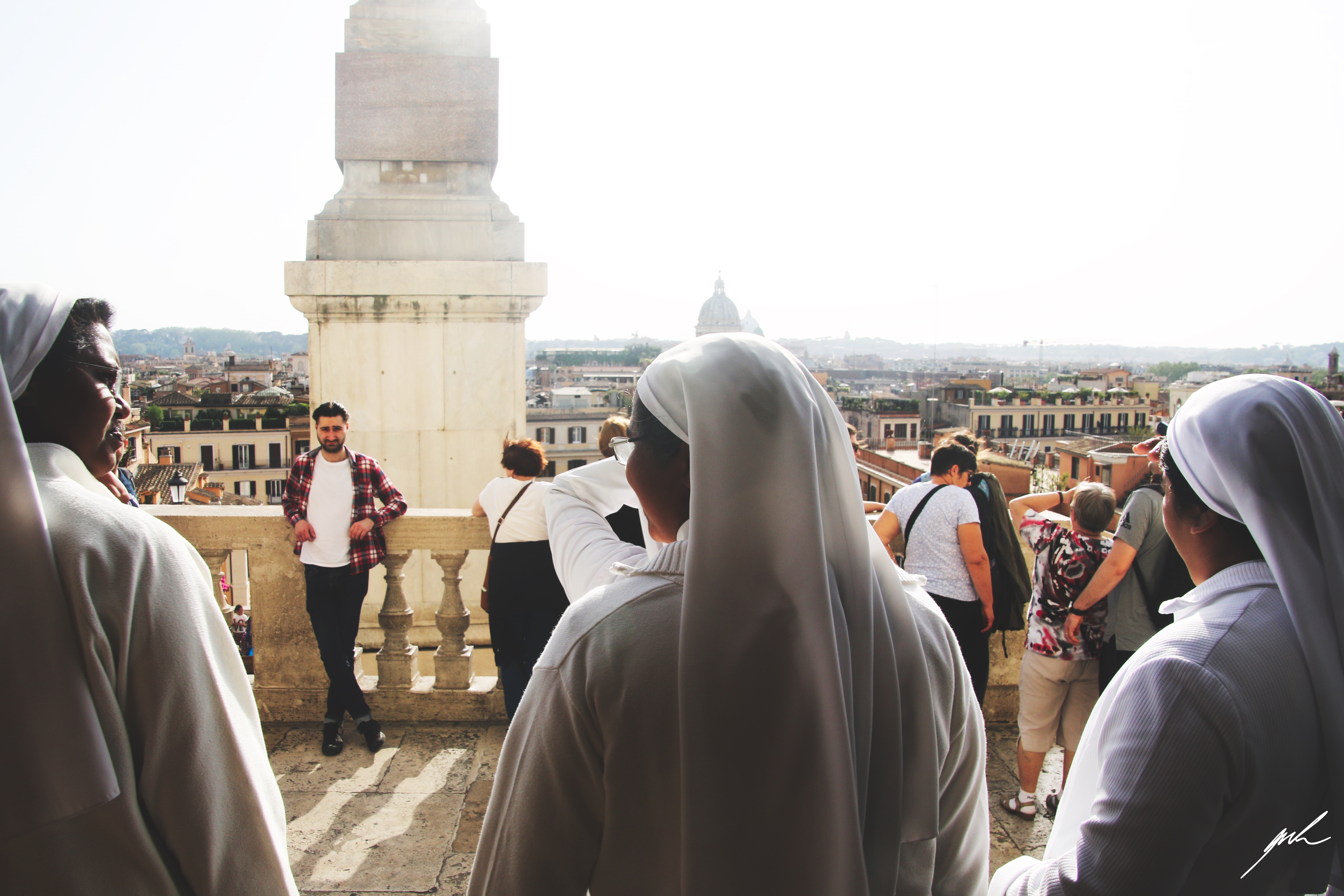
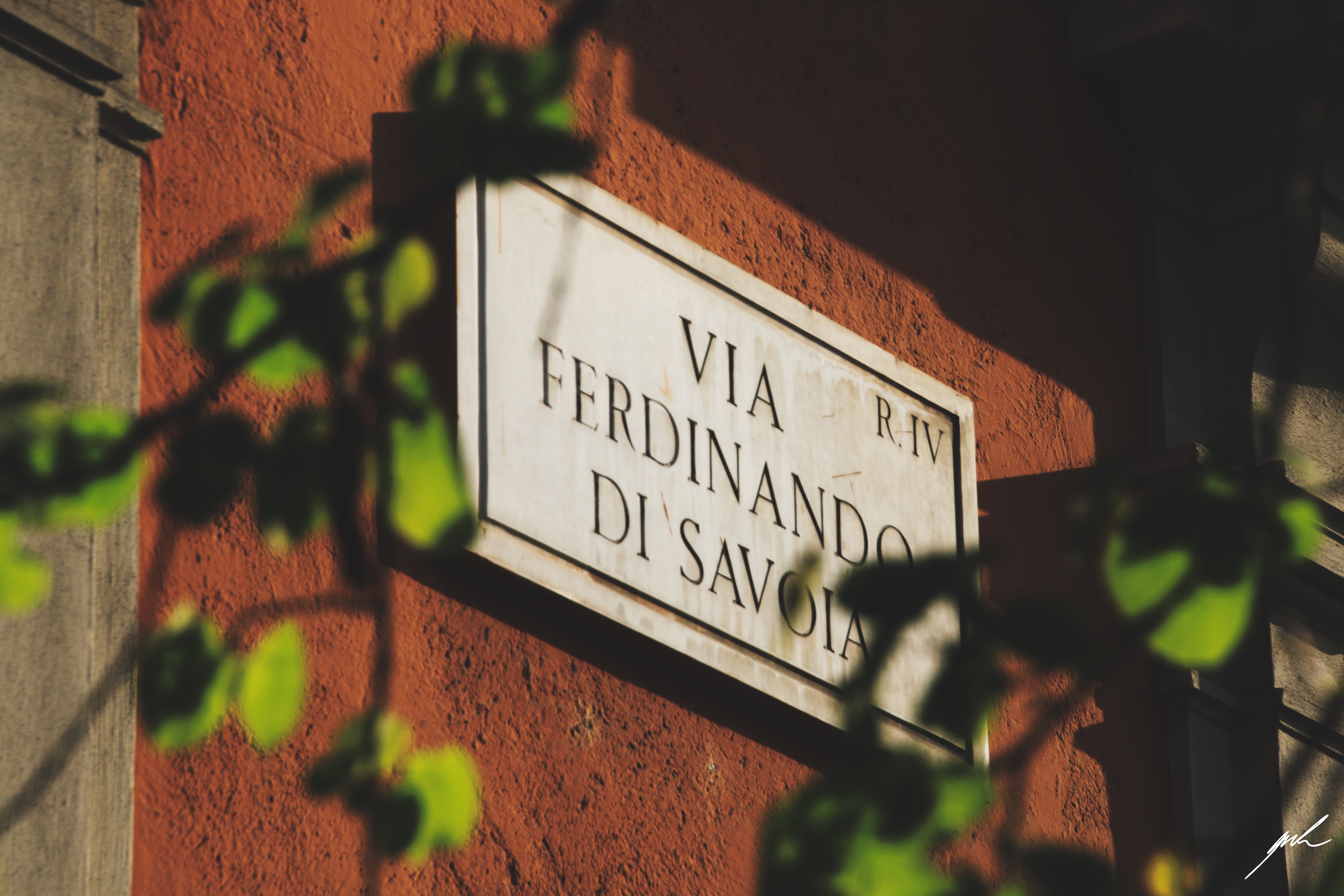
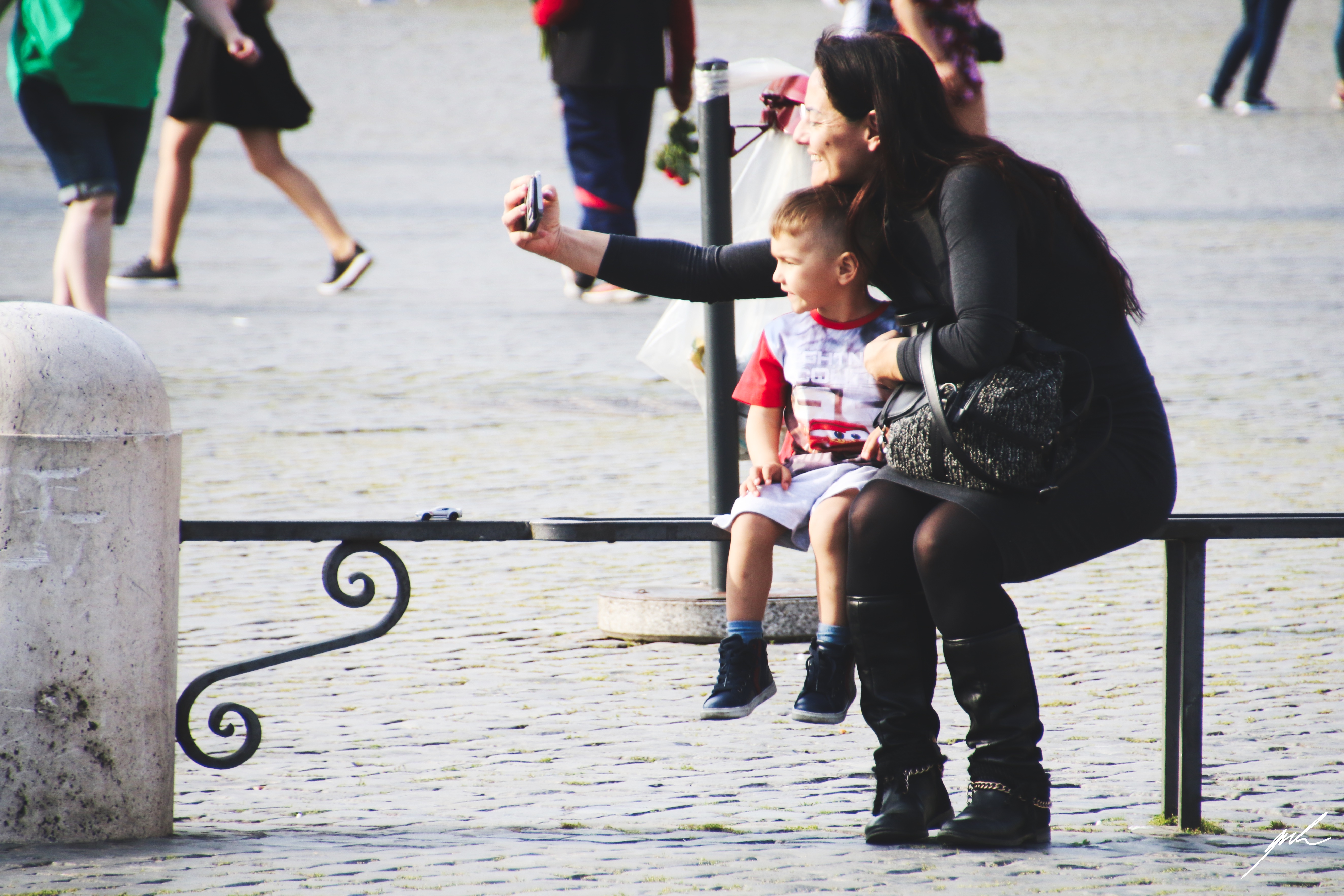
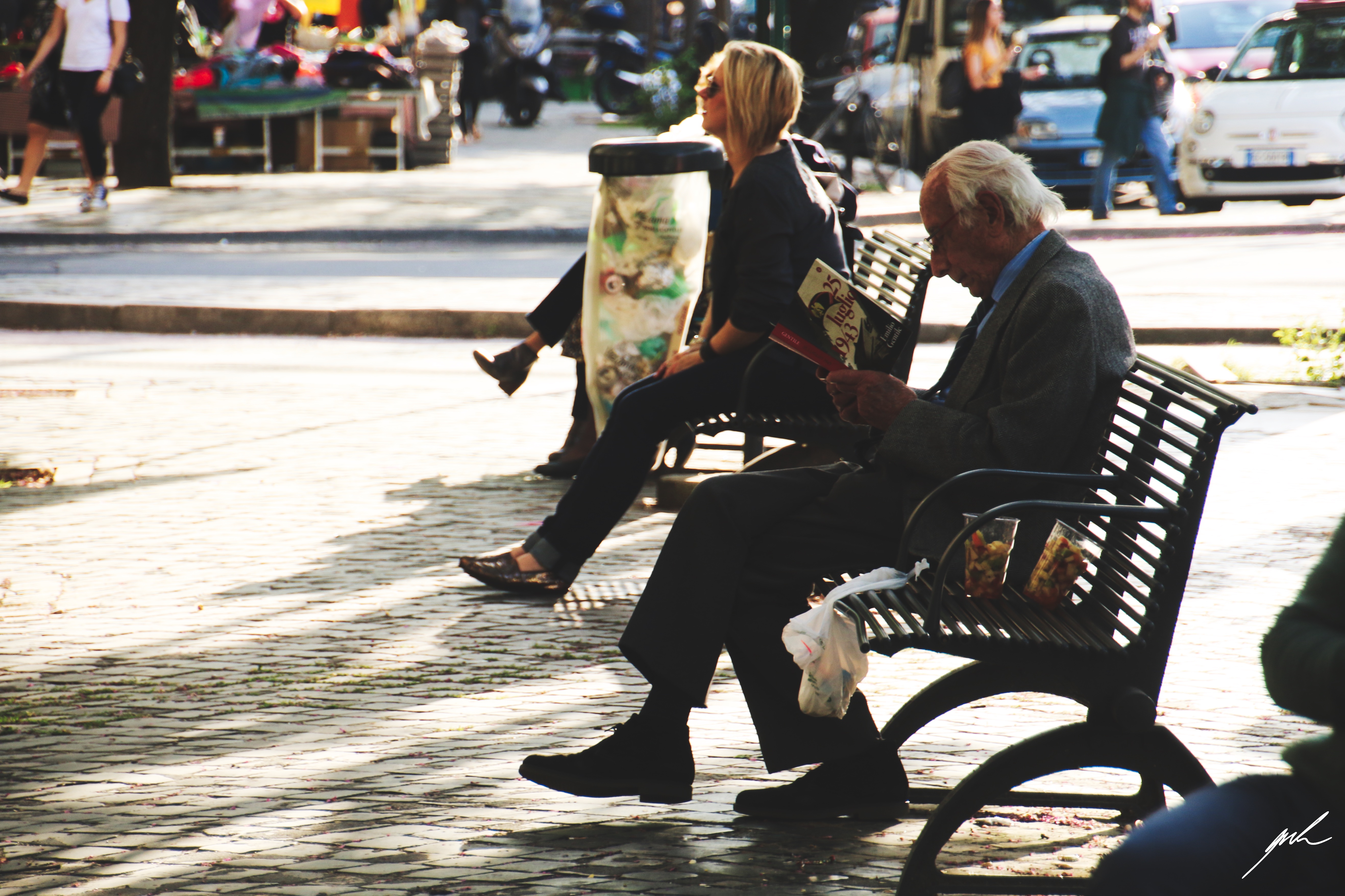
Wandering through the many labyrinth-like streets of Rome is like walking through history itself. At every corner, there is a church or monument of significance. But what makes Rome are the people and their culture. The Romans enjoy themselves and their lifestyle, which consists of spending time with friends and having a good wine and dinner. Don’t dare to leave Rome without trying some local cuisine! And there is more than just Pizza (although it is delicious over here, to be fair).
test

The Eternal City

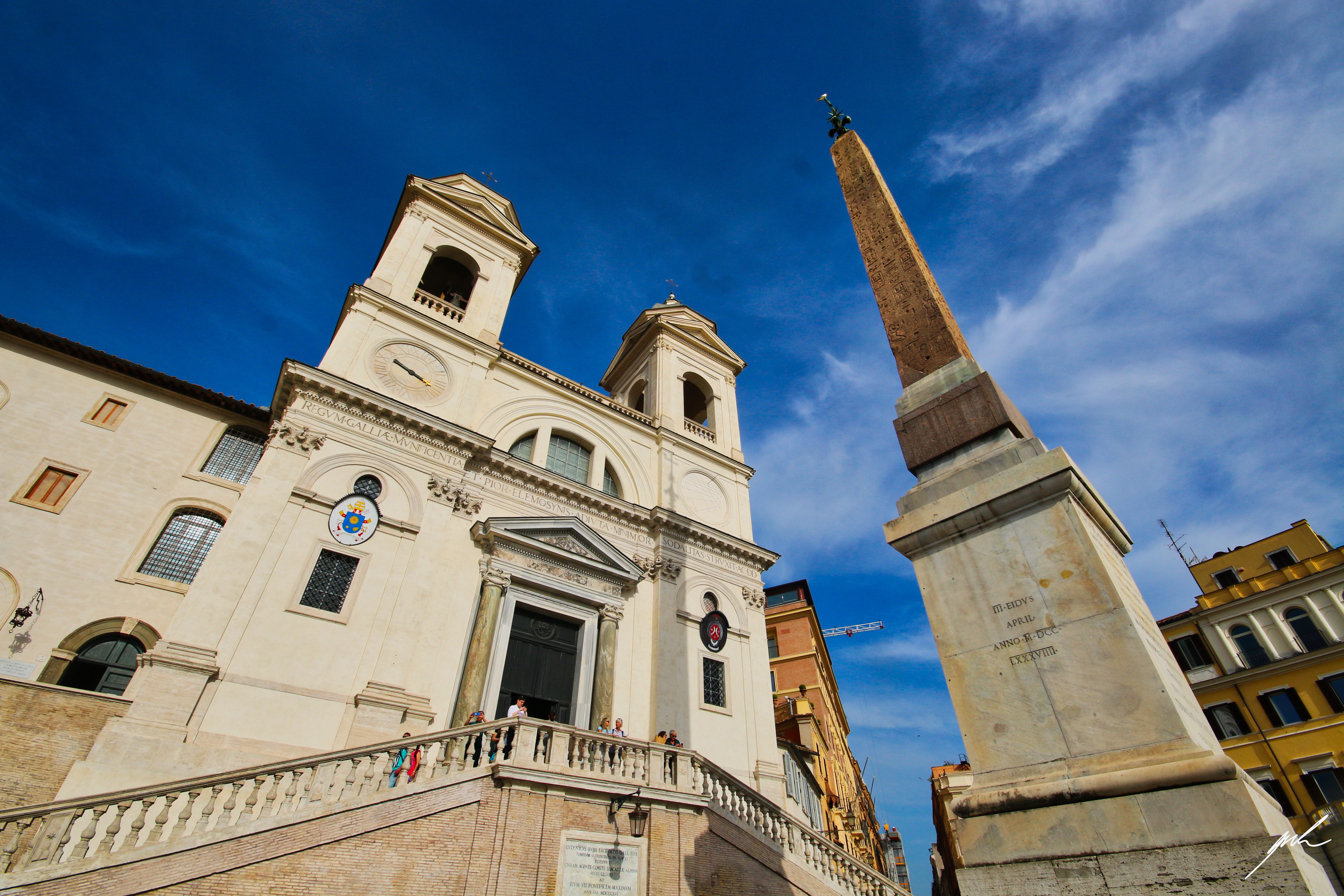
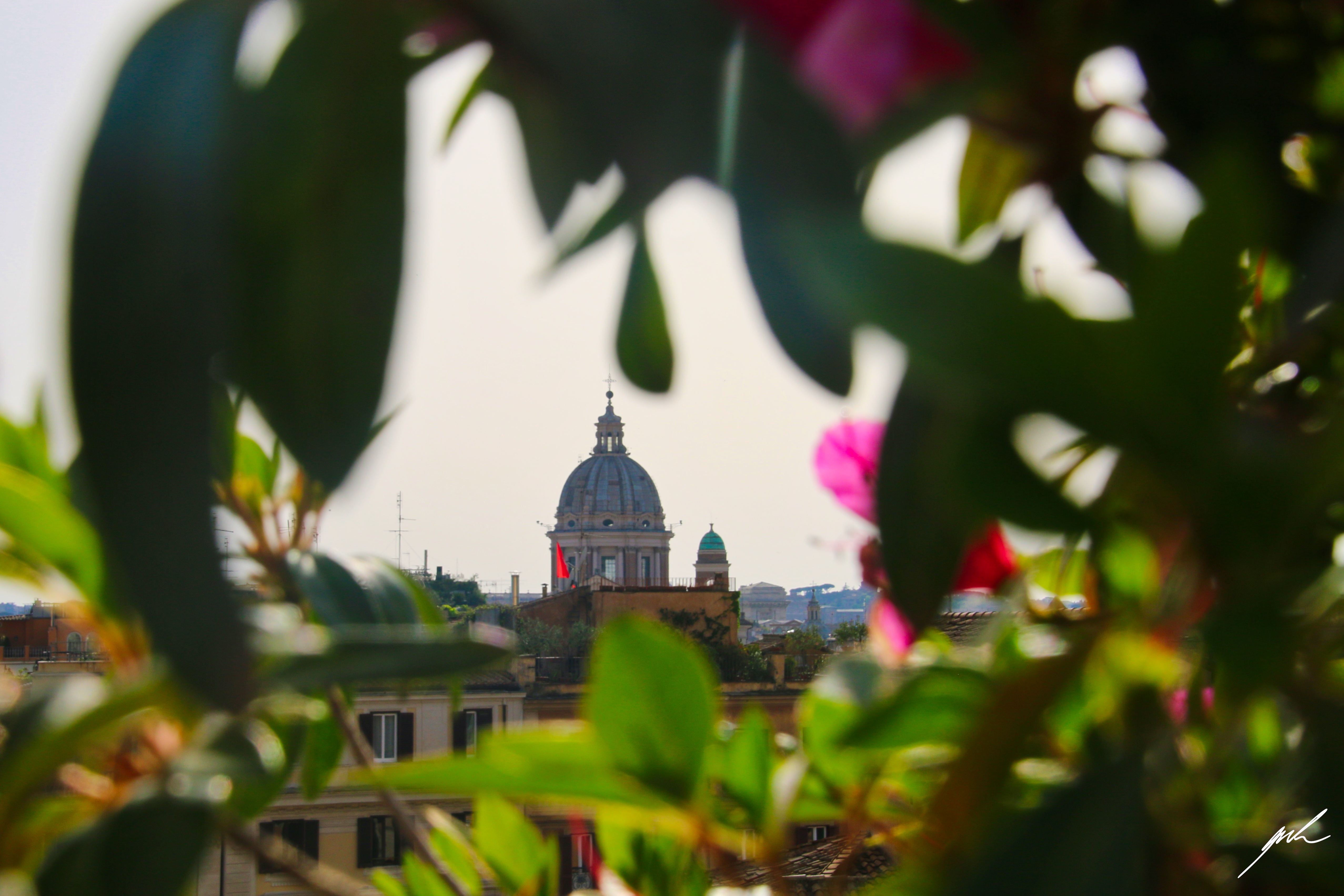
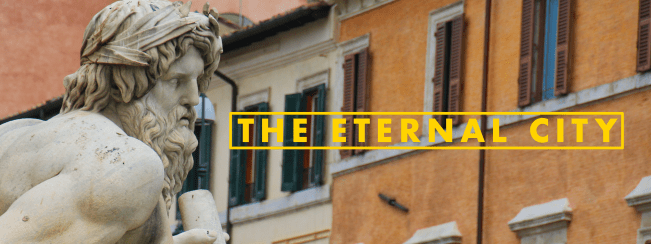
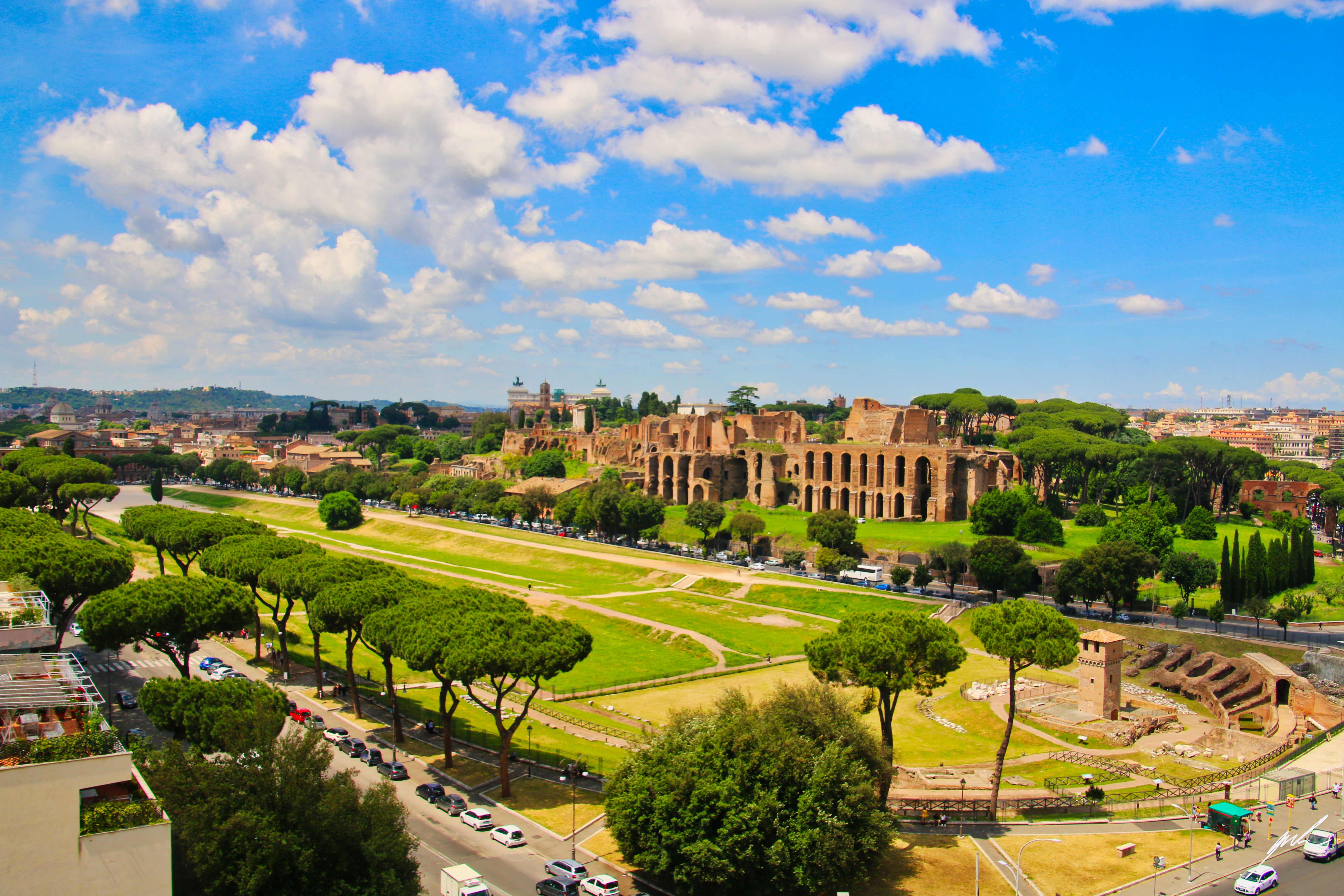
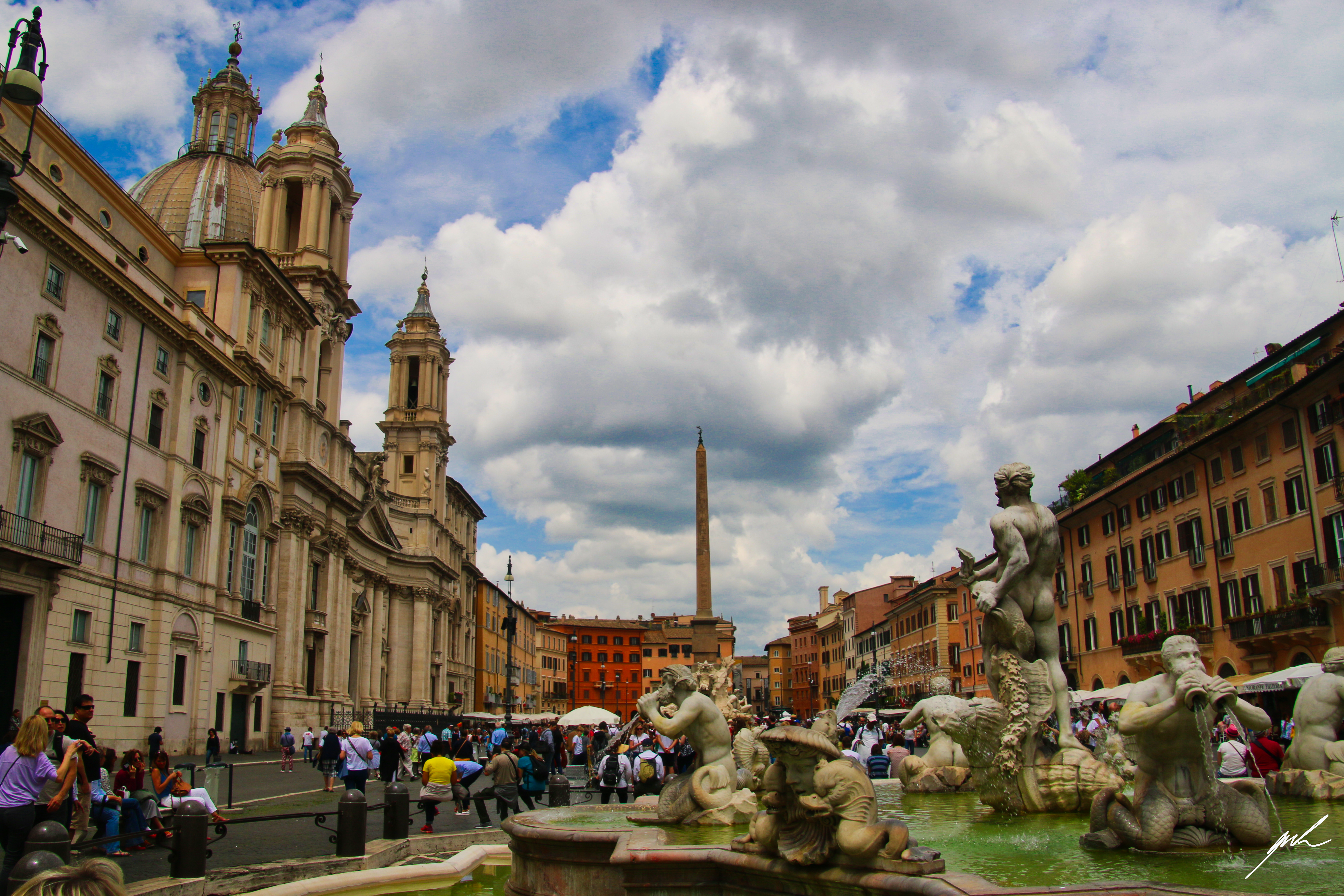
Rome is also called the eternal city, as it has withstood any winds of change for 28 centuries already and is supposed to exist until the end of civilization. Sometimes, the city can feel heavy in history and weight, like the monumental statues decorating it. It can be busy too – especially during tourist season. But there are always places and moments to let it all in and feel the romance and melancholy of Rome.

test

The Golden City

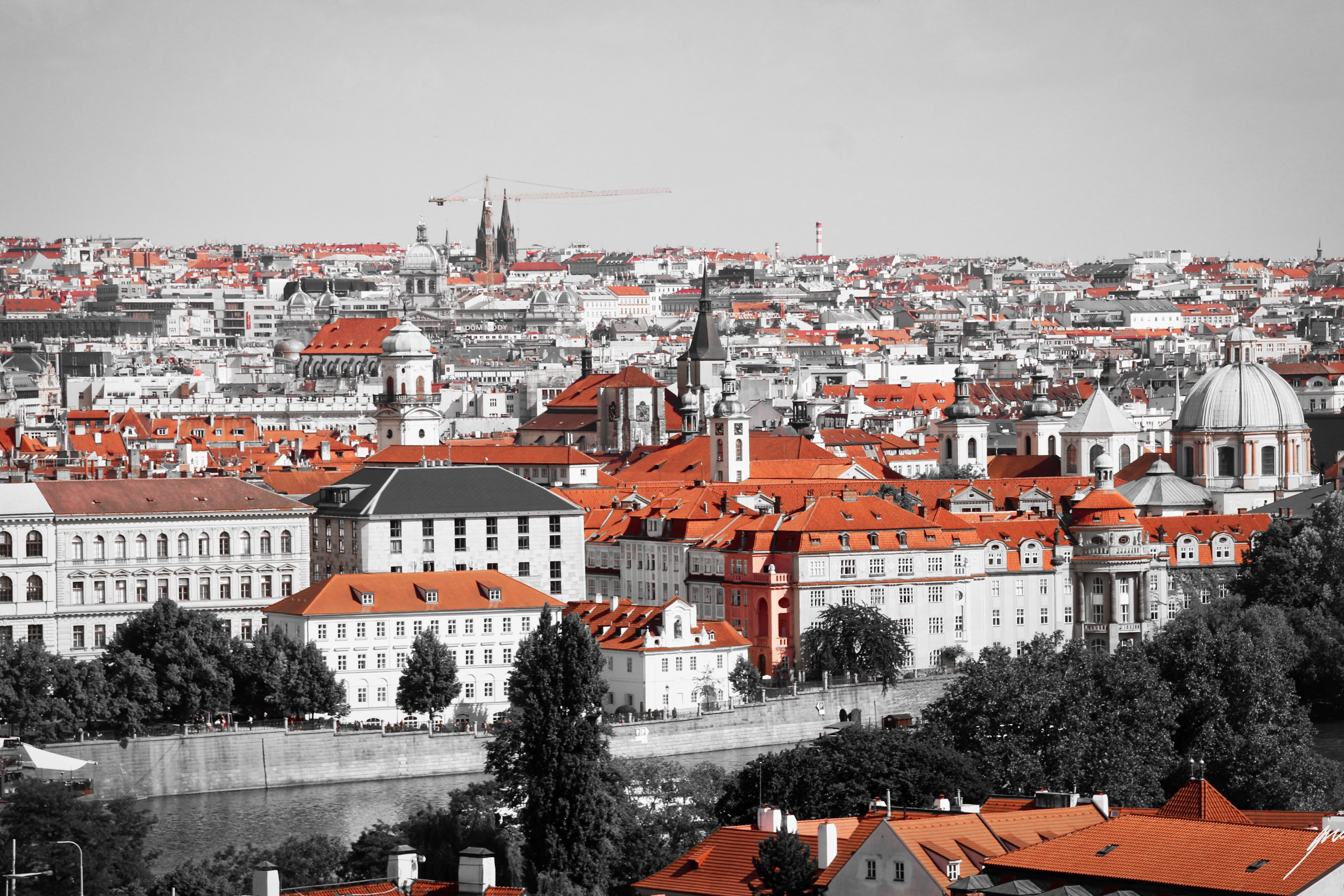
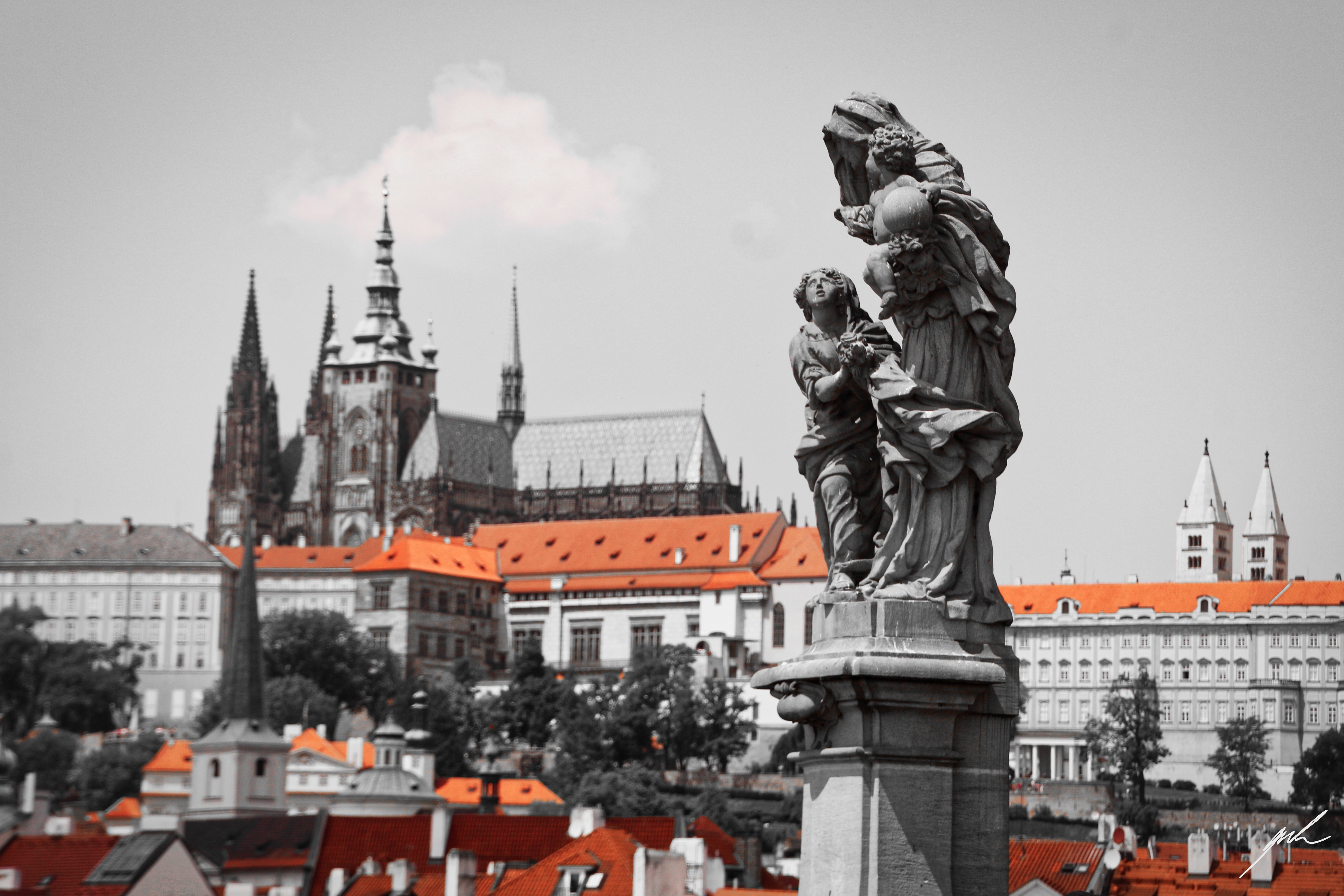
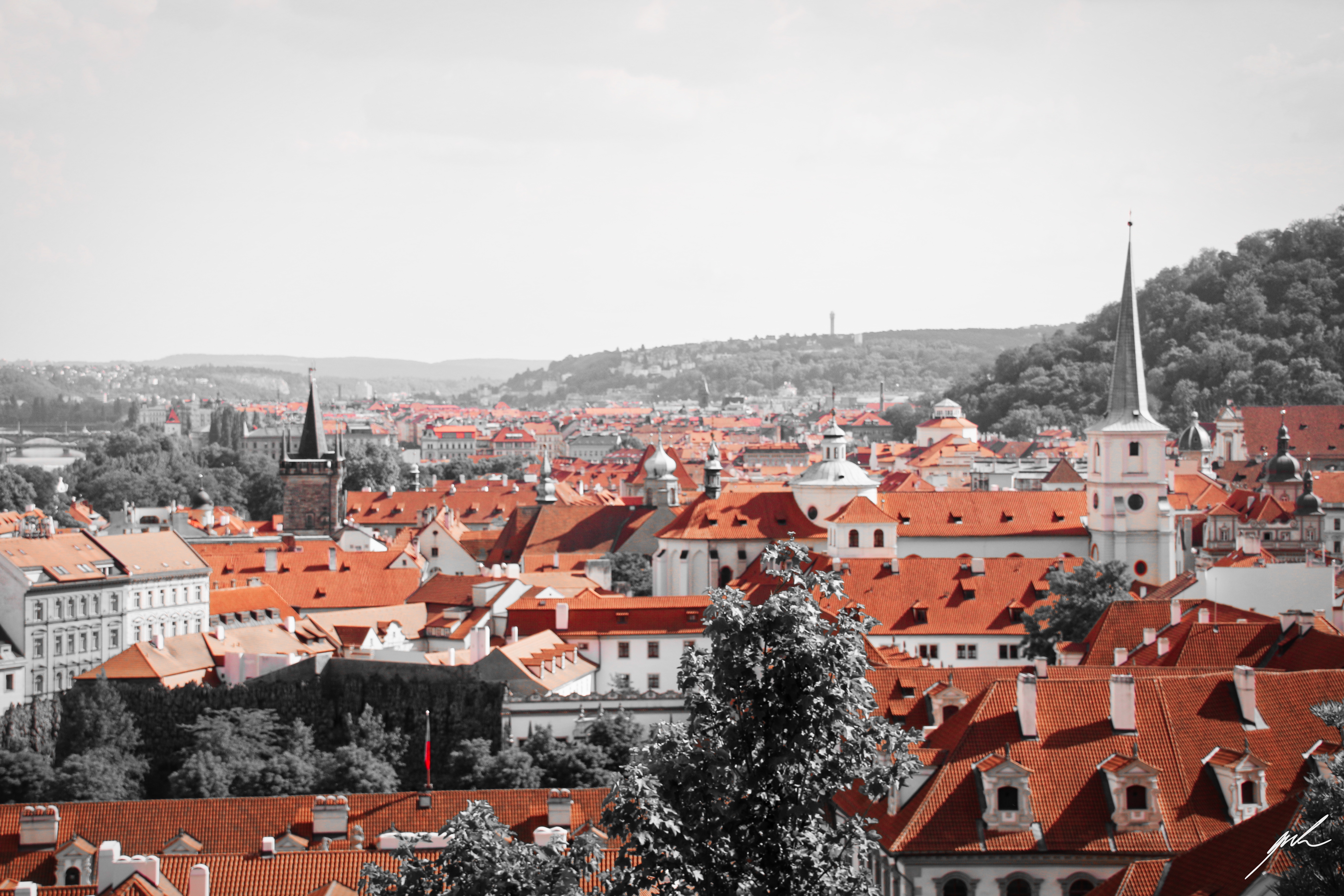
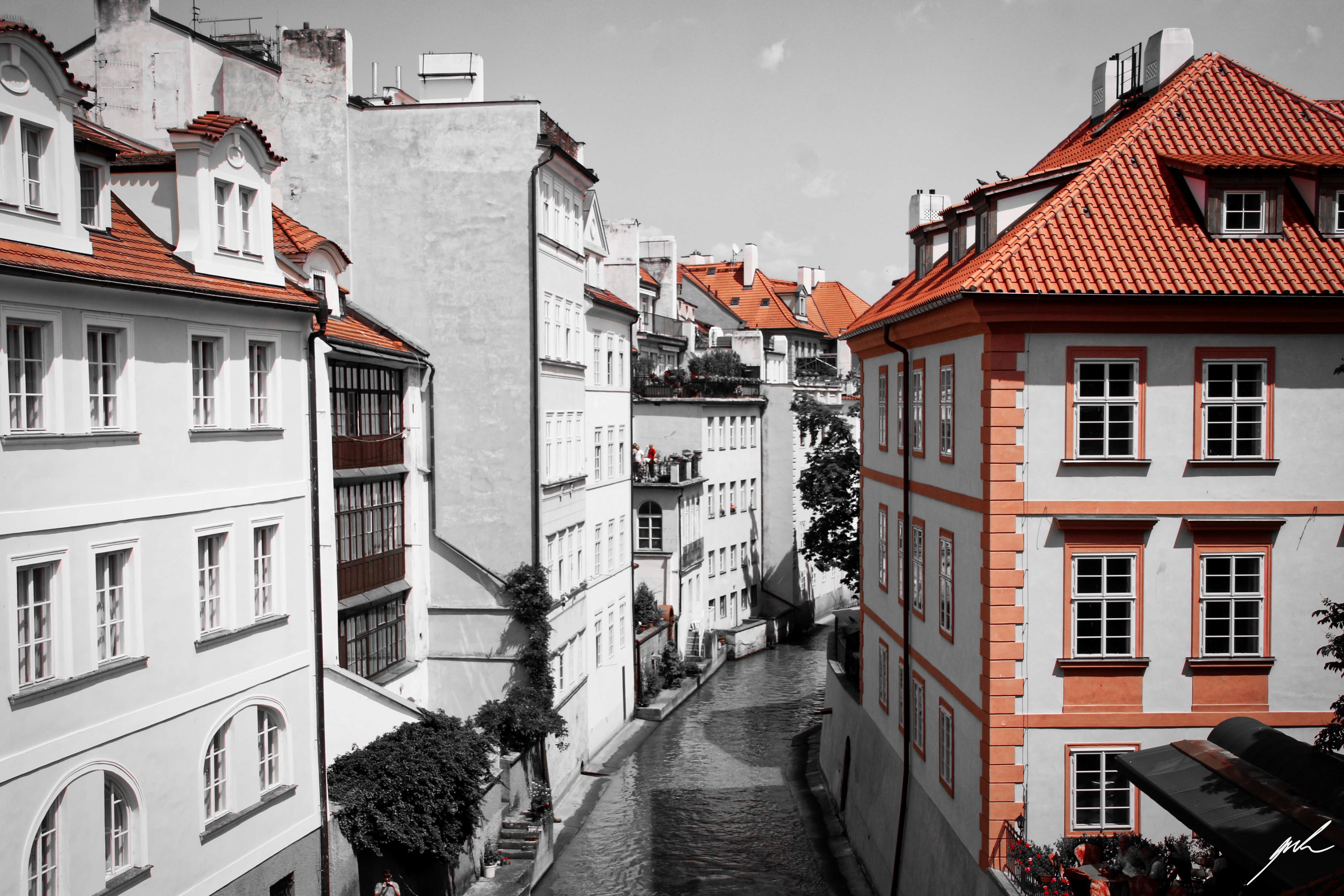
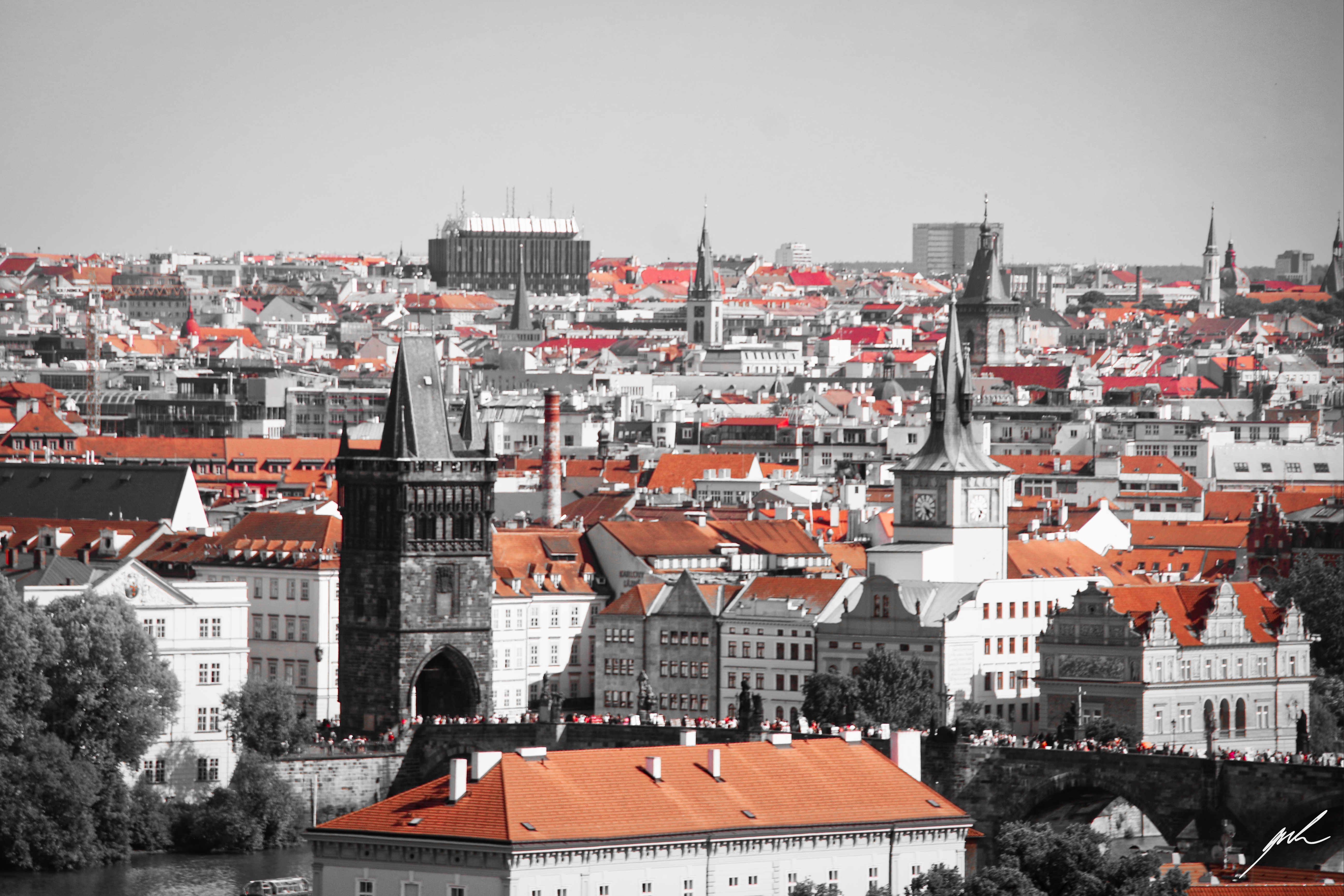
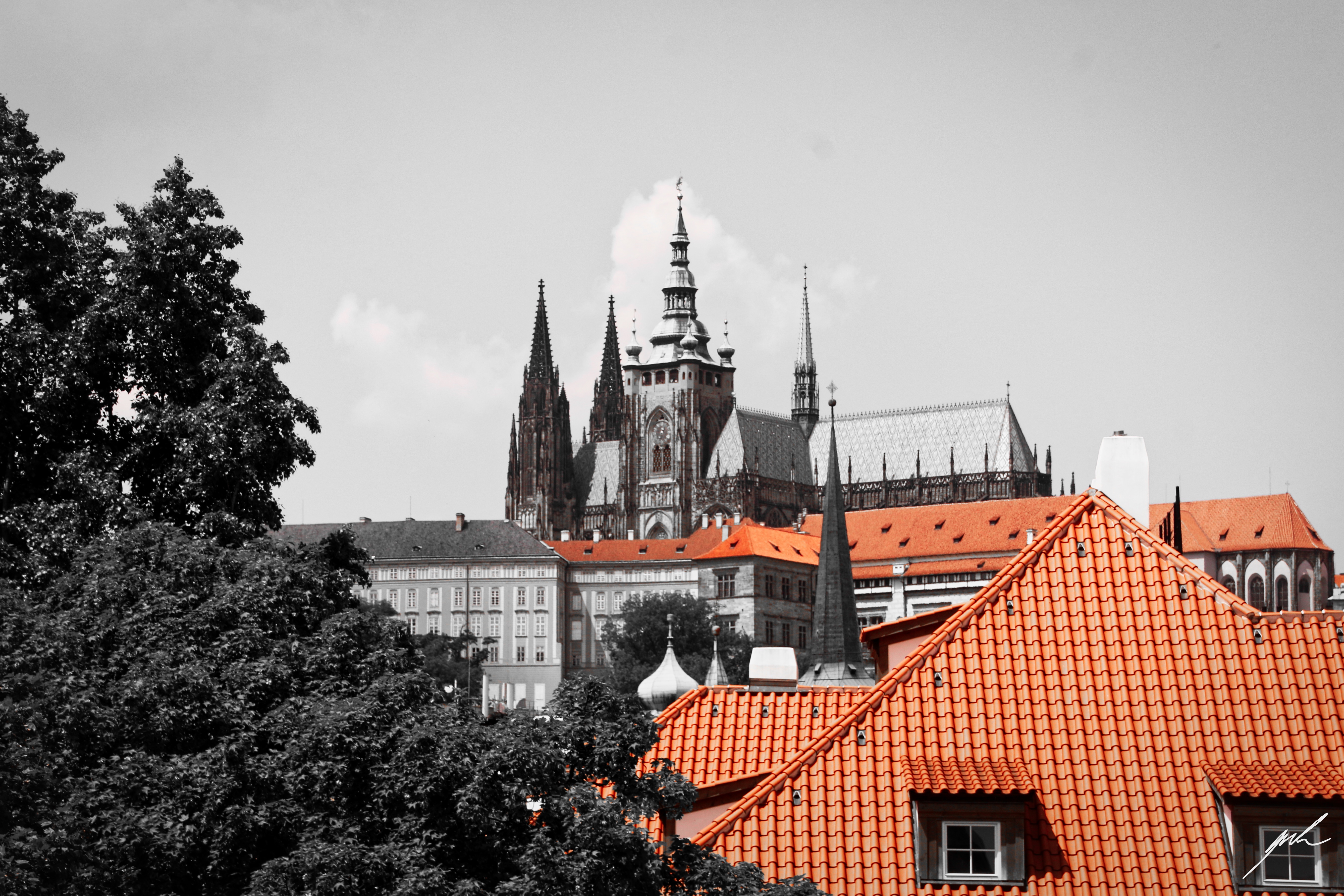
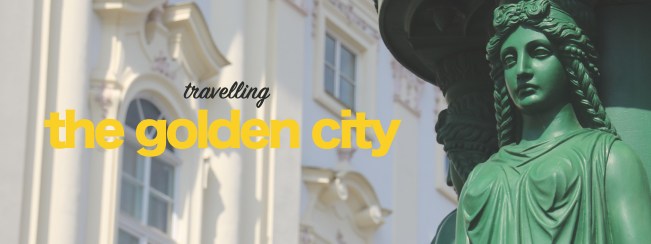
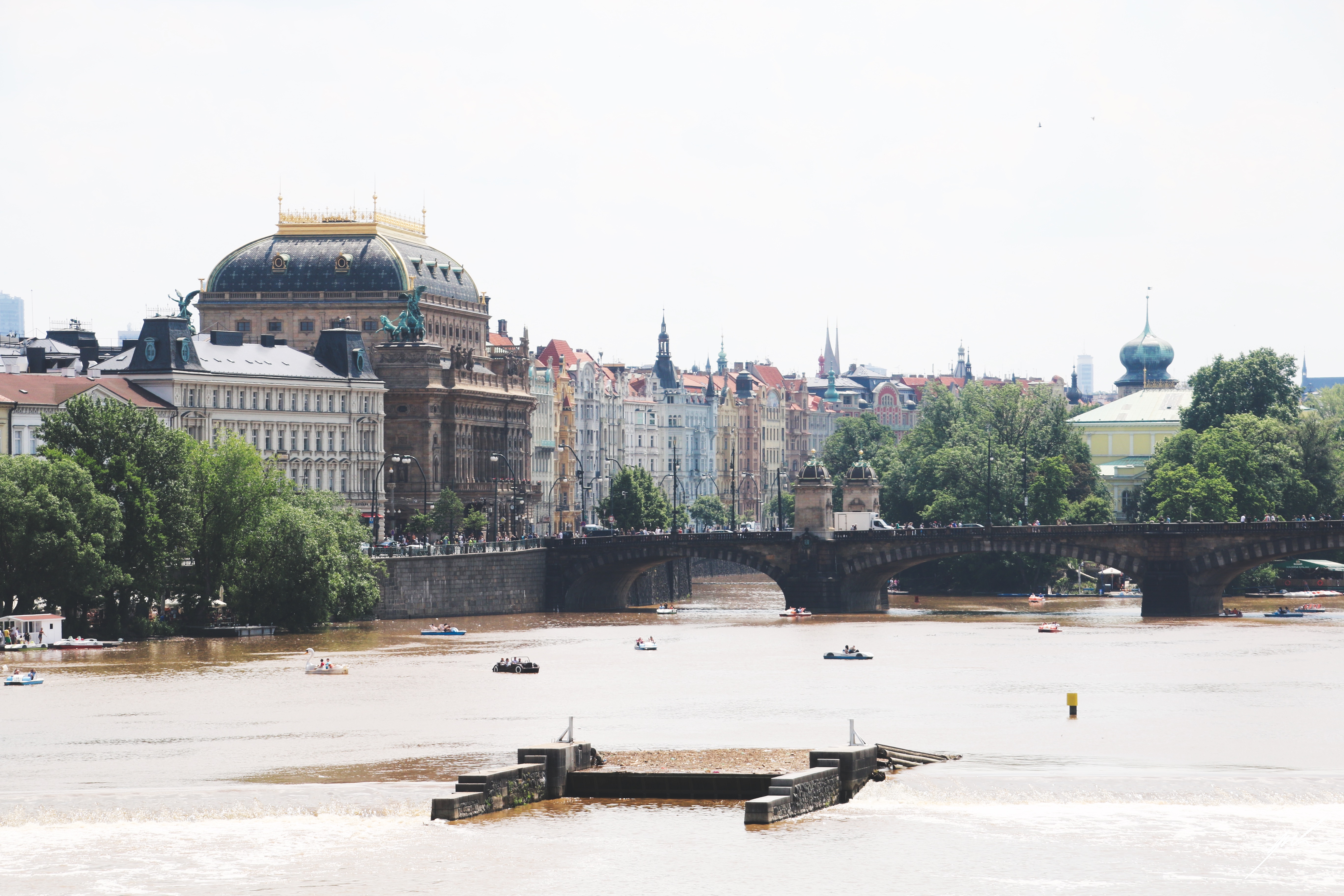
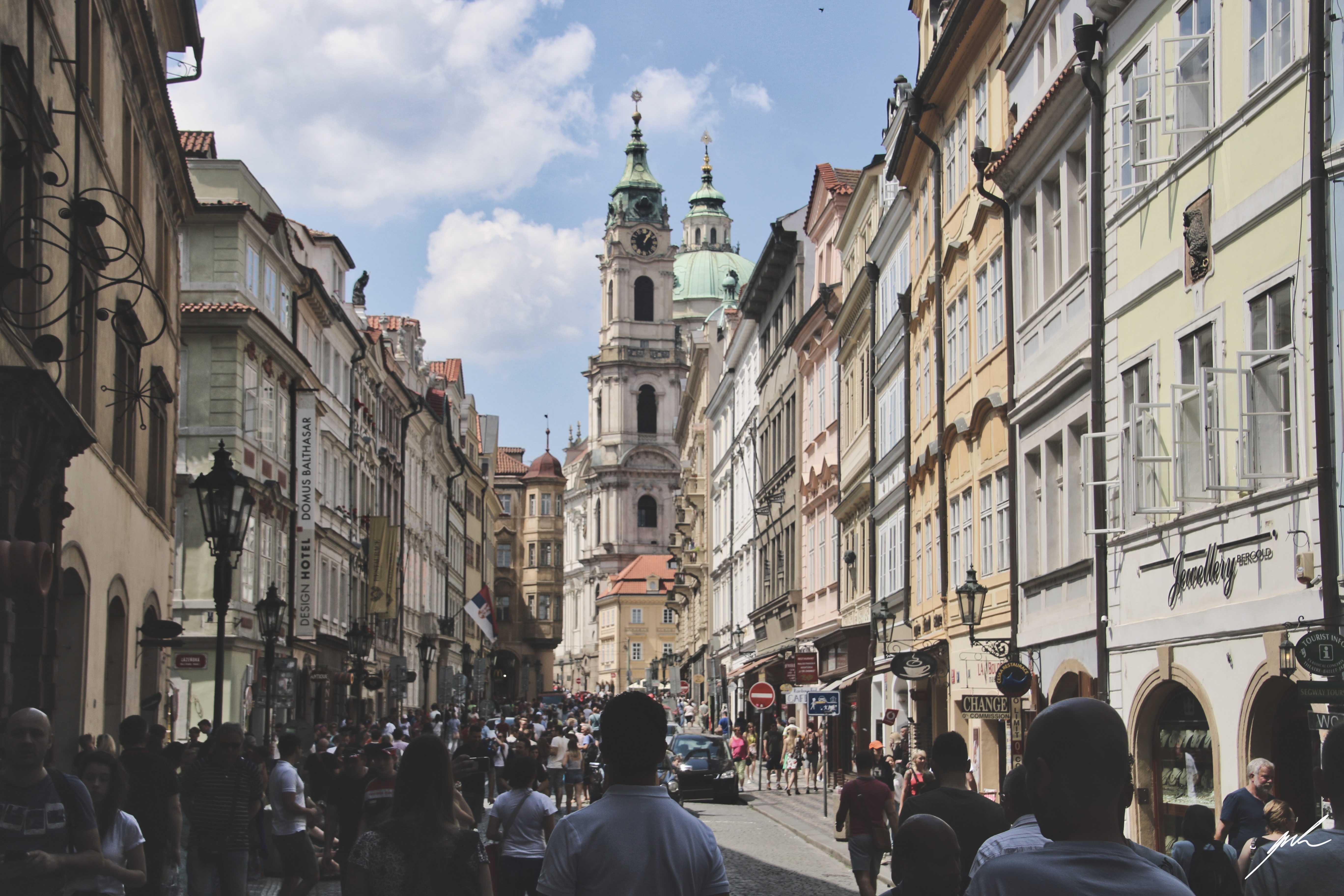
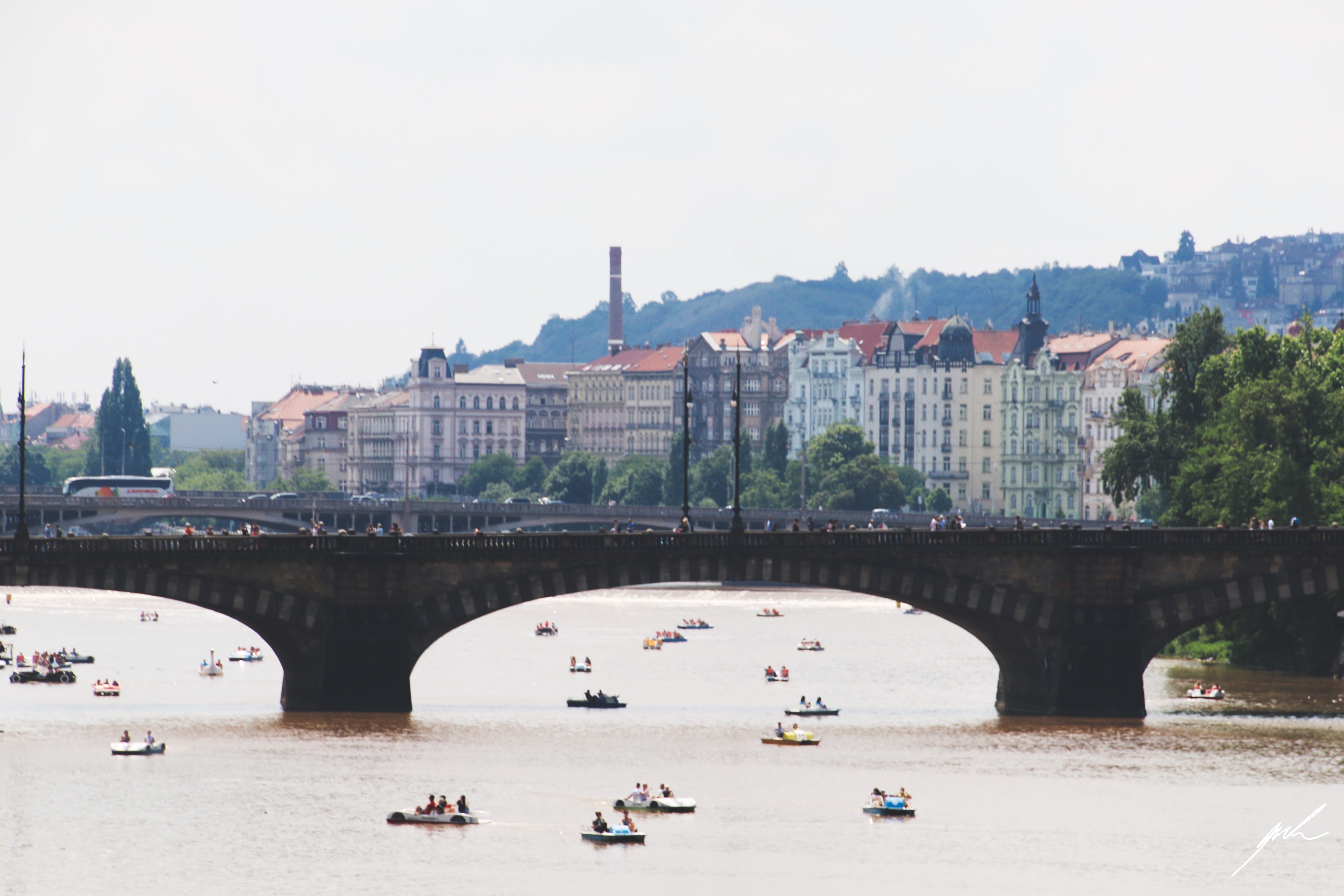
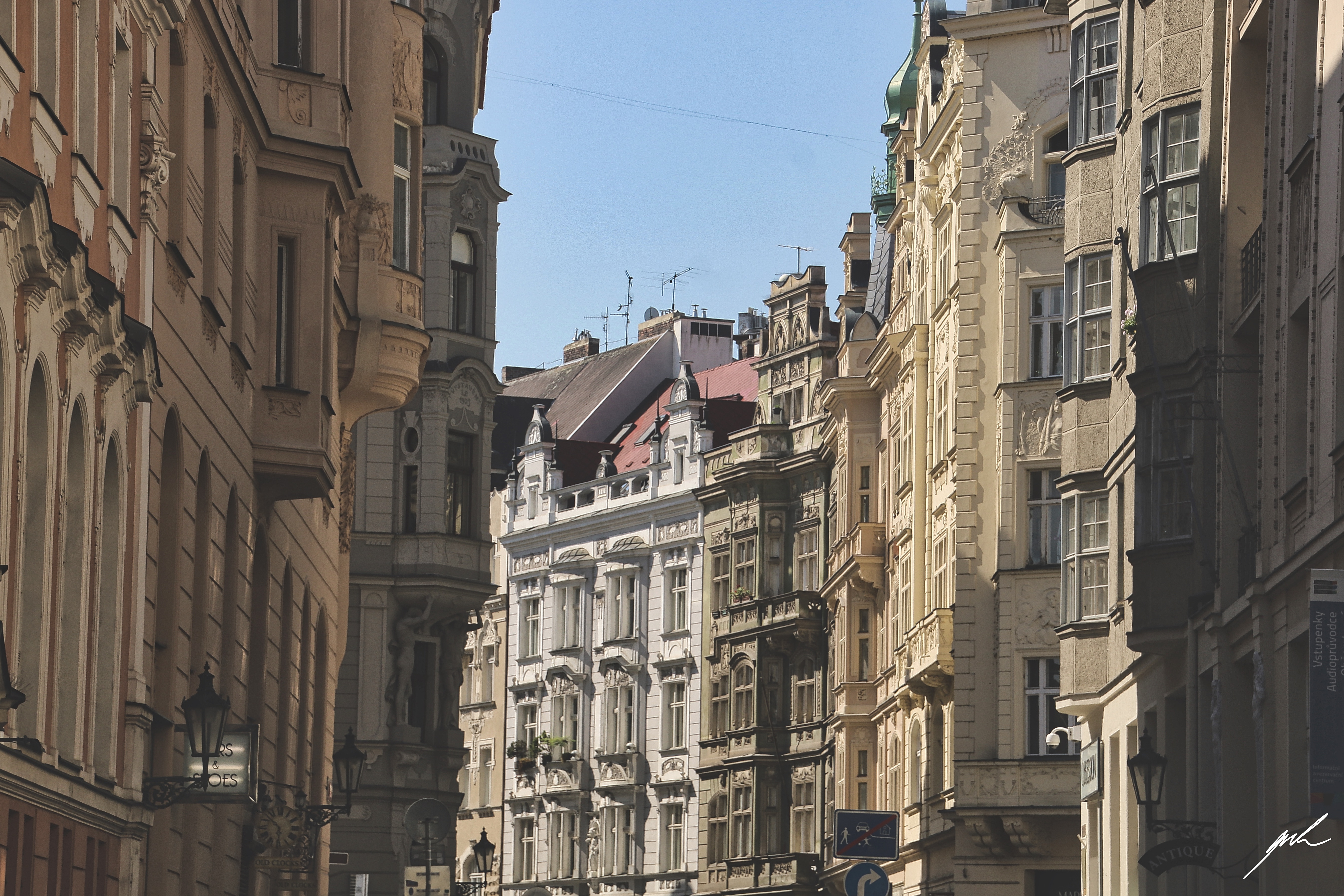
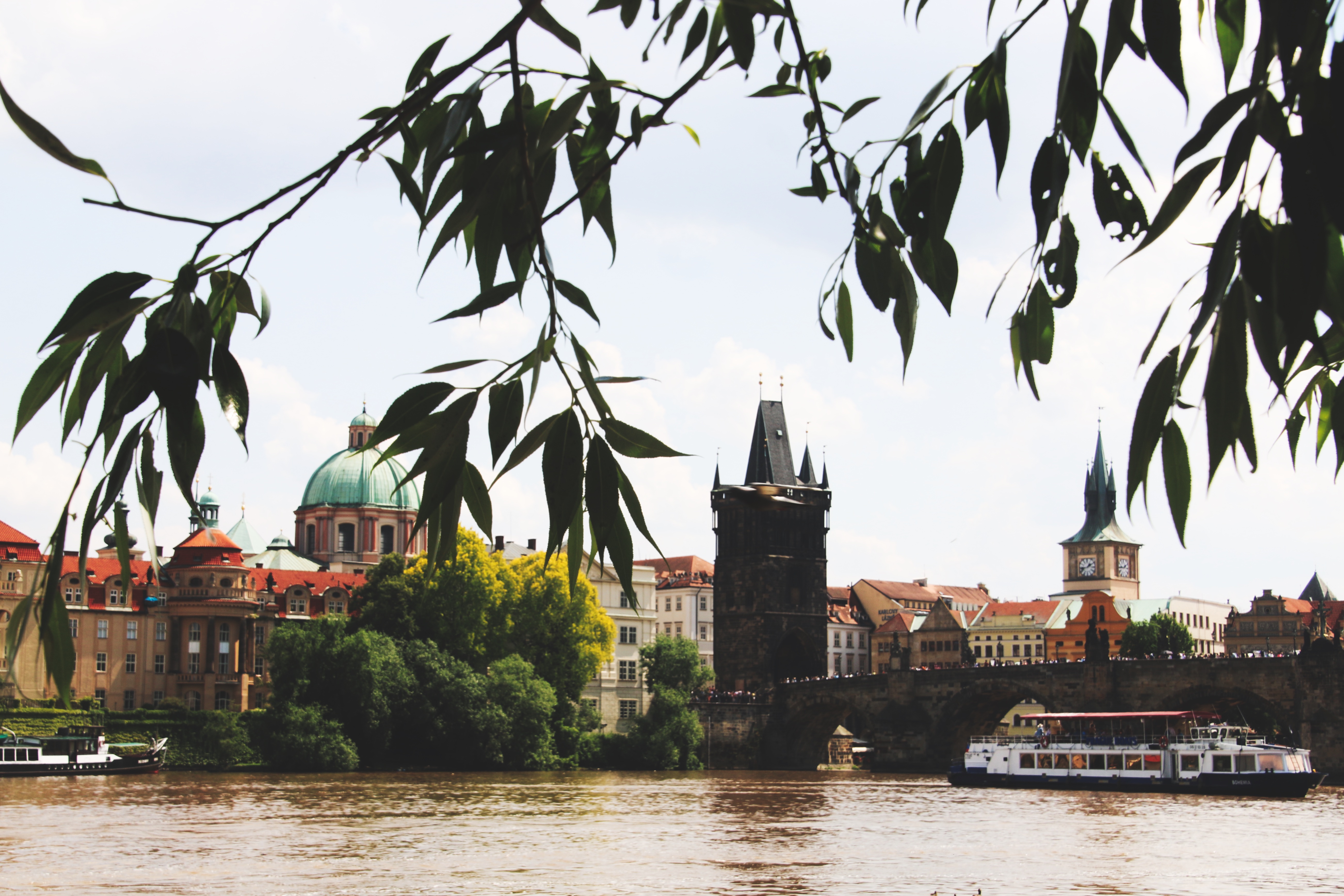
The “Golden City,” of course, is Prague, the capital of the Czech Republic or Czechia. It is one of the oldest cities in Central Europe and was the most crucial metropolis in the region for many centuries. Prague was a multicultural city with Czech, German, and Jewish populations. It was also a tremendously rich place, being a cultural, political, and economic hub in Europe. Because of that fact, it was probably called golden, maybe because of the many golden tower roofs visible from afar or the myths surrounding alchemists working in the city. There are plenty of other legends about Prague; one well-known is the story of the Golem, a monster who was said to live in the Jewish quarter. For sure, though, it can be said that Prague accumulated an astounding assembly of architecture over many centuries, reaching from medieval Gothic buildings to baroque and art nouveau structures. No wonder the city is a living museum of European history today.

test


1 59 60 61 88