
Minor Detail: Vienna in Early 2017, Pt. 1
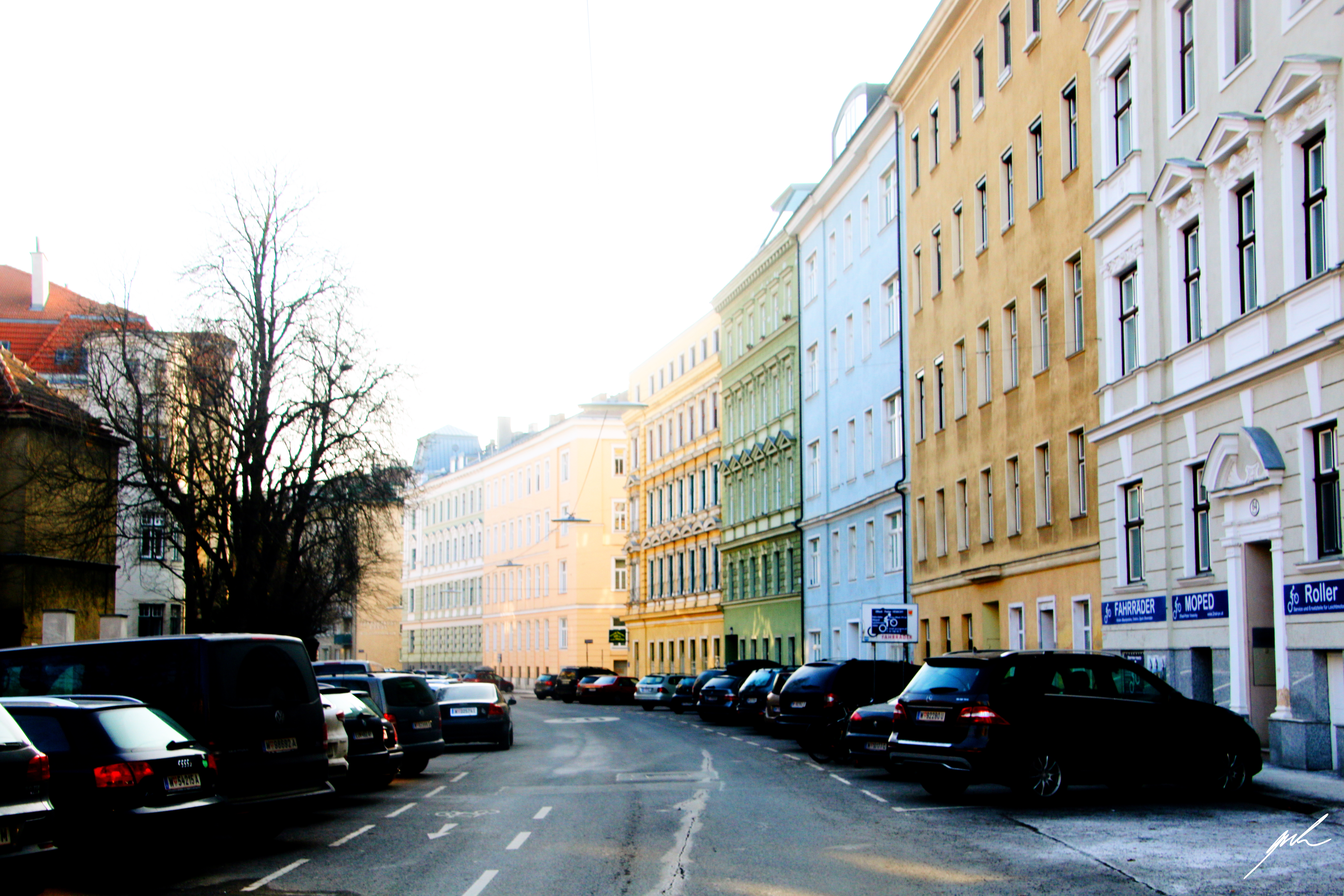
Fragments captured while walking the city on the short days of late winter and early spring.

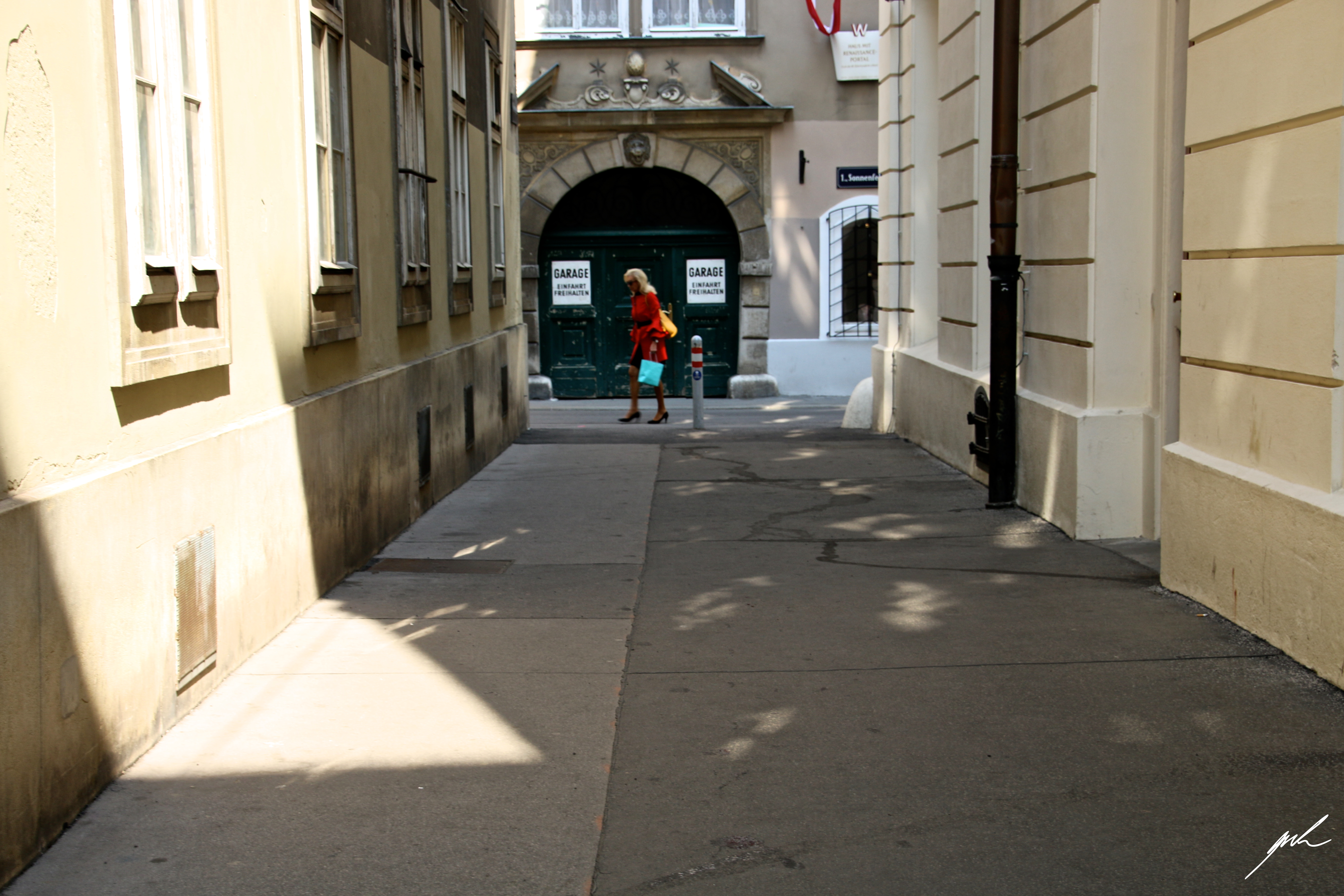
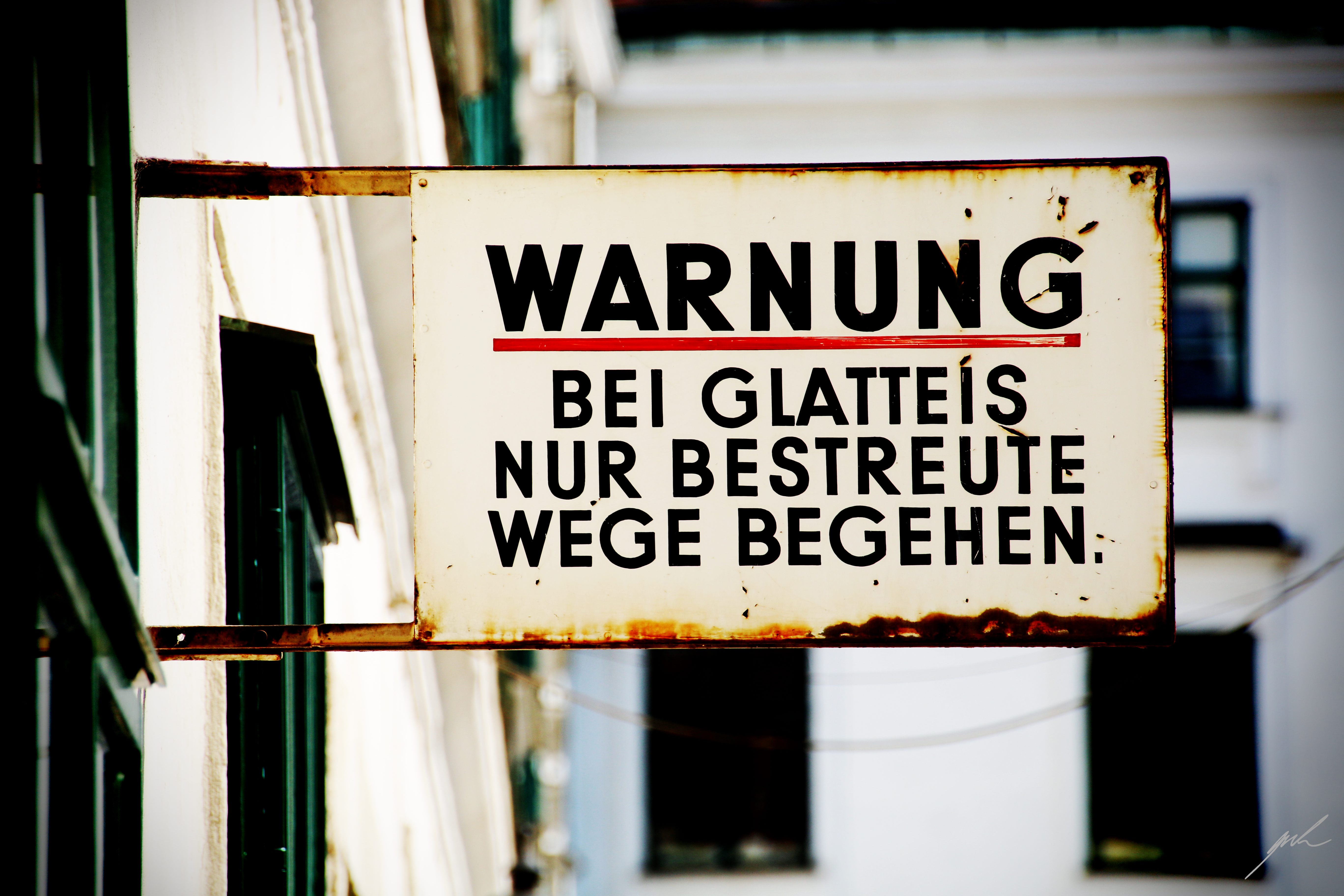
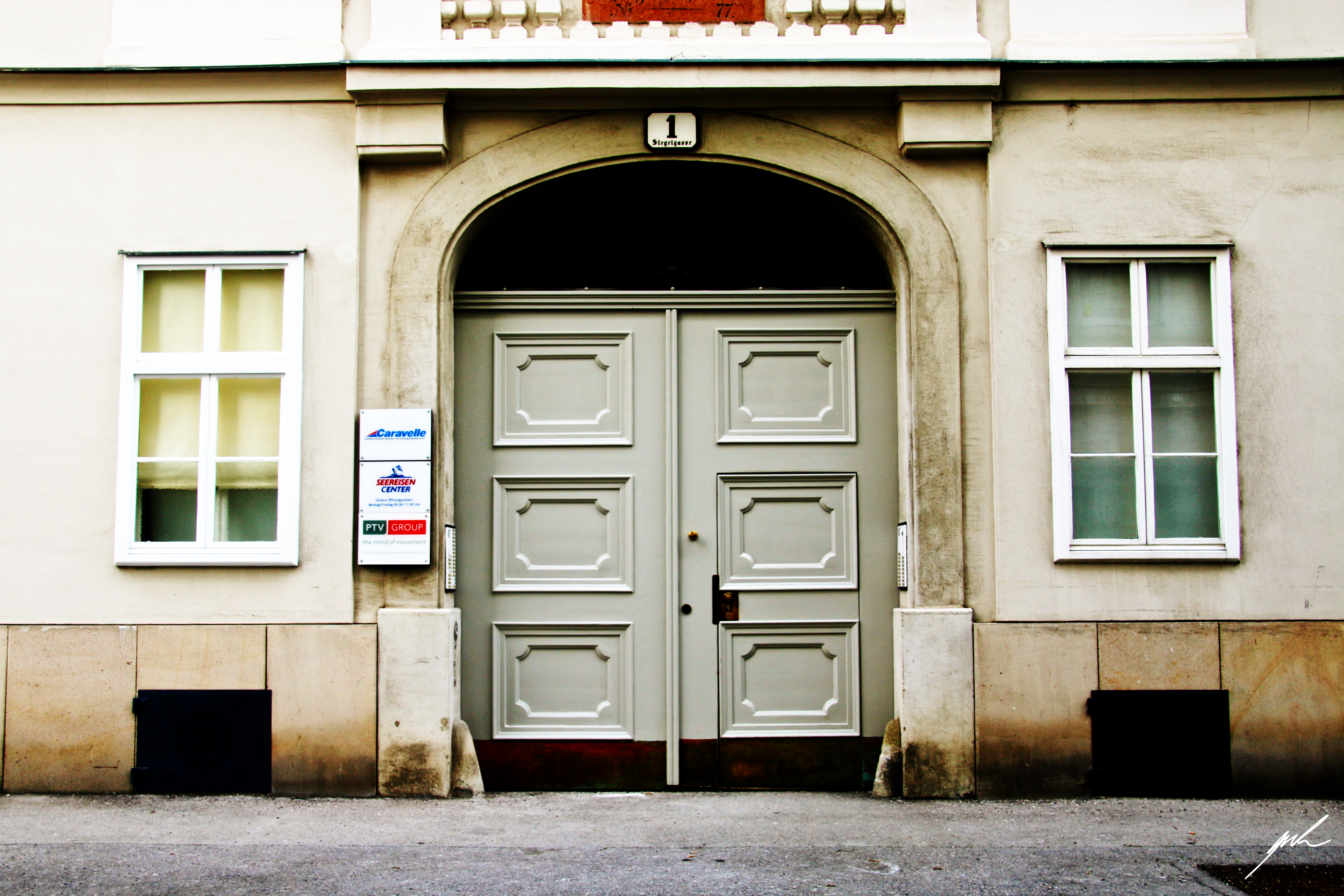
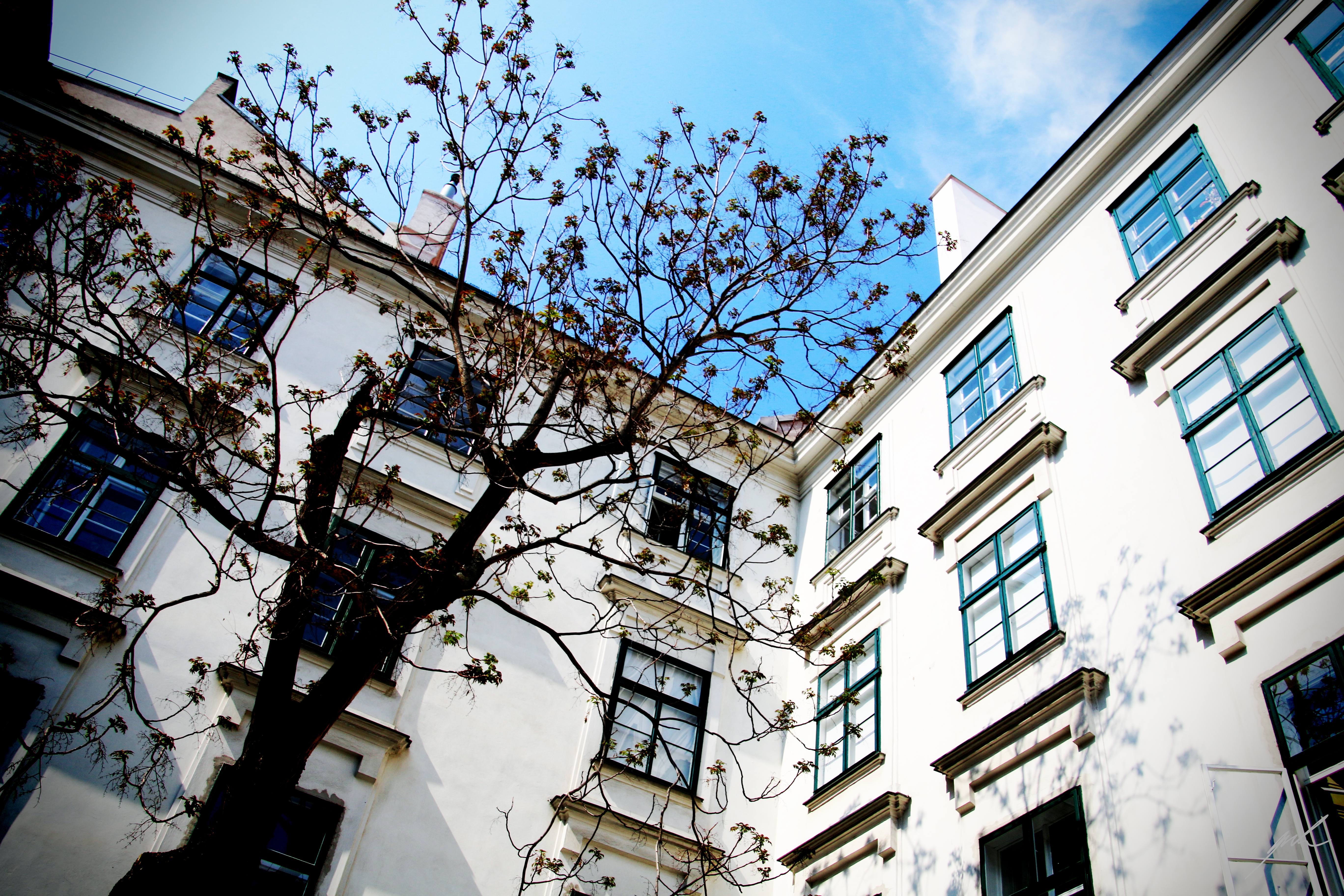
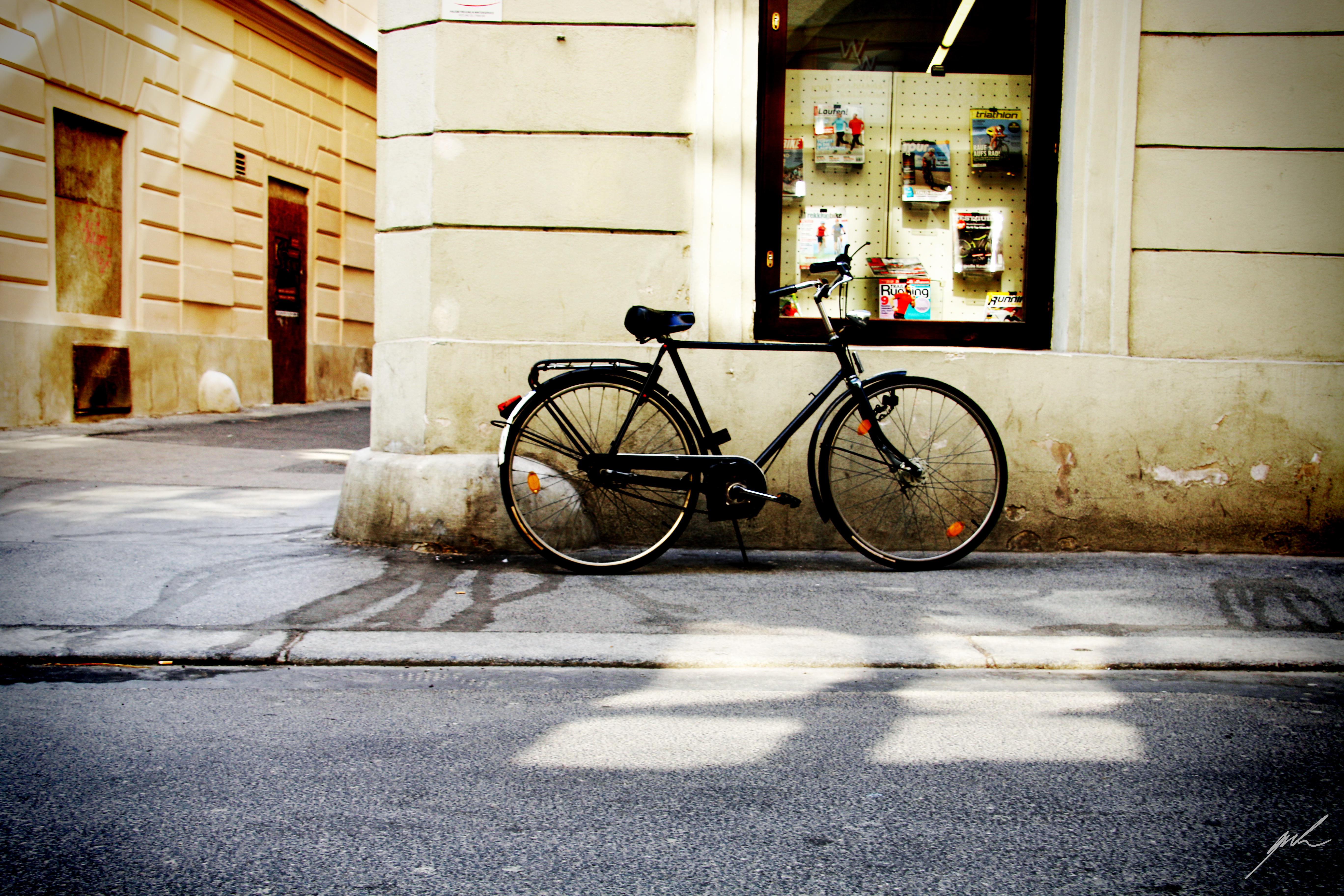
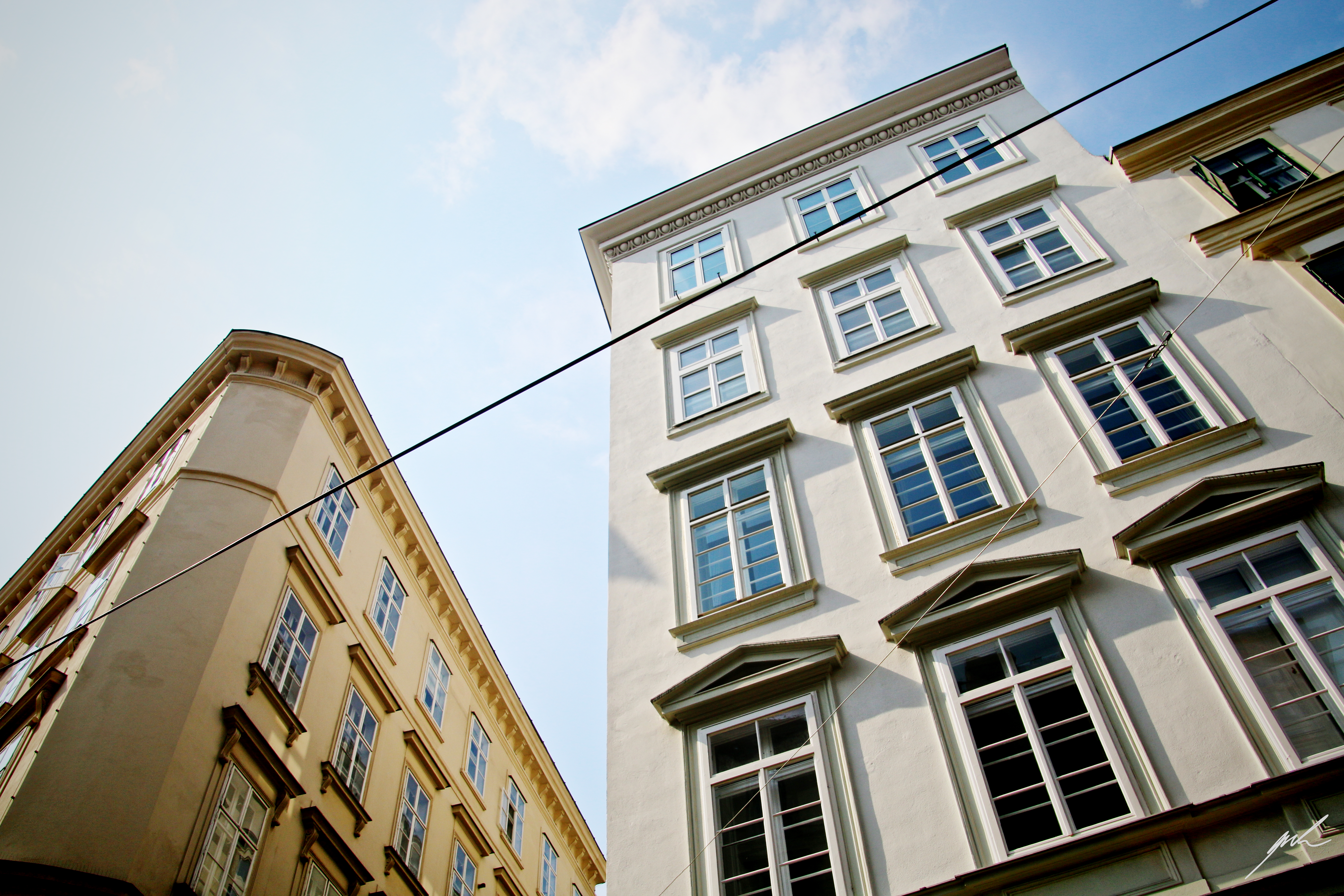
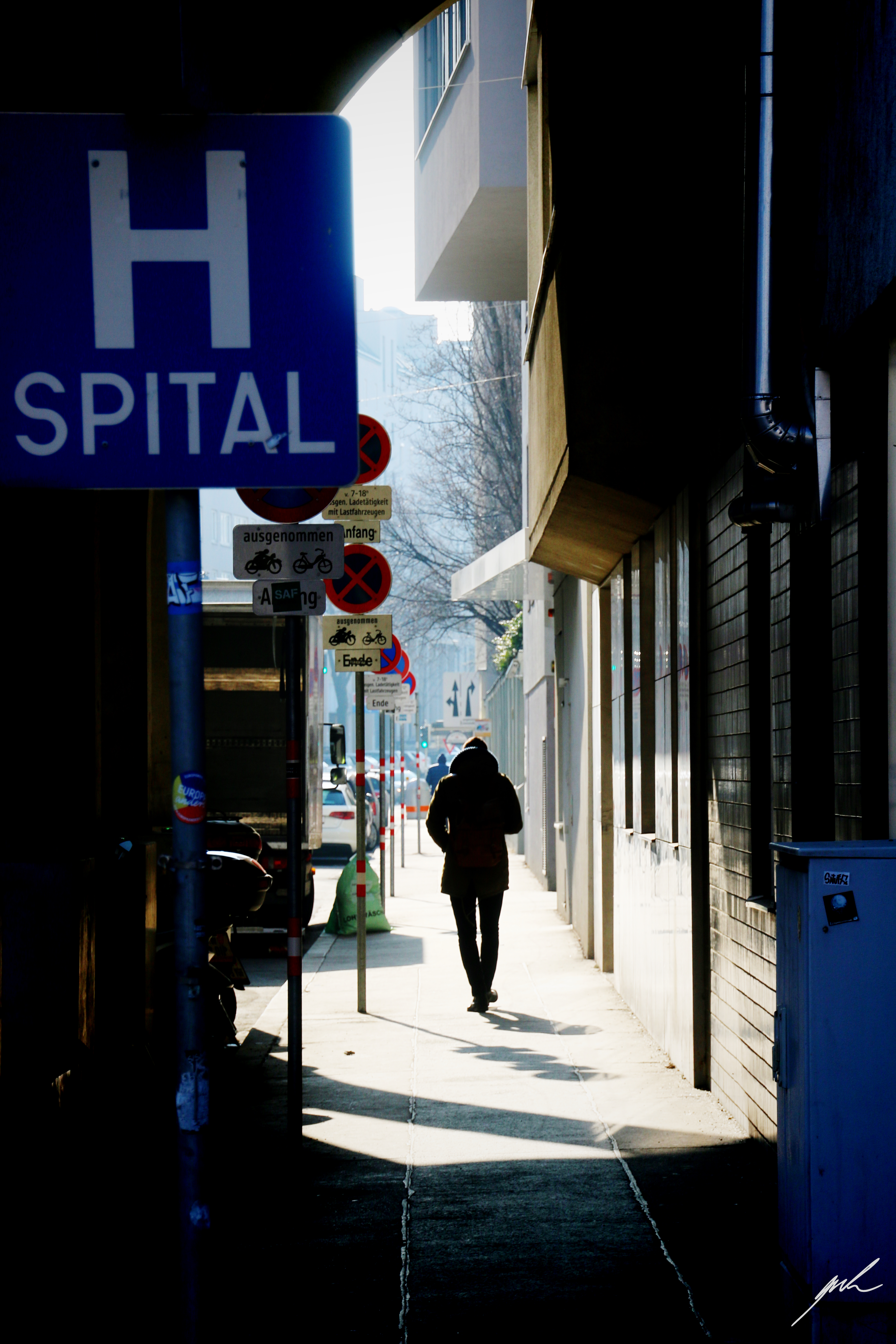
Fragments captured while walking the city on the short days of late winter and early spring.
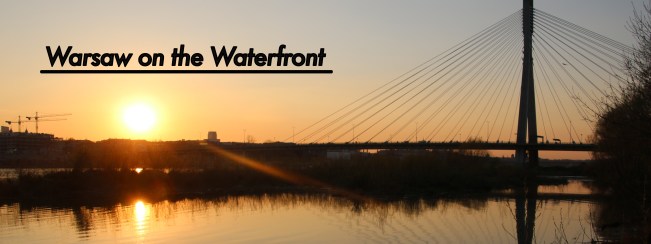
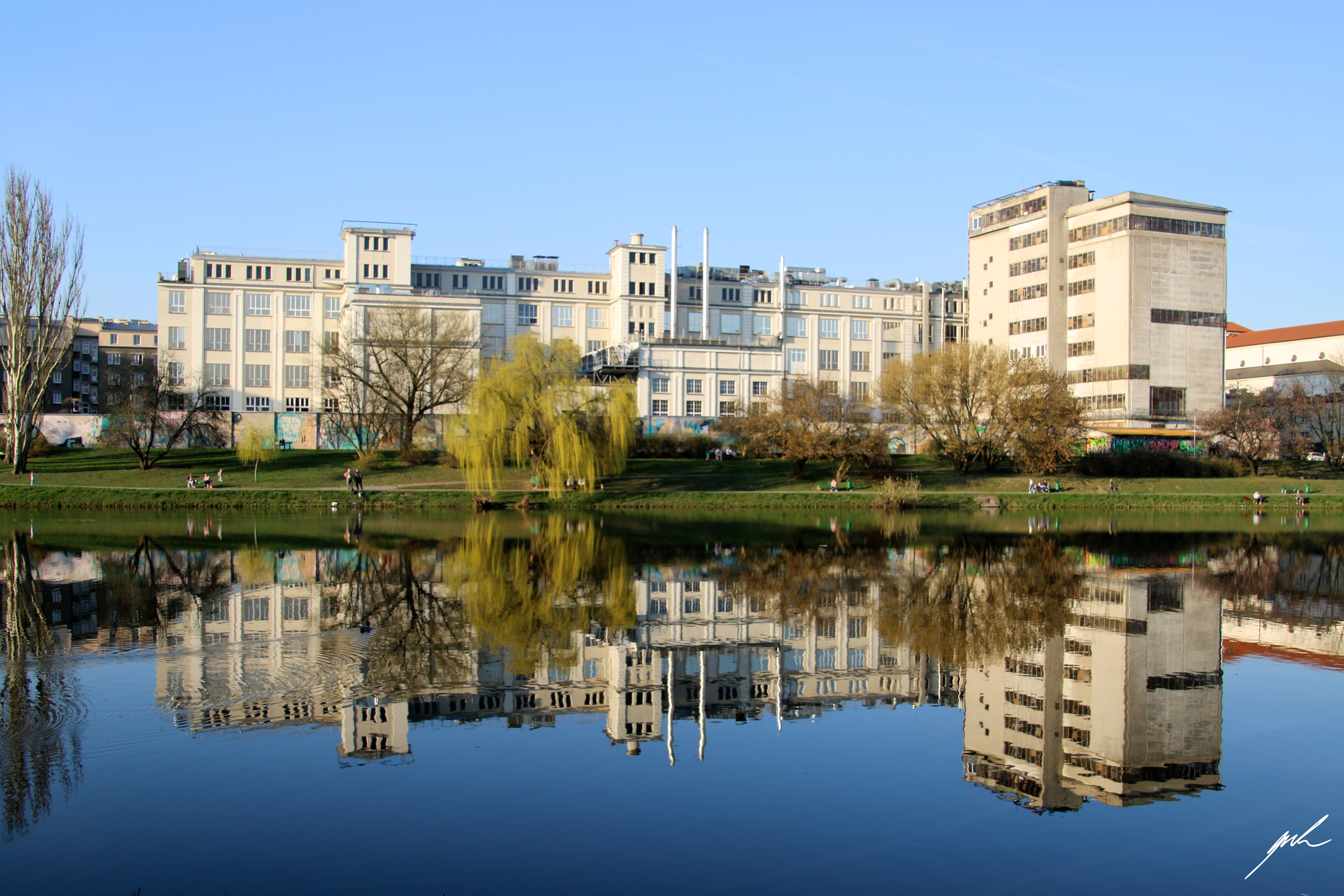
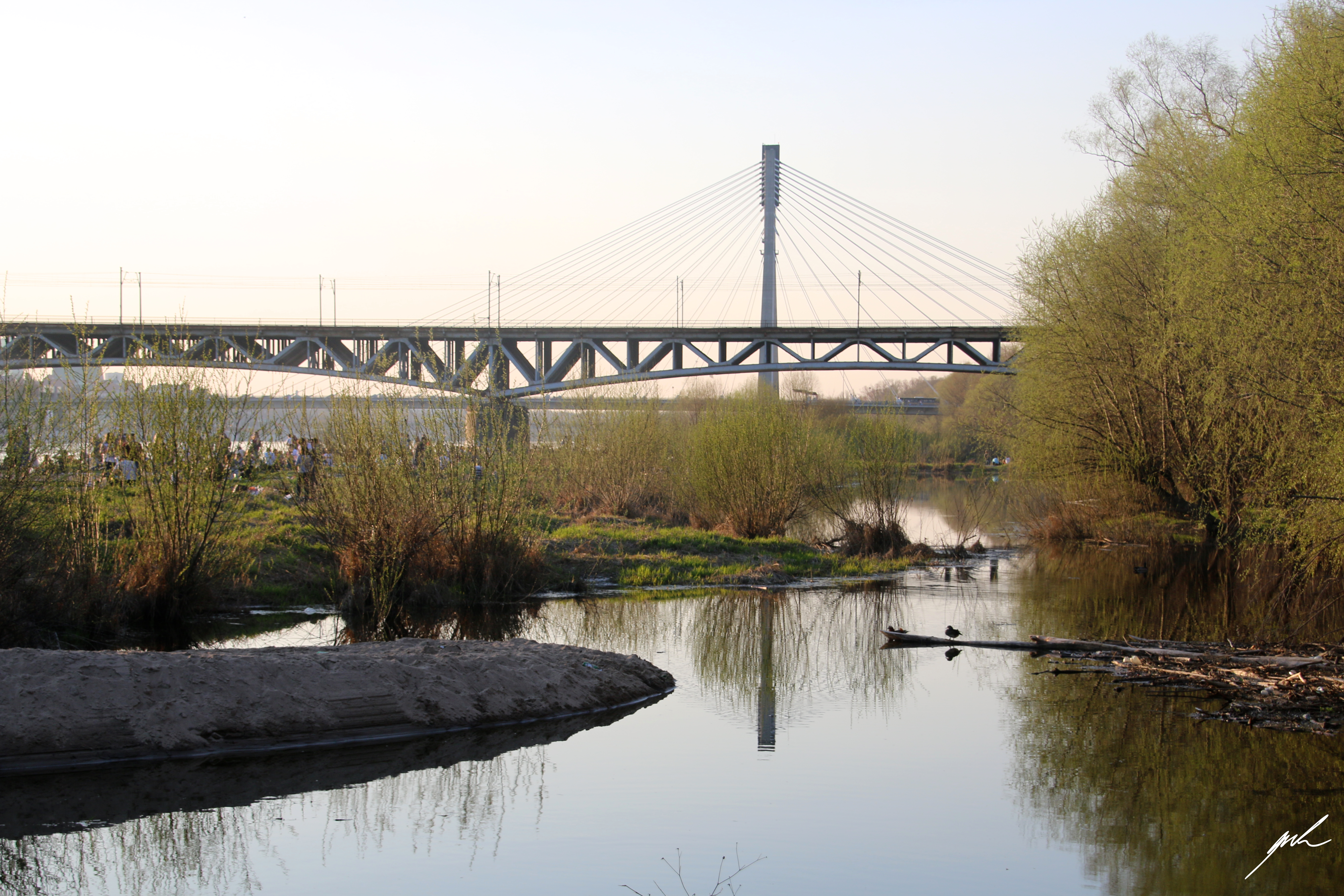
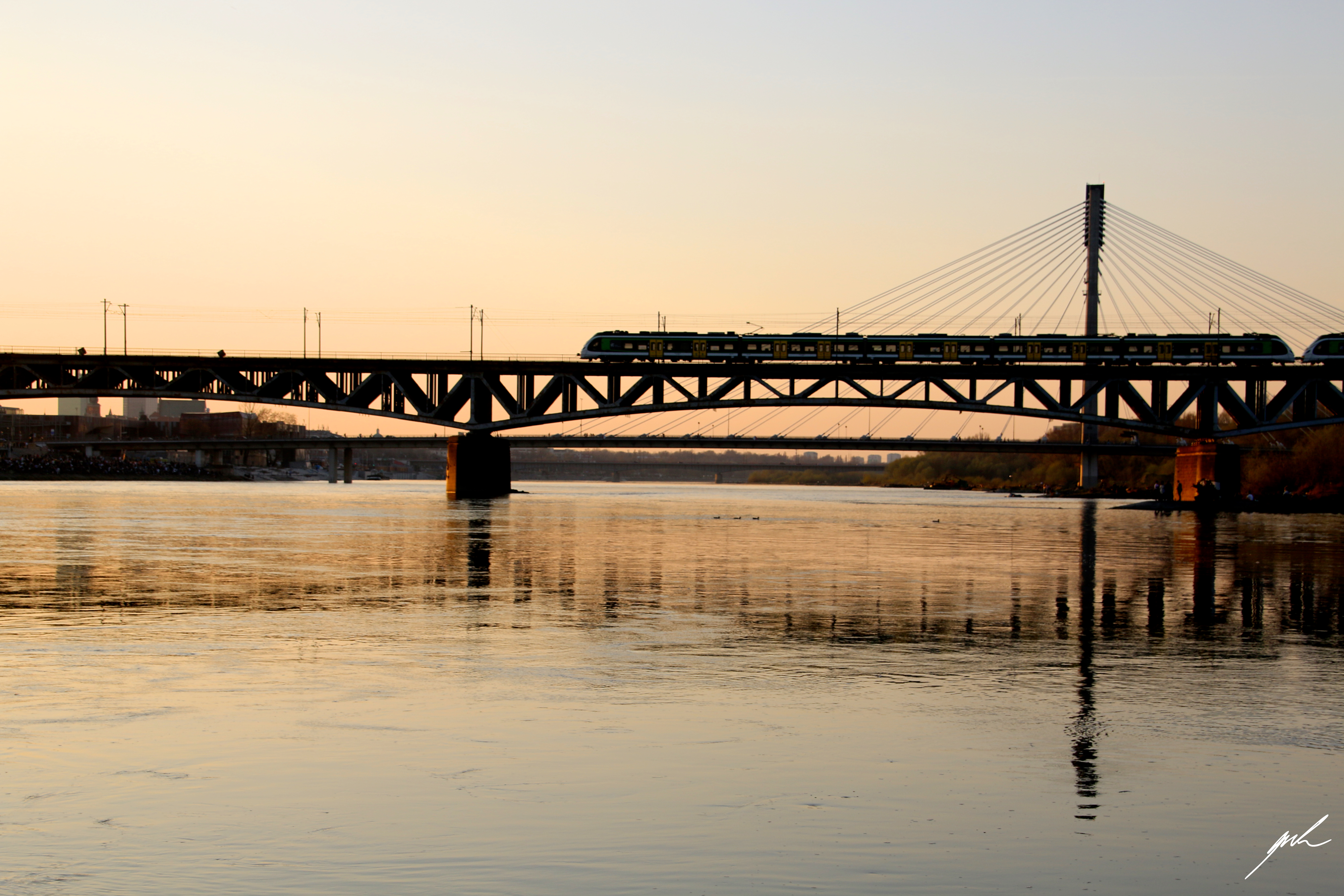
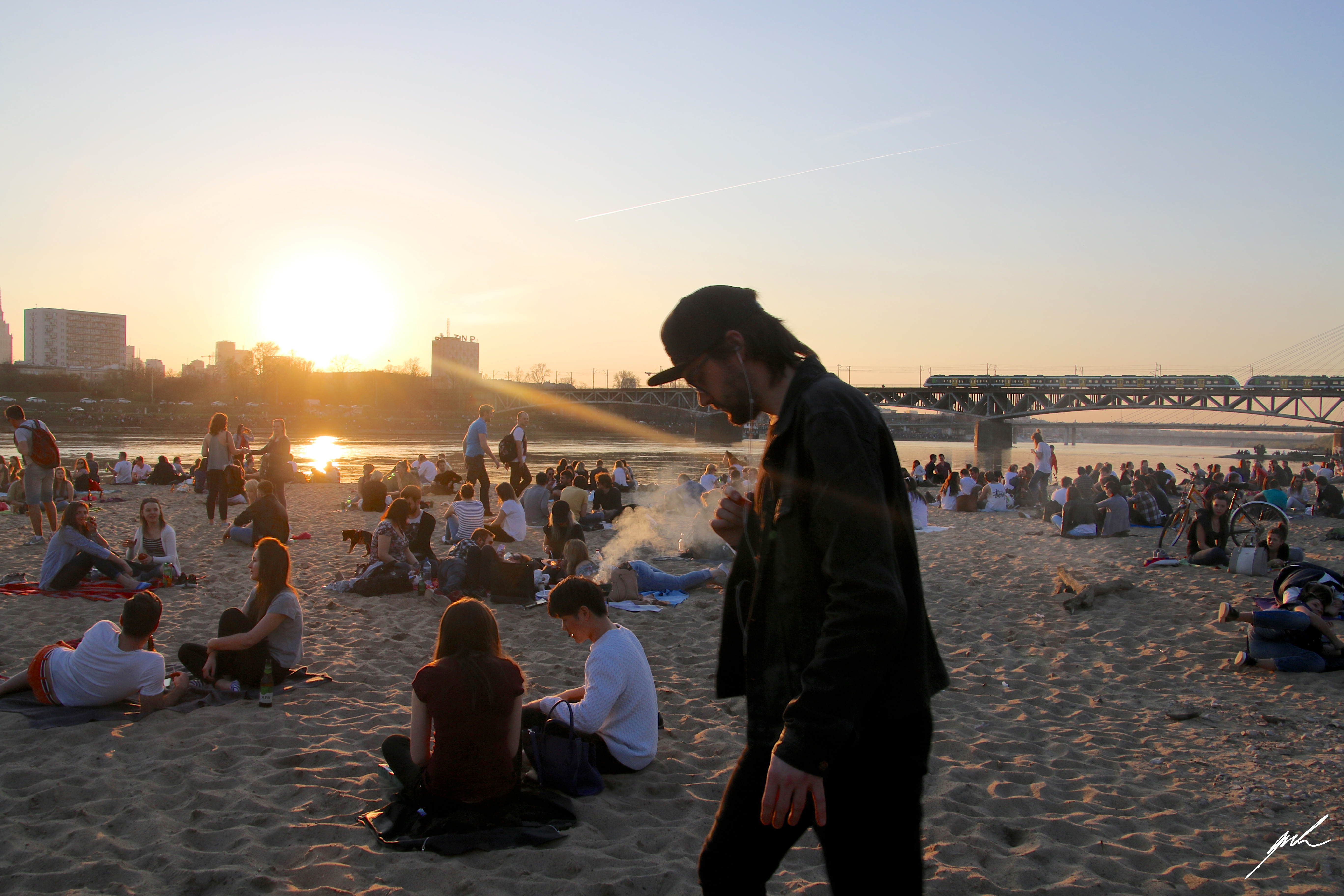
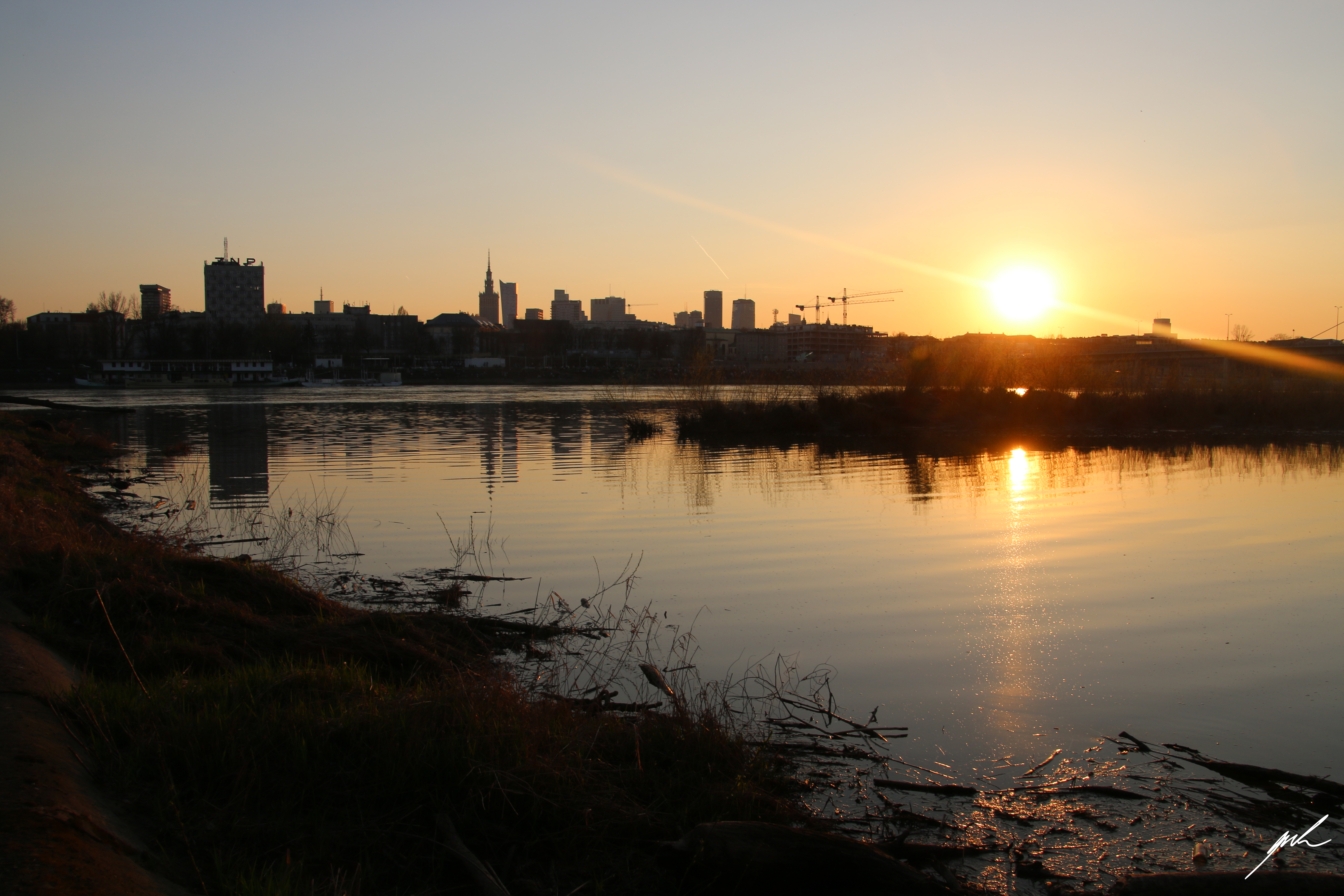
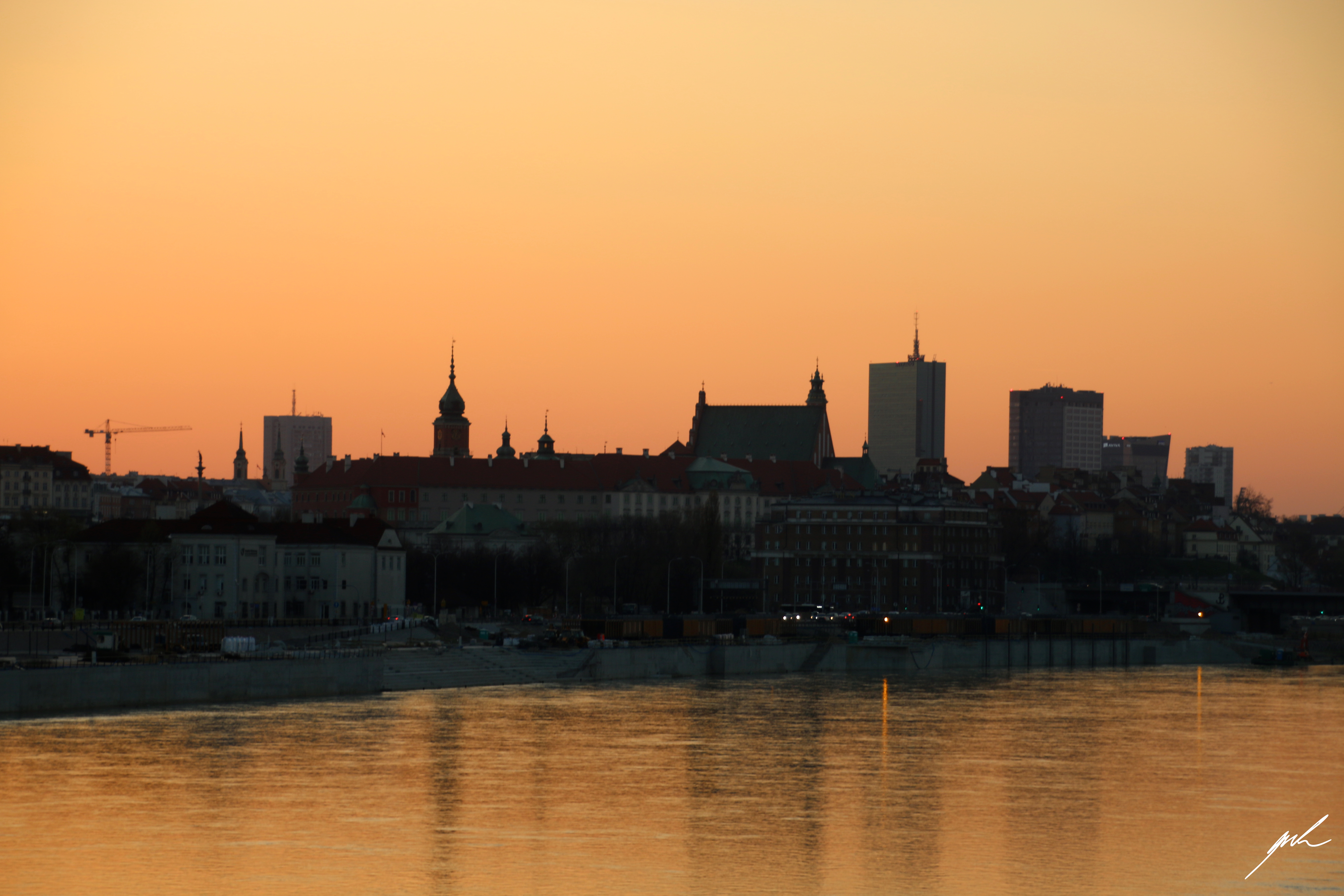
The Vistula is a wild and largely untamed river flowing through Poland’s capital city. Although the old town is located close to the water on a hillside, the proper city center is far away. The surroundings of the Vistula consist primarily of more or less wild greens. At some arms of the river, you’ll find apartment buildings, too, similar to the Alte Donau area in Vienna. There are some sandy parts as well which are flooded with people in summer. The sunsets are indeed gorgeous there.


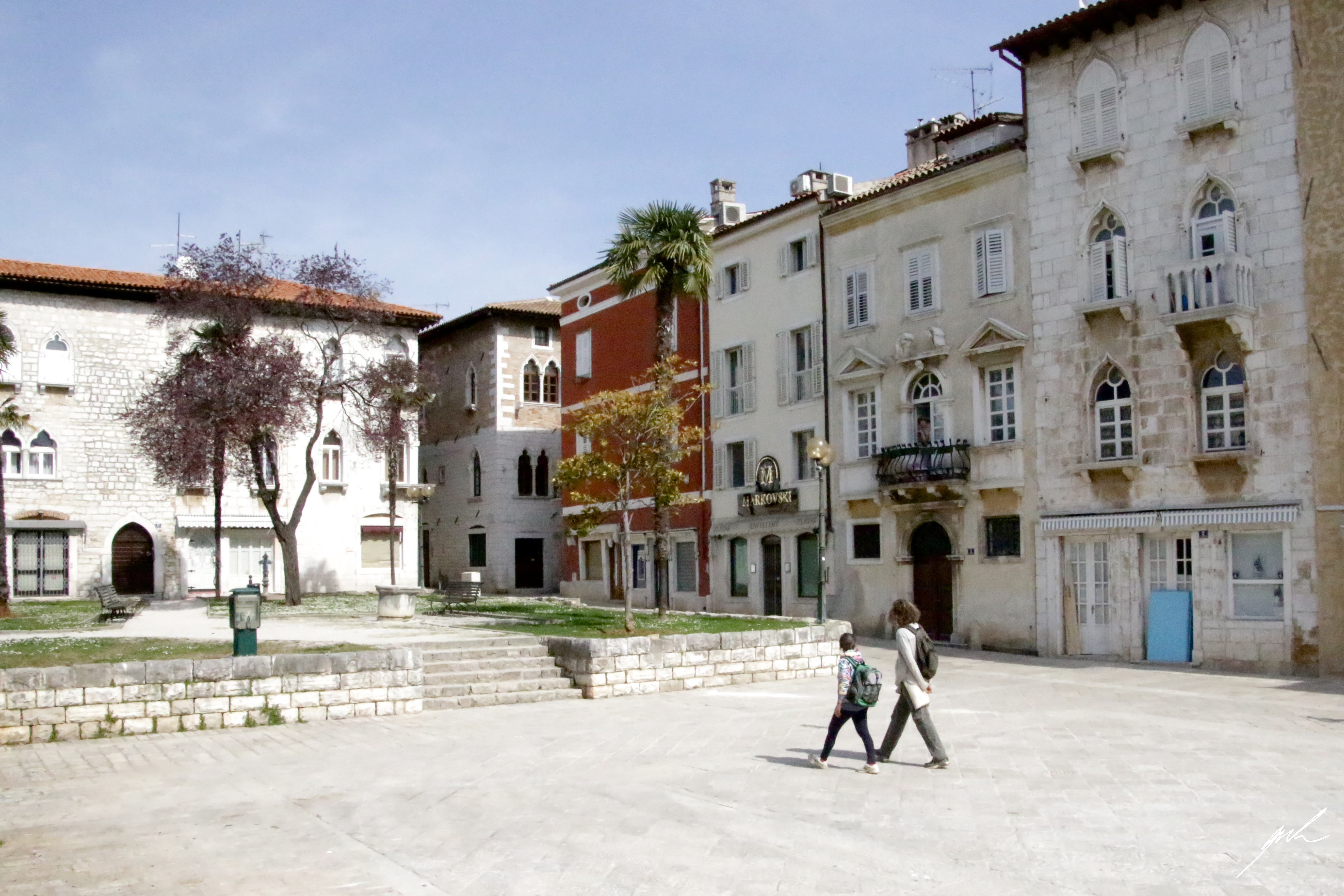
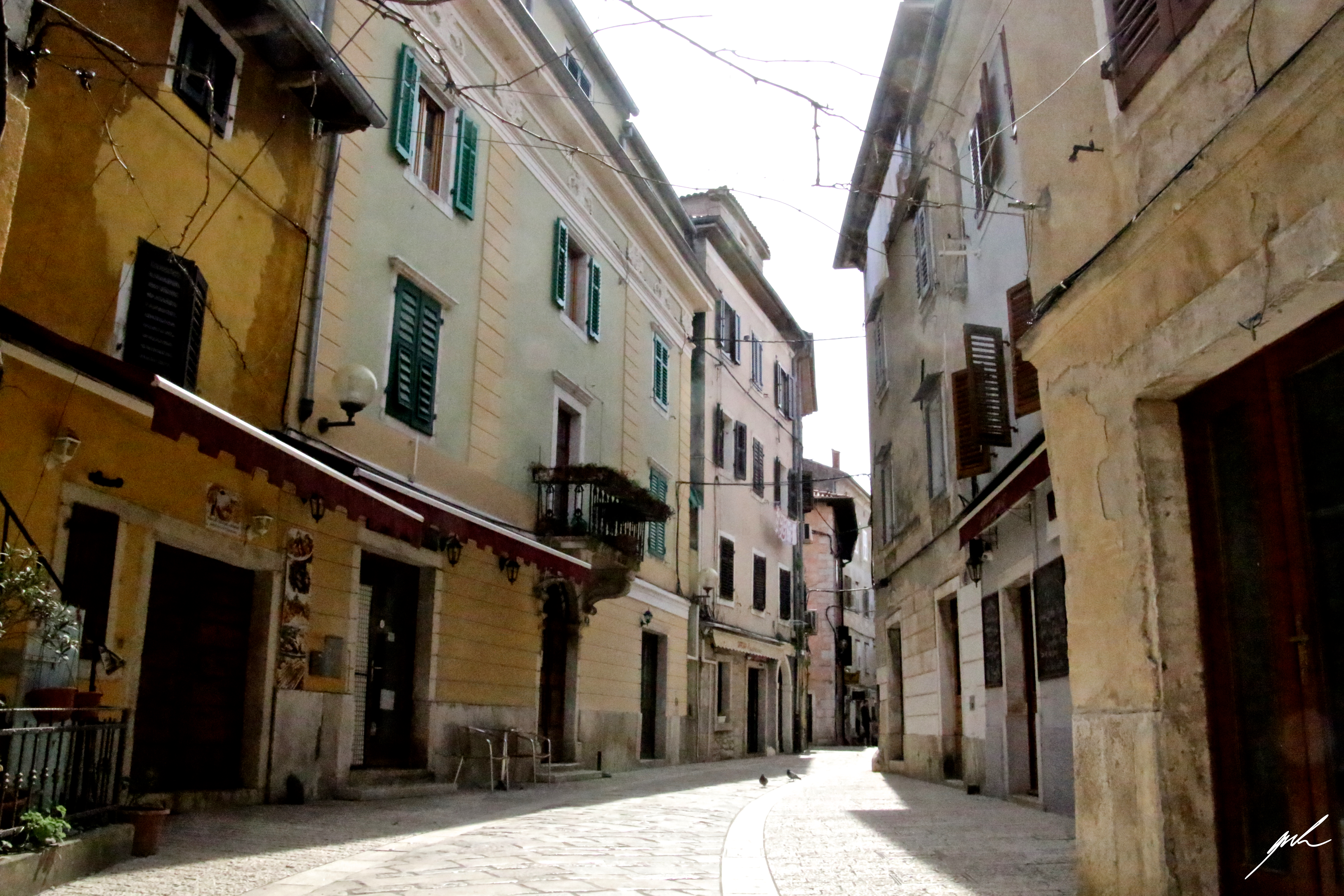
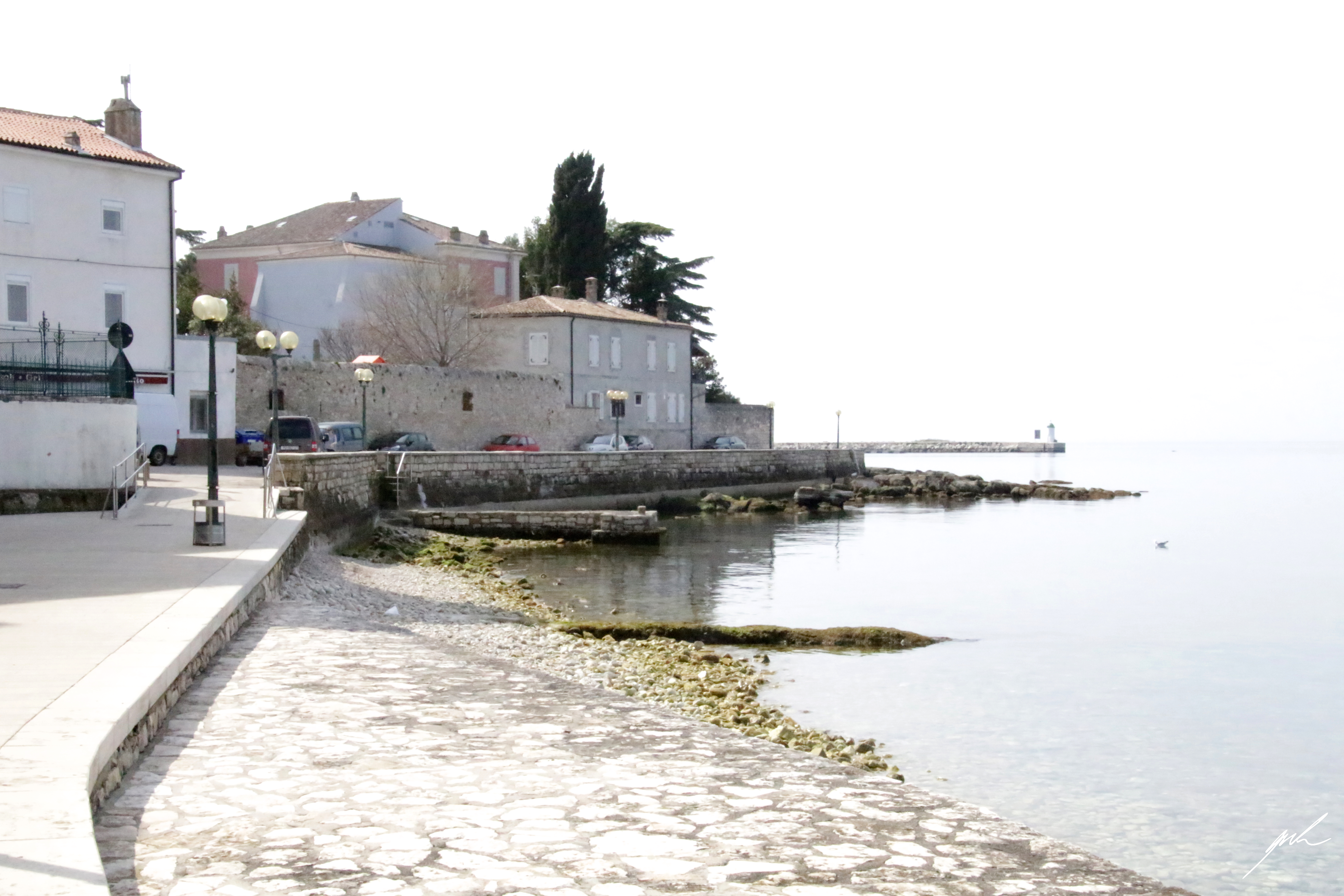
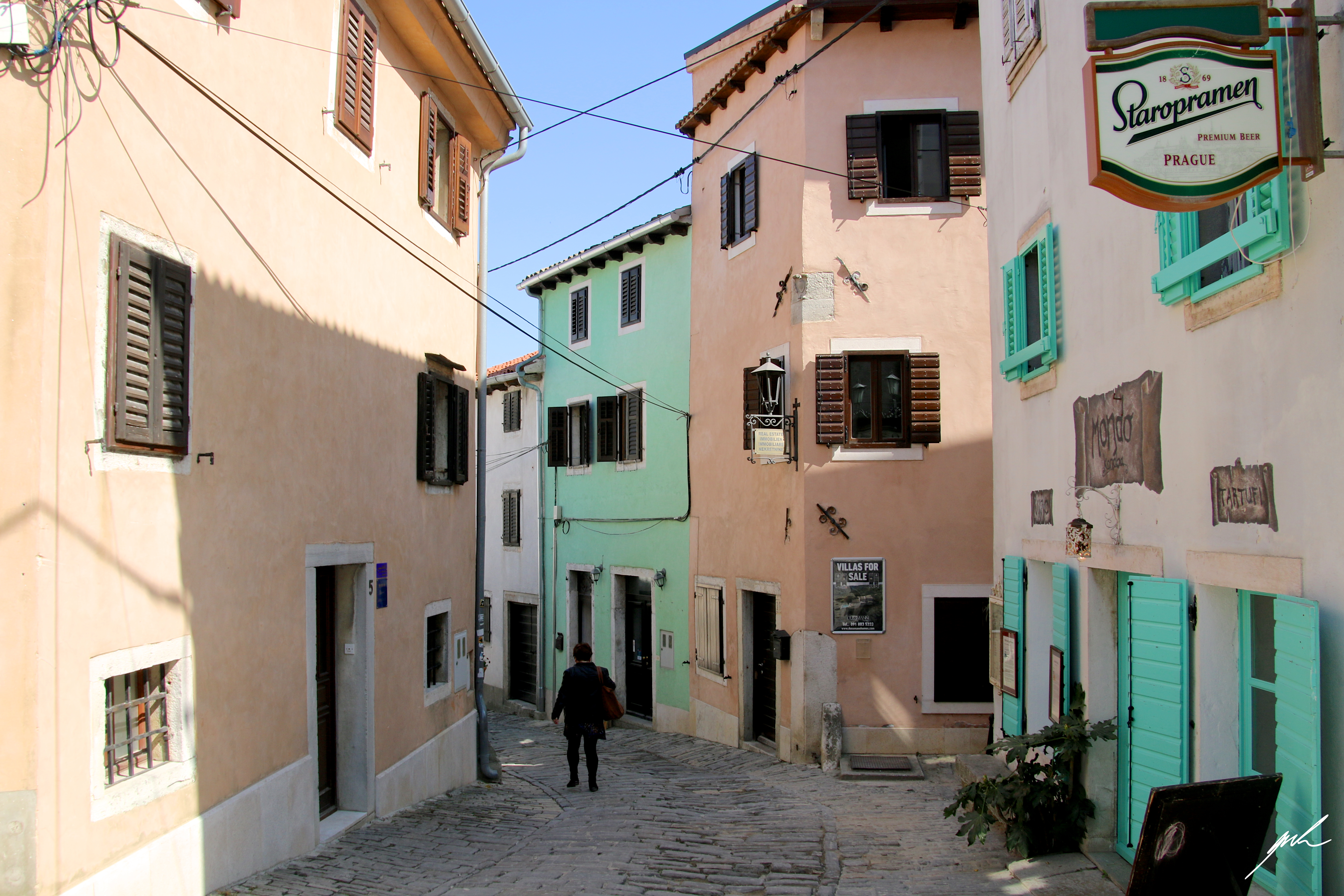
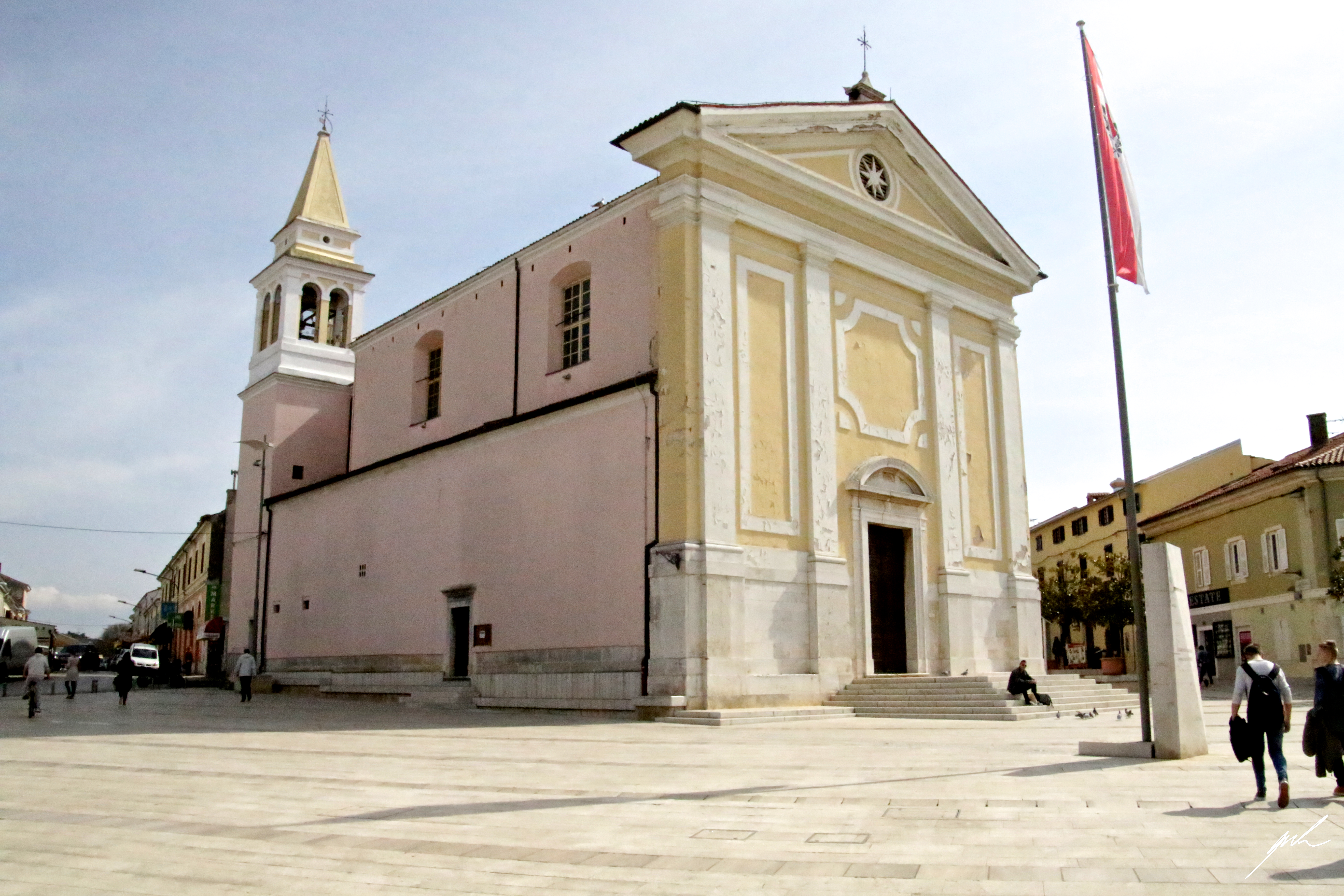
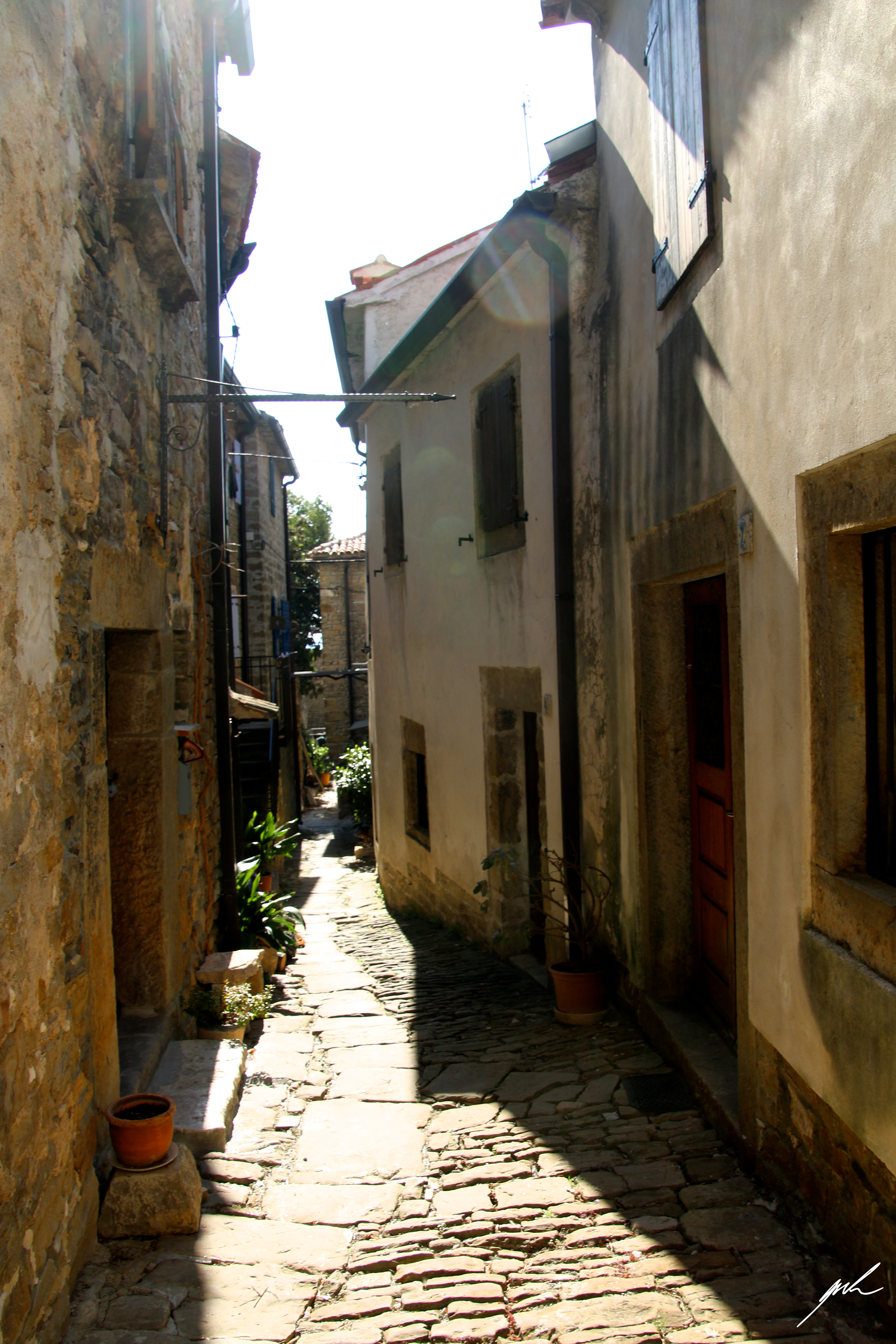
Today, mostly part of Croatia, the Istrian peninsula was known for its beauty and fertility in ancient times. Traveling around, you’ll discover Venetian architecture, green landscapes, and deep blue beaches. It is the Mediterranean through and through, with friendly people and good food. It is a place worth to learn.
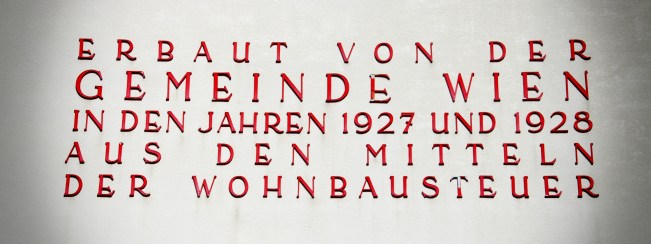
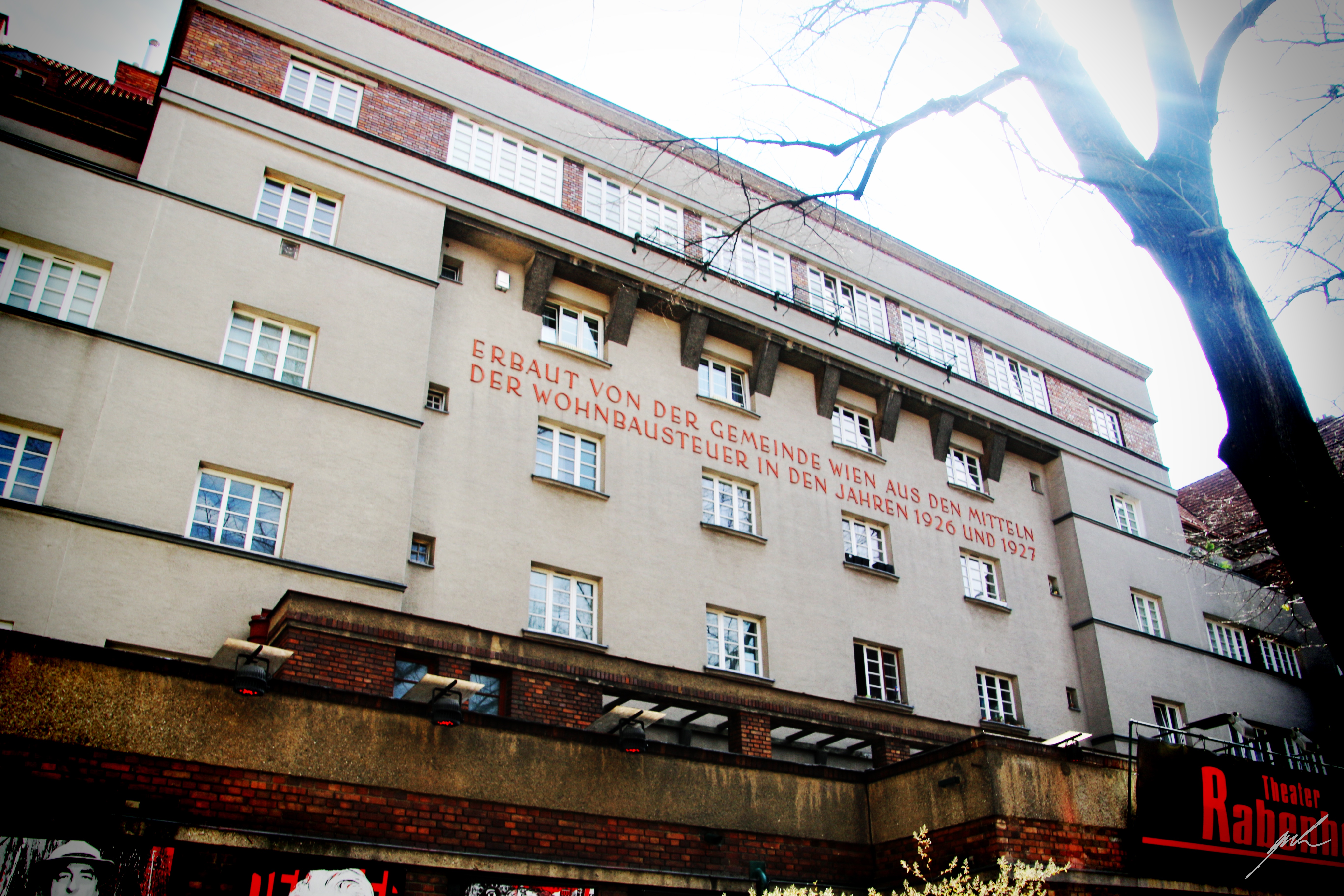
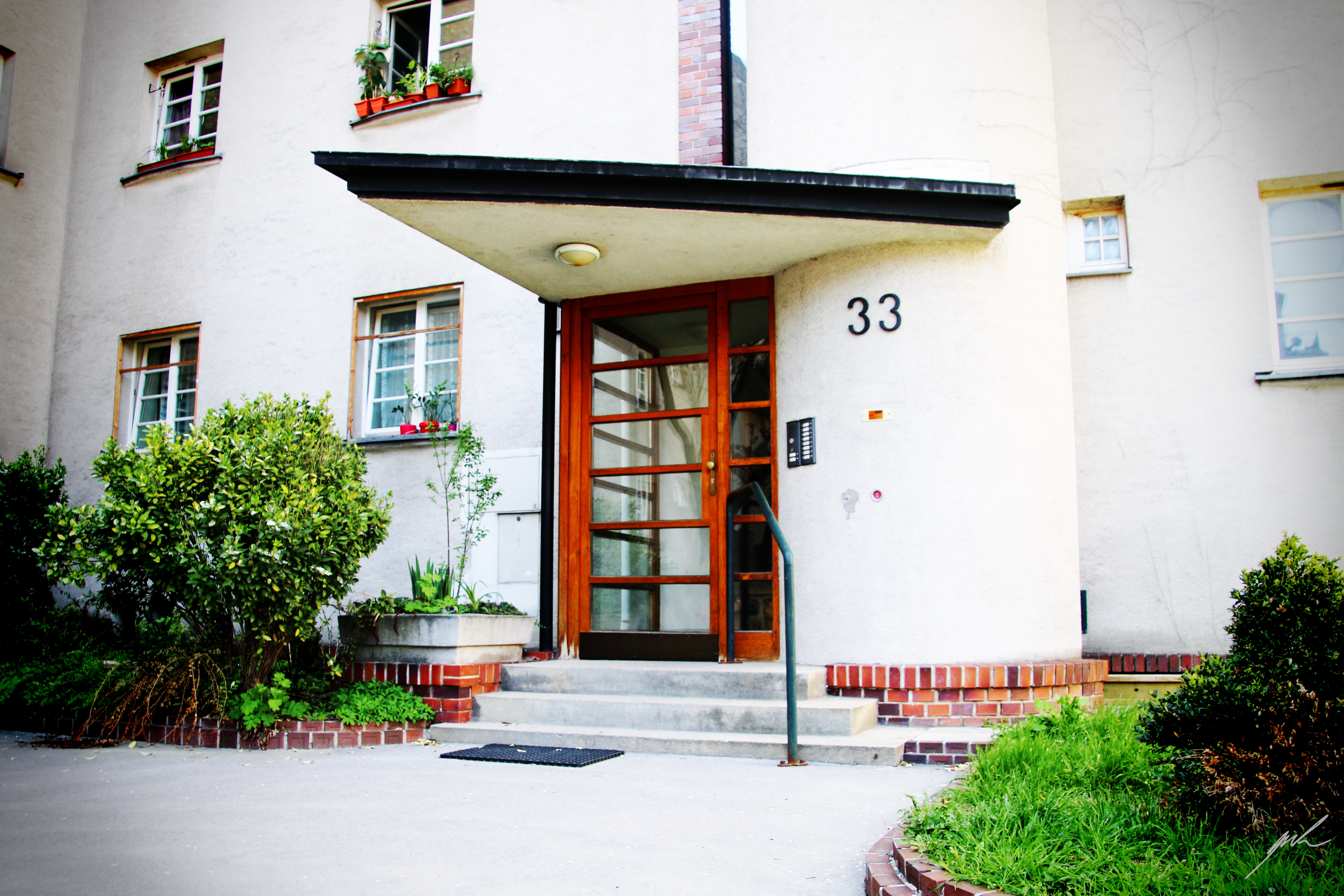
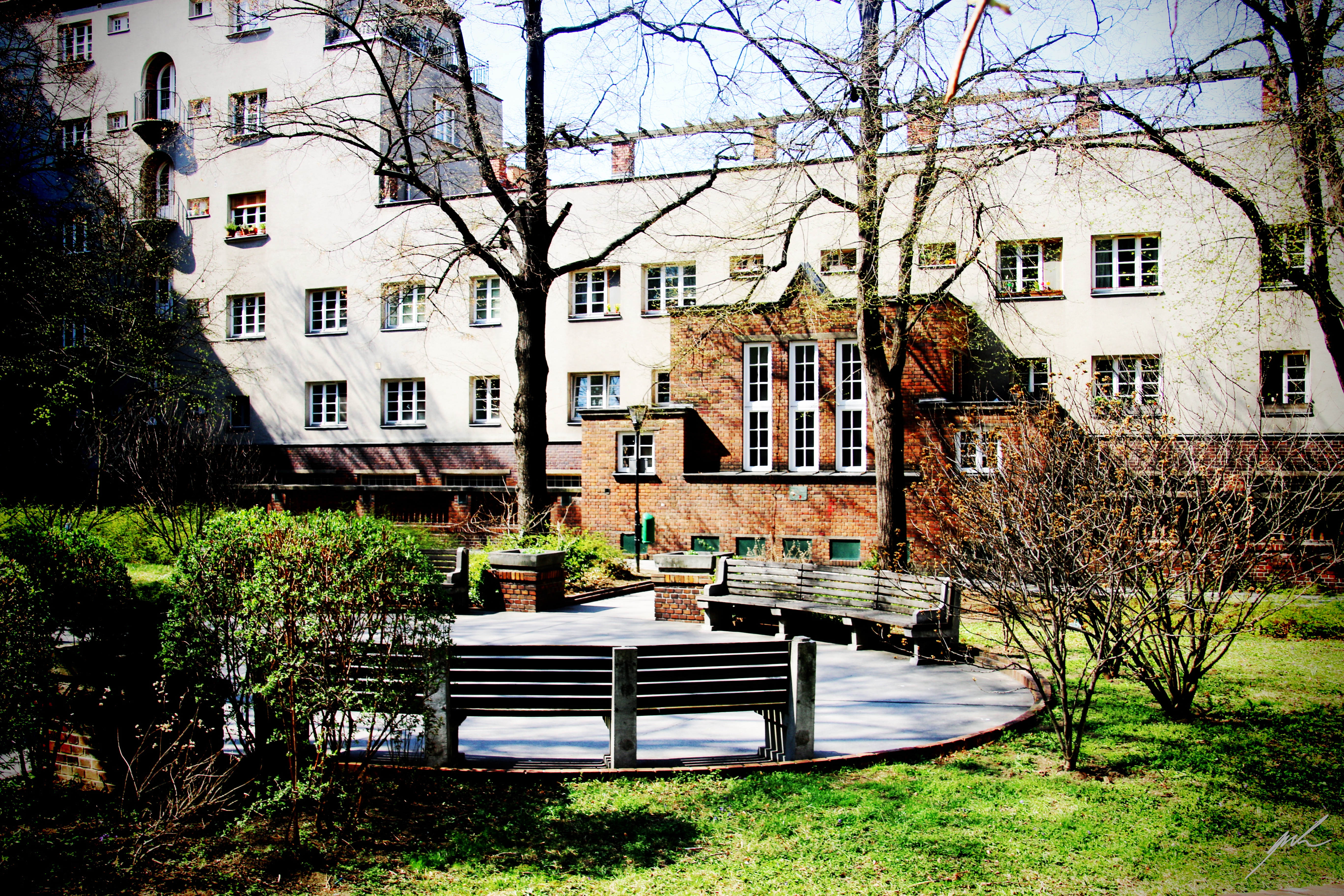
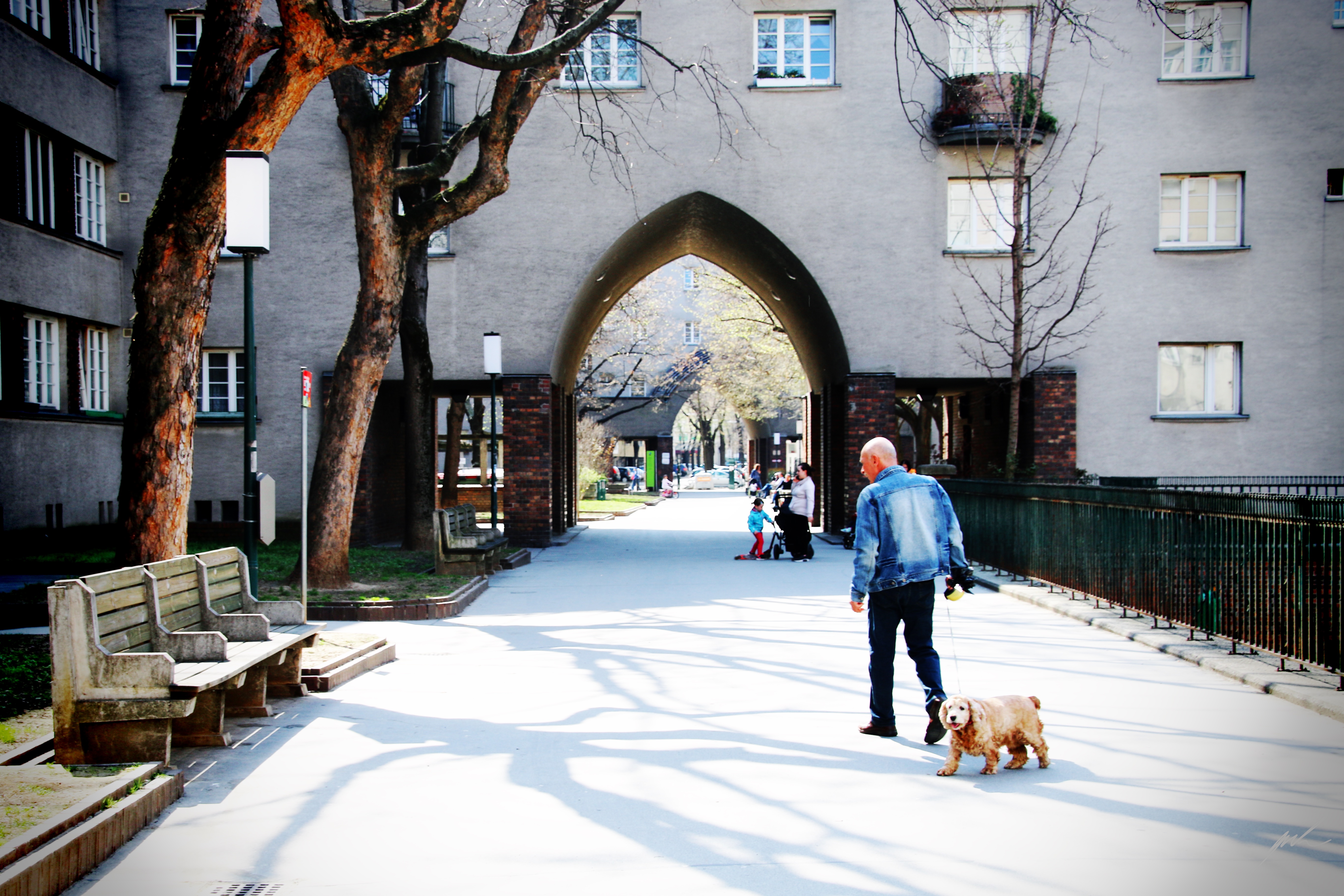
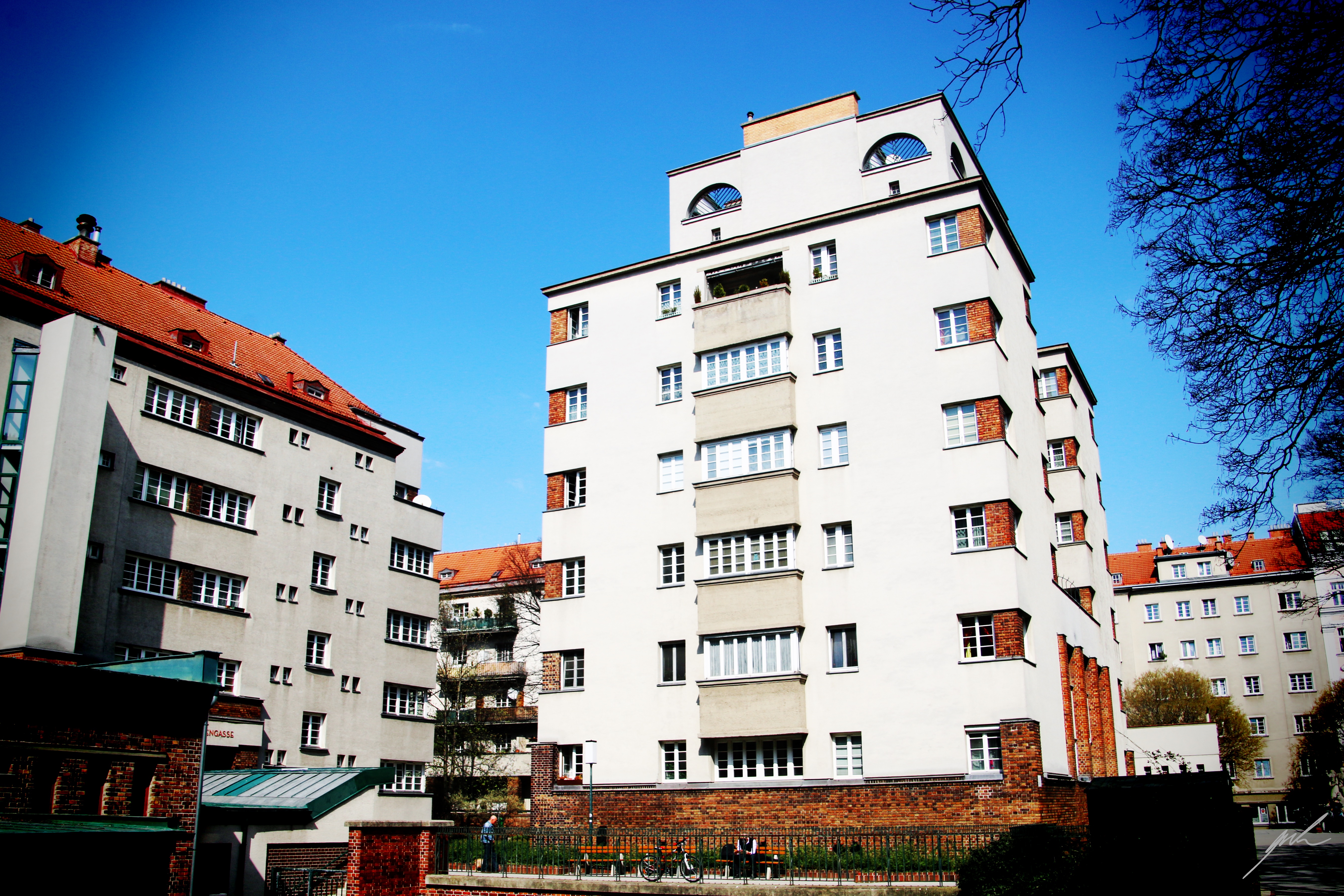
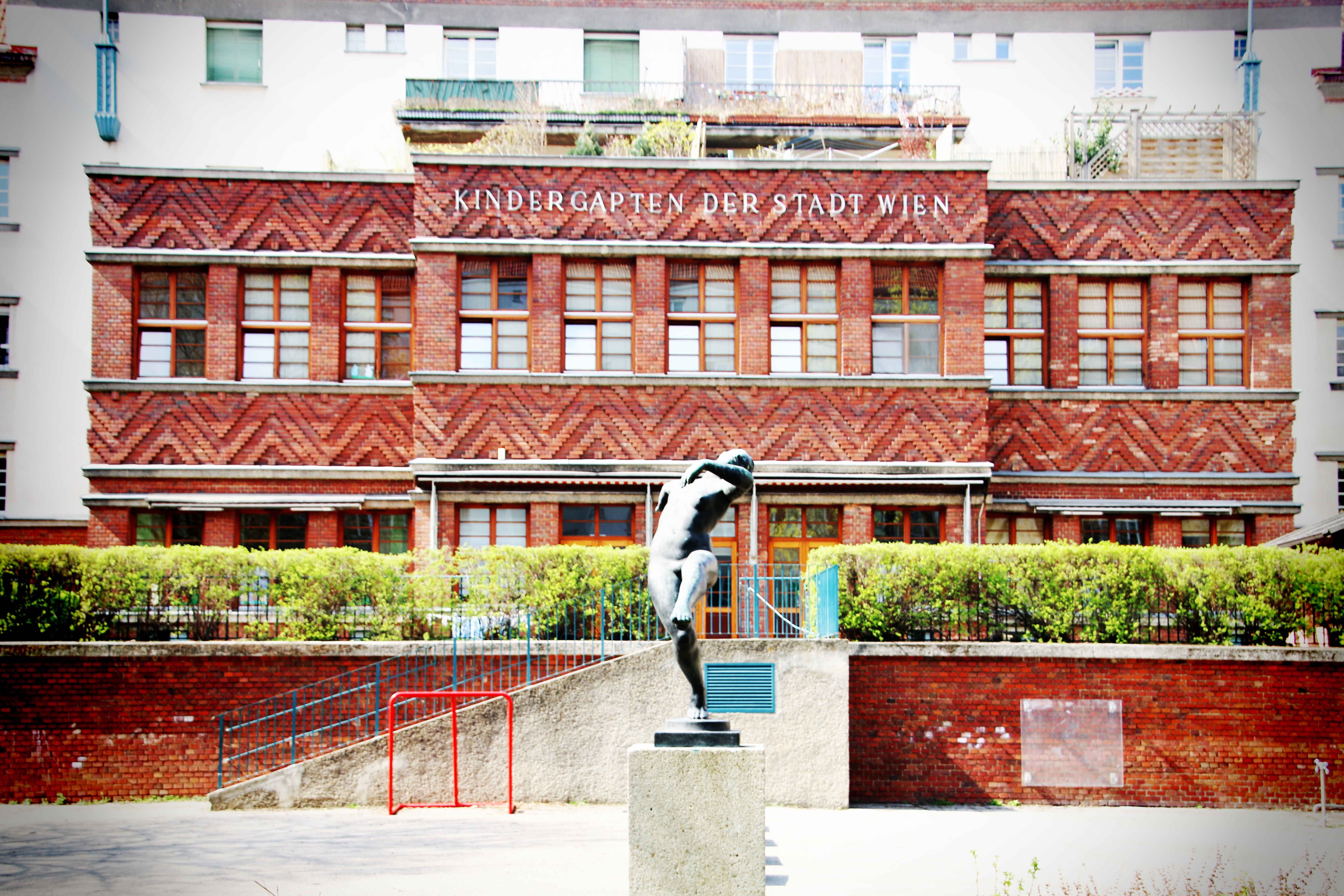
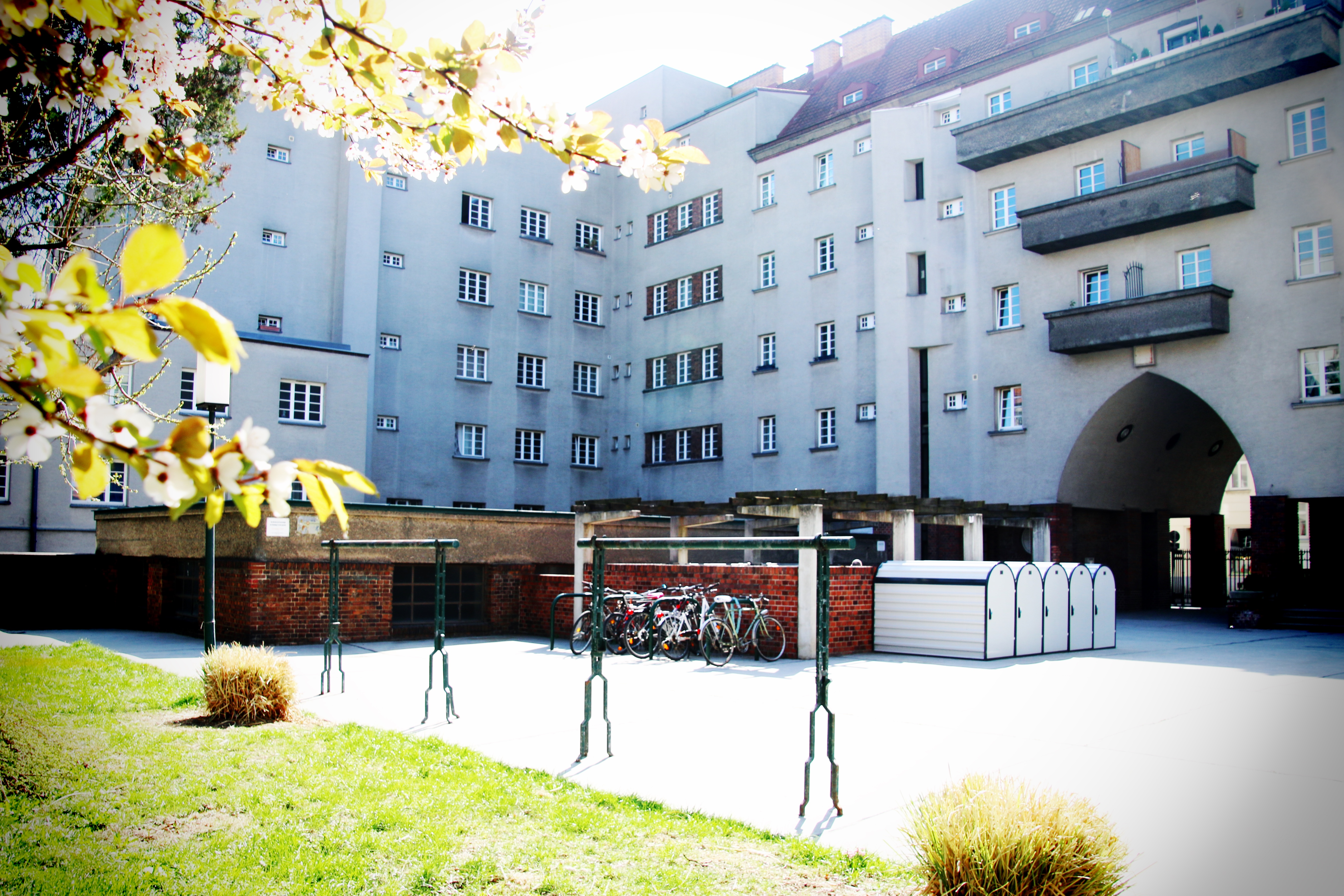
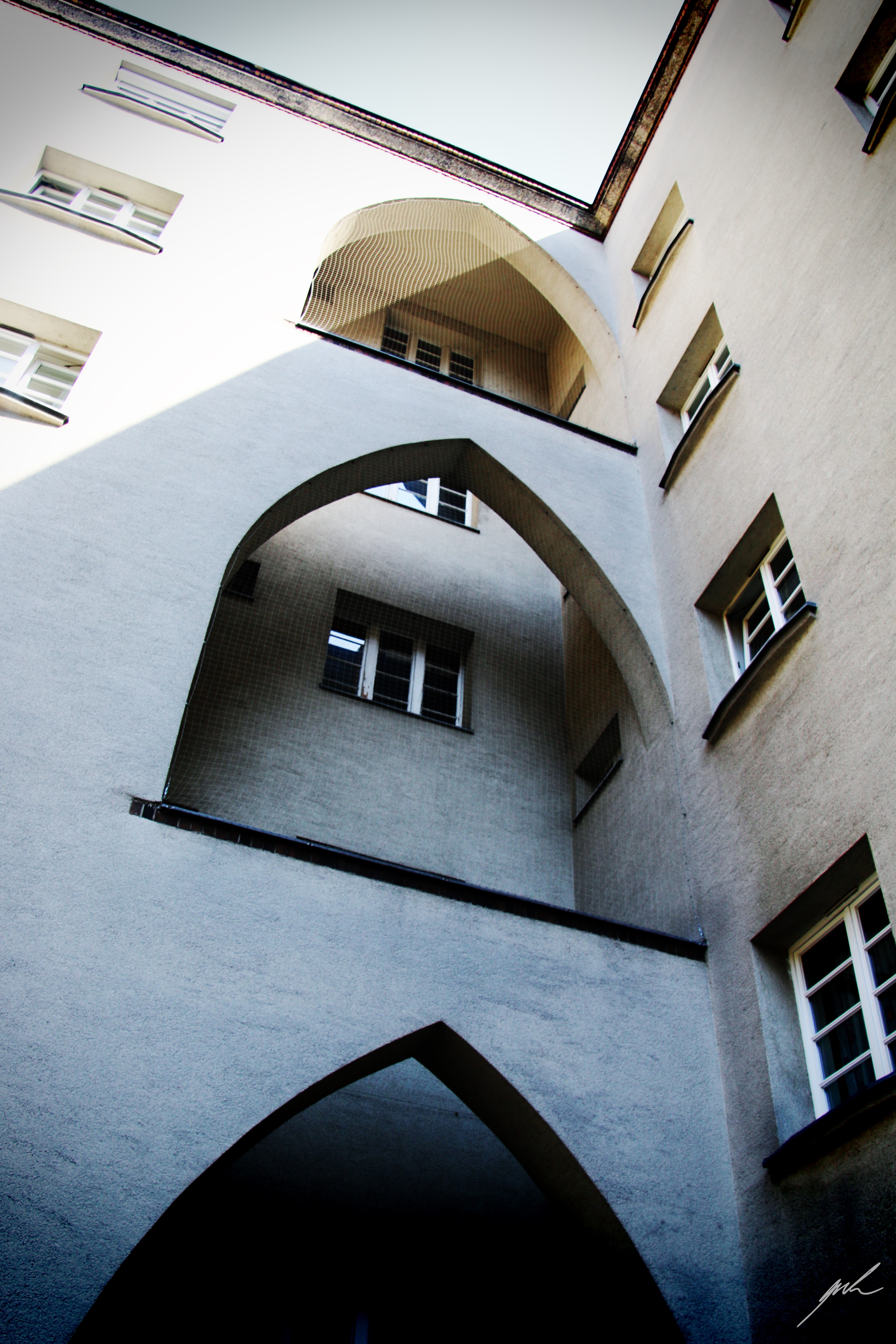
After the devastations of World War I and facing enormous societal and economic challenges, the people of Vienna craved change. A particular problem was the working class’s poor living conditions; they often lived in large tenements without warm water and communal toilets in the corridors. Large families lived in small apartments, and they often had to accommodate additional roomers to afford the overpriced rent. For these and other reasons, the Socialist Party of Austria (SPÖ) was voted into power and planned a radical rethinking of the city in the 1920s. Large and modern communal buildings called Gemeindebauten were to be built with large inner yards for the workers to gather and thick walls to protect them. Among the first ones made was the Rabenhof in the 3rd Viennese district. Today, it is known among Austrians mainly for the theater with the same name, where the workers’ gathering hall used to be. The rent in these buildings was much lower and affordable; at the same time, the standard of living was much higher, with private toilets, launderettes, private parks, and a kindergarten. The same is true today: every 4th Viennese of different economic backgrounds lives in a Gemeindewohnung, around 3.500 in the Rabenhof building.

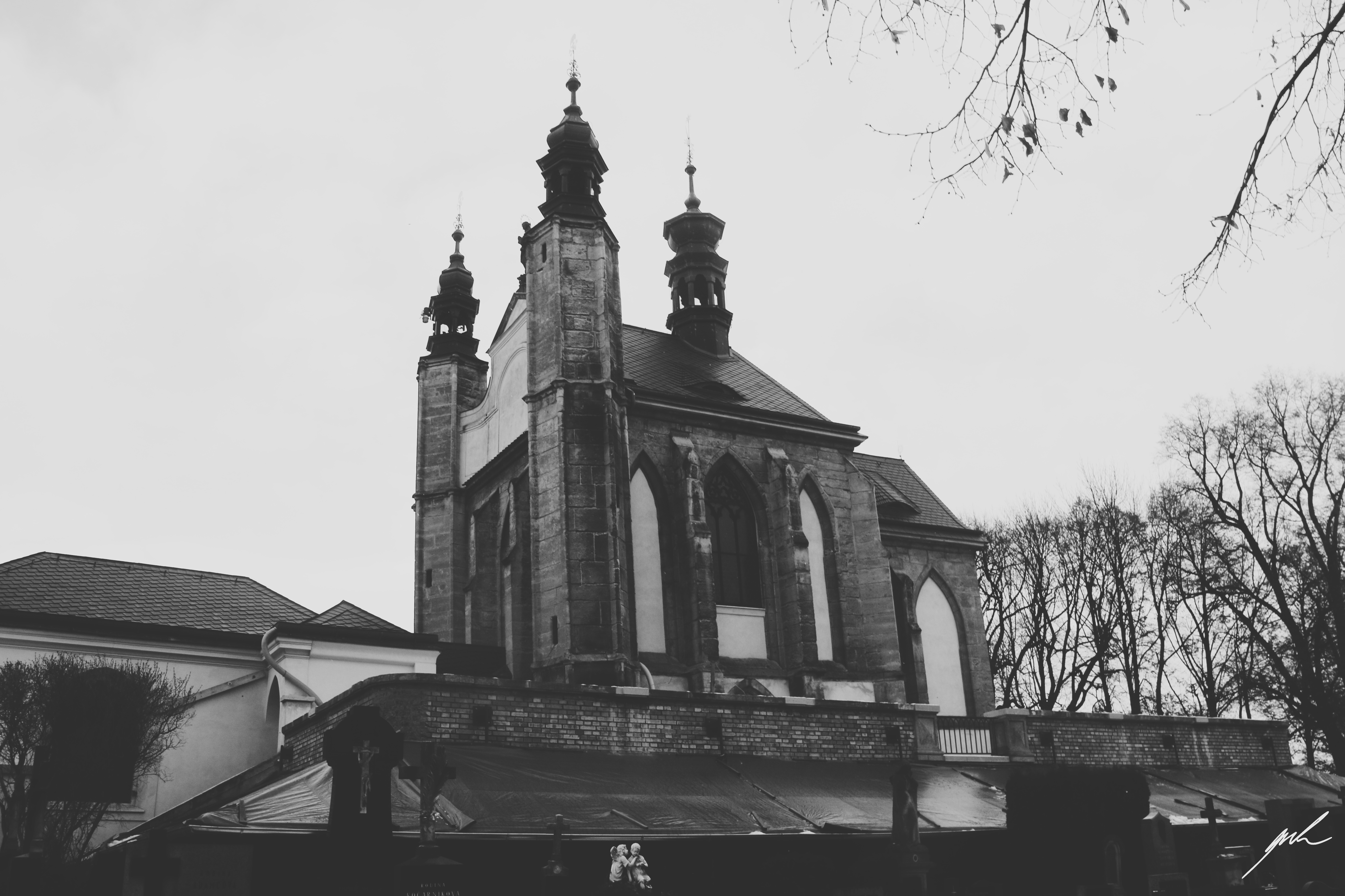
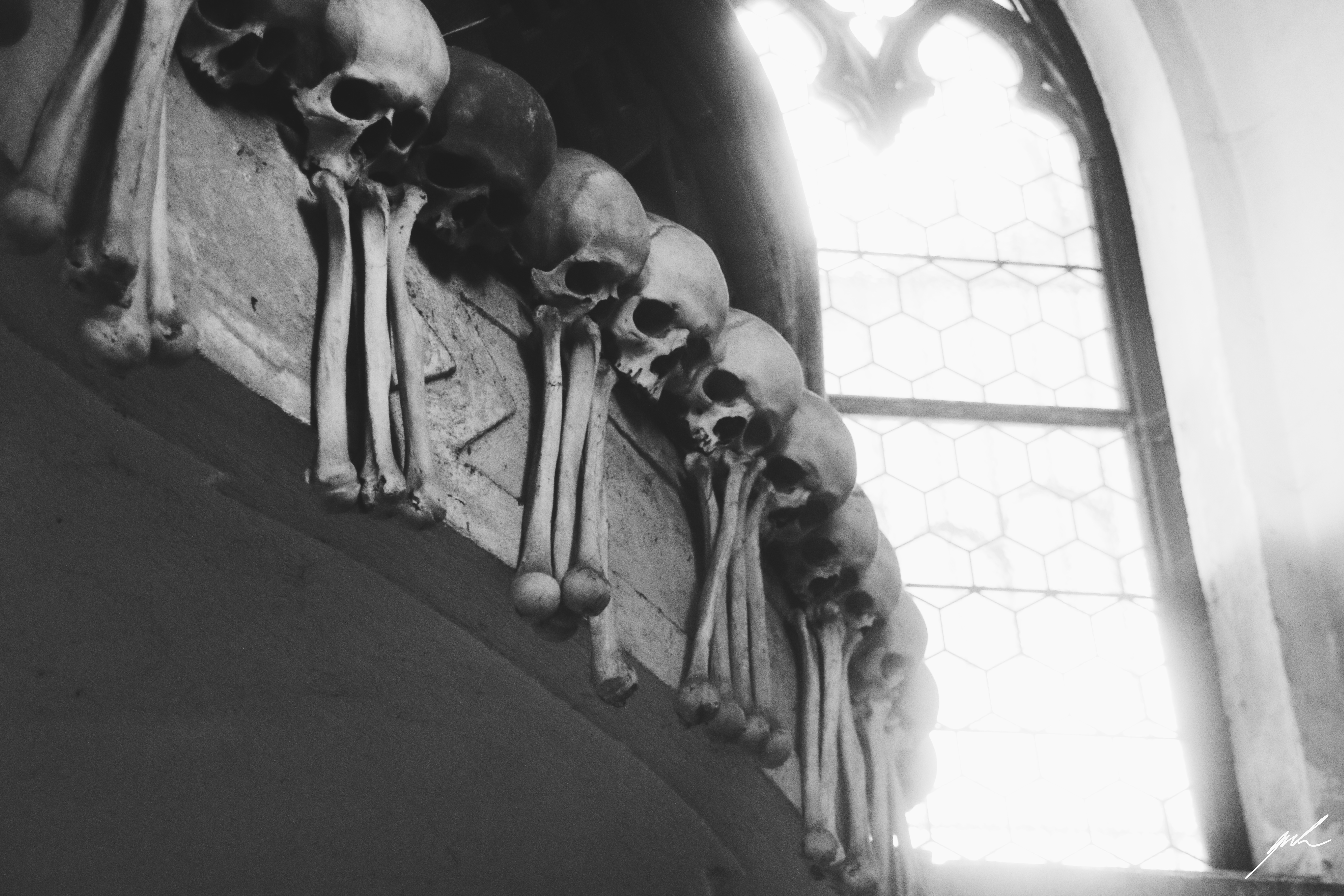
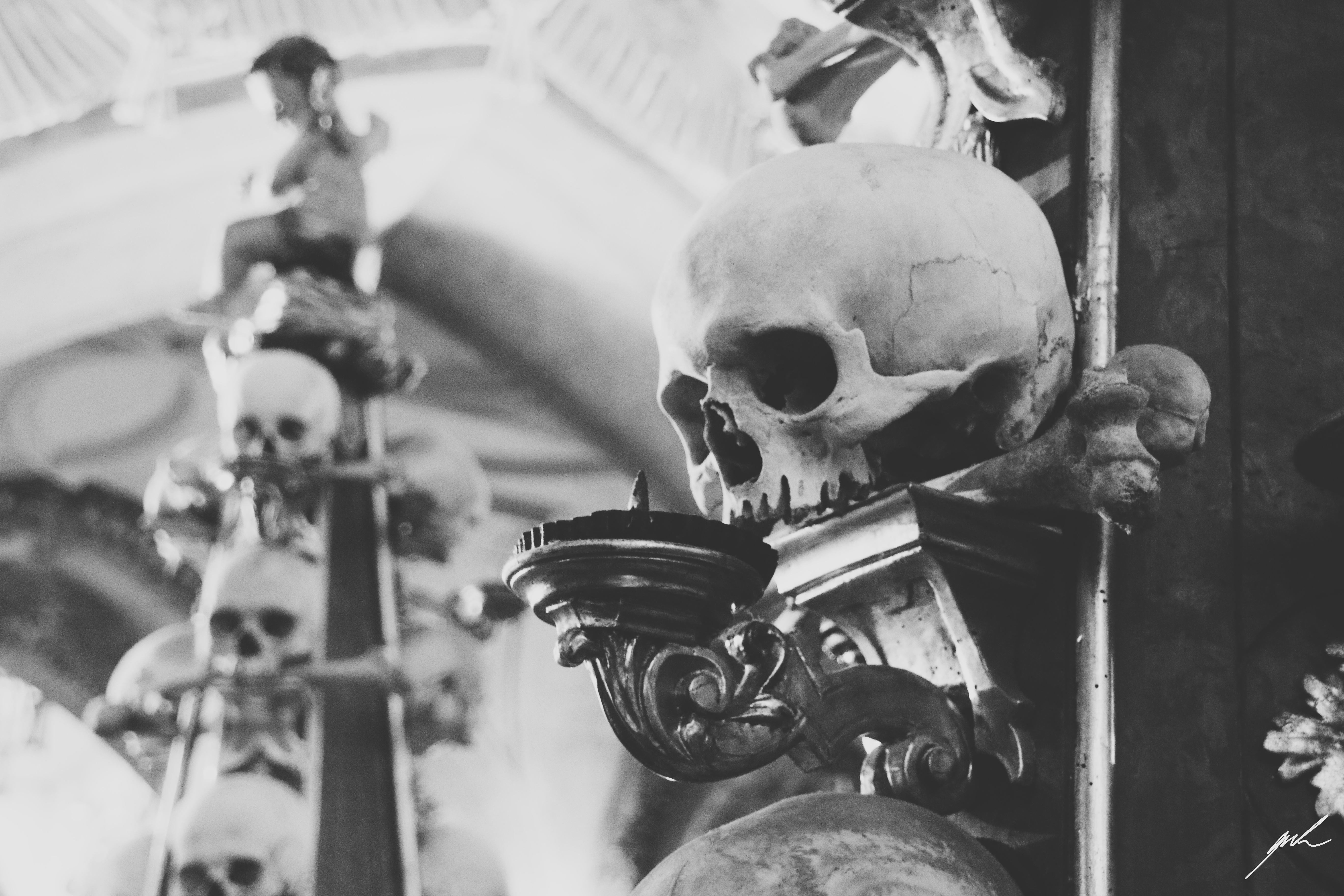
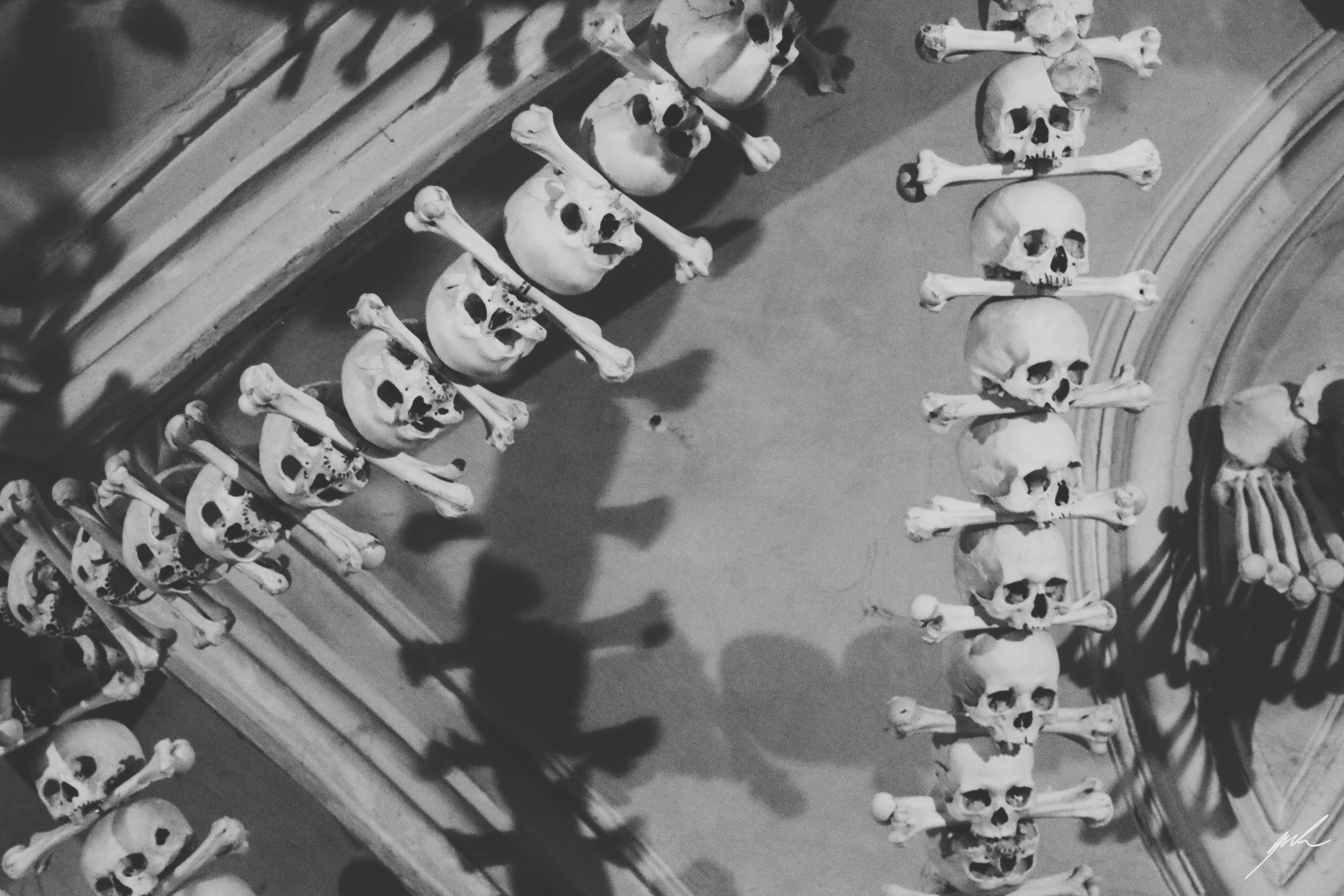
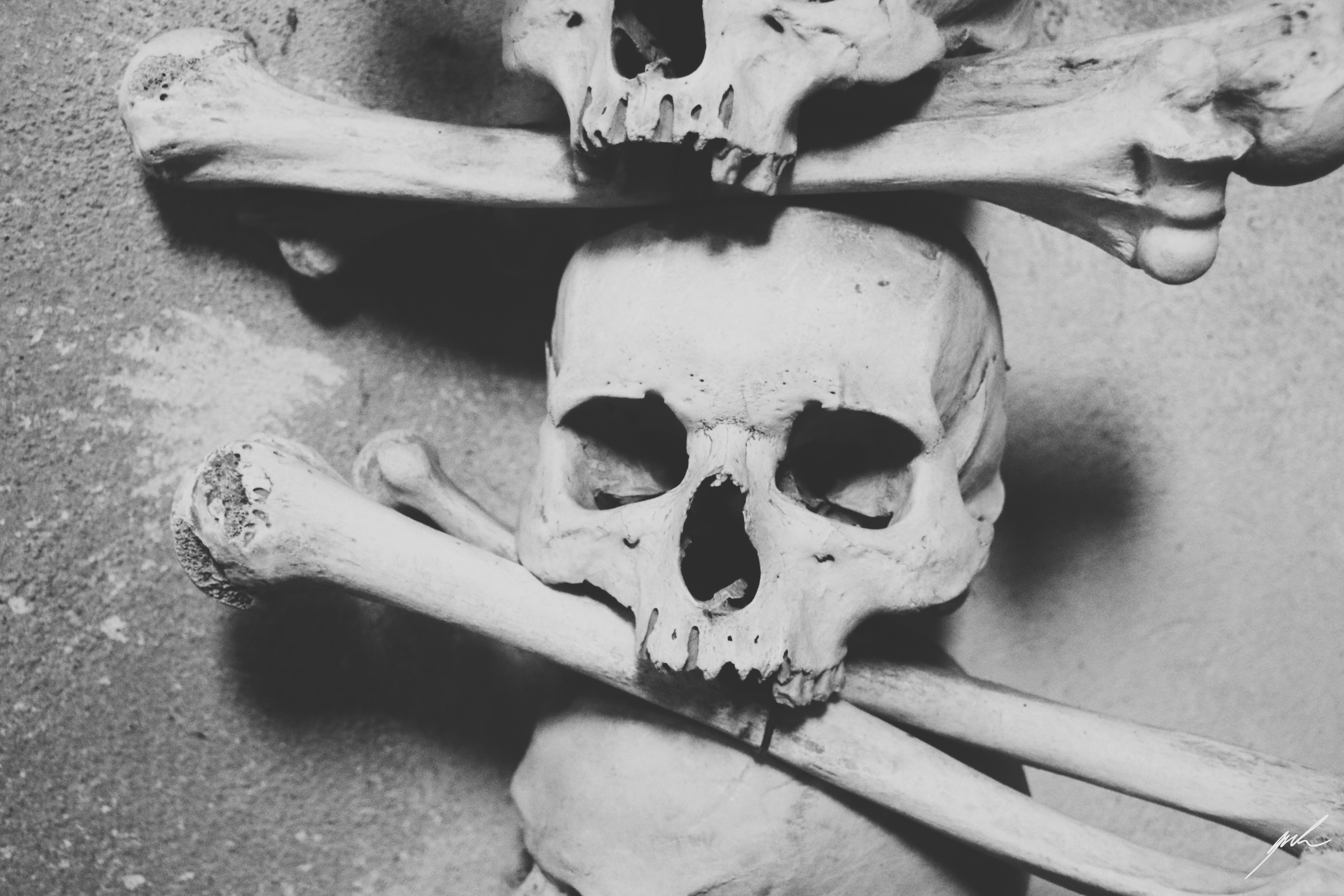
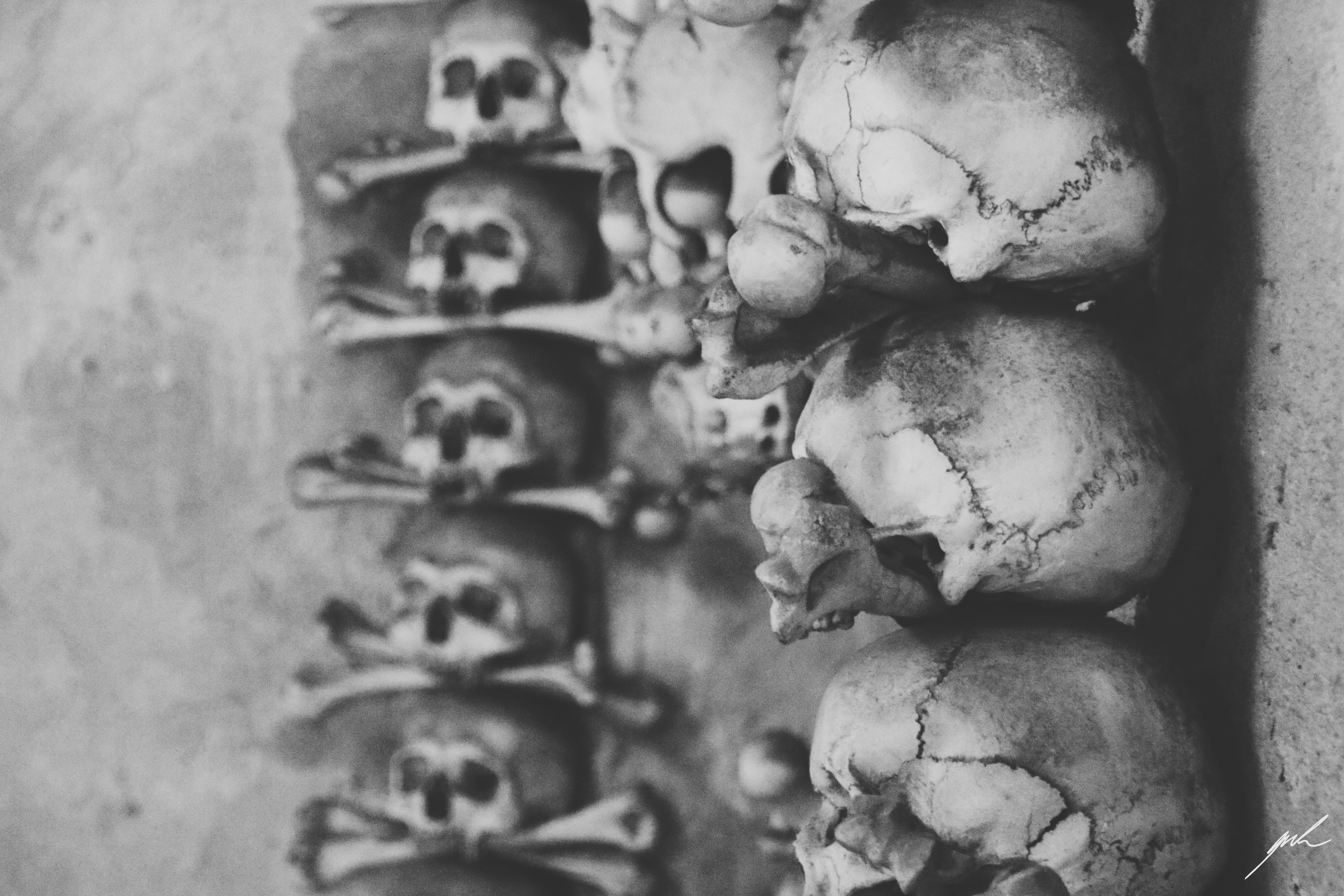
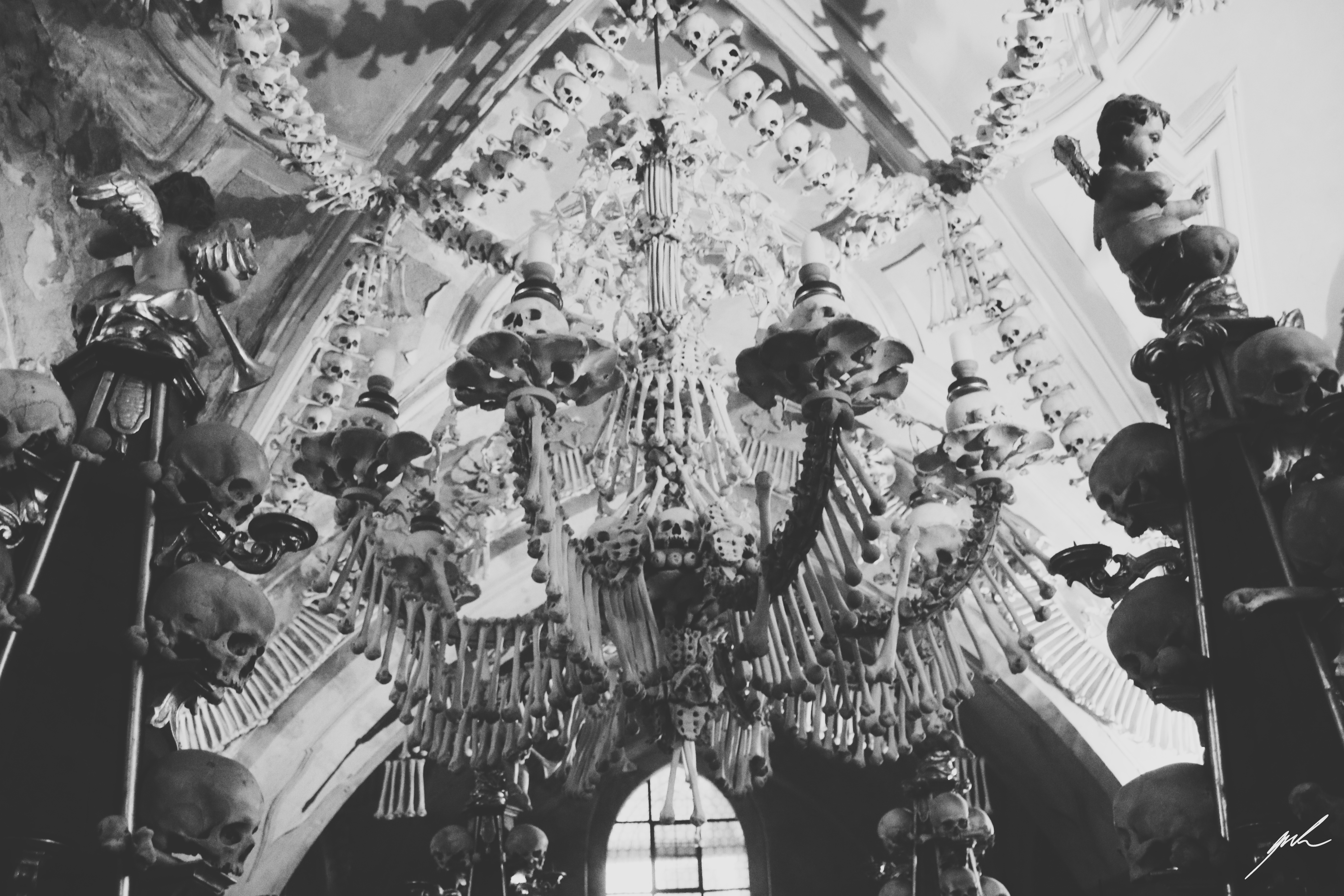
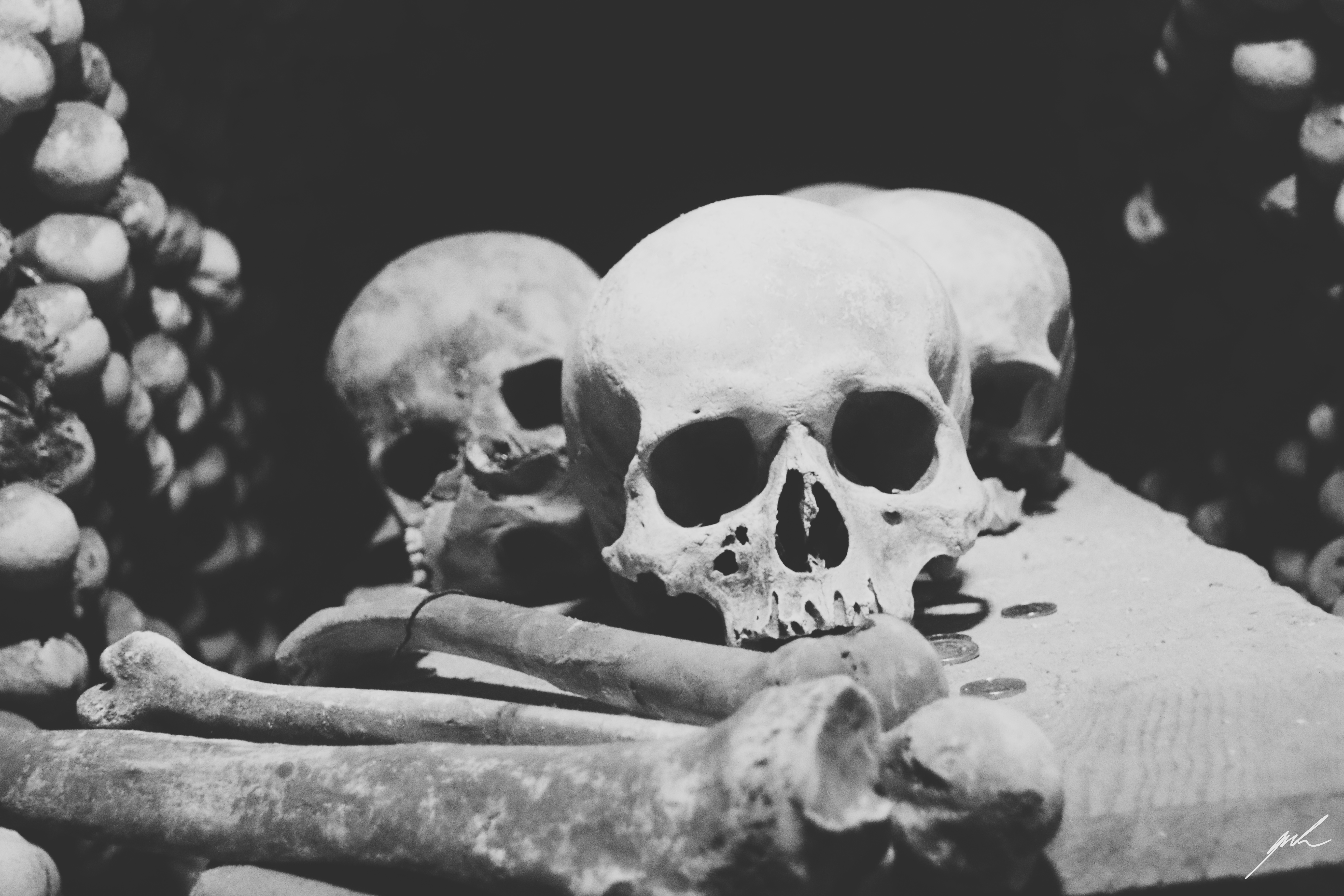
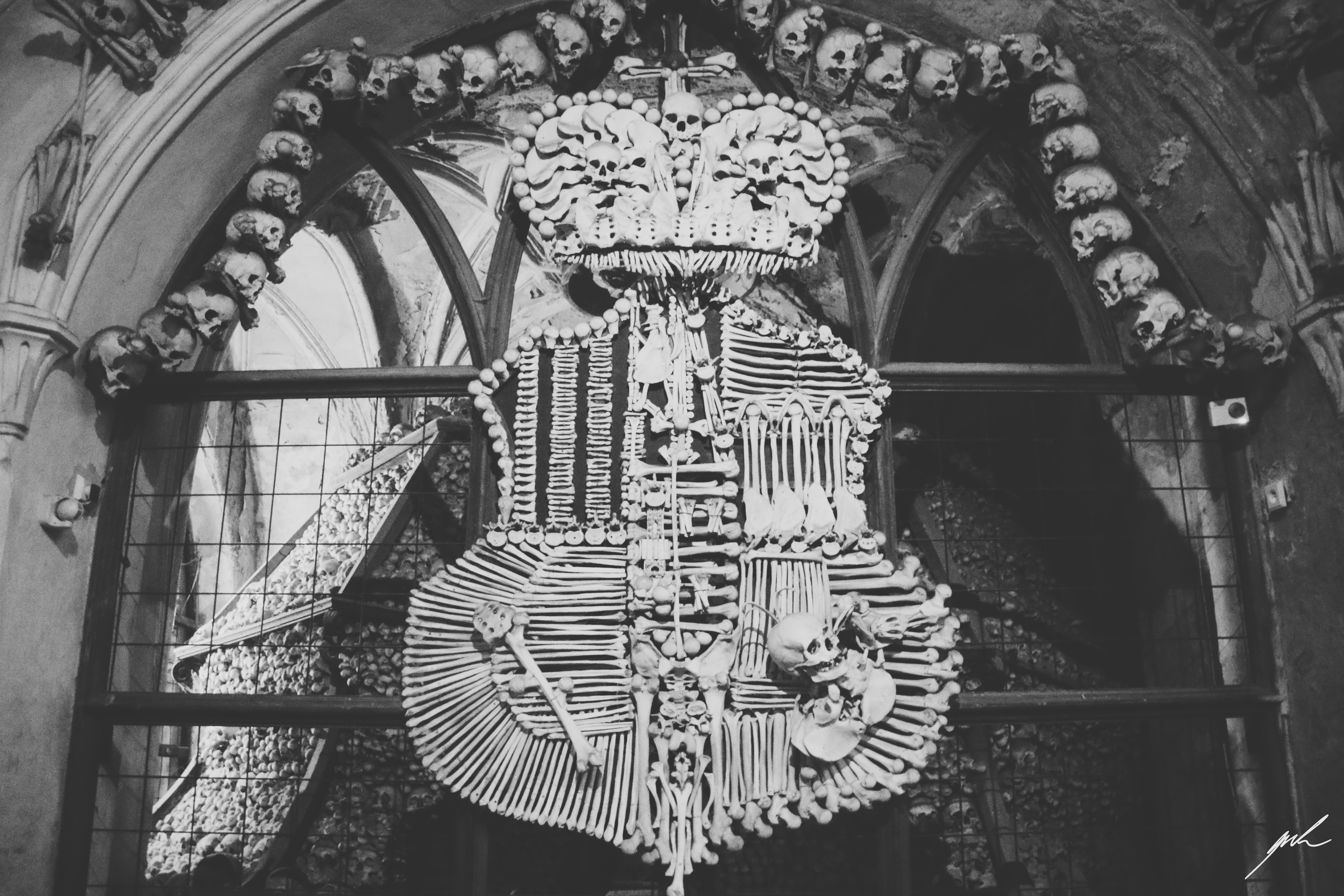
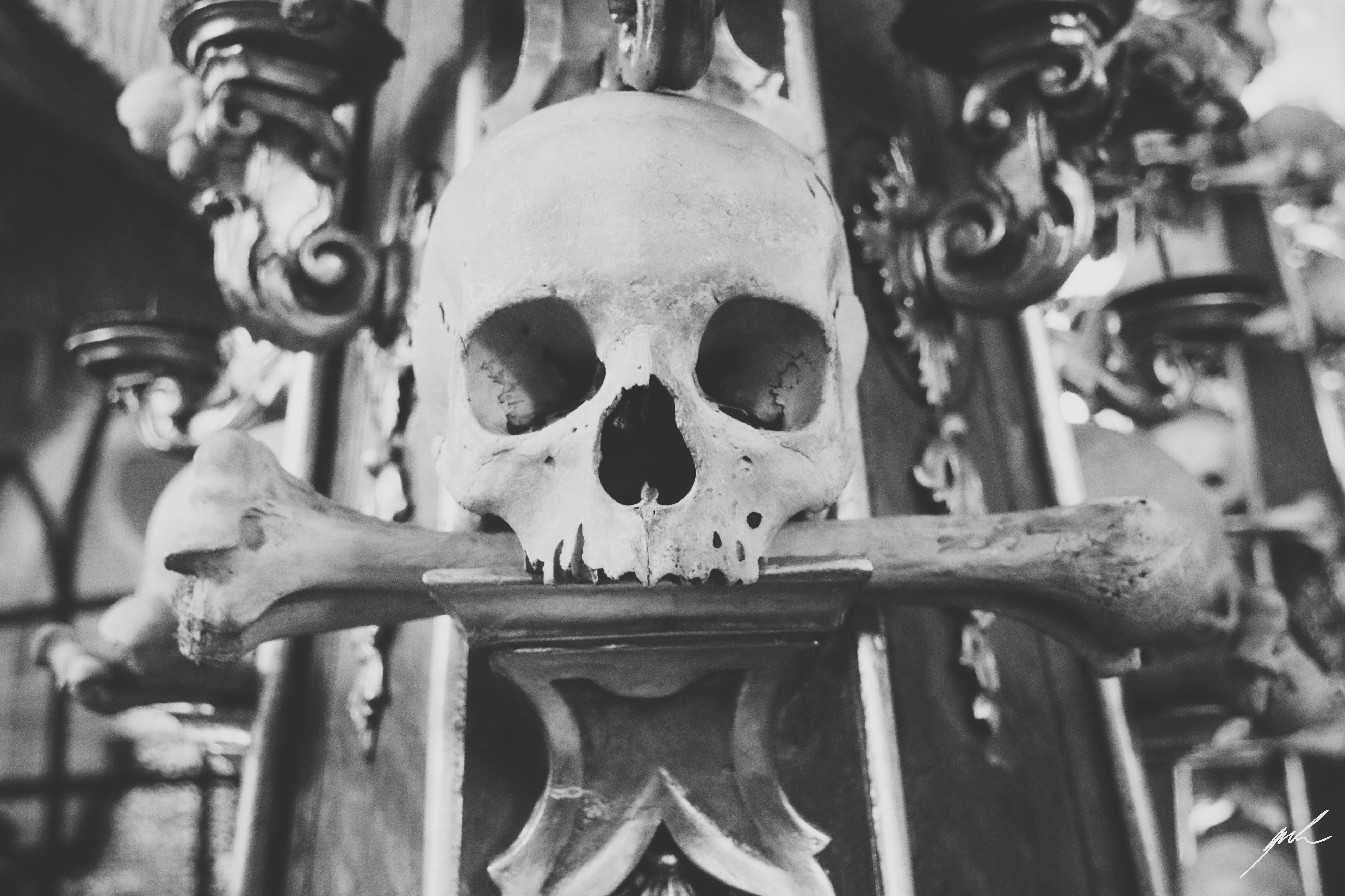
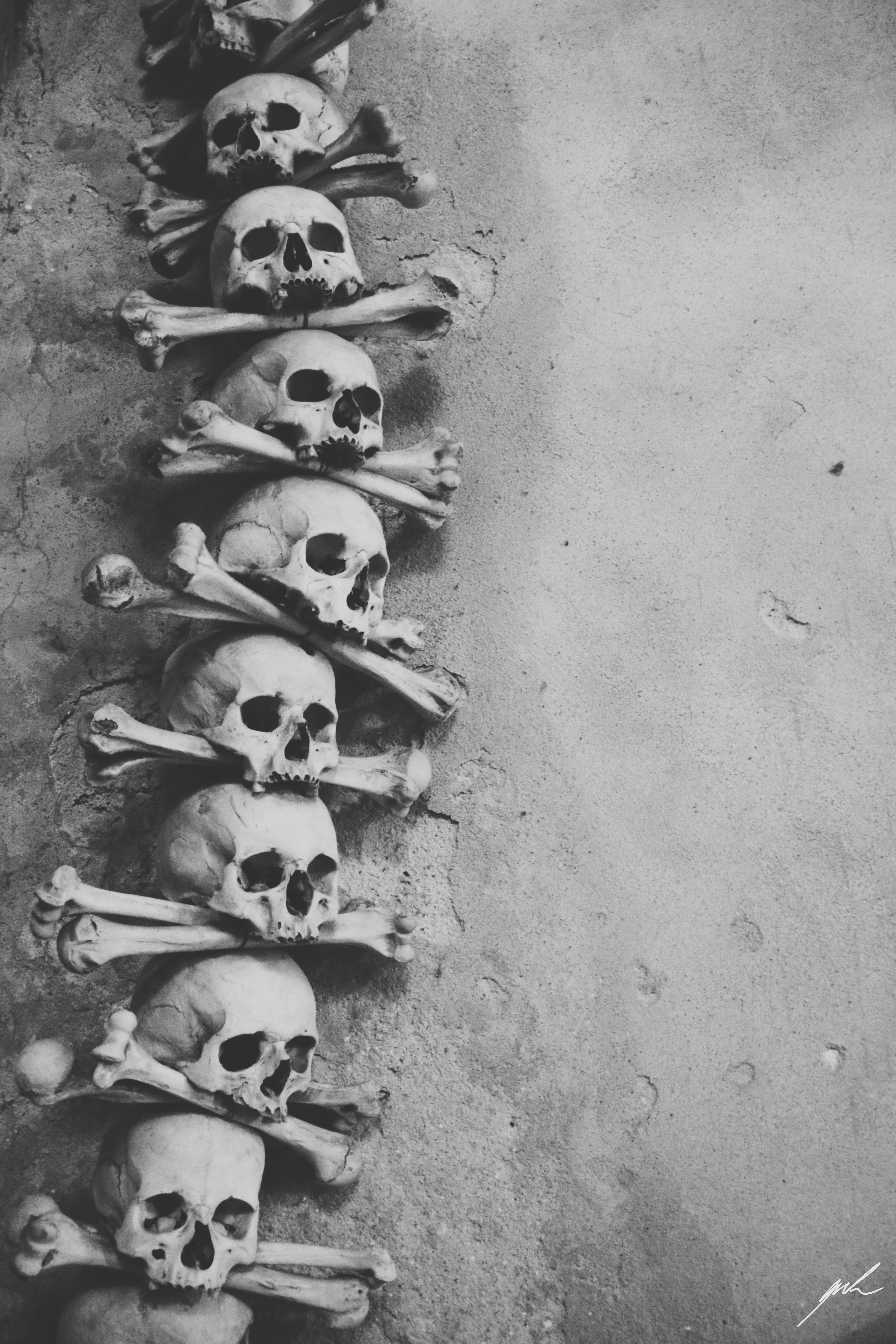
The Bone Chapel in Kutna Chora, Czech Republic, can genuinely be a frighting place for some people. It is a Catholic church in a small town just one hour away from Prague with a very particular interior. The remains of 40,000 to 70,000 people decorate this chapel. Like in a Castlevania game, there is an enormous chandelier of bones, which contains at least one of every bone in the human body; there is also a coat of arms made out of human remains and many other oddities. Come down with me and look at this extraordinary place – but beware of the walking skeletons!

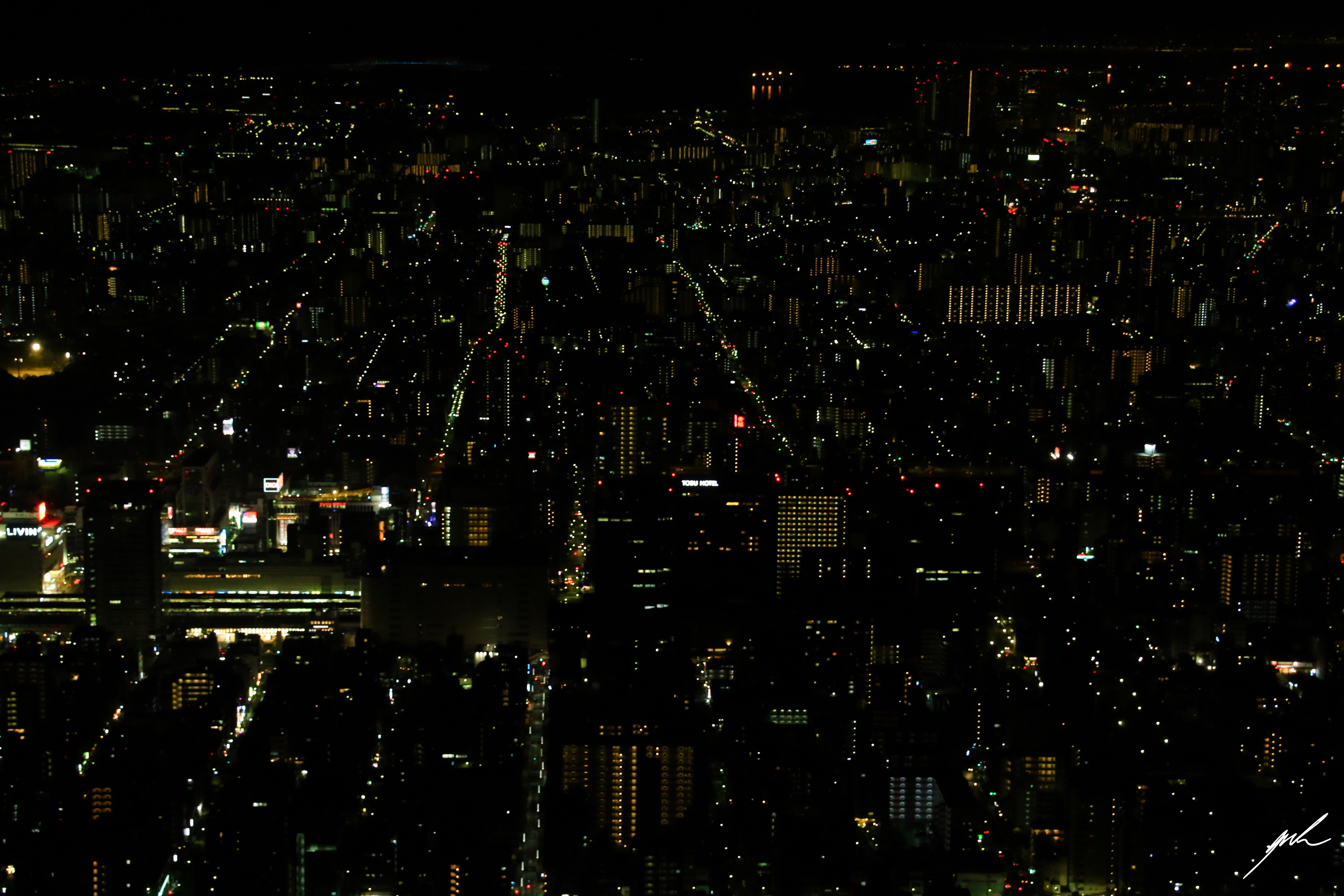
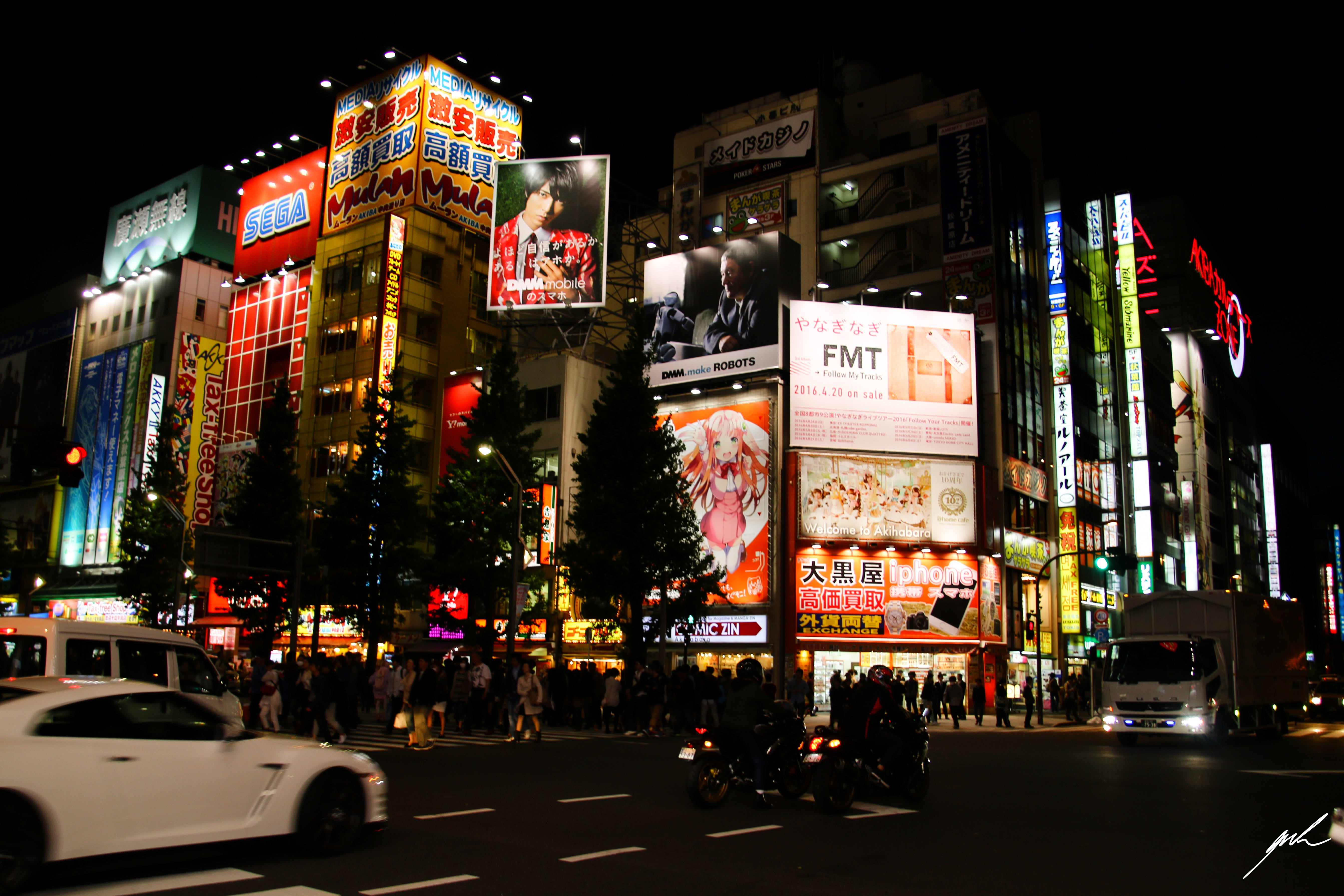
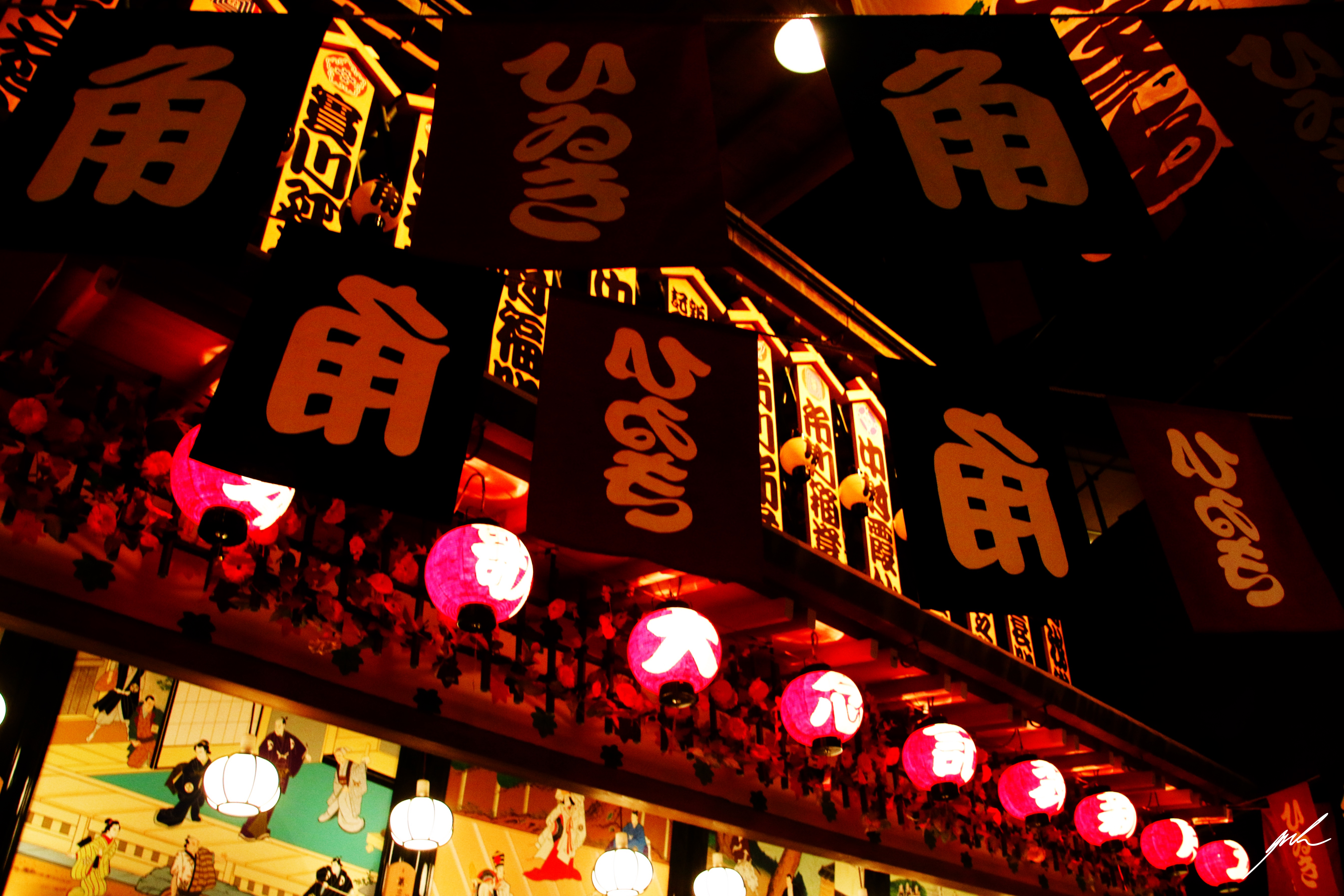
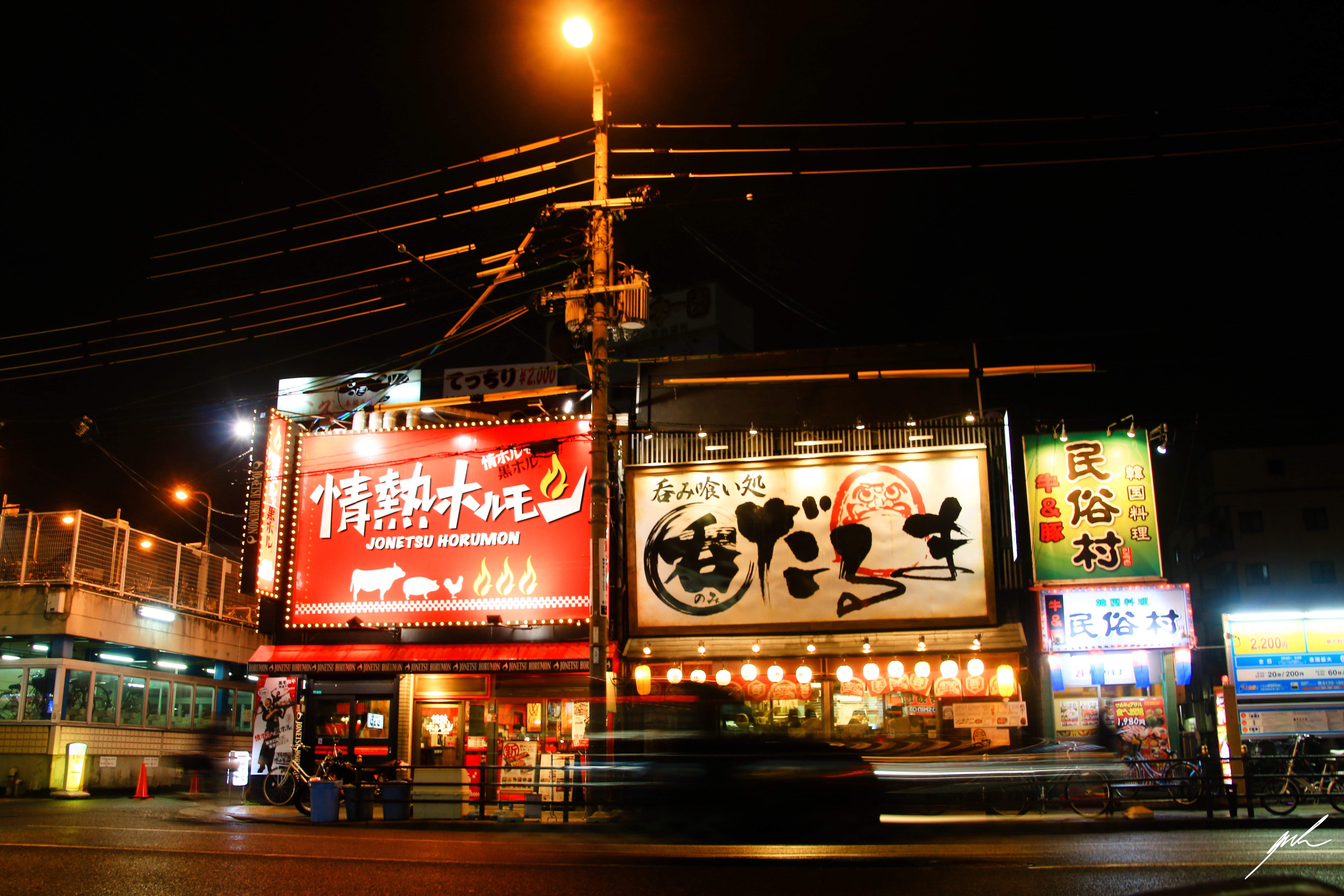
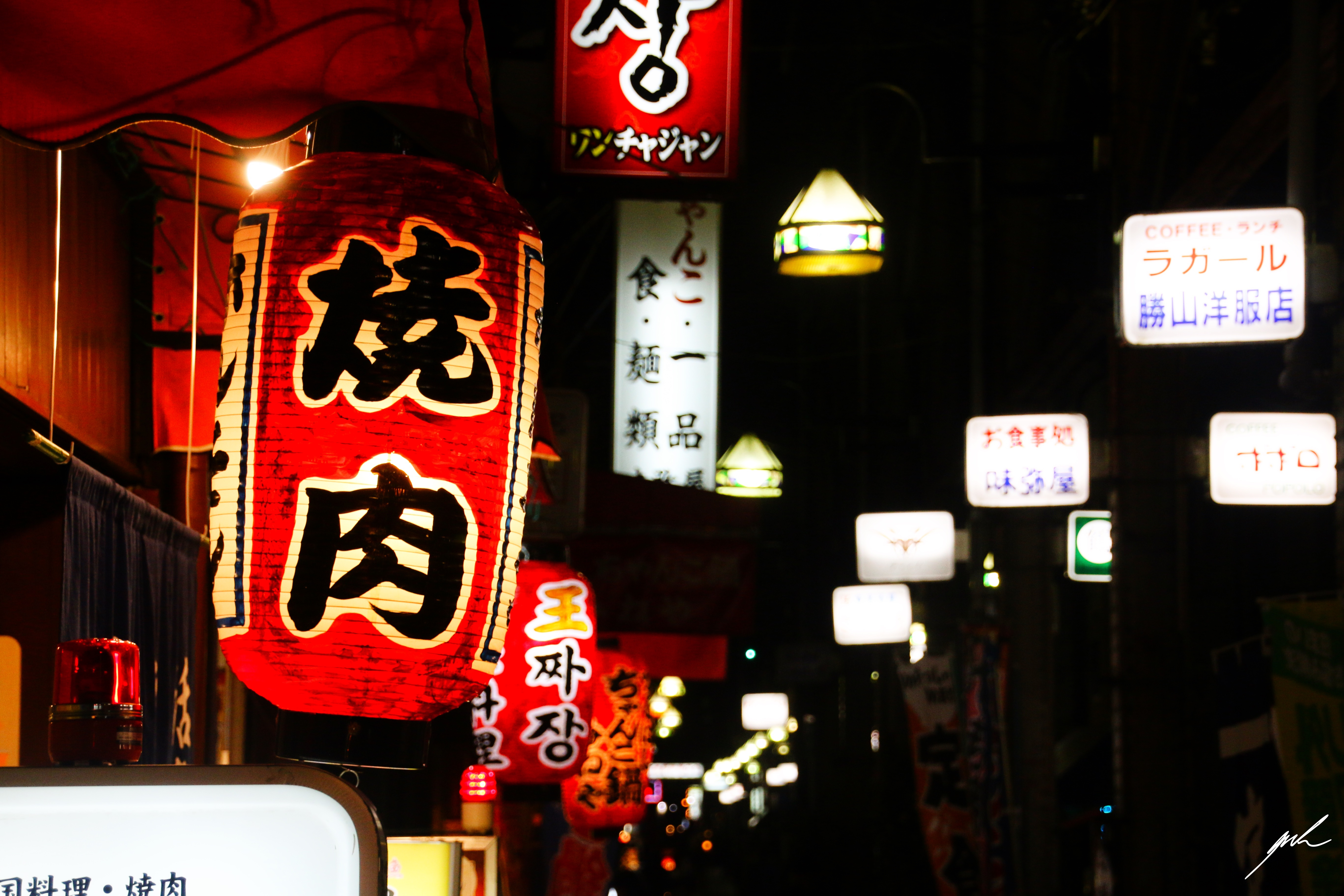
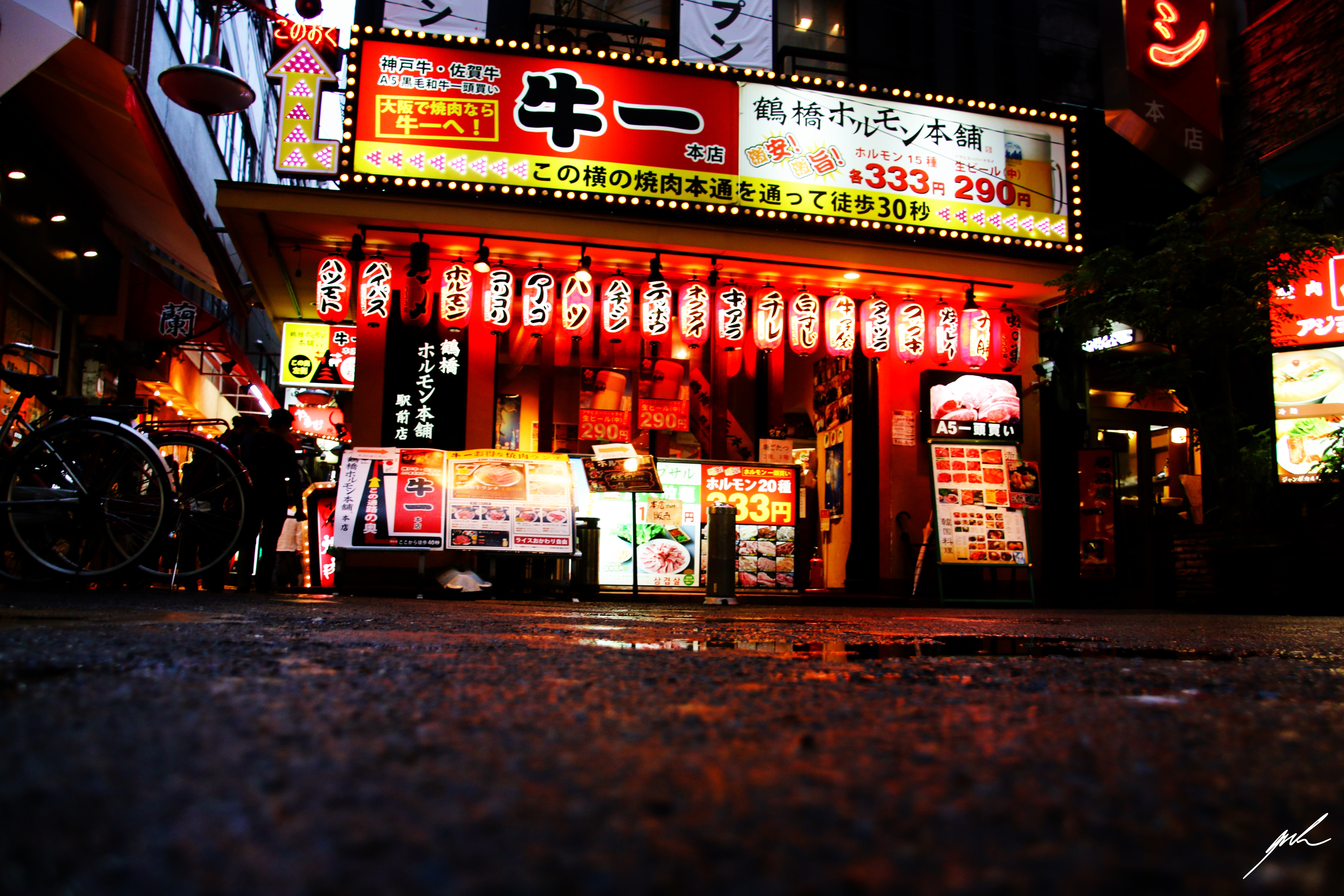
Tokyo changes its form after the sun sets and the electric lights turn on. While during the day, the seemingly endless sea of concrete and glass is roamed by people, it gets surprisingly quiet by night. Unlike New York or other world capitals, Tokyo generally sleeps at night. Japanese people work a lot, and additional office hours are standard, so sleep is highly valued. Hard to believe, but even the sprawling subway system is shutting down service for nighttime so it can be cleaned and maintained for the upcoming day. Of course, there are exceptions, as no city with the size and proportions of Tokyo can genuinely go to bed. Like in a fever dream, people continue playing and gambling in places like Akihabara’s entertainment district or go to Izakayas, a Japanese pub, to meet people, eat, and drink. And, of course, the lights illuminate Tokyo’s allies and streets, bringing day into the night.


 Michael Hoffman Photography