Skip to content

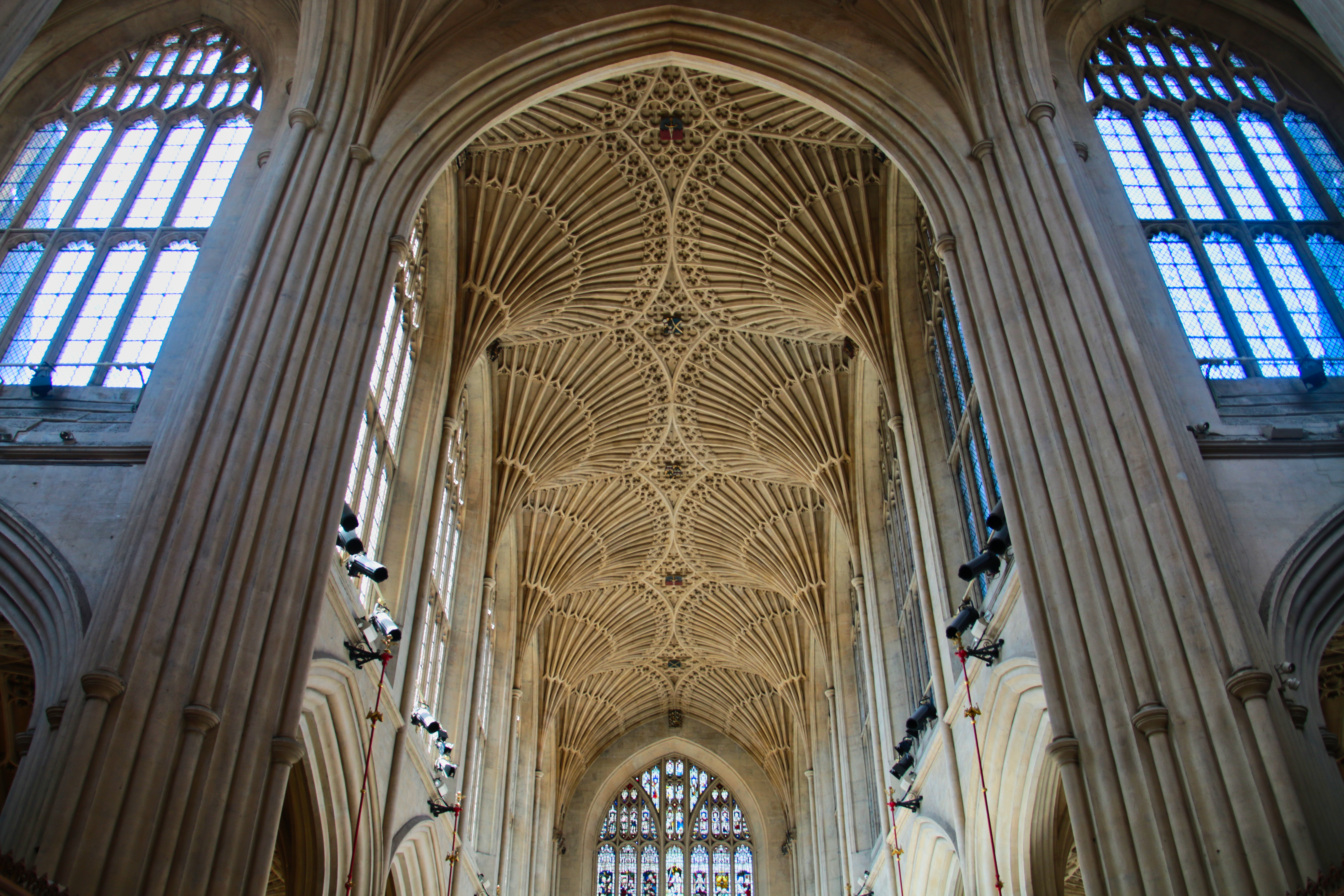
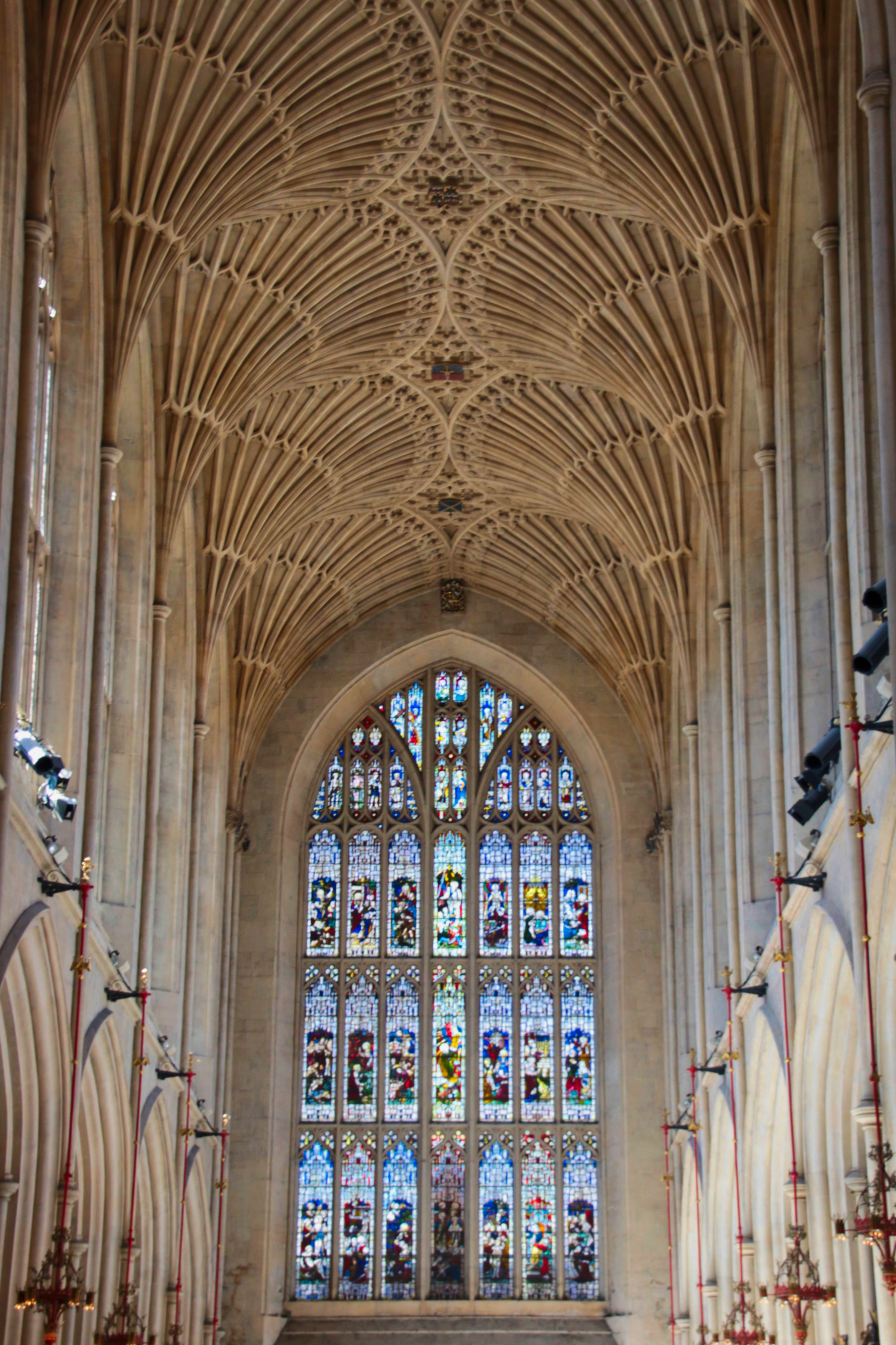
Bath: The Abbey of Light

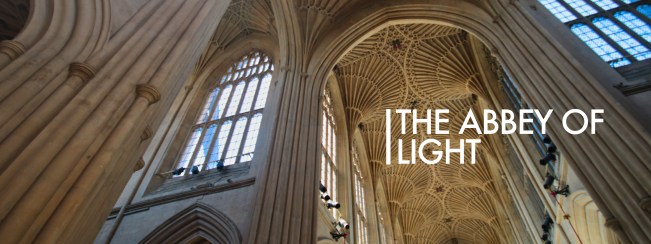
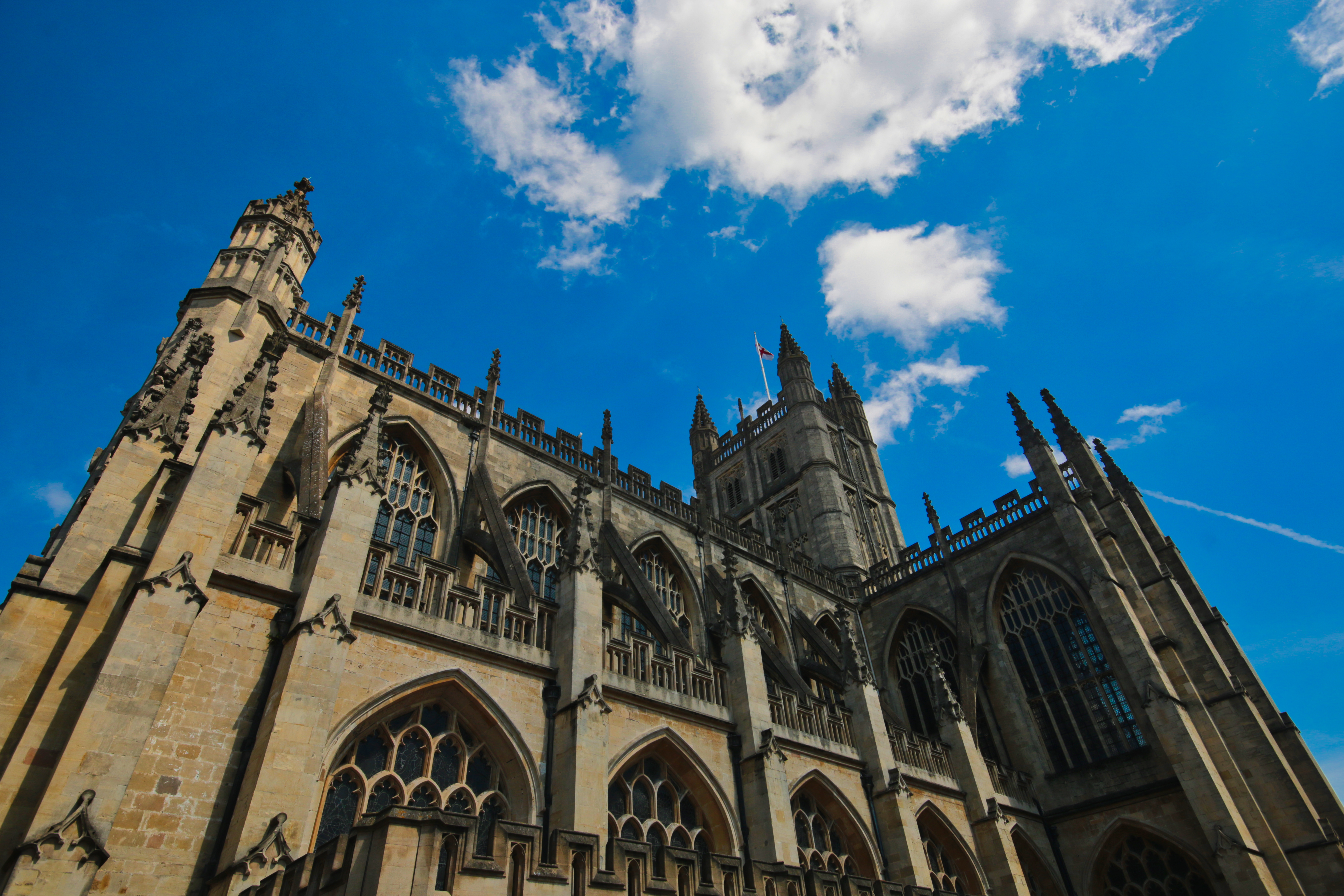
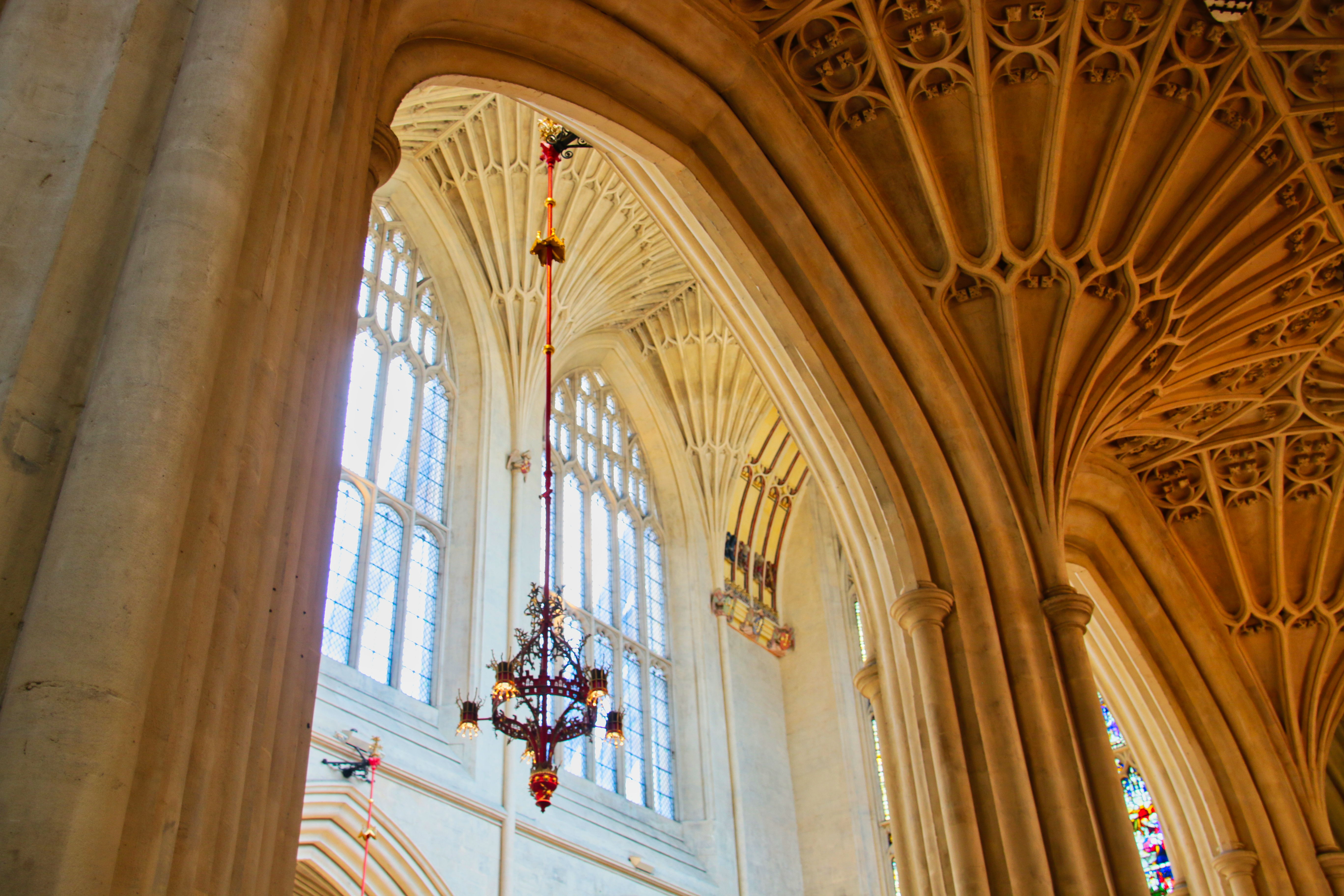
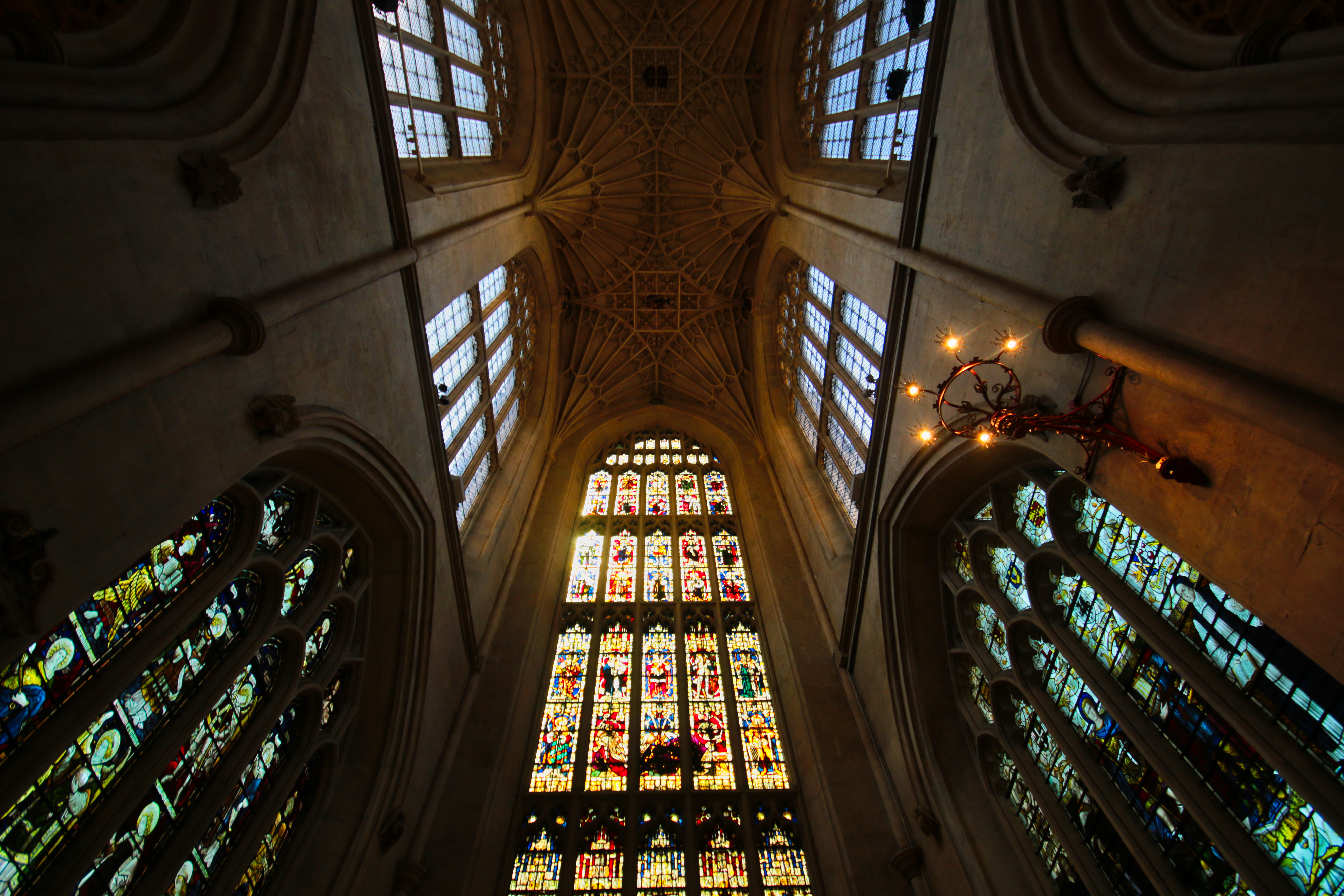
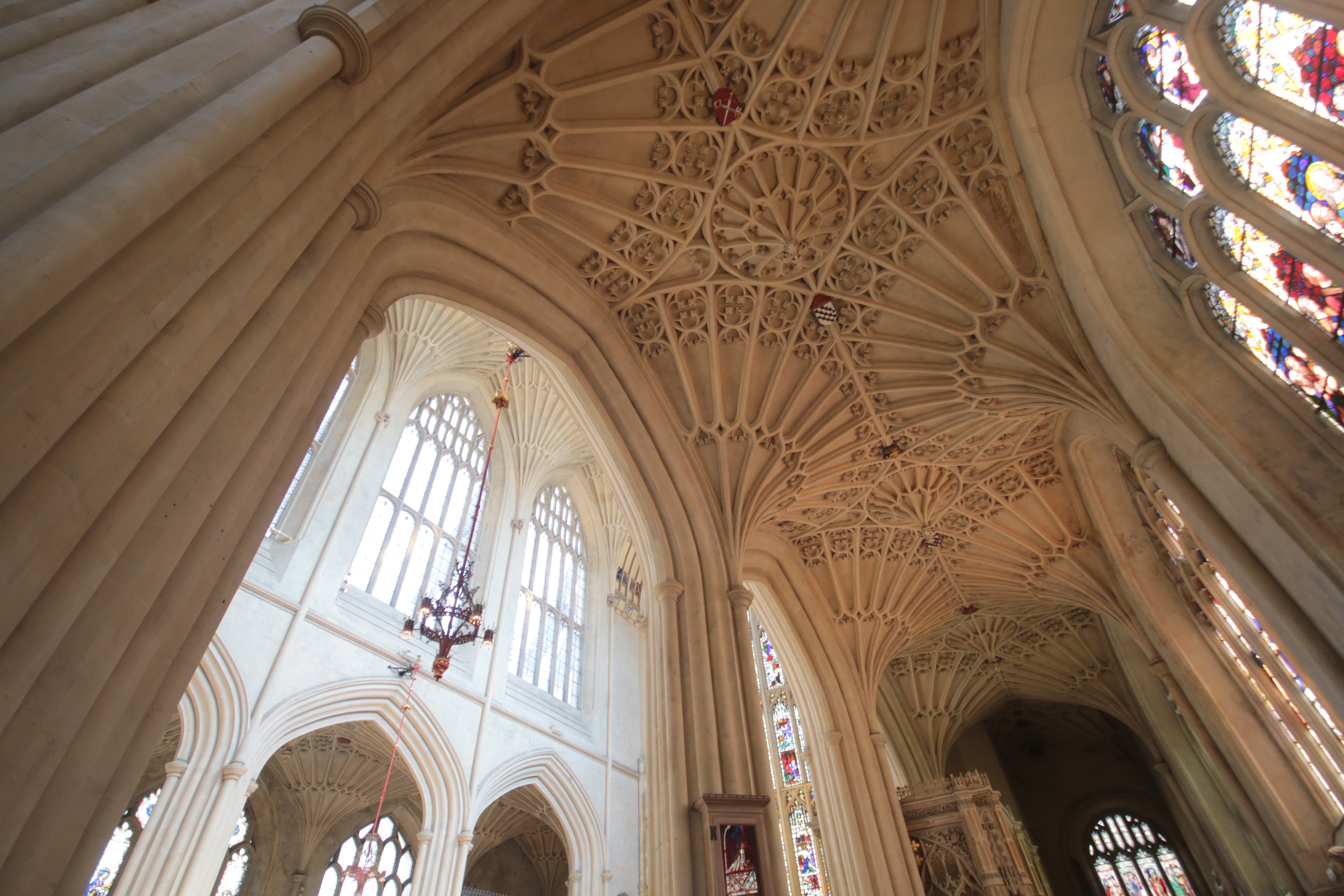
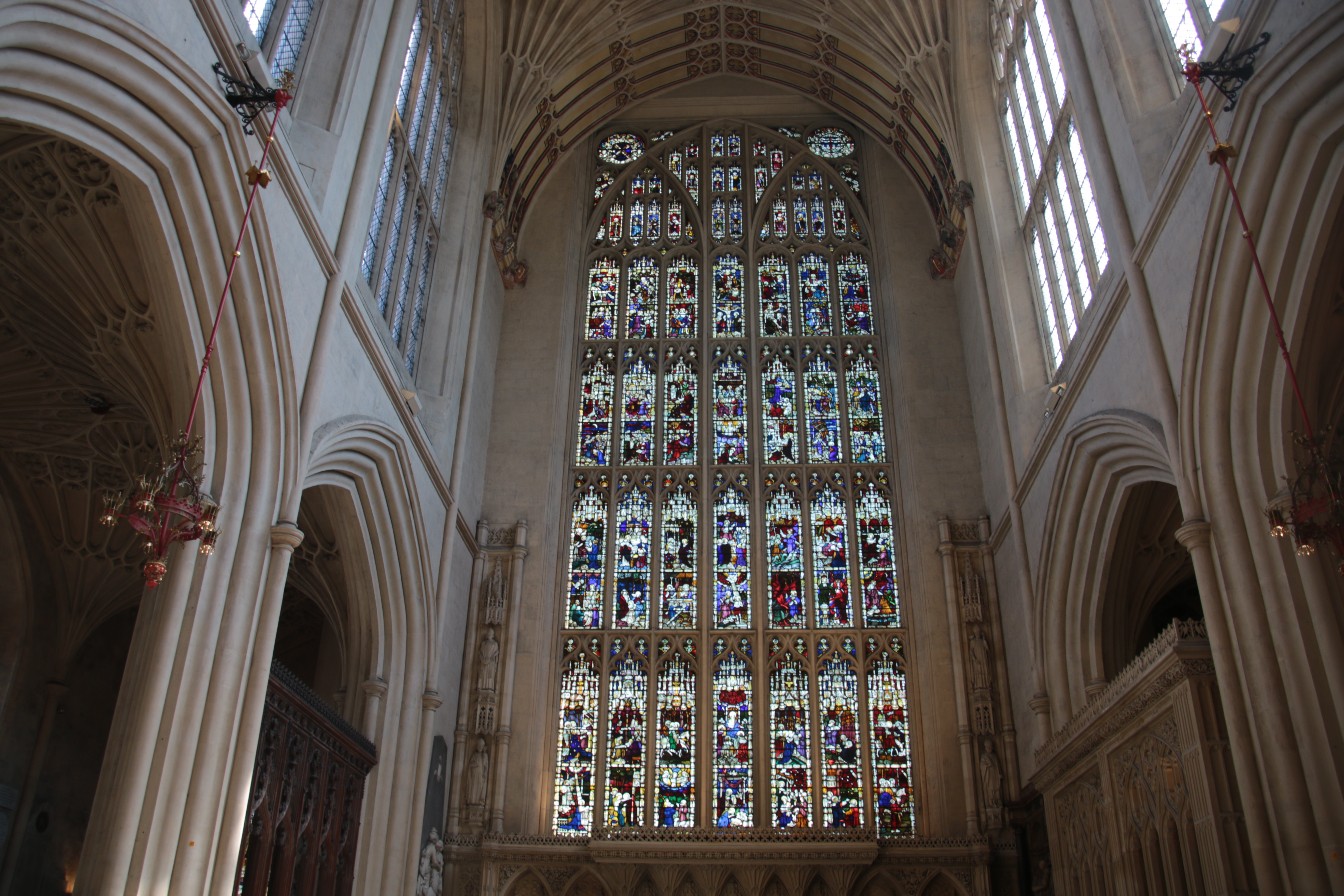
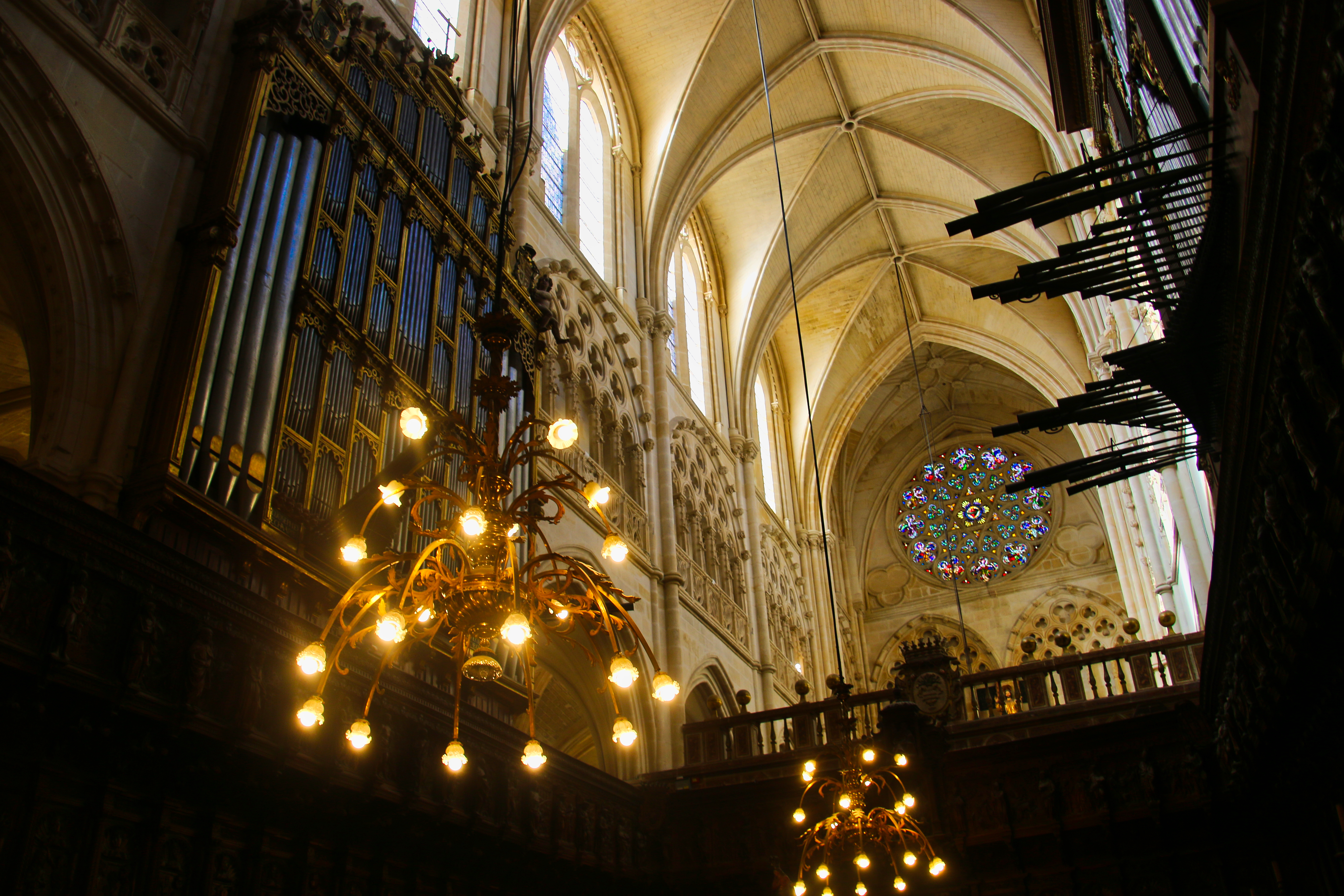
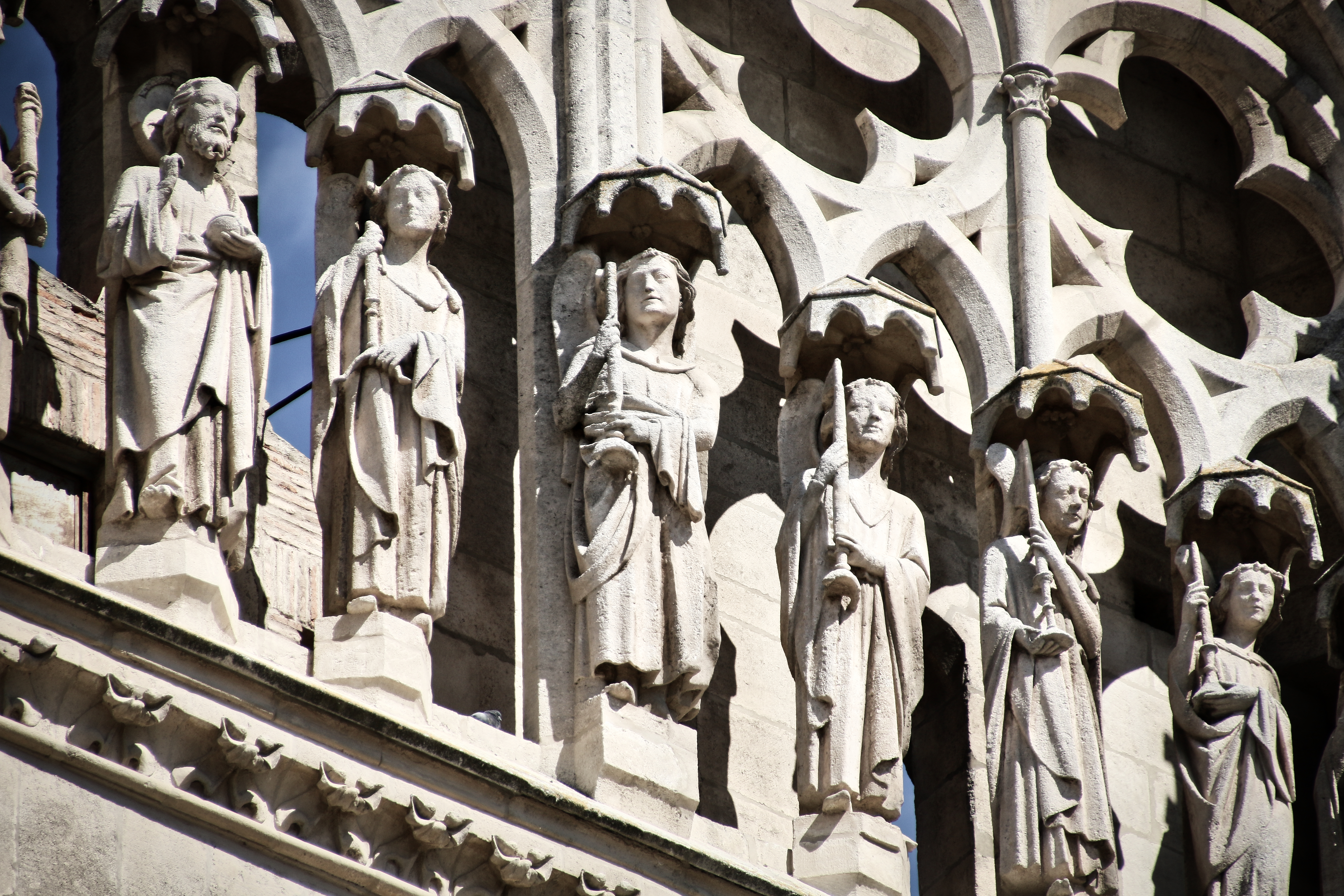
The Abbey of Bath is a prime example of England’s Pendicular Gothic architecture style. Another would be the Cathedral of Gloucester. Medieval churches tend to be very dark and somewhat sinister. The Abbey of Bath, though, is different. The light coming through the beautiful stained glass windows flows through the building, giving attractive accents and tones.

test

The Silk Road: Buxoro, The Enchanted City

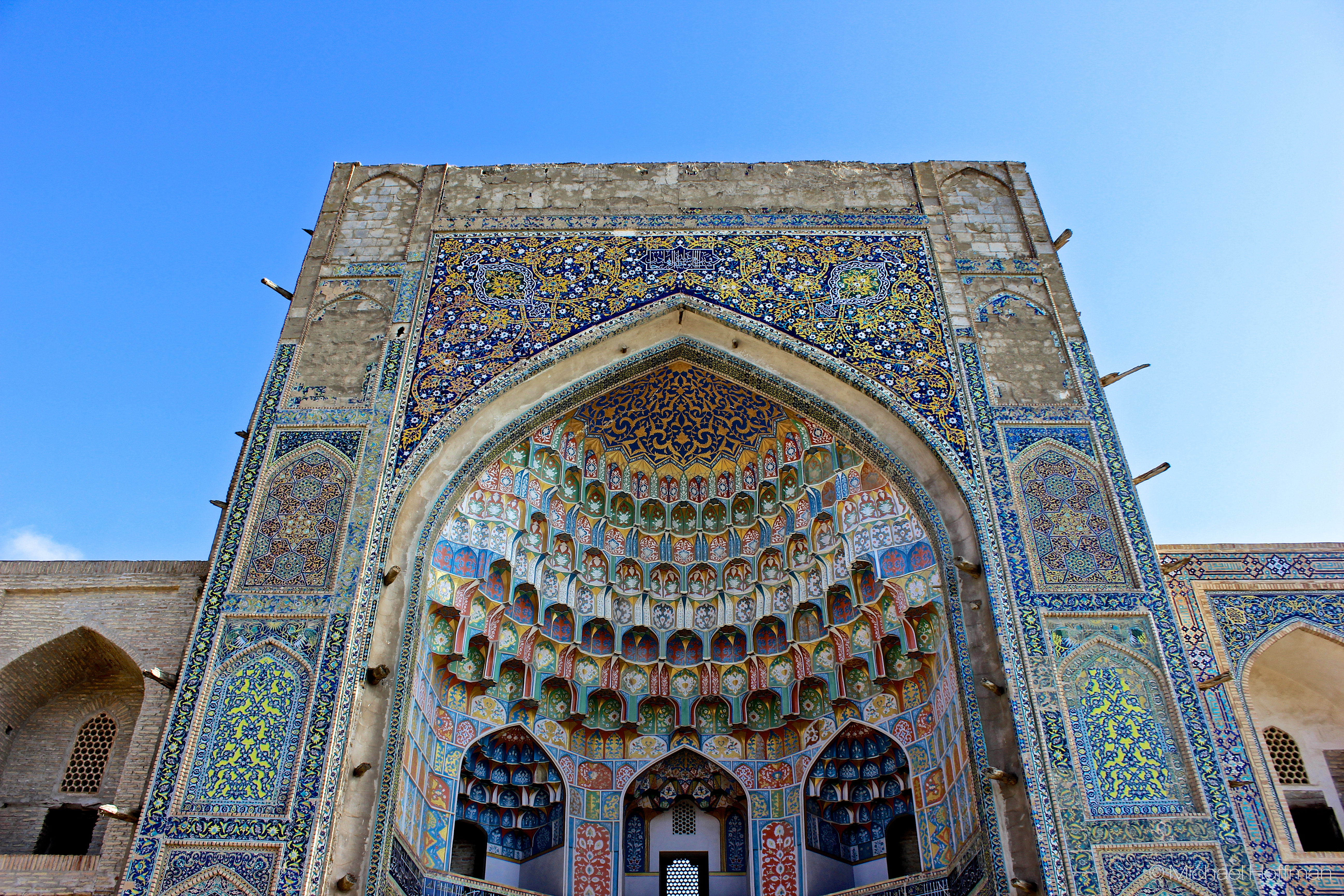
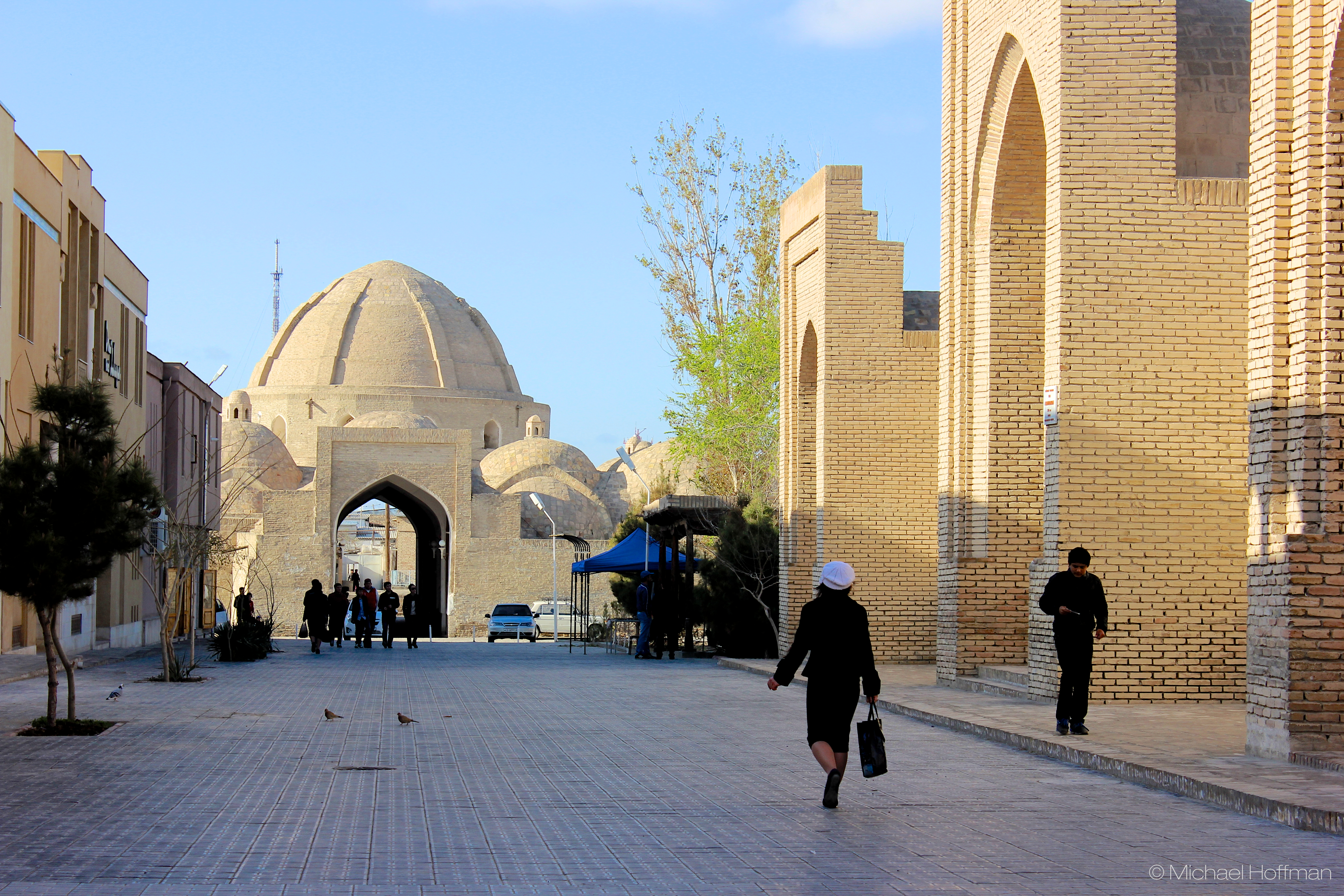
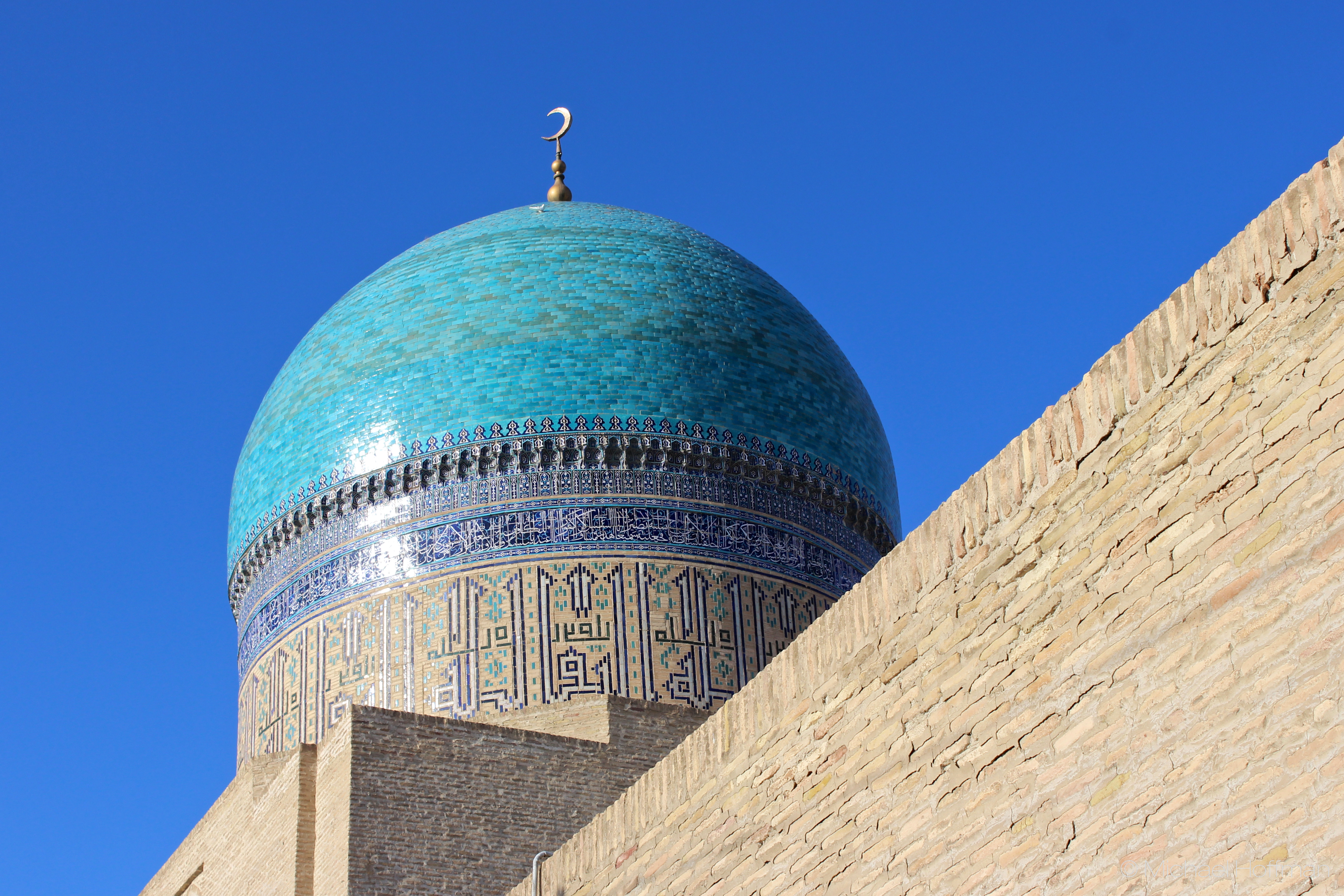
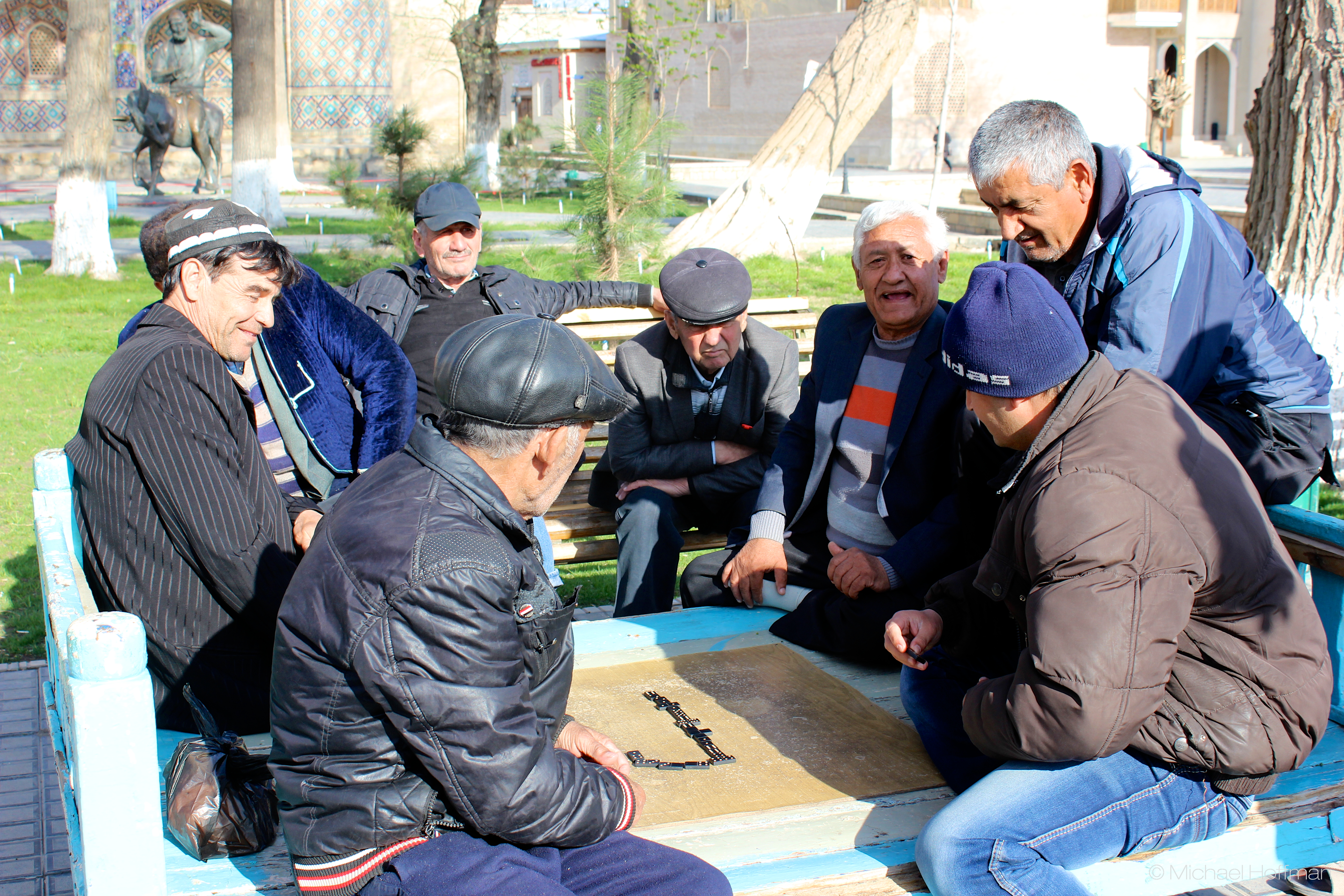
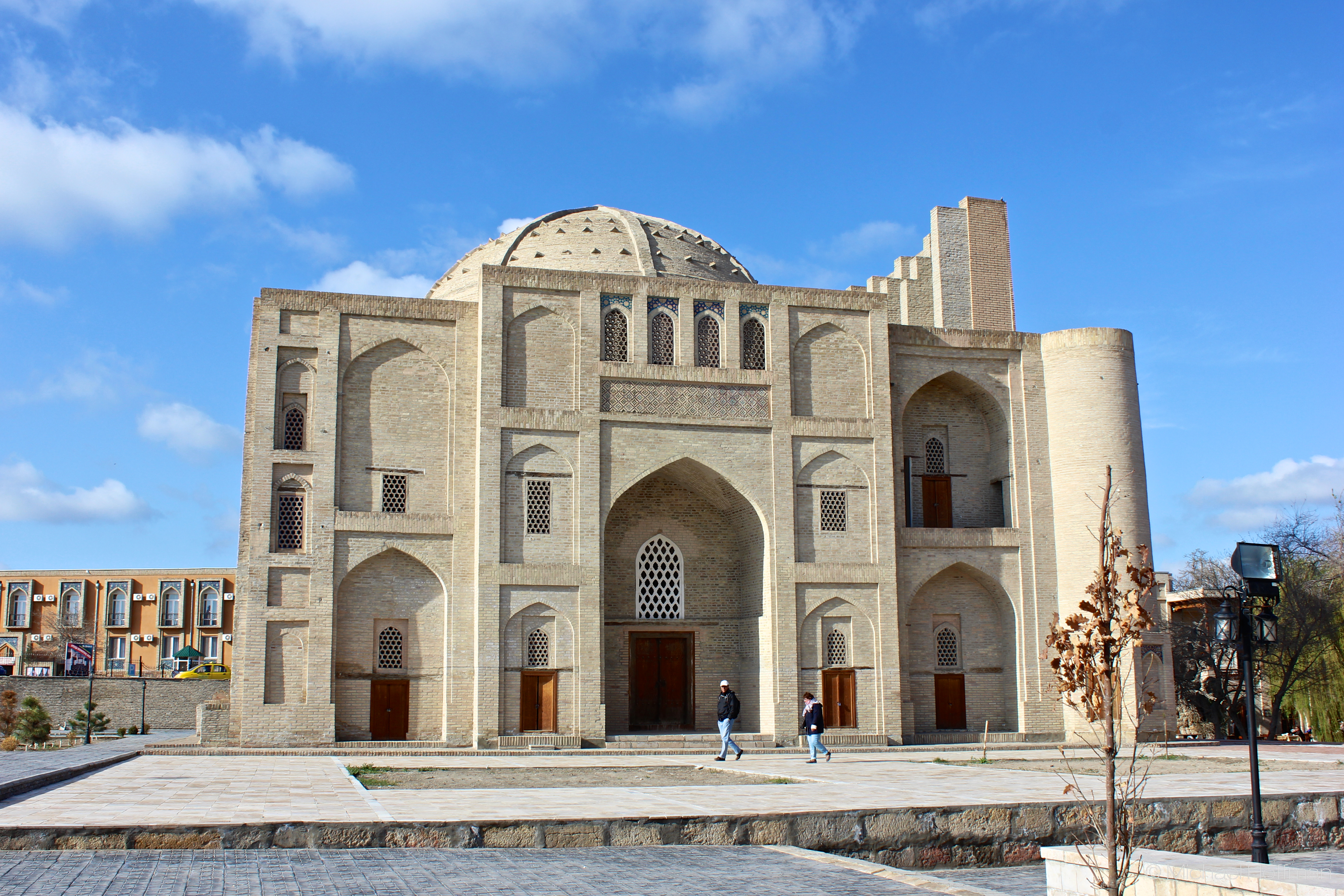
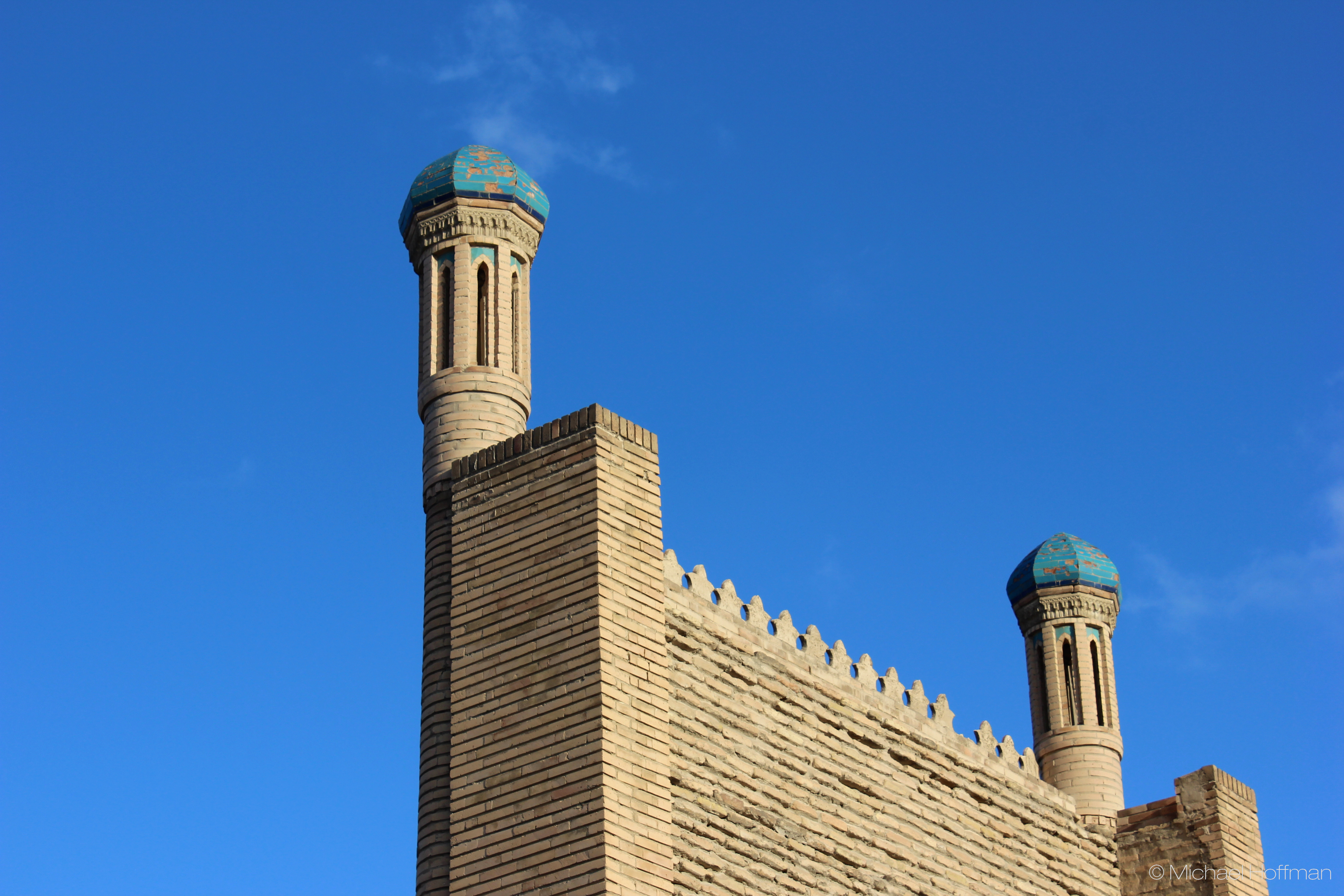
Further to the west lies another majestic city along the Silk Road: Buxoro or Bukhara. While Xiva is a beautiful but somewhat enclosed desert city in Buxoro, the connection to the world outside of Central Asia can be felt. Influences from Persia and India can be seen here (just look at the first picture).  The connecting element to other cities along the Silk Road is the blue cupolas, the symbols or landmarks of Uzbekistan. Oh, and of course, the Soviet cars (picture three). I like how the color of many of them still resembles an older kind of (groaning) vehicle 😉 And in case you wonder, the title of an “Enchanted City” was given to Buxoro by the diplomat Fitzroy Maclean, who worked as a diplomat in the British Embassy in Moscow and visited Central Asia in 1938. Later, he called the city “enchanted” and compared the architecture to the beauty of the Italian Renaissance. Indeed, the mosaics and structures (mostly religious buildings) are a stunning sight. 

test

IMG_8503

IMG_8500

IMG_8542

IMG_8482

IMG_8488

IMG_8547

IMG_8484

IMG_8598

IMG_8487

IMG_8620

IMG_8511

IMG_8597

Hill of Crosses, Lithuania

test

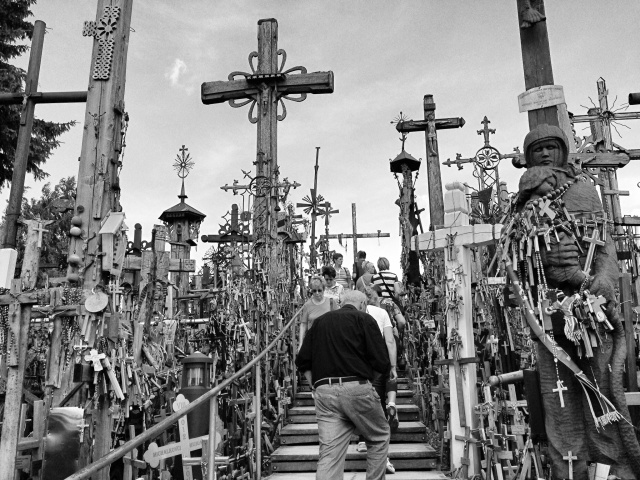
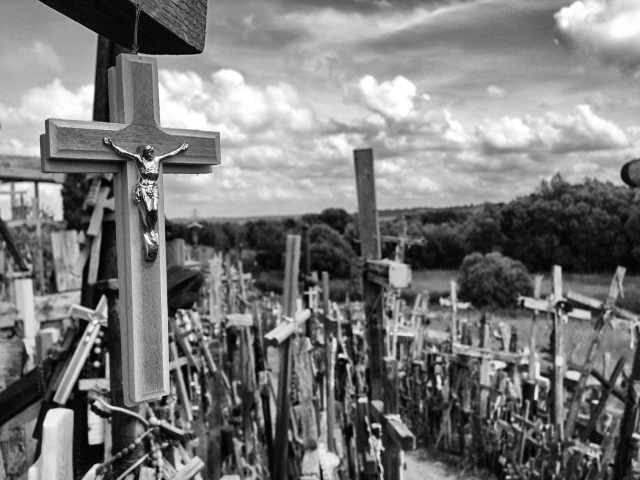
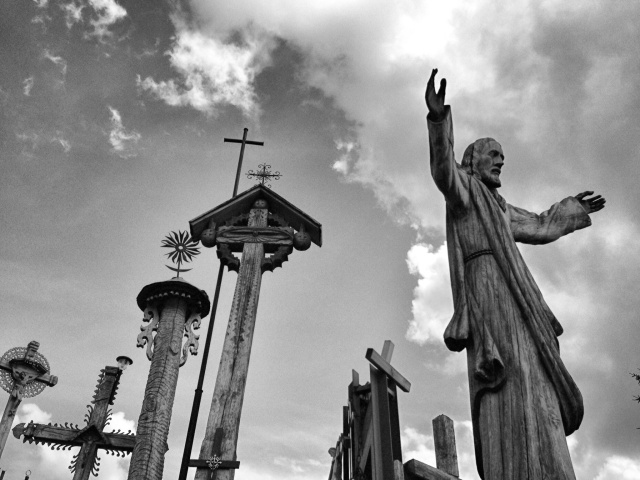
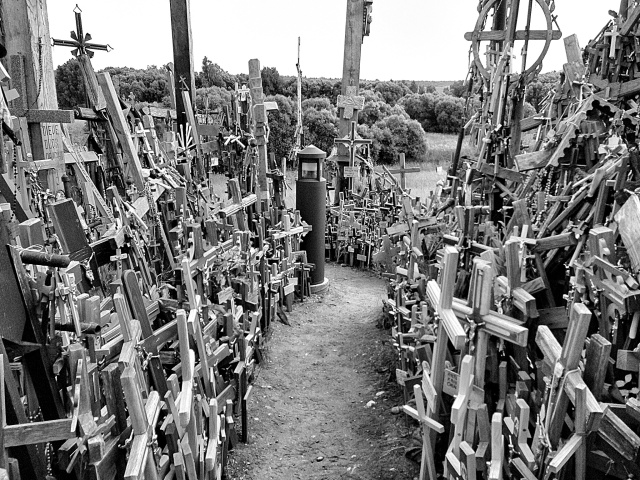
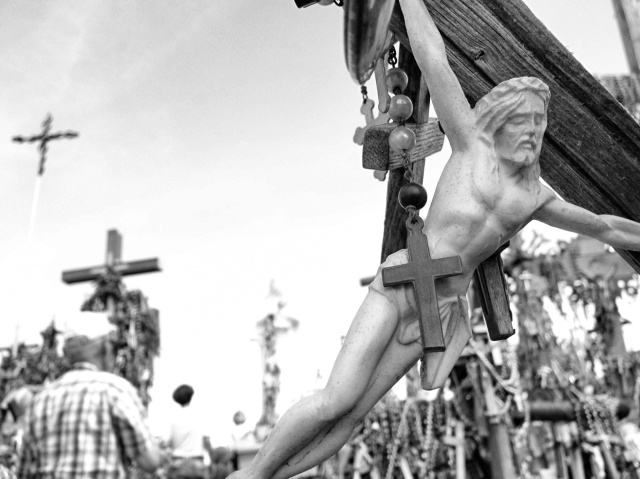
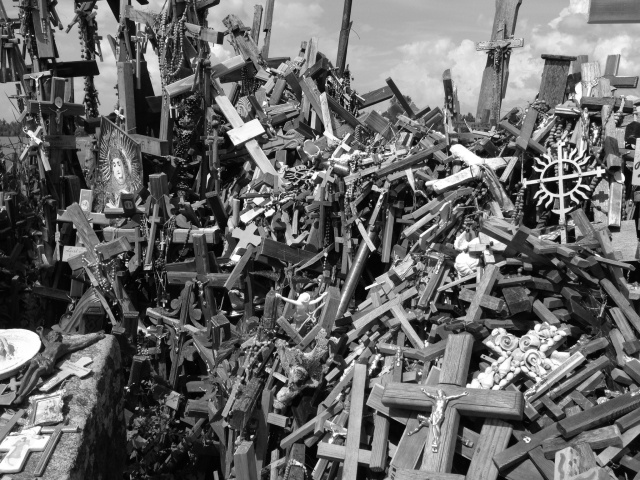
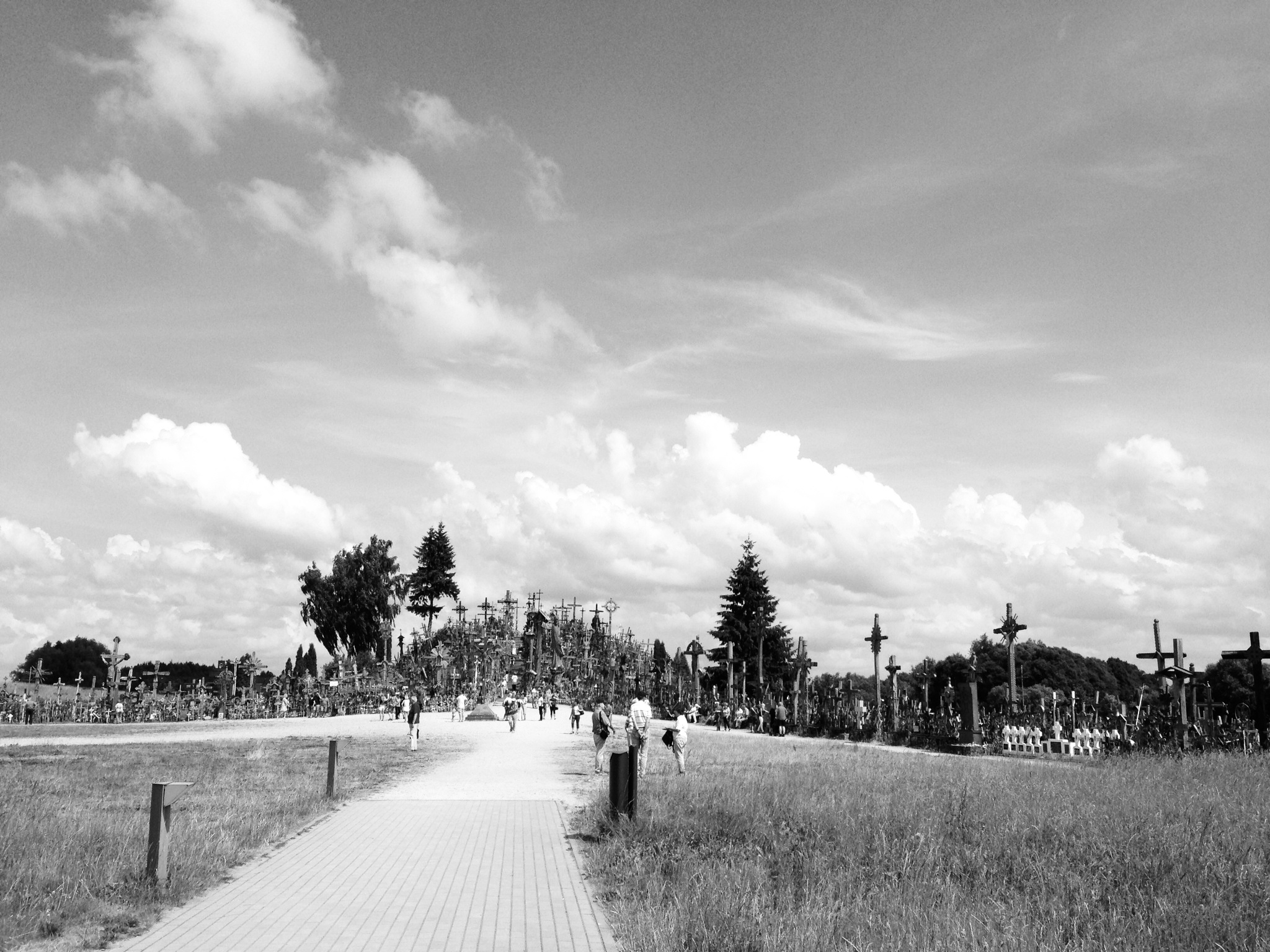
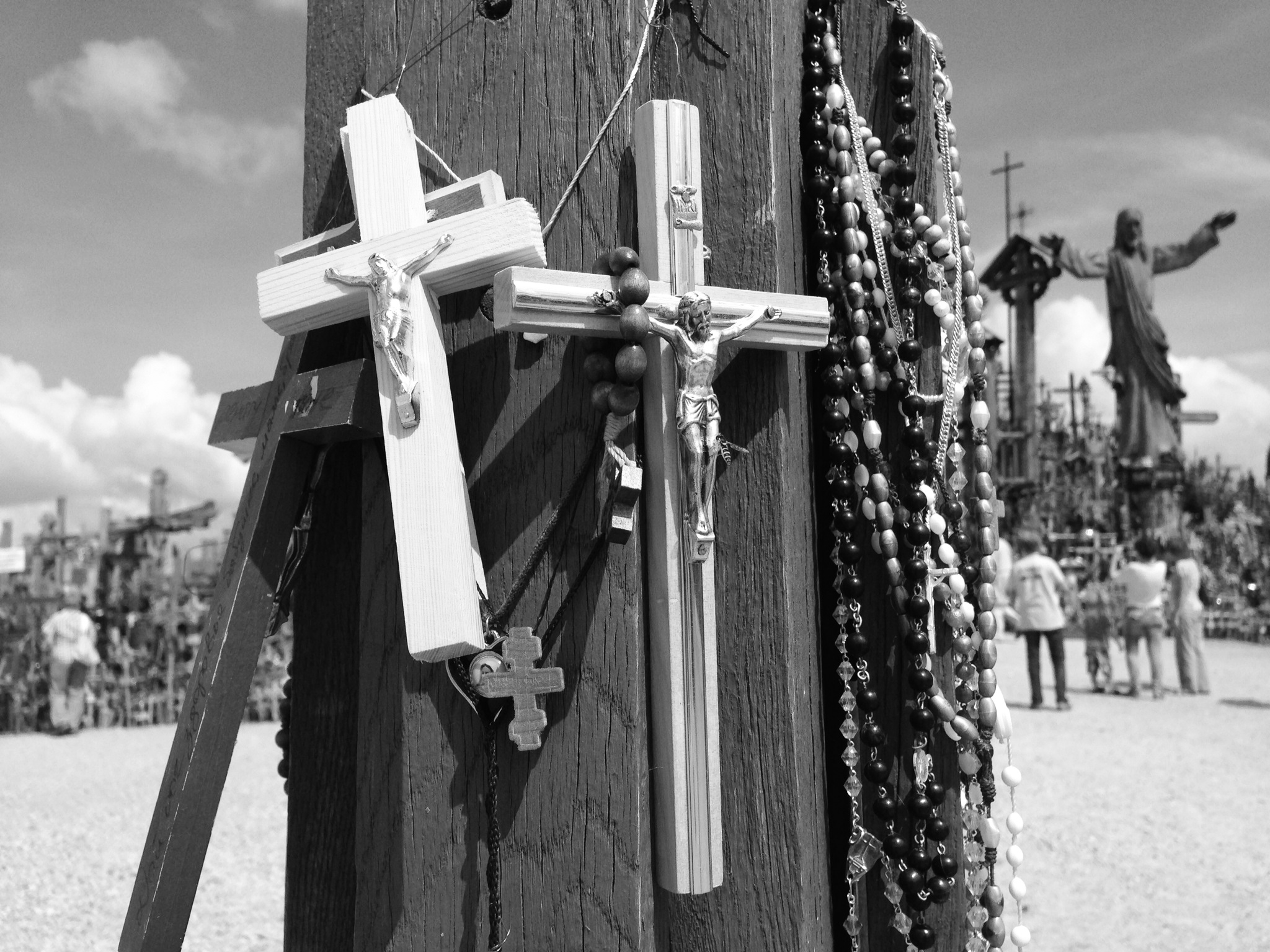
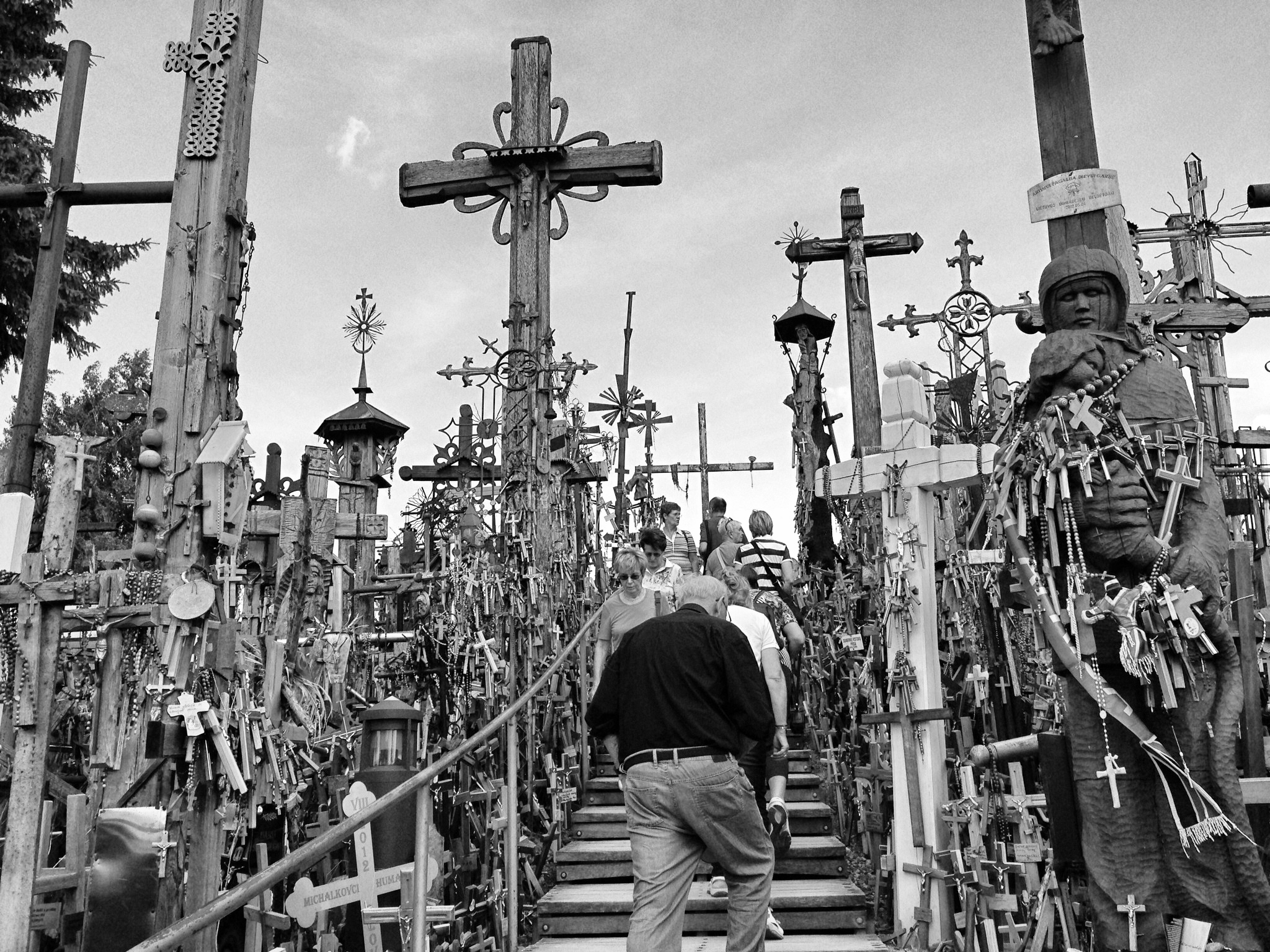
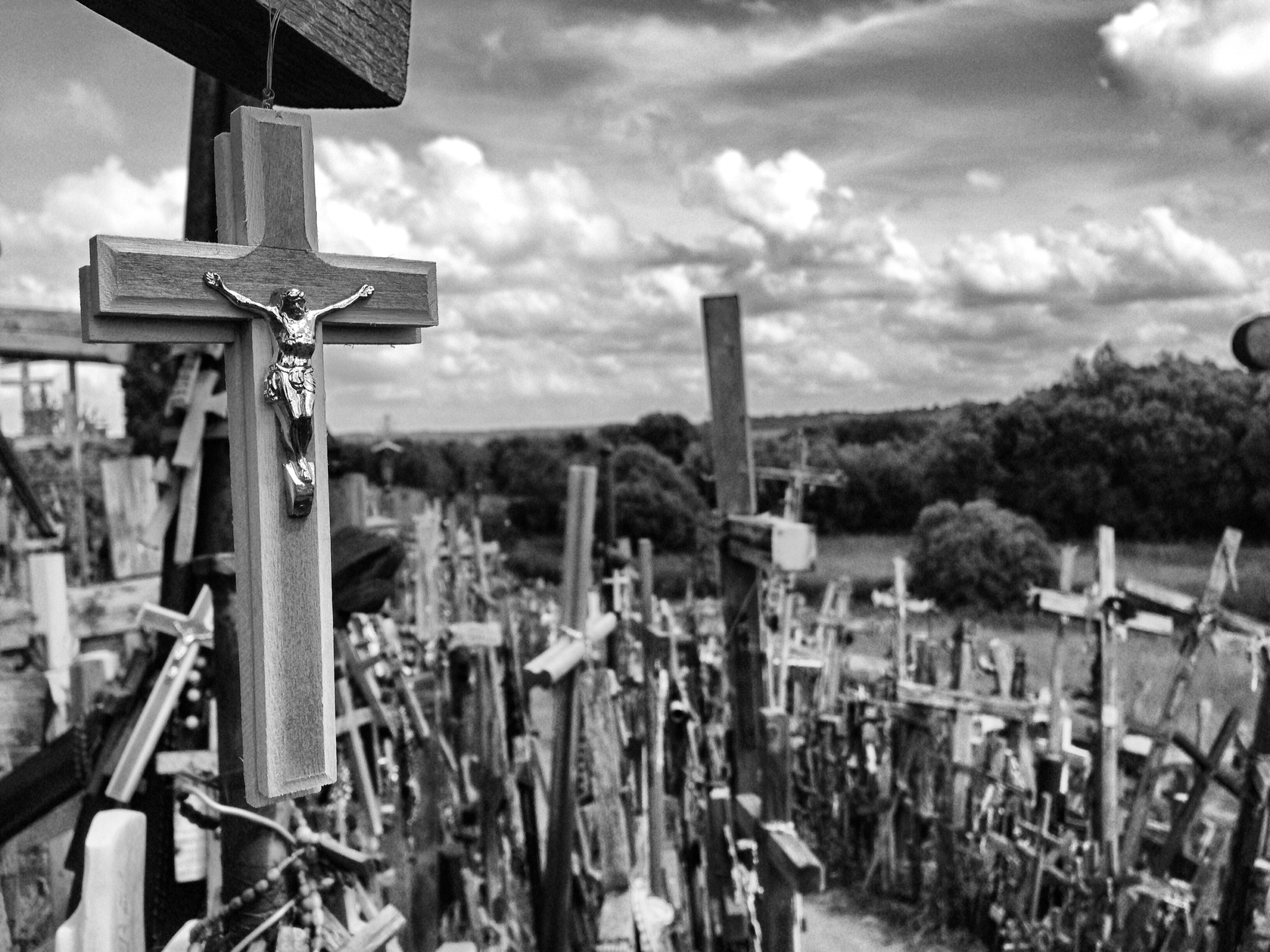
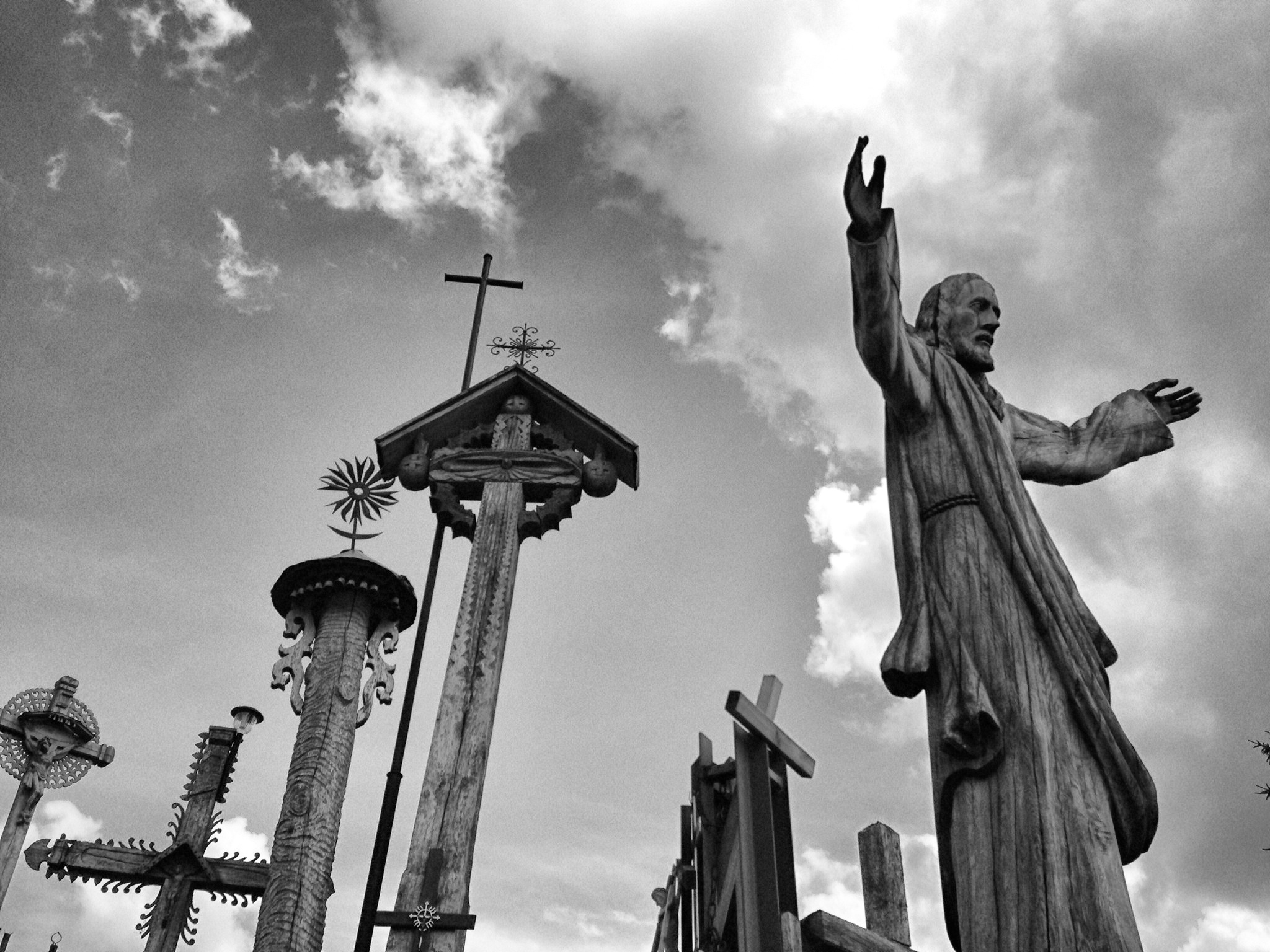
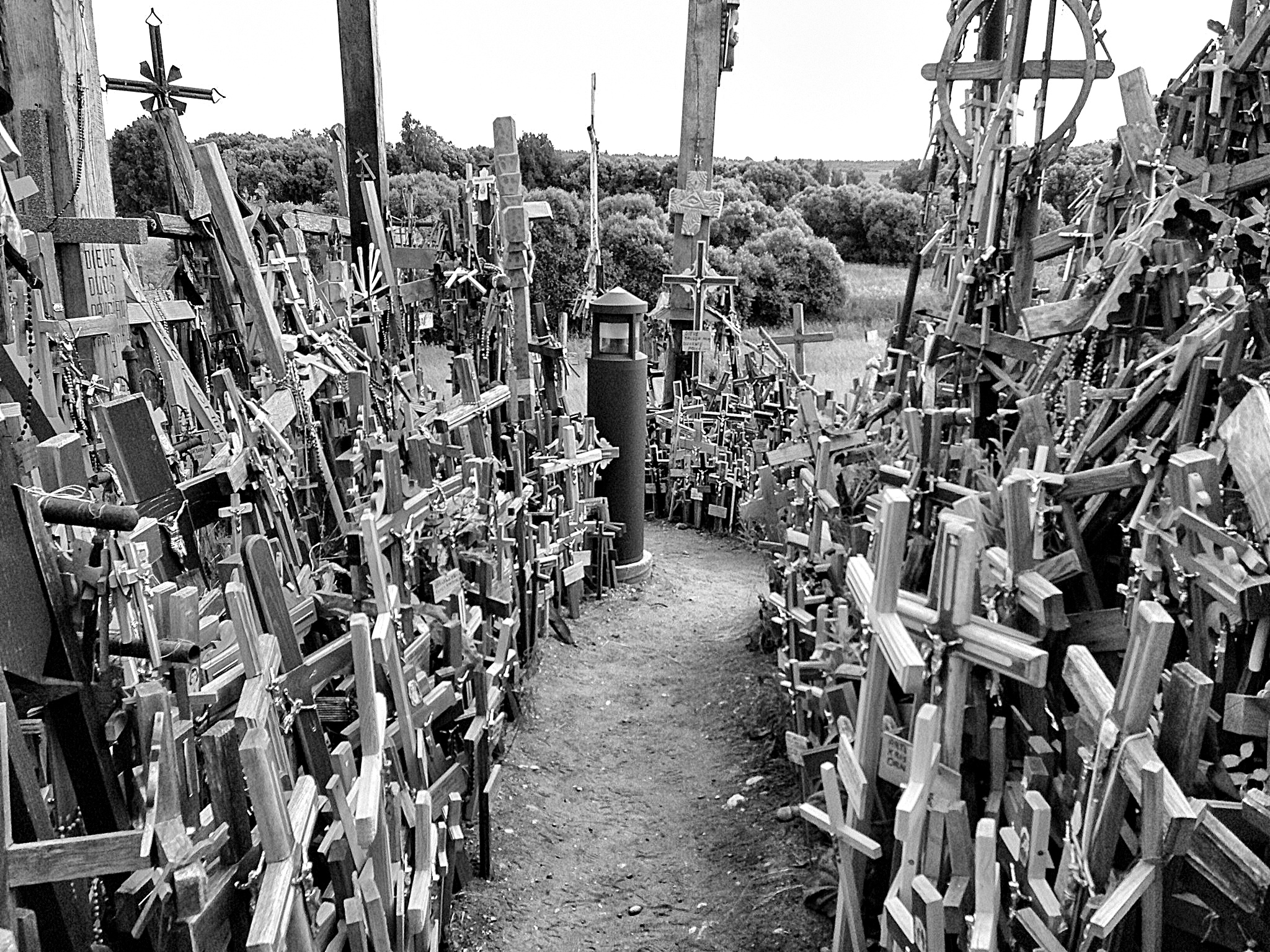
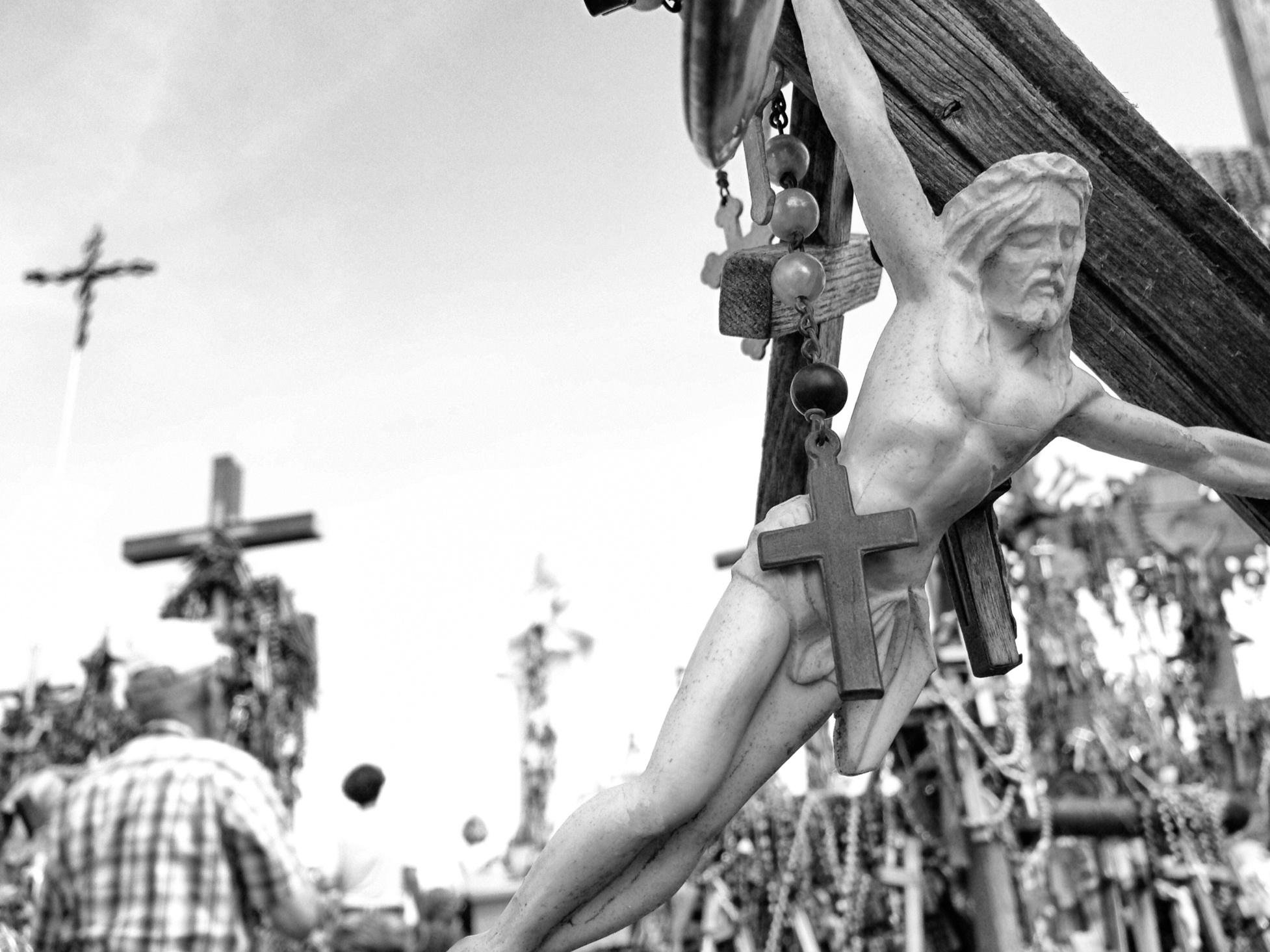
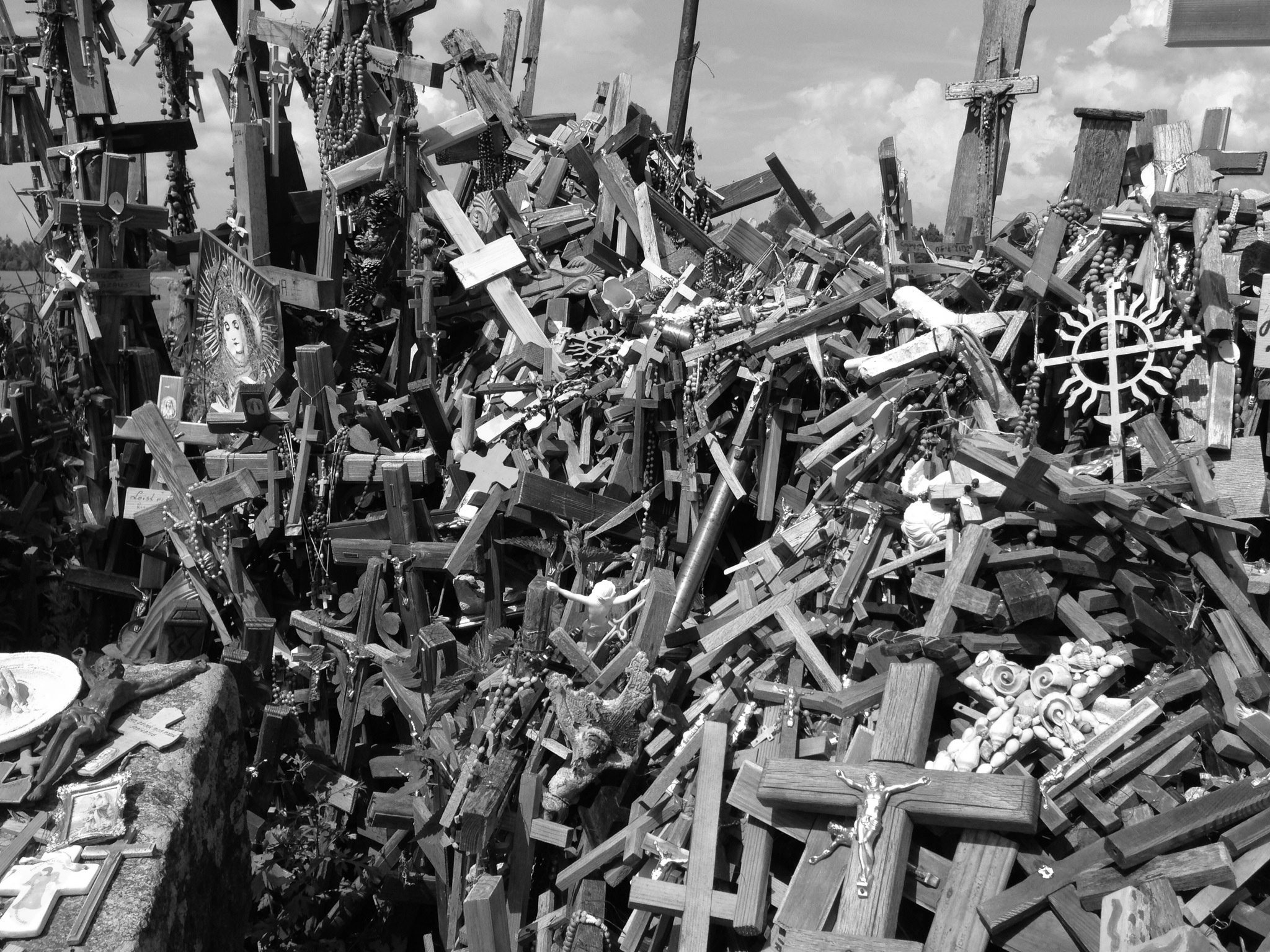
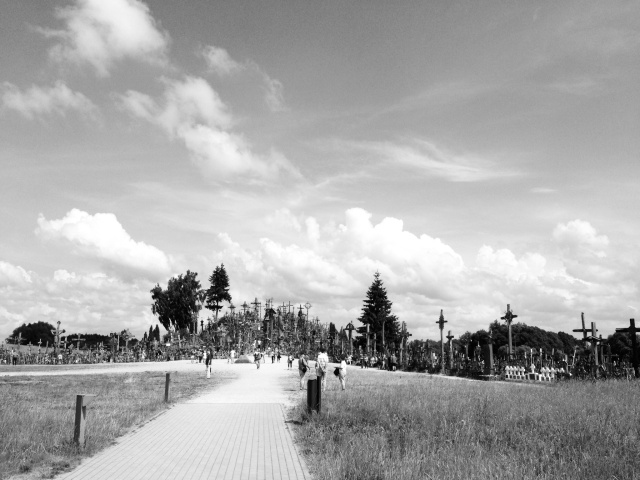
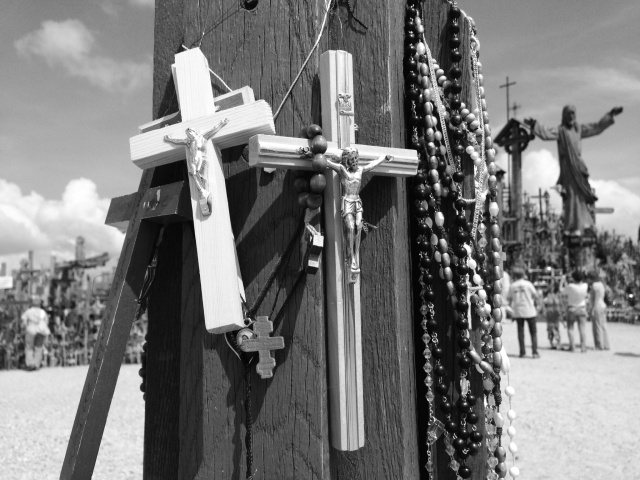
The Hill of Crosses is a sacred place in Northern Lithuania close to Silauliai. It consists of two small artificial hills (maybe 5 to 6 meters high)  amid vast farming land. The origins of the crosses are primarily unknown, though many legends speak of soldiers finding their last rest in the ground beneath. In the 19th century, the place became regarded as mystical and holy. First, crosses were erected in honor of fallen soldiers and in remembrance of deceased family members, and later also to celebrate happy occasions like weddings and baptisms. The Soviets saw the hill as a place of fanatic cultism and closed it down. Despite the repressions, they could not stop the tradition, and after 1990, the Hill of Crosses grew even more, becoming a national symbol of religion and endurance. Today, crosses can be seen from around the world, not only catholic crosses but also orthodox and evangelical ones. Whether religious or not, the place doesn’t leave the visitor cold.
k1

k2

k11

k8

k7

k6

k4

k10