Skip to content

The Winter Sun

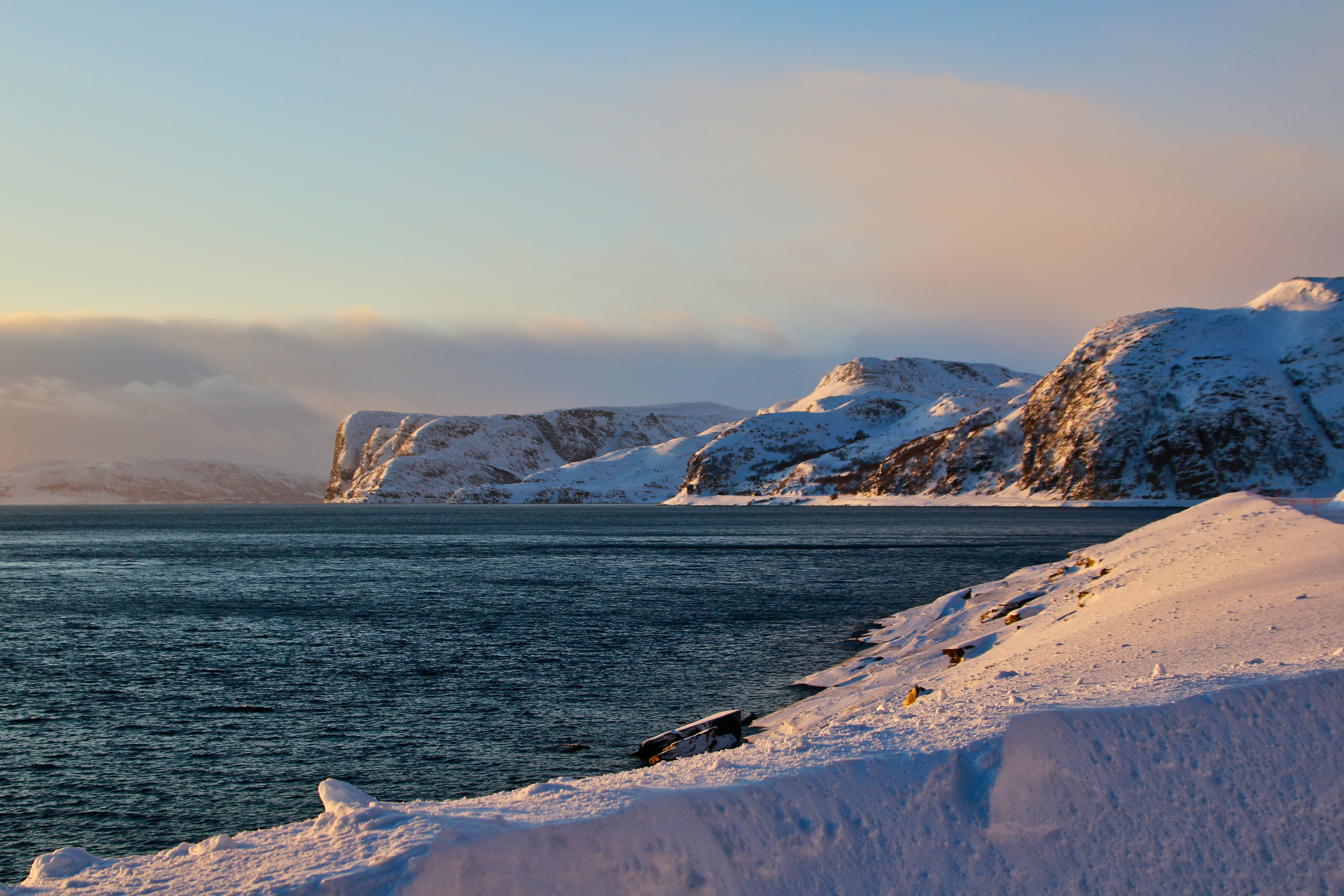
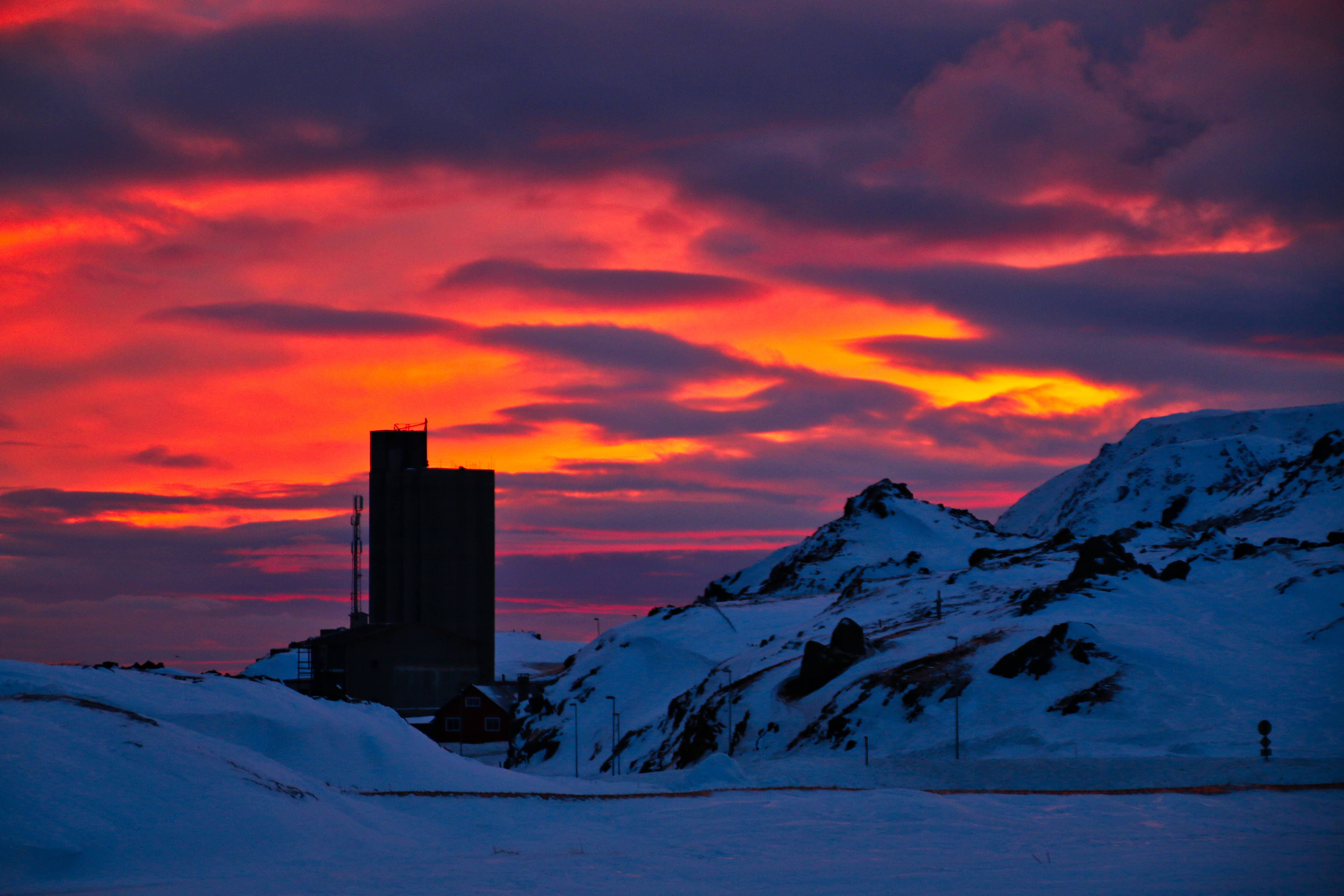
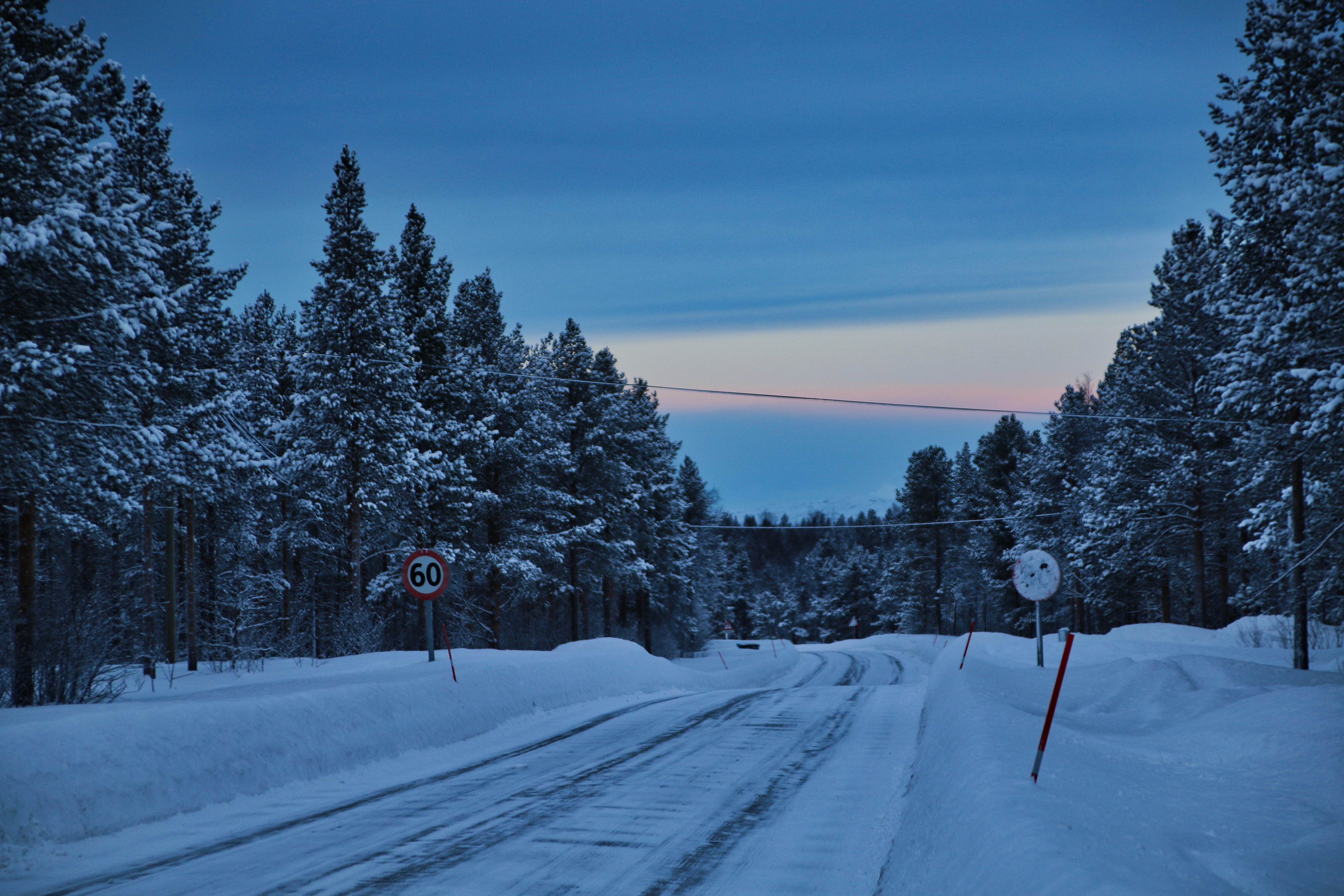
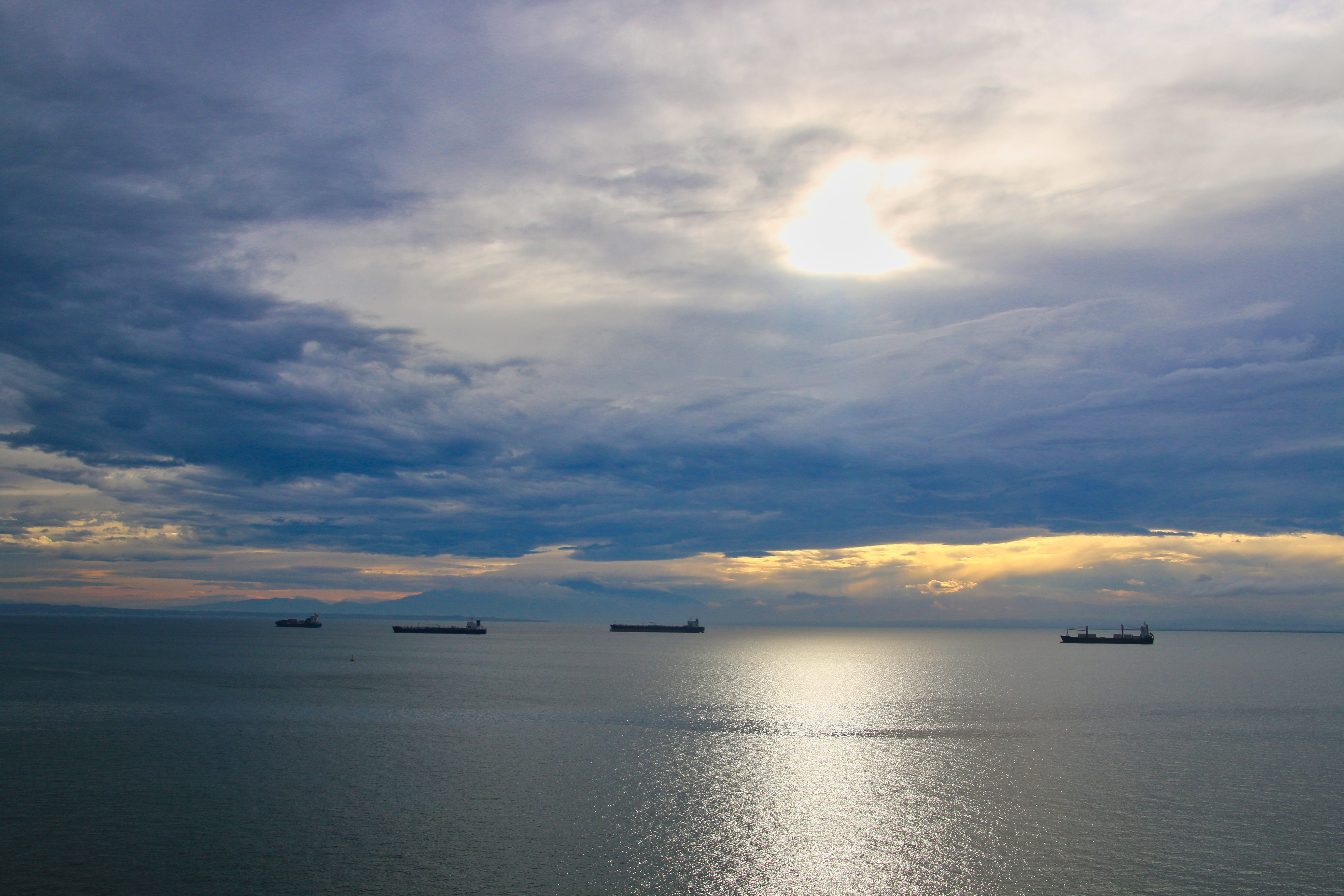
The sun is unique during the winter time at the polar circle. First and foremost because it is scarce. Depending on the latitude, our home star disappears for a couple of months, and the world remains dark. Slowly, the sun rises again every day a little bit more; shy in the beginning, it dares go higher with the weeks passing by. At this time of the year, the few hours of daylight are encompassed with a very particular light, and it provides little warmth in a bitterly cold and hostile (though beautiful) environment.

test

Tropics of Thailand

When flying from Bangkok to Southern Thailand, you notice changes immediately after leaving the airplane. The Thai capital is not exactly known for cool temperatures, but you will soon learn the difference between hot and tropical hot. It is not the temperature but the high humidity that makes the most significant difference. Some of our electrical equipment could not cope with these conditions, and I got some water droplets in the back camera of my iPhone. Not because I went swimming with the device but solely because of the extreme humidity.

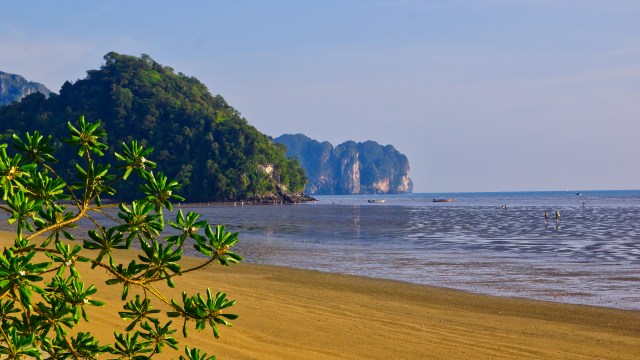
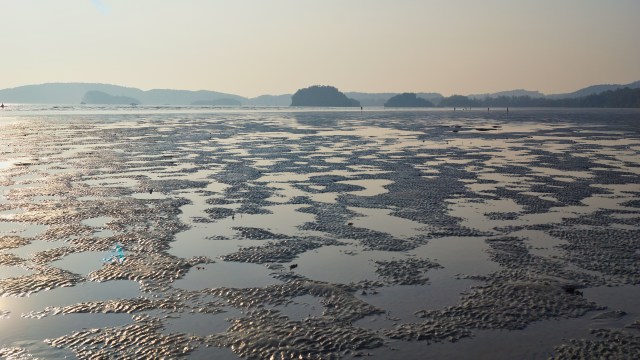
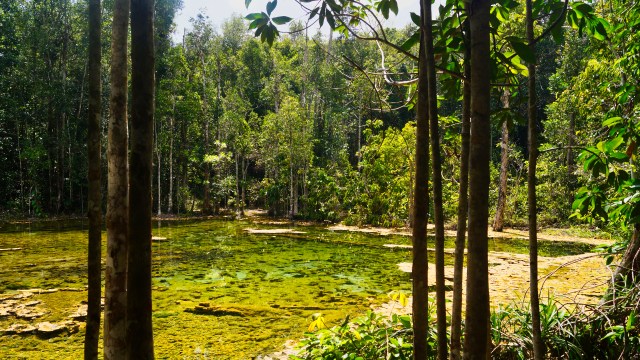
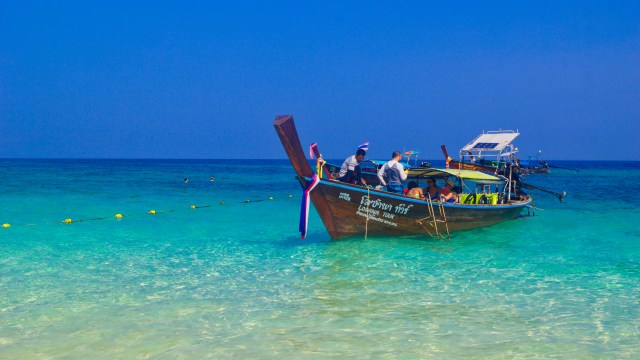
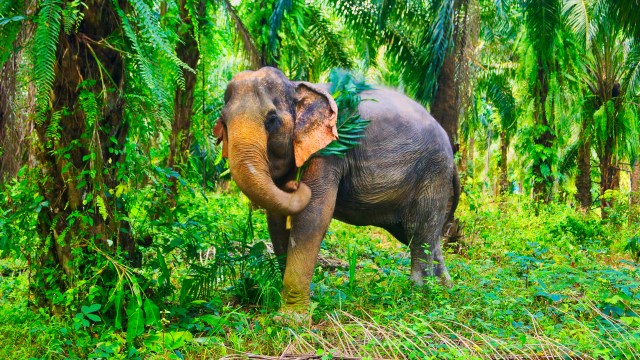
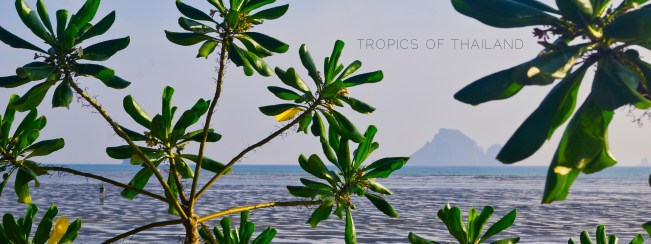
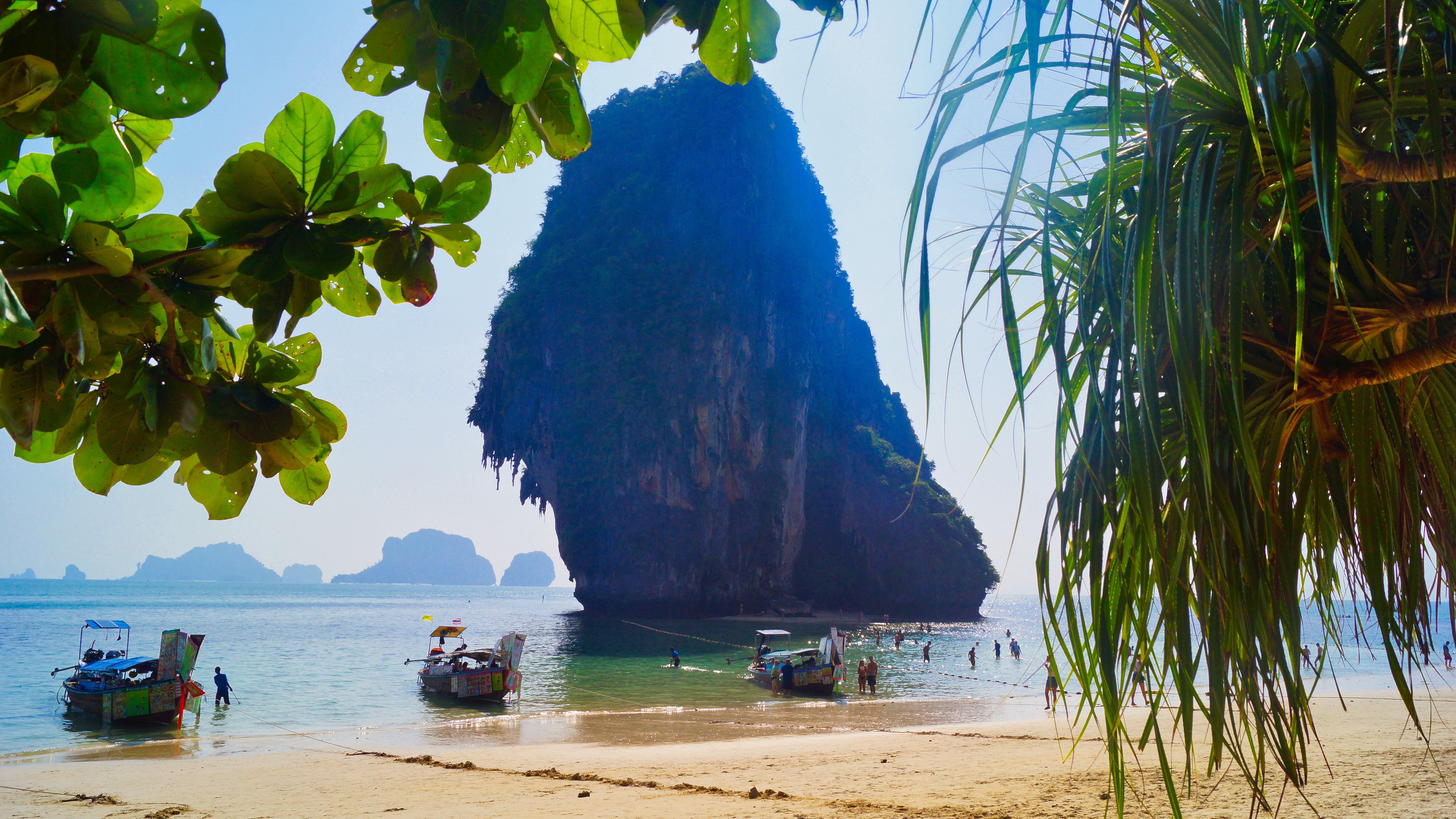
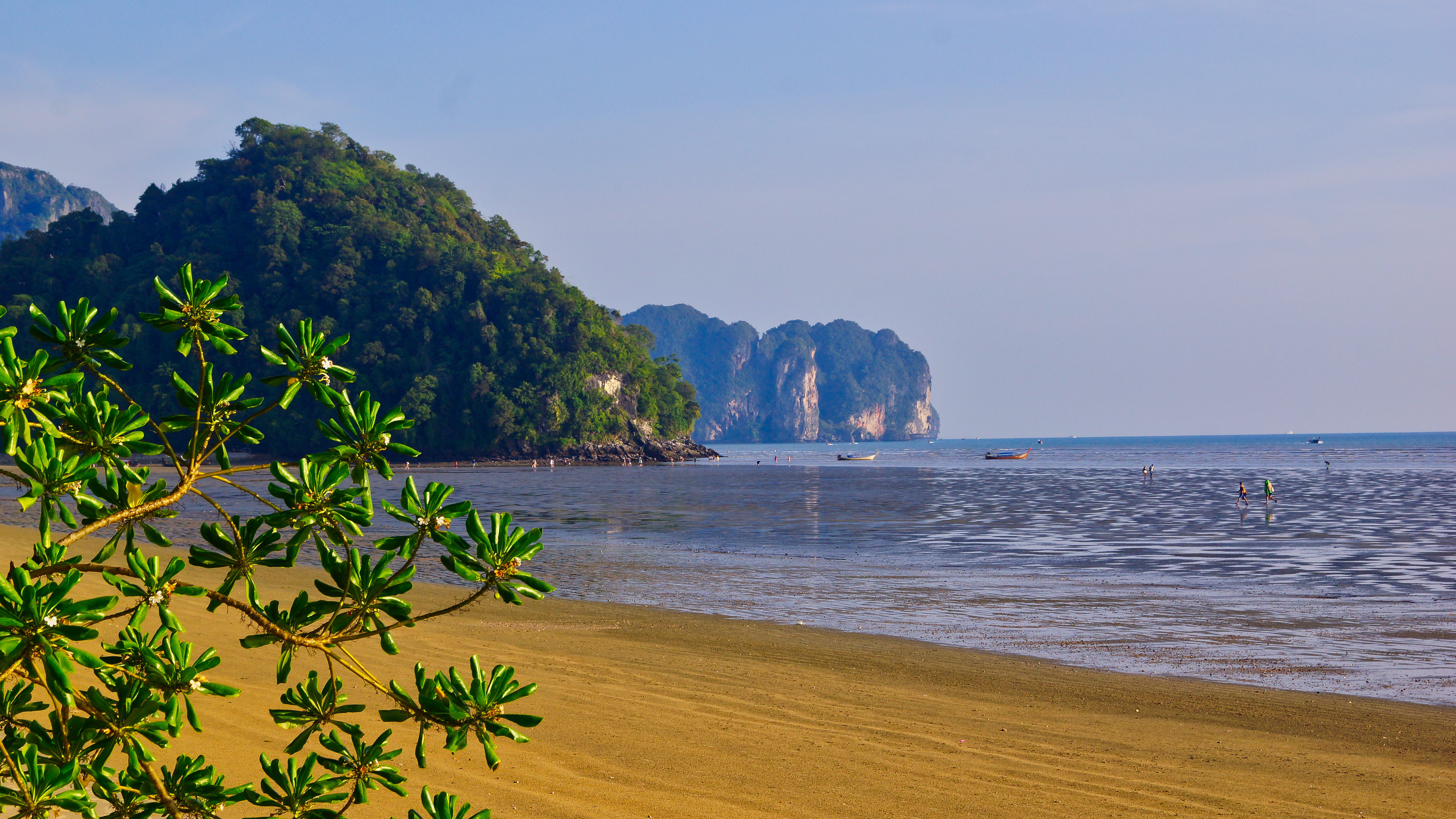
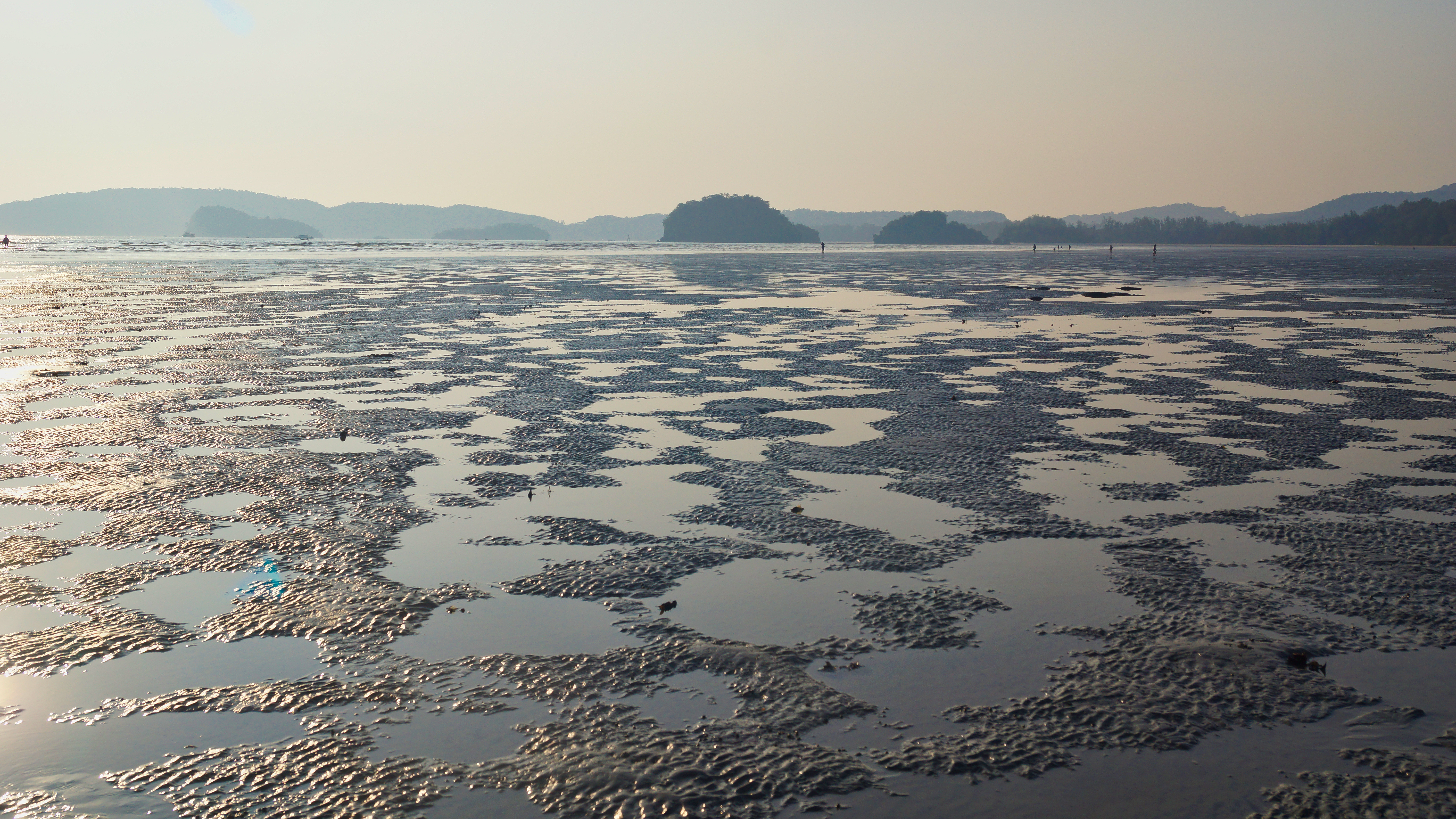
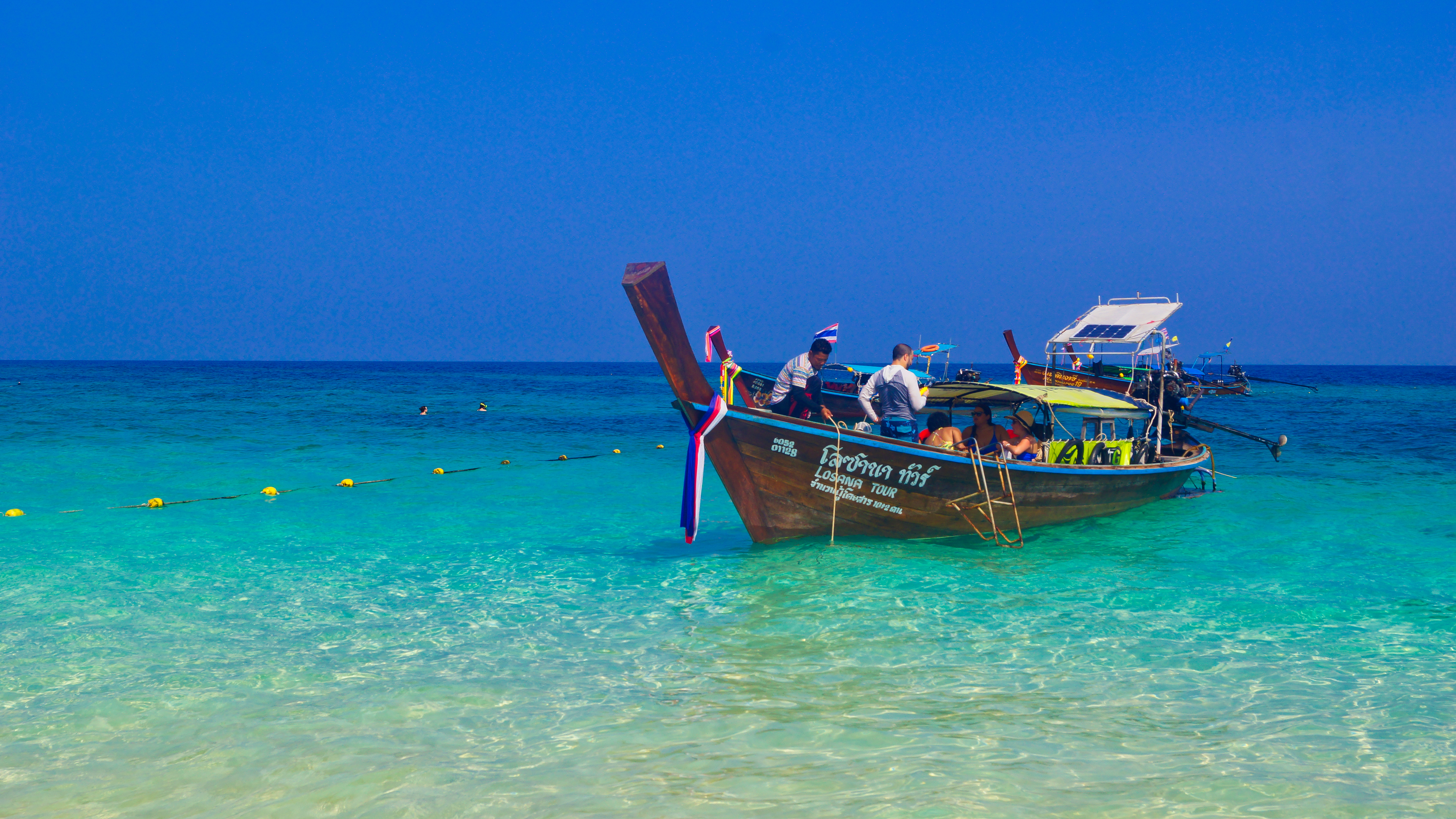
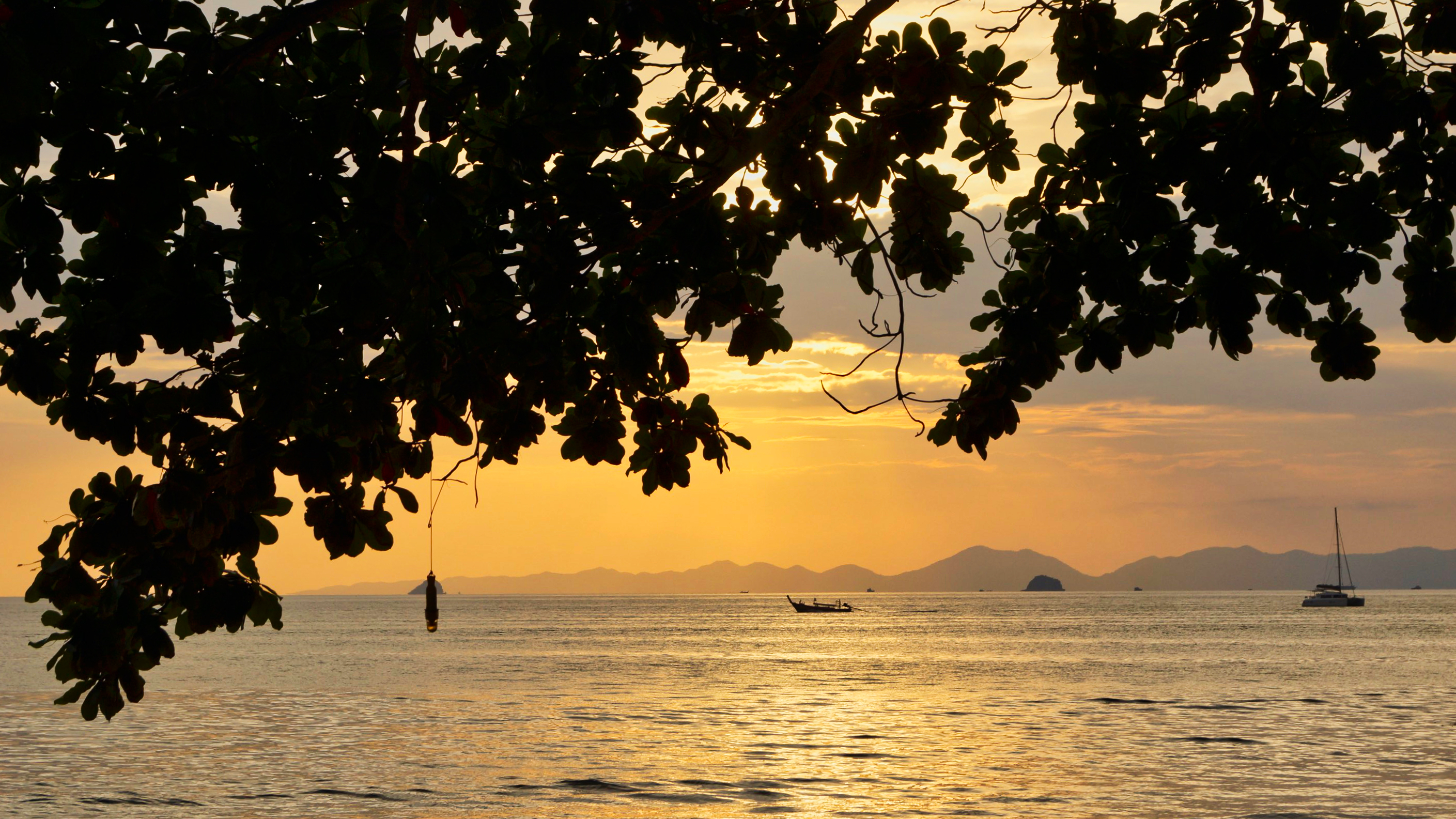
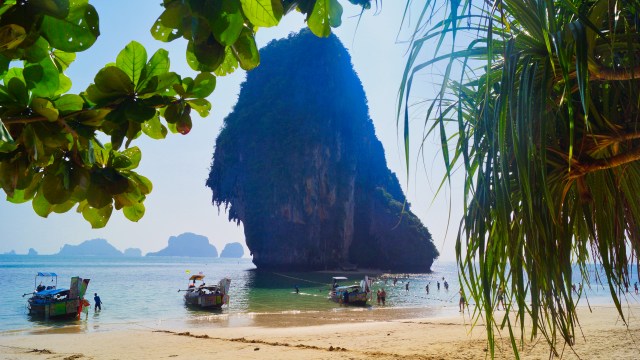
Also, tropical rain showers are awaiting you; these are different from European rain. Of course, it depends on the season; there are two: the rainy and dry seasons. Although coming into the dry season, it can occasionally rain as well. Mostly, it happens in the evening when the high humidity rises and discharges into the atmosphere, thus creating heavy (but relatively quick) rain showers and thunderstorms. Under these conditions, nature is very different than in tempered climate zones but more diverse than you would think. Of course, there is the jungle, exotic animals (picture 6), beautiful lagoons, and even pine trees. Of course, the endless blue sea dominates everything in Southern Thailand, and the coast is fascinating with rough rock formations and bizarre little islands (pictures 1, 2, 5, 7). Also, the tide is surprisingly strong, at some places uncovering the sea floor for many hours during the day (picture 3) and showcasing a rich biotope of many kinds of crabs and crustaceans.

test

Lofoten in Clouds Pt. I

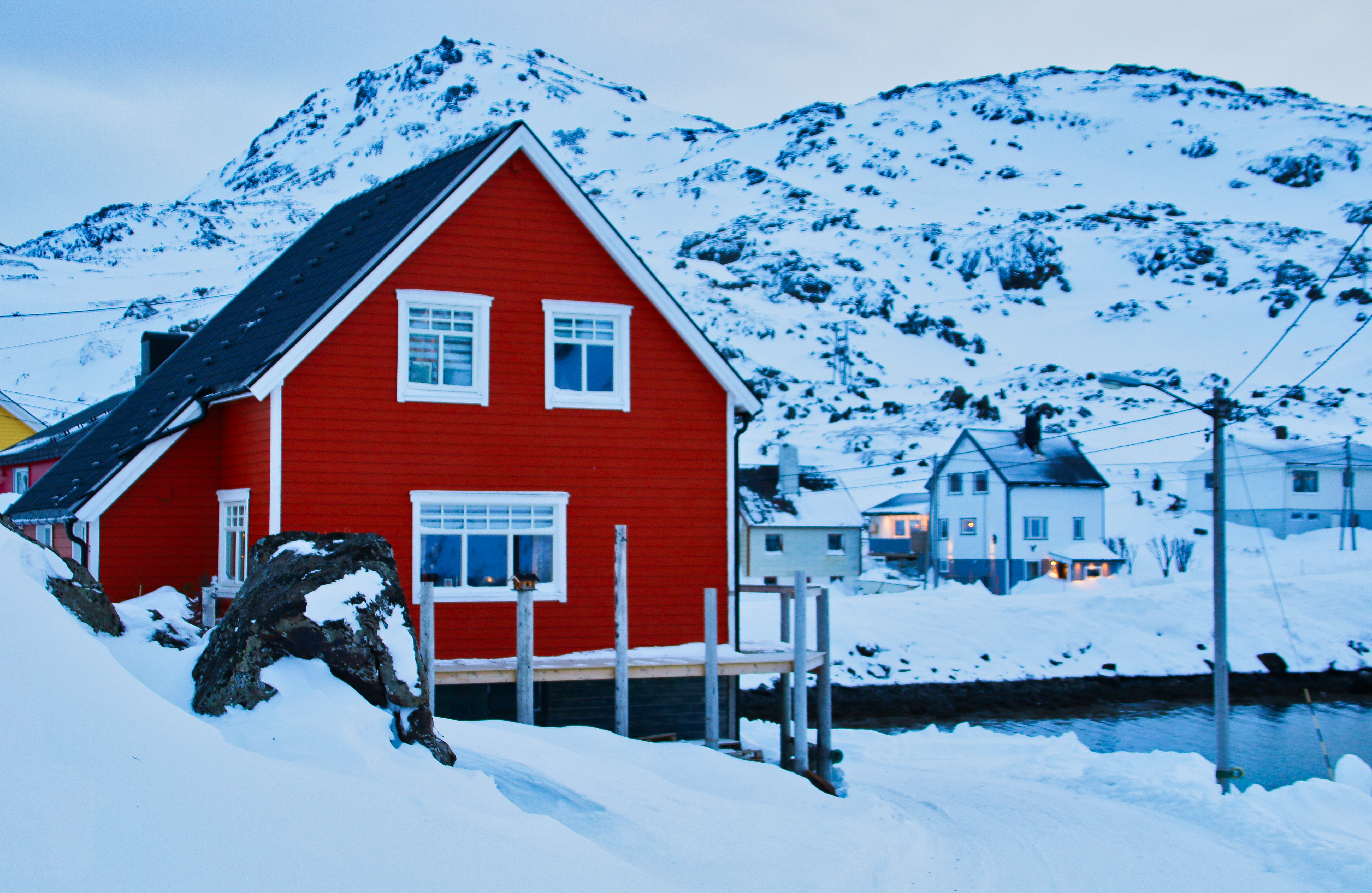
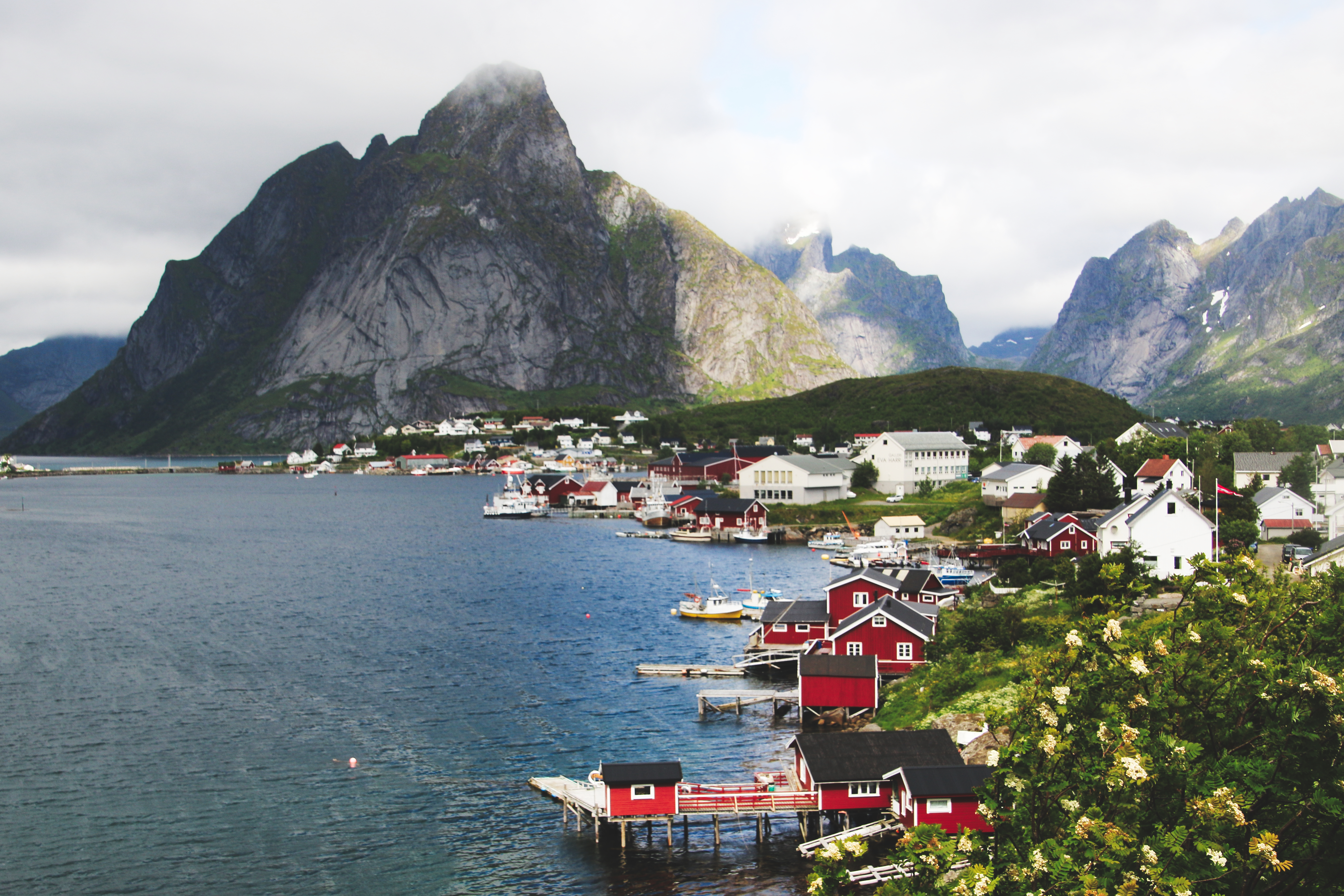
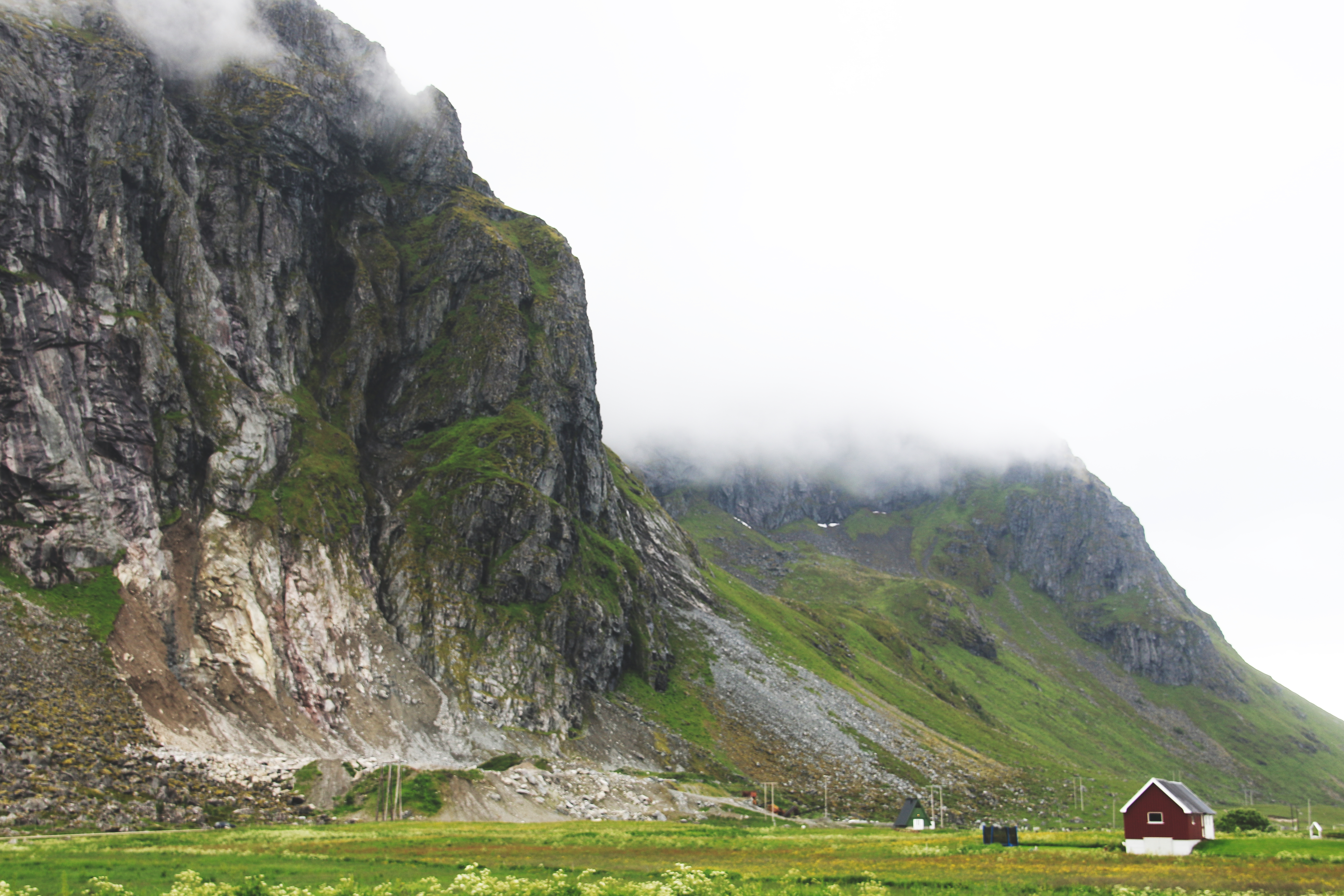
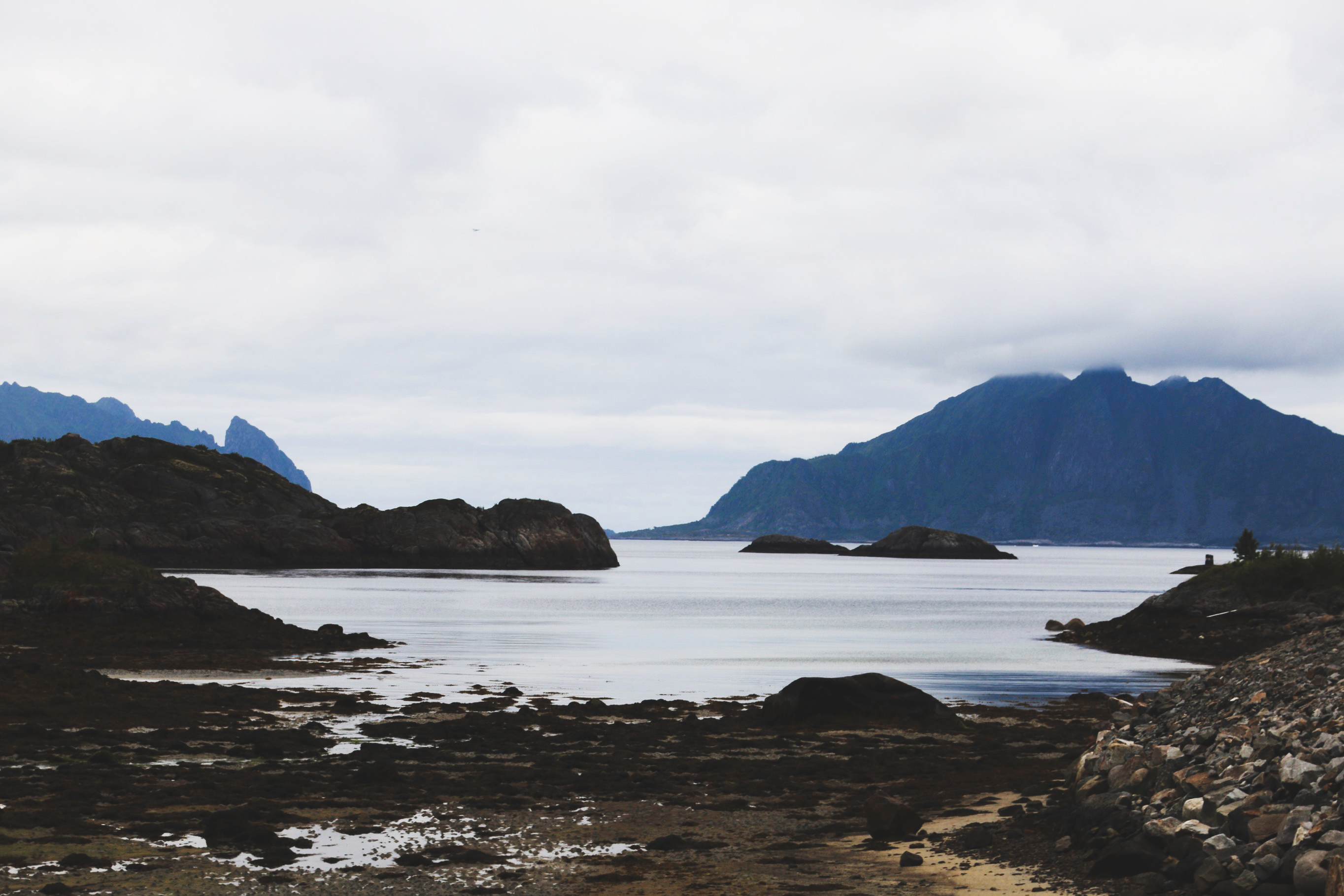
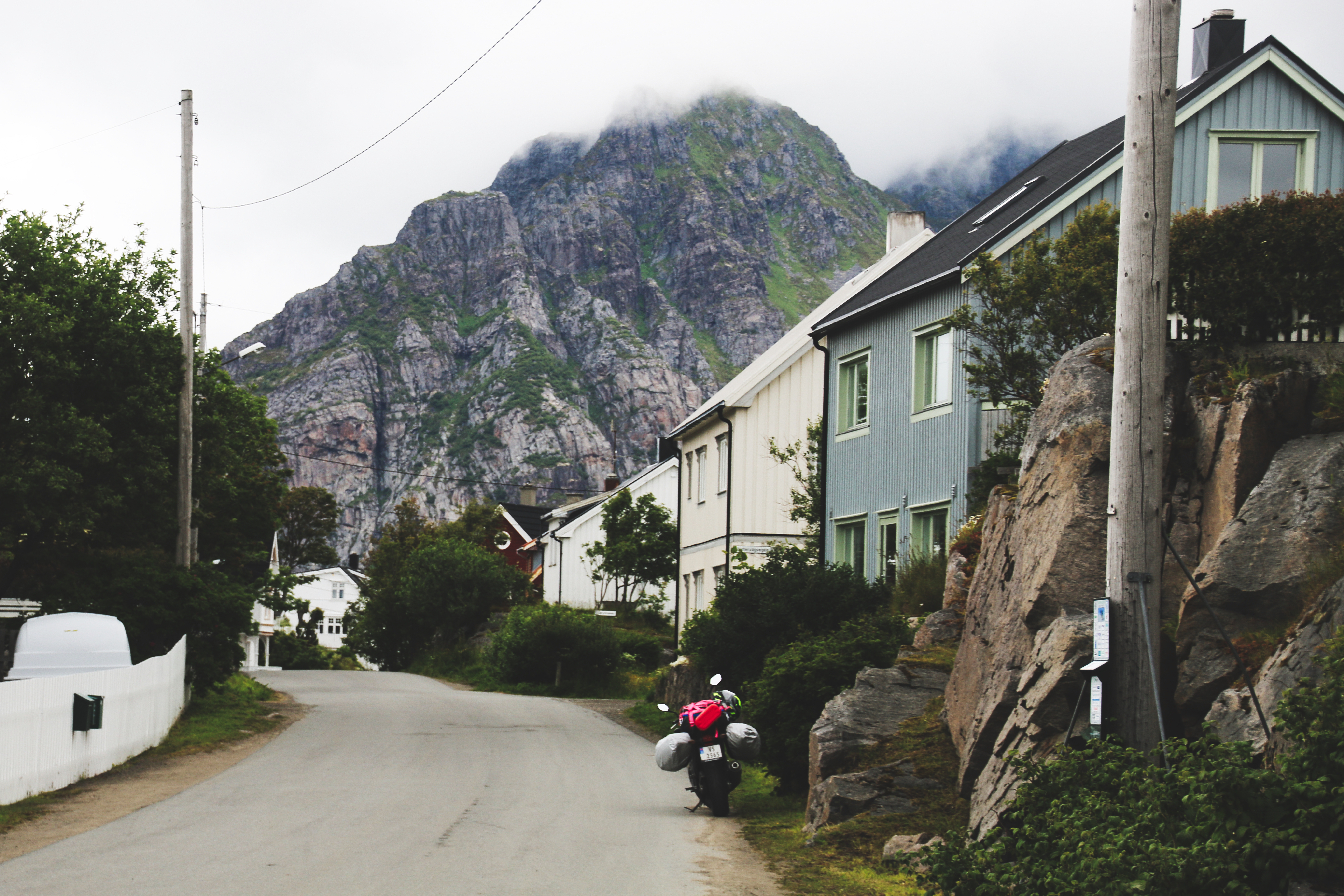
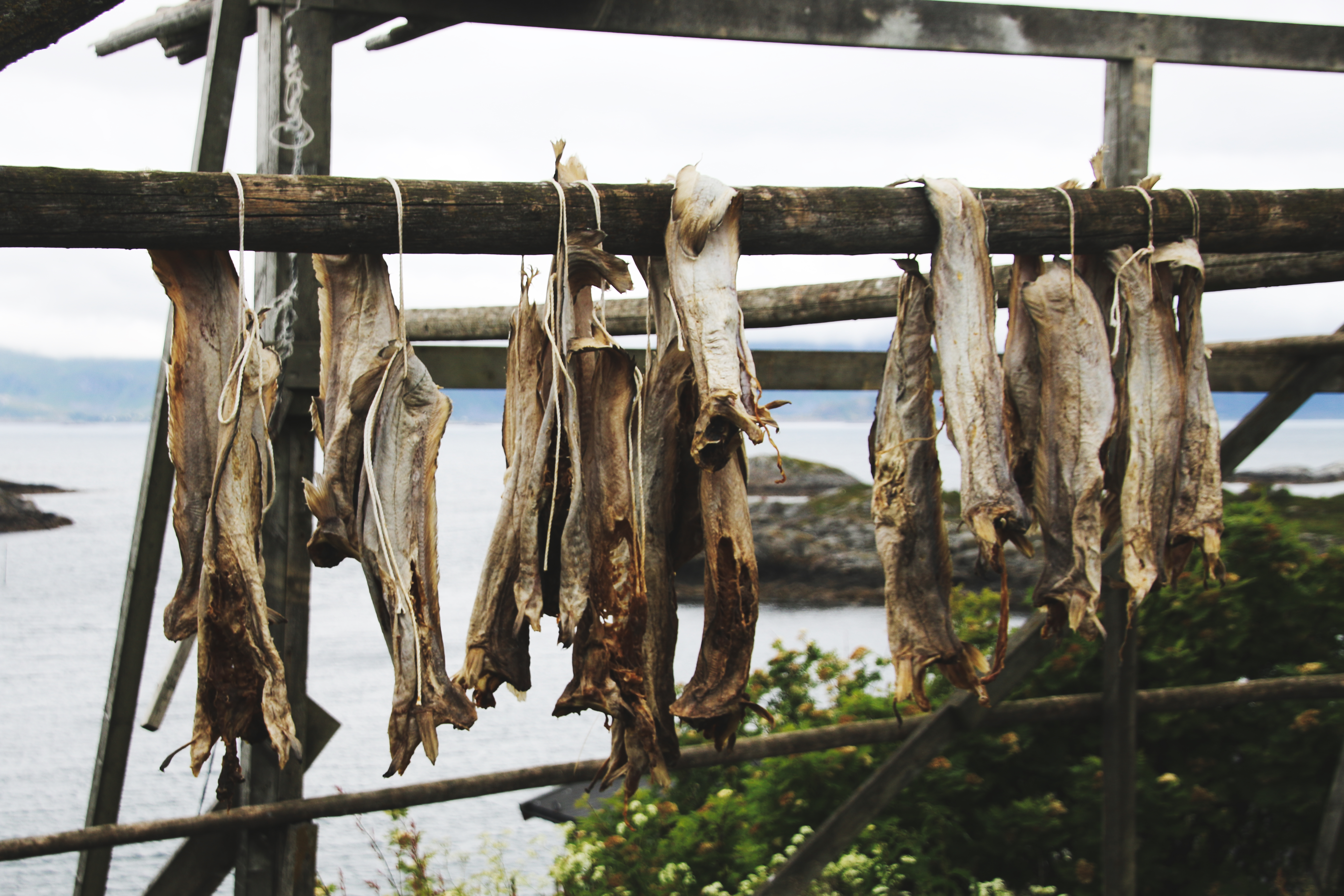
The Lofoten islands are situated far north of the Arctic Circle in Norway. Actually, the name of the archipelago means foot of a lynx in Norse and derives from the fractured geography of the islands, which looks somewhat like the limb of an animal. Historically, the islands were known for cod fishing. Additionally, local fishermen and thousands of men from the mainland used to come to these islands in winter for a good catch. They lived in typical red fishermen’s houses close to the rough sea. (Continuation in part II)

test

Travelling North

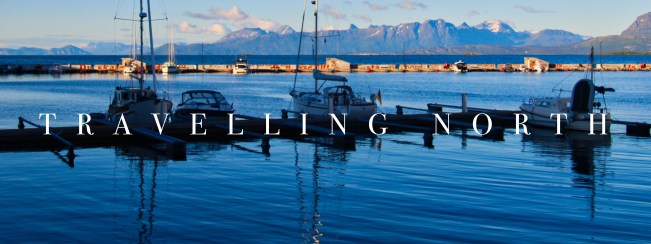
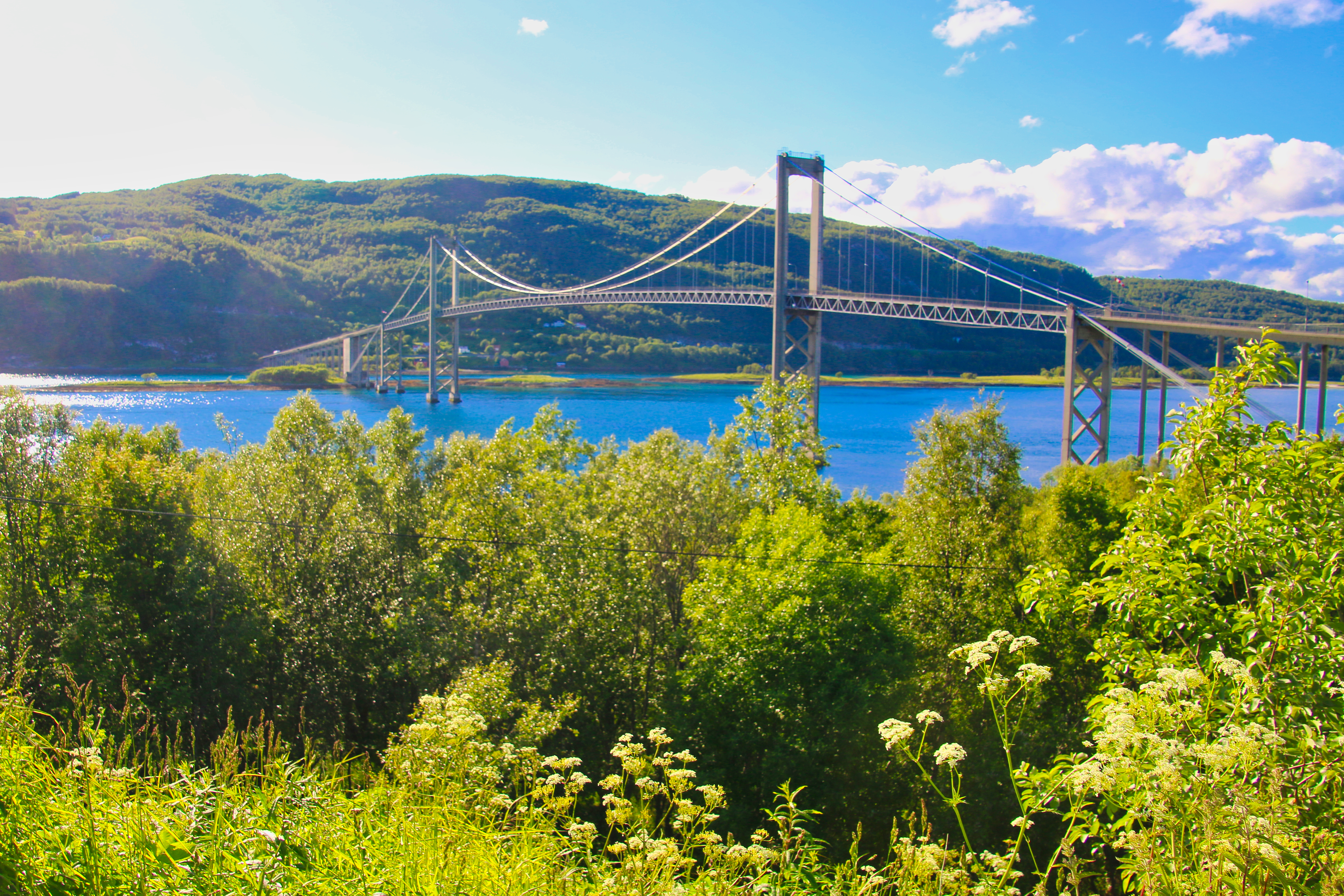
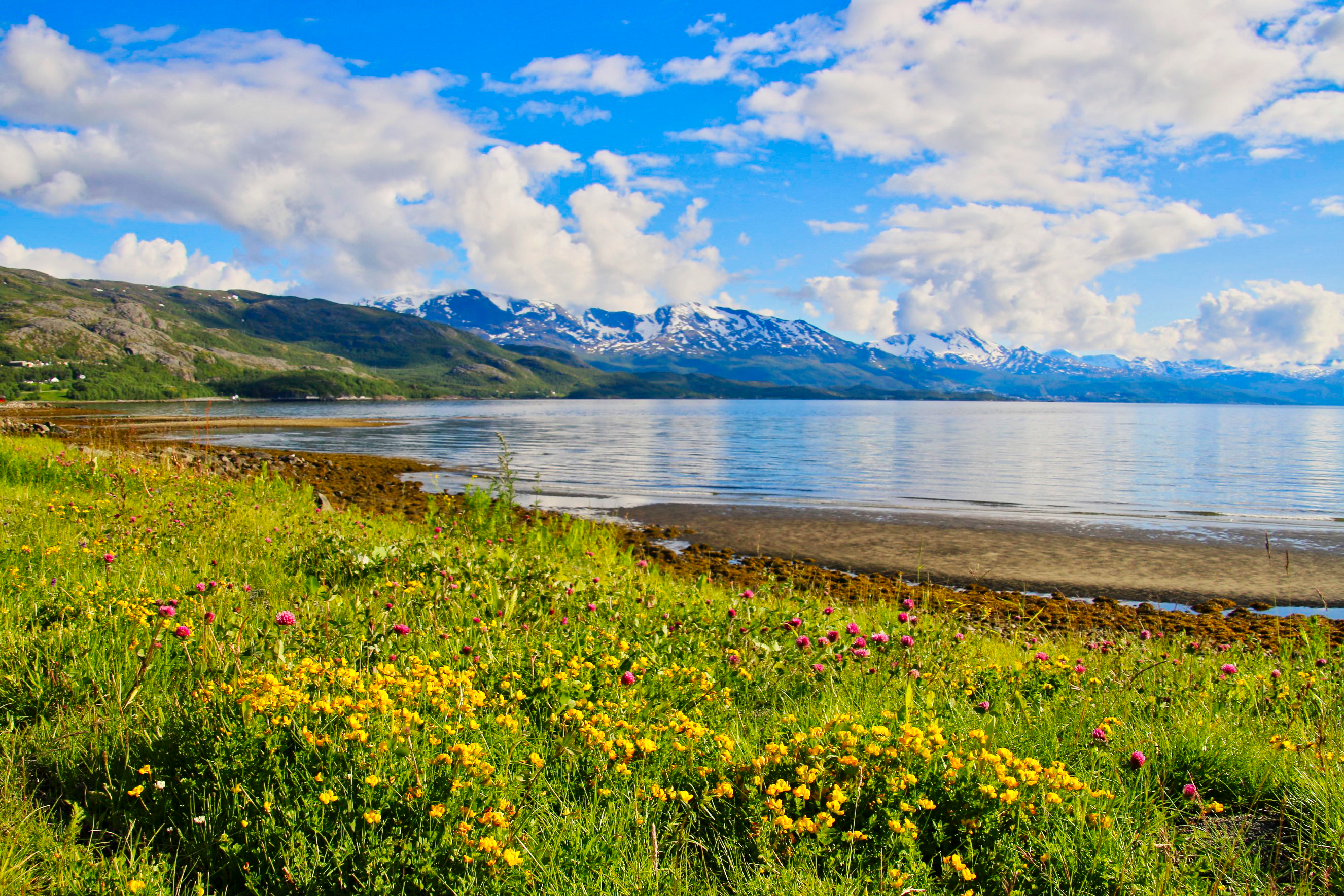
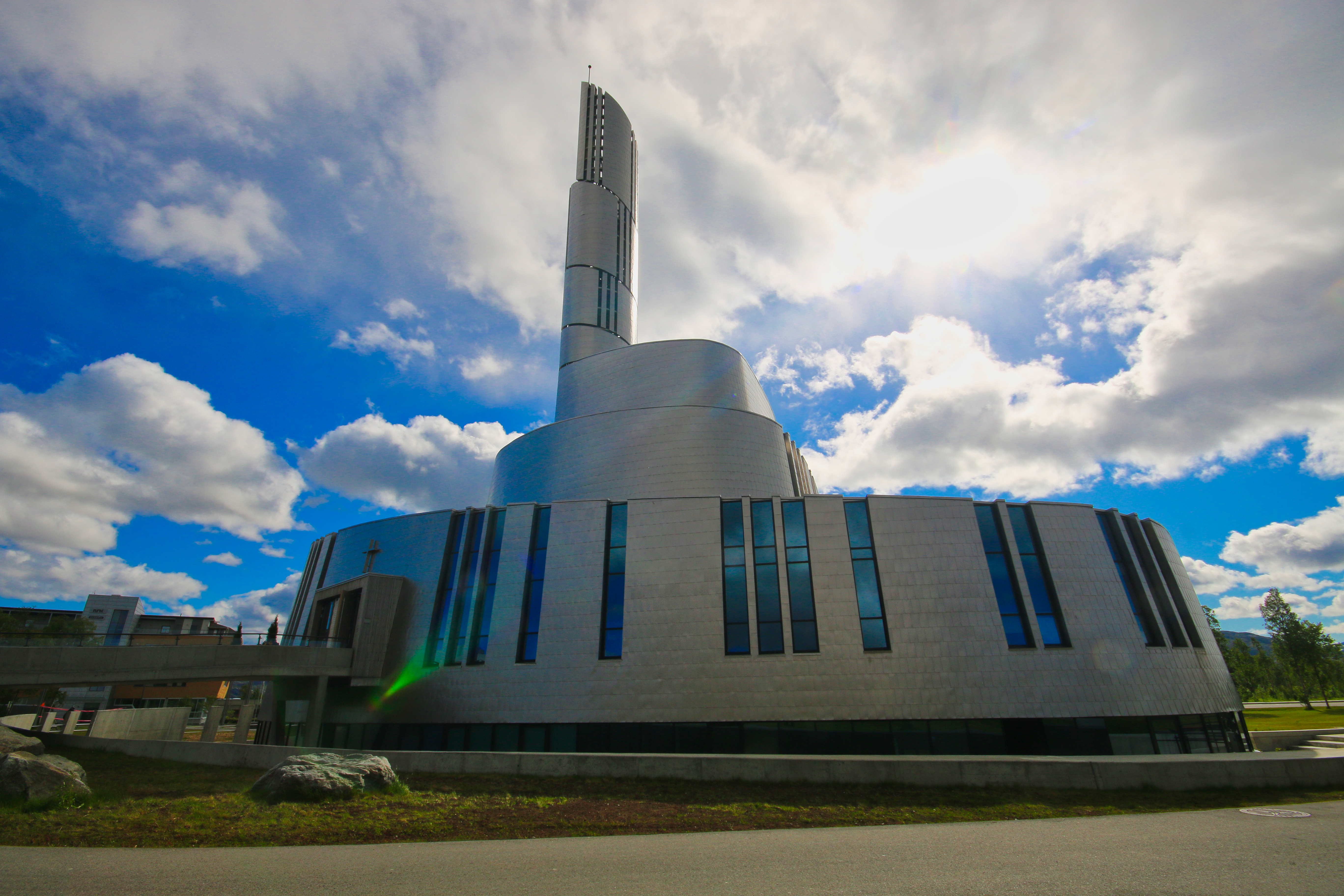
When traveling north to Scandinavia, you begin to gather an understanding of the vastness of our planet and how many places there are still without any human population. Nature can roam freely here. At the same time, the human-made infrastructure, being roads, tunnels, or even high-speed internet, is superb and links even the most faraway places to the population centers to the south. The beautiful bridges seem to integrate perfectly into nature but make no mistake, nature itself is the undisputed star here.

test

At the Northern Shore: Germany and the North Sea

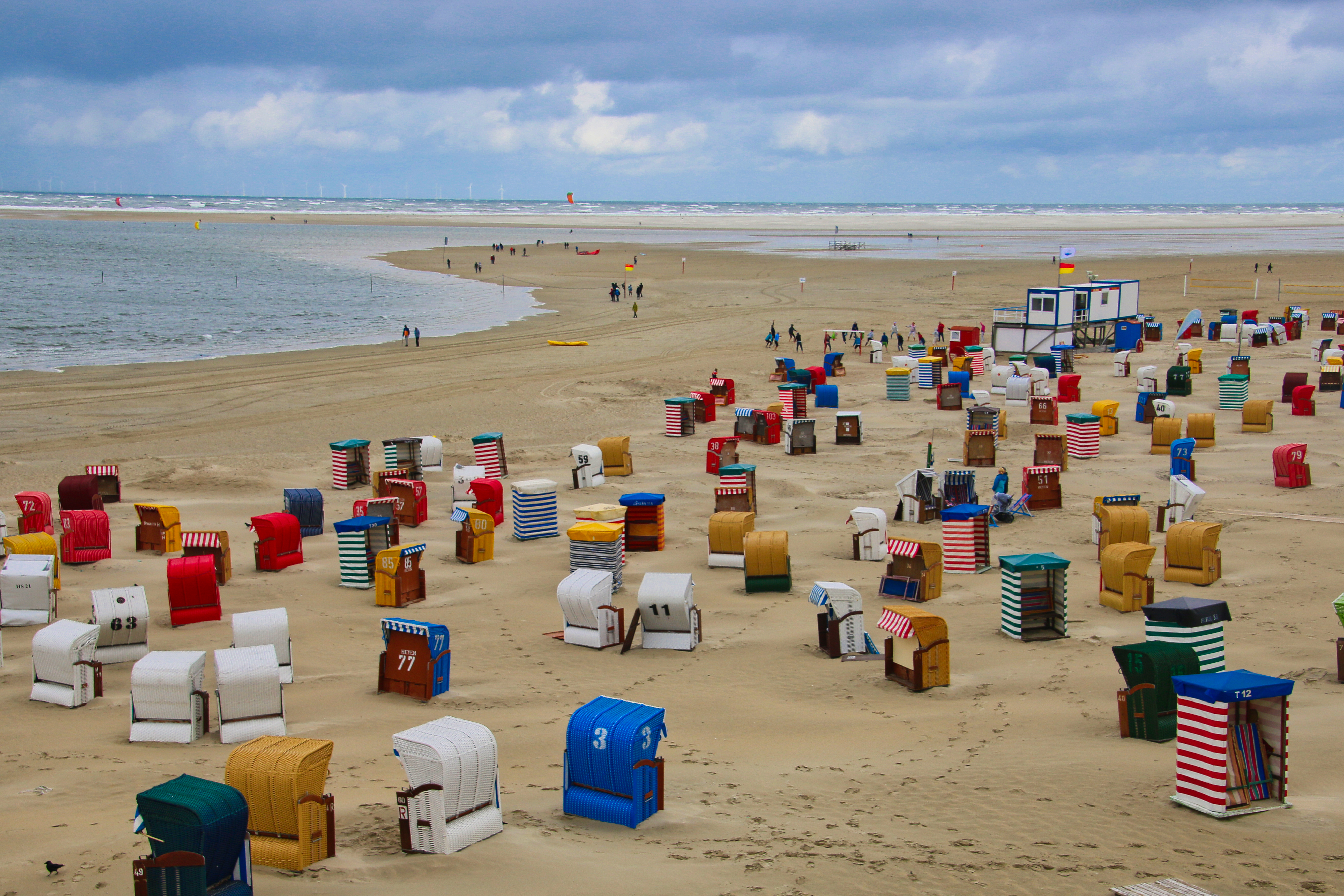
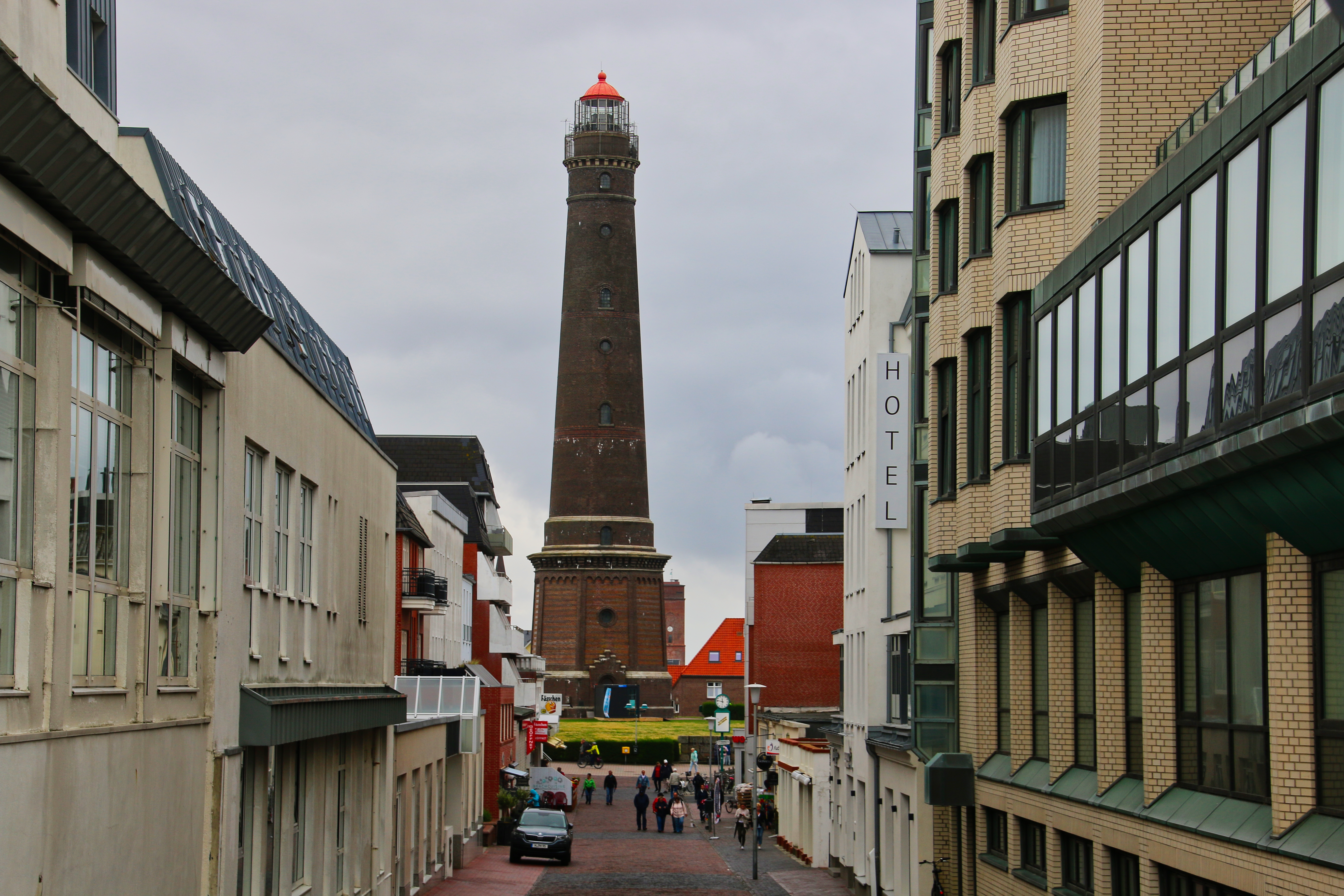
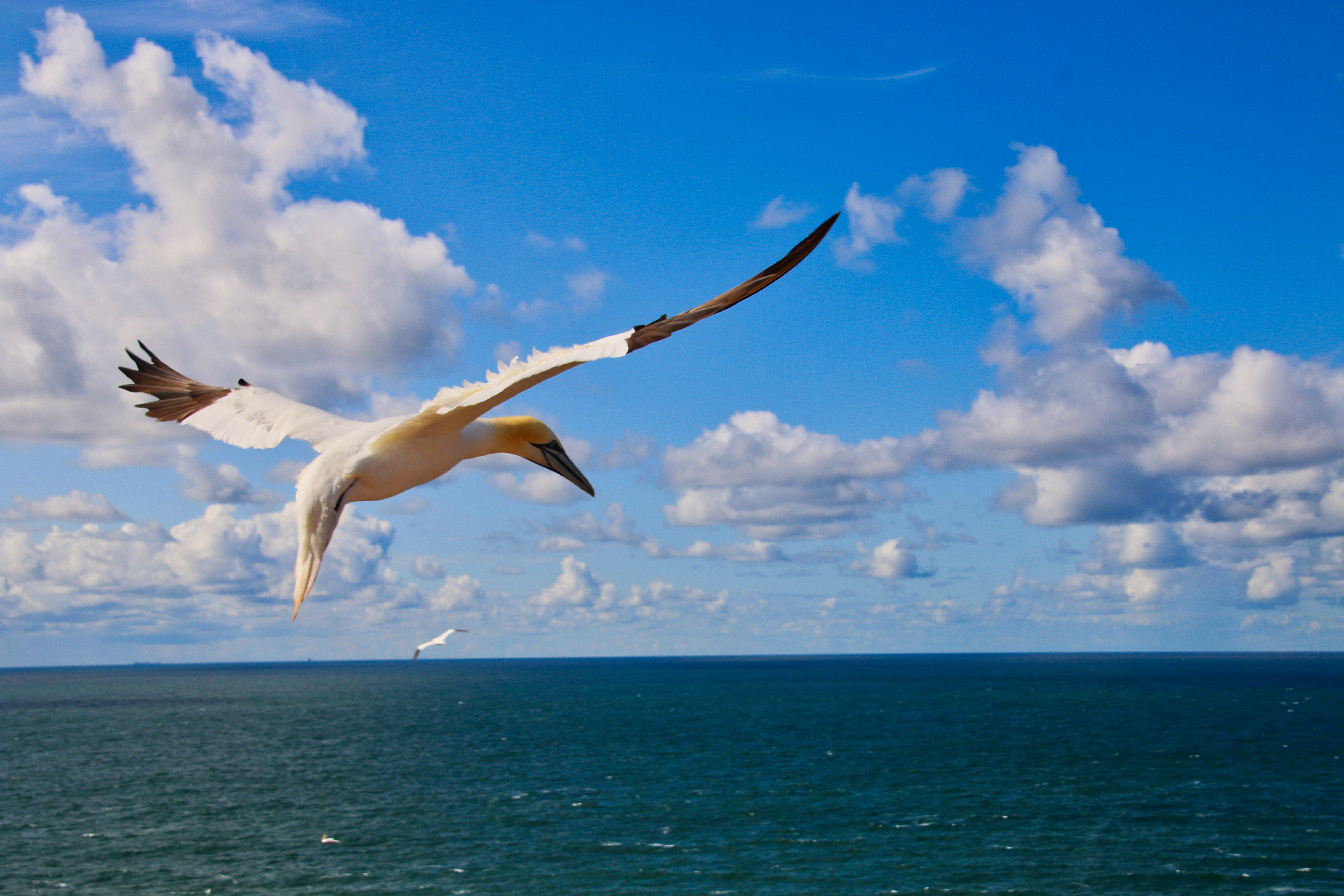
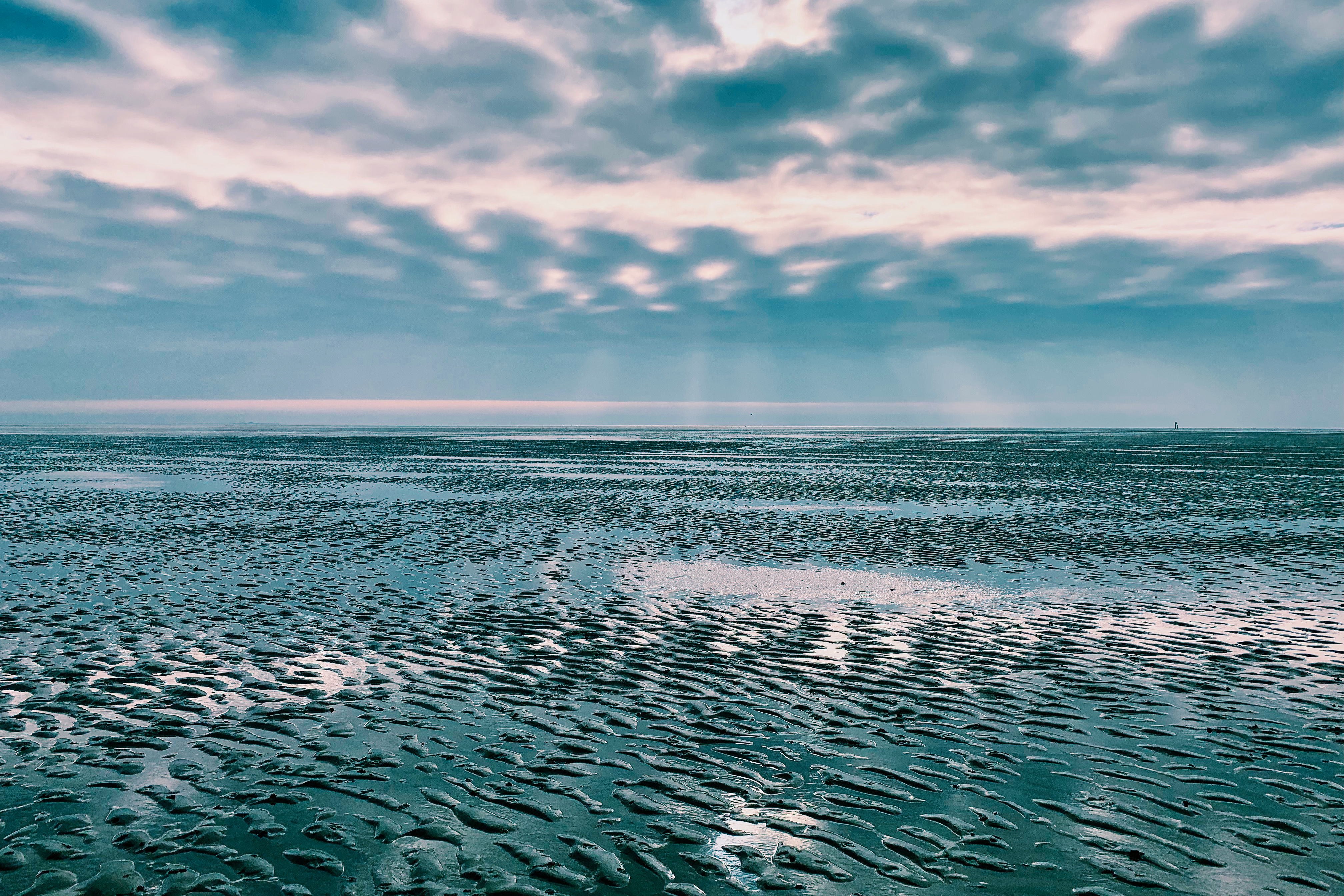
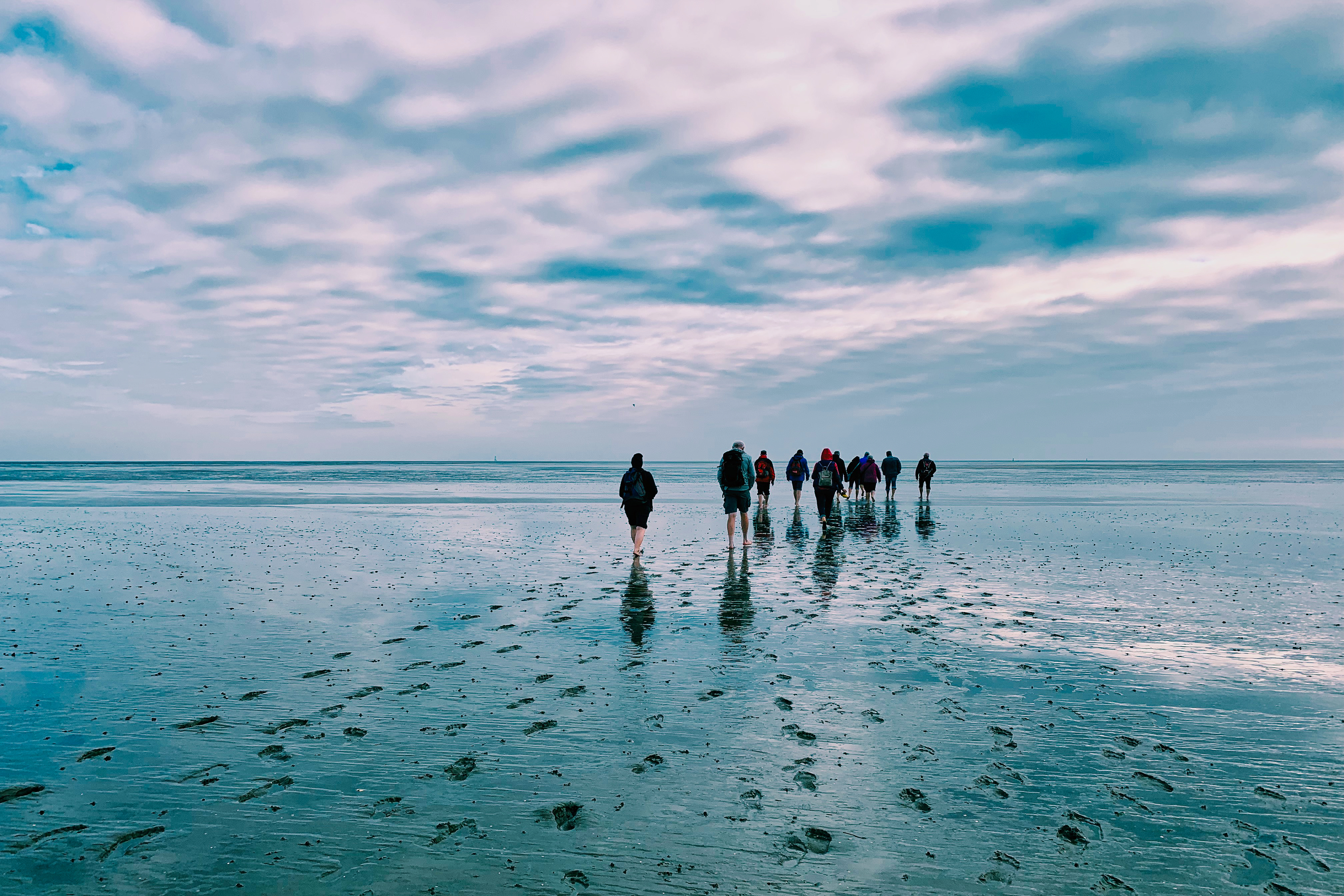
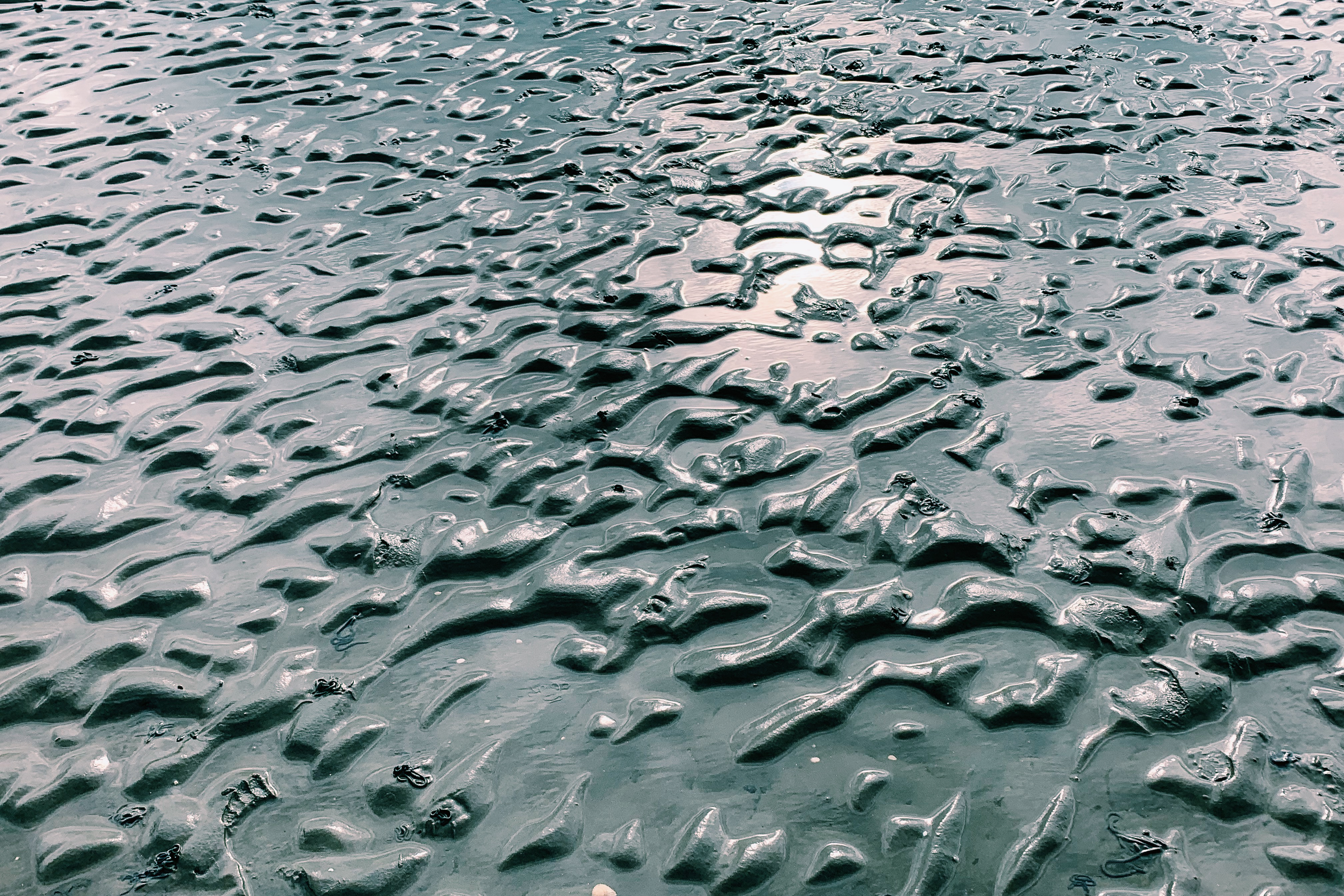
In relation to other European nations, Germany is a big country with some exciting features. While the south of Germany is bordering with the Alps and is in parts quite mountainous, the north is a very different place. Not many know that the country lays ashore not to one large body of water but two. There is the quieter and more enclosed Baltic Sea in the east and the wider and more open Northern Sea in the west. At the shore, there are endless sand beaches and many quiet islands where you can relax with these unique, colorful beach chairs. The most exciting feature, though, is most probably the Wadden Sea (last three pictures). It is a kind of muddy place which is flooded twice a day and reaches at some points deep into the sea. The Wadden is one of the most diverse bio habitats on earth and home to many microorganisms because it is biologically very rich in nutrients. Also, it is home to the sandworm and many kinds of birds.
test


1 2 6