Skip to content

Wintertime in Austria

Winters are not precisely what they used to be in Austria, the climate change doesn’t stop at the Alps, unfortunately. As a kid I remember a lot of snow in Vienna, nowadays we don’t see barely any white in the cold season. But of course, Austria is more than just Vienna, and the conditions largely depend on altitude and location. The following pictures were shot mainly in Western Austria, Tyrol, and Vorarlberg in December.

test

Streets of Amsterdam

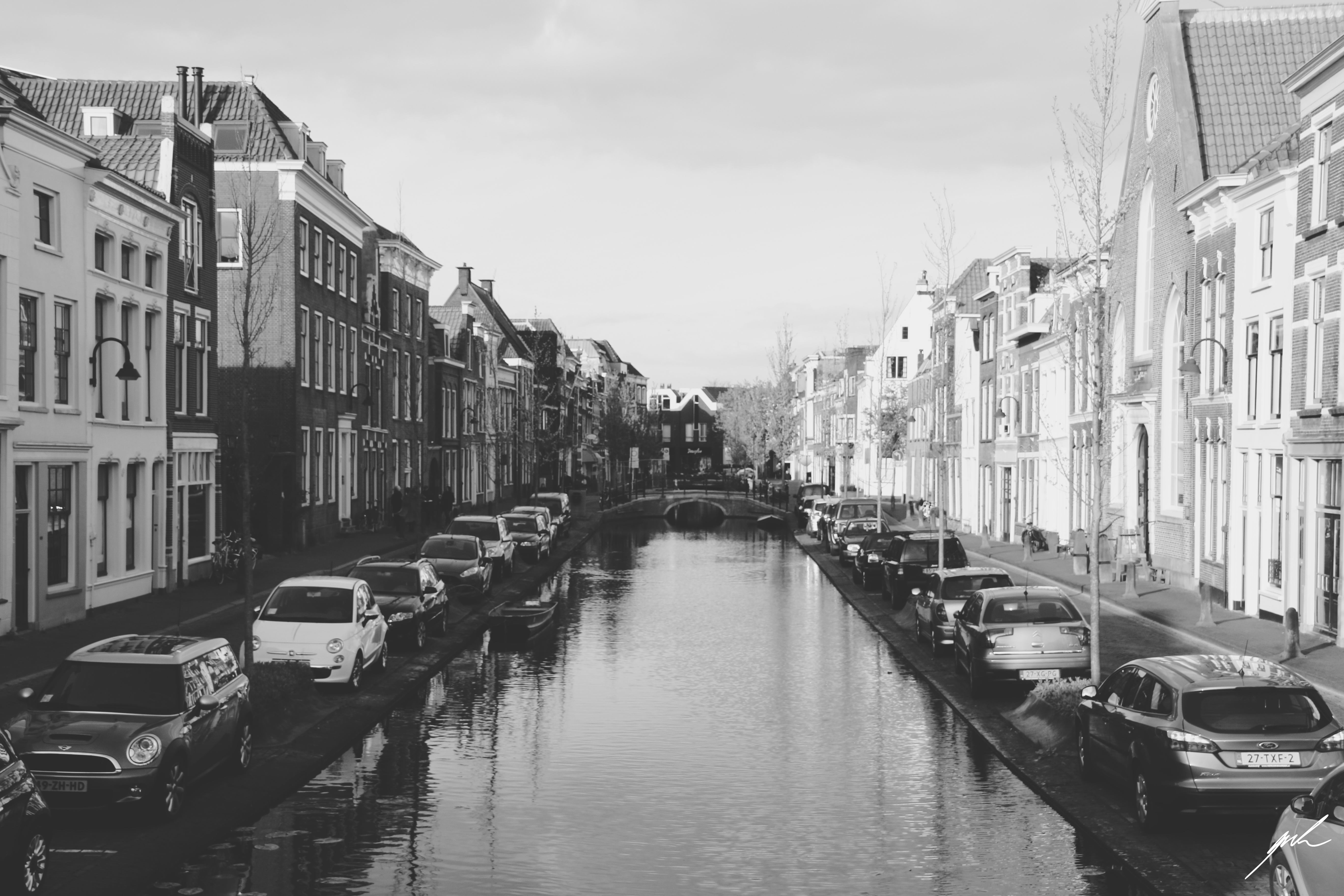
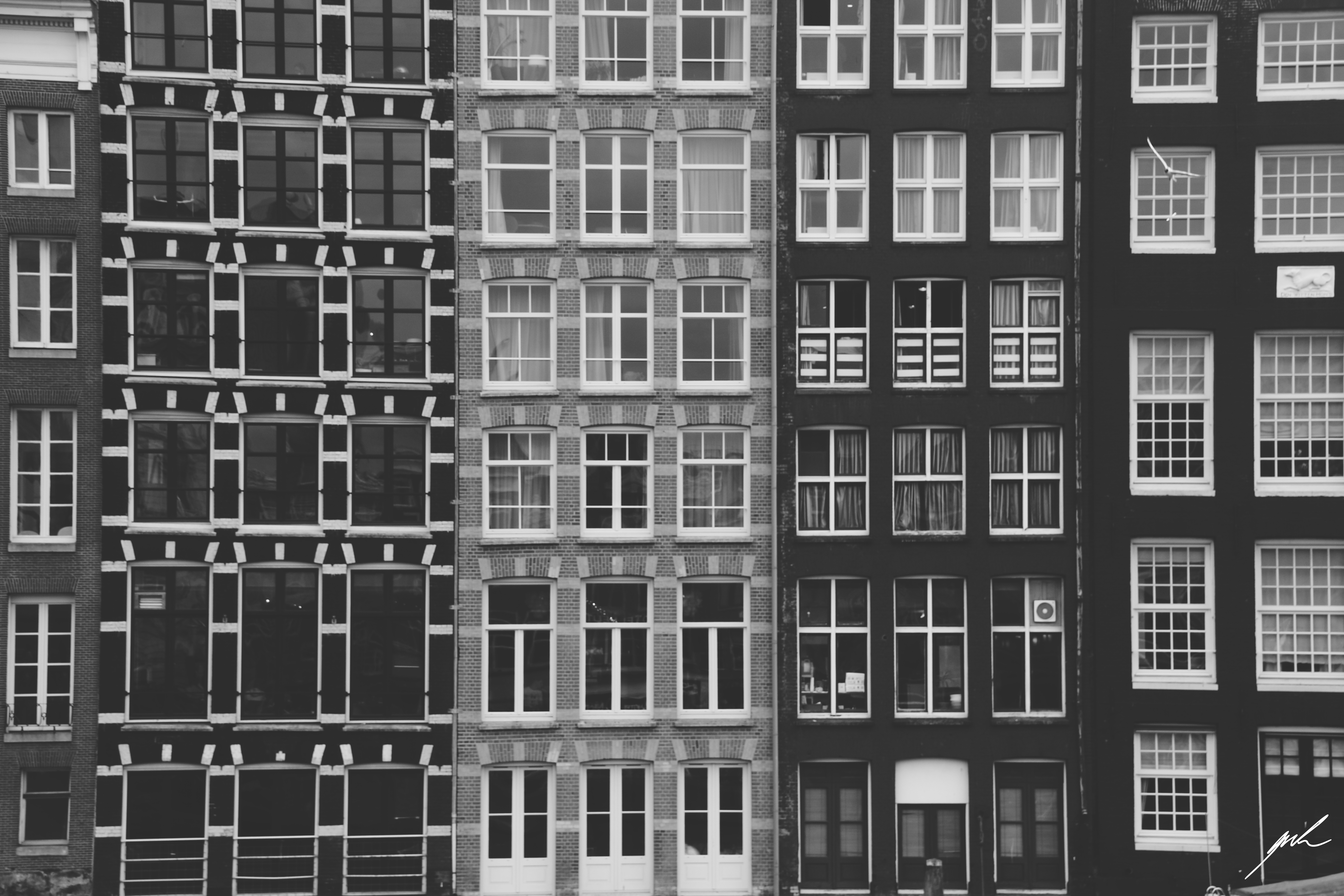
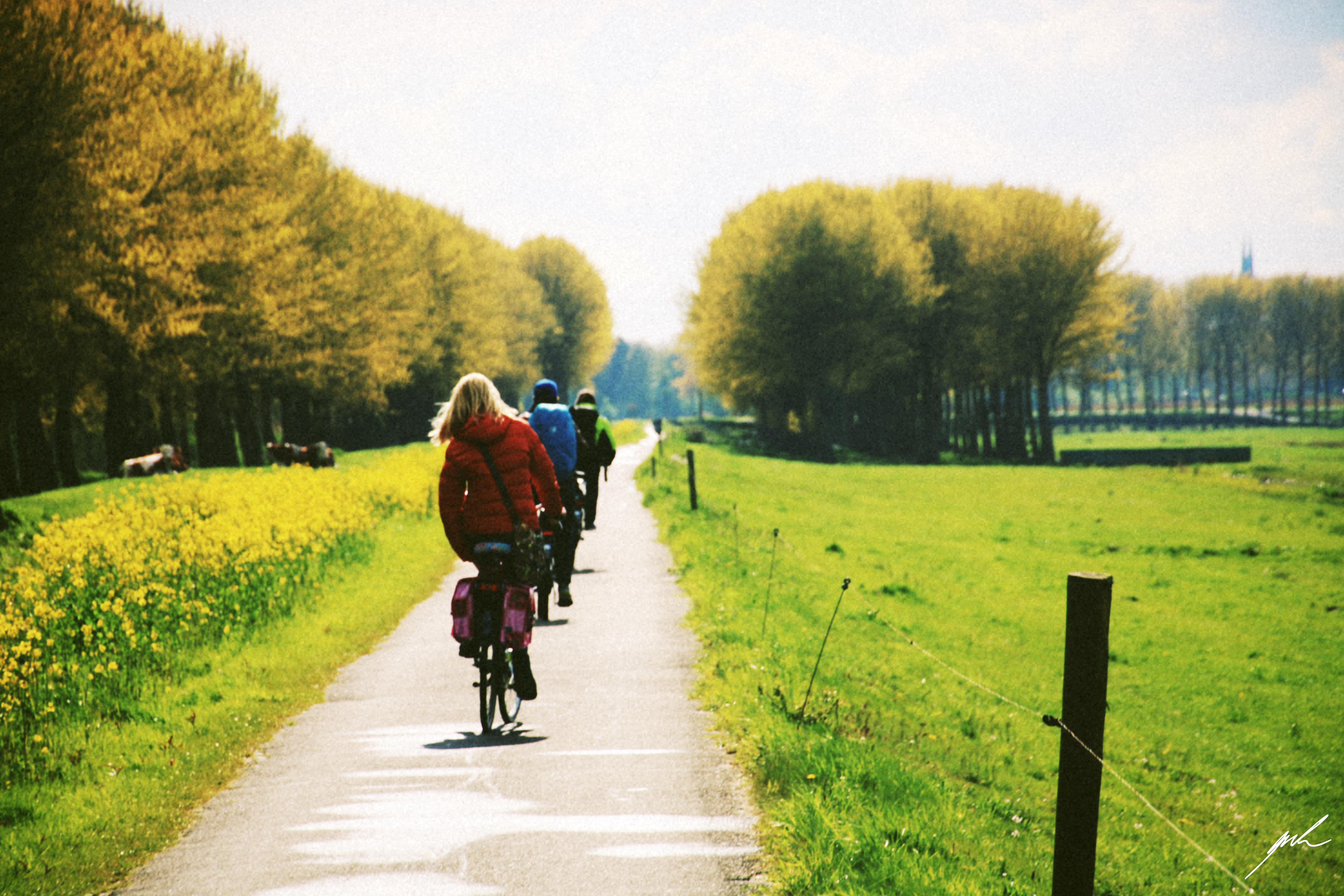
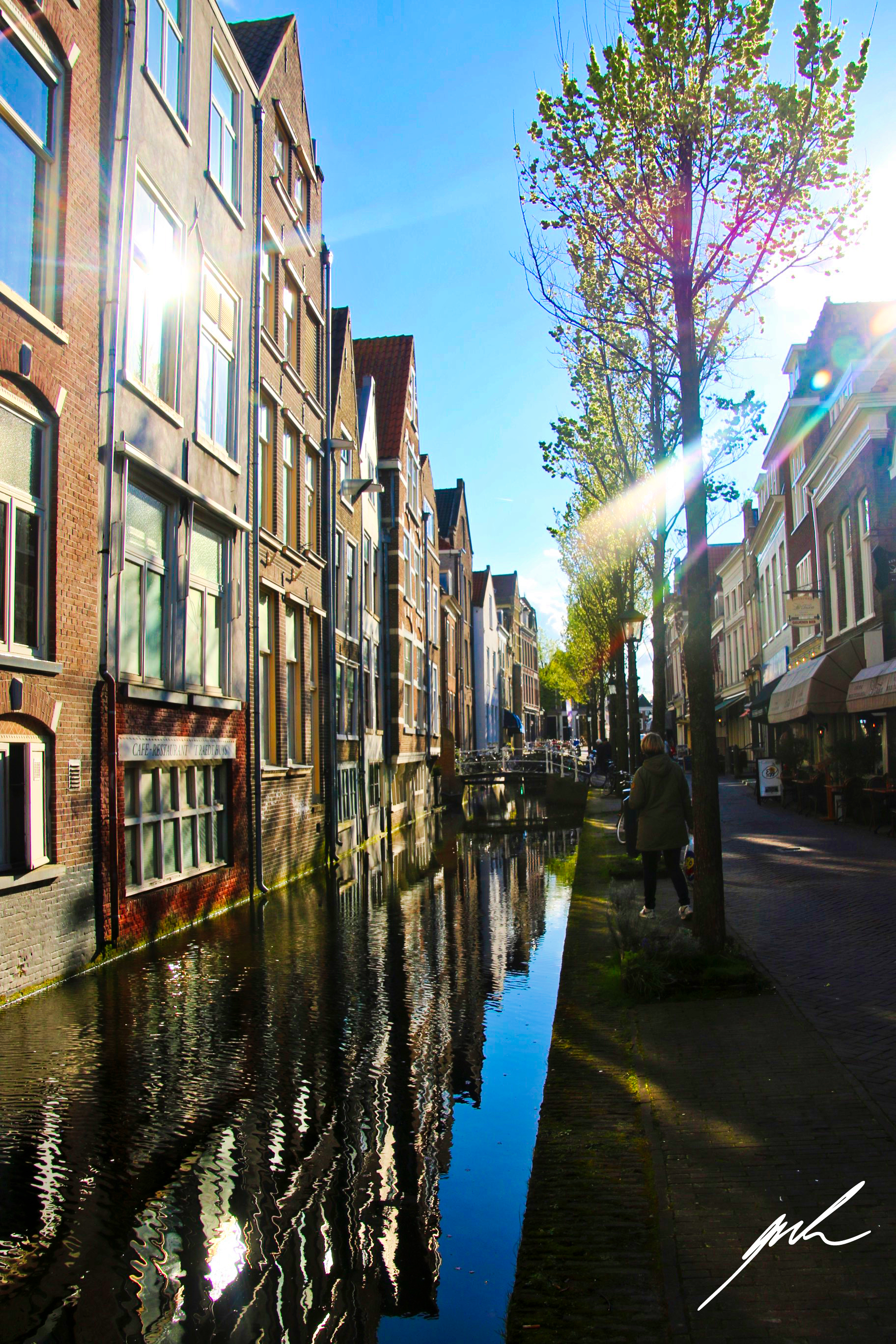
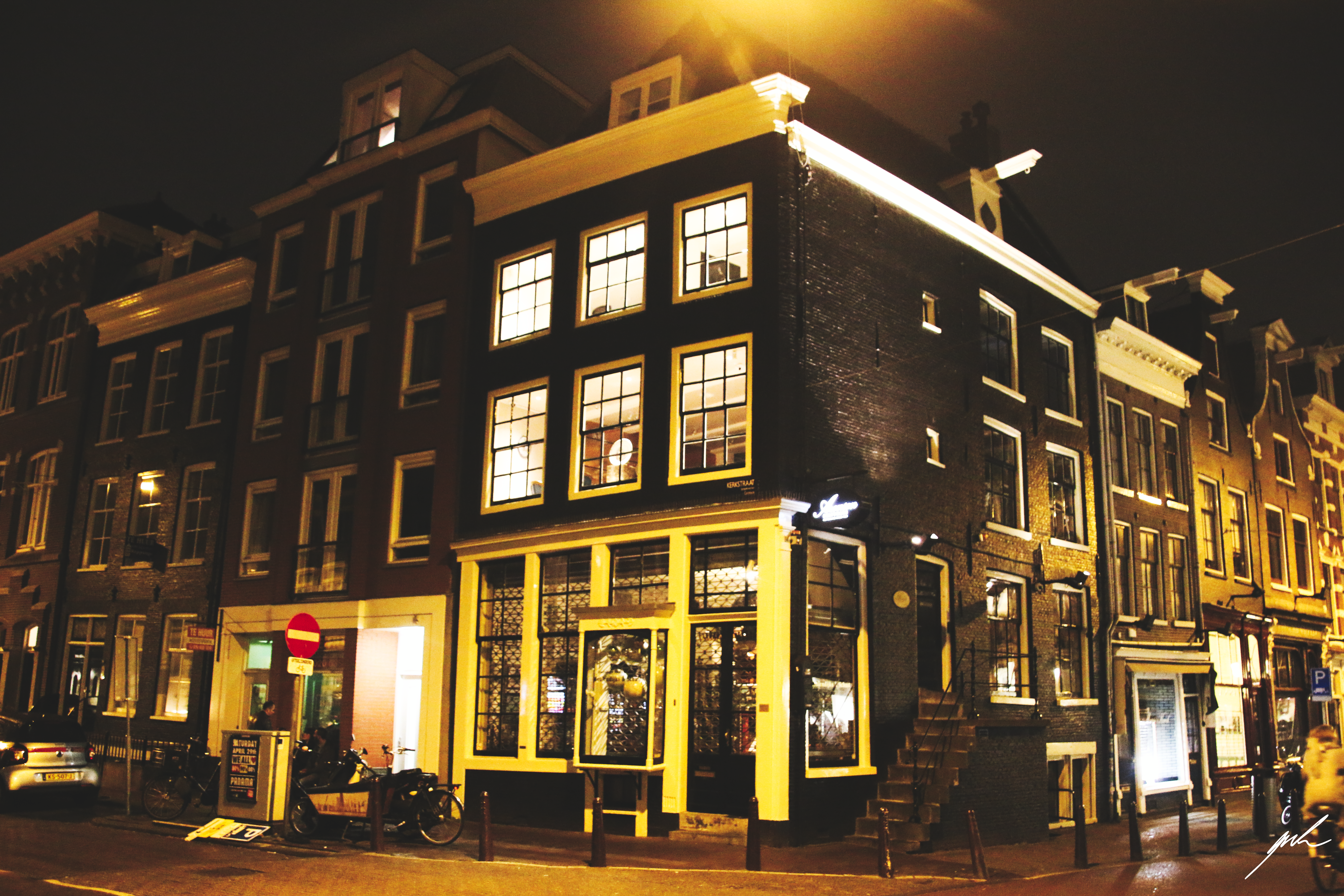
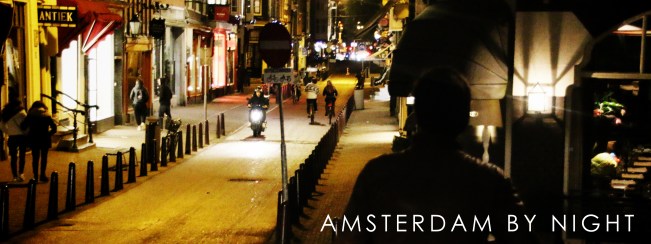
Amsterdam is one of my favorite cities in Europe. It’s a town I return to as often as I can. I love the open-minded atmosphere and the friendly people, and I love how there are no curtains in front of the windows because you simply don’t need to hide things away. Life happens on the streets, of course, and a lot of it buzzes around. Bicycles are everywhere, and it doesn’t matter if it’s an older person, a father with his kids, or just somebody on her way to work; everybody seems to ride their bikes with great joy, passing by the many channels of Amsterdam while kicking the pedals.
test

Kracow 2017 AD

Usually, I don’t use as much processing, but looking at my pictures from Cracow last year, I felt inspired to work on them a bit. Especially interesting for me were the red colors of the city’s historic buildings, and I searched for a way to bring them more to the front while giving the pictures a more classic black-and-white look at the same time. Three of them (pictures 1, 3, 4) show the Wawel, the former castle hill of the Polish kings, and an important national monument of the country.
test

A City in the Alps: Innsbruck

The scenery of Innsbruck in the western part of Austria is simply stunning. The capital of the historical region of Tyrol is situated in the Inn River Valley between two mountain ranges in the north and south. No wonder Innsbruck is also known as the capital of the Alps in Austria; there is just no place in the city streets where you don’t constantly see them. Innsbruck itself is also beautiful, a colorful medieval and gothic town with beautiful sacral and civic buildings and the “Golden Roof,”  the city’s most famous symbol with 2,657 fire-gilded copper tiles. Take a look!

test


Lisboa Urbana: The City of Fado

I will start the new year as I ended the last one, continuing my Portugal series shot last October. This time, though, I will not set up the pictures themselves but talk about something you can’t spot on the shots, which is intrinsically interwoven with Lissabon and the people living there. I am talking about Fado’s music. It is a very intense and melancholic kind of folk singing, popular in Portugal until the 80s but fading away now. To understand the people of Portugal is to understand the nature of Fado.

You can listen to Fado on YouTube, of course. Still, being in Lisbon, you can also go to one of many Fado restaurants throughout the city. However, it is widespread in the so-called Fado neighborhood of Mouraria in the old town. Usually, you pay a package price for the food and the musicians. The spectacle starts at around 8 pm and ends well after midnight. The combination of good Portuguese wine (and port wine), delicious local food, and the music is exceptional.

One night, a visit to a Fado Restaurant called Maria da Mouraria became magical. After being served the second course, the musicians went to the small stage among the tables and started playing. We were all surprised, though, and began to sing suddenly. It was the guy who had just introduced himself to us as the kitchen chef! Well, it turned out he was the owner and a very talented Fado singer. It wouldn’t be the last surprise of the night.

As we watched him and his musicians, we also noticed an older lady at the door whipping to the music. Later, a friend went to the toilets downstairs and told us she saw the lady singing in the basement with the musicians; it seemed like they were practicing. Indeed, after the next course, she came to the stage, and what followed was a magical performance of a 95-year-old lady singing like a 25-year-old star. Her presence on the stage was magnificent; the feelings and the joy she put into the songs were inspiring. A beautiful voice full of emotions in an almost private setting. It felt intimate. The lady had so much energy and fun she just wouldn’t stop, continuing singing even on the sidewalk while wandering with us through the nightly lit streets of Mouraria while she went home and we headed to the Metro.

Later, we witnessed a spontaneous performance by a retired lady living in the neighborhood. But this wasn’t any lady. She was the sister of the famous Amalia Rodrigues, an icon of Fado who died in 1999 and was well-known by all Portuguese. Celeste Rodrigues is a prominent Fado figure in Portugal, having often been on television and given large concerts. It felt as for a moment in her life, she was the star on the large stage again, her beautiful voice becoming a part of the history of Lisbon itself.

test

1 61 62 63 85