Skip to content

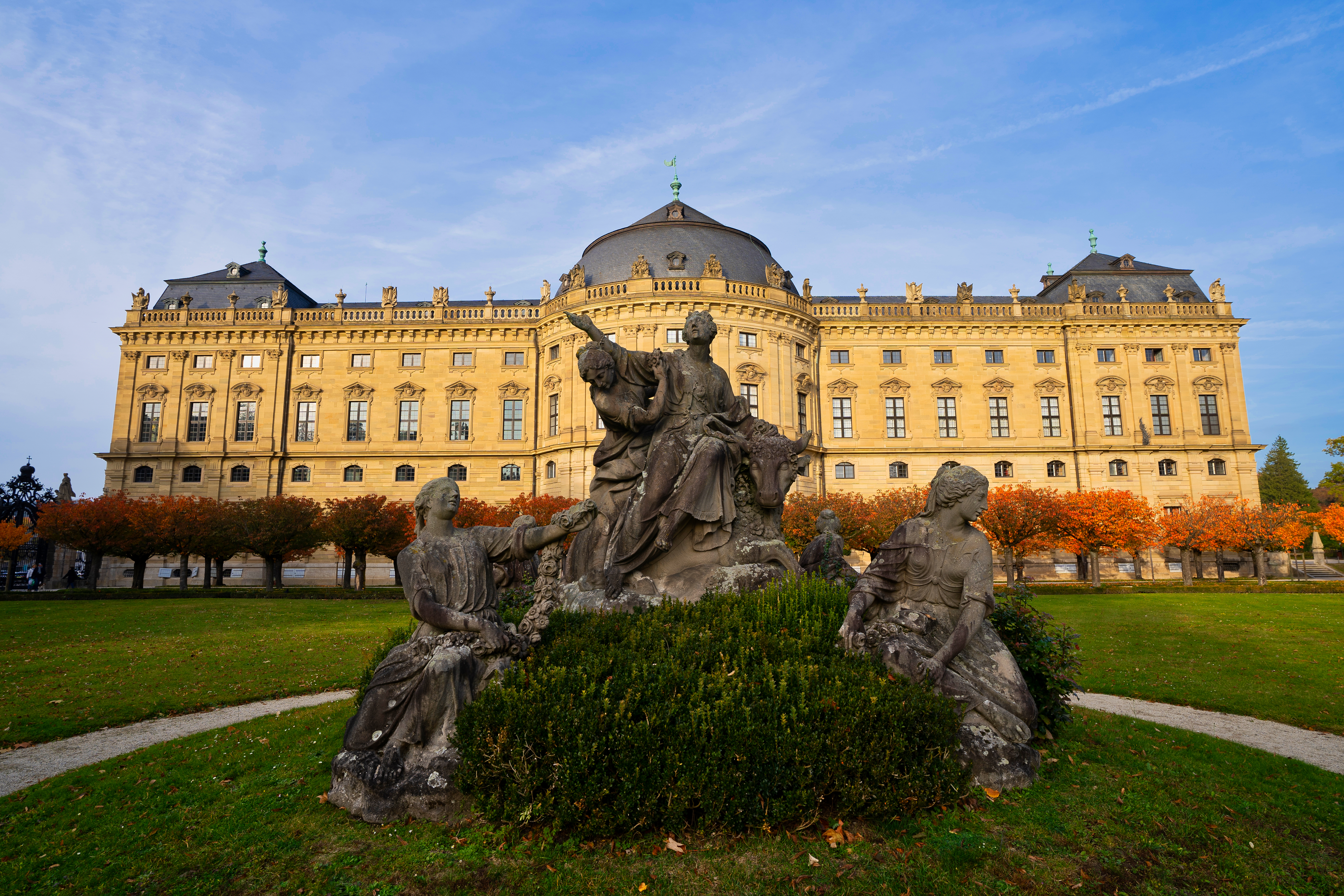
Monuments of Würzburg

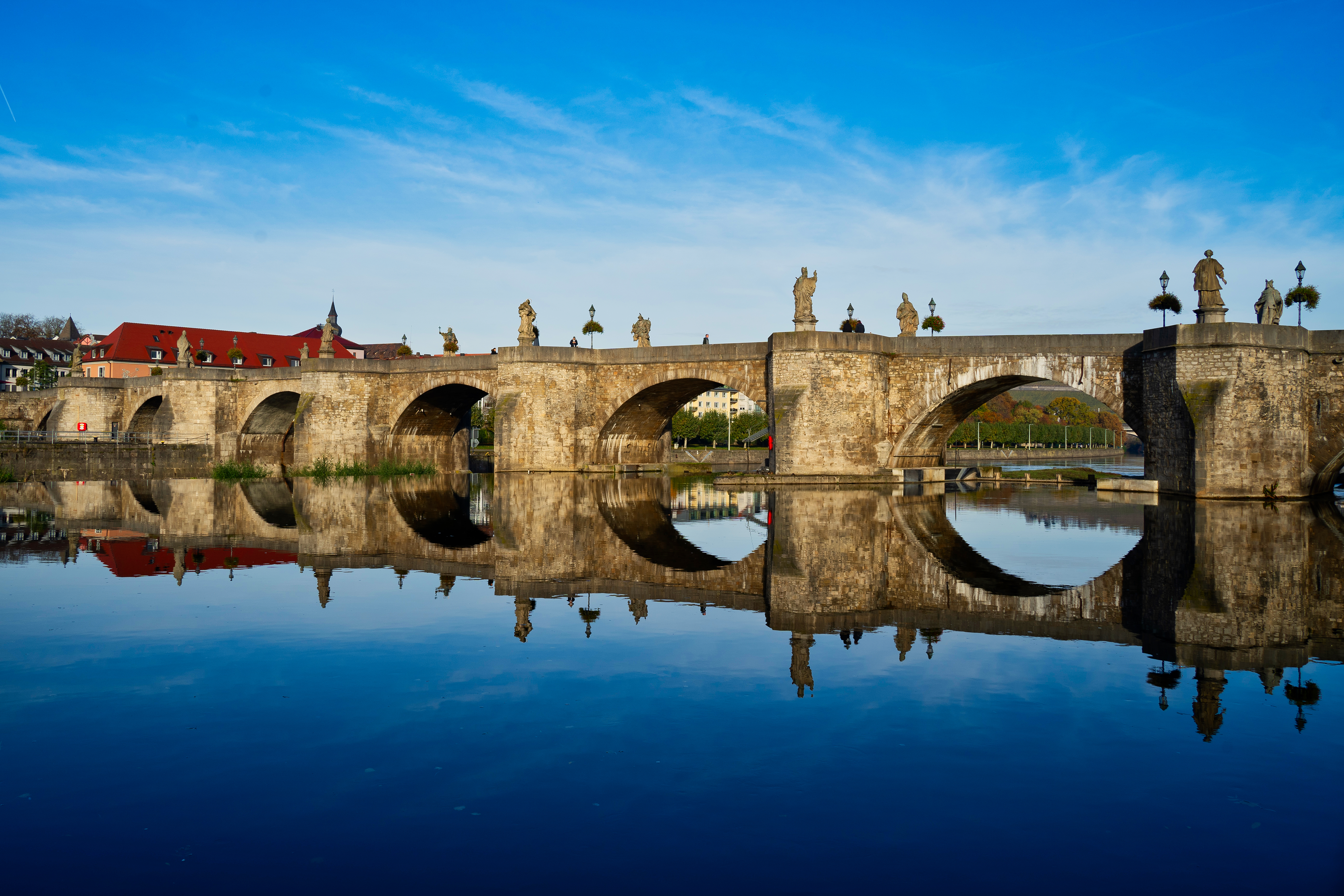
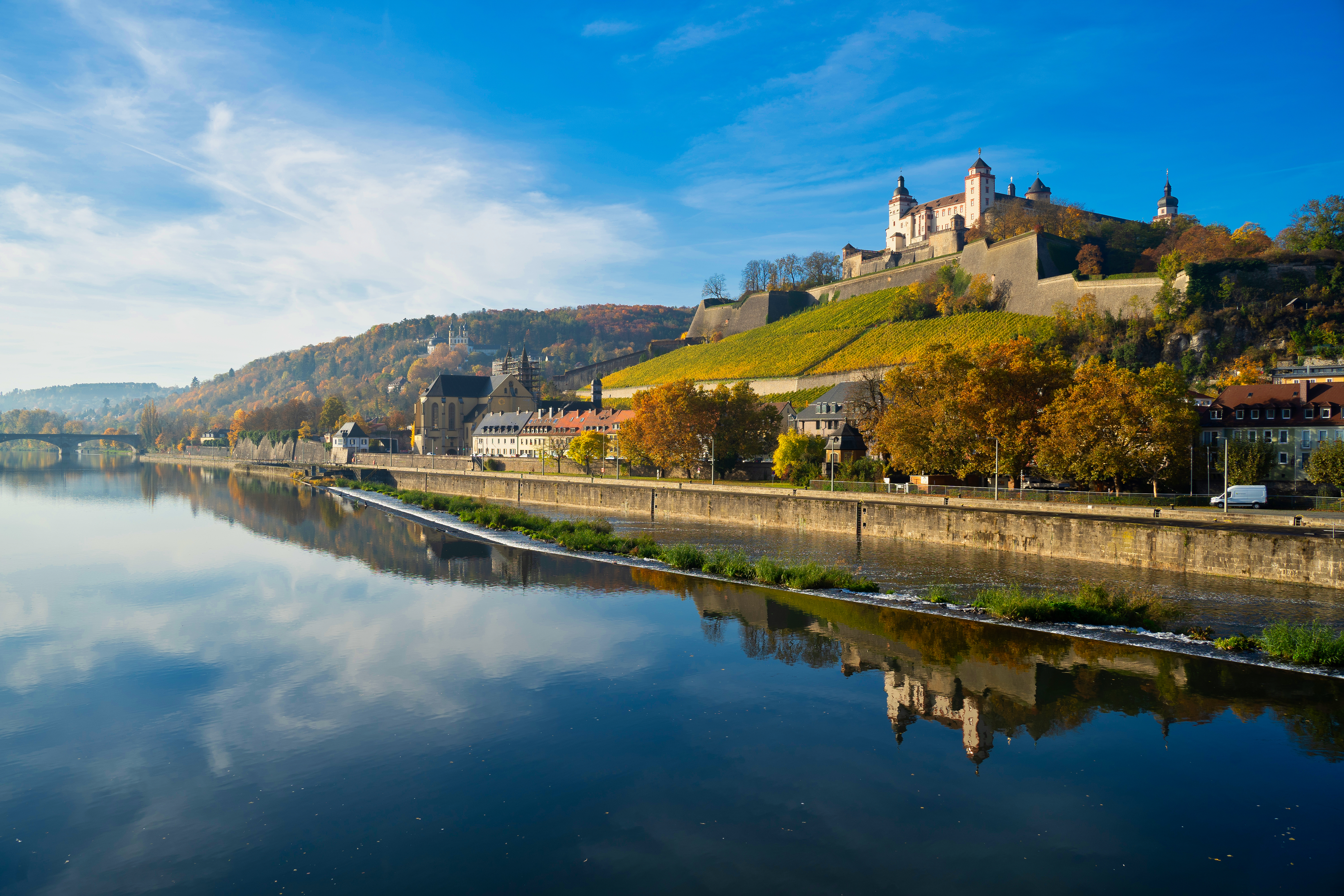
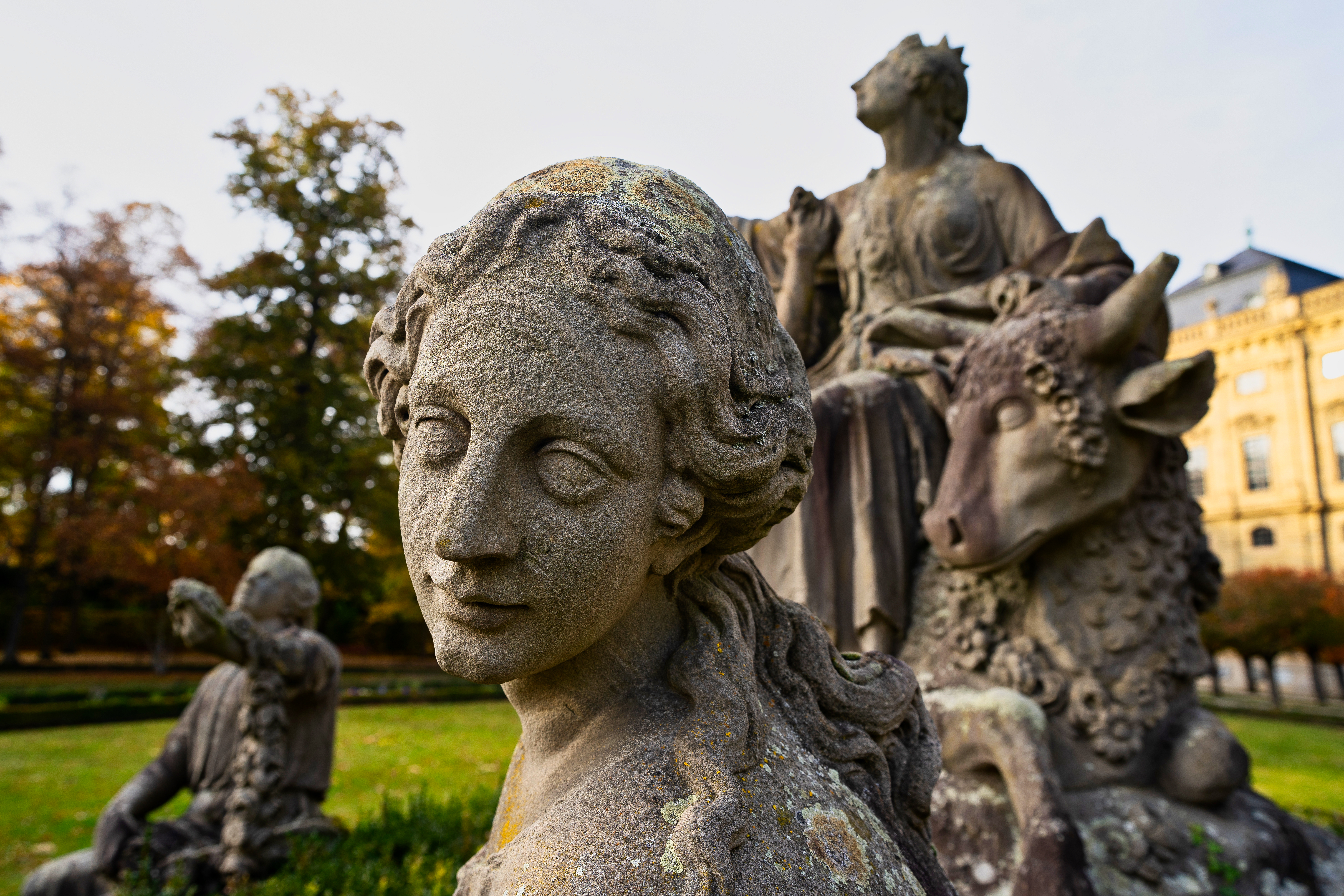
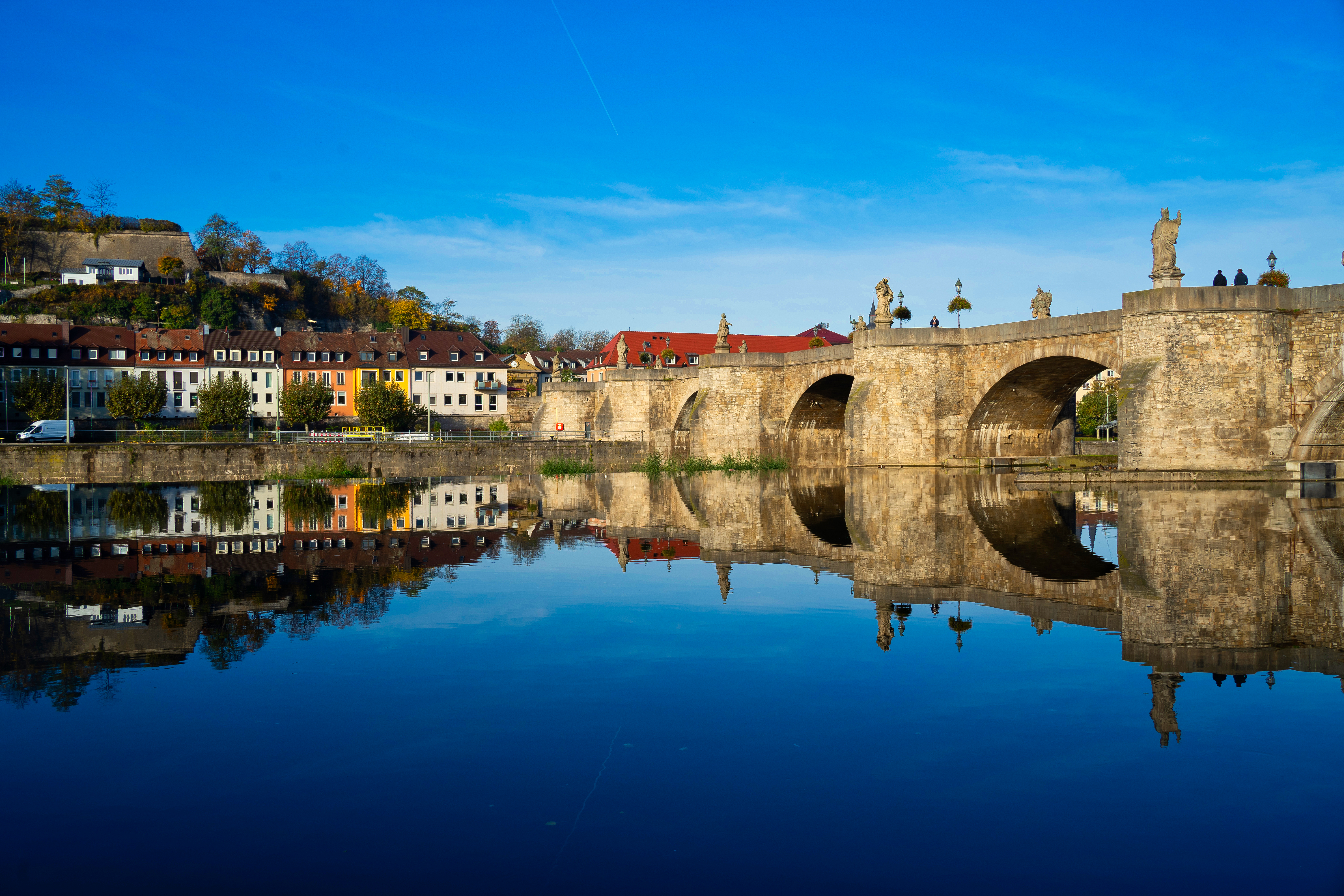
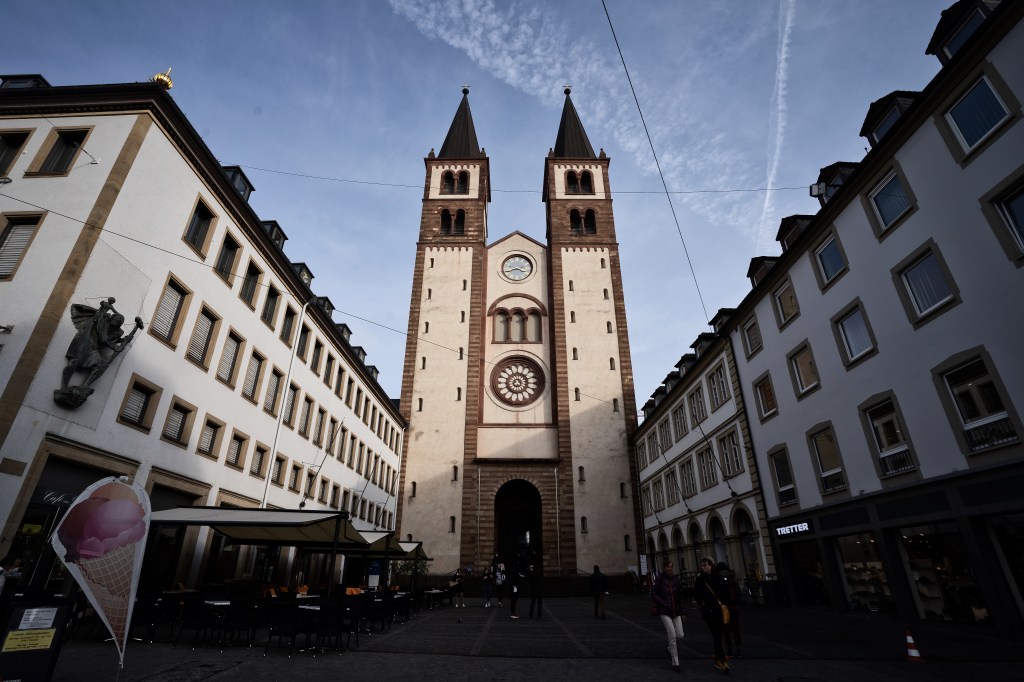
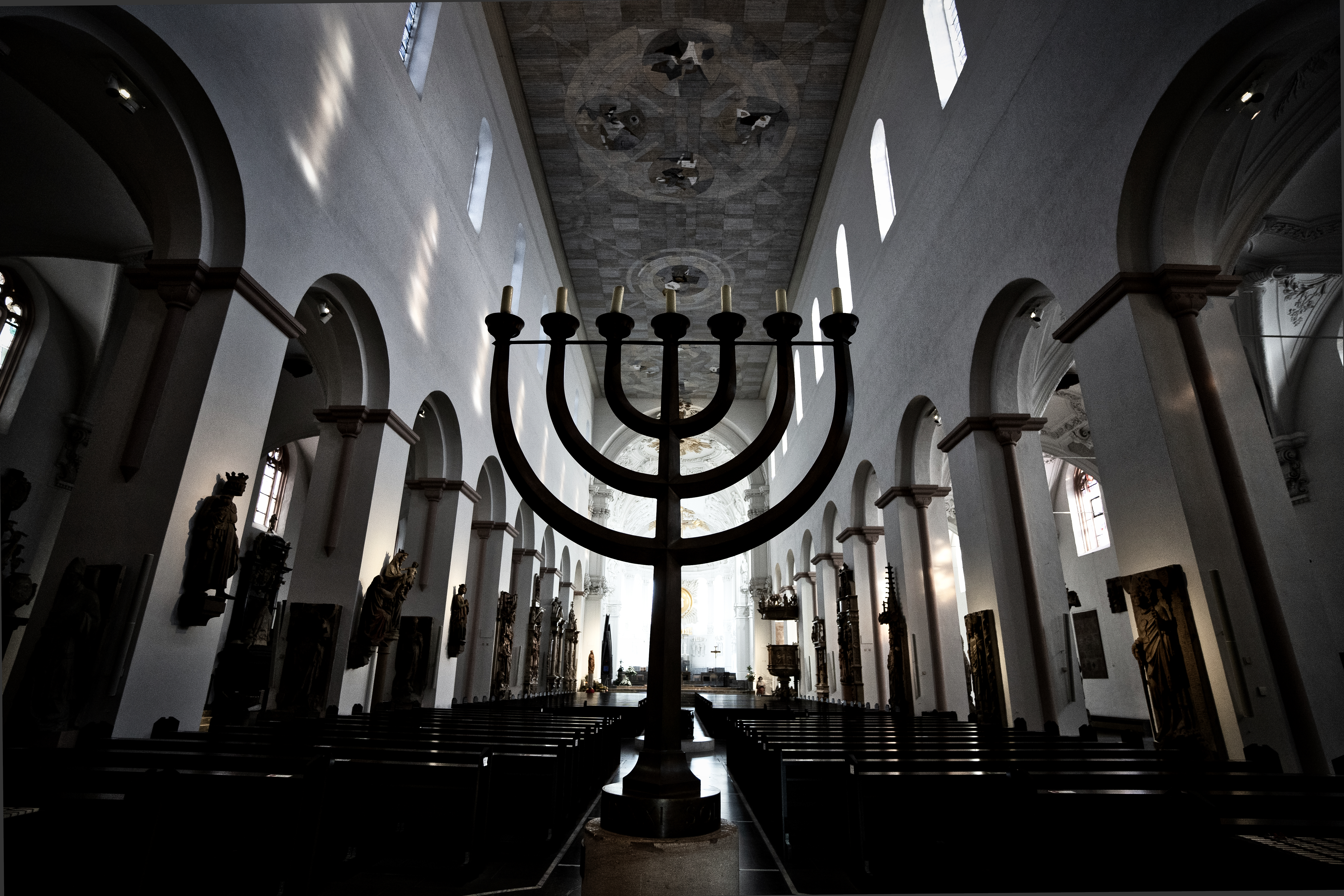
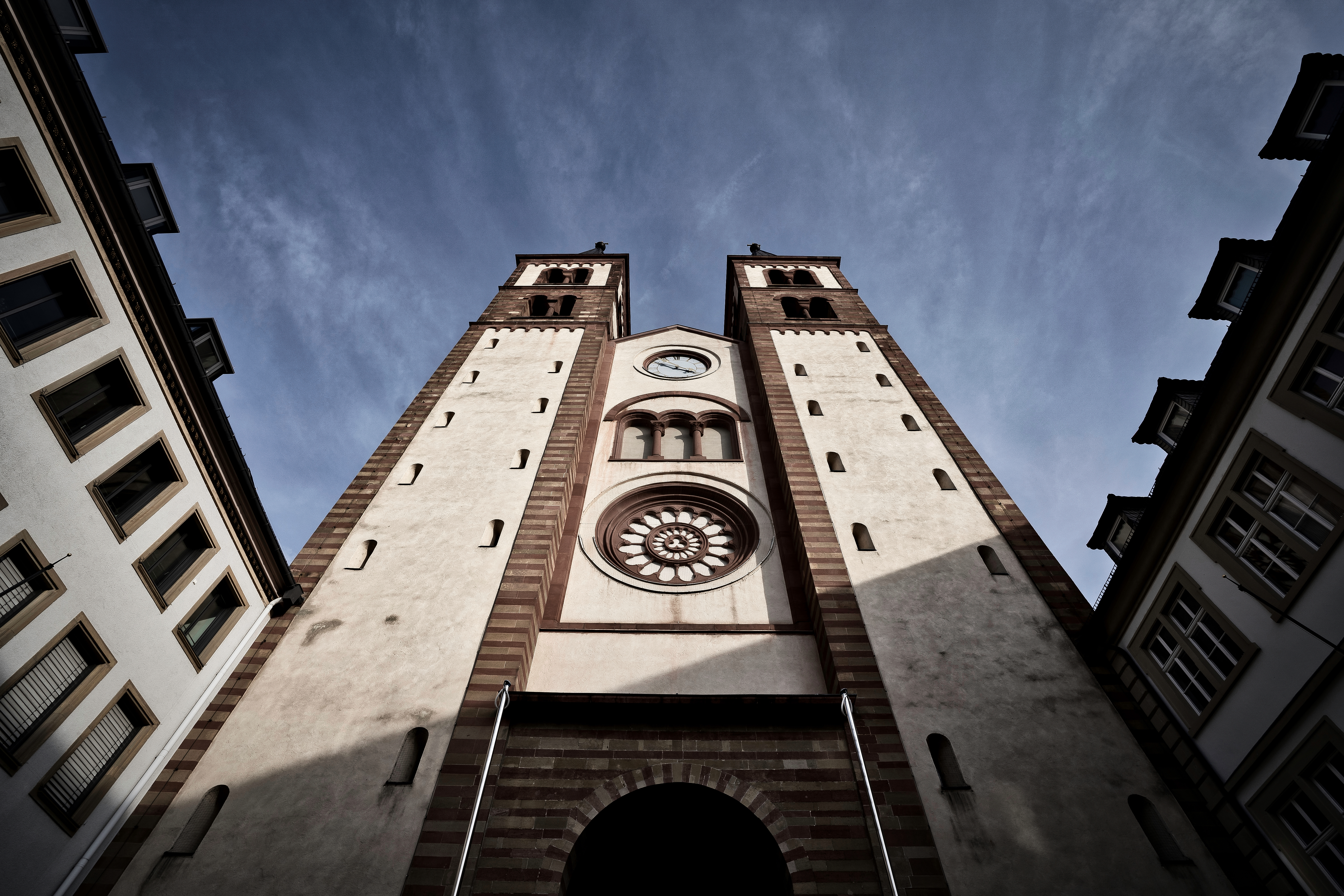
The city of Würzburg is situated in the heart of Germany at the river Main. It is blessed with many historic monuments, such as the Baroque Residence or the medieval Old Main Bridge. Situated at the river upon a hill, we find the Marienburg castle with a magnificent view over the old town. In the background, we can spot vineyards as far as the eye can see, due to the region being an important agricultural center for wine.

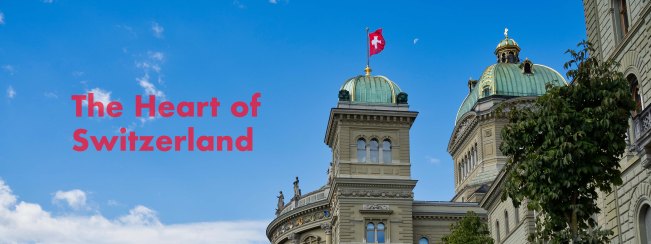
The Heart of Switzerland: Bern

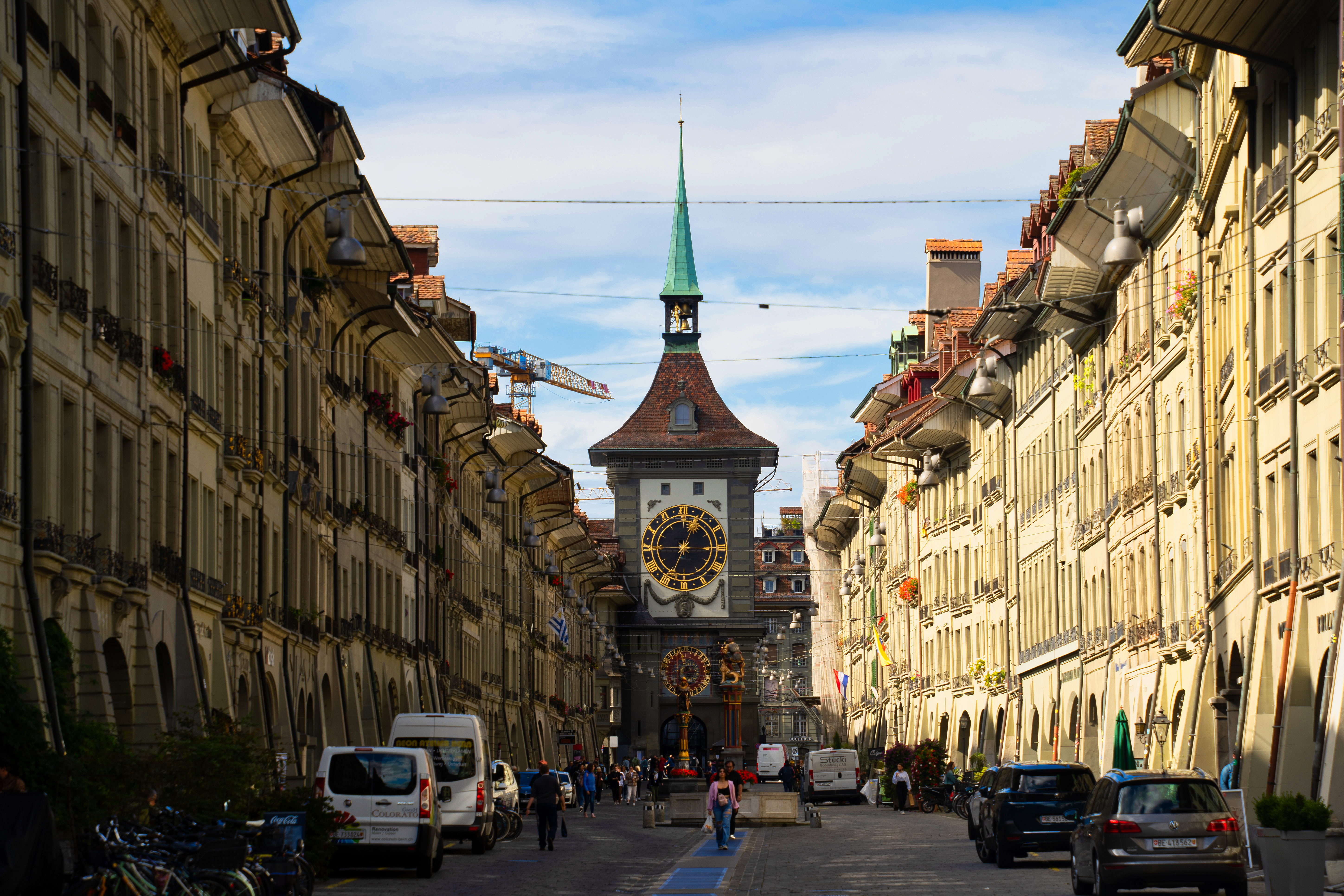
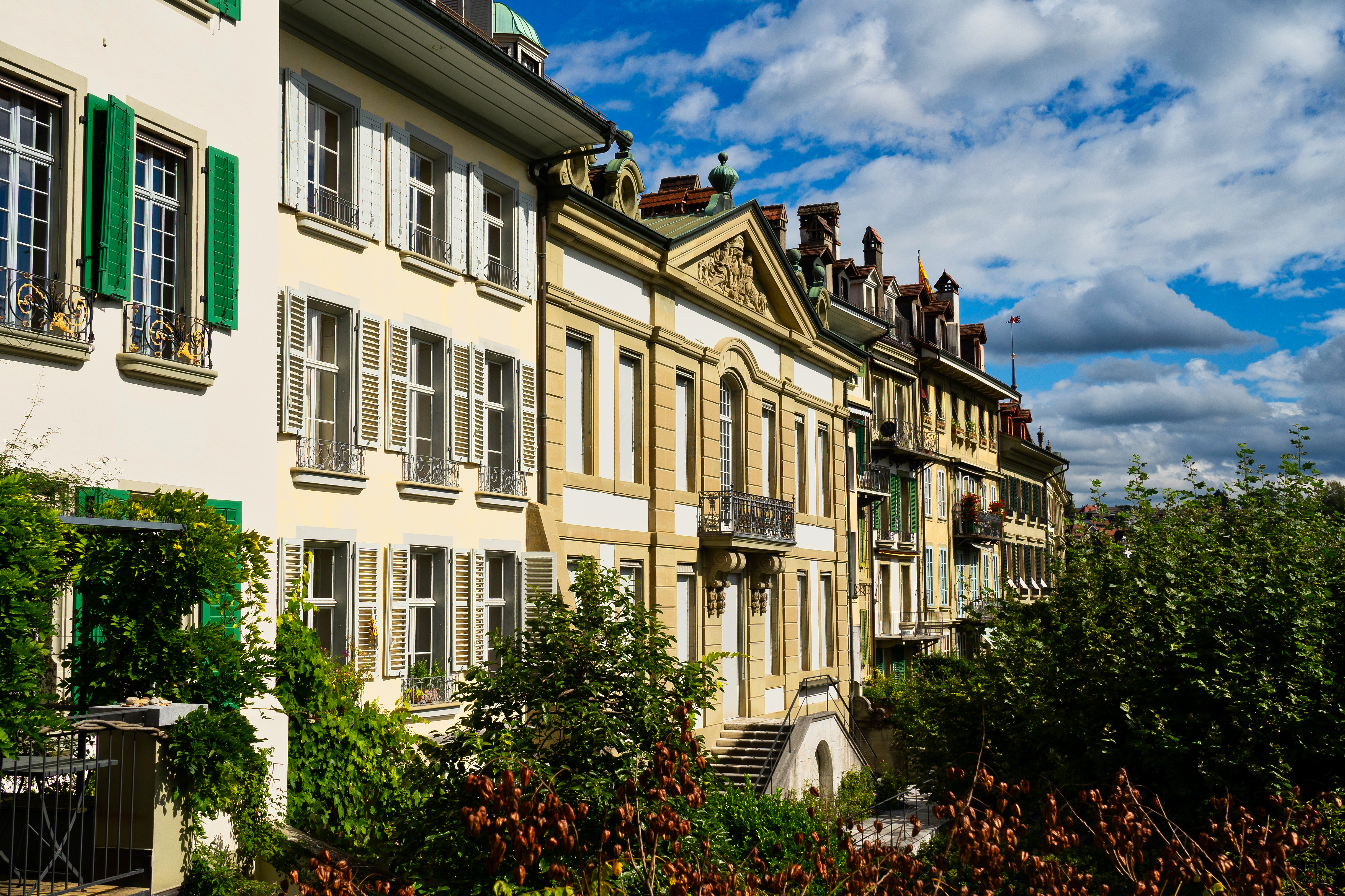
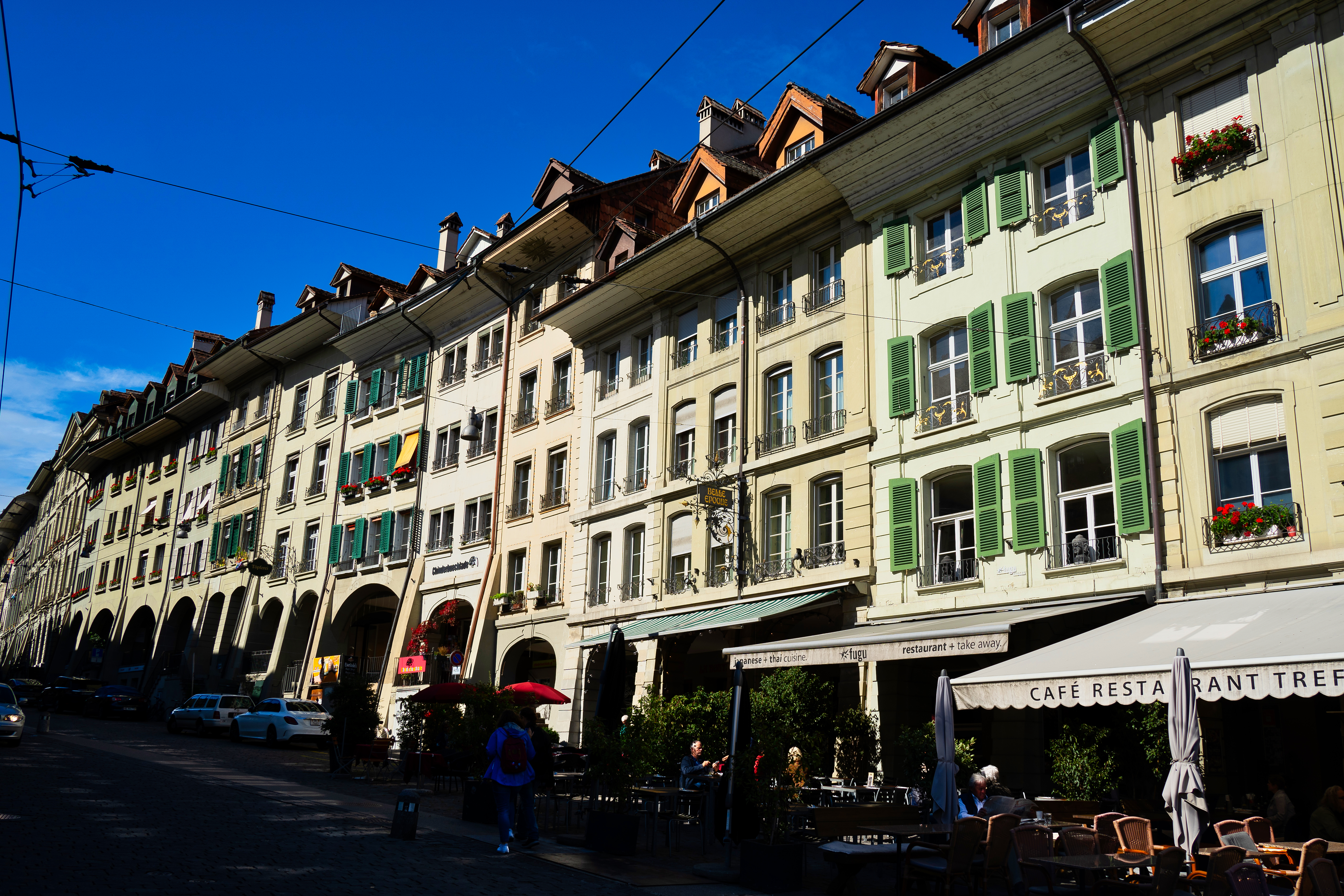
There are only two countries without a capital, Switzerland being one of them. Unofficially, though, the city of Bern, situated in the heart of the Alpine country, is considered the nation’s political center. Located on a peninsula that is engulfed by the Aare River, the old town of Bern is vast and beautiful. Particularly striking are the characteristic rooftops and pergolas.

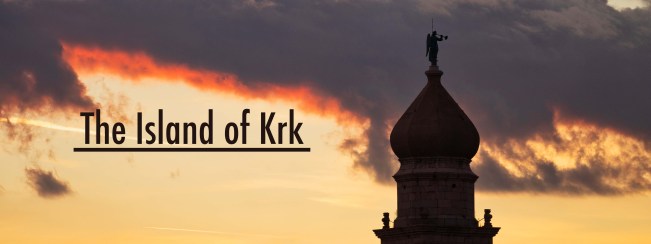
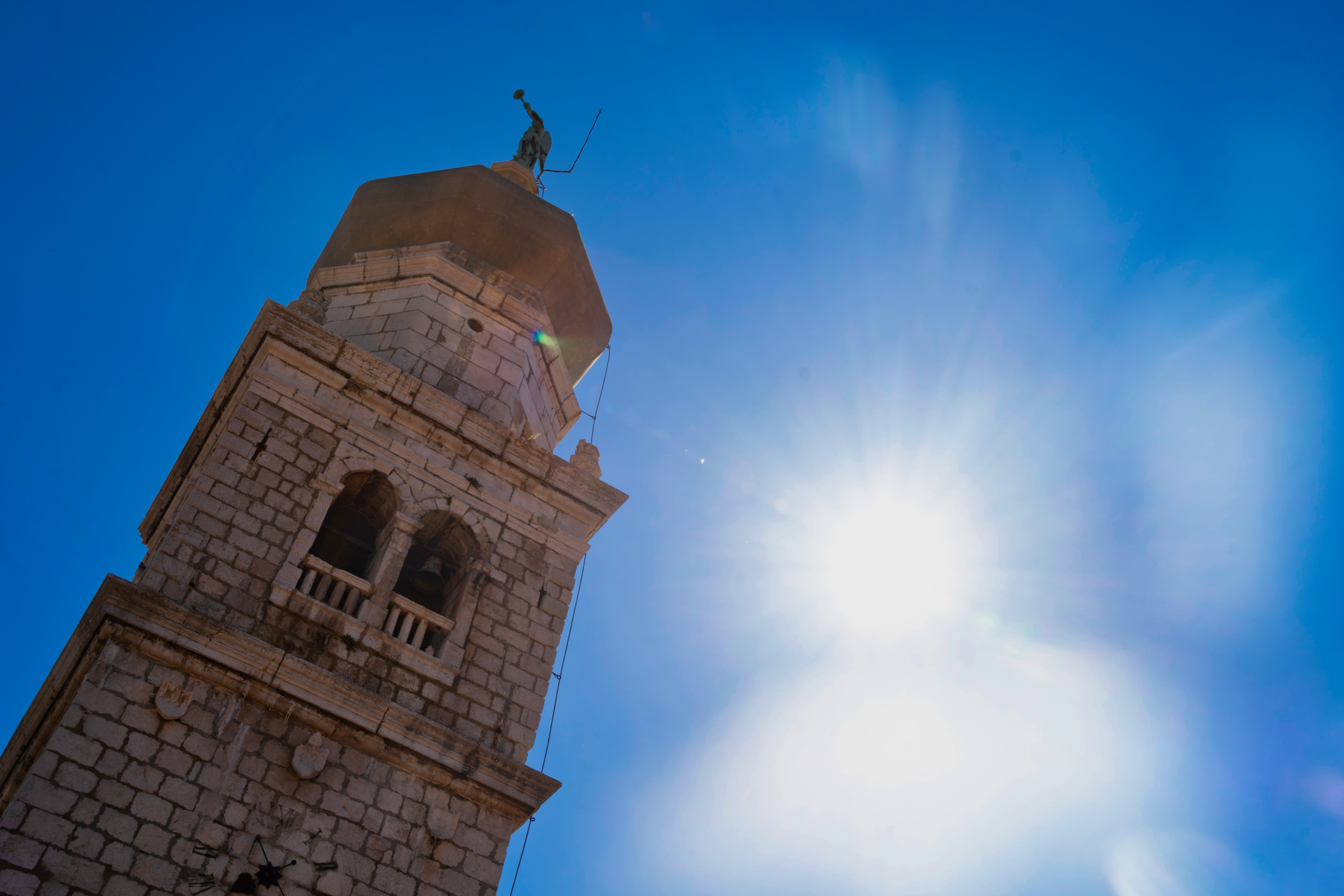
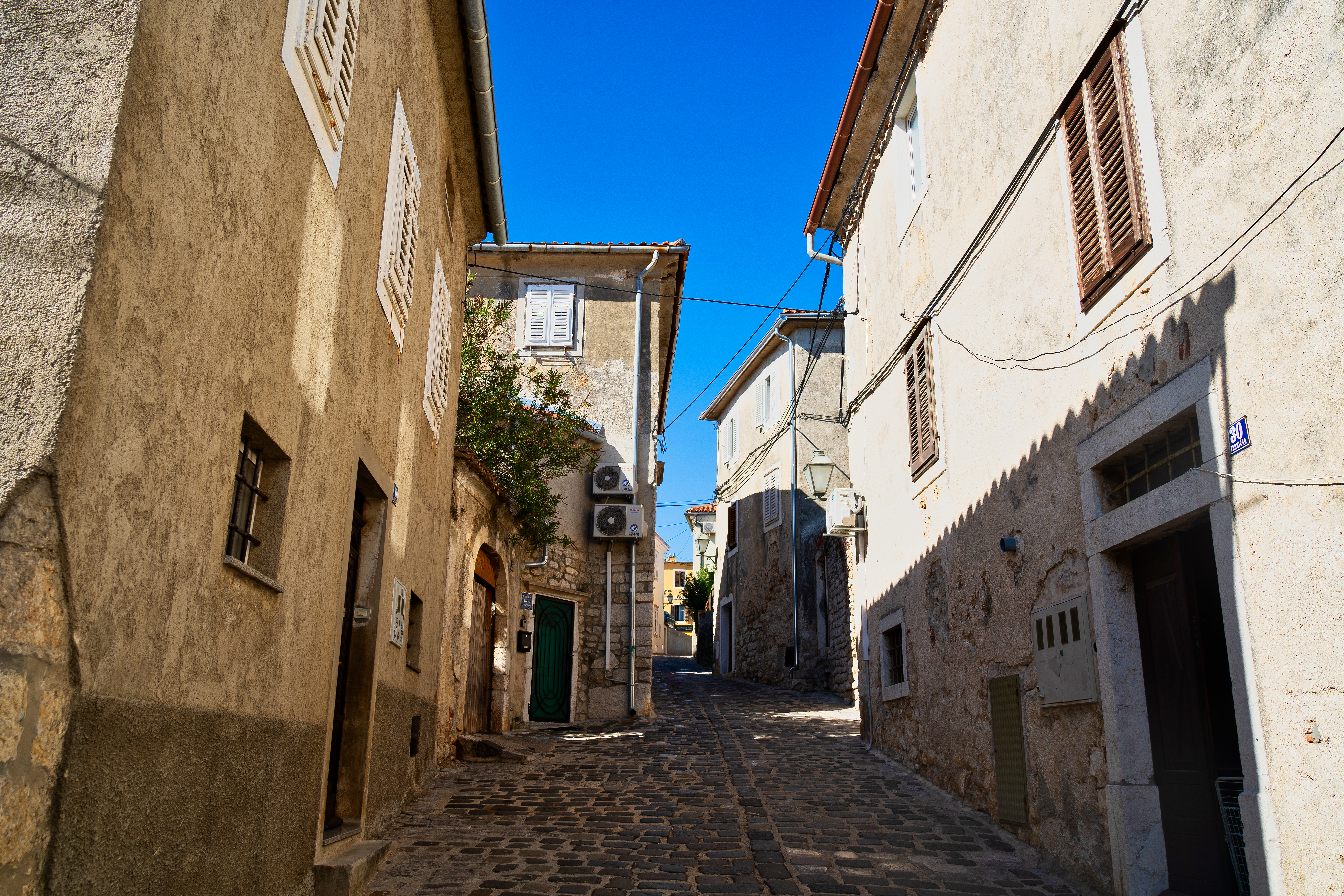
The Island of Krk

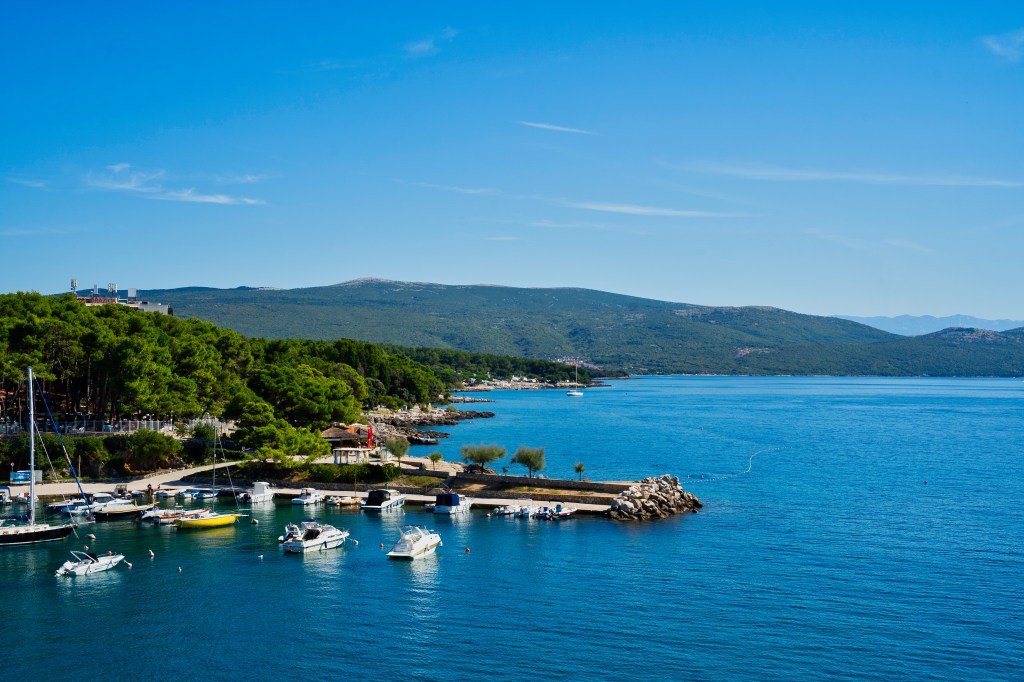
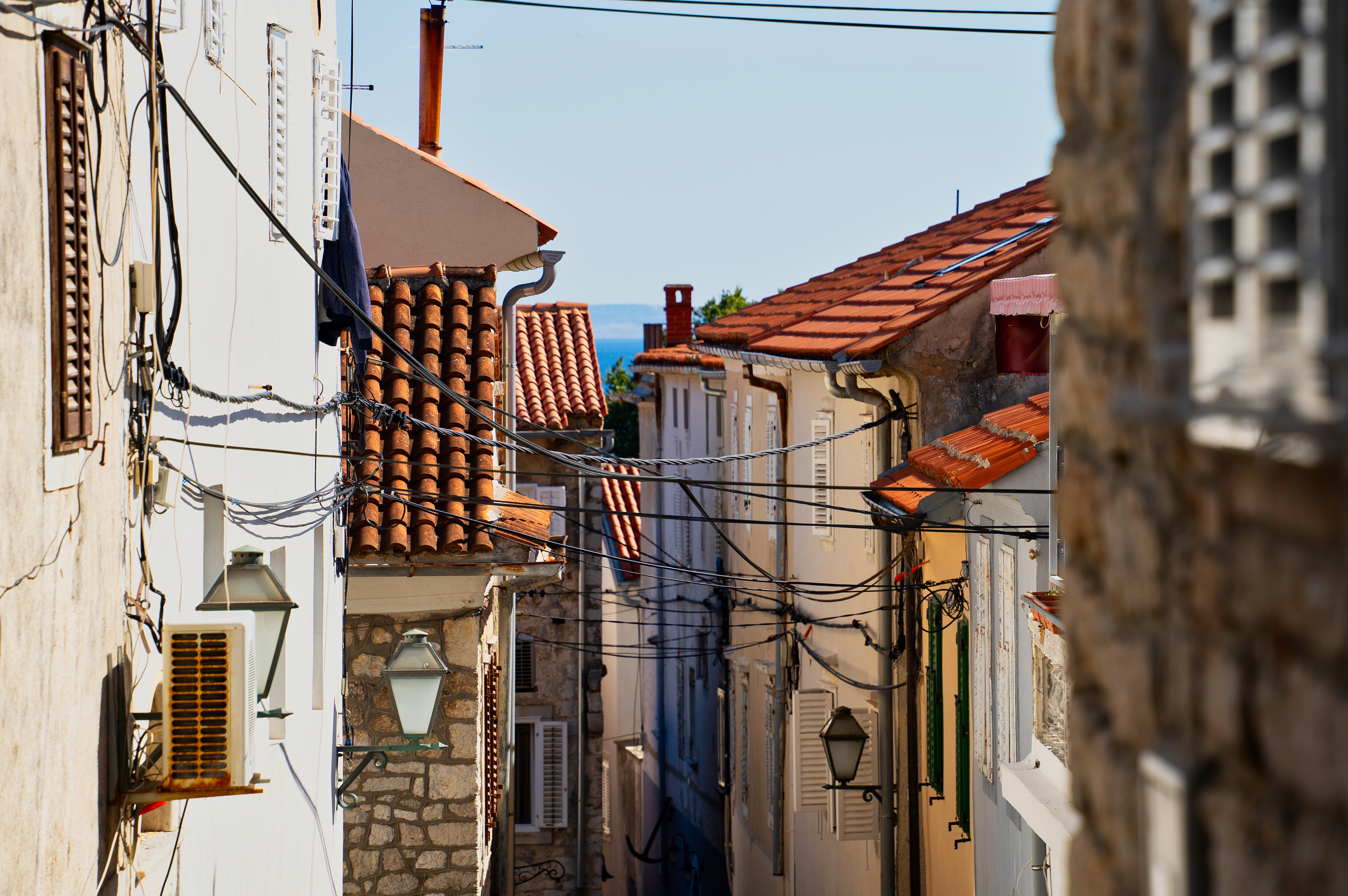
The island of Krk has historically been a center for Croatian culture. Before the arrival of the Slavs, a plethora of different people had settled here, such as the Illyrian and Roman tribes. All of those cultures made use of the richness of nature by harvesting the fruits of the land and the sea. The prosperity resulted in beautiful fortified towns and a rich heritage, which can still be seen all over the island today.
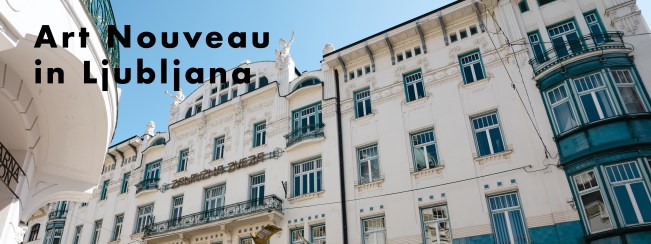
Art Nouveau in Ljubljana

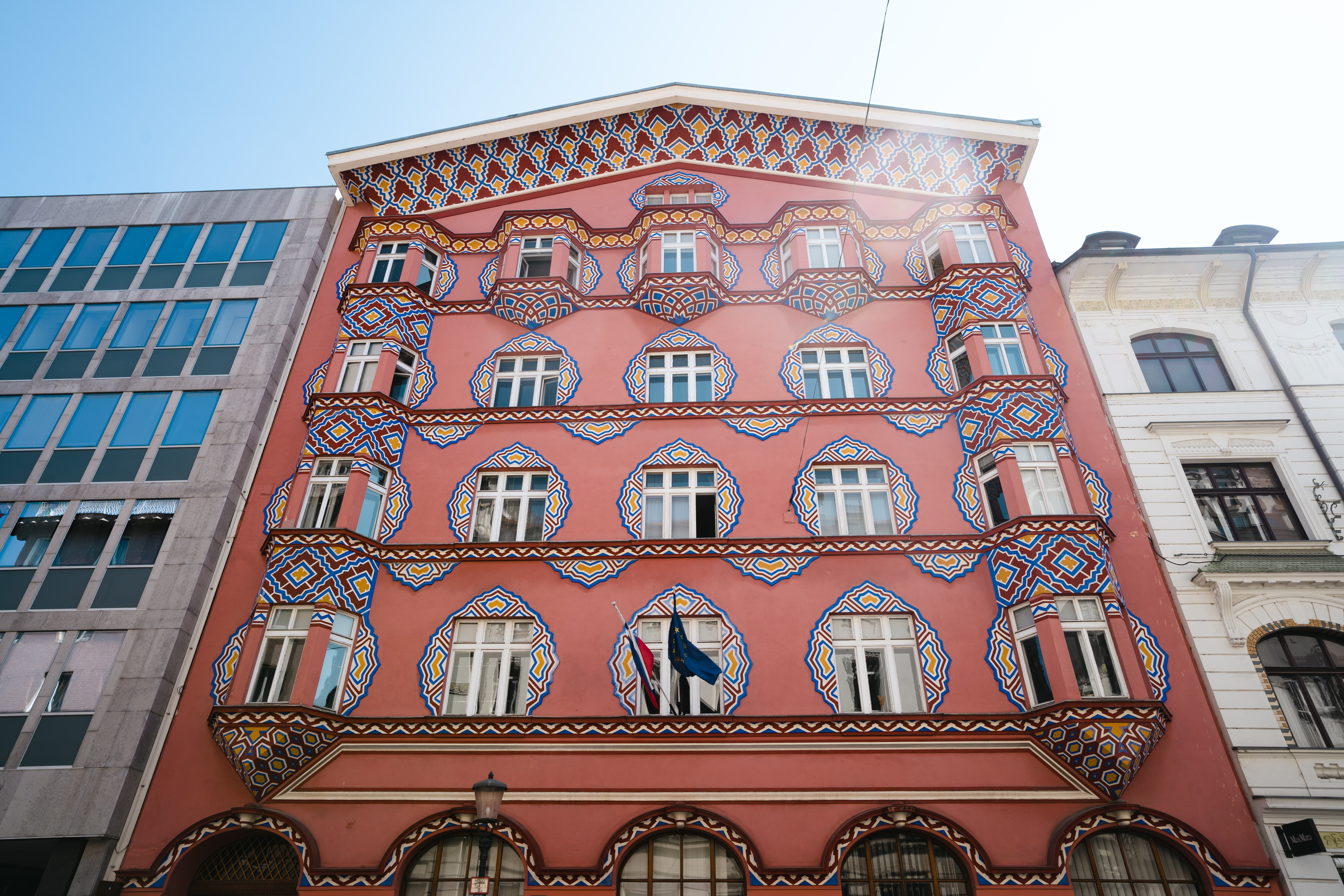
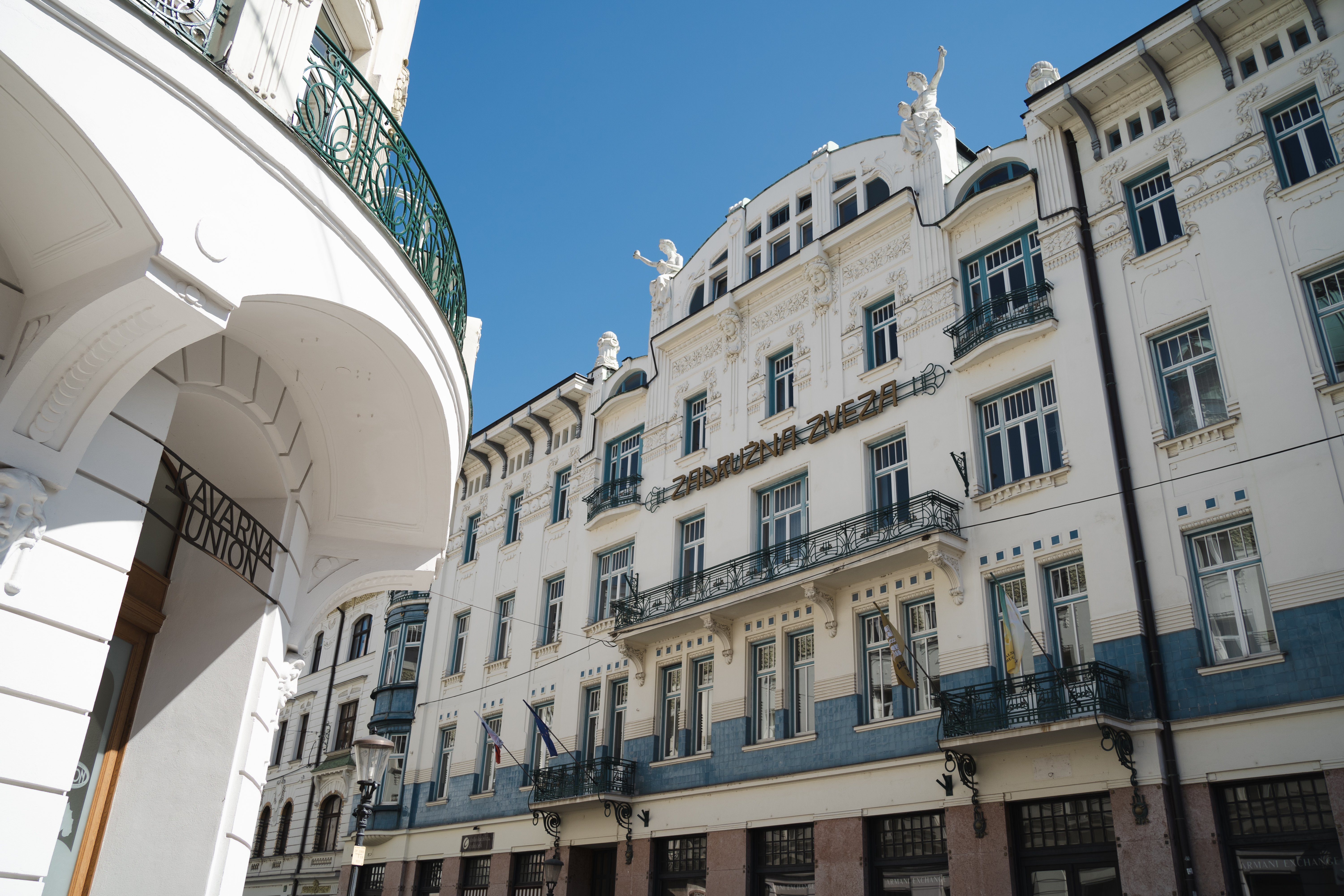
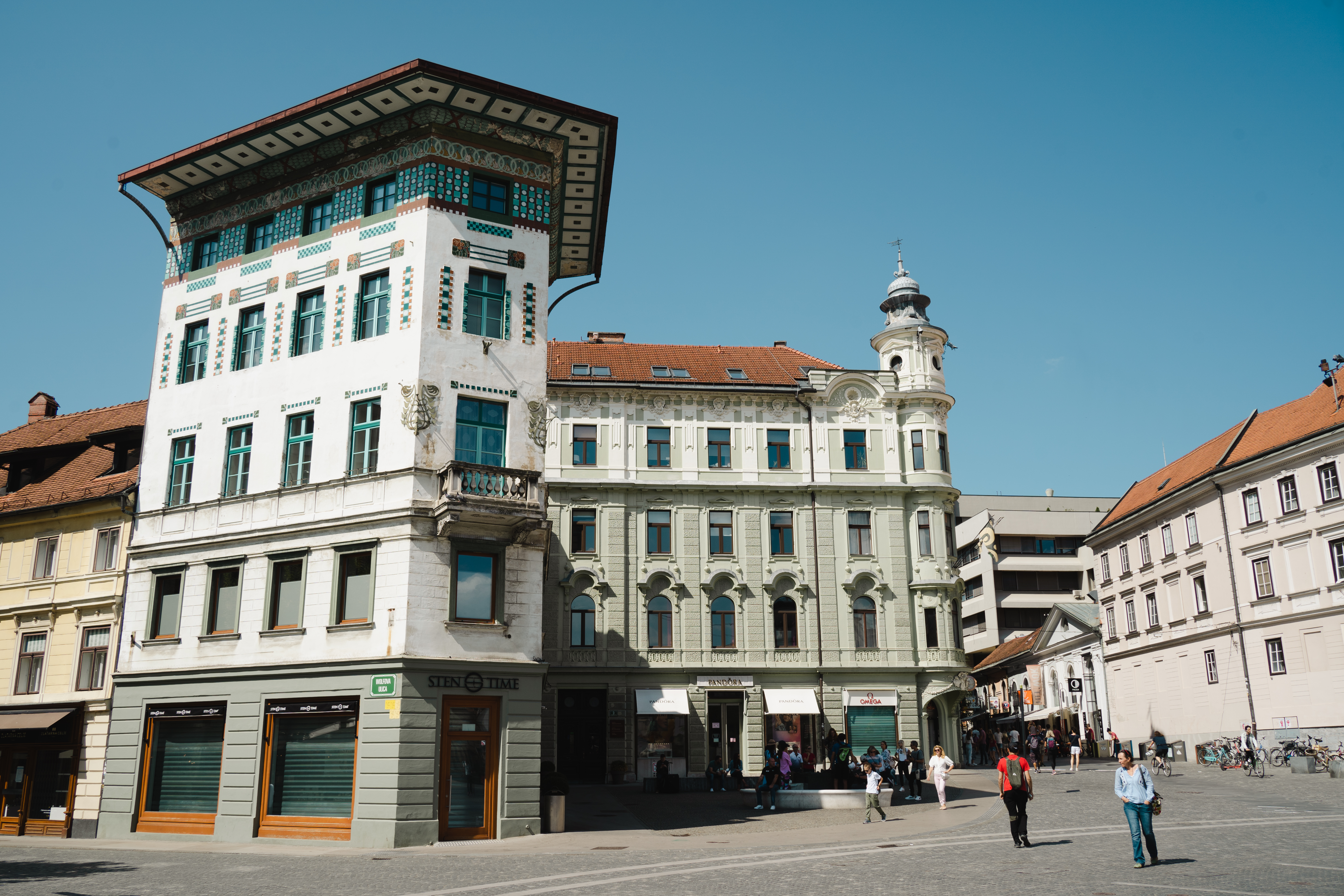
The architectural style of Art Nouveau or Jugendstil had its heyday around 1900 and faded away until WW I. It was the last bloom of the bourgeois styles of Europe in the previous decades before the war. Decorative elements played an important role, and there were a lot of floral and figurative elements in the layout of the facades and the interiors. Later, architecture became much more pragmatic and frugal.

Ljubljana, albeit a relatively small town, became one of the centers of Art Nouveau in Europe, and you will find a lot of exciting examples built by famous Austro-Hungarian architects in the city. The buildings are well cared for and seem made just yesterday.

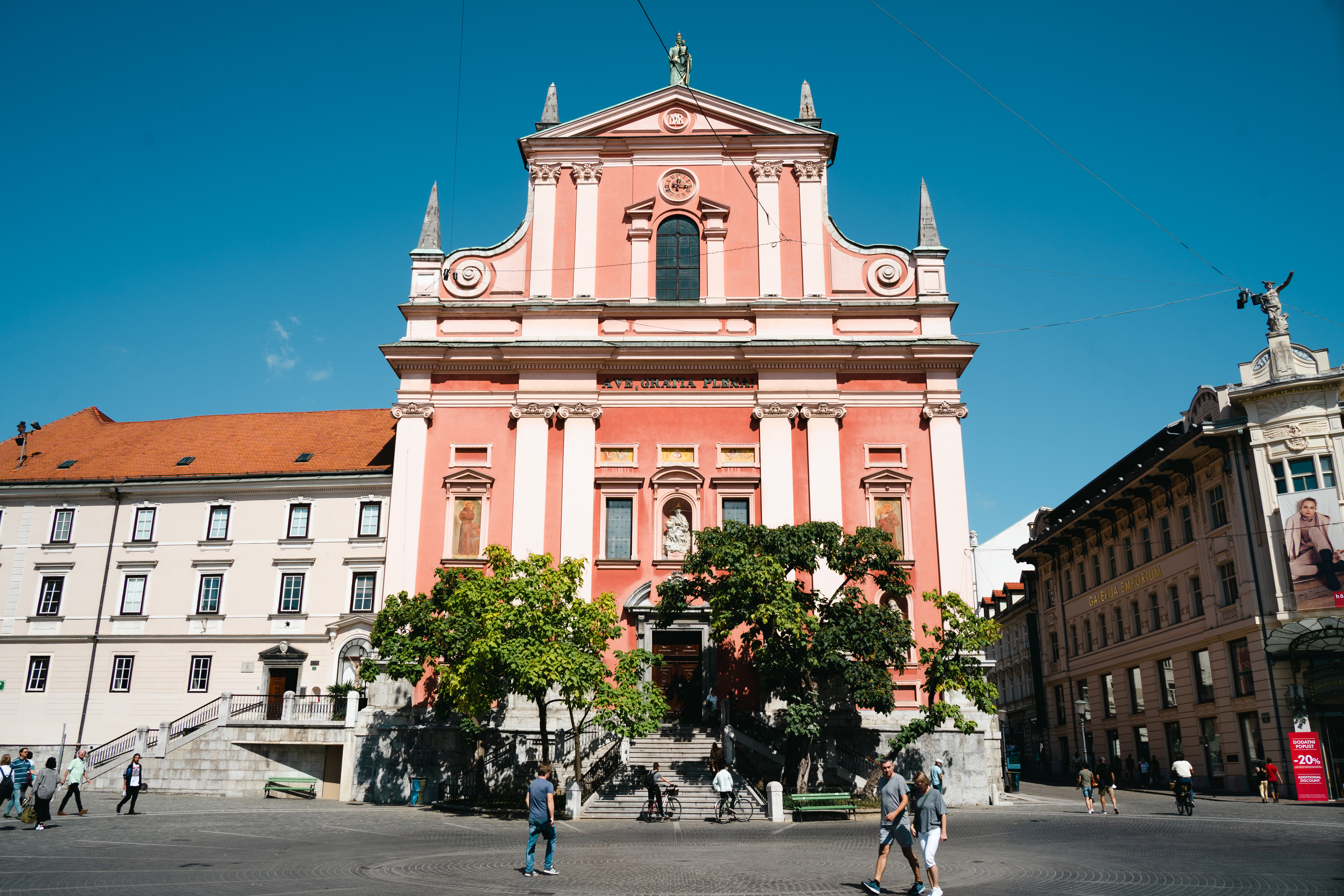
Baroque Ljubljana

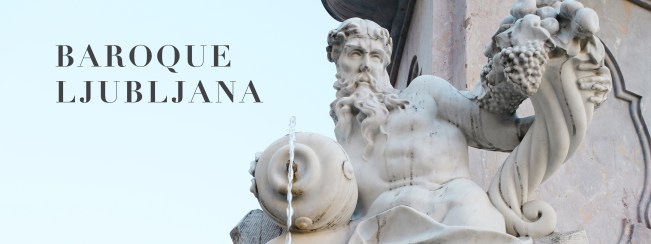
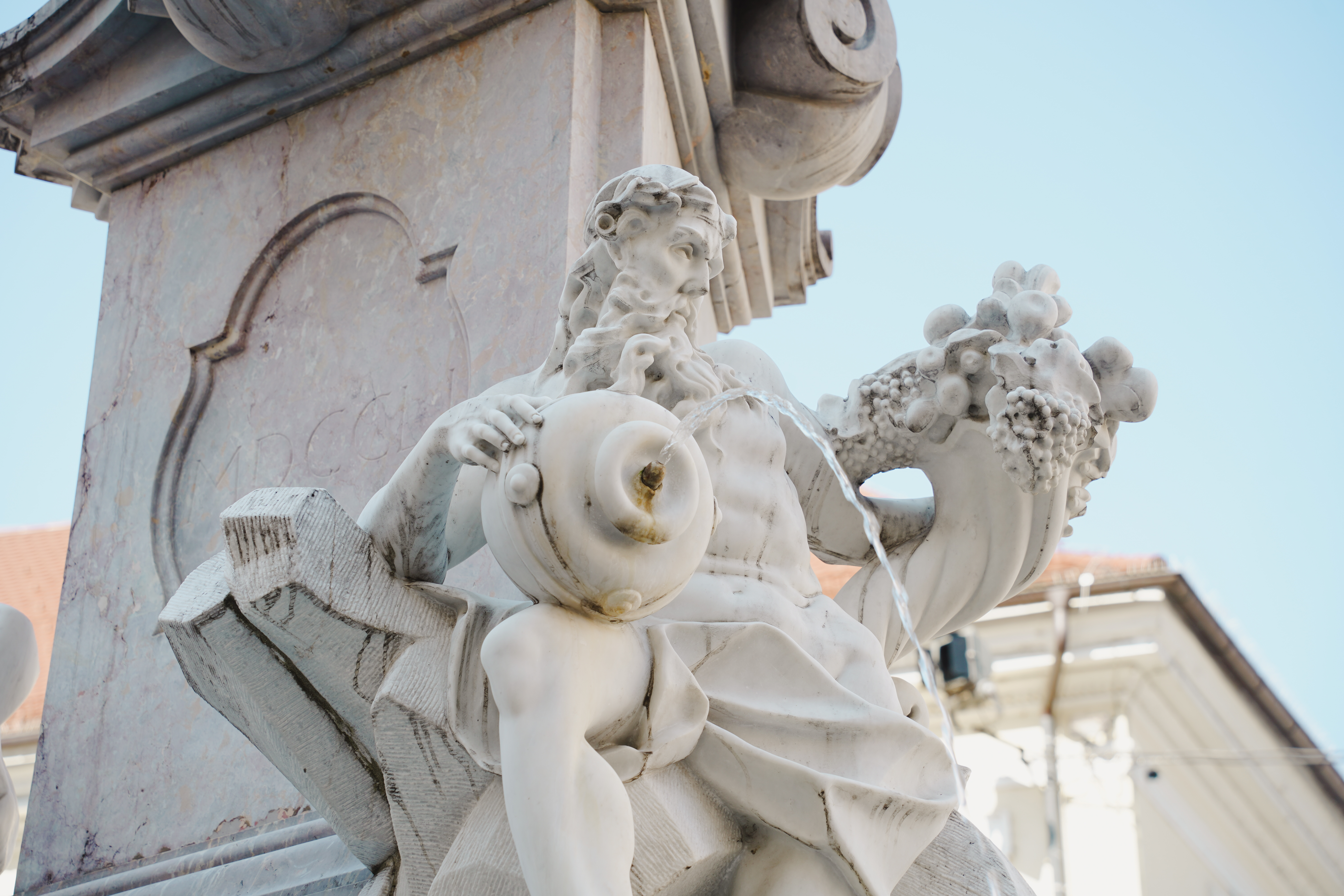
The Baroque architectural style became predominant during the 17th and 18th centuries in some parts of Europe. Essentially, it was a countermovement to the simplicity and inwardness of the new reformed movements north of the continent. The catholic church and ruling dynasties went the other way and showed their wealth and grandiosity by building monumental structures with rich and detailed facades housing countless precious artworks. As part of a Catholic nation, the Austro-Hungarian empire, Ljubljana underwent similar changes in this period. Many of the Baroque buildings from this era can still be seen today.

1 6 7 8 18