
2013, edited.
Snippets of my life a few years ago, edited. Shot in Vienna.
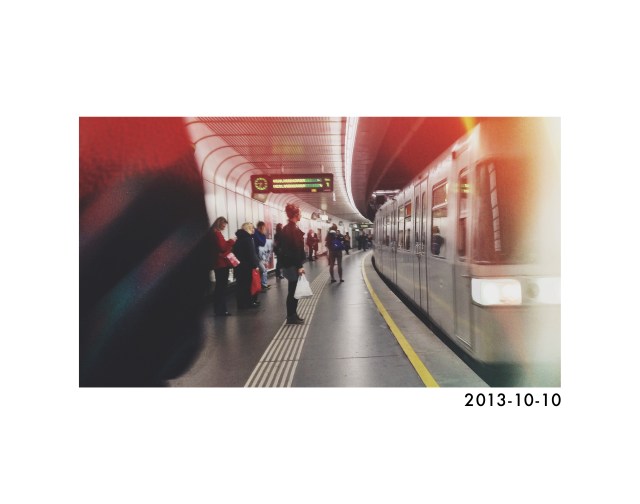

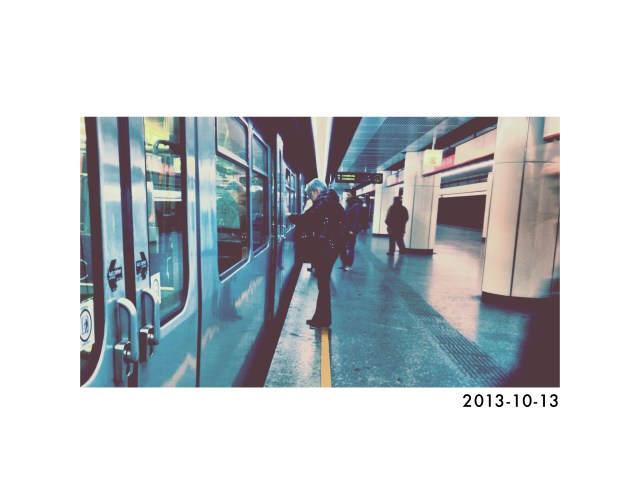
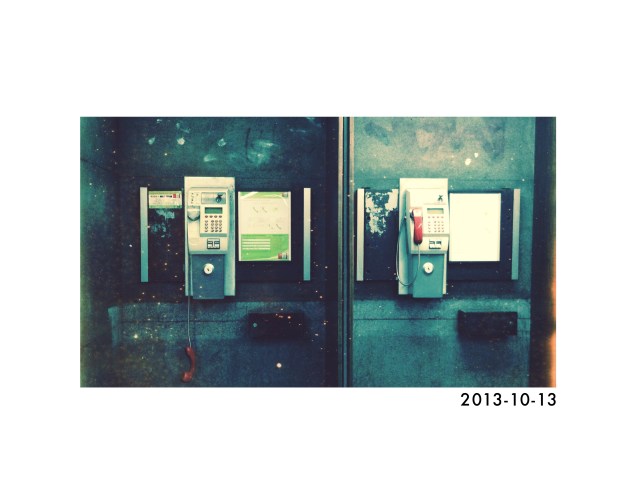
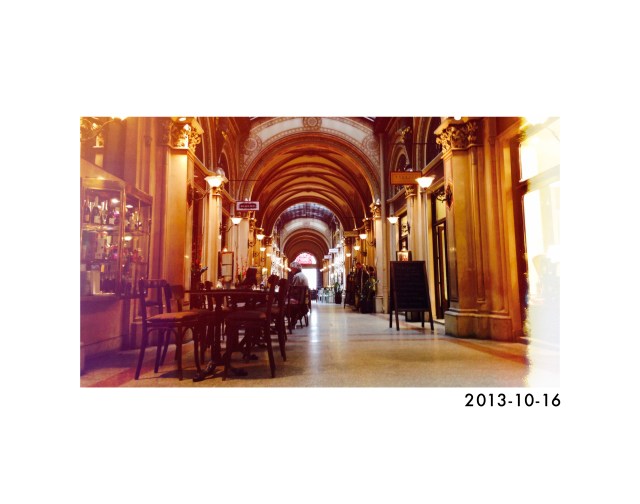
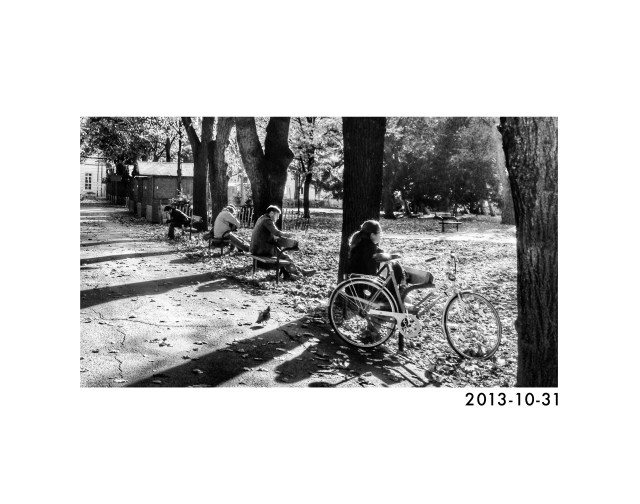
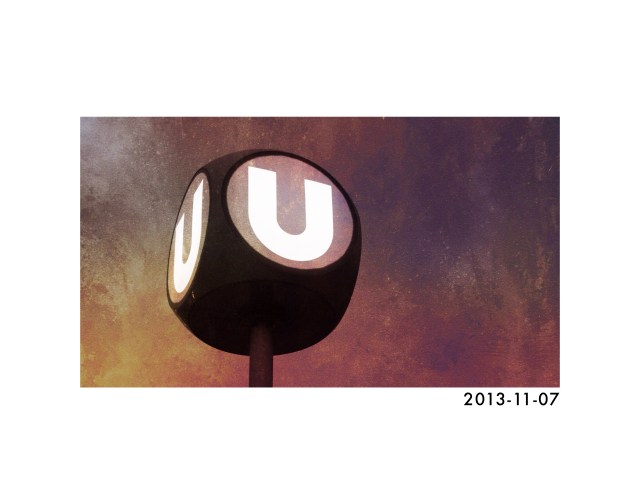
Snippets of my life a few years ago, edited. Shot in Vienna.
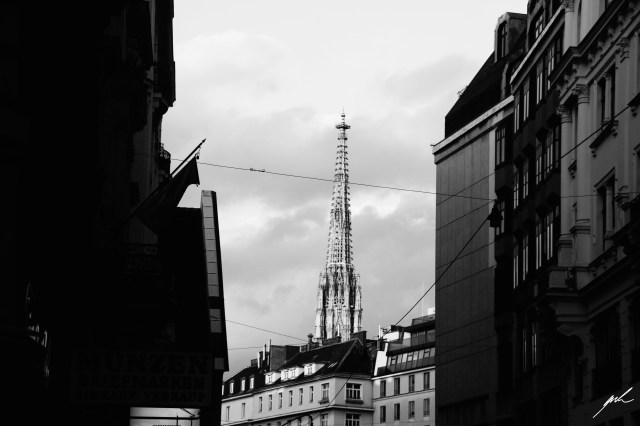
Moments captured in Vienna of late 2016, when the days grew shorter and the melancholy of late autumn began to set in.

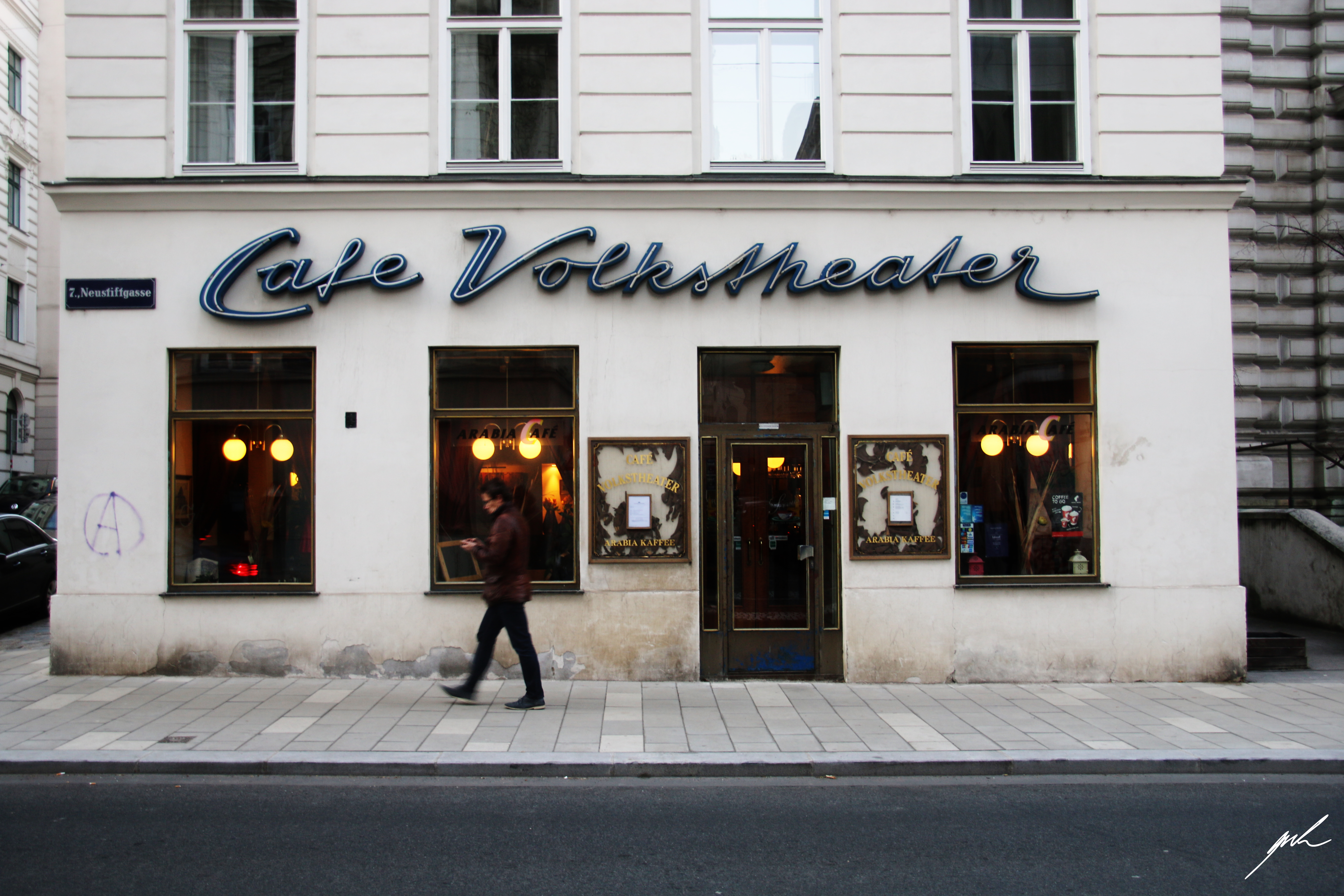
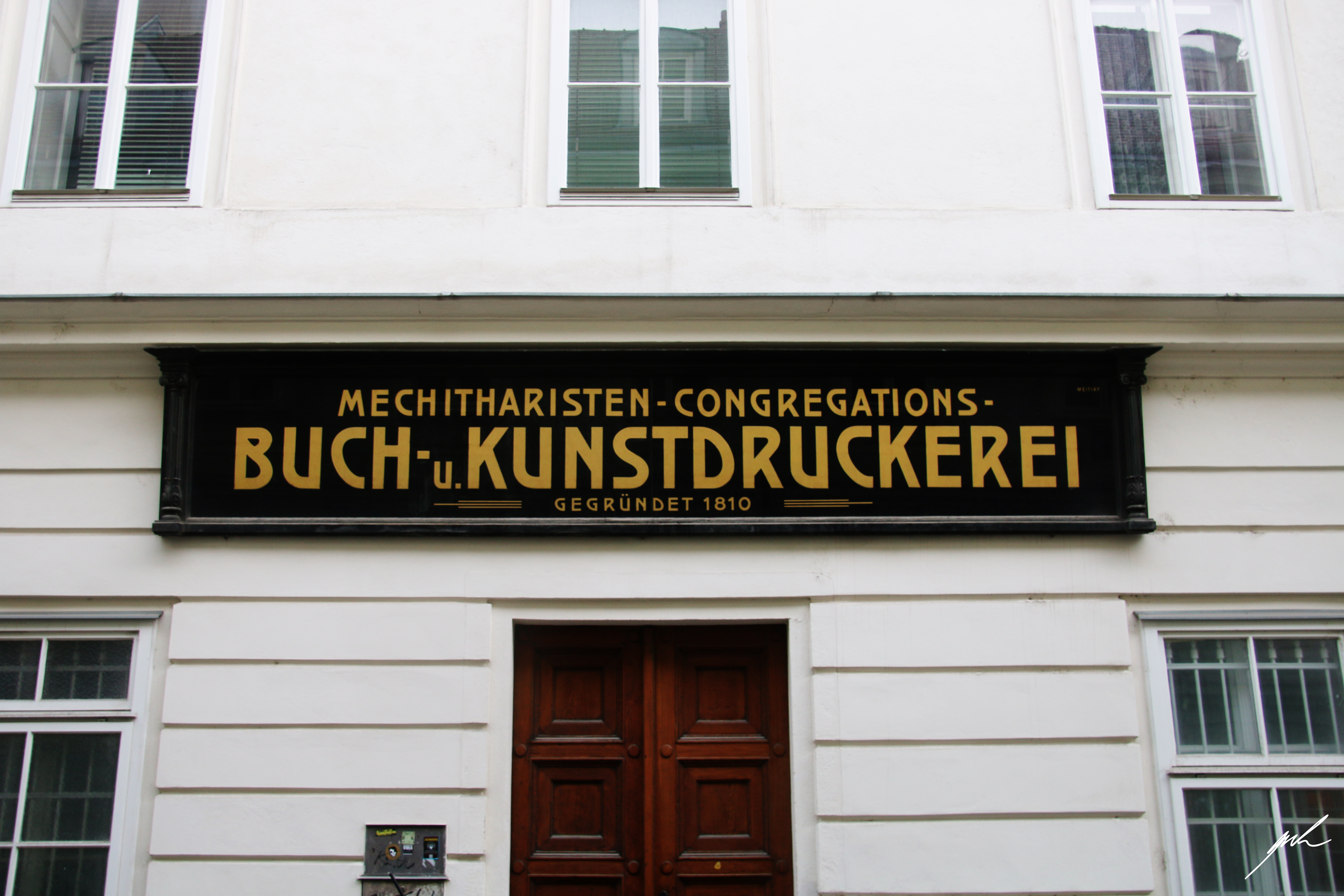
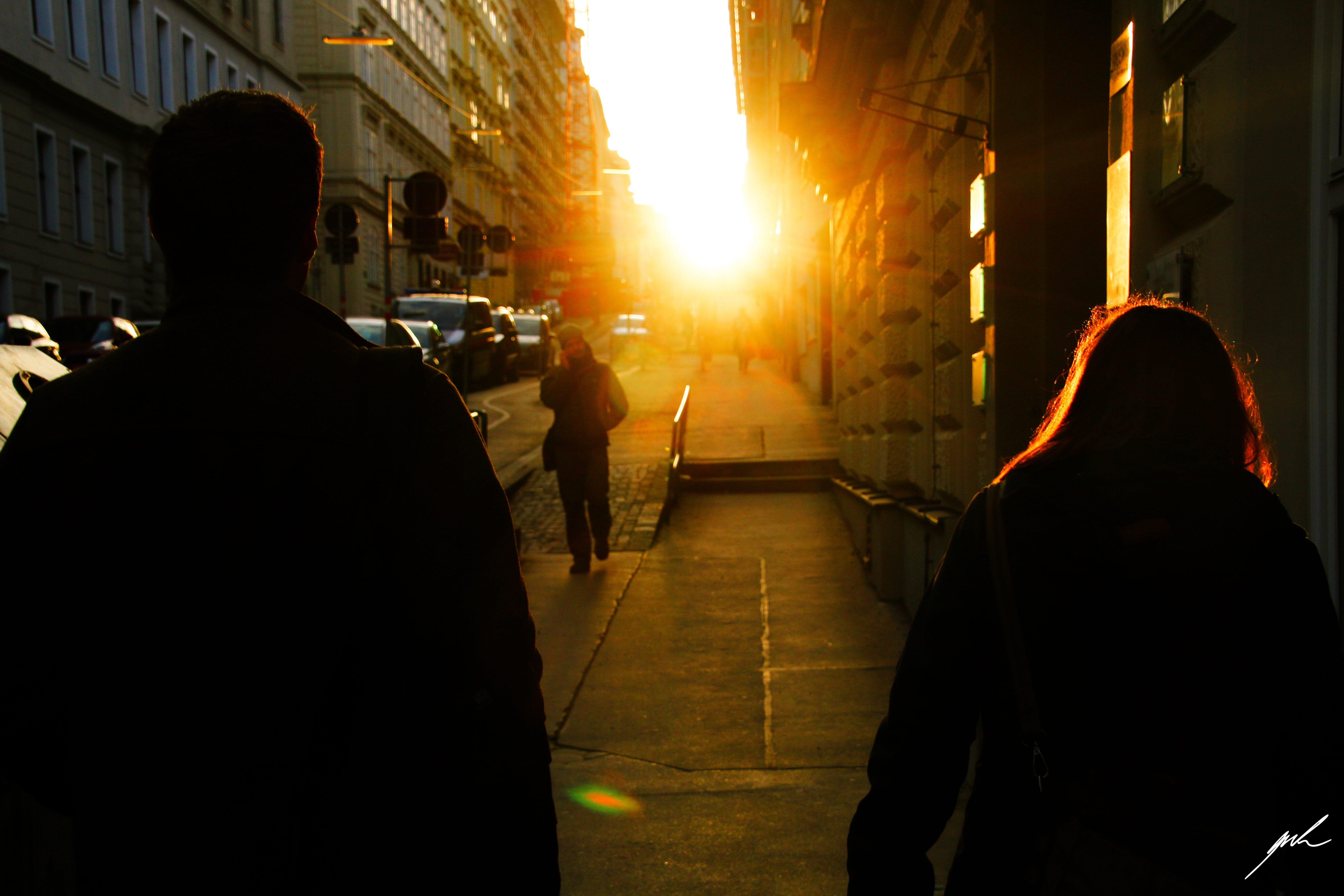
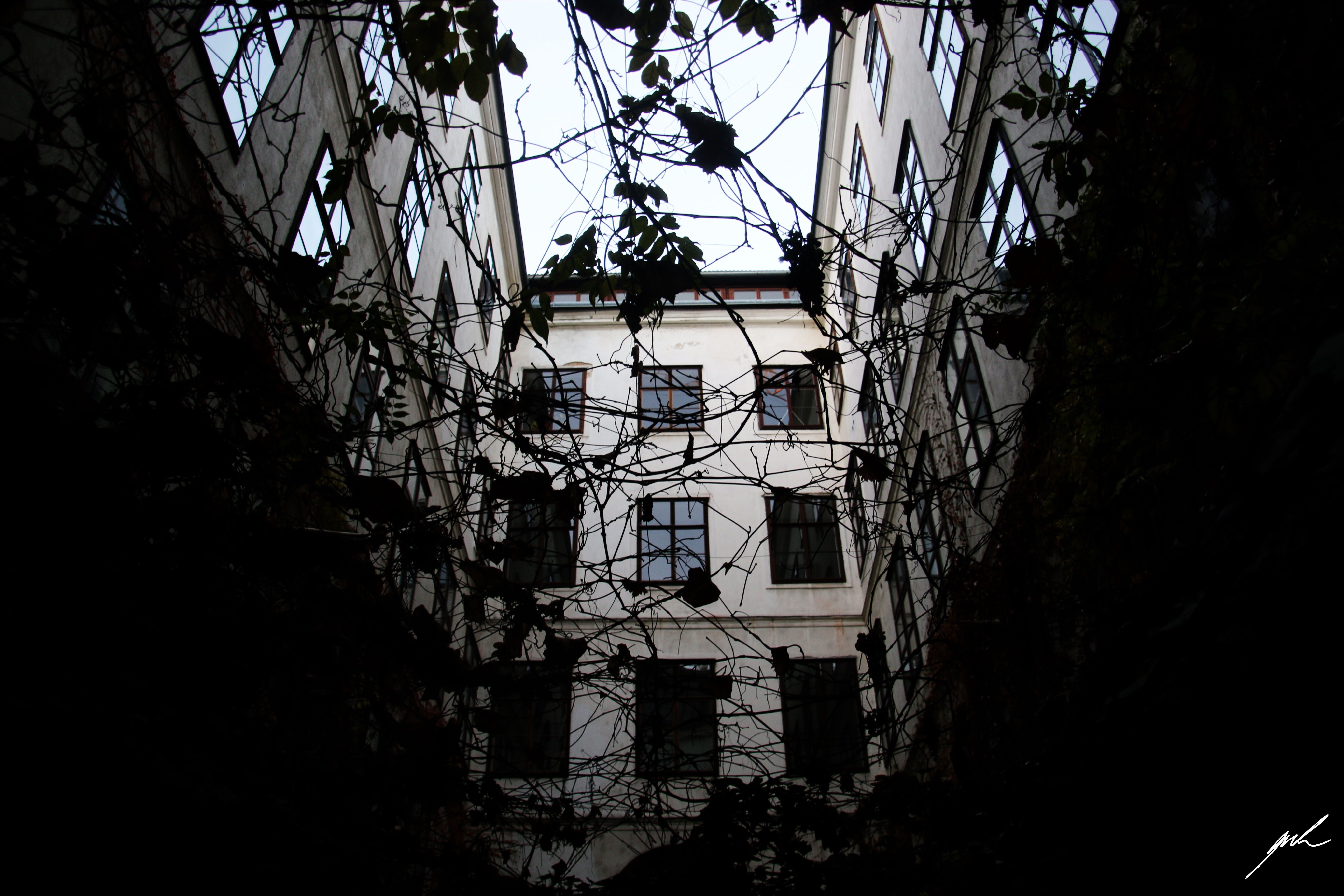
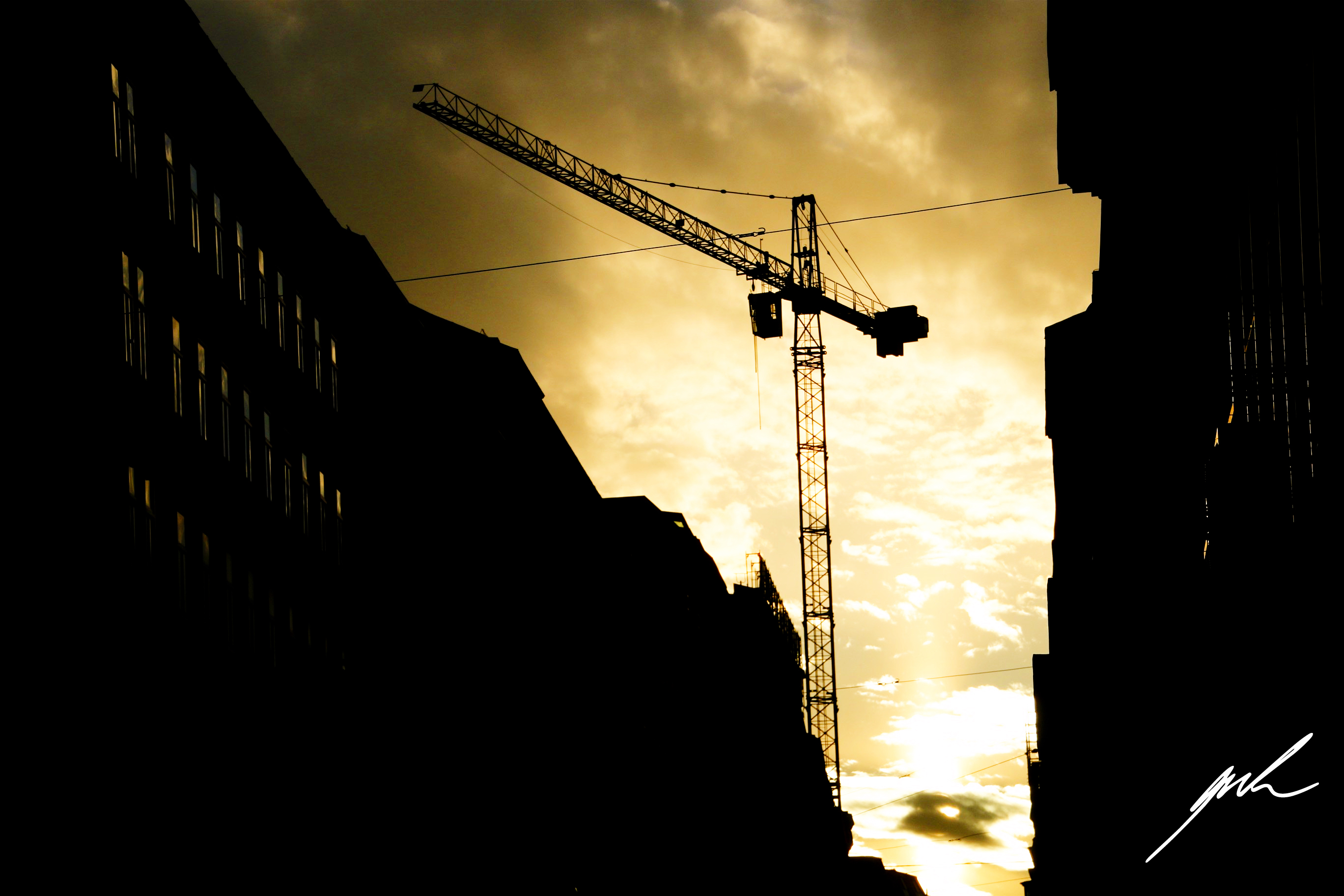
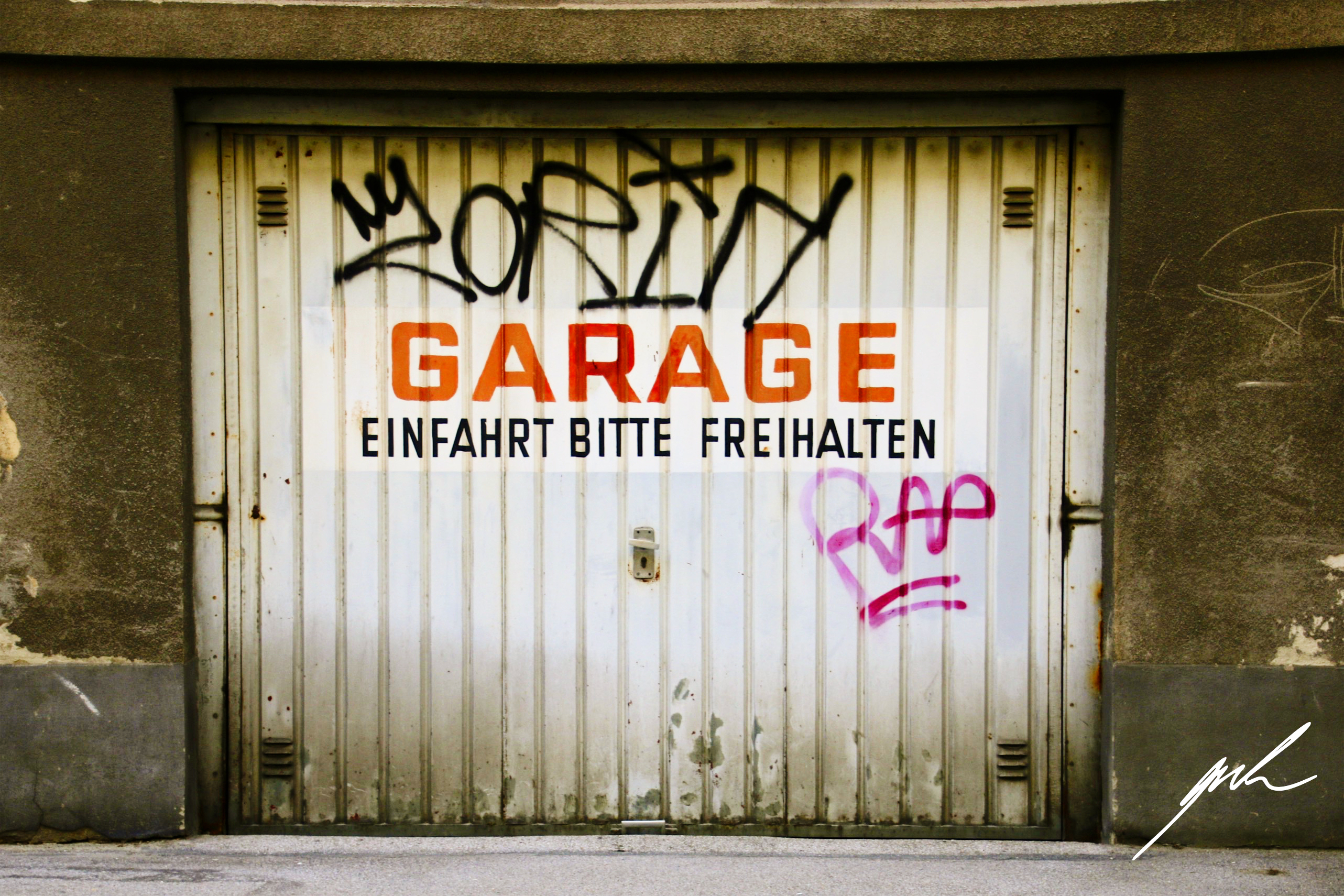

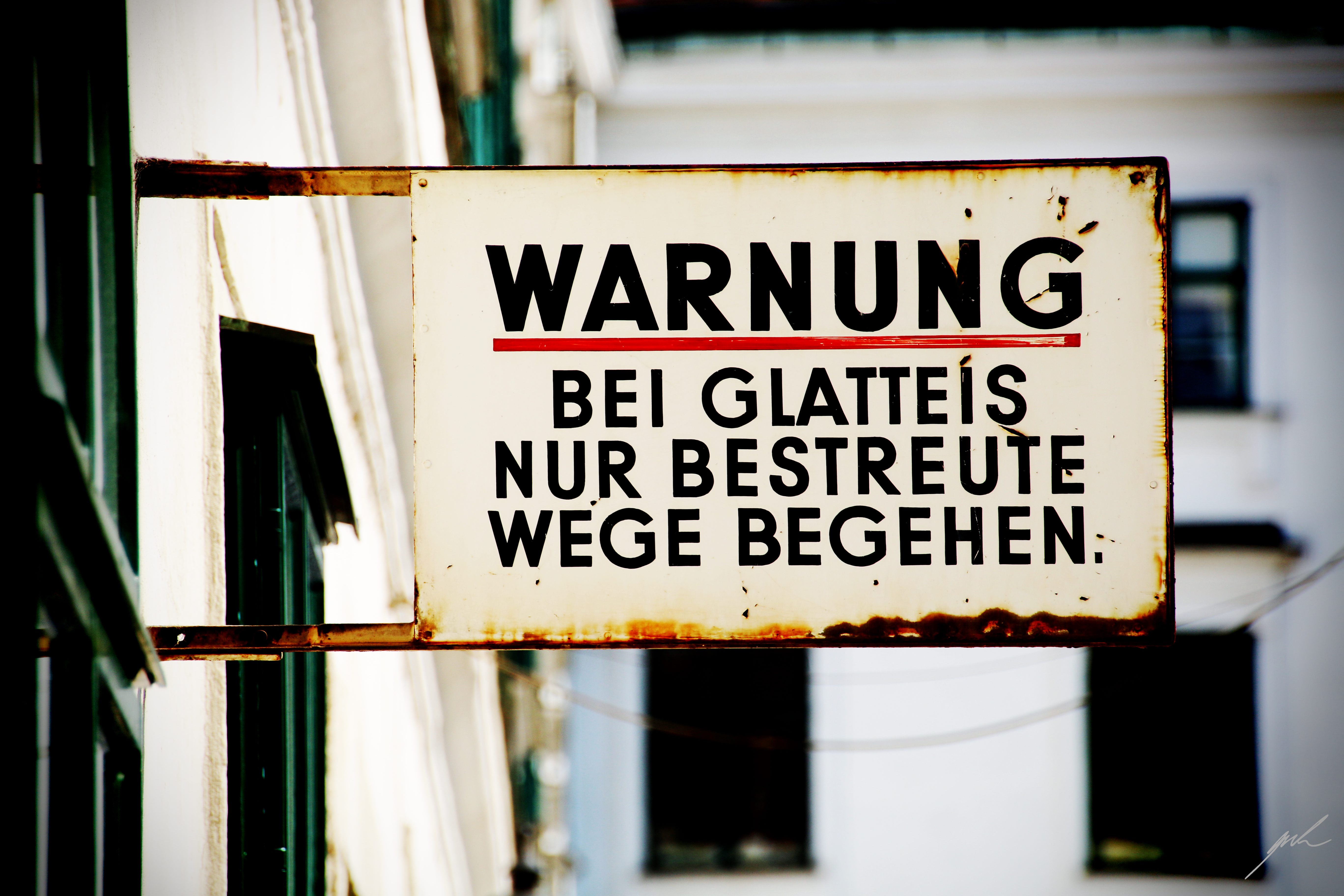
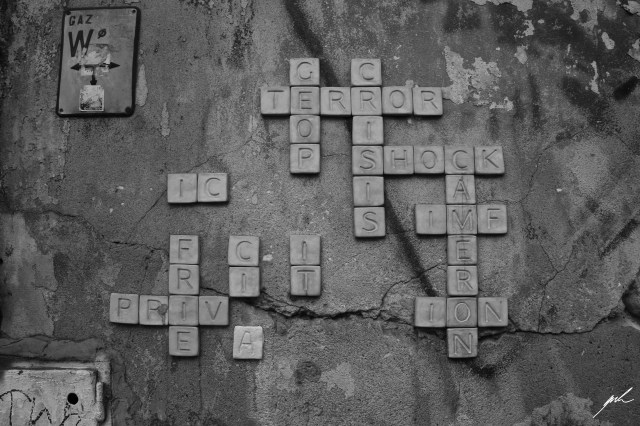
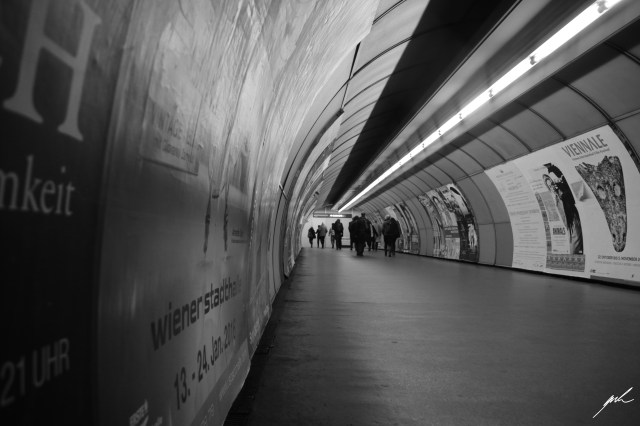
Fragments captured while absorbing scarce beams of light on the rather dark and cloudy days of late winter and early spring in Vienna. A part of this is dedicated to all the beautiful fonts which can be found while walking the town.
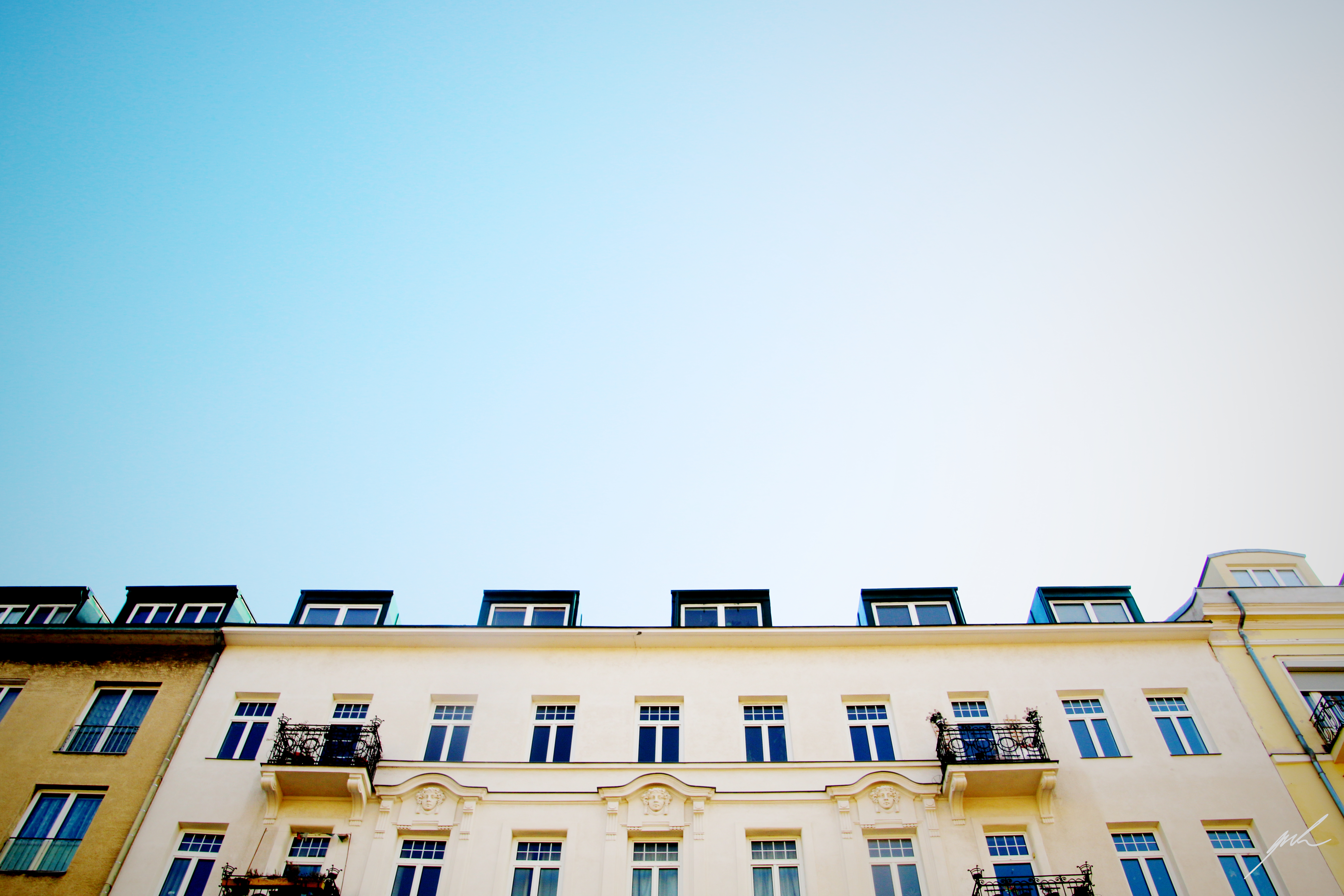

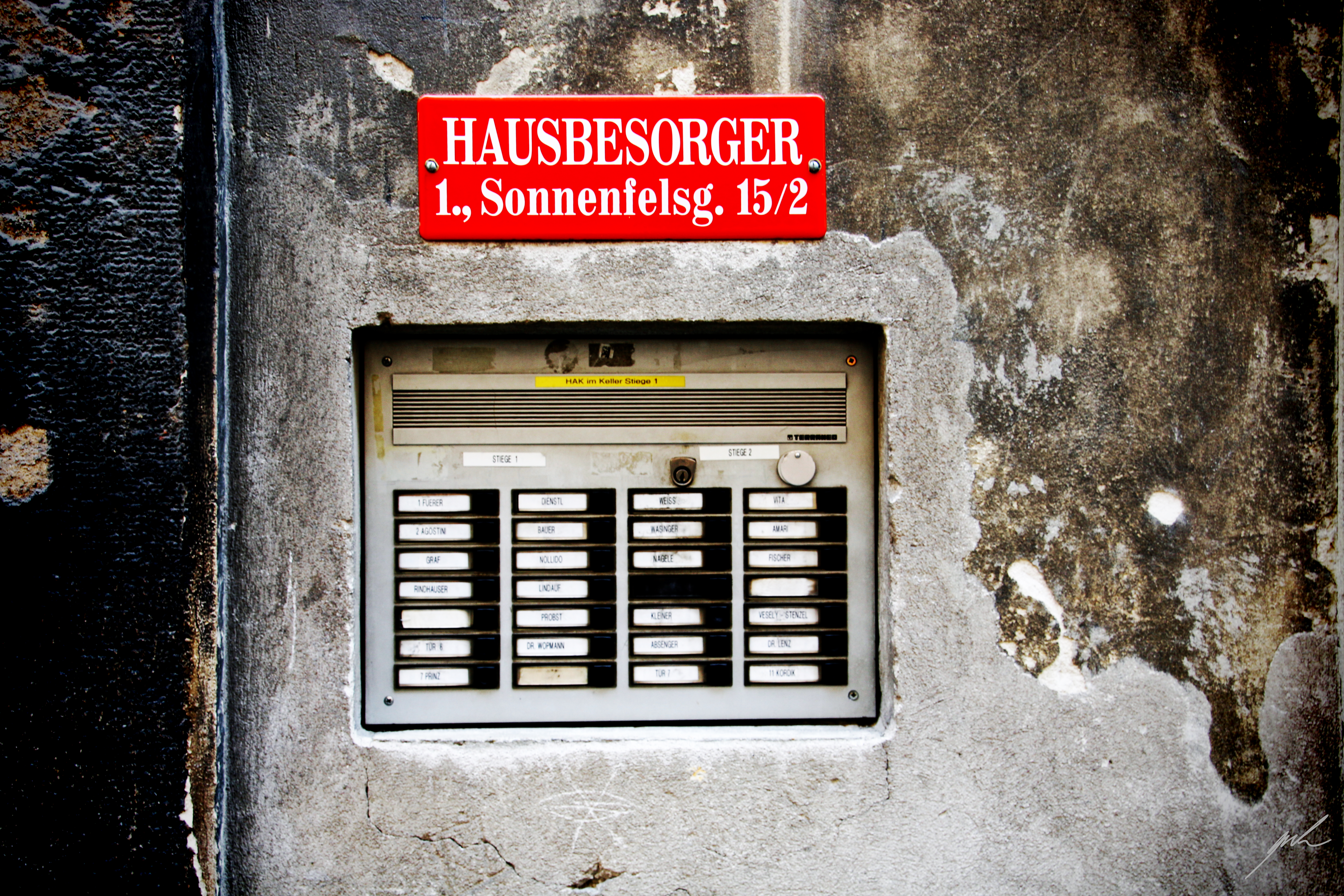
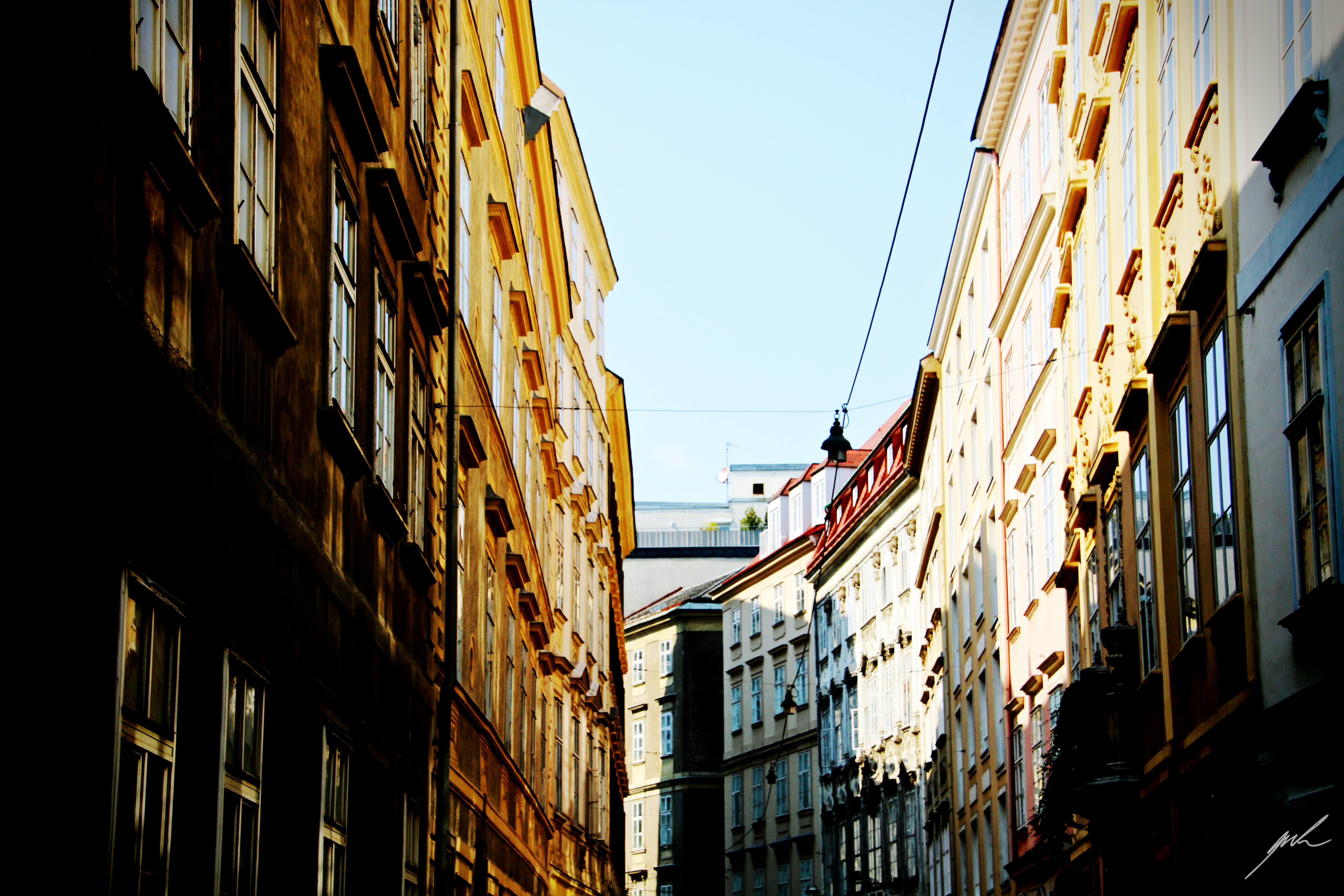
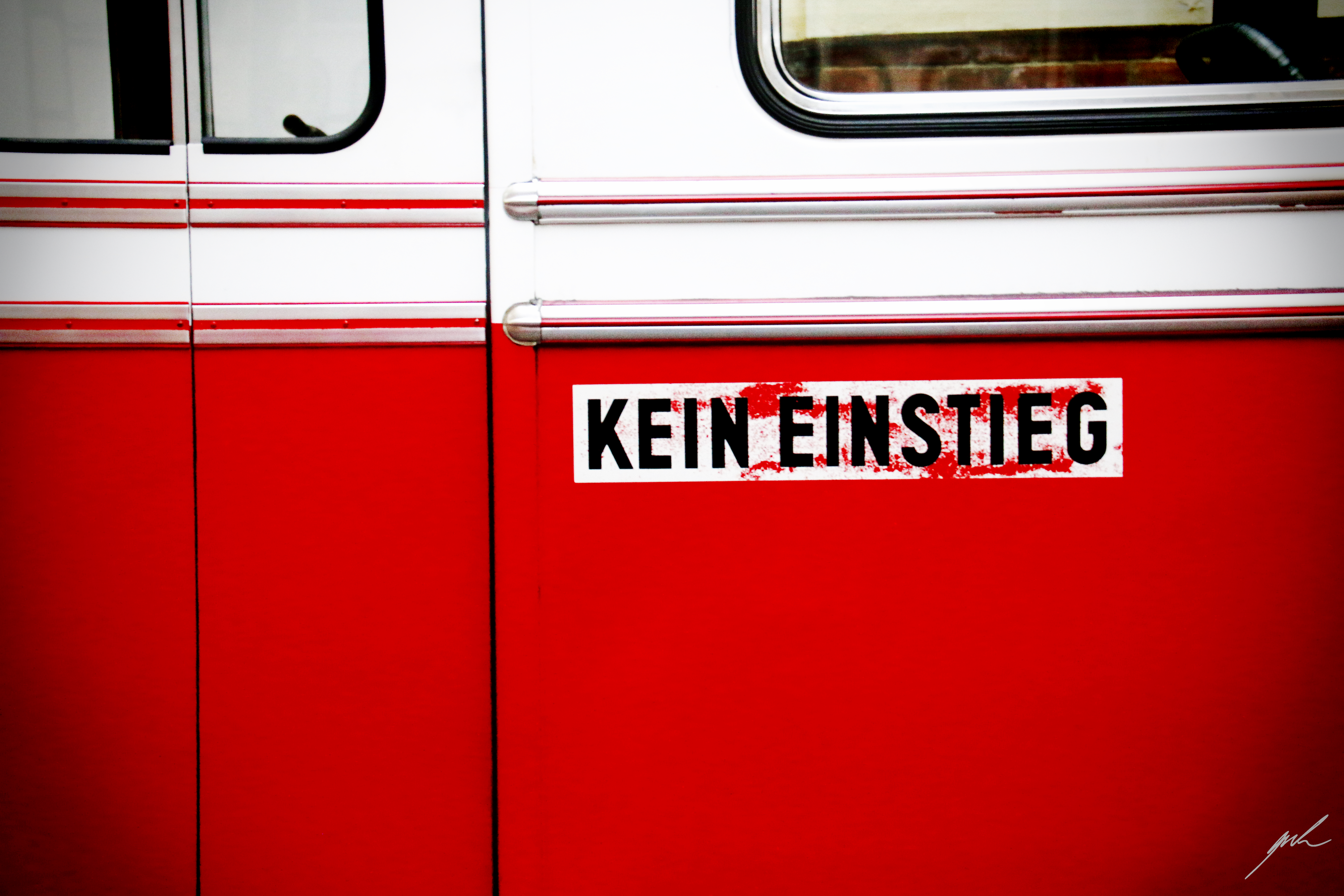
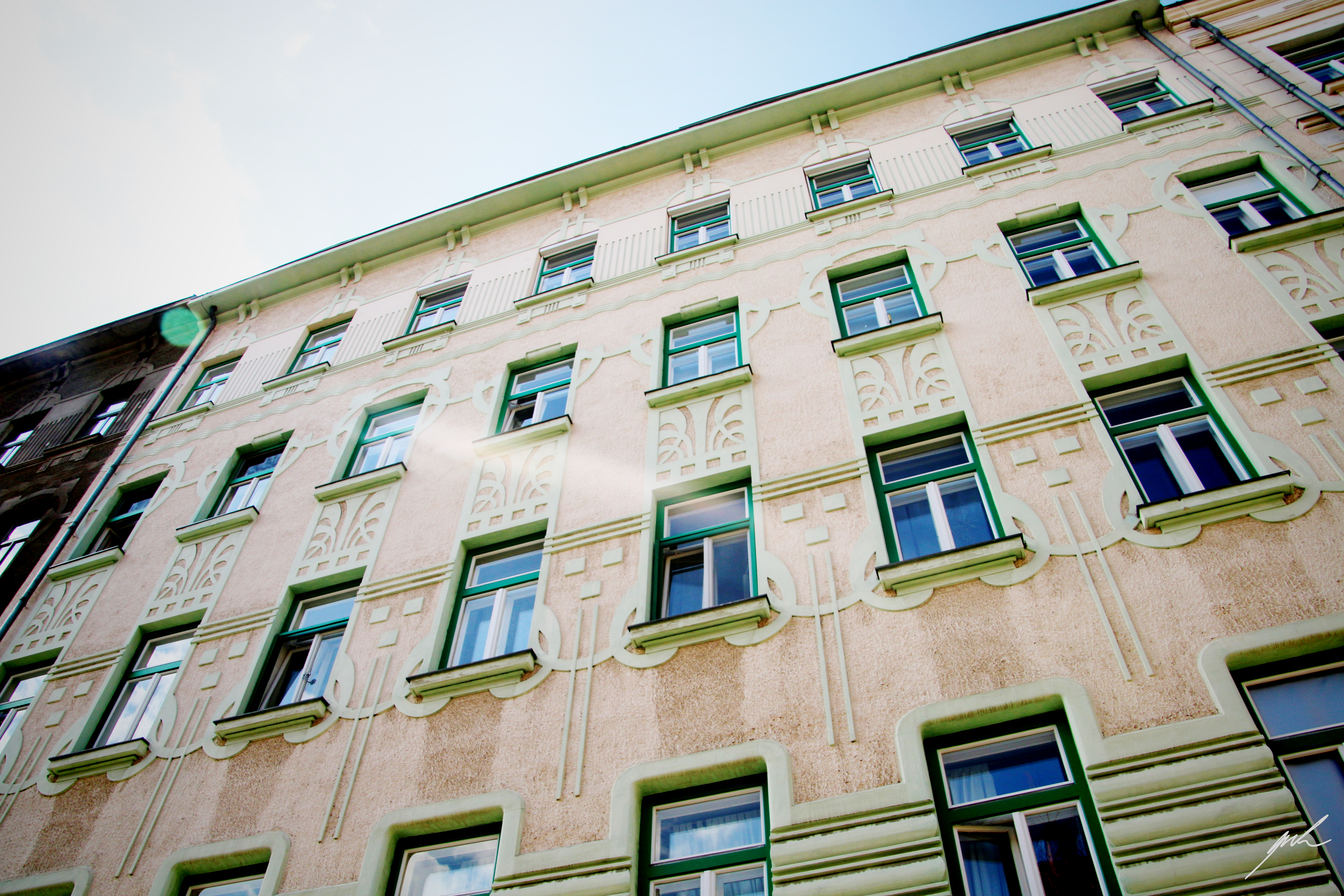
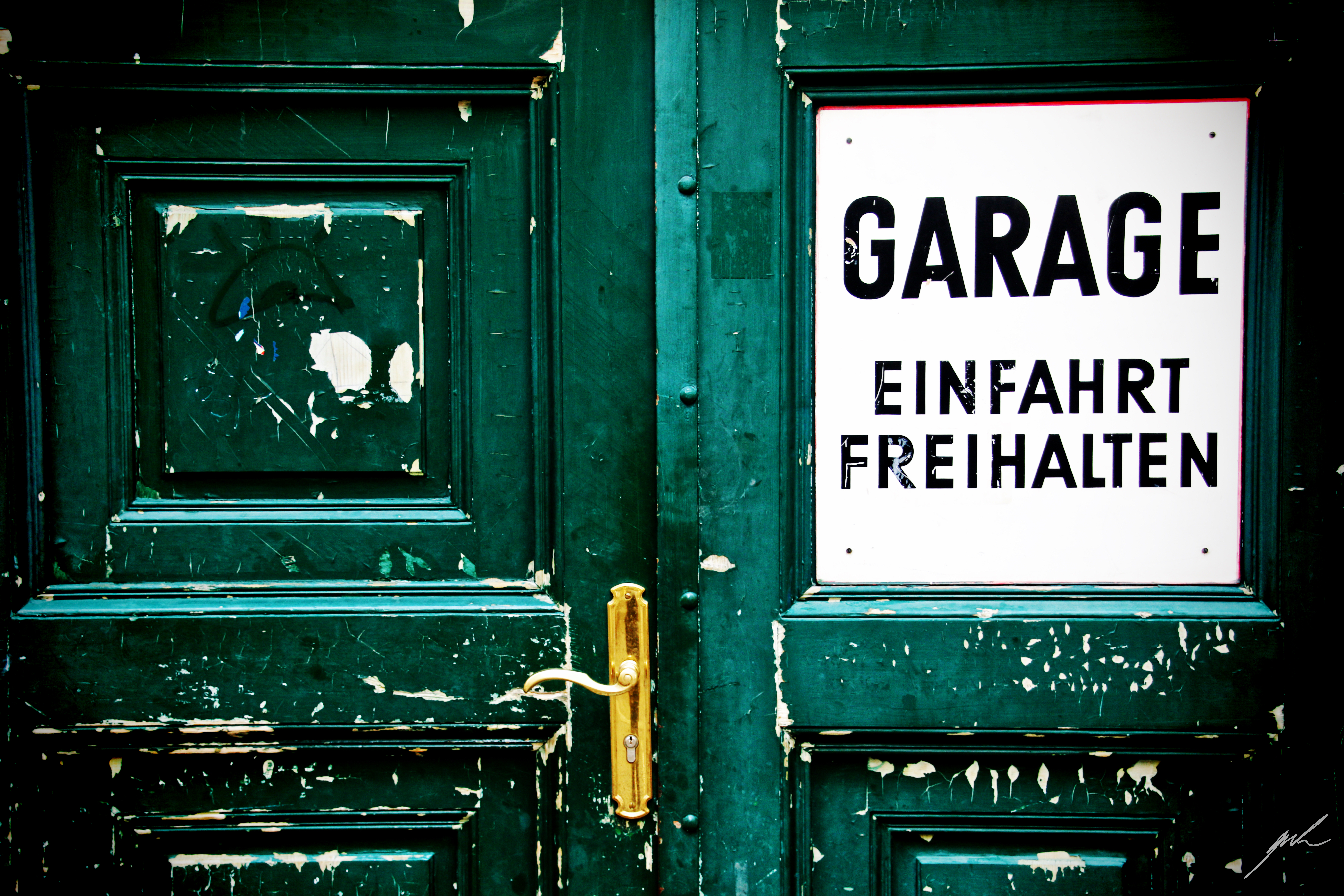
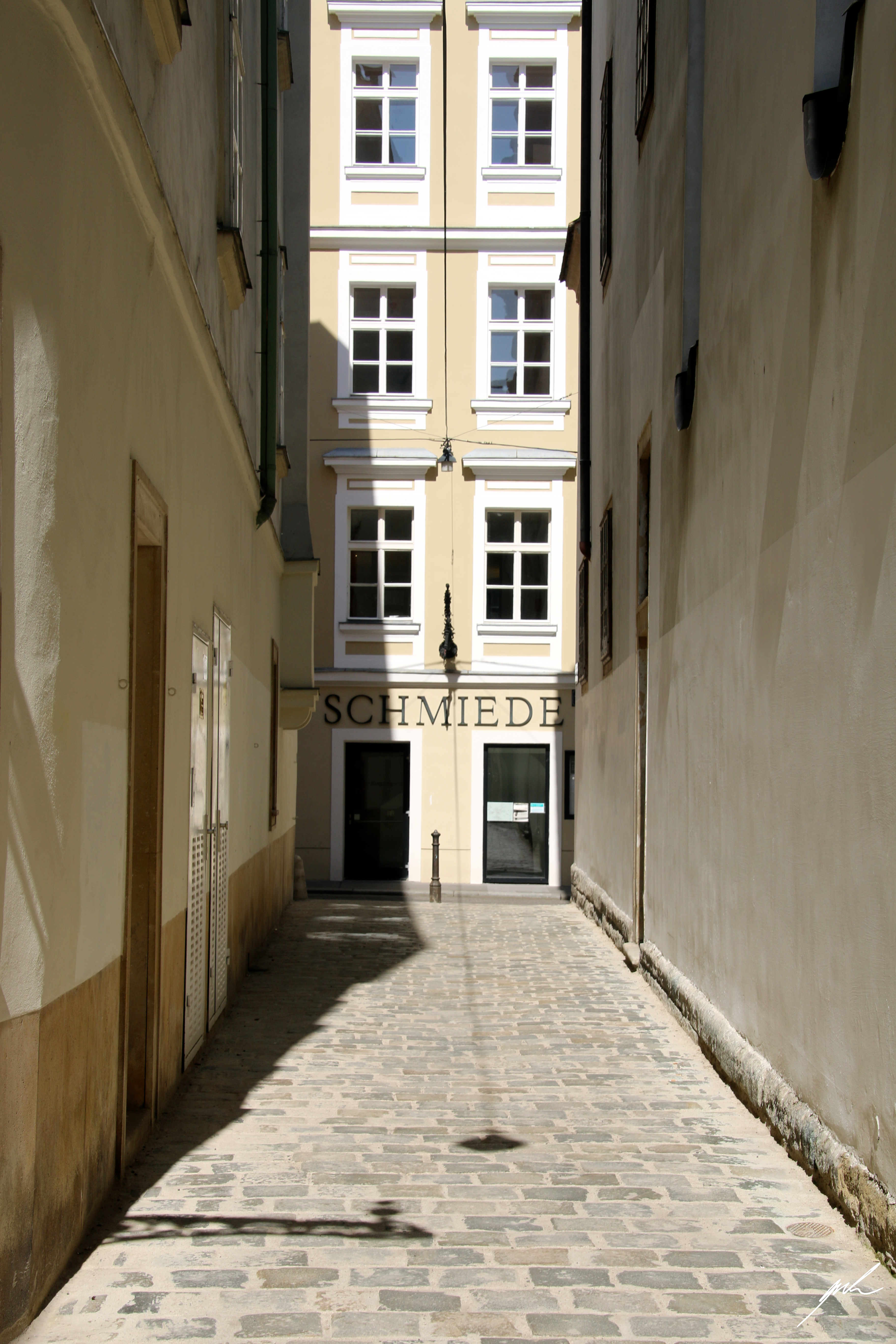
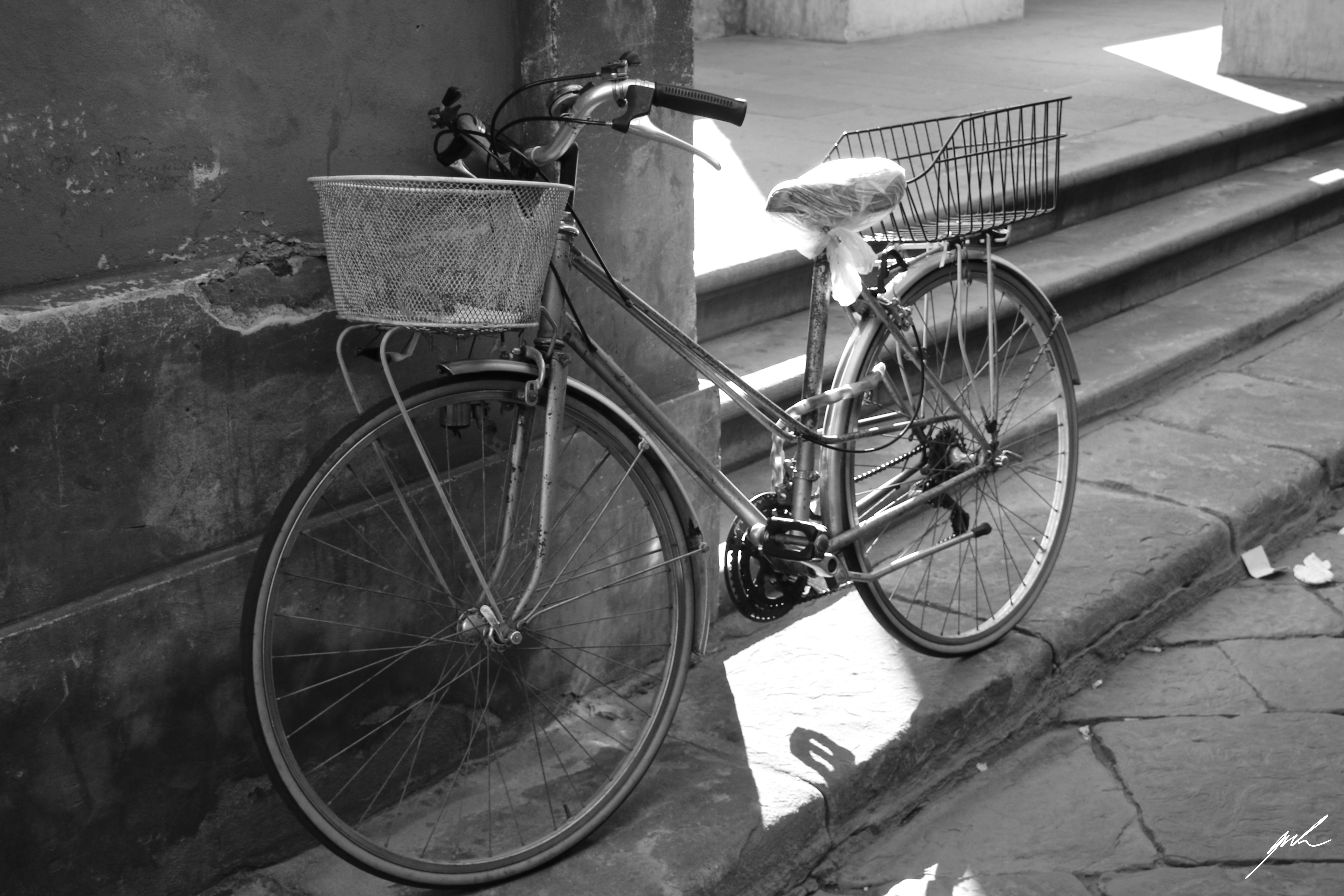
Fragments captured while walking the city on the short days of late winter and early spring.
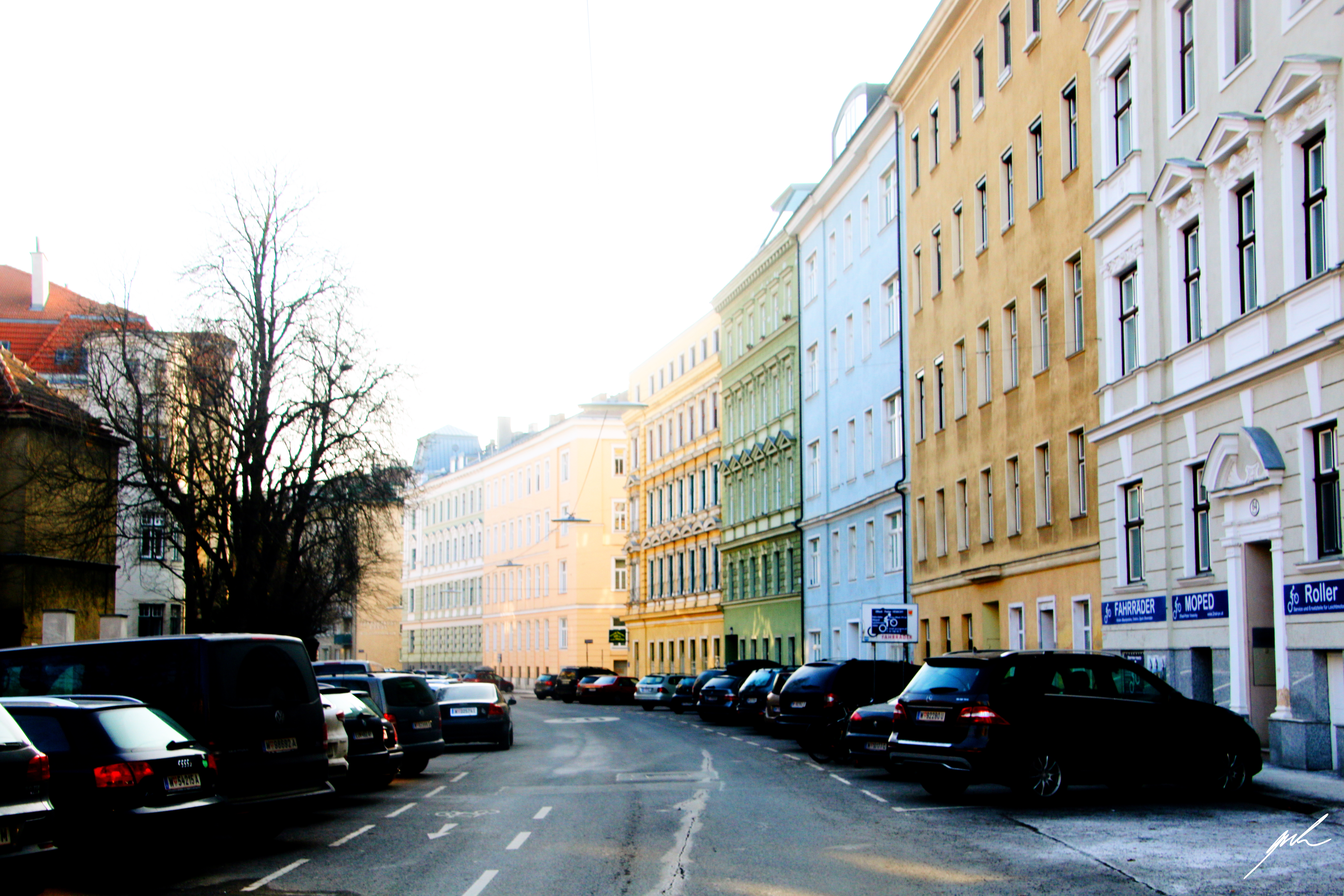
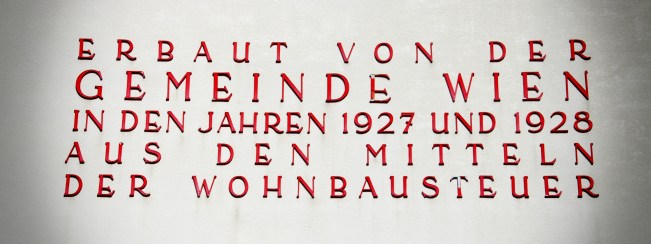
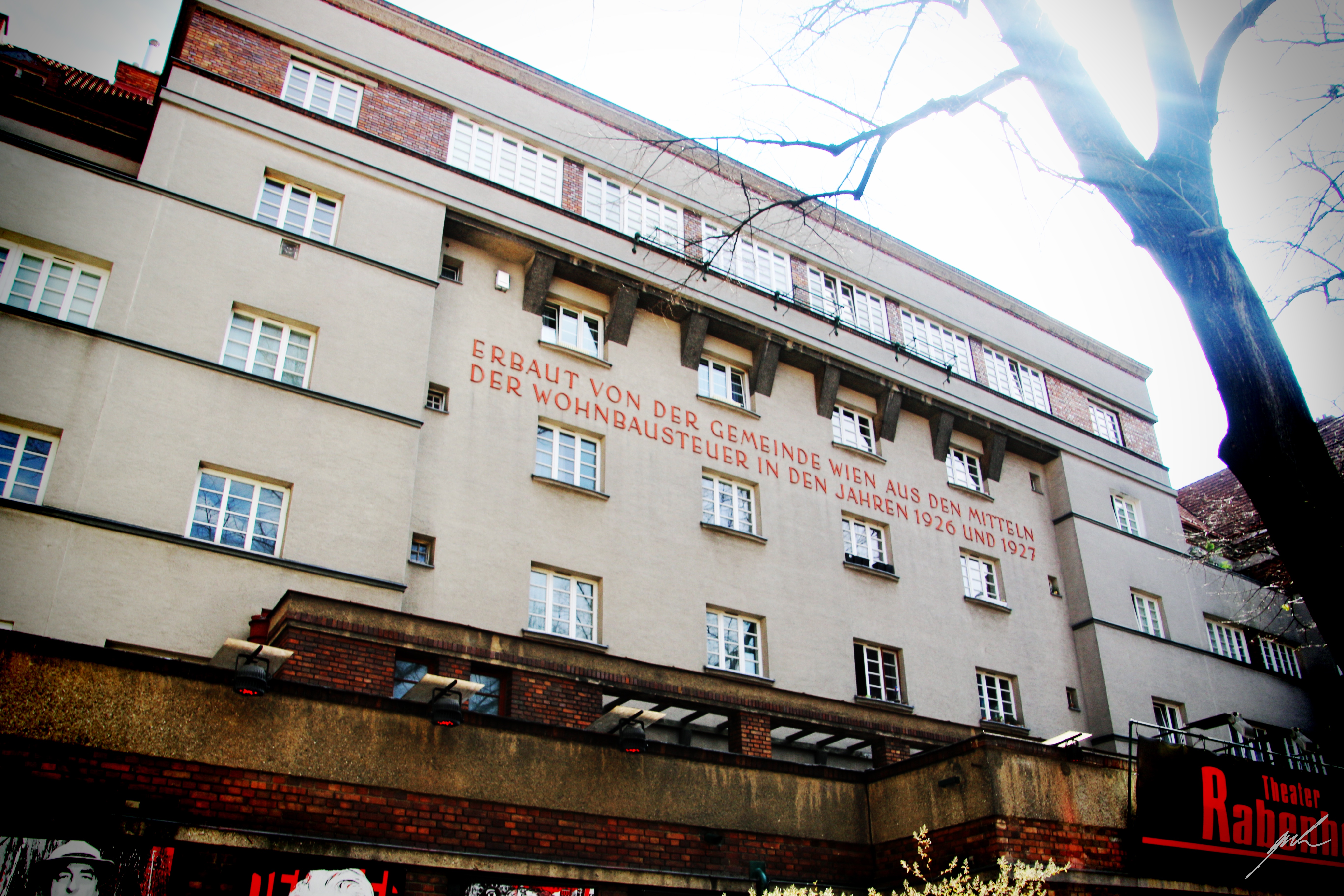
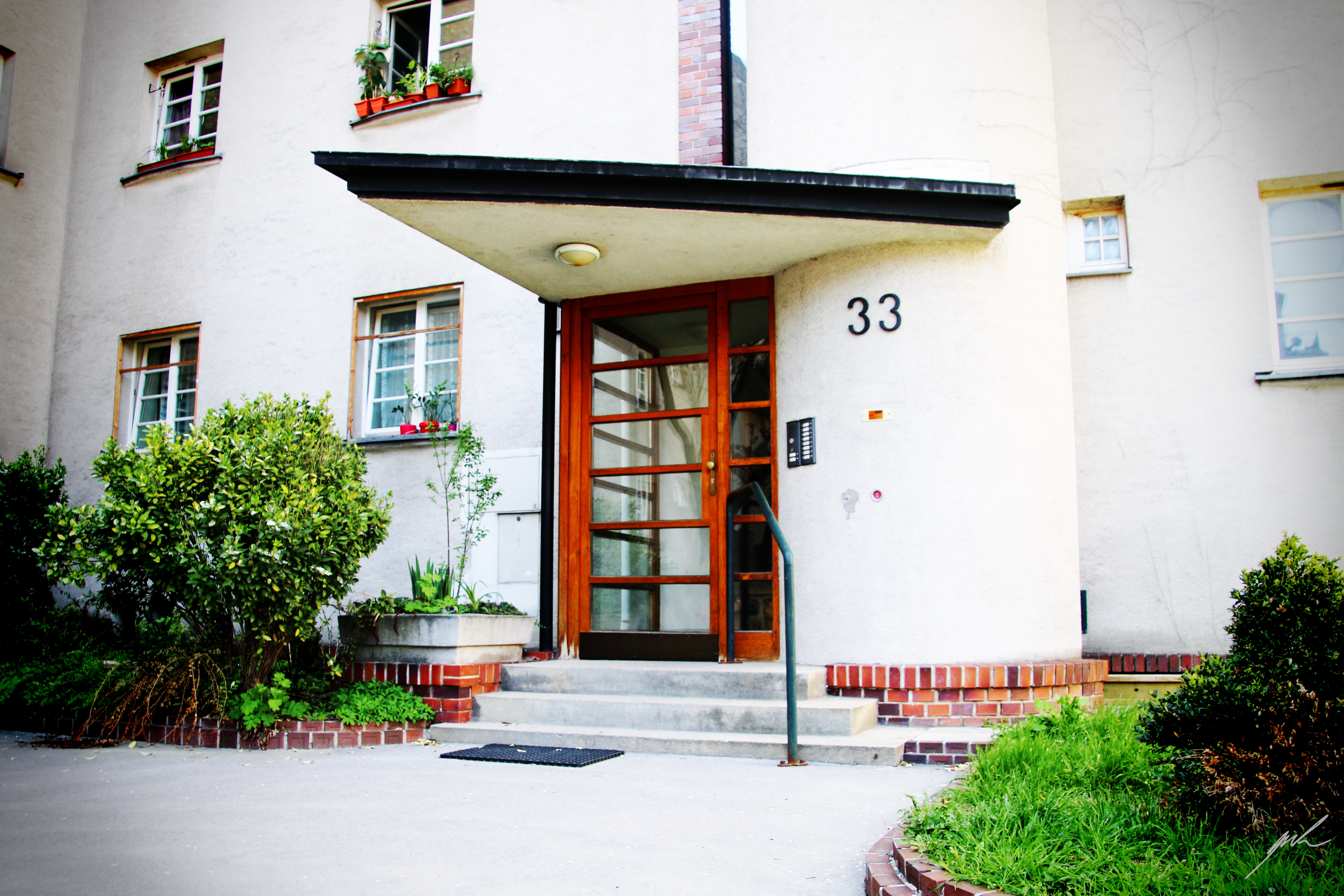
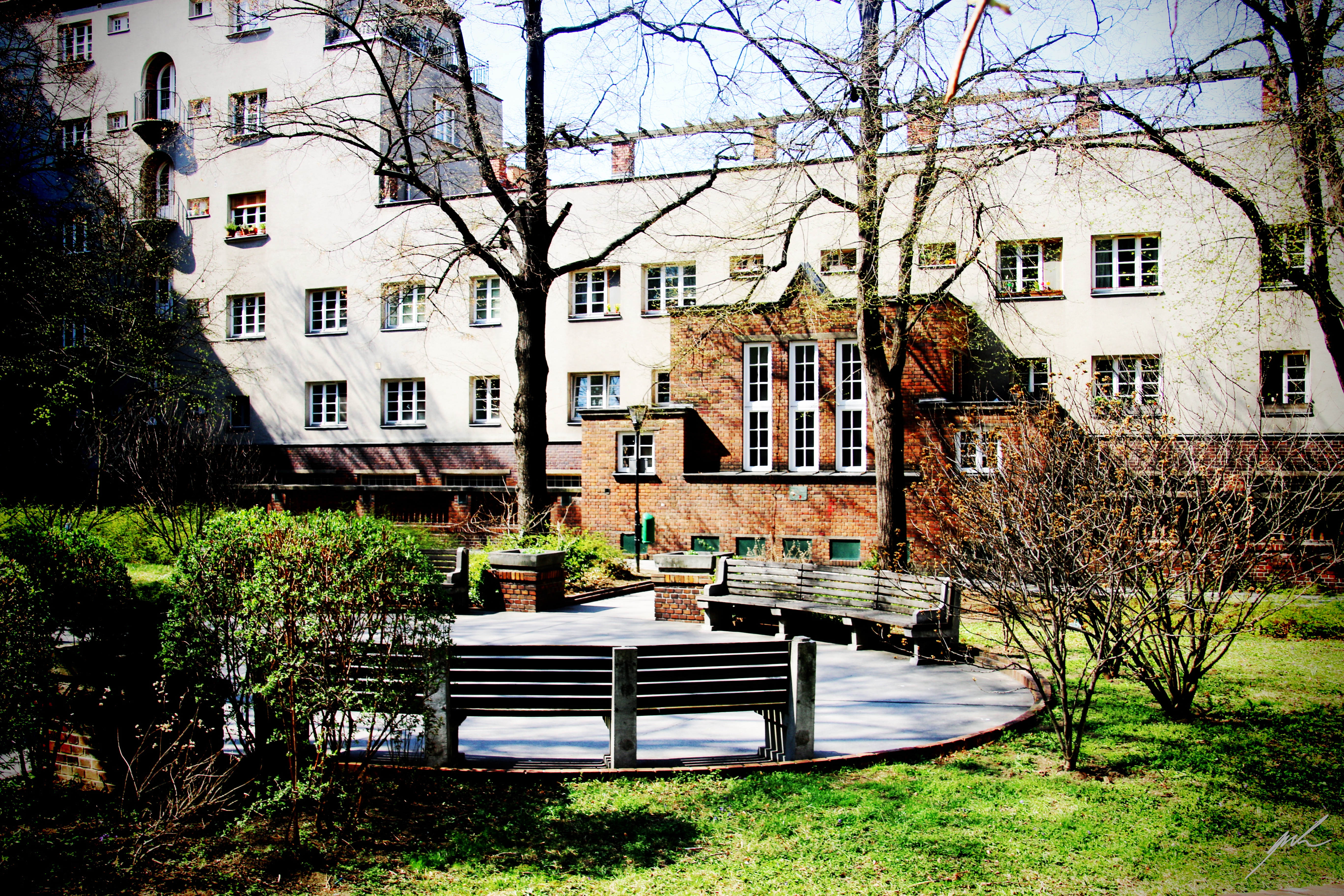
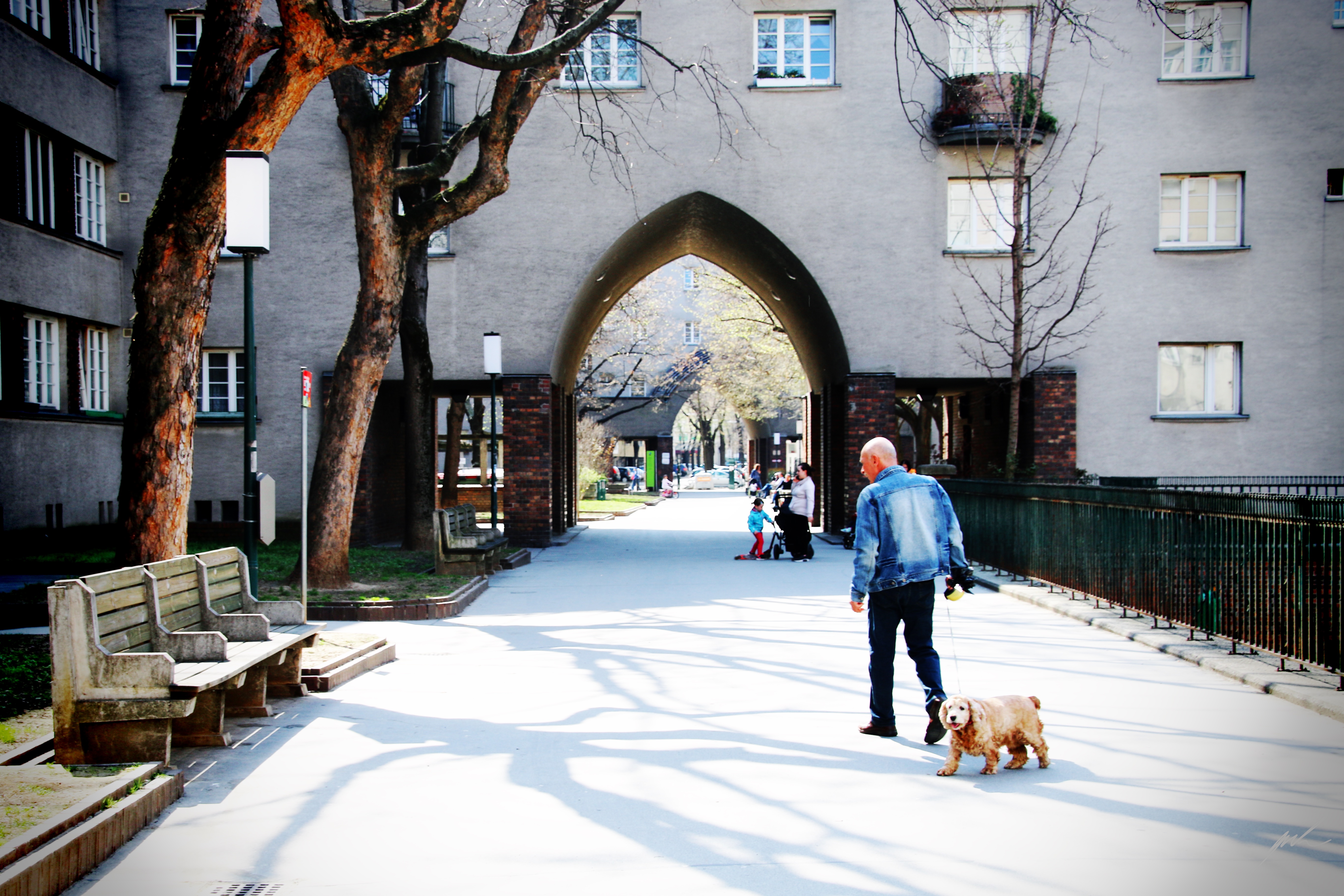
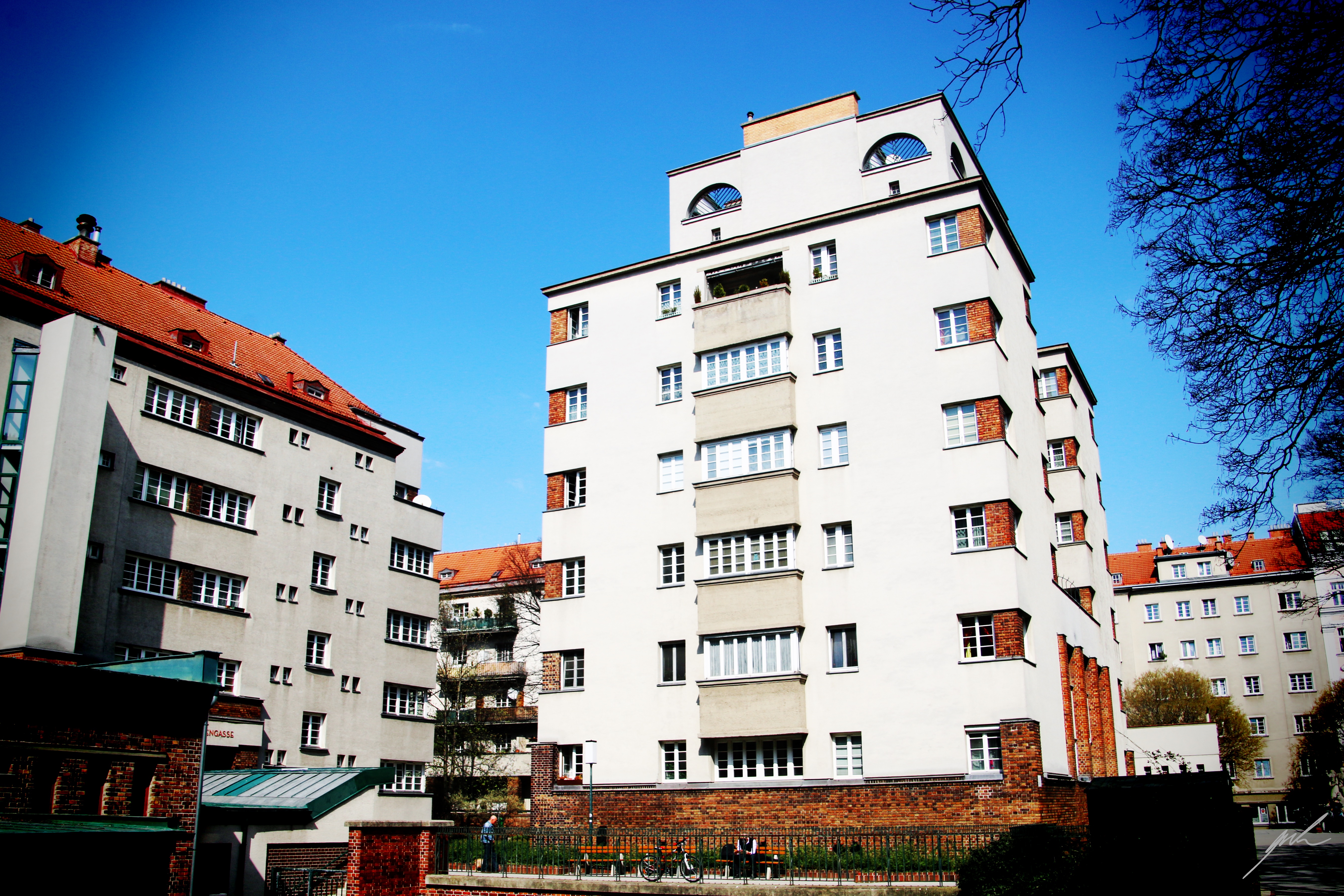
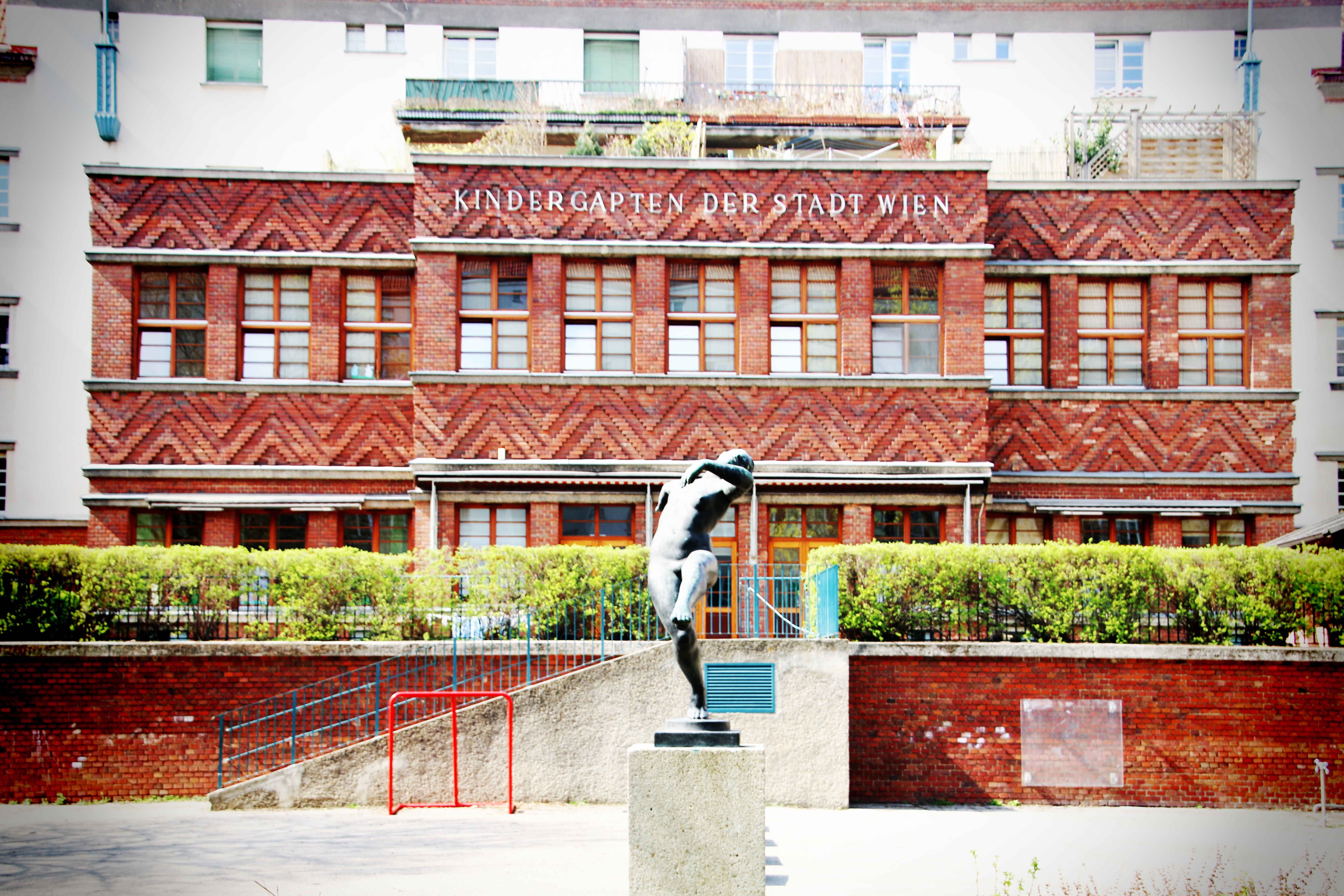
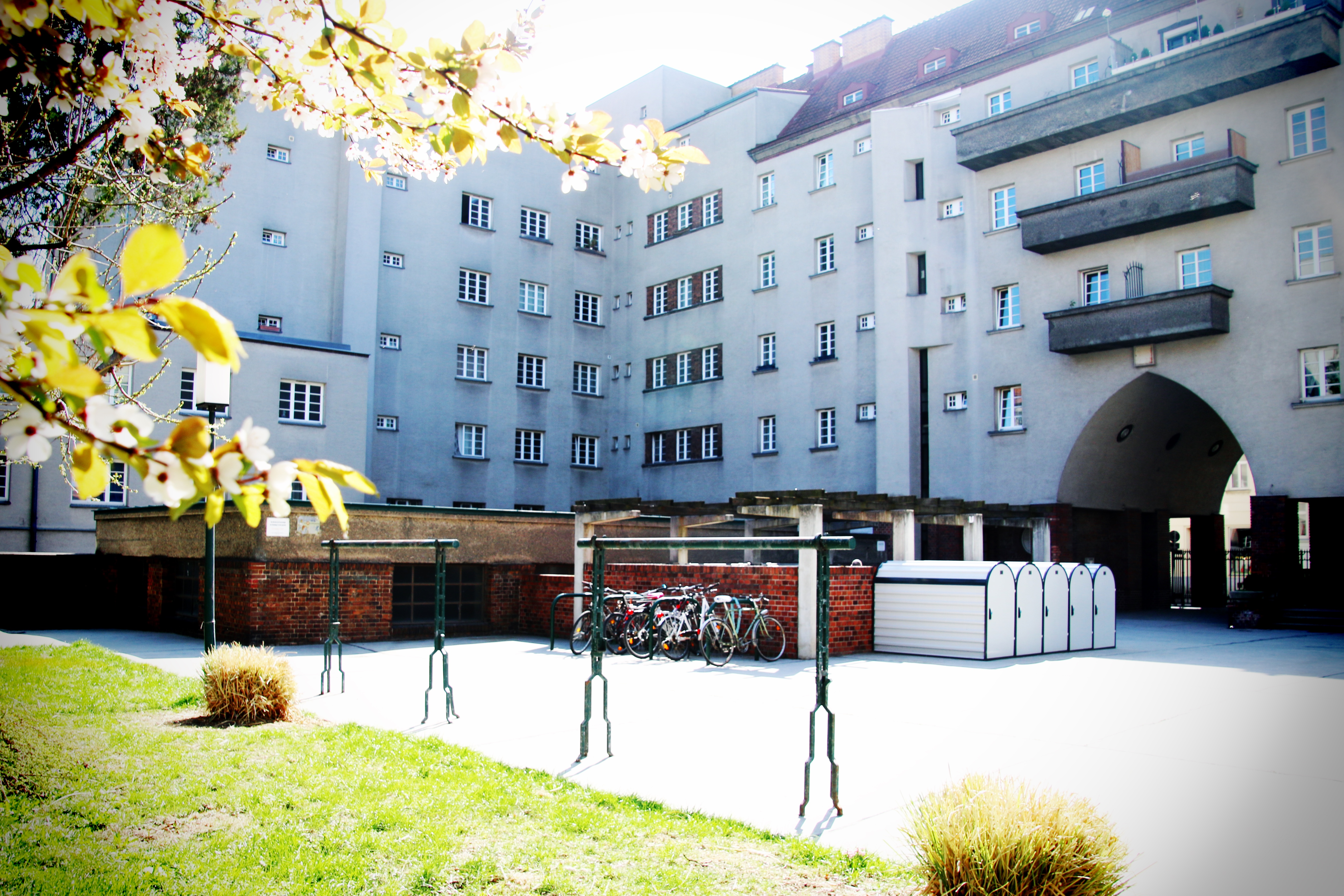
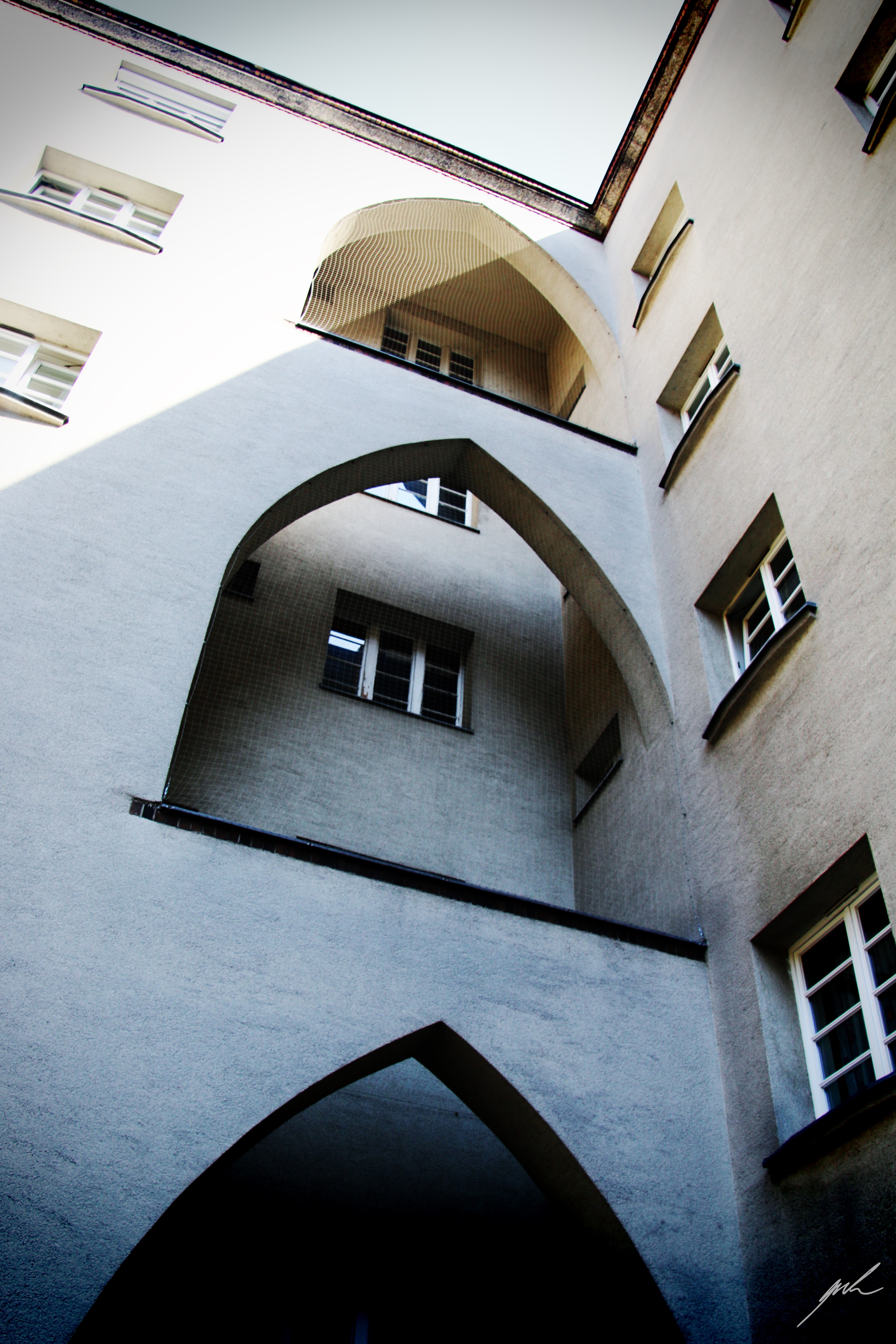
After the devastations of World War I and facing enormous societal and economic challenges, the people of Vienna craved change. A particular problem was the working class’s poor living conditions; they often lived in large tenements without warm water and communal toilets in the corridors. Large families lived in small apartments, and they often had to accommodate additional roomers to afford the overpriced rent. For these and other reasons, the Socialist Party of Austria (SPÖ) was voted into power and planned a radical rethinking of the city in the 1920s. Large and modern communal buildings called Gemeindebauten were to be built with large inner yards for the workers to gather and thick walls to protect them. Among the first ones made was the Rabenhof in the 3rd Viennese district. Today, it is known among Austrians mainly for the theater with the same name, where the workers’ gathering hall used to be. The rent in these buildings was much lower and affordable; at the same time, the standard of living was much higher, with private toilets, launderettes, private parks, and a kindergarten. The same is true today: every 4th Viennese of different economic backgrounds lives in a Gemeindewohnung, around 3.500 in the Rabenhof building.
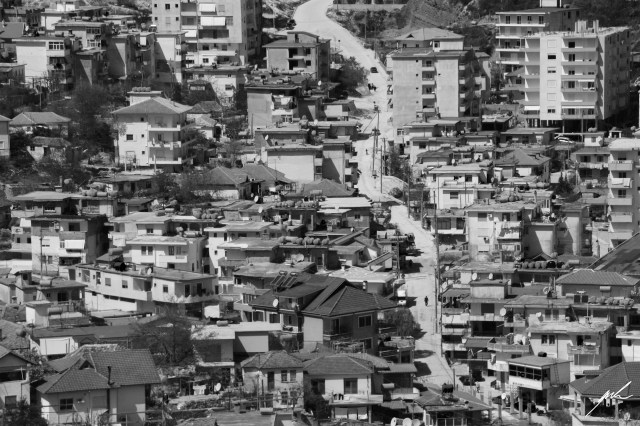
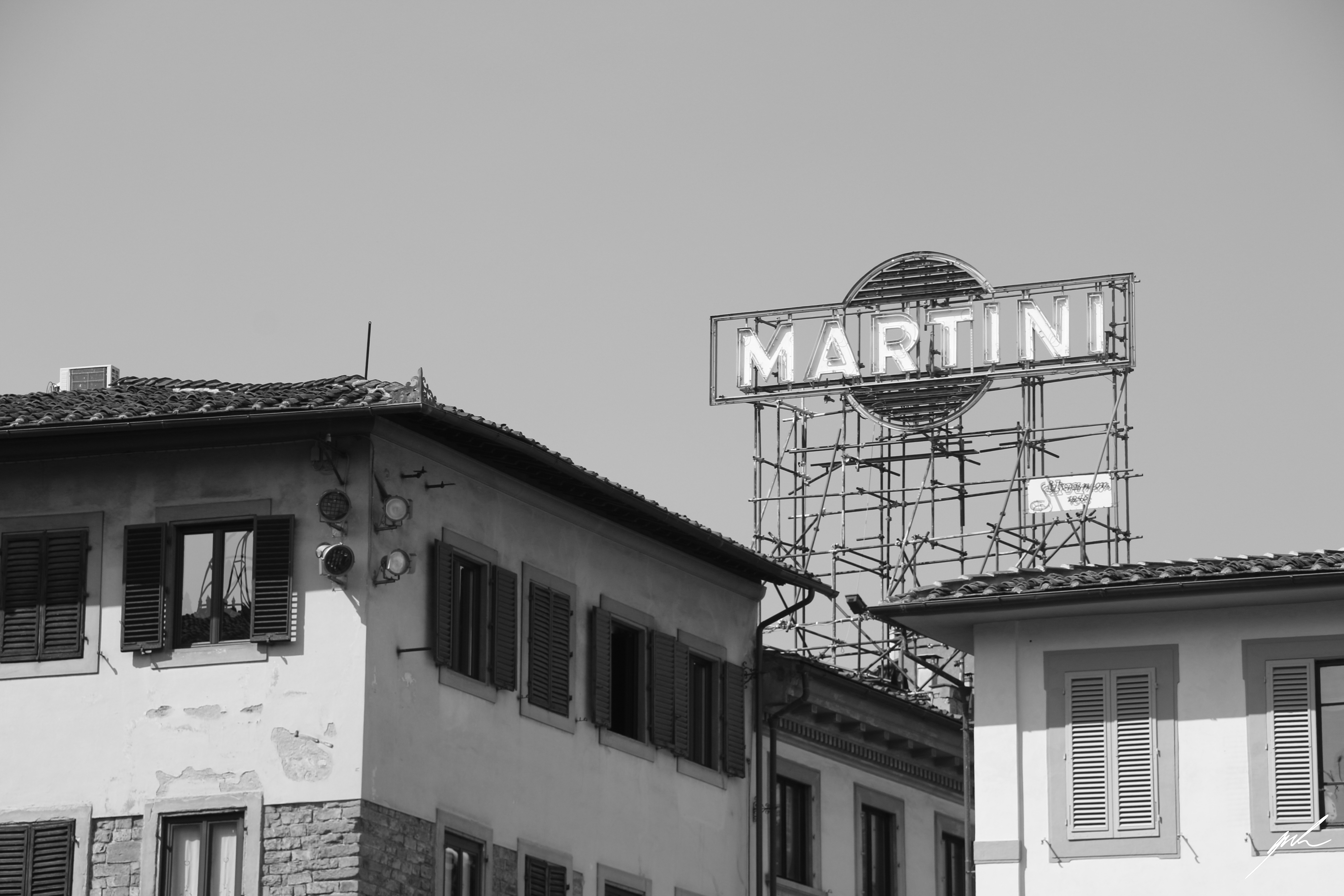
Pictures taken in Austria, Albania and Hungary.
 Michael Hoffman Photography