Skip to content

Coastal Explorations
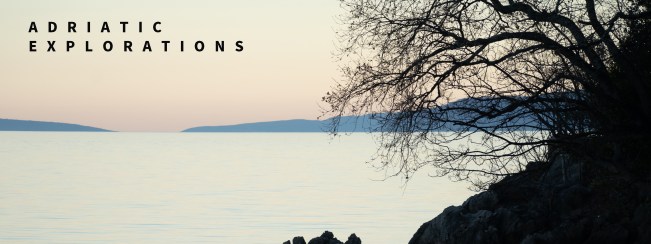
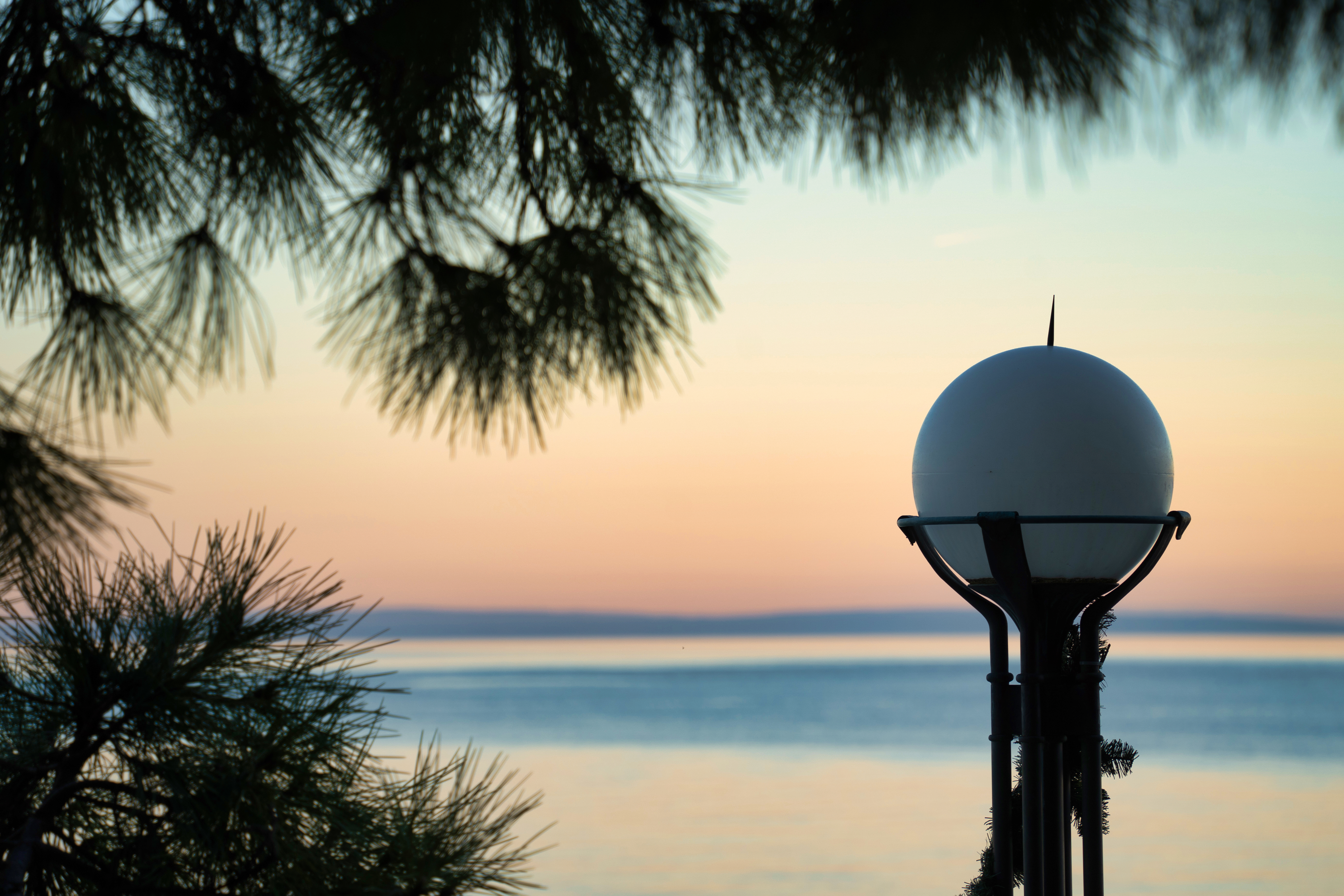
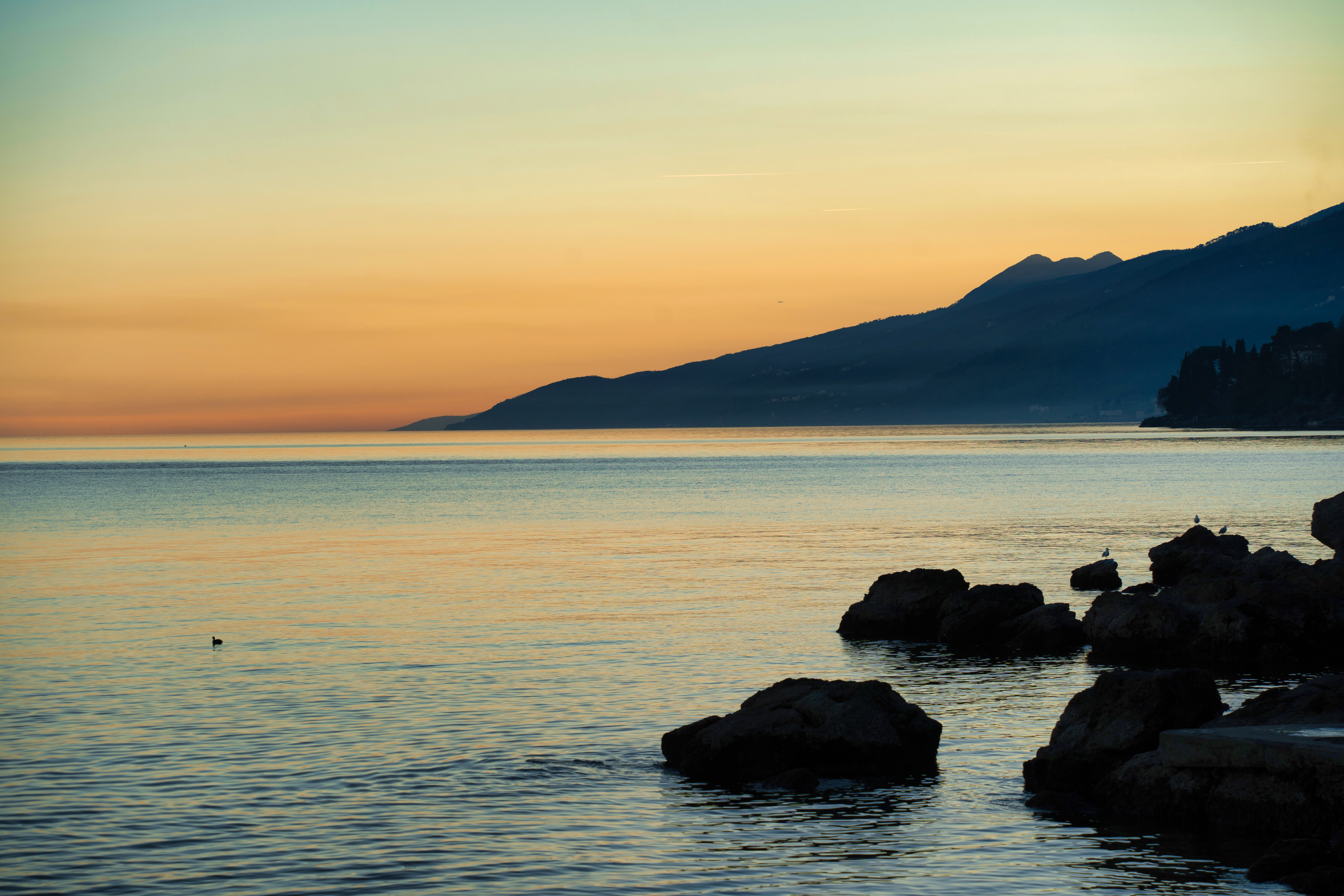
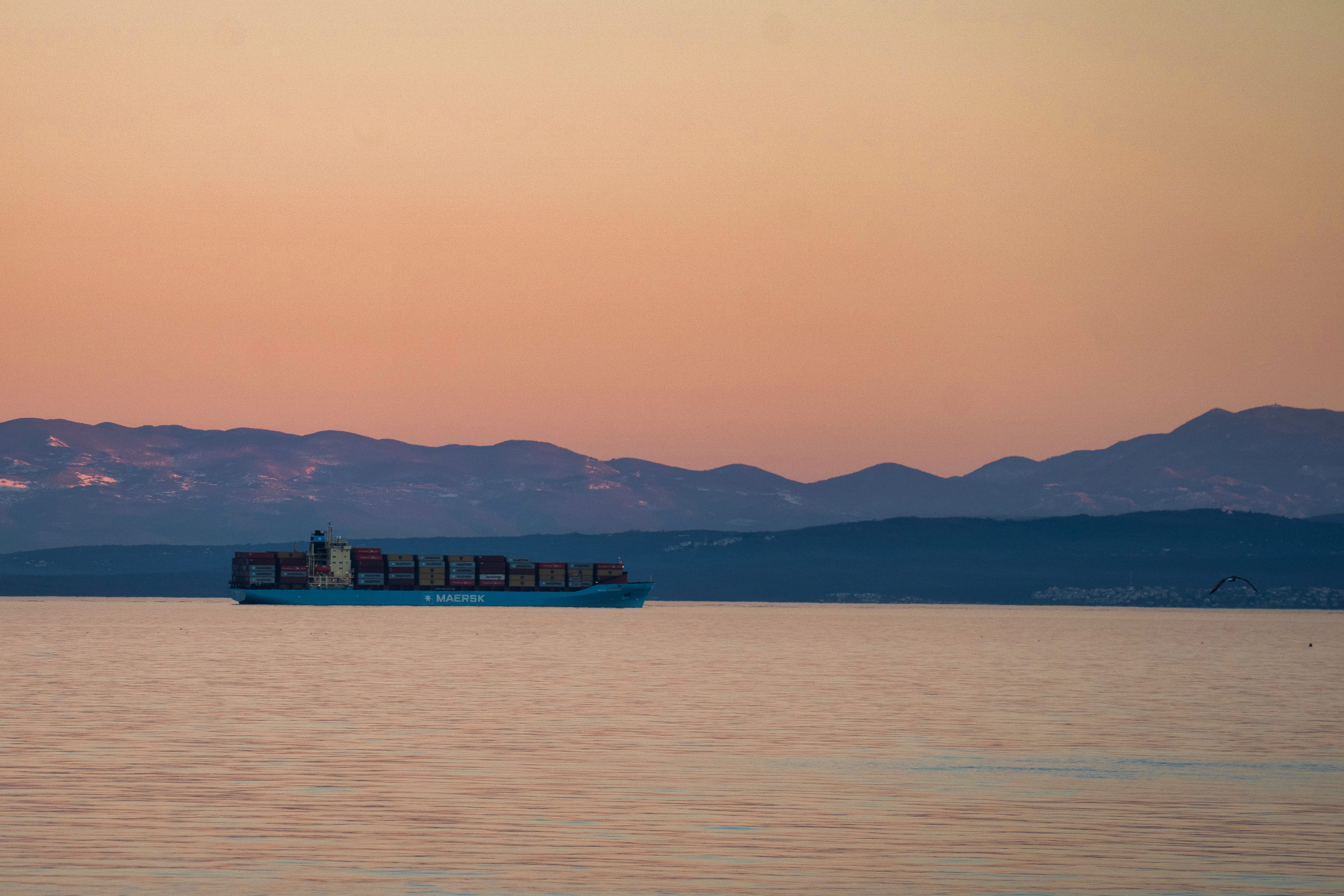
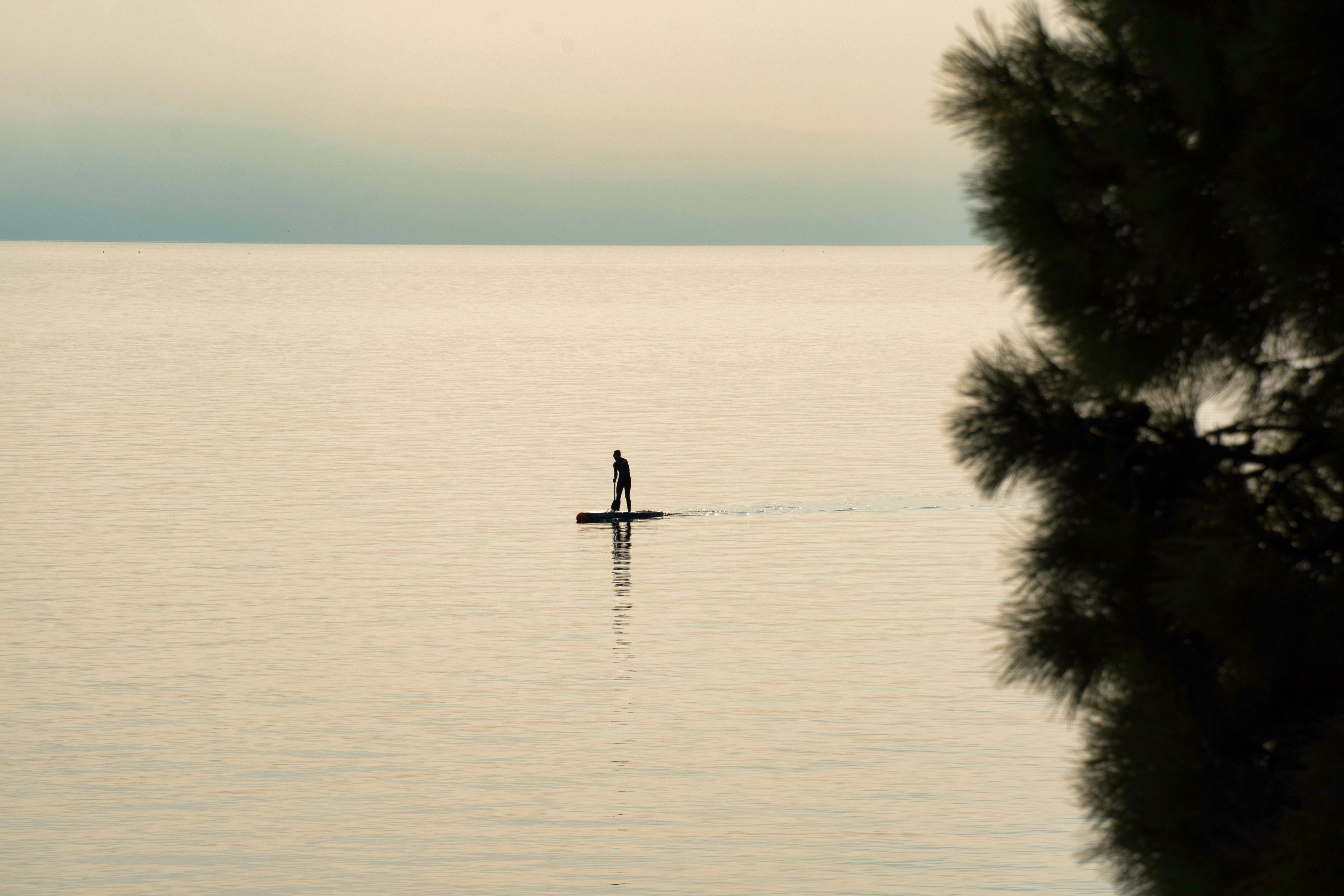
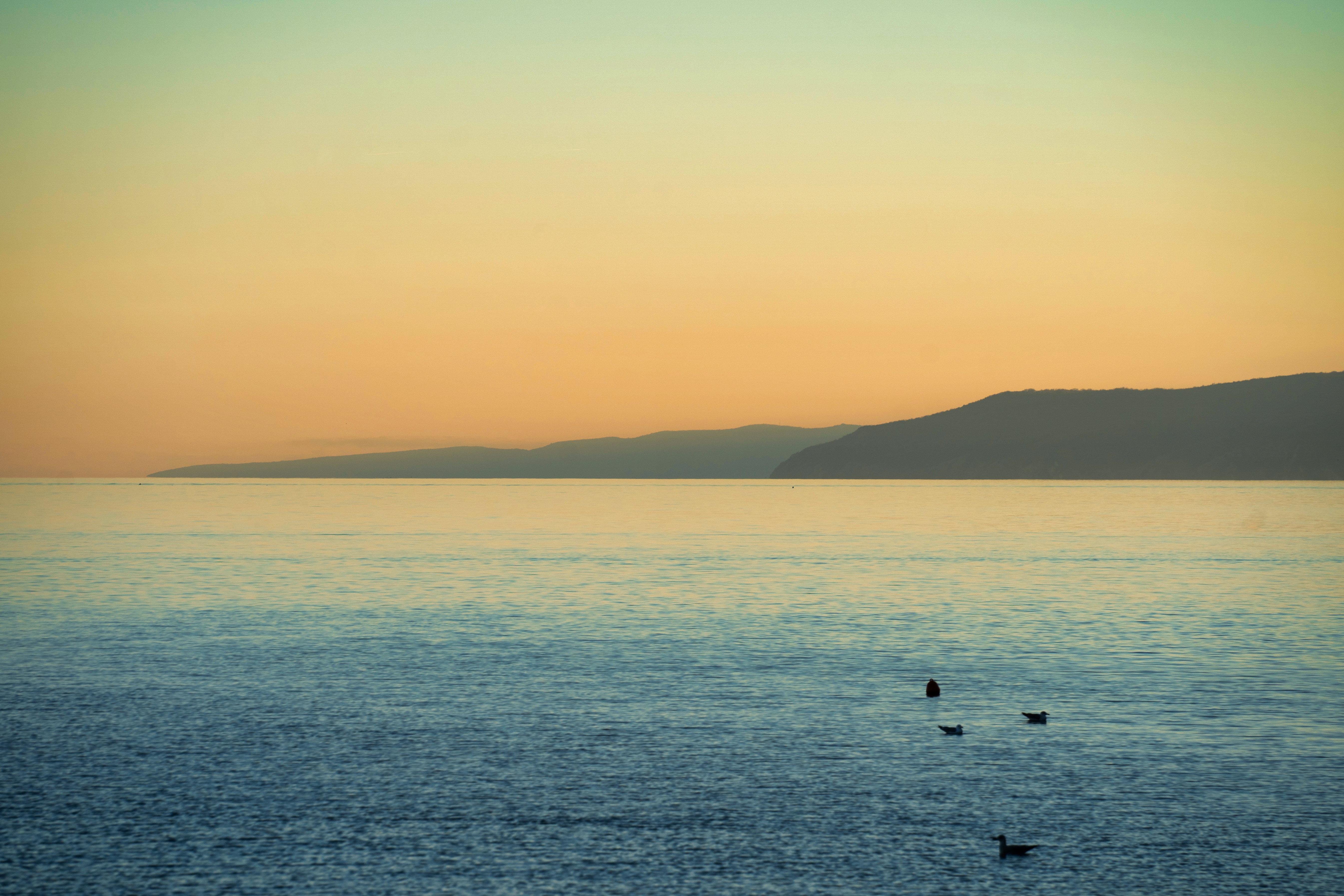
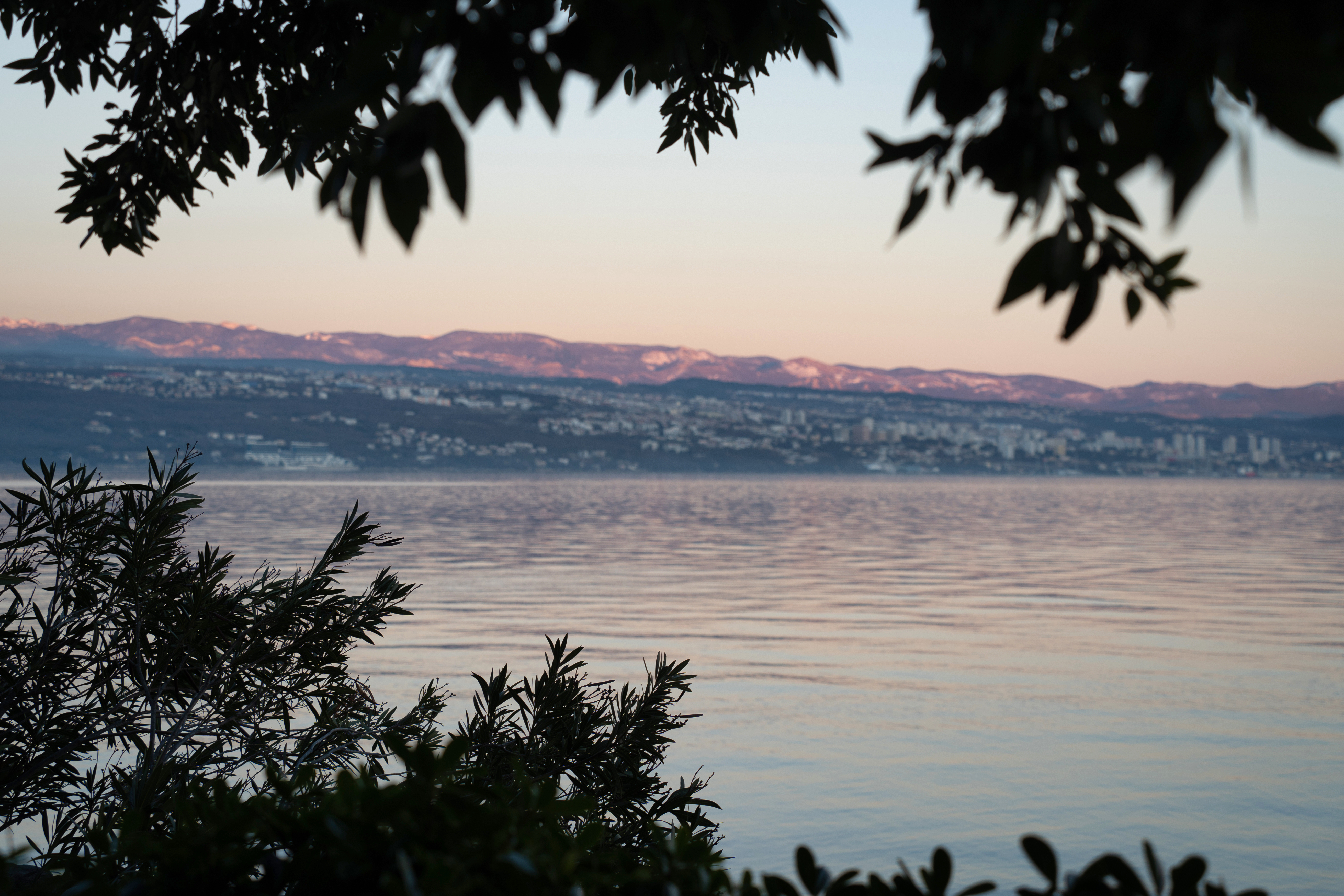
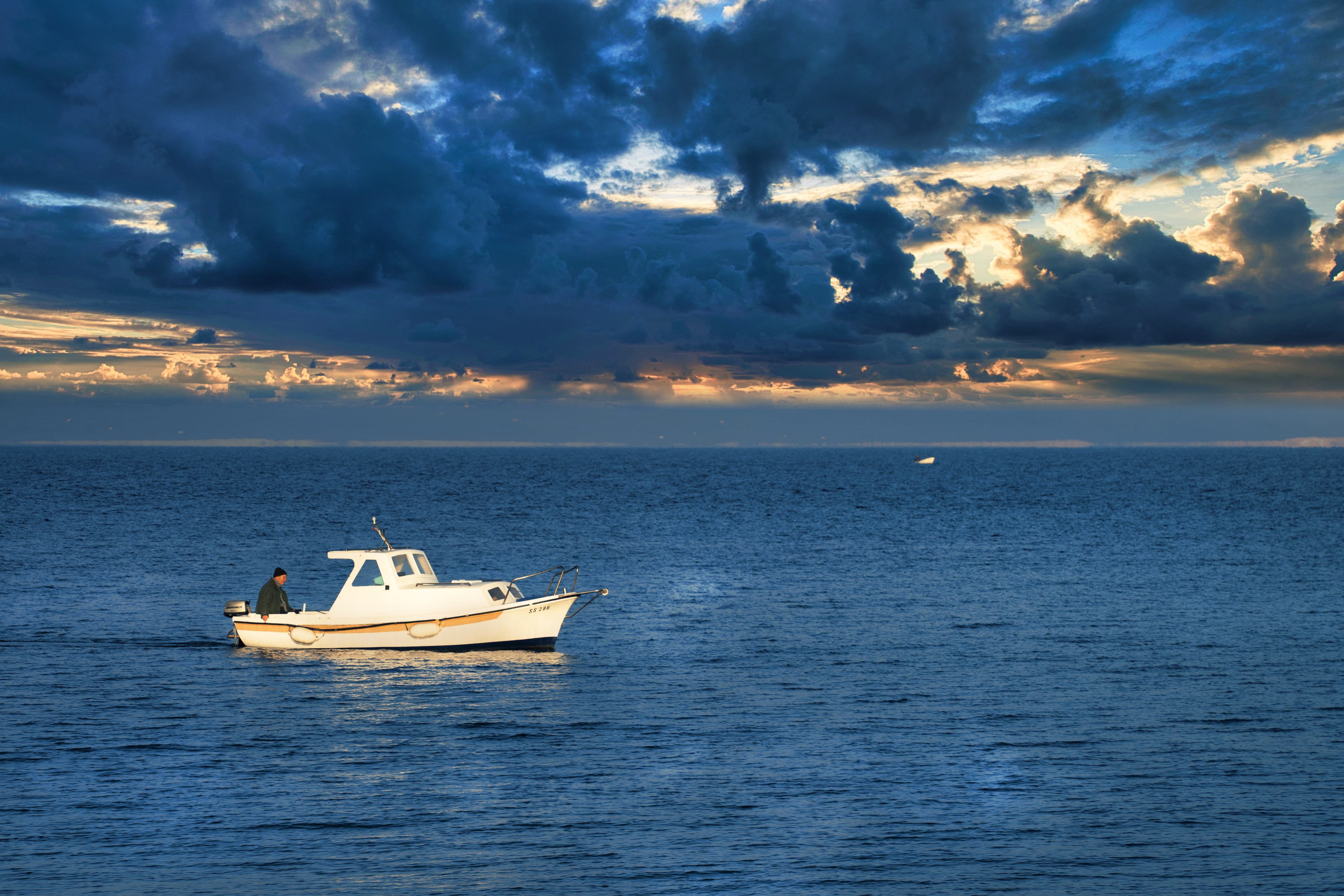
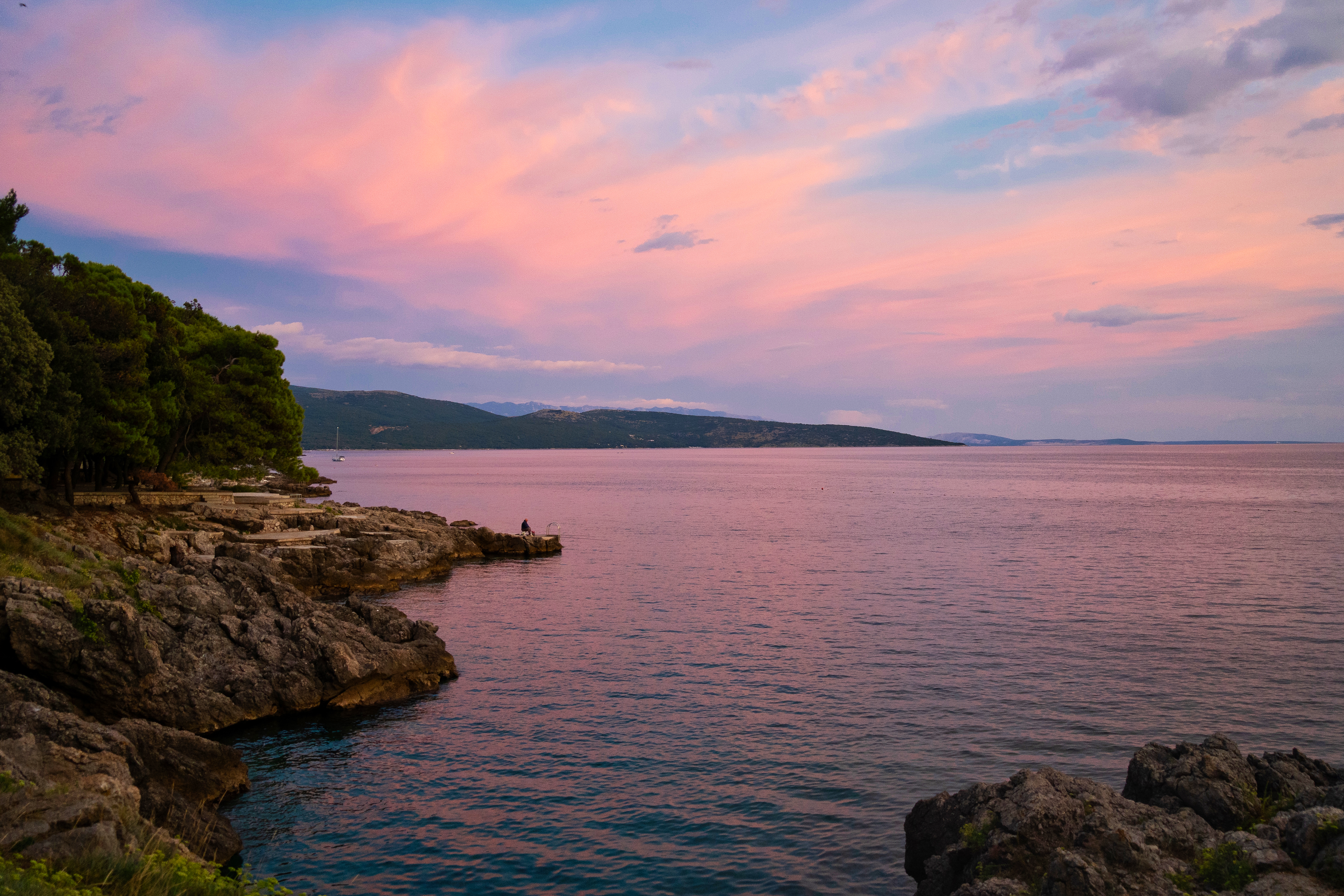
As the day draws to a close, the sunsets over Kvarner Bay in Croatia are nothing short of magical. The sky transforms into a canvas of vibrant hues—golden yellows, fiery oranges, and soft pinks—reflected on the tranquil surface of the Adriatic. These breathtaking vistas can be enjoyed from many vantage points, whether atop a hill, on a coastal terrace, or aboard a boat gently rocking on the water. The islands on the horizon become silhouetted against the colorful sky, creating a serene and unforgettable scene. Watching the sunset here is more than a visual treat; it’s an invitation to pause and savor the timeless beauty of the Kvarner Bay.

Winter at the Bay

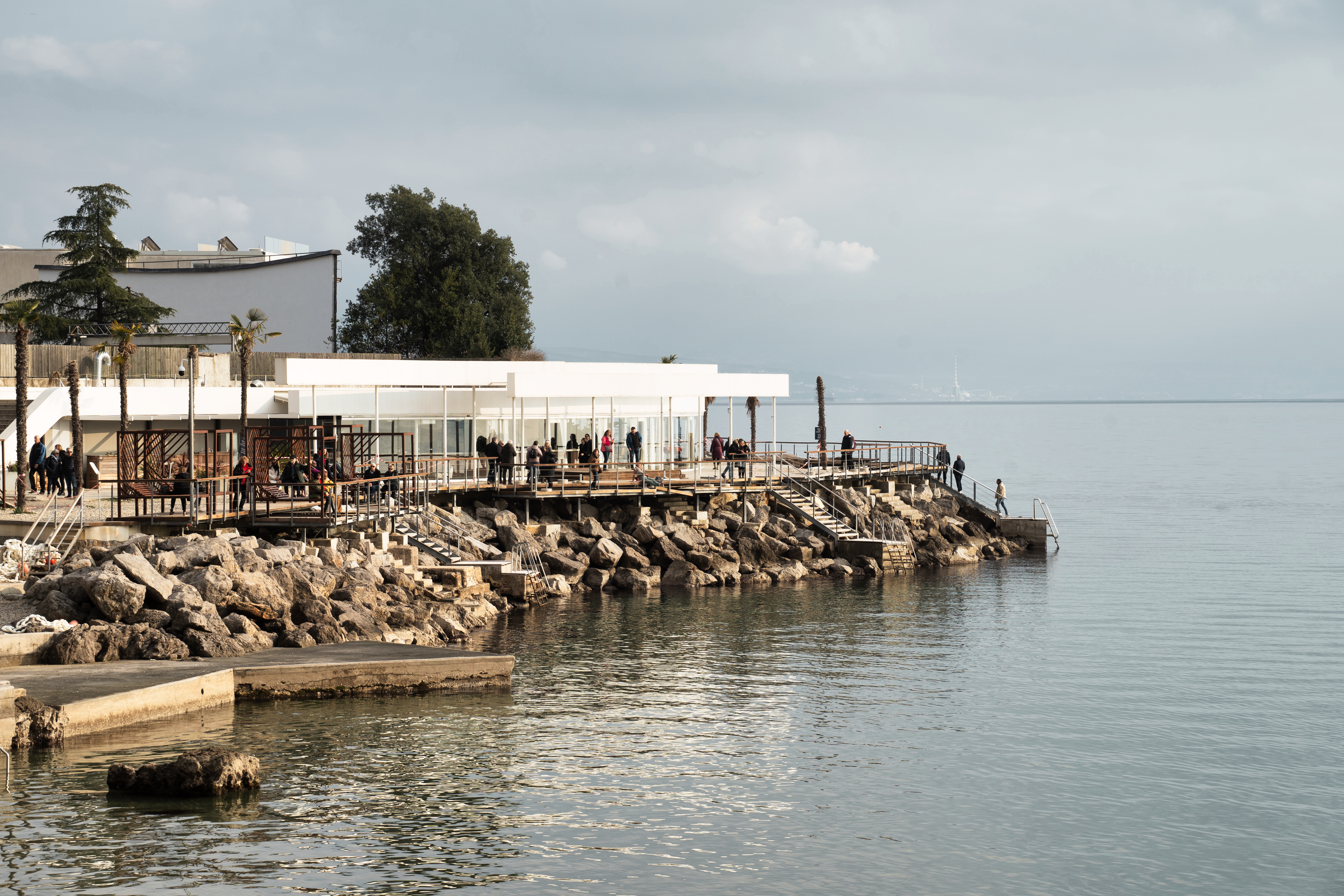
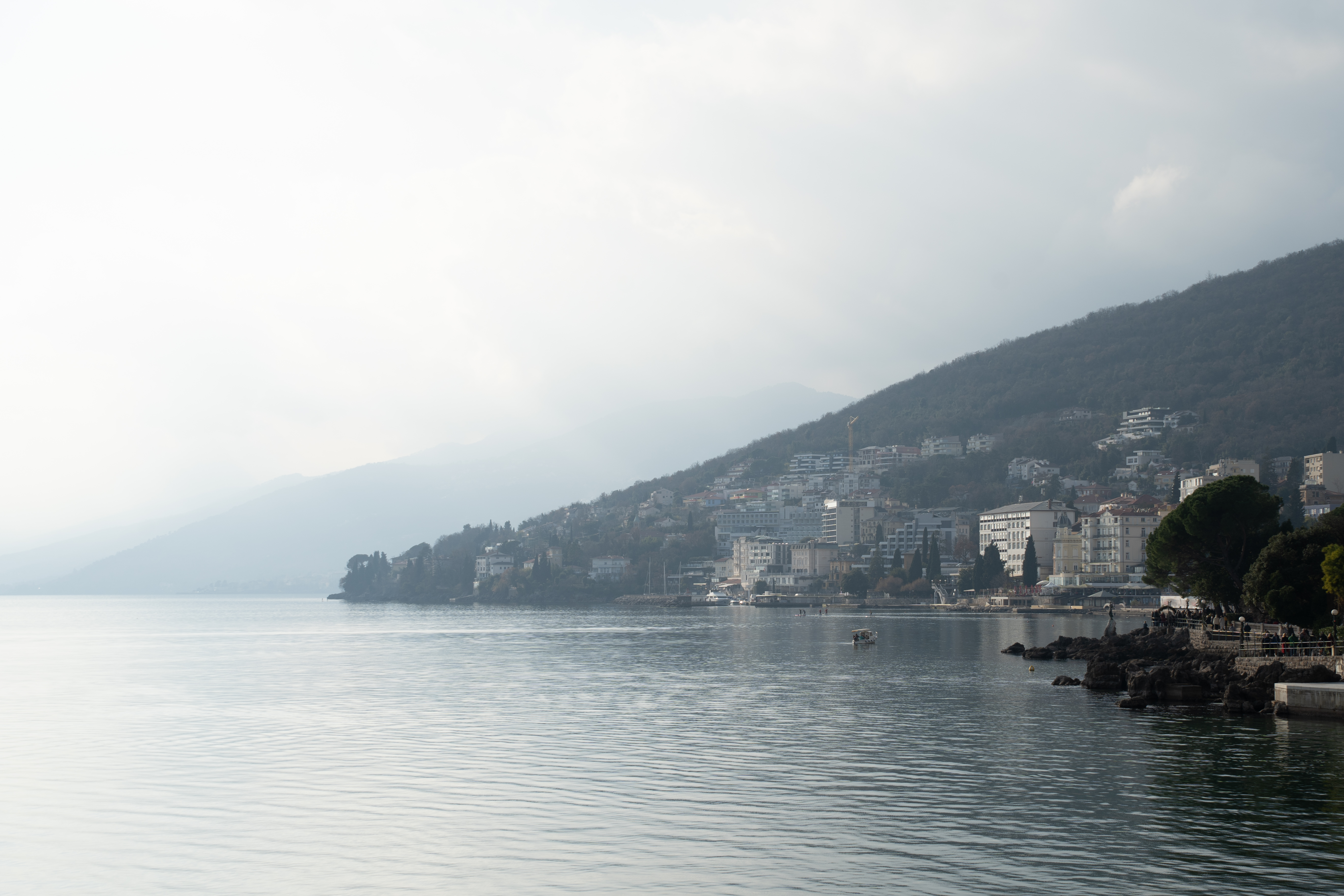
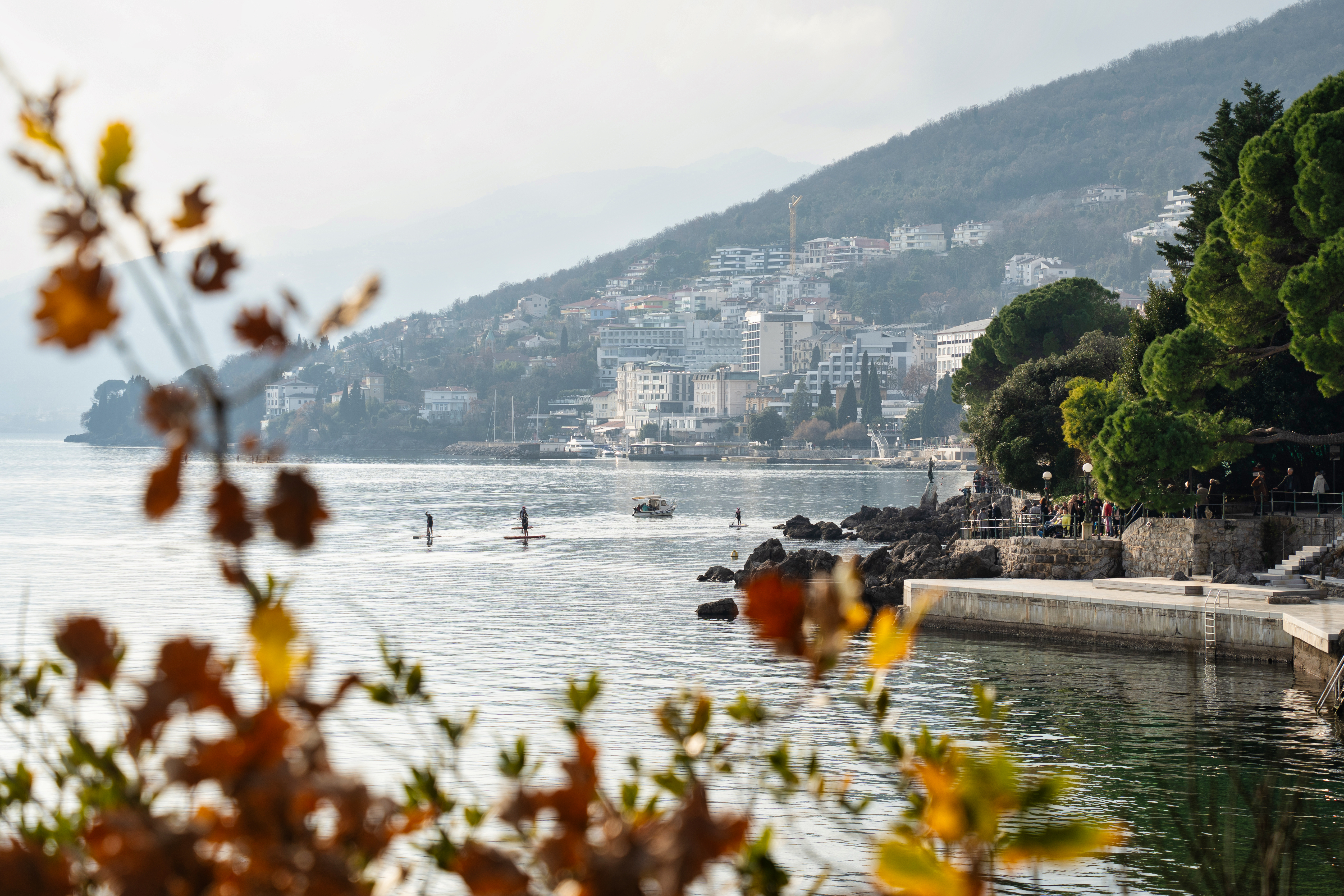
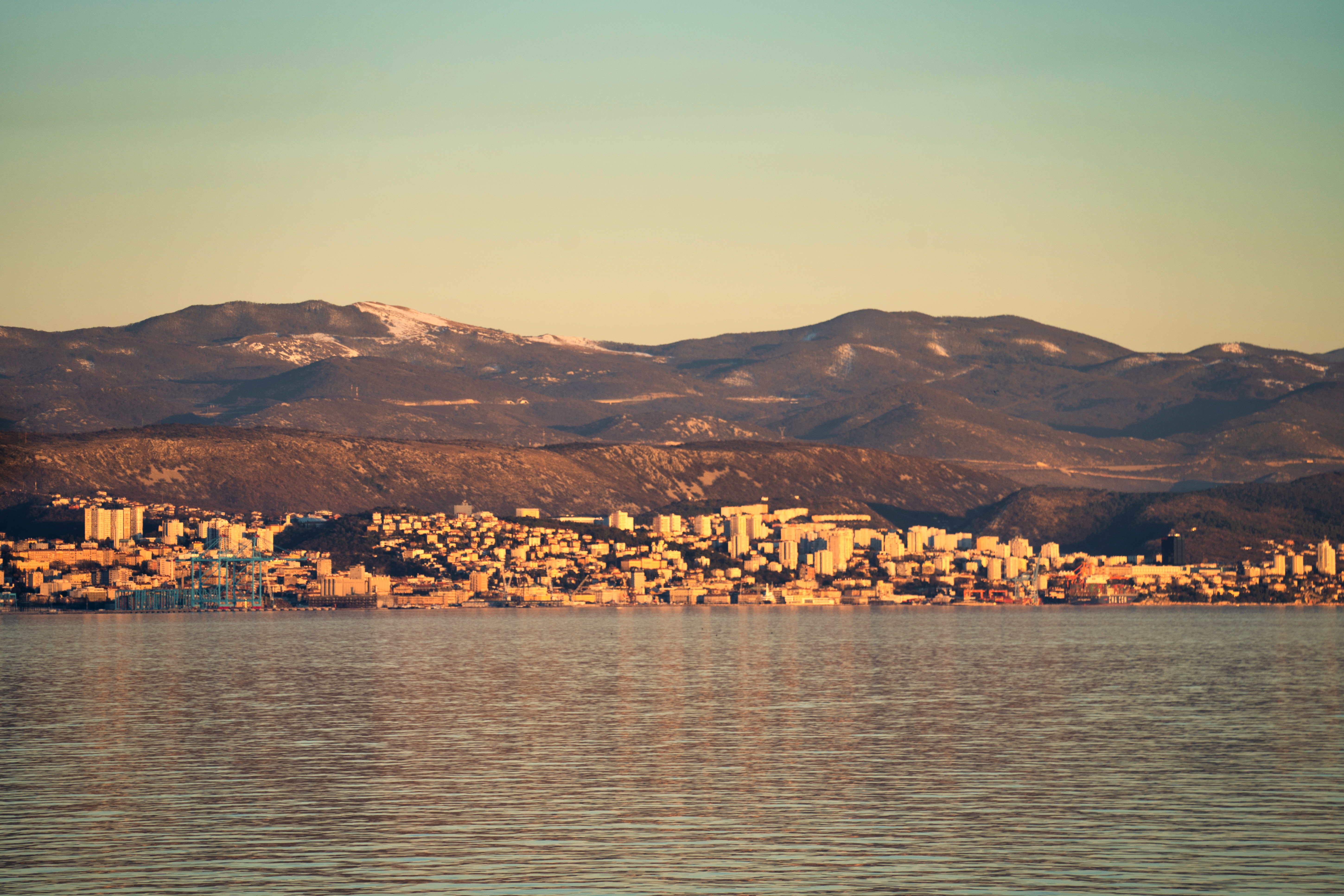
Winter at the Kvarner Bay in Croatia offers a serene experience, distinct from the bustling summer months. The region, known for its mild Mediterranean climate, boasts cooler but rarely freezing temperatures, making it a comfortable destination for a winter getaway. Coastal towns like Opatija, Rijeka, and Crikvenica take on a quieter charm, with fewer crowds and a peaceful ambiance. The Adriatic Sea remains a captivating sight, reflecting the crisp winter sunlight, while the surrounding Učka Mountain and nearby Gorski Kotar region often receive a dusting of snow, perfect for hiking or even some light winter sports. Festivals and cultural events, such as Rijeka’s vibrant Carnival in late winter, bring warmth and excitement to the season. Therefore, winter at Kvarner Bay is a blend of coastal tranquility and festive cheer, offering a unique perspective on this beautiful region.
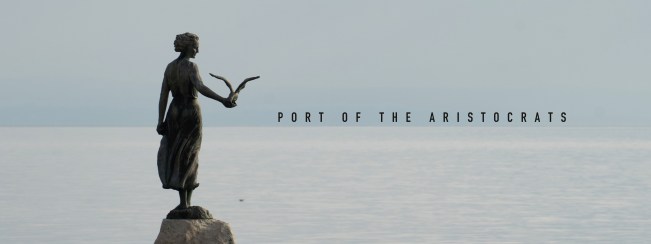
Port of the Aristocrats

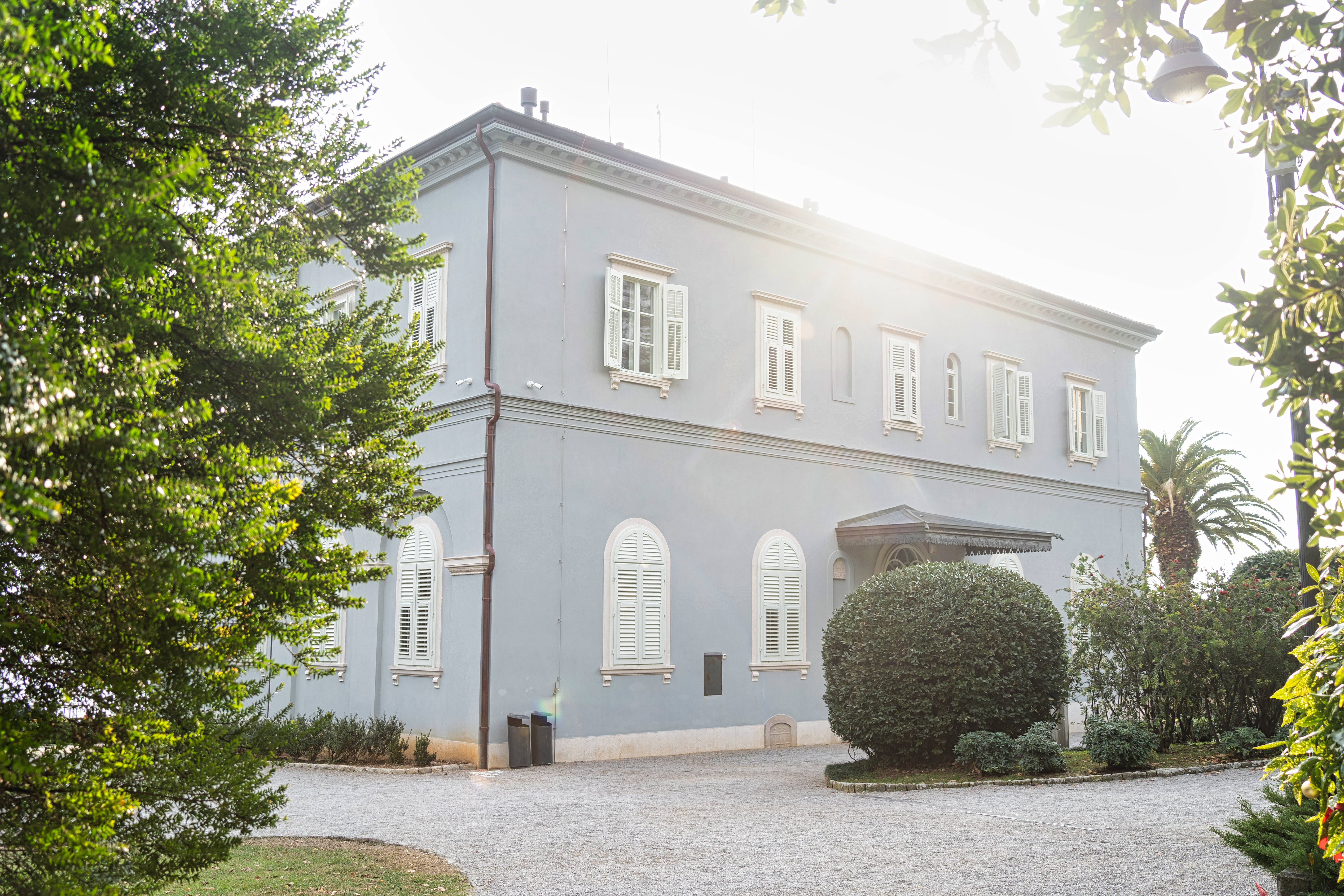
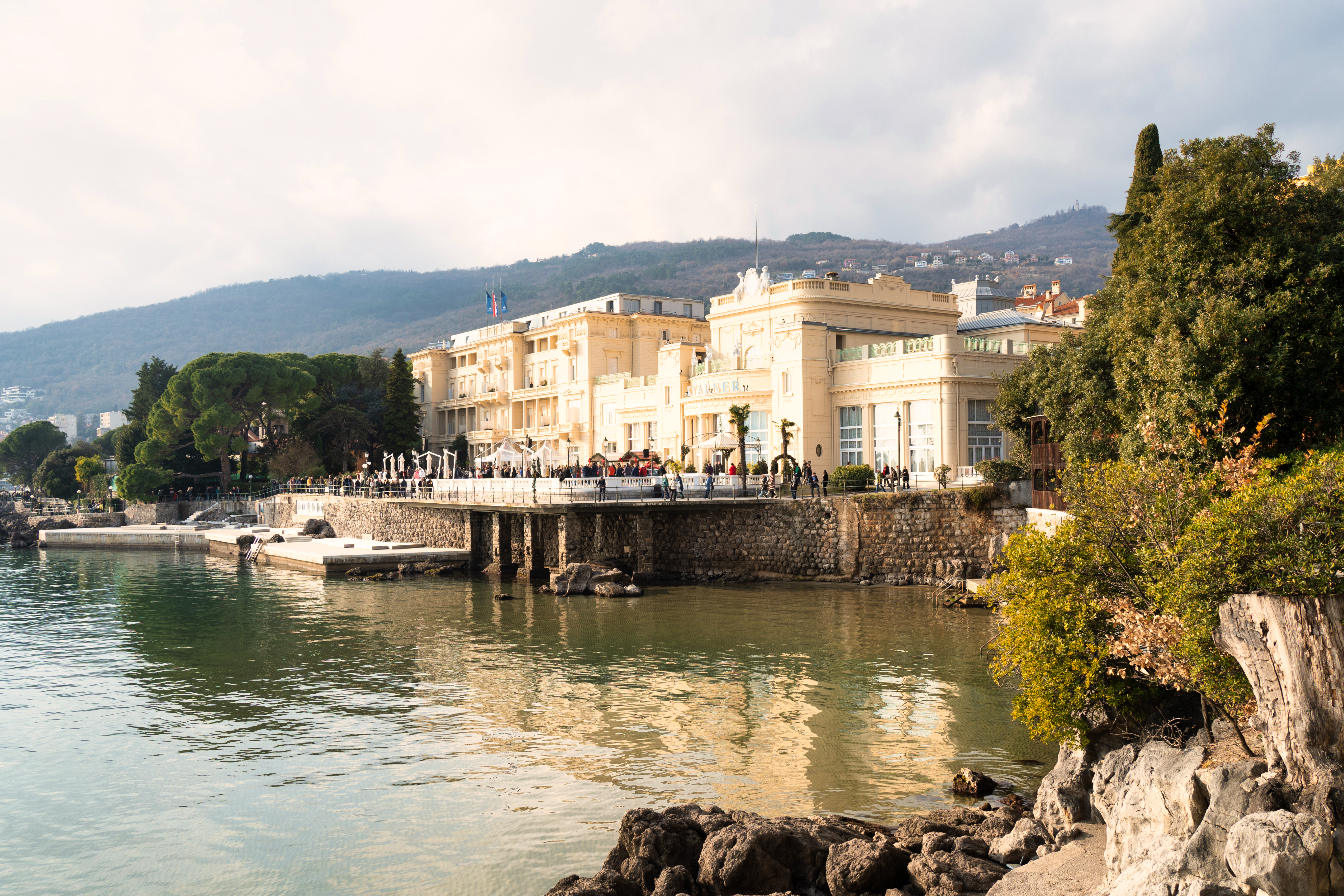
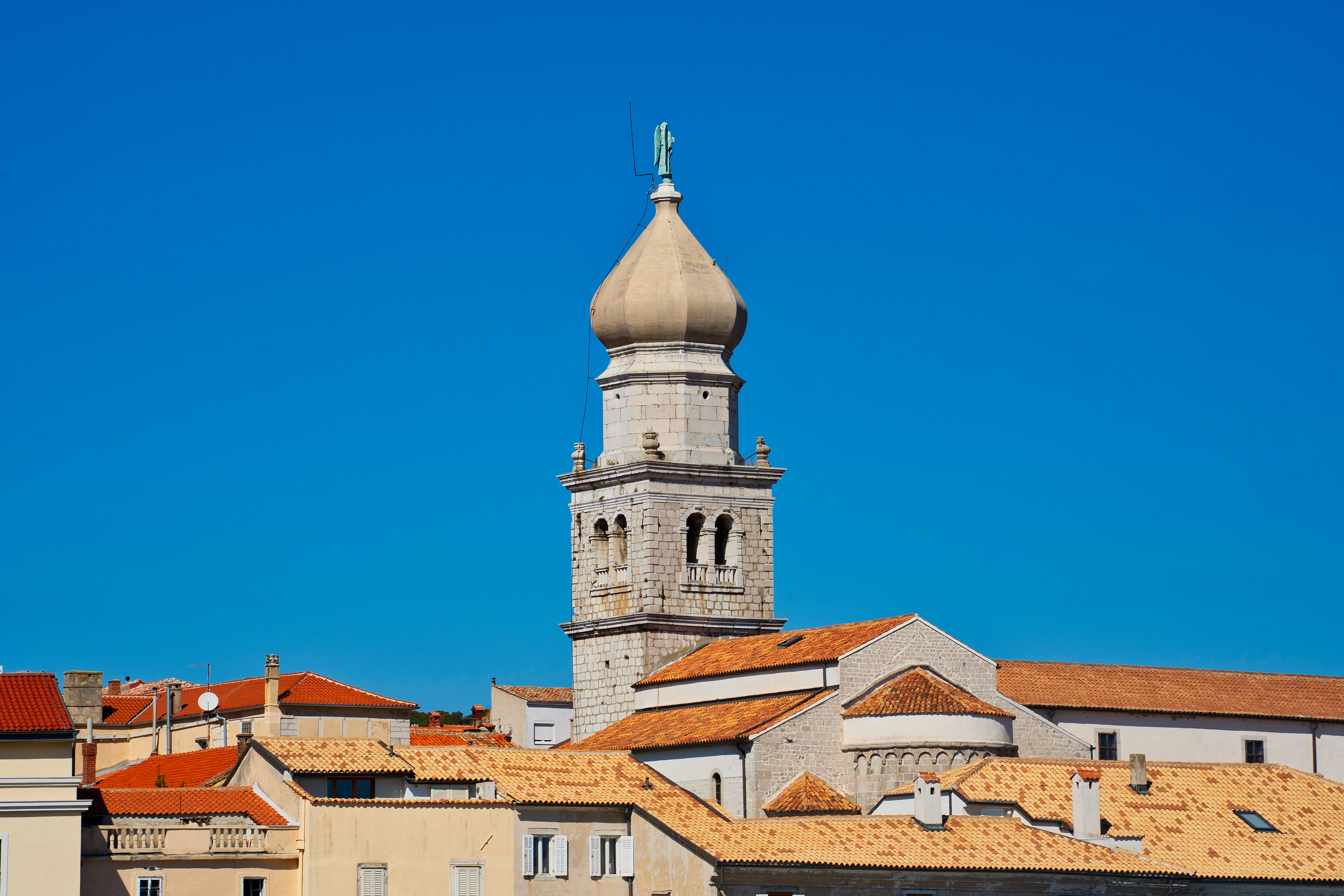
Nestled along the shimmering Adriatic coastline of Croatia, Opatija has long been a beacon of elegance and sophistication. Known as the “Pearl of the Adriatic,” this picturesque town gained fame in the 19th century as a retreat for European aristocracy and royalty. Its strategic location between the sea and lush forested hills made it an idyllic escape for those seeking tranquility and rejuvenation. Grand villas and luxury hotels, such as the iconic Hotel Kvarner, the first of its kind on the Adriatic, sprang up to cater to the elite. Today, these architectural gems, with their ornate facades and manicured gardens, still stand as a testament to Opatija’s golden age.
Still today the Lungomare promenade, a scenic coastal path stretching over 12 kilometers, provides stunning views of the azure sea and leads to quaint neighboring villages. The town is adorned with vibrant parks, such as St. James Park, which bursts with Mediterranean and exotic plant species. Cafés, boutiques, and fine dining restaurants line the streets, continuing the tradition of refined leisure.

Susak: The Forgotten Island

Susak is a small island situated offshore of Croatia. Today, it is inhabited by less than 200 people and has a similar number of cats. Wandering through the streets of the only town on the island with the same name, you get the feeling of strolling through a forgotten place. There are many empty ruins slowly crumbling down and being taken by nature. Things used to be different in Susak. Until the mid of the 20th century, the little island was known for its fertile lands, which were used for cultivating wine grapes. A stunning 98% of the island was covered by extensive vineyards. Additionally, people worked as fishermen and in navigation. With the spread of modernity, people strived for better living conditions, and many left for the US and other parts of the world. Susak became largely deserted and turned into a largely forgotten place with mostly older inhabitants left.

Croatia Off Season

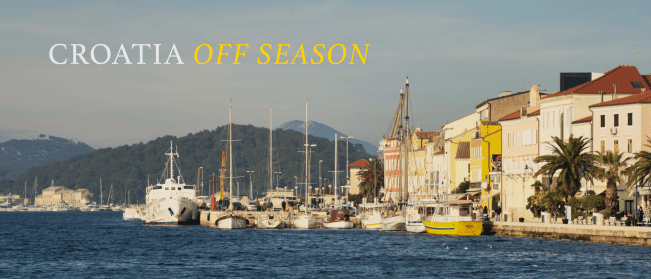
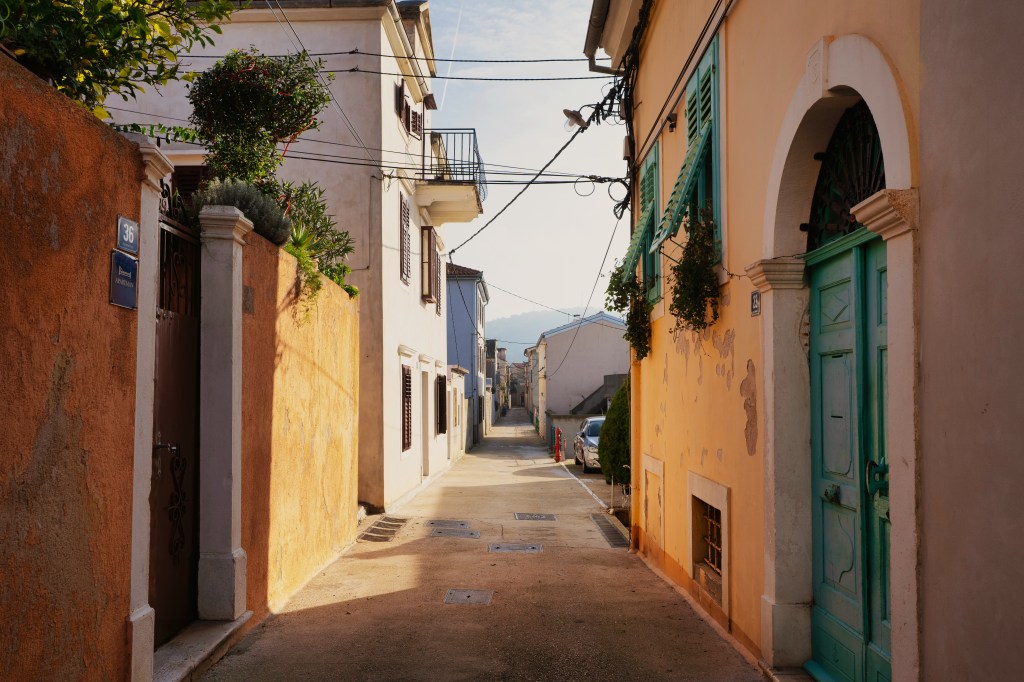
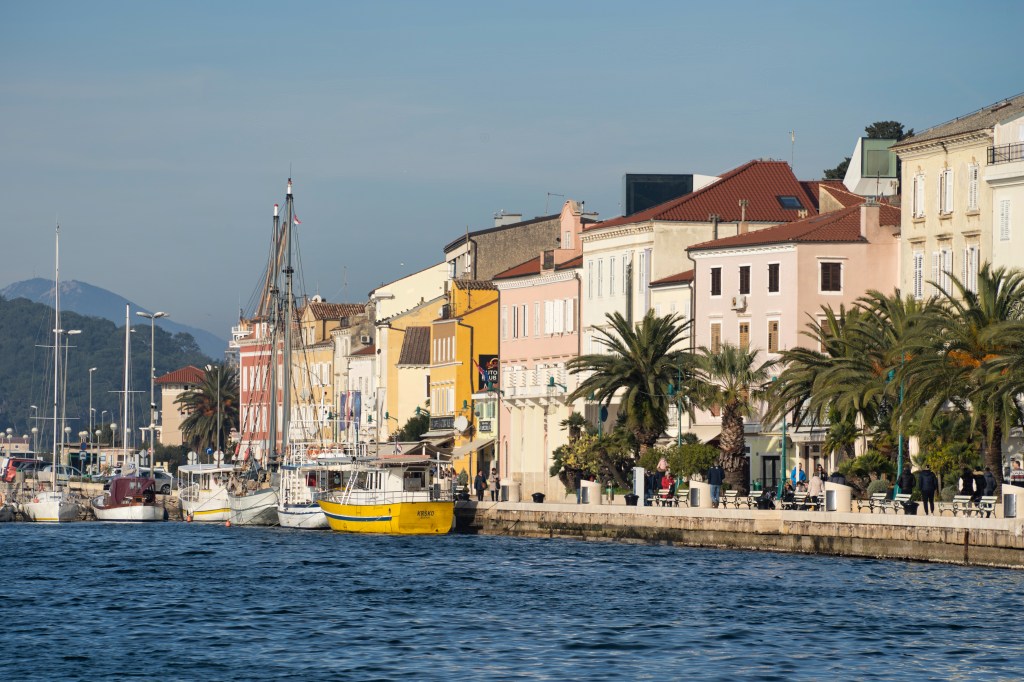
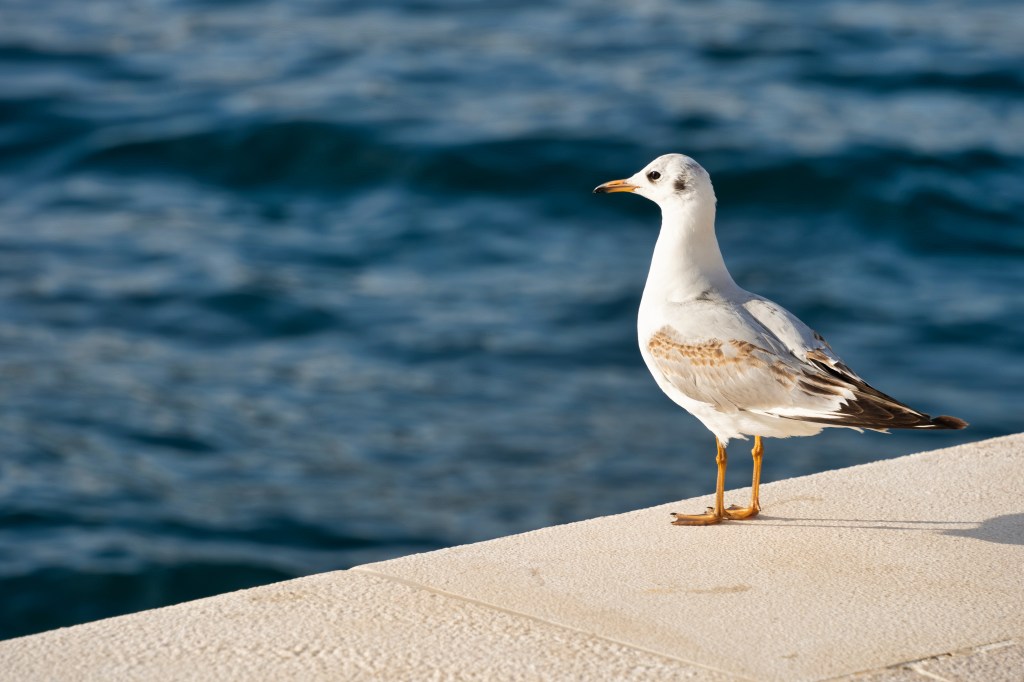
The country of Croatia is situated in the southeast of Europe and is a popular destination for travelers around the world. However, many tourists arrive in the warmer seasons of the year. Coming to the coast of Croatia in winter during a pandemic offers new perspectives on this beautiful country. You get to enjoy empty streets and seashores, with only some birds and cats quietly watching the waves go by.

Discovering Curicta

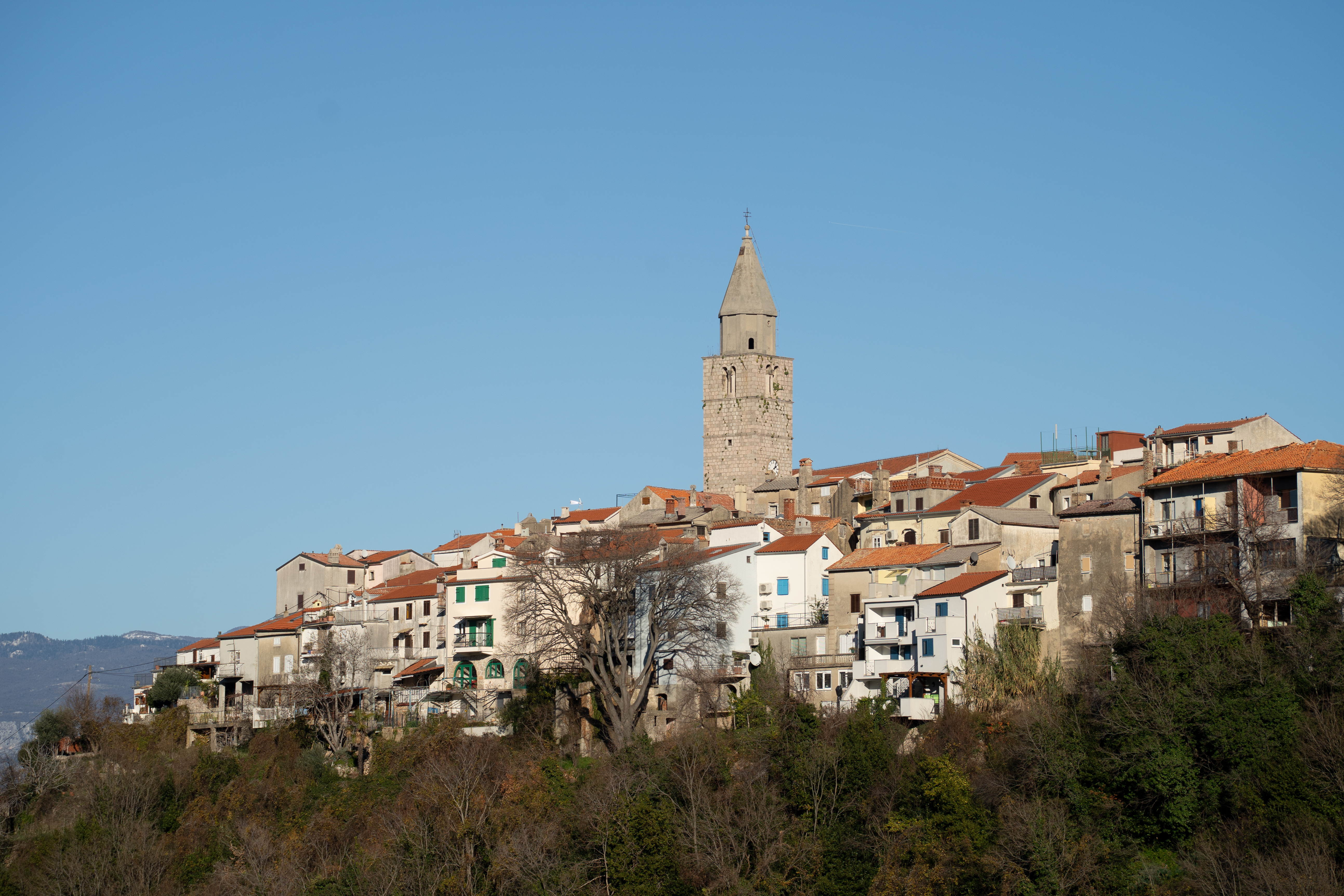
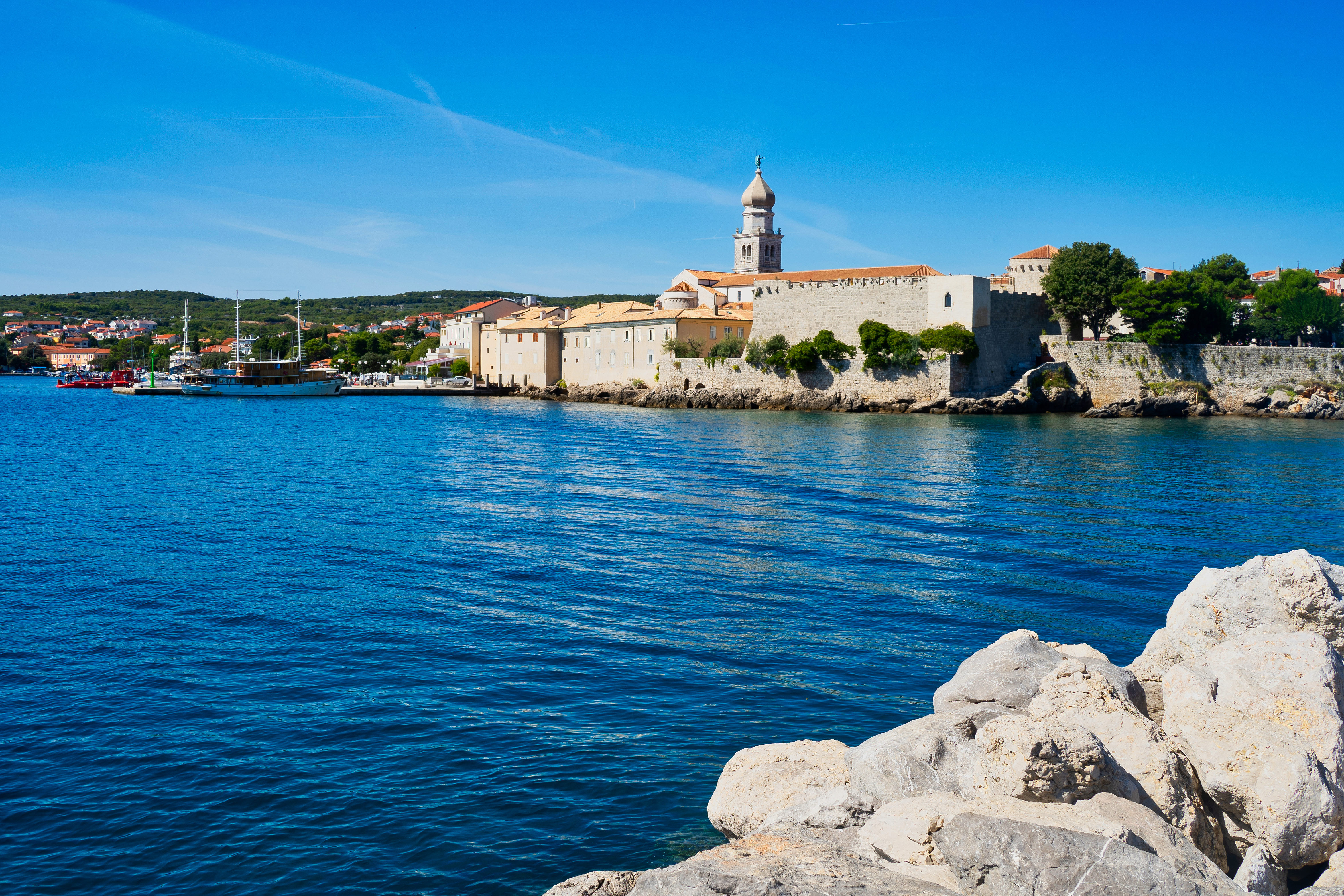
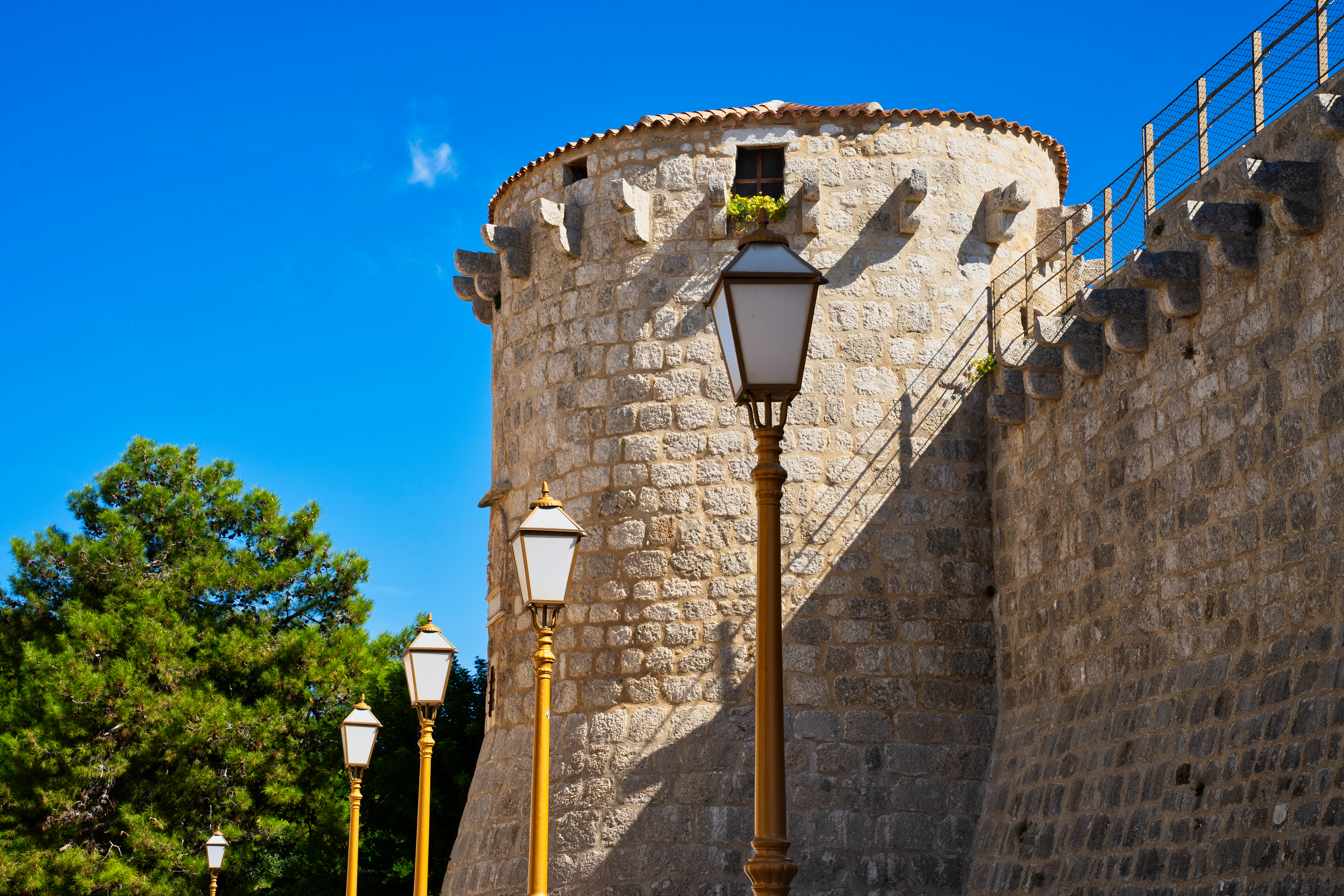
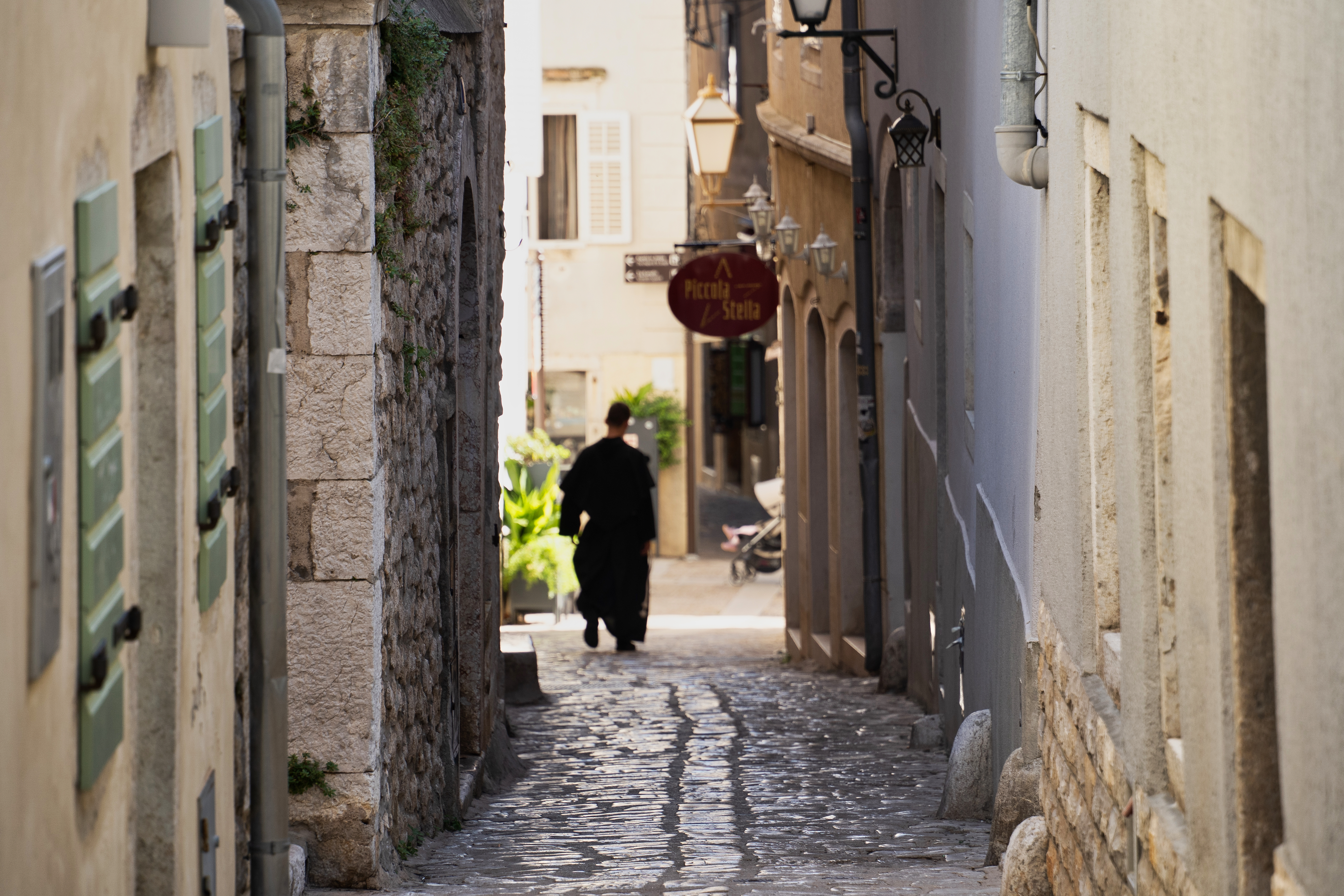
Curicta is the former Roman name of the island of Krk. The defensive walls of Curicum were among the most secure of all the towns on the Eastern Adriatic. The island was characterized by fertile lands and the closeness to the sea. Later, the island was settled by different people, but the strong ties to Roman history remain.