Skip to content

Alien Structures

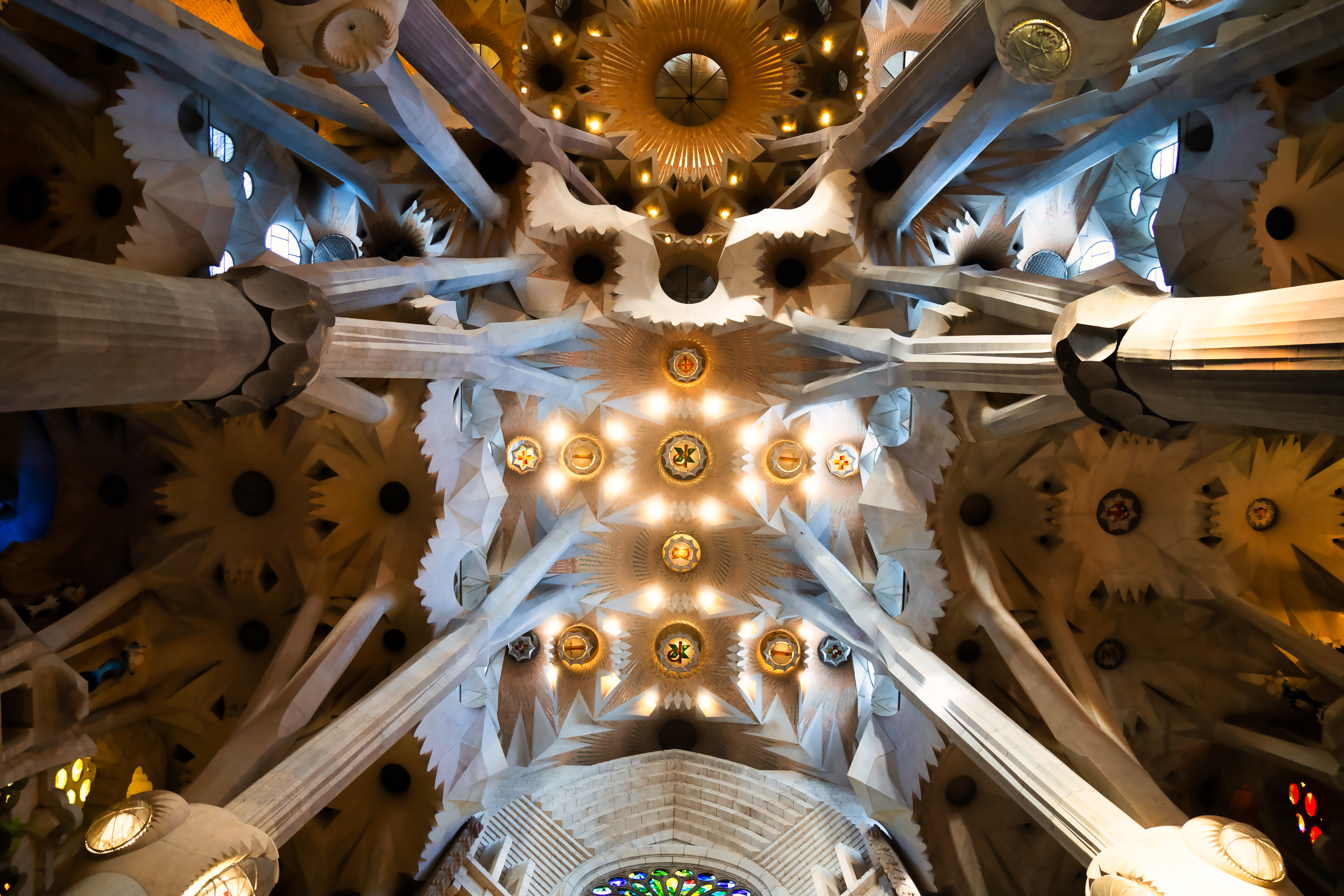
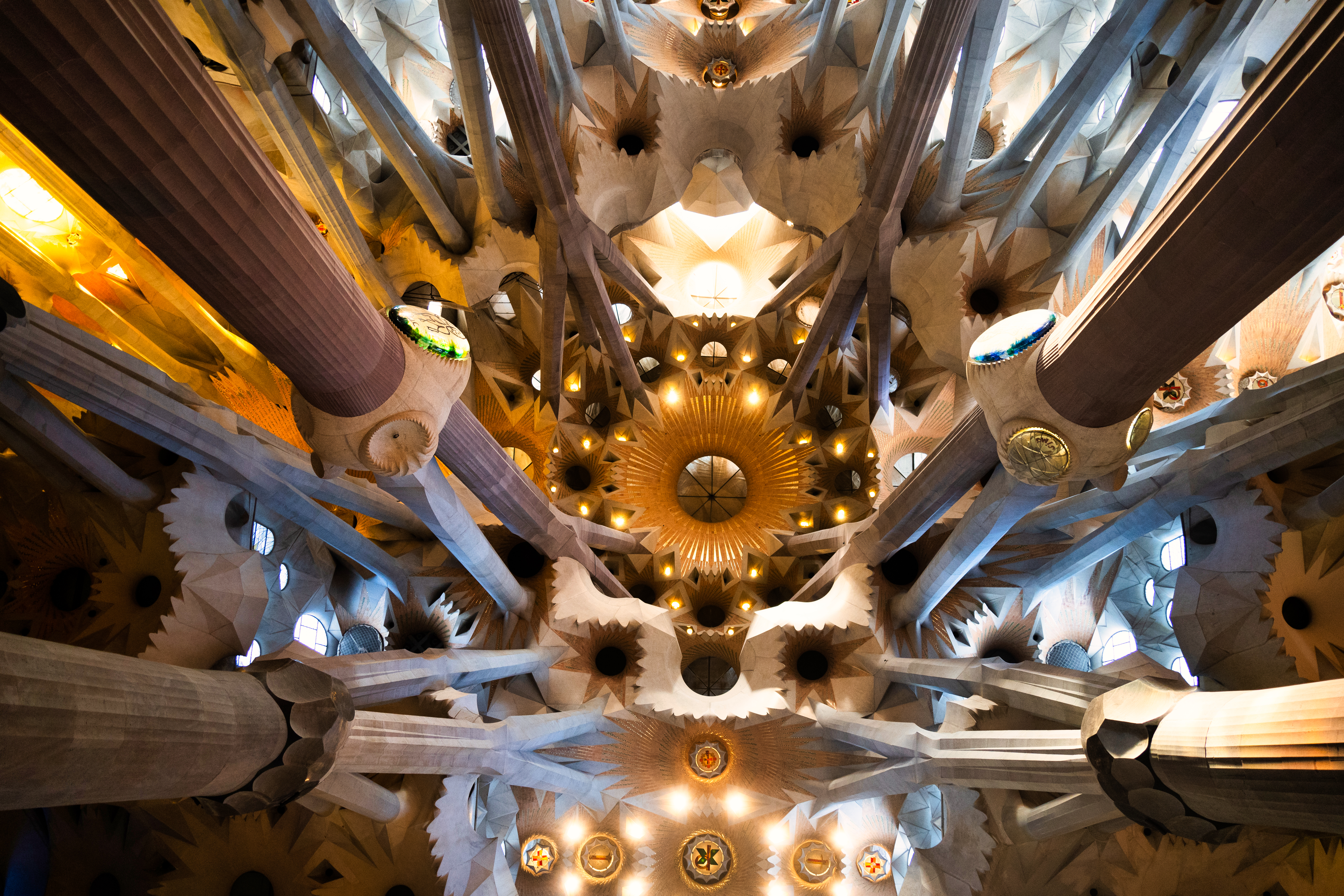
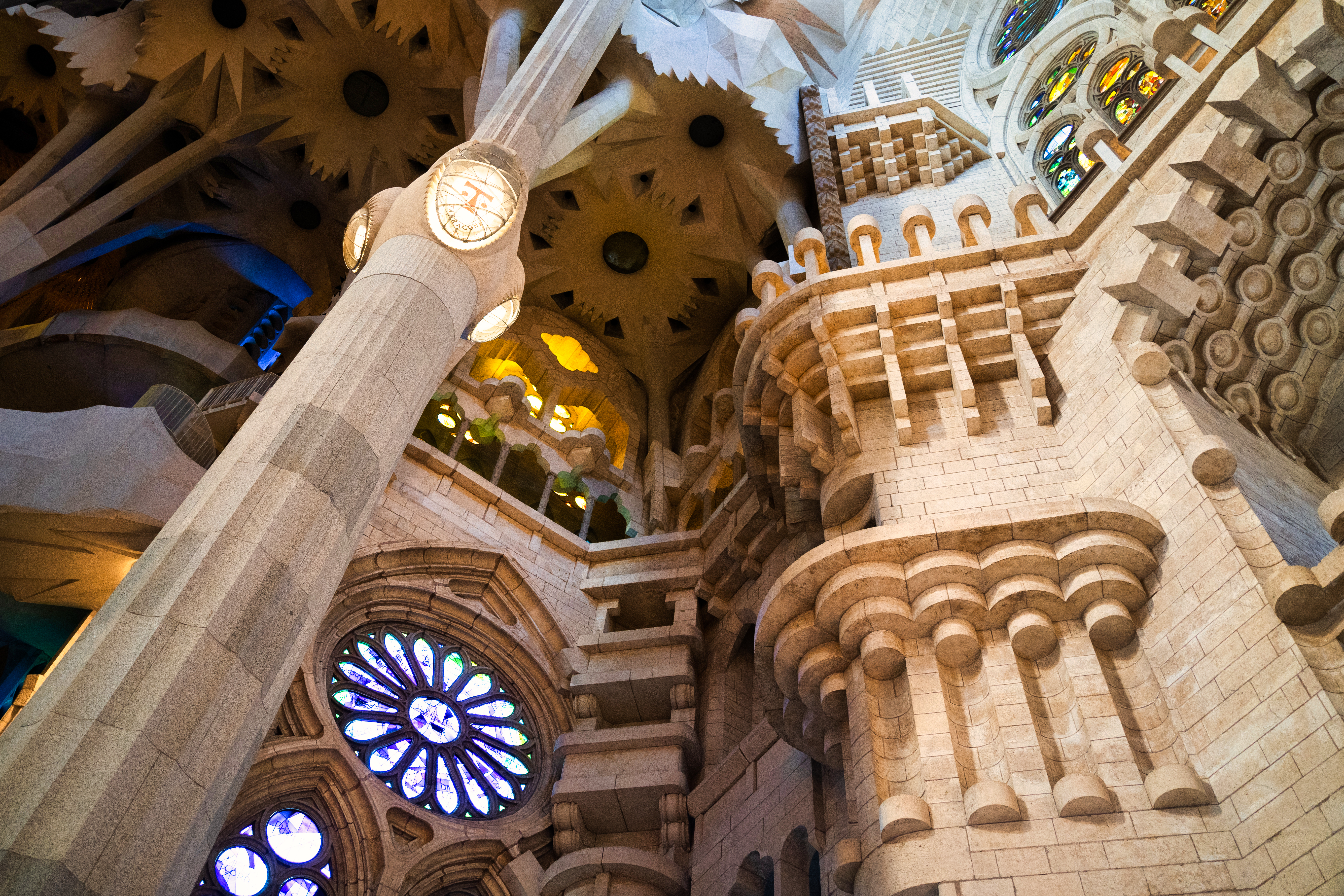
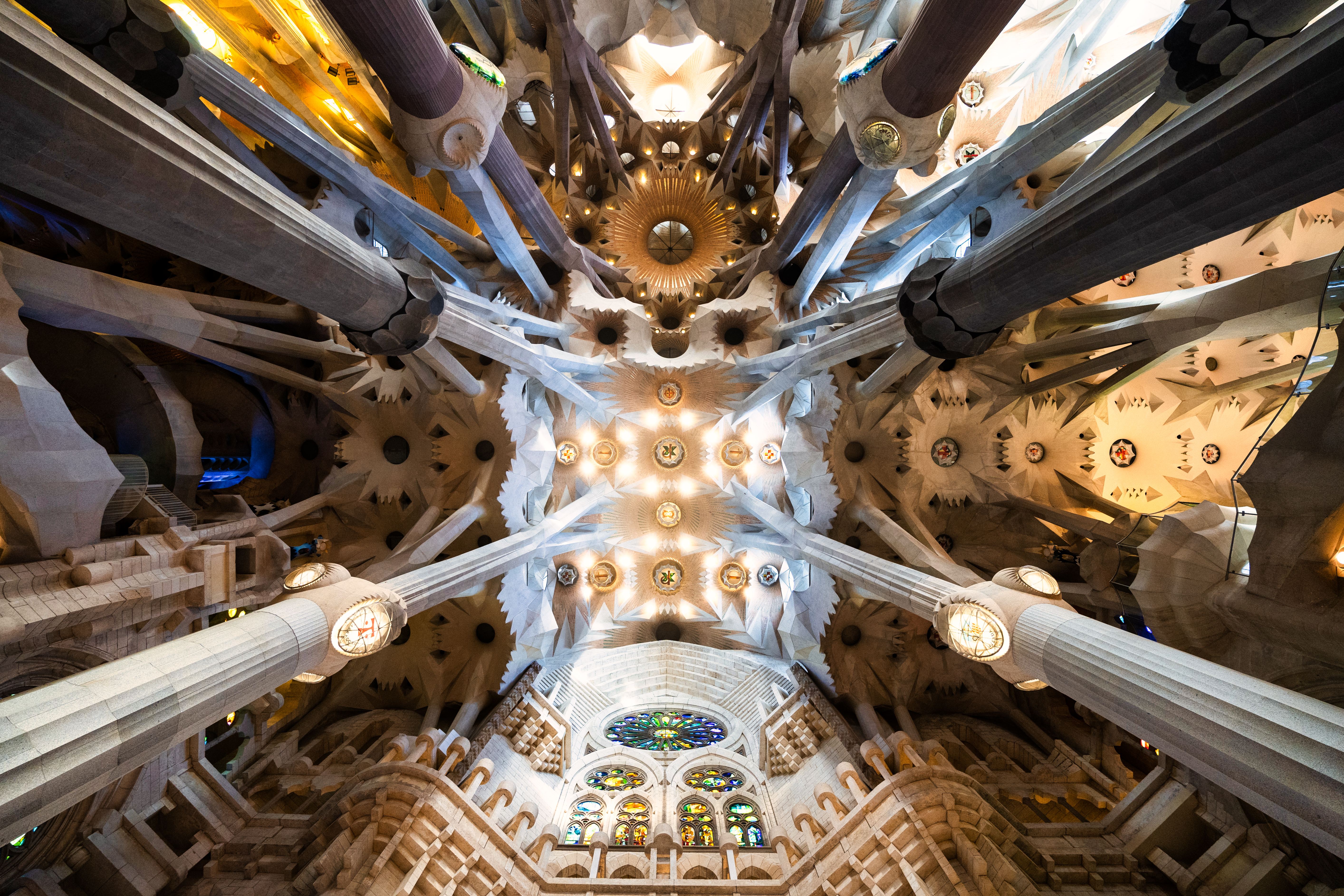
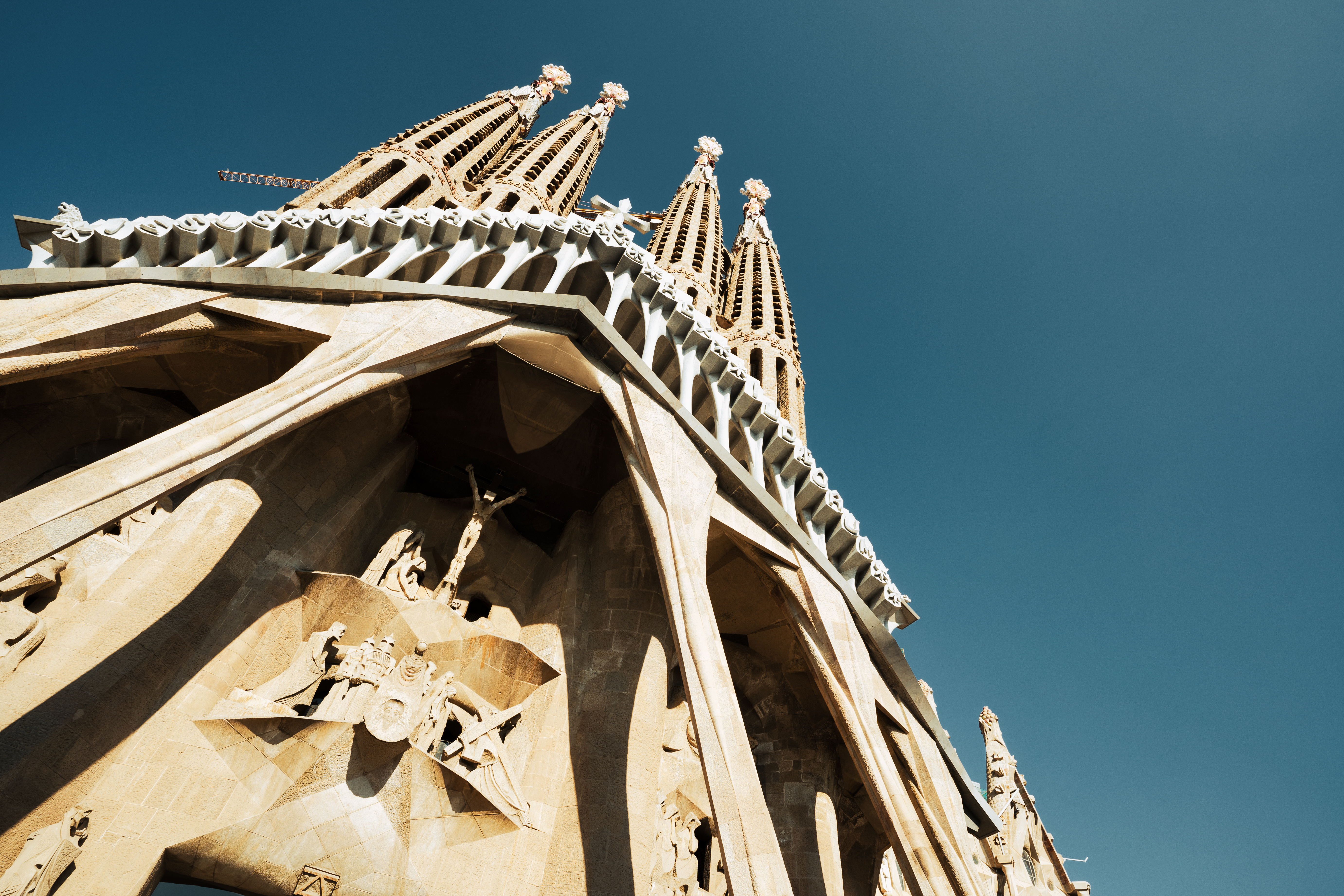
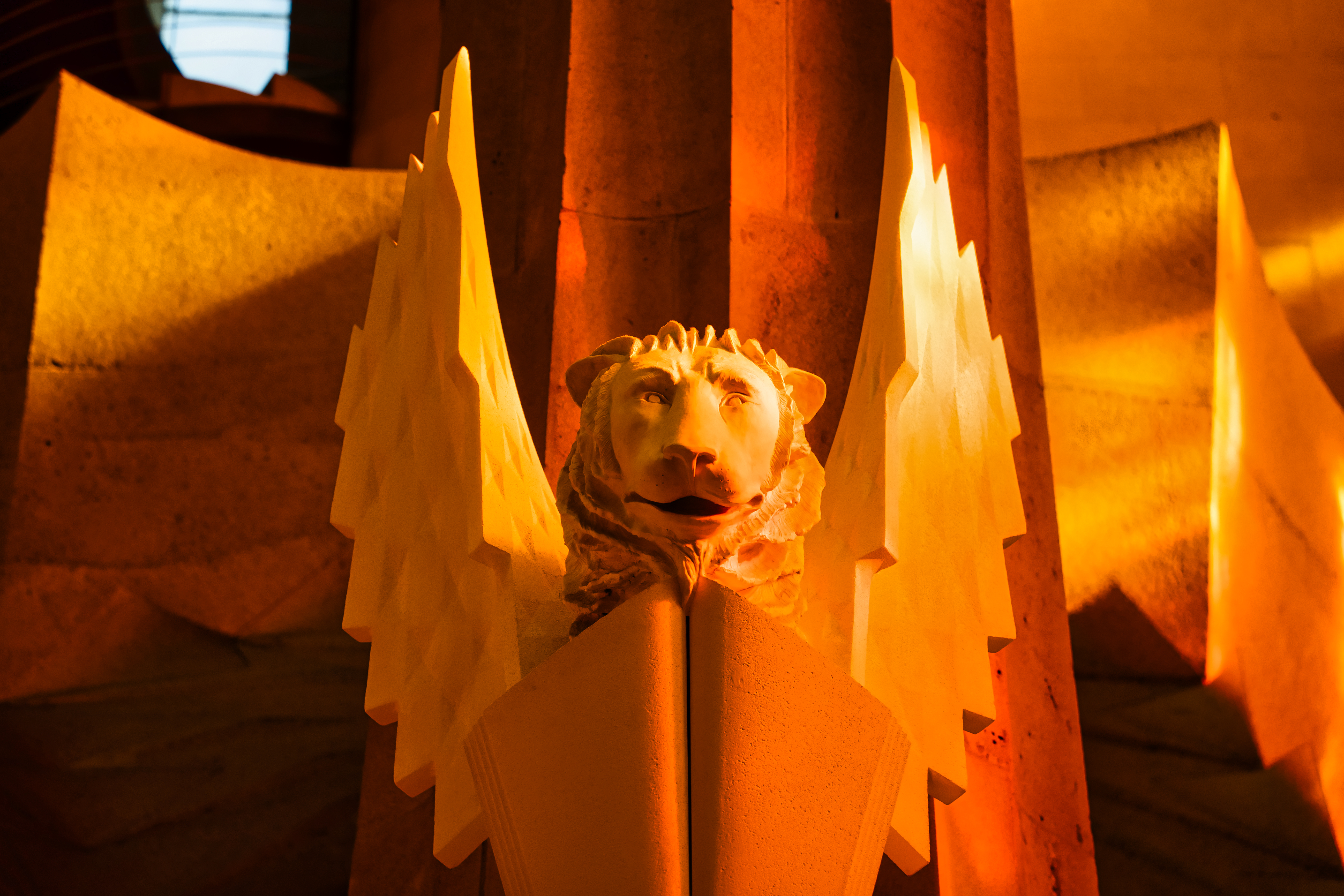
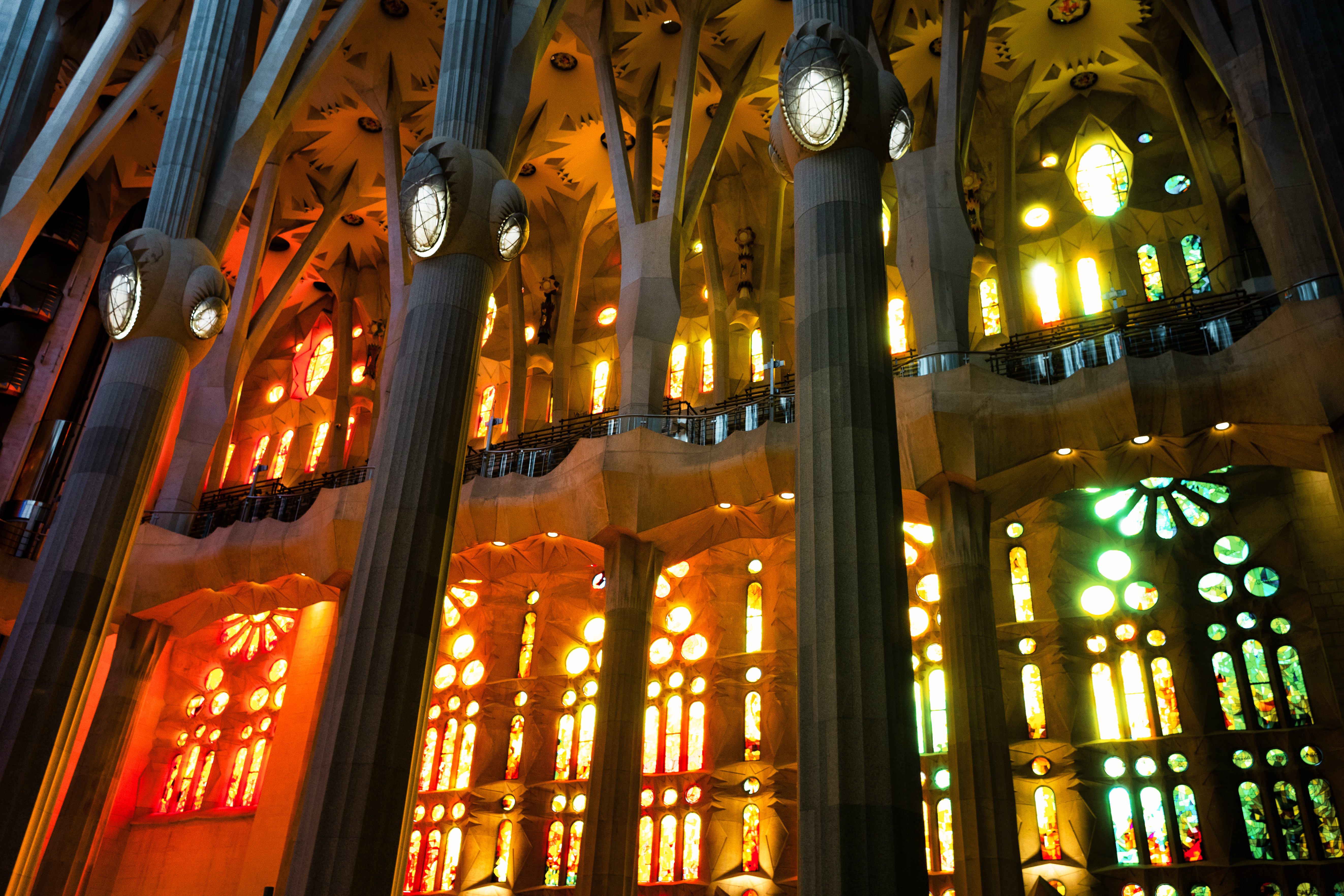
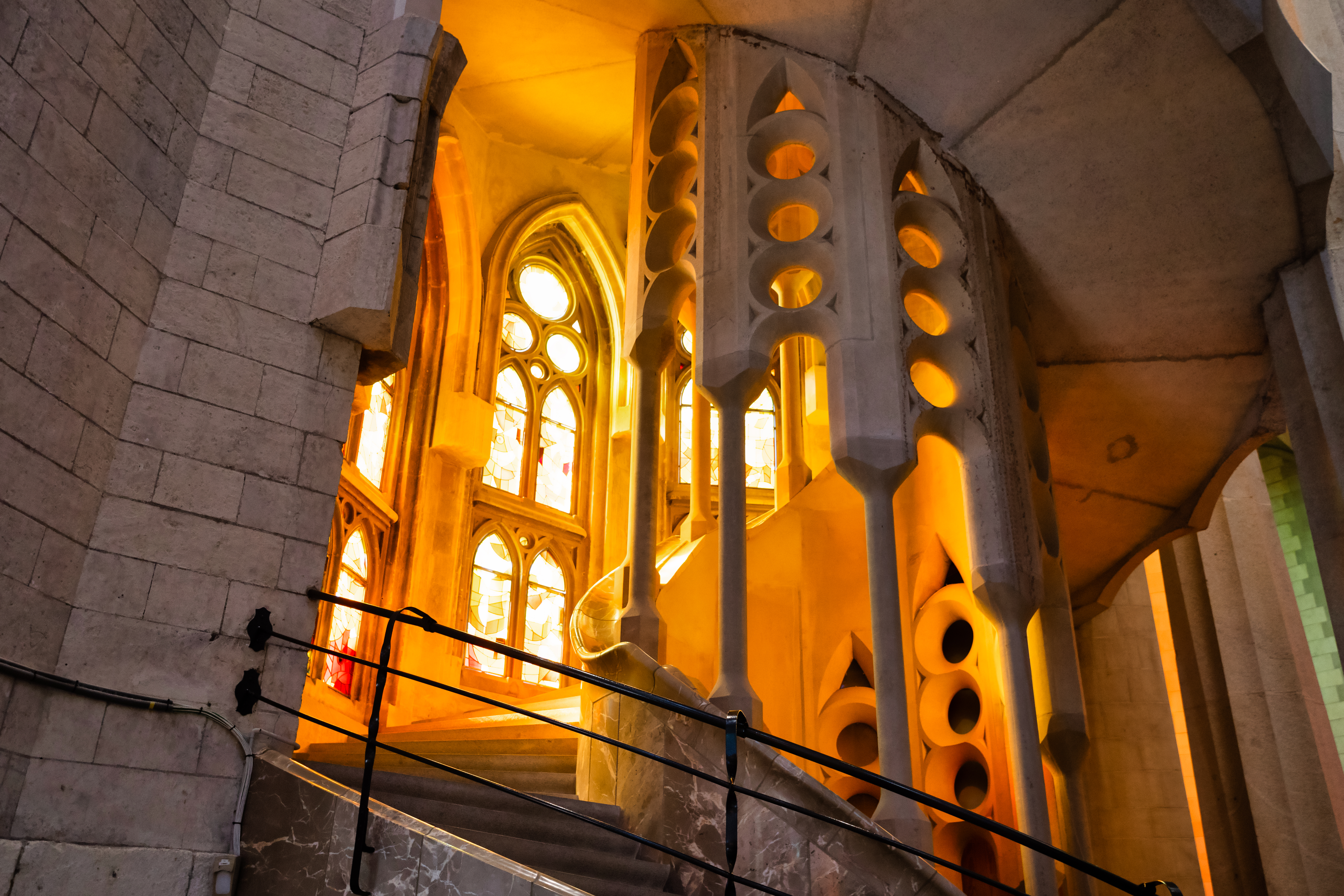
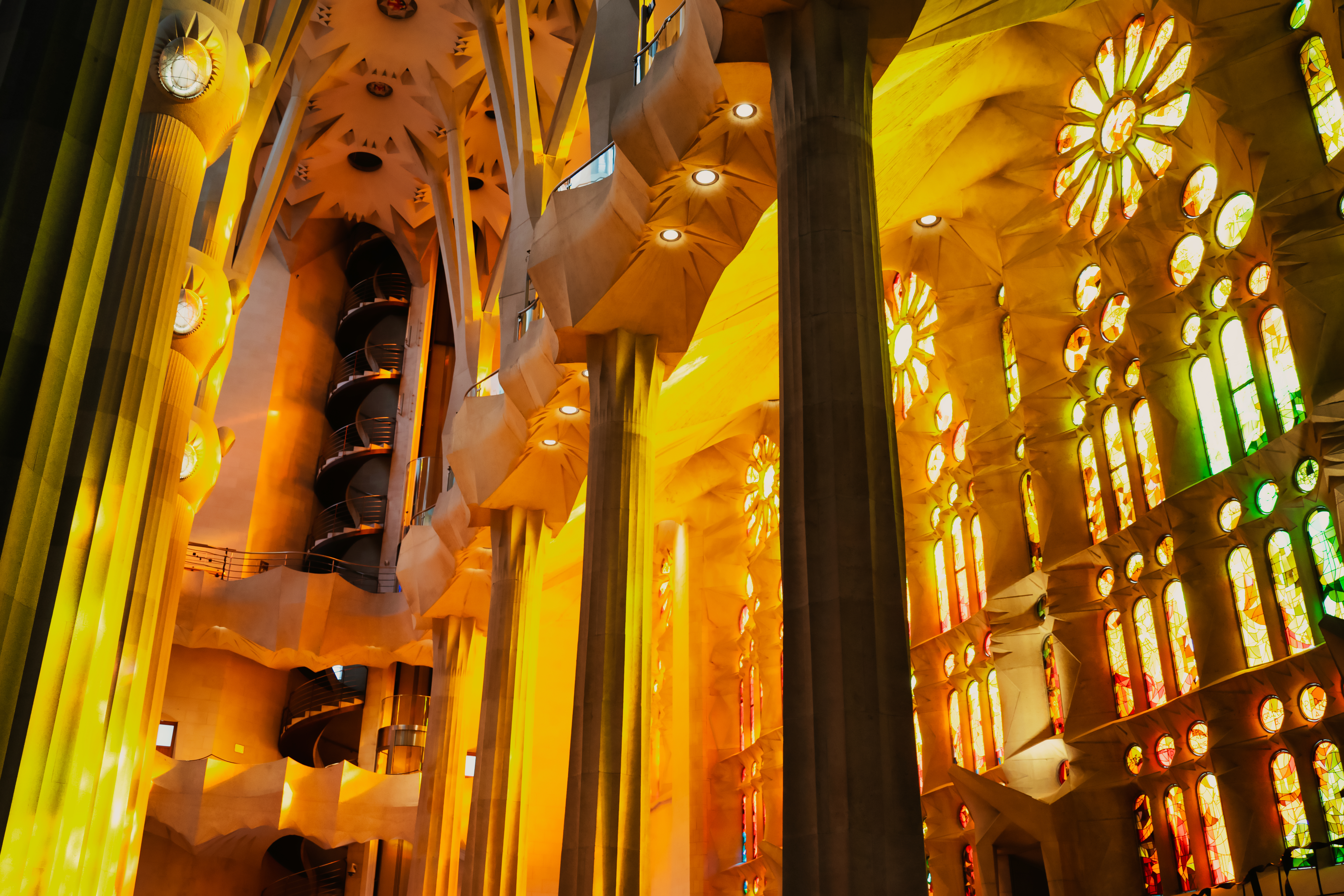
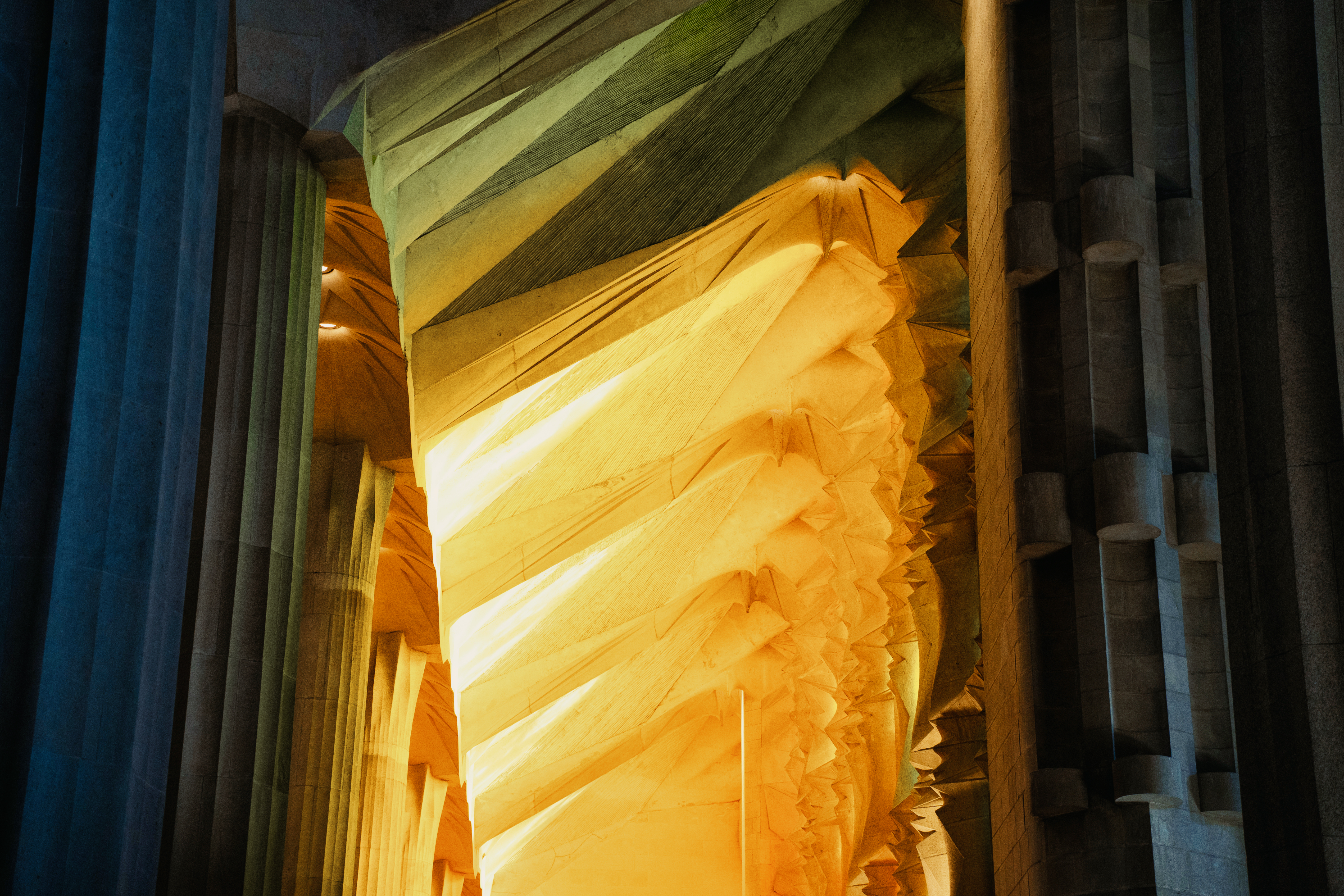
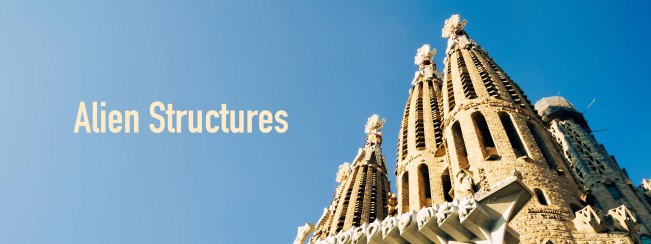
The architecture of the Sagrada Familia in Barcelona is like anything else you have seen before. The structures, columns, and decoration seem like they are from another world altogether. Sure, there is some religious imagery reminding you of the fact that, after all, it is a place of worship rooted in the Christian tradition, but the Sagrada Familia is a uniquely built church that you cannot find anywhere else.

Church of Eternity

The church of Sagrada Família was envisioned by the Catalan architect Antoni Gaudí in the 1880s. The construction of the sacral building started in 1882 and continues up until today. It is funded solely by entrance fees paid by visitors from around the world. As with the construction of other grand cathedrals, it is not unusual that such an endeavour takes many centuries to complete. After all, it is a church built to last for eternity.

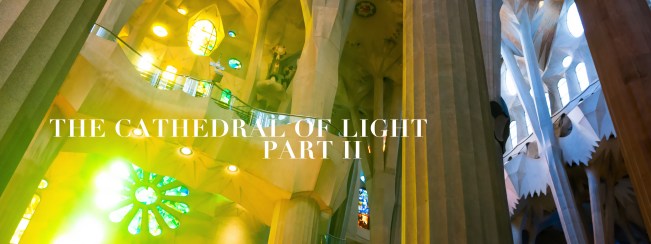
The Cathedral of Light: Part II

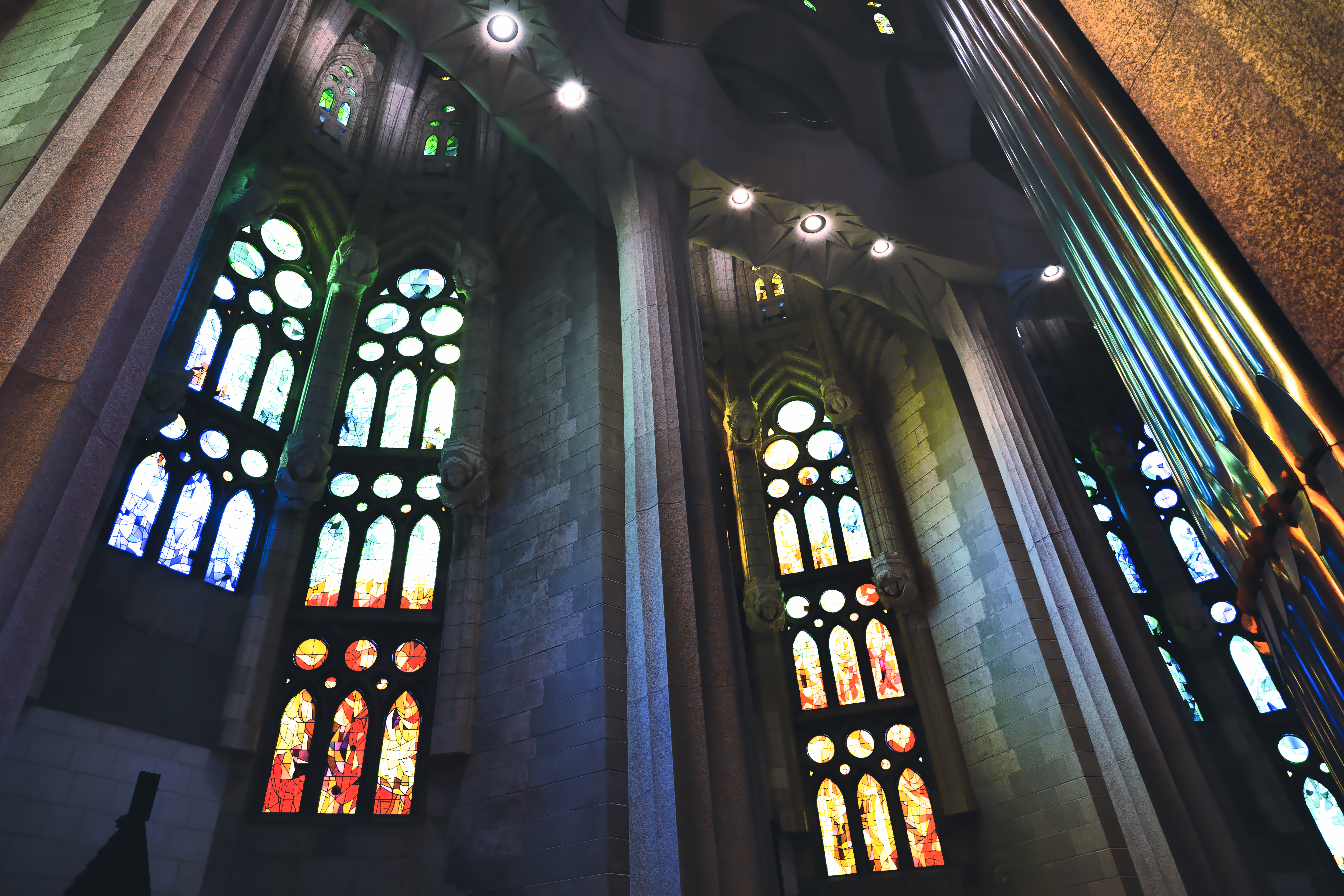
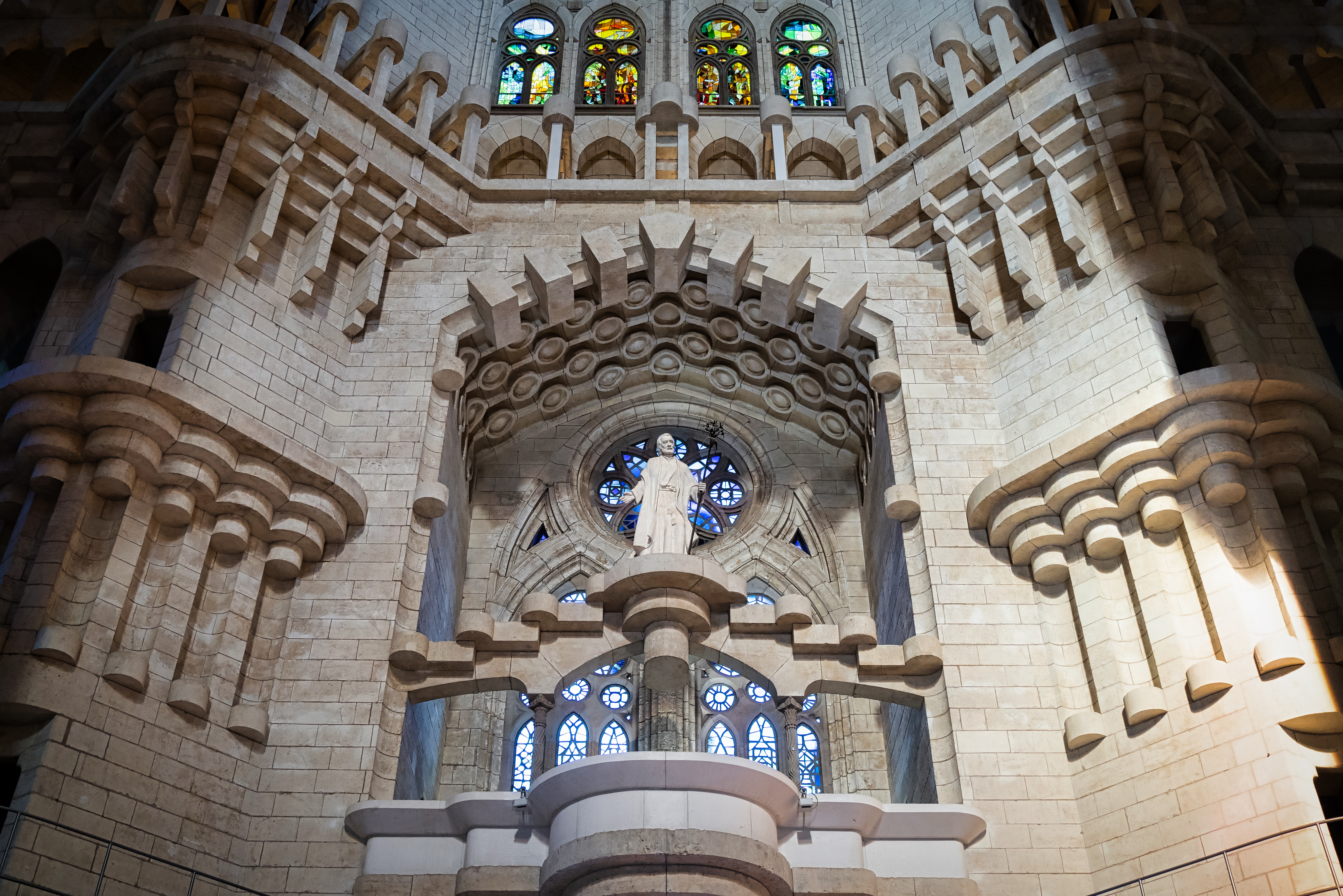
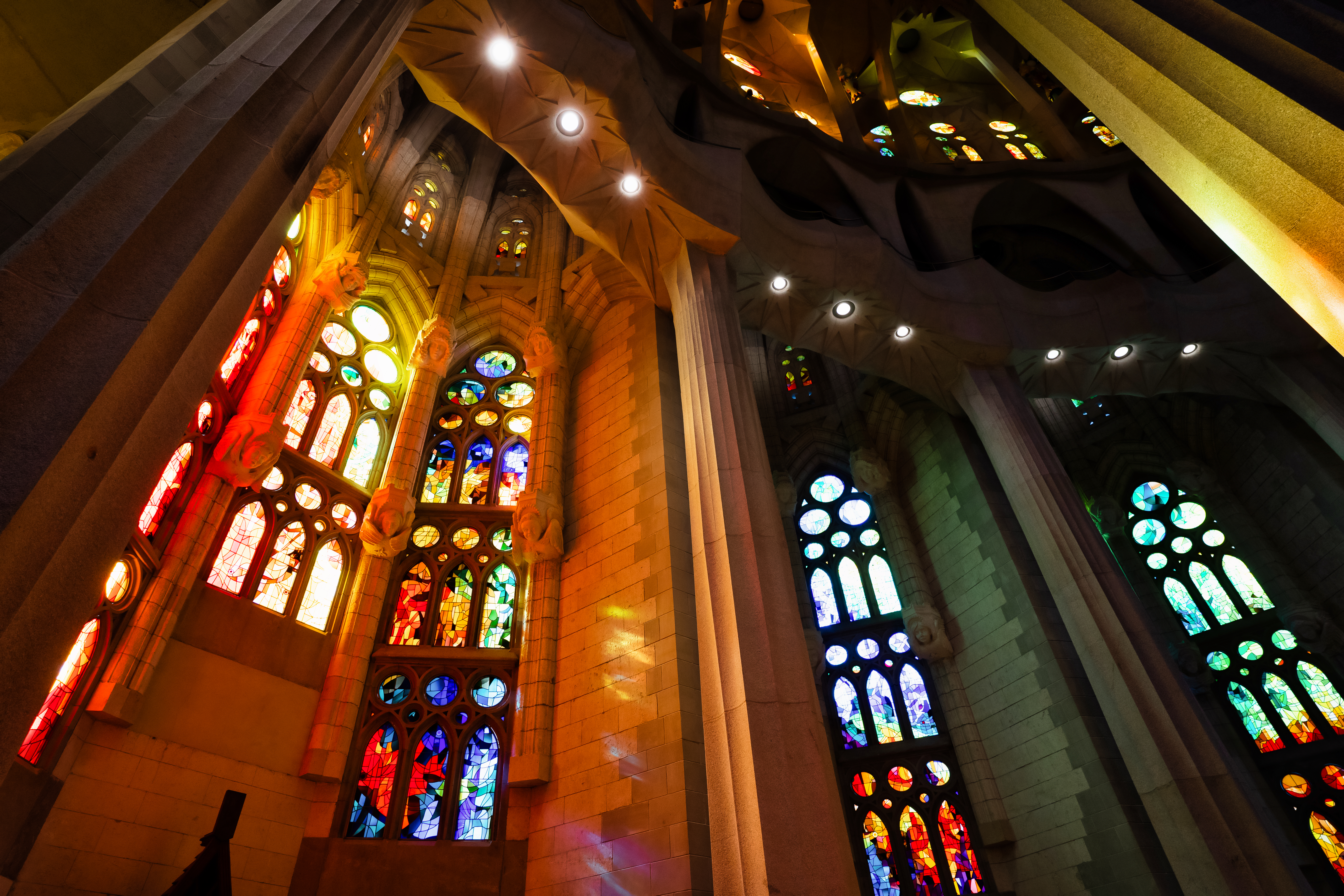
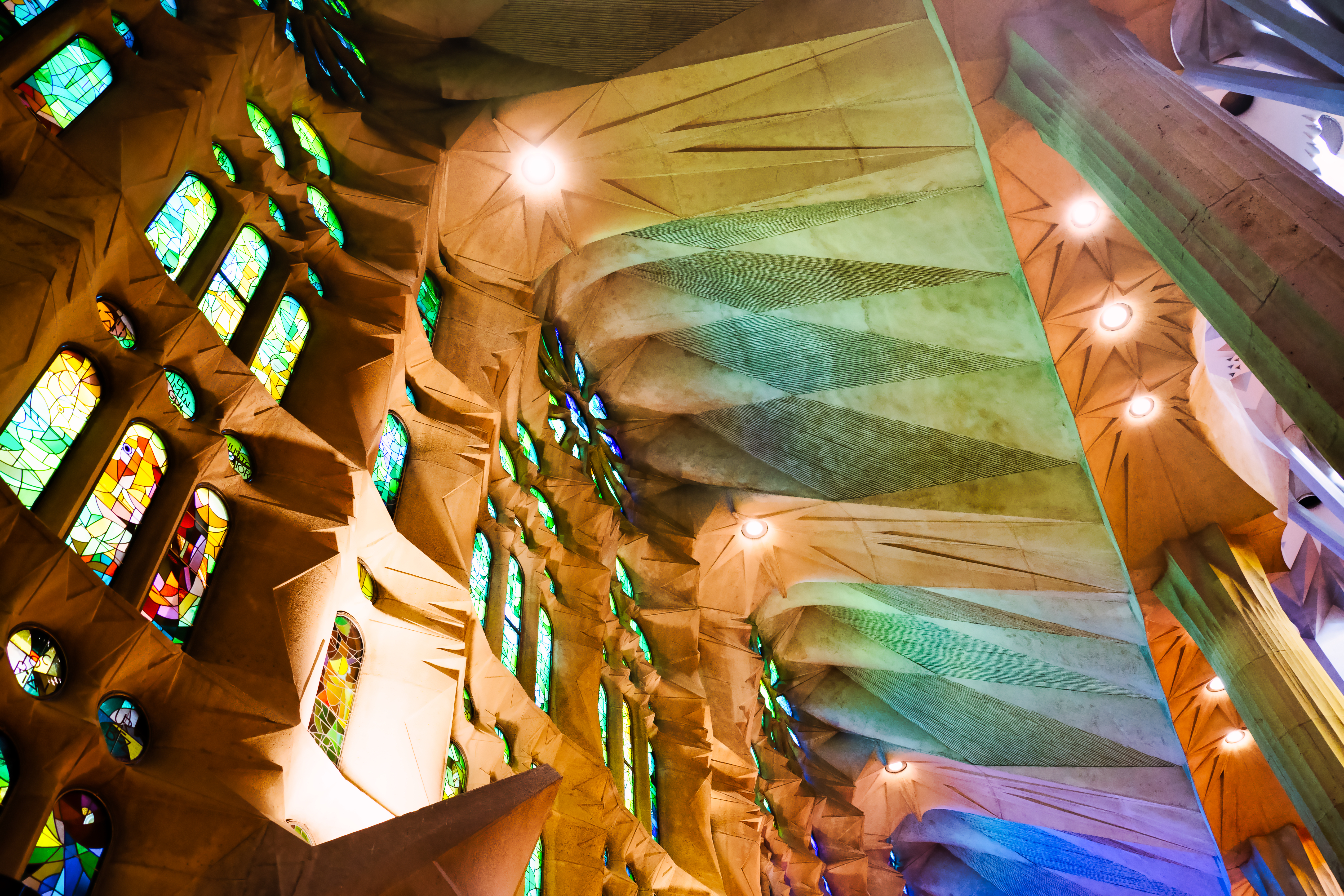
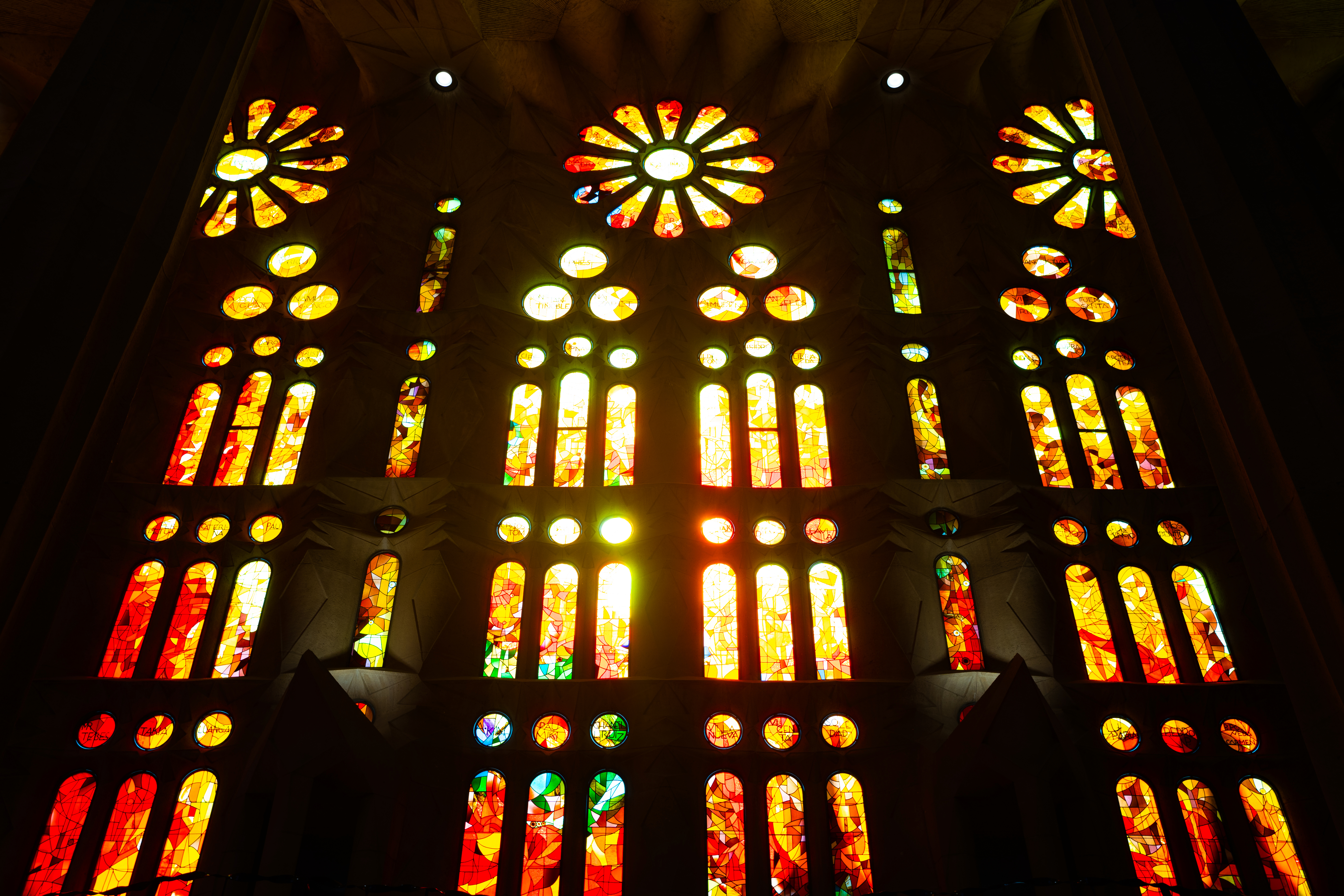
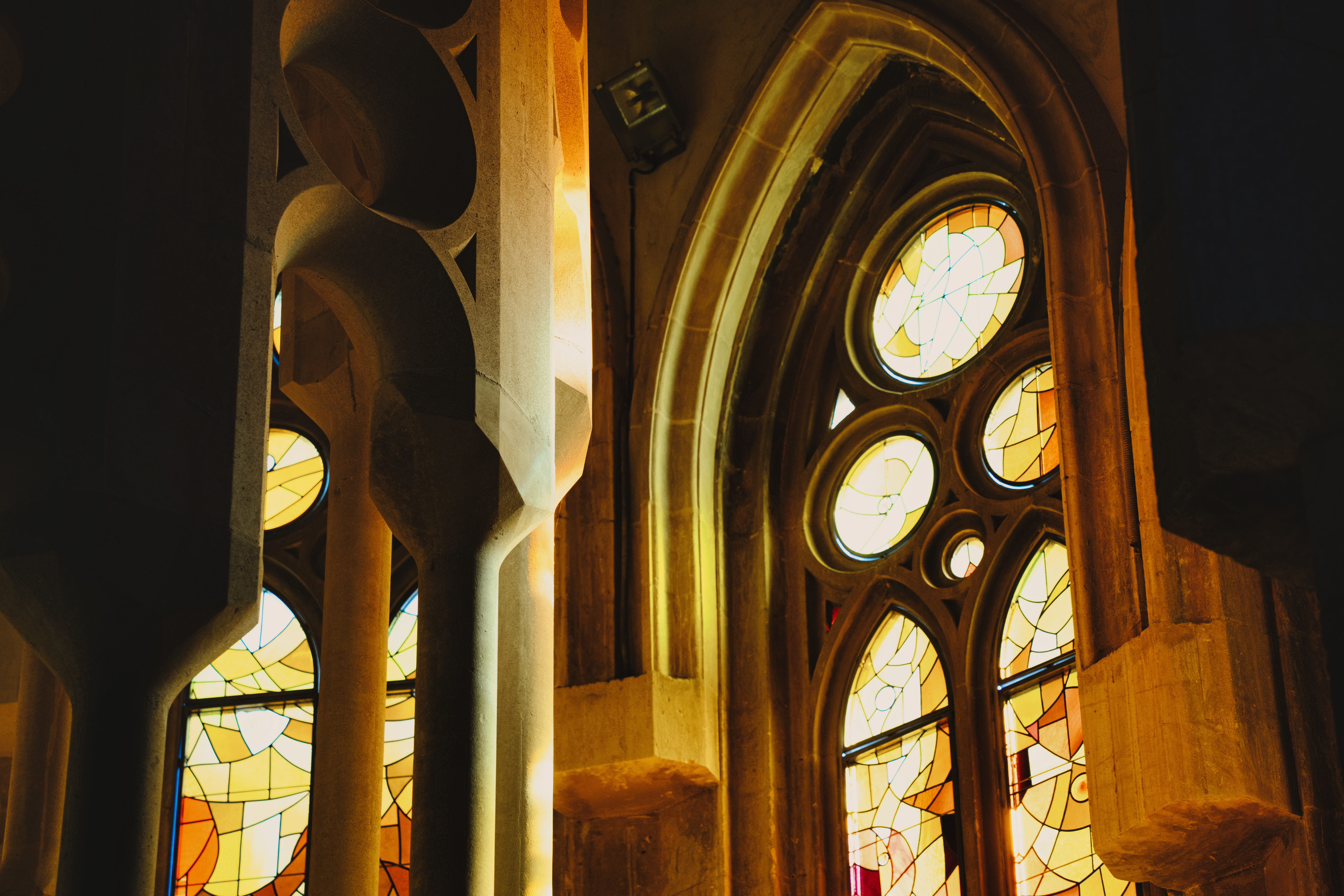
Even for non-religious people, the use of light in the Sagrada Familia cathedral may evoke feelings of enlightenment and elevation. When designing the sacral building the famous architect Antoni Gaudi deliberately designed windows and put stained glass in particular places to create the feeling of a sacred ground flooded by light. The light of course standing in for a spiritual presence. Being religious or non-religious, the Sagrada Familia is a special place that evokes strong feelings.

The Cathedral of Light: Part I

Light is pouring in through the stained glass windows of the Sagrada Familia Cathedral in Barcelona. It symbolises the divine and amplifies the feeling of standing on sacred ground. You don’t have to be religious, though, to enjoy its power; its conscious use is reflected in the architecture of the church, and its colors are mesmerizing. Antoni Gaudi made a masterpiece and light was his guiding spirit.

Modernismo in Barcelona

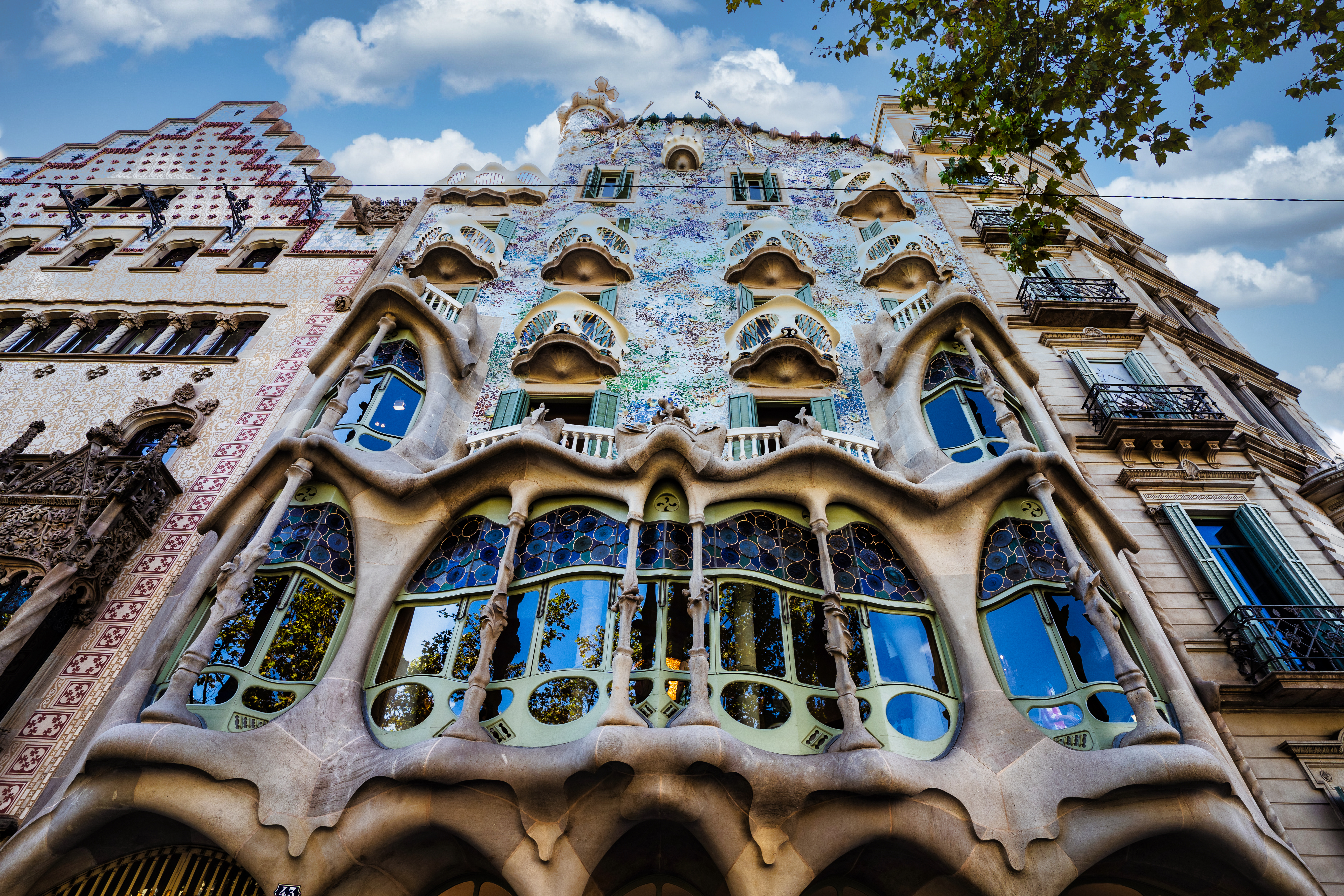
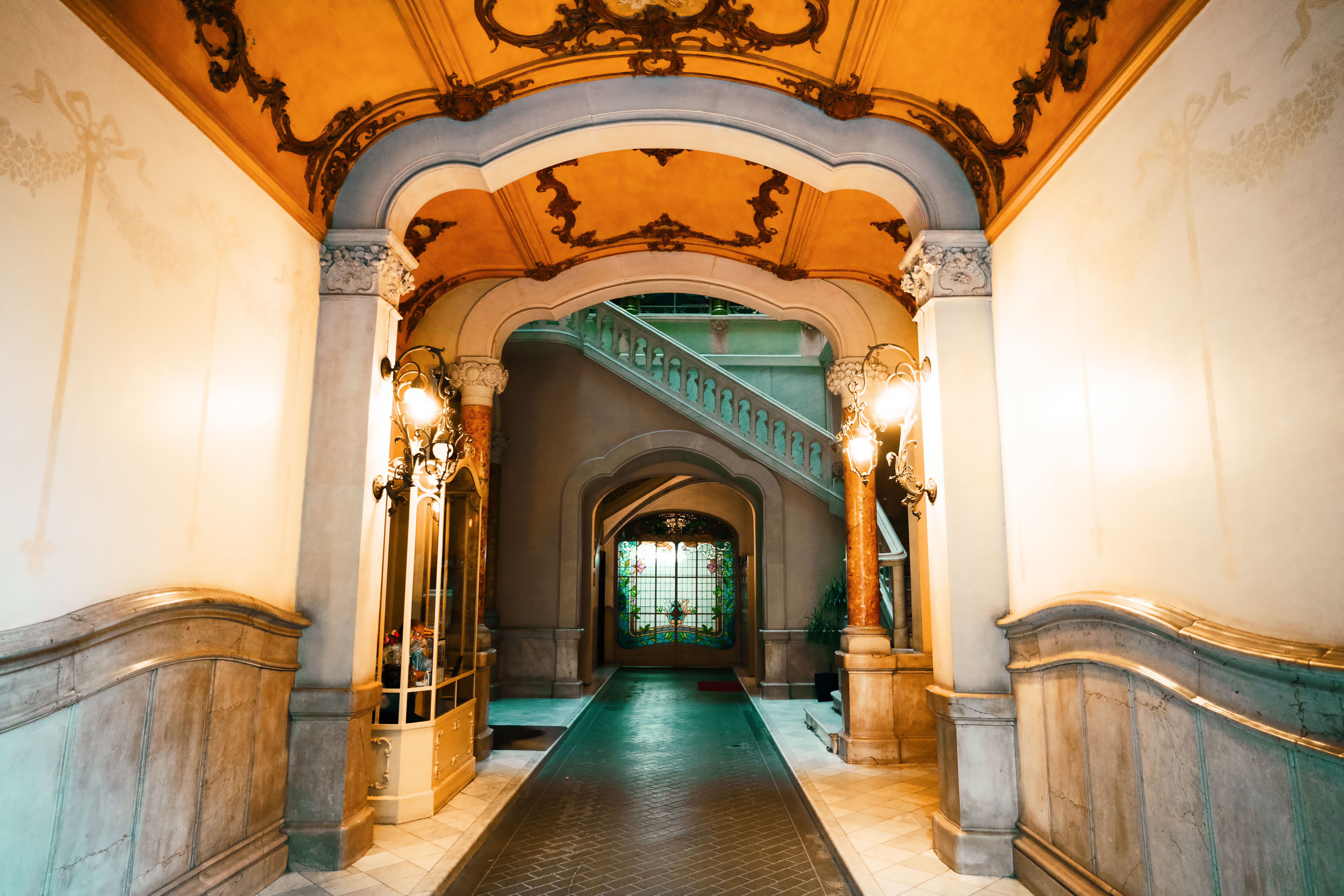
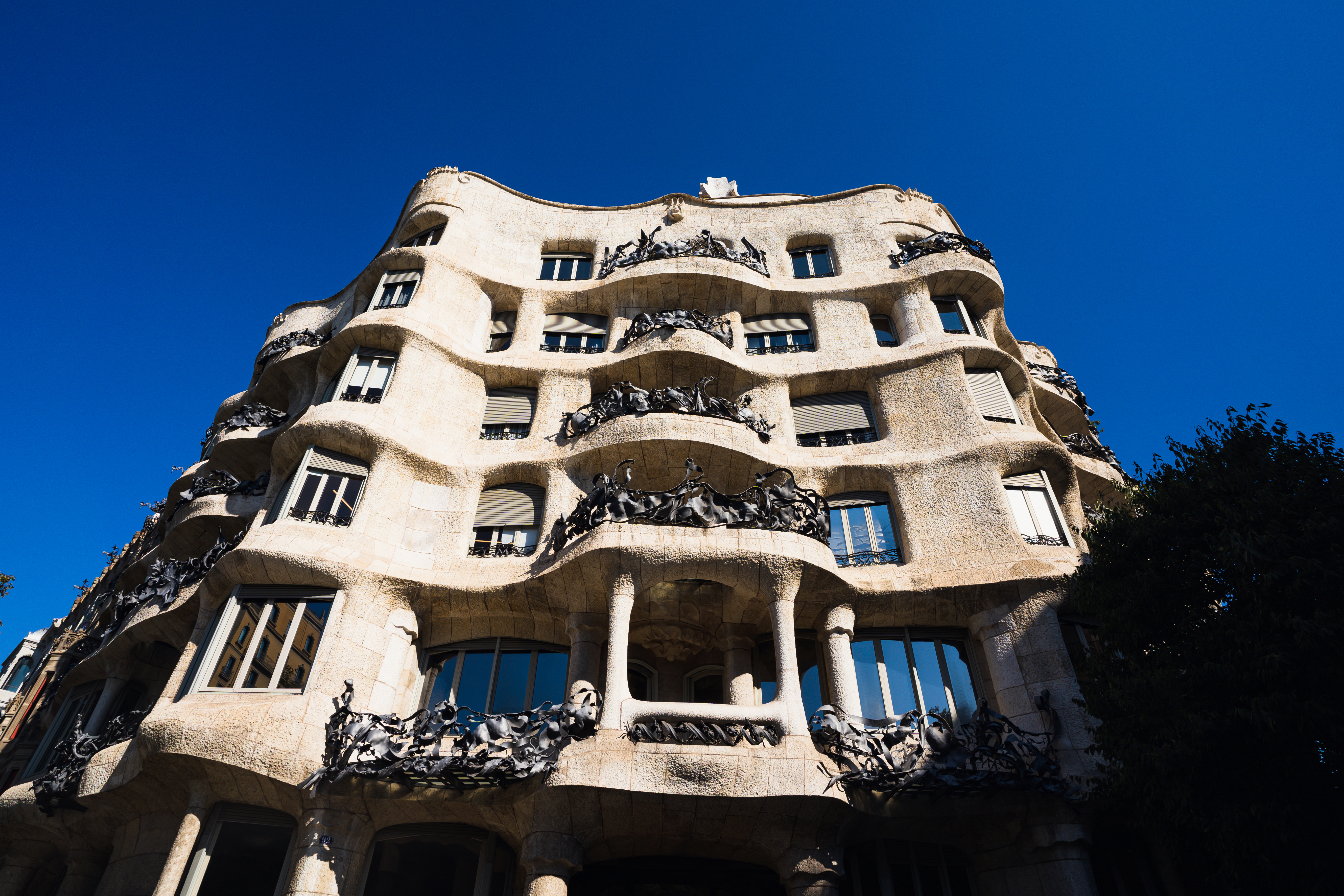
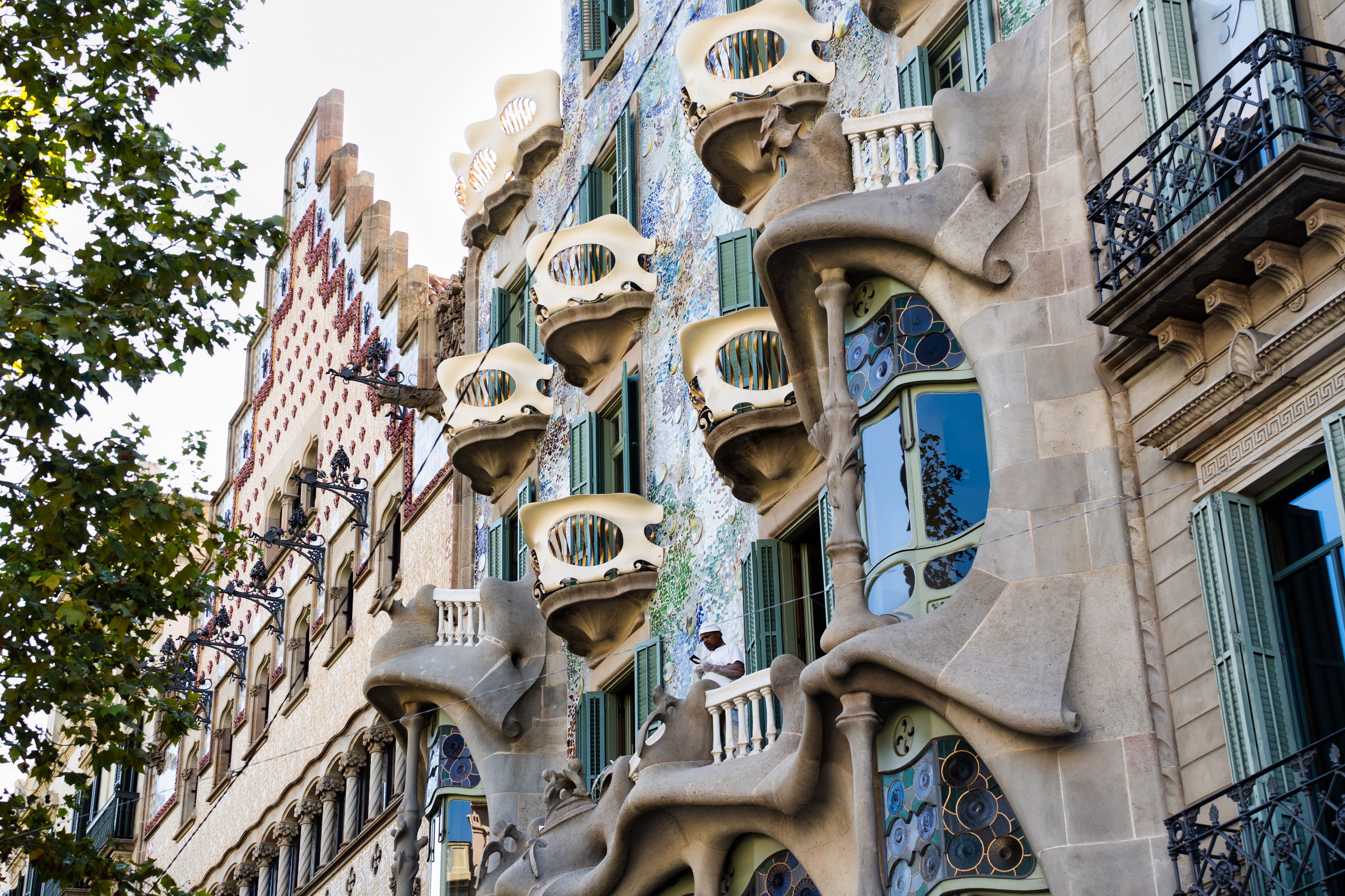
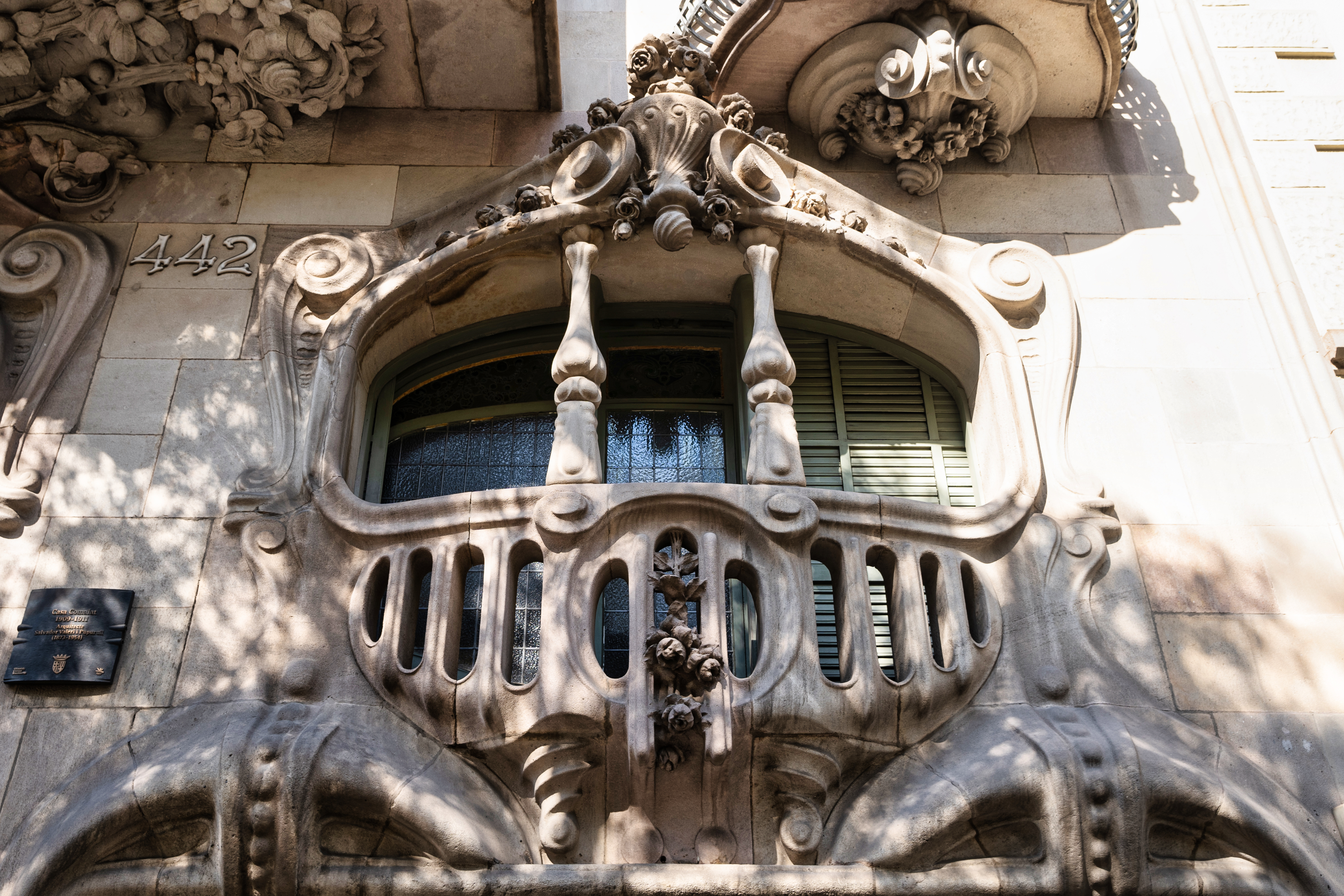
Modernismo was an artistic, literary, and architectural movement in Catalonia at the beginning of the 20th century. It was part of a more general movement in this period in the whole of Europe and was called Art Nouveau or Jugendstil as well, depending on the country. Barcelona, in particular, is well known for many buildings from this period, especially in connection to the great Catalan architect Antoni Gaudi. These buildings are unique and sometimes make the impression of being from another world altogether. They seem to be the perfect blend of practicability and imagination.

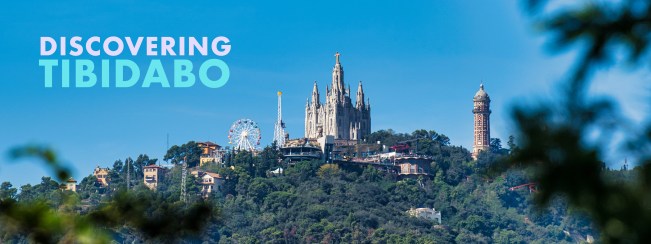
Discovering Tibidabo

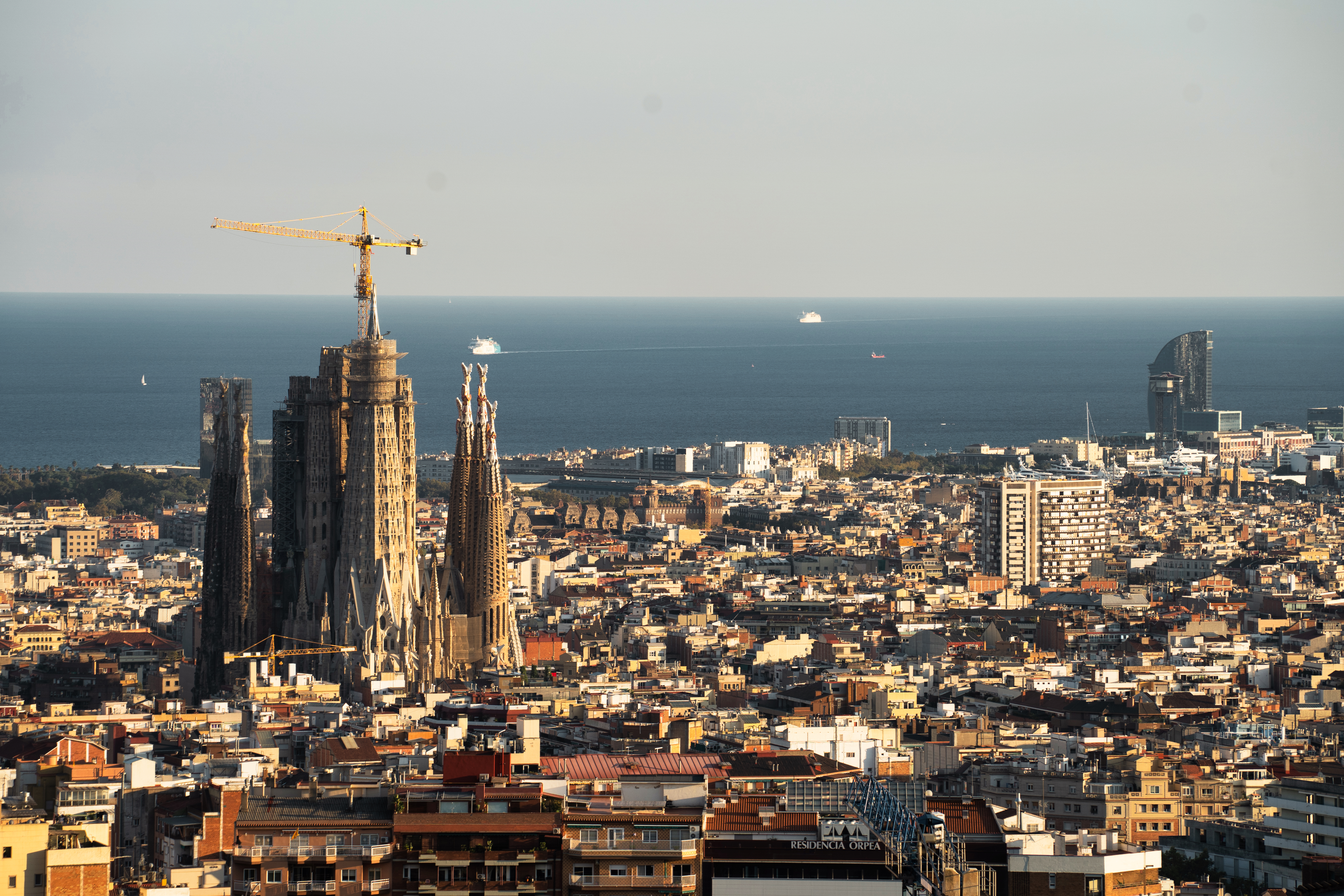
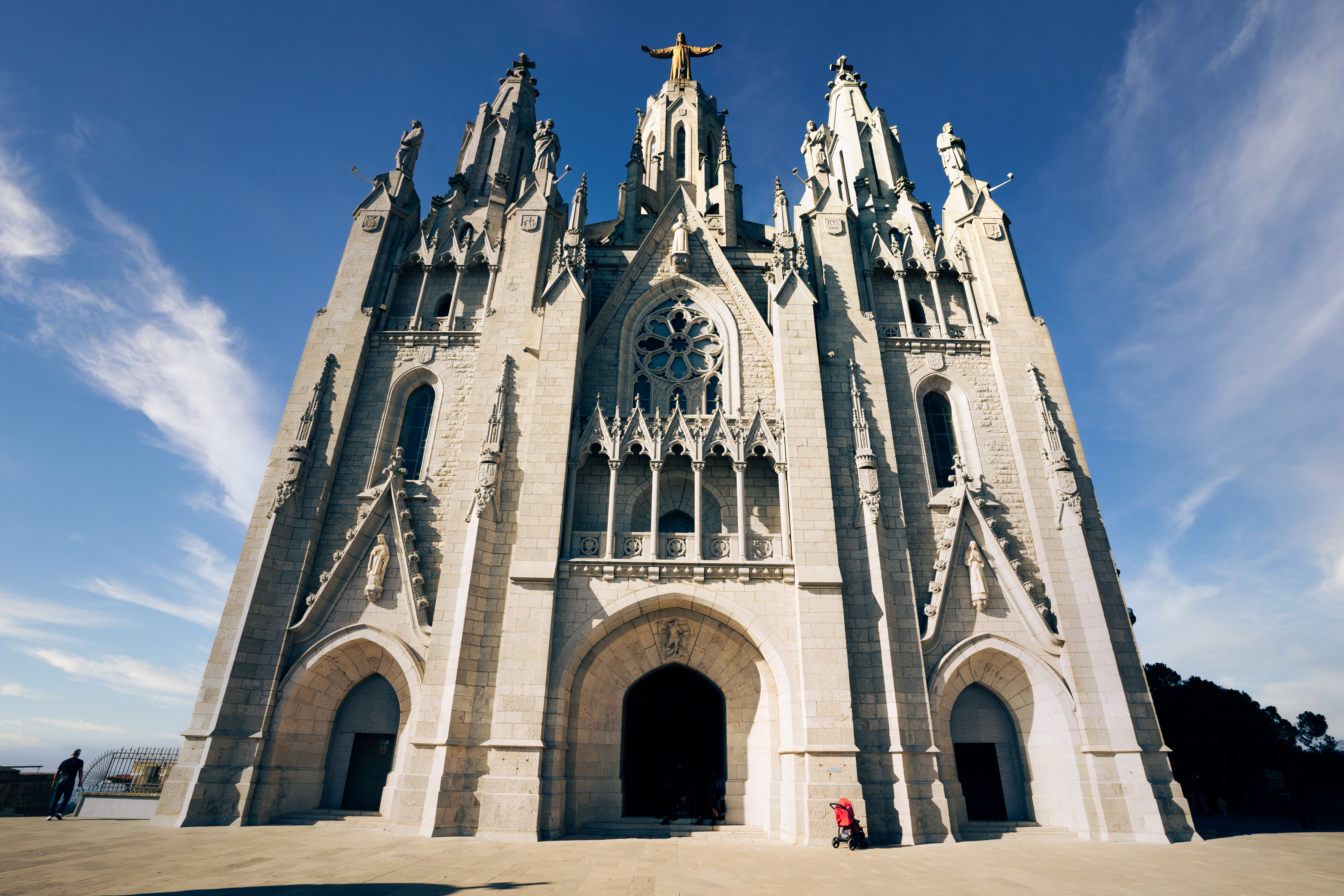
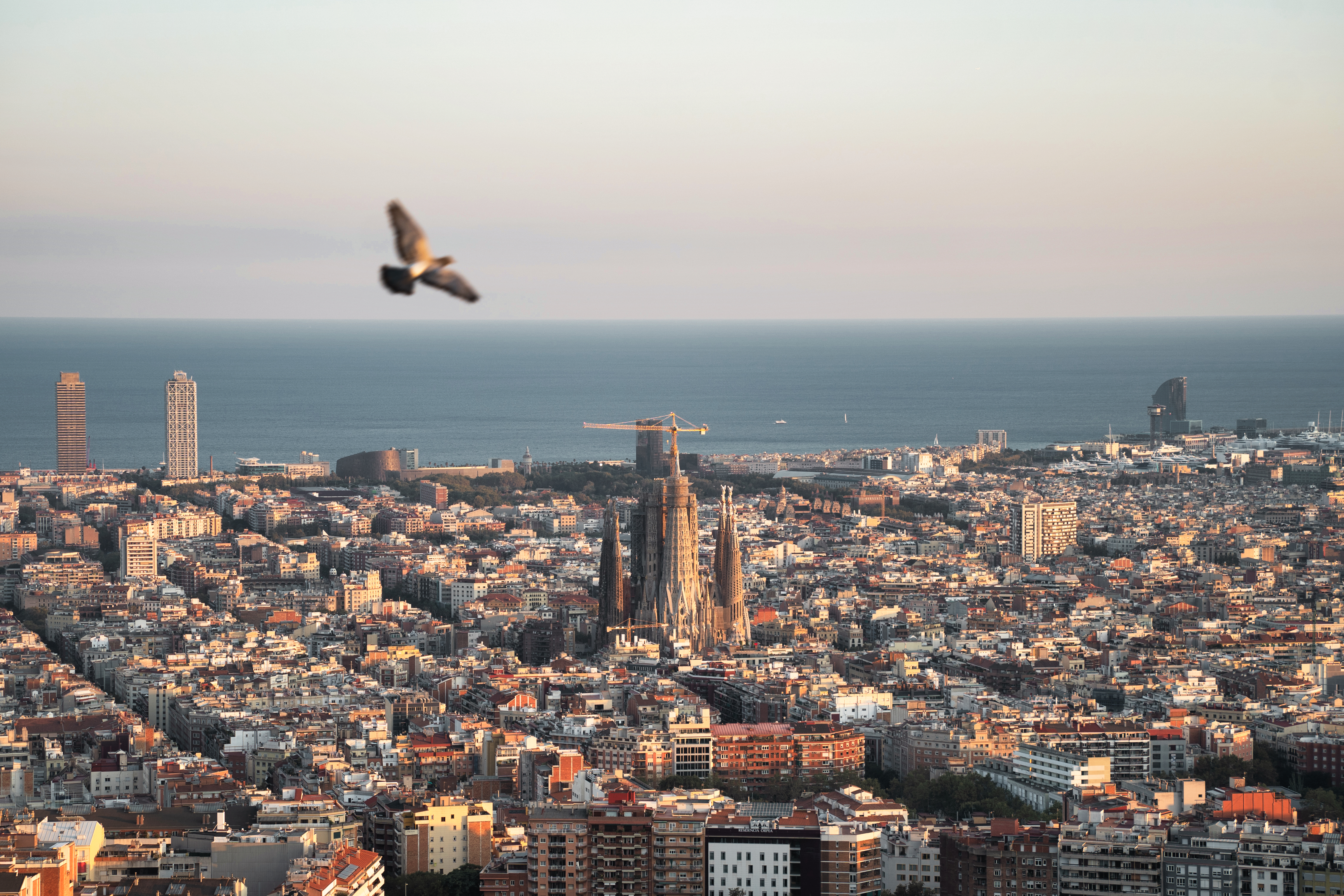
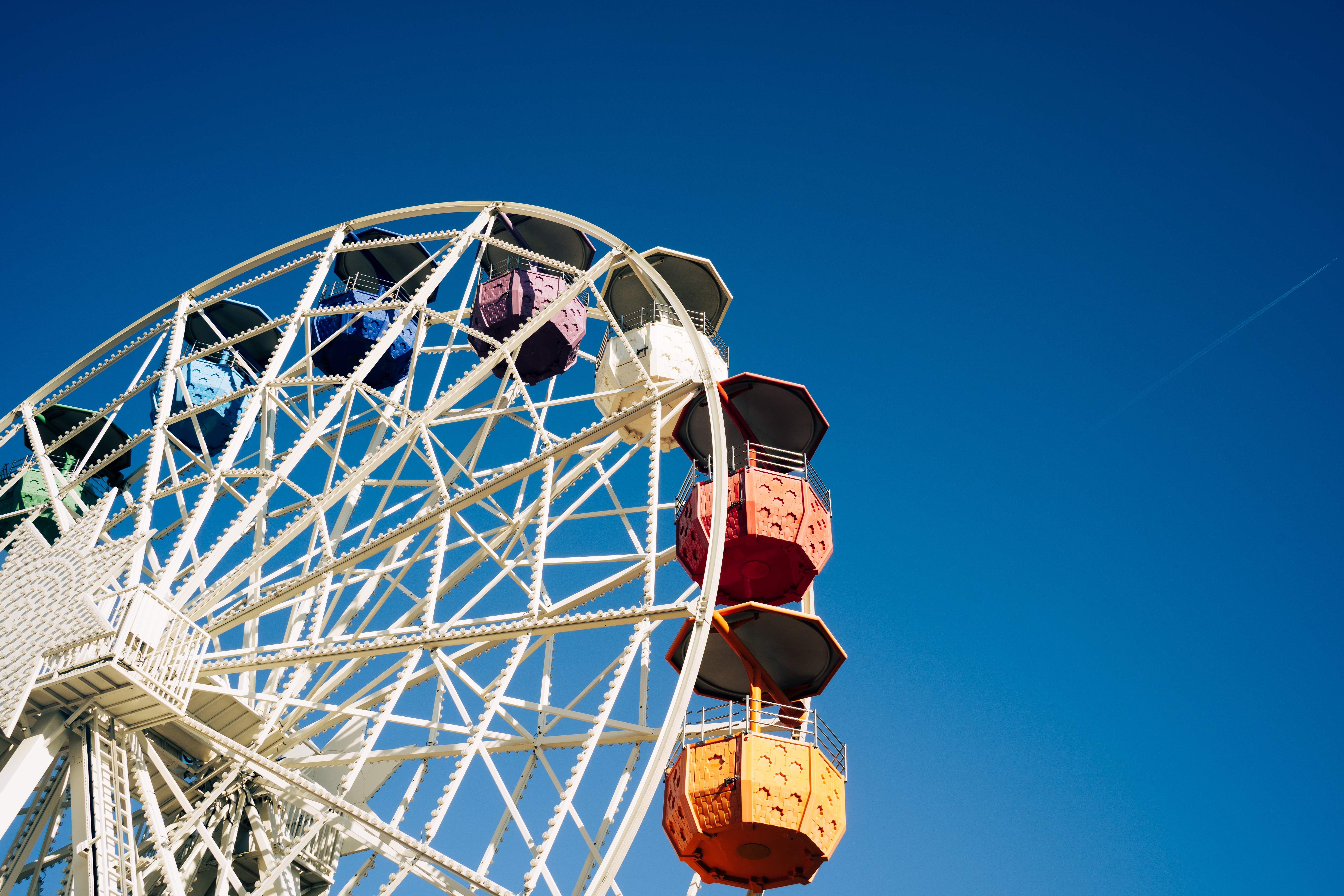
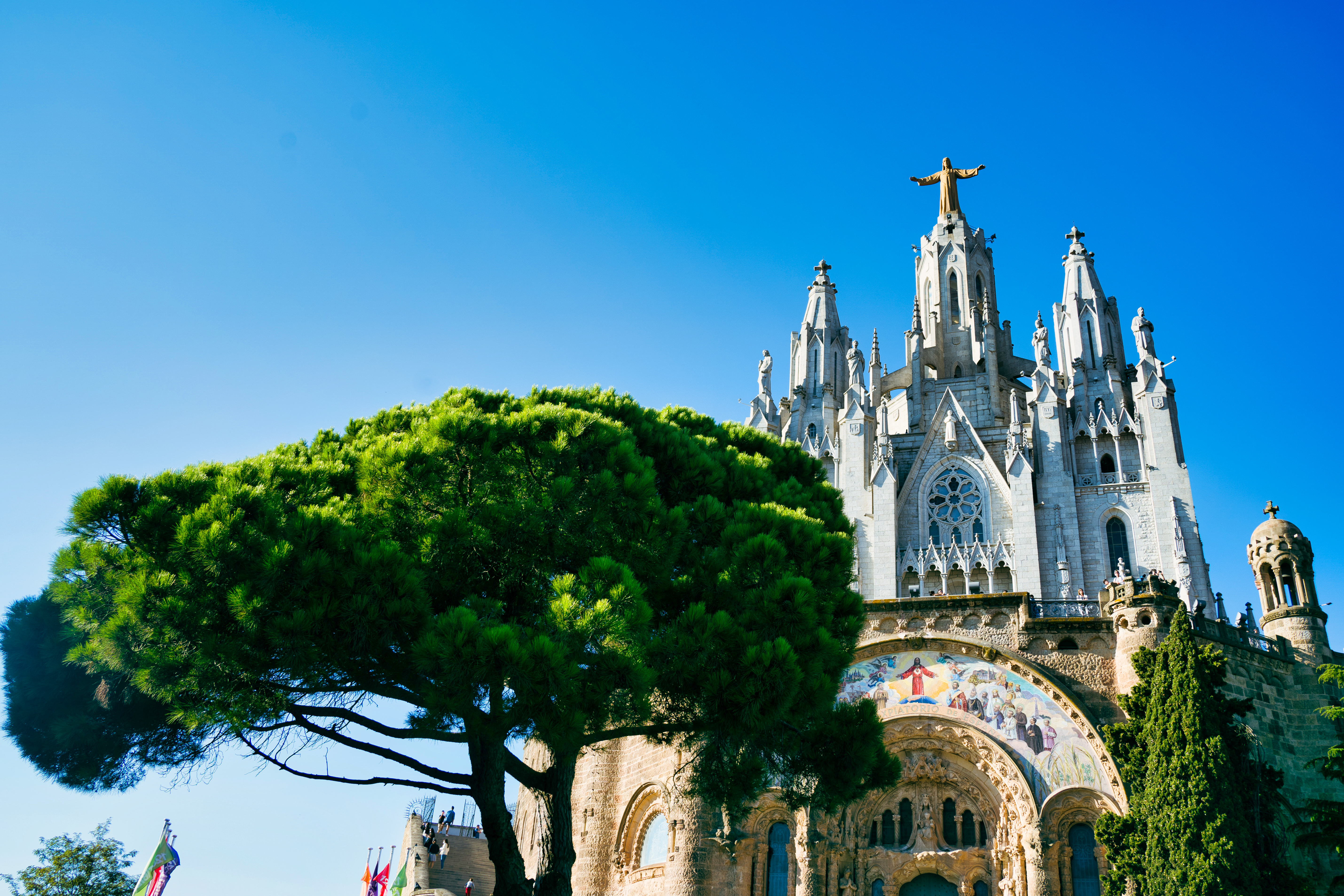
Tibidabo is one of the house mountains of the city of Barcelona in Spain. On the summit you not only have a beautiful look of the city, but also there is the famous neogothic church, the Sagrat Cor church, and even an amusement park. It can be reached by a funicular from the northern part of Barcelona, or you hike up the mountain. On sunny days, the views are incredible, and there is a lot to discover up on top.