Skip to content

Discovering Lübeck

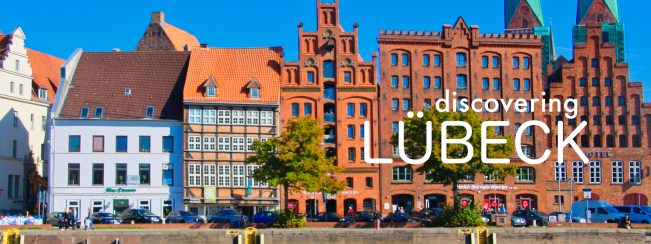
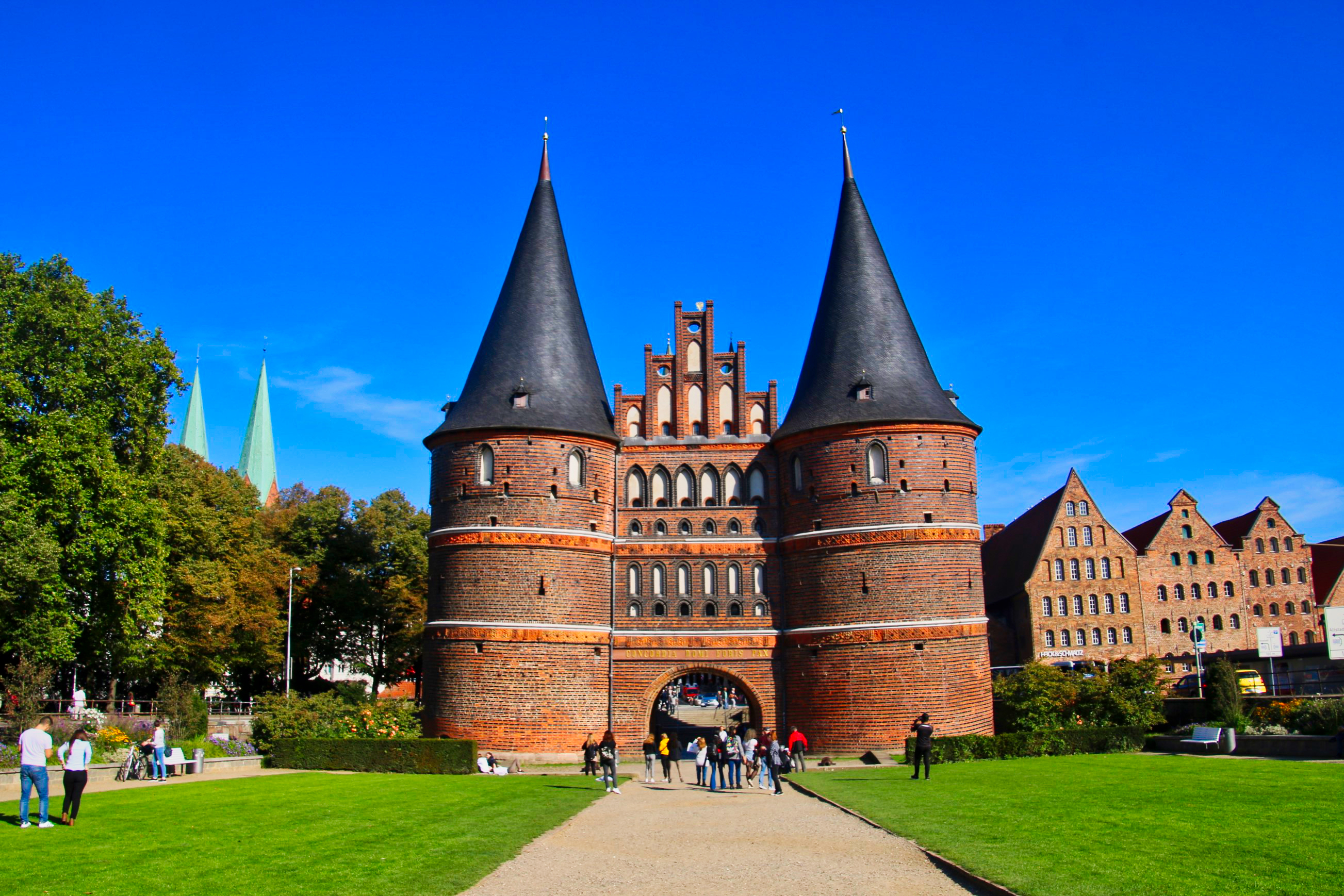
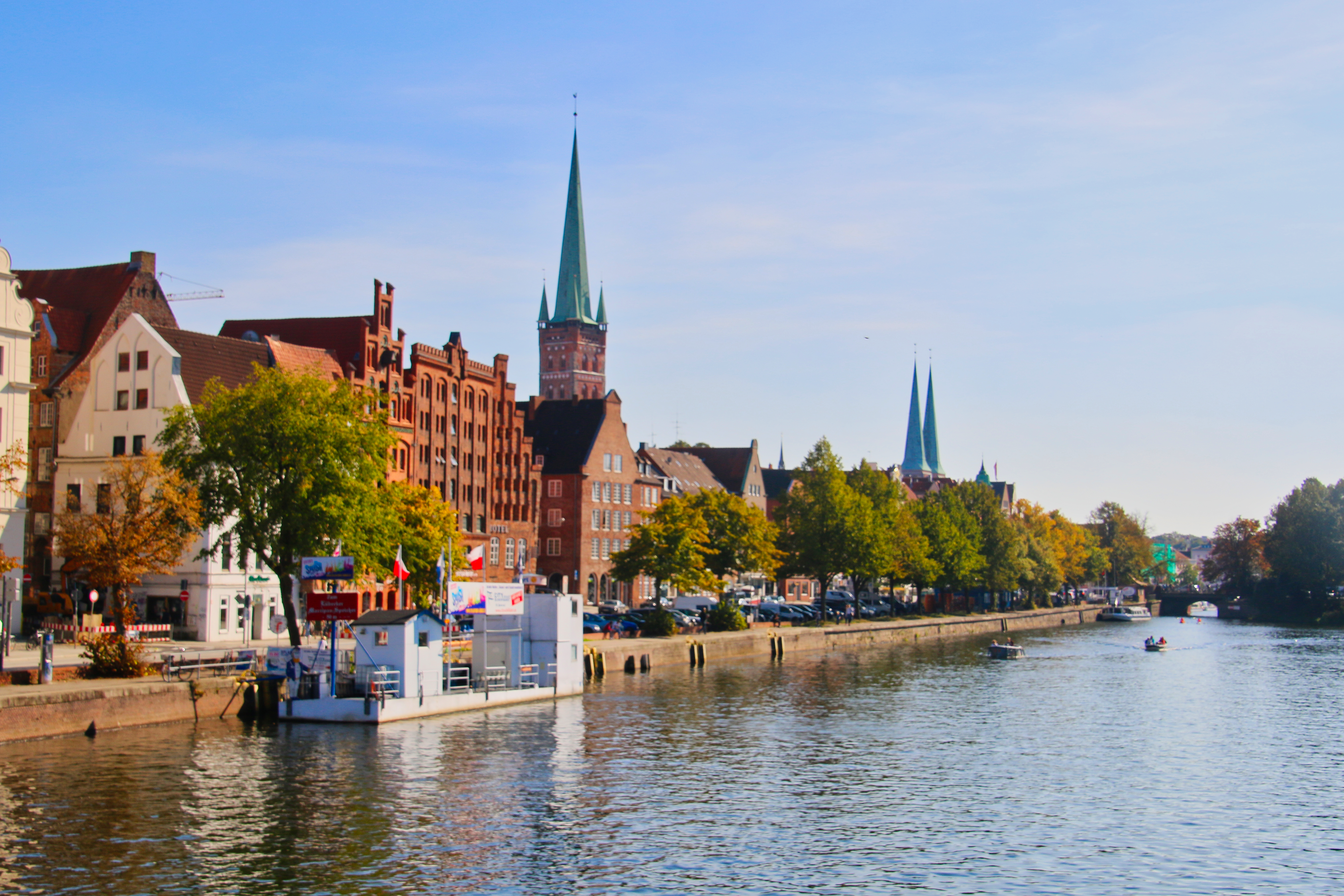
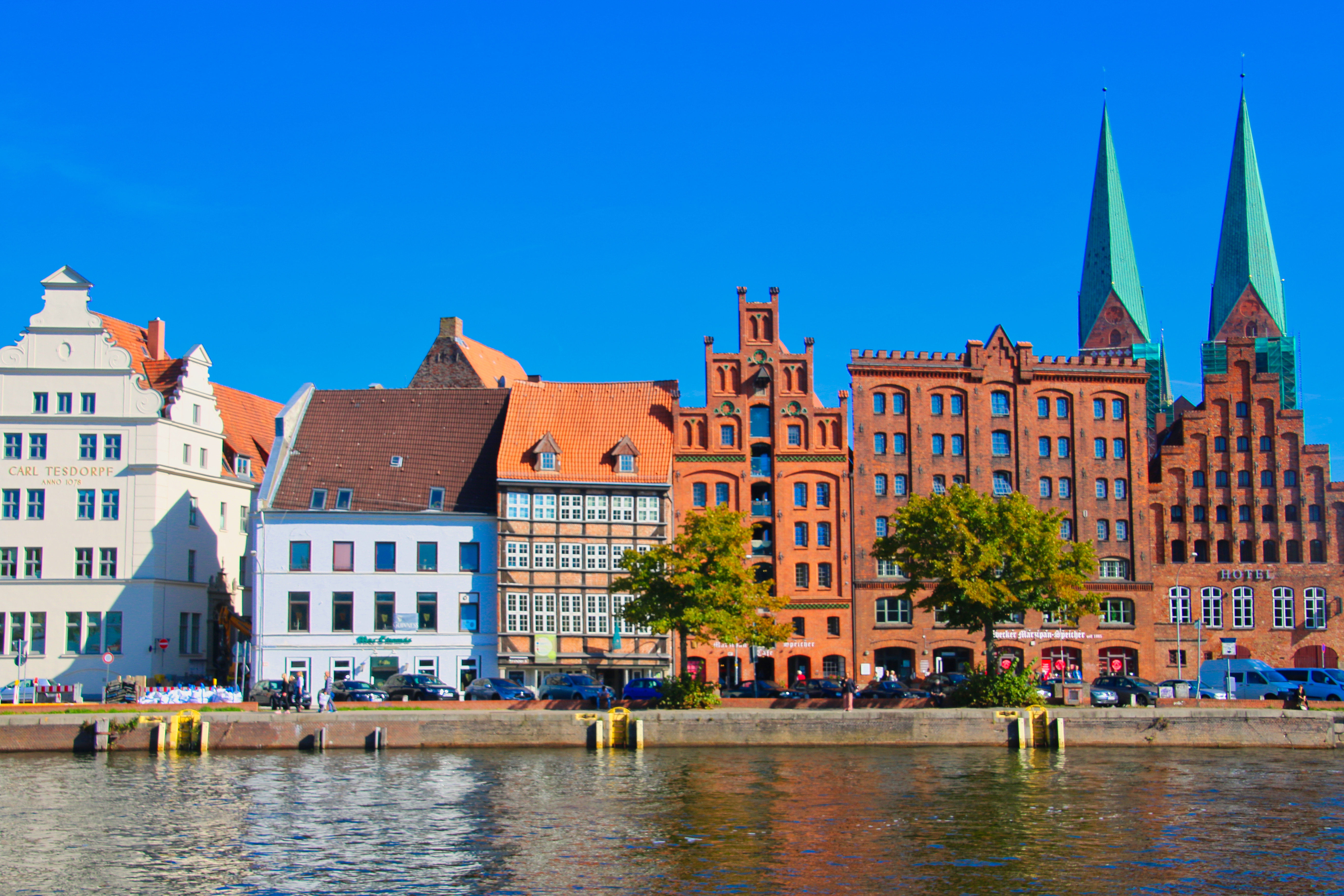
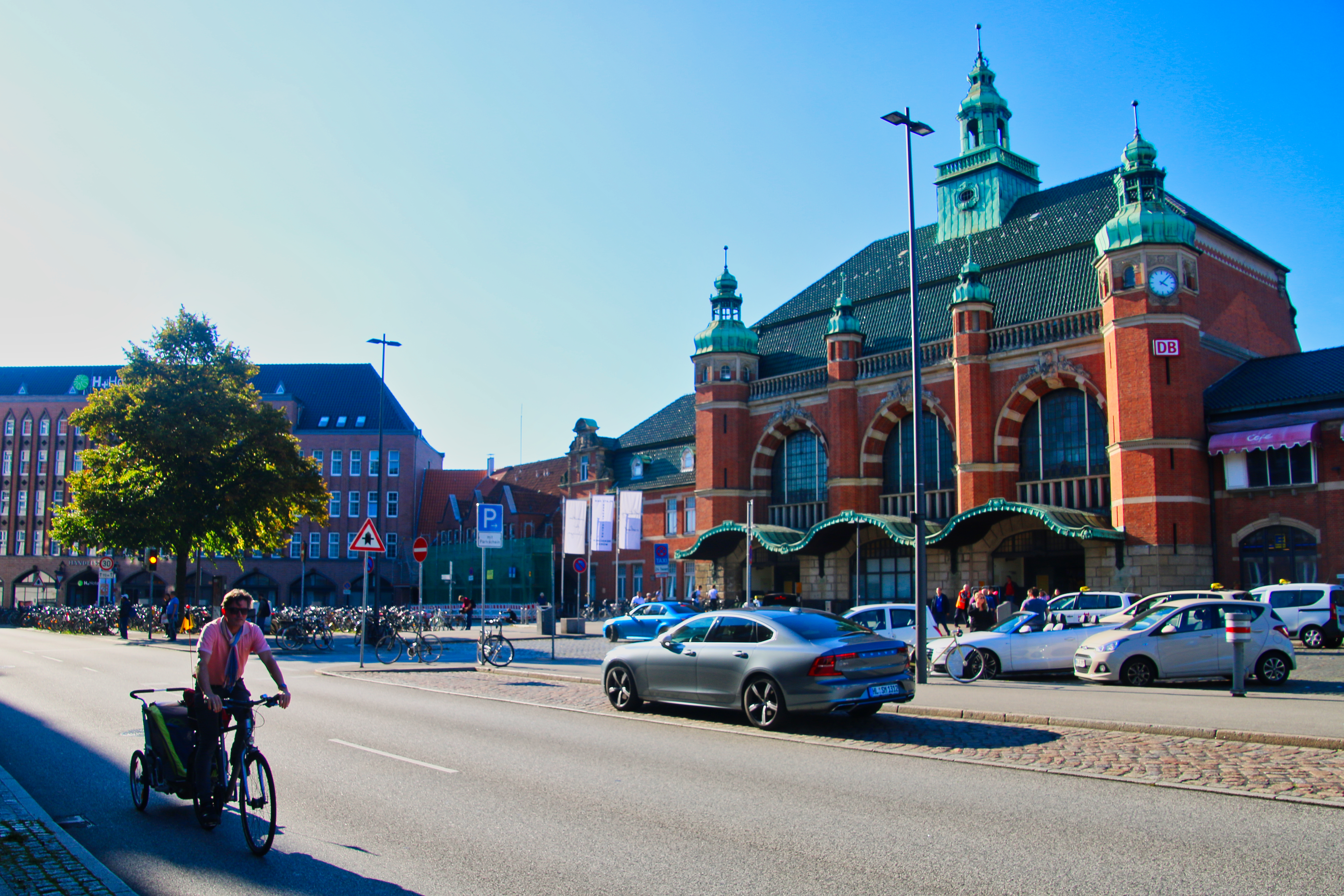
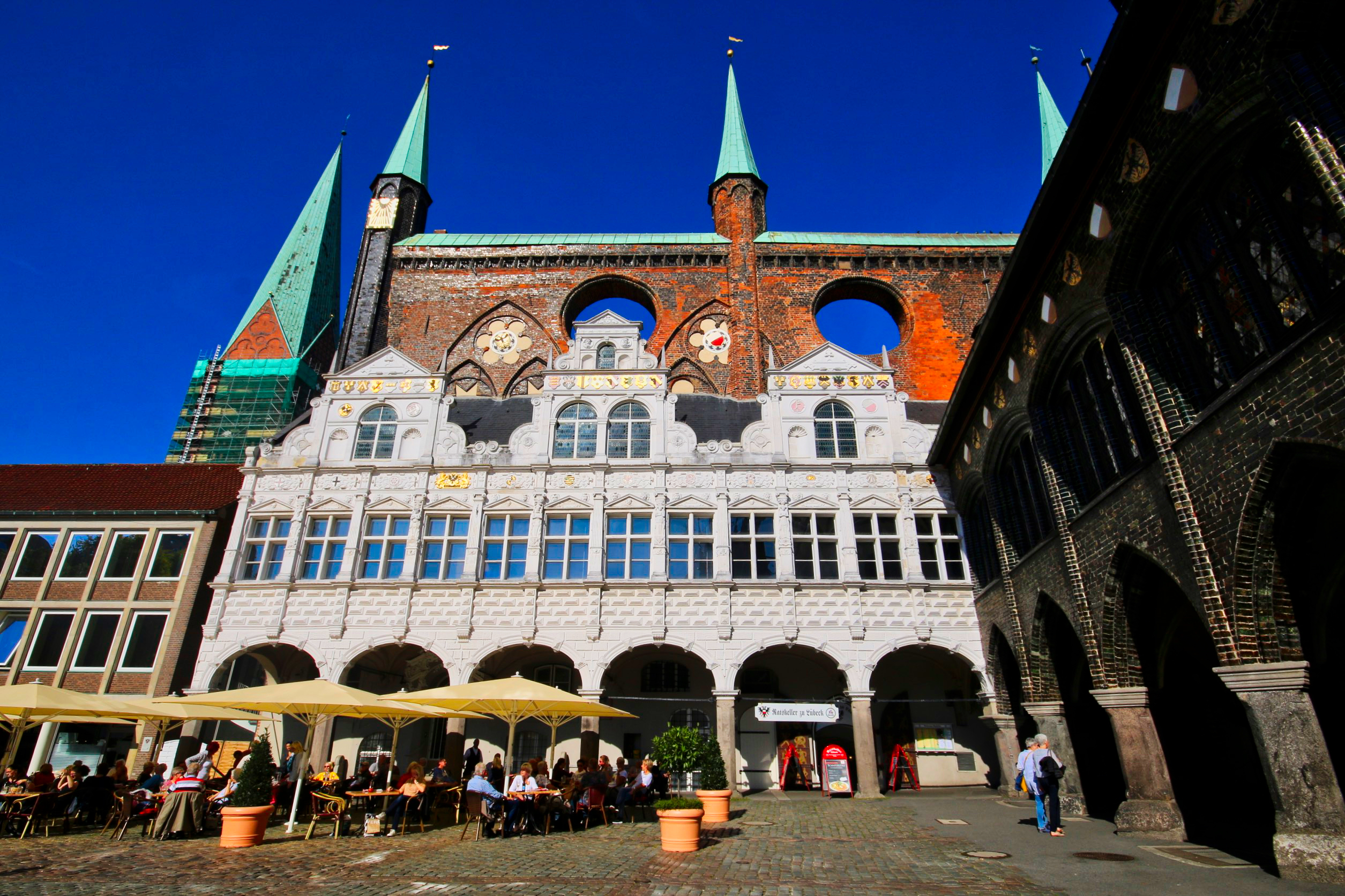
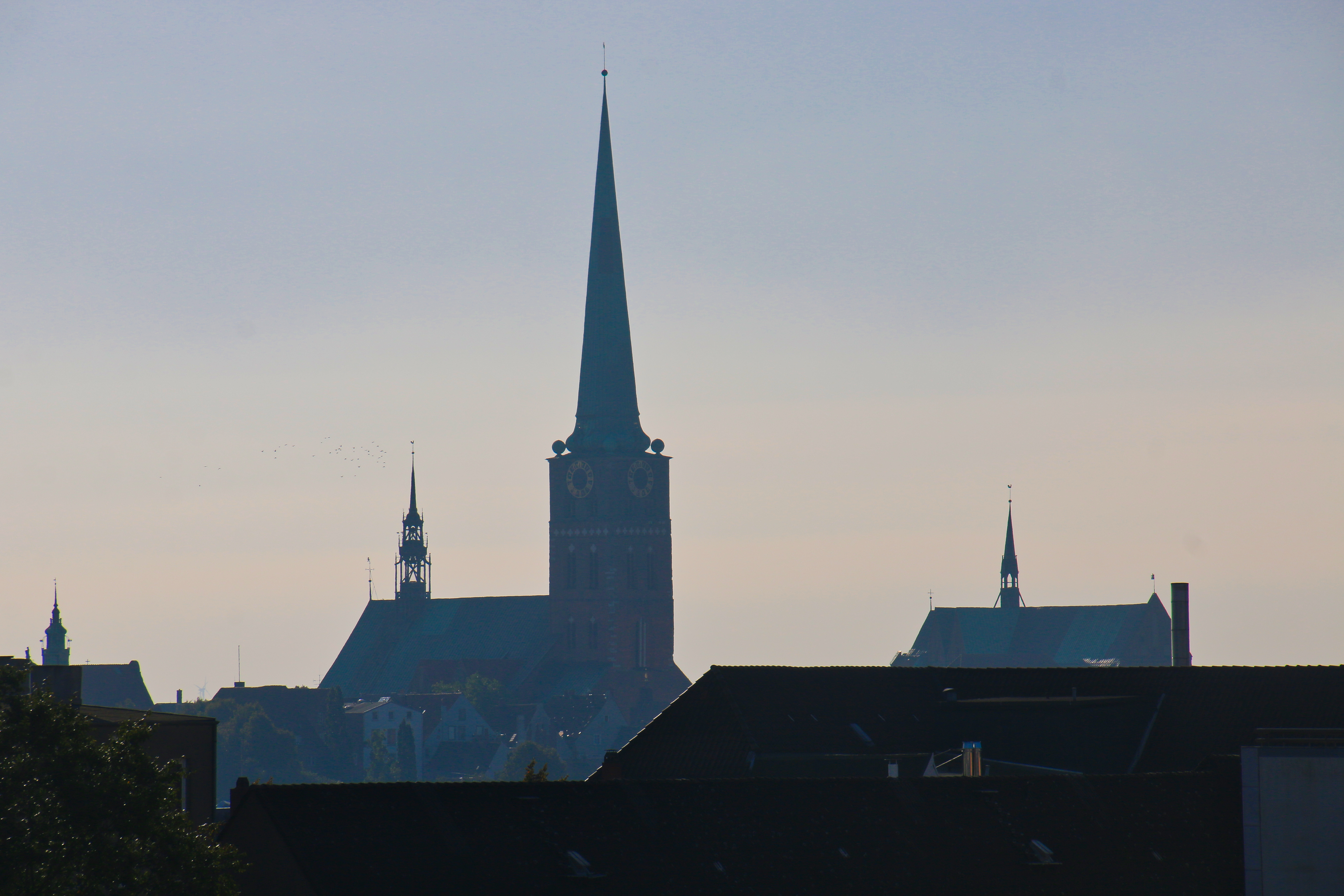
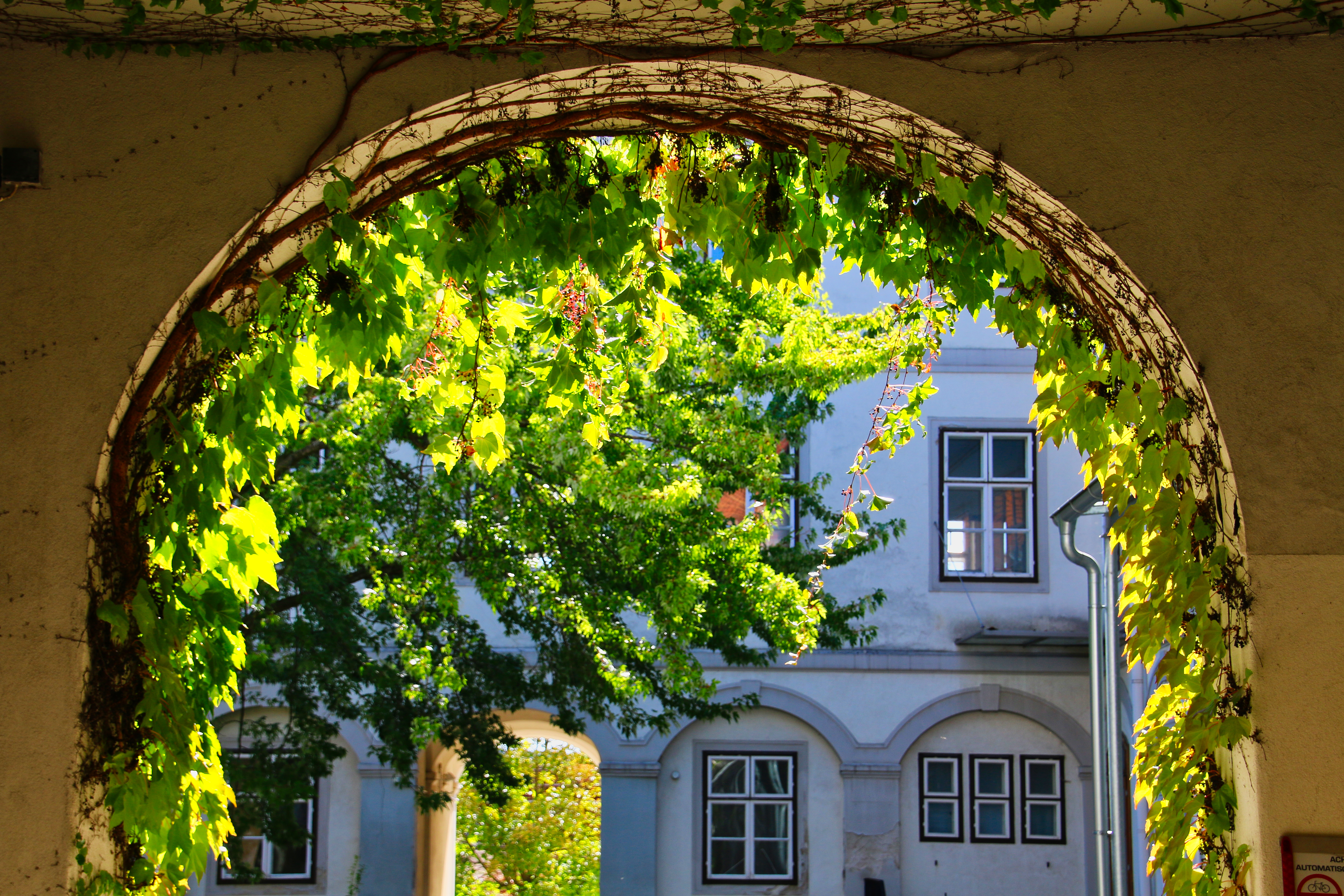
Lübeck is a town in Northern Germany, once the significant capital of the Hanse, a union of merchants in the middle ages that dominated trade in the Baltic seas for many centuries. So, the city was also called the Queen of the Hanse, and its inhabitants used to be wealthy and influential. Many beautiful buildings, especially churches, were built in these blooming years. Lübeck is a beautiful and well-preserved historic inner town with a lot of water surrounding it, which makes for excellent perspectives. The photographs were shot in September 2019.

test


Hallig Hooge

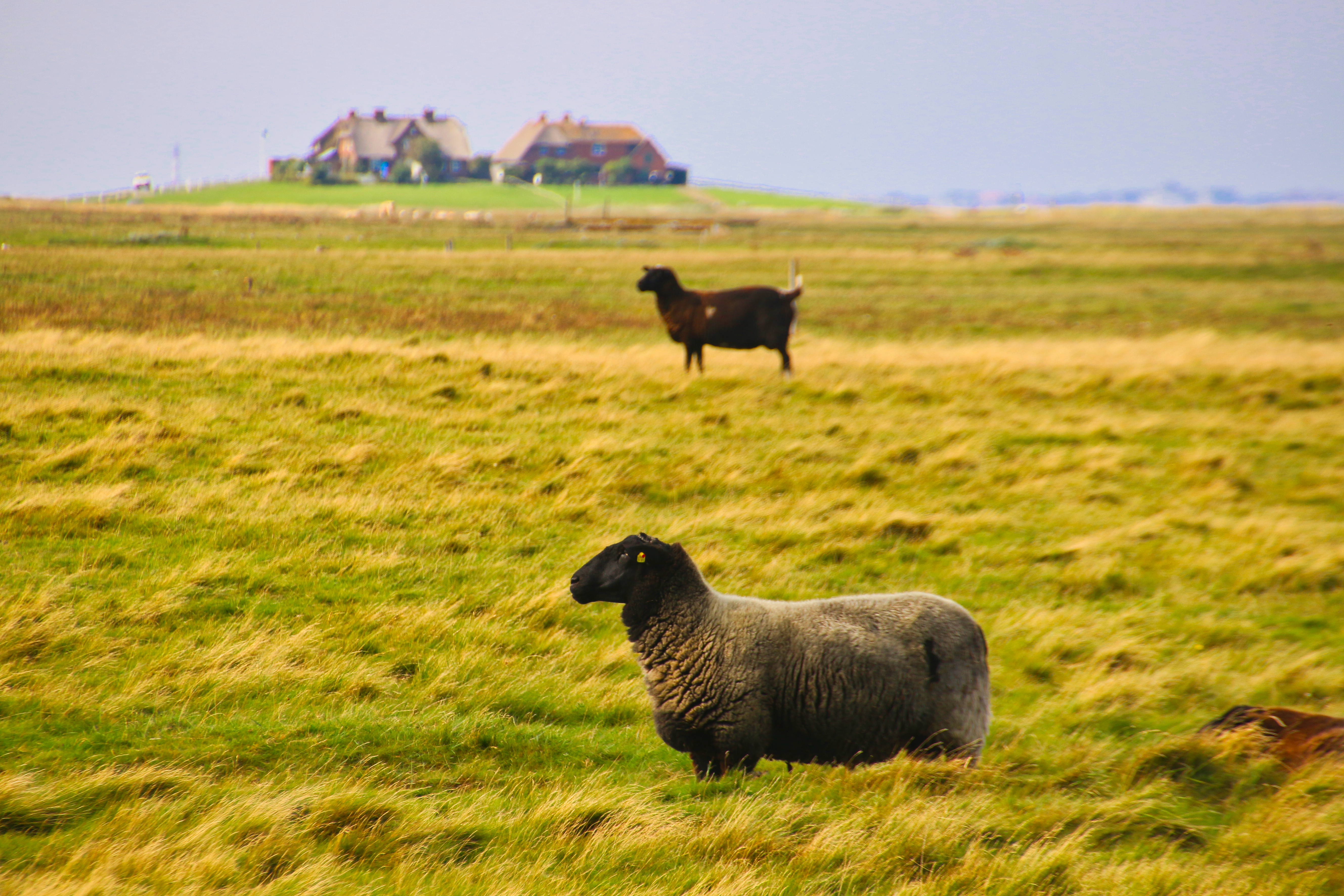
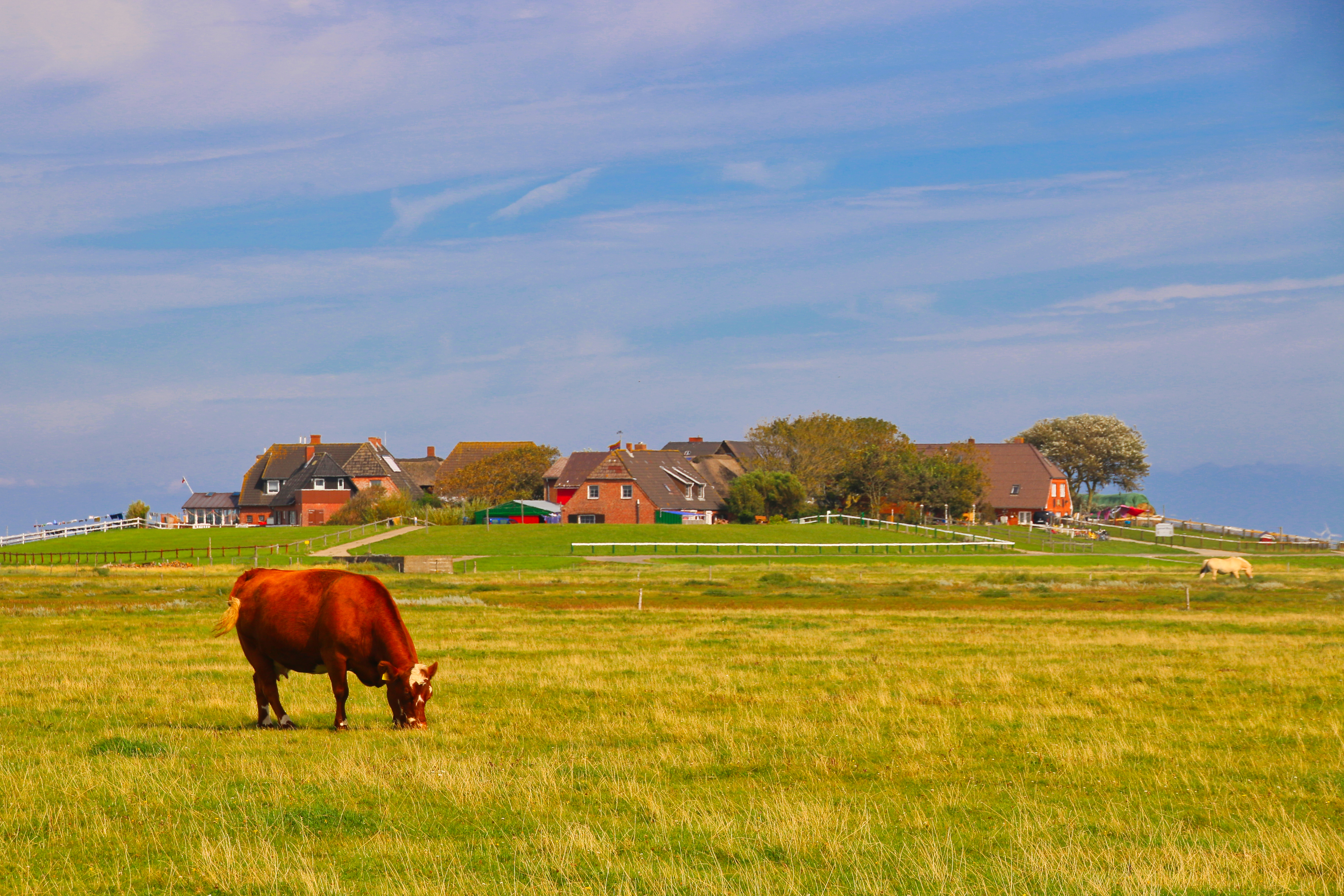
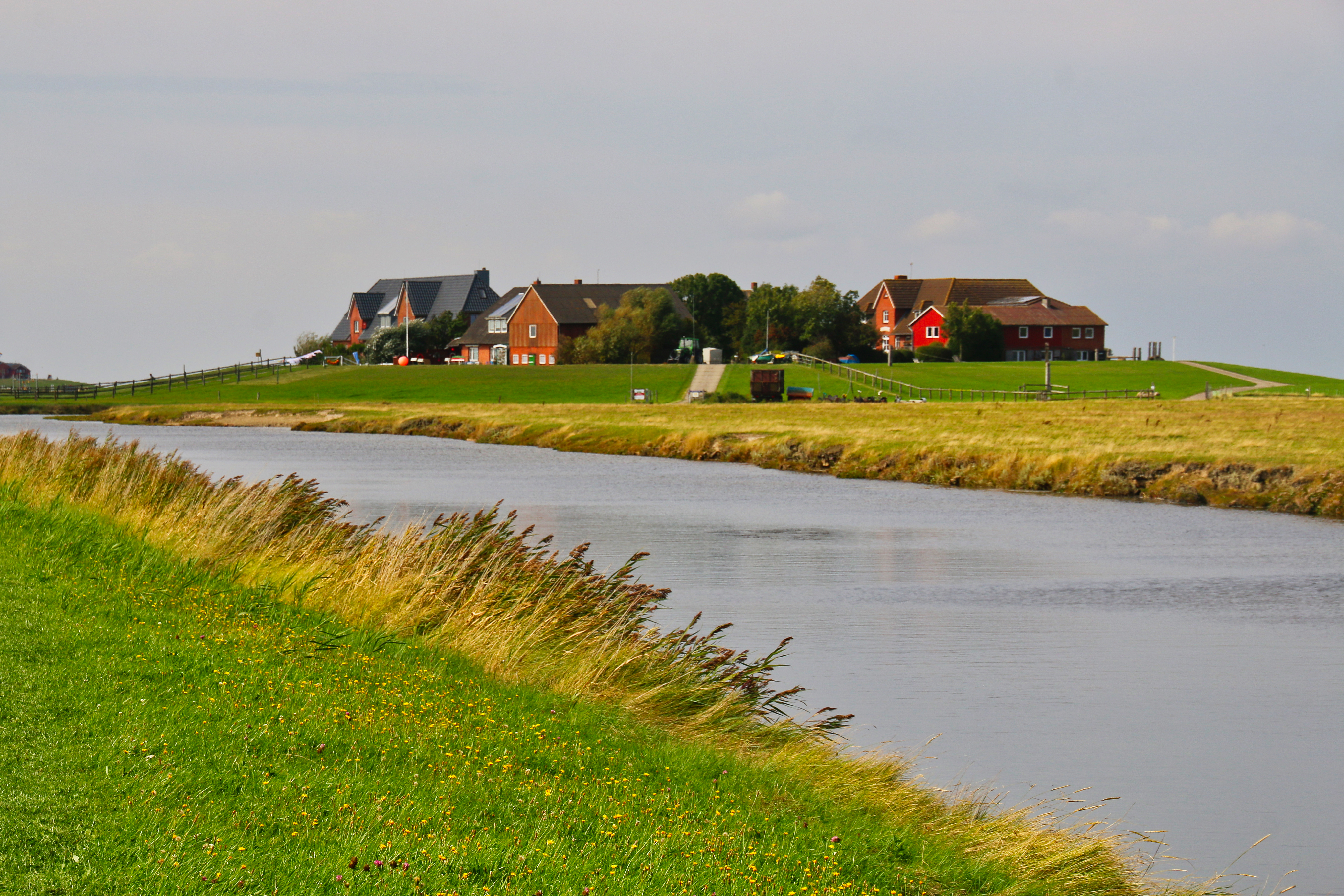
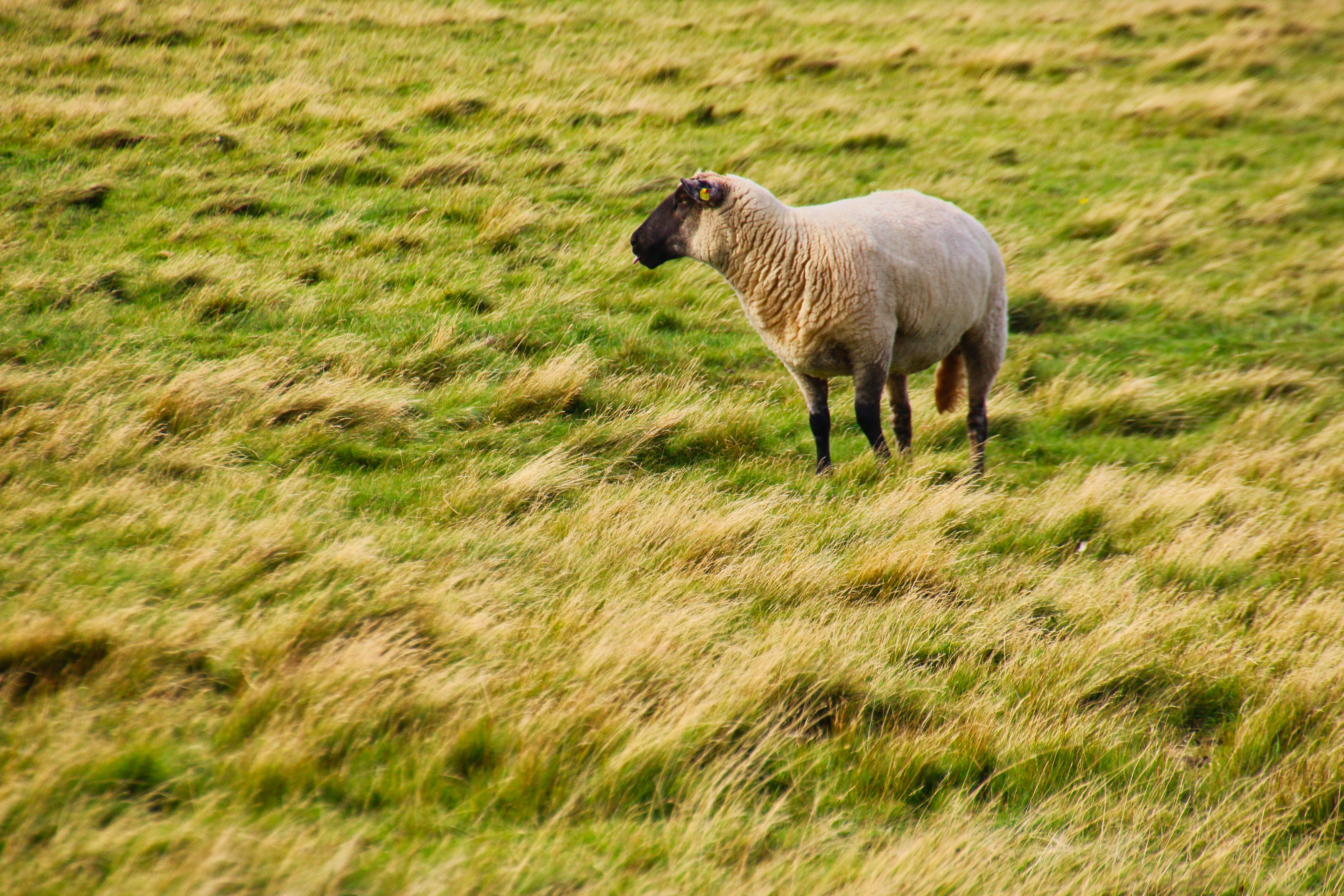
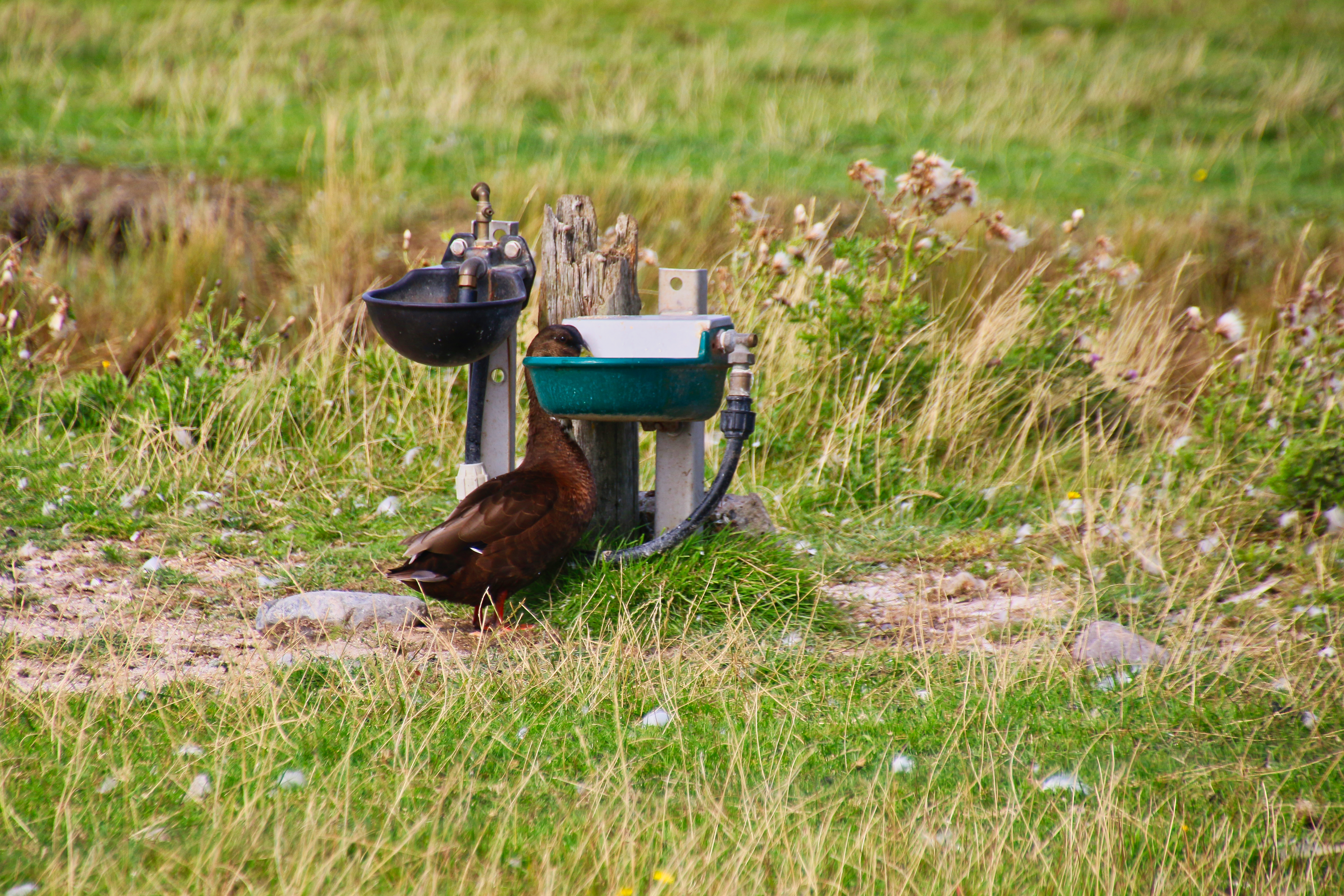
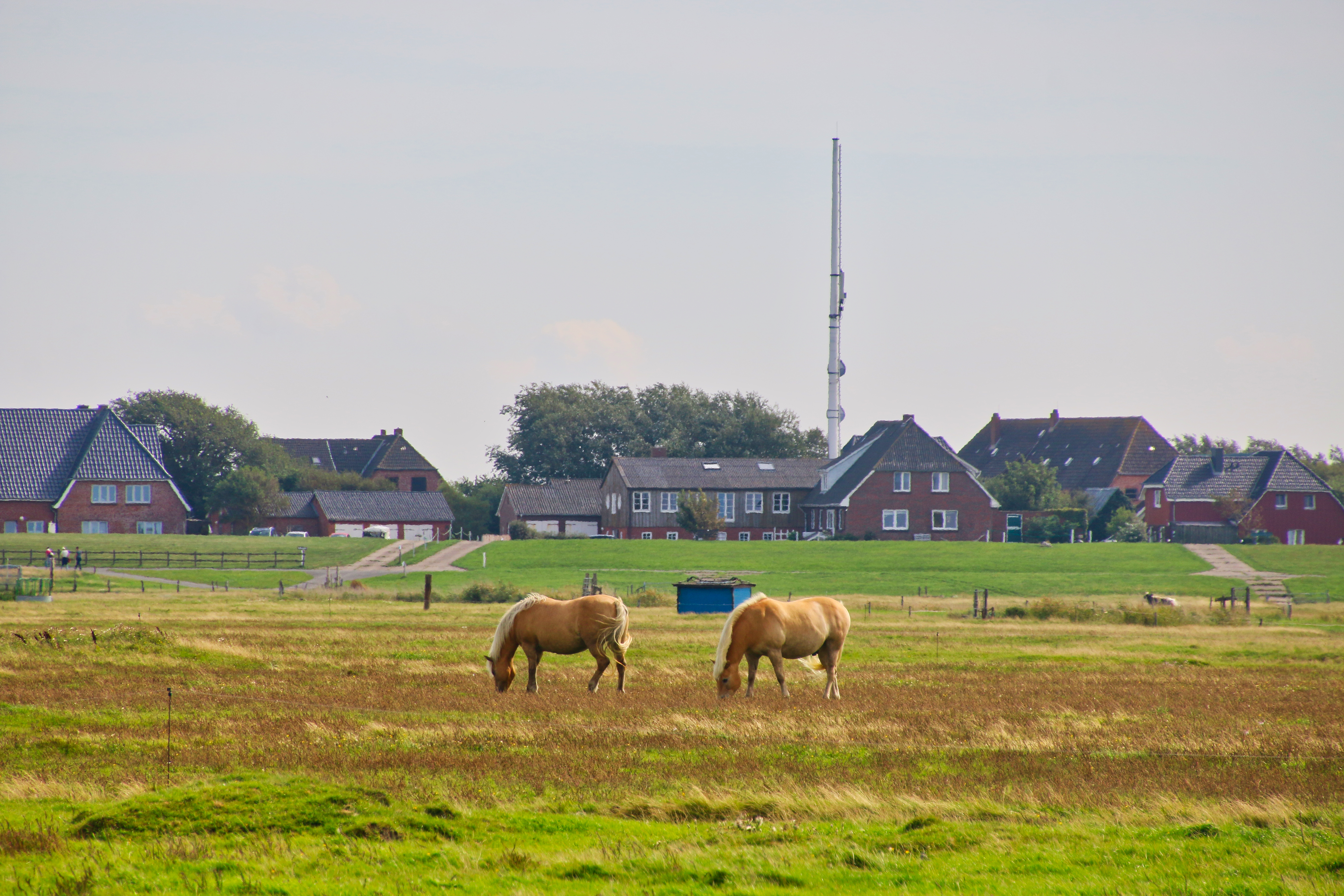
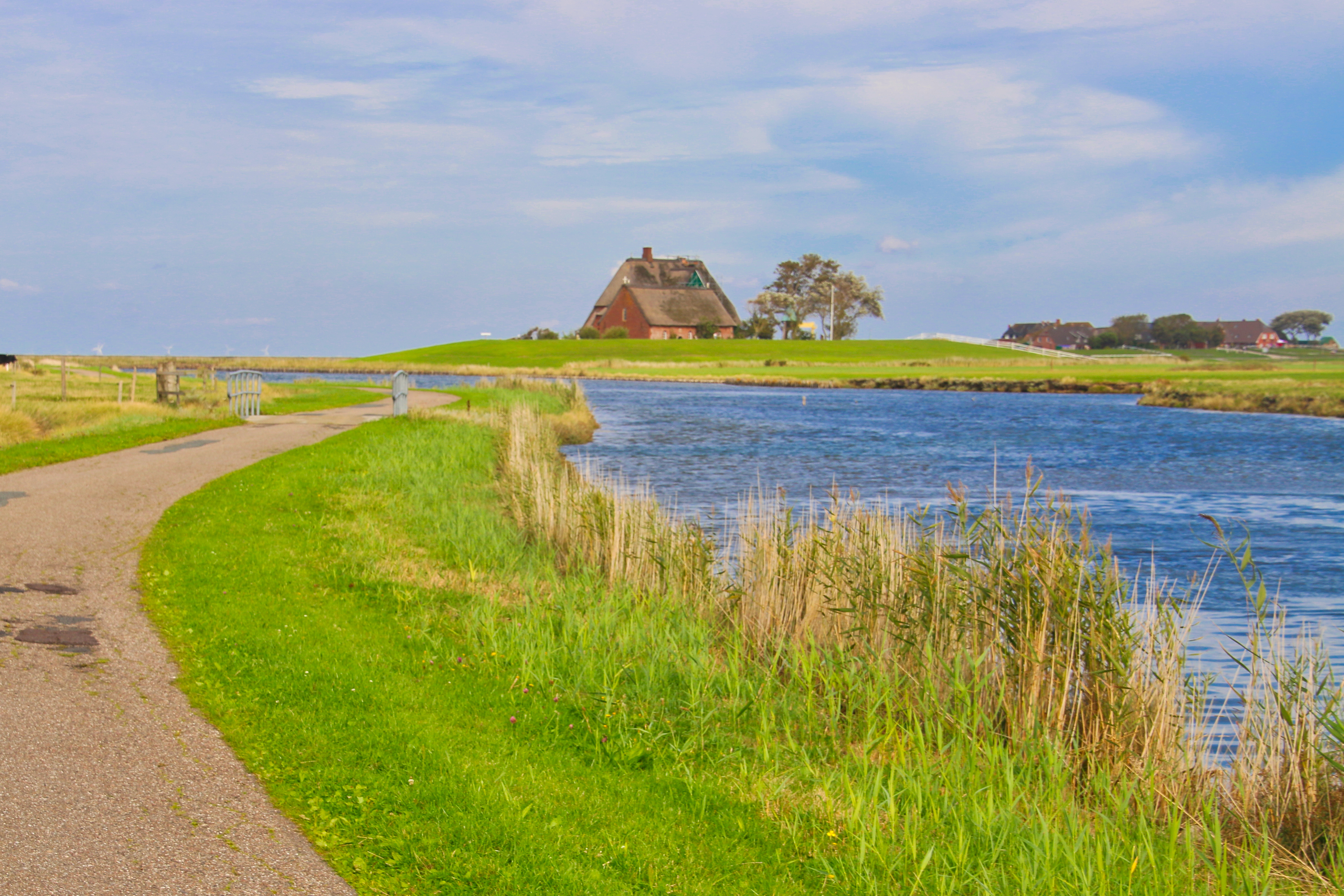
Hallig Hooge is also called the Queen of the Halligen. The Halligen are extraordinary islands in the Wadden region of northern Germany. They are not protected by dykes and are very low; the inhabitants are used to the islands being flooded 40-50 times per year. So to be safe and dry, the houses are built on so-called warften, little villages built on earth mounds. Hallig Hooge and its nature are truly extraordinary, a calm spot in the midst of a rough sea.

test

Ribe in Pictures

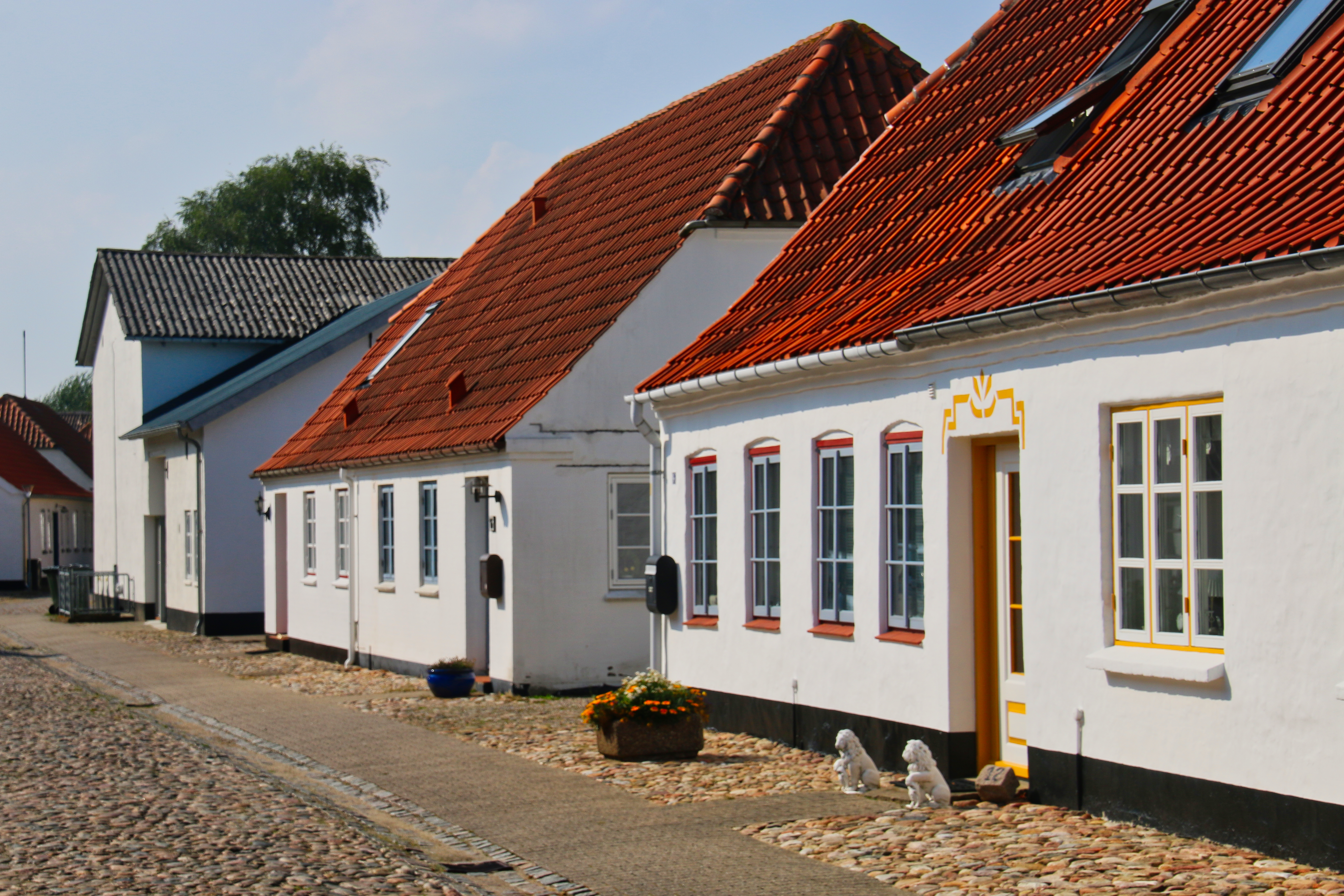
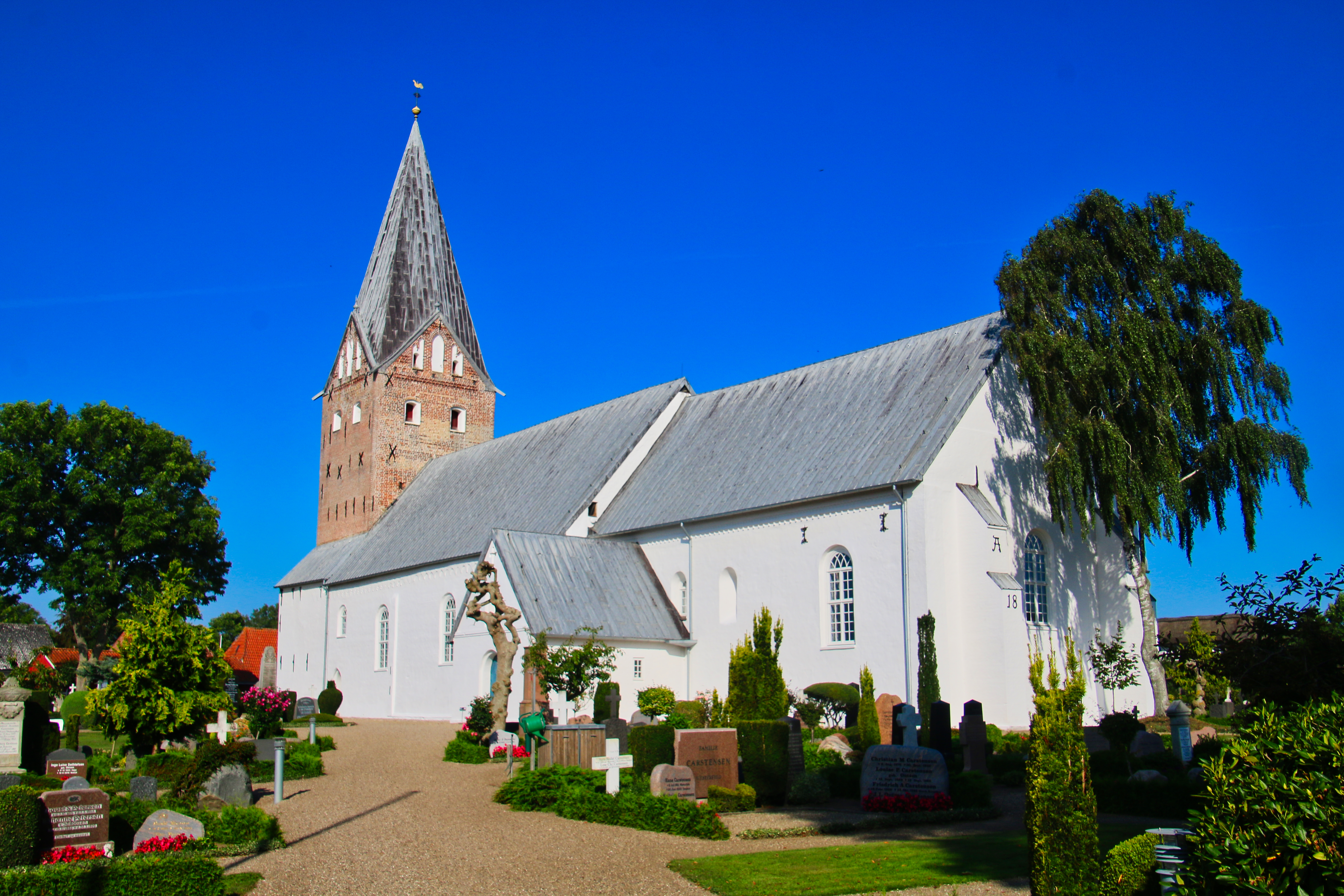
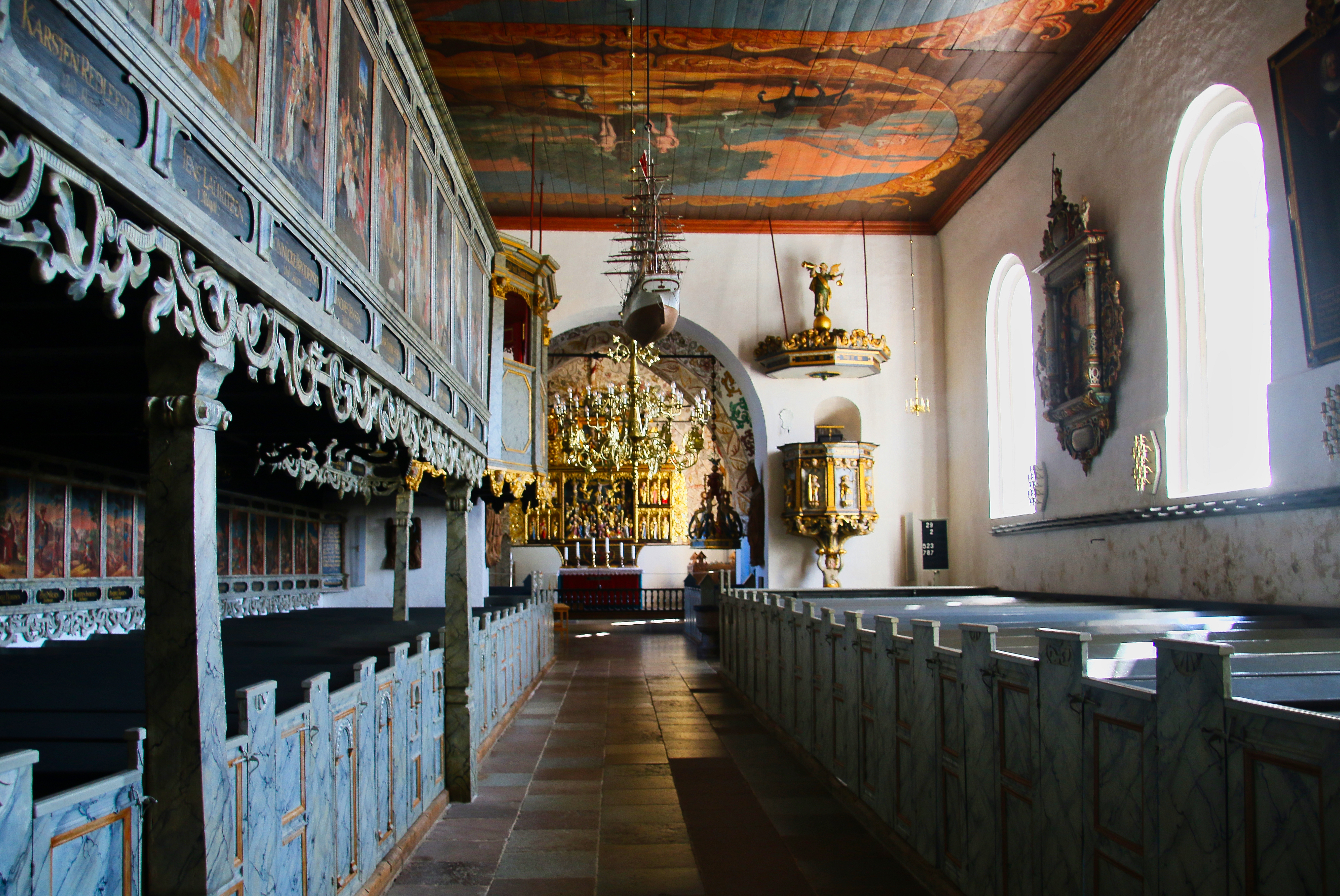
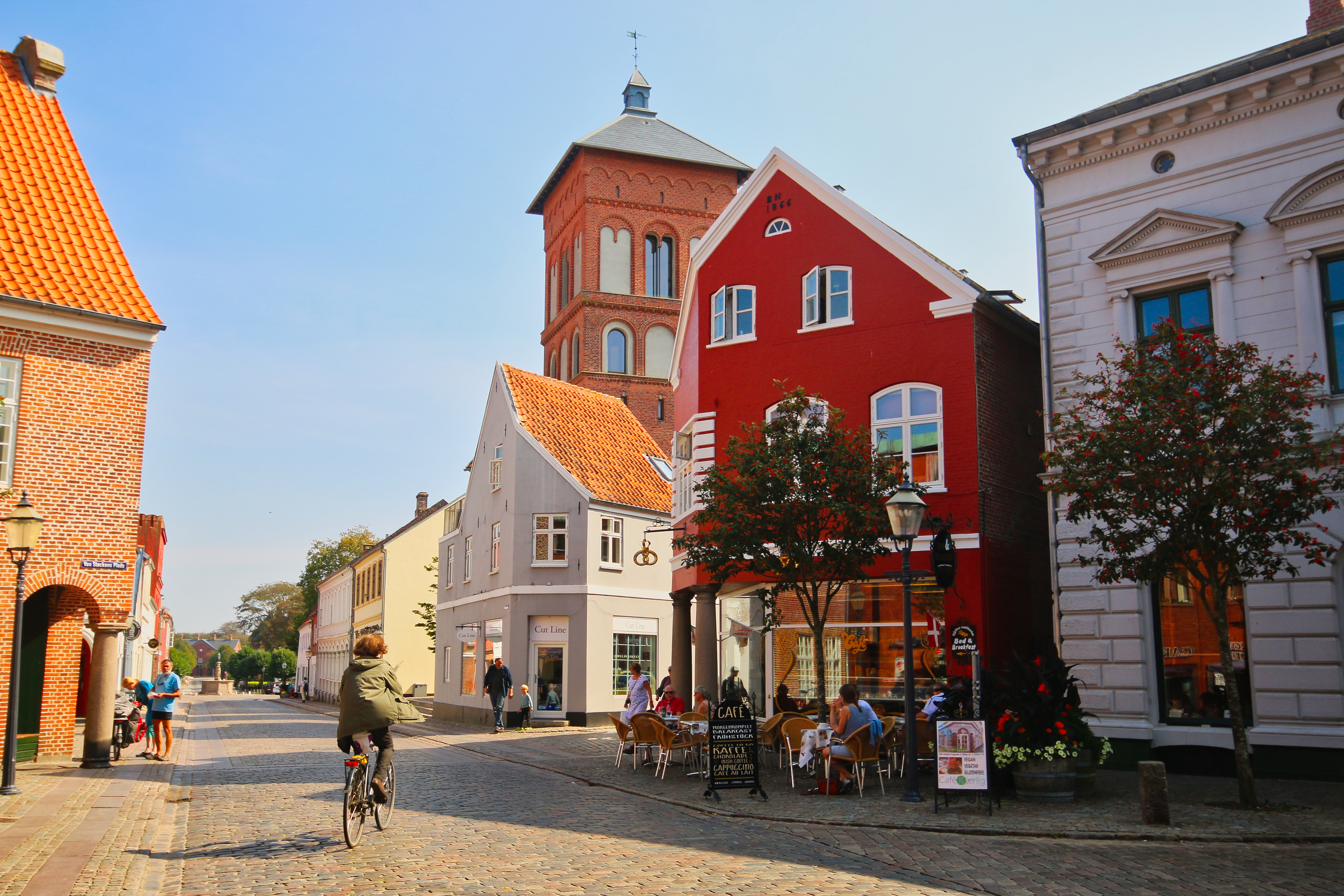
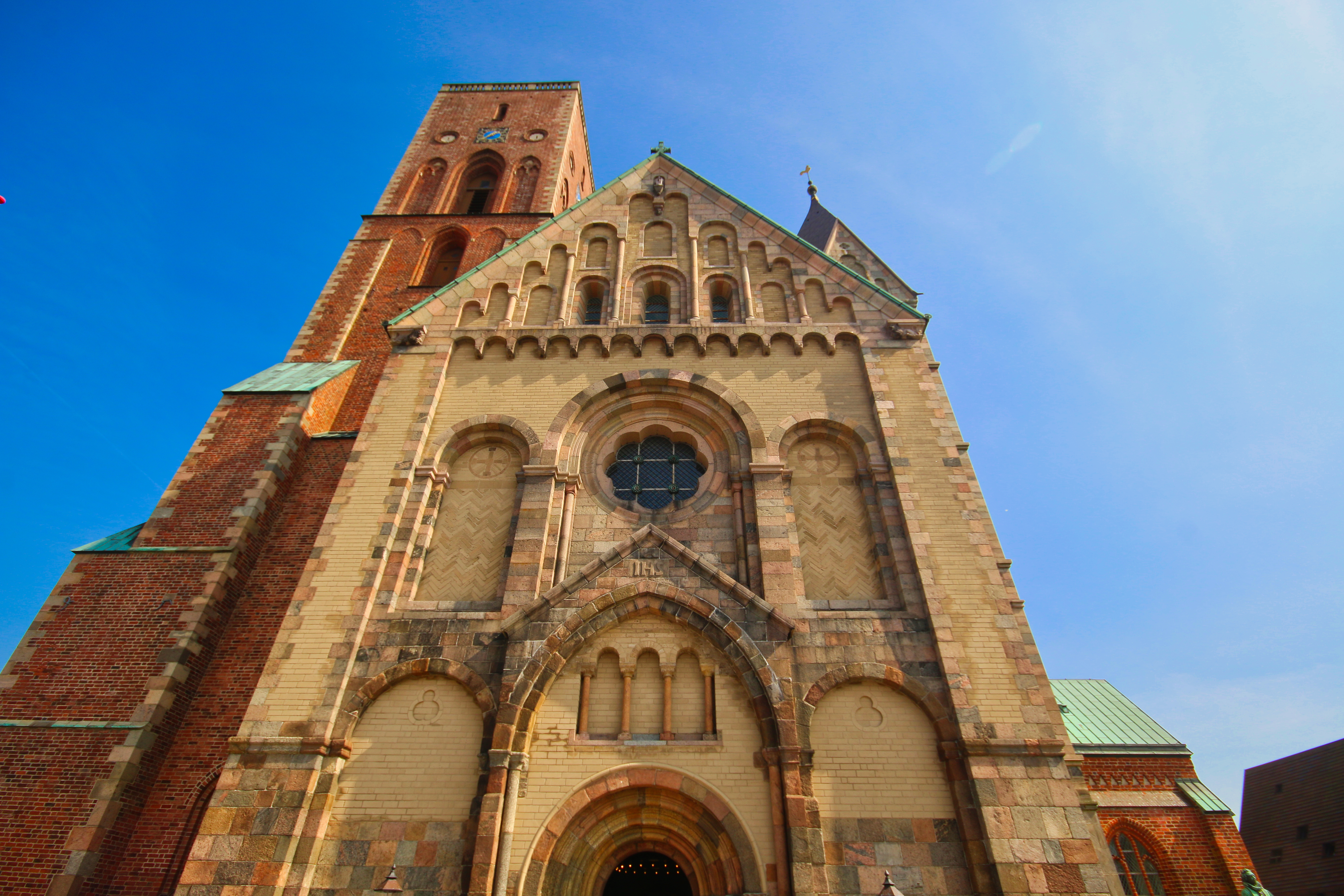
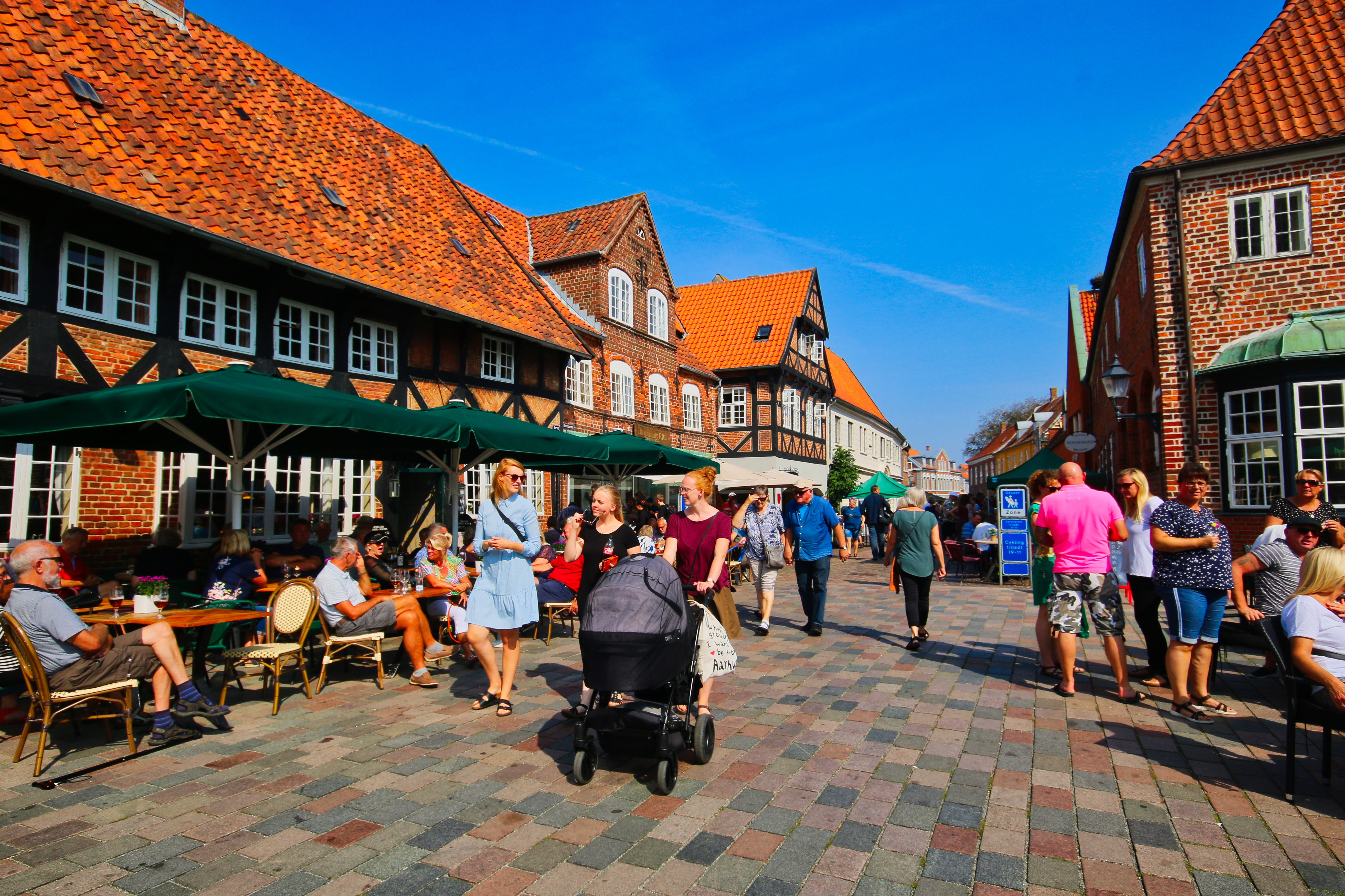
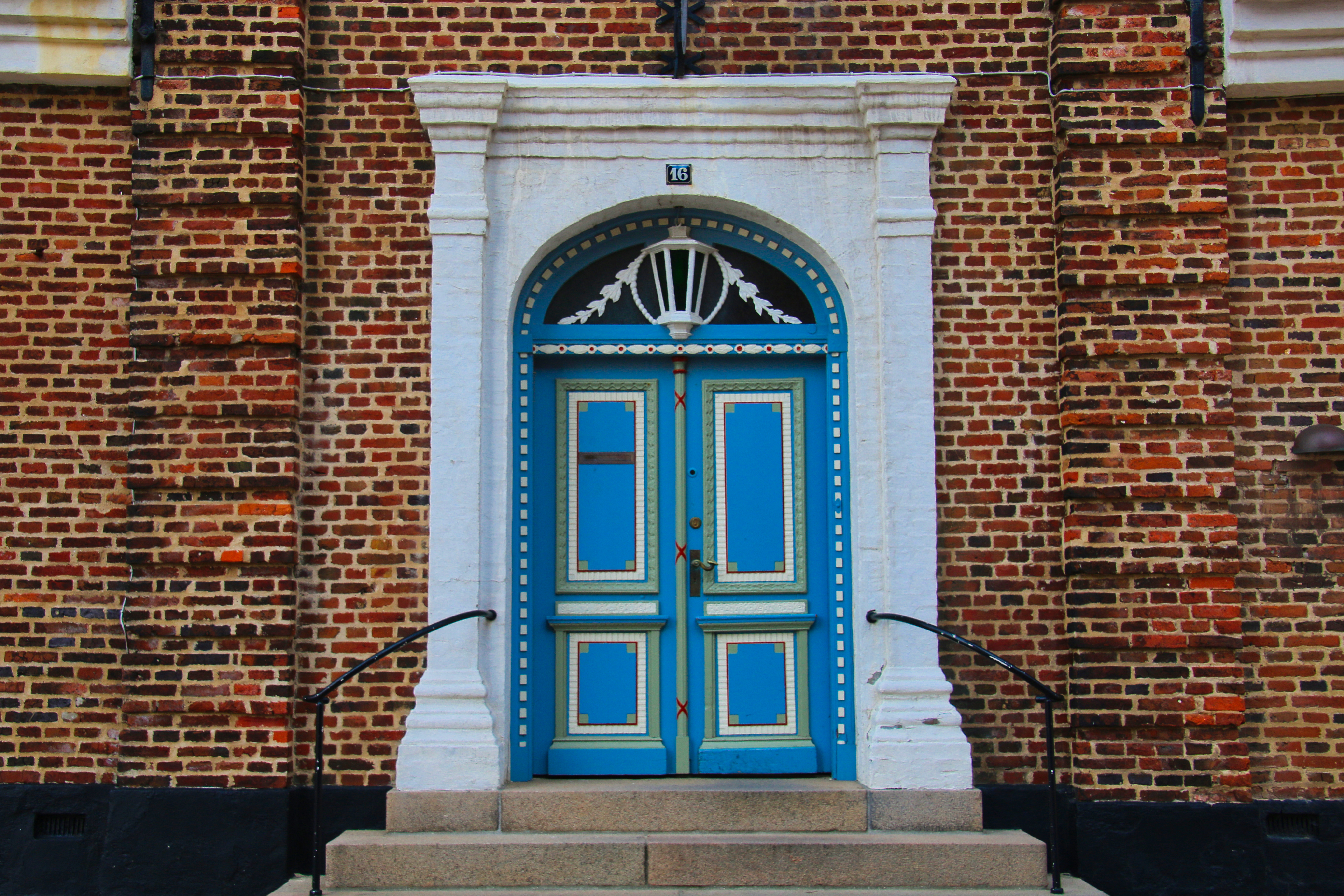
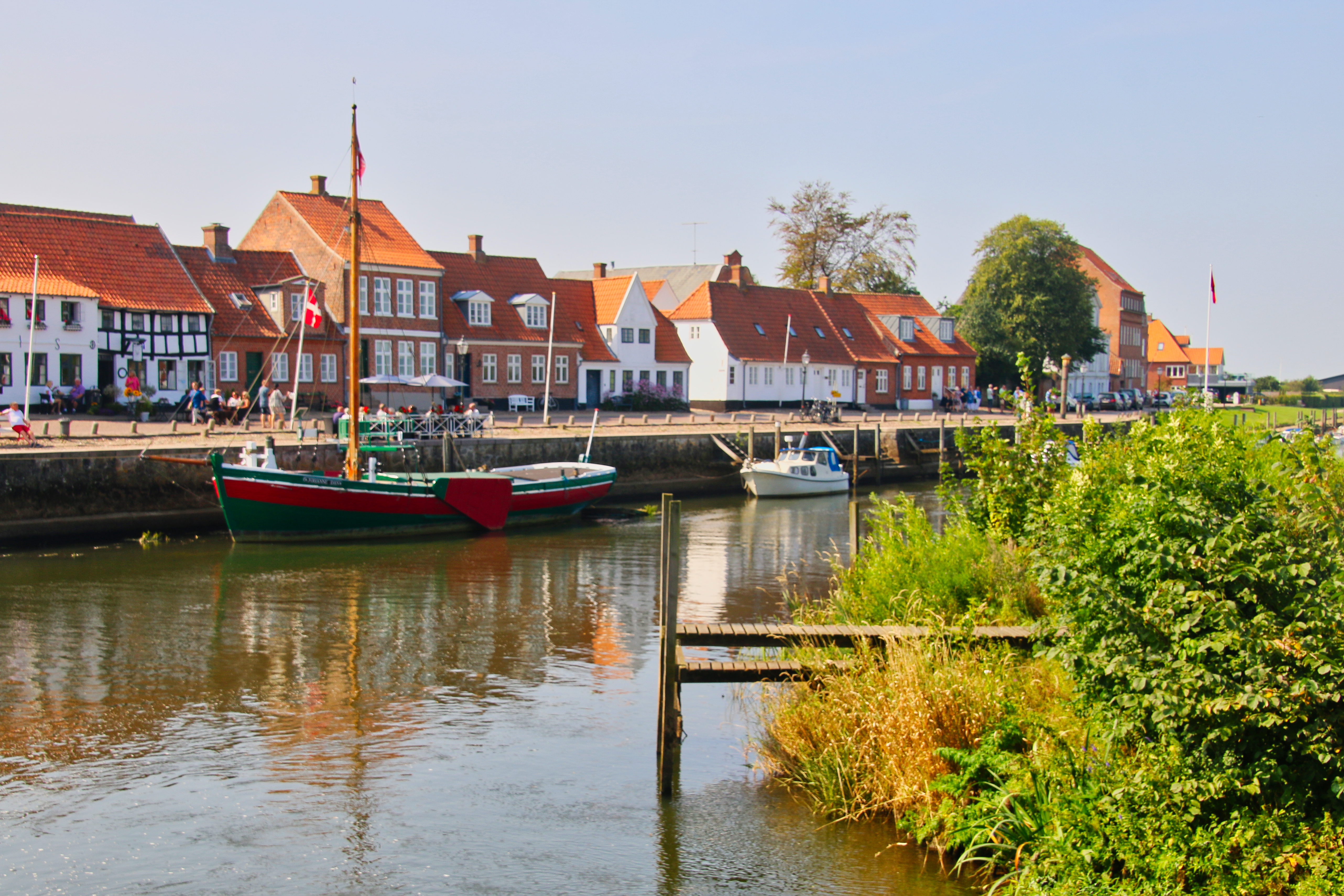
Ribe is regarded as one of the oldest towns in Denmark. A vital church was built here by the missionary Ansgar of Bremen in the 9th century, probably the first church in Scandinavia altogether. By then, the town was already well known as a port town and for its sophisticated craftsmen. Nowadays, Ribe is of middle size, but the church is still one of Denmark’s finest examples of sacral architecture, and the inner town is lively and colorful.

test

The North Cape

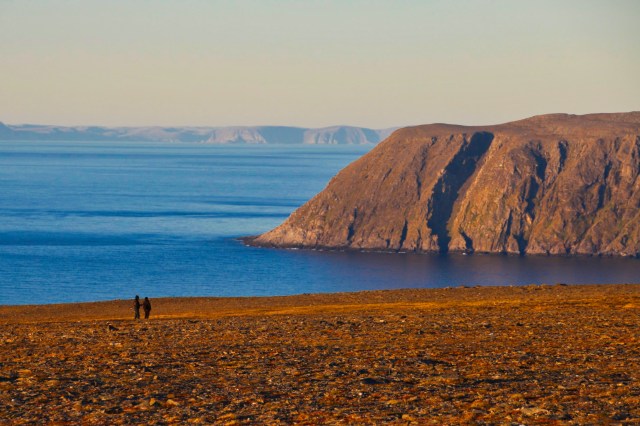
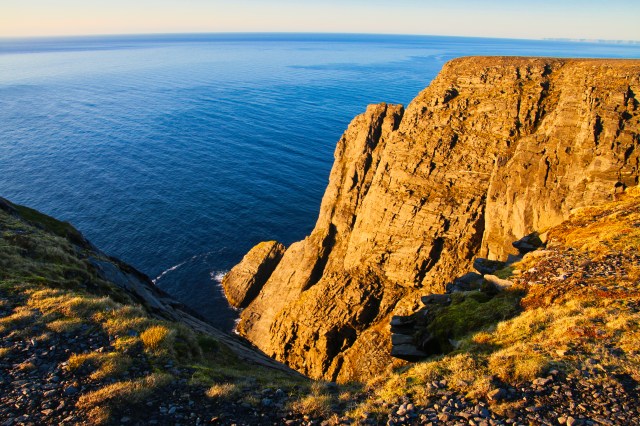
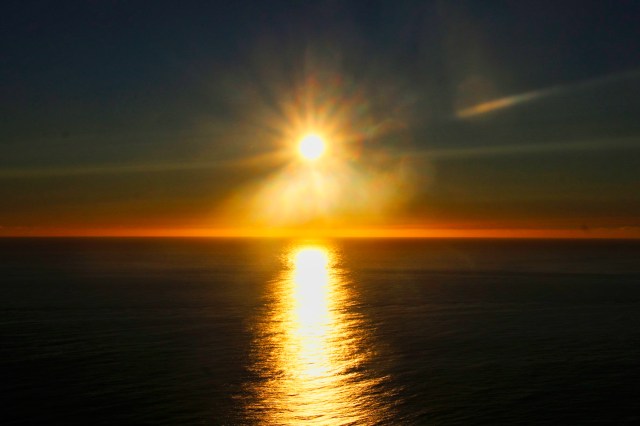
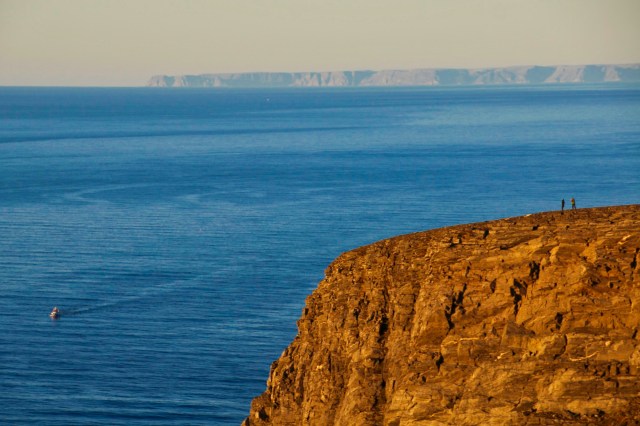
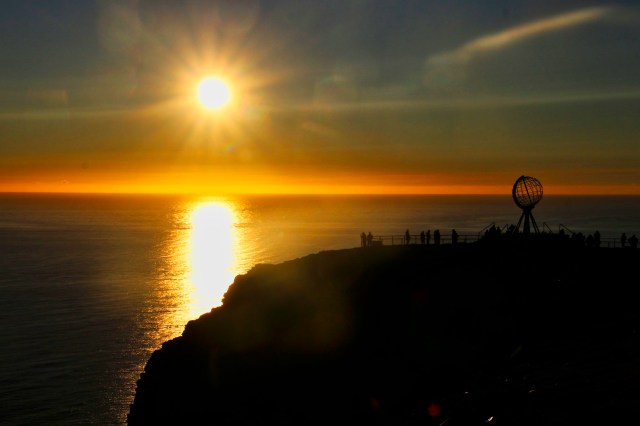
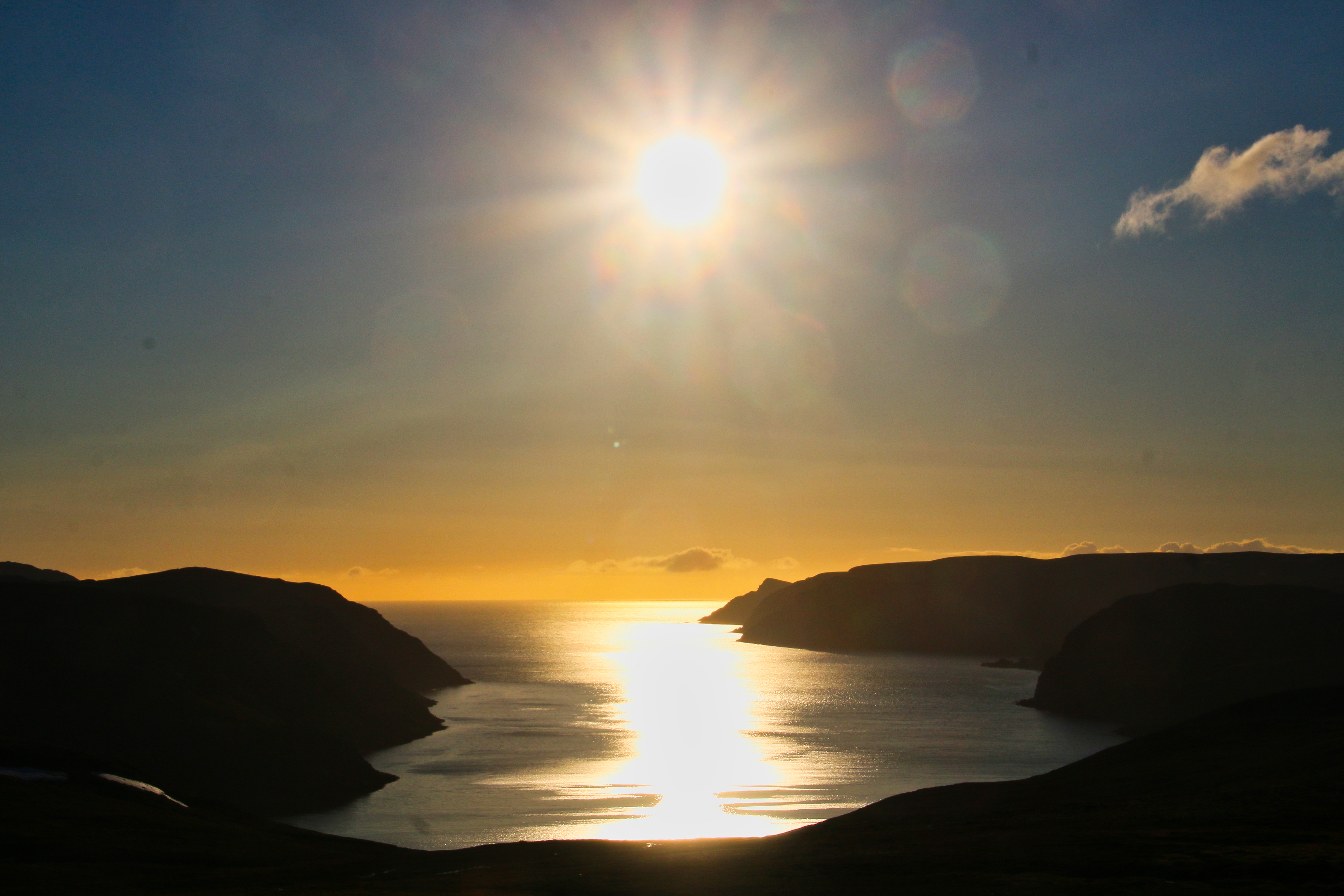
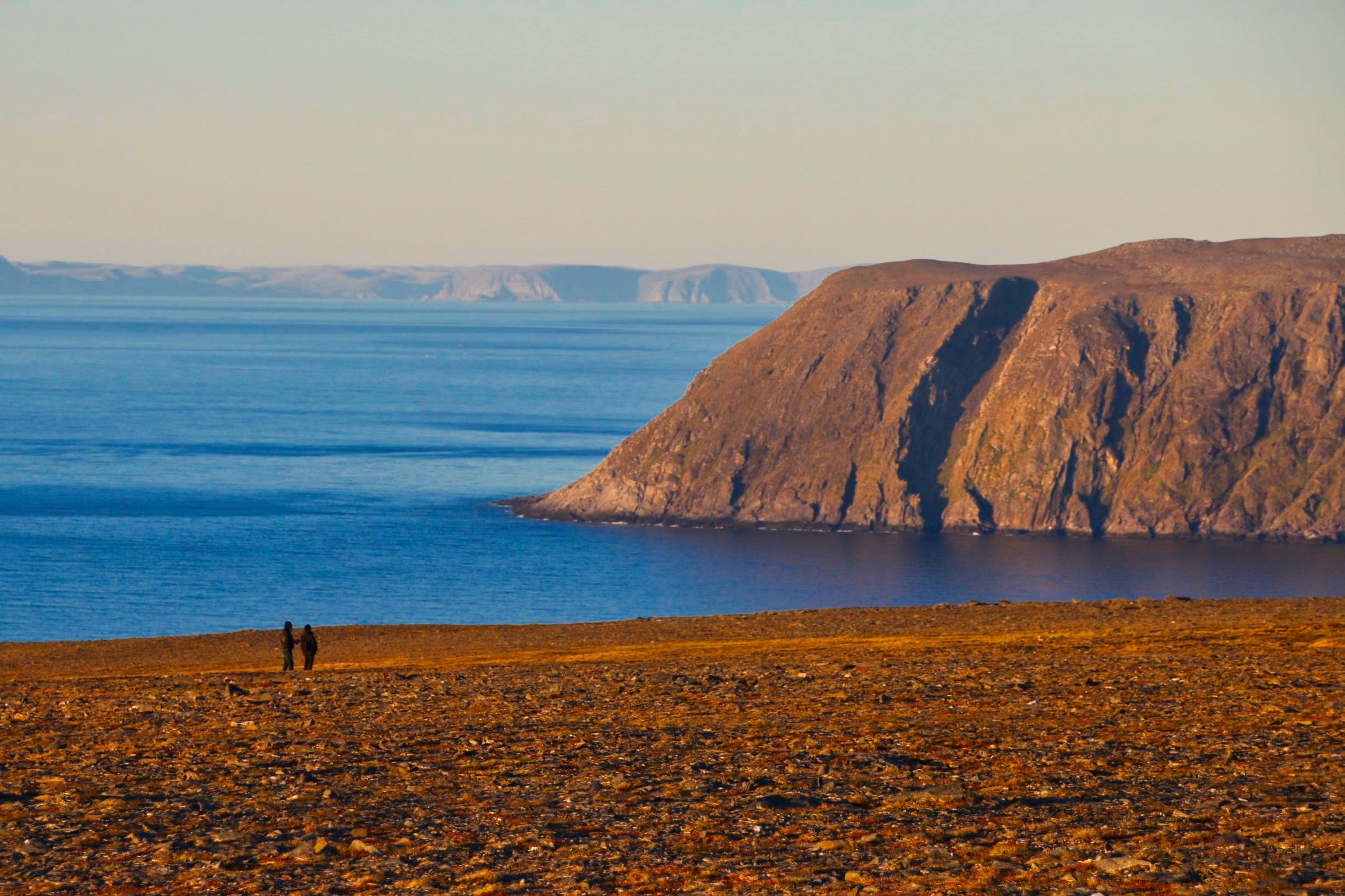
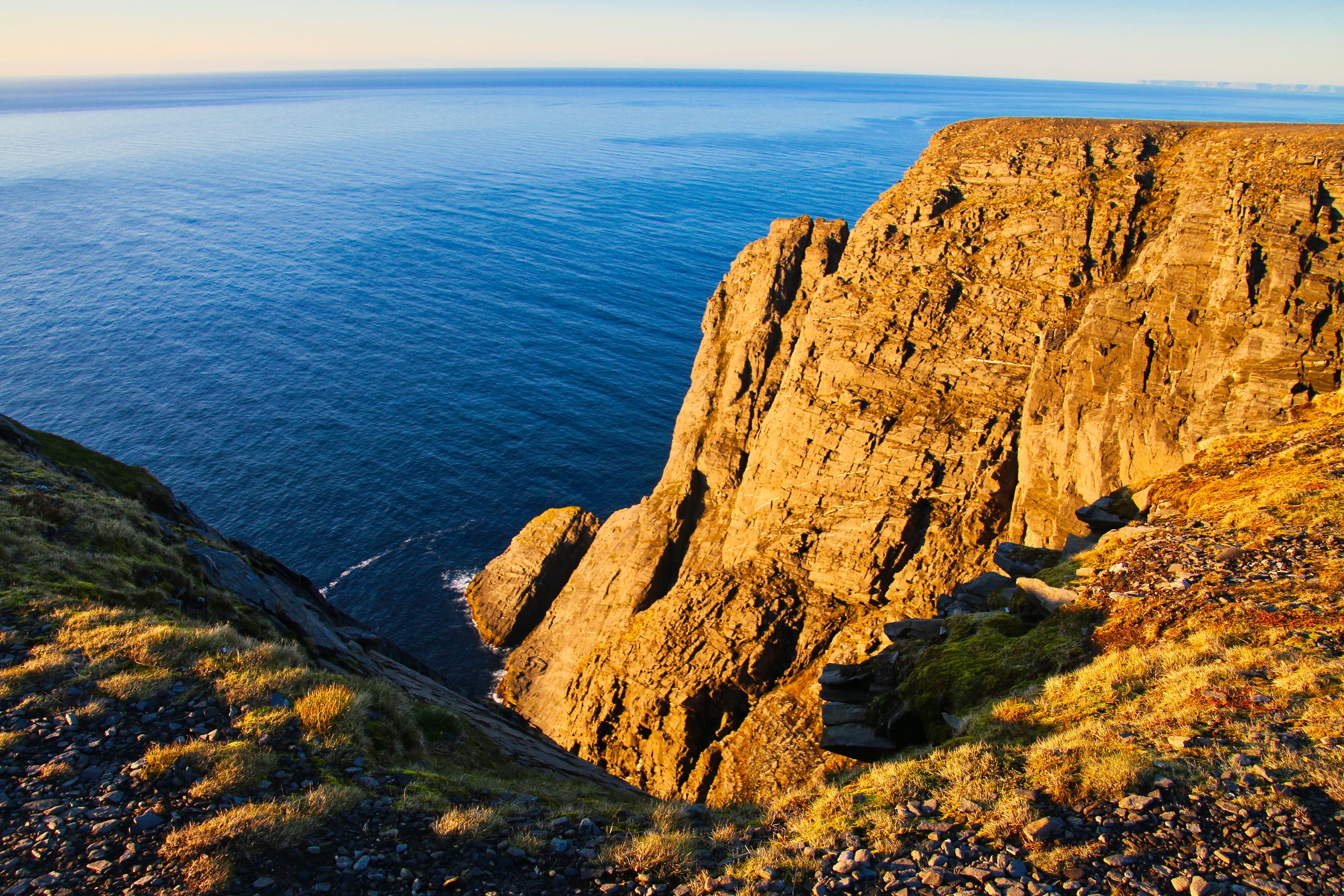
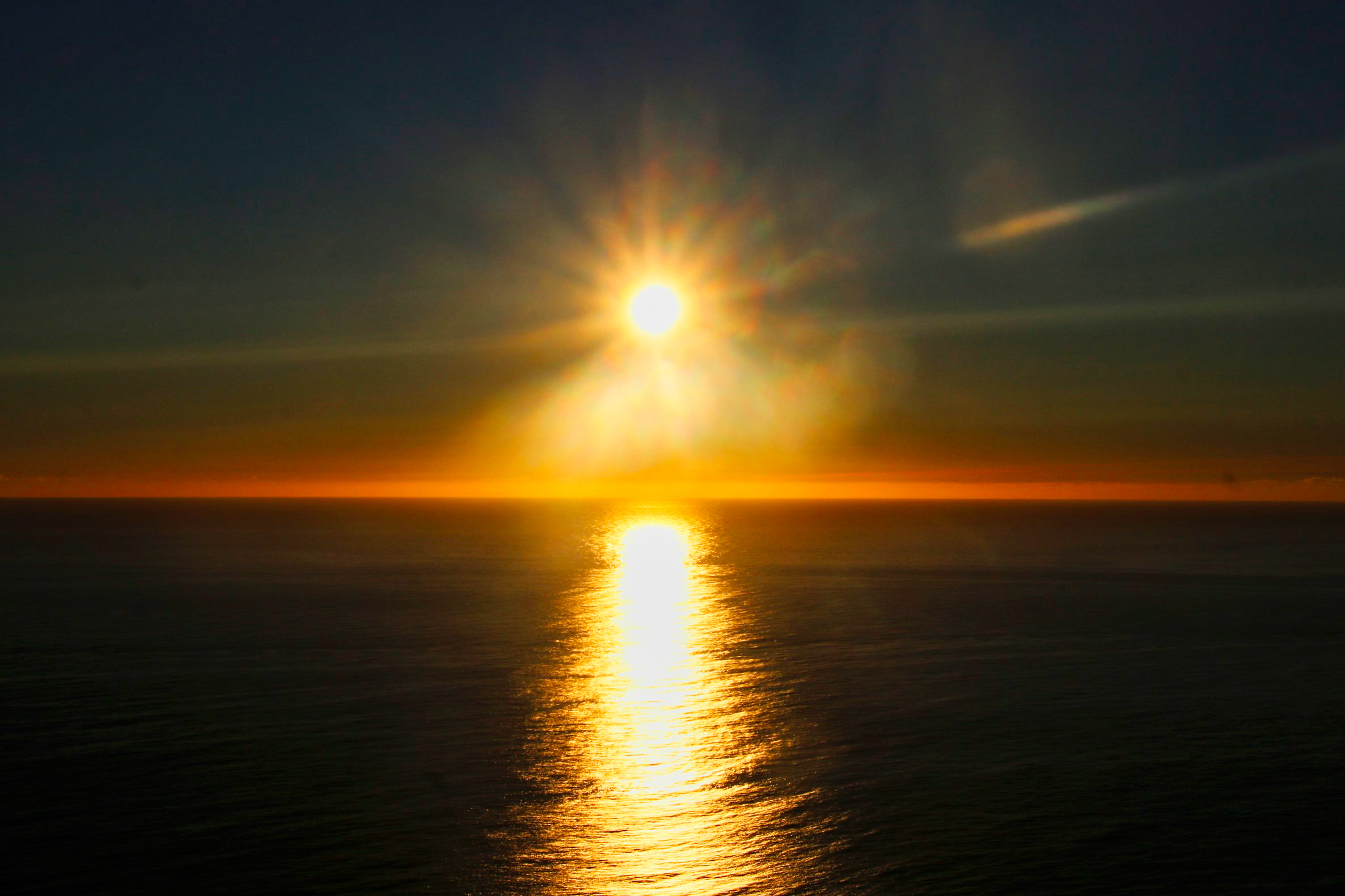
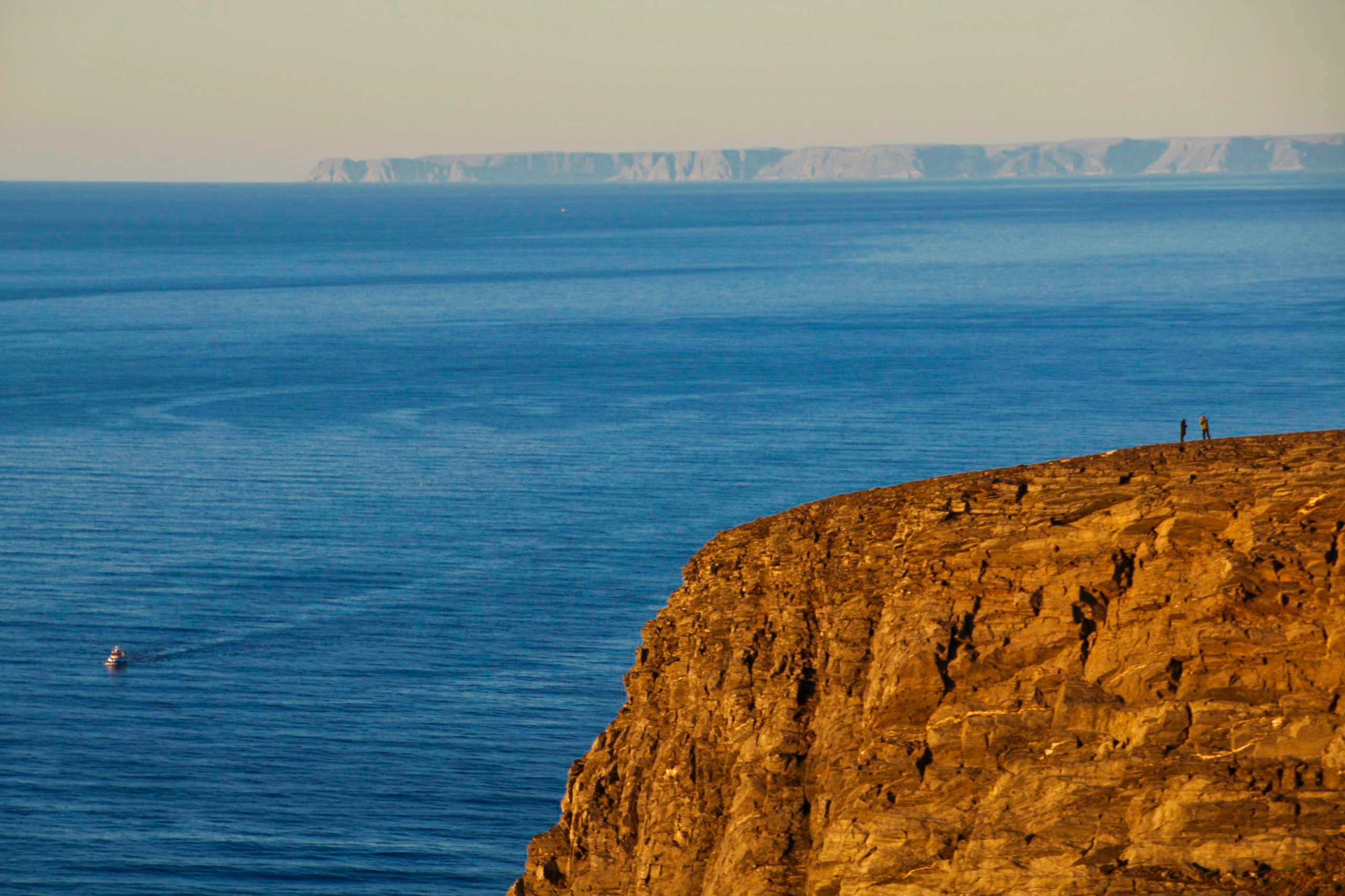
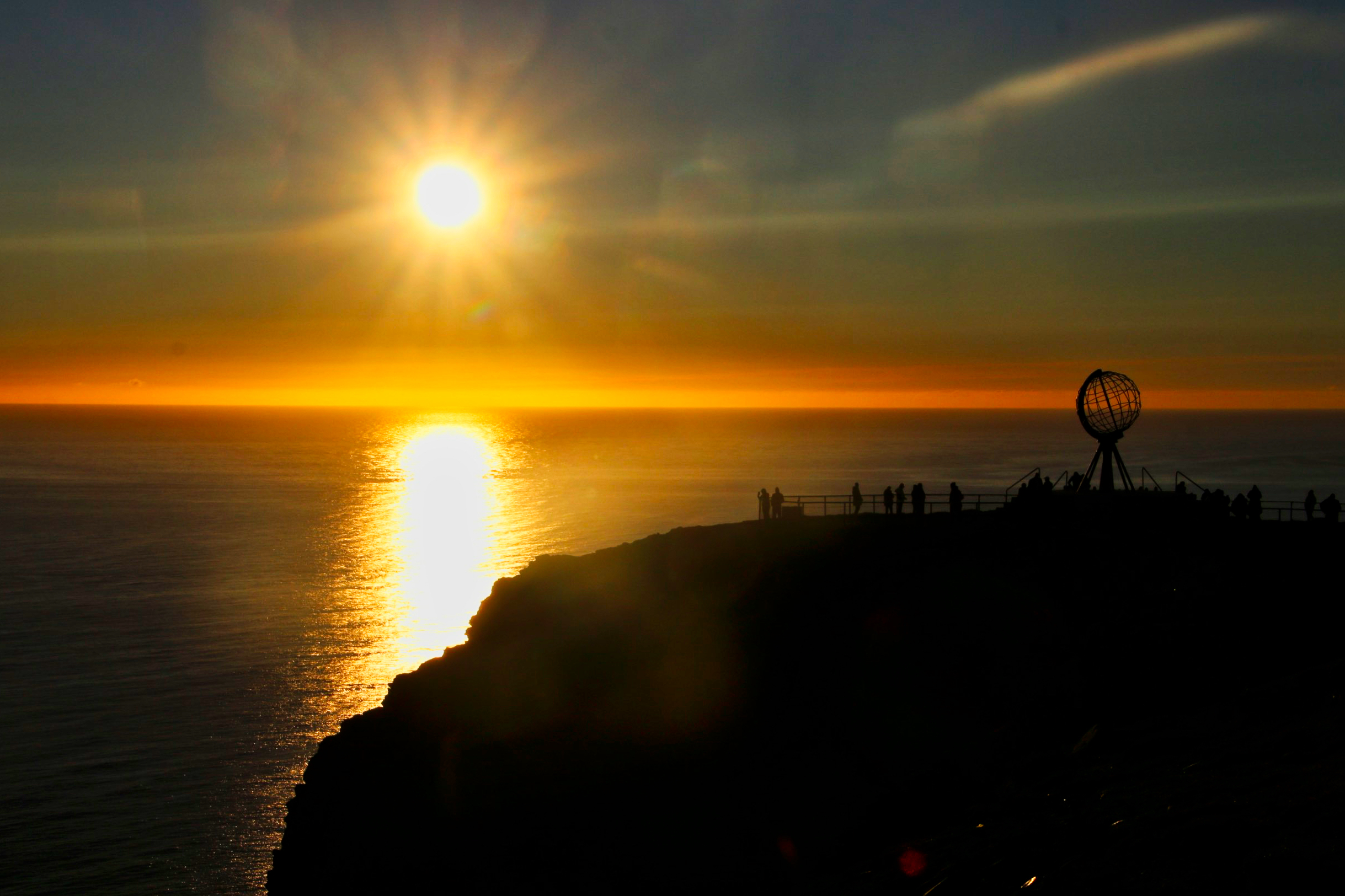
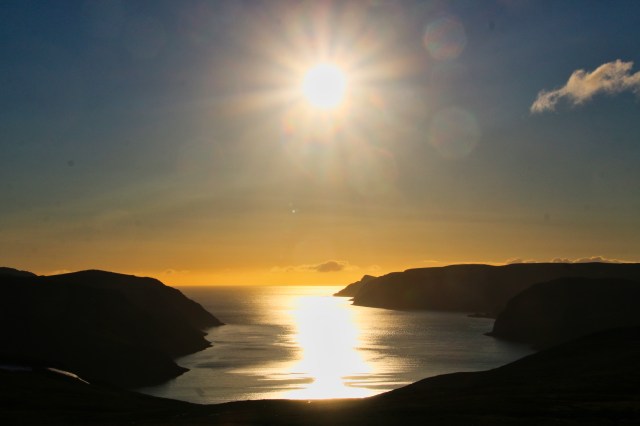
At the latitude of 71° 10′ 21″ in Norway, there is an island called Magerøya, a seemingly barren land with no trees and harsh weather conditions. The island’s most northern tip consists of a heavy rock reaching into the Arctic Sea, widely known as North Cape, the most northern part of Europe. I had the chance to visit this place a couple of times before, but I saw it as most visitors experience the North Cape: Heavy fog, strong winds, and slim chances to see the midnight sun. In July 2019, though, this changed for me, and I was finally able to visit our home star on a blanket slate of a clear blue sky in the middle of the night.

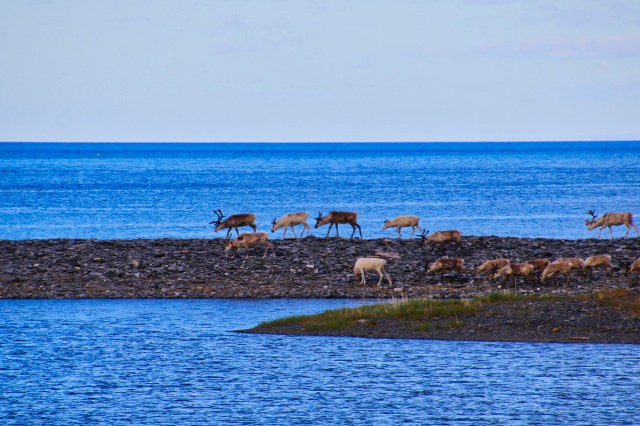
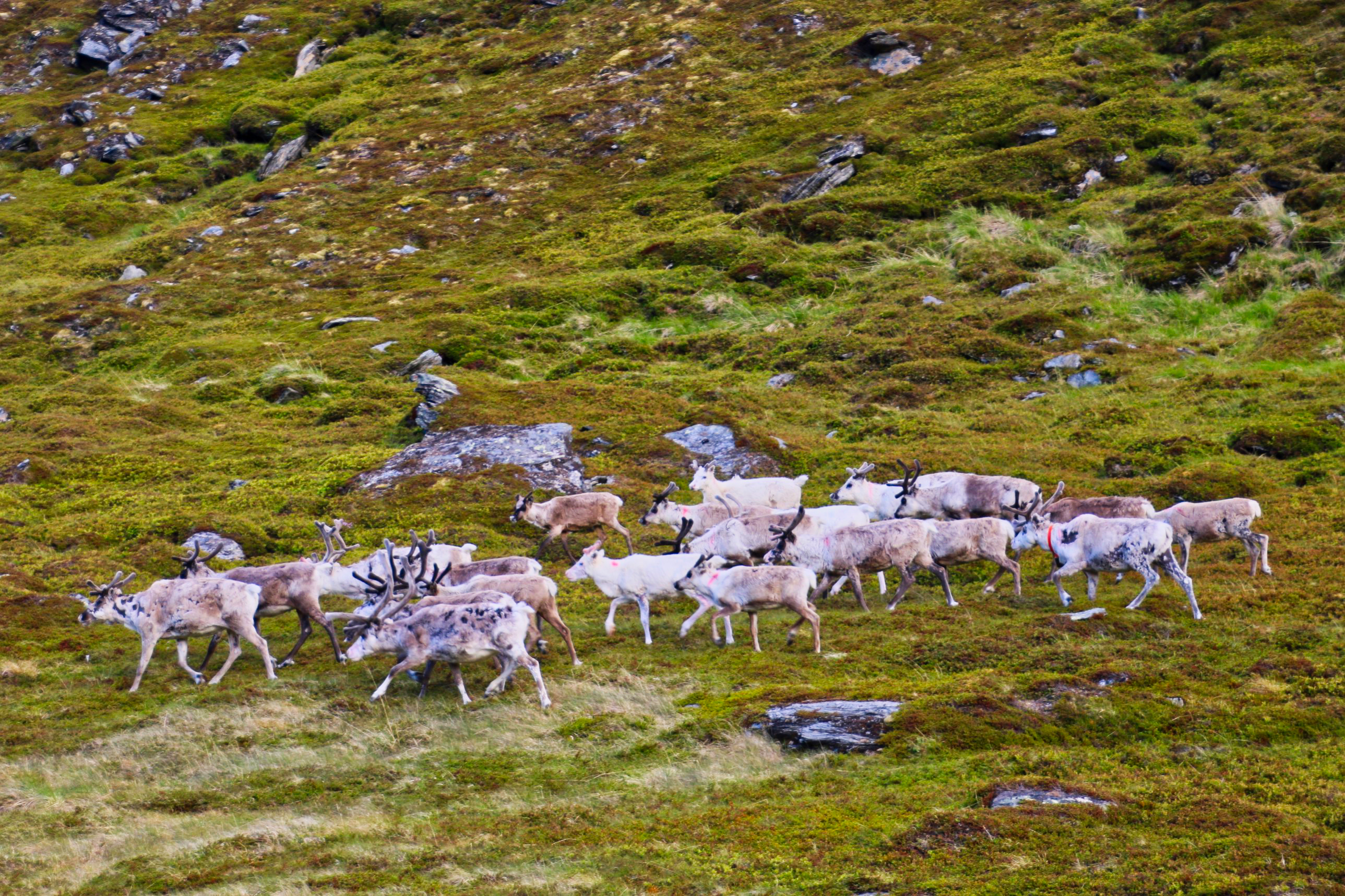
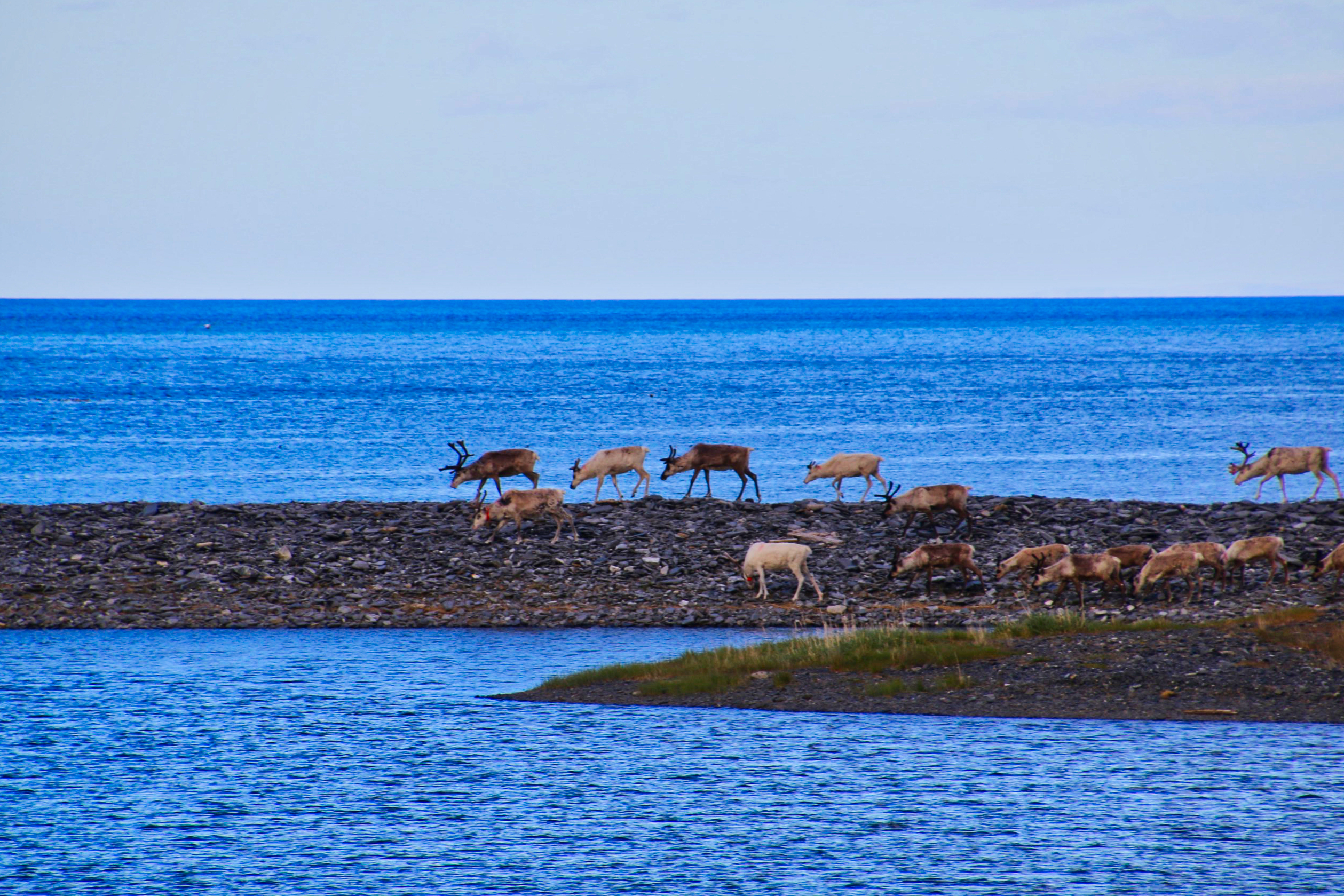
The phenomenon occurs during the white nights in summer when the sun is not setting down; around midnight, it reaches its lowest point on the horizon but still shines brightly. It looks almost like a sunset, just that the sun is never setting behind the horizon and is getting up again. There is no darkness in these unique and somewhat spiritual nights, and this barren land seems alive like no other place. You see all the birds feeding on the waters, which are still rich in fish and sea animals. And there are reindeer grasses everywhere on the island, eating their beloved reindeer veil, which grows everywhere on Magerøya and is like candy for these animals.

test

1 51 52 53 99