Skip to content

Of Castles and Bridges
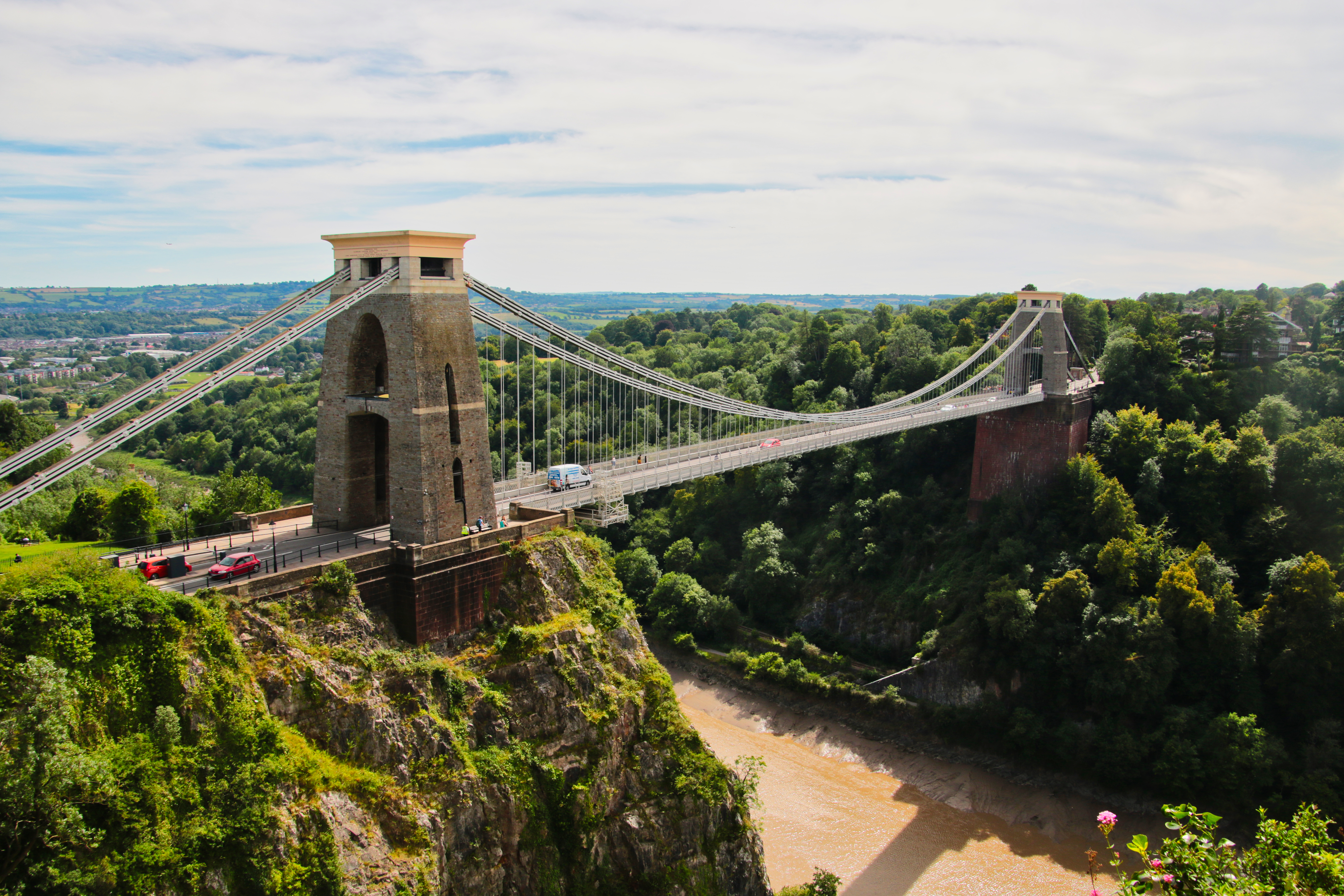
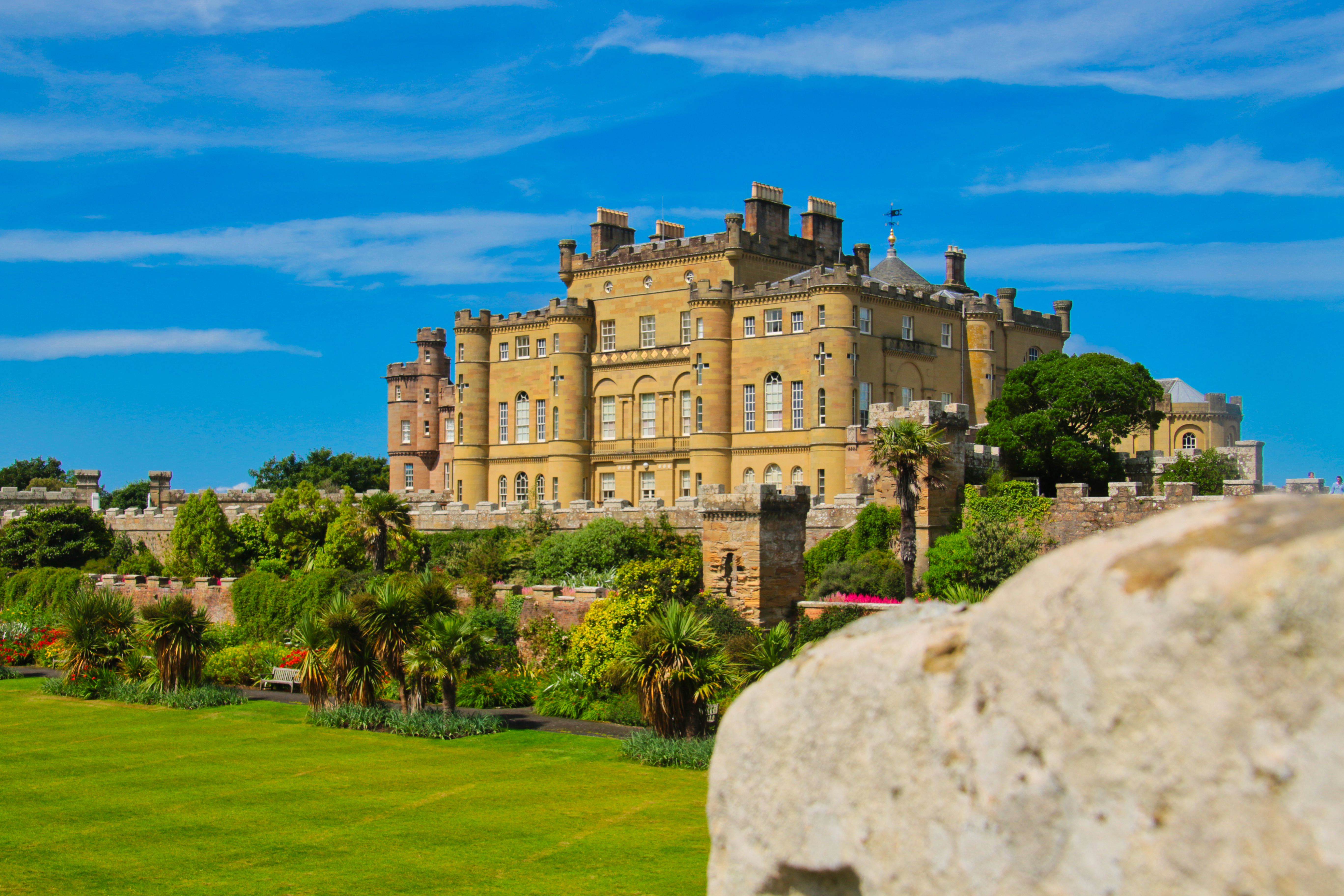
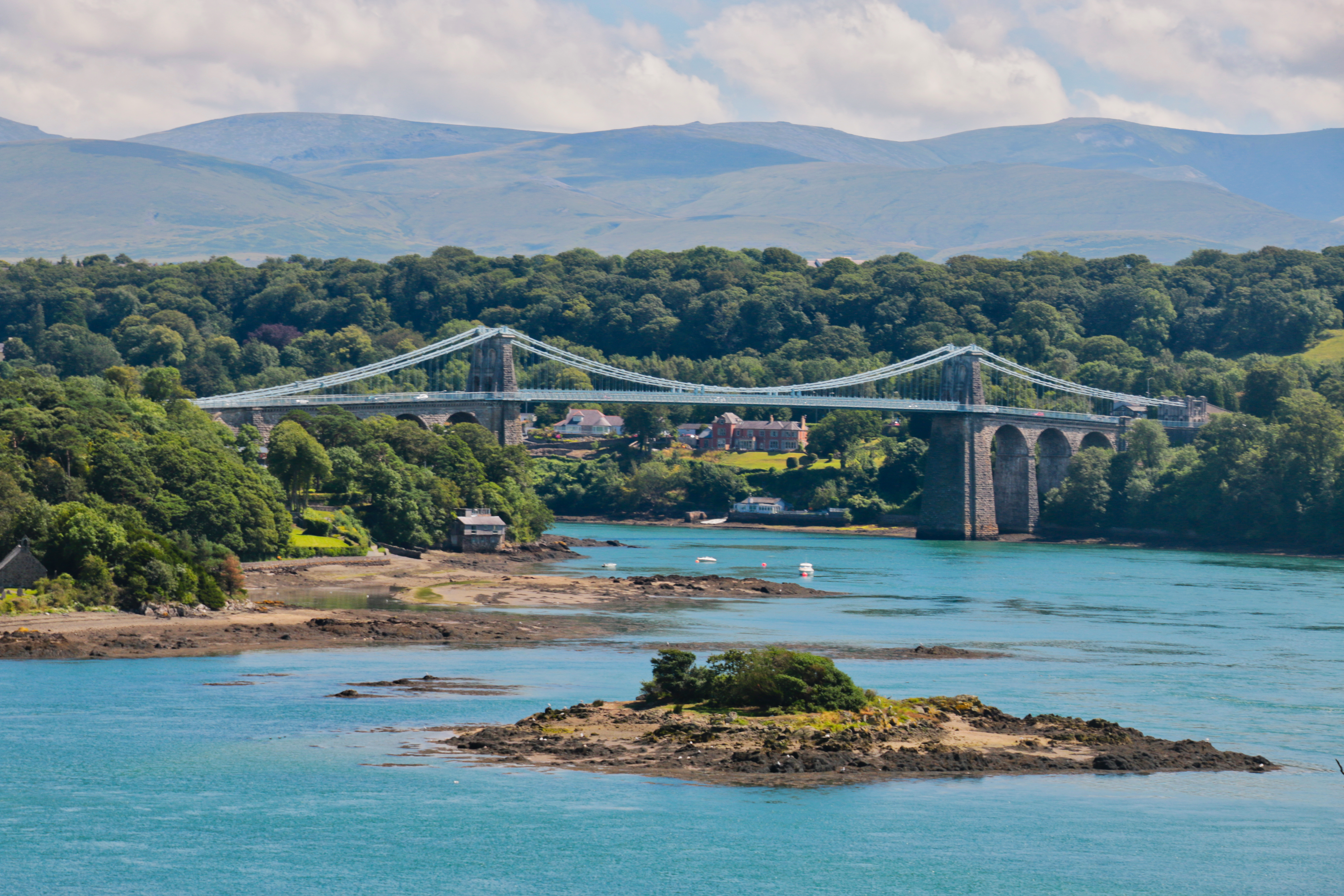
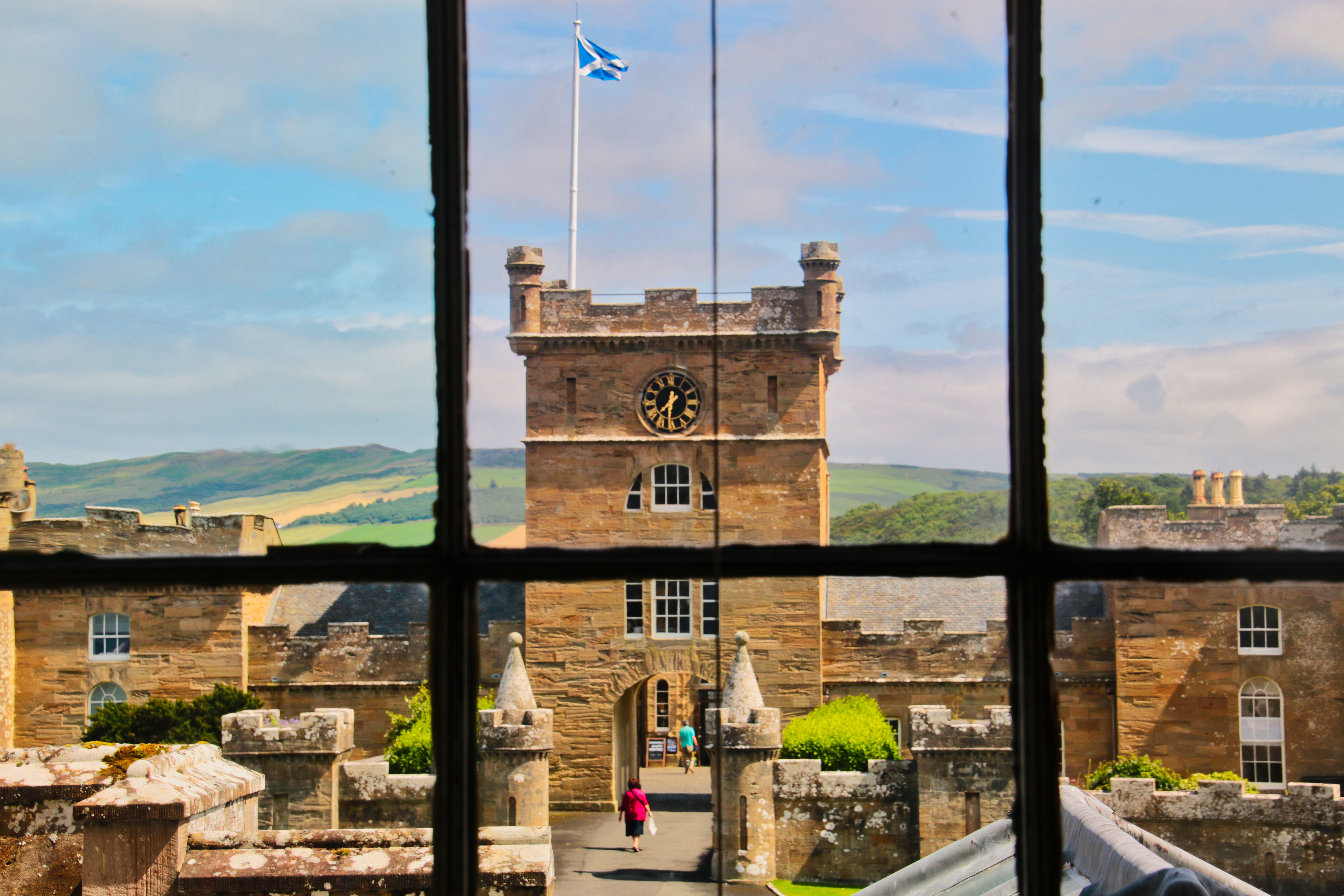
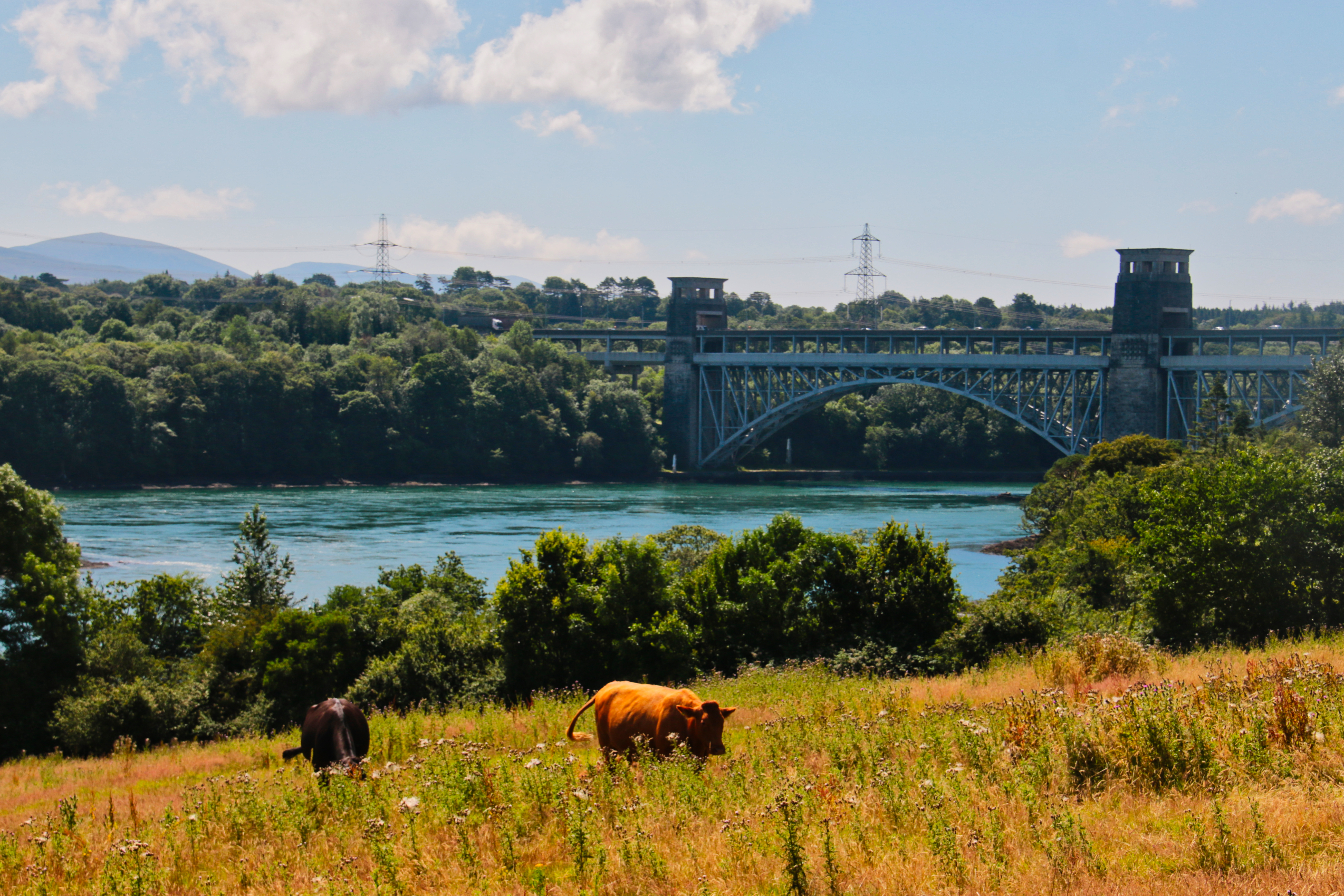
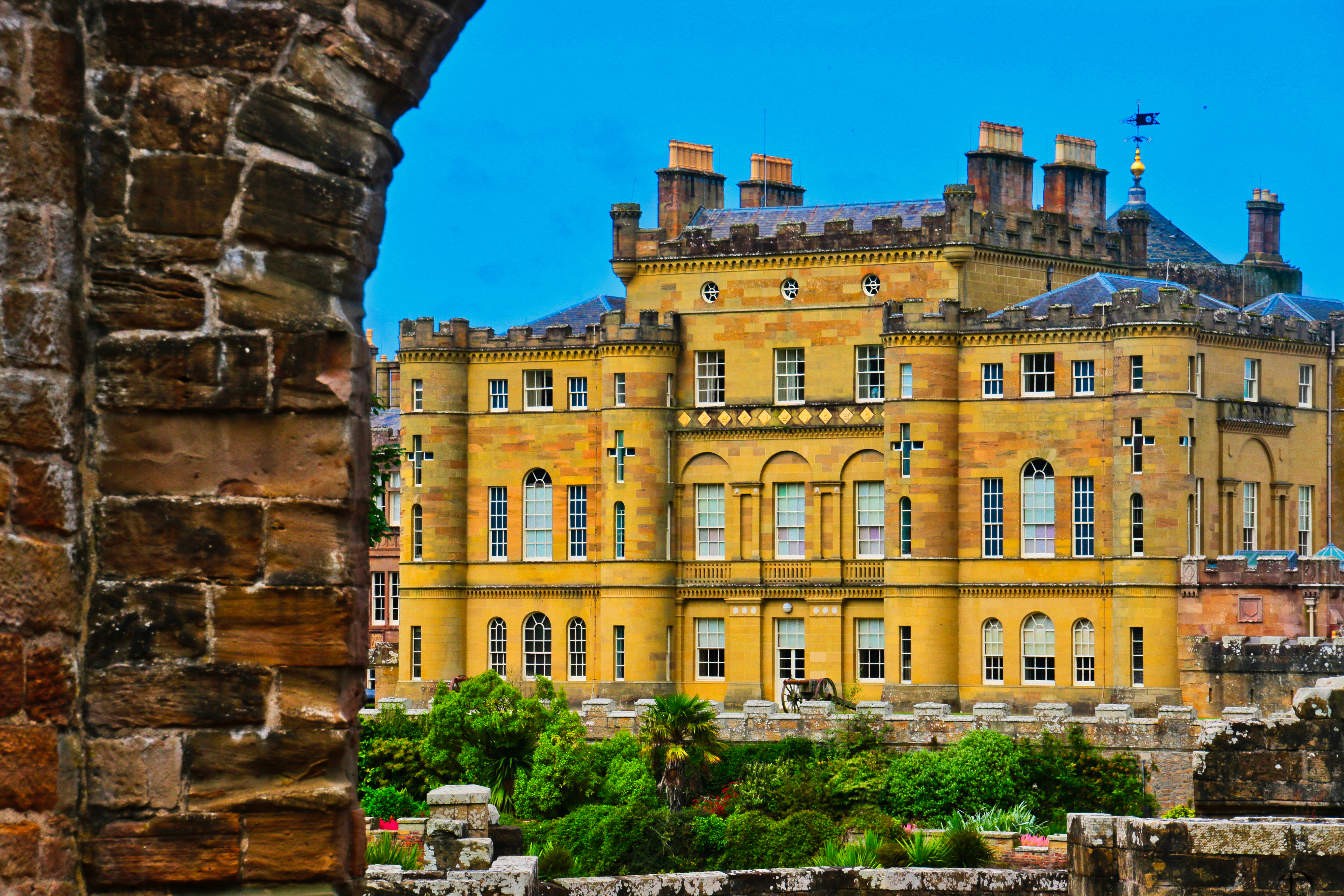
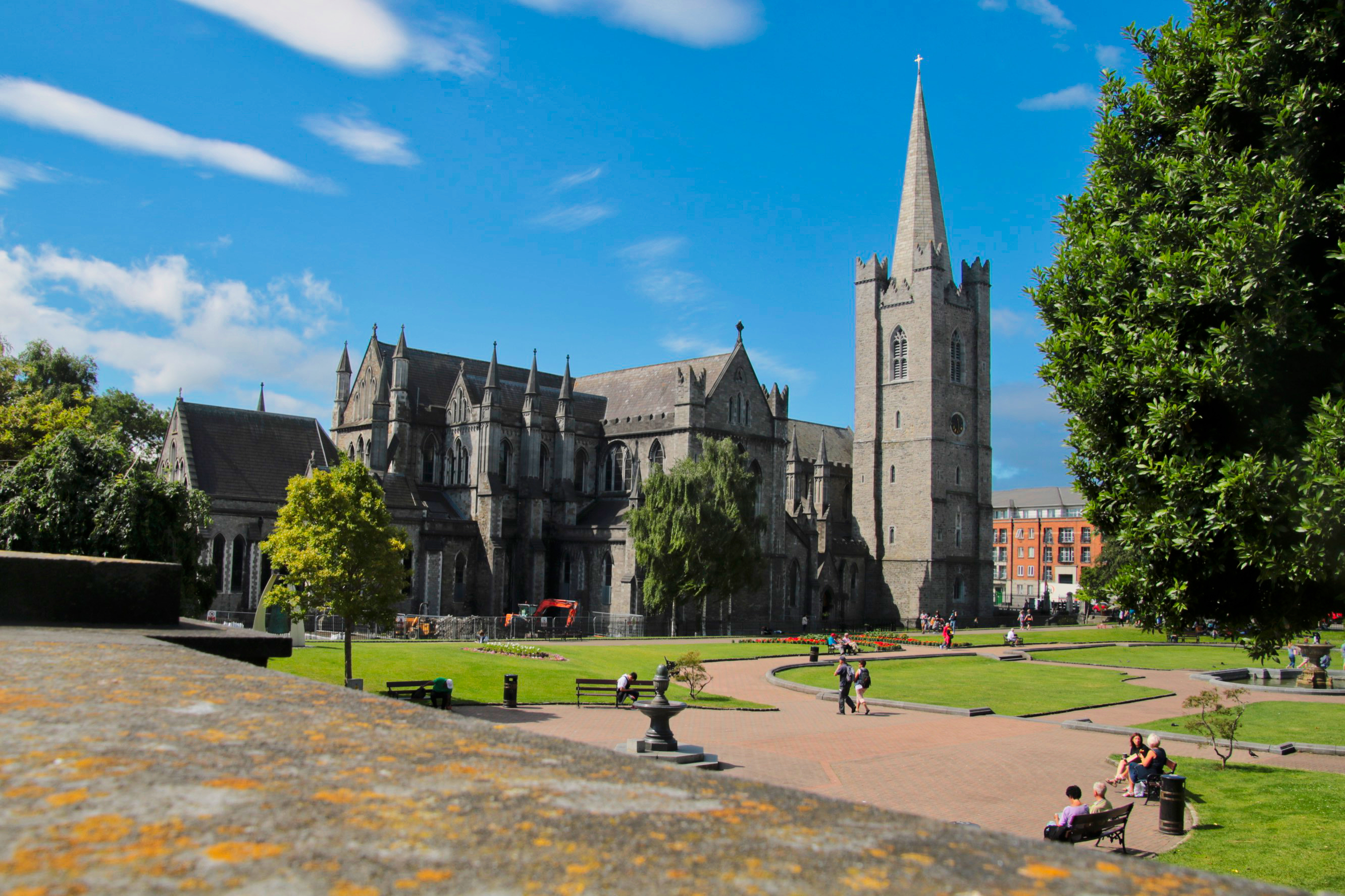
The islands of Great Britain and Ireland are crammed with historical monuments from different time periods, reaching from pre-antiquity (Stonehenge) to the modern era (Shard in London). Many exciting sights though were built in medieval and early modern times (St. Patrick’s Cathedral, Dublin, Ireland, picture 1 and Culzean Castle, Scotland, pictures 3, 5, and 7) or in the time of industrialization (Clifton Suspension Bridge, Bristol, England, picture 2, Menai Bridge, Wales, picture 4 and Britannia Bridge, Wales, picture 6). Some impressions.

test

A Tale of two Cathedrals

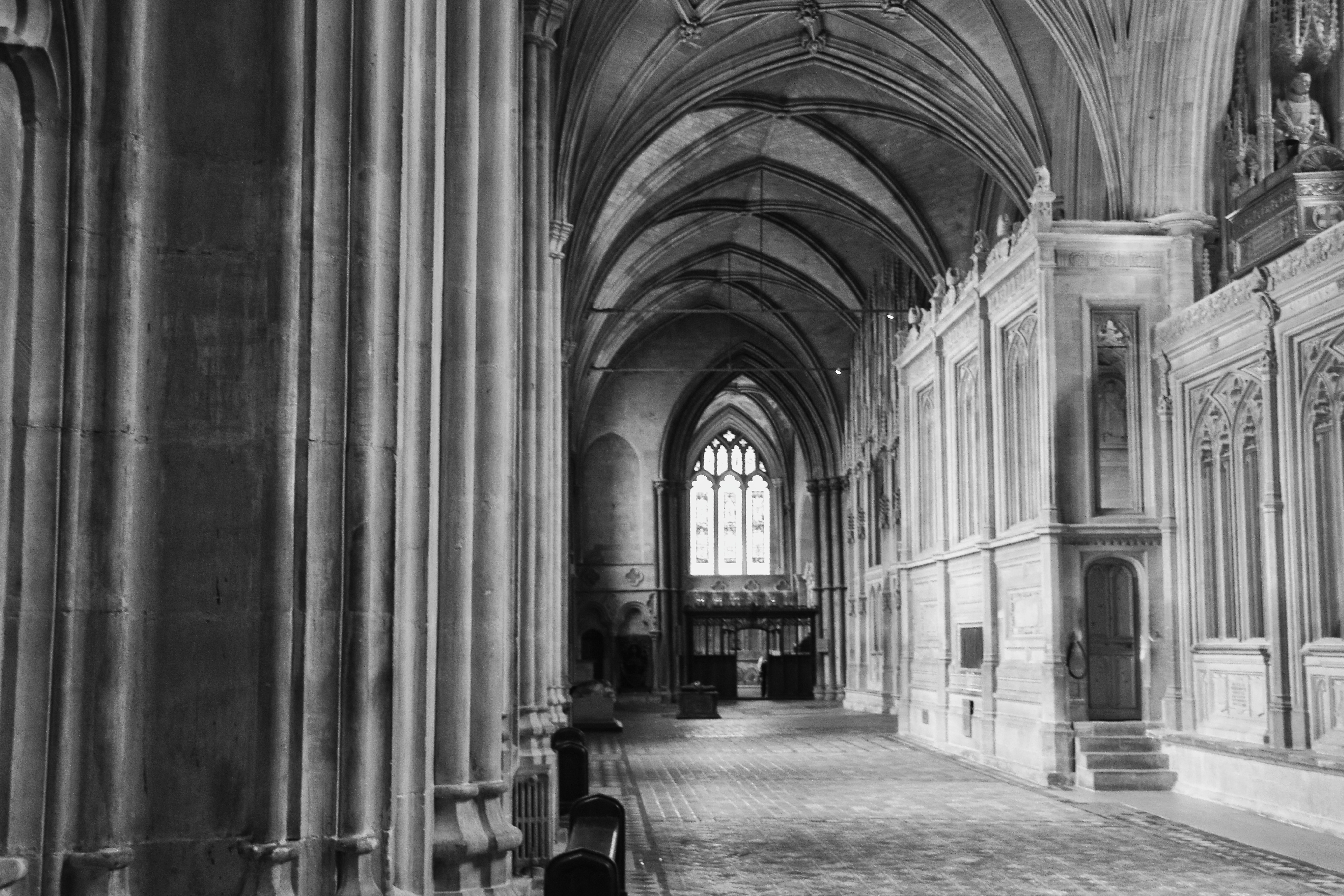
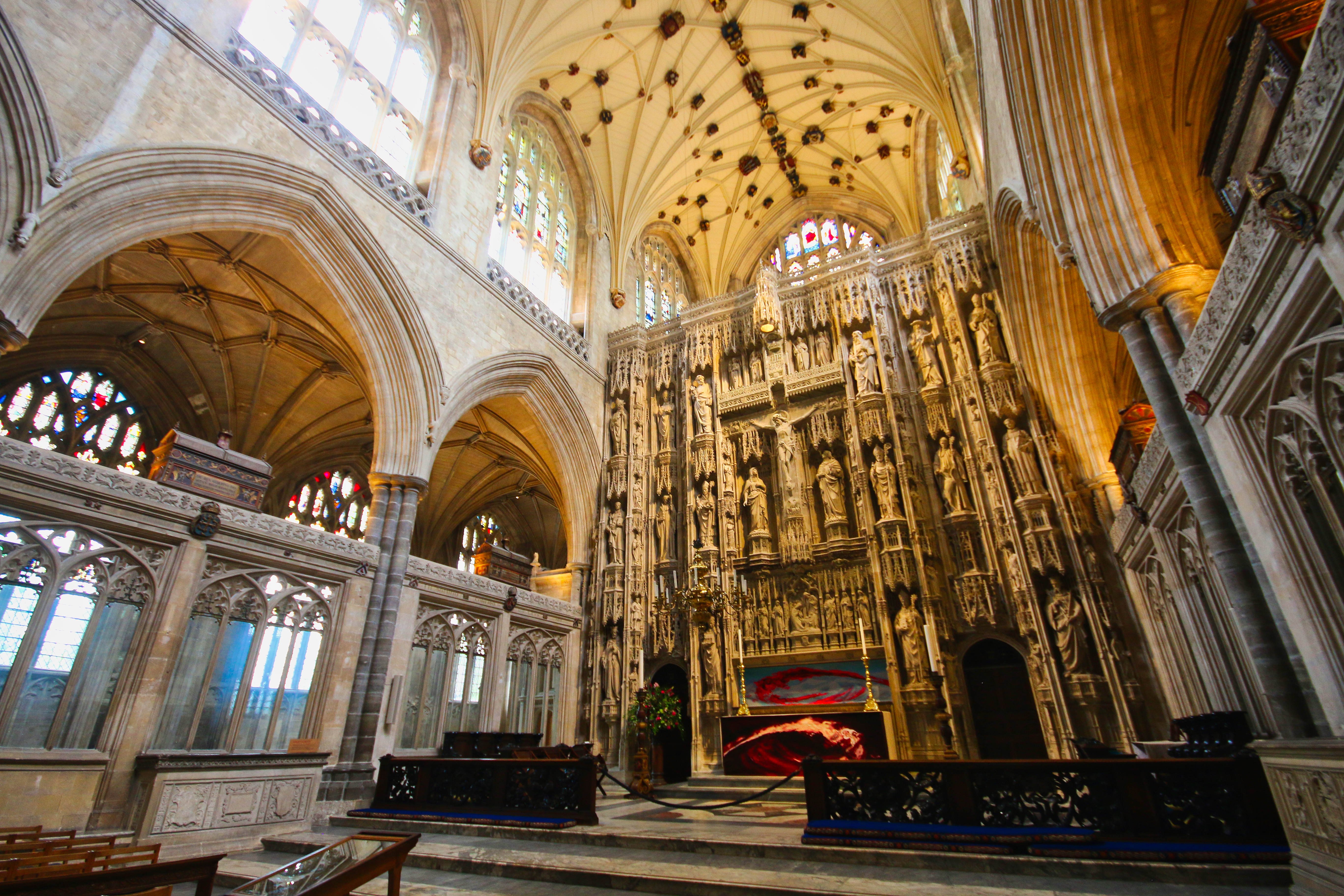
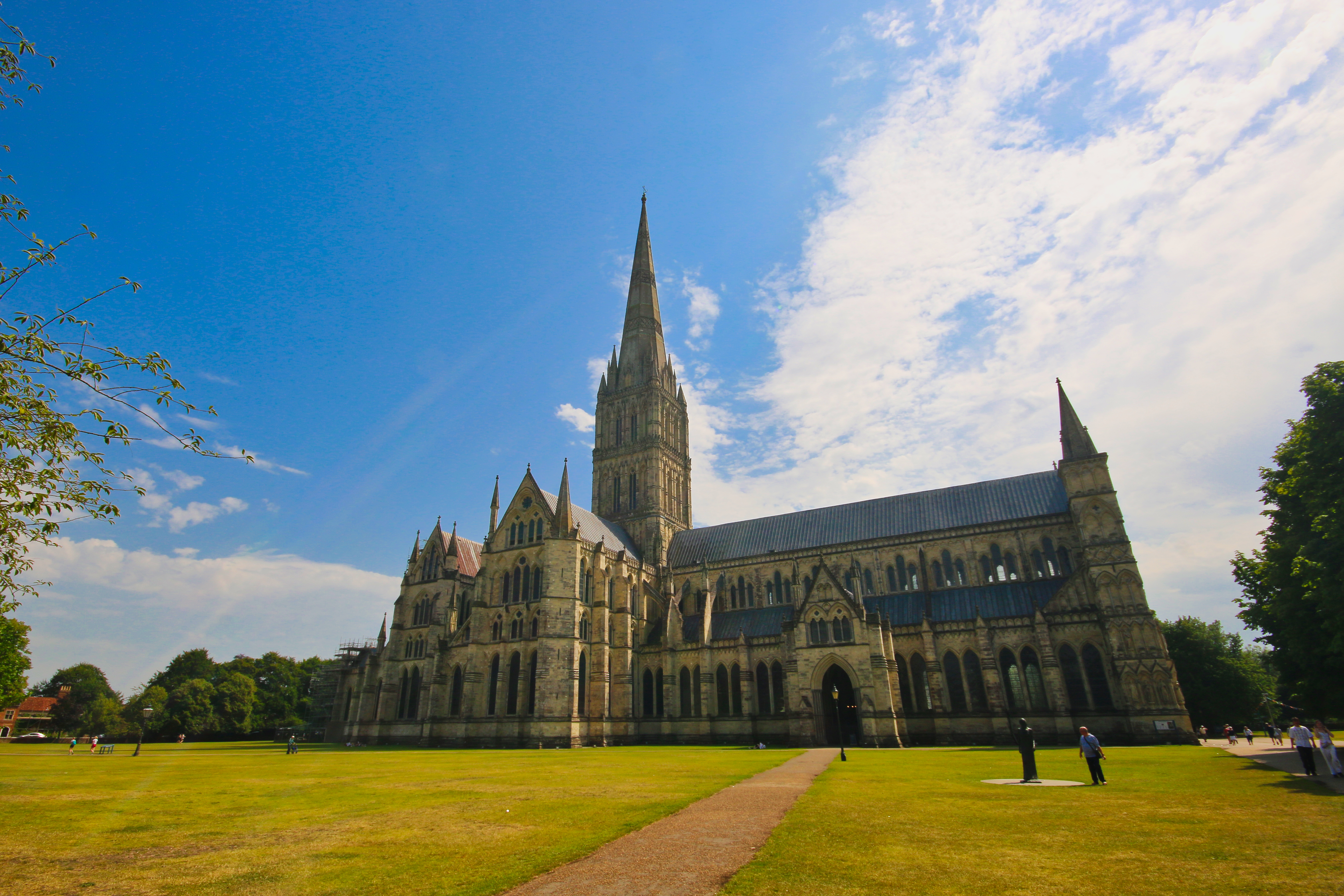
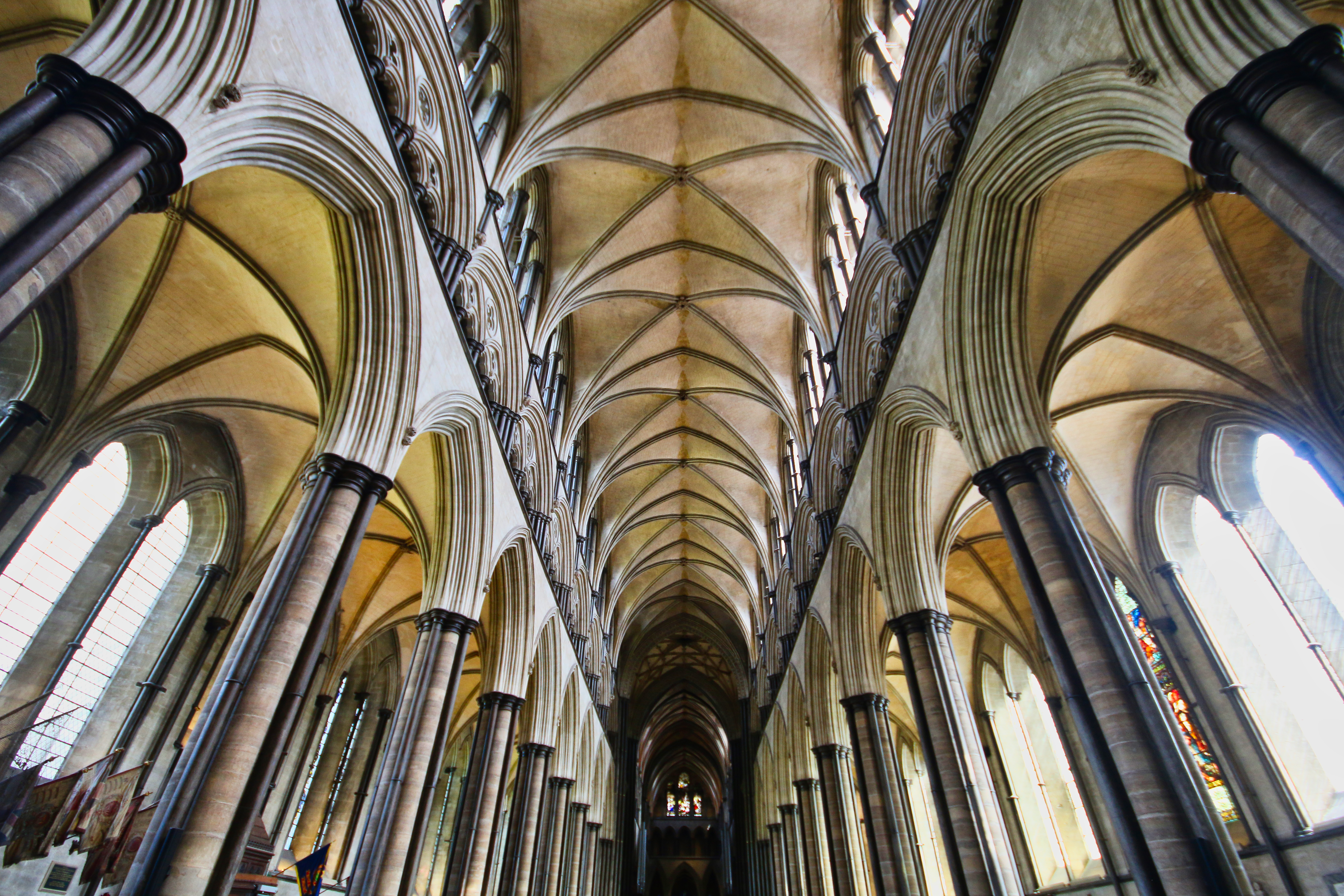
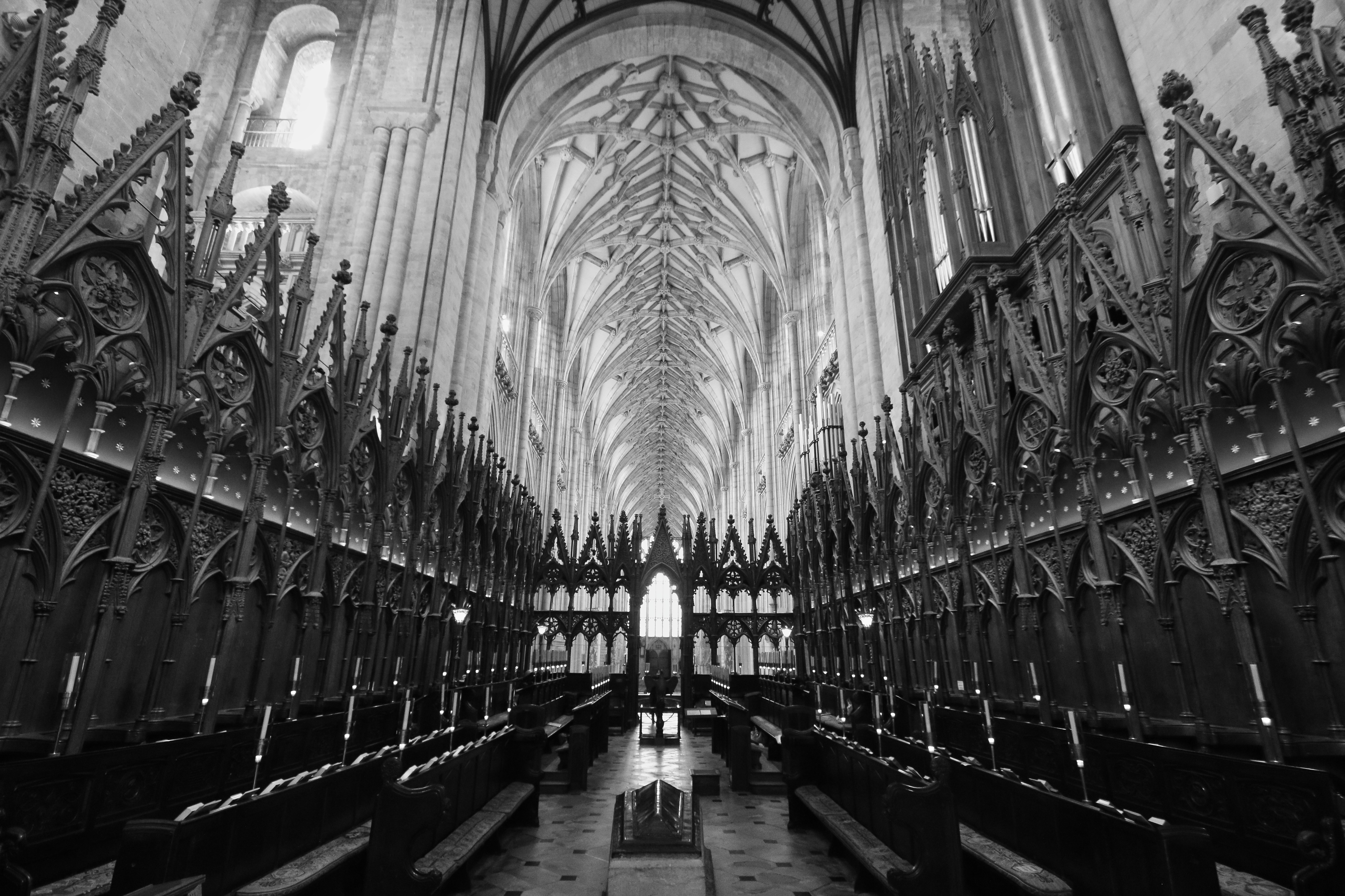
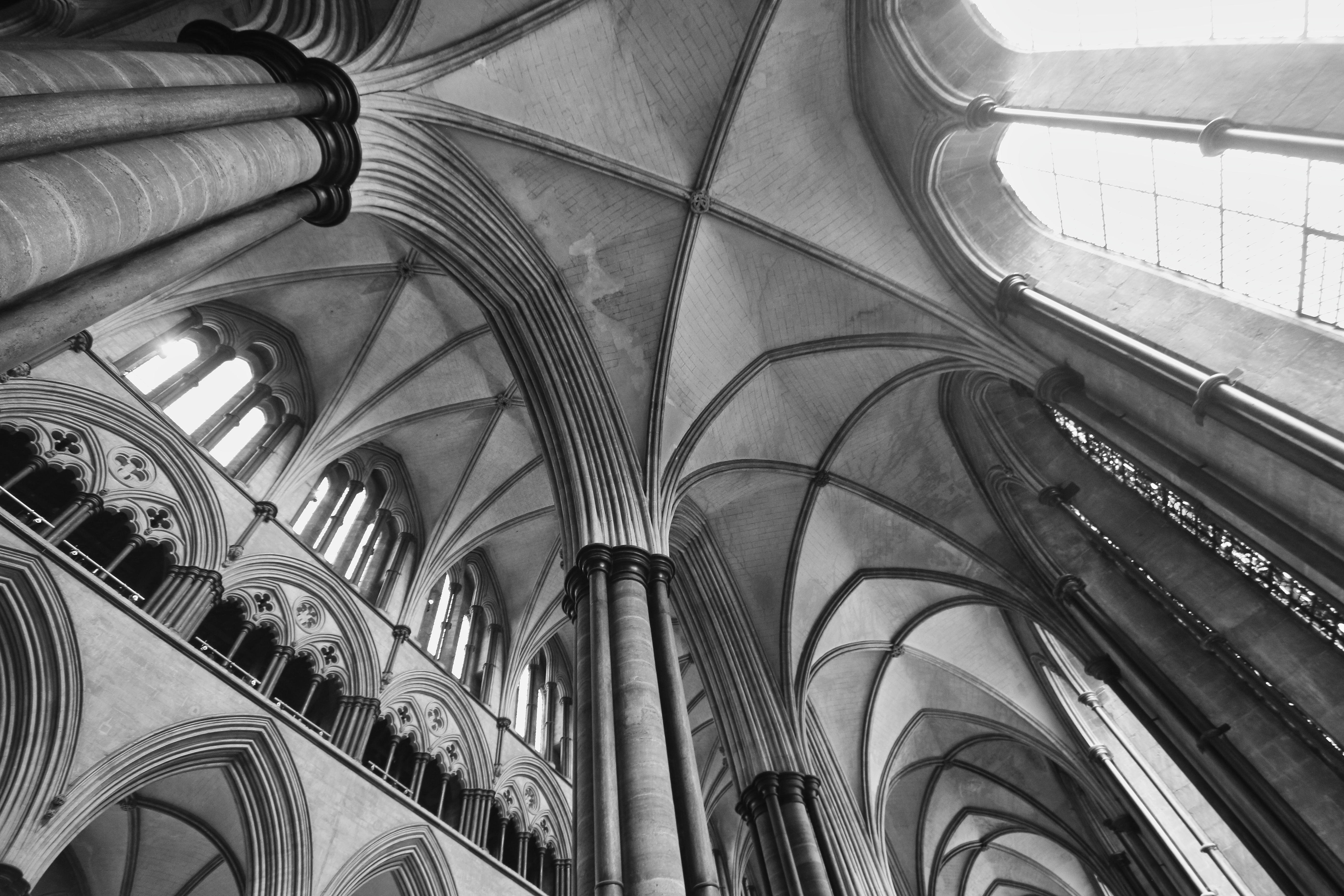
The cathedrals of Salisbury and Winchester are masterpieces of Gothic architecture in England. Usually, I don’t mix styles within one series of photographs, though for this one, I decided otherwise because some of these shots need the contrast and clarity of black and white while others demand color and light. As these buildings themselves offer stark contrasts to the modern world they are situated in today, so do these pictures with one another, highlighting different perspectives of this beautiful architecture.

test

Bath: The Abbey of Light

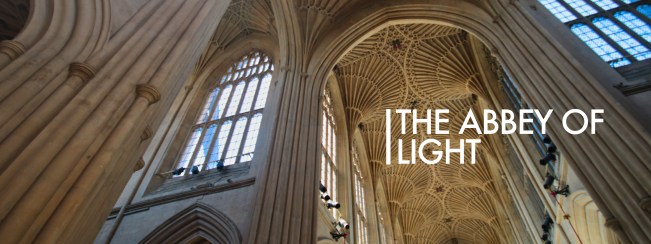
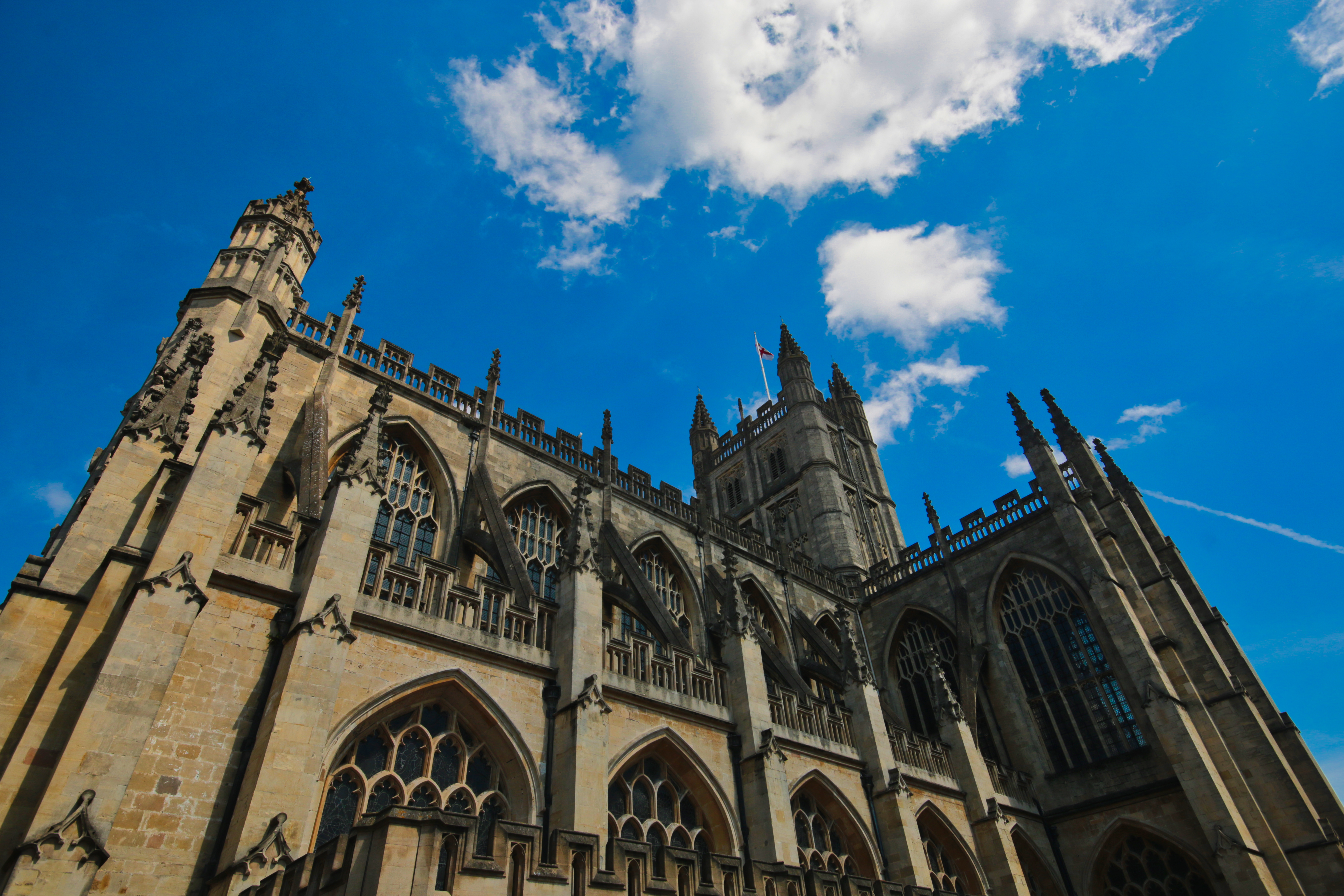
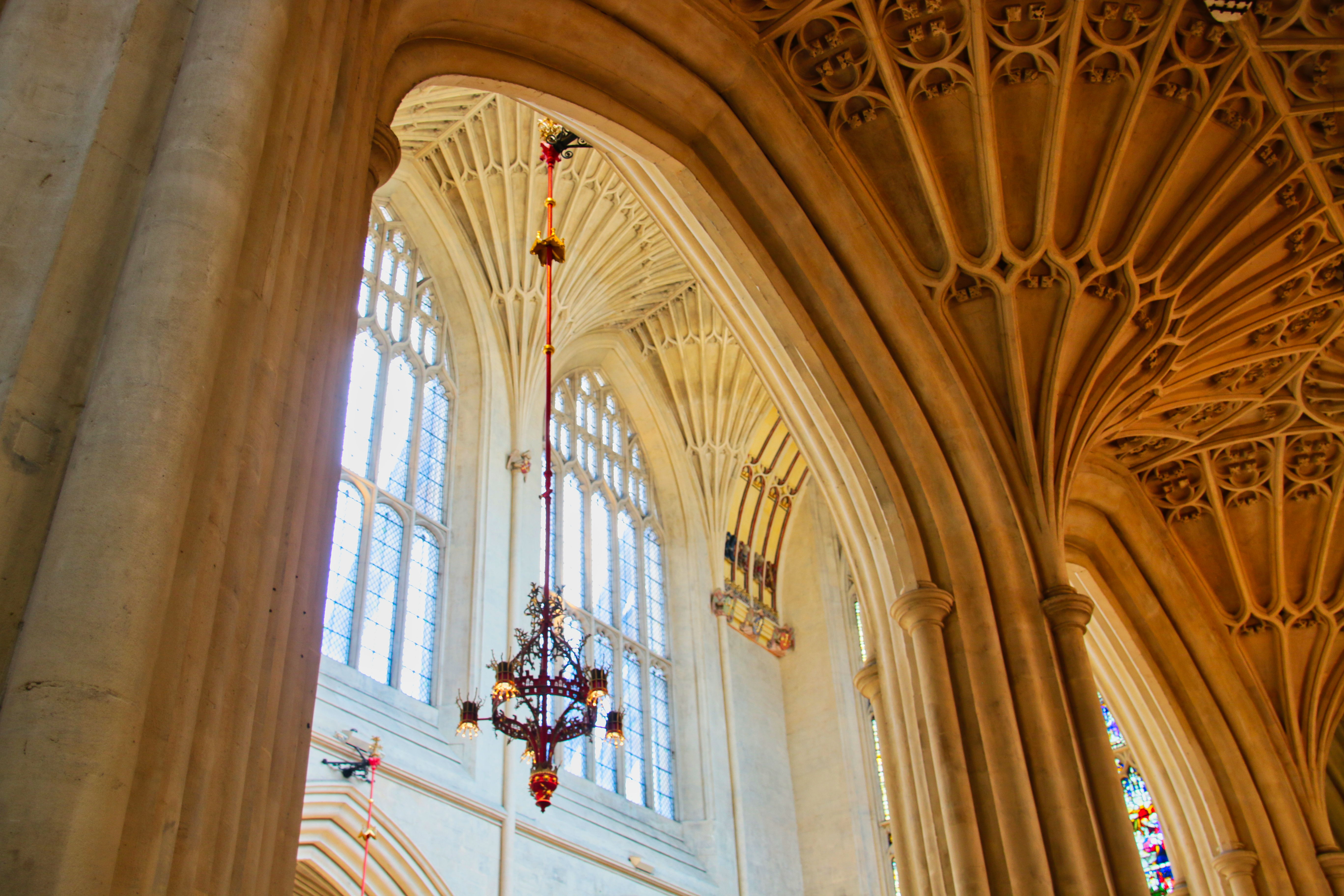
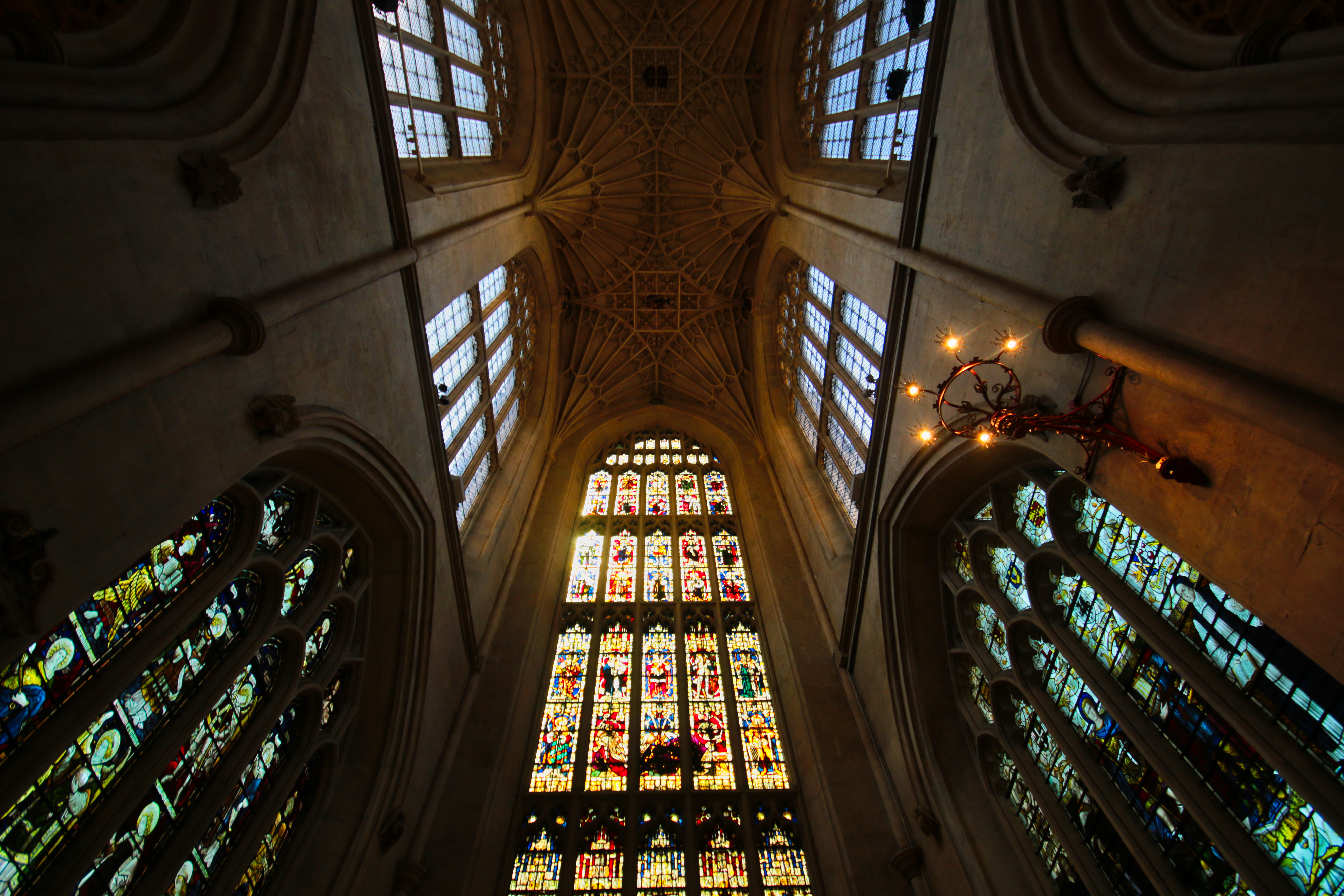
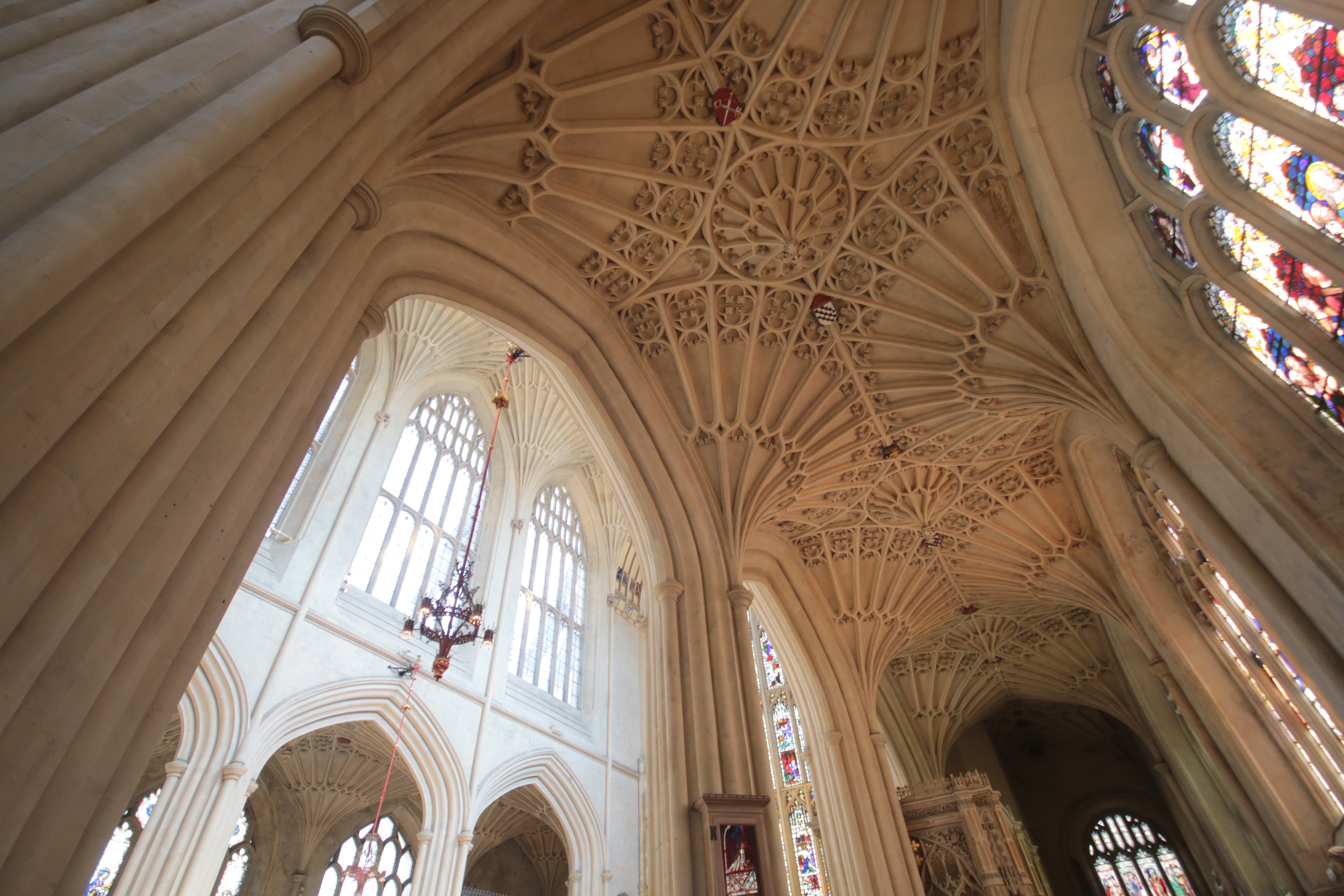
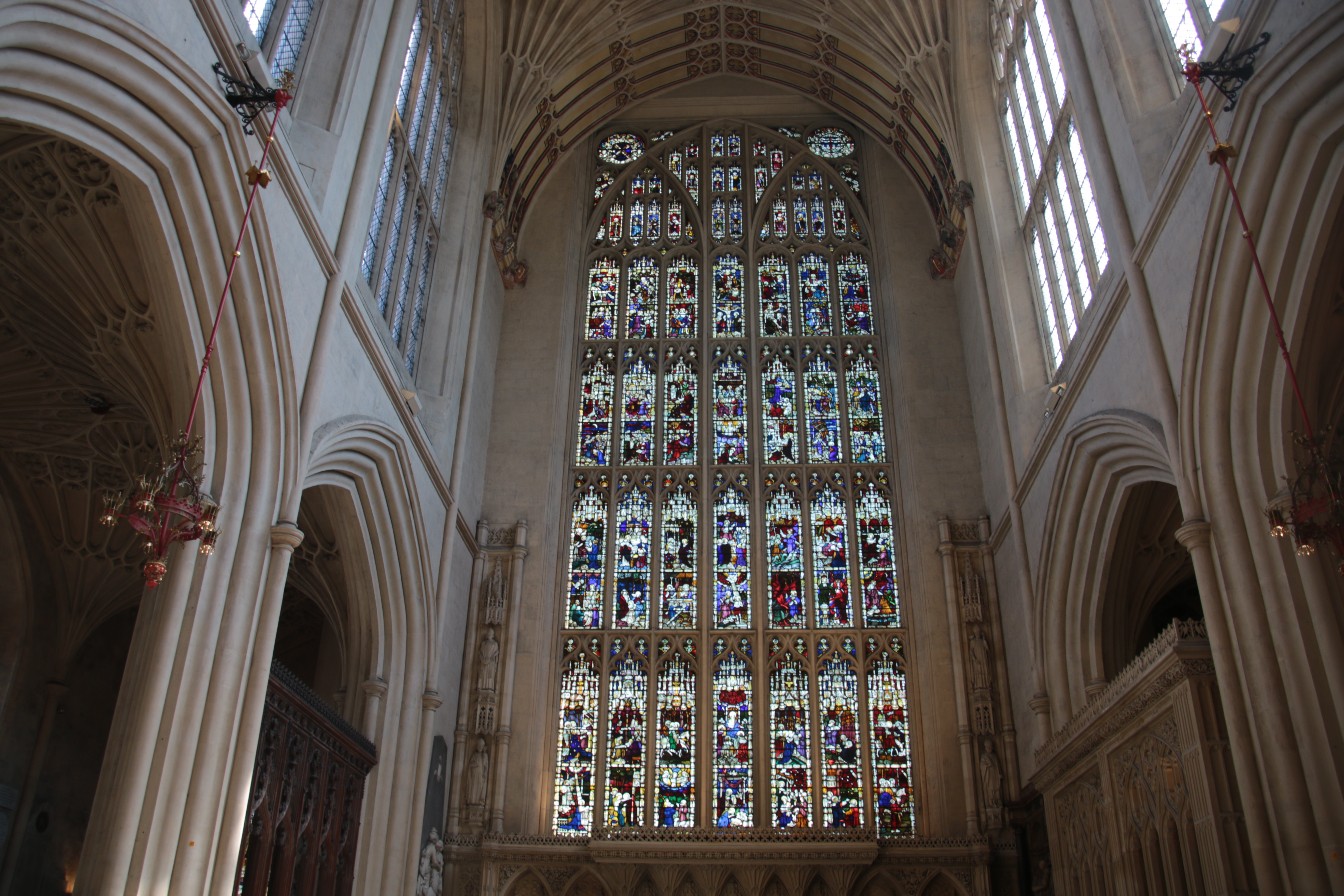
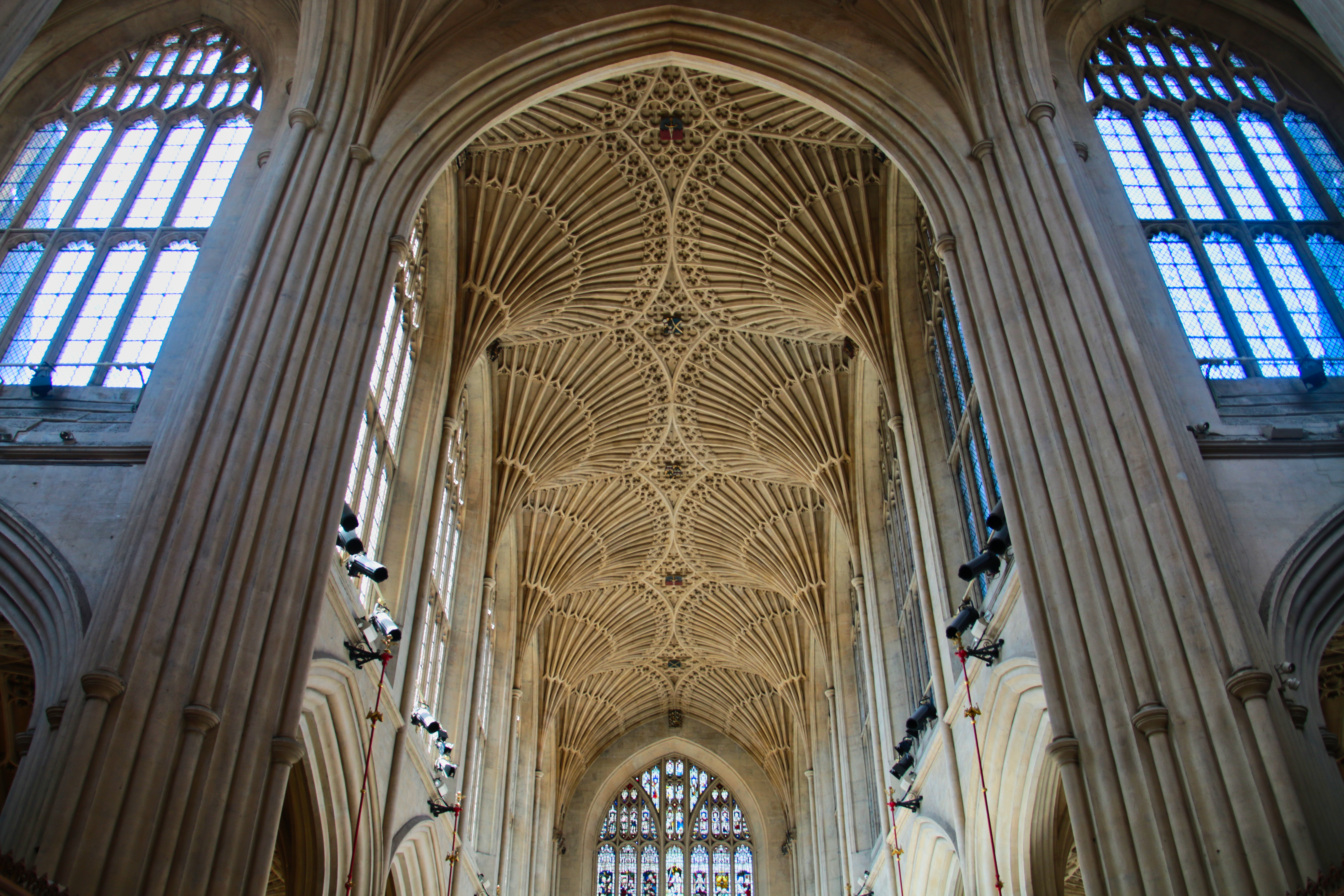
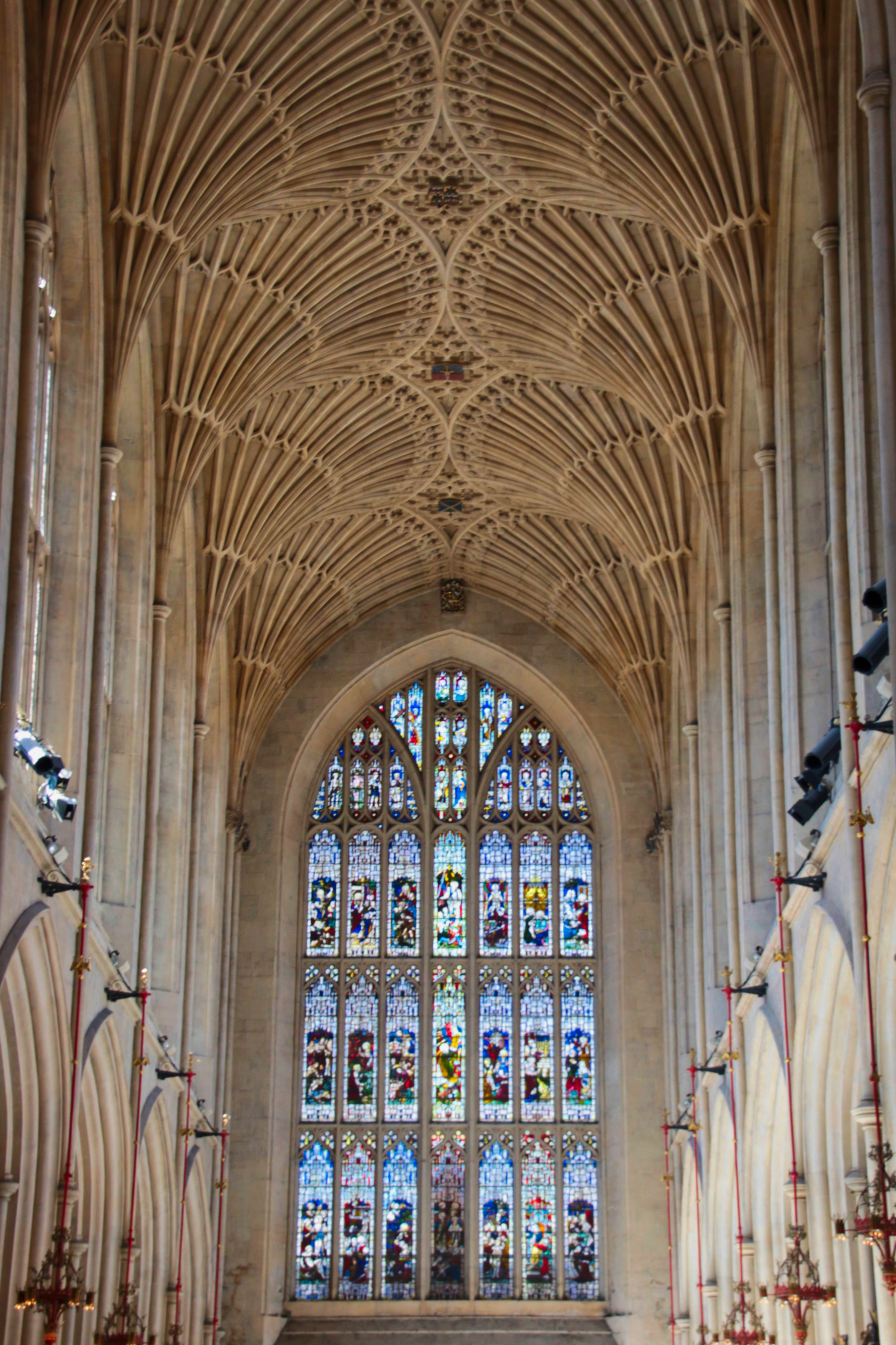
The Abbey of Bath is a prime example of England’s Pendicular Gothic architecture style. Another would be the Cathedral of Gloucester. Medieval churches tend to be very dark and somewhat sinister. The Abbey of Bath, though, is different. The light coming through the beautiful stained glass windows flows through the building, giving attractive accents and tones.

test

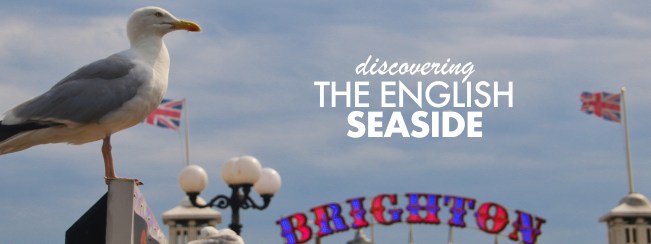
Discovering the English Seaside: Brighton

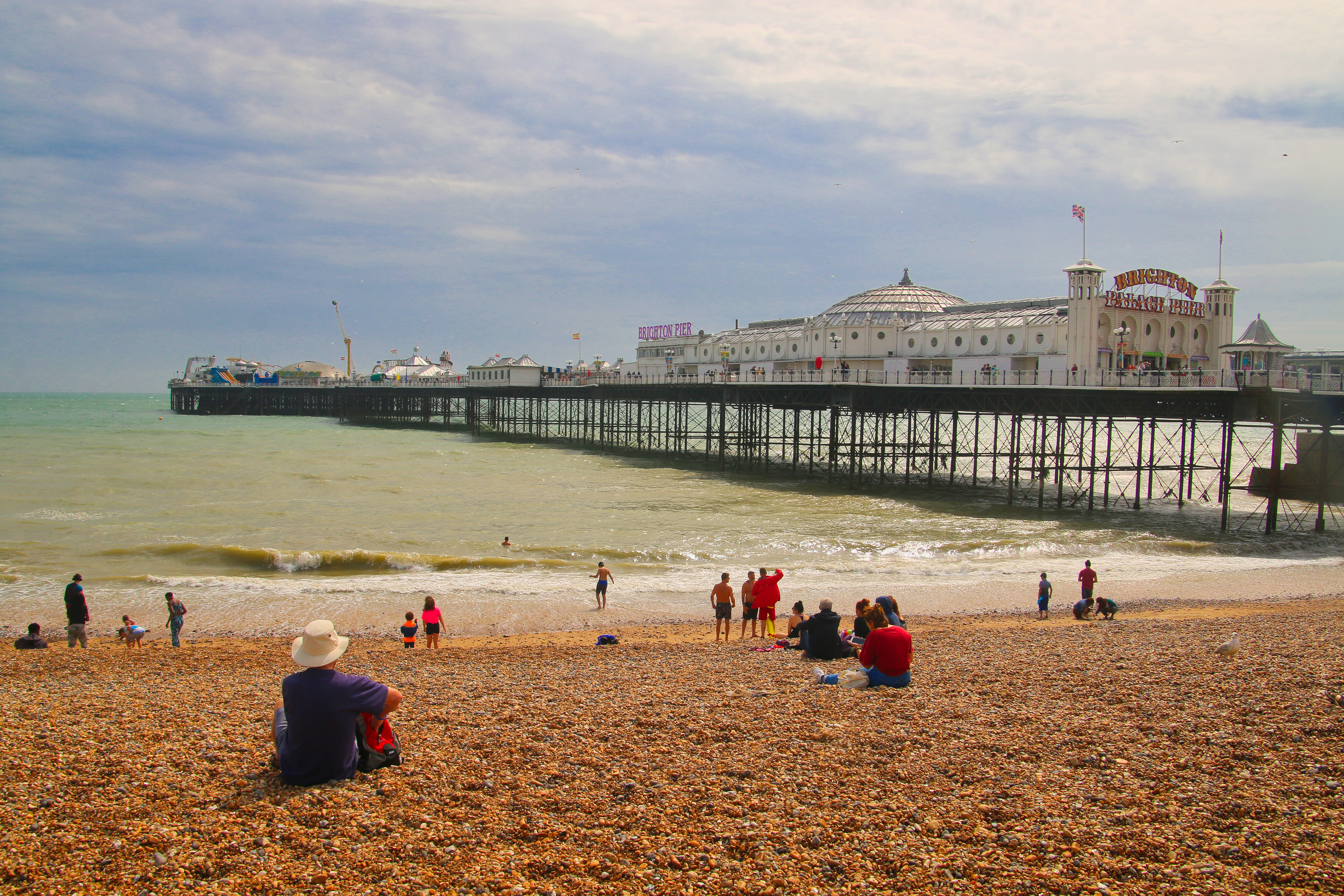
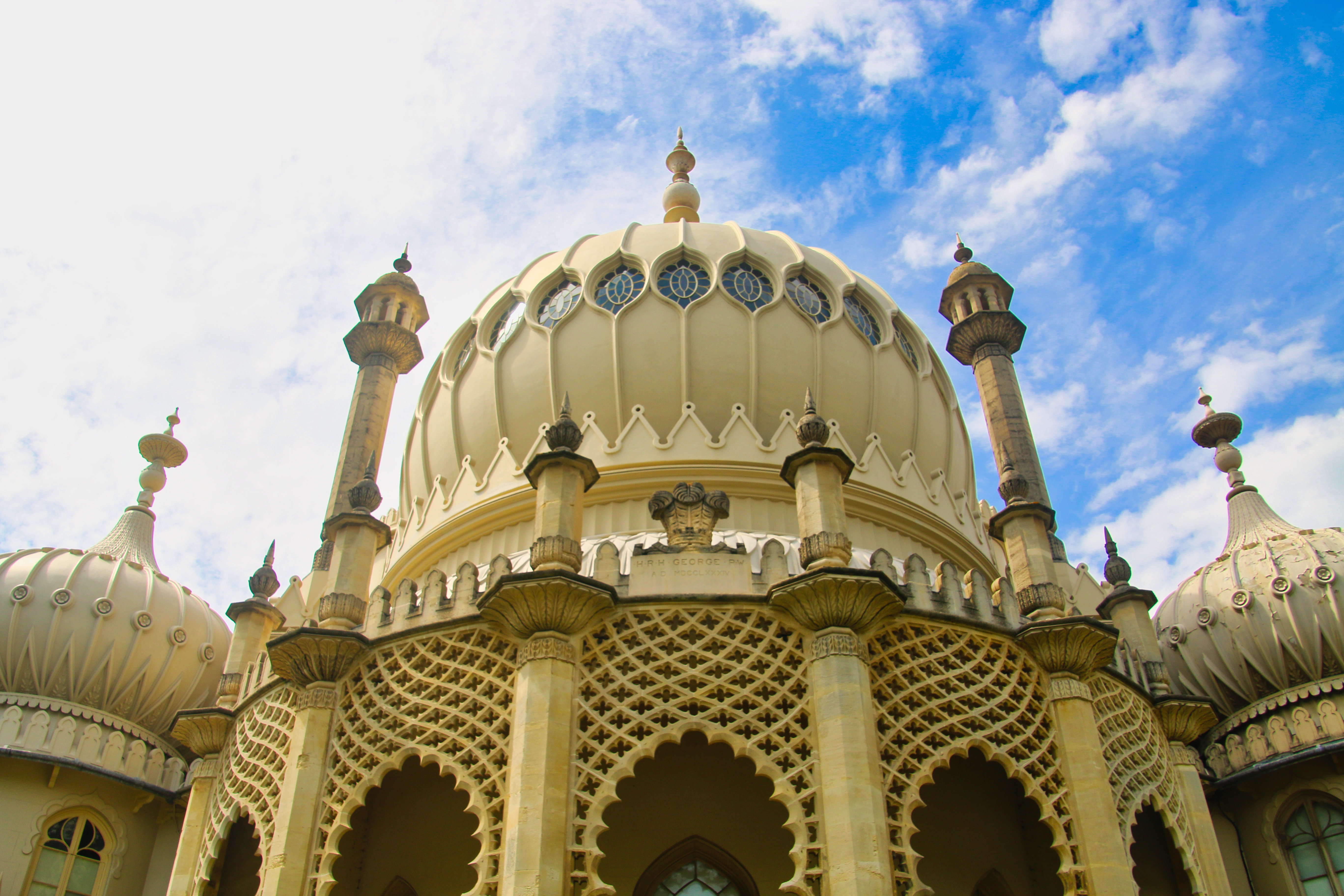
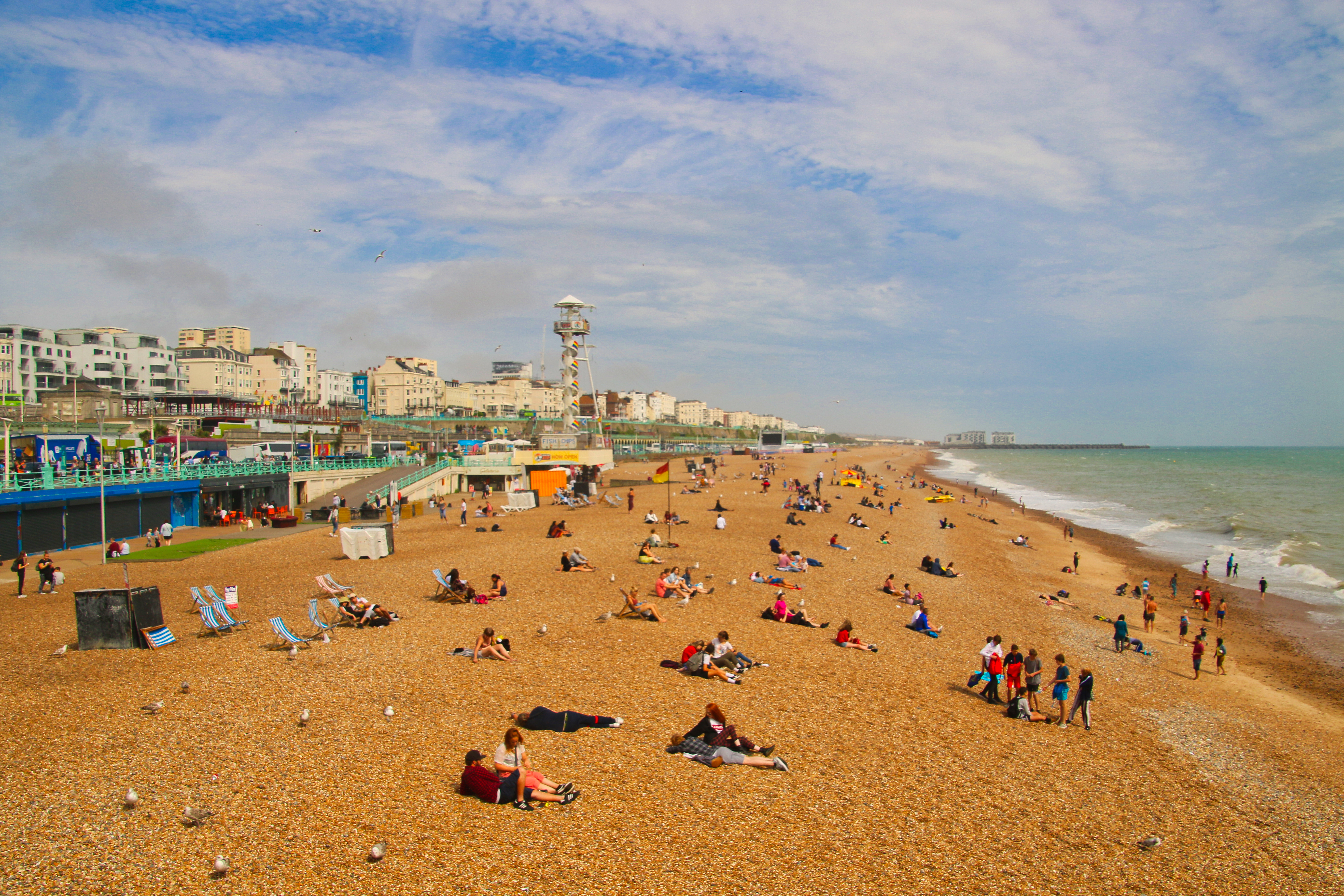
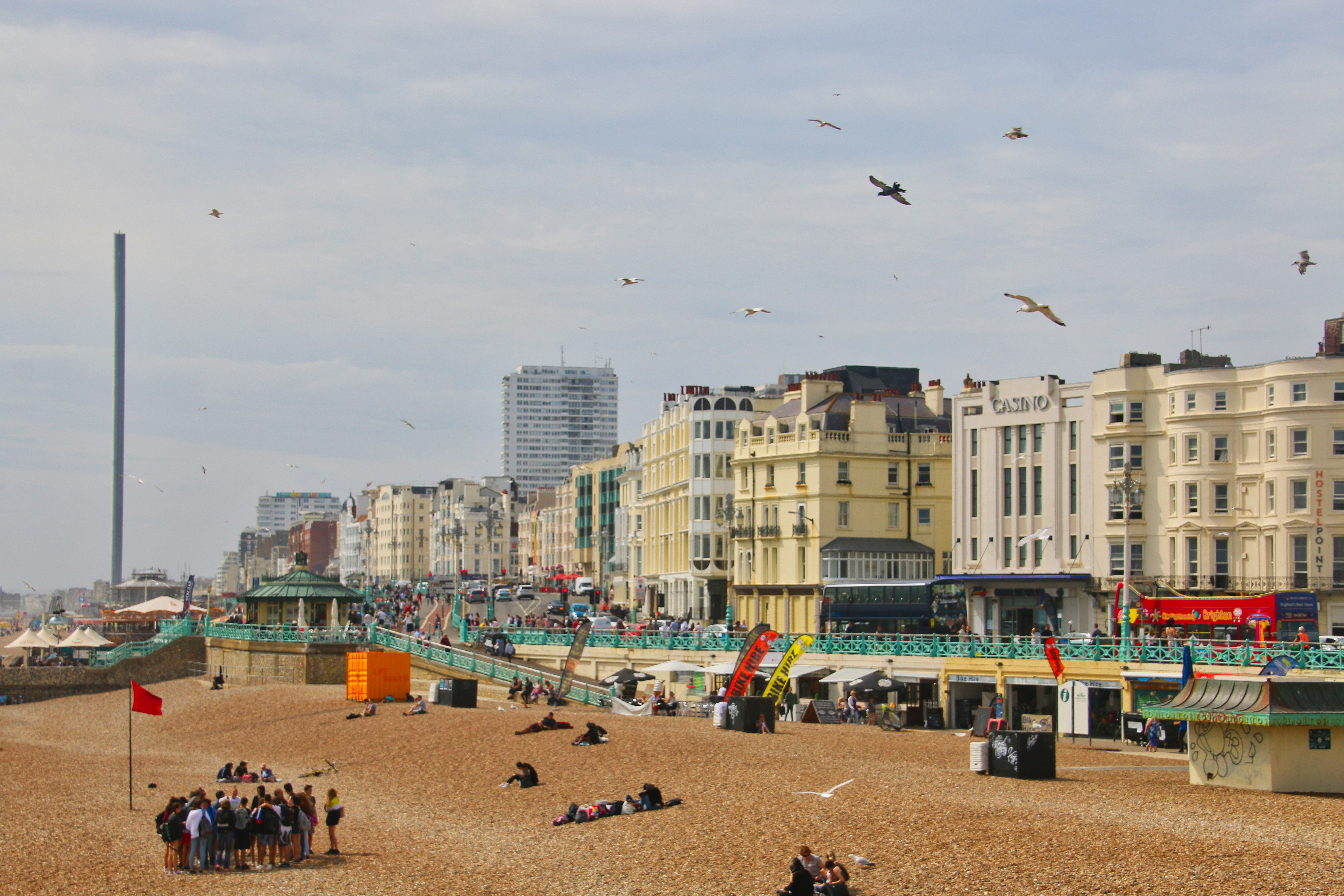
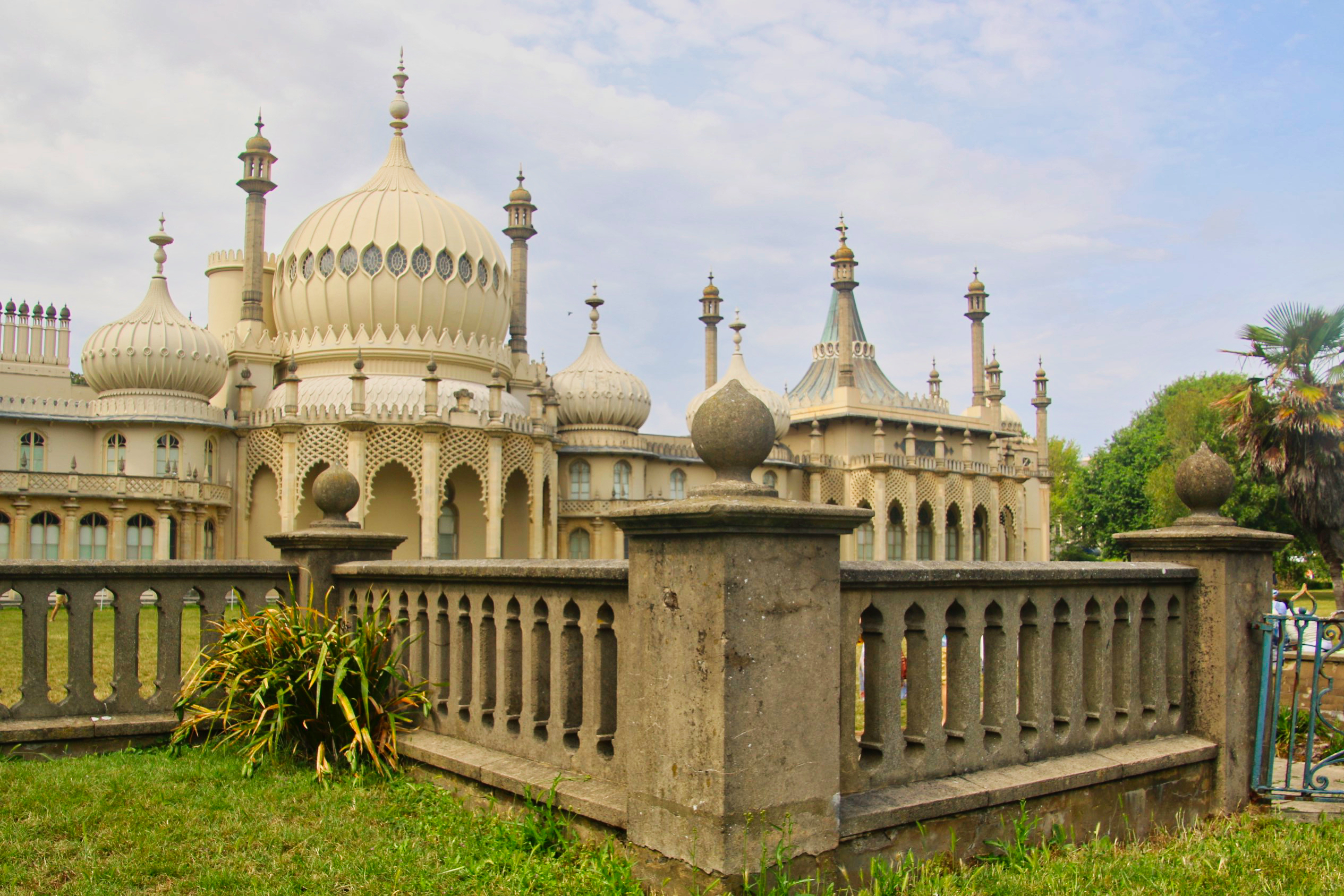
Before it was discovered by English royalty, Brighton was a little fishermen’s town. It all changed in the 19th century when the railway was built, and the people of Britain were getting accustomed to the concept of vacation. That’s when Brighton Pier was built with a length of over 500 Meters, and people began to take sunbaths at the beachfront. New hotels were made for the masses, and the royal family needed a new home. The famous John Nash built the Crystal Palace, heavily inspired by Indian architecture. Today, the town is visited by Britons but even more by foreign language students, who spend part of their vacations in the former fishermen’s village. The palace is a museum now. Presumably, Brighton got too crowded for the Royals.

test

Discovering Wrocław

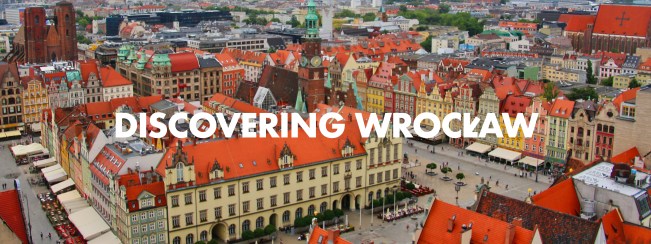
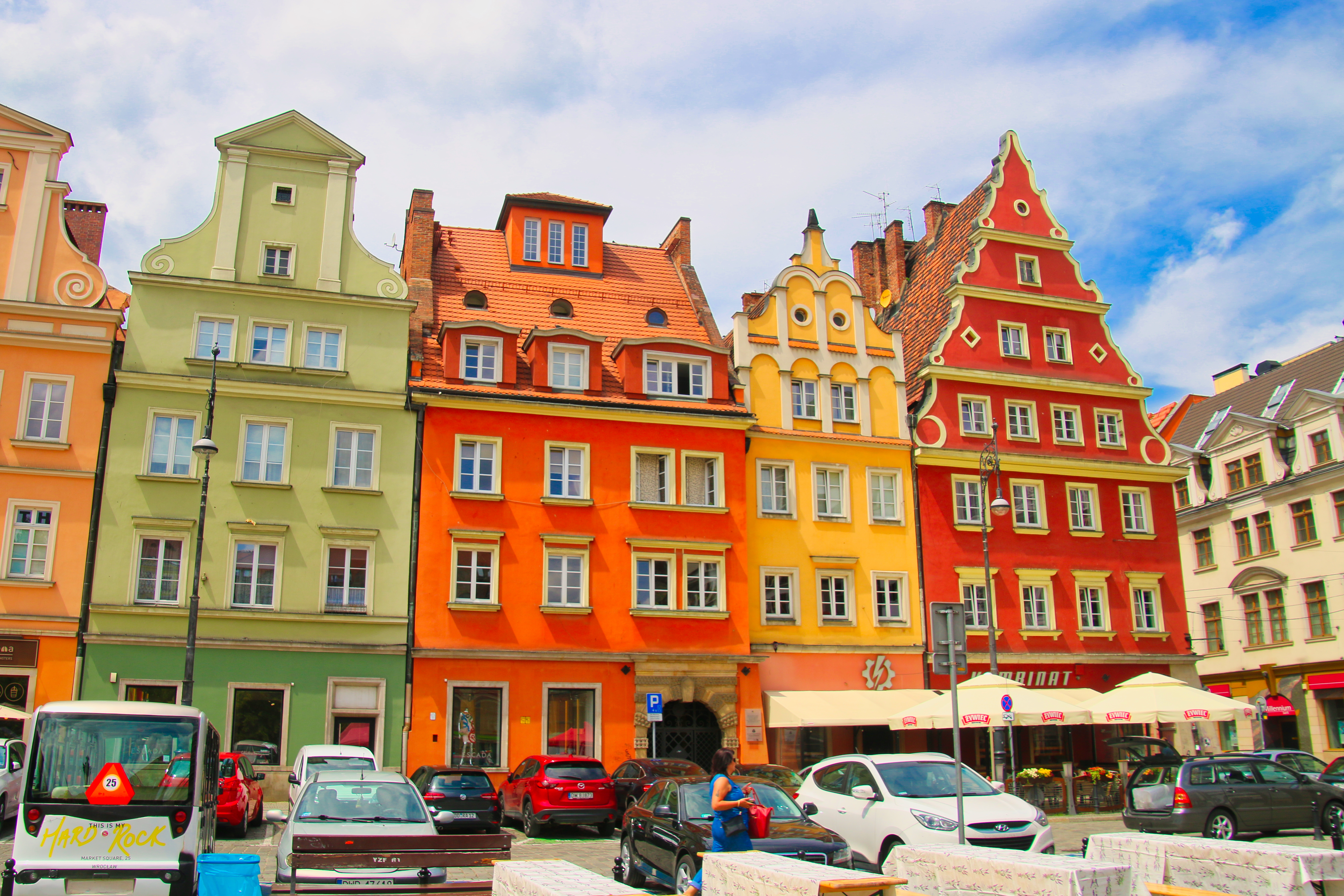
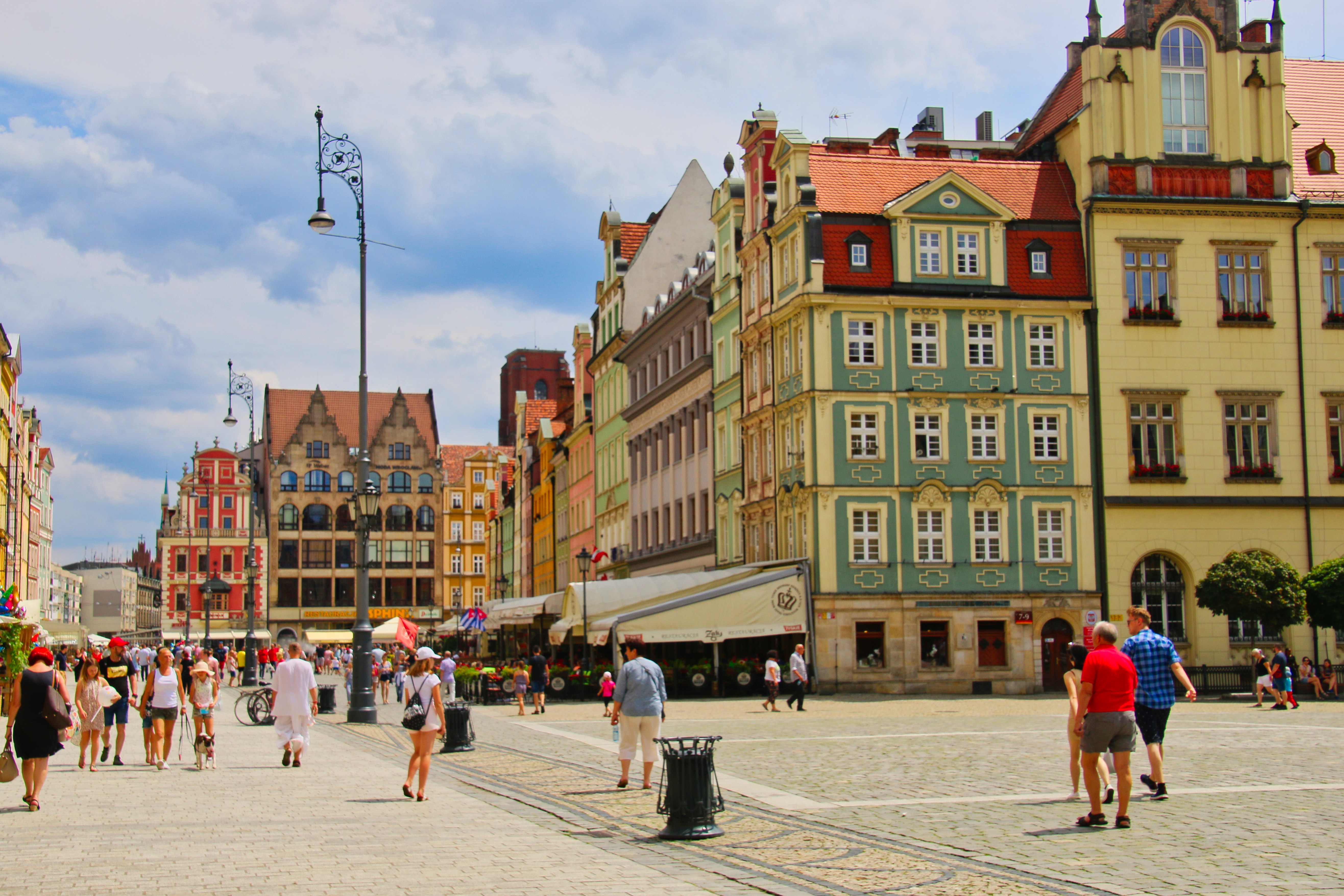
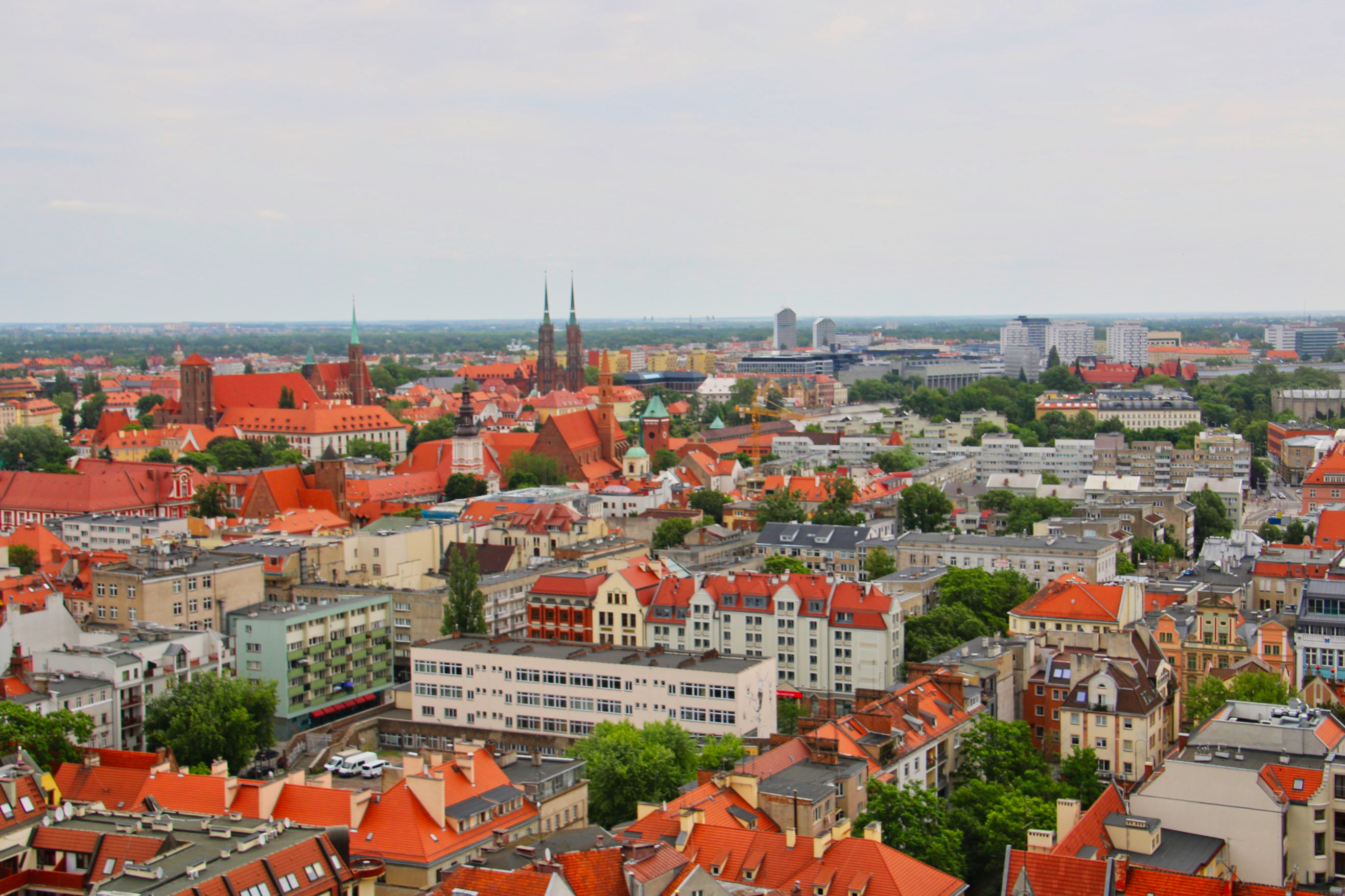
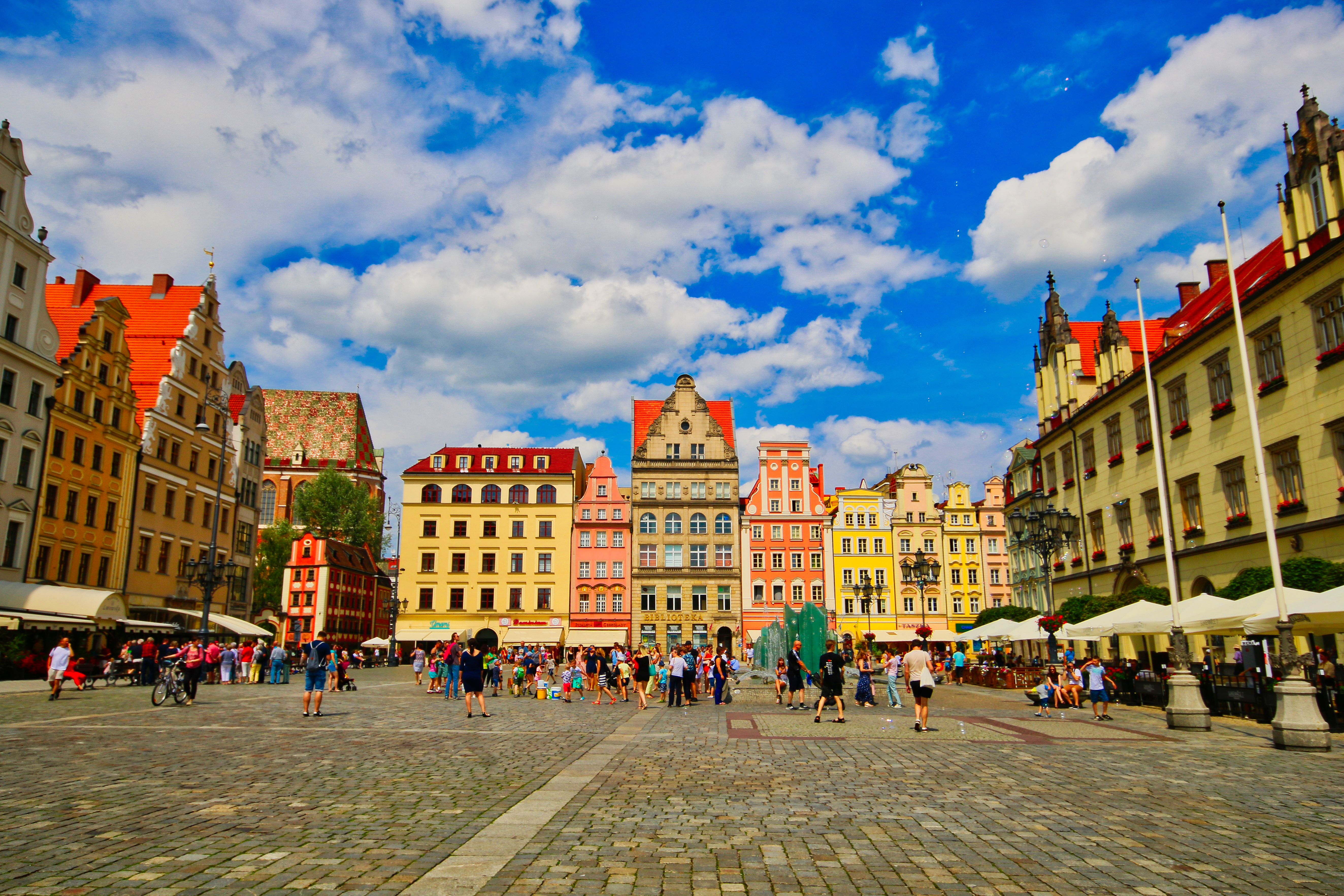
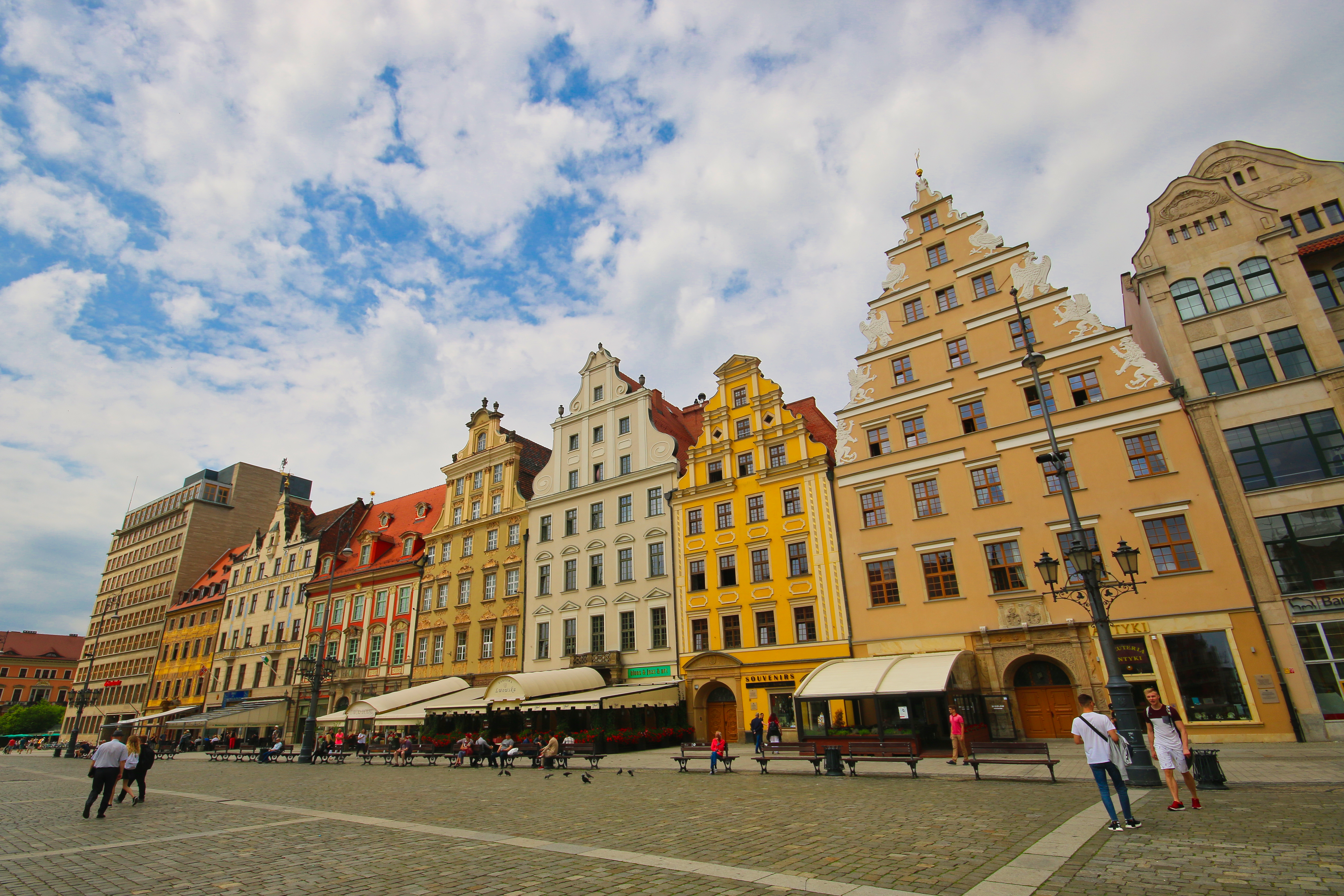
The city of Wrocław is the historical capital town of Silesia. A prosperous land in the center of Europe close to Bohemia. The town changed its affiliation several times. Founded by a Czech duke in the 10th century, it became part of the first Polish state and a political center of the Kingdom. In April 1241, during the First Mongol invasion of Poland, the city was abandoned by the inhabitants and burned down for strategic reasons. Later, it was repopulated by German settlers and became part of the German region of Silesia. After the 2nd World War and the westward border shift, Wrocław became Polish again. The city always was open to different ethnicities and languages, though. It is one of the most visited places in Poland and welcoming to tourists worldwide.
test

1 32 33 34 54