Skip to content

Travelling Castile

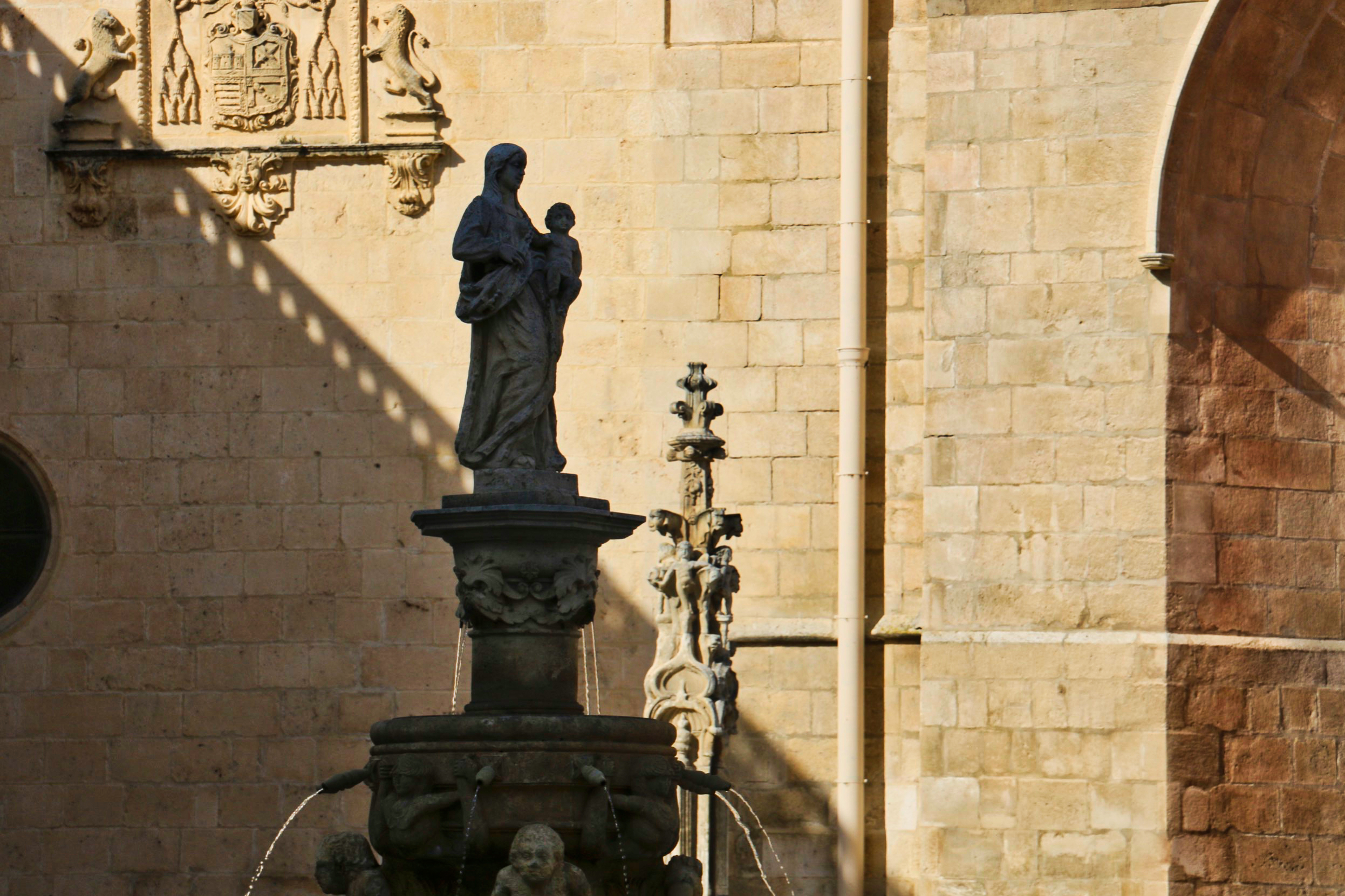
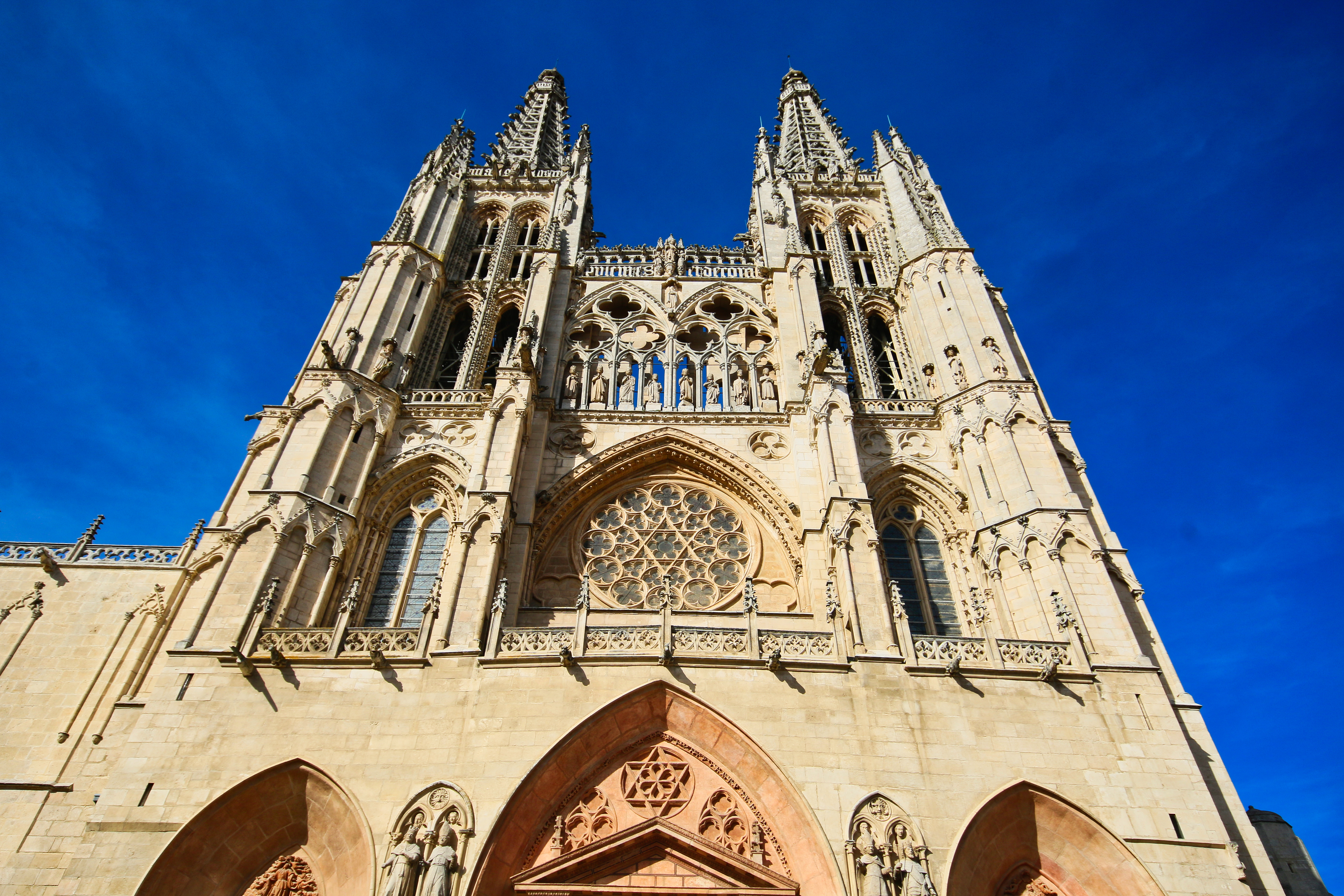
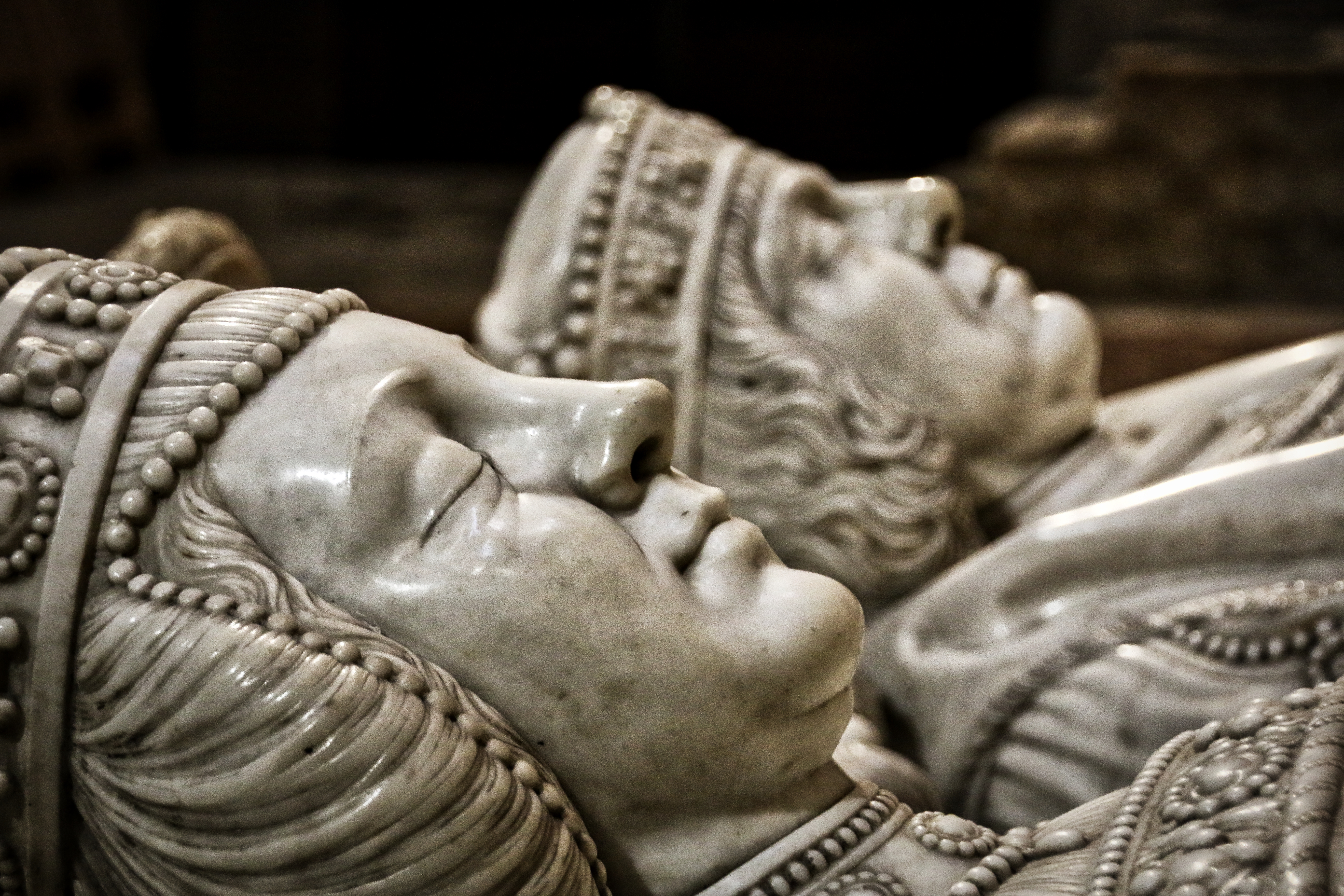
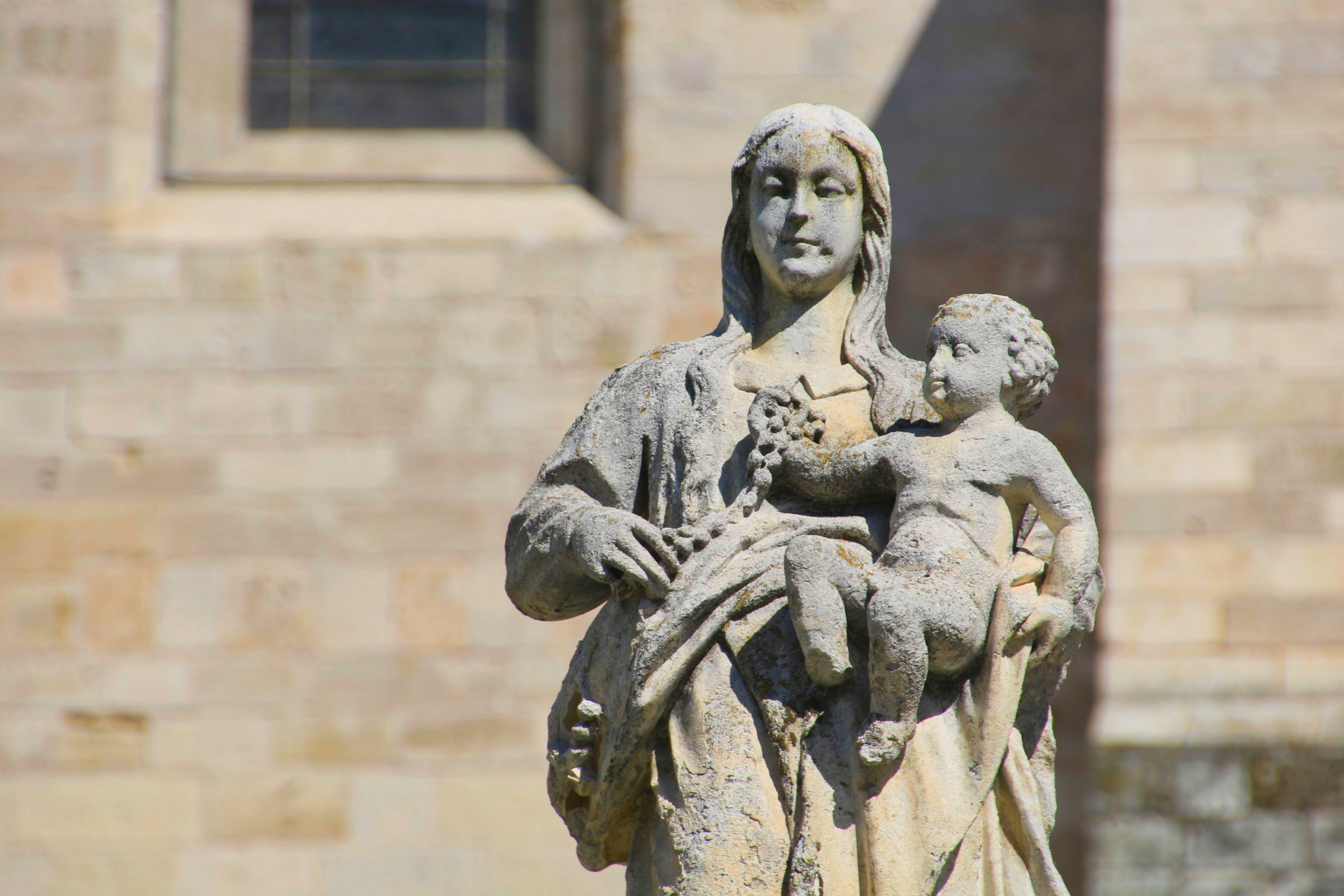
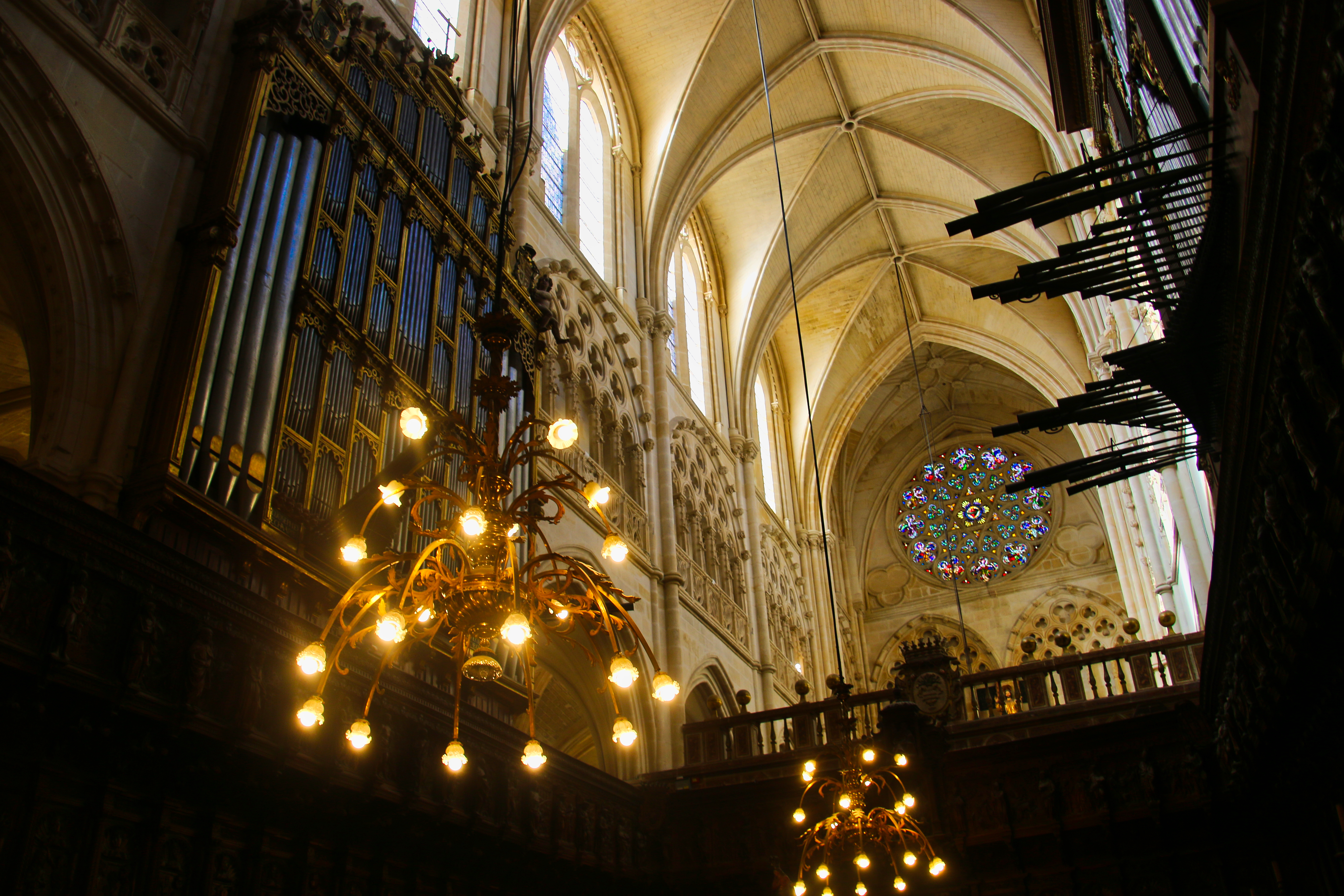
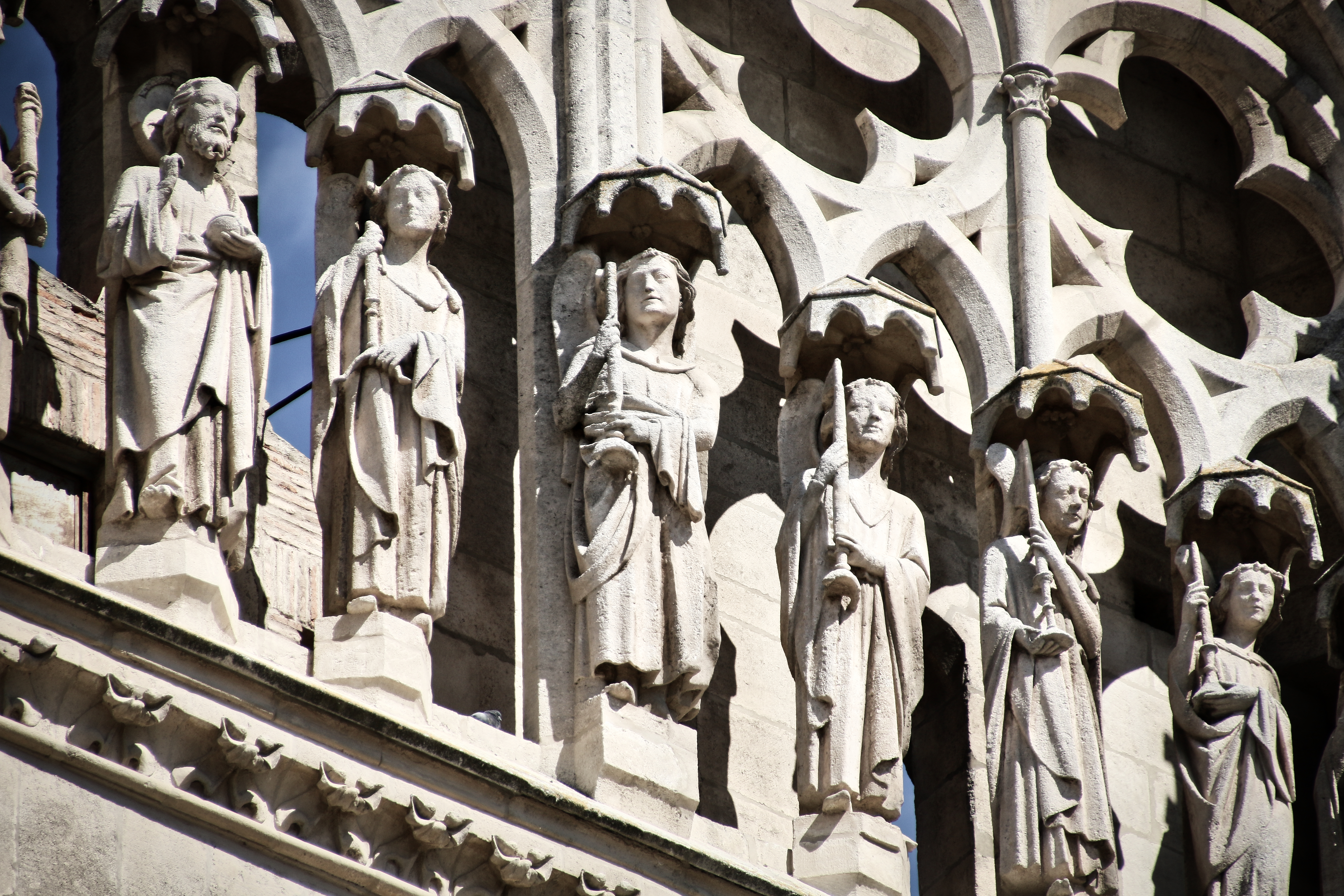
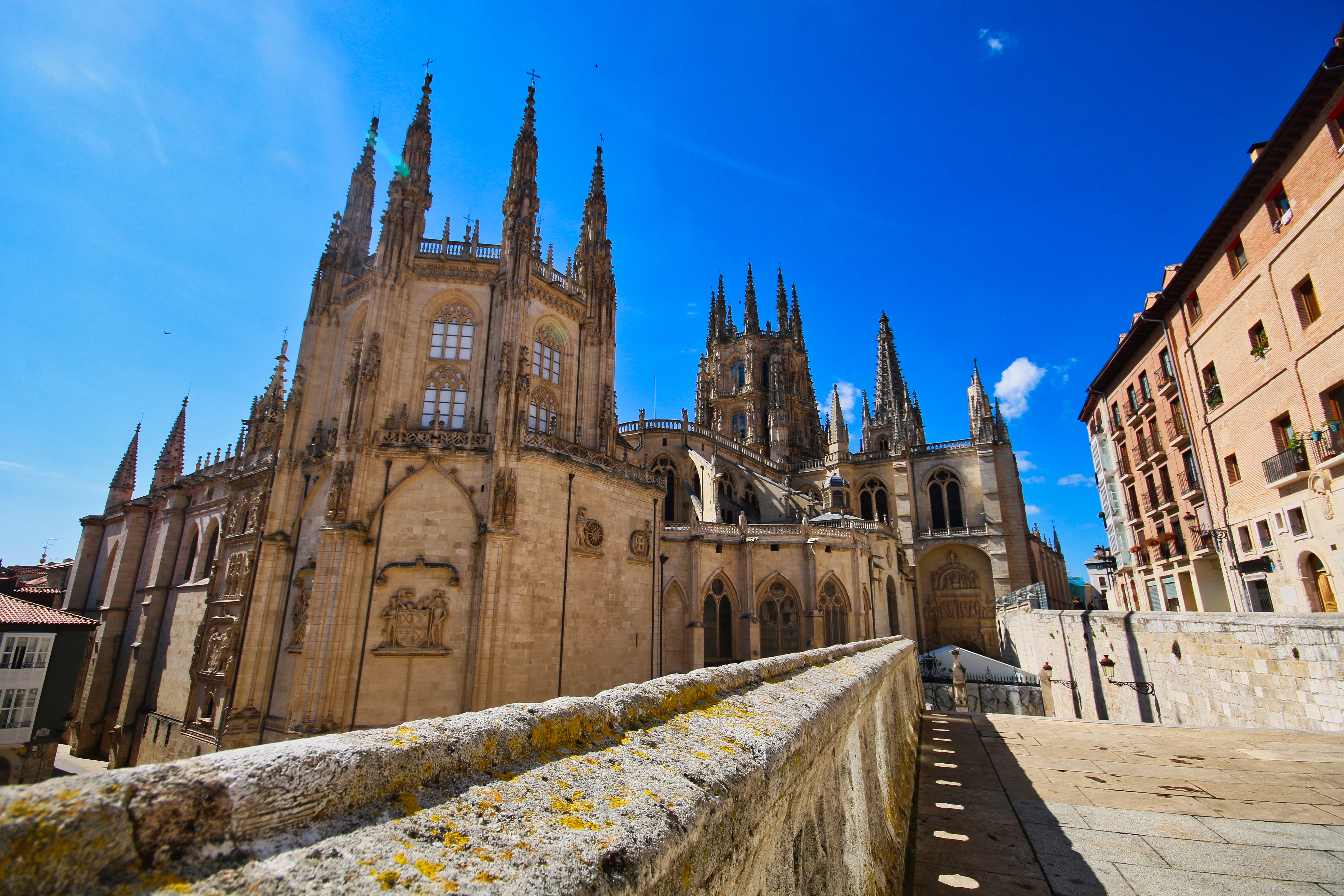
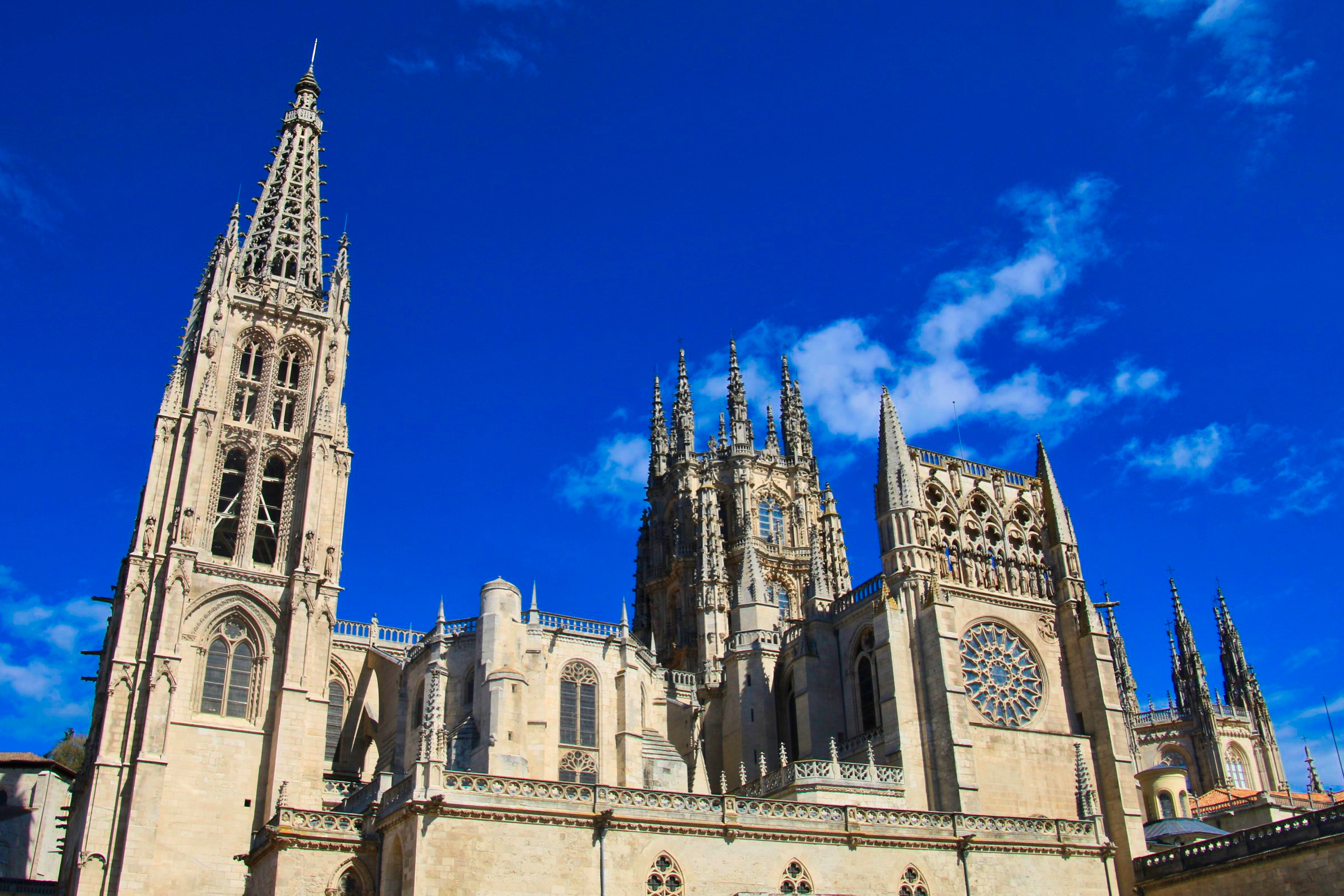
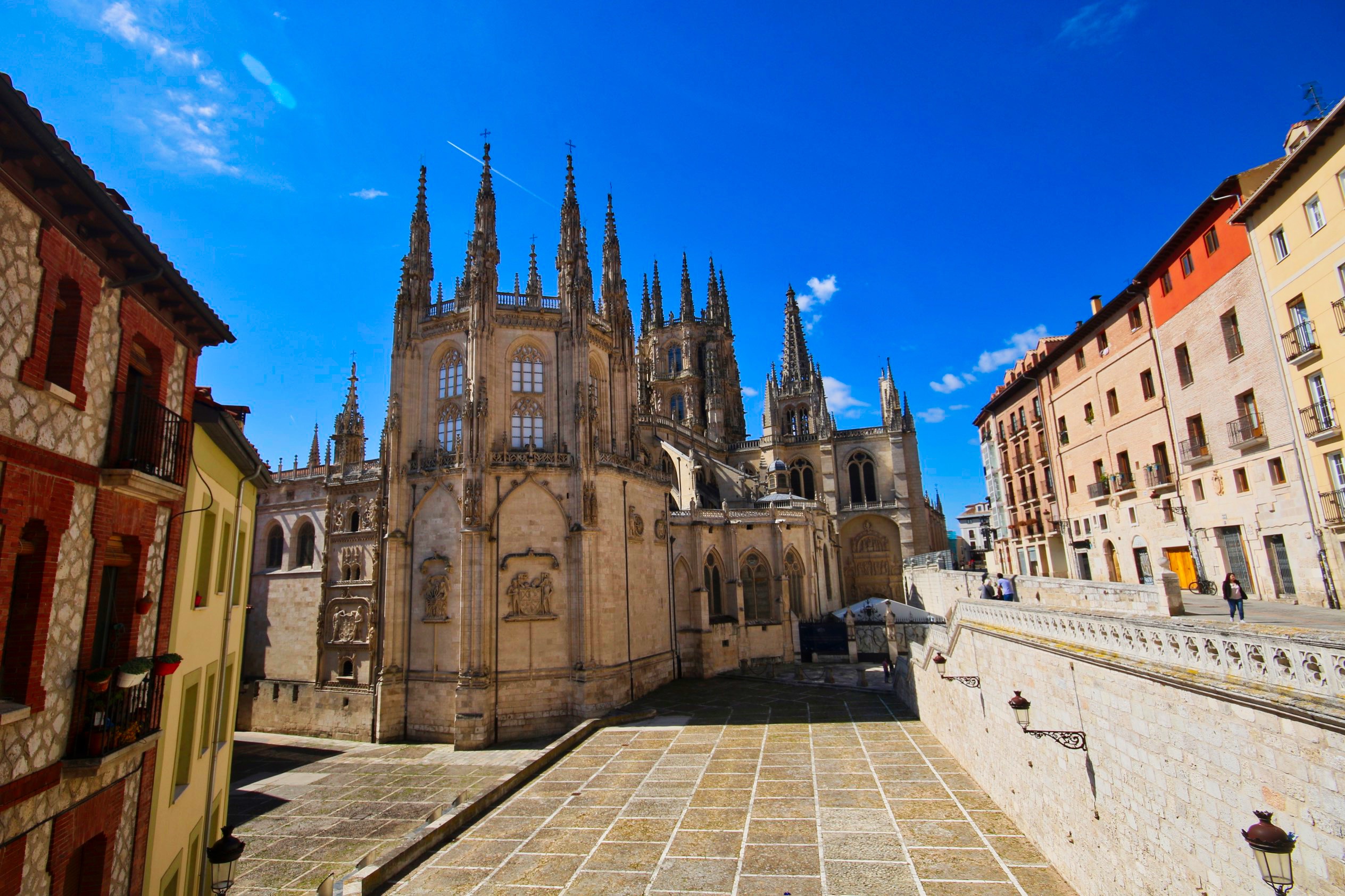
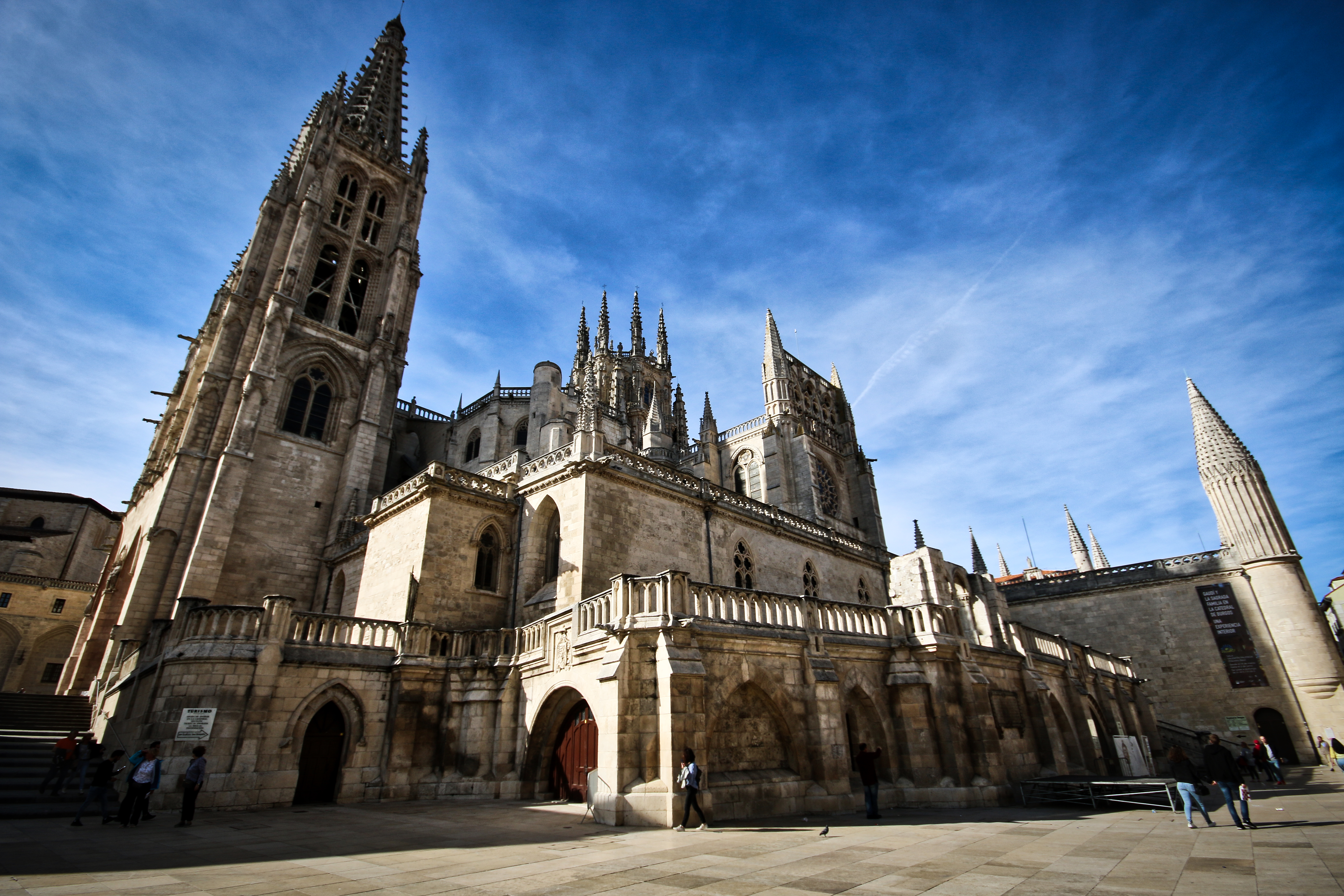
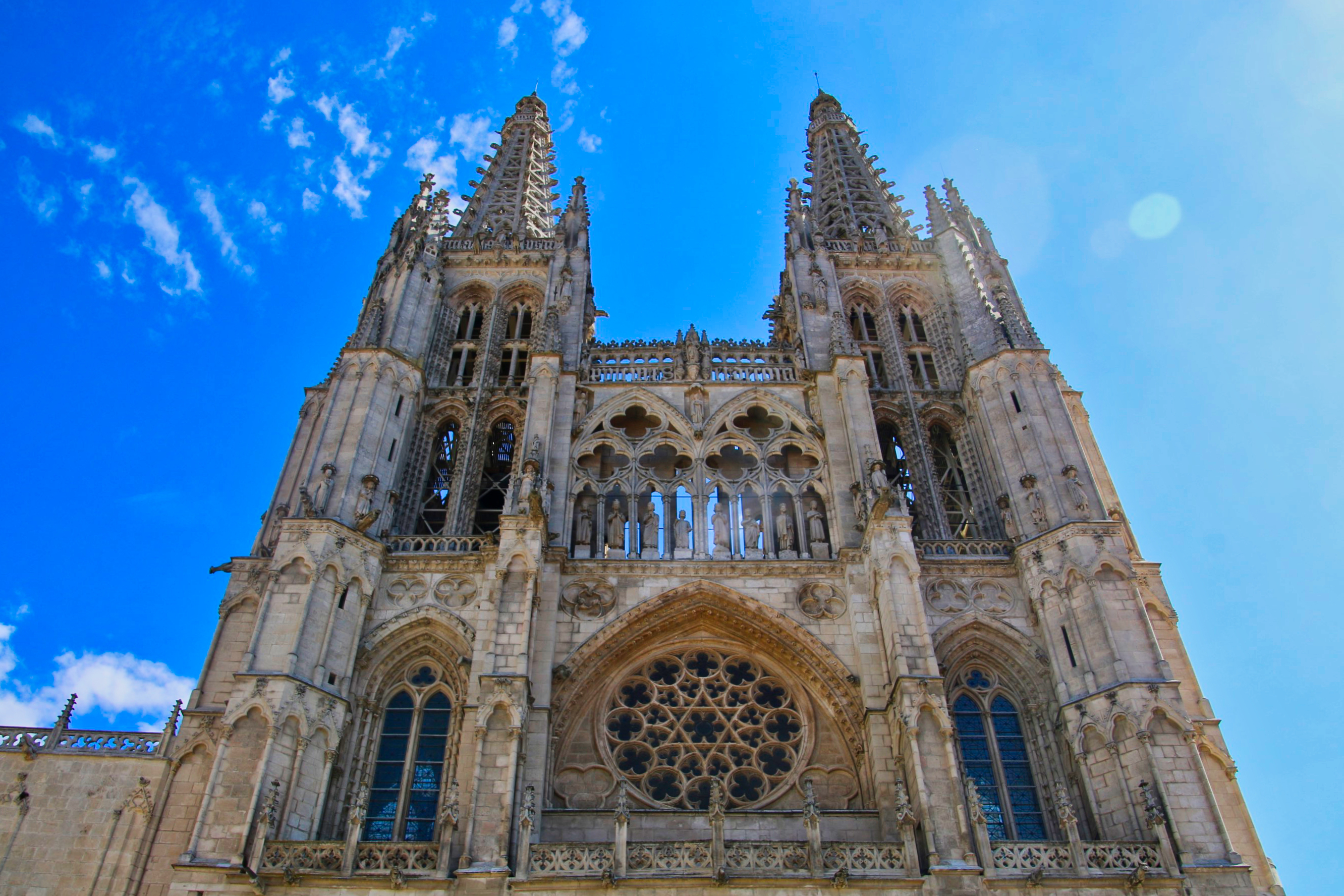
Most of the visitors arriving in Spain visit the coasts and Madrid. Not as many people travel around the region of Castile. Being the historical heartland of the Spanish kingdom, though, the areas of Castile and Leon have a lot to offer. The town of Salamanca, for example, has the oldest university in Spain and is one of the oldest in the world (pictures 1, 3). Burgos was one of the first capitals of the kingdom and is still a pretty impressive town with a grandiose cathedral (pictures 2, 4). The city of Avila is pretty interesting because of its completely intact medieval city wall (last photo). All of these towns have beautiful churches and exquisite cuisine. Also, the region is compact; you do not travel more than two or three hours to the next larger city.

test

The Architecture of Castile

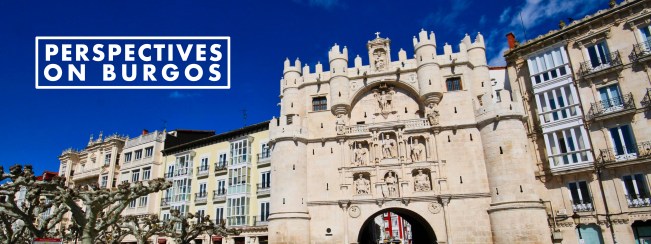
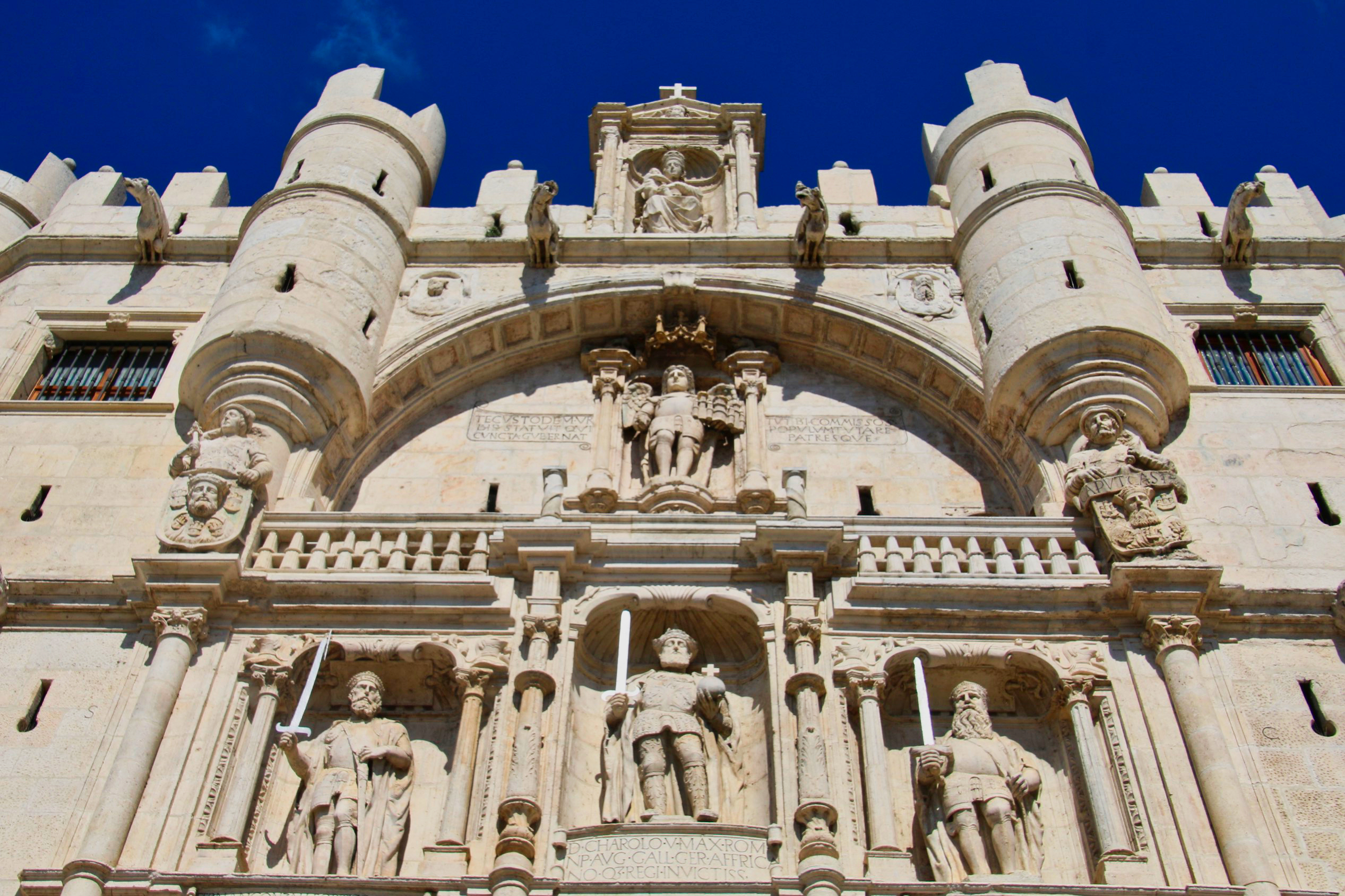
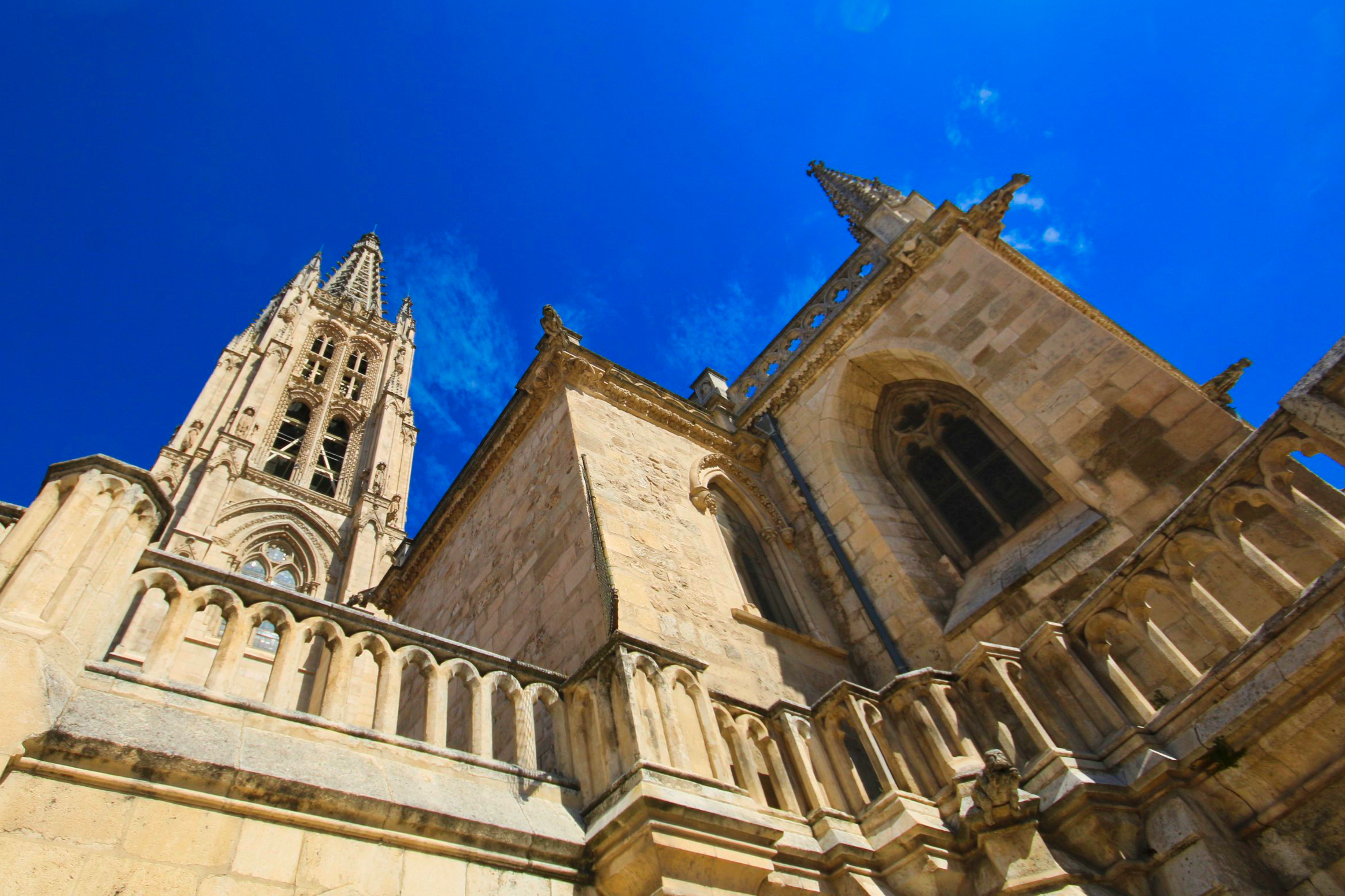
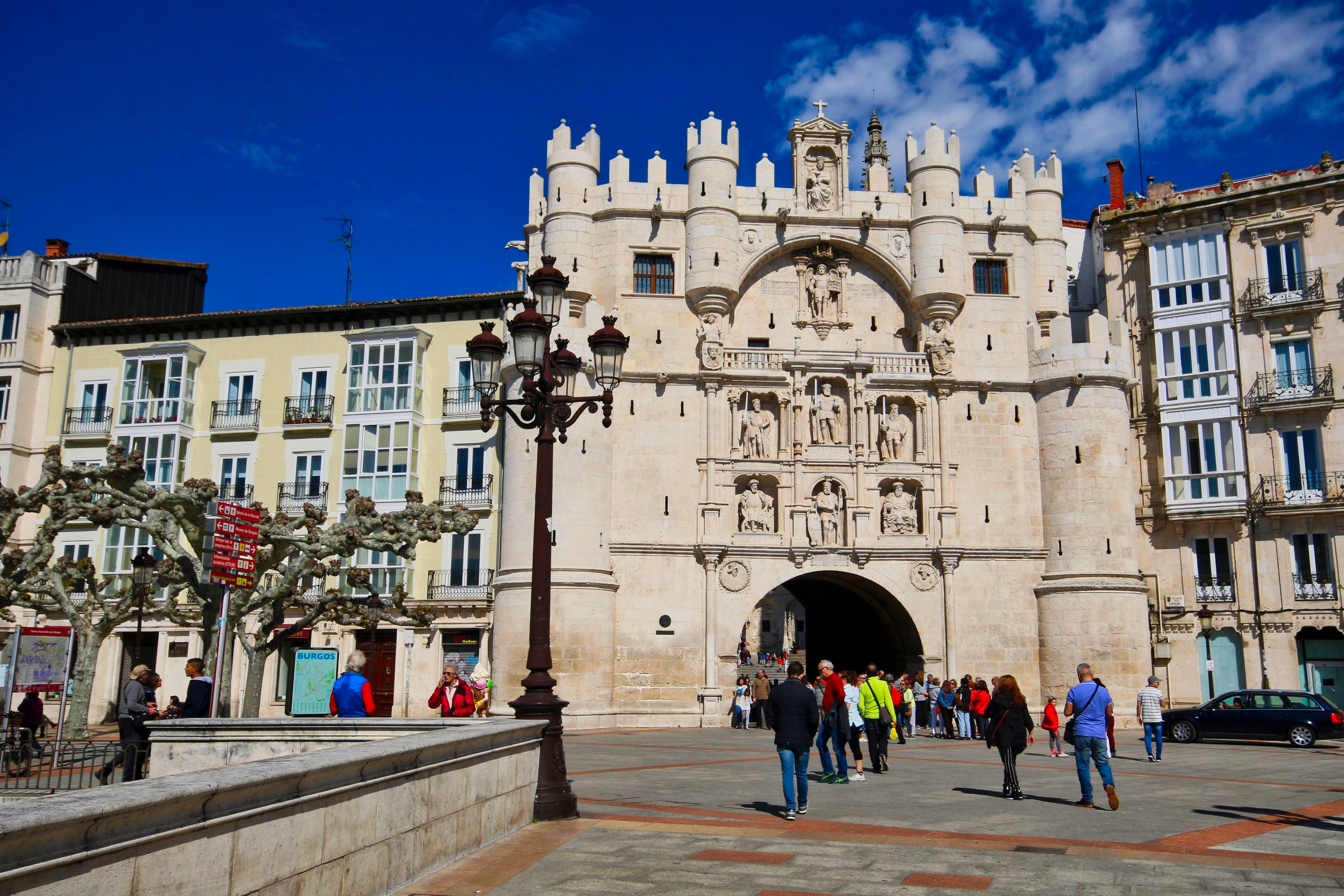
During the Middle Ages and especially in the early modern period, when Spain conquered large parts of the world, Castile, the heartland of the Iberian peninsula, used to be one of the wealthiest places on earth. Evidence of this period can still be seen in the immense architectural wealth of the region. Many towns have grandiose gothic cathedrals like, for example, Burgos (pictures 3 and 5) or even smaller beautiful churches like the Convento de Santa Teresa de Jesús in Avila (pictures 2 and 4). Imposing is the “Arco de Santa María” city gate in Burgos, built by Charles V. in the 16th century (pictures 1 and 6).

test

Discovering Palma

When traveling to the island of Mallorca, you certainly will have some kind of a meet and greet with its capital city – Palma de Mallorca. In the center of its old town, the Gothic-style cathedral is situated, which can be seen from afar and is even more stunning close-up and from inside. Similar to Barcelona on the mainland, many modernist (Spanish Jugendstil/art nouveau) buildings are to be discovered. After your sightseeing tour, you can nap at the beach or at one of the city’s beautiful parks.
test

Land of the Clansmen

For centuries, Scotland was the land of the Clansmen. The country was divided and governed by families like the MacDonalds, Camerons, or MacKenzies. These had their own tartans, traditions, and allegiances and were interlocked in a fight for influence and wealth. They had a deep connection and history with the land they occupied and an immense pride to be fierce fighters and survivors of the north. It was seldom, though, that they agreed on anything politically, it needed an outside force – a common enemy – to gather the concurring clans like in the wars led by national heroes like William Wallace (his monument is seen in the last picture), Robert the Bruce or lastly Bonnie Prince Charlie in the 18th century. That enemy, of course, was England. After the shattering battle of Culloden, in which the Scottish forces lost against the English king, the history of the clan ships ended. Though their traditions and history can be seen all over the country – the spirit of fierce warriors and the deep connection to their native land can be felt and is still there.
test

1 34 35 36 54