Skip to content

Bicycles of Japan

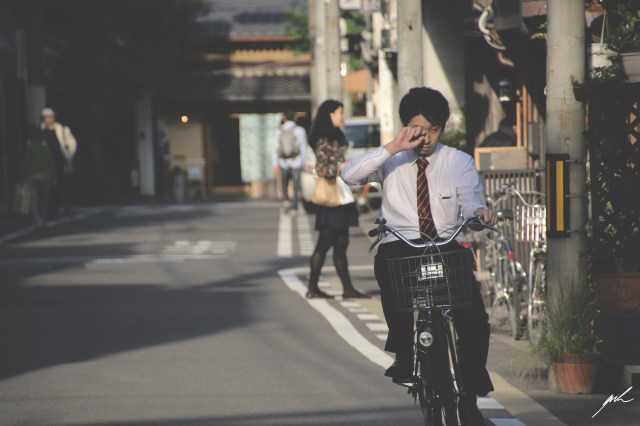
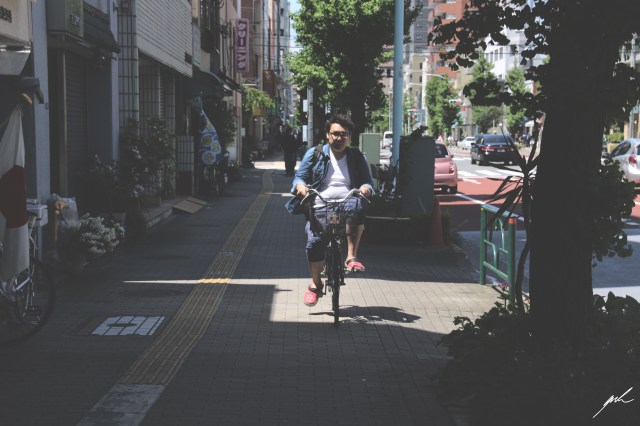
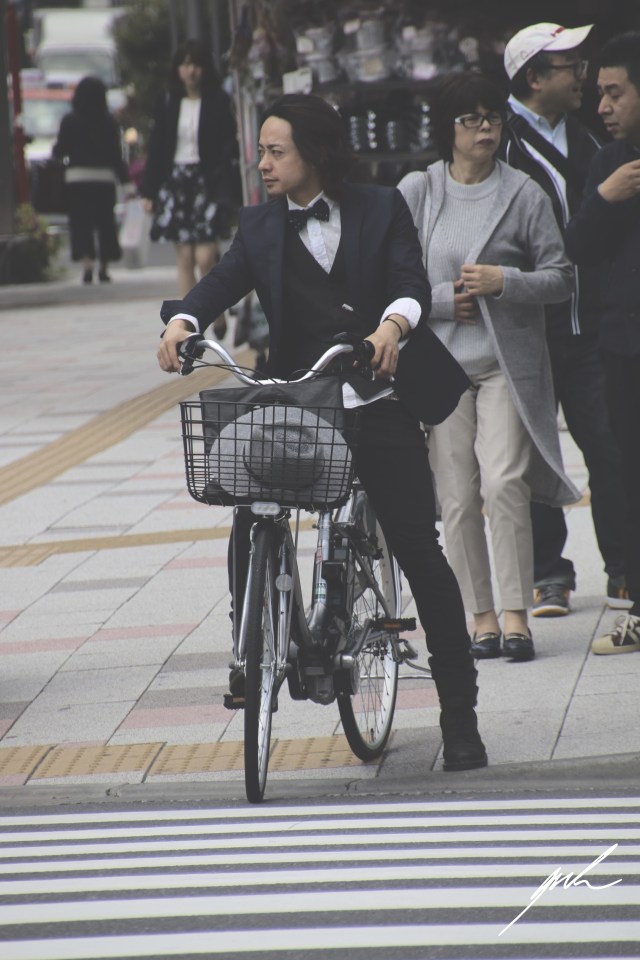
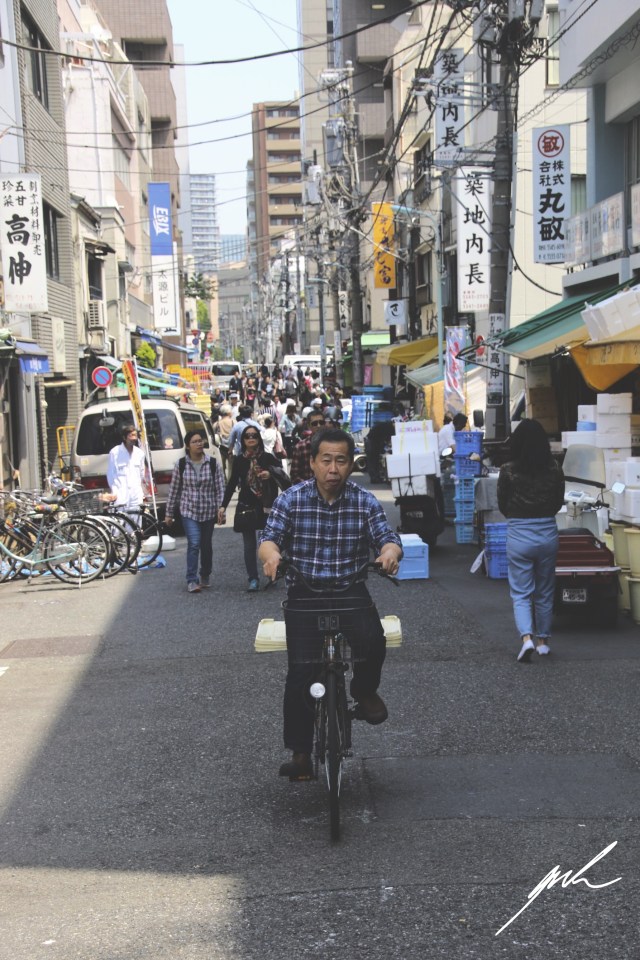
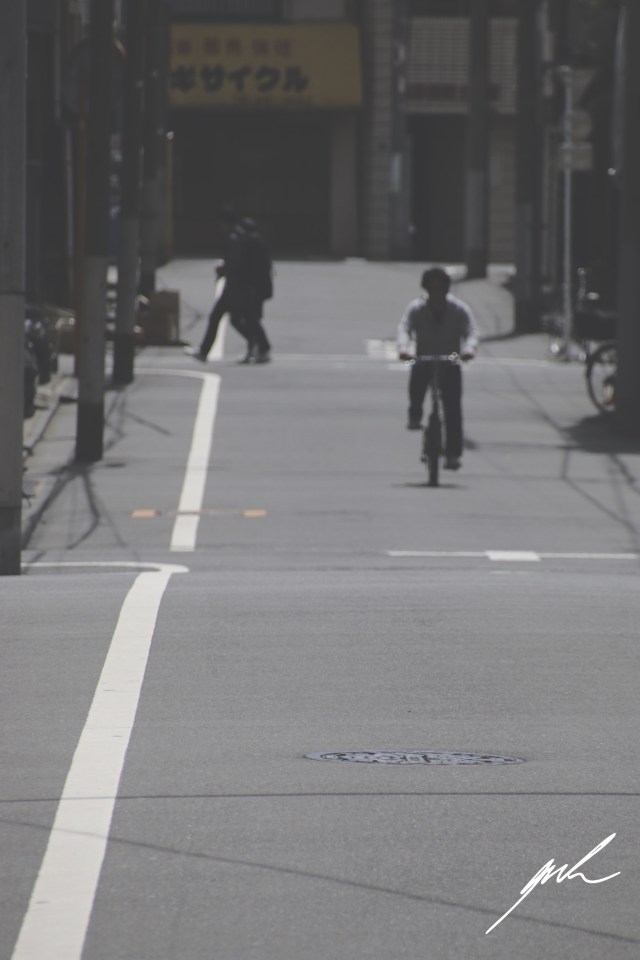
Sure, in terms of bicycles, there are far more crazy places worldwide, like Amsterdam, Kopenhagen, and some other Asian spots. But still, Japanese people seem to love their bikes; you see businessmen, older people, and teenagers alike riding the streets with style and grace (although they are tired sometimes). A collage.

test

img_0317 img_7427 img_8138 img_8085 img_1808

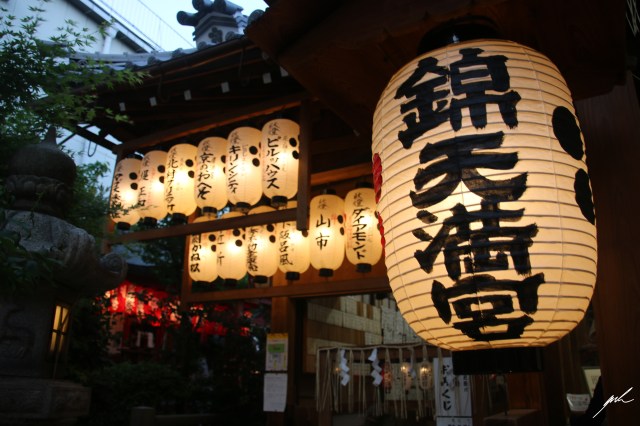
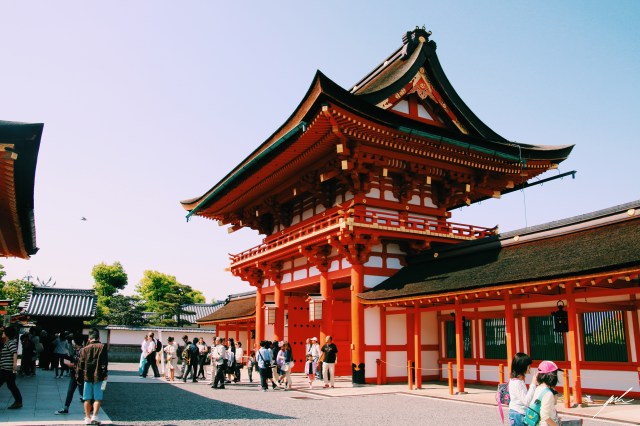
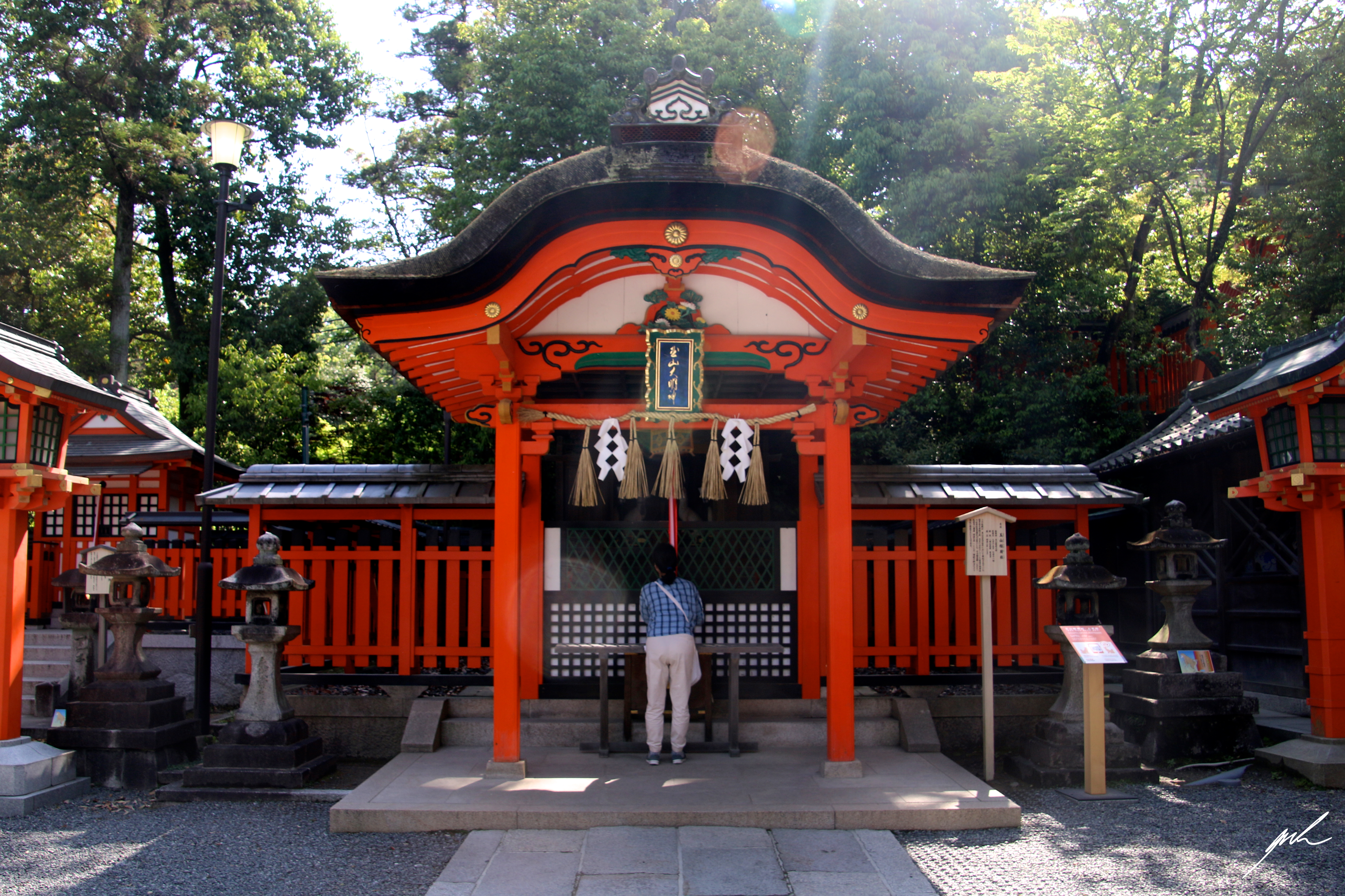
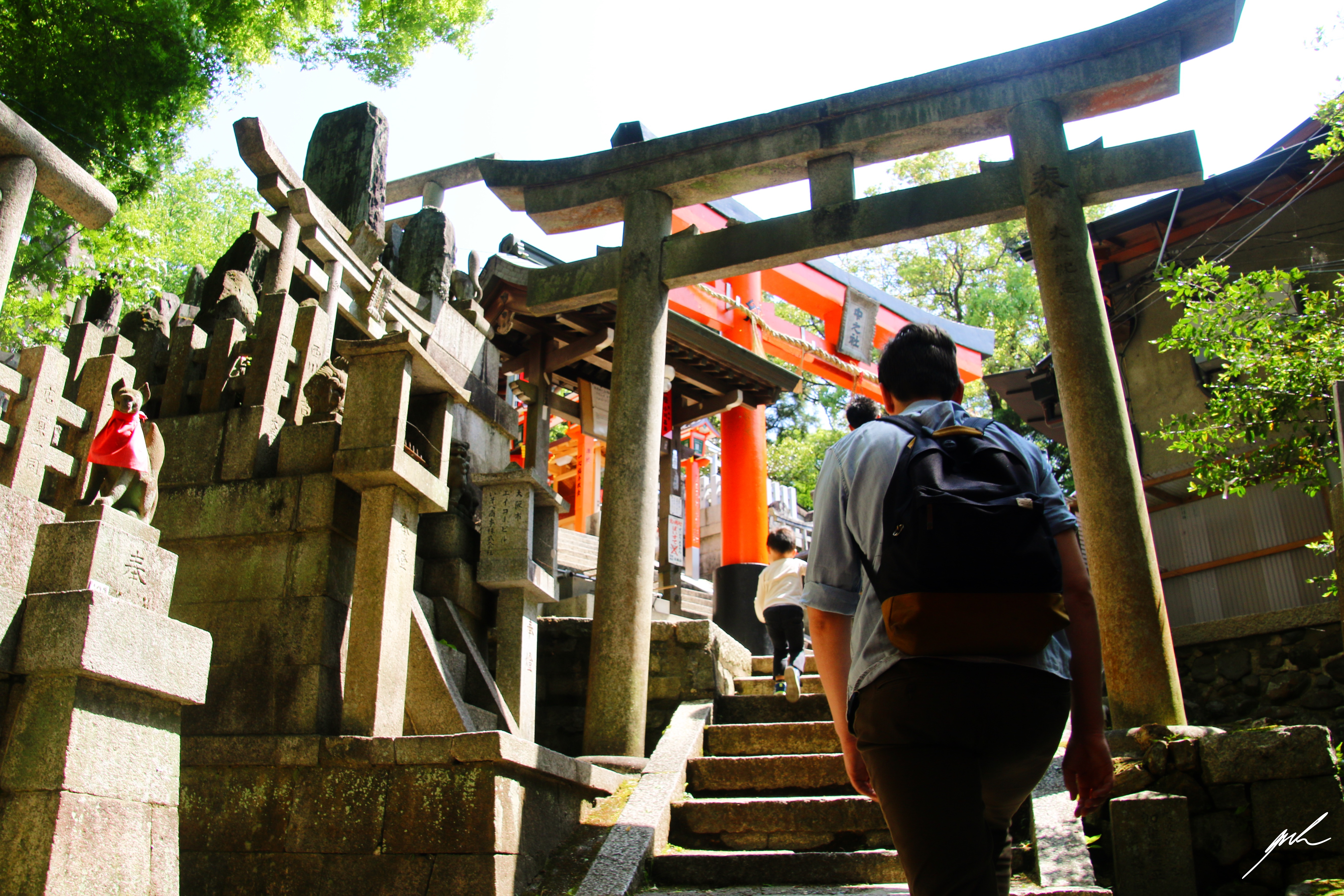
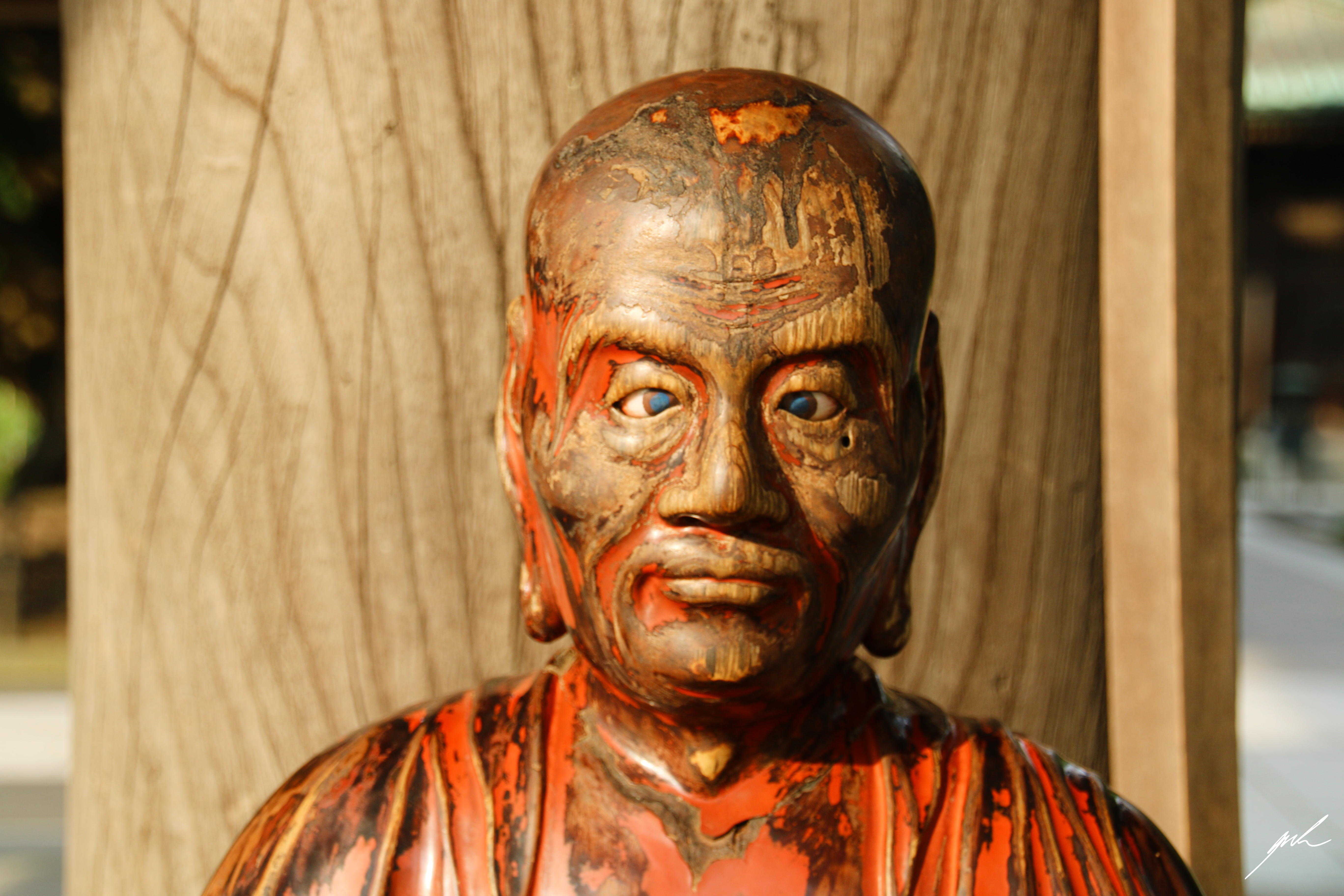
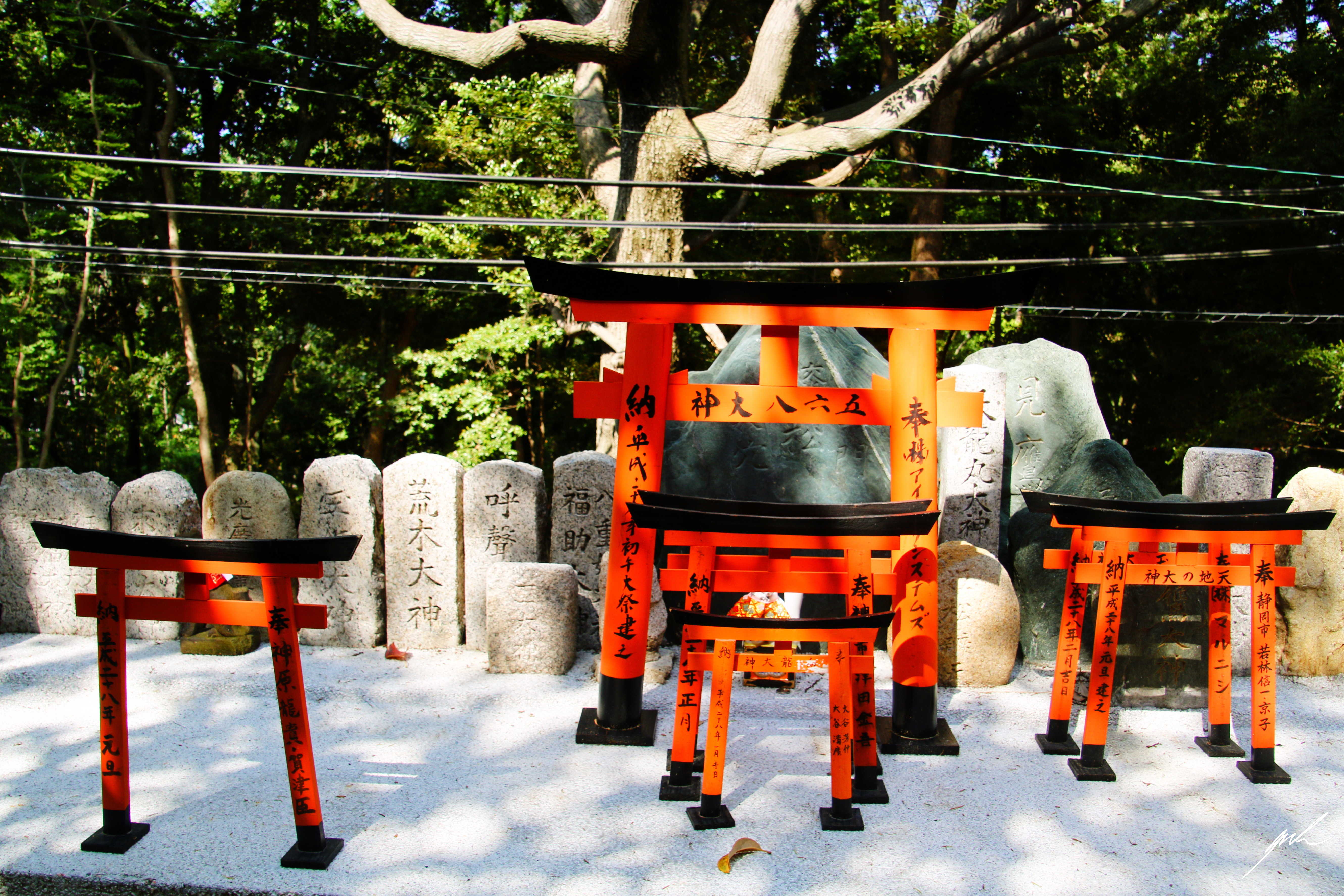
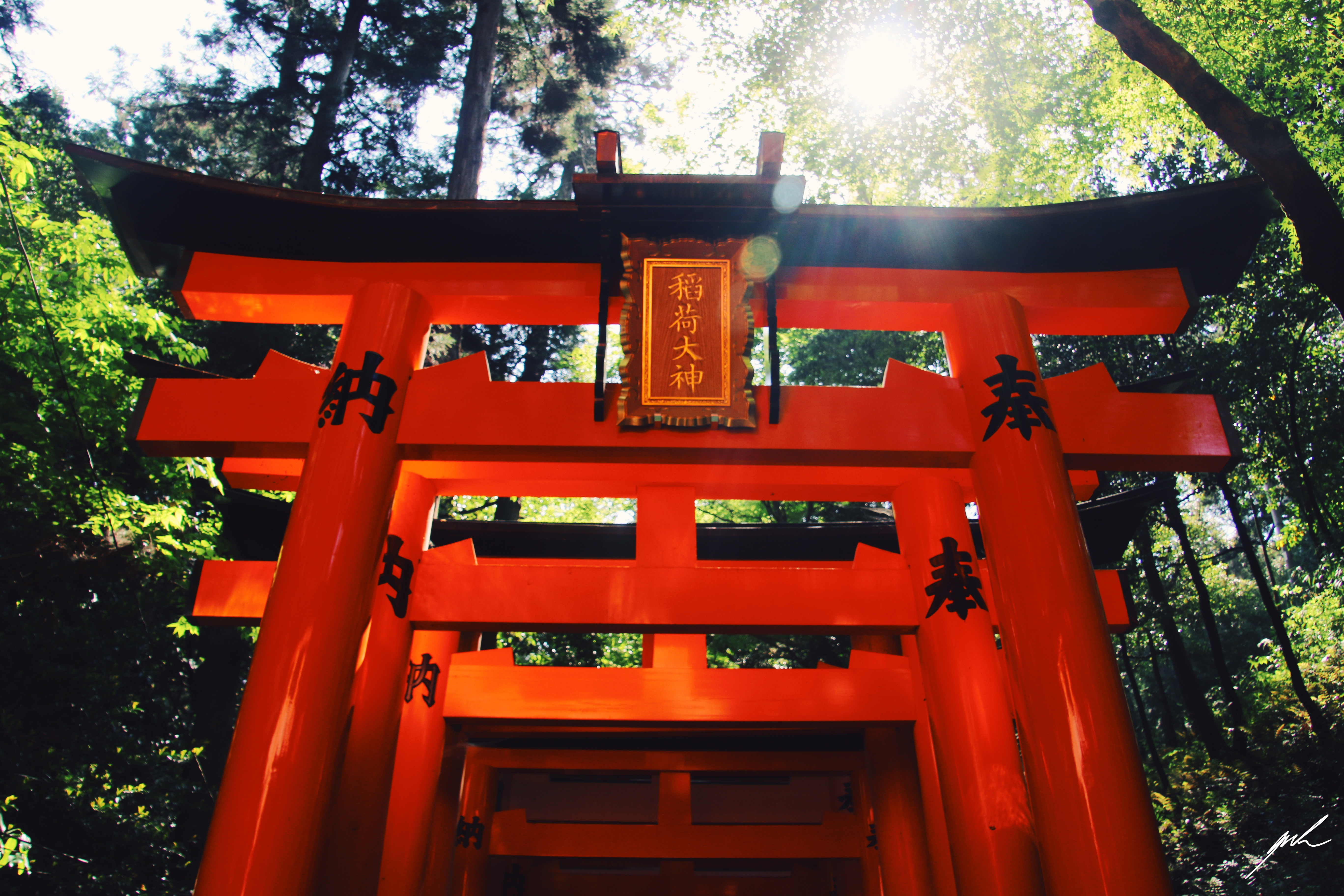
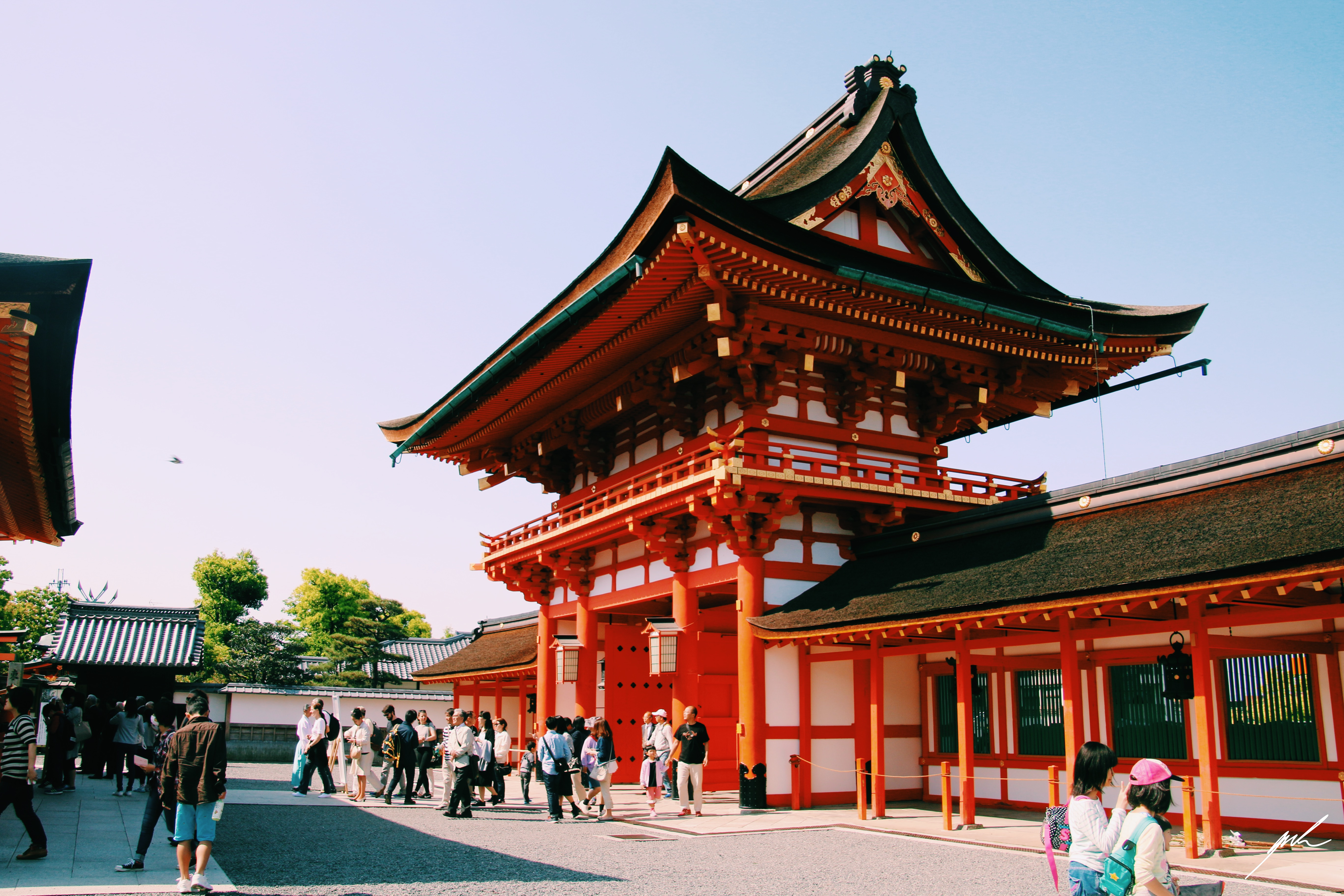
Kyoto Shrines

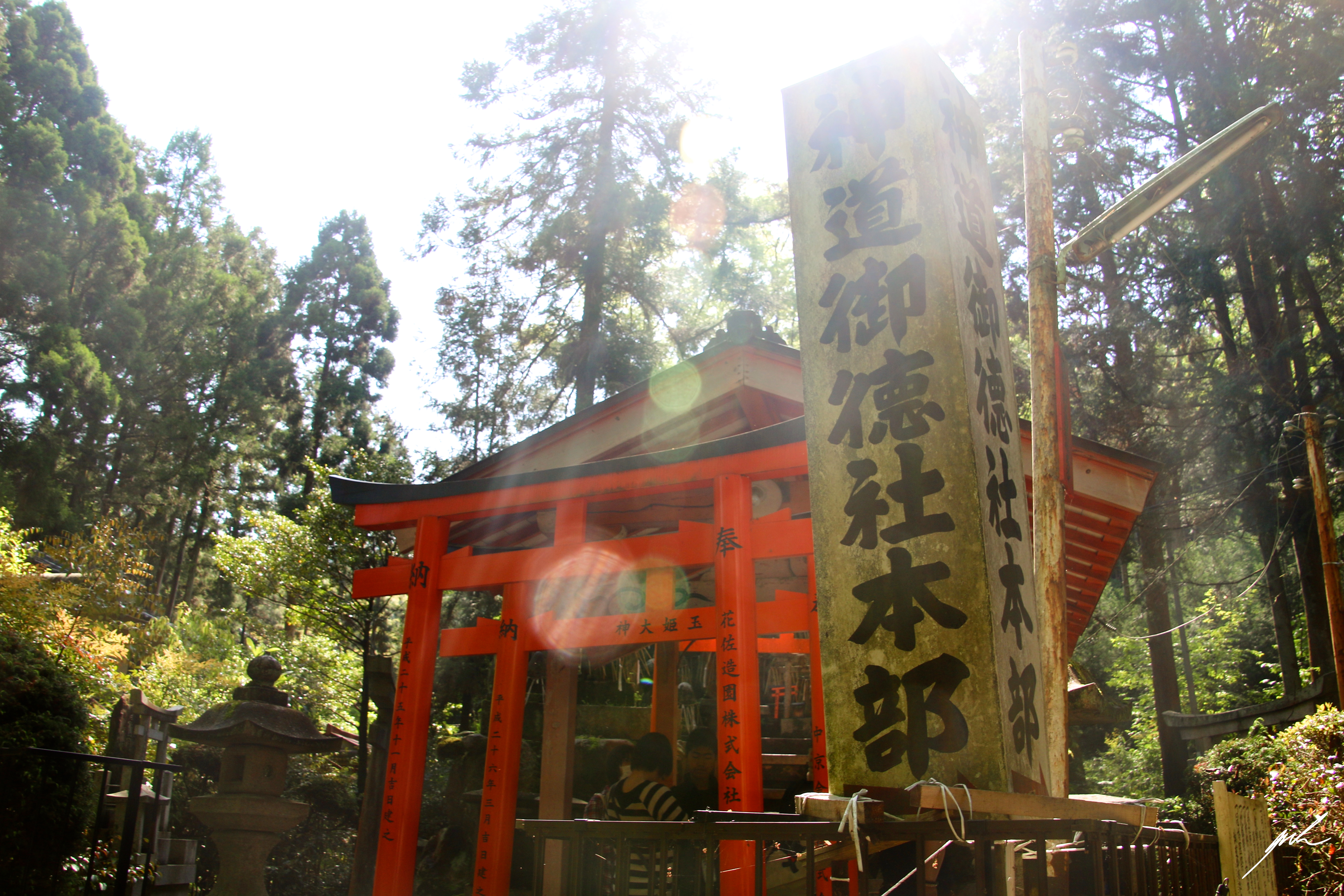
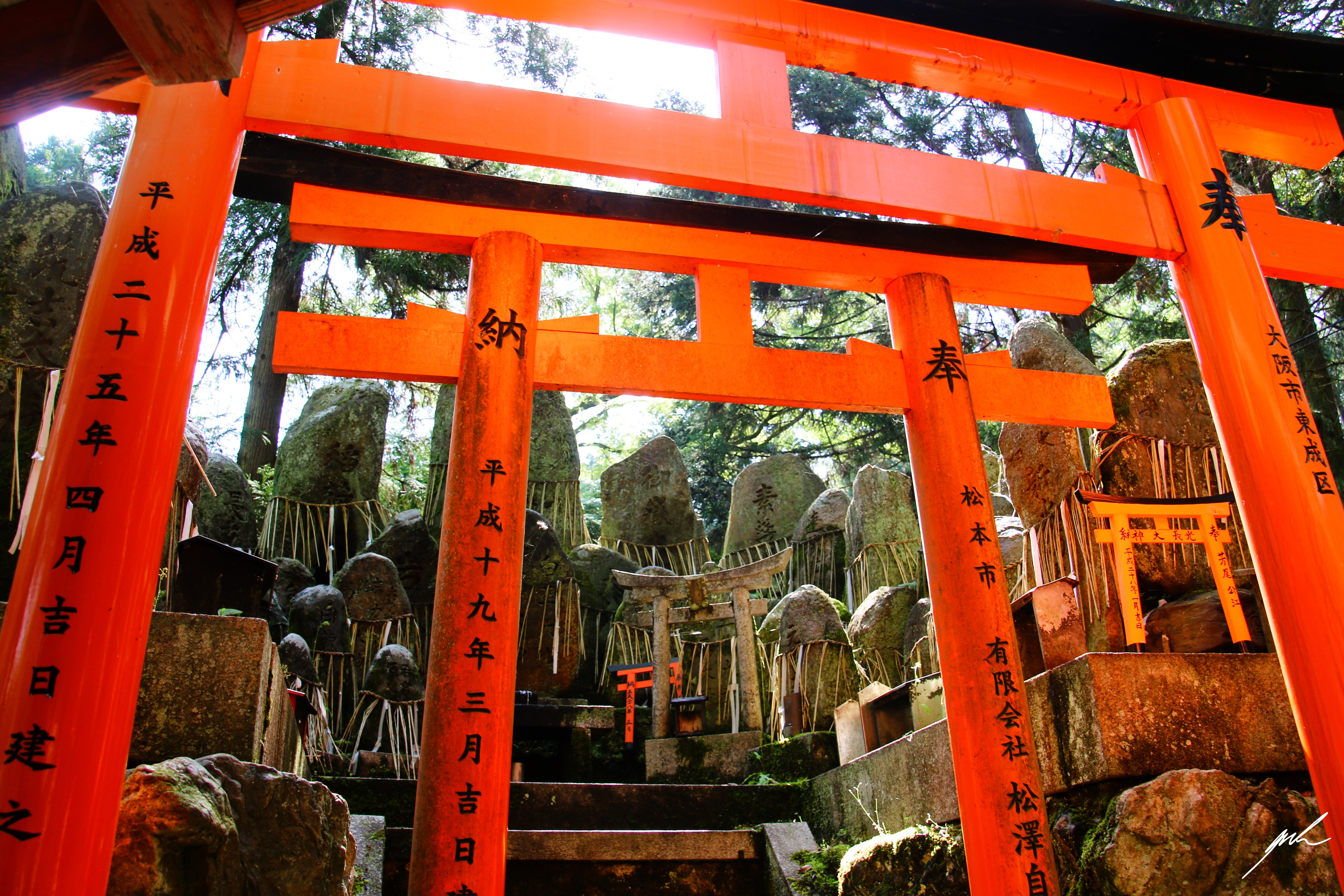
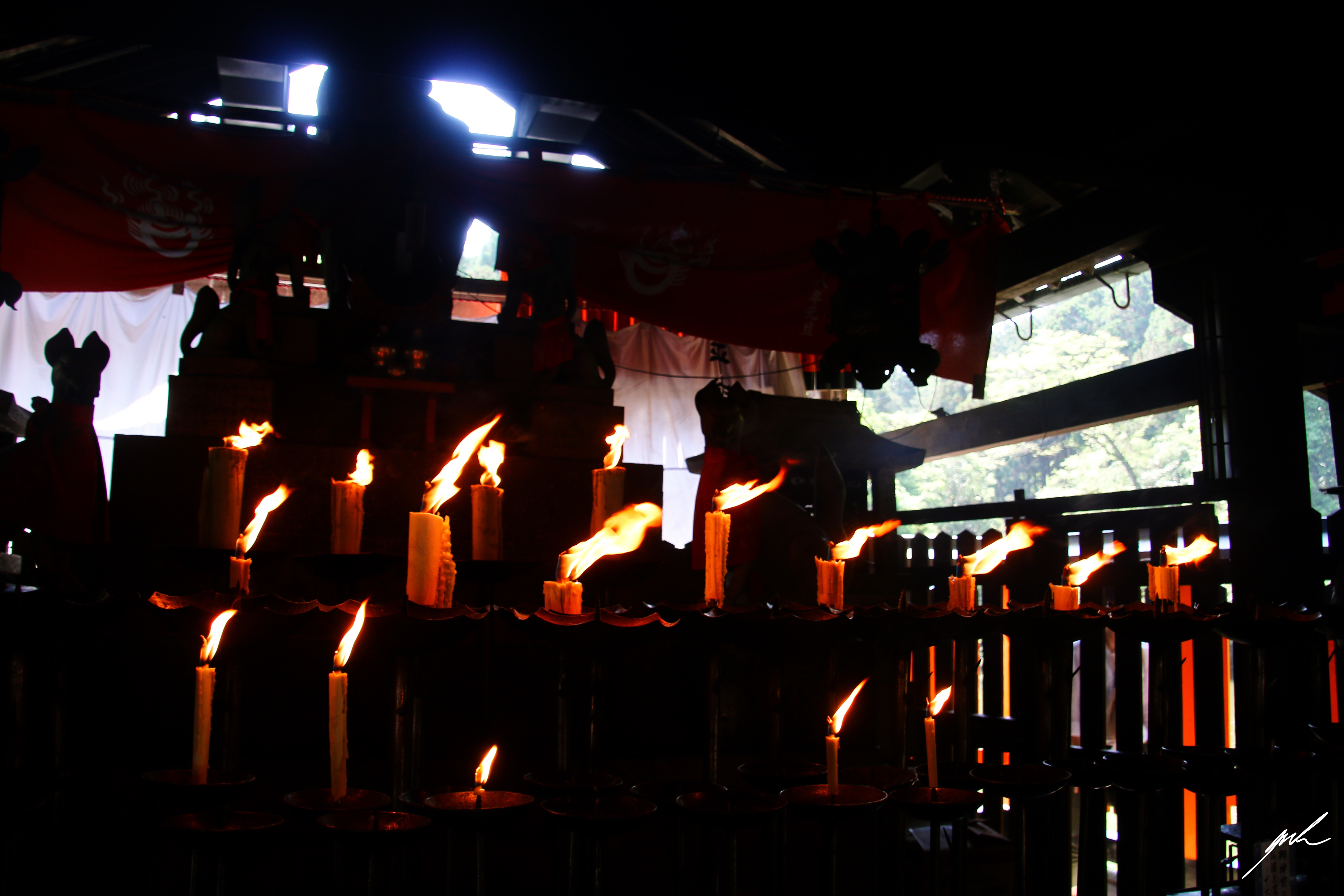
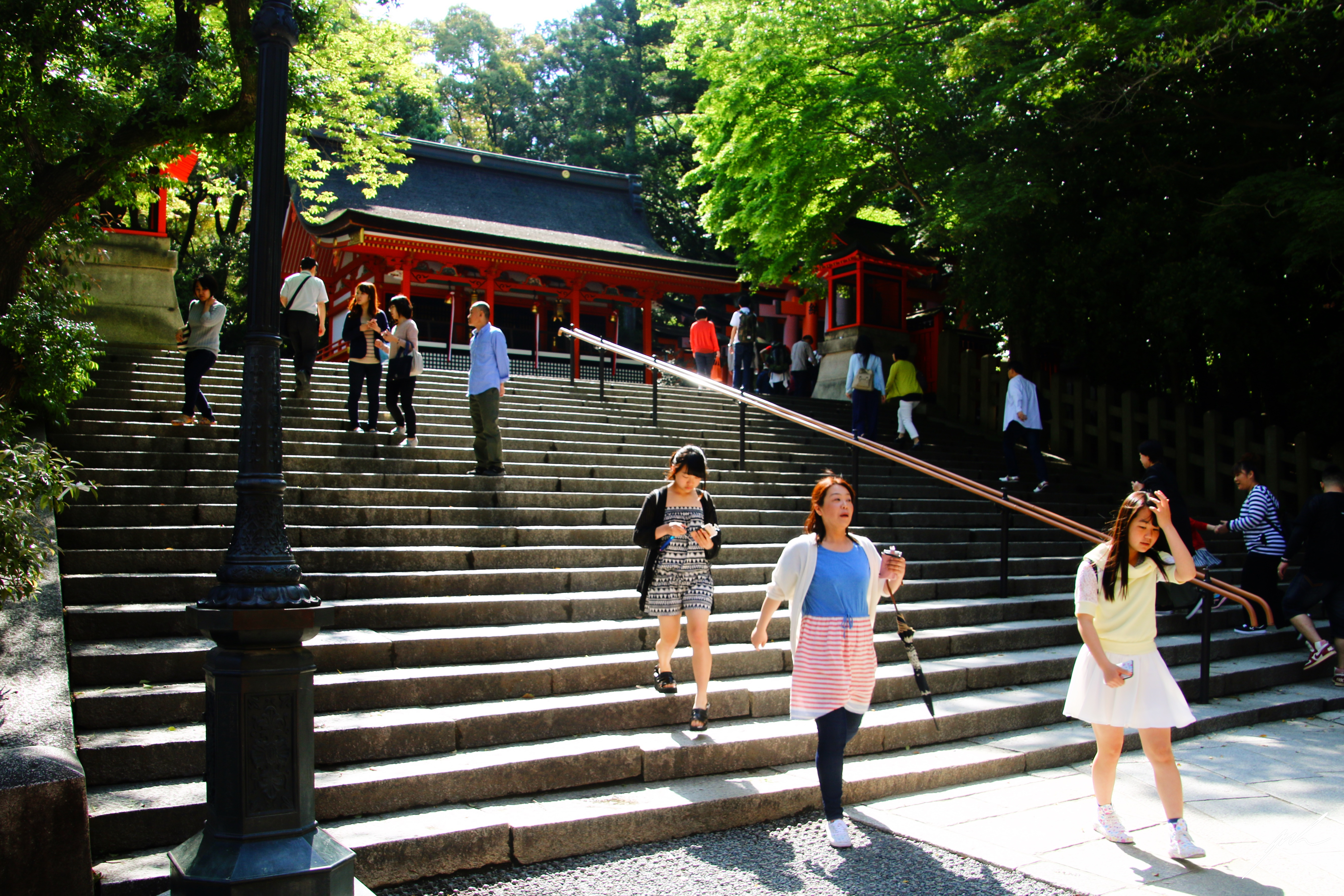
The city of Kyoto is well known as the country’s former imperial capital, also titled the thousand-year capital. Also, it is a religious epicenter of Japan with over 2,000 places of worship, including Shinto shrines and Buddhist temples. Kyoto was on the American target list as a possible detonation site for the first range of atomic bombs that destroyed Nagasaki and Hiroshima but was saved at the last minute by a diplomat who knew the city and wanted to keep it as a cultural treasure for humanity. If you plan a Japan trip, make sure to stop in Kyoto. There is a lot; if you have time, you can easily spend four or five full days here.

test

img_9566img_9750img_9001img_9619 img_9629
img_9707
img_9568 img_9597

Land of the Rising Sun

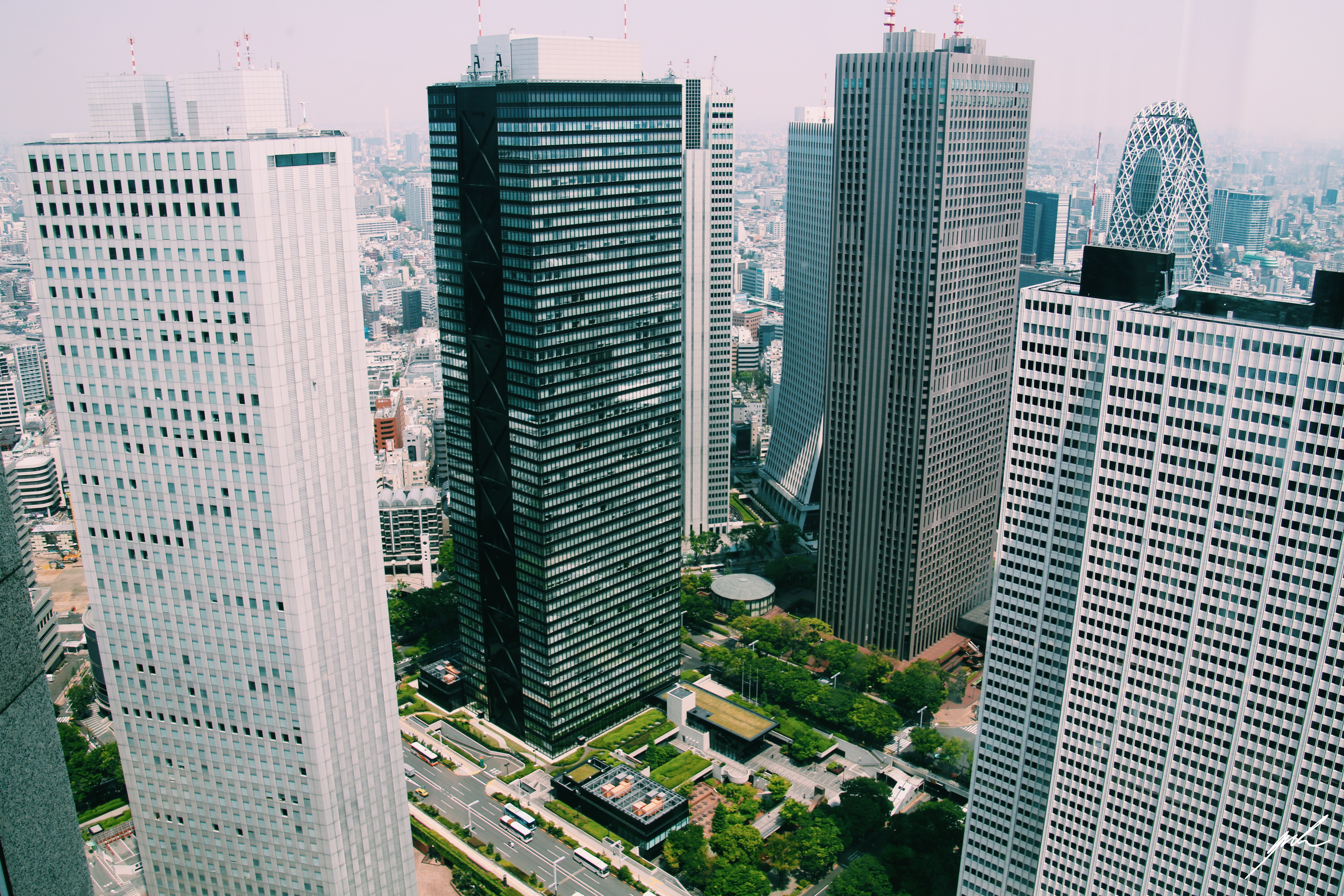
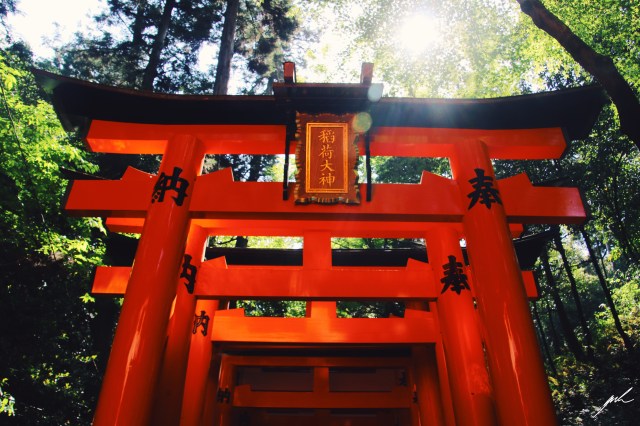
It’s the time of the year when you look back and appreciate it. The highlight of 2016 for me was a backpacking trip to the Far East with friends. I do my share of traveling, especially in Europe, as I work in tourism, but Japan was something else.

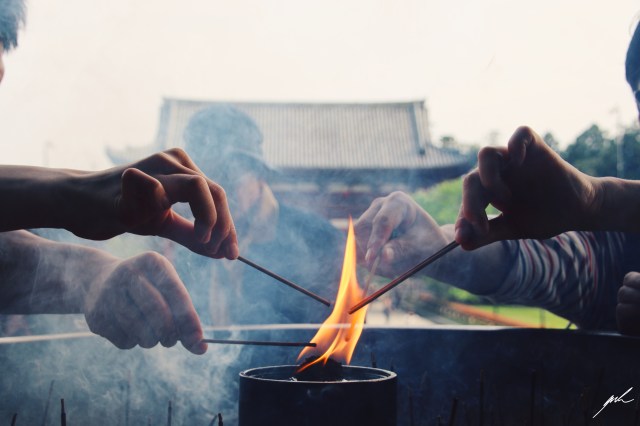
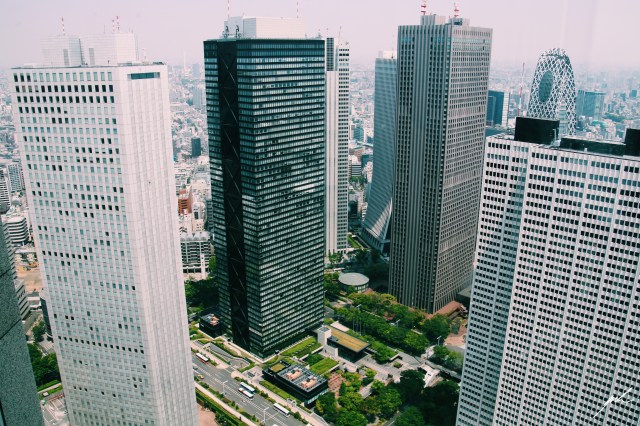
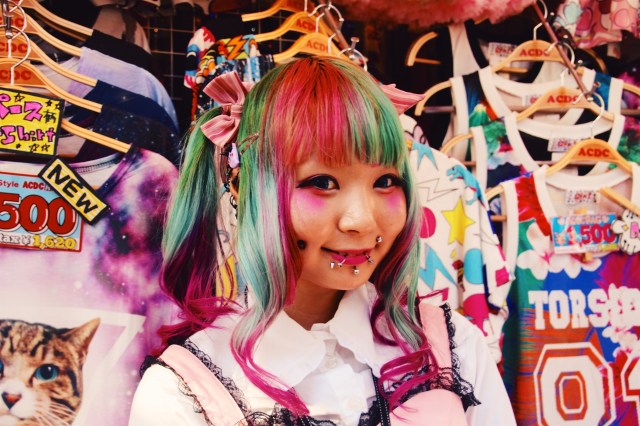
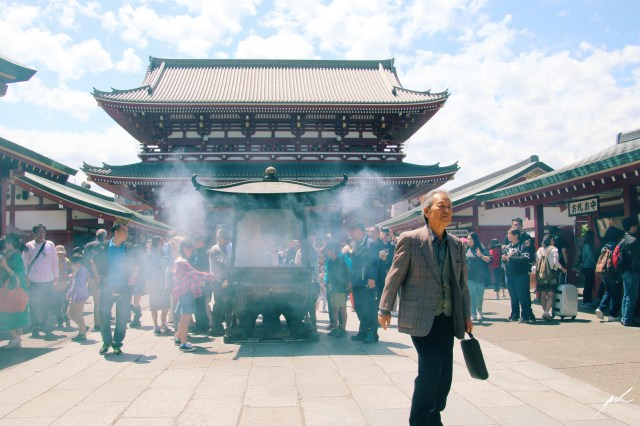
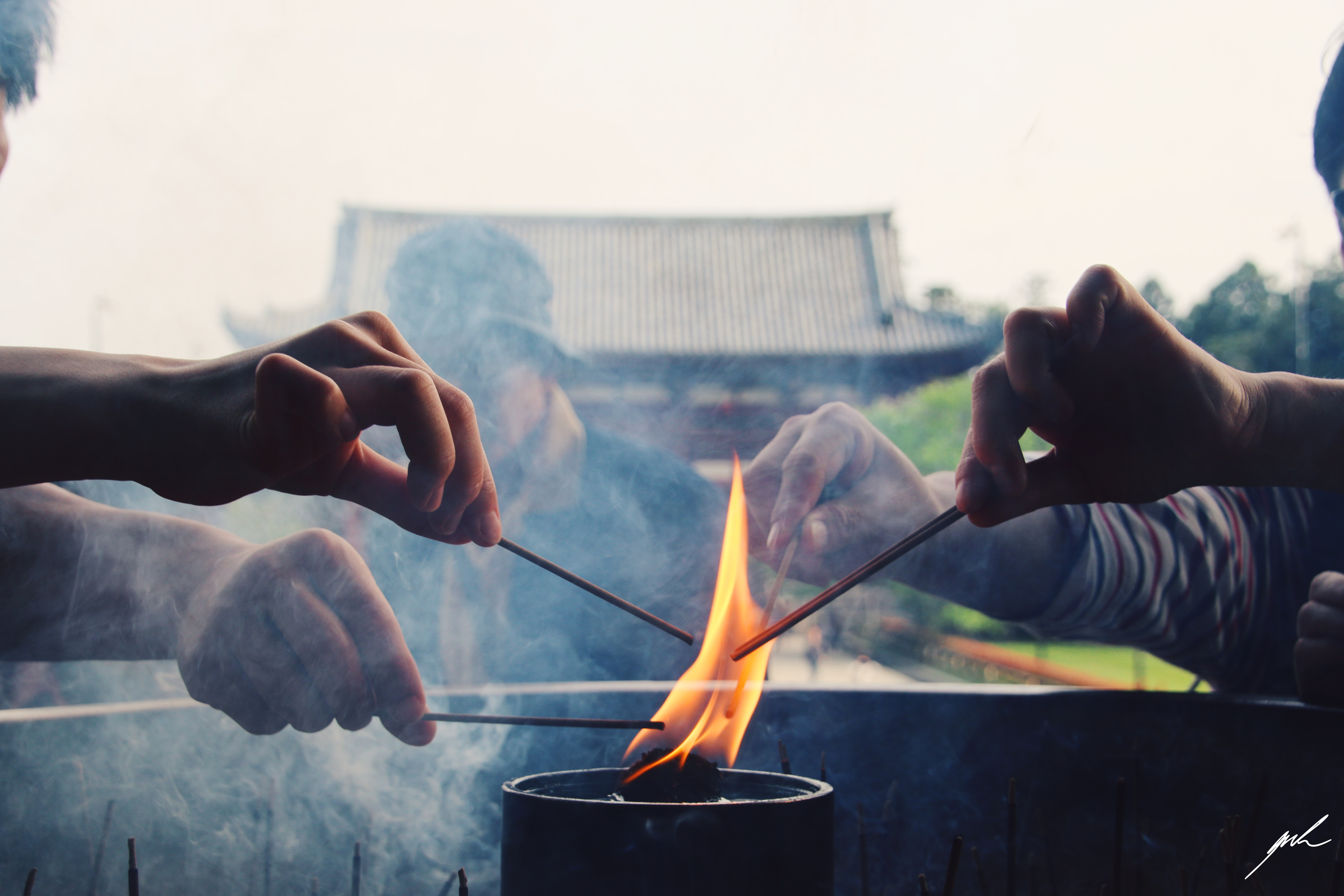
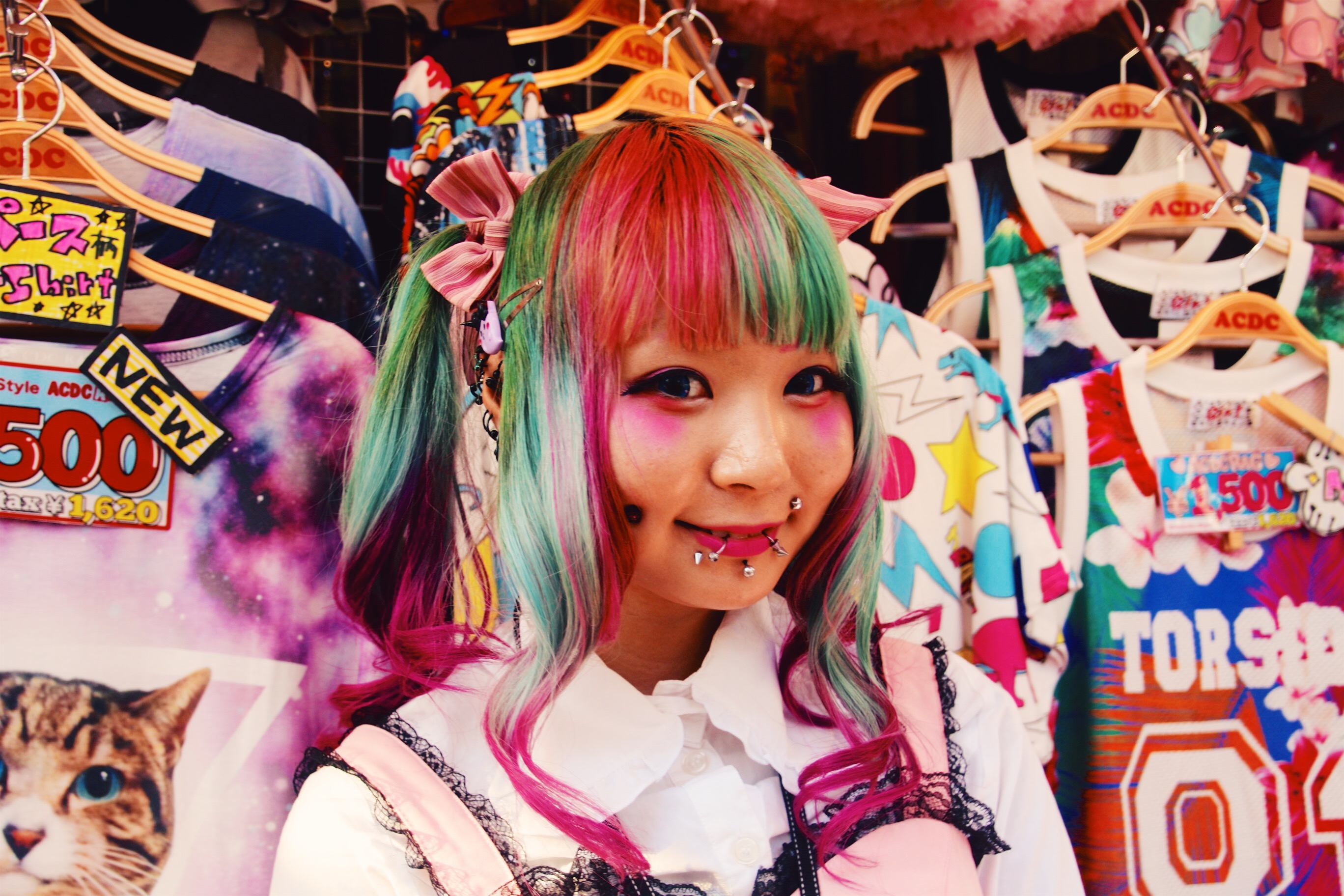
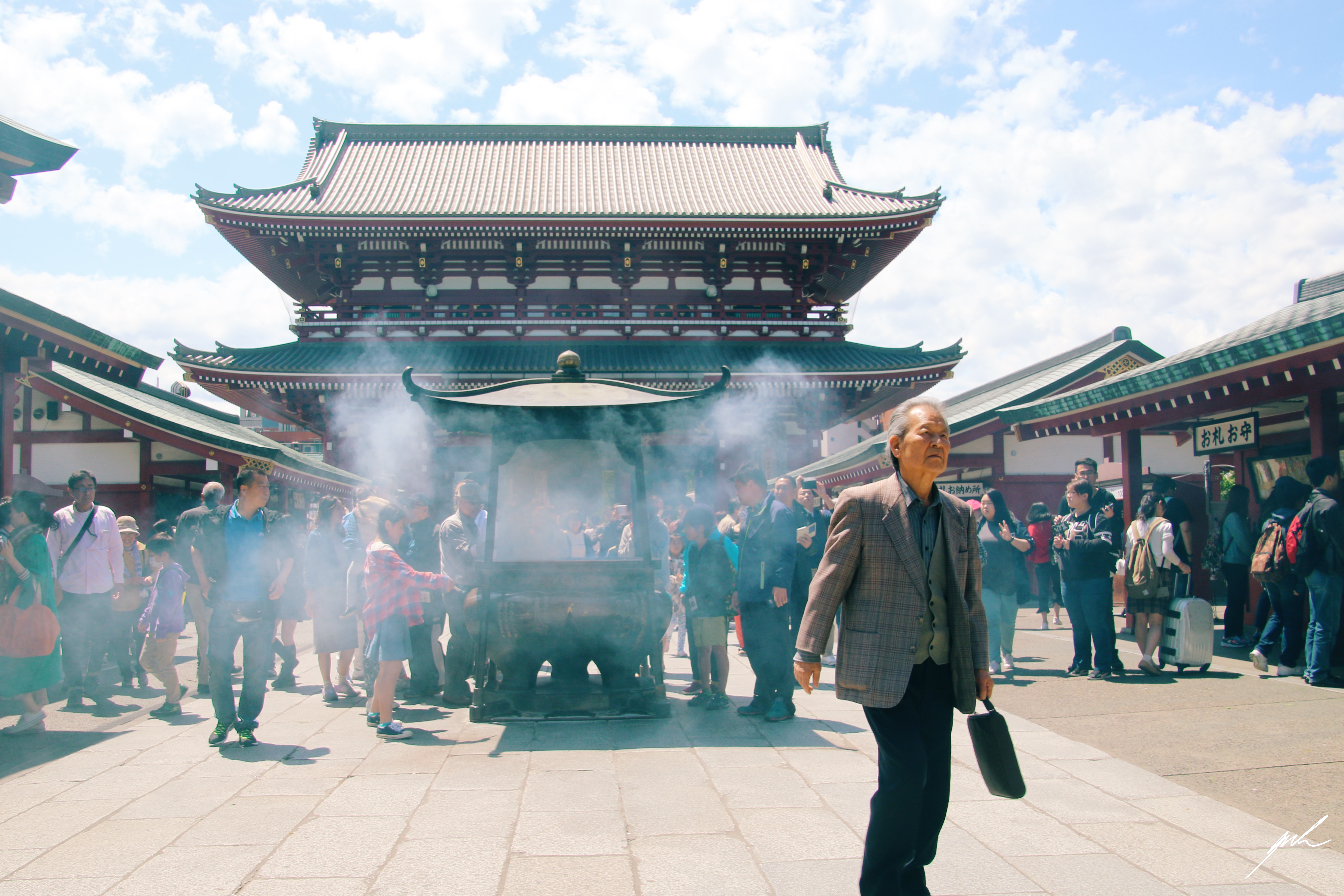
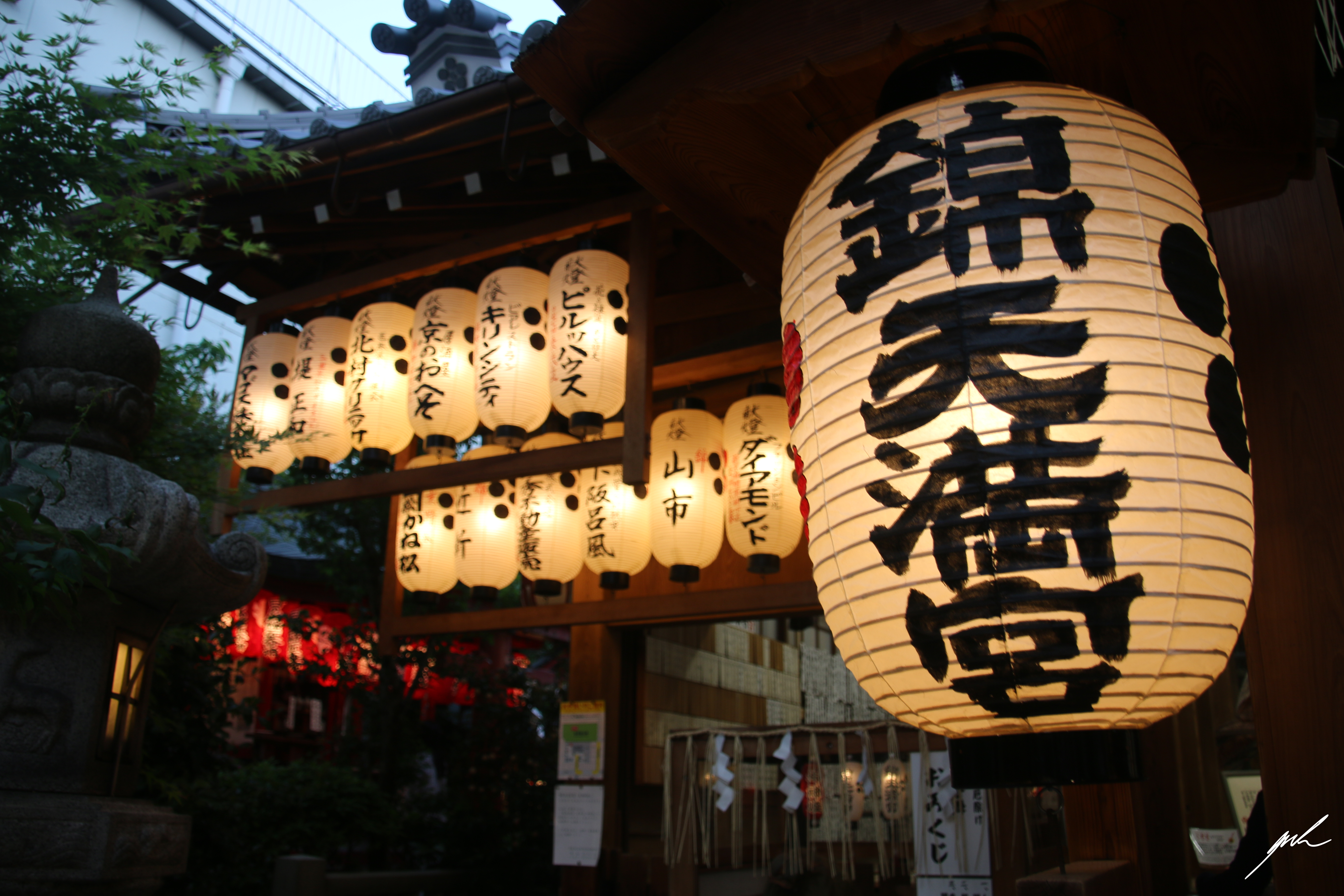
It is a fascinating country with a unique and foreign yet familiar culture. We all know Japanese animes, video games, and films. They portray a bustling and modern country yet rich in culture and history. What struck me the most was the friendly and welcoming nature of the Japanese. At the same time, the social rules here are very different, and one would need more time to understand the inner workings of this society. So, I am aware of the snapshot perspective I got. It’s a foreigner’s view, for sure. Nonetheless, I was eager to capture the spirit of what I was seeing: the magnificent temple architecture, marvelous nature, and, last but not least, the people of Japan themselves.

This one is just the first part of a more extended series that will stretch into 2017, possibly over winter. It takes some time to curate these and make them online-ready. So come back occasionally and dive in with me into the Far East.

test

Processed with VSCO with c2 presetProcessed with VSCO with c2 presetProcessed with VSCO with c1 presetProcessed with VSCO with c2 presetProcessed with VSCO with c3 presetimg_0397

Processed with VSCO with c1 preset

The Silk Road: The Grand Market in the Mountains Pt. 1

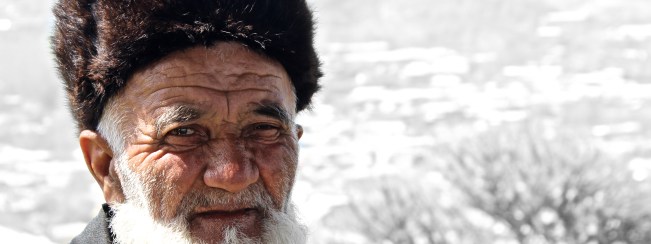
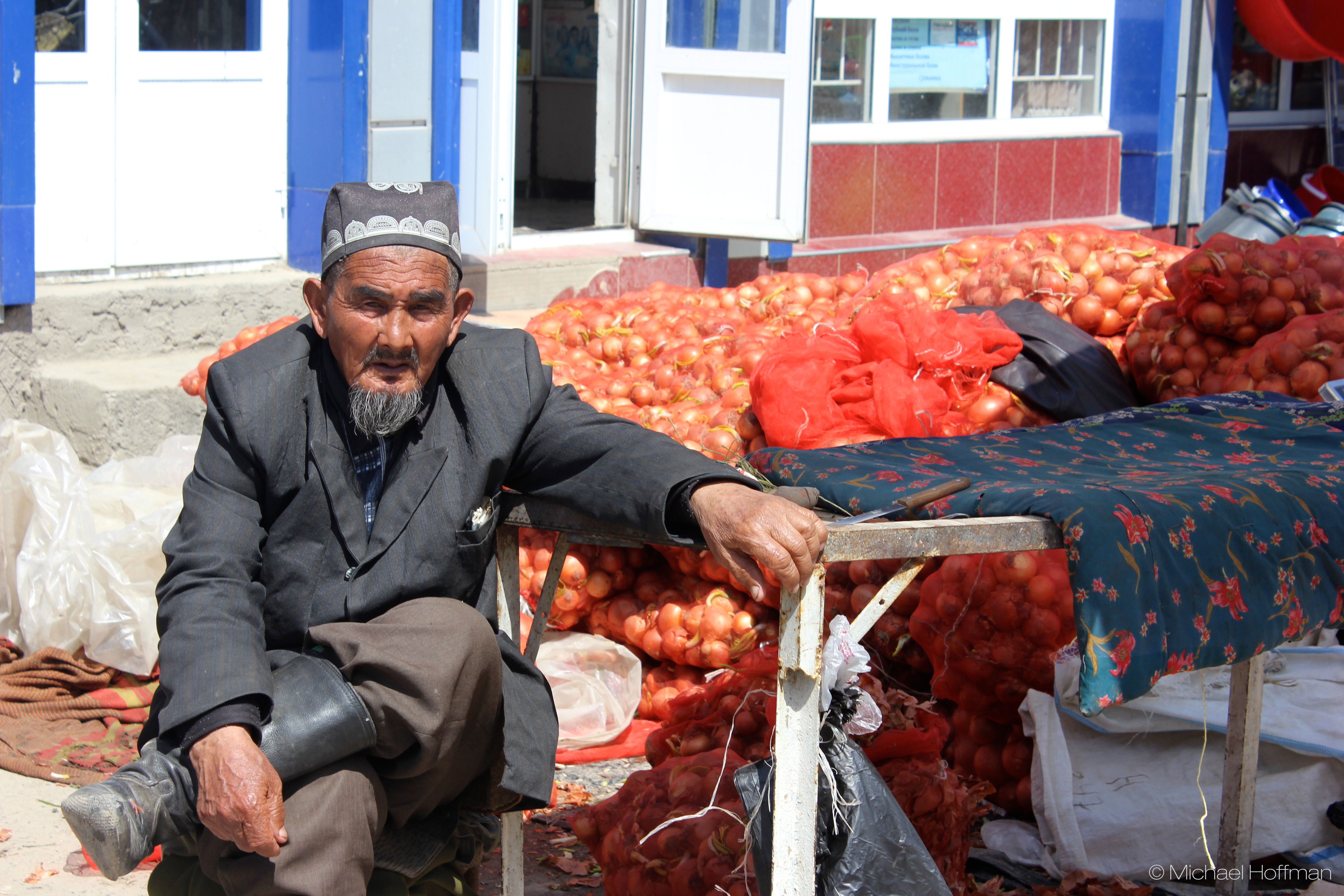
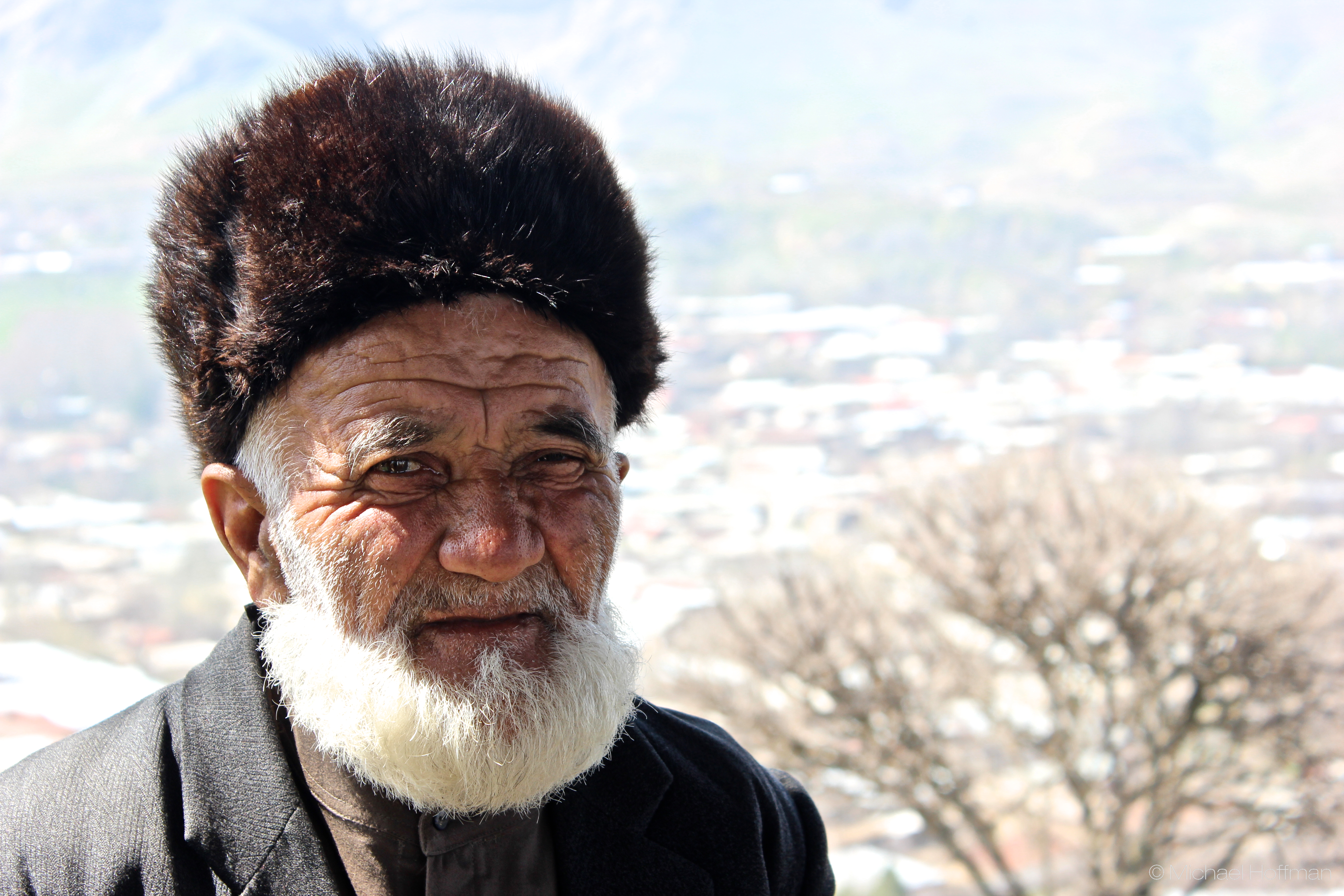
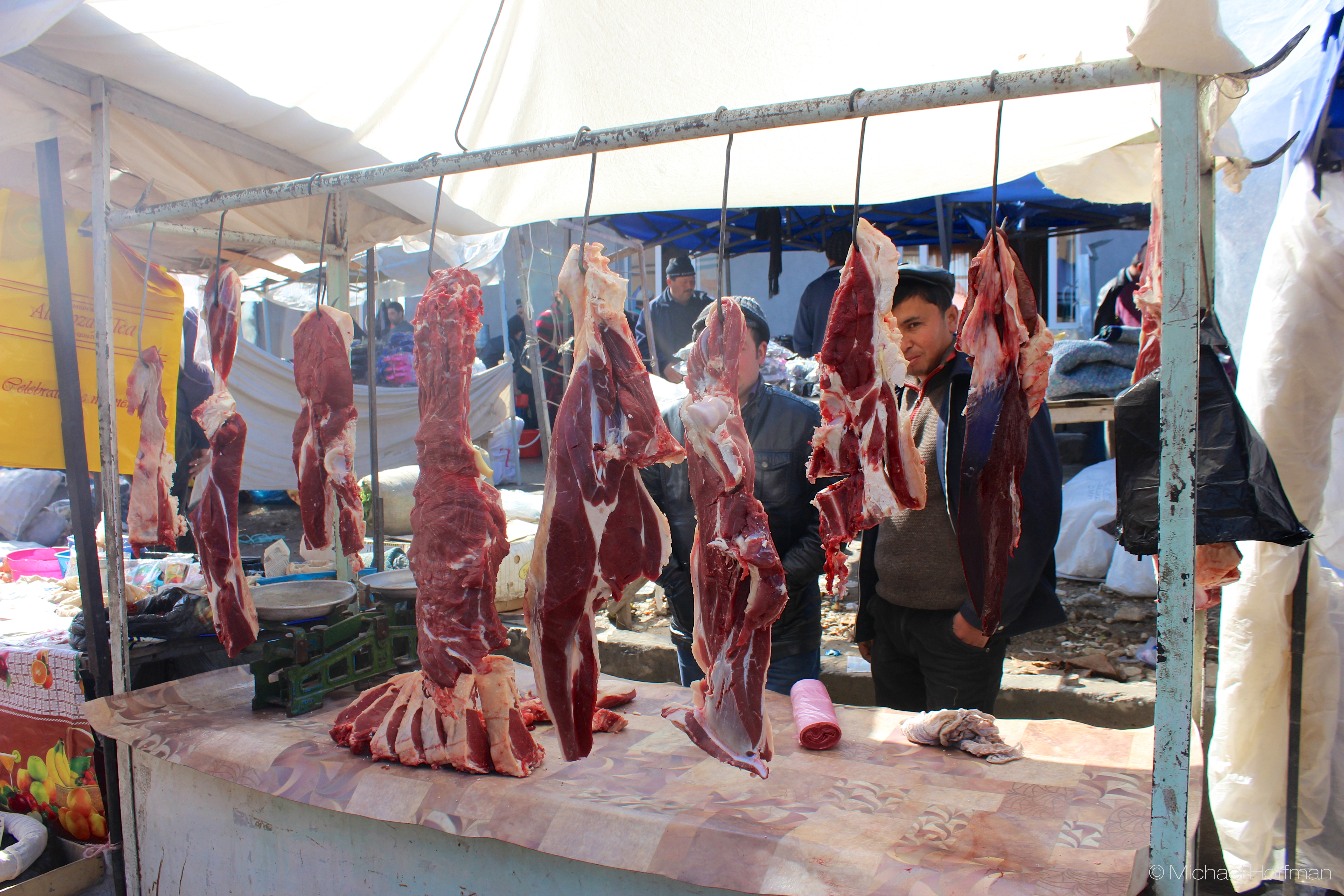
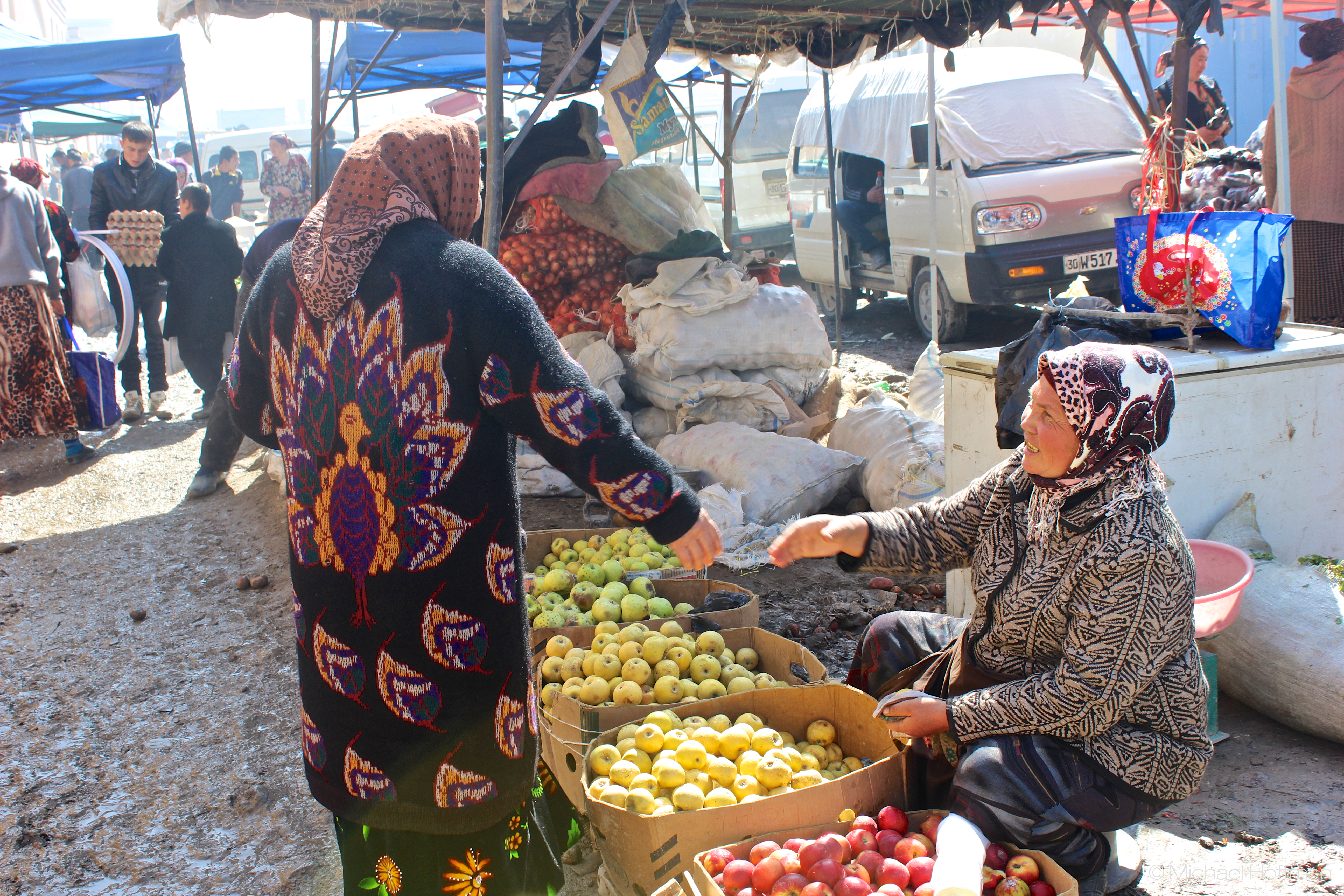
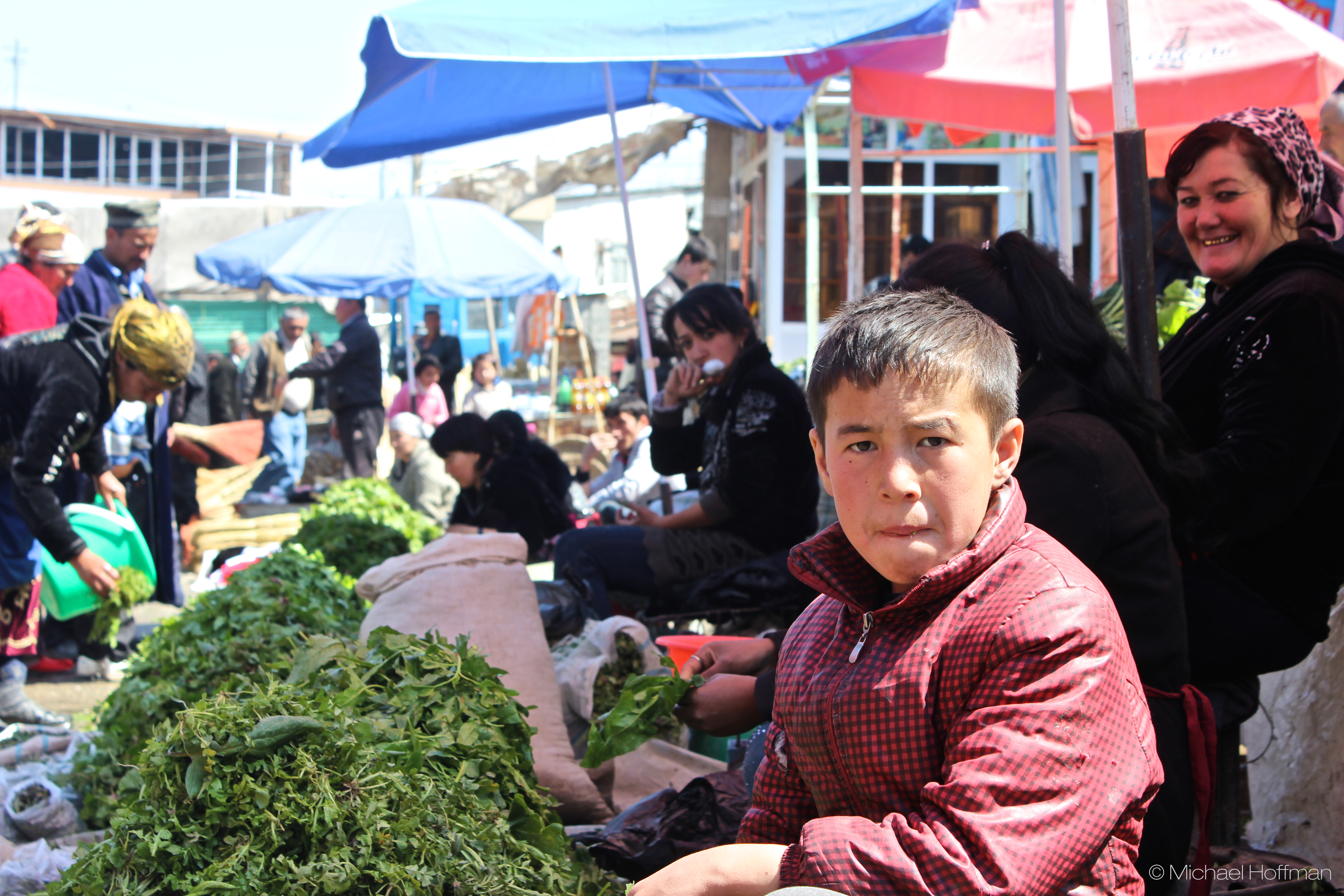
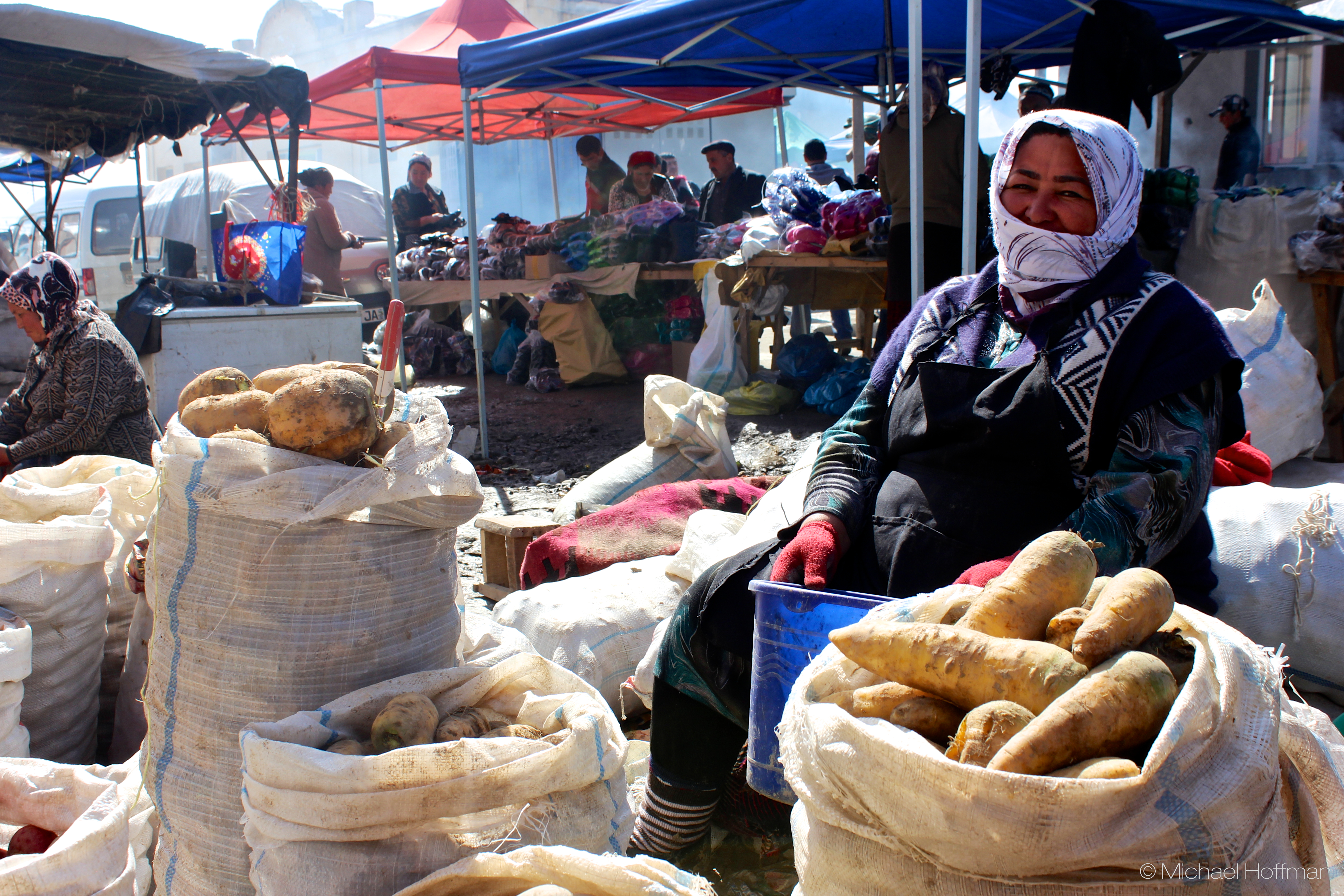
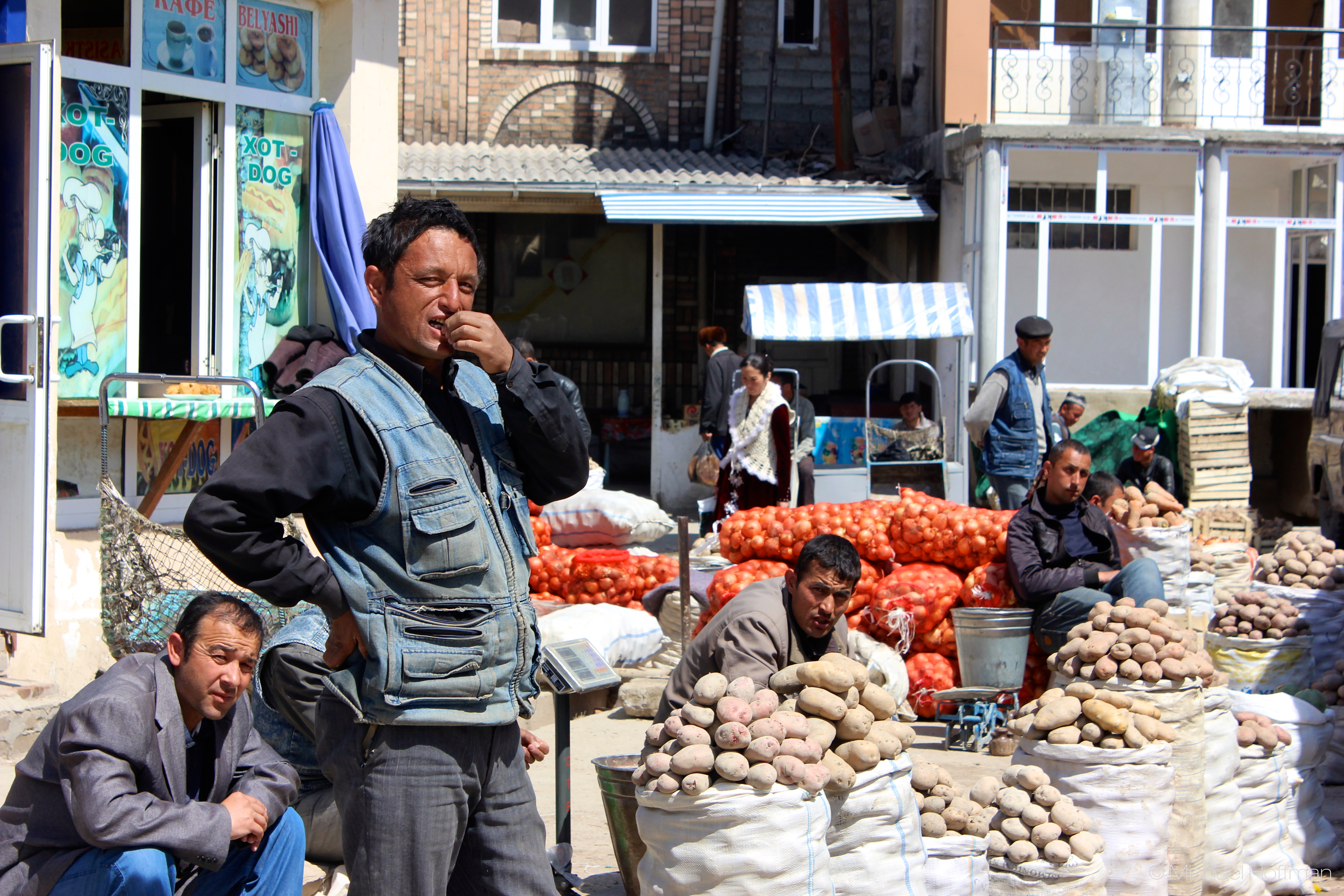
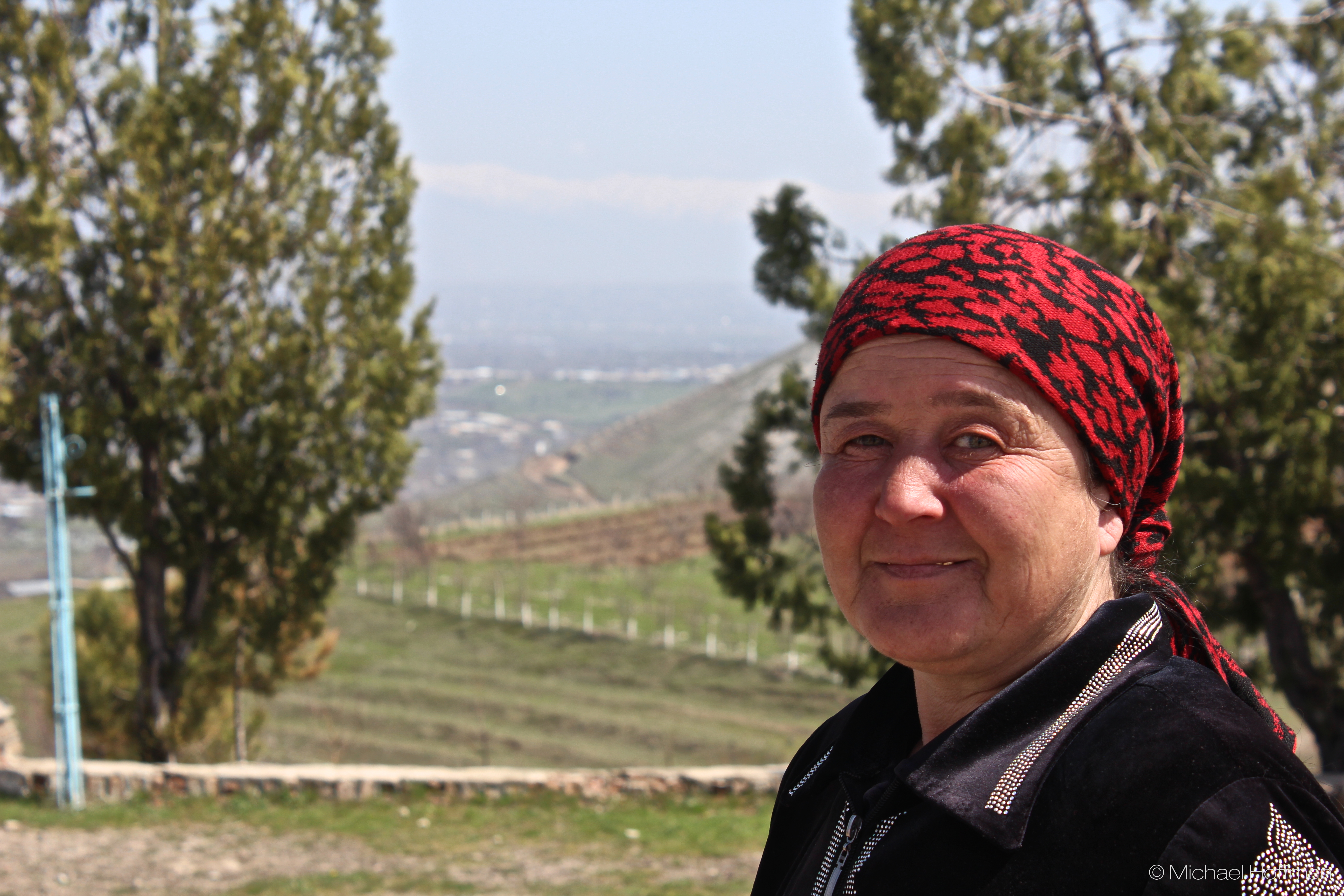
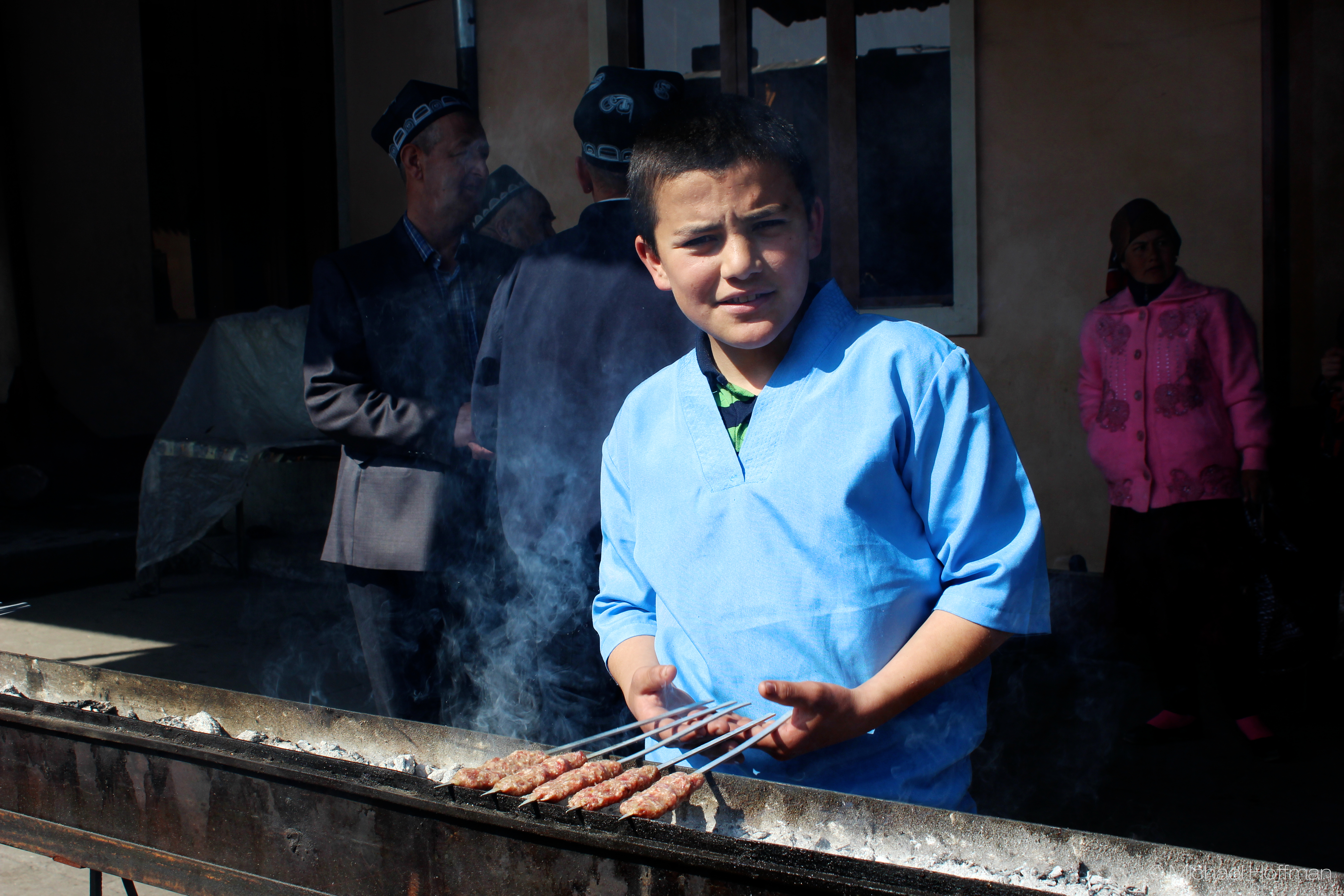
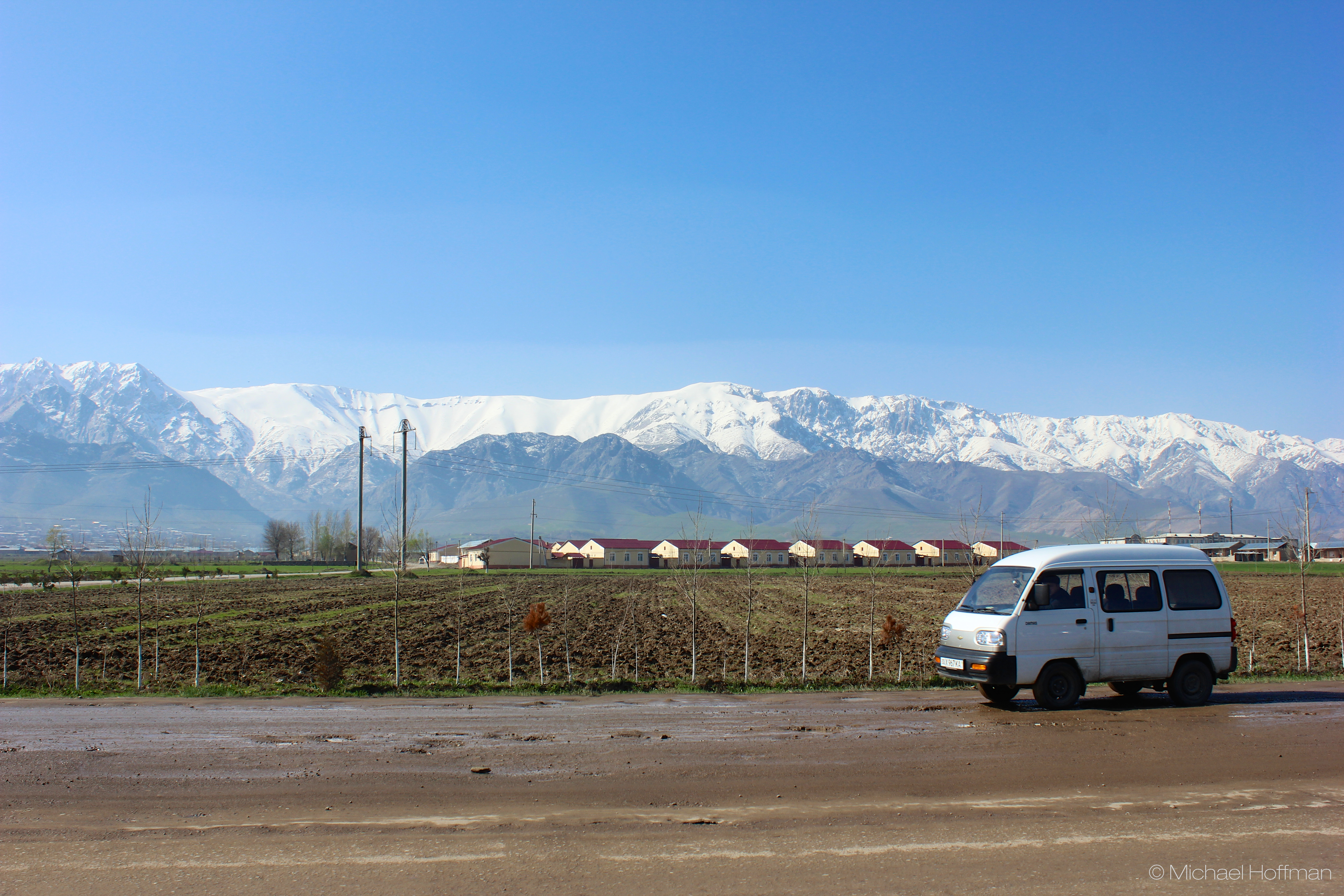
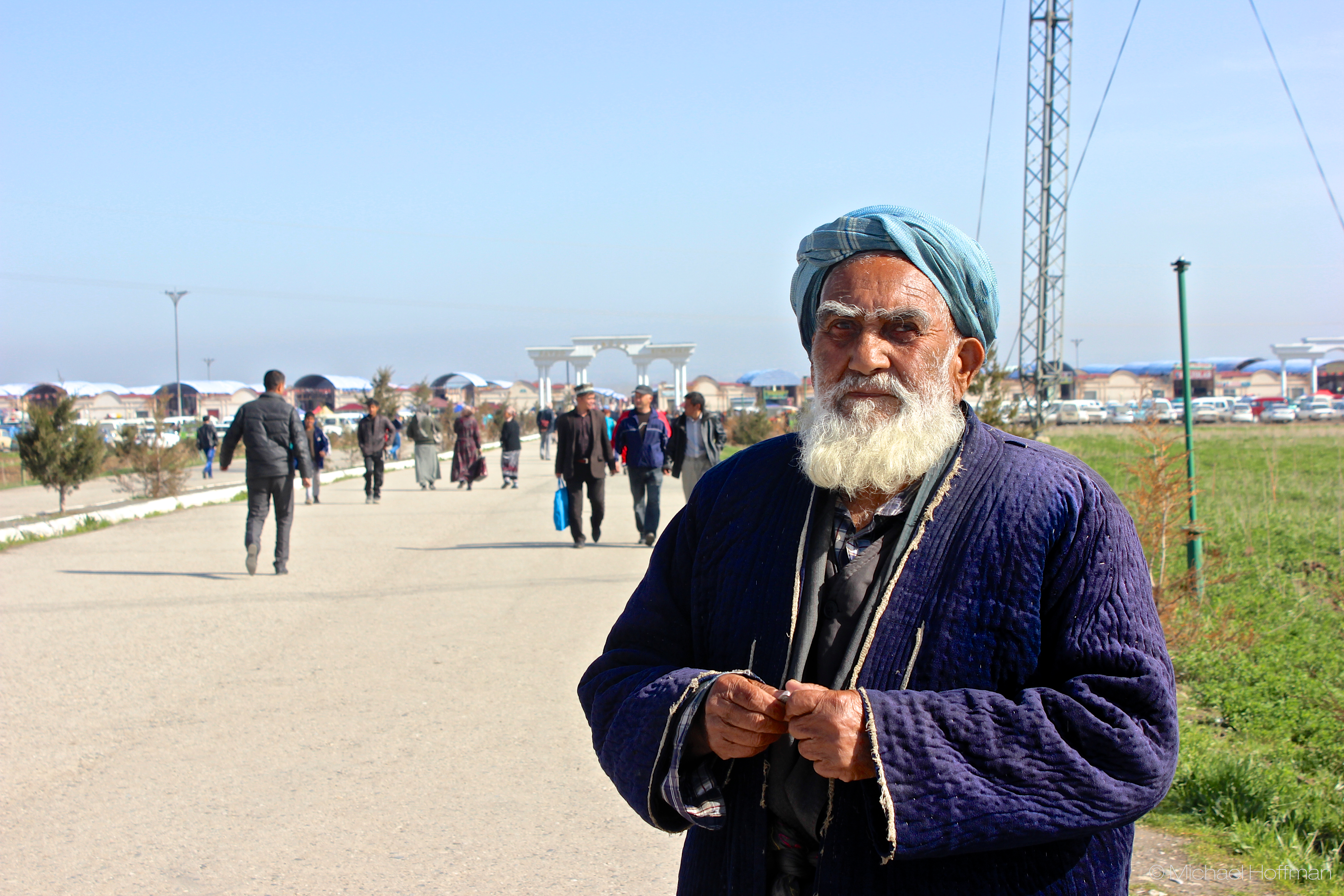
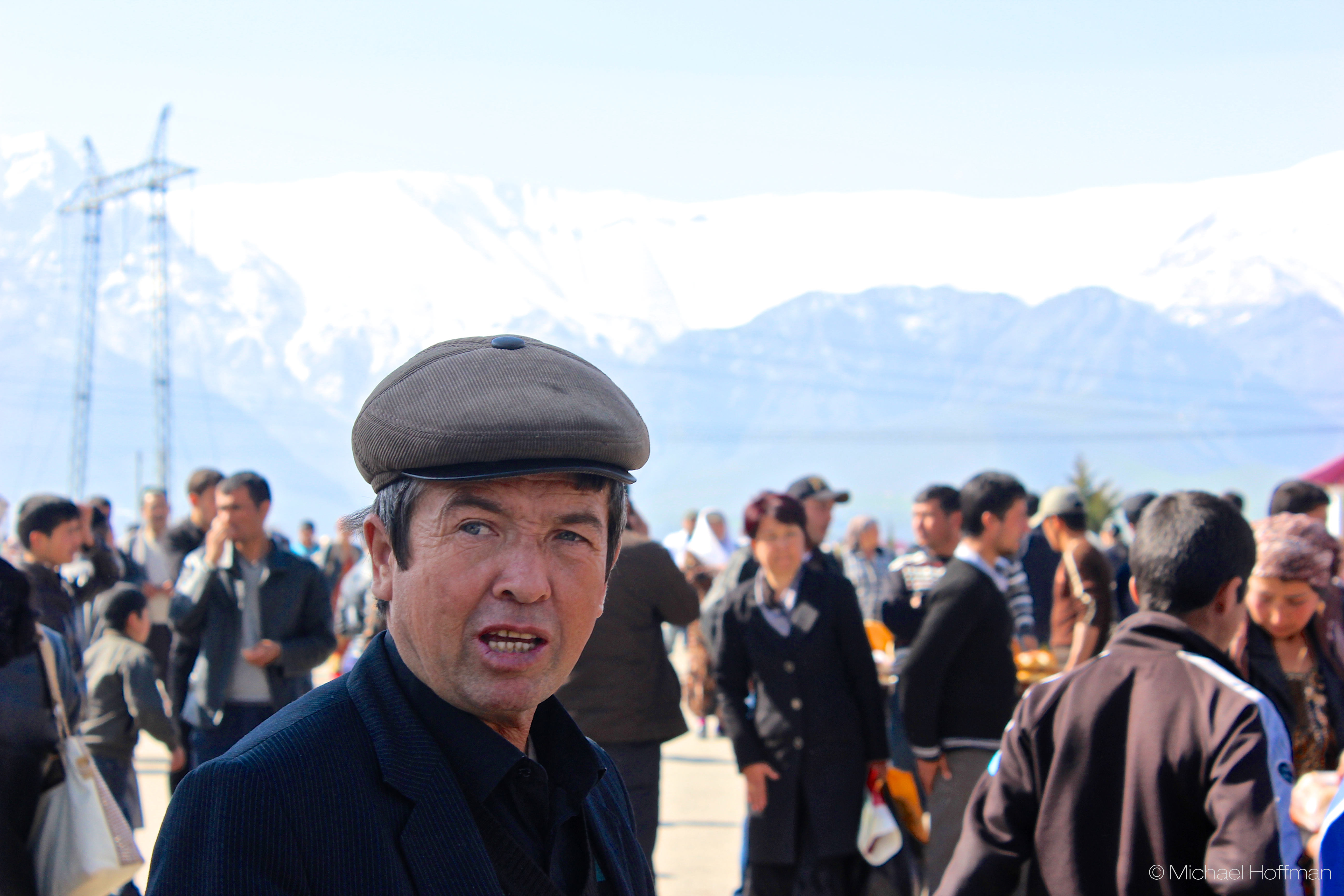
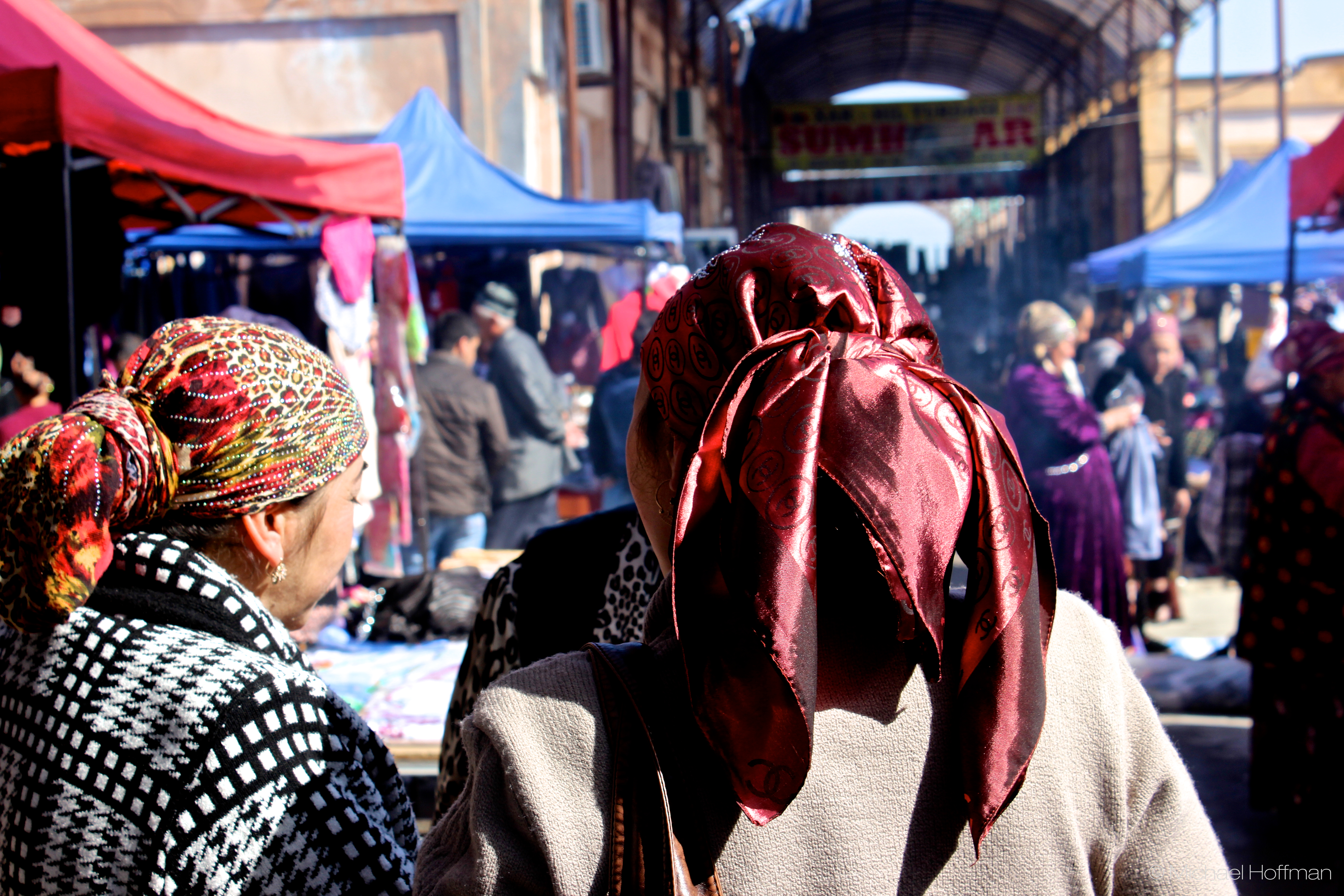
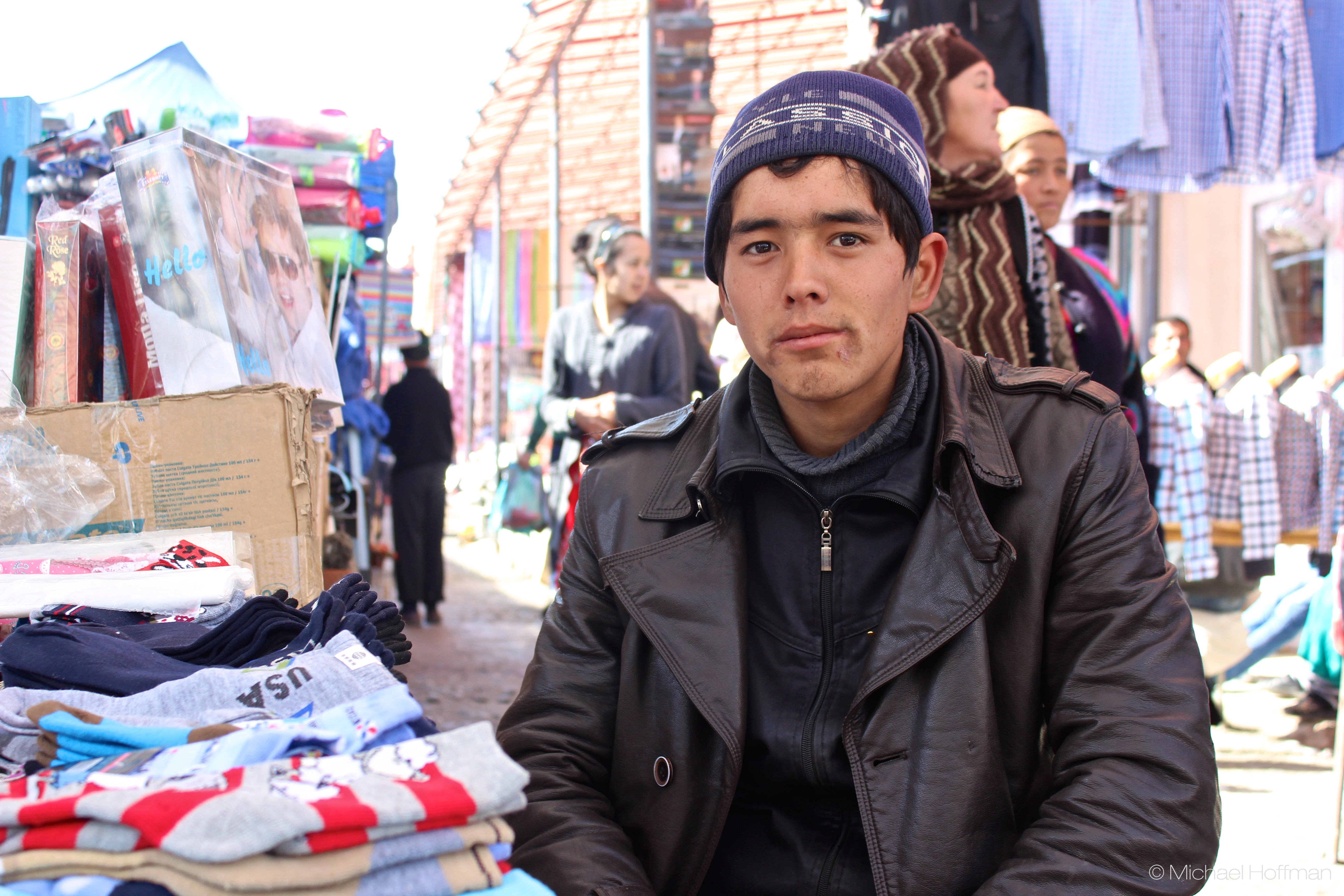
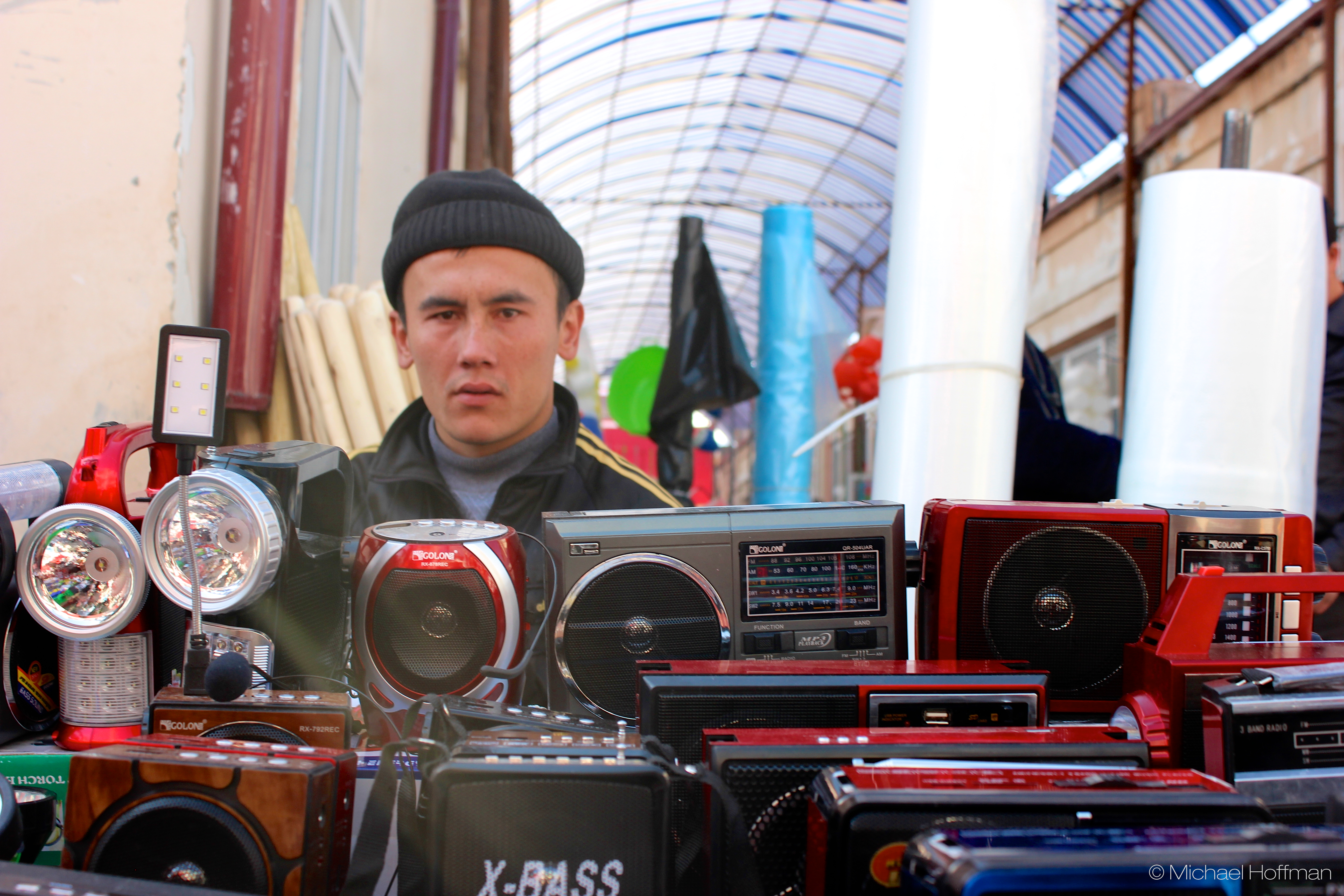
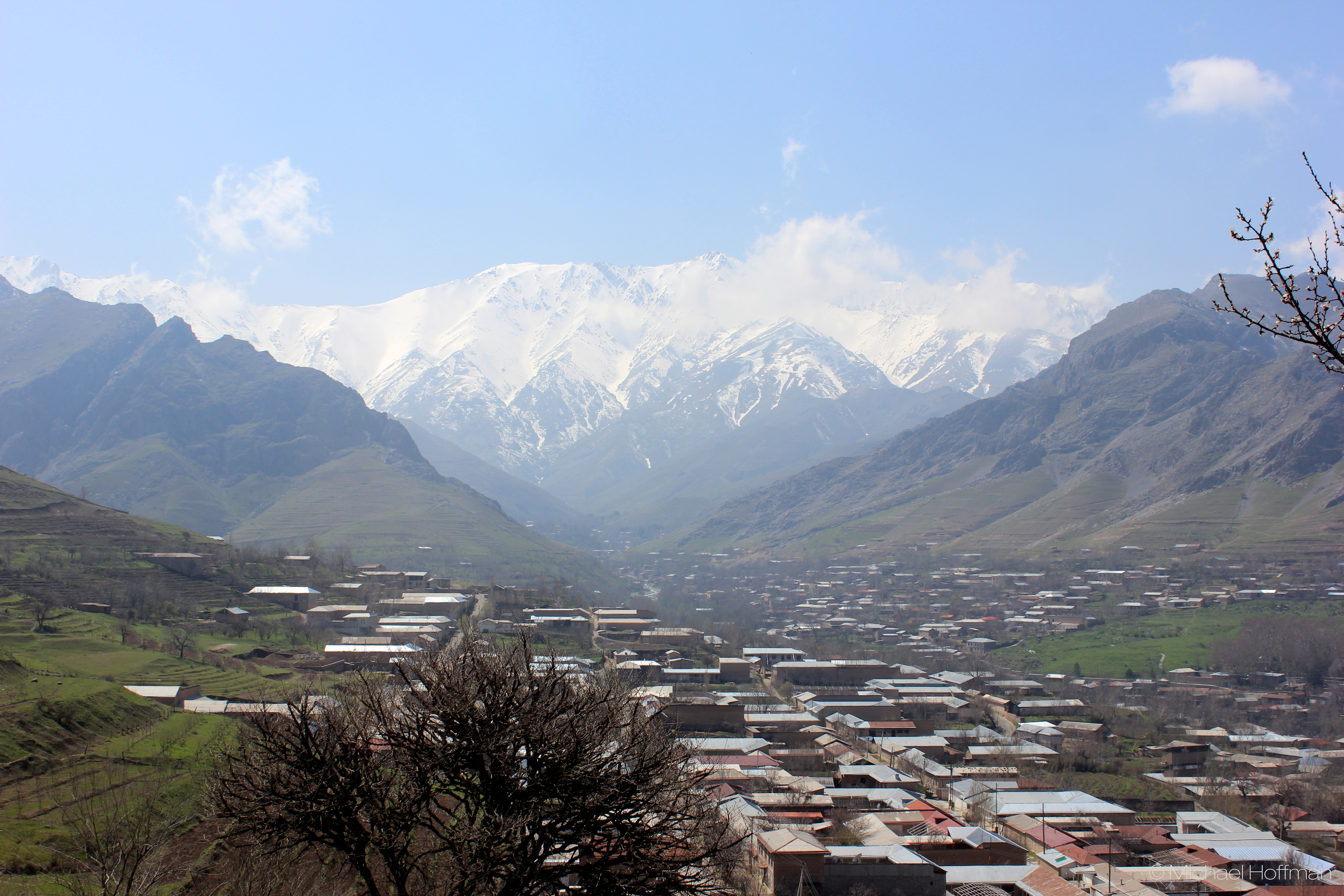
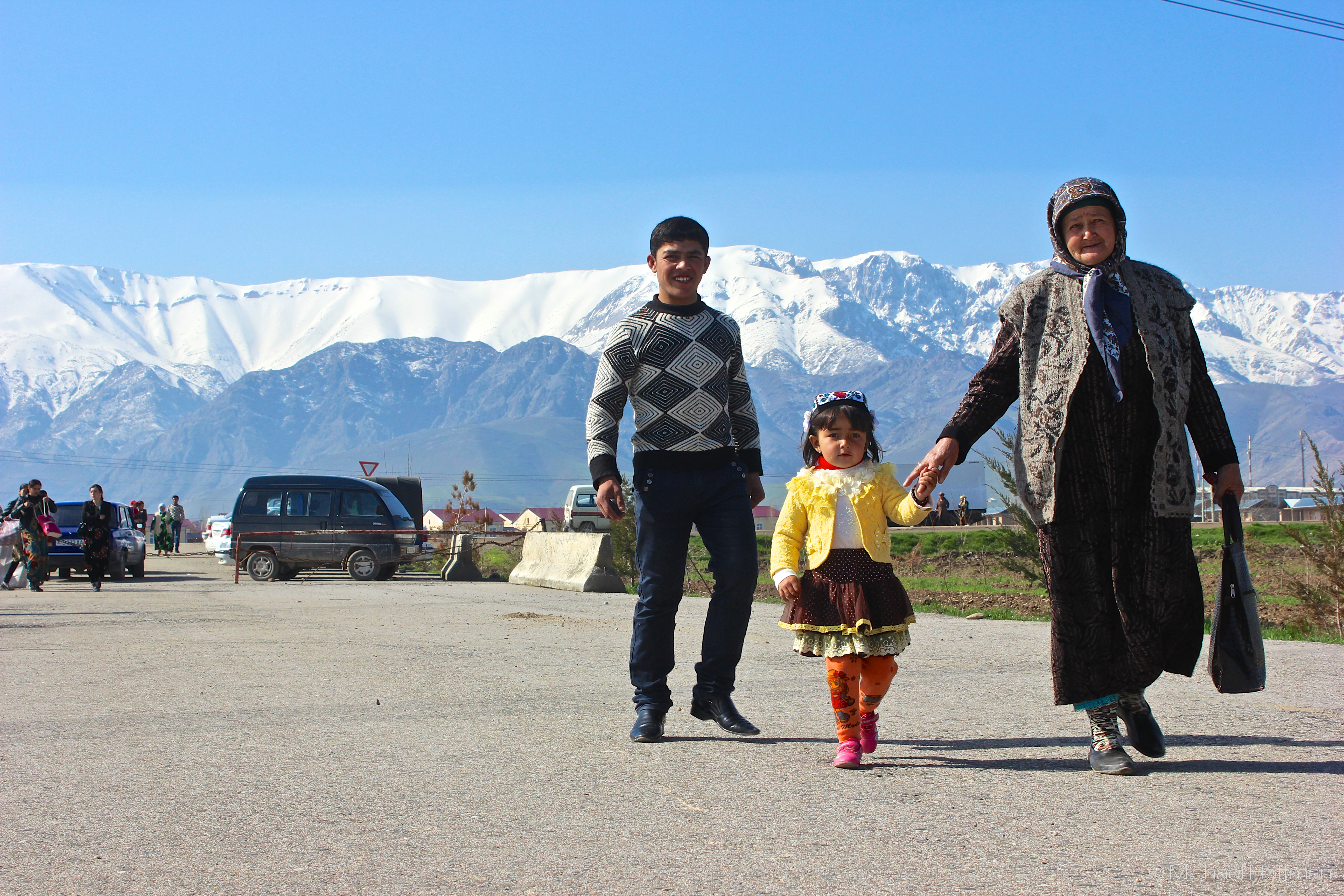
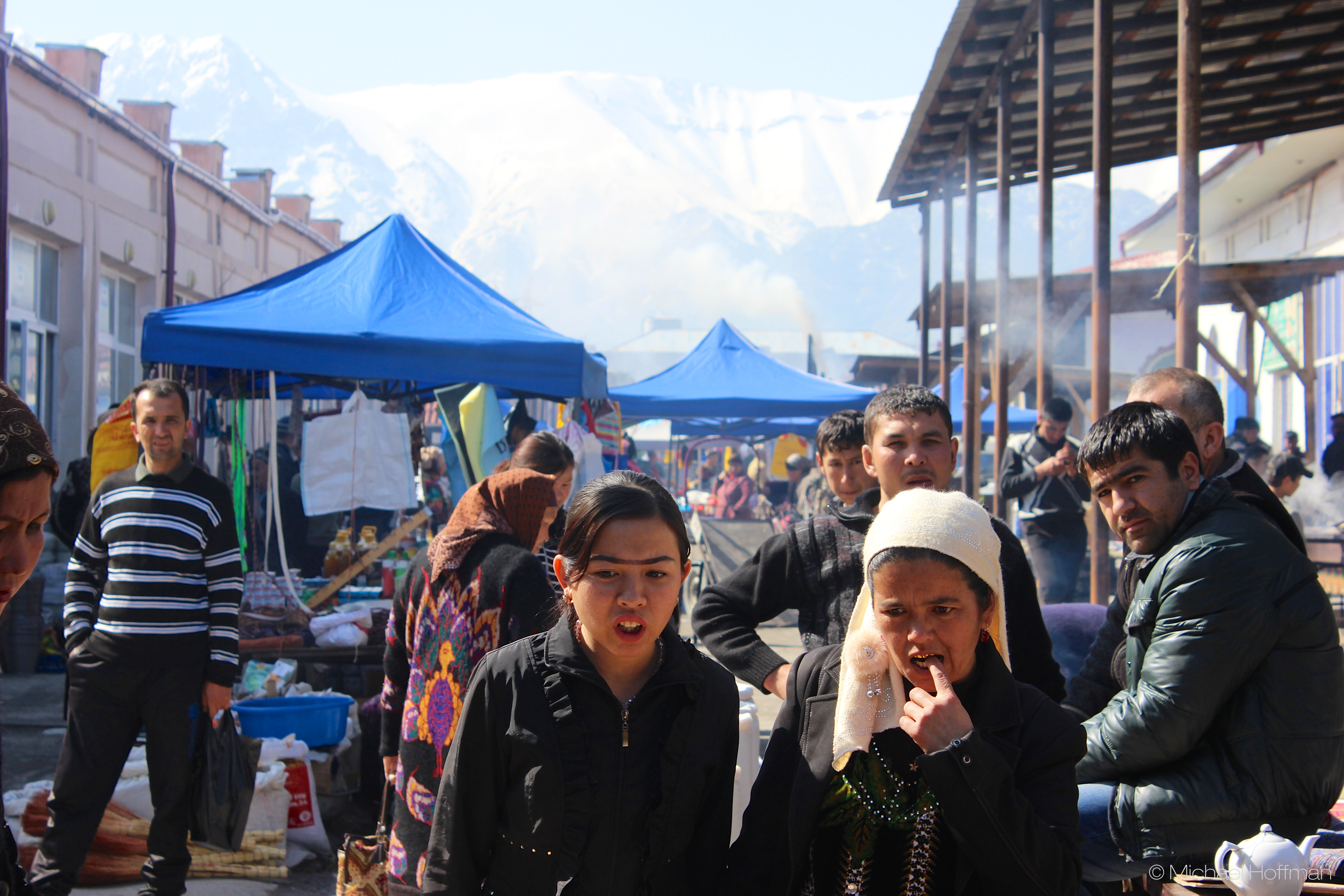
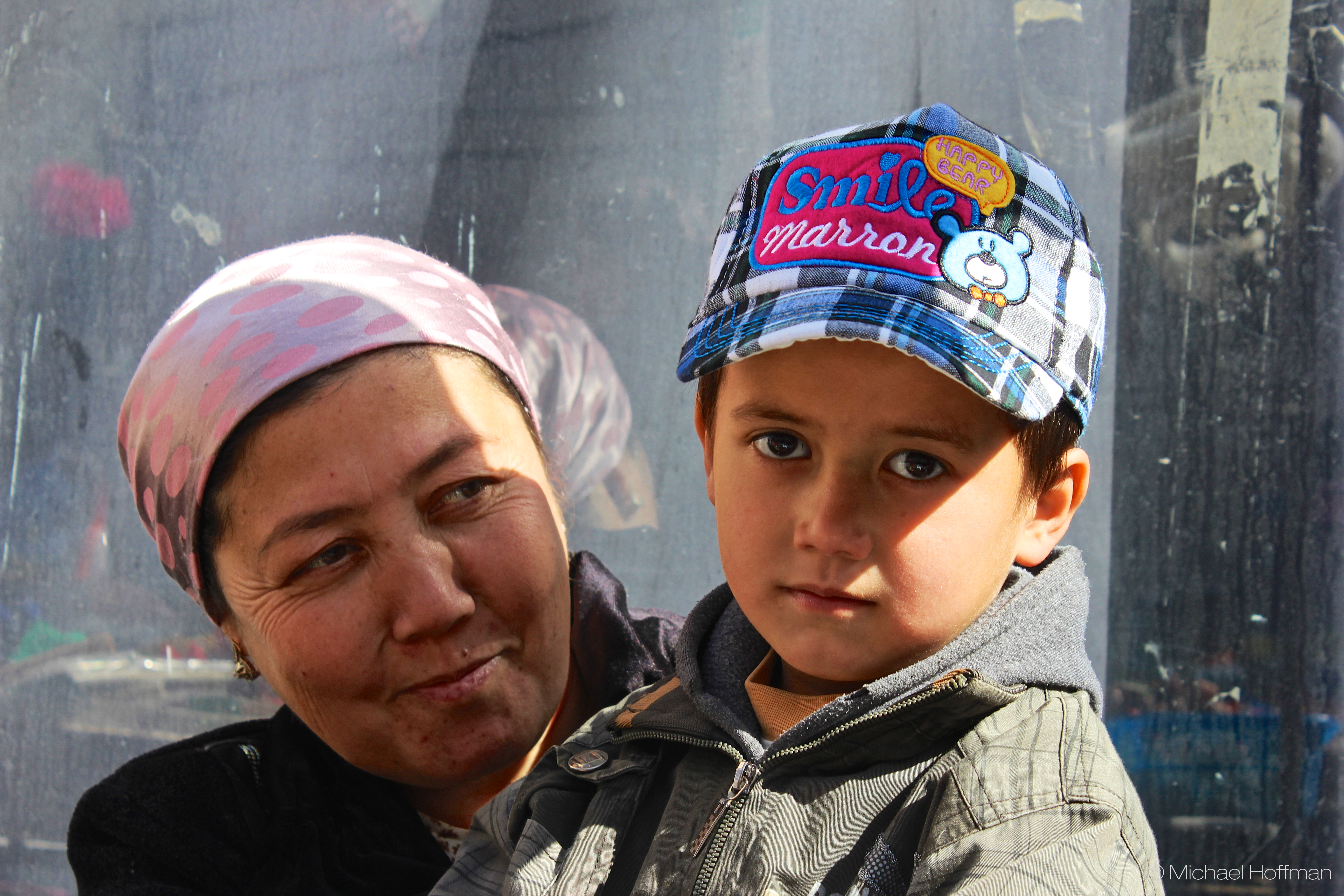
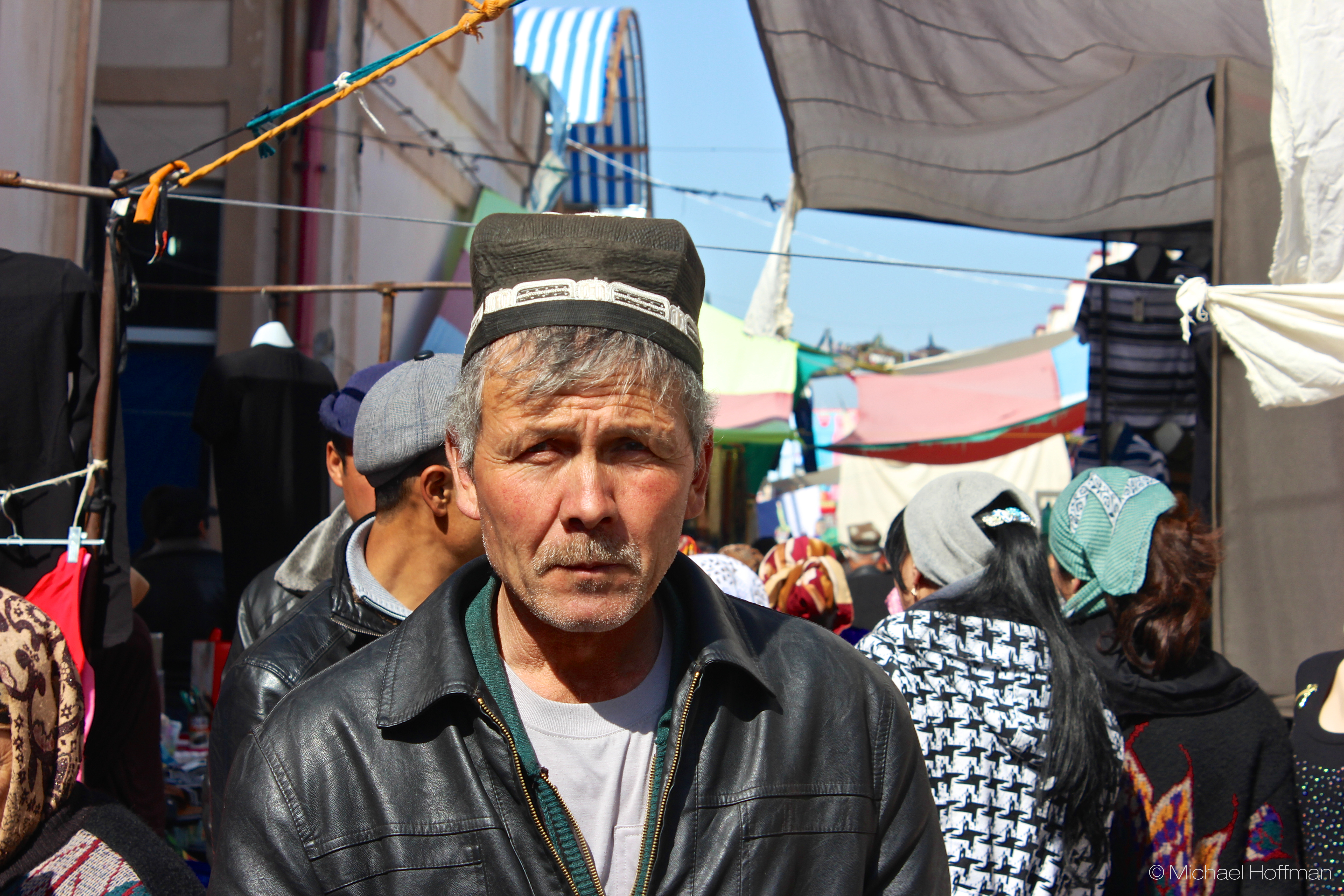
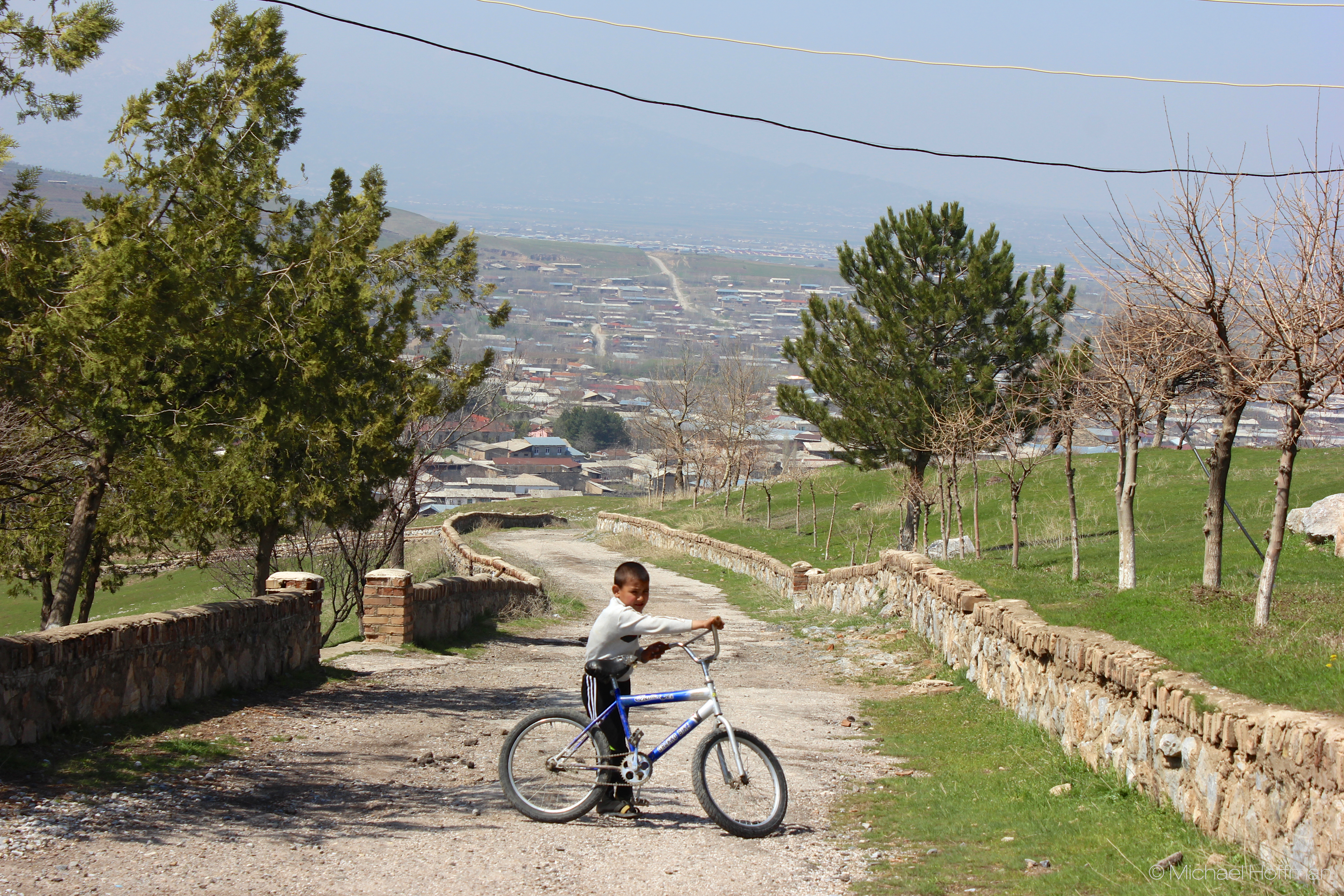
While Eastern Uzbekistan (about 70% of the country) largely consists of deserts, with green spots along the river of Amudjaria, the west looks much different. Getting closer to the Tajik border, large mountains begin to arise, soon occupying the whole horizon. They are part of the Pamir mountain range, a vast plateau that connects the Tian Shan in China with the Hindukusch and the Himalayas in India. Combined, it is the largest mountain range in the world. At the western end of this plateau, already in the hills but still reachable from the fertile lowlands at the bottom of the mountains, there lies the town of Urgut. For centuries it was a transshipment point for goods on the Silk Road, where travelers from China sold their goods to Central Asian merchants, who in turn transported them on camels through the desert and brought them closer to their final destination – Europe. Therefore, the Grand Market of Urgut (the largest of Uzbekistan, of course) is what it must be and always was: A transitional space for people and ideas from the Orient and Oxidant. It is probably one of the few early melting points of human civilization still in existence, looking not much different than centuries ago. Except for the iPhone cases and pirated Gucci handbags, the new luxury goods of the 21st century coming from China to Europe. A new kind of silk, one could certainly argue.
test

IMG_8937

IMG_8946

IMG_8941

IMG_8957

IMG_8962

IMG_8974

IMG_9001

IMG_9006

IMG_8984

IMG_9134

IMG_8949

IMG_8968

IMG_9004

IMG_8987

The Silk Road: At the Crossroads of Cultures

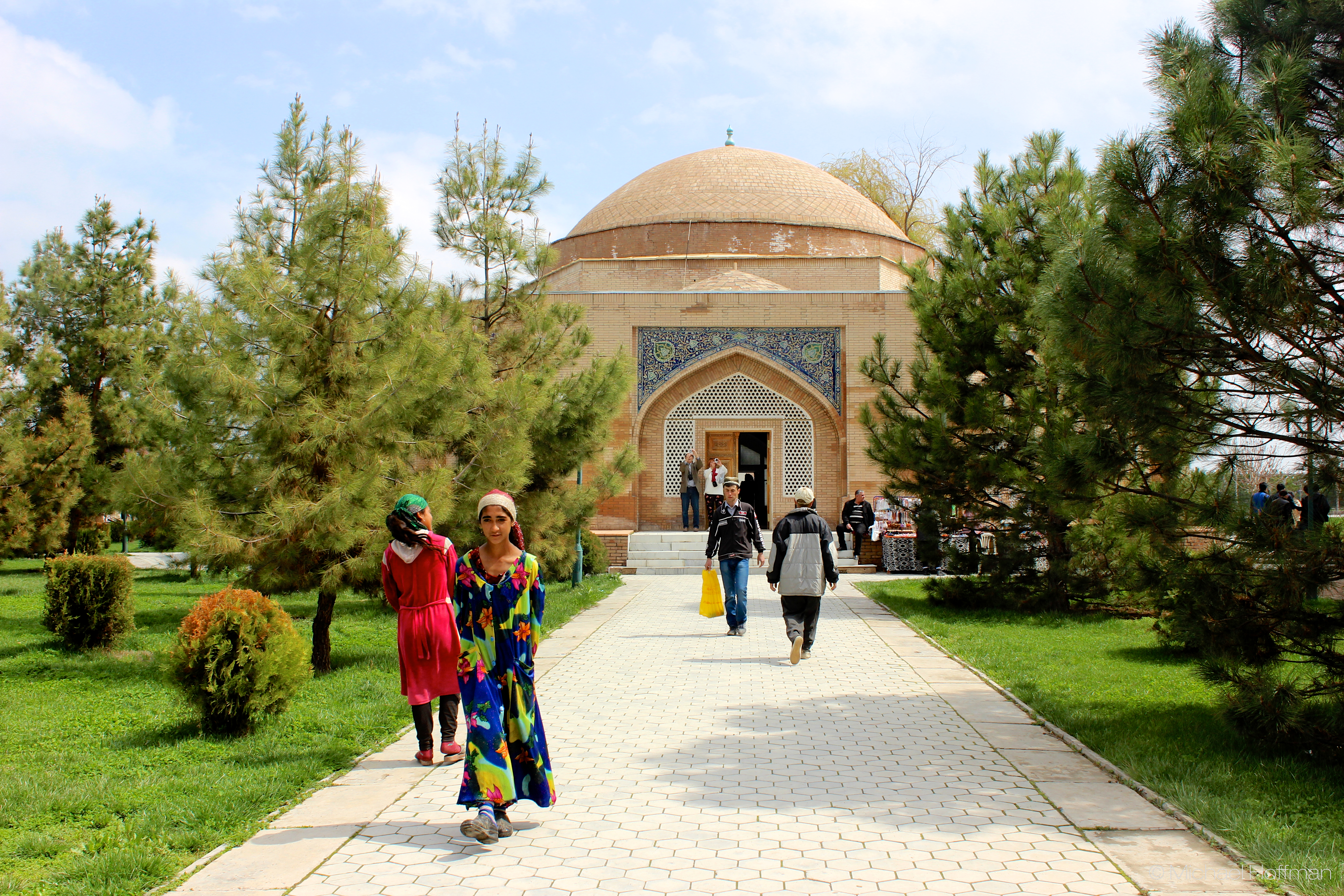
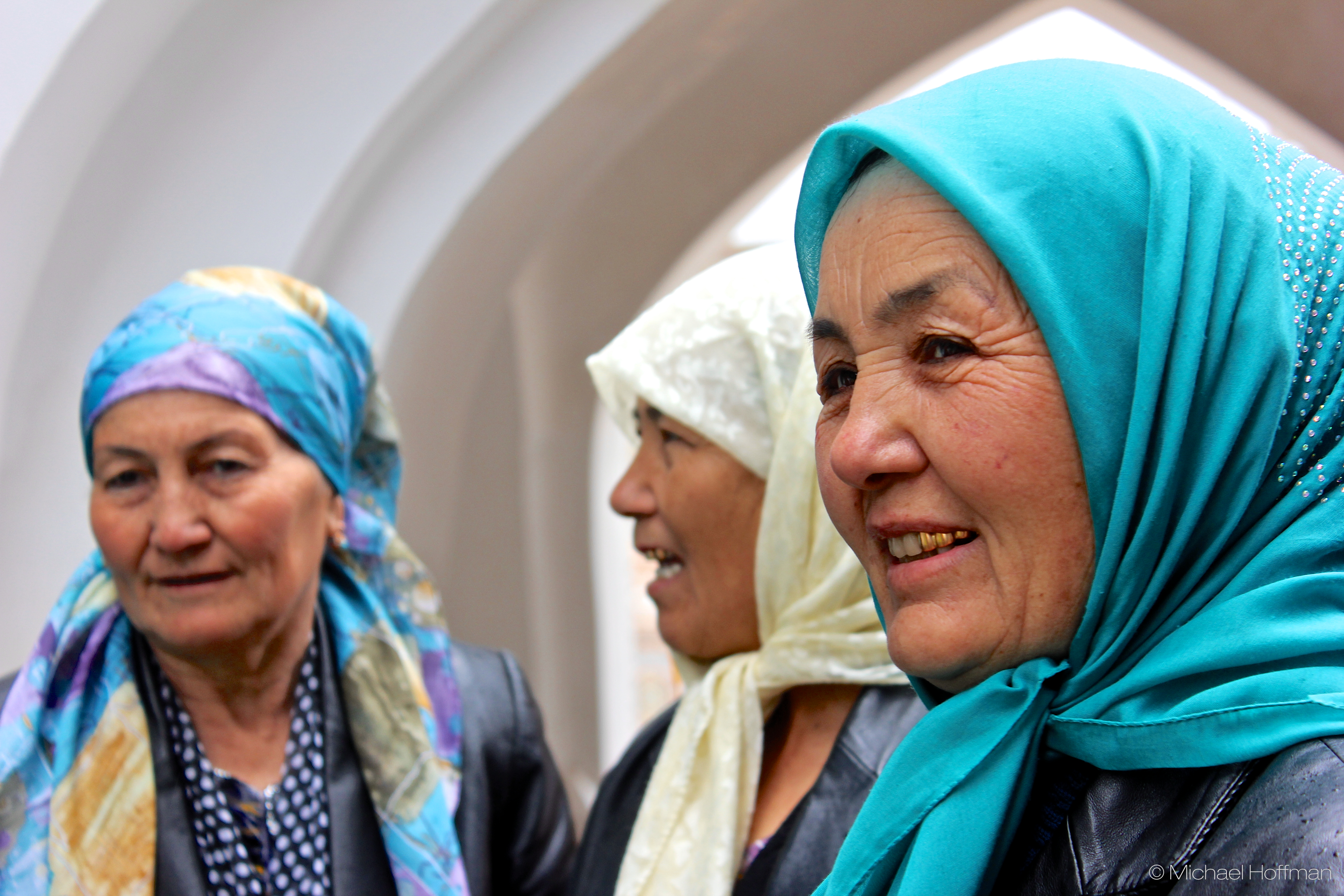
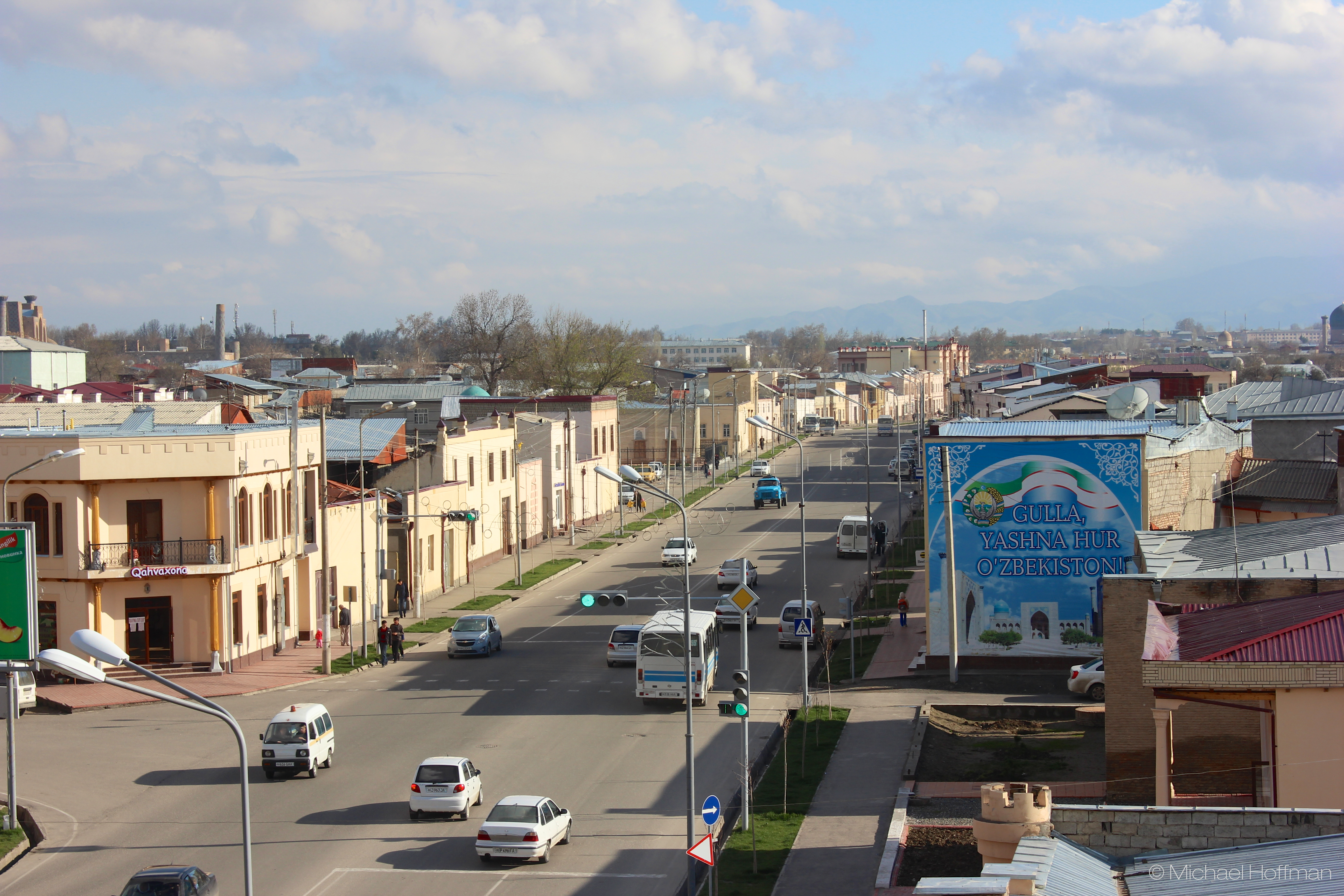
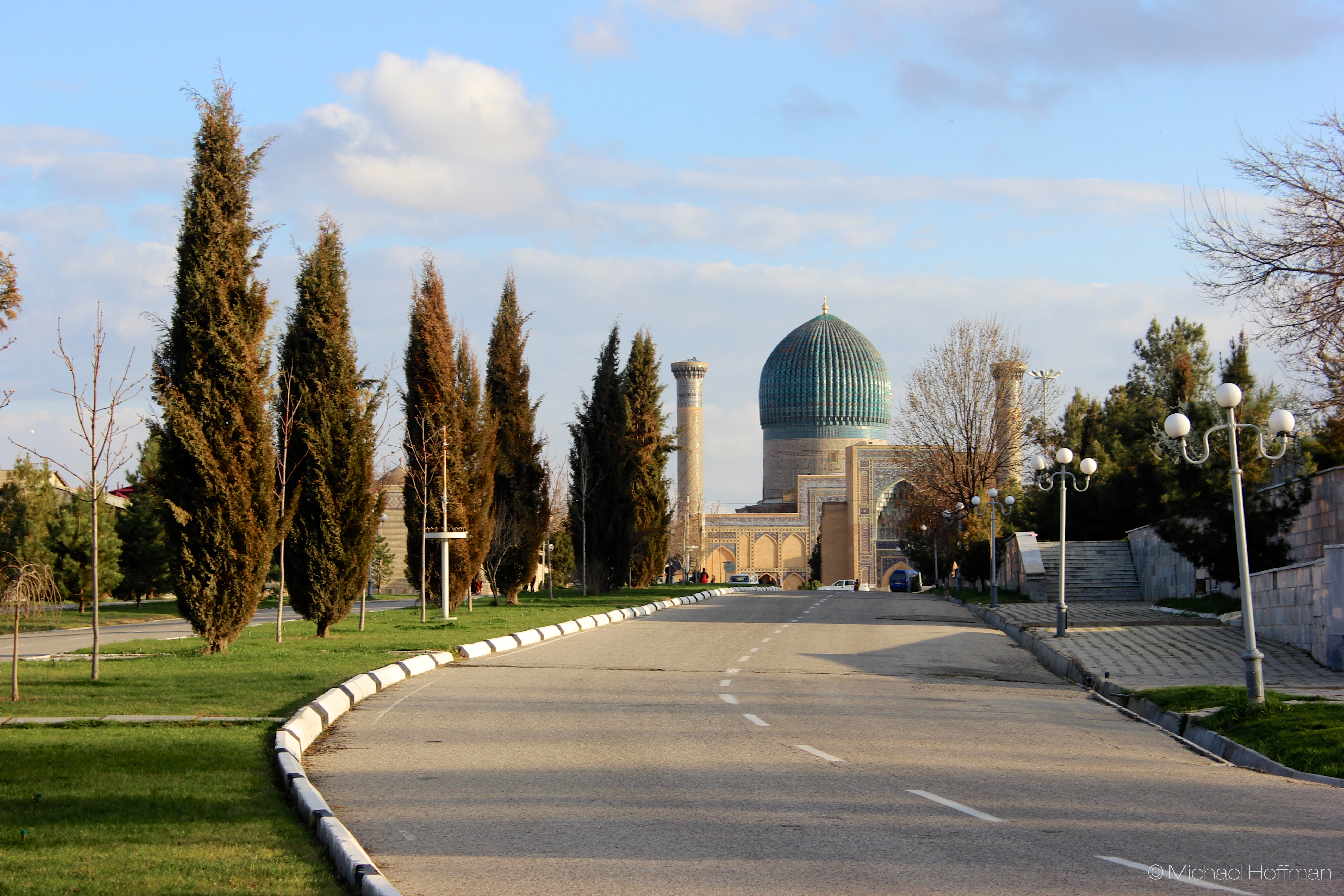
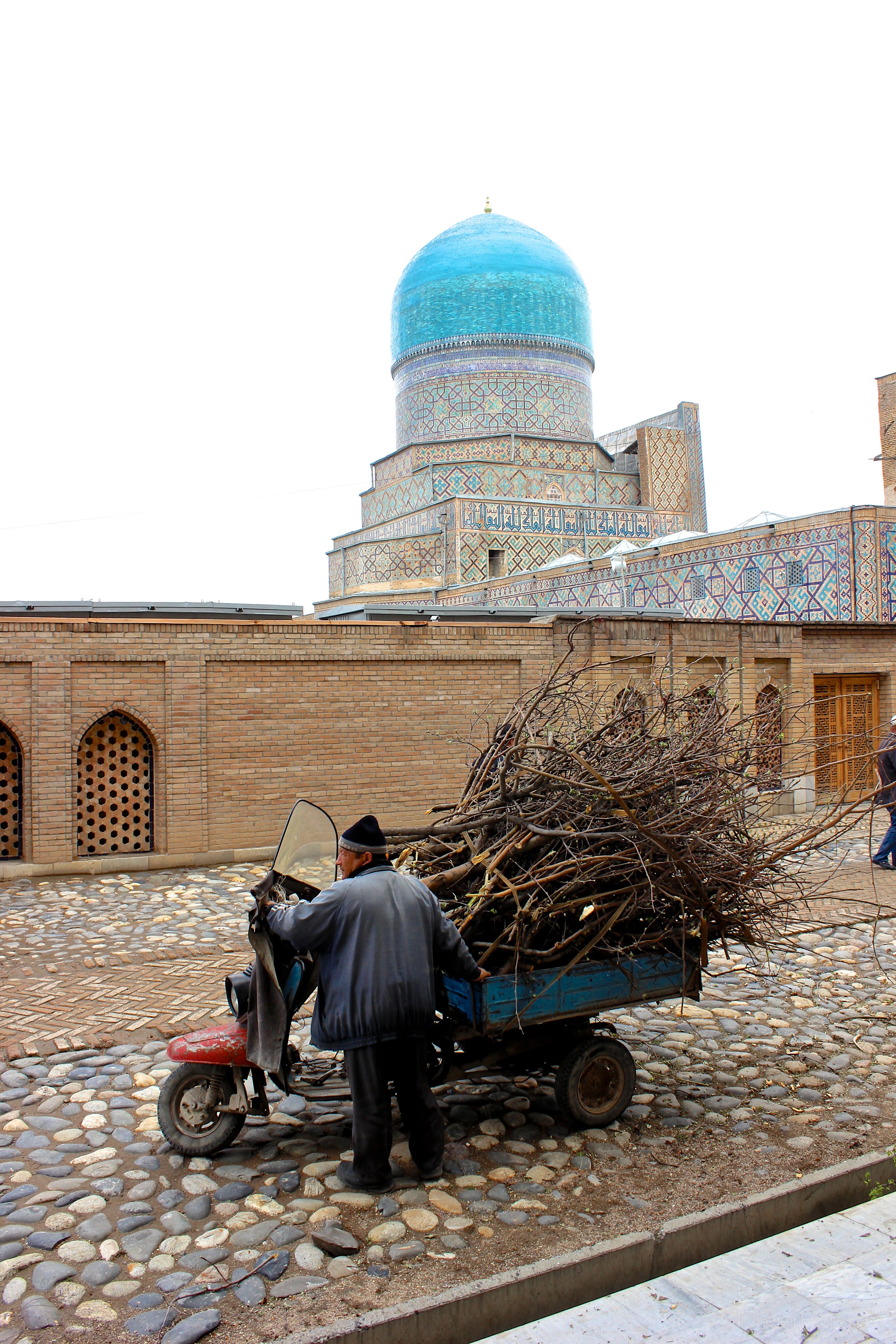
Samarkand is one of the oldest settlements of mankind. Situated at a central position on the trading route between Asia and Europe as well as between the Orient civilization of the south and the Nomad tribes of the far north, it developed into a place of prosperity and a melting point of different cultures. They came as tradesman and conquerors, as refugees and preachers. Their traces can still be seen in the vivid faces of the inhabitants of this marvelous city. Also, Samarkand is a profoundly religious place with Islamic architecture dominating the central part of the town, primarily impressive madrases (religious schools) and mosques with gorgeous blue cupolas. It is the mixture of people and graceful architecture, so different from Western Europe, that makes the city fascinating and alluring to the traveler. Truly another world worth visiting.

Previous entries in the series: Buxoro, The Enchanted City, The Desert City of Xiva

test

IMG_8724

IMG_8734

IMG_8916

IMG_8976

IMG_8843

IMG_8849

IMG_8712

IMG_8731

IMG_8906

IMG_8687

IMG_8701