
Details of a Cathedral
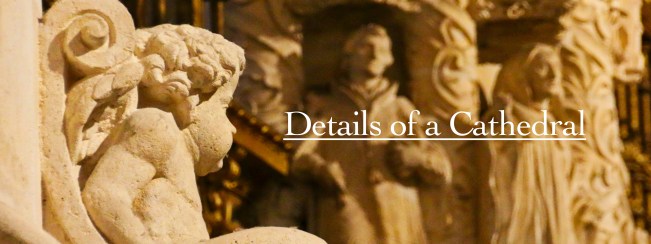
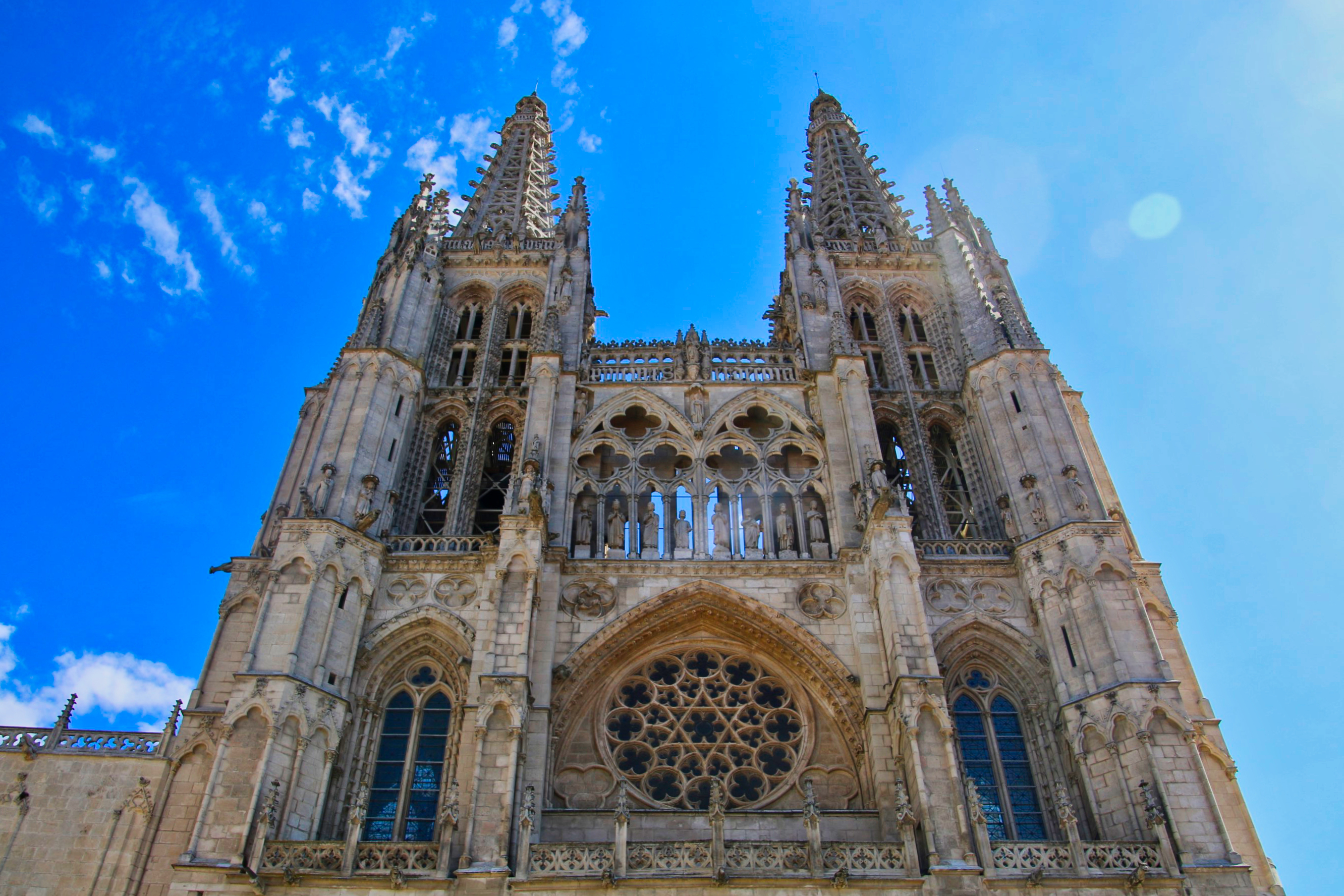
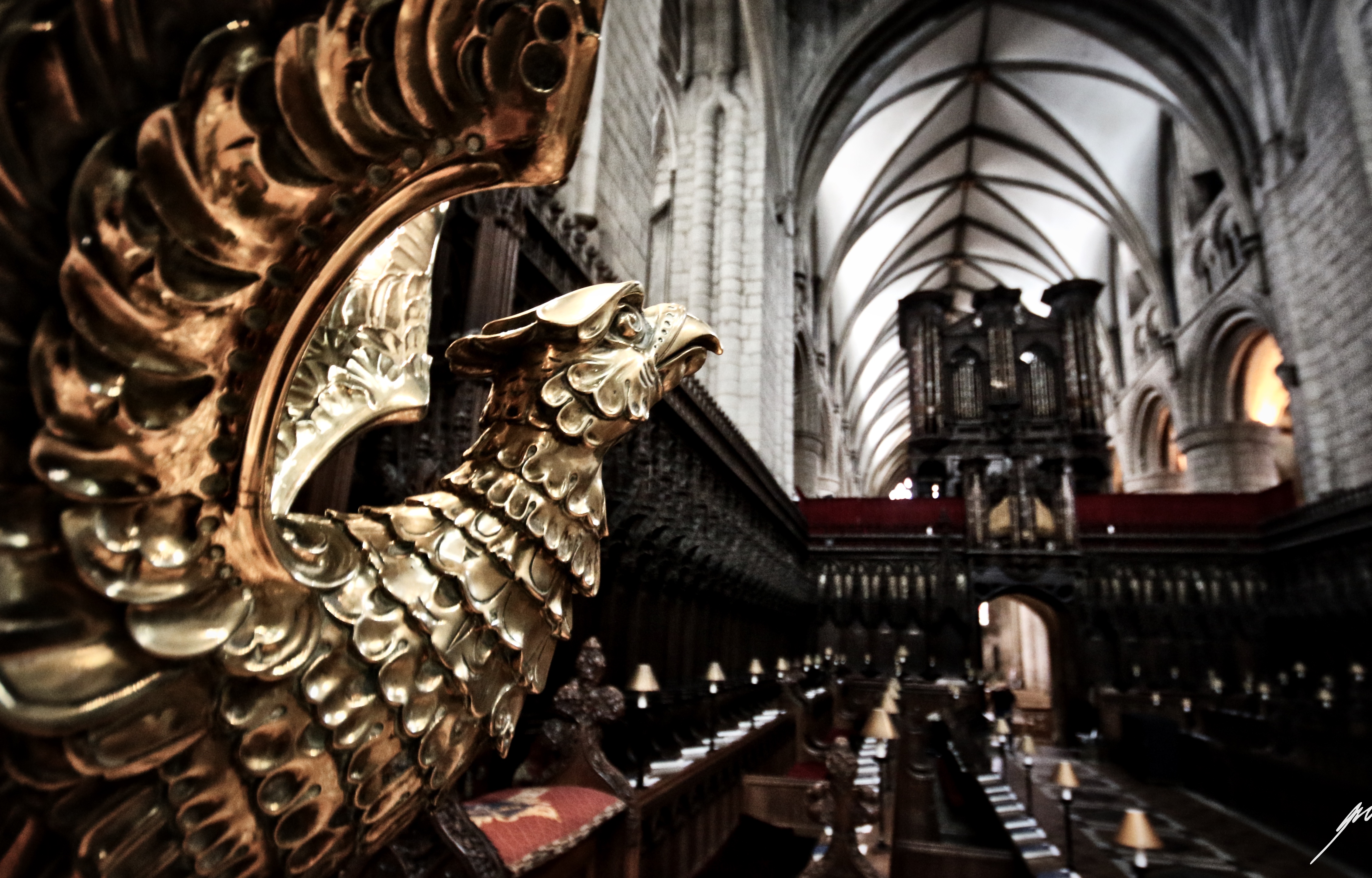
Details of the Cathedral of Burgos, Spain. Shot in April 2019.

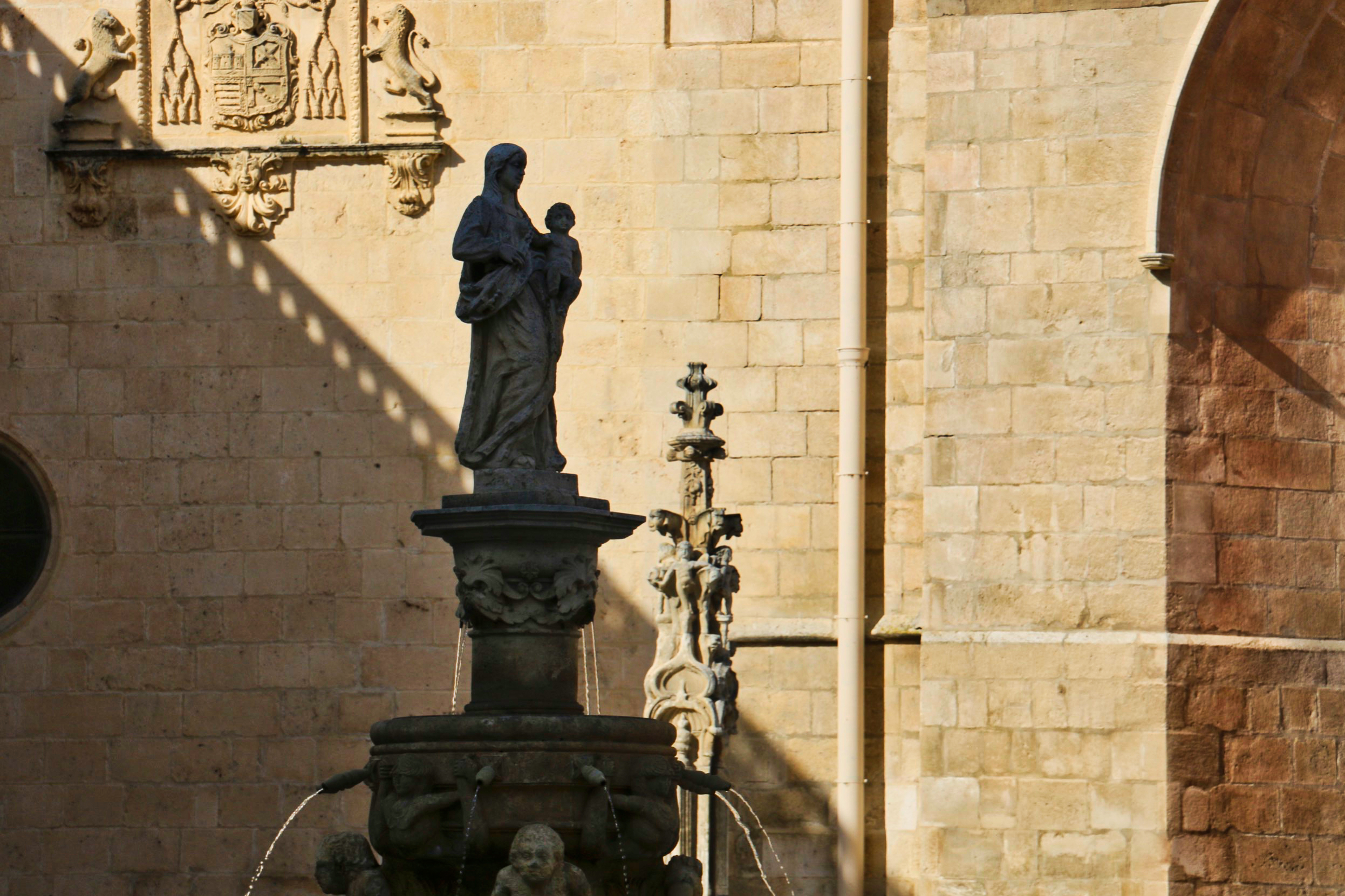
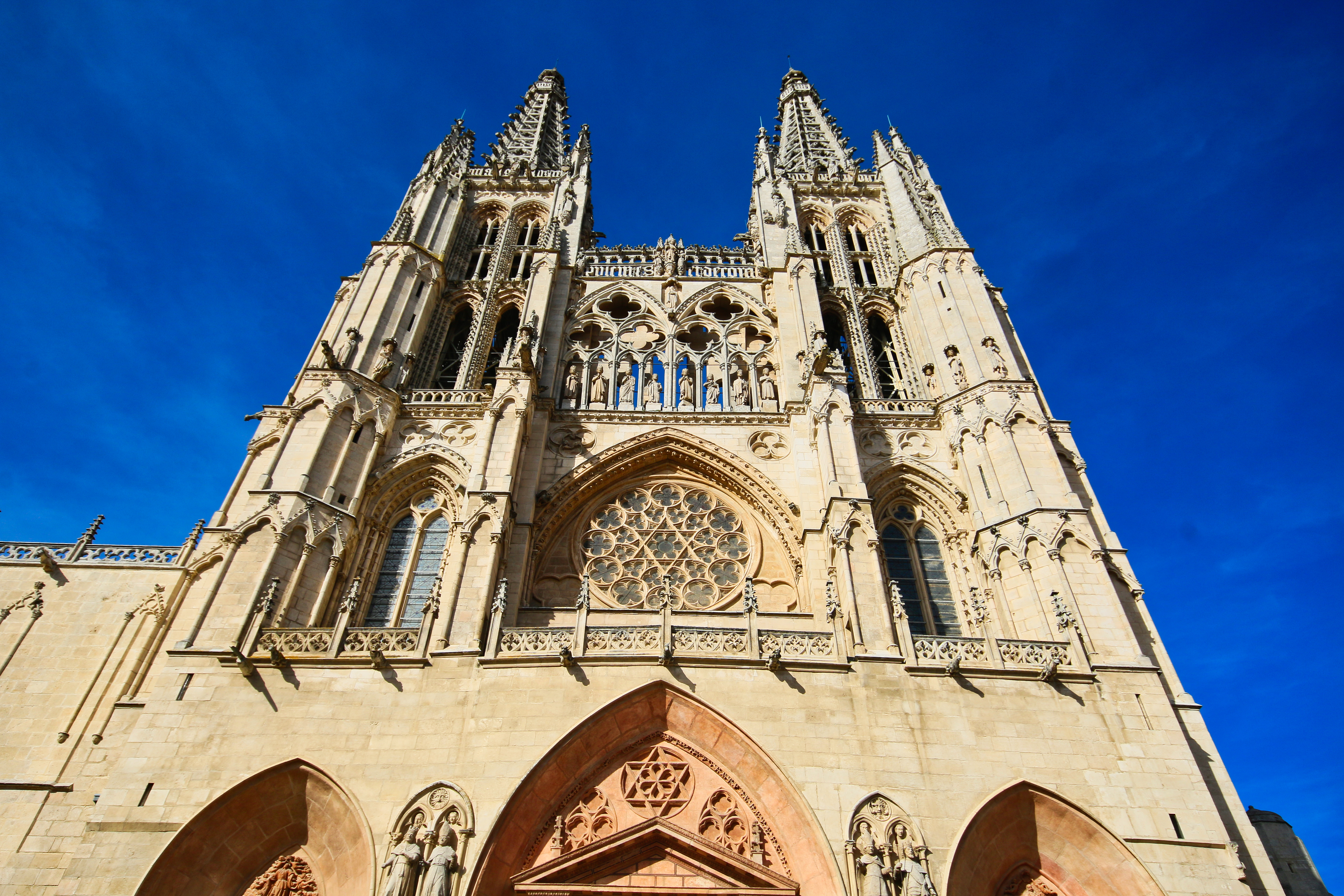
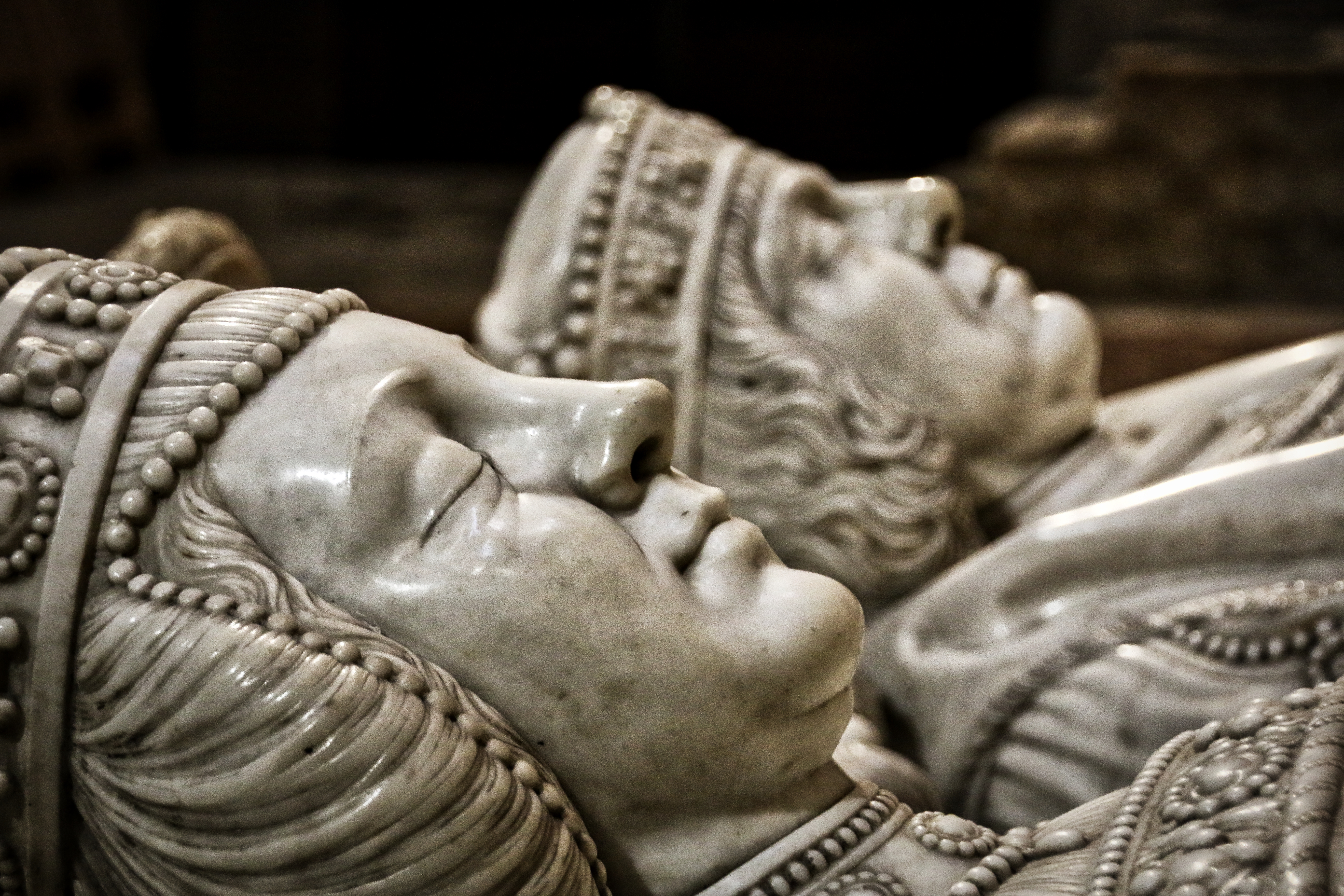
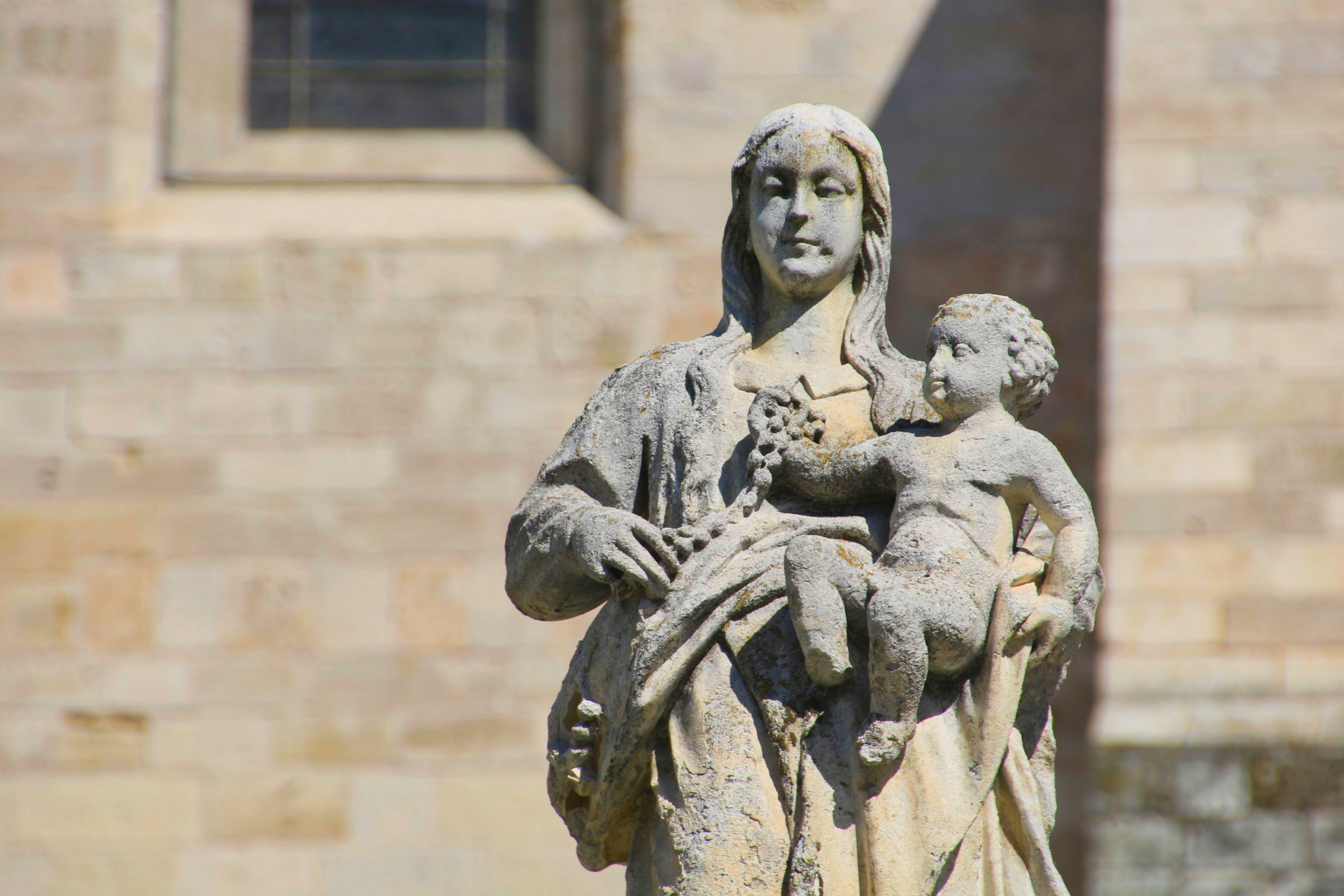
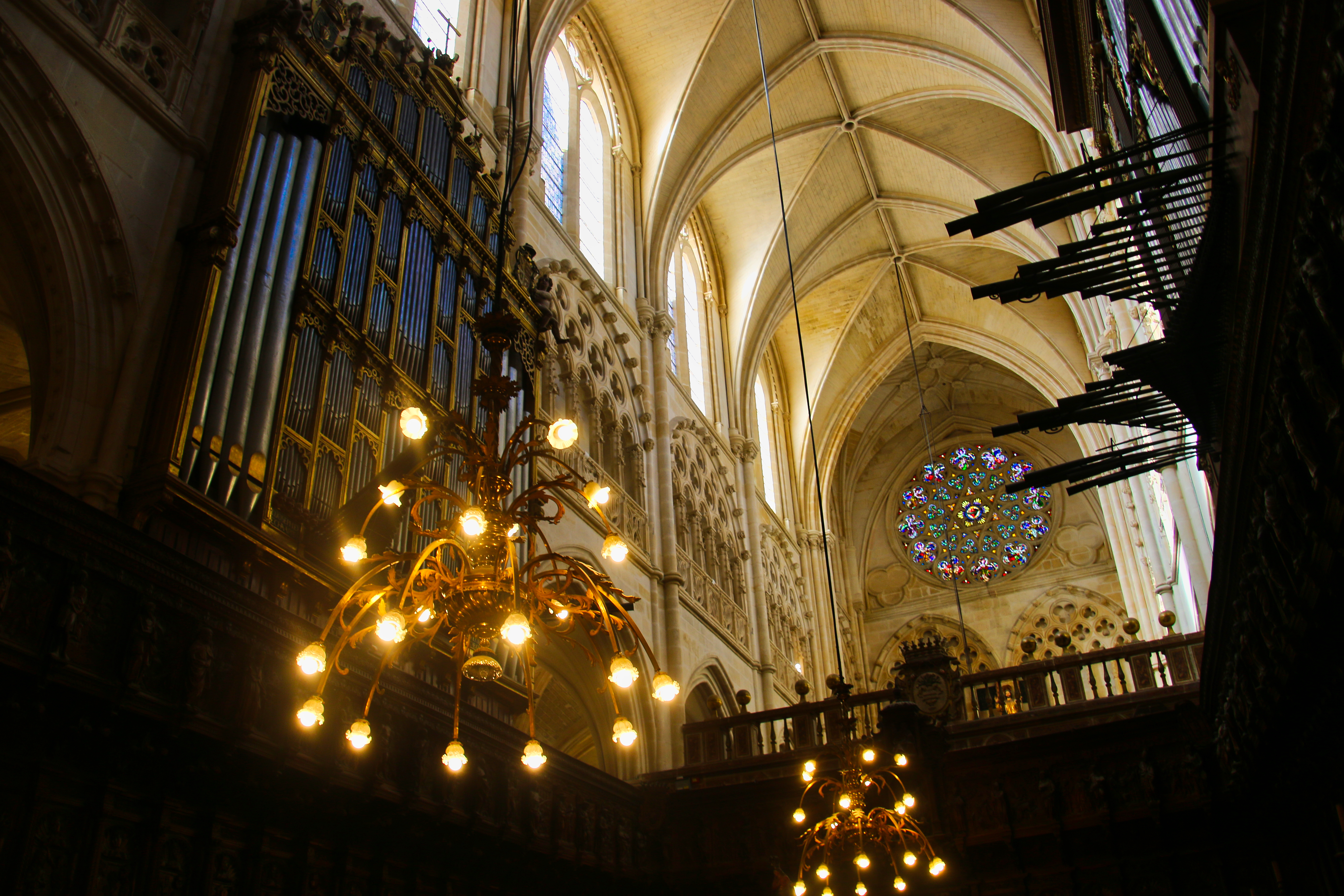

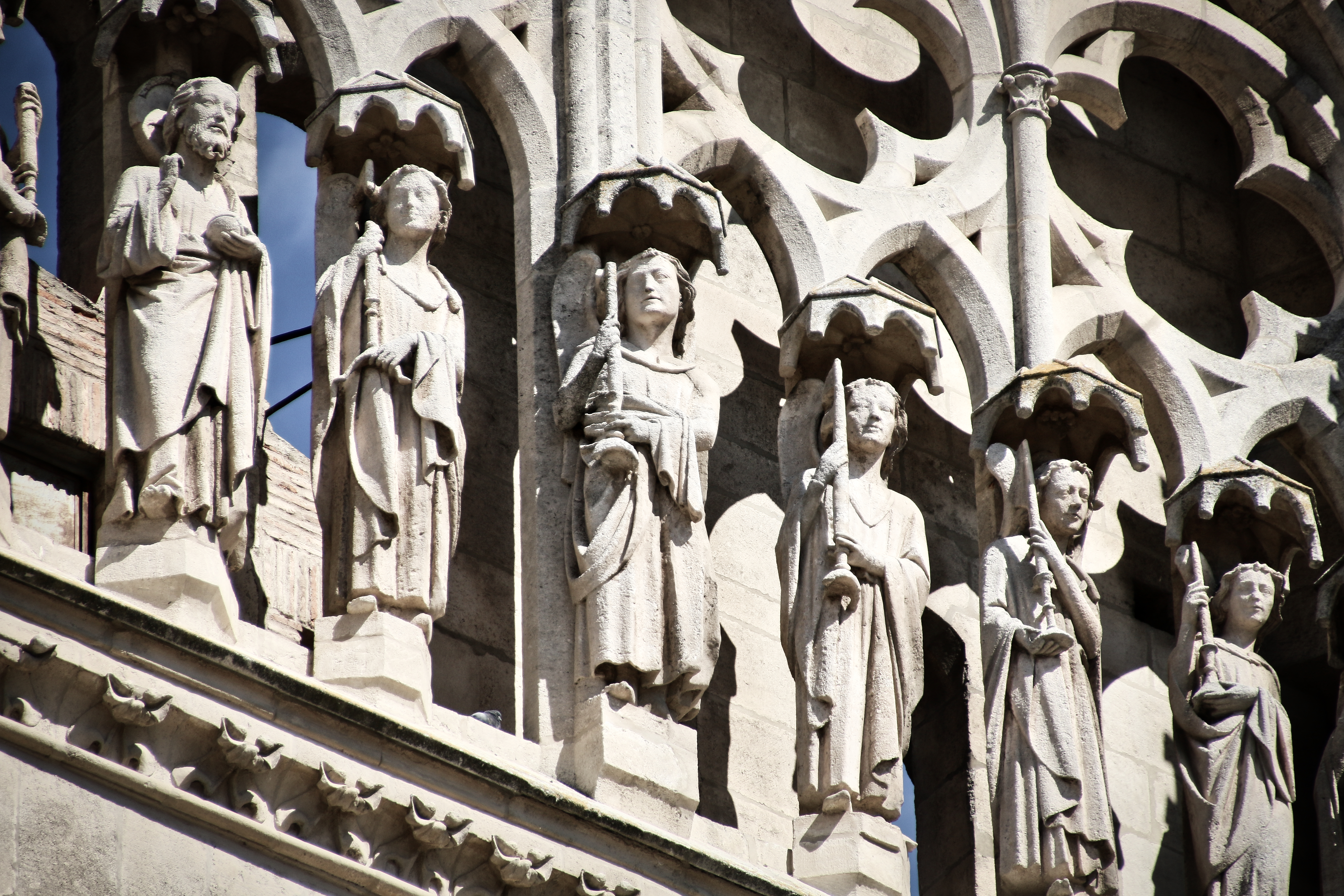
Details of the Cathedral of Burgos, Spain. Shot in April 2019.

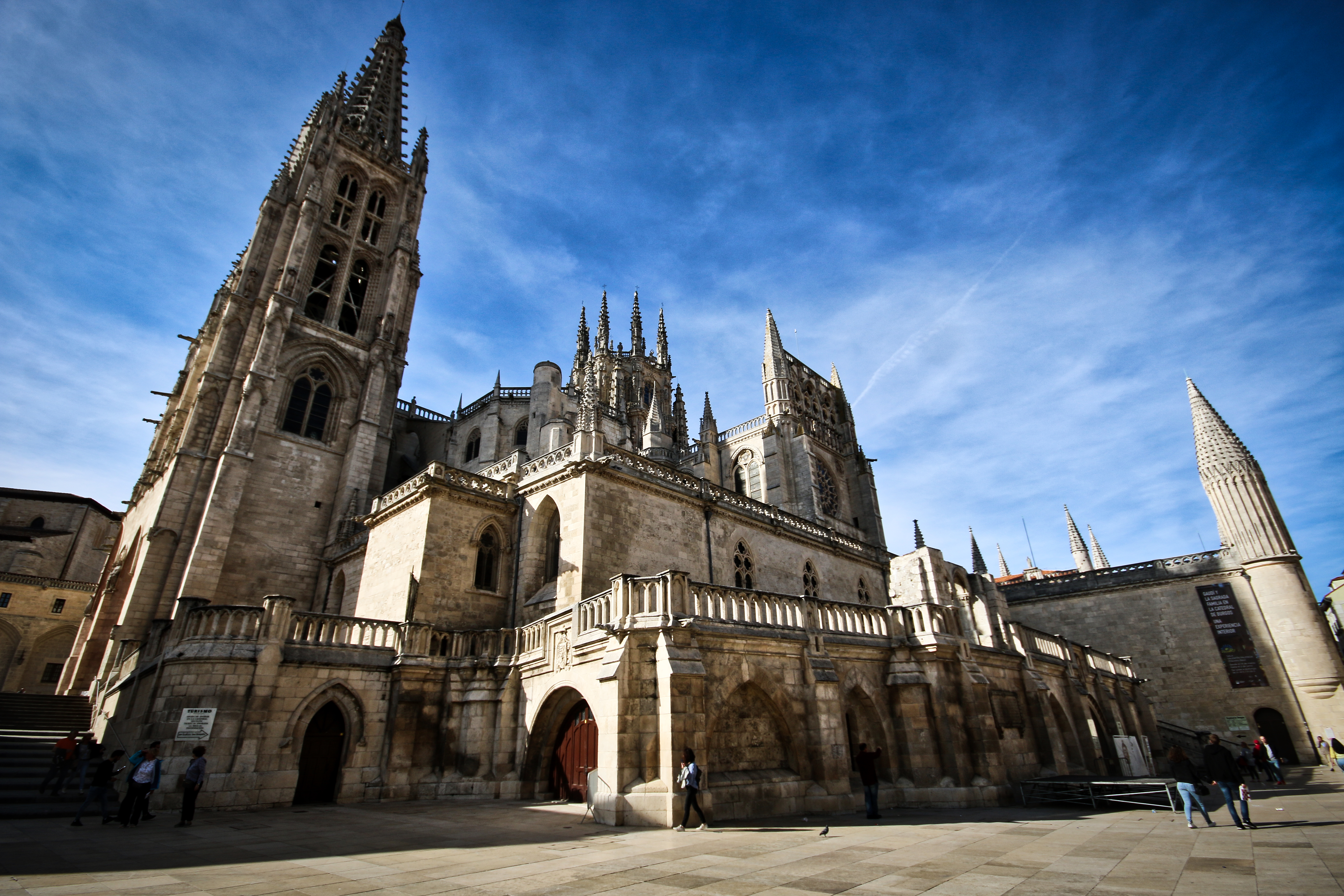
I am fortunate enough to have a job enabling me to travel a lot around Europe. Concerning architecture and different architectural styles, it is a prosperous and exciting continent. Two historical architectural styles in particular are very distinct and closely linked to European history: The styles of Baroque and Gothic. While the baroque style is very opulent, colorful, and somewhat playful, the style of the French Sun King in the 17th century and the glorious Catholic church of its time, Gothic, on the other hand, is very different. It is a somewhat dark style, with many goblins and trim colors. Everything reaches as high as to touch God himself. The light is filtered and restricted through beautiful stained glass; the only energy source is the Almighty. One of the most beautiful examples of Gothic architecture must be the grandiose Cathedral of Burgos, Spain, consecrated in 1260 and still as impressive as it must have been to the people living almost 800 years ago. A masterpiece.



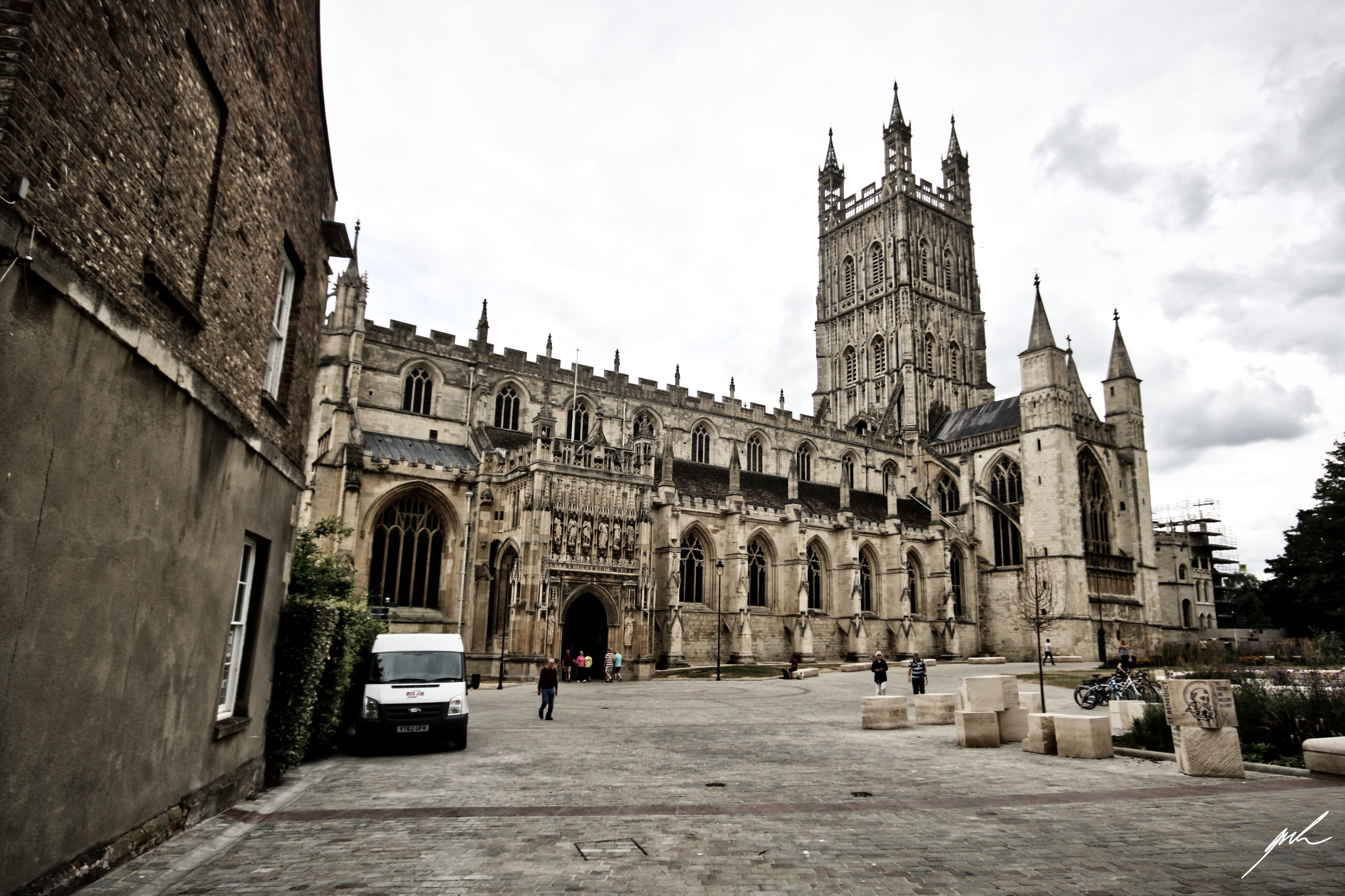
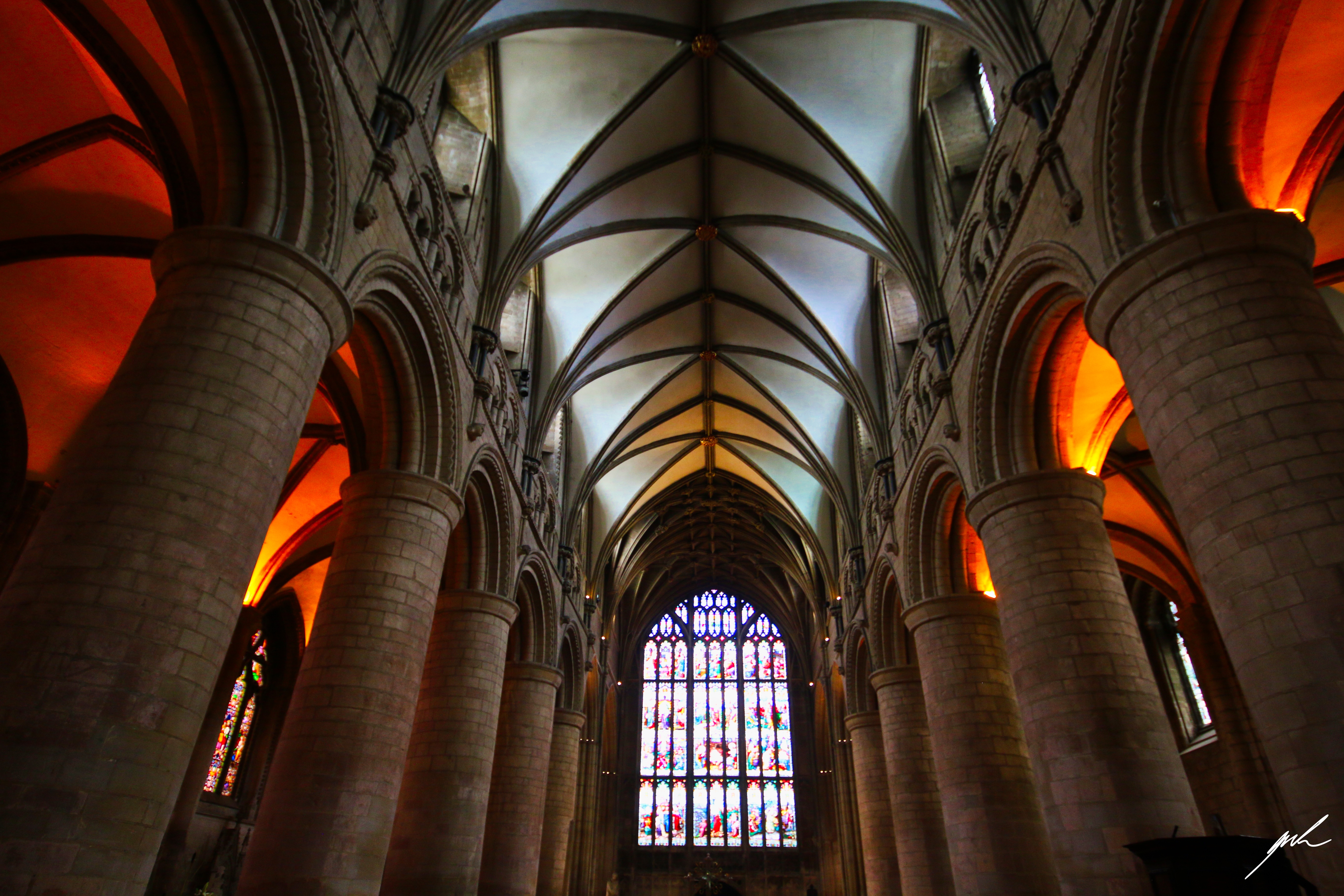
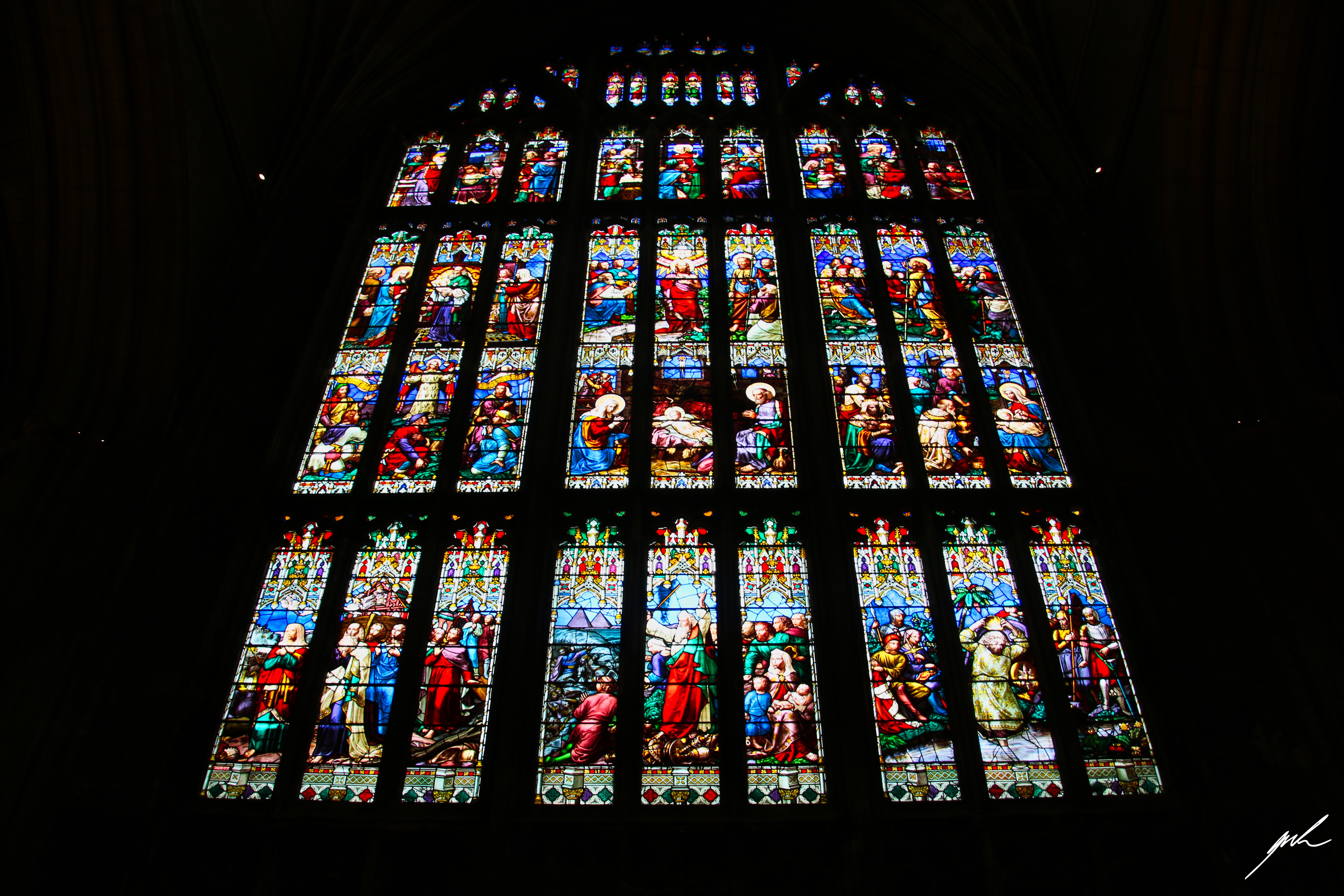
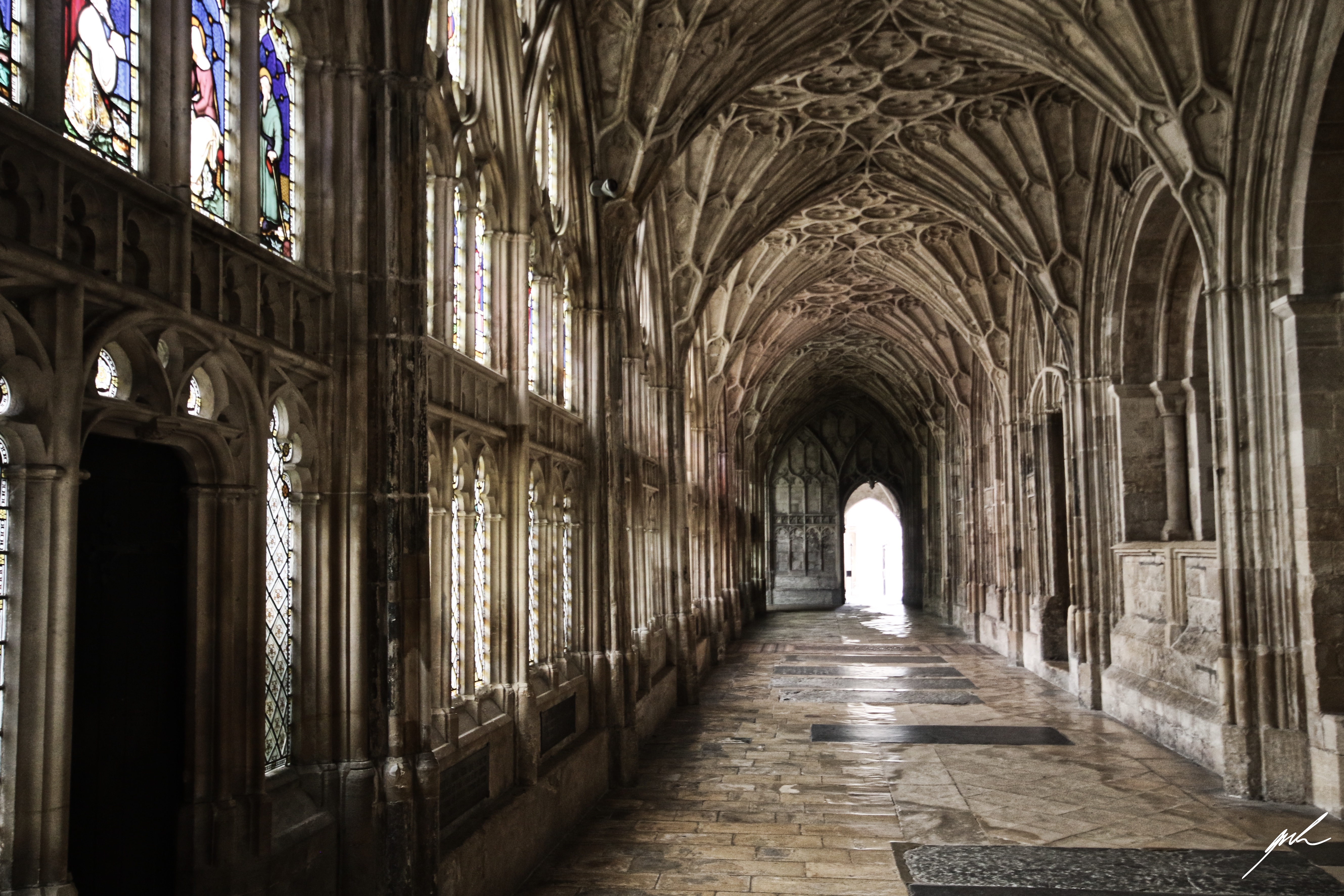
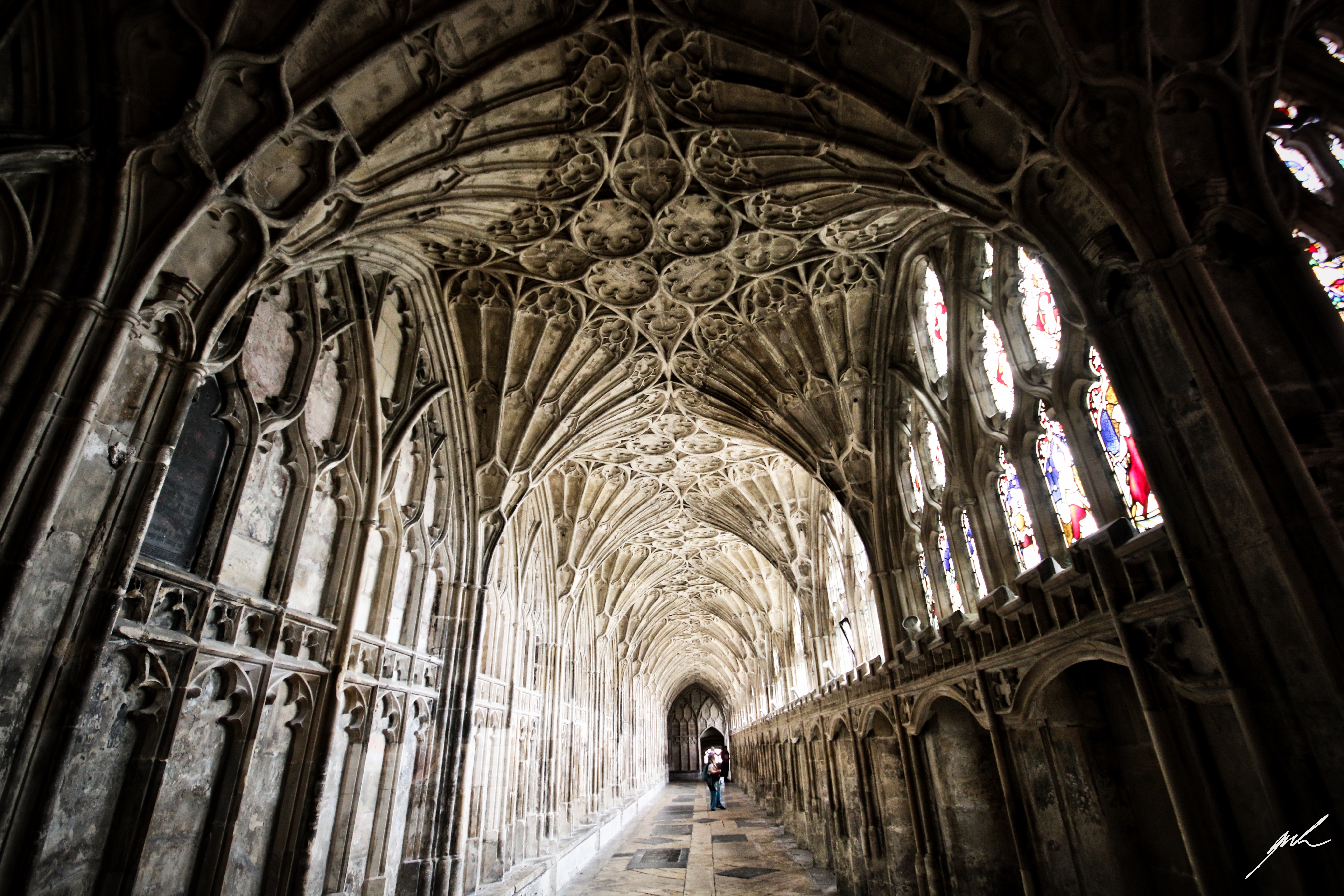
The Cathedral of Gloucester was built in the 7th century and is well known, among other things, for being a filming location for the Harry Potter movies. It is also famous for being very mysterious and even strange. The reason is the architectural style of the church, which is called “perpendicular style,” a more grotesque version of the medieval Gothic style. The glass windows are also very peculiar and exciting; there is even one depiction of a medieval Golf player! All in all, it is a fascinatingly grim but beautiful cathedral.

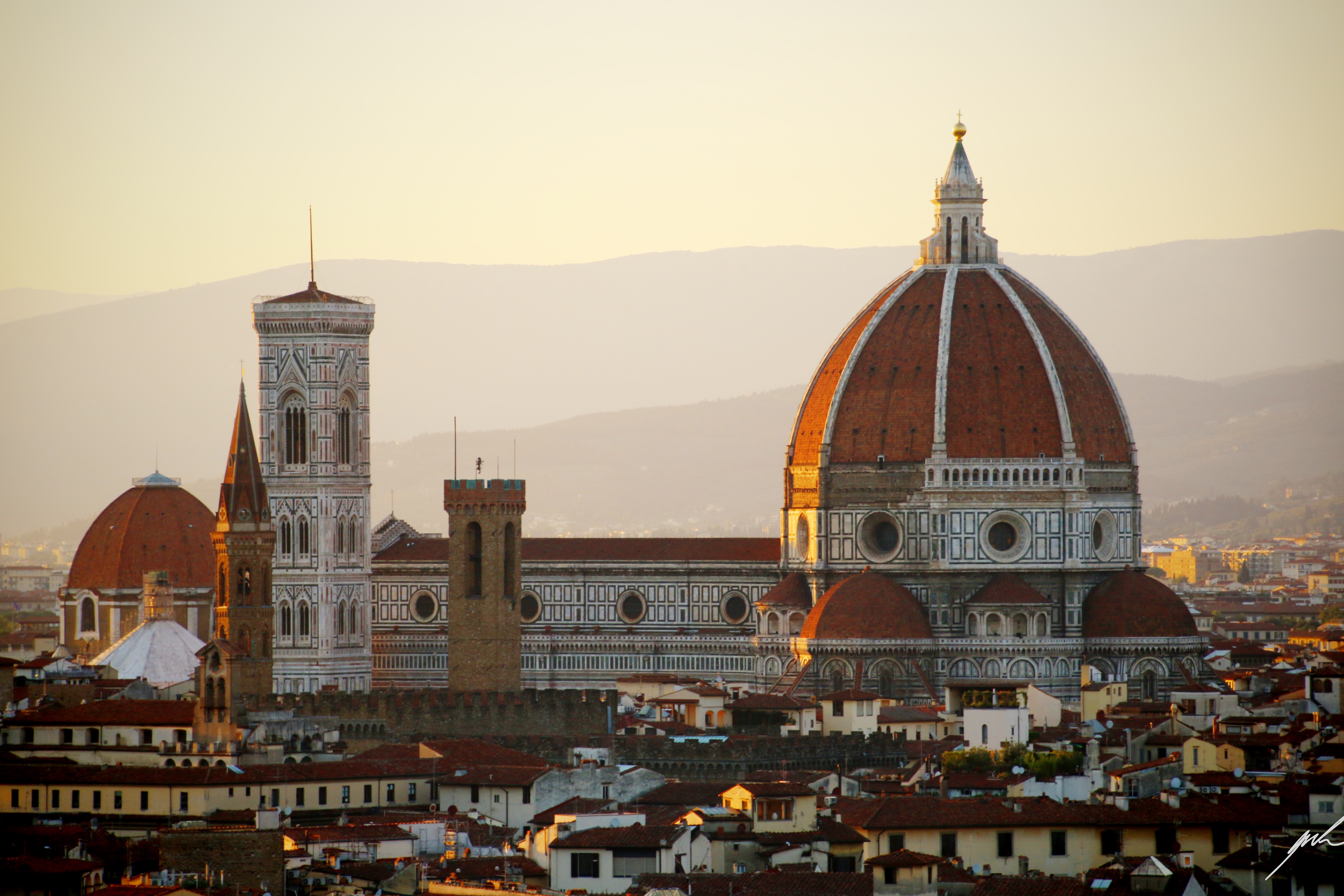
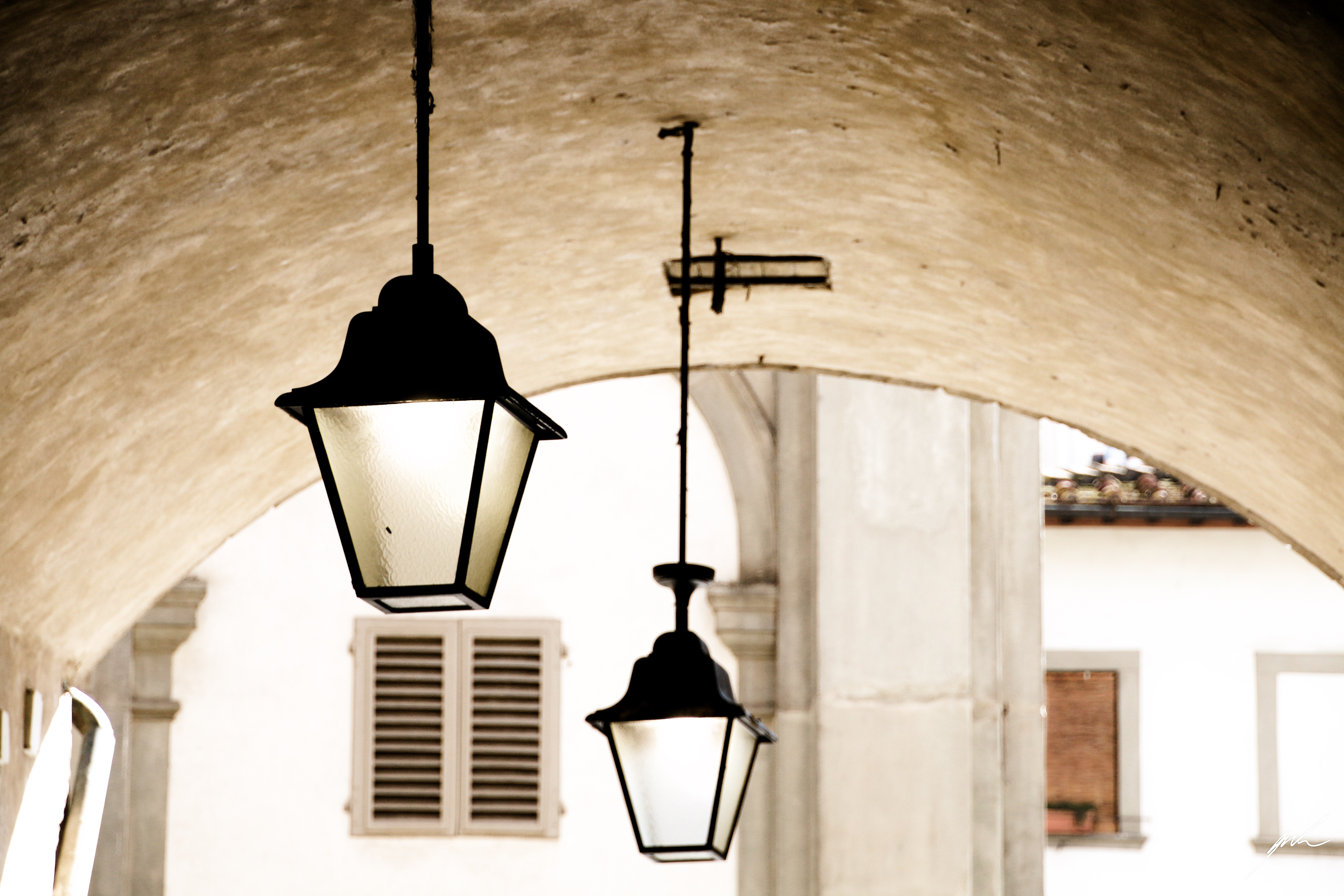
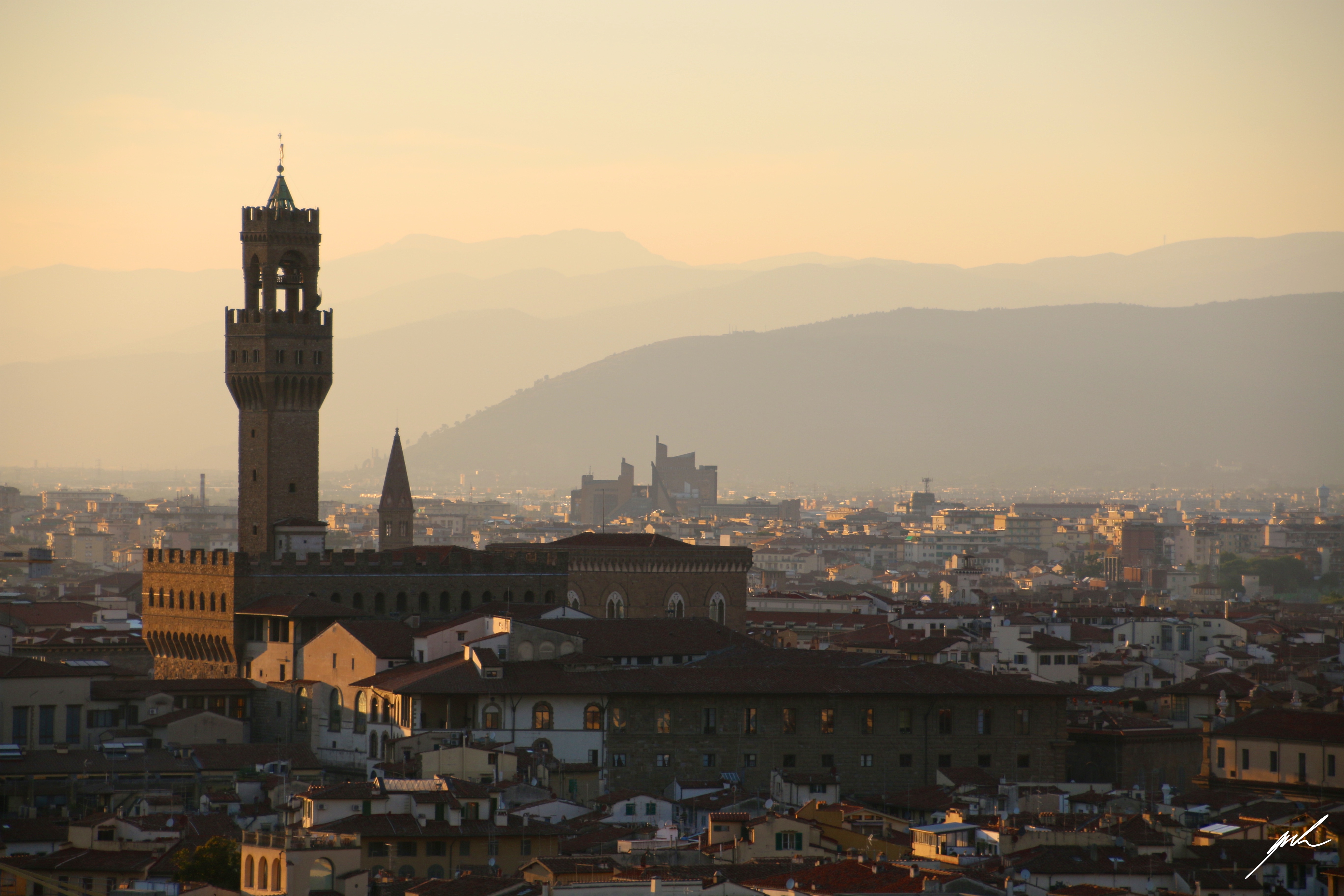
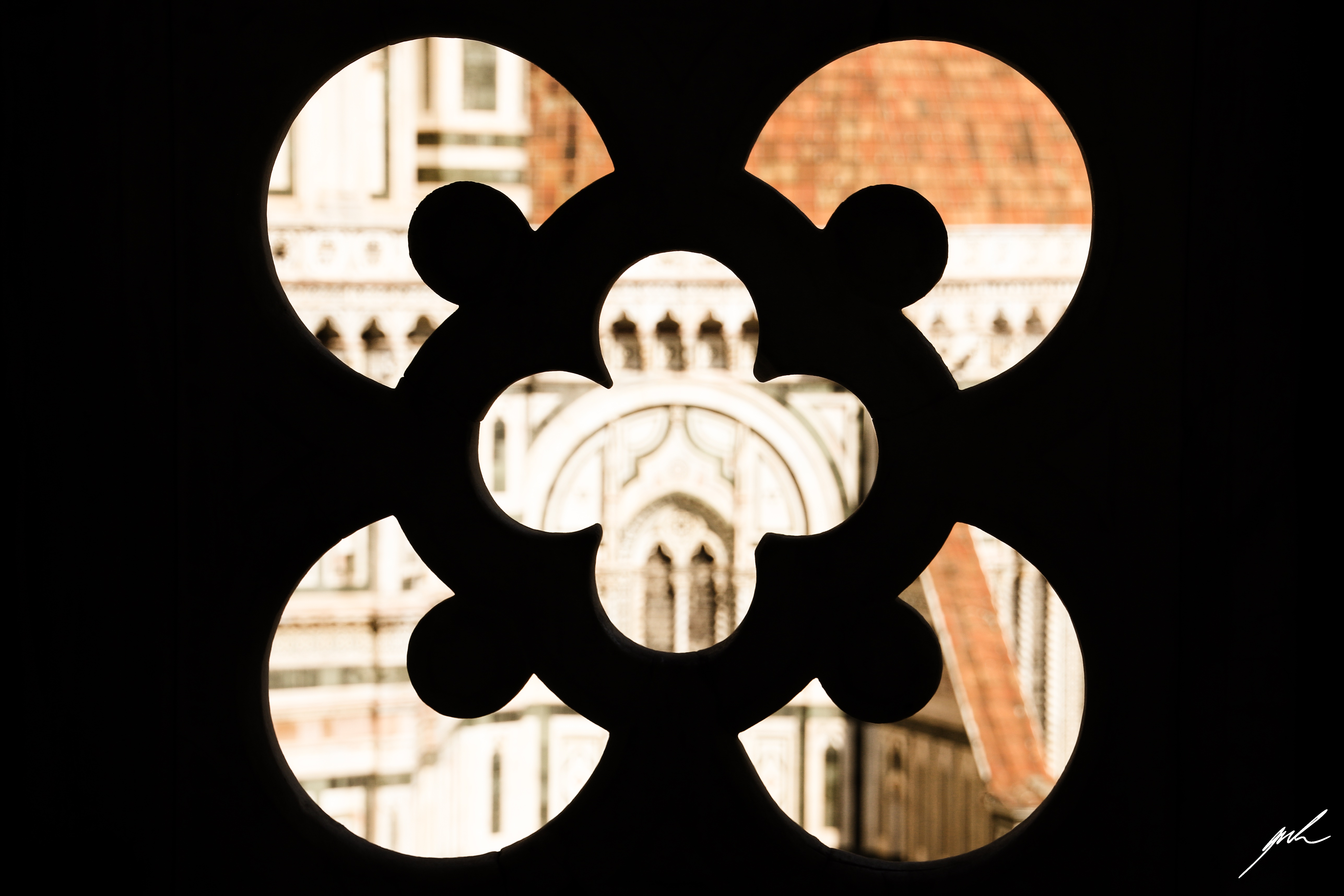
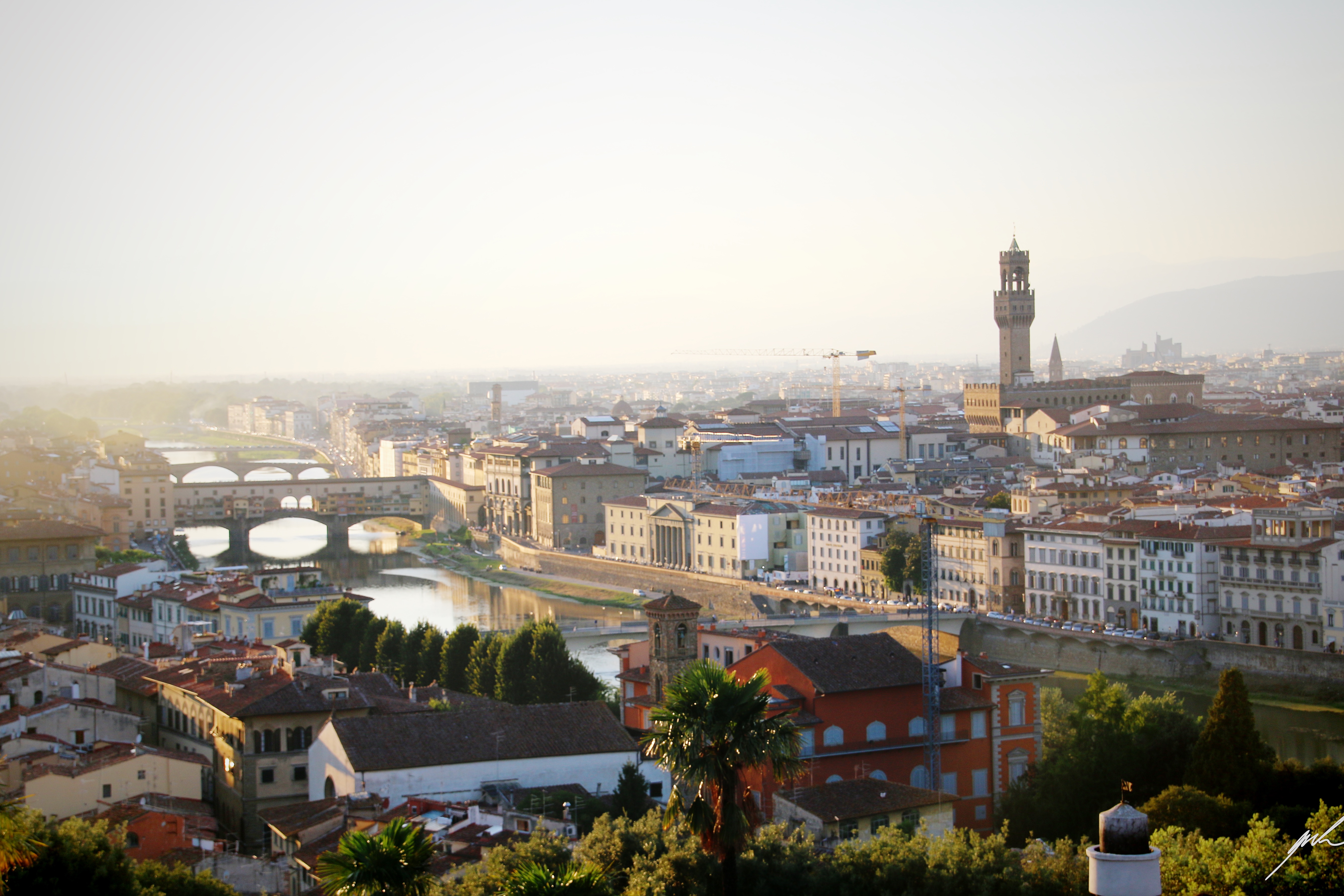
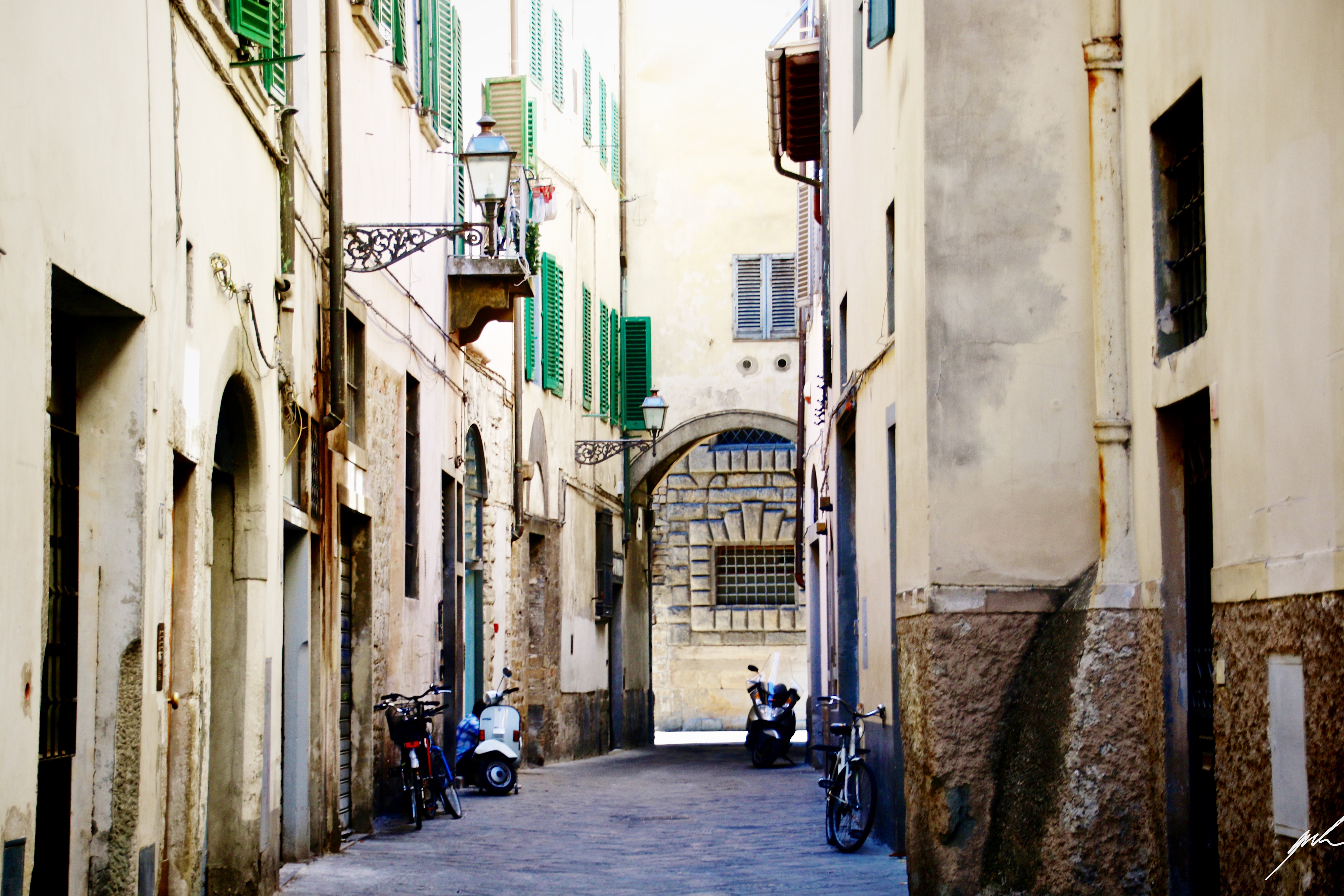
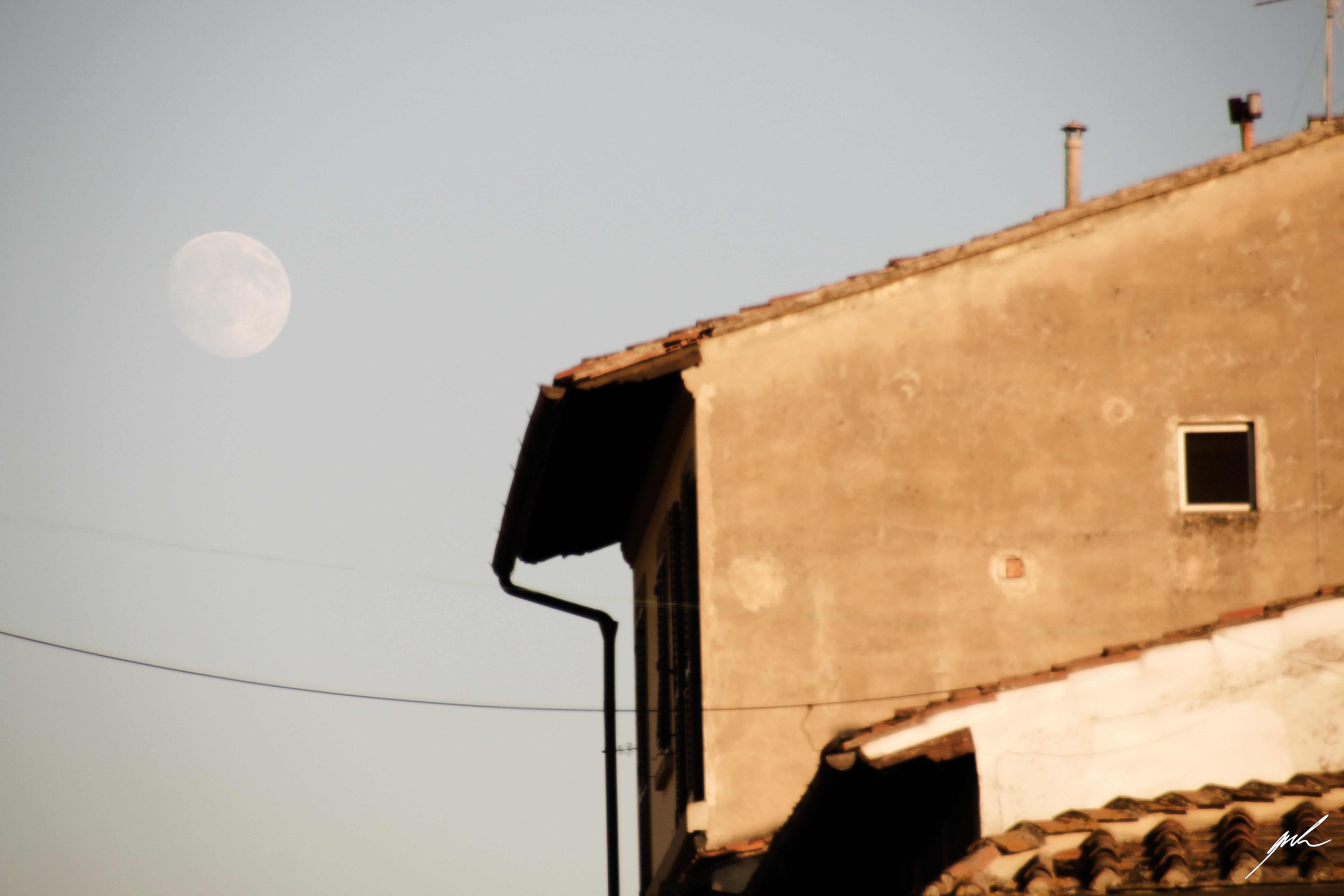
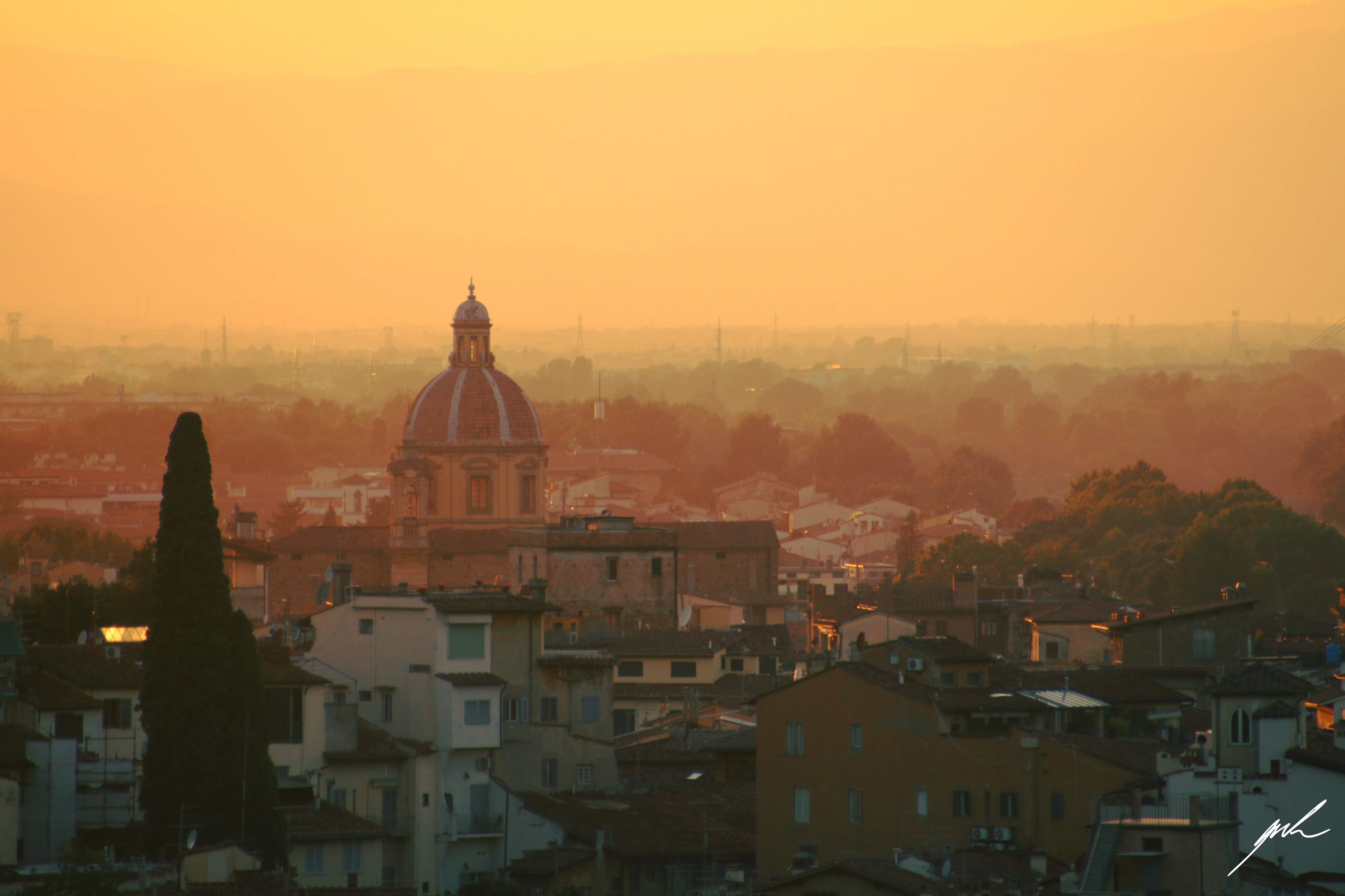
Florence is situated right in the heart of Tuscany, Italy, surrounded by the hills of the Apennines. Over the centuries, its look was shaped by aristocratic families like the Medici, who not only nourished the arts and sciences in the city but also understood the power and beauty of architecture. At sunset, especially, the shades and forms of the city seem to come alive and paint a living picture.

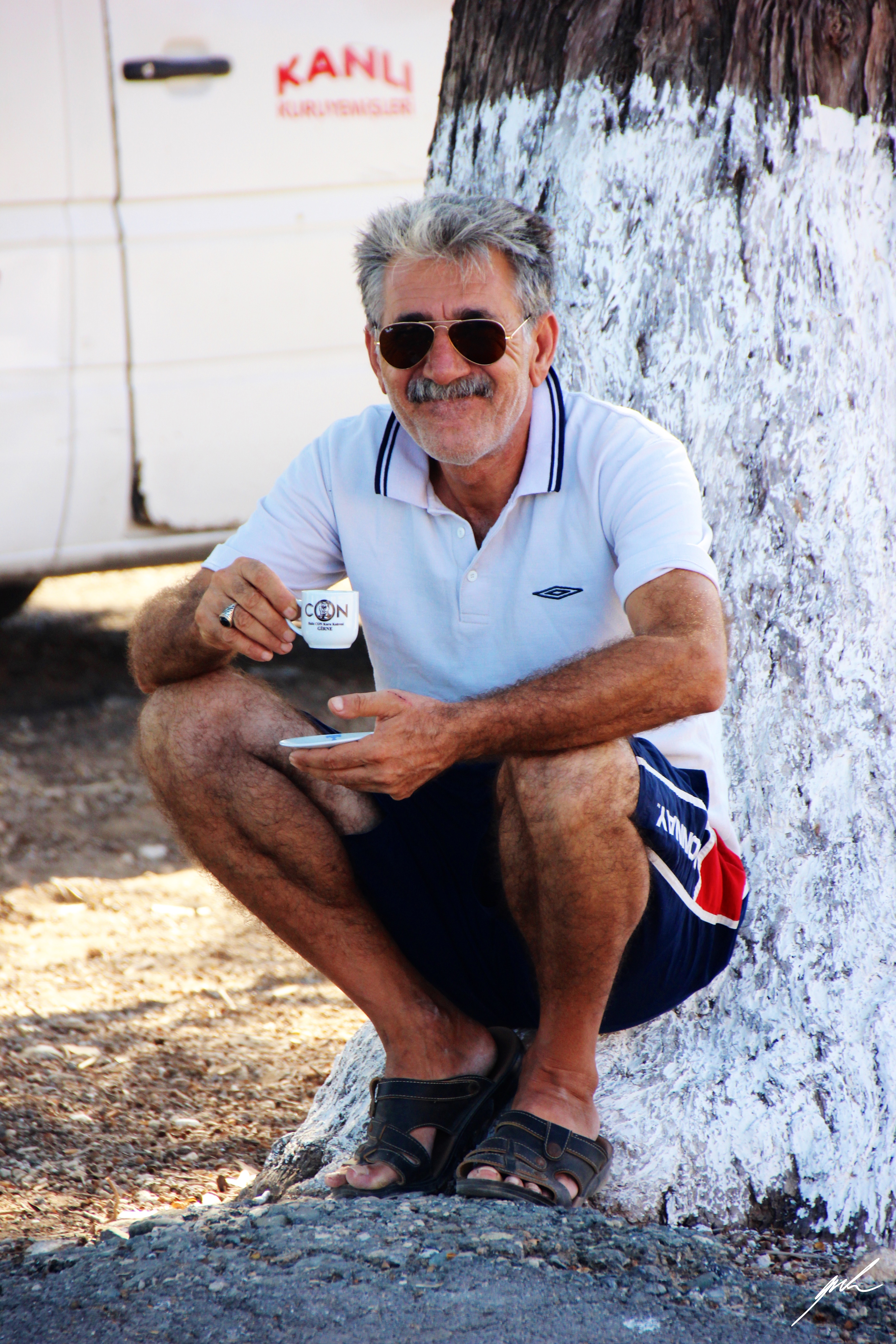
The last time Cyprus was featured was about a divided island. Though the political situation is complicated, I recommend visiting both parts of the island. So, I won’t differentiate between the Turkish and the Greek parts in the following gallery. Pictures 5, 6, and 7 need some background: After the Ottoman conquest of Cyprus, former Gothic Cathedrals were converted into Mosques. Interestingly, some were not destroyed, and only minor changes were made (like the destruction of angel figures due to the ban on images in Islam). The altar was displaced within the church so the believers could pray in the direction of Mekka. According to Ottoman traditions, the former Cathedrals had carpets, and the inner church was painted white. Though inside as well as outside, you still see the Christian heritage. The clean and bright style of Islamic religious decoration combined with the dark and gothic severe style makes for a thoroughly fascinating combination.

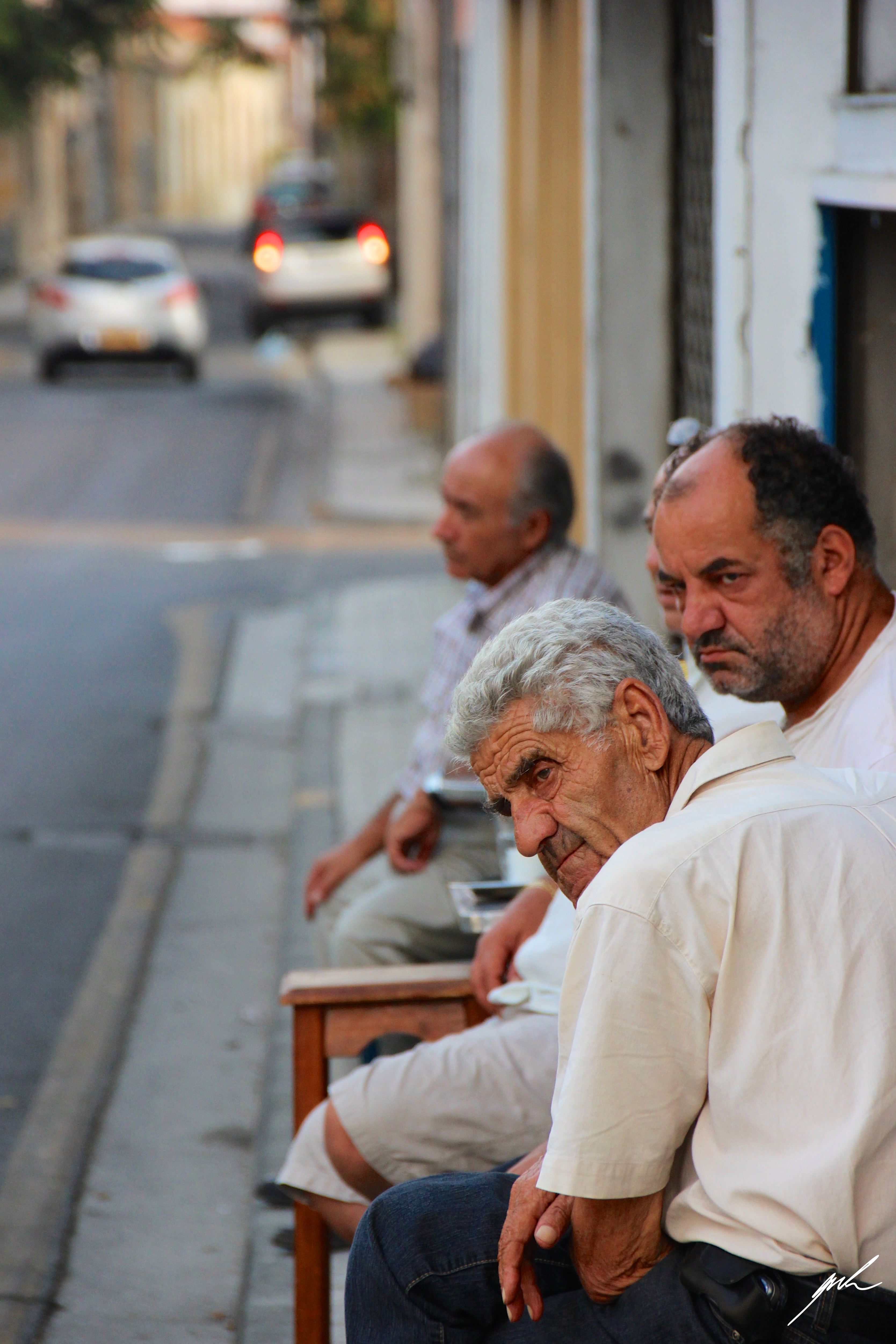
In September 2012, I went to Sicily and Southern Italy with friends. On the way there, I also had a chance to visit Milano. I already posted some of these impressions on this blog, but cramping them all into one entry would be nice. Also, as I mentioned, there are some new pictures as well 🙂
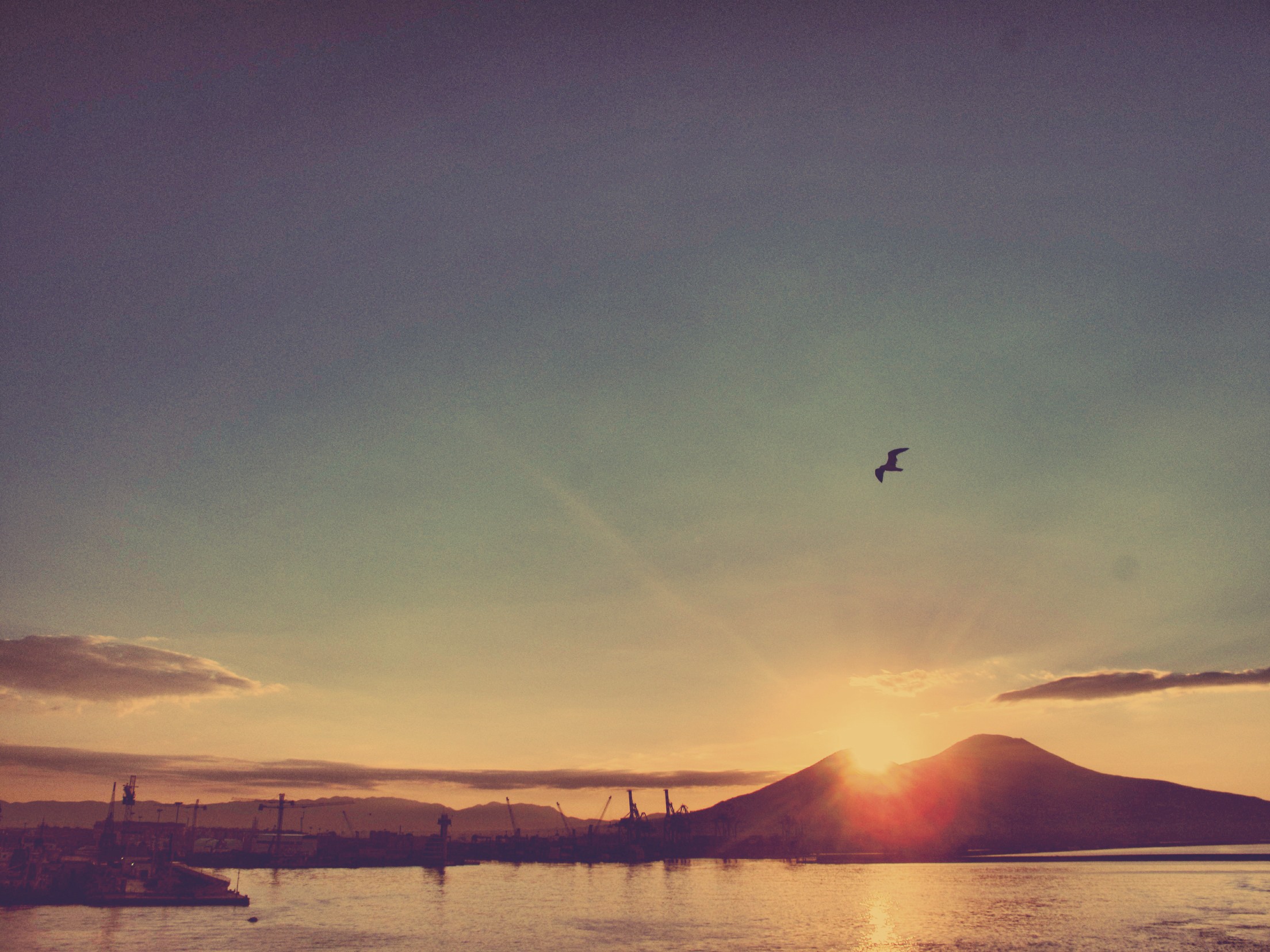
A view over the Bay of Naples.
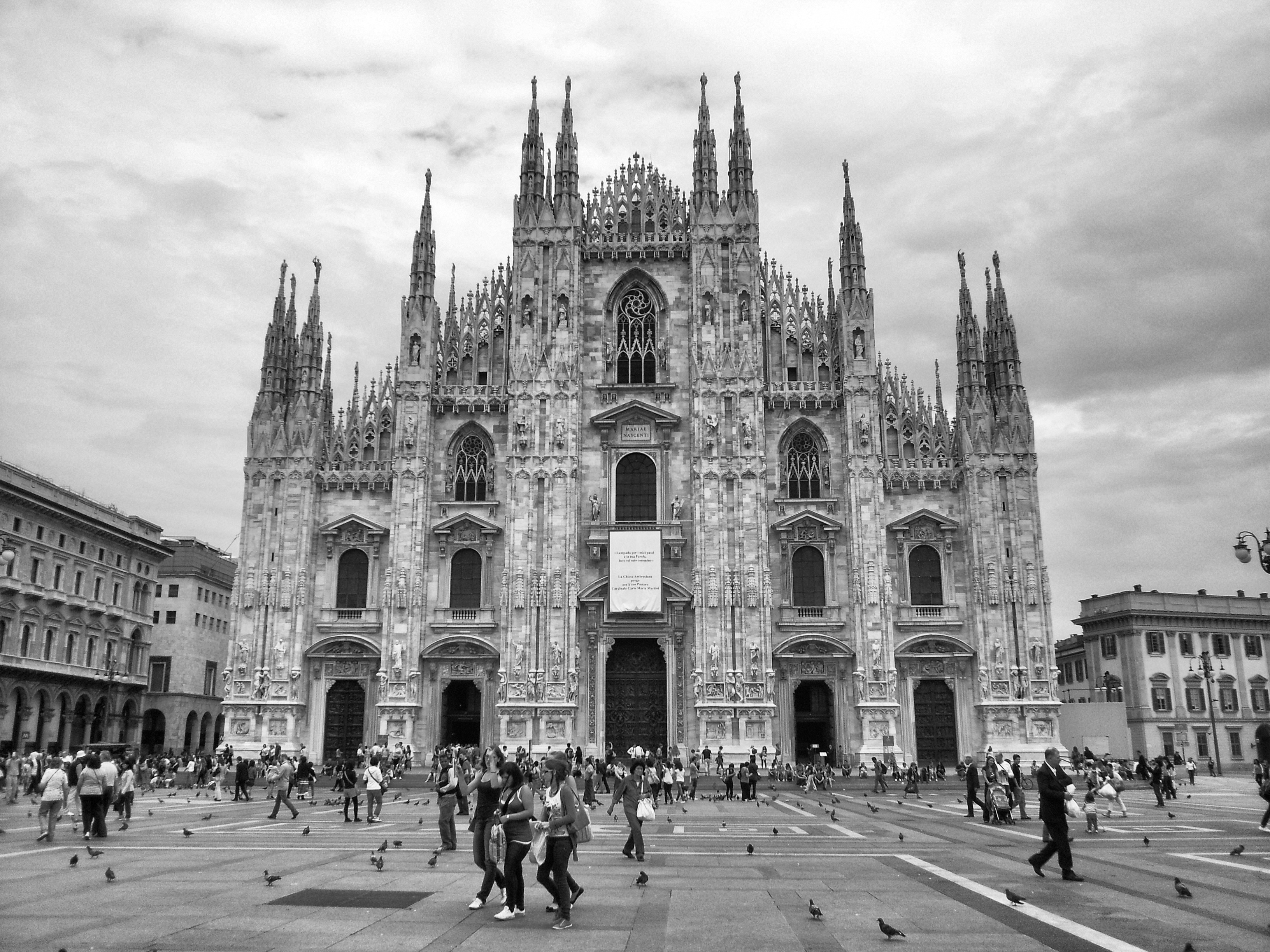
The world-famous cathedral of Milano. A beautiful piece of Gothic architecture in black and white.
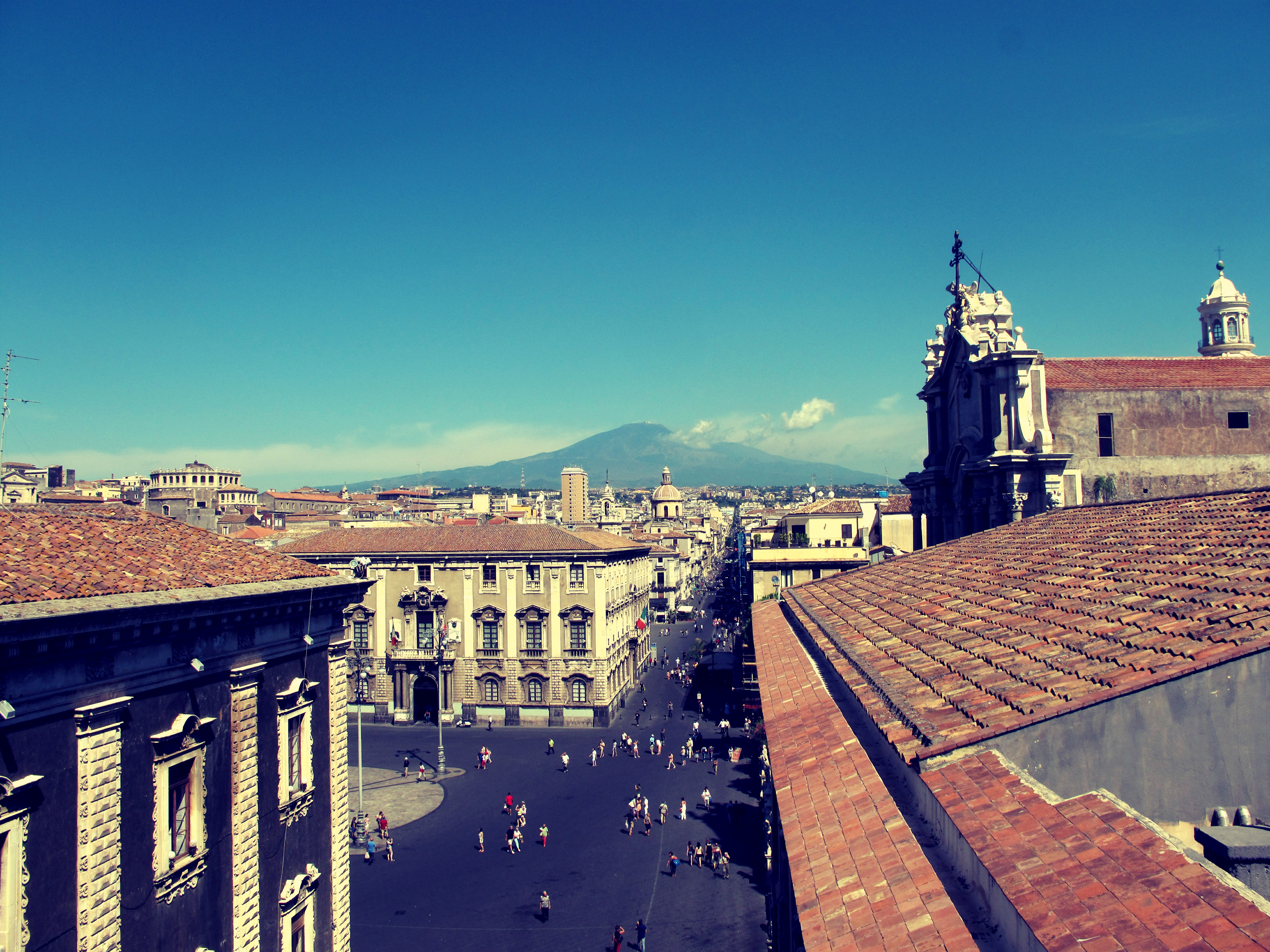
Catania is a fantastic city. Built on the foot of a massive volcano (Etna), it was destroyed and rebuilt a couple of times. A fitting alternative name for the city would be Phoenix, as it has risen from the ashes like a legendary bird. In Catania, the streets and many buildings are made out of lava stone (basalt), and it may happen very well that you end up in the cellar of a bar in which there are still traces of old lava flows under your table (Agora Hostel Bar). If you are on the main square (Piazza del Duomo), visit the Cathedral and enjoy this magnificent view from the rooftop.
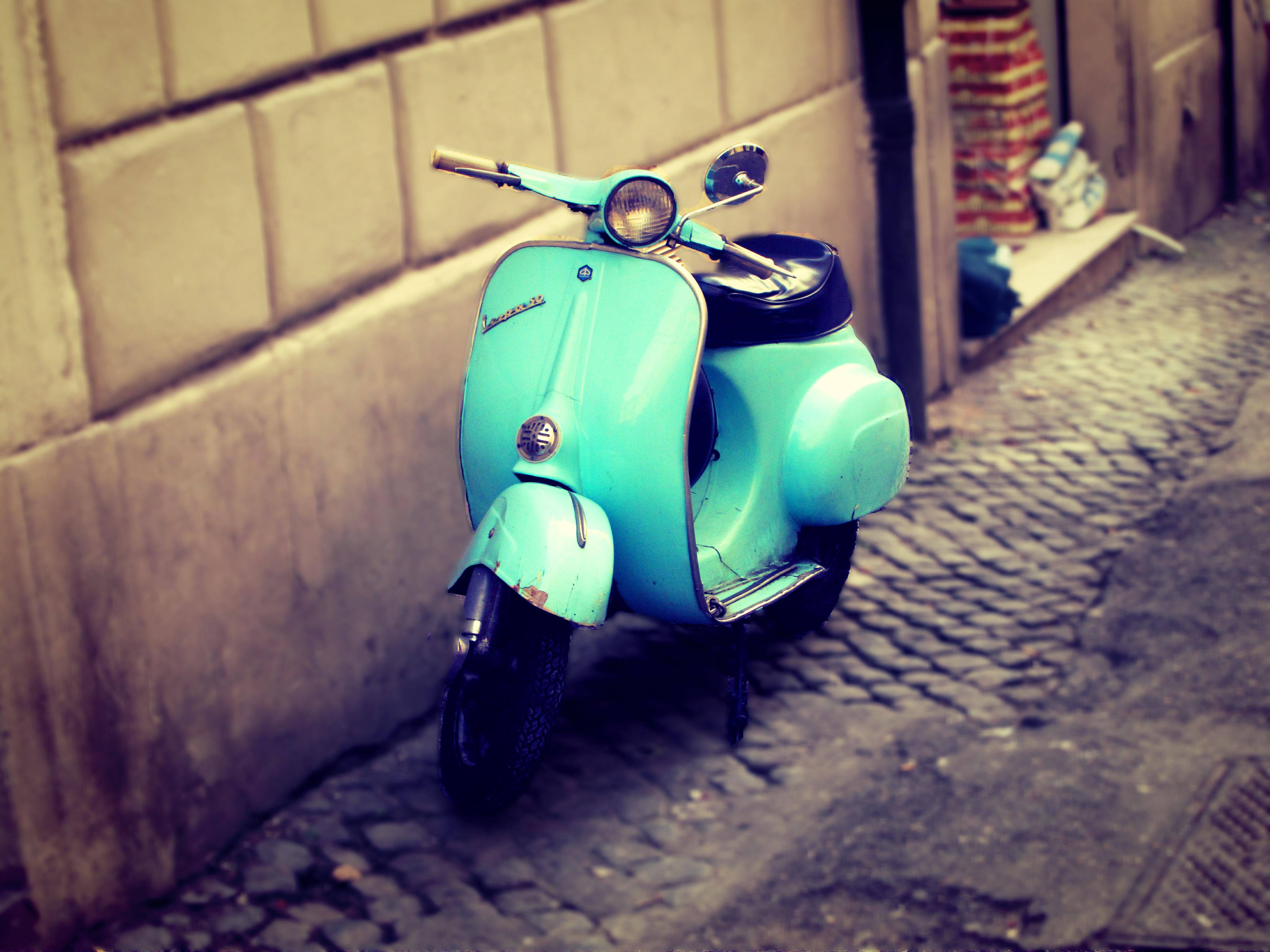
Actually, this shot is not from 2012. But it fits pretty well, so here it is 🙂 Personally, I adore Vespas. And a beautiful turquoise Vespa in Rome must be a win, no?
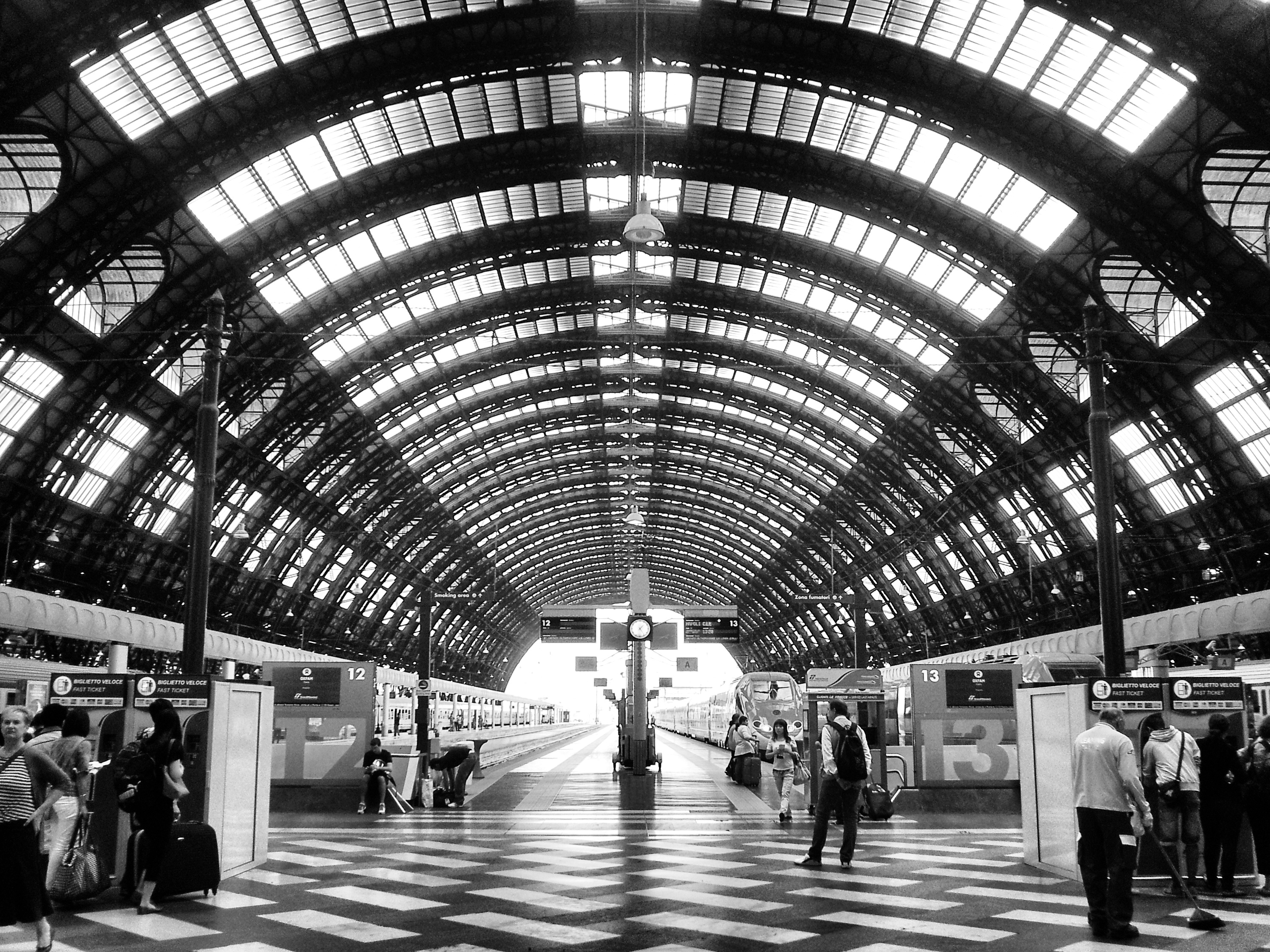
The train station was built by the Fascists under Mussolini. It is colossal and displays various sceneries of Italian life and culture. Today, large commercial ads dominate. It is still a fascinating piece of 20th-century architecture and a prominent showcase for totalitarian gigantism.
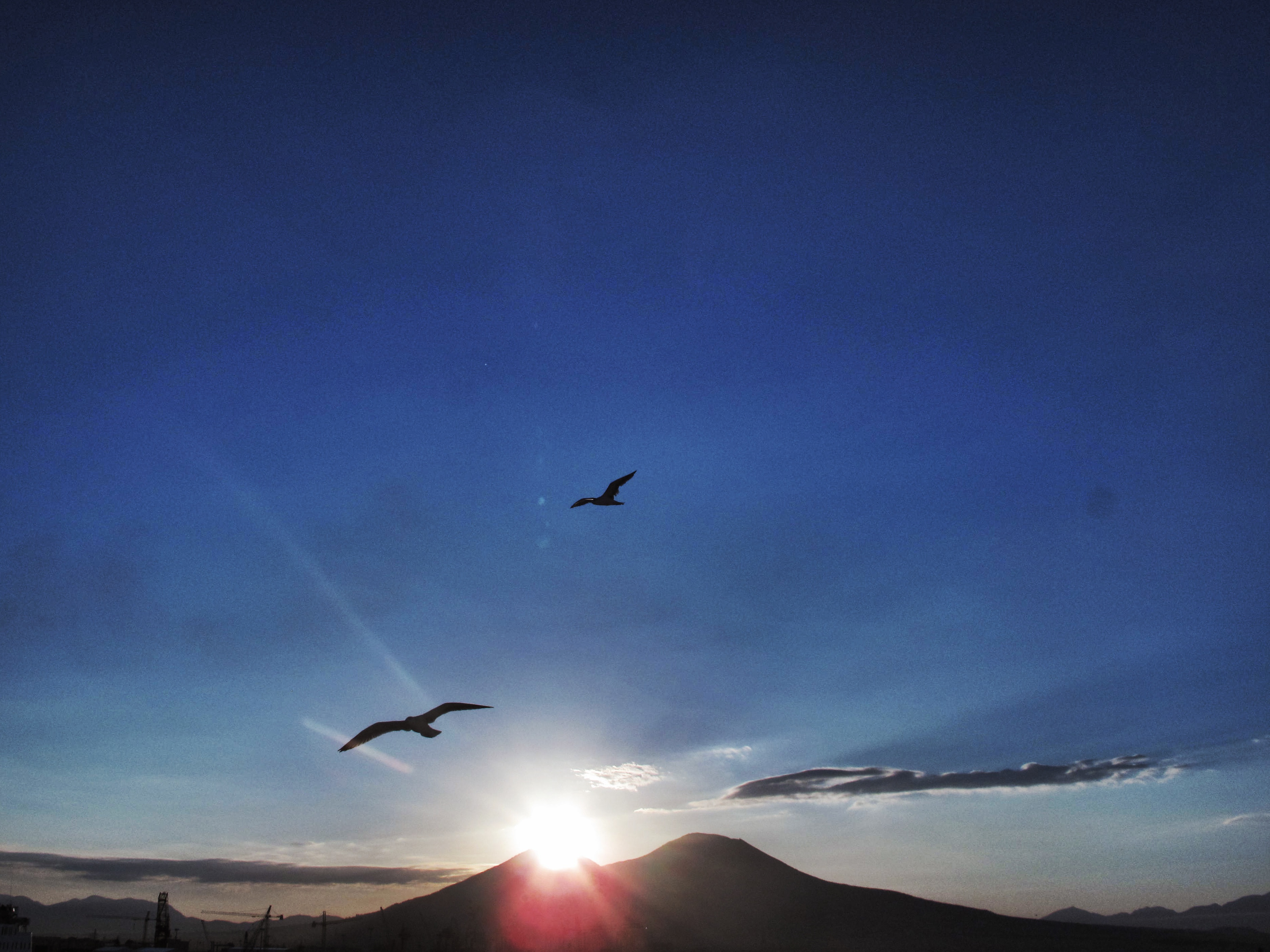
It was the beginning of a warm day in late summer, sailing on board a ferry into the natural Bay of Naples. As we came on deck, we witnessed this beautiful sunrise over the Vesuvio volcano. The view was stunning, and we watched with a humbled AAW. Although we didn’t sleep much on the ferry that night and had a long program ahead of us in Naples, this sunrise was enough to carry us through the day.
 Michael Hoffman Photography