Skip to content

The Winter Sun

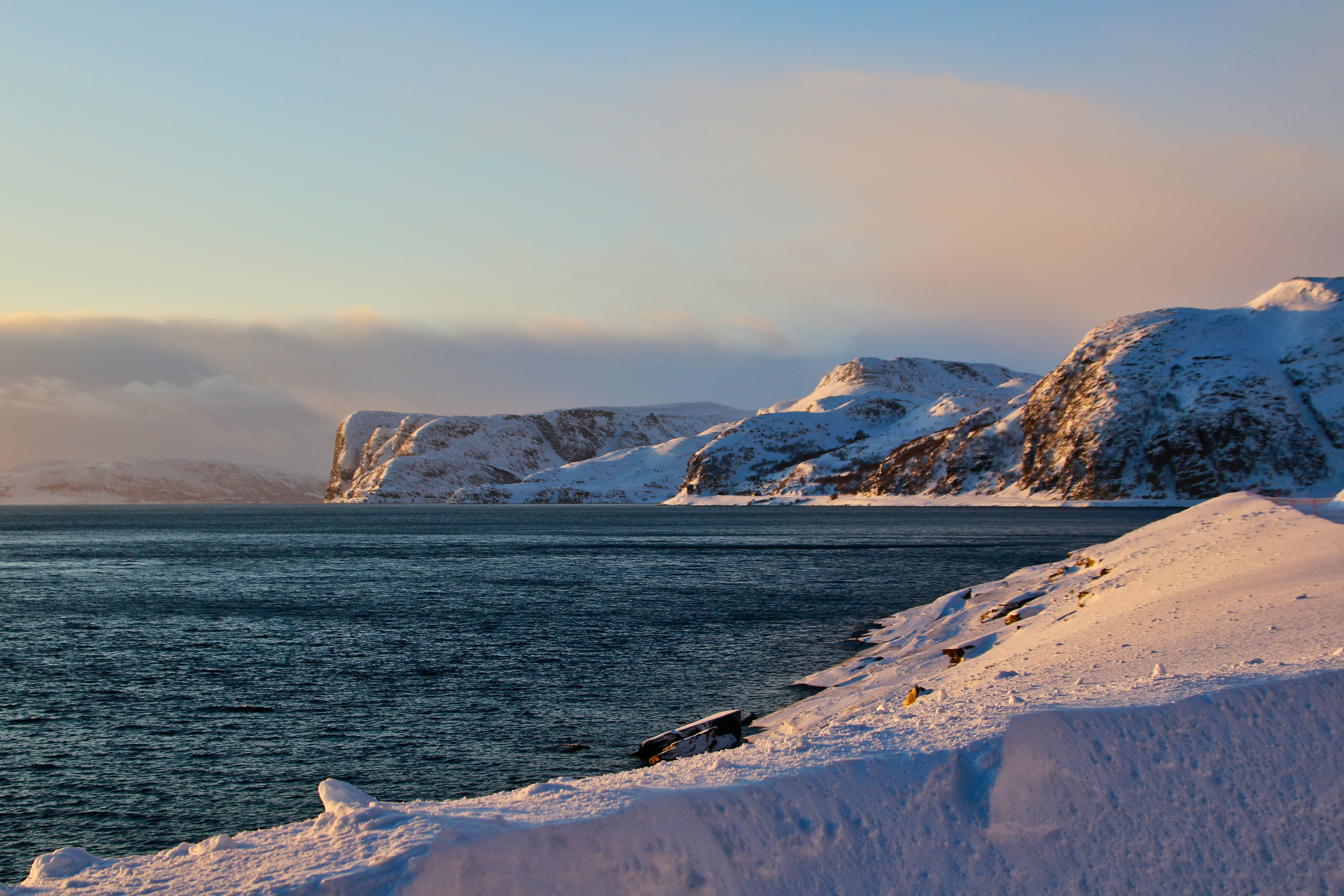
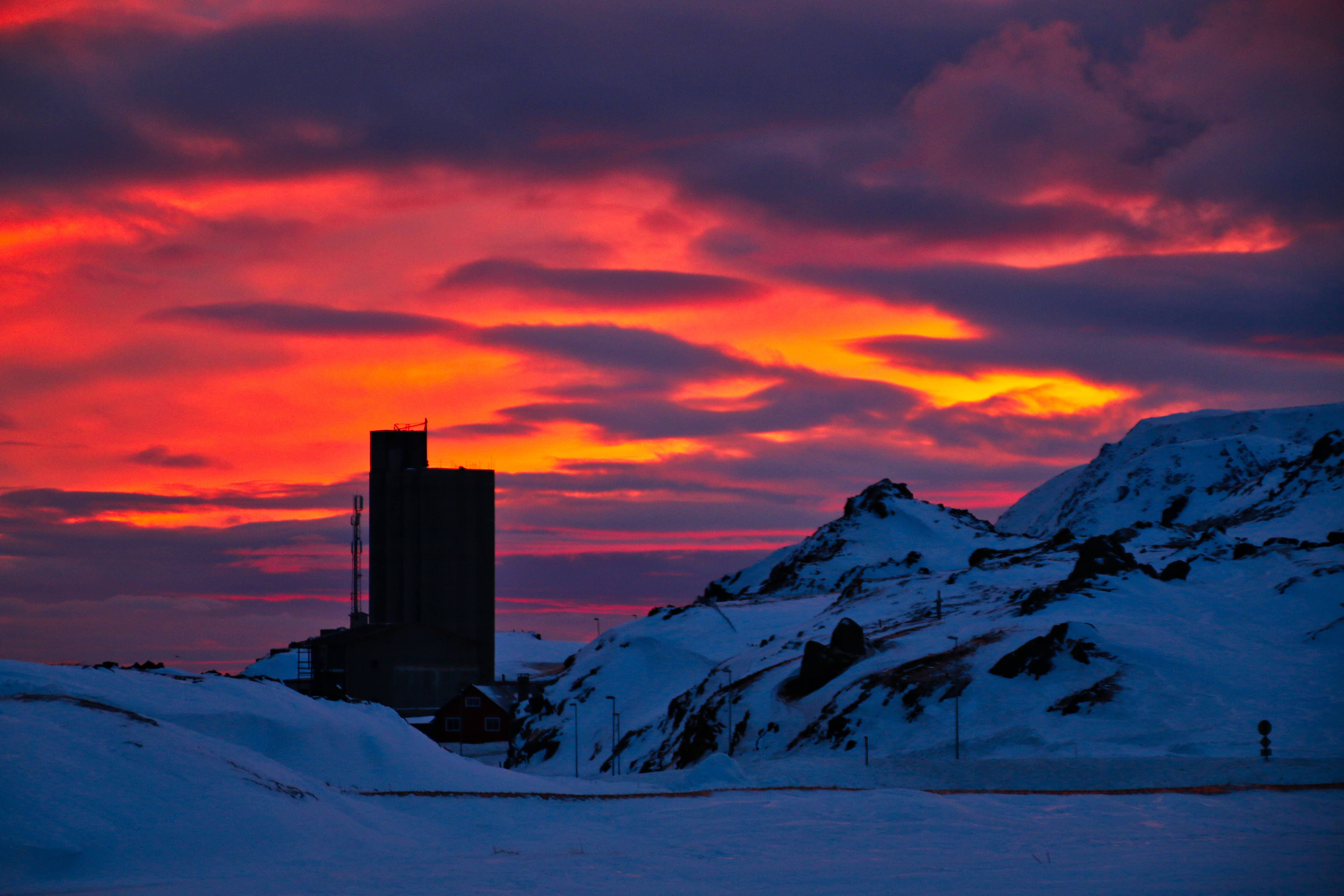
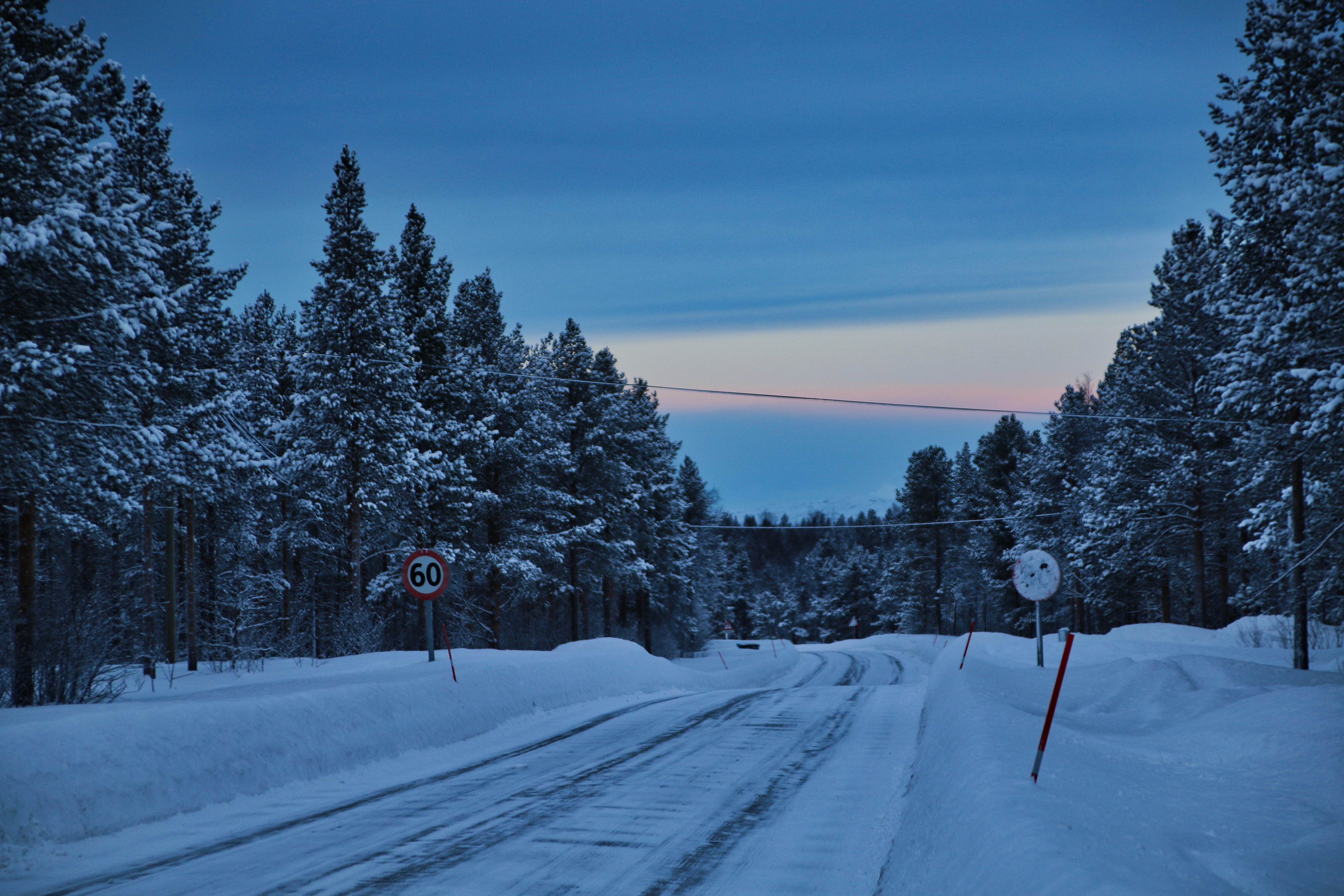
The sun is unique during the winter time at the polar circle. First and foremost because it is scarce. Depending on the latitude, our home star disappears for a couple of months, and the world remains dark. Slowly, the sun rises again every day a little bit more; shy in the beginning, it dares go higher with the weeks passing by. At this time of the year, the few hours of daylight are encompassed with a very particular light, and it provides little warmth in a bitterly cold and hostile (though beautiful) environment.

test

Lofoten in Clouds Pt. II
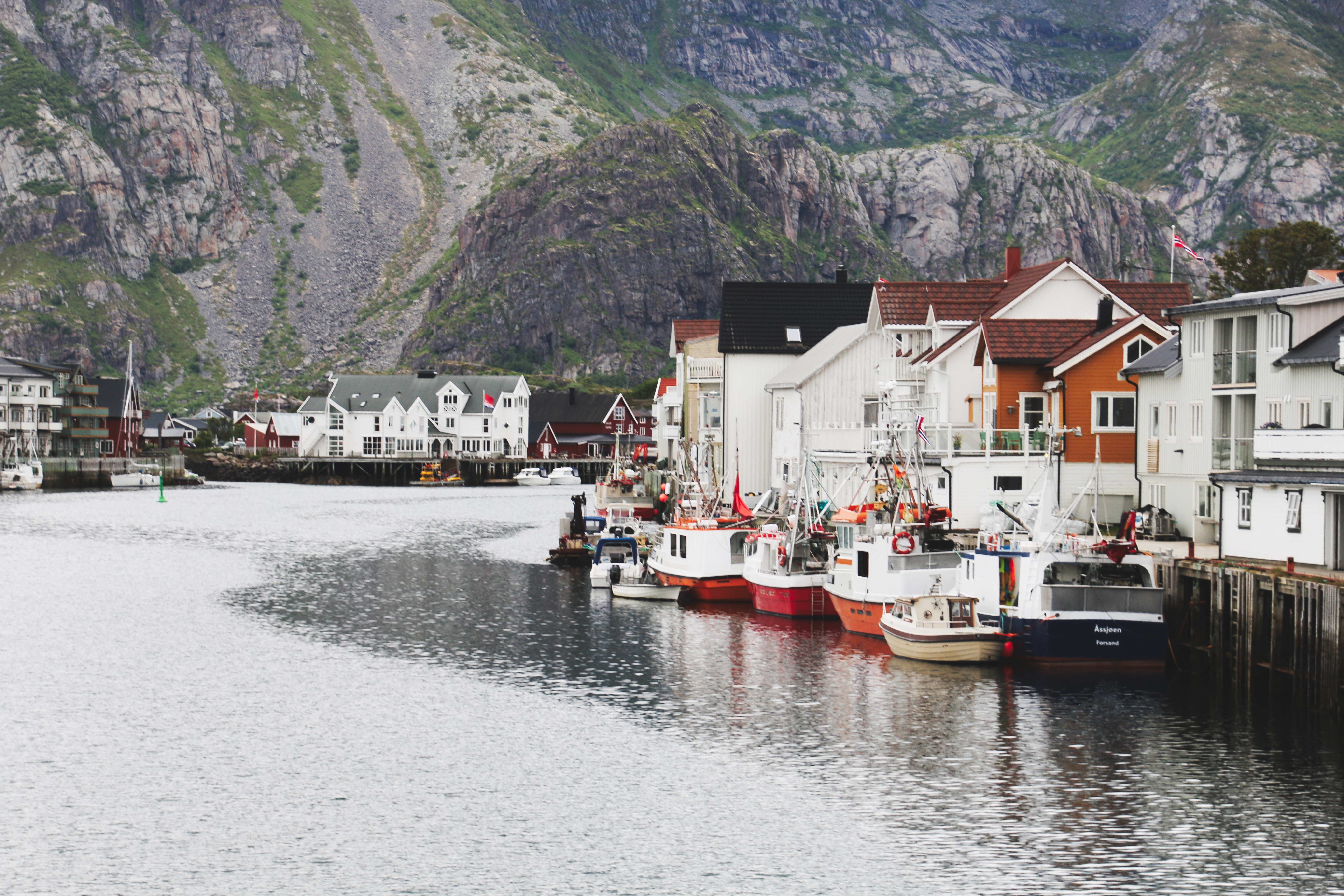
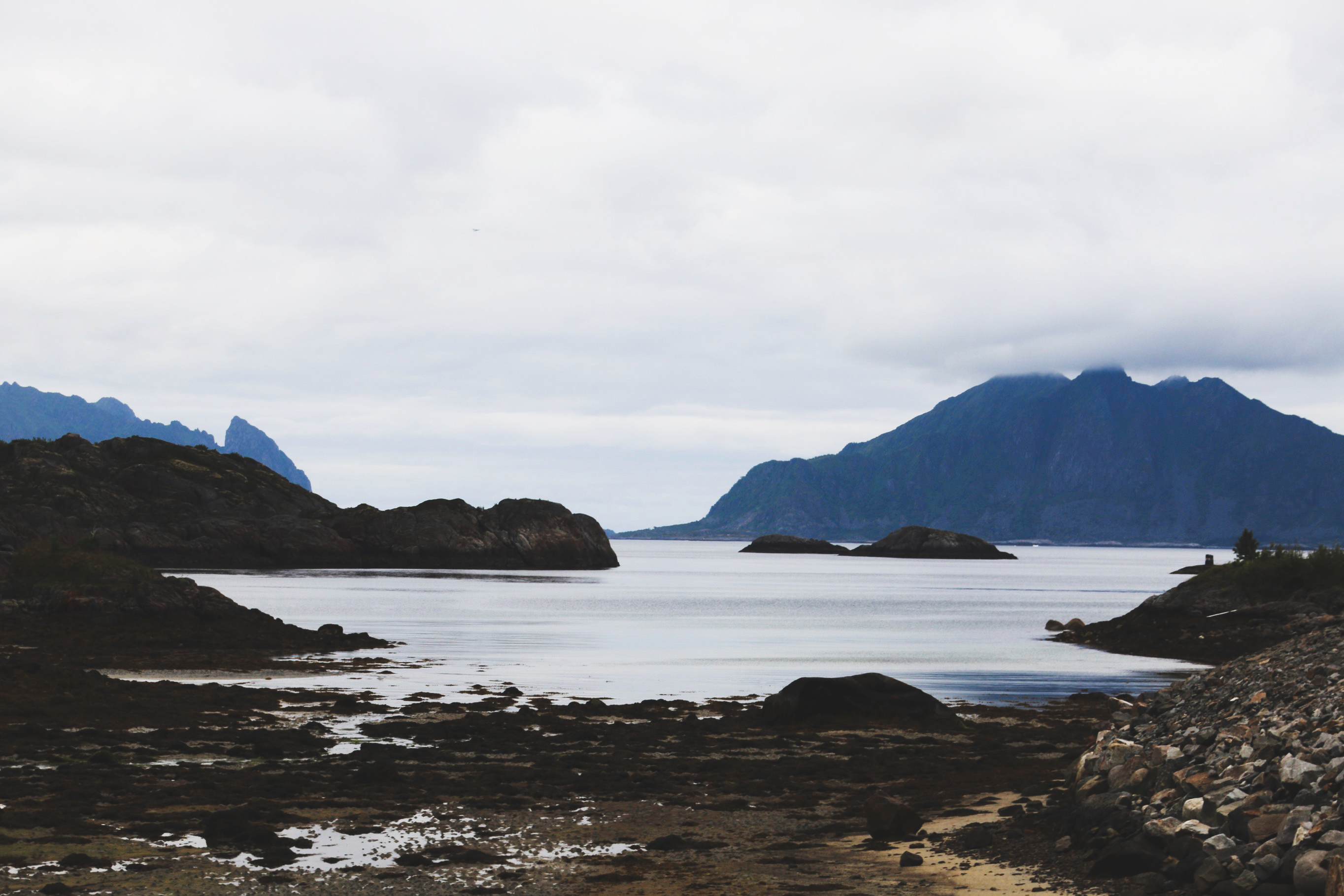
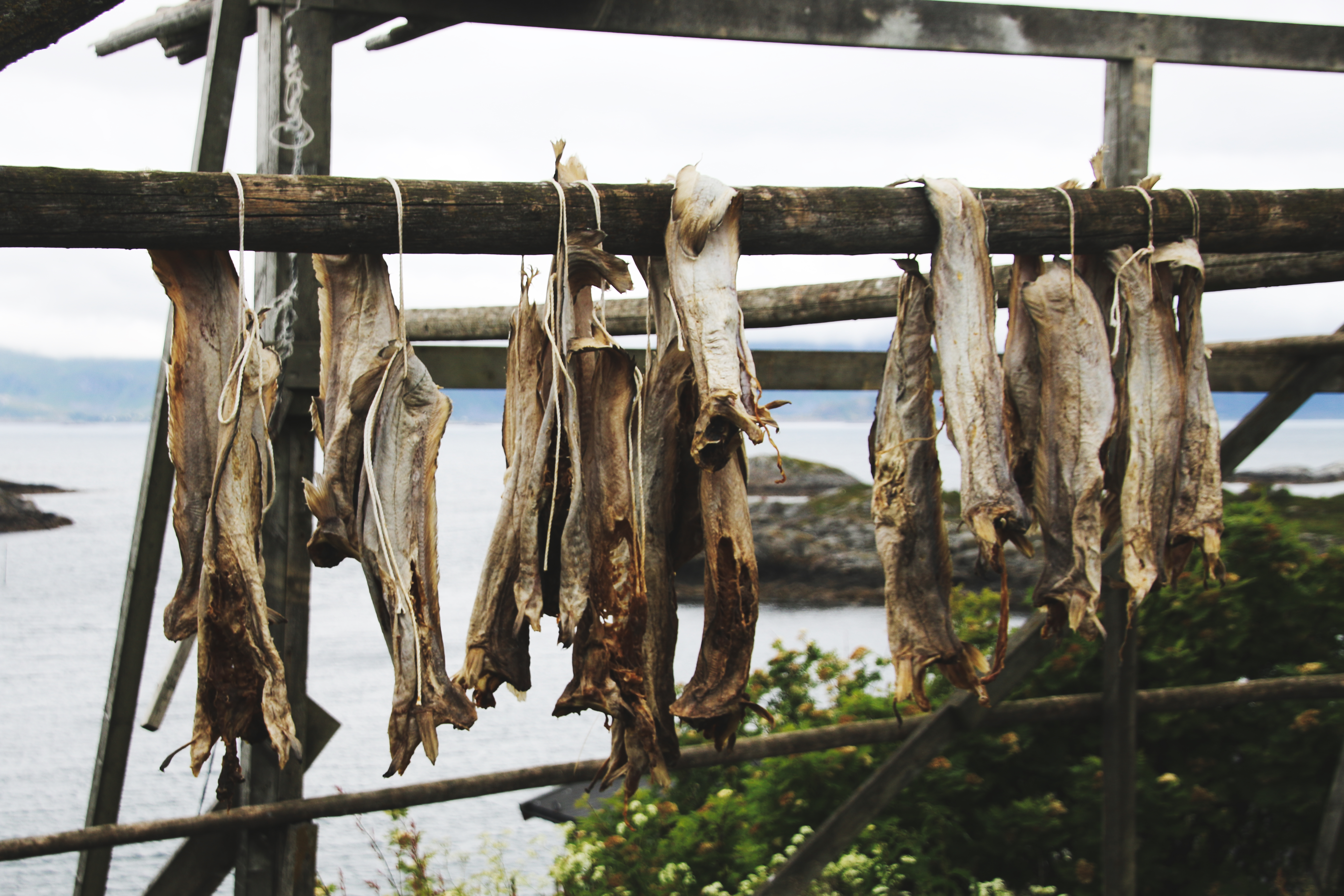
(Continuation of part I) The wealth of fish on the Lofoten islands is a significant migration movement, which takes place in the cold season when it gets too hard for the cod up north in the Barents Sea. After being caught, the fish dries up naturally on wooden racks, which can be seen everywhere on the island. In early spring, the fish is collected and shipped when it gets warmer and comfier for flies and worms. After the process, the cod is called “stockfish,” due to its durability, it was necessary as a food source, especially in seafaring, for many centuries. Nowadays, tourism is the most important source of income on the islands, but cod fishing still plays a role, and the stockfish is still prevalent in former seafaring countries like Spain and Portugal.
test

Lofoten in Clouds Pt. I

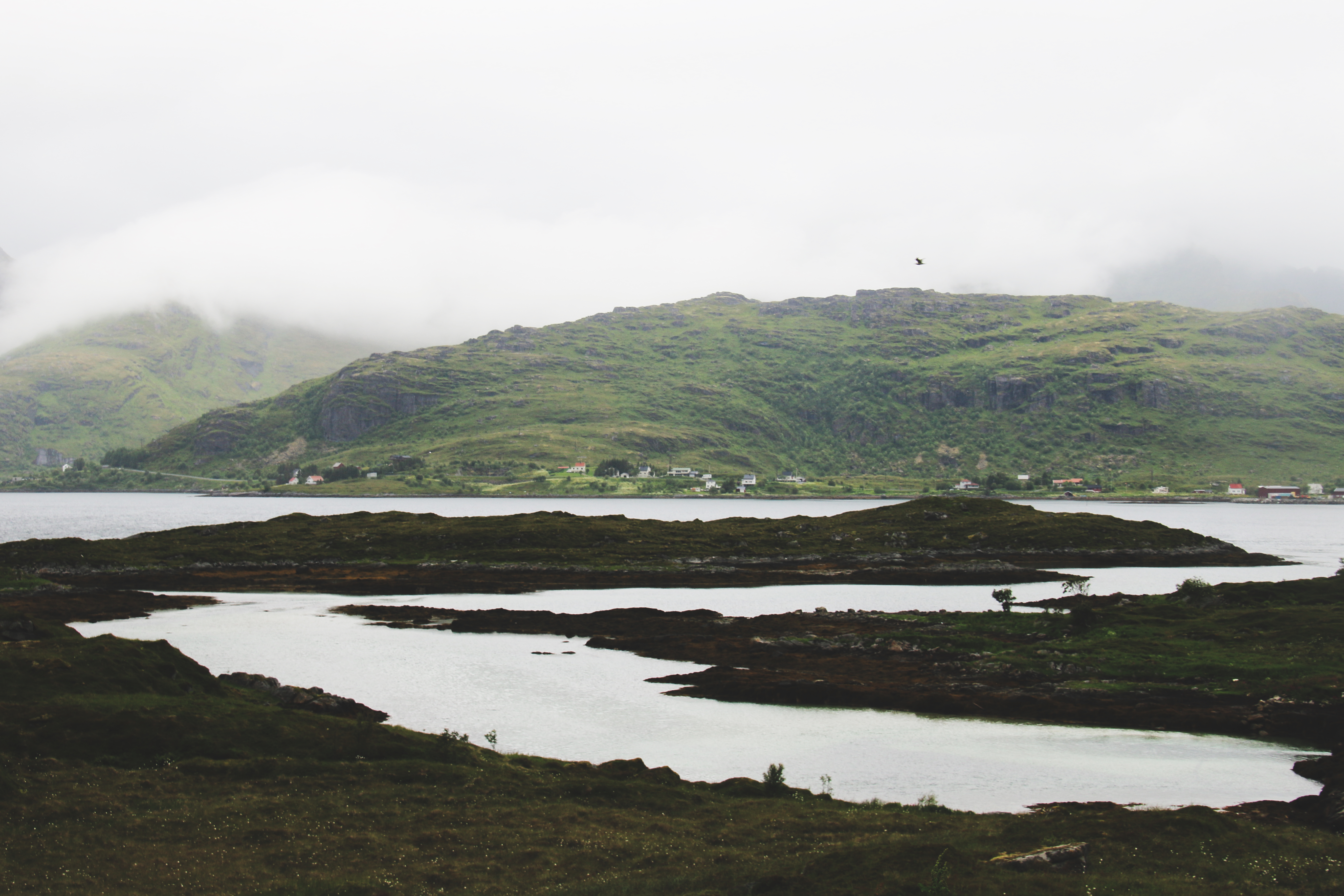
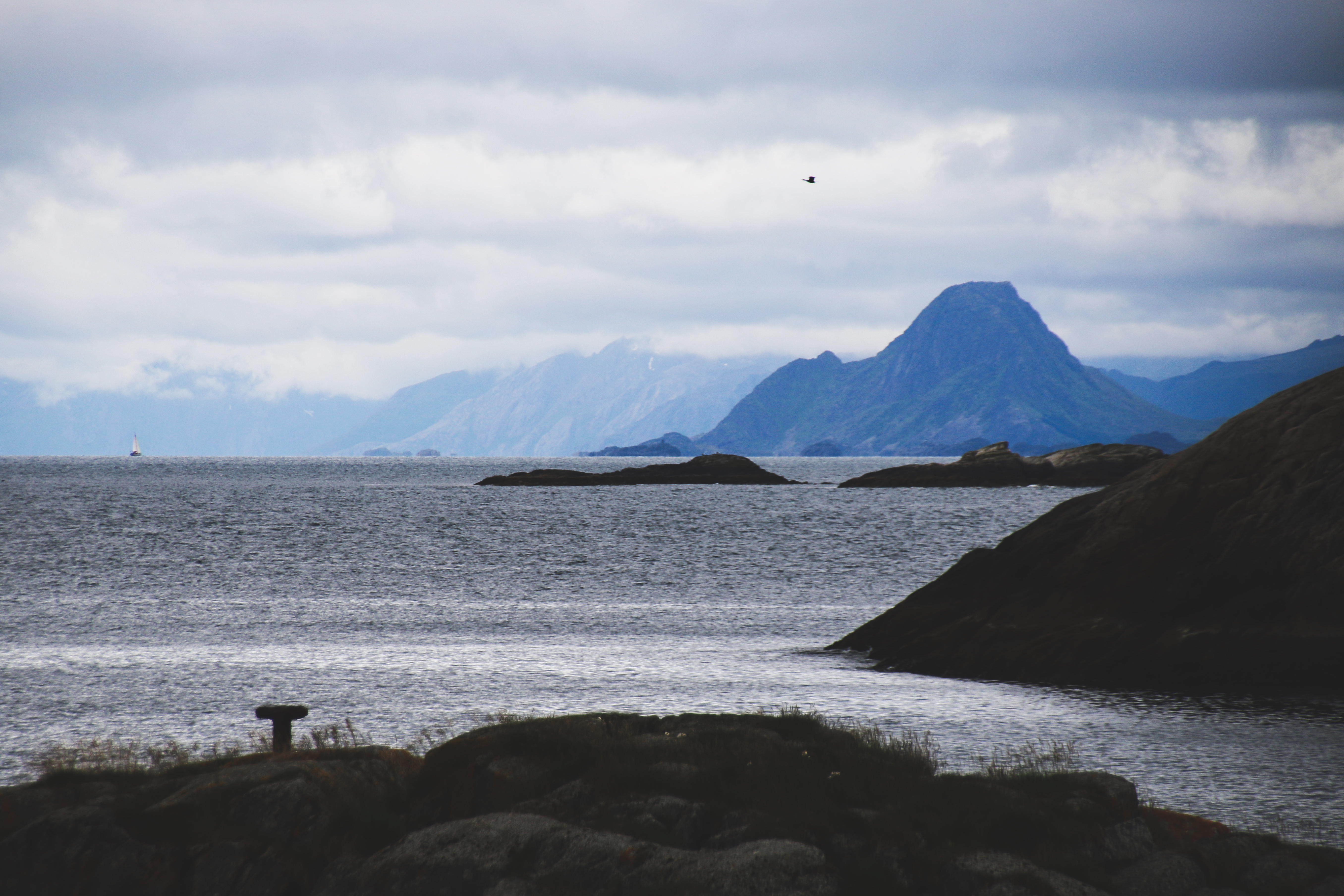
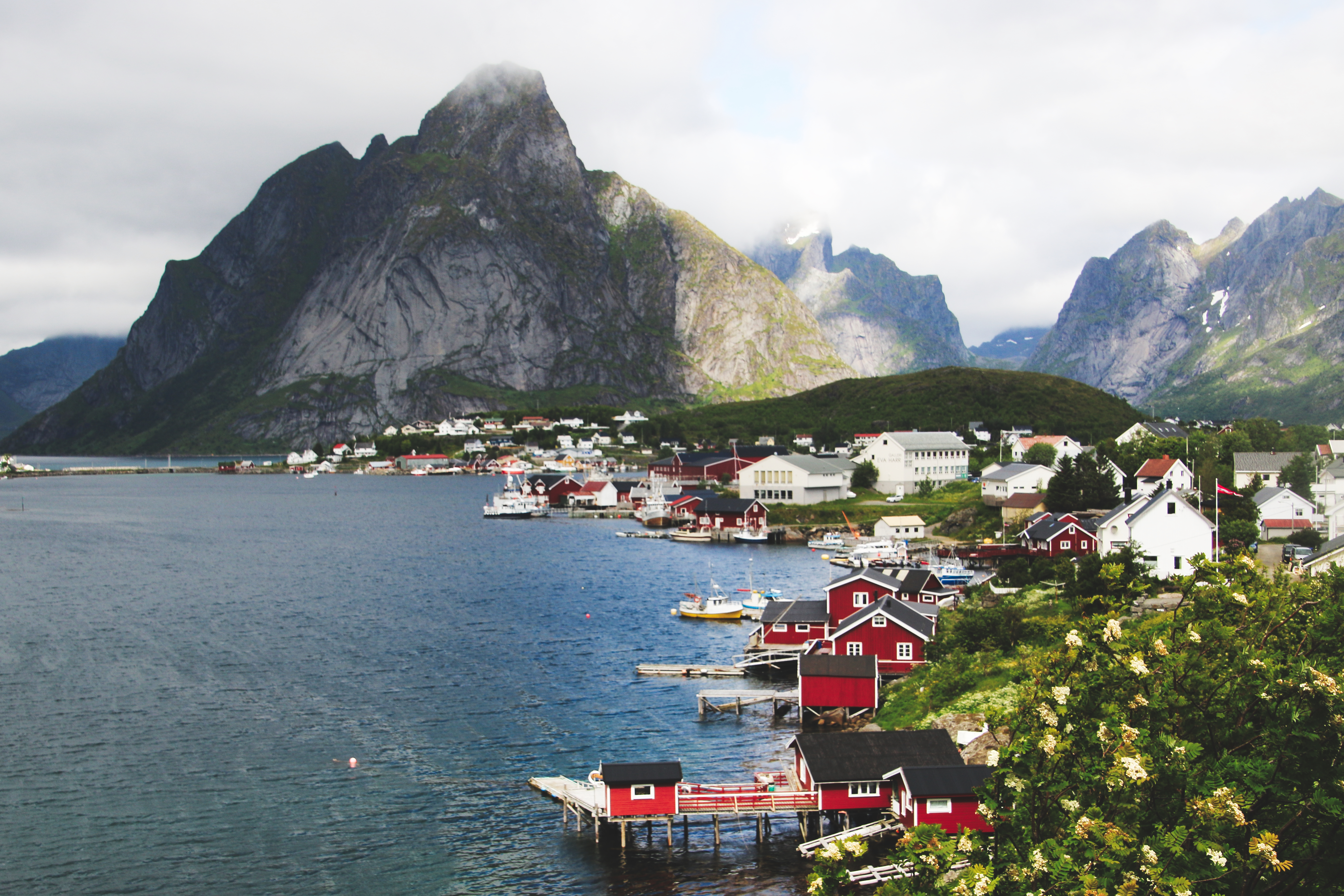
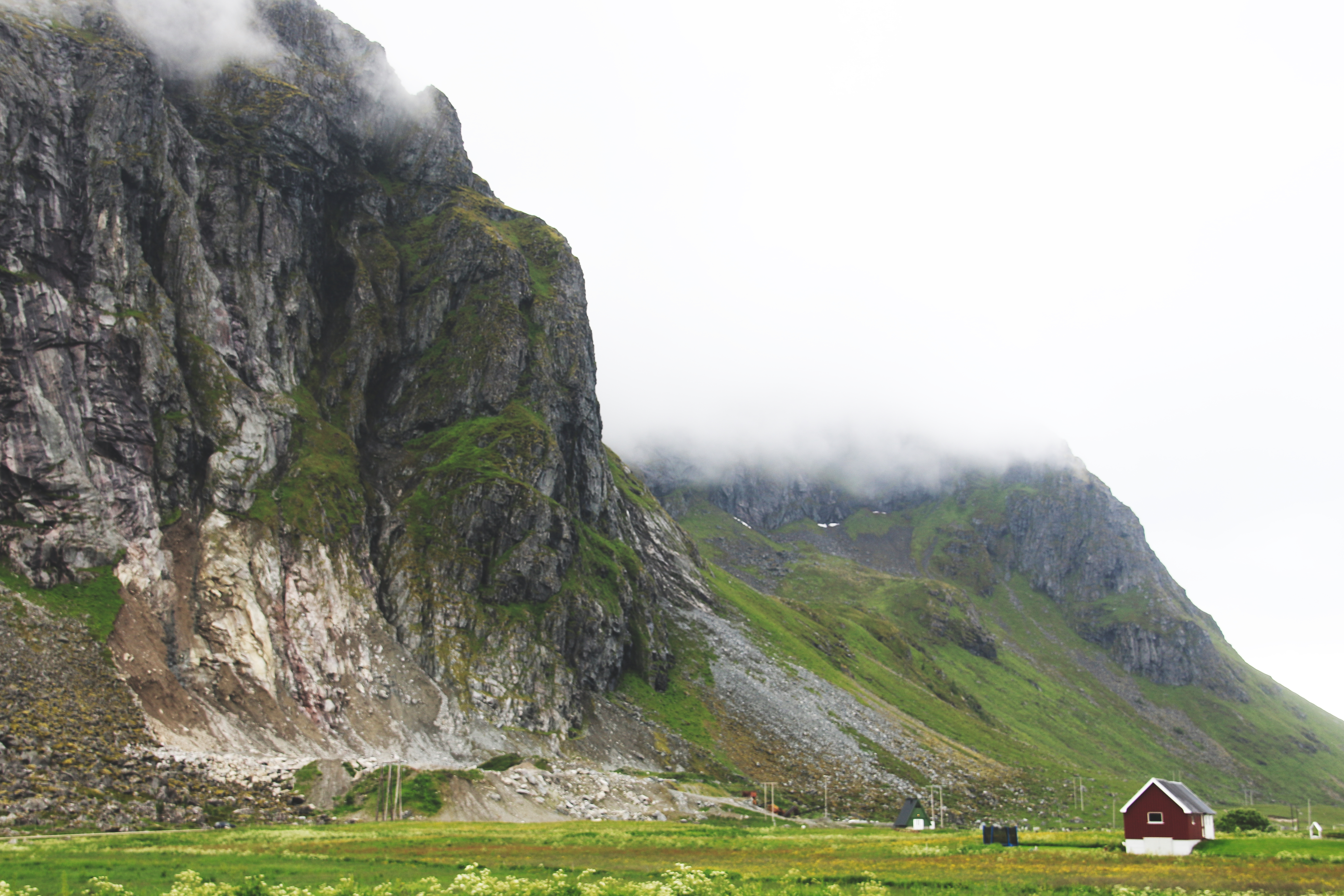
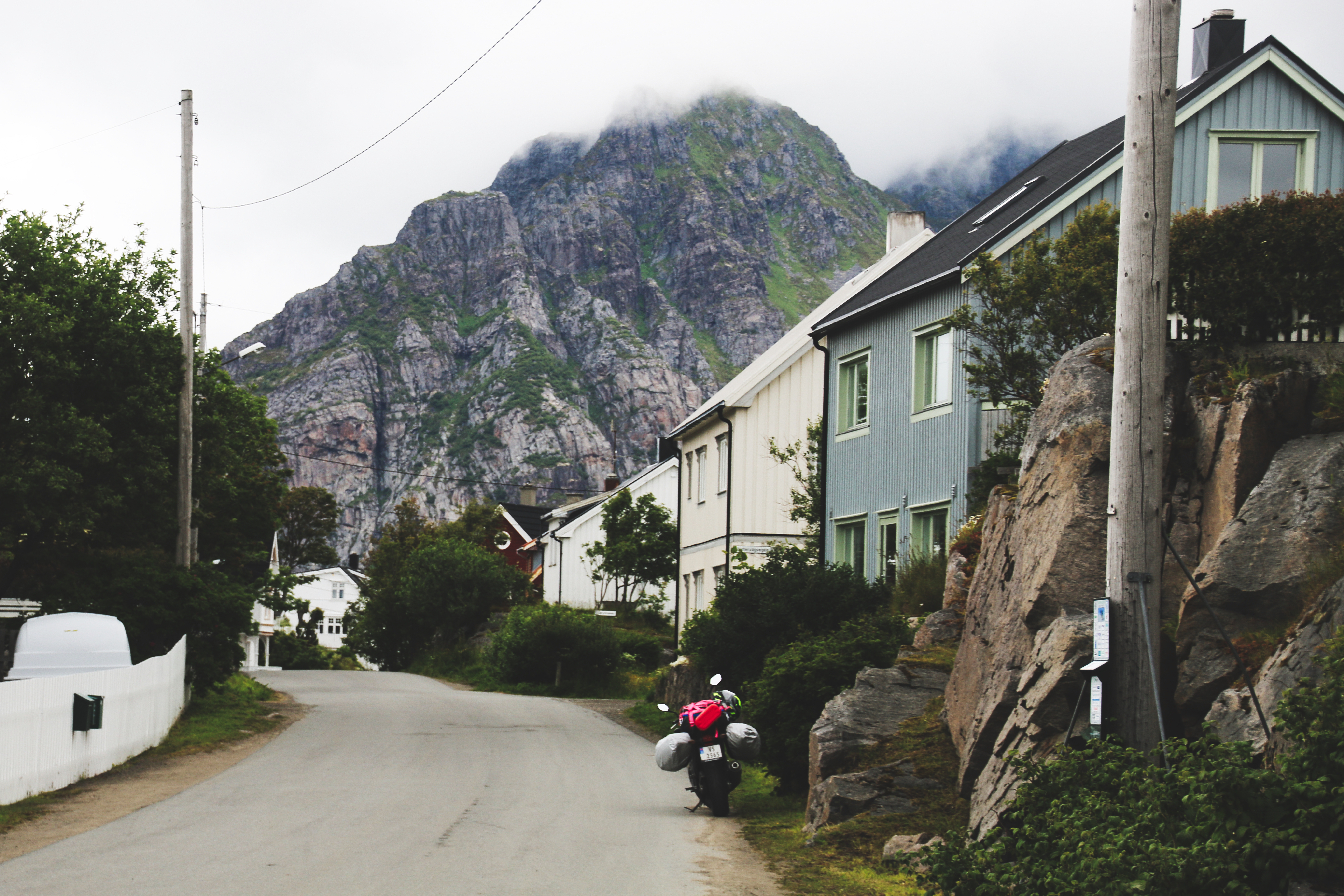
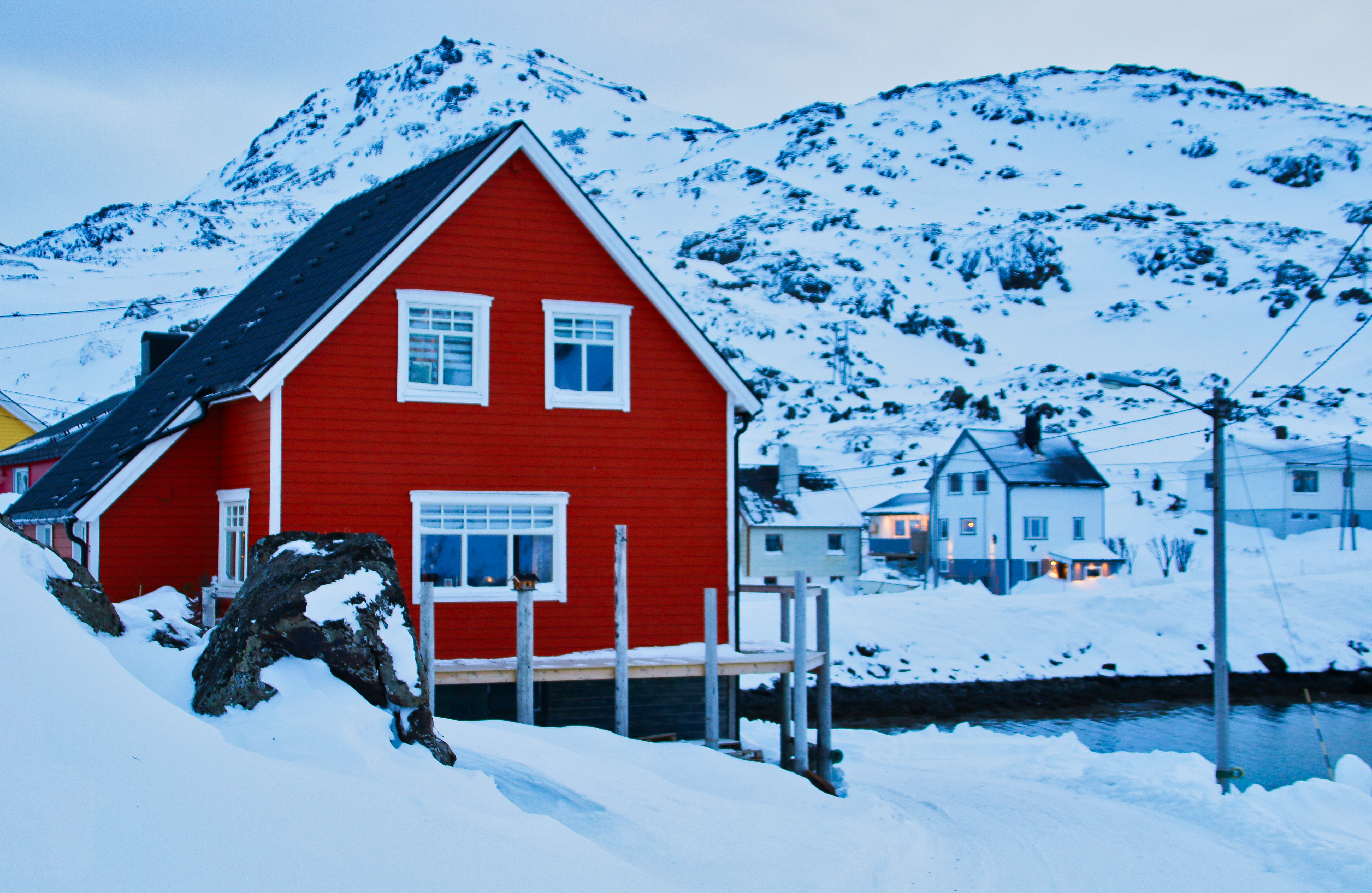
The Lofoten islands are situated far north of the Arctic Circle in Norway. Actually, the name of the archipelago means foot of a lynx in Norse and derives from the fractured geography of the islands, which looks somewhat like the limb of an animal. Historically, the islands were known for cod fishing. Additionally, local fishermen and thousands of men from the mainland used to come to these islands in winter for a good catch. They lived in typical red fishermen’s houses close to the rough sea. (Continuation in part II)

test

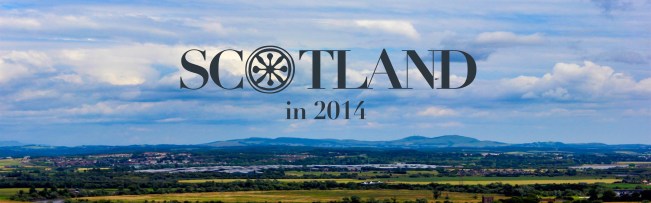
Scotland in 2014

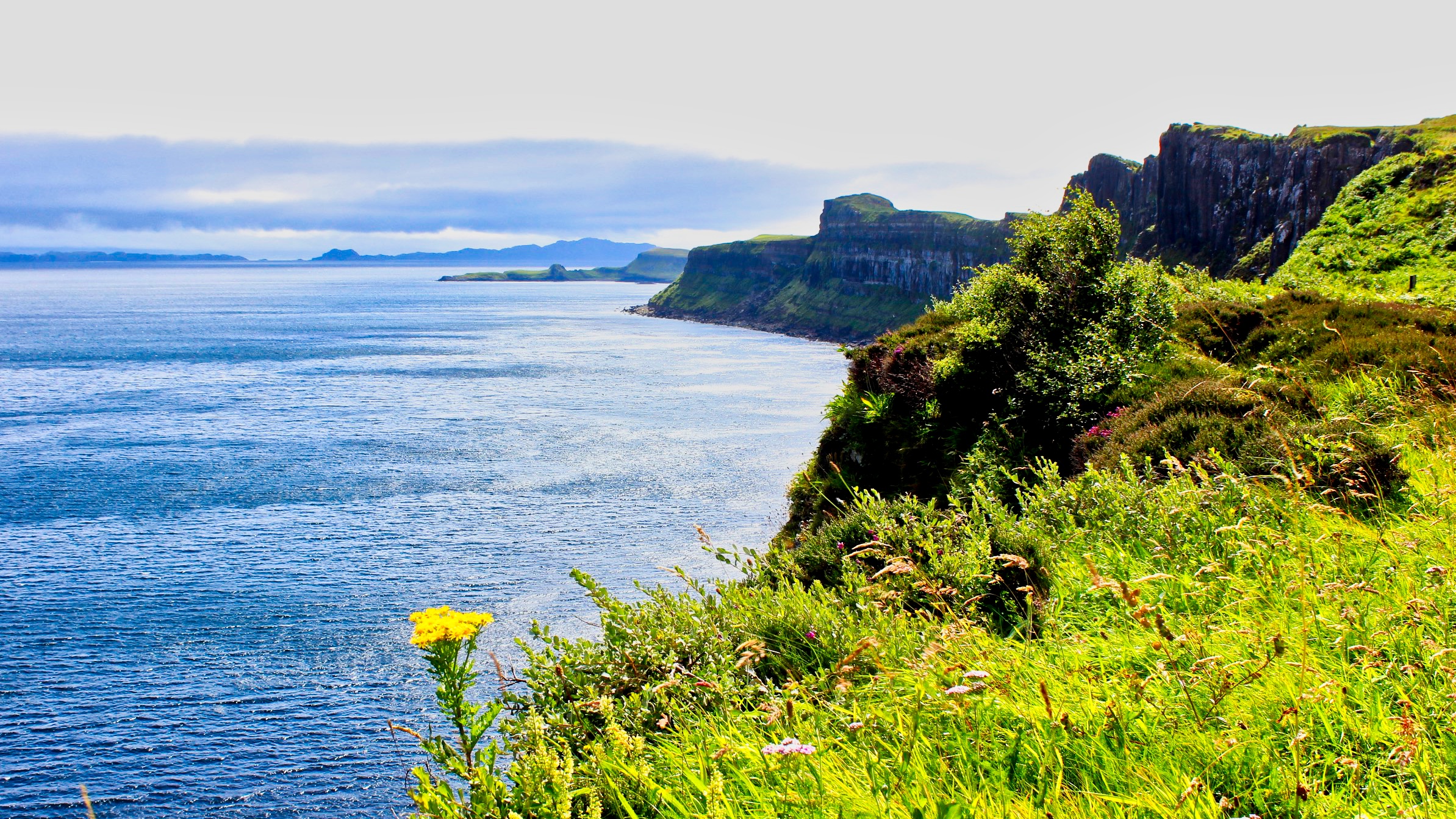
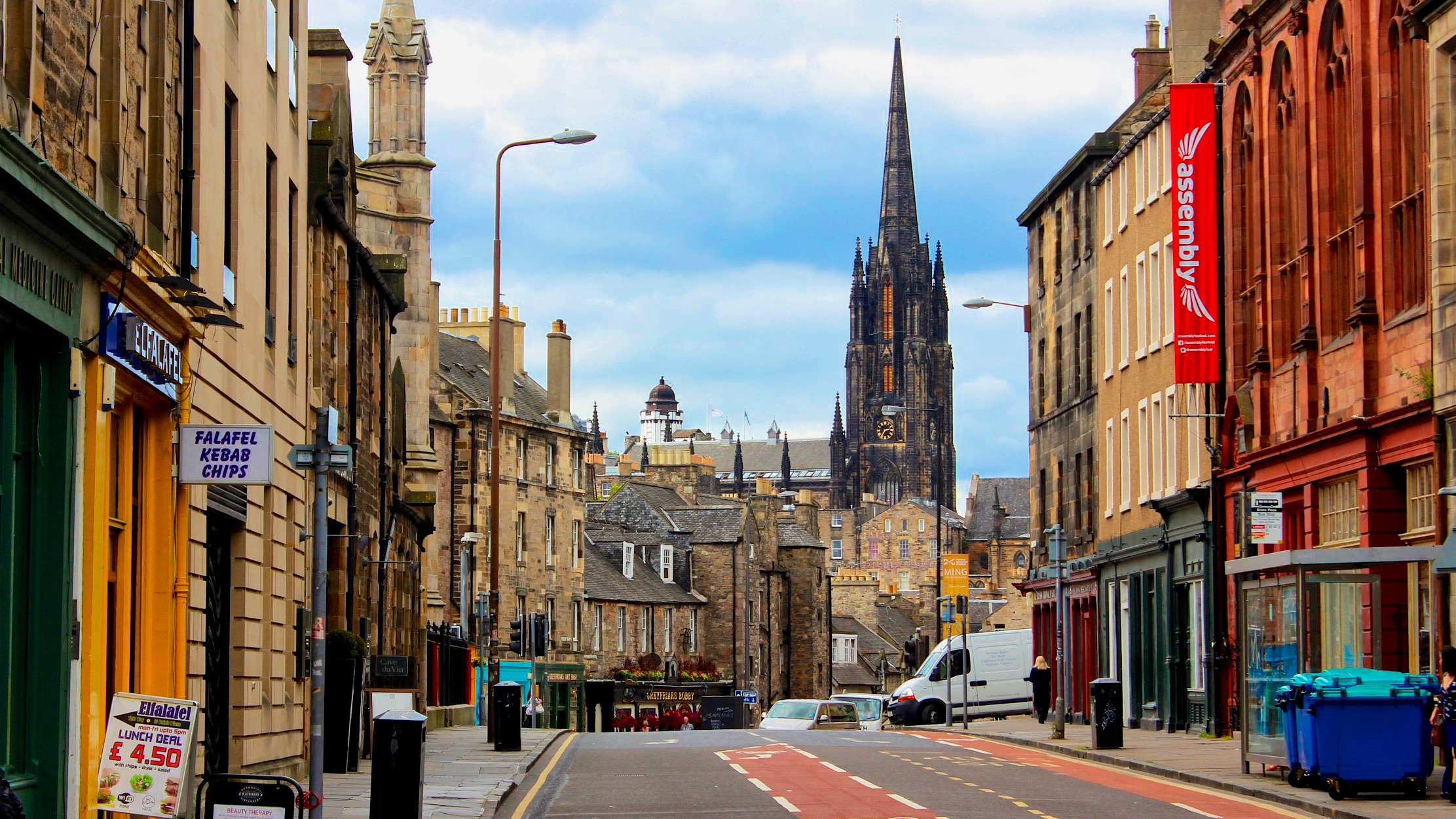
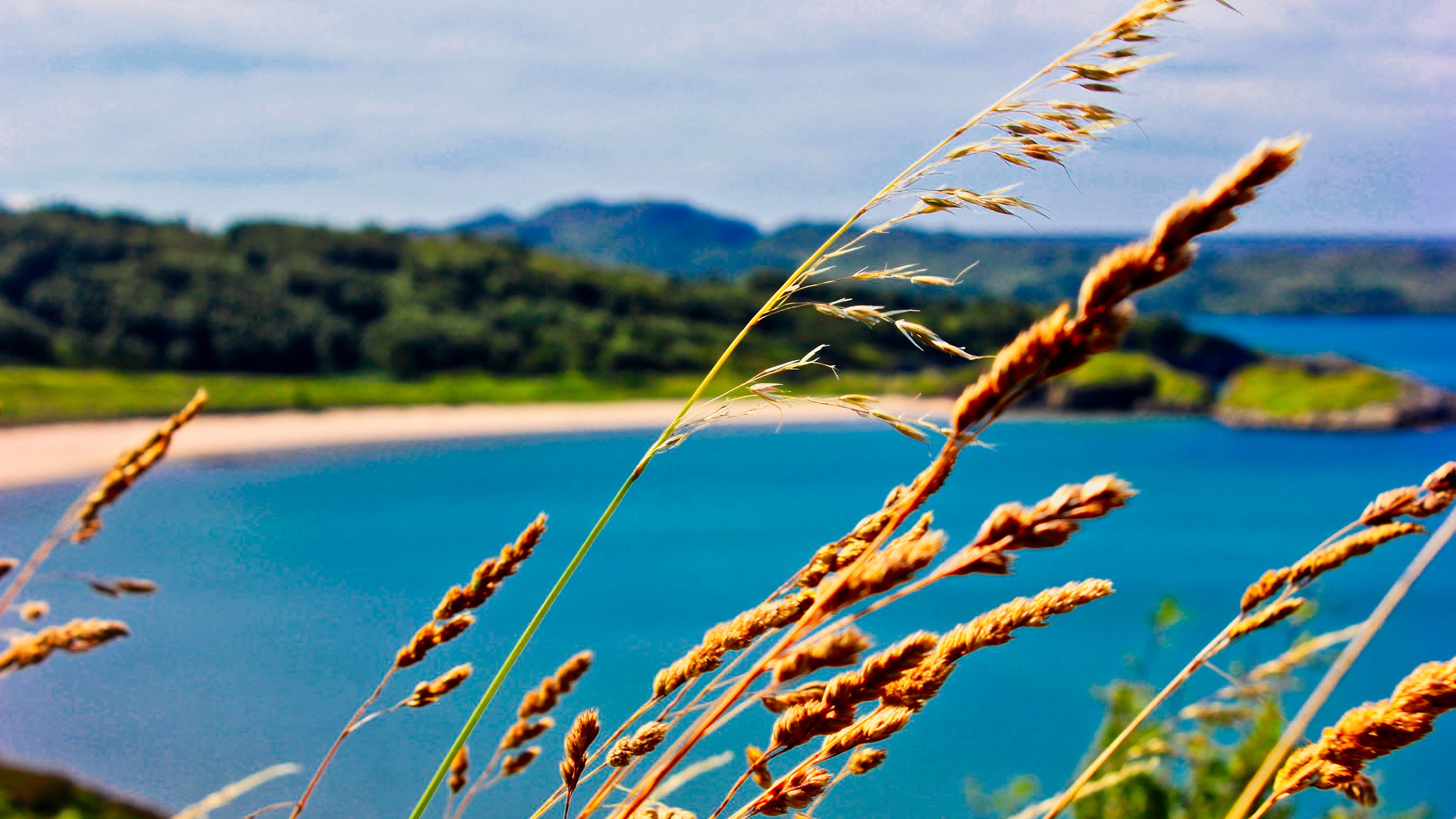
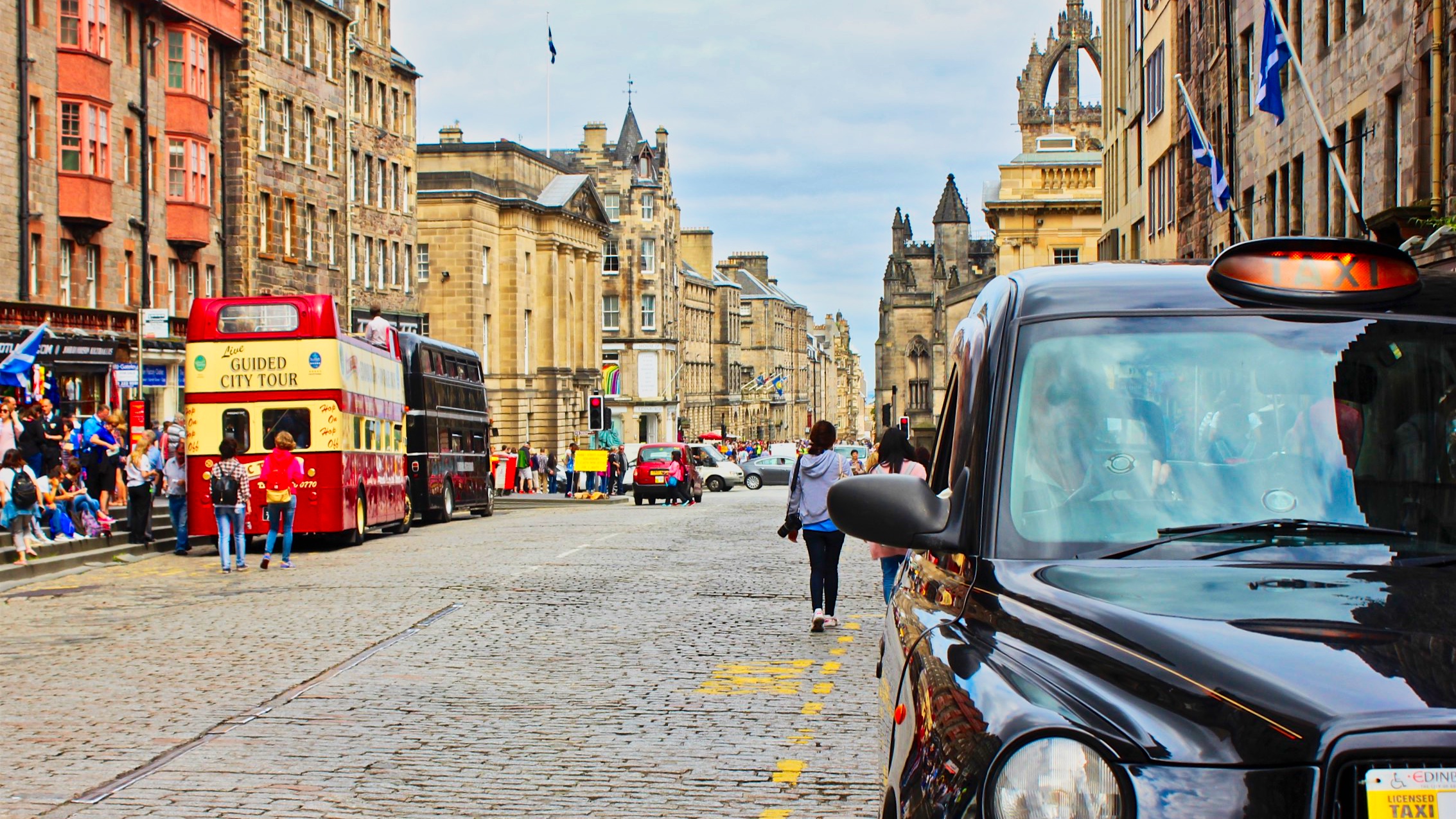
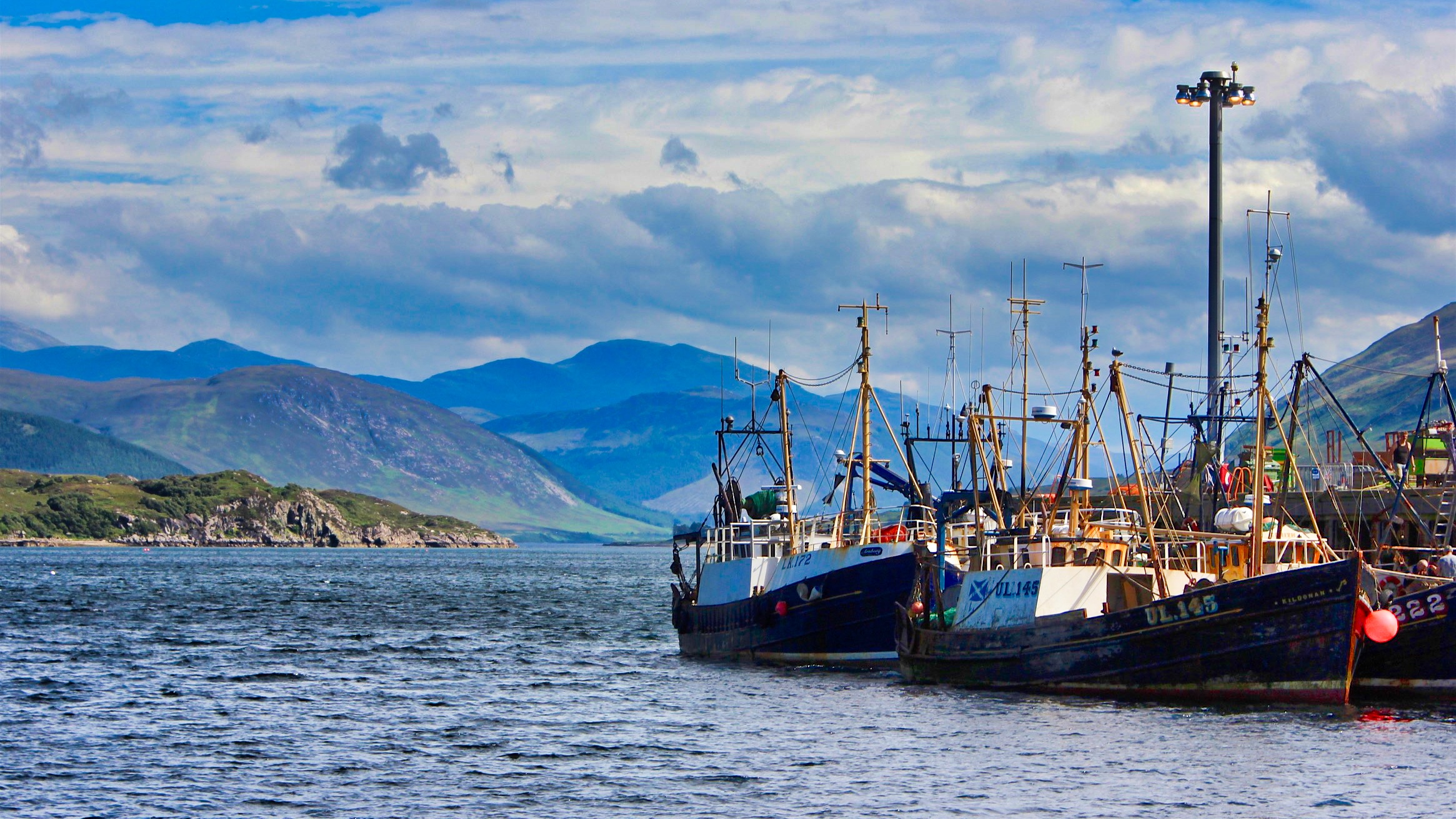
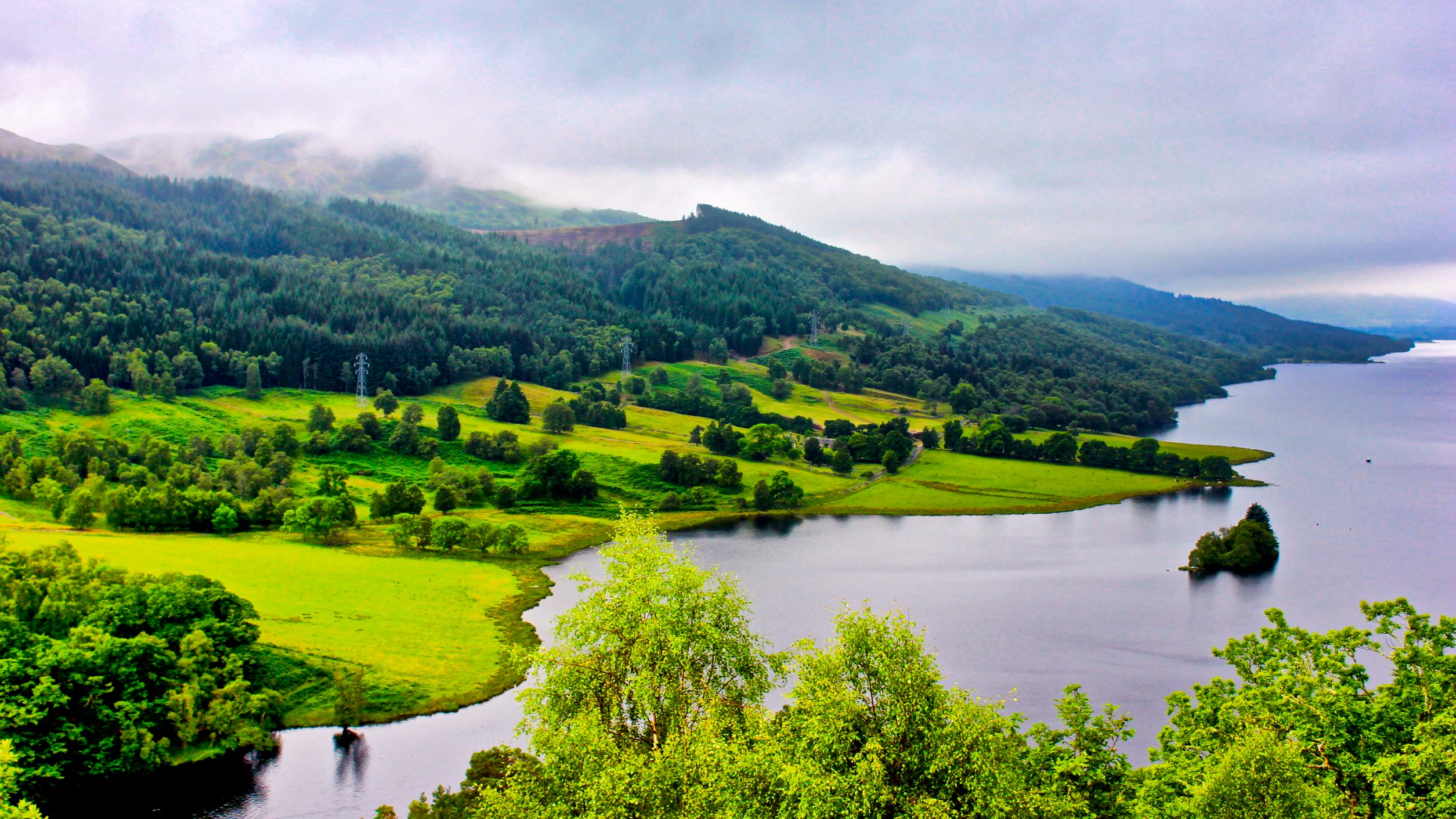
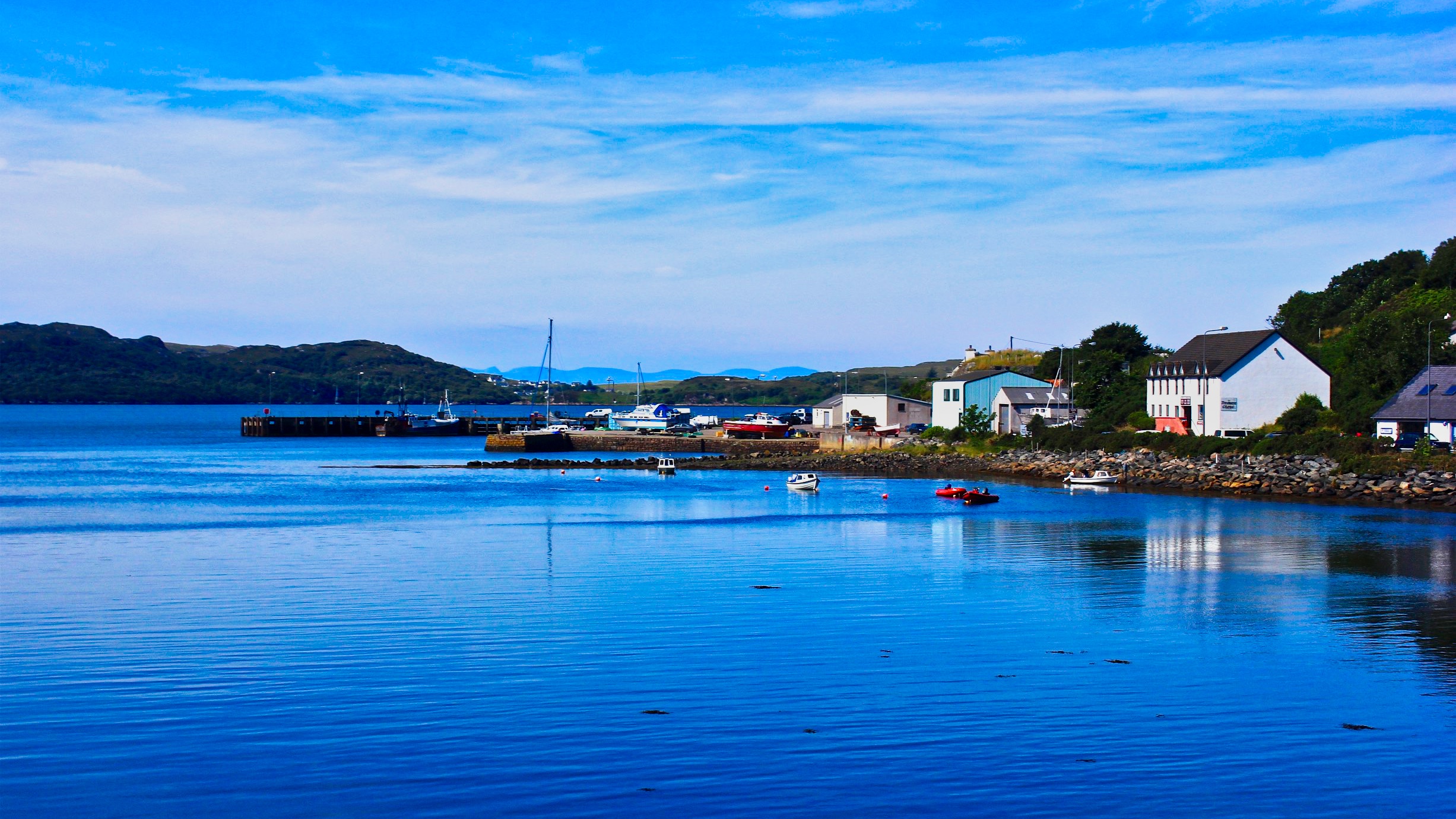
Since 2014, I had the chance to visit Scotland many times. Recently, I had the opportunity to review the photography I shot there in 2014 and realized I had published just a few shots from this particular year. Still, there were exciting pictures left that I hadn’t uploaded yet. So before I post more recent photographs from Scotland from 2018, I wanted to go back in time and post more of these first formative impressions of Scotland. They are the reason I fell so much in love with this country.

test

The Far North

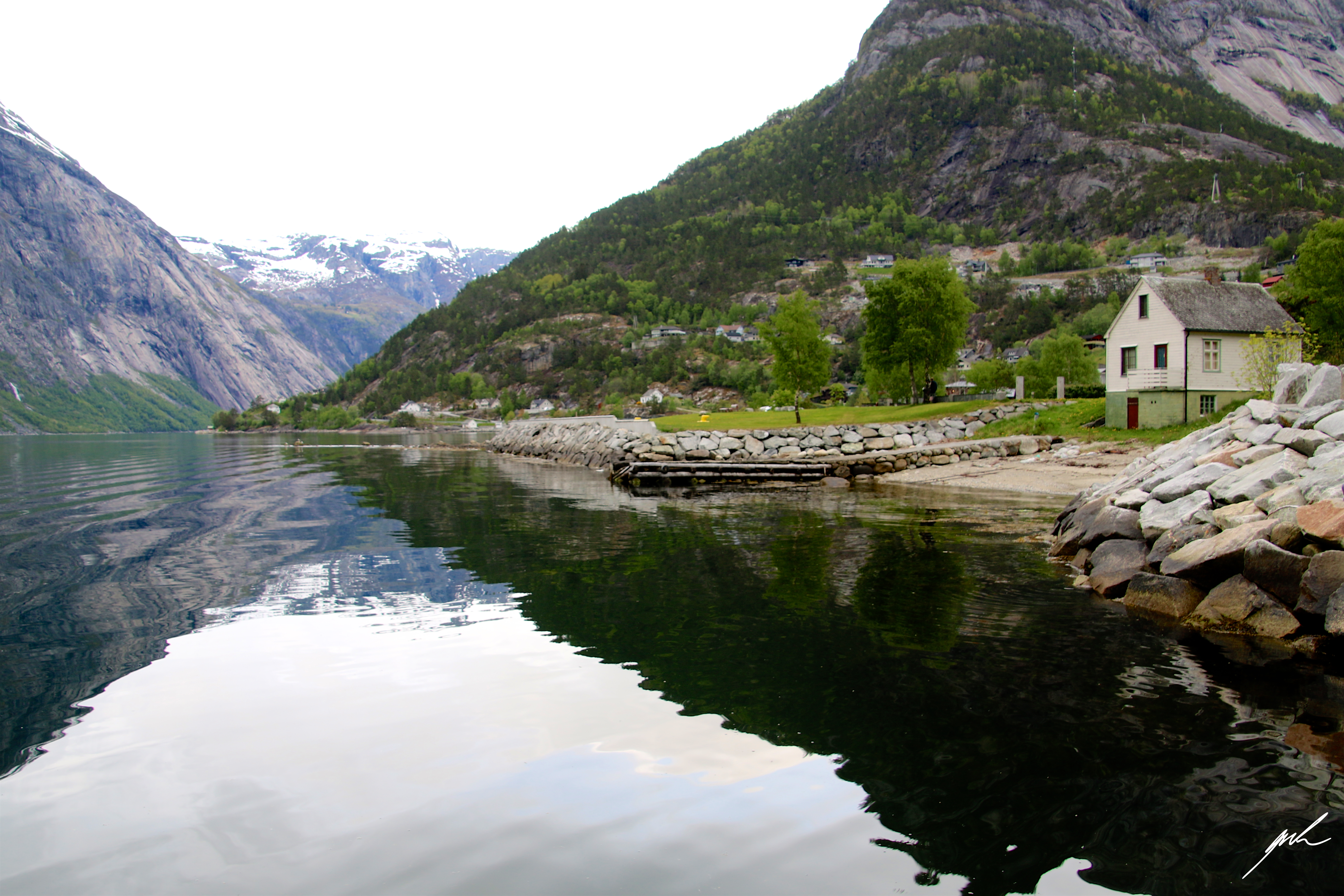
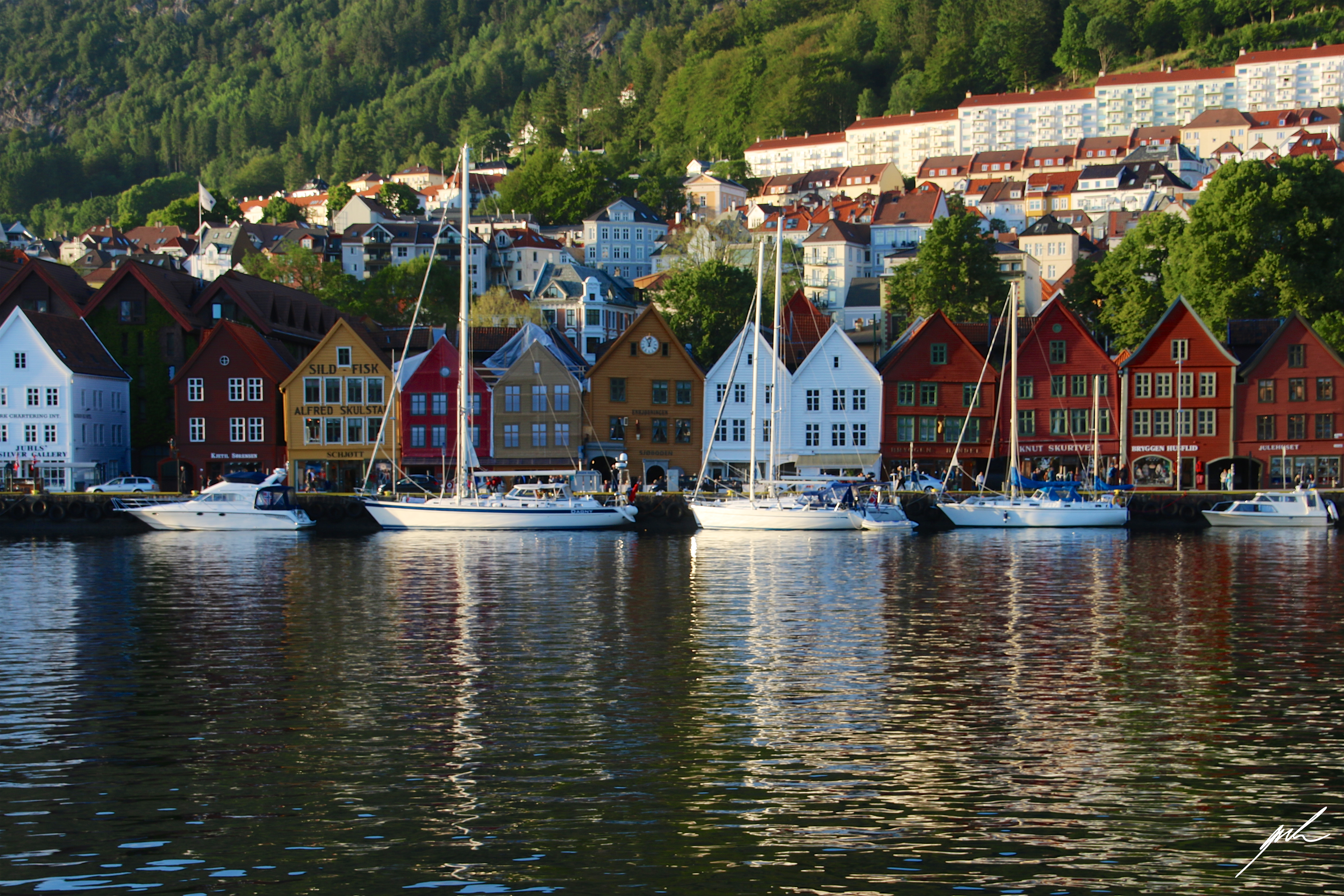
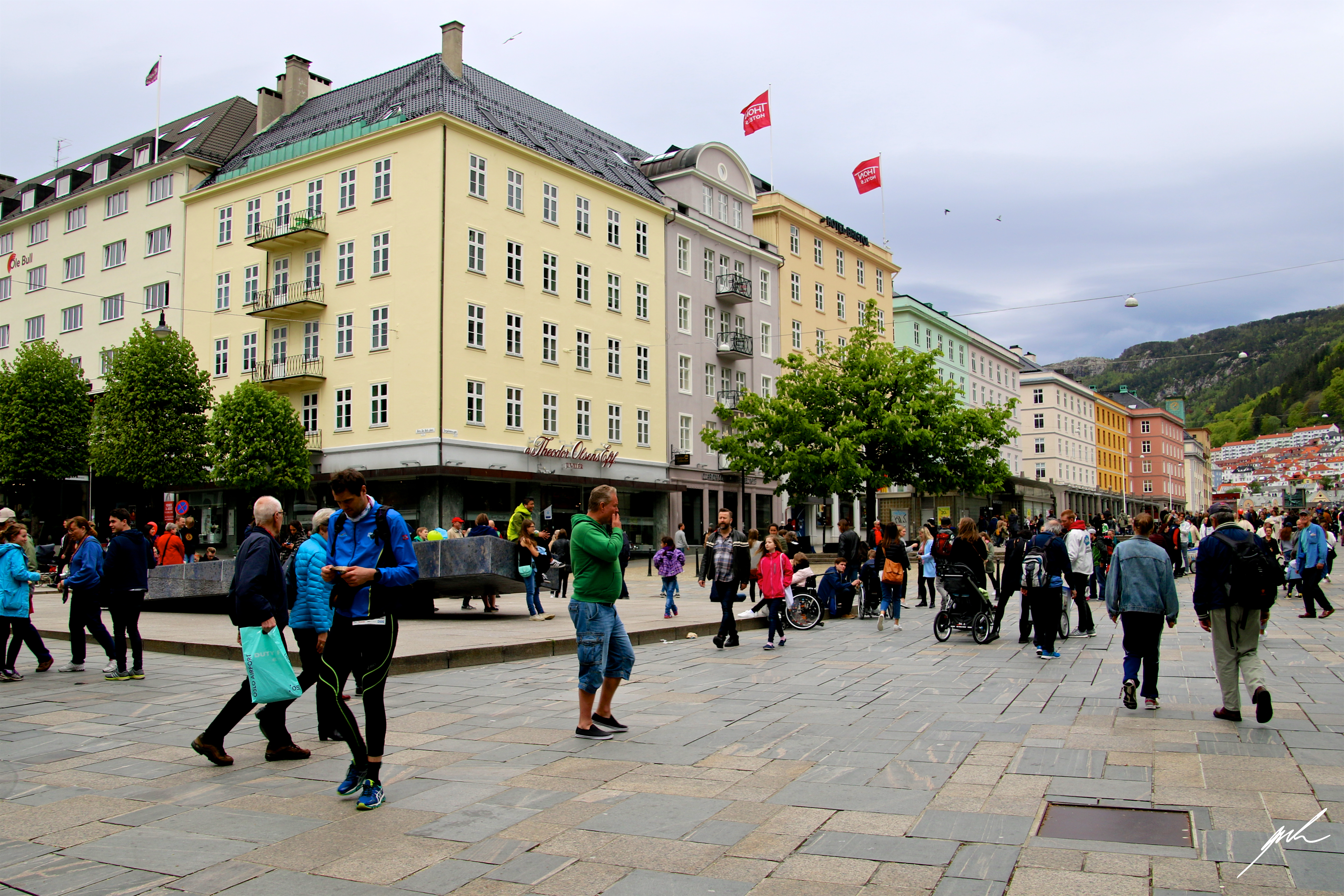
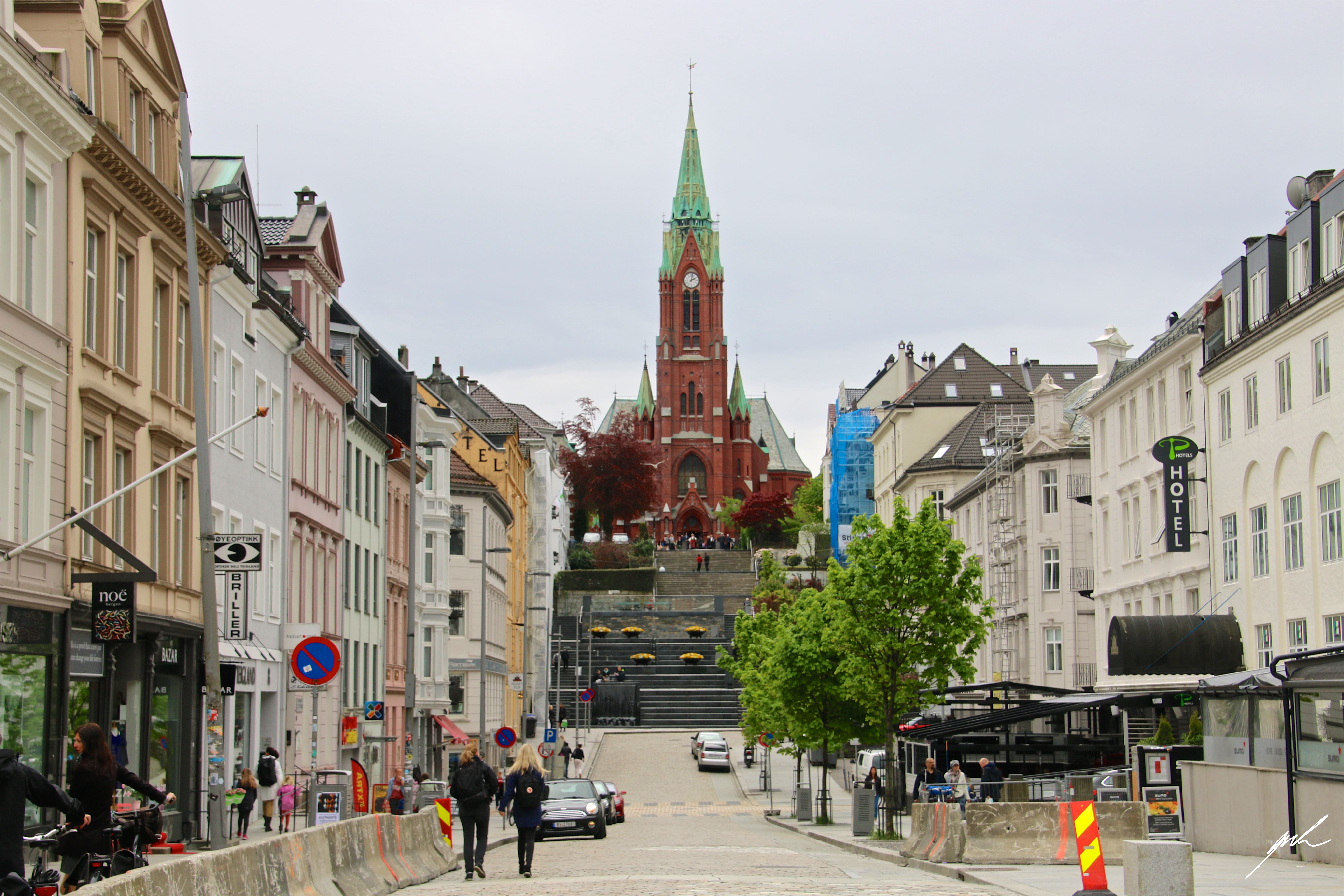
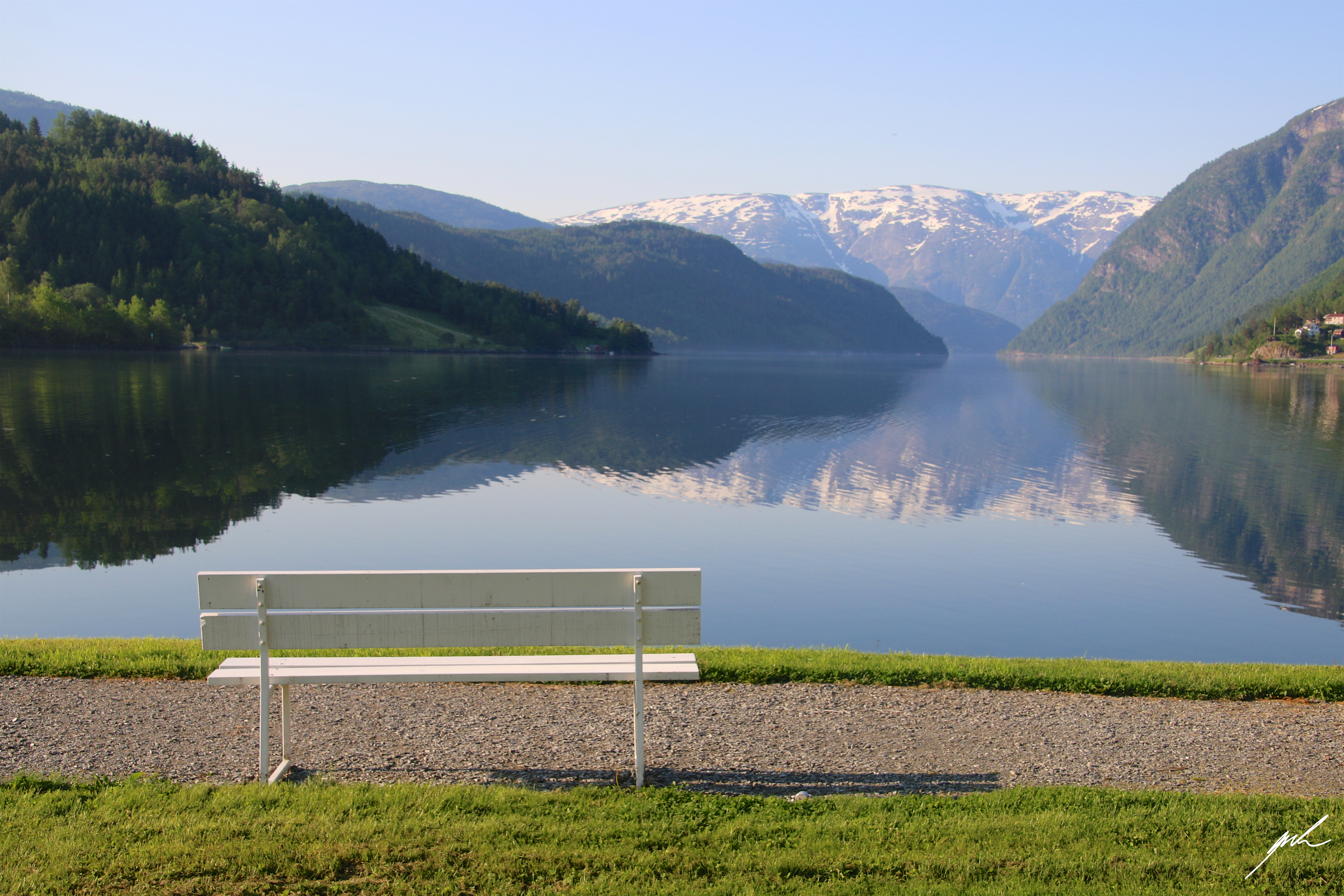
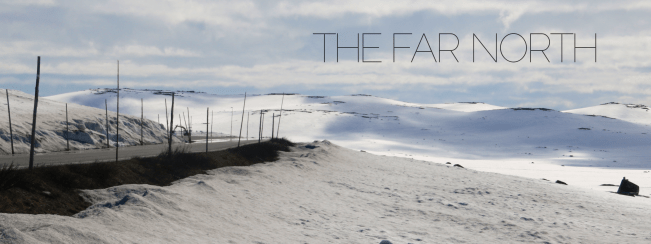
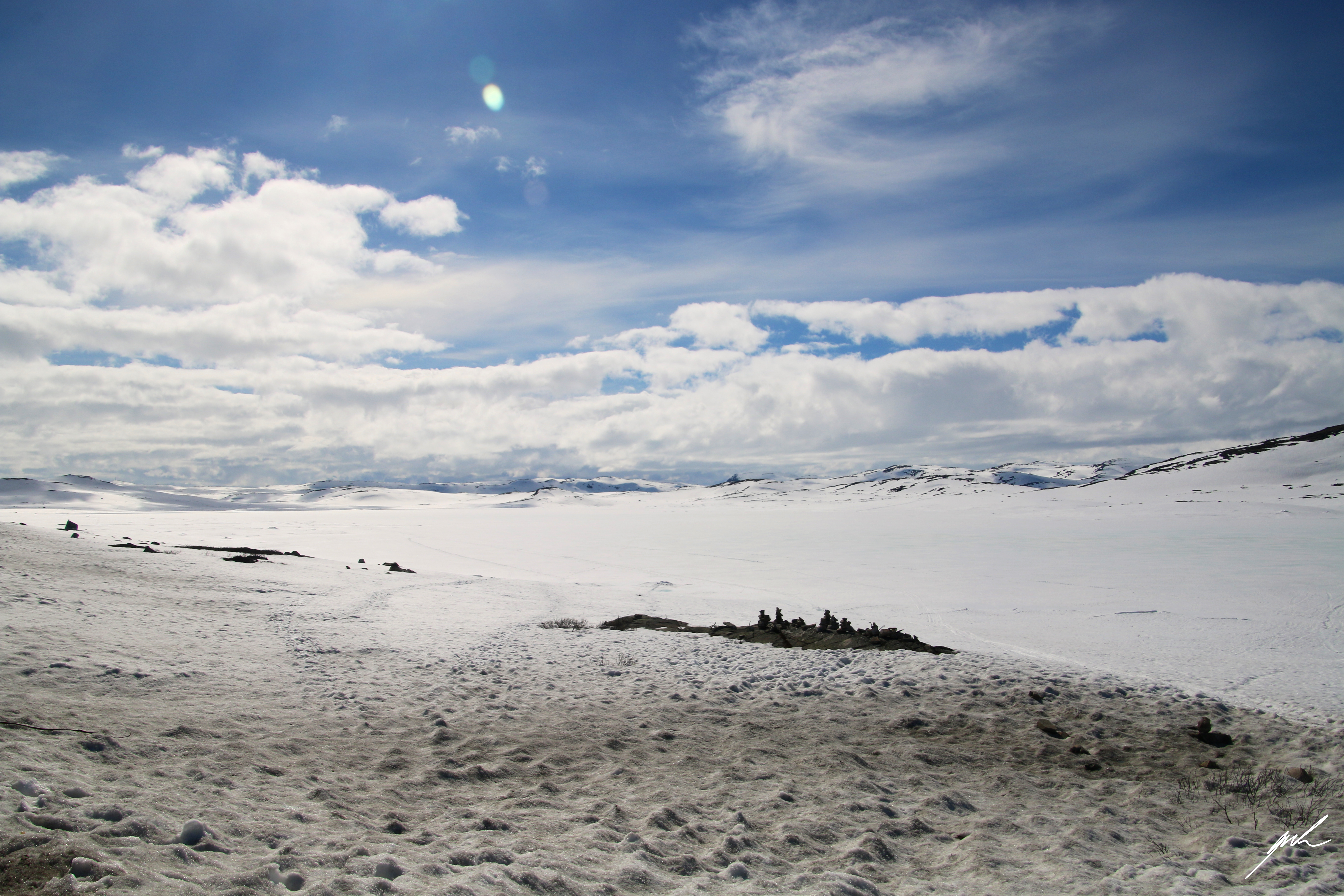
The far north of Europe is actually pretty fortunate regarding the weather. The reason is the Gulf Stream, which makes it possible to cultivate even fruits around the Norwegian fjords (pictures 2, 6). However, if you go uphill from the fjords, your surroundings change pretty quickly, and you will experience marvelous but very alien ice deserts like the Hardangervidda (picture 1). That’s Planet Hoth from Star Wars Episode V, by the way – the scenes were shot there. One of the biggest and historically most important towns in the far north of Europe is Bergen at the North Sea. For centuries, it was an important port and a center of commerce, especially regarding the trade with fish. Today it is a lovely student town with a lot of culture and museums (pictures 3, 4 and 5).

test

img_2986-1 img_3143 img_4056 img_3589 img_3585
img_3974
img_4521