Skip to content

Discovering Cyprus

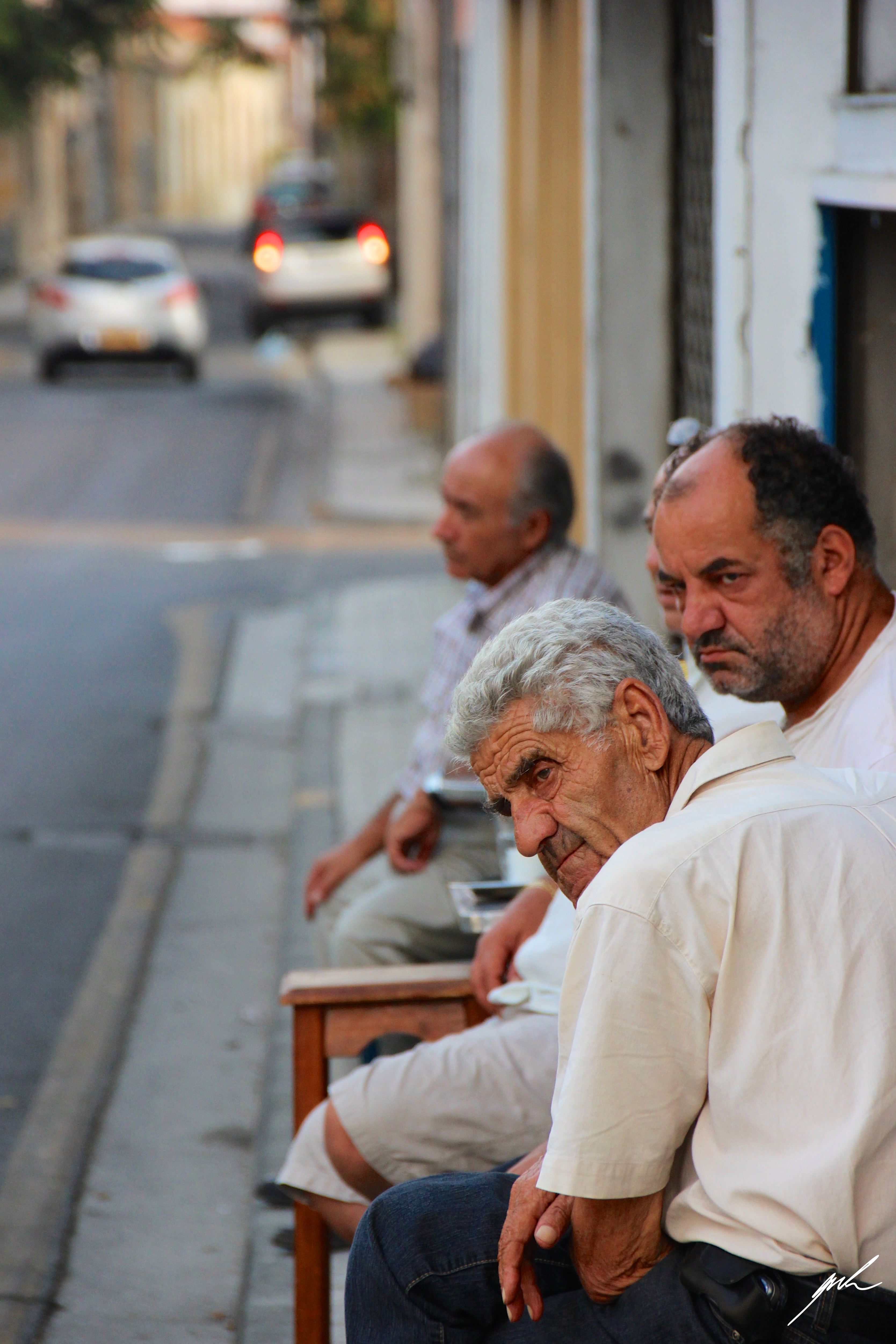
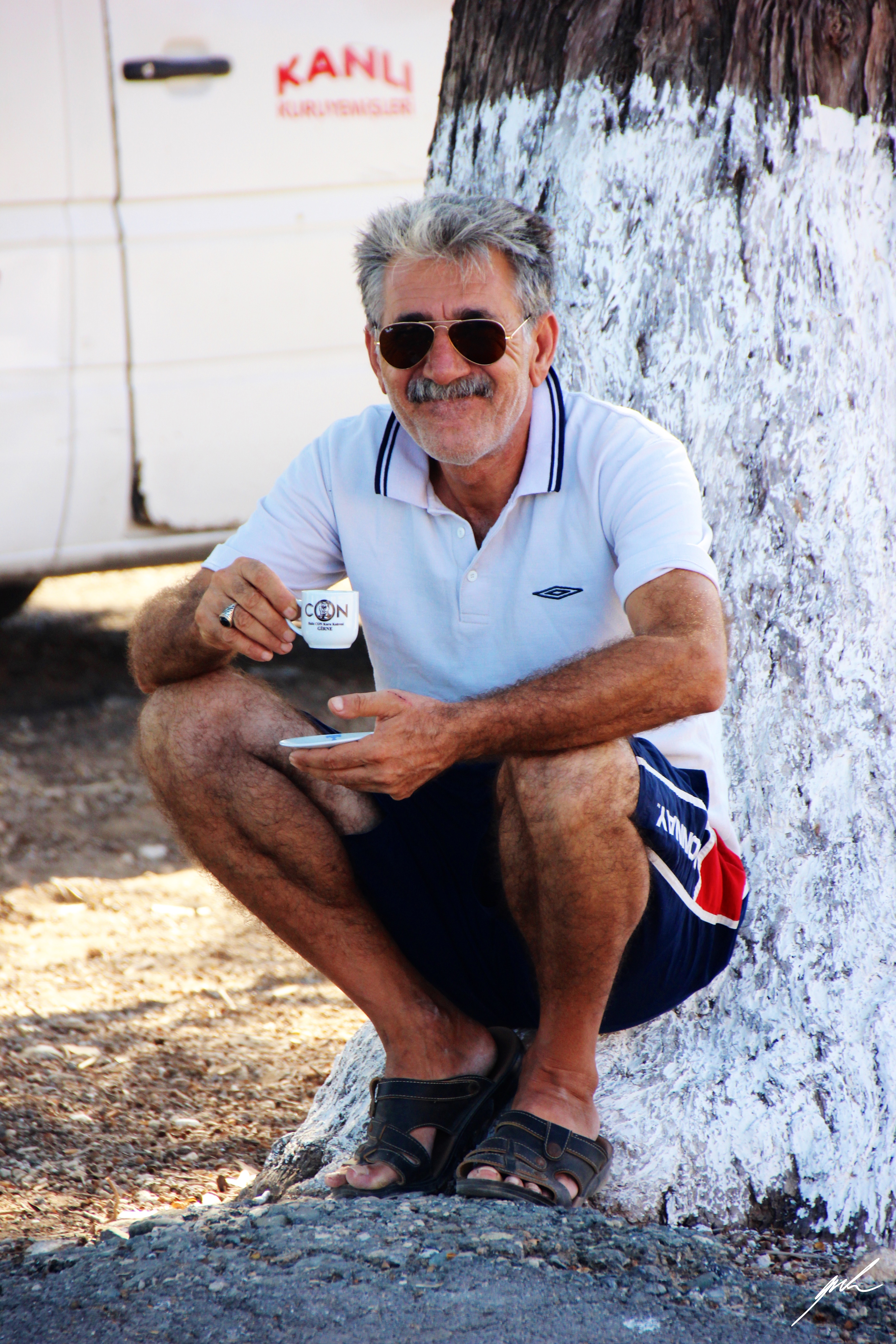
The last time Cyprus was featured was about a divided island. Though the political situation is complicated, I recommend visiting both parts of the island. So, I won’t differentiate between the Turkish and the Greek parts in the following gallery. Pictures 5, 6, and 7 need some background: After the Ottoman conquest of Cyprus, former Gothic Cathedrals were converted into Mosques. Interestingly, some were not destroyed, and only minor changes were made (like the destruction of angel figures due to the ban on images in Islam). The altar was displaced within the church so the believers could pray in the direction of Mekka. According to Ottoman traditions, the former Cathedrals had carpets, and the inner church was painted white. Though inside as well as outside, you still see the Christian heritage. The clean and bright style of Islamic religious decoration combined with the dark and gothic severe style makes for a thoroughly fascinating combination.

test

IMG_8696
IMG_7740
IMG_8484
IMG_7839
IMG_7411
IMG_7404
IMG_7423

IMG_7497
IMG_8638

IMG_7592

IMG_7719

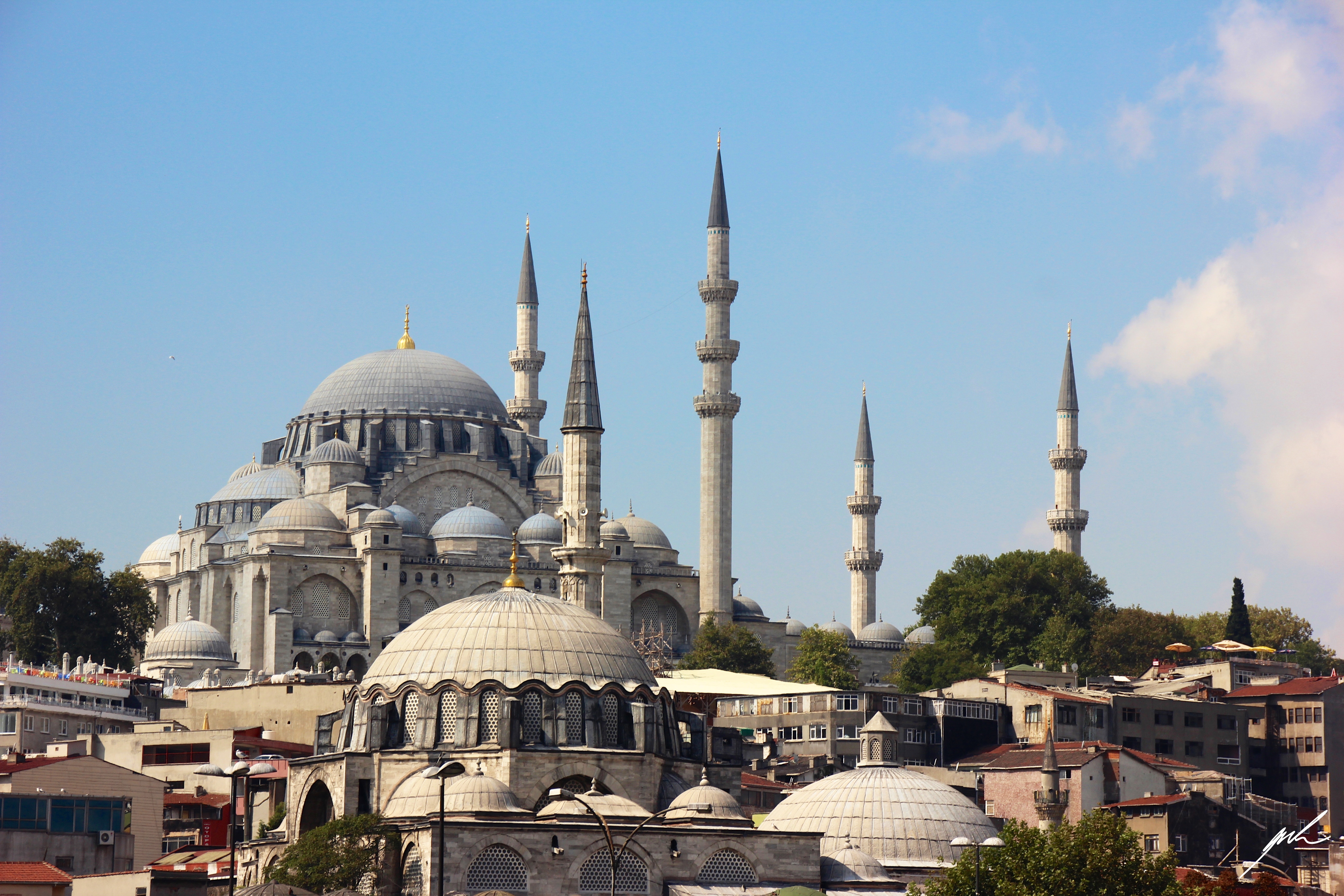
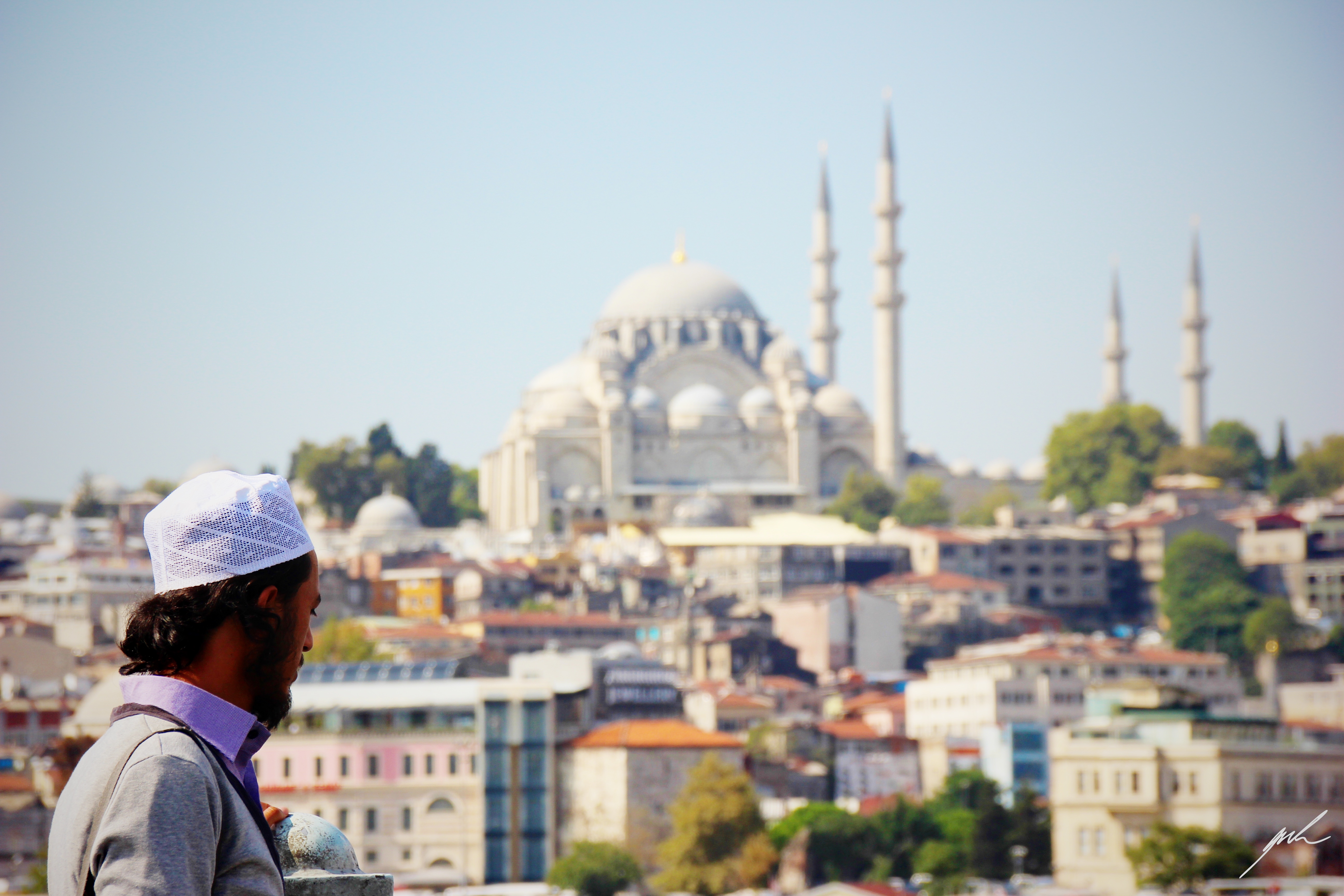
A Sea of Minarets – Istanbul in 2015 Pt I.

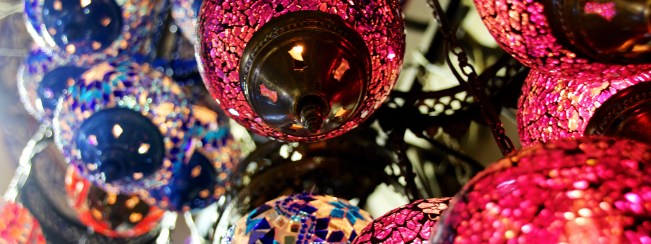
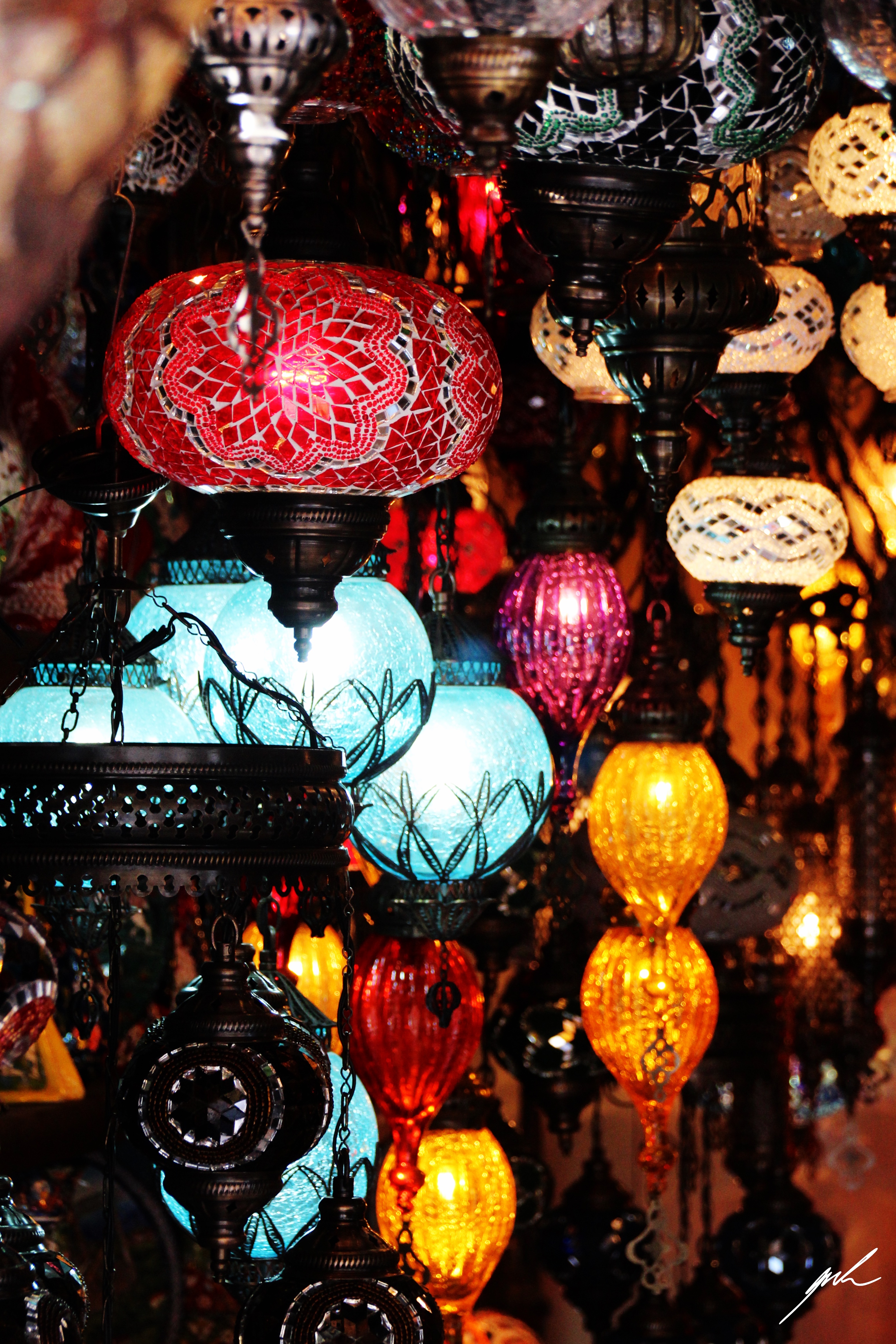
From historical to contemporary times, the city of Istanbul has always been a meeting point of culture, marking the border between Europe and the Islamic world. In geographical terms, the border is clearly defined; it is the Bosporus Strait. But not just since the opening of the first Metro line beneath the Bosporus – the Marmaray in 2013 – the cultural borders are not so clear anymore. While some districts like Galata are defined by modern shops, nightclubs, and skating kids with headphones, others are way more traditional and religious. Despite the stark contrasts, there are no apparent tensions. Also, Istanbul welcomes travelers, receiving guests with open arms. Just beware of the merchants in the Grand Basar and do not believe every fairy story they tell, regardless of the oriental charm of the bargainer.

test

IMG_9028
IMG_9750
IMG_9399
IMG_9593IMG_9012IMG_8213IMG_9685IMG_9361

The Silk Road: At the Crossroads of Cultures

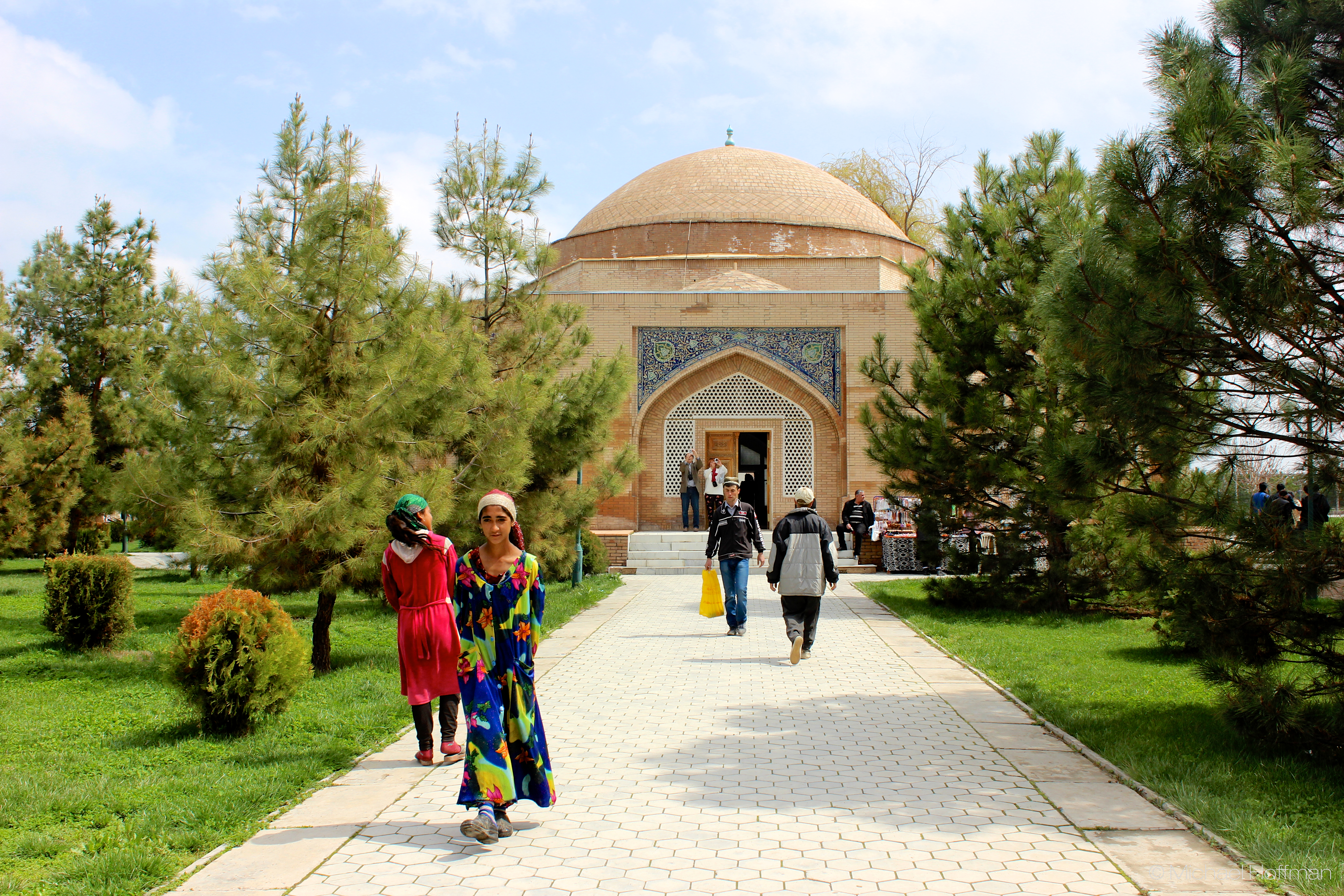
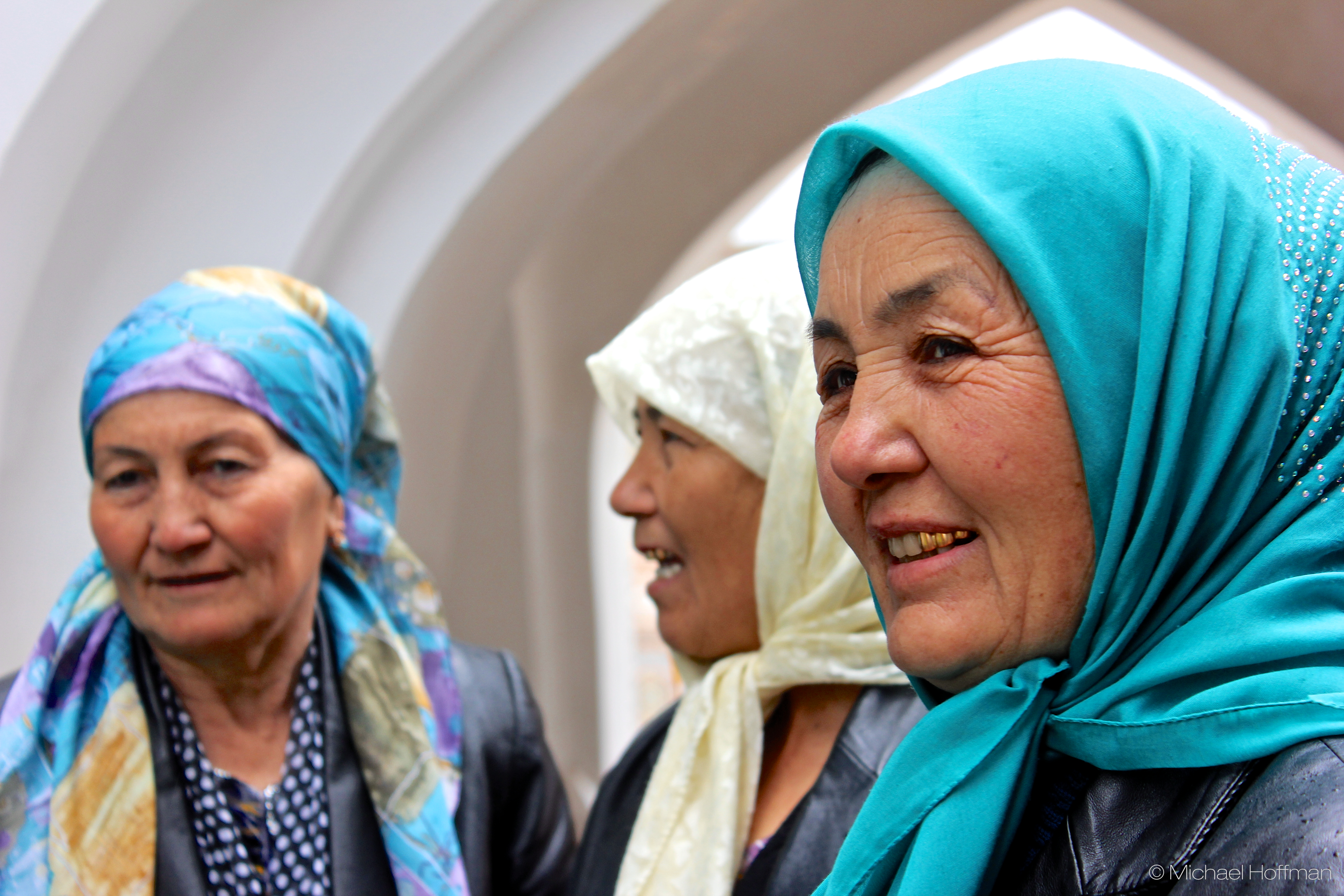
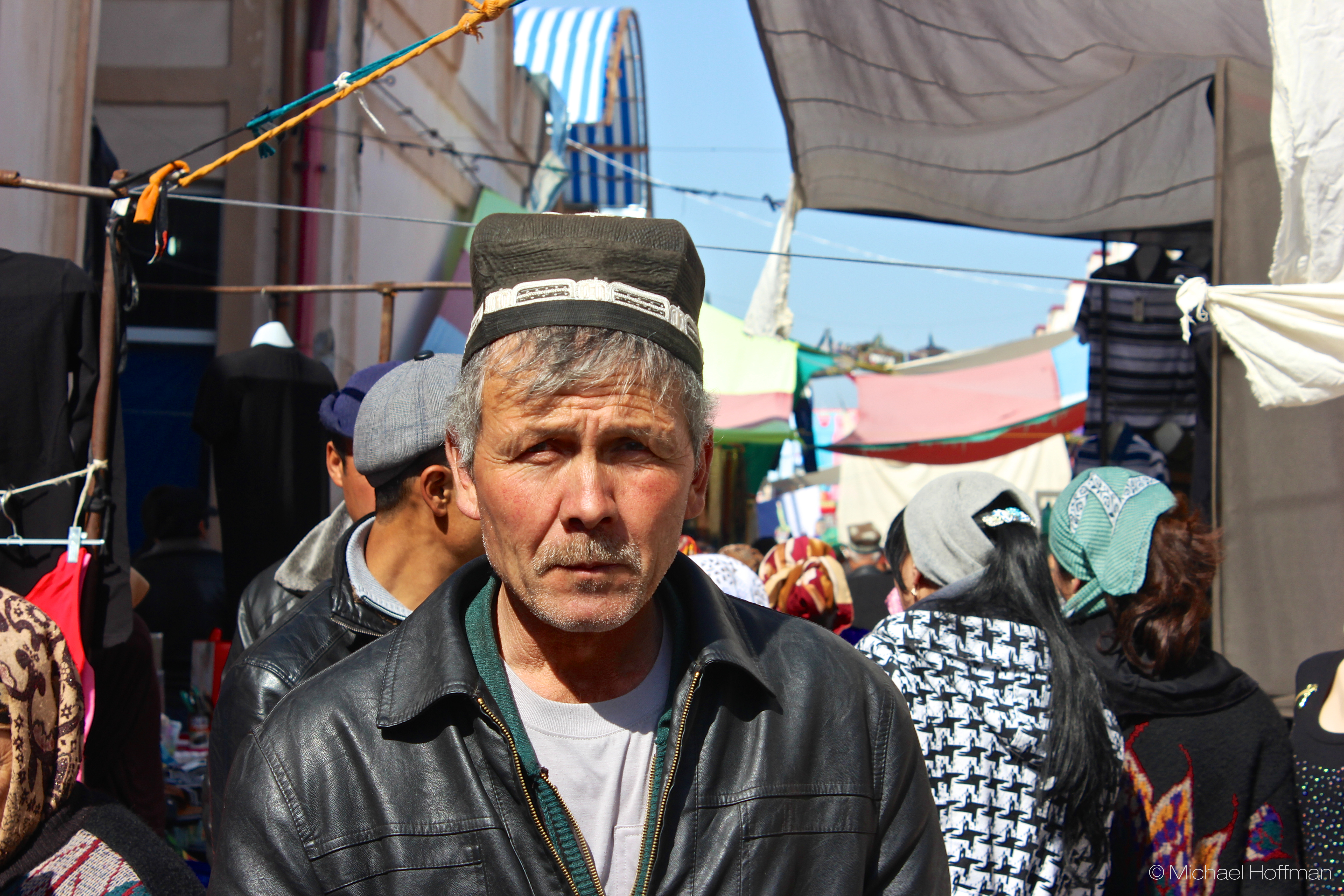
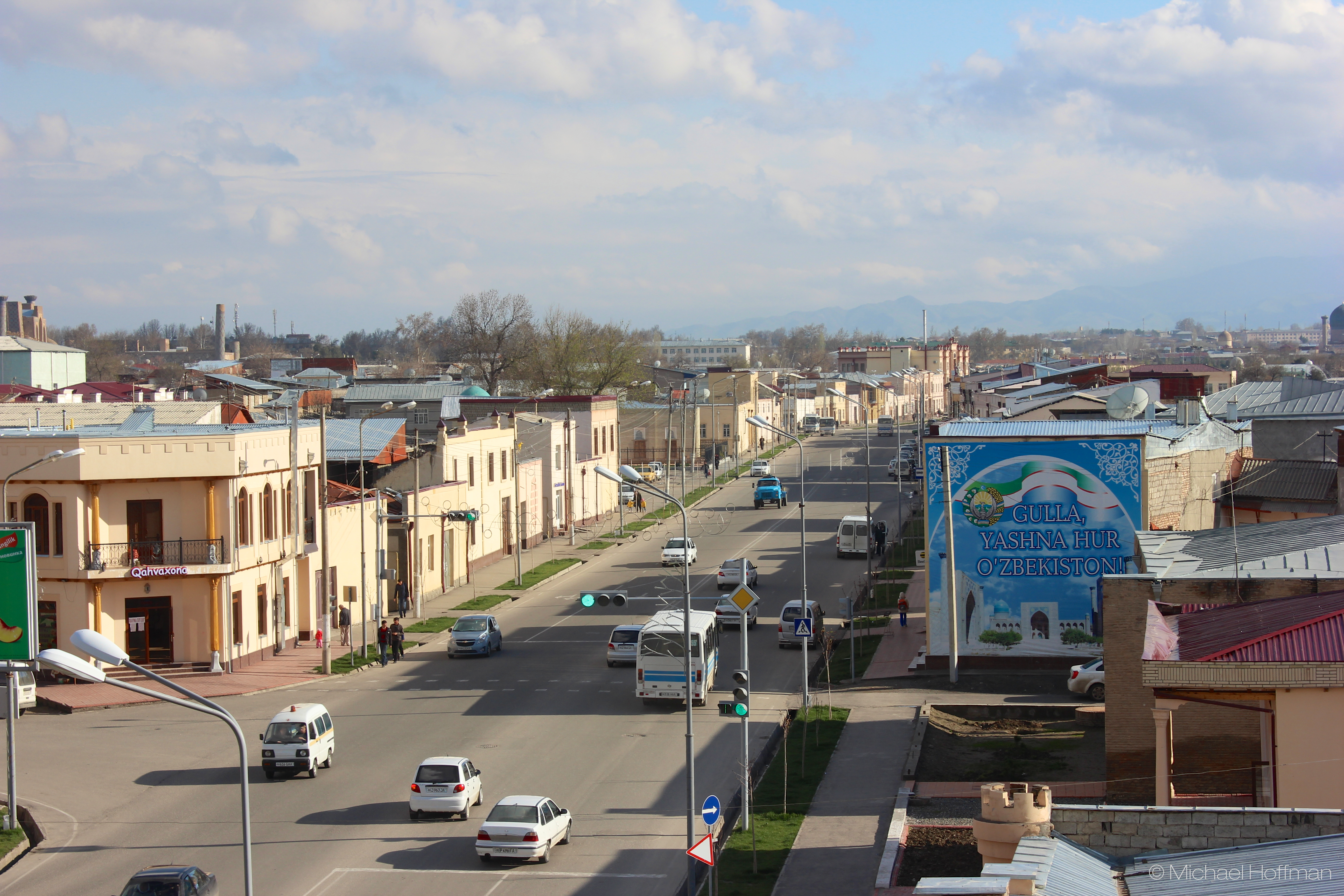
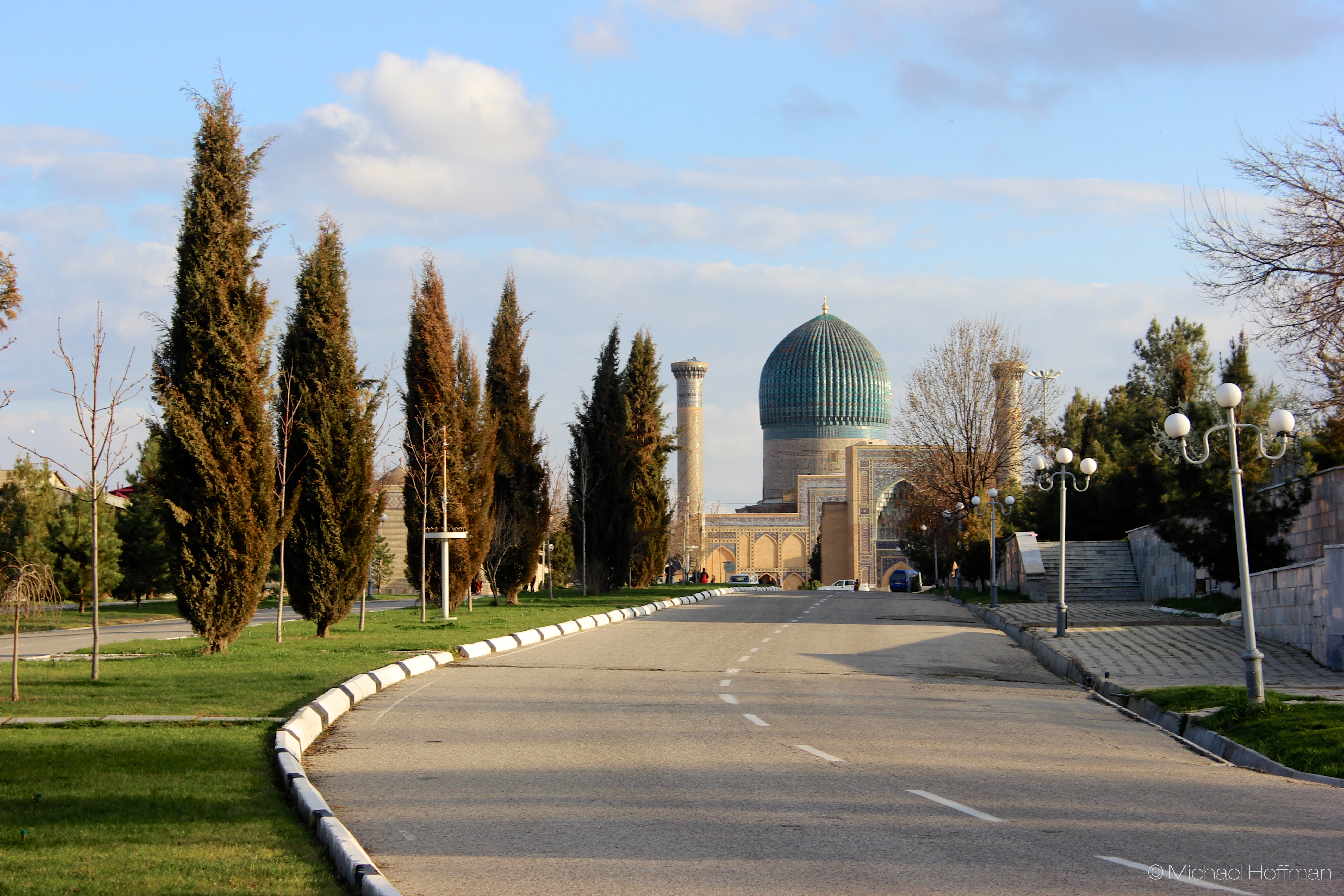
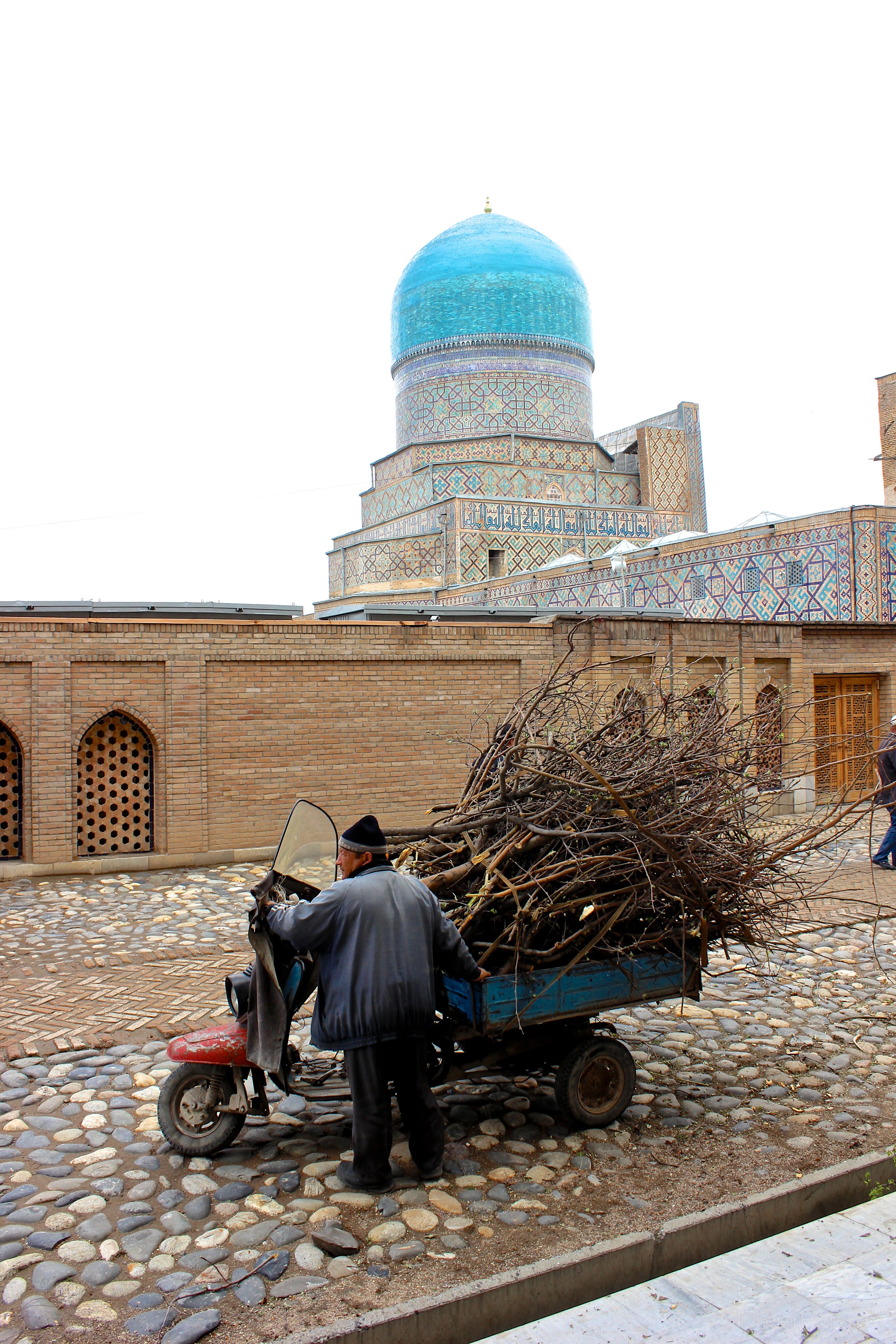
Samarkand is one of the oldest settlements of mankind. Situated at a central position on the trading route between Asia and Europe as well as between the Orient civilization of the south and the Nomad tribes of the far north, it developed into a place of prosperity and a melting point of different cultures. They came as tradesman and conquerors, as refugees and preachers. Their traces can still be seen in the vivid faces of the inhabitants of this marvelous city. Also, Samarkand is a profoundly religious place with Islamic architecture dominating the central part of the town, primarily impressive madrases (religious schools) and mosques with gorgeous blue cupolas. It is the mixture of people and graceful architecture, so different from Western Europe, that makes the city fascinating and alluring to the traveler. Truly another world worth visiting.

Previous entries in the series: Buxoro, The Enchanted City, The Desert City of Xiva

test

IMG_8724

IMG_8734

IMG_8916

IMG_8976

IMG_8843

IMG_8849

IMG_8712

IMG_8731

IMG_8906

IMG_8687

IMG_8701

The Silk Road: Buxoro, The Enchanted City

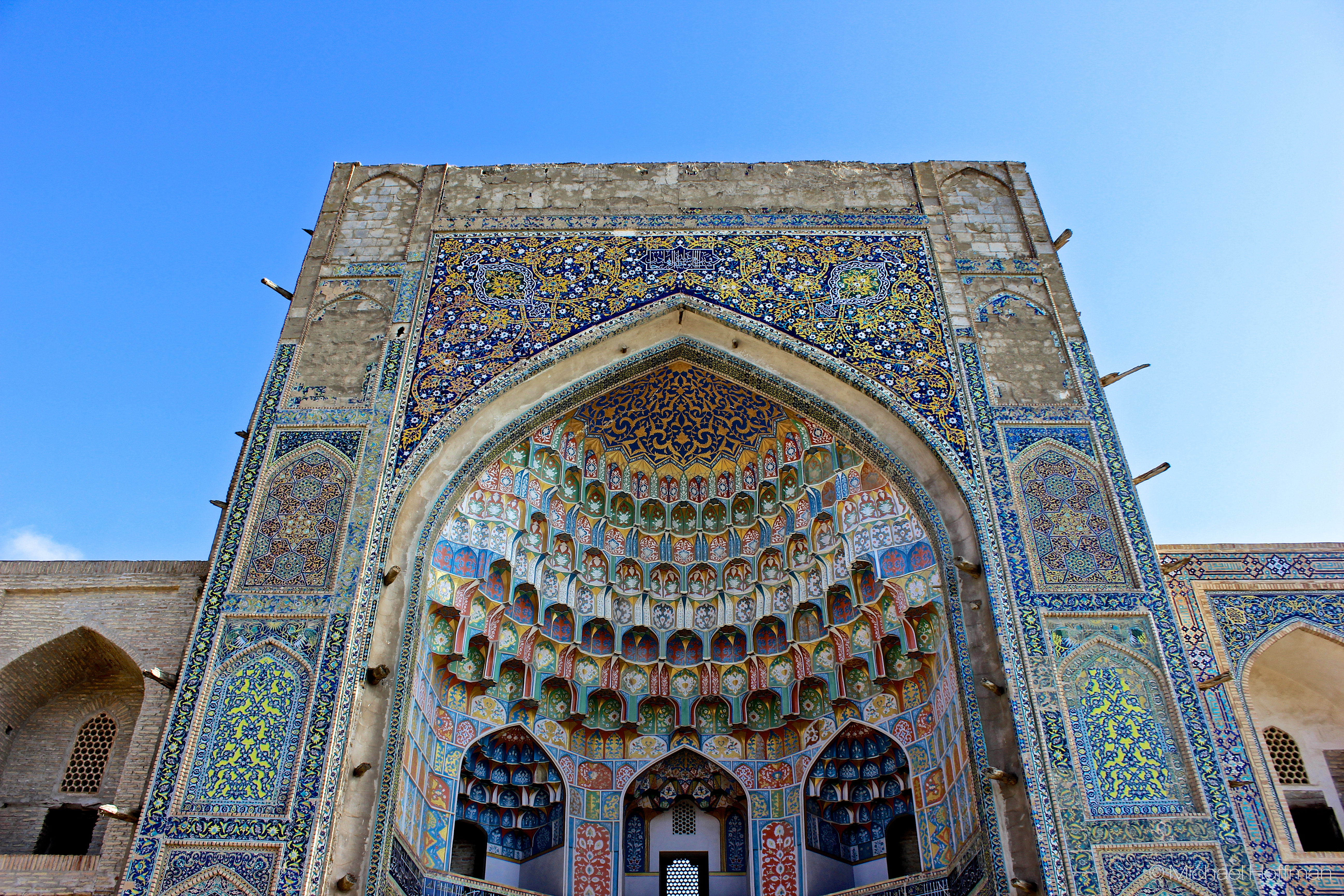
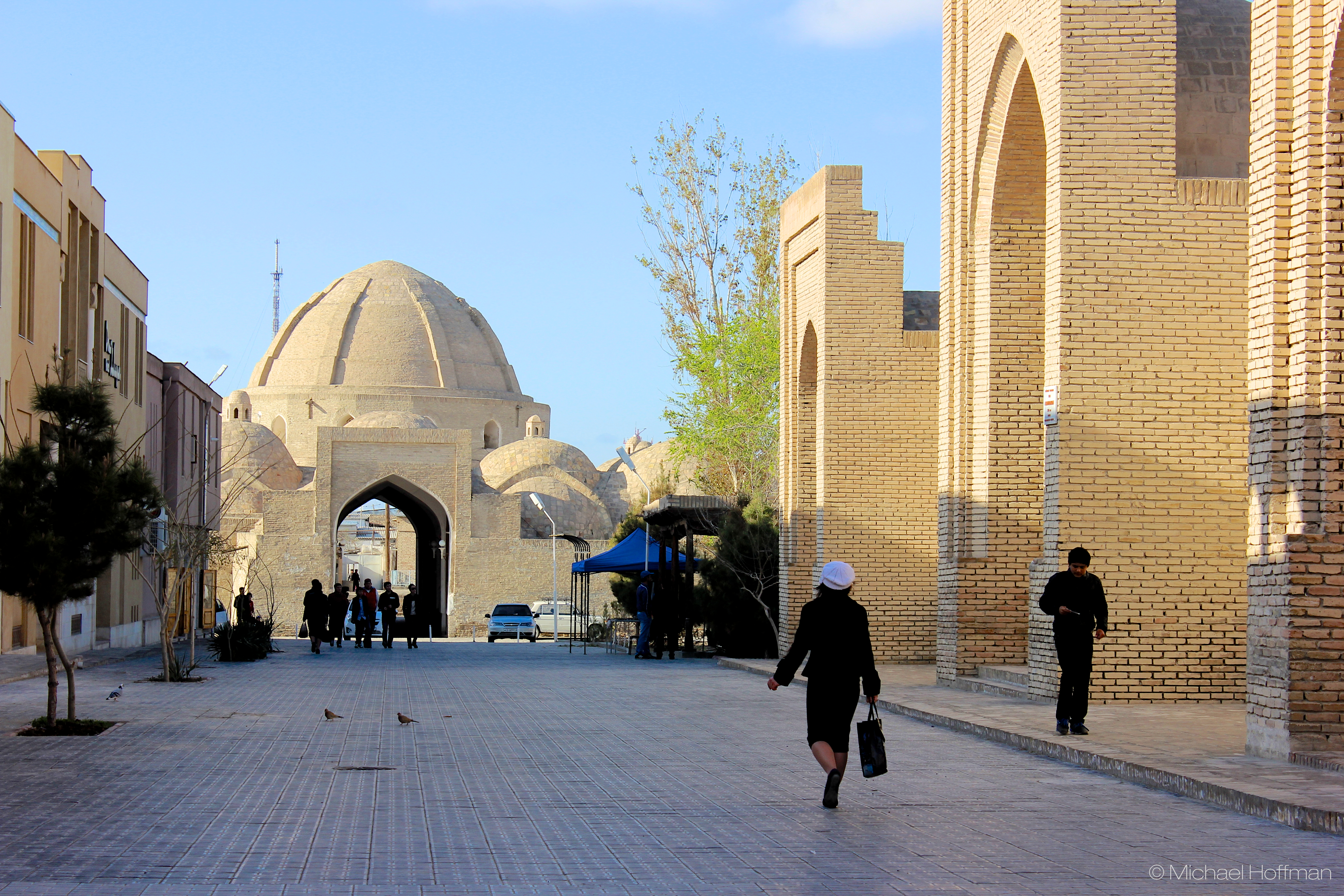
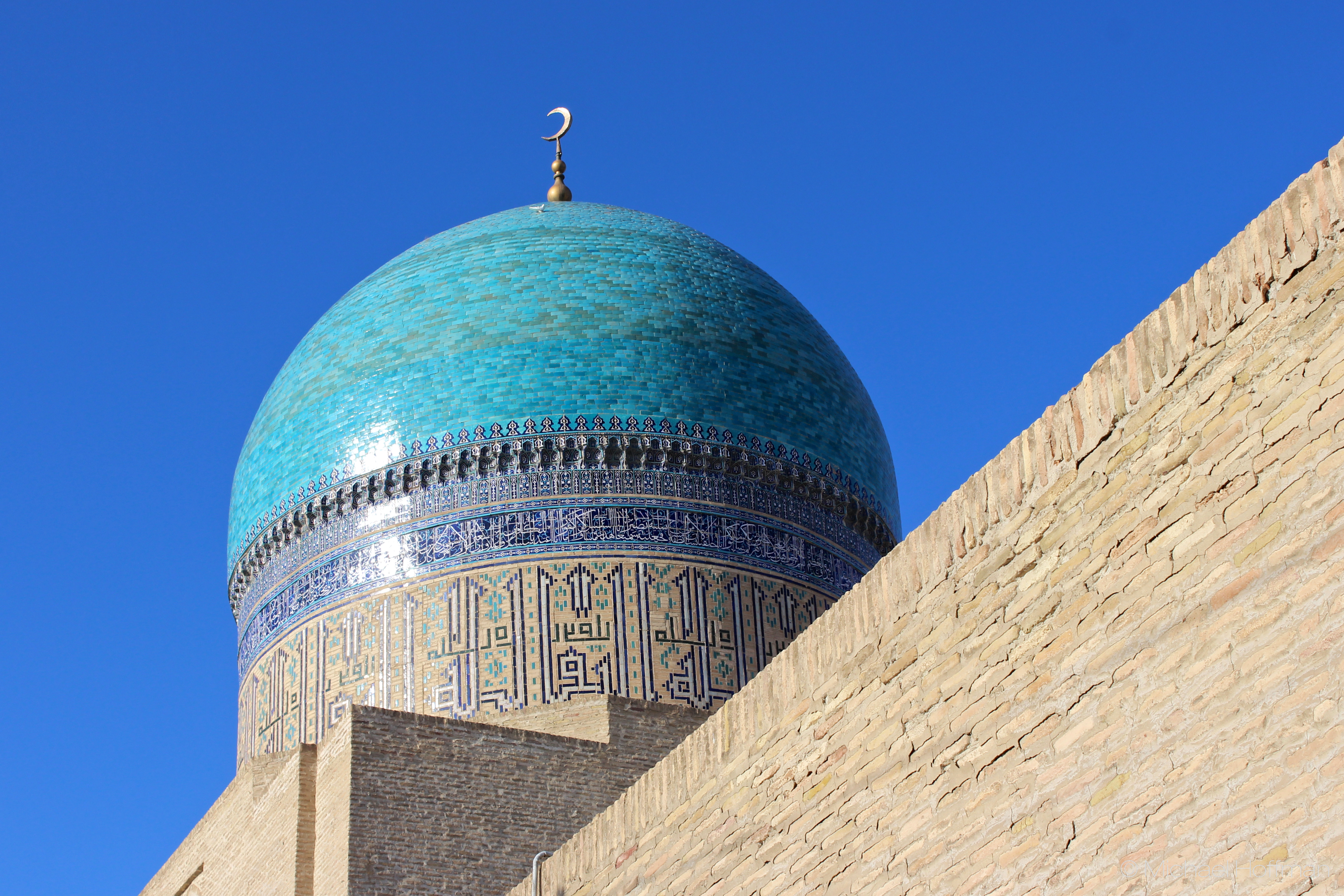
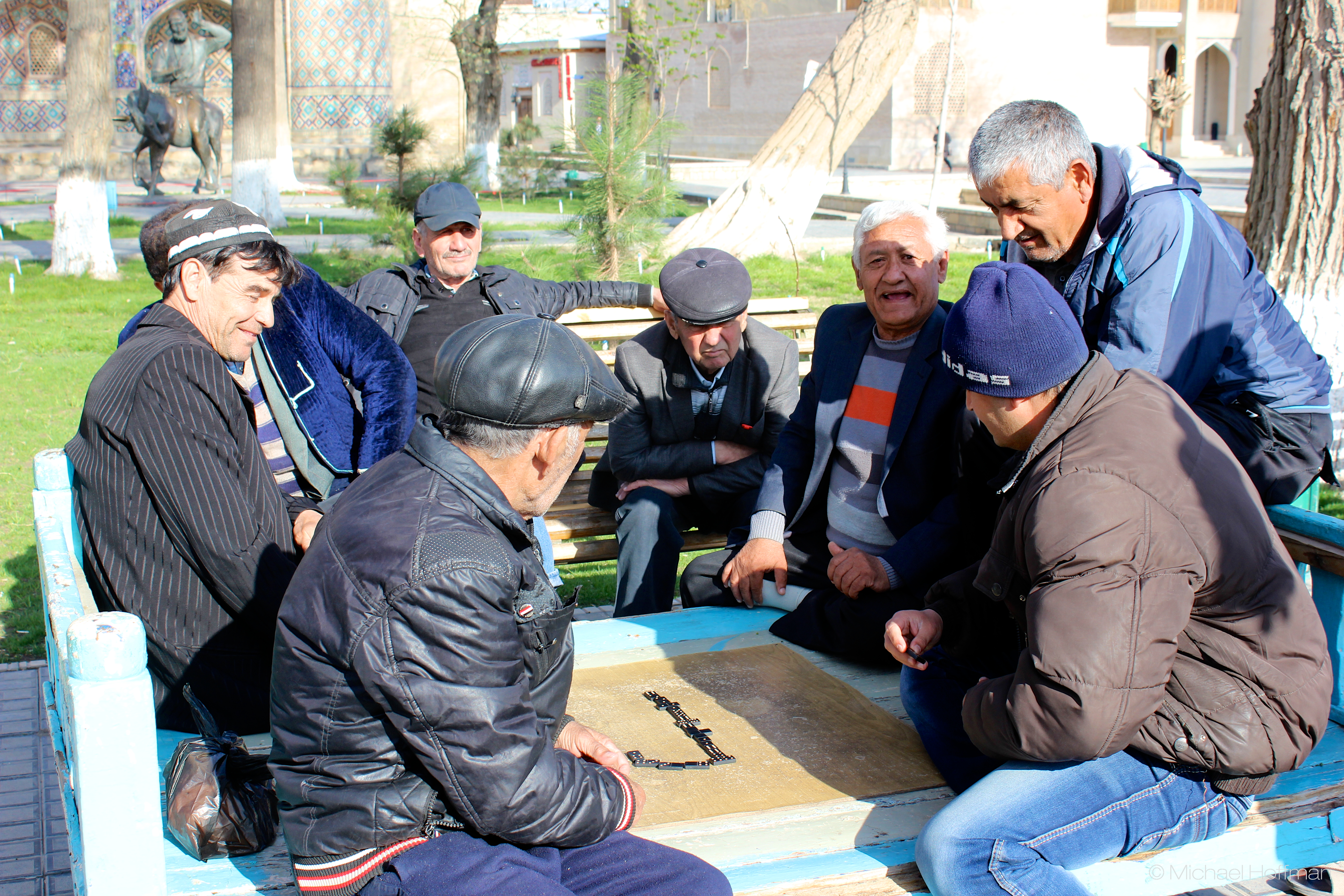
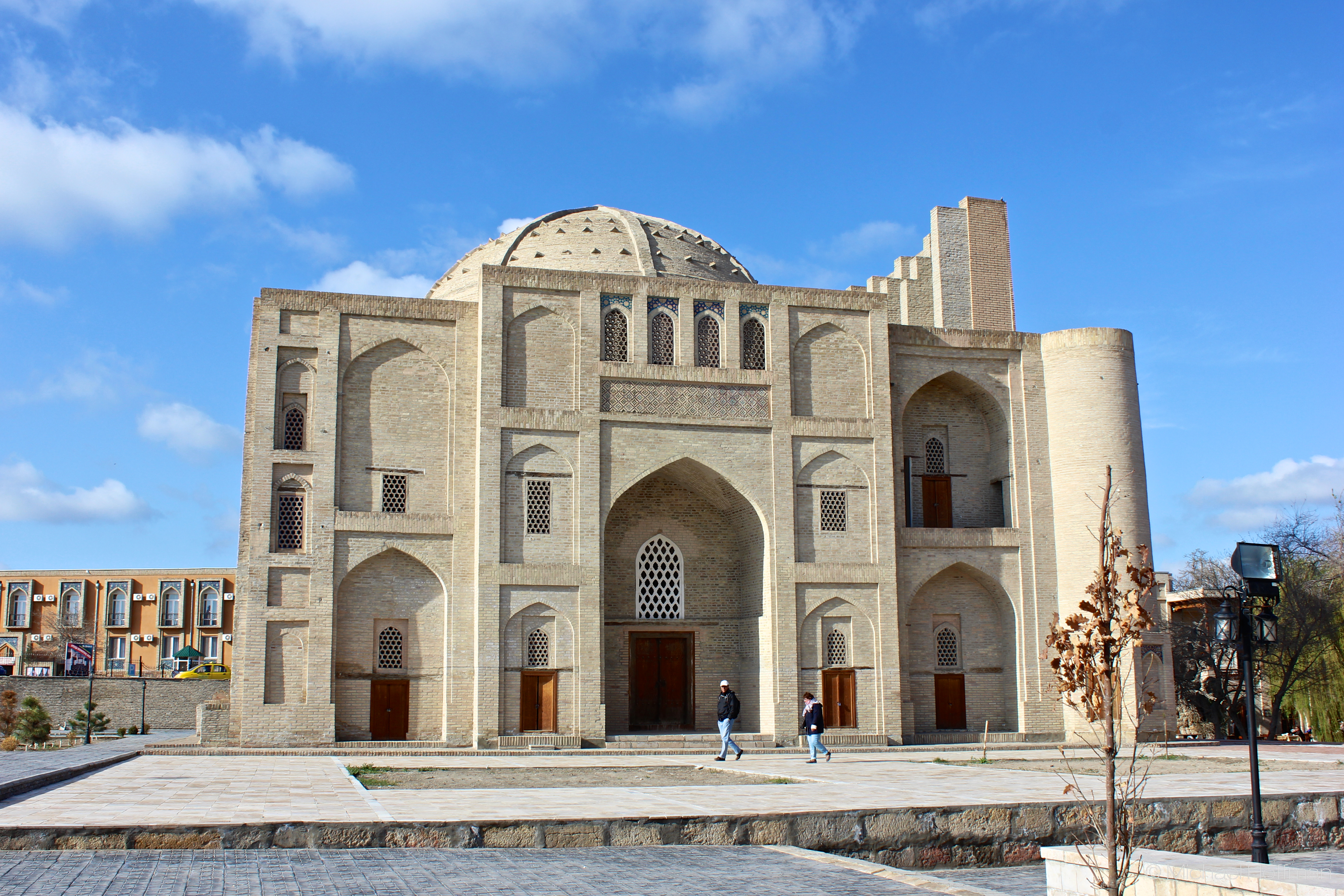
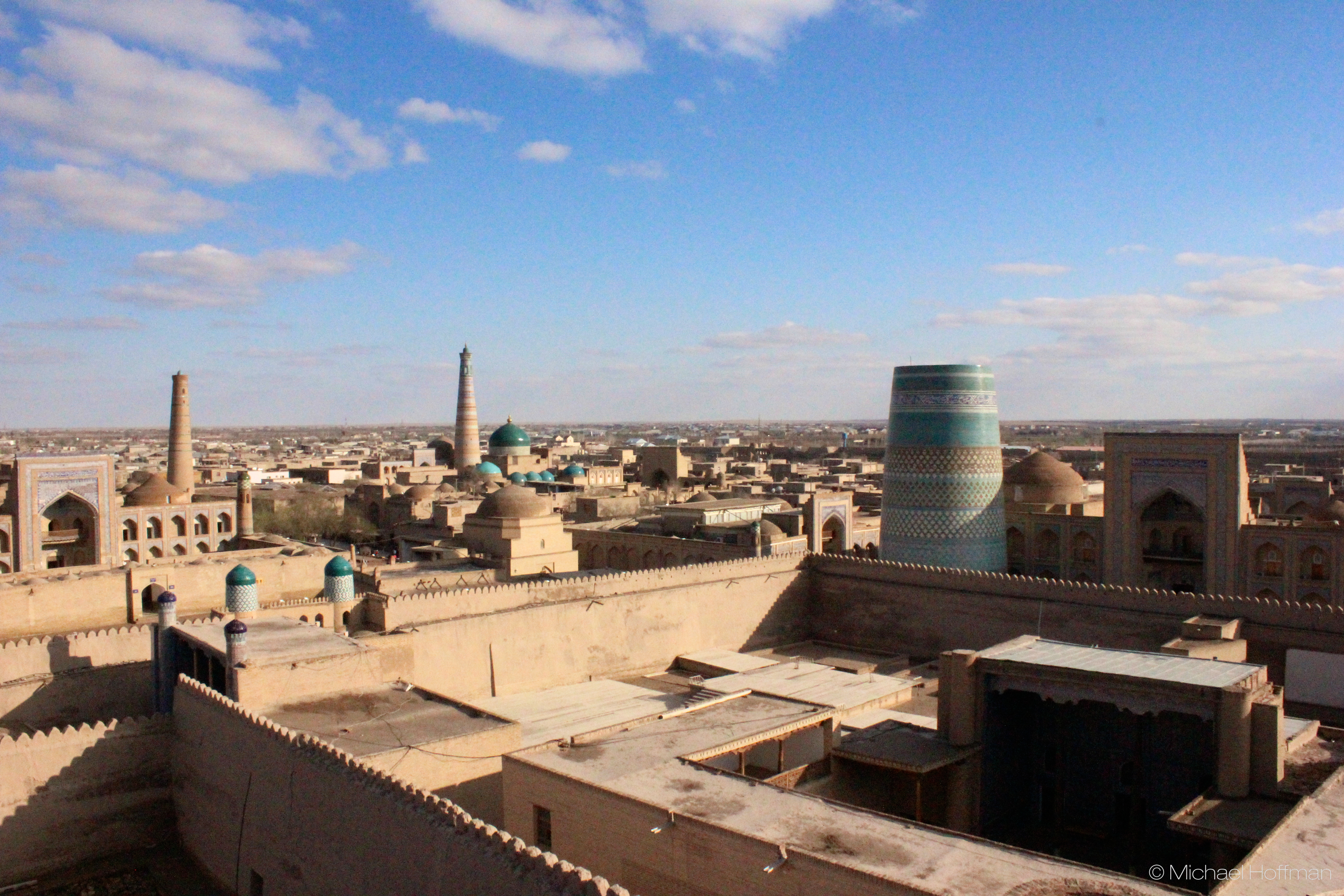
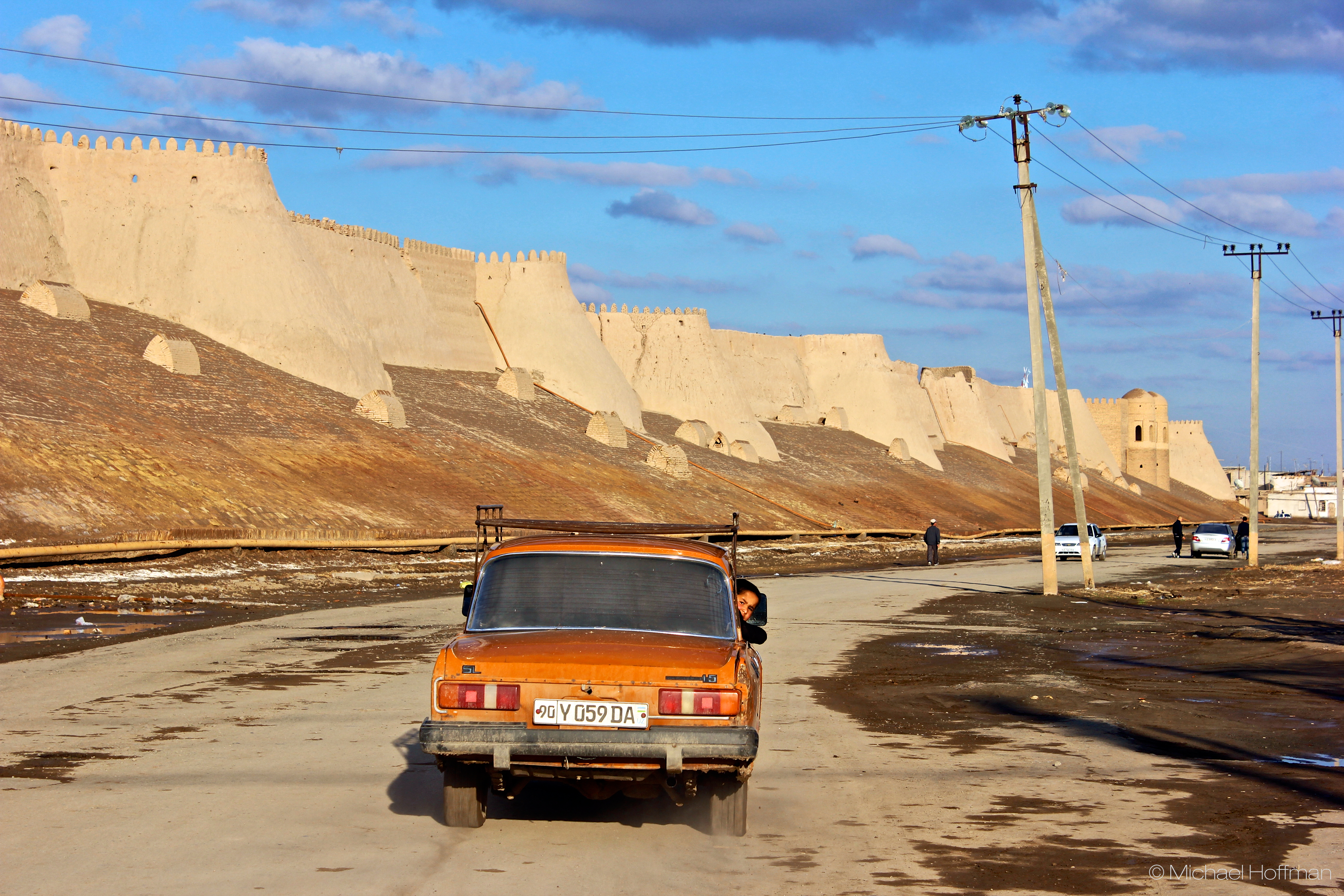
Further to the west lies another majestic city along the Silk Road: Buxoro or Bukhara. While Xiva is a beautiful but somewhat enclosed desert city in Buxoro, the connection to the world outside of Central Asia can be felt. Influences from Persia and India can be seen here (just look at the first picture).  The connecting element to other cities along the Silk Road is the blue cupolas, the symbols or landmarks of Uzbekistan. Oh, and of course, the Soviet cars (picture three). I like how the color of many of them still resembles an older kind of (groaning) vehicle 😉 And in case you wonder, the title of an “Enchanted City” was given to Buxoro by the diplomat Fitzroy Maclean, who worked as a diplomat in the British Embassy in Moscow and visited Central Asia in 1938. Later, he called the city “enchanted” and compared the architecture to the beauty of the Italian Renaissance. Indeed, the mosaics and structures (mostly religious buildings) are a stunning sight. 
test

IMG_8503

IMG_8500

IMG_8542

IMG_8482

IMG_8488

IMG_8547

IMG_8484

IMG_8598

IMG_8487

IMG_8620

IMG_8511

IMG_8597

The Silk Road: The Desert City of Xiva

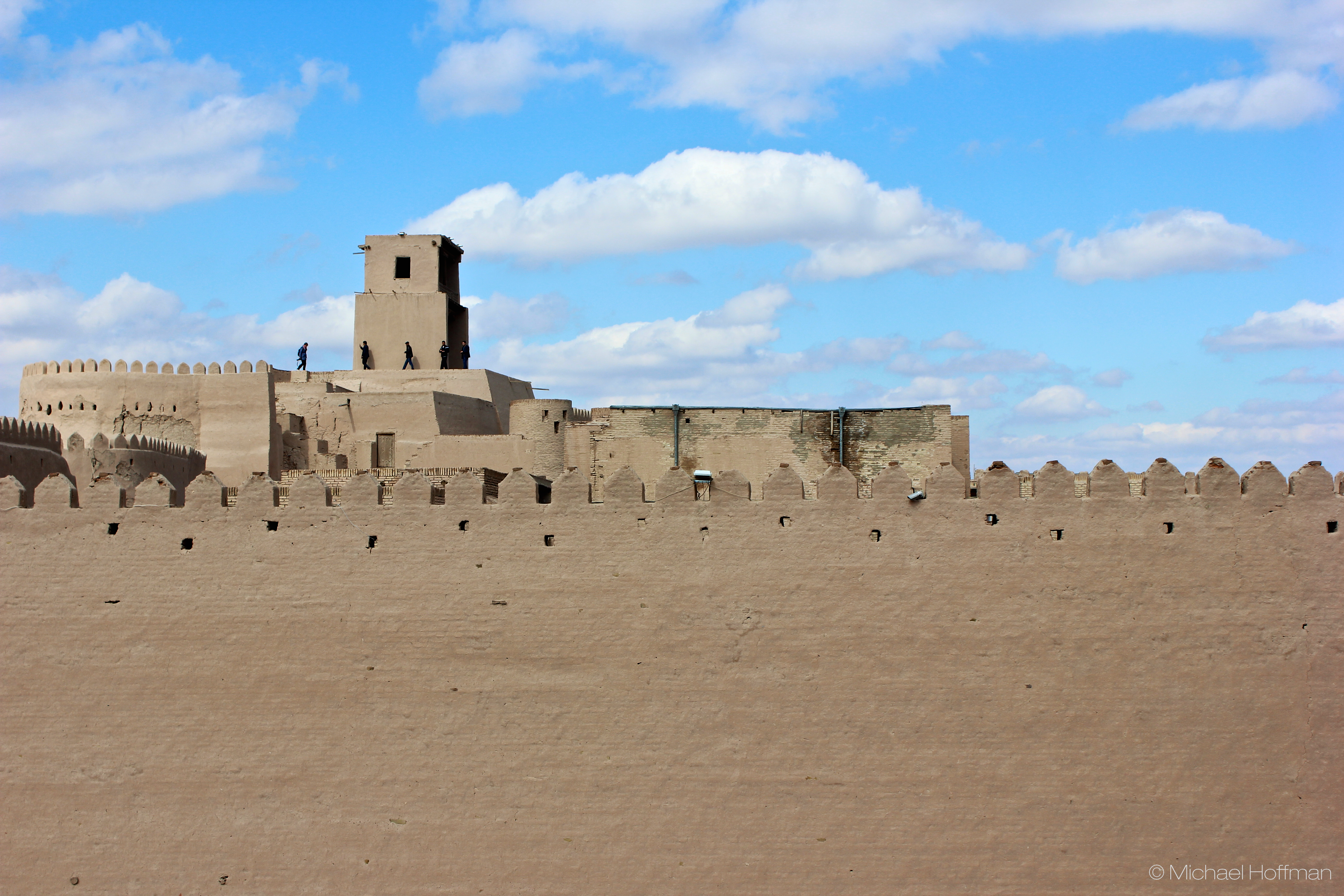
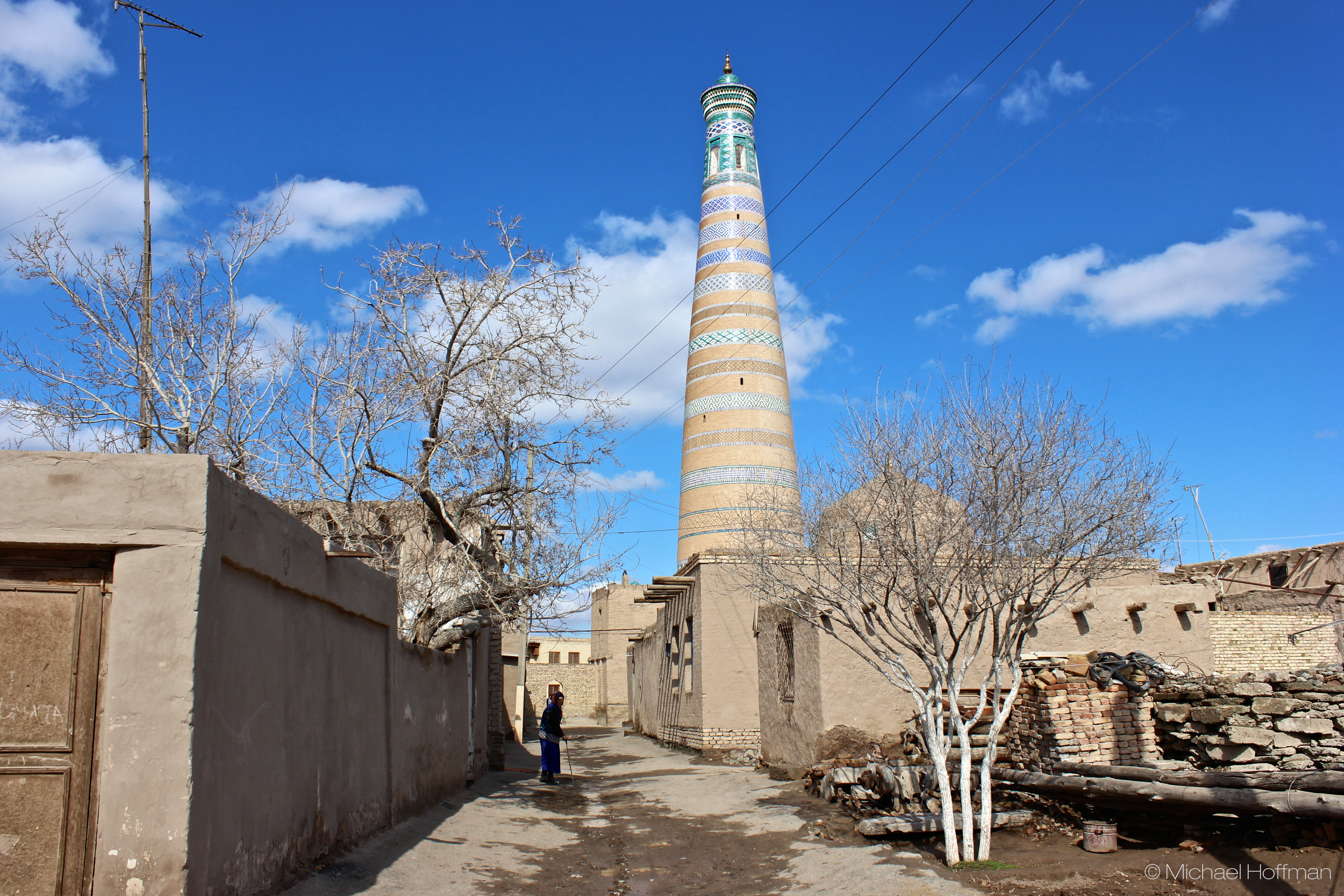
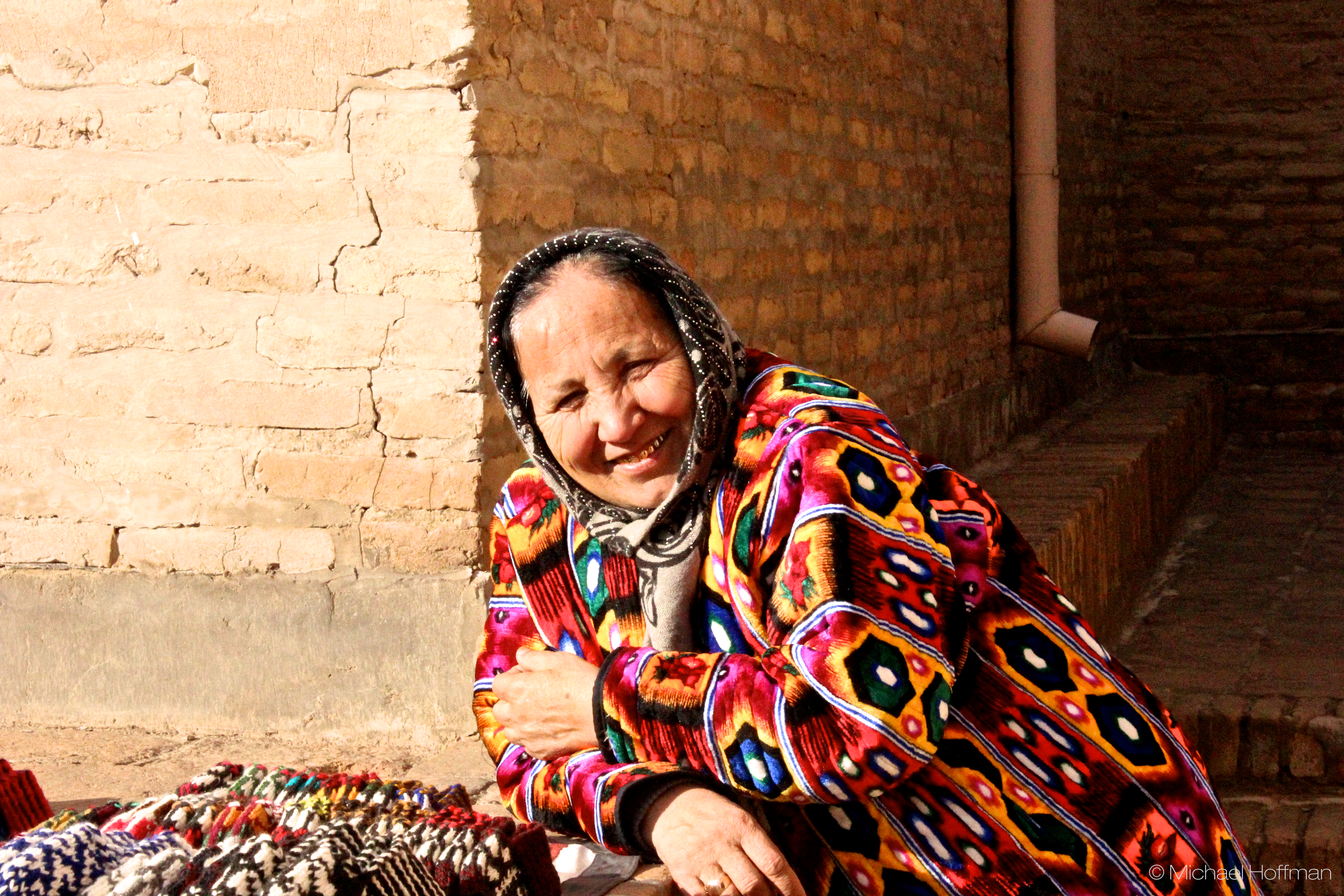
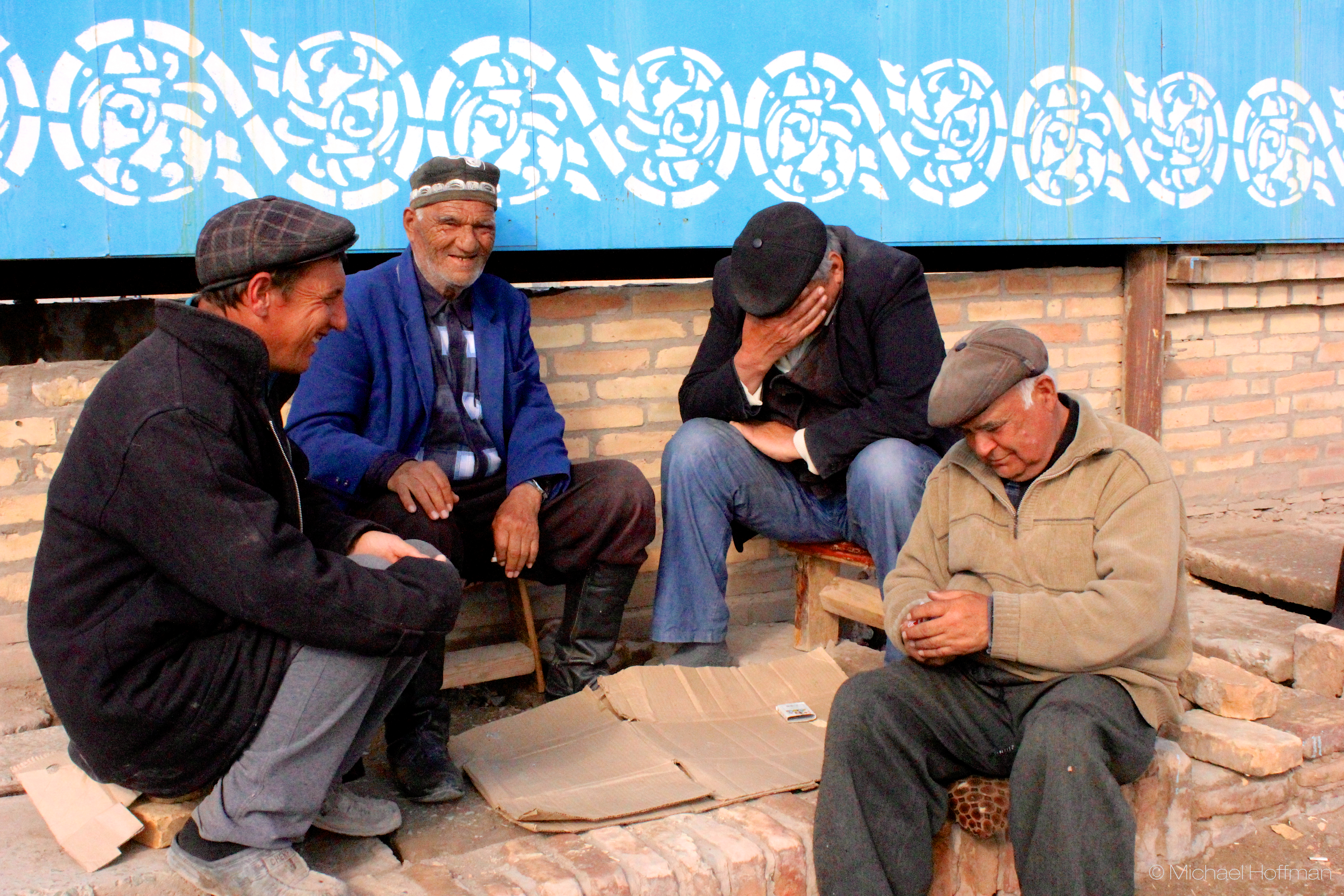
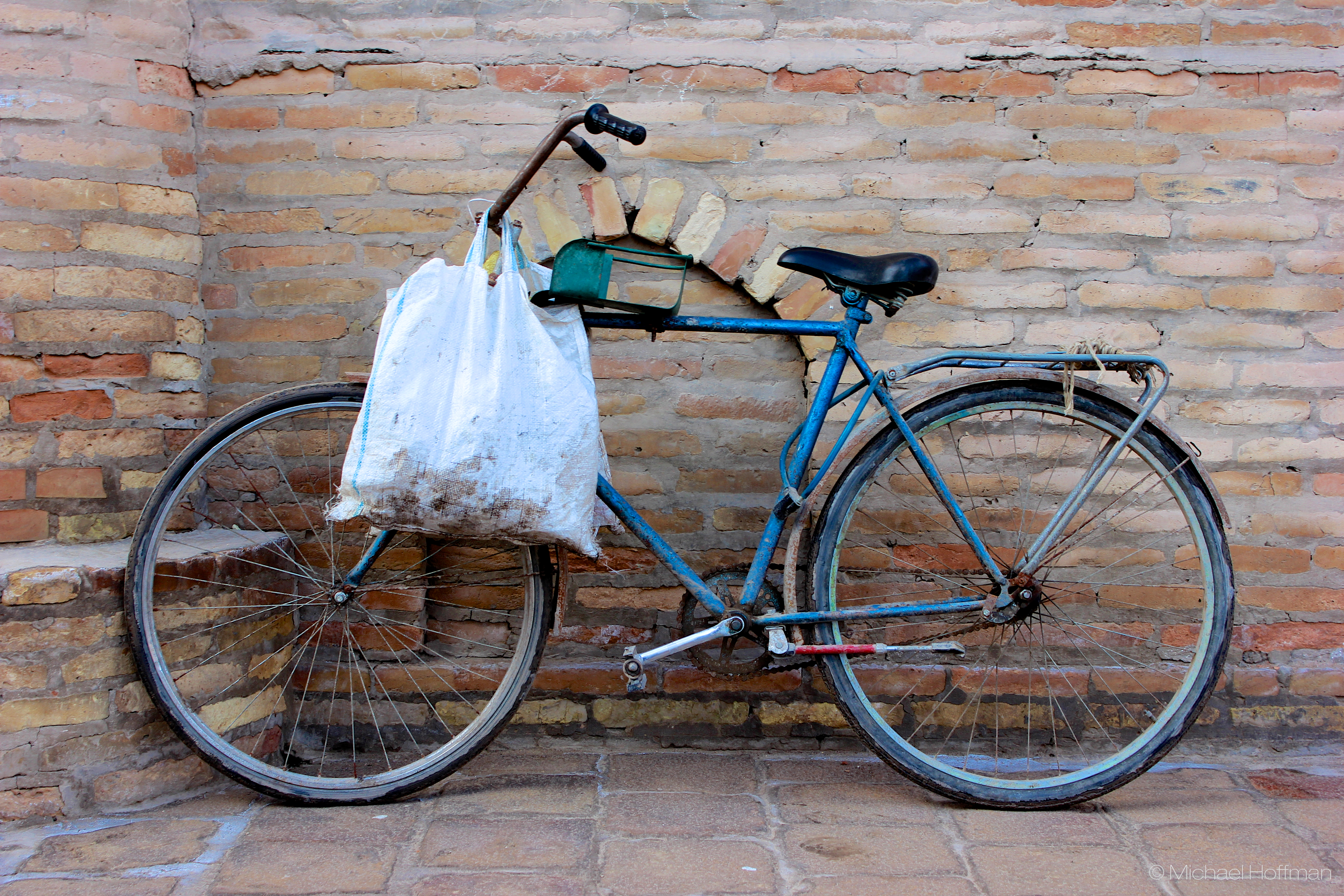
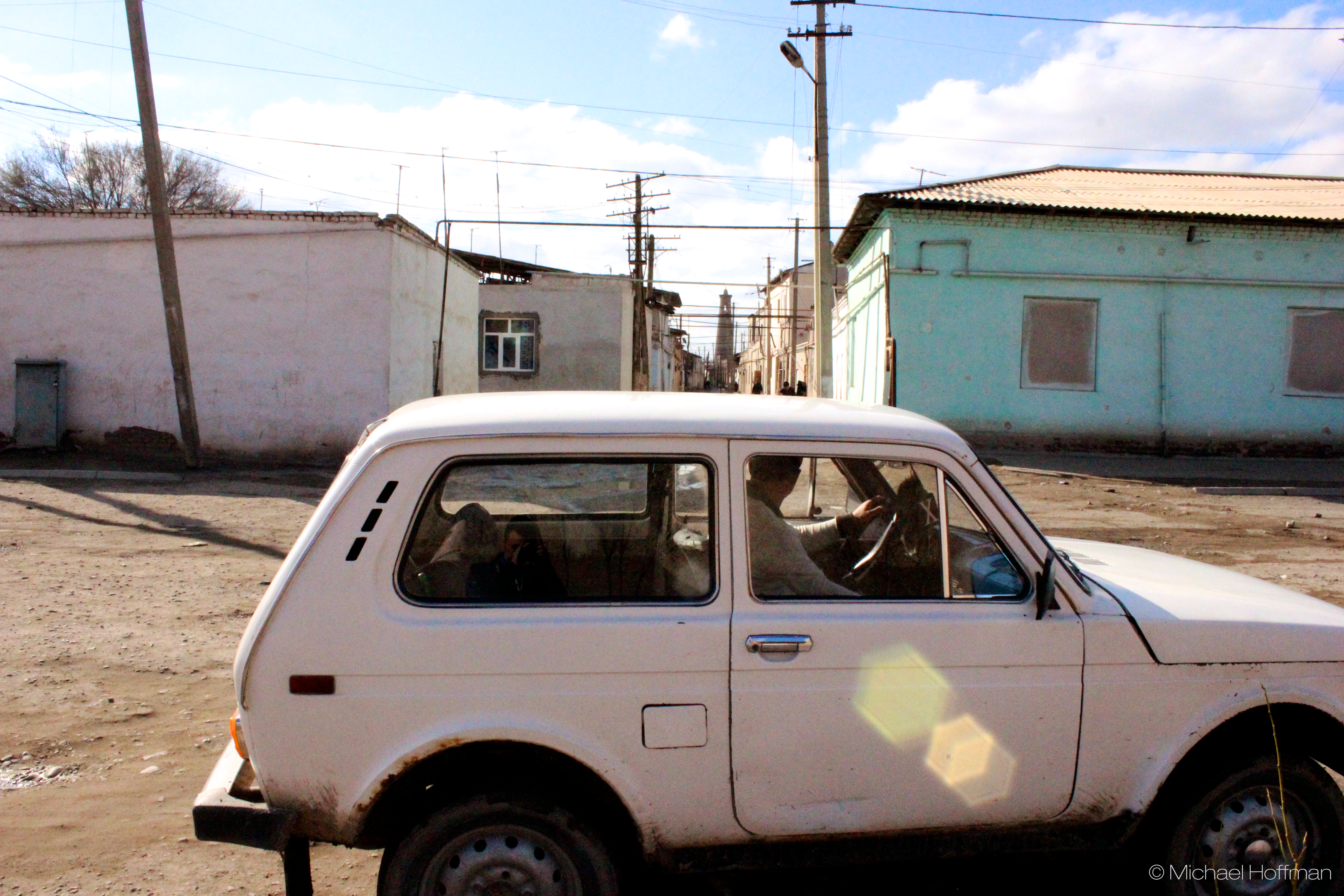
Unlike the last photography series, which I displayed here a couple months after the initial trip, I’d like to have it more immediate this time. So, I just returned from a fantastic journey to Uzbekistan in Central Asia. It is the modern state where many sights of the ancient Silk Road, being the major trading route between China and Europe for more than a century, happen to be. As I was there for work purposes, my time for photography was very limited to a couple of hours a day, so I didn’t have the time to wait for the perfect setup very often but instead tried to capture the beauty and immediacy of the reality in front of me as I saw it at the moment. Our first destination was the city of Xiva (or Chiwa or Khiva) in the Western part of Uzbekistan. It is close to the Amujaria River within the fertile oasis of Chorasm, between the deserts of Kysylkum (Red Sand) and Karakum (Black Sand). As the photography displayed here shows, I think walking through the city felt like being transported not only within space but also within time to a mysterious, oriental place of merchants, beggars, and camels (or Soviet cars) like it already used to be for centuries. In case you wonder, the vast turquoise tower is the landmark of Xiva. It was supposed to be the largest minaret in the Islamic world, but the construction was abandoned midway through. So it was decided to garnish the unfinished structure with beautiful ornaments, at this moment showing the wealth of the oasis city.

test

IMG_8434

IMG_8468

IMG_8462

IMG_8456

IMG_8409

IMG_8261

IMG_8303

IMG_8419

IMG_8292

IMG_8366

IMG_8453

IMG_8360

IMG_8351

IMG_8265