Skip to content

The City of Augsburg Pt. 2

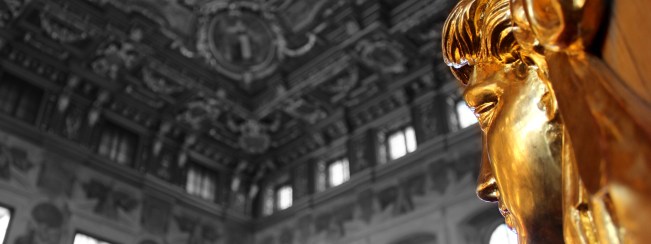
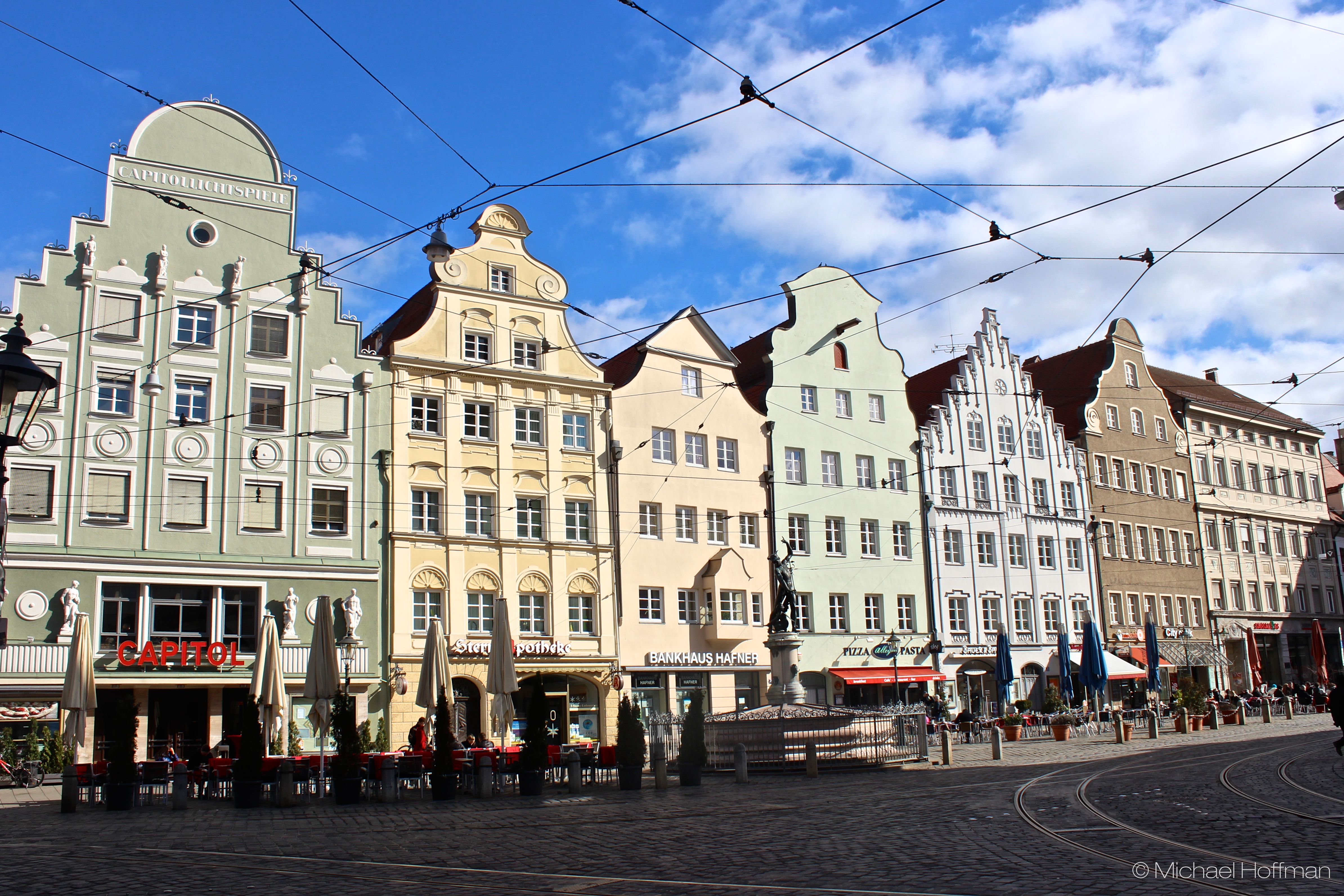
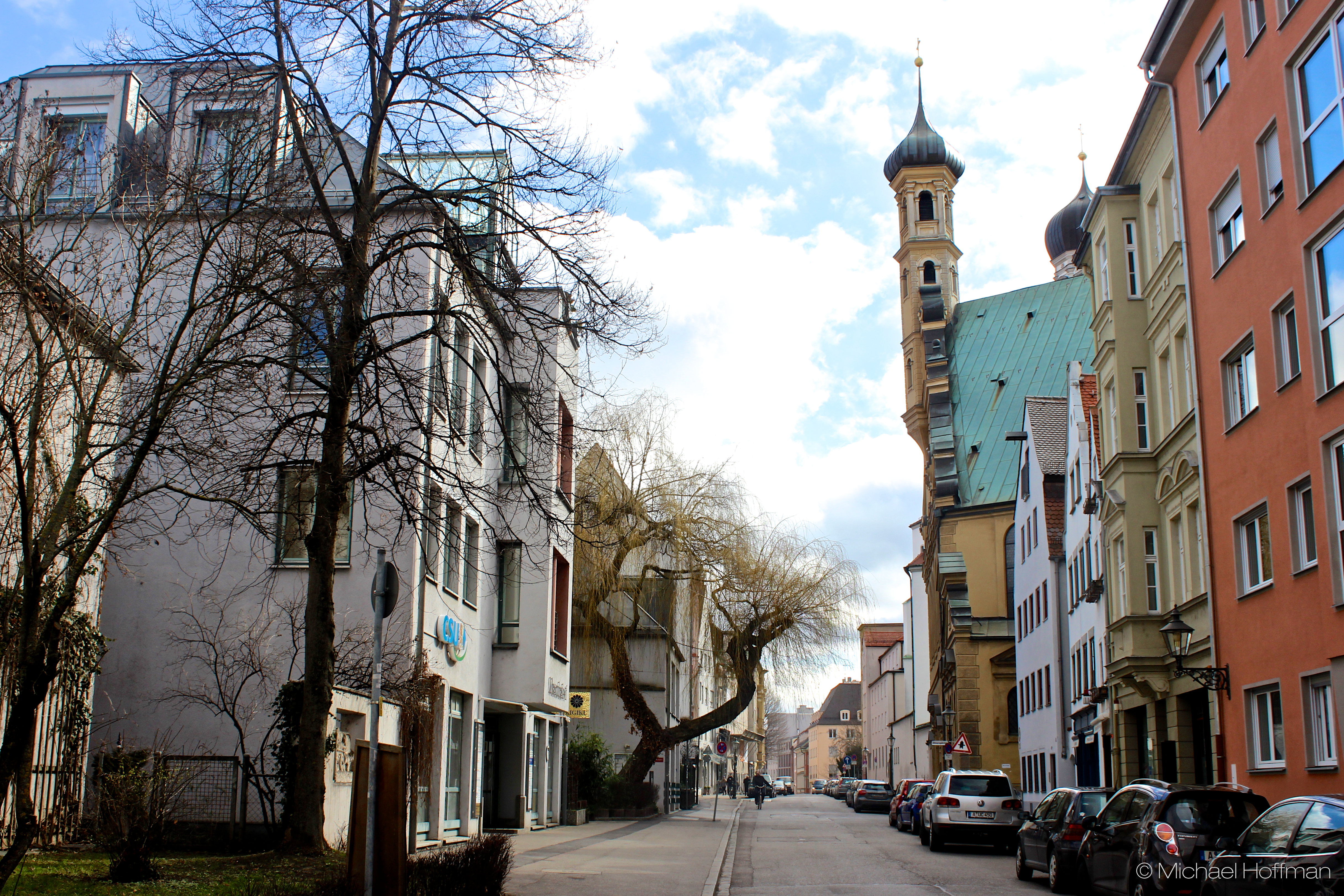
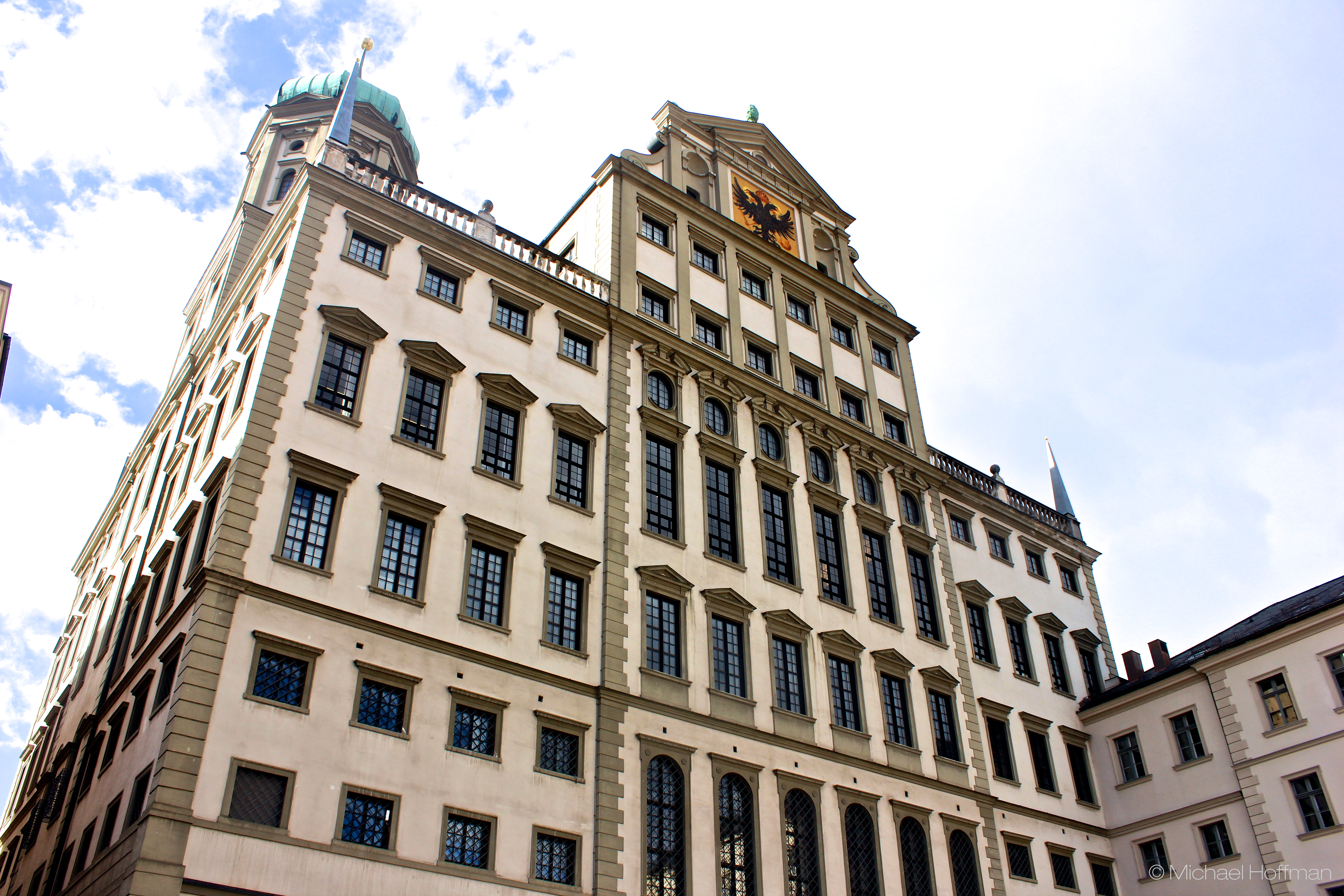
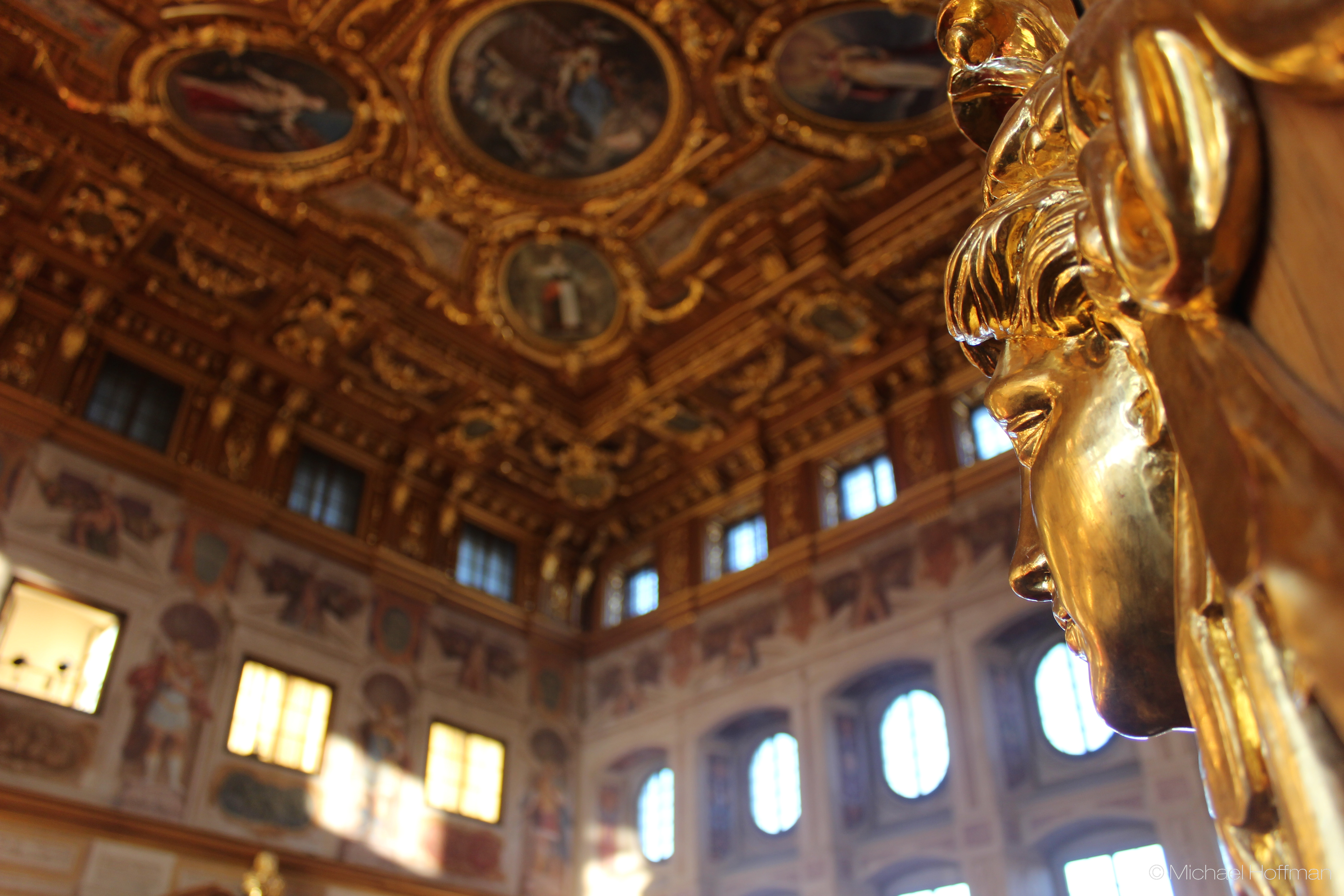
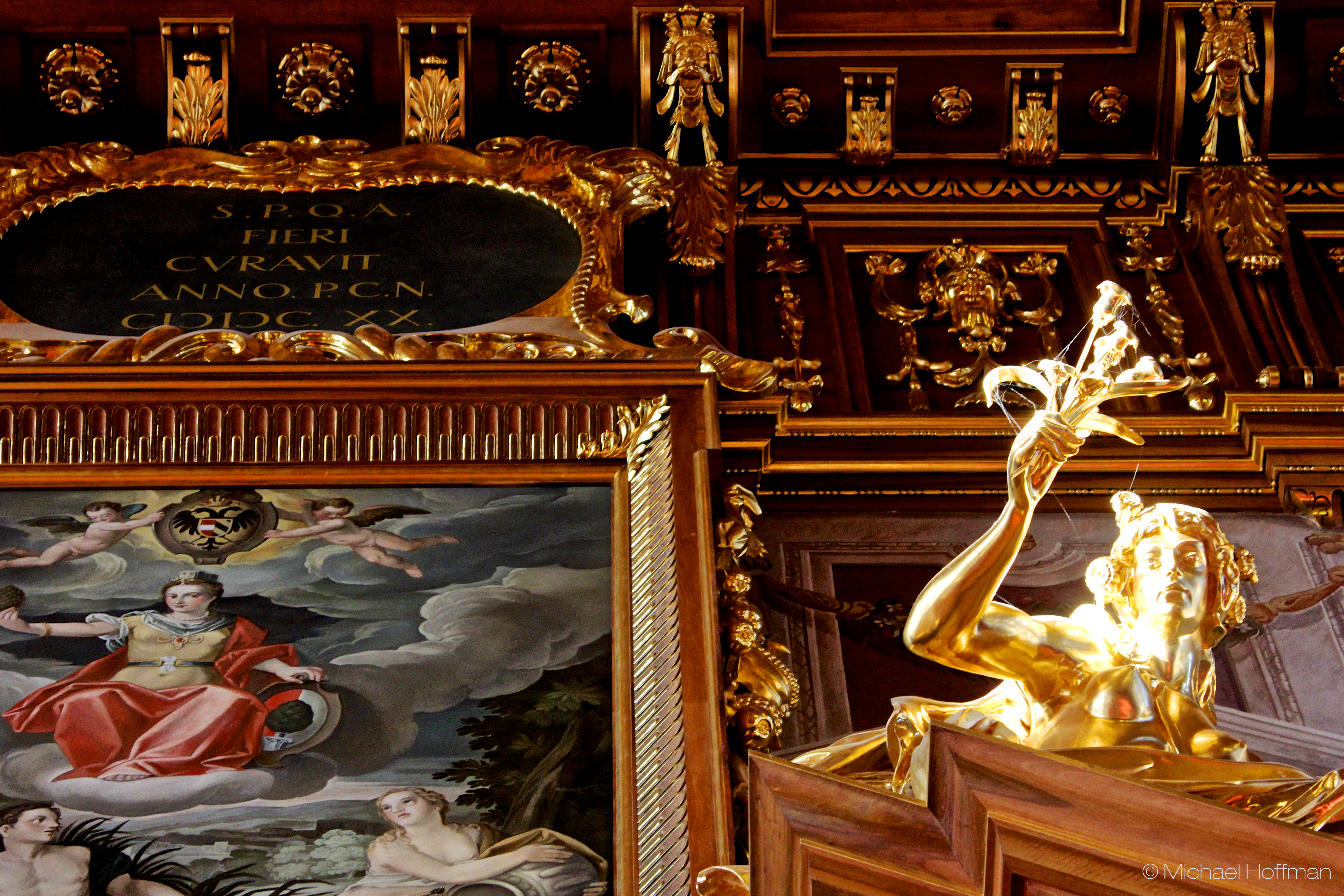
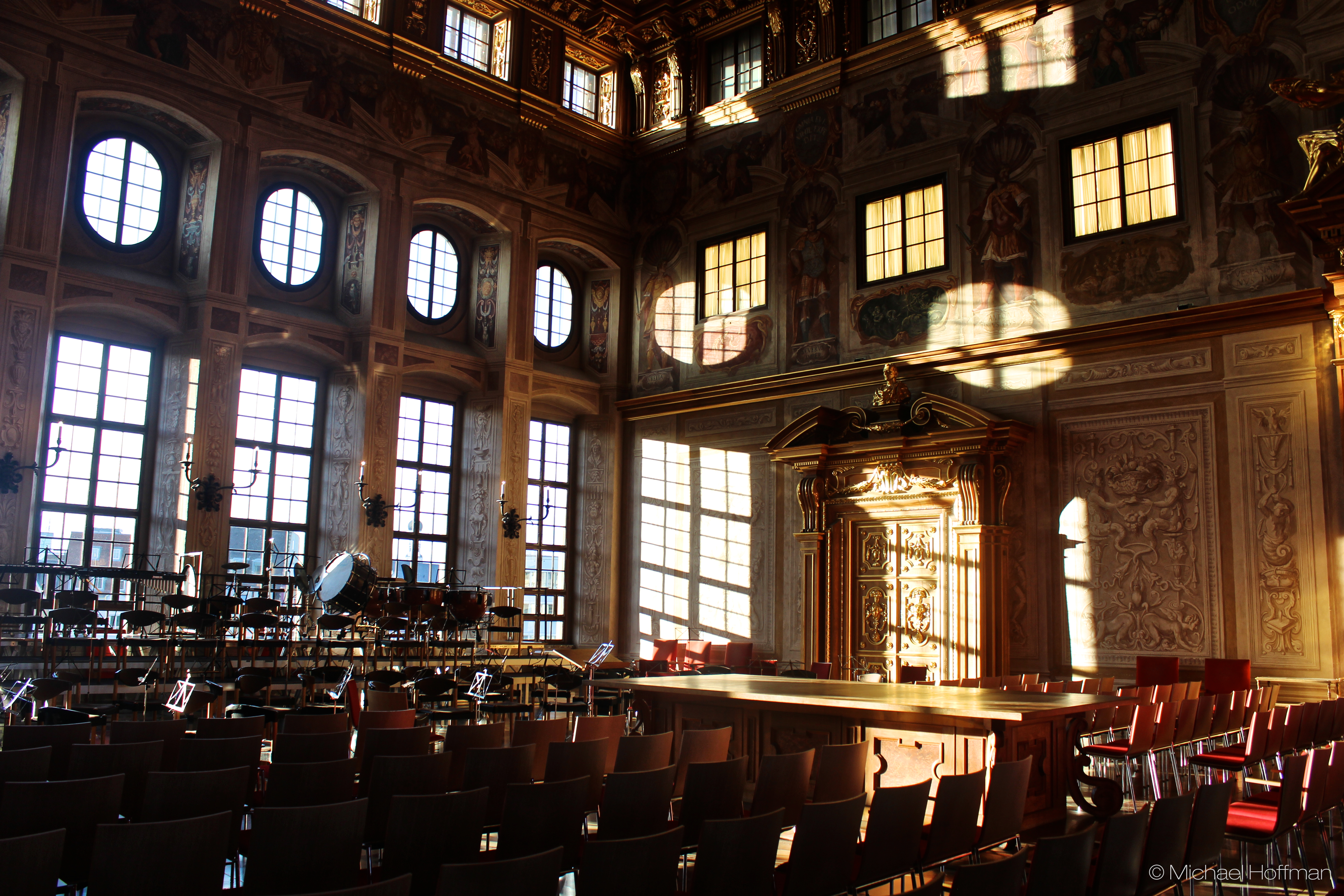
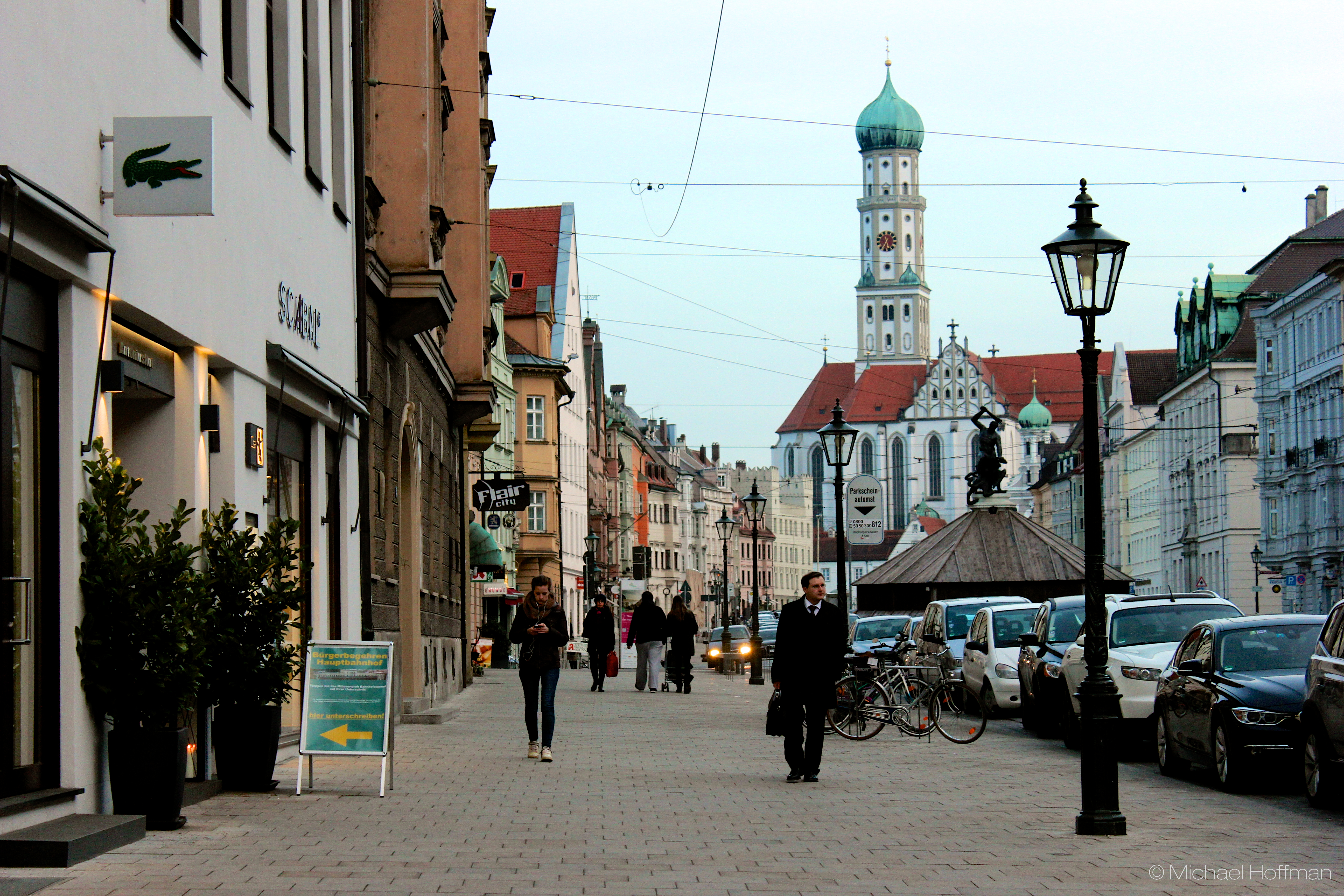
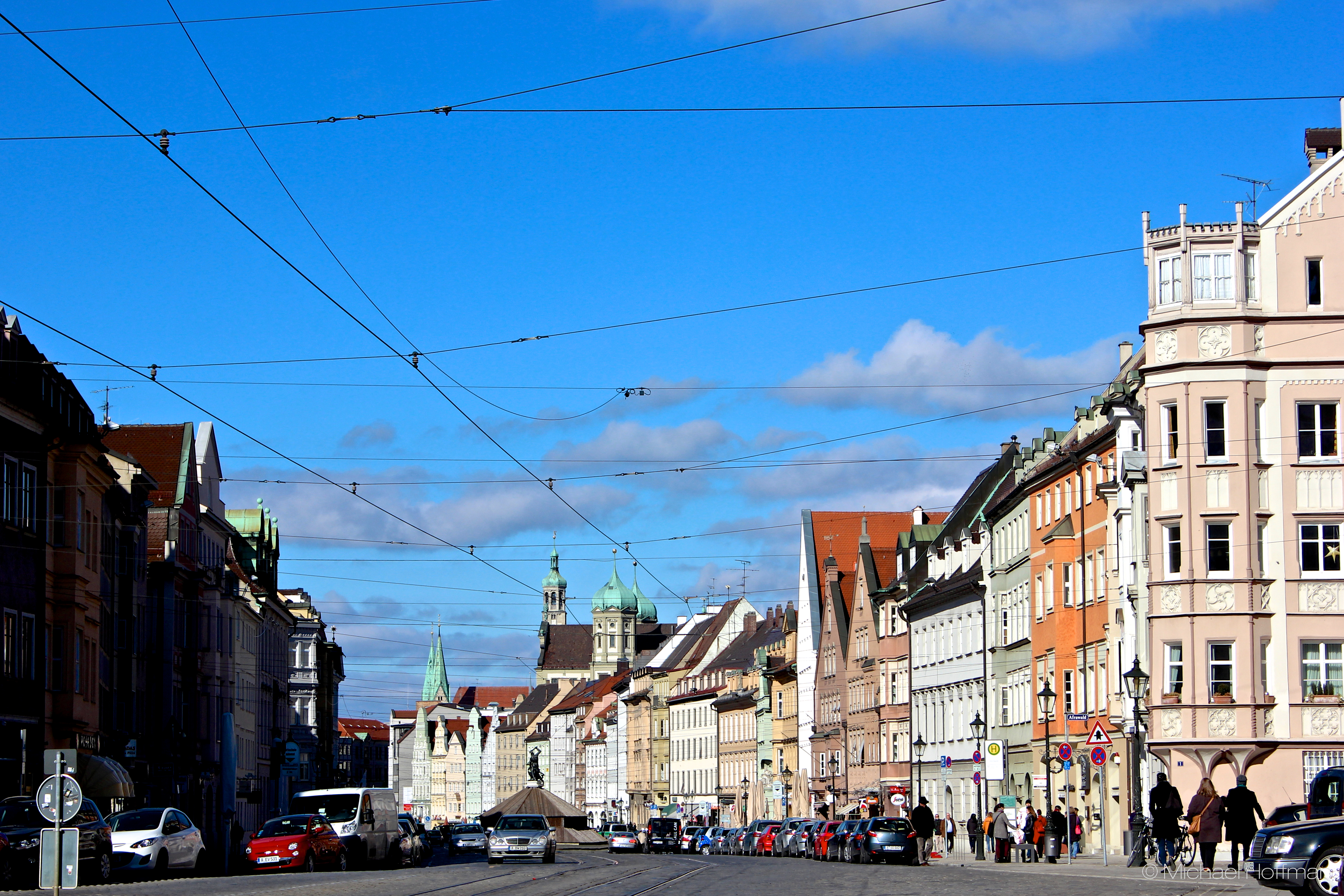
For an introduction to the series, please see Part 1. In this one, the focus is on architecture. I took a particular interest in the city’s civic hall (pictures 3 – 6). The Golden Hall is just marvelous. It was completely destroyed during World War II and rebuilt entirely. If you get the chance to visit Augsburg, pay a couple of euros and don’t miss it; it’s worth it.

test

IMG_6348

IMG_6334

IMG_6213

IMG_6254

IMG_6256

IMG_6251

IMG_6277

IMG_6366

IMG_6206

IMG_6277

The Silk Road: The Grand Market in the Mountains Pt. 1

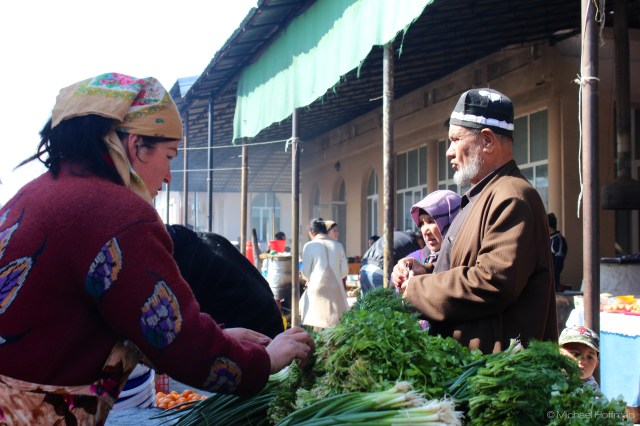
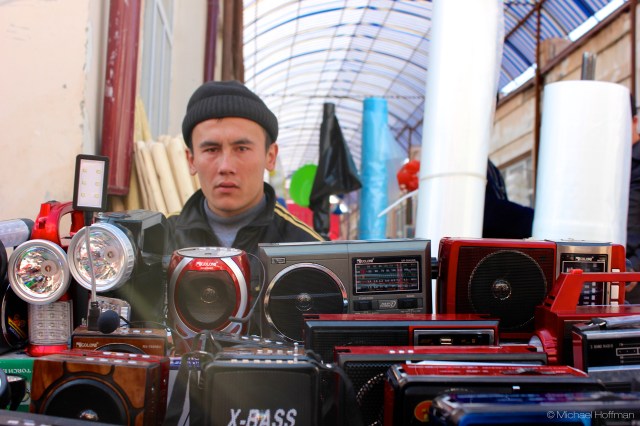
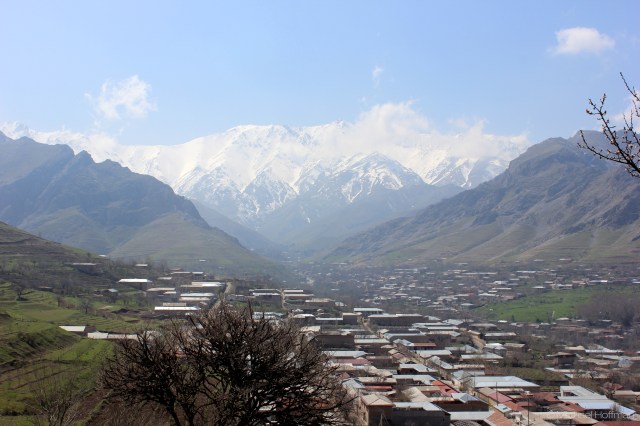
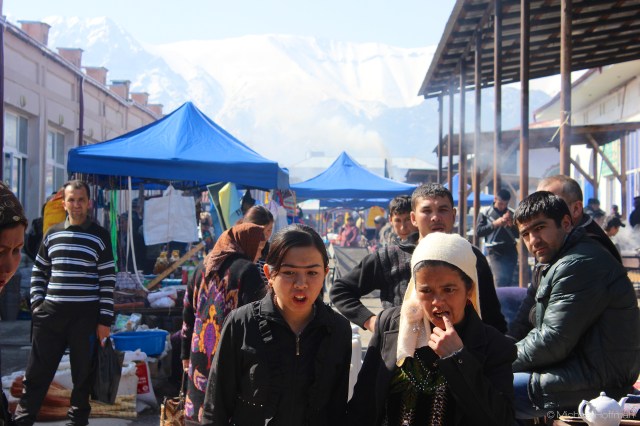
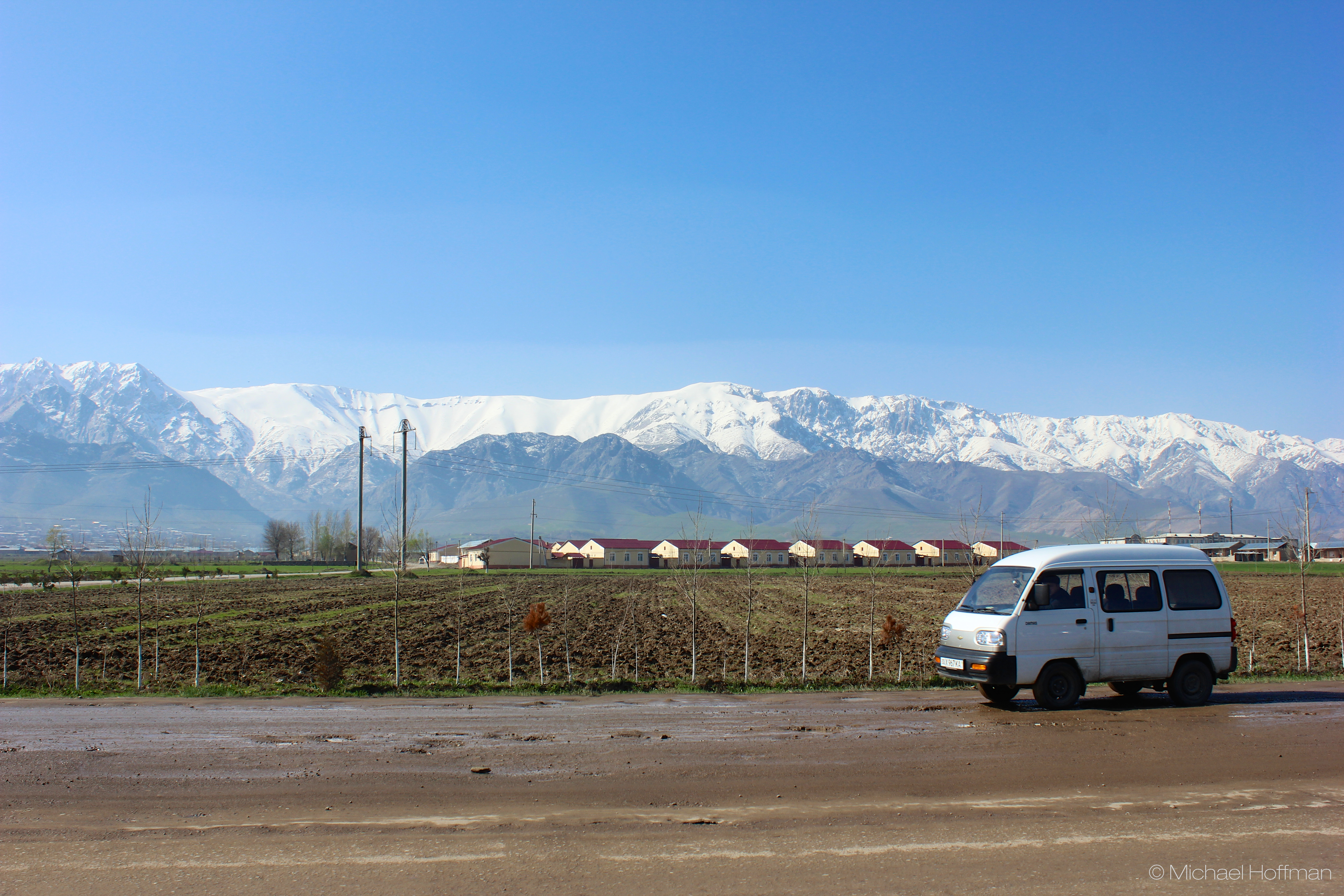
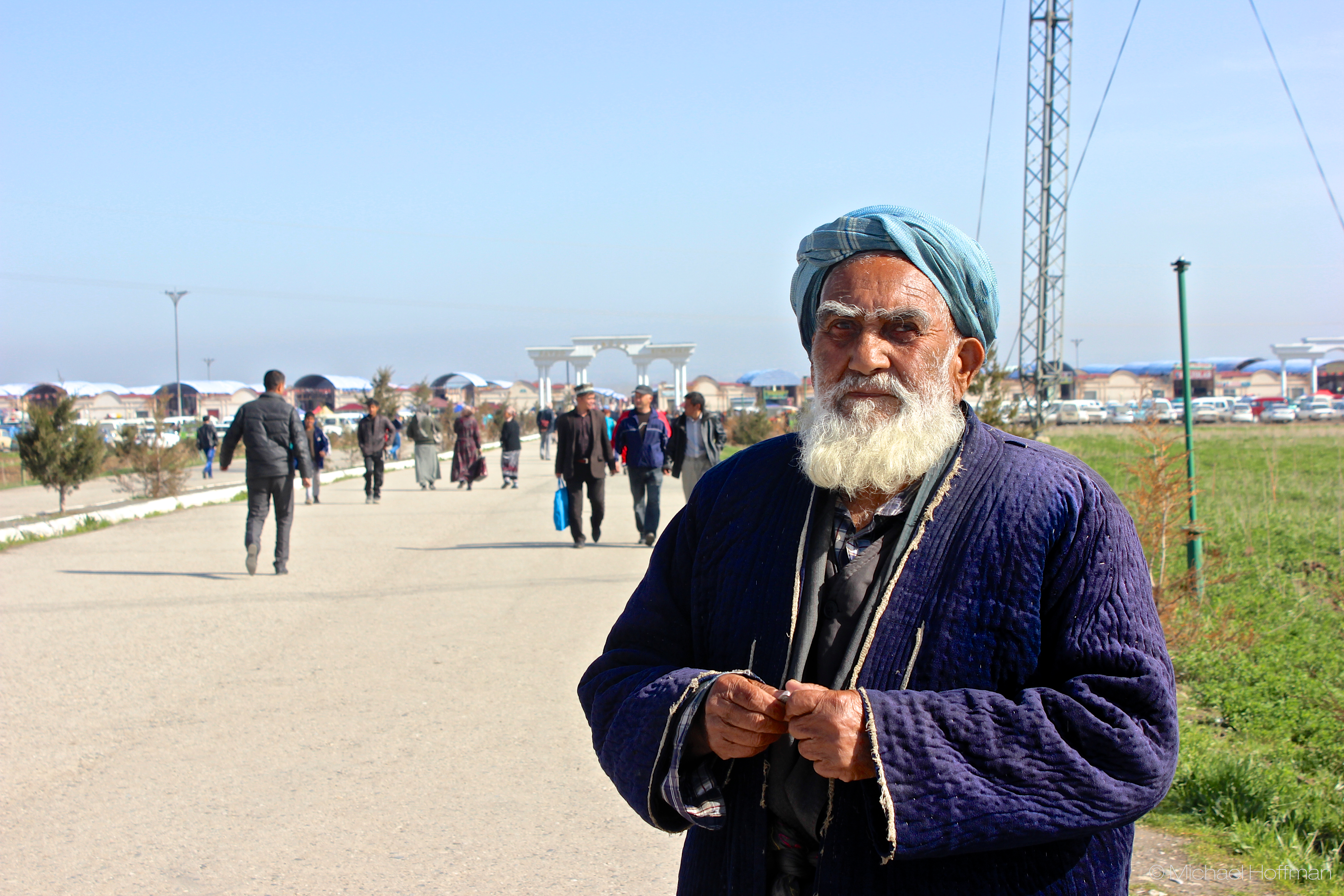
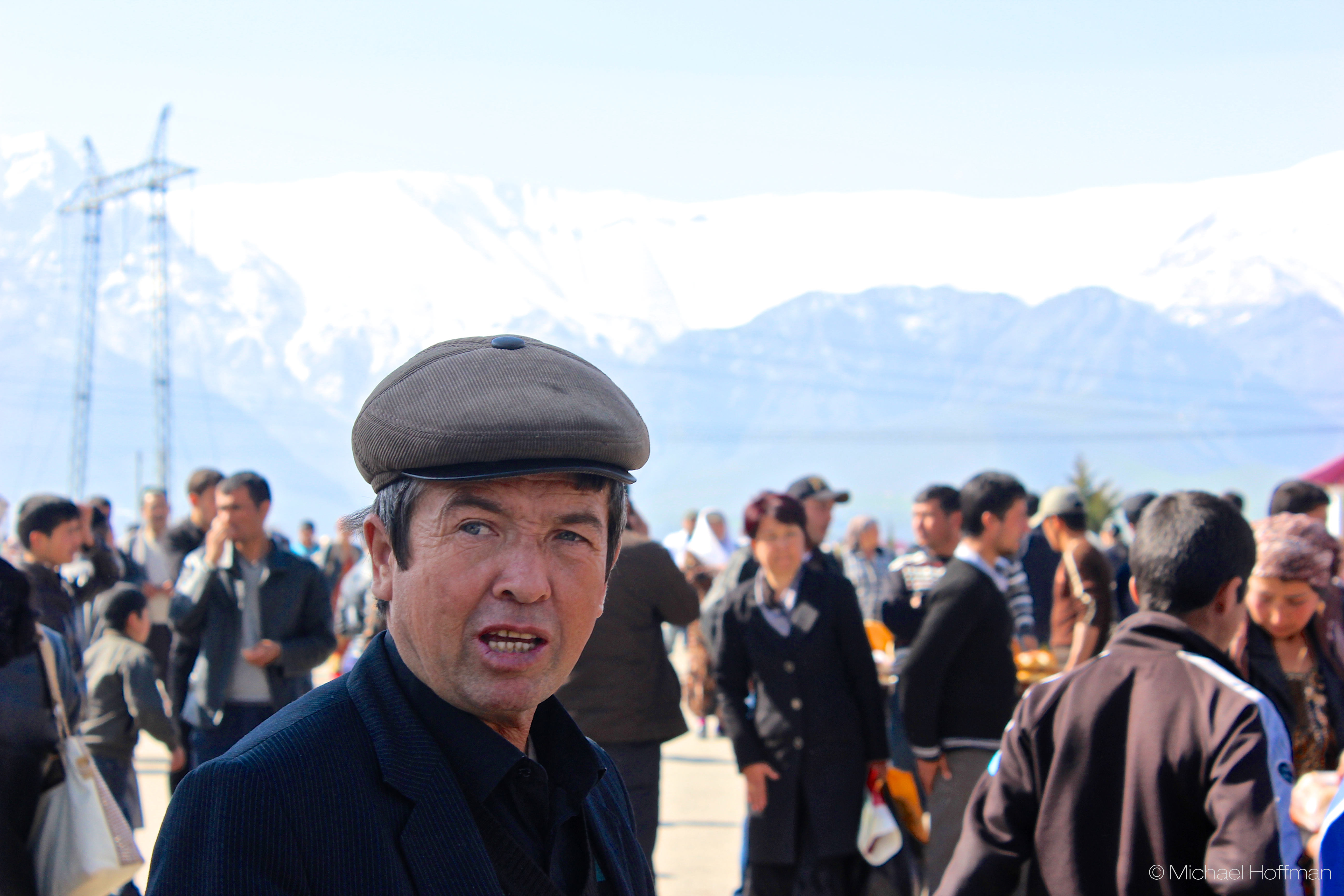
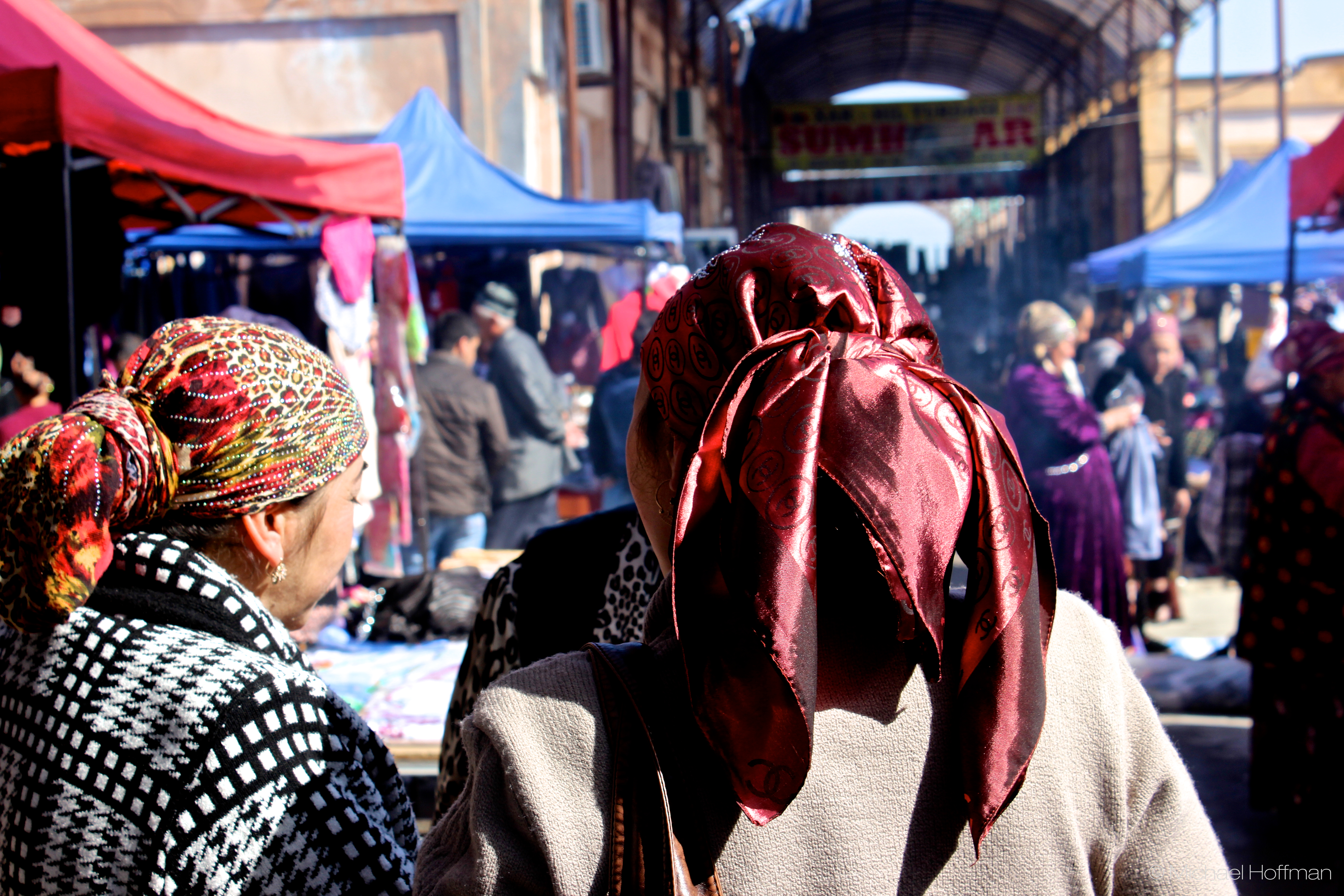
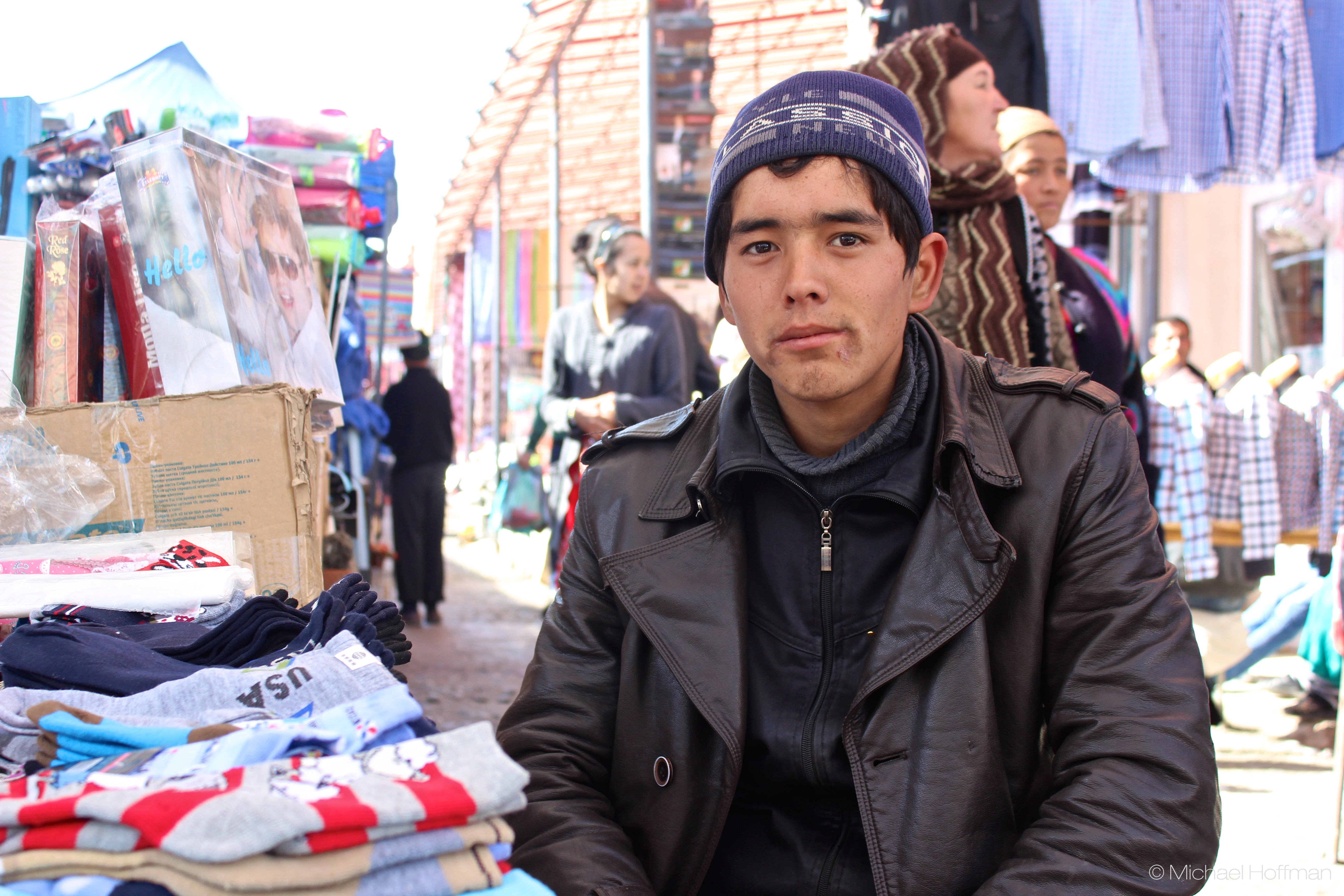
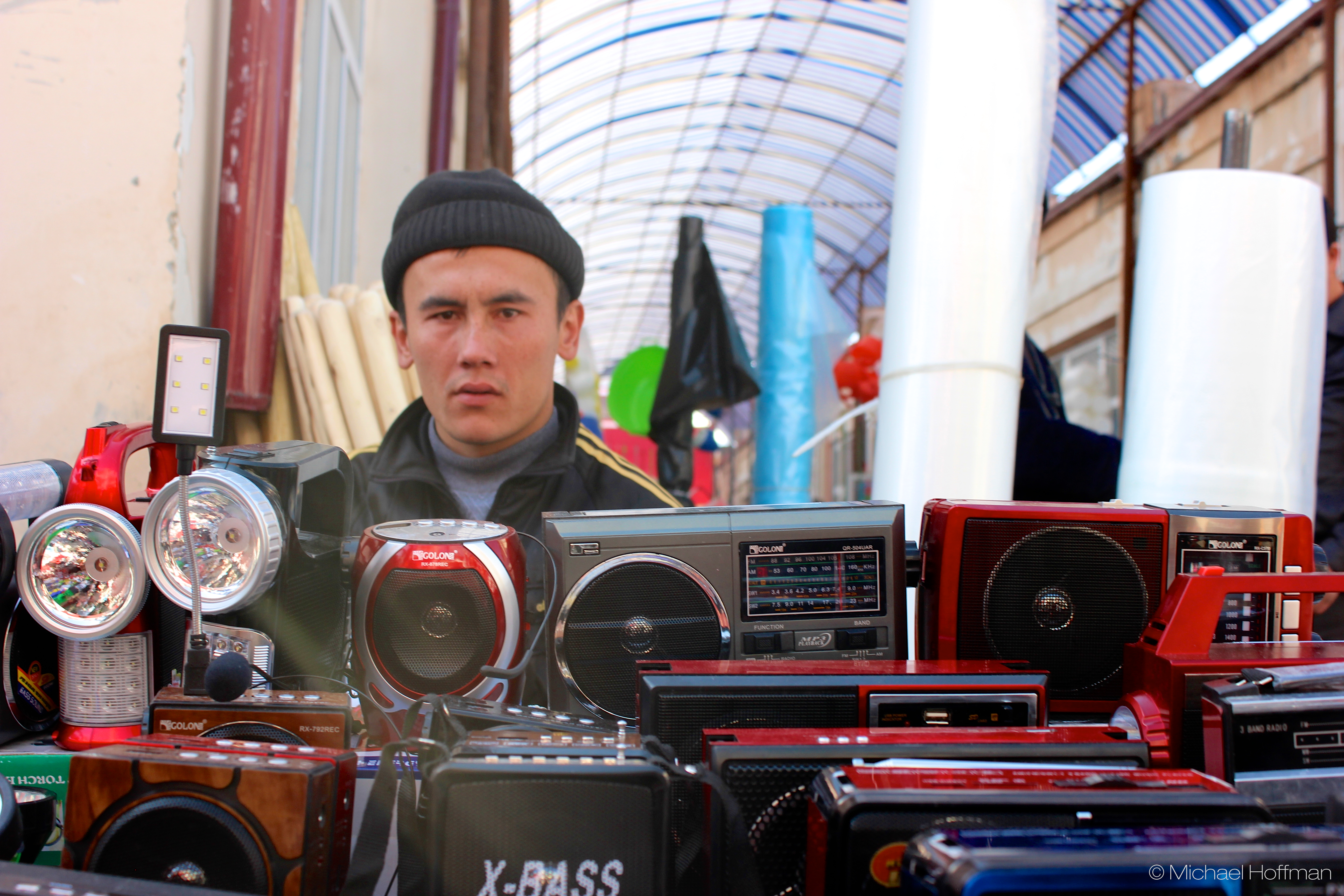
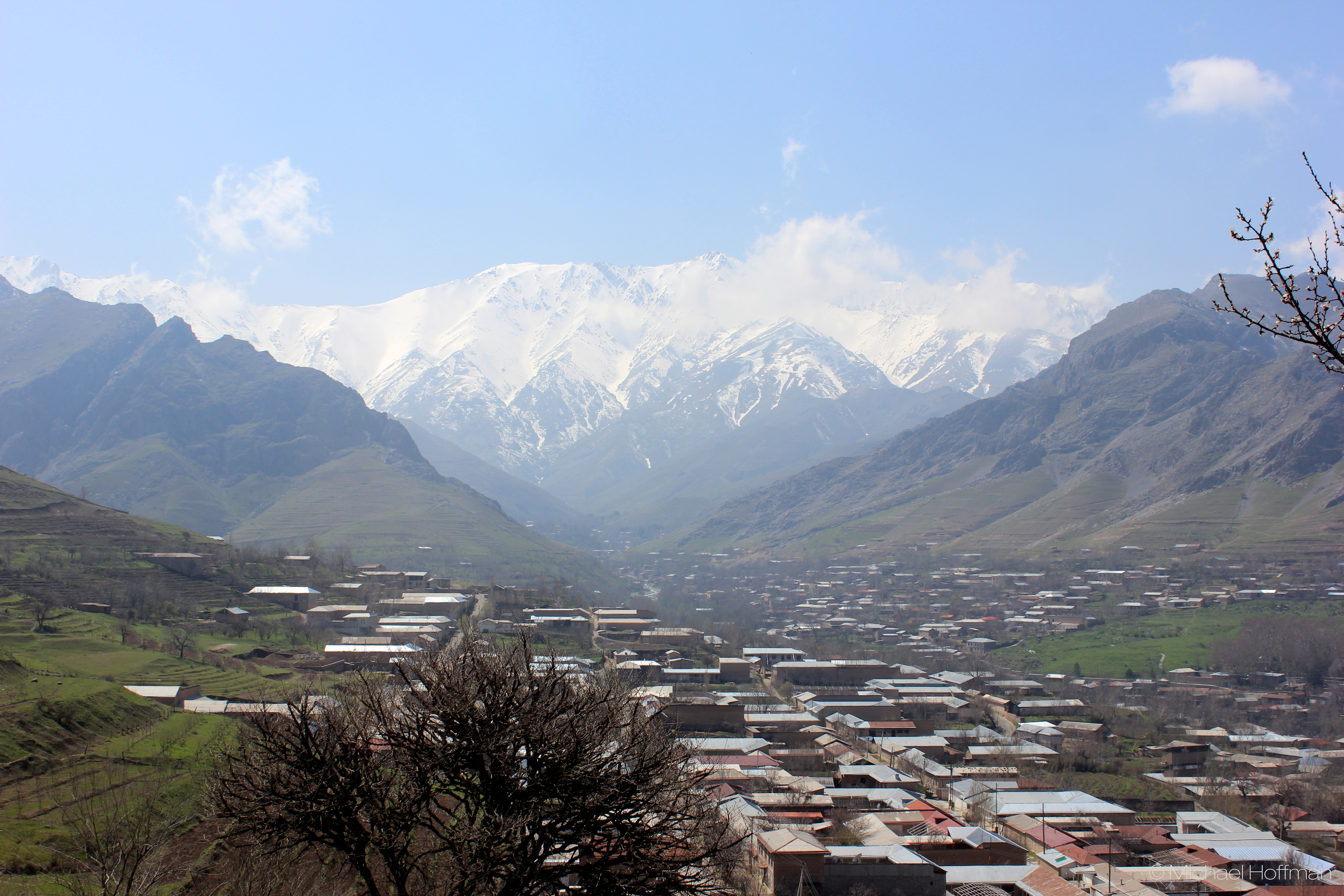
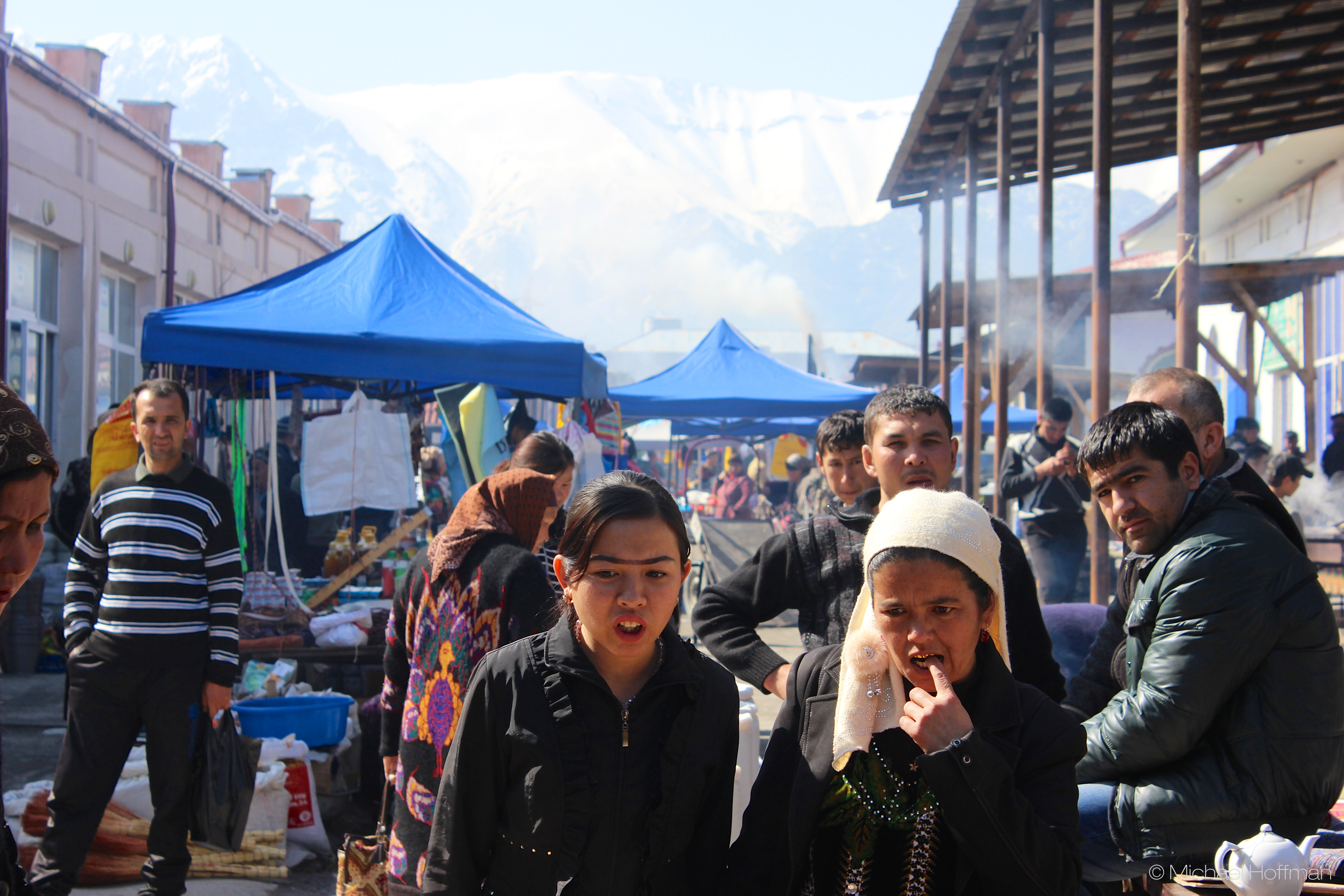
While Eastern Uzbekistan (about 70% of the country) largely consists of deserts, with green spots along the river of Amudjaria, the west looks much different. Getting closer to the Tajik border, large mountains begin to arise, soon occupying the whole horizon. They are part of the Pamir mountain range, a vast plateau that connects the Tian Shan in China with the Hindukusch and the Himalayas in India. Combined, it is the largest mountain range in the world. At the western end of this plateau, already in the hills but still reachable from the fertile lowlands at the bottom of the mountains, there lies the town of Urgut. For centuries it was a transshipment point for goods on the Silk Road, where travelers from China sold their goods to Central Asian merchants, who in turn transported them on camels through the desert and brought them closer to their final destination – Europe. Therefore, the Grand Market of Urgut (the largest of Uzbekistan, of course) is what it must be and always was: A transitional space for people and ideas from the Orient and Oxidant. It is probably one of the few early melting points of human civilization still in existence, looking not much different than centuries ago. Except for the iPhone cases and pirated Gucci handbags, the new luxury goods of the 21st century coming from China to Europe. A new kind of silk, one could certainly argue.

test

IMG_8937

IMG_8946

IMG_8941

IMG_8957

IMG_8962

IMG_8974

IMG_9001

IMG_9006

IMG_8984

IMG_9134

IMG_8949

IMG_8968

IMG_9004

IMG_8987

The Silk Road: Buxoro, The Enchanted City

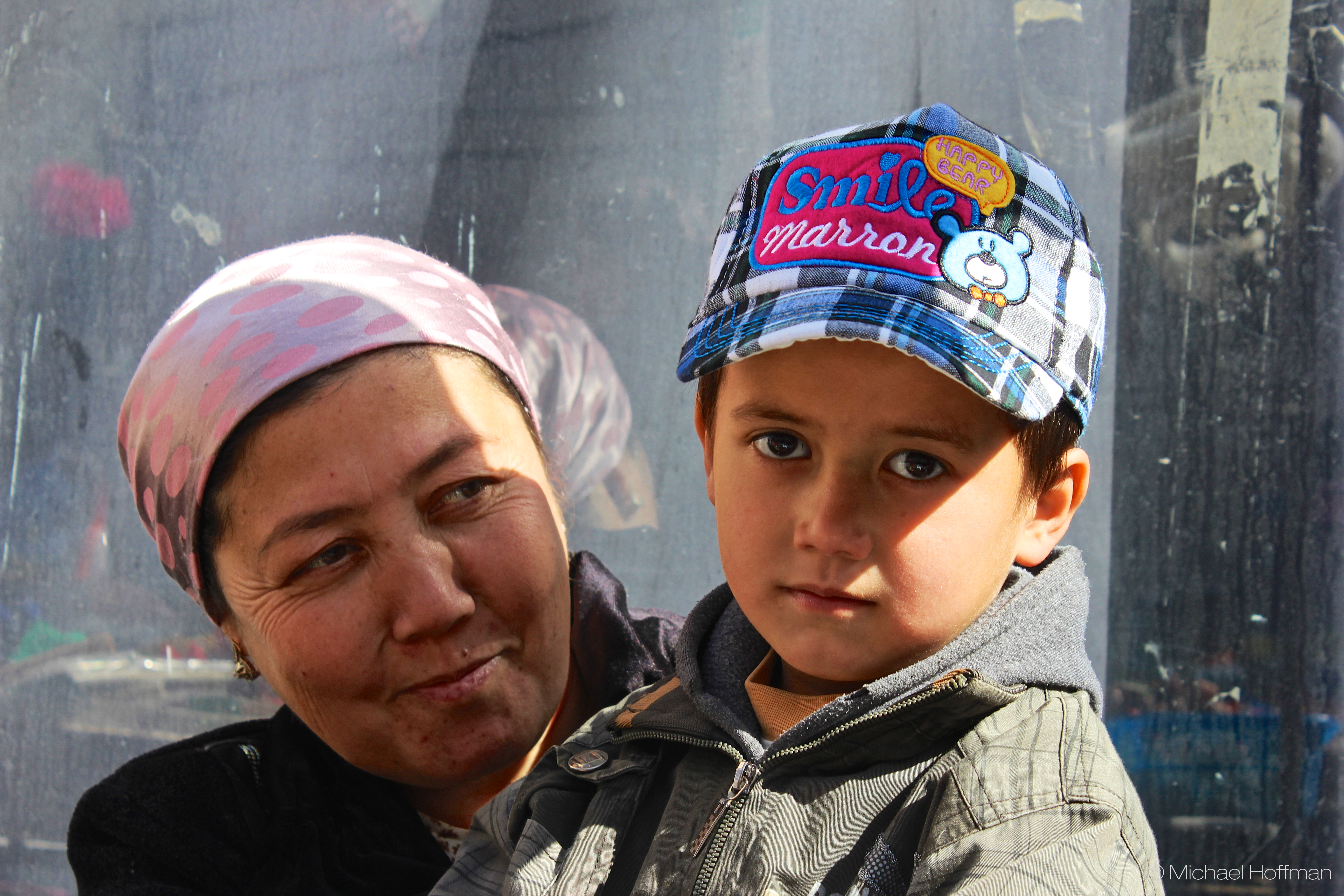
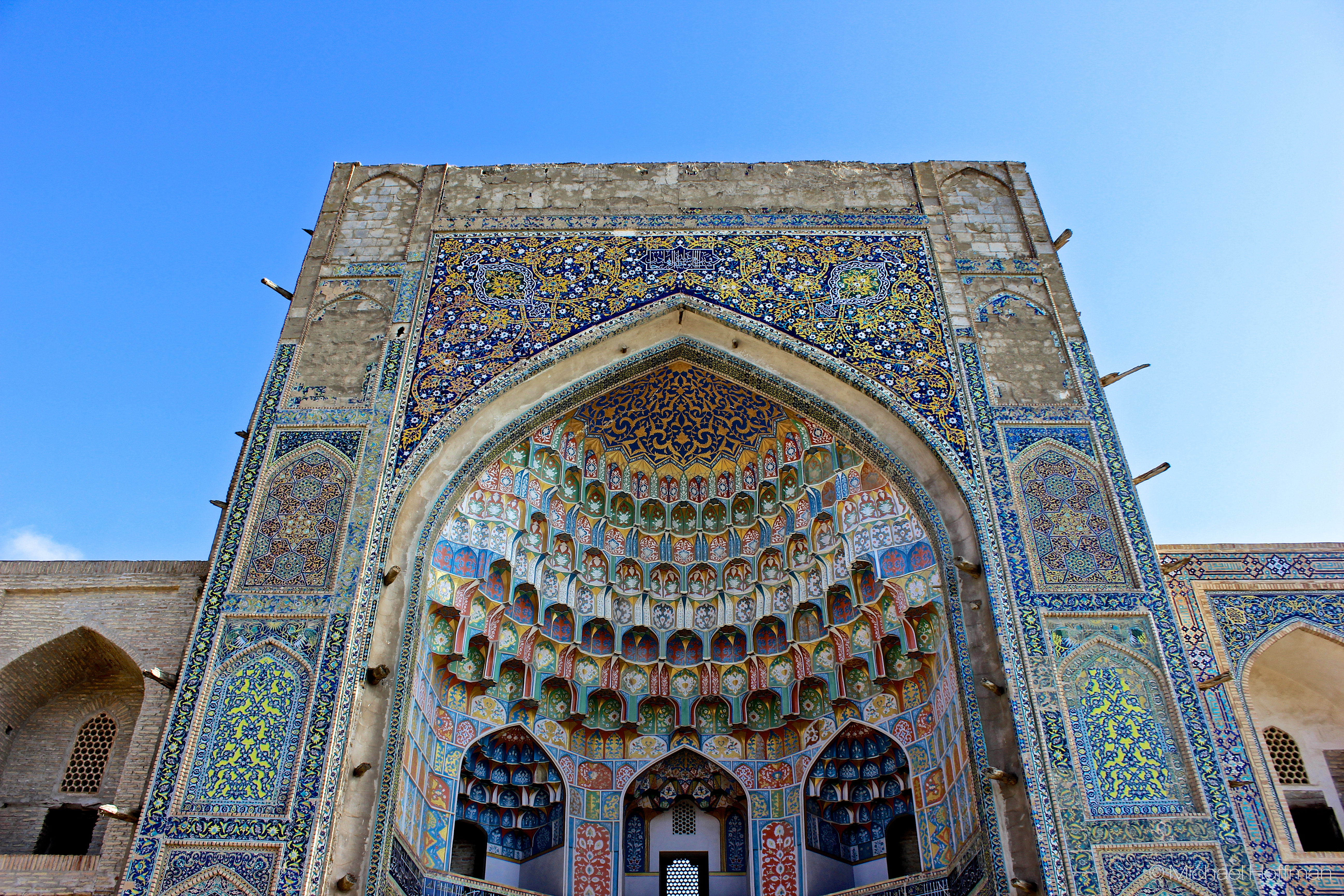
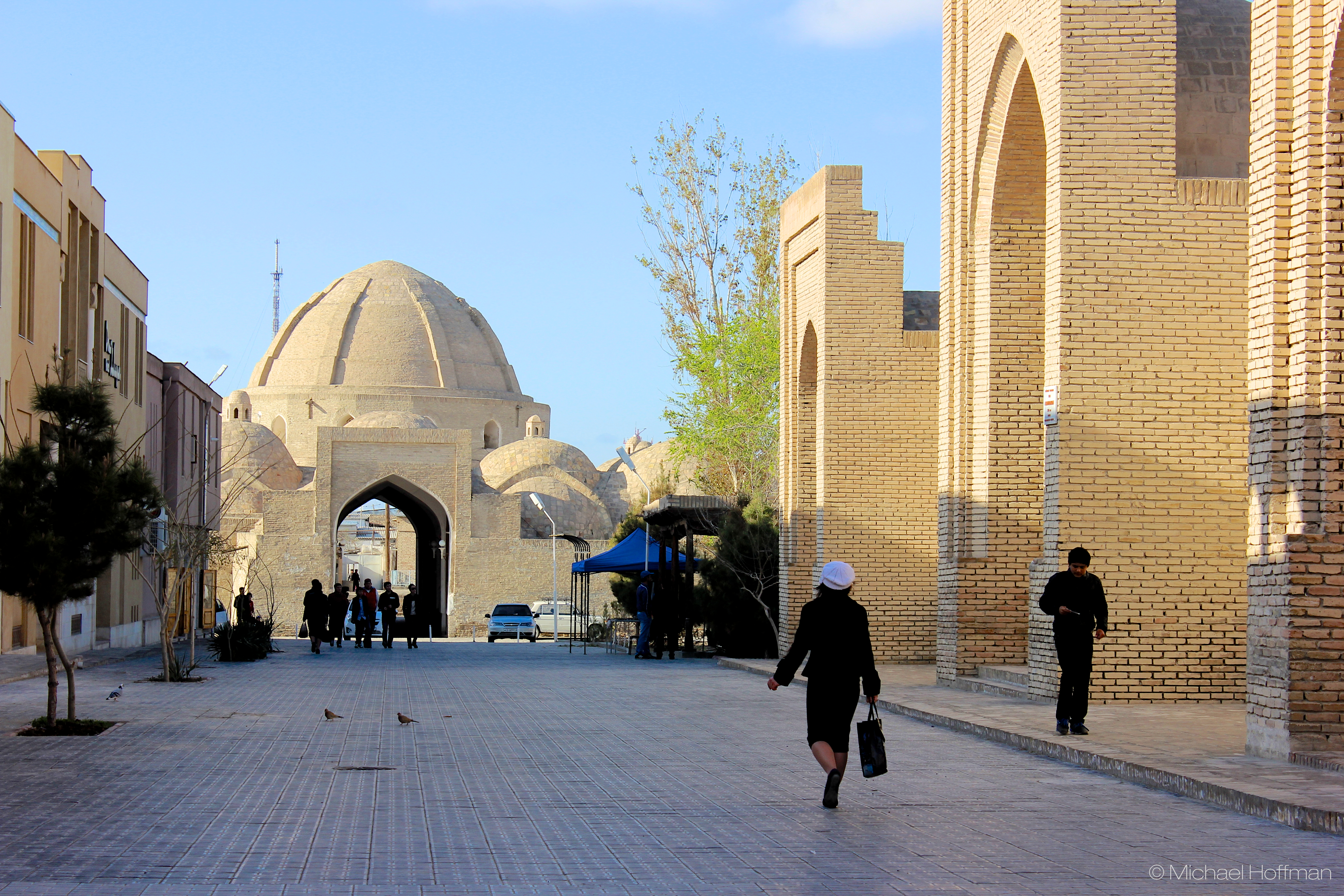
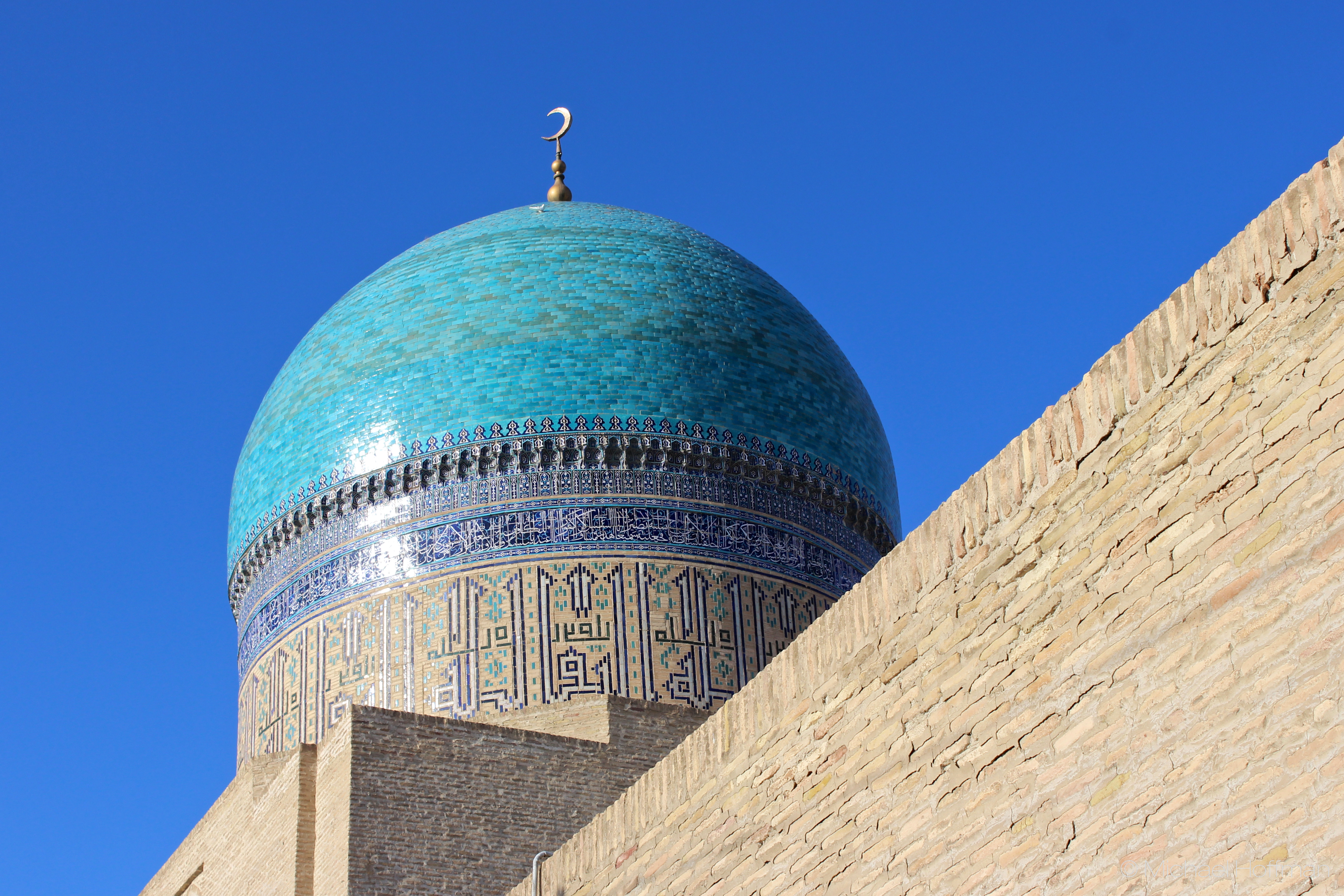
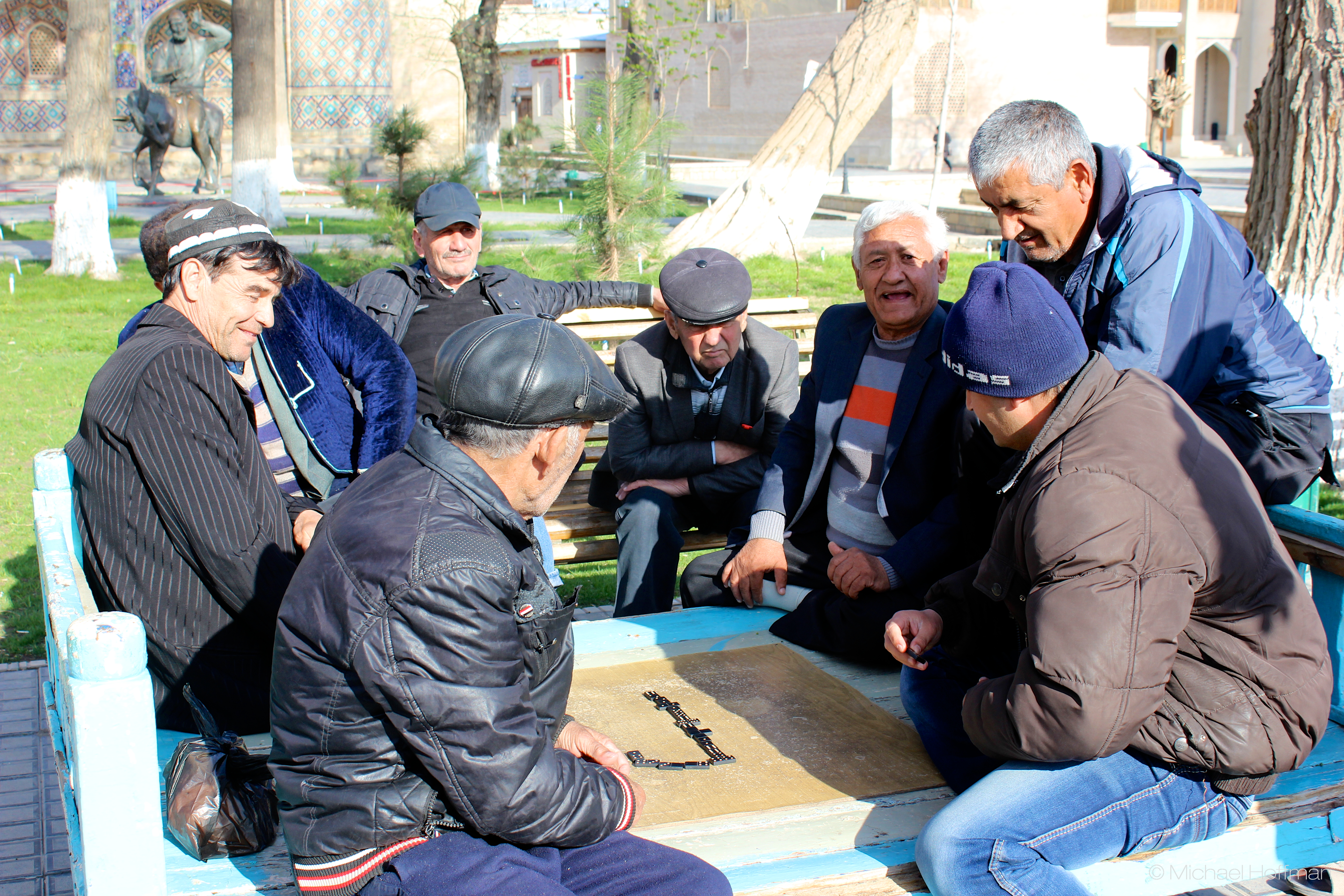
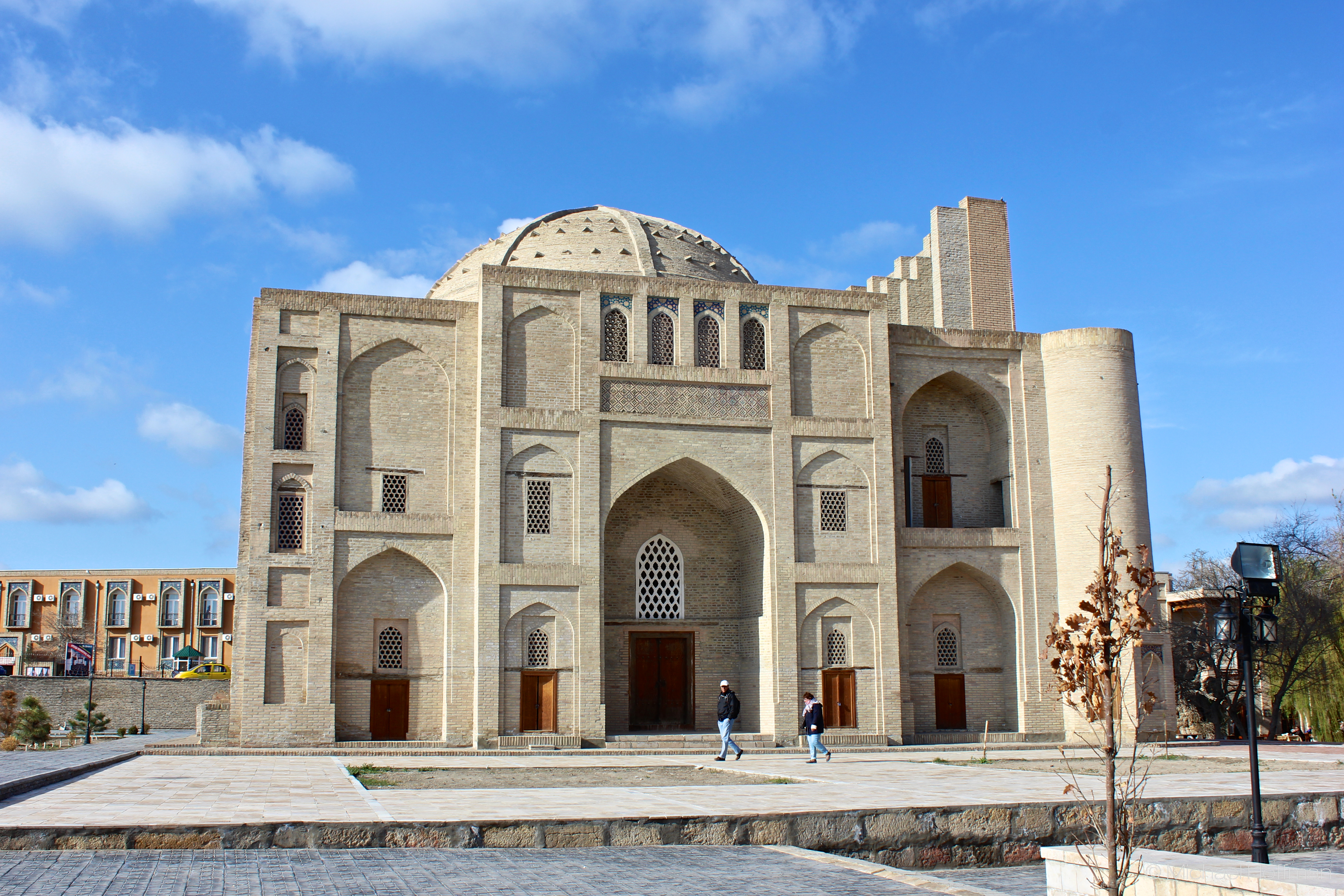
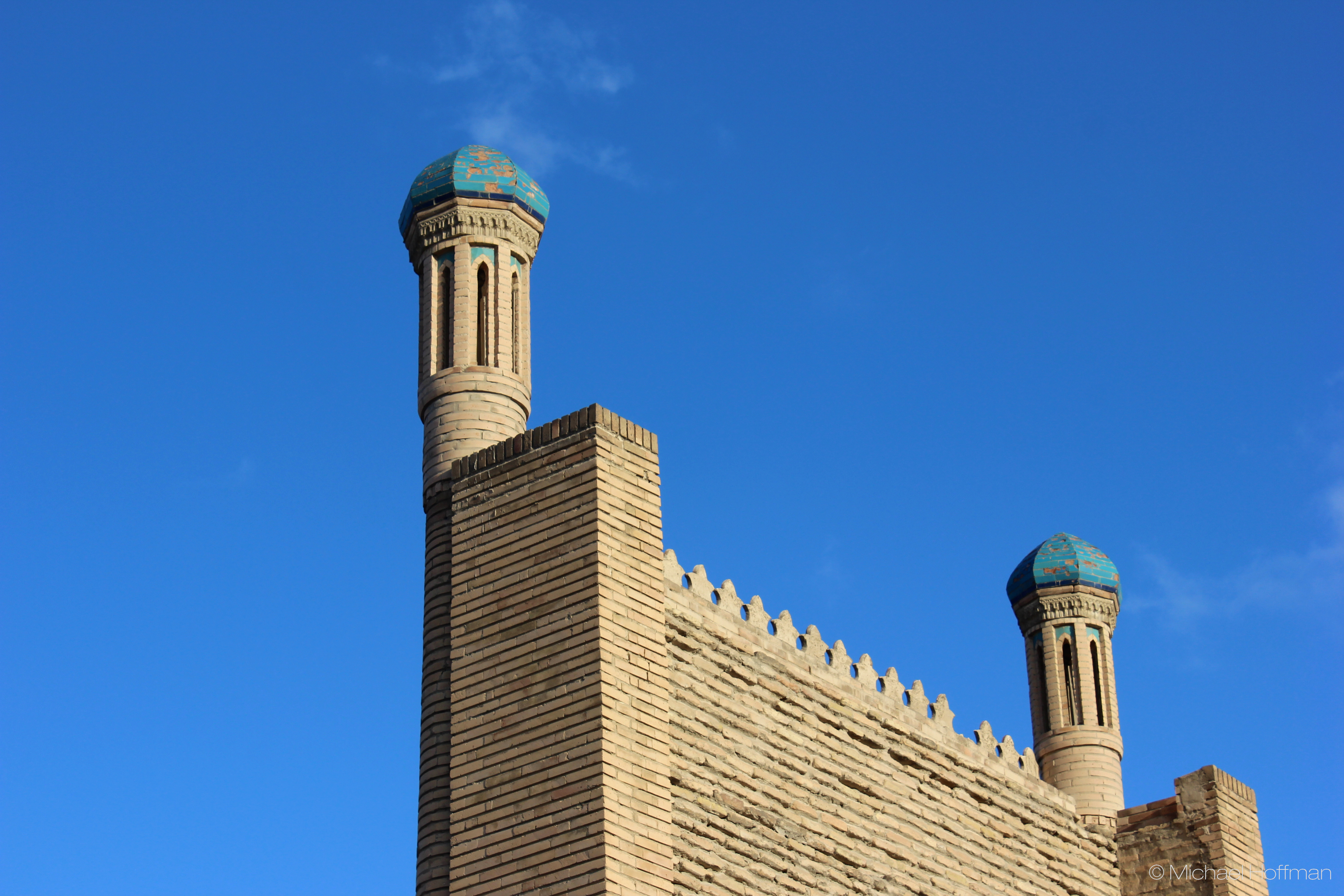
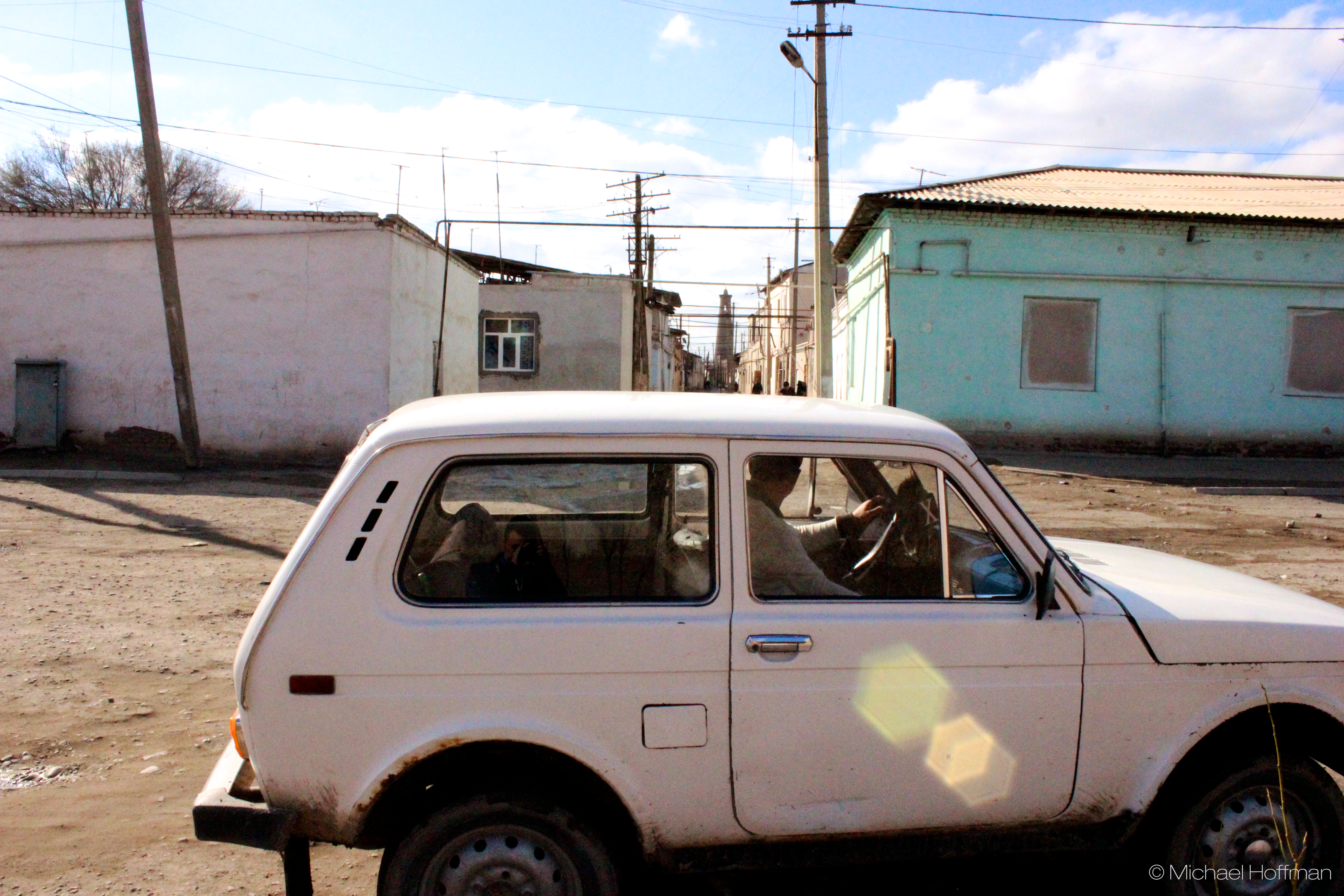
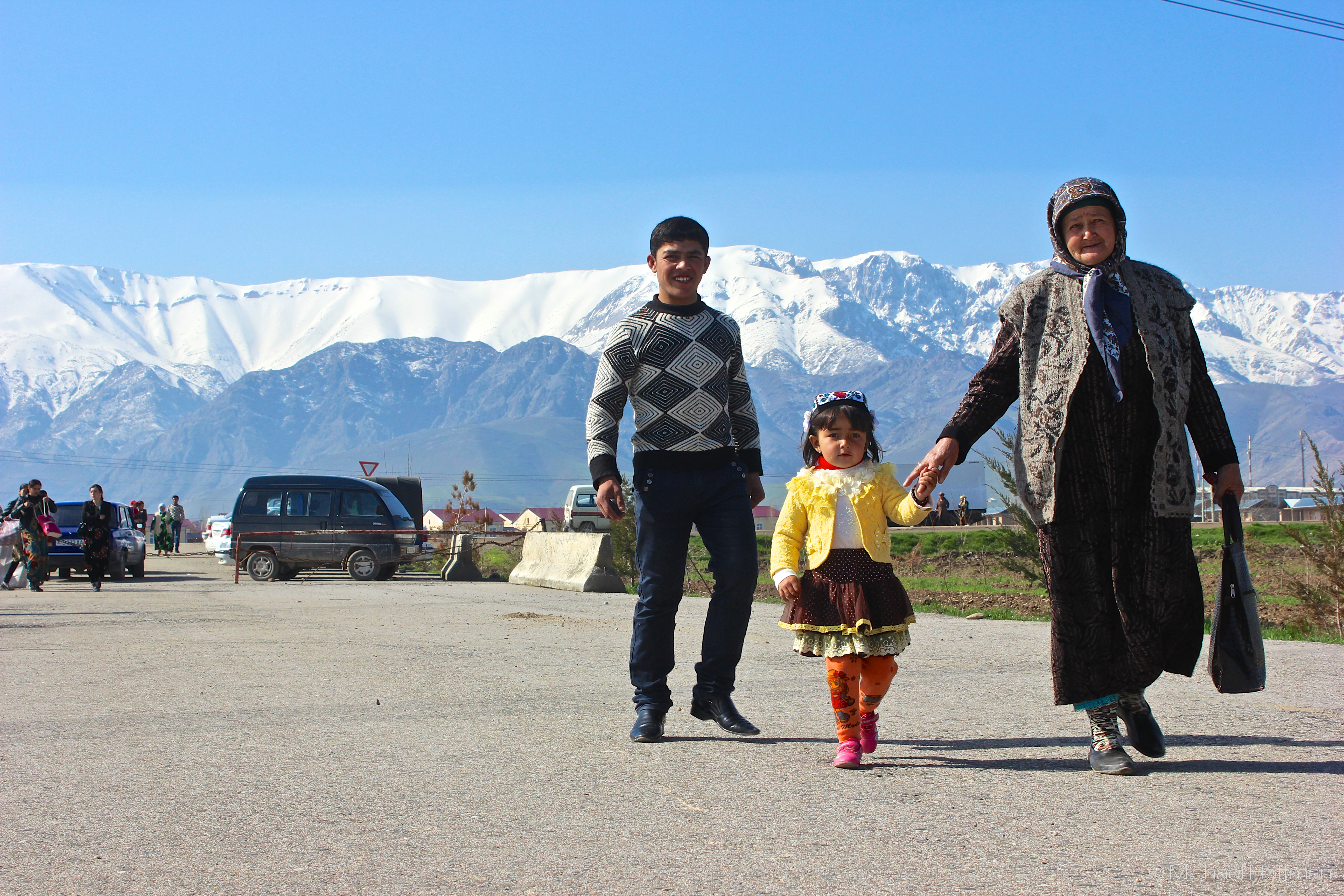
Further to the west lies another majestic city along the Silk Road: Buxoro or Bukhara. While Xiva is a beautiful but somewhat enclosed desert city in Buxoro, the connection to the world outside of Central Asia can be felt. Influences from Persia and India can be seen here (just look at the first picture).  The connecting element to other cities along the Silk Road is the blue cupolas, the symbols or landmarks of Uzbekistan. Oh, and of course, the Soviet cars (picture three). I like how the color of many of them still resembles an older kind of (groaning) vehicle 😉 And in case you wonder, the title of an “Enchanted City” was given to Buxoro by the diplomat Fitzroy Maclean, who worked as a diplomat in the British Embassy in Moscow and visited Central Asia in 1938. Later, he called the city “enchanted” and compared the architecture to the beauty of the Italian Renaissance. Indeed, the mosaics and structures (mostly religious buildings) are a stunning sight. 
test

IMG_8503

IMG_8500

IMG_8542

IMG_8482

IMG_8488

IMG_8547

IMG_8484

IMG_8598

IMG_8487

IMG_8620

IMG_8511

IMG_8597

The Silk Road: The Desert City of Xiva

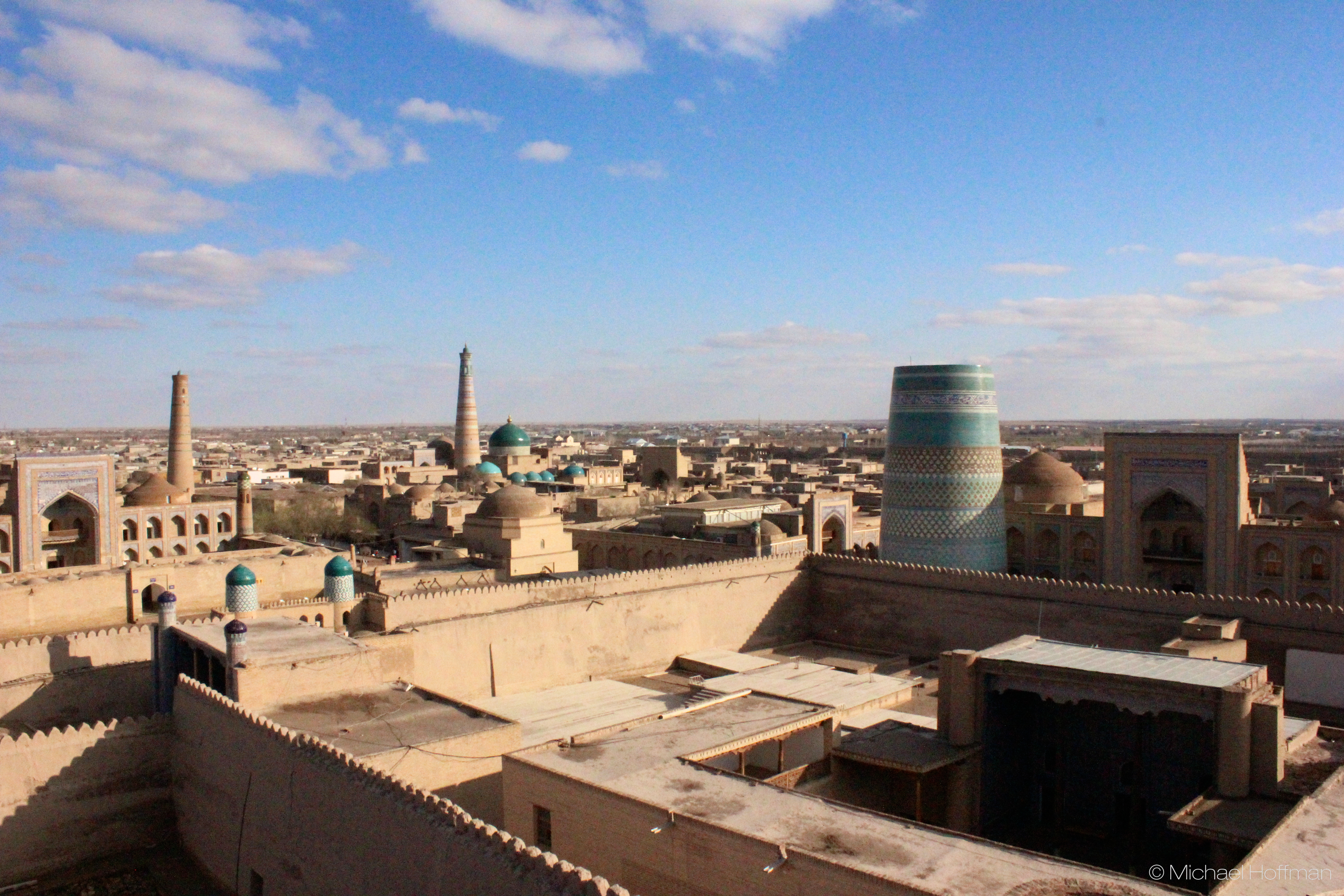
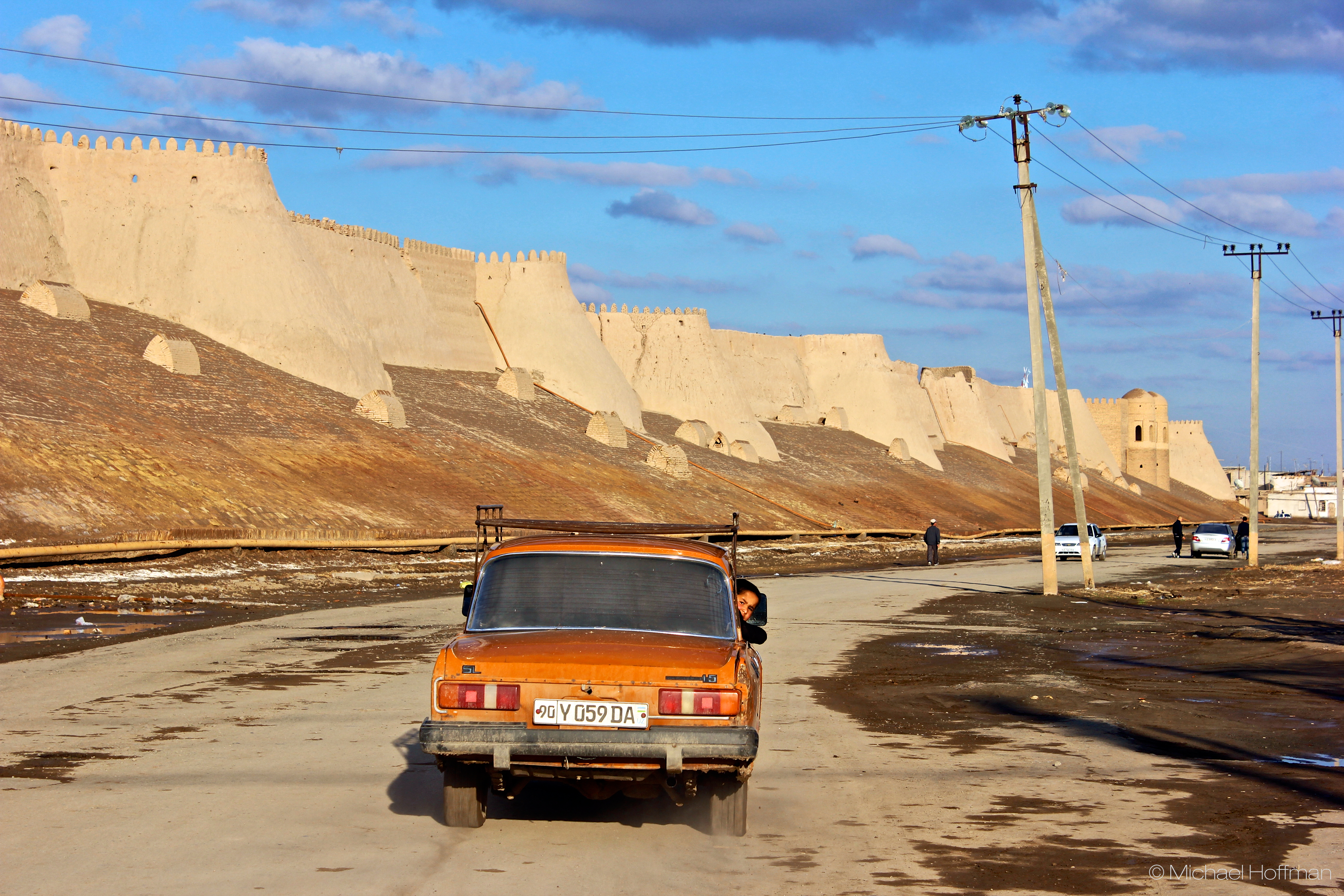
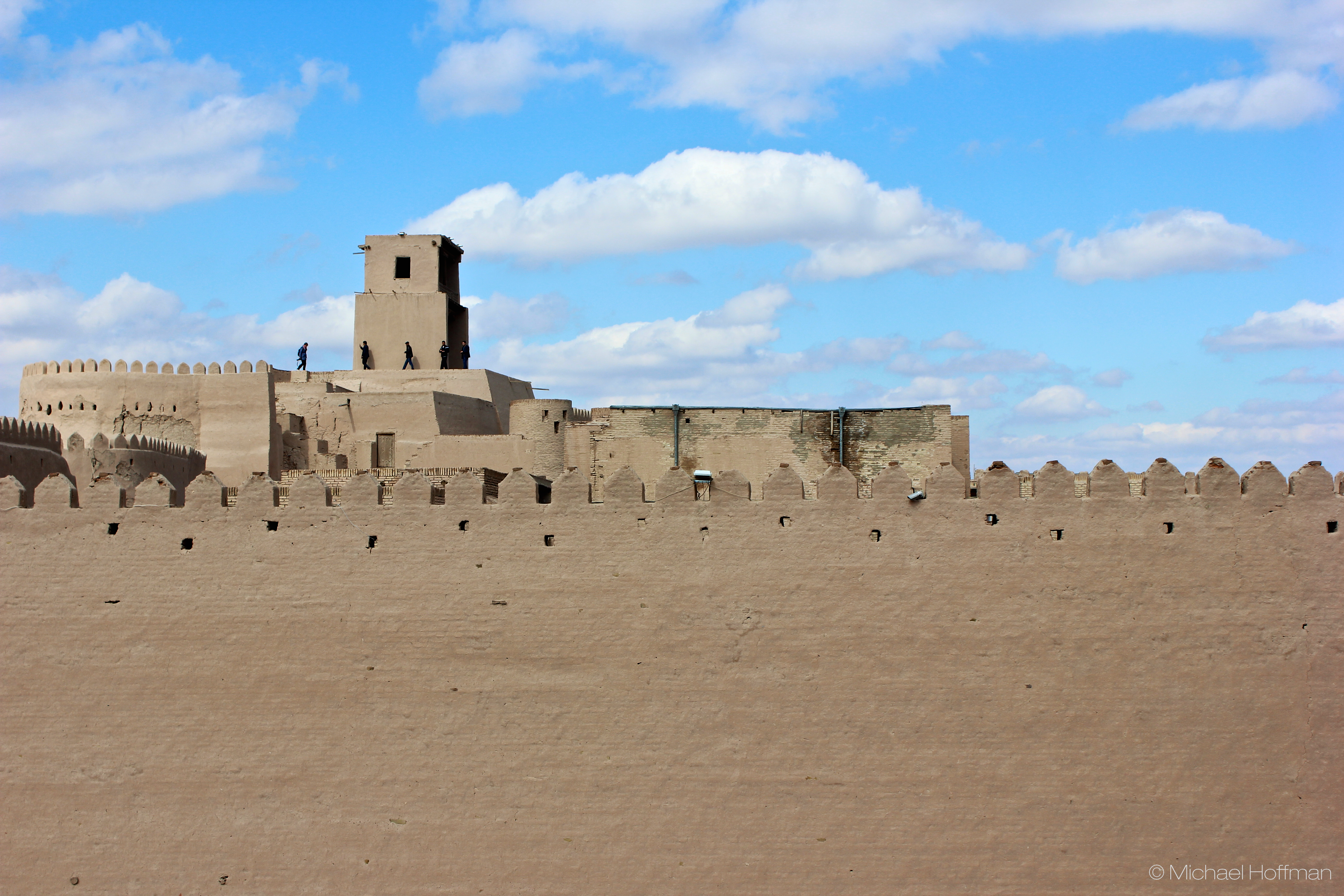
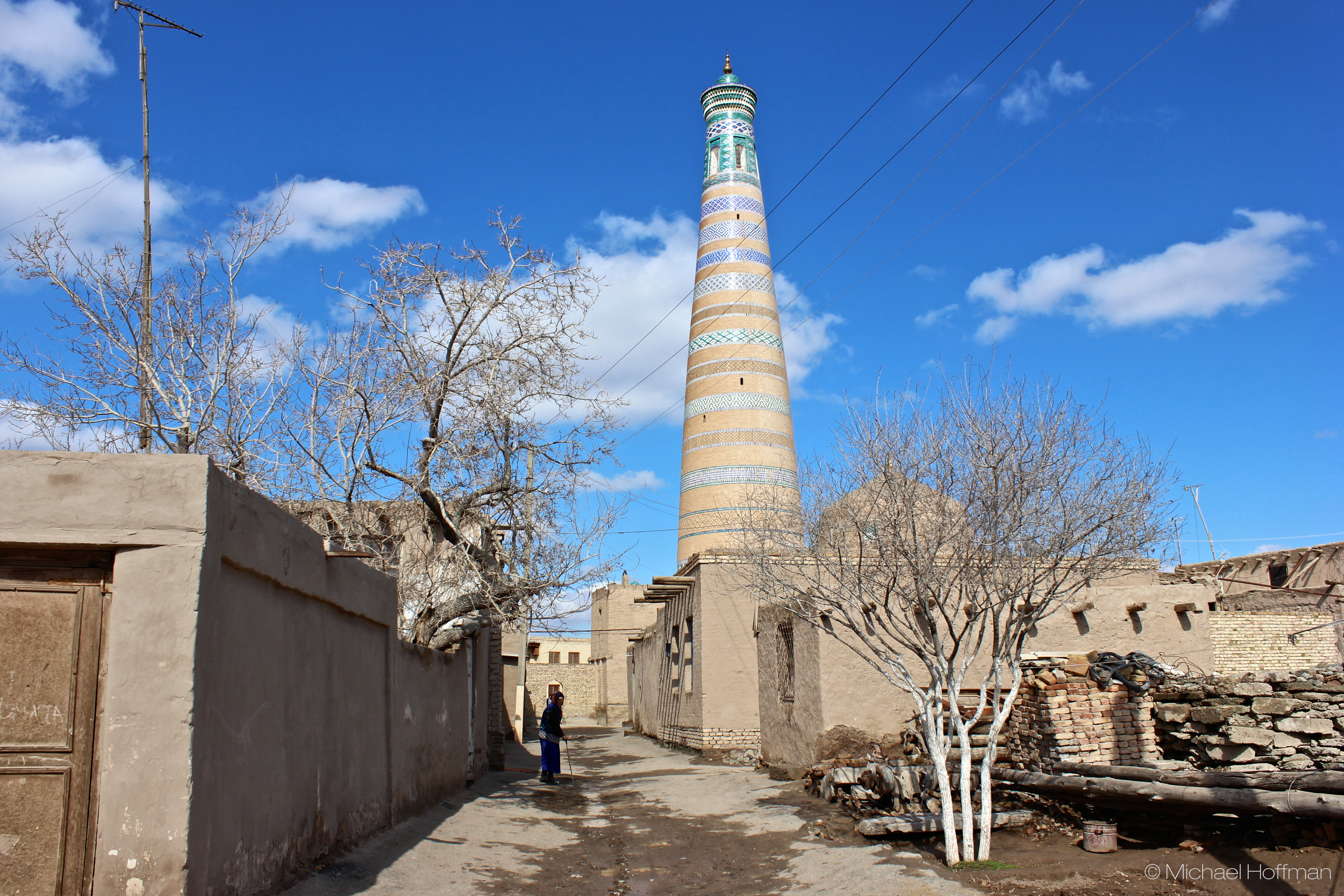
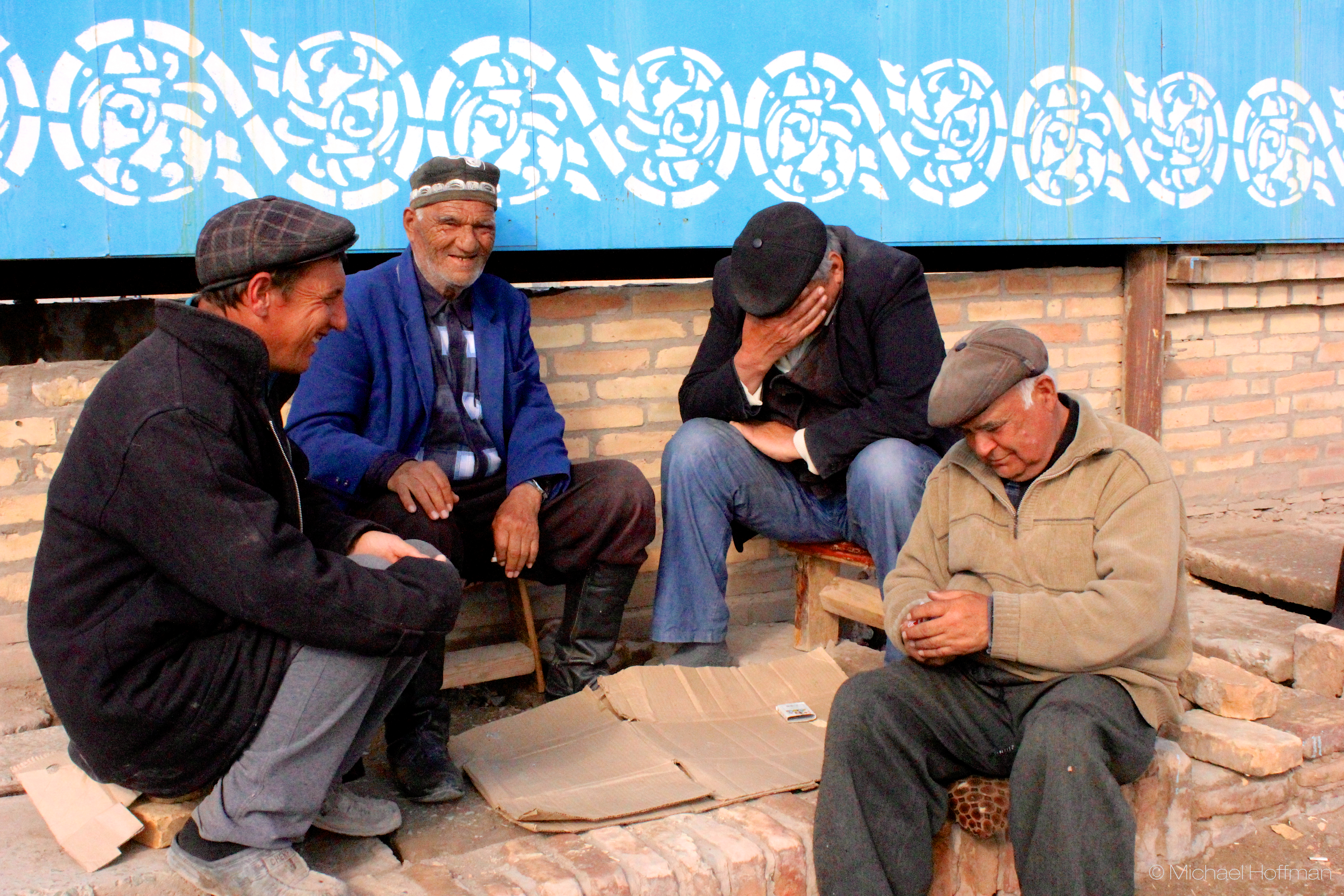
Unlike the last photography series, which I displayed here a couple months after the initial trip, I’d like to have it more immediate this time. So, I just returned from a fantastic journey to Uzbekistan in Central Asia. It is the modern state where many sights of the ancient Silk Road, being the major trading route between China and Europe for more than a century, happen to be. As I was there for work purposes, my time for photography was very limited to a couple of hours a day, so I didn’t have the time to wait for the perfect setup very often but instead tried to capture the beauty and immediacy of the reality in front of me as I saw it at the moment. Our first destination was the city of Xiva (or Chiwa or Khiva) in the Western part of Uzbekistan. It is close to the Amujaria River within the fertile oasis of Chorasm, between the deserts of Kysylkum (Red Sand) and Karakum (Black Sand). As the photography displayed here shows, I think walking through the city felt like being transported not only within space but also within time to a mysterious, oriental place of merchants, beggars, and camels (or Soviet cars) like it already used to be for centuries. In case you wonder, the vast turquoise tower is the landmark of Xiva. It was supposed to be the largest minaret in the Islamic world, but the construction was abandoned midway through. So it was decided to garnish the unfinished structure with beautiful ornaments, at this moment showing the wealth of the oasis city.

test

IMG_8434

IMG_8468

IMG_8462

IMG_8456

IMG_8409

IMG_8261

IMG_8303

IMG_8419

IMG_8292

IMG_8366

IMG_8453

IMG_8360

IMG_8351

IMG_8265

Greek Series: Santorini Sunsets

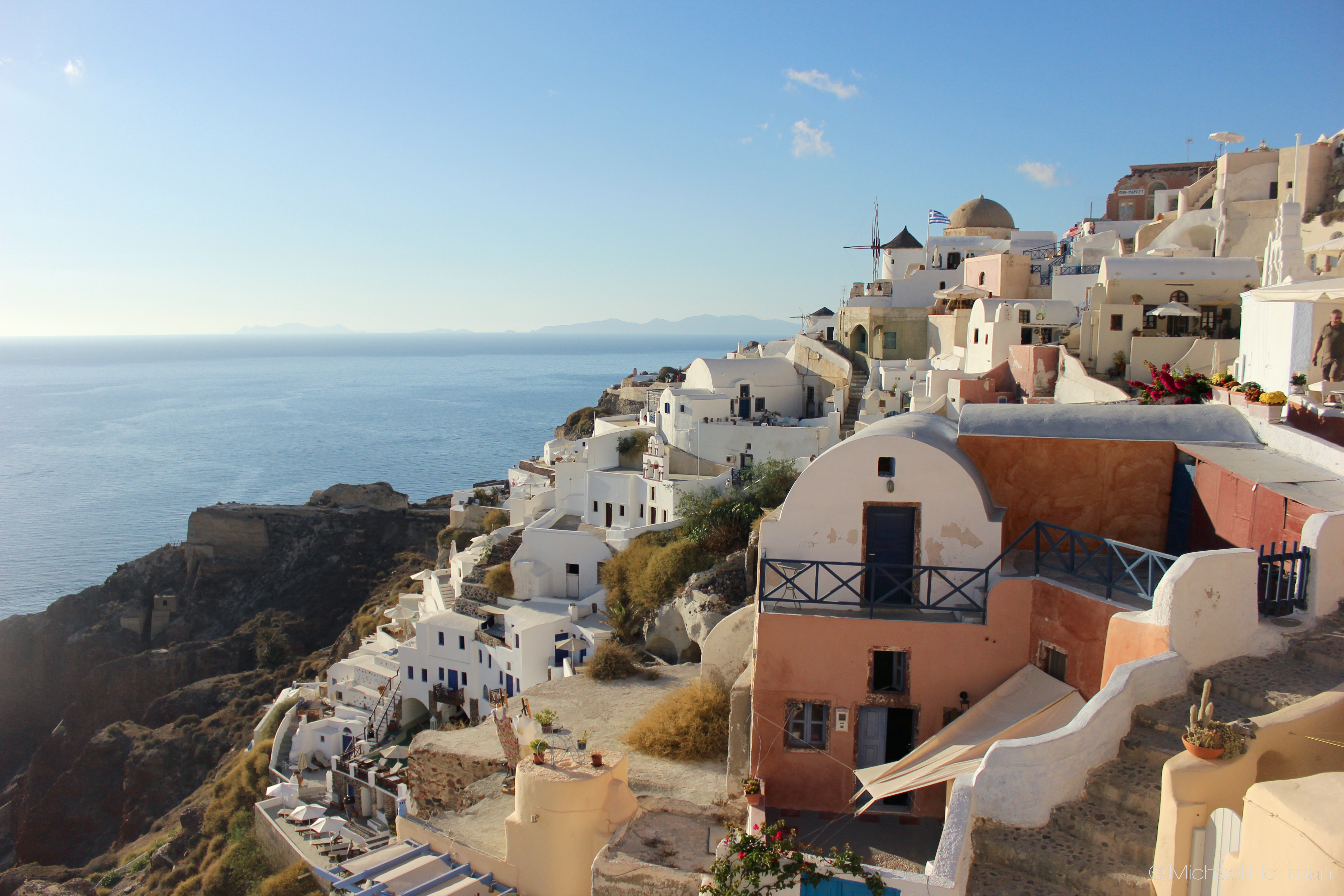
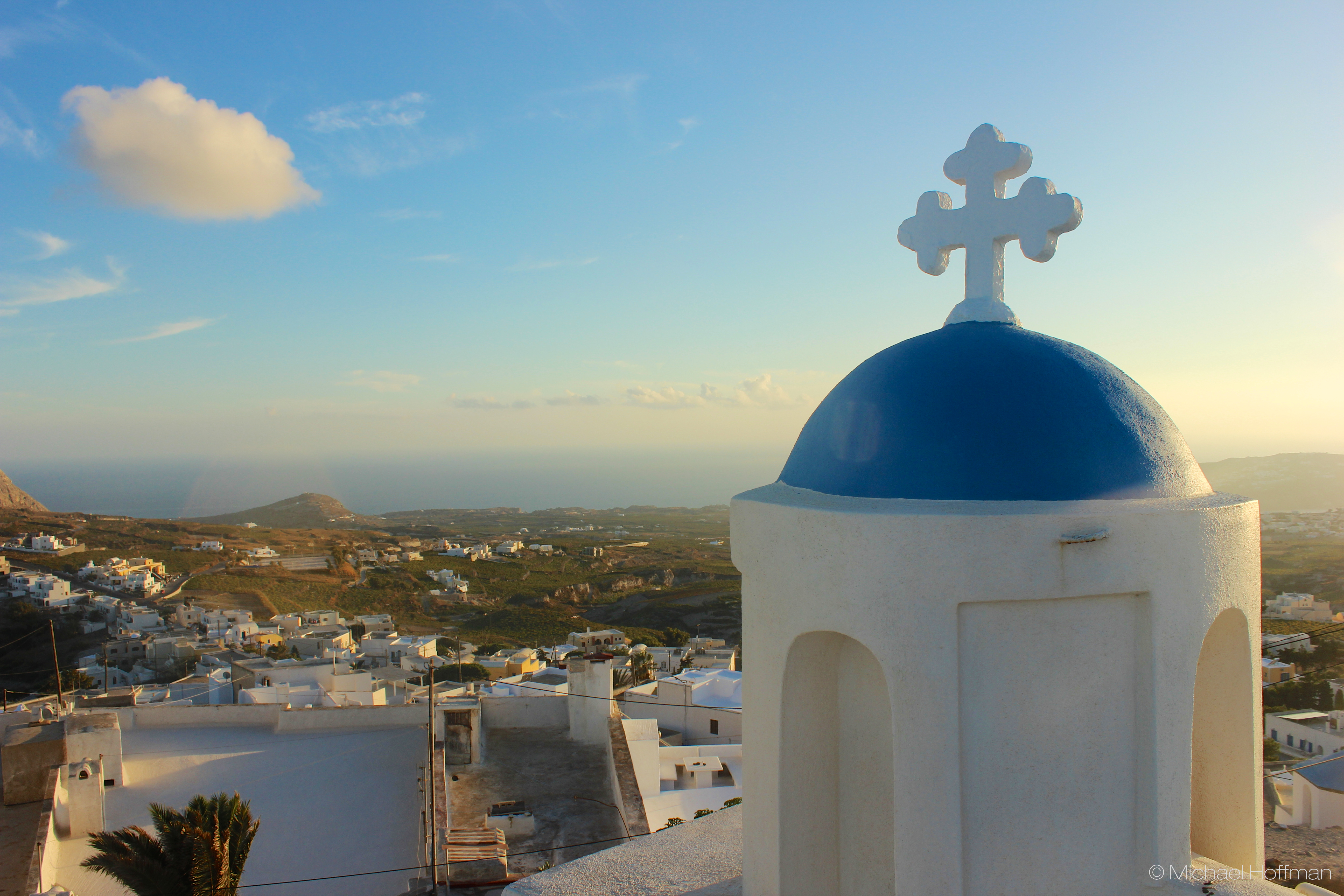
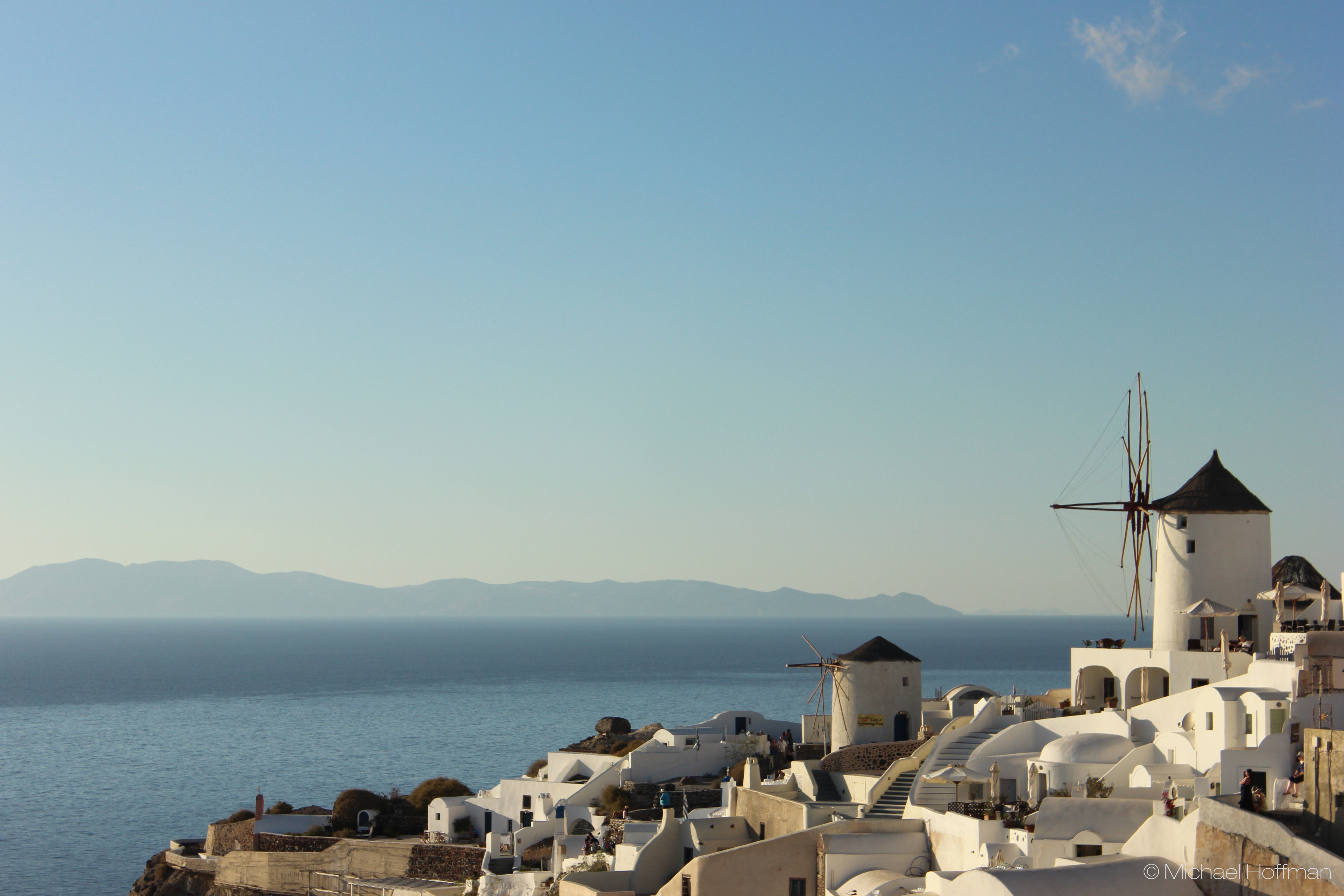
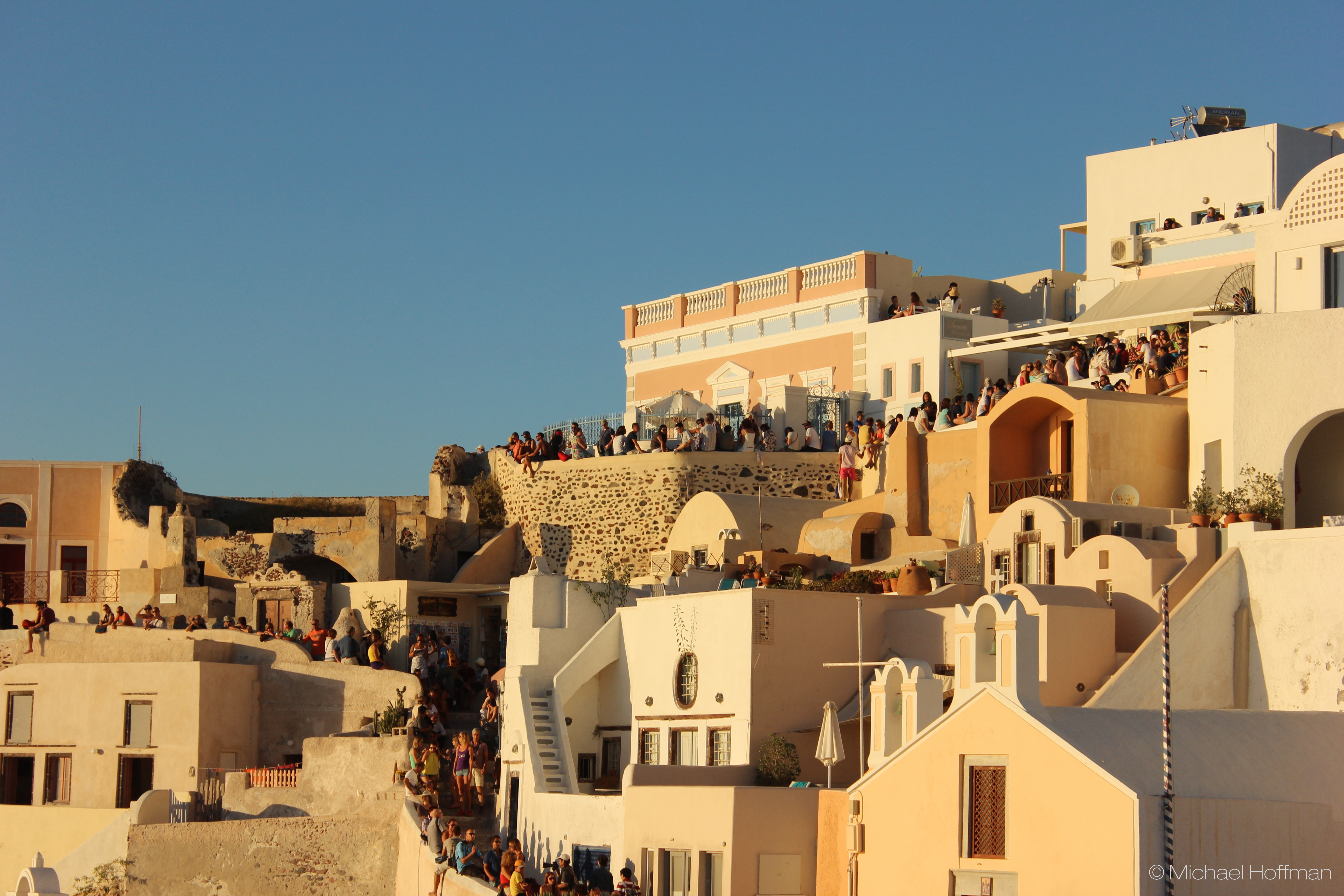
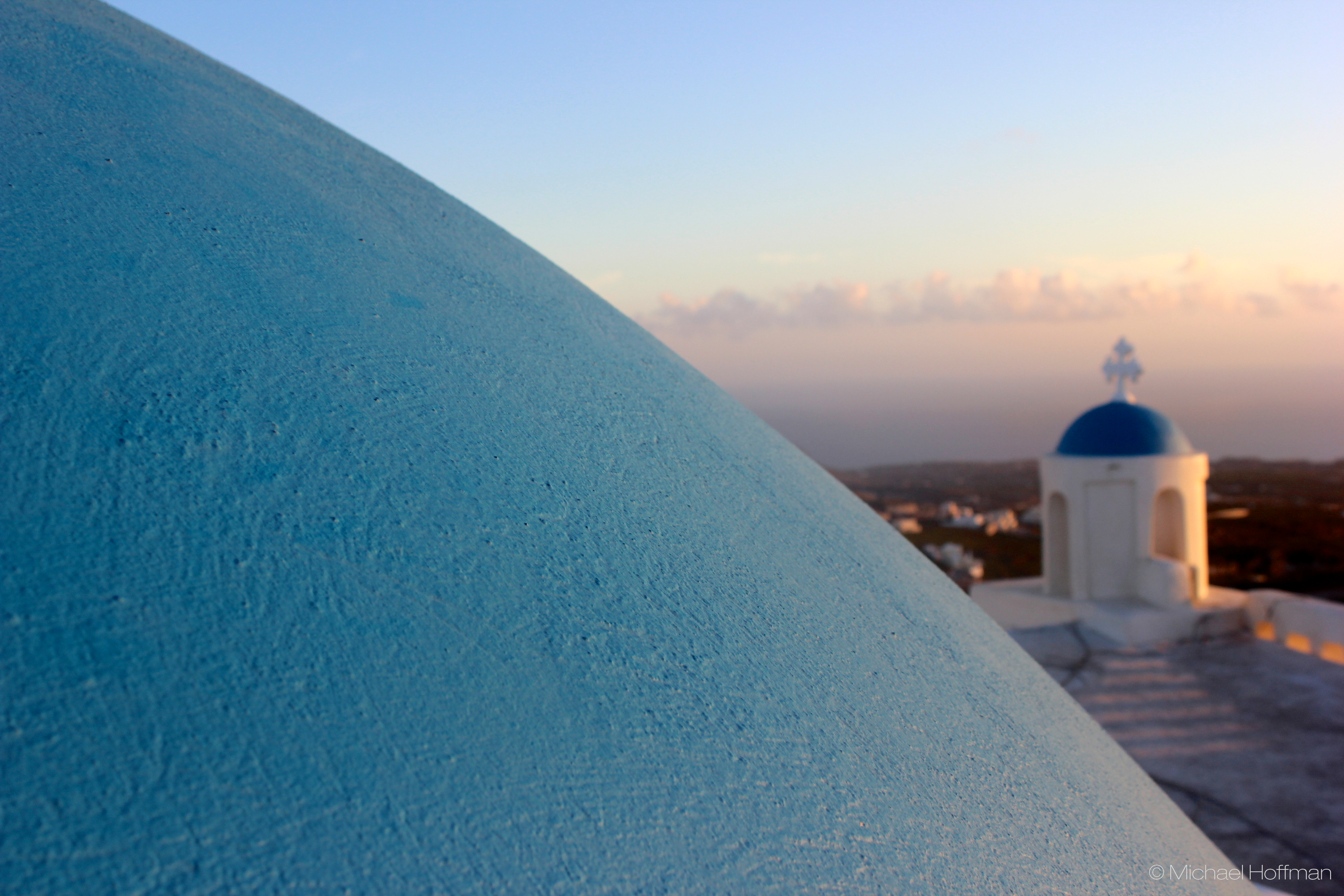
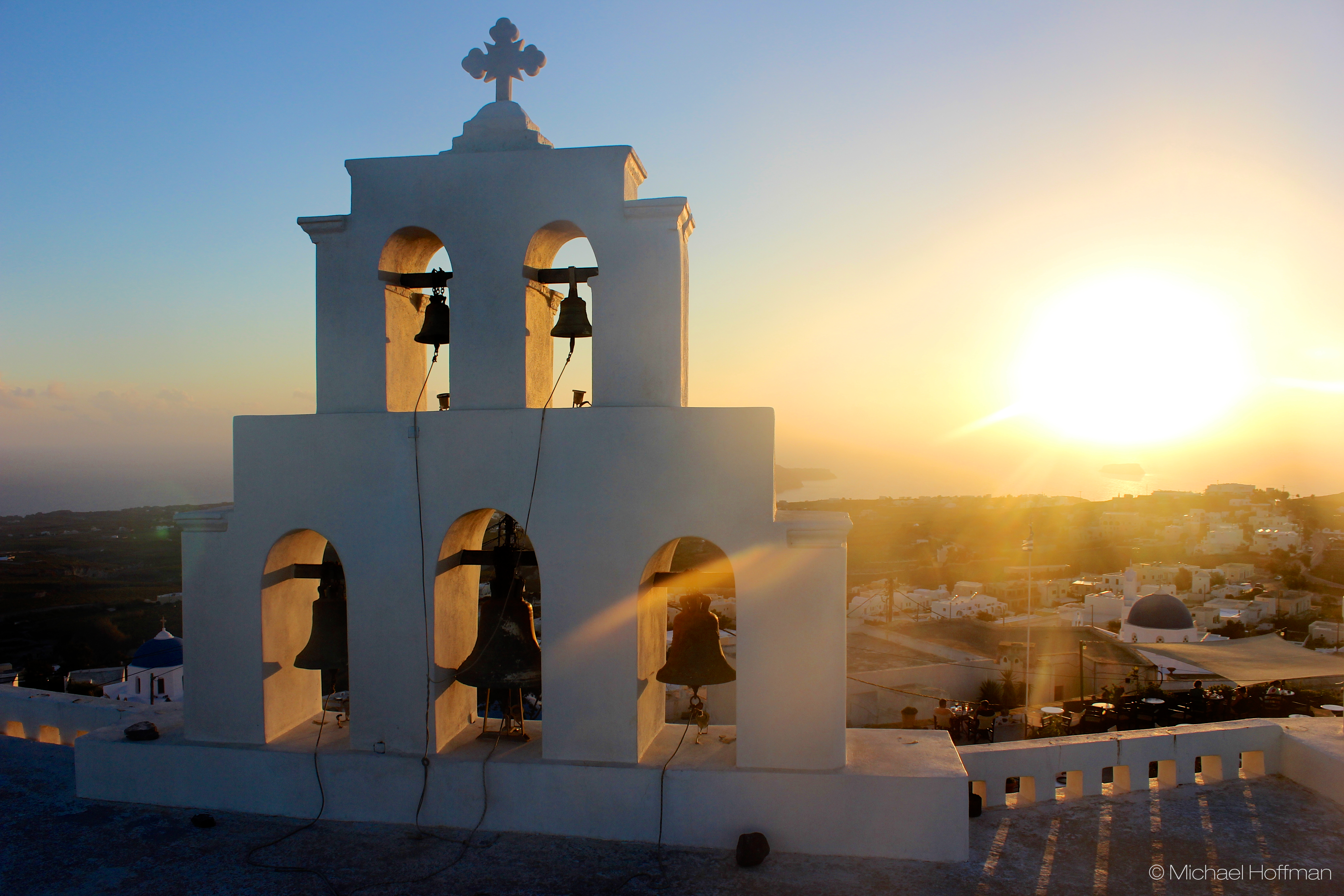
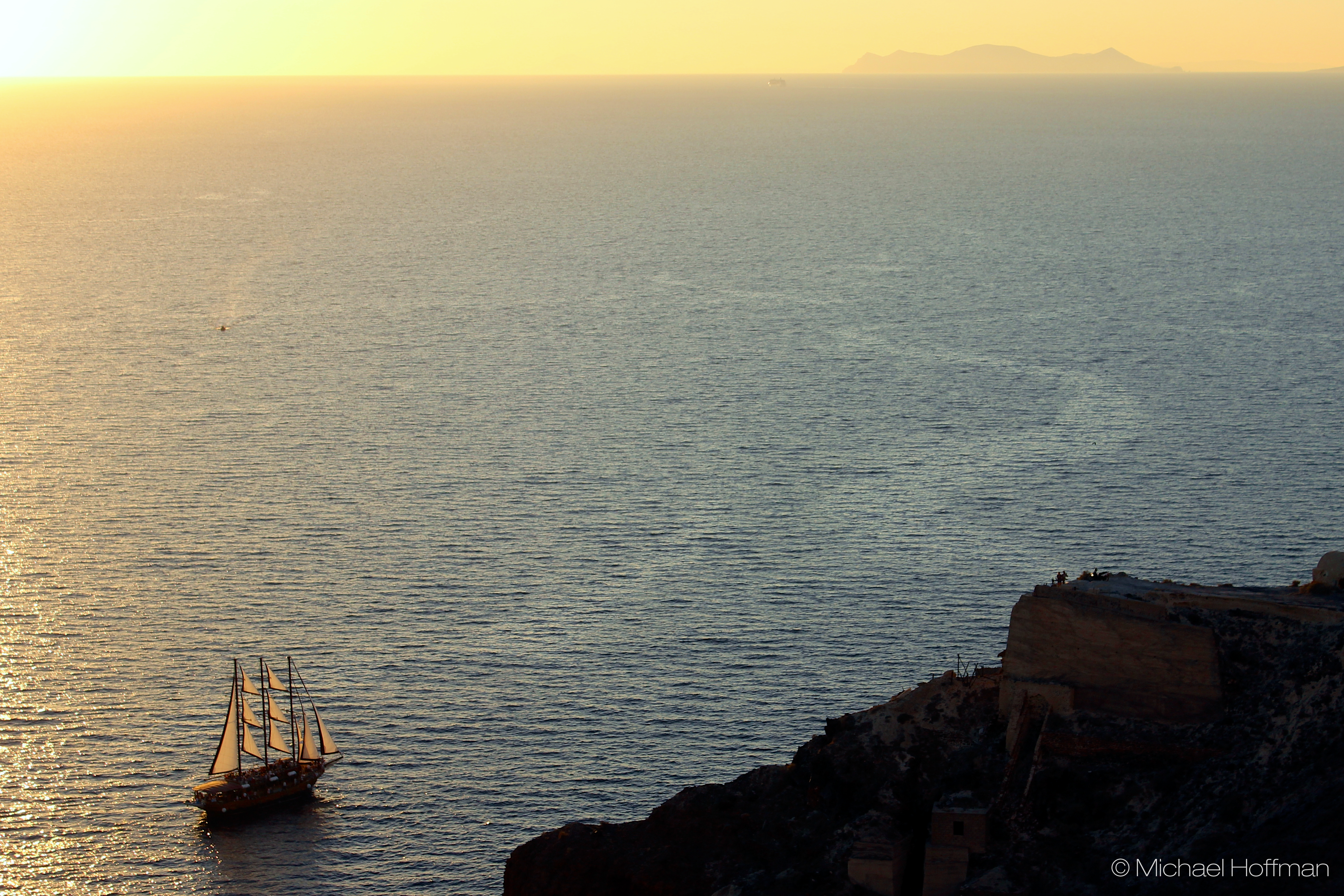
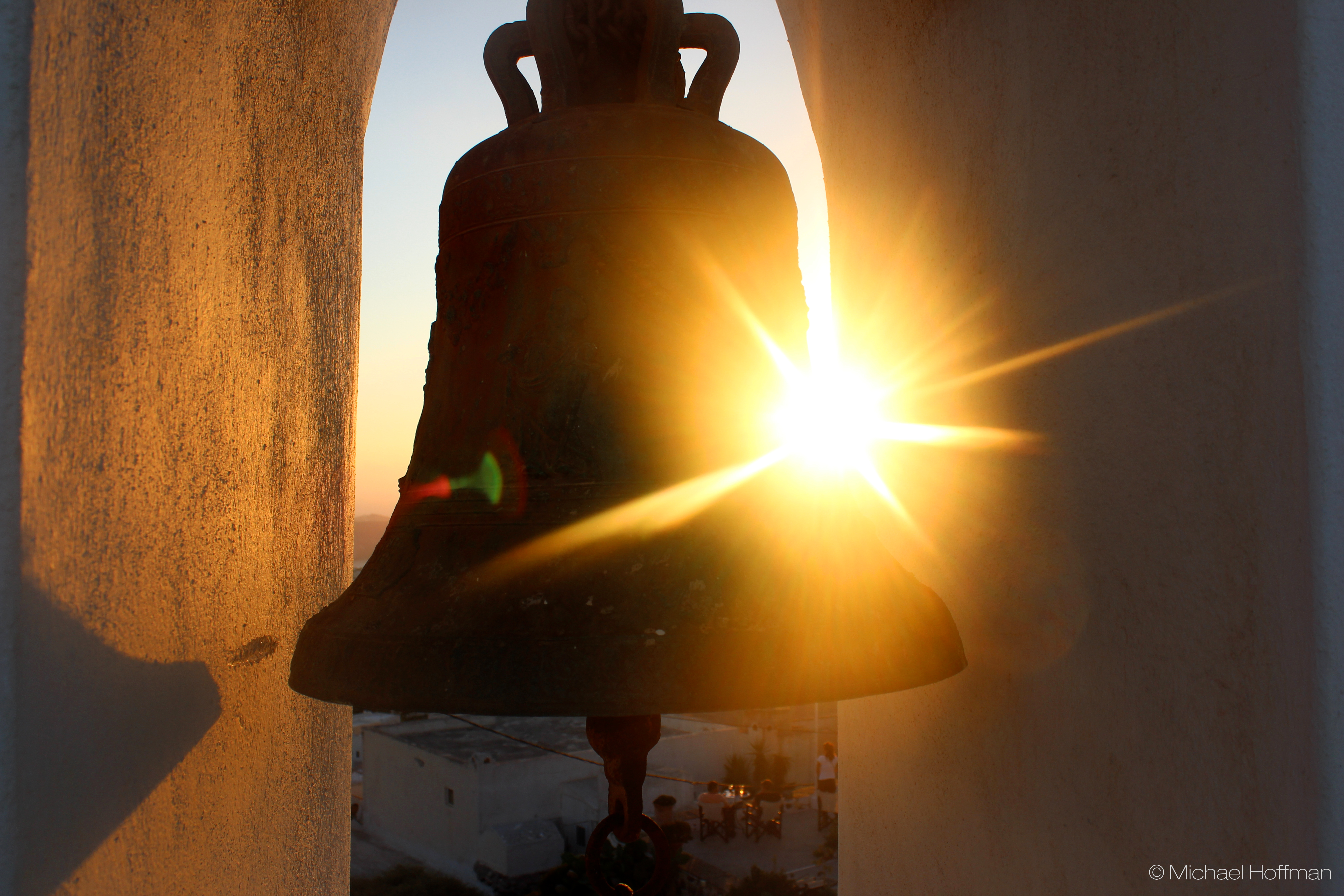
So, finally, here comes the last part of my photographic journey through Greece in September 2013. It all started in Athens, where we found a lively metropole thorn between an ancient and heroic past and a troubled but somewhat forward-looking present. Then, the road trip through the Peloponnese began, leading us through places of myths and nature. Later, we left mainland Greece and continued our road trip on the high sea, heading to the famous Cyclad islands. We experienced the young and open island of Mykonos and paid a short visit to the ancient Delos, but the highlight for me was Santorini. It is such a photogenic island it almost suspends any belief. And beyond being just photogenic, it is lovely. And the most beautiful thing about it is something I didn’t show you yet. The sunsets here are out of this world, as kitschy as they may sound. So I think that’s the way to end the series and say goodbye to Greece for now.. by showing you some of my favorite moments on Santorini at sunset.

test

IMG_1847

IMG_2307

IMG_1856

IMG_1860

IMG_2372

IMG_2369

IMG_1868

IMG_1872

IMG_2313

IMG_2378

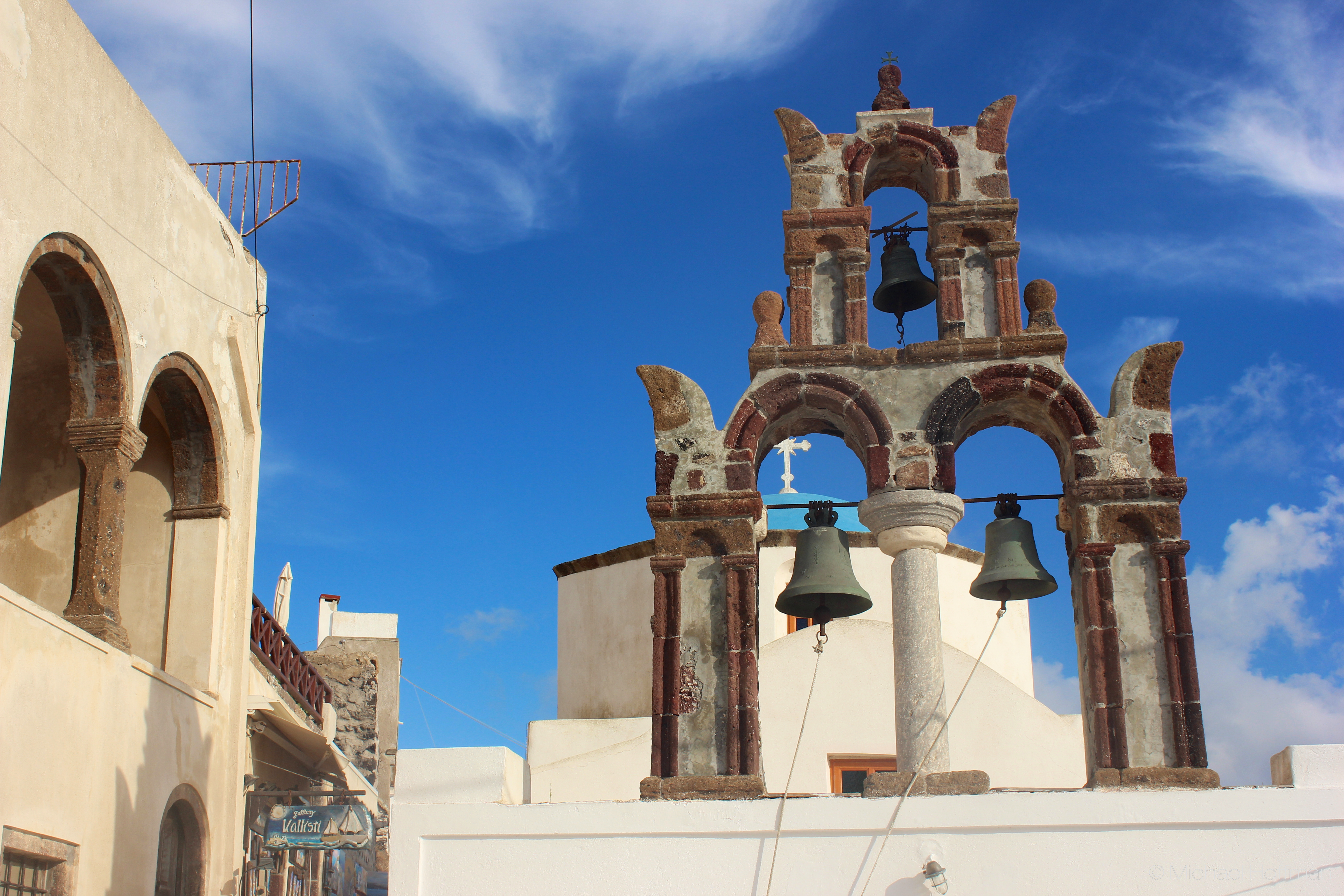
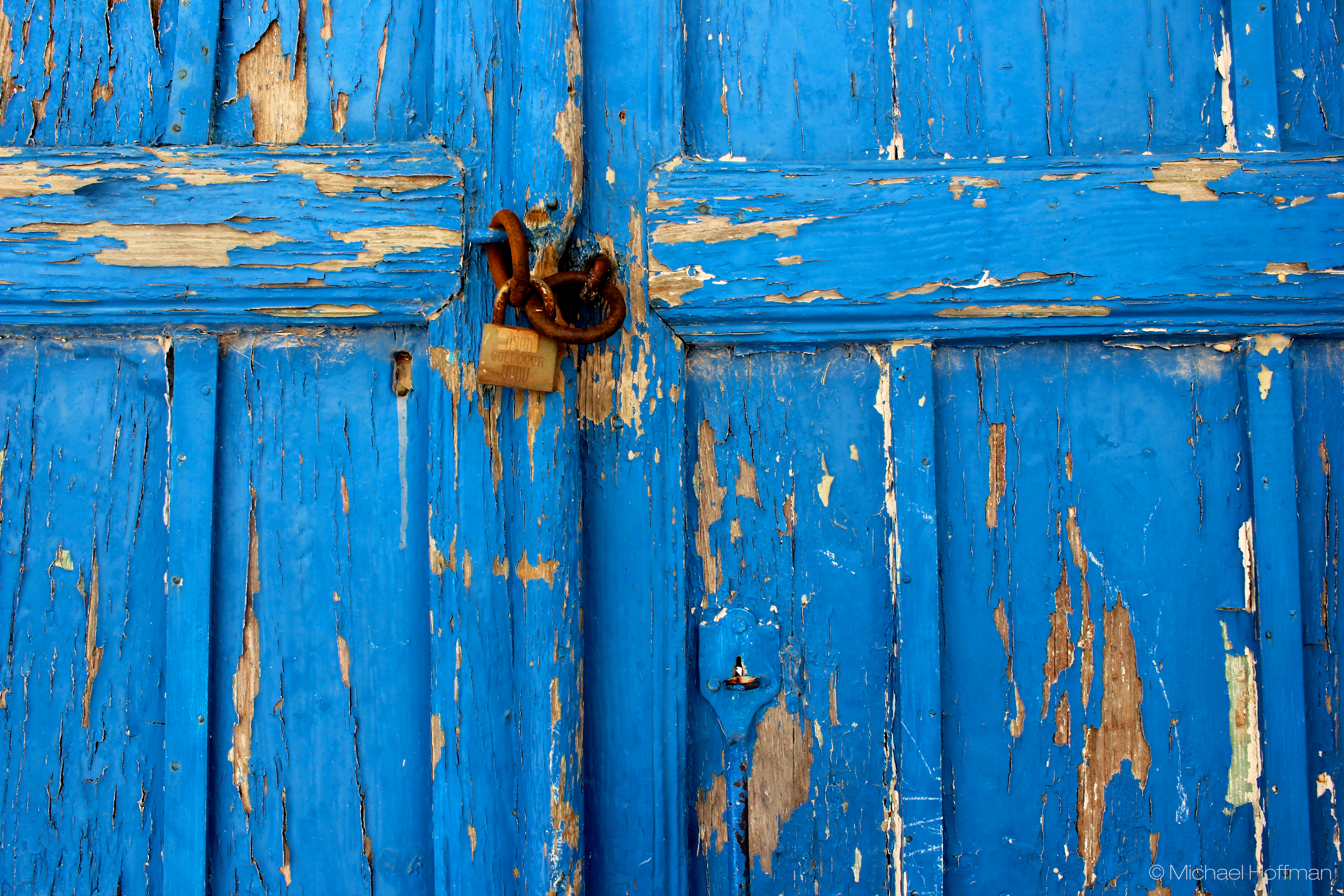
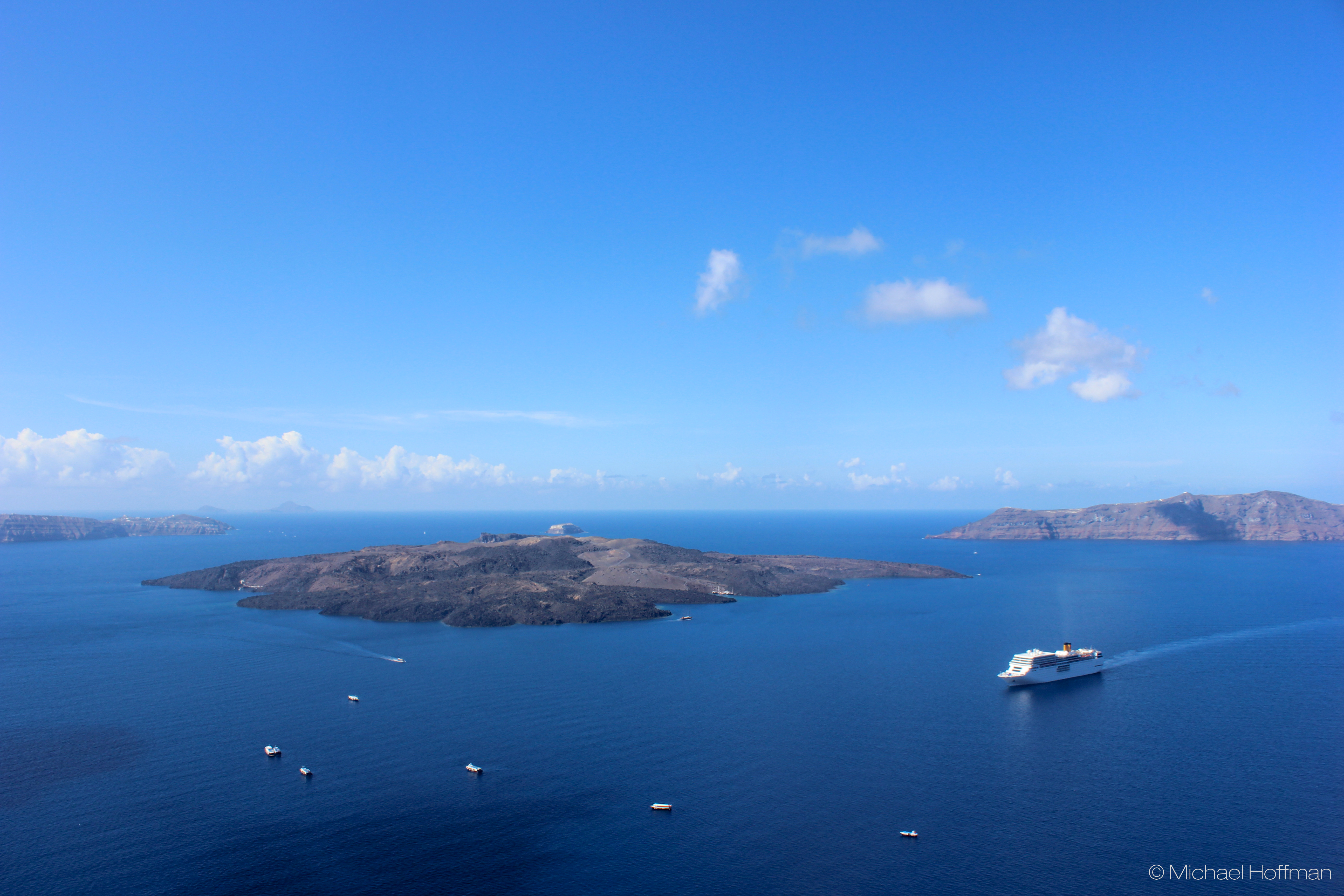
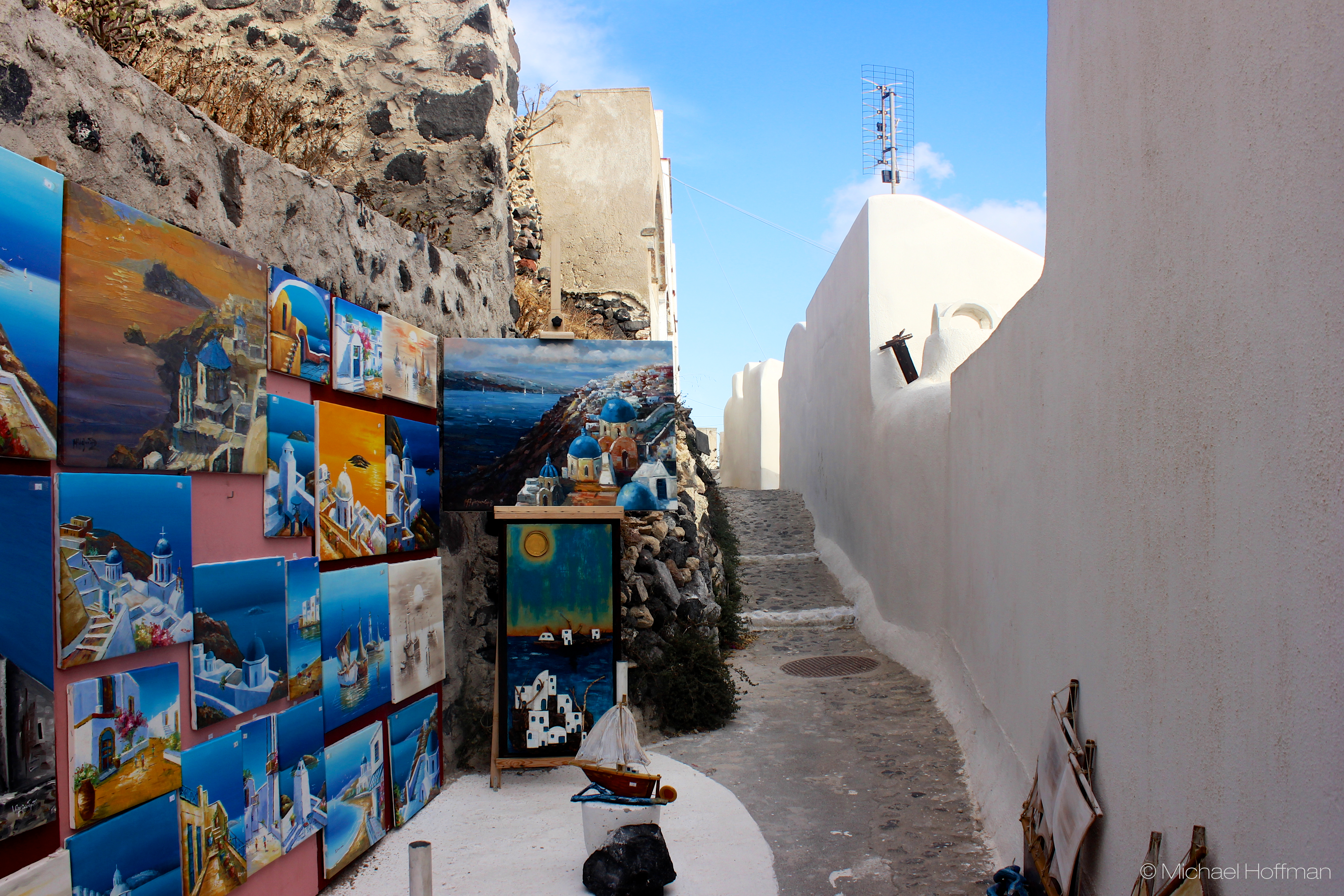
Greek Series: Blue Santorini

This post is part of the so-called “Greek Series”, consisting of photographs I shot while backpacking Greece in September 2013. You’ll find a basic introduction to the series here and the last post featuring Santorini can be accessed here.

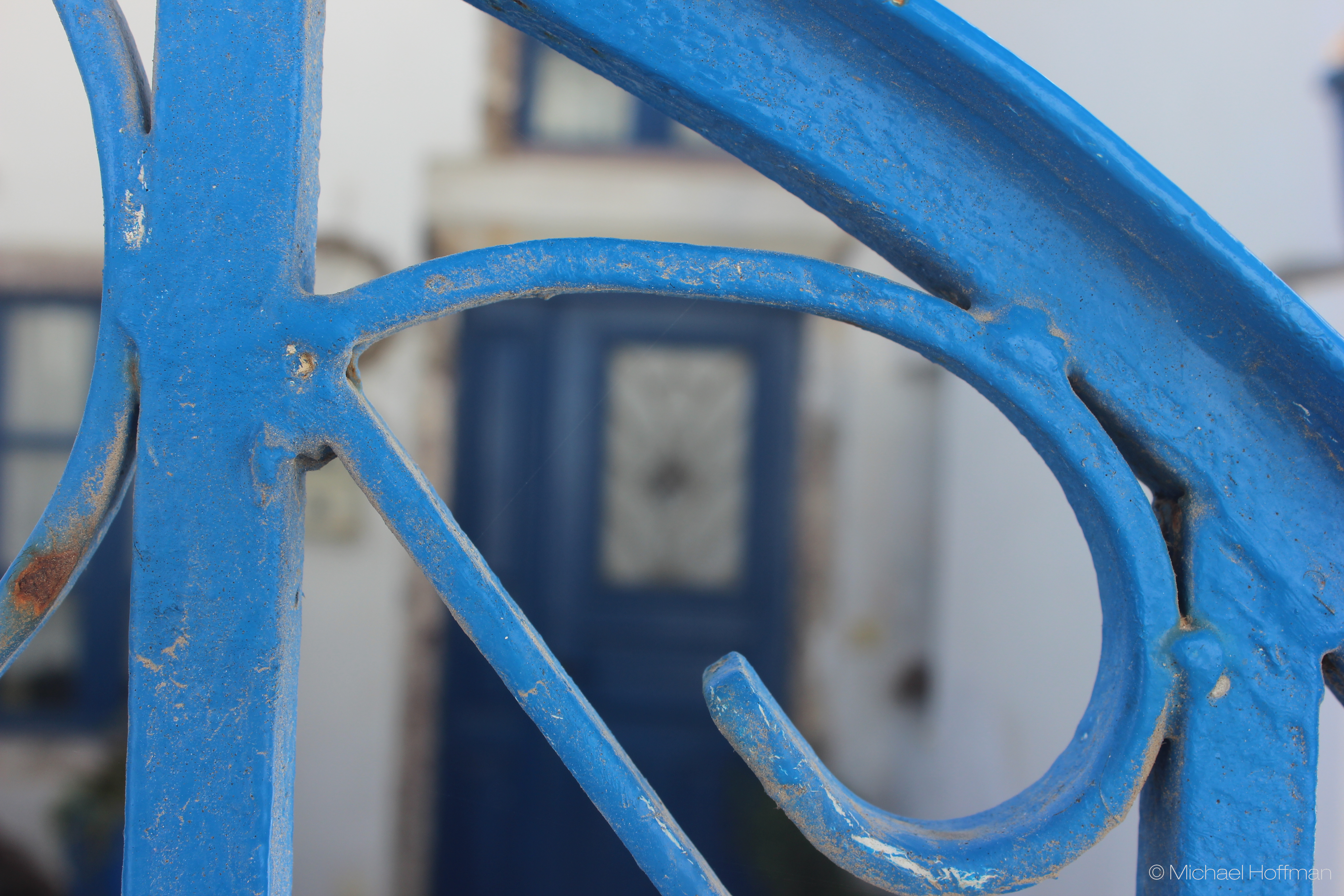
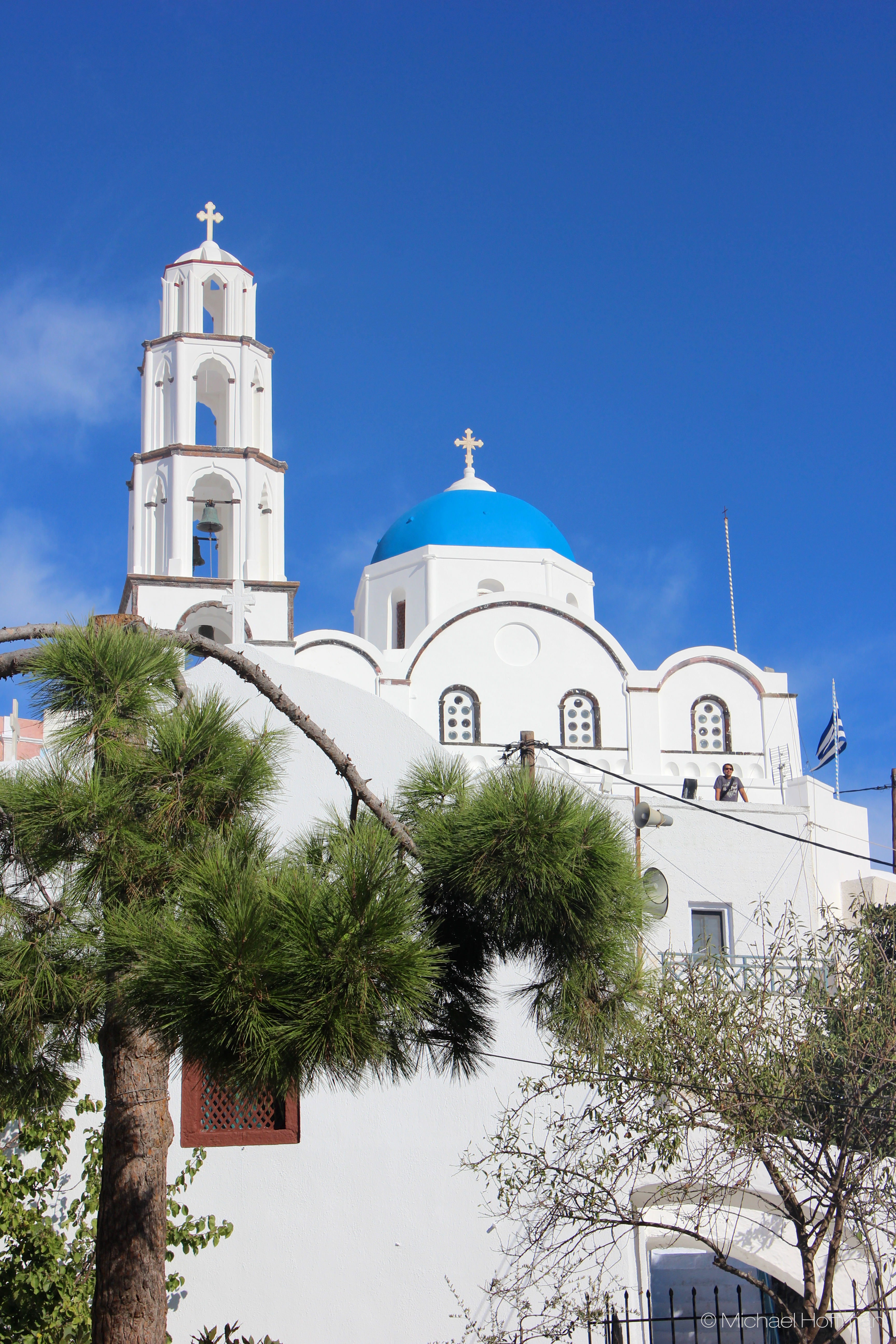
The last entry featured the mysterious red tones of Santorini. While the color indeed is very special to the island, Santorini is also part of Greece. And so it is a blue island after all.

test

IMG_2272

IMG_2149

IMG_2143

IMG_2106

IMG_2270

IMG_2198

IMG_2199

1 11 12 13 16