Skip to content

Lofoten in Clouds Pt. II
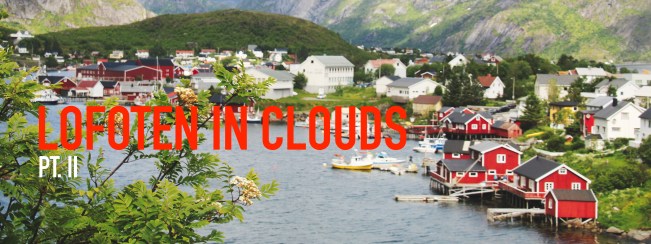
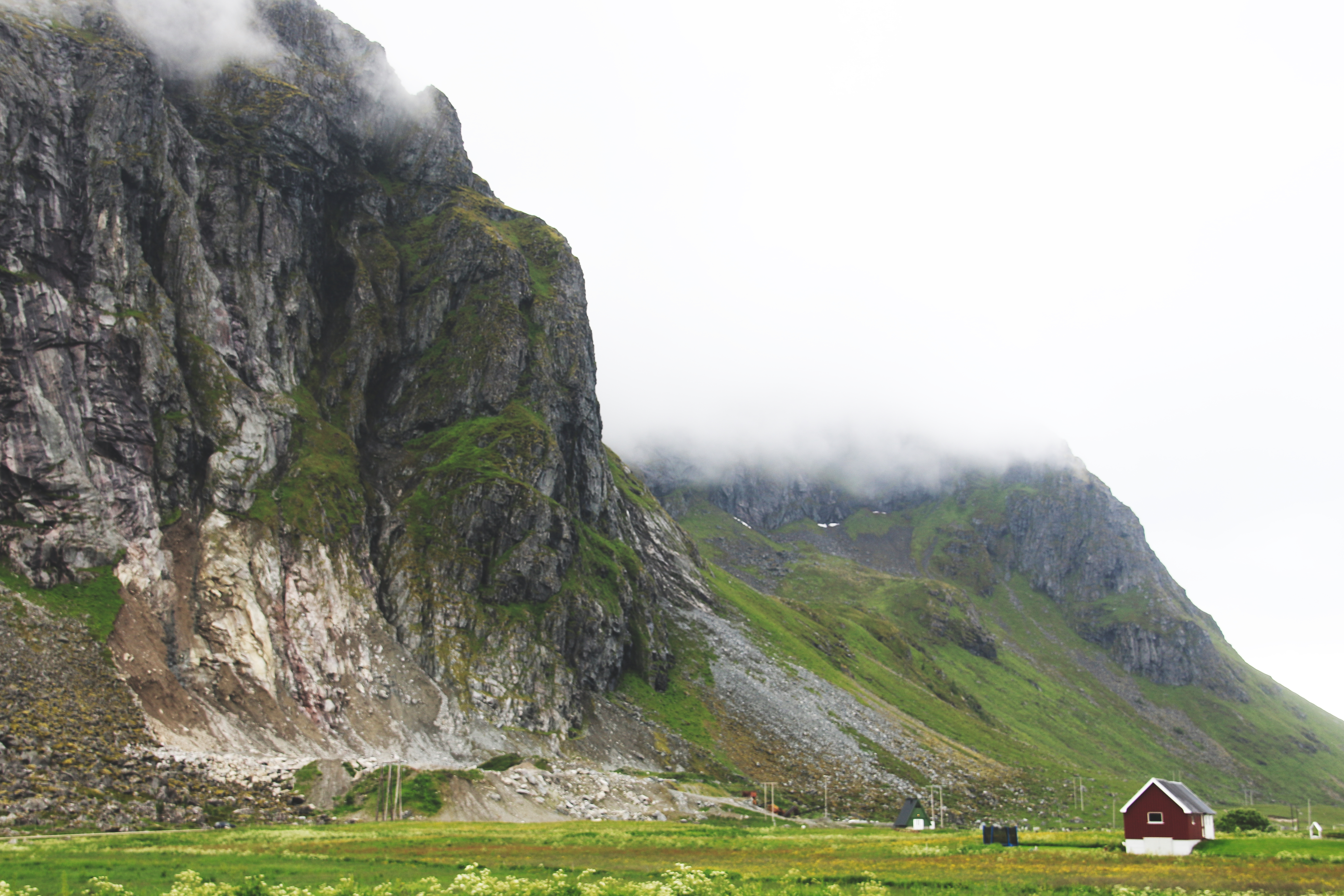
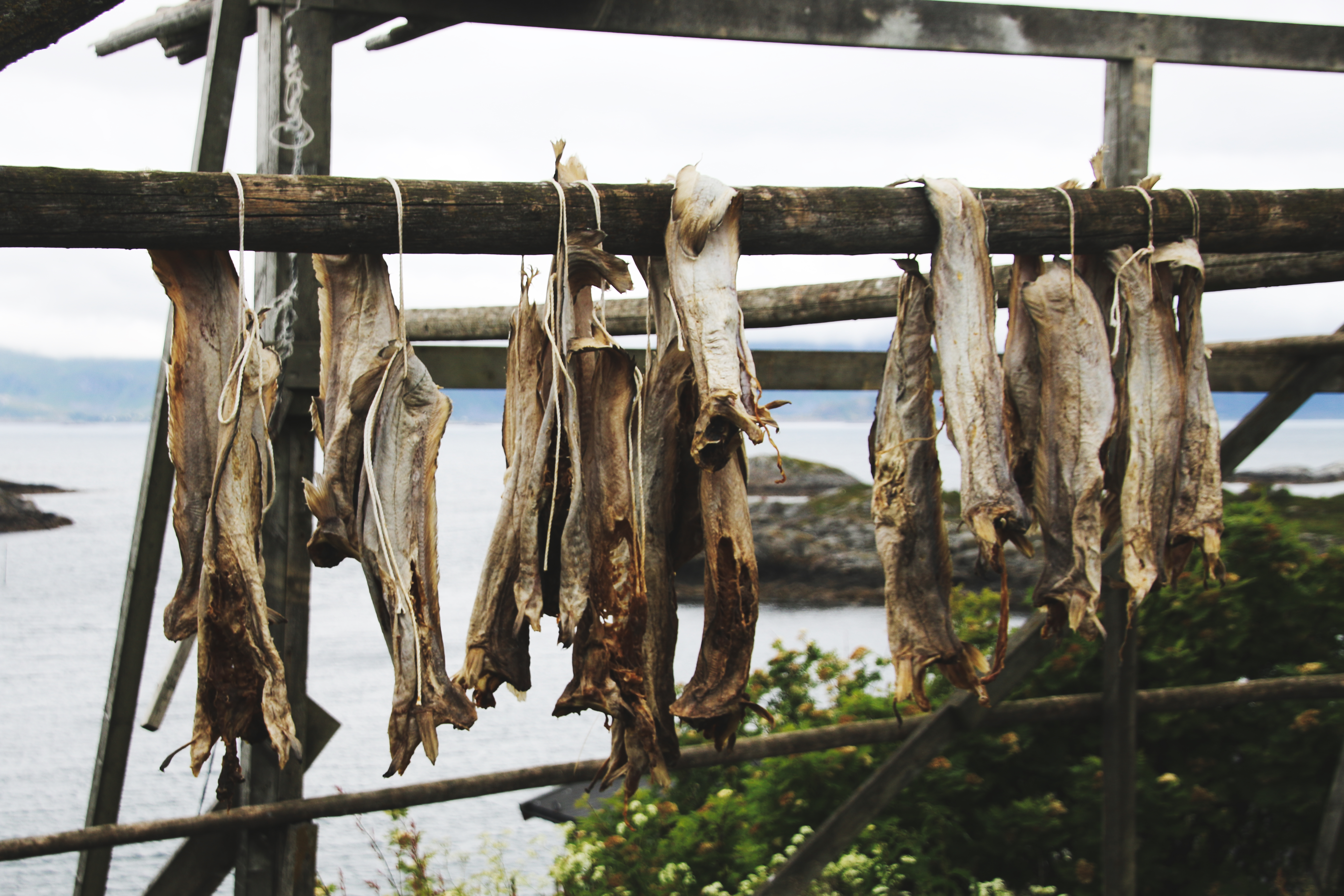
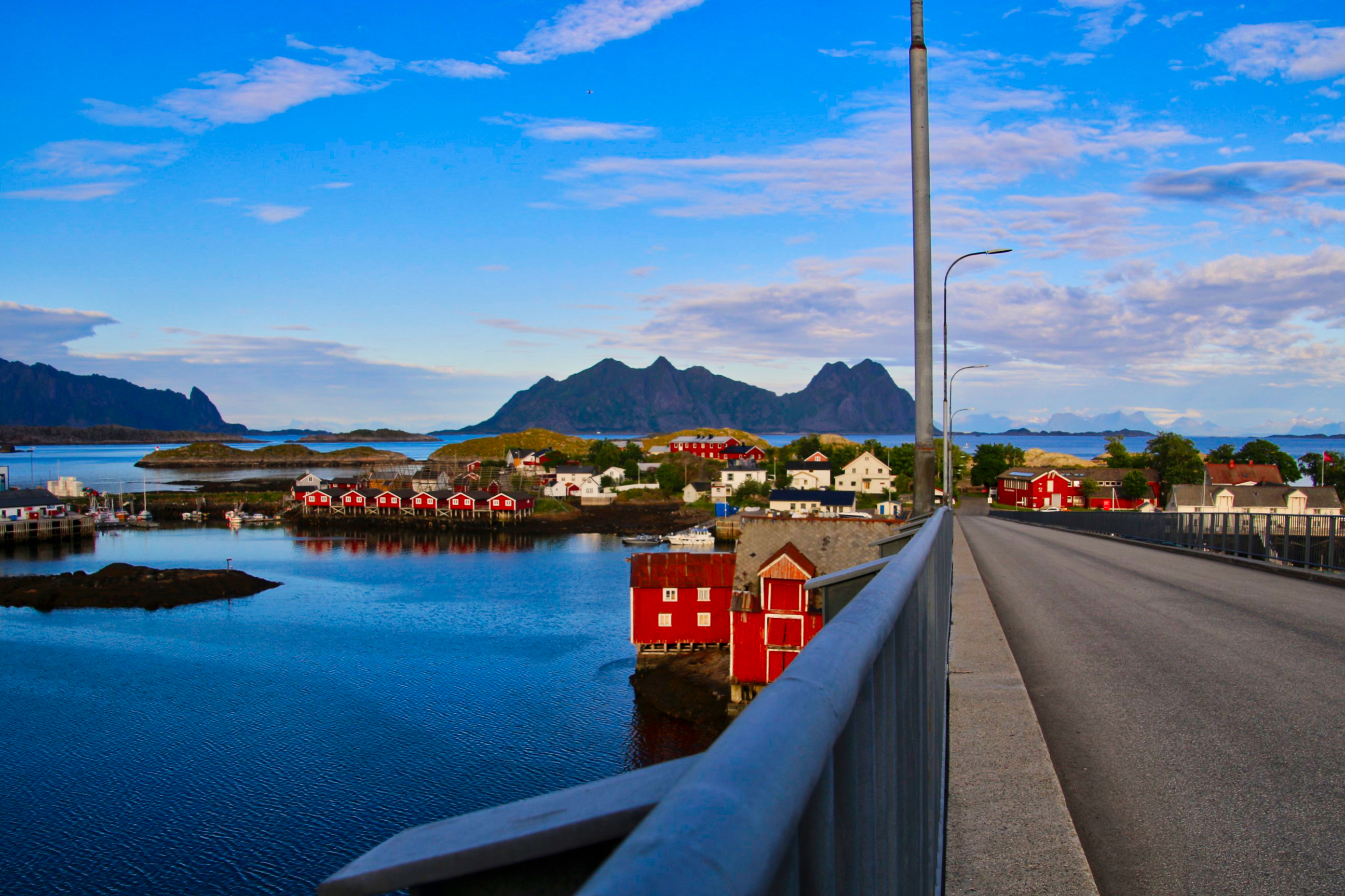
(Continuation of part I) The wealth of fish on the Lofoten islands is a significant migration movement, which takes place in the cold season when it gets too hard for the cod up north in the Barents Sea. After being caught, the fish dries up naturally on wooden racks, which can be seen everywhere on the island. In early spring, the fish is collected and shipped when it gets warmer and comfier for flies and worms. After the process, the cod is called “stockfish,” due to its durability, it was necessary as a food source, especially in seafaring, for many centuries. Nowadays, tourism is the most important source of income on the islands, but cod fishing still plays a role, and the stockfish is still prevalent in former seafaring countries like Spain and Portugal.

test

Lofoten in Clouds Pt. I

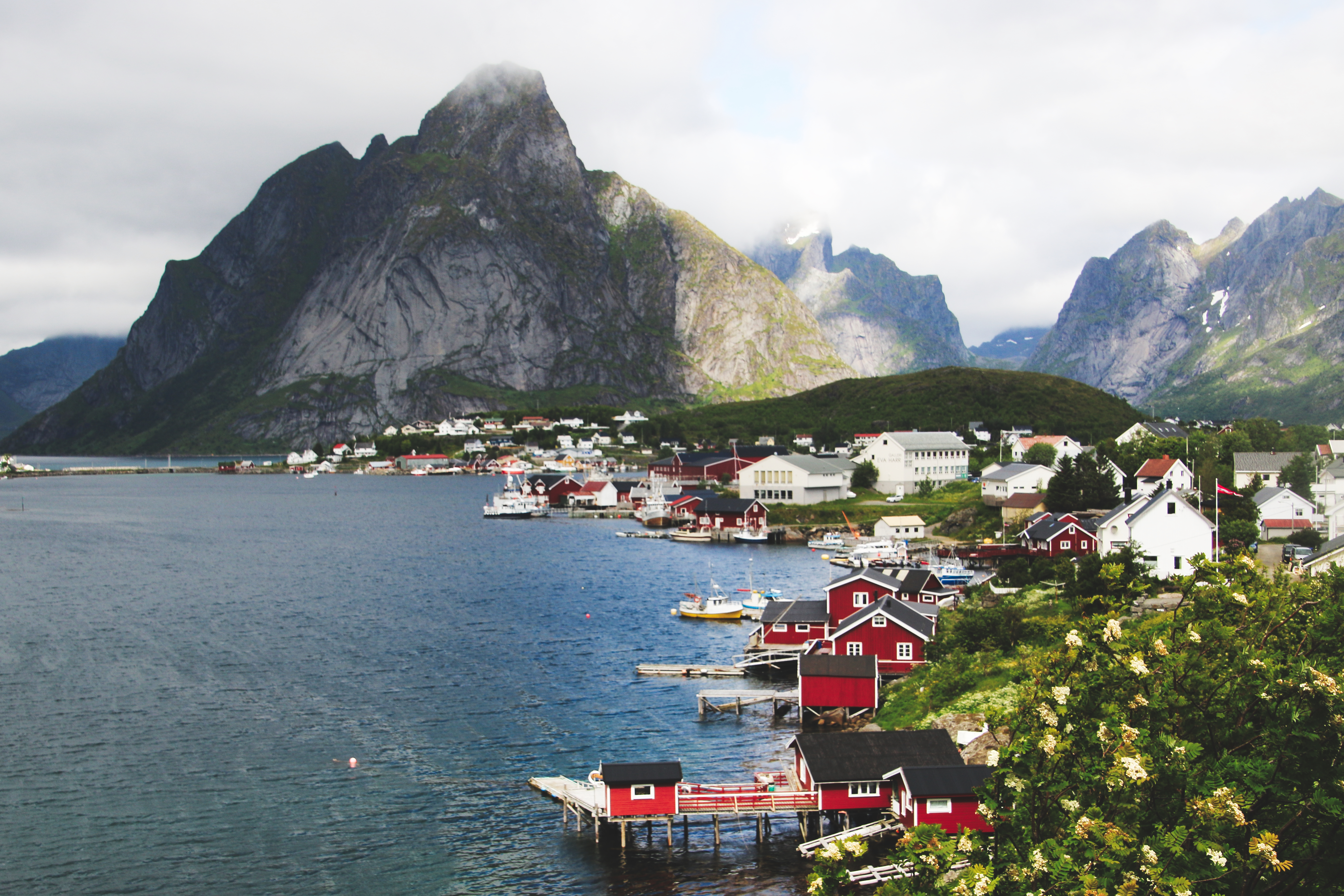
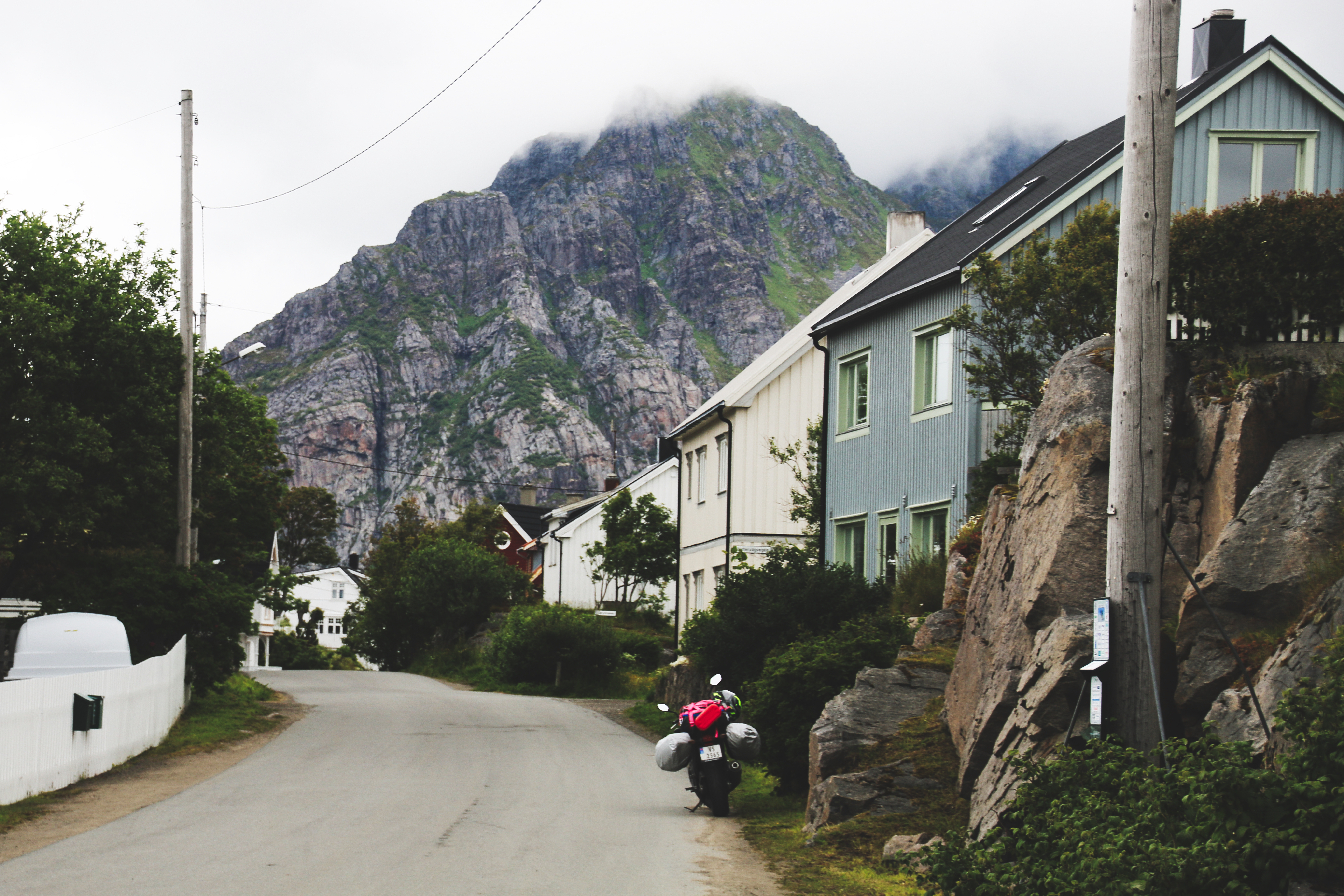
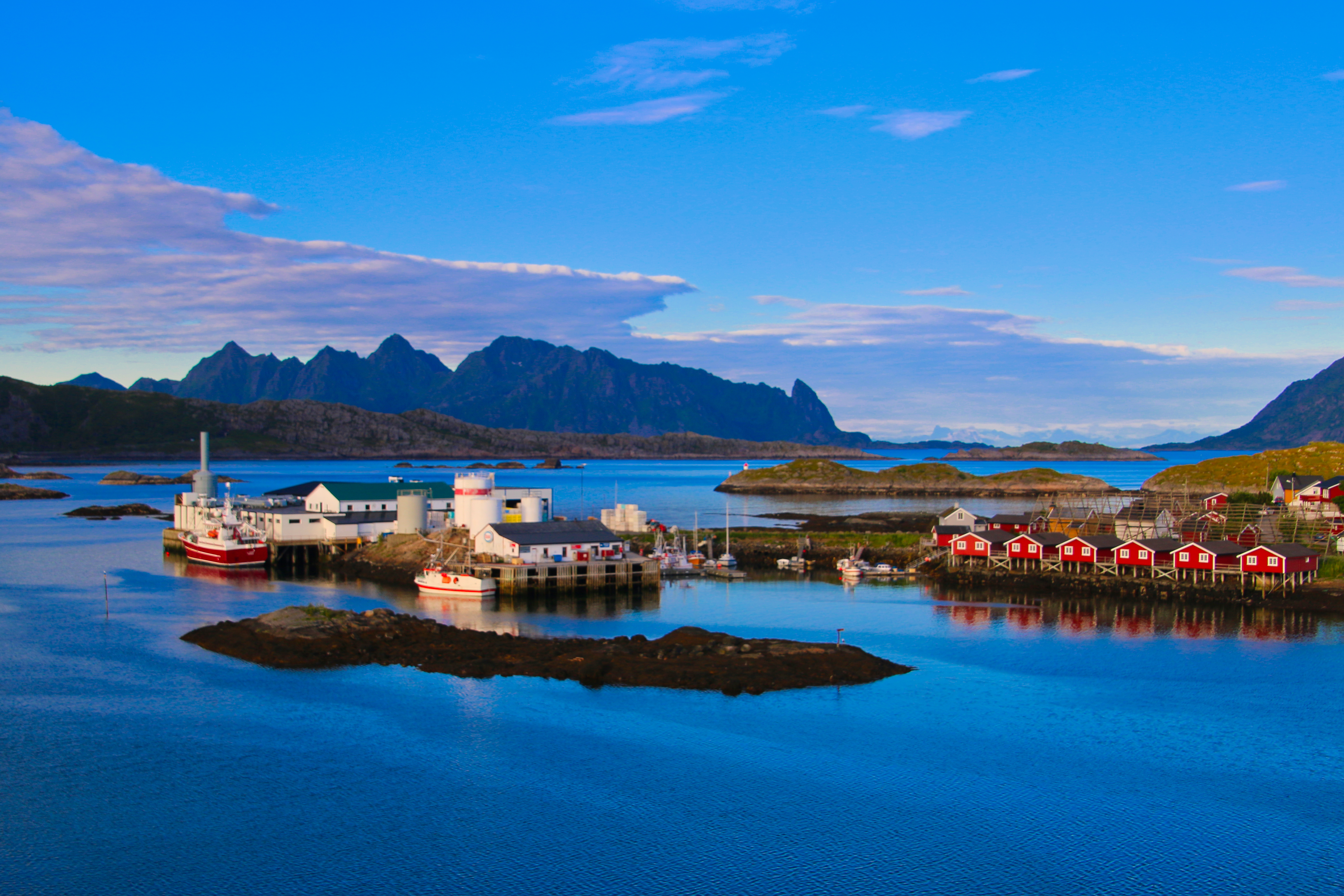
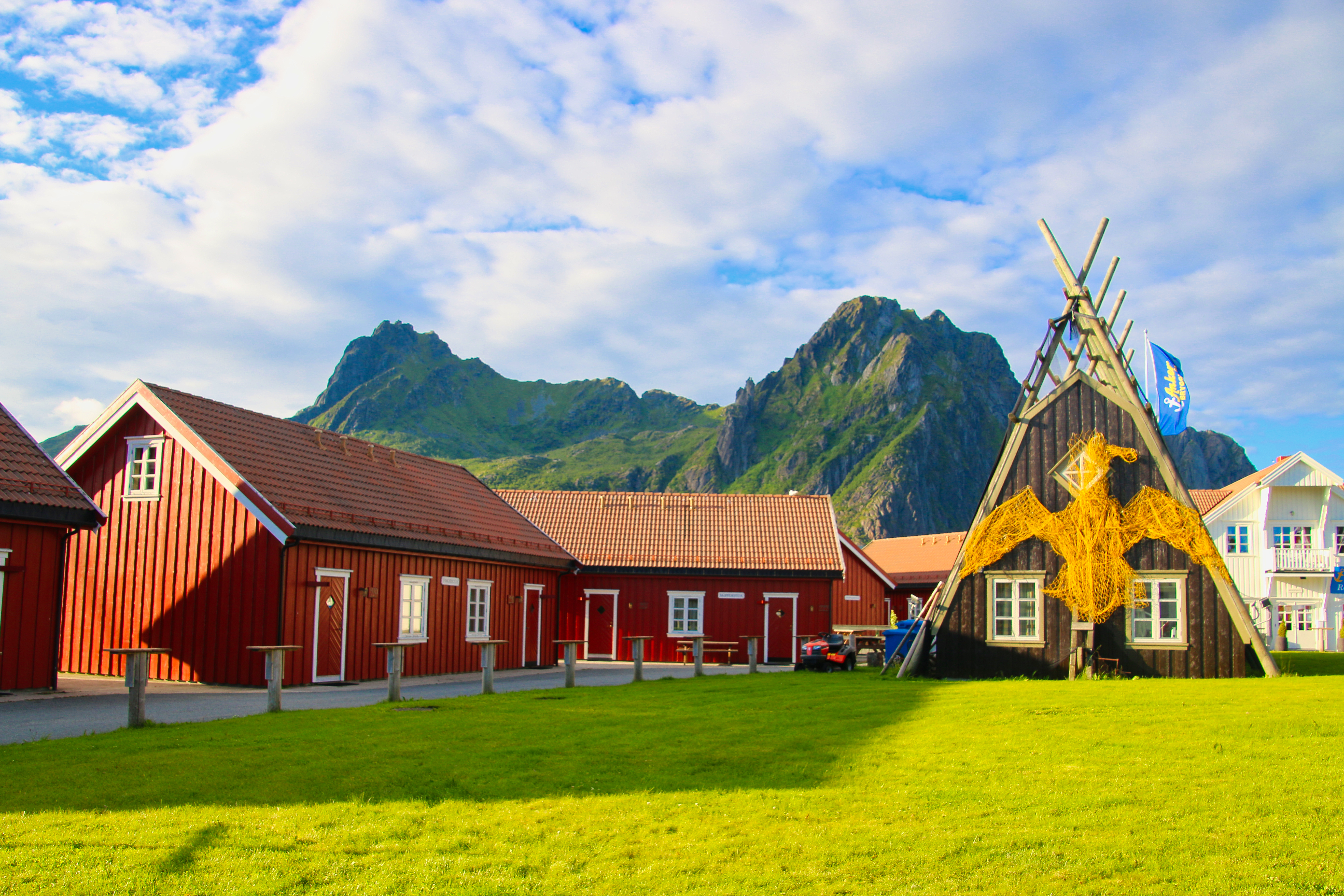
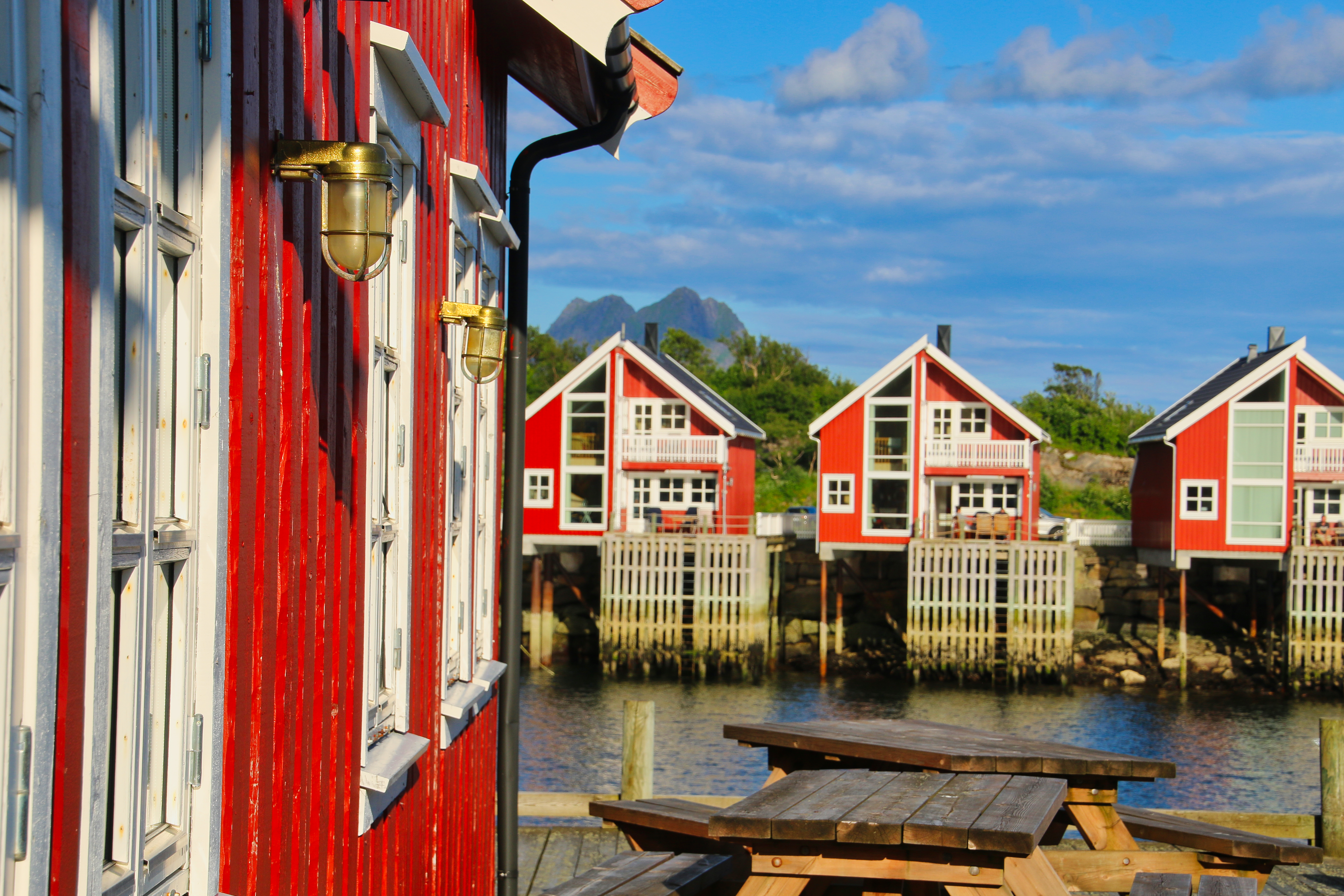
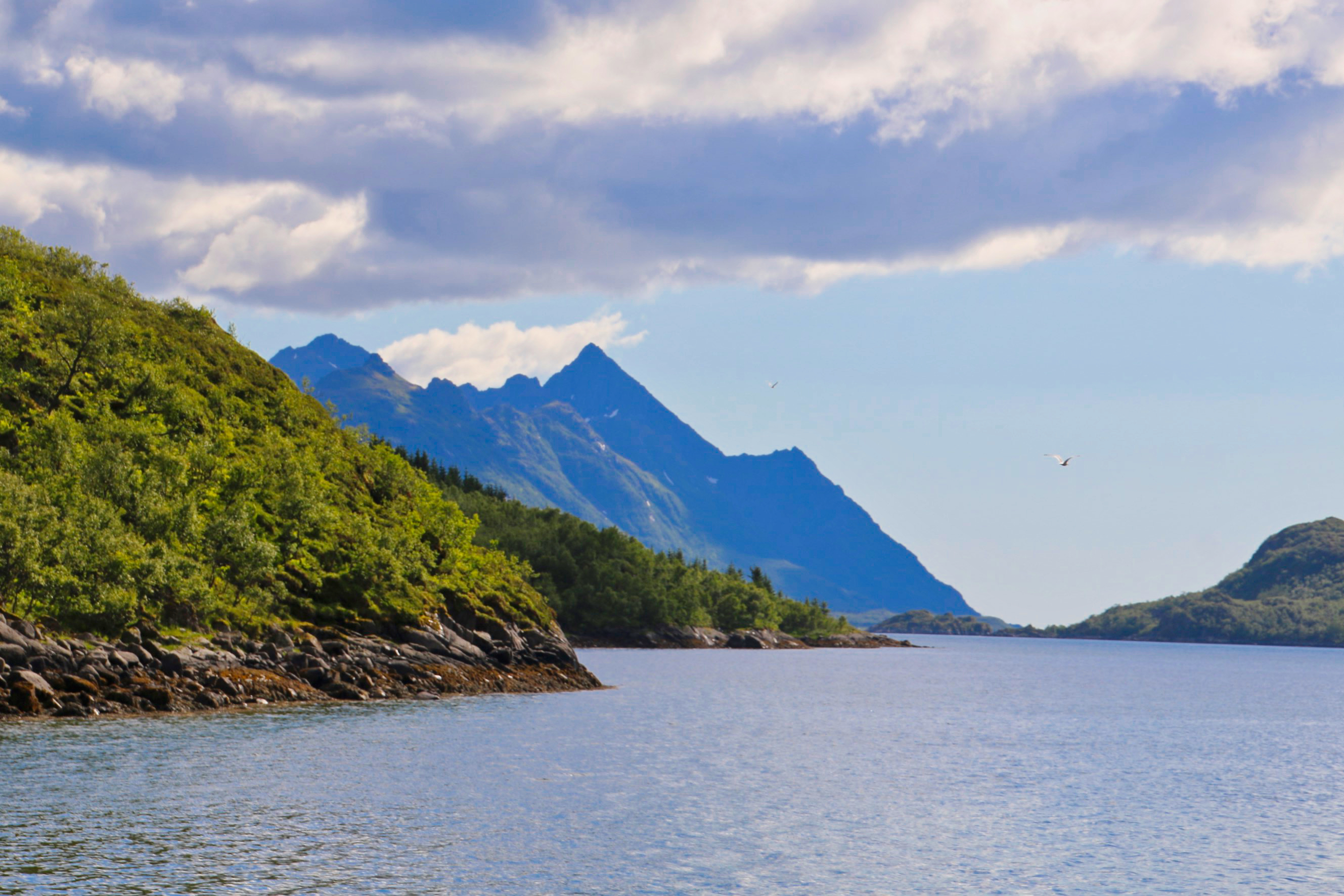
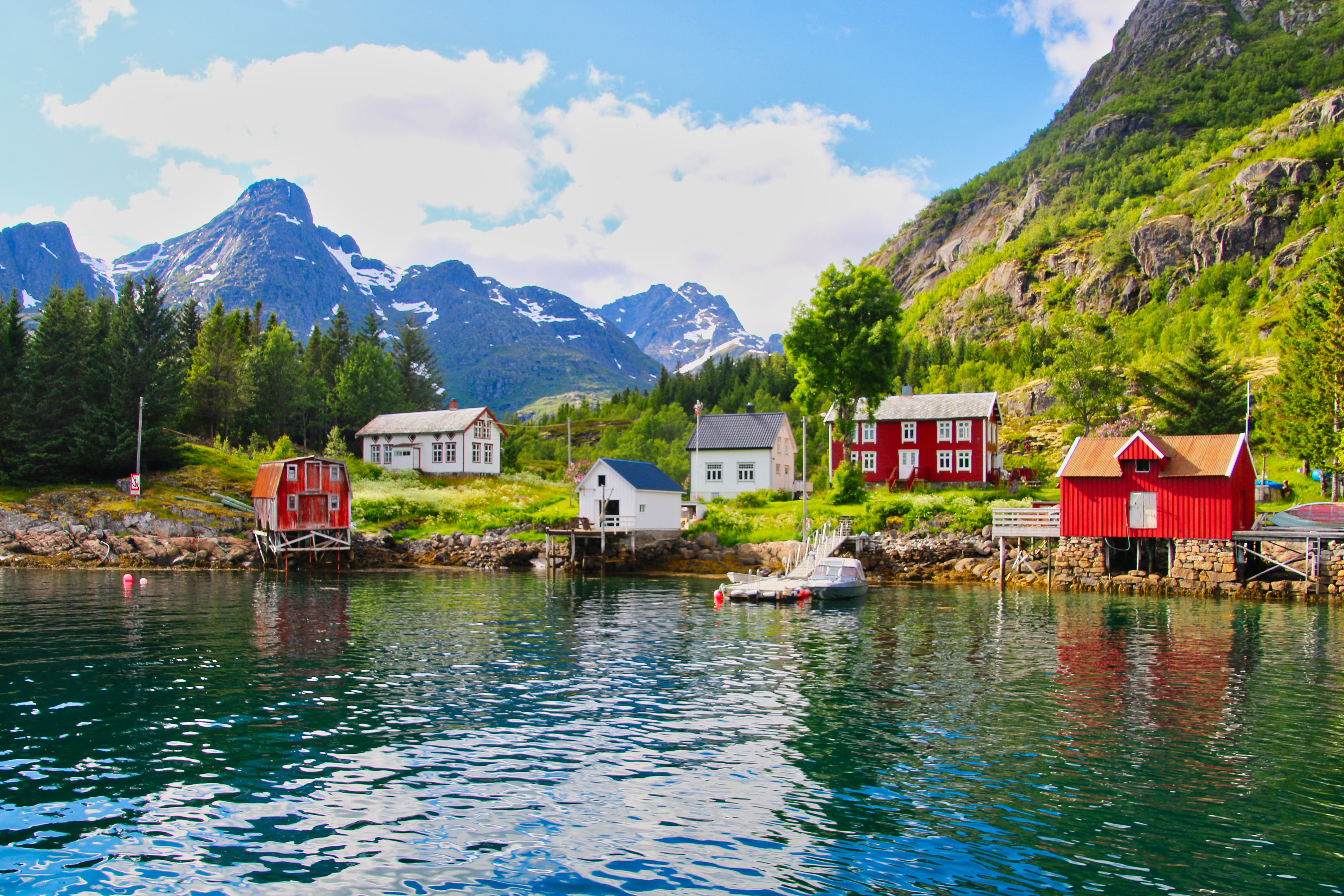
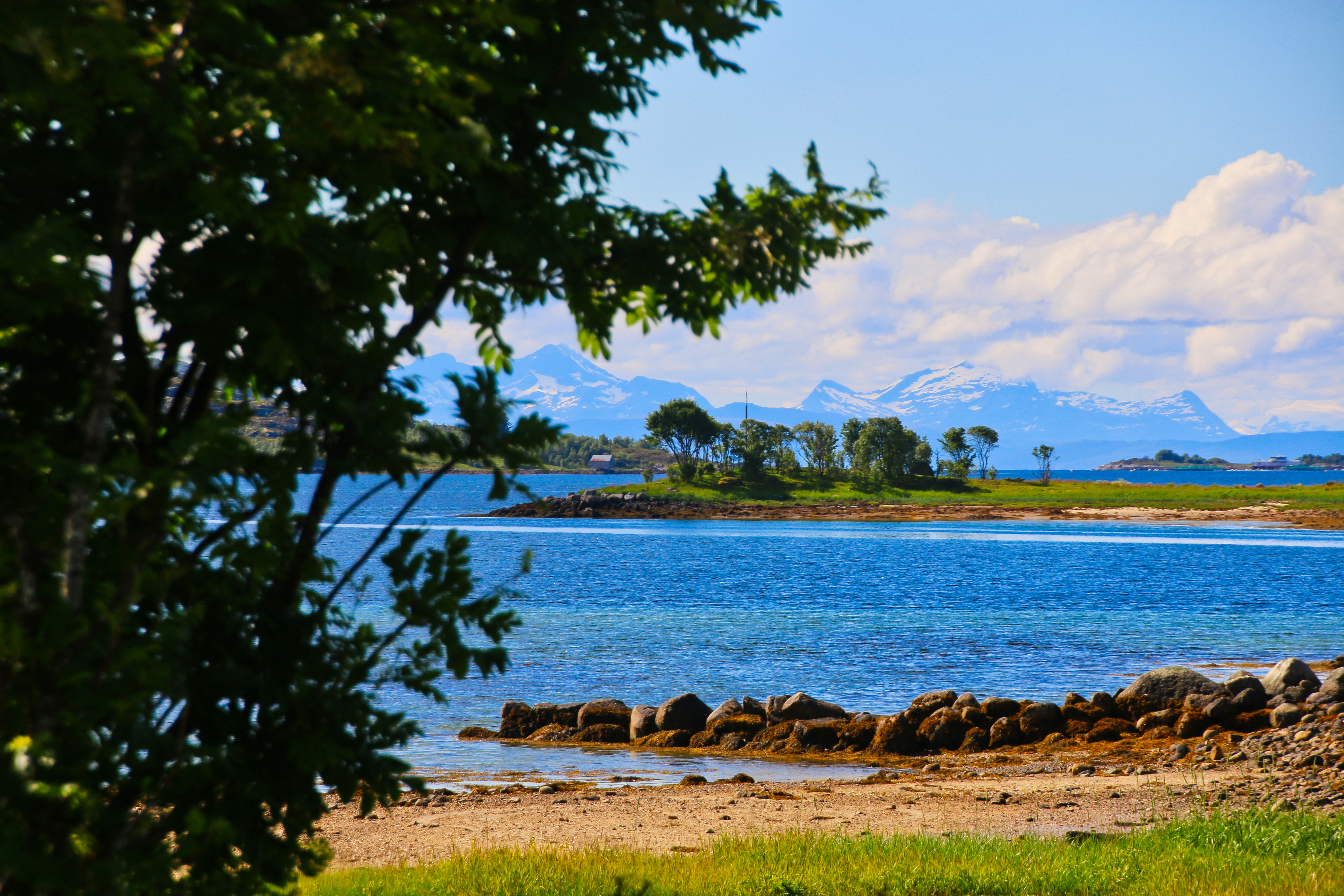
The Lofoten islands are situated far north of the Arctic Circle in Norway. Actually, the name of the archipelago means foot of a lynx in Norse and derives from the fractured geography of the islands, which looks somewhat like the limb of an animal. Historically, the islands were known for cod fishing. Additionally, local fishermen and thousands of men from the mainland used to come to these islands in winter for a good catch. They lived in typical red fishermen’s houses close to the rough sea. (Continuation in part II)
test

A Walk in Svolvaer

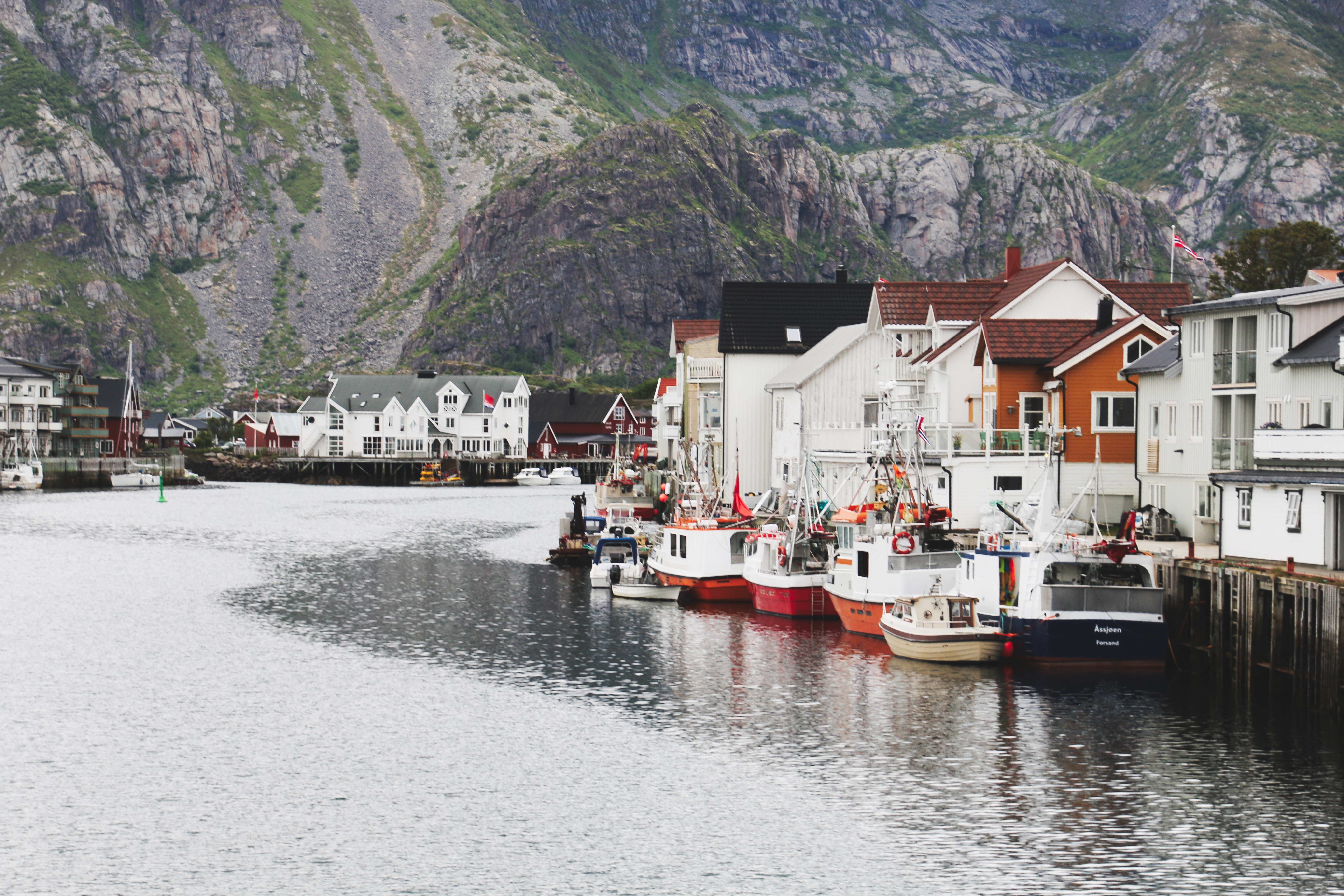
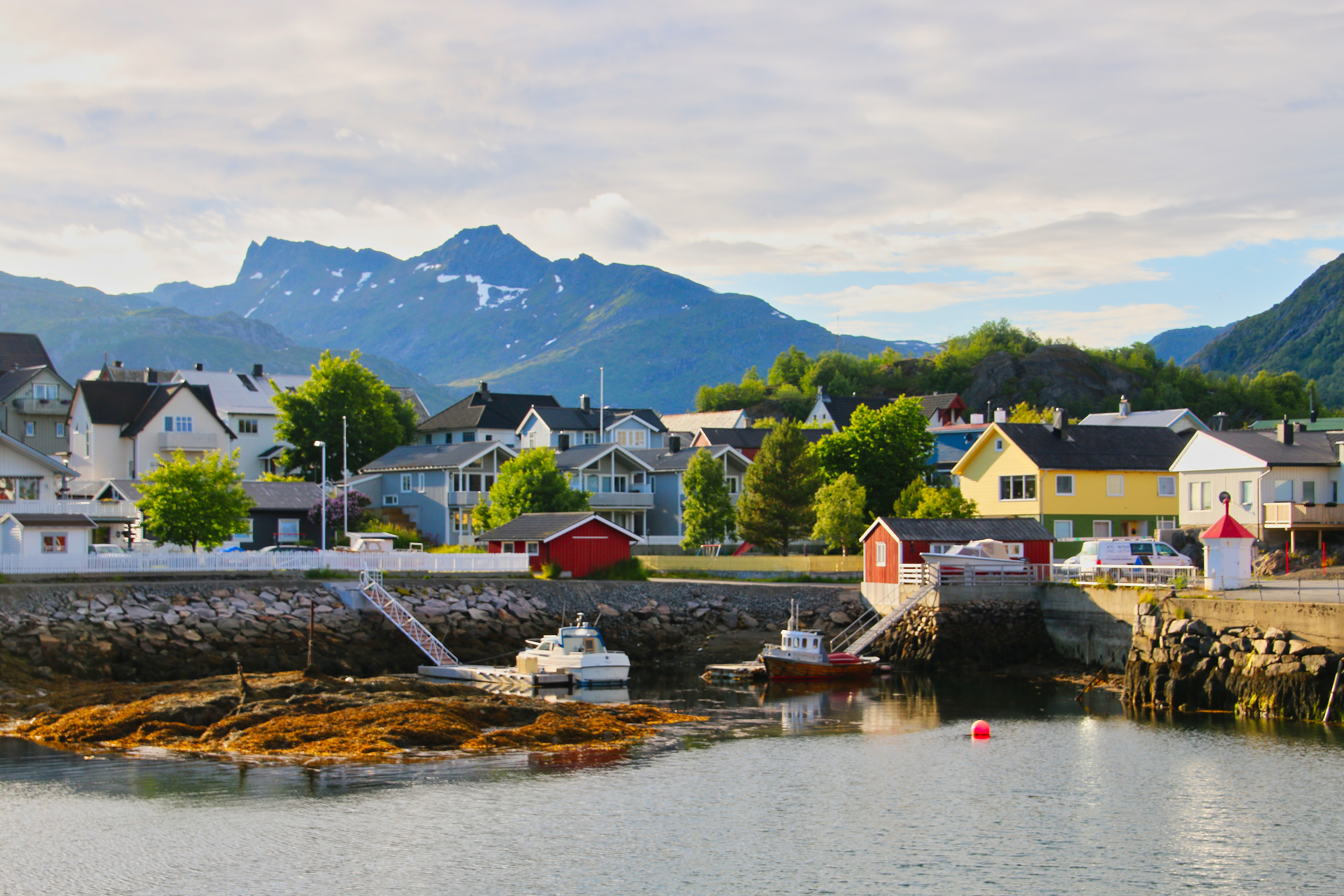
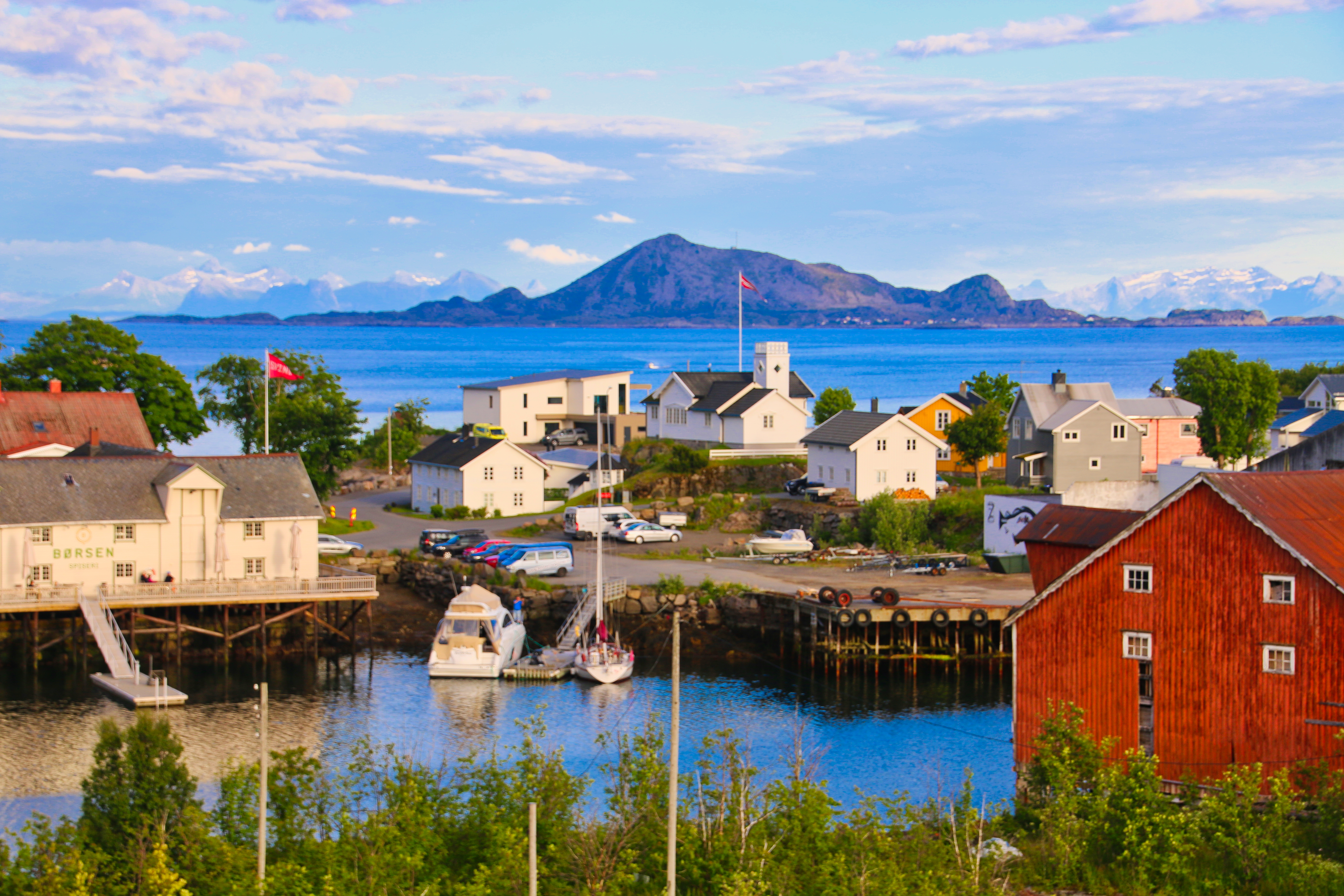
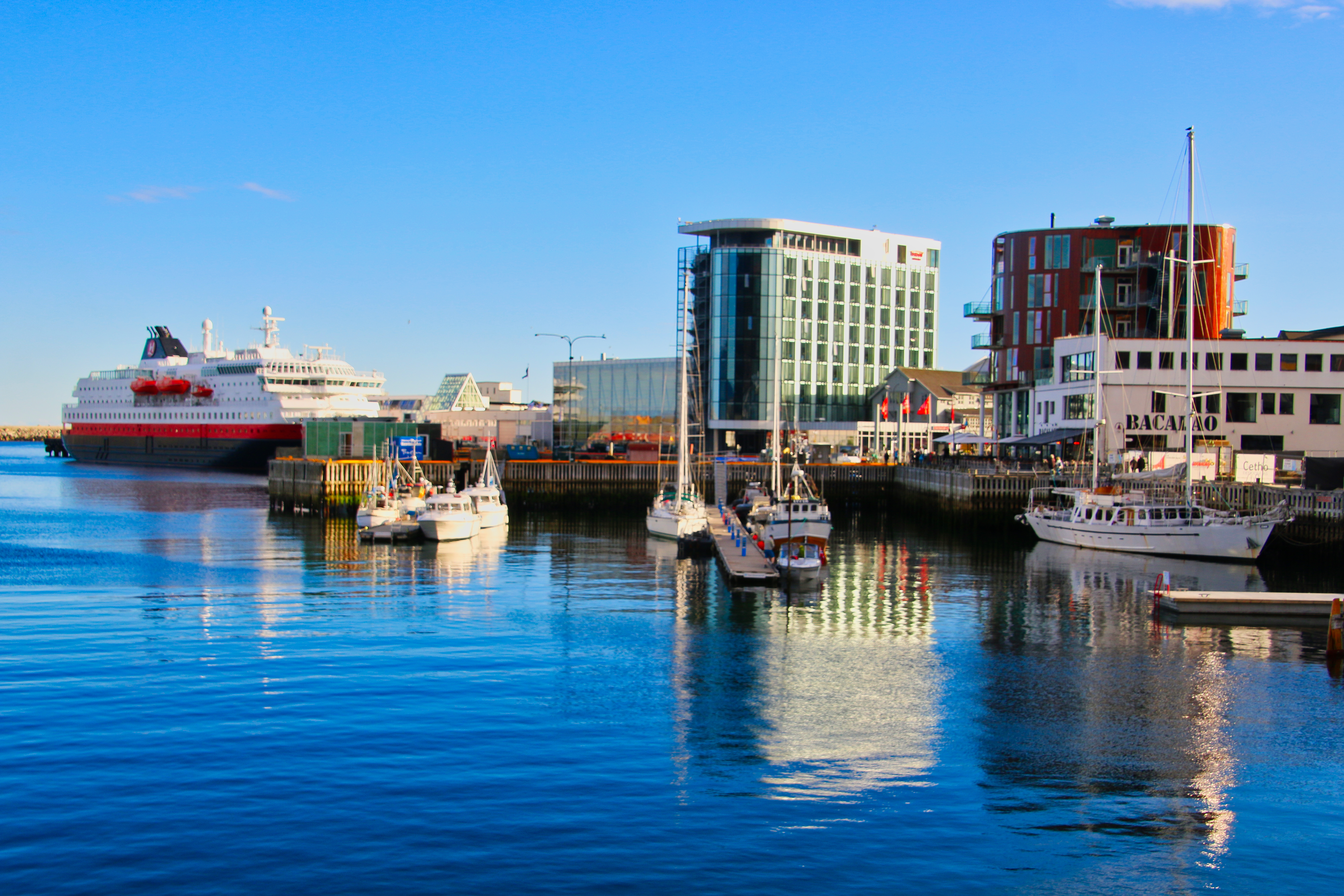
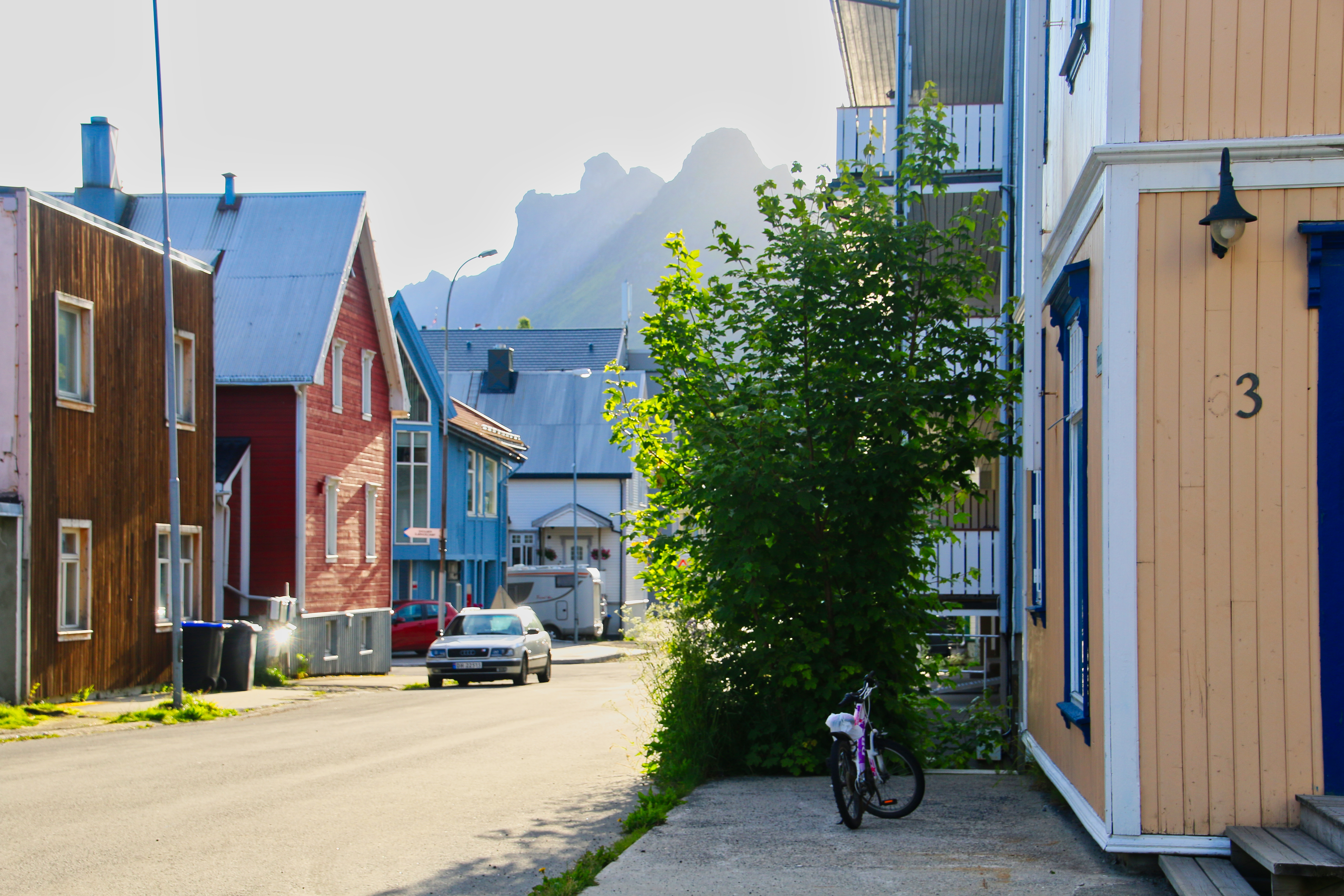
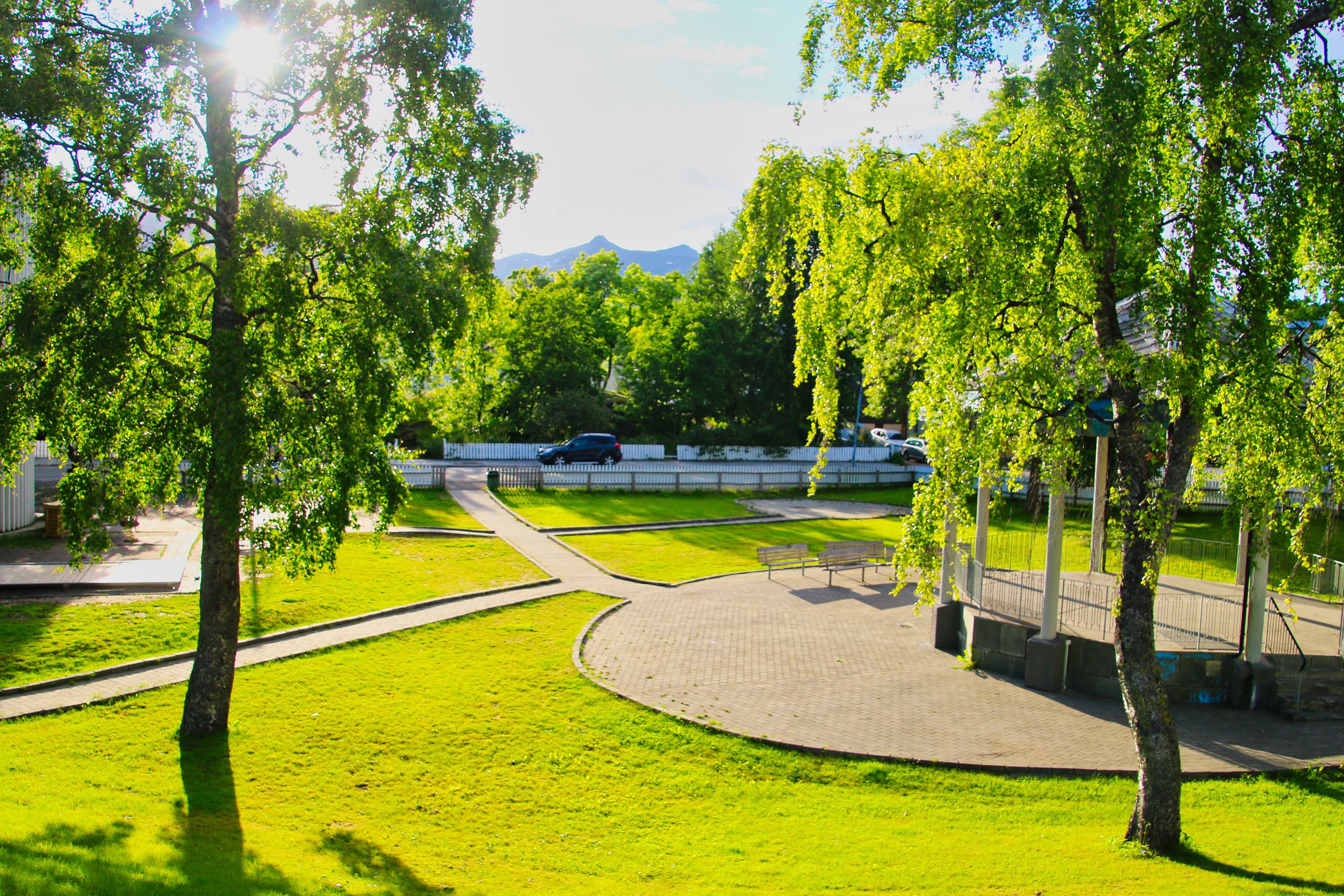
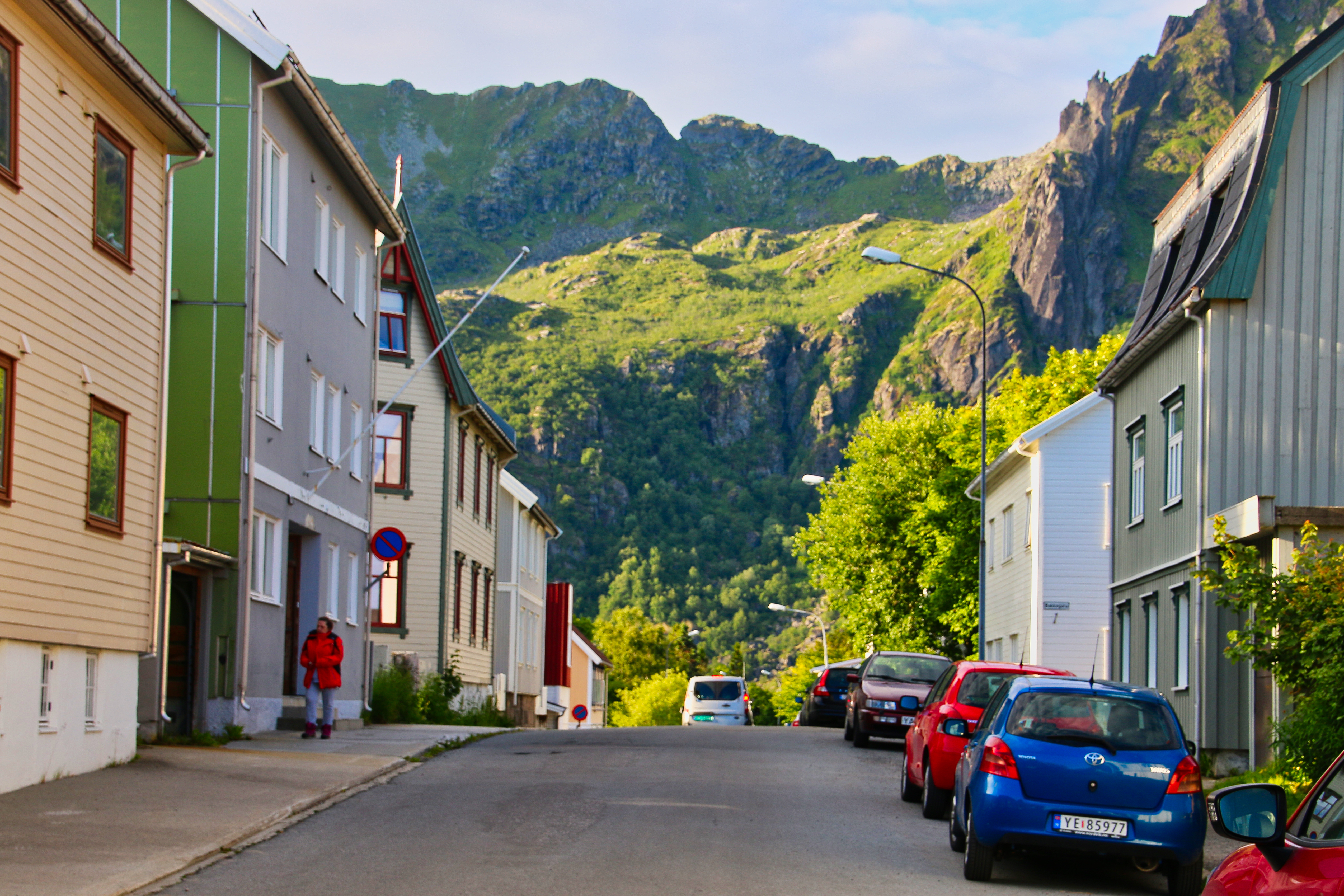
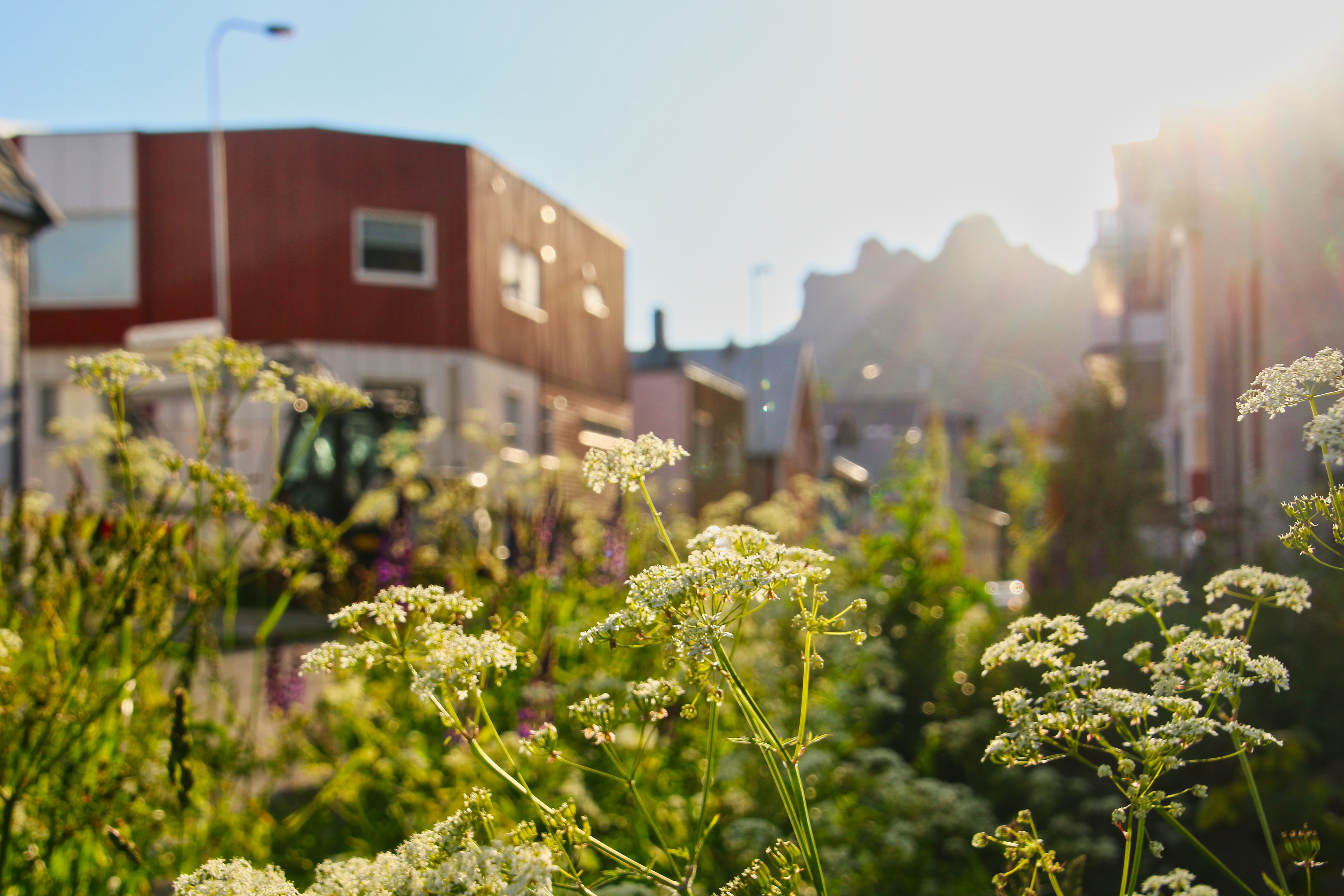
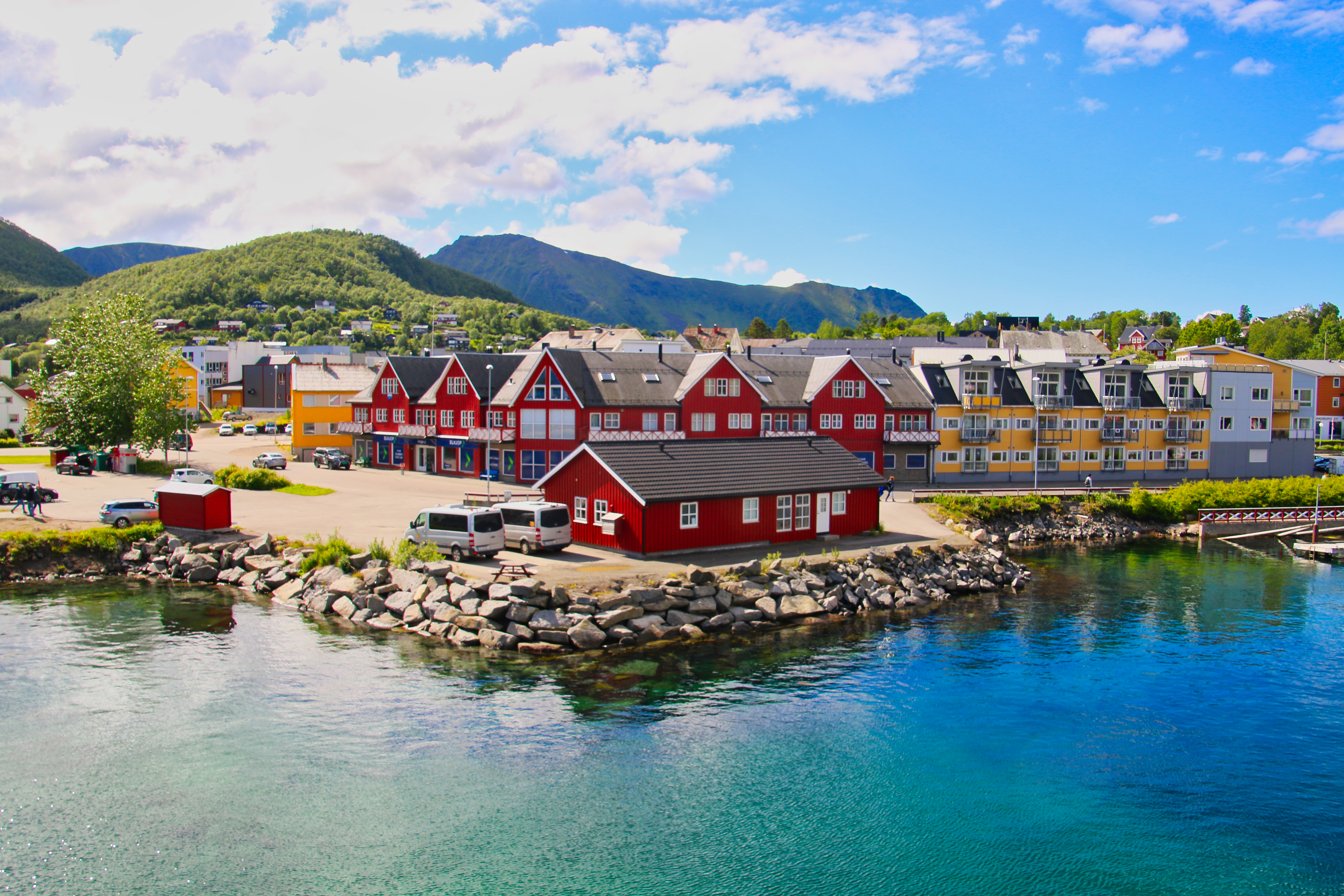
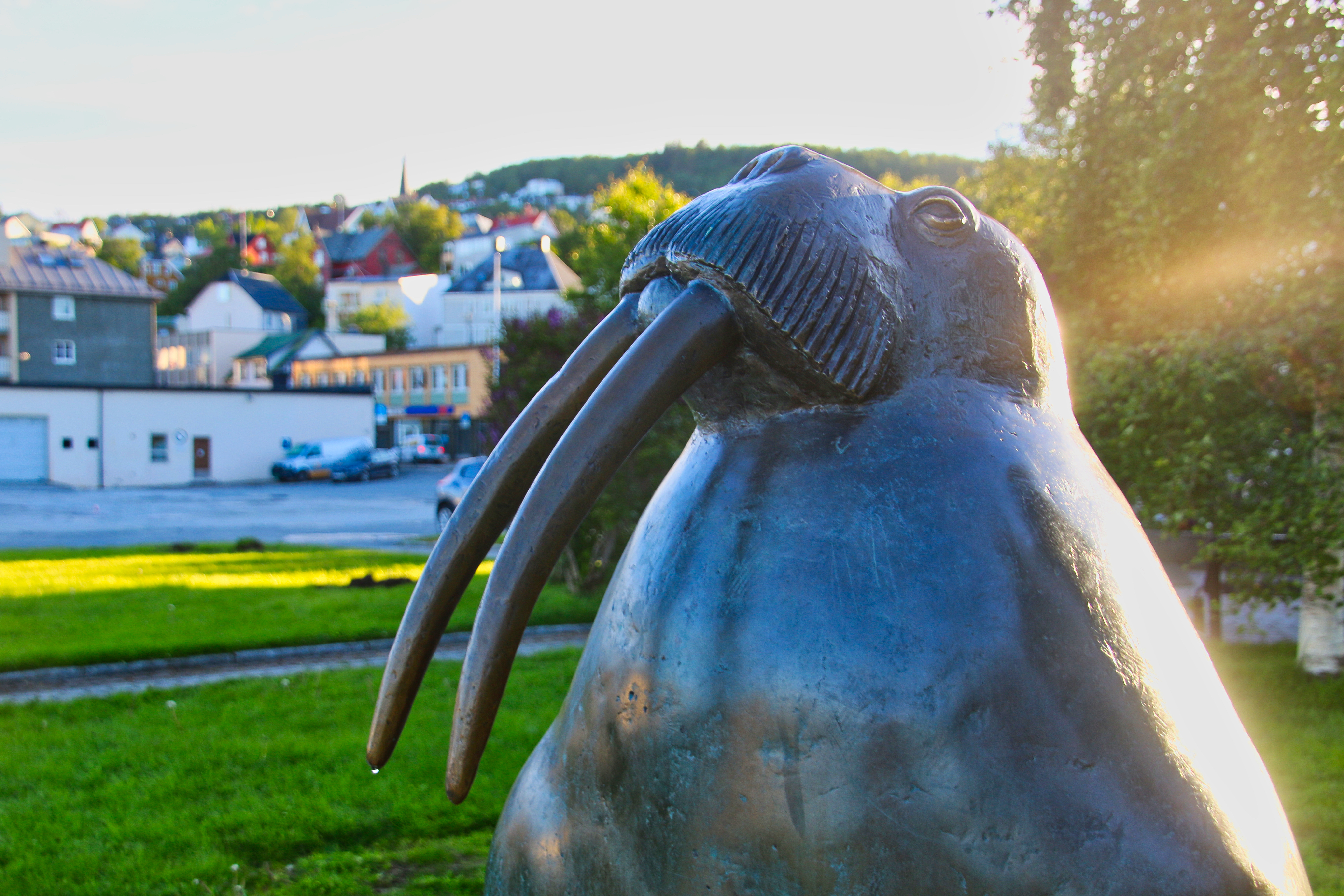
From a global perspective, Svolvaer may be just a little town, but in regards to the Lofoten islands in Northern Norway, Svolvaer, with its 5.000 inhabitants, is truly a metropolis. The people of the region come here for shopping and for administrative duties. Moreover, it is a cute town with lovely parks and many colorful houses. Some impressions from a walk in July 2019.

test

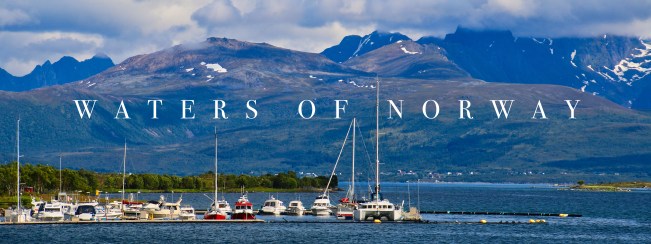
Waters of Norway

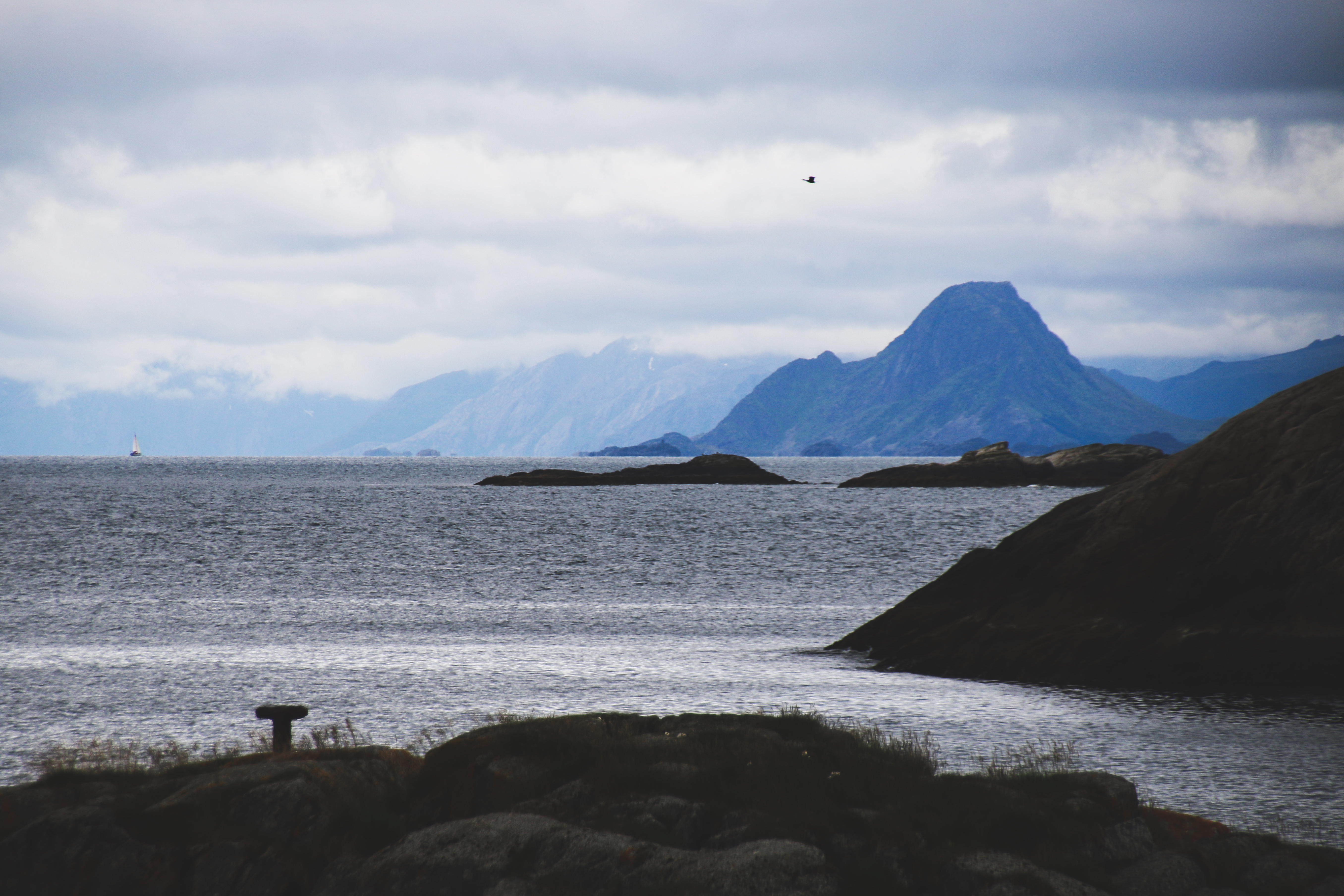
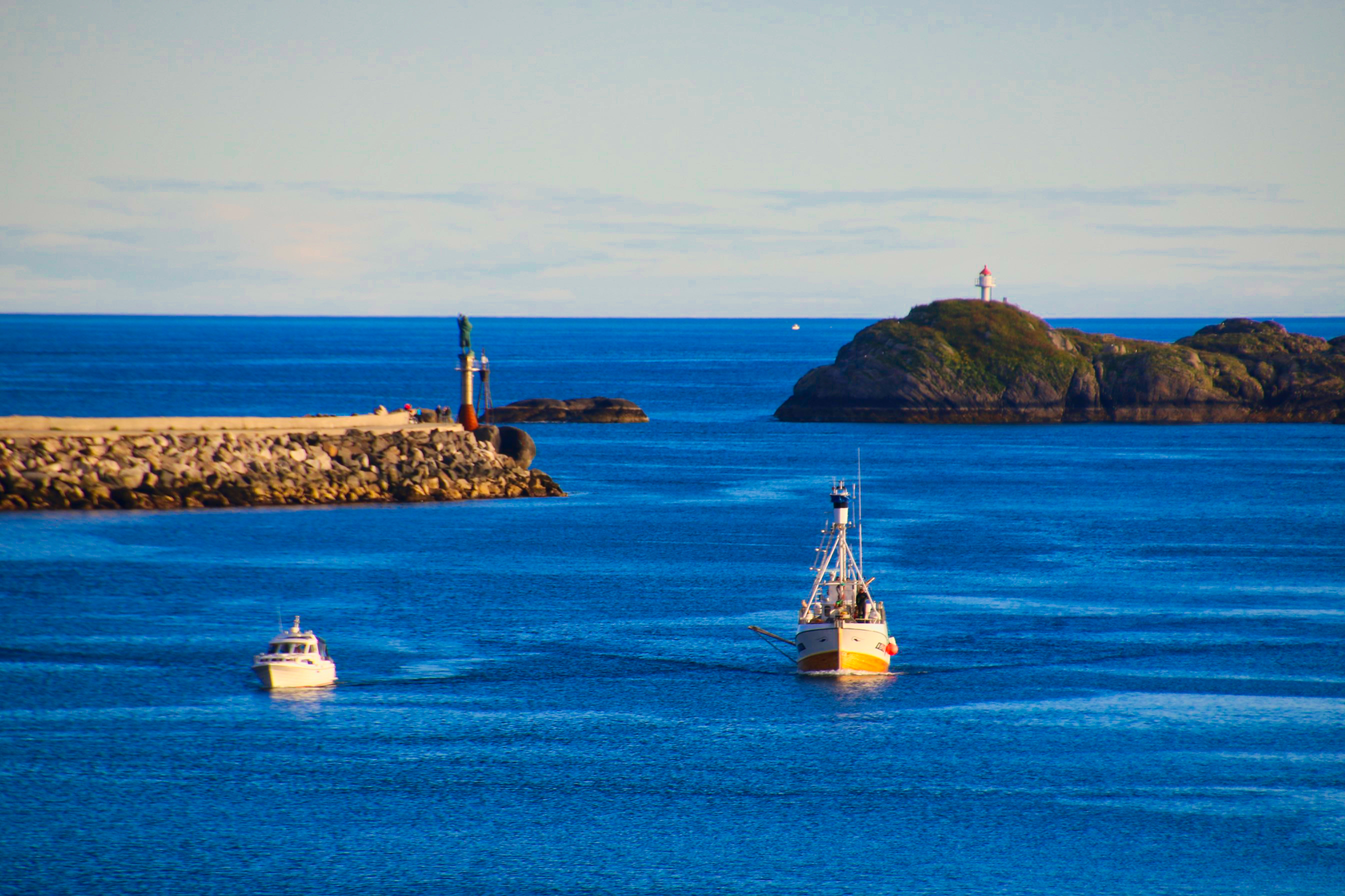
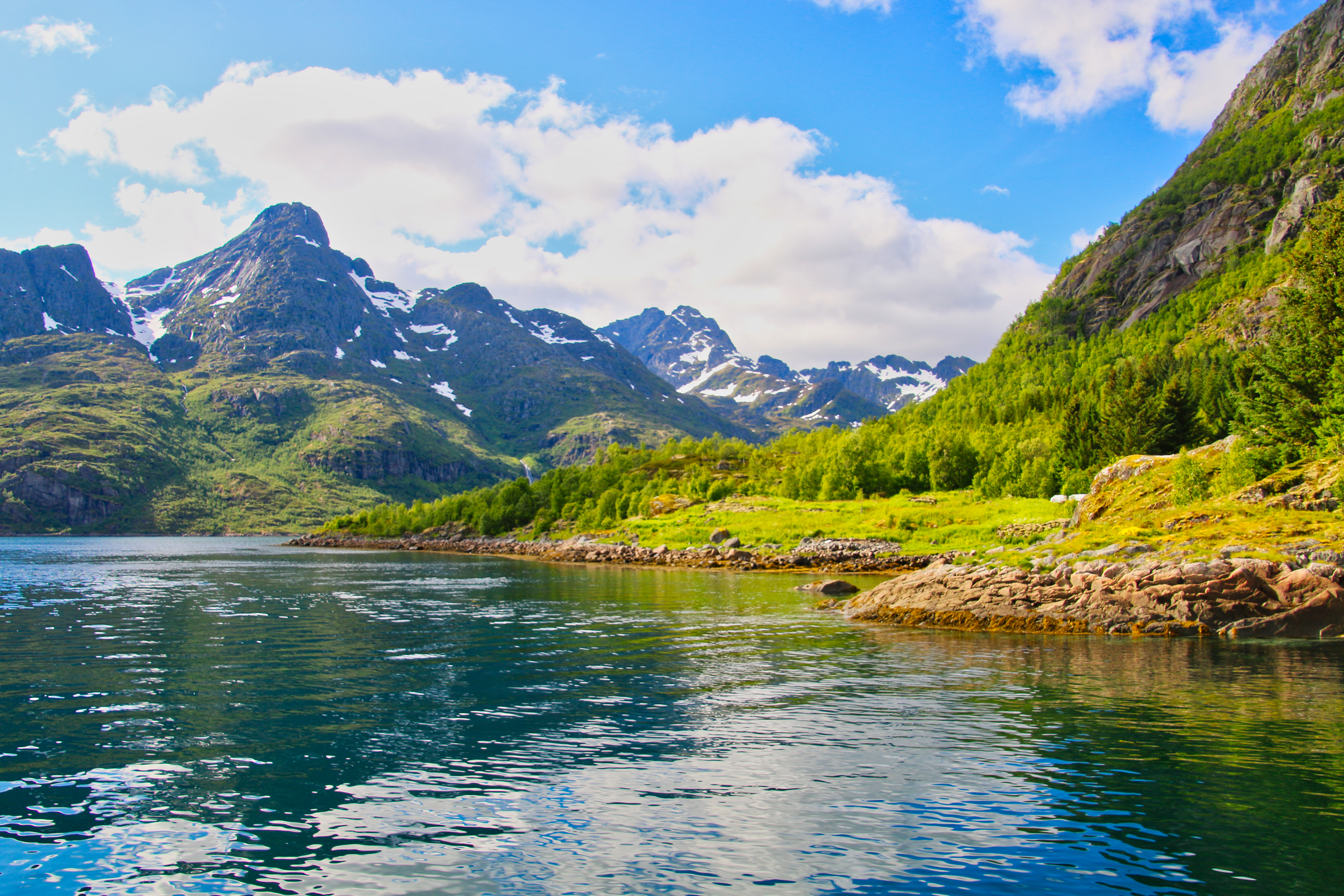
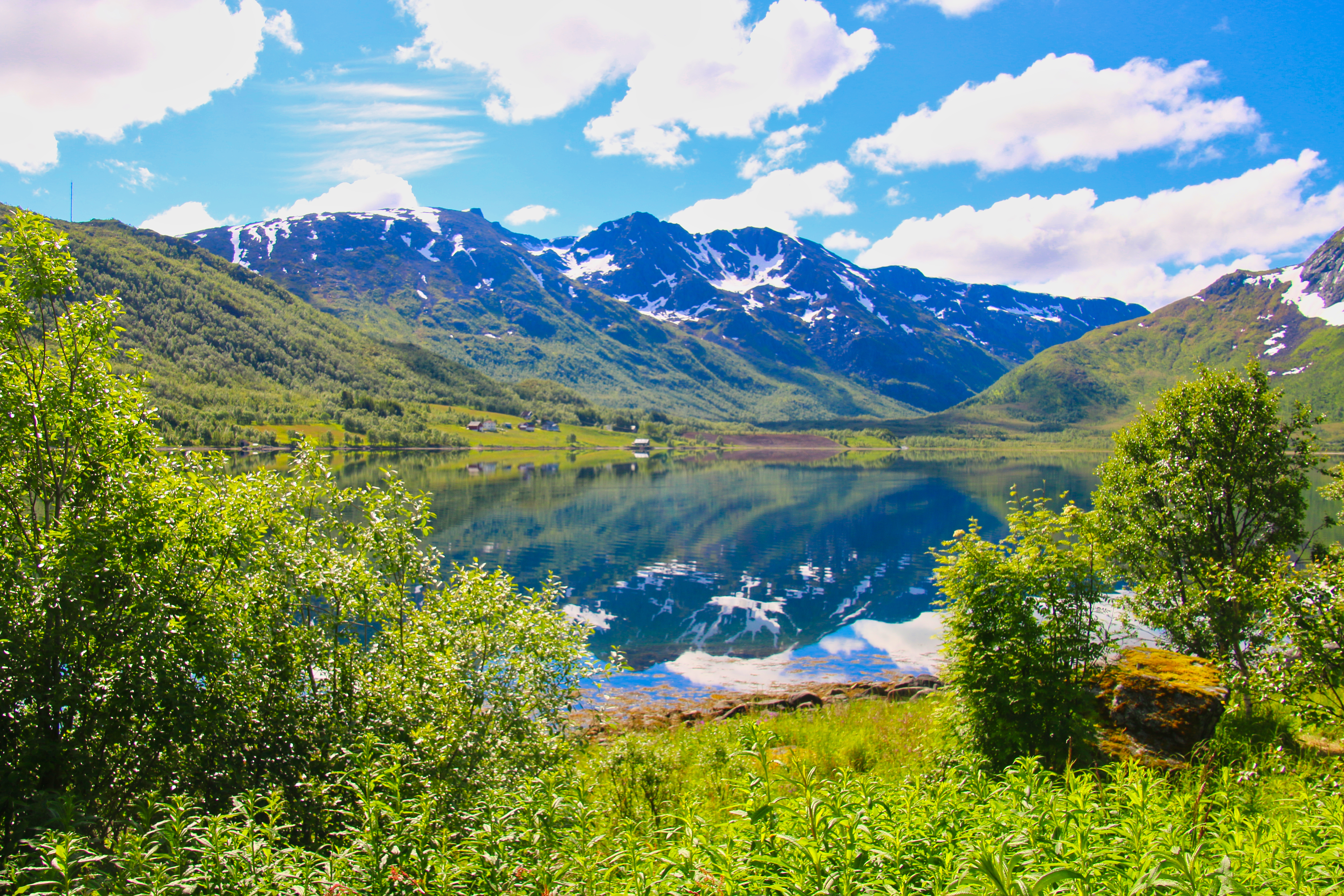
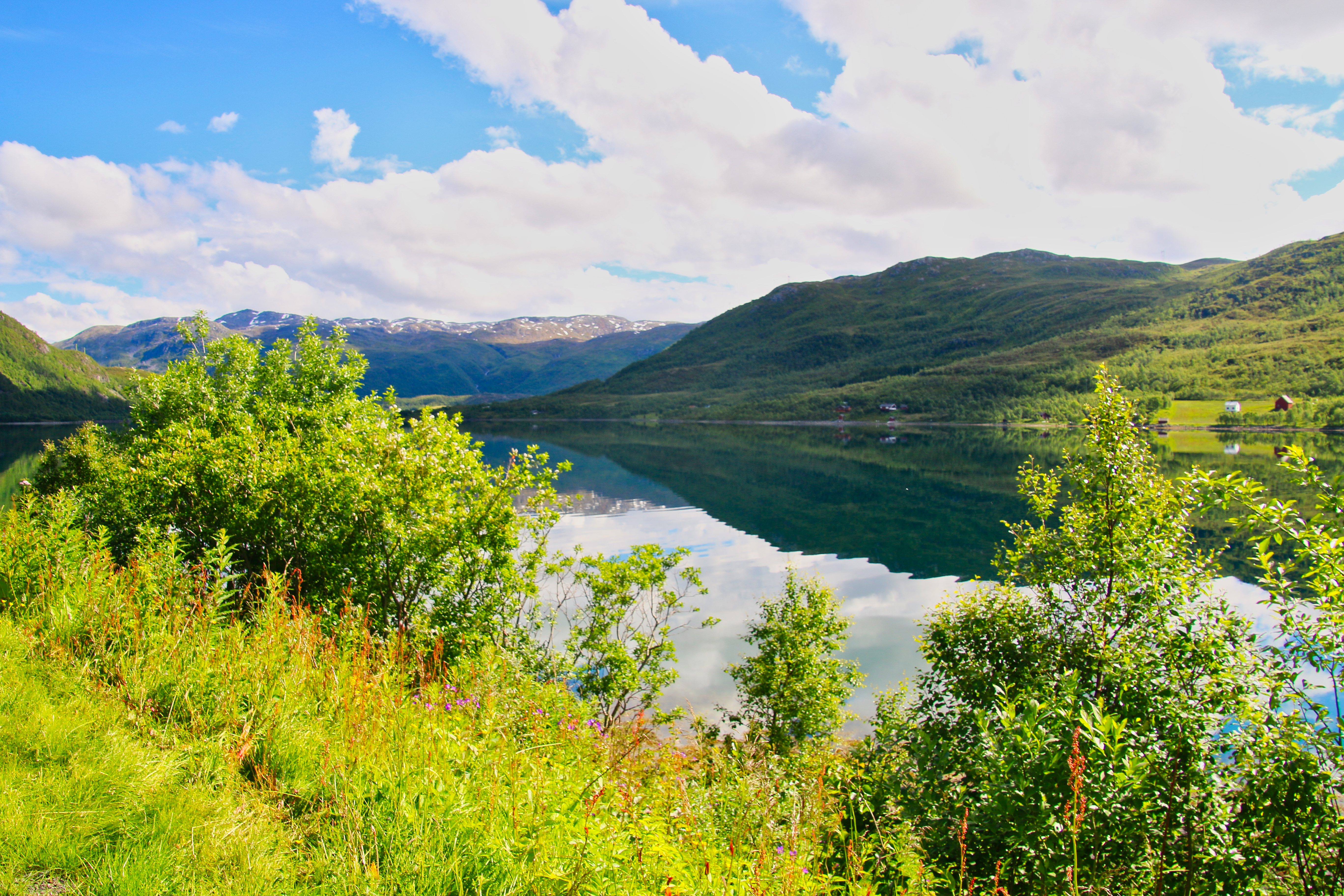
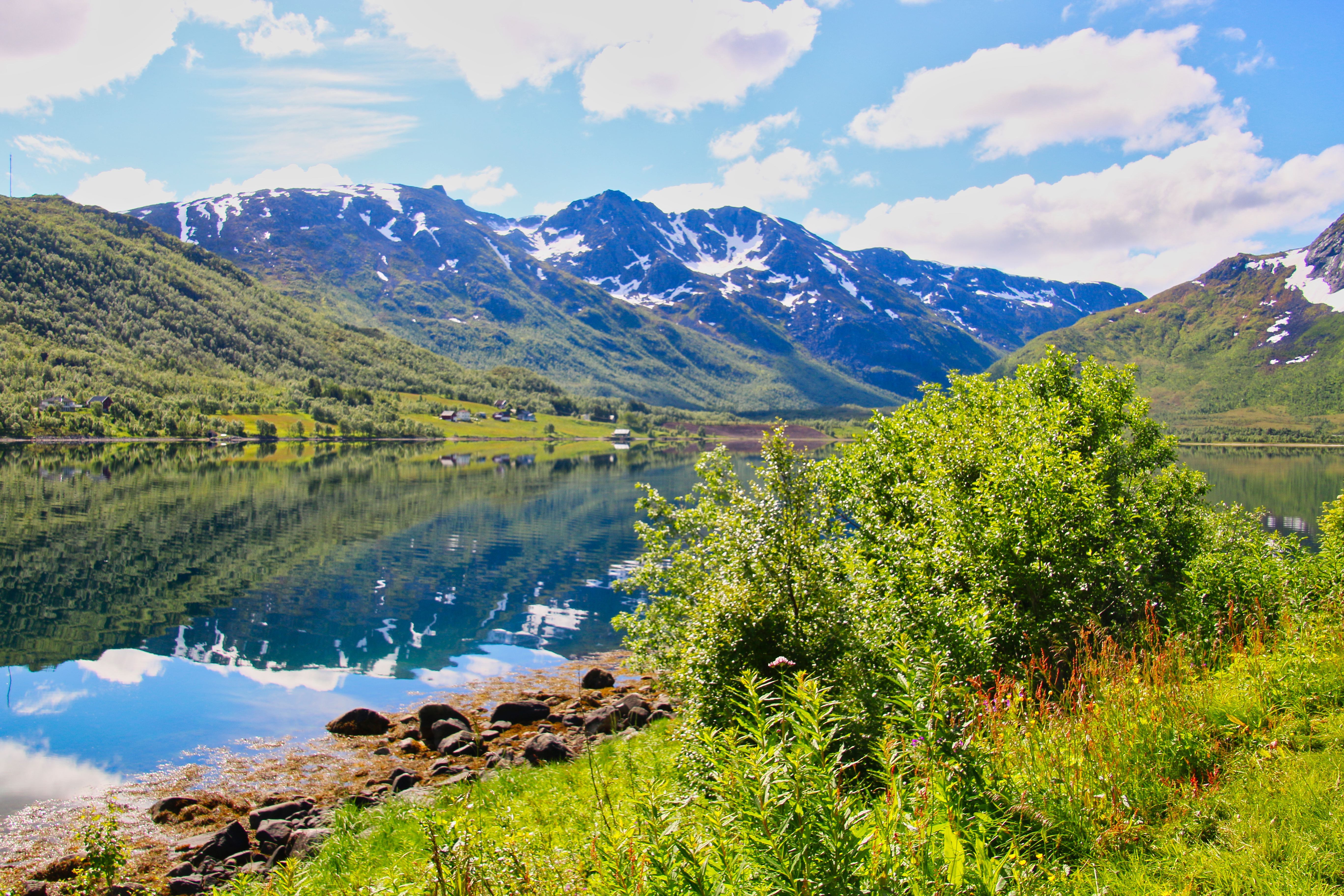
Norway is a country of immense wealth. Of course, this concerns national income and, more importantly, national resources. The most important one is simply .. water. The Norse people lived for eons from the water; they were fishermen and used water to sail to foreign countries (sure also rob and make war here and there) and return safely to the fjords. Today, water energy is the primary power source in Norway, and there is capacity for many more renewable power plants. The reason for this wealth in water lies in the country’s geography. During the last ice age, the government was covered by kilometers of ice. 10.000 years ago, the ice melted down in the ancient valleys beneath. The water began to fill these valleys and stream into the sea, creating the fjords. Due to the extreme tides in these fjords, there has been immense energy in these bodies of water up until today.

test