Skip to content

Discovering Strasbourg
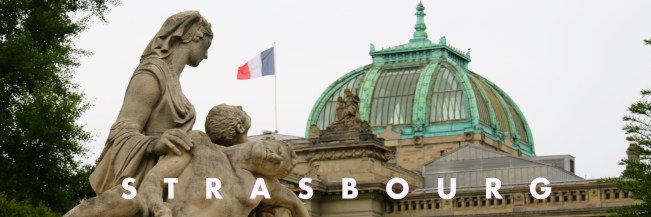
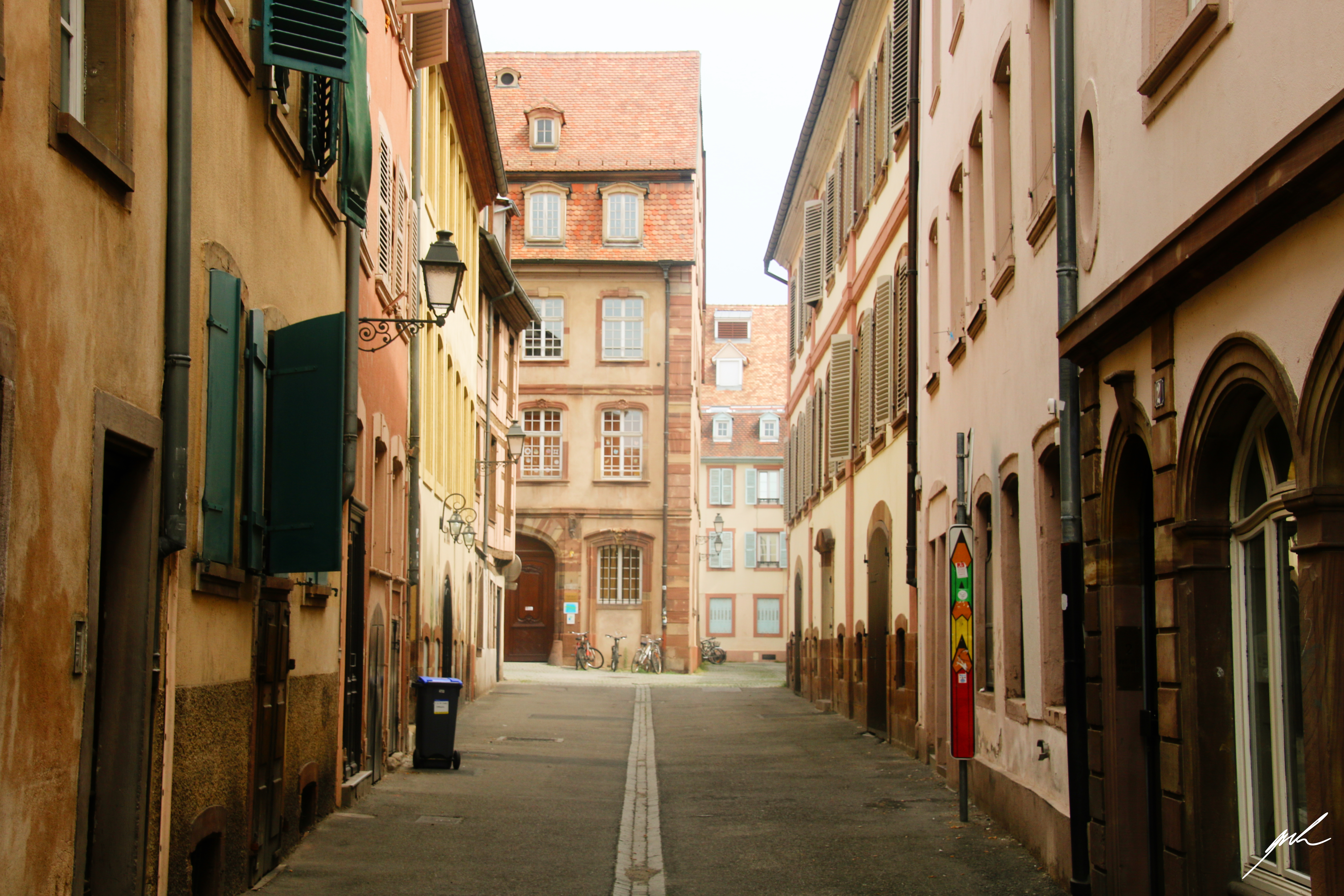
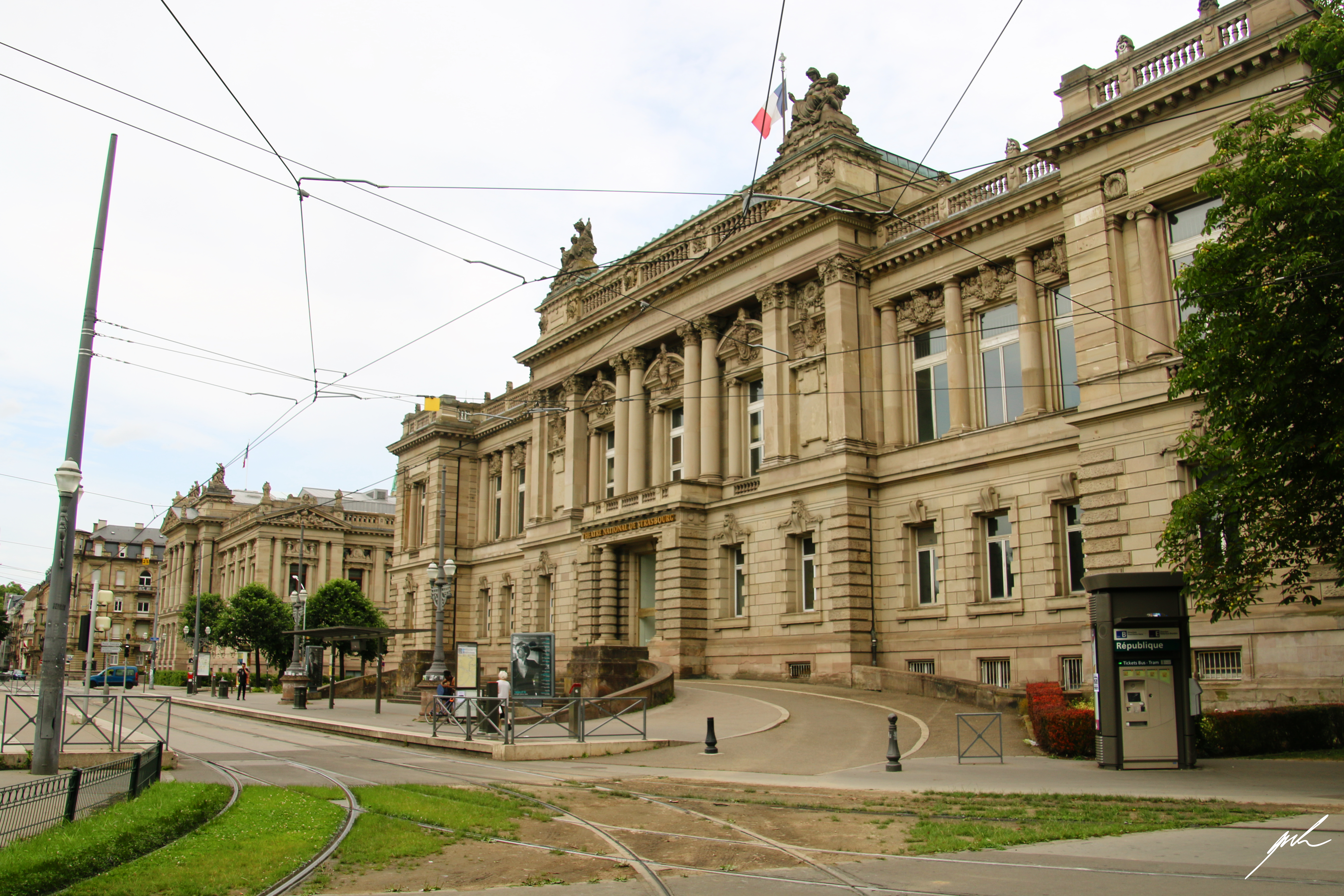
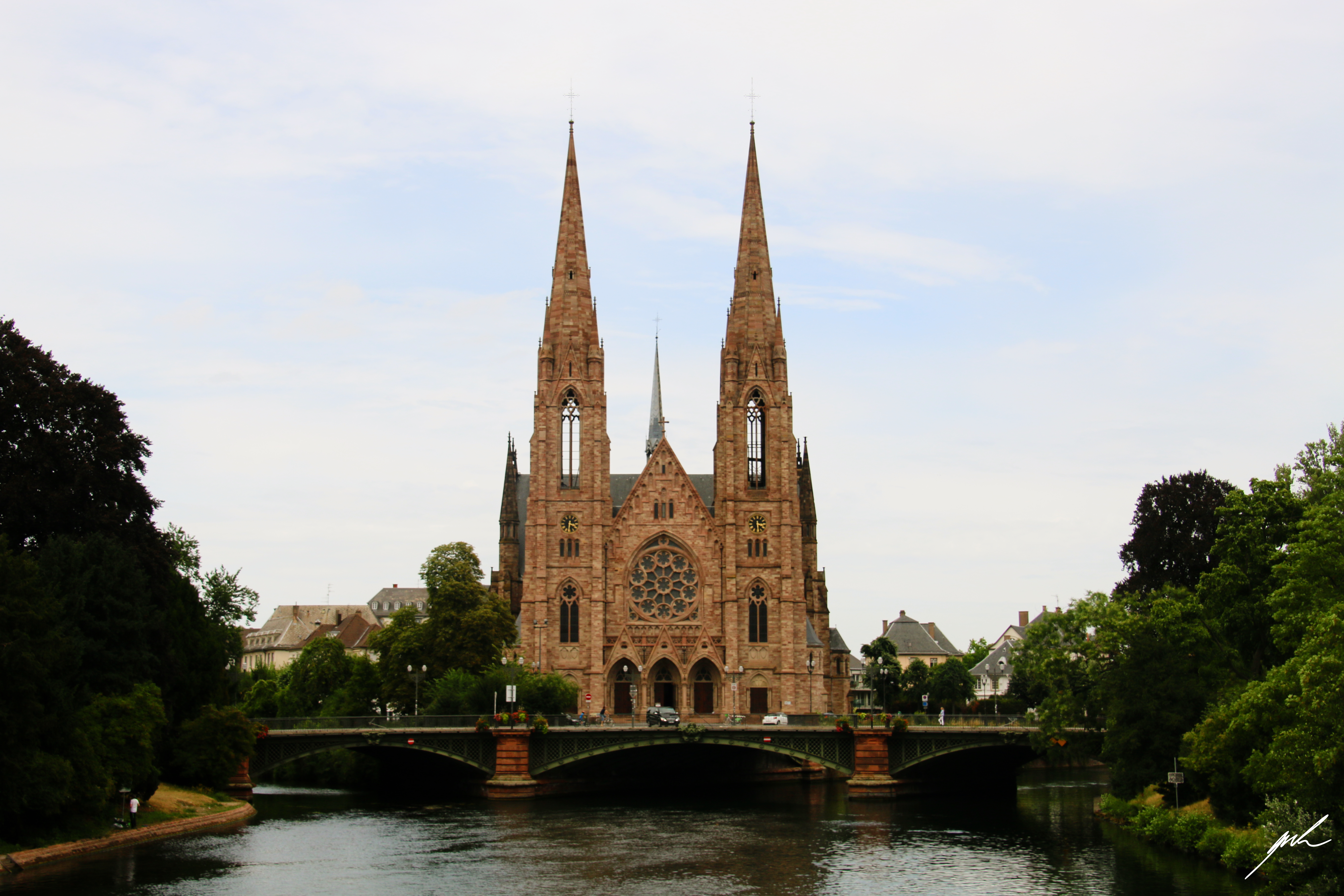
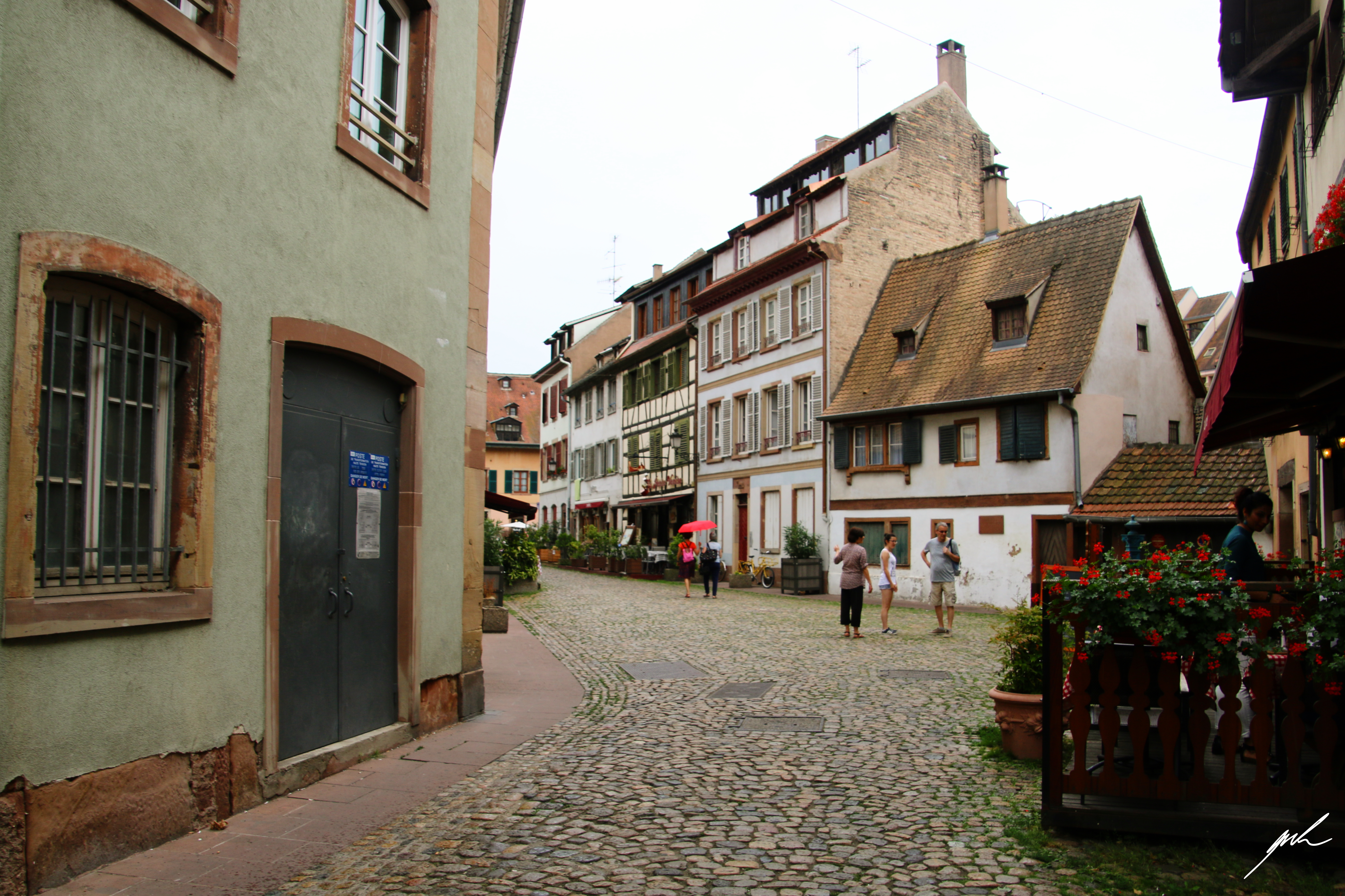
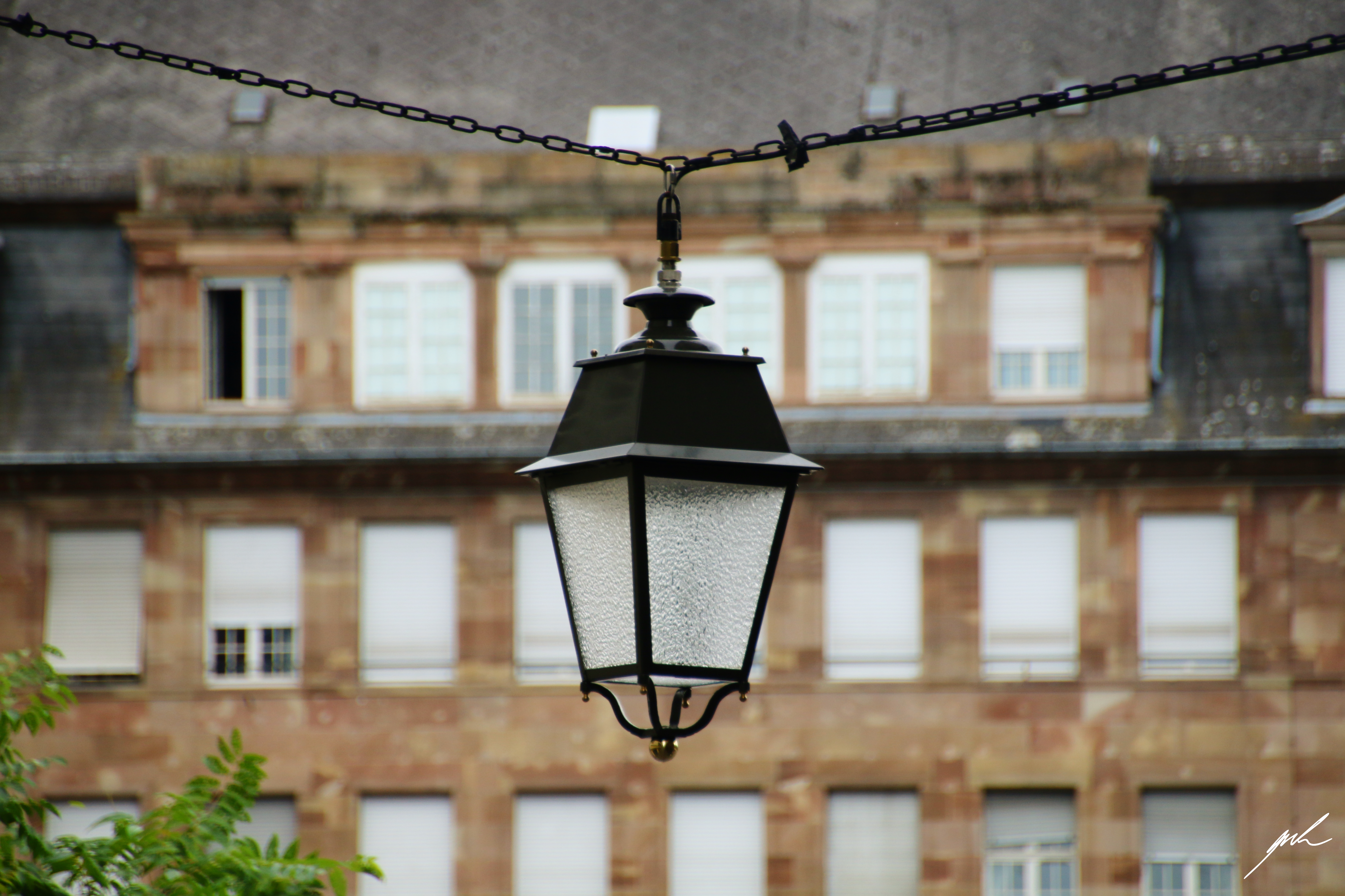
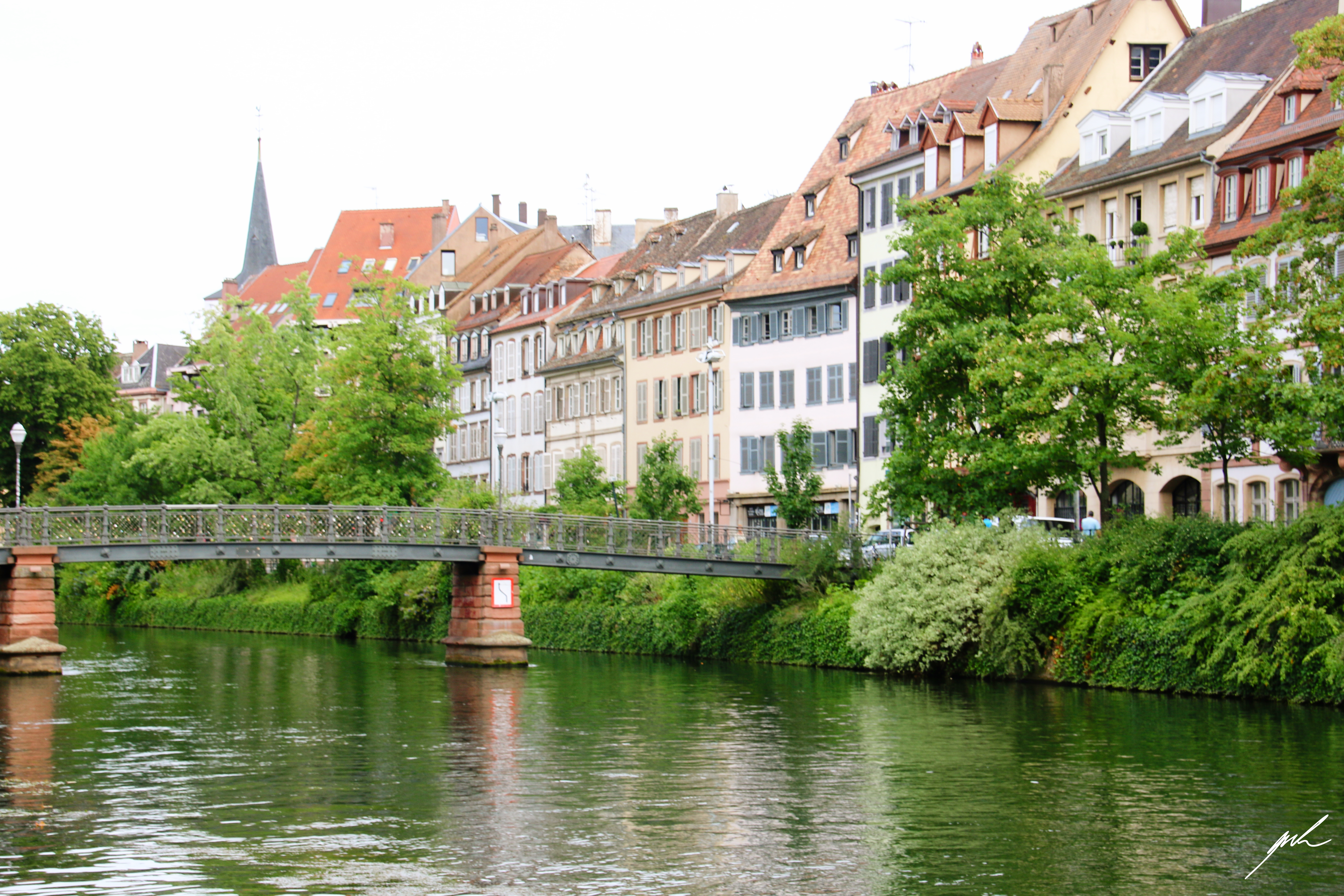
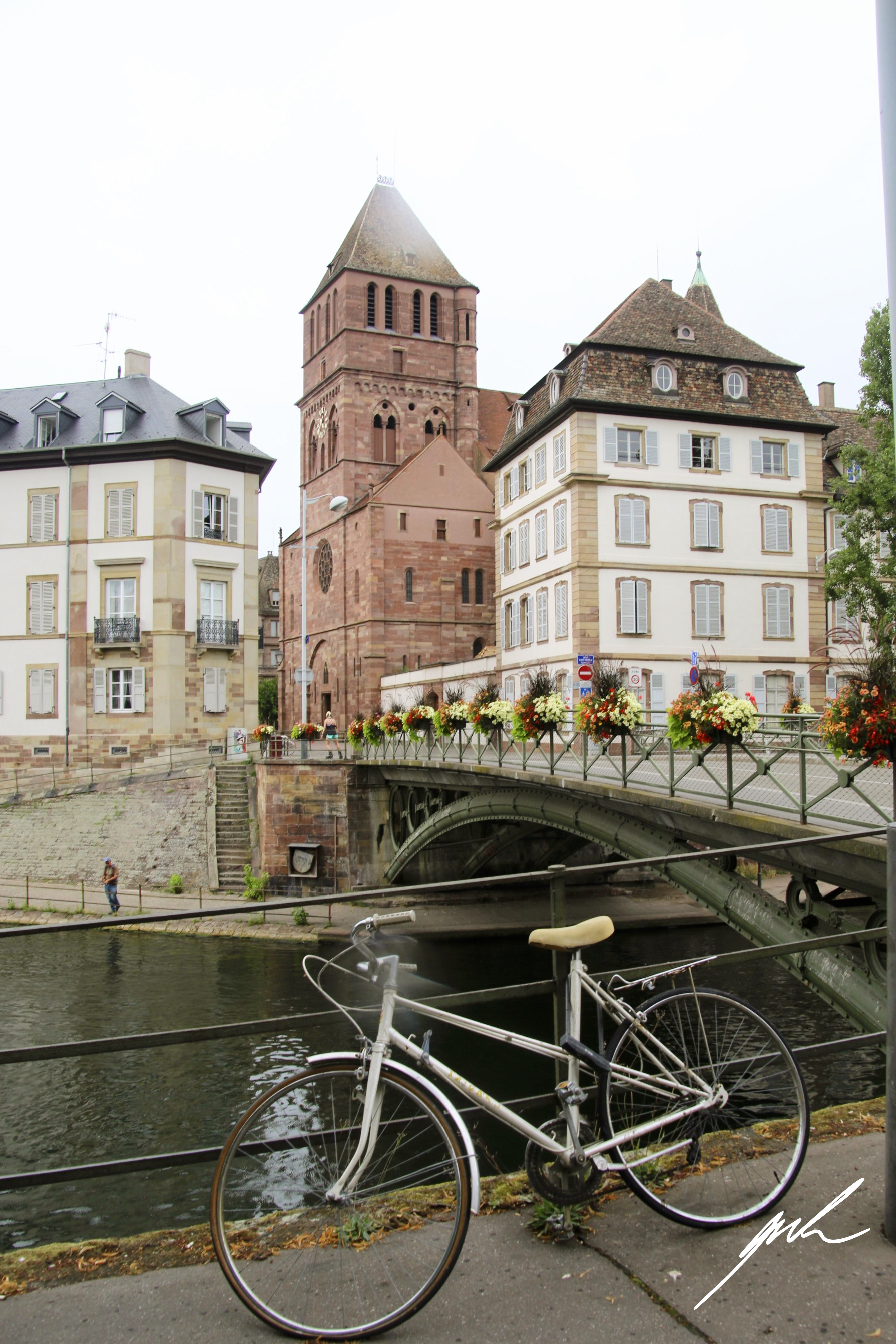
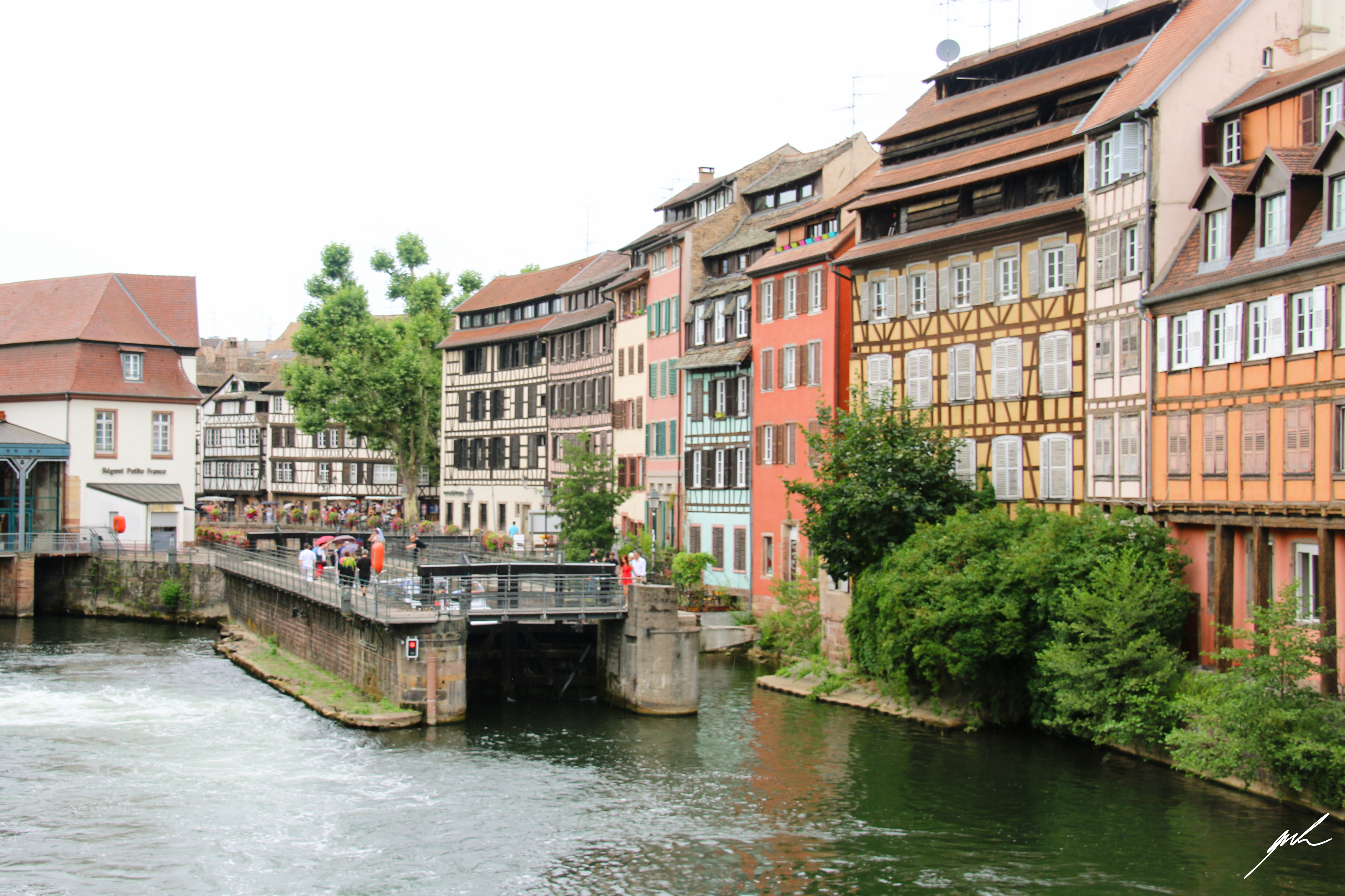
Strasbourg is the largest and most important town of the Alsace region in France, situated at the river Rhein close to Germany. Historically, the region as the town itself was contested between these two major European powers, and both cultures are visible in the urban landscape up until today. Large parts of the old town consist of bourgeois houses with timber framing, which is also characteristic of the neighbouring Schwarzwald region in Germany (pictures 1, 5, 7). On the other hand, other parts of the town, like the Gothic churches and neoclassic museums (photos 3, 4), recall similar buildings in Paris. Strasbourg is a lovely town and indeed an exciting melange of European cultures.

test

Urban Discoveries: BrewDog Tallinn

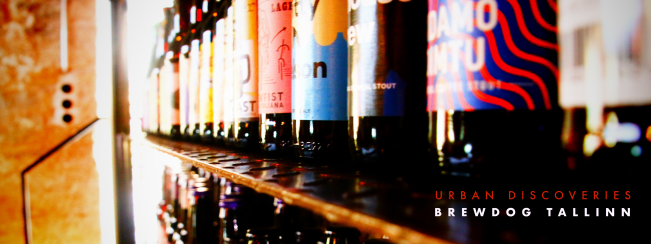
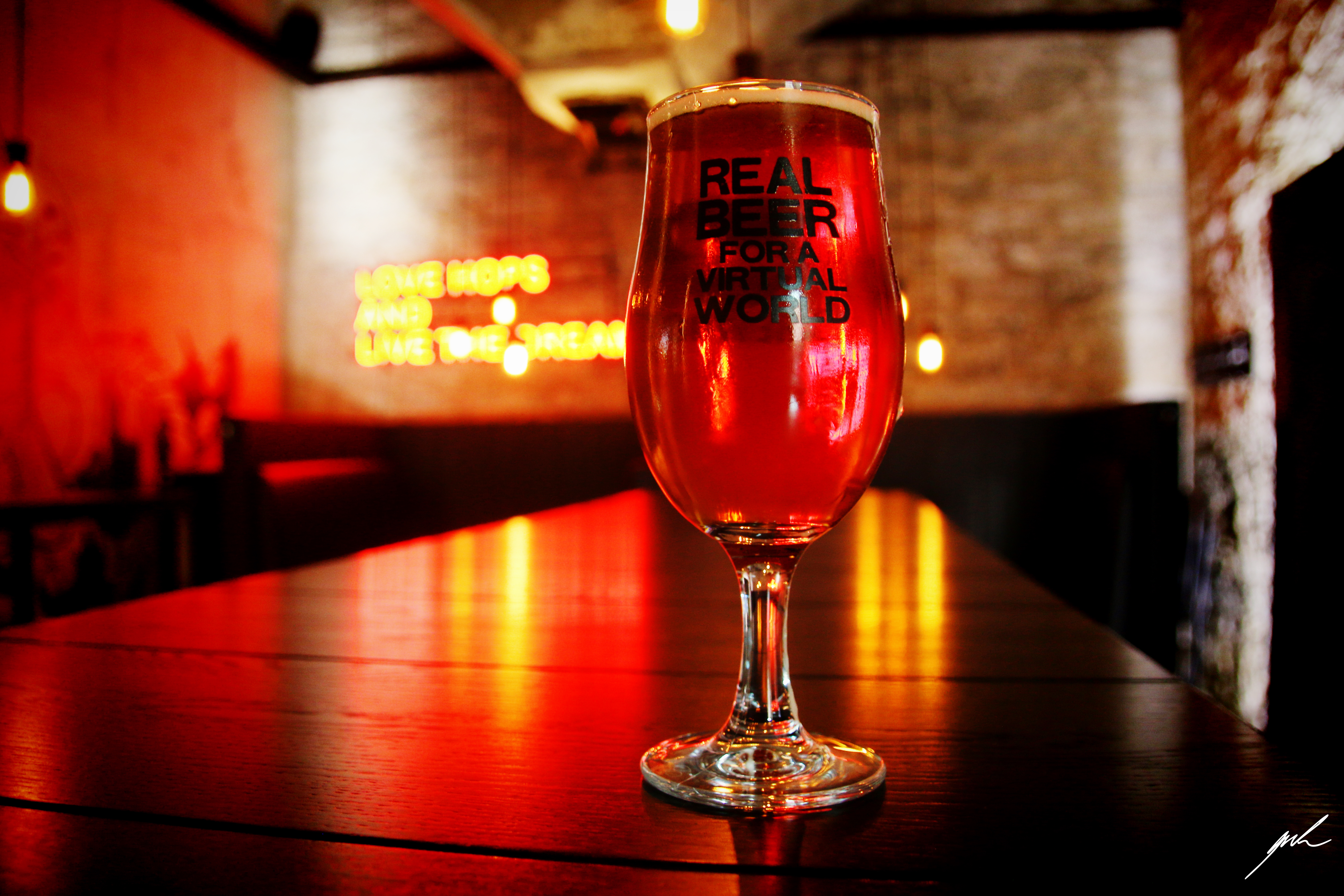
In “Urban Discoveries,” we seek exciting and well-designed places to eat and drink. Usually in or around Vienna, but this time around, we checked out a new place for craft beer in Tallinn, Estonia.

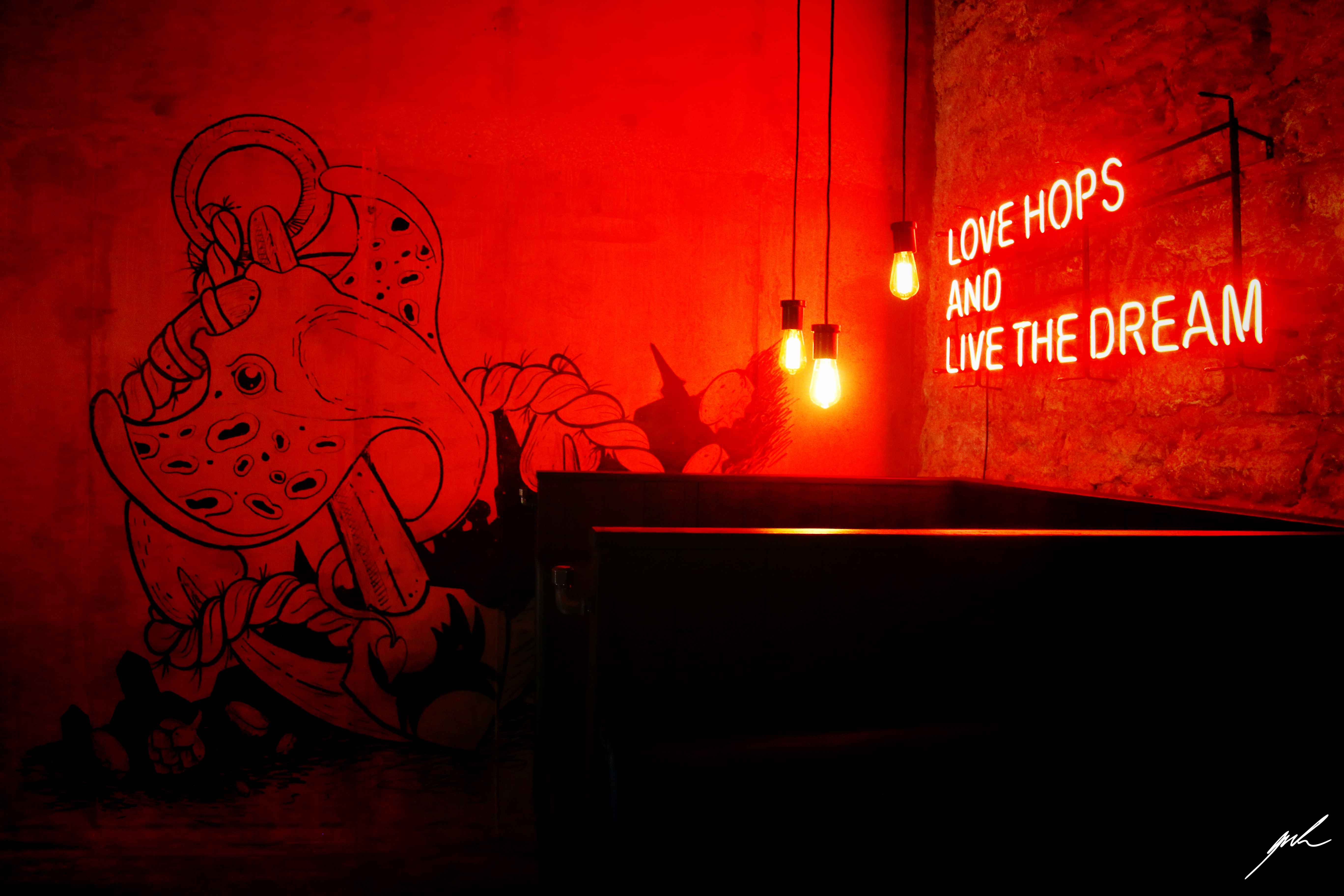
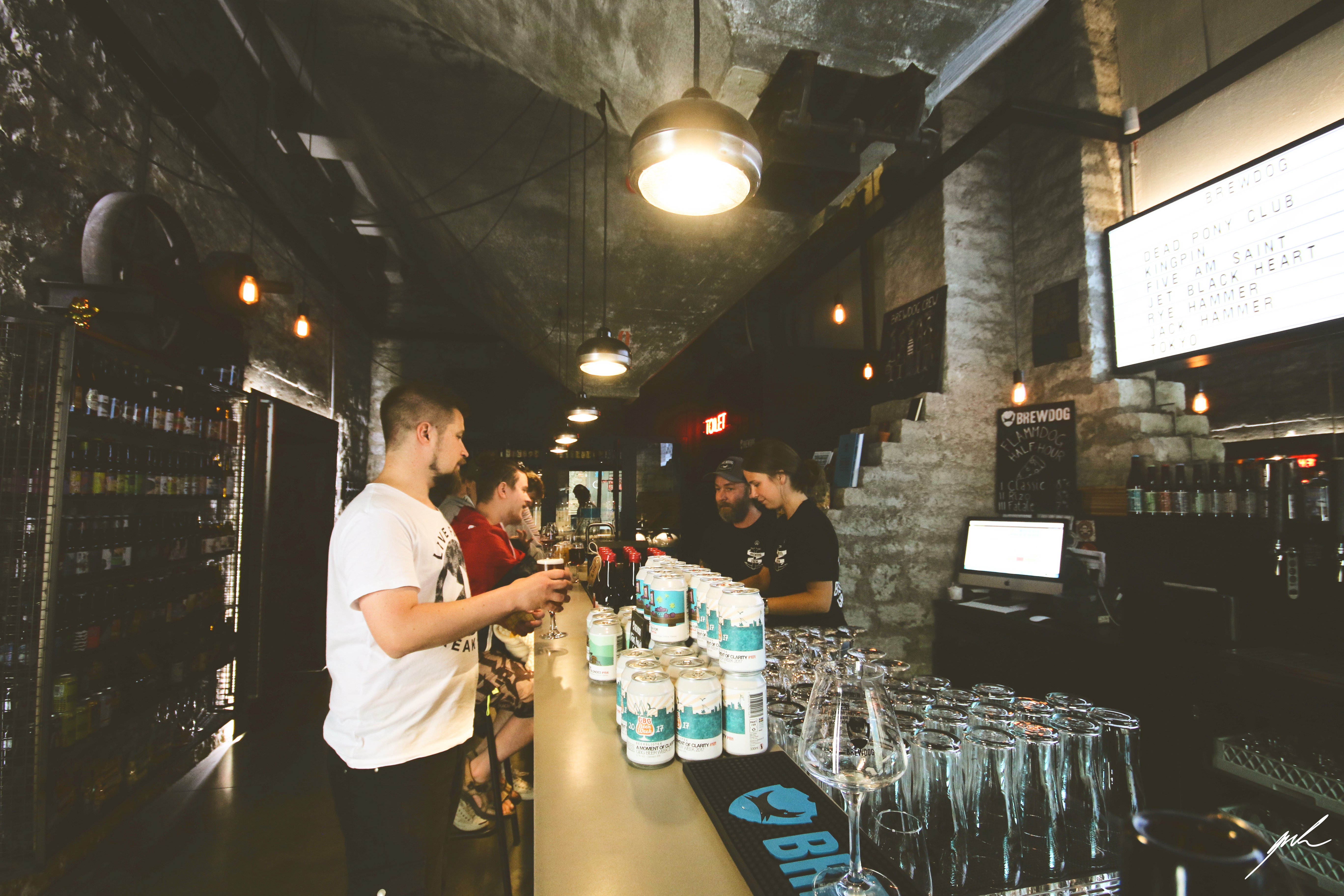
BrewDog, of course, is not new but an already-established brand from Scotland. They are a craft brew company but also license pubs. Estonia is unique to the family. The first BrewDog was opened just a couple of months ago in the fresh Rotermanni Kvartal (Rotermann District), right around the corner from the magnificent old town of Tallinn.
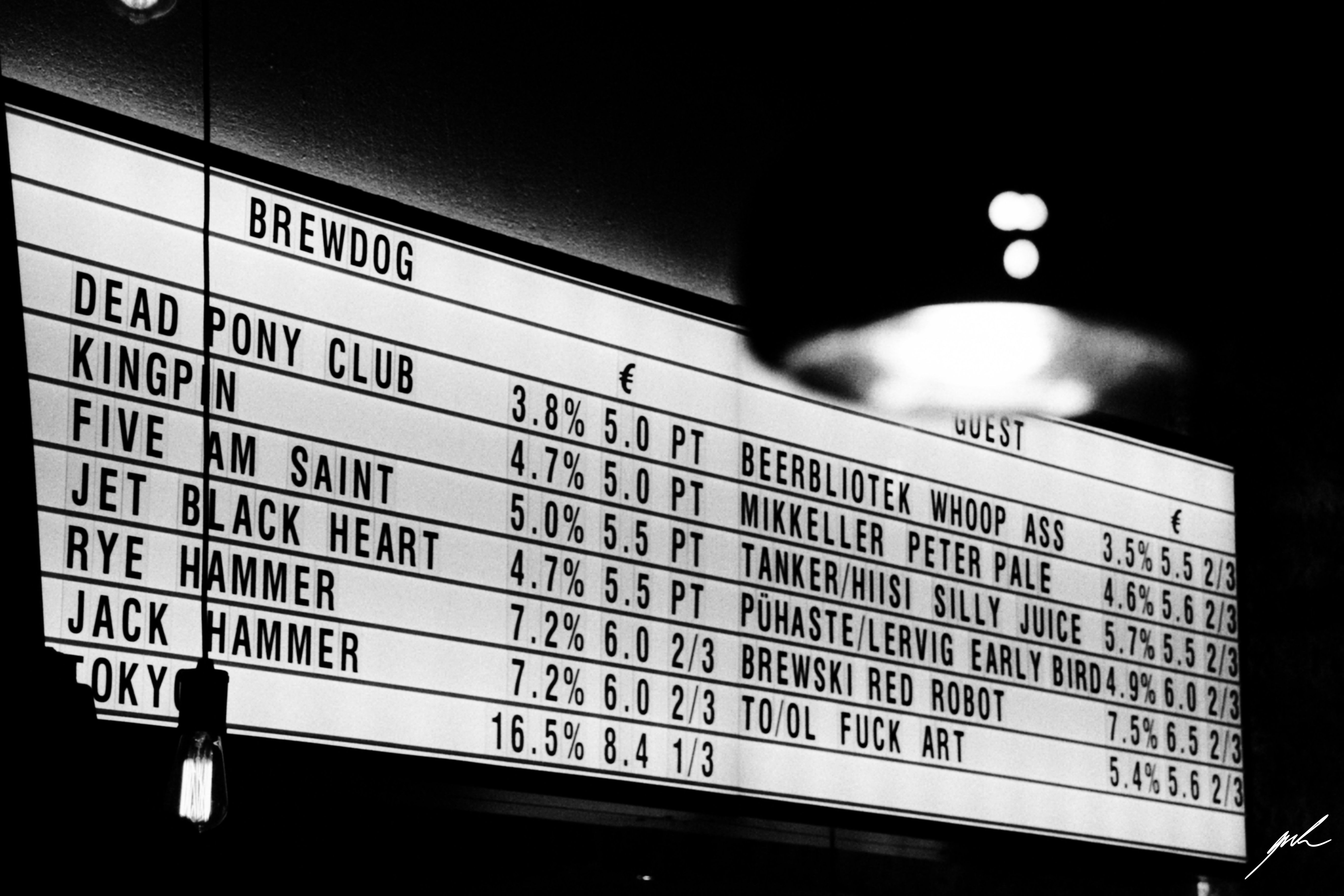
It is a welcoming place with lots of choices for beer lovers. There are some staples, but much of the menu is changing constantly, so to offer new brands for trial. The prices are modest, if so, not as cheap as you would expect from a former Soviet country. Estonia is becoming increasingly part of the West (or North). The barkeepers are always up for a chat and are very friendly. They will gladly explain to you the nuances and differences of the assortment. Don’t be shy!

You’ll find more info about the place right here. They also have a well-done Instagram account.

test

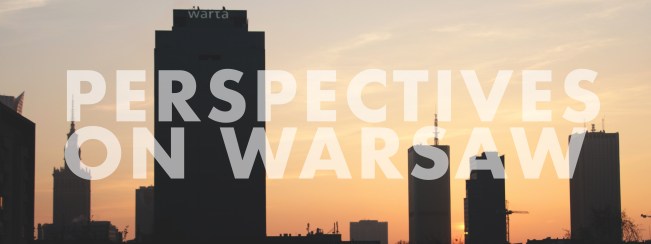
Perspectives on Warsaw

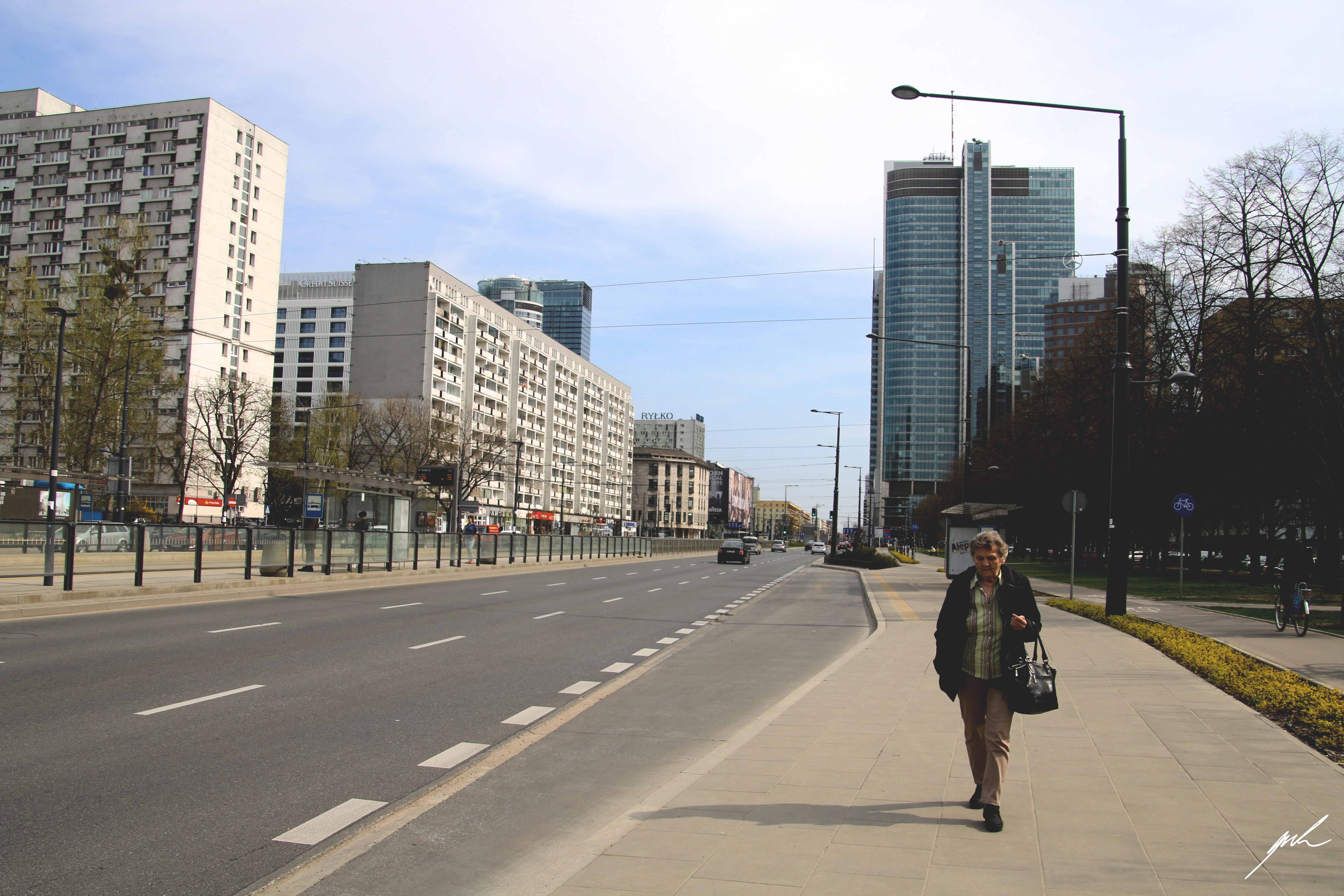
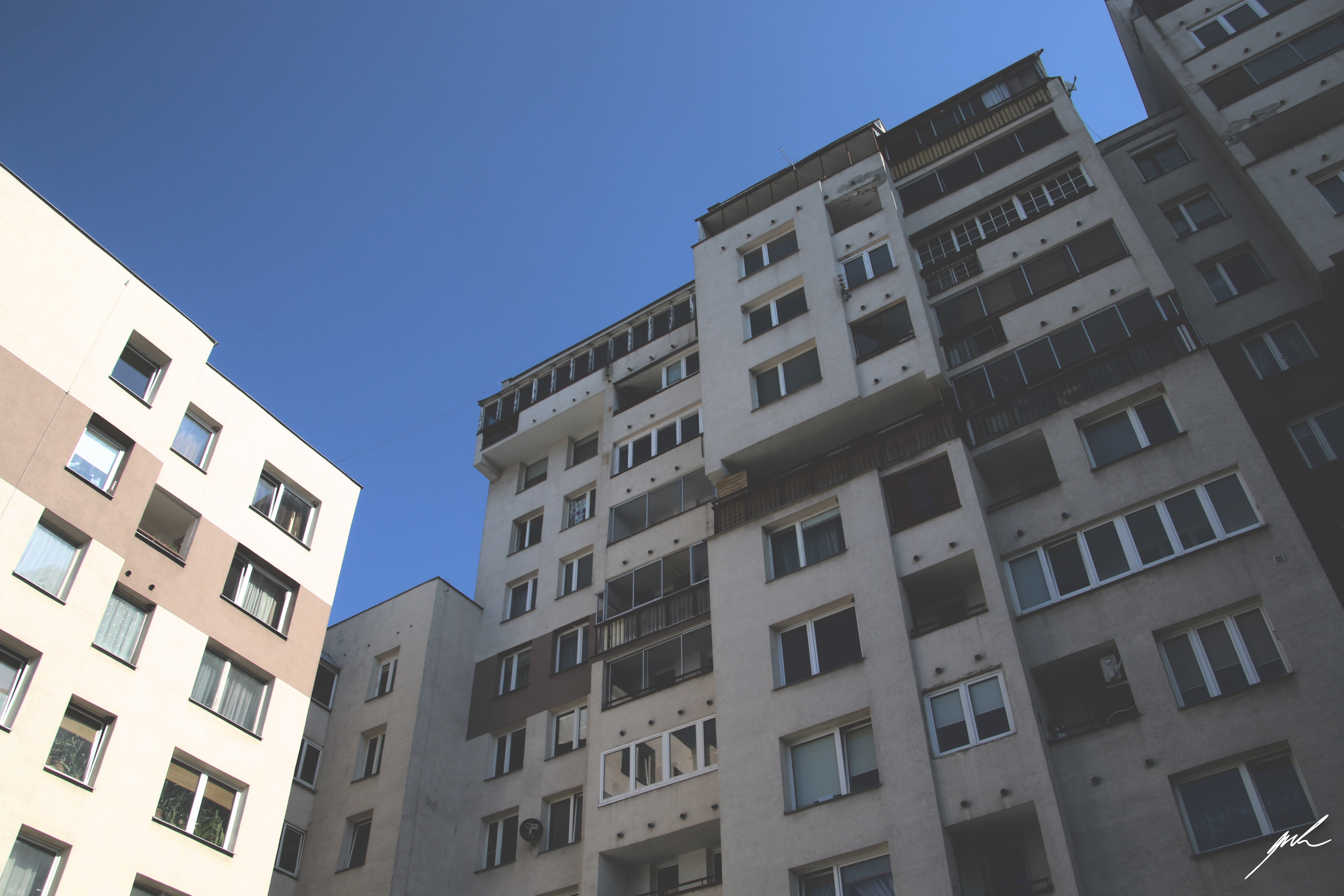
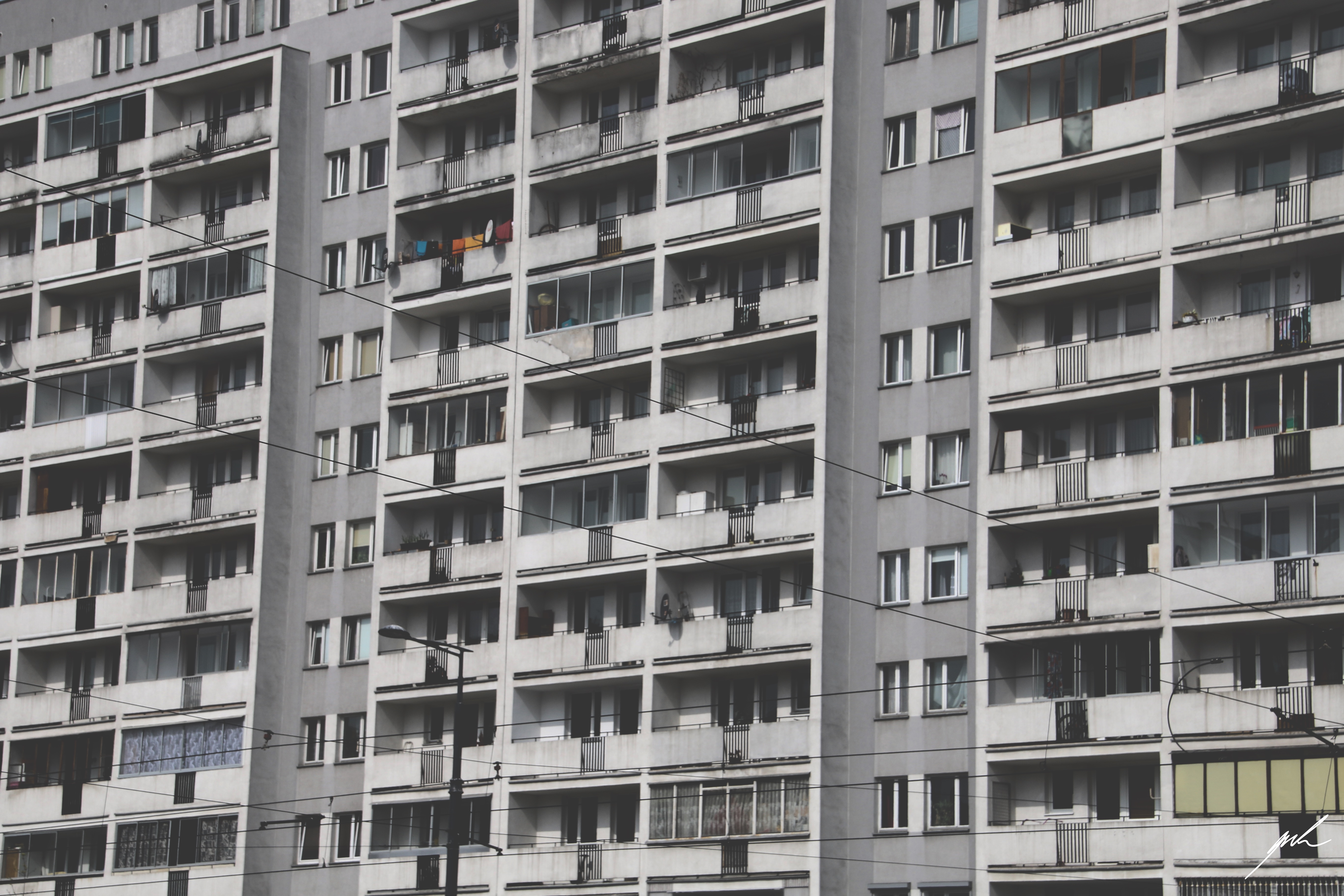
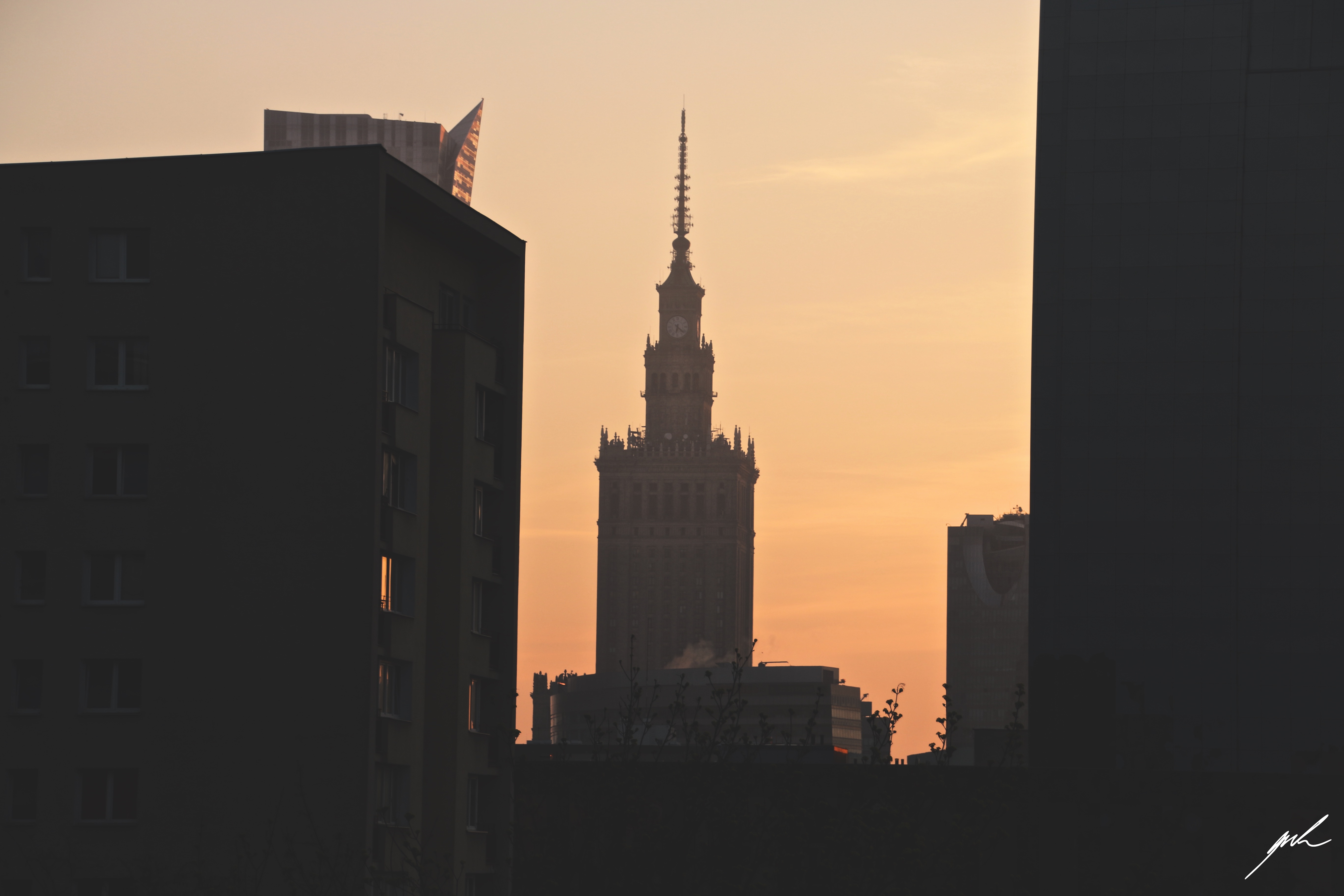
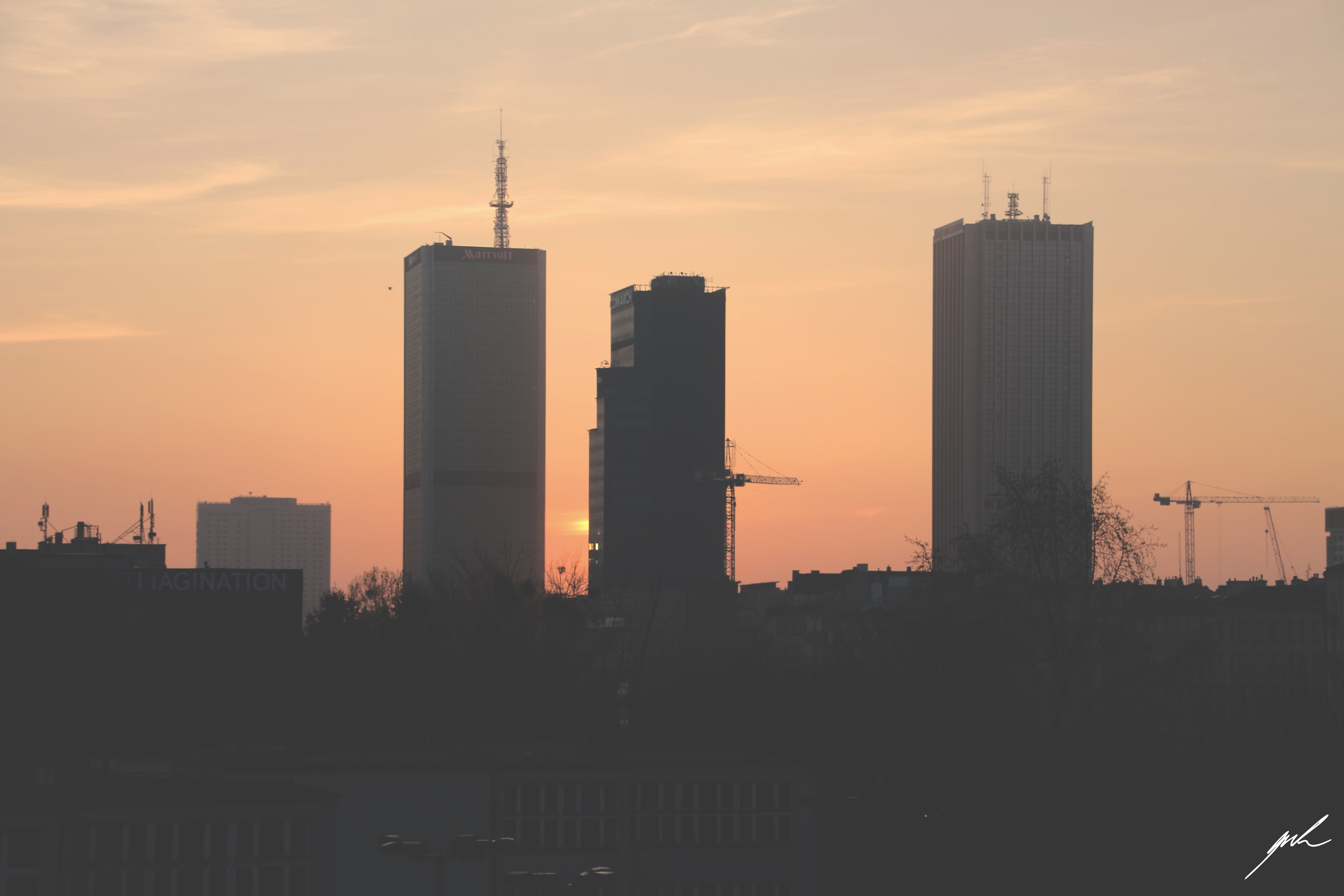
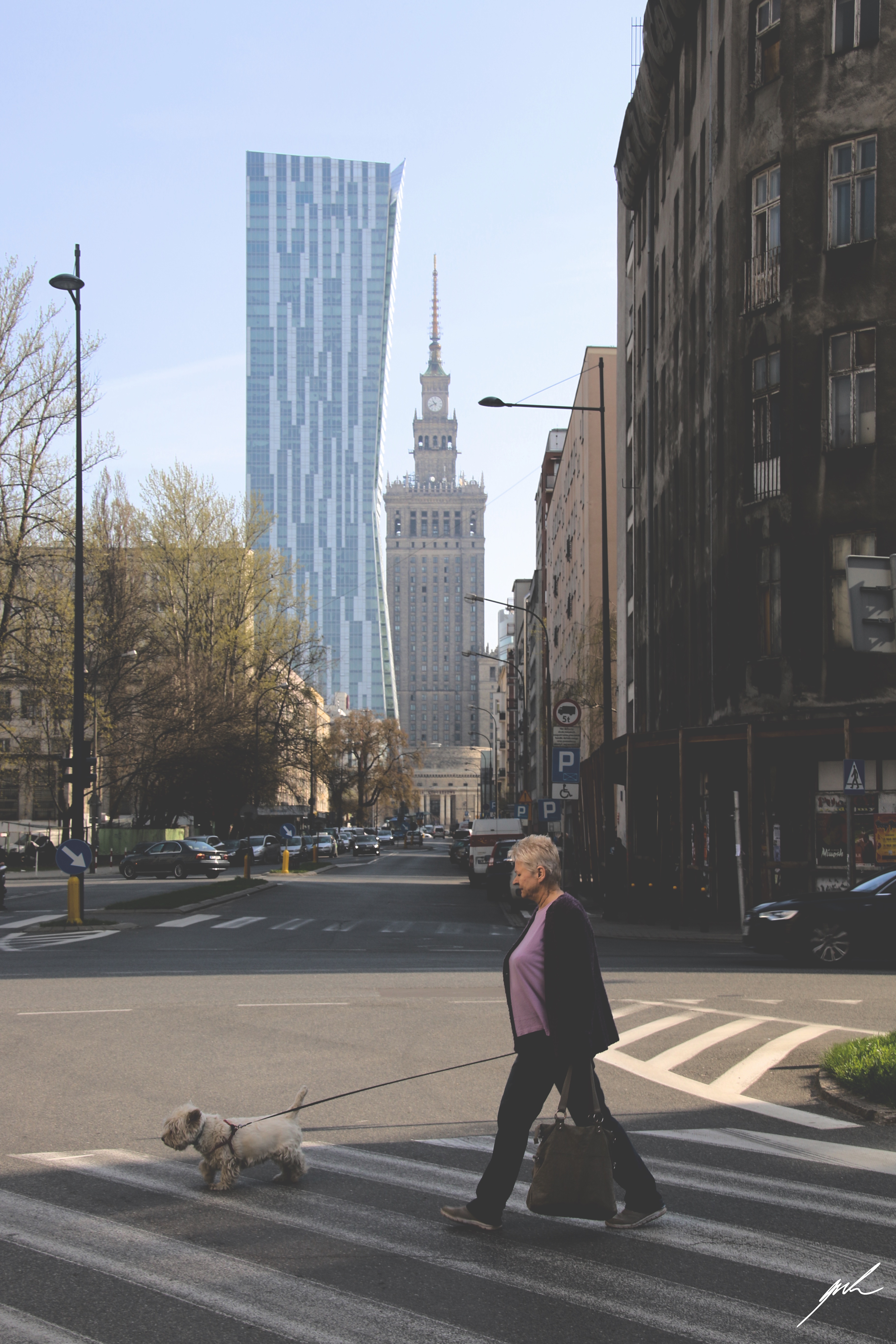
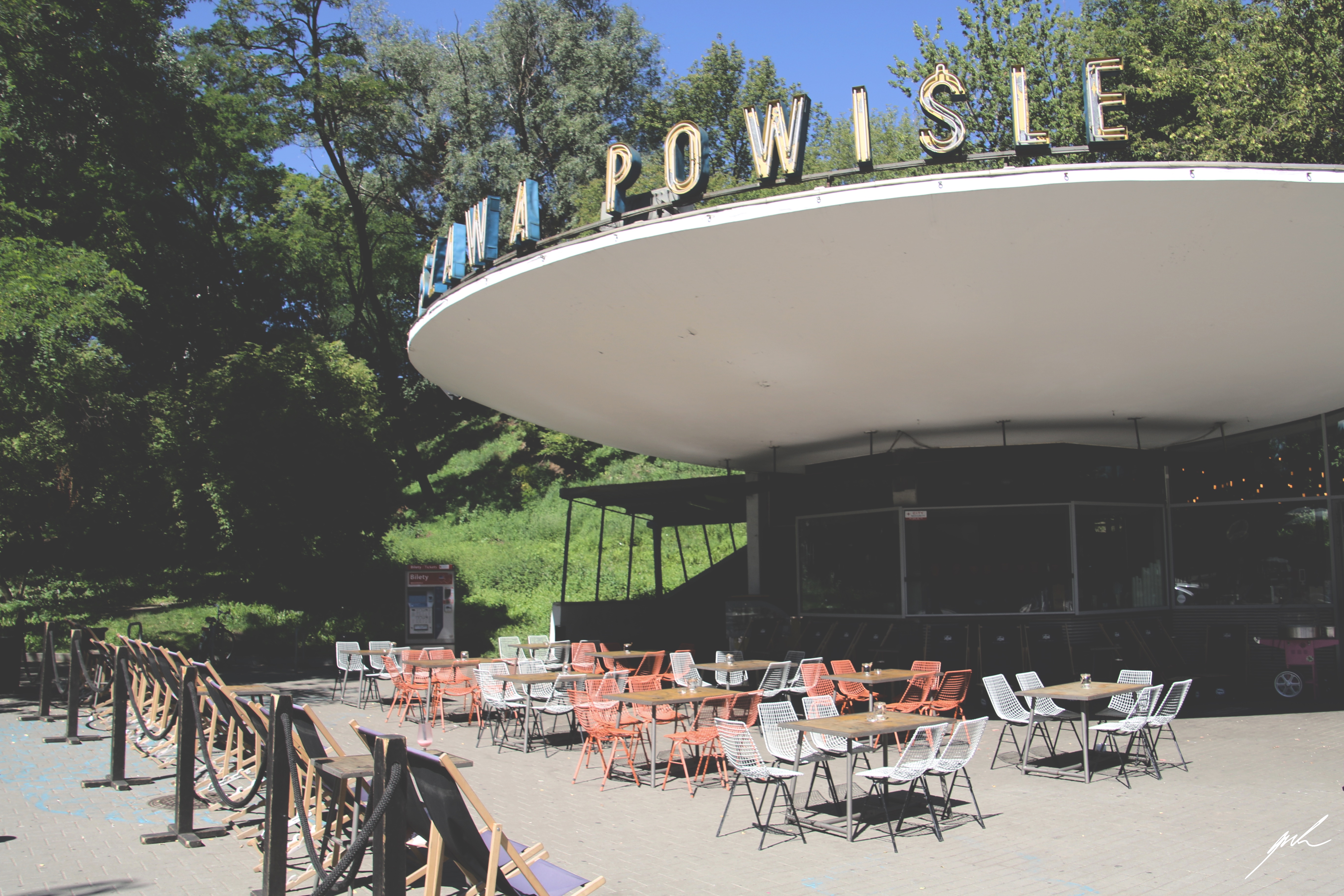
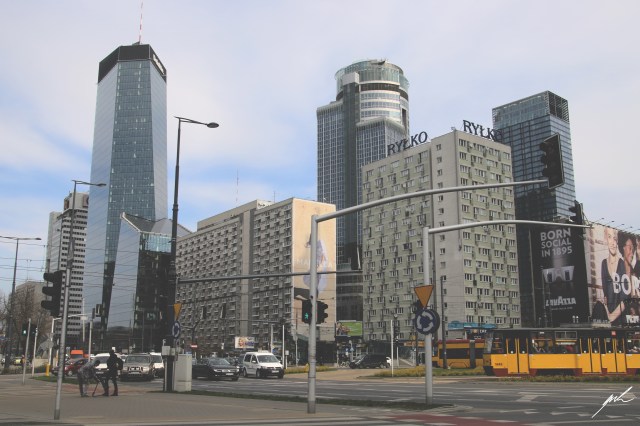
Warsaw may not be a beautiful city in the traditional sense of the word, but it is an exciting and vibrant place. Built from the ashes in the 1950s, it was constructed with communist ideals and new technological developments in mind. The streets are broad and make for a lot of traffic, while residential buildings rise in the sky surrounded by a surprising amount of green. Since the 90s, Warsaw has been the undisputed capital of capitalism in Poland, so many new skyscrapers have been built since then. Nowadays, the communist and capitalist structures form an interesting, although at times contradictory, symphony.

test


1 66 67 68 88