
Distant Lines on the Horizon
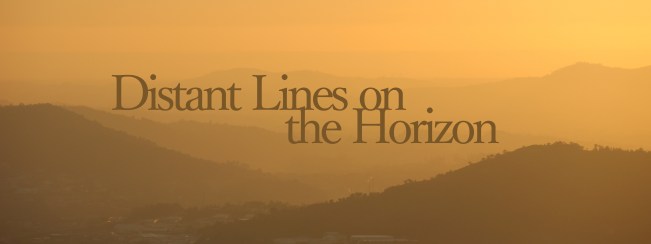
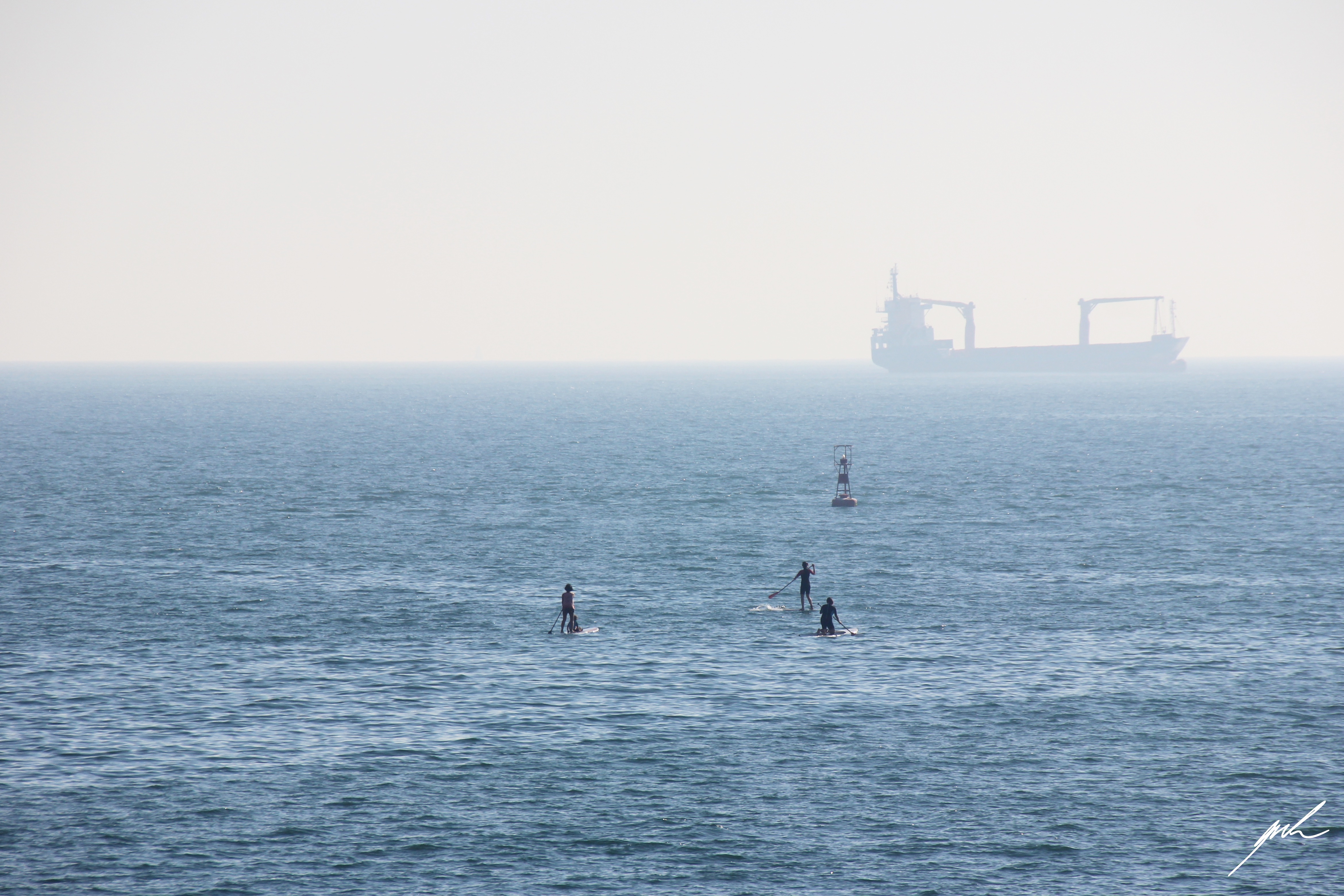
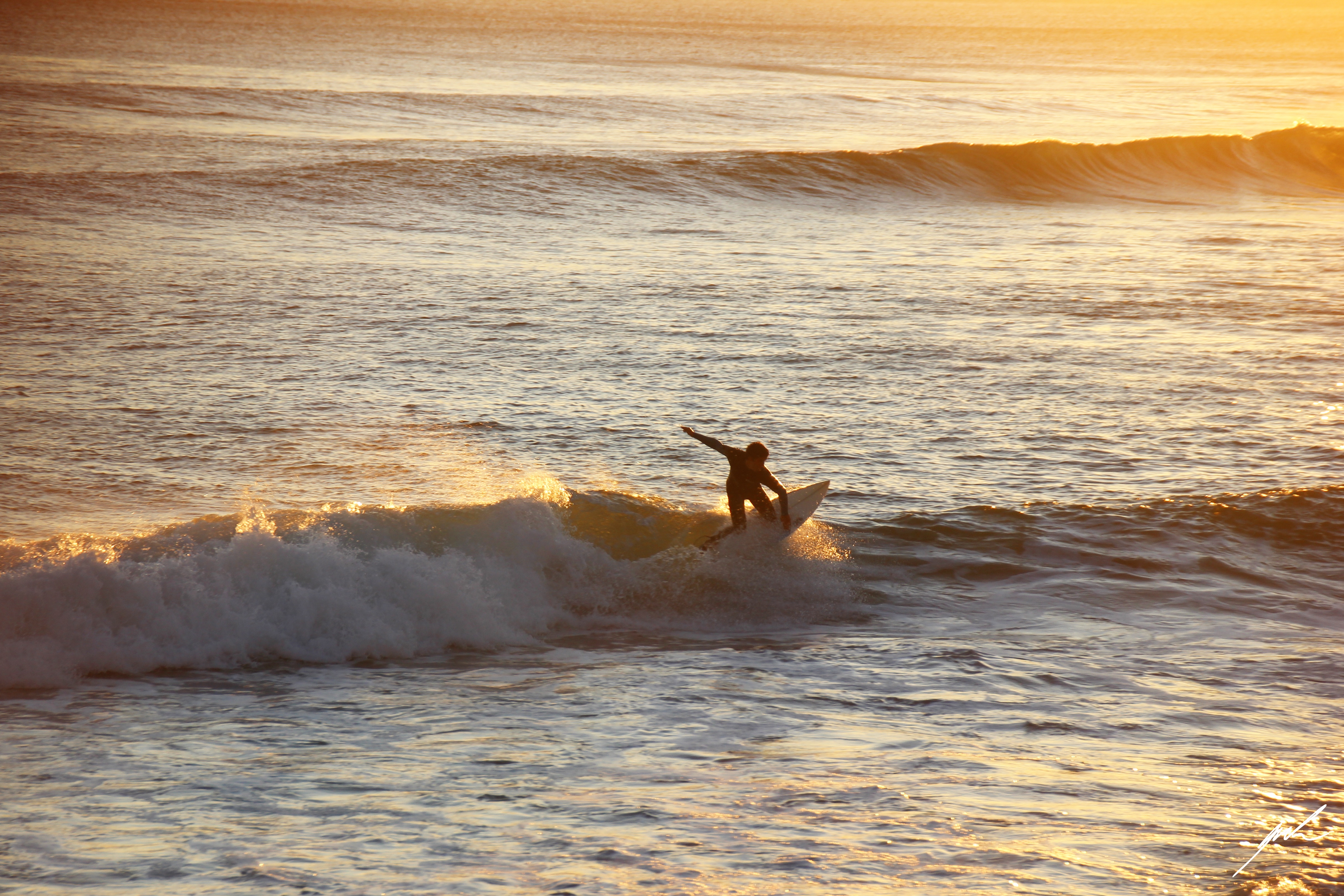
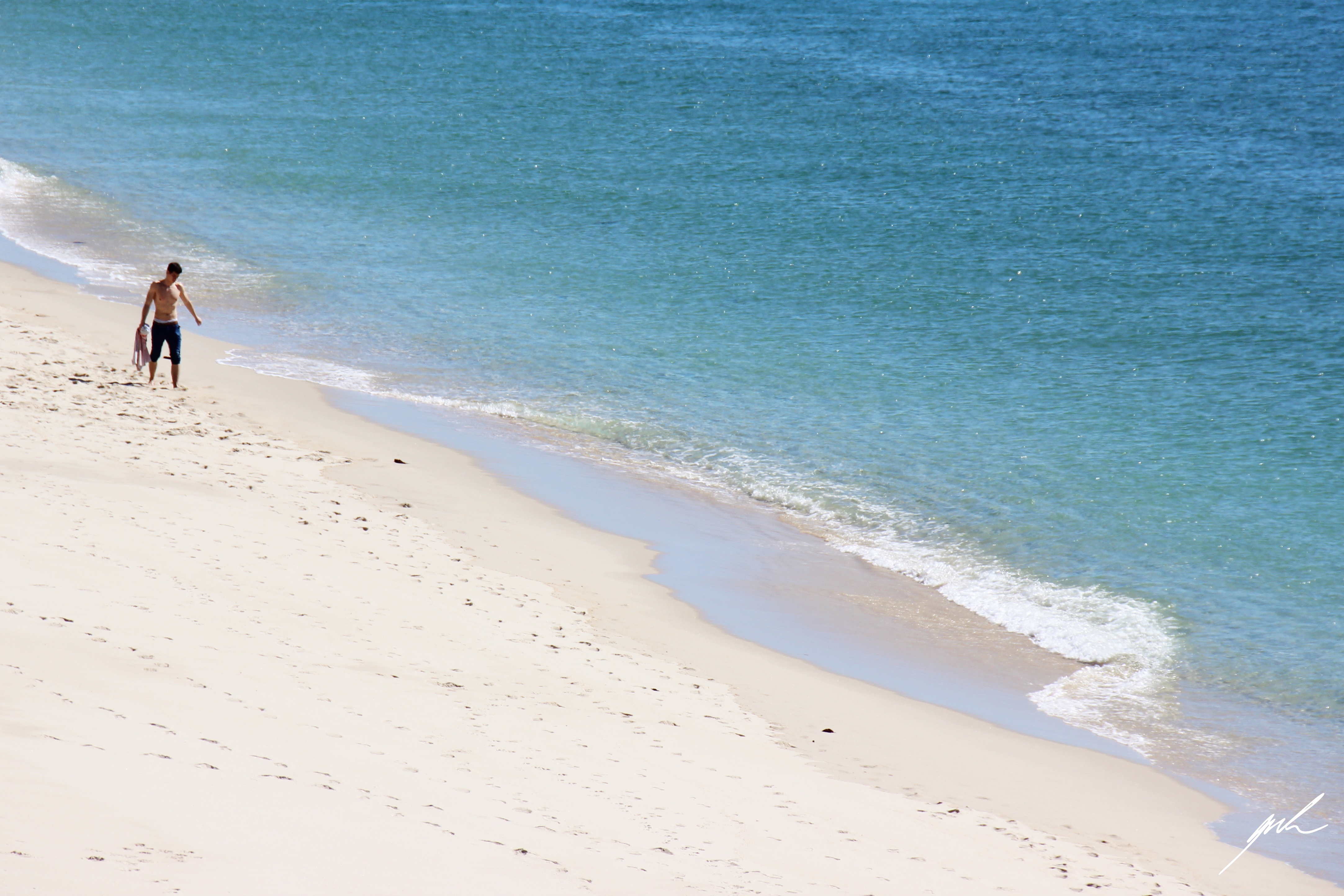
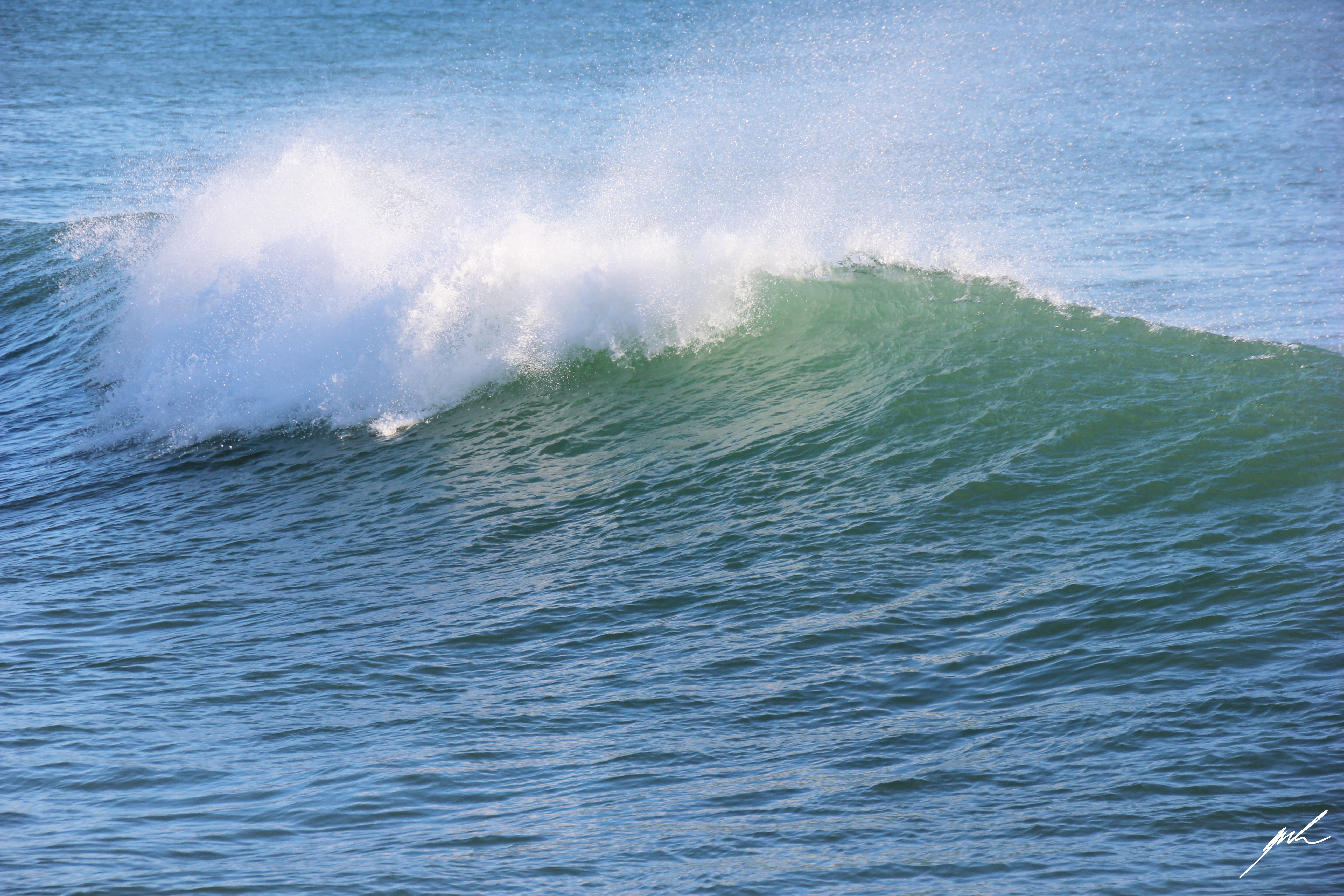
Landscape photographs taken in Northern Portugal are displayed in a non-chronological order. No post-coloring is applied, the colors are natural. Shot with Canon 600D and a Sigma Objective (18-250mm).

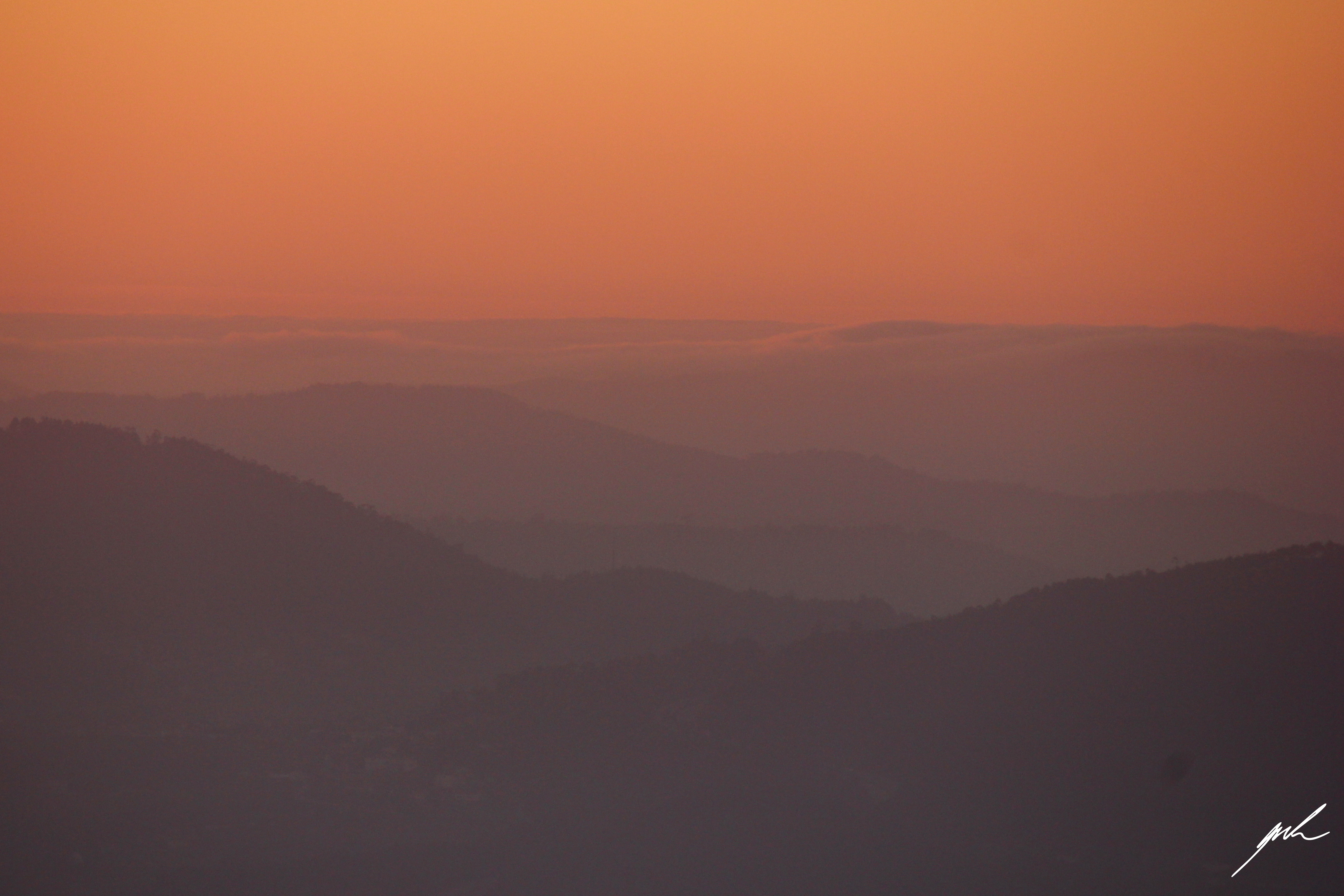
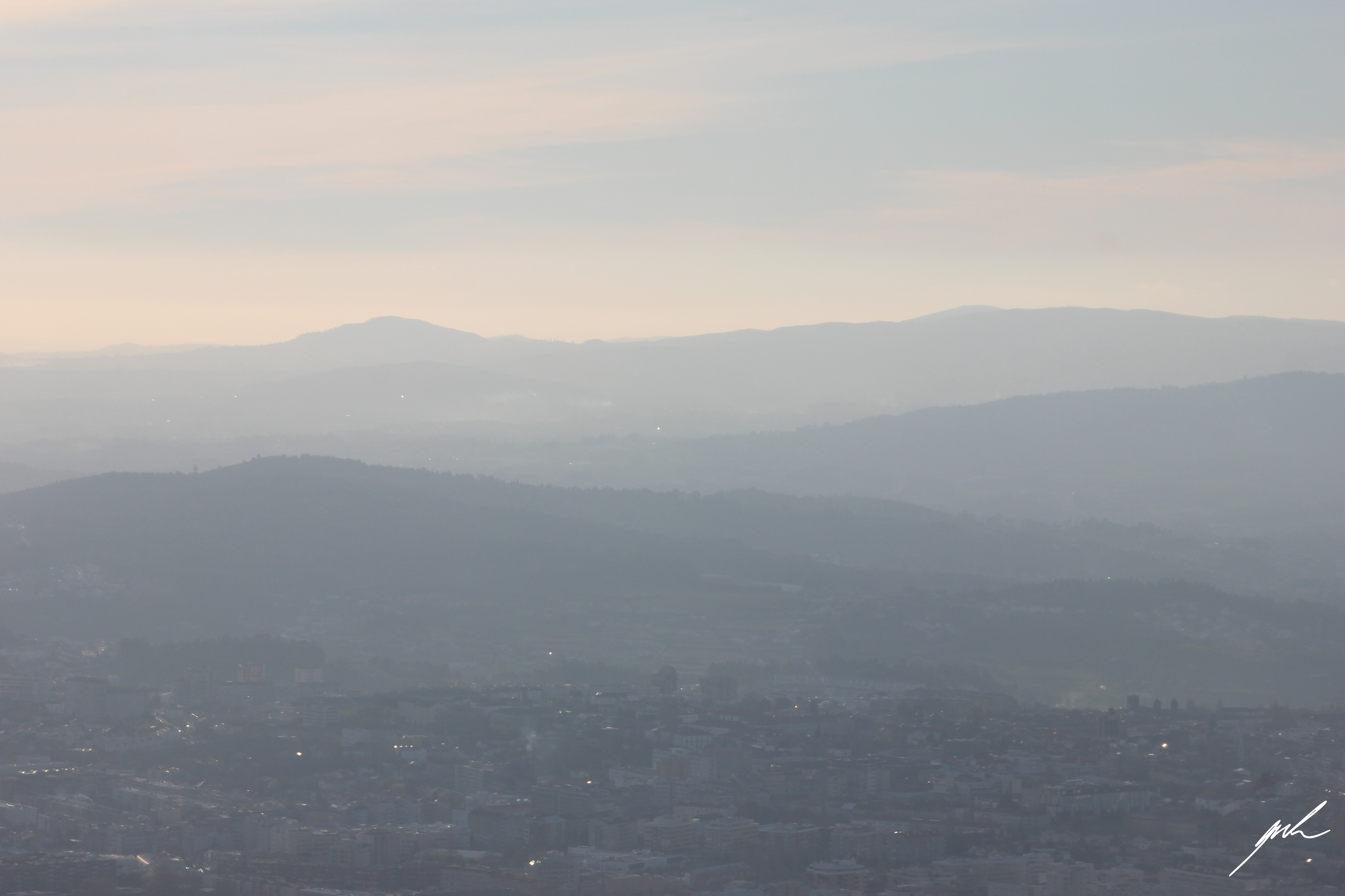
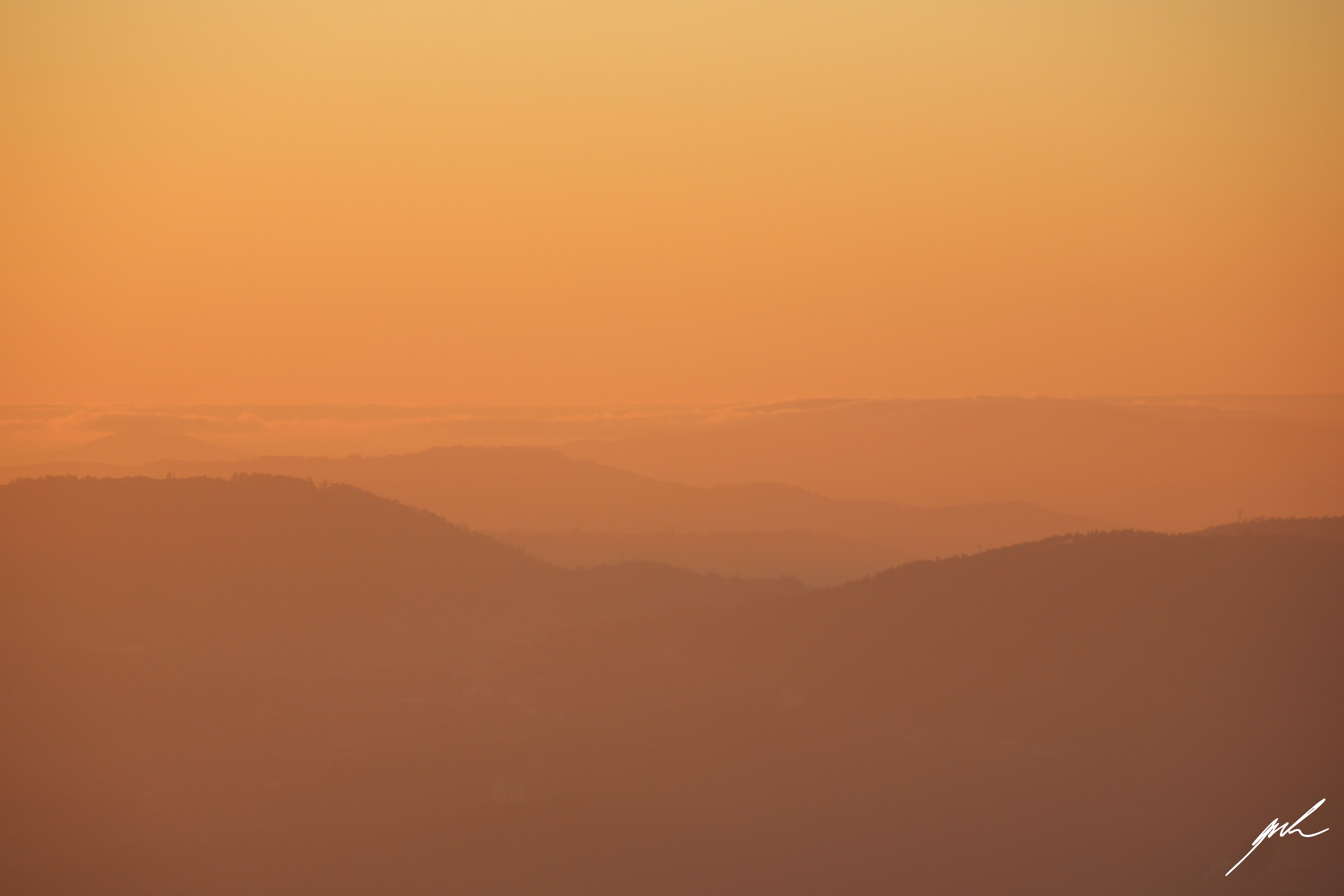
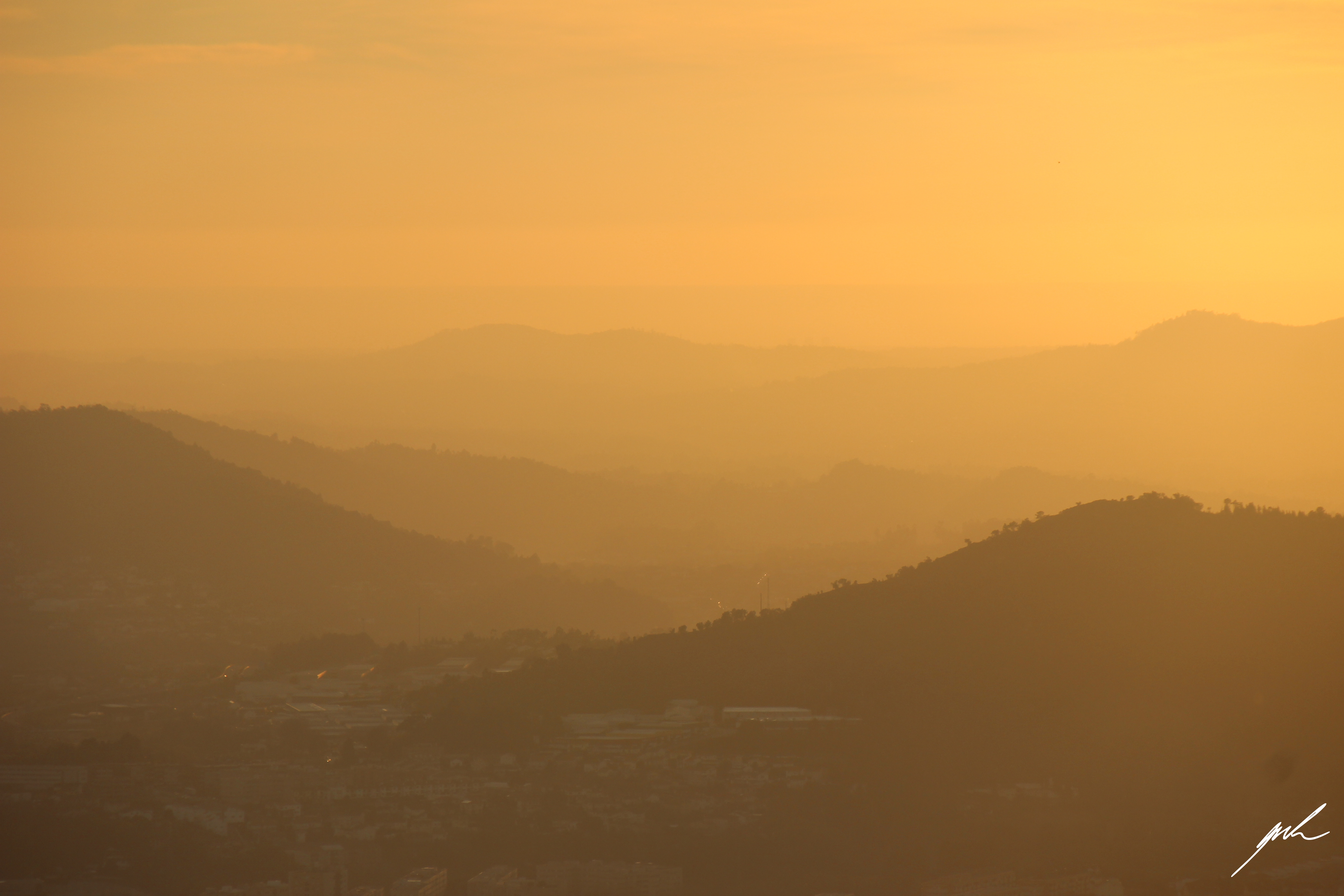
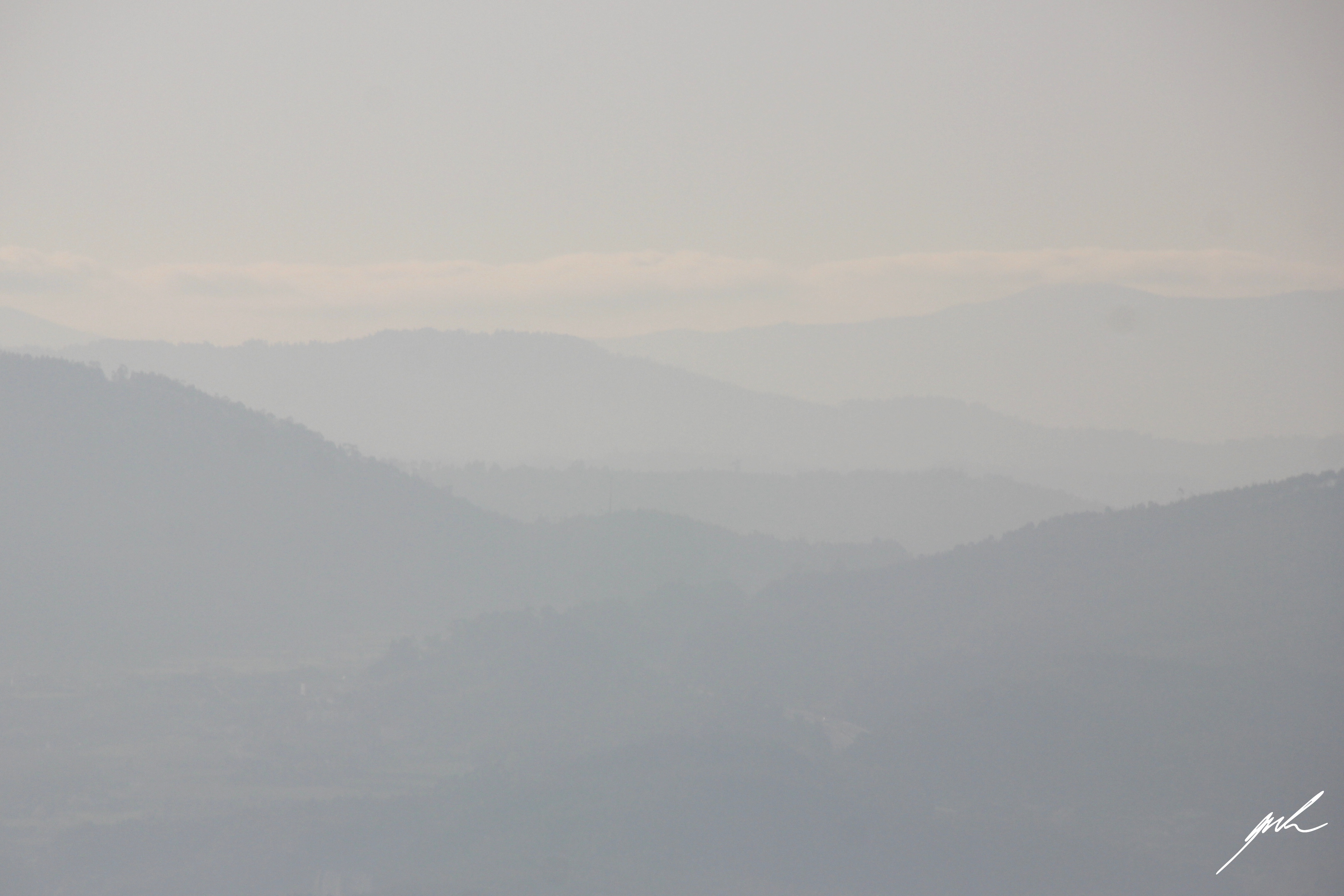
Landscape photographs taken in Northern Portugal are displayed in a non-chronological order. No post-coloring is applied, the colors are natural. Shot with Canon 600D and a Sigma Objective (18-250mm).

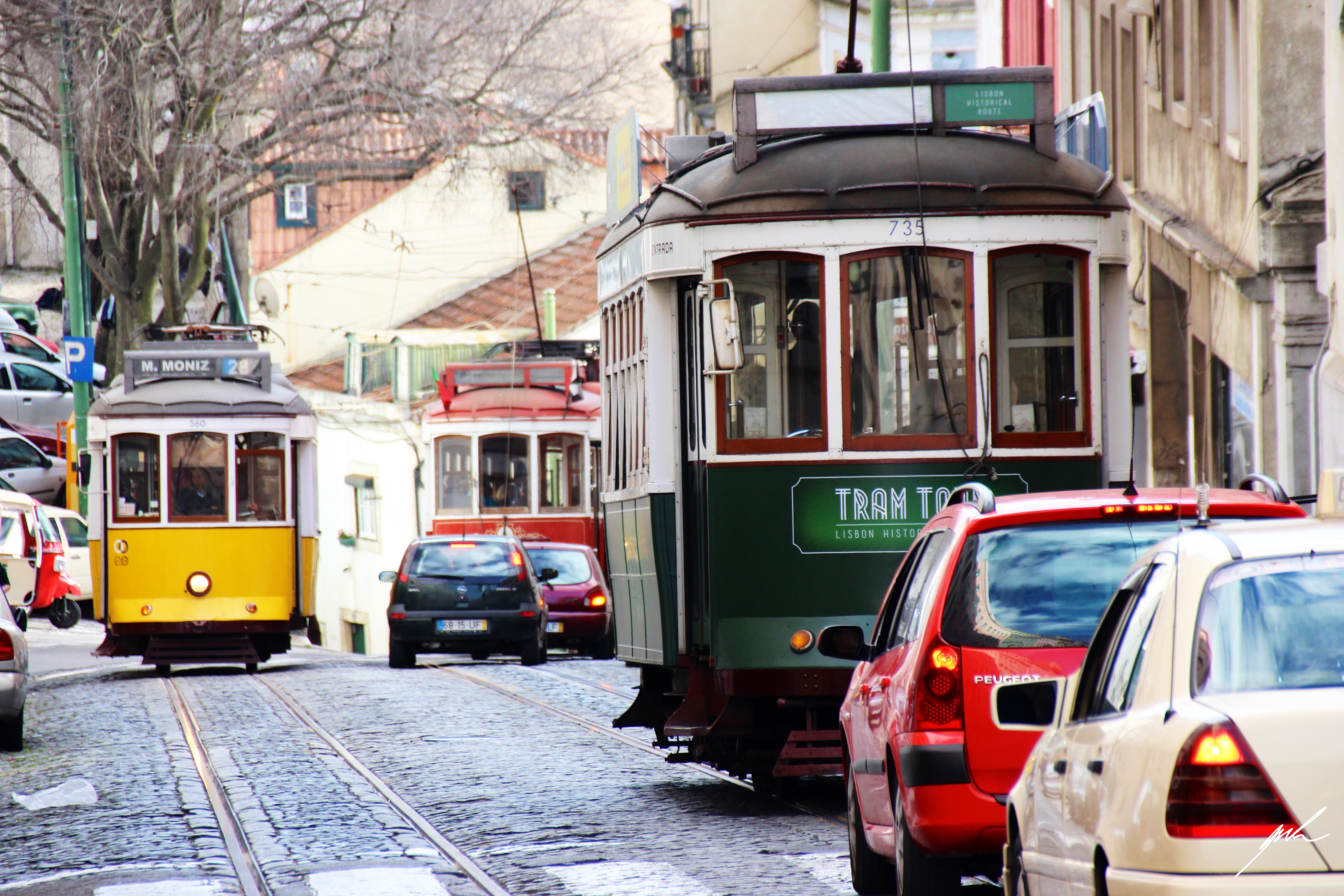
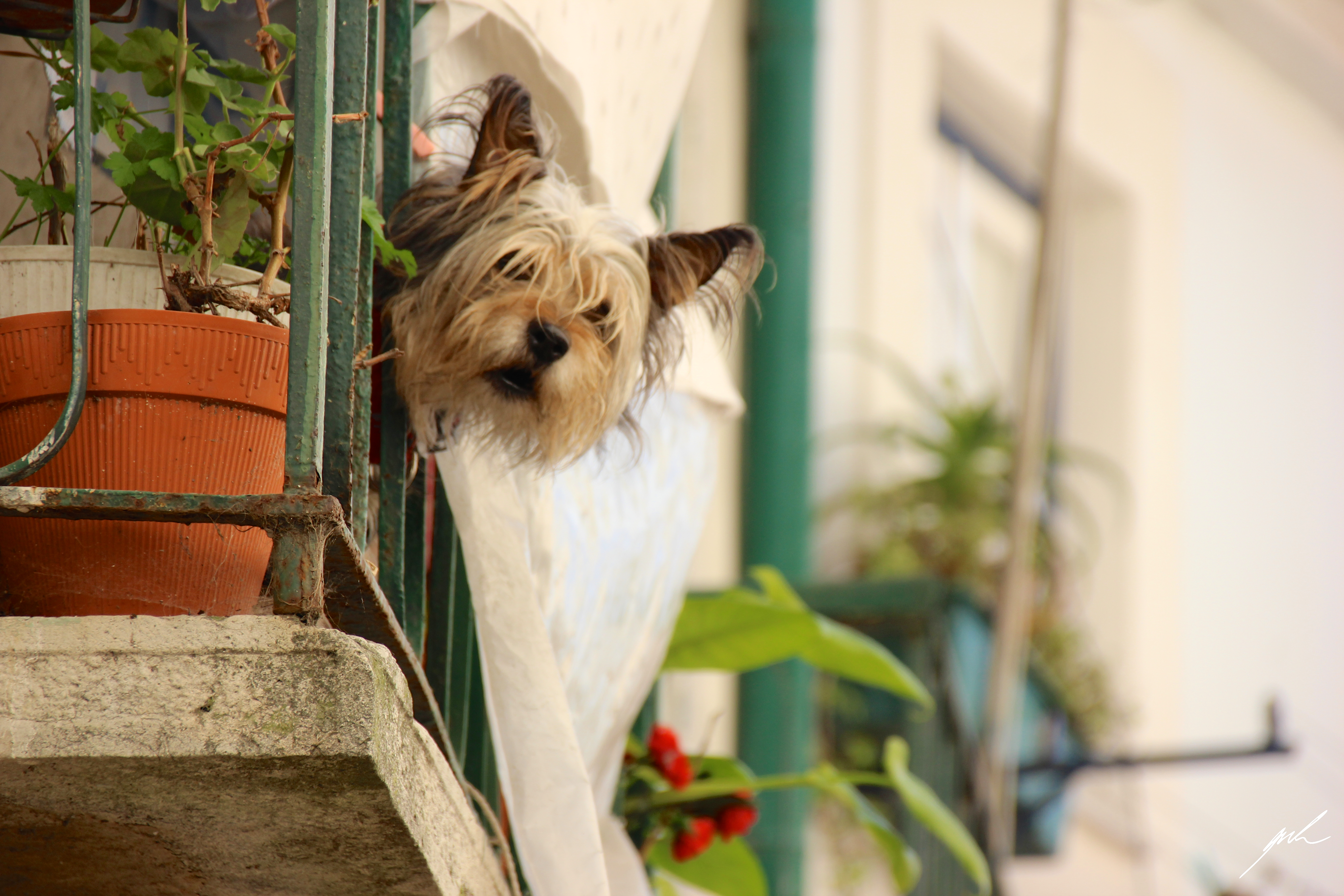
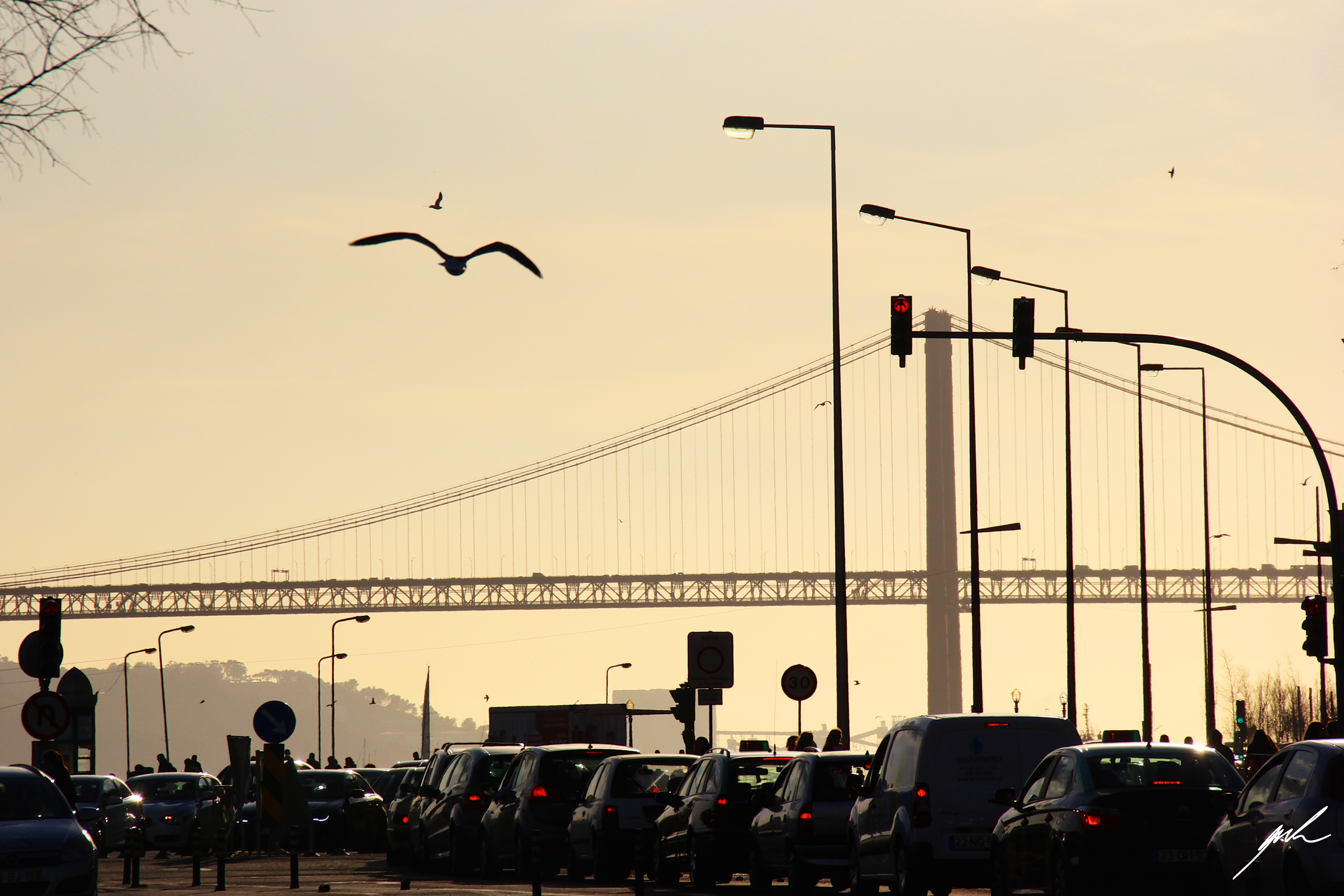
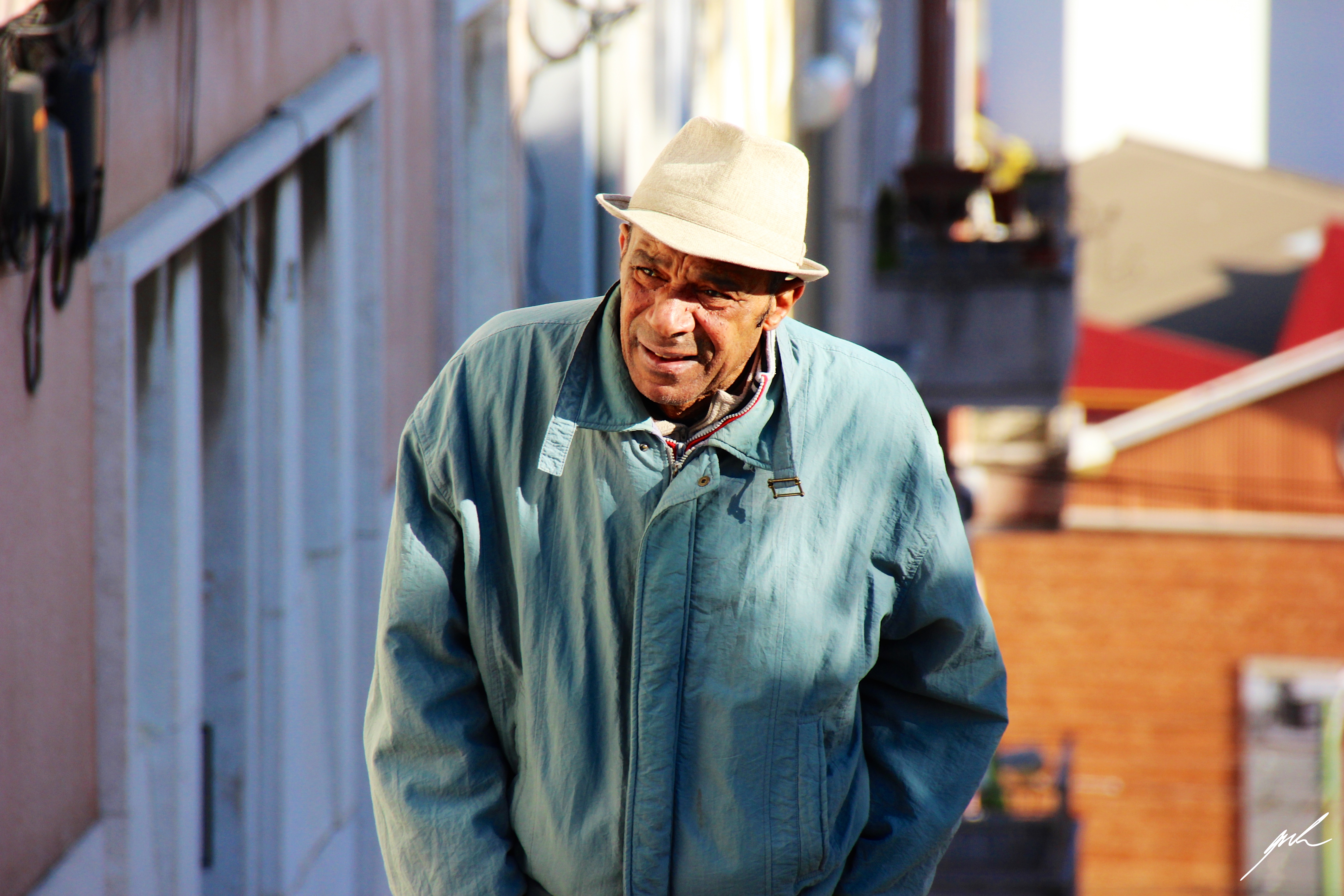
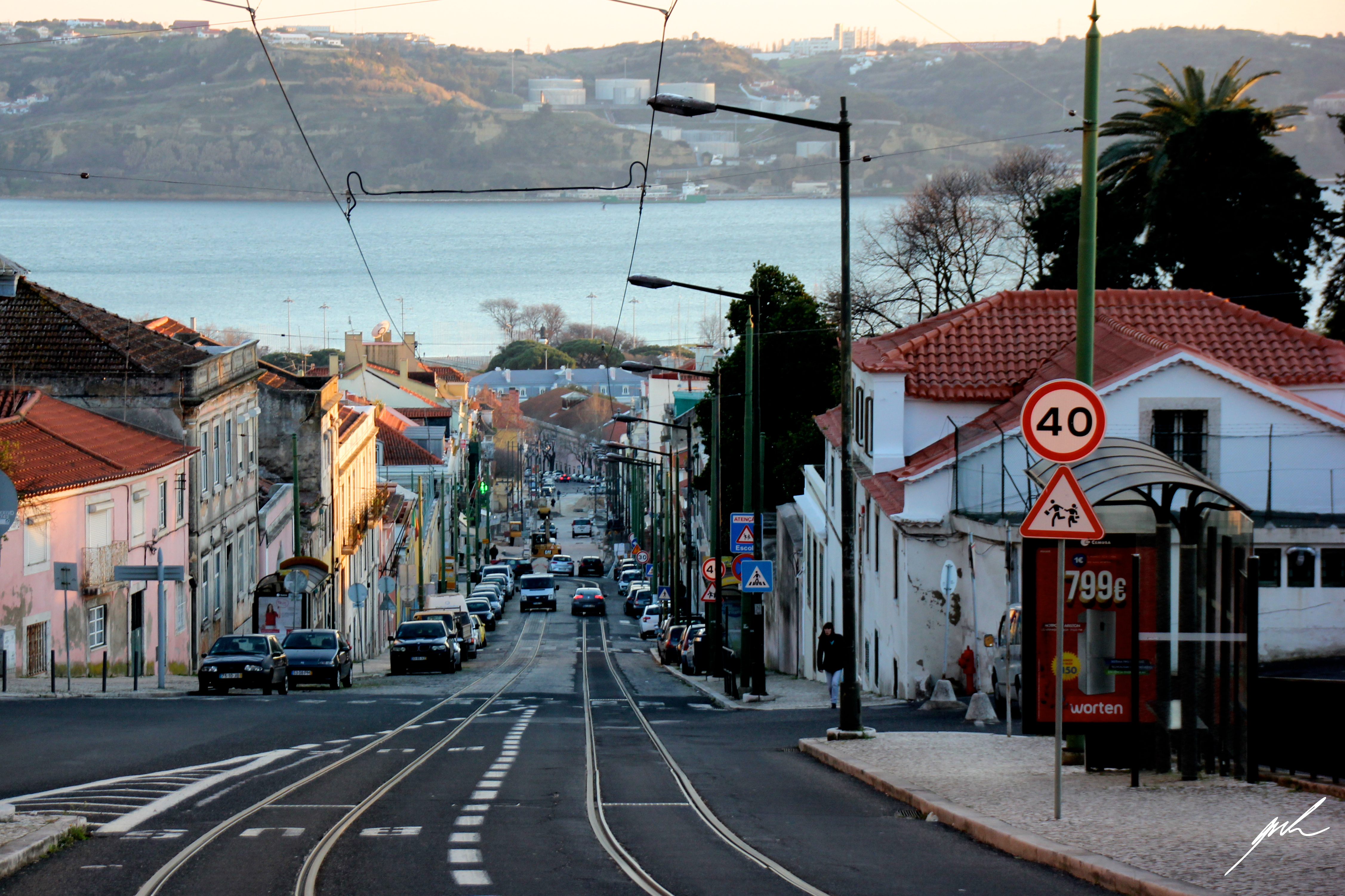
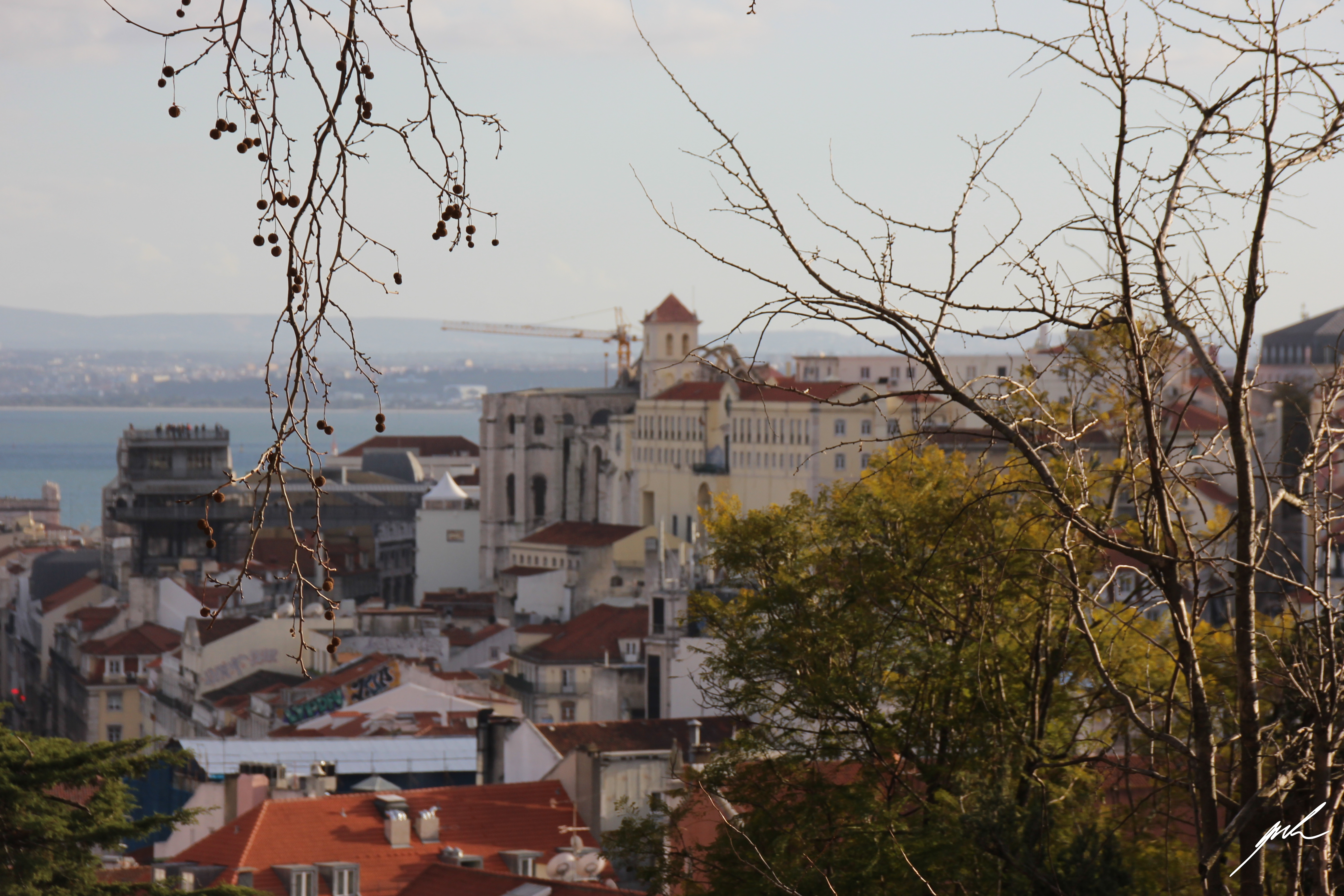
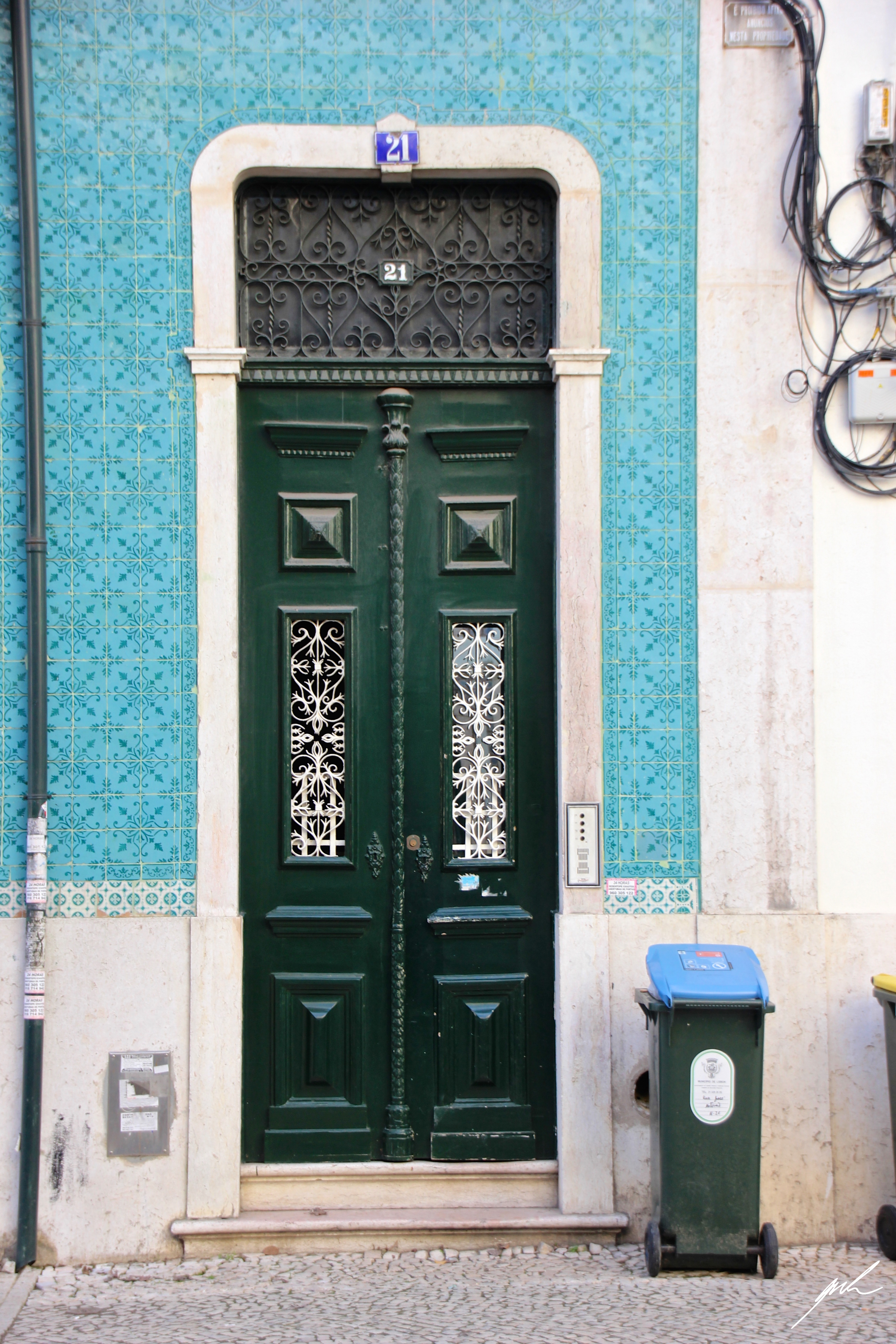
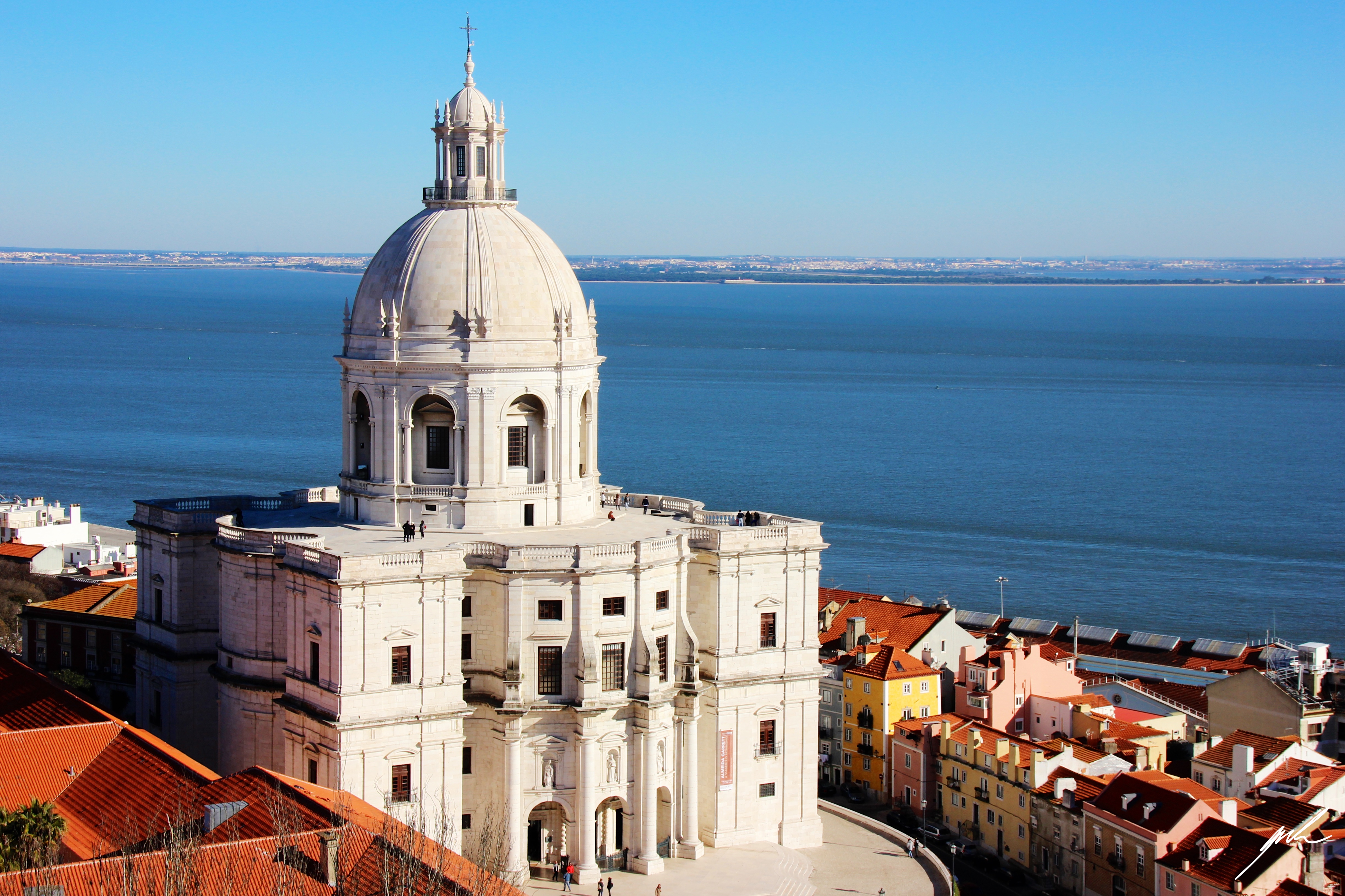
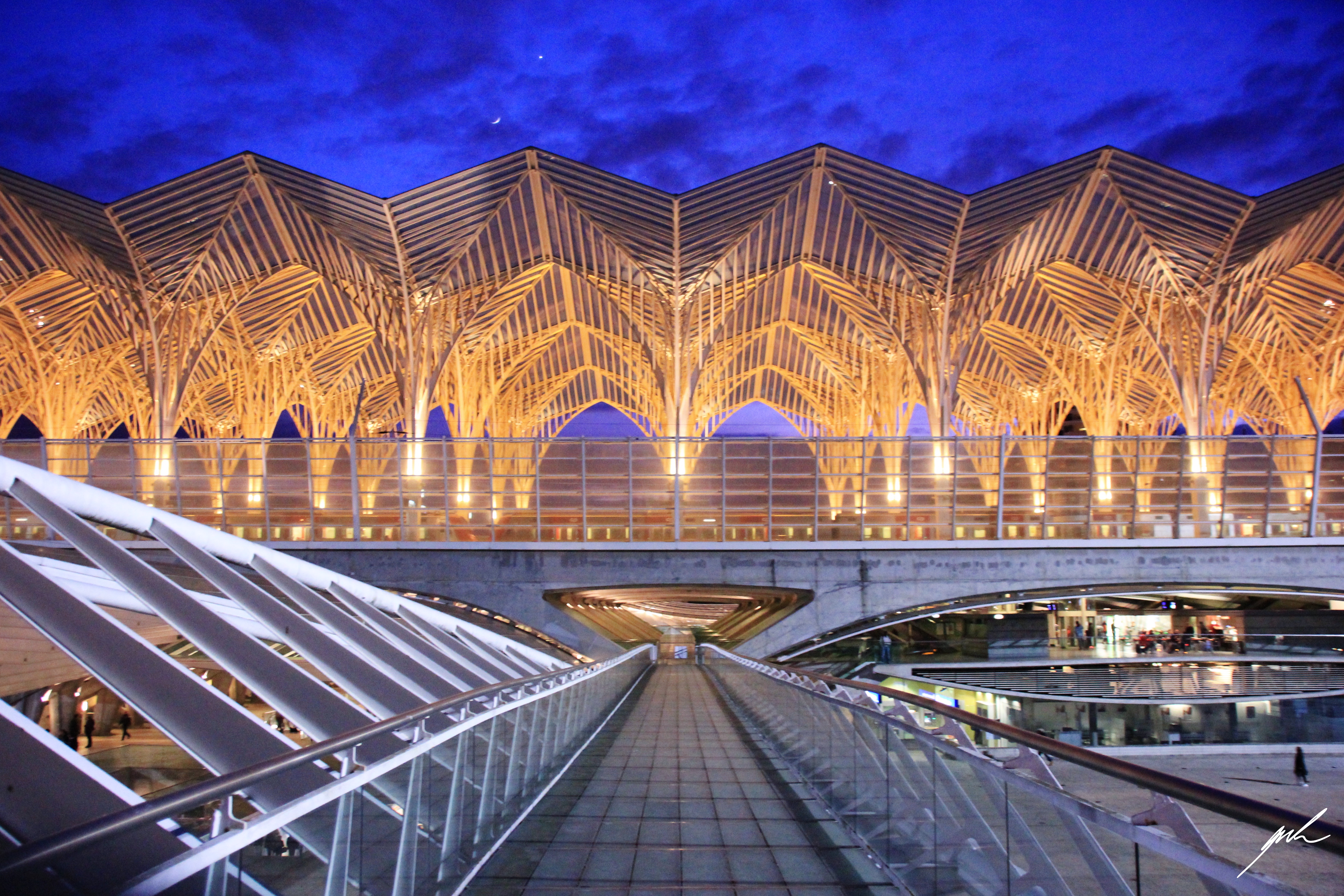
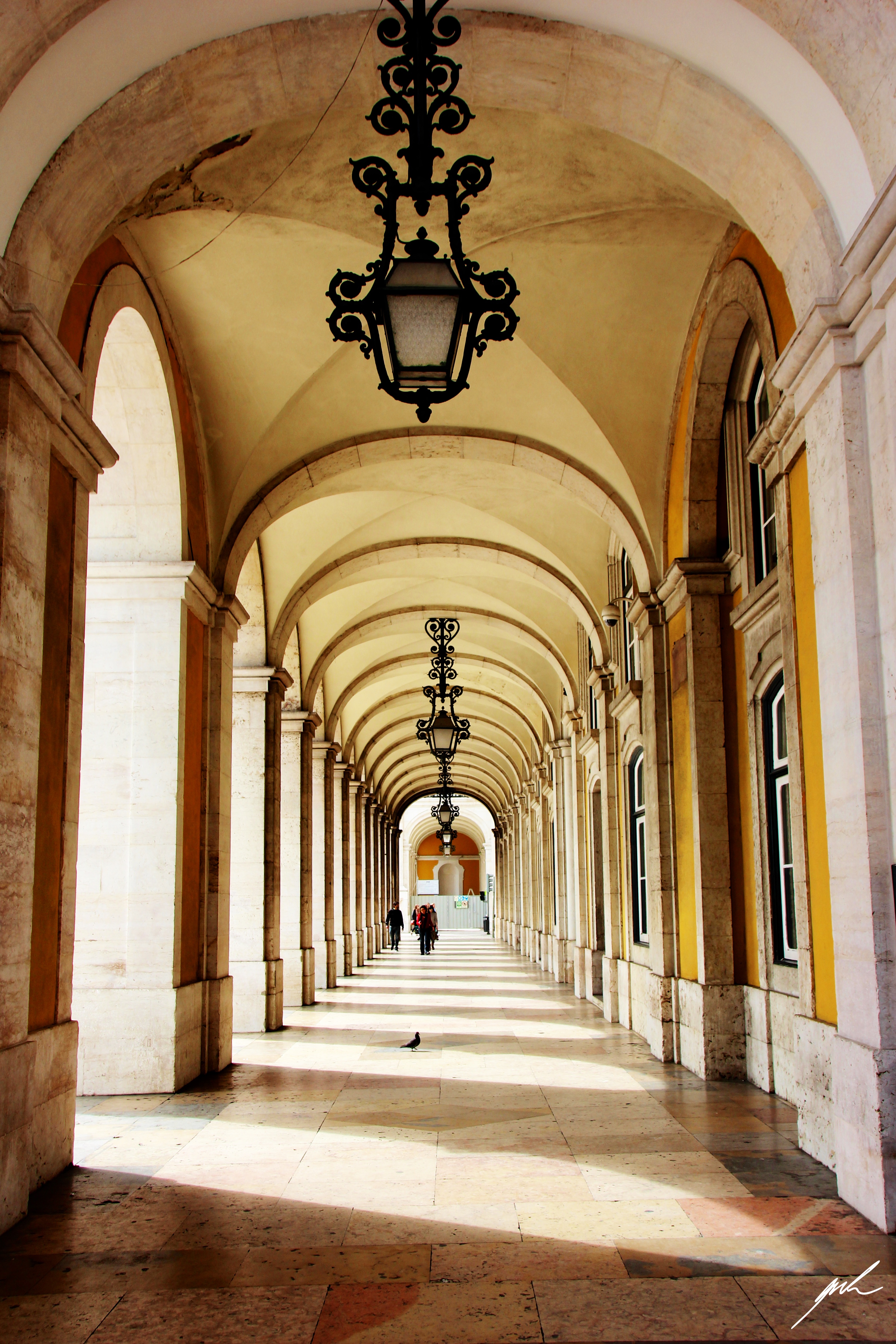
A few months have passed since I left Lisbon. I stayed there for the past autumn and winter working and traveling. As much as I could, I used the weekends for photography, roaming the busy streets of the Portuguese capital trying to capture its spirit on film (well not really, on an SD card). Life has moved on, but the buzzing trams and friendly people of this great town still seem close to me.

Amid the Atlantic Ocean, between the land masses of North America and Europe, there are some sprinkled islands of volcanic origin called the Azores. If you want to find them on a map, you probably need a pair of glasses. While they seem to disappear in the vast blue surrounding them, the inhabitants have withstood the forces of the ocean for many hundreds of years already, mainly living off agriculture carried out on the island’s rich volcanic soil. Products from the Azores, like milk and cheese, are well known for their quality in mainland Portugal, where the nine islands belong politically. Also, there is some tourism. Since 2015, Ryan Air has been operating flights to the islands from Lisbon and Porto. We seized the opportunity with a friend and took a flight to the main island of São Miguel. We traveled the island primarily by bike and public busses. Cruising through green landscapes, passing by cattle, visiting small villages, and meeting friendly people. Always on the canvas of a vast, endless ocean.


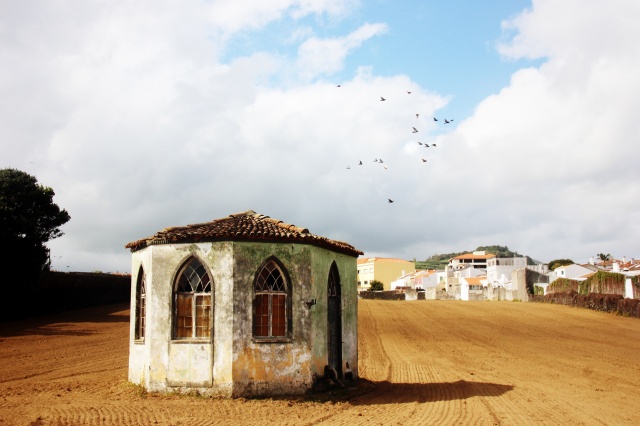


Shot in 2015.
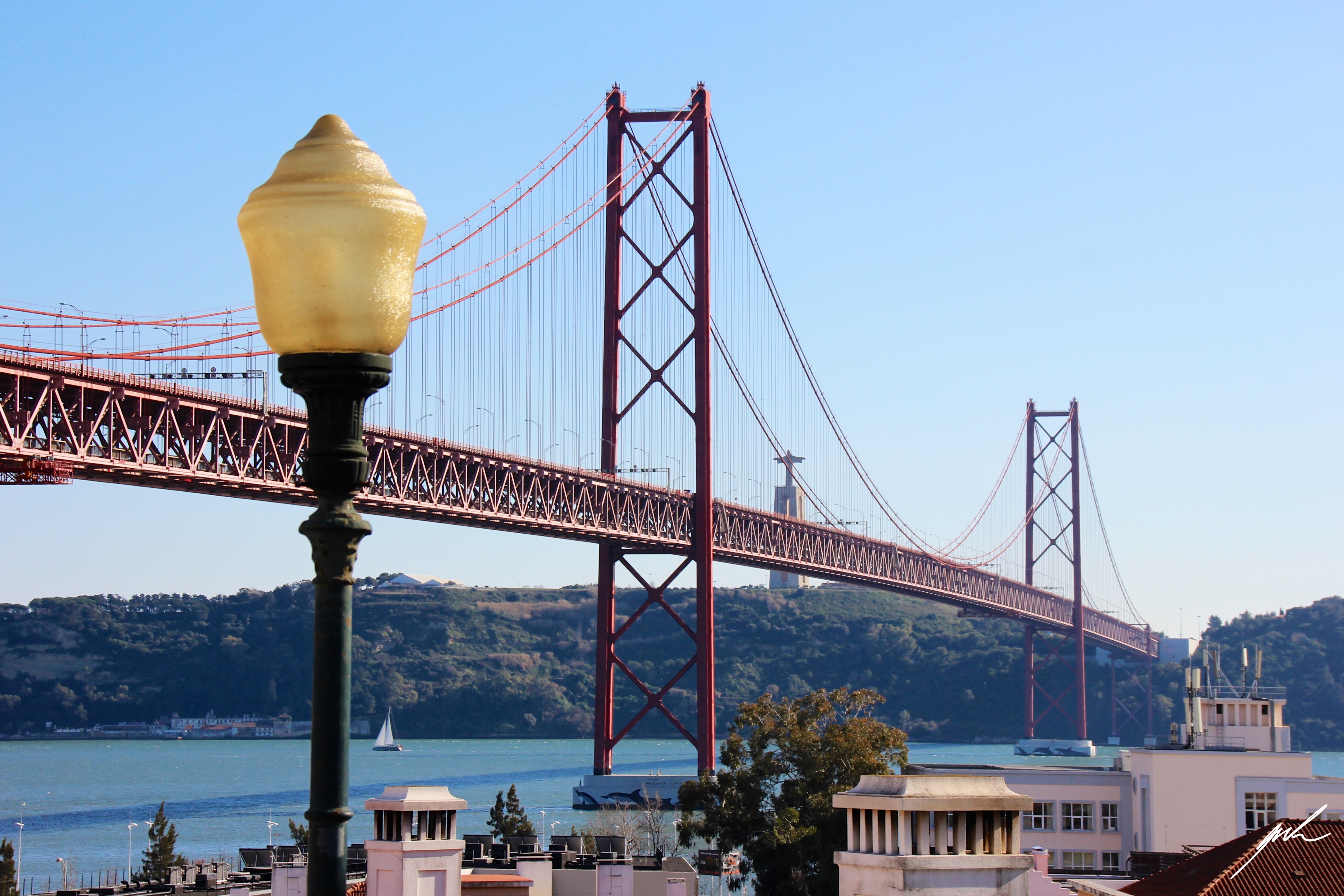
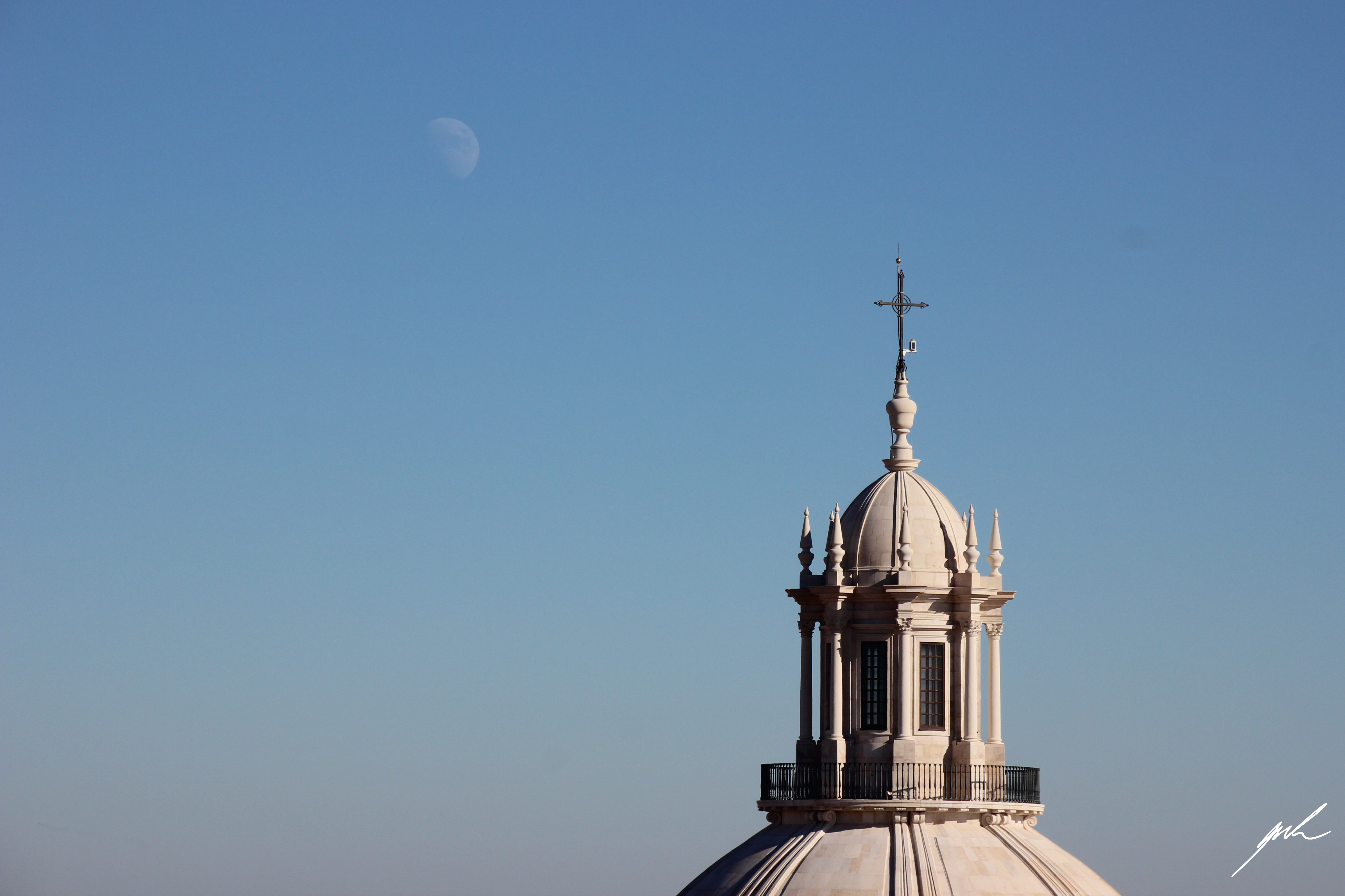
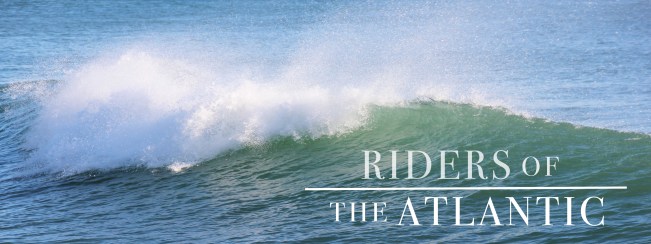
Shot on the shore of the Atlantic Ocean. Portugal, 2015.
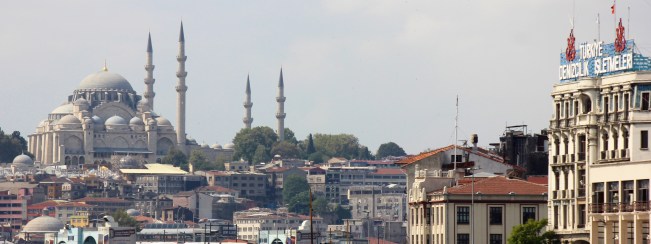
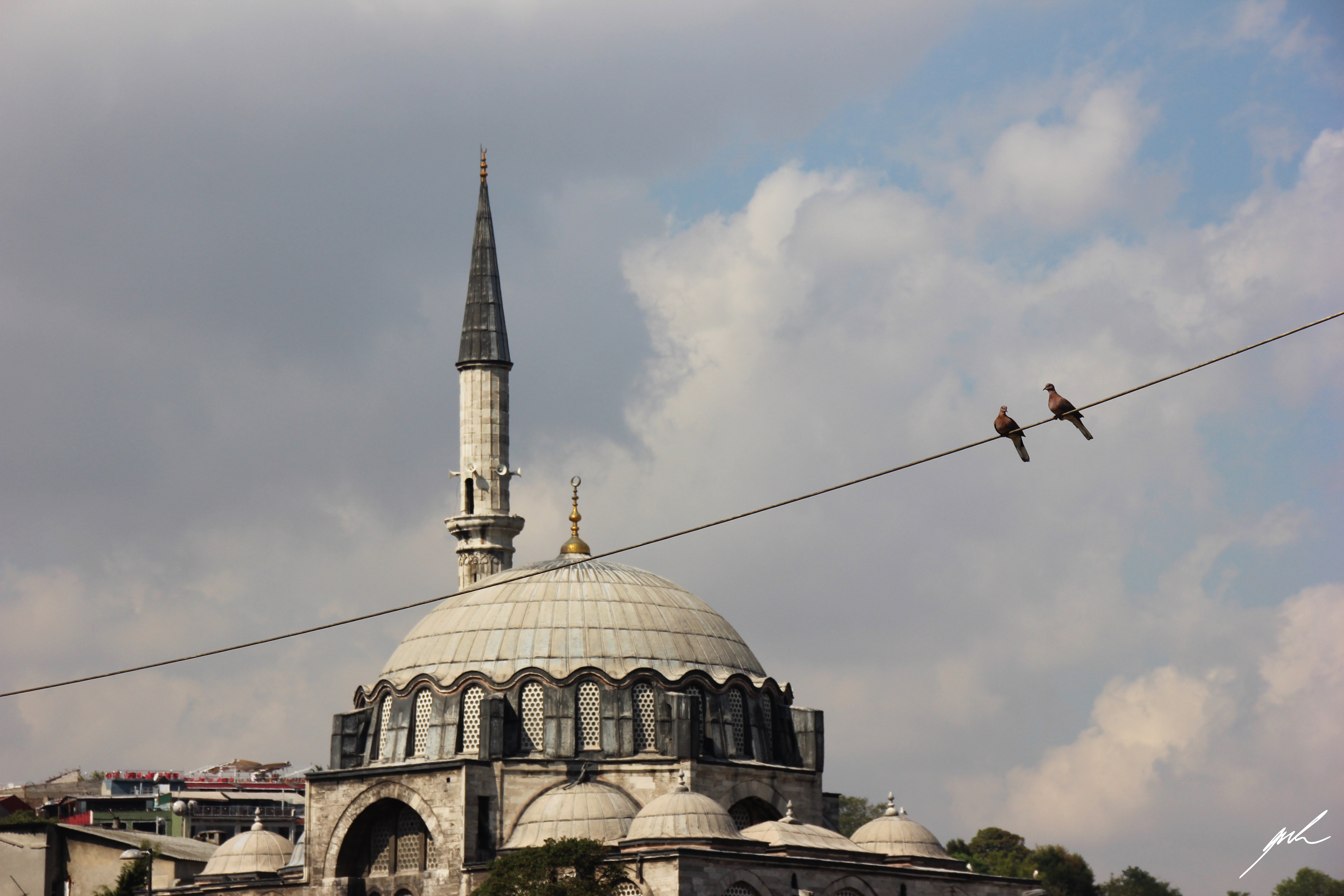
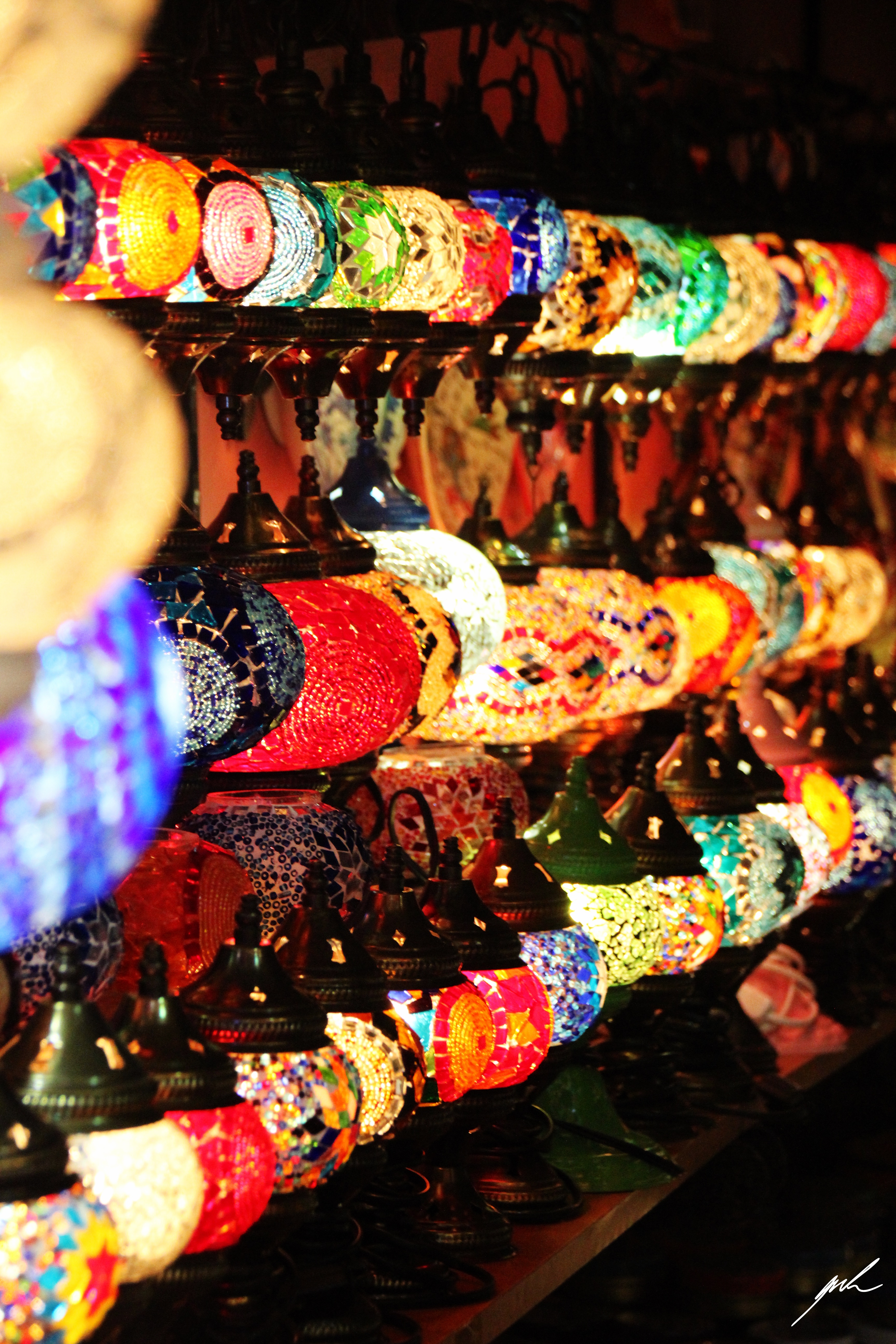
Situated both on the European and Asian continents, Istanbul is the entry gate to the Orient, yet at the same time, it is also the last major European city in the southeast. Istanbul, or Constantinople, as it was called before the Ottoman conquest, has always been a metropole. Today, roughly 15 Million people call it their home. The vast sea of houses is divided by the Bosporus, a waterway connecting the Black Sea and the Mediterranean. It is one of the busiest waterways in the world. Not far away – on the European site – grand mosques arise, built over the centuries by Ottoman rulers to show their power. They are majestic indeed, richly decorated with Islamic ornaments and beautiful interiors. Between the mosques, you will find the Grand Bazar, a covered bazaar consisting of 61 streets and many thousand shops. In Istanbul, everything seems grander than usual.



 Michael Hoffman Photography