Skip to content

Houses of God: Sacral Architecture in the Alps
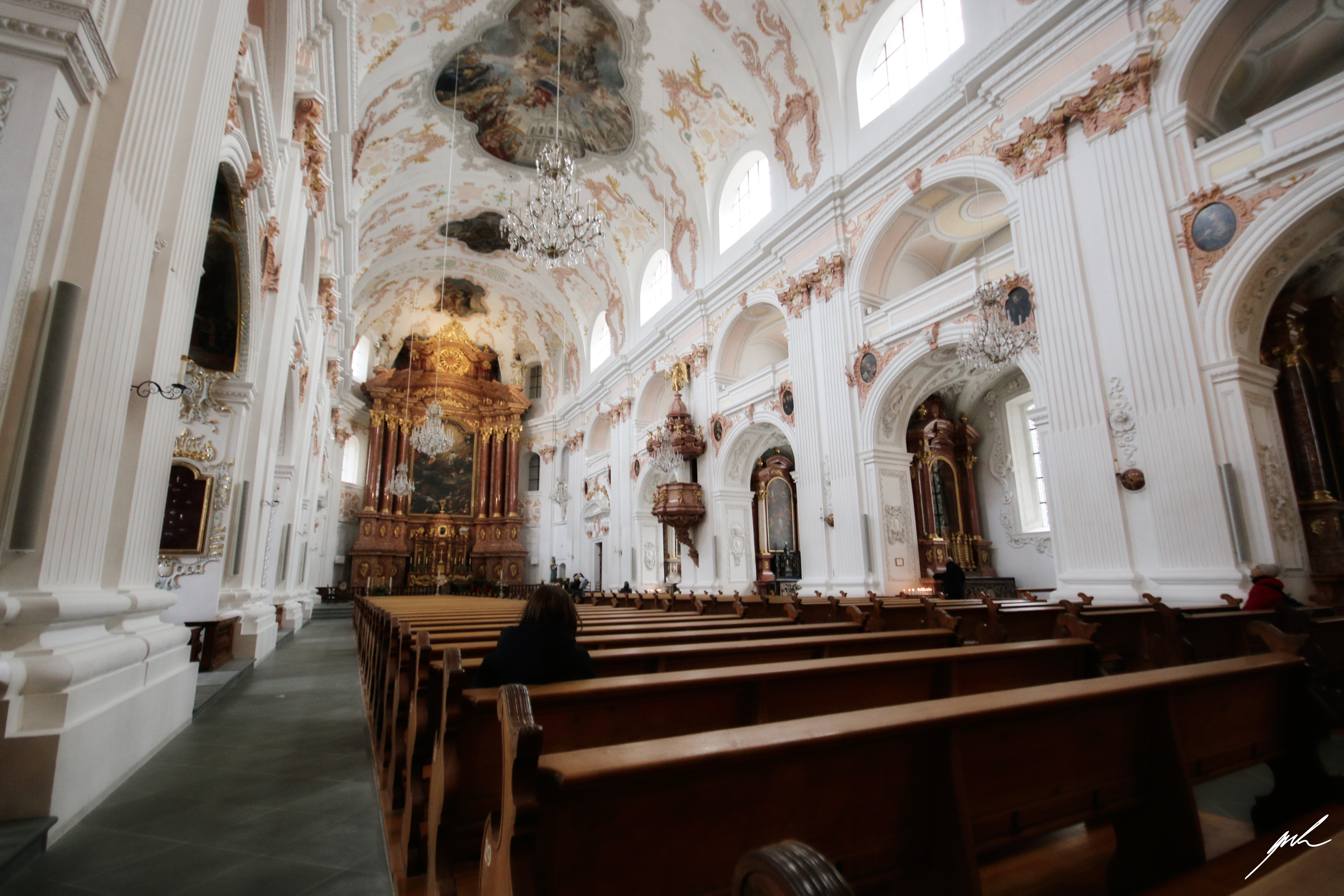
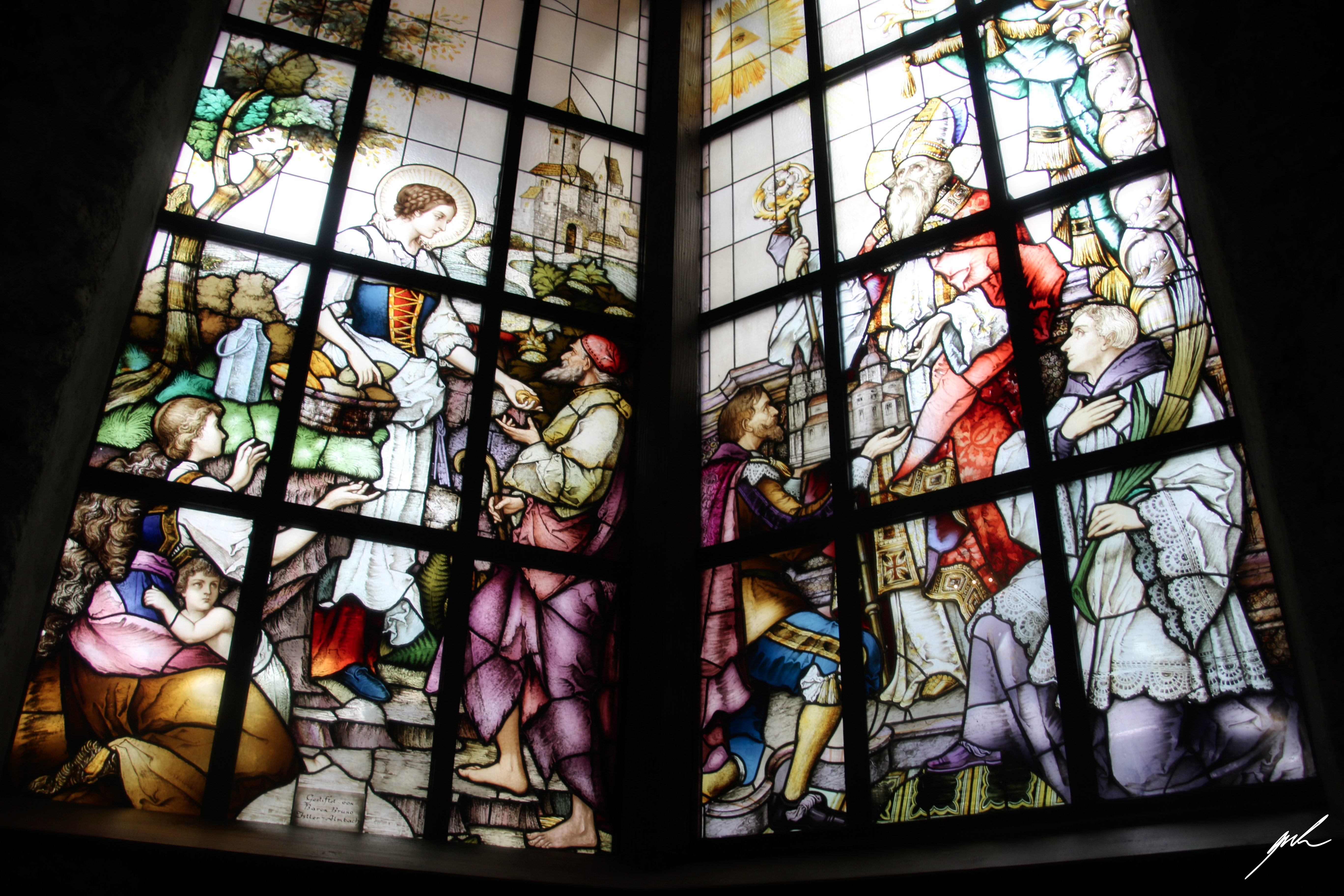
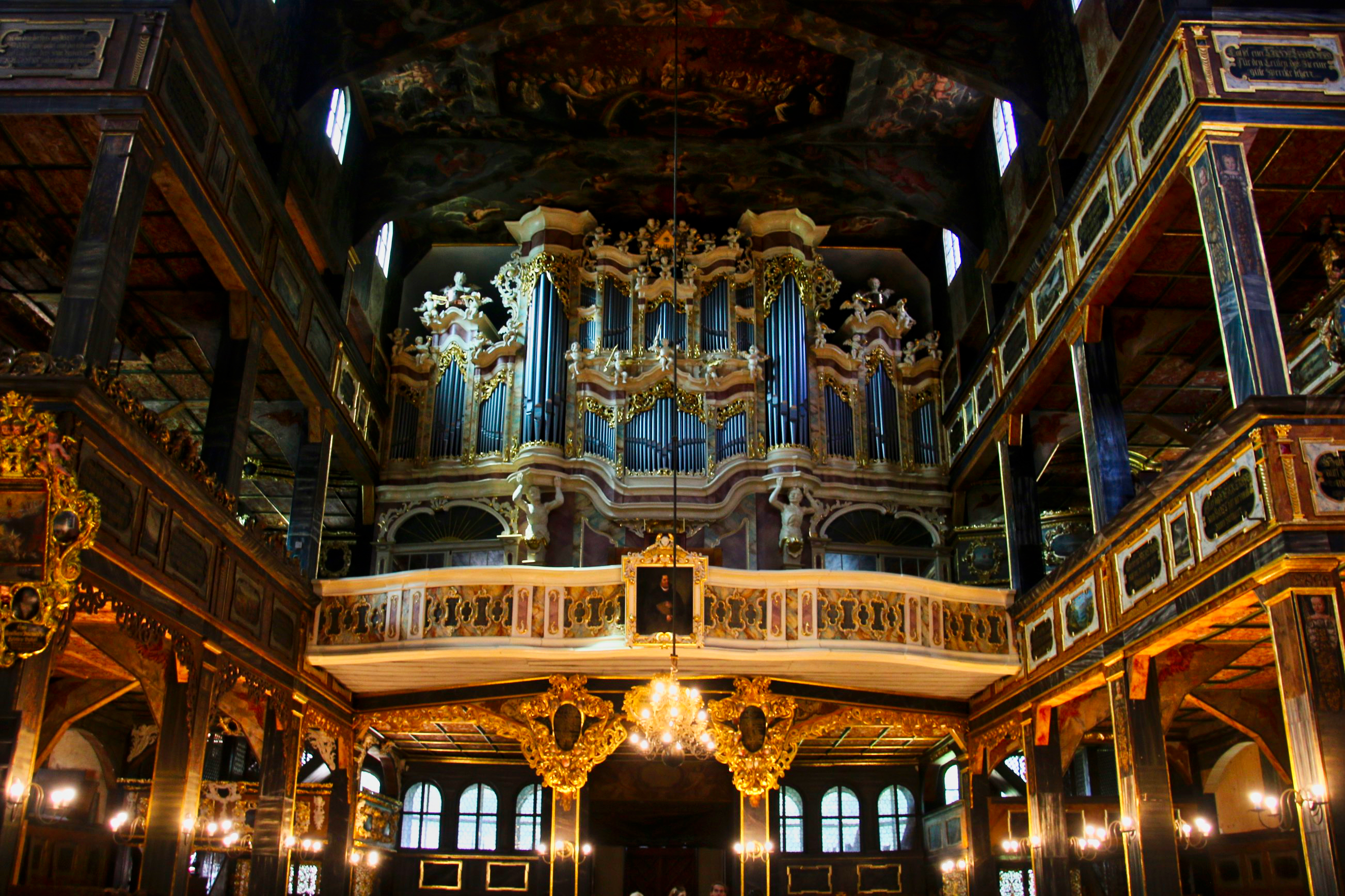
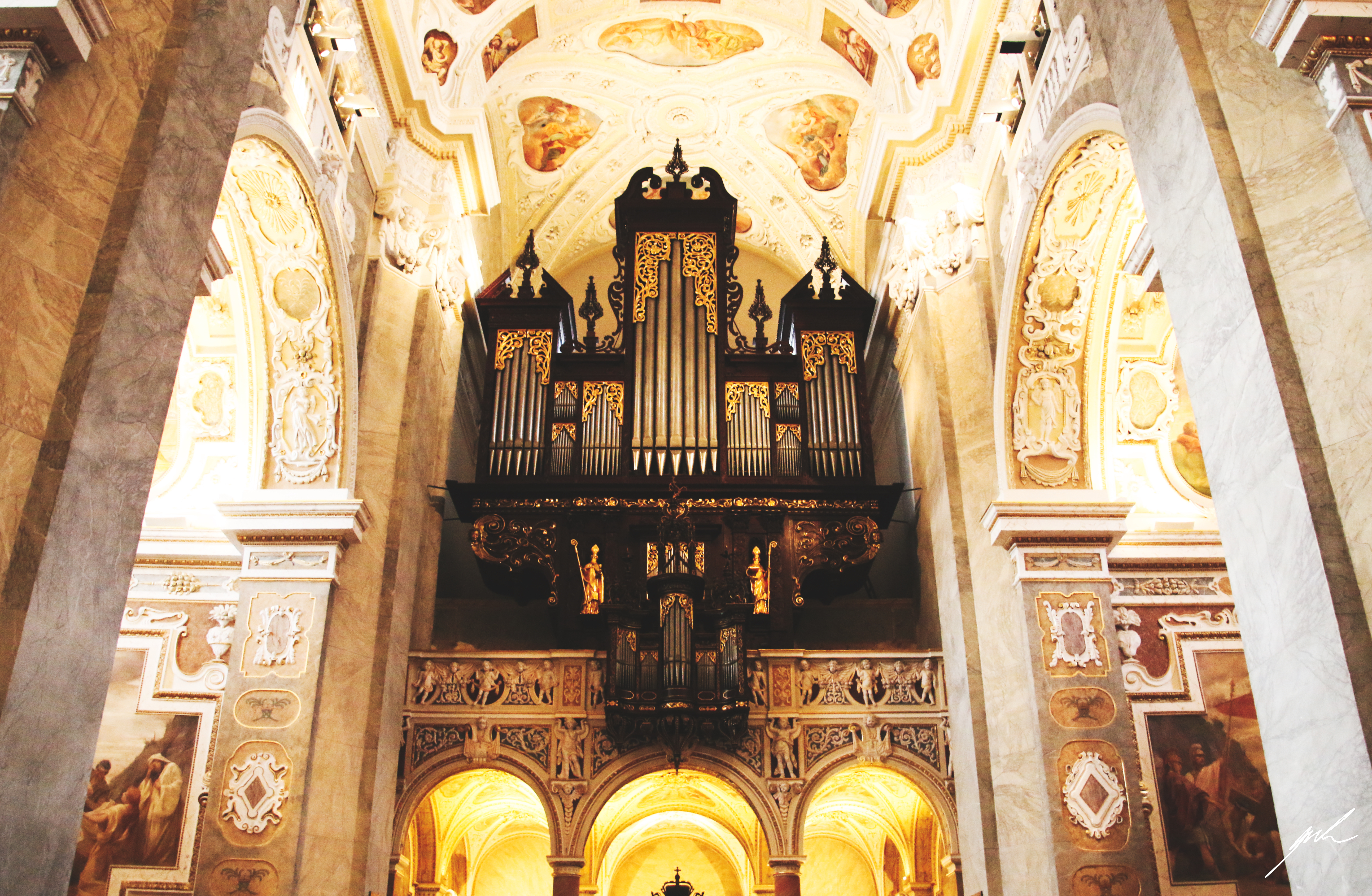
The tradition of sacral buildings in the Alps is far-reaching. The oldest churches in the region date from the 7th and 8th centuries, but the heyday for building activities was the 18th century. It was a time in the region’s history when grandiose architecture with rich decoration was built to combat the rivaling religious ideology of Protestantism from the north. While protestant churches tended to be more plain and unpretentious, Catholicism went in the other direction. Churches became palaces for God, becoming ever more impressive with marvelous wall paintings and detailed glass windows. Another essential element of Baroque sacral architecture was organs larger than life, richly decorated, and with a unique sound range. Some impressions from the region.

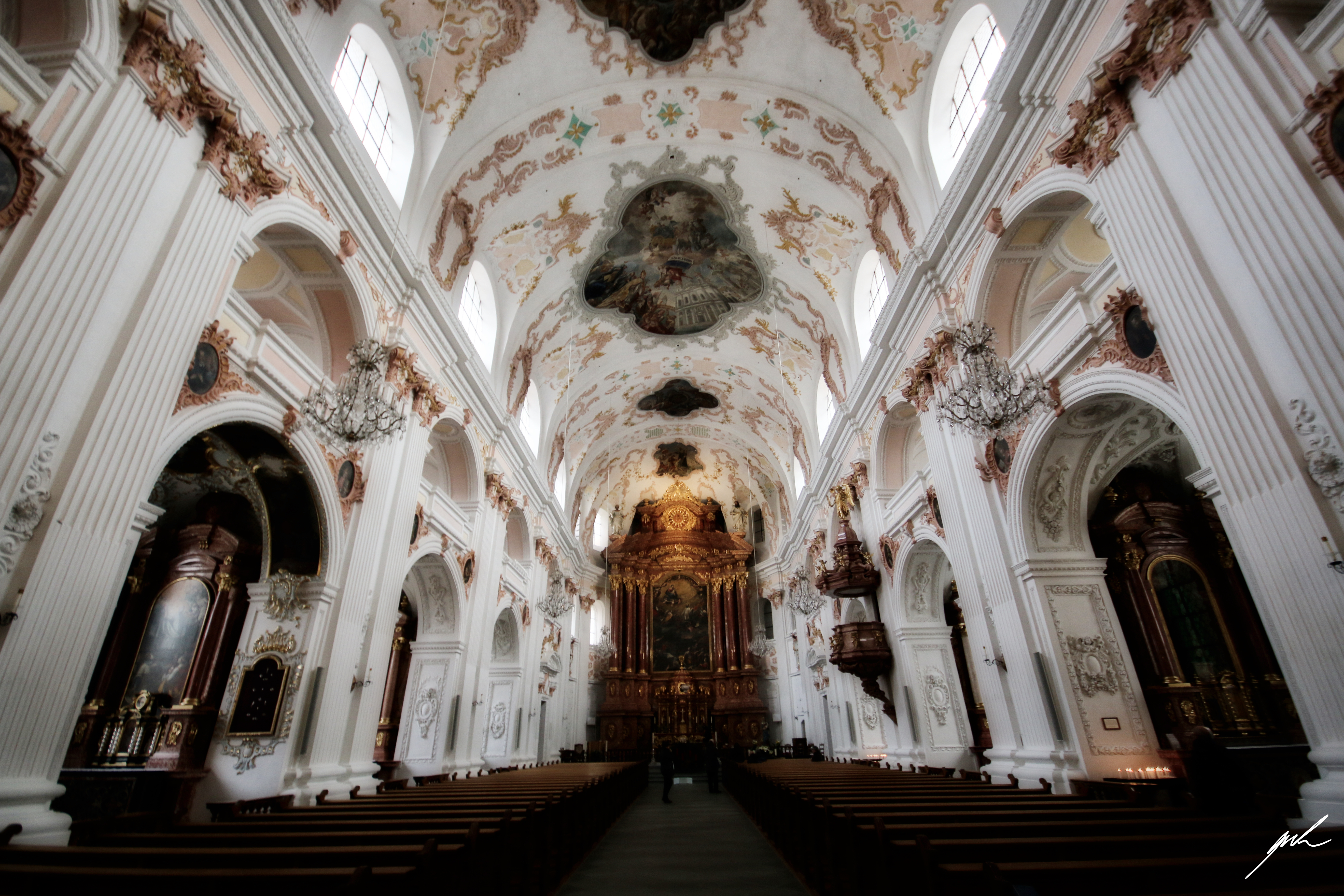
1


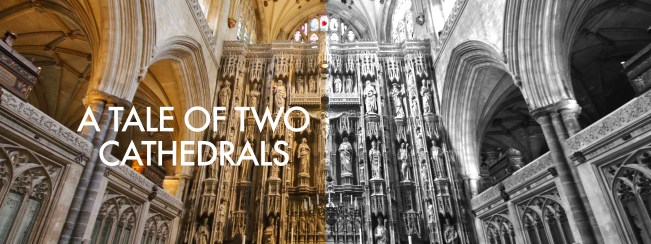
A Tale of two Cathedrals

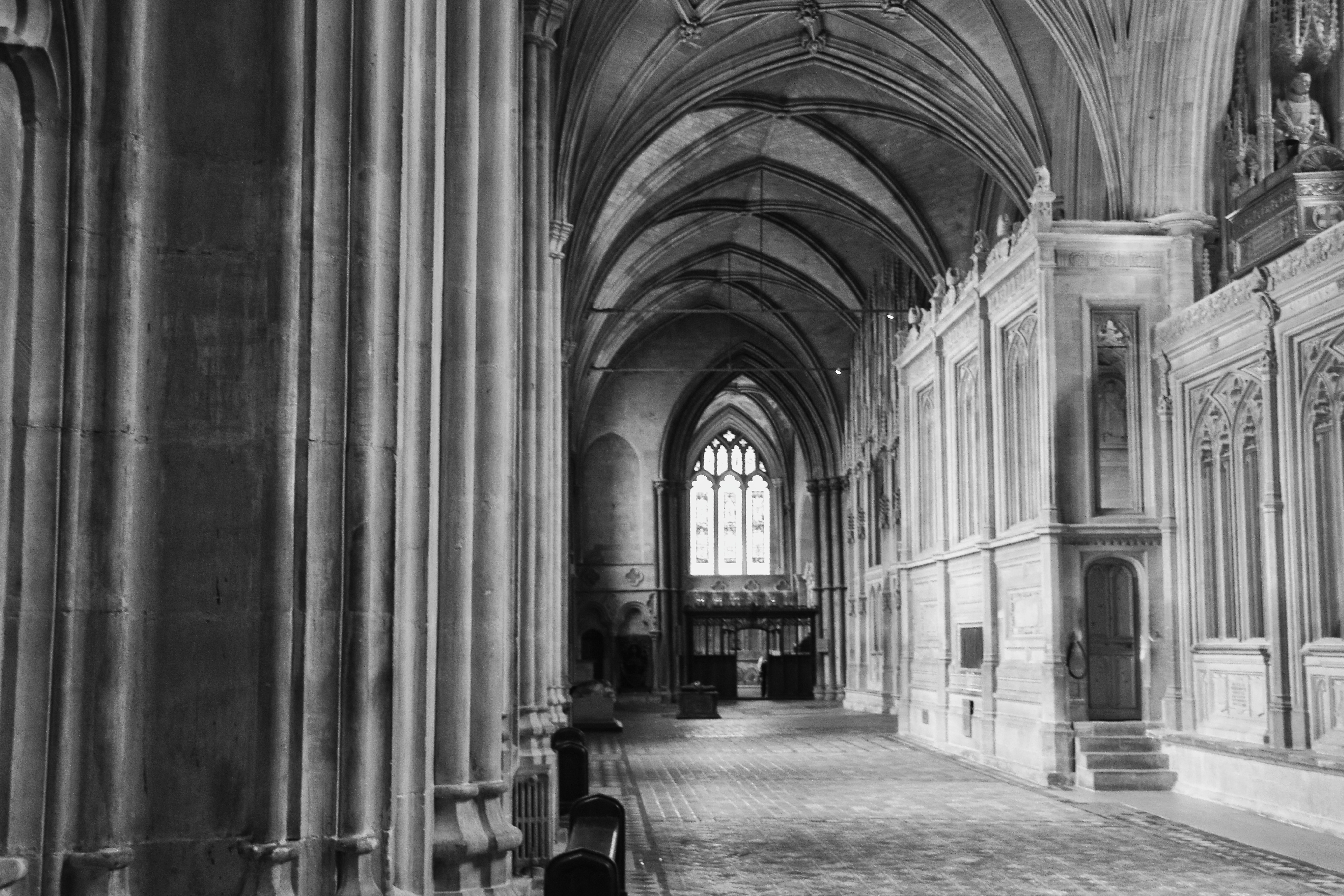
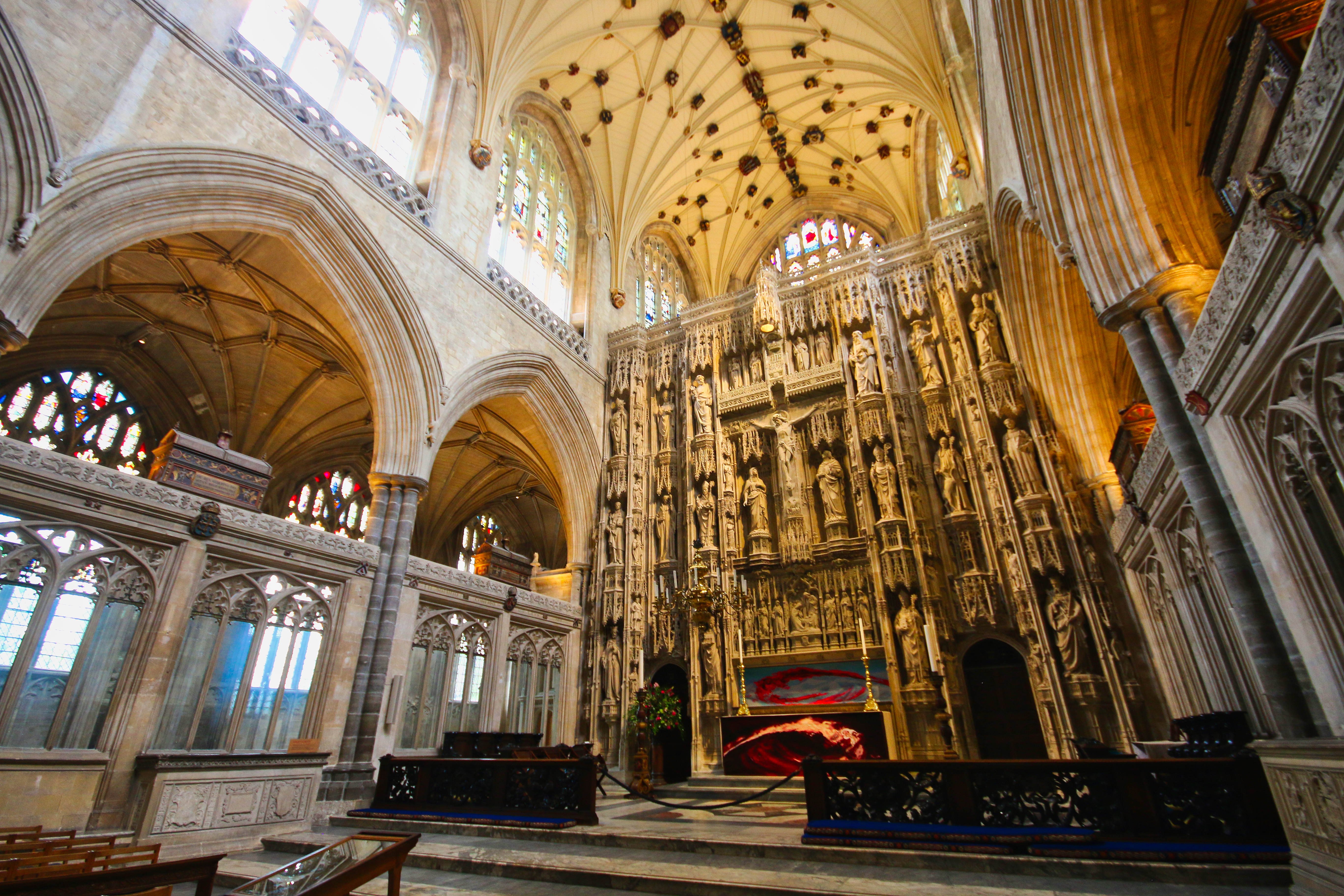
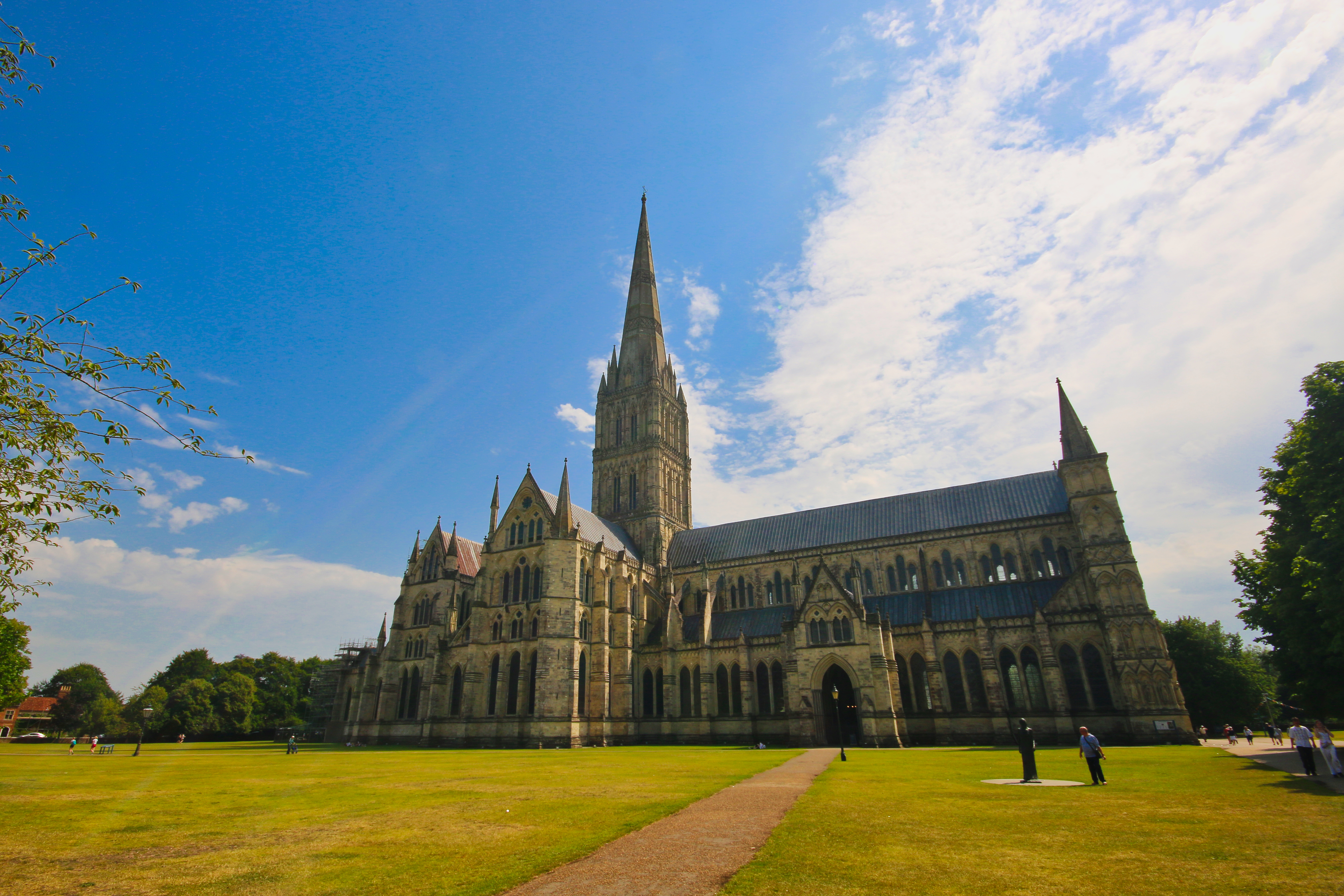
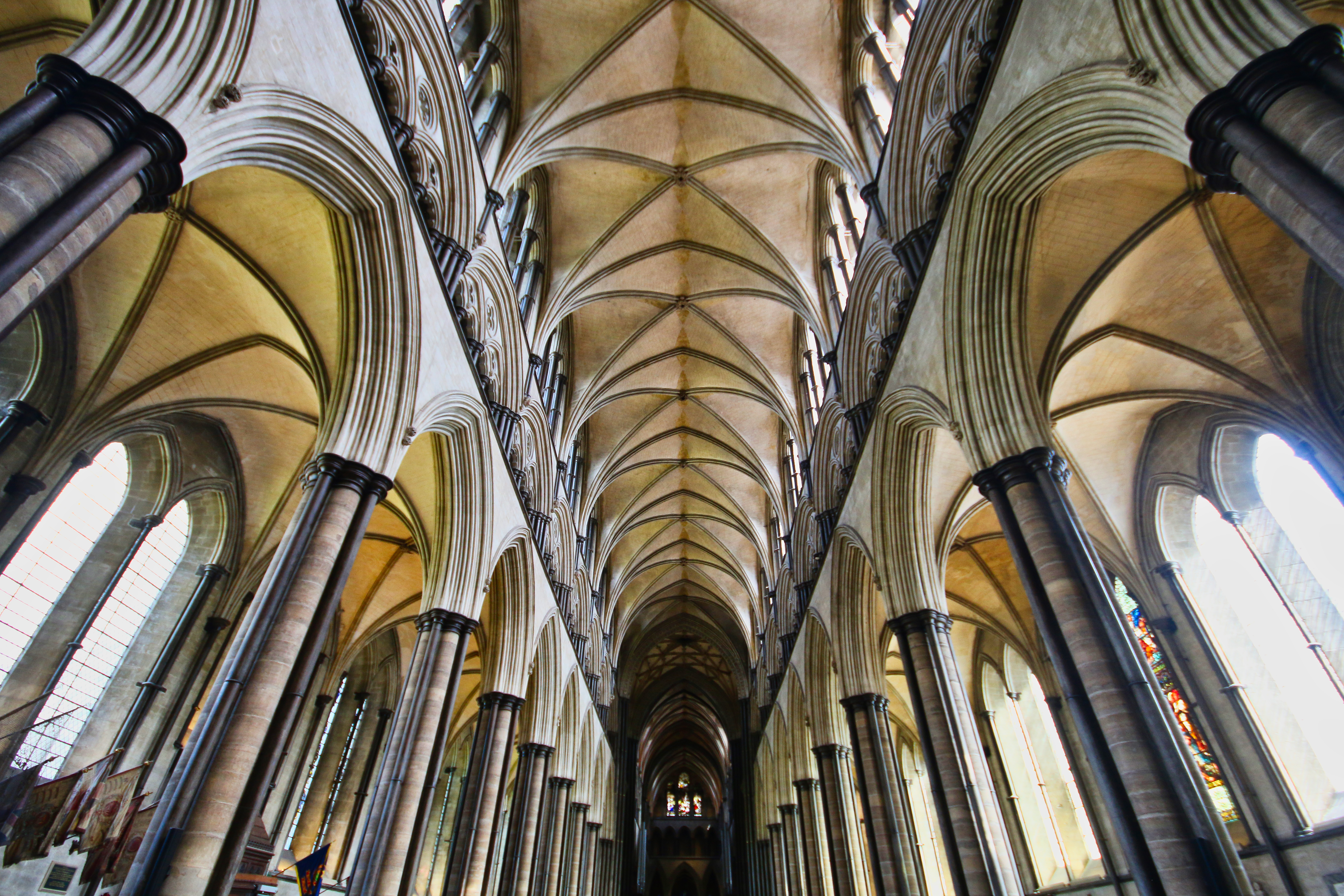
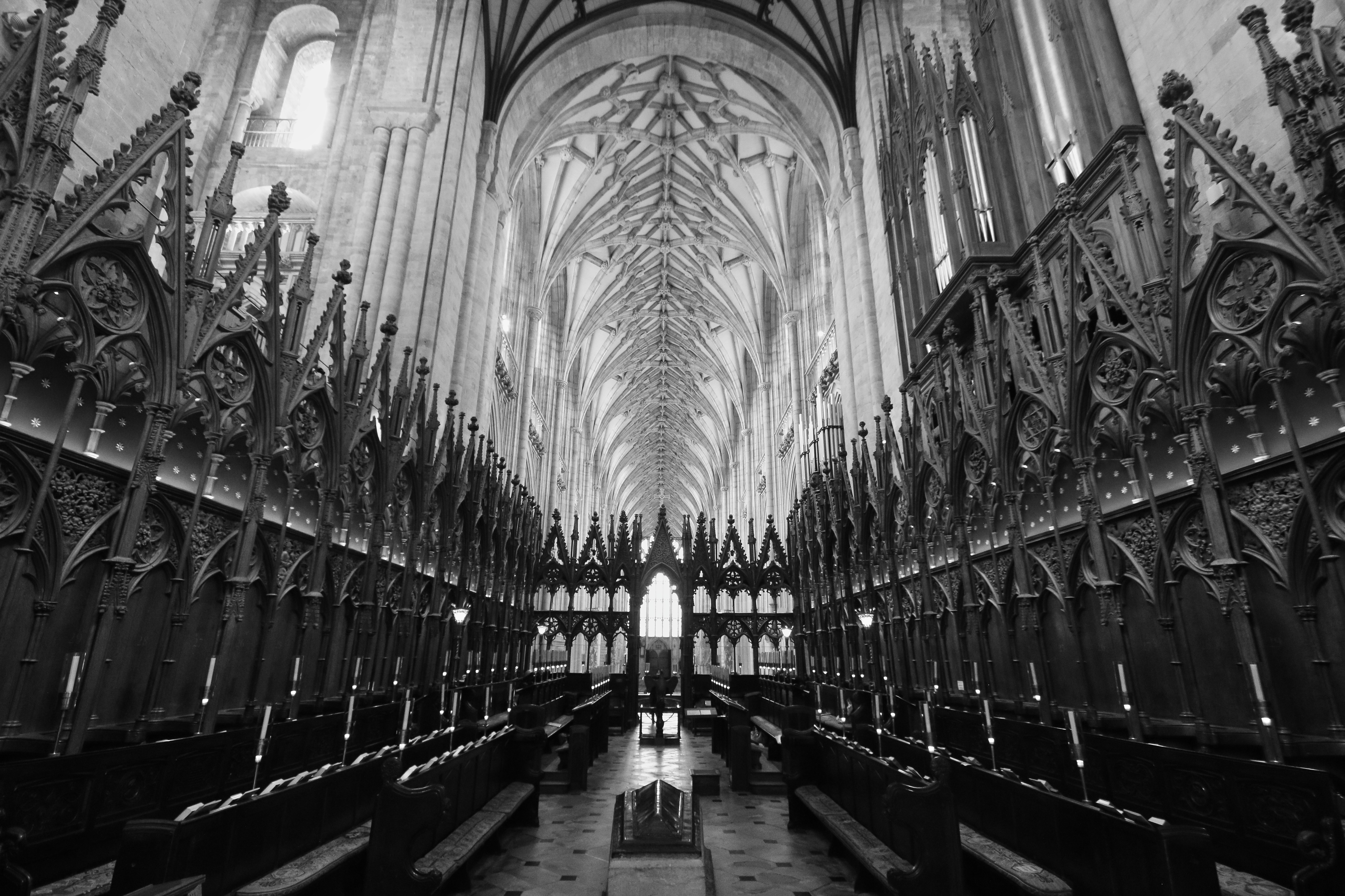
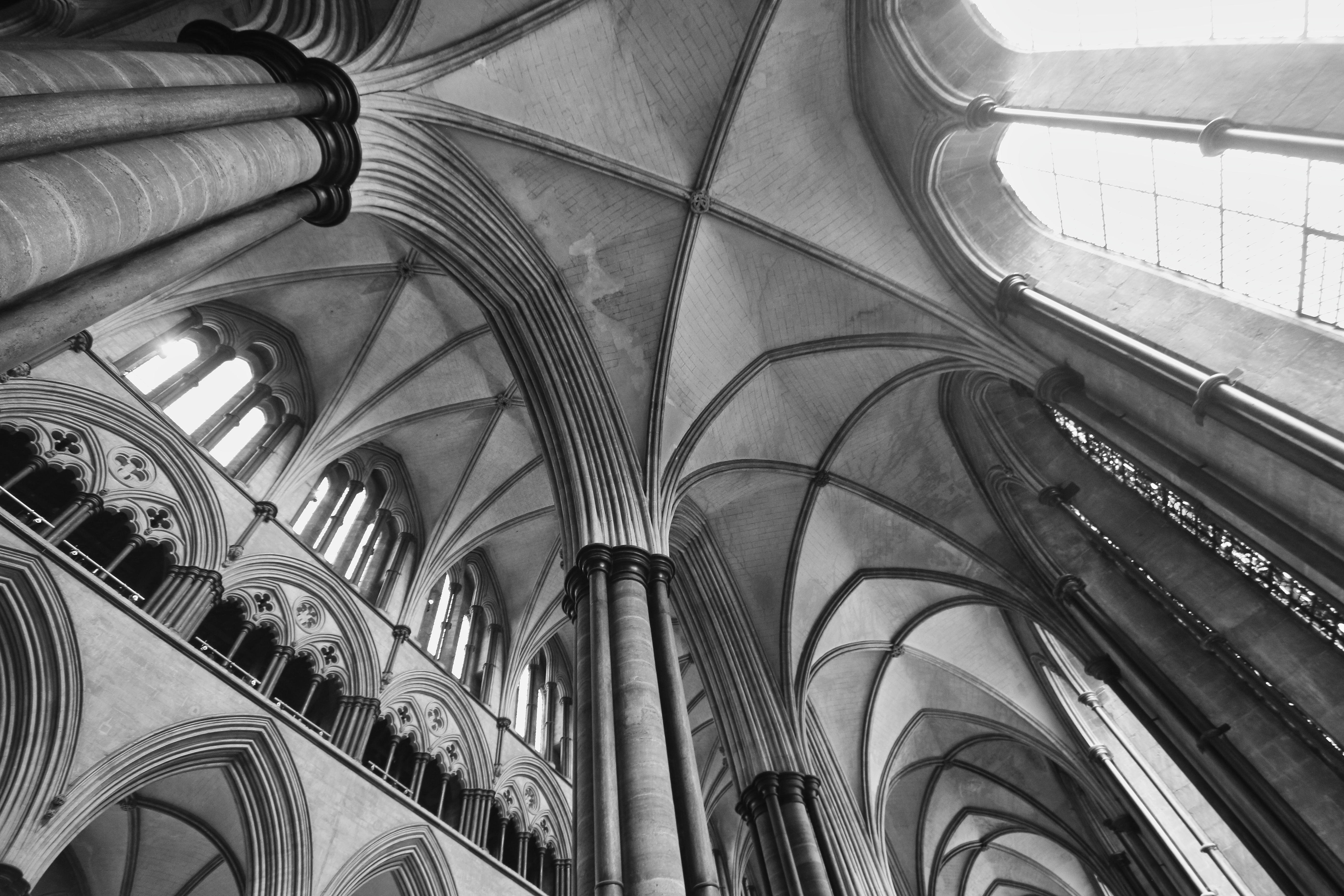
The cathedrals of Salisbury and Winchester are masterpieces of Gothic architecture in England. Usually, I don’t mix styles within one series of photographs, though for this one, I decided otherwise because some of these shots need the contrast and clarity of black and white while others demand color and light. As these buildings themselves offer stark contrasts to the modern world they are situated in today, so do these pictures with one another, highlighting different perspectives of this beautiful architecture.
test

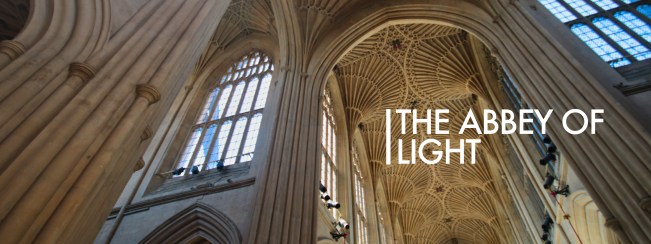
Bath: The Abbey of Light

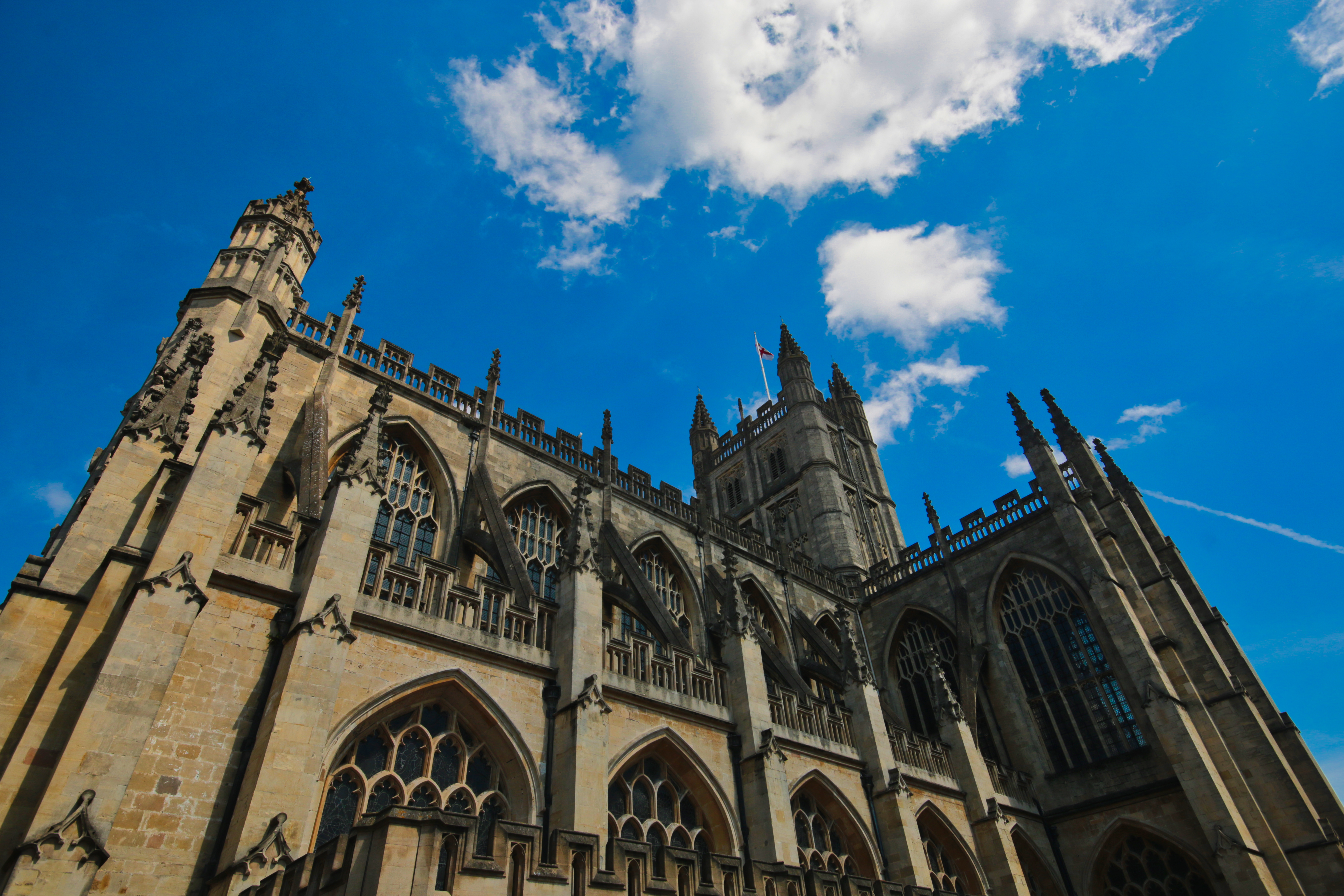
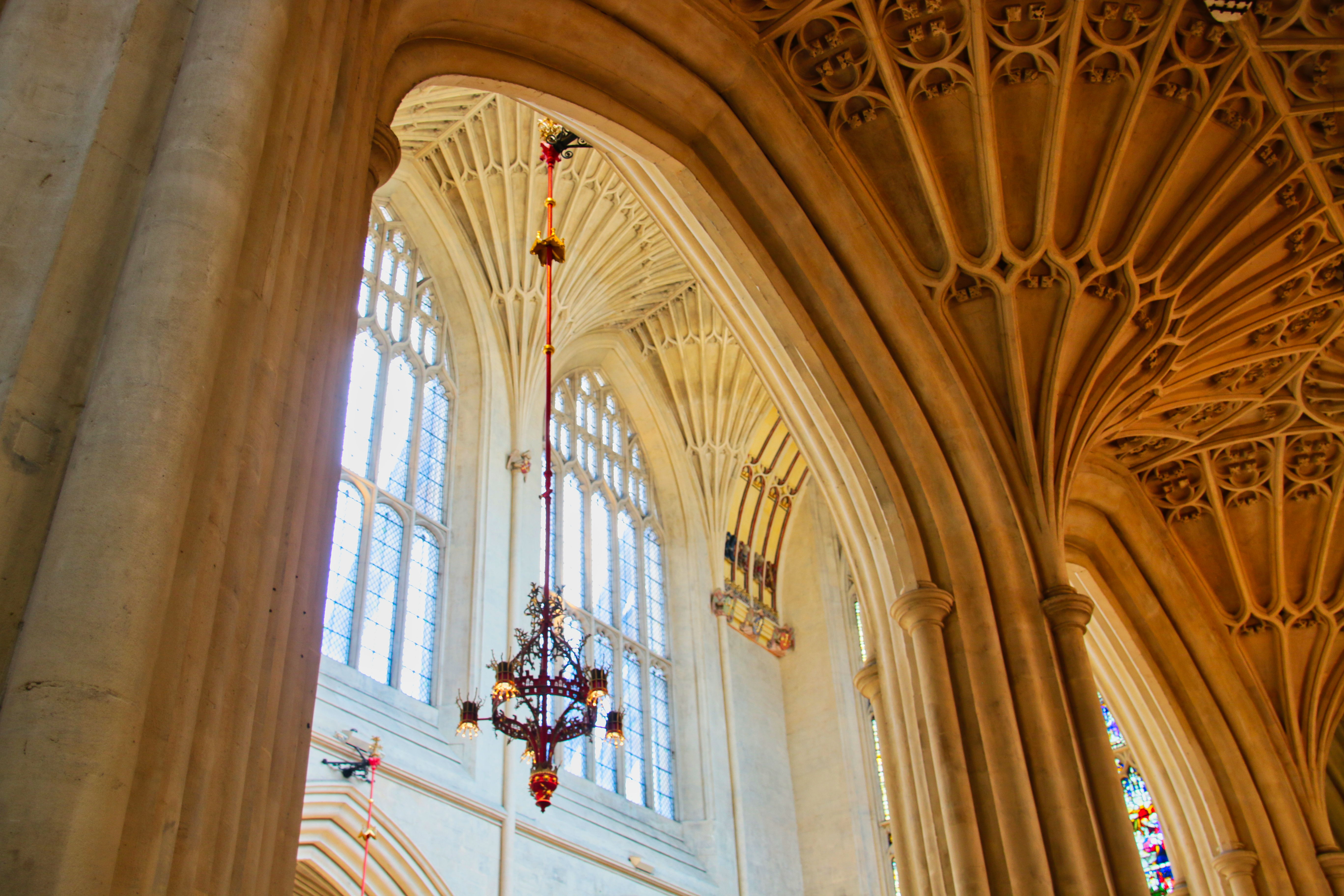
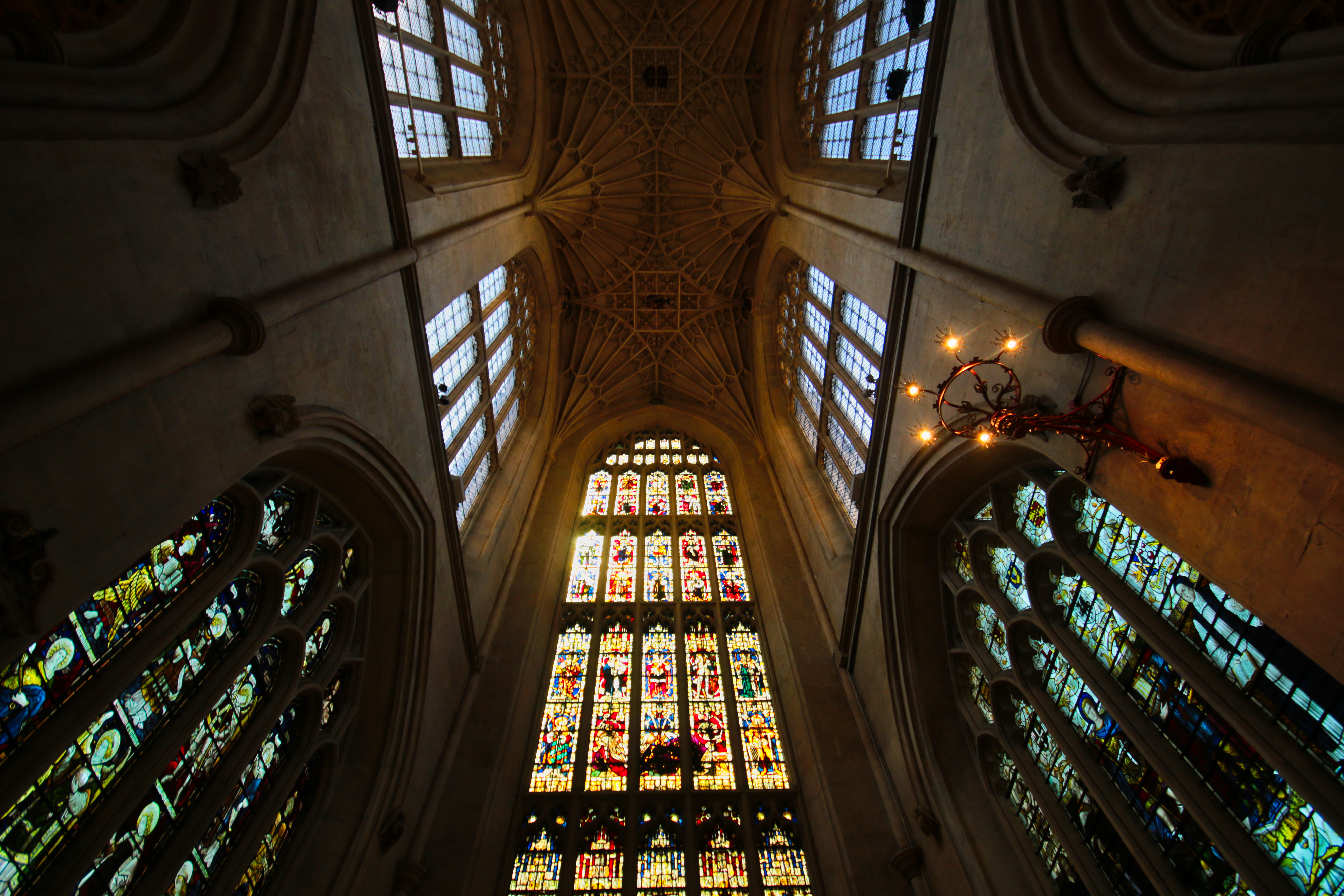
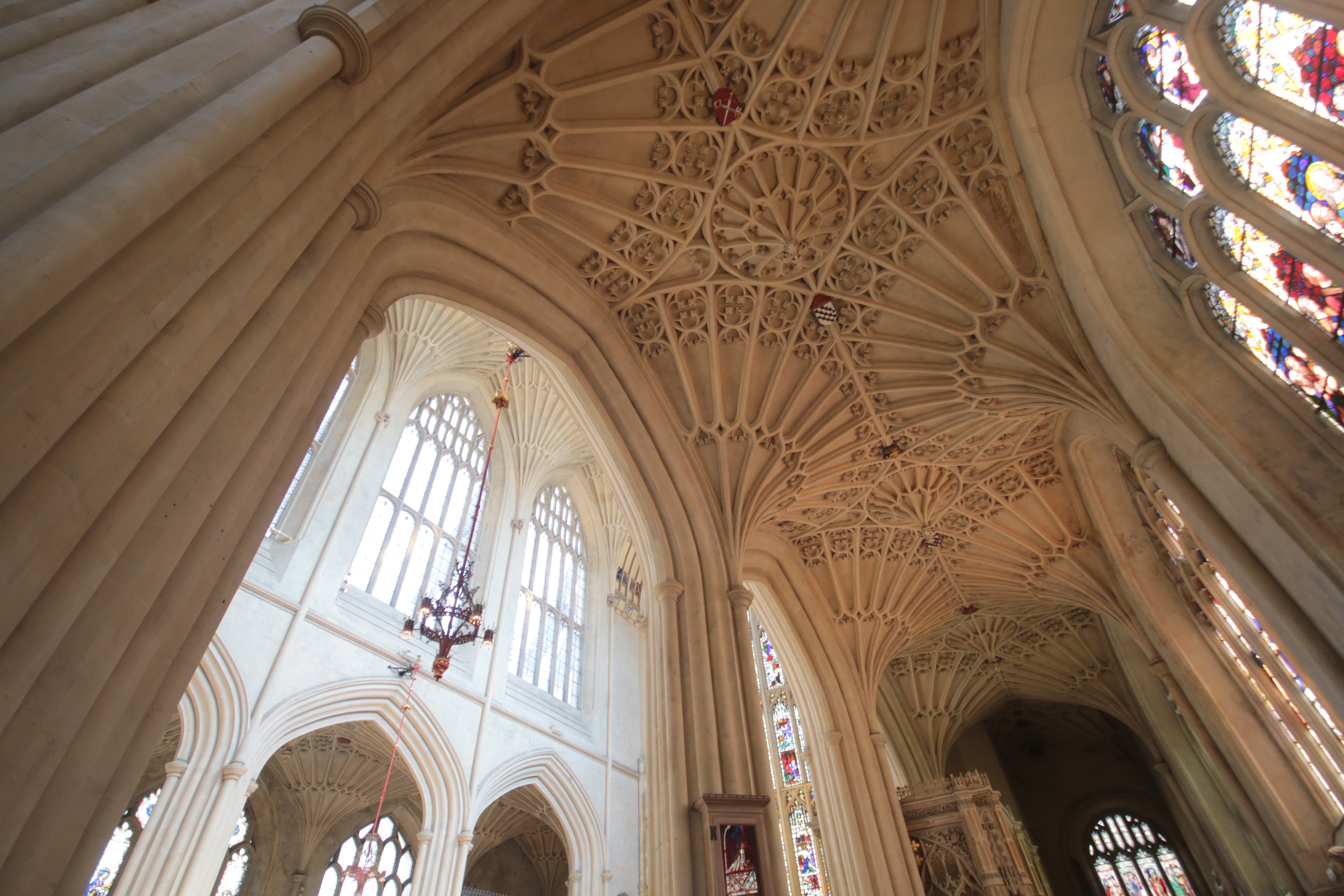
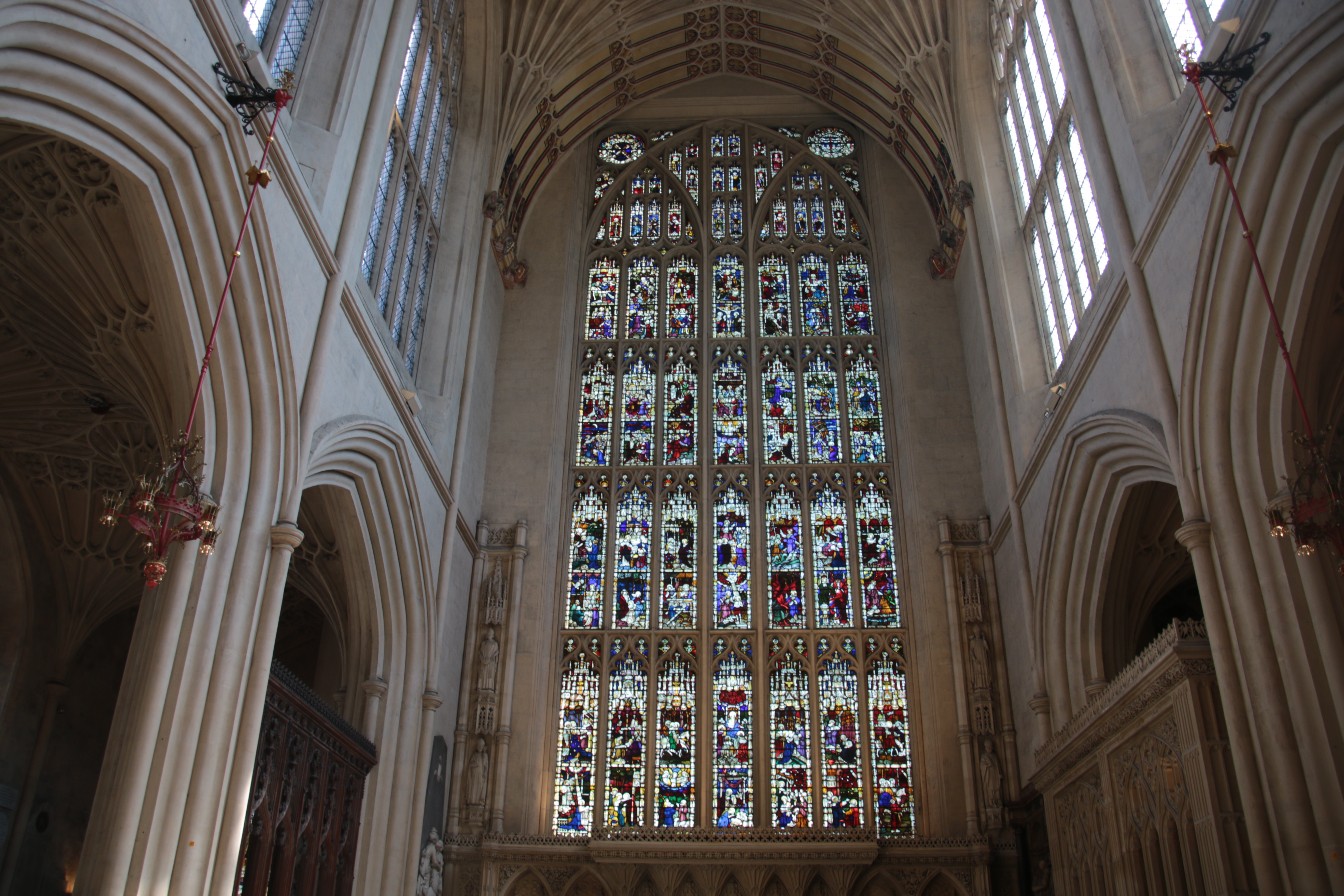
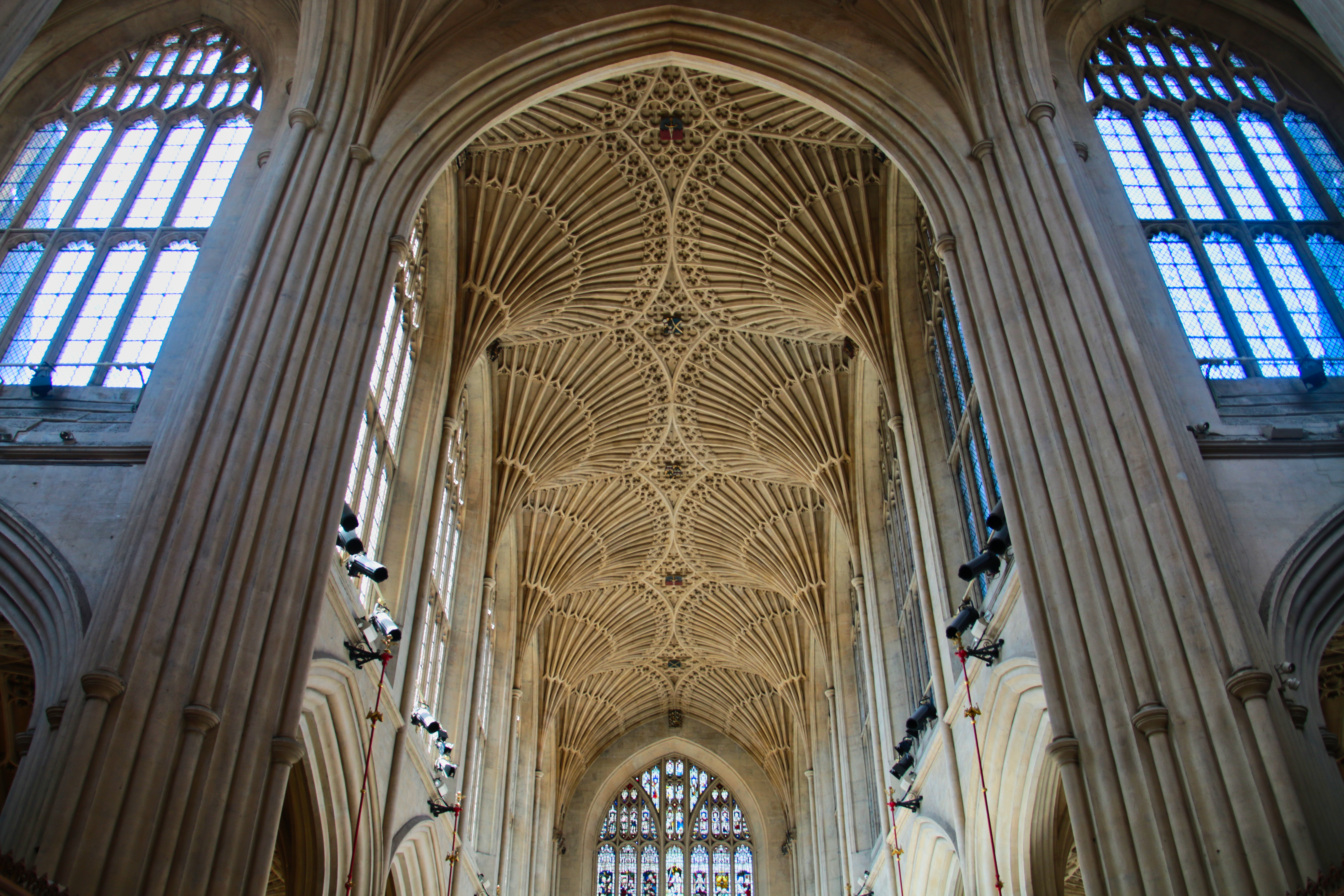
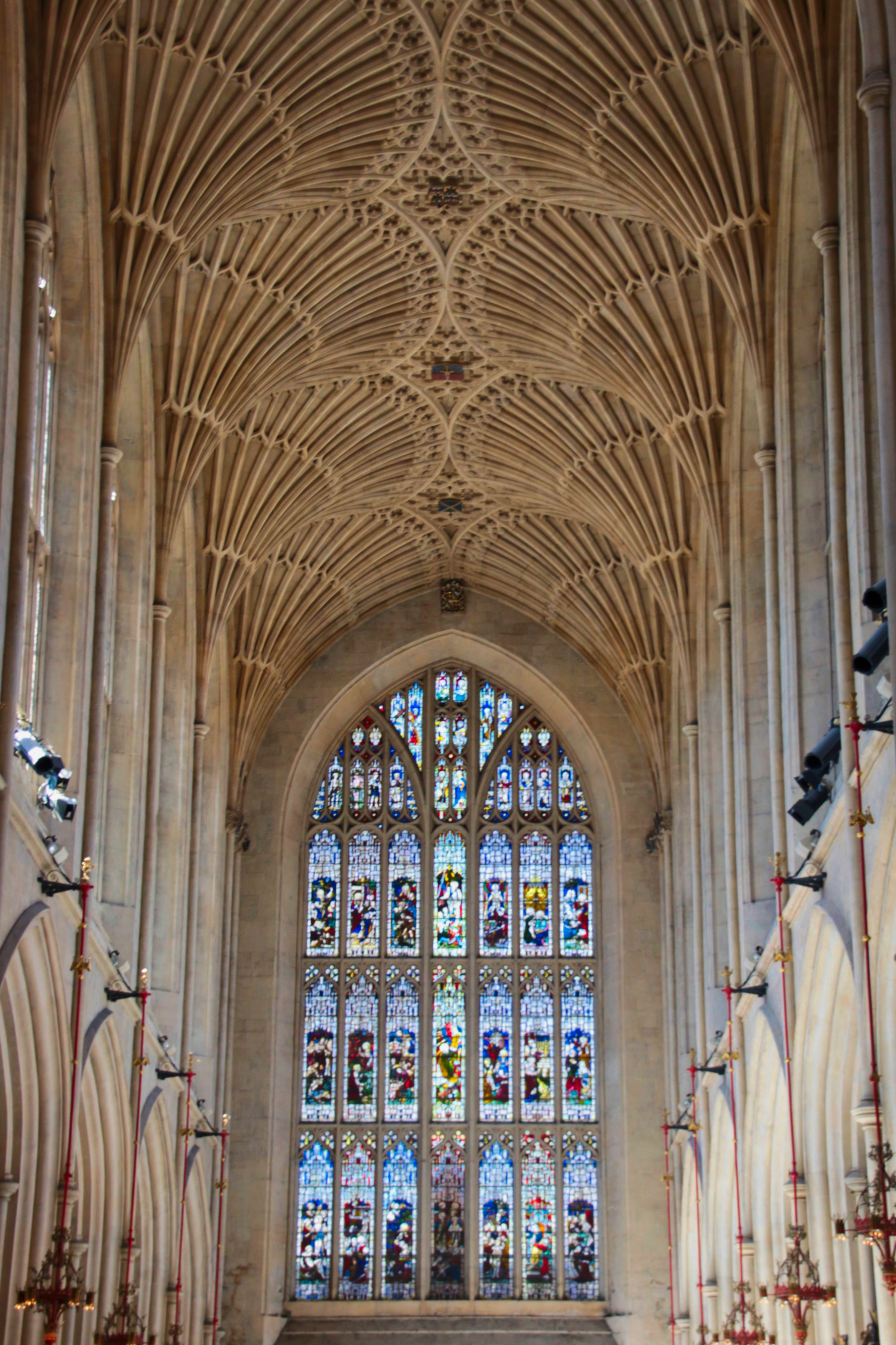
The Abbey of Bath is a prime example of England’s Pendicular Gothic architecture style. Another would be the Cathedral of Gloucester. Medieval churches tend to be very dark and somewhat sinister. The Abbey of Bath, though, is different. The light coming through the beautiful stained glass windows flows through the building, giving attractive accents and tones.

test

The Church of Peace

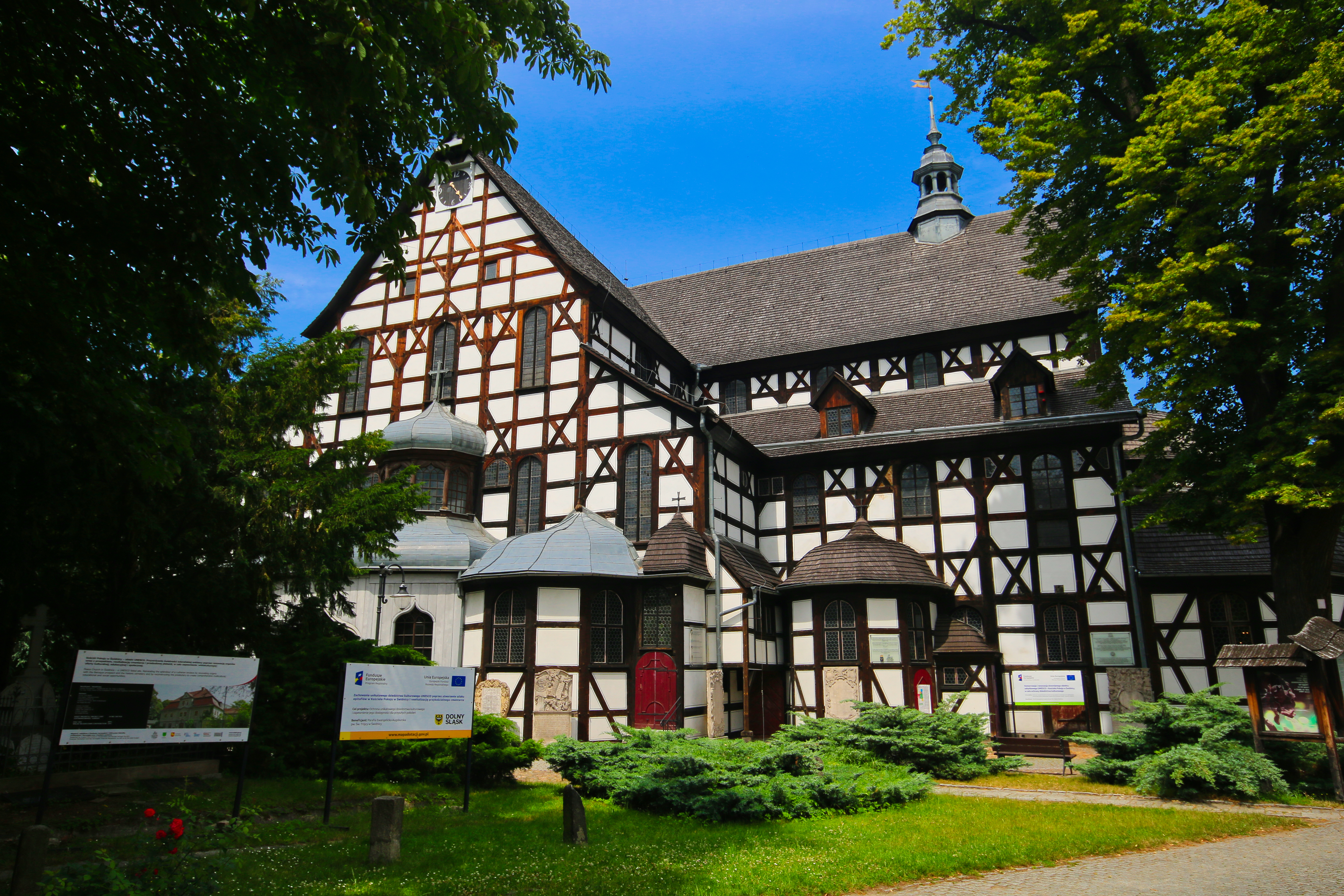
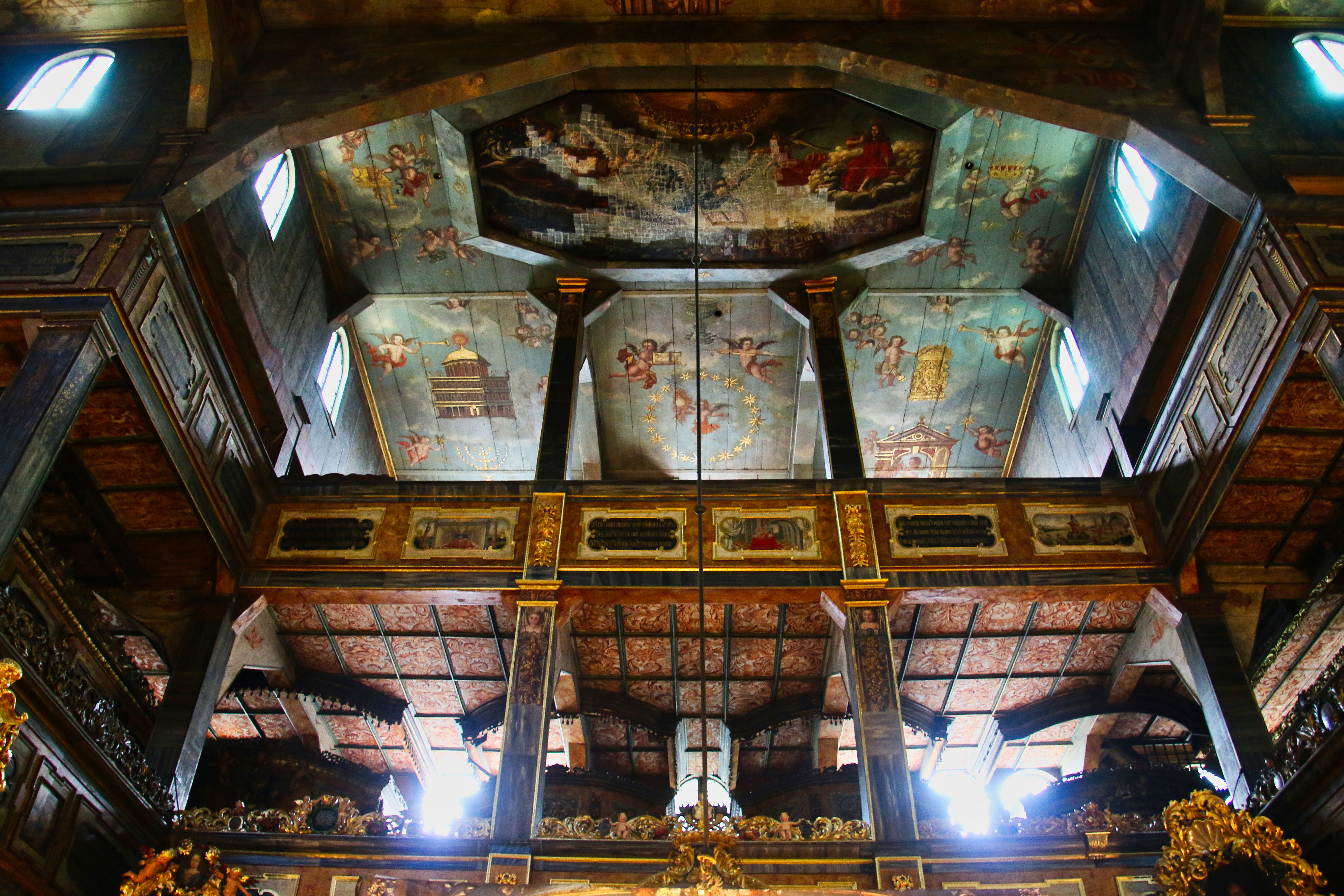
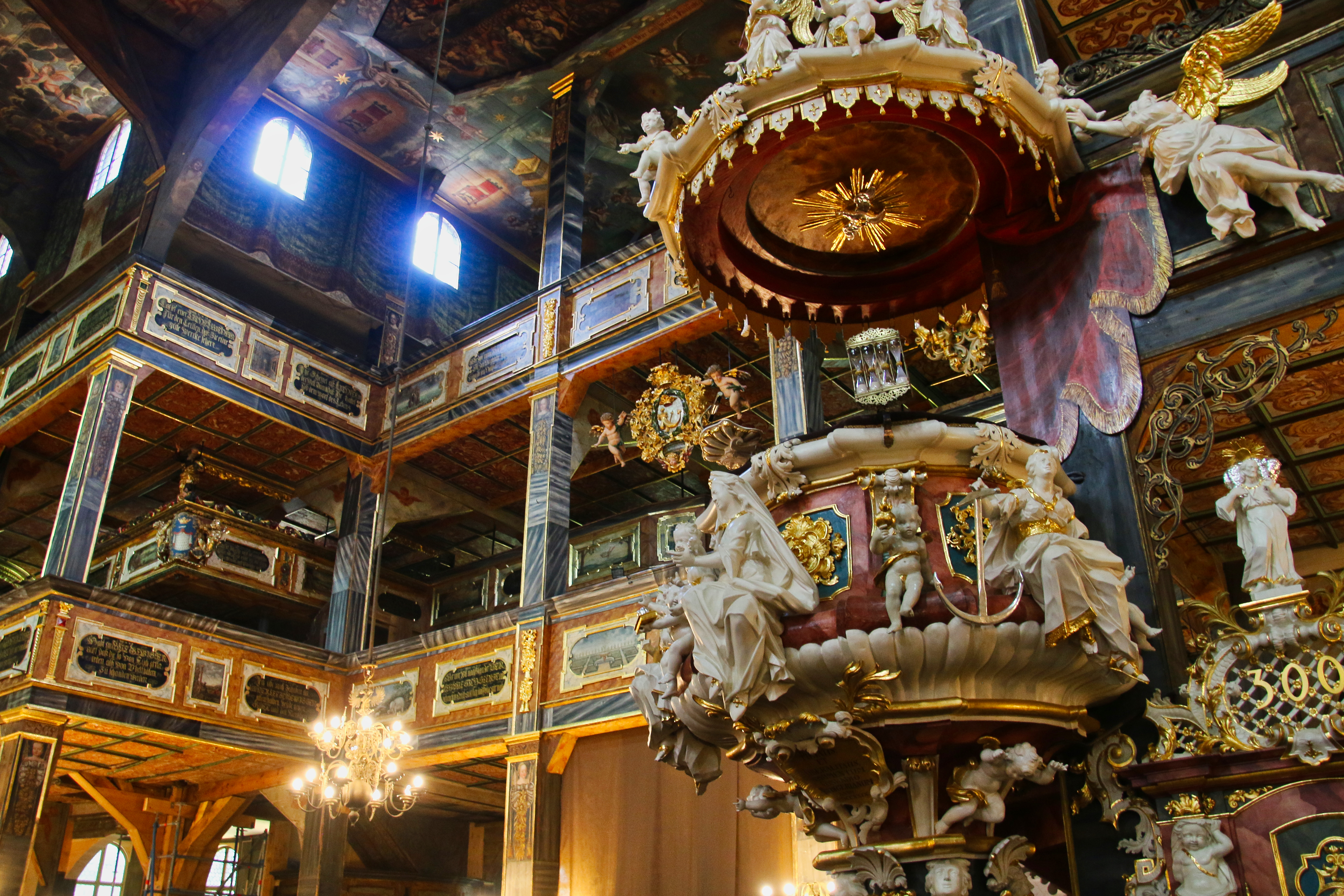
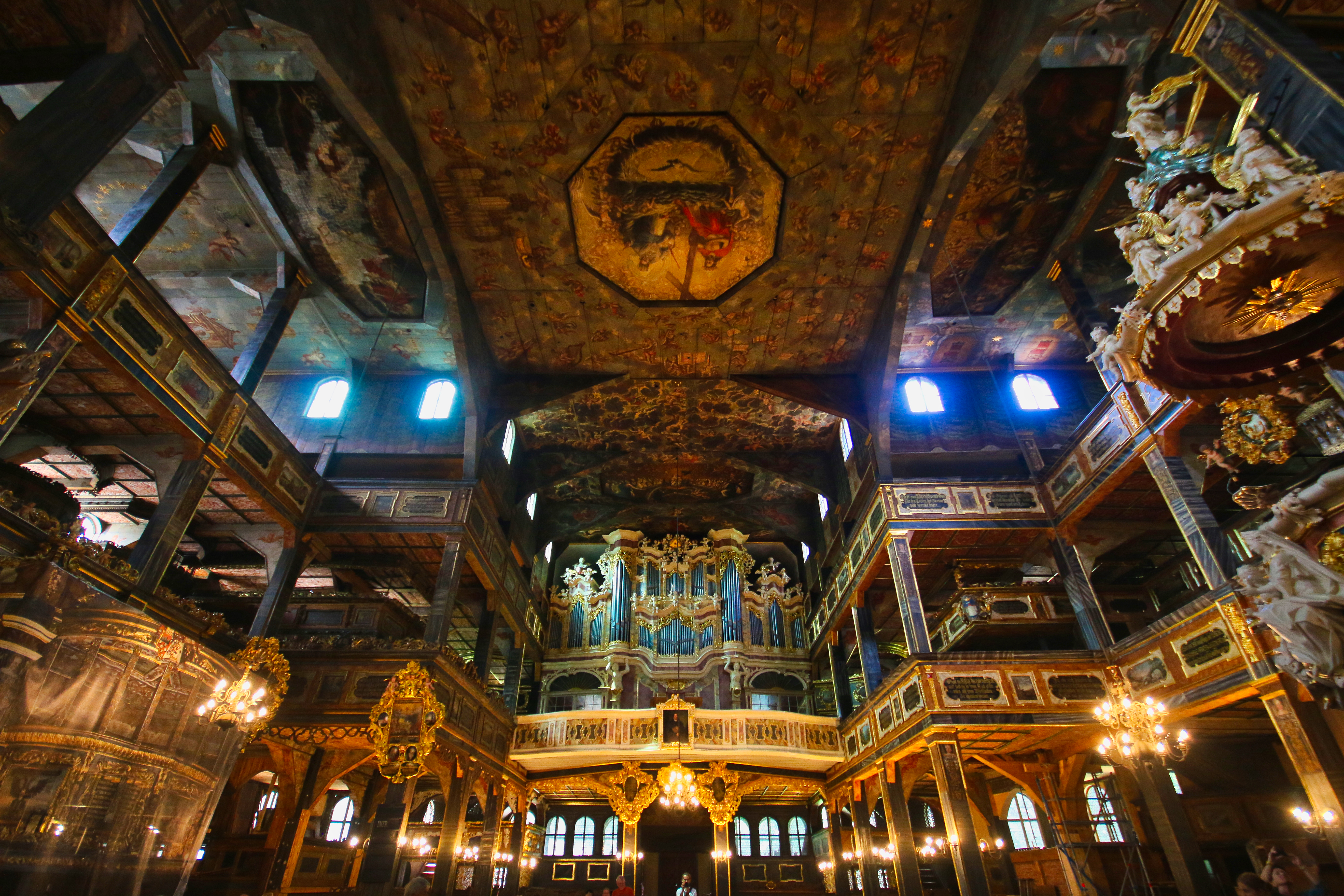
The evangelical Church of Świdnica in southern Poland is truly something extraordinary. It was built after the Peace of Westfalen (hence called Church of Peace), which followed a long battle between Catholics and Evangelicals in the German-speaking countries. The Catholic emperor Ferdinand II. won, but he had to make some concessions to the evangelical communities. Some reformed communities were allowed to build their own churches, but only outside the city walls, and they had to be constructed almost entirely of wood within one year. Three communities rose to the occasion, and two churches from the early 18th century still exist, the one in Świdnica being the largest and most opulent. Since 2001, the sacral building has been a UNESCO World Heritage sight.

test

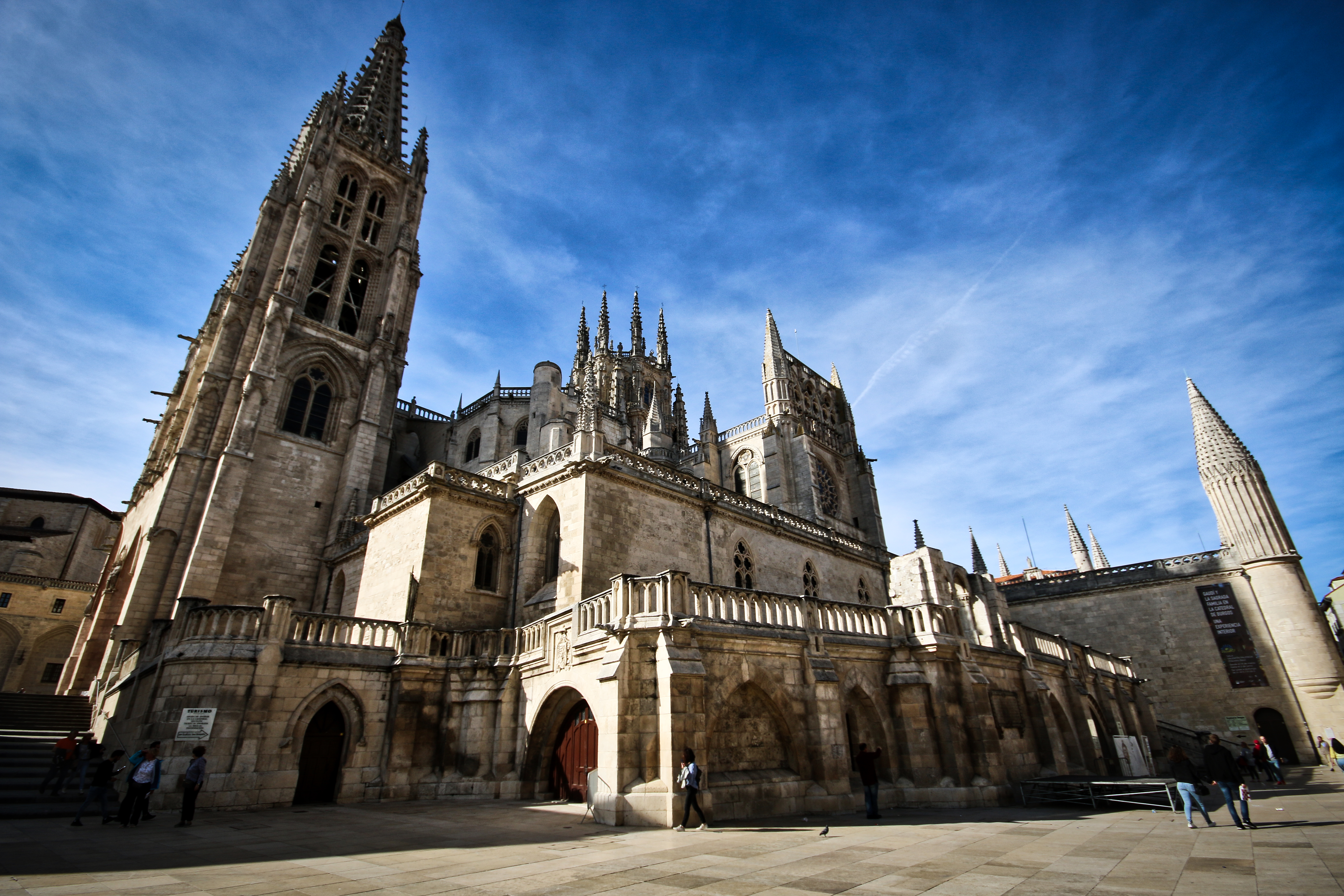
A Masterpiece in Gothic Architecture: The Cathedral of Burgos

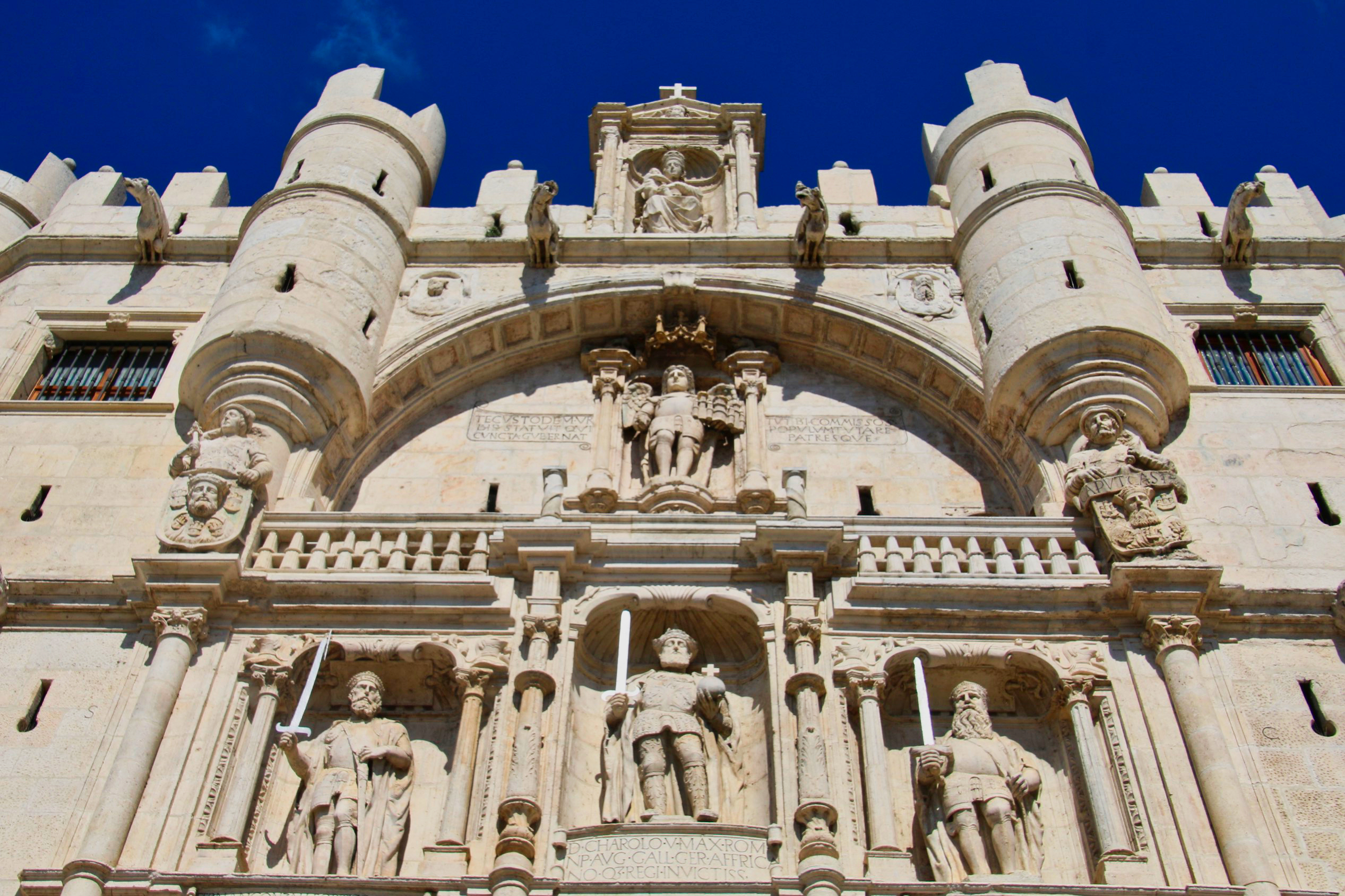
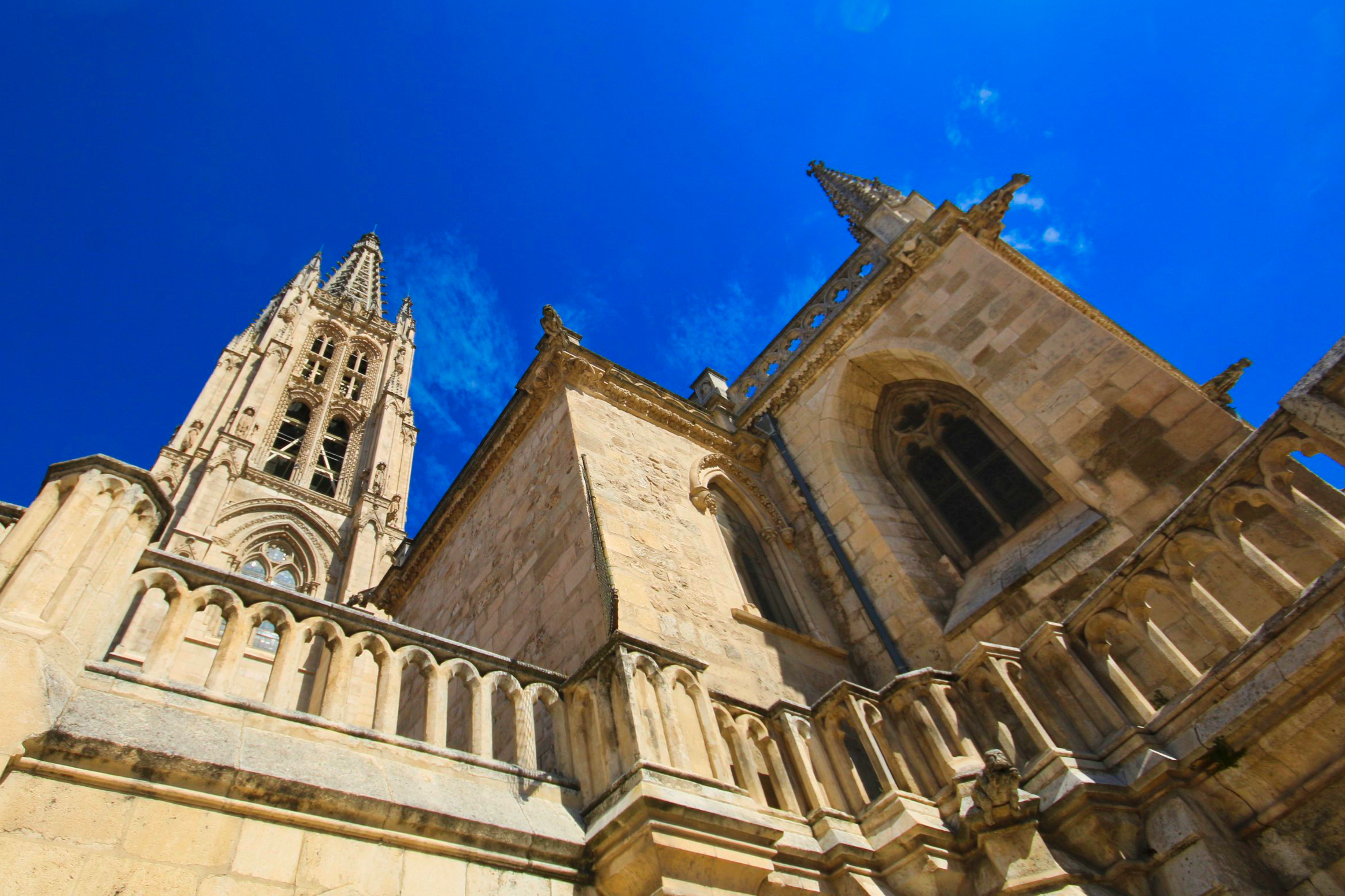
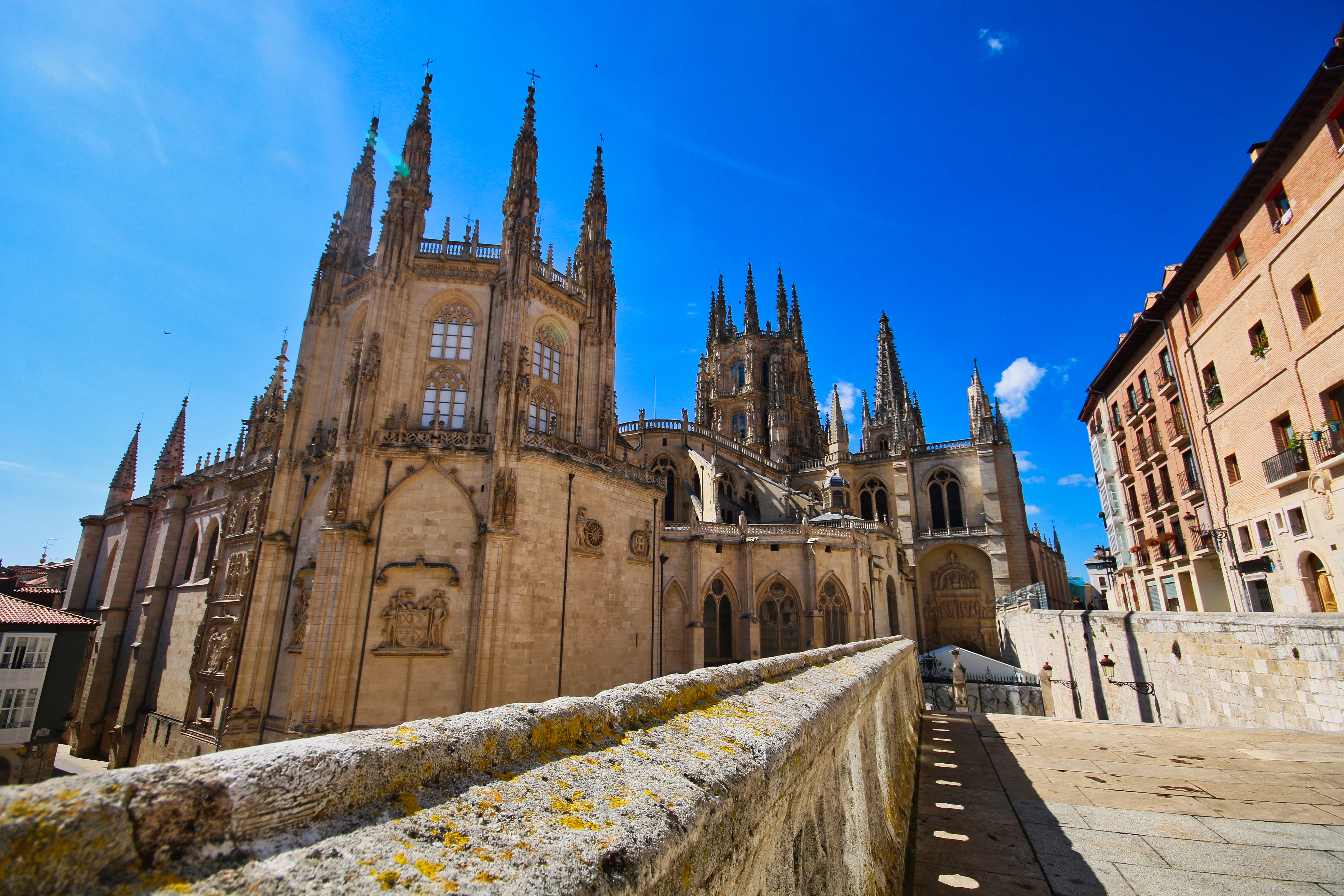
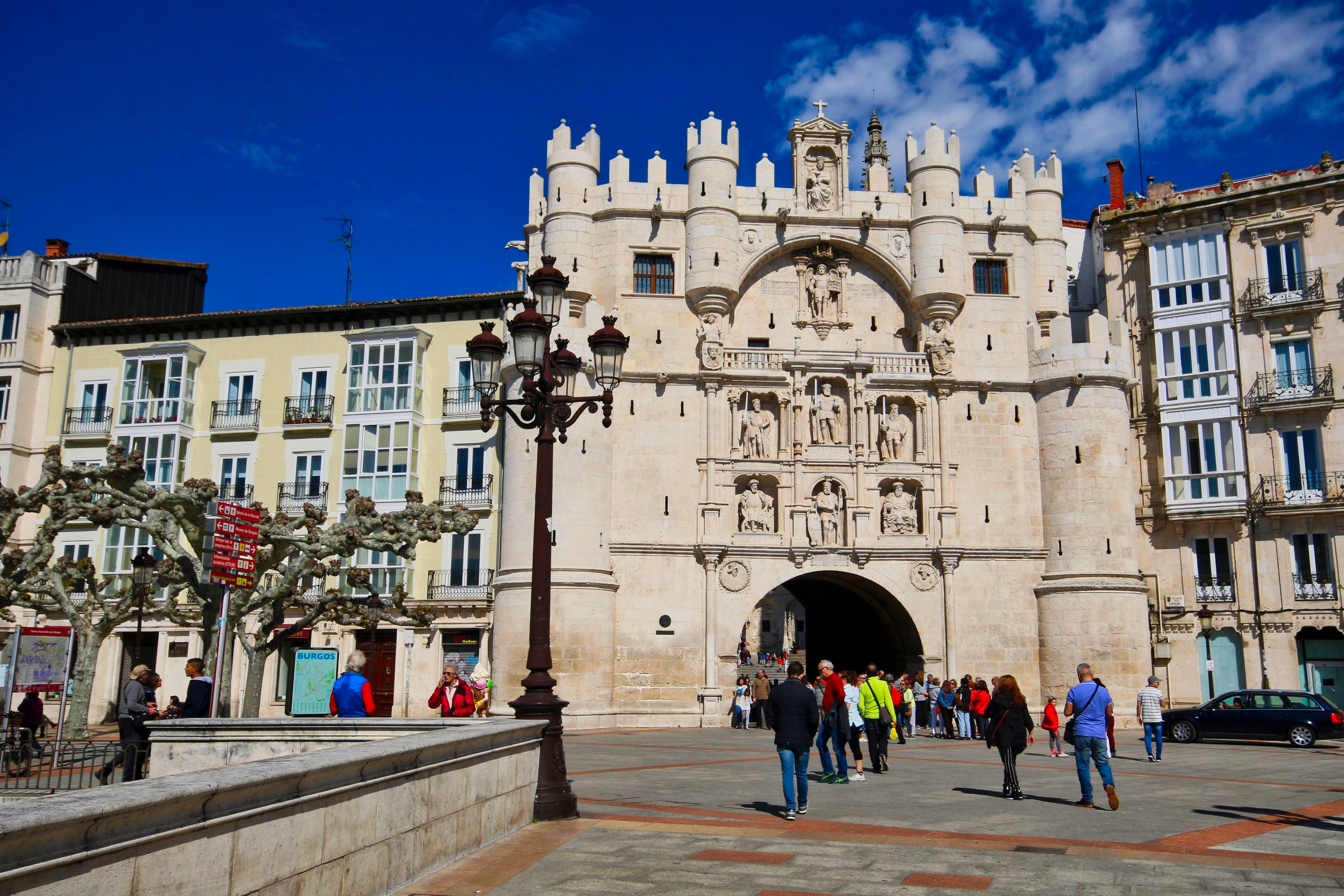
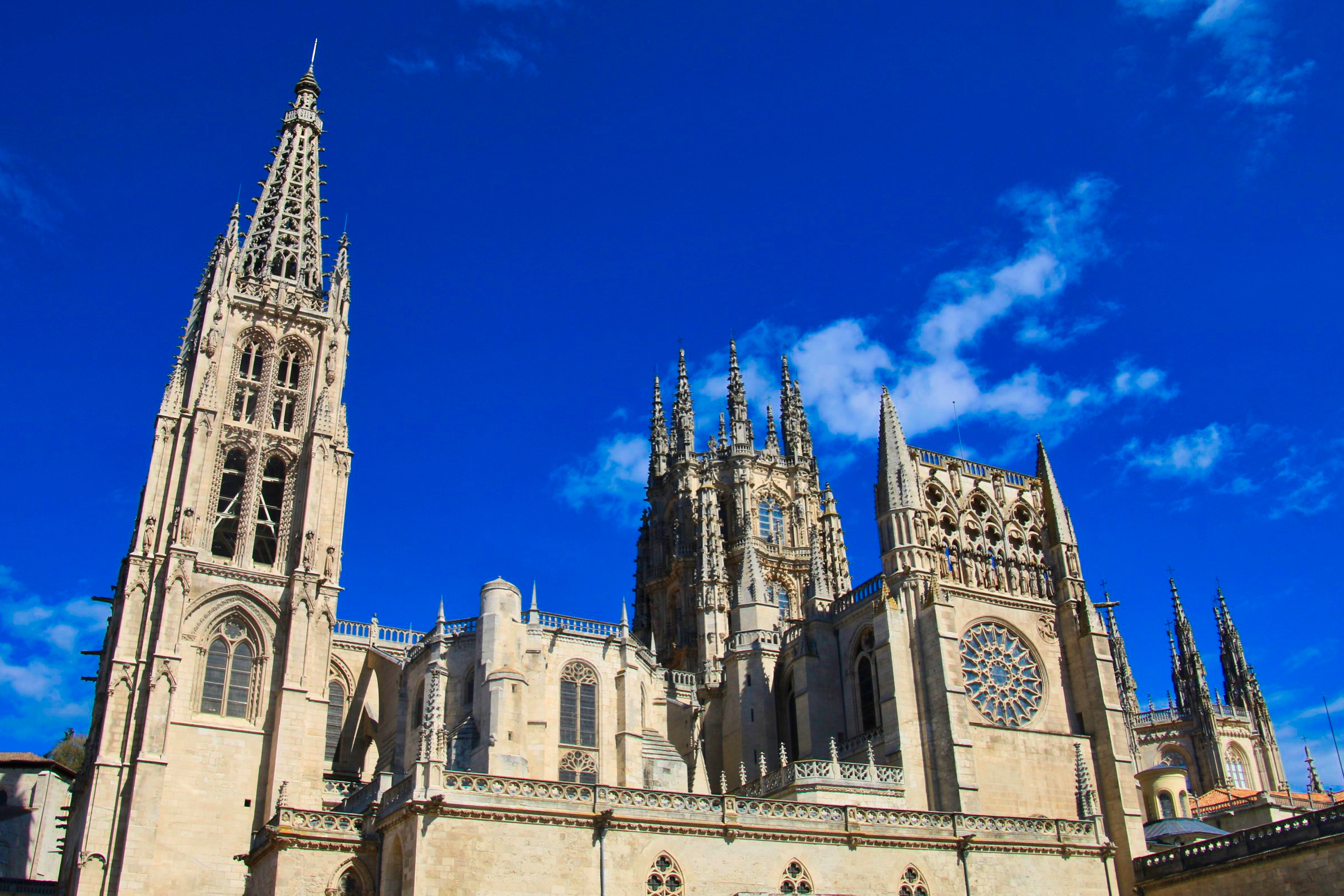
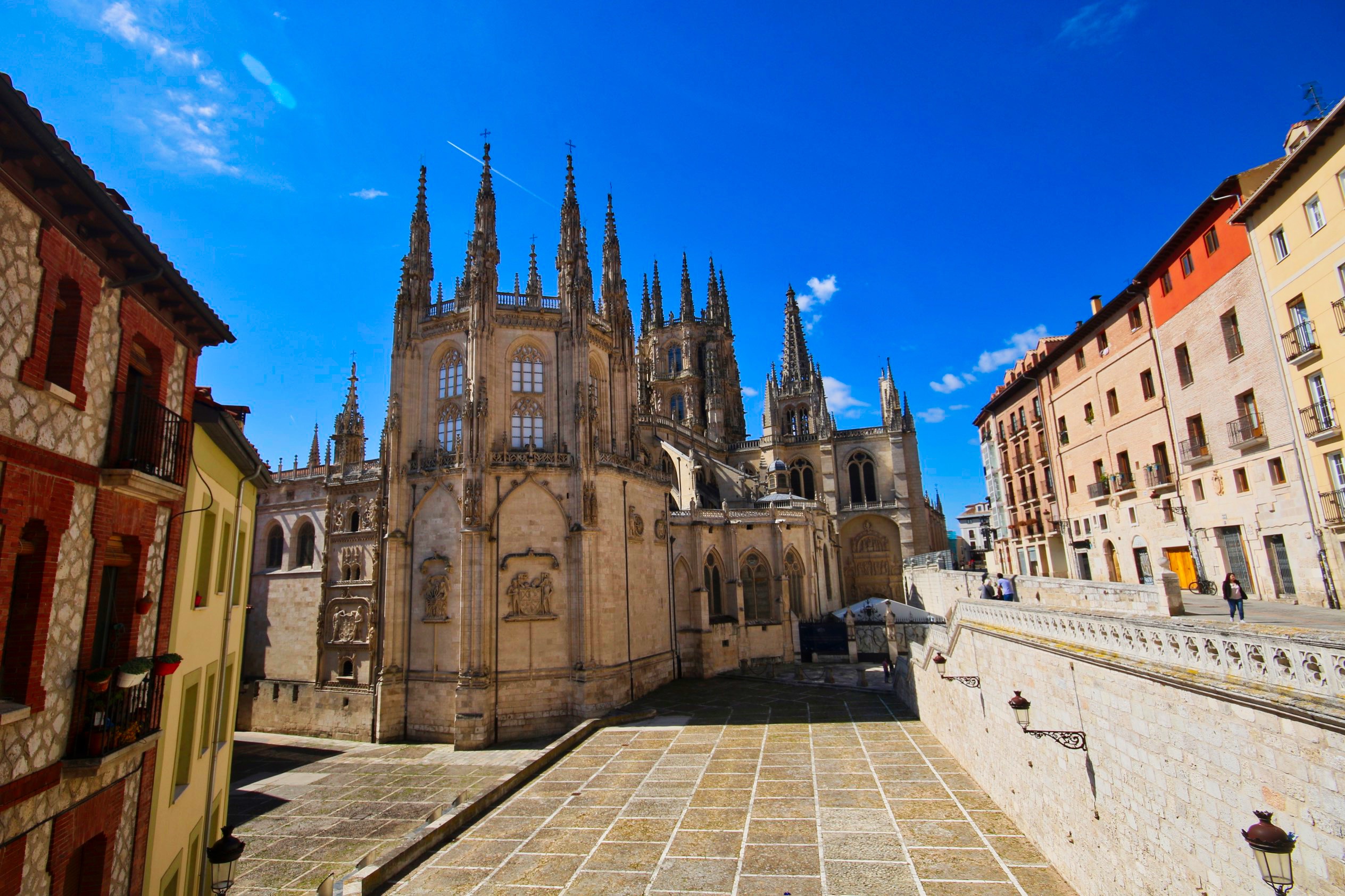
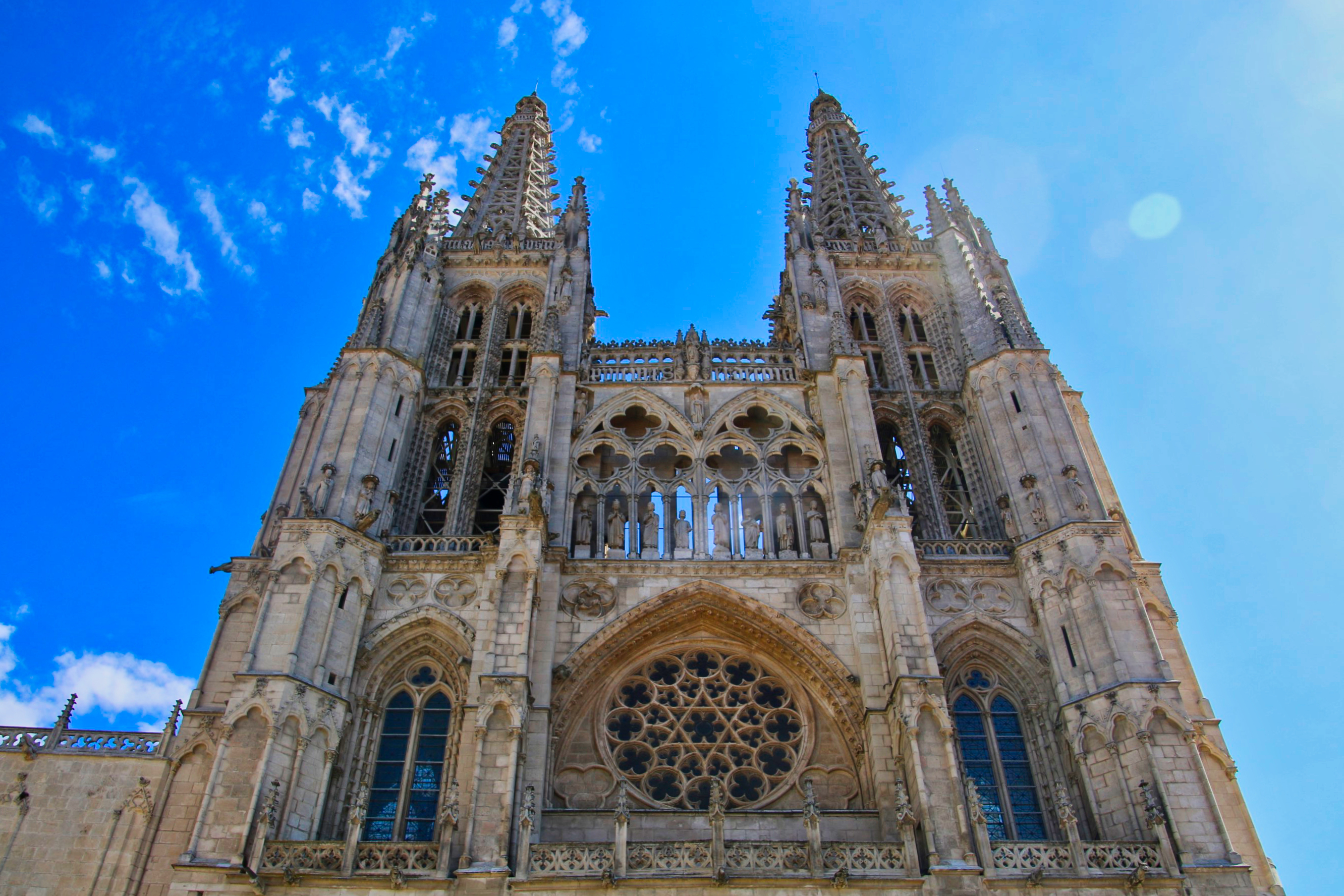
I am fortunate enough to have a job enabling me to travel a lot around Europe. Concerning architecture and different architectural styles, it is a prosperous and exciting continent. Two historical architectural styles in particular are very distinct and closely linked to European history: The styles of Baroque and Gothic. While the baroque style is very opulent, colorful, and somewhat playful, the style of the French Sun King in the 17th century and the glorious Catholic church of its time, Gothic, on the other hand, is very different. It is a somewhat dark style, with many goblins and trim colors. Everything reaches as high as to touch God himself. The light is filtered and restricted through beautiful stained glass; the only energy source is the Almighty. One of the most beautiful examples of Gothic architecture must be the grandiose Cathedral of Burgos, Spain, consecrated in 1260 and still as impressive as it must have been to the people living almost 800 years ago. A masterpiece.

test