Skip to content

Discovering the Alps

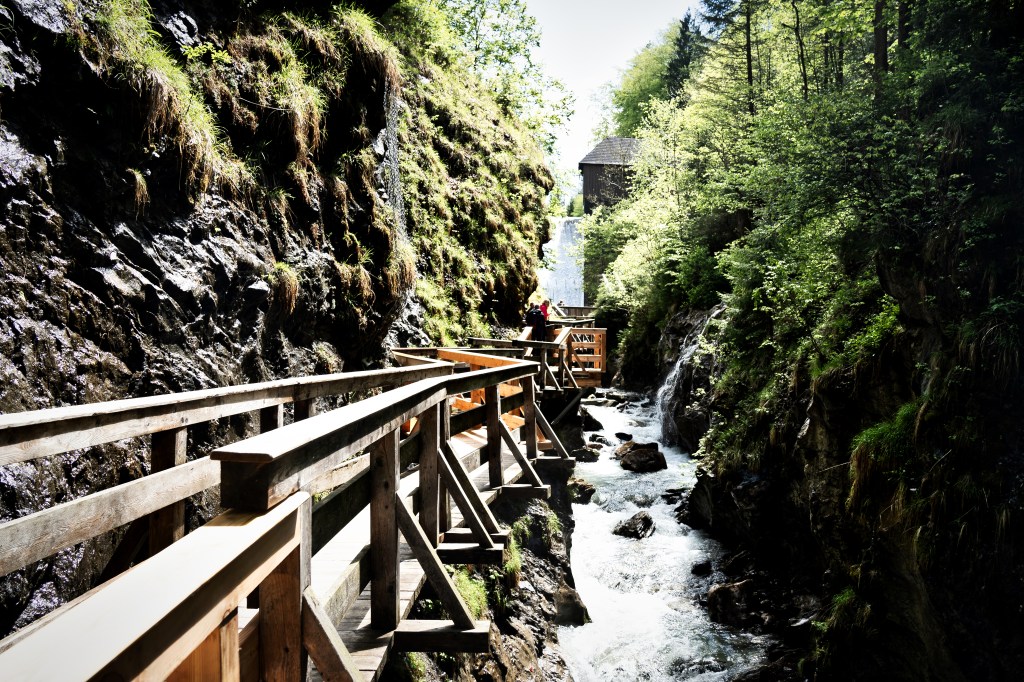
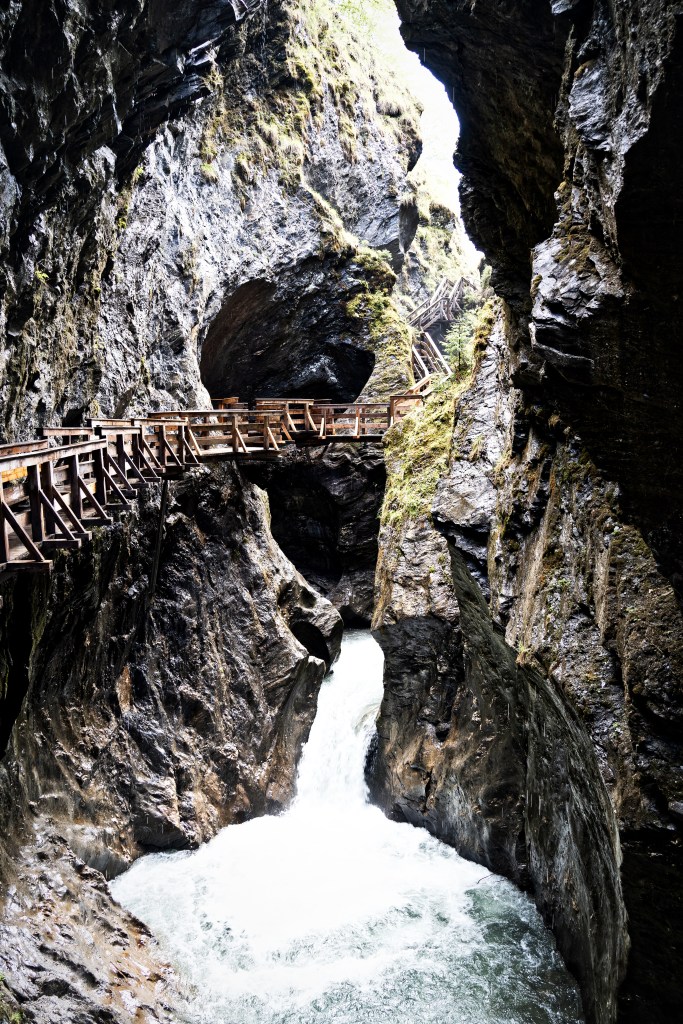
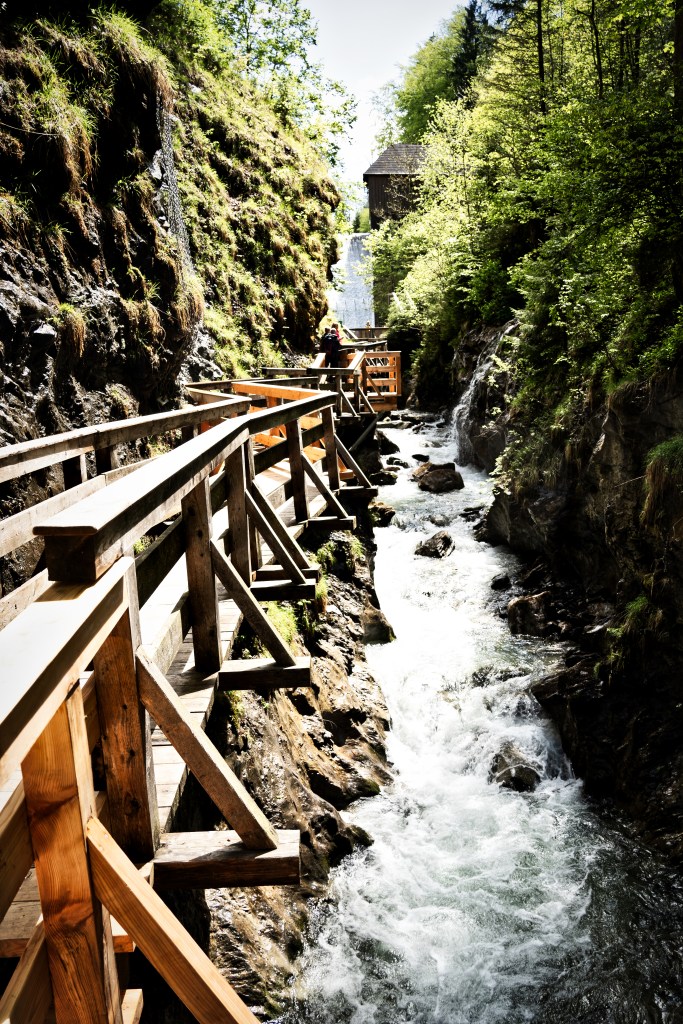
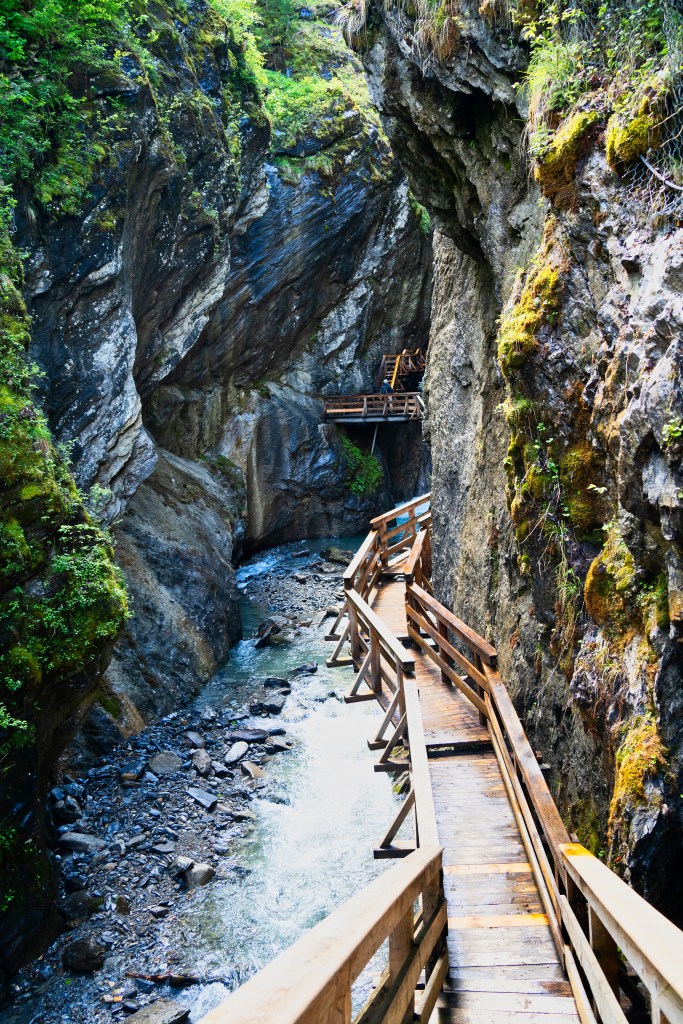
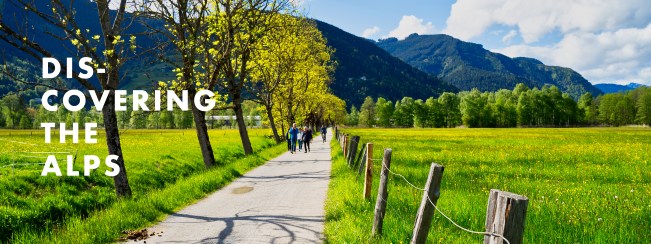
The European Alps have countless valleys, plateaus, mountain ranges, and lakes. It is a vast landscape covering large parts of Central Europe. In between this, streams make their way through the gorges and passes. Some of them, such as the Sigmund-Thun-Klamm close to Kaprun, can be visited. Wooden walkways span this gorge, surmounting several waterfalls. The network of walking trails in the Alps is rich and far-reaching. It traverses all the different terrains, so the region can be experienced from all different perspectives and habitats.

Nature of Zell am See

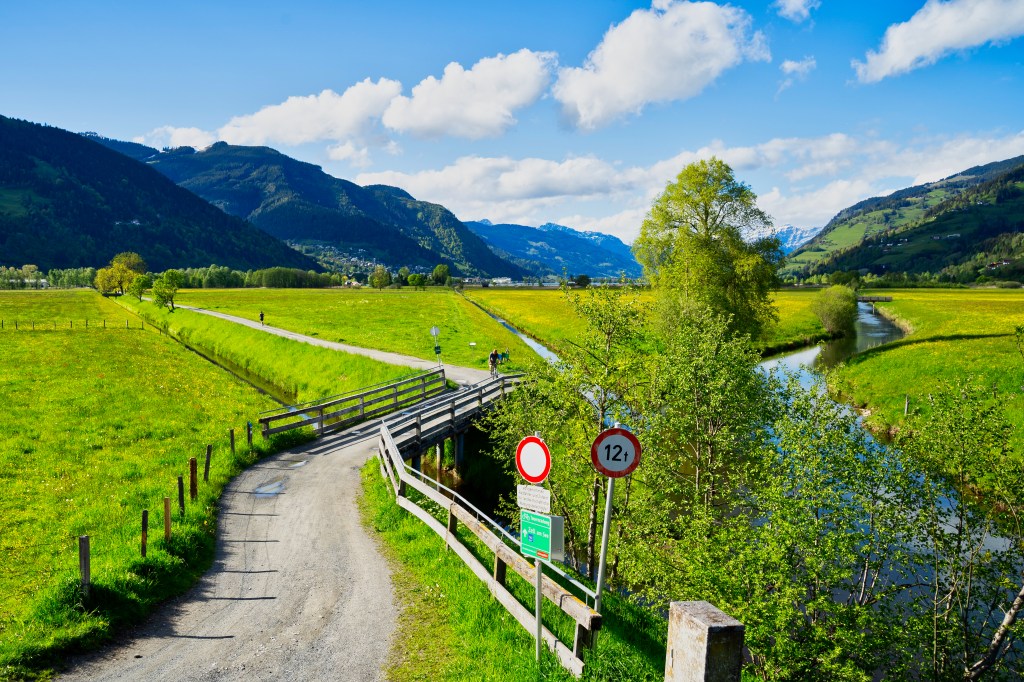
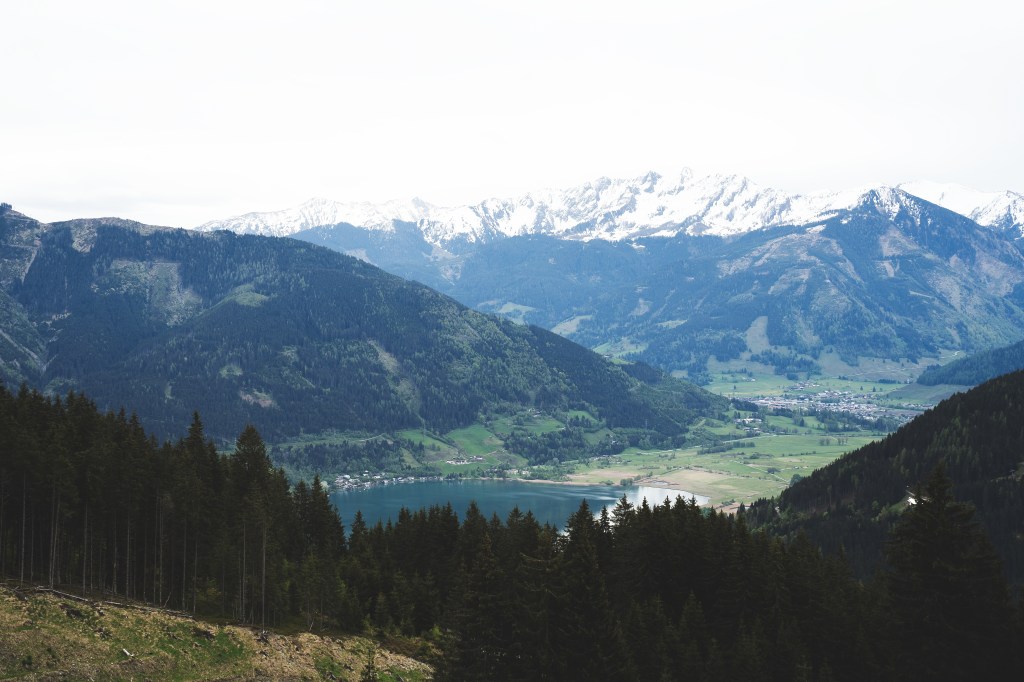
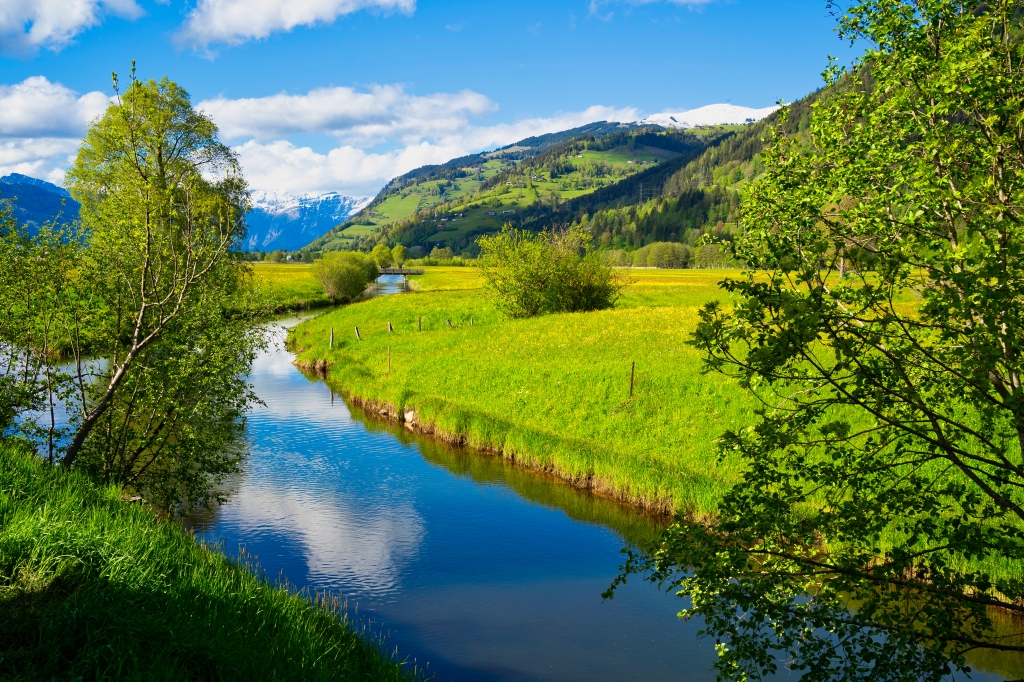
The surroundings of Zell am See are characterized by diverse natural habitats, reaching from the lake itself to a wide array of swamps and grasslands. The higher you go the more nature is changing as well. At around 3.000 meters, eternal ice covers the mountaintops; like white rooftops, they stand protective over this magnificent land.

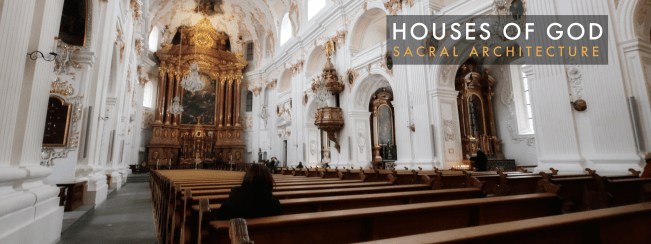
Houses of God: Sacral Architecture in the Alps

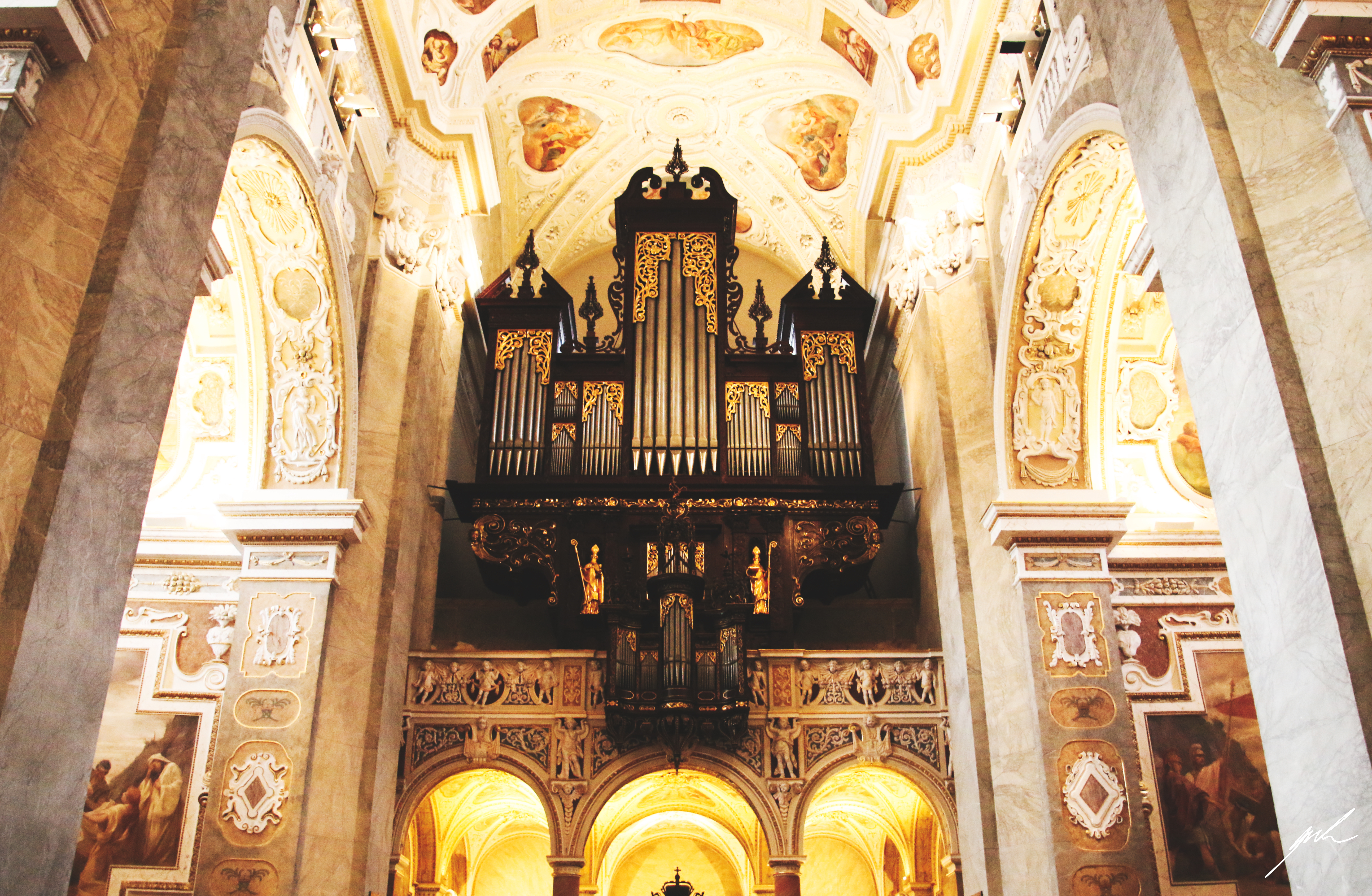
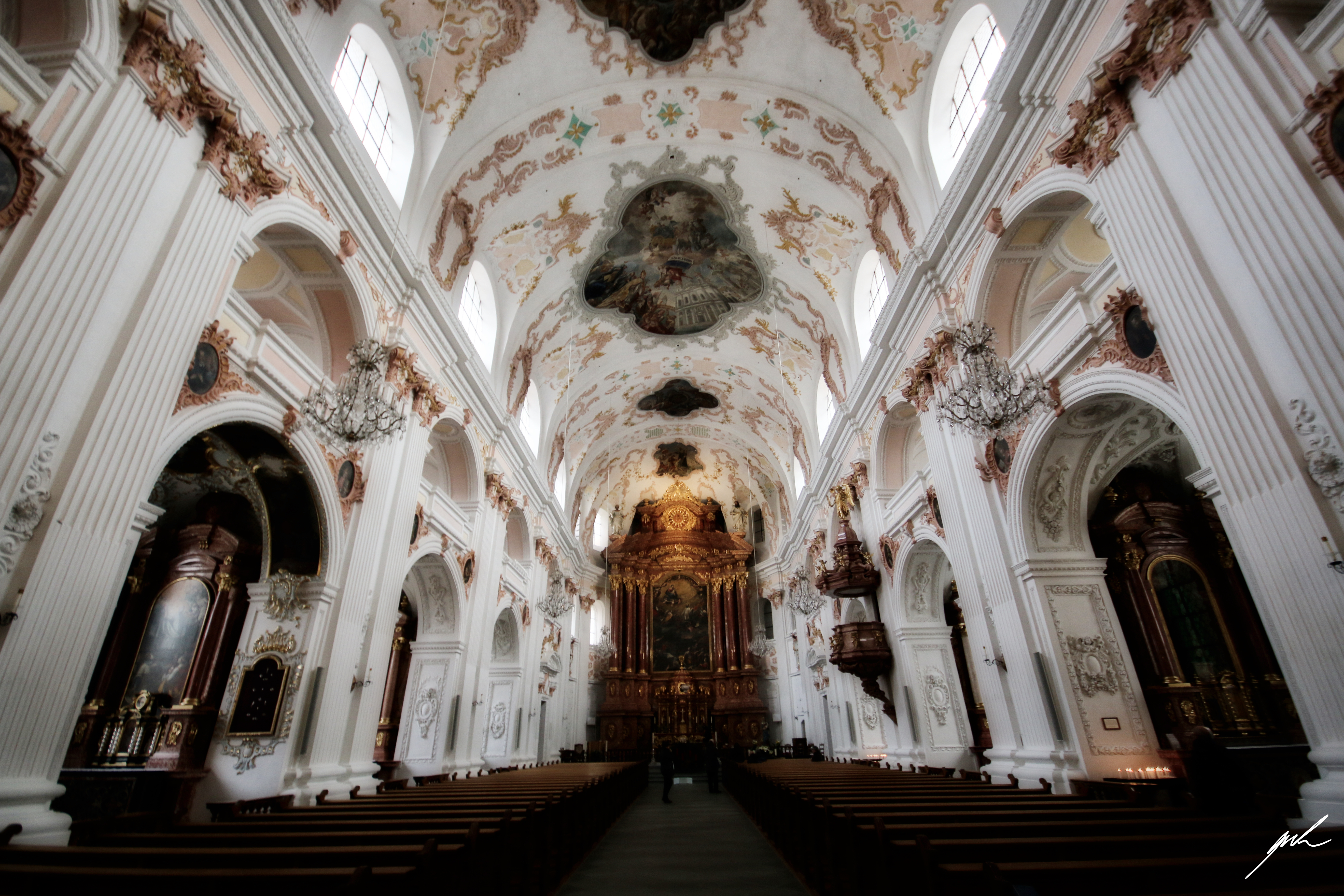
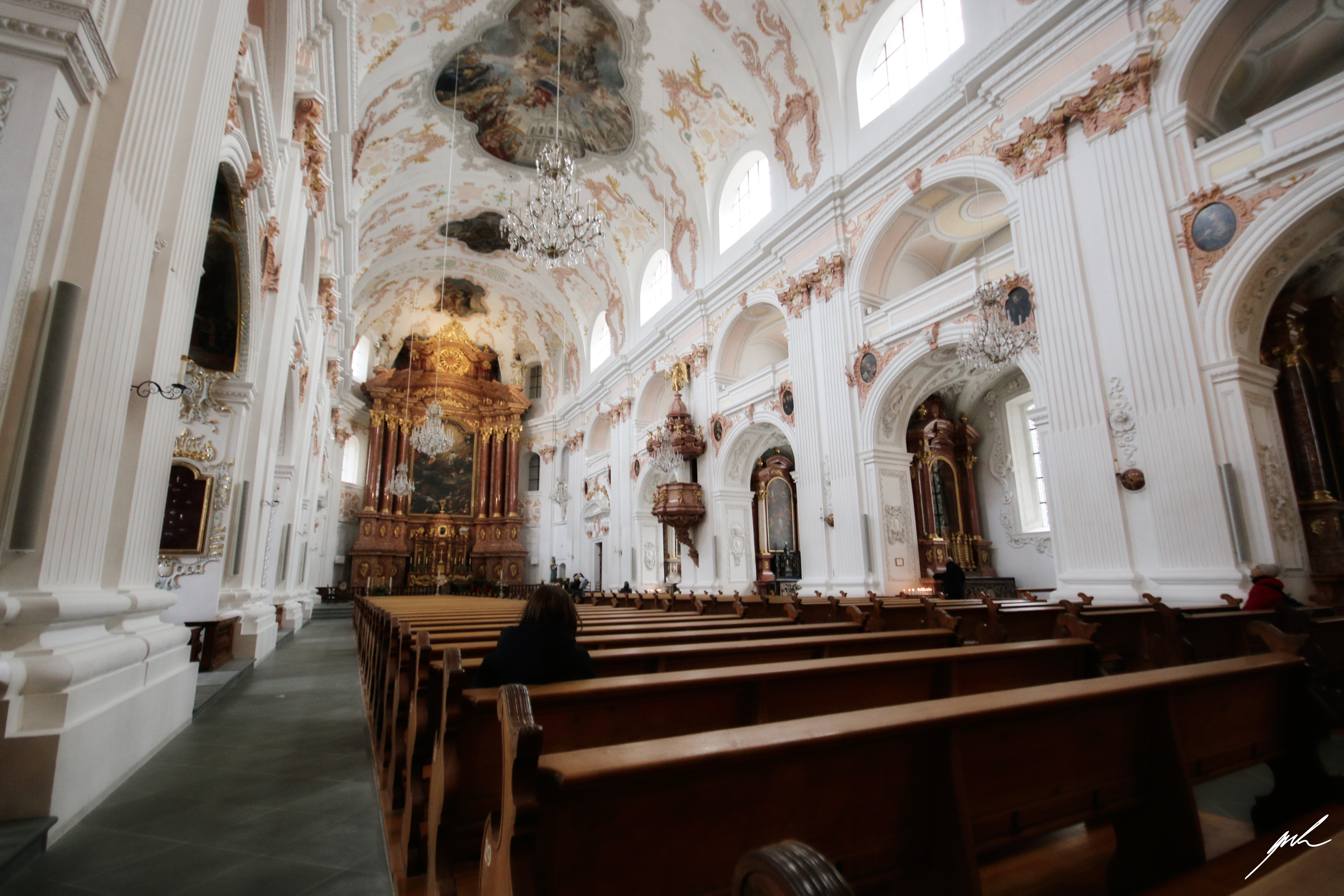
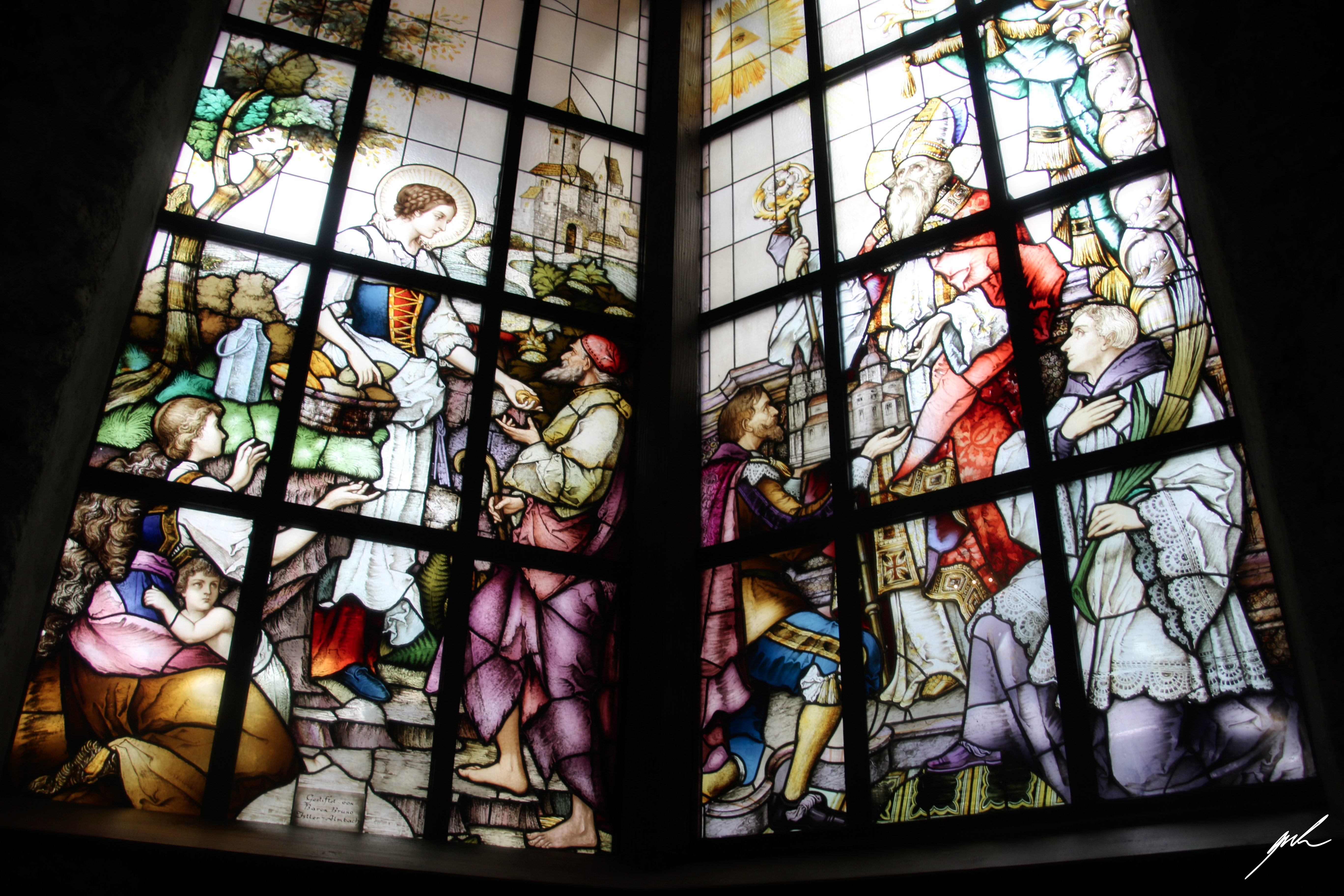
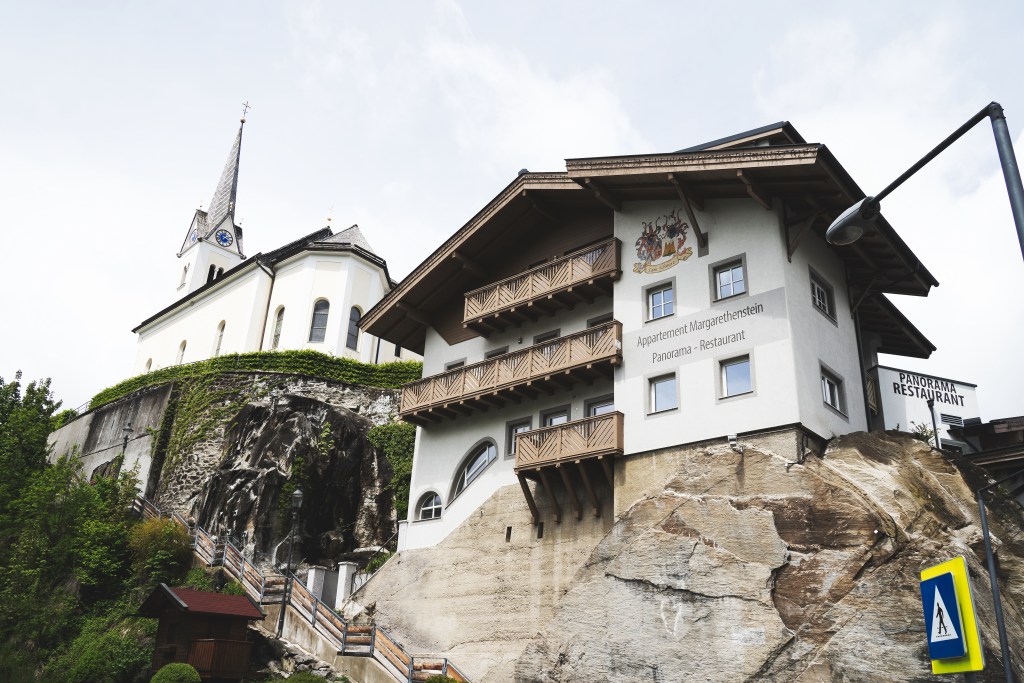
The tradition of sacral buildings in the Alps is far-reaching. The oldest churches in the region date from the 7th and 8th centuries, but the heyday for building activities was the 18th century. It was a time in the region’s history when grandiose architecture with rich decoration was built to combat the rivaling religious ideology of Protestantism from the north. While protestant churches tended to be more plain and unpretentious, Catholicism went in the other direction. Churches became palaces for God, becoming ever more impressive with marvelous wall paintings and detailed glass windows. Another essential element of Baroque sacral architecture was organs larger than life, richly decorated, and with a unique sound range. Some impressions from the region.


1


Zell am See: Lake in the Alps

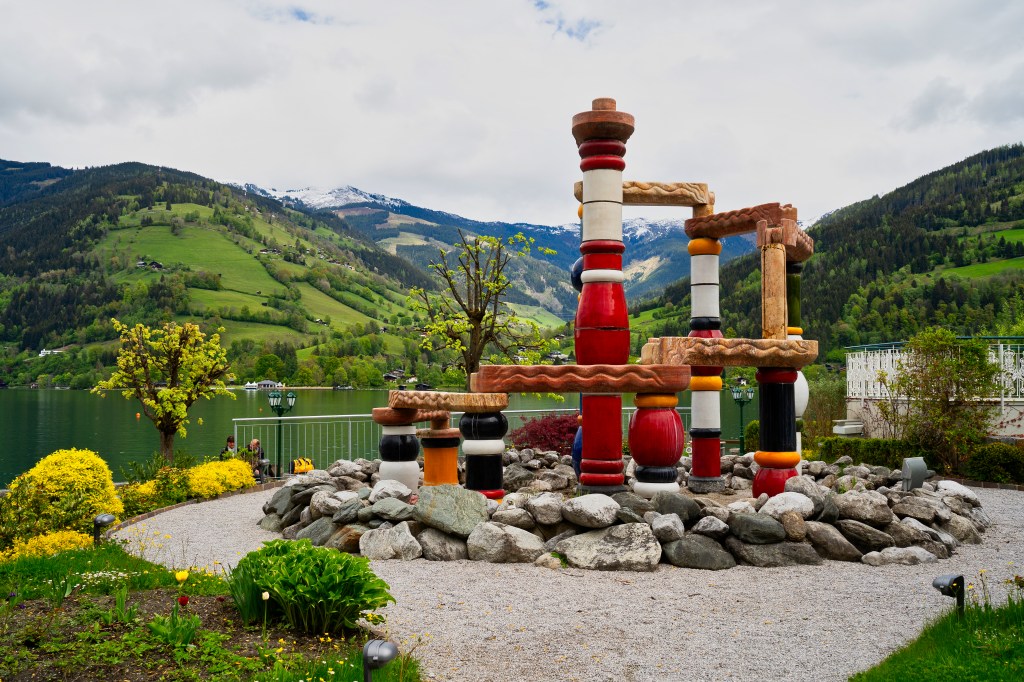
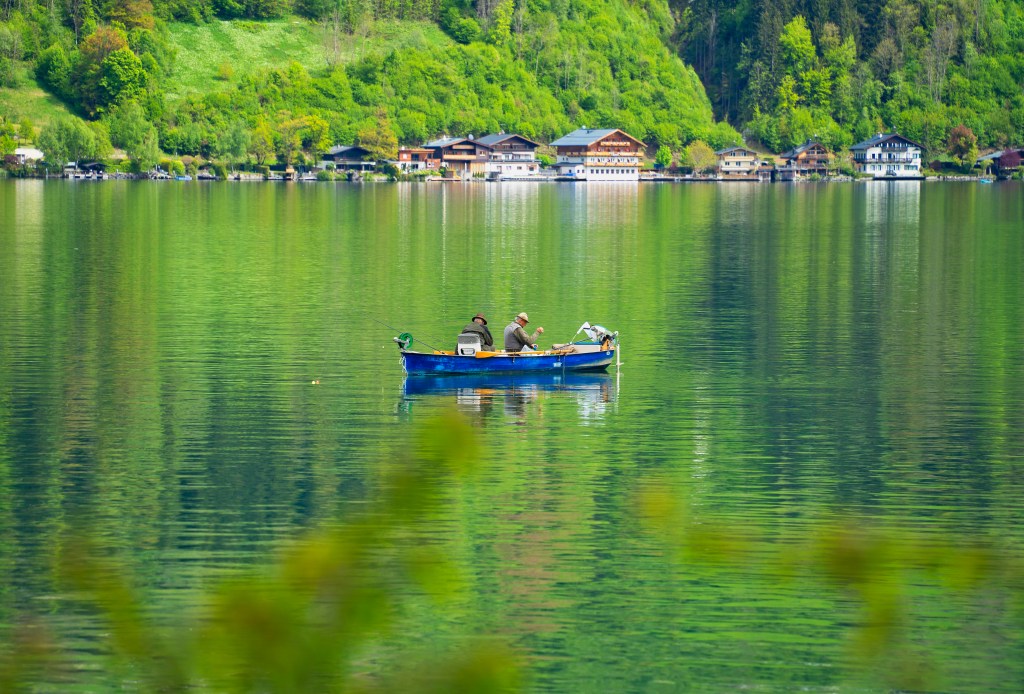
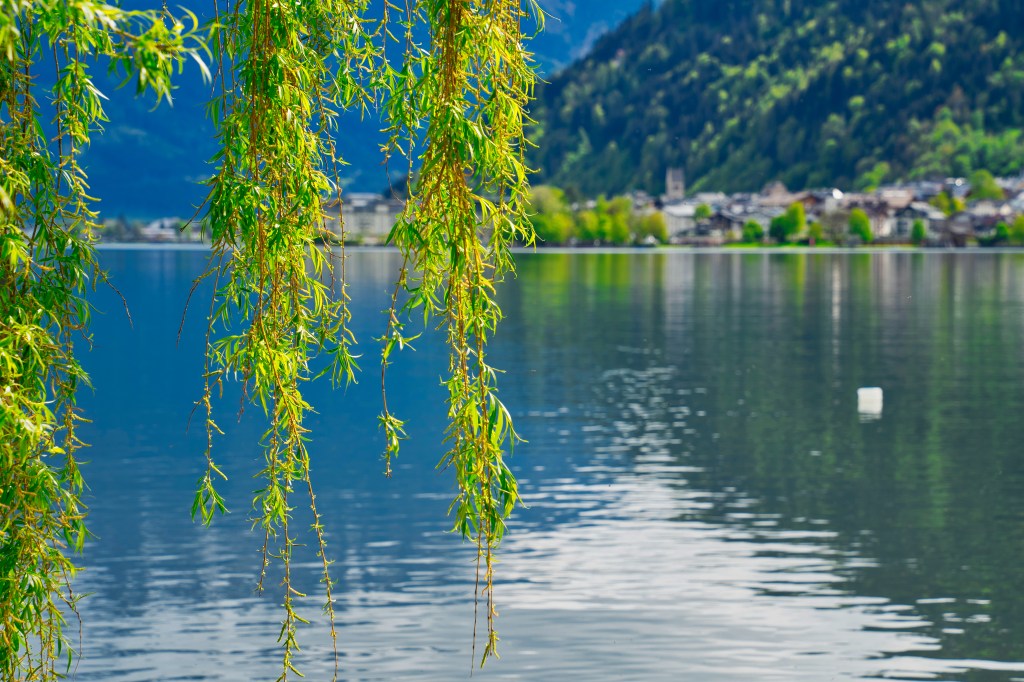
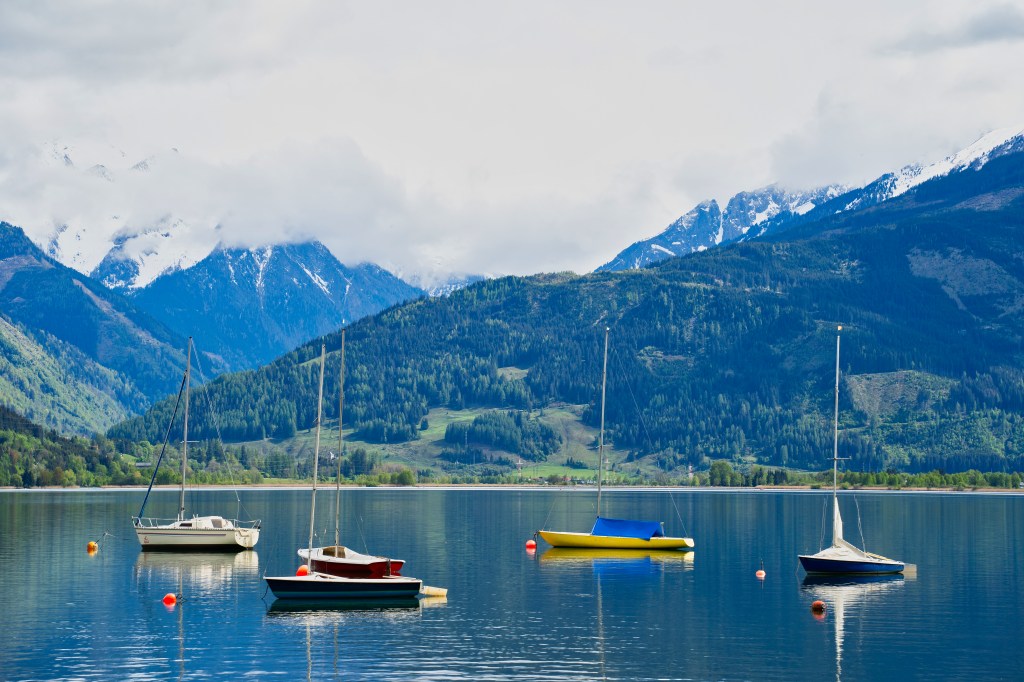
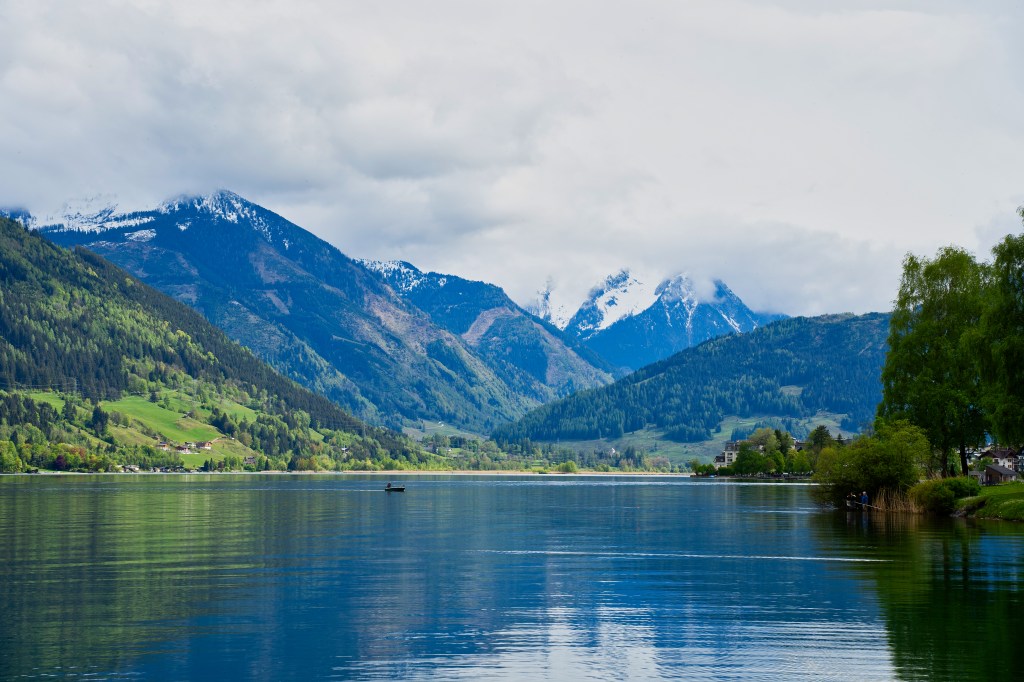
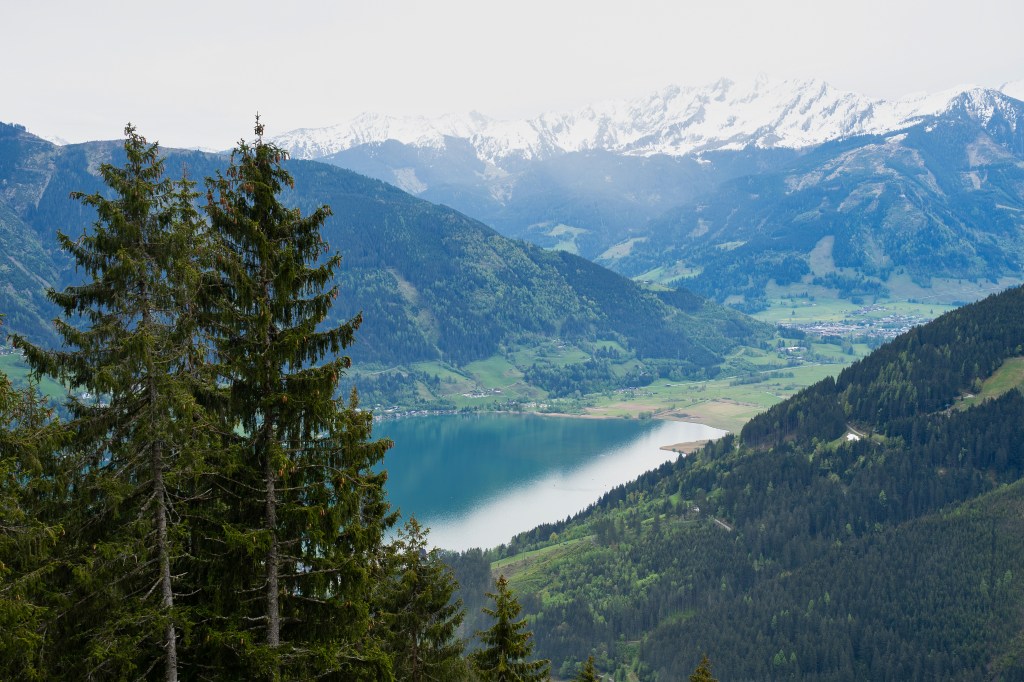
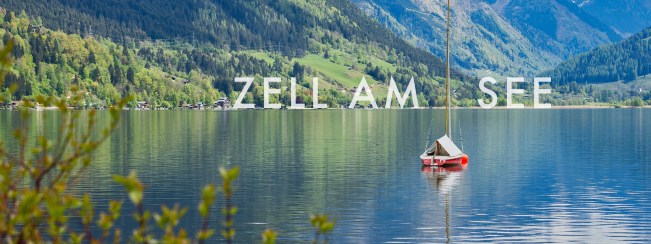
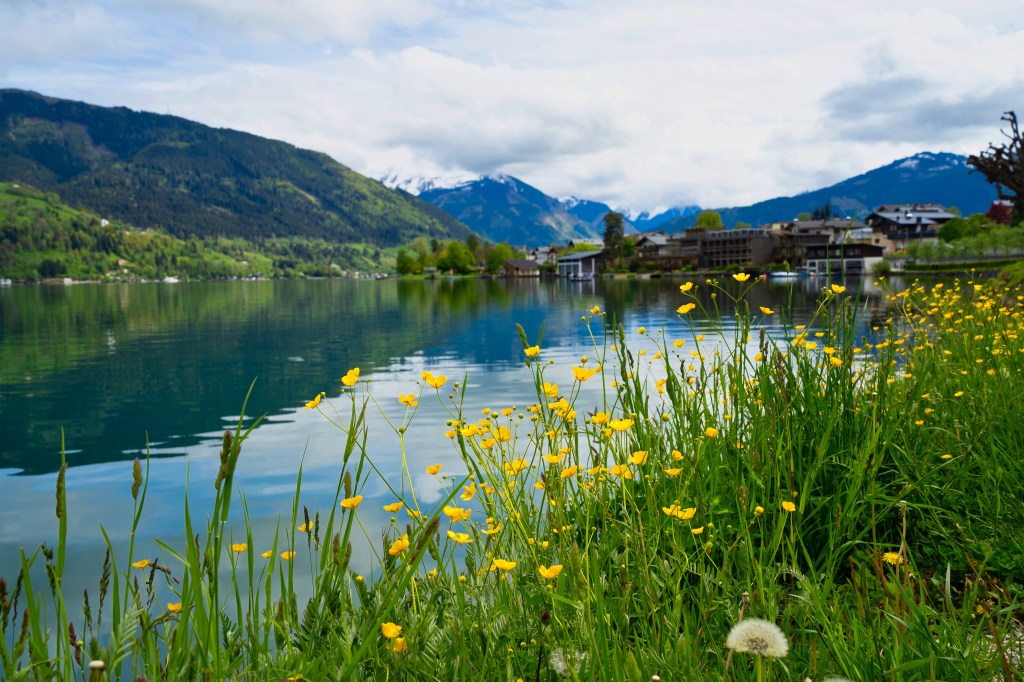
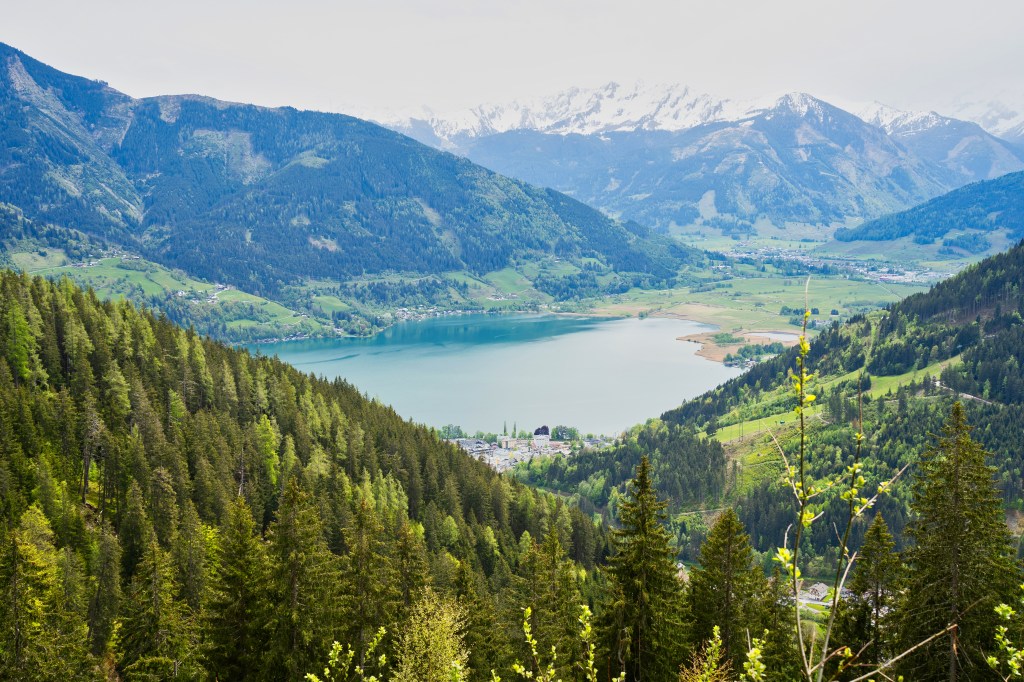
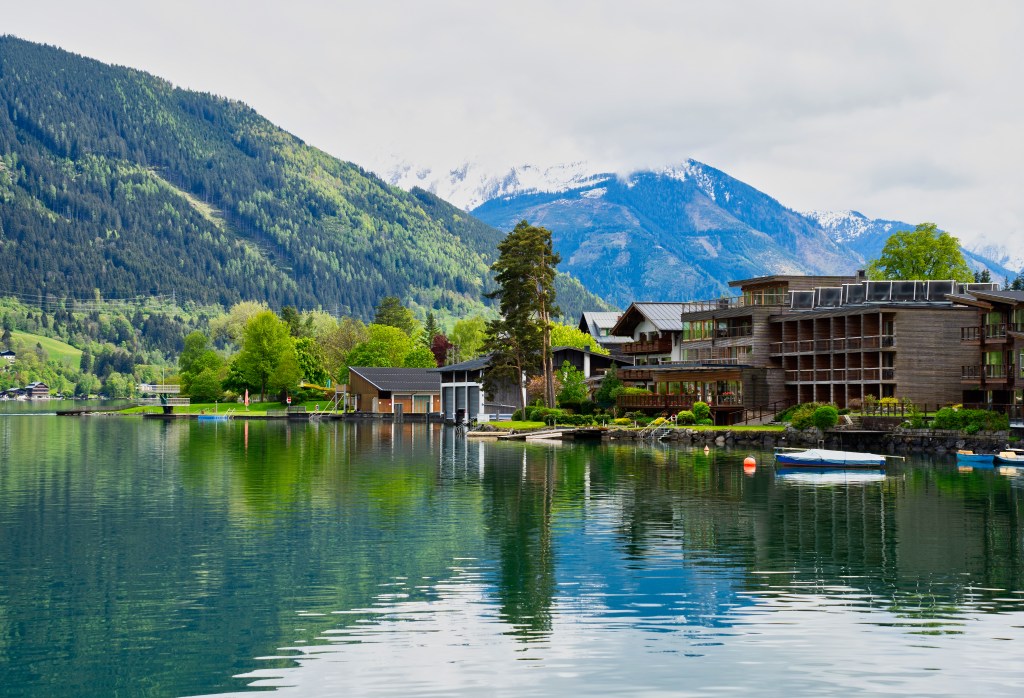
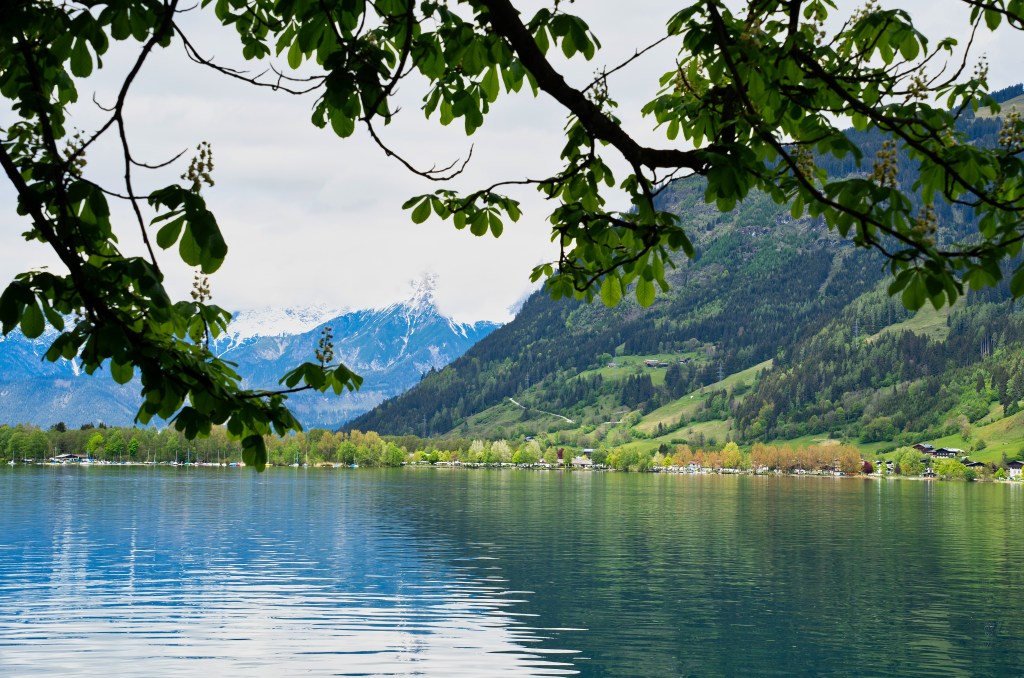
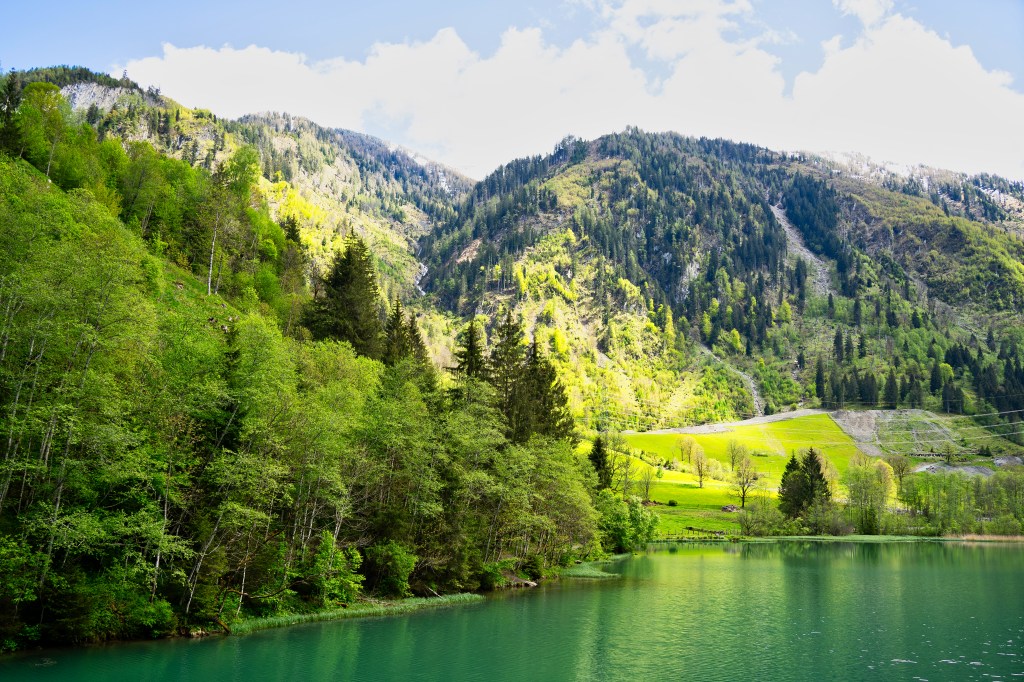
The Lake of Zell (“Zeller See”) may not be impressive looking at raw data alone. The lake is pretty small, with a length of 3,8 km and a width of 1,5 km. What makes this body of water so picturesque is the landscape surrounding it. The Lake of Zell is situated amid the Alps with mountains over 3,000 meters in close distance. On bright days, you can see as far as the “Hohe Tauern” mountain range, the largest one in Austria. Situated at the lake’s western shore is a lovely little town with the same name. Starting from here, you can reach the peak of Schmittenhöhe by cable car. The views from atop the lake and the village are magnificent, offering incredible views of the region. Other ways to discover the lake are to take a boat trip across the lake or use the pathway parallel to the shore and bike or walk along.

Kaprun: Town in the Alps

The blog is up and running again!

It was pretty silent here this year and a good part of 2020. For a short time, the website was down altogether. There are a couple of reasons, many of those in connection to the COVID crisis. Most importantly, though, I had no creative energy left for photography. The circumstances are changing, and as the world is beginning to open up again, my motivation for attempting creative endeavors is also coming back slowly but surely. A more hands-on reason for updates is new gear. I switched from a Canon 70D to Sony. A Sony C7, to be precise. It has some advantages for travel and landscape photography because of its handiness. For now, I just have one travel lens, so it is a new experience and a little bit of a challenge to focus solely on photography with one particular lens (although the range is quite broad, to be fair). Anyway, the point is that http://www.michaelhoffman.at is back and will be updated regularly. I will try to stick to a once-per-week update scheme, but we will see how things go. 

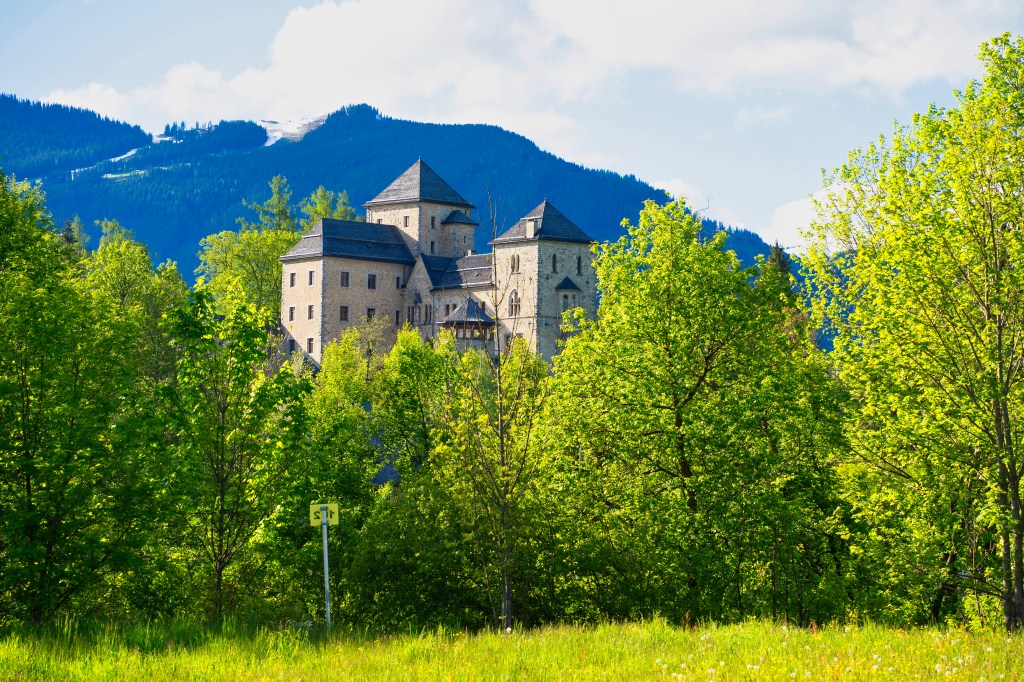
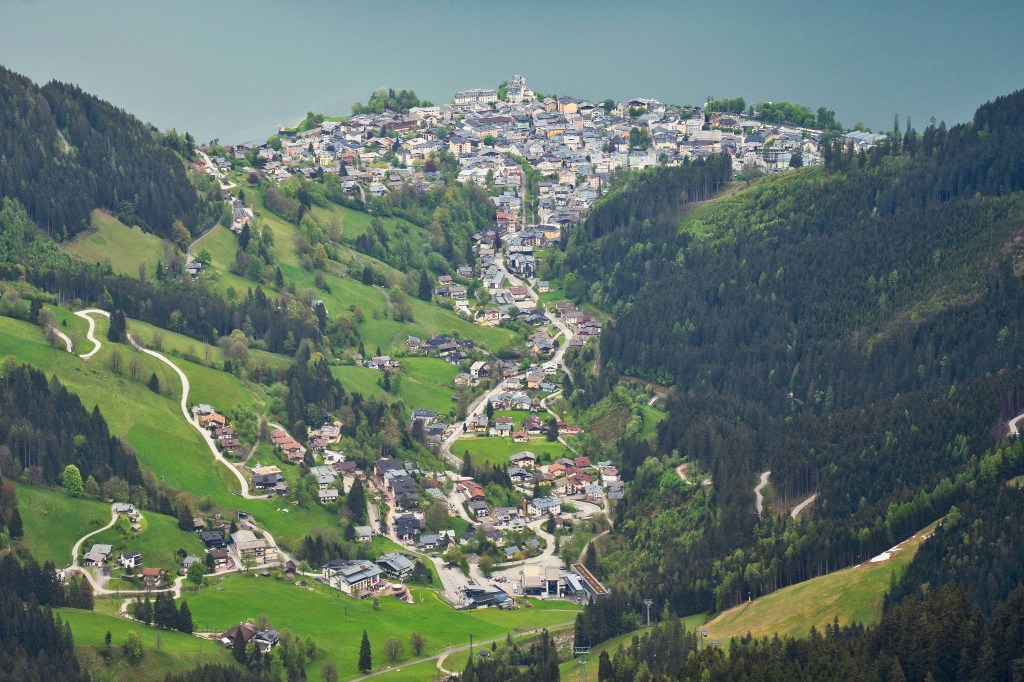
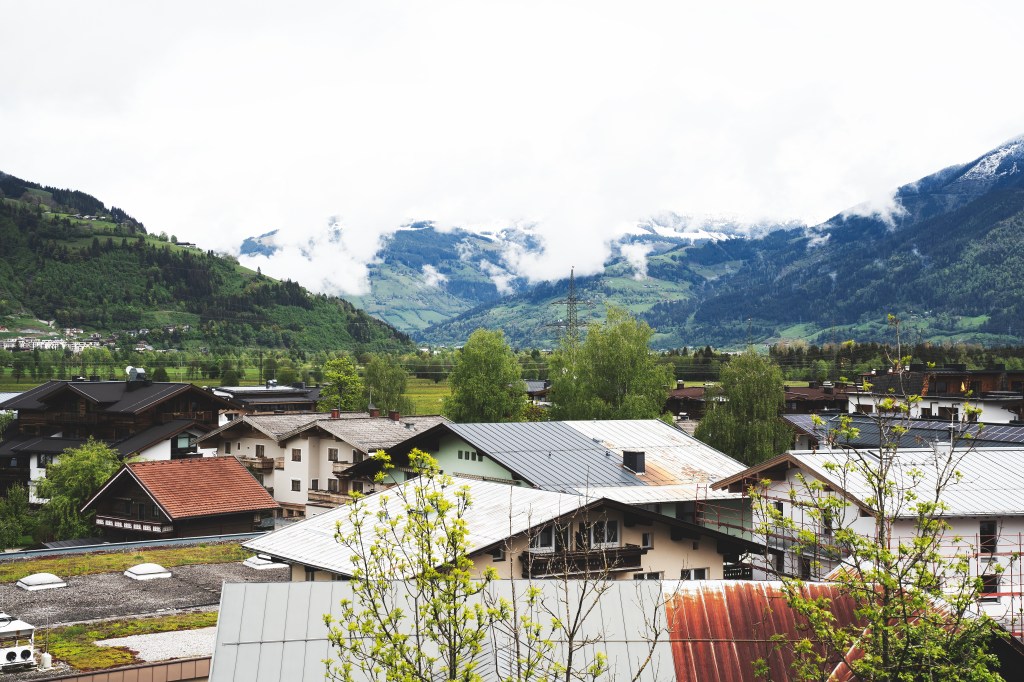
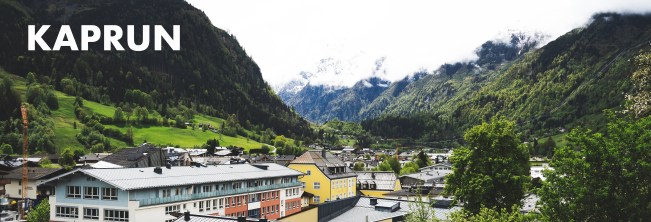
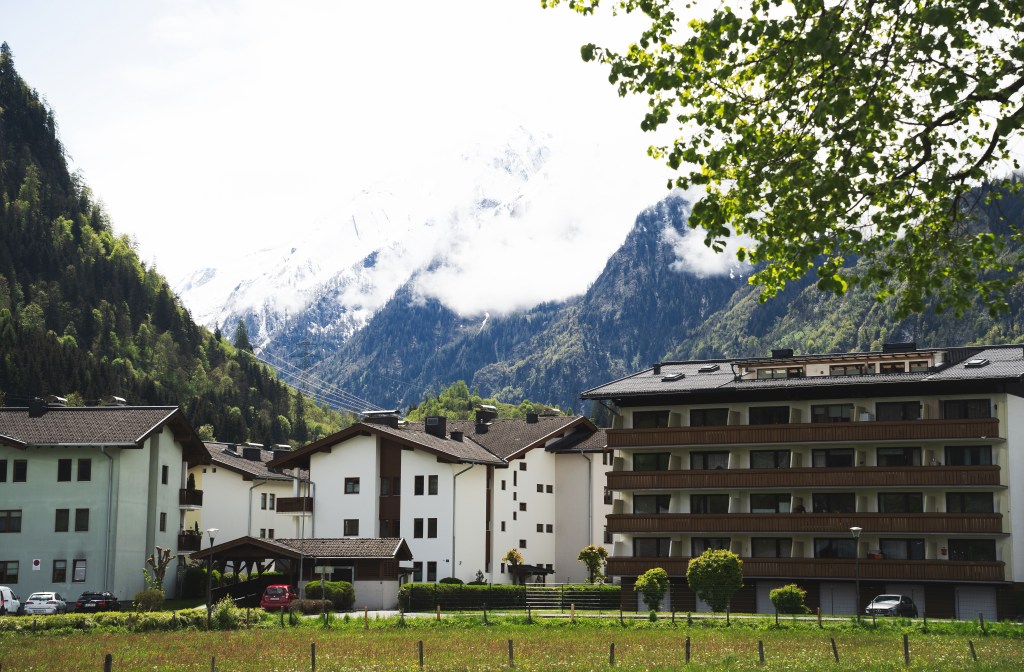
I want to start with a trip to Zell am See and Kaprun, which I will cover in separate albums. The first one is dedicated to the town of Kaprun, which is lovely by itself. Situated in the midst of the Austrian alps, it offers fantastic views of the surrounding mountain ranges and the characteristic charm of a traditional town in this region of Europe. Although the weather was unusually cold and cloudy at our time of visit in May, the few rays of sunshine were sufficient to shine a light on the beautiful nature of the region.

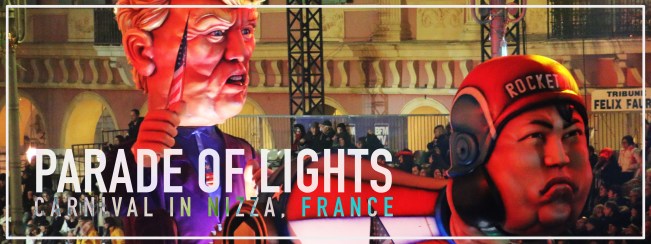
Parade of Lights: Carnival in Nizza

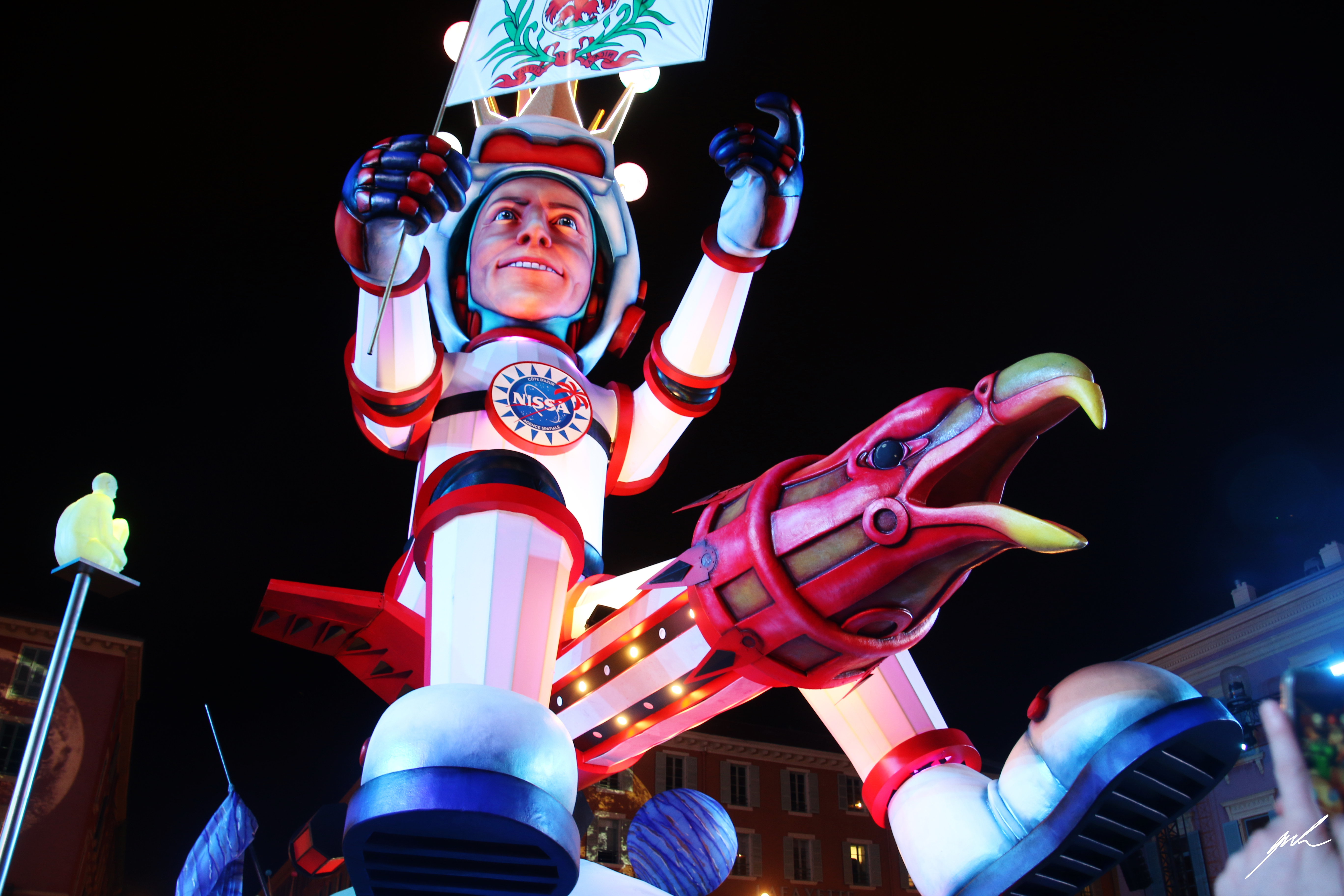
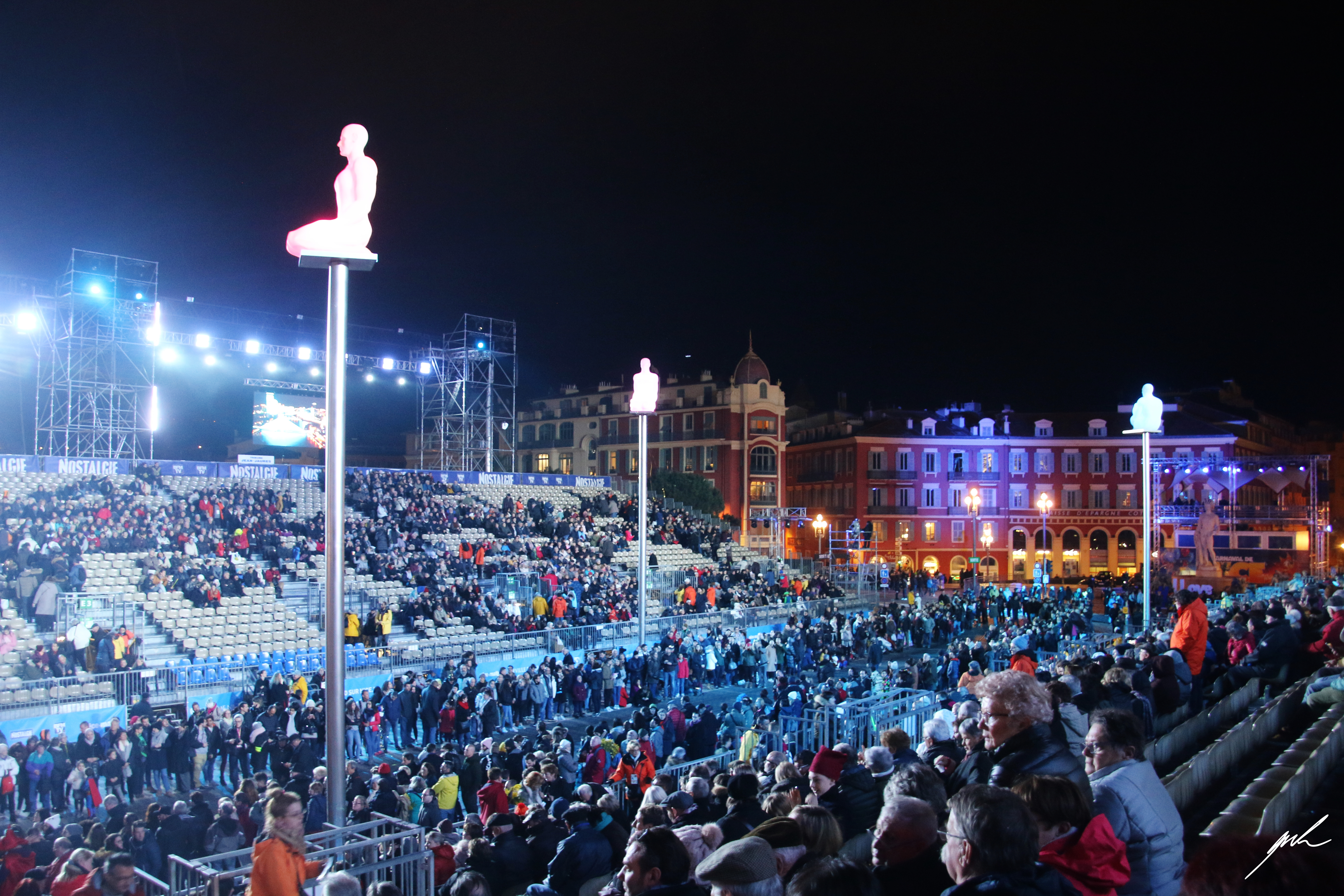
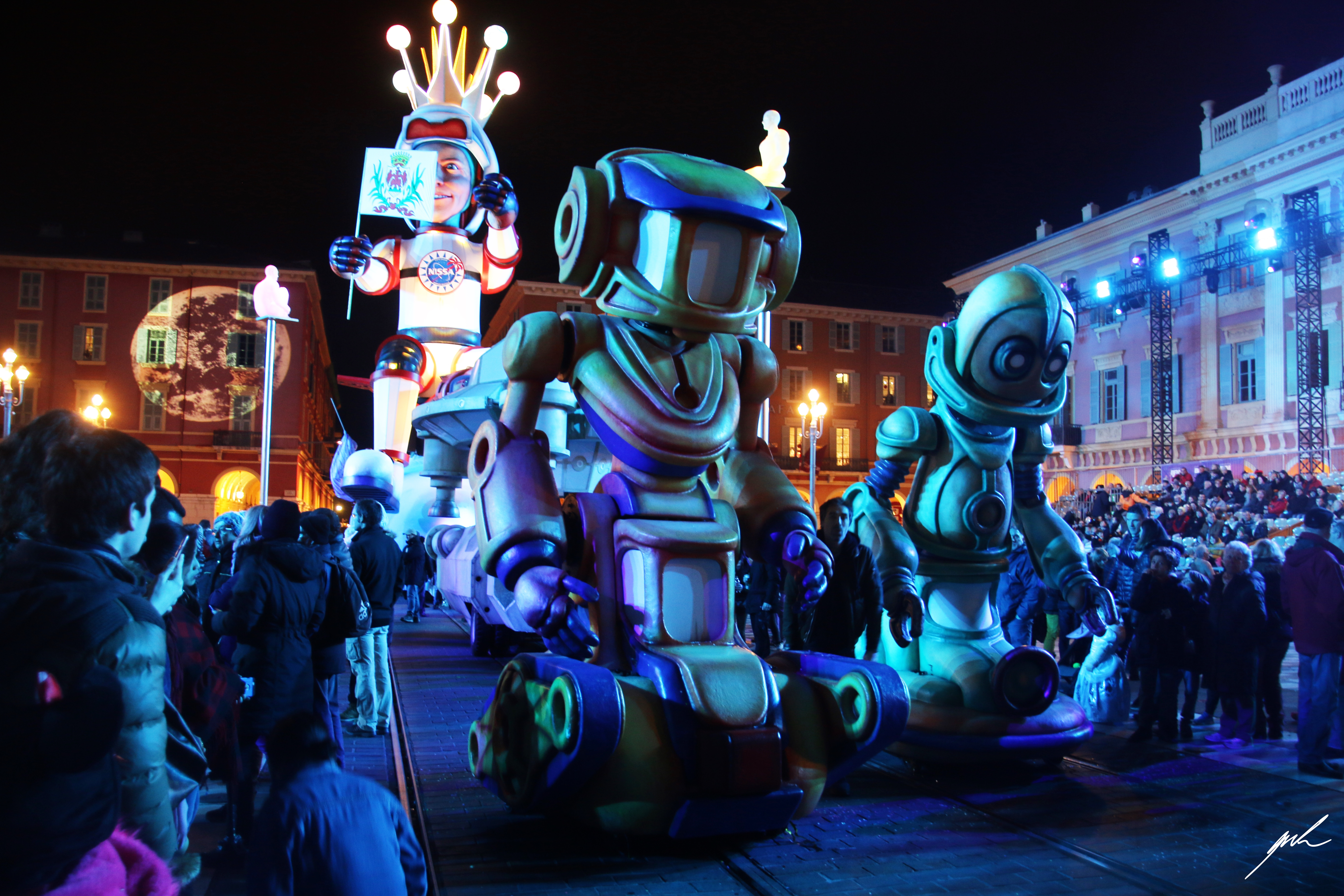
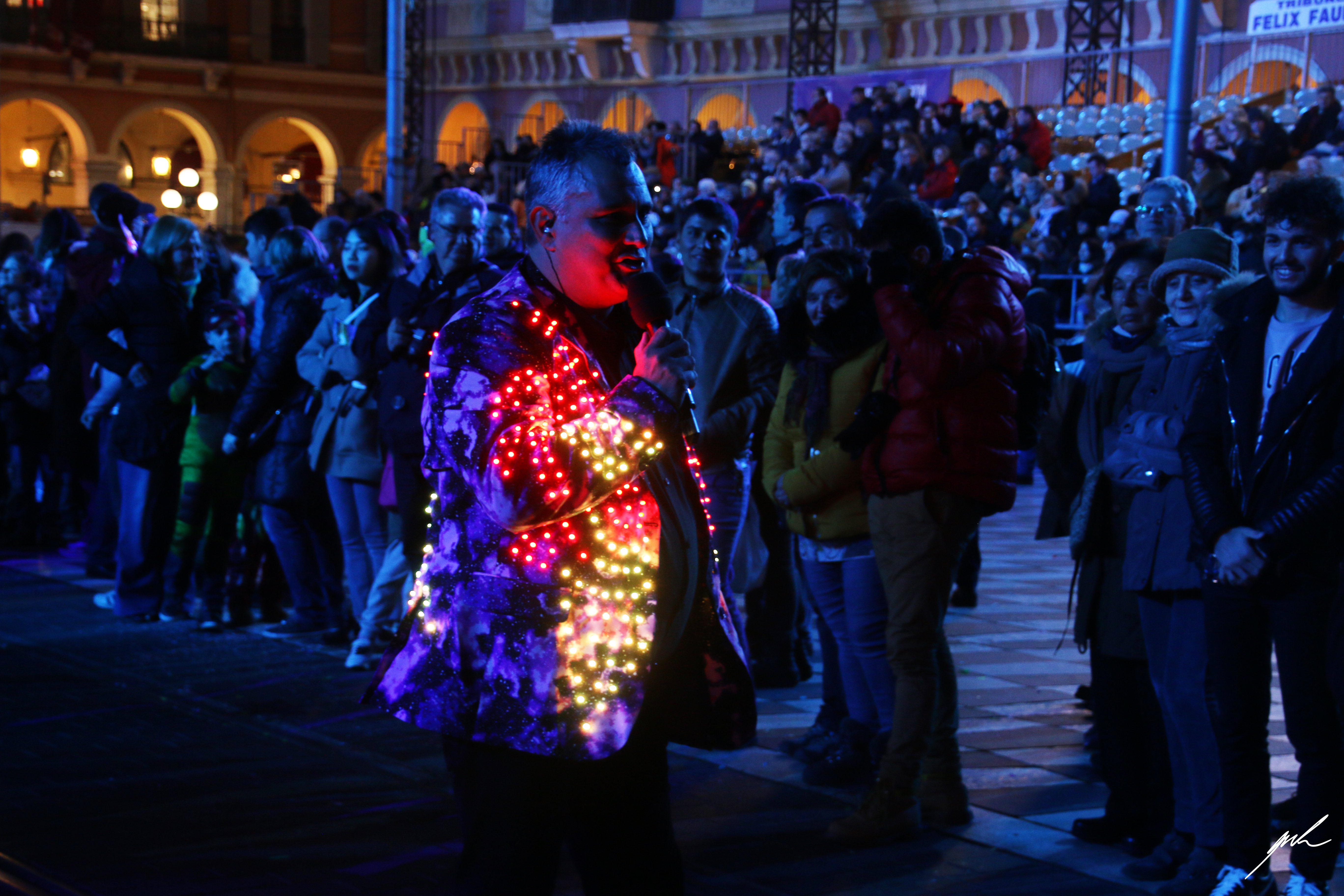
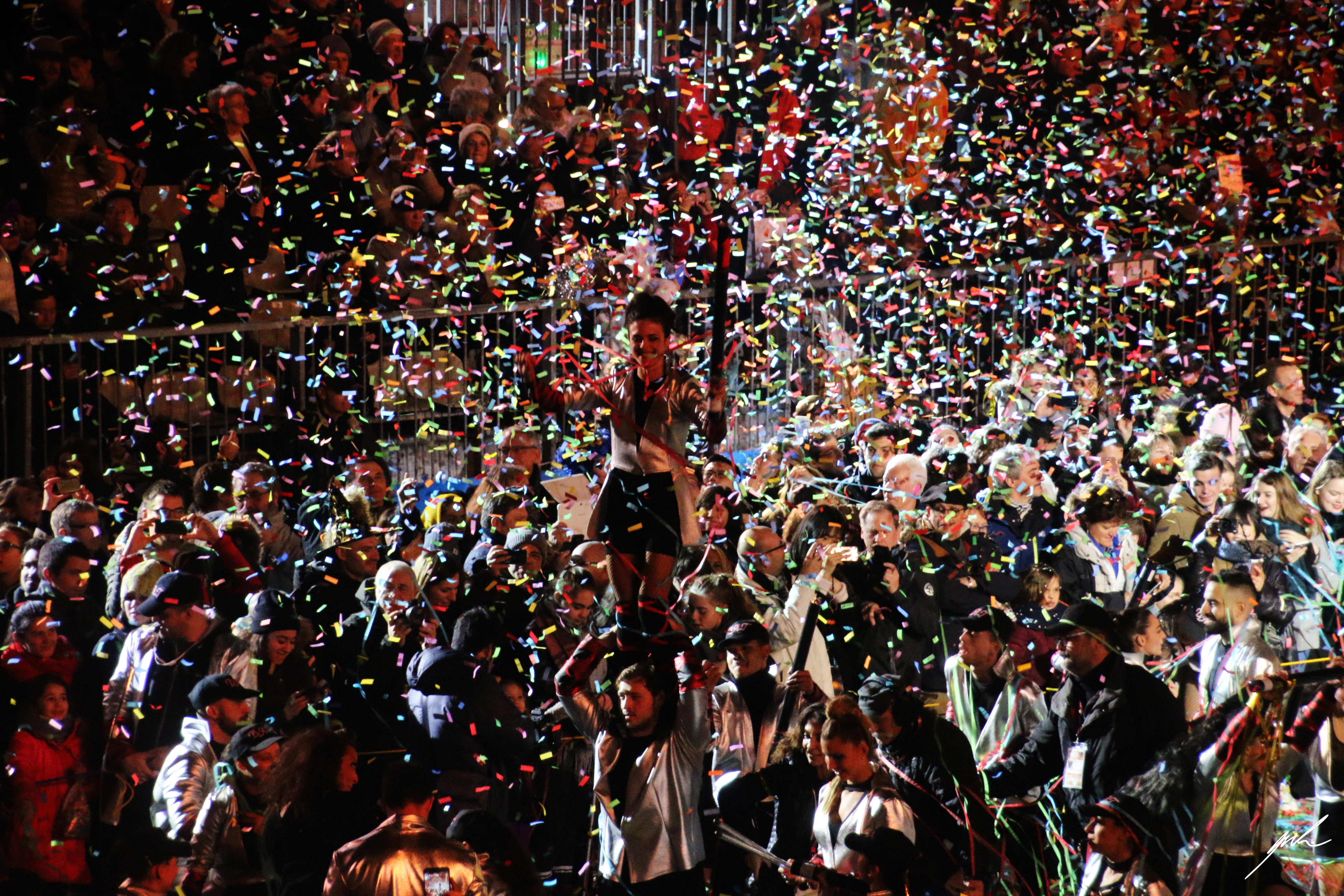
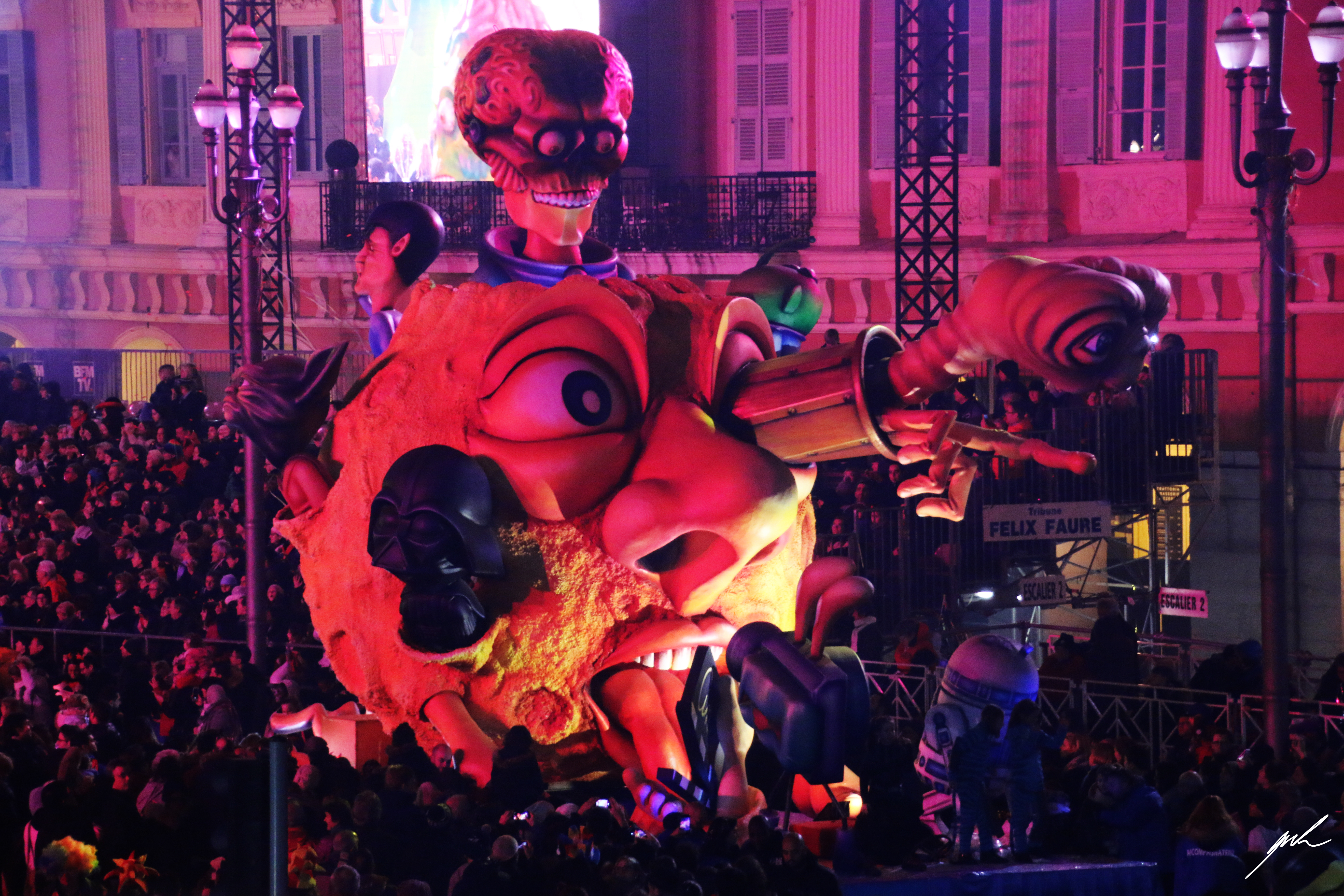
The carnival in Nizza has a long-standing tradition, reaching back many decades. Alongside the carnivals in Venice and Rio de Janeiro, it is one of the most famous parades of this kind (Mardi Gras would be another example). It is a festival of lights and flowers, kitschy music, and many weird creatures roaming the streets. There is a lot of dance and fun, and it ends with the burning of a figure resembling a king – the famous burning of the king. Very french. Also, every year, there is another overreaching theme; this time, it was space and sci-fi.
test