
A Study in Urbanity: Vienna in Late 2016

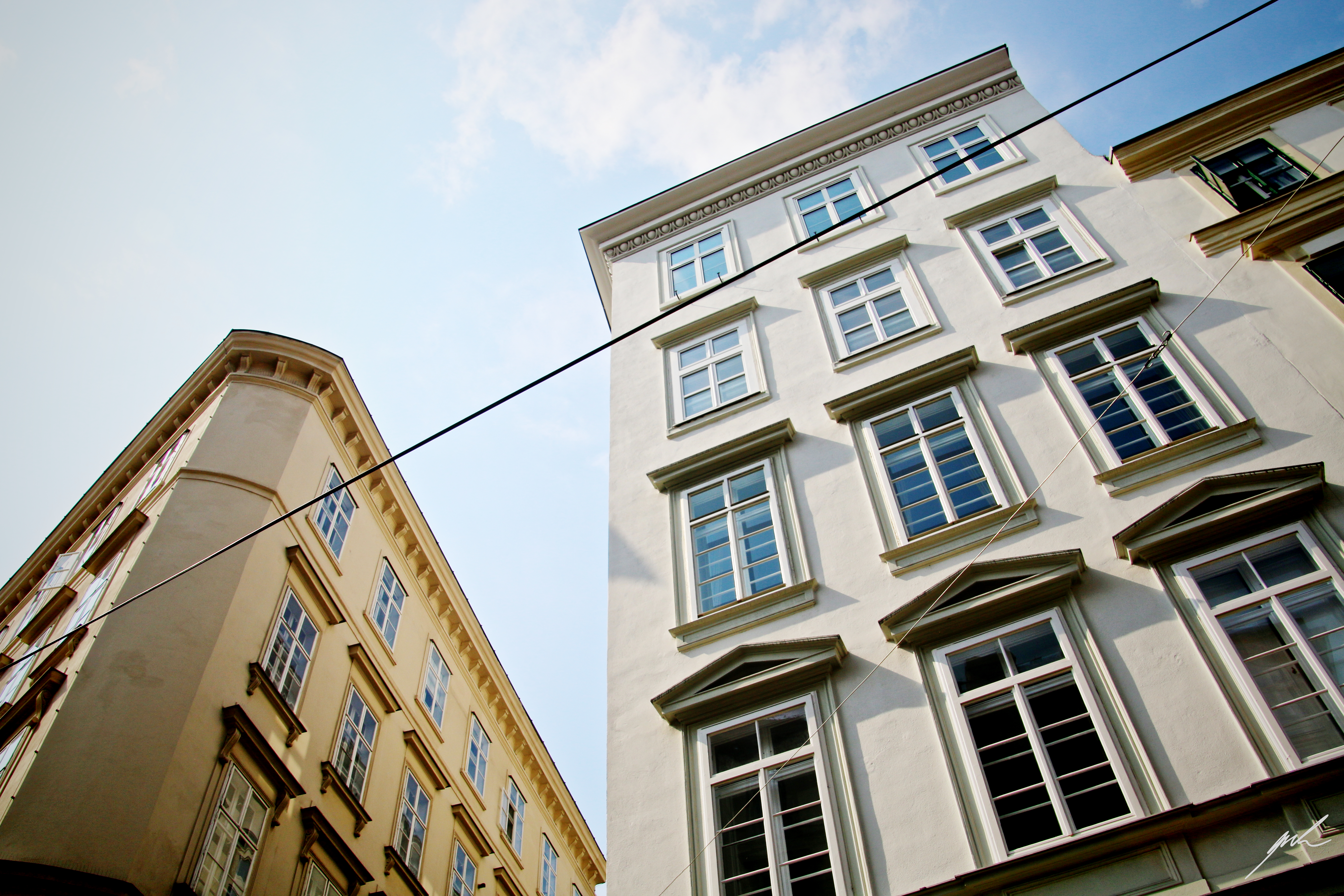
Moments captured in Vienna of late 2016, when the days grew shorter and the melancholy of late autumn began to set in.

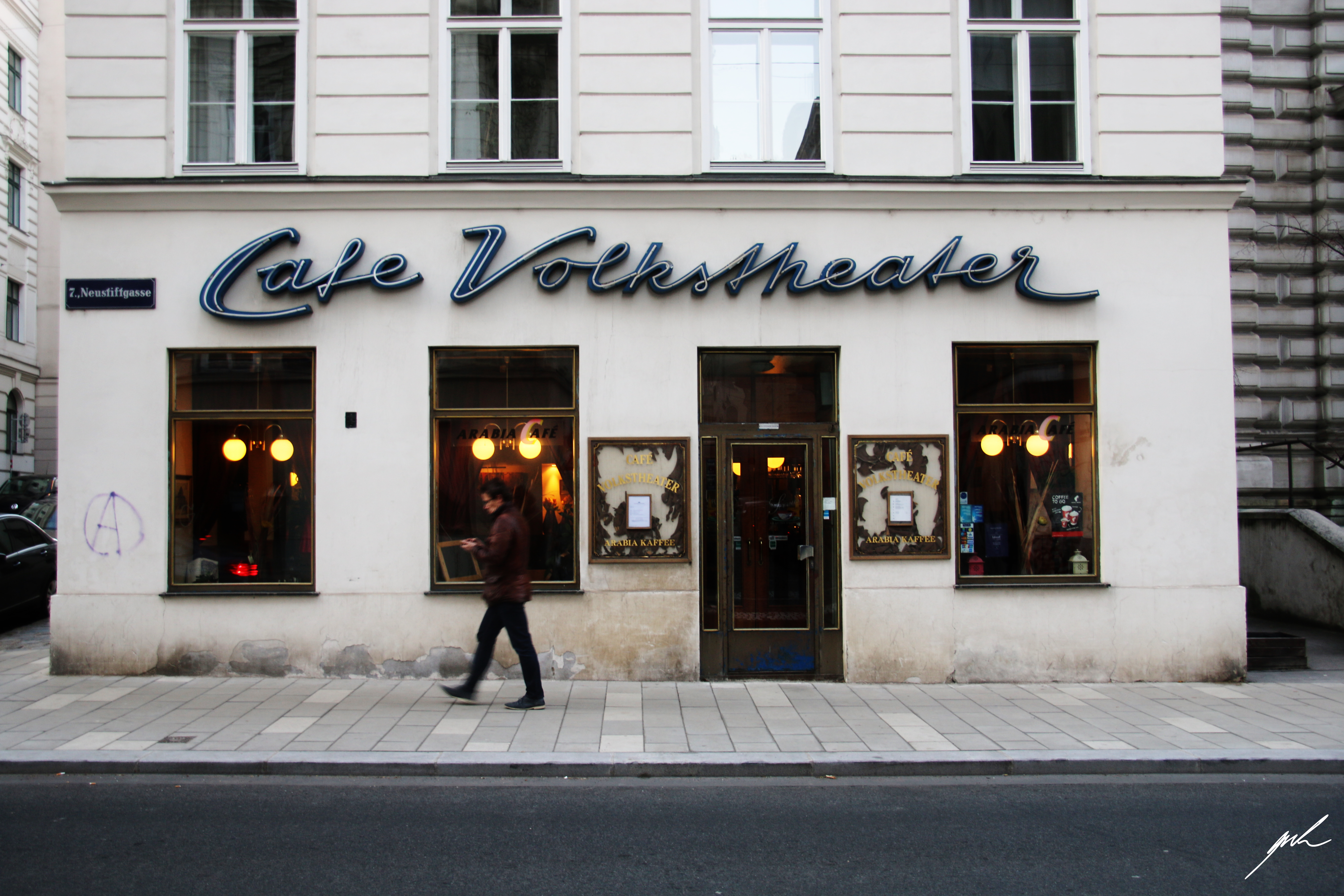
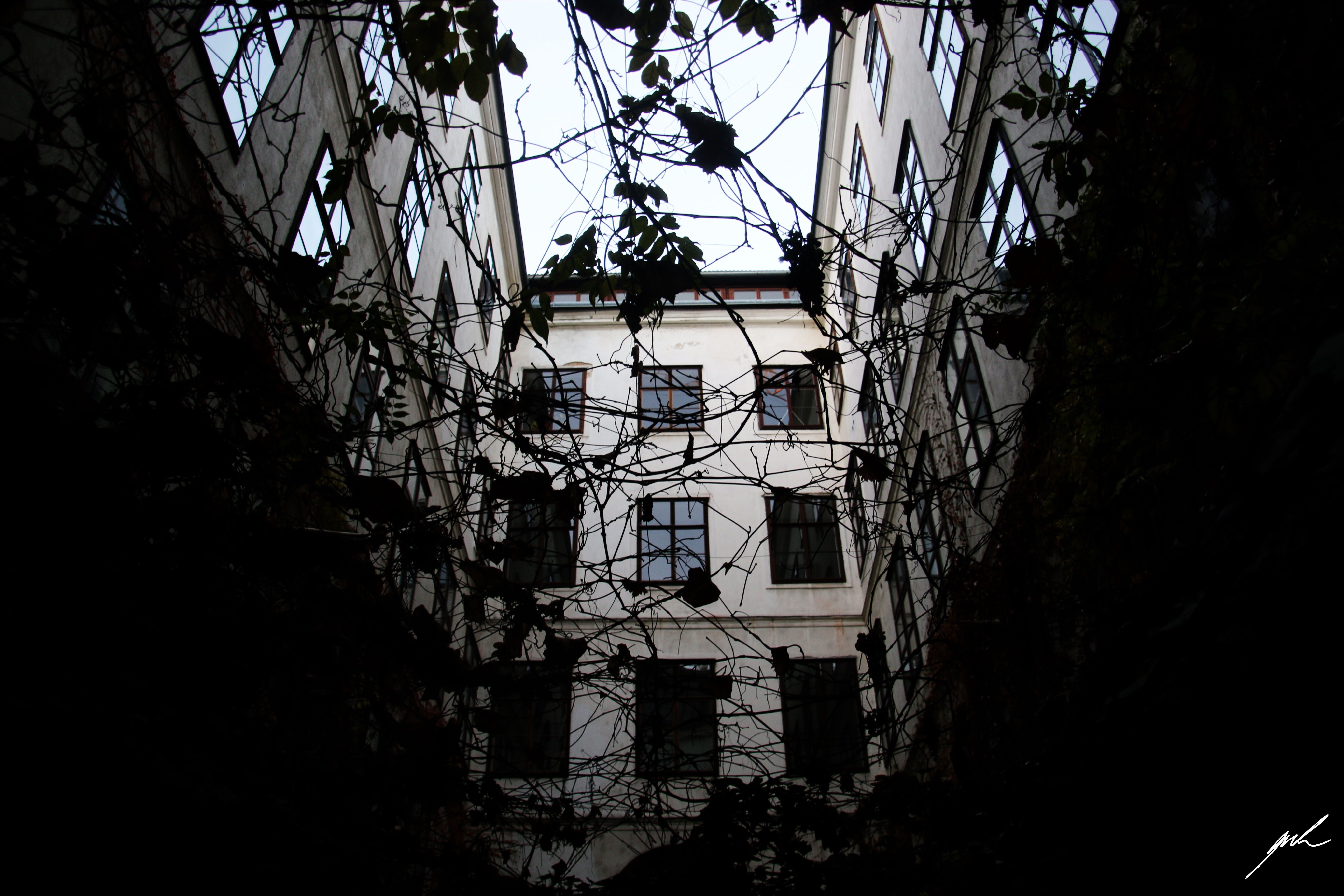

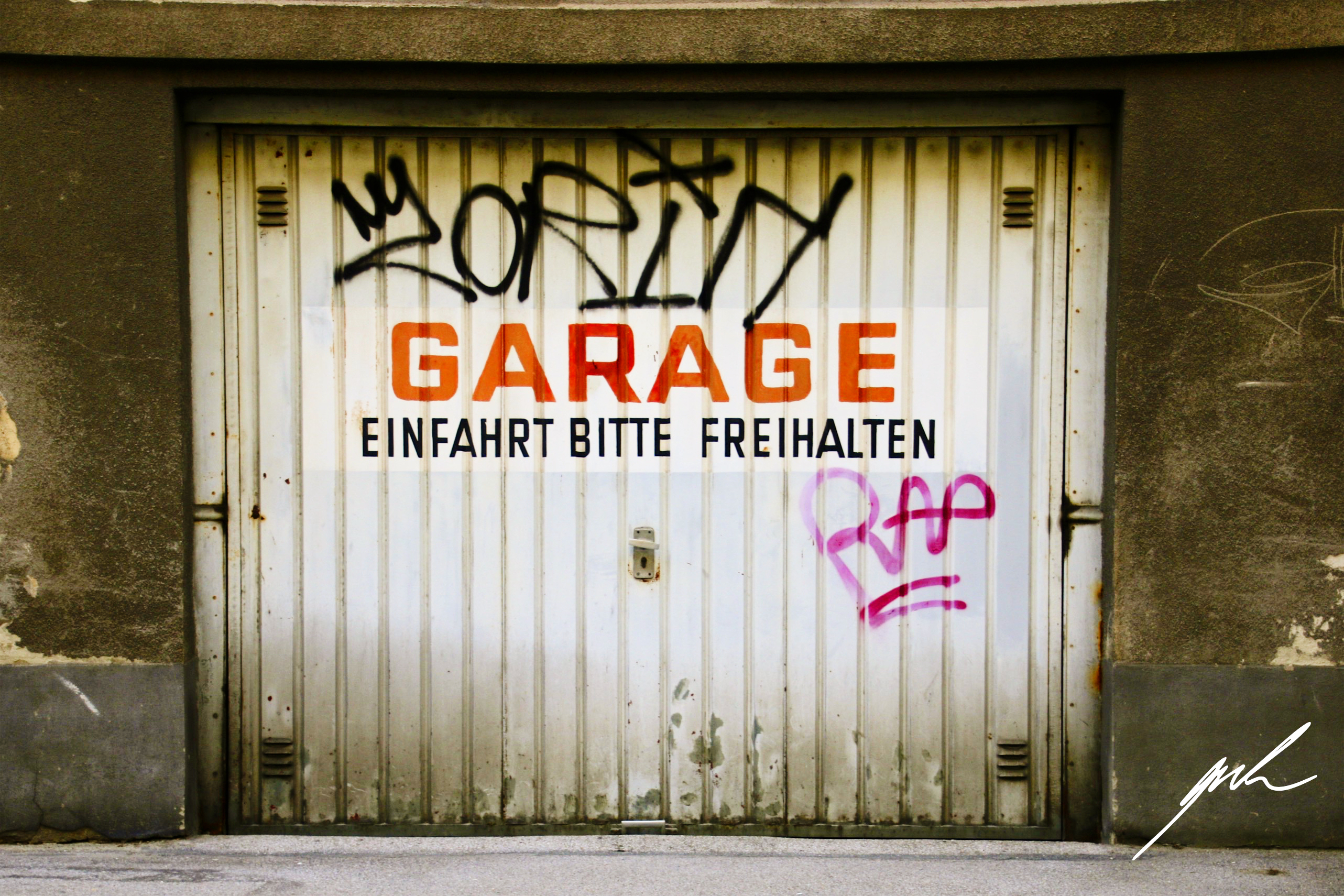
Moments captured in Vienna of late 2016, when the days grew shorter and the melancholy of late autumn began to set in.

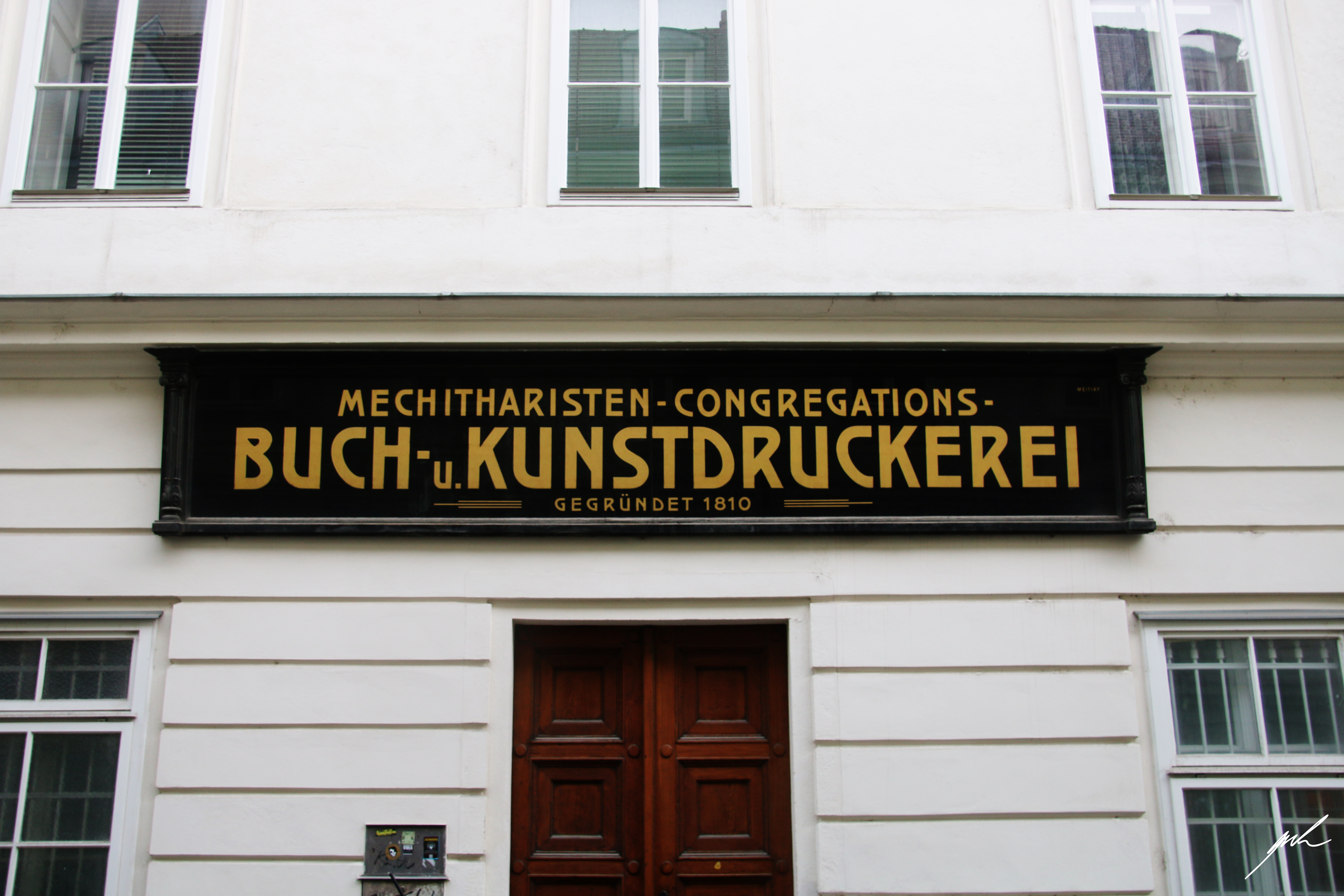
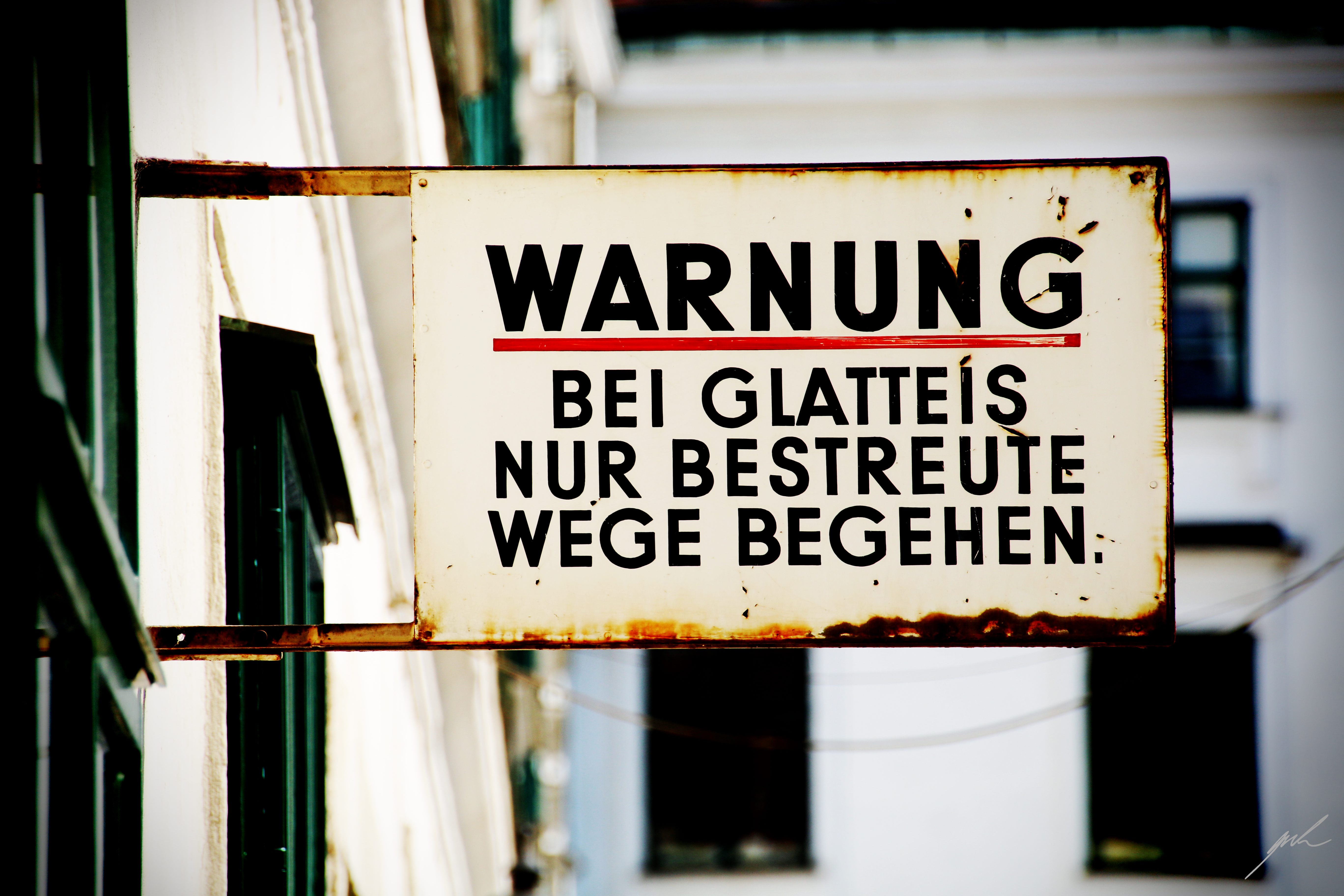
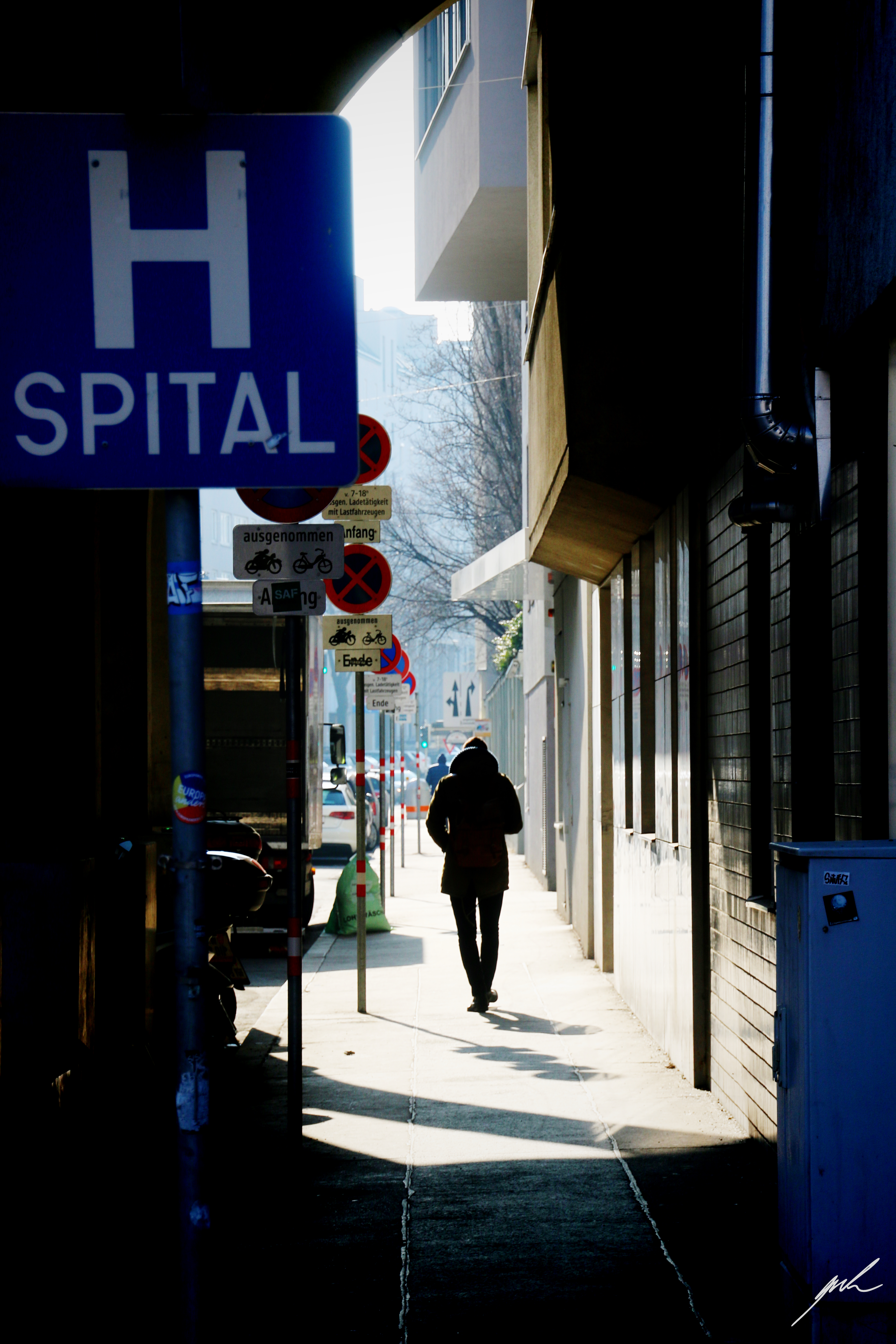
Fragments captured while absorbing scarce beams of light on the rather dark and cloudy days of late winter and early spring in Vienna. A part of this is dedicated to all the beautiful fonts which can be found while walking the town.
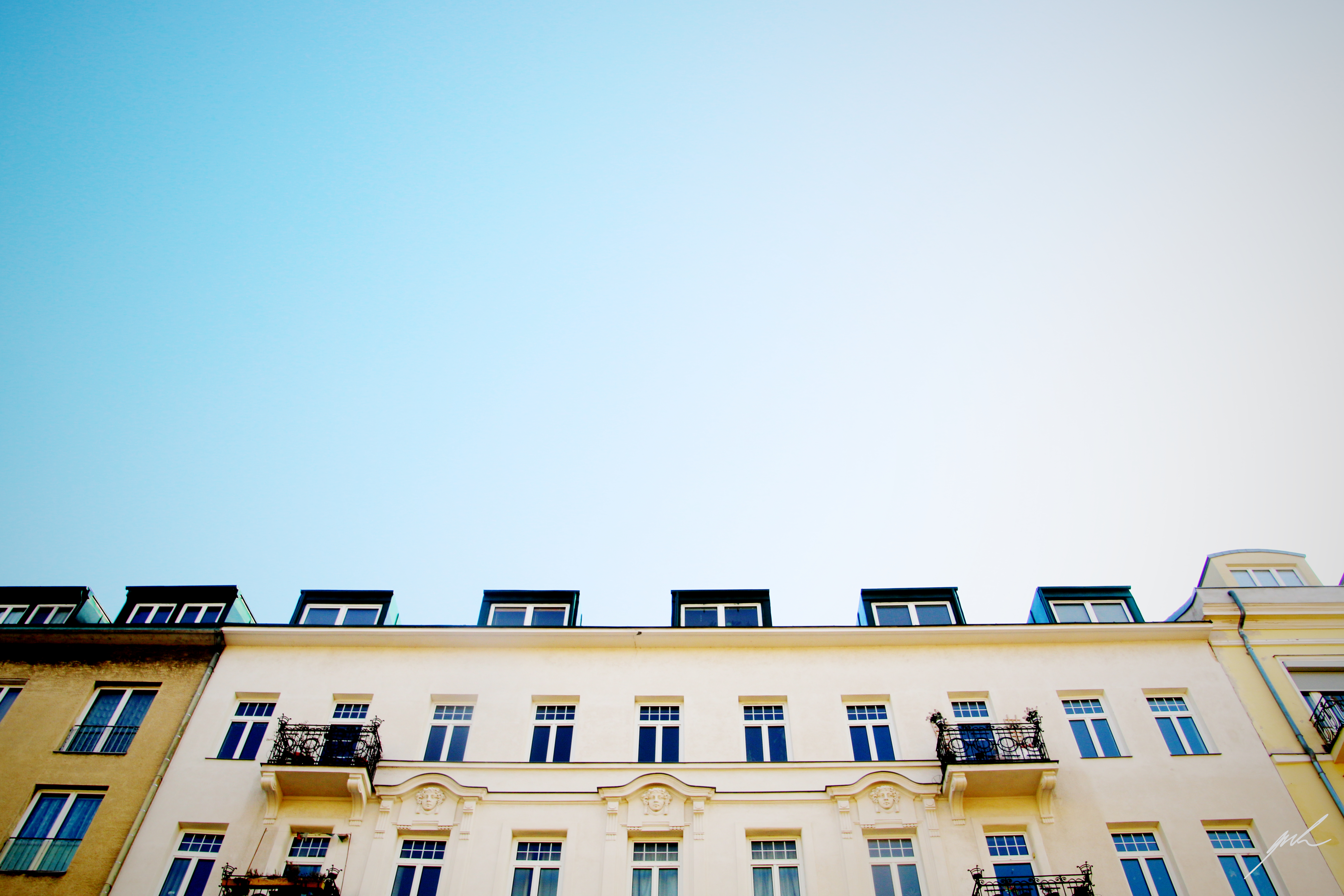

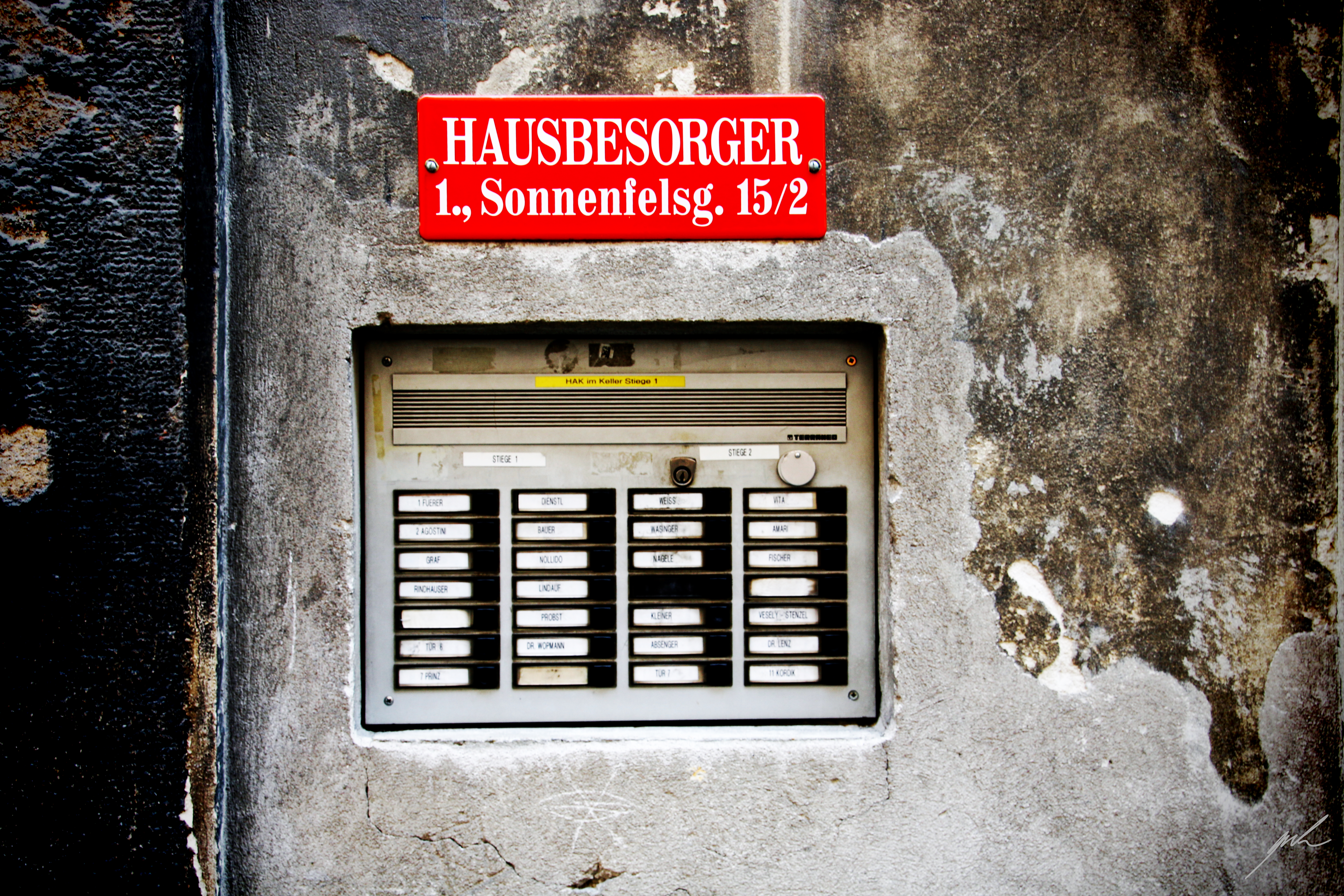
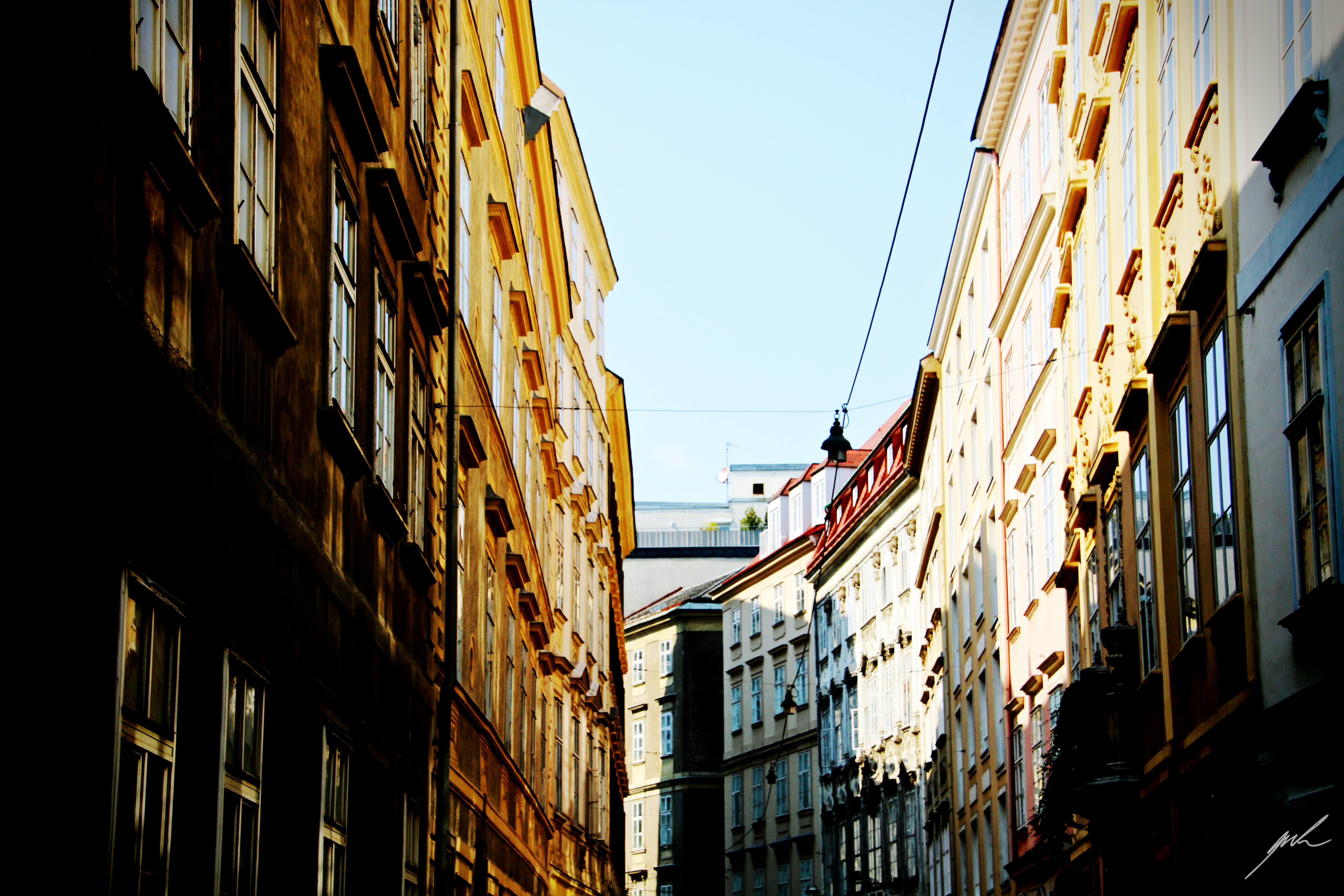
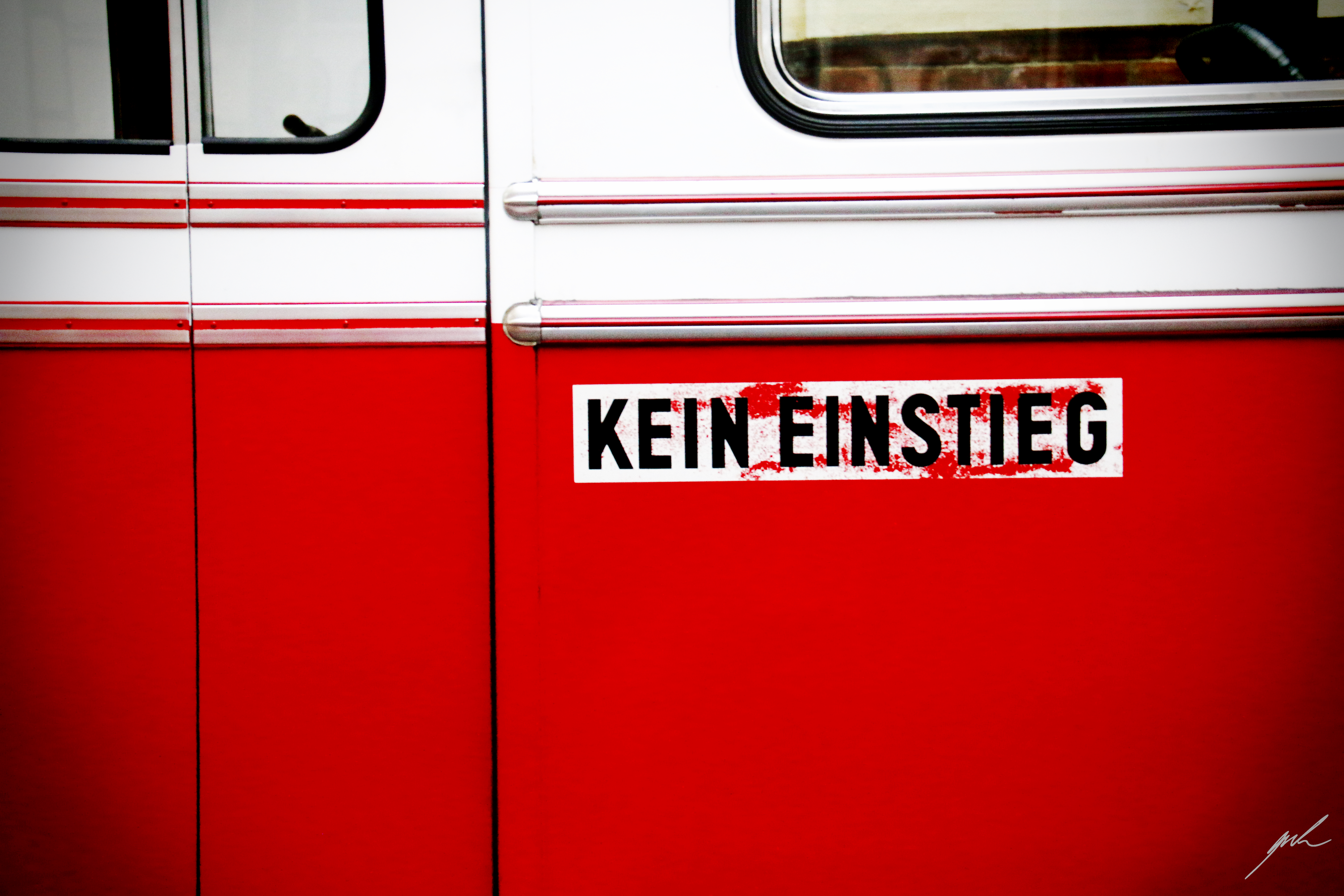
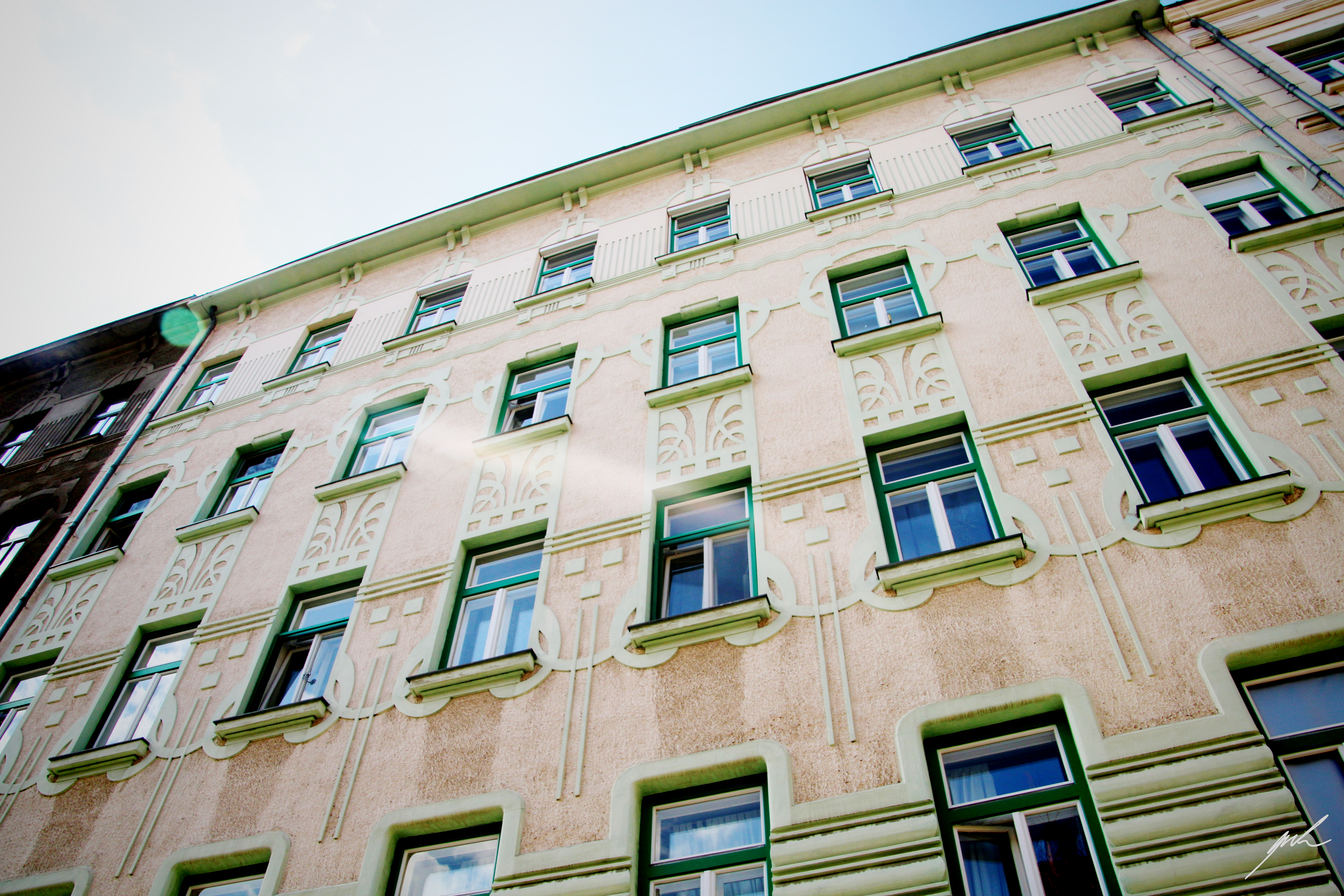
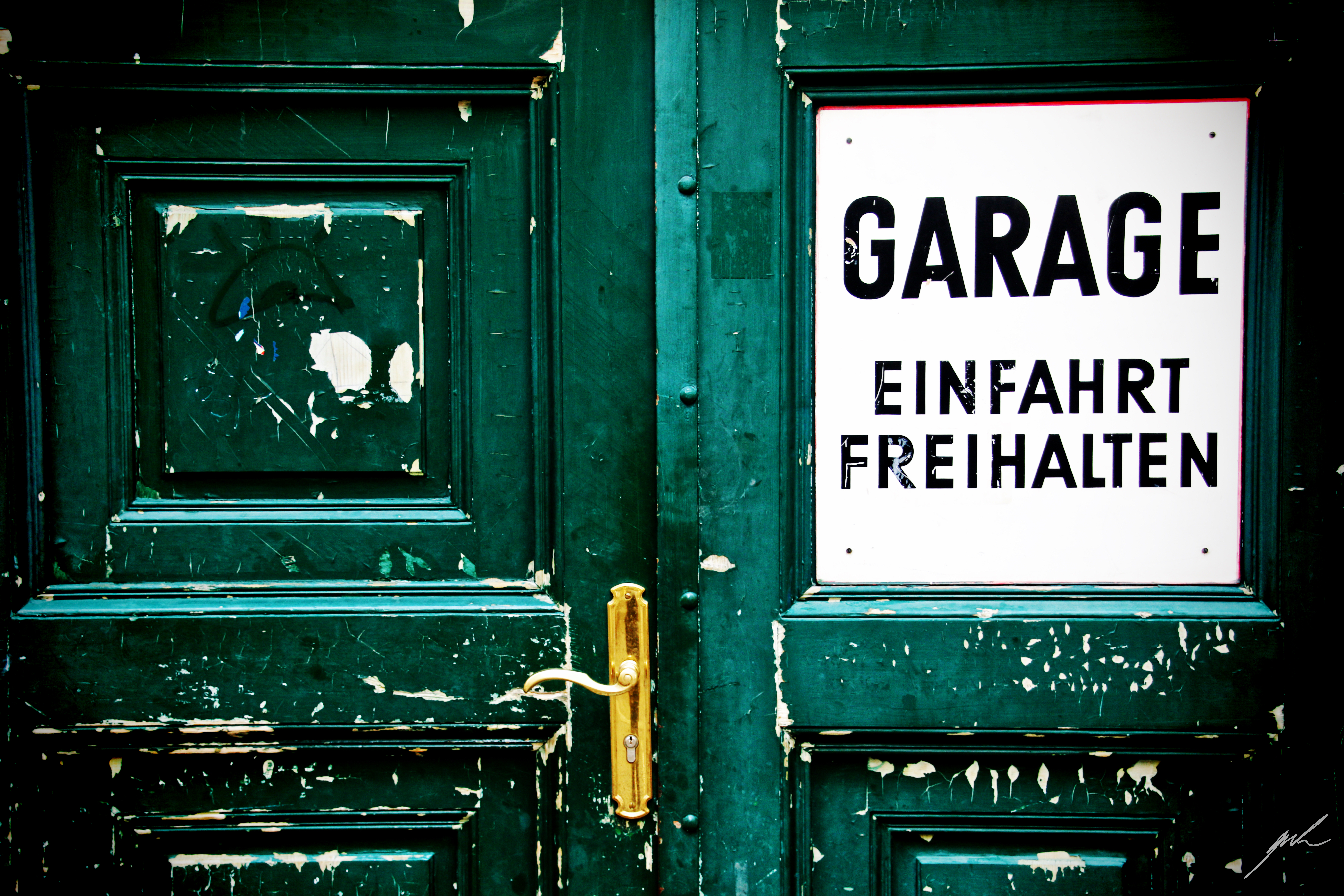
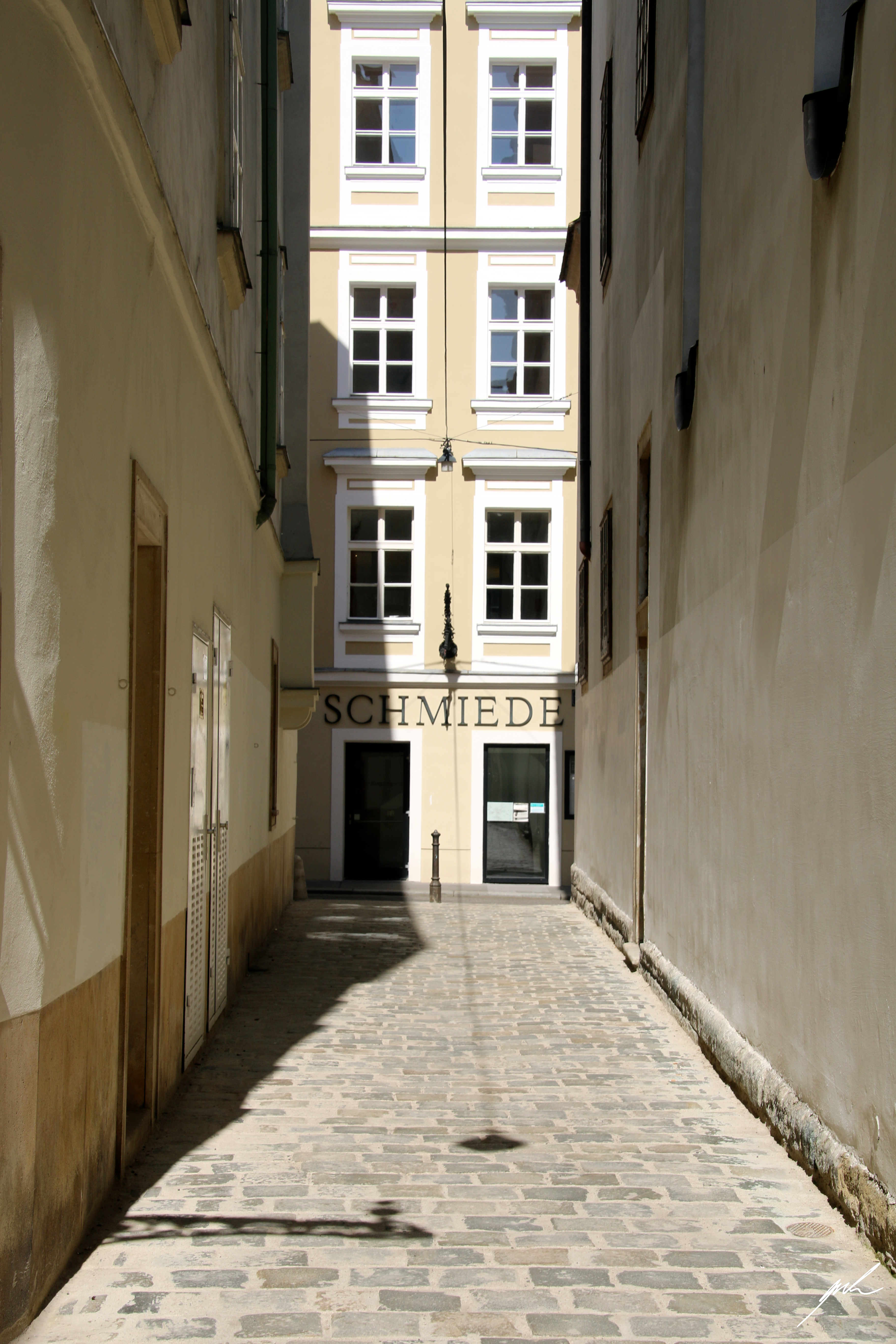
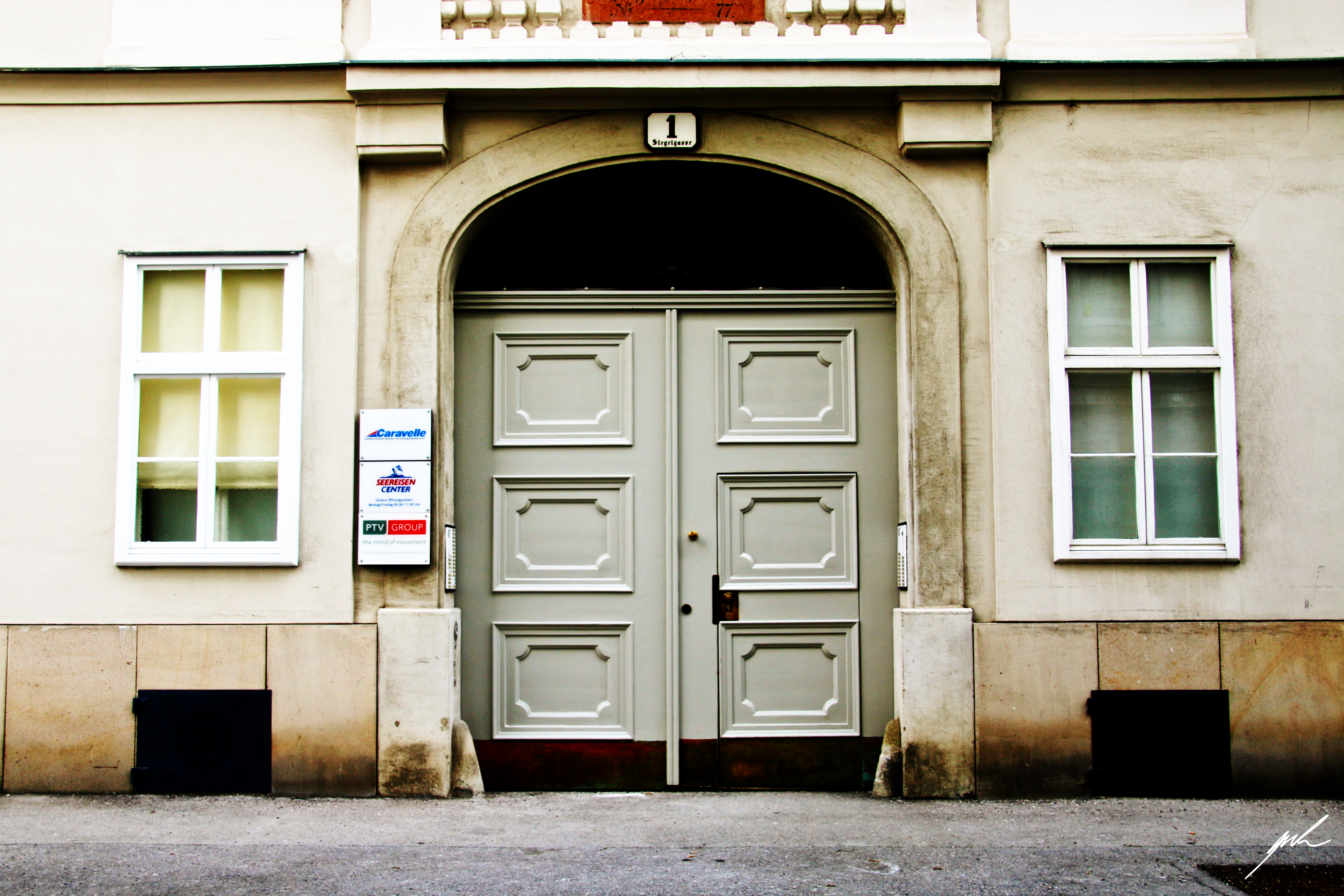
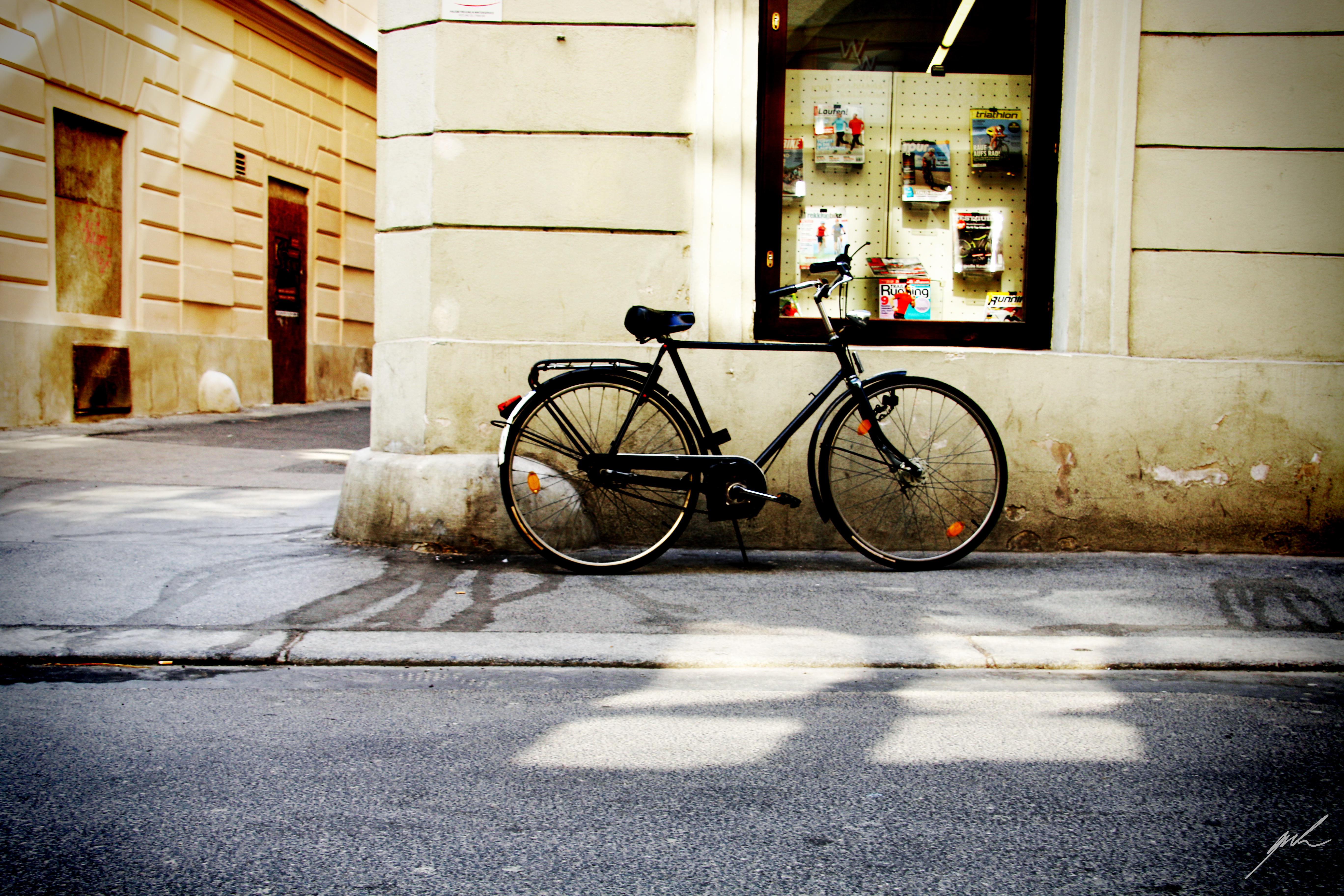
Fragments captured while walking the city on the short days of late winter and early spring.
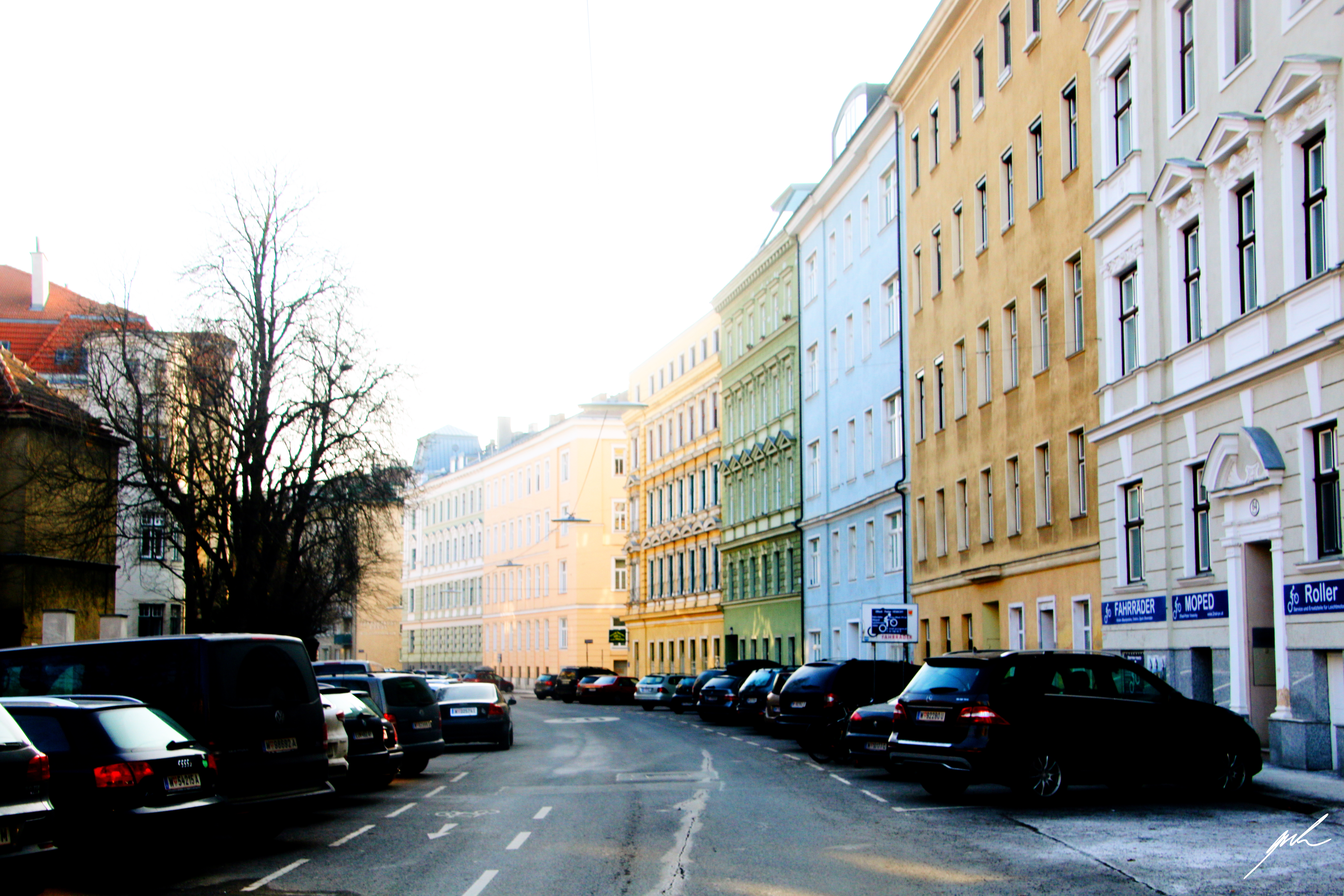
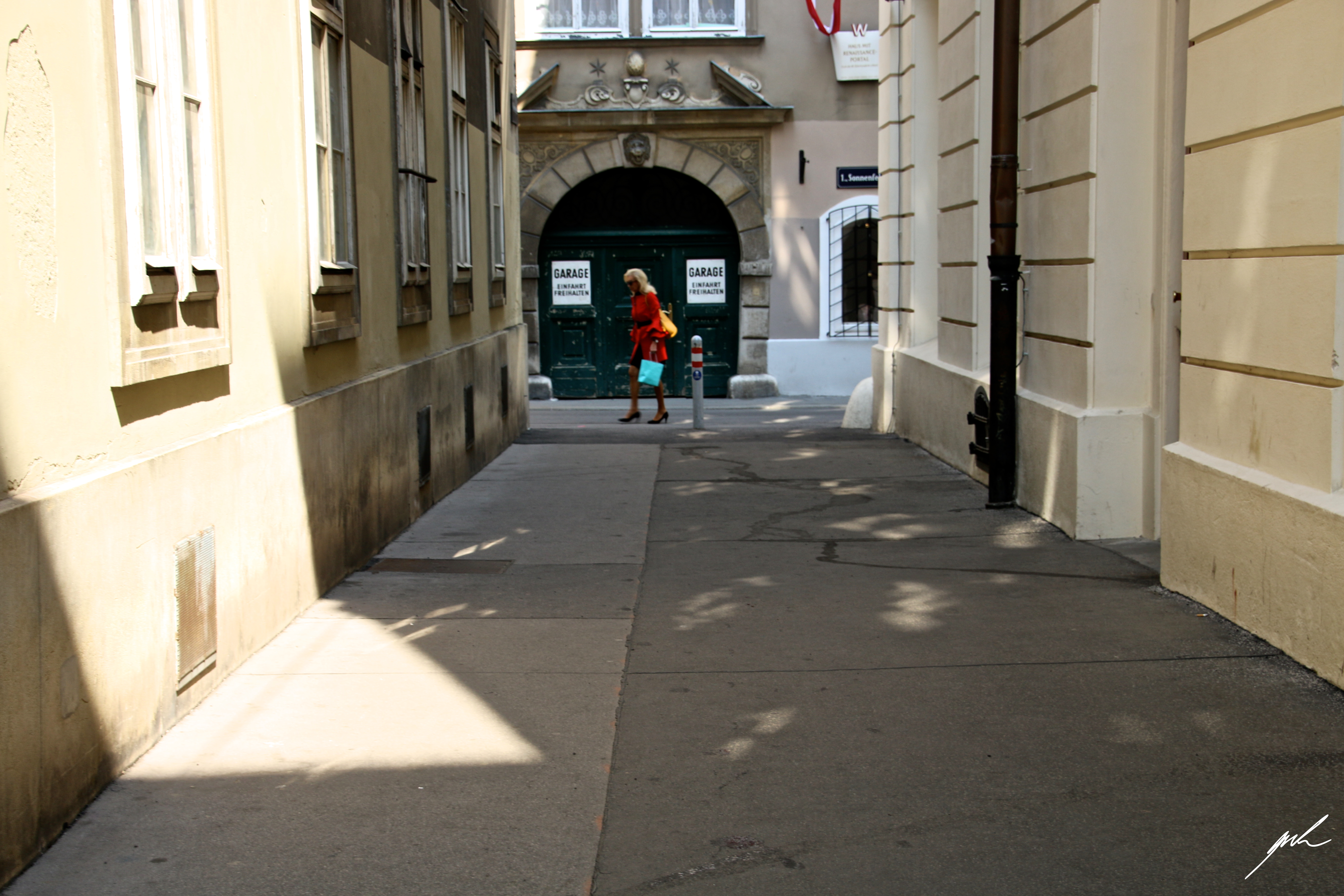
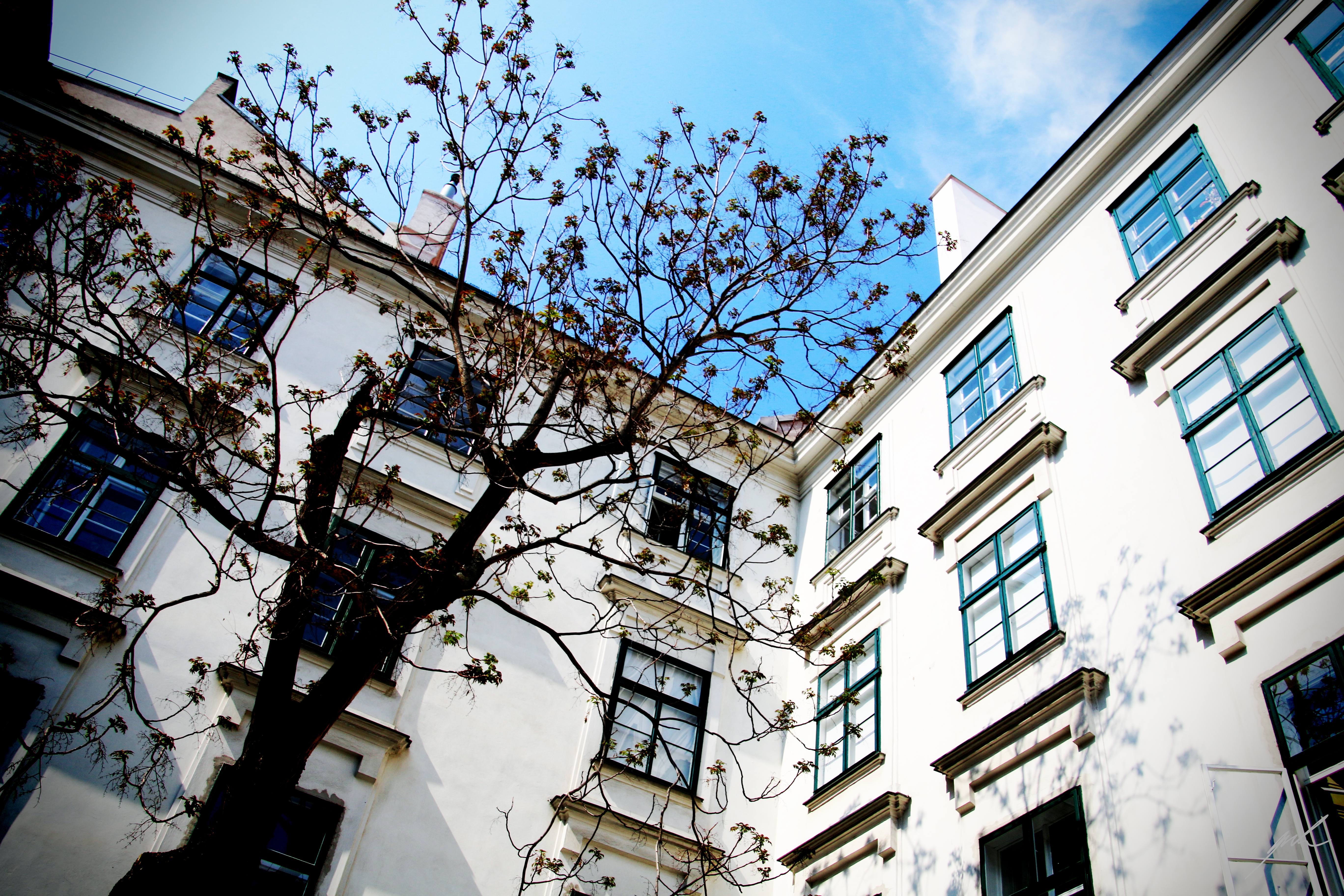
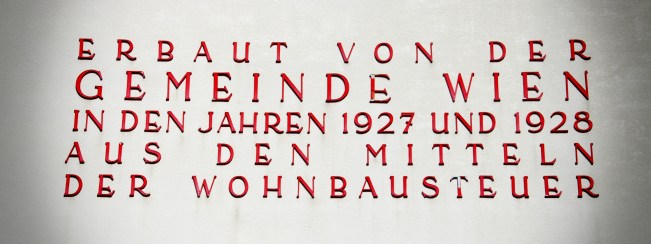
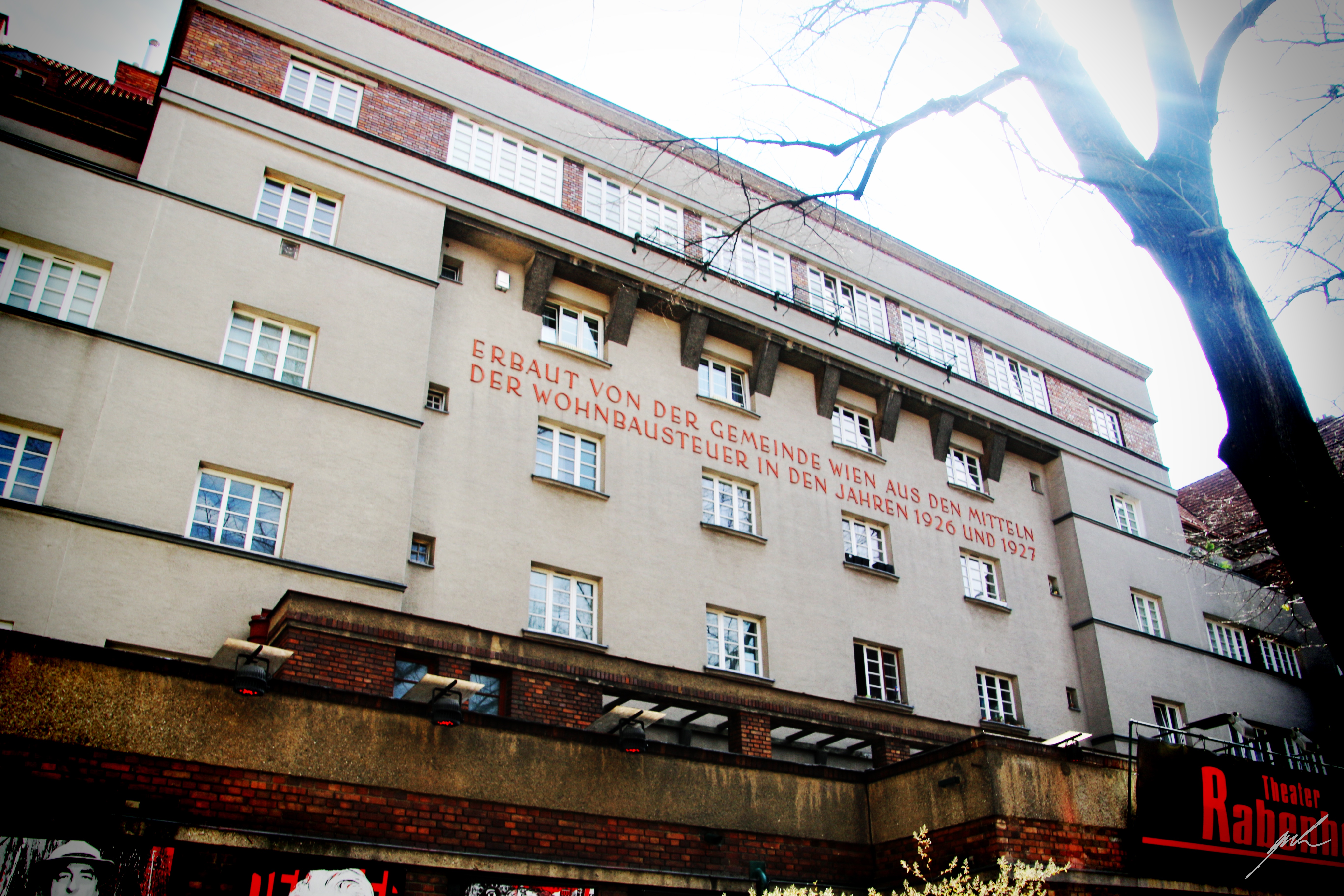
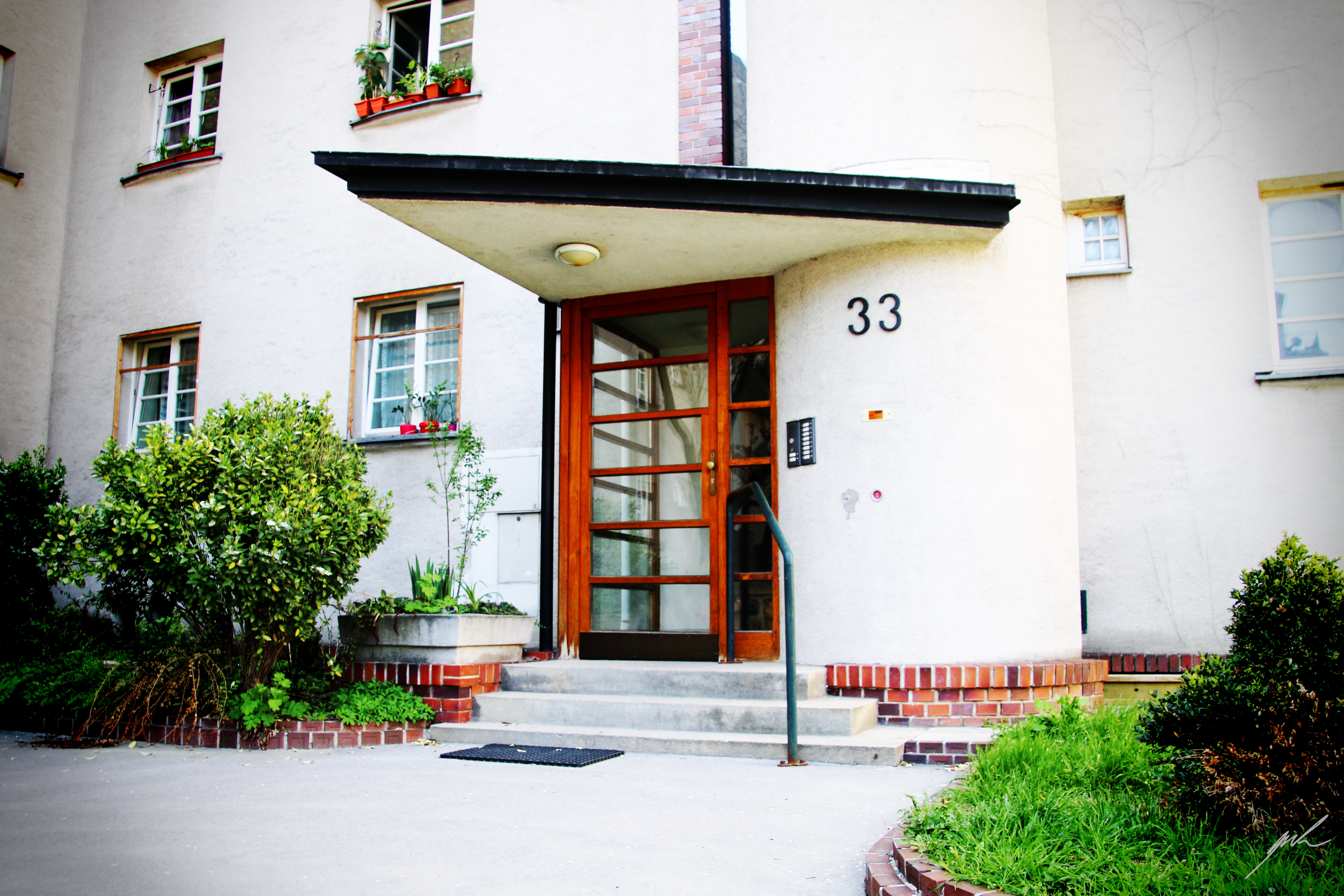
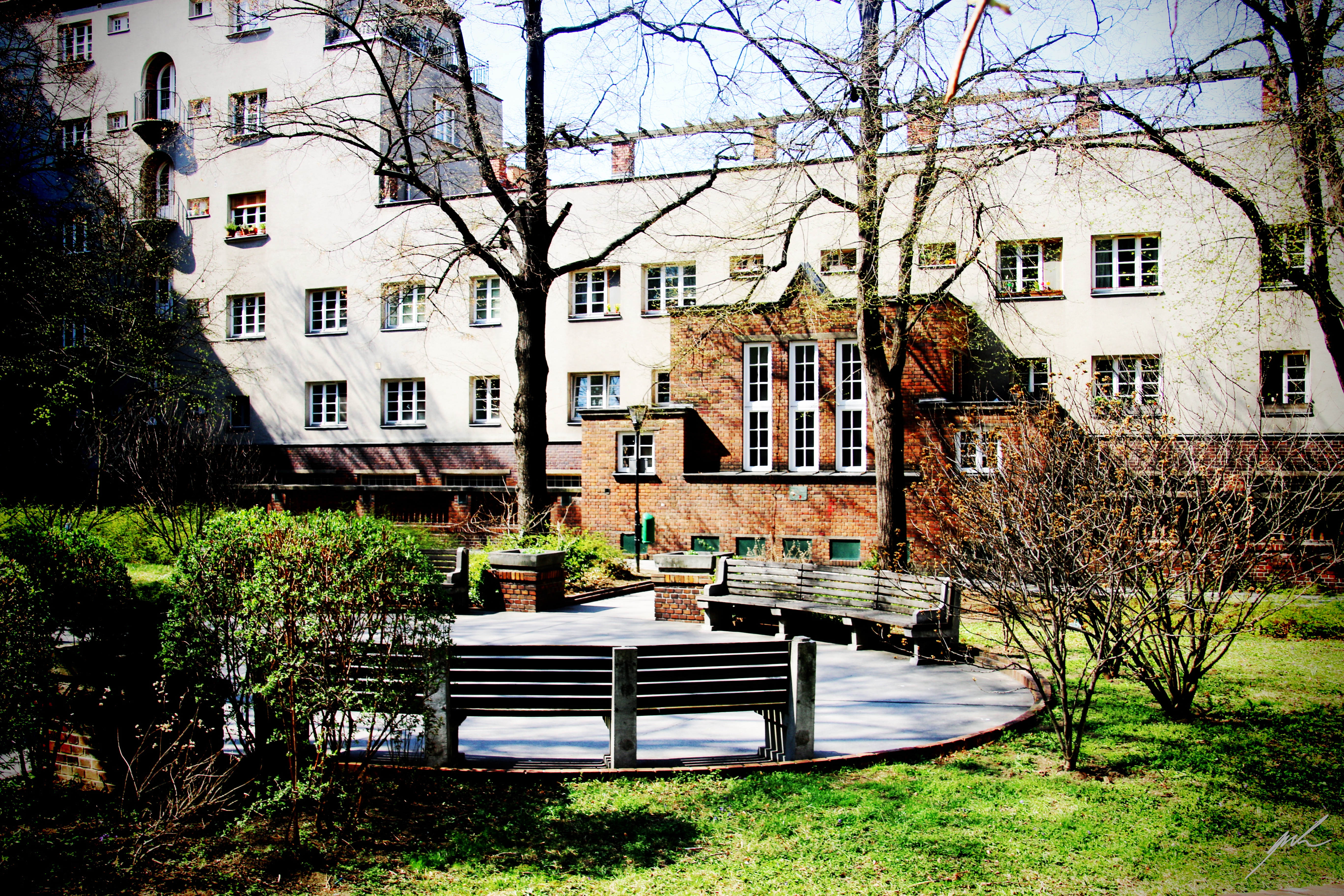
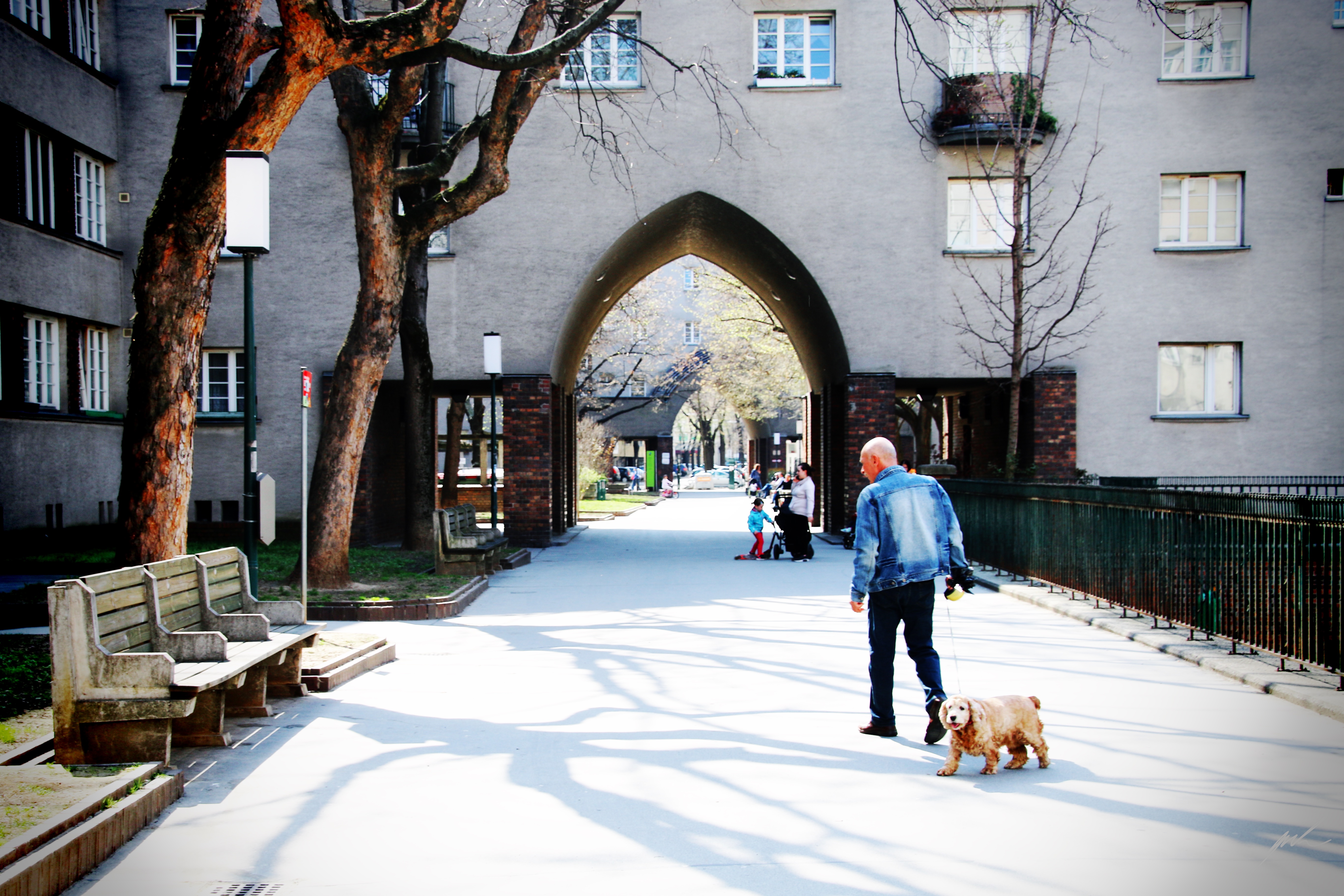
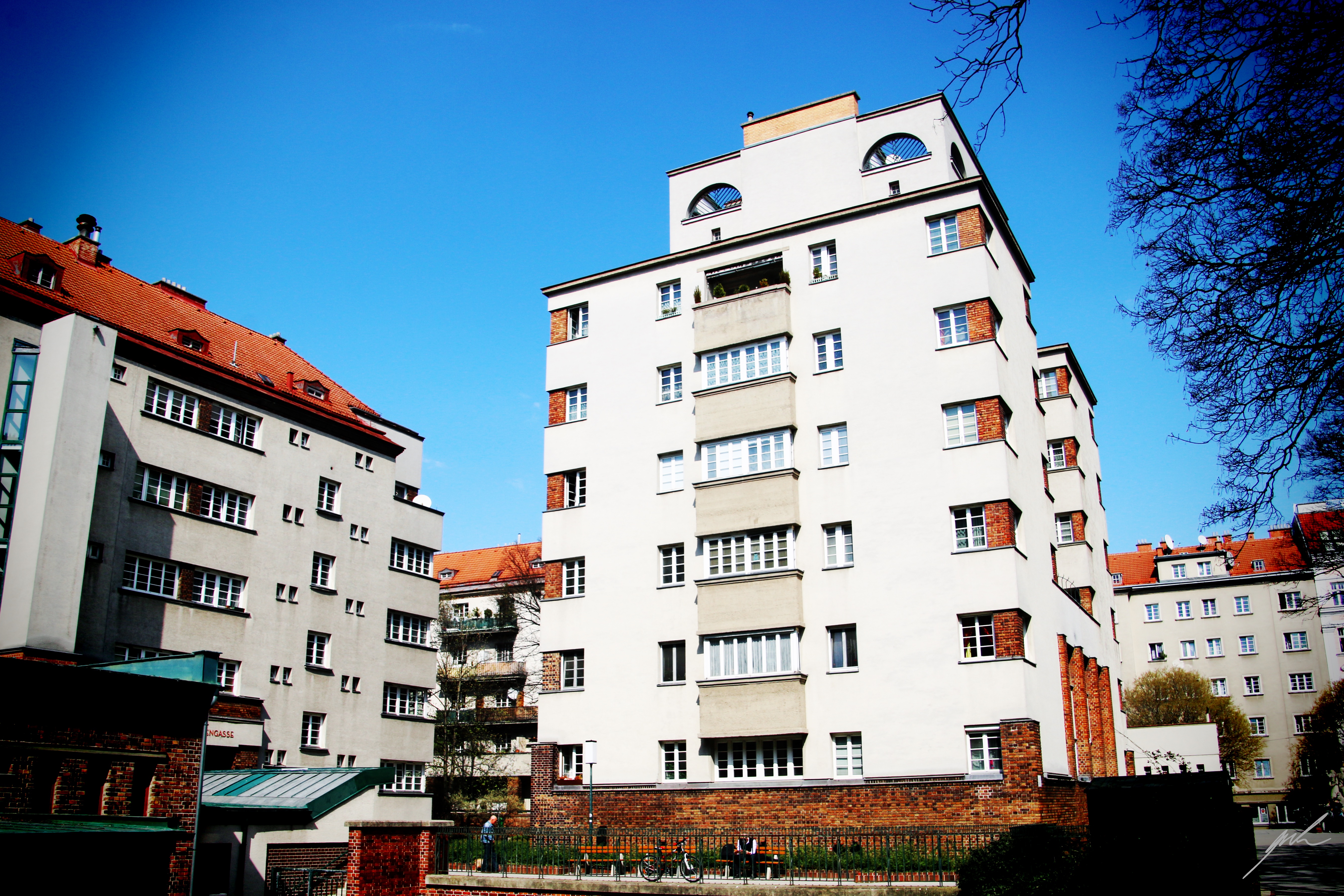
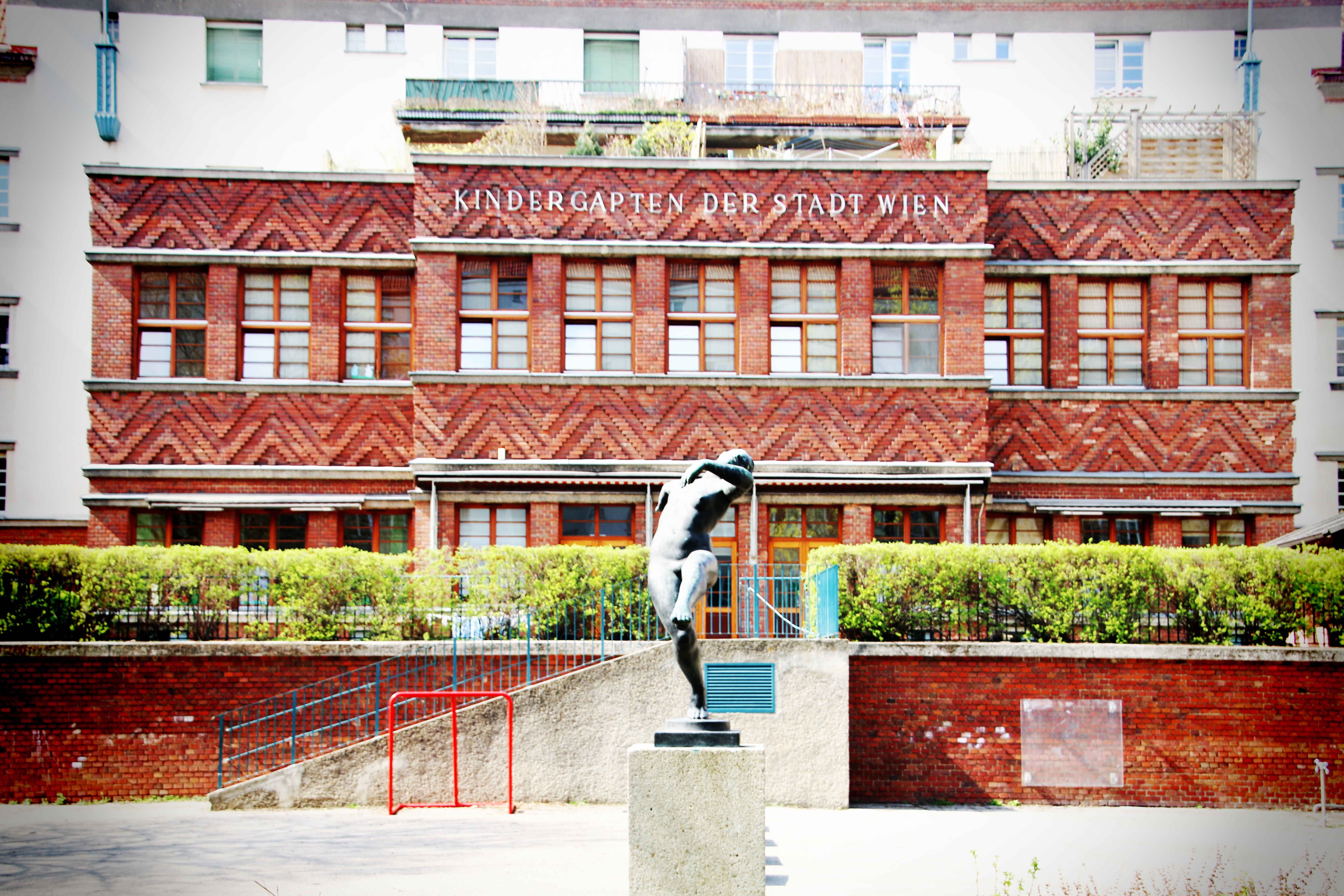
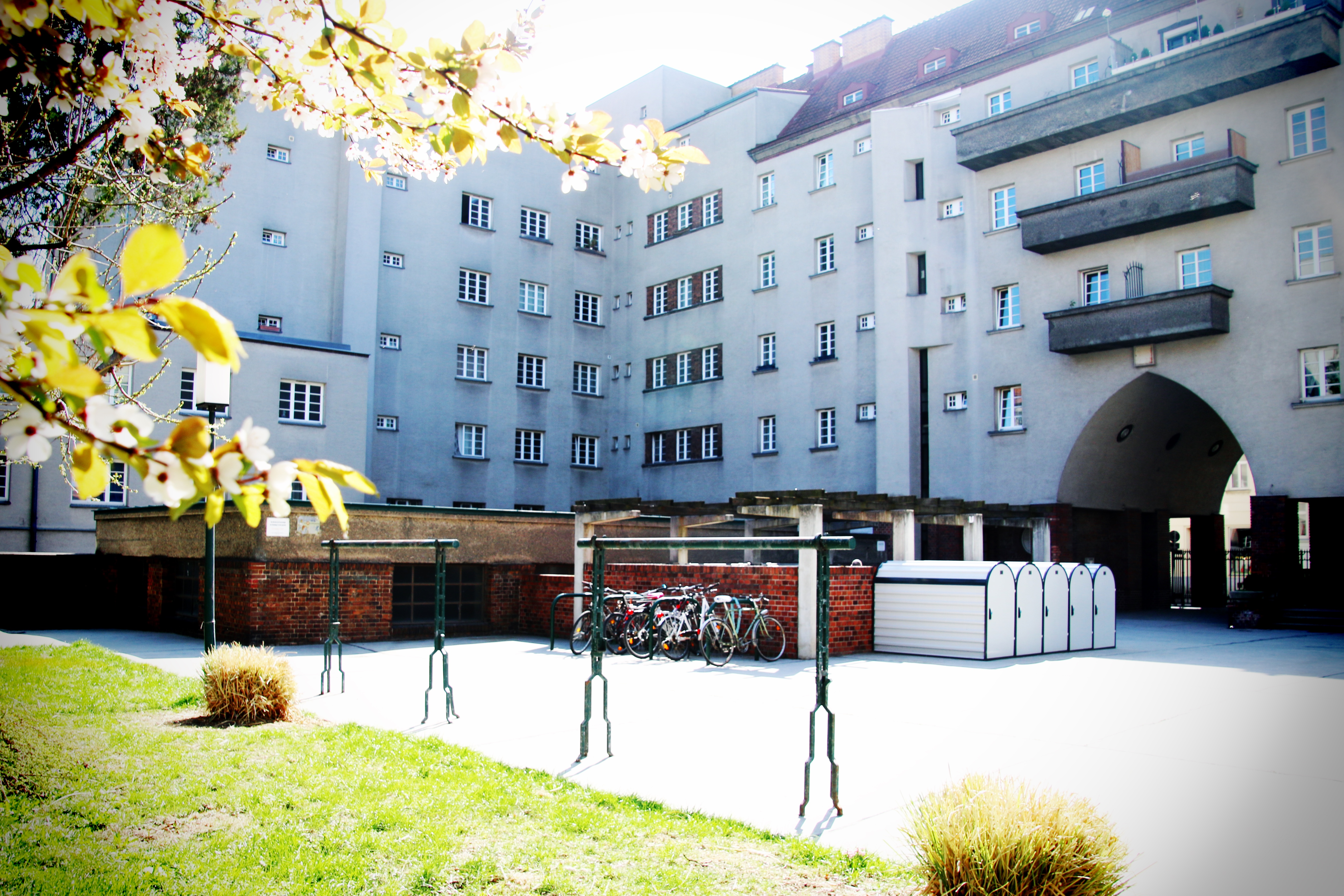
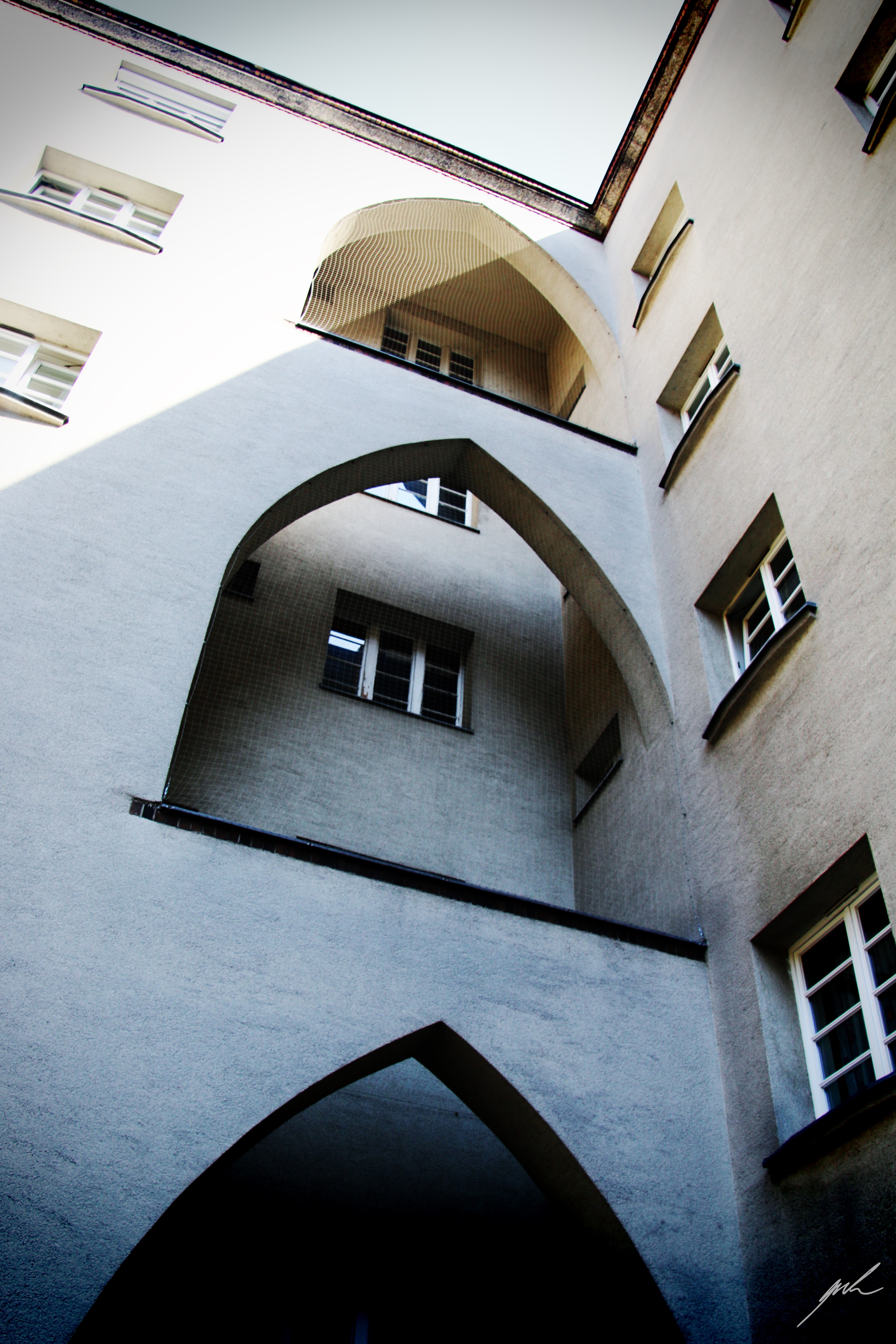
After the devastations of World War I and facing enormous societal and economic challenges, the people of Vienna craved change. A particular problem was the working class’s poor living conditions; they often lived in large tenements without warm water and communal toilets in the corridors. Large families lived in small apartments, and they often had to accommodate additional roomers to afford the overpriced rent. For these and other reasons, the Socialist Party of Austria (SPÖ) was voted into power and planned a radical rethinking of the city in the 1920s. Large and modern communal buildings called Gemeindebauten were to be built with large inner yards for the workers to gather and thick walls to protect them. Among the first ones made was the Rabenhof in the 3rd Viennese district. Today, it is known among Austrians mainly for the theater with the same name, where the workers’ gathering hall used to be. The rent in these buildings was much lower and affordable; at the same time, the standard of living was much higher, with private toilets, launderettes, private parks, and a kindergarten. The same is true today: every 4th Viennese of different economic backgrounds lives in a Gemeindewohnung, around 3.500 in the Rabenhof building.
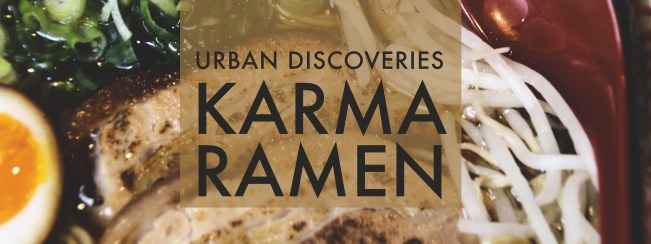
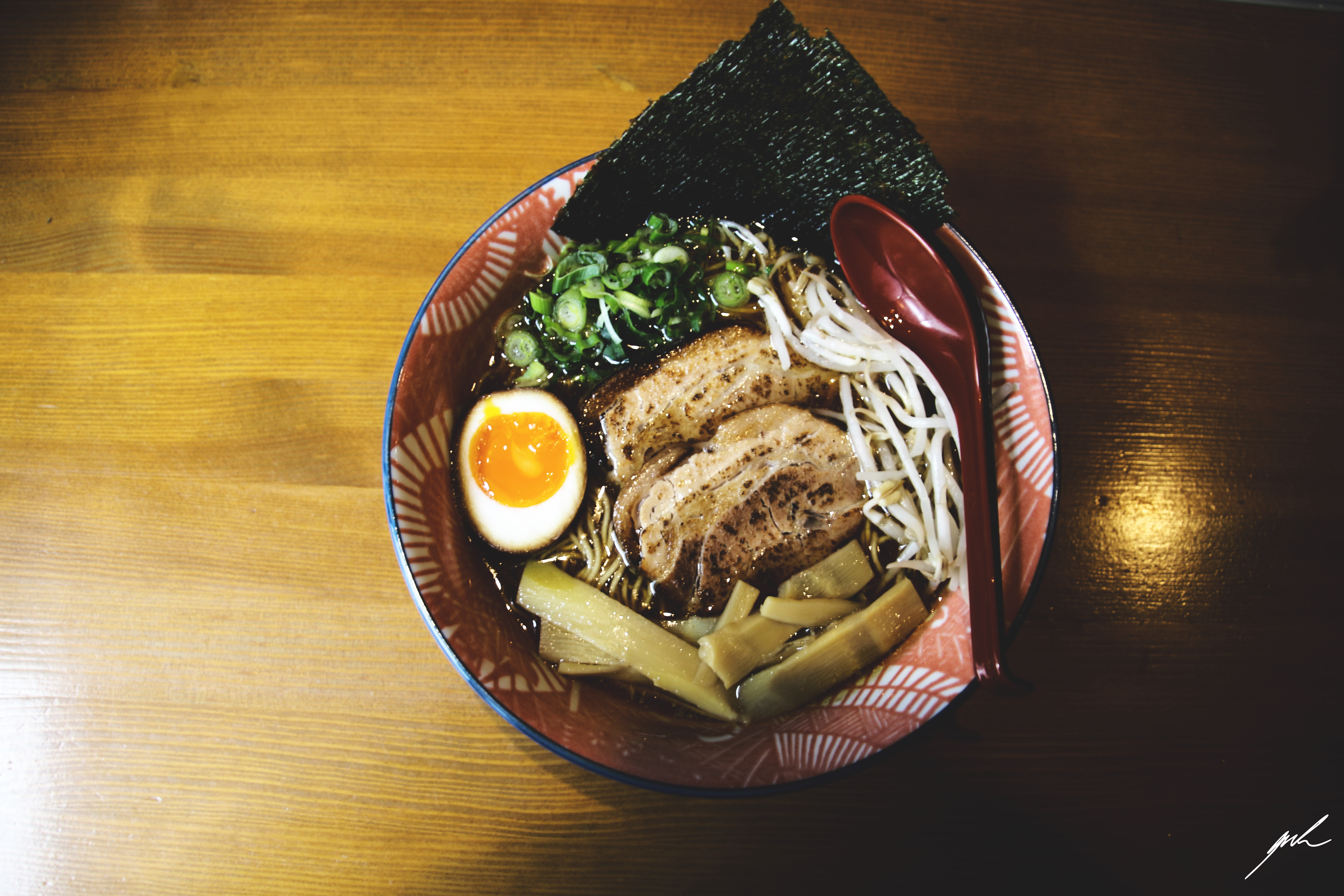
Most people would say sushi instantly if asked about a typical Japanese dish. Traveling Japan, though, you notice that Sushi is not as prevalent as you would think (though when you get it, it’s so much better! A must at the fish market in Tokyo), and you learn that the authentic Japanese national dish is something else, and it is called Ramen. Japanese people really love Ramen.
Basically, Ramen is noodles in a bowl. They are sold in small restaurants specializing only in this particular dish. These places are very cozy and often run by families. Sometimes, you pay at a machine and make your order there, handing the receipt from the machine directly to the cook. Better known in the West is the instant variation of the dish: Instant Ramen.
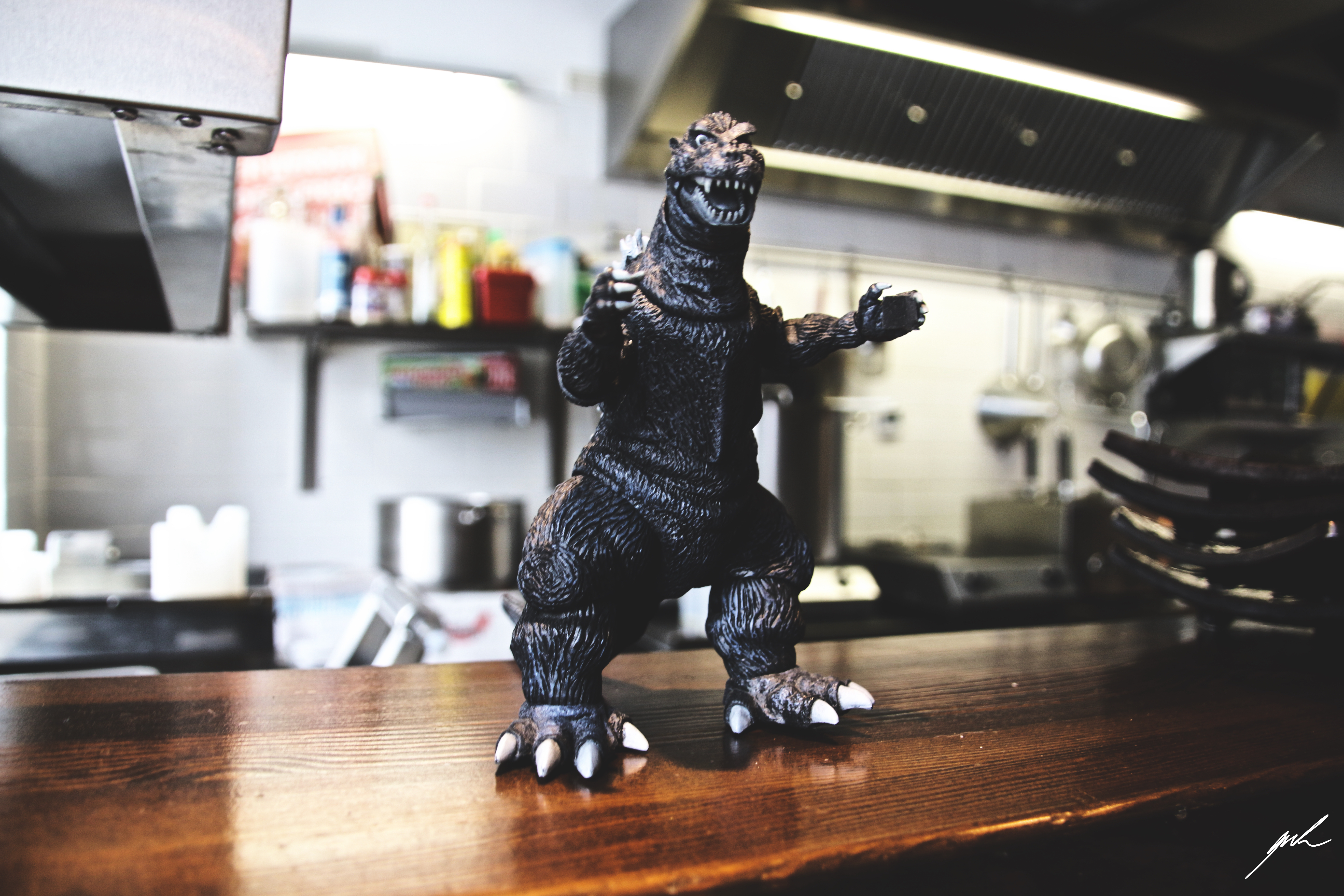
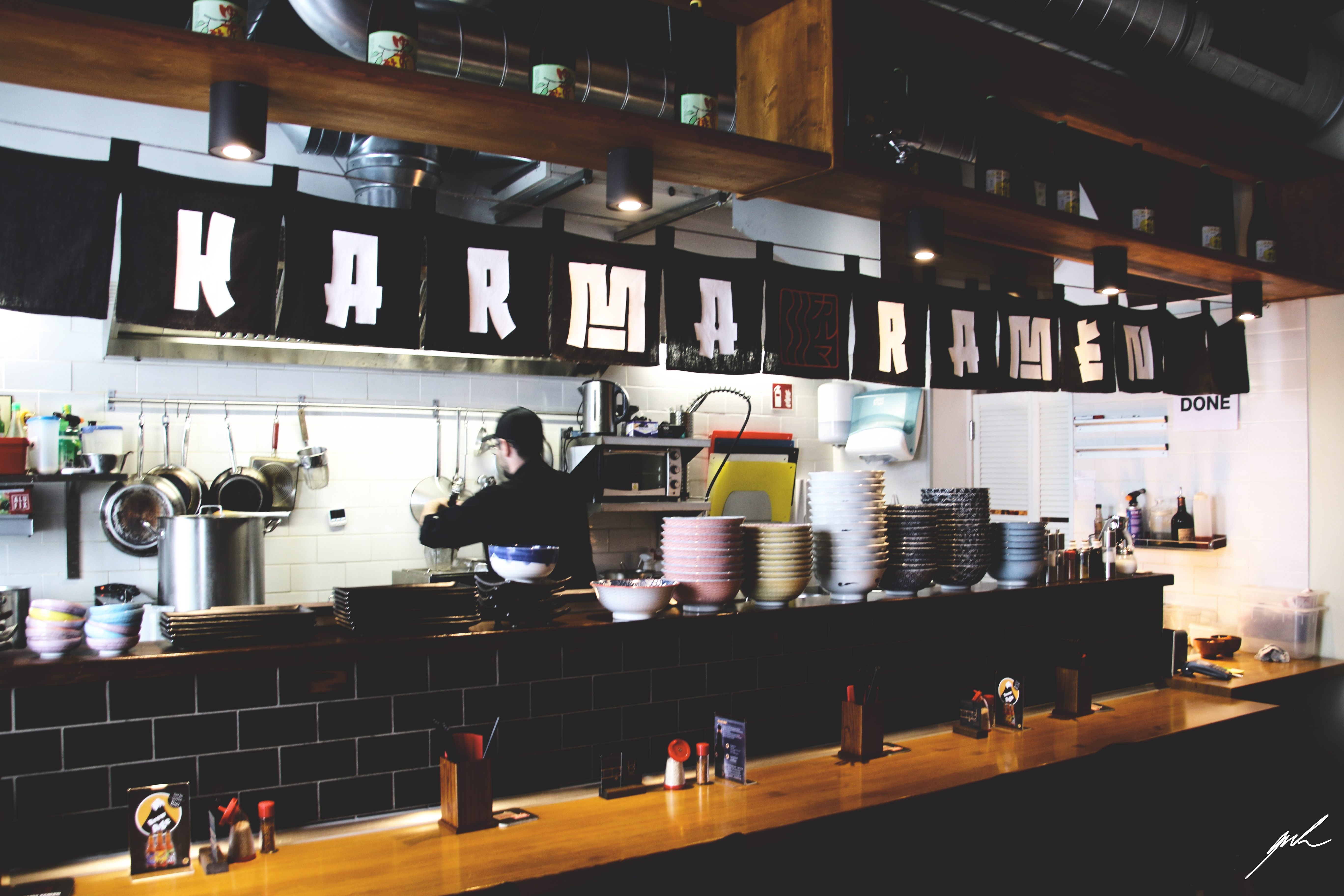
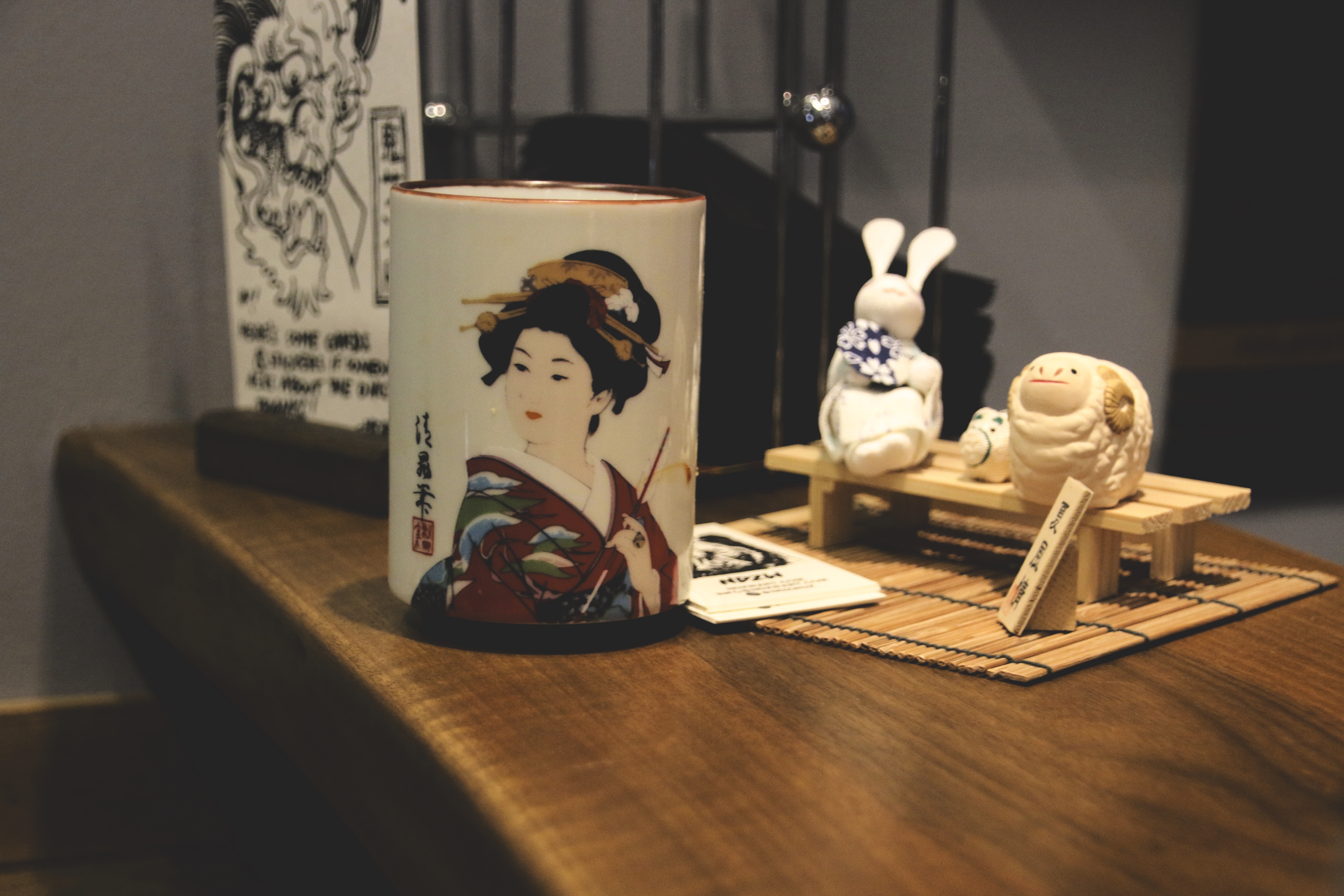
But the real thing is so much better. You can try them in Vienna at Karma Ramen, close to Kettenbrückengasse (subway U4). Not only do you get delicious food there but also a pleasant atmosphere. The place celebrates Japanese-influenced pop culture with posters and Godzilla. Because there is never enough Godzilla. Right?
Karma Ramen is open from Monday to Saturday from 11:30 am to 14:30 pm from 18:00 pm to 23:00 pm, and Sunday from 11:30 am to 16:00 pm.
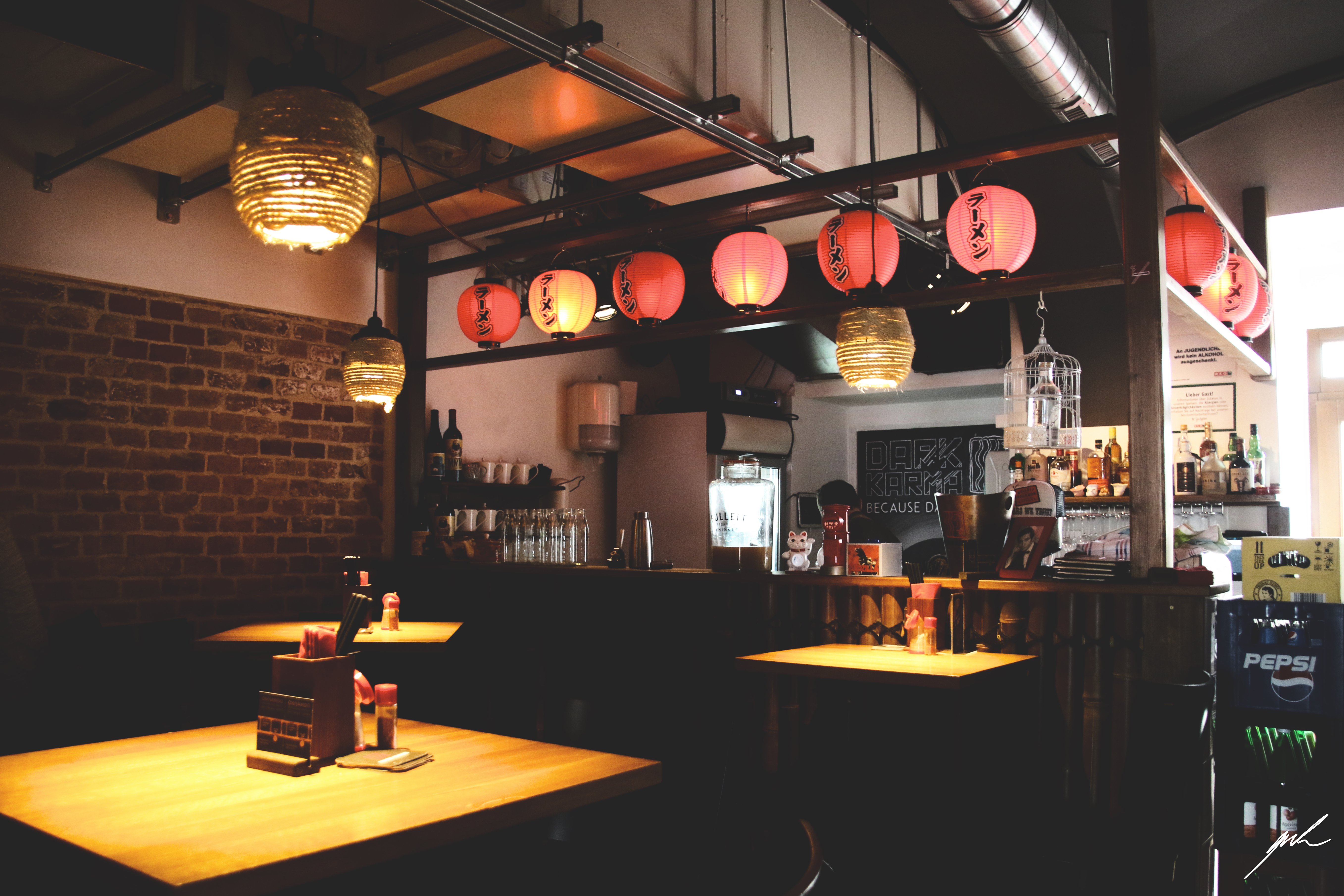
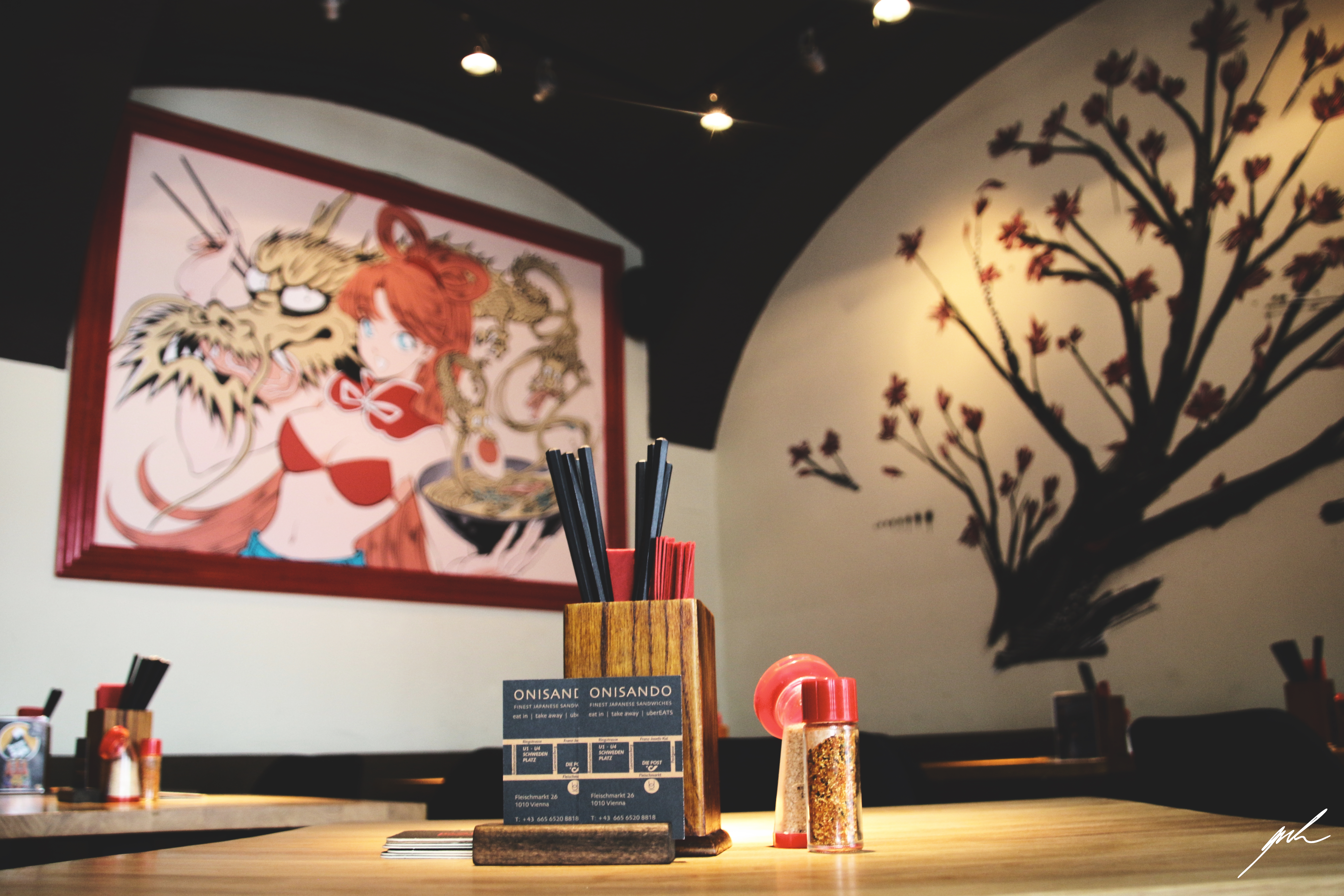
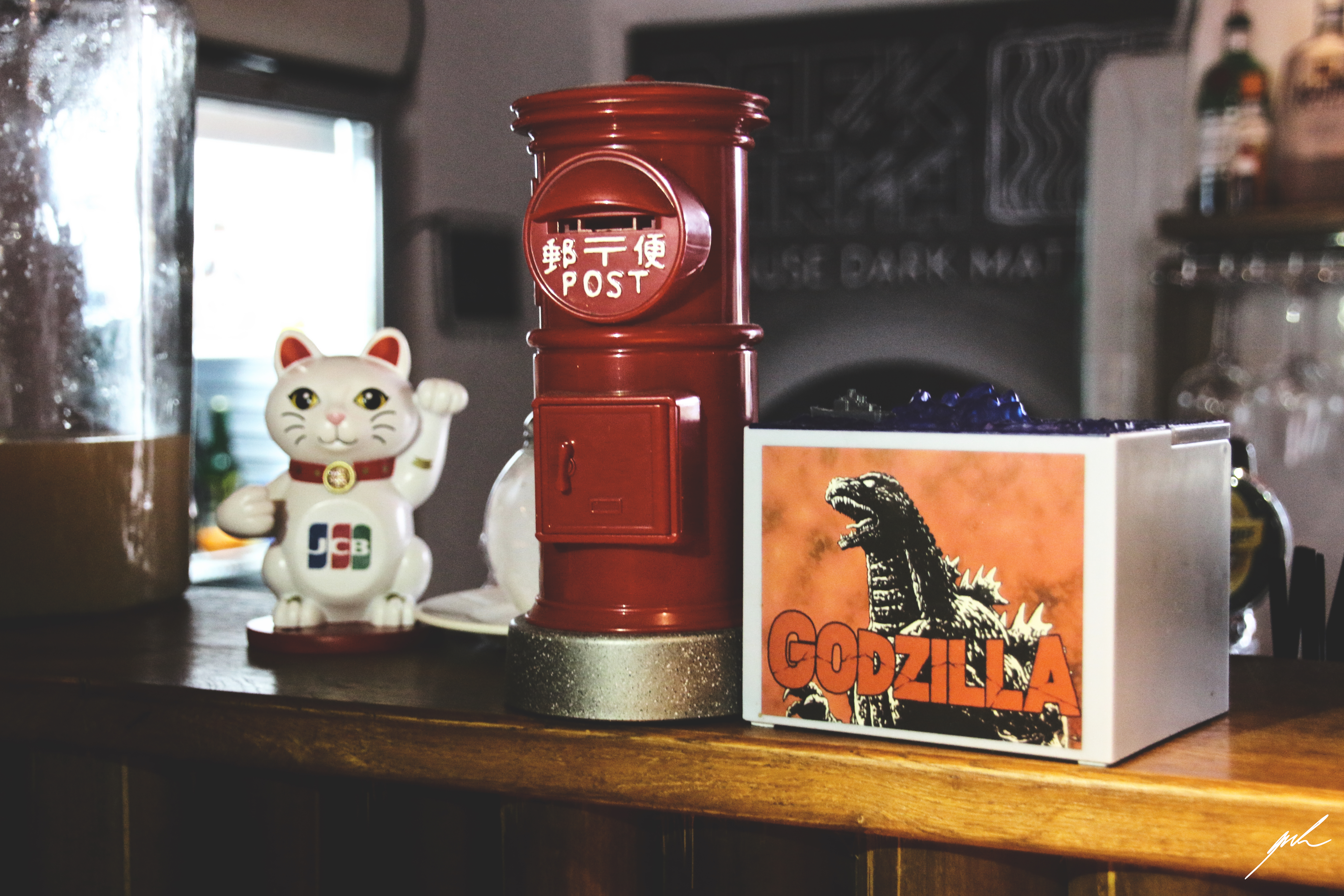
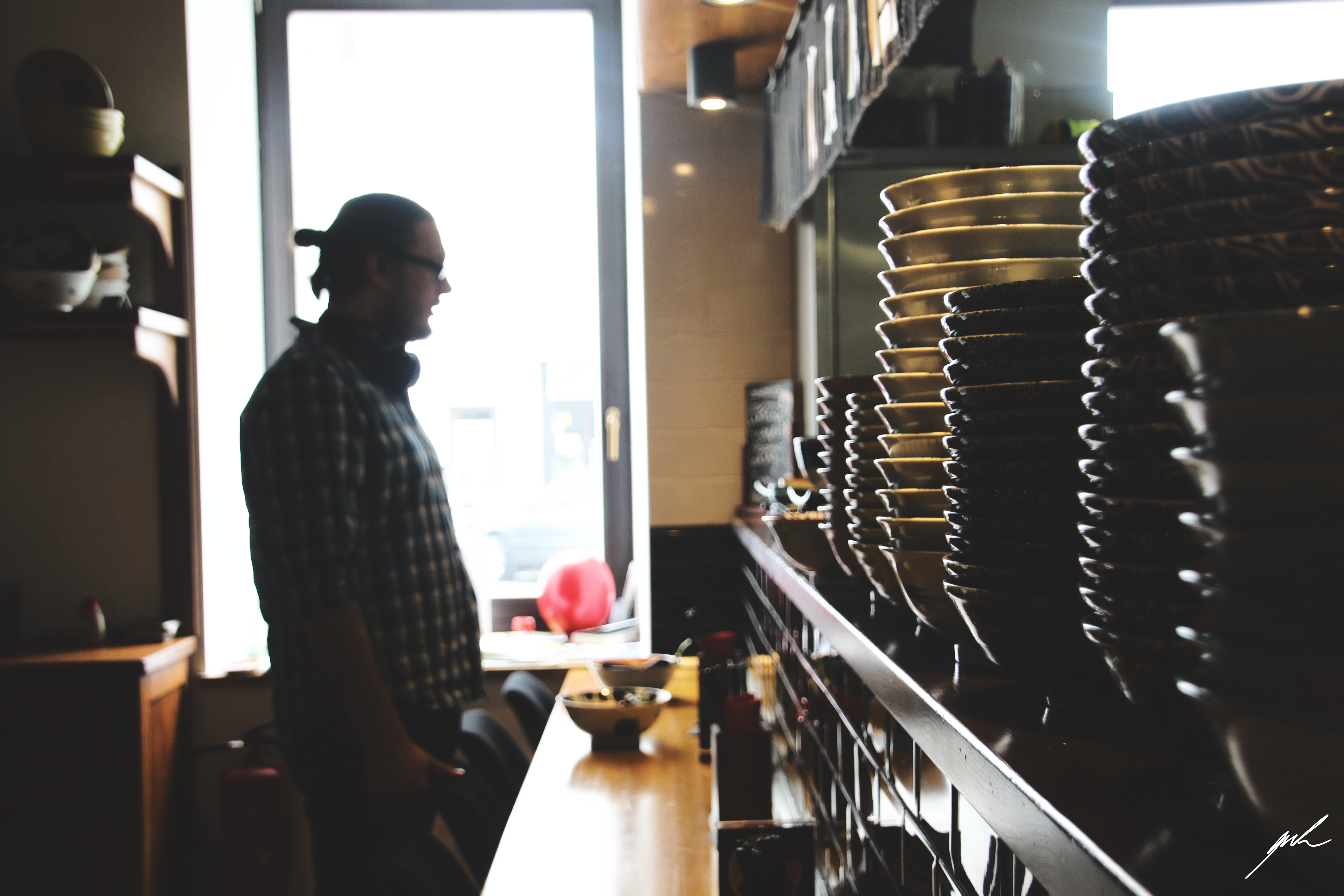

Before we start, I’d like to introduce you to a new series on michaelhoffman. at. In Urban Discoveries, I will present exciting places to eat, drink, and generally have a good time in Vienna and elsewhere in Europe. There is no regularity here, and mostly, my usual photography series will fill the pages, but this is a new addition to the site. Let’s start with a Japanese place in good old Vienna to continue my Japanese theme, which I followed over the winter (one more series is due!).
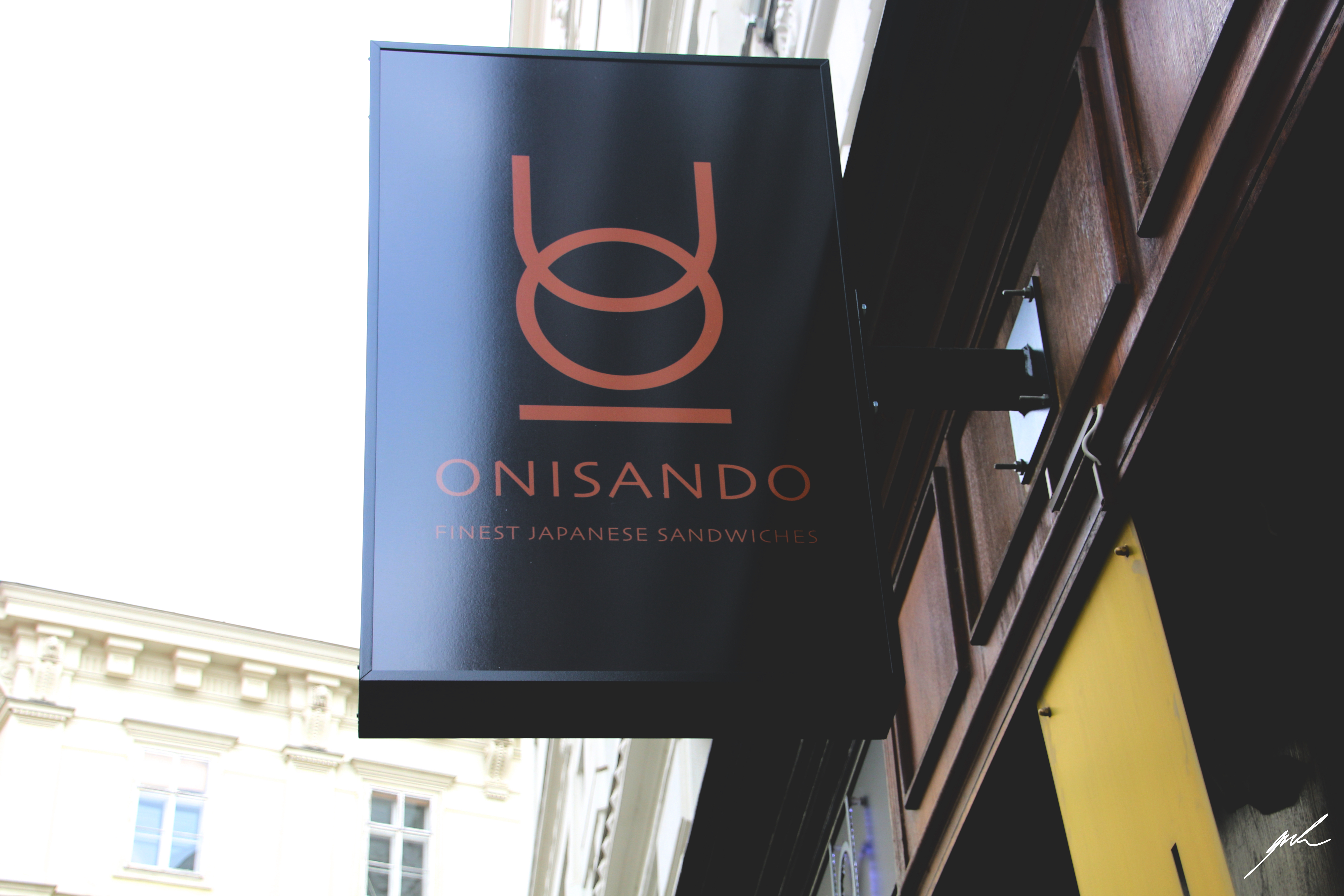
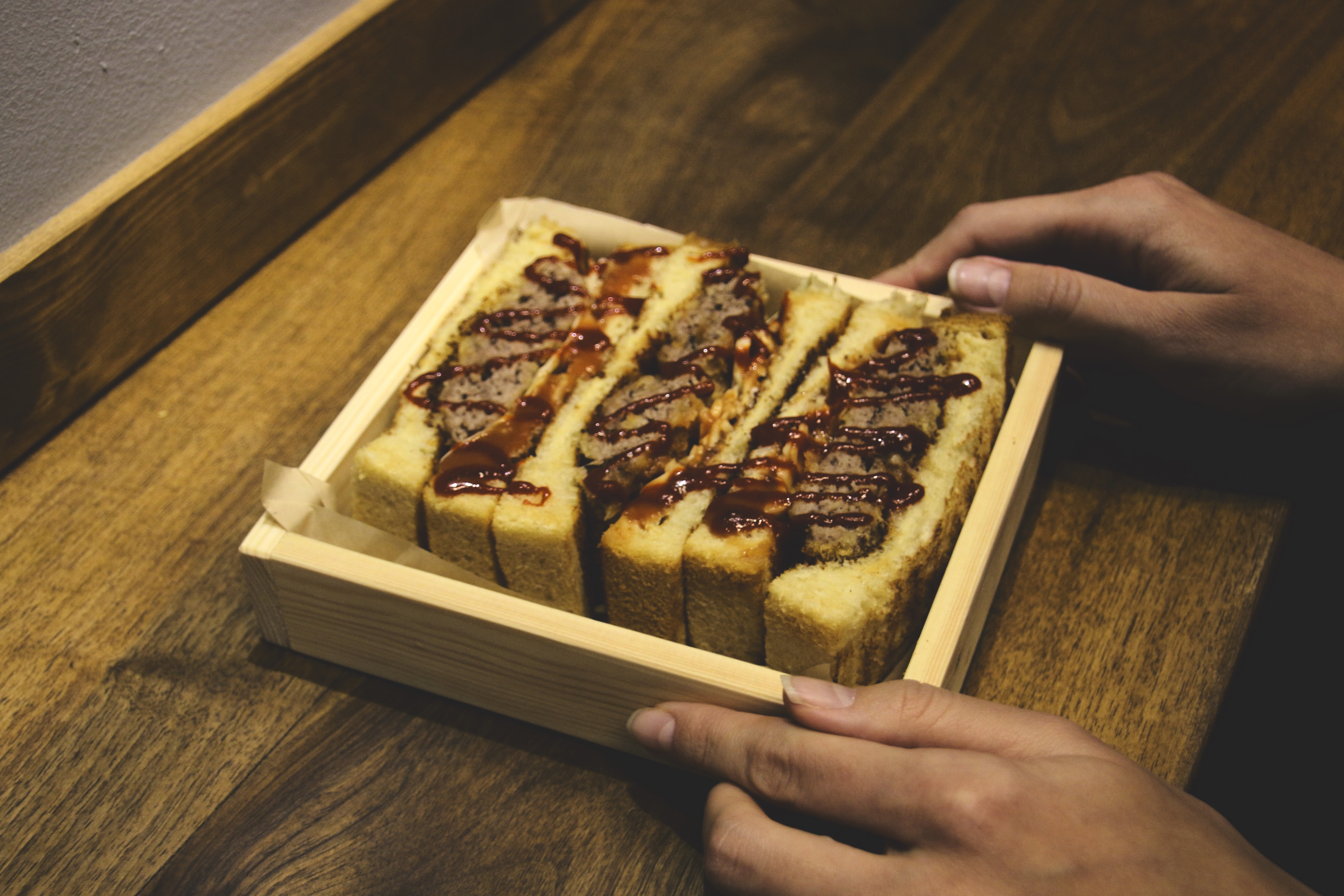
Onisando is a pretty fresh endeavor by the guys behind Karma Ramen. Like Japanese noodles, the dish’s roots lie in late 19th-century Japan. In the Meiji restoration period, as historians refer to this time, the country opened up after a prolonged period of reclusiveness and let in foreign influences in culture, religion, and cuisine. As the sandwiches Onisando offers are called, Katsu was probably invented in a restaurant in Tokyo in 1899 called Rengatei. Initially, it was a Japanese version of a European dish – beef or pork cutlet with breadcrumbs. Hence, the Japanese word katsuretsu for cutlet, or just short katsu. Later, customers demanded a takeaway version of the dish, so Tonkatsu was created. Japanese-style cutlets are served with cabbage in a sandwich topped with sauces.
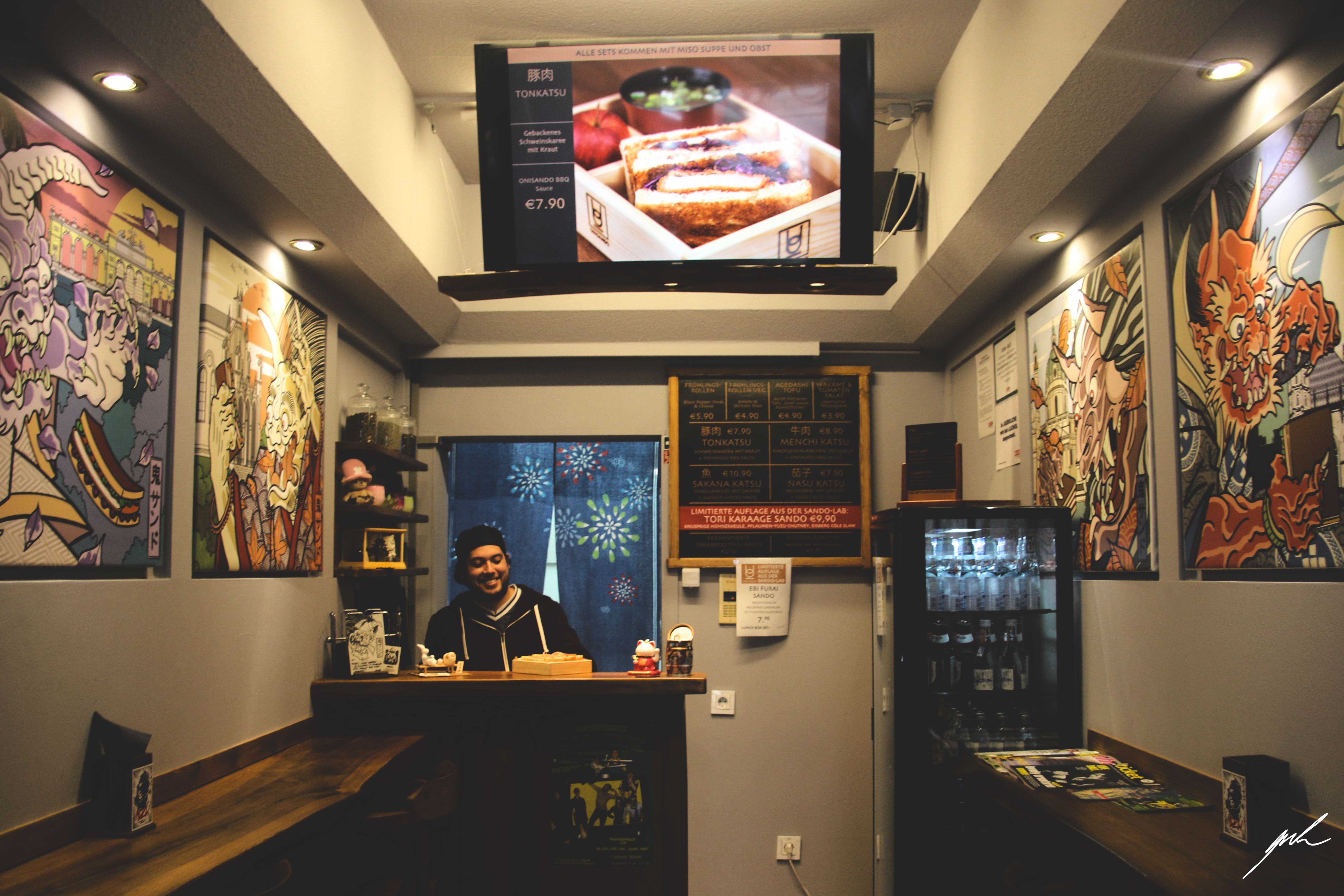
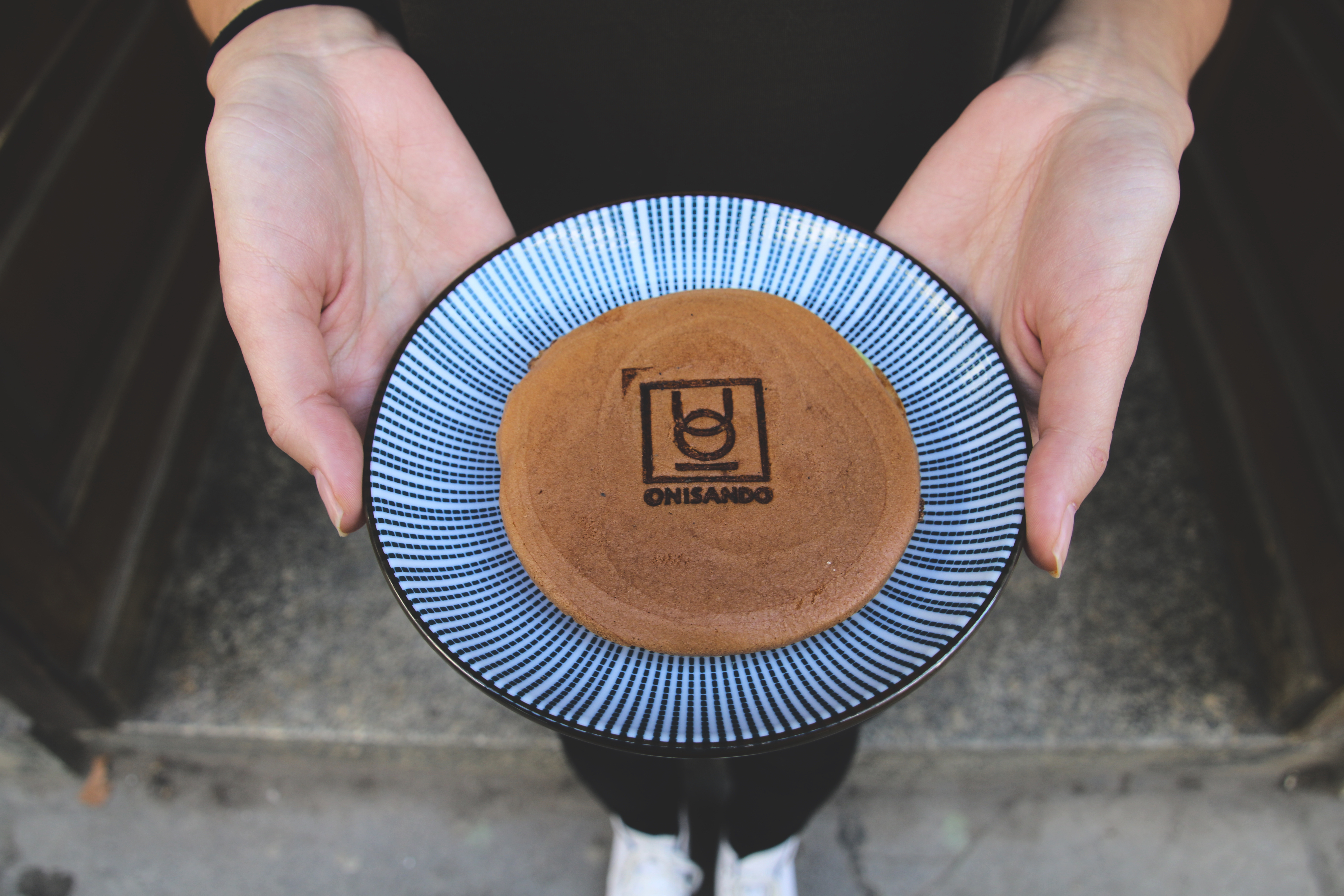
And that’s precisely what you get at Onisando for prices around 7 to 10 Euro for a set with Miso soup and apple. There are a couple of staple sets with meat, vegetarian, and dish options and limited editions, which change around twice a month. I got to try a delicious Matcha dessert, which is still in development and has not yet been finalized (last picture). The general style of the shop is exciting too. It’s pretty minor and cozy and, hence, very Japanese. But the art envisioned by the Polish artist NDZW merges Austrian with Japanese culture by placing Katsu sandwiches in different very Viennese spots – like, for example, the Ferris wheel Riesenrad. Notable are the strict geometric forms you often see in the land of the rising sun.
Onisando is a lovely experience with good food and affordable prices. It is open weekdays from 11:30 to 15:00 at Fleischmarkt 26, 1010 Vienna. For more info, please visit https://www.onisando.at. Thanks for inviting @kju_rose and me in.

 Michael Hoffman Photography