Skip to content

Urban Discoveries presents: Burger Bros.

This article is part of the “Urban Discoveries” series, in which we seek and discover exciting and well-designed places to eat and drink around Europe, especially in Vienna. Again, I worked together with my colleague and dear friend Maximilian Martsch, who is a researcher and works on the topic of food history. The pictures were shot by myself. Thanks to the folks at Burger Bros. for the invitation and the excellent talk.

test

The Bermuda Triangle in Vienna is well known for many things, including bars and drunken teens, but certainly, it was never known for good food. Is this about to change? We visited the new Burger Bros. restaurant to investigate. The franchise subsidiary opened its doors just a couple of months ago, and it’s the latest addition to the Burger Bros family. The small Vienna-based franchise already has two other locations in the city, one at Hauptbahnhof and another in the Wien Mitte shopping mall. All three restaurants have a similar design to establish a corporate identity that is easily recognizable to the customer.
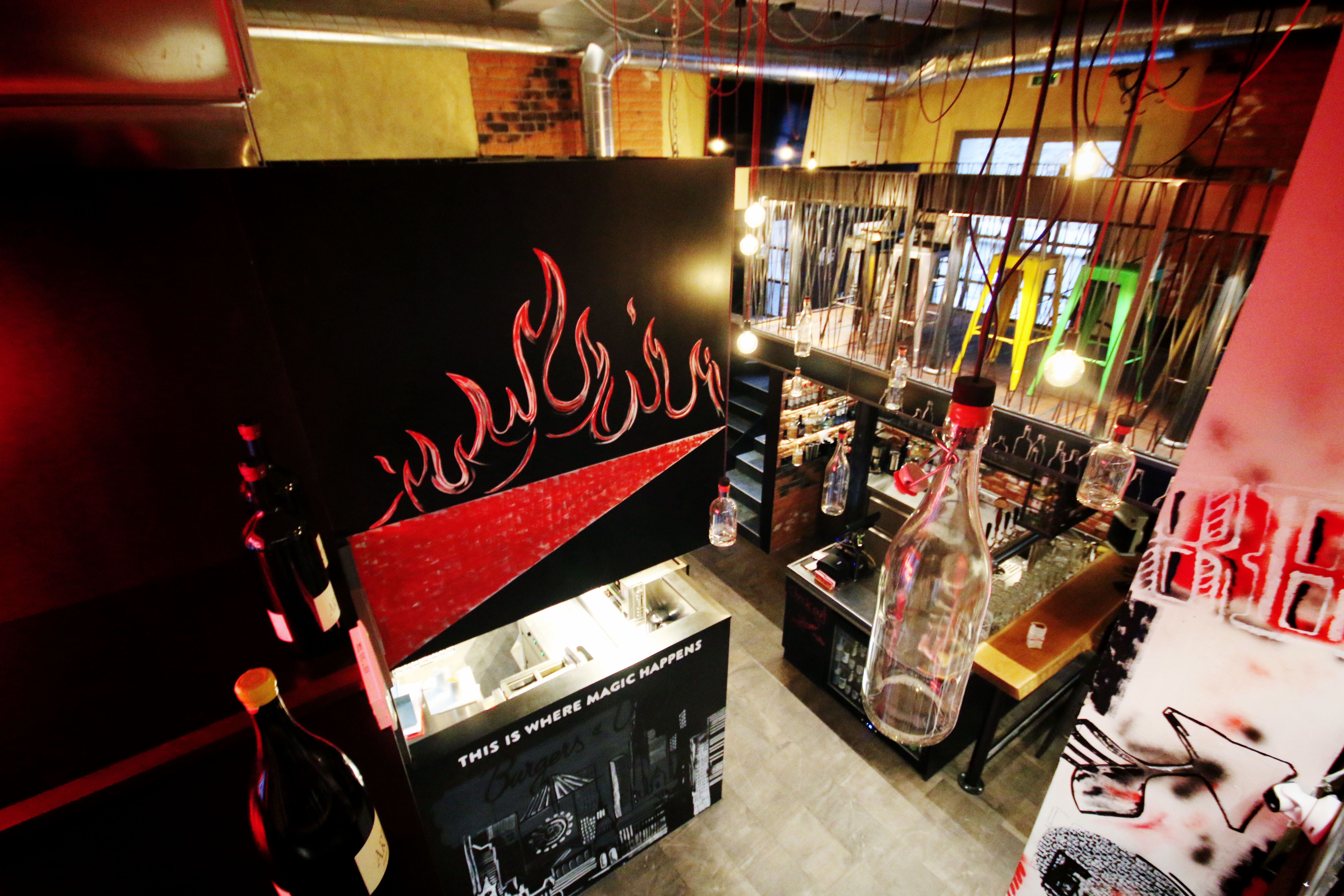
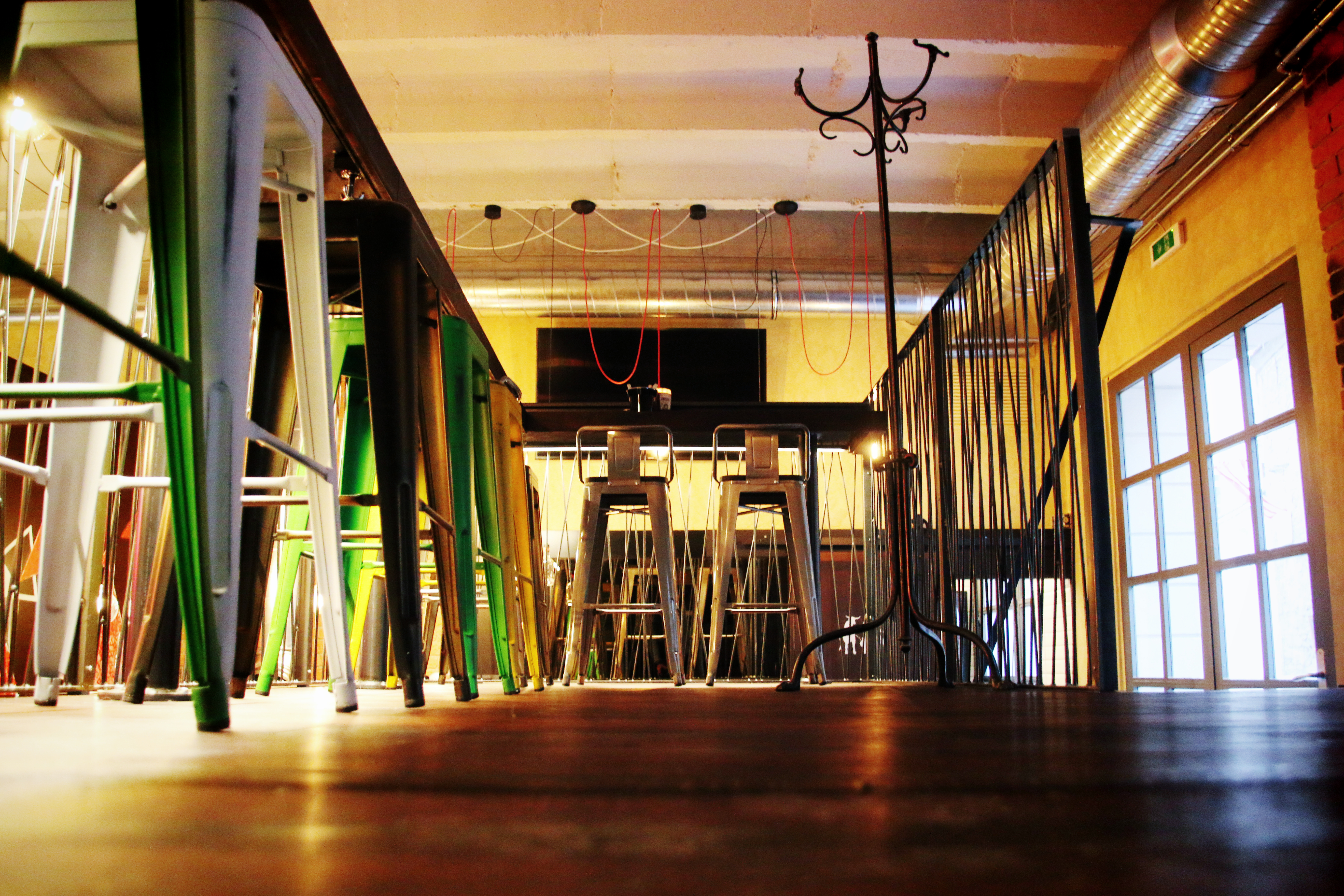
Nonetheless, the interior of Burger Bros Bermuda doesn’t feel generic or uncomfortable. A couple of excellent design elements create a distinct, relaxed atmosphere, like the hand-painted walls, the colorful bar chairs, and the ceiling lamps. Also, use the washrooms to avoid missing out on the hilarious Chuck Norris quotes on the doors.
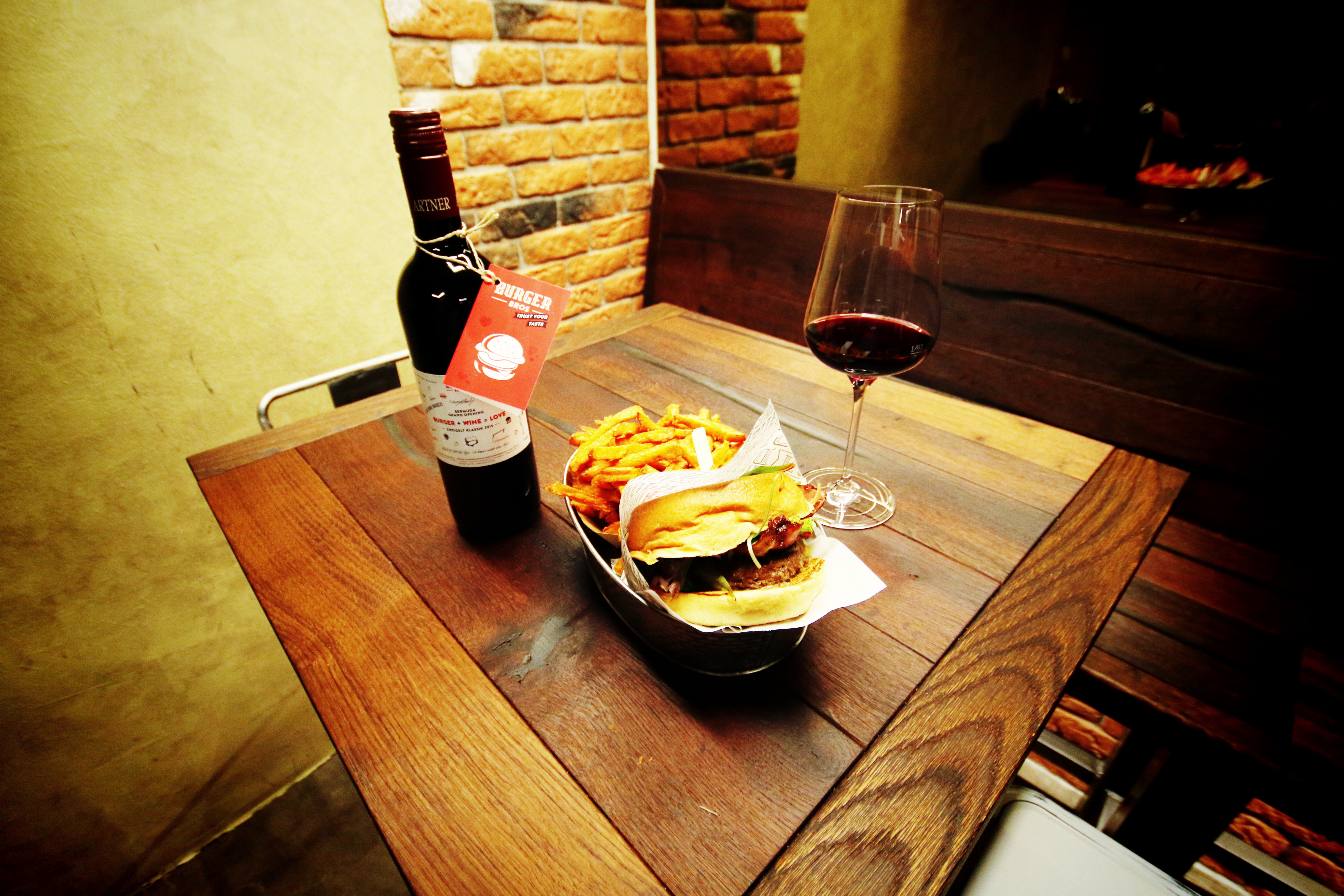
But certainly, the design is not, or at least not, the only reason to visit Burger Bros Bermuda – it’s their food. During the last few years, several premium Burger restaurants have sprung up around Vienna, saying goodbye to the burger as the classic incarnation of the fast food generation closely linked to global chains like Mcdonald’s, Burger King, and others. Following this trend, Burger Bros emphasizes quality and innovation rather than price.

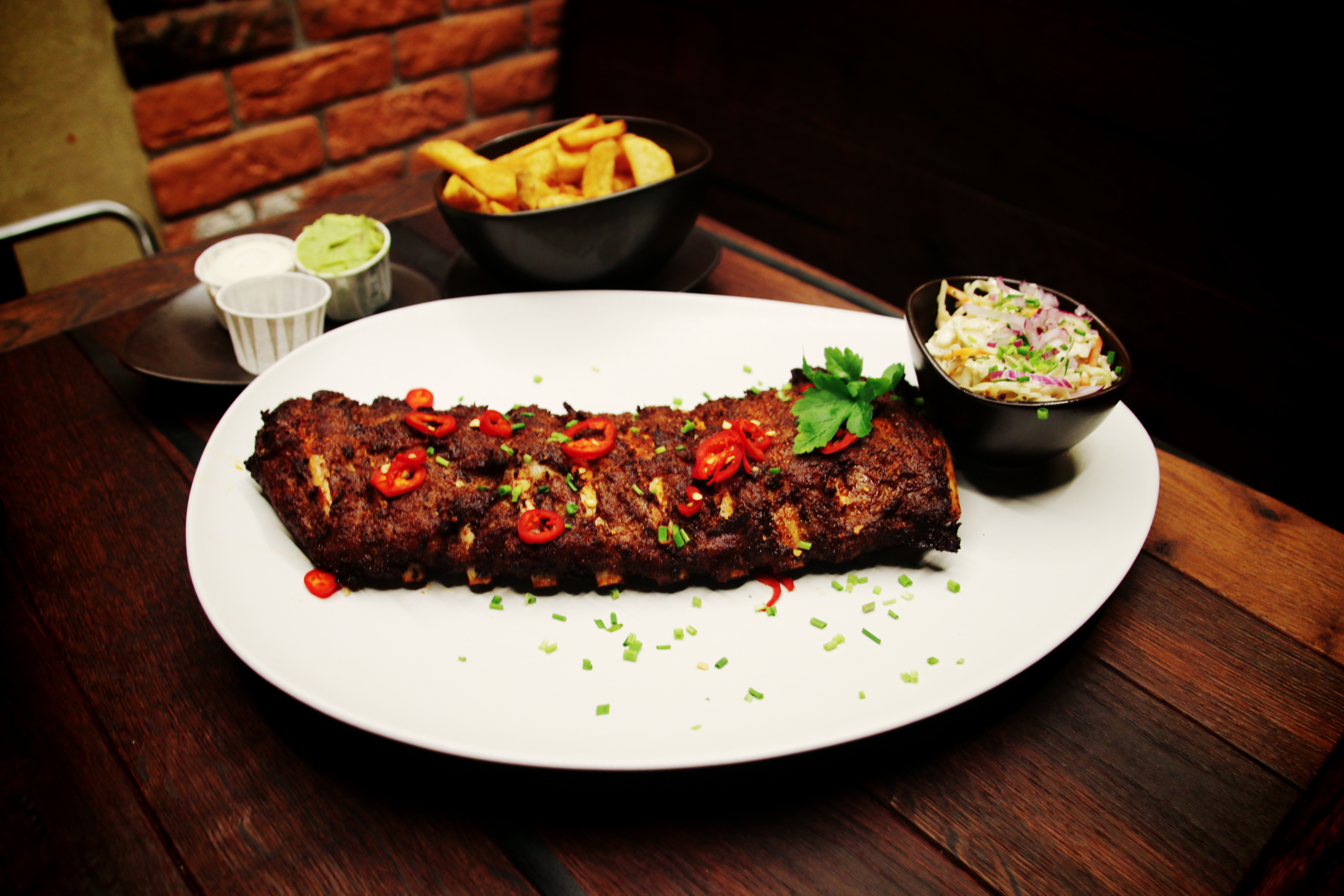
All their burgers were created by trained (starred) chefs, using only fresh and regional ingredients. The quality of beef is critical to a great burger; at Burger Bros, they use Black Angus or Simmentaler beef for their burger variations. And let me tell you, you can really taste the difference! The beef patty is thick, juicy, and simply delicious. It’s the heart of the burger and, therefore, calls for quality. The second most important part of the burger is arguably the bun. The soft brioche buns are not made in-house but are delivered to all three Burger Bros locations in the morning. The bun has a smooth, quiet, lightly toasted texture, perfectly accompanying the beef patty. Besides their delicious burgers, they offer tasty ribs, steaks, hot dogs, and various salads and sides. If you are up for a special treat, order their Rossini burger with foie gras or go for the burger of the month.
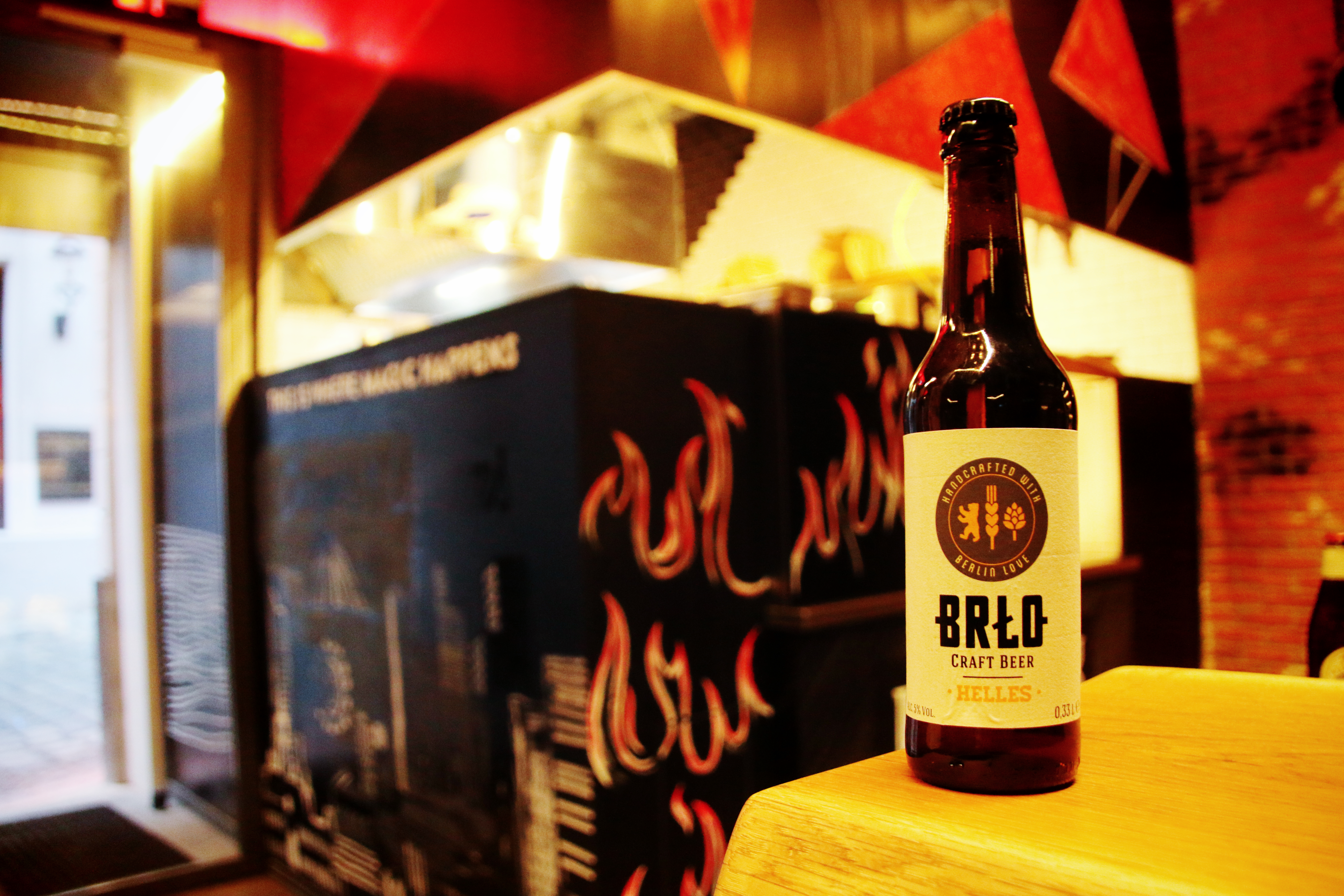
What goes better with a burger than a nice cold one? Aside from the obligatory draft beers, Burger Bros Bermuda offers an excellent selection of national and international craft beers. If you are more into wine, they also have a great choice to ensure you find the right pairing for your food. Overall, they have a nice range of alcoholic drinks. Cocktails and shots are also on the menu for a very reasonable price. Make sure to check out their changing deals on food and beverages. For instance, on Wednesday, they have 30% off craft beers. If you are not just looking for a quick, cheap bite but a high-quality, tasty Burger and a nice drink in a relaxed atmosphere, Burger Bros Bermuda is an accurate tip. You can even enjoy their food and drinks outside in their pub garden from May.

For more information and opening hours, visit http://www.burgerbros.at.
Urban Discoveries: Disco Volante

This is part of the “Urban Discoveries” series, in which we seek and discover exciting and well-designed places to eat and drink around Europe, especially in Vienna. The article we present today was written by my colleague and friend, Maximilian Martsch, a researcher who works on food history. The pictures were shot by myself. Due to the longer text this time, we decided to change the format a bit; the images are now included within the article and not placed at the end. Thanks to Disco Volante for the invitation and especially to Verena Piontek for the warm welcome and the interview.

test

I still remember my visit to the famous Antica Pizzaria Da Michele in Naples and the sensational joy of enjoying a purist pizza Margarita. The Soft, moist dough and fluffy crust, the rich marinara sauce topped with tasty slices of mozzarella cheese, and perfectly balanced with a couple of fresh basil leaves. And it’s not only the food but also the bustling and lively atmosphere. After all, pizza is a fast dish; you get in, sit, order, eat, maybe round it up with a coffee, and leave again. In many ways, it encapsulates the Italian lifestyle in a nutshell.
So, to get that authentic experience of Neapolitan pizza, you have to hop on a train or plane and travel down there, right?

Well, not necessarily…right in the middle of Vienna’s trendy 6th district in the busy Gumpendorfer Straße, you can get a taste of Naples’s most iconic dish. The Pizzeria Disco Volante is dedicated to dishing out flat pies topped with all kinds of fresh ingredients right from their steaming hot wood-fired oven. Not only is the pizza inspired by its Neapolitan models, but also the restaurant’s design.

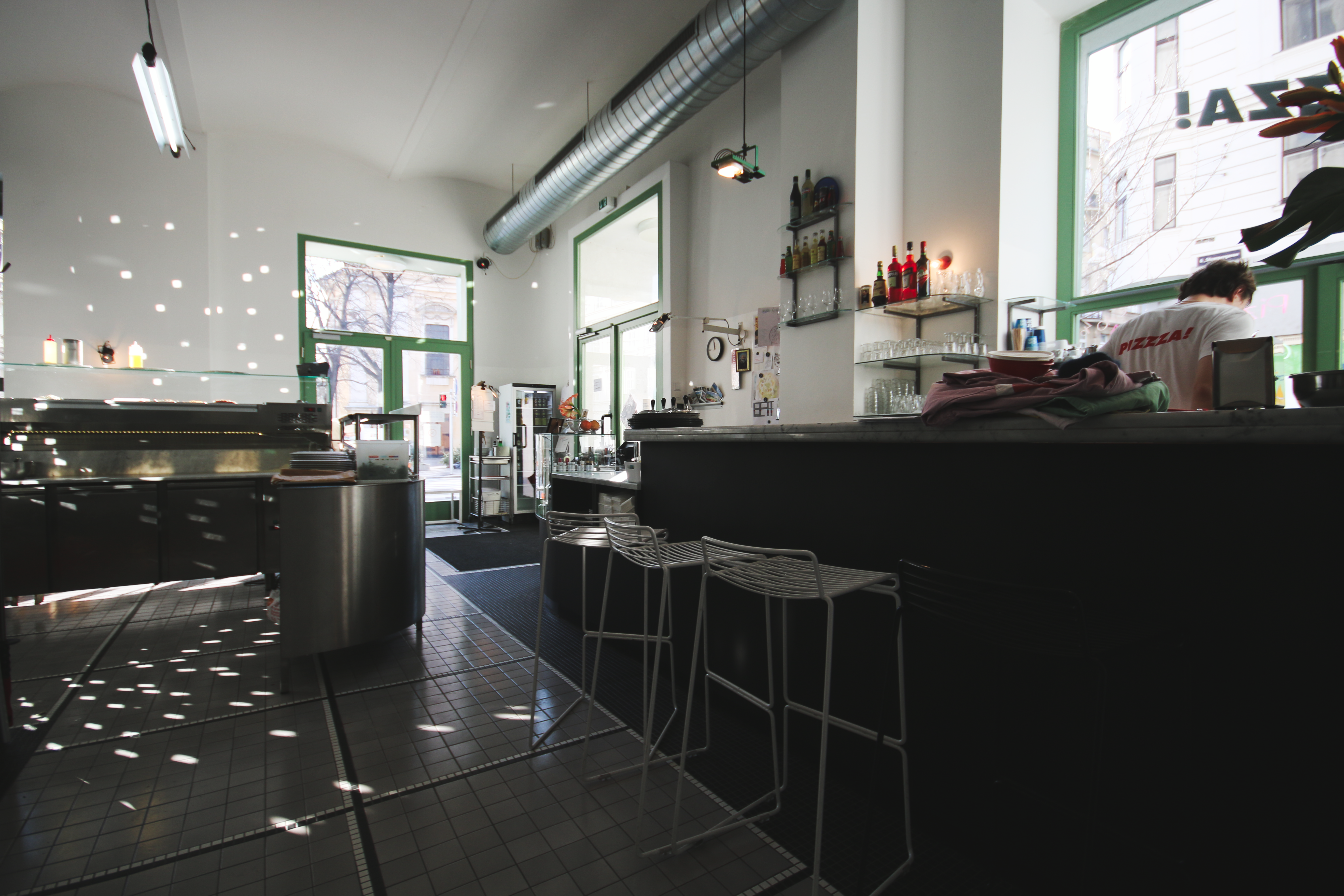
The name Disco Volante is Italian and means “flying disc,” which refers to the pizza’s flat shape and how the dough is thrown in the air to stretch it out before it’s garnished and baked in the oven. But besides this rather obvious correlation, the name also hints at the actual eye candy of the restaurant: the wood-fired oven in the design of a disco ball. We visited during the daytime, and the sunlight’s reflection in the disco ball’s small mirrors created a distinctive atmosphere. However, colored spotlights and Italian disco music also make visiting during the evening worthwhile.


The design concept can be best described as pure and clean. The restaurant immediately reminds me of the unique style of Italy in the 60s; everything looks bright, clean, and minimalistic.
The owners work with regional producers to ensure the best quality, but you also find imports on their menu, like an assortment of delicious Italian lemonades.

The restaurant opened its doors in 2013, and you might have heard of its sister location, “Pizza Mari,” in the 2nd district, which is well known among urban pizza lovers. Both restaurants are owned by Maria Fuchs, who fell in love with Naples and its pizza culture while spending an exchange semester there and decided to bring this experience back to Vienna.


All the pizza cooks at Disco Volante are Italians, and they must go through special training before mastering the art of pizza making, which is really a form of art. The wood-fired oven reaches a temperature of 300–400° and is big enough for eight pizzas baking simultaneously. Due to the high temperature, the pizzas can get burned quickly and must be rotated repeatedly until finished after a couple of minutes. The work requires a crafty technique and a lot of practice. The cooks at Disco Volante know precisely what they are doing, and it’s a joy to watch them scurry around the kitchen while cracking jokes in Italian.
Disco Volante doesn’t do home delivery, so you best pick up the phone and order for pick up, or you just put on your sneakers and run over there to get your hands on their delicious pizza and indulge in the busy atmosphere of southern Italy.

For opening hours and further info, please visit http://www.disco-volante.at

Cathedrals of the Working Class: Rabenhof in Early Spring

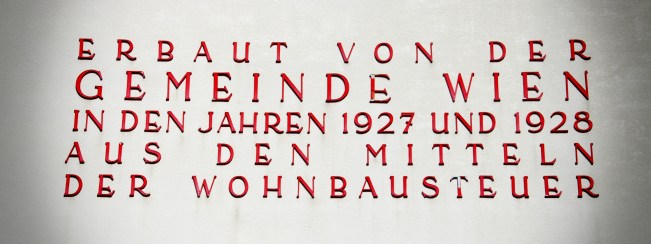
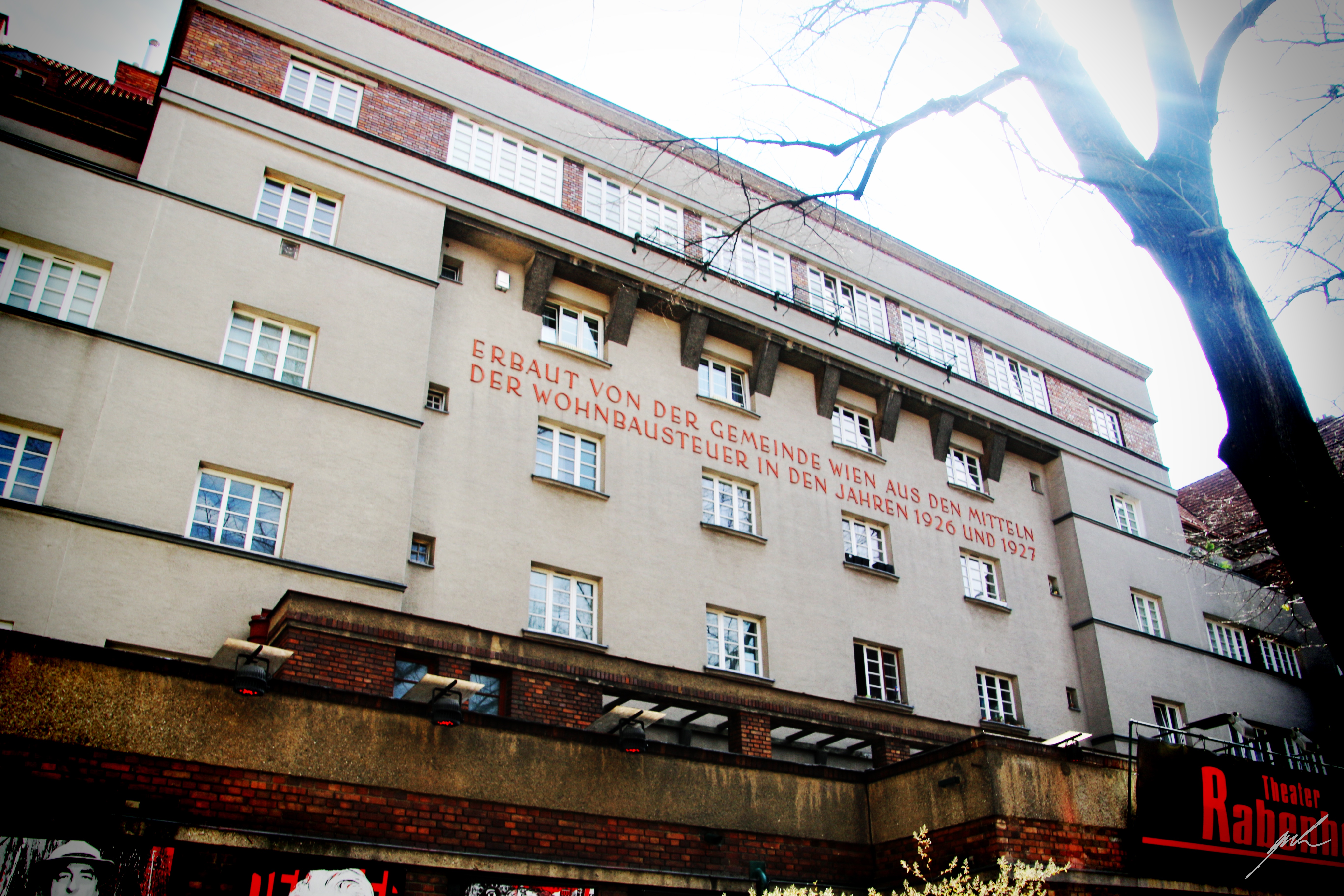
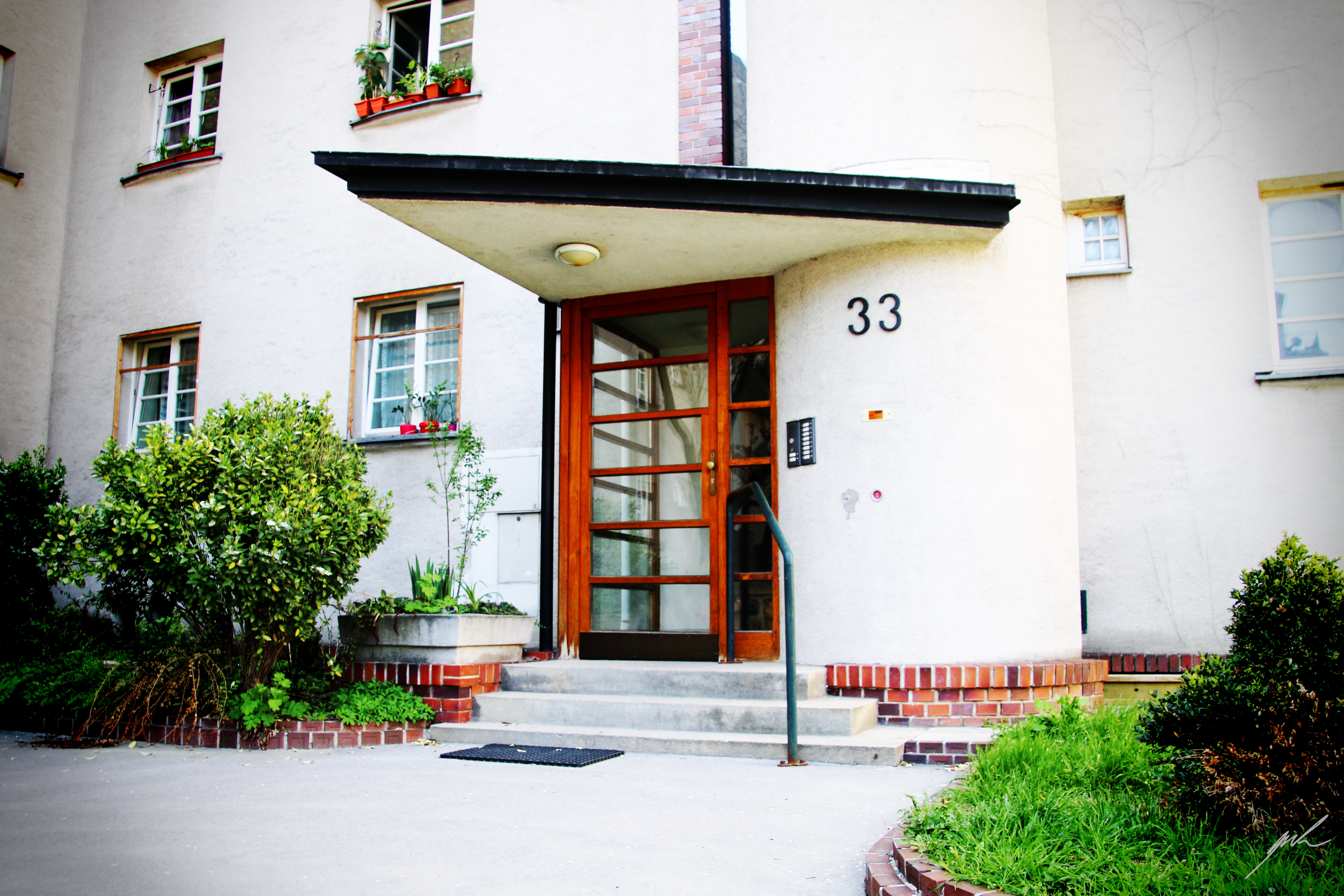
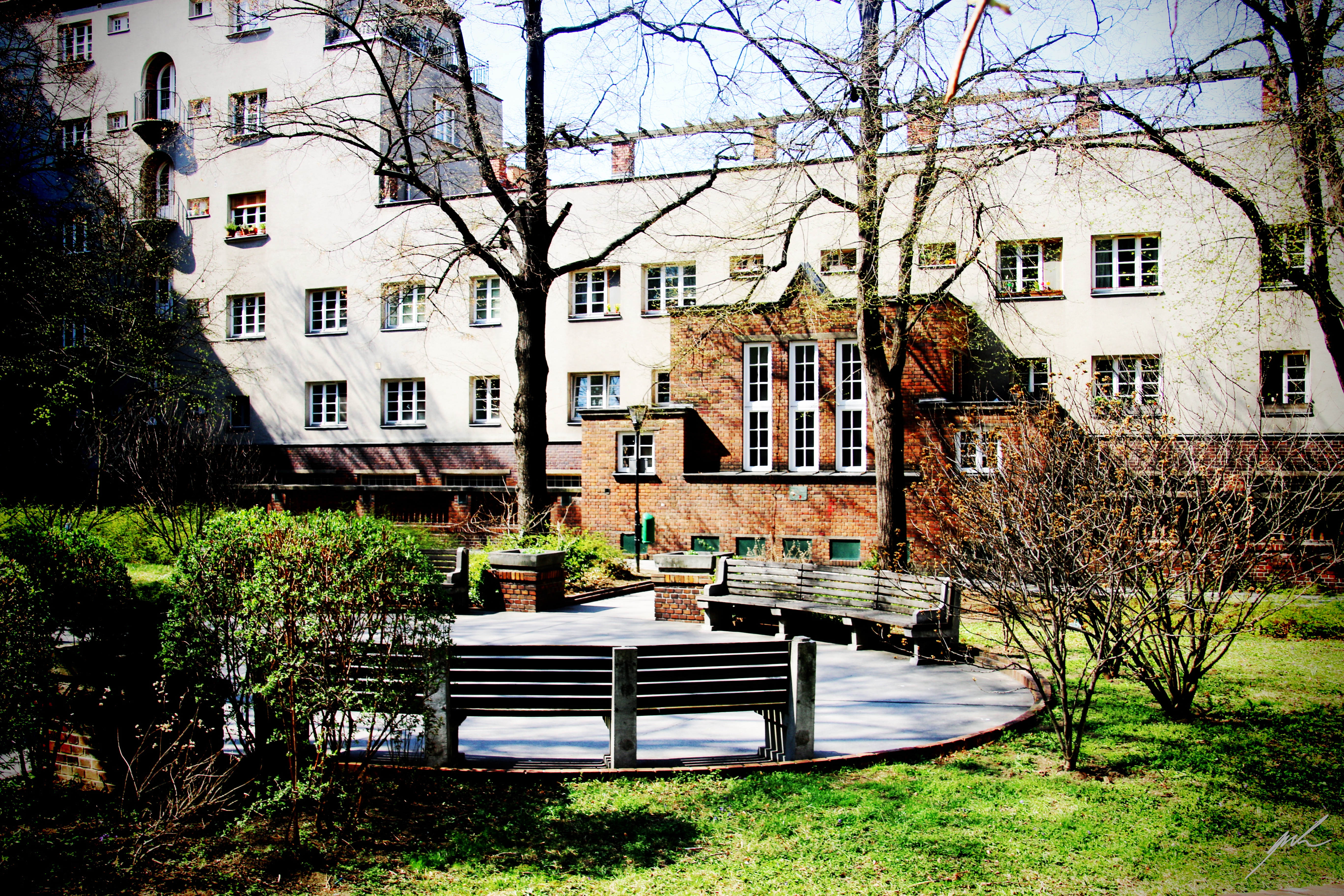
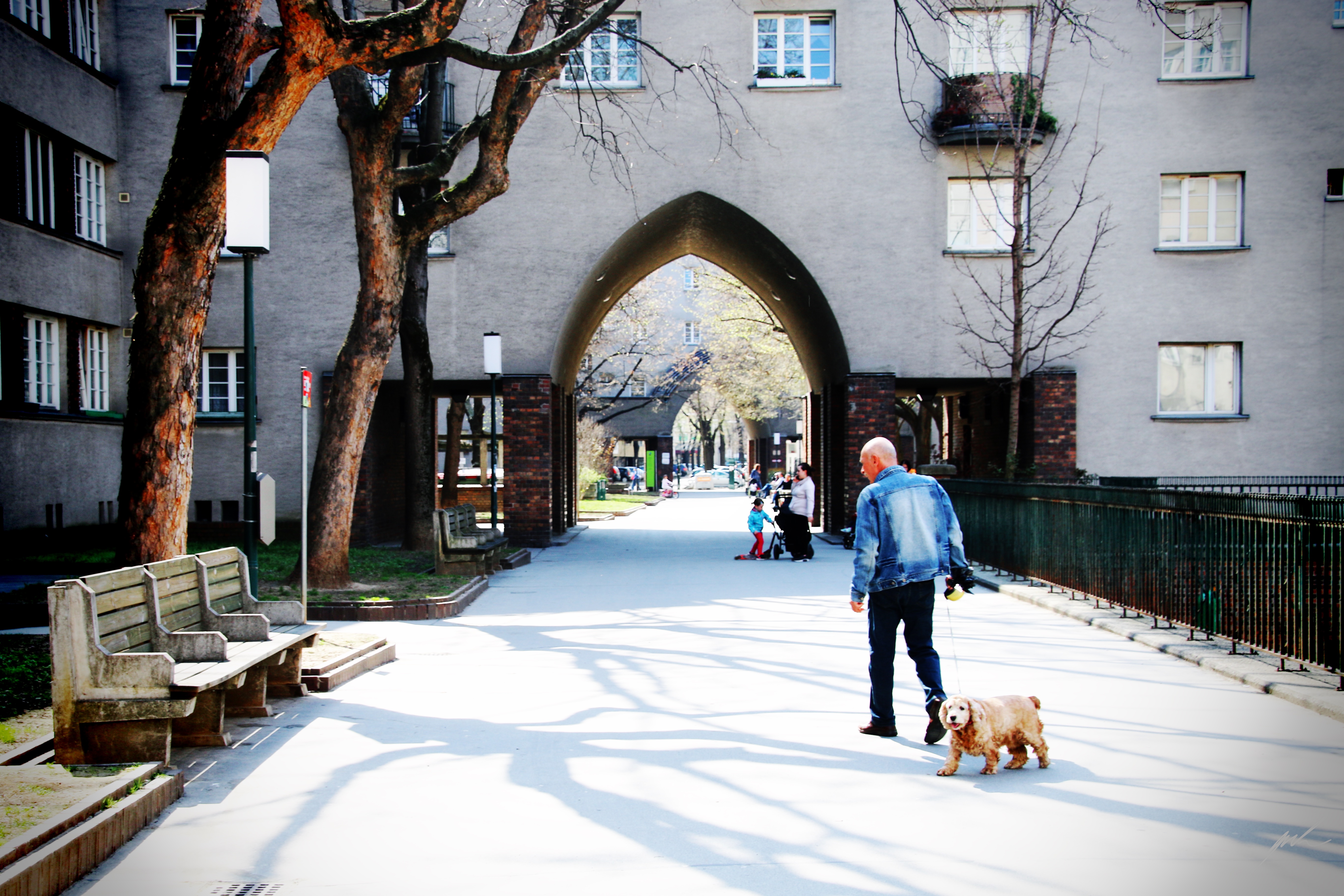
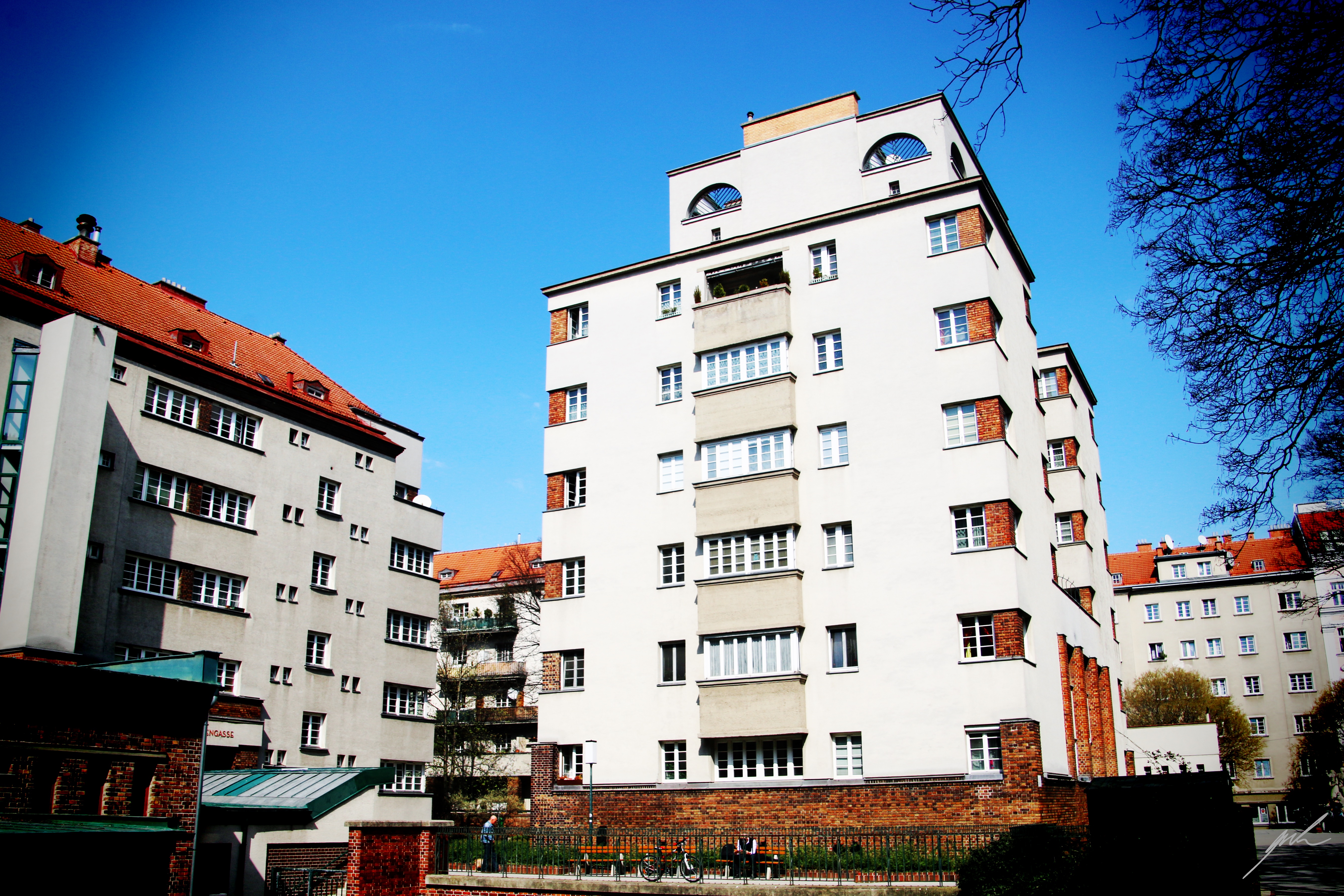
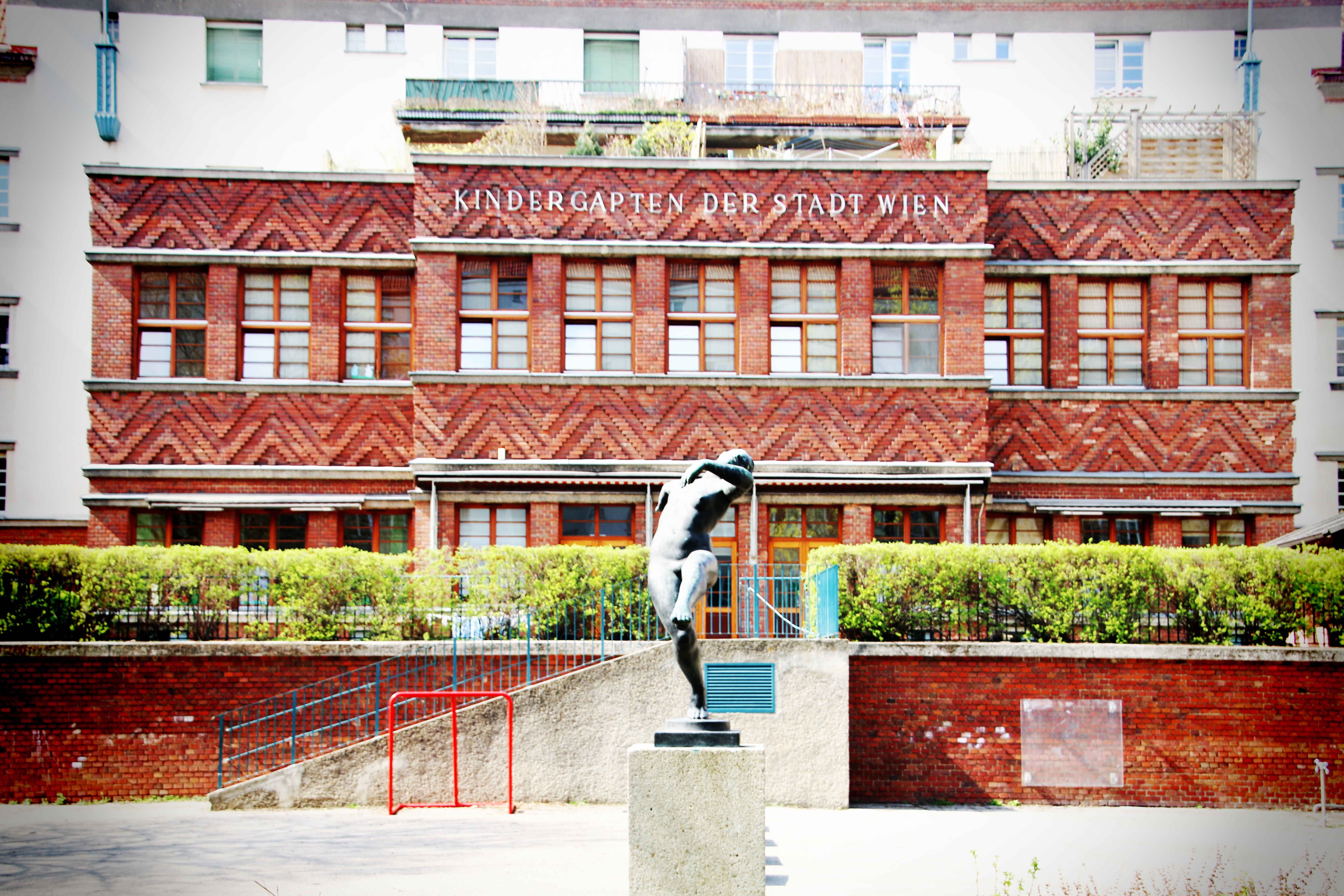
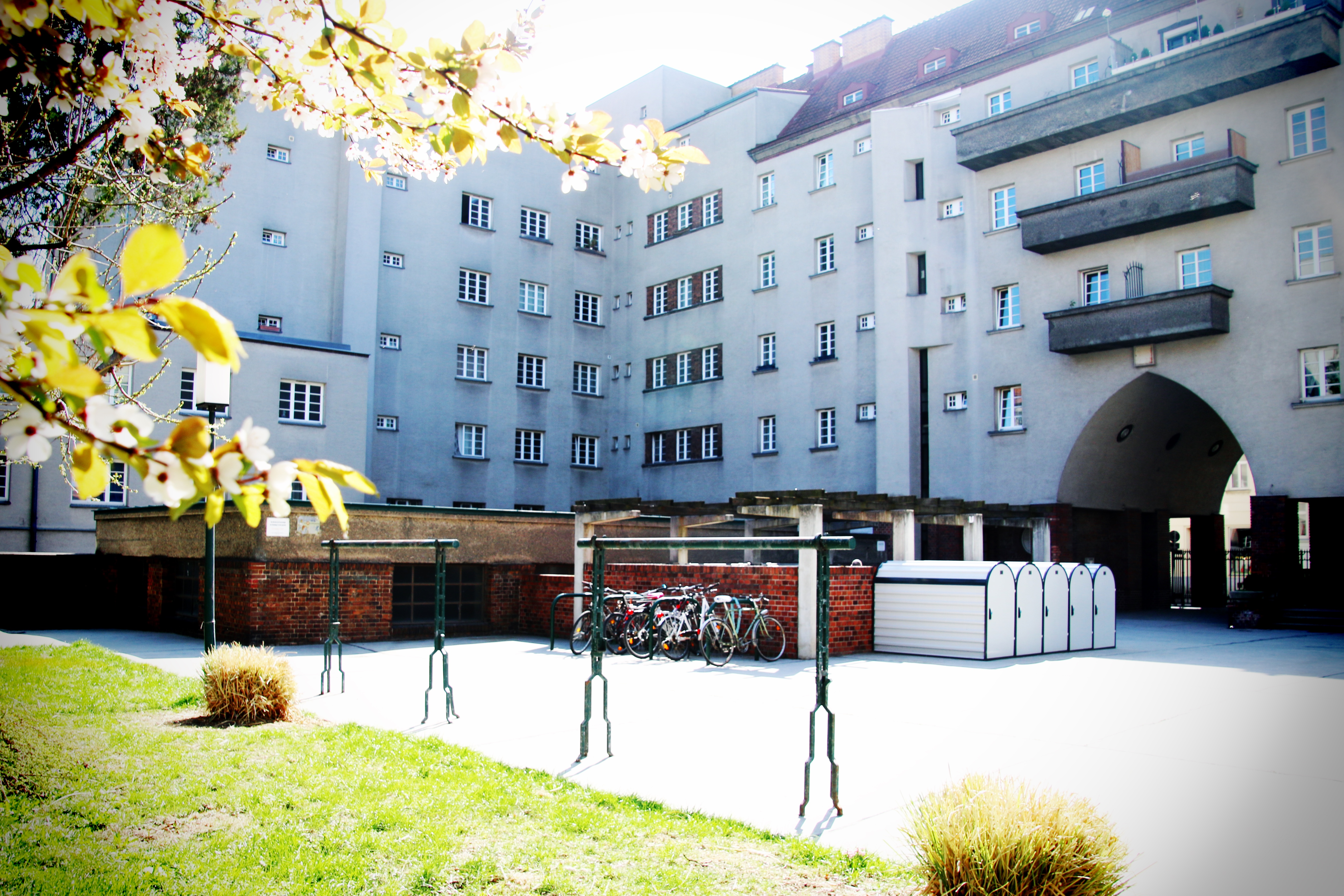
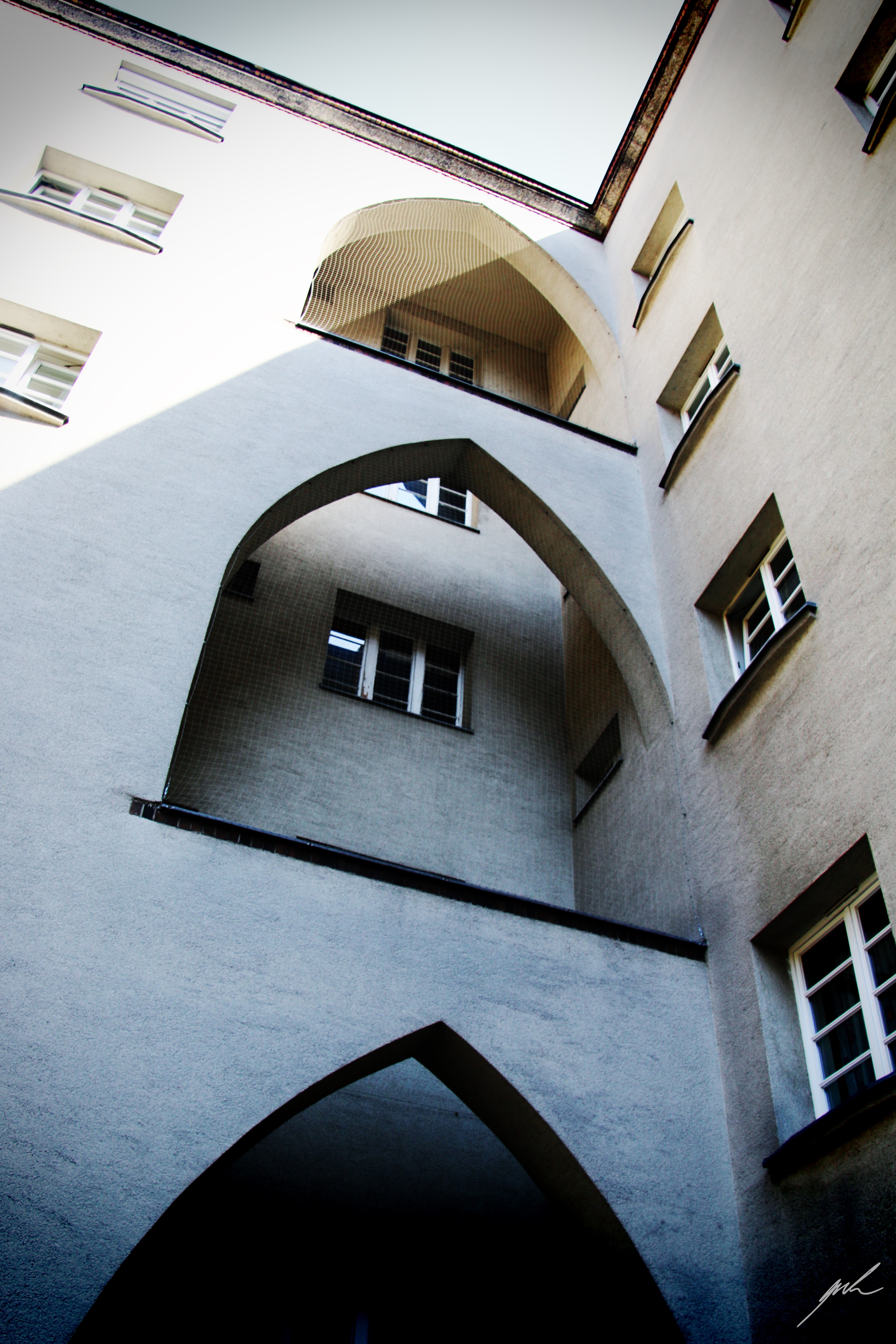
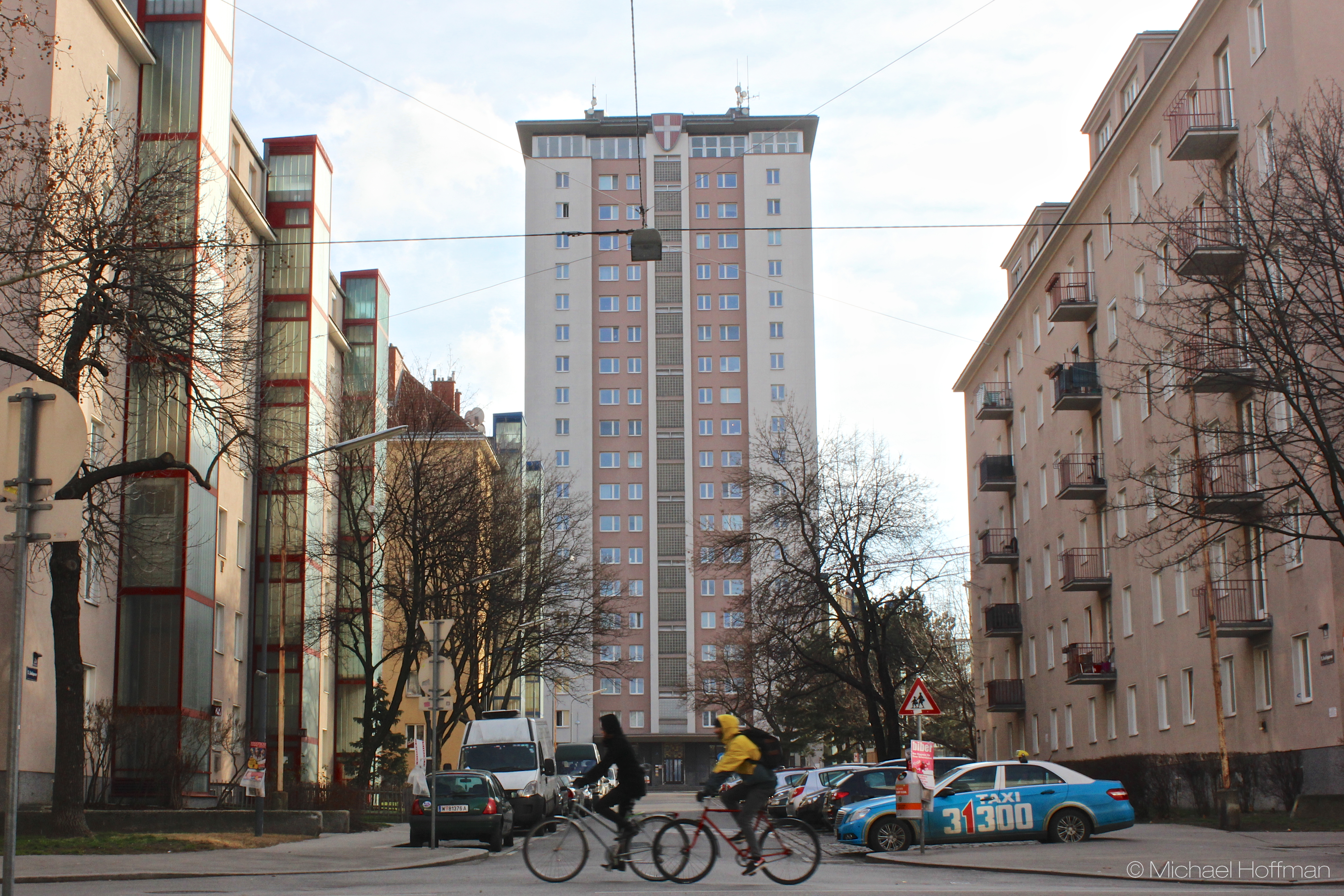
After the devastations of World War I and facing enormous societal and economic challenges, the people of Vienna craved change. A particular problem was the working class’s poor living conditions; they often lived in large tenements without warm water and communal toilets in the corridors. Large families lived in small apartments, and they often had to accommodate additional roomers to afford the overpriced rent. For these and other reasons, the Socialist Party of Austria (SPÖ) was voted into power and planned a radical rethinking of the city in the 1920s. Large and modern communal buildings called Gemeindebauten were to be built with large inner yards for the workers to gather and thick walls to protect them. Among the first ones made was the Rabenhof in the 3rd Viennese district. Today, it is known among Austrians mainly for the theater with the same name, where the workers’ gathering hall used to be. The rent in these buildings was much lower and affordable; at the same time, the standard of living was much higher, with private toilets, launderettes, private parks, and a kindergarten. The same is true today: every 4th Viennese of different economic backgrounds lives in a Gemeindewohnung, around 3.500 in the Rabenhof building.

test


1 2 4