Skip to content

Bohemia in March

test

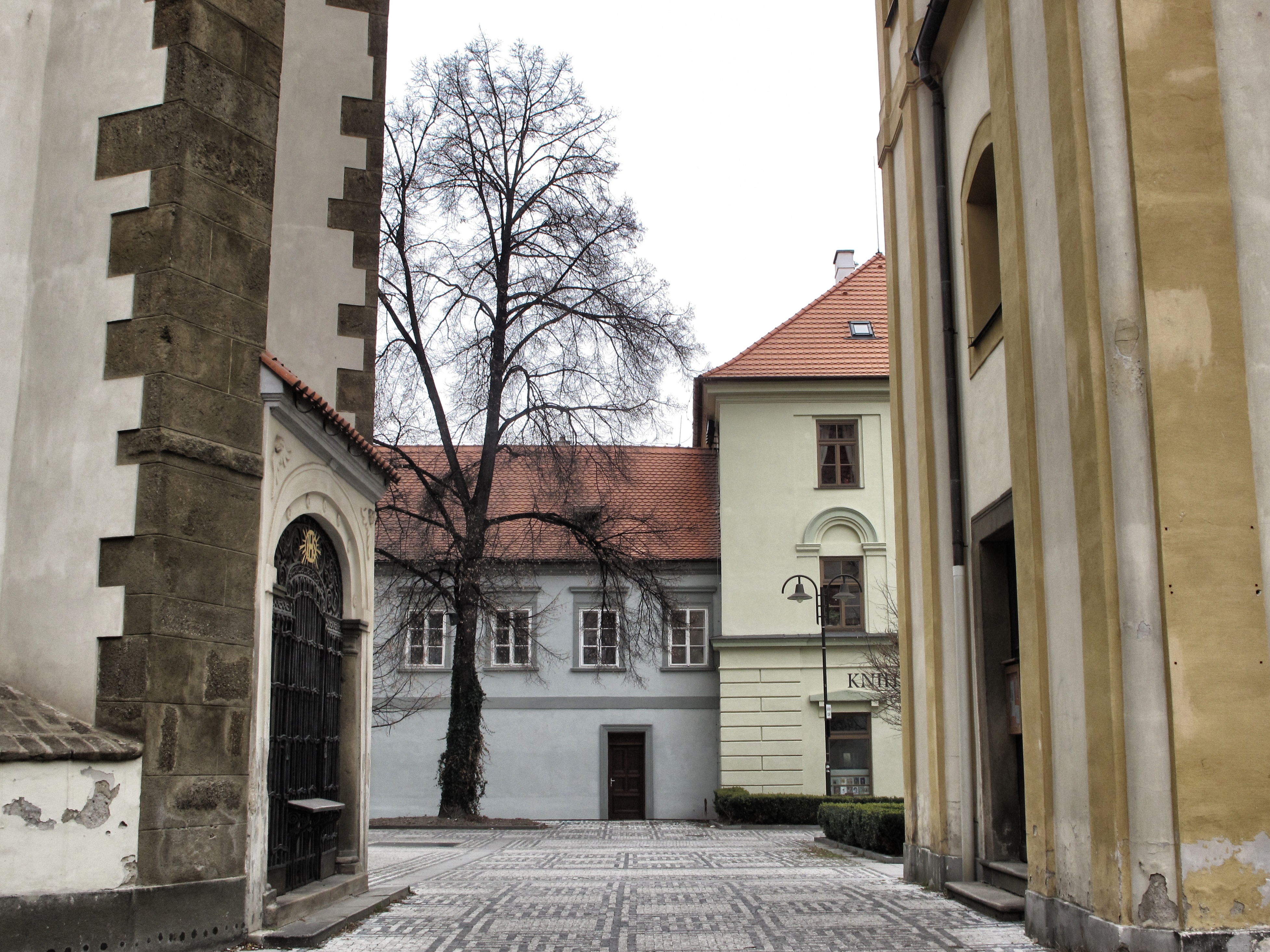
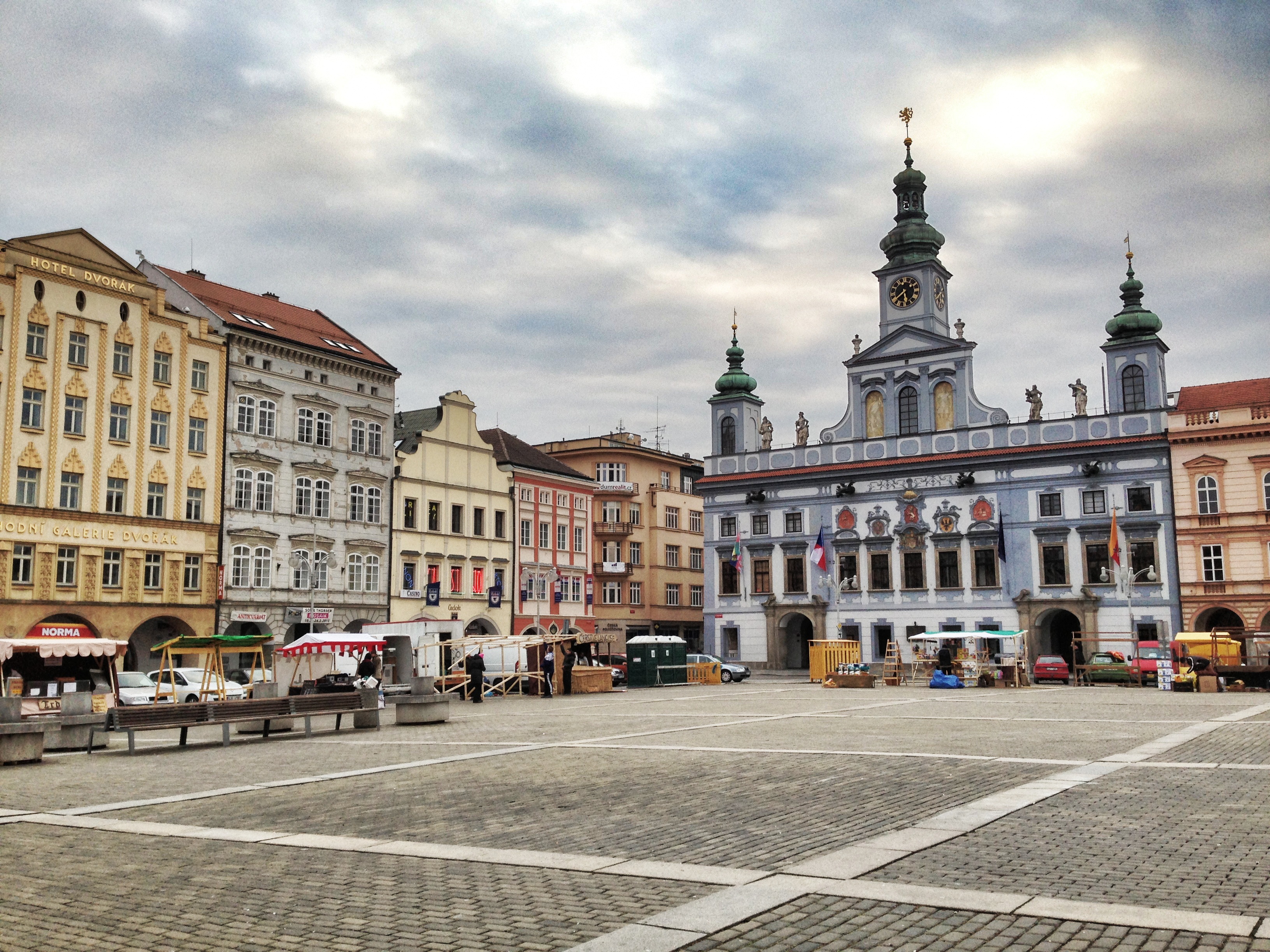
It should have been spring, but it was a freezing cold winter weekend. Some impressions of the southern bohemian cities of Czeske Budejovice (Budweis) and Czesky Krumlov (Krumlau) in those days.

Main Square of Czeske Budejovice (Böhmisch Budweis)

Budweis 1

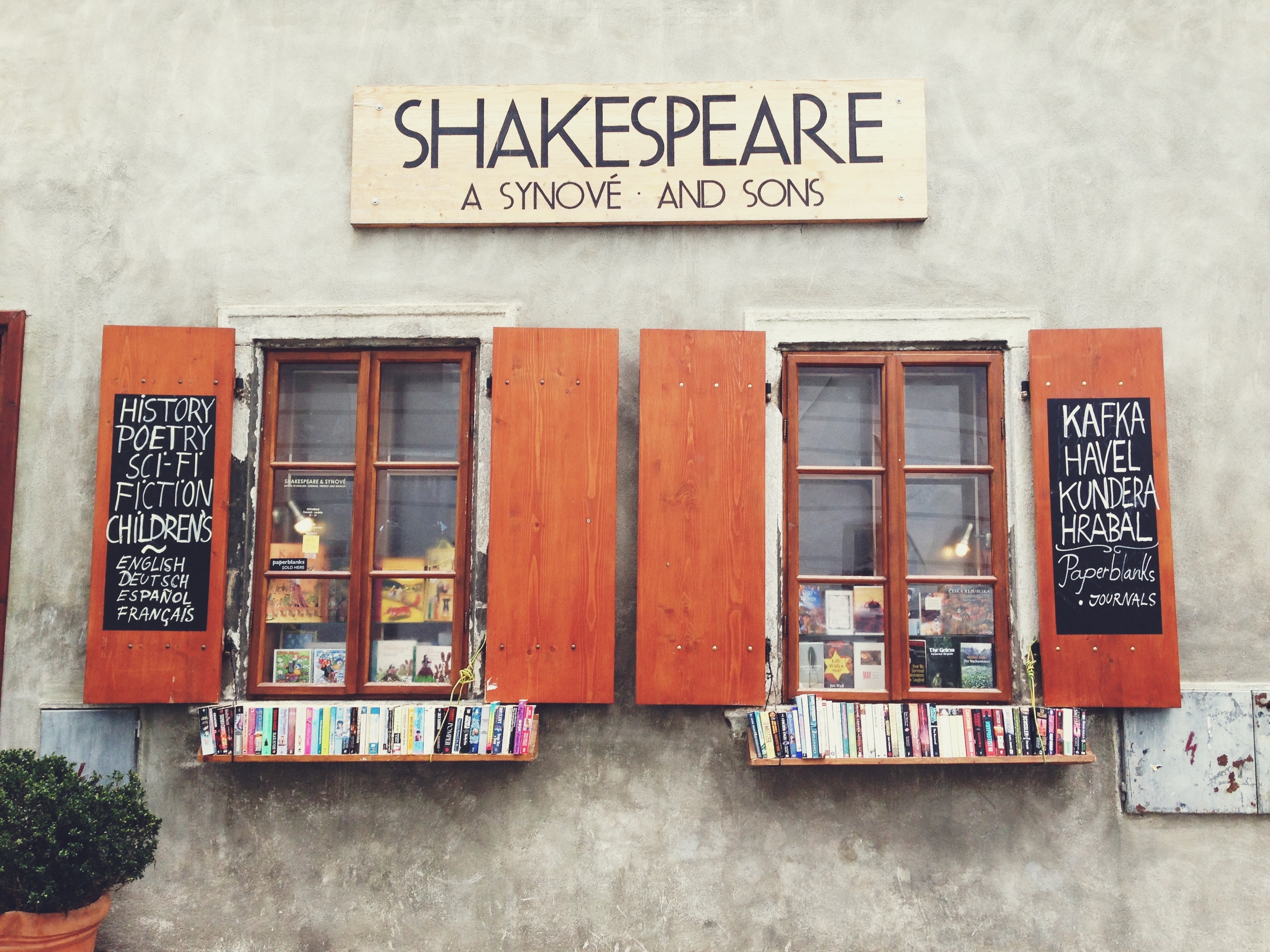
Bookstore “Shakespeare And Sons” in Czesky Krumlov (Krumlau)

Shakespeare

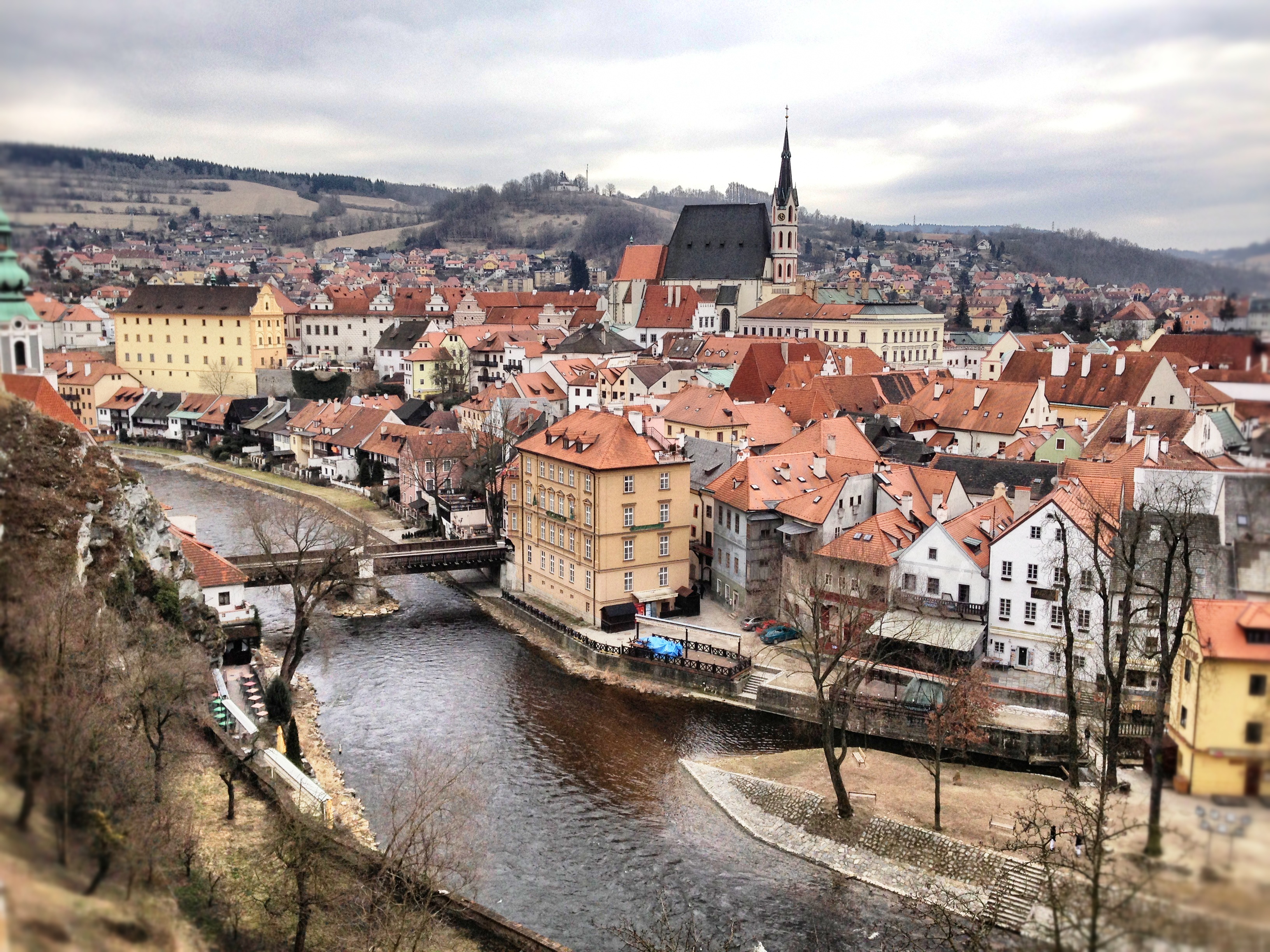
Krumlov, as seen from the Schwarzenberg castle

checz3

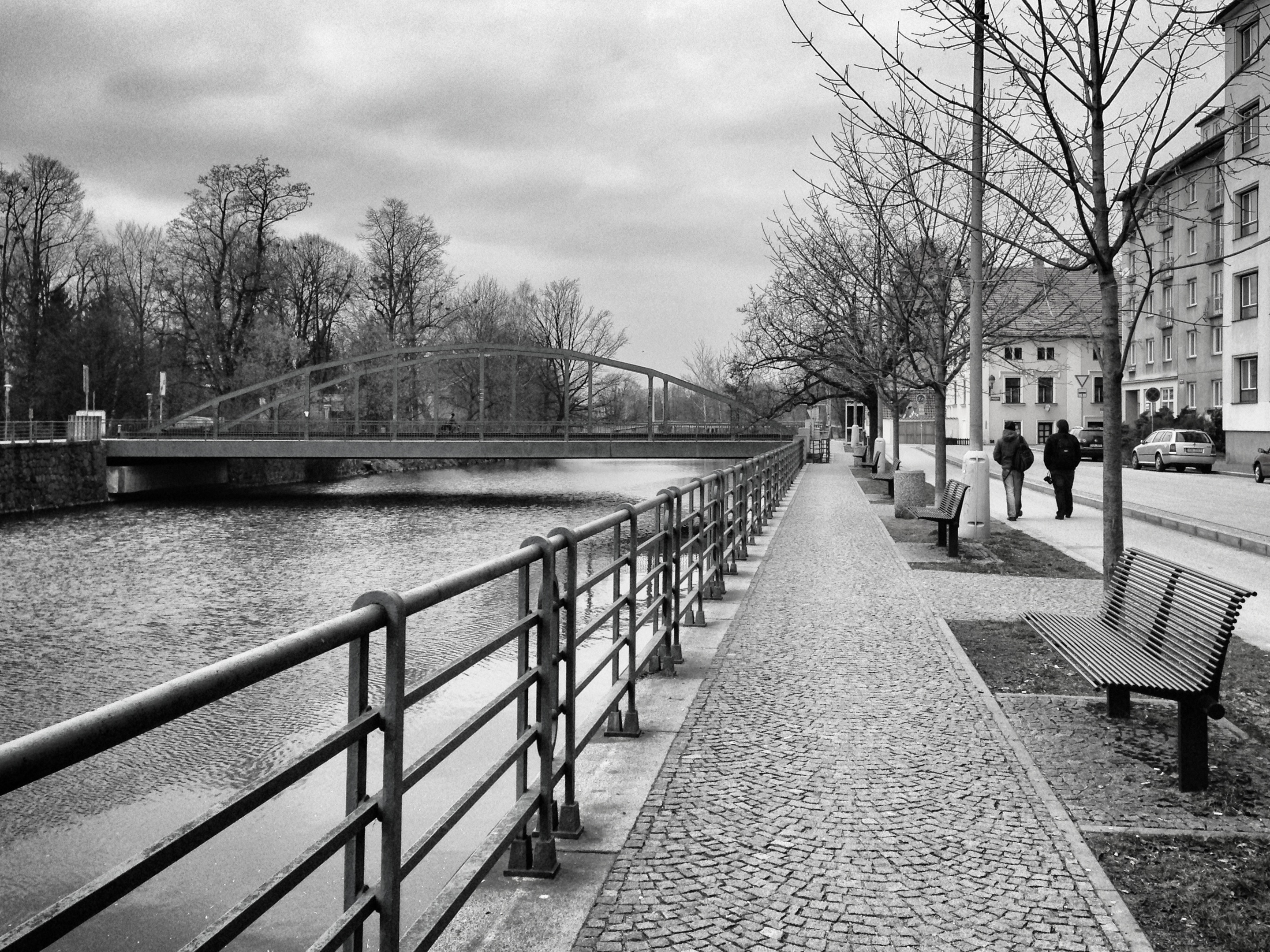
Winter in spring

budweis2

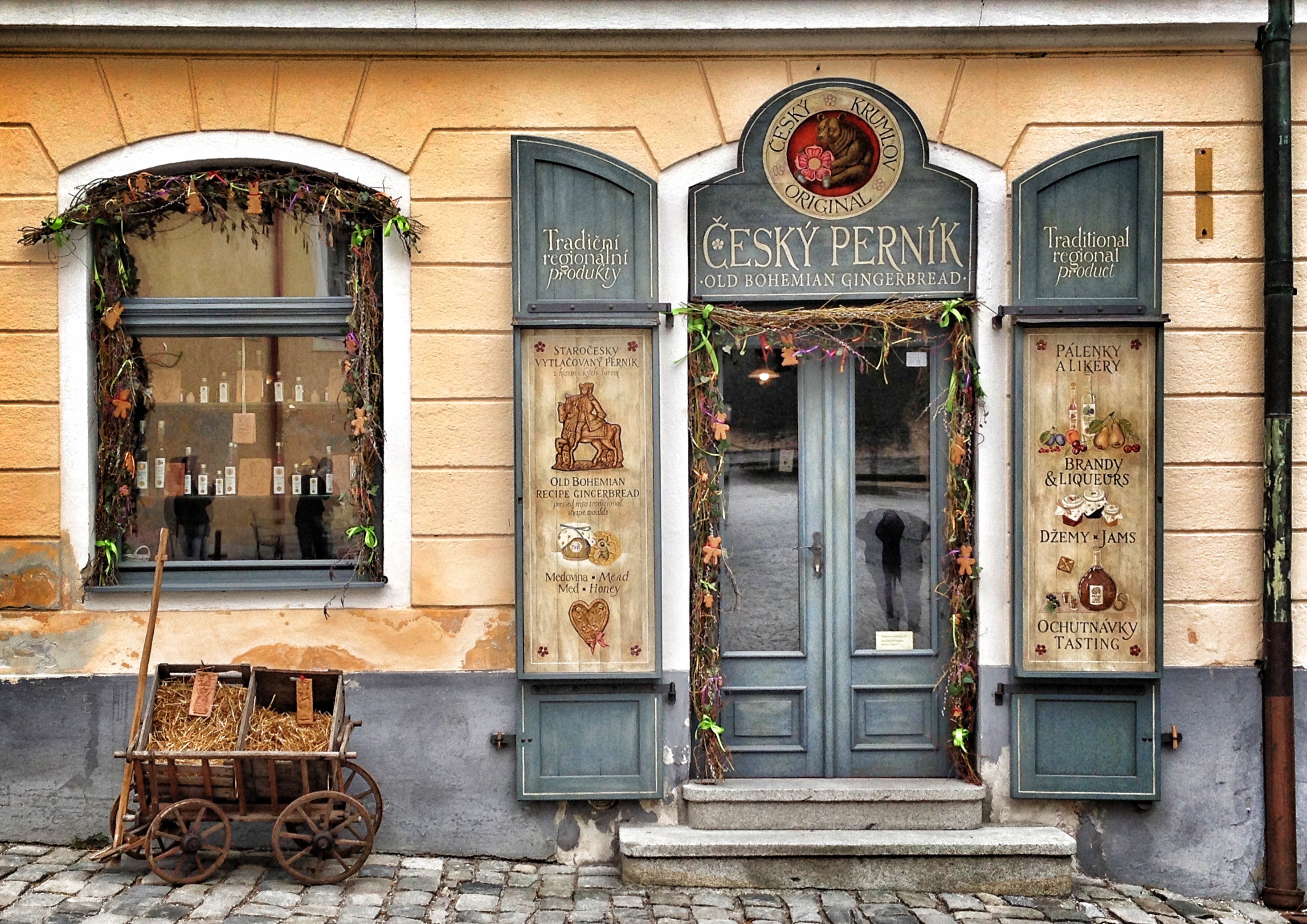
Cesky Pernik in Krumlov

checz4

Colors of Budejovice

Budweis 2

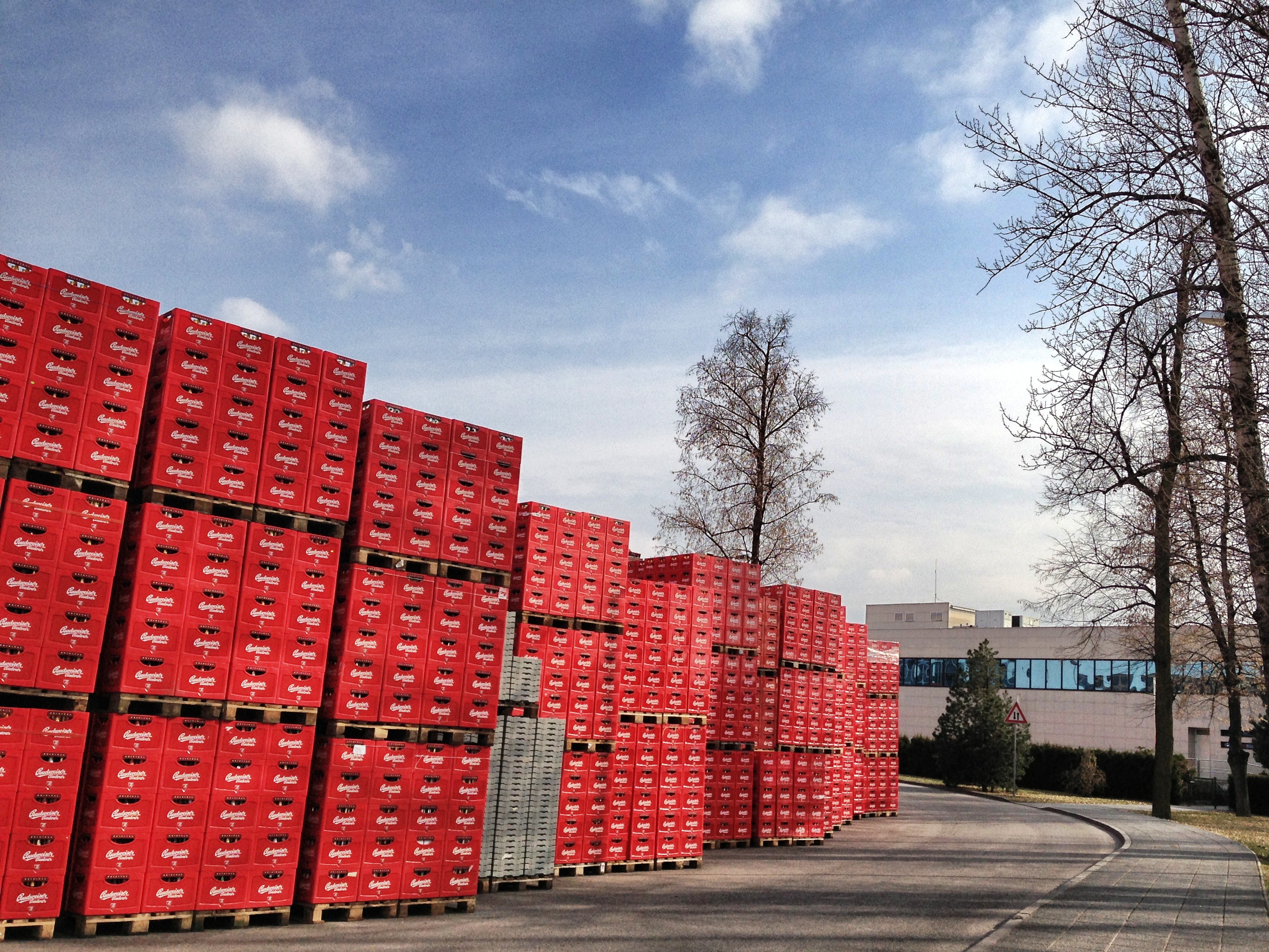
Budweis Brewery in Budejovice (must visit!)

budweis

Portugal V (last part)

Some weeks have passed since I visited Portugal in mid-February, and I started sharing my impressions with you in a series of posts. This one will be the last one for now. But I will be back in April with new pictures of a new city (hopefully :))! Enjoy.

test

What is truly remarkable about Lisboa and Porto, and what I didn’t mention before, is the excellent choice of hostels here. Portuguese hostels win competitions on Hostelworld and Hostelbookers almost yearly, and they deserve the prices! A Lisboan hostel I can recommend from my own experience the Good Morning Hostel on the Praca dos Restauradores in the city center. The people there were lovely and very helpful. We cooked together and had a great time. If you go to Lisboa, check it out.

IMG_4397

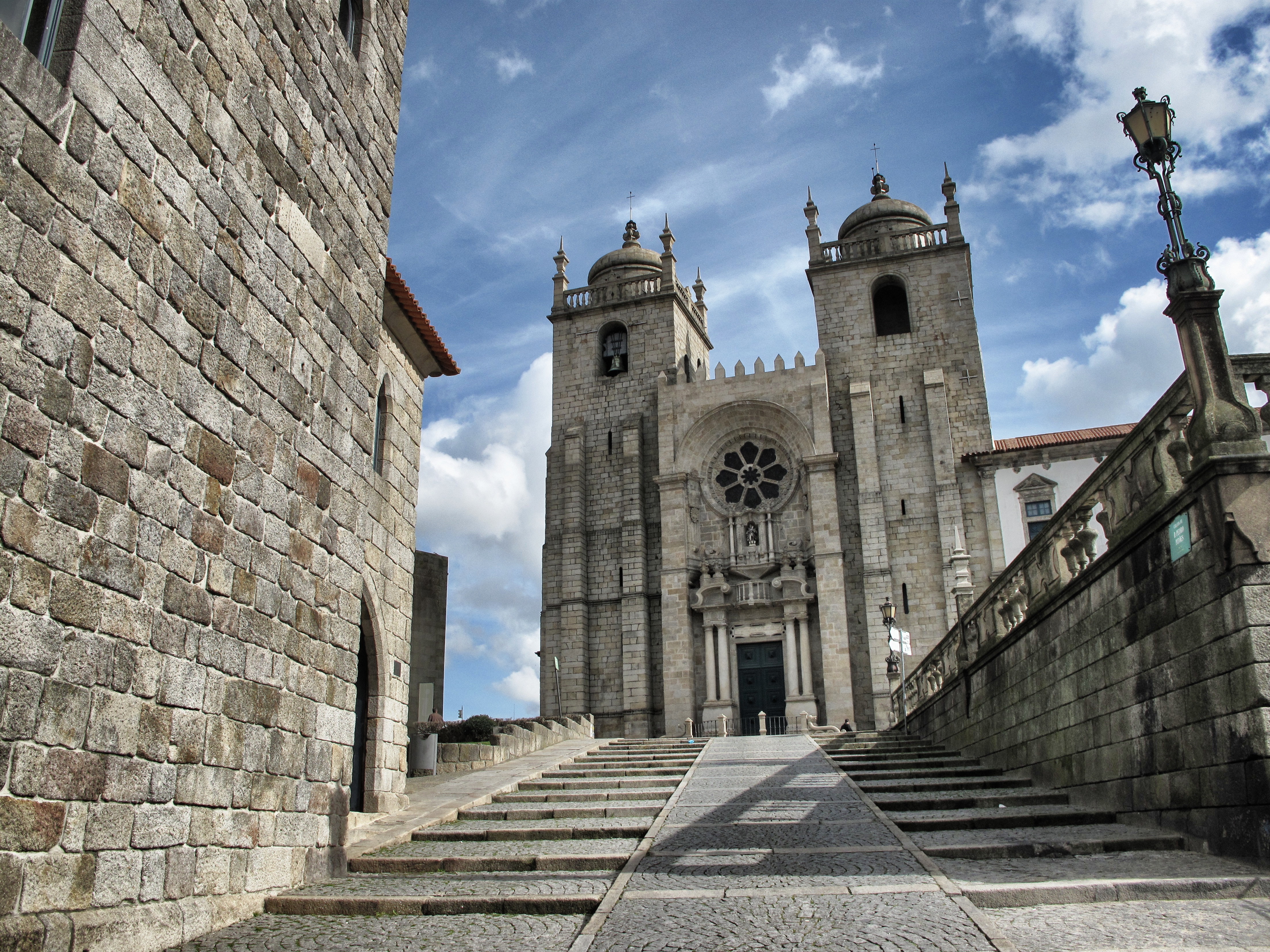
I can’t remember the church’s name, but it was undoubtedly in Porto. The city has many magnificent churches, some made of pure gold. They are reminiscent of a colonial era in which Porto became one of the wealthiest cities on the Iberian peninsula thanks to trade and the importance of the local harbor. + I miss the blue sky terribly.

IMG_1369

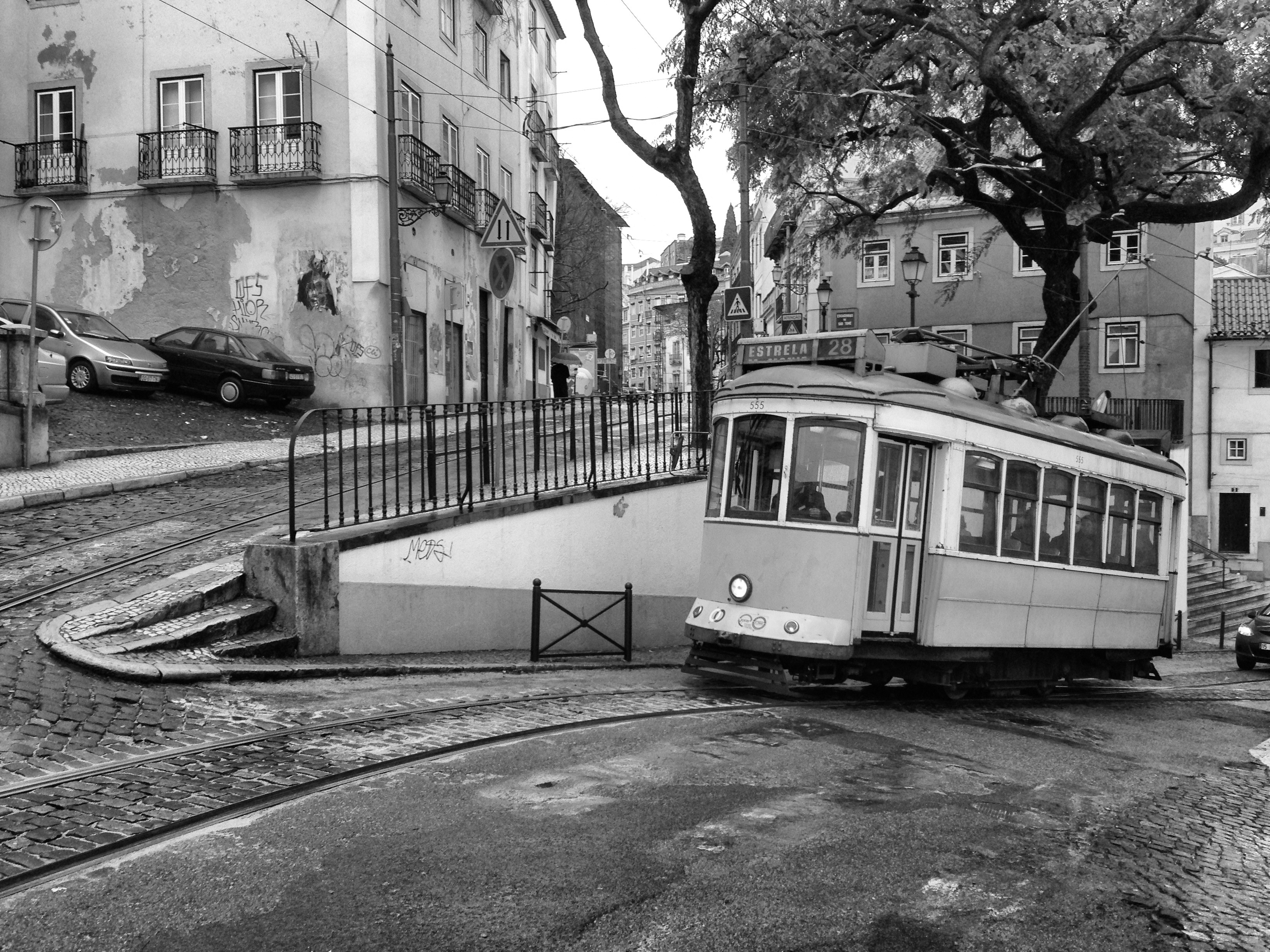
Number 28 is again seen on a rainy day in Alfama. My favorite part of the old town. The surroundings of the Castello are stunning and very charming. It is a lovely part of the town for a walk, but you shouldn’t mind steep hights 😉 In case there is always a tram to bring you up & back.

IMG_4407

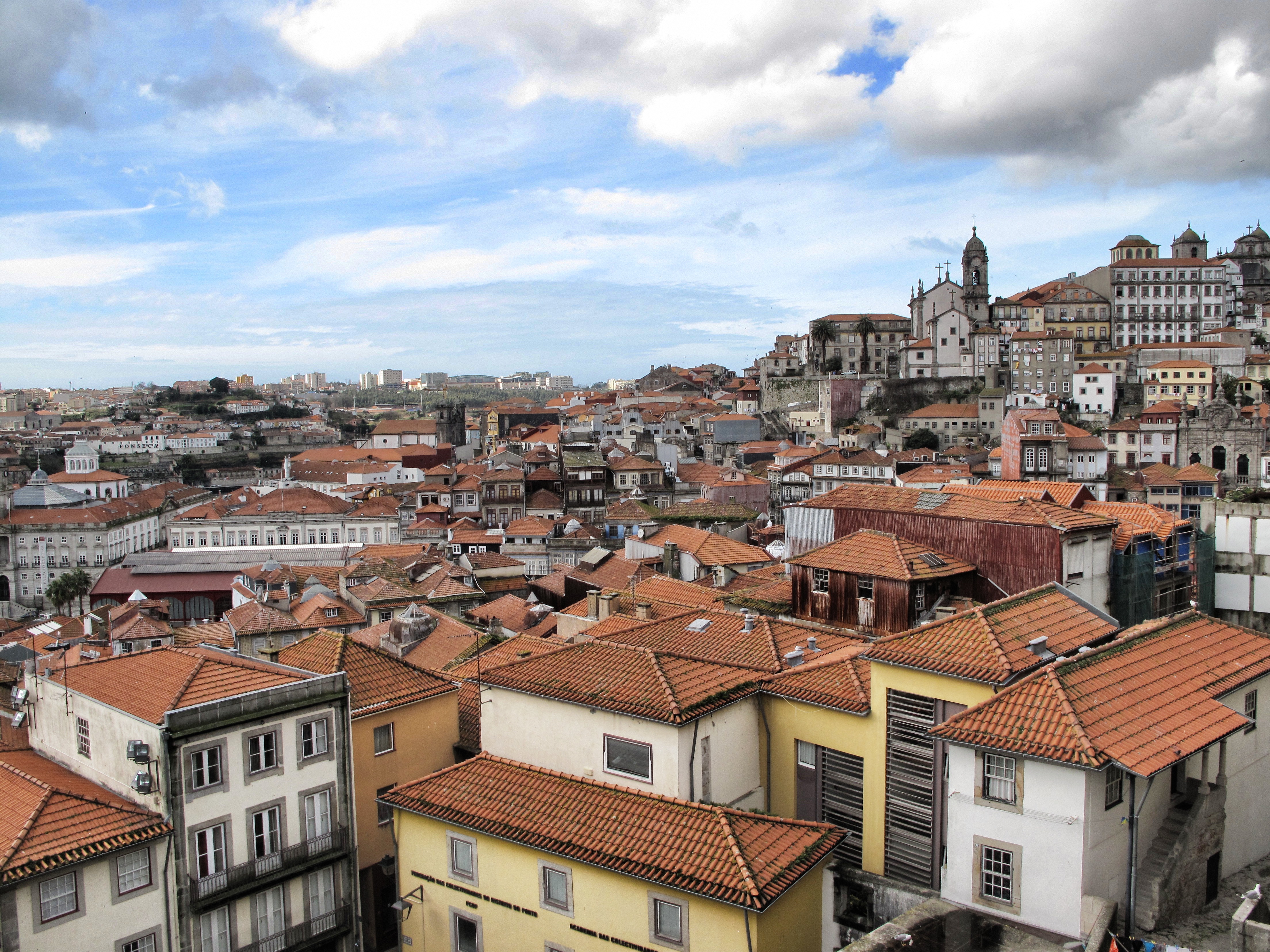
A panorama picture of Porto. One day was definitively not enough for Porto. Although there are not many traditional “tourist sights” here, the city doesn’t need them. It is the maritime flair, the port wine, and last but not least the architecture and the small streets which are selling Porto and making it so attractive (especially for Britons, we were told, because there is a cheap connection from London introduced recently).

IMG_4414

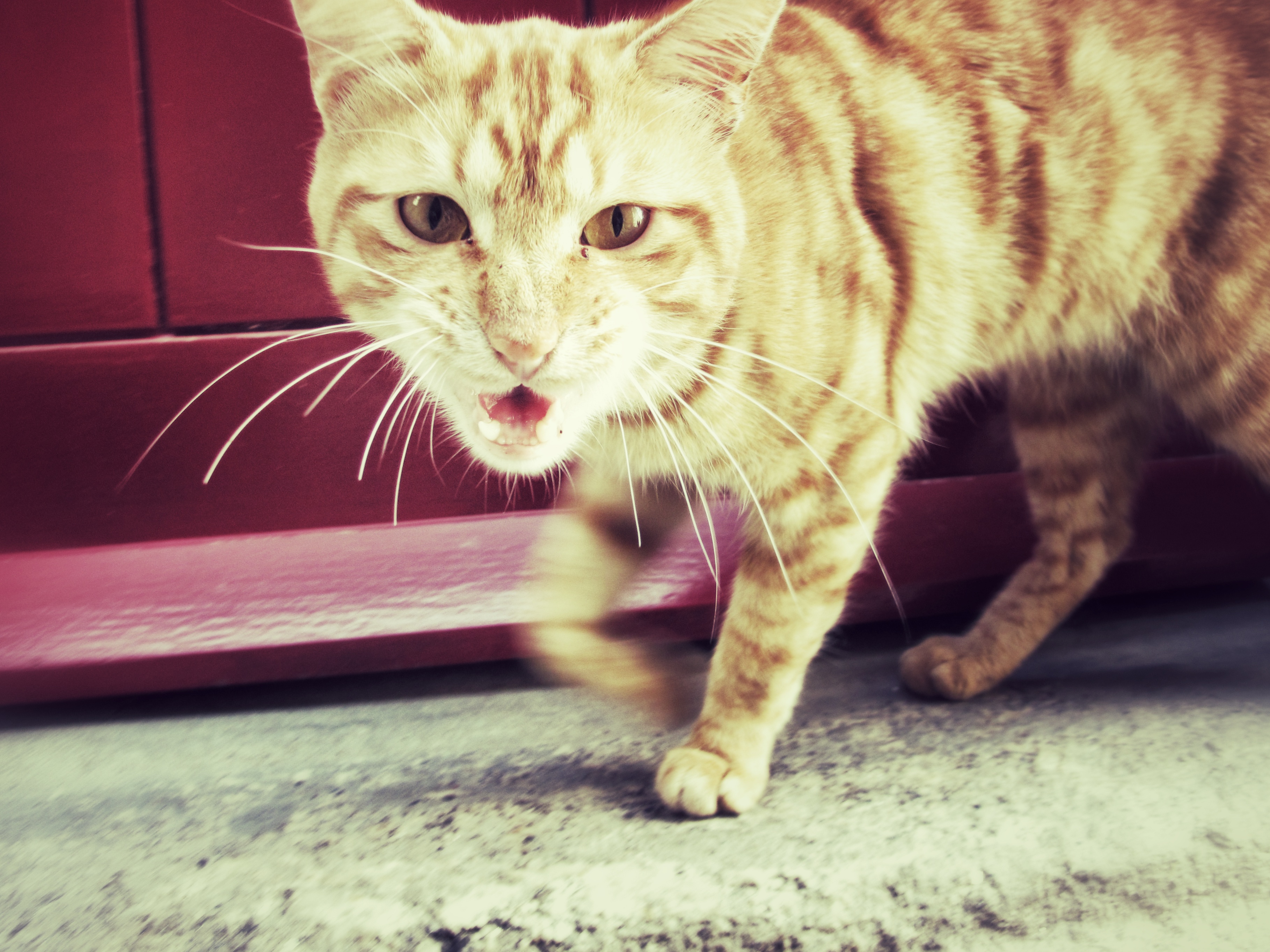
There had to be a cat picture at some point 😉 I get her anger, but I probably wouldn’t enjoy it if someone pointed a camera at me 10 cm in front of my face. So I was a bit of a cat paparazzi here. Guilty as charged. Still cute 🙂

IMG_4654

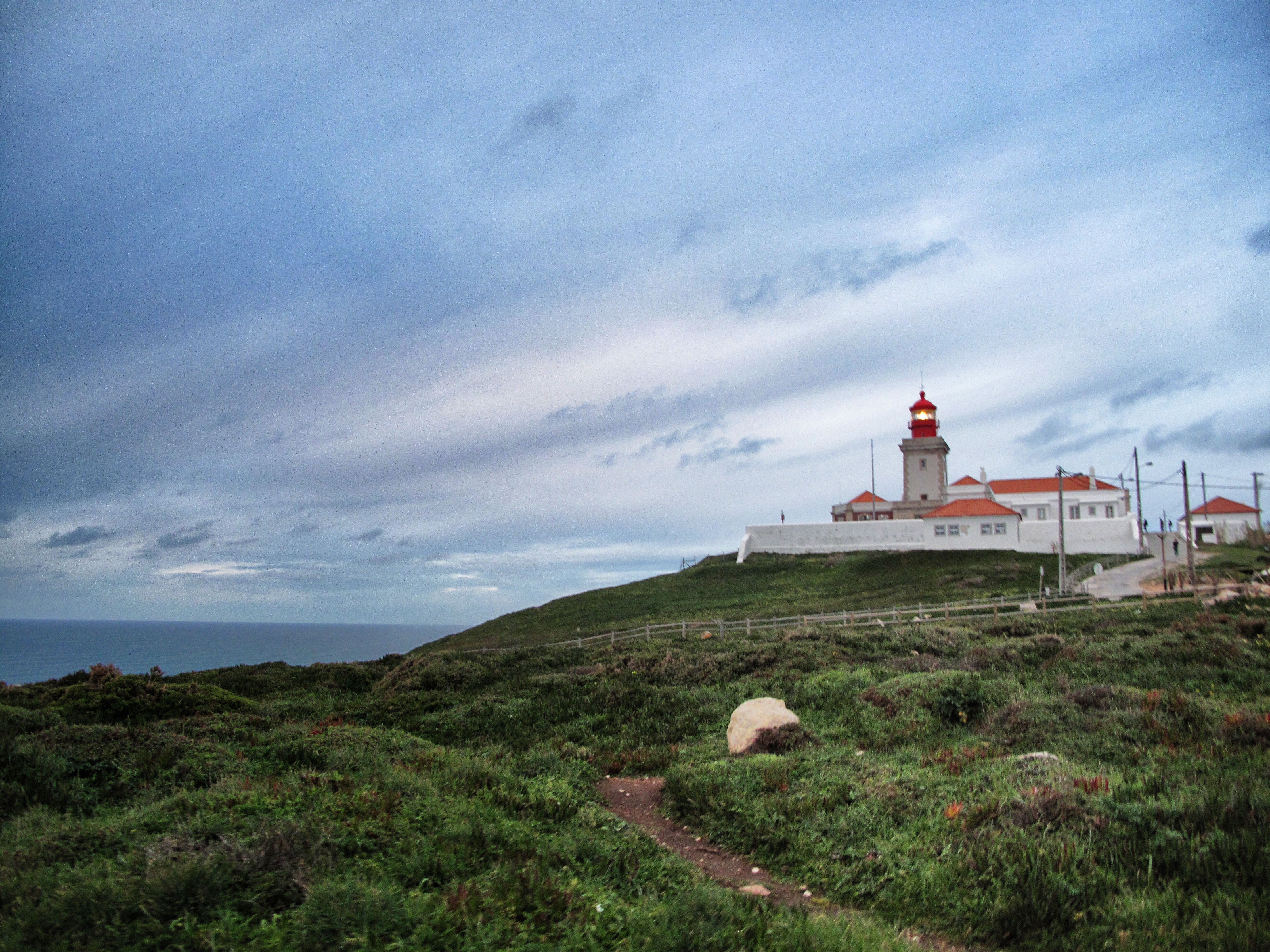
The end of the world. Almost. The back of the European continent at Capo da Roca is 3000 km from home. It is a unique, almost spiritual place. Unfortunately, we had terrible luck with the weather; the wind was awful and cold as ice, so we had to return relatively quickly. Our hope to see the sunset stayed unfulfilled, too. It was beautiful nonetheless.

Portugal Part IV

test

Hey! I hope you all have a great week so far! Actually, I wanted to bring the Portugal series to a worthy end with this post, but as there are some excellent shots left, there will be one more 🙂 As always, I hope you enjoy it!

menues

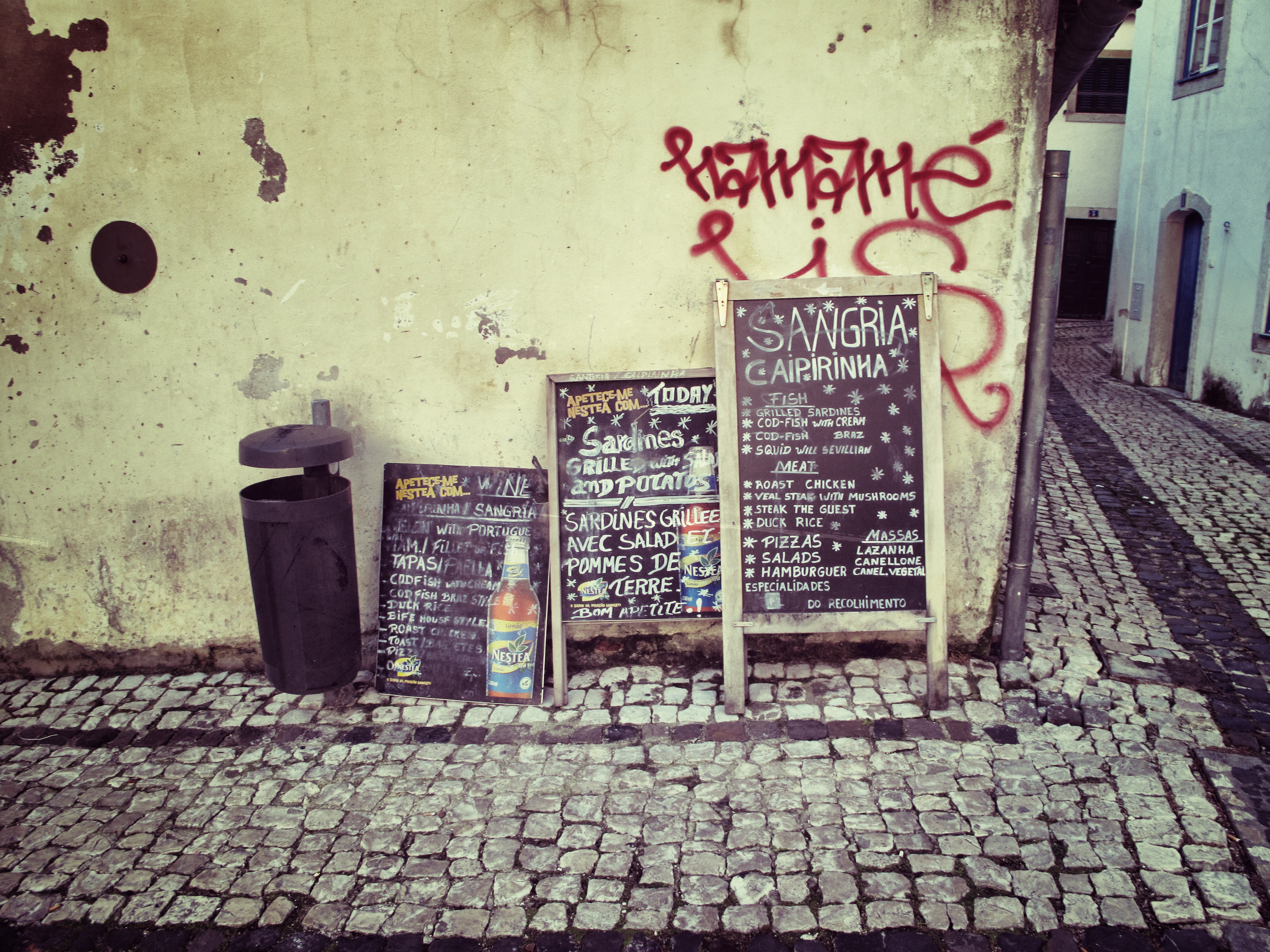
Lisboa, Alfama. We didn’t try either Sangria or Caipirinha. Wine is relatively cheap, even ordered in a restaurant (but not as cheap as in Sicily). I like Sangria, though; I must revisit Portugal to try the Portuguese one.

IMG_4302

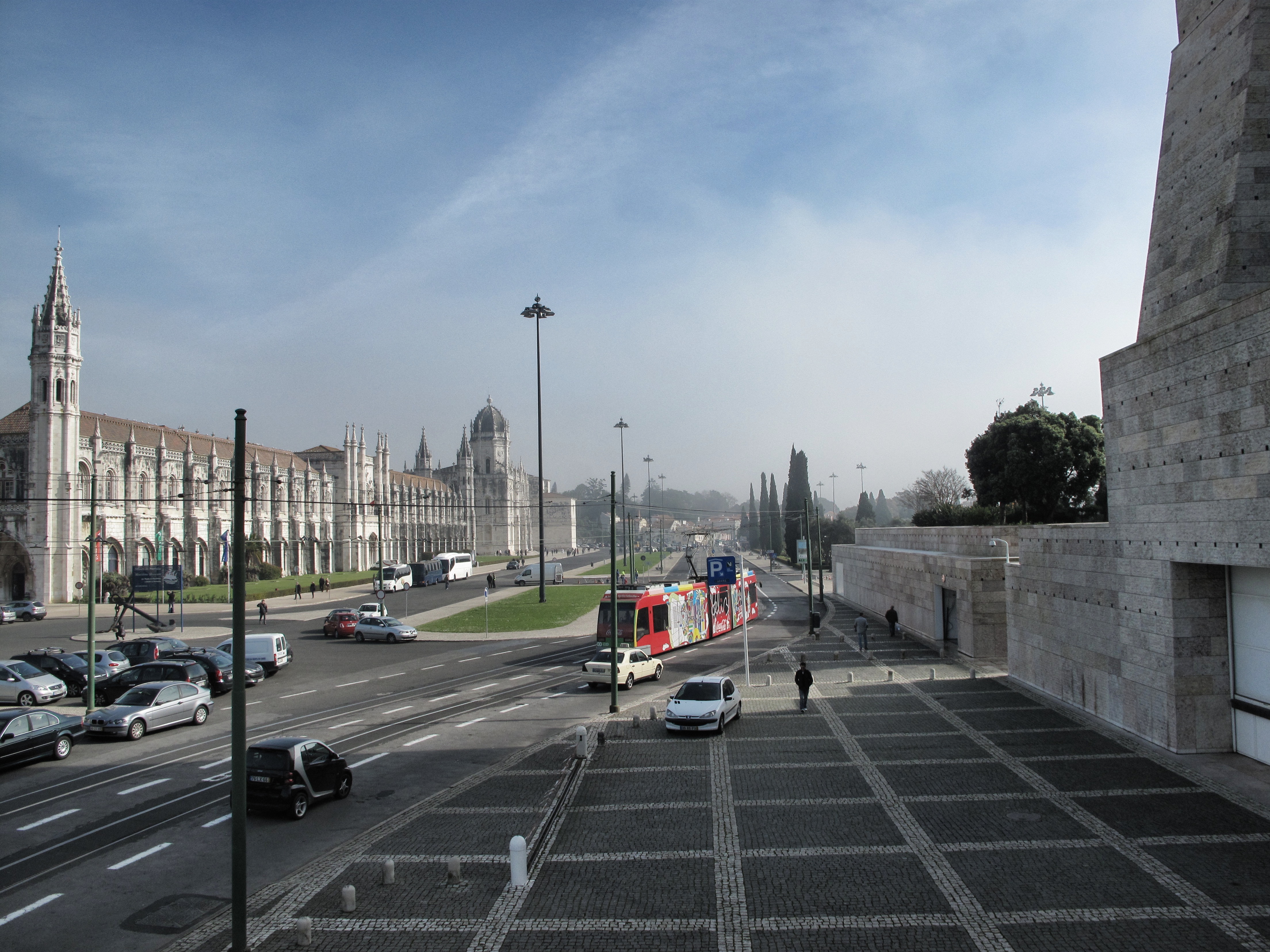
Another shot of the great Mosteiro do Jéronimos in Bélem. The entry was a couple of Euros and was very much worth it. It was great. Our (first) hostel was practically around the corner. The tramway line leads straight into the city center, our daily commuter. It’s not always as modern as this one, sometimes cranky and out of wood, but even more charming!

IMG_1240

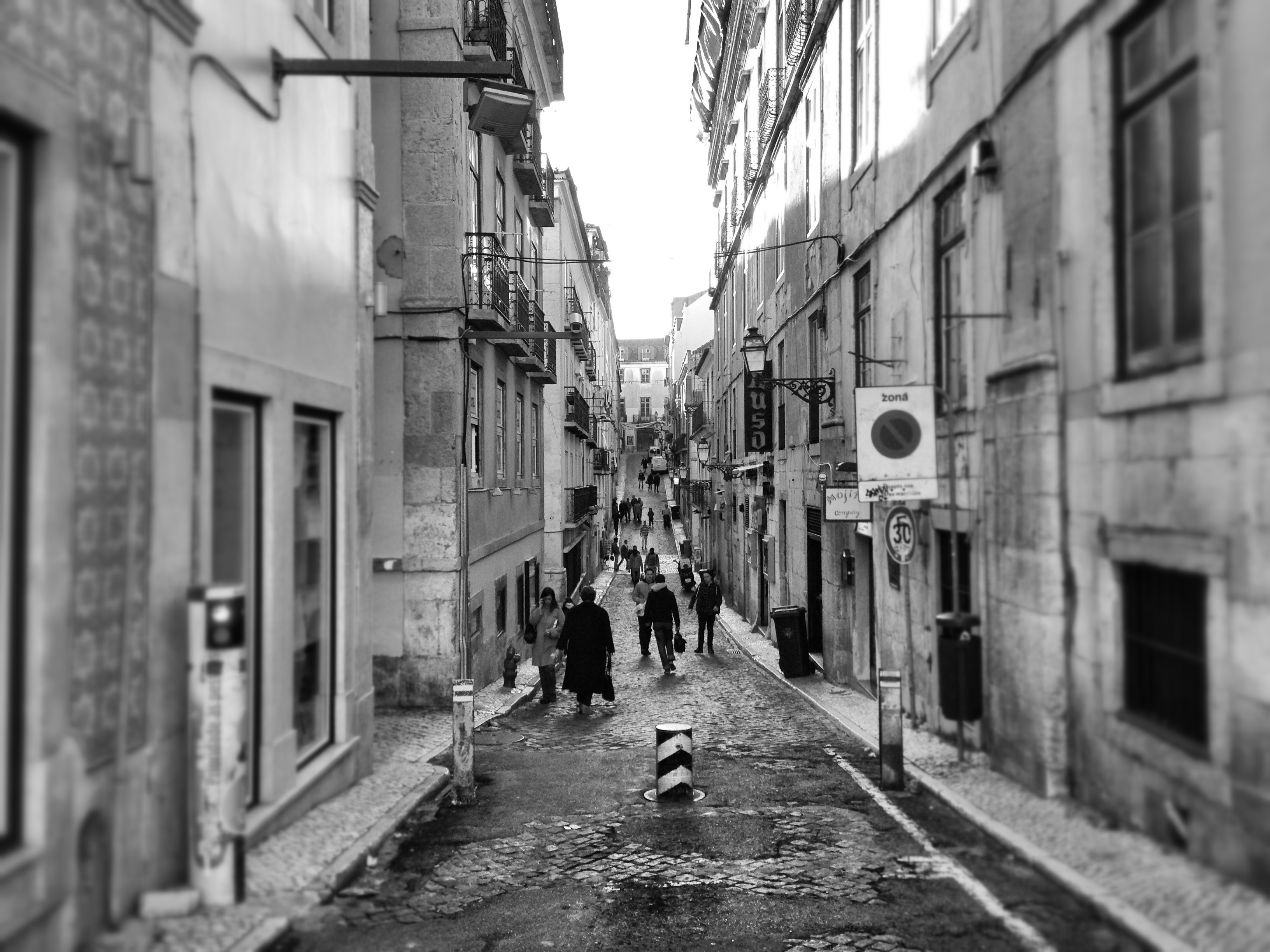
A busy street in Lisboa. As I wrote in previous posts, Lisboa is interesting because it is very much European in every sense of the word but also kind of out of time and laid down a bit like a living anachronism. You don’t have a McDonalds and H&M on every corner (I didn’t say there are none of them ;)). There are many small shops and handcraft, even shoe cleaners. At the same time, it is not as stressful as Italy (♥) or other southern countries sometimes tend to be.
IMG_1492

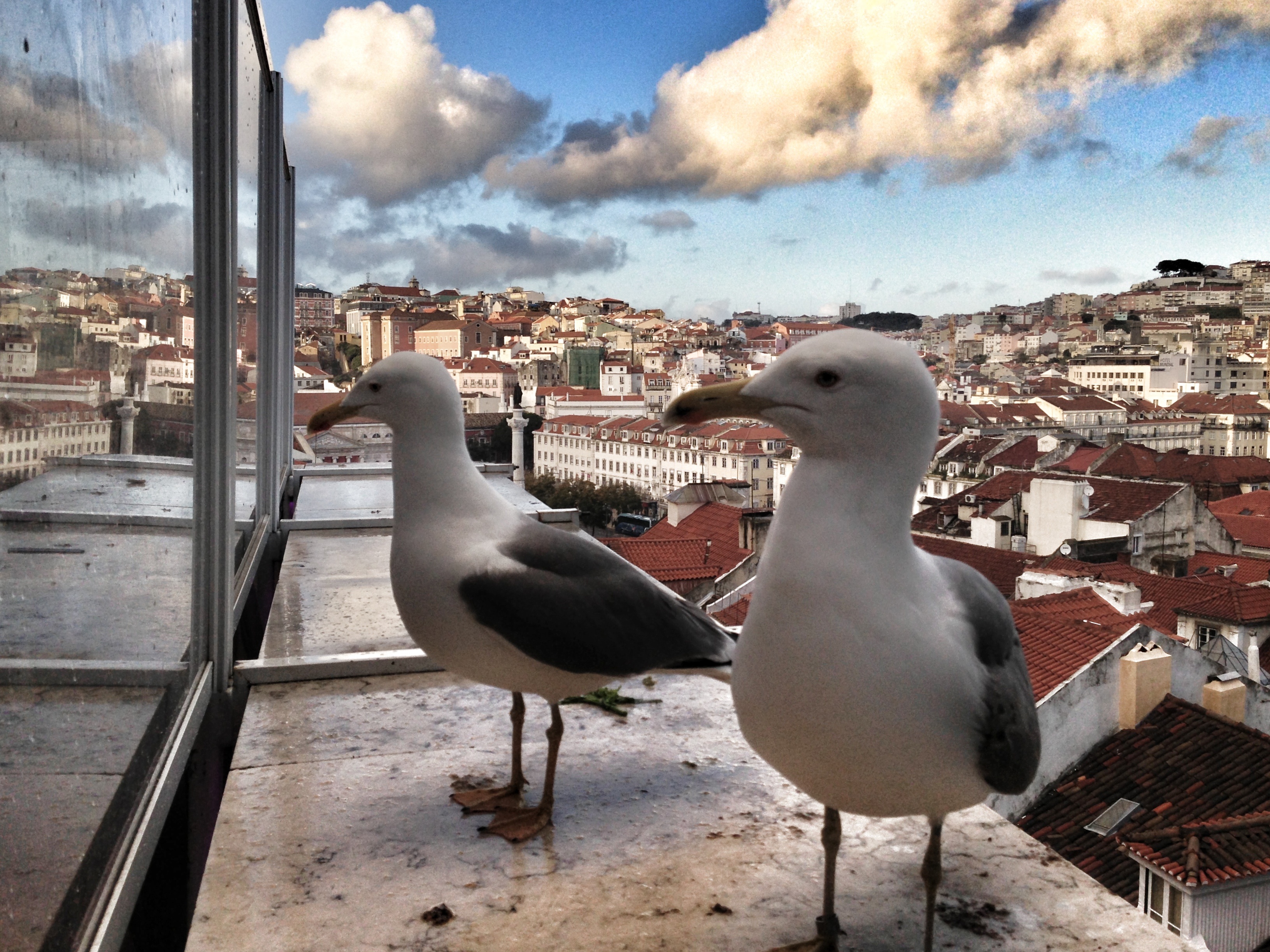
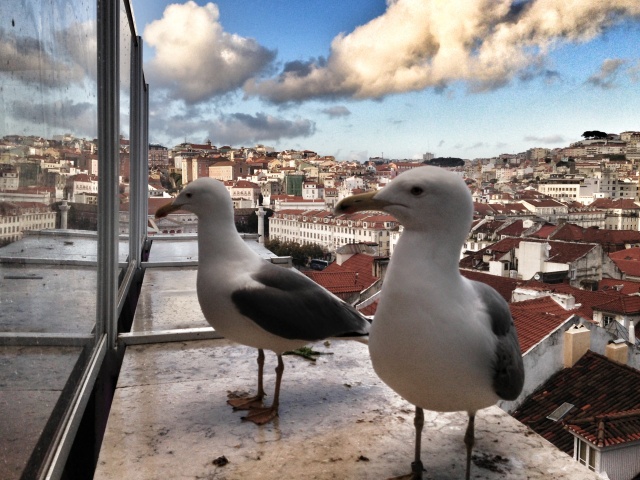
Self-examining seagulls. You are pretty – don’t worry.
IMG_4513

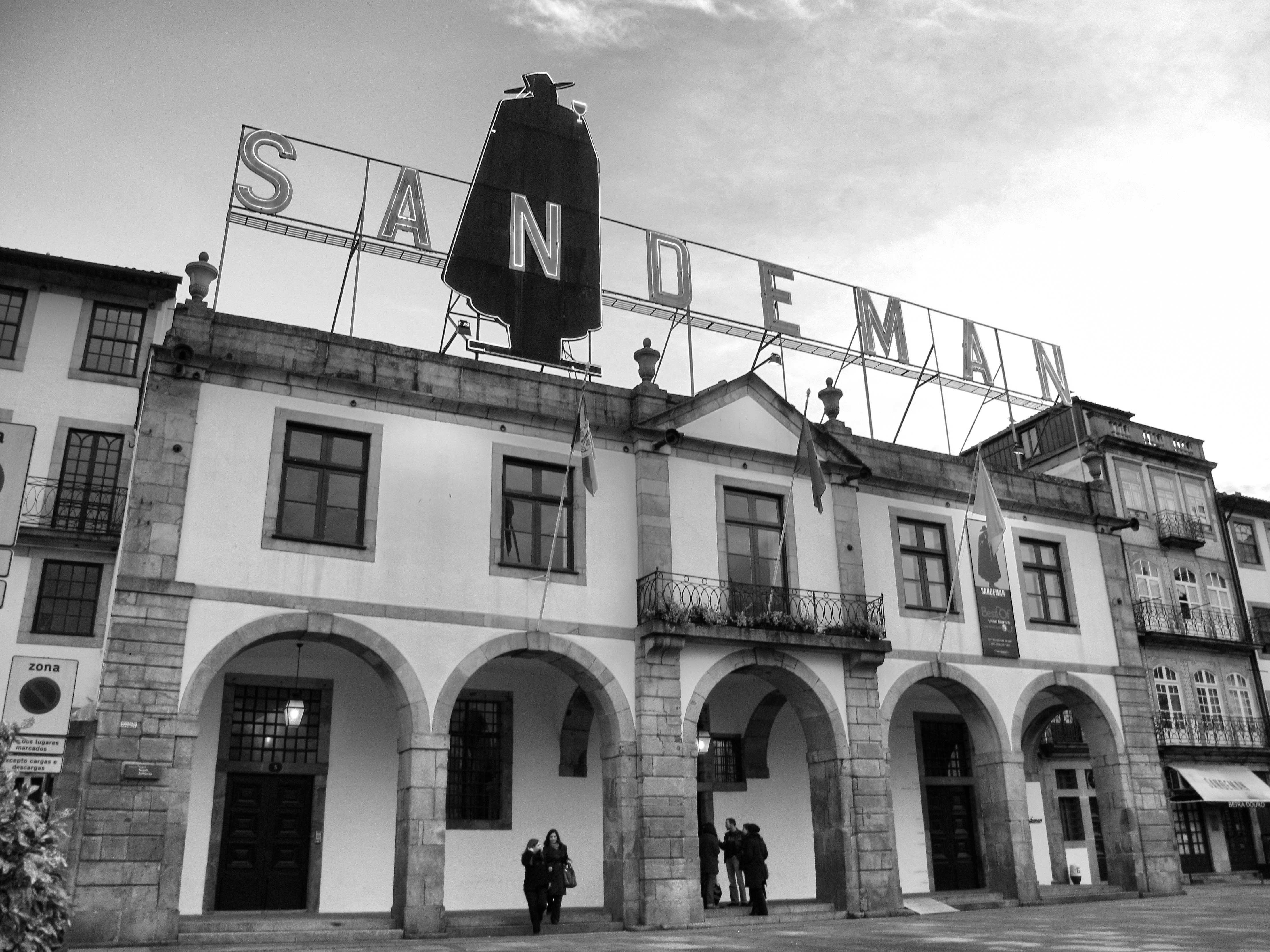
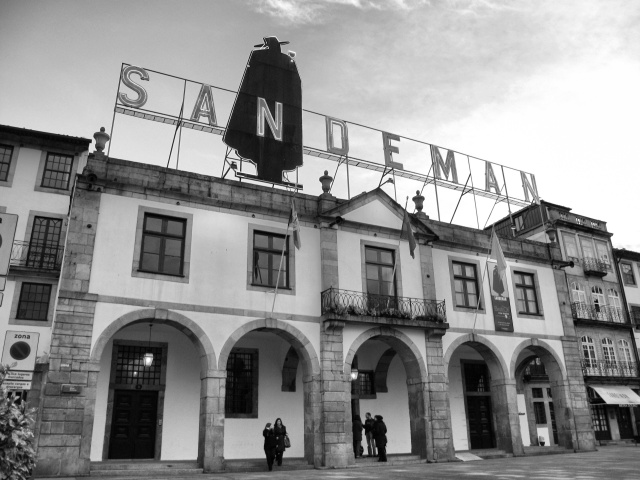
One of many traditional wine distilleries in Porto. Well, that is not entirely correct. The distilleries are on the other side of the river in Gaia. On paper, it is an independent city, but most consider it part of Porto anyway (and the wine is called port wine in the end, isn’t it?).

So, what is actually the story behind Portwine? It is firmer and sweeter to be more durable during long ship journeys. One day, an Englishman came to Porto, liked the local wine, and took a bottle as a souvenir to England. It turned out to be a hit, and Englishmen – being Englishmen – did start to settle down in Porto and make businesses out of the production and shipping of the wine. Now, this small local tradition has become truly global. You can visit these distilleries – like the above Sandeman – and taste all the wines! The 10-year-old Sandeman was my personal favorite.

IMG_4536

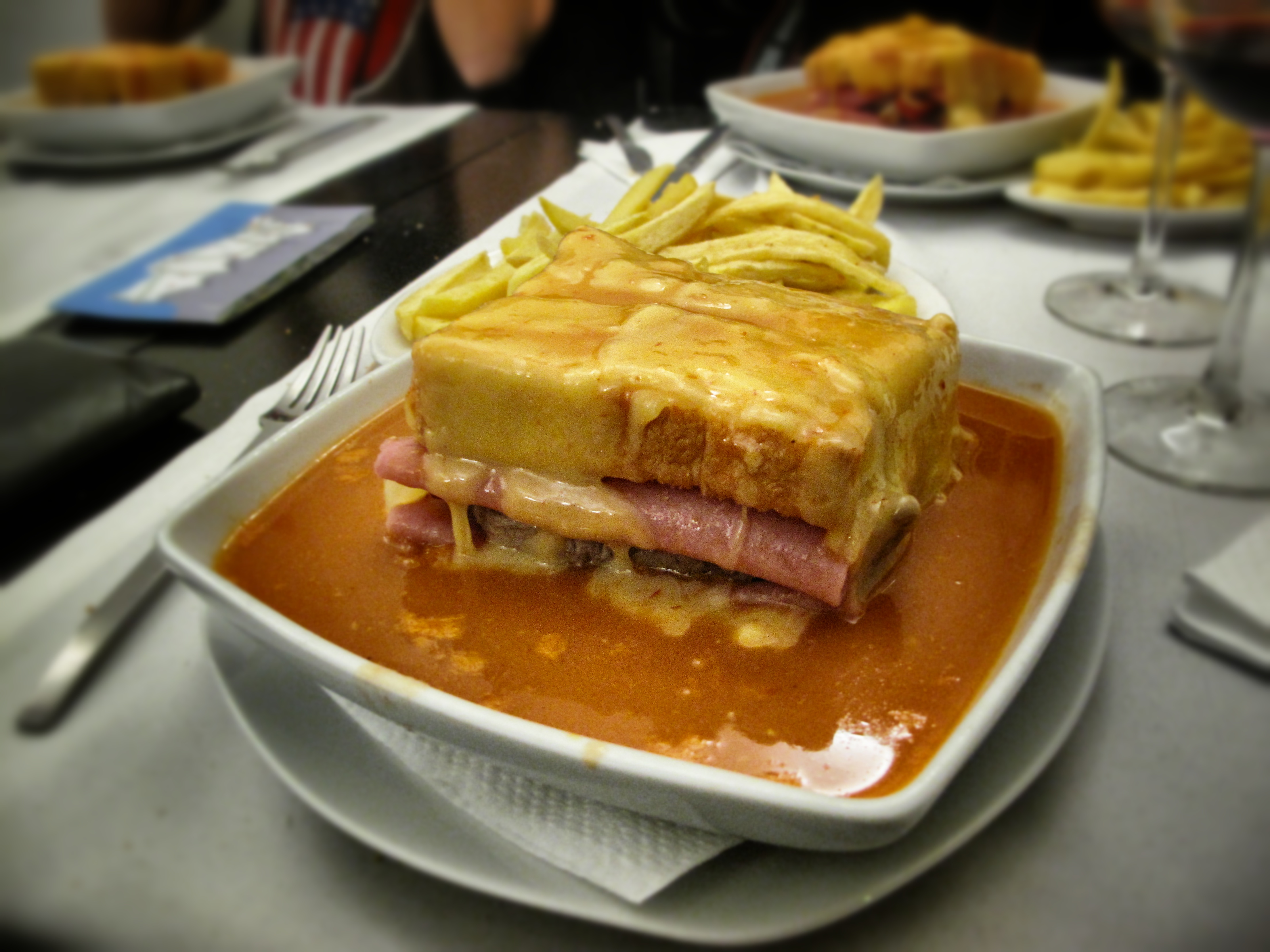
Let’s stay with food 🙂 Usually, I don’t like food pictures – we see enough of them in advertisements, and they make you hungry – but unfortunately, I guess I have to make you hungry right now. Because I feel like a Portugal recapture could not be complete without a picture of a gorgeous, gargantuan, excellent, good, deadly Francesinha.

So what is it? It is a toast with different kinds of meat in a cheese crust dunked into tomato/wine sauce (with about 2331859 calories). I’ve never heard of it before, and the story behind it is kind of great: In the fabulous 1920s, a man from Portugal once traveled to Paris and liked all the beautiful girls there (get it). That was a contrast for him as he only knew the not-so-outgoing (very catholic country) and skinny Portuguese girls. So he invented the Francesinha – small French – to make the Portuguese girls gain some weight and make them all hot 🙂 I guess it worked out quite well.

IMG_4350

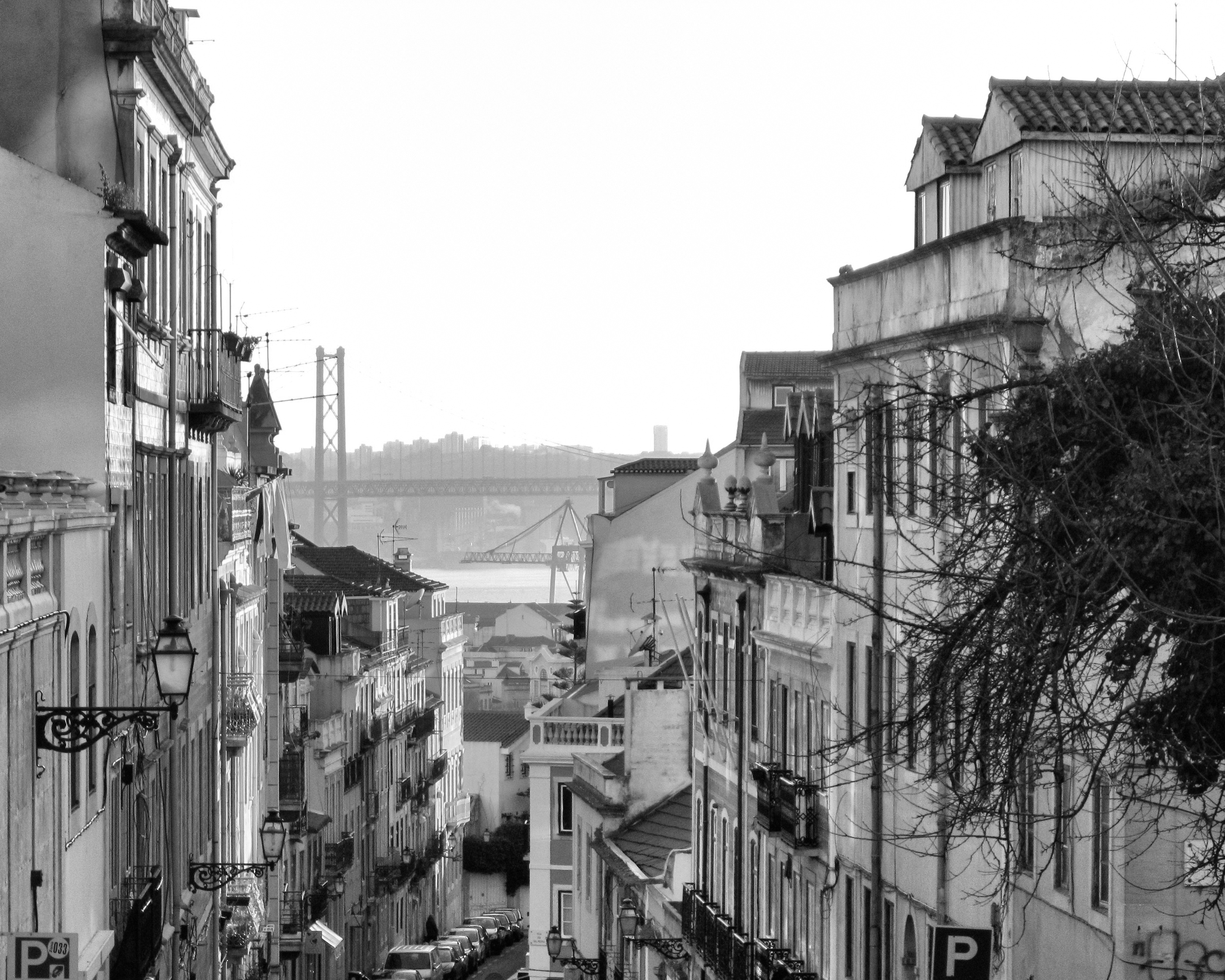
In the background, you see the bridge on April 25 in Lisboa. It is a magnificent bridge, which I discussed in a previous post. I guess the view speaks for itself.

Portugal Part III

So, if you did like the last two and didn’t get bored, I’d like to invite you for a further recapture of Portugal in February 2013.

test

IMG_1269

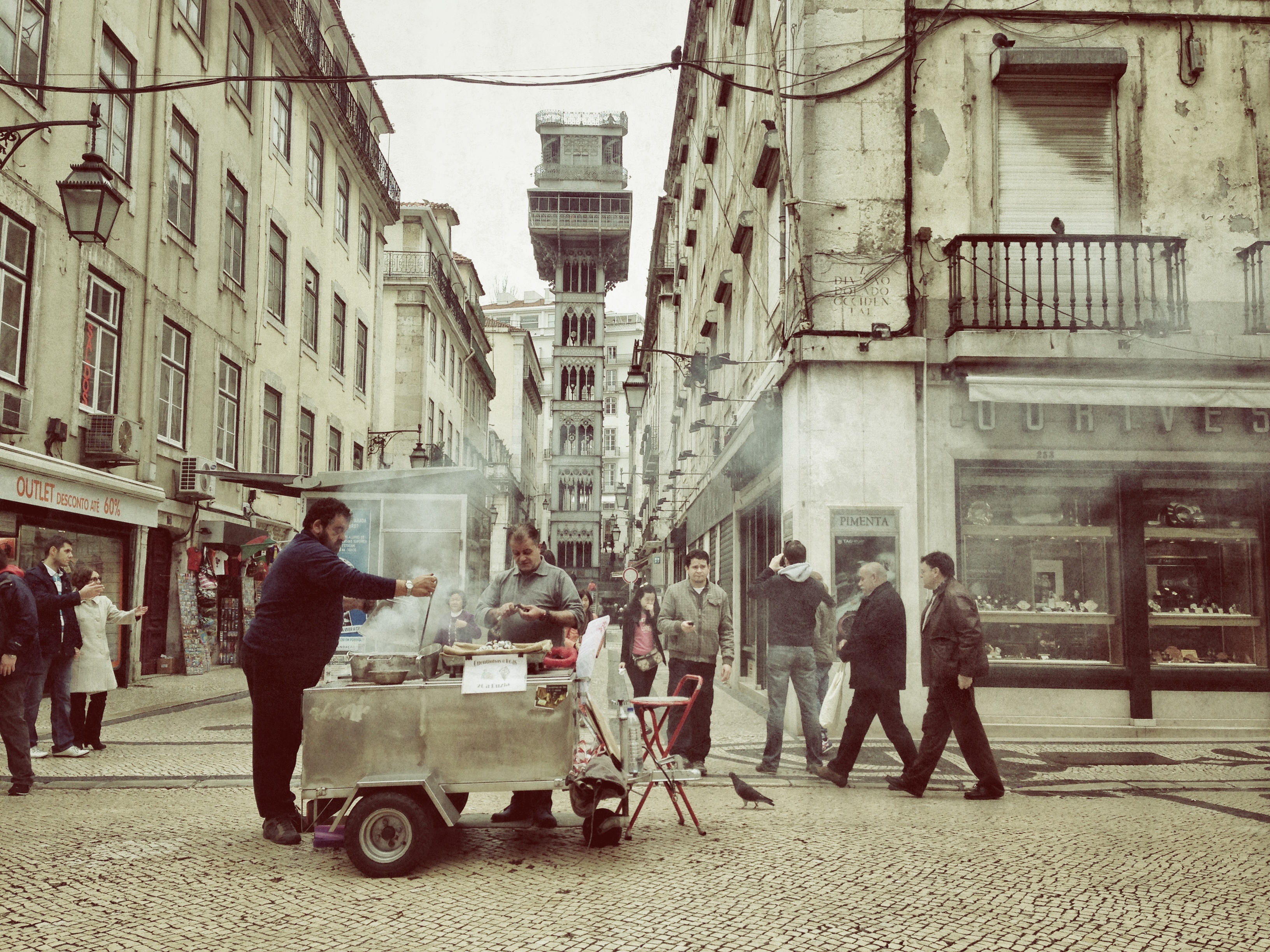
In the foreground, you see a seller of chestnuts. The nuts are delicious, and you should definitely try them. Besides that, the sellers add charme to Lisboa. So it is nice to support them either way 🙂 What they are standing on is worth mentioning, too. It is a specific Portuguese form of a cobbled pavement called Calçada Portuguesa. It is an art that the country is known for and can be seen (and walked on) throughout the city. The patterns are often beautiful, and you only have to look down to enjoy them – but don’t run into a tree, please.

In the background, you see the Elevador de Santa Justa called Elevador do Carmo. It connects the Baixa (downtown) with a higher part of the city (Chiado) and was built by an associate of Gustave Eiffel, the Paris tower guy. It has a steampunk vibe, being a genius piece of 19th-century engineering. The elevator combines “modern” steel as a building material and traditional ornaments as decorative art. But what I personally liked most was the connecting bridge at the top. It leads through a rooftop and – more amazingly – through the remains of an old church destroyed in the earthquake of 1755.

IMG_4450

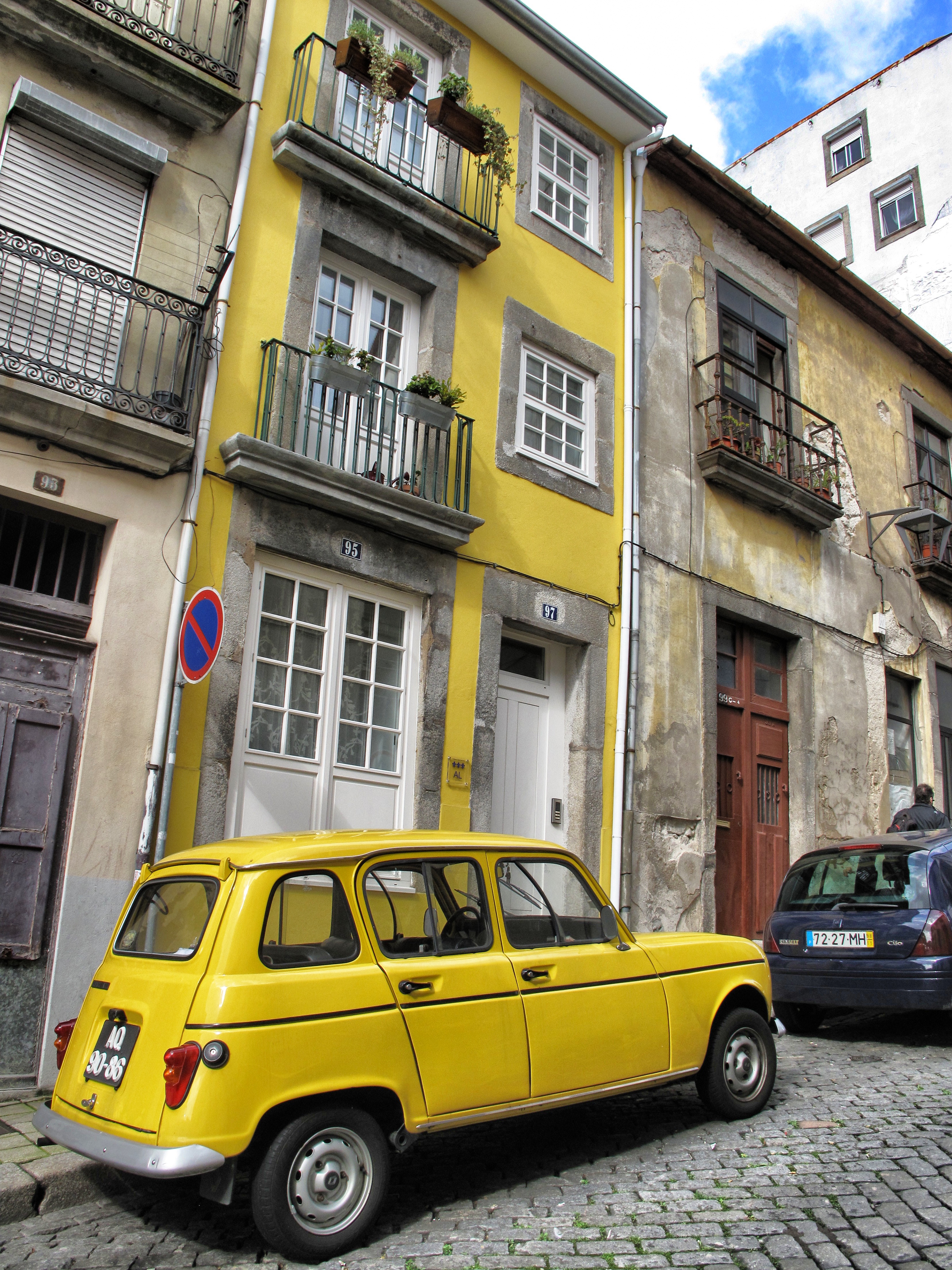
I imagine how the driver saw this house and then a free parking spot and thought MATCH! Or maybe he is the house owner, too, and fond of the color yellow 🙂

IMG_4529

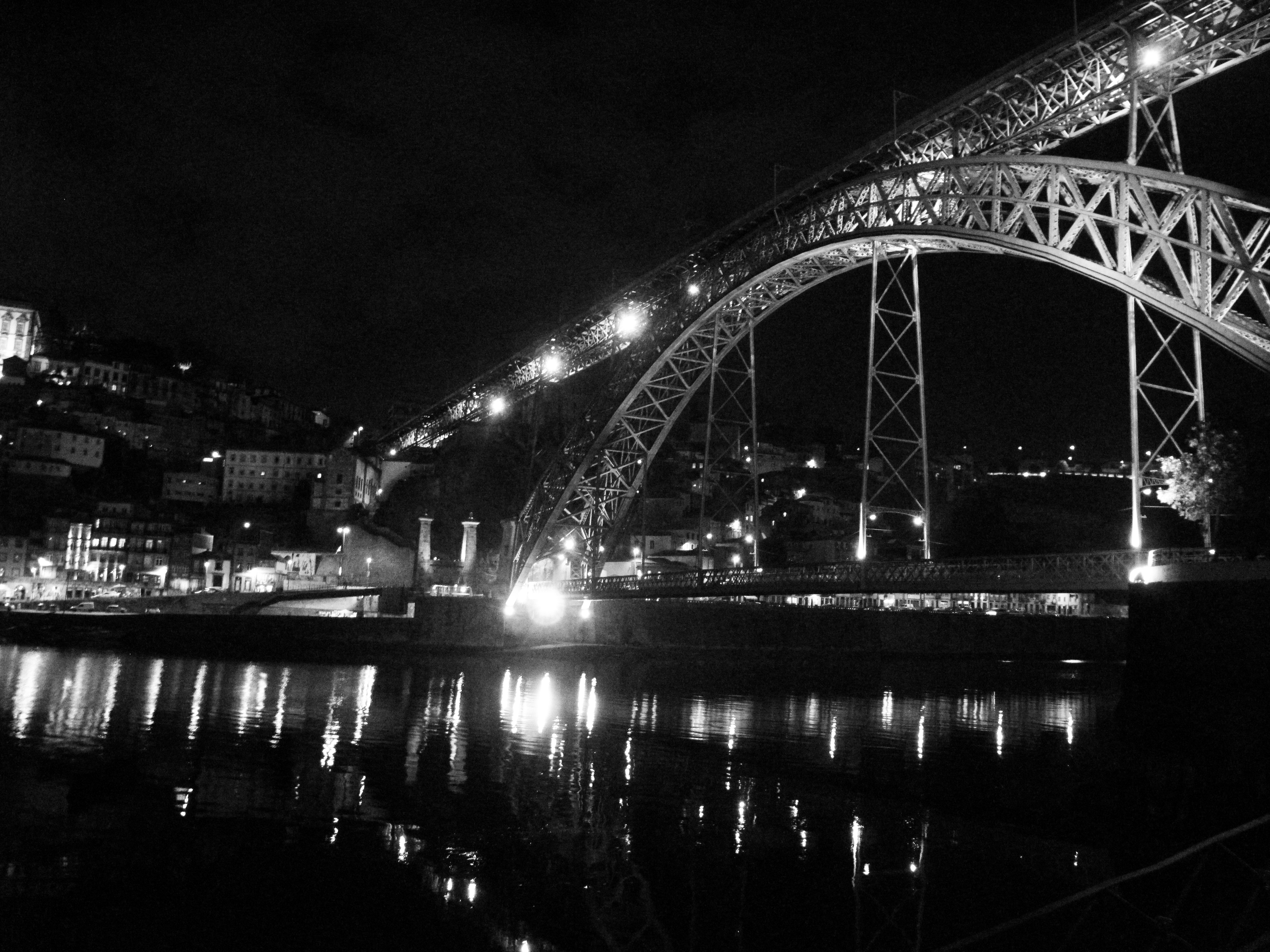
Another architectural piece associated with the Eiffel Tower is the Dom Luise bridge in Porto. This one was built by Théophile Seyrig. A similar bridge further away from the city center was also built by the same architect before. But Eiffel didn’t give any credit to Seyrig, so he decided to compete against his former teacher in the contest for the bridge. After Seyrig won, Eiffel was supposedly so angry that he built the Eiffel Tower. Or so.

IMG_4430

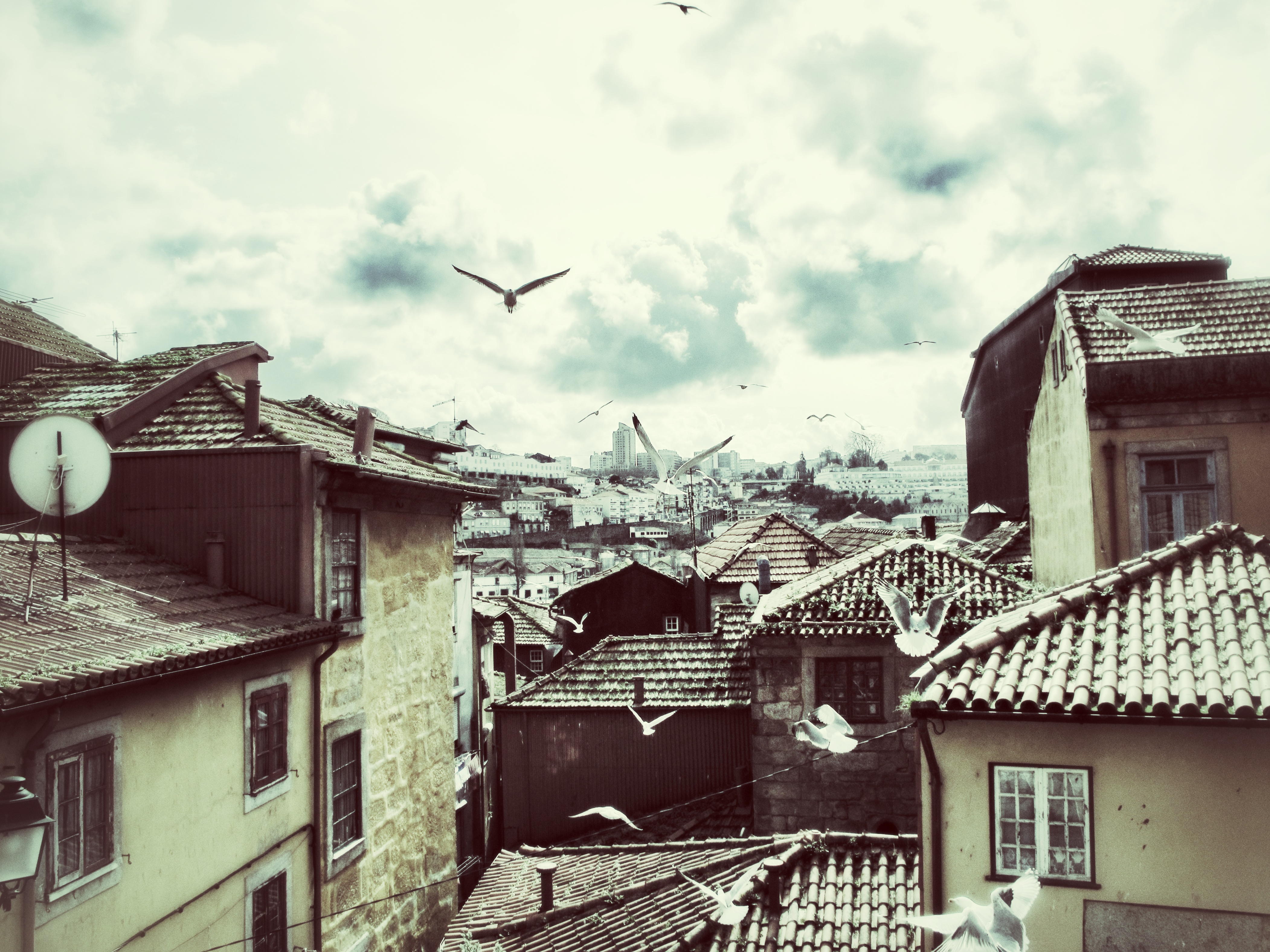
As Lisboa Porto has many viewing points (miradouros) and even more seagulls 😉 They told us they can be pretty aggressive and annoying. But as a mainlander, I enjoyed them very much and prefer them to pigeons – or the rats of the skies – as I joke sometimes. They are gorgeous.

IMG_4304

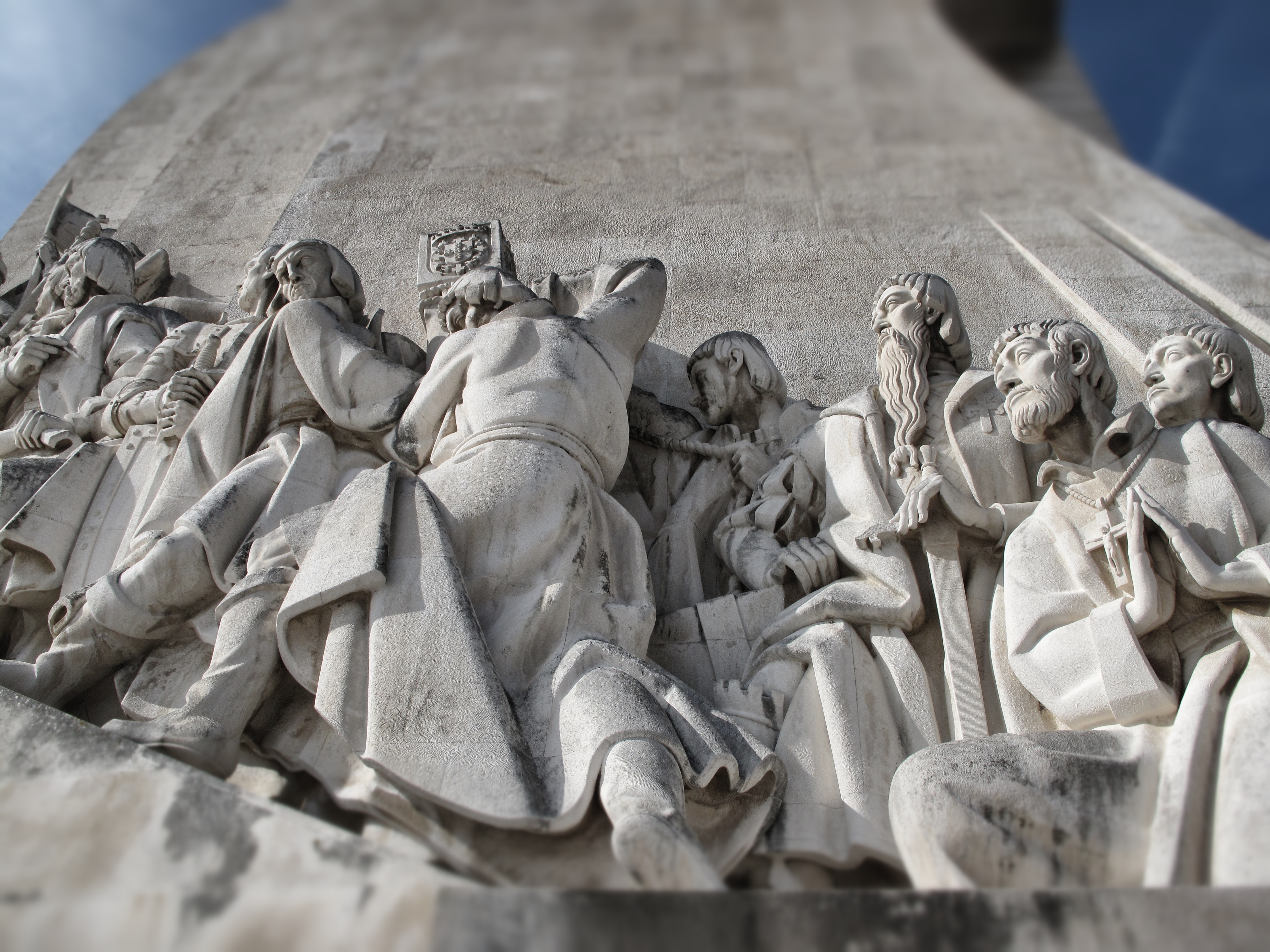
The monument for the Portuguese seafarer. It reaches out into the sea and the unknown with the seamen (and priests 😉 ) longing for a new world. The details are beautiful, and I recommend visiting Belém, an exciting and worth-visiting part of Lisbon crowned by this monument. You can also see the top of it and get a great view of the Tejo.

IMG_4547

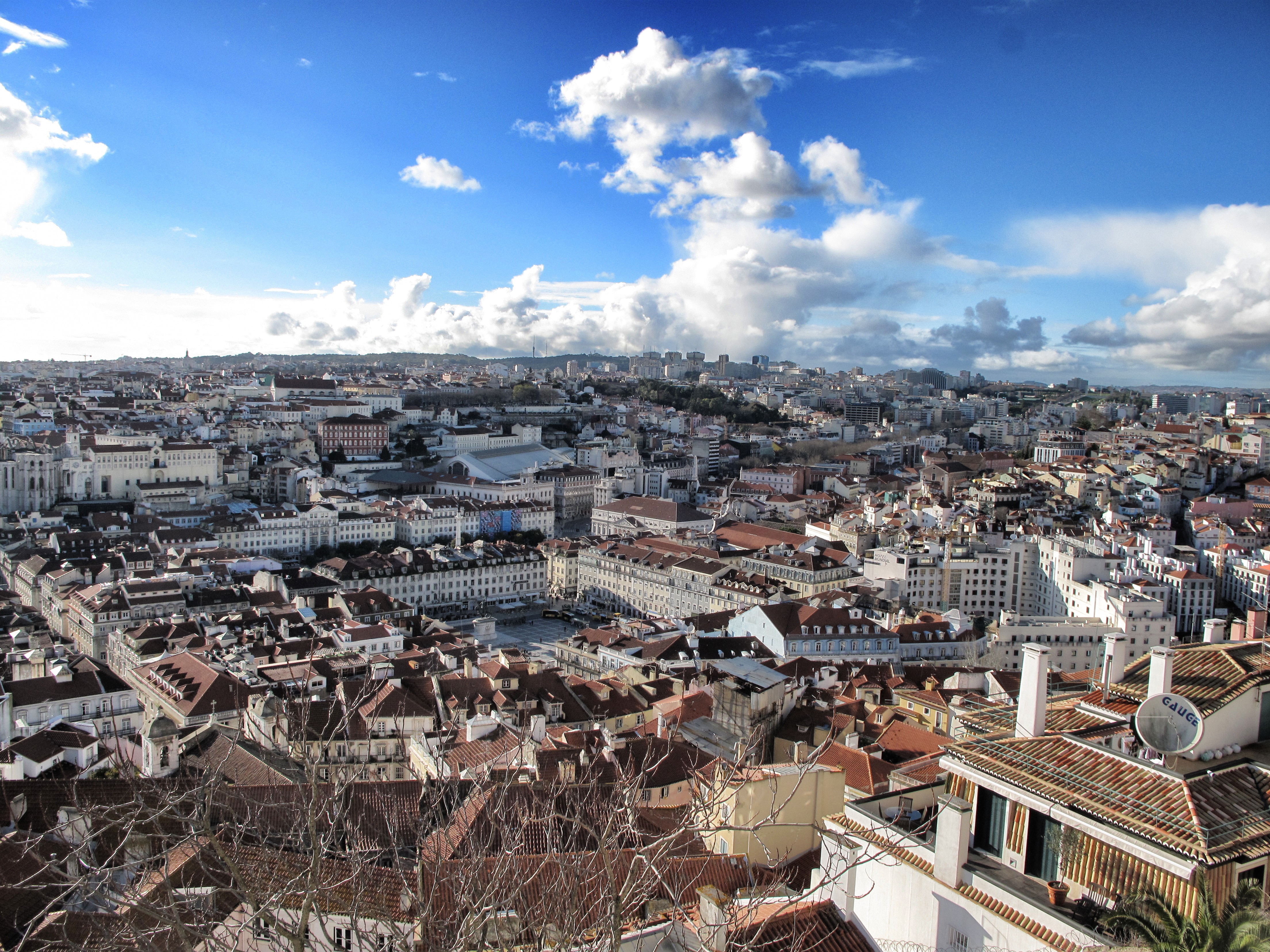
A view of Lisboa from the Castelo de São Jorge. You see the main square and a part of the city not lying directly to the water. Being in the old town, you don’t immediately realize how big Lisboa is. But being up here, you are reminded that you are indeed in a European metropole.