Skip to content

The Island of Krk

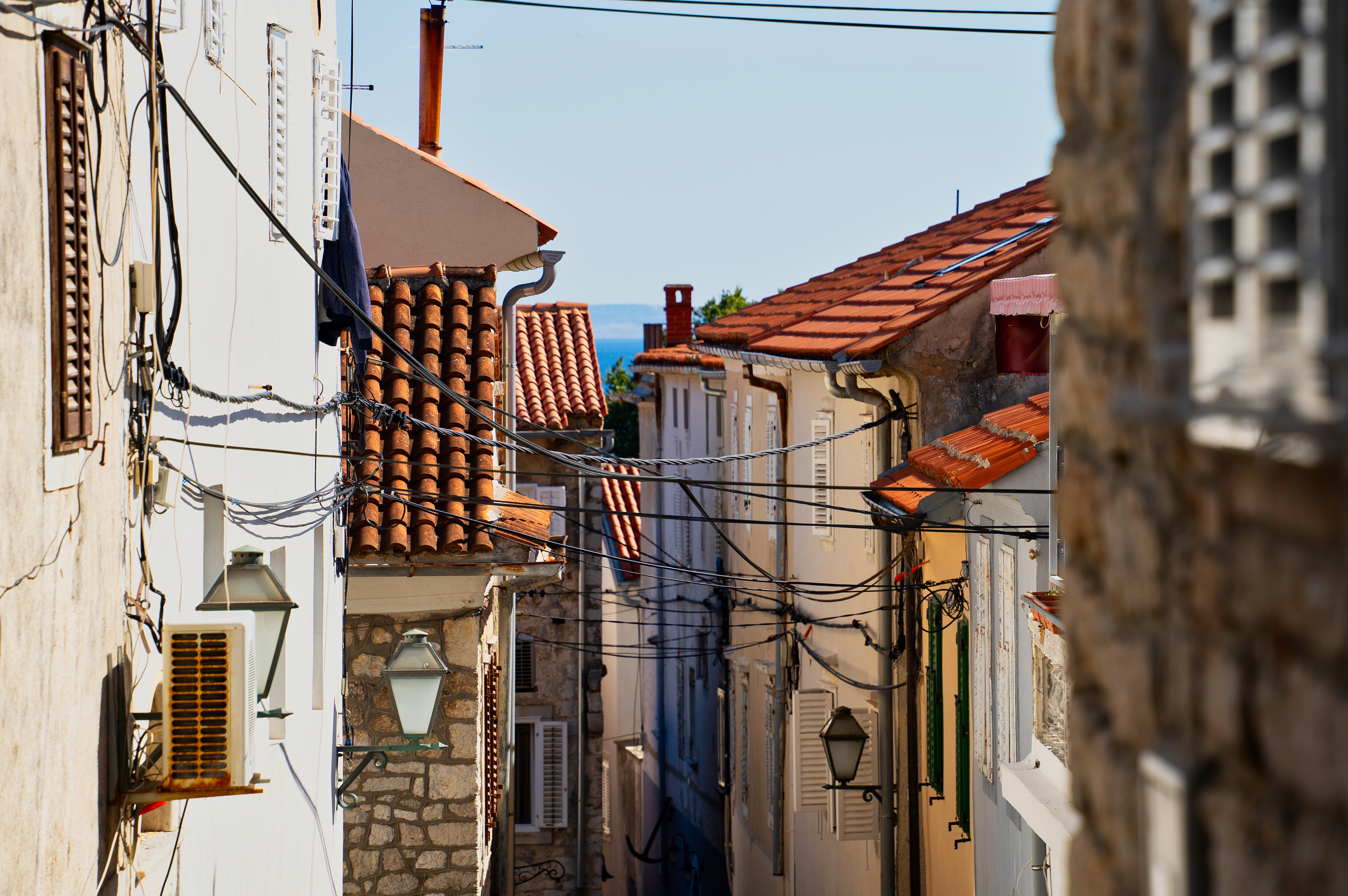
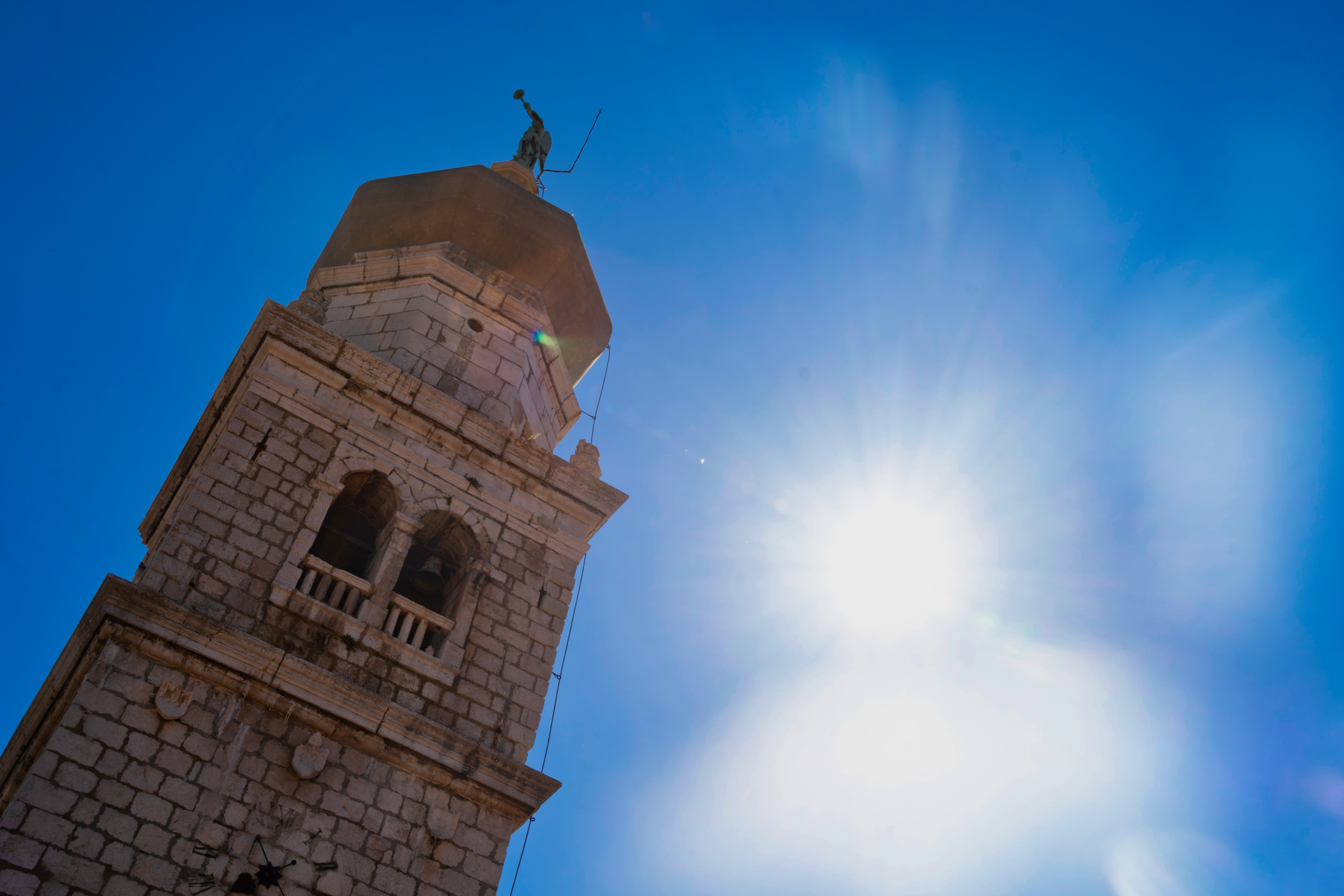
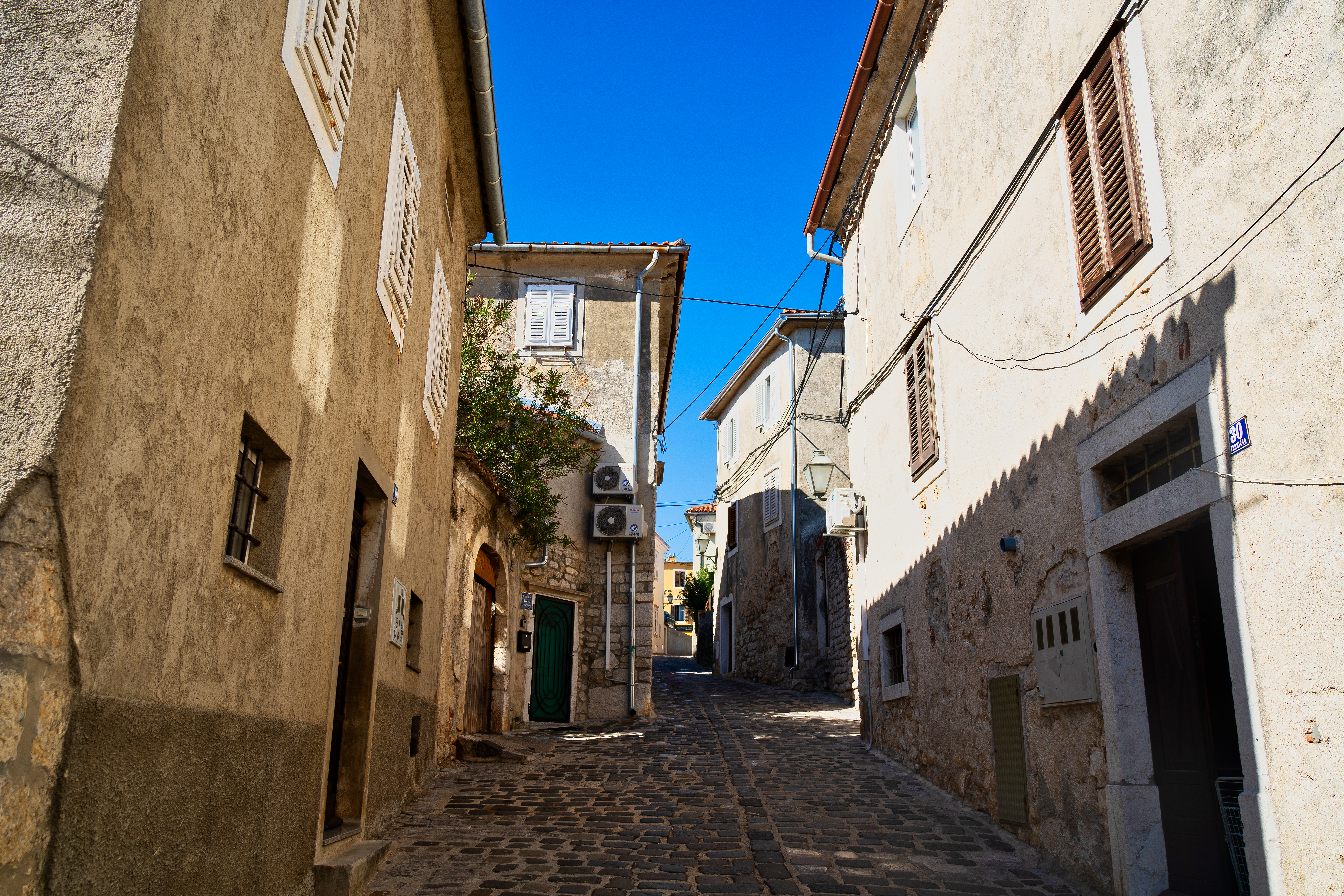
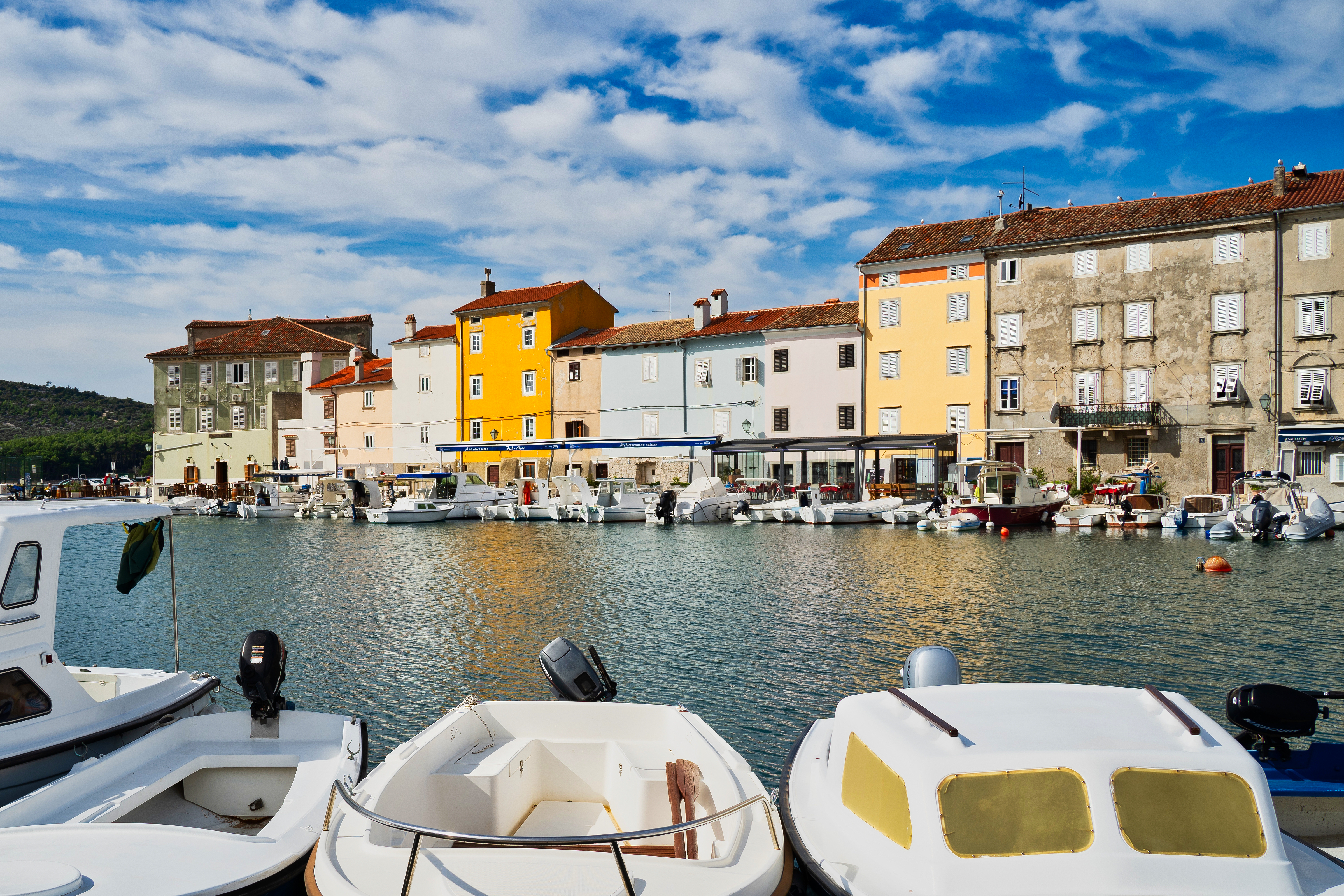
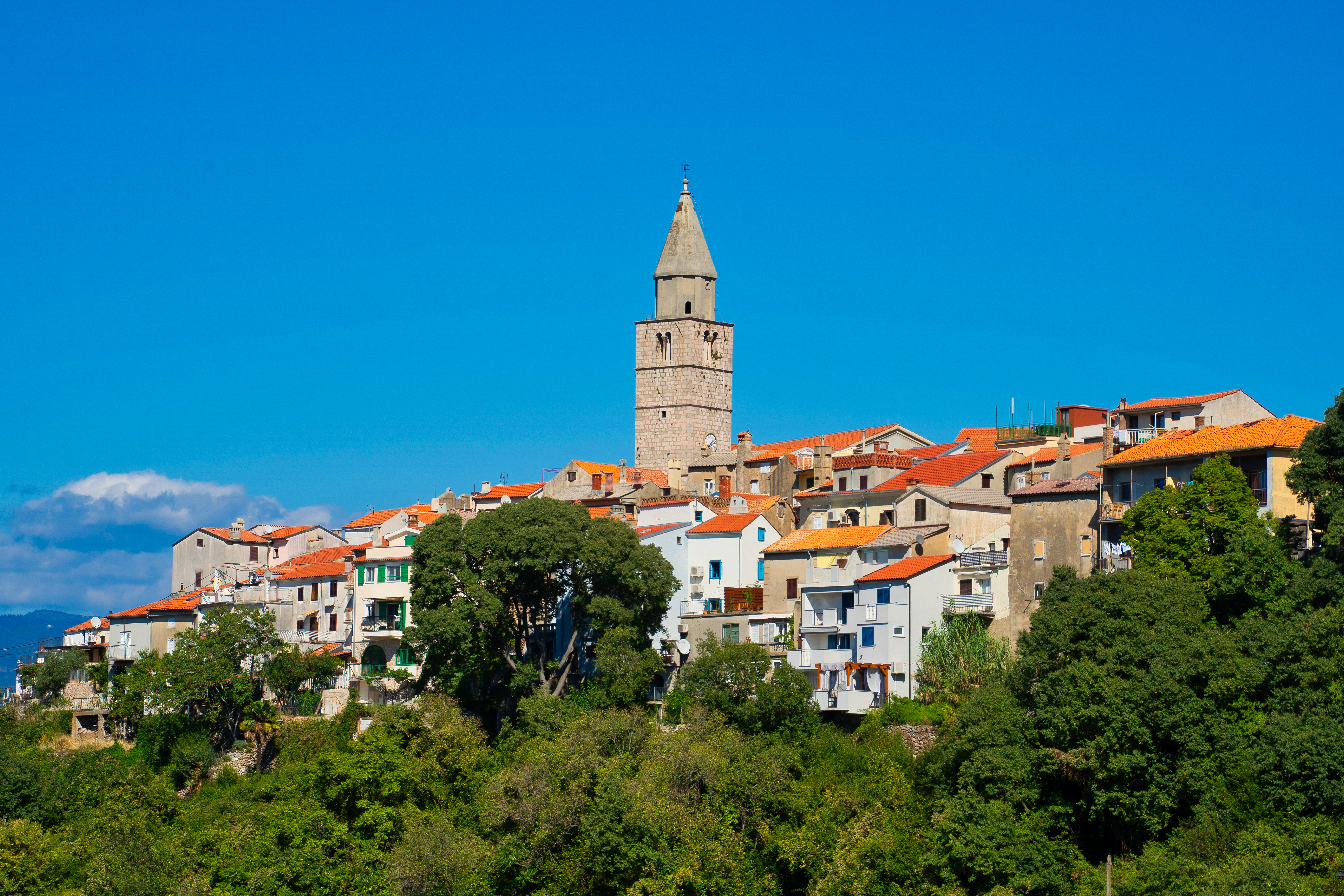
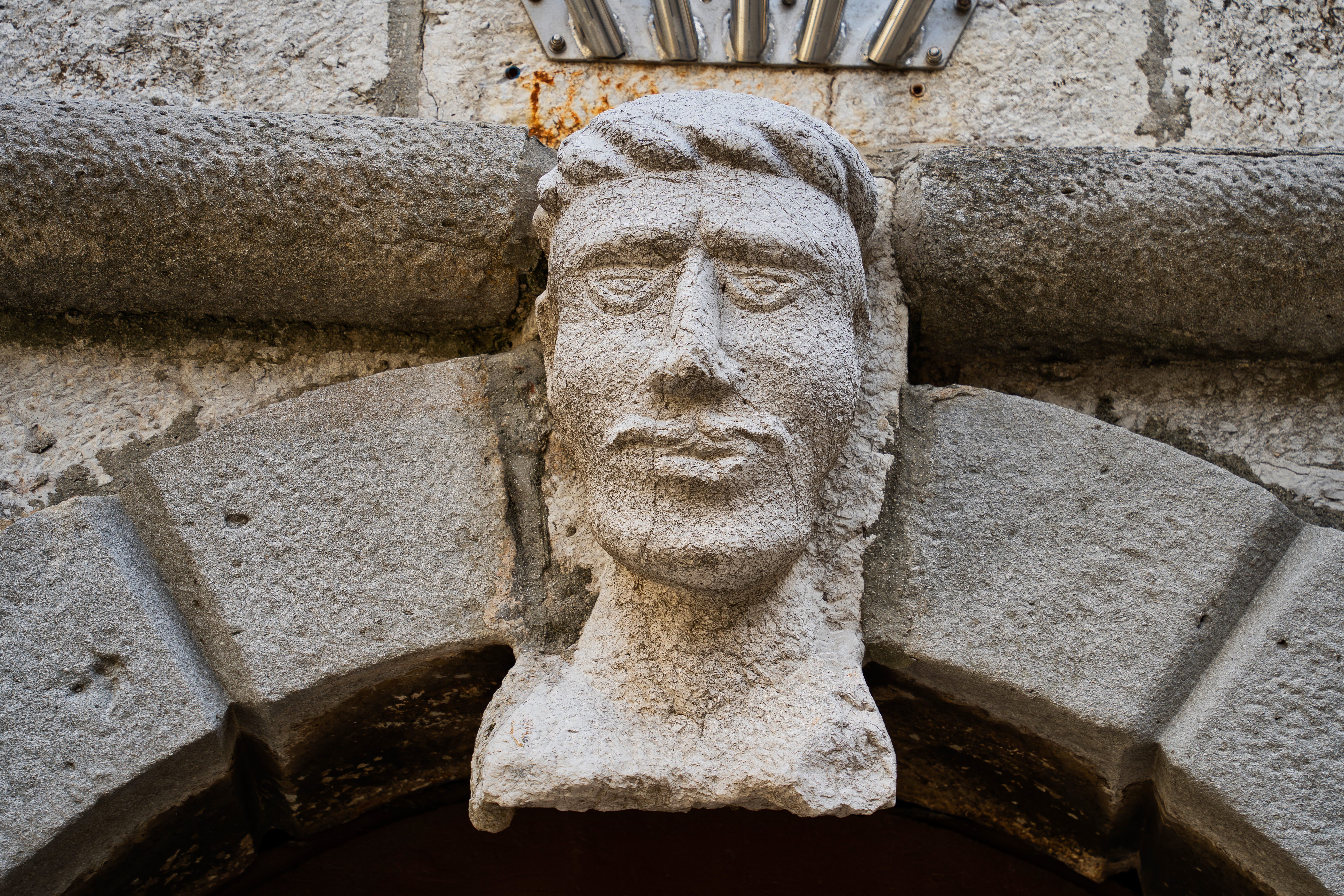
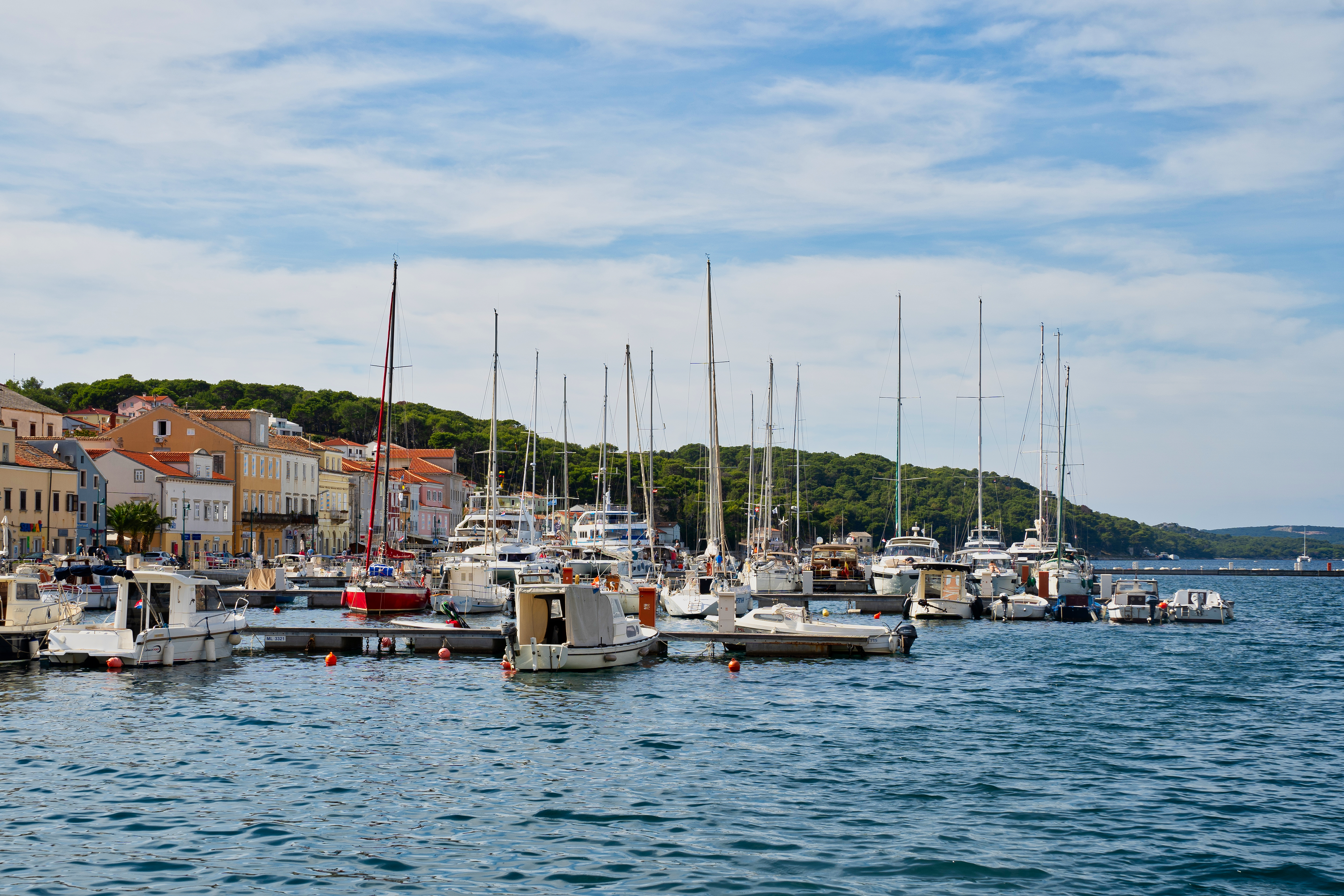
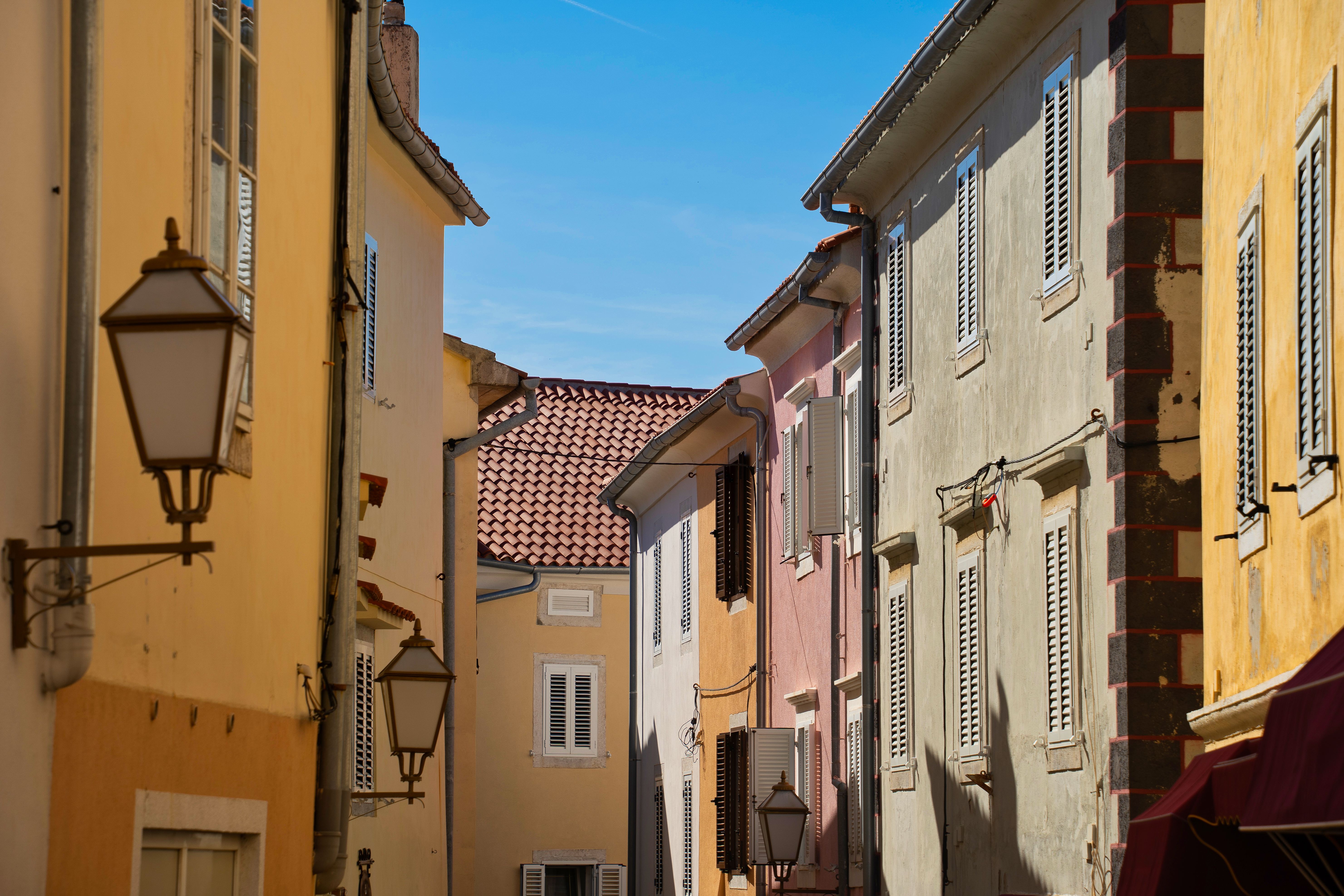
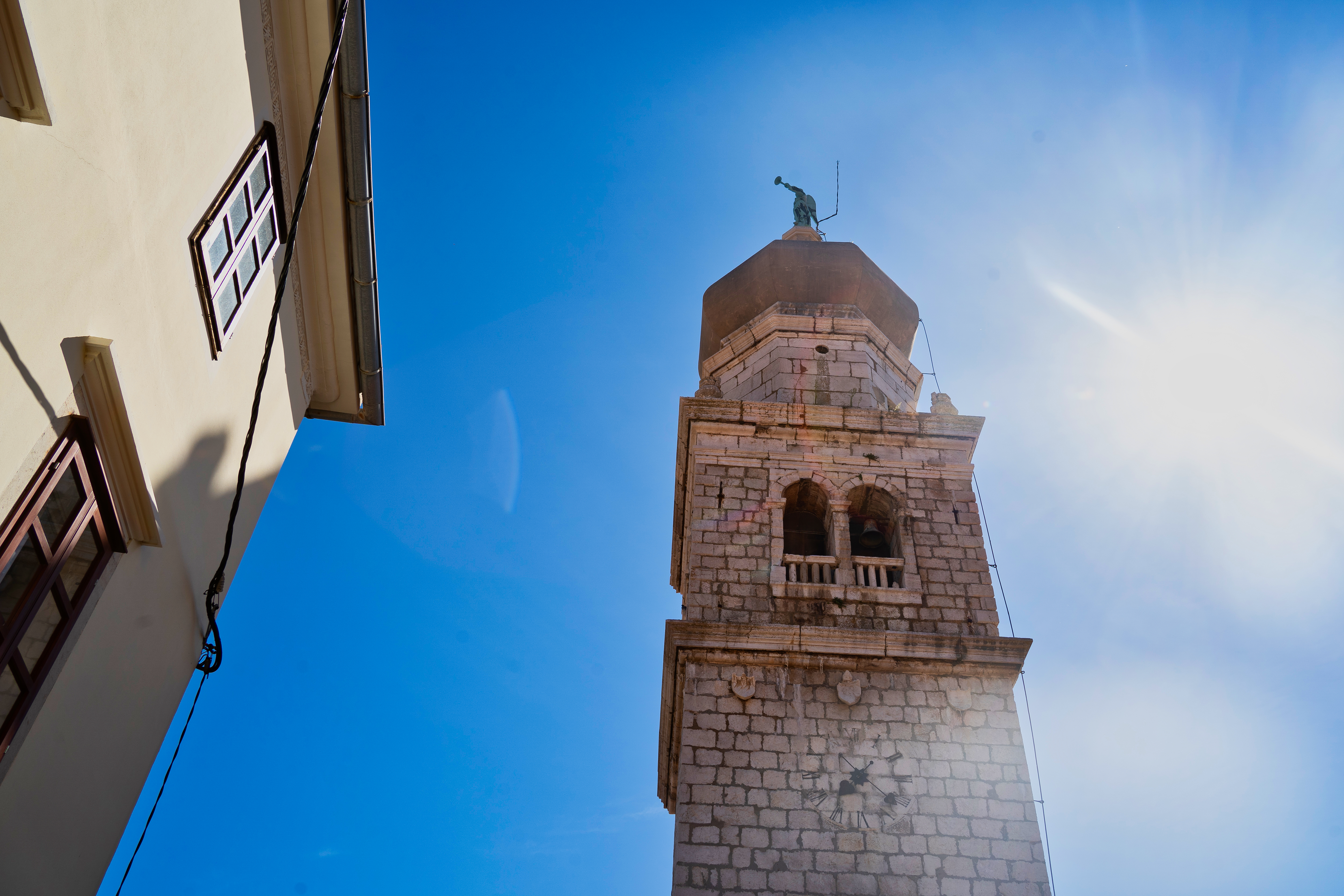
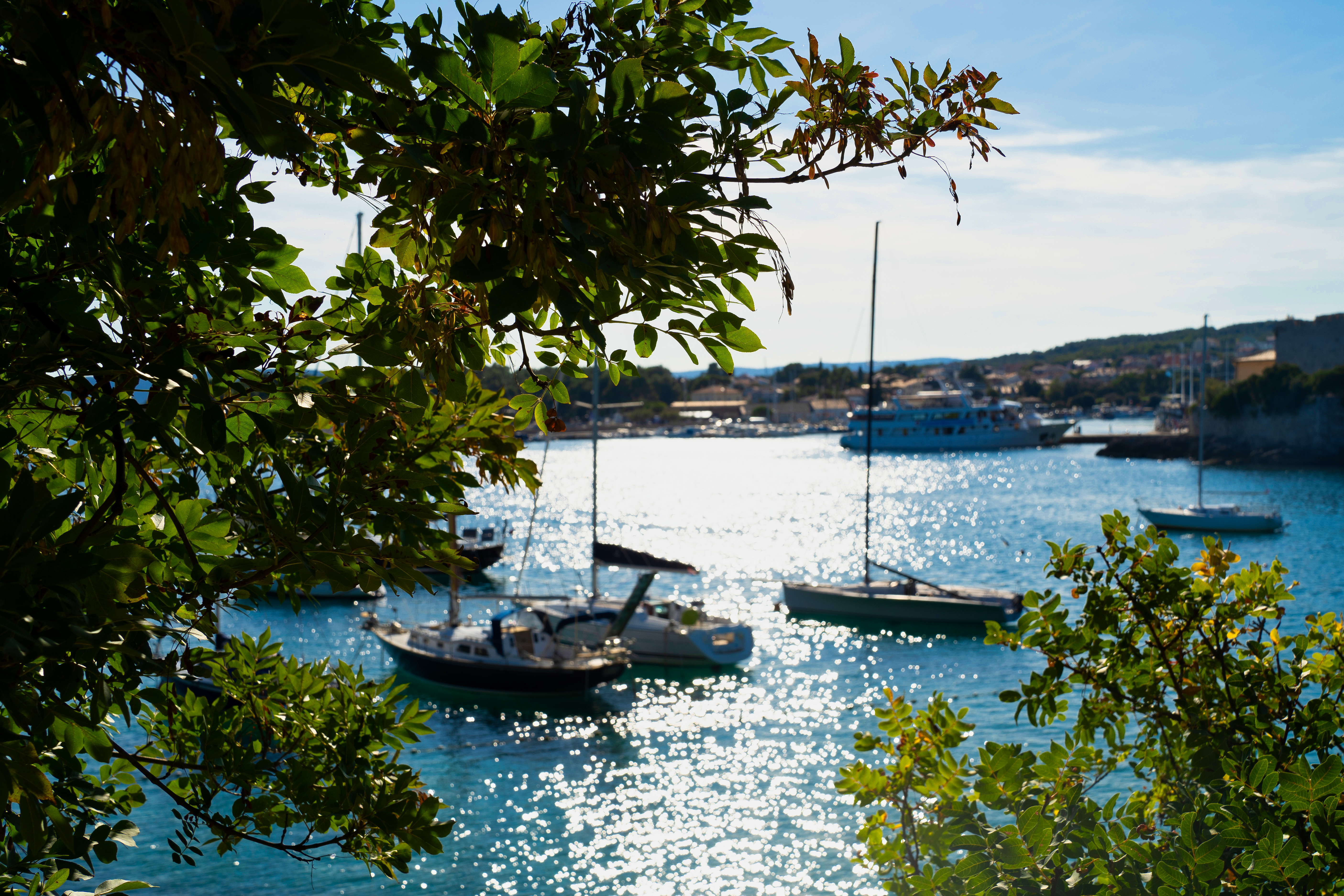
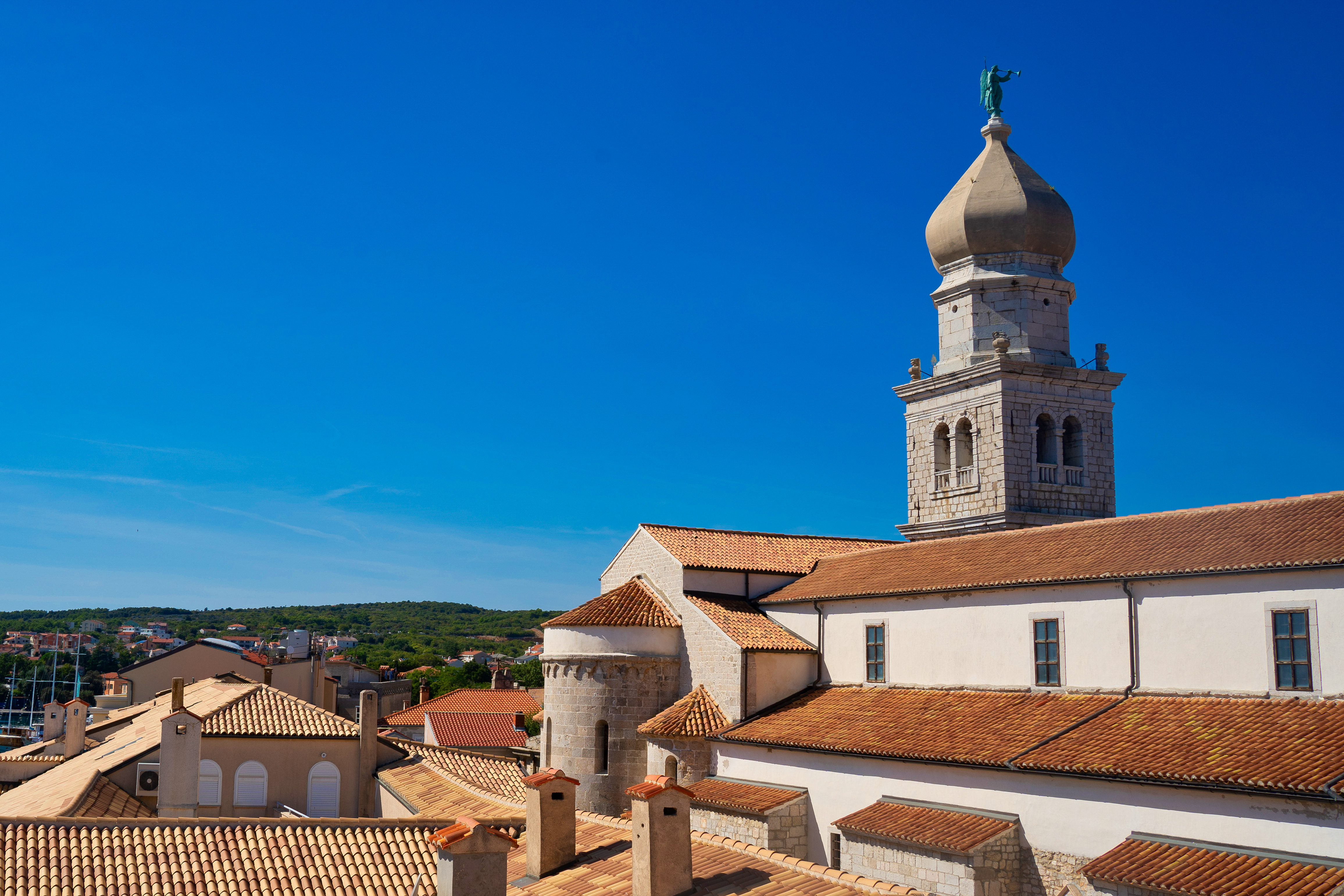
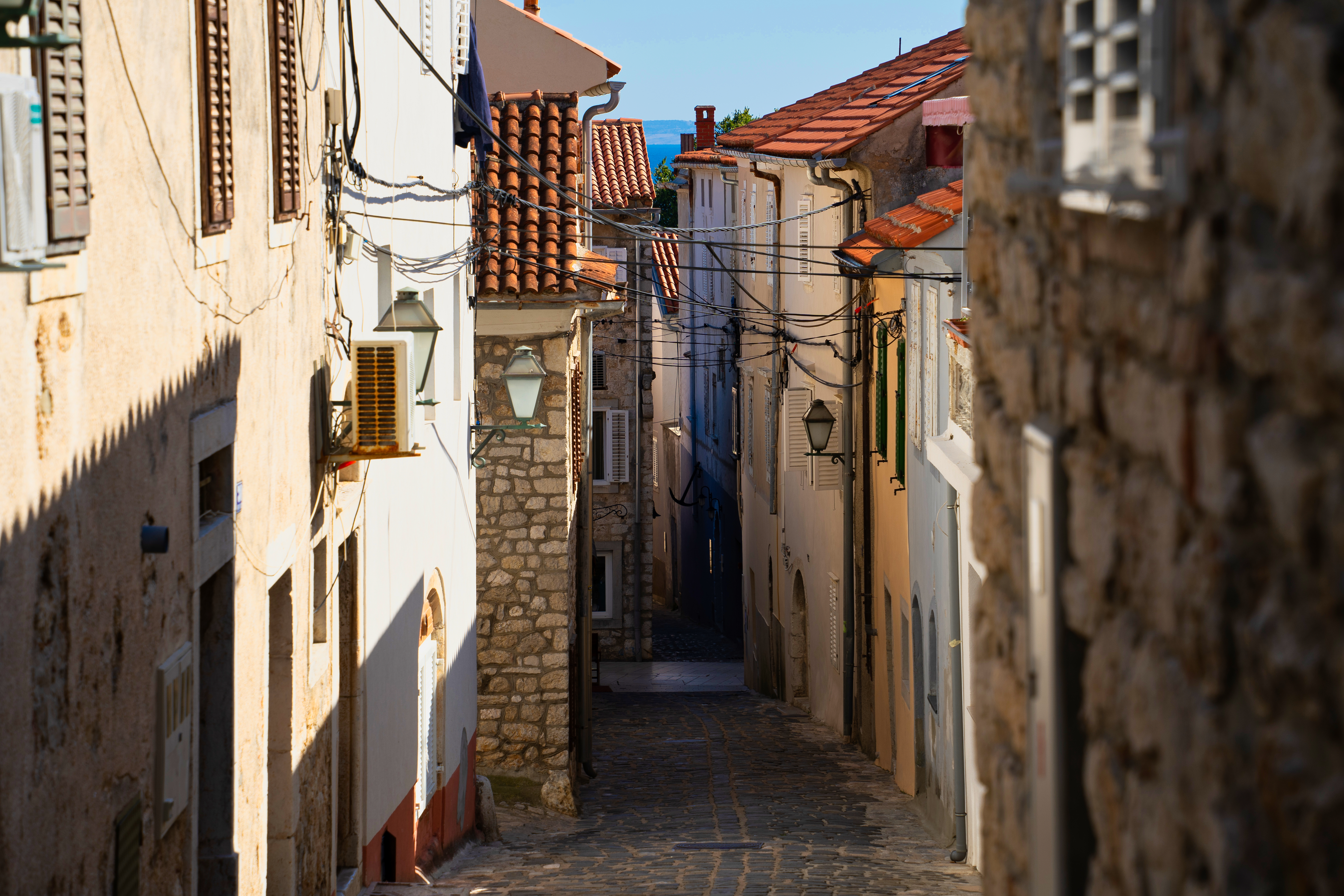
The island of Krk has historically been a center for Croatian culture. Before the arrival of the Slavs, a plethora of different people had settled here, such as the Illyrian and Roman tribes. All of those cultures made use of the richness of nature by harvesting the fruits of the land and the sea. The prosperity resulted in beautiful fortified towns and a rich heritage, which can still be seen all over the island today.

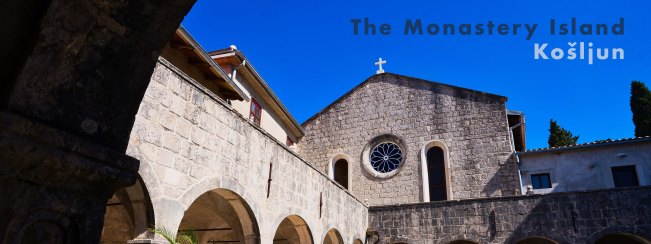
The Monastery Island

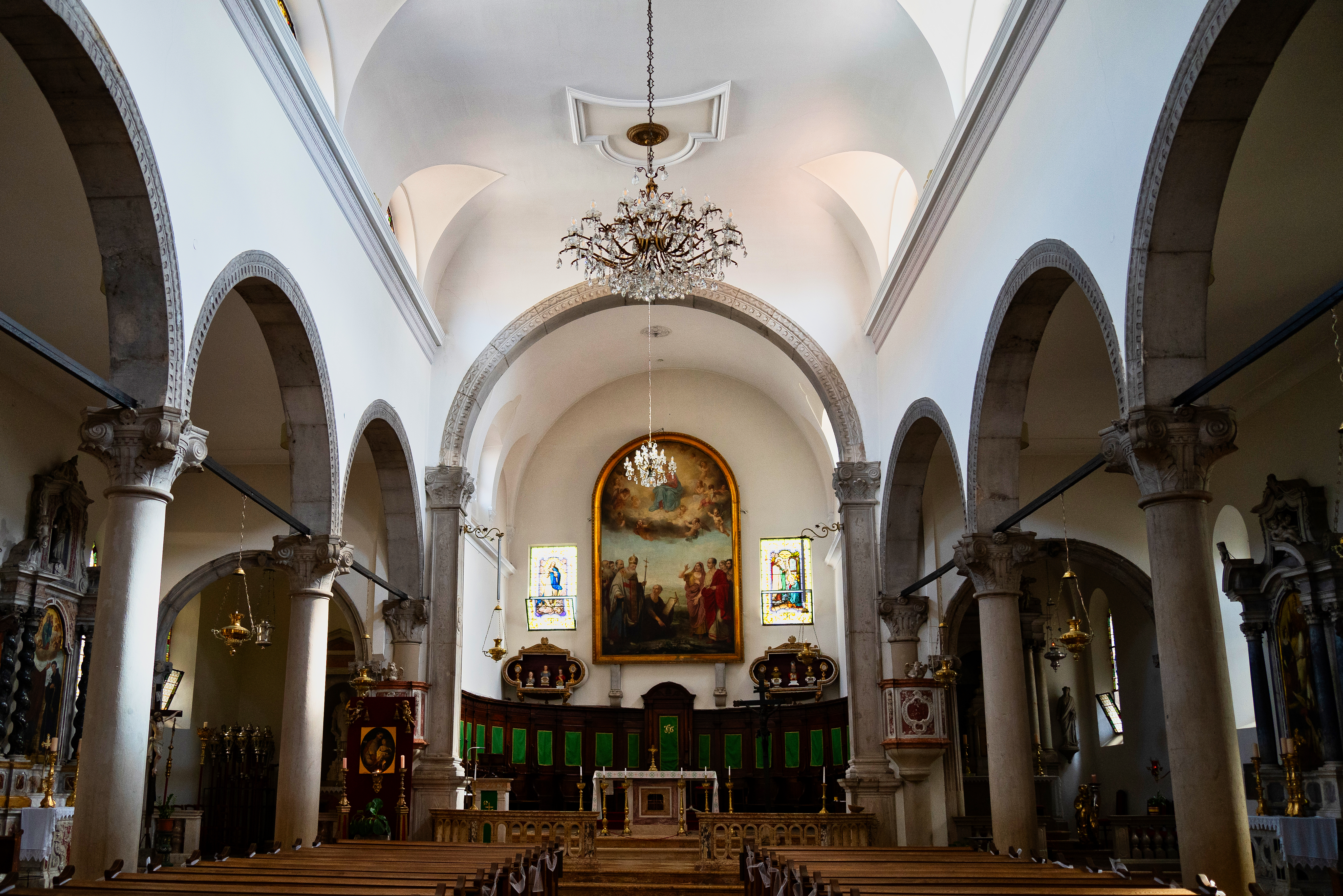
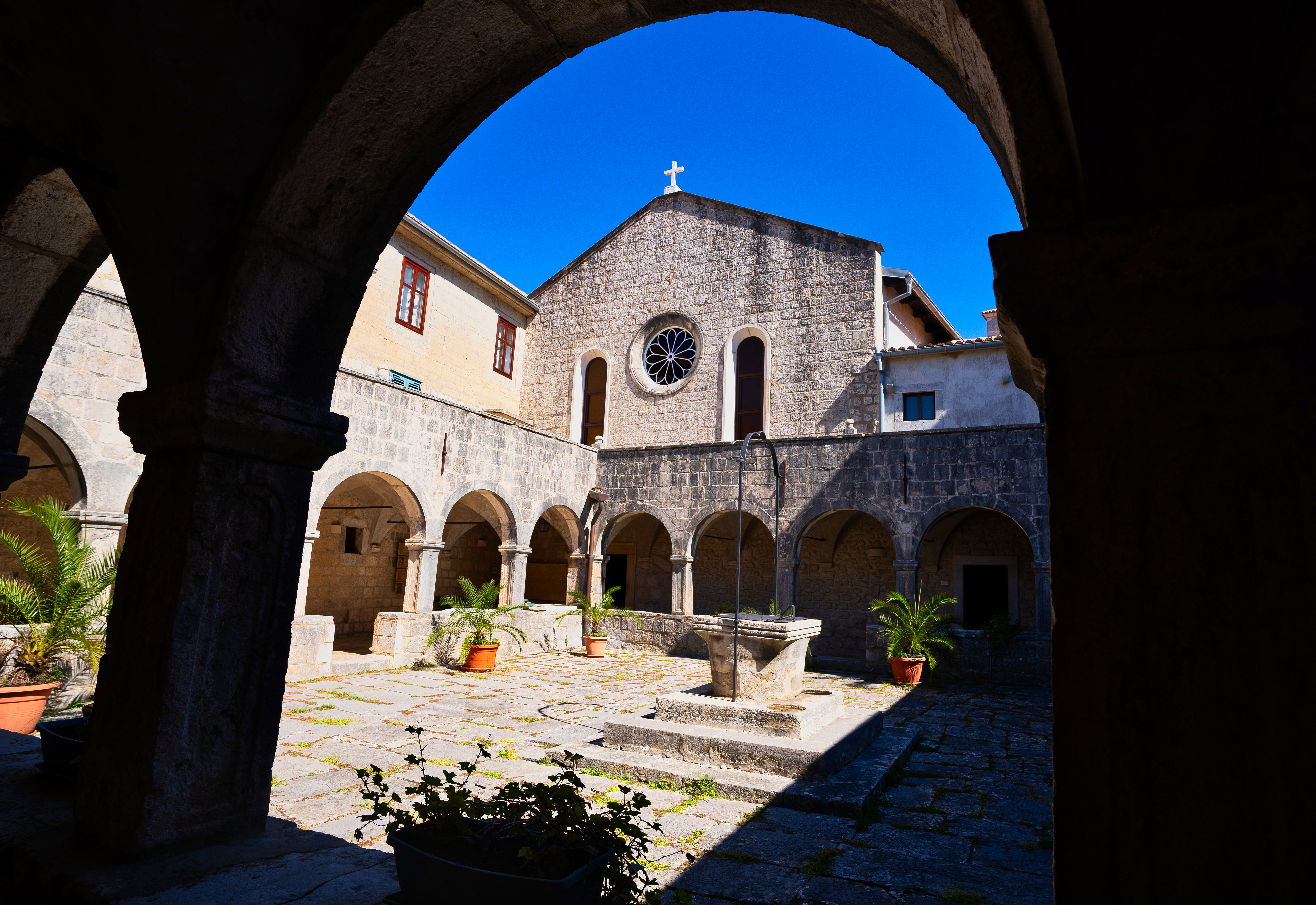
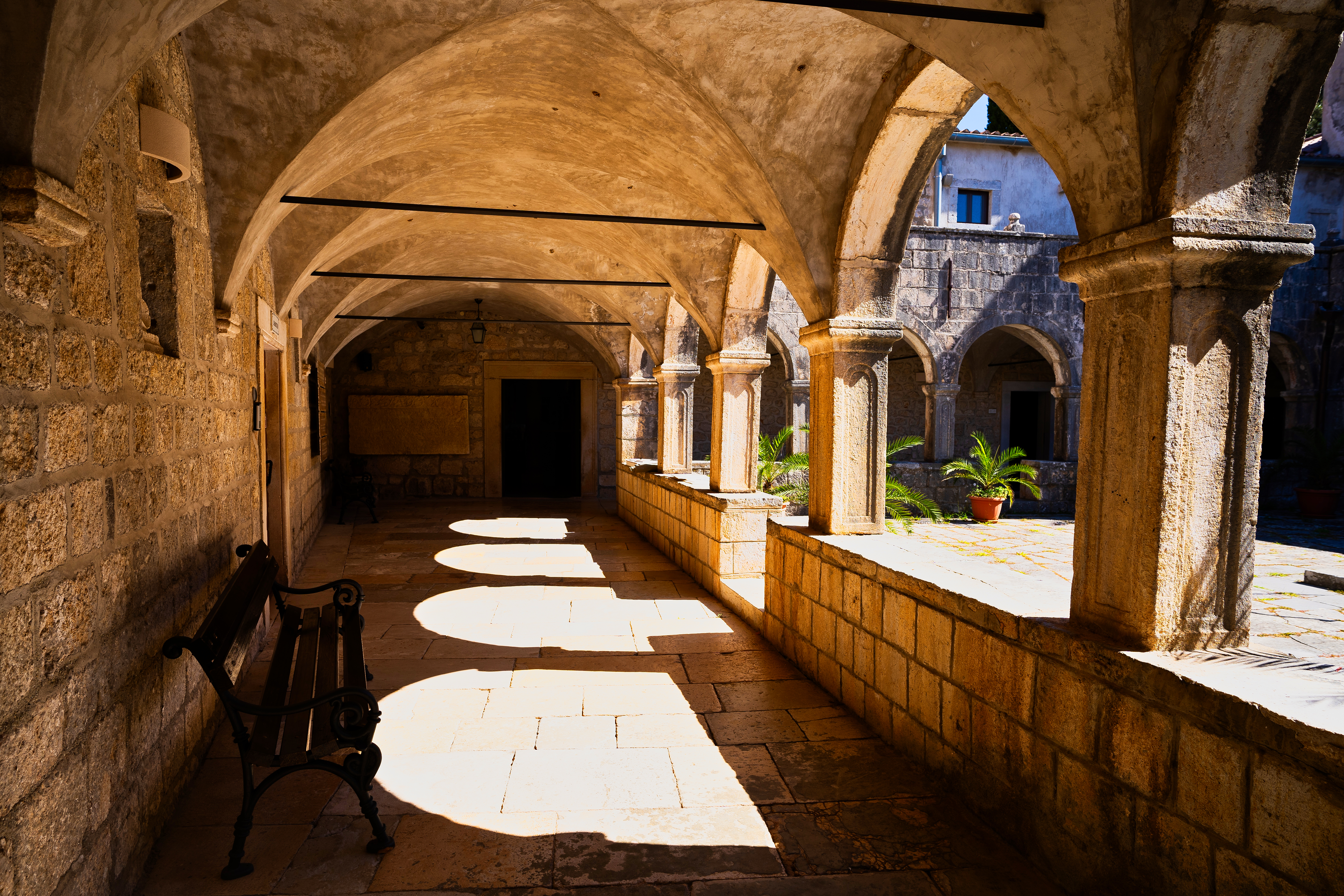
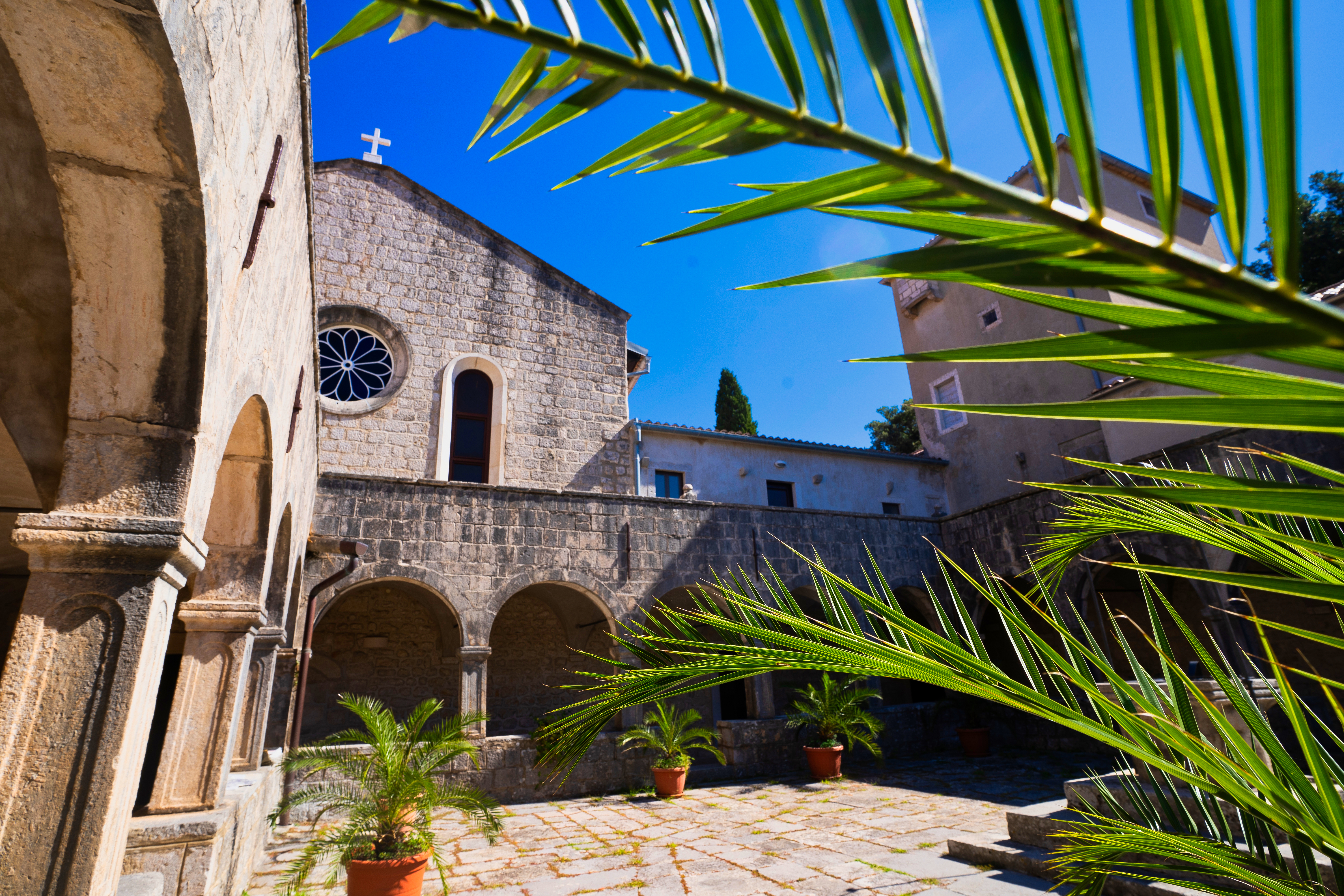
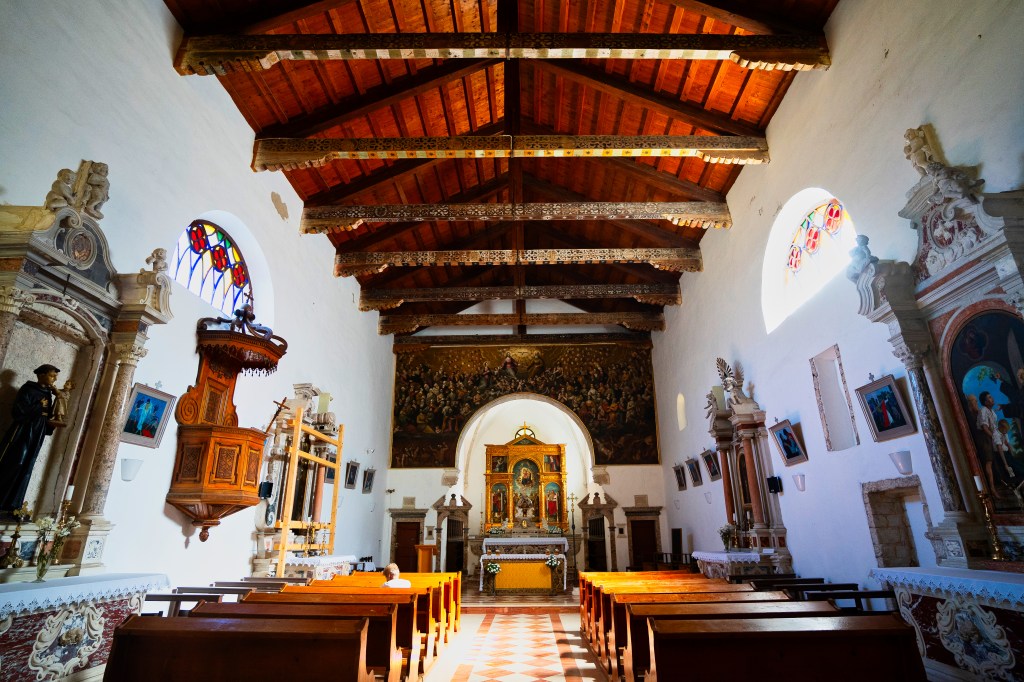
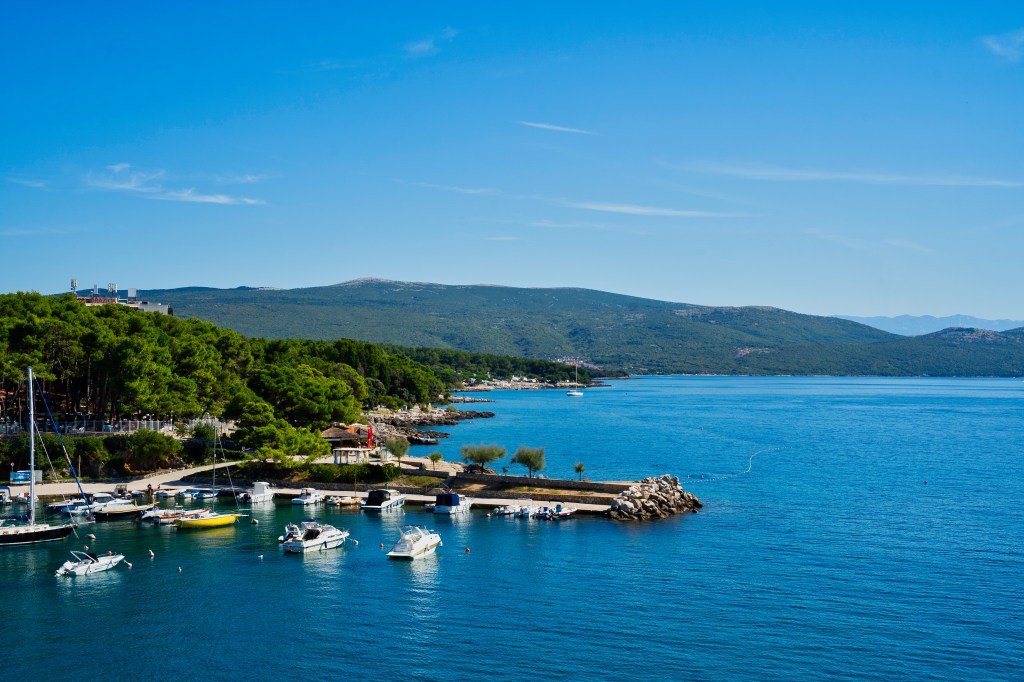
Košljun is a small island situated close to Punat at the shore of the Croatian island of Krk. In Roman times, there was a villa rustica (country house); later in the Middle Ages, monks from the order of St. Benedictine founded a monastery on the little island. Besides a church and the convent buildings, which still exist and can be visited, it is quite a green and diverse landmass. There are dense forests, meadows, and Mediterranean gardens.

The Waterfalls of Plitvice

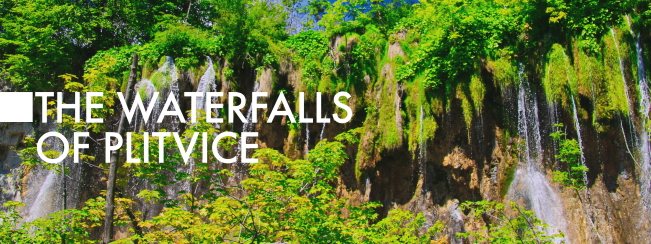
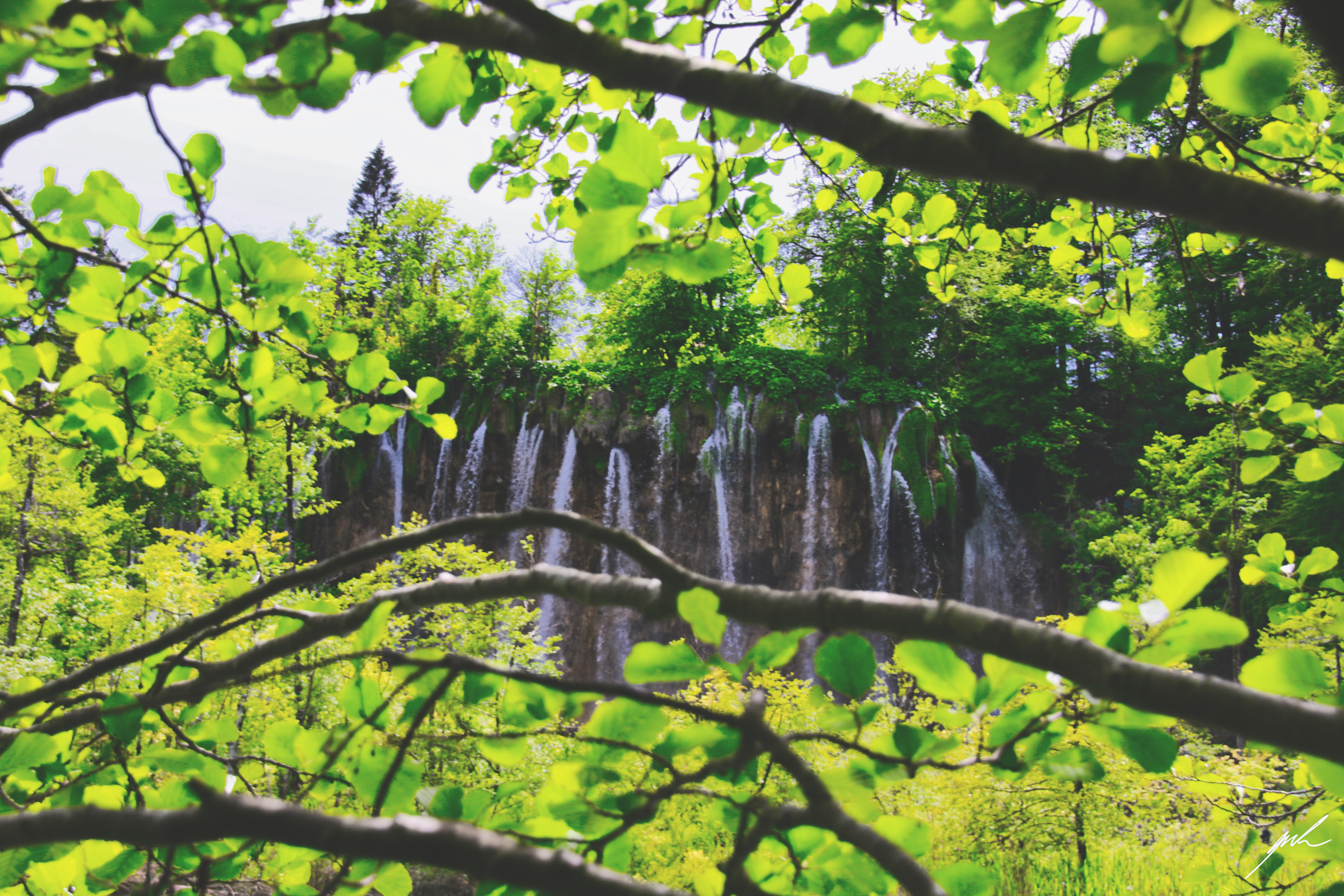
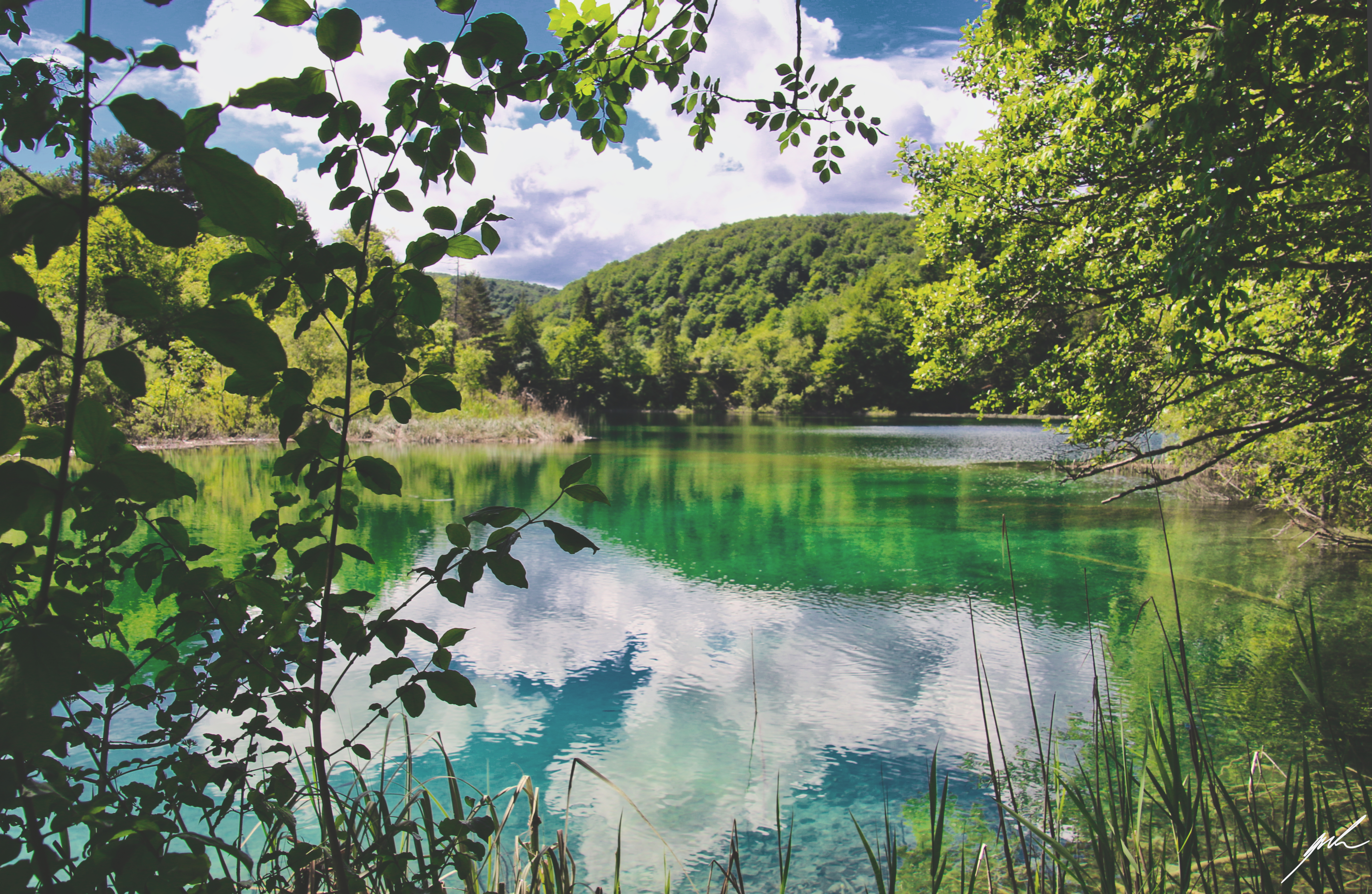
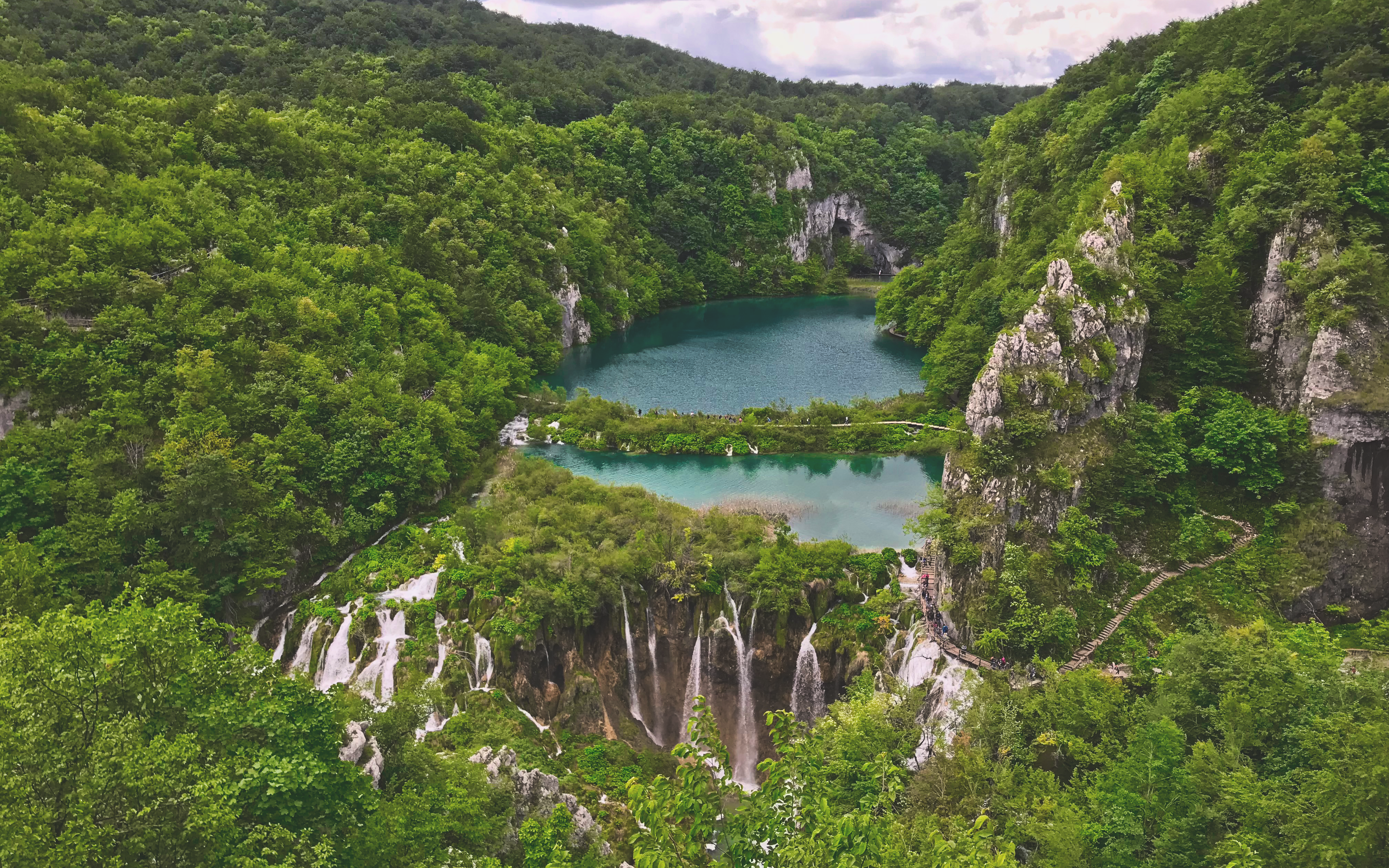
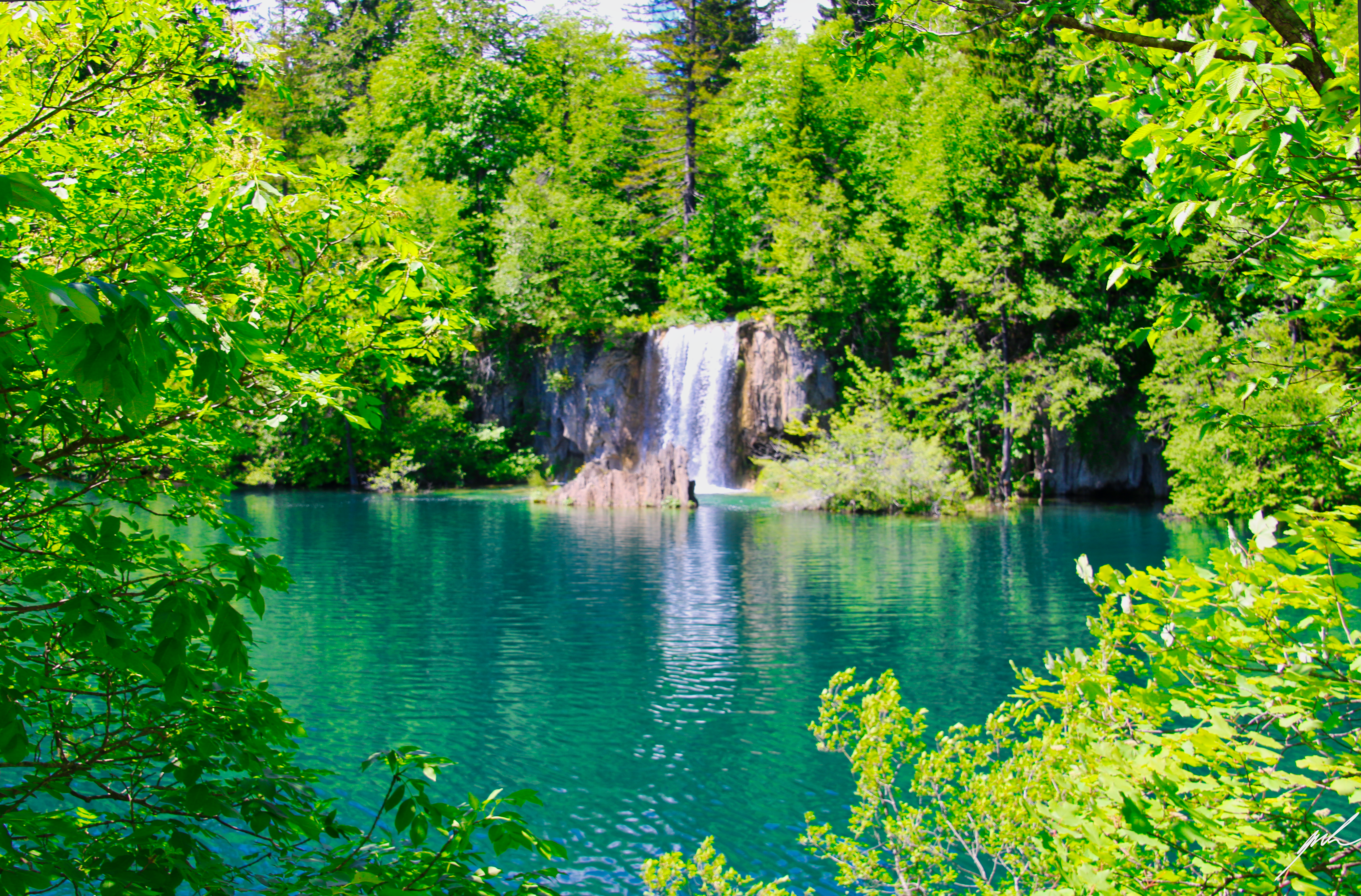
Currently, sixteen lakes are visible at the surface in Plitvice, but the number changes due to natural conditions. The unique feature of these lakes is the natural dams, called travertines, built by a combination of bacteria, algae, and moss. They are susceptible to outside conditions and grow up to one centimeter yearly. The lakes are known for their distinctive colors, from azure to green, grey, or sometimes blue, depending on the light and the organisms living inside. But most famous, of course, are the countless waterfalls, which bind the different lakes together and, at this moment, create a unique natural landscape.
test

Nature of Plitvice

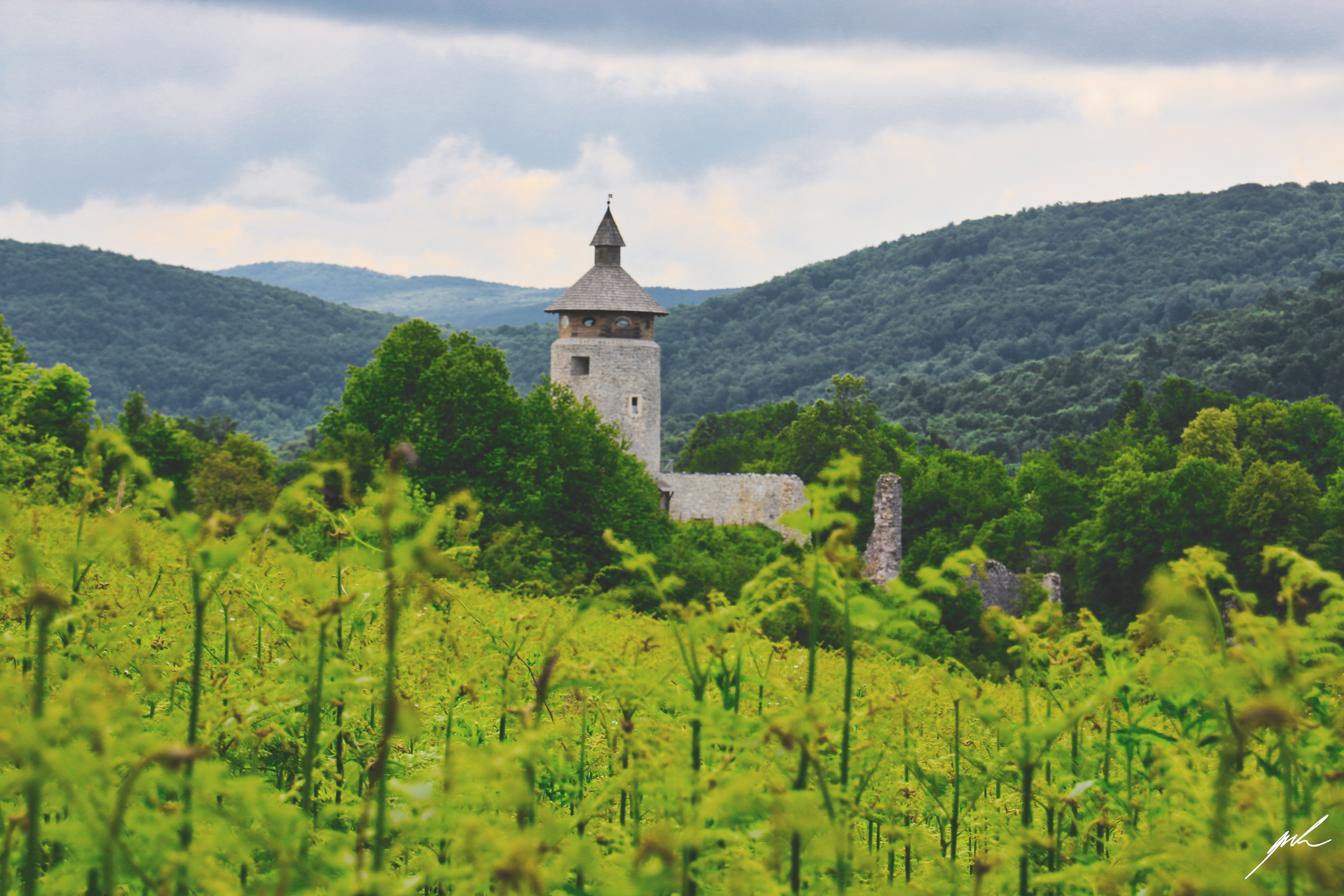
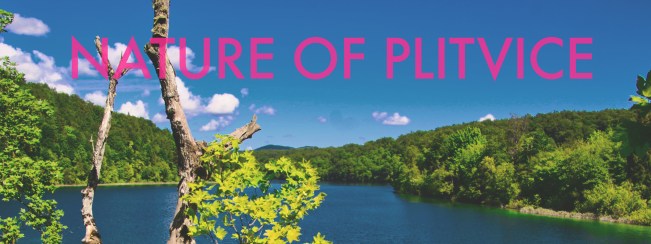
If you think about paradise, the national park of Plitvice in central Croatia comes pretty close to it. A marvelous place of nature it encompasses 296,85 square kilometers of pure wild. The forests seem to be endless, and the gentle hills make for some beautiful curves in the panorama. Here and there, you find a castle, a water mill, or a trail leading to a lake with some stunning waterfalls.

test