Skip to content

Historic Cracow

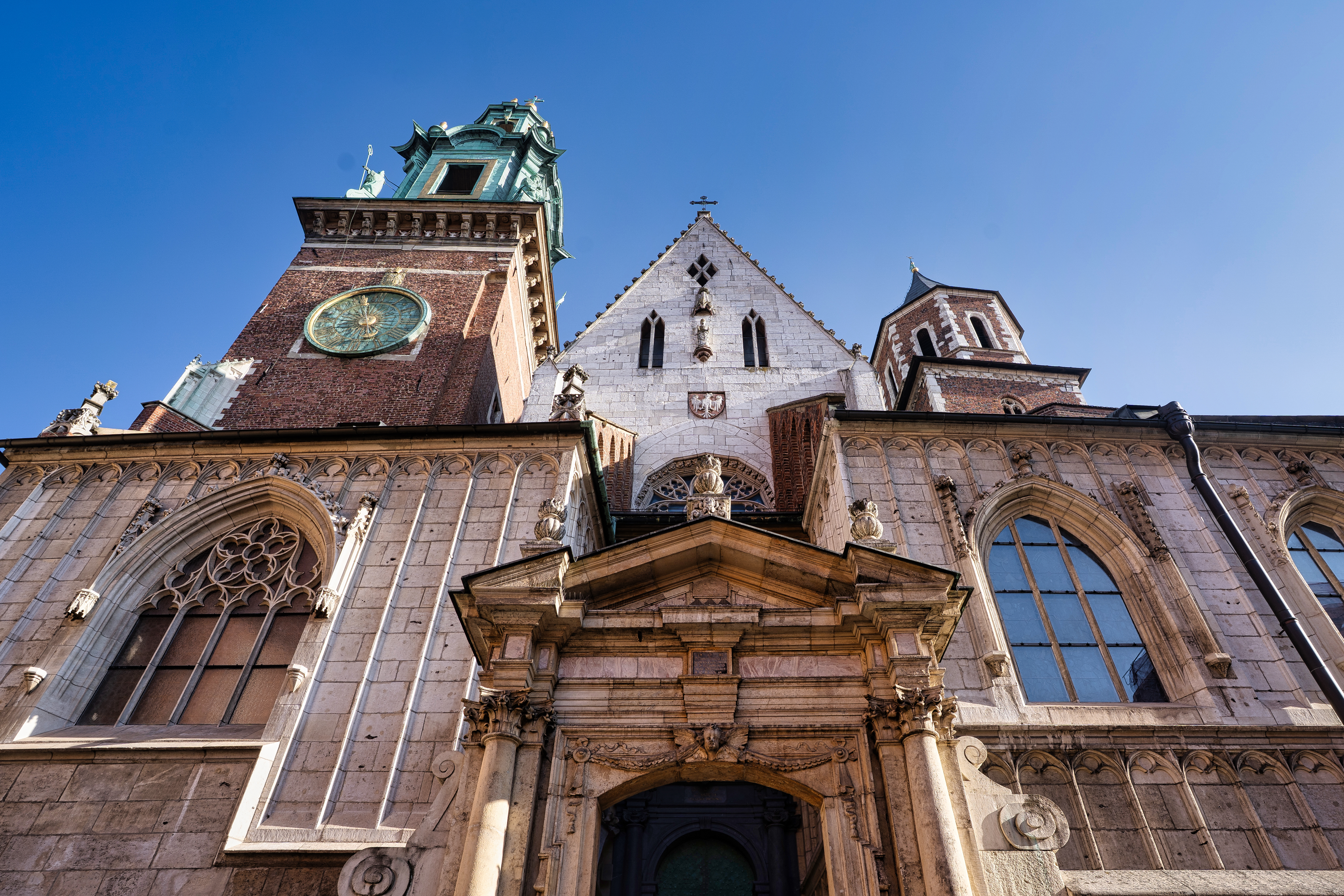
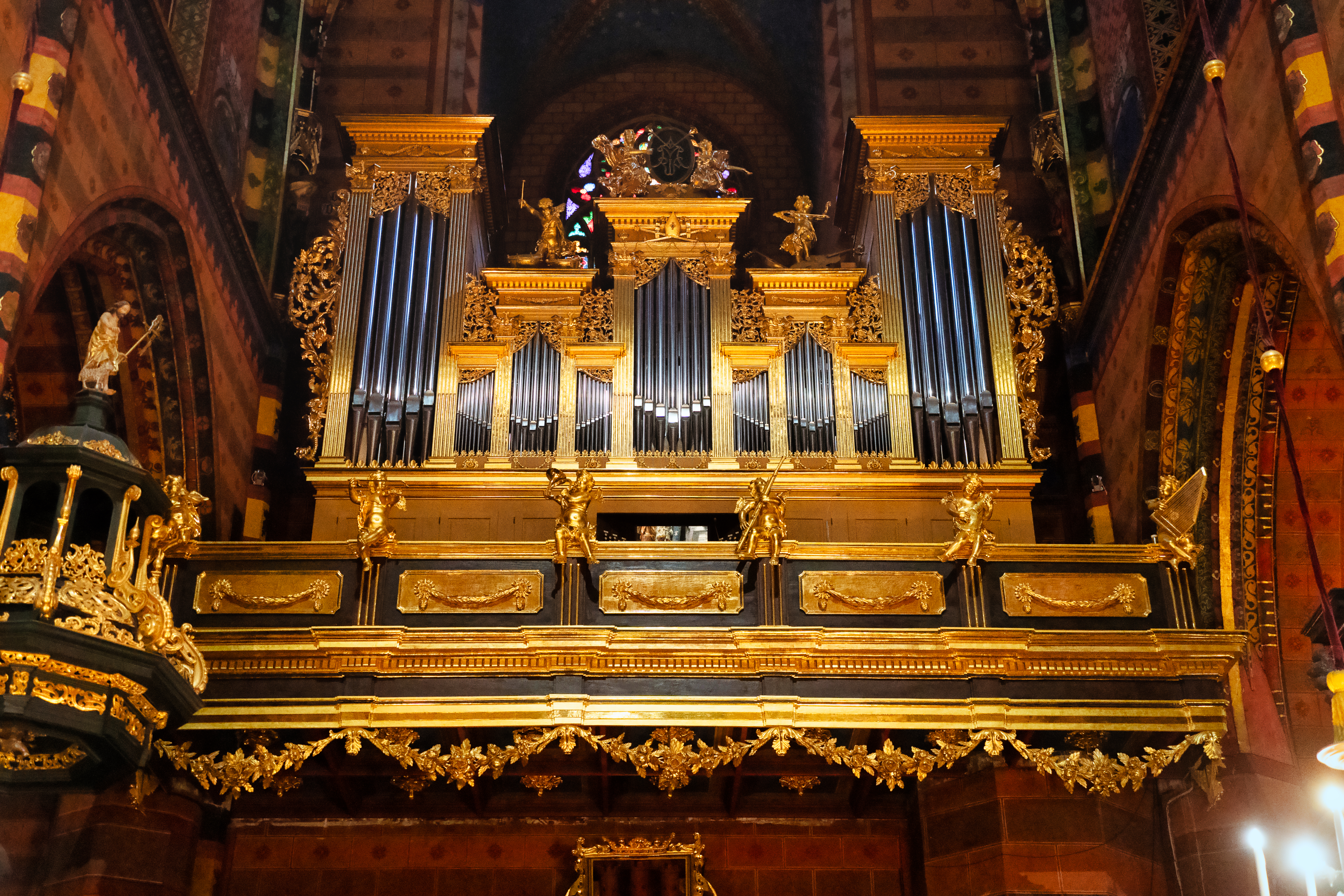
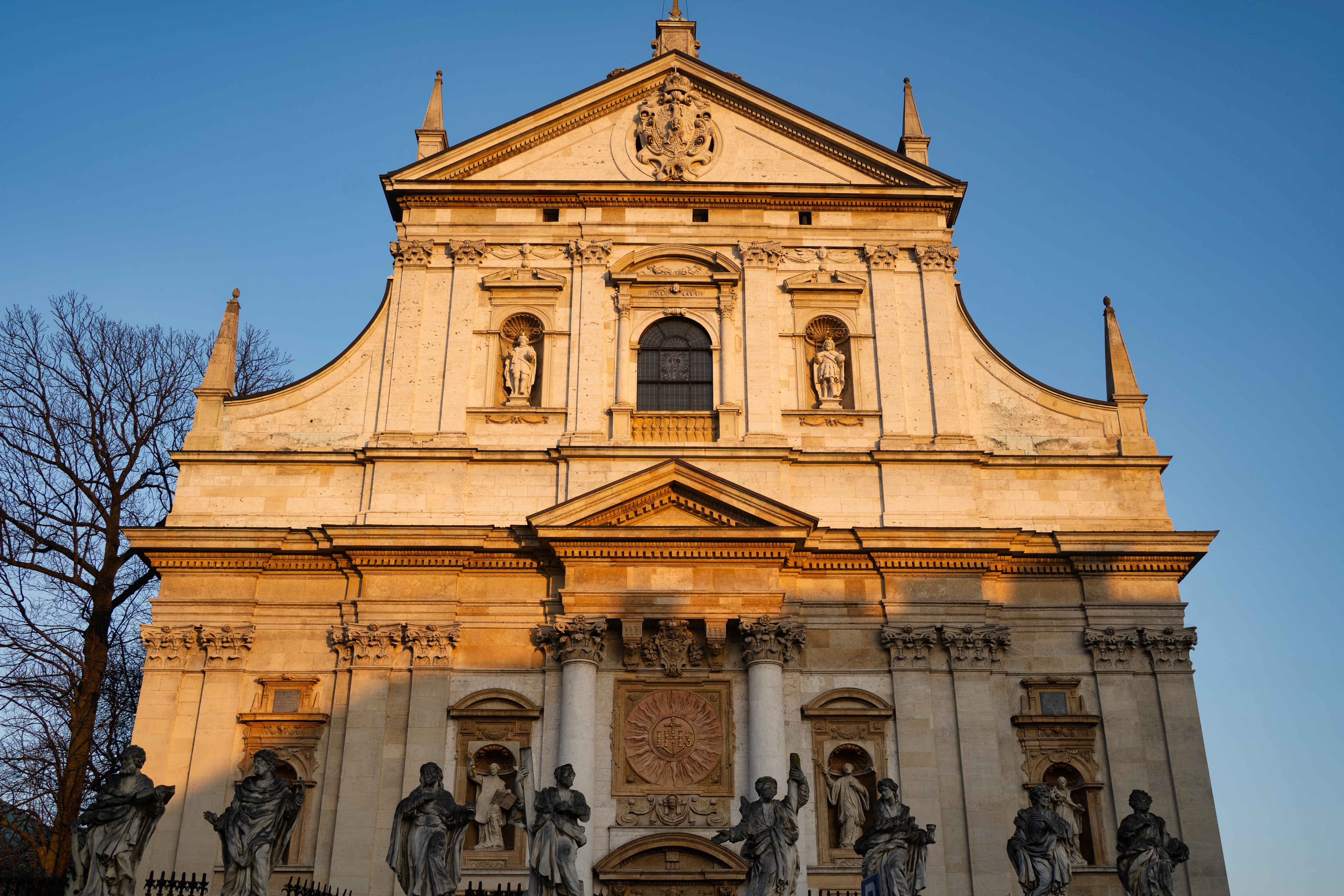
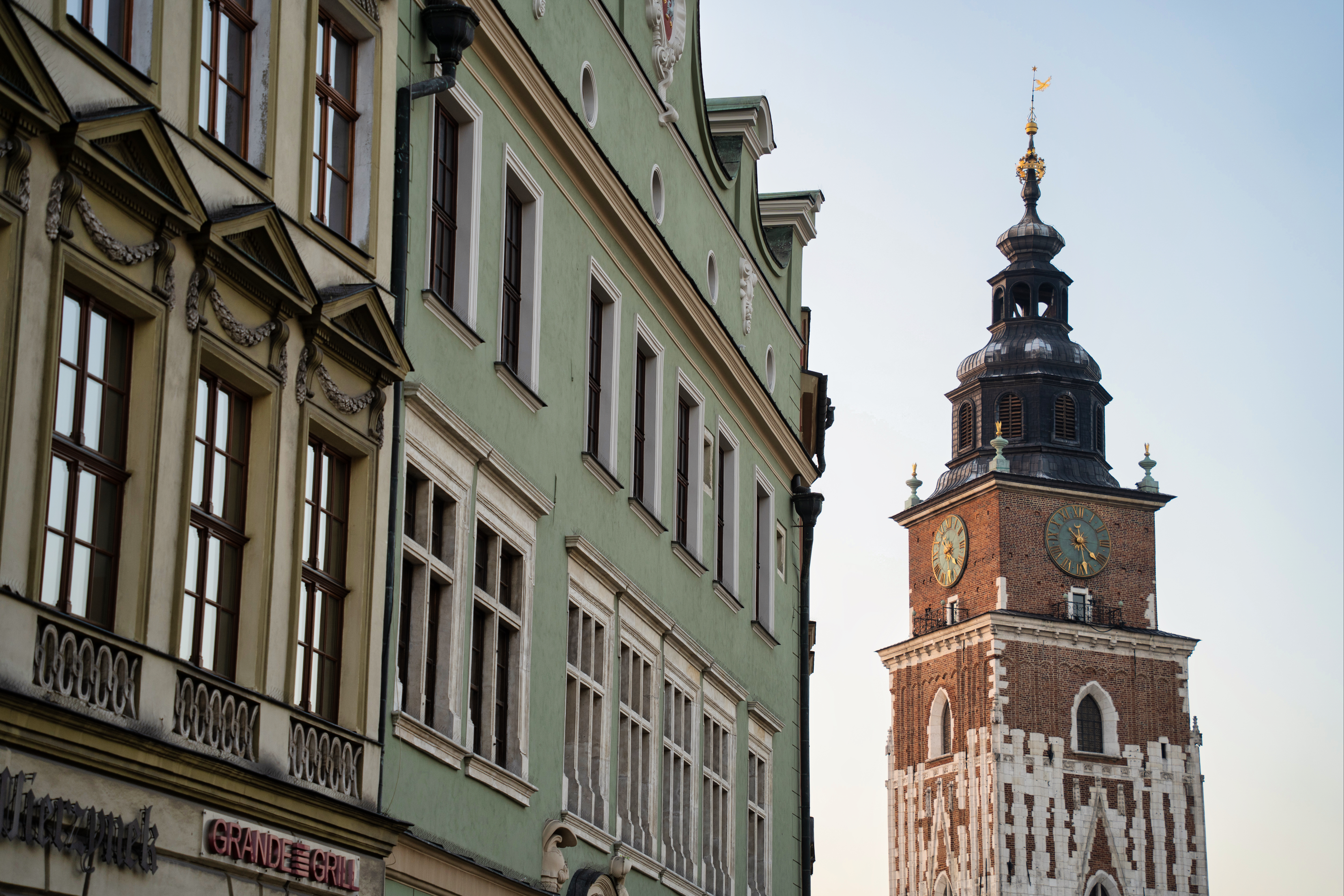
Cracow is one of the most historic cities in Poland, known for its well-preserved medieval architecture and vibrant cultural scene. The Old Town, a UNESCO World Heritage Site, is home to the impressive Main Market Square, St. Mary’s Basilica, and the Cloth Hall. Walking through its cobbled streets, you can see traces of the city’s long history, from Gothic churches to Renaissance palaces.

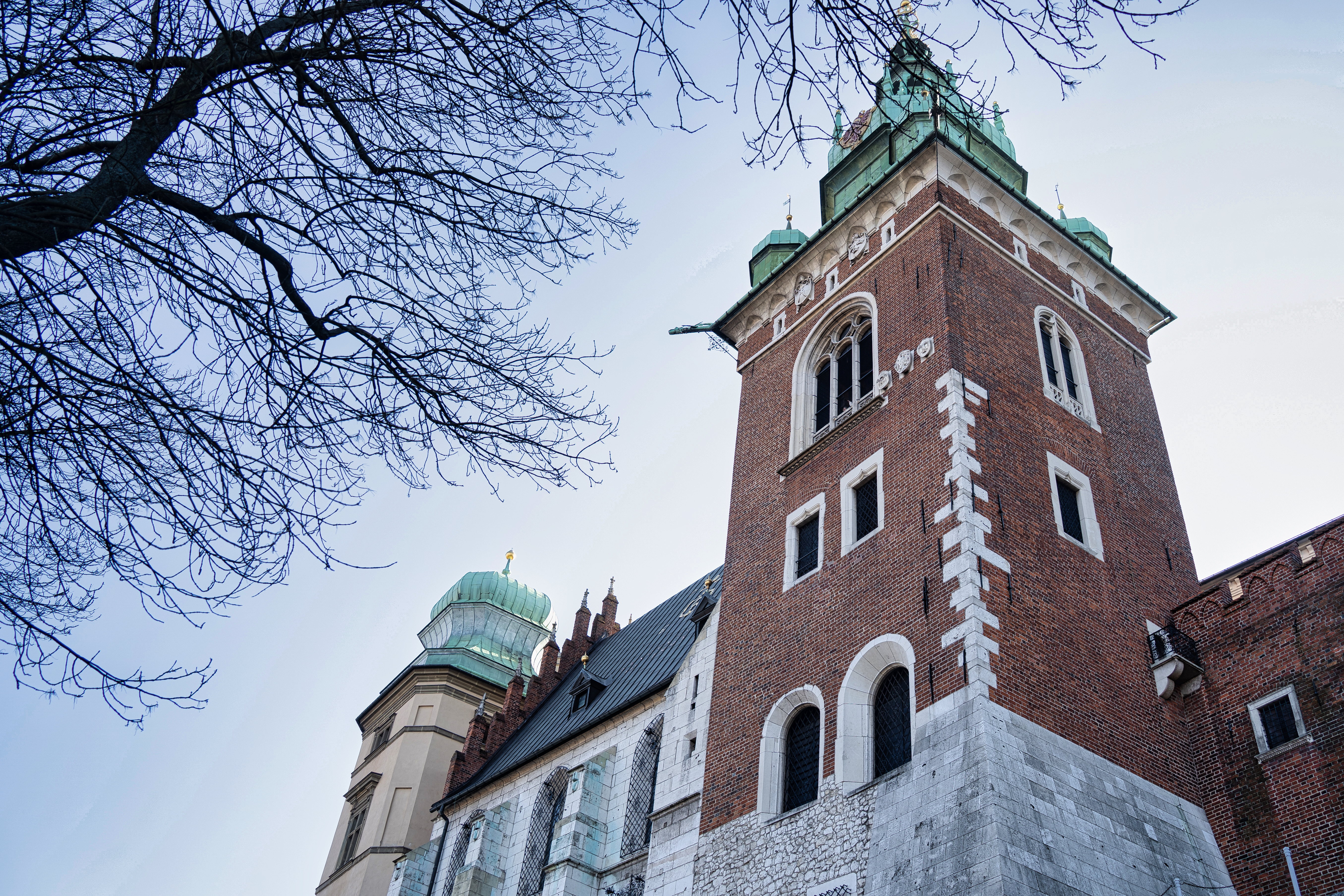
Just a short walk from the center is Wawel Castle, once the residence of Polish kings. Overlooking the Vistula River, this castle complex is a mix of architectural styles, reflecting centuries of Polish history. Another important part of Cracow is Kazimierz, the former Jewish district, which today is full of synagogues, museums, and lively cafes. This area tells the story of Cracow’s Jewish heritage and its revival in modern times.

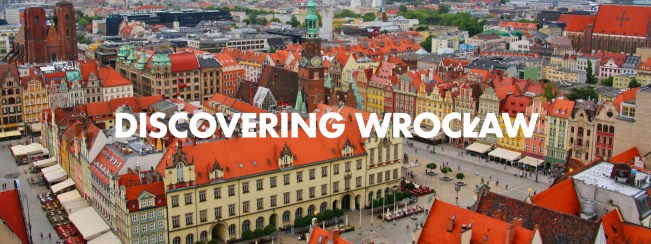
Discovering Wrocław

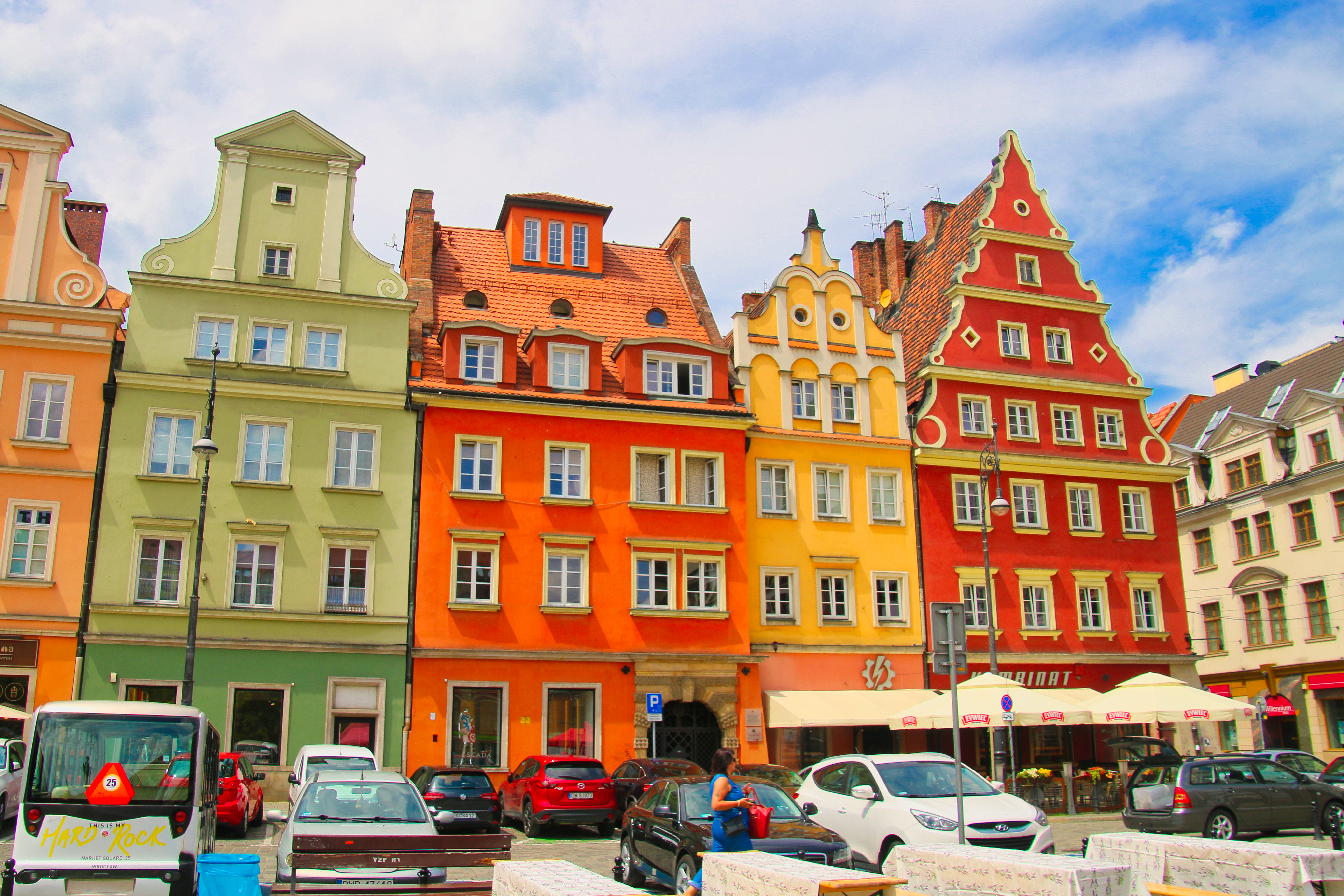
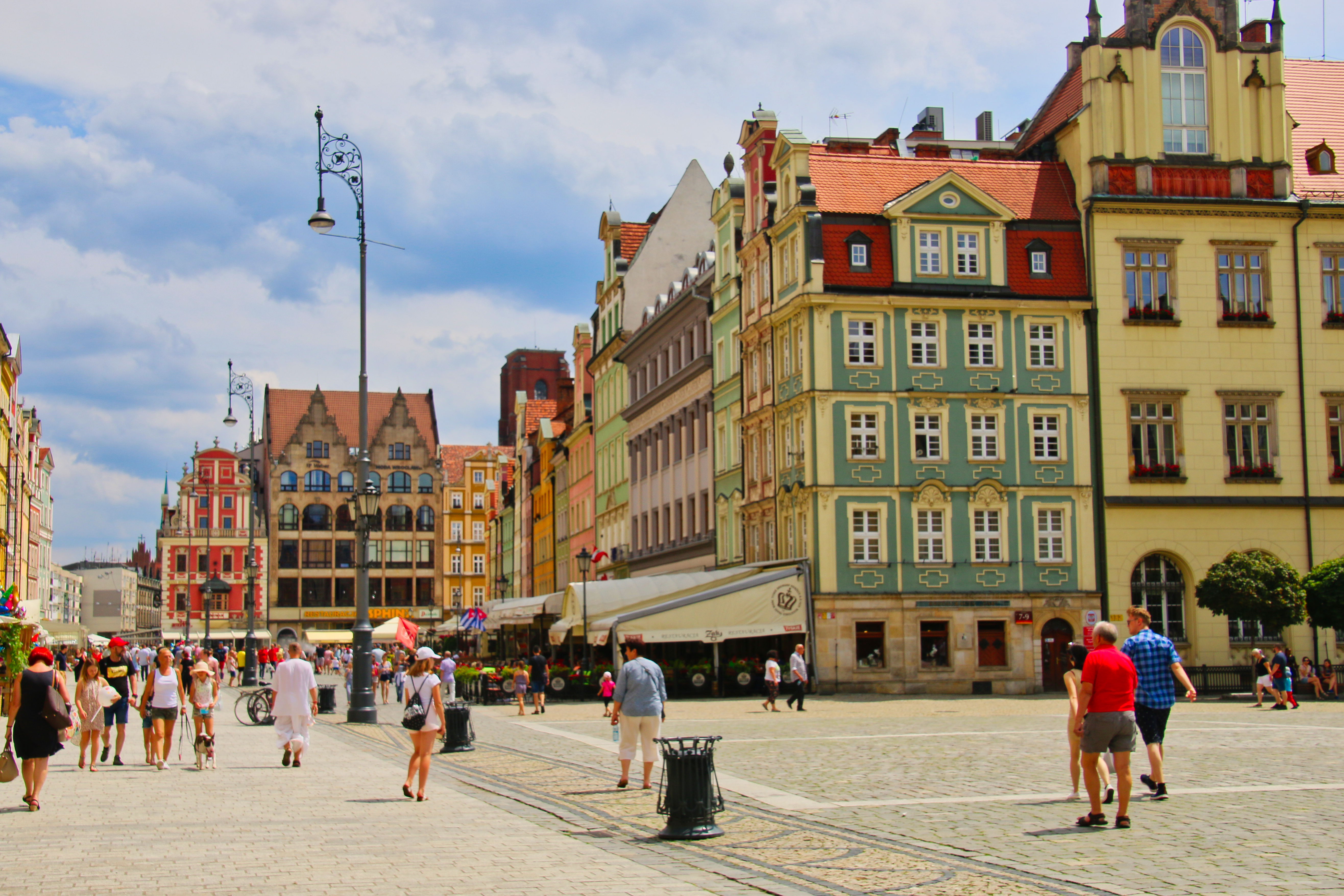
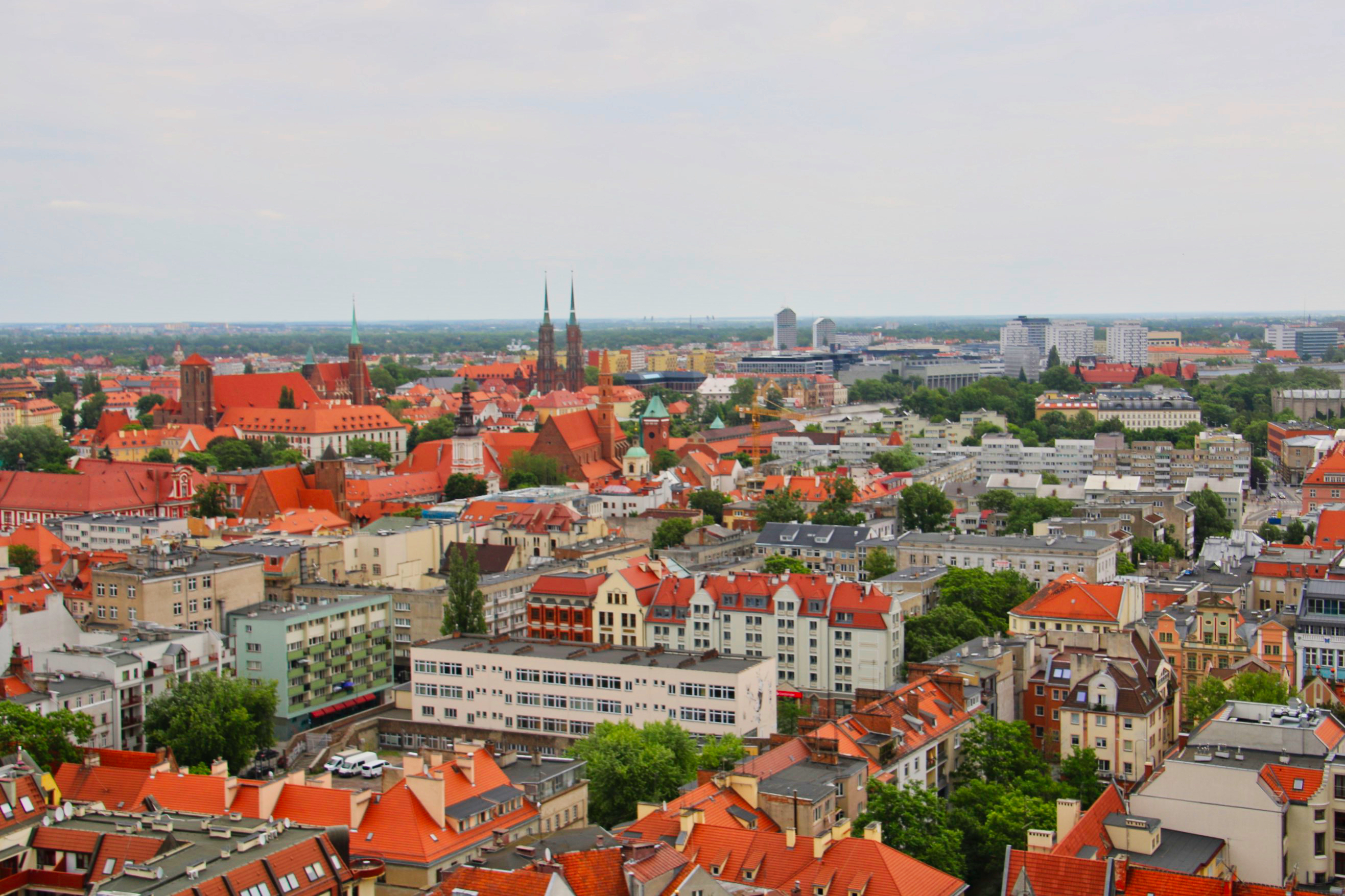
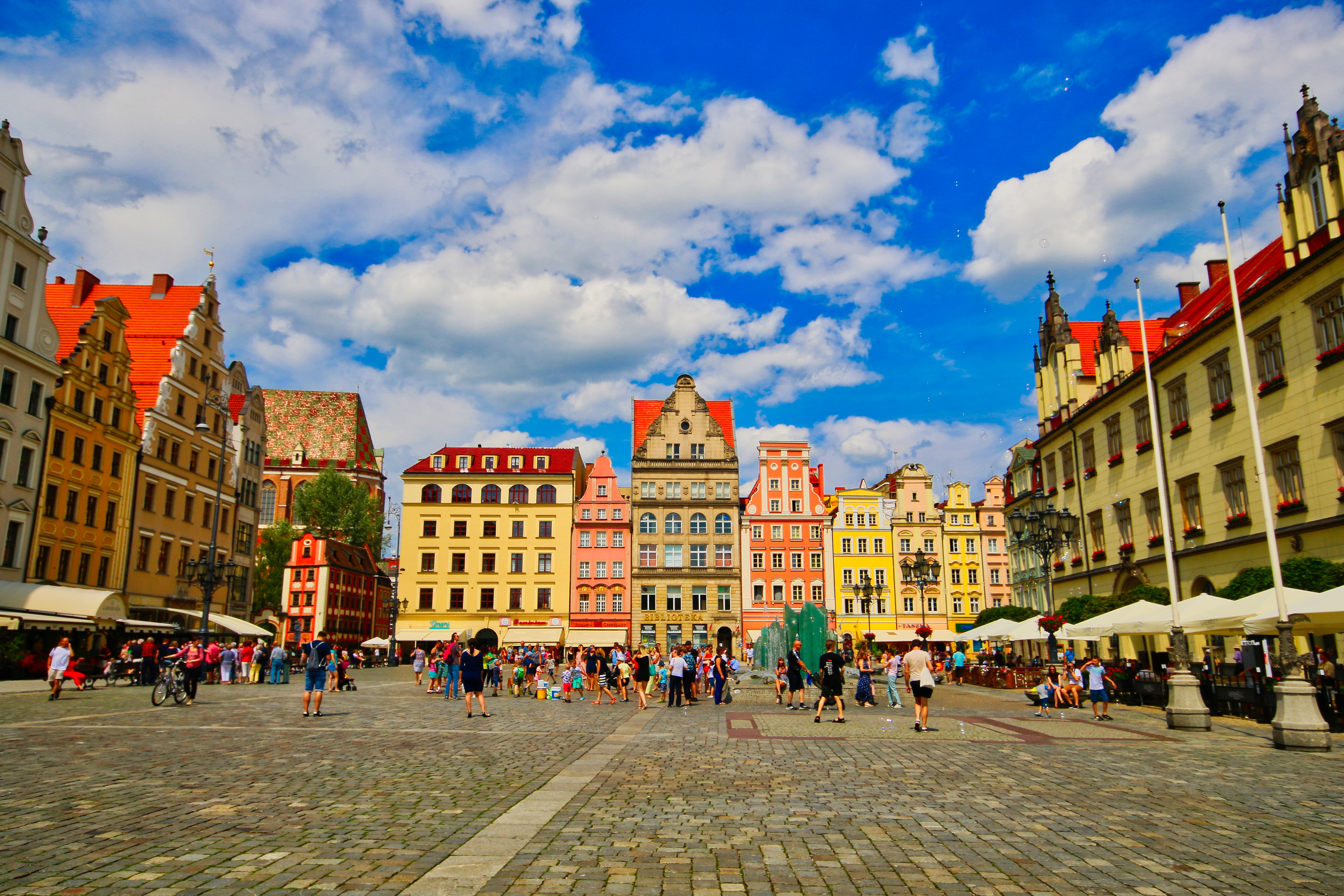
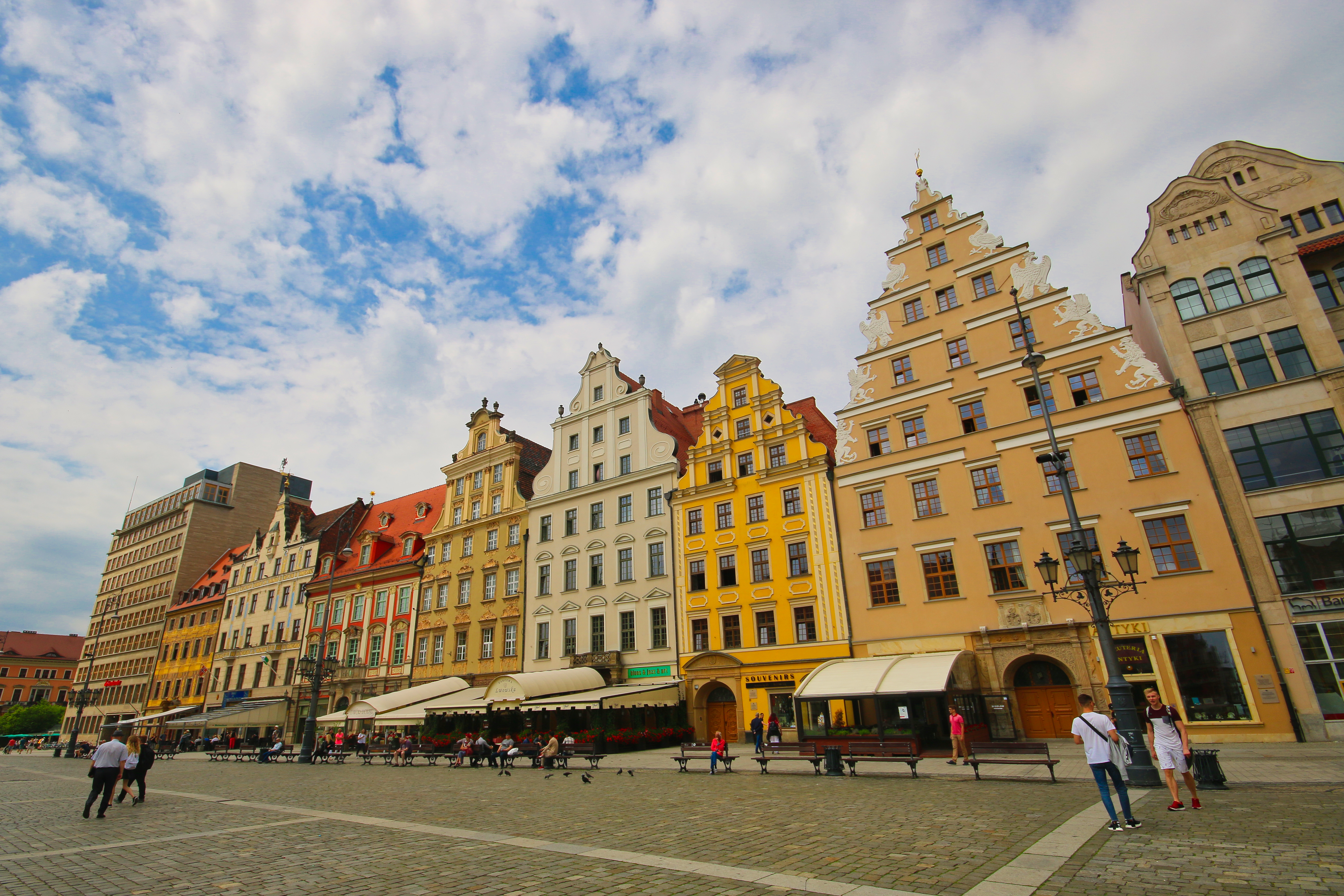
The city of Wrocław is the historical capital town of Silesia. A prosperous land in the center of Europe close to Bohemia. The town changed its affiliation several times. Founded by a Czech duke in the 10th century, it became part of the first Polish state and a political center of the Kingdom. In April 1241, during the First Mongol invasion of Poland, the city was abandoned by the inhabitants and burned down for strategic reasons. Later, it was repopulated by German settlers and became part of the German region of Silesia. After the 2nd World War and the westward border shift, Wrocław became Polish again. The city always was open to different ethnicities and languages, though. It is one of the most visited places in Poland and welcoming to tourists worldwide.

test

The Church of Peace

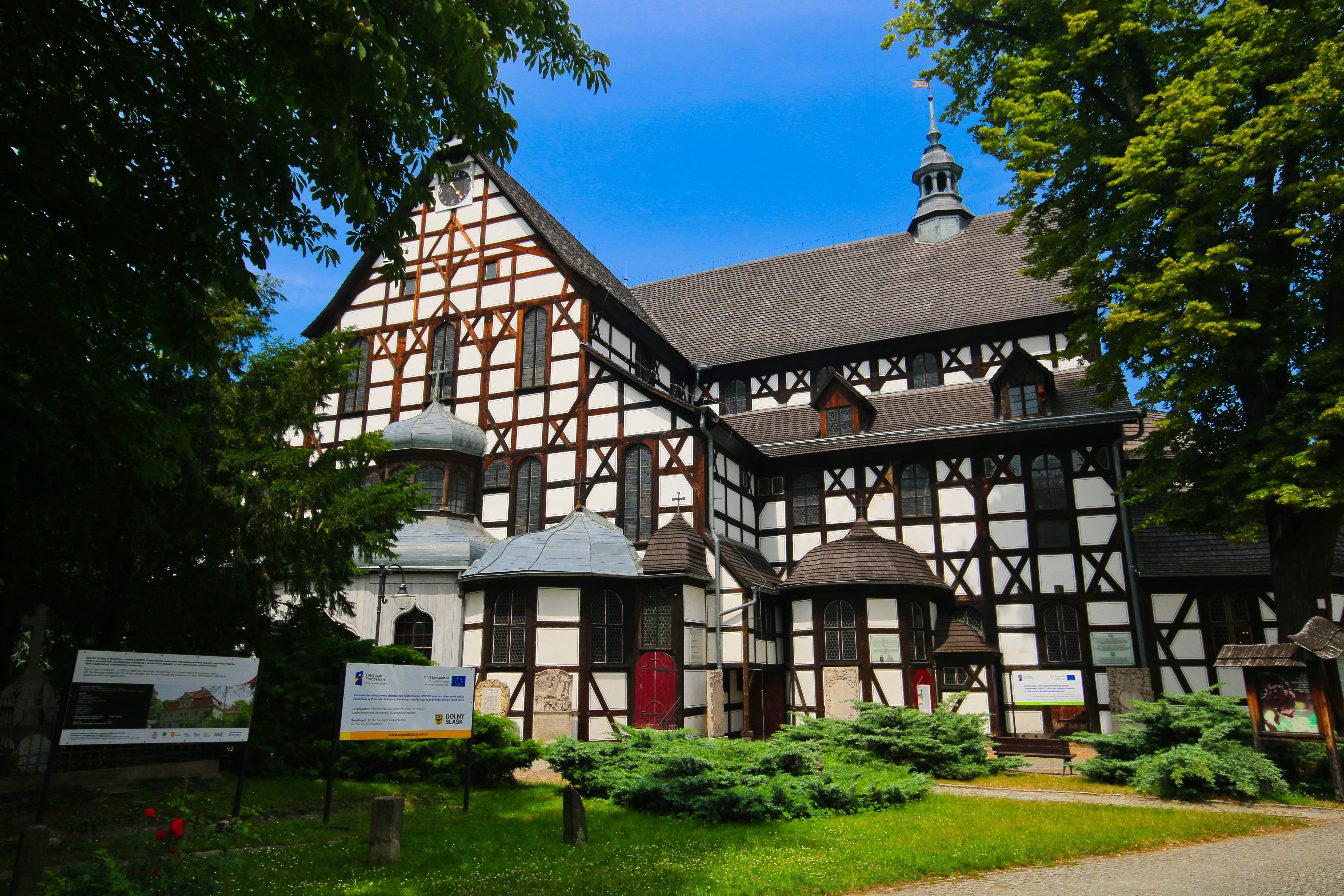
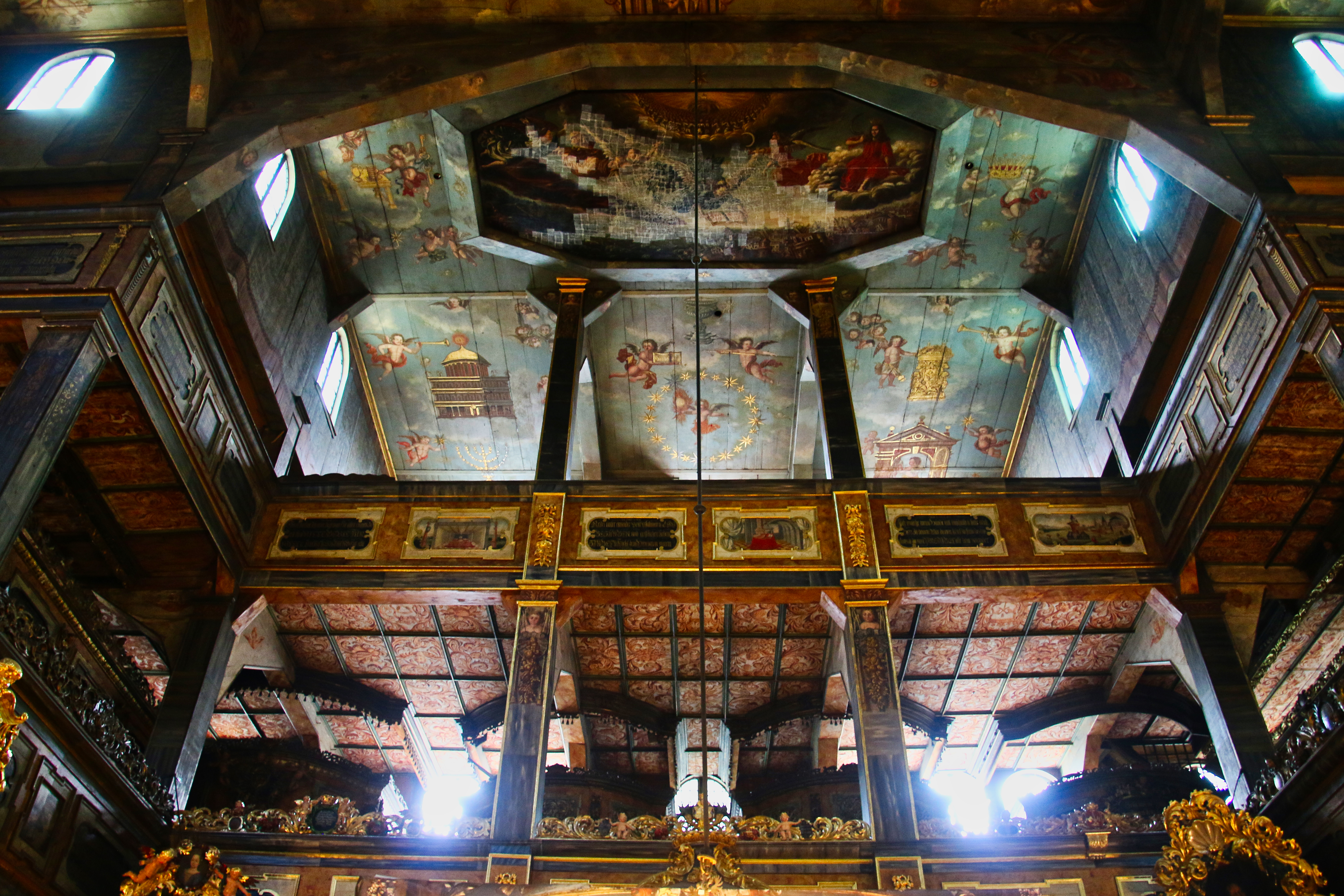
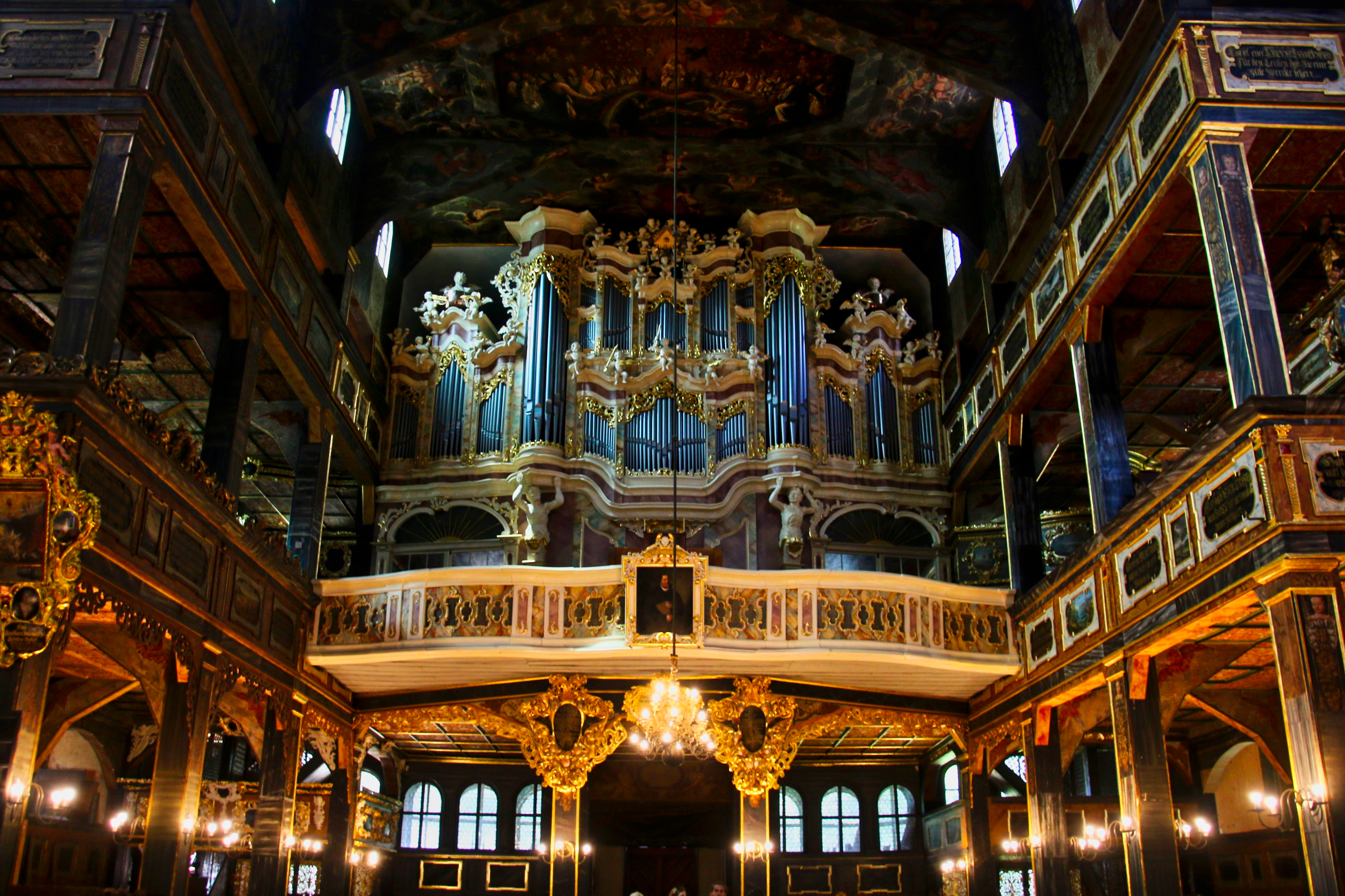
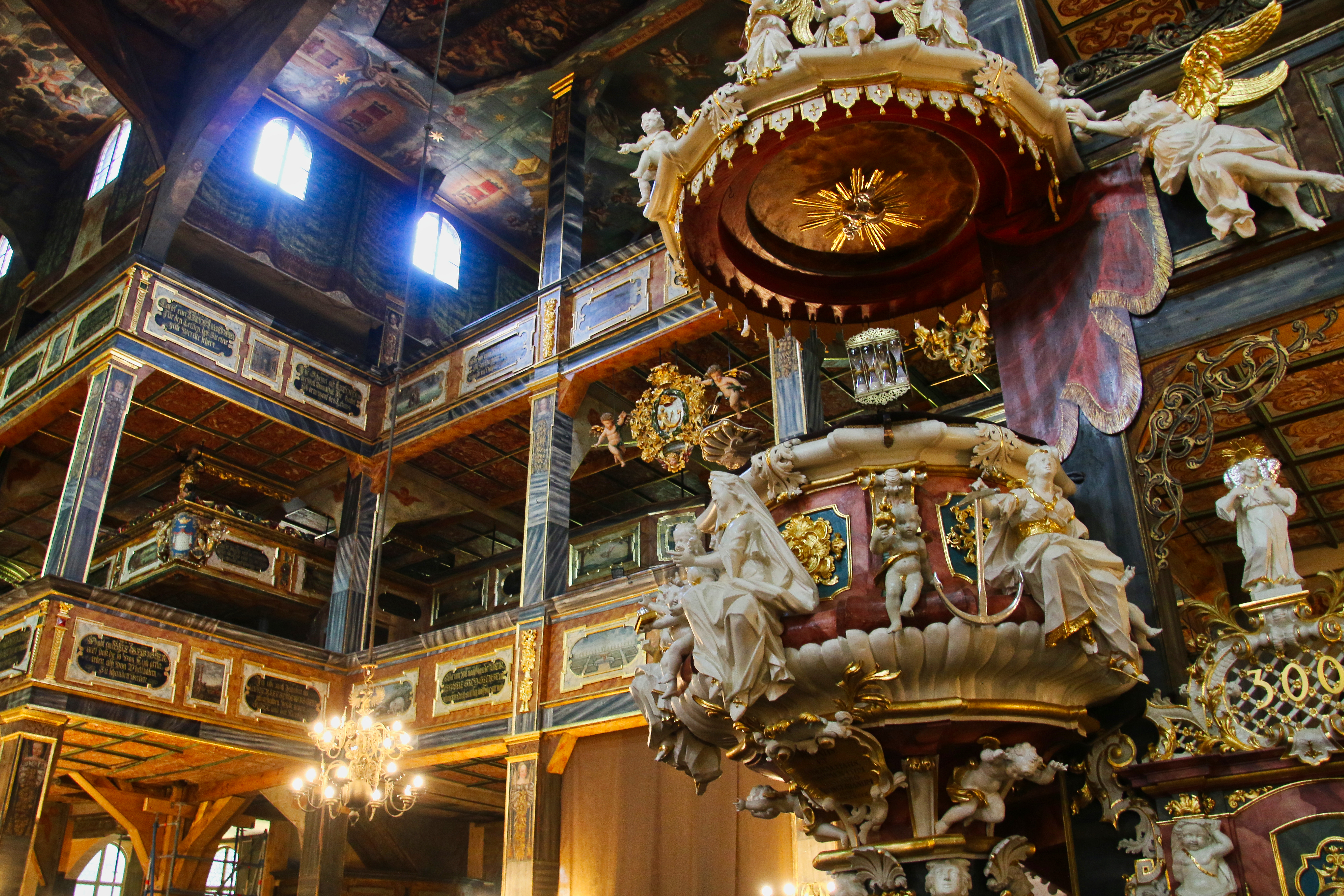
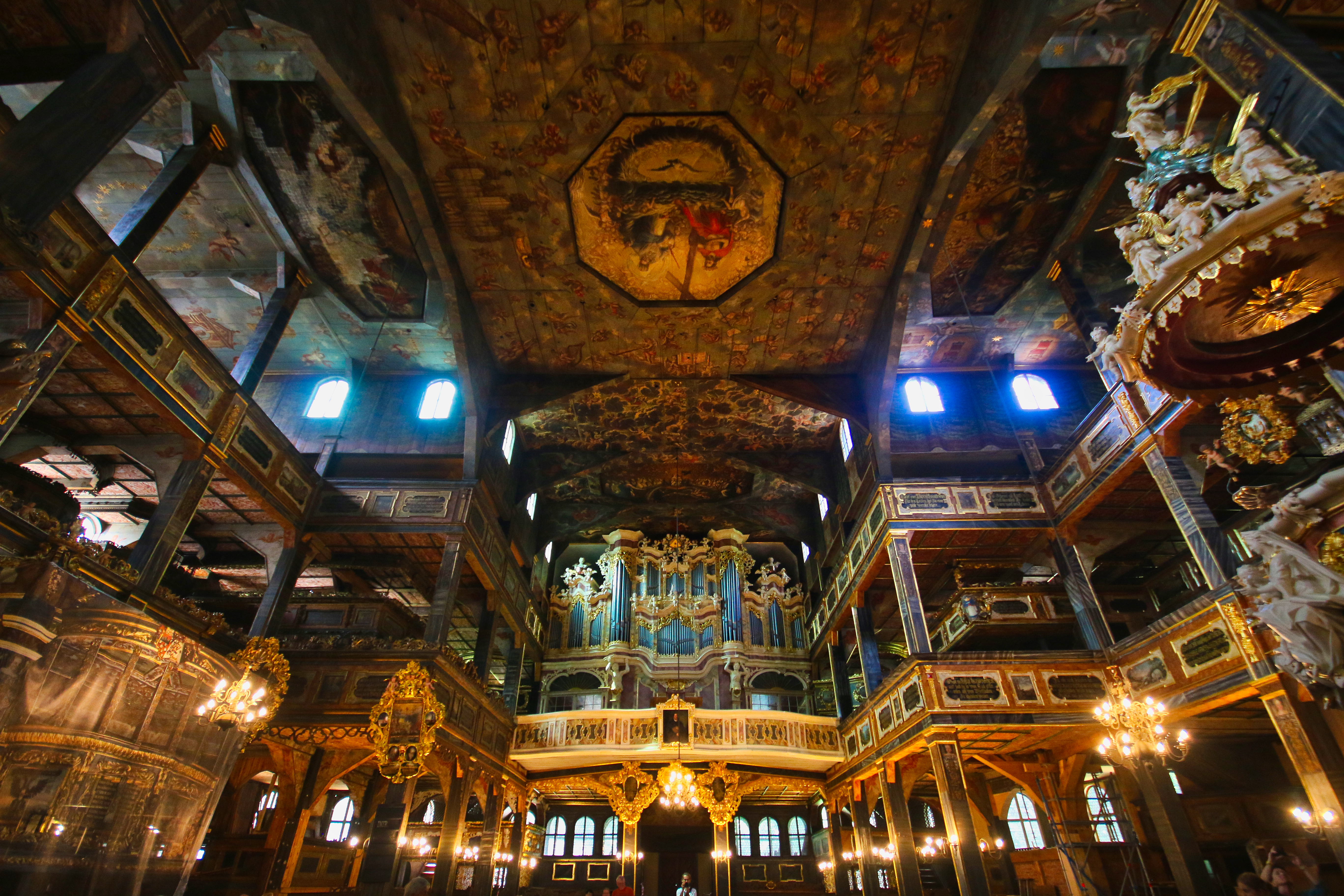
The evangelical Church of Świdnica in southern Poland is truly something extraordinary. It was built after the Peace of Westfalen (hence called Church of Peace), which followed a long battle between Catholics and Evangelicals in the German-speaking countries. The Catholic emperor Ferdinand II. won, but he had to make some concessions to the evangelical communities. Some reformed communities were allowed to build their own churches, but only outside the city walls, and they had to be constructed almost entirely of wood within one year. Three communities rose to the occasion, and two churches from the early 18th century still exist, the one in Świdnica being the largest and most opulent. Since 2001, the sacral building has been a UNESCO World Heritage sight.
test

The Centennial Hall

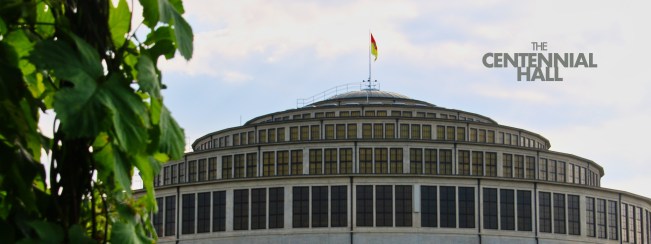
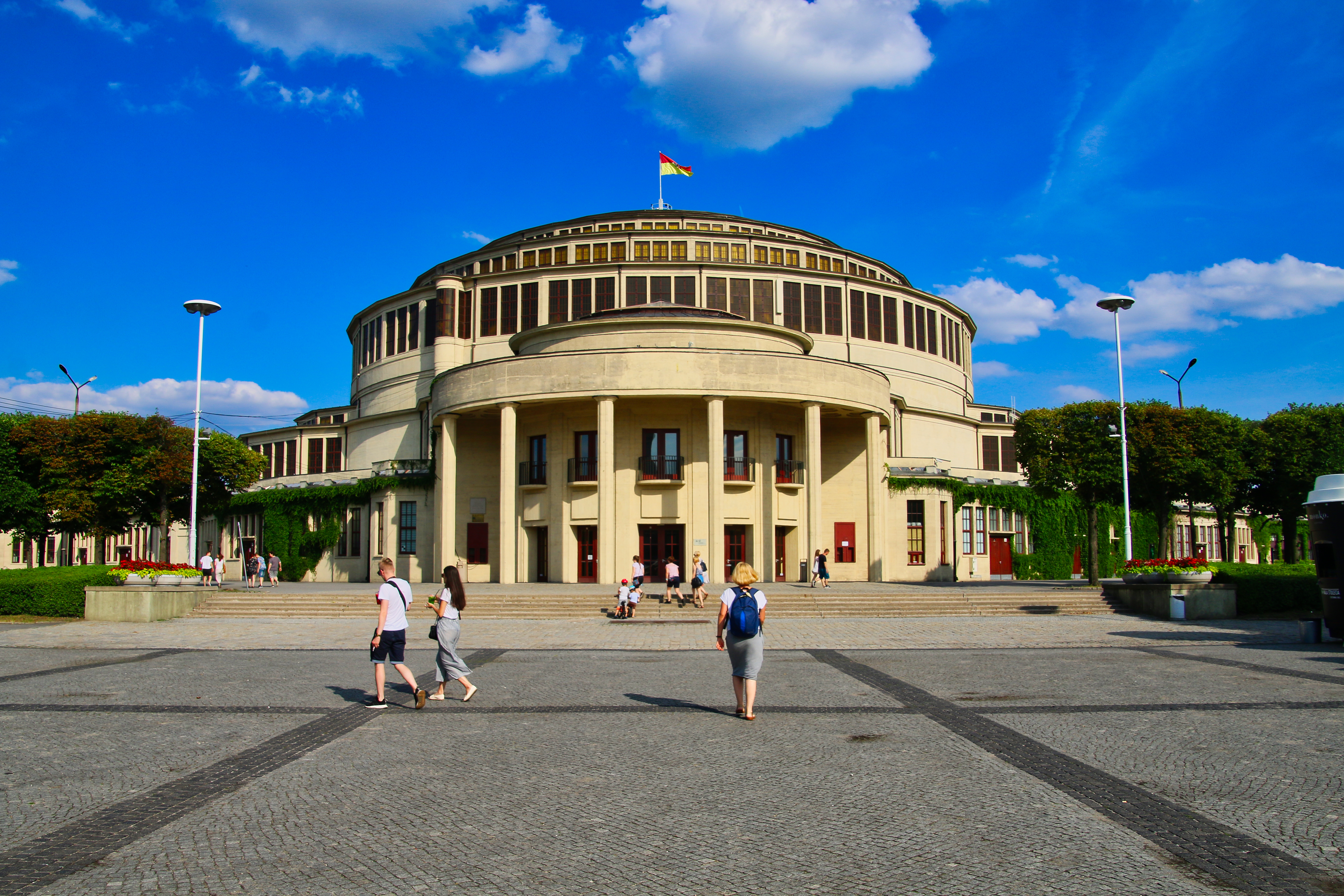
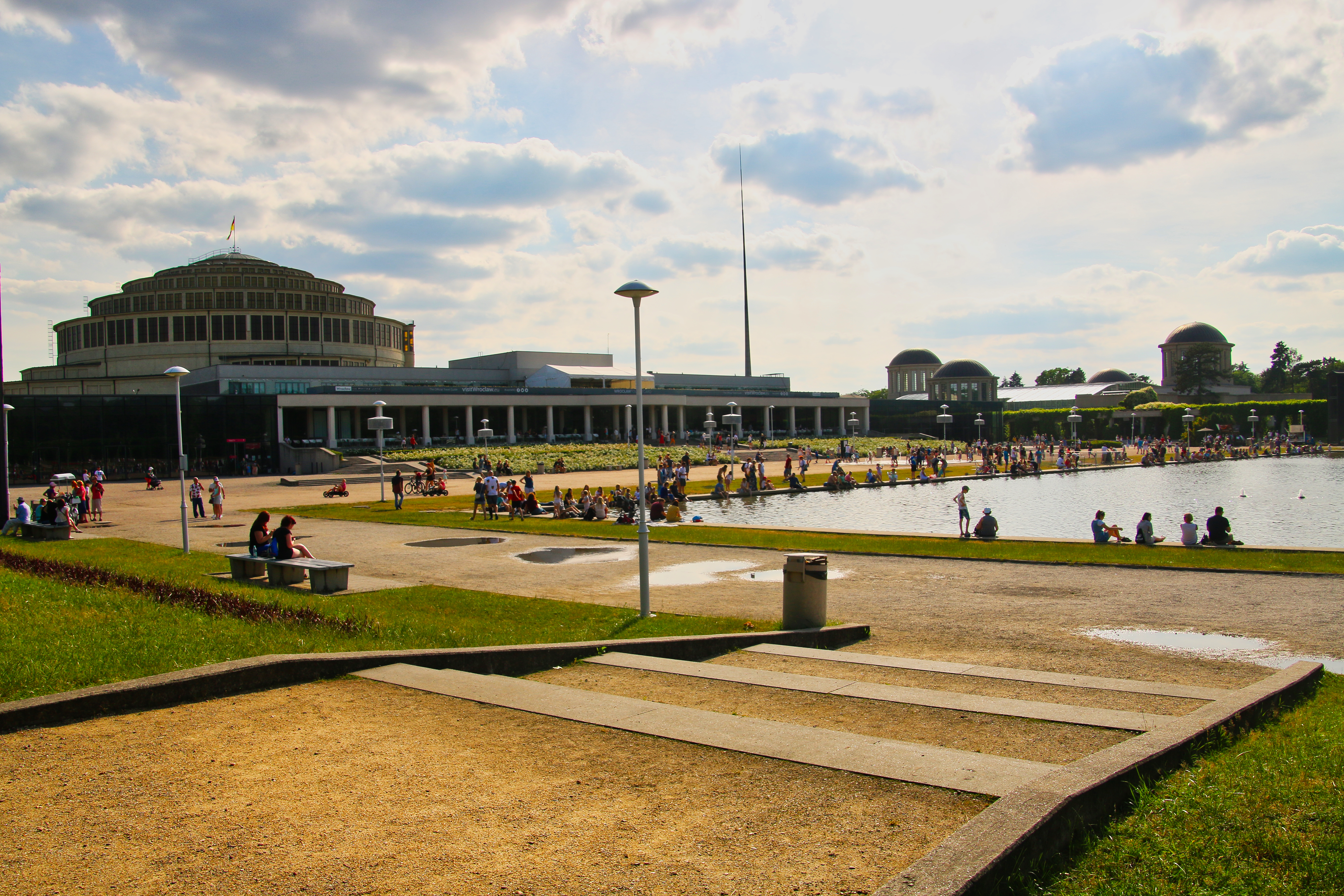
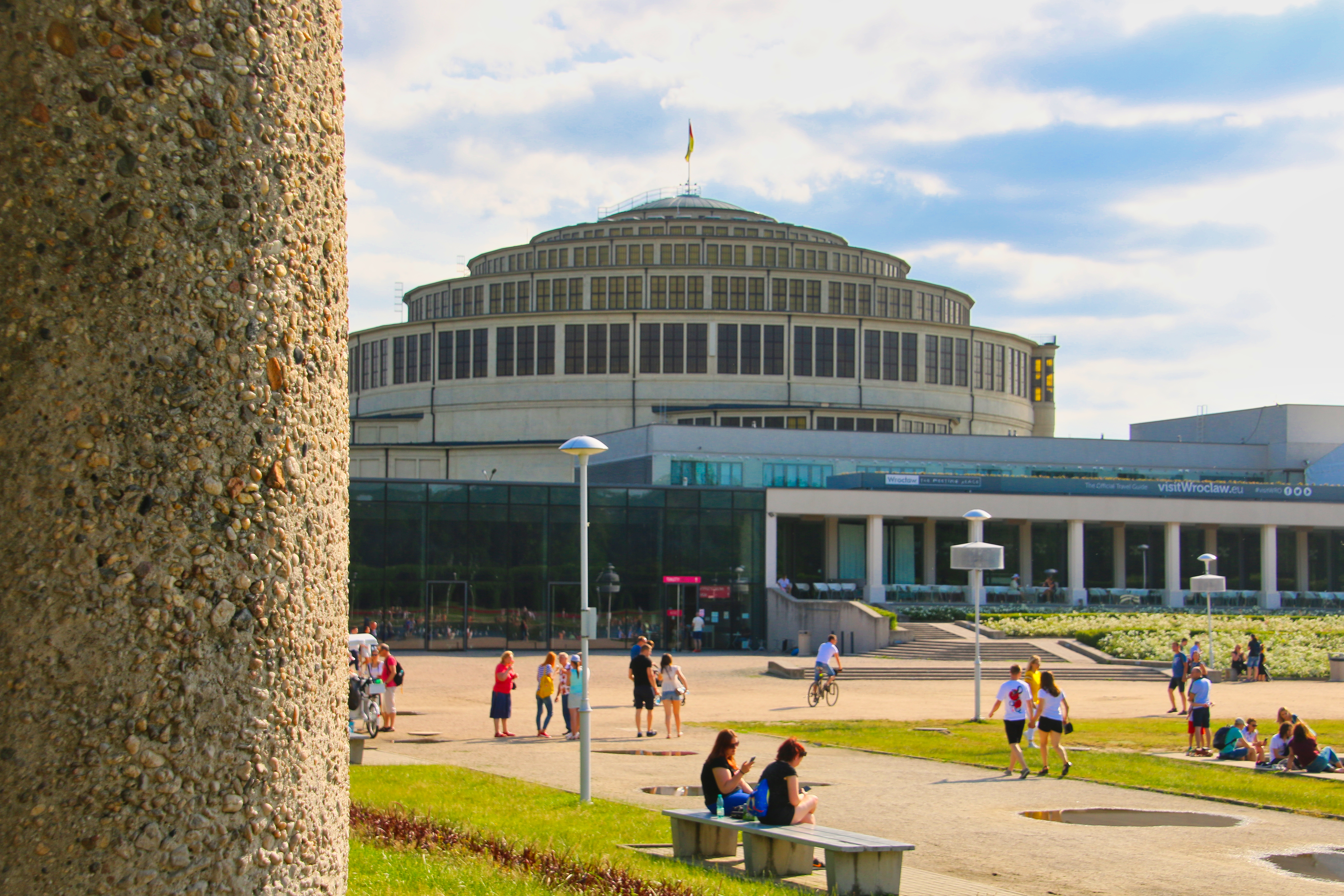
The Centennial Hall (pl. Hala Stulecia, dt. Jahrhunderthalle) is one of three UNESCO sights in Silesia, Poland. It was built in the early 20th century by the renowned German architect Max Berg in Wroclaw / Breslau. The monument is accompanied by the Iglica, a needle-like monument built in 1948, a beautiful pergola, and a large fountain.

test