Skip to content

Kracow 2017 AD

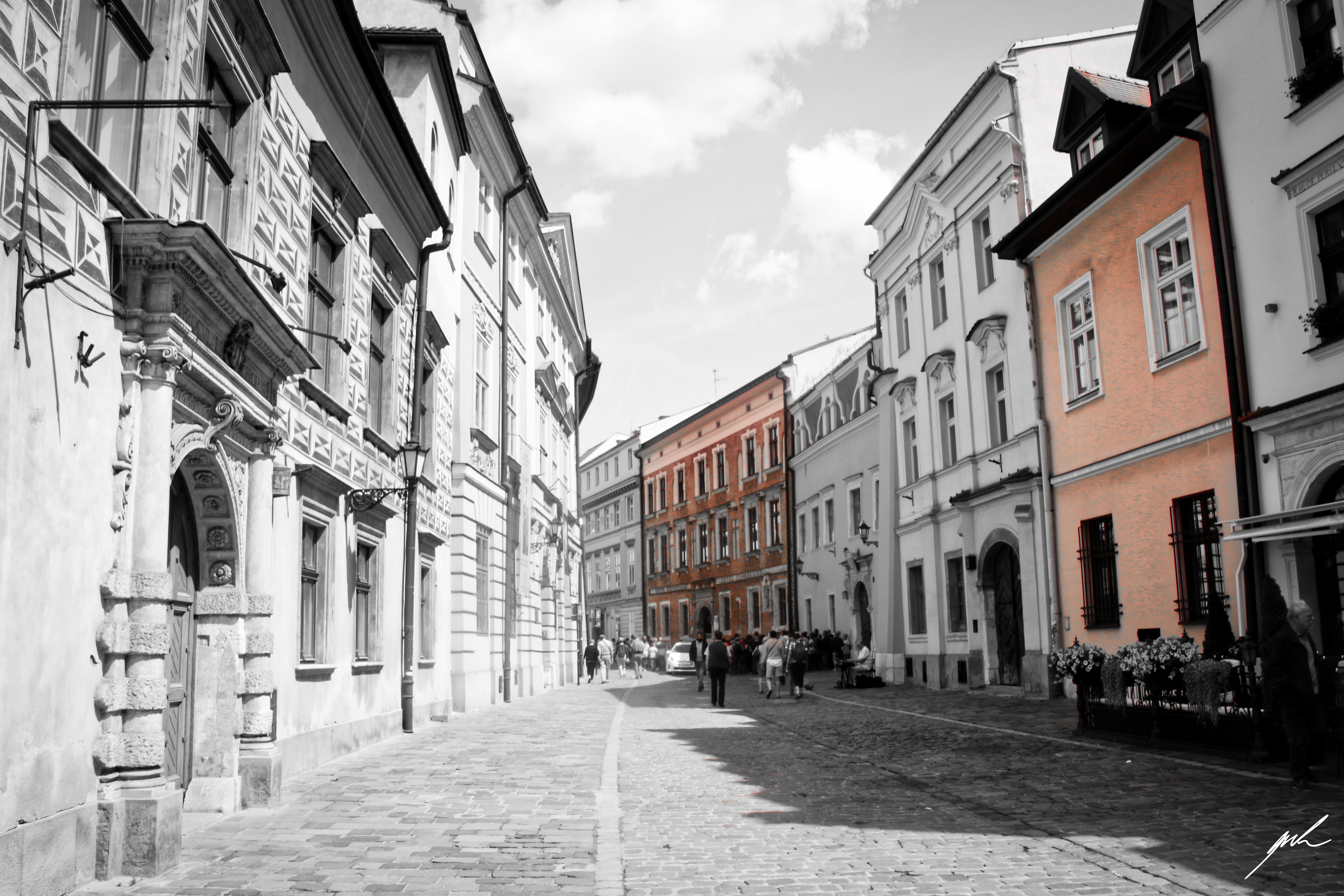
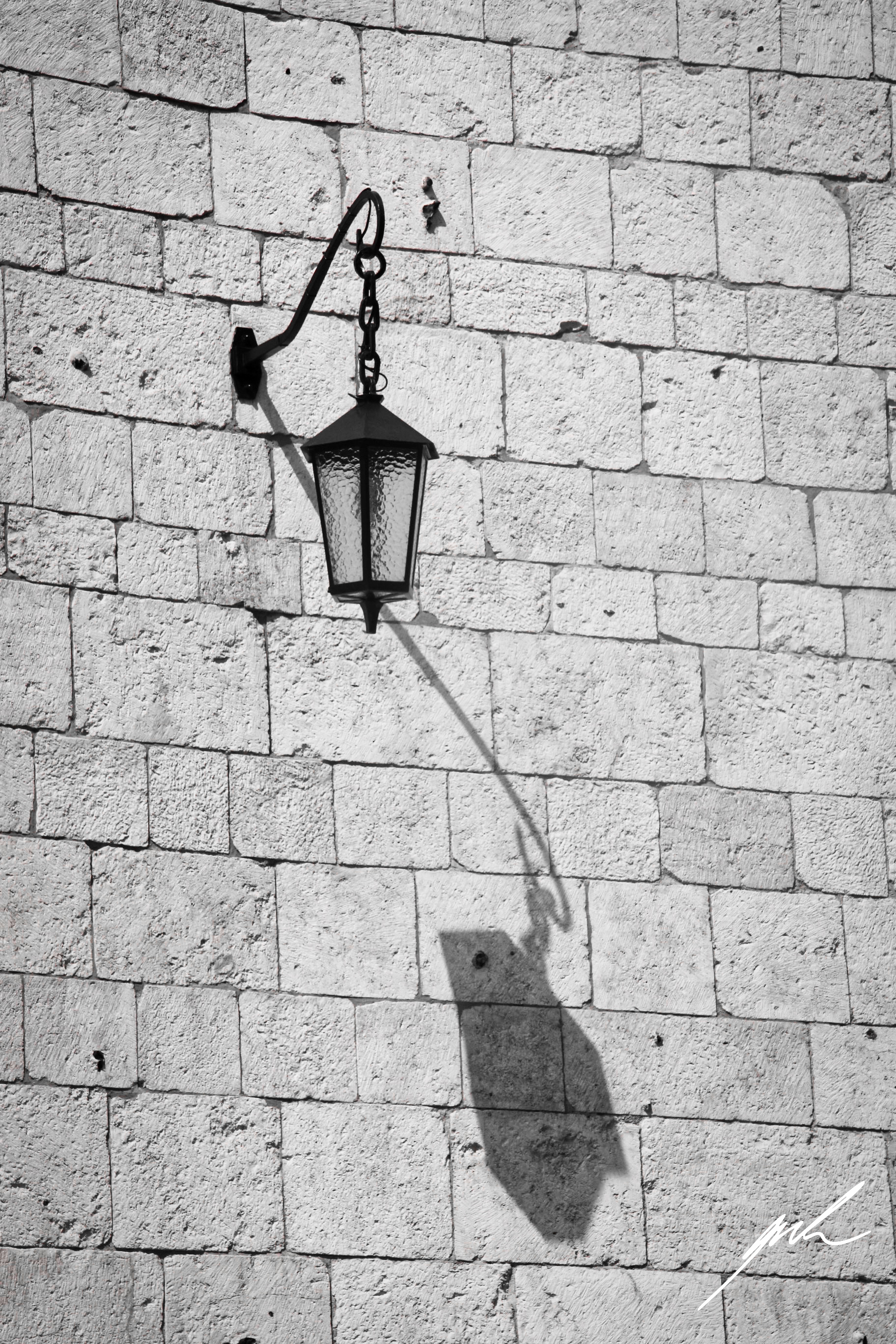
Usually, I don’t use as much processing, but looking at my pictures from Cracow last year, I felt inspired to work on them a bit. Especially interesting for me were the red colors of the city’s historic buildings, and I searched for a way to bring them more to the front while giving the pictures a more classic black-and-white look at the same time. Three of them (pictures 1, 3, 4) show the Wawel, the former castle hill of the Polish kings, and an important national monument of the country.

test

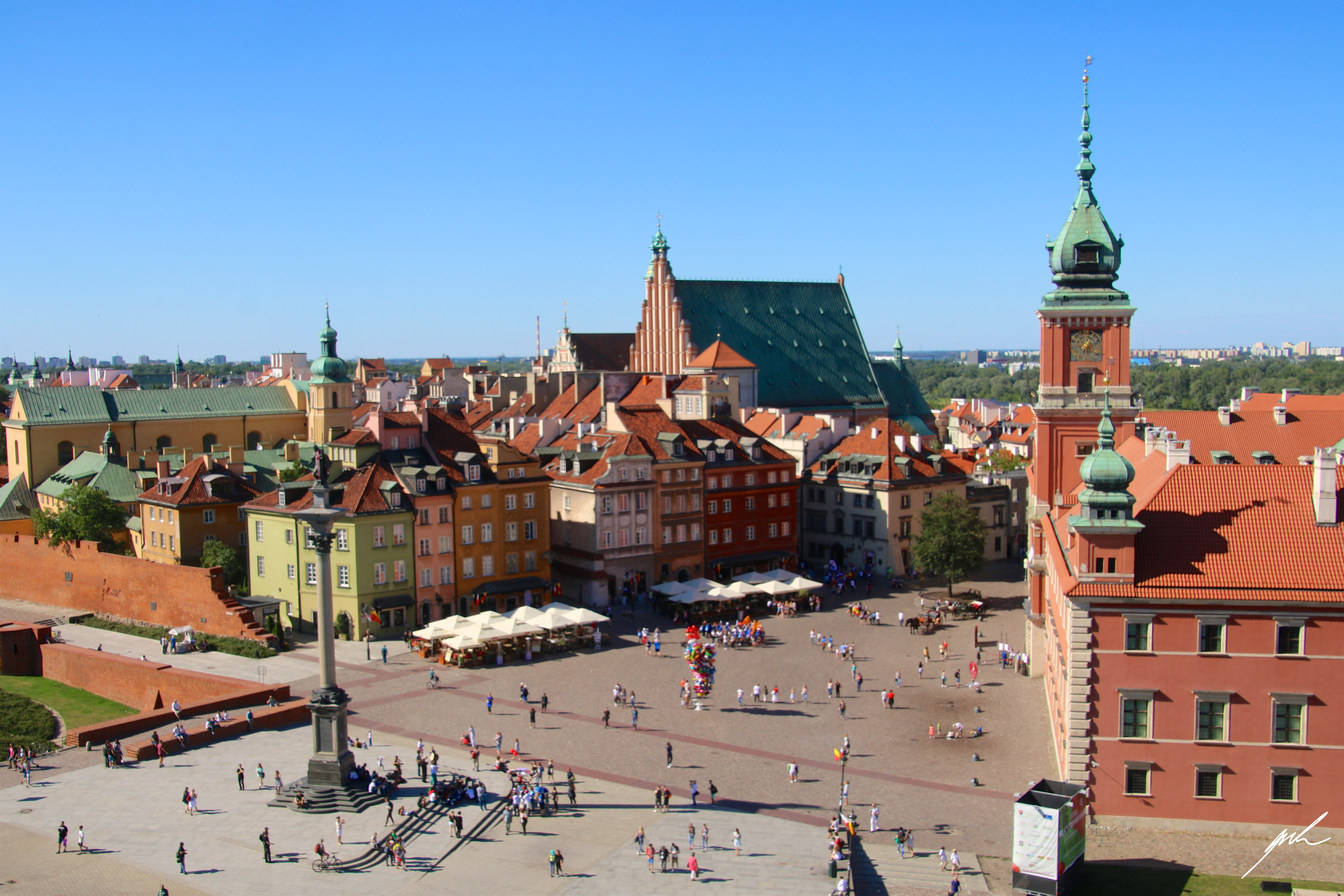
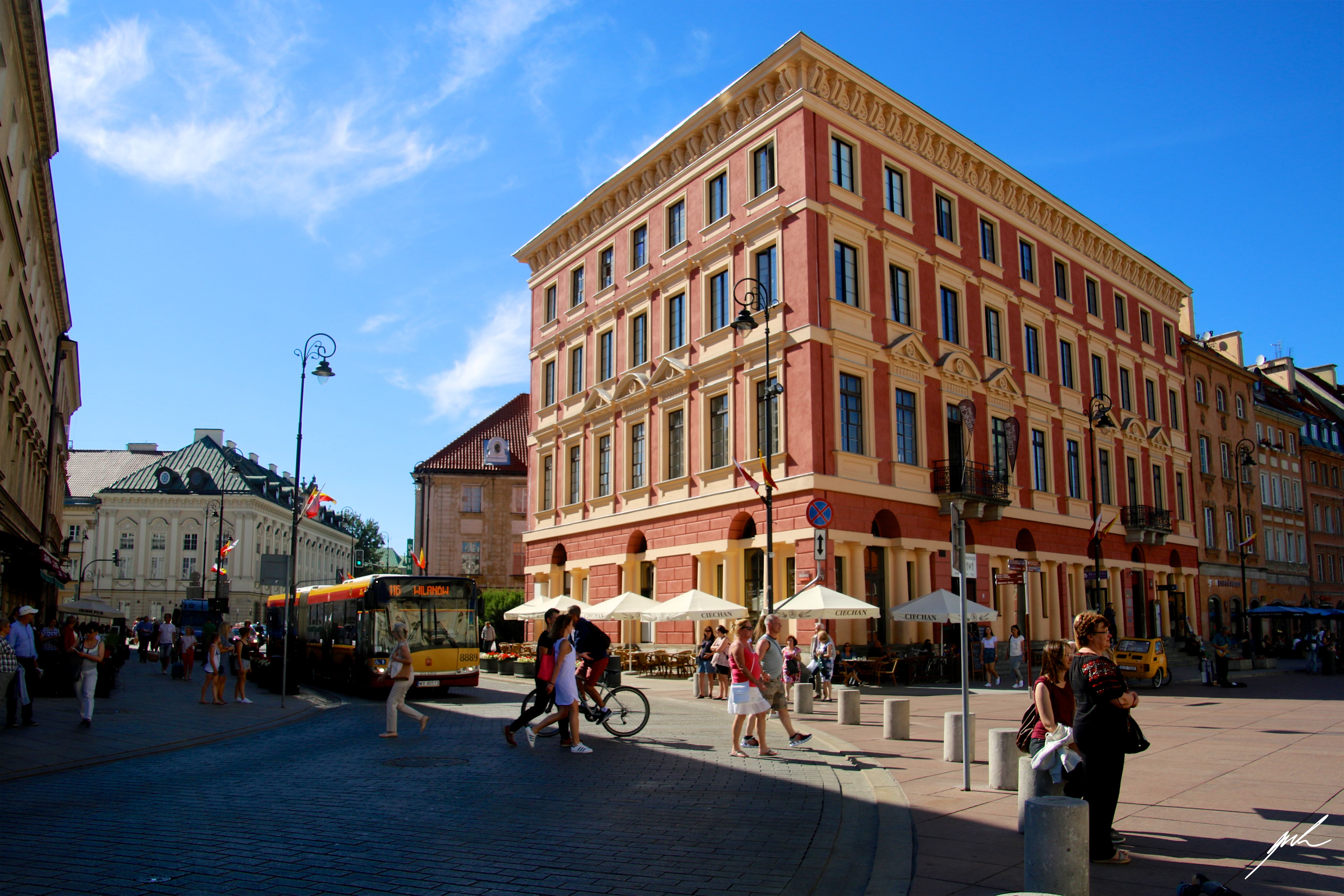
Perspectives on Warsaw

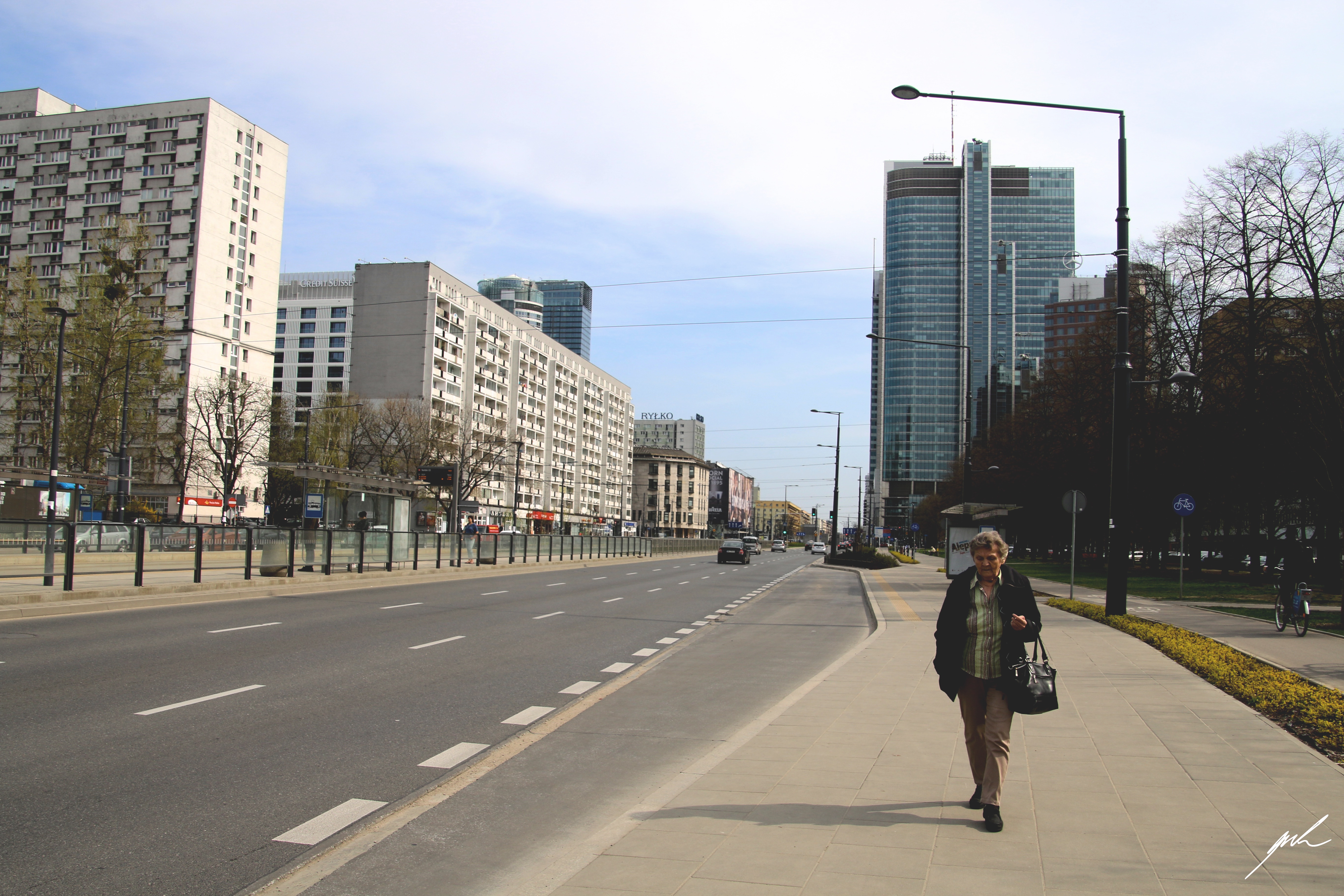
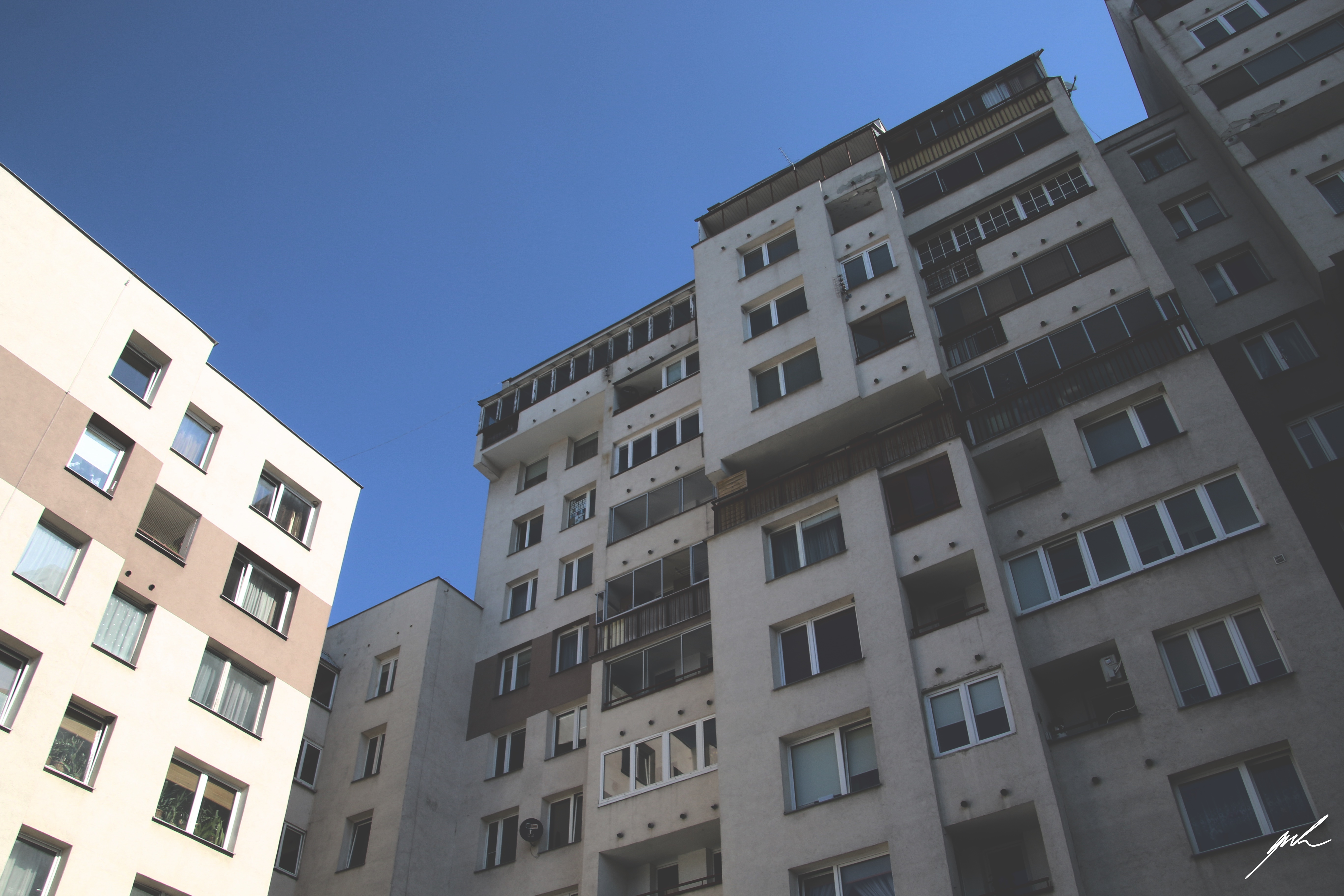
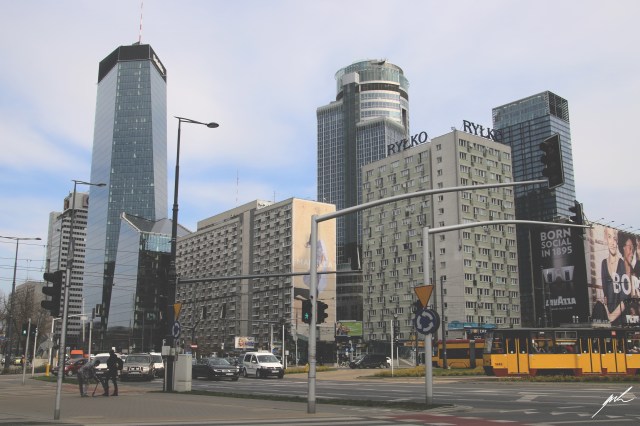
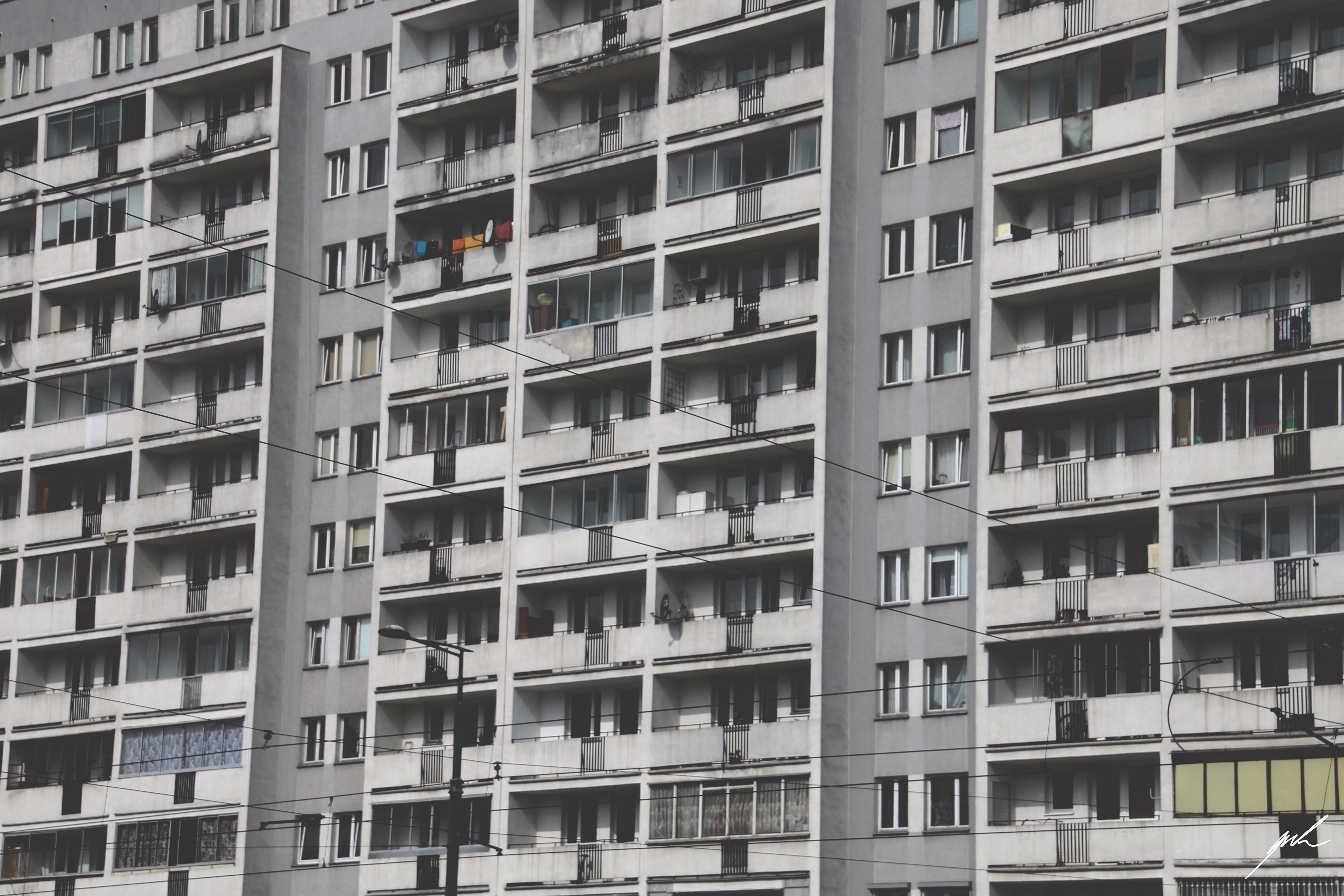
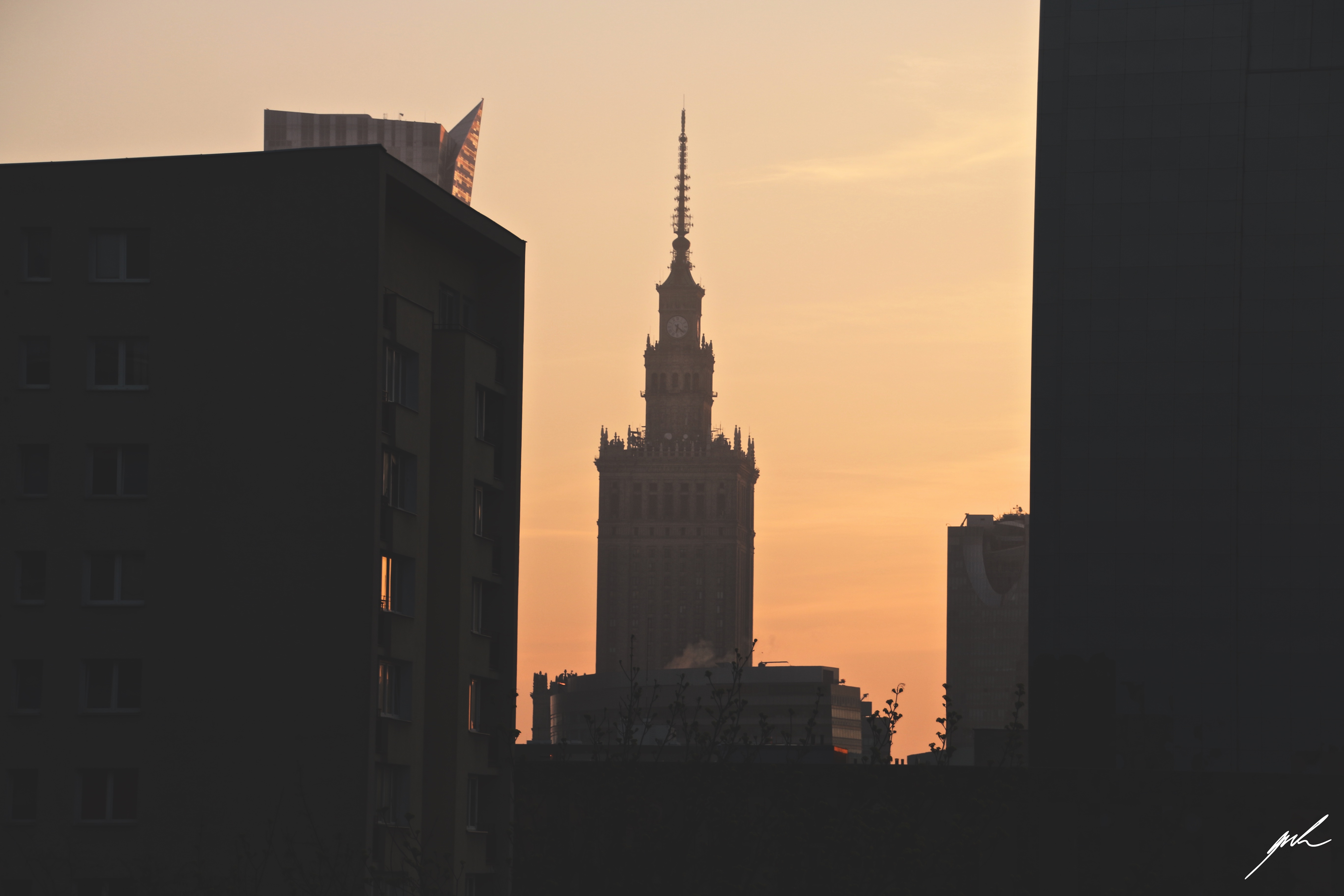
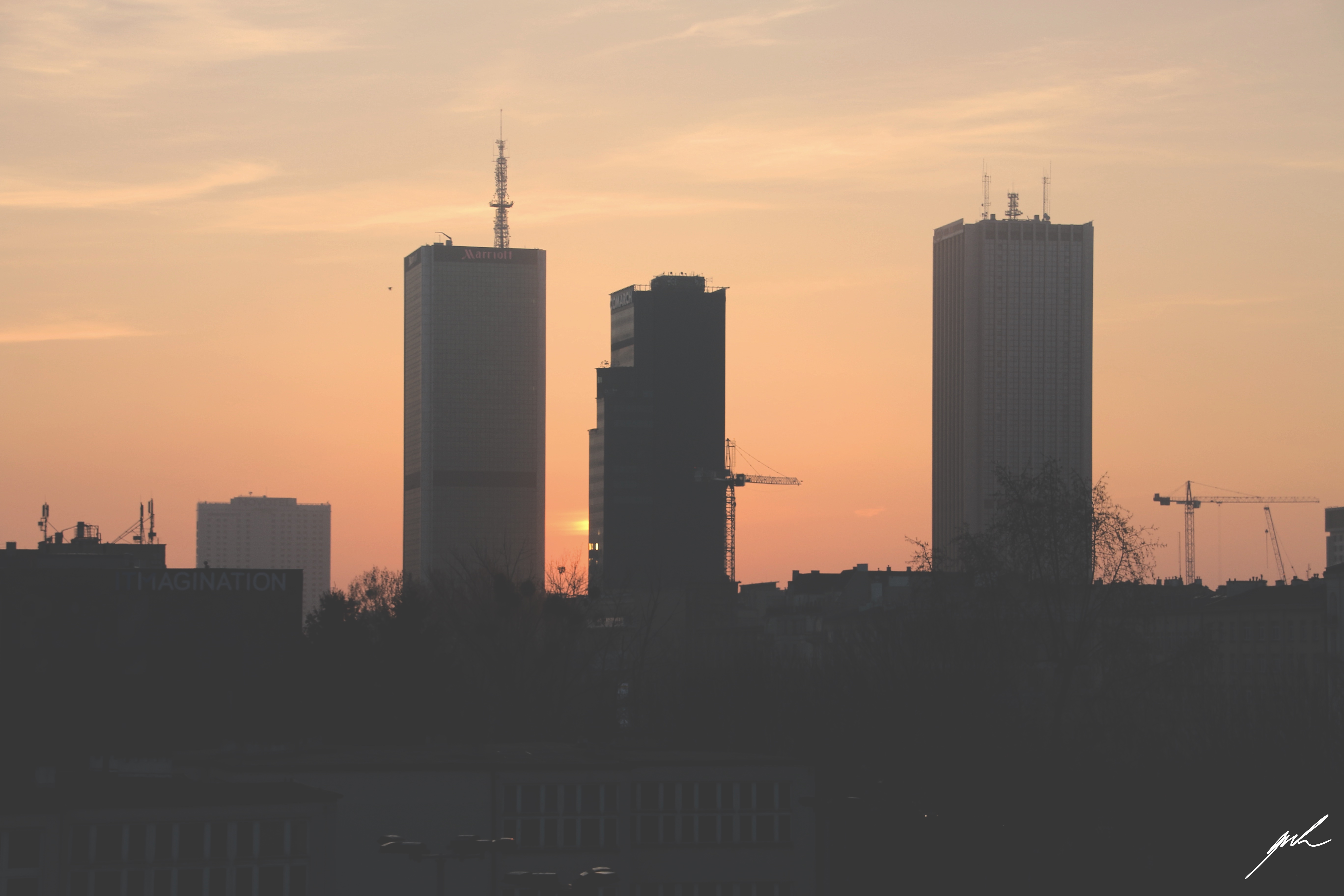
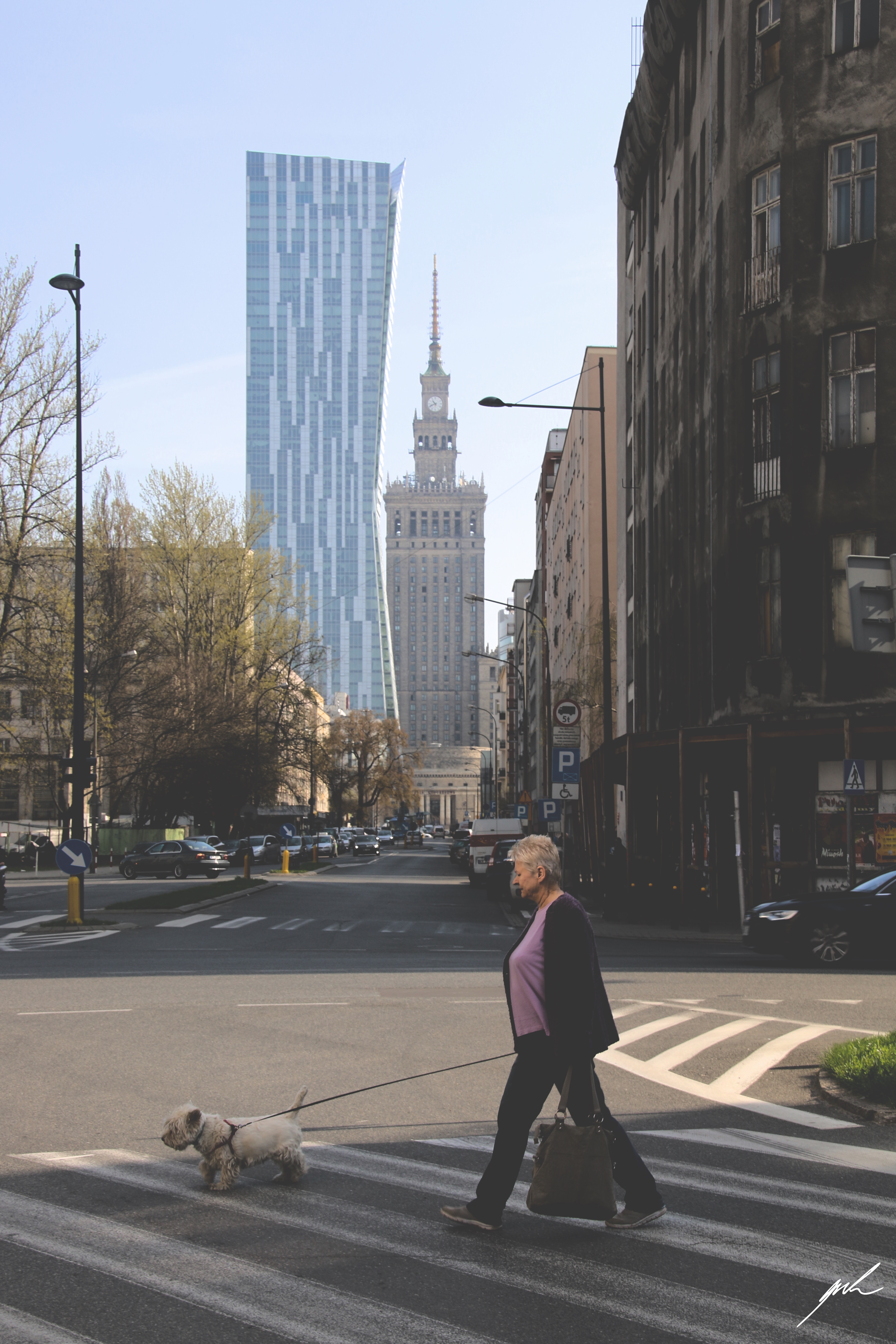
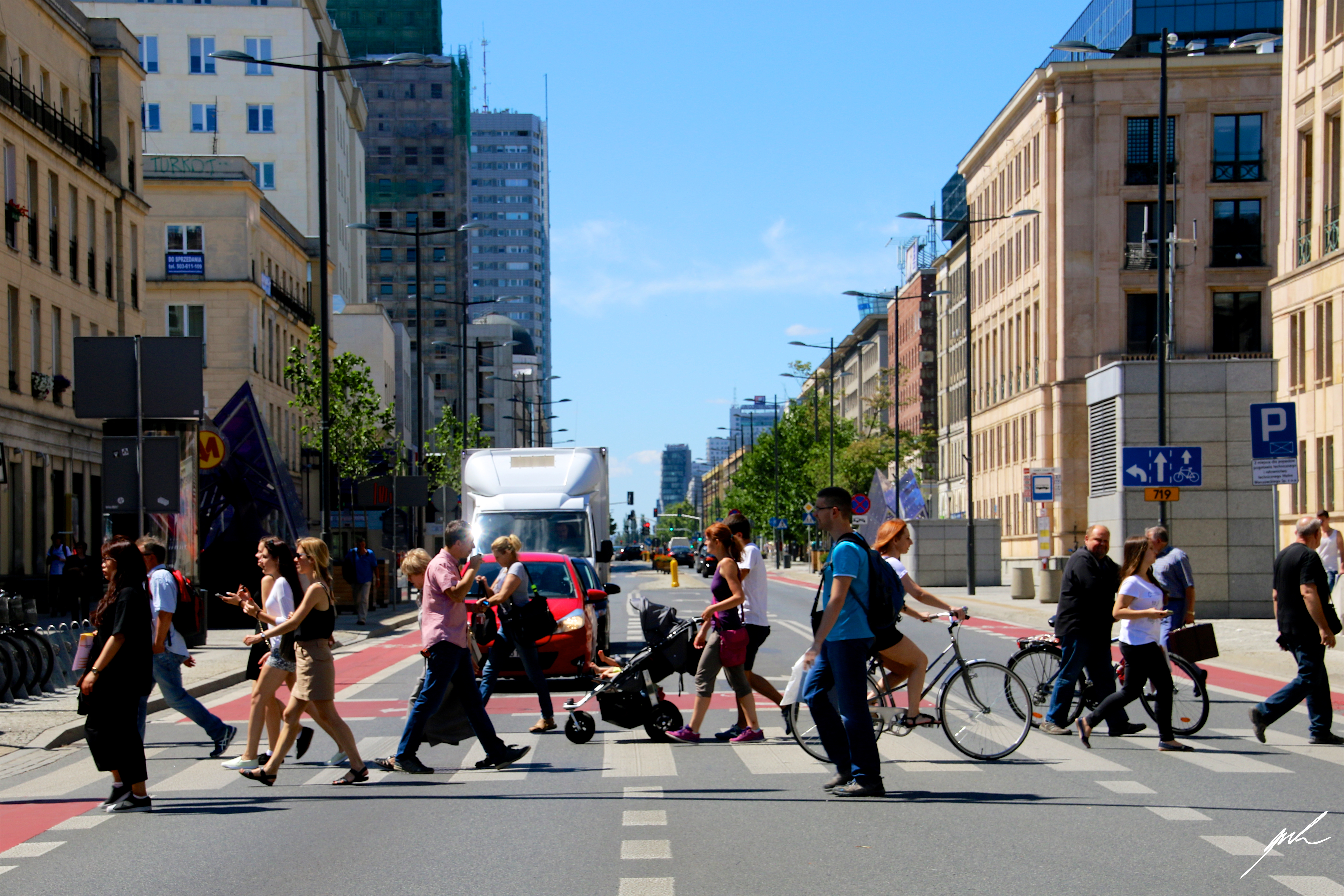
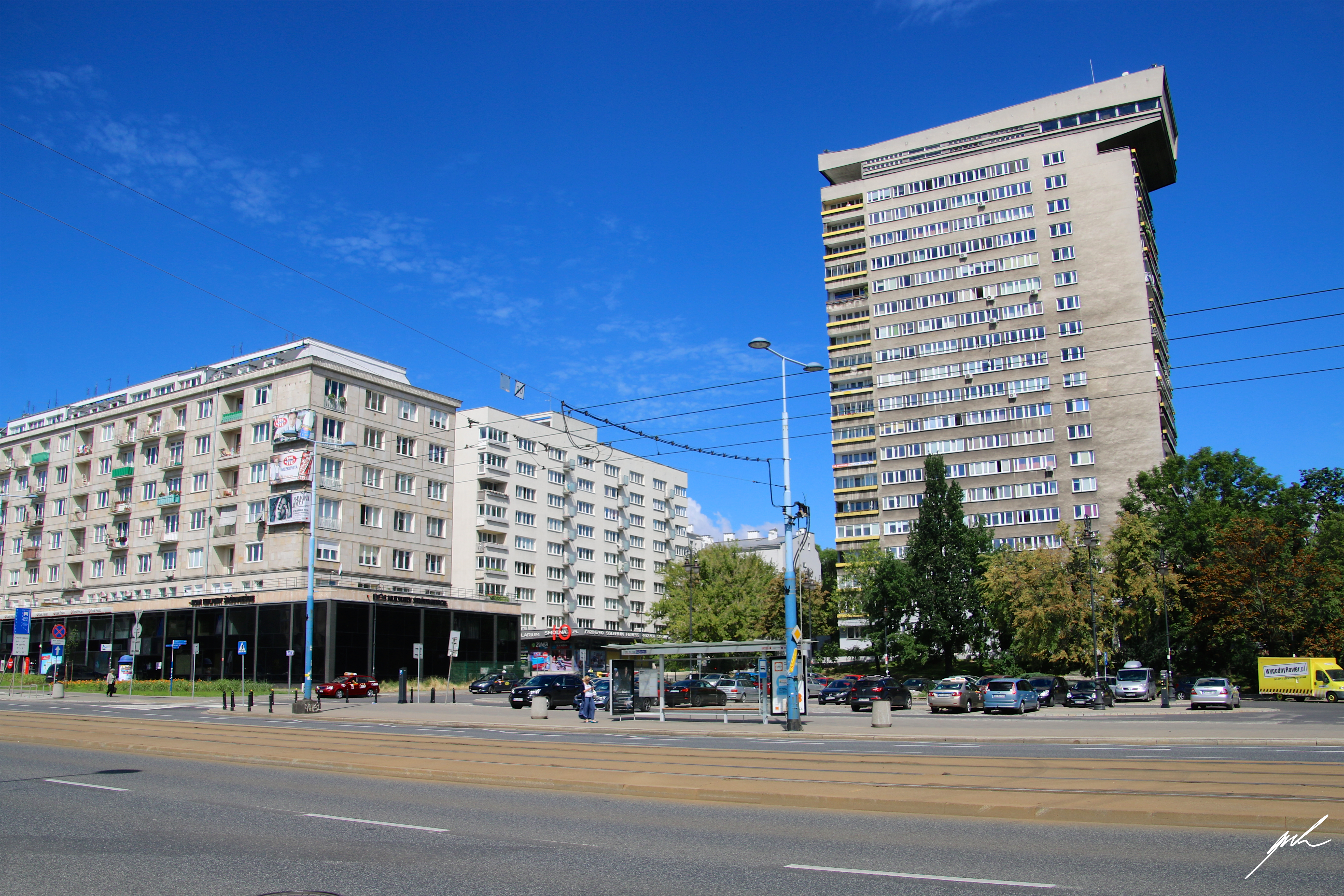
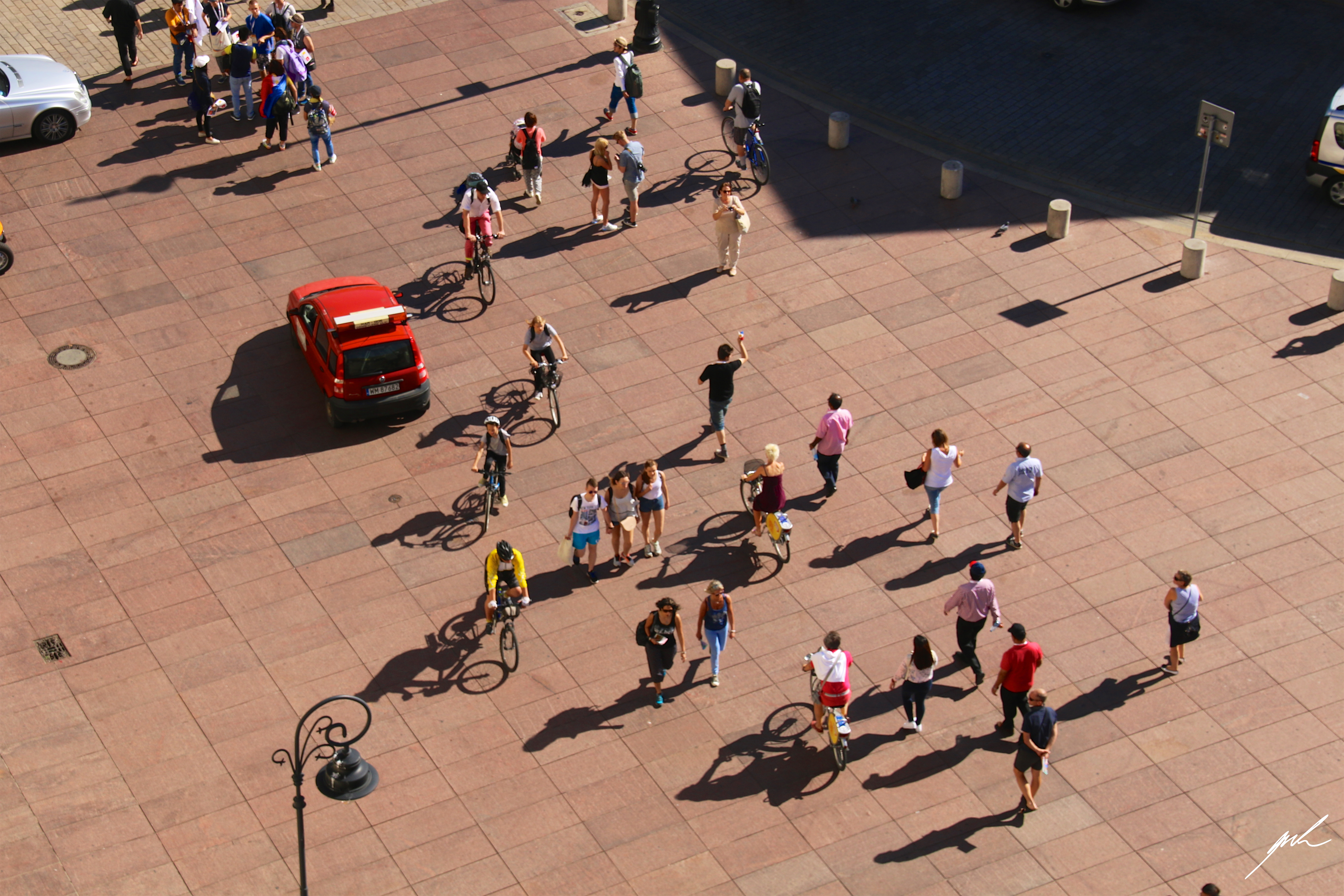
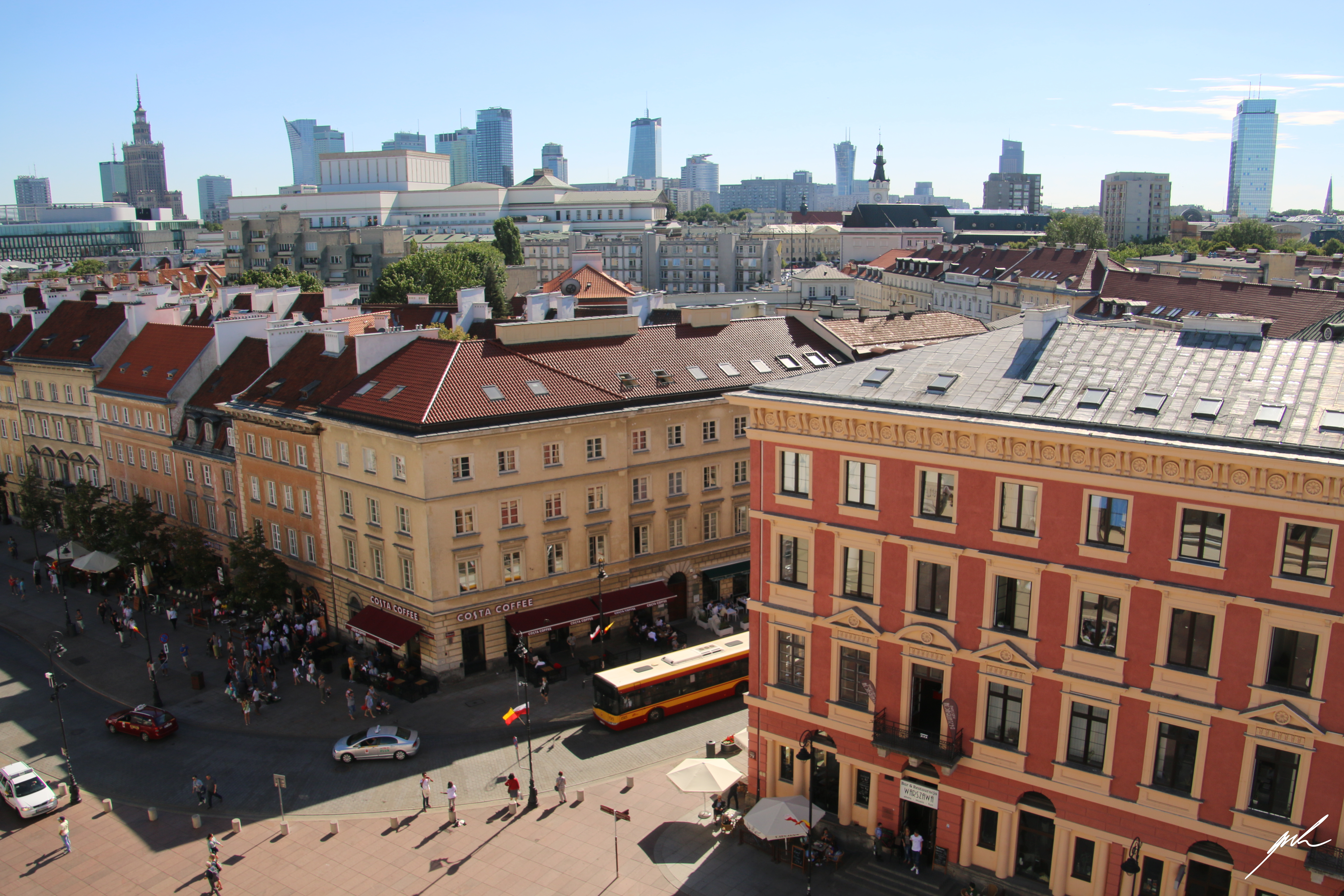
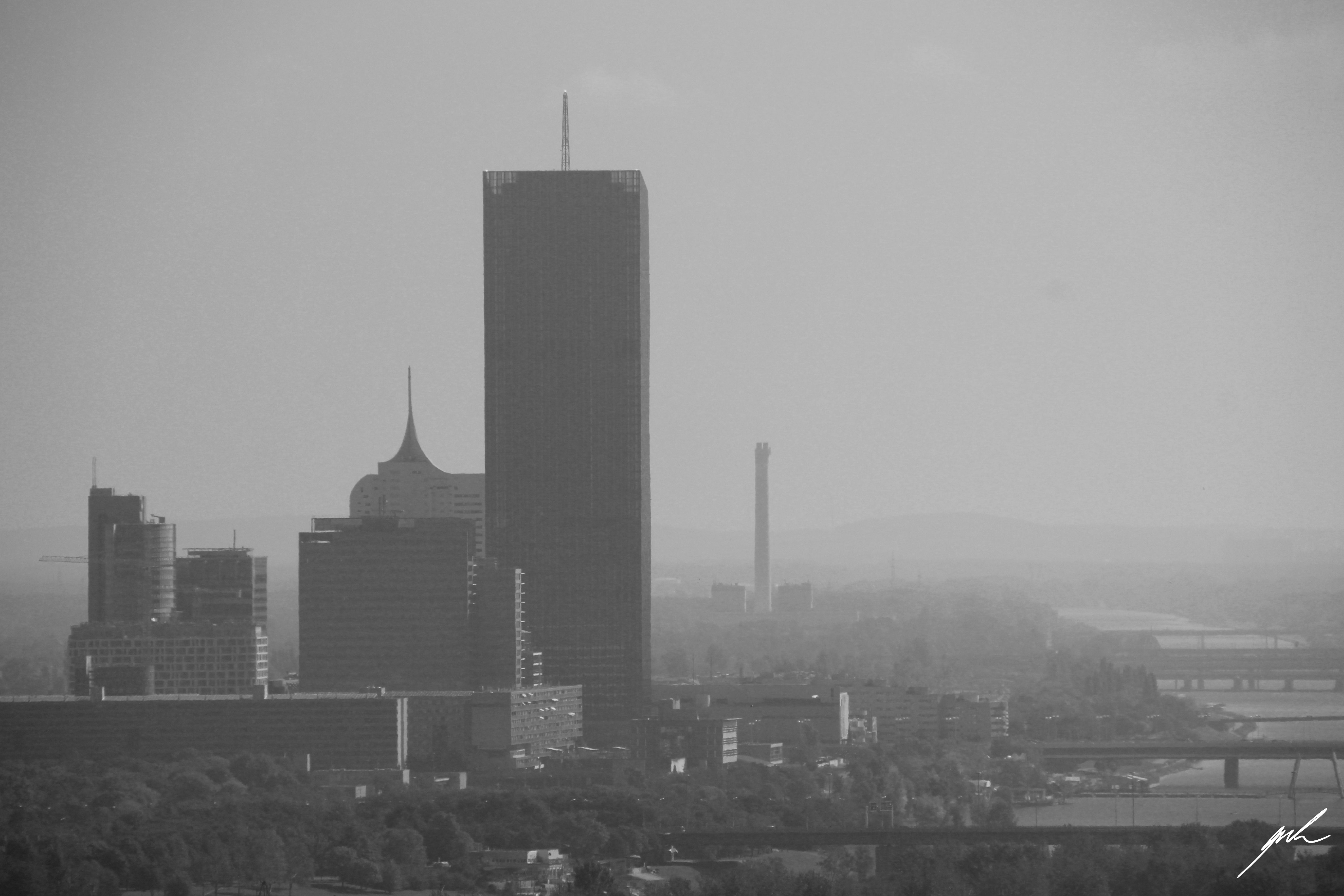
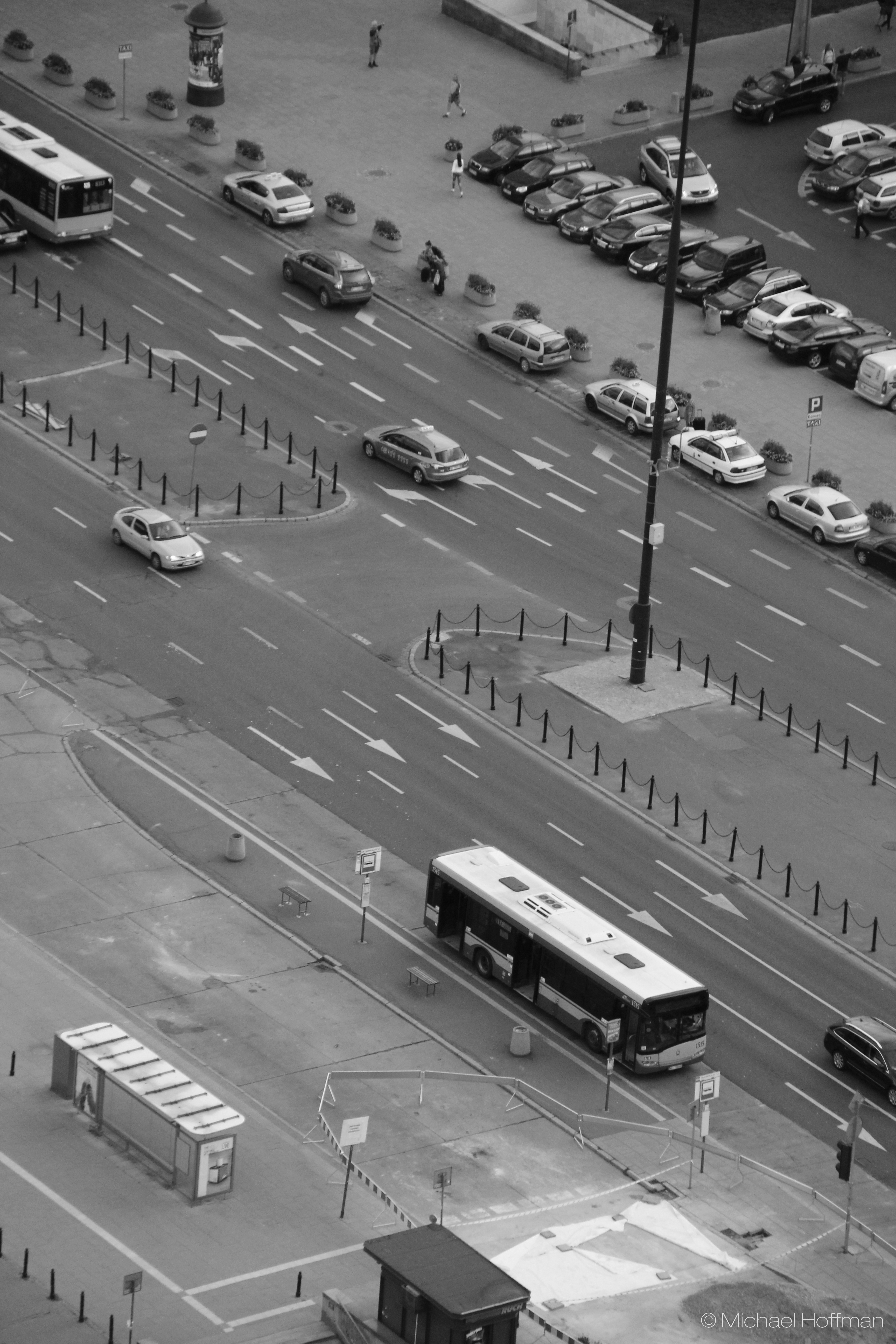
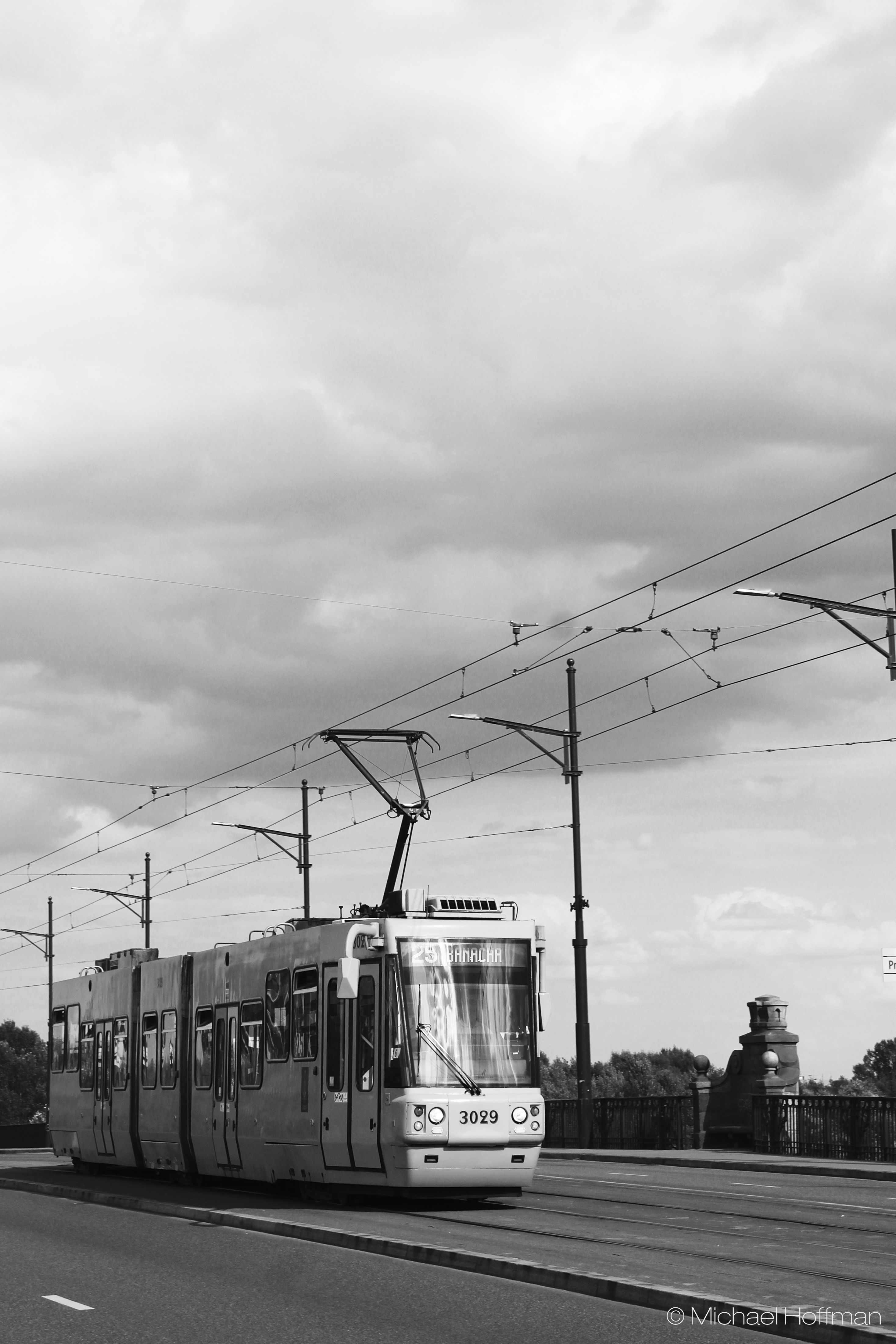
Warsaw may not be a beautiful city in the traditional sense of the word, but it is an exciting and vibrant place. Built from the ashes in the 1950s, it was constructed with communist ideals and new technological developments in mind. The streets are broad and make for a lot of traffic, while residential buildings rise in the sky surrounded by a surprising amount of green. Since the 90s, Warsaw has been the undisputed capital of capitalism in Poland, so many new skyscrapers have been built since then. Nowadays, the communist and capitalist structures form an interesting, although at times contradictory, symphony.
test


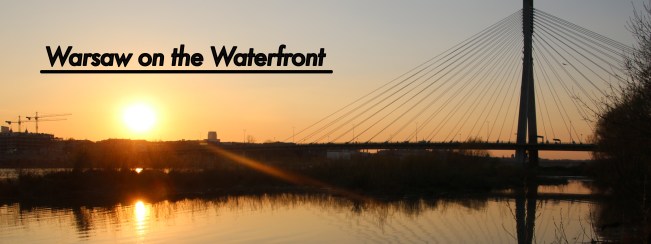
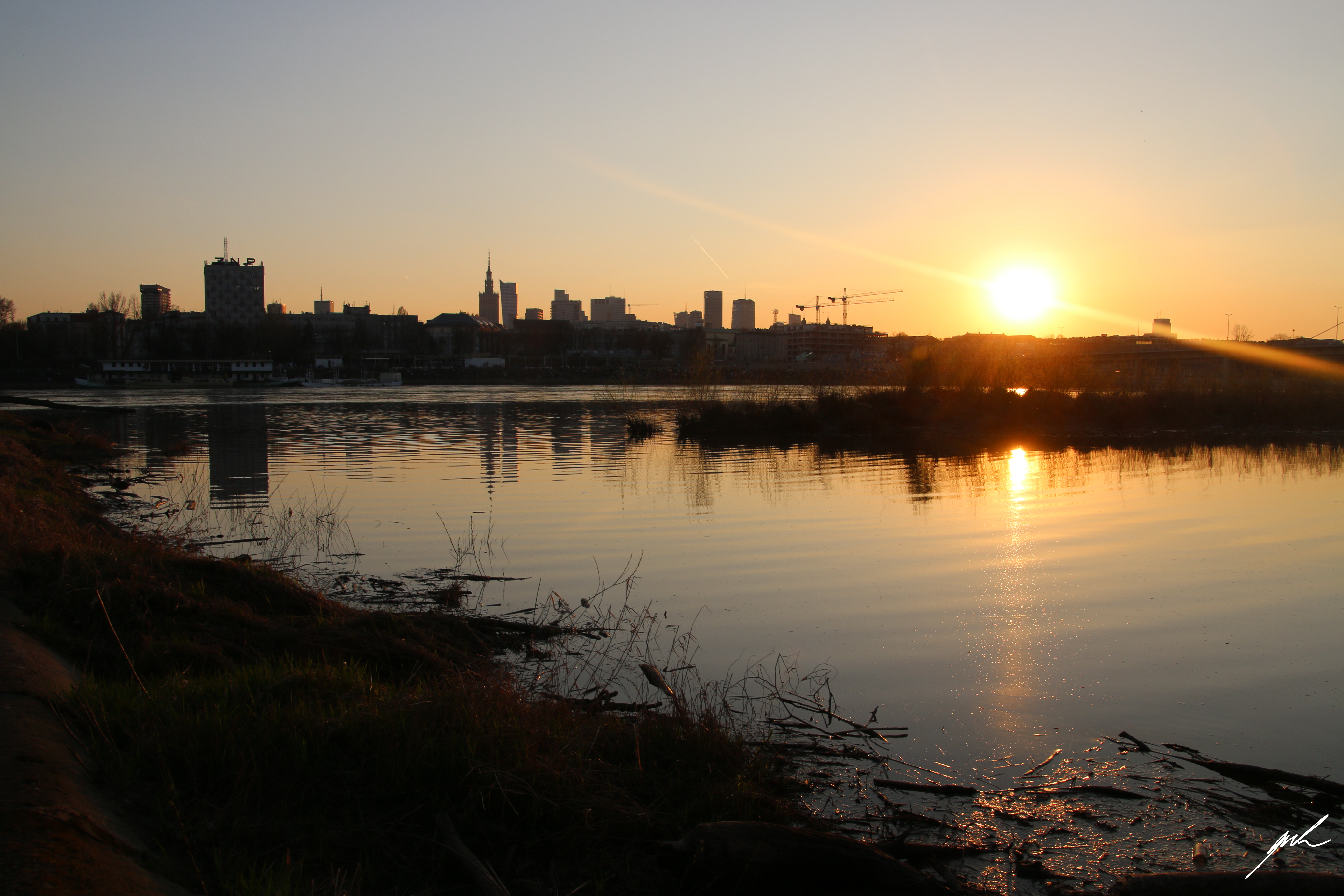
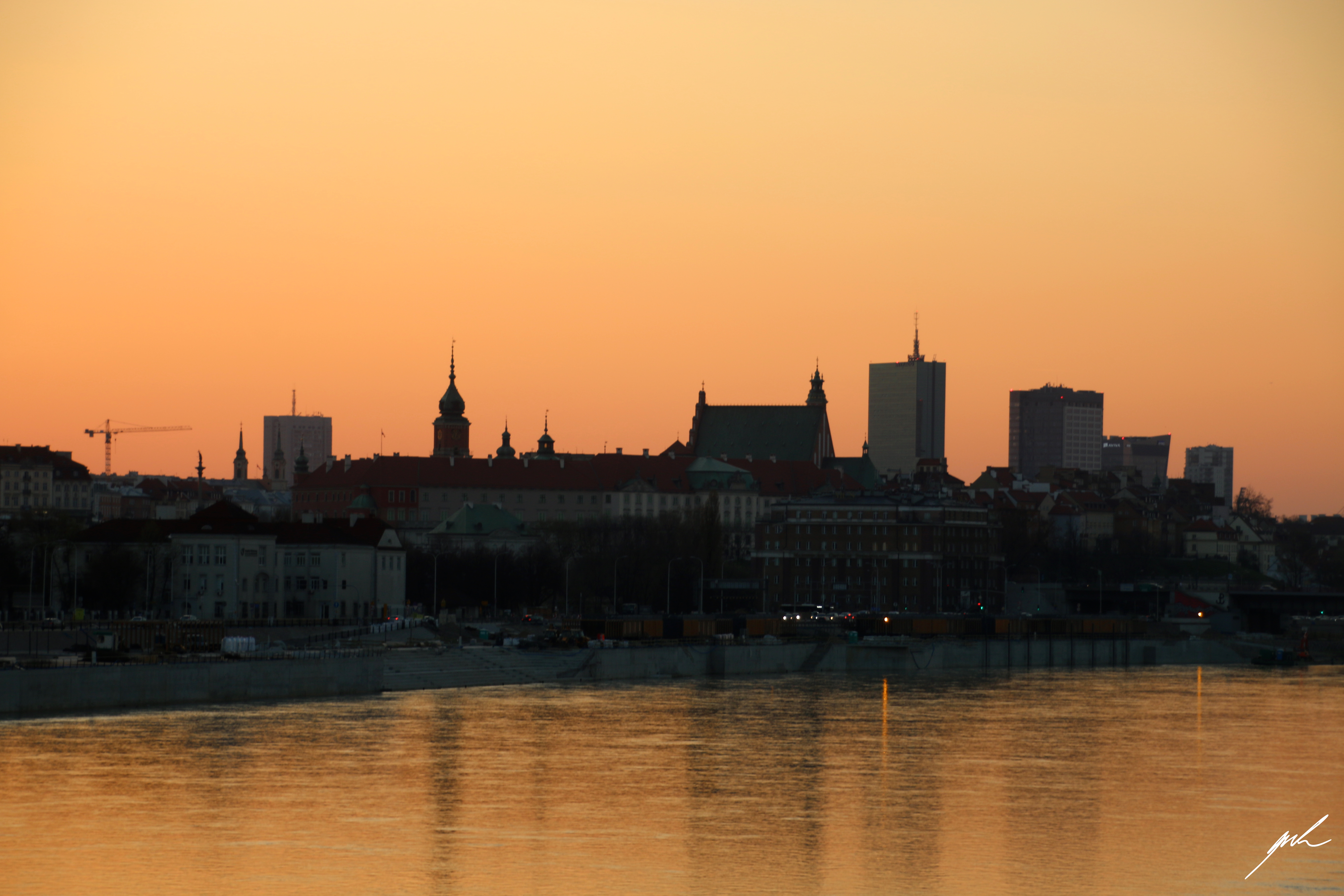
Warsaw on the Waterfront

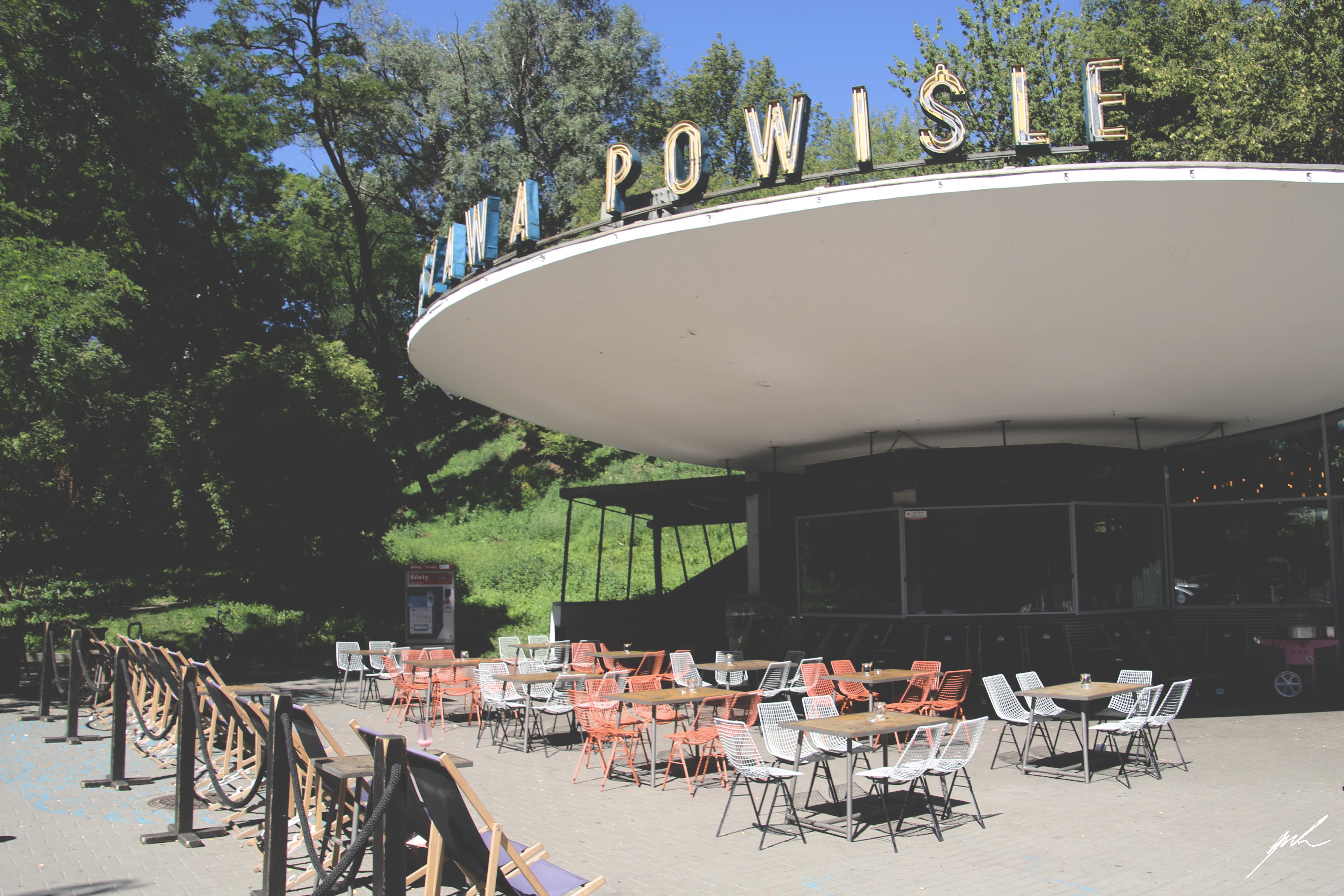
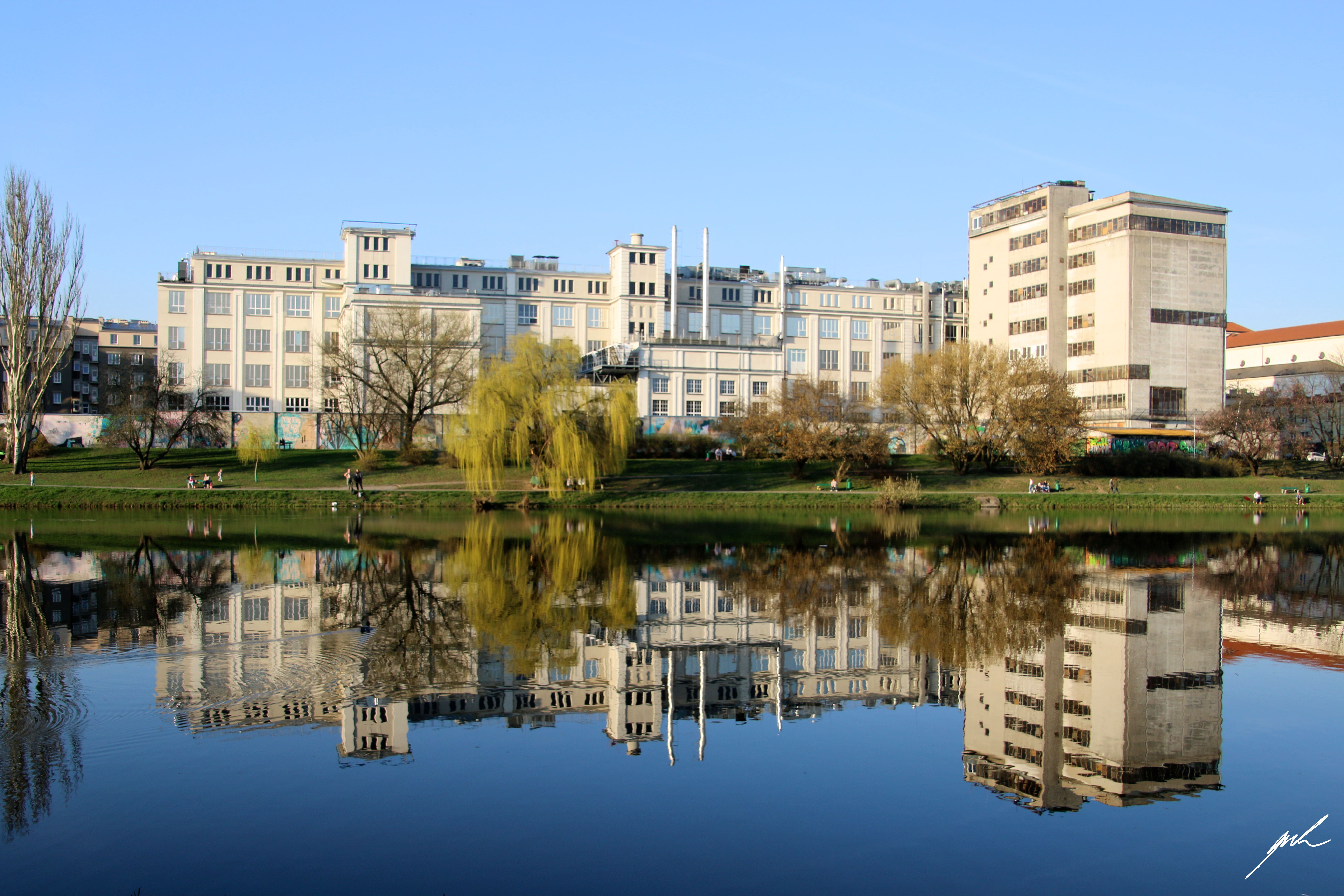
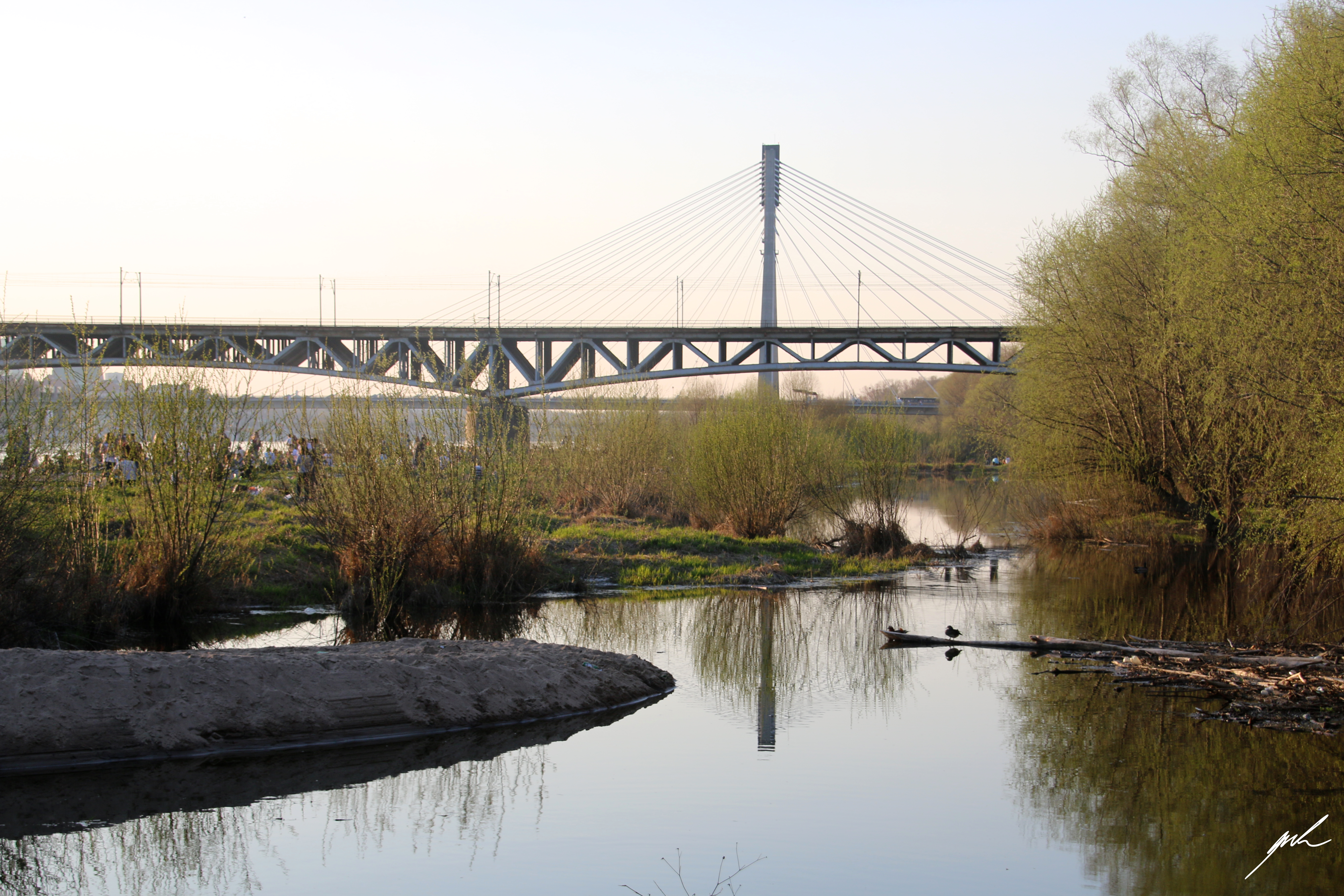
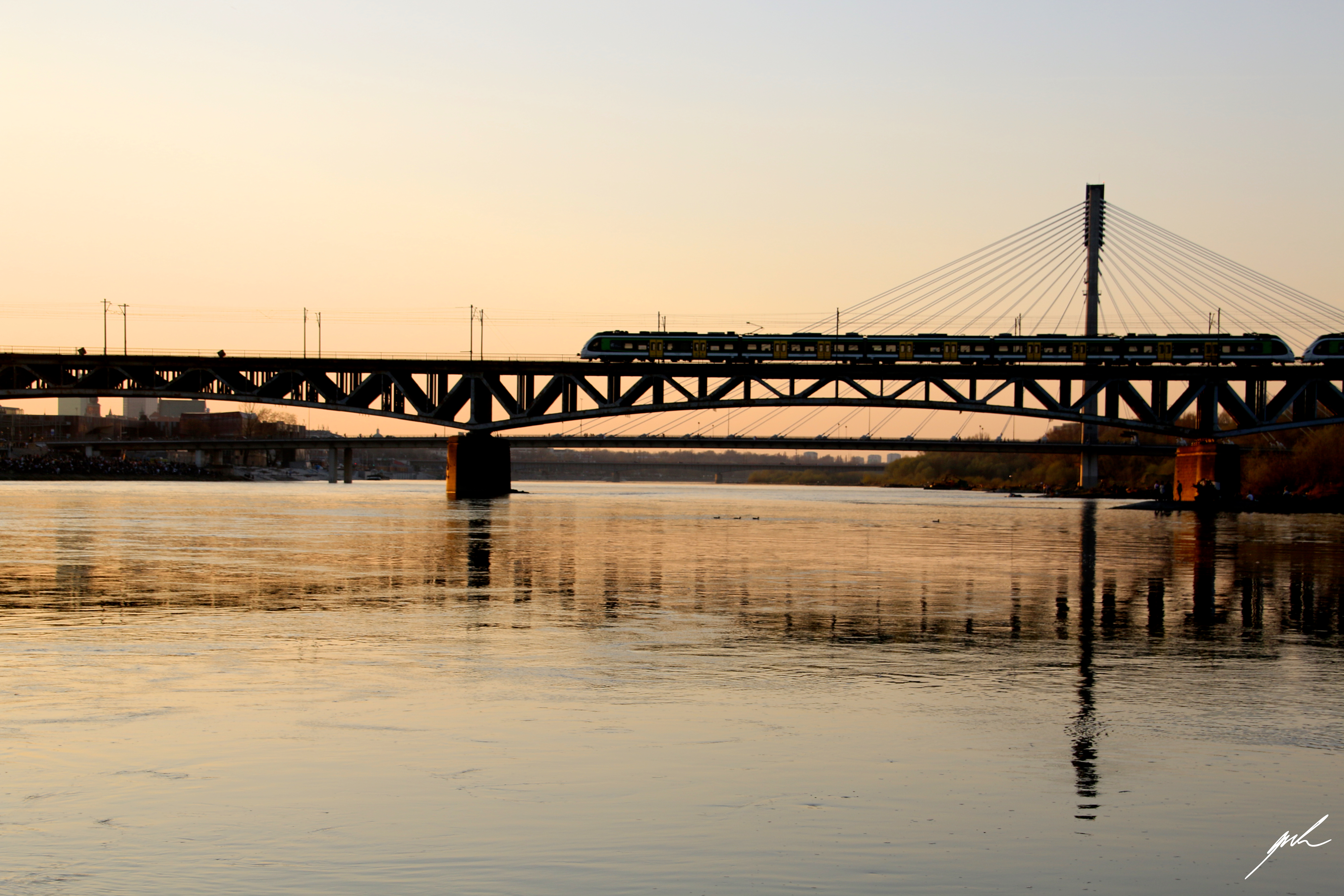
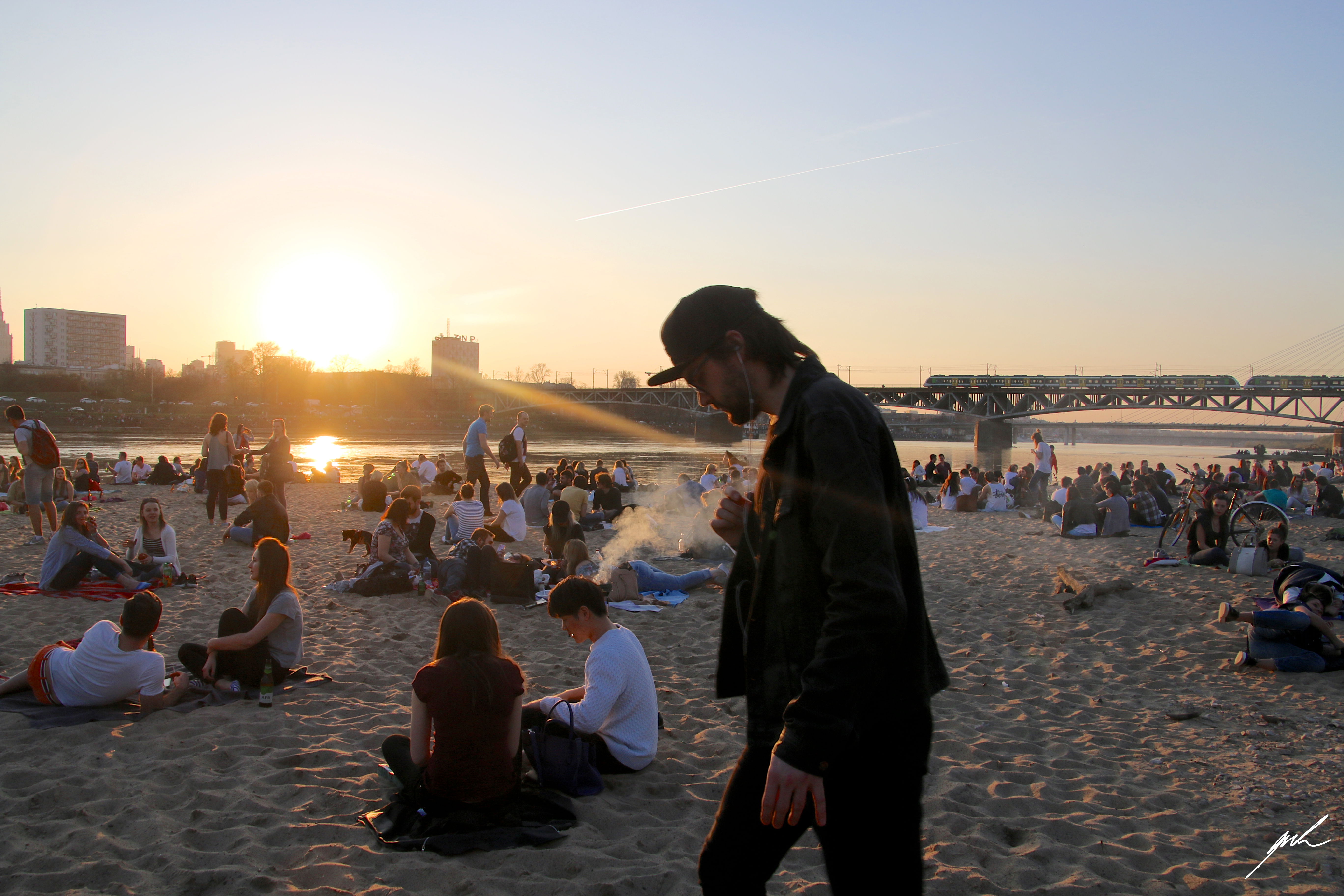
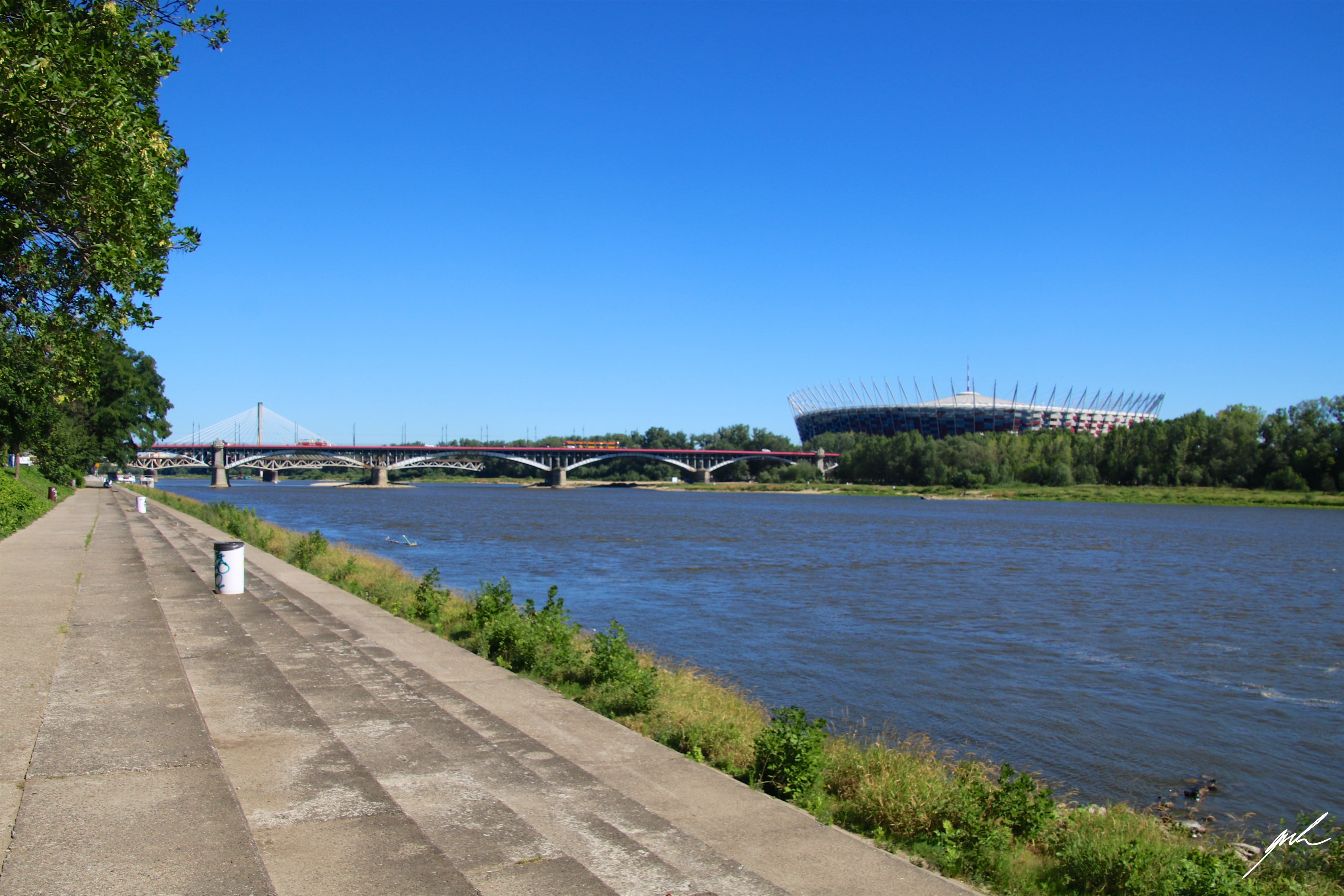
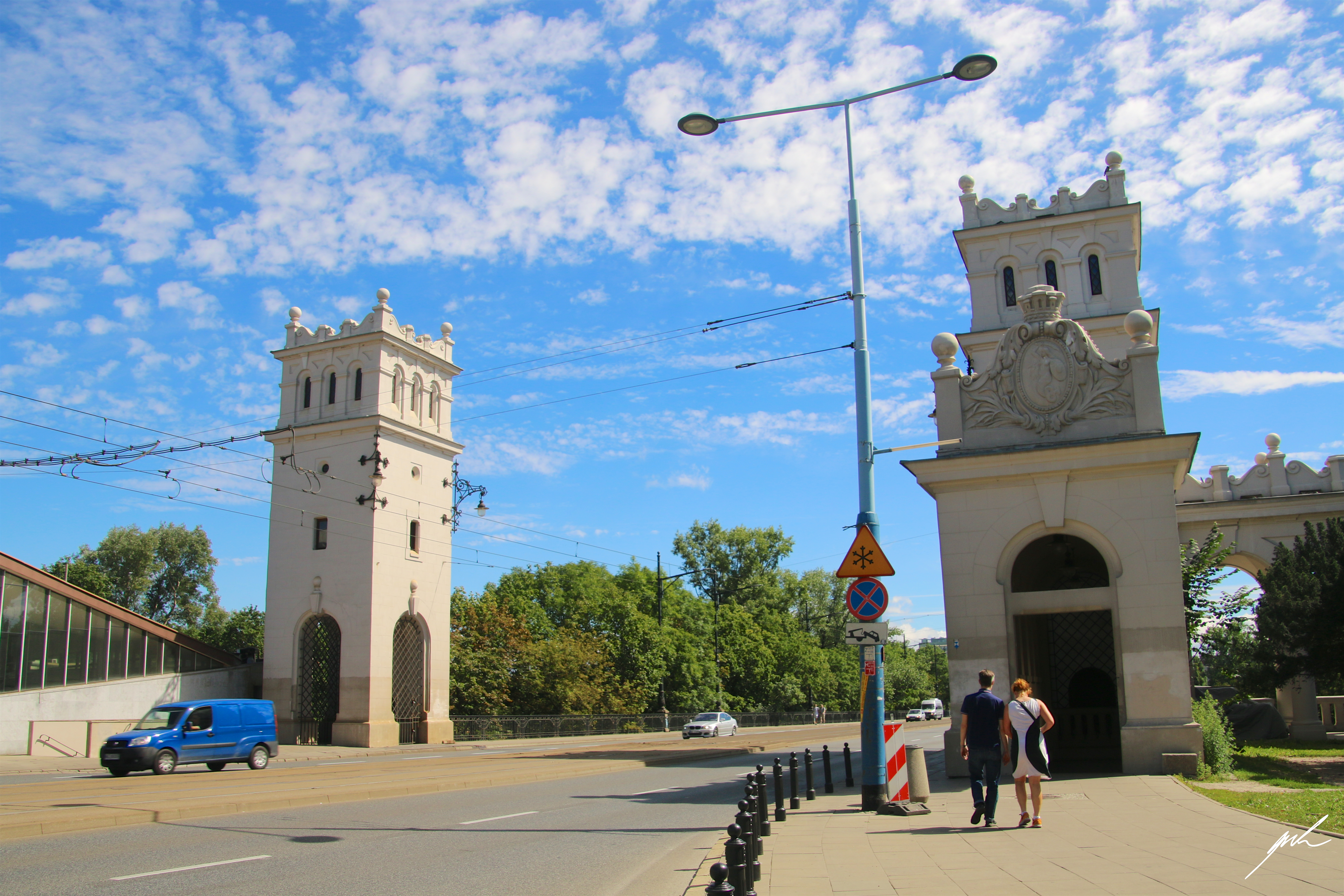
The Vistula is a wild and largely untamed river flowing through Poland’s capital city. Although the old town is located close to the water on a hillside, the proper city center is far away. The surroundings of the Vistula consist primarily of more or less wild greens. At some arms of the river, you’ll find apartment buildings, too, similar to the Alte Donau area in Vienna. There are some sandy parts as well which are flooded with people in summer. The sunsets are indeed gorgeous there.
test

The Port City

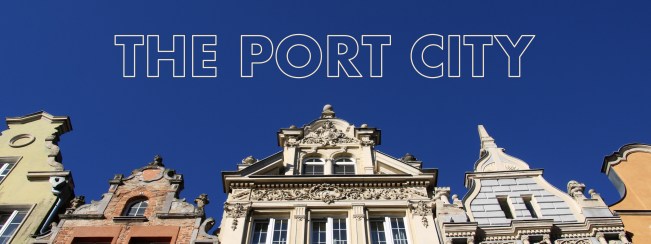
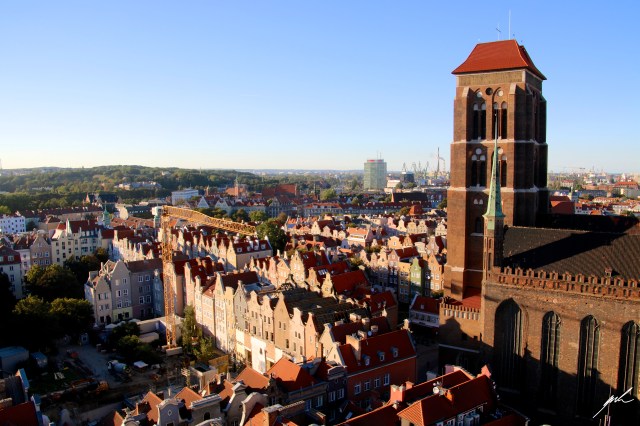
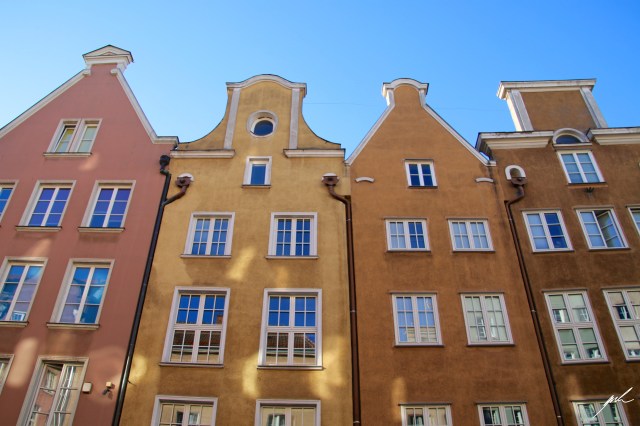
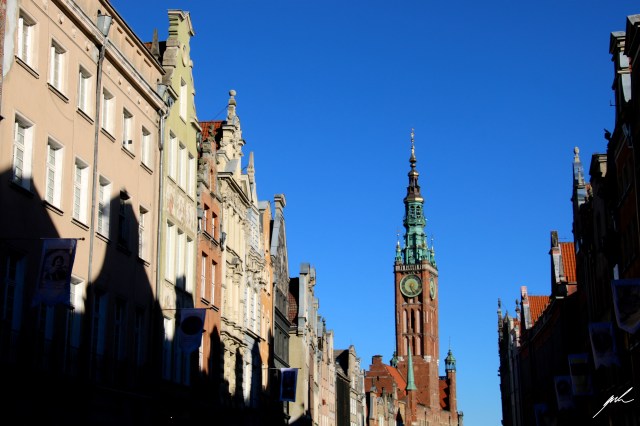
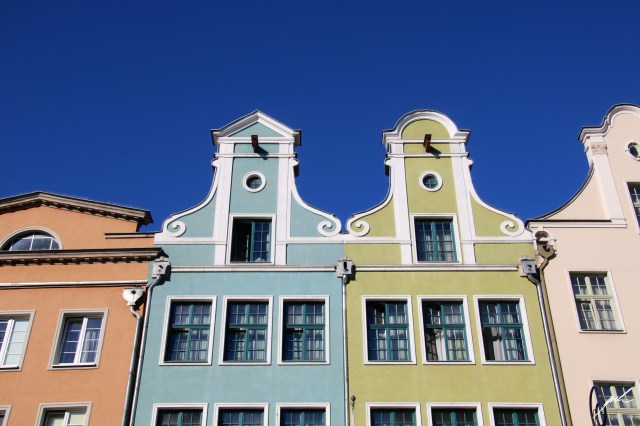
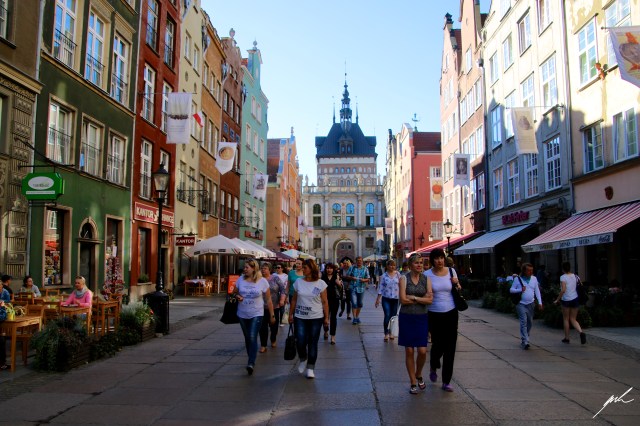
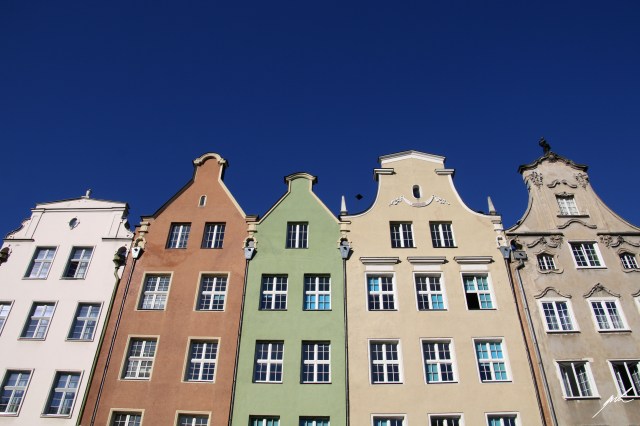
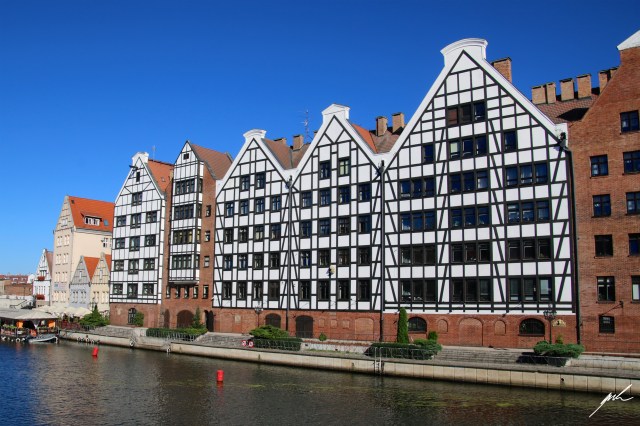
The city of Gdańsk (or Danzig in German) has a long tradition as an essential haven in the region of the western Baltic Sea. Its history is very much intertwined with the history and tradition of the Hanseatic League, a trade confederation of sailors, which dominated the waters of Northern Europe for centuries. The city was largely destroyed during the II World War and restored after the war by Polish specialists. Today, Gdańsk is visited by many millions every year from Poland and abroad. It offers beautiful architecture and a rich cultural life.

test

img_5435 img_5410 img_5393 img_5330 img_5313-1
img_5335 img_5388