
Riders of the Atlantic
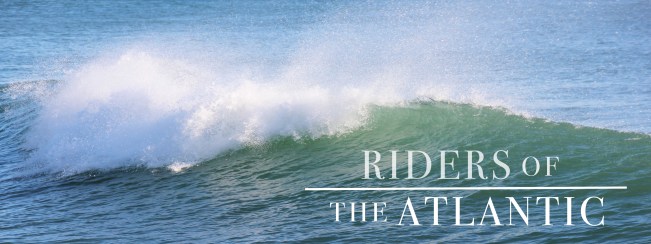
Shot on the shore of the Atlantic Ocean. Portugal, 2015.

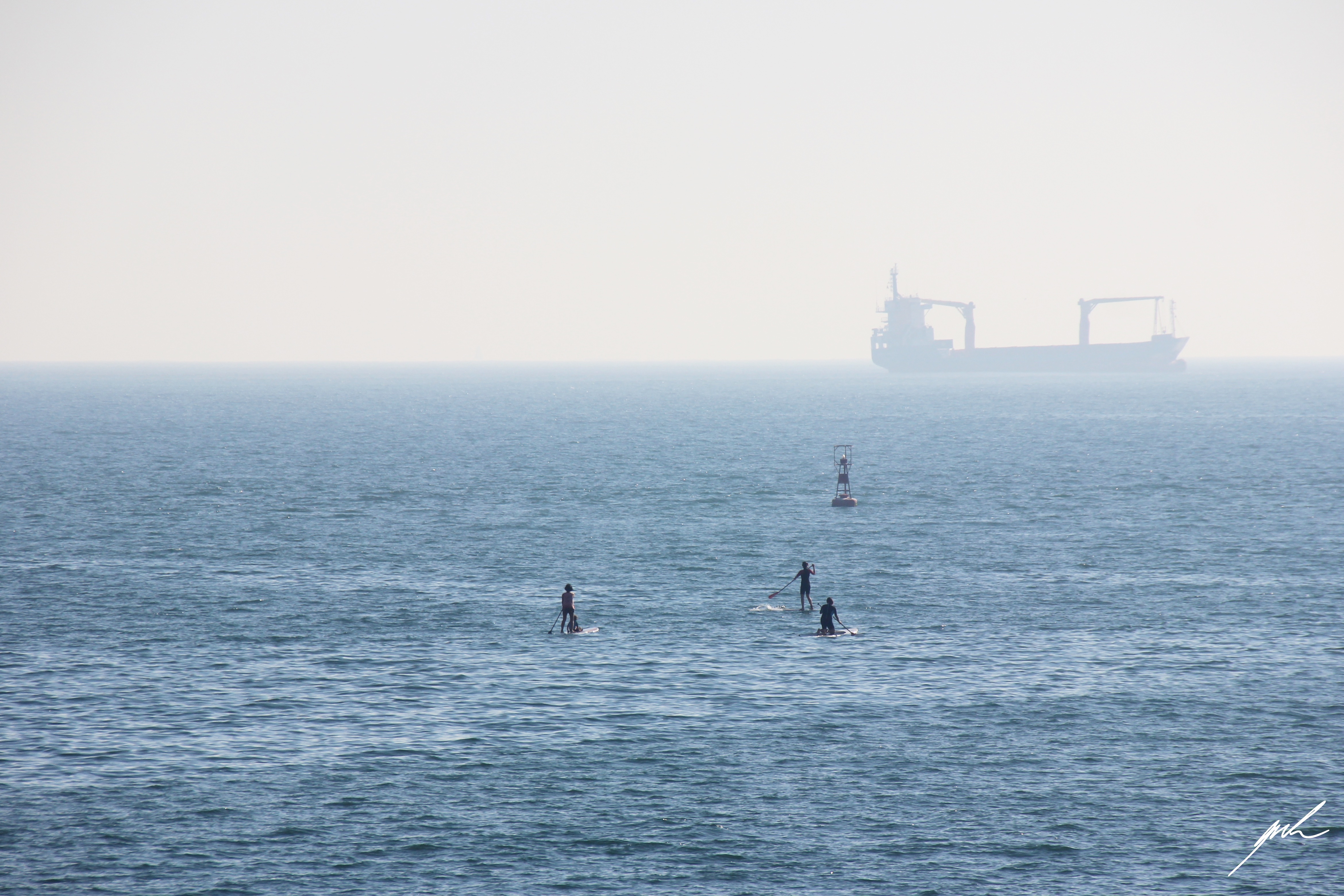
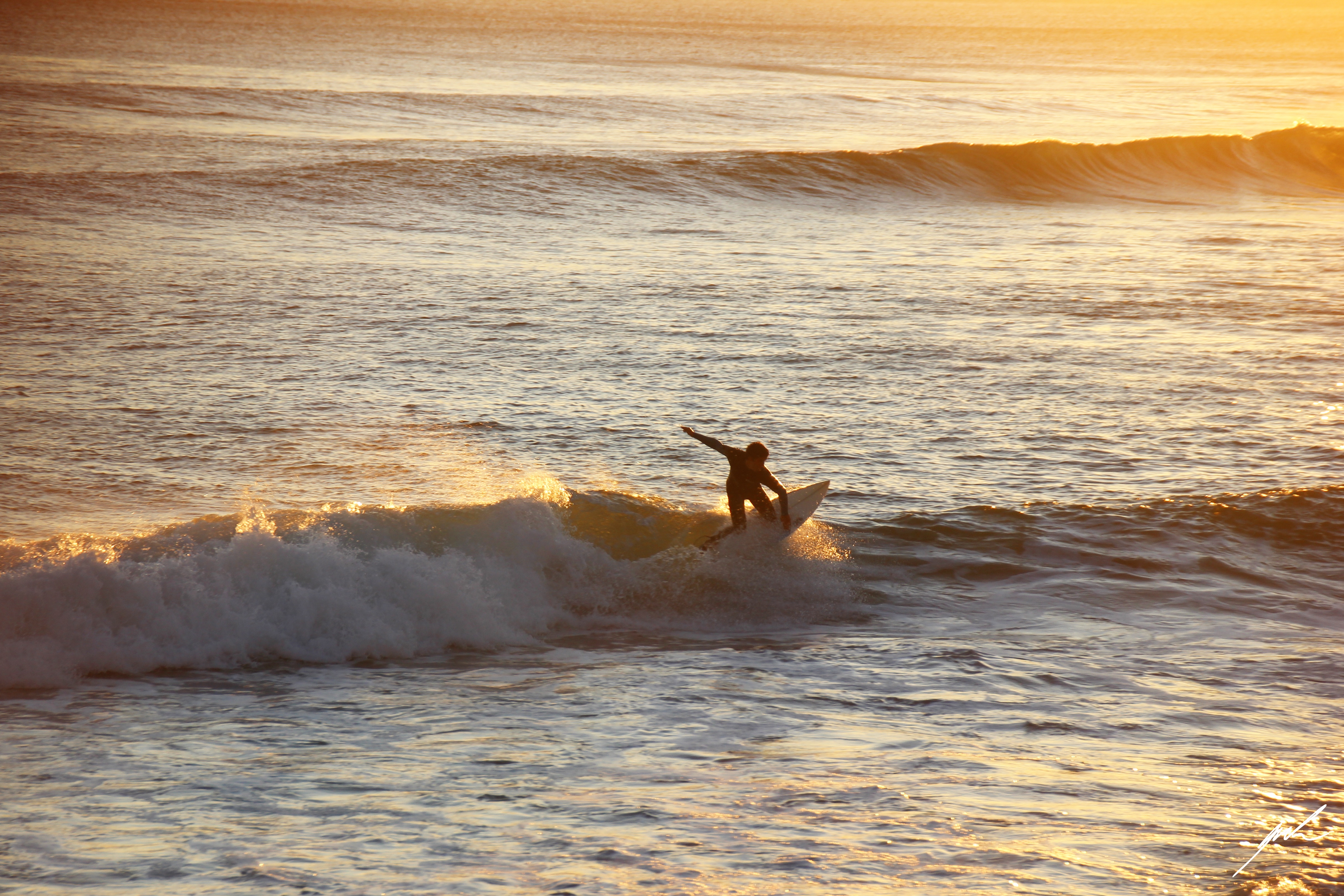
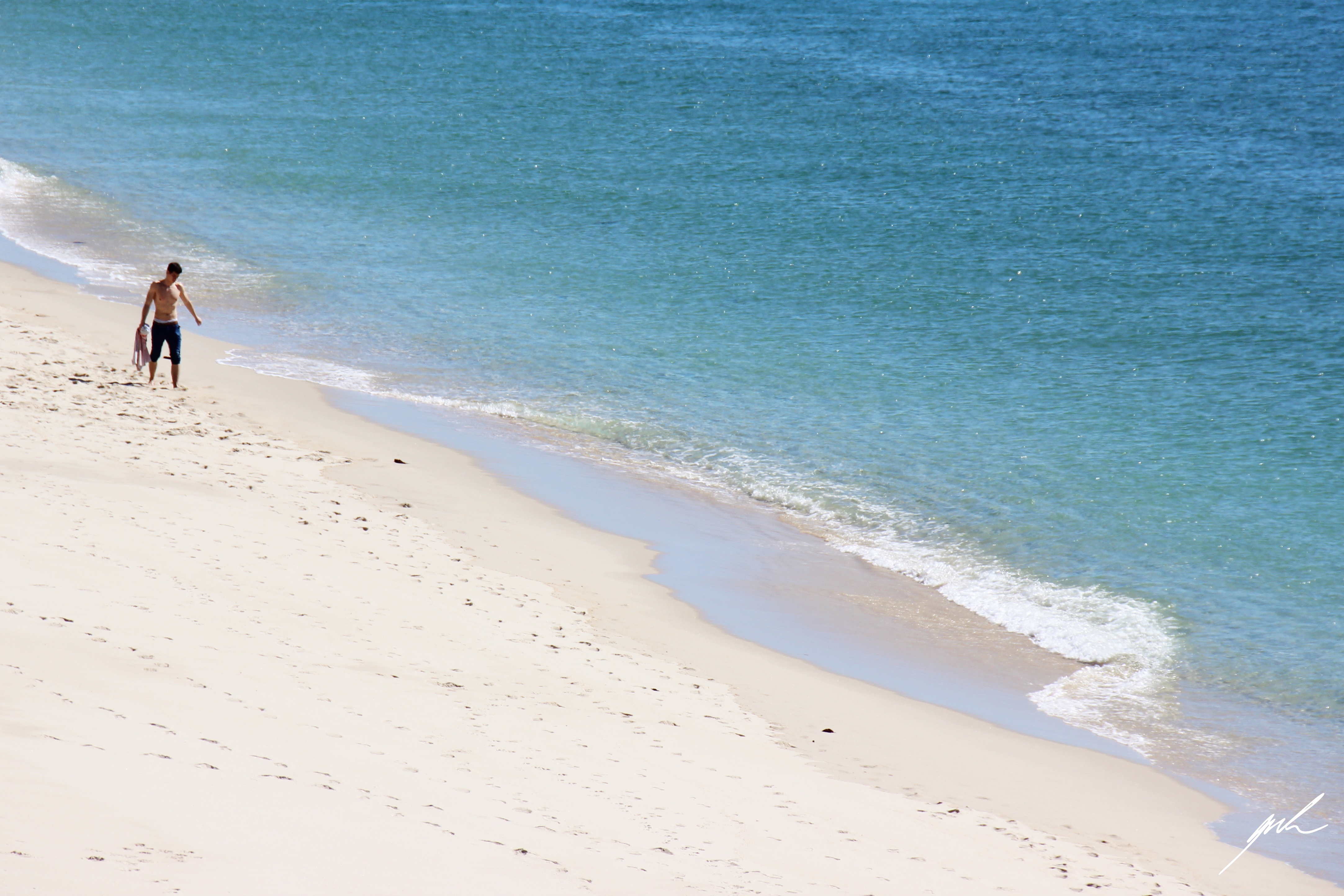
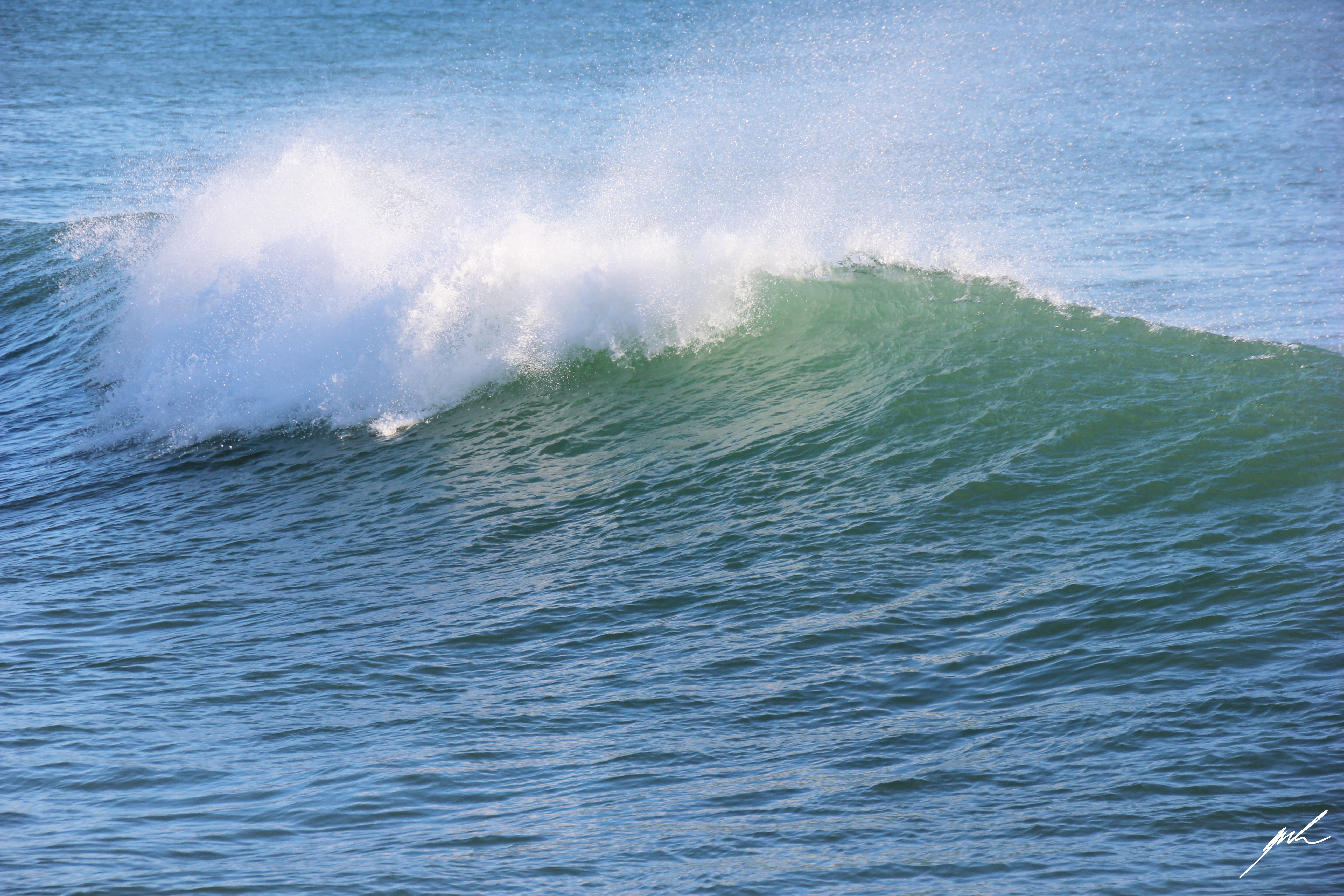
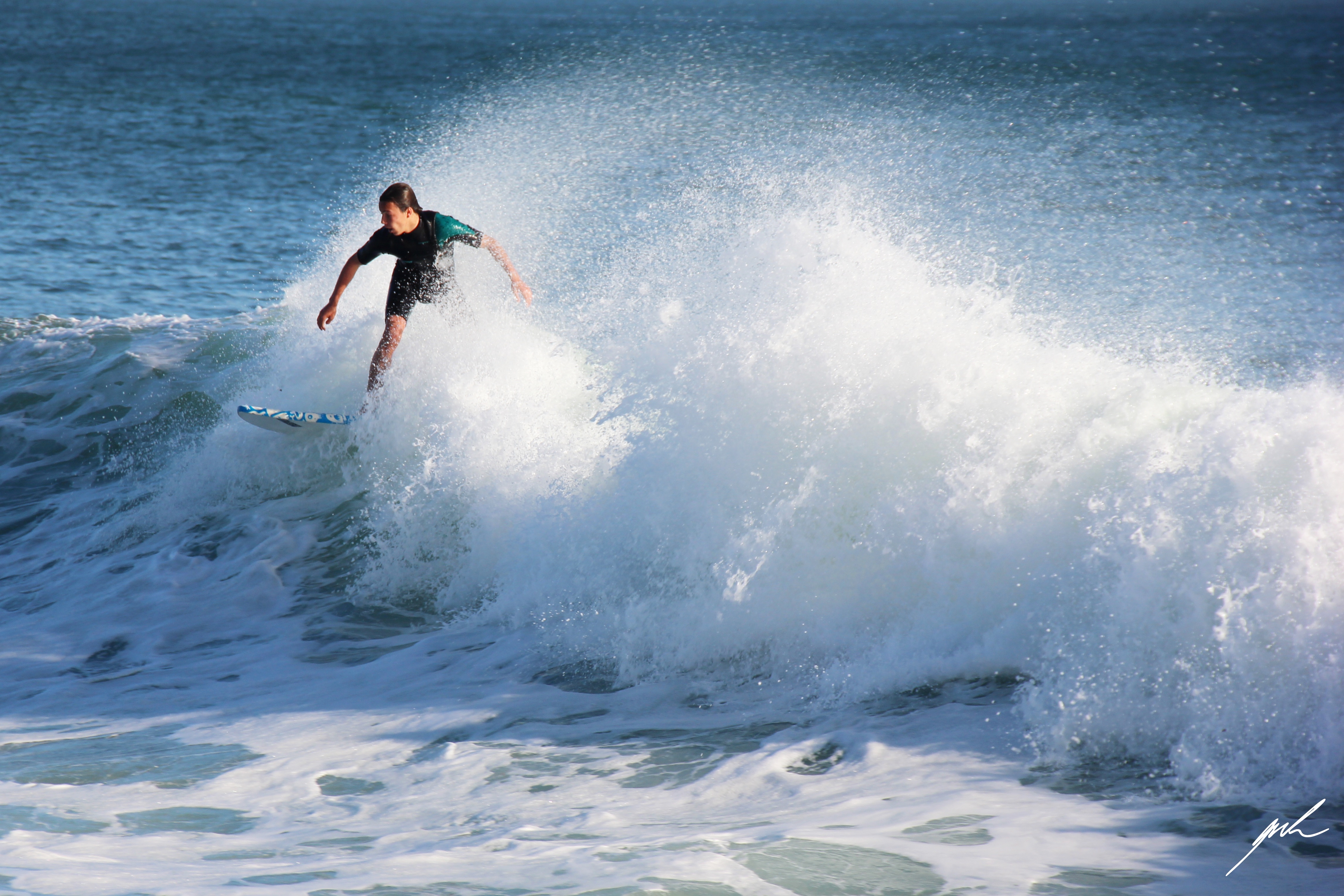
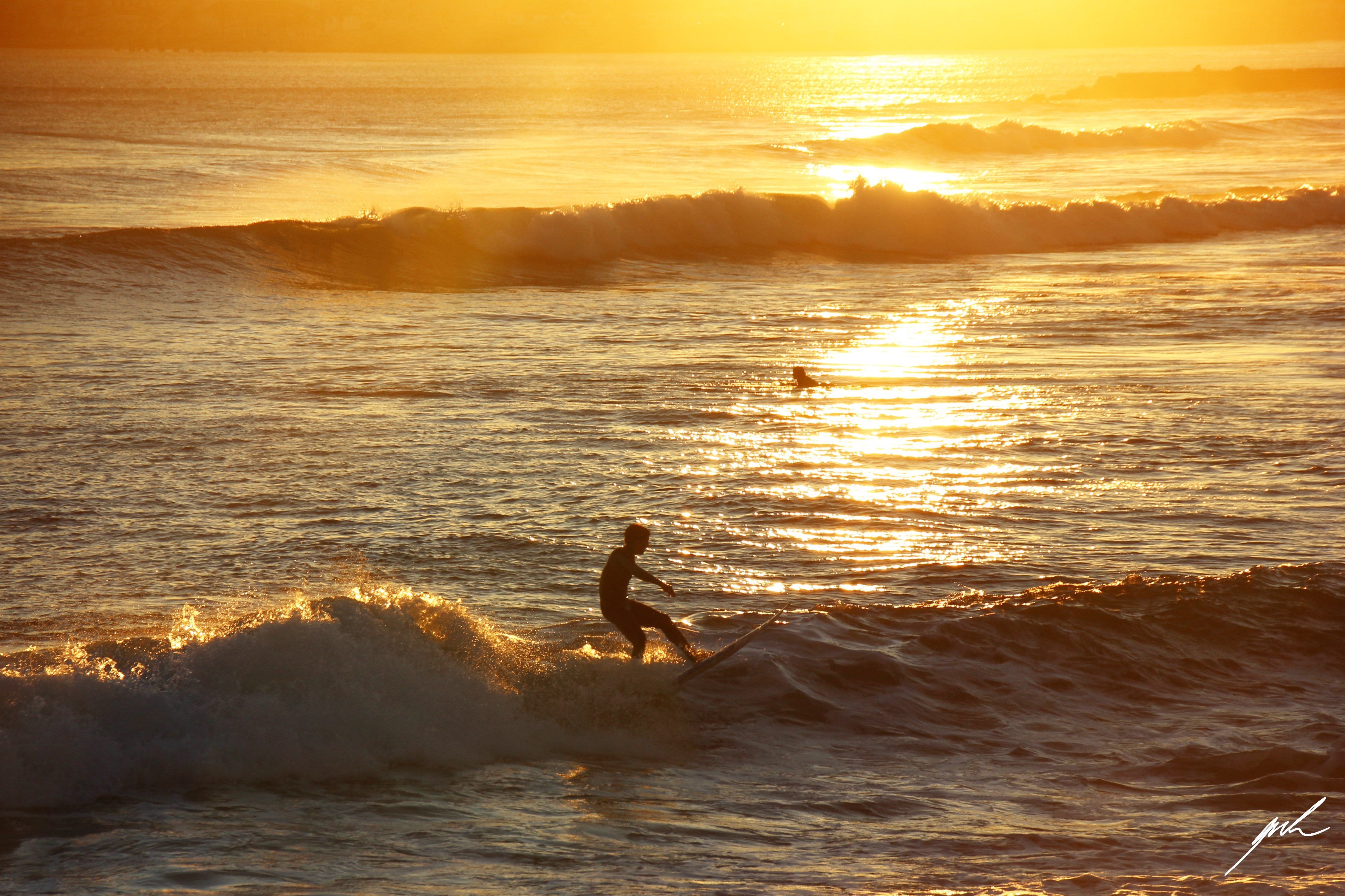
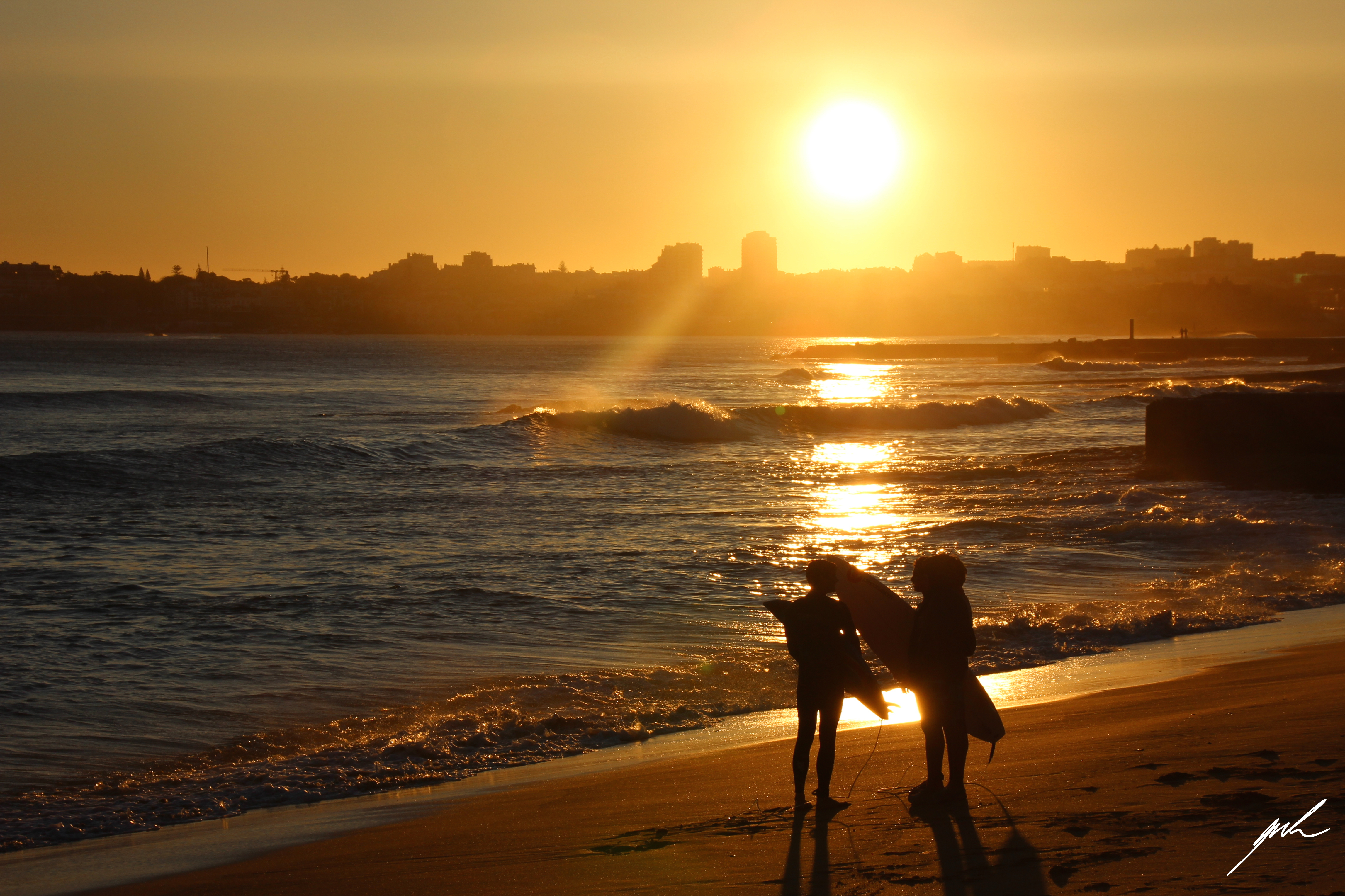
Shot on the shore of the Atlantic Ocean. Portugal, 2015.

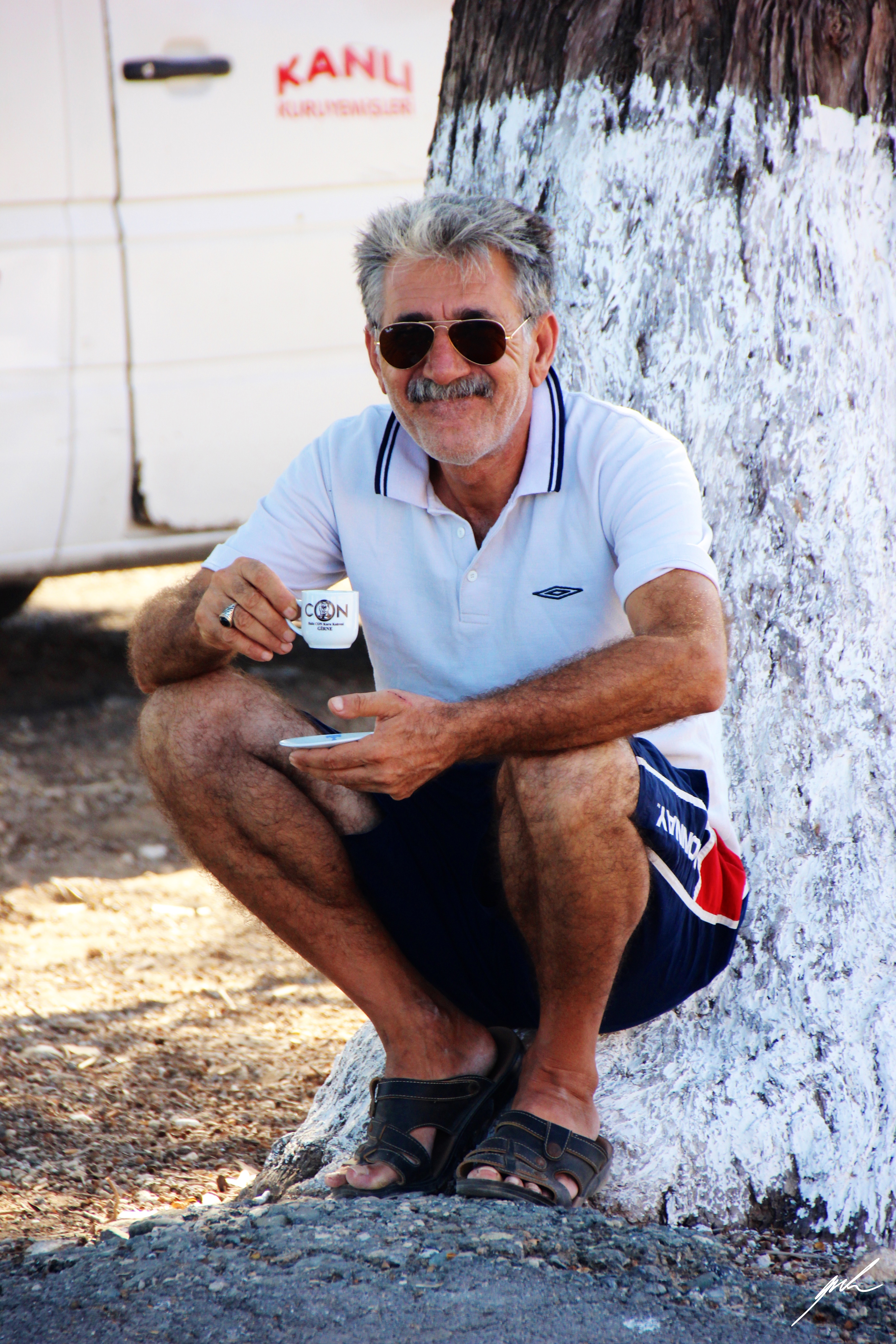
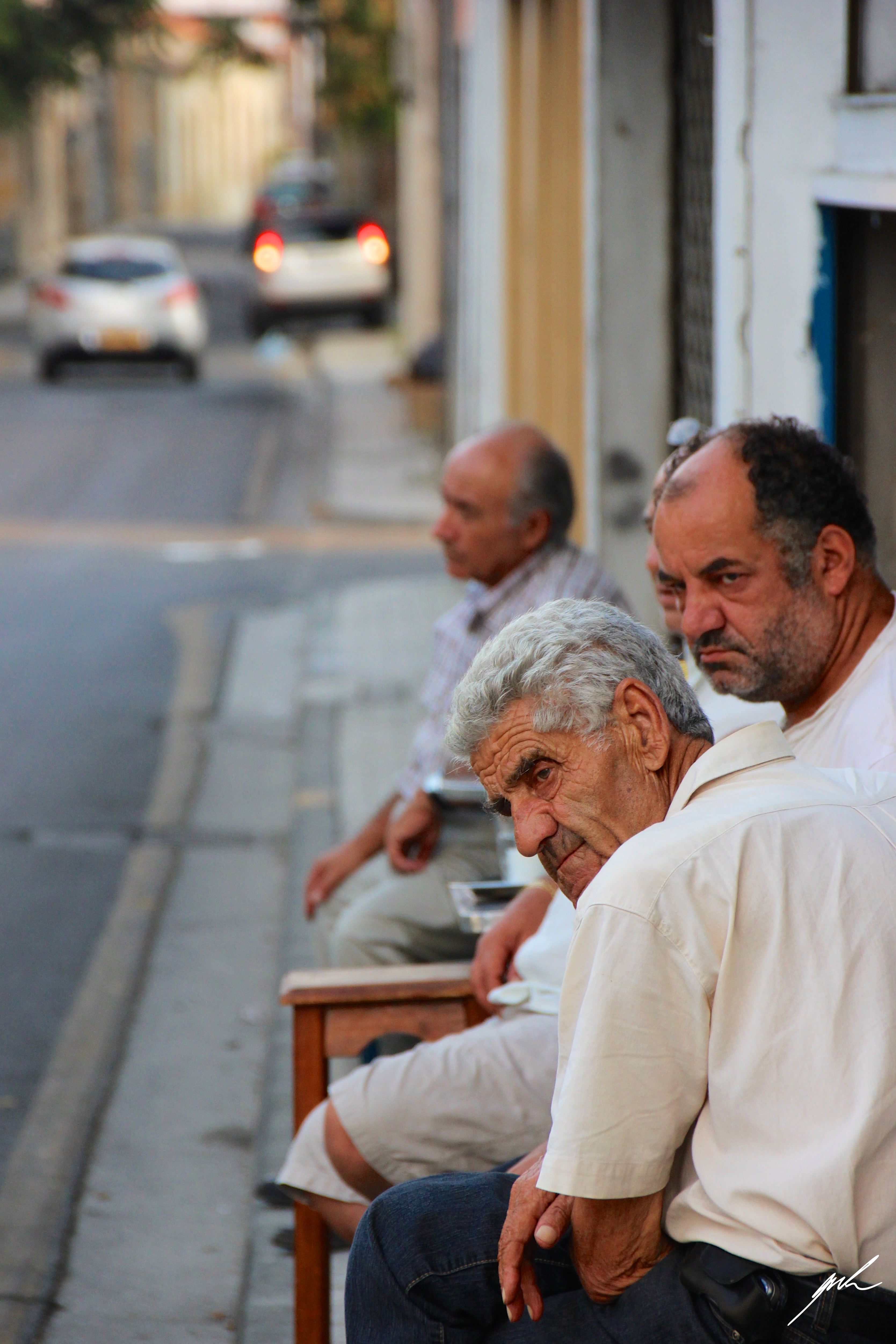
The last time Cyprus was featured was about a divided island. Though the political situation is complicated, I recommend visiting both parts of the island. So, I won’t differentiate between the Turkish and the Greek parts in the following gallery. Pictures 5, 6, and 7 need some background: After the Ottoman conquest of Cyprus, former Gothic Cathedrals were converted into Mosques. Interestingly, some were not destroyed, and only minor changes were made (like the destruction of angel figures due to the ban on images in Islam). The altar was displaced within the church so the believers could pray in the direction of Mekka. According to Ottoman traditions, the former Cathedrals had carpets, and the inner church was painted white. Though inside as well as outside, you still see the Christian heritage. The clean and bright style of Islamic religious decoration combined with the dark and gothic severe style makes for a thoroughly fascinating combination.
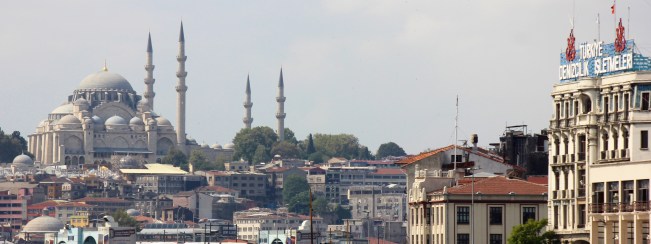
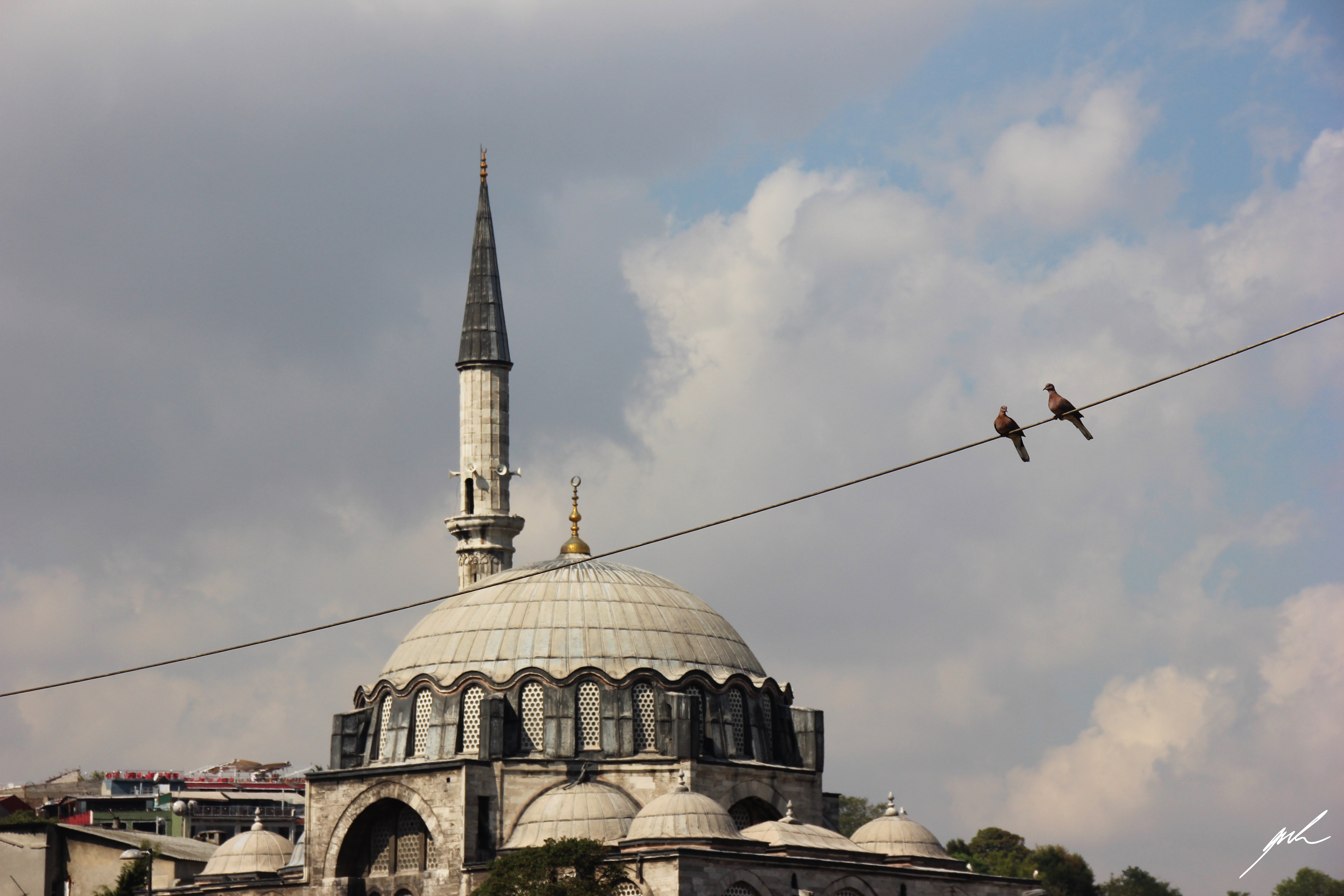
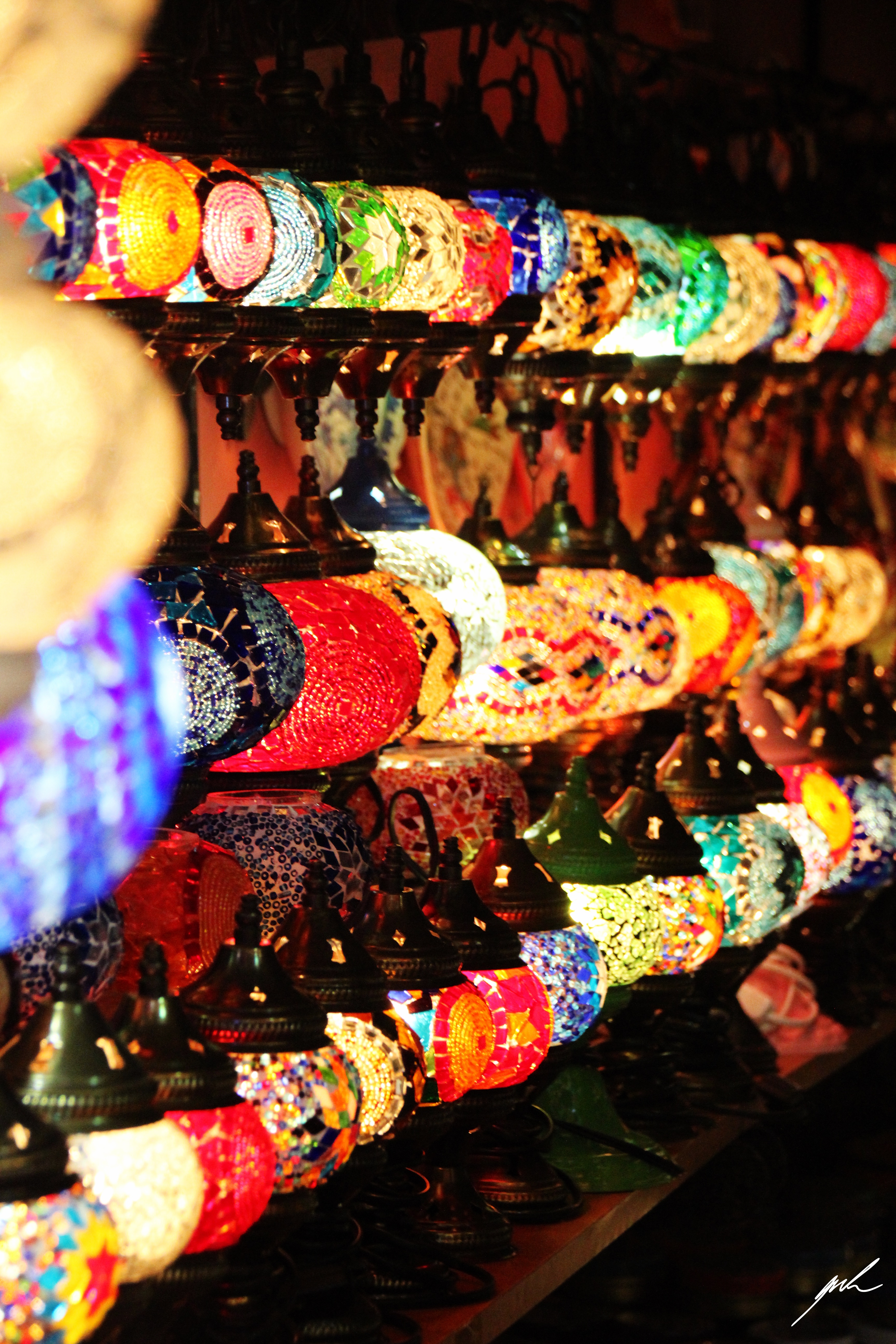
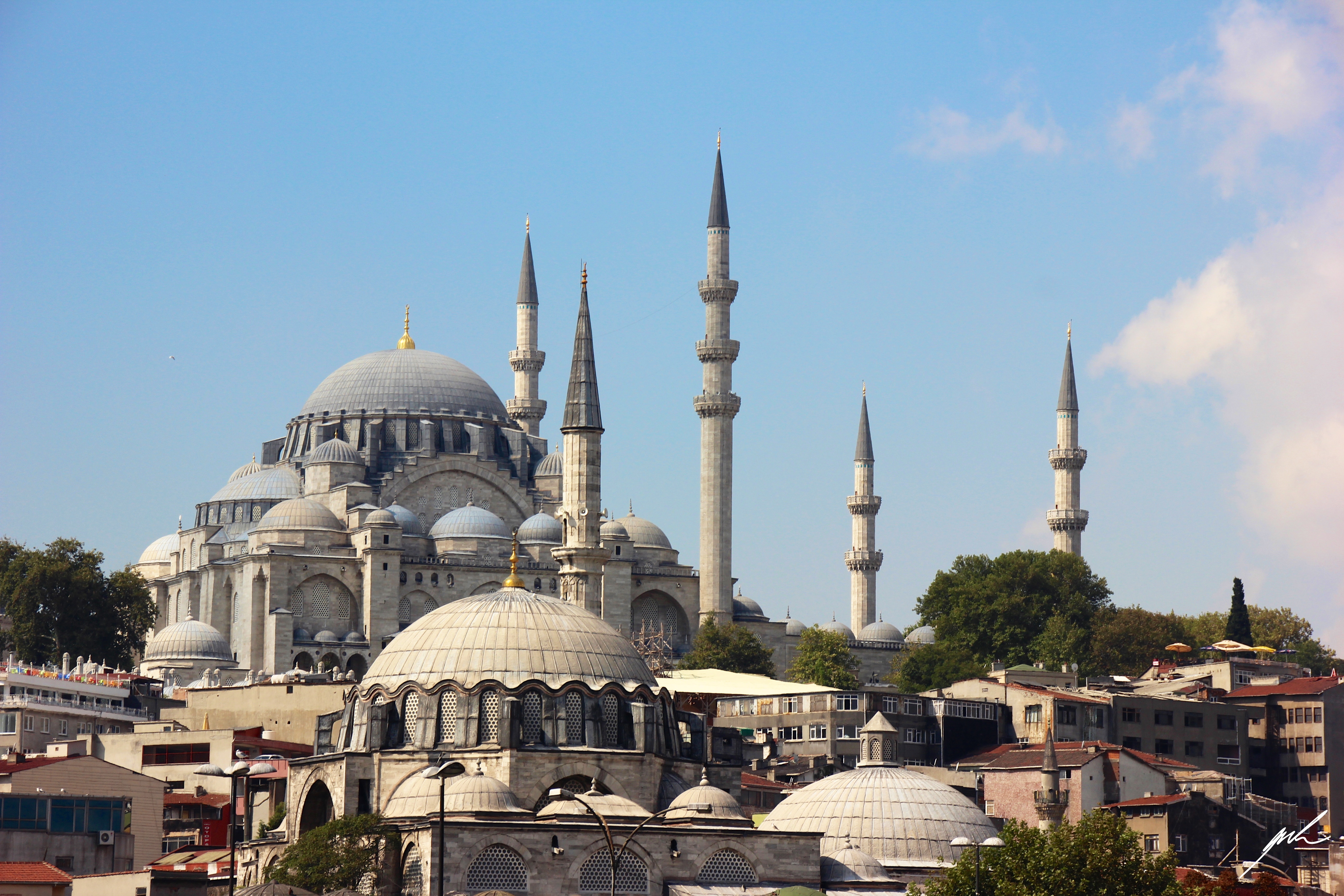
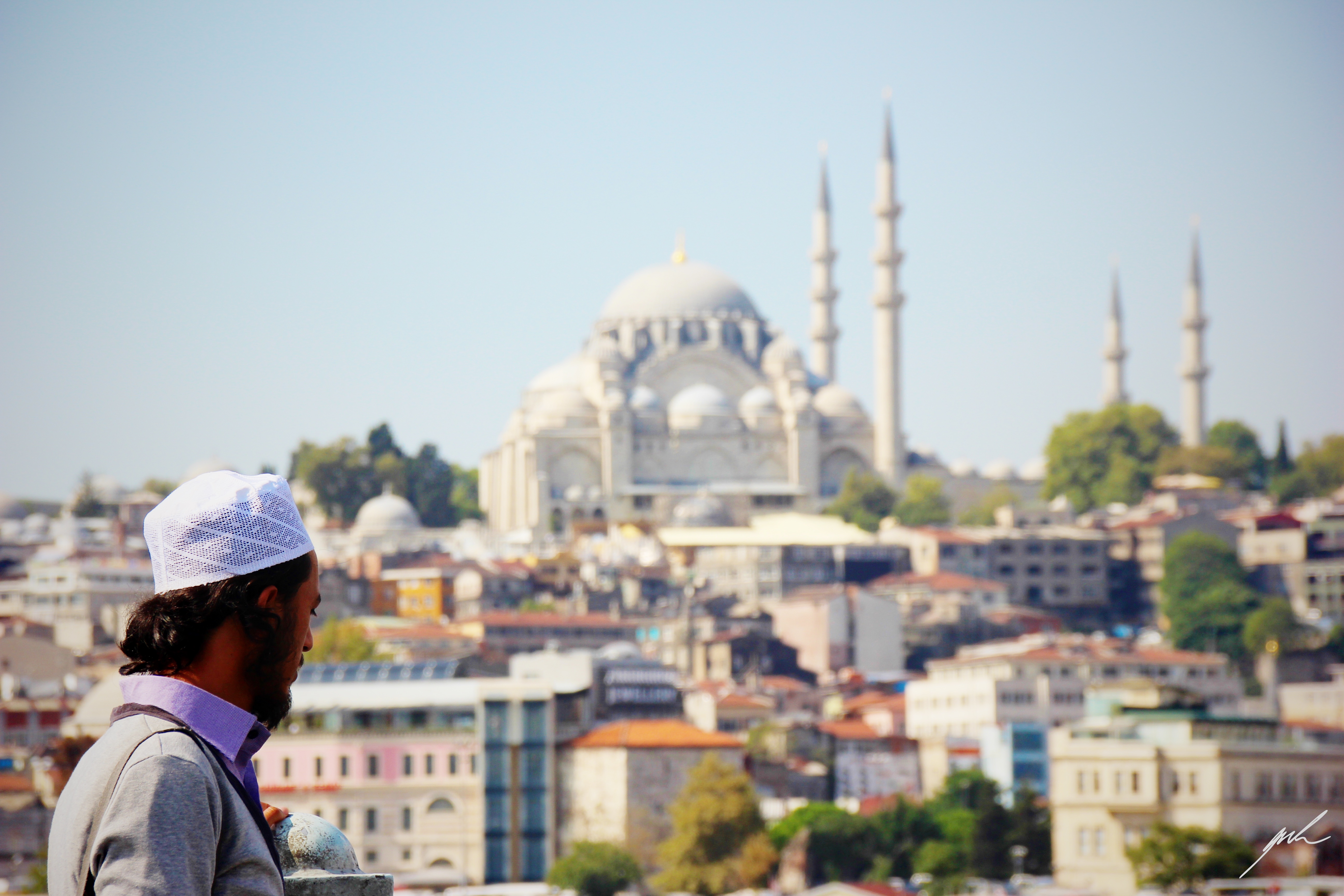
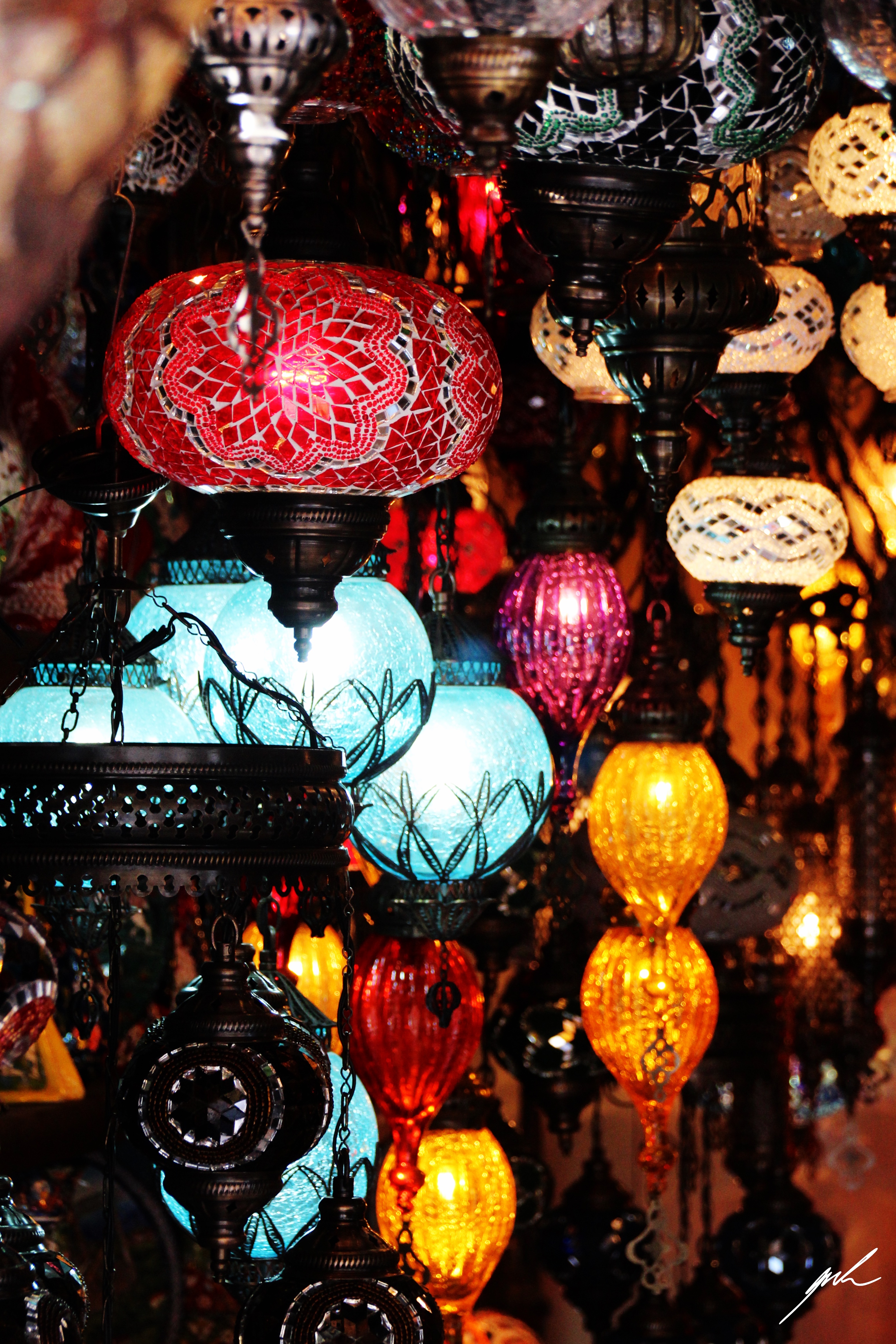
Situated both on the European and Asian continents, Istanbul is the entry gate to the Orient, yet at the same time, it is also the last major European city in the southeast. Istanbul, or Constantinople, as it was called before the Ottoman conquest, has always been a metropole. Today, roughly 15 Million people call it their home. The vast sea of houses is divided by the Bosporus, a waterway connecting the Black Sea and the Mediterranean. It is one of the busiest waterways in the world. Not far away – on the European site – grand mosques arise, built over the centuries by Ottoman rulers to show their power. They are majestic indeed, richly decorated with Islamic ornaments and beautiful interiors. Between the mosques, you will find the Grand Bazar, a covered bazaar consisting of 61 streets and many thousand shops. In Istanbul, everything seems grander than usual.
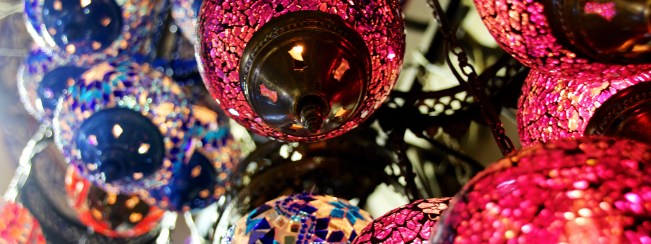
From historical to contemporary times, the city of Istanbul has always been a meeting point of culture, marking the border between Europe and the Islamic world. In geographical terms, the border is clearly defined; it is the Bosporus Strait. But not just since the opening of the first Metro line beneath the Bosporus – the Marmaray in 2013 – the cultural borders are not so clear anymore. While some districts like Galata are defined by modern shops, nightclubs, and skating kids with headphones, others are way more traditional and religious. Despite the stark contrasts, there are no apparent tensions. Also, Istanbul welcomes travelers, receiving guests with open arms. Just beware of the merchants in the Grand Basar and do not believe every fairy story they tell, regardless of the oriental charm of the bargainer.
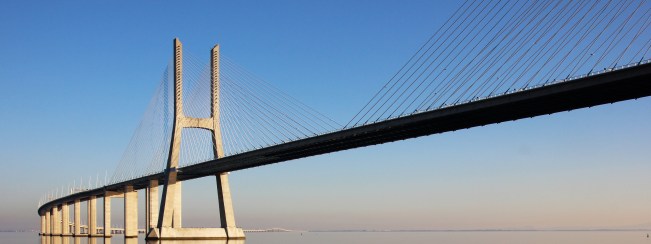
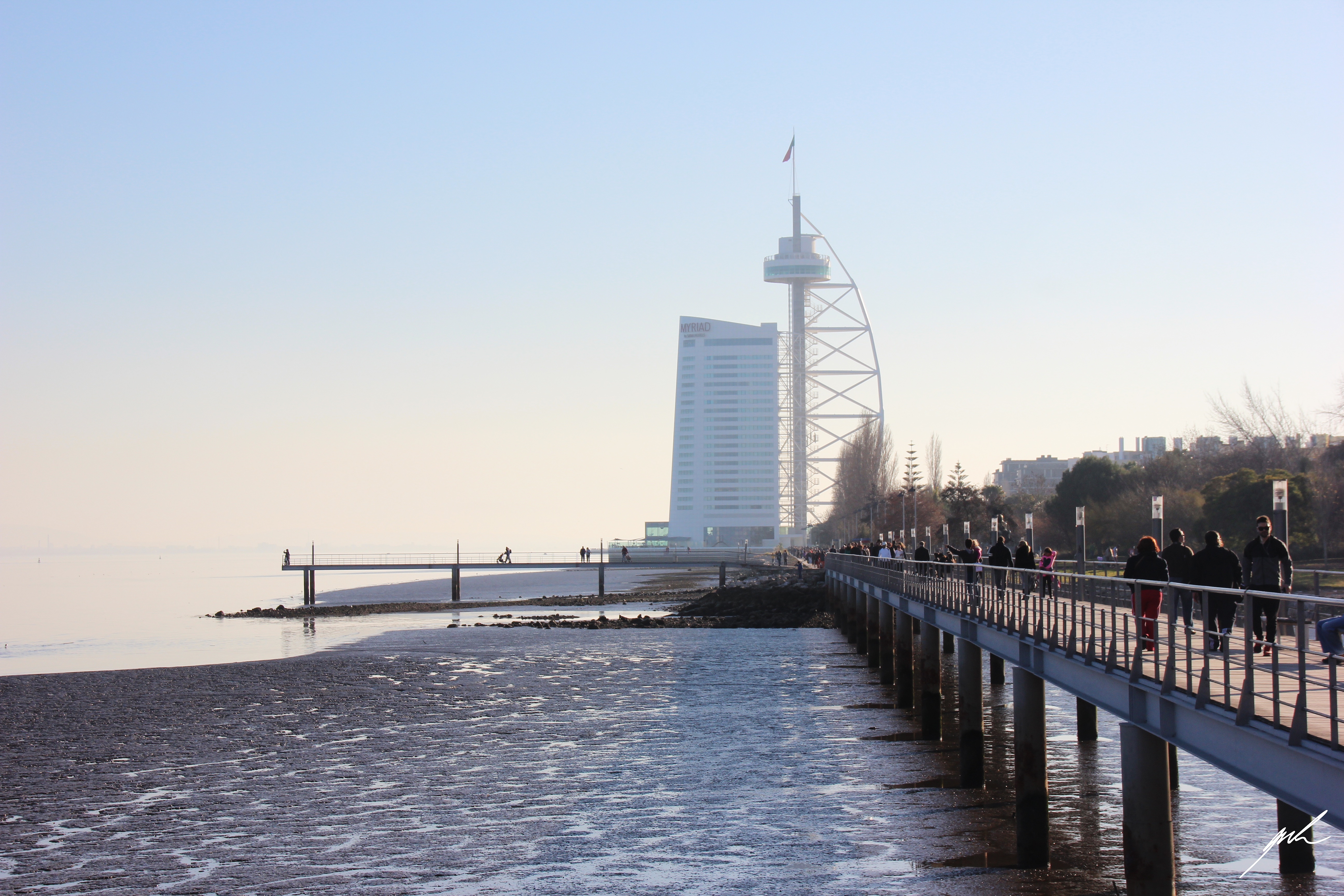
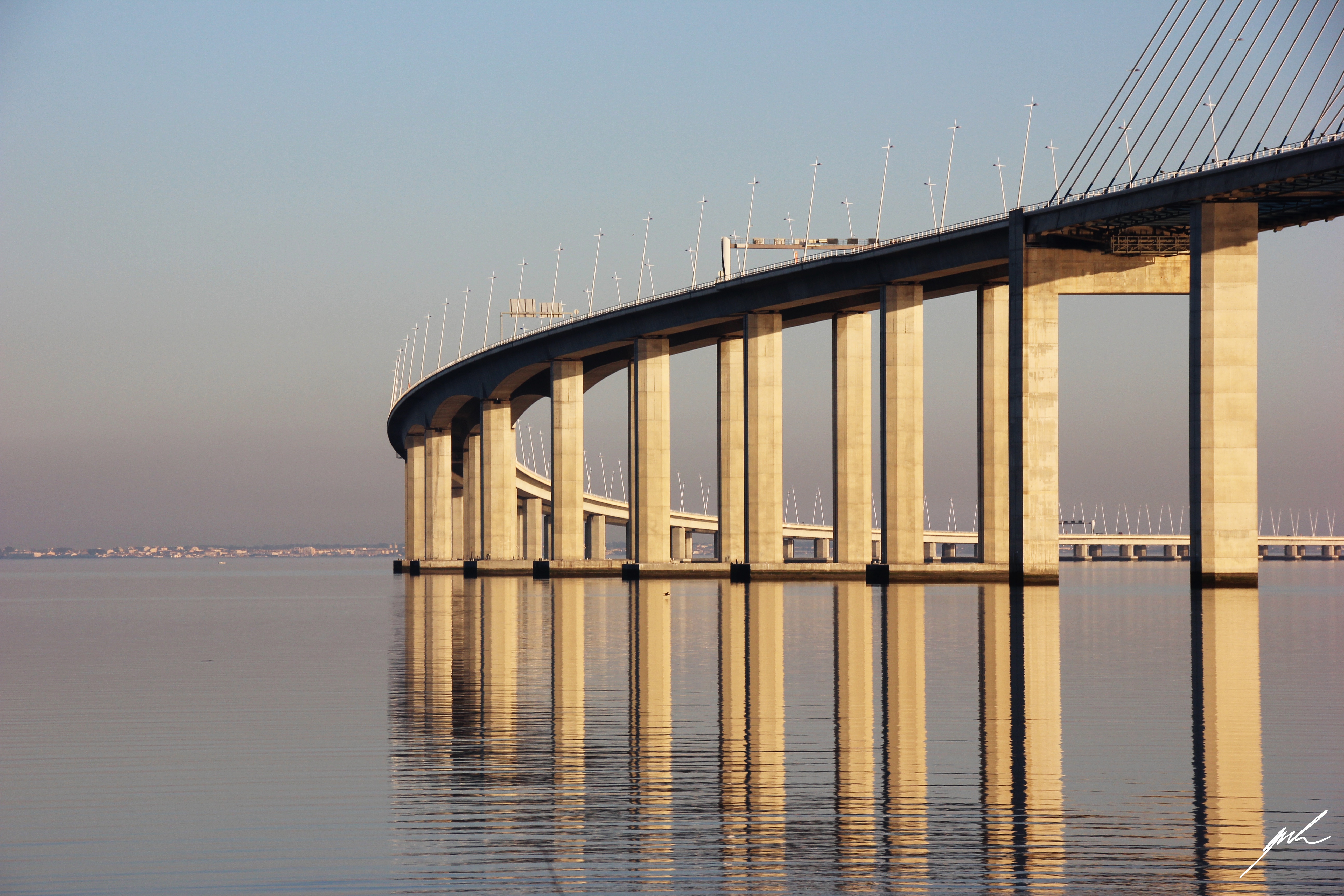
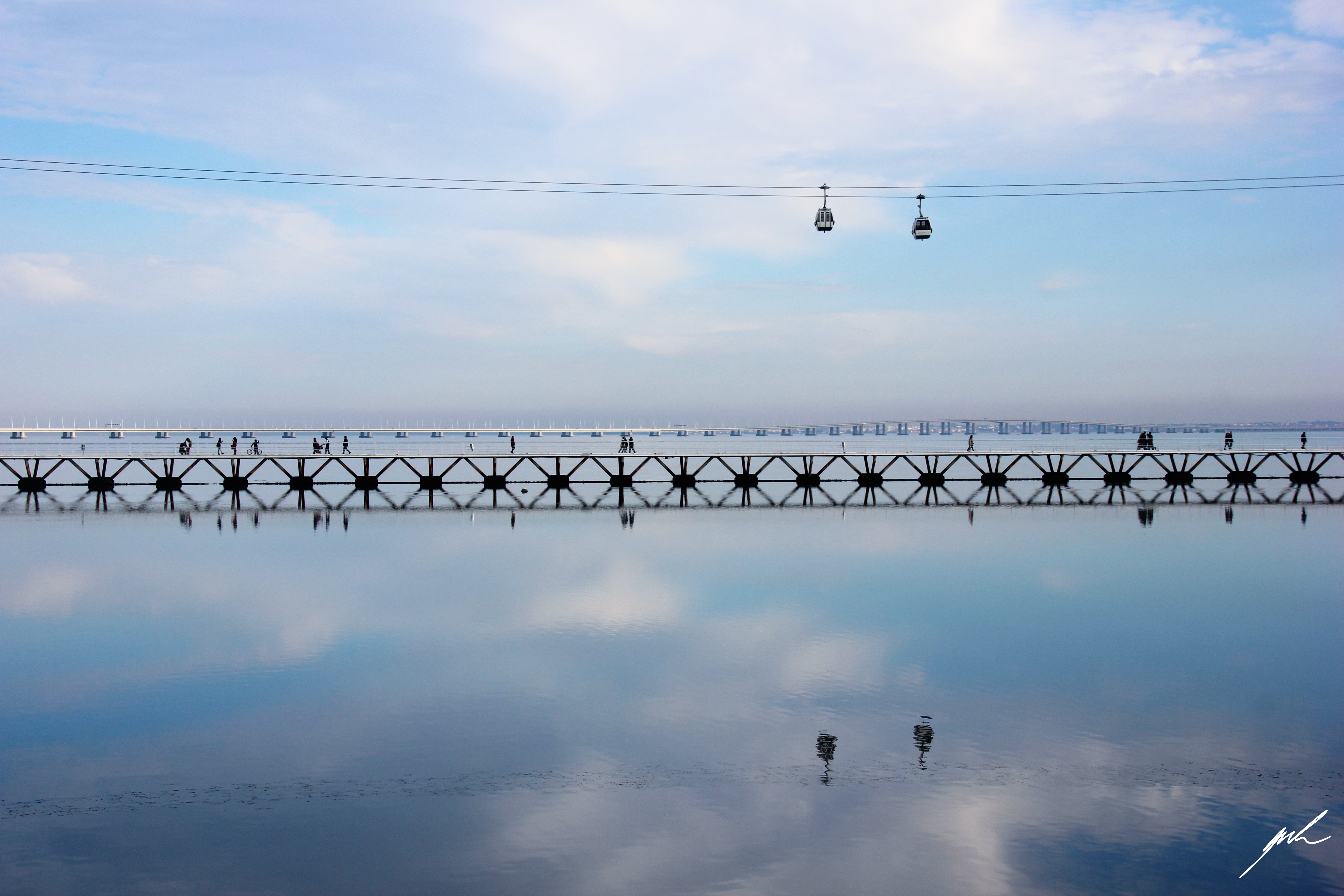
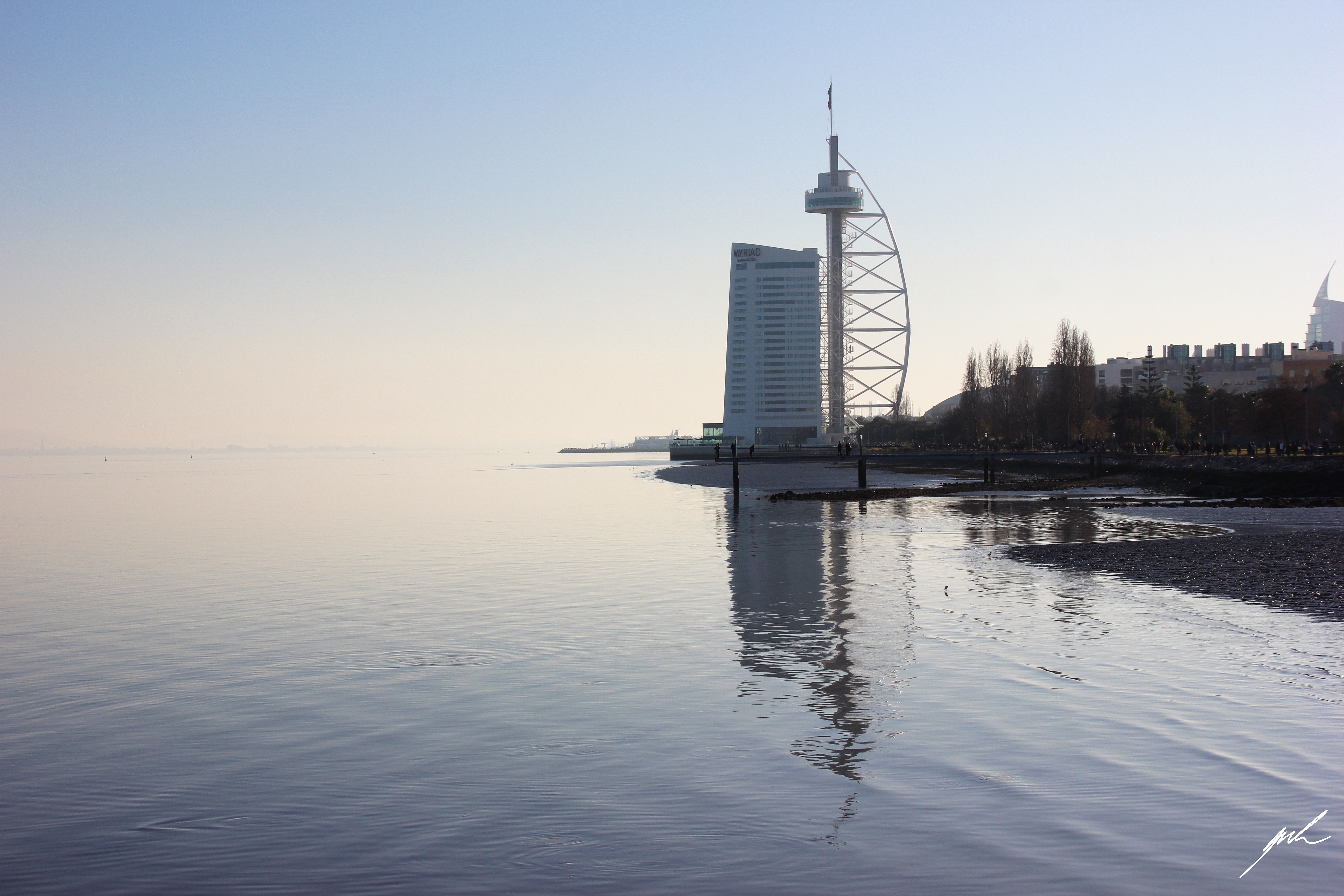
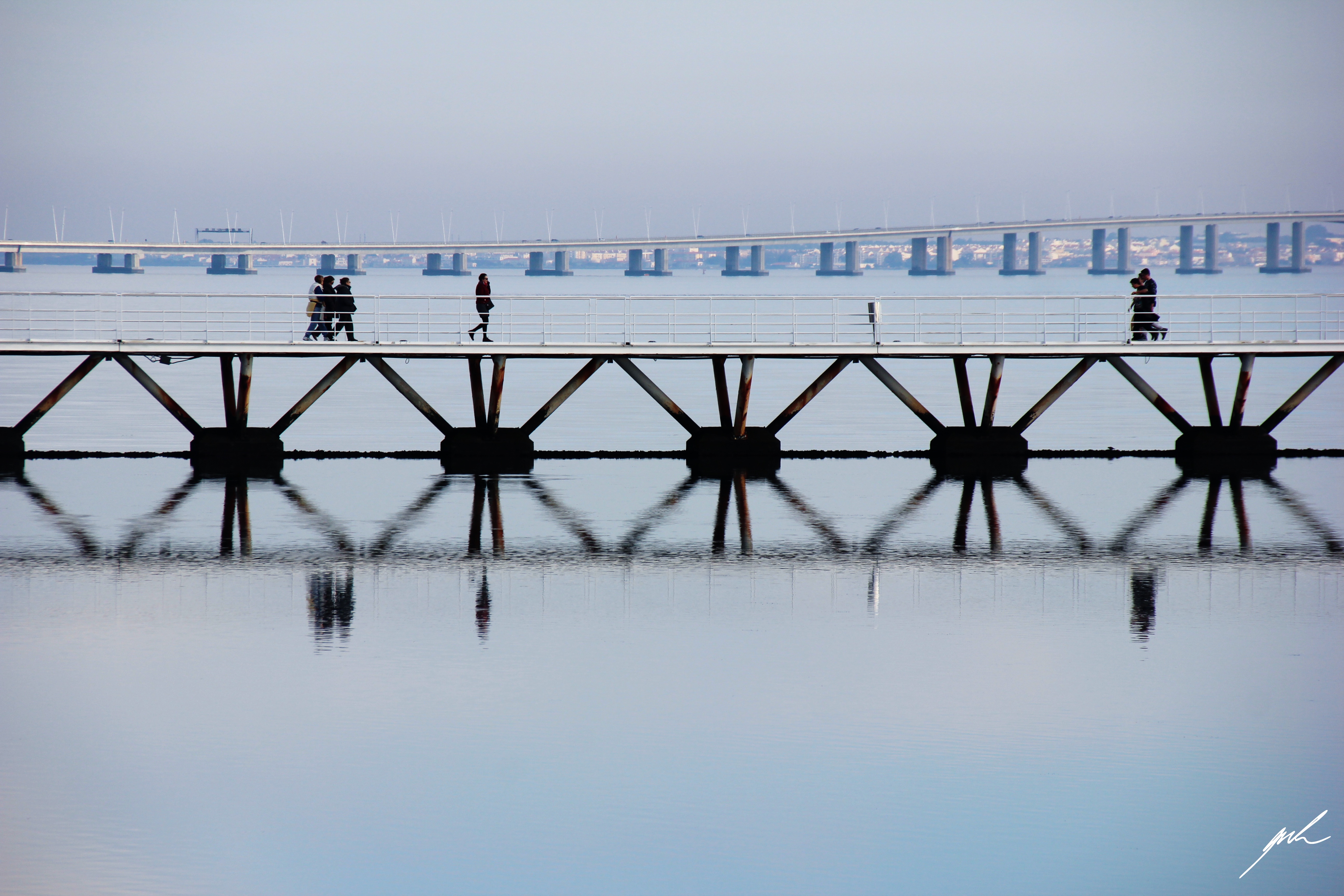
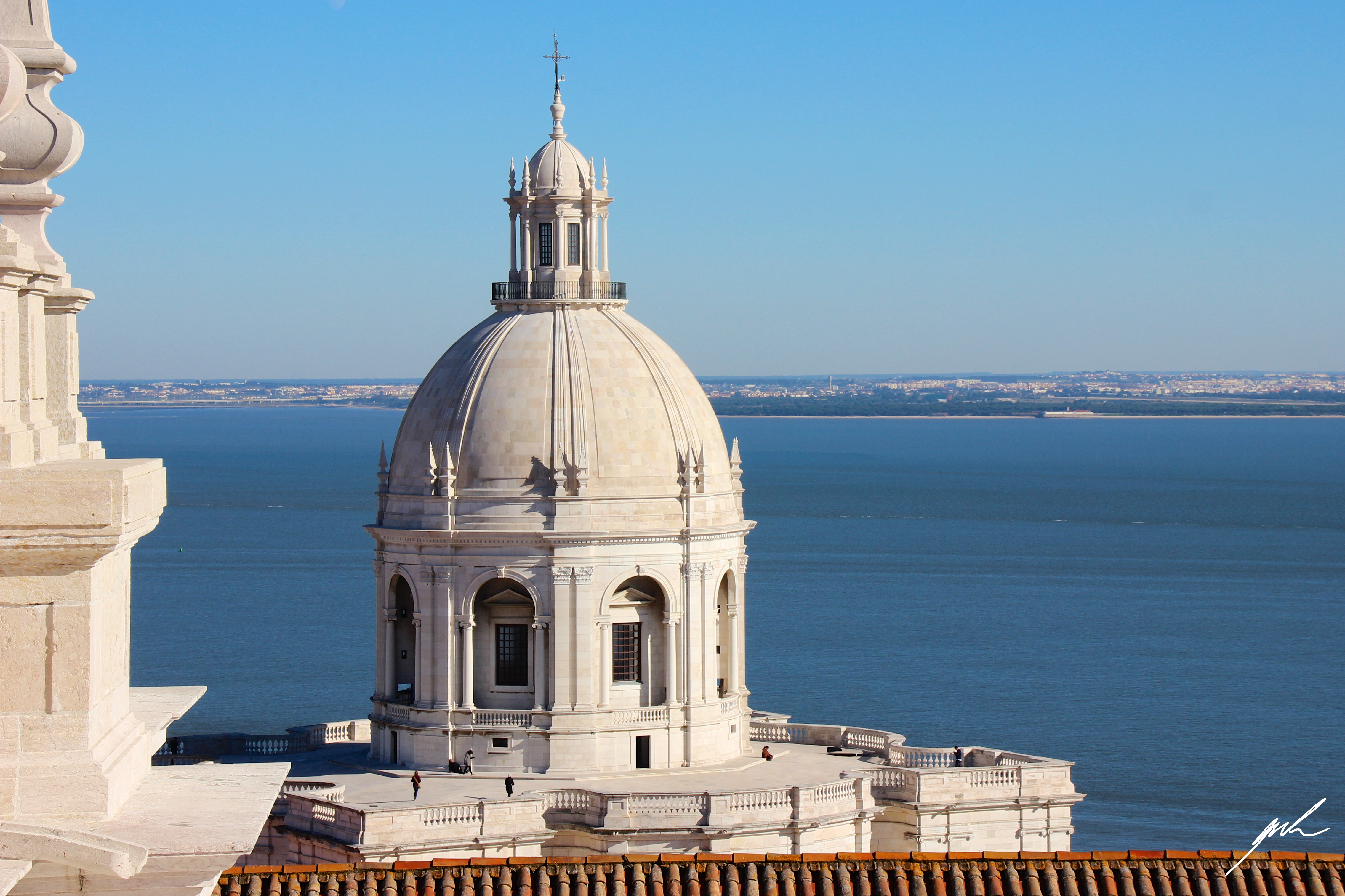
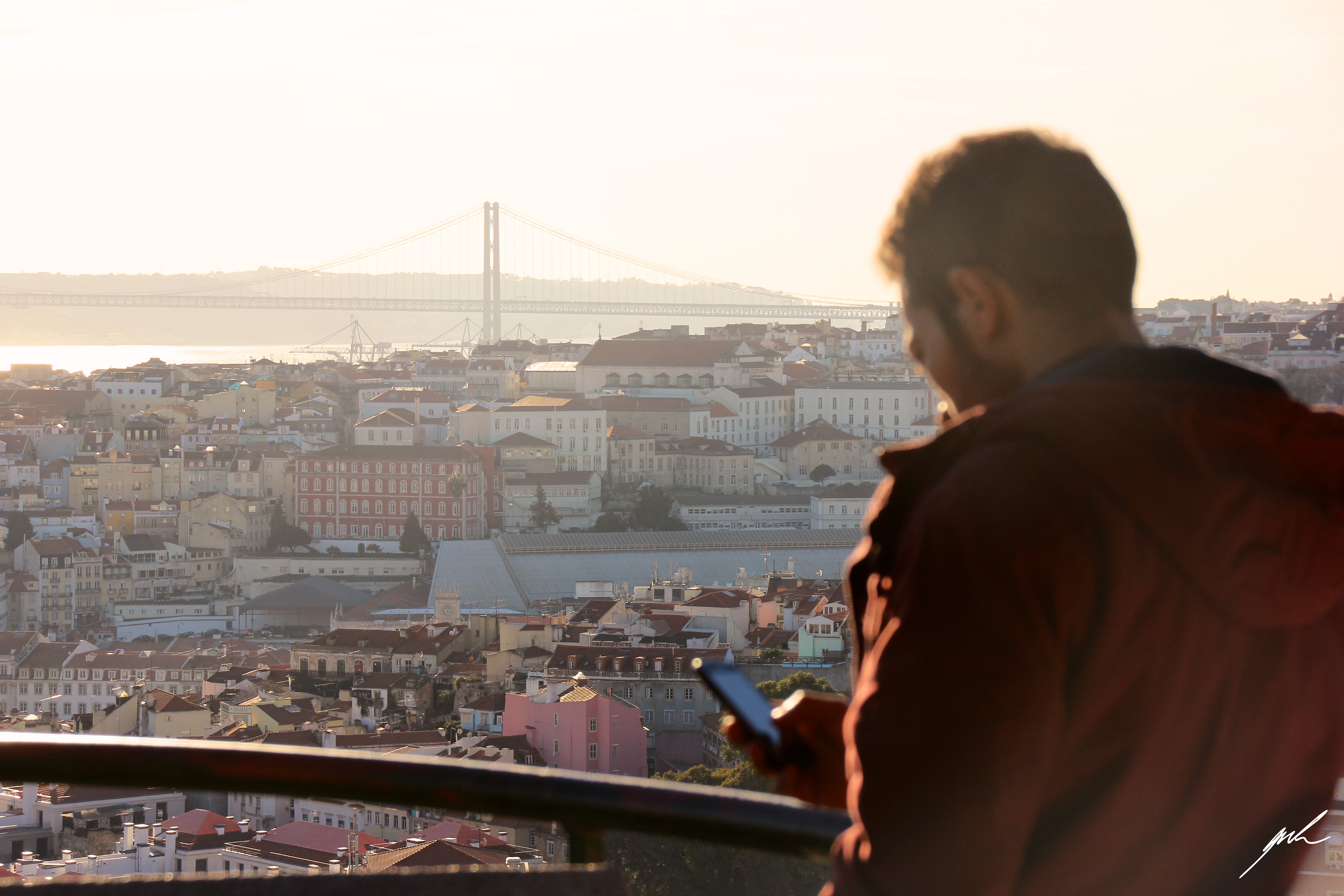
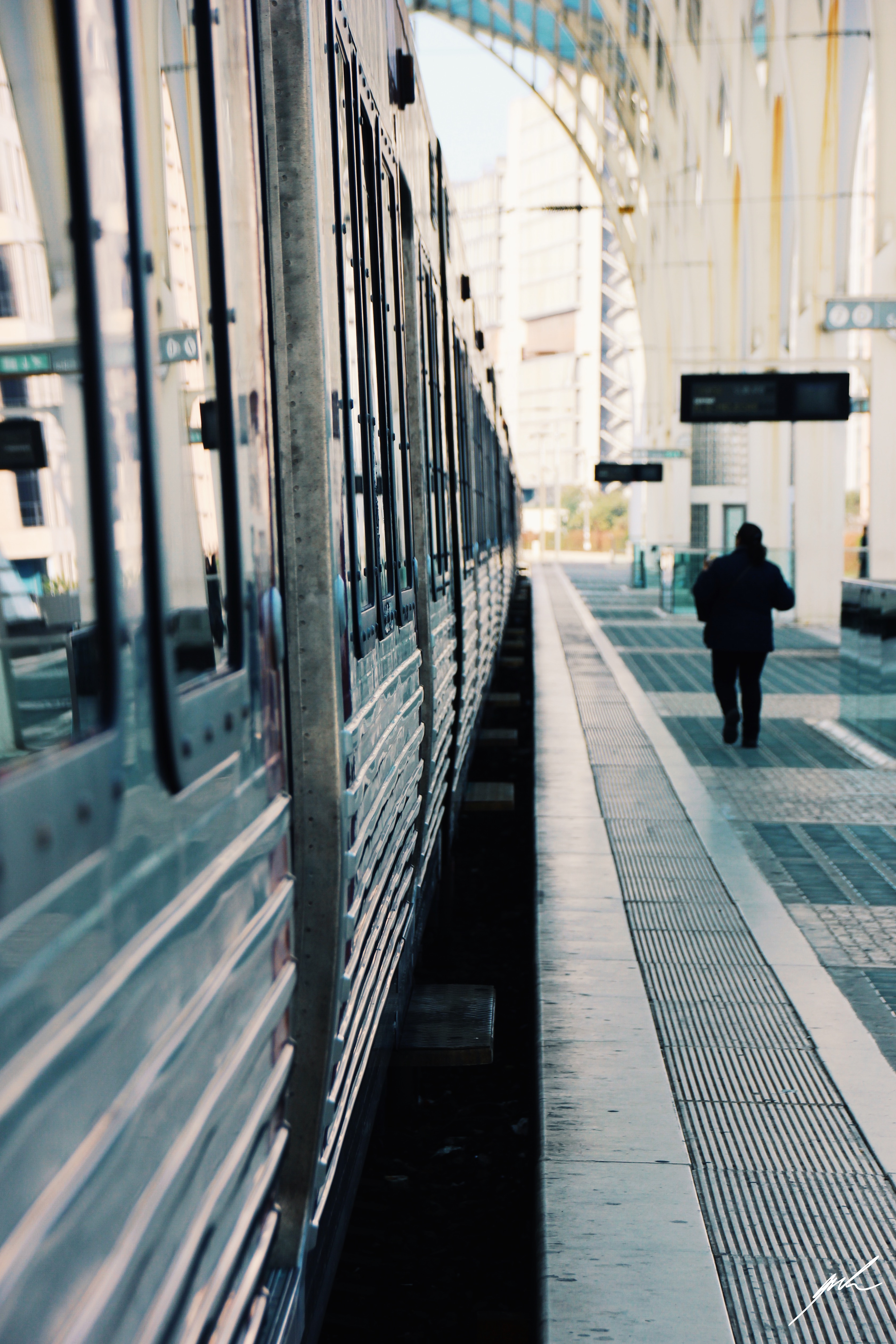
Most people know Lisbon is situated on the shore of the Atlantic Ocean; it is not so widely known, though, that the longest river of the Iberian peninsula floats through the city (technically, on the side of it). While definitely not a recommendable place to swim, a walk at the Tejo (or Tajo, as the Spanish say) has its merits – particularly for modern architecture enthusiasts. The Vasco da Gama tower (1,10, last picture) is a prime example. But the most exciting sight, majestic and intriguing simultaneously, is the Vasco da Gama bridge (2, 6, 8, 9, 11, 14). Spanning over 17 km, it is the longest bridge in Europe. The slight couverture of the structure allows for interesting photographic angles. I’ll invite you for a walk.
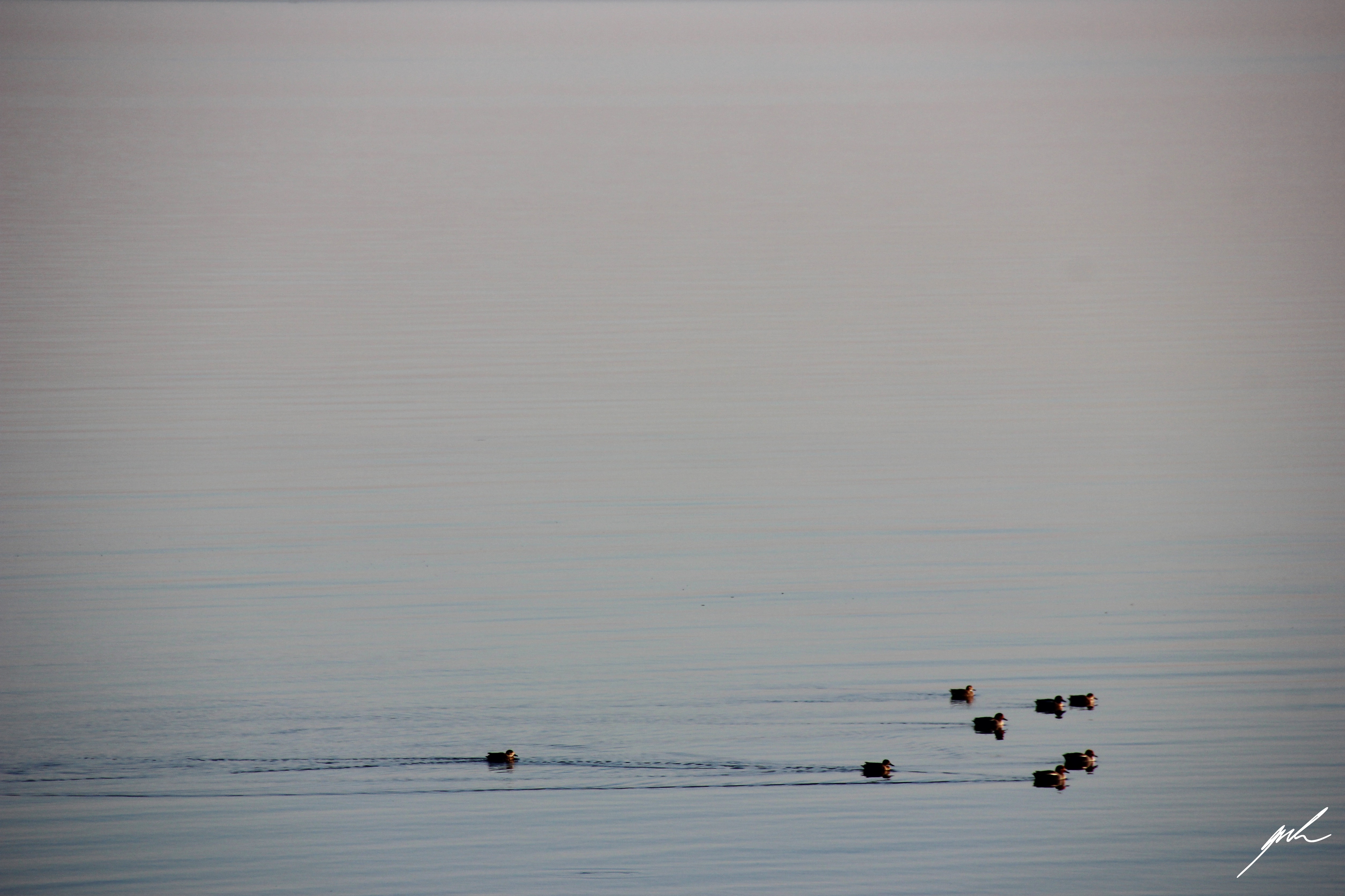
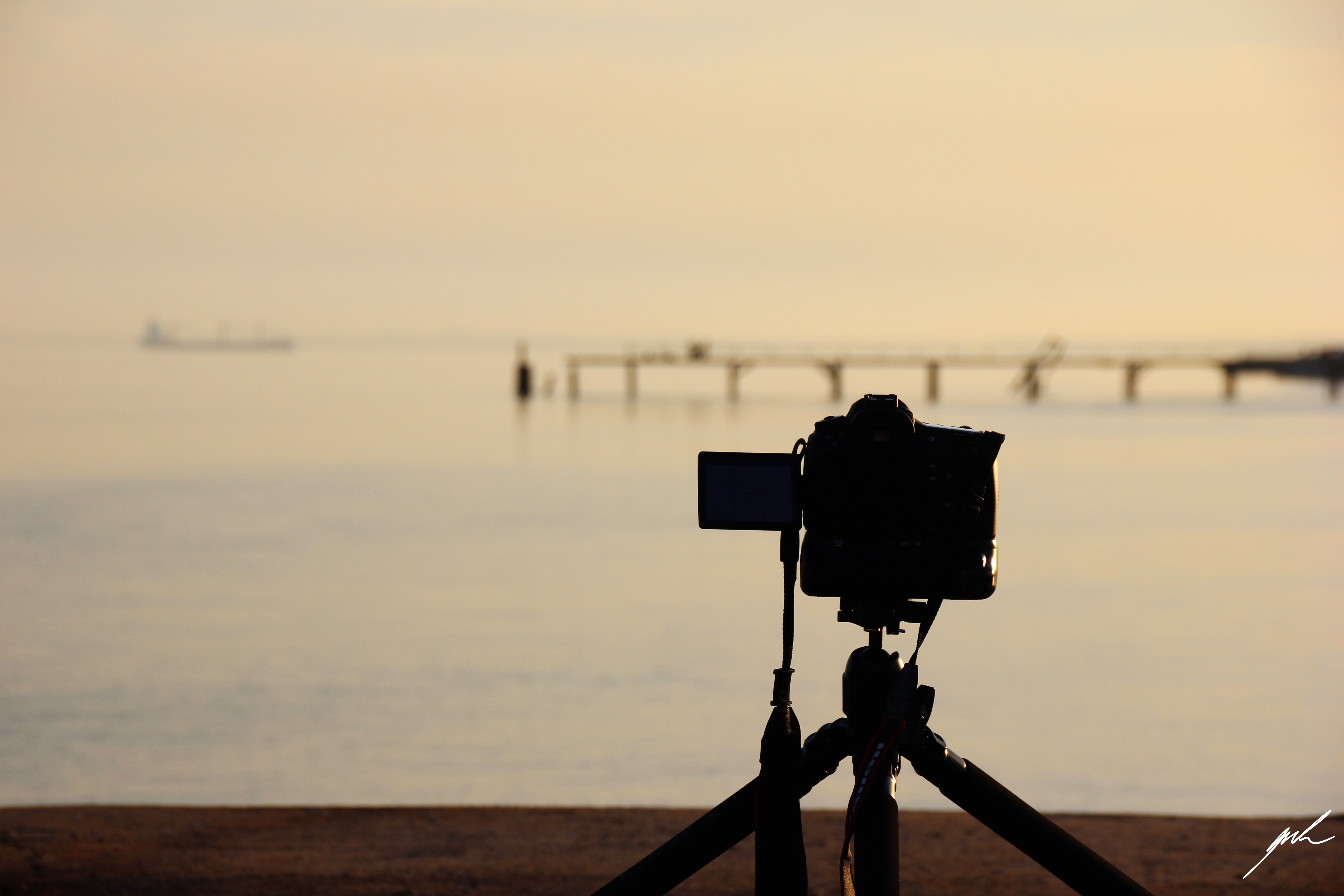
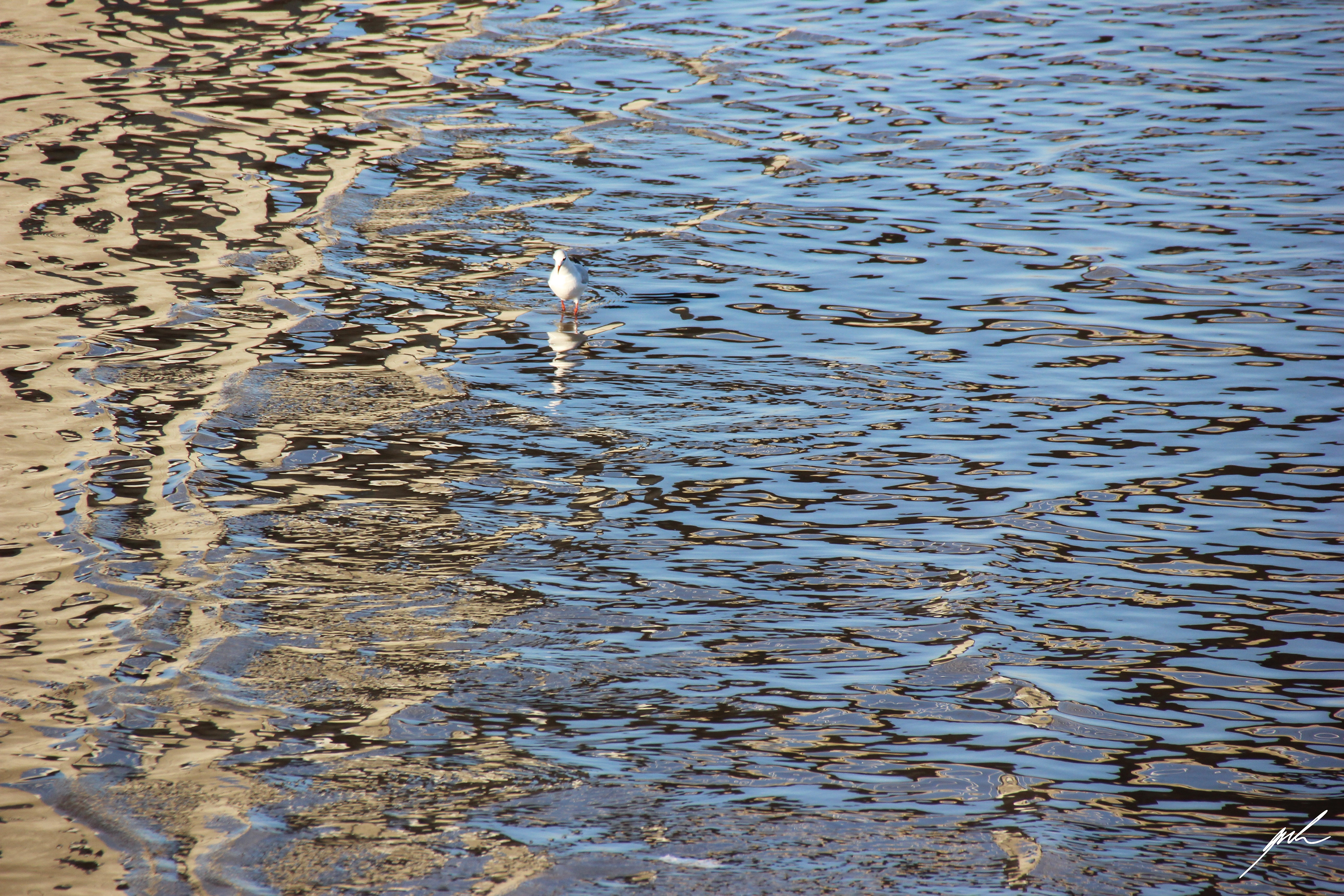
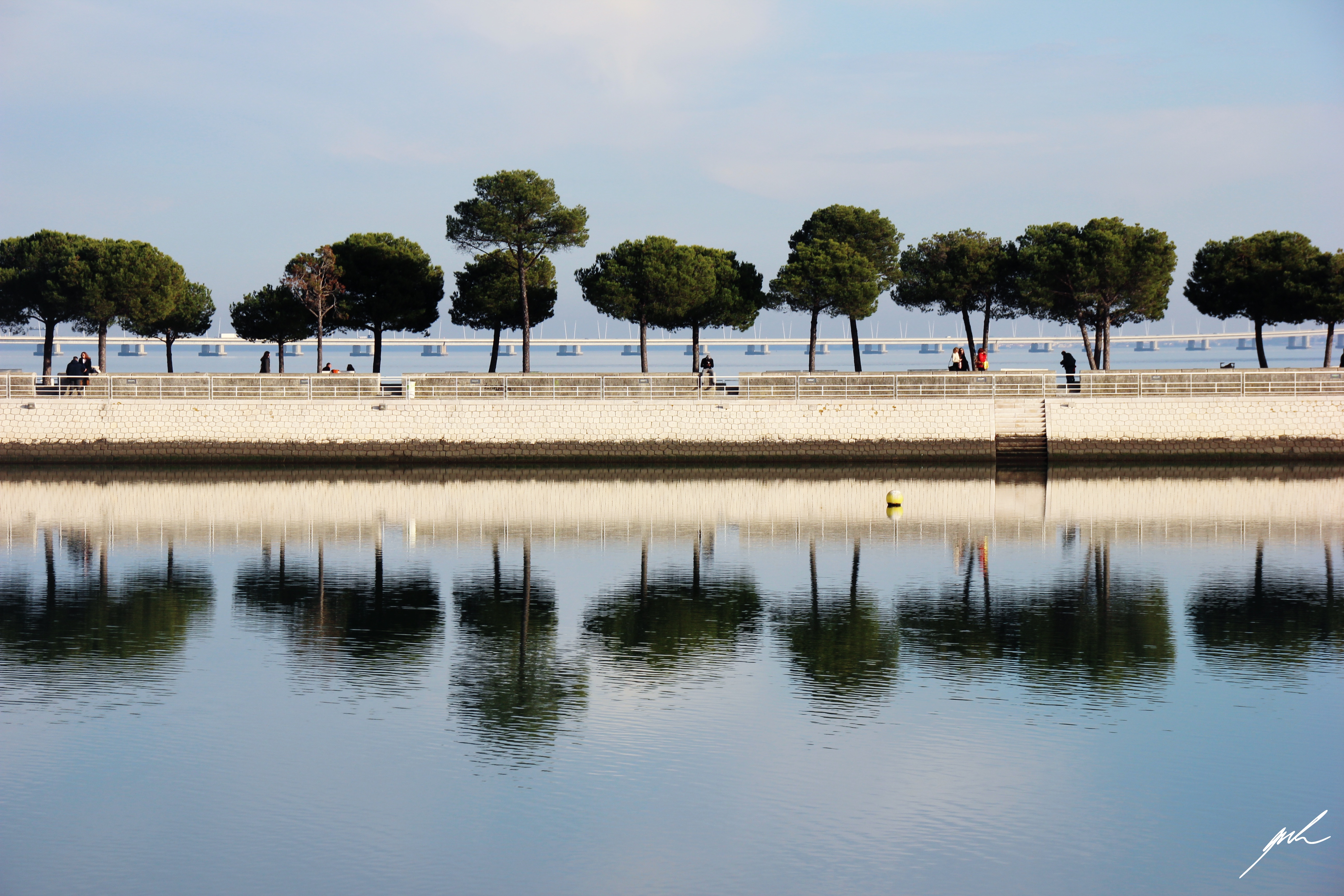
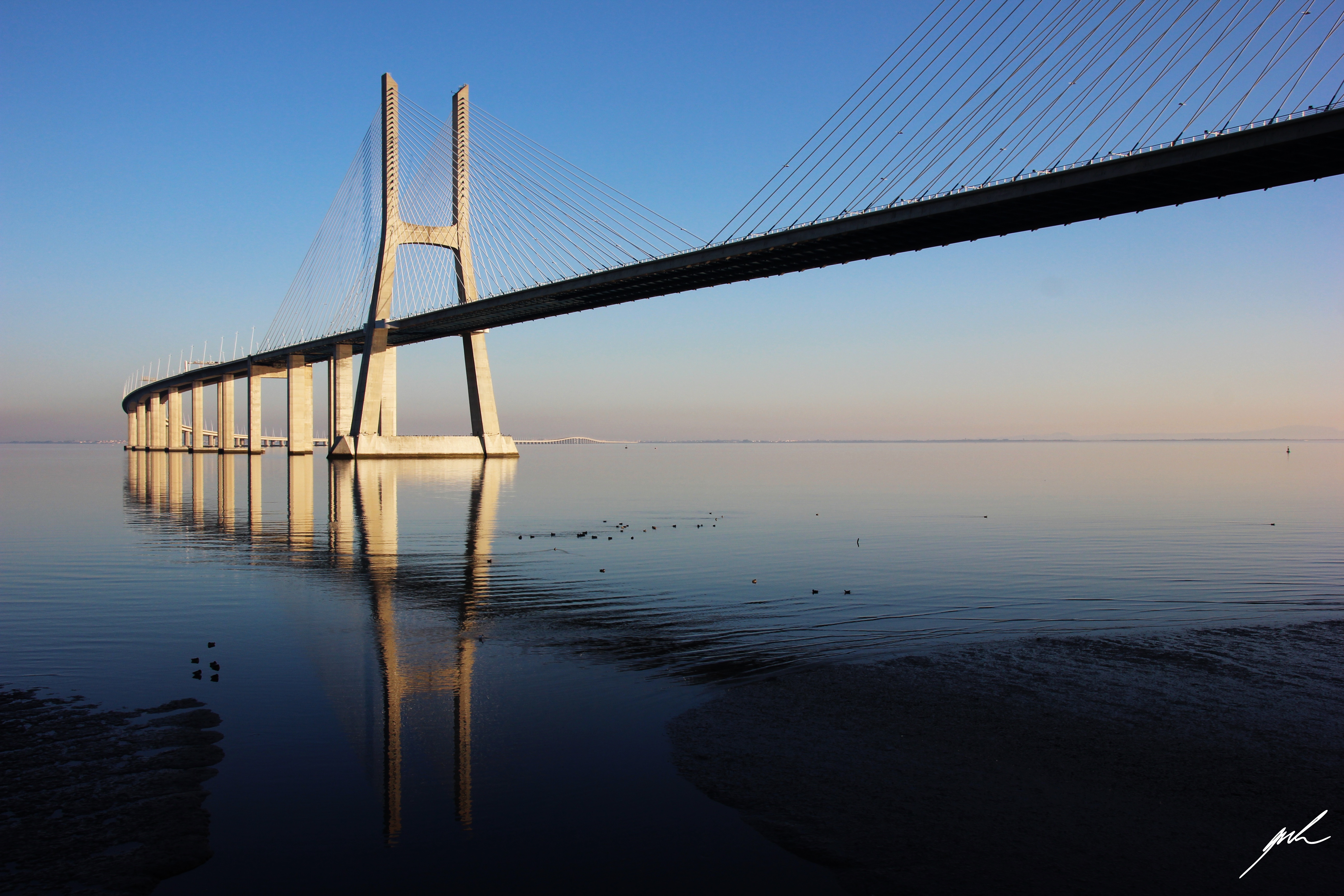
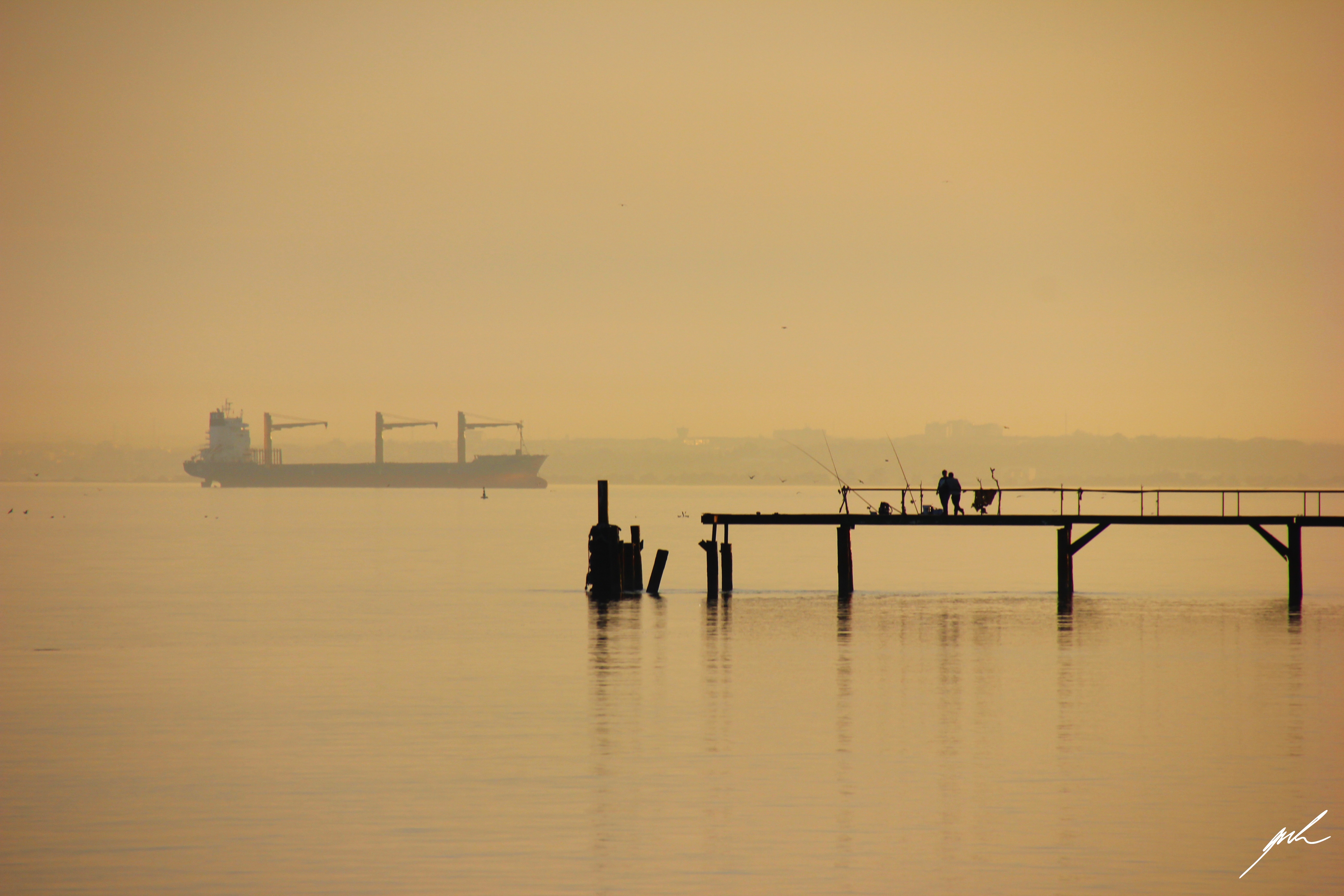
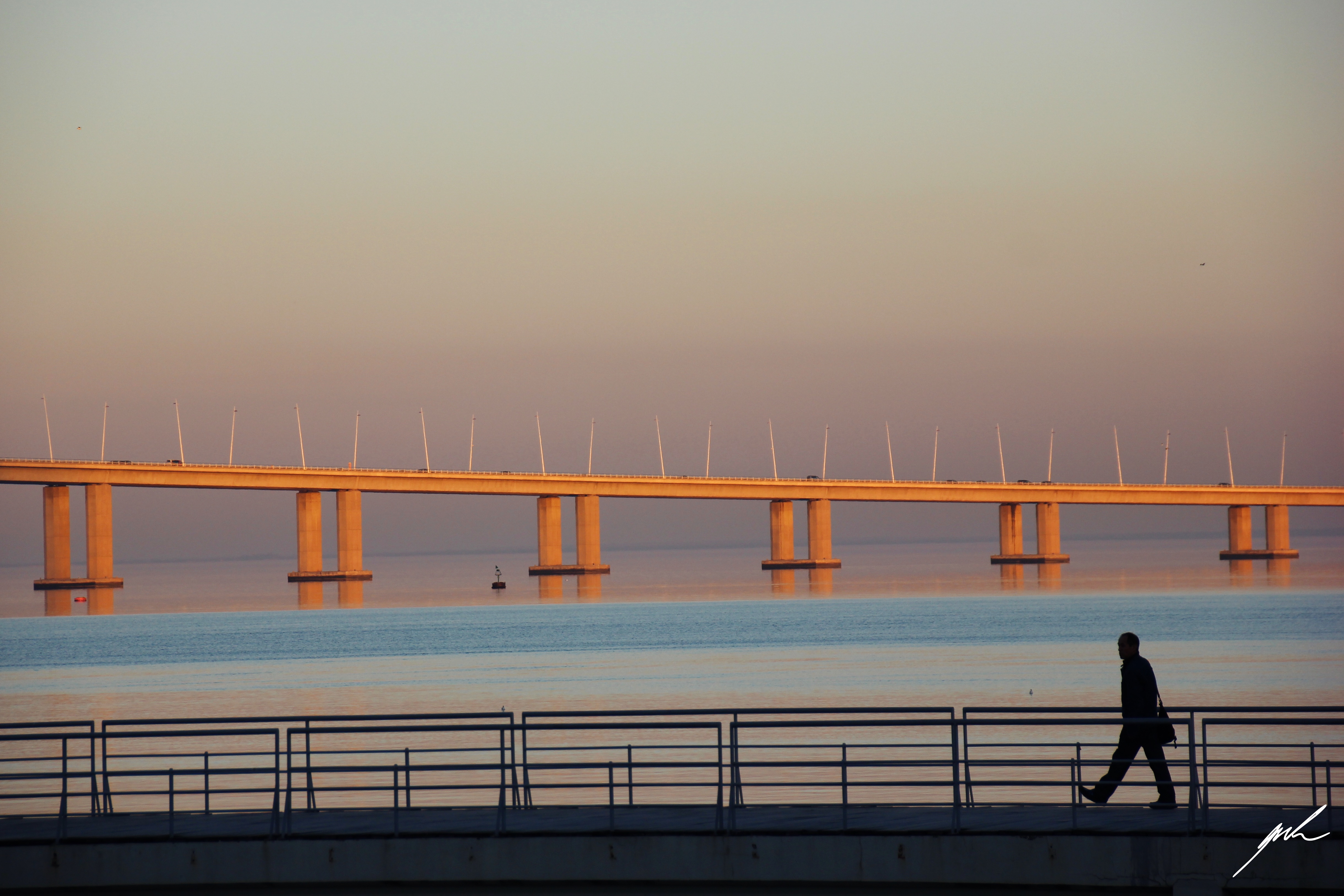
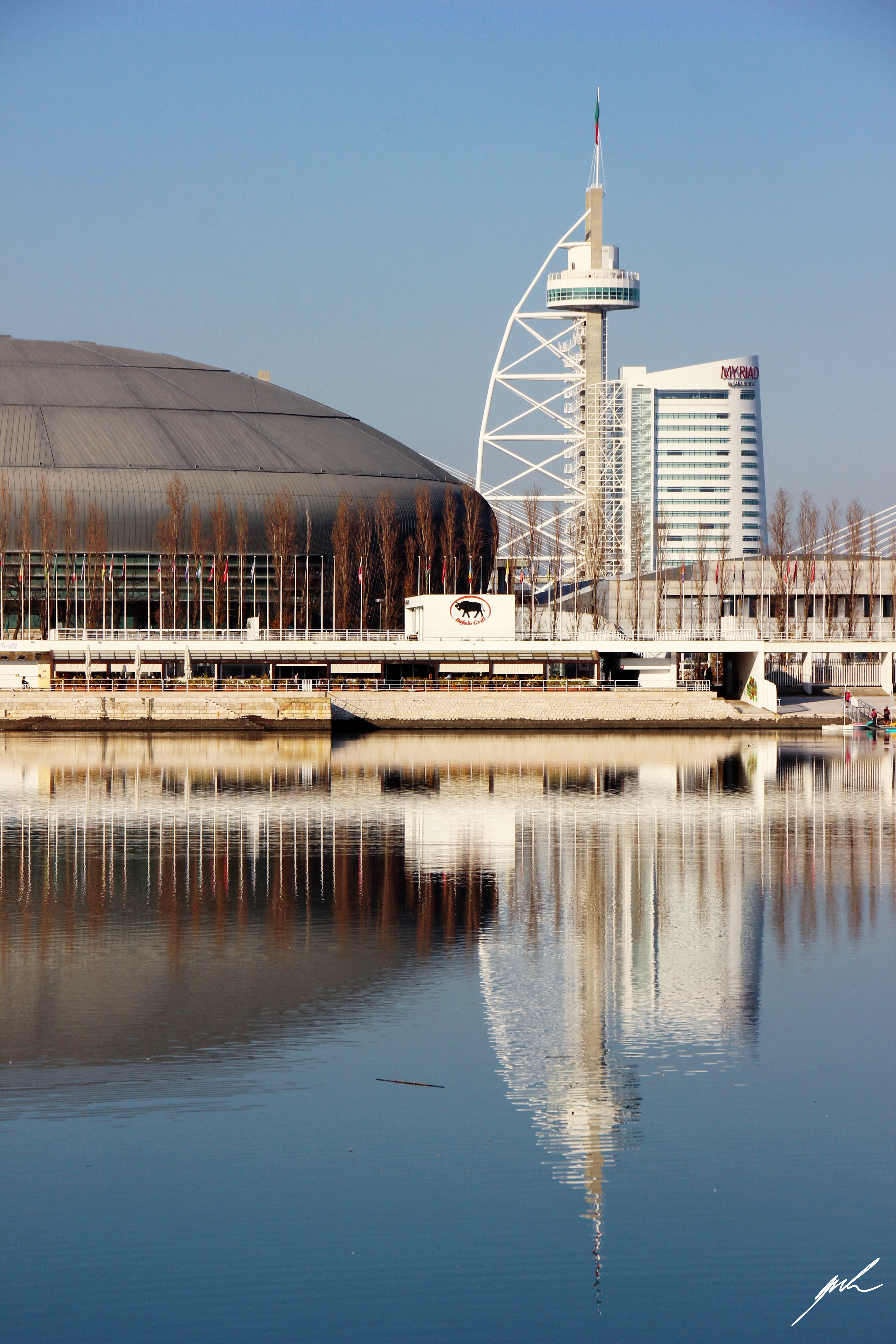
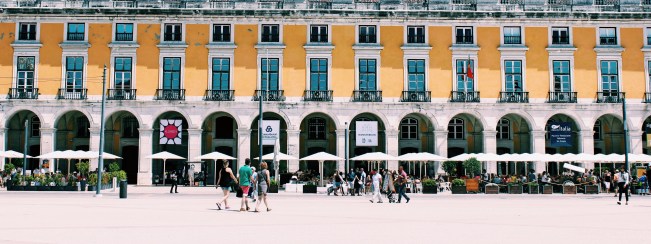
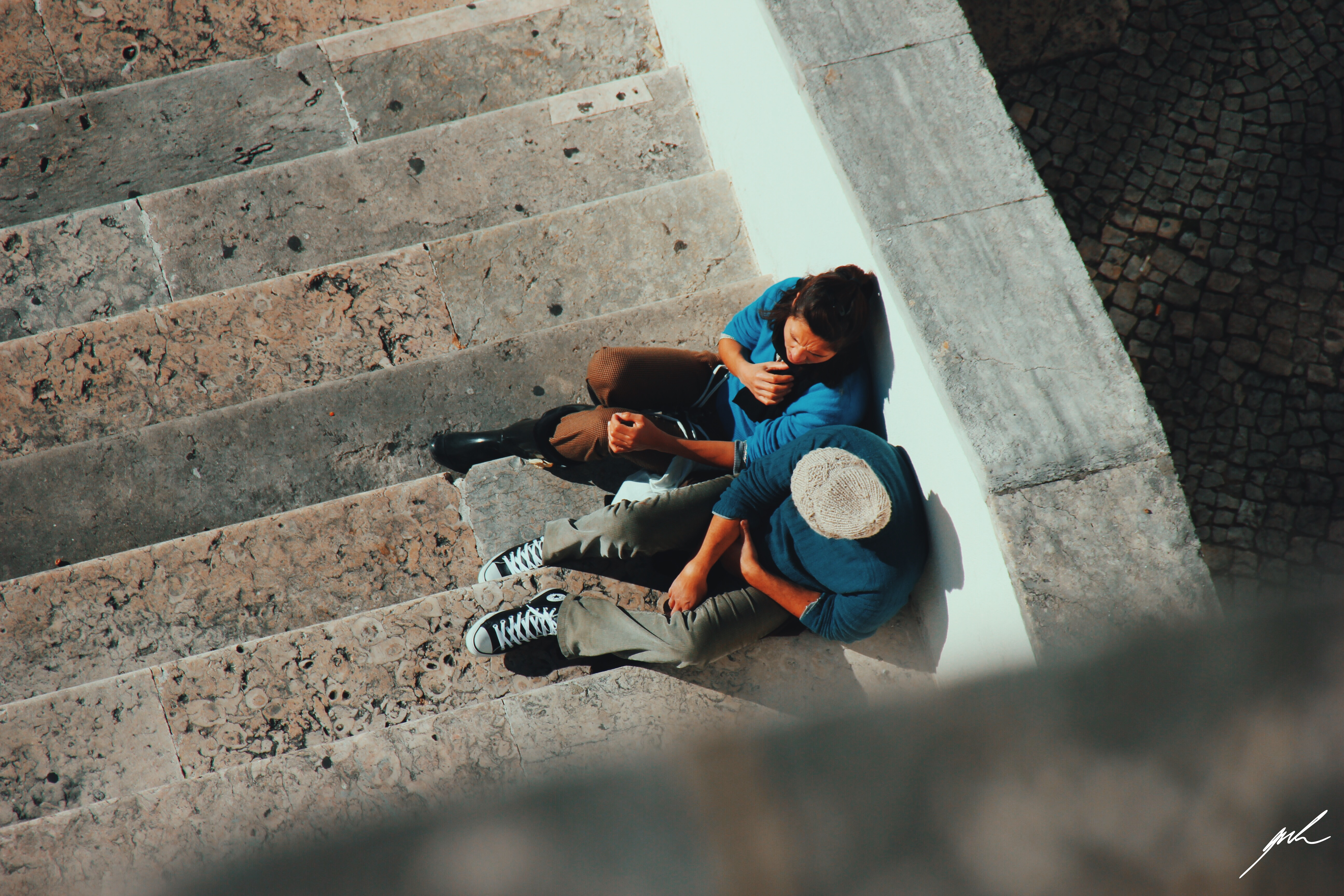
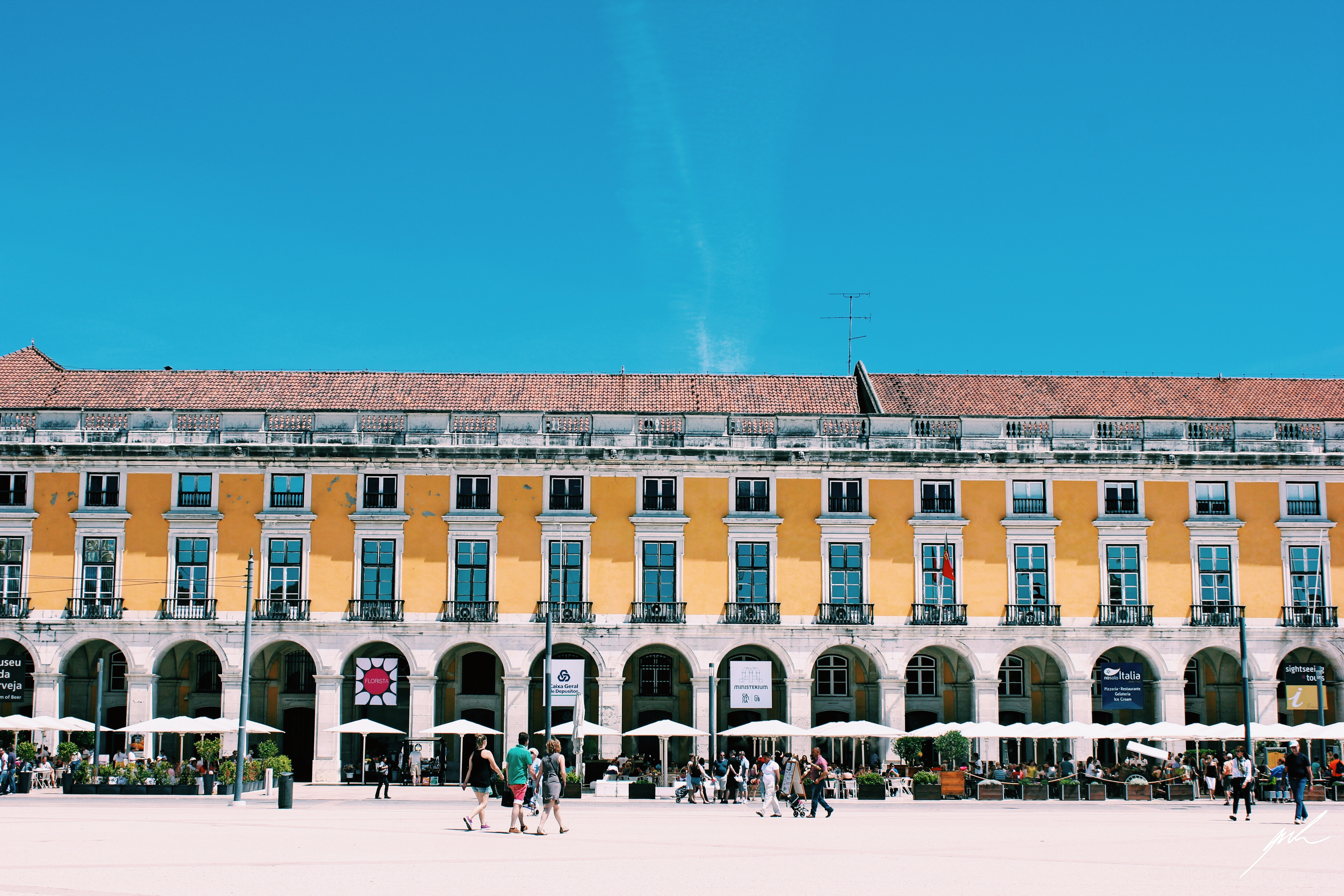
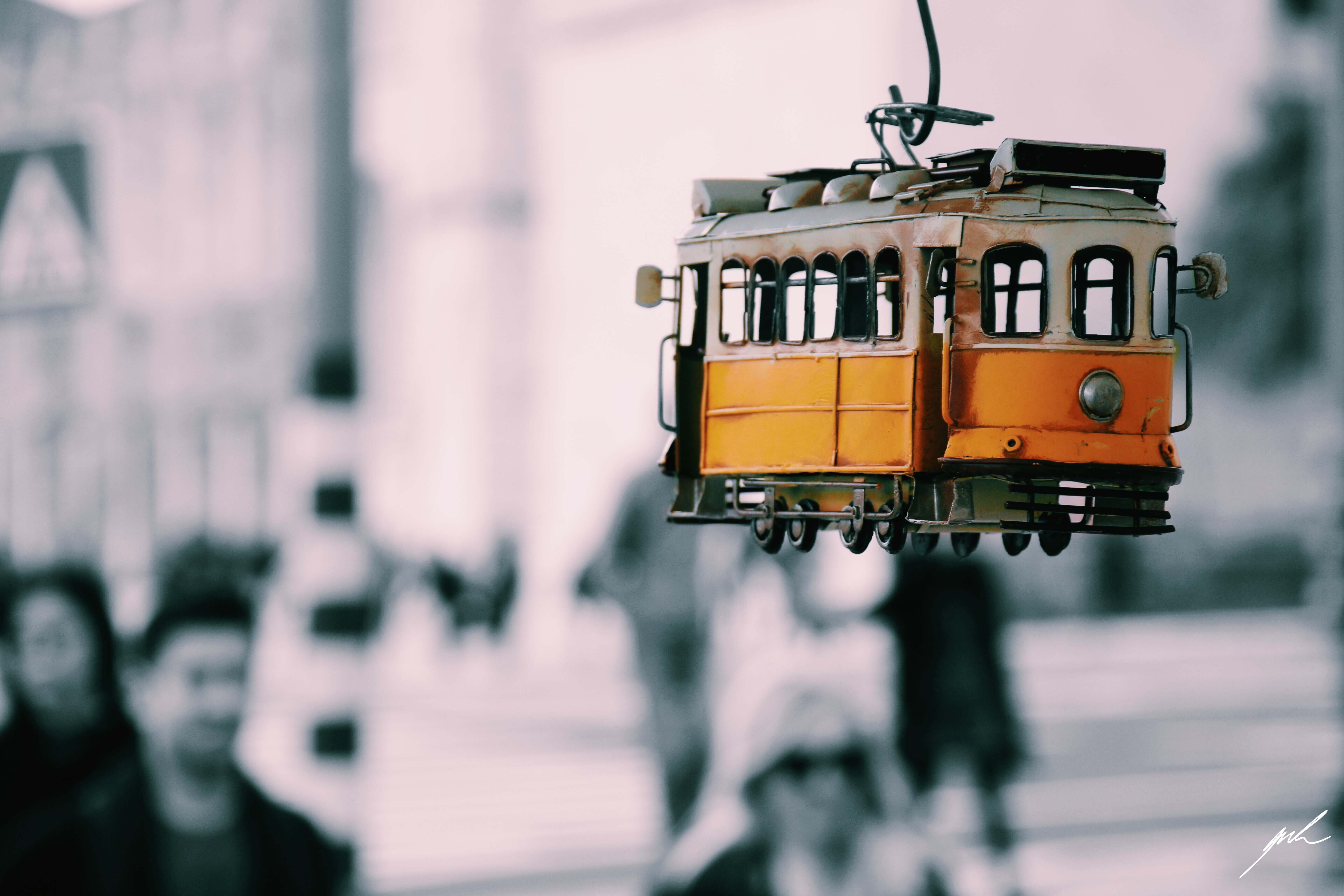
A couple of weeks ago I left Portugal. Although I knew my time was limited, Lisbon did not make it easy for me to leave as the sun was shining and the city once more soared in bright colors. Portugal seems still very close as I am curating all the photography I did back there. So, the chapter may be closed in my personal life (for now), but it is definitely not closed in terms of the blog. In other words, There is more to come, and updates will be more frequent 🙂






 Michael Hoffman Photography