
Vienna in December 2013
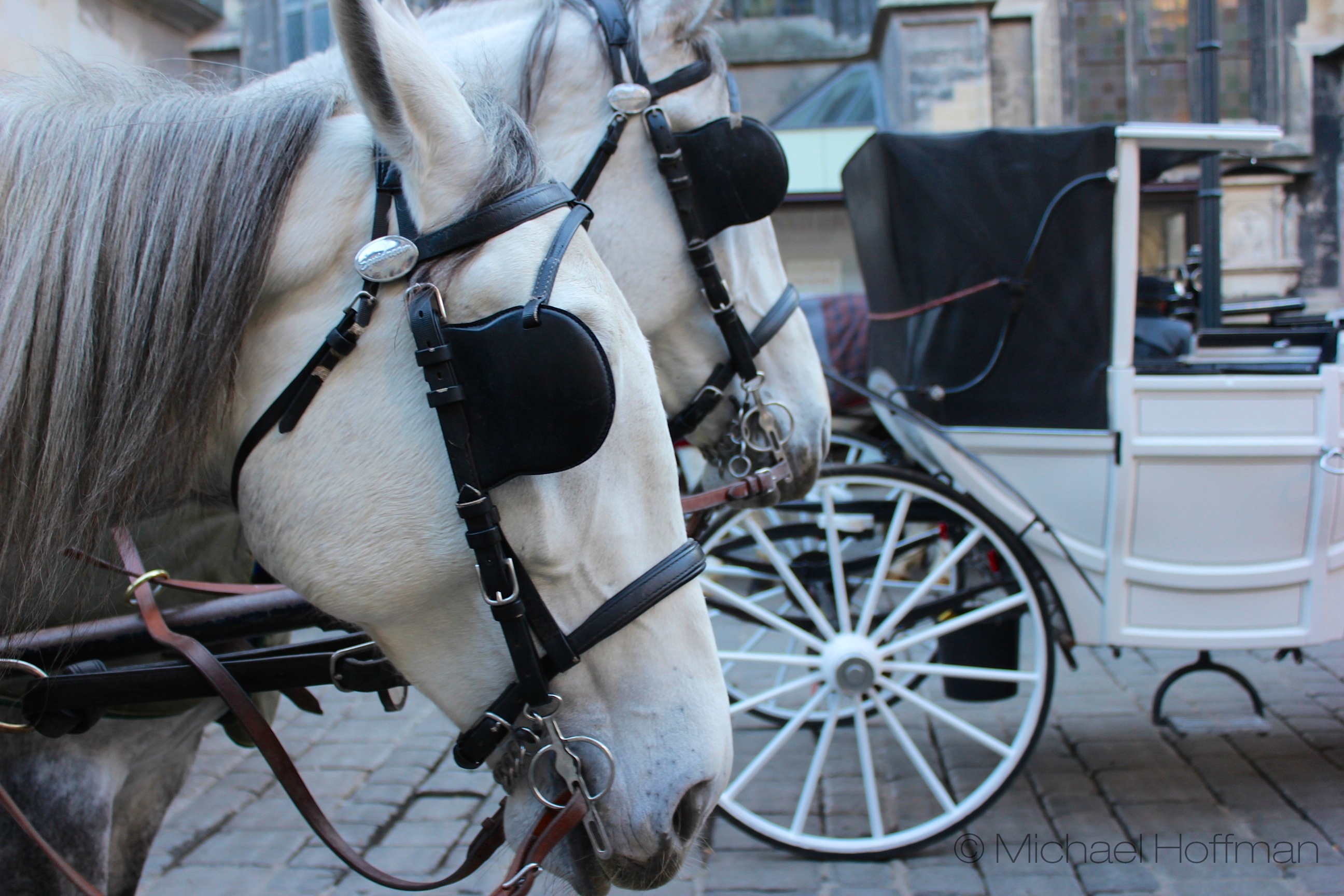
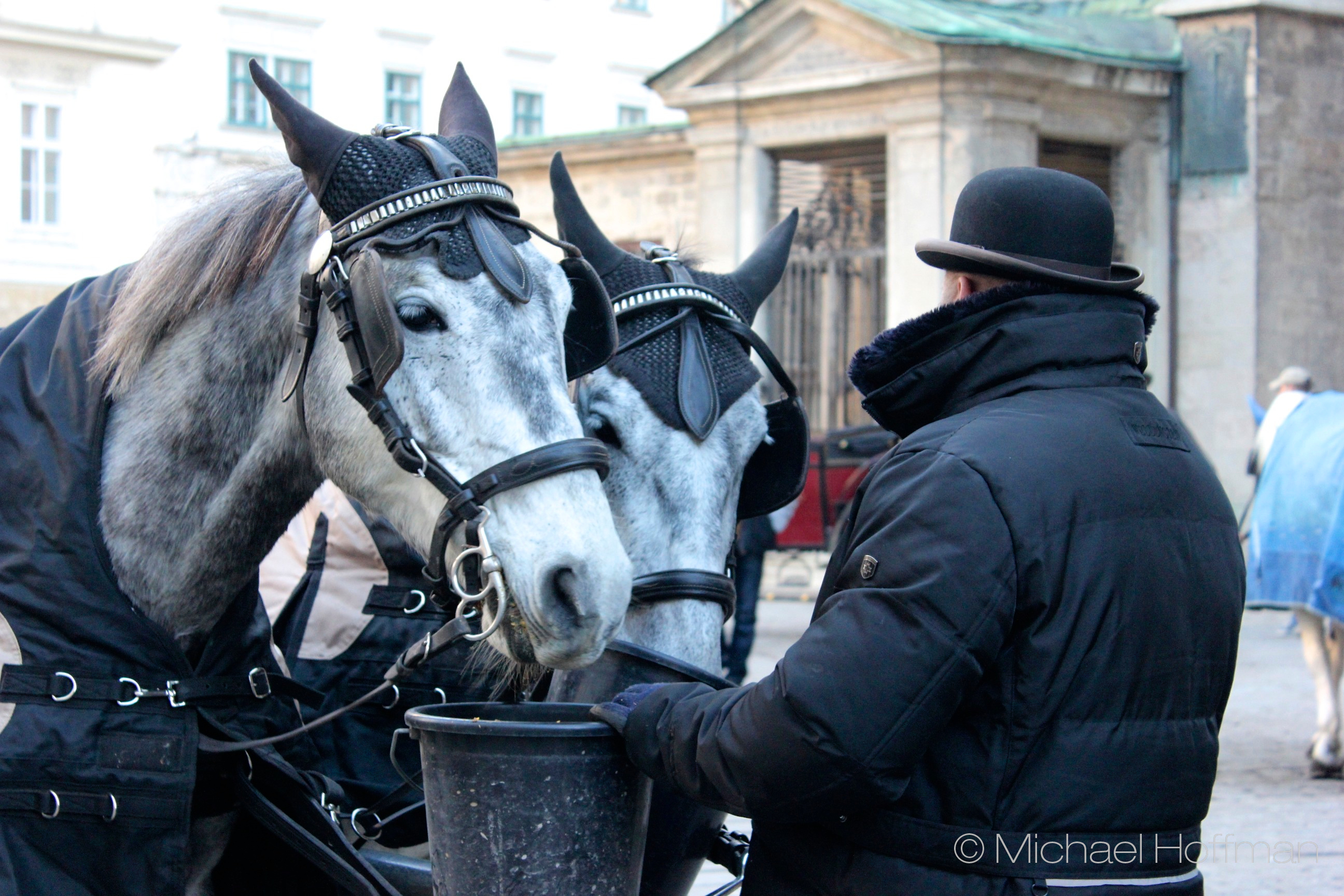
Impressions from a snowless month over here in Vienna.

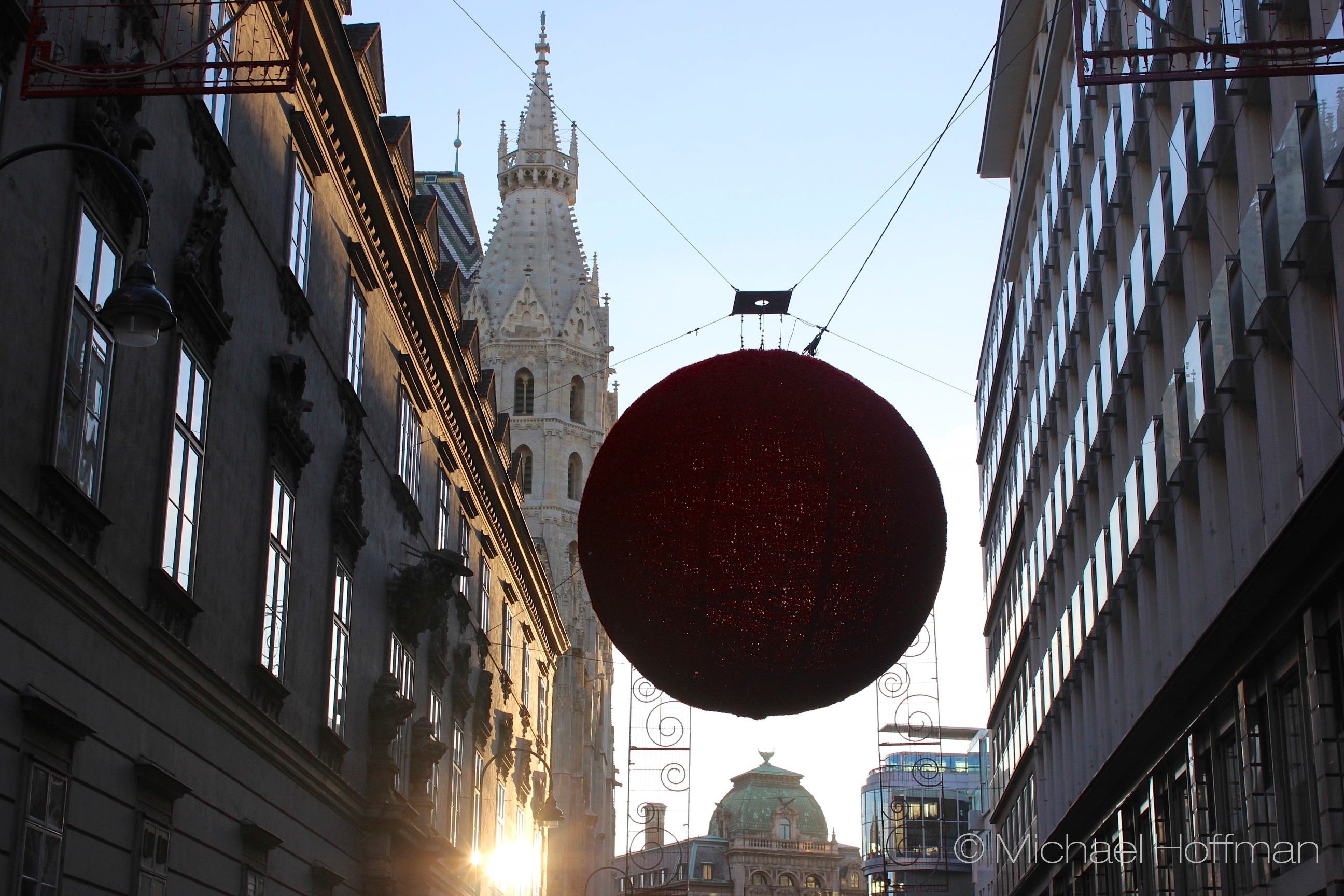
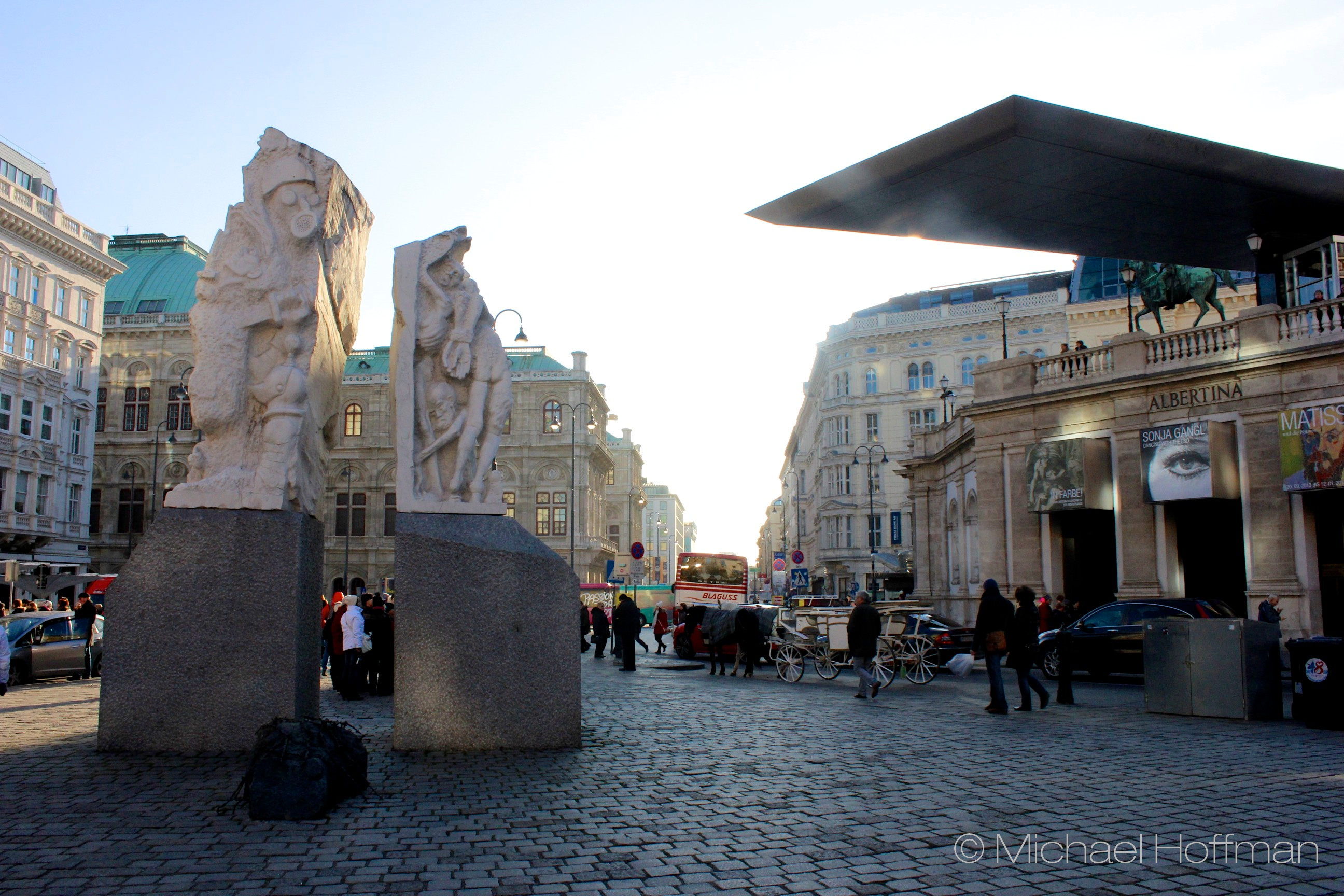
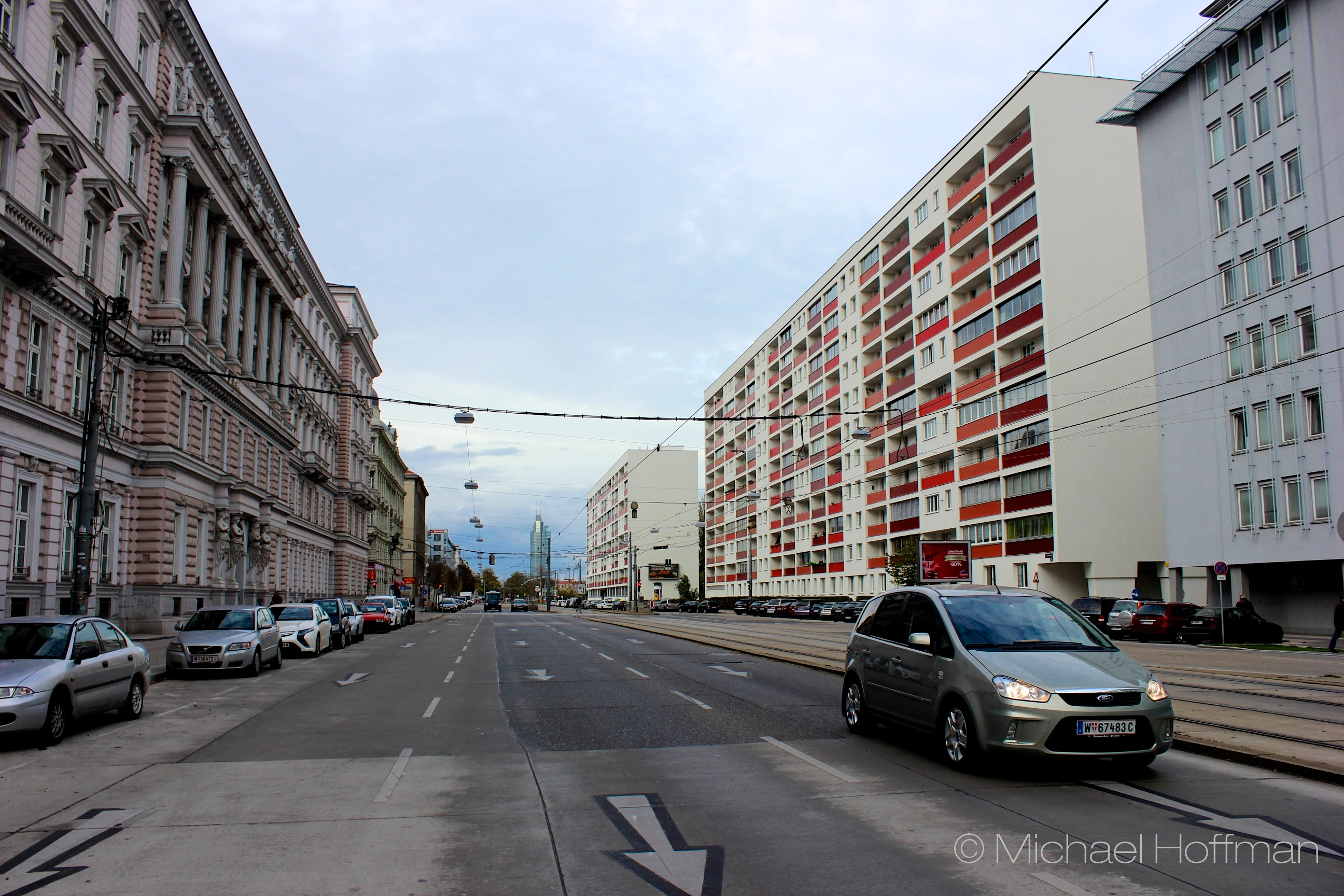
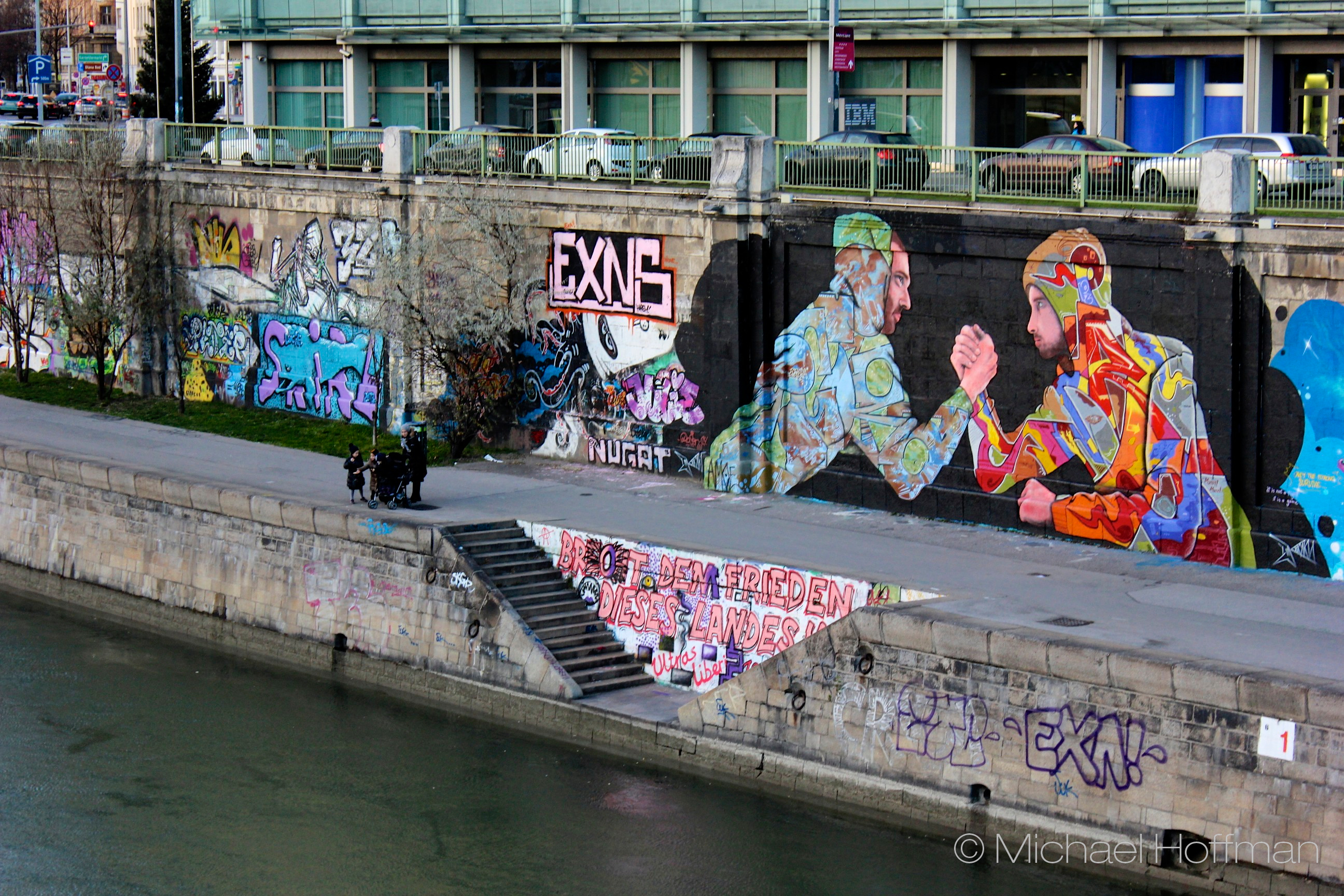

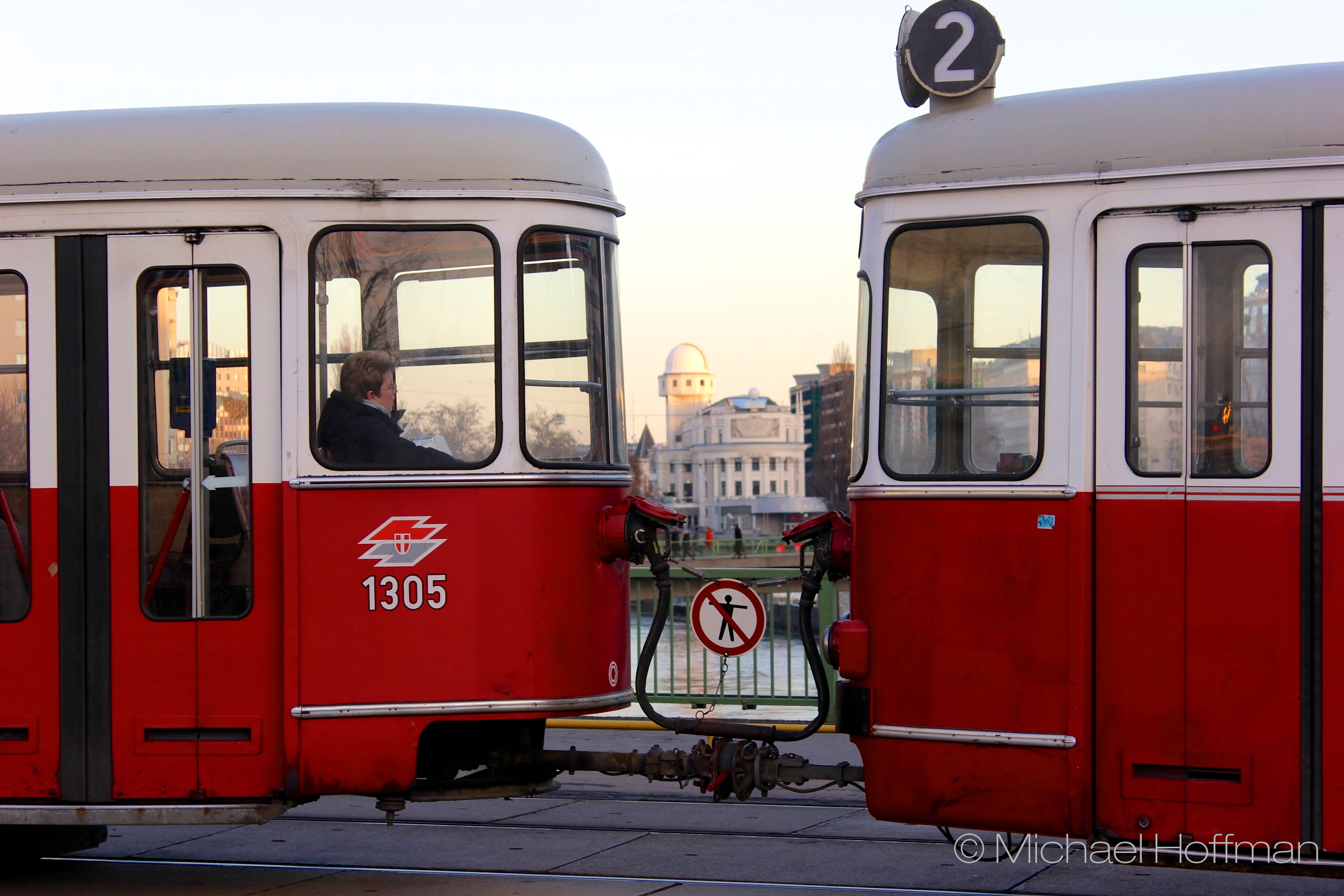
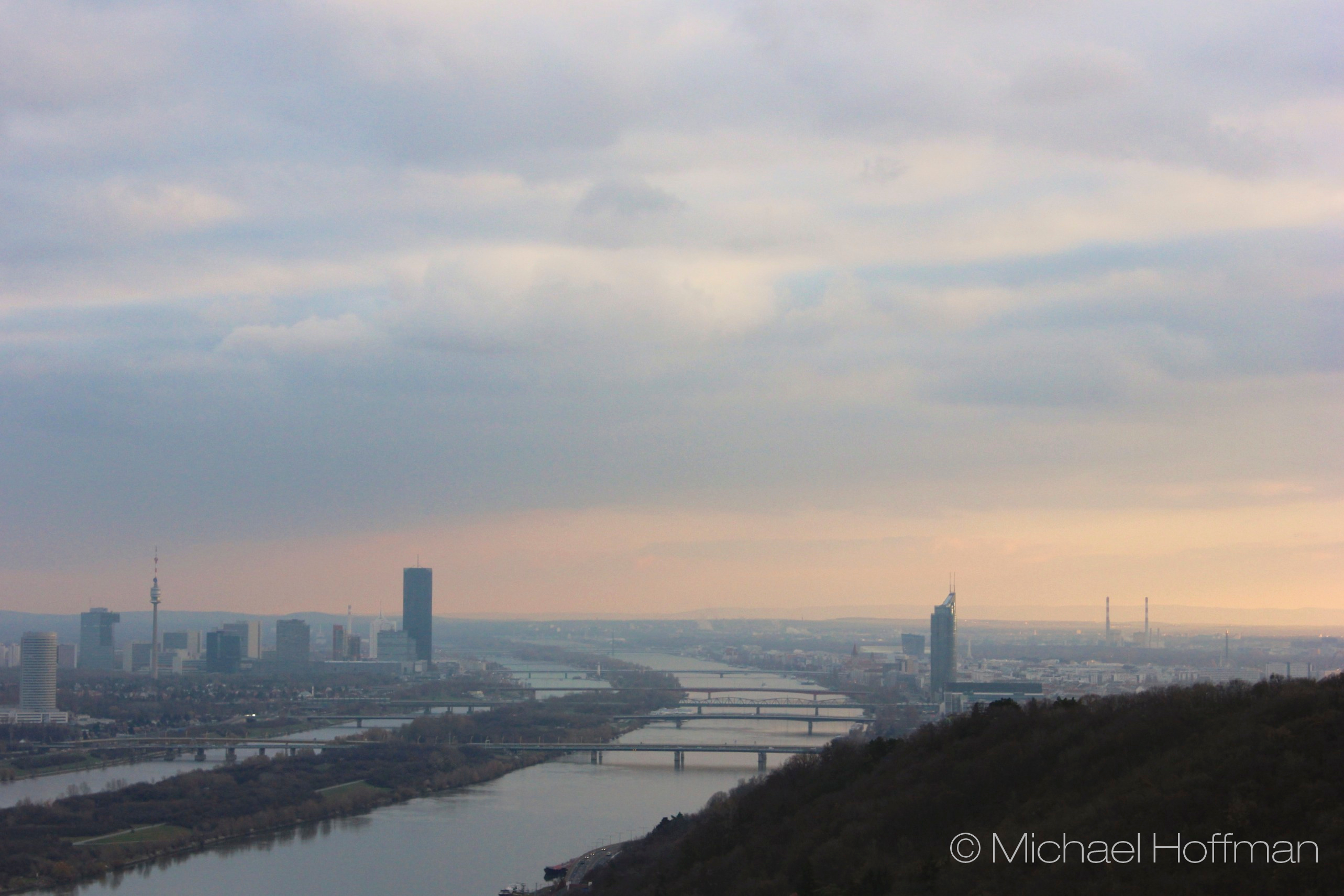
Impressions from a snowless month over here in Vienna.
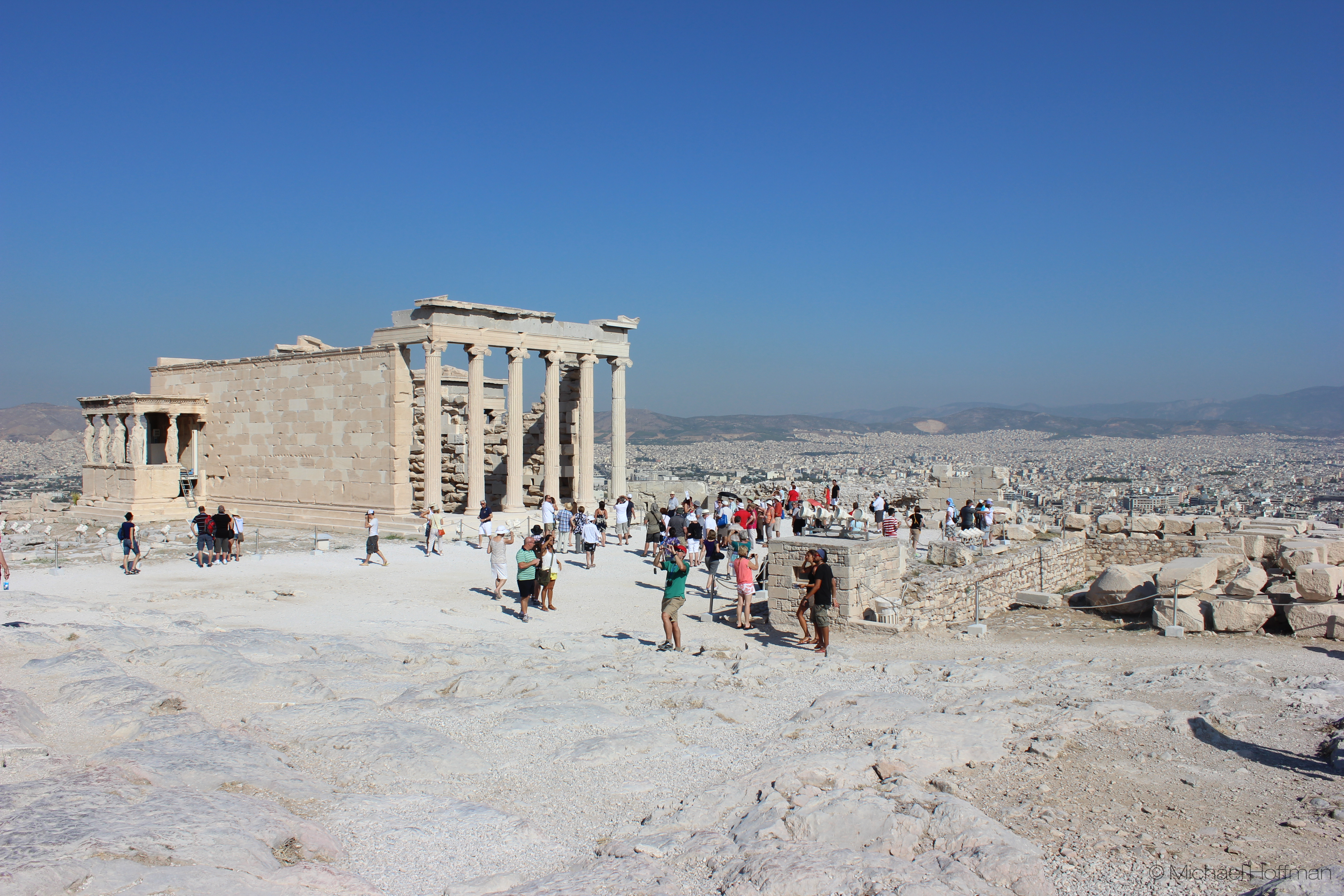
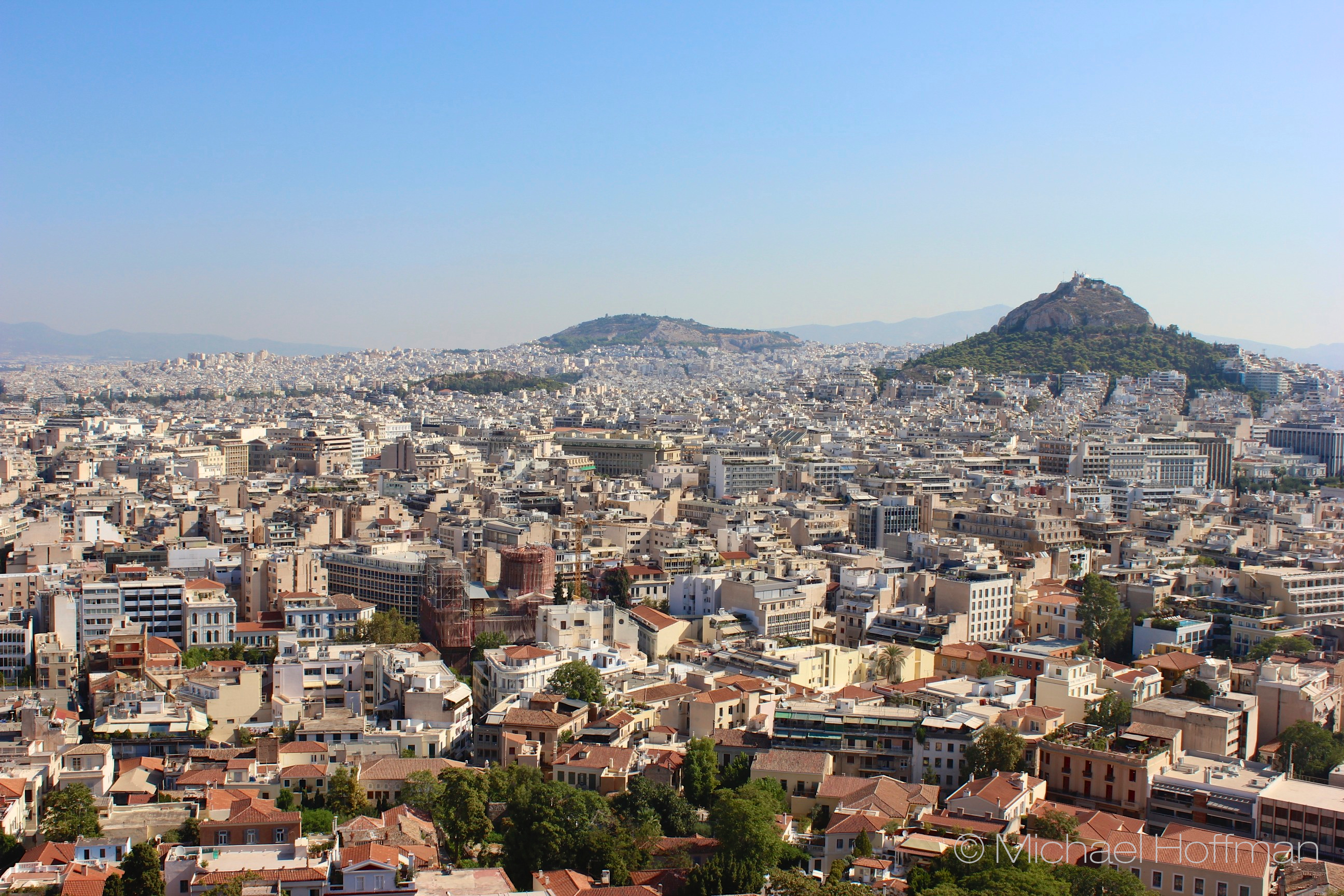
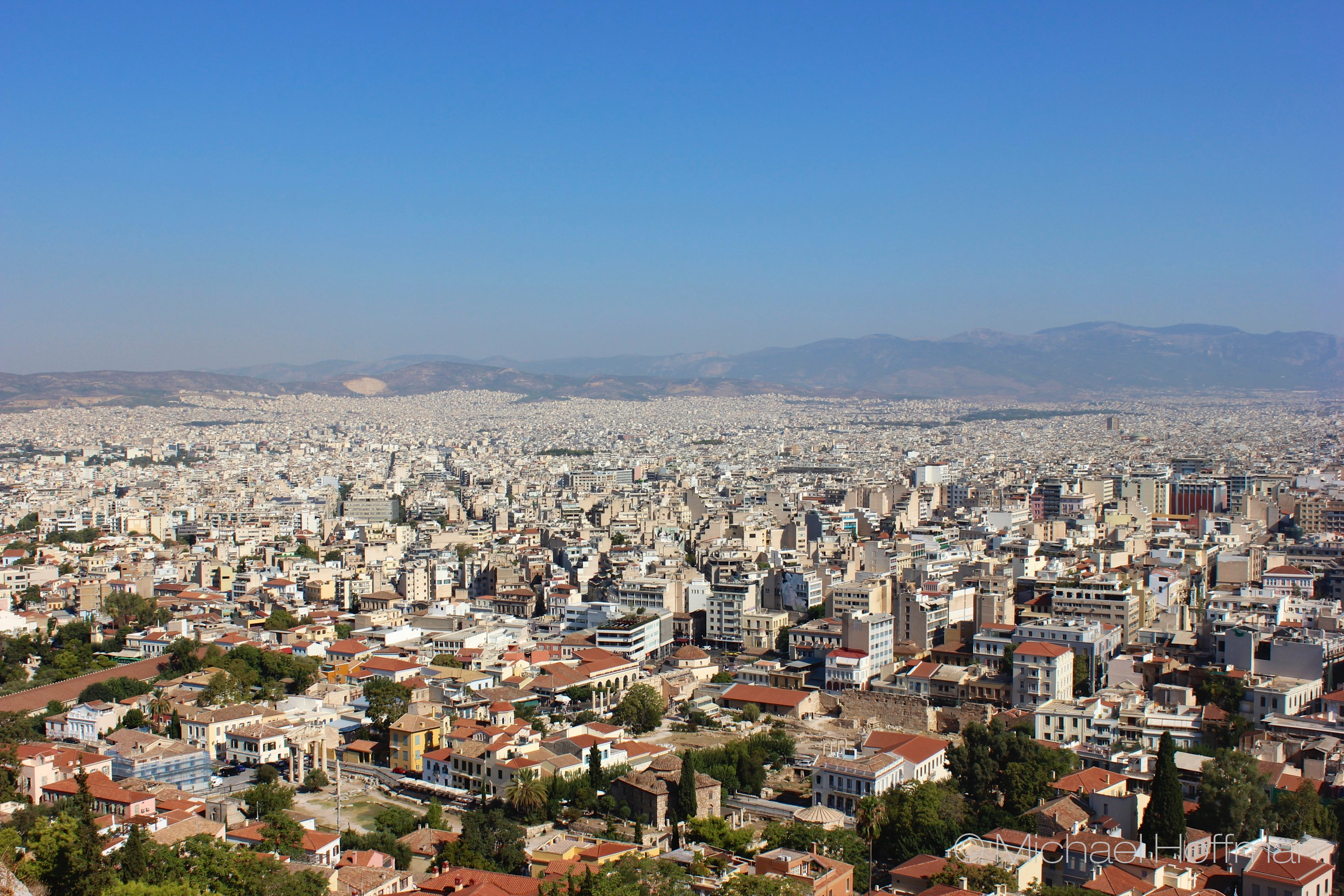
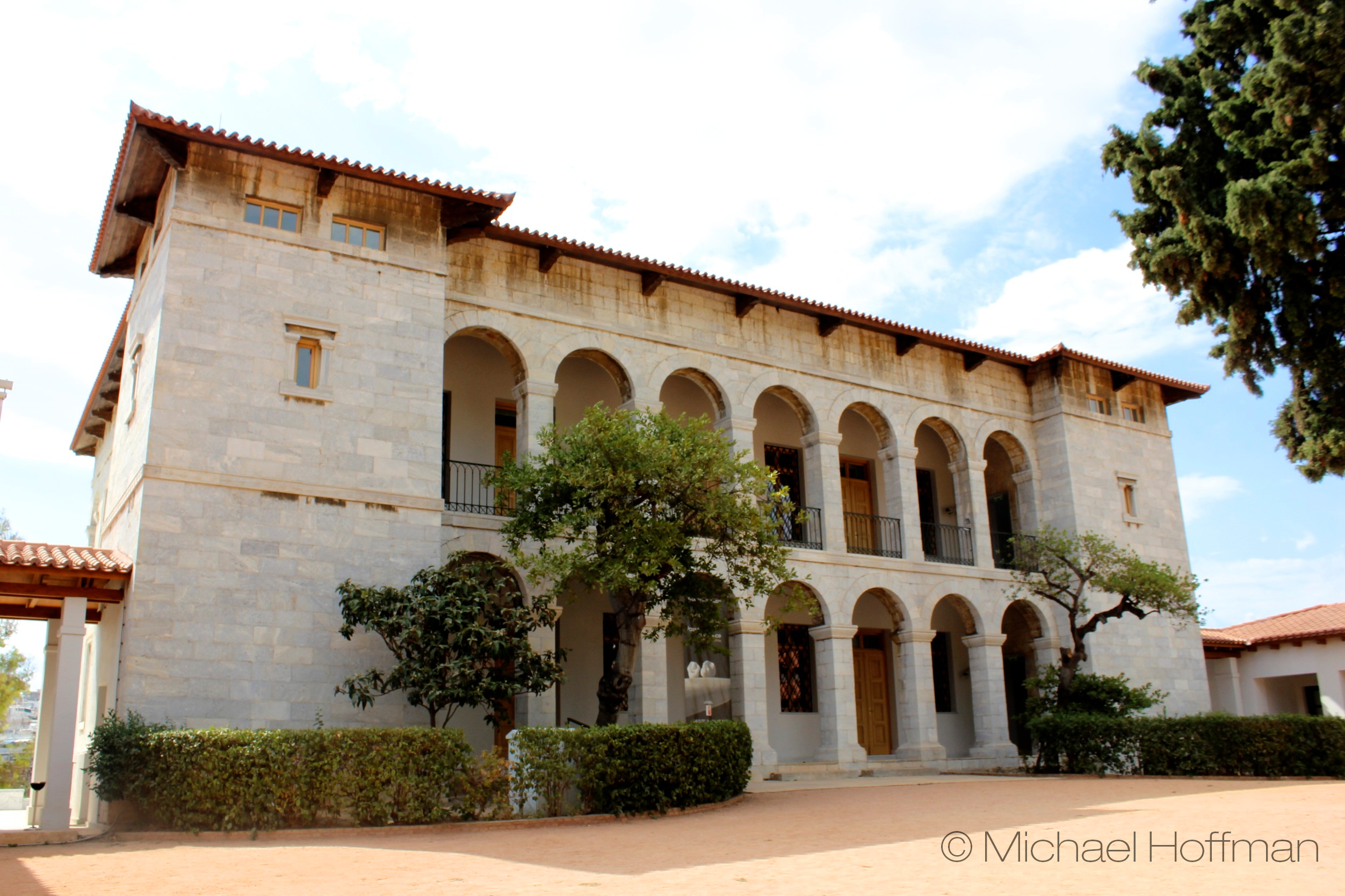
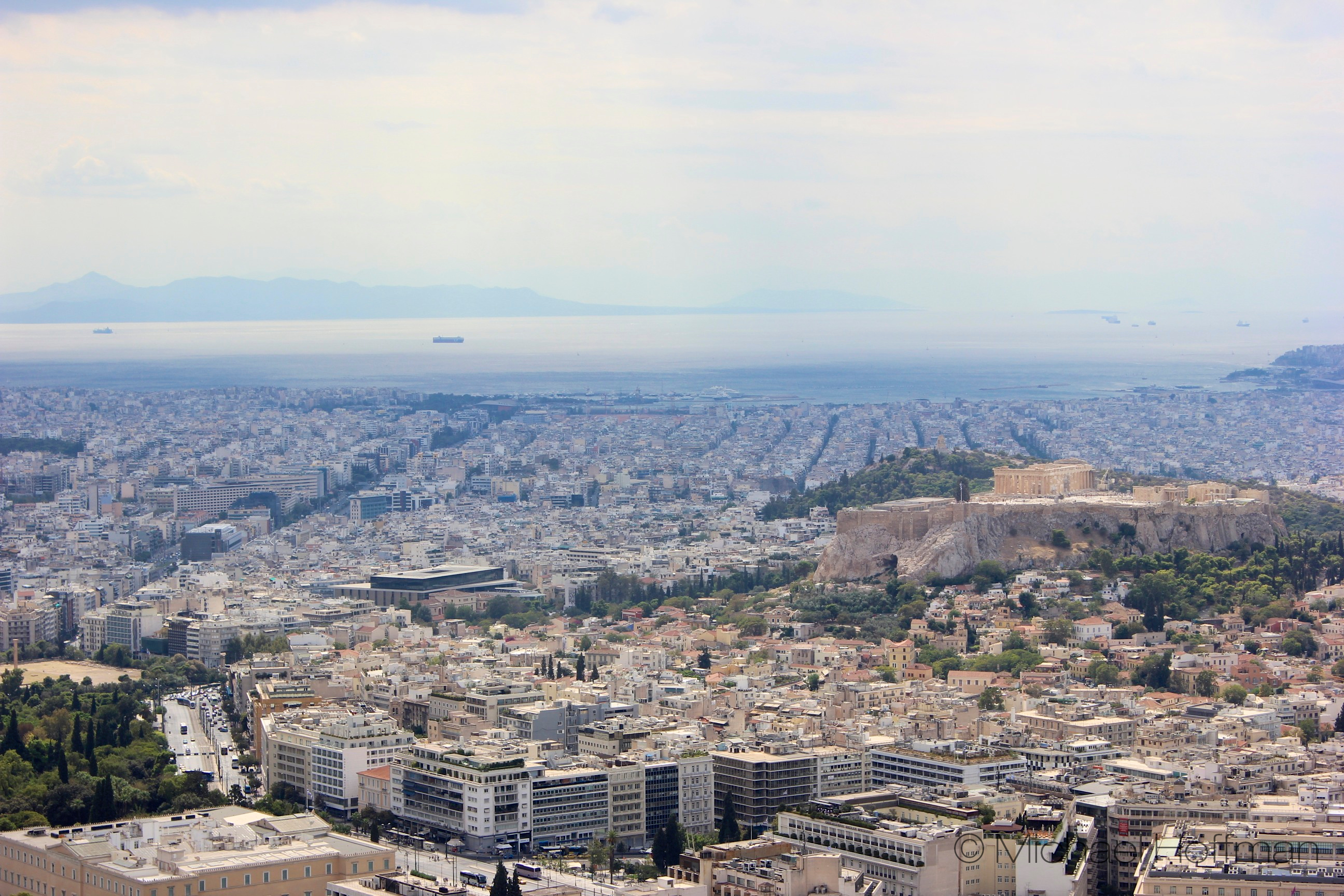
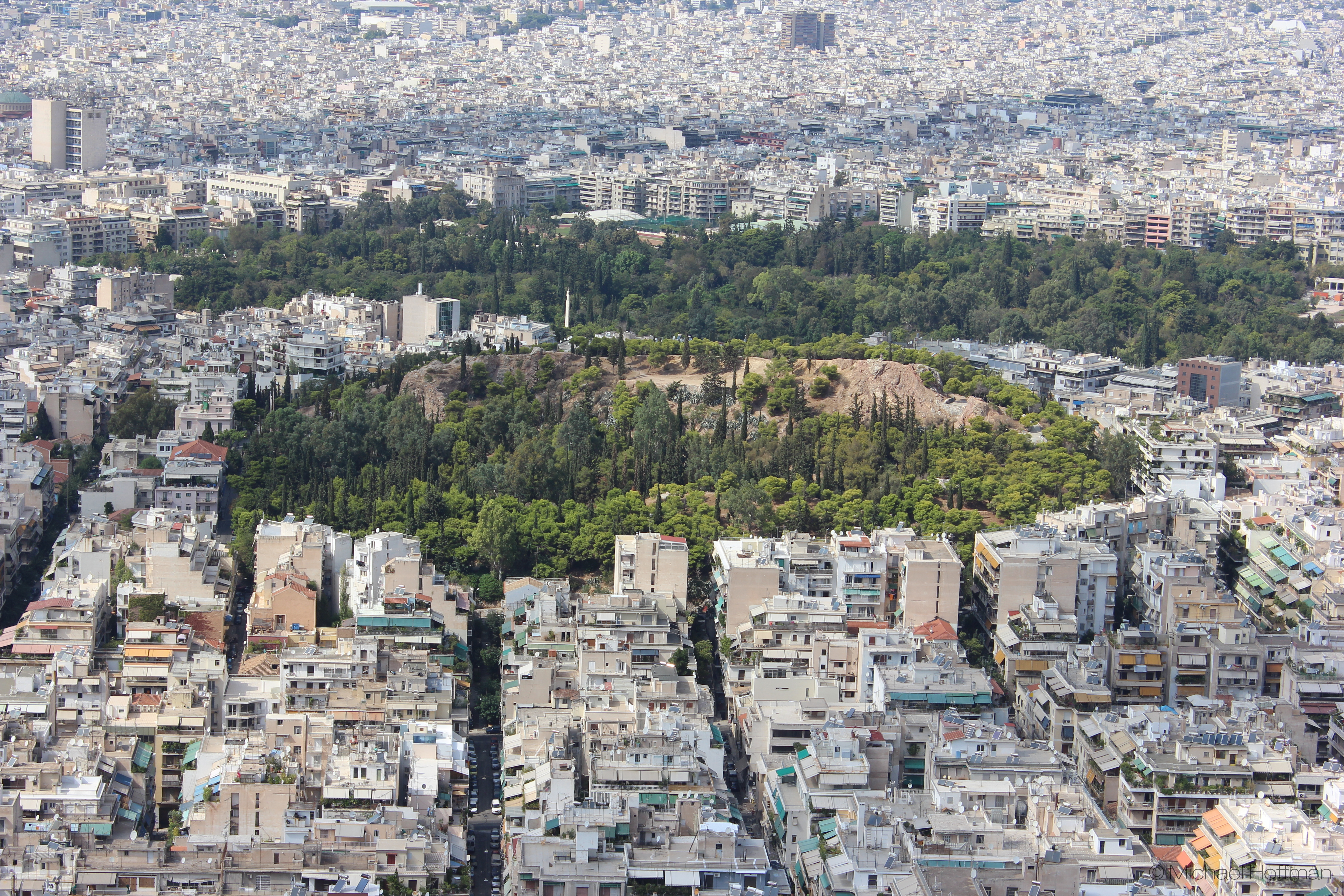
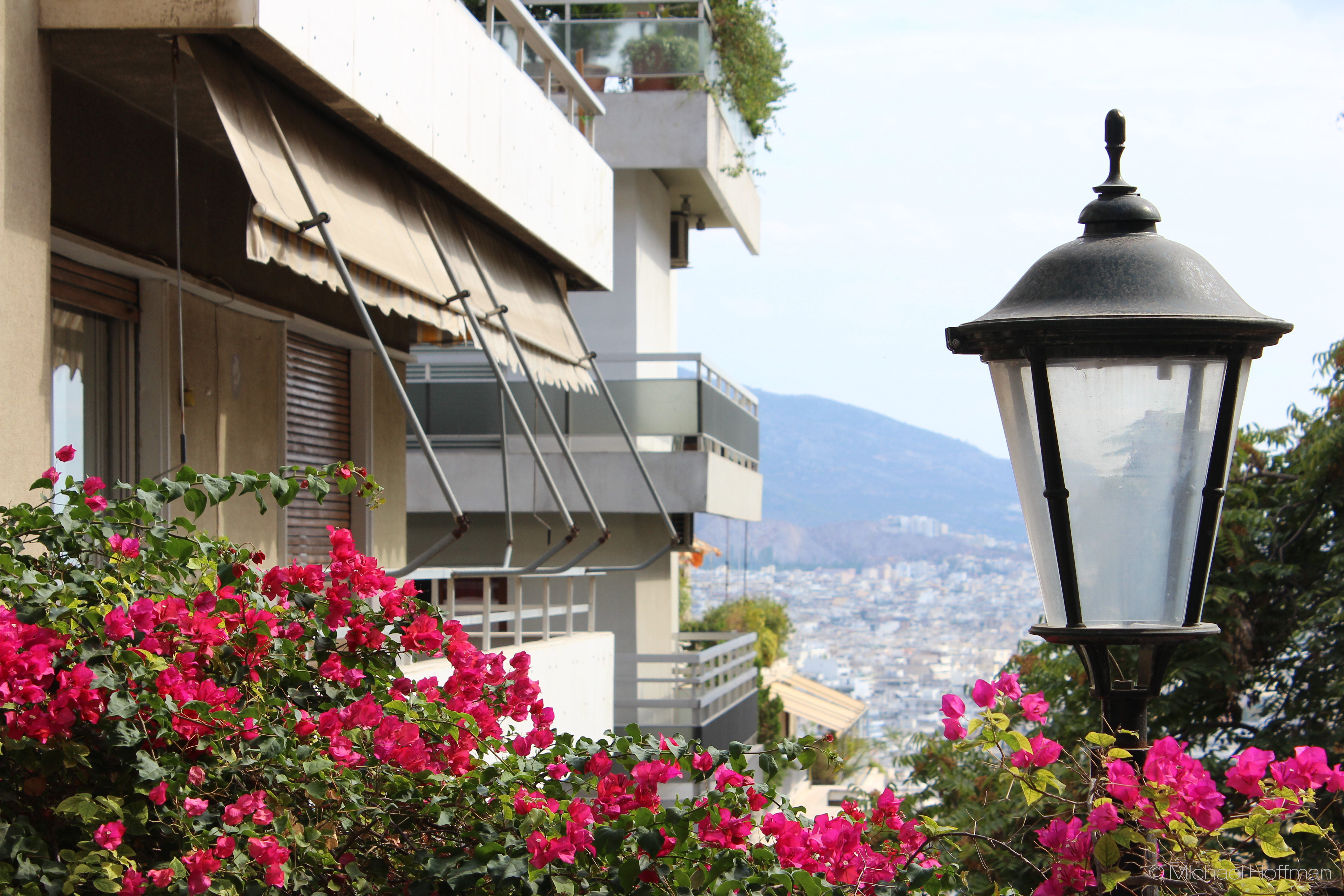
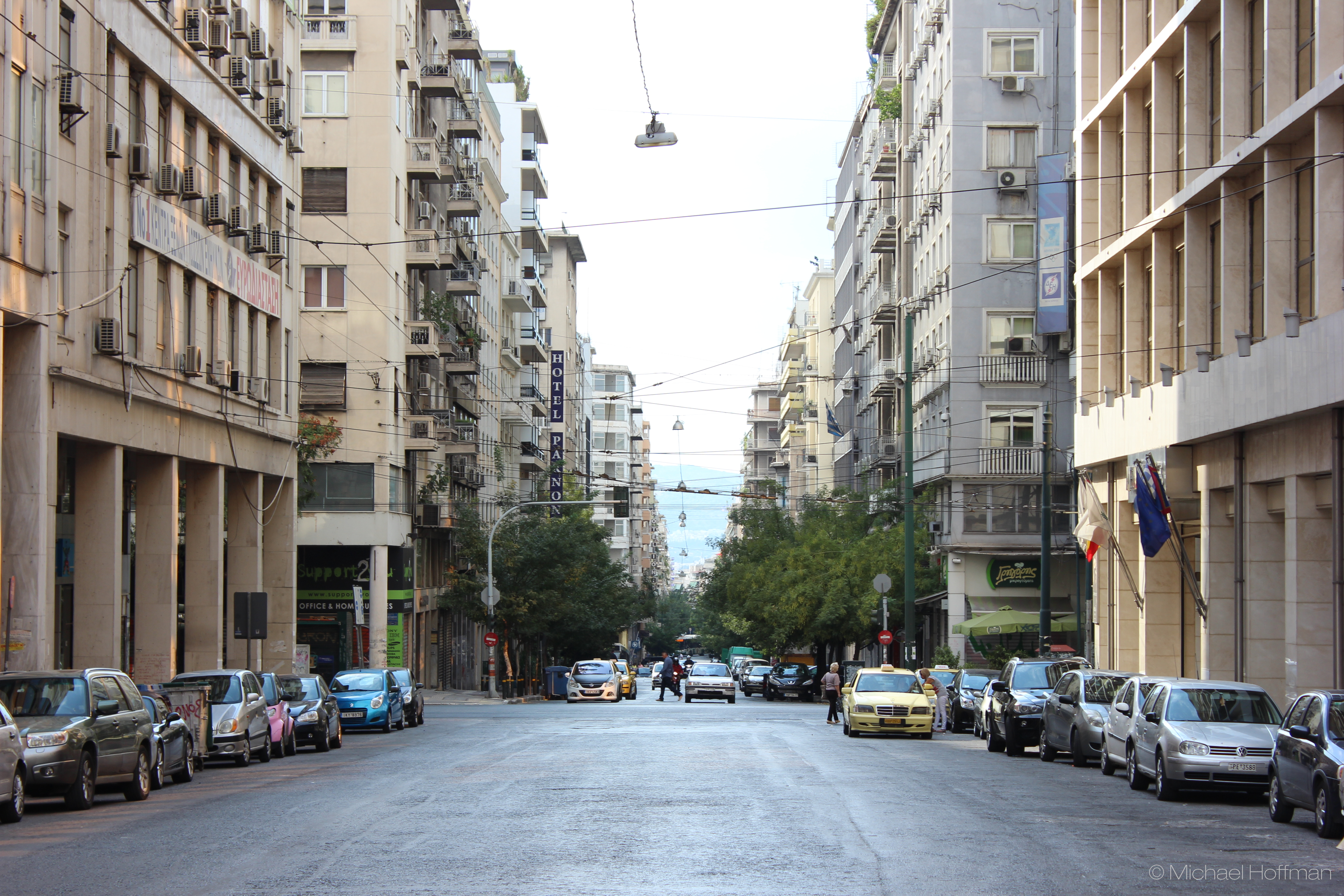
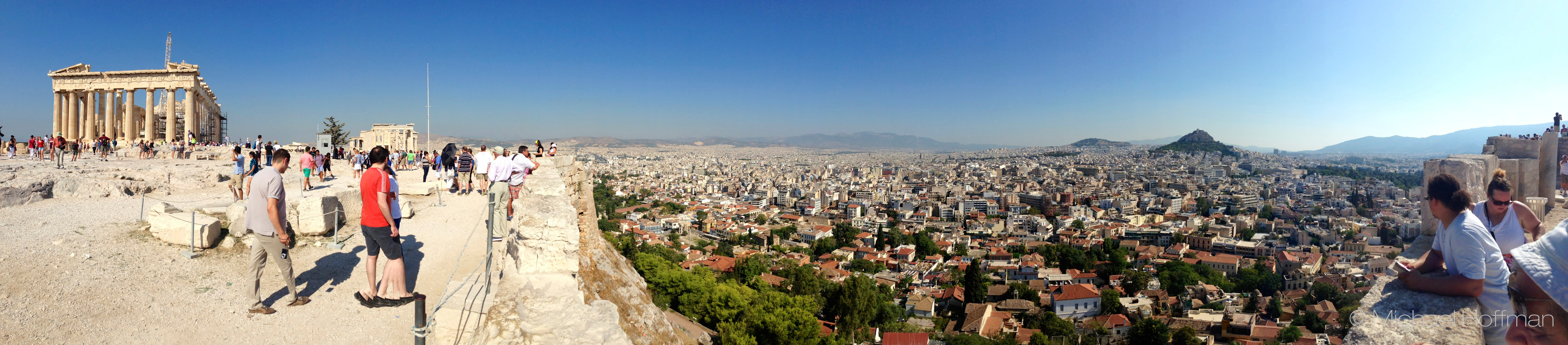
This post is part of the Greek Series, in which I recount my travel through Greece in pictures. So, the first two entries were all about Athens, as it was the starting point of our journey. It’s time to get away from the city smog (and Athens genuinely has much of it). But not before I show you some impressions from above the city looking down on a fantastic sea of urbanity. Most of Athens today is relatively young, as the city regressed into a small town up to the 19th century. After the country gained independence from the Ottoman empire, Athens became increasingly important again and exploded truly during the 20th century into the metropole it certainly is today. There are some street shots here as well, but most of the pictures were taken from one of the many hills of Athens with a beautiful blue sky as a permanent background. The last one is a panorama.


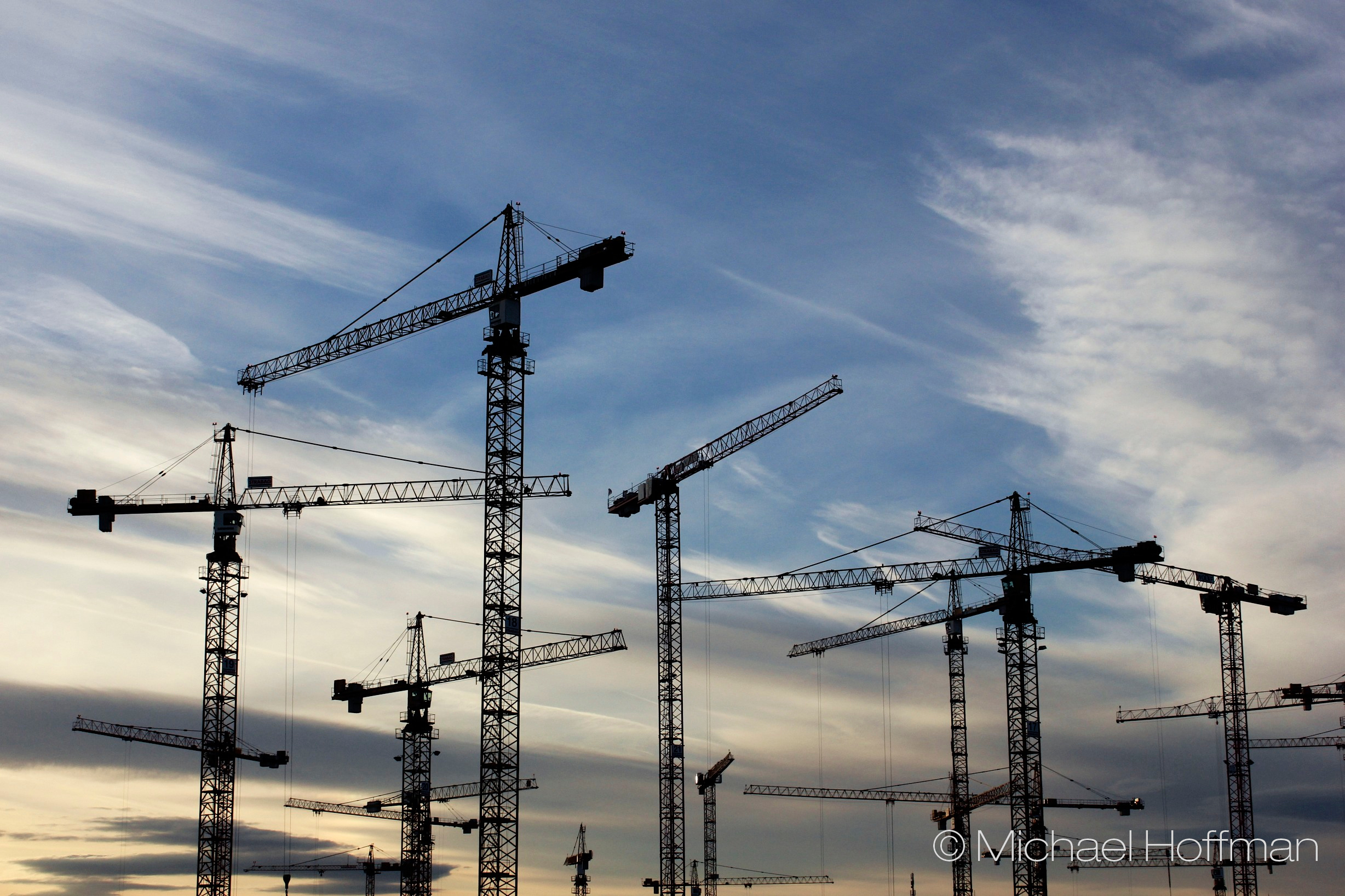
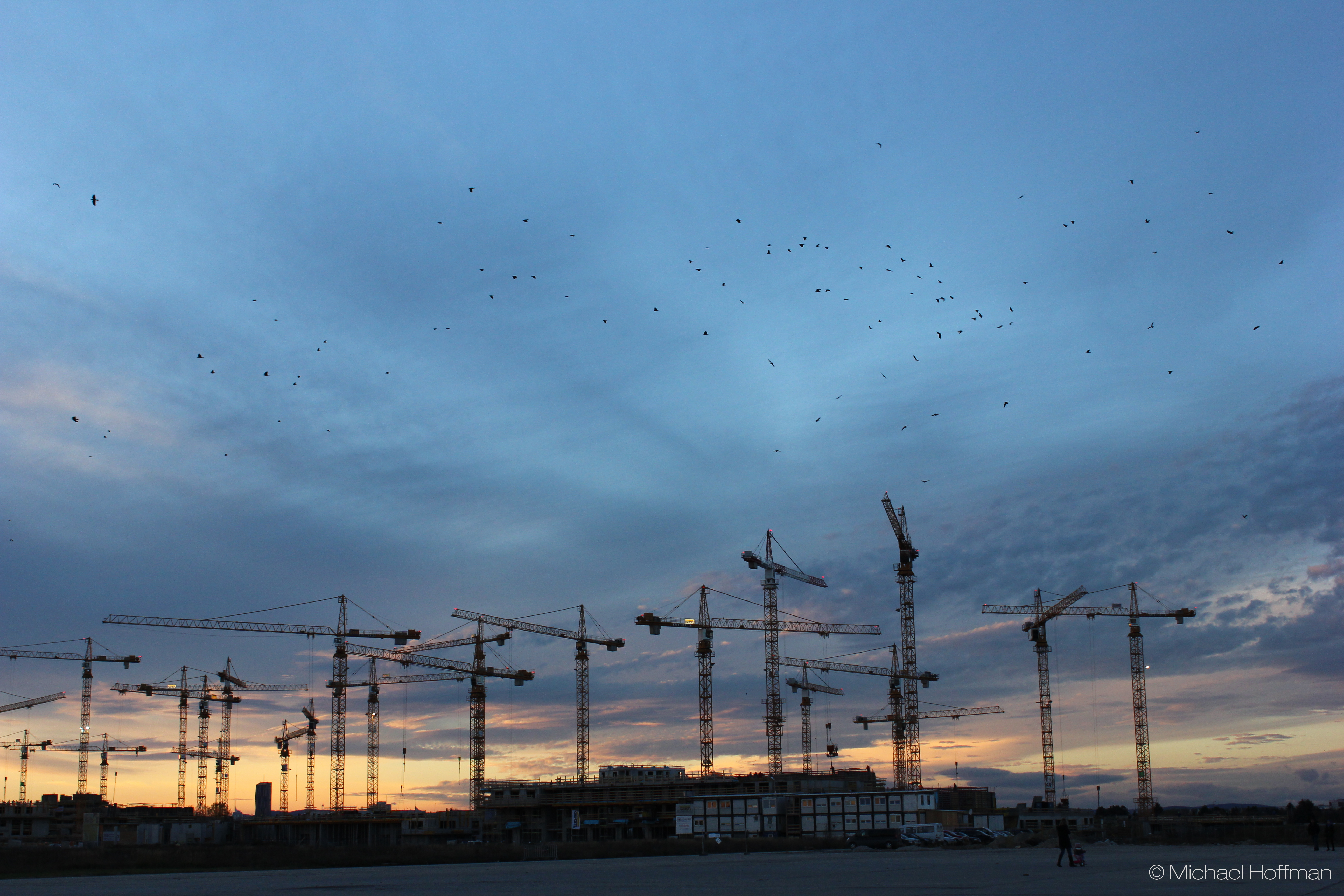
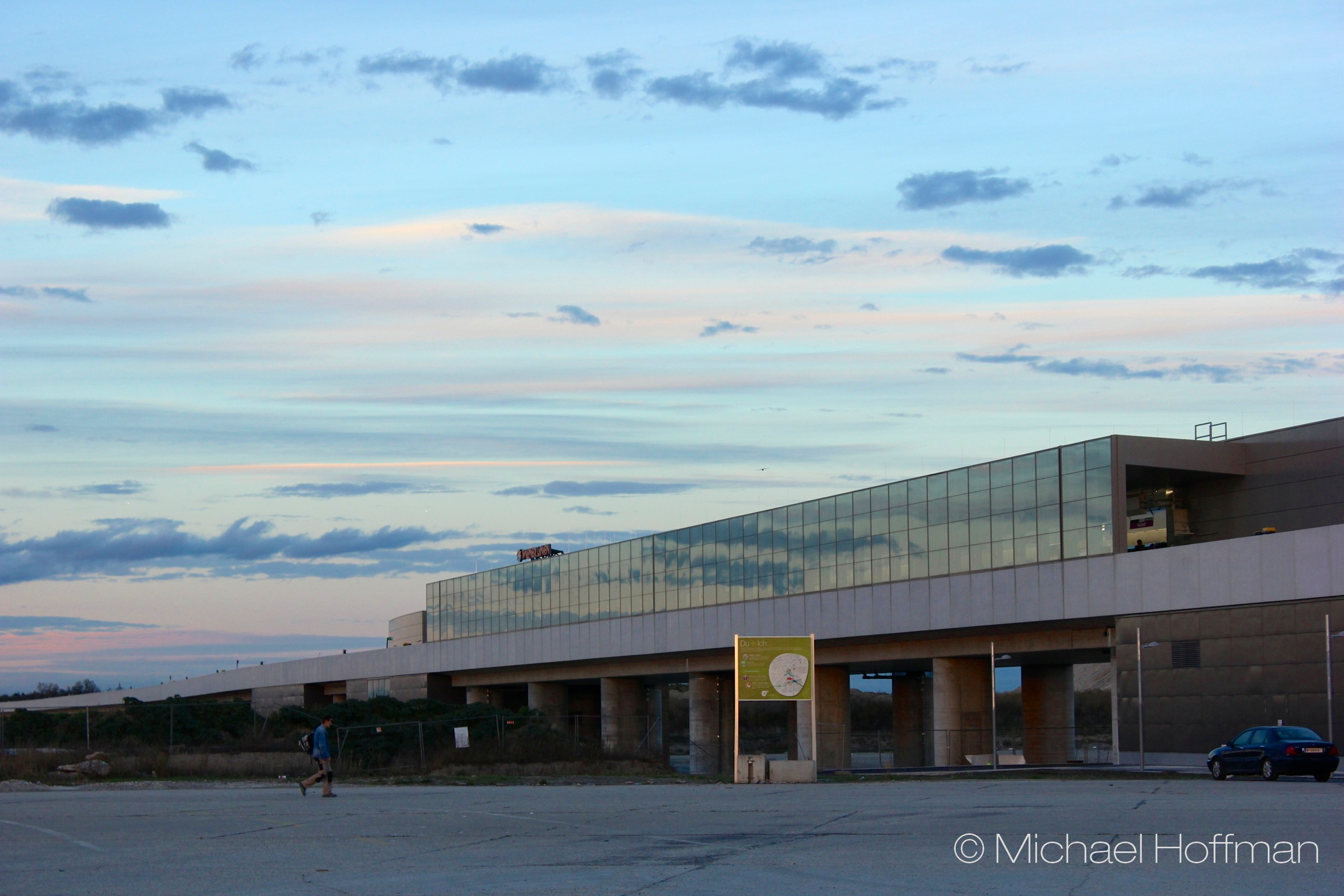
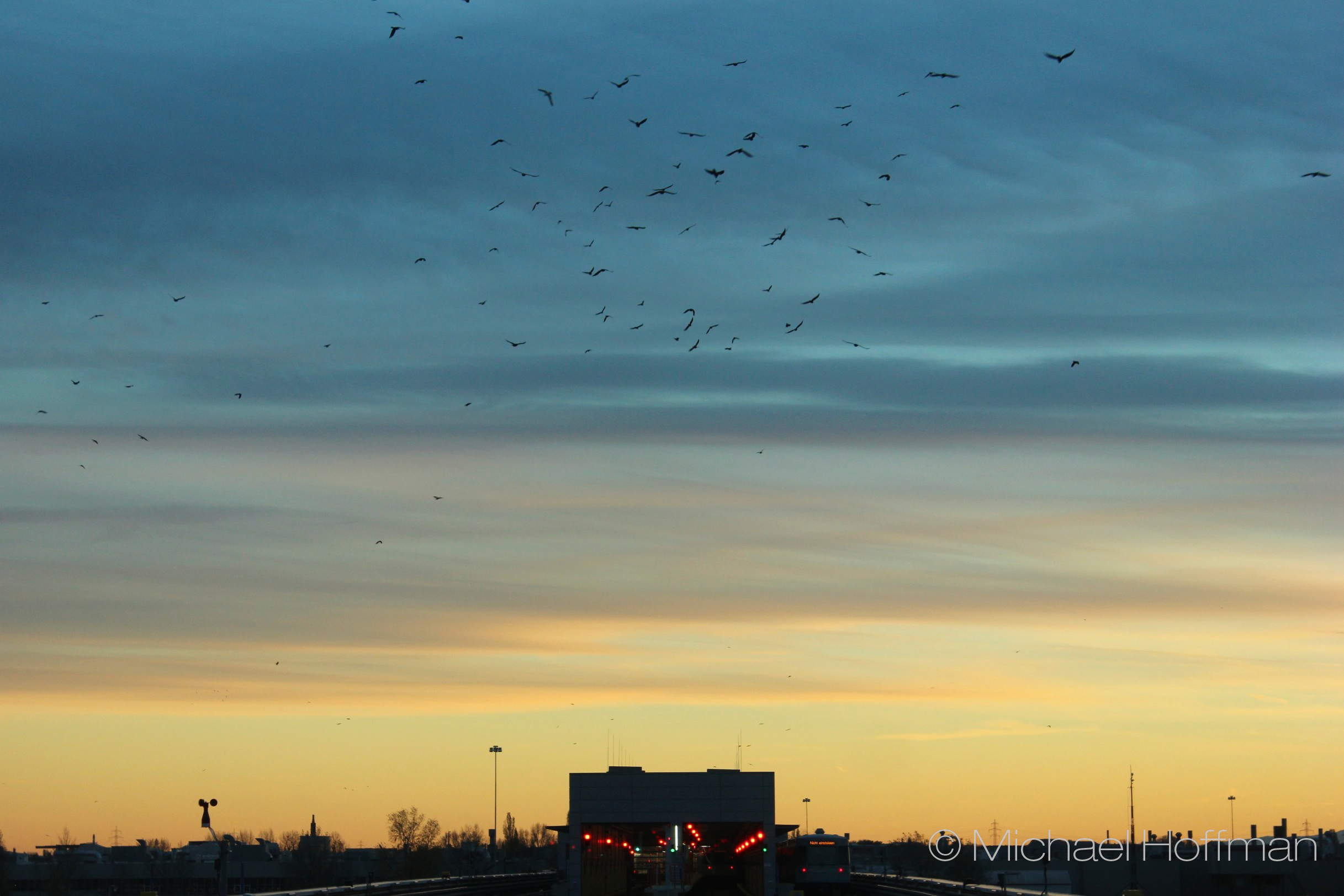
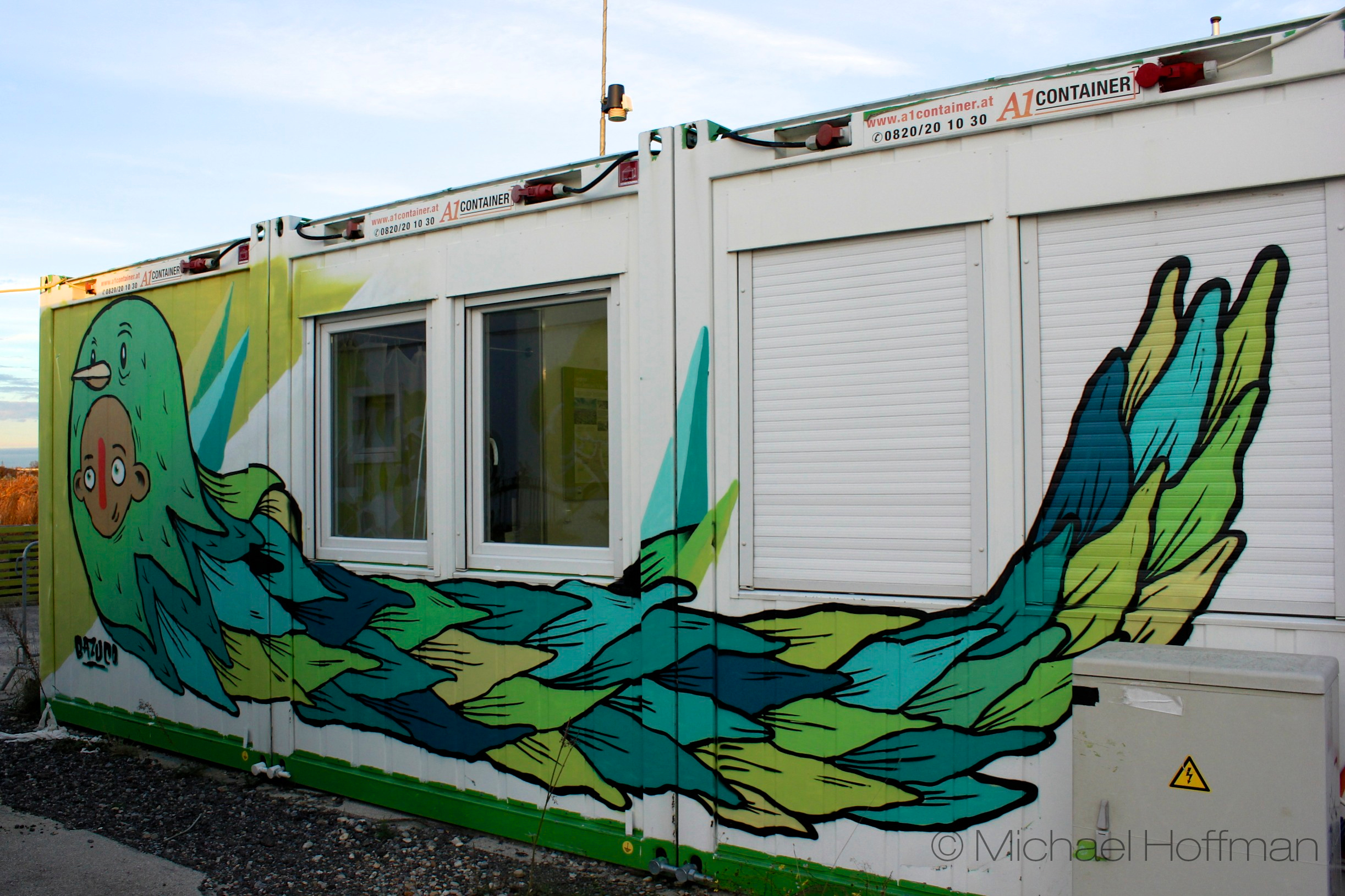
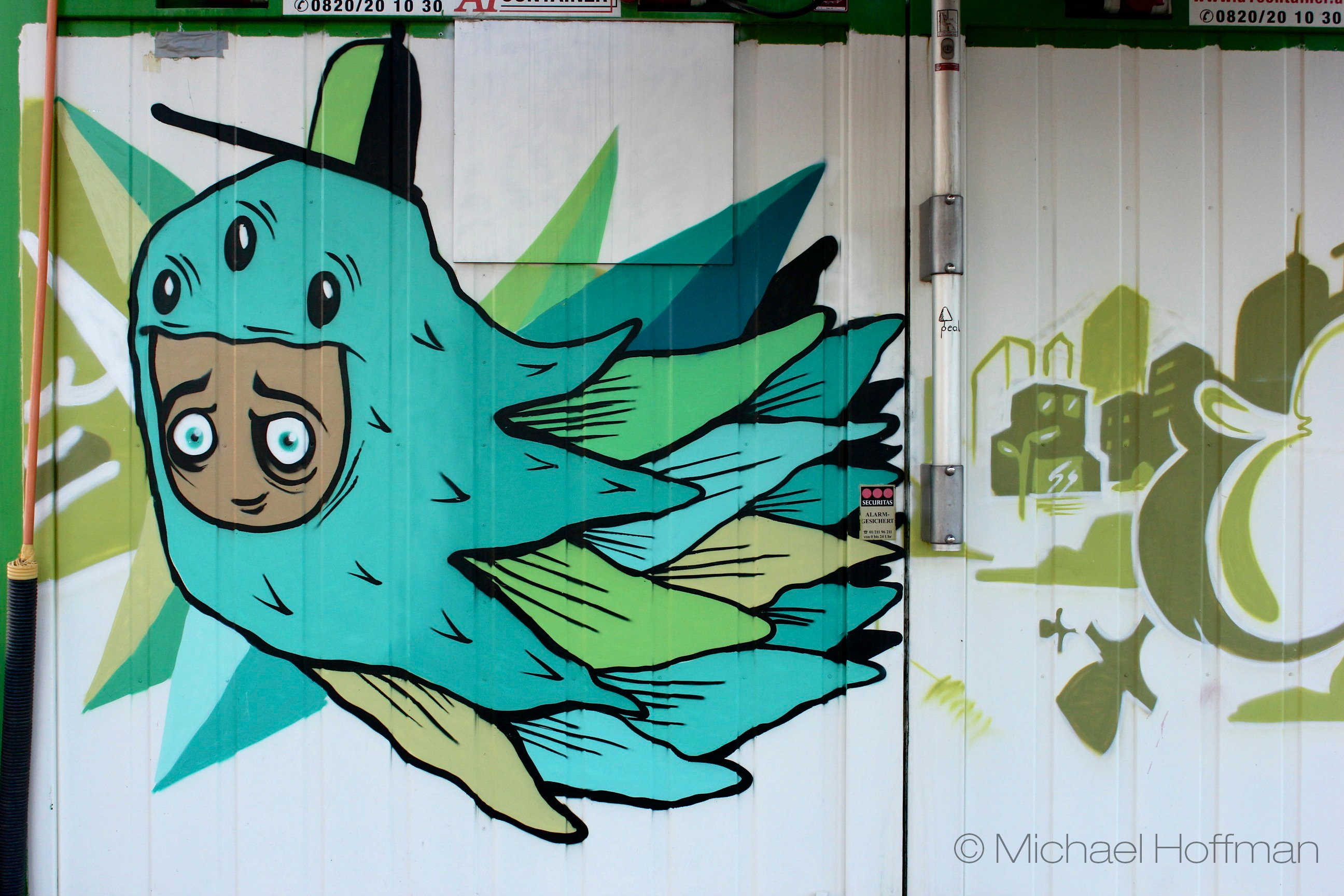
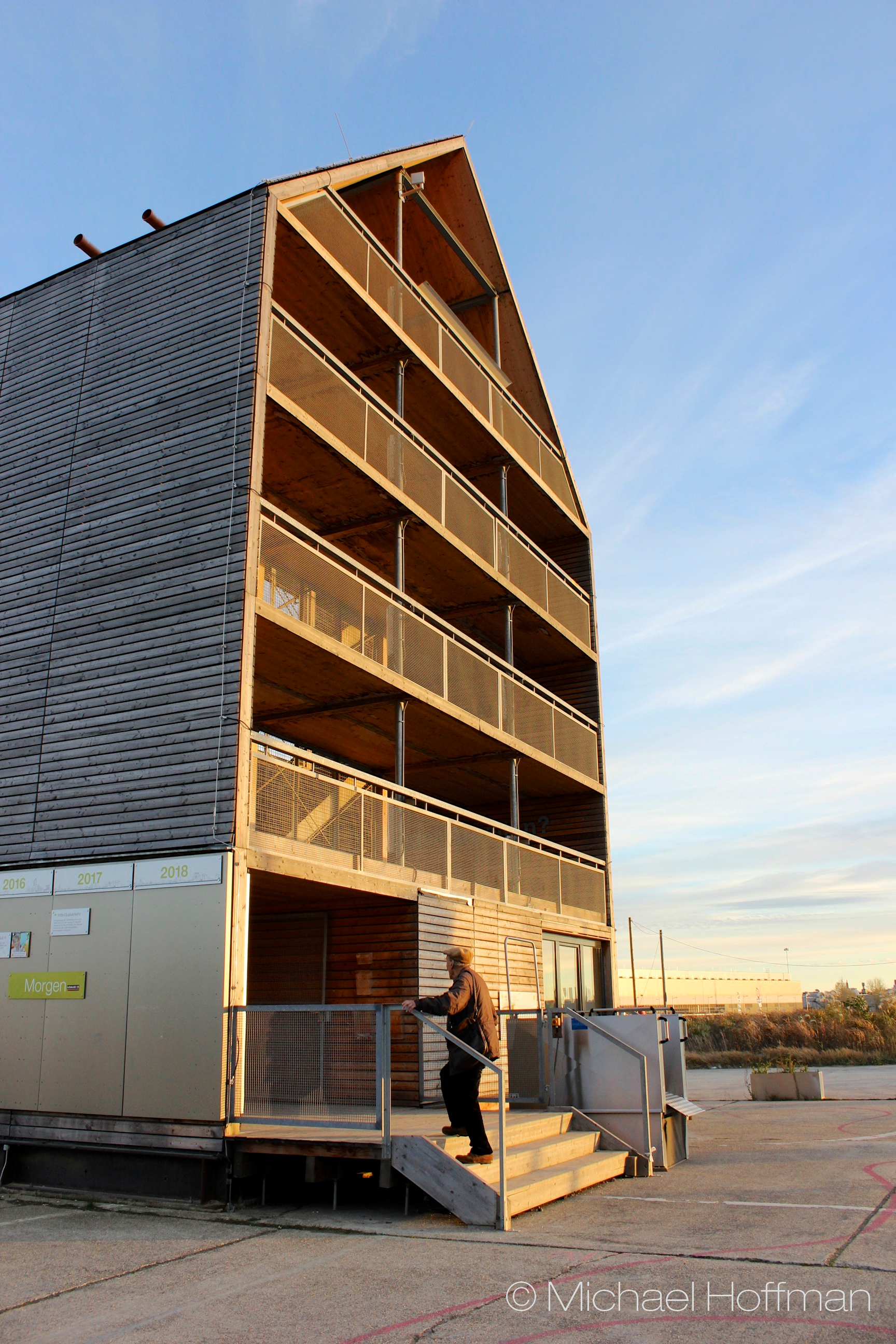
On the site of a former airfield, a new city planned from scratch is being built to accommodate thousands of new people. Vienna is expected to grow in the upcoming decade. A city within the city, basically. Seestadt, translated in English, means lake city and is named due to the artificial lake in the center of the town. To date, there is not much to see besides the newly built metro station (the Violet Line U2), many cranes, and a giant mud hole in the middle (the lake to be). But especially at sunset, the symphony of cranes has beauty on its own. There is also an exhibition worthwhile visiting with a lot of information about the project and a wooden panorama tower with a nice view (last picture). Local artists were allowed to spray the exhibition’s container, giving the place an urban flair. Although the city itself is yet missing…



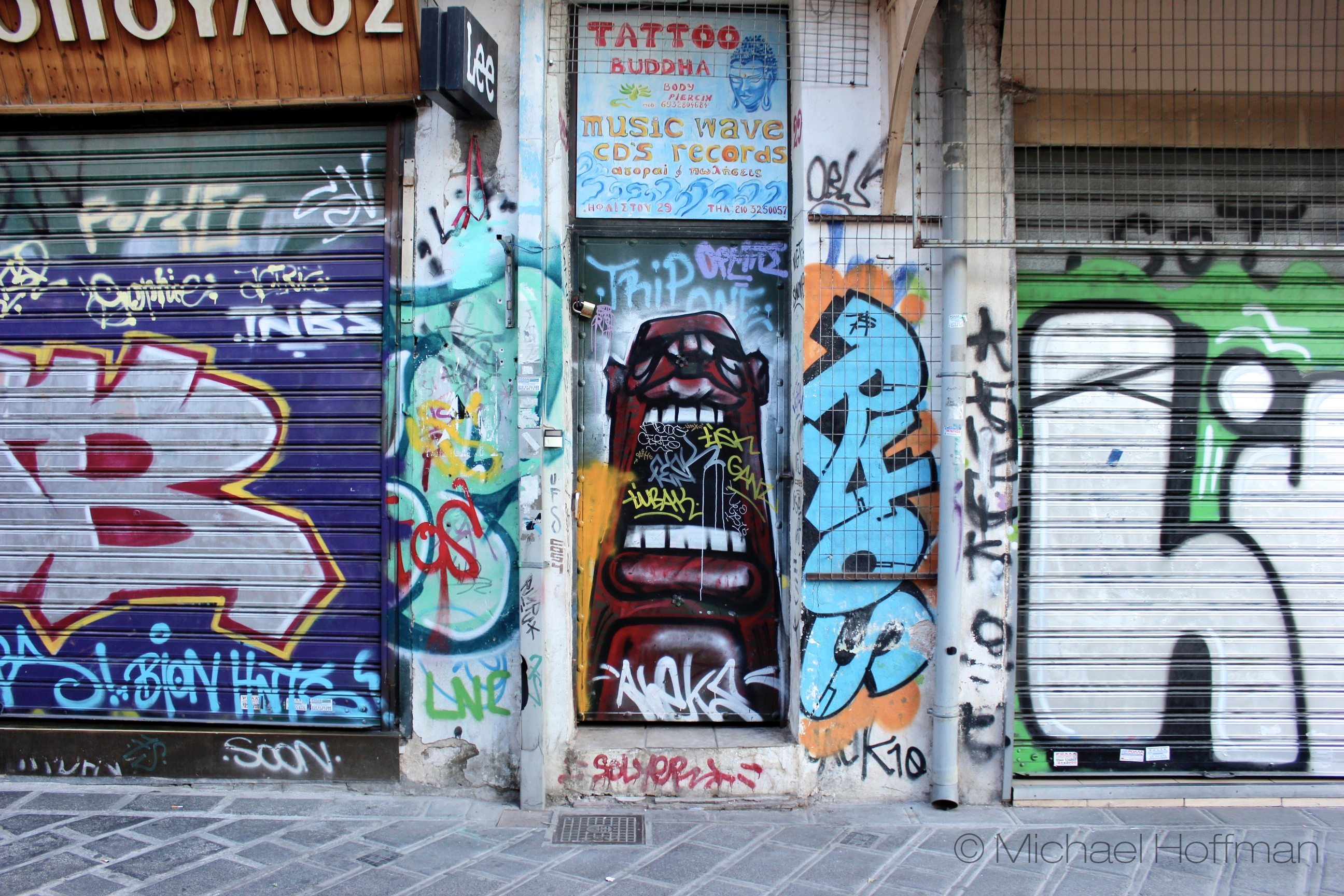
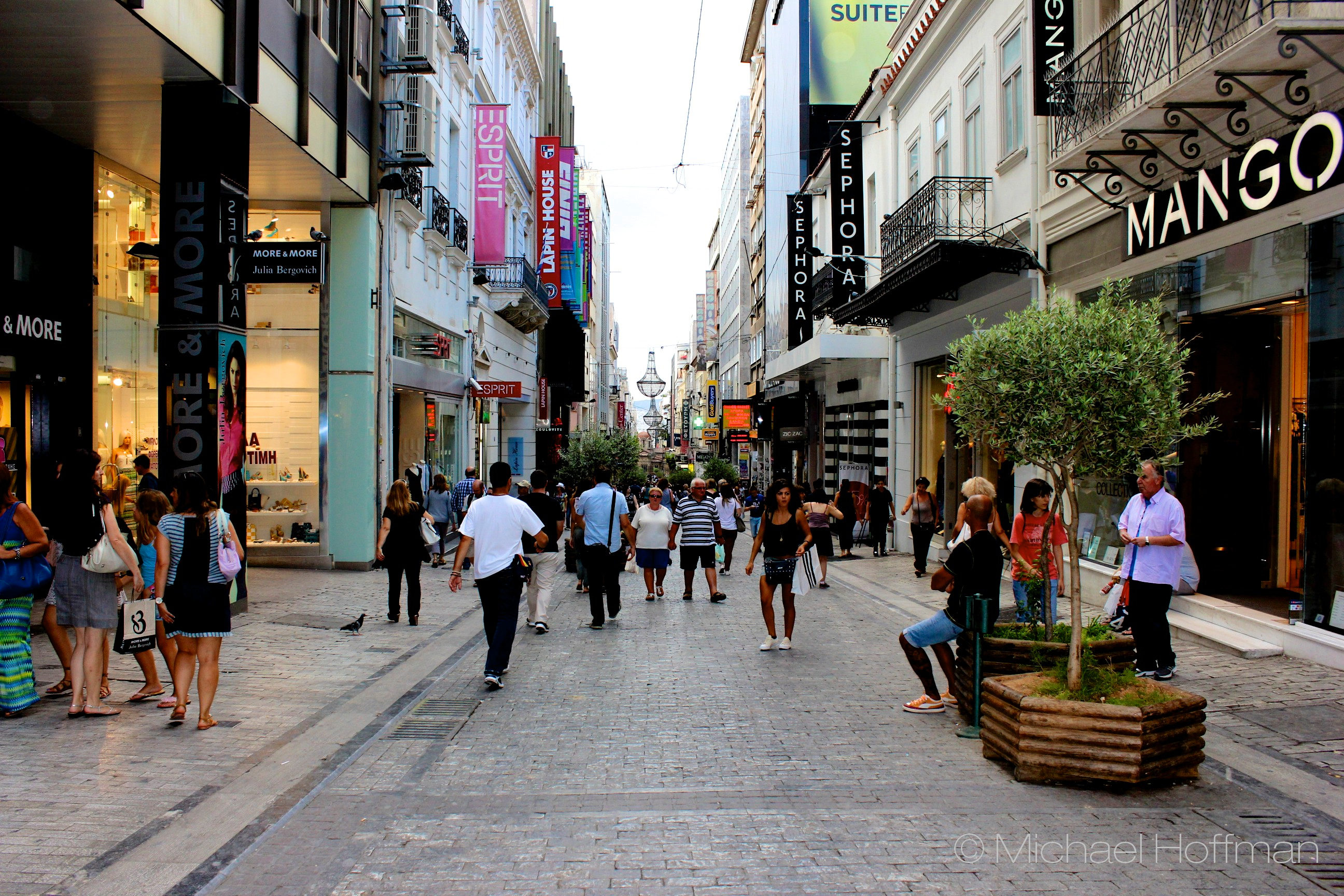
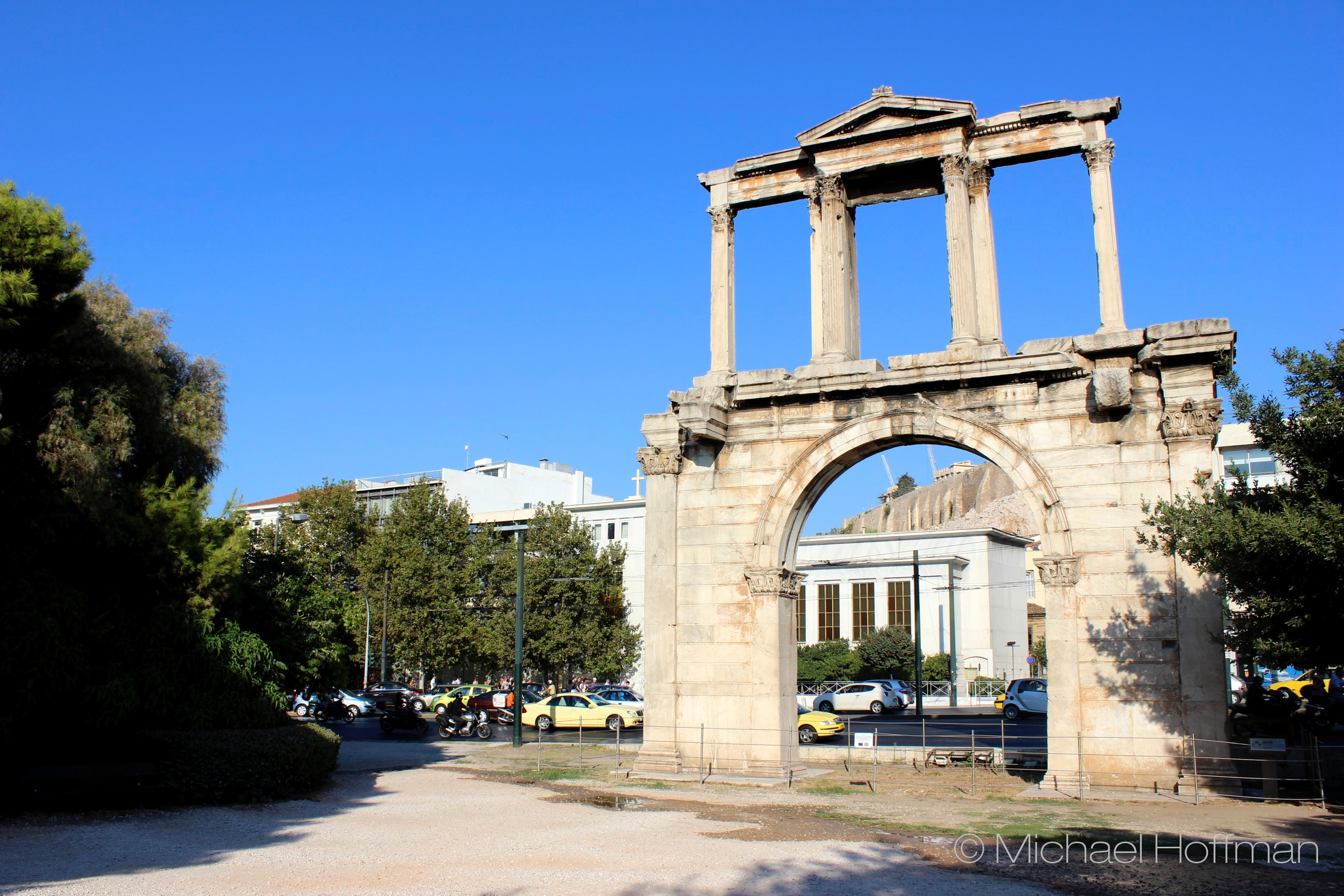
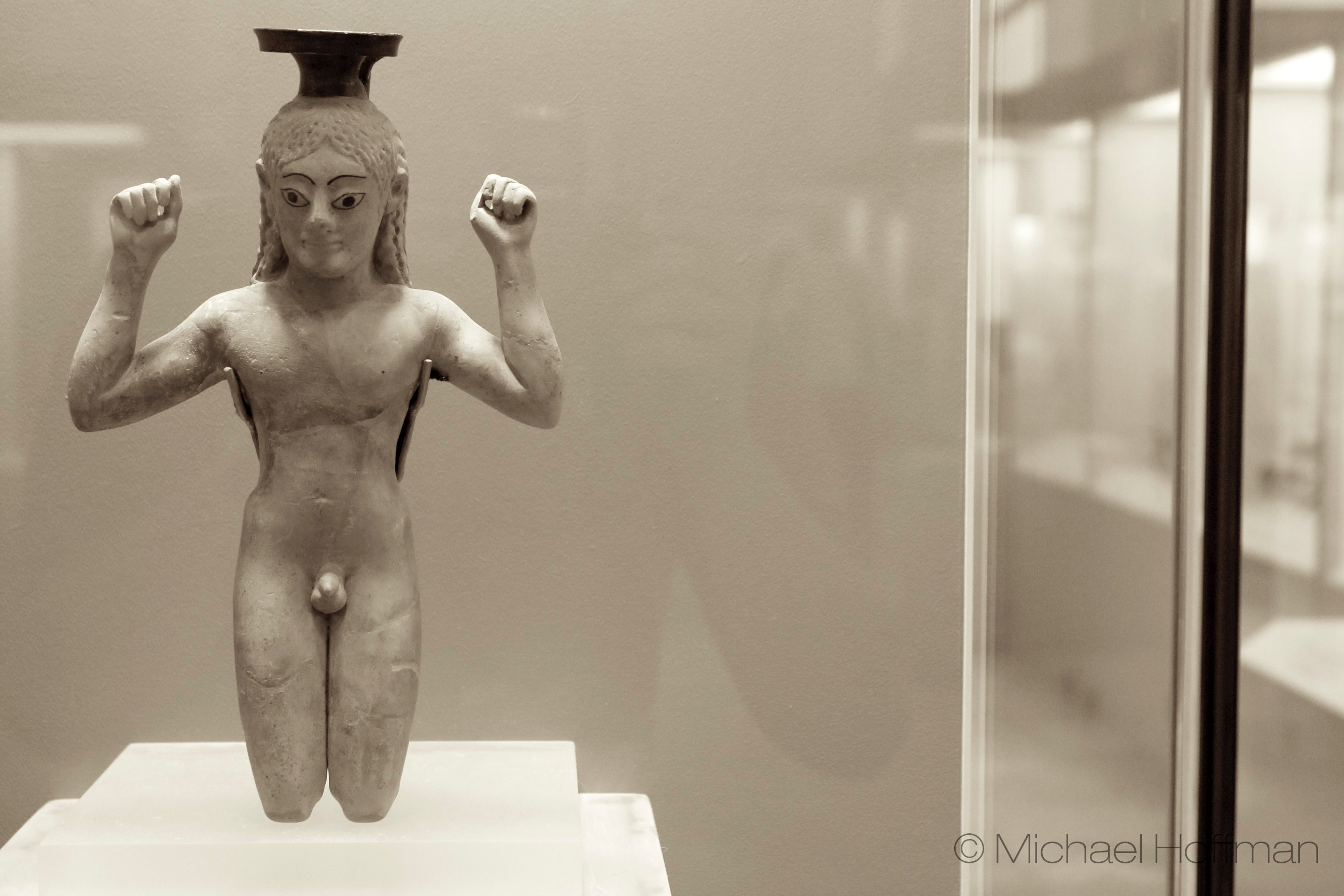
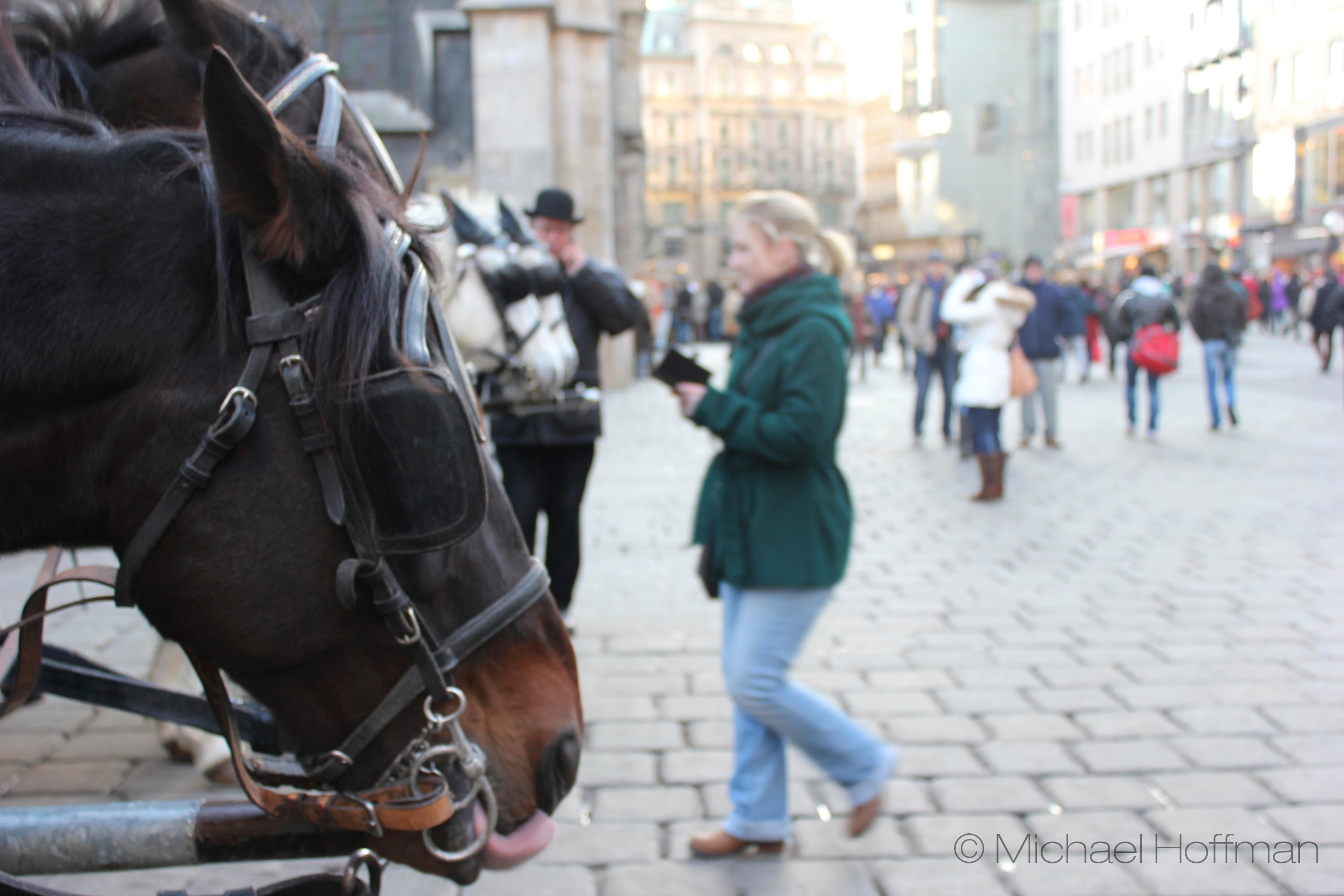
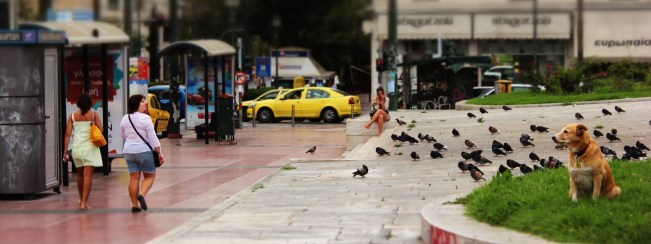
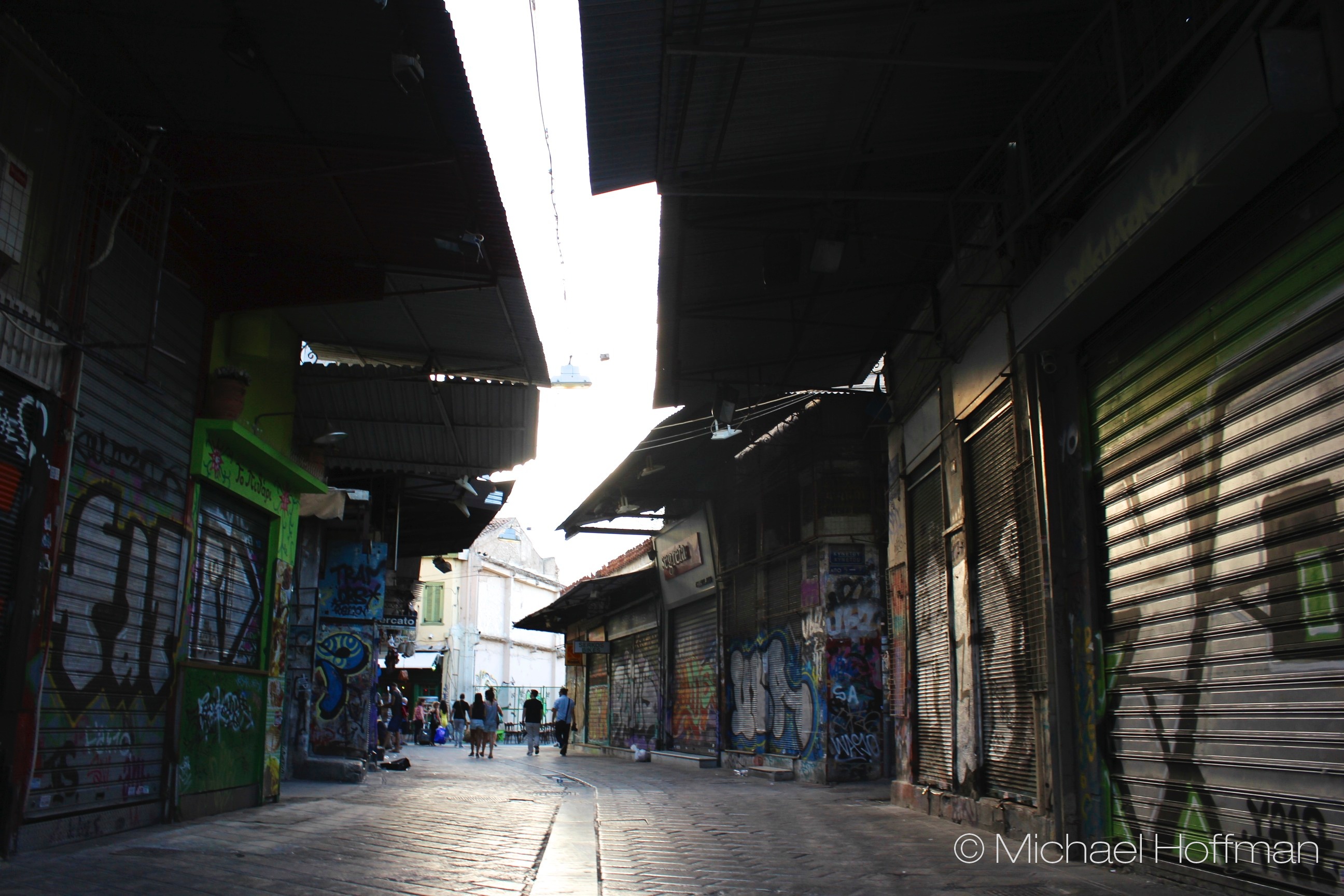
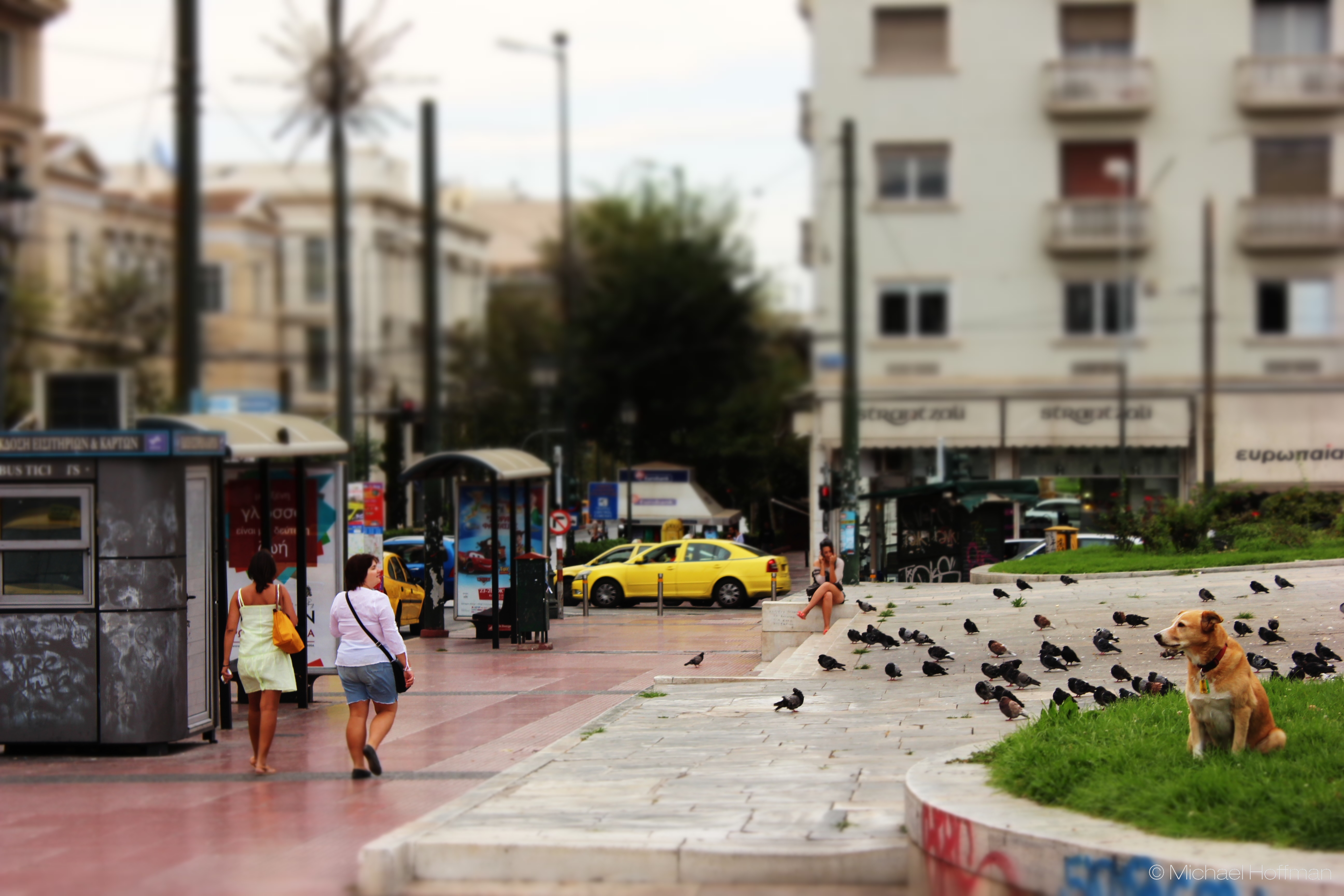
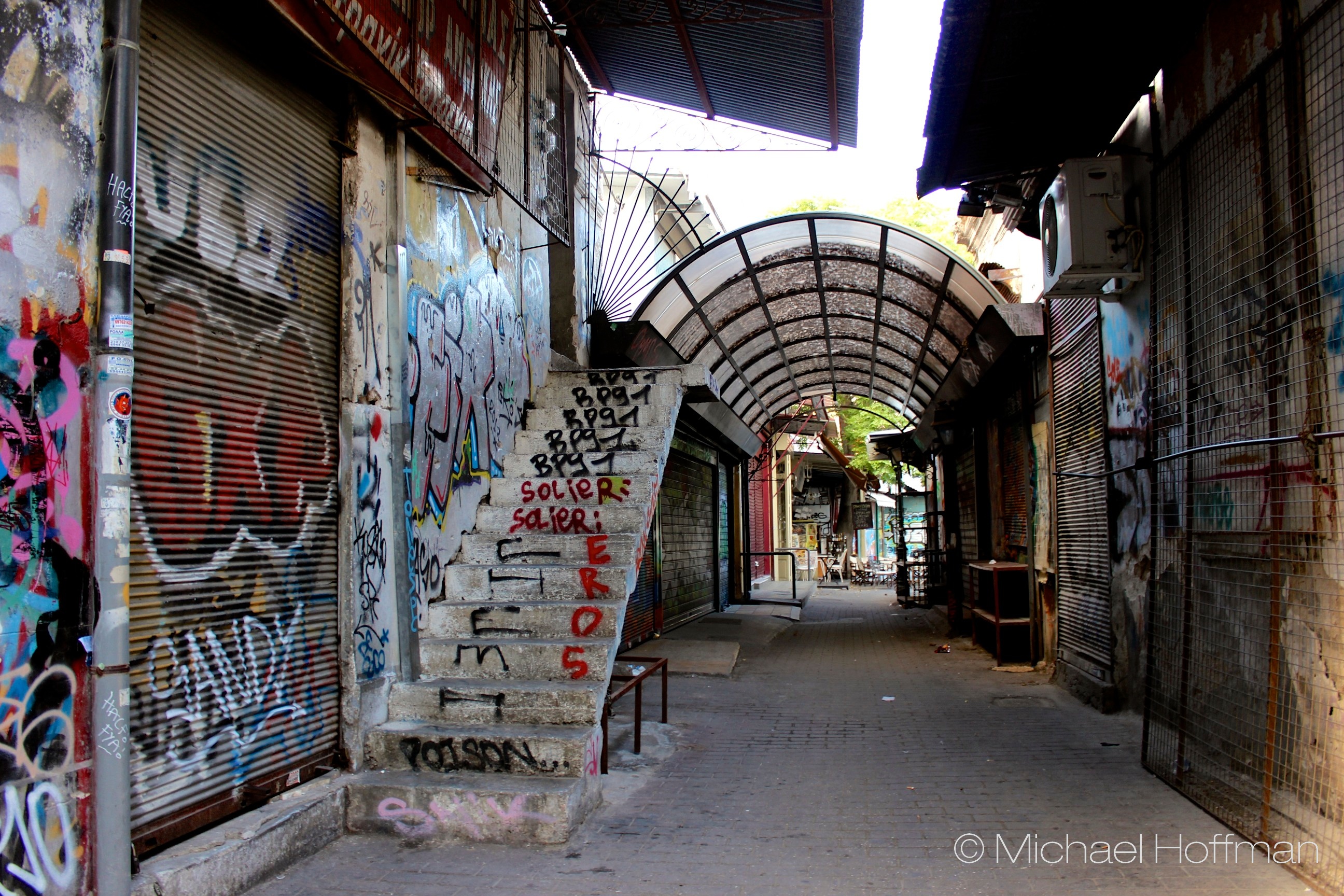
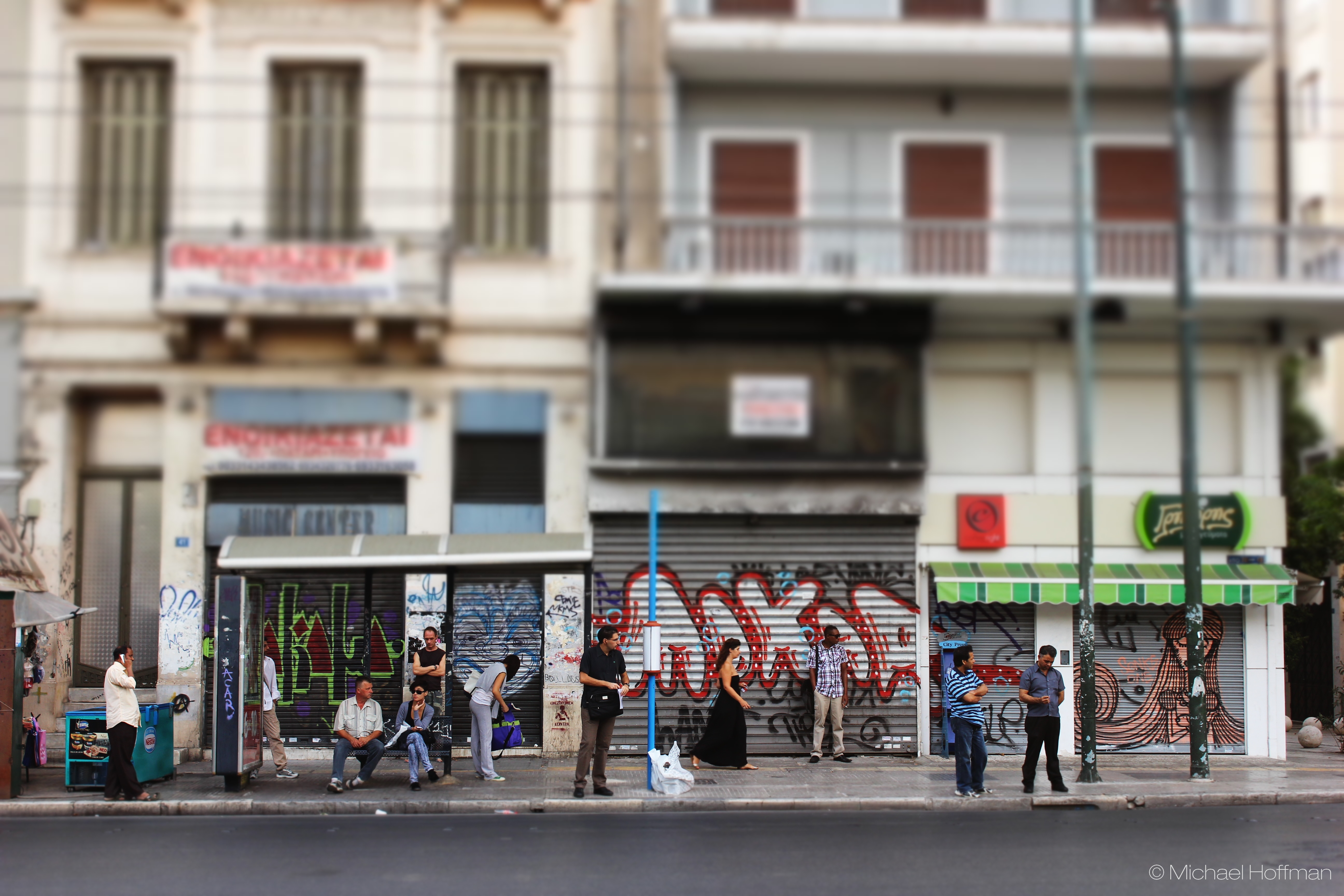
In the Greek series, I recount my travel through the country in the past September. This one is all about contrasts and the different faces of Athens.




A short introduction to the series
In September 2013, friends and I backpacked through Greece and discovered a beautiful and amazing country torn between its ancient history and the struggles of the present. I shot a ton of pictures in these three weeks, and it took me months to sort them out. But my plan was right from the beginning to publish them on this blog. I just didn’t know how exactly. So, after some brainstorming, I decided to organize them thematically and post them in separate collections and not in chronological order, which didn’t seem like a good fit for this blog. So anyway, this is the first part of a long series of pictures that will continue through the winter. Occasionally, there may be some postings with wintery shots from Vienna, but apart from that, it will get sunny, at least over here (well, maybe not right from the beginning) 🙂
In full awareness of the ancient history of Greece and its stunning remains, I want to hold the old stones back for now and show you some impressions of urban life in Athens as I saw it.


 Michael Hoffman Photography