Skip to content

Greek Series: Acrocorinth and Mycenae
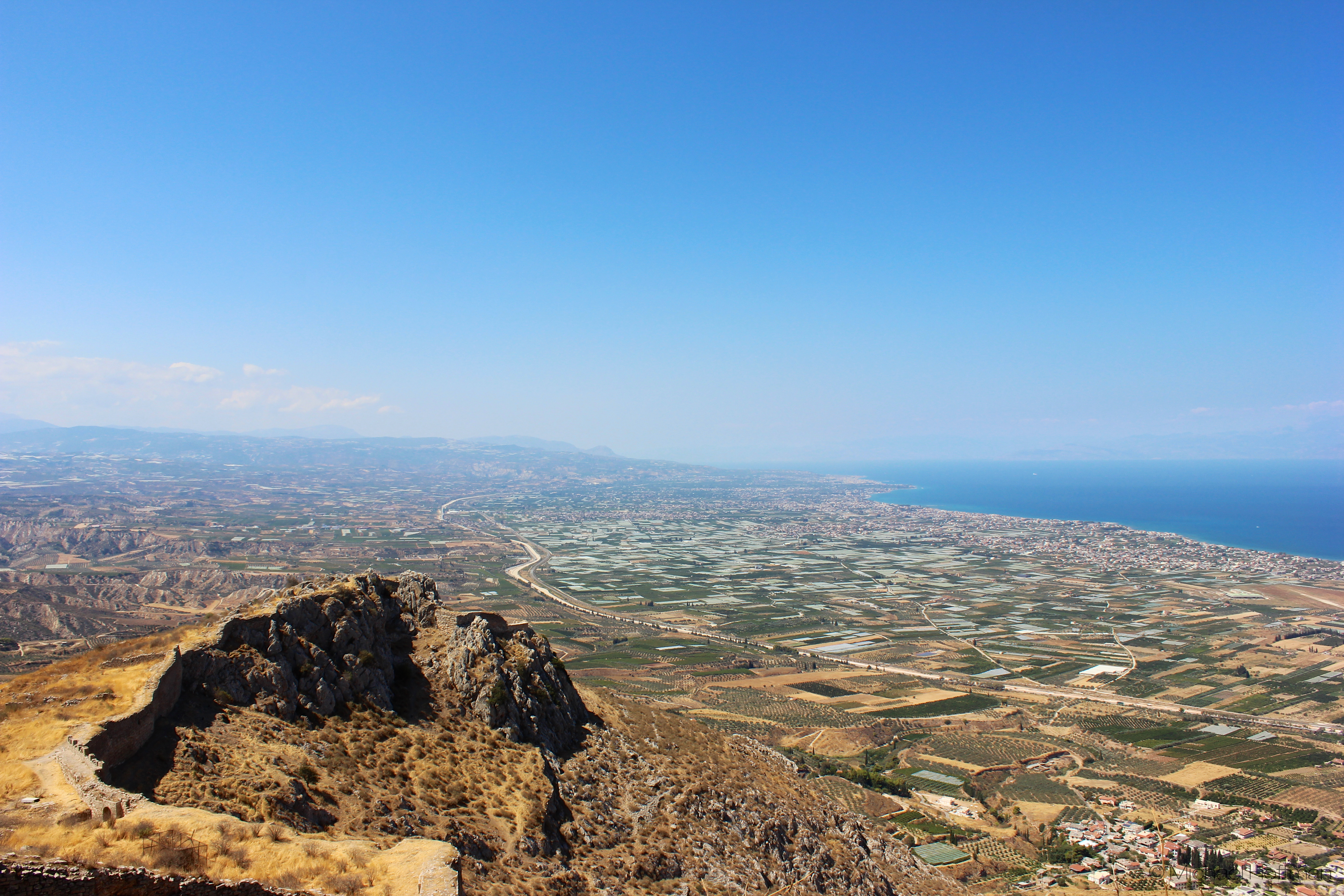
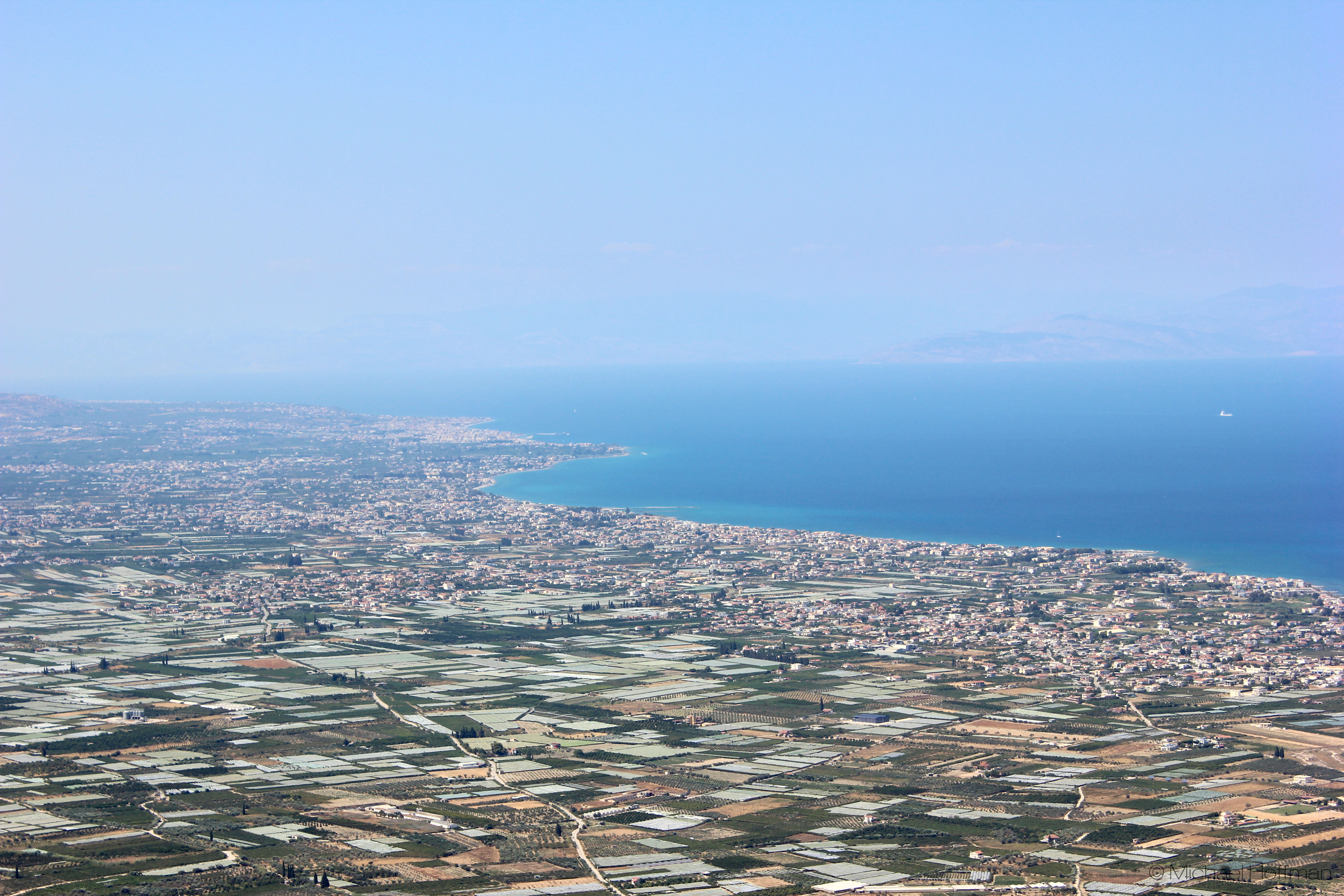
This post is part of the so-called “Greek Series,” consisting of photographs from my backpacking adventure in September 2013. You’ll find a basic introduction to the series here. The following pictures are from our first and second days traveling the Peloponnese. We went from Corinth to Acrocorinth and then via the highway toward Nafplio to Mycenae. I’ll include a map at the end of the post. So, the first batch of pictures was mainly taken on Acrocorinth, consisting of panorama shots. The last three photos are from the archeological sight of ancient Mycenae.

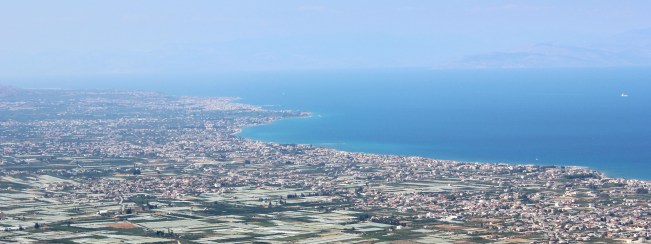
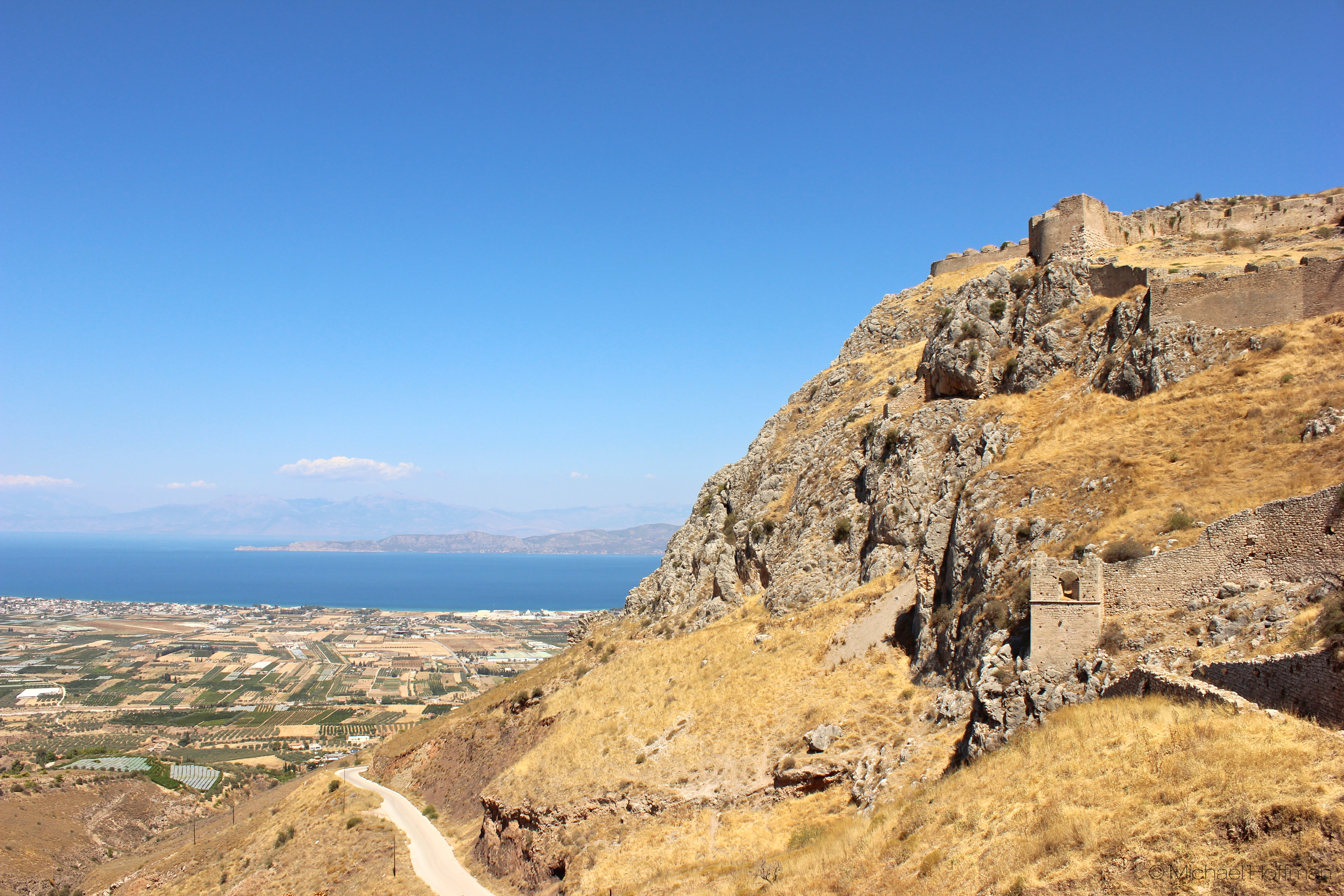
Acrocorinth (meaning High Corinth) is the hill you saw in the background of the pictures from Archea Corinthia, which is close to the modern city (picture 4). It’s a giant stone with the remains of a large medieval fortress on top. Having a perfect view of the narrow Isthmus of Corinth (picture 2), the only landway to Athens, you understand the strategic importance of the place. The fortress itself is vast, and it has almost fantasy book-like dimensions. It consists of a three-wall defense system (!) and remains of a town within the walls. Also up there are the remains of an older Aphrodite Temple. Here, we met a group of females praying to the goddess. As respectful as I am, I didn’t take pictures, unfortunately, though it was exciting and visually striking. We also talked with them; they were adorable giving us some advice for further journeys.

test

IMG_0440

IMG_0507

IMG_0496

IMG_0503

IMG_0504

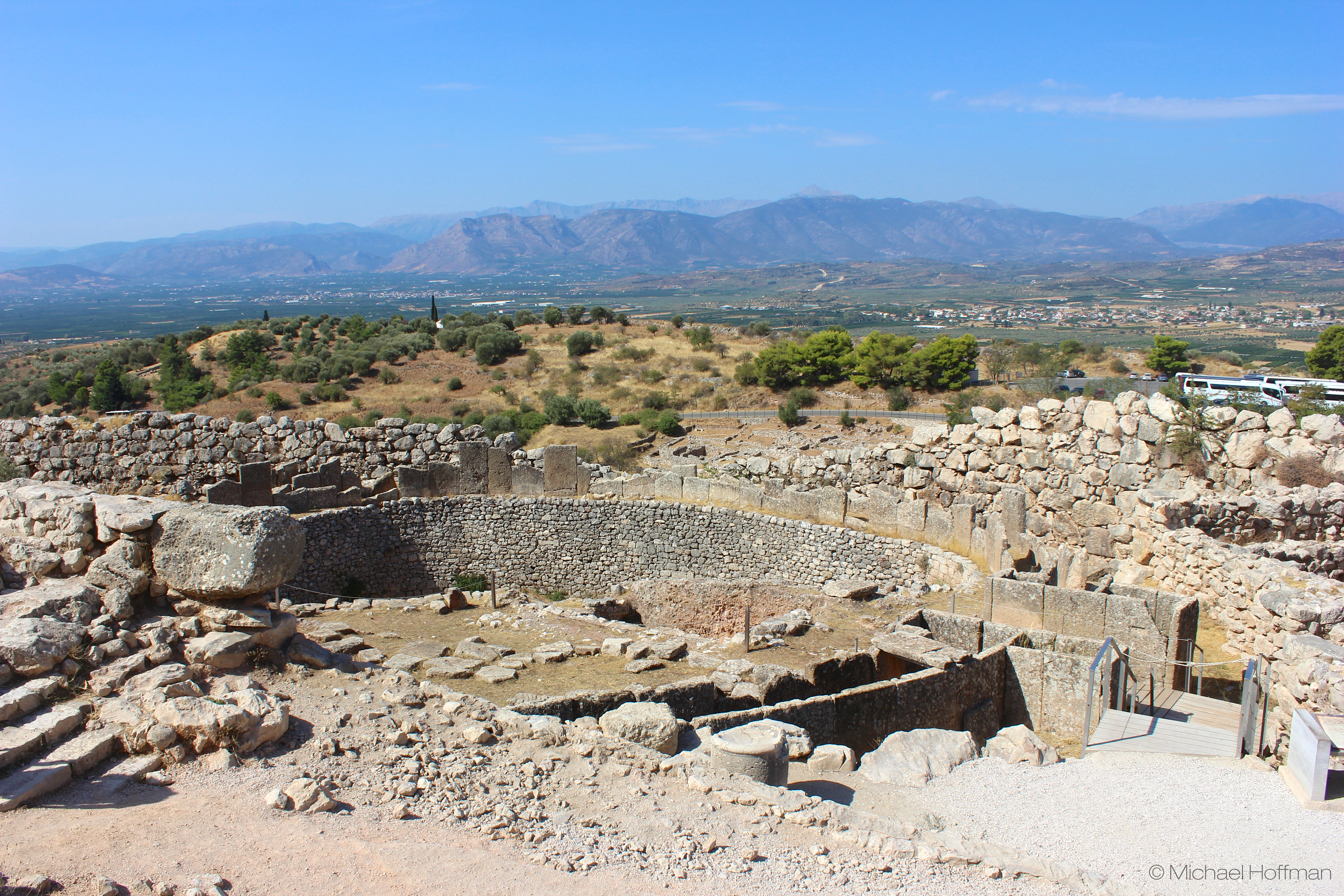
Mycenae was already ancient and a place of myths in the times of Socrates and Plato. Homer wrote about it in his Odysseus. Other Greeks in the Classic periods were fascinated by the vast walls Mycenaen could build. Nobody could quite understand how they transported the stone blocks up there, so the popular belief emerged that giants had made them and renamed them Cyclopean walls. So, until today, the walls remain impressive and somewhat of a mystery. They were built more or less at the same time as Stonehenge, and it seems like there could be some far-fetched connection. The most famous part of the complex is the Lions Gate, portrayed in the last picture of the post. The imperial lions have been greeting the visitors for 3300 years. The lion is a symbol of strength and an animal that lived in this area a few thousand years ago. It’s truly fascinating stuff and worth a Wikipedia reading session.

IMG_0590

IMG_0580

IMG_0574 (1)

The route via Google Maps:
Portugal Part II

This post continues the one I published some days ago about my journey to Portugal in mid-February. It was an excellent choice to travel there in February, by the way. There aren’t many tourists, and you meet a lot of locals. The temperature (around 15 to 20 degrees Celsius) is perfect for walking around, but there is a good chance of rain. So that’s a bit of a risk. Although I was in the sea for a couple of minutes (I promised it to a friend), in general, I can’t recommend going for a swim in winter 😉 Unless maybe you are Russian and practice one of these crazy winter swims being shown on TV. Anyway, the water was darn freezing.

test

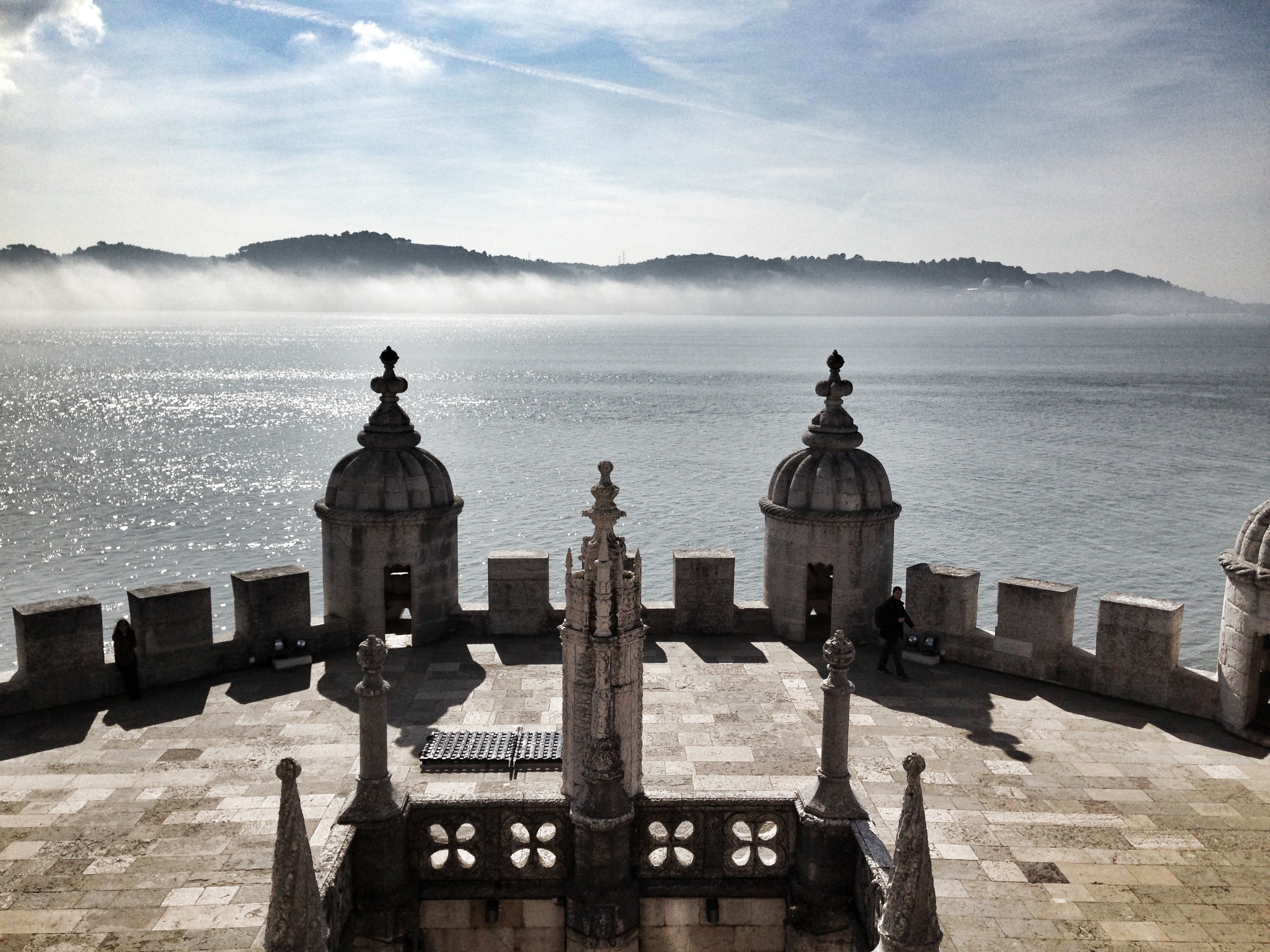
View out of the Torre

So maybe it is better to look at the sea, for example, from the Tower of Belém. You get a great view, and the architecture of the tower, built in the 16th century, is fascinating by itself. Actually, this isn’t the Atlantic but the Tejo River. Unfortunately, it was pretty foggy this morning, and you can’t see Almada, the city on the river bank’s other side.

IMG_4452

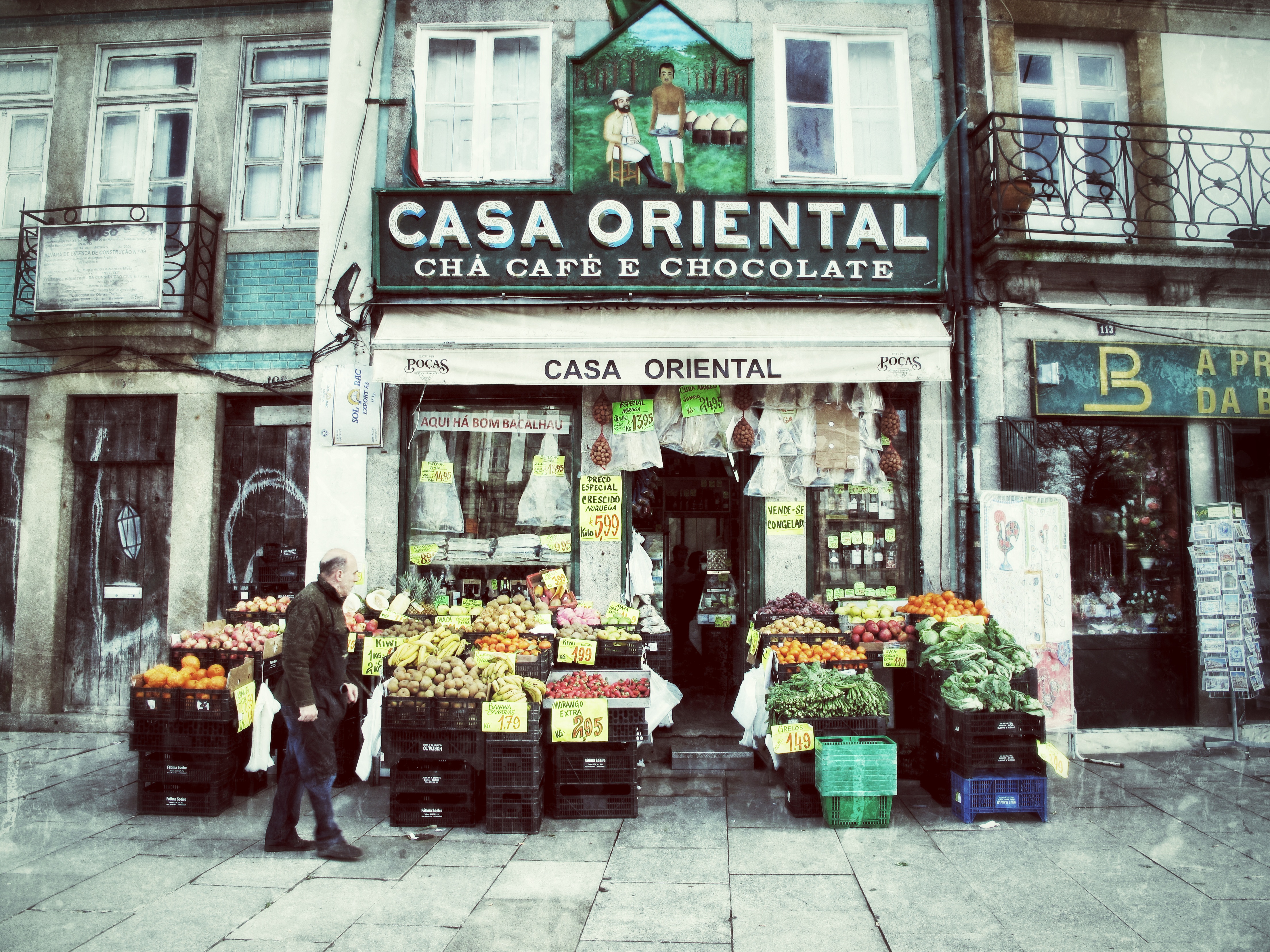
I liked these small grocery stores very much. Sadly, you don’t see them very often in Vienna anymore. We had a funny experience in a small shop selling handcrafted ceramics. The old lady spoke Portuguese even after I signaled that I didn’t understand it. But she realized I didn’t get the price, so the old lady showed it to me with her hands, teaching me how to count in Portuguese. Then the charming woman said something like “Good Schoolboy,” and we laughed. And in case you wonder about the odd sign of the above shop. I wonder, too 😉

IMG_1518

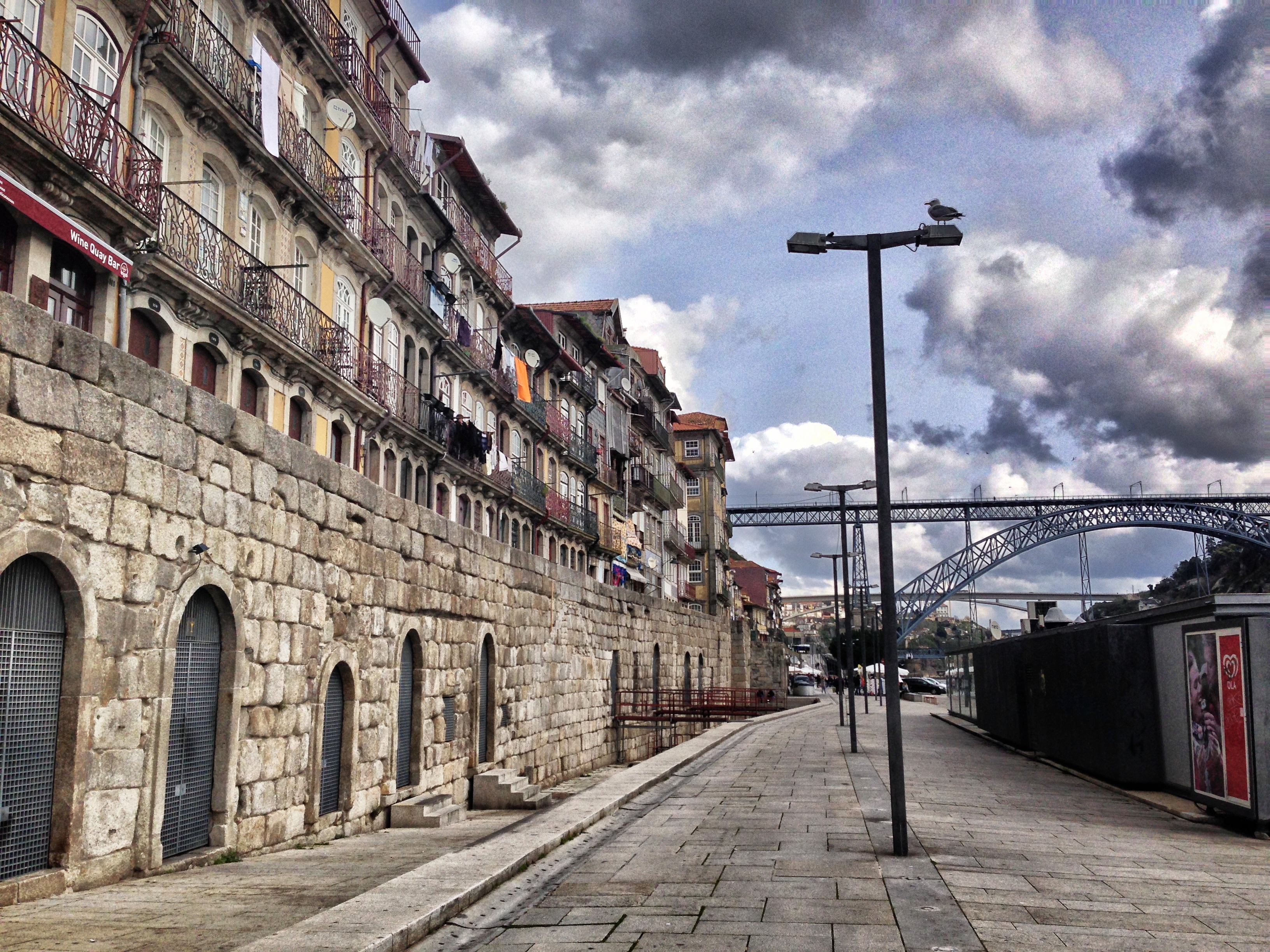
The “waterfront” of Porto is definitely the most AWE-inspiring part of the city. We joined a free walking tour in this town due to our short stay (just one day). A young teacher showed us her city with much dedication. There was an old women’s monastery out of pure gold. Replying to my question about protection measures, she just said, “These kind of things don’t happen here.” Her love for Porto was inspiring and uplifting. But she also talked about the hard times Portugal faces due to the financial crisis. There are many young people without jobs, and it looks grim, unfortunately.

IMG_4400

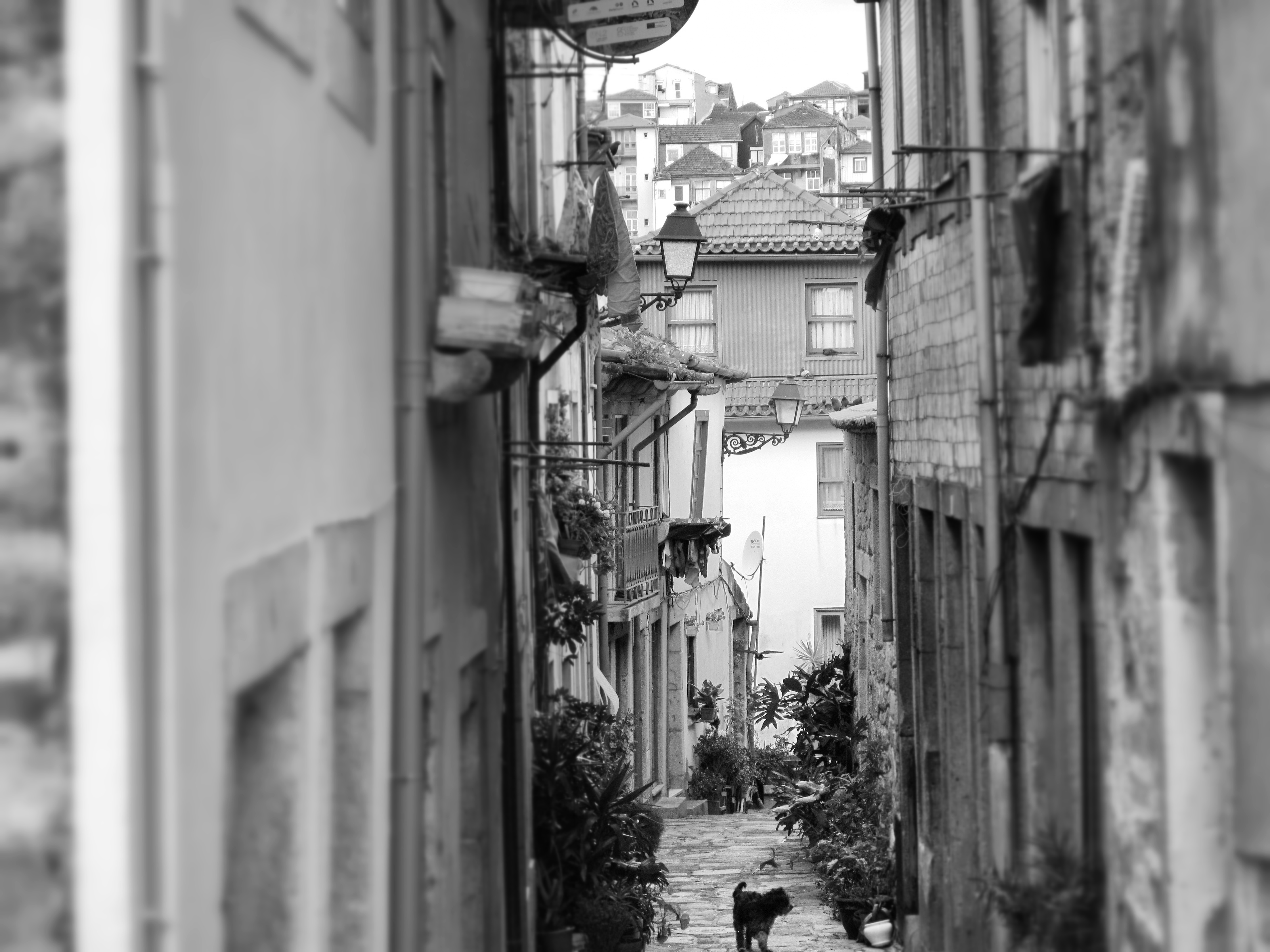
A narrow street in Porto. The Portuguese are fond of cute dogs (I don’t think I saw any big ones). They are everywhere! This particular one followed me for a while but lost interest in me after seeing a cat and chasing the poor little thing.

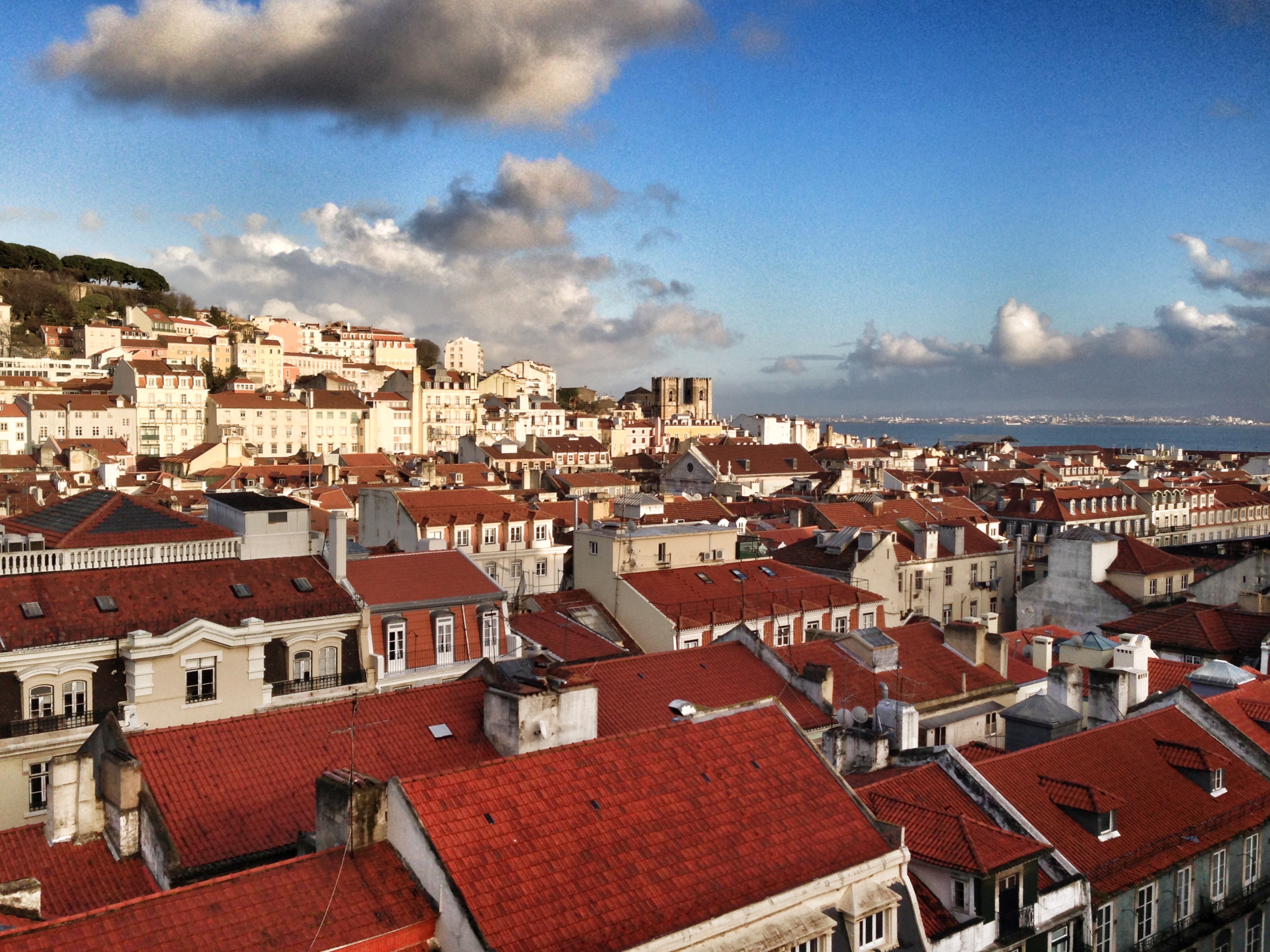
Red Rooftops of Lisboa

In the background, you see the Cathedral of Lisboa in a similar style as Notre Dame  (I guess at this point, architecture lovers will shout uncontrollably). The picture was taken from one of many viewing points, miradouros. You see the Baixa (downtown) and parts of Alfama, the higher part on the eastern side of the old town. Needless to say, the red rooftops are magnificent.

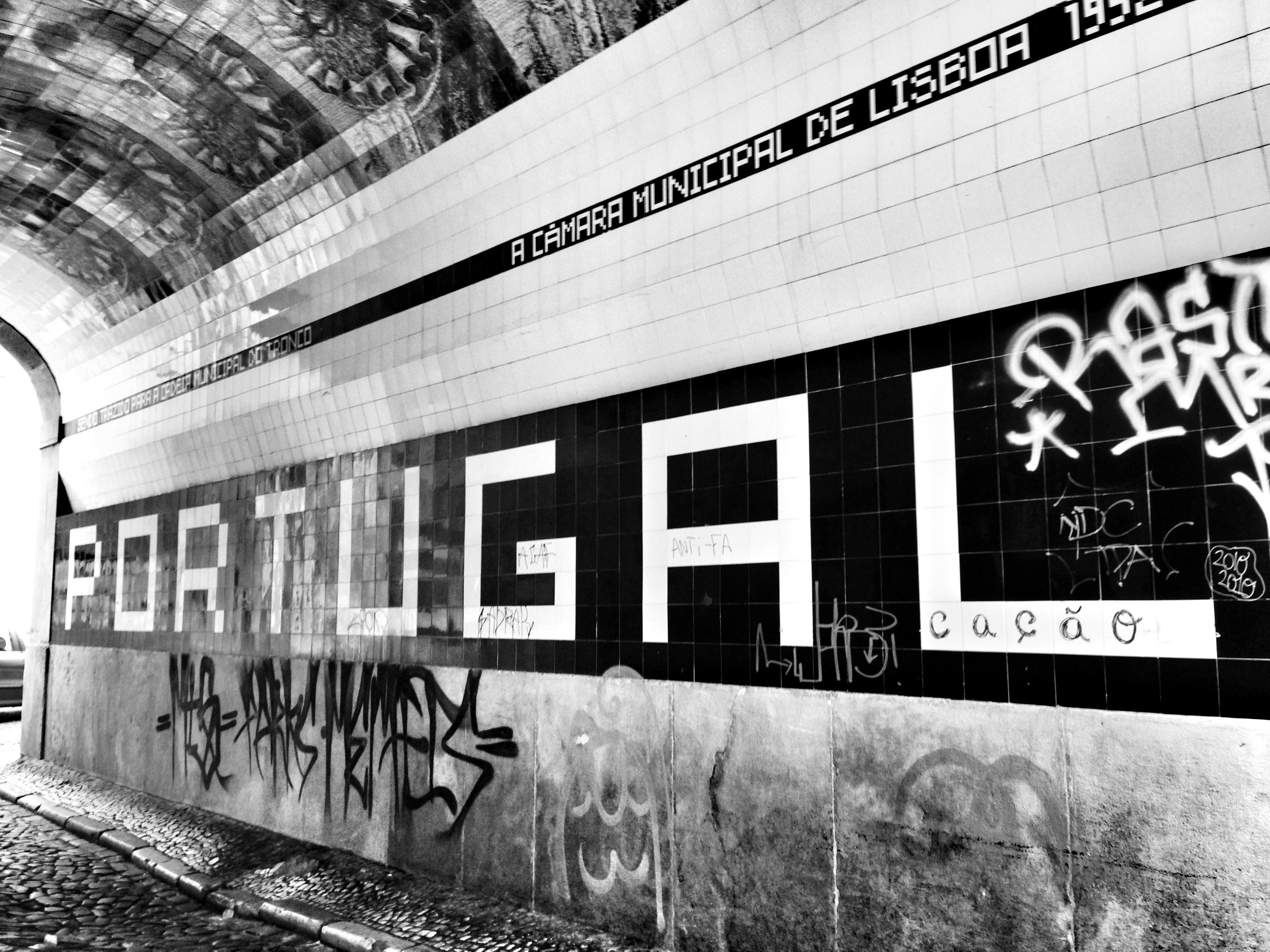
Portugal Art

Portuguese are definitely keen on urban art. I didn’t like everything, but this piece was excellent. Maybe you would think the tiles are unusual and relatively modern here. But in fact, the Portuguese use tiles a lot. They are called Azulejos and have a centuries-old tradition in Portugal. Wanna know more about them? Well, I guess then you have to tune in for Part III in a couple of days ;)*

* or you read the Wikipedia article, but please don’t tell anyone.