Skip to content

Discovering Caledonia

The Romans used to call the country, which we know today, Scotland Caledonia. It was a strange and foreign land with dangerous and wild inhabitants at the Northern end of the Roman world. Two immense walls were built by the Roman emperors Hadrian and Antonius to secure Britain from the blue-painted warriors – or “Picts” – living in the northern lands. Also behind these barriers was a country of immense beauty and raw vastness.

test

Travelling Scotland

In 2018, as in the years before, I had the chance to travel to Scotland for some weeks in August. It is one of these particular parts of the world that don’t cease to amaze and enchant through natural beauty, historical but lively cities like Edinburgh, and the general sense of tradition and heritage, which can be seen everywhere throughout the country. Follow me for a journey to the north!
test

Perspectives on a Parliament and a Television Tower

Central Europe is particularly rich in famous landmarks. Two of my favorite structures in this region are the Parliamentary Building in Budapest, the capital of Hungary, and the TV Tower at Alexanderplatz in Berlin. From an architectural perspective, these two buildings have little in common. While the Hungarian Parliament is a neo-gothic administrative building, grandeur in size and very unusual for a gothic building equipped with a beautiful red coppola, the TV Tower in Berlin was meant to showcase socialist architecture and technology and was easily seen from Western Berlin. As different as these buildings are, they both were planned as and turned, in fact, out to be landmarks of their respective hometowns – though in another way than the architects envisioned. Germany today is reunited again; many structures from socialist times were torn down, and the TV tower became a signature building of the reunited city and a piece of historic futurism. The parliamentary building in Budapest, on the other hand, is the legislative building of the independent republic of Hungary today, which emerged from the Austro-Hungarian empire after World War I.
test

City of Glass and Steel

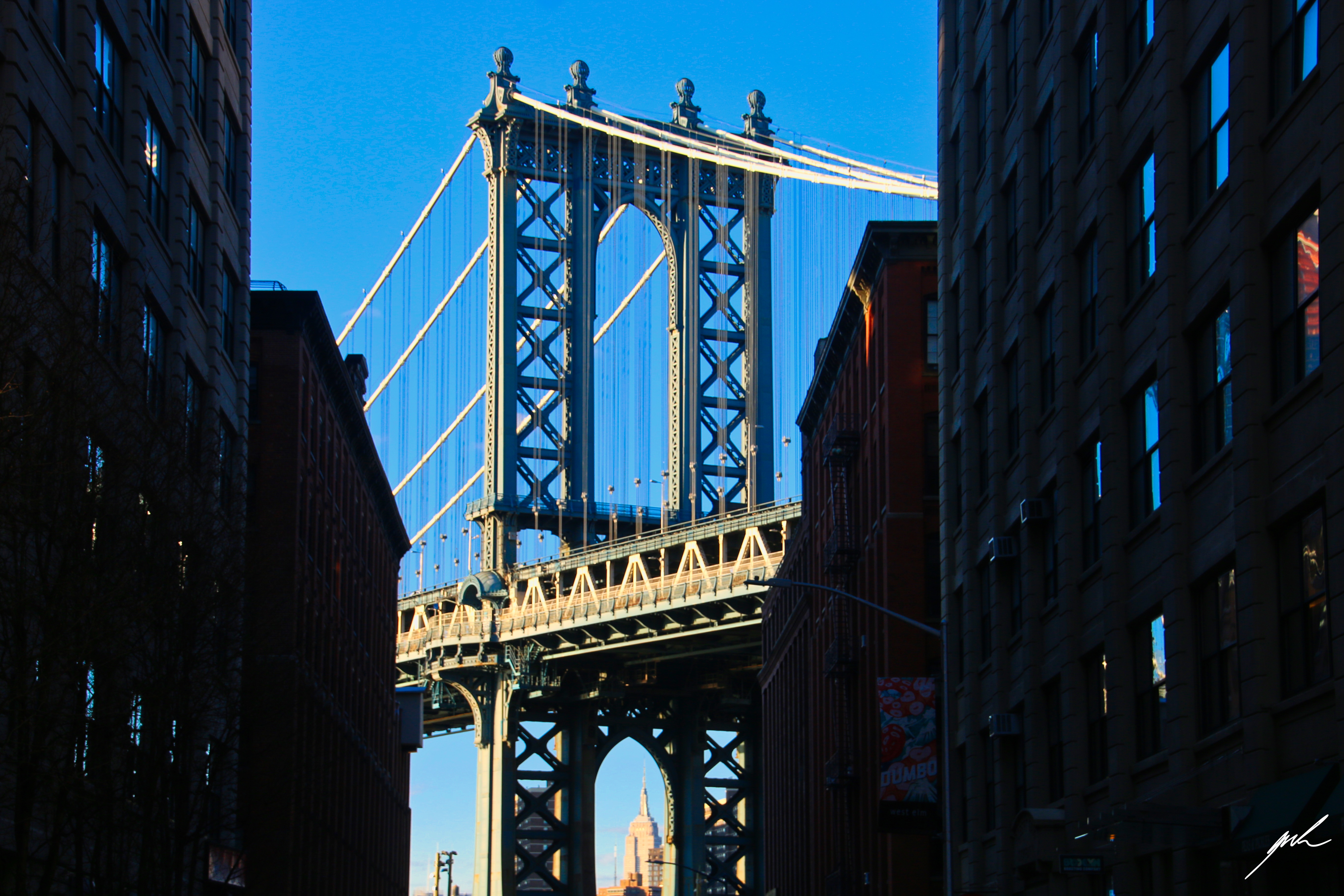
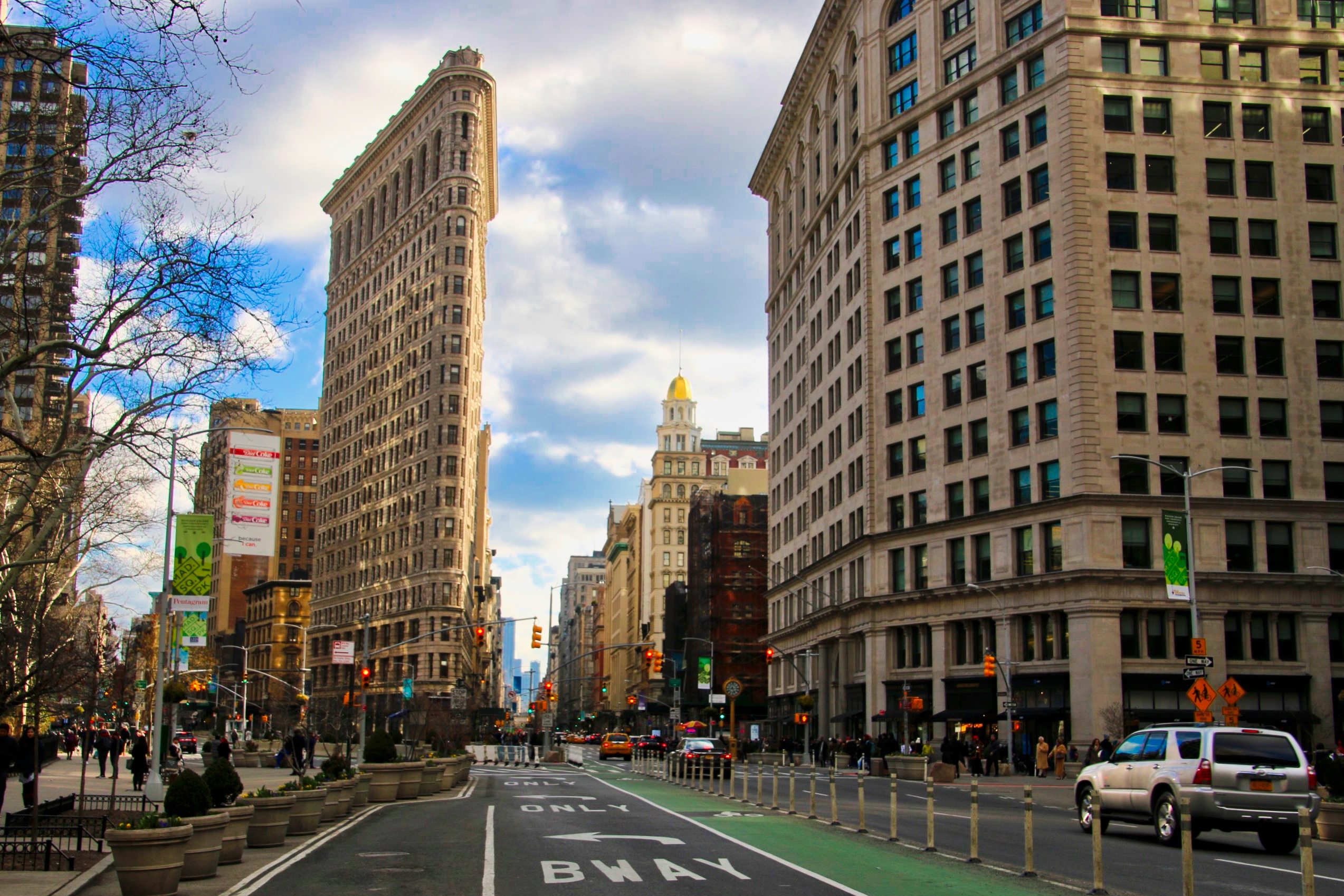
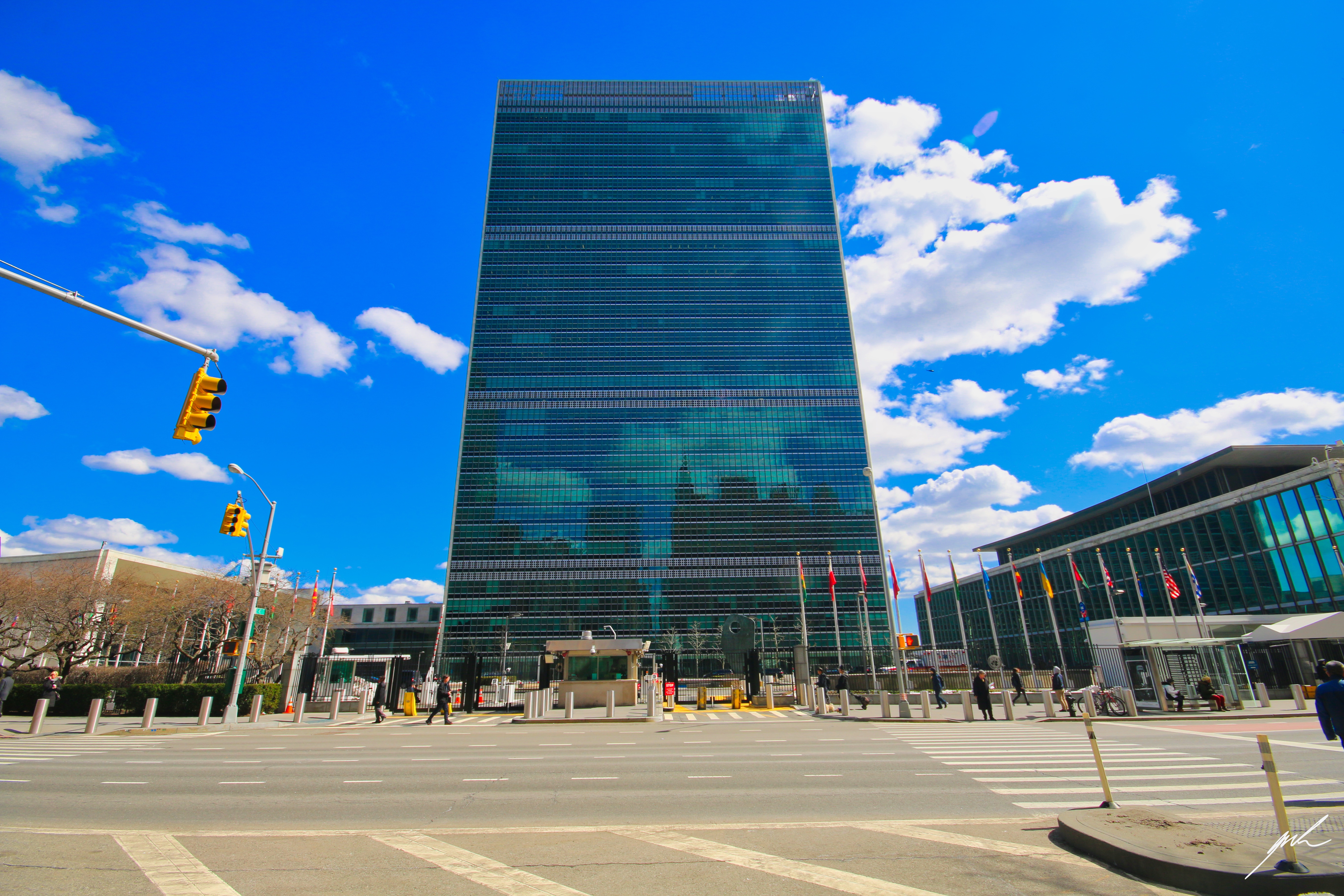
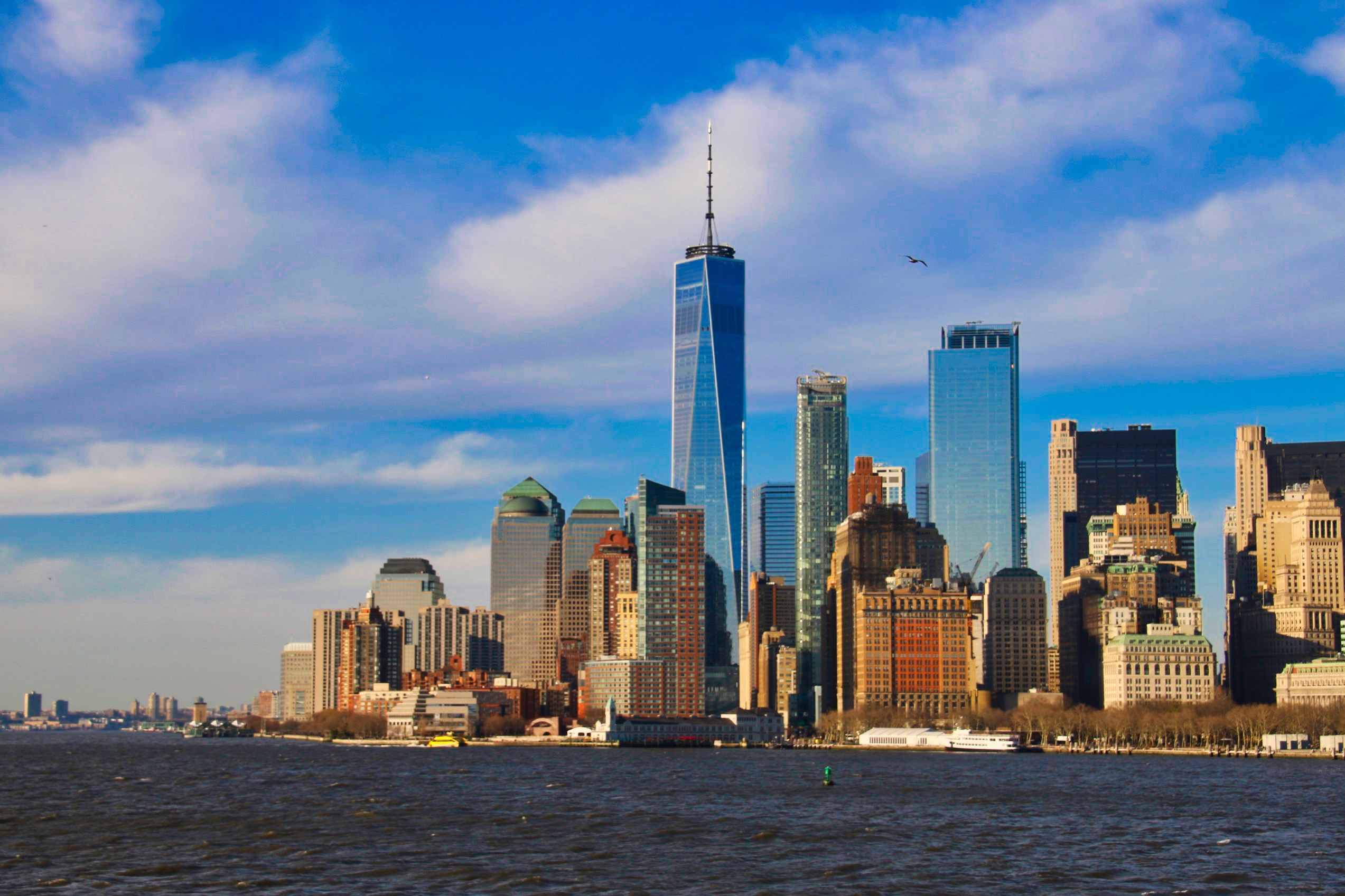
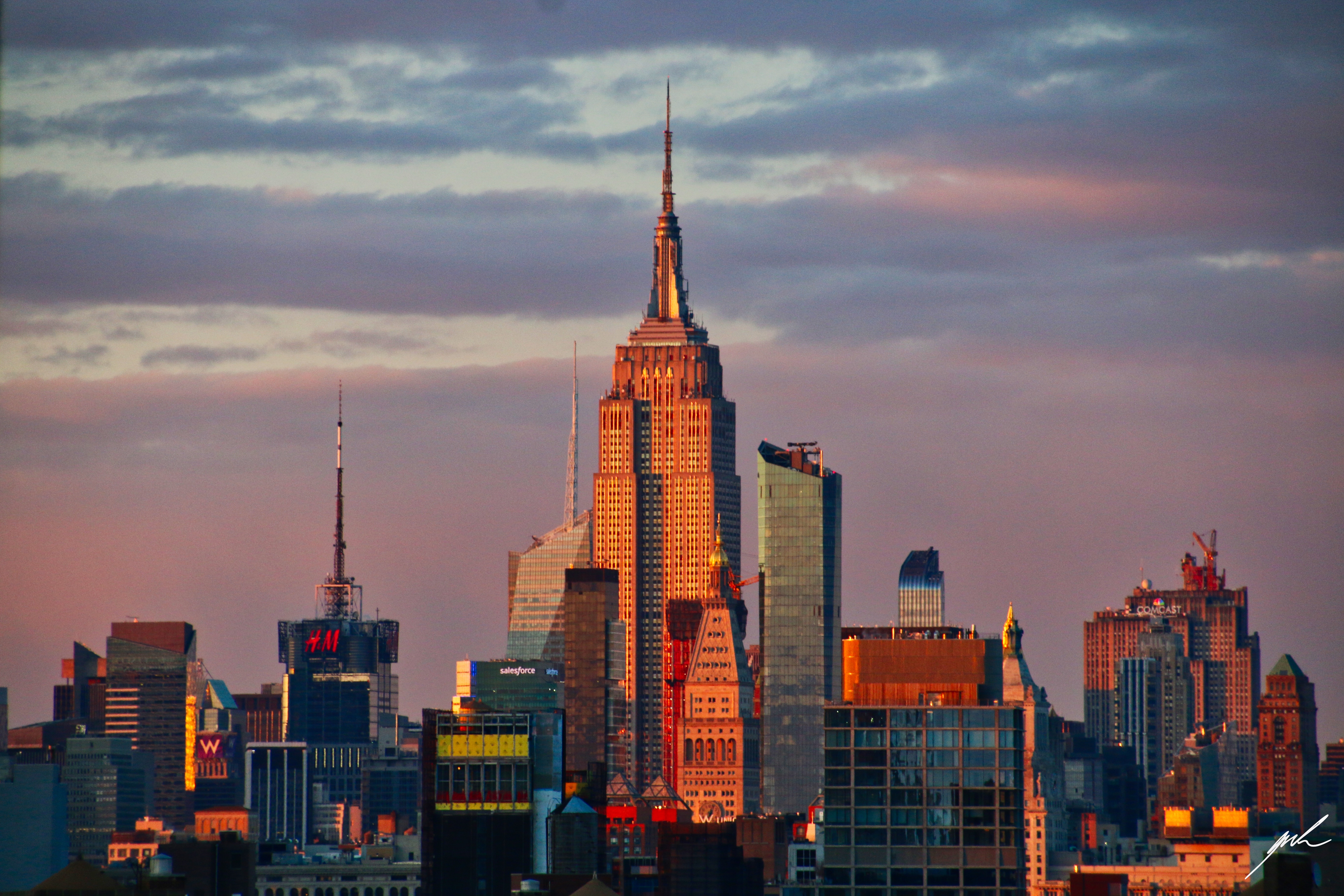
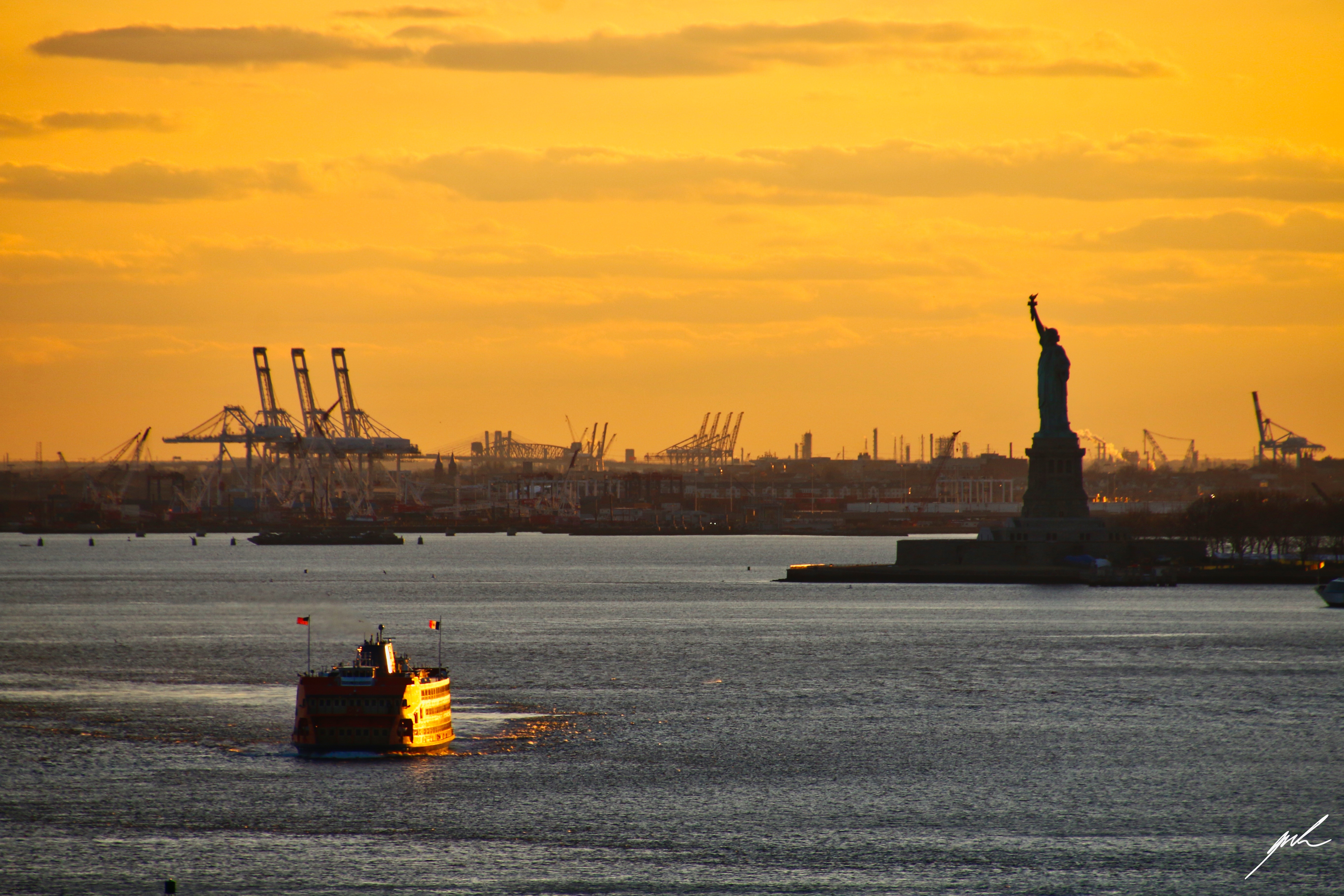
In New York City, clouds and skies are a mere reflection of the glasses of modernity built by men. Geometric structures seem to triumph over nature. There is little space for green. Sure, there is Central Park, the lung of New York, but even from there, a background of glass and steel arises over the horizon, and the skyscrapers seem to compete for the clouds.

Photographed in March and April of 2018.

test

Art Déco of New York

The art déco style can be seen as a continuation of the art nouveau style or Jugentstil style, which increased in popularity in the Western World around WW I. Art deco formalizes the language of Jugentstil, gets more structured and formalized but retains some playful elements of art nouveau. The style was popular in New York at the beginning of the 1930s and can be seen in Manhattan – if one looks closely enough.

test


1 35 36 37 54